Release Management in LLM-Powered Software Systems
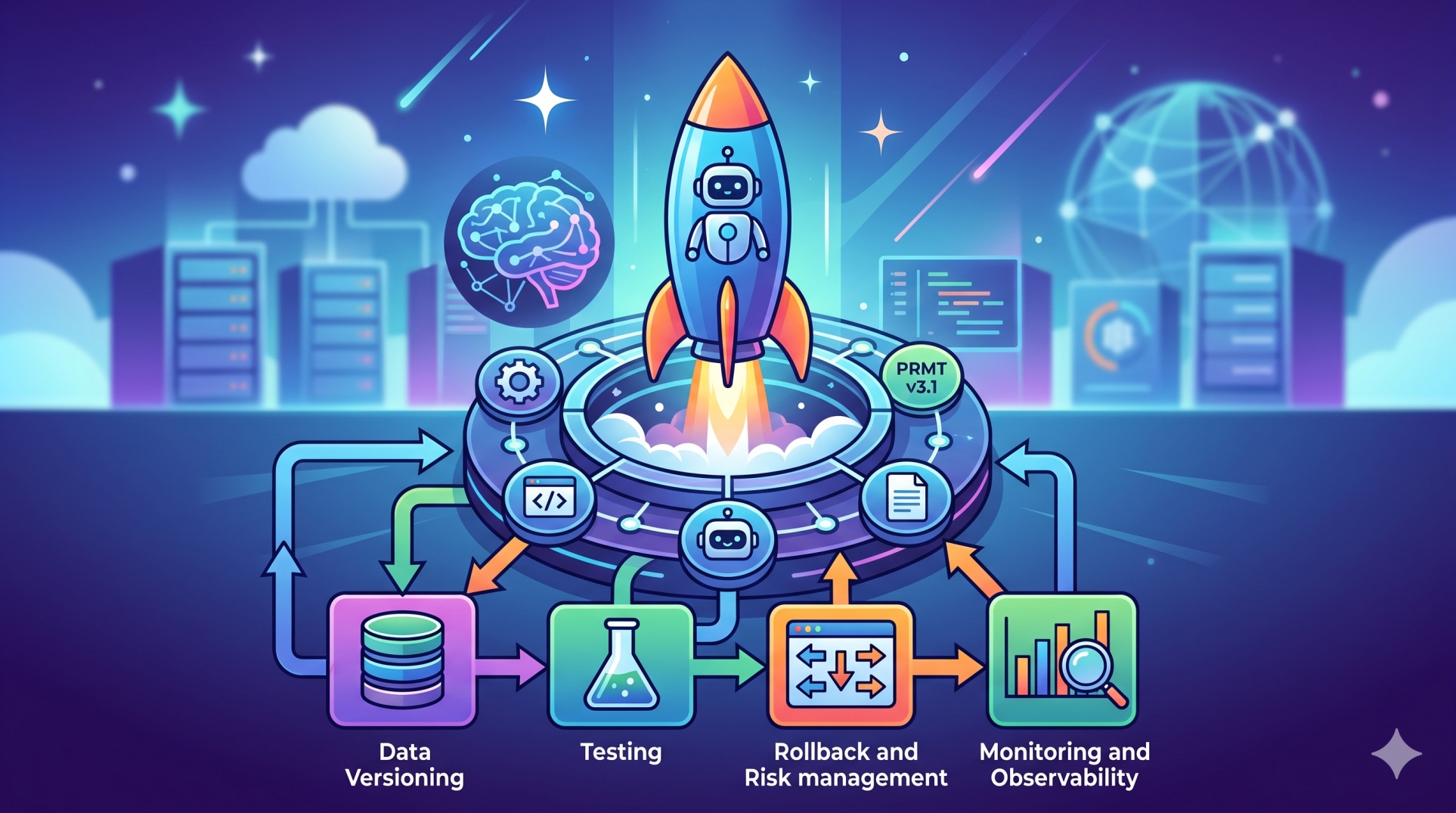
Release Management in LLM-Powered Software Systems
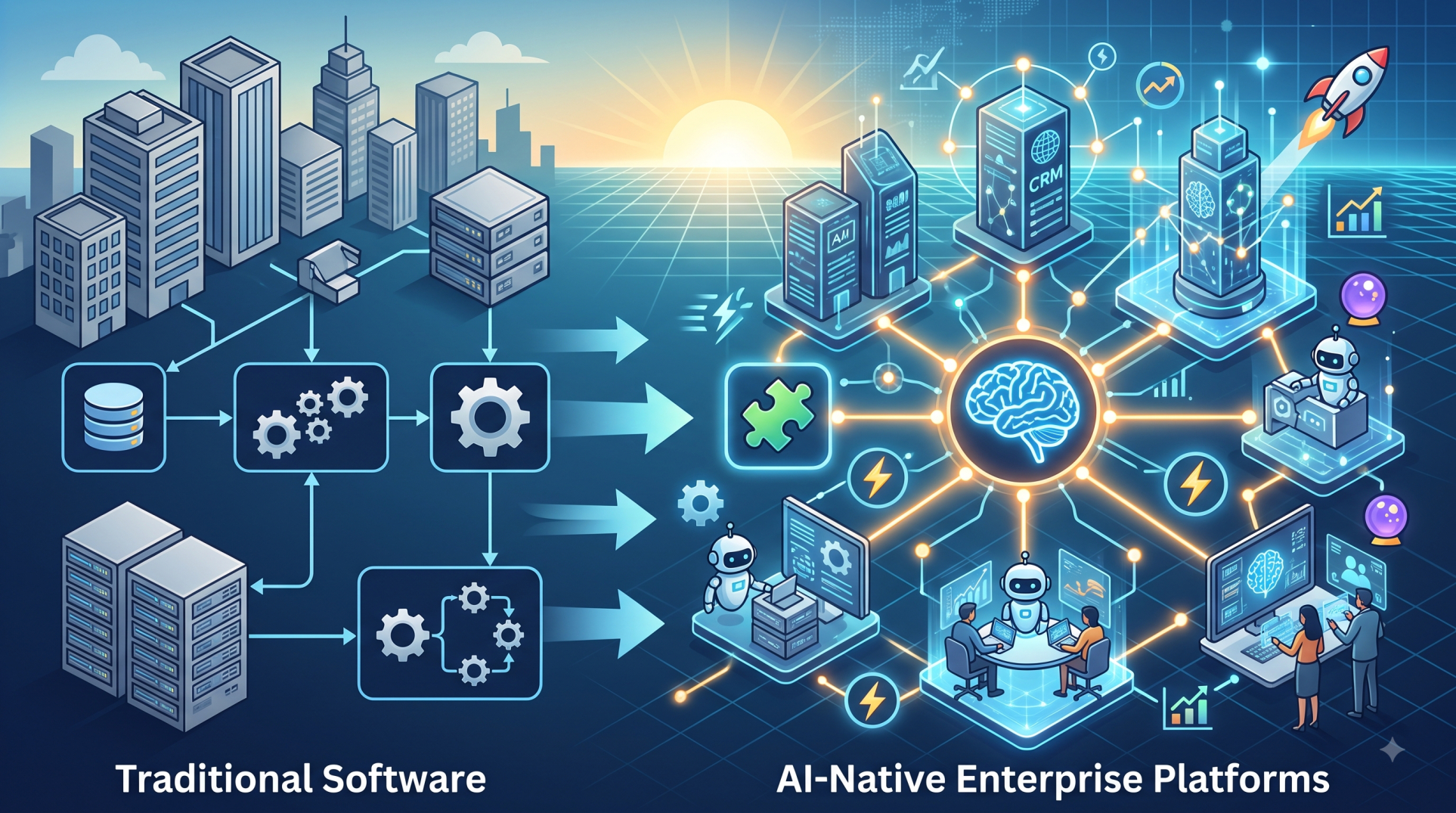
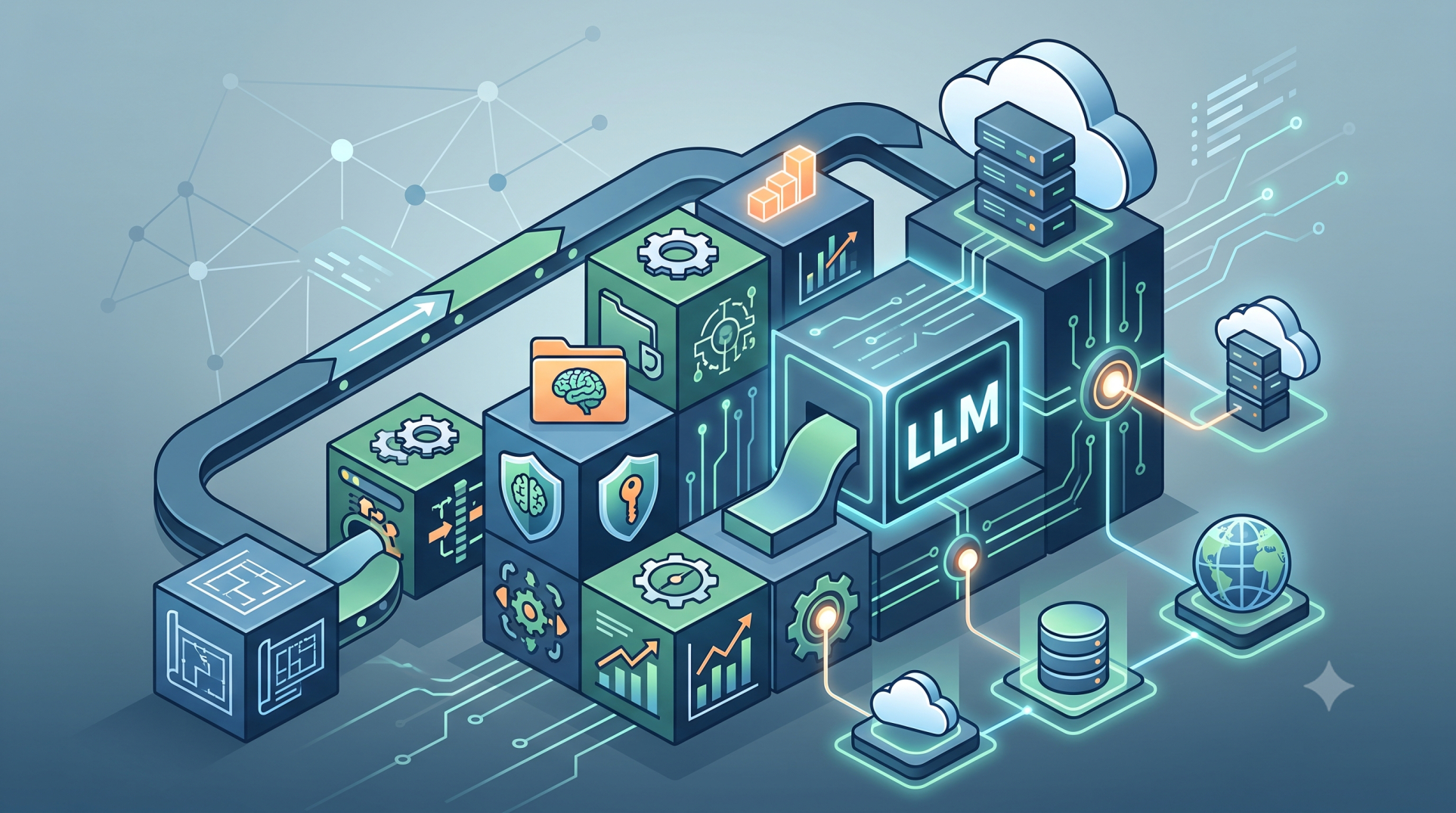
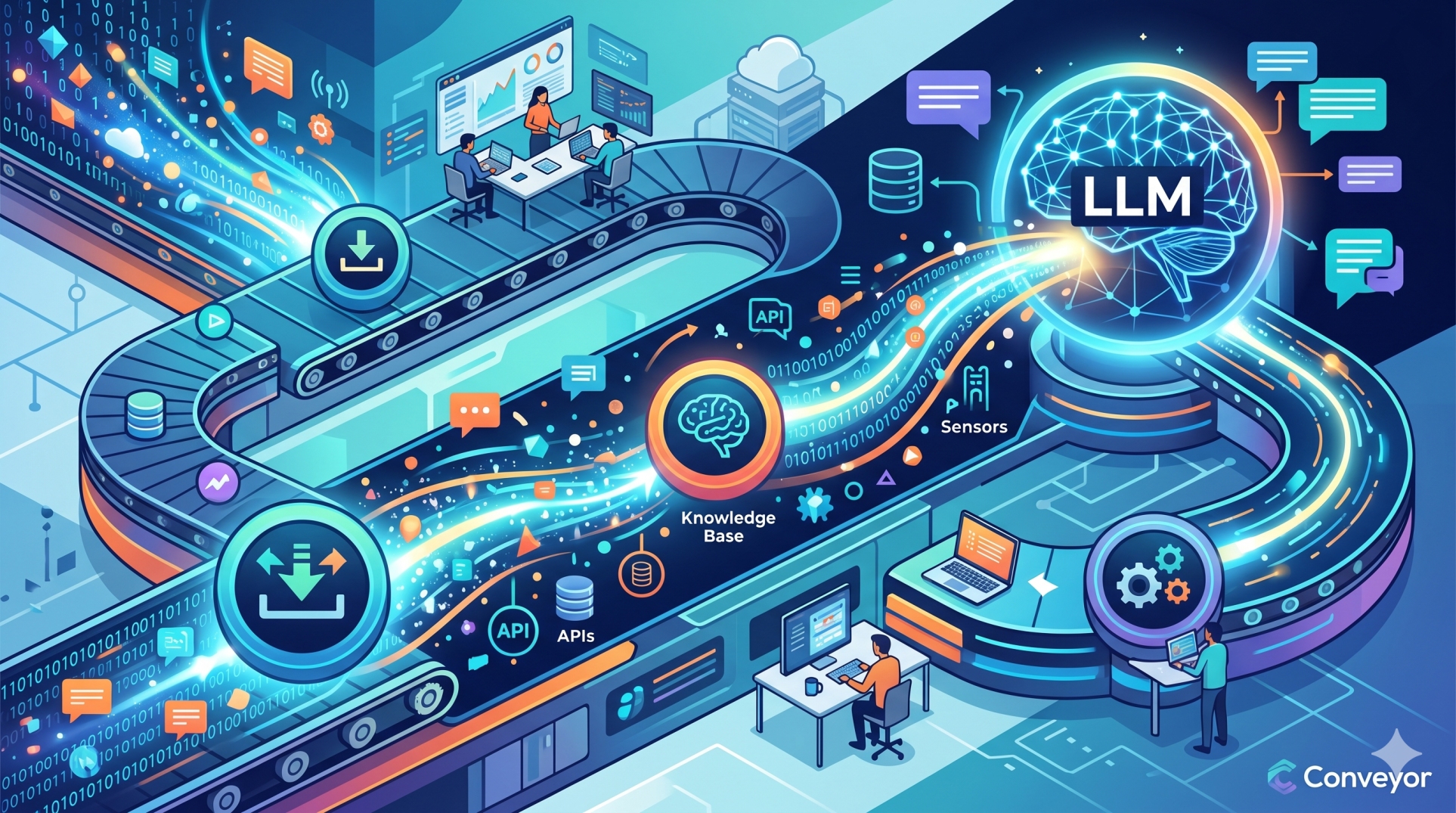
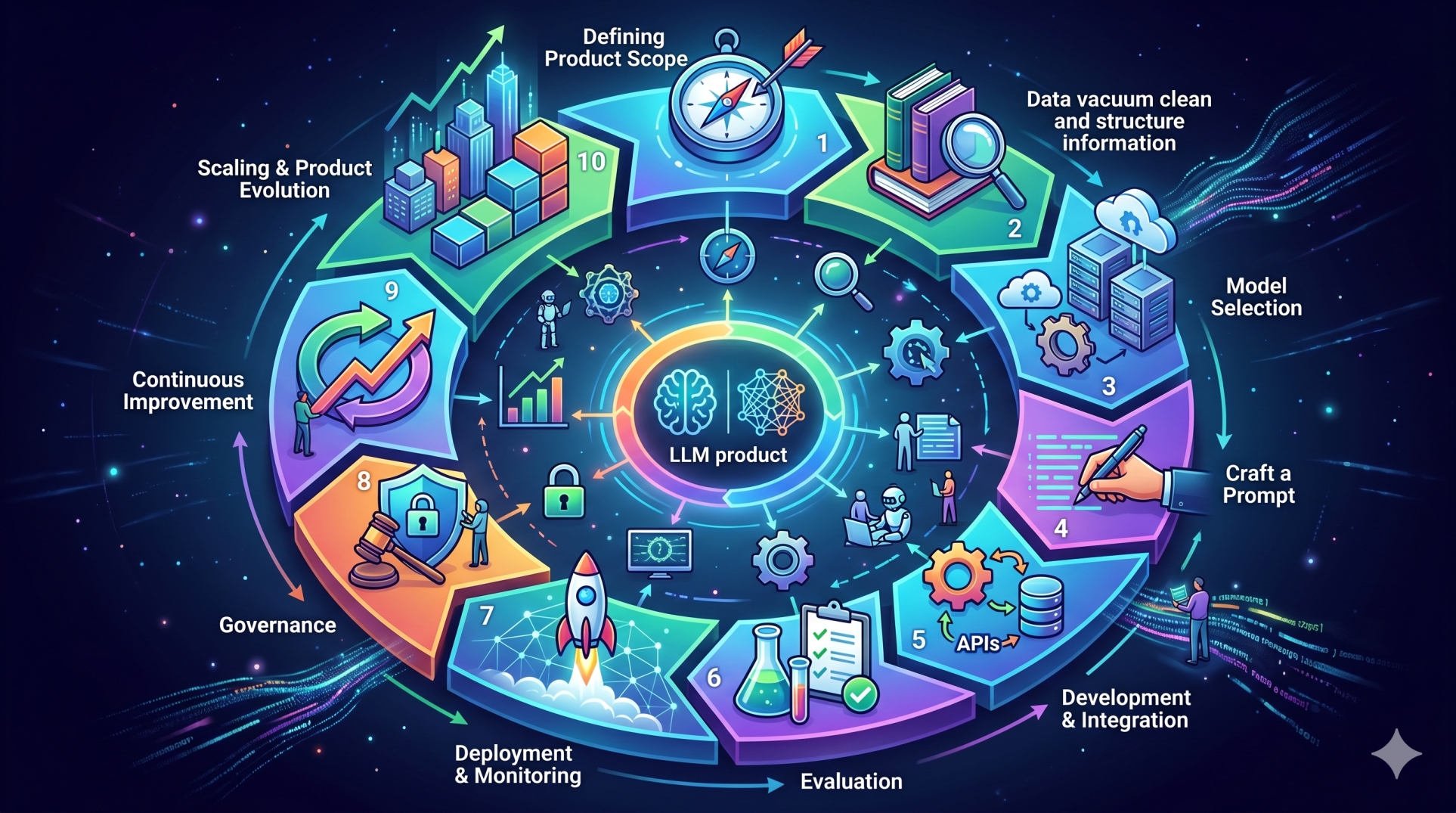
As software systems increasingly integrate Large Language Models (LLMs), release management becomes more complex than traditional deployment cycles. Unlike conventional applications, LLM-powered systems evolve through model updates, prompt tuning, data changes, and infrastructure adjustments. Effective release management ensures stability, reliability, and continuous improvement while minimizing risks associated with unpredictable model behavior.
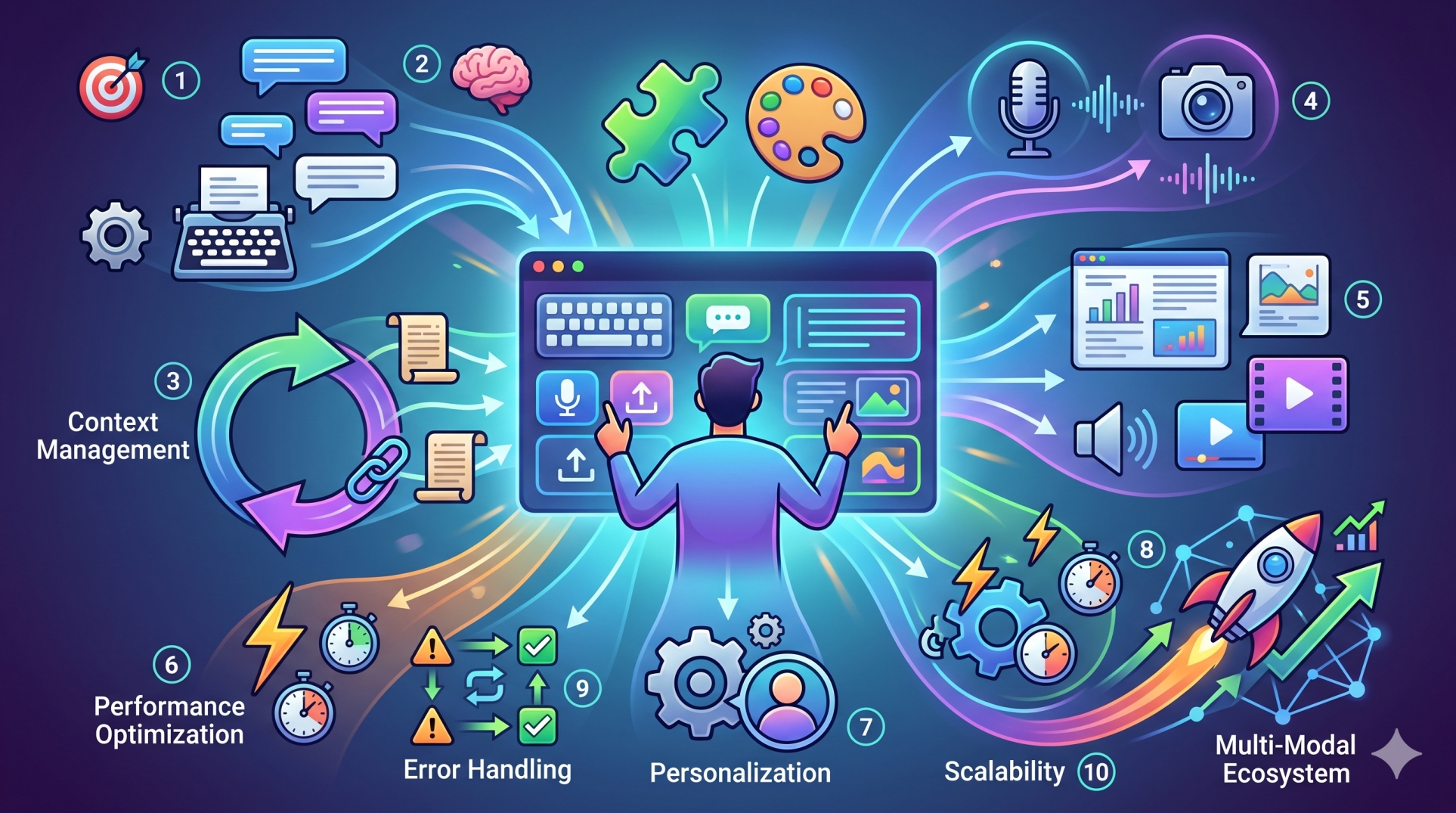
Step 1: Understanding the Nature of LLM Releases 🤖
• Recognize that LLM releases involve models, prompts, data, and workflows
• Treat prompt updates and configuration changes as release components
• Account for non-deterministic outputs in testing and validation
• Consider both backend model updates and frontend user interactions
• Align release practices with AI system behavior and constraints
Step 2: Versioning Models, Prompts, and Data 🧩
• Maintain version control for models, prompts, and datasets
• Track changes in prompt engineering and system instructions
• Use clear versioning conventions across all components
• Enable rollback to previous stable configurations
• Ensure traceability for audits and debugging
Step 3: Building Controlled Release Pipelines ⚙️
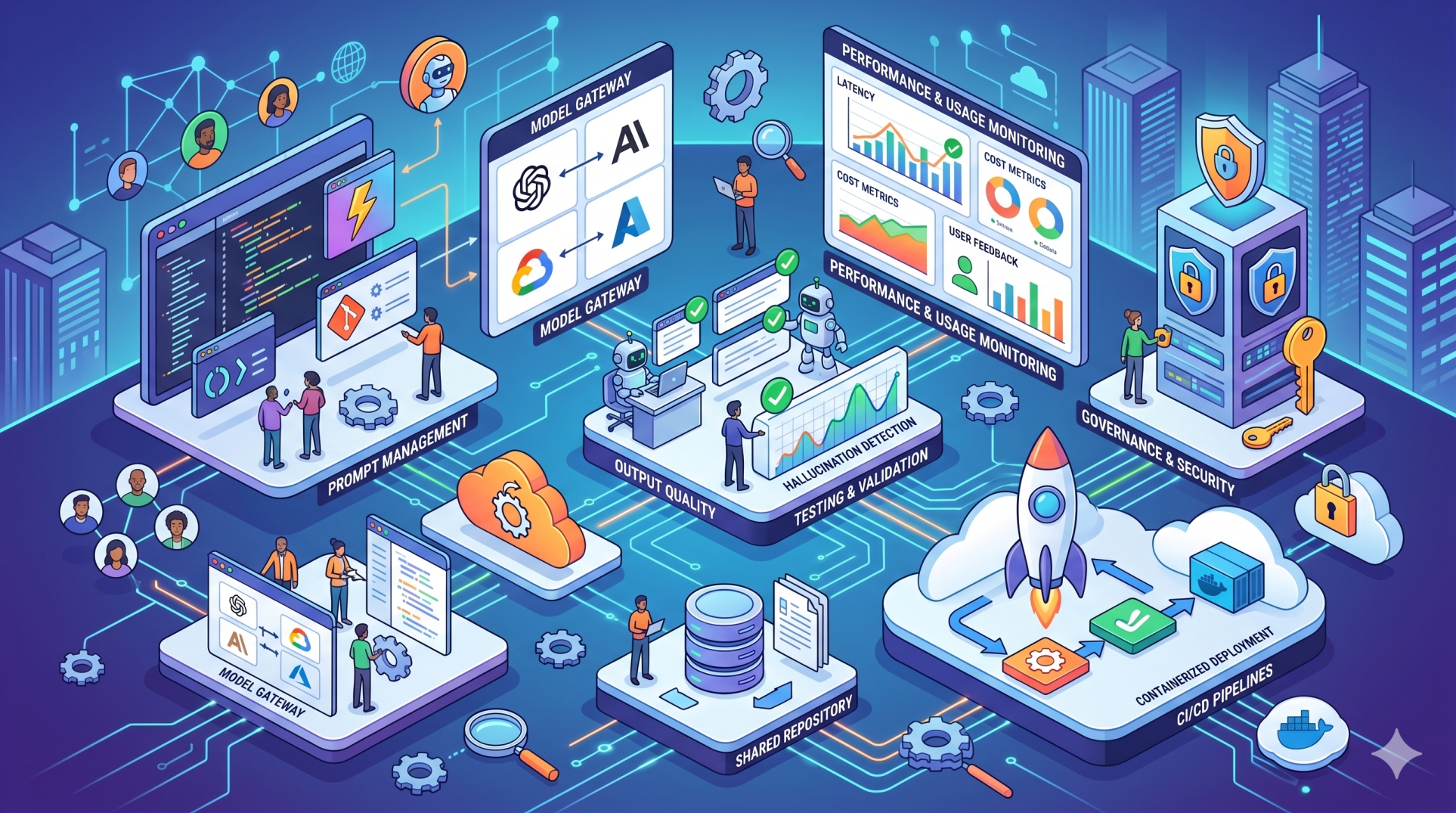
• Design CI/CD pipelines tailored for LLM-powered systems
• Include validation steps for prompts and model responses
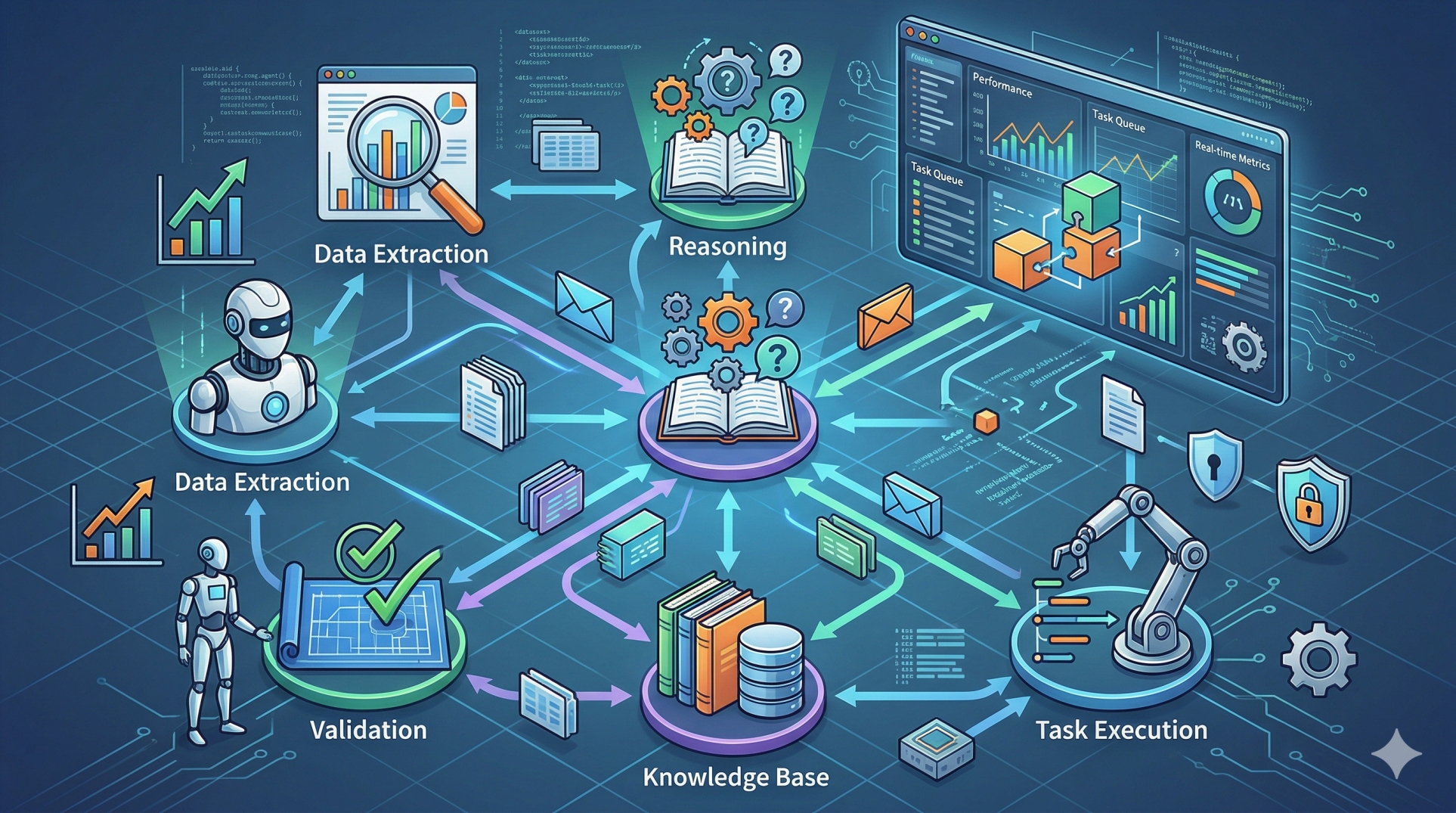
• Automate deployment workflows across environments
• Integrate testing frameworks specific to AI behavior
• Ensure consistency across staging and production systems
Step 4: Testing and Validation Strategies 🧪
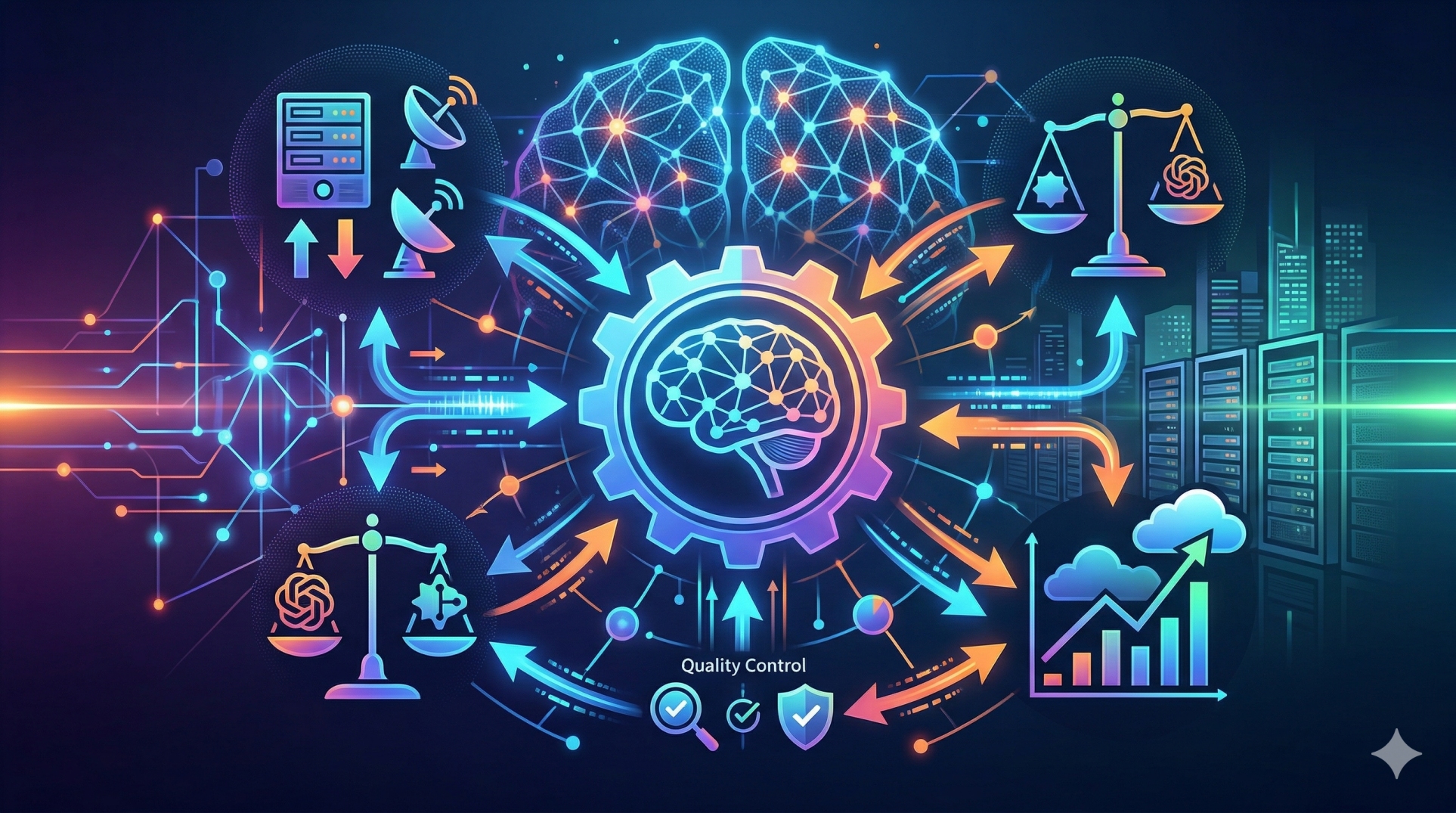
• Combine deterministic tests with probabilistic evaluation methods
• Use benchmark datasets to assess response quality
• Validate edge cases and failure scenarios
• Perform human-in-the-loop evaluations where needed
• Continuously refine test coverage based on real usage
Step 5: Managing Risk and Rollback Mechanisms ⚠️
• Implement safe rollback strategies for model and prompt changes
• Use feature flags to control release exposure
• Gradually roll out updates to limited user groups
• Monitor for unexpected behavior after deployment
• Minimize impact of failures through controlled releases
Step 6: Monitoring and Observability 📊
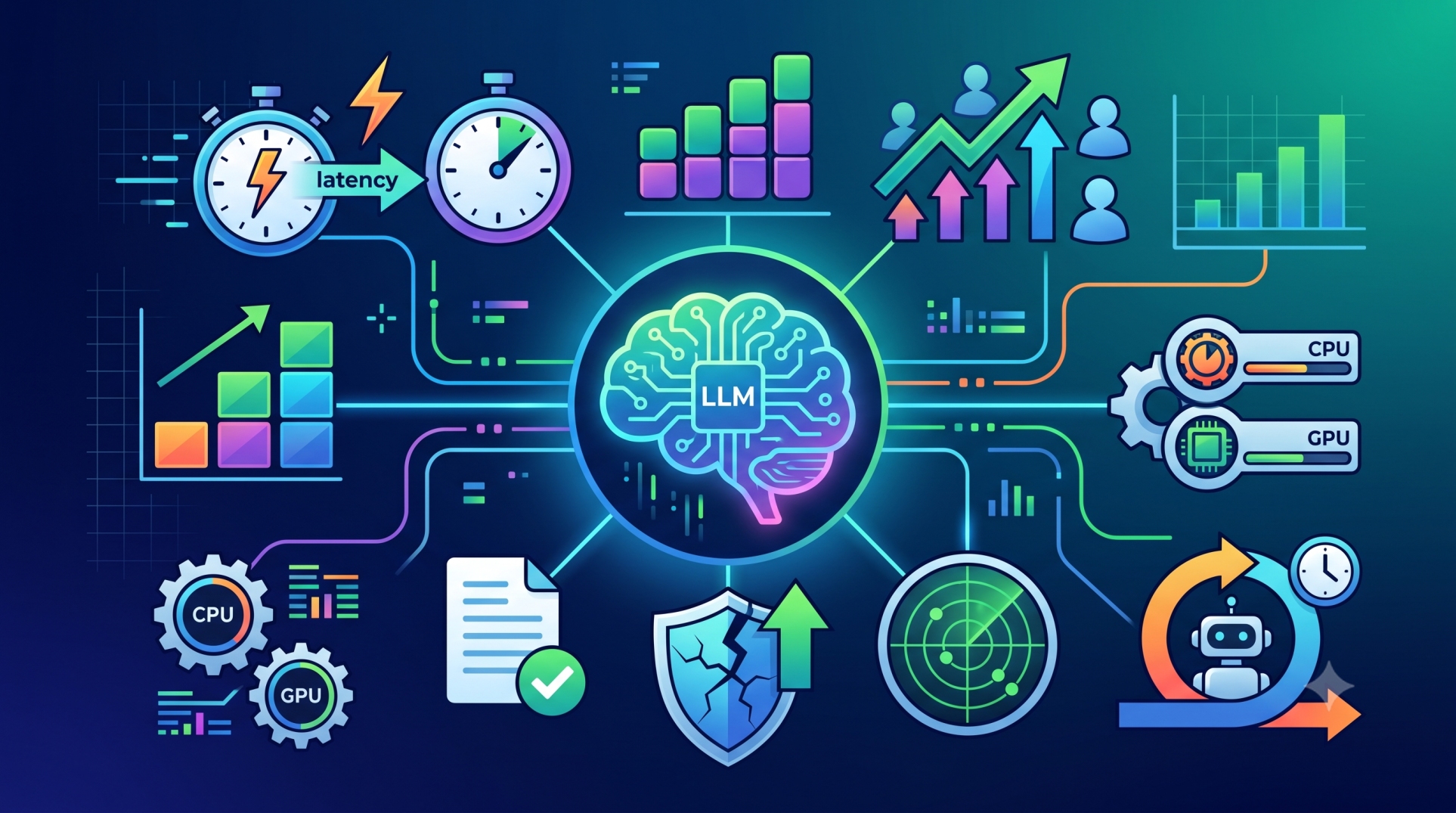
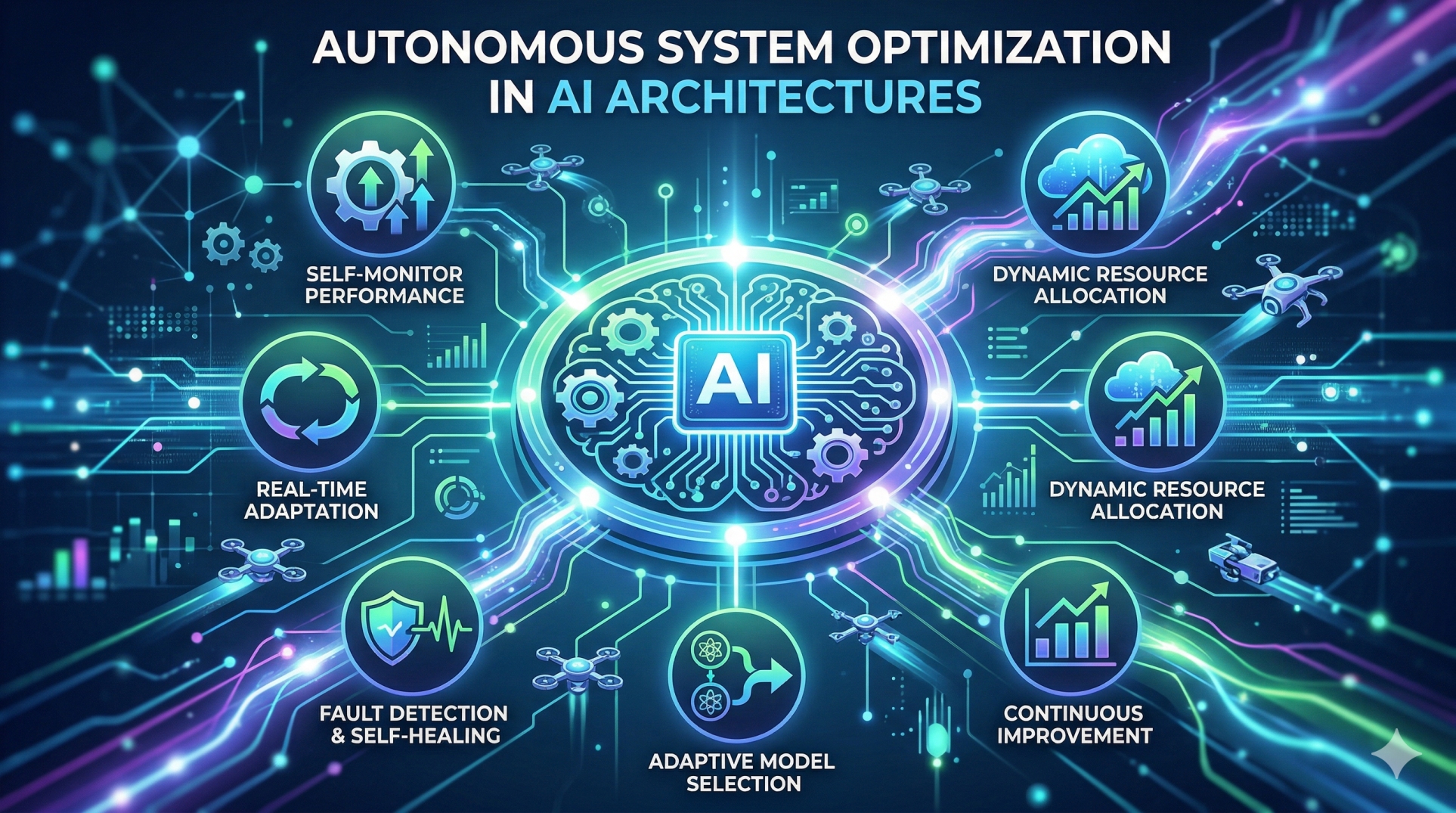
• Track key metrics such as response quality, latency, and usage
• Monitor hallucinations, errors, and user feedback
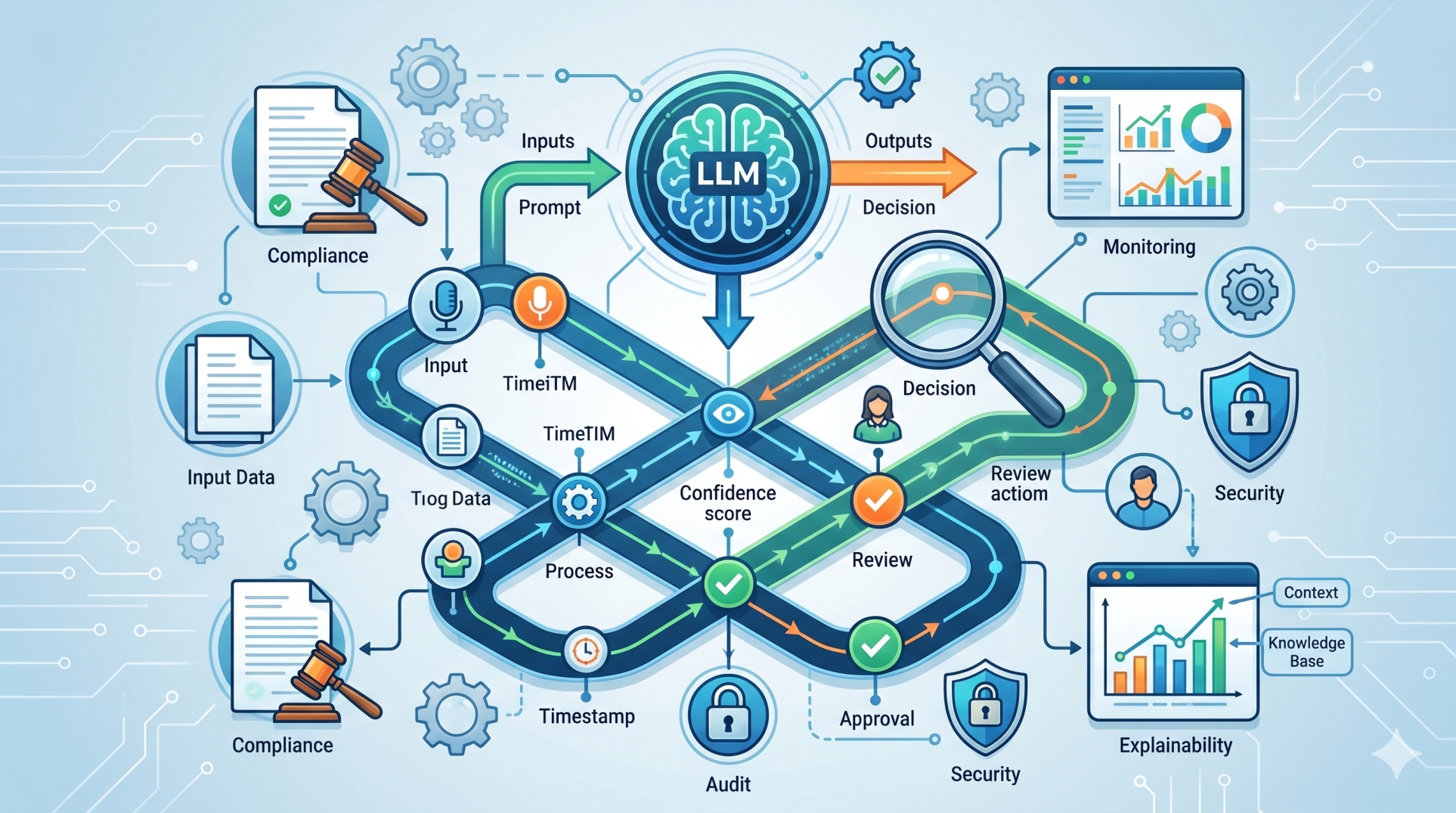
• Use logging to capture prompts, outputs, and system behavior
• Establish alerting systems for anomalies
• Maintain visibility into system performance in real time
Step 7: Managing Prompt and Configuration Changes ✍️
• Treat prompt updates as first-class release artifacts
• Test prompt variations before deployment
• Maintain a repository of validated prompt templates
• Ensure consistency across different use cases
• Avoid unintended behavior changes from minor prompt edits
Step 8: Key Release Priorities 🚀
• Stability and reliability of AI-driven features
• Transparency in model and prompt changes
• Continuous improvement through iterative releases
• Strong governance and auditability
Step 9: Handling Feedback and Iteration 🔄
• Collect user feedback on system responses and performance
• Analyze feedback to identify improvement areas
• Iterate quickly on prompts and configurations
• Balance speed of updates with system stability
• Incorporate insights into future release cycles
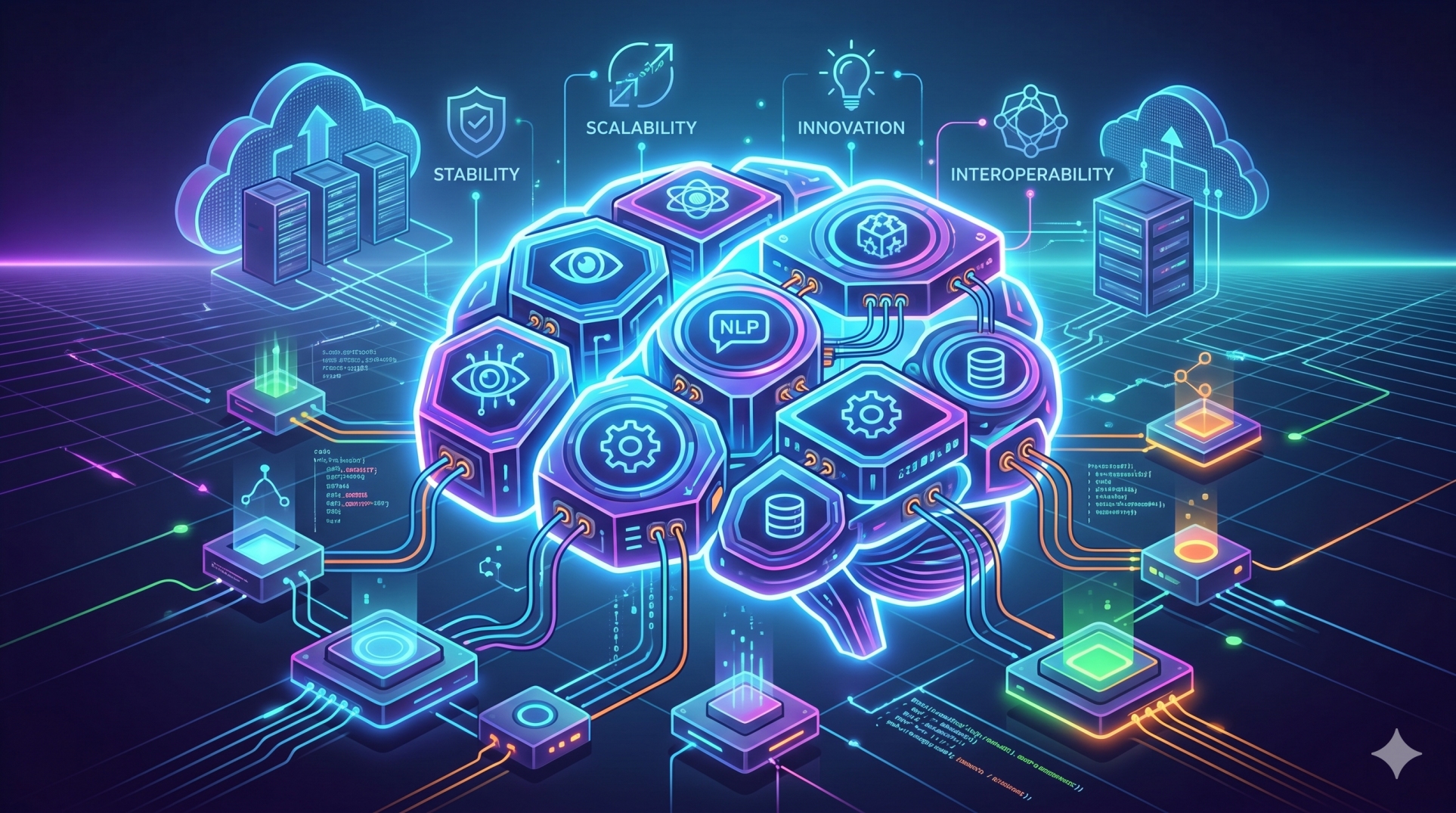
Step 10: Building a Scalable Release Framework 🌐
• Design release processes that scale with system complexity
• Support multiple models and deployment environments
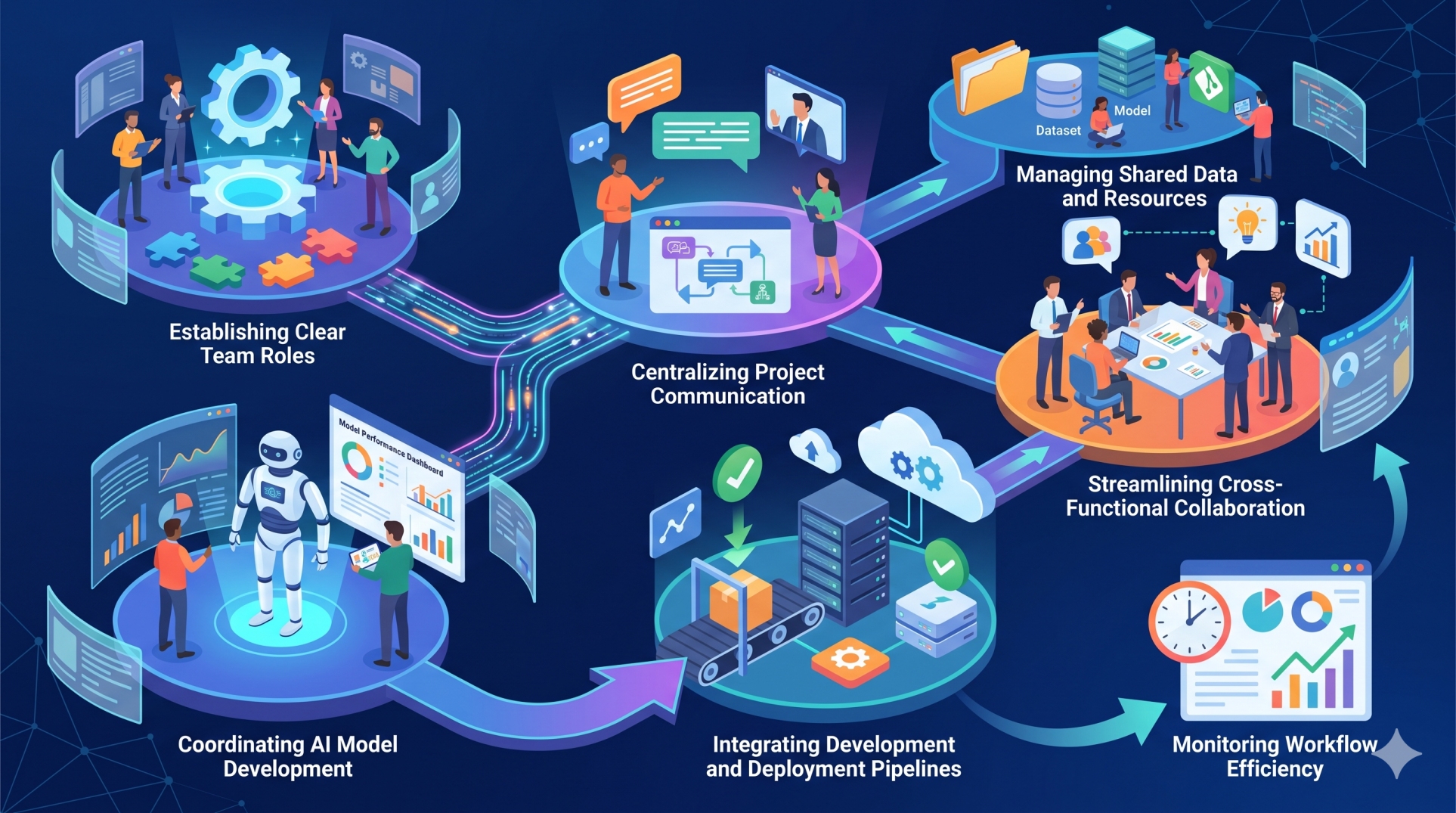
• Enable collaboration between AI, DevOps, and product teams
• Standardize workflows across projects
• Future-proof release management with modular architecture
Conclusion
Release management in LLM-powered software systems requires a shift from traditional deployment approaches to more adaptive and controlled processes. By treating models, prompts, and data as core release components, organizations can ensure reliable and scalable AI systems. A strong release strategy not only reduces risk but also enables continuous innovation in rapidly evolving AI-driven environments.
See more blogs
You can all the articles below