AI Command Layers for Modern Digital Enterprises
AI Command Layers for Modern Digital Enterprises
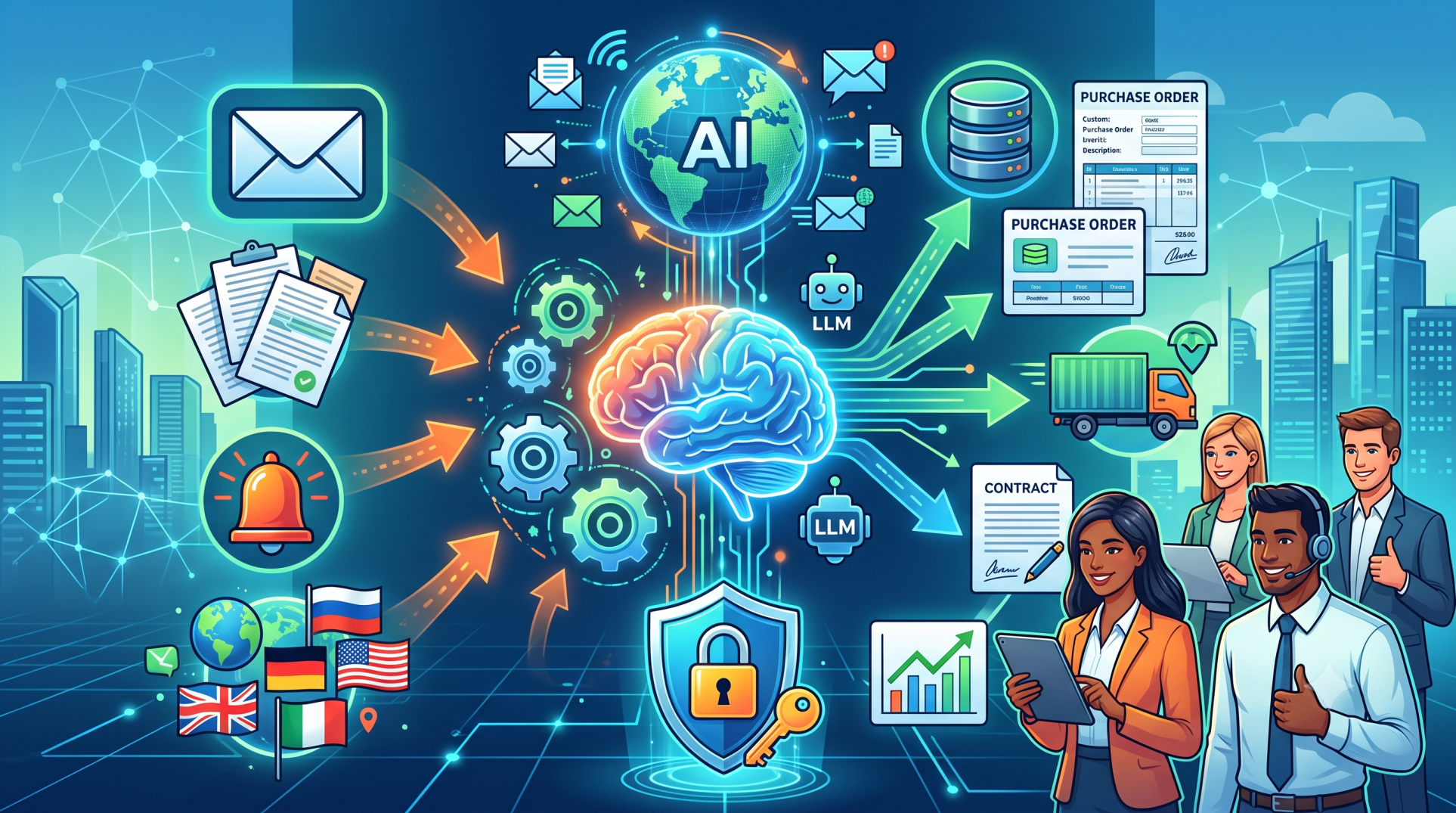
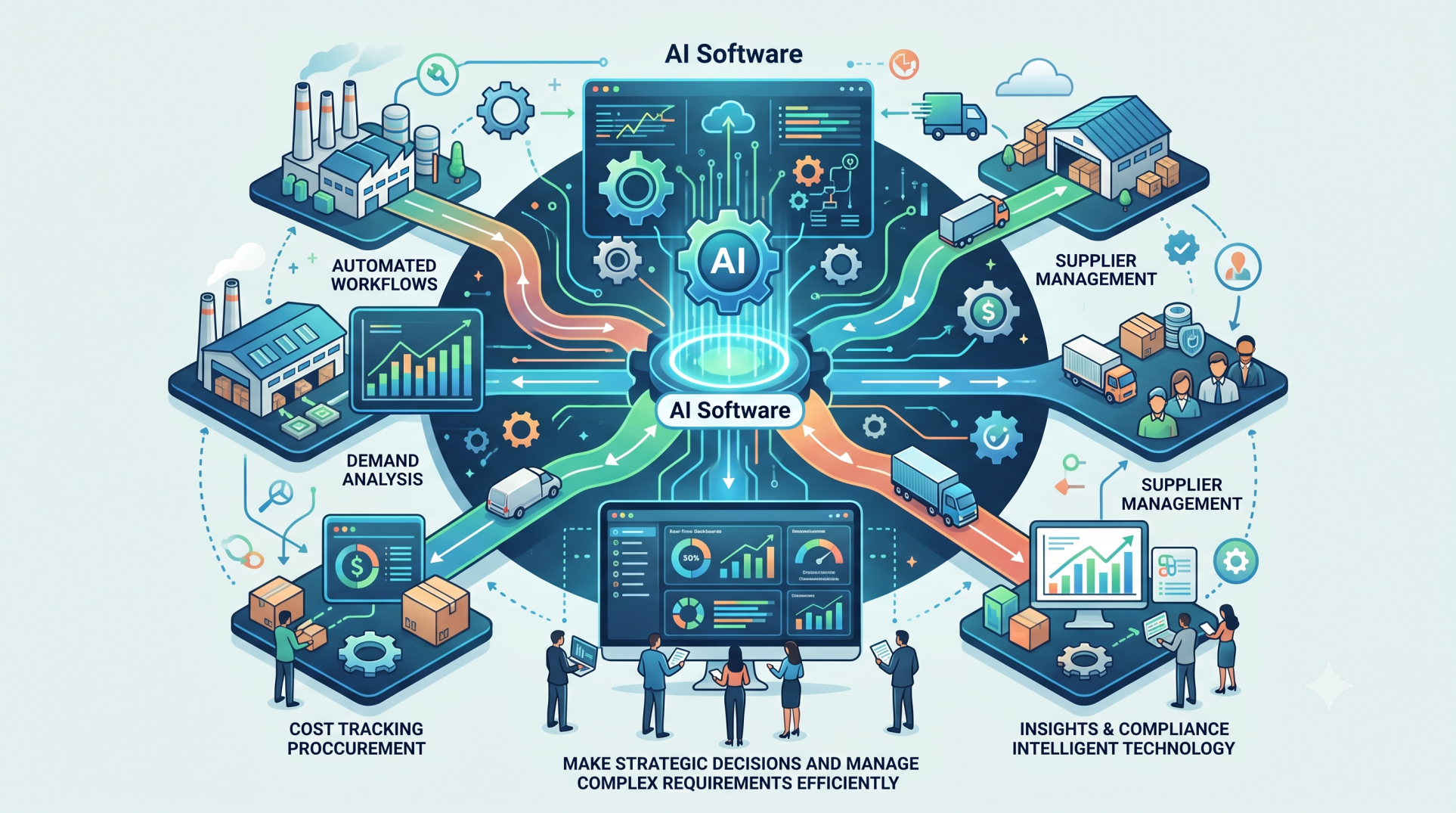
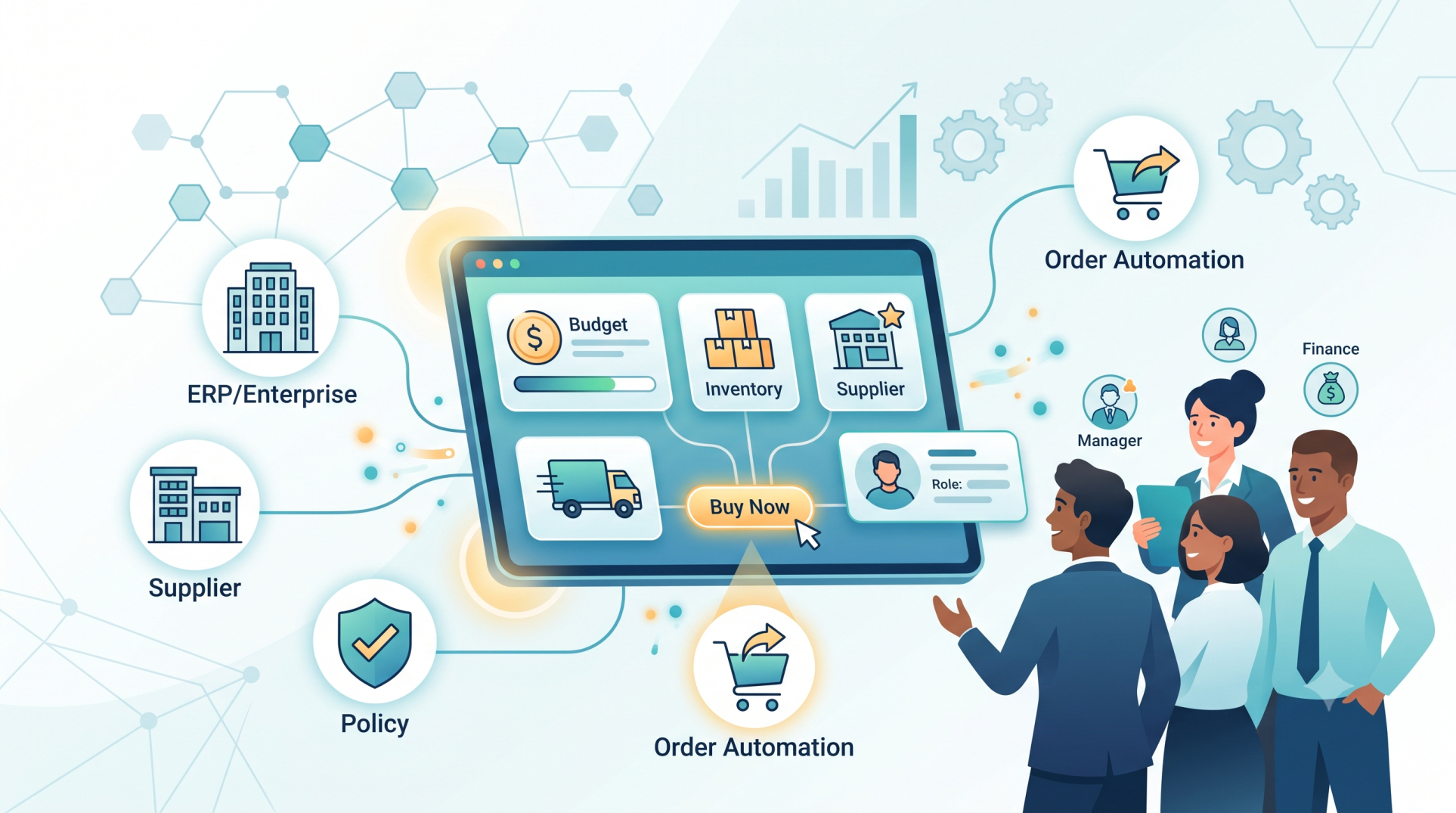
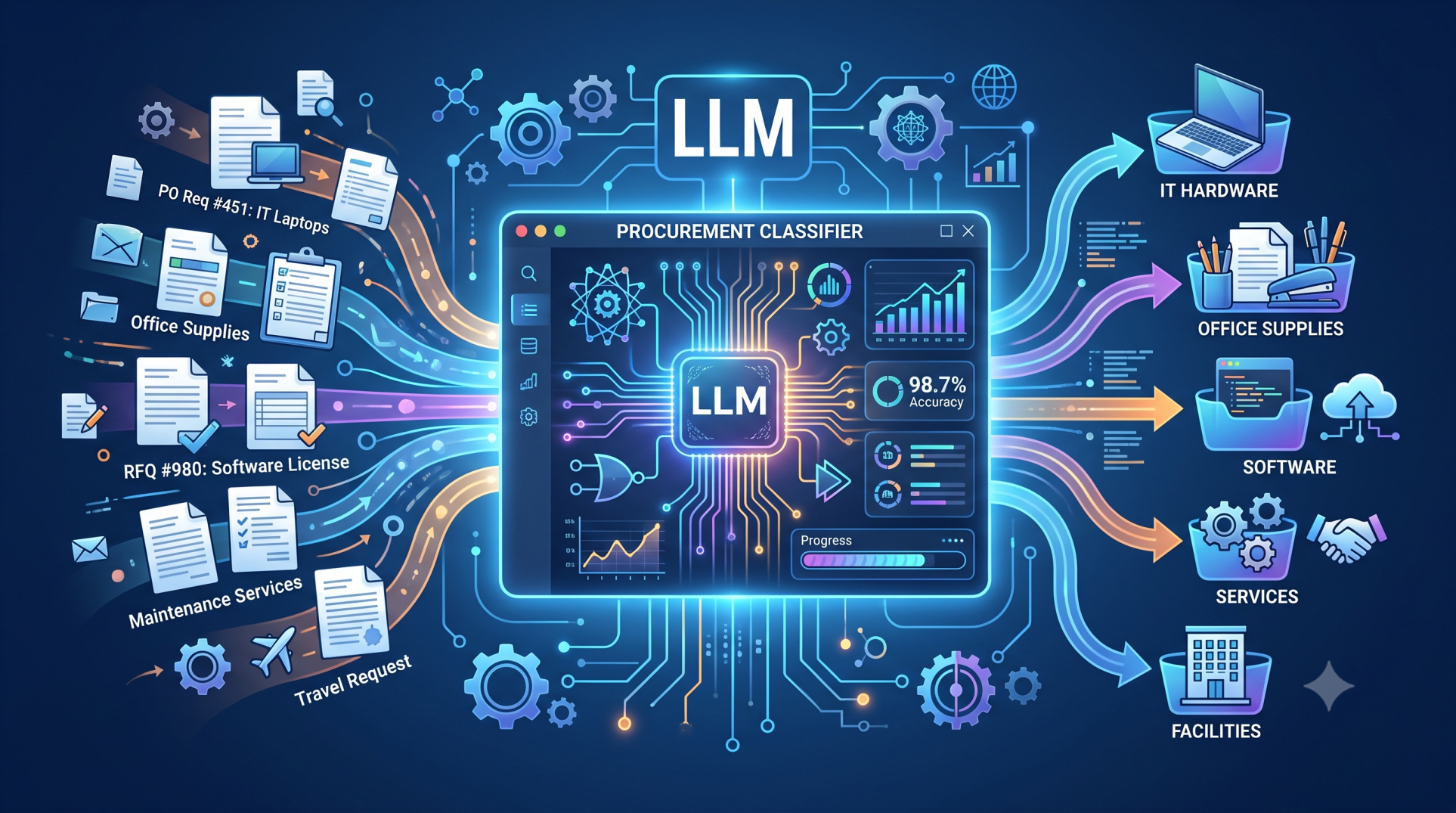
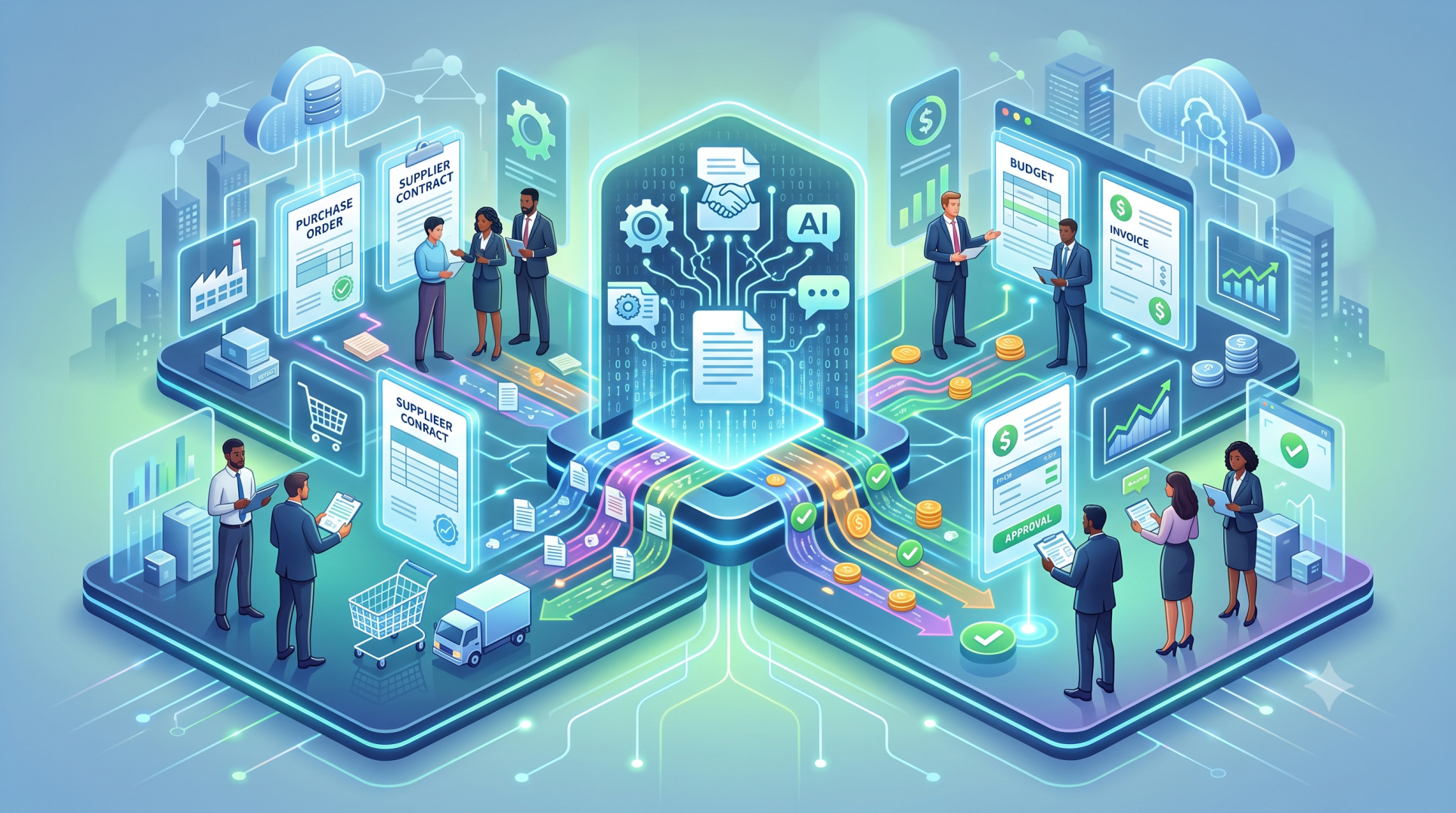
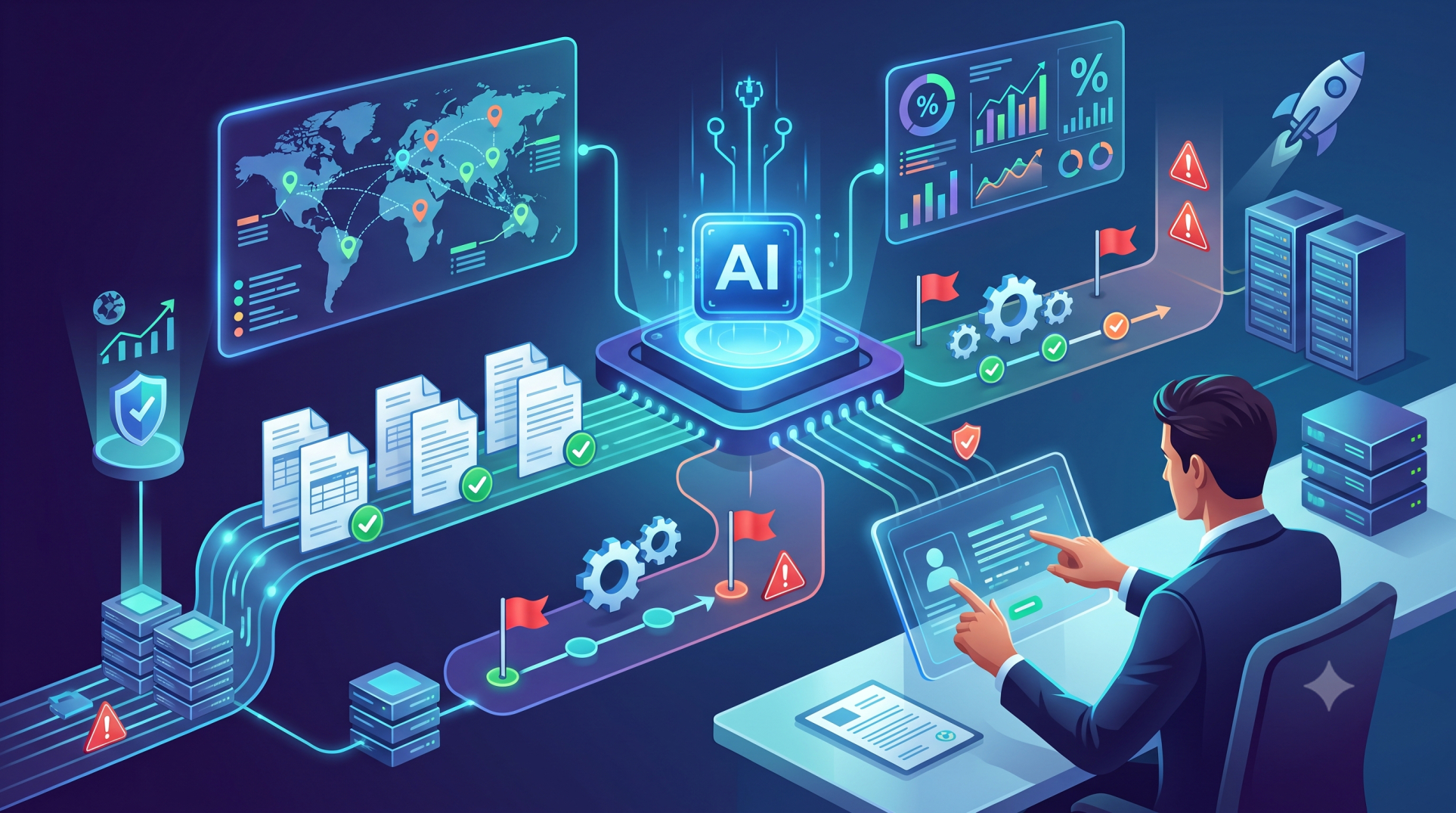
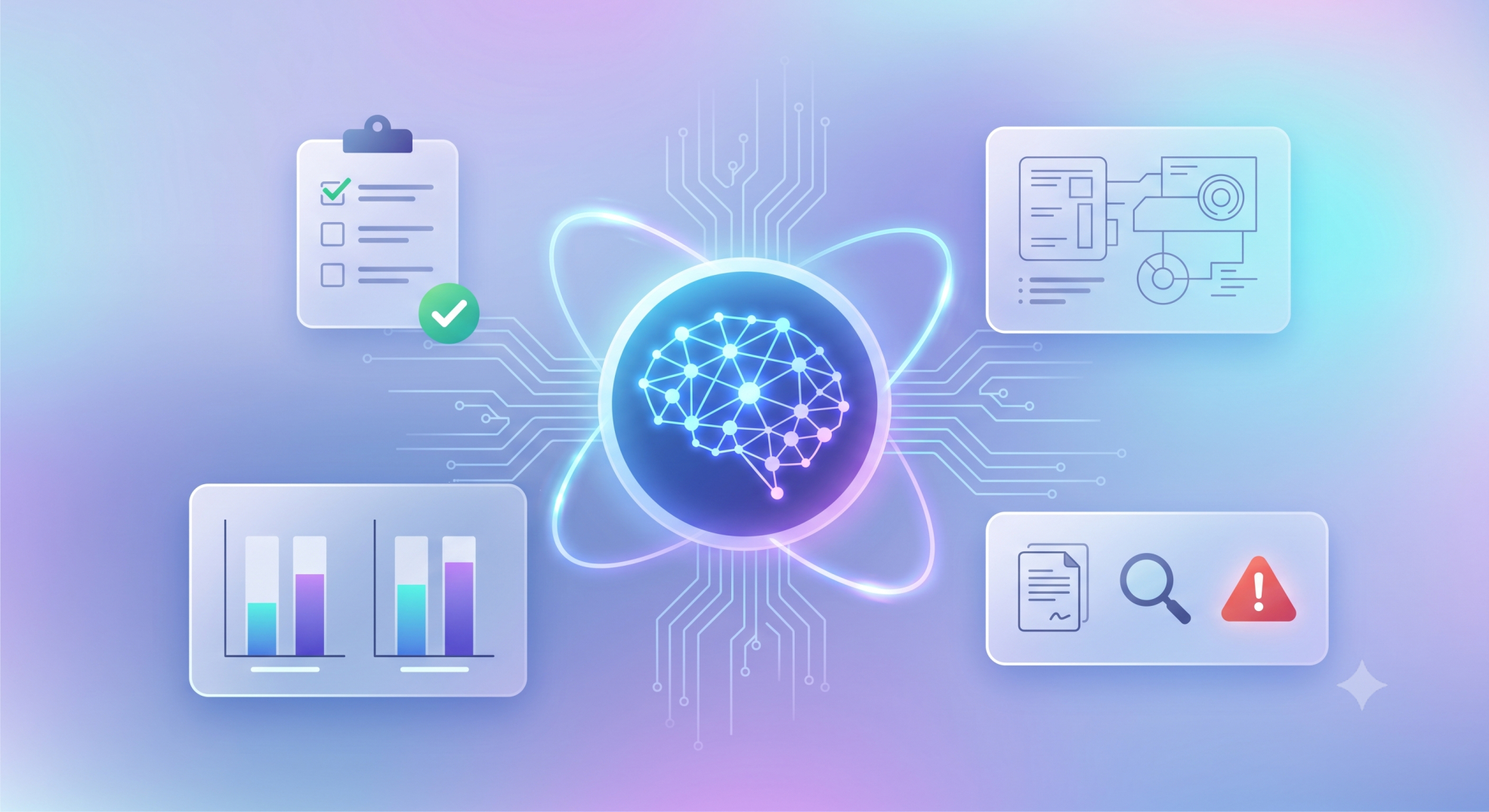
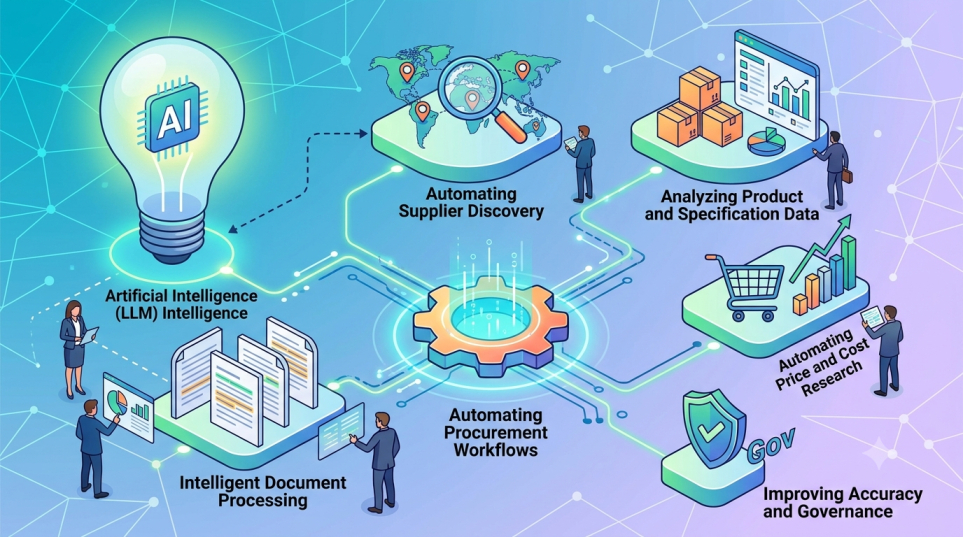
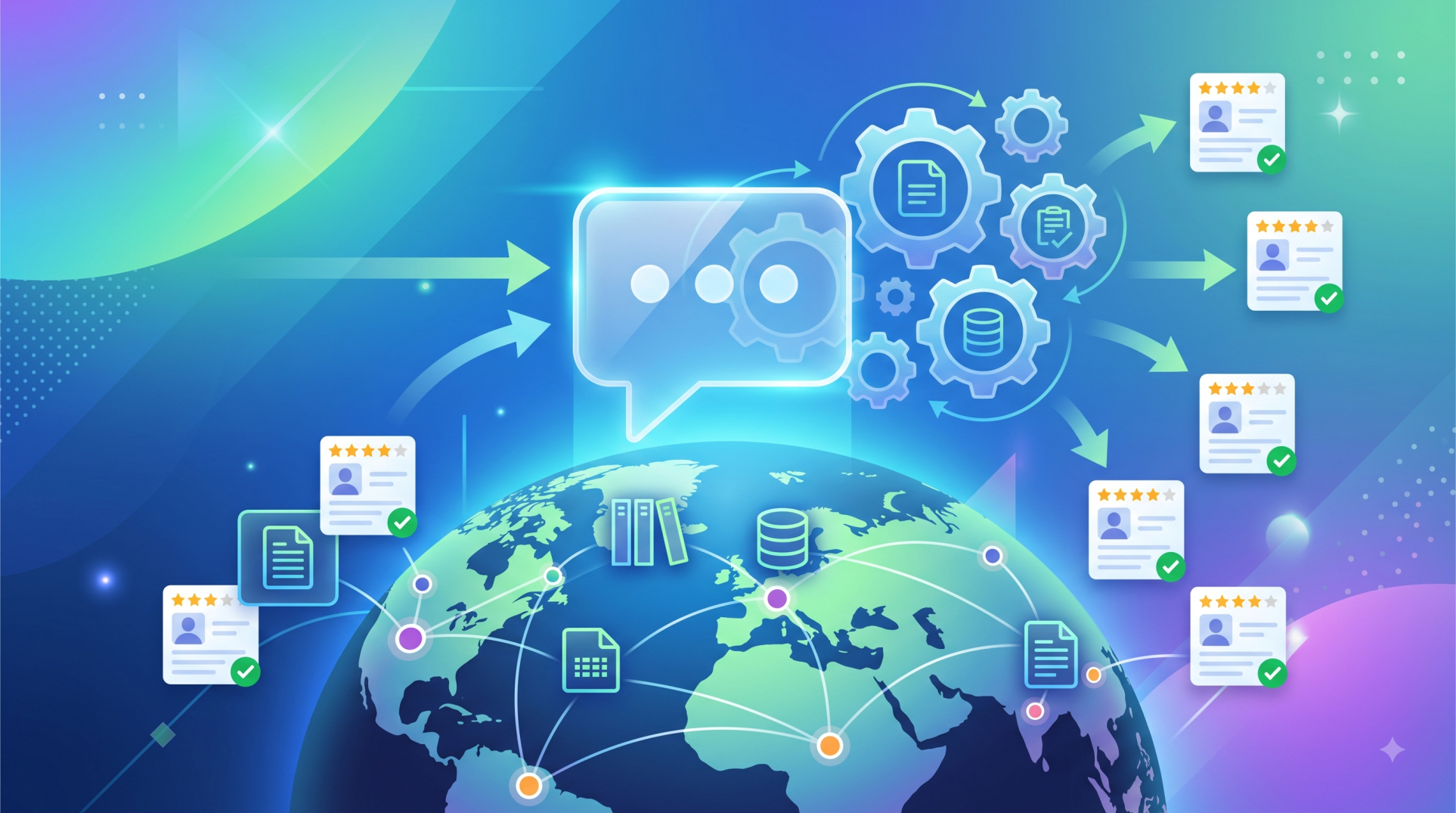
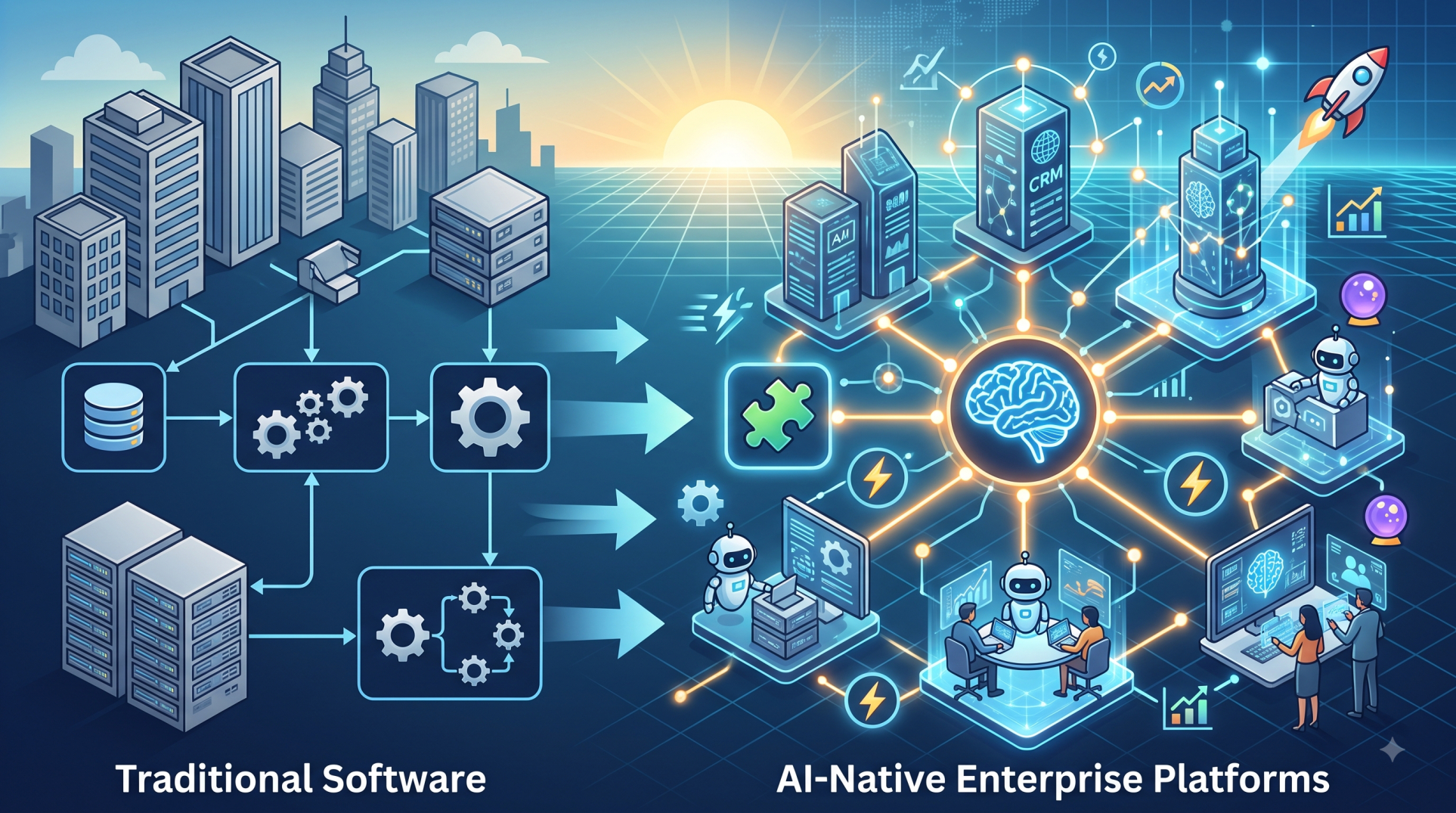
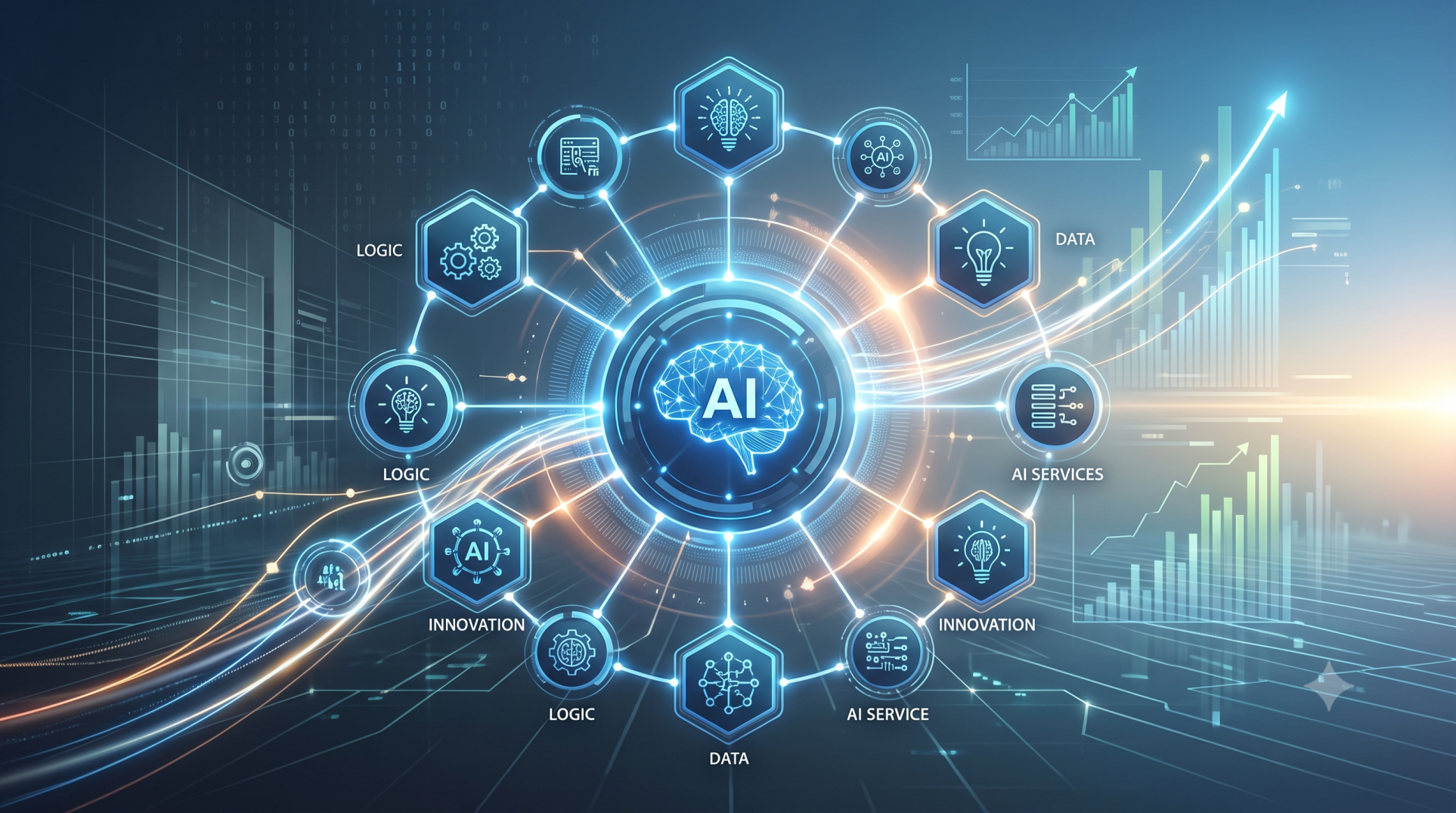
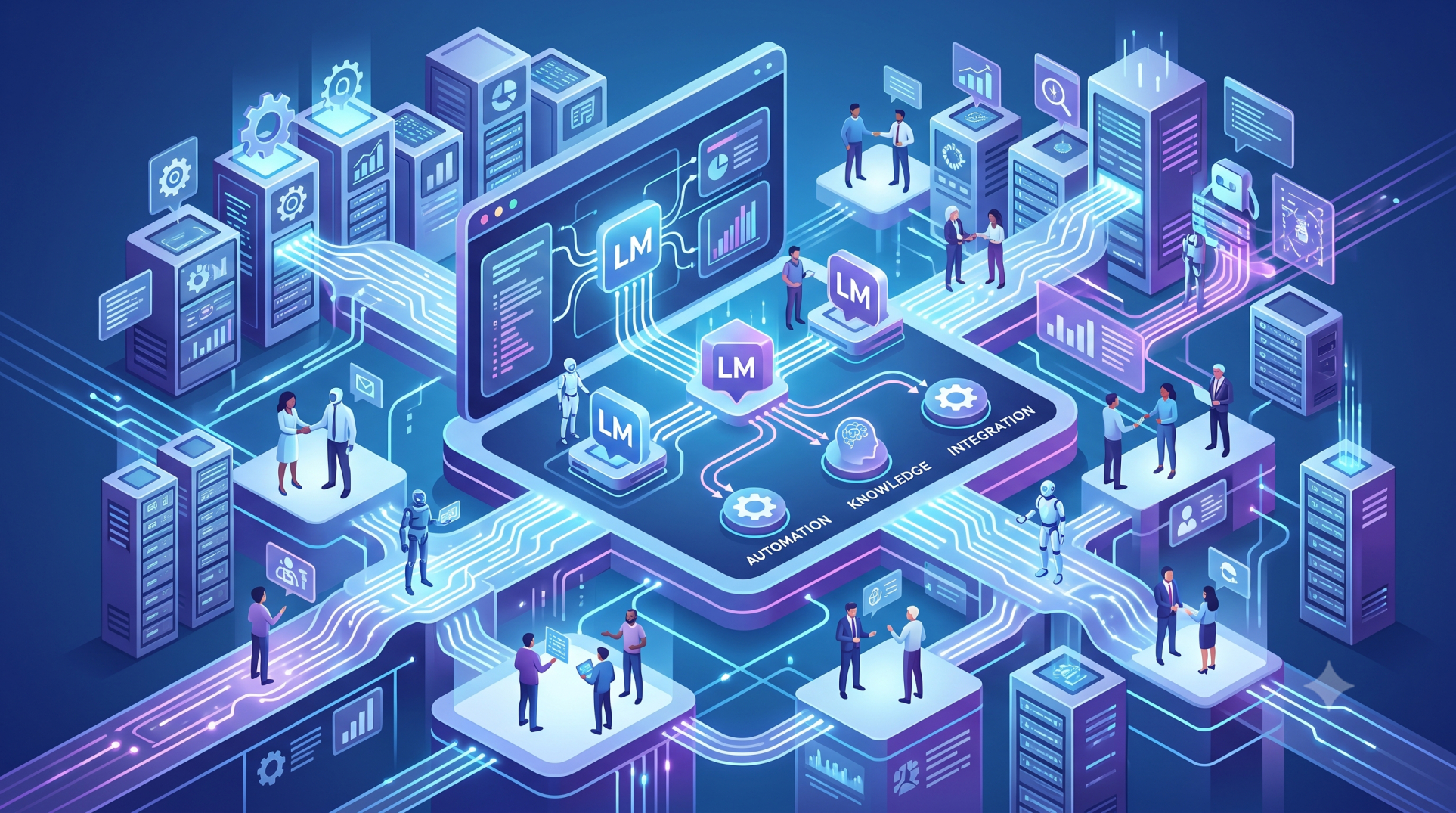
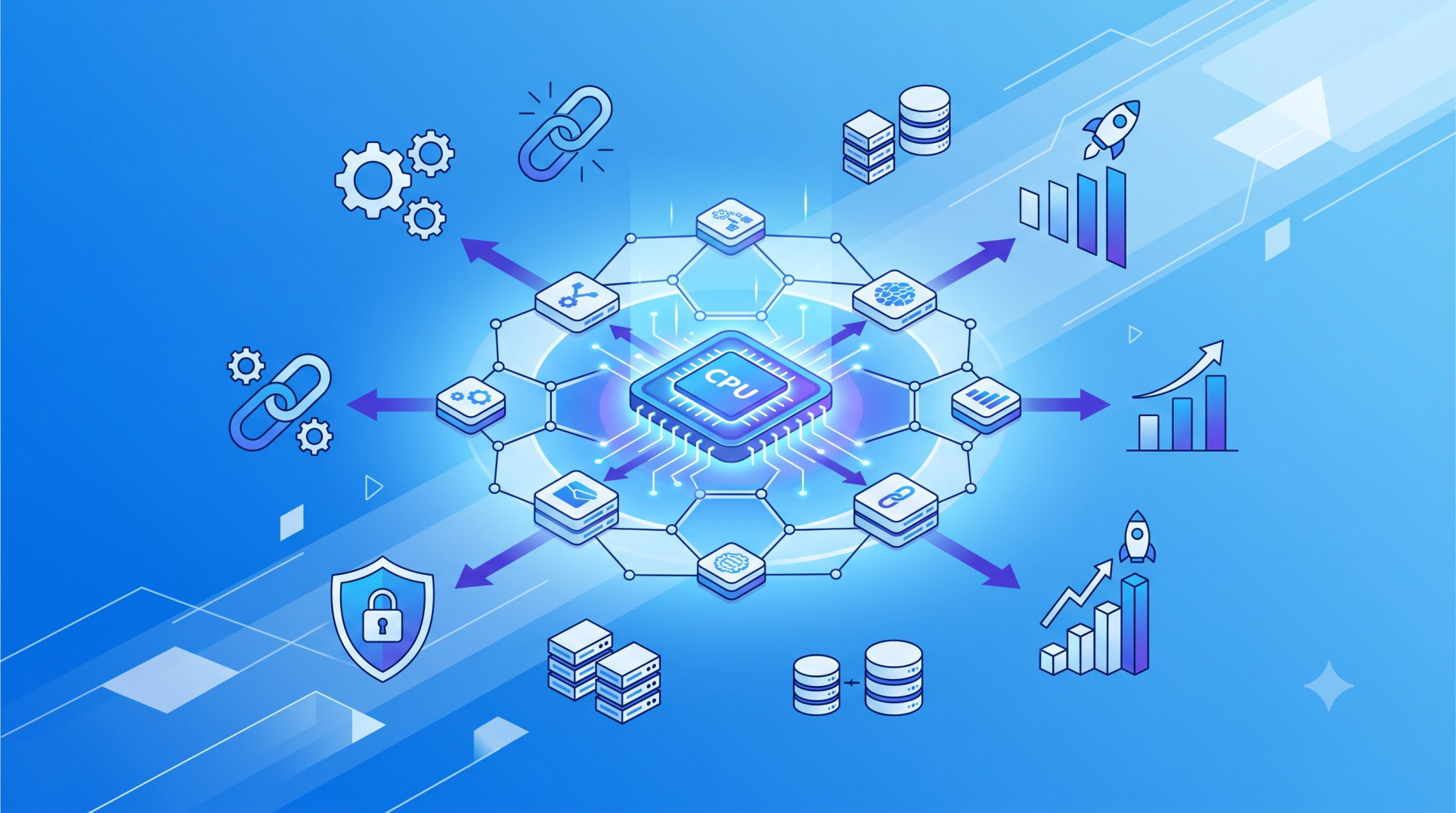
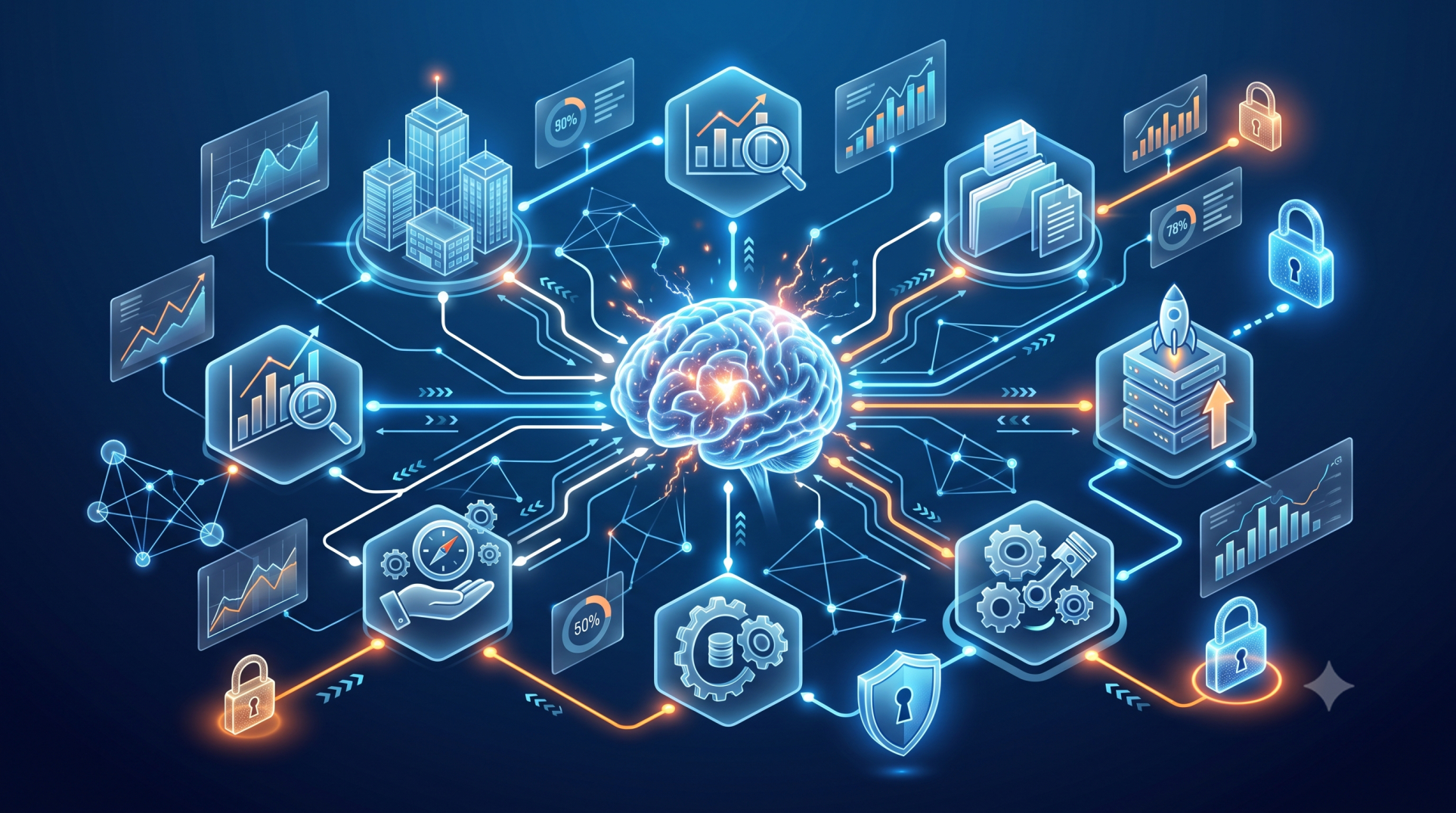
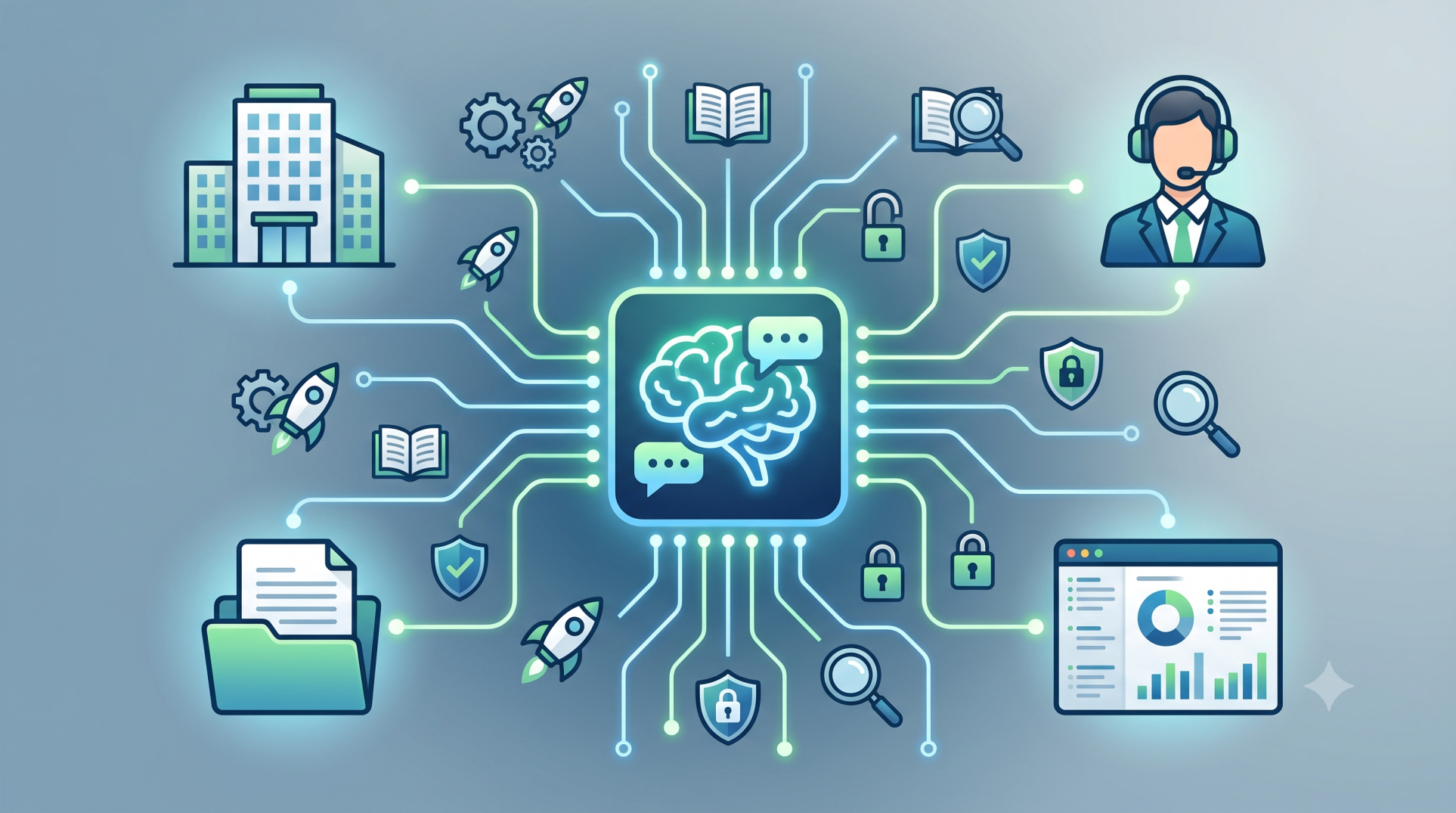
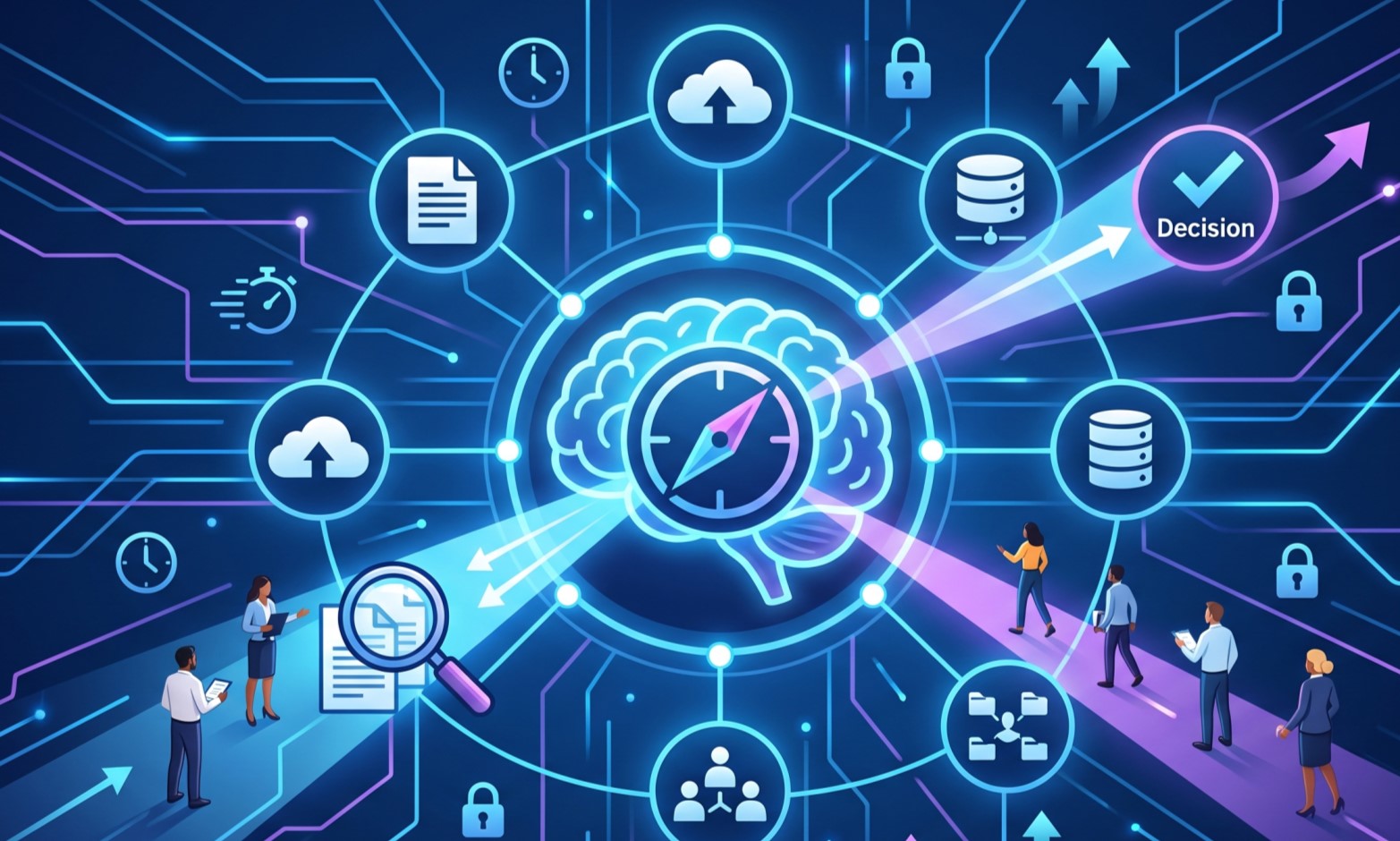
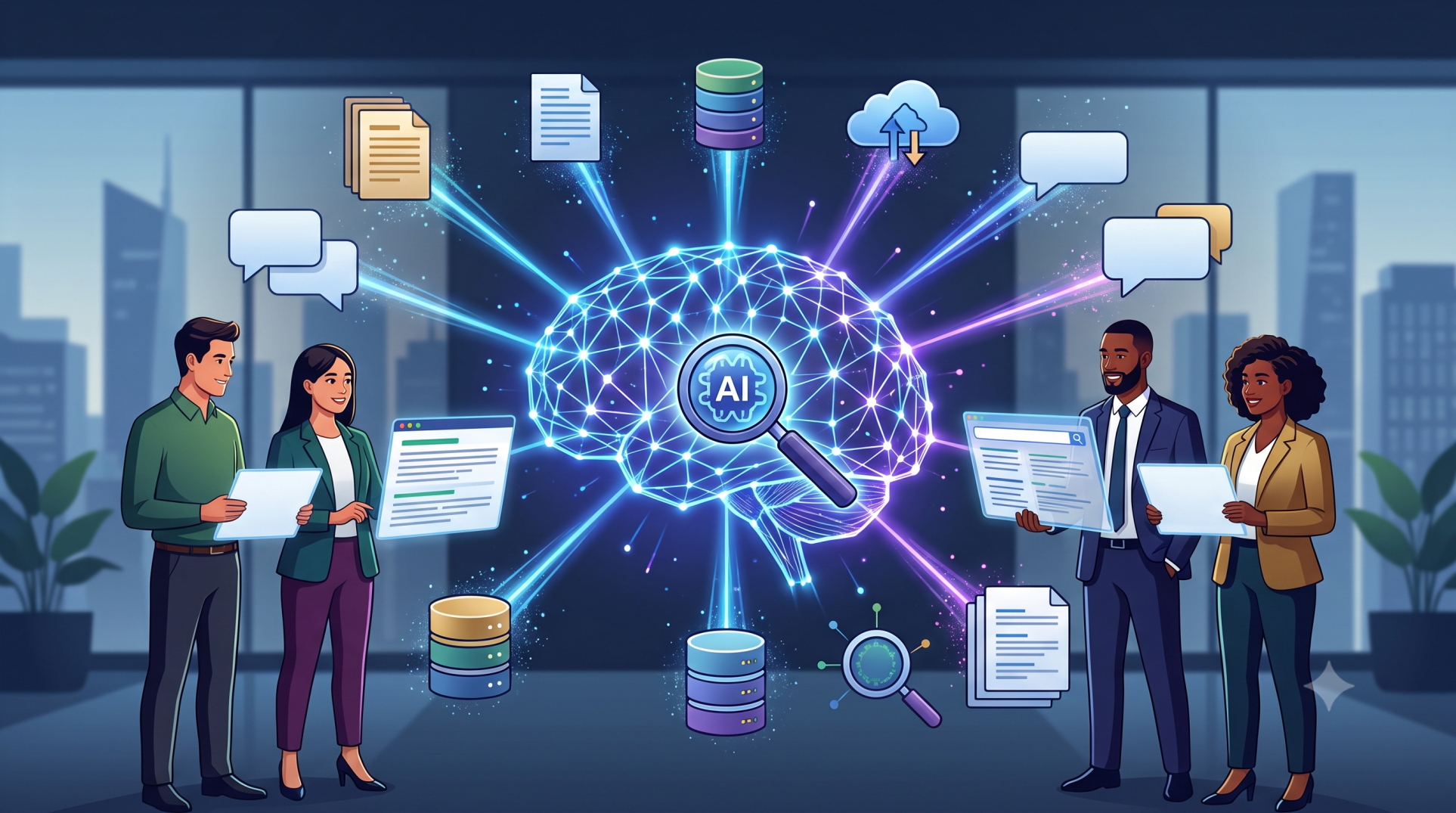
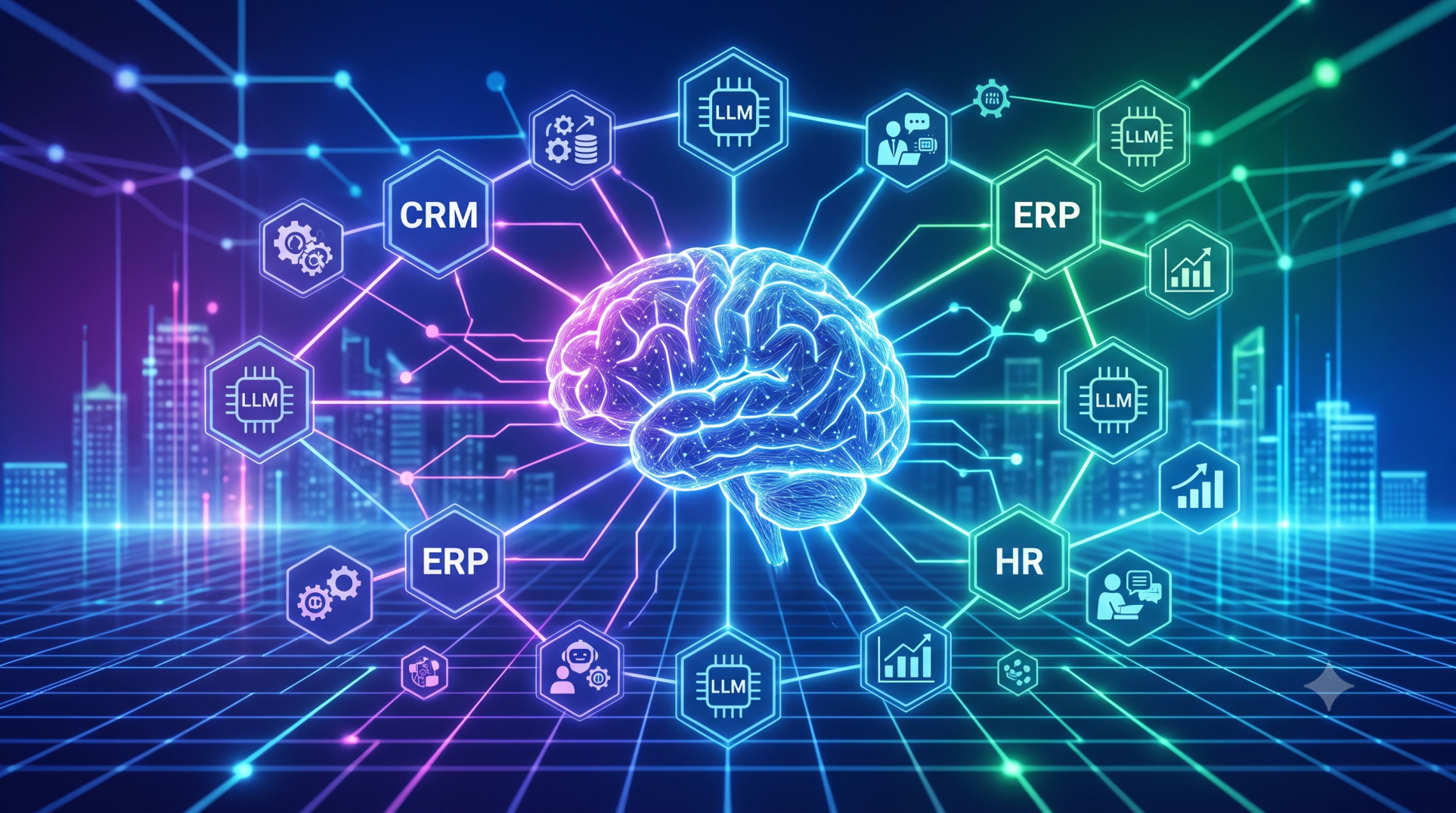
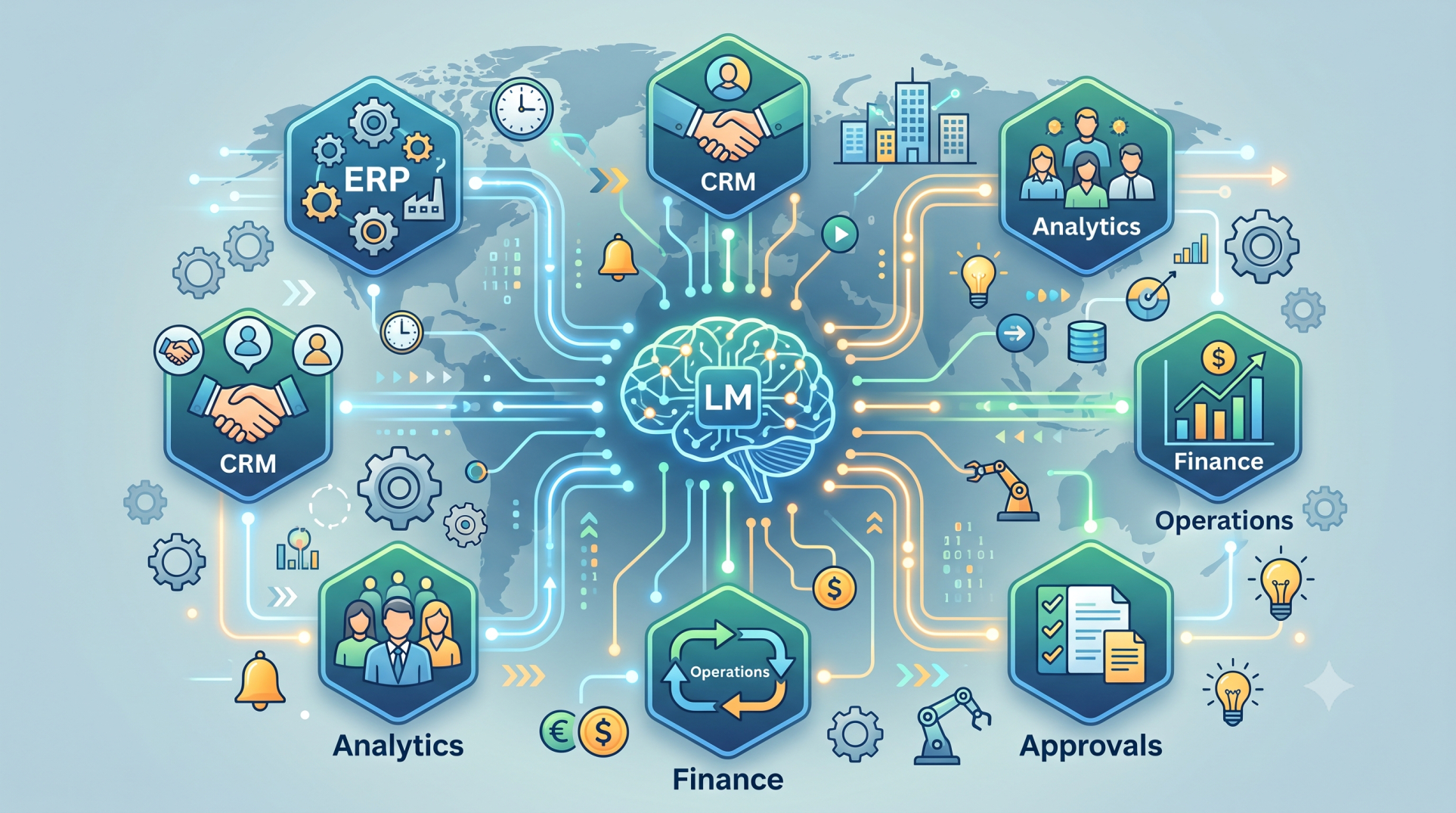
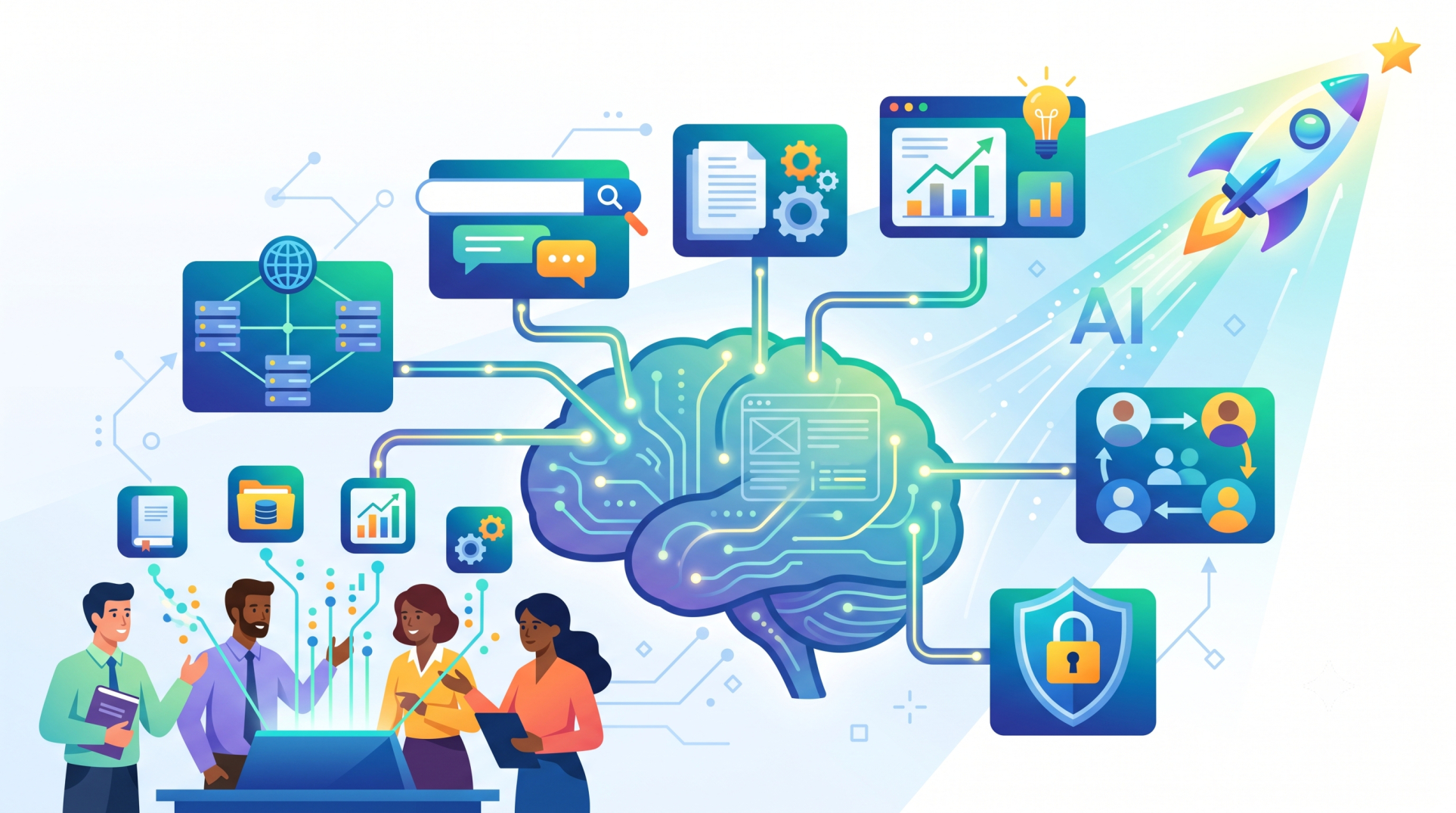
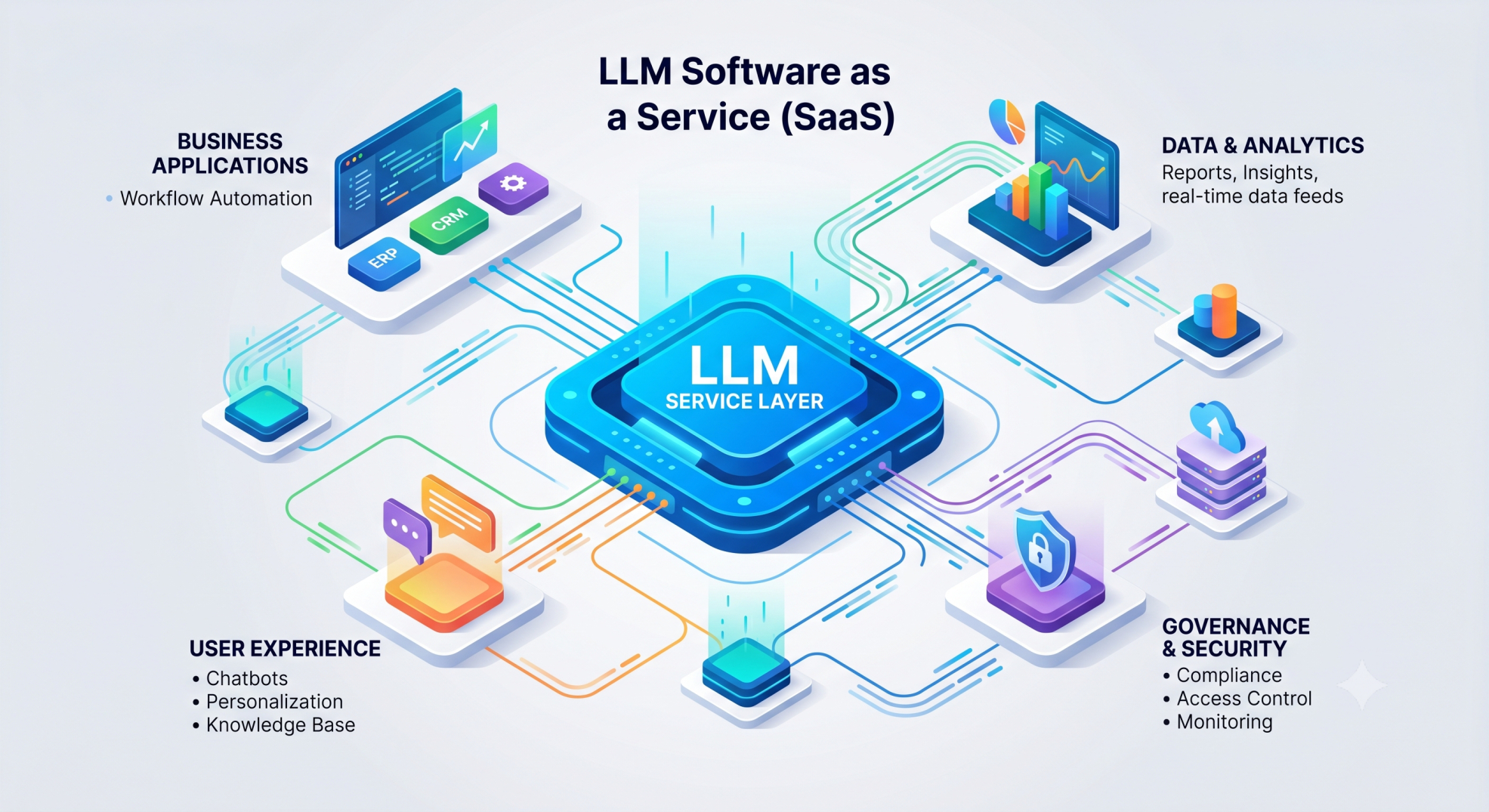
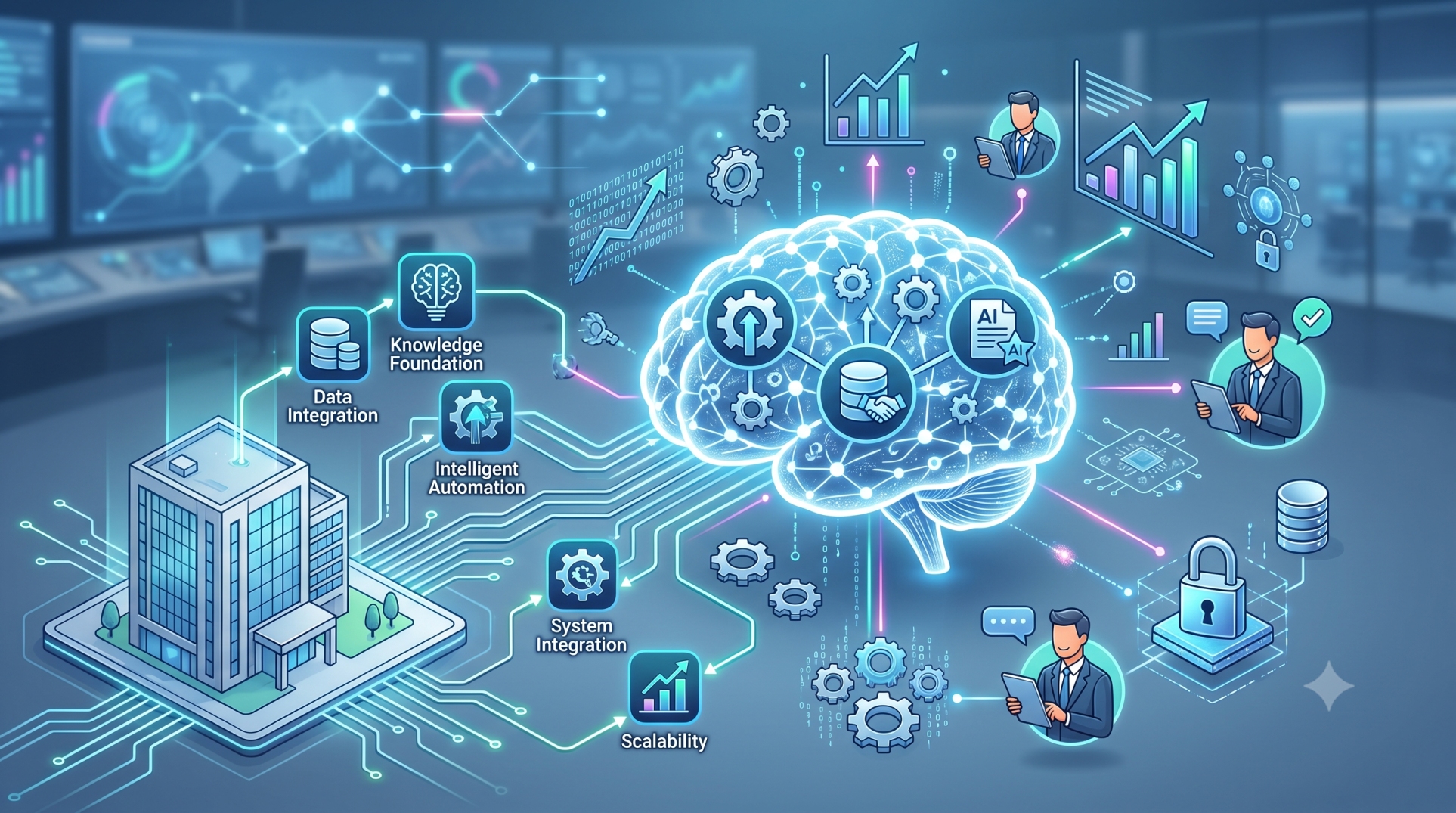
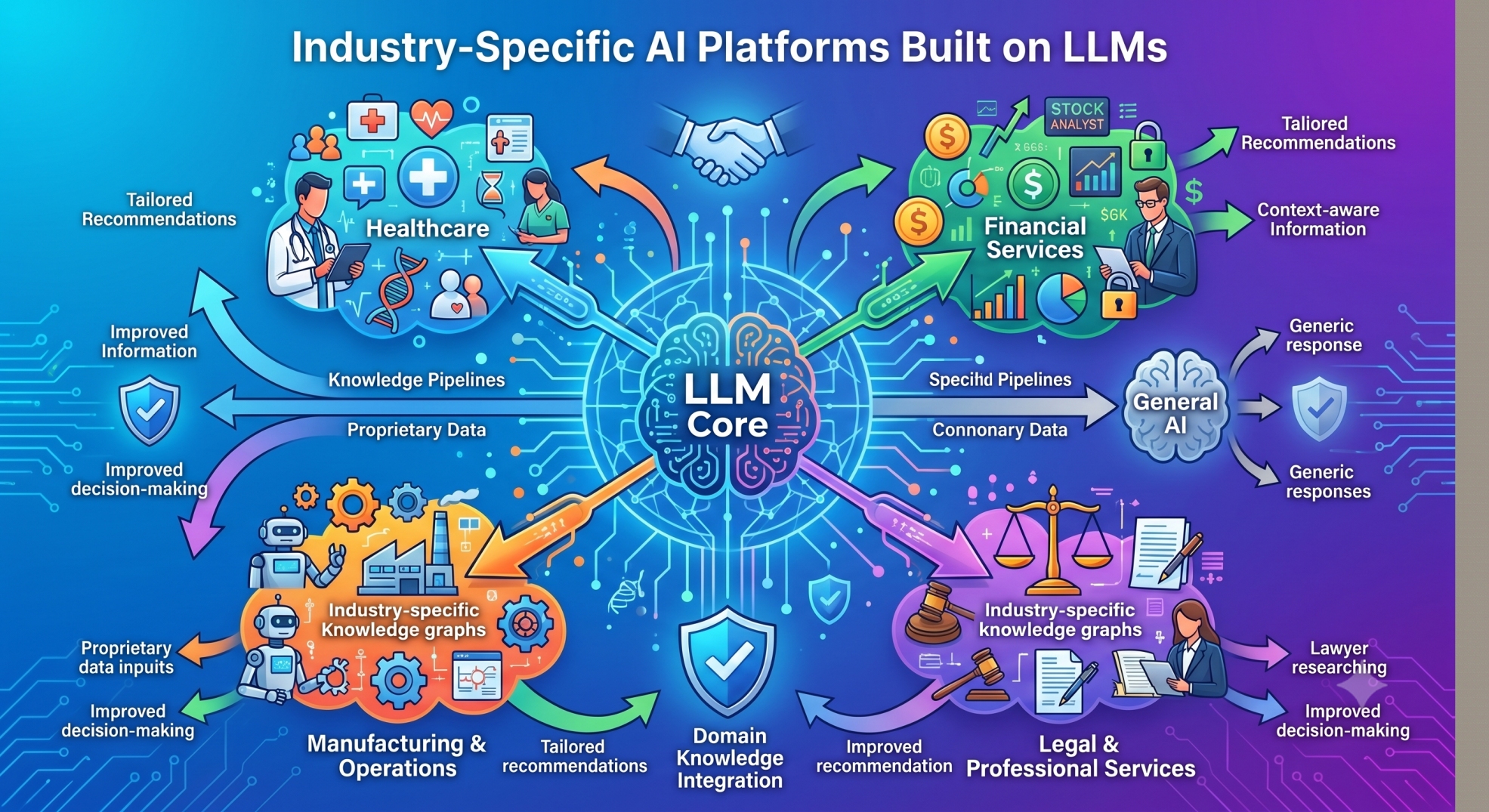
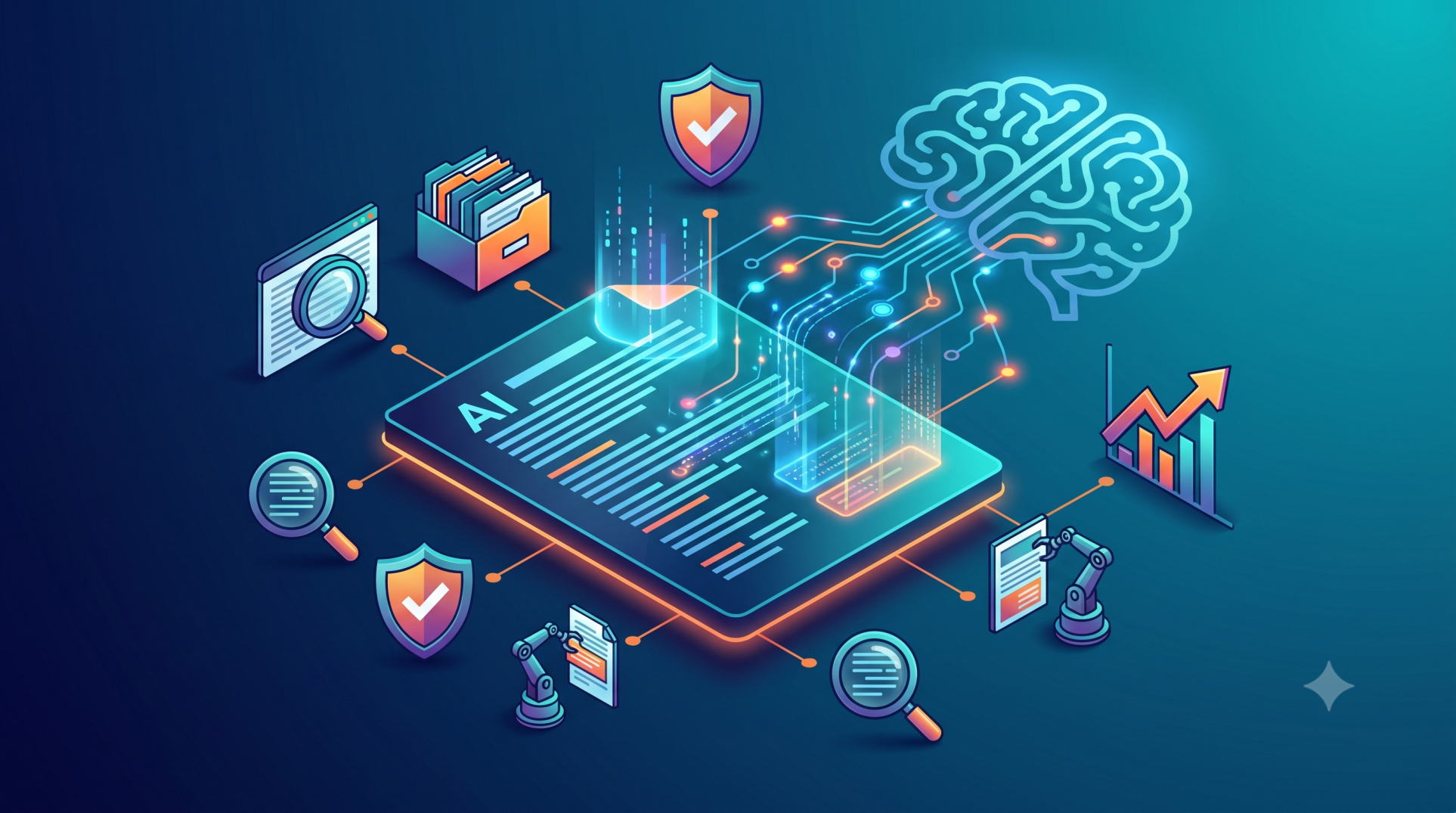
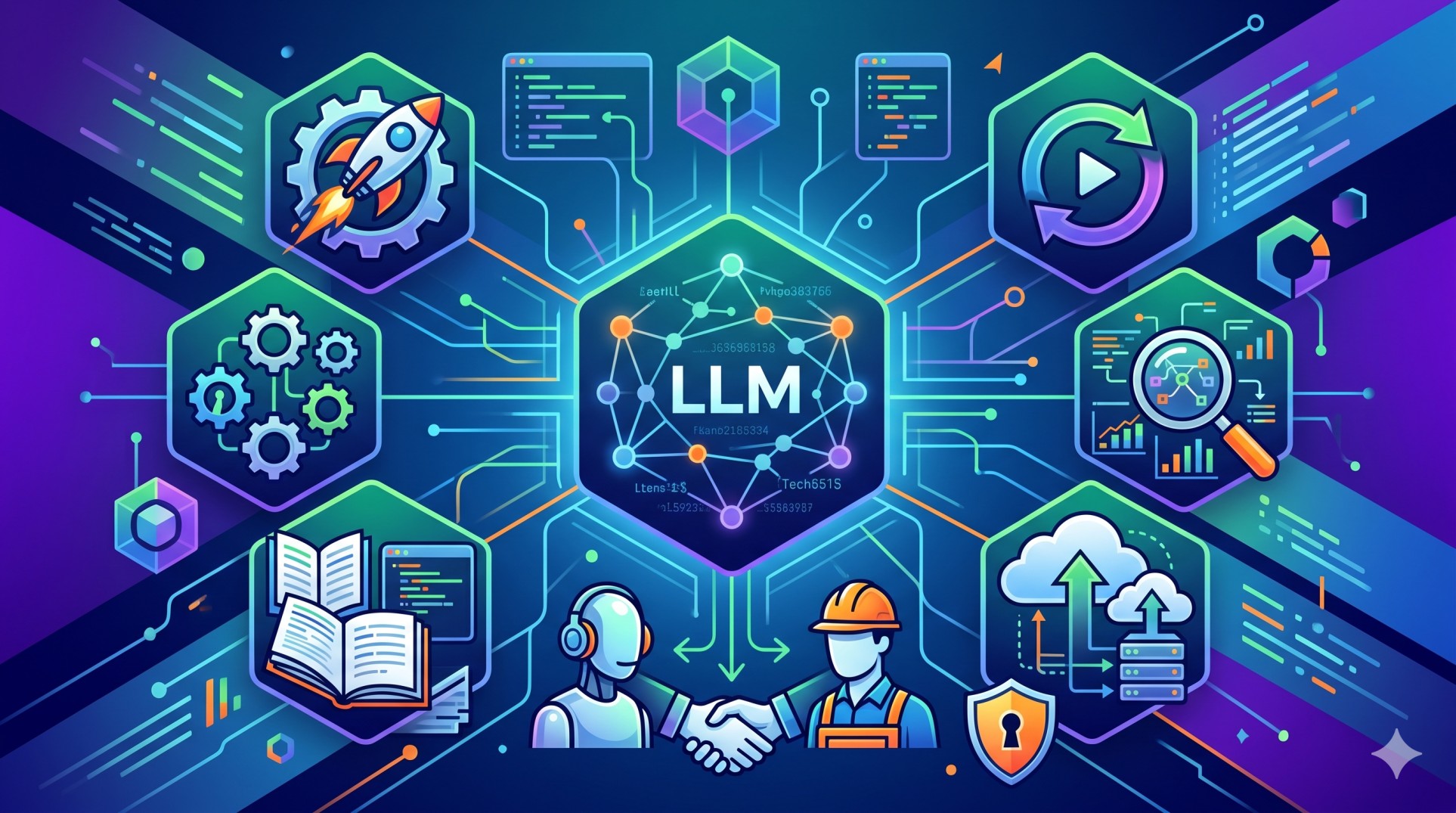
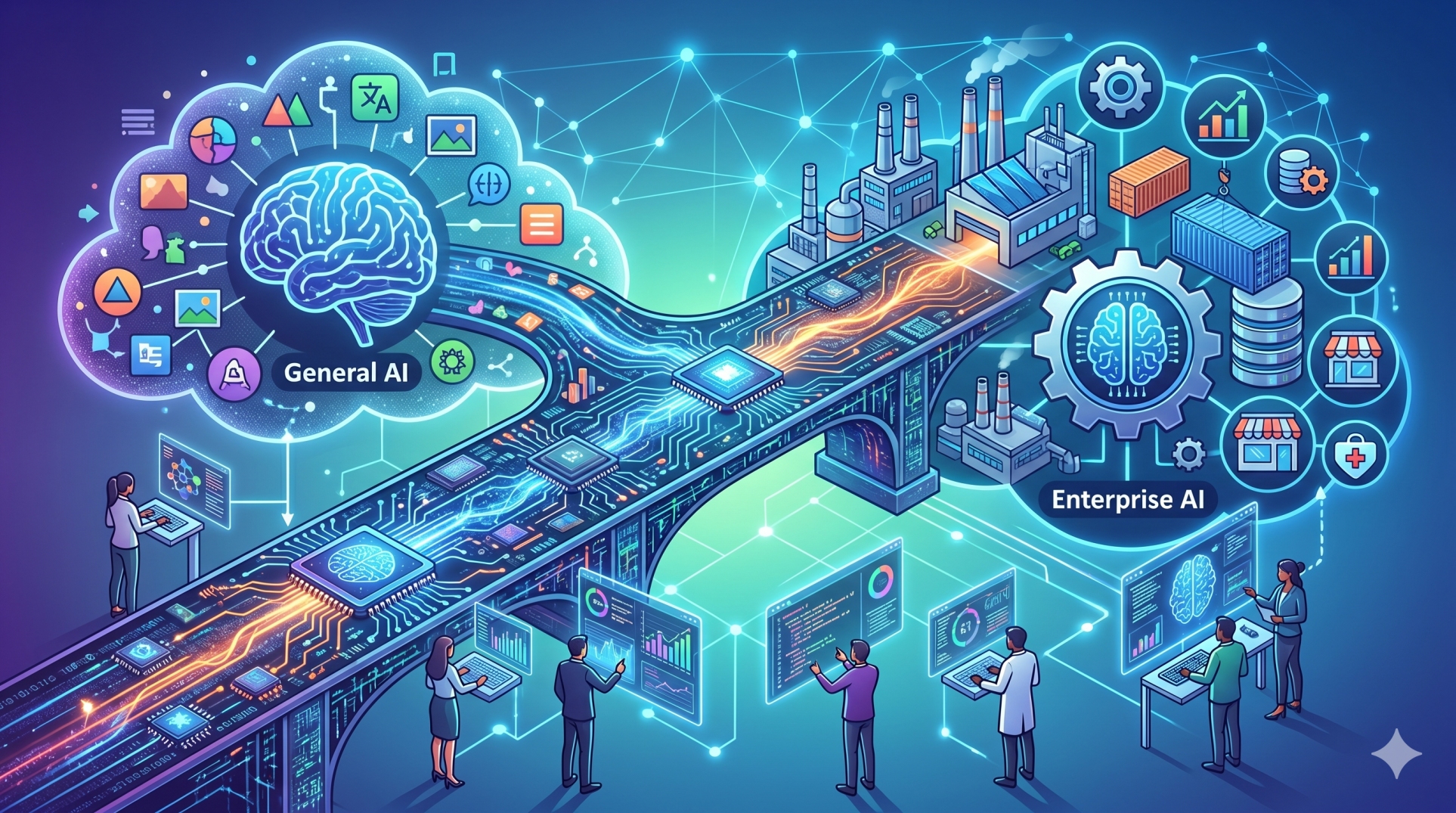
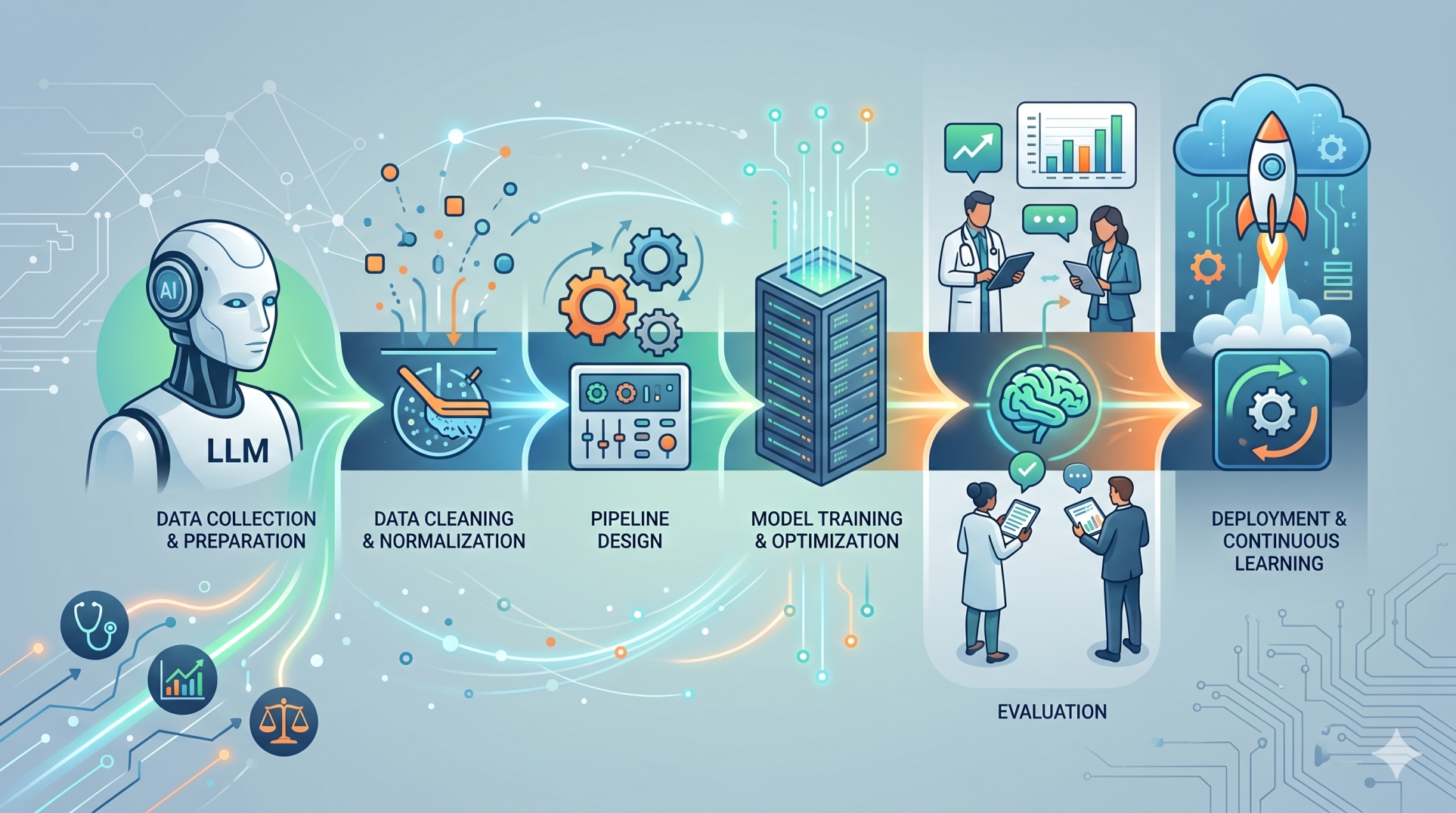
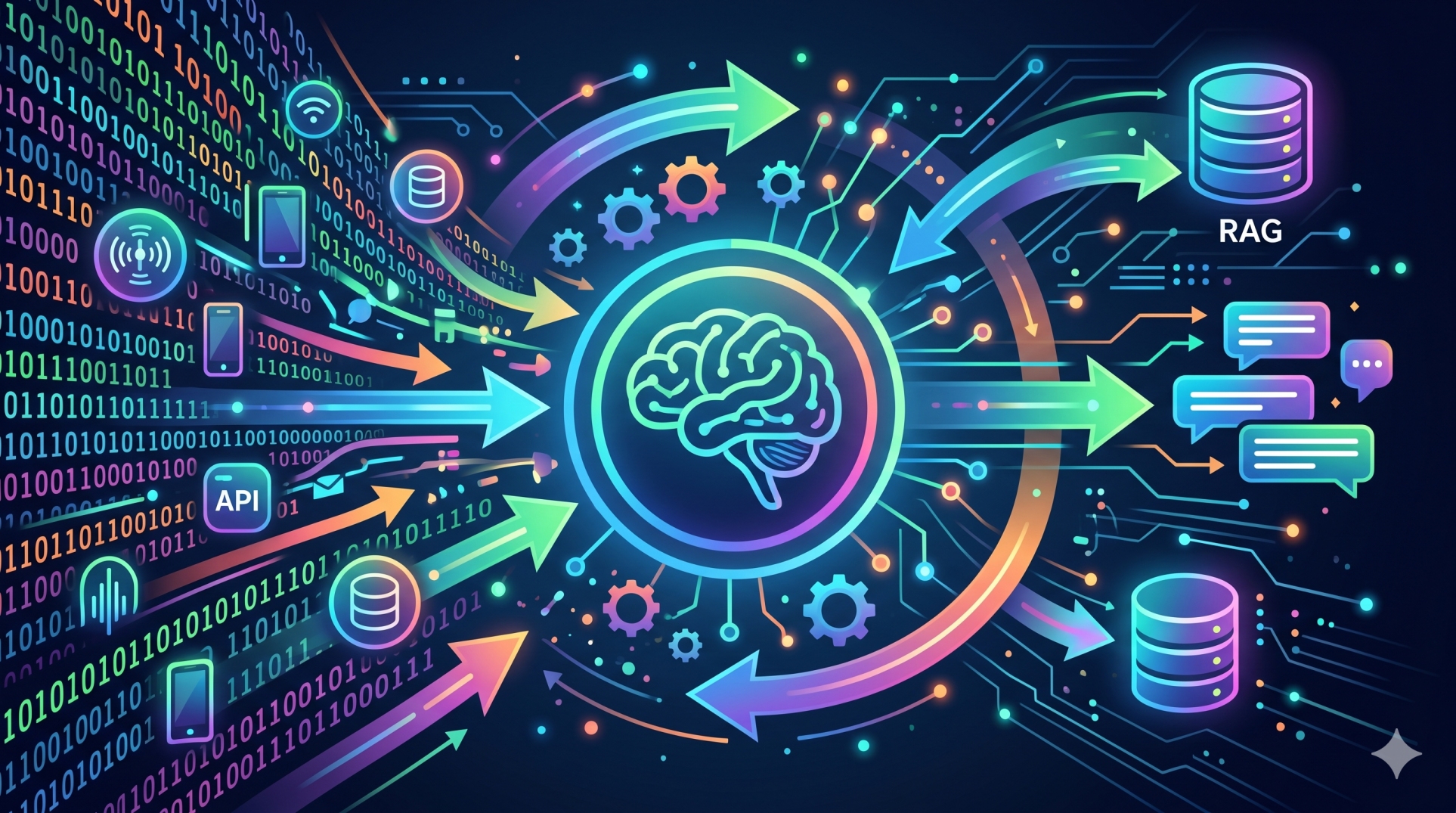
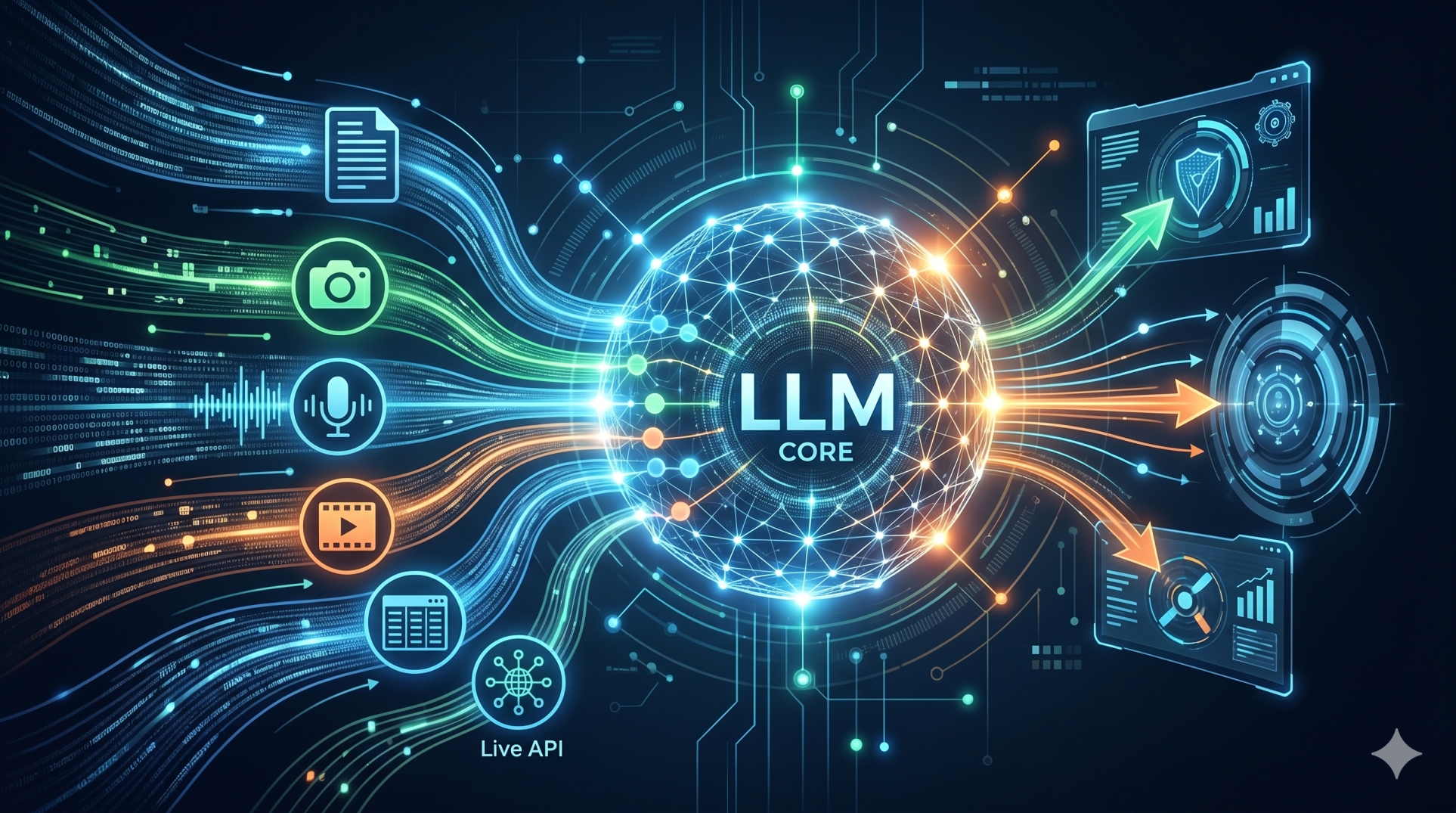
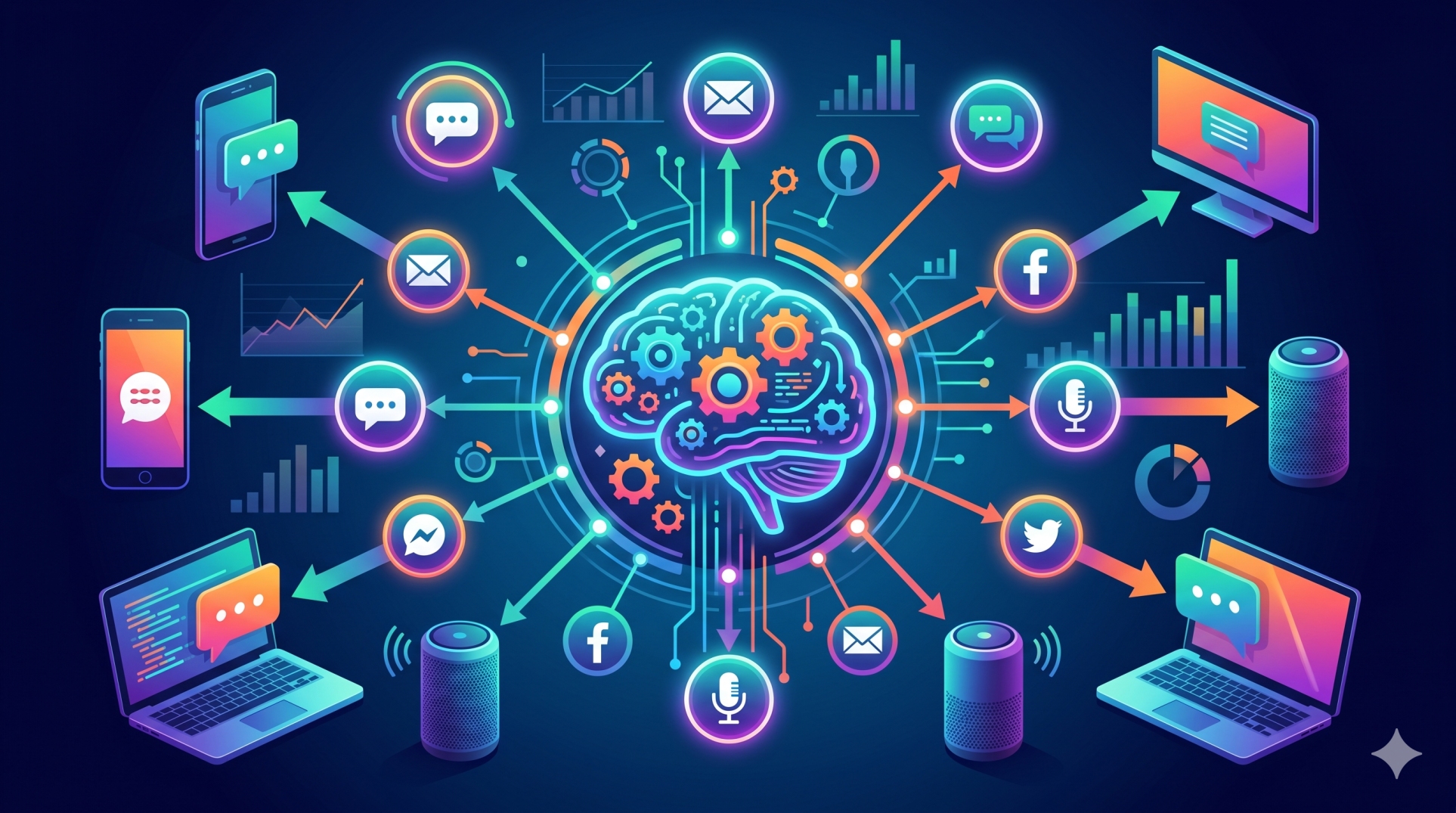
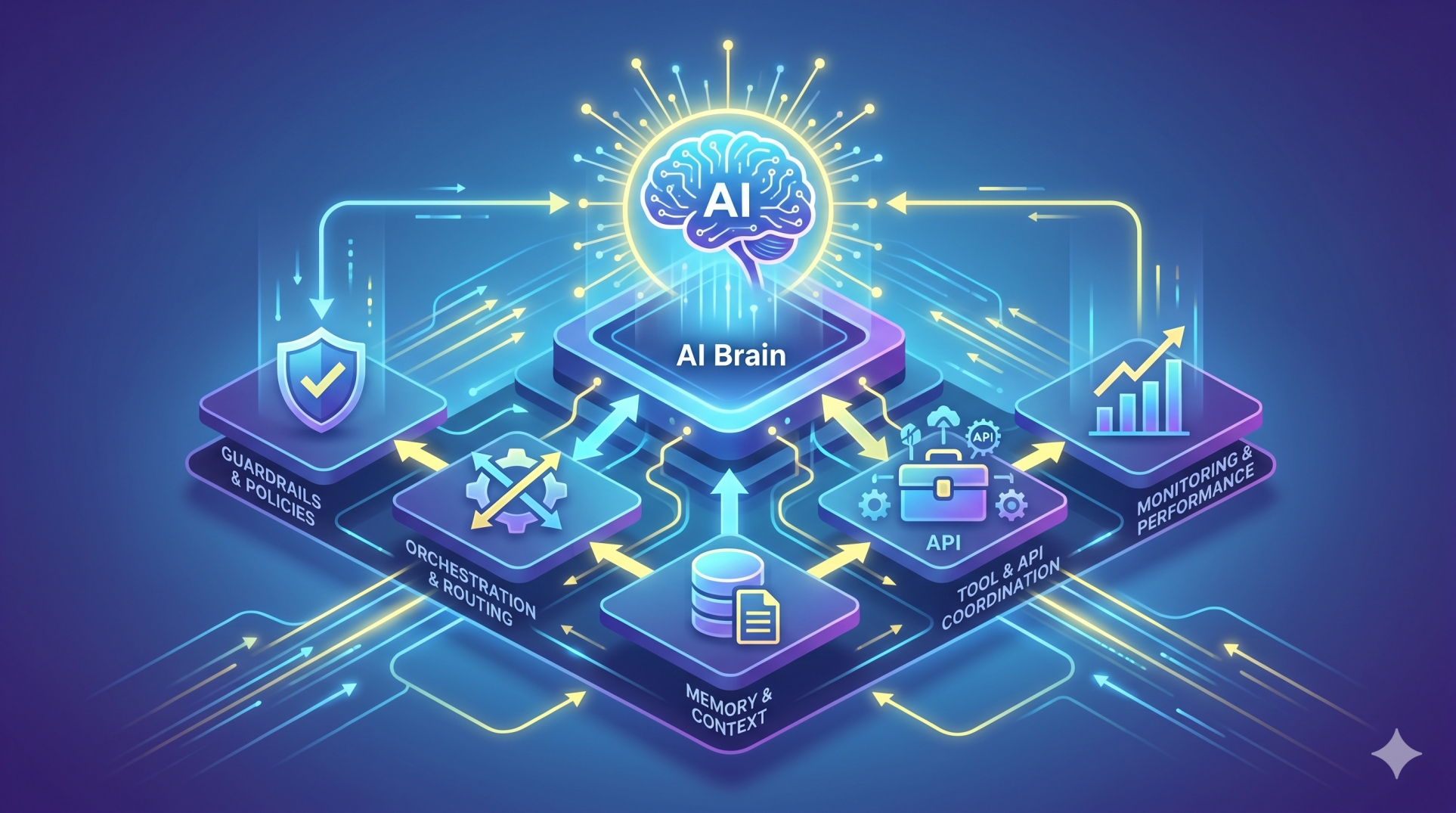
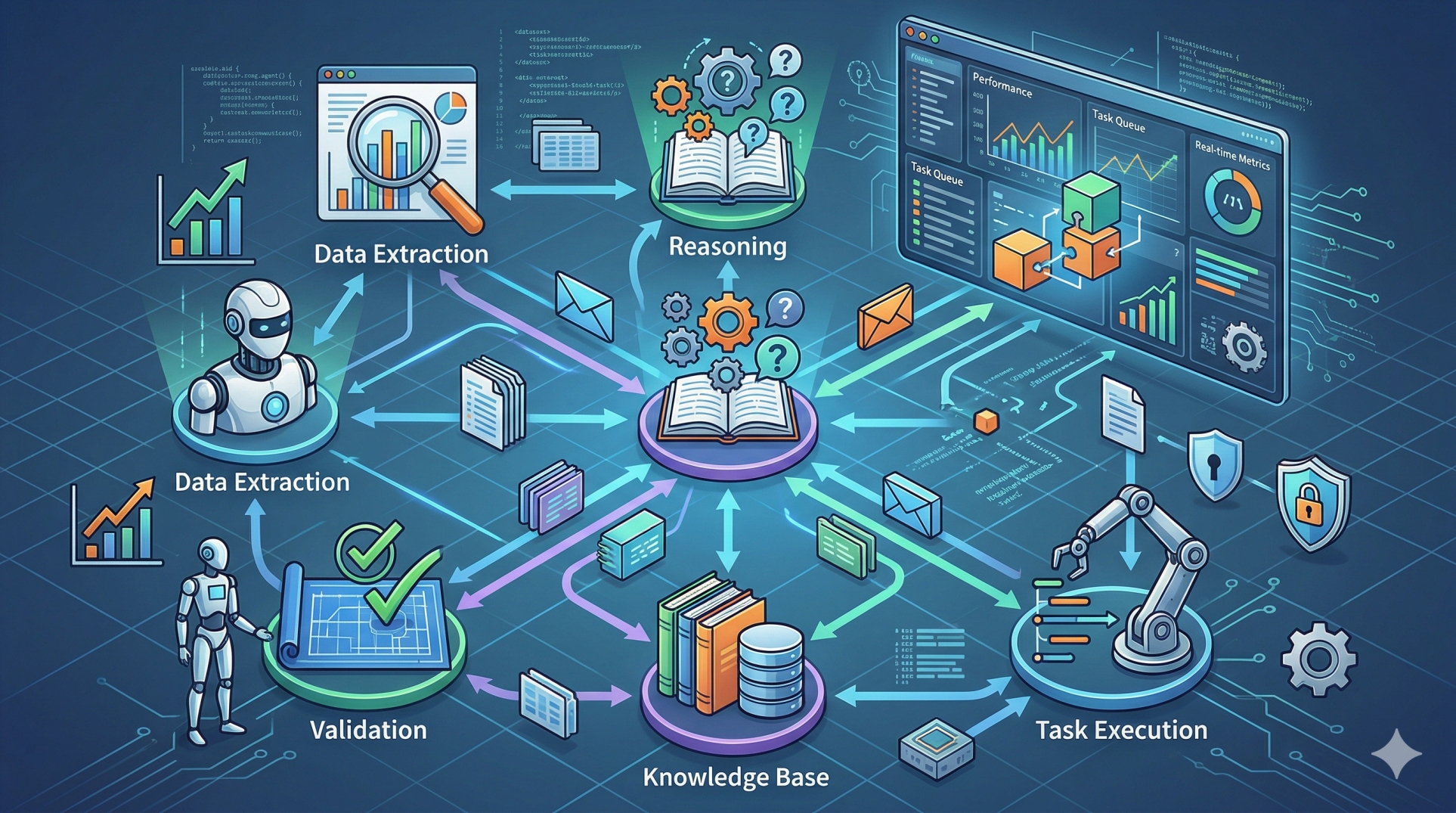
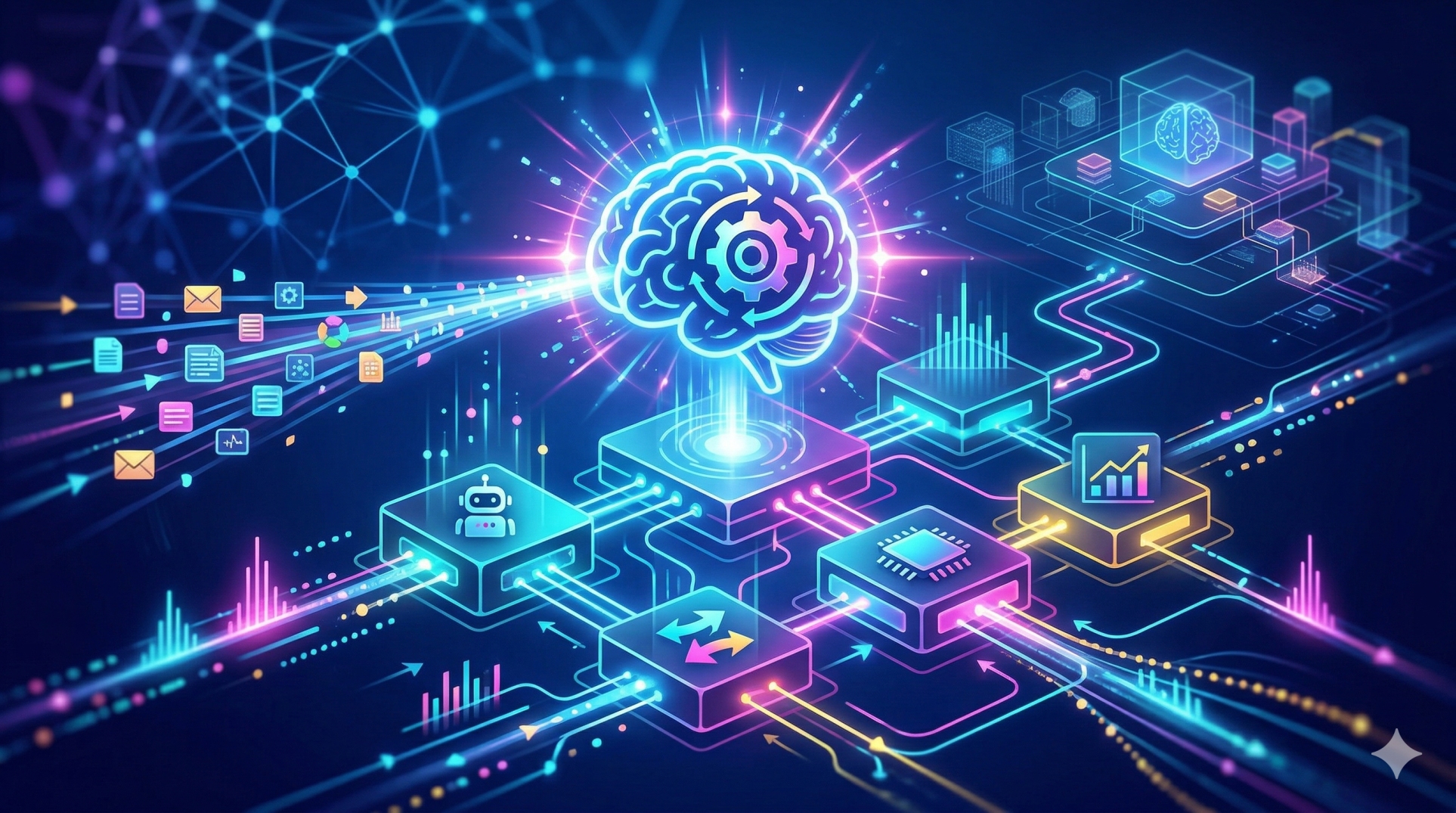
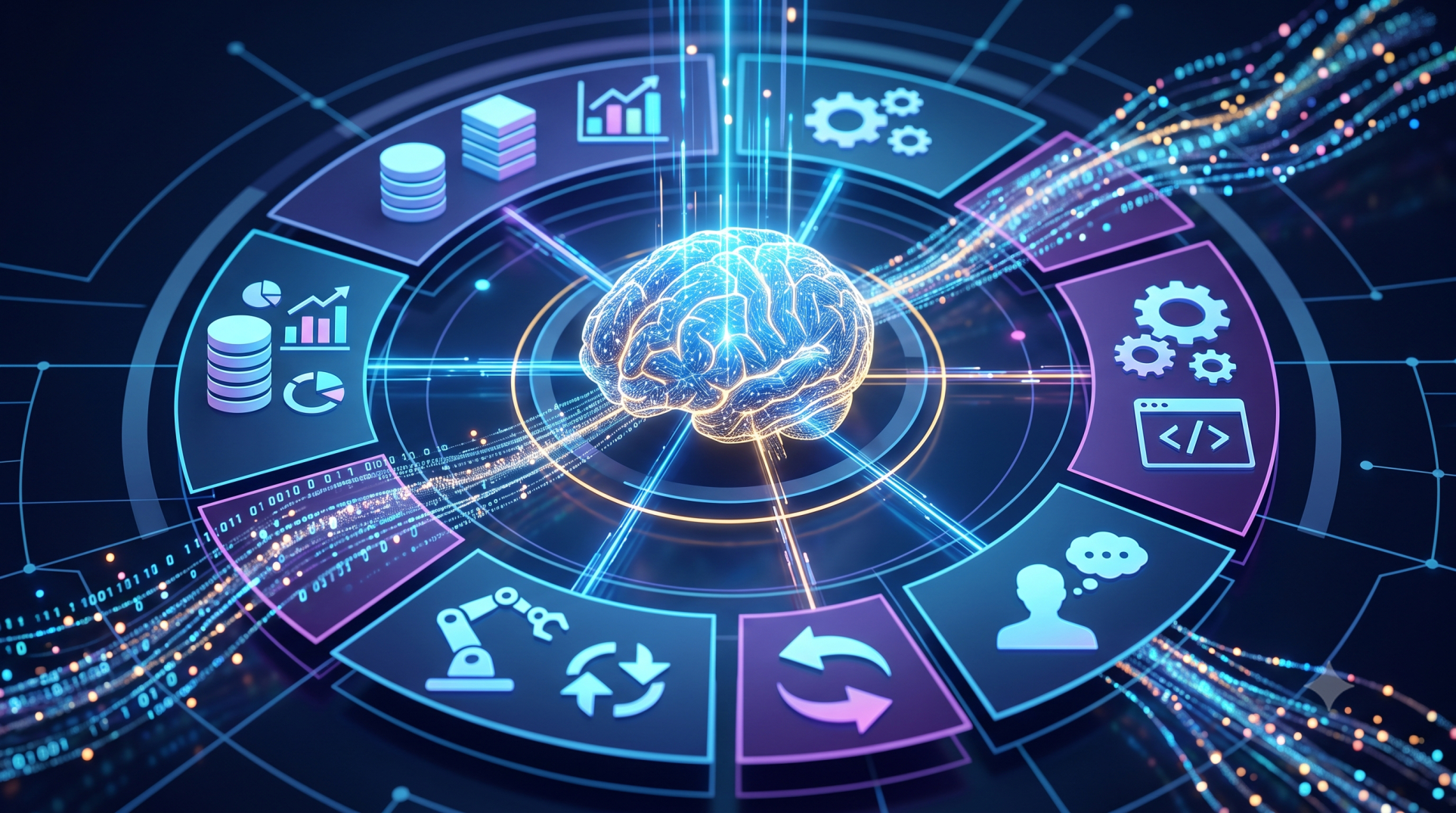
Modern enterprises operate across increasingly complex ecosystems of applications, data platforms, automated workflows, and digital services. As this complexity grows, organizations need intelligent coordination mechanisms that can interpret information, trigger actions, and connect business processes across systems. AI command layers provide this orchestration capability by acting as an intelligent control plane between users, enterprise data, software applications, and automation technologies.
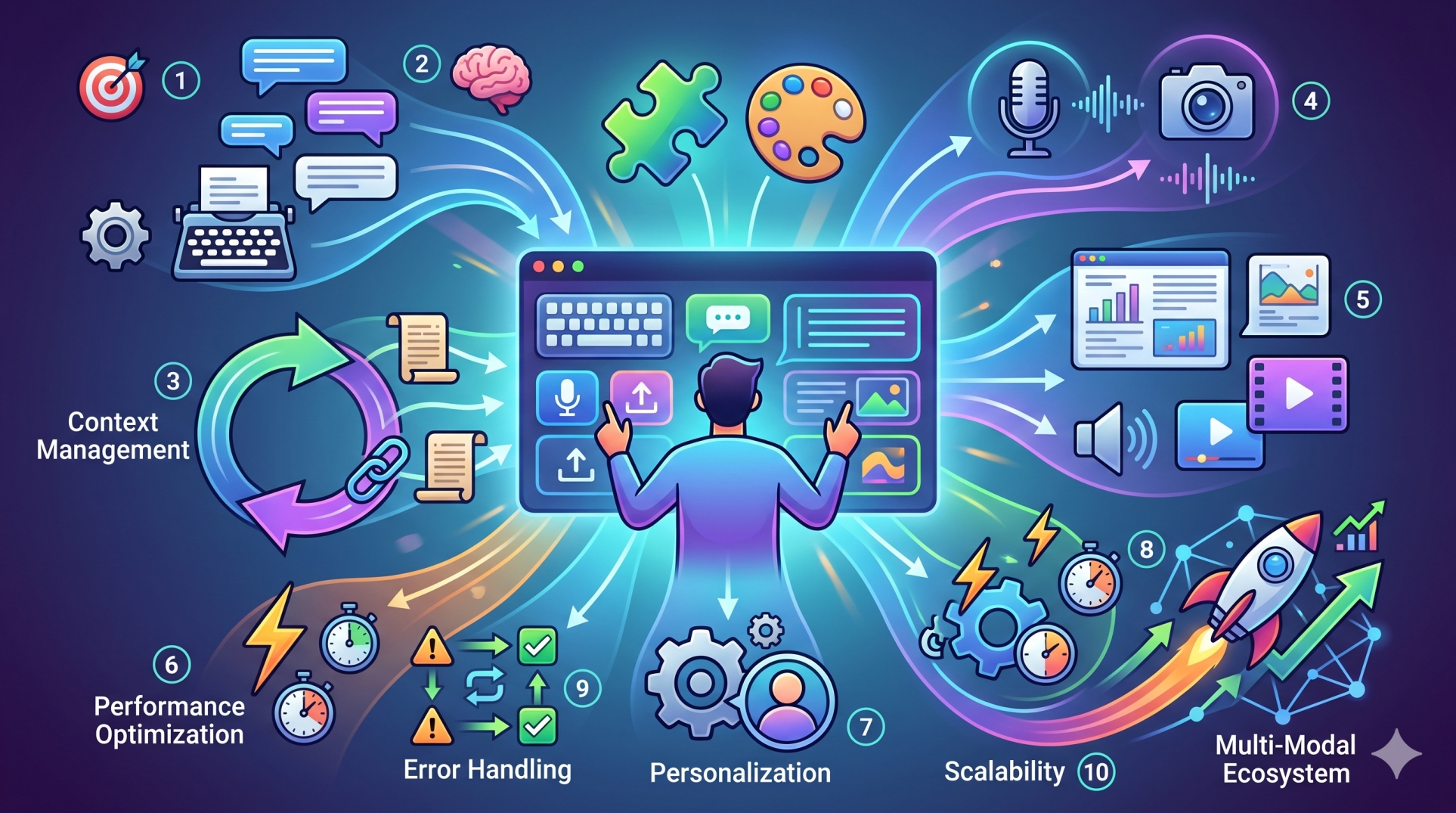
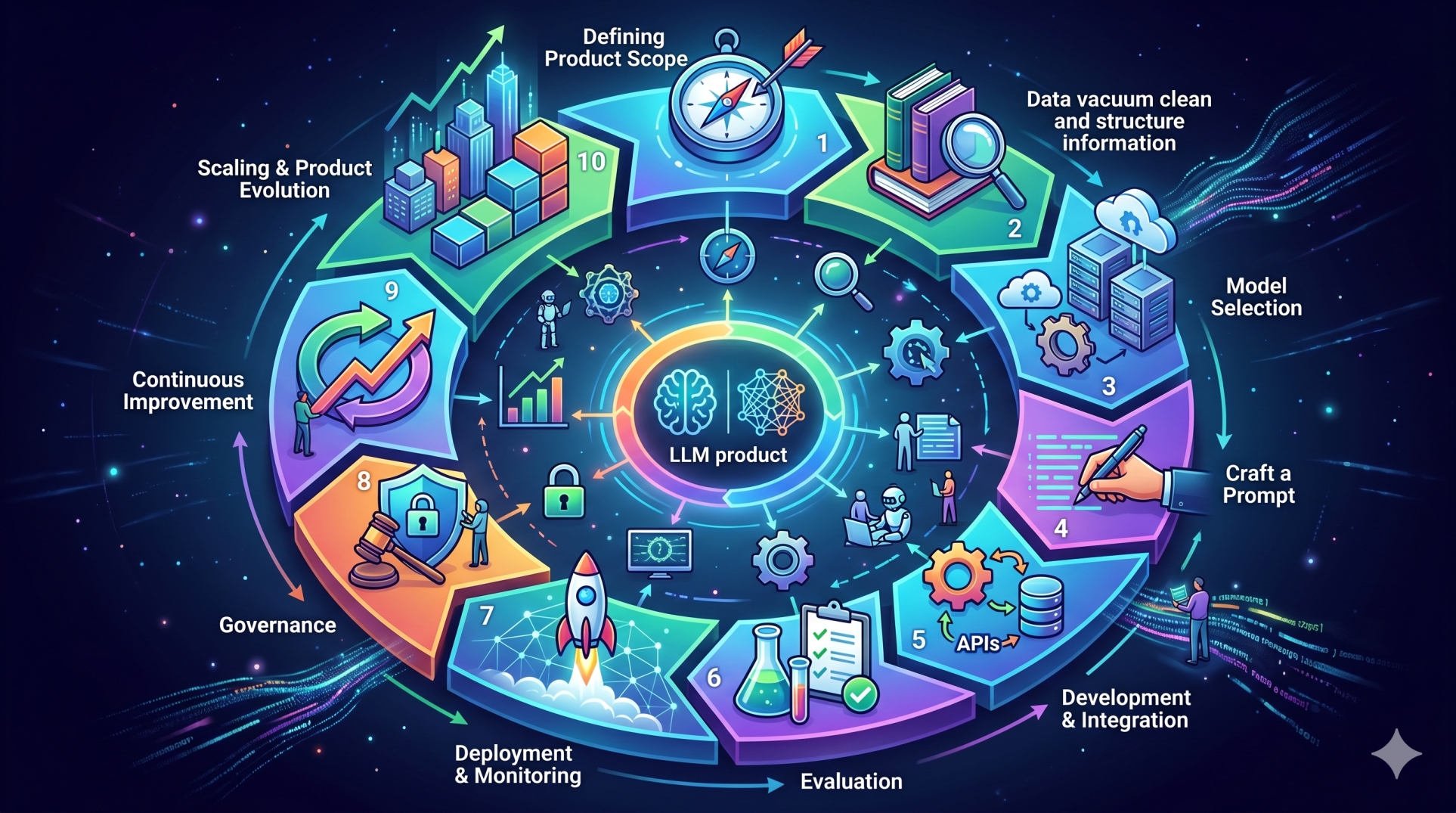
Step 1: Establishing the AI Command Layer 🧠
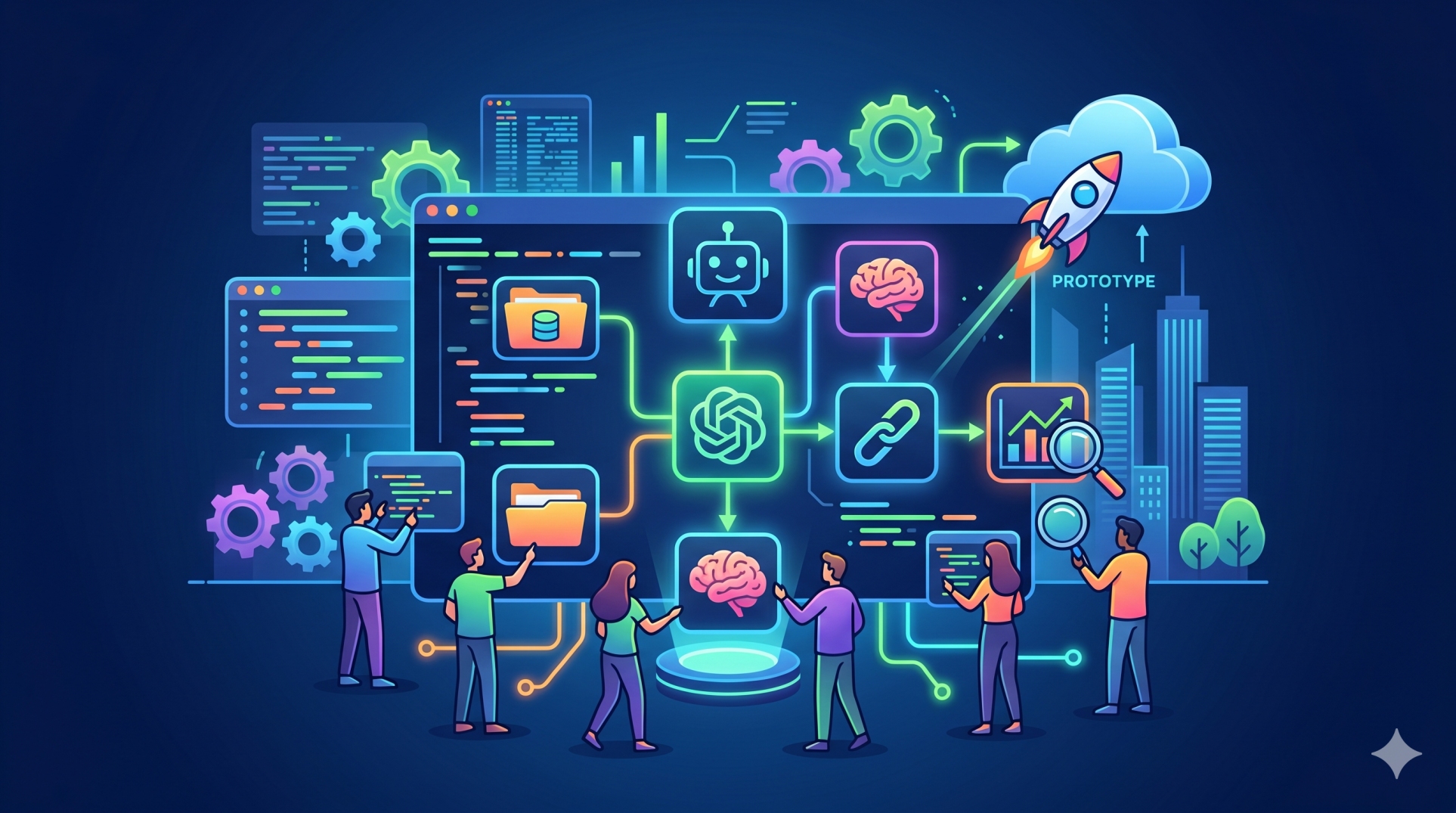
• Create a centralized intelligence layer across enterprise systems 🌐
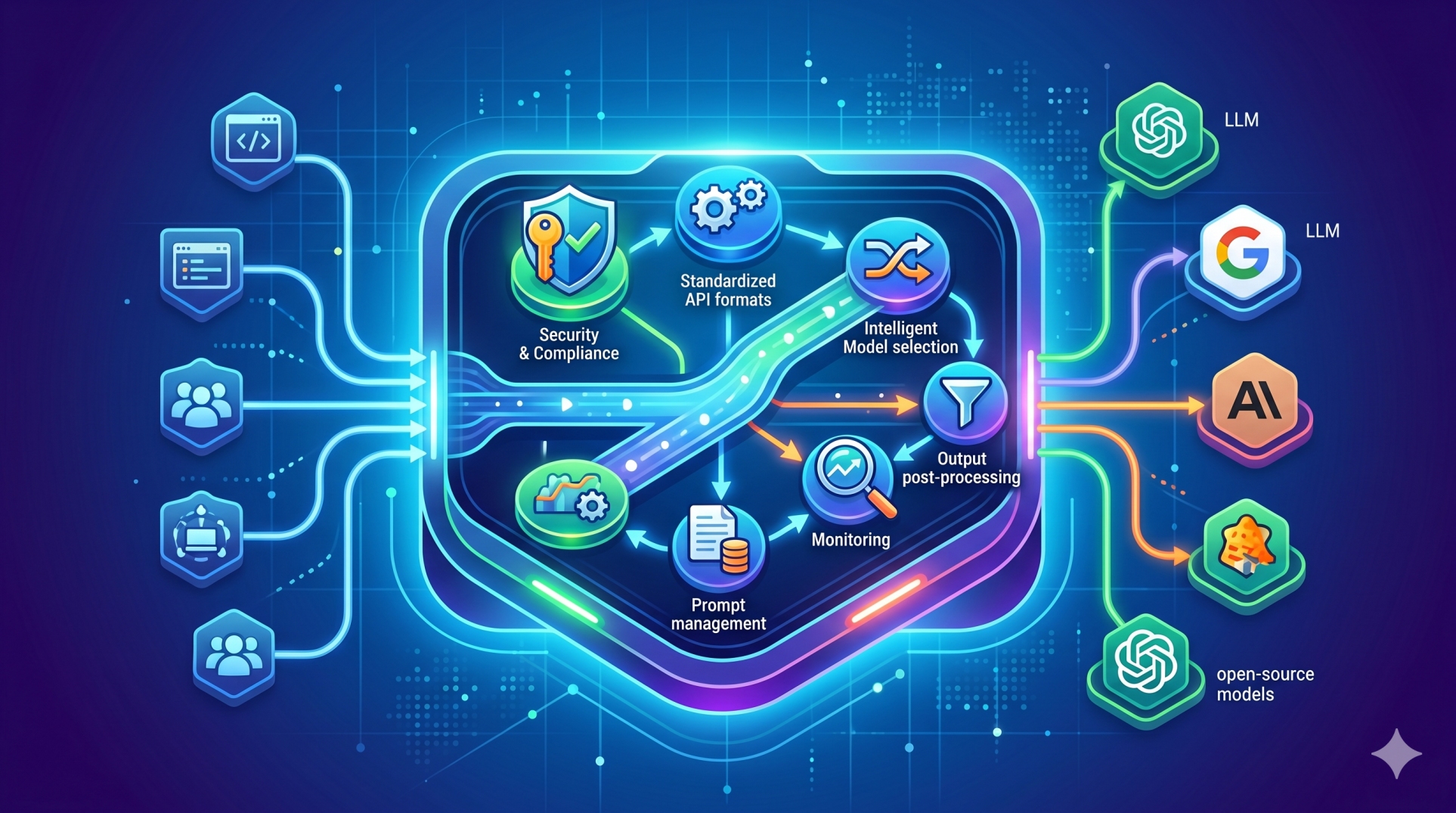
• Connect AI models with business applications and operational data 🔗
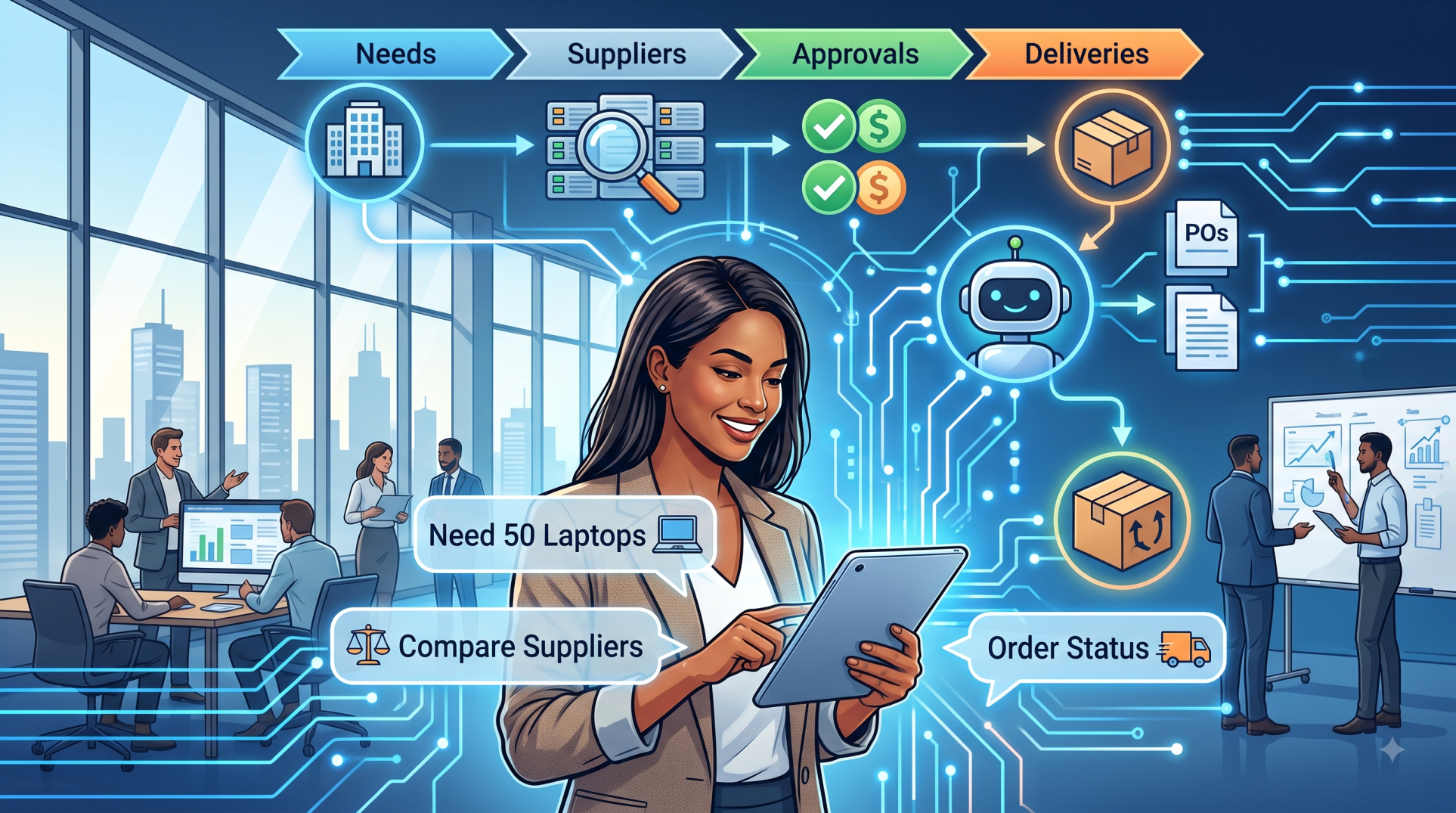
• Translate user requests into structured system actions ⚙️
• Coordinate workflows across multiple platforms 🔄
• Provide a unified interface for intelligent enterprise operations 🎯
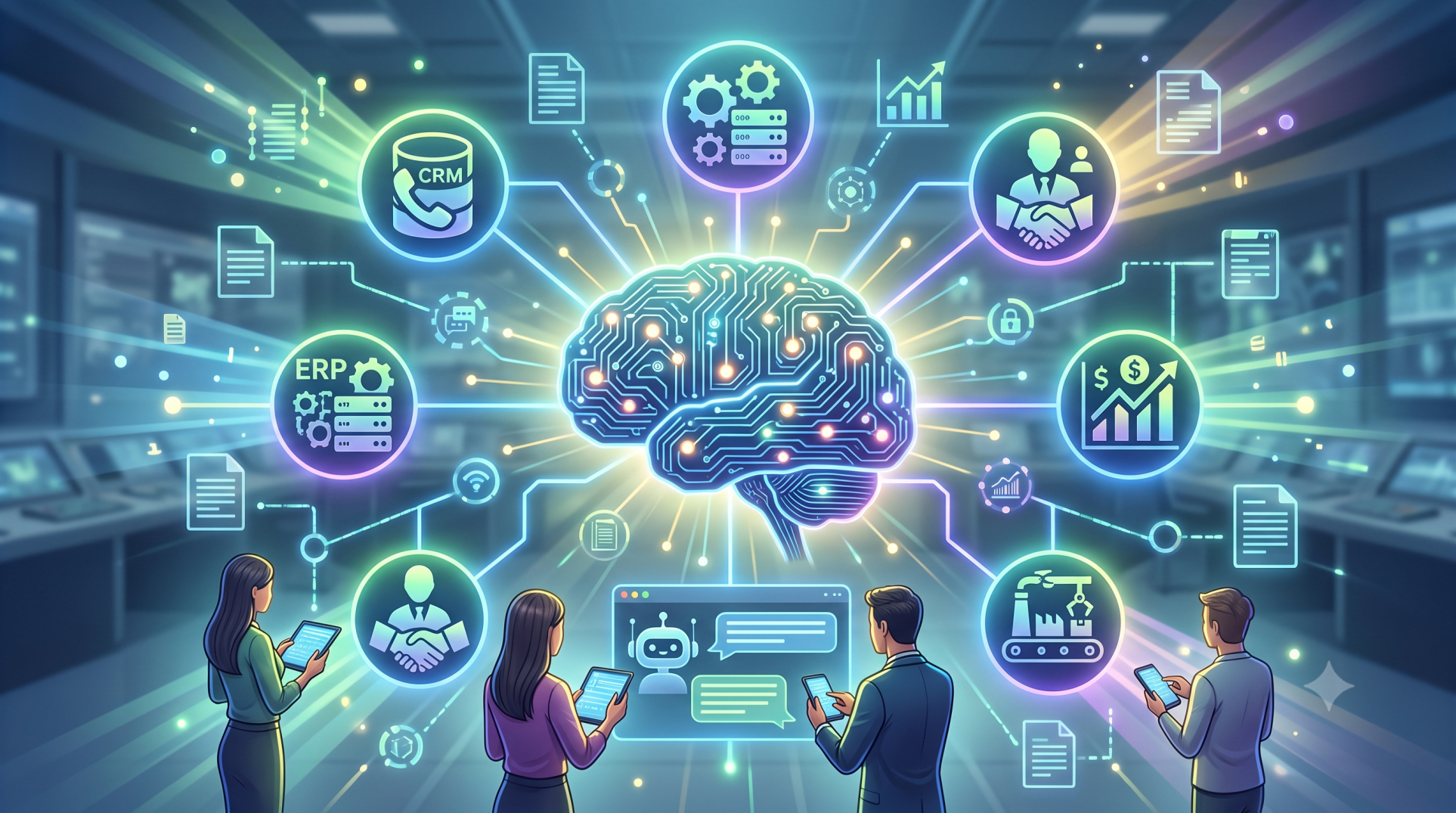
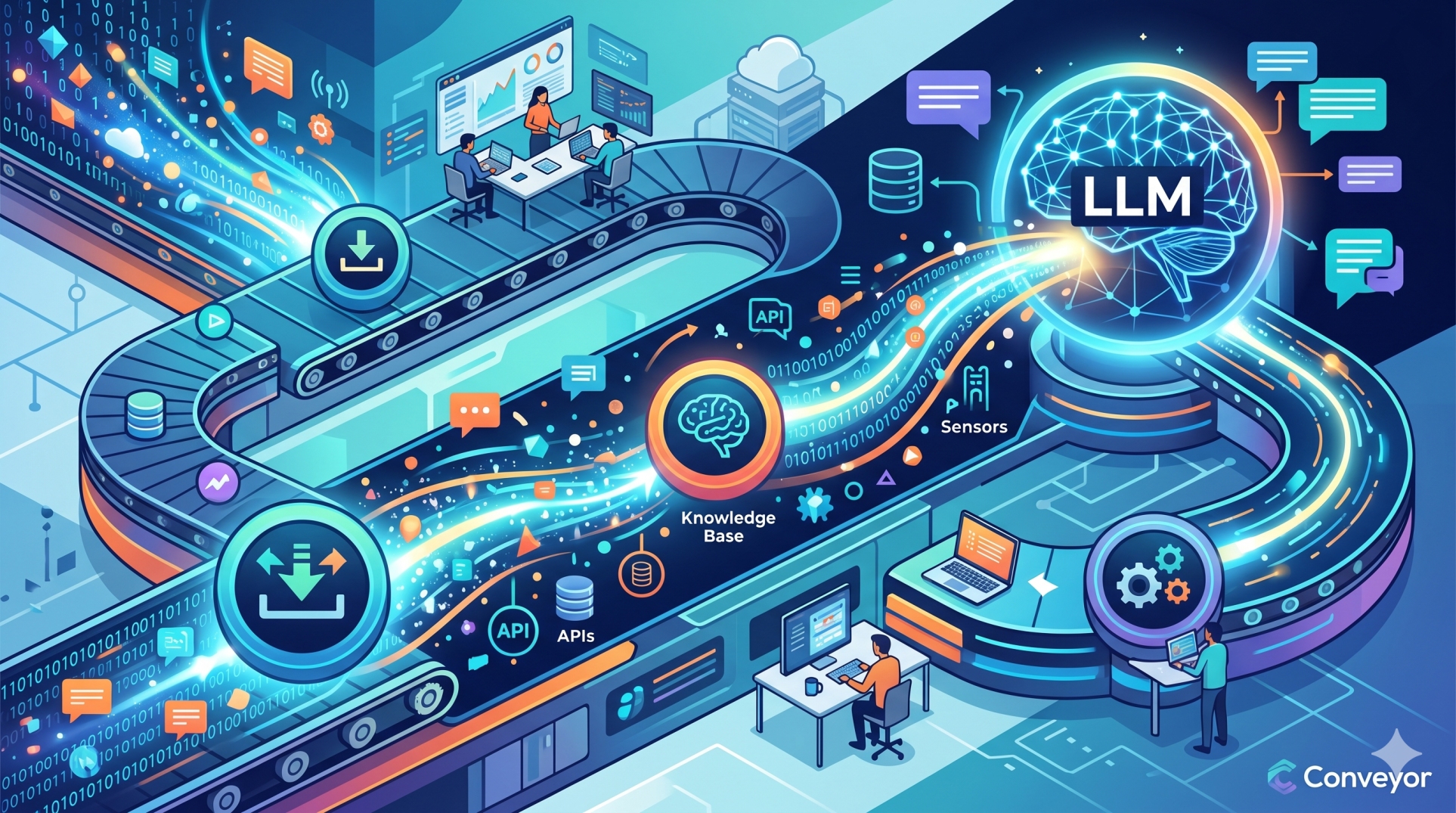
Step 2: Connecting Enterprise Data Sources 📊
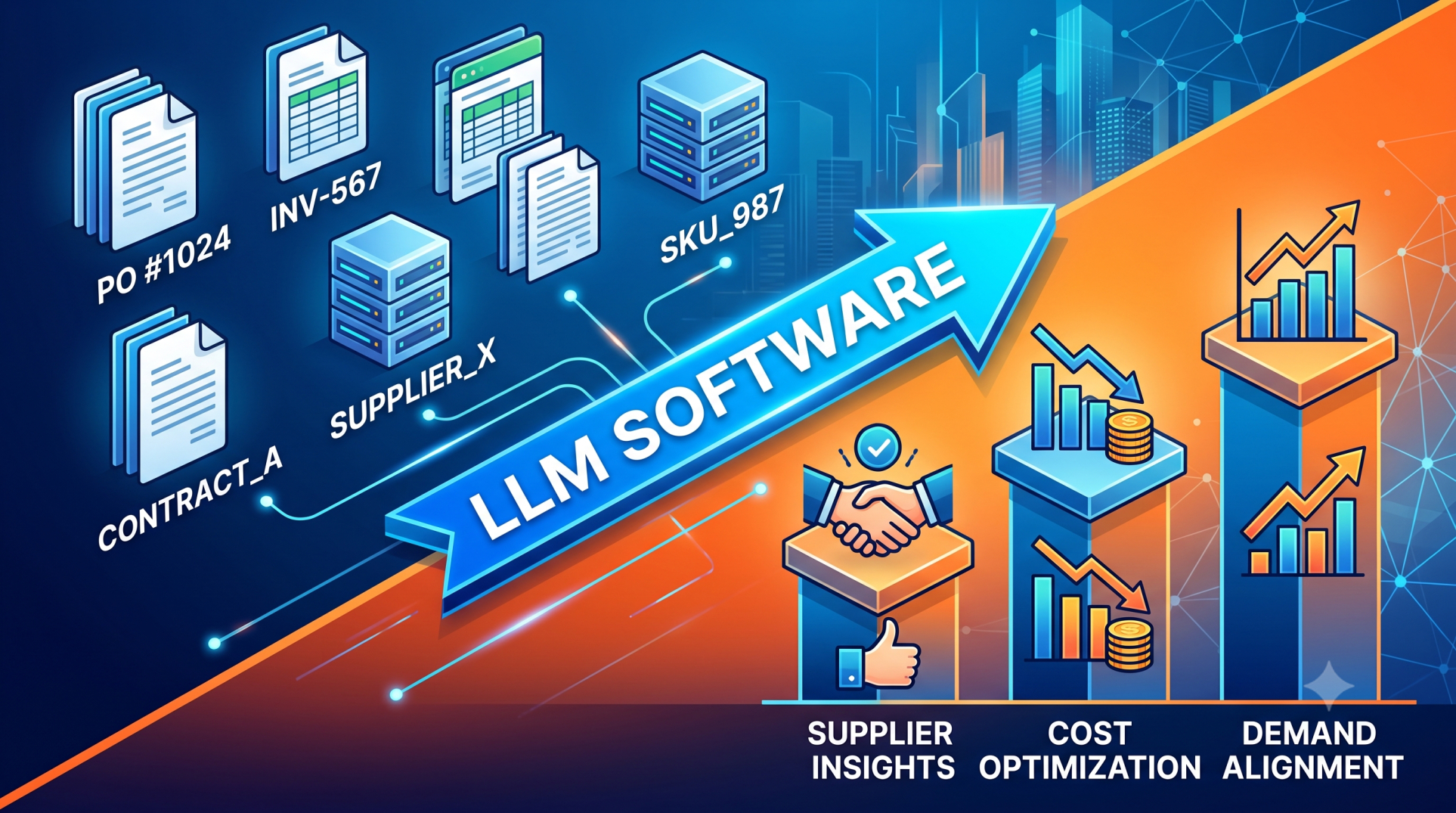
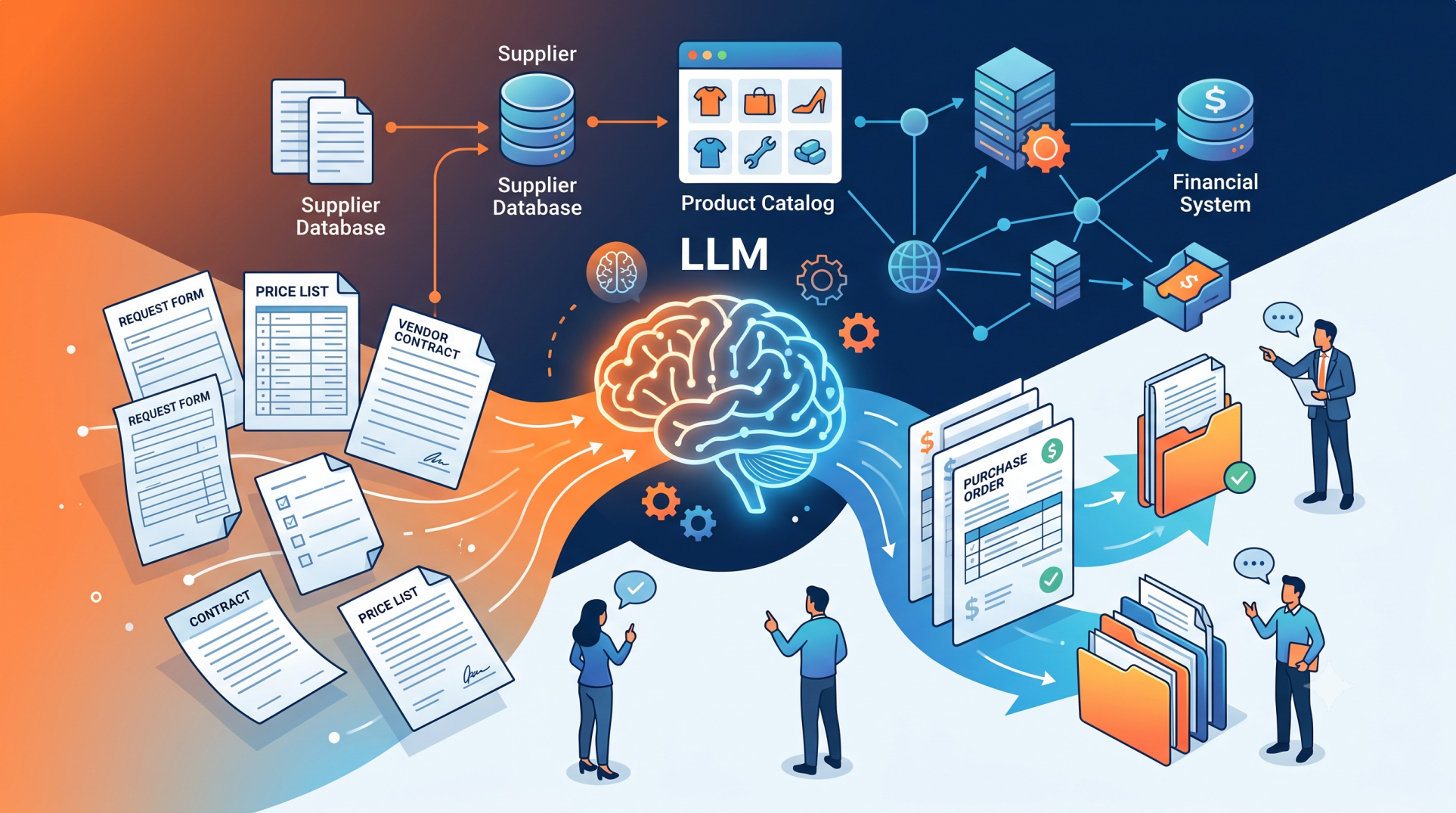
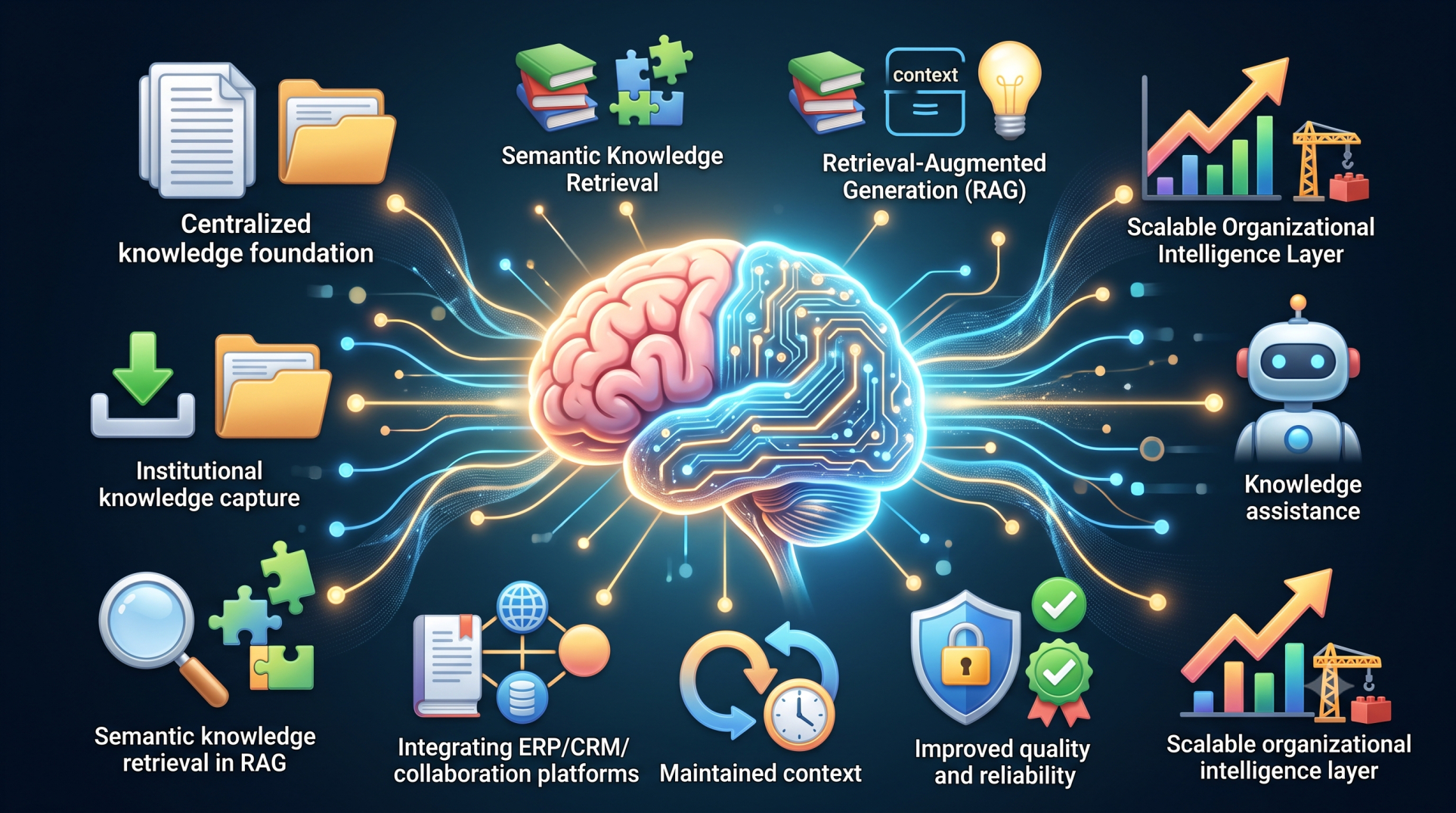
• Integrate ERP, CRM, finance, inventory, and analytics systems 🏢
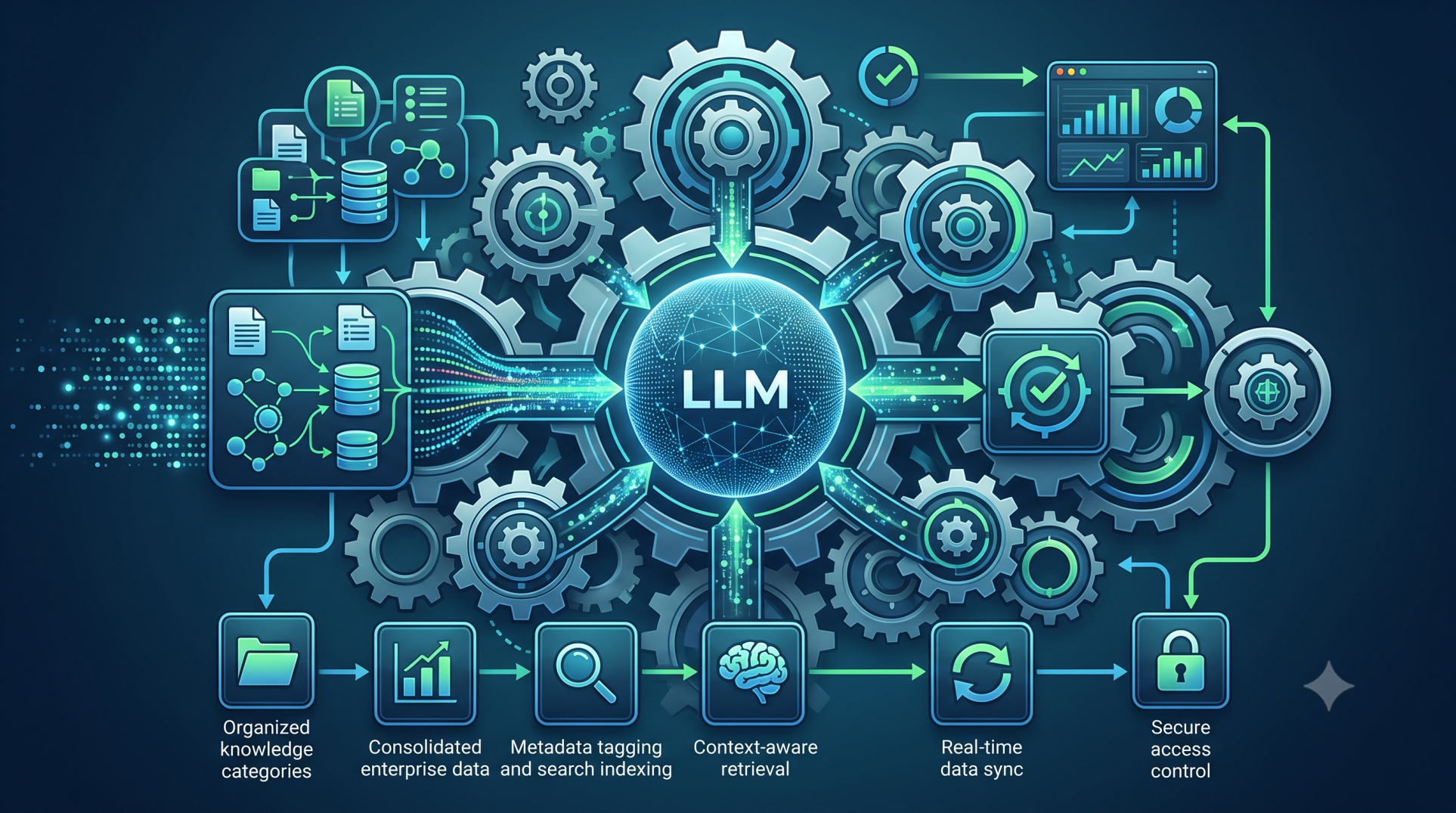
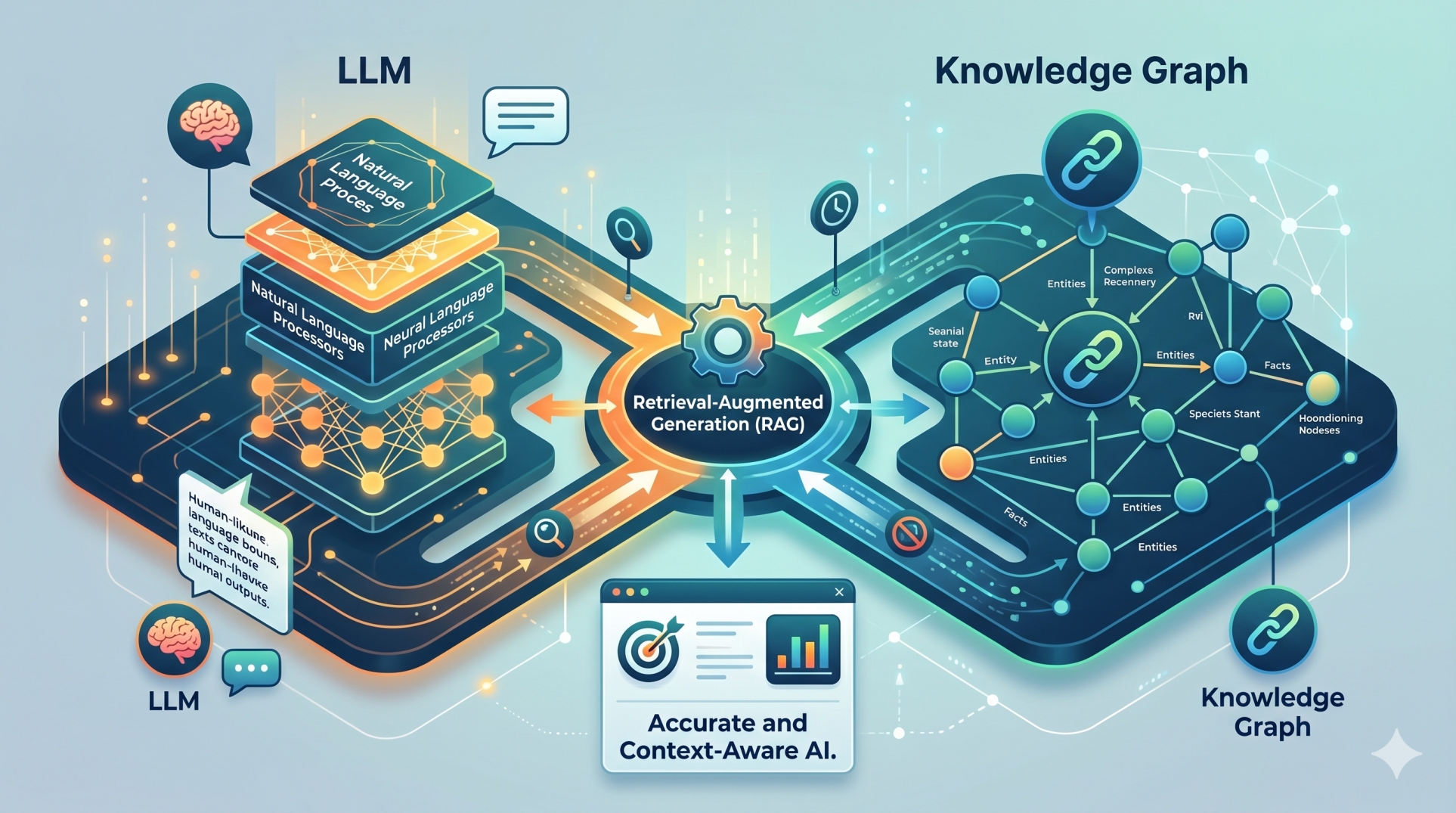
• Access structured and unstructured business information 📂
• Synchronize relevant data across connected applications 🔄
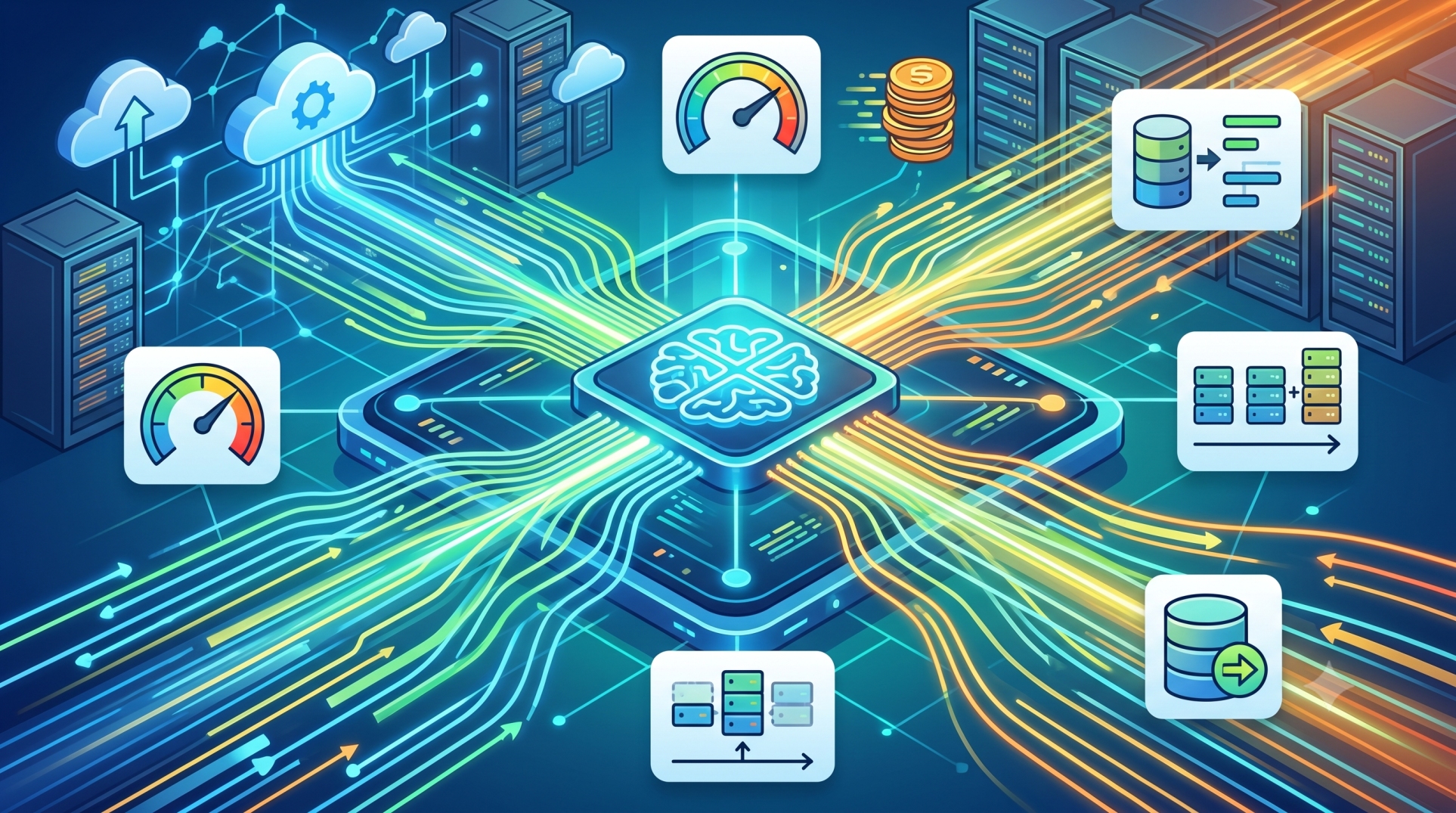
• Establish reliable data pipelines for AI-driven operations 📡
• Maintain consistent business context across workflows 🧩
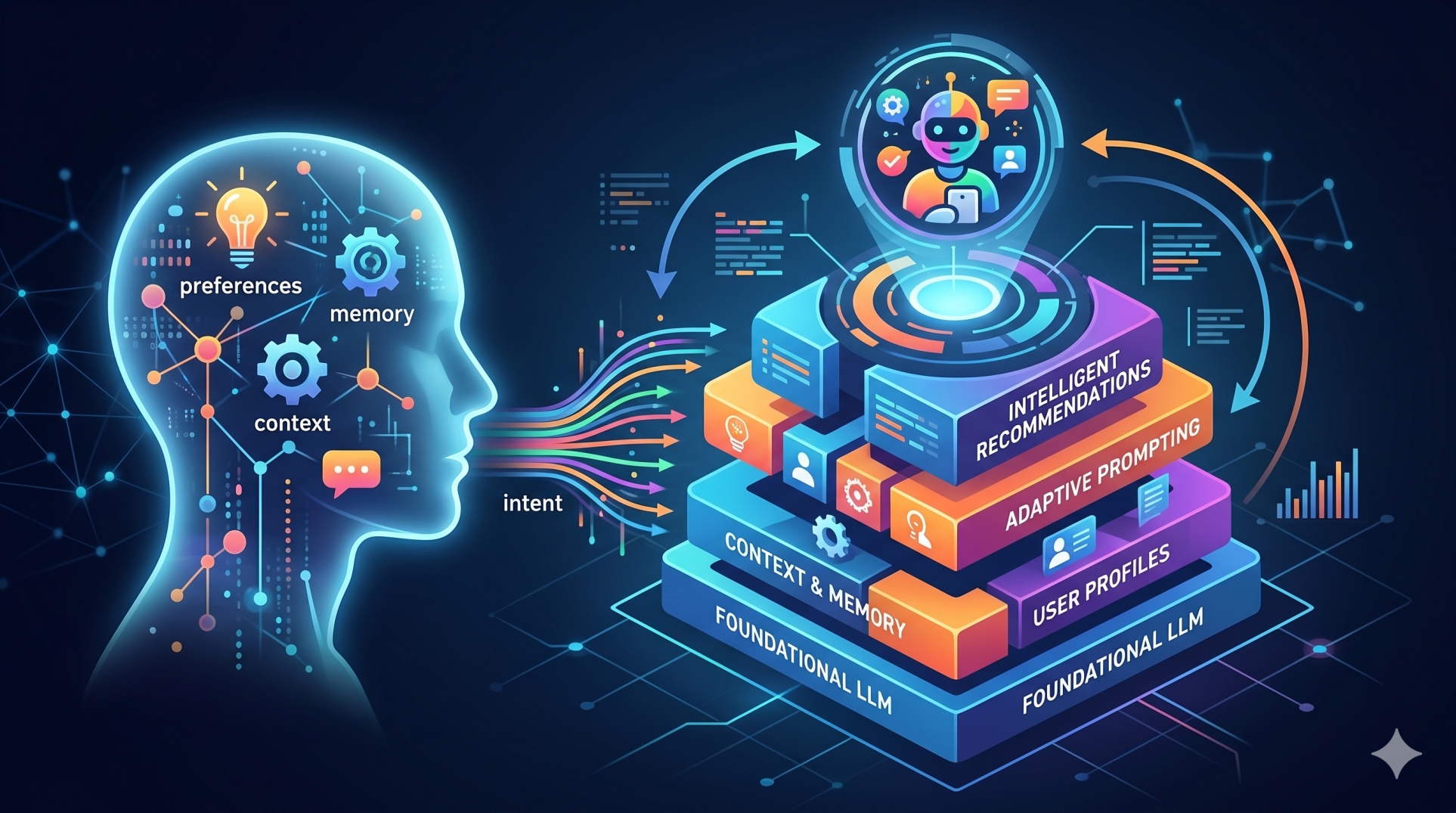
Step 3: Interpreting Business Intent 💬
• Understand requests expressed through natural language 🗣️
• Convert business objectives into executable tasks 🛠️
• Identify relevant applications, data, and workflows 🔍
• Maintain contextual awareness across interactions 🧠
• Route requests to appropriate enterprise capabilities 🎯
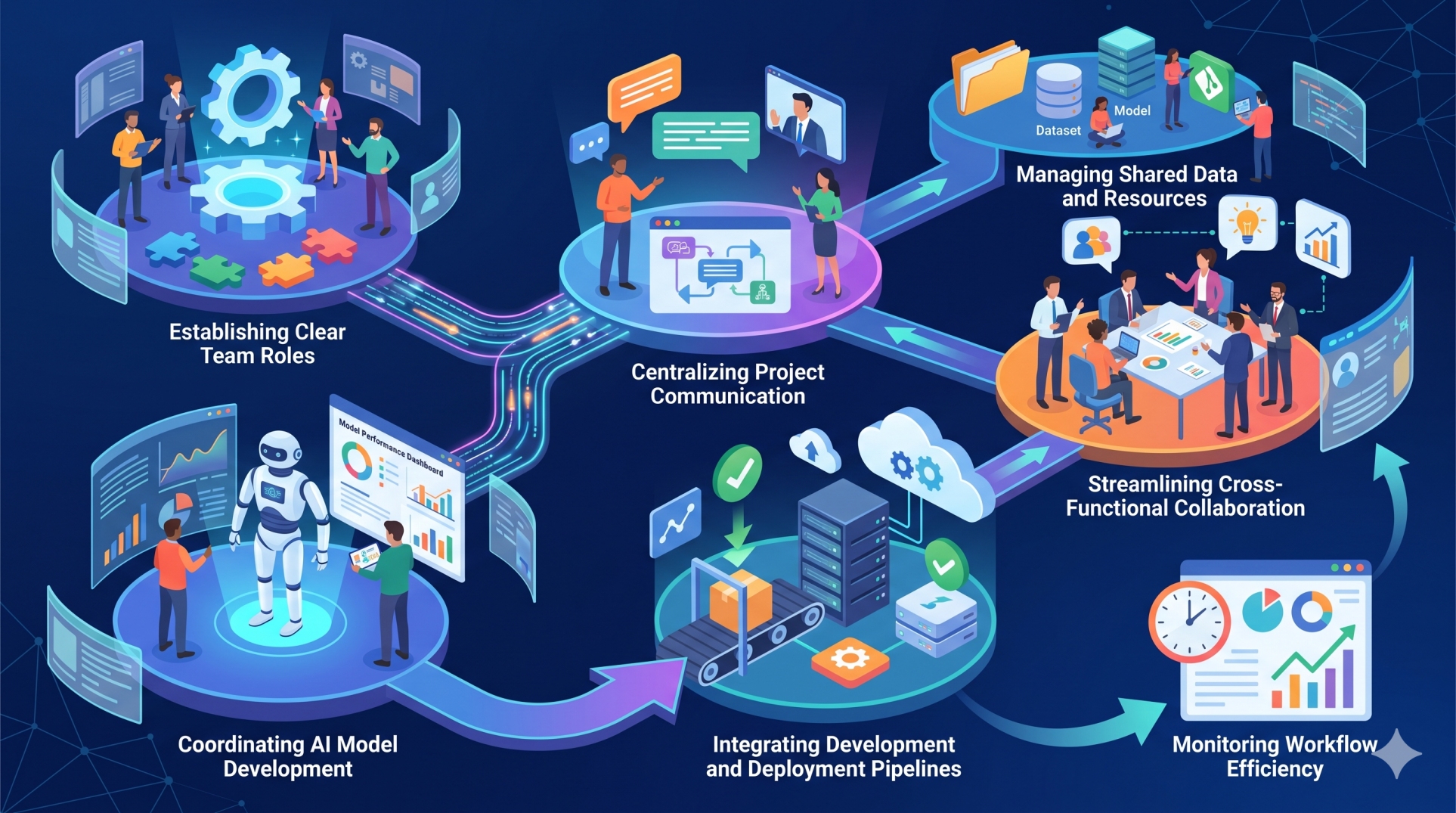
Step 4: Orchestrating Intelligent Workflows 🤖
• Coordinate multi-step processes across business systems ⚙️
• Trigger automated actions based on defined conditions ⚡
• Manage dependencies between applications and workflows 🔗
• Route tasks dynamically according to operational priorities 📋
• Reduce manual coordination across complex processes 🚀
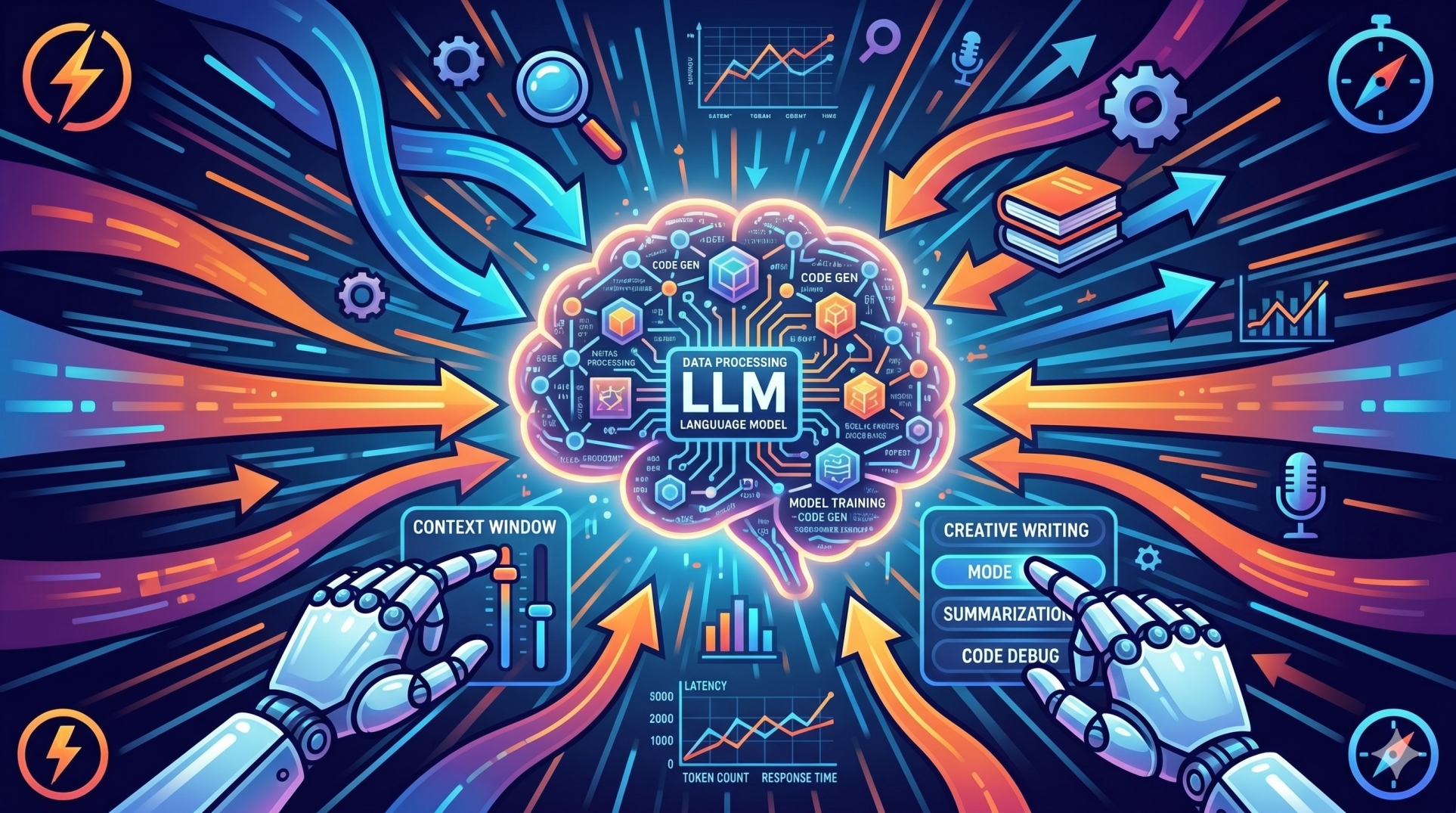
Step 5: Managing AI Agents and Automation 🕹️
• Coordinate specialized AI agents for different business functions 🤖
• Assign tasks based on agent capabilities and context 📌
• Manage interactions between AI agents and traditional software 🔄
• Track task progress, outcomes, and exceptions 📊
• Maintain centralized control over autonomous operations 🧭
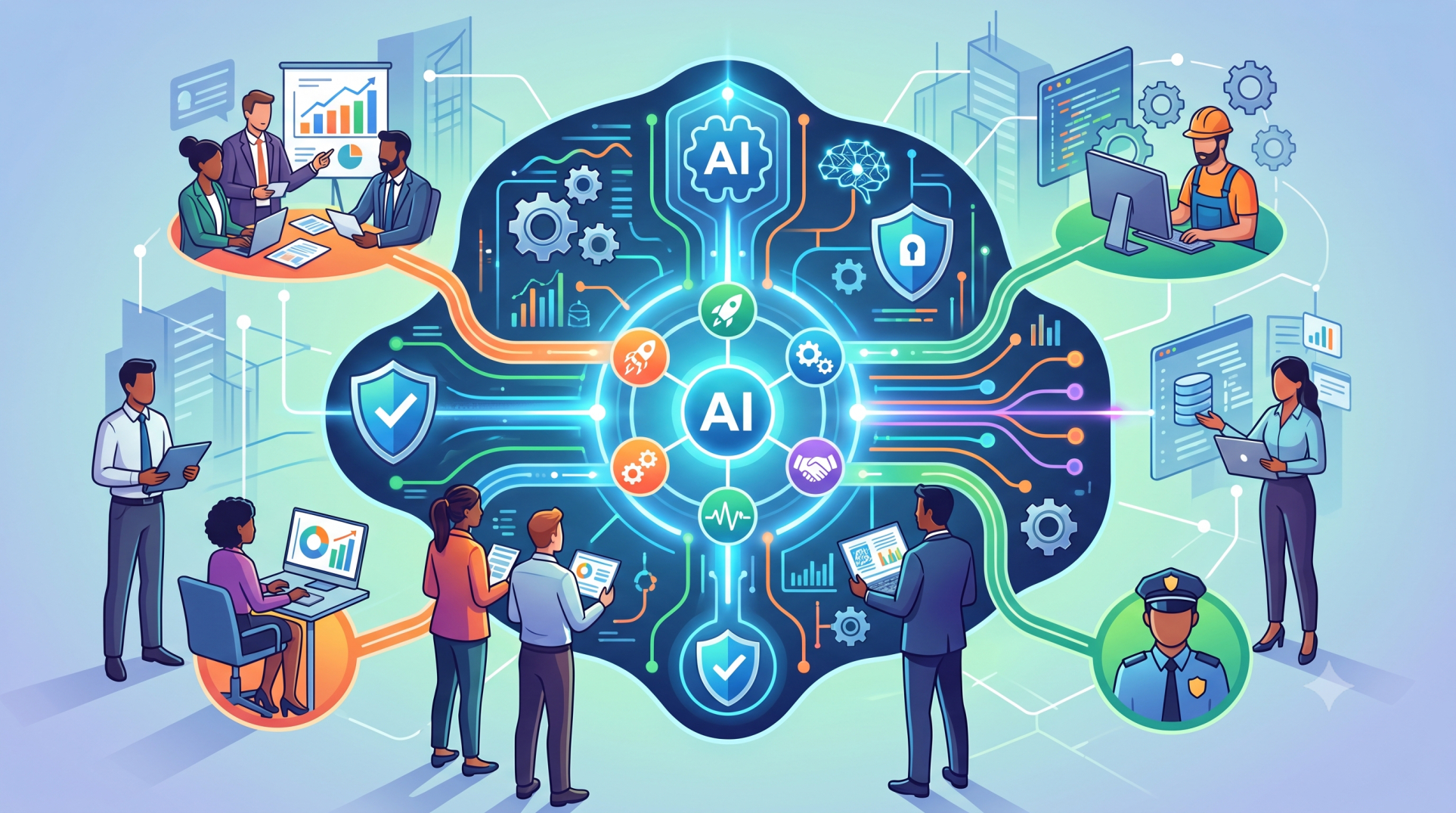
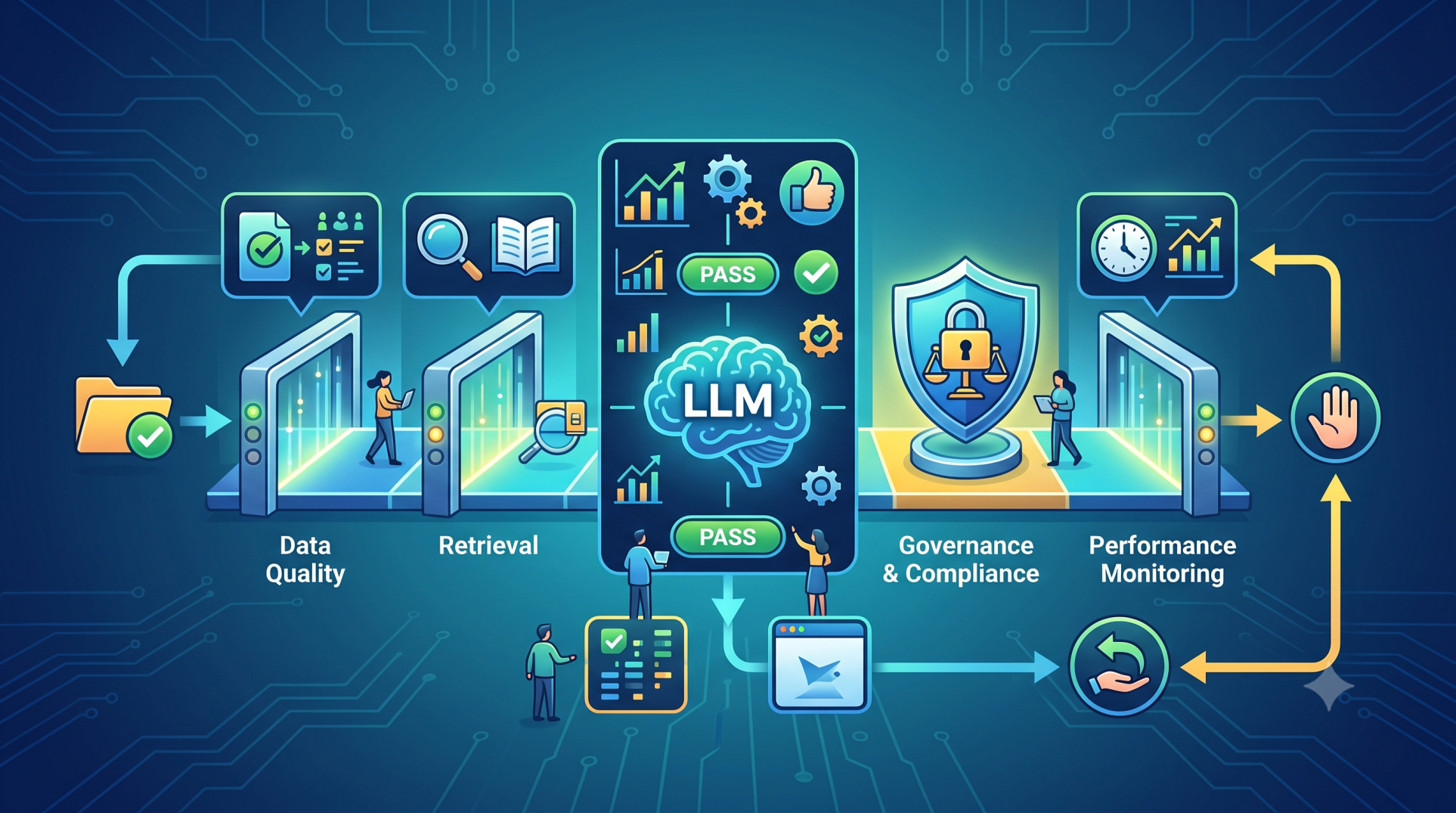
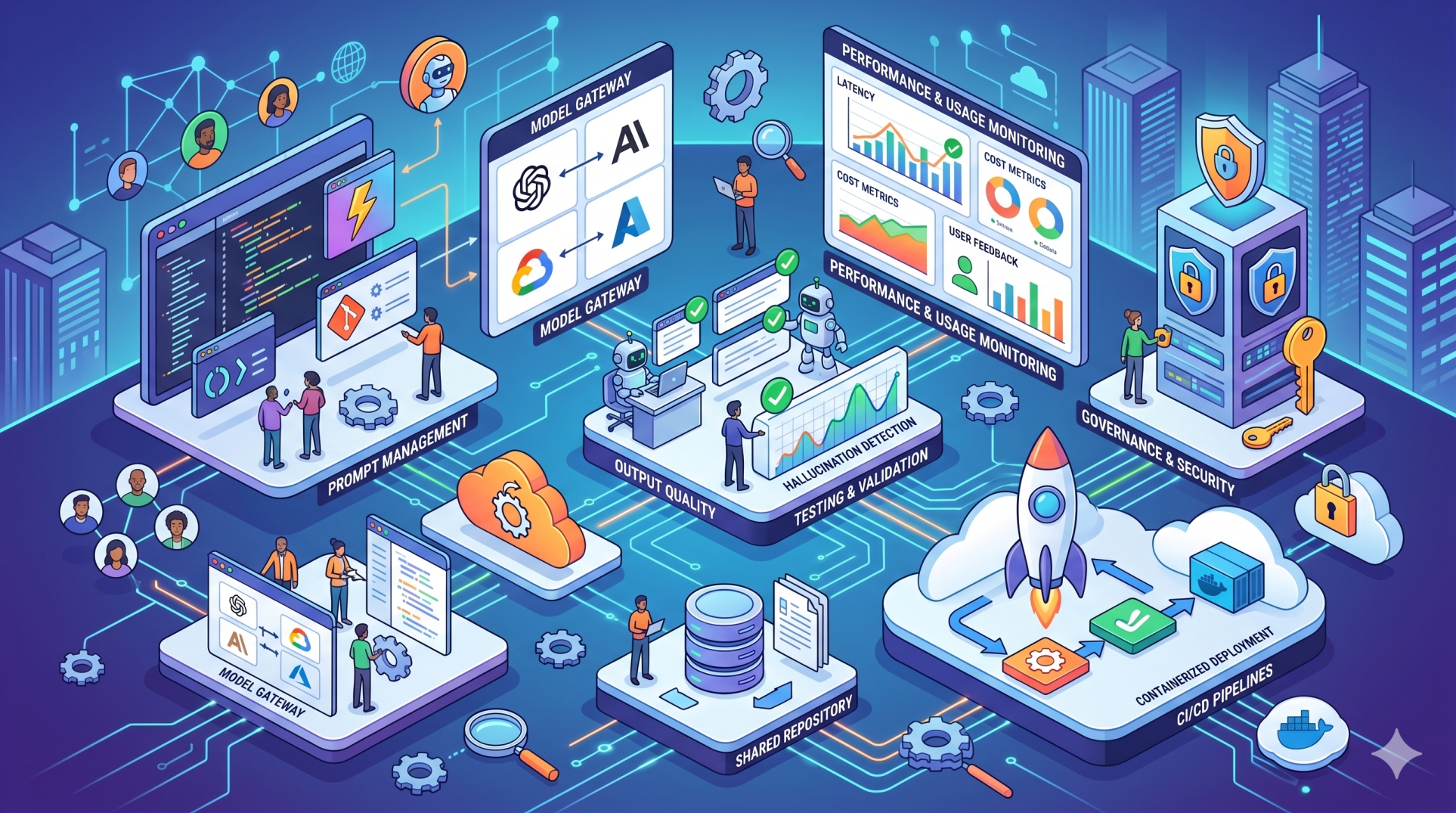
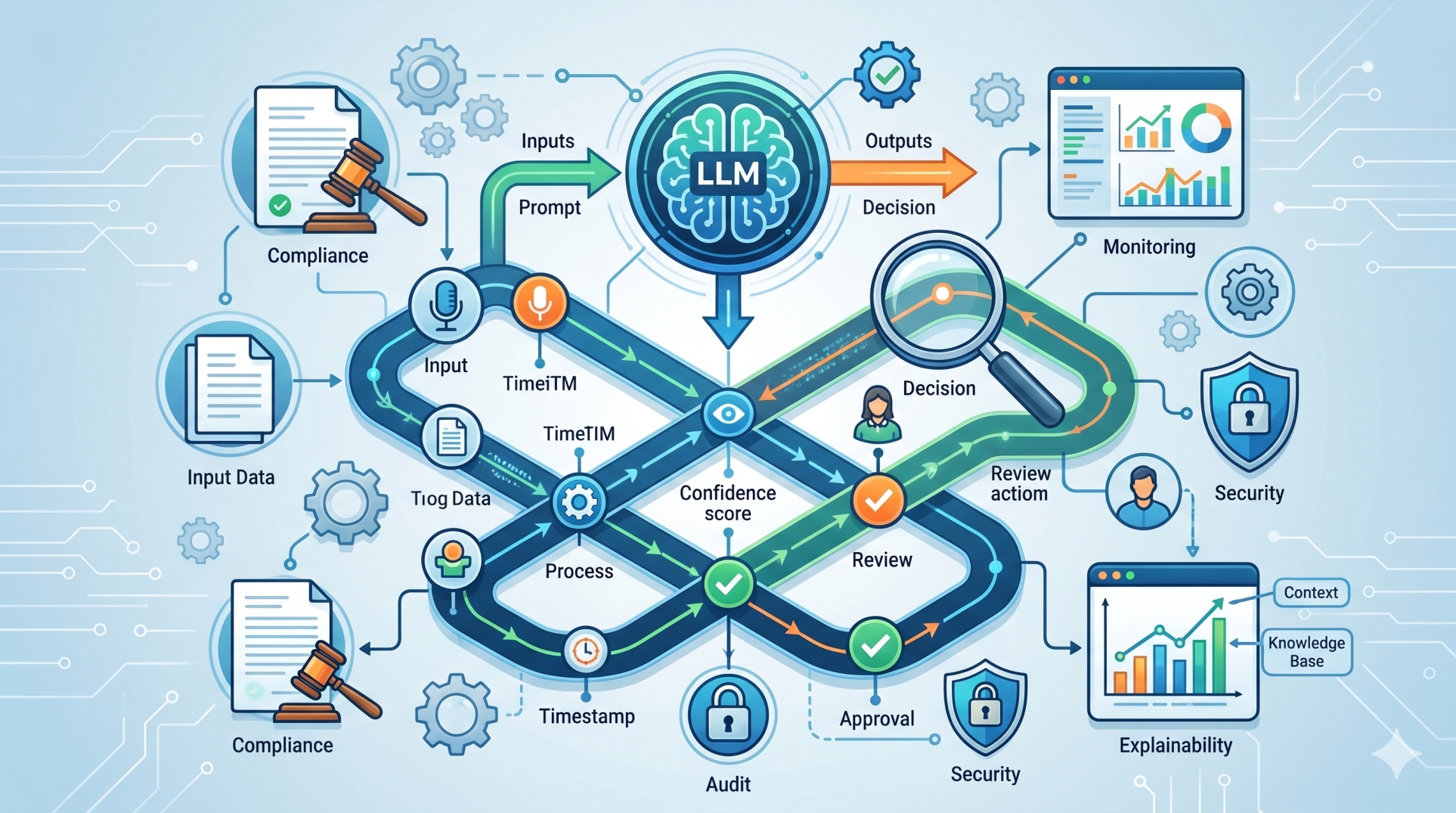
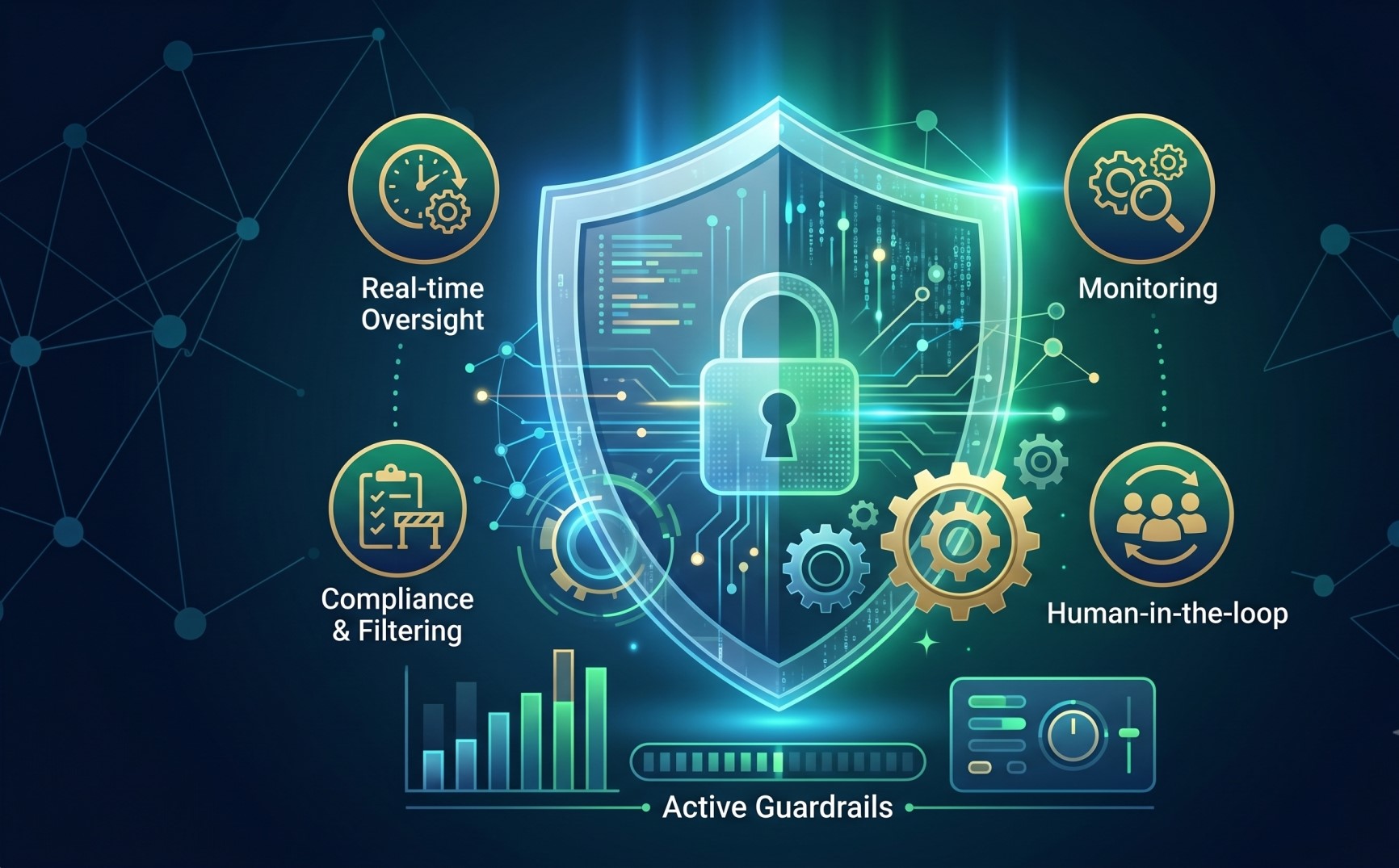
Step 6: Applying Governance and Human Oversight 🛡️
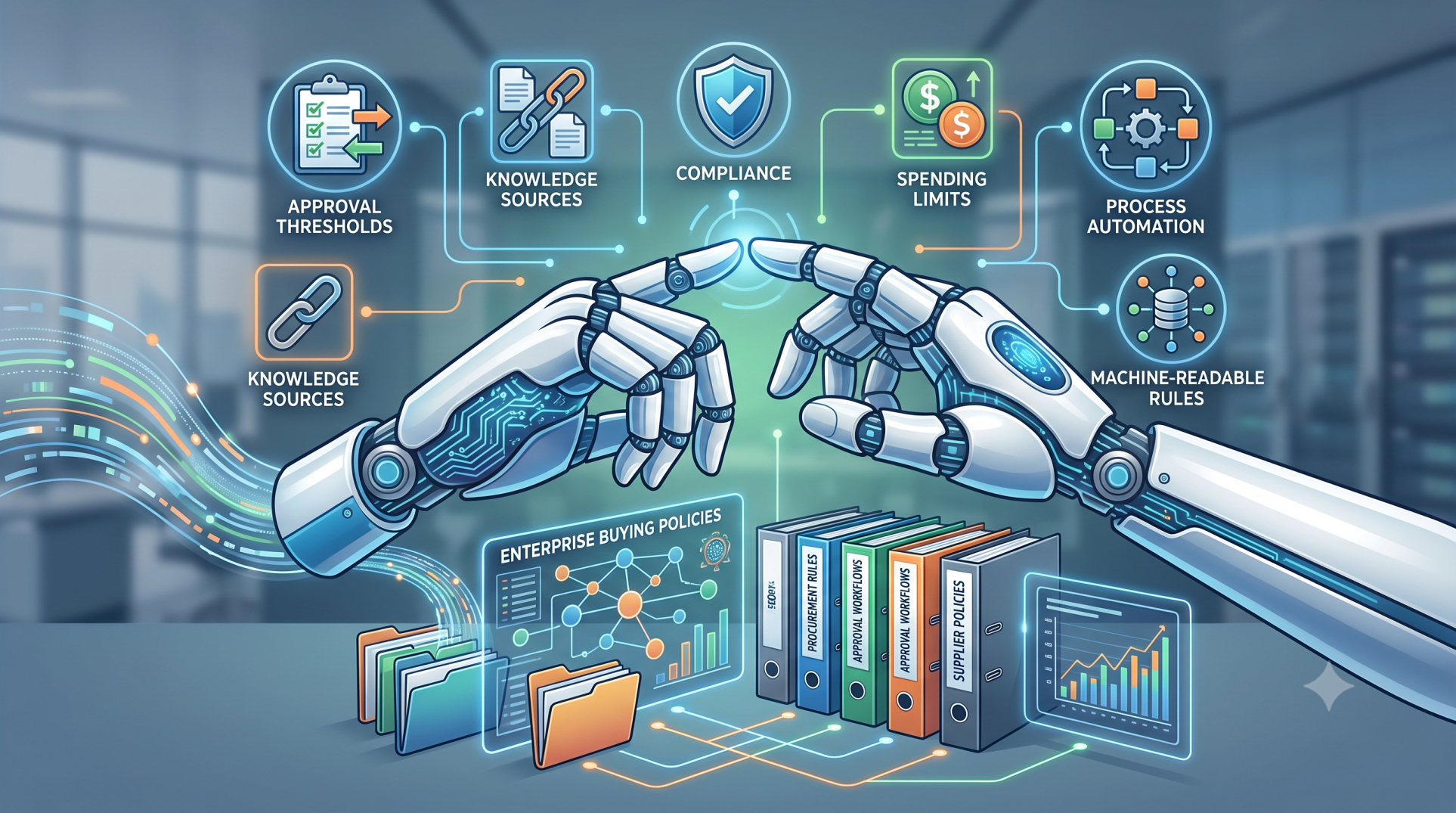
• Define permissions for AI-initiated actions 🔐
• Require human approval for sensitive or high-impact decisions 👥
• Establish operational boundaries for autonomous systems 🚧
• Maintain detailed records of AI actions and decisions 📝
• Support accountability through transparent control mechanisms 👀
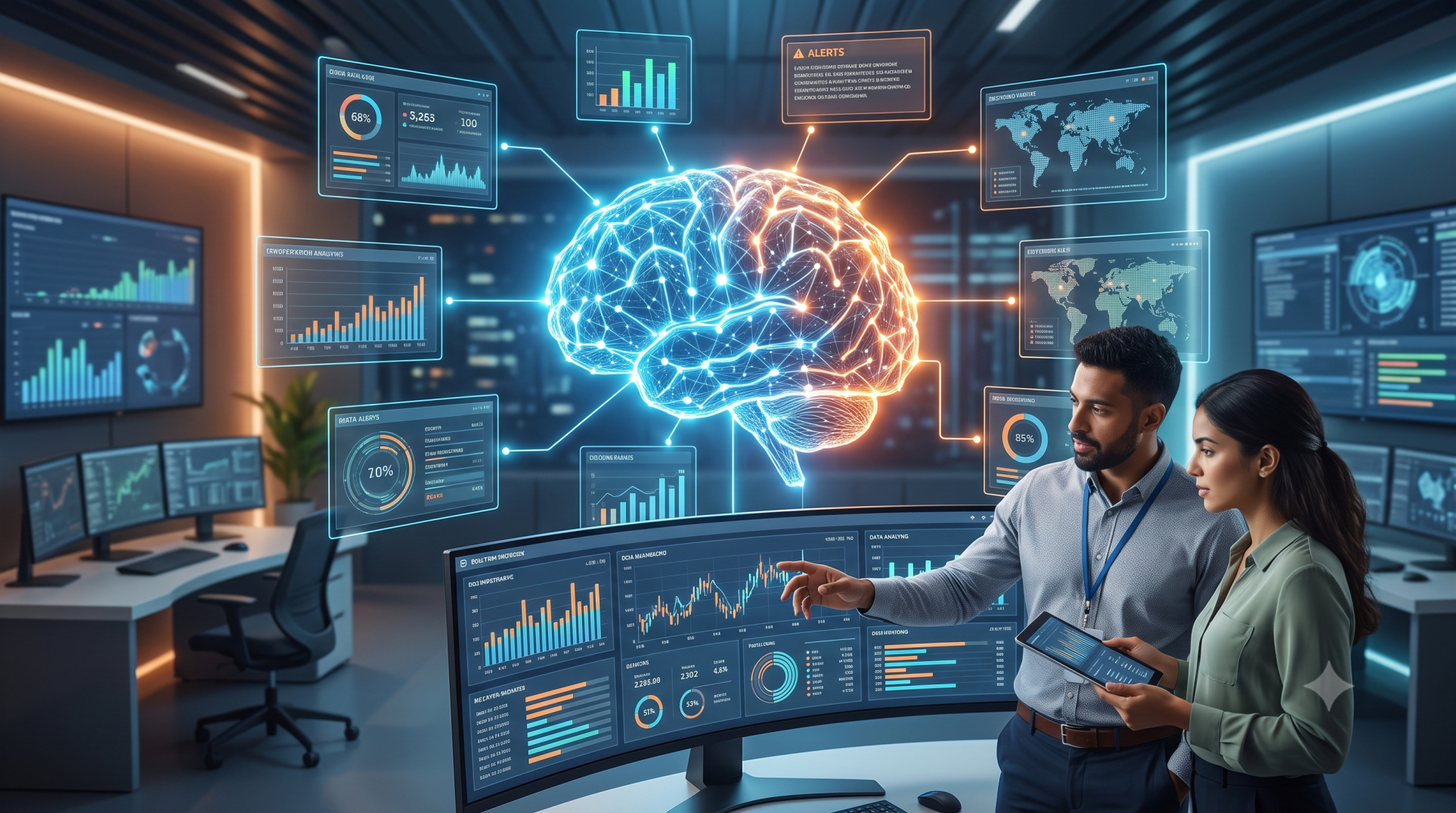
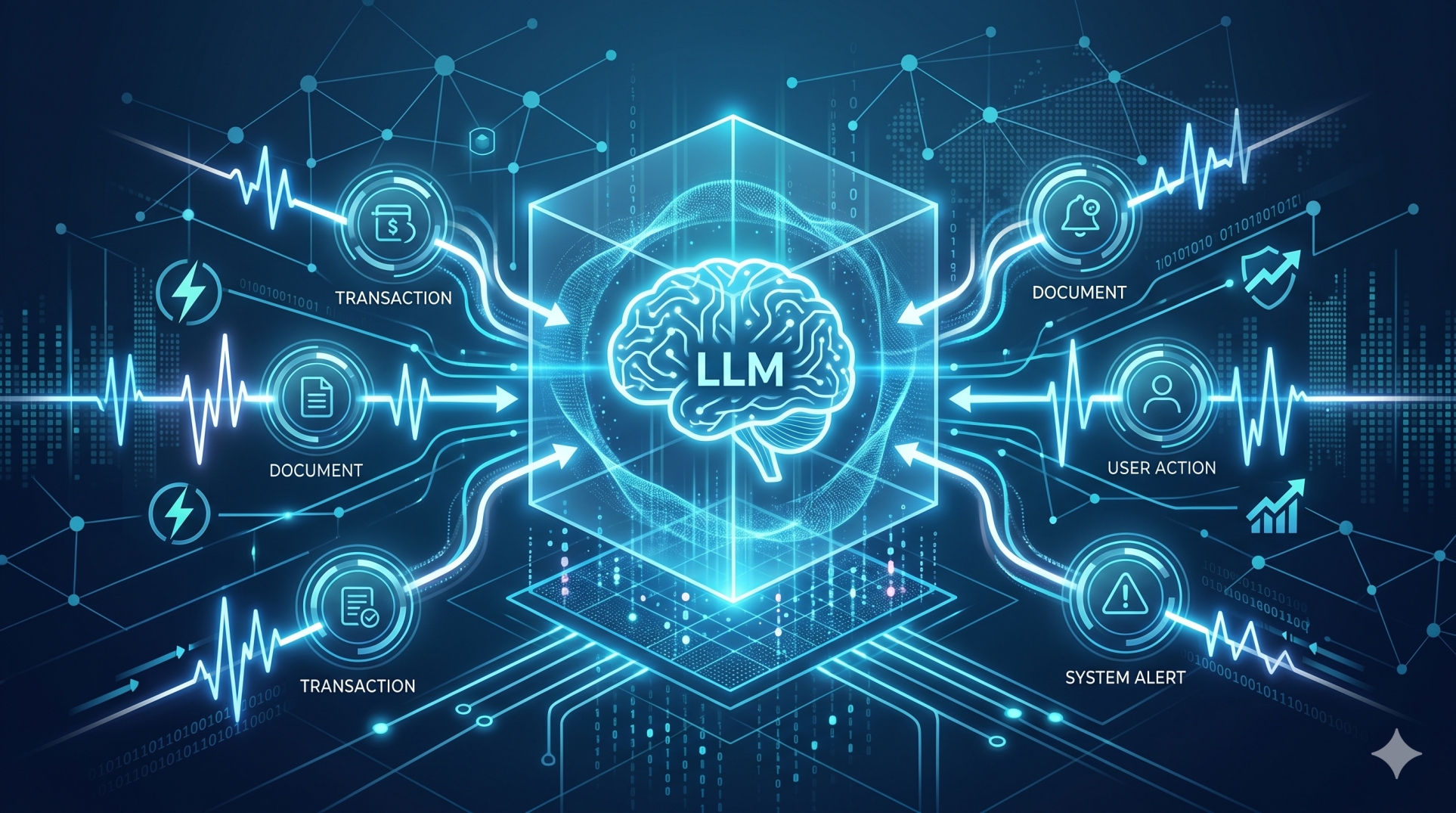
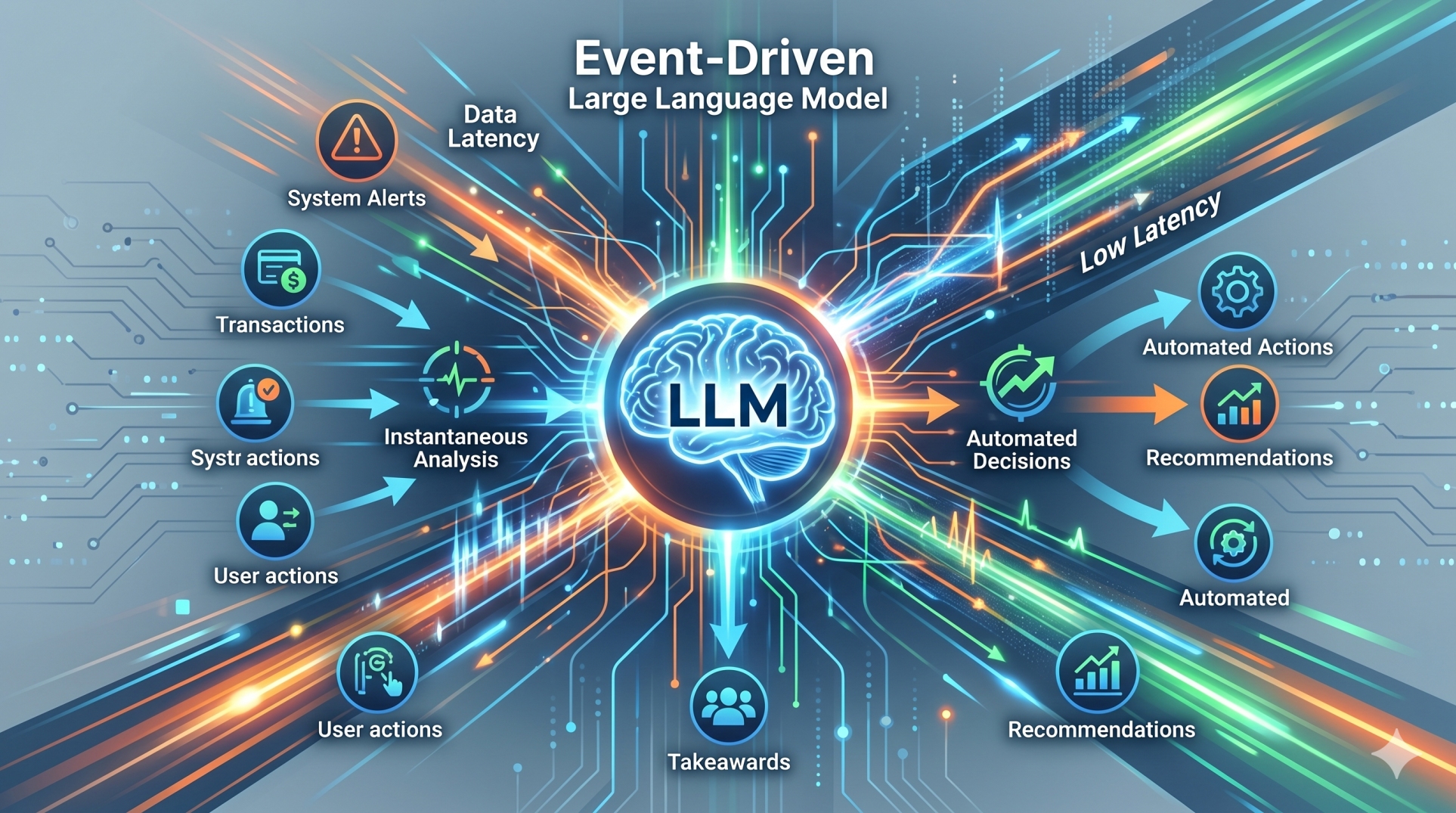
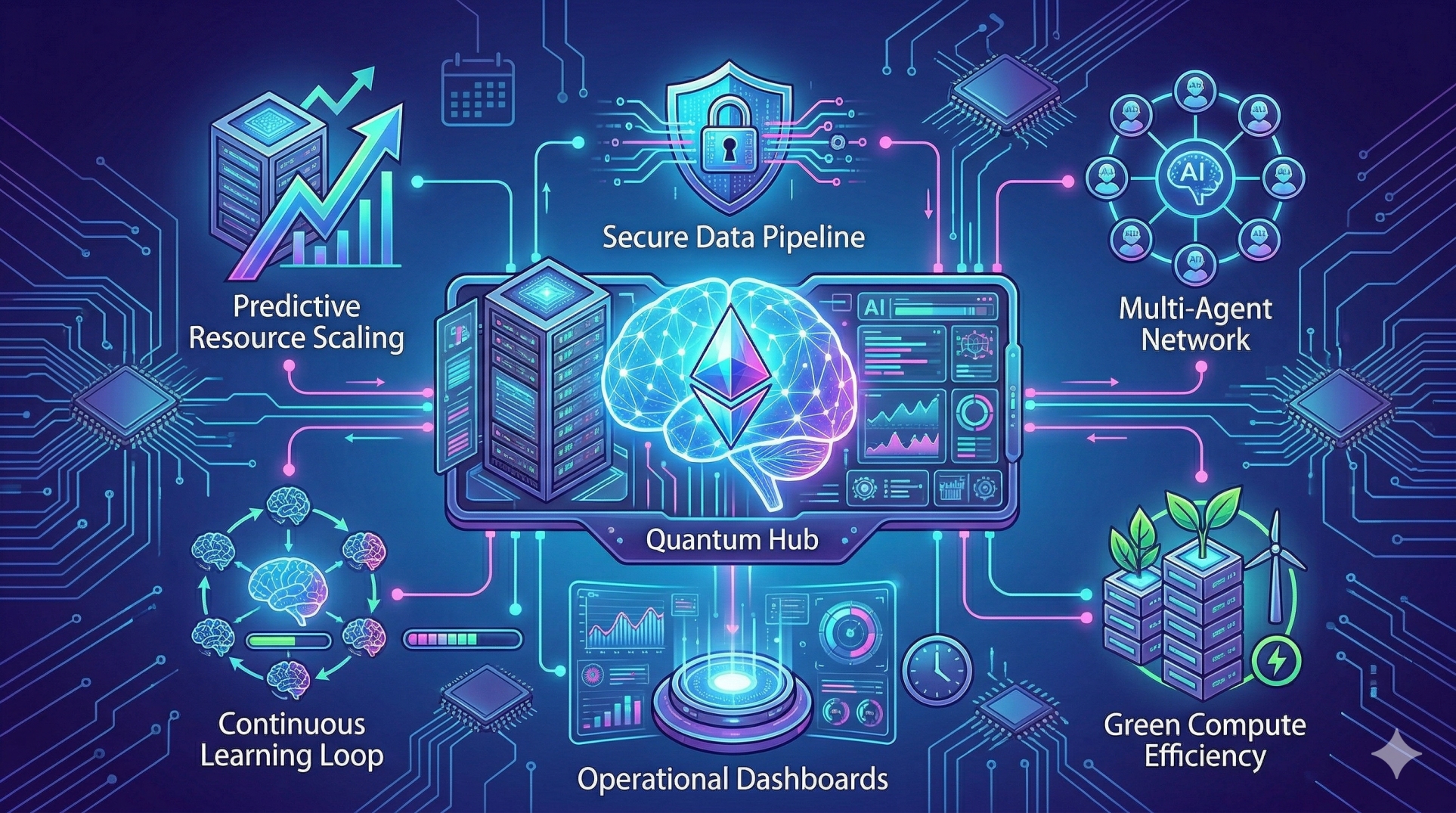
Step 7: Enabling Real-Time Operational Intelligence 📡
• Monitor enterprise activities as they occur ⏱️
• Detect anomalies, delays, and emerging operational issues 🚨
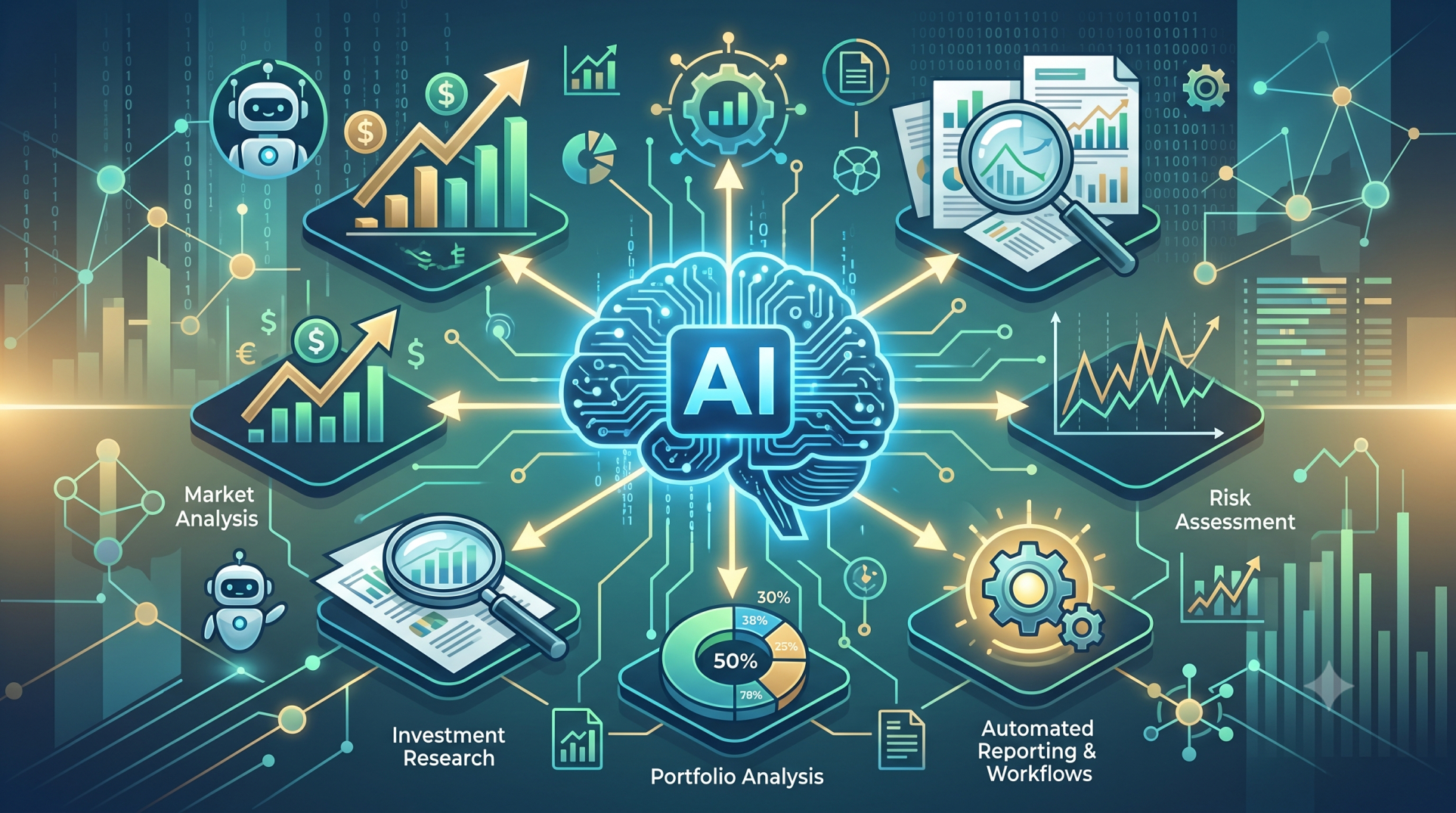
• Surface relevant insights to decision-makers 📈
• Trigger appropriate workflows when conditions change 🔄
• Improve responsiveness across digital operations ⚡
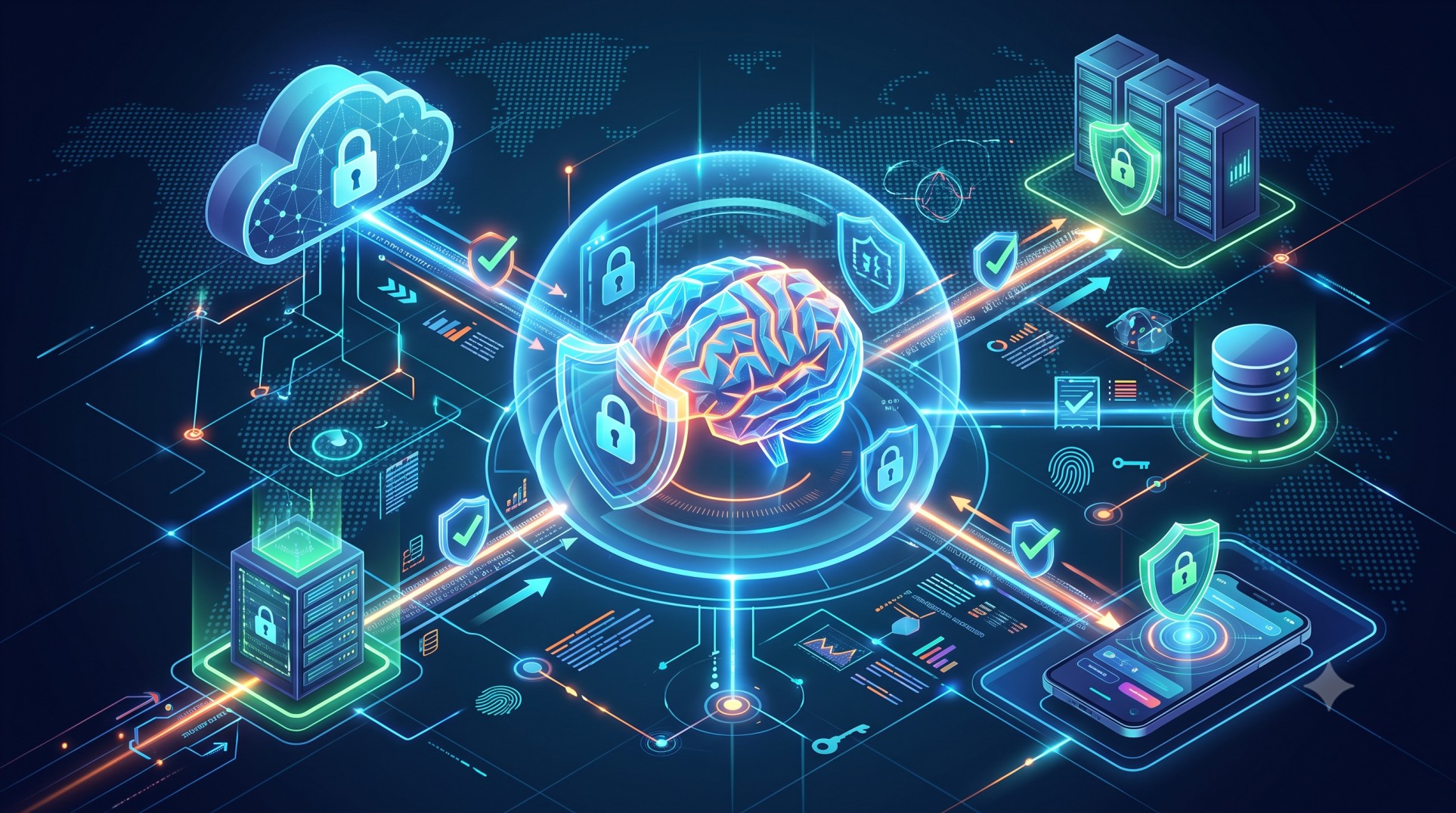
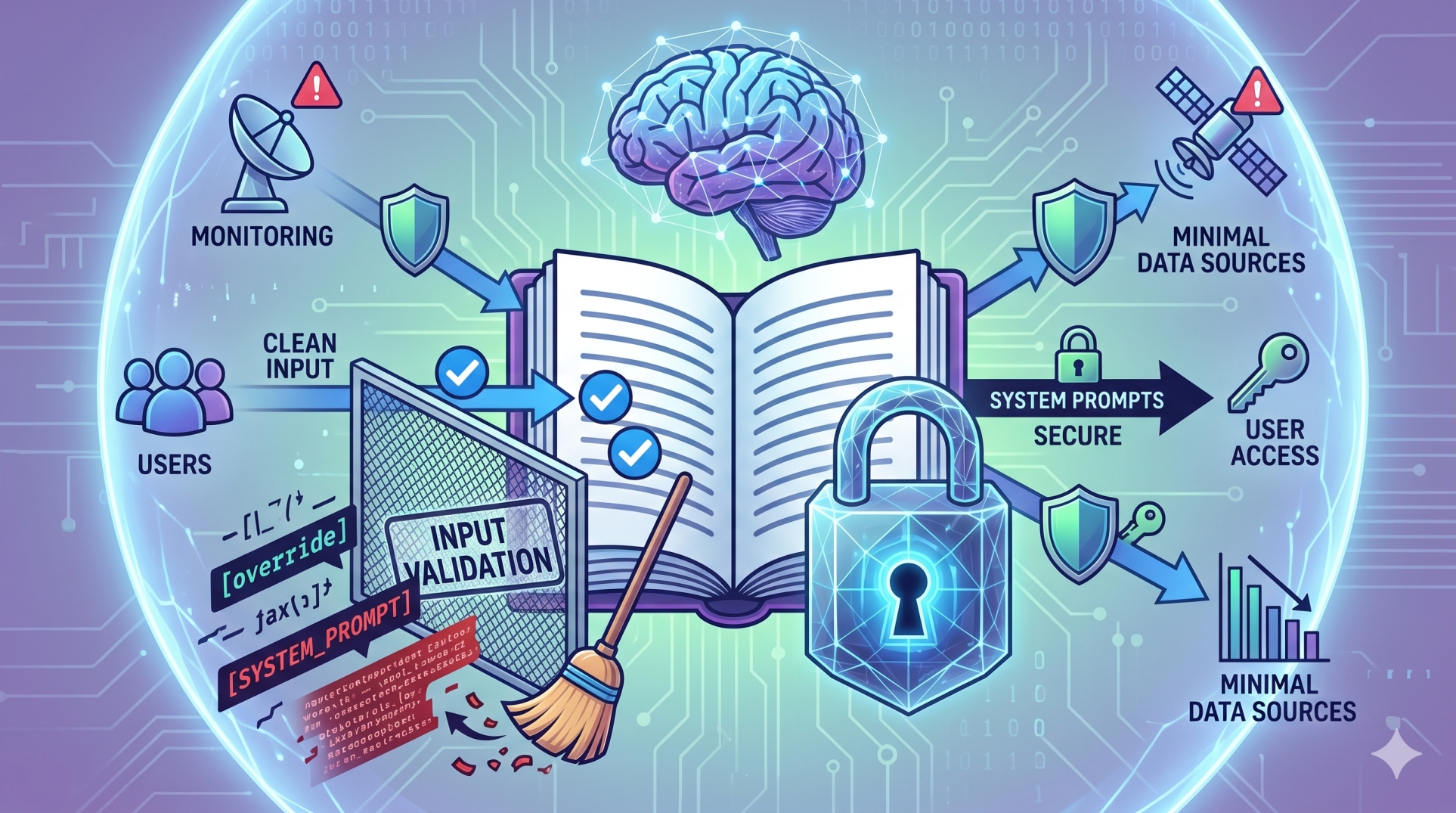
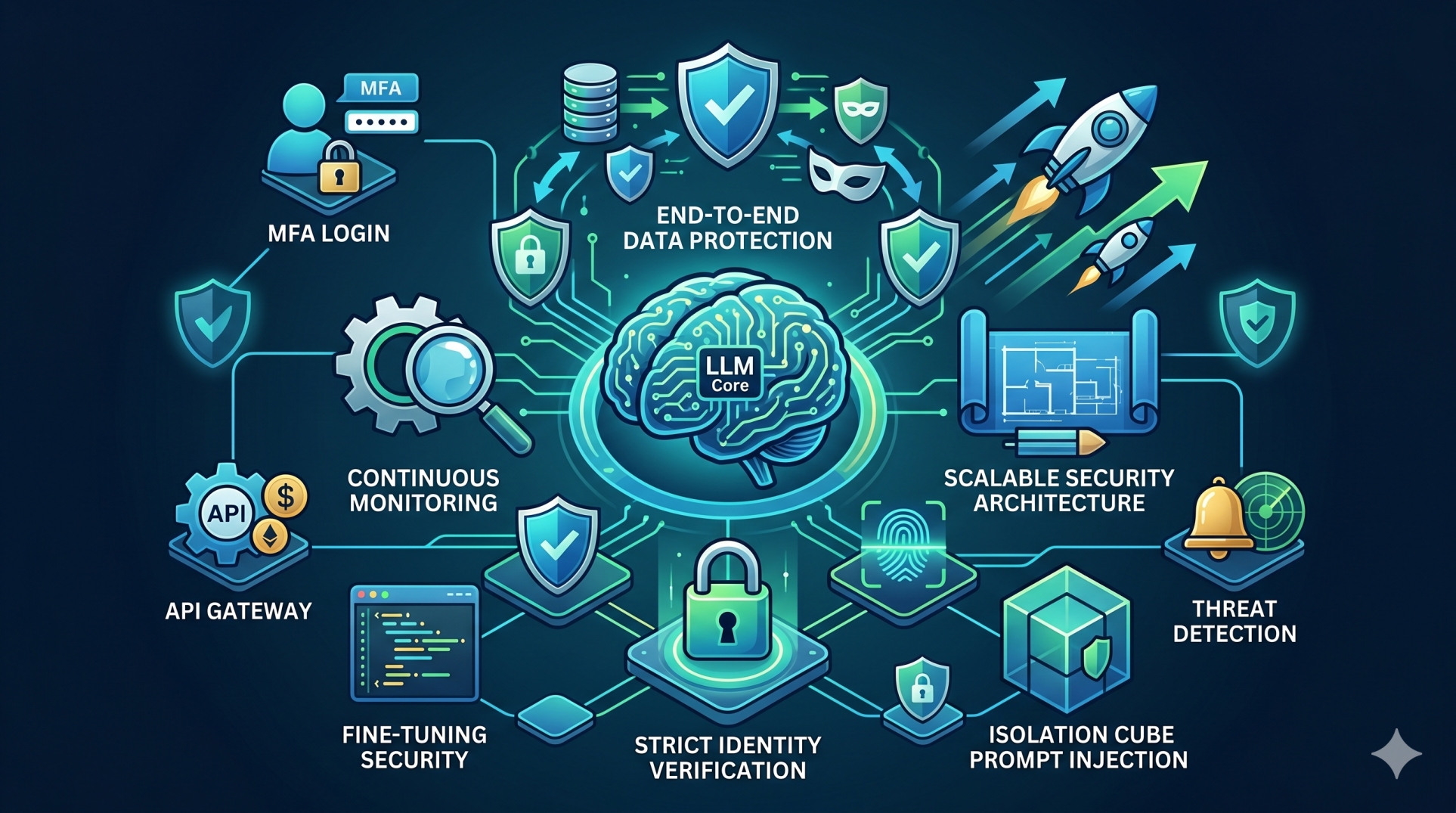
Step 8: Strengthening Security and Access Control 🔐
• Apply role-based permissions across connected systems 👤
• Authenticate users and services before executing actions ✅
• Protect sensitive information throughout AI workflows 🛡️
• Restrict access according to business responsibilities 🚪
• Monitor unusual or unauthorized AI activity 🔍
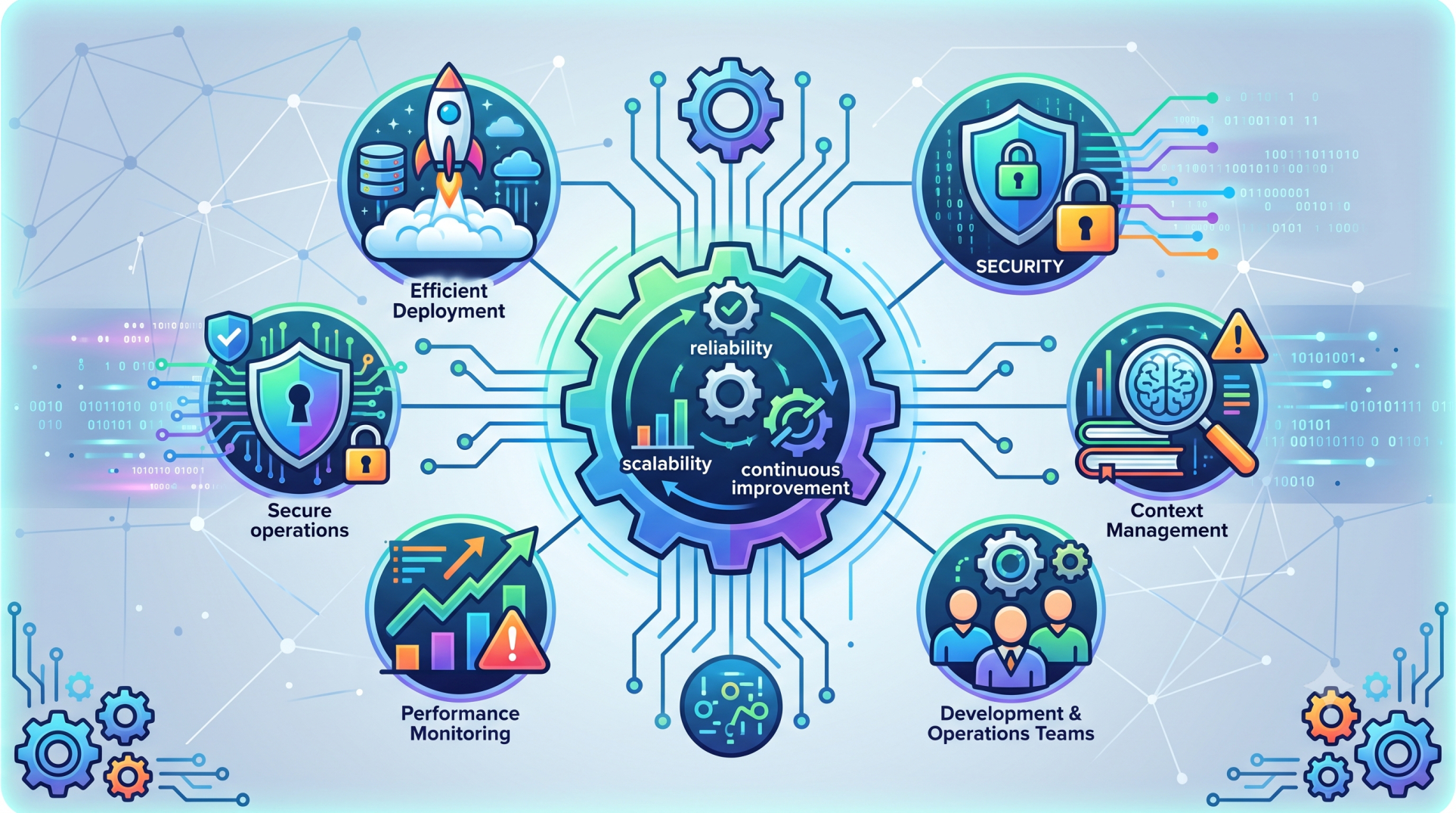
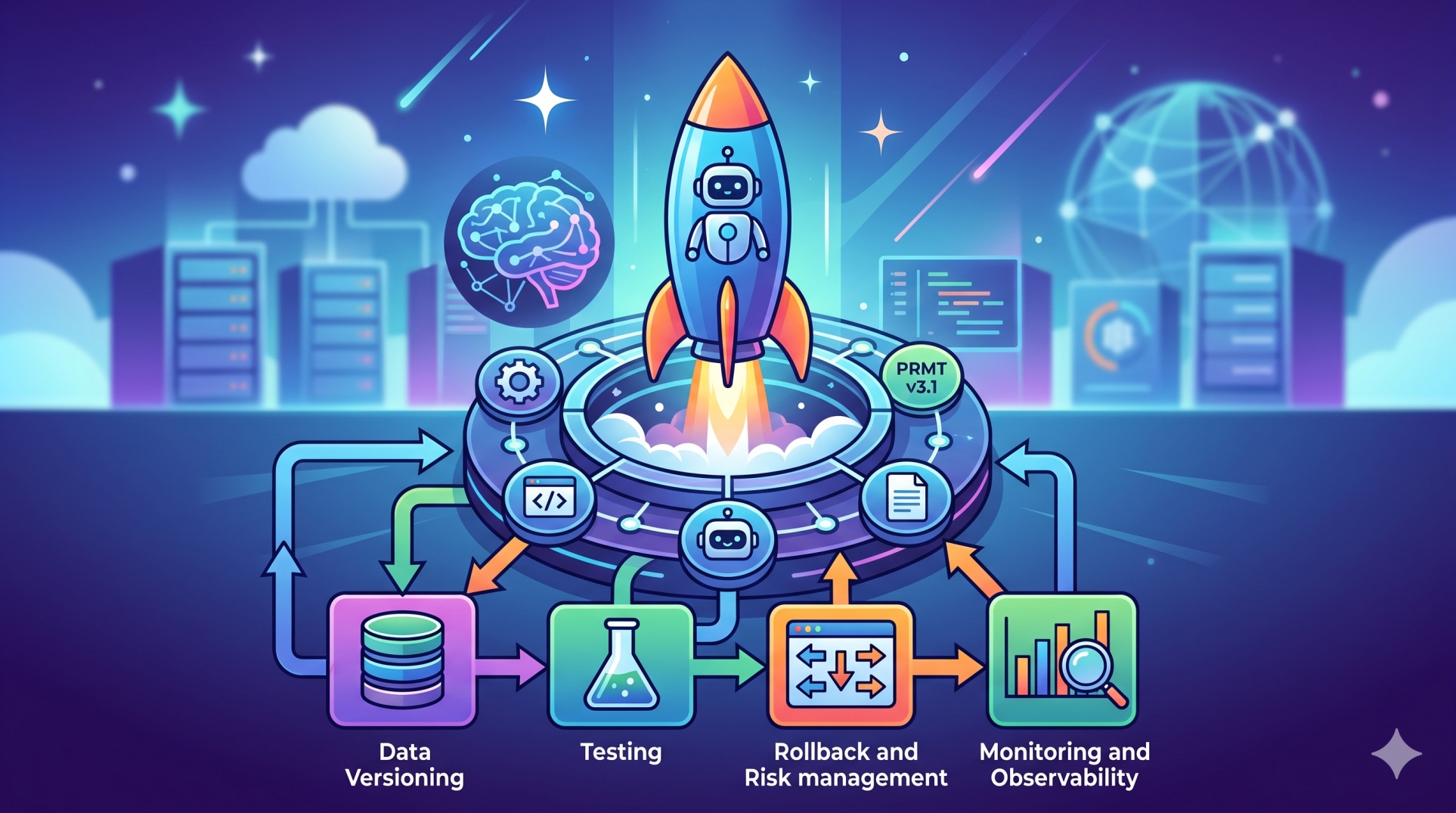
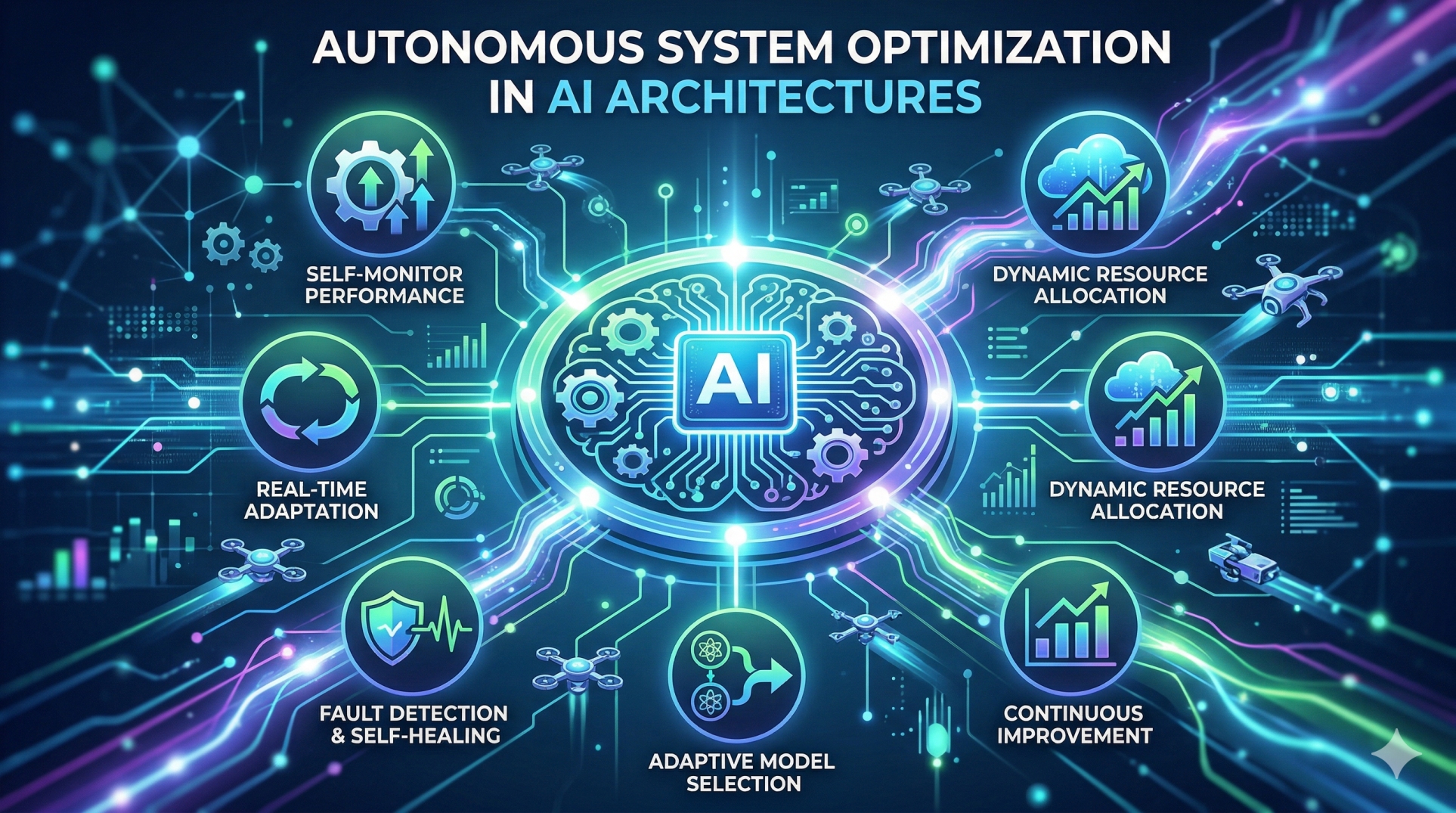
Step 9: Building Resilient AI Operations 🏗️
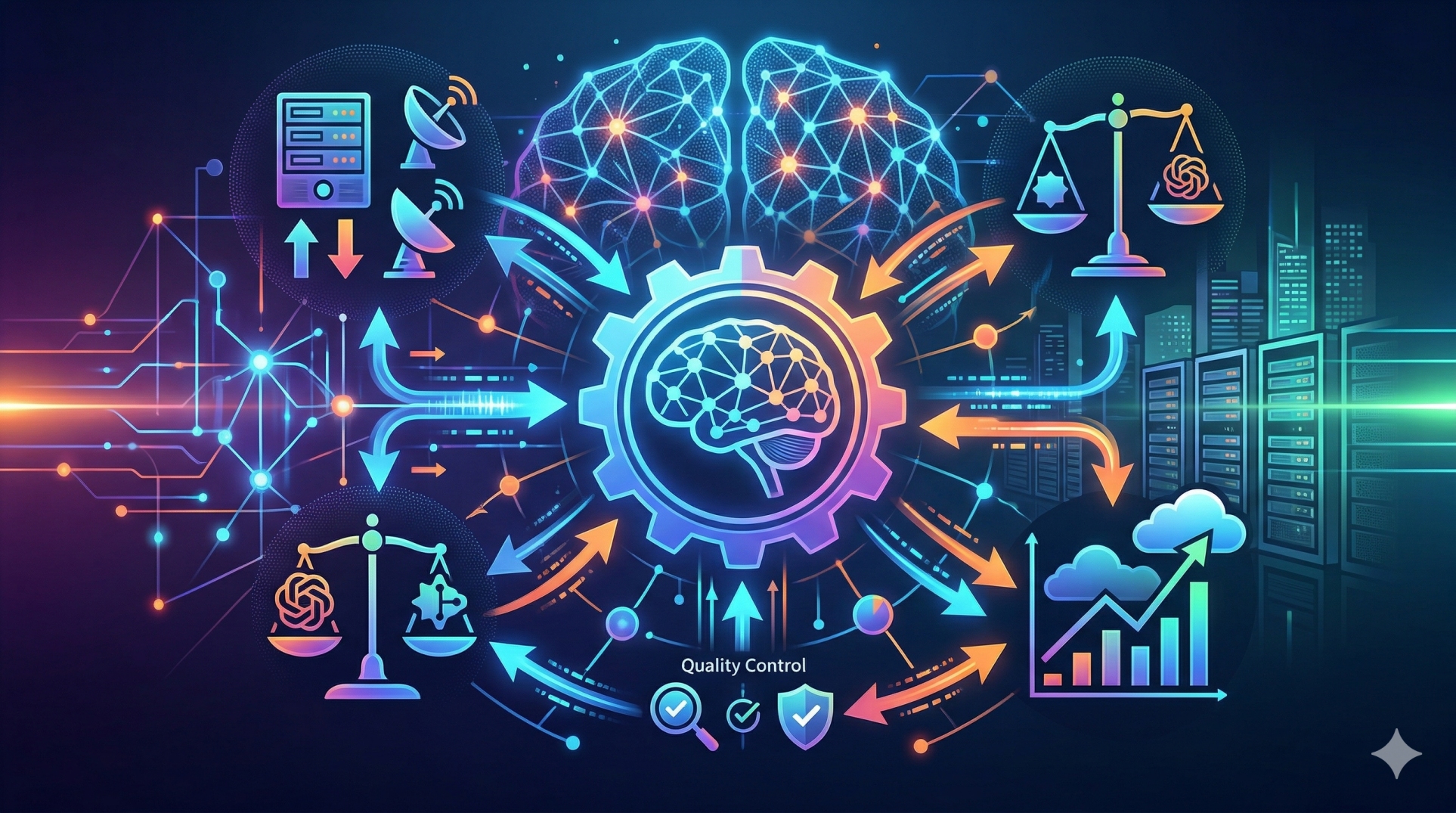
• Implement validation before critical actions are executed ✔️
• Create fallback processes for failed AI tasks 🔄
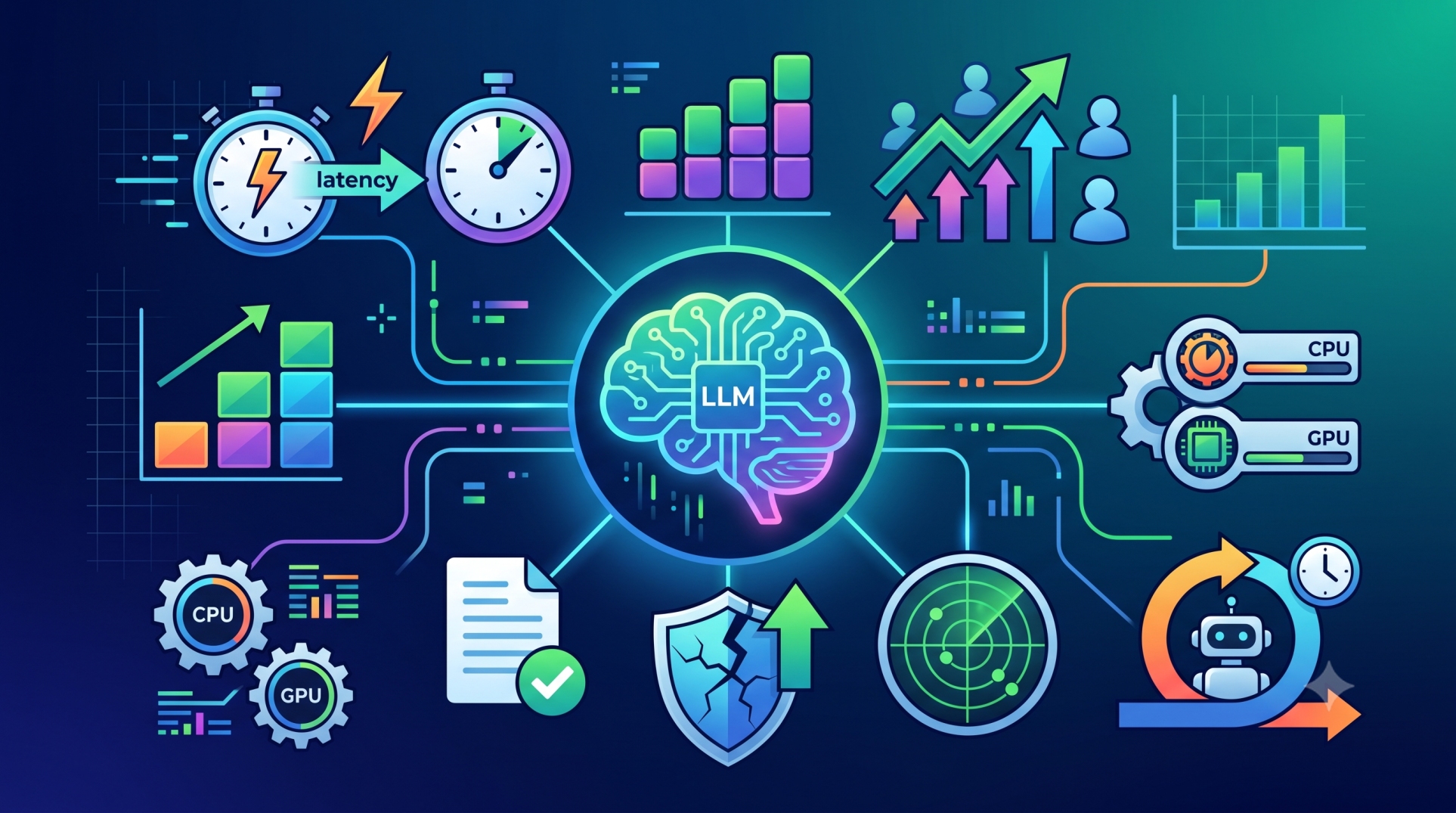
• Monitor model, integration, and workflow performance 📊
• Prevent isolated failures from disrupting broader operations 🧱
• Continuously refine command logic using operational insights 💡
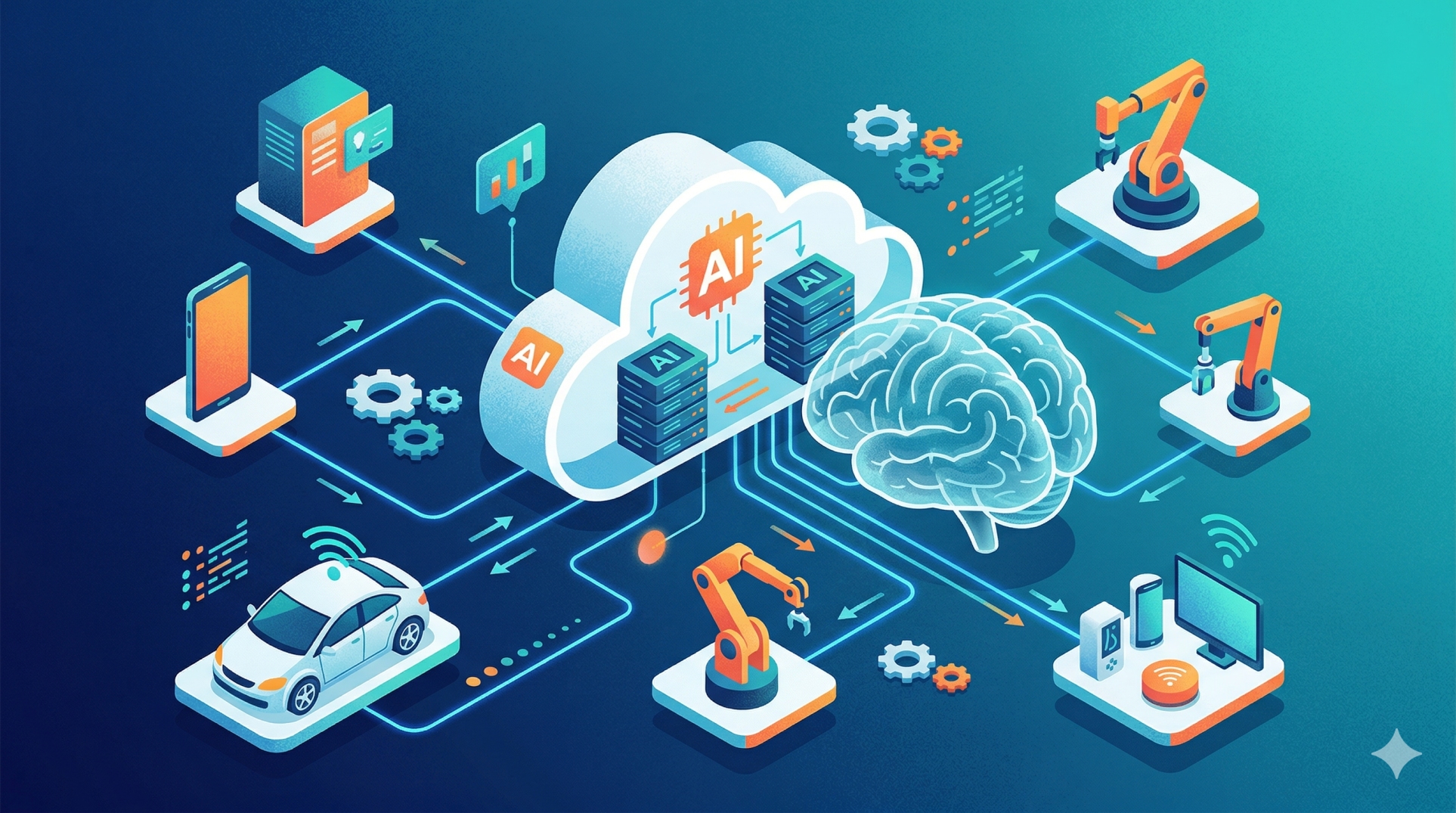
Step 10: Creating a Scalable Intelligent Enterprise 🚀
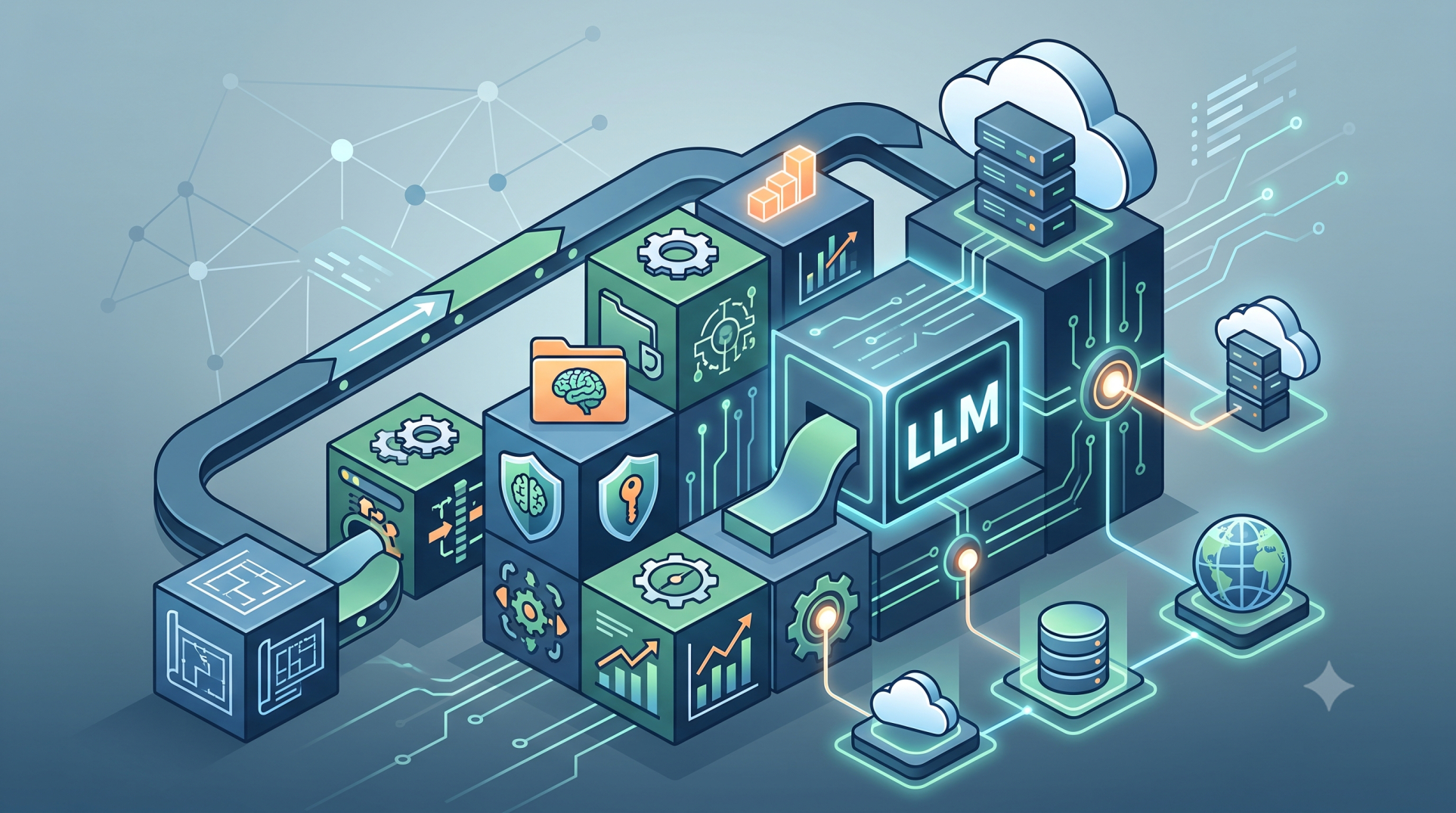
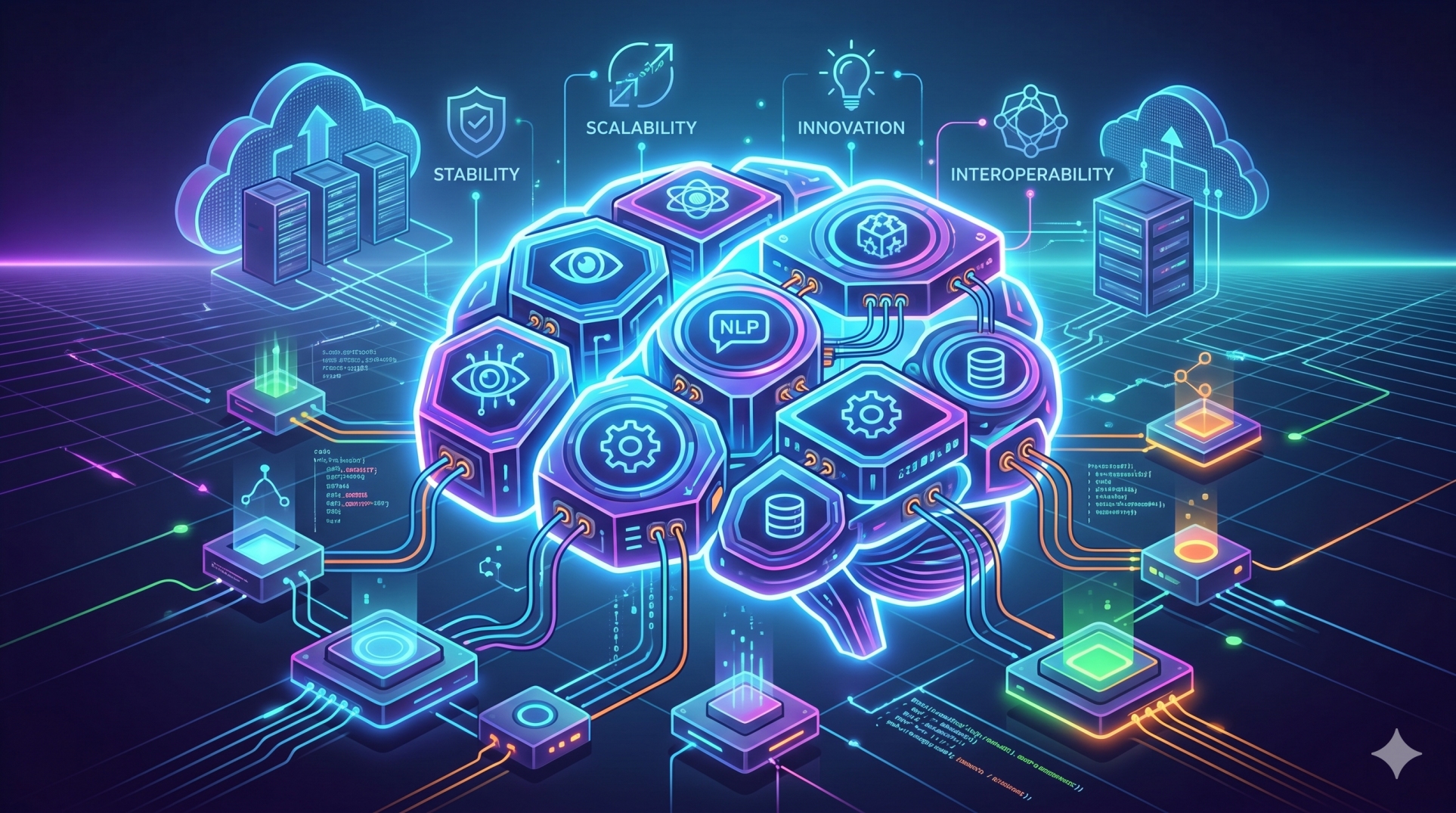
• Design modular command architectures that support expansion 🧩
• Connect new applications and AI capabilities as requirements evolve 🔗
• Support cloud, hybrid, and distributed enterprise environments ☁️
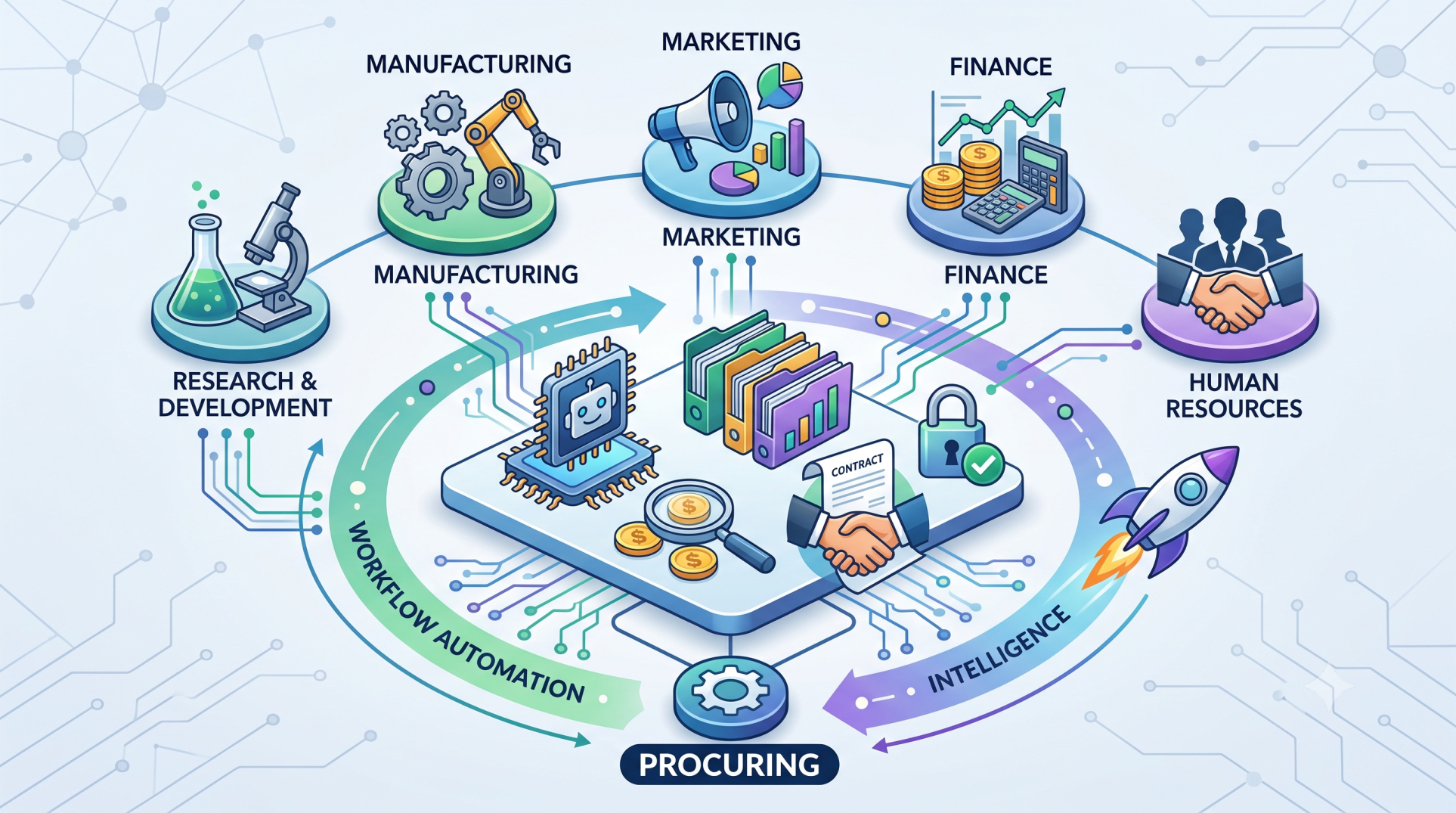
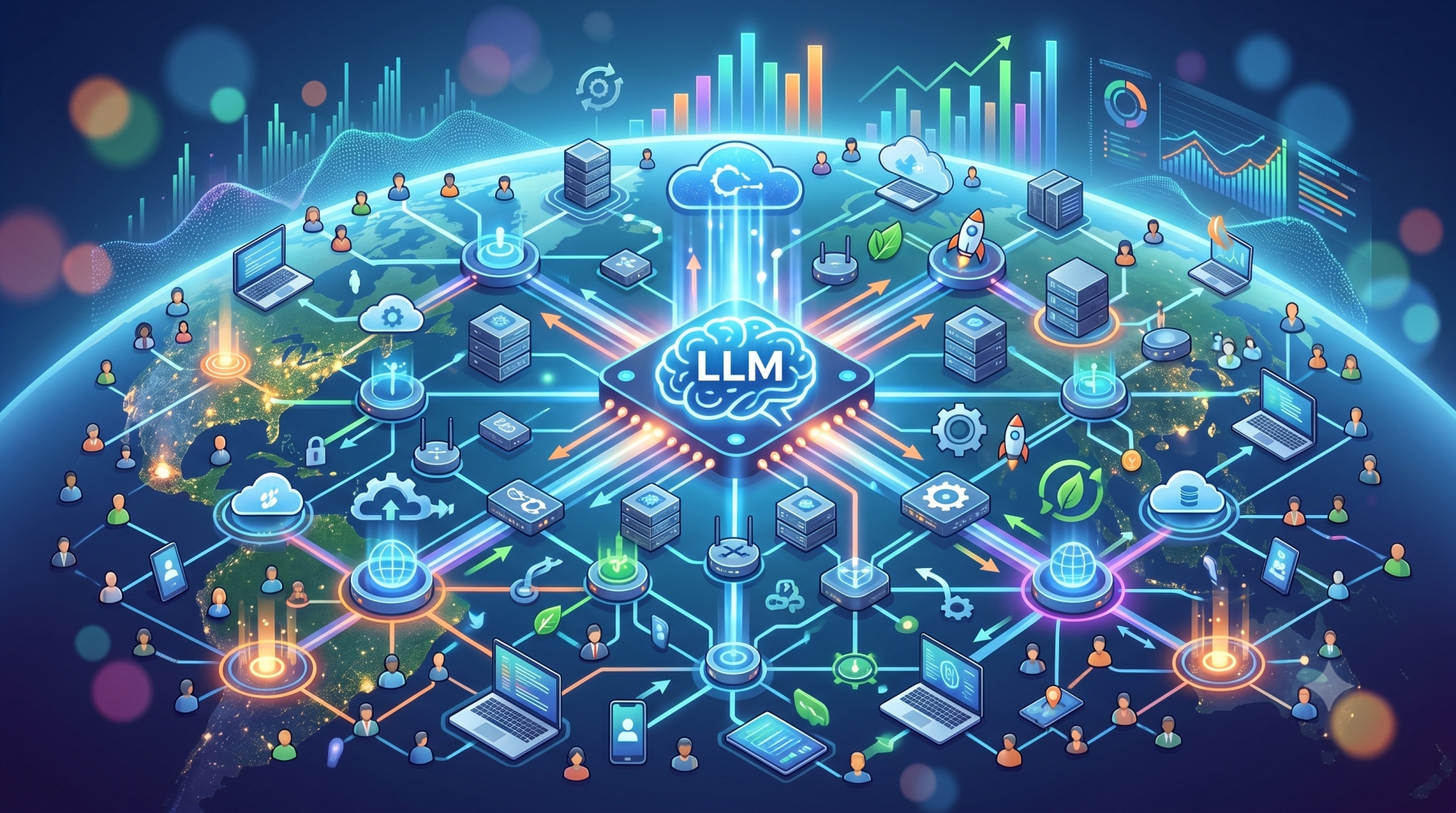
• Enable intelligent coordination across departments and locations 🌍
• Build a flexible foundation for increasingly autonomous operations 🌟
Conclusion
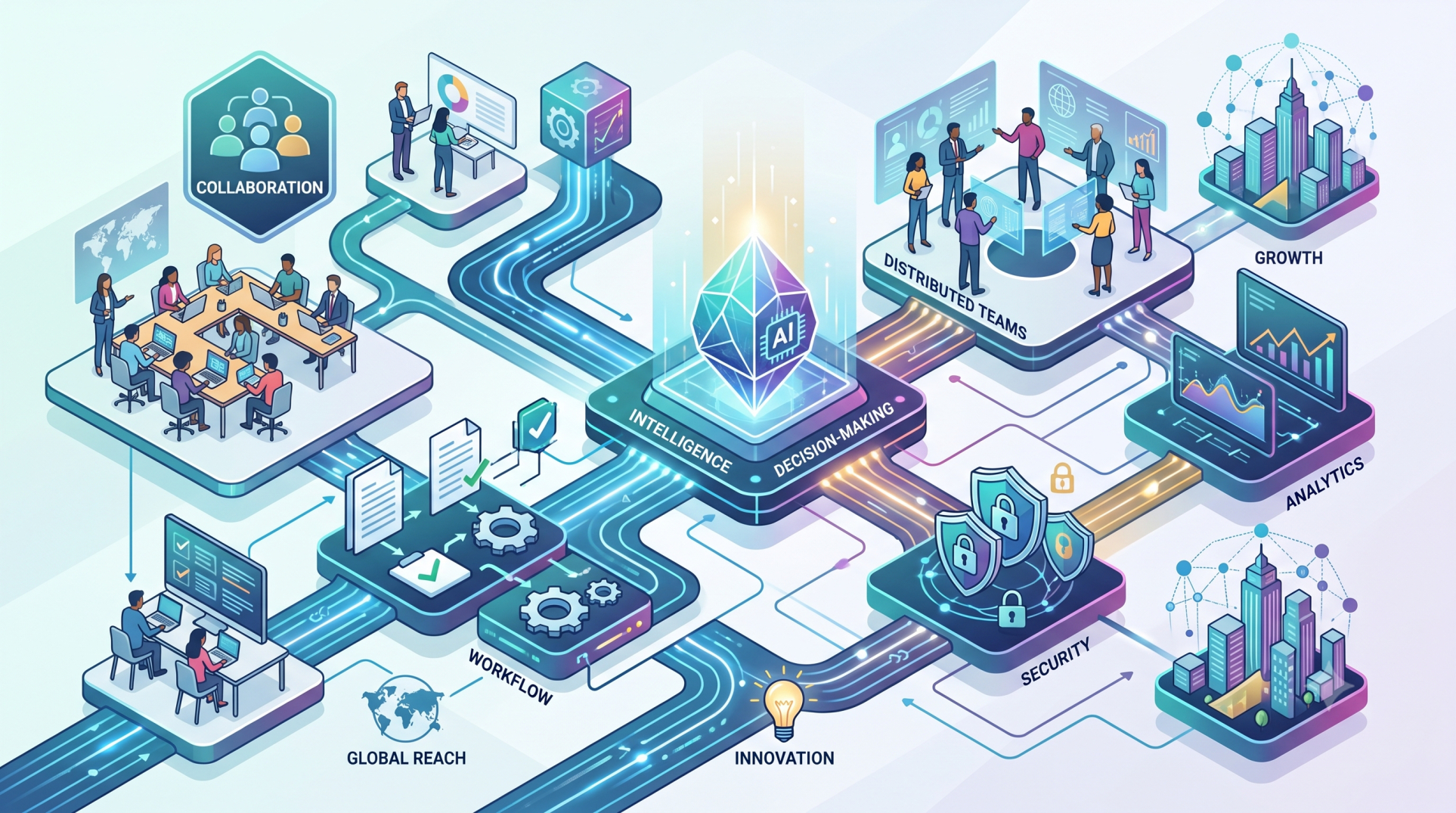
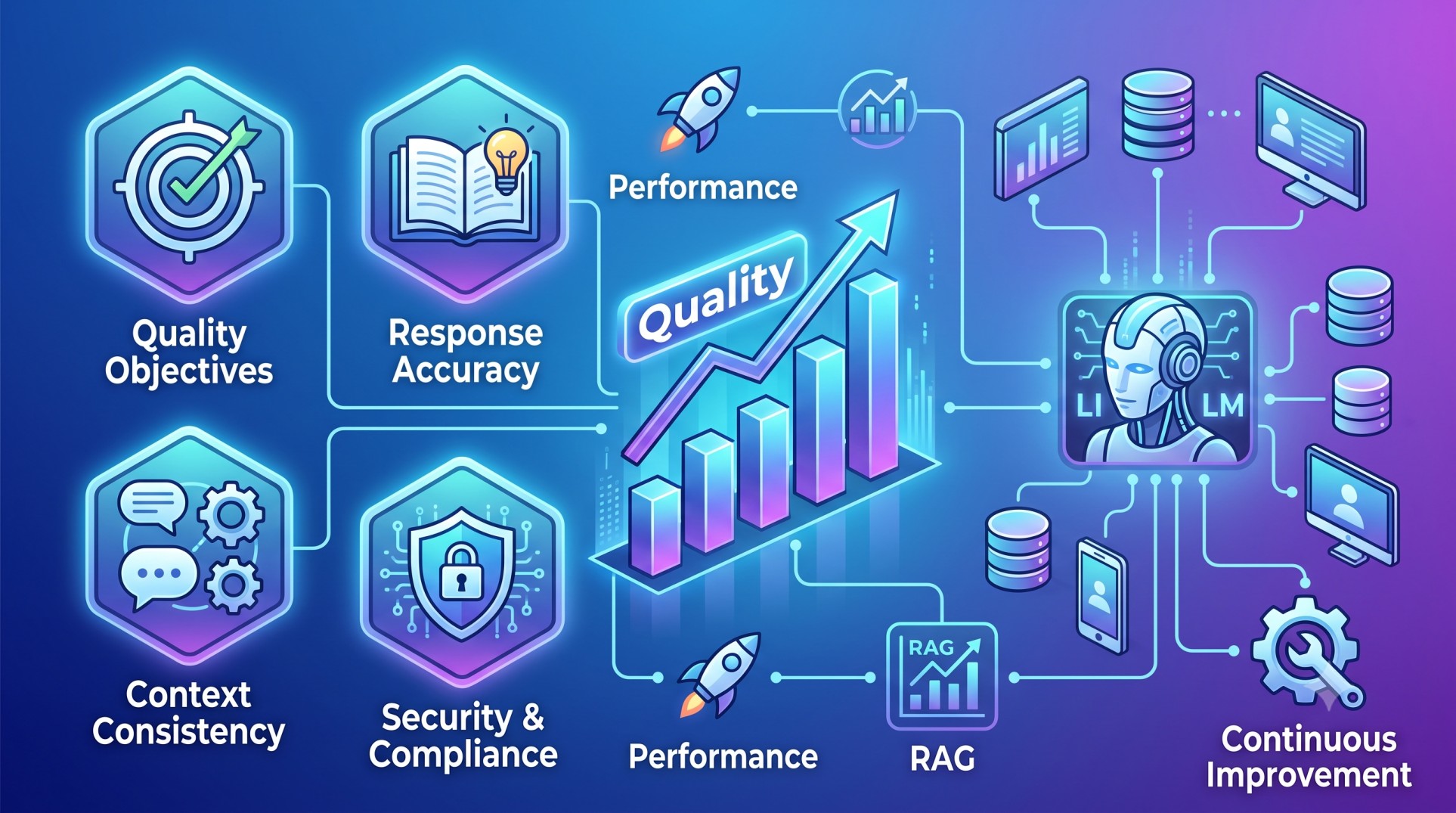
AI command layers provide modern digital enterprises with an intelligent coordination framework for connecting data, applications, automation, and human decision-making. By interpreting business intent, orchestrating workflows, governing AI agents, and maintaining real-time operational visibility, these layers can transform fragmented digital environments into connected enterprise ecosystems.
See more blogs
You can all the articles below