Operational Excellence in LLM Software Development
Operational Excellence in LLM Software Development
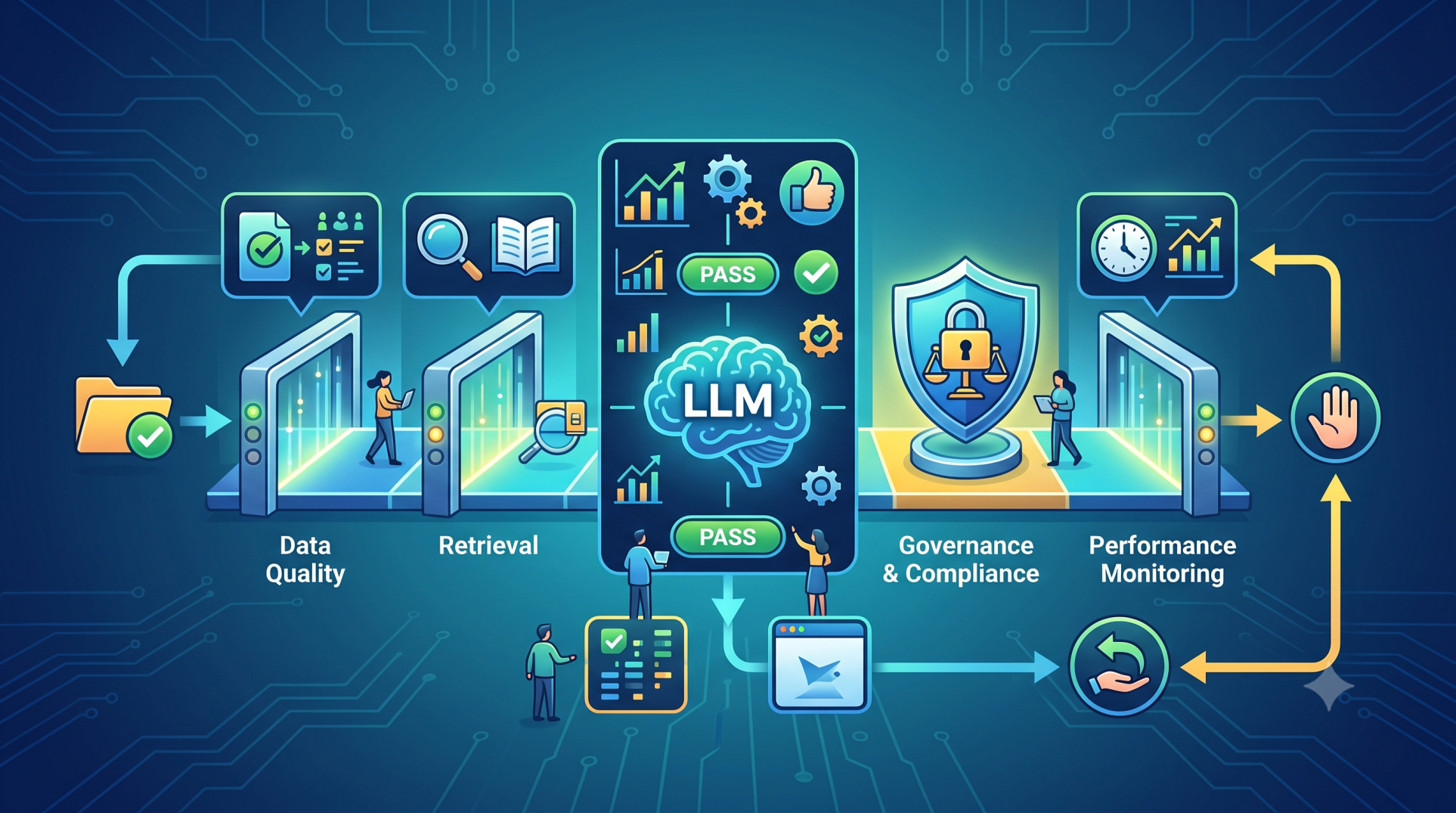
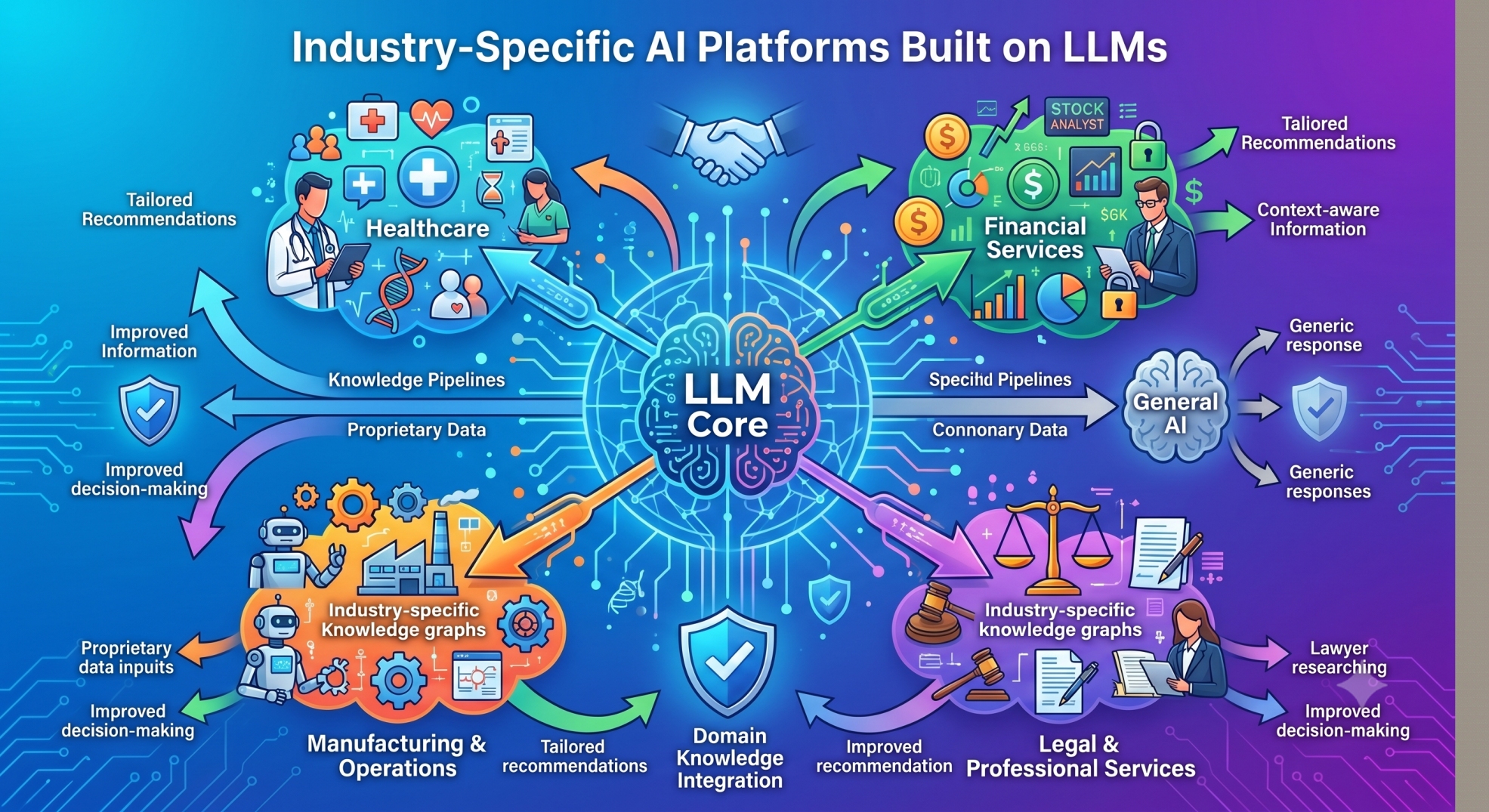
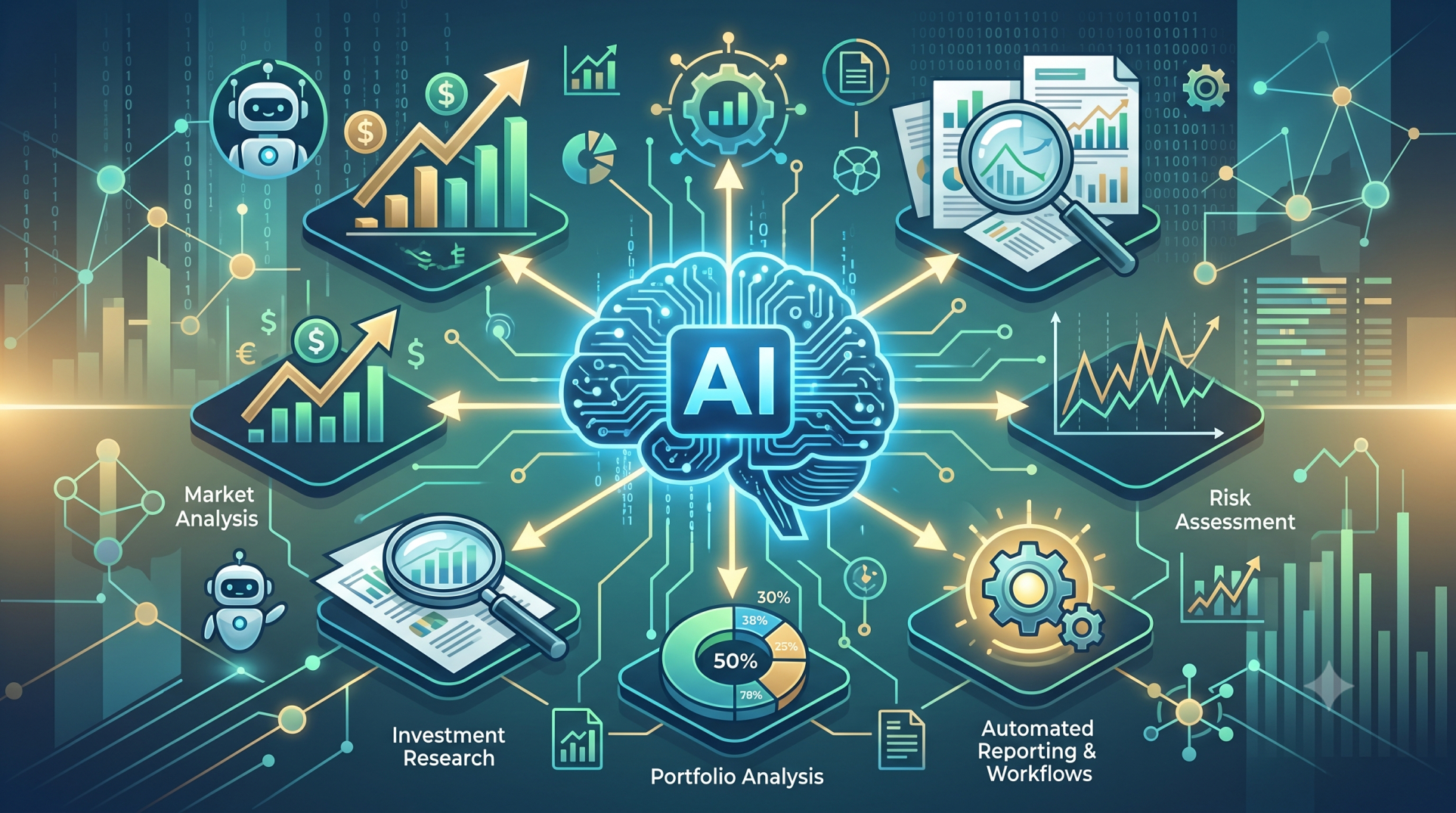
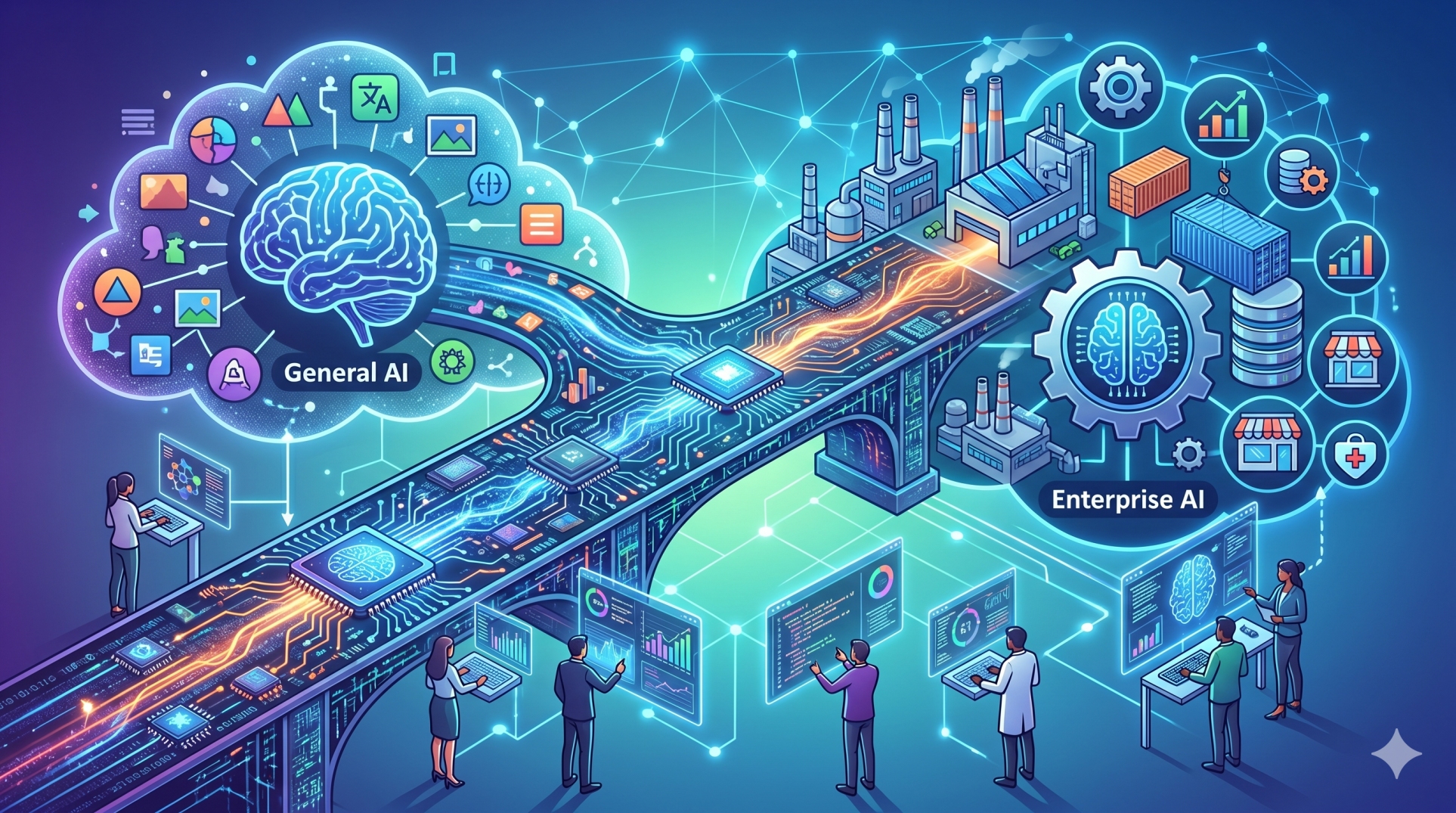
As Large Language Model (LLM) applications become increasingly integrated into enterprise operations, achieving operational excellence has become a strategic priority. Beyond developing intelligent models, organizations must ensure reliability, scalability, security, and continuous improvement throughout the software lifecycle. A disciplined operational approach enables LLM software to deliver consistent performance while adapting to evolving business requirements and technological advancements.
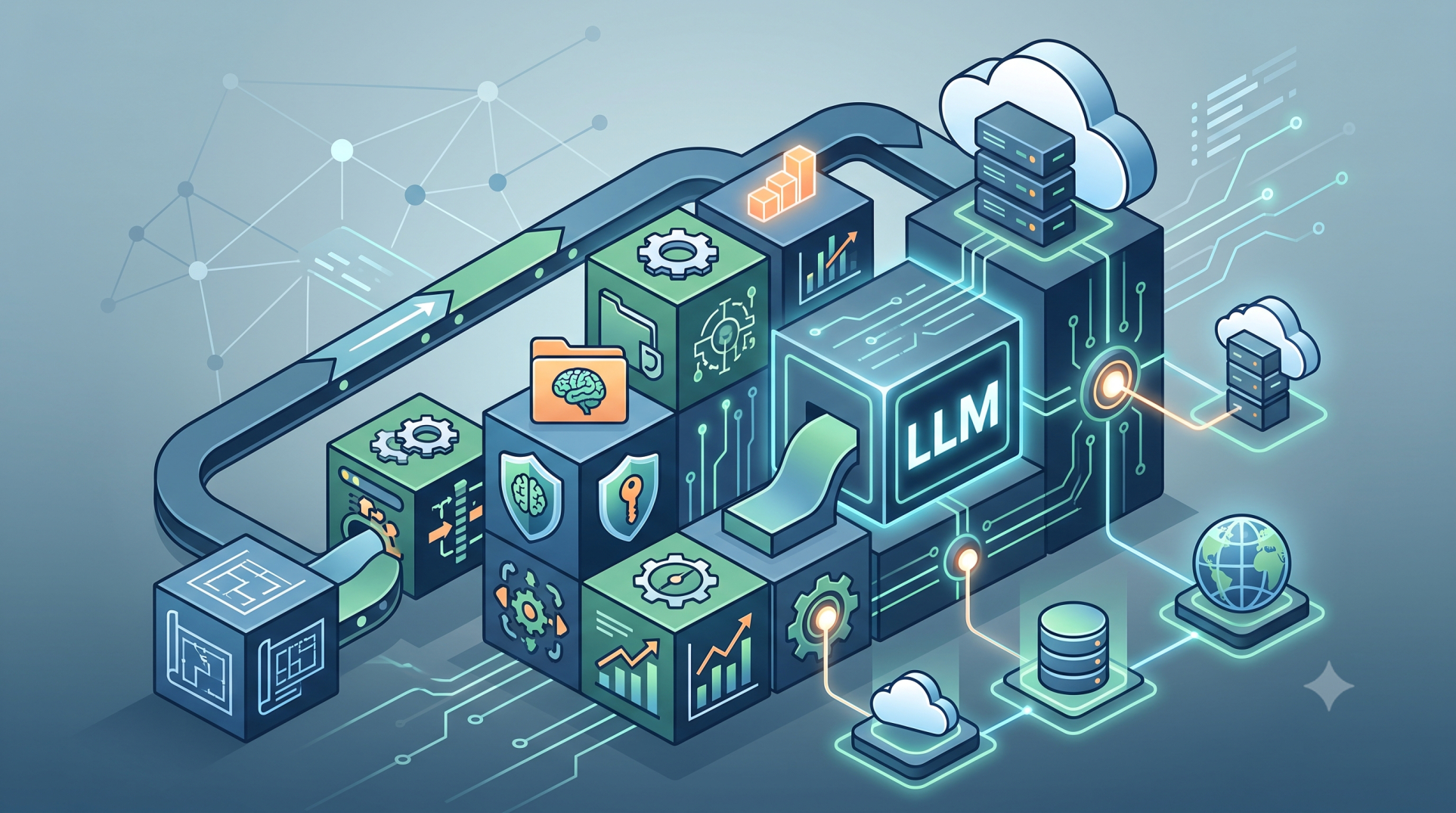
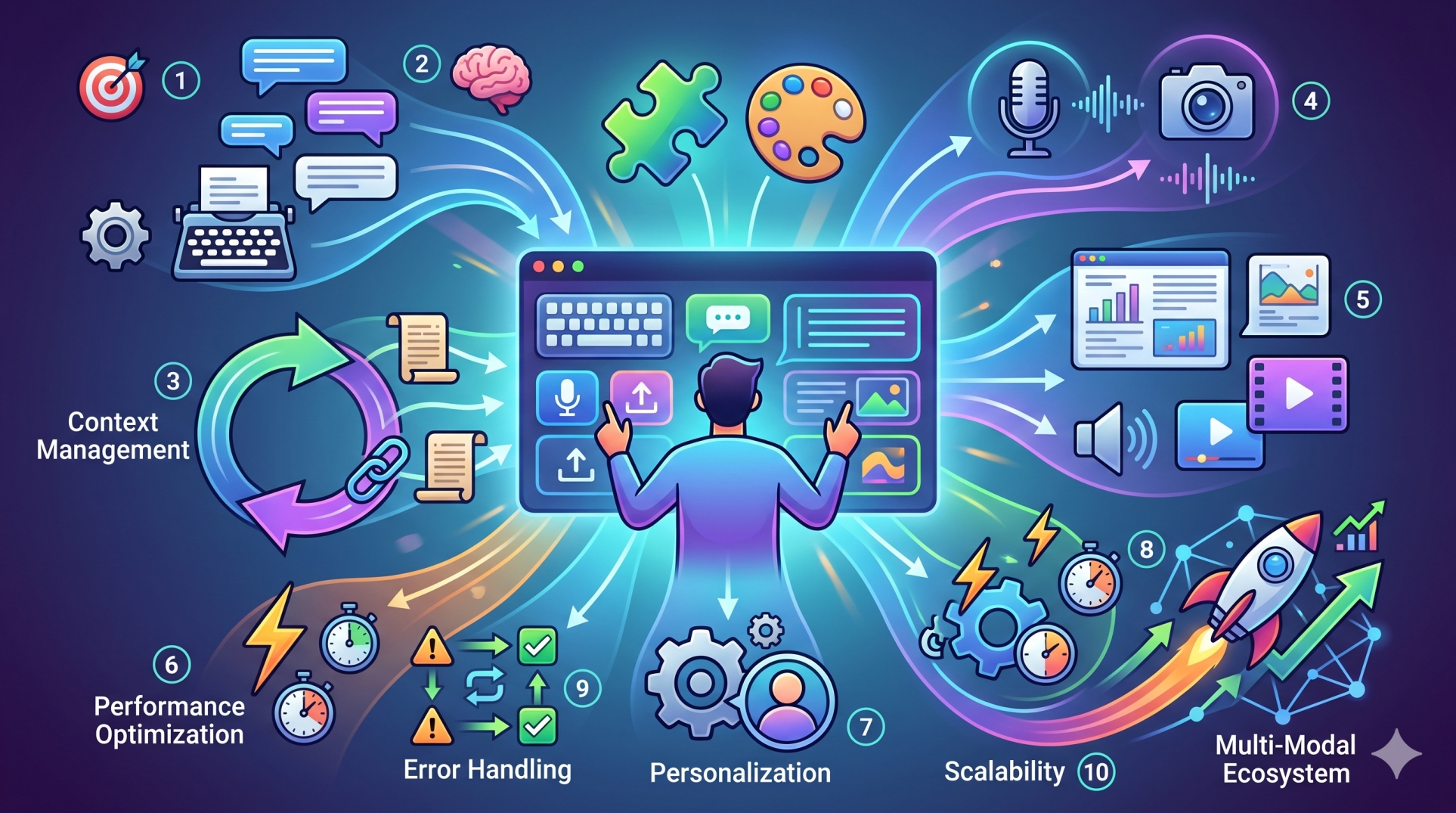
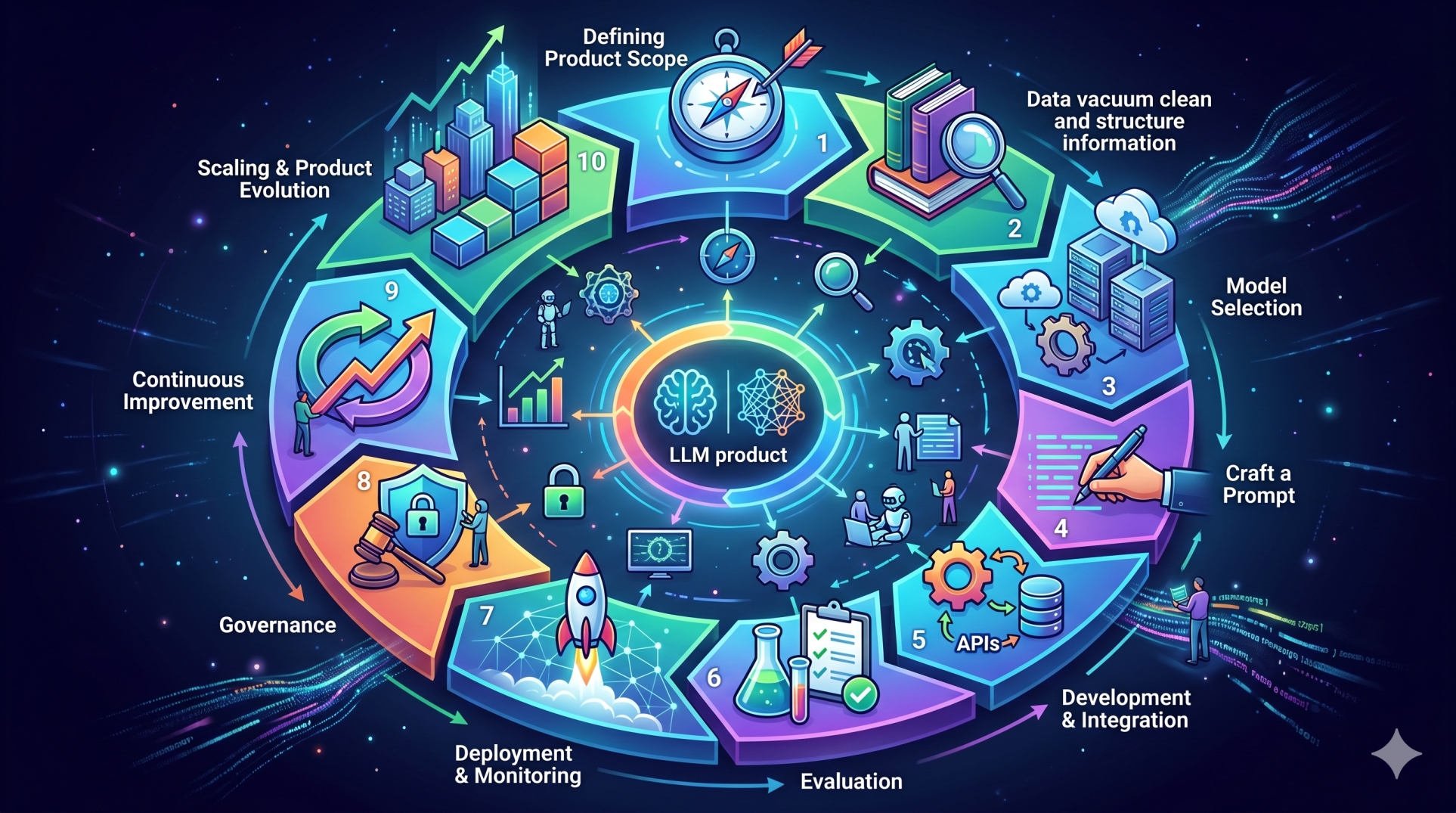
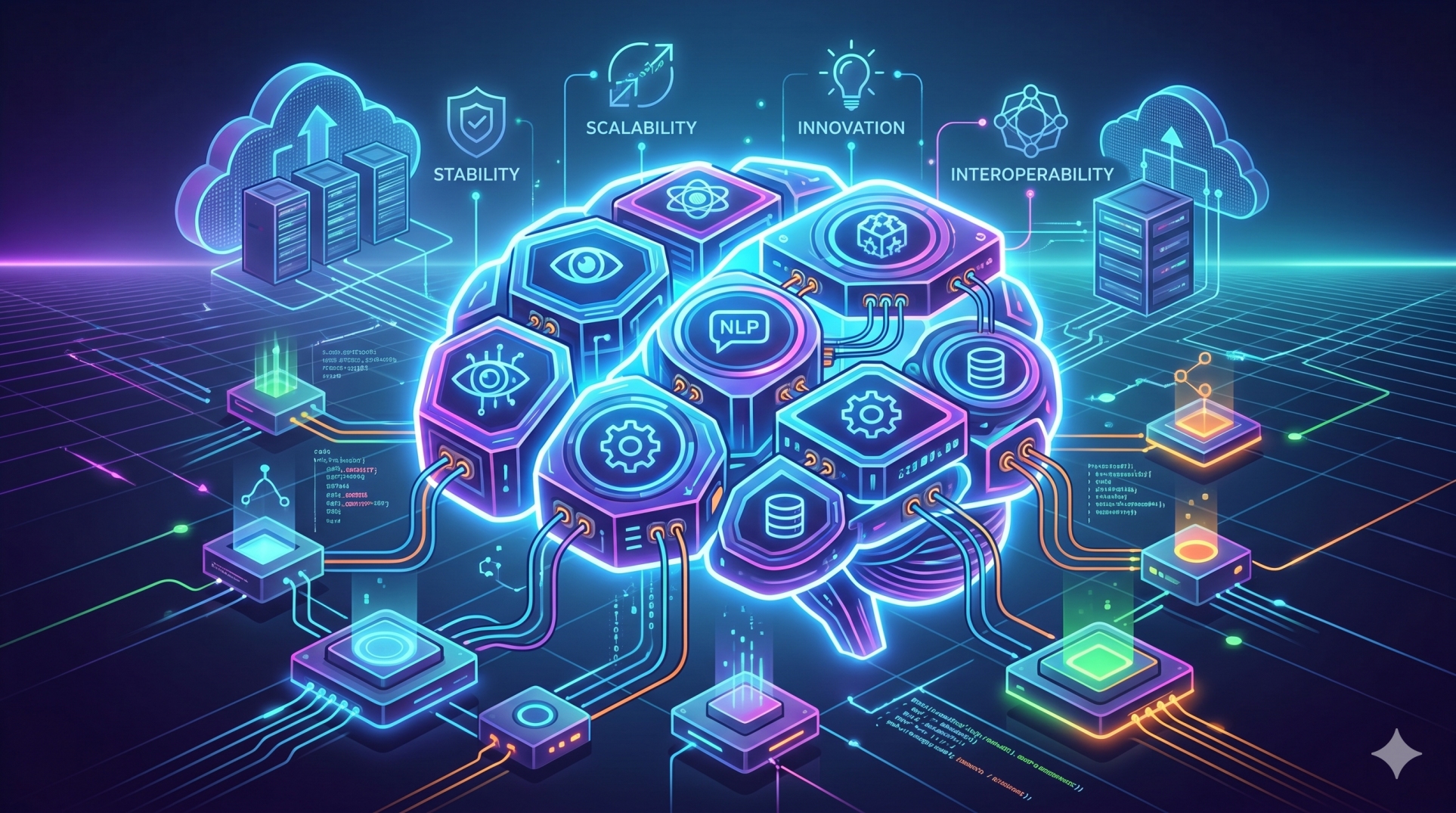
Step 1: Establishing a Strong Development Foundation 🏗️
• Define clear objectives for AI-powered applications 🎯
• Build modular and maintainable software architectures 🧩
• Adopt standardized development practices across teams 📋
• Align technical implementation with business goals 🤝
• Create a scalable foundation for long-term growth 🚀
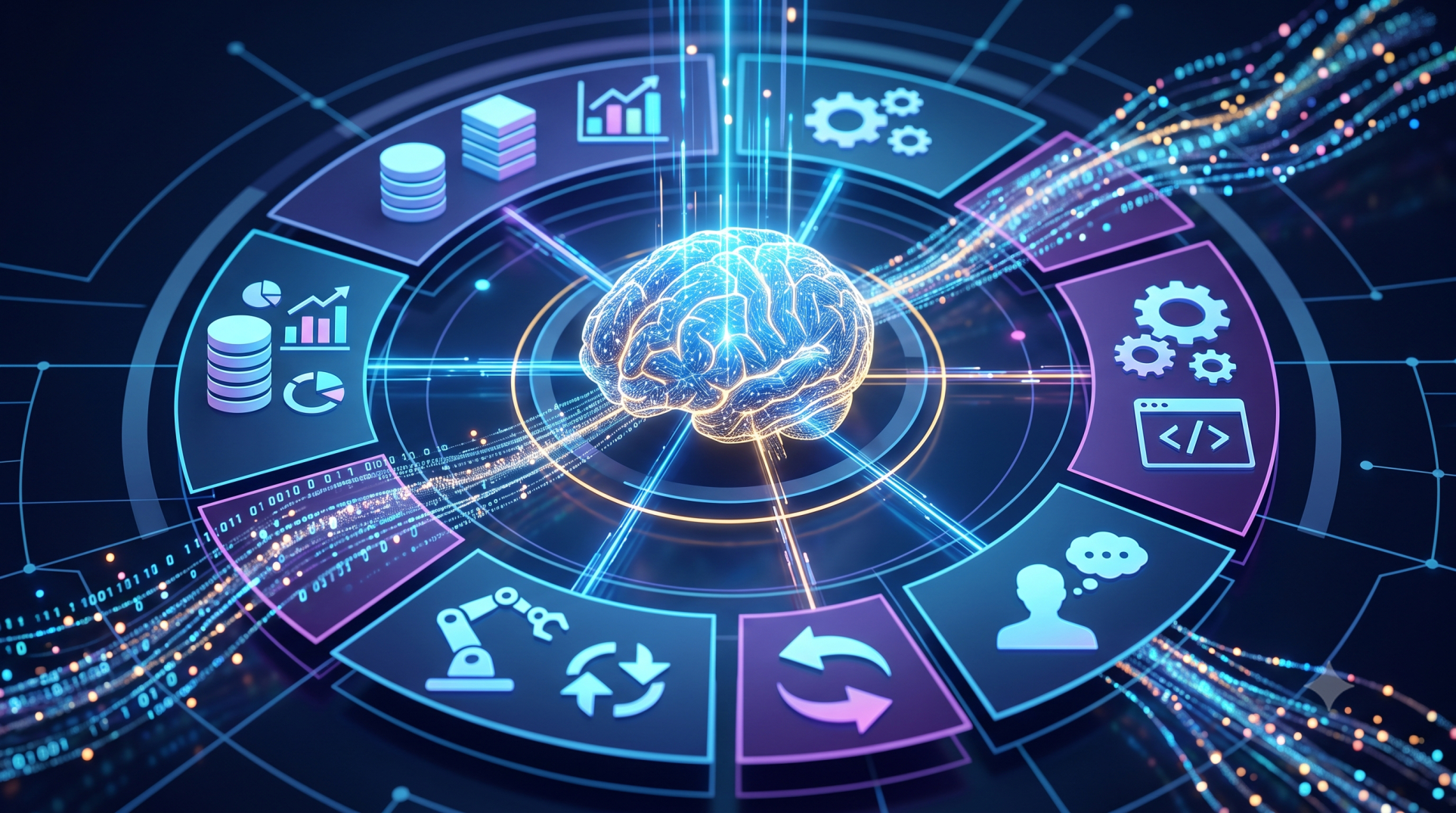
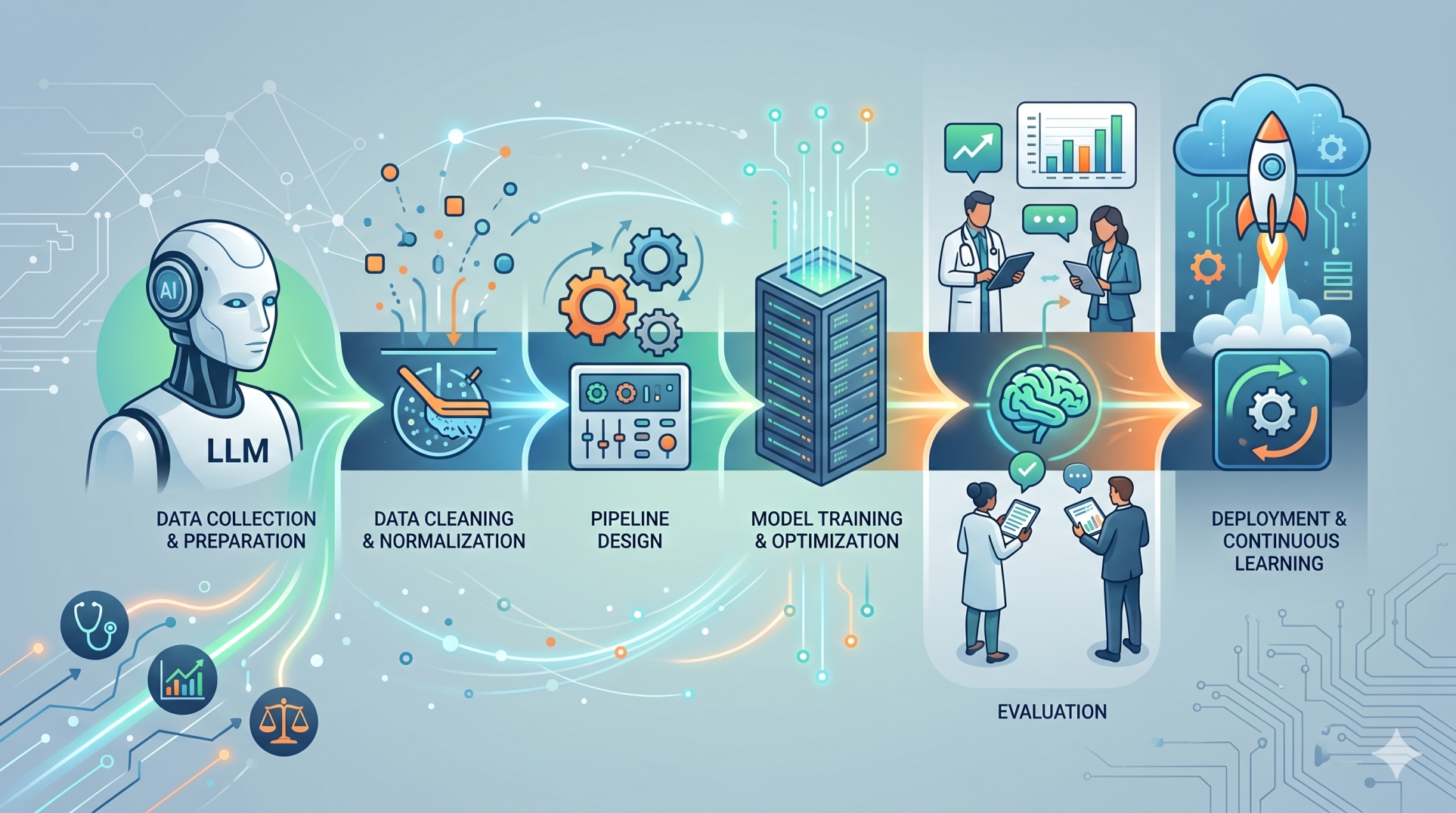
Step 2: Building Reliable AI Pipelines ⚙️
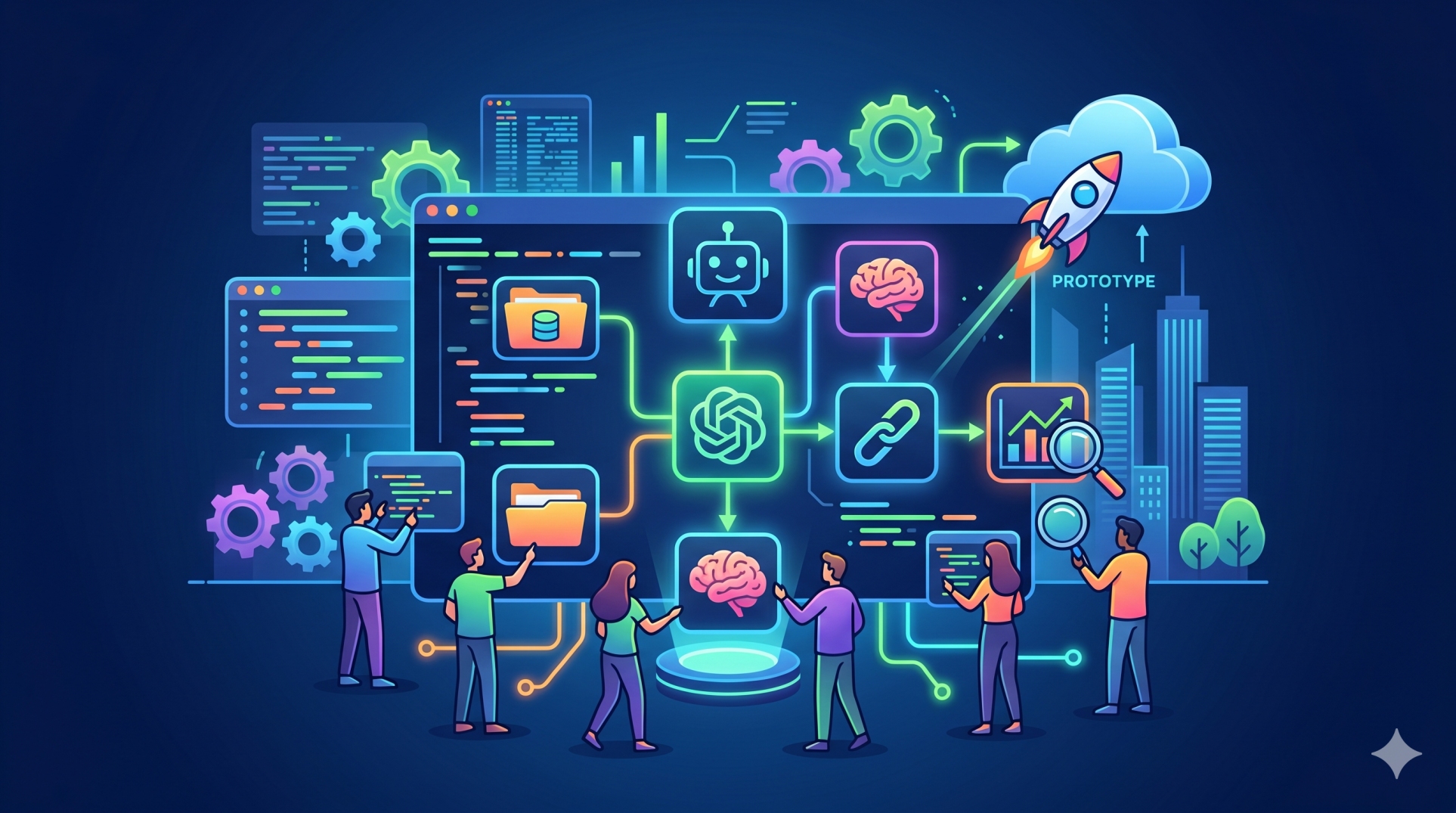
• Develop consistent workflows for model integration 🔄
• Standardize data preparation and validation processes 📊
• Automate testing across AI and application components 🤖
• Ensure reliable deployment of language models 🚢
• Minimize operational disruptions through quality controls ✅
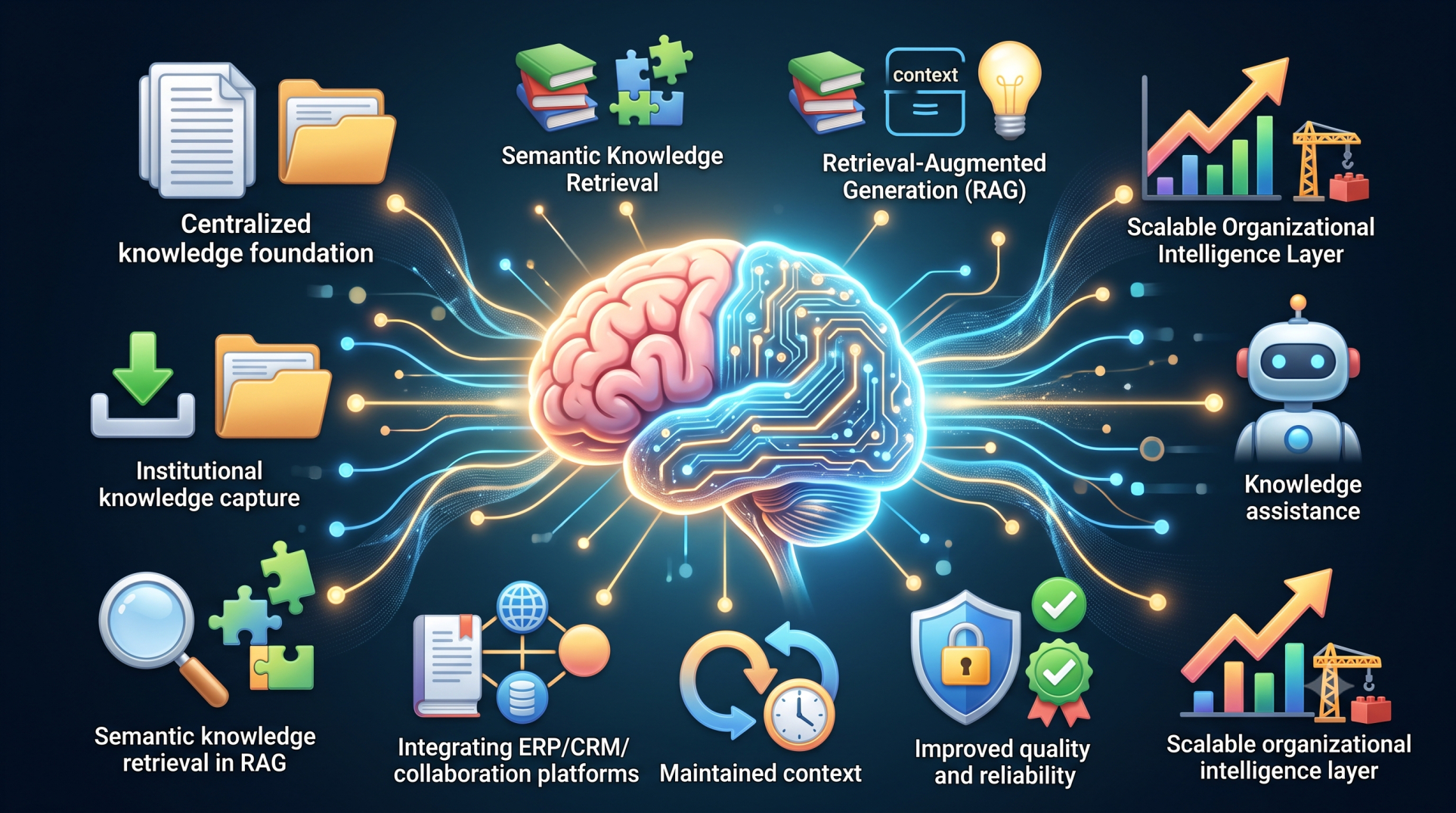
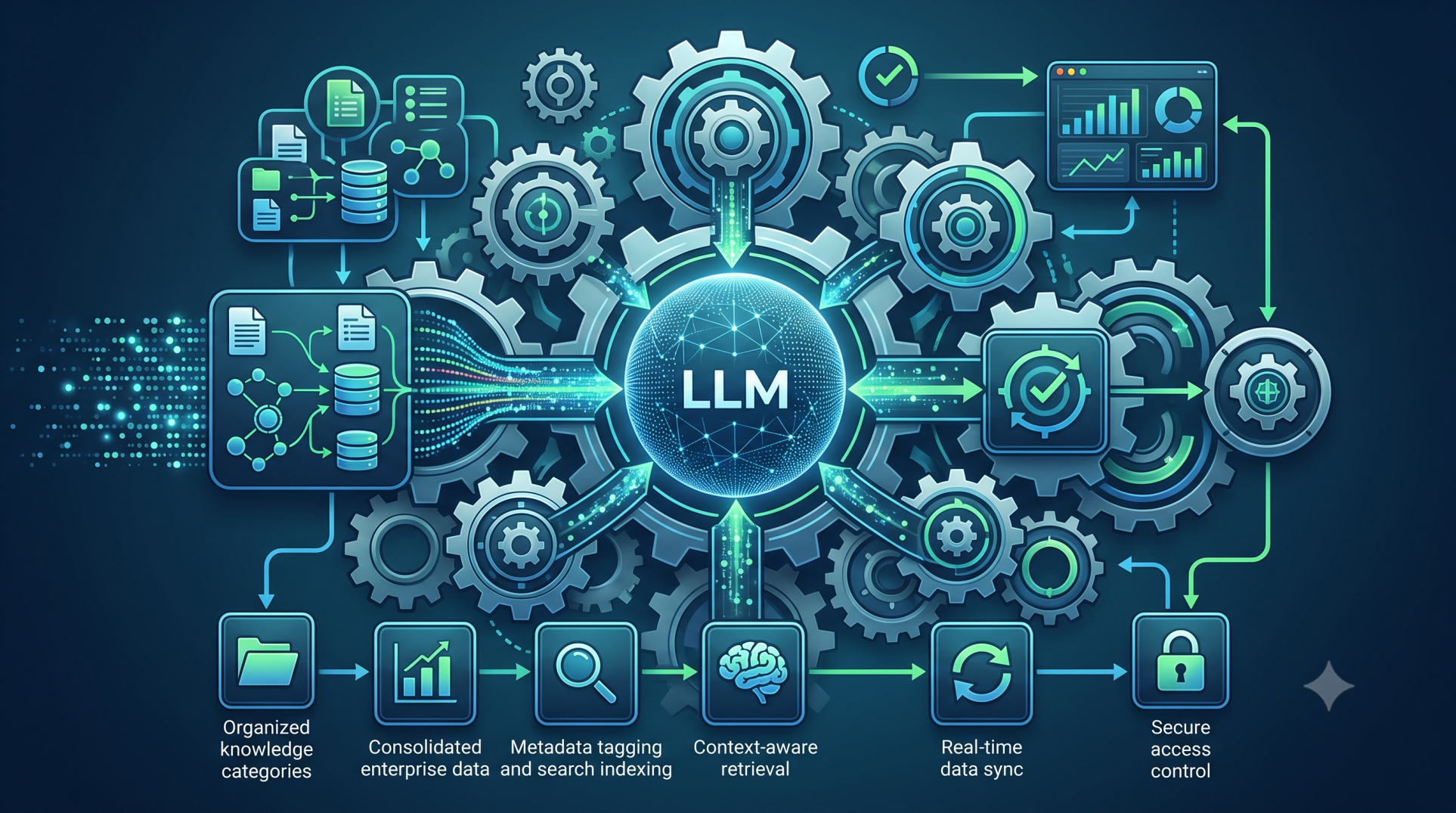
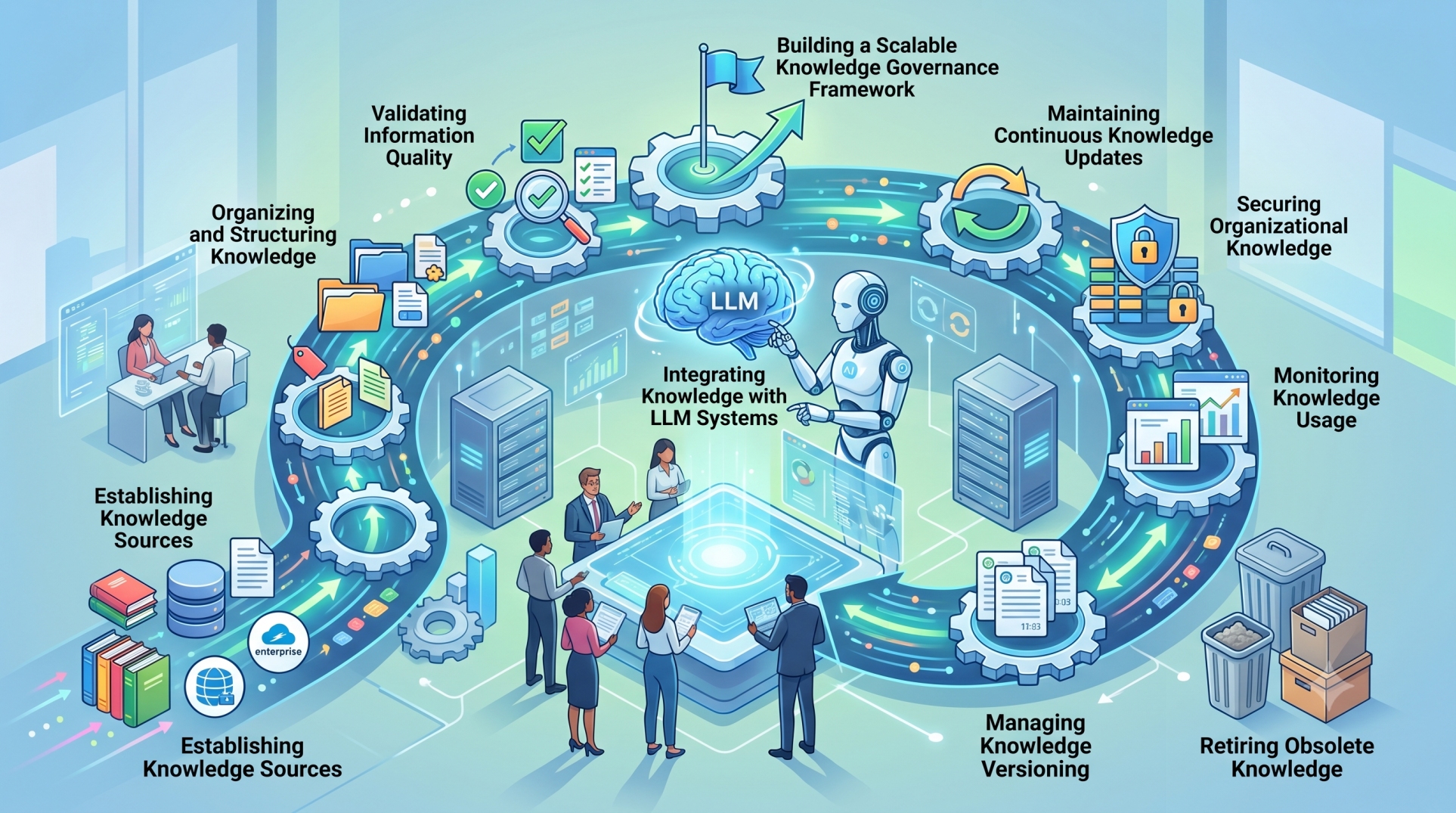
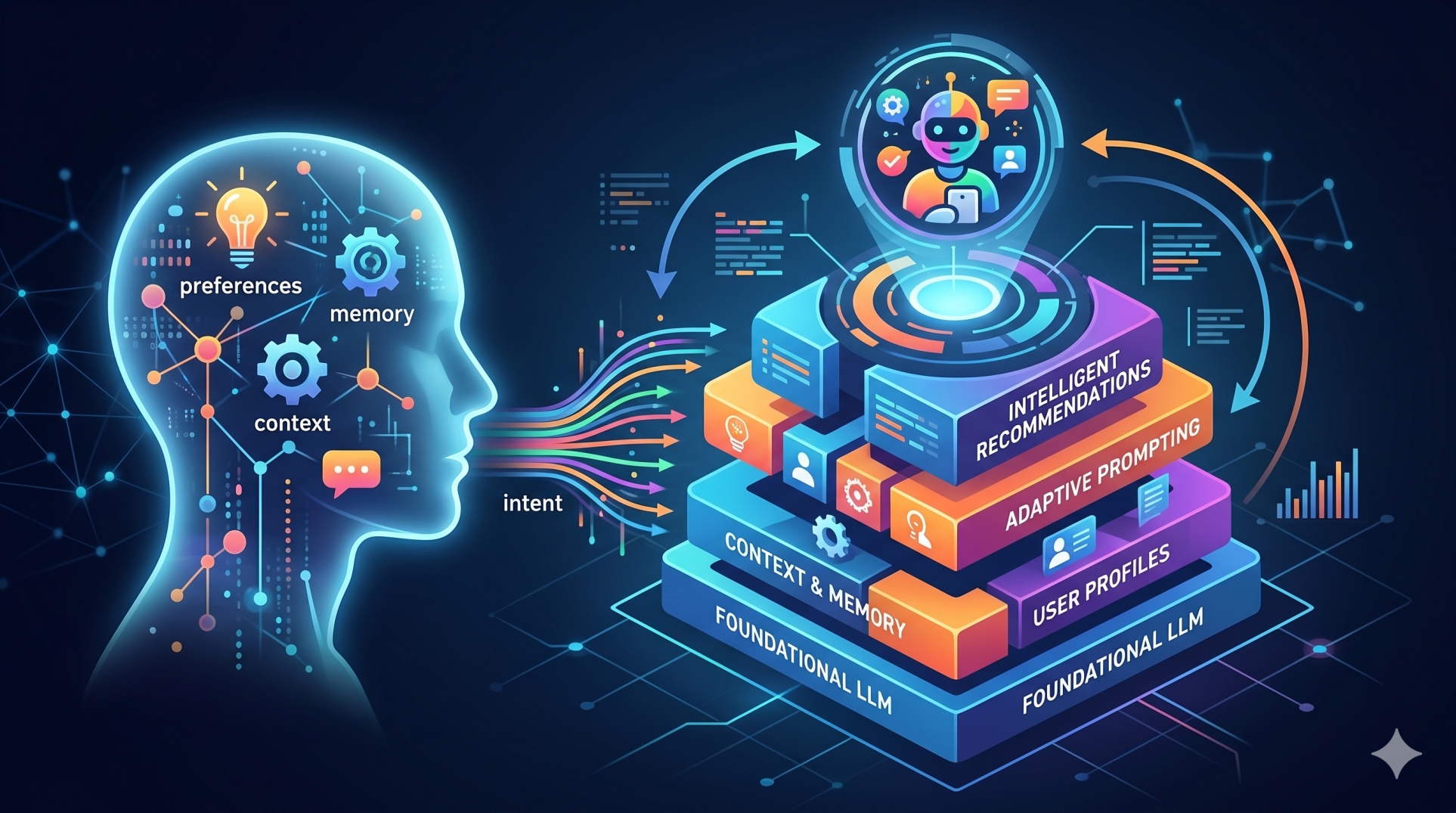
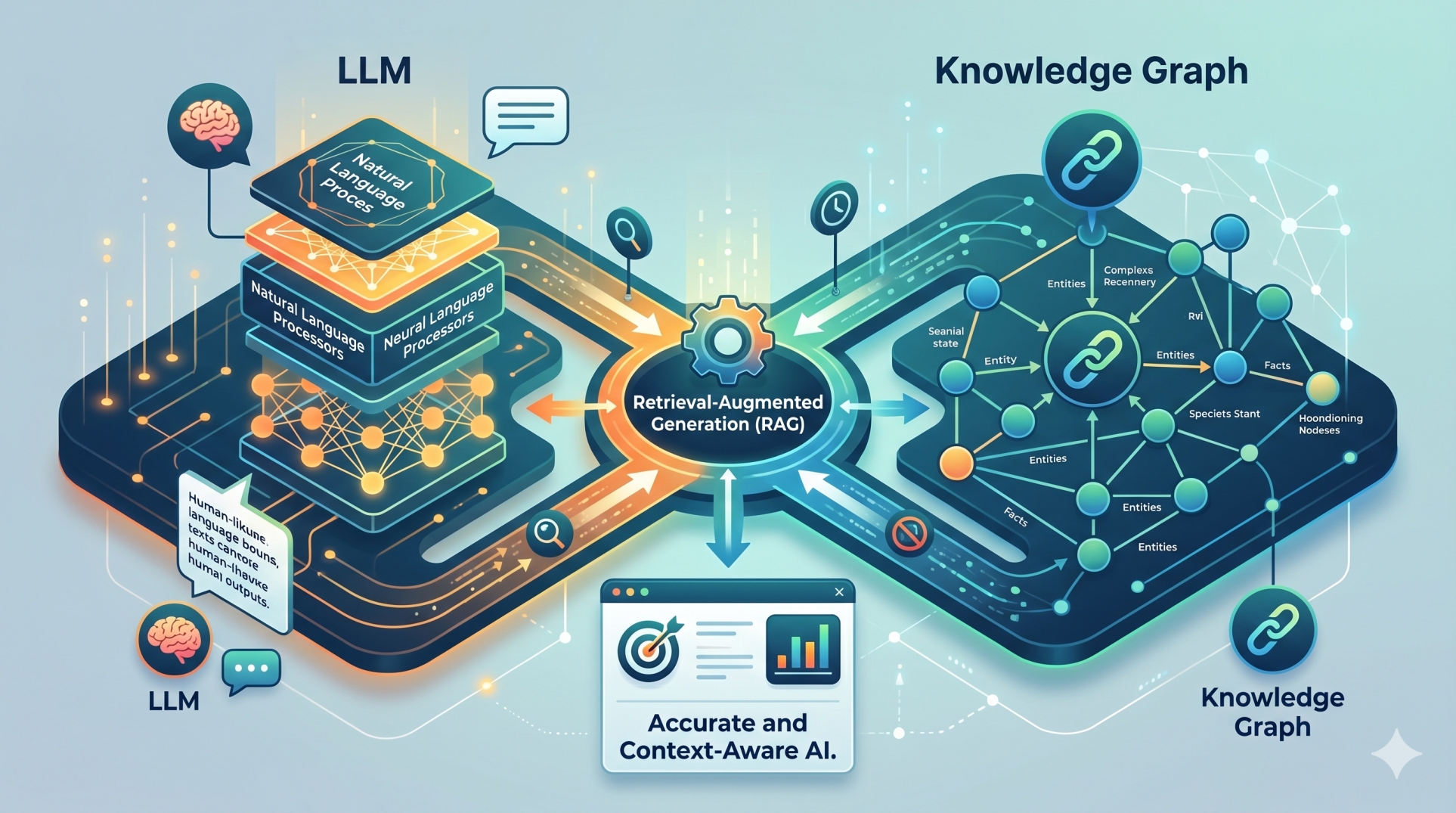
Step 3: Optimizing Knowledge and Context Management 🧠
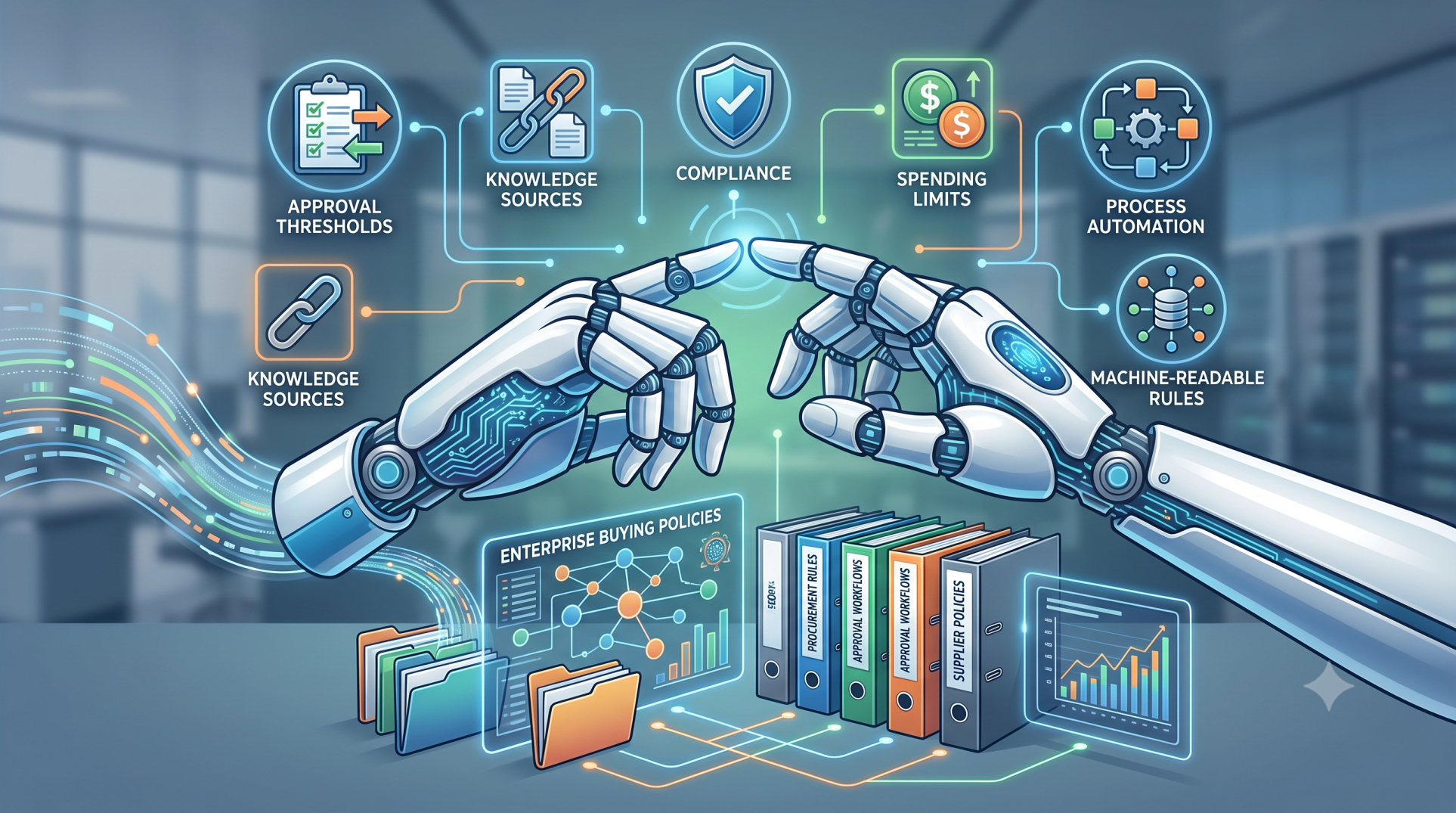
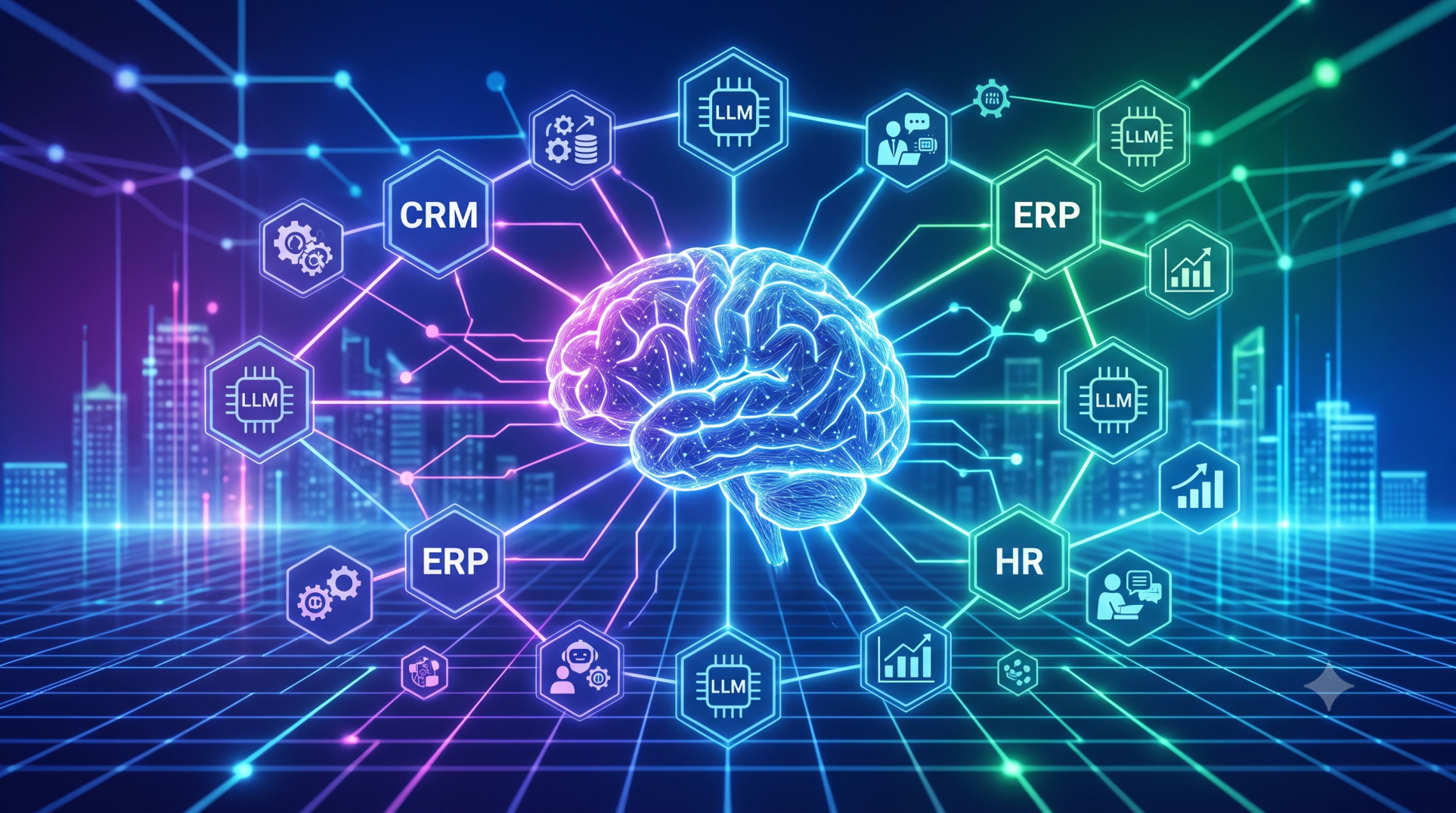
• Integrate trusted enterprise knowledge sources 📚
• Maintain accurate contextual information across interactions 🔗
• Improve response relevance through intelligent retrieval 🔍
• Update knowledge continuously as business information evolves 📈
• Ensure consistency in AI-generated outputs ✨
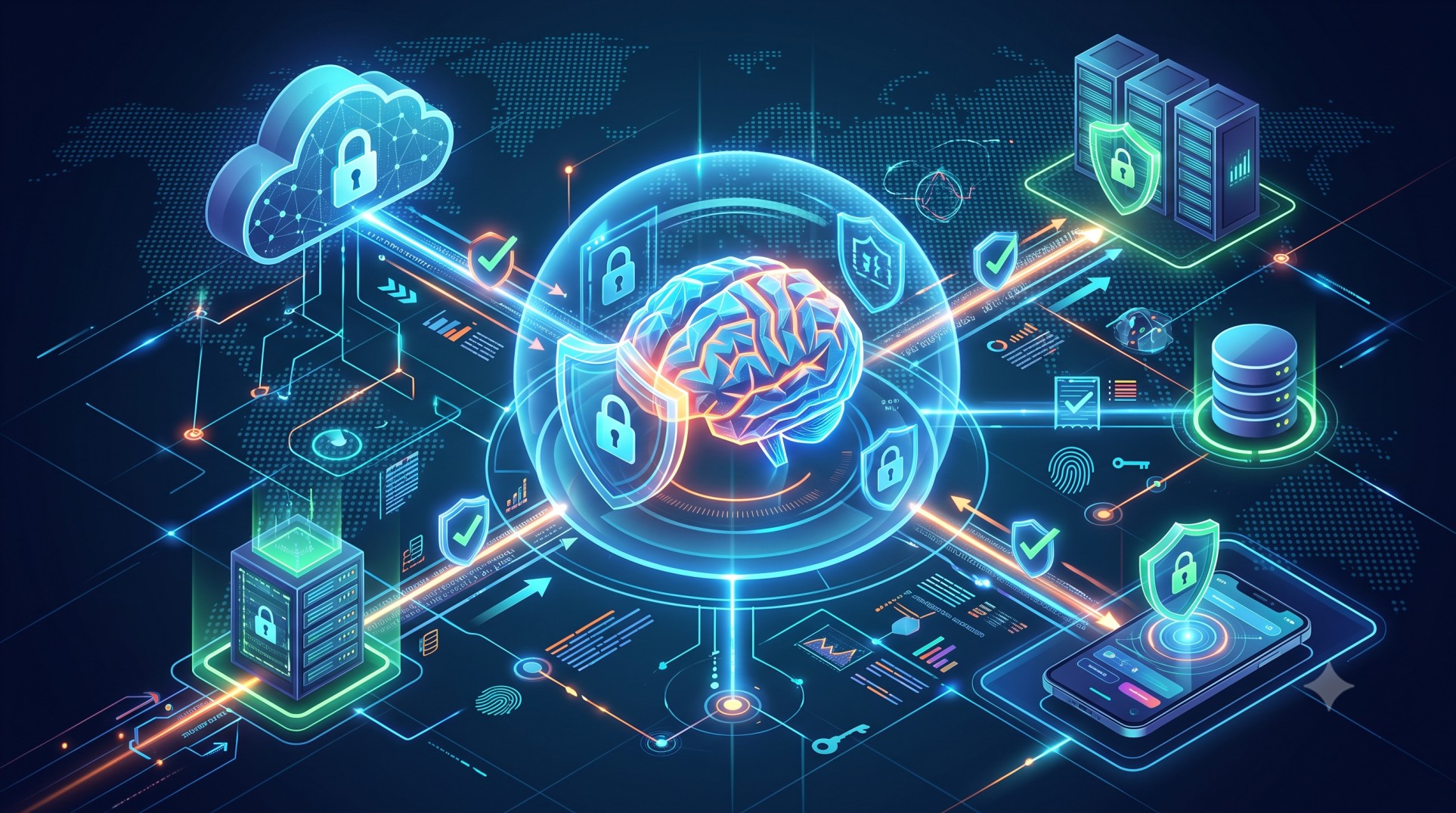
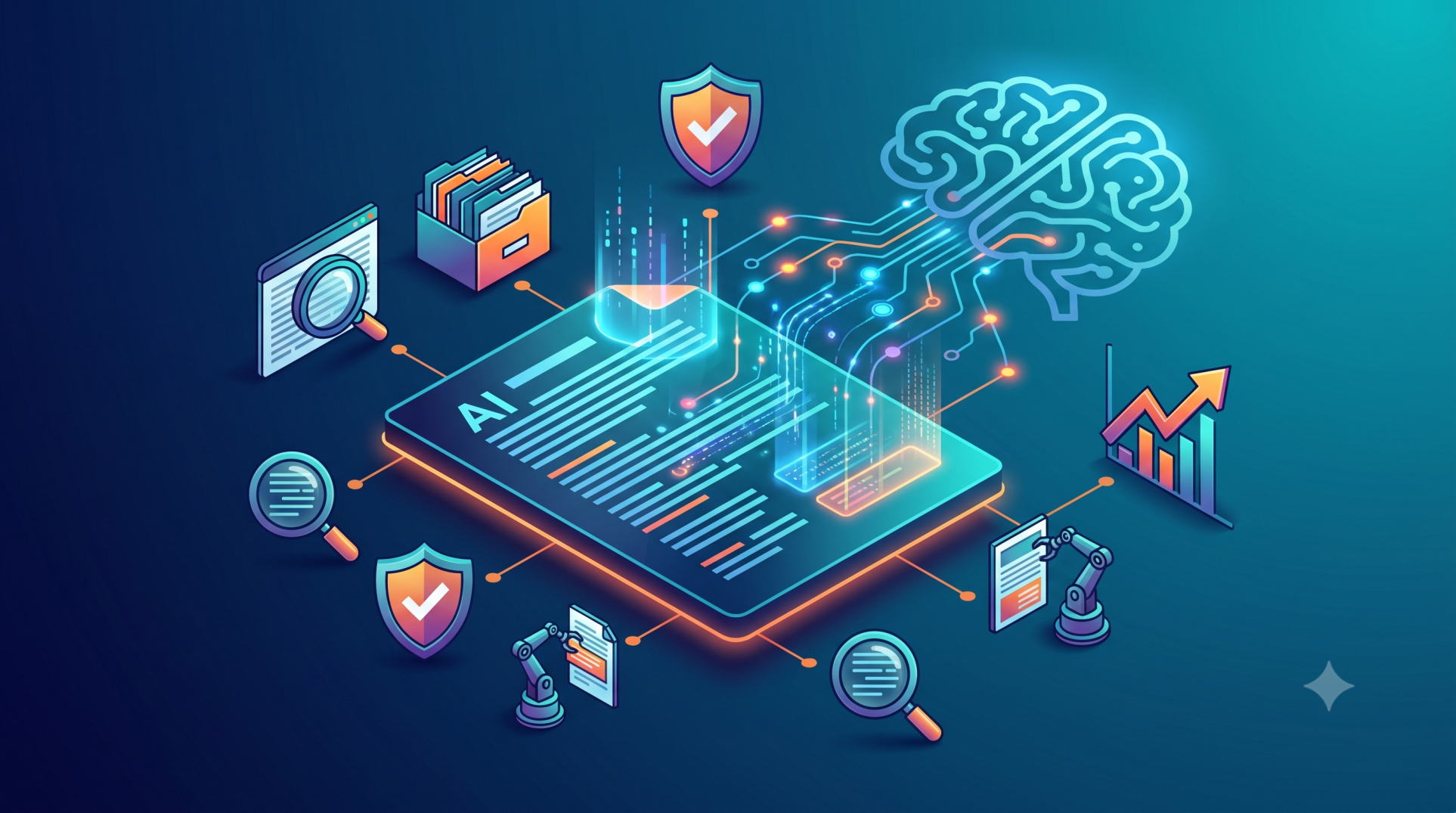
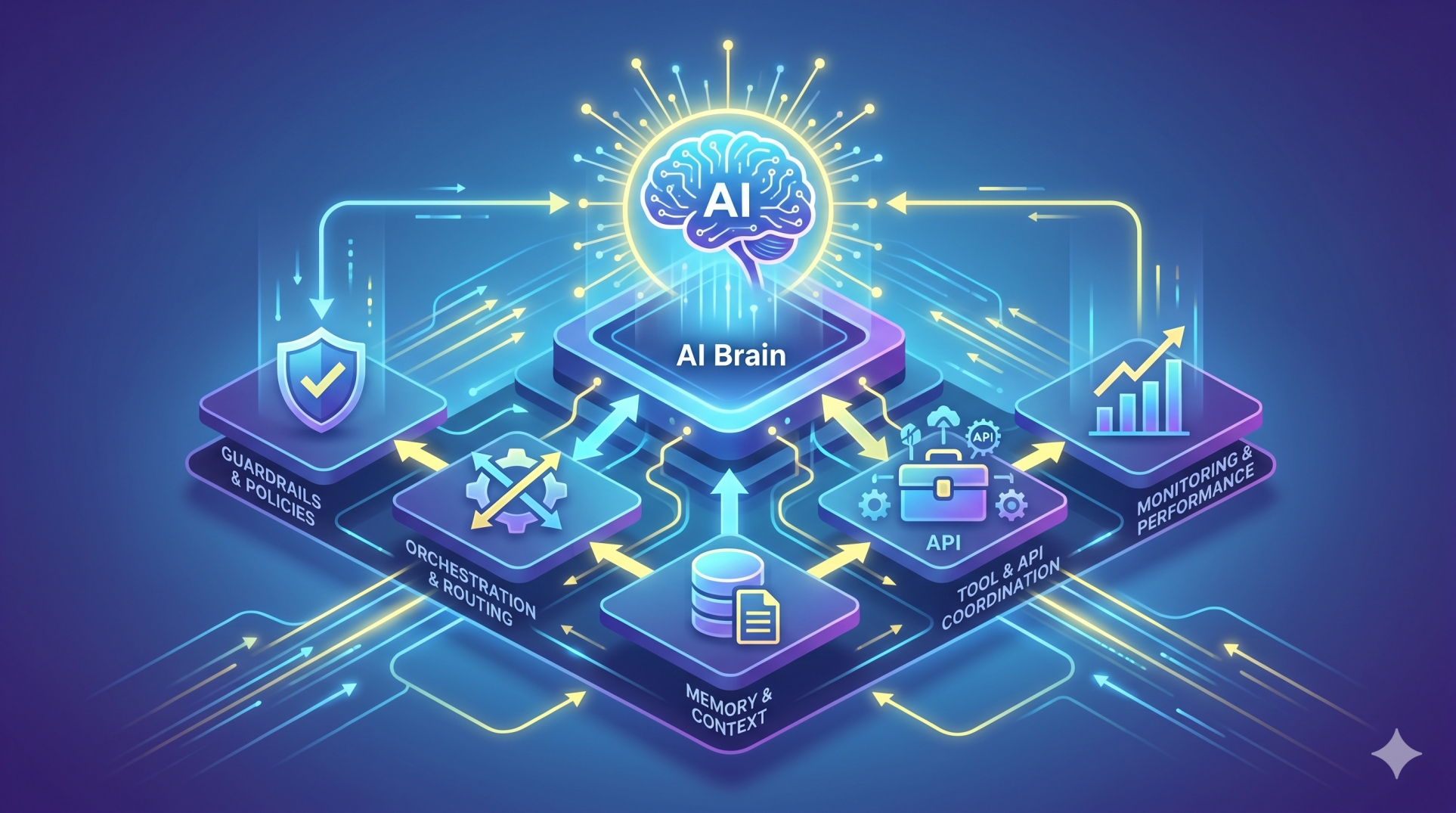
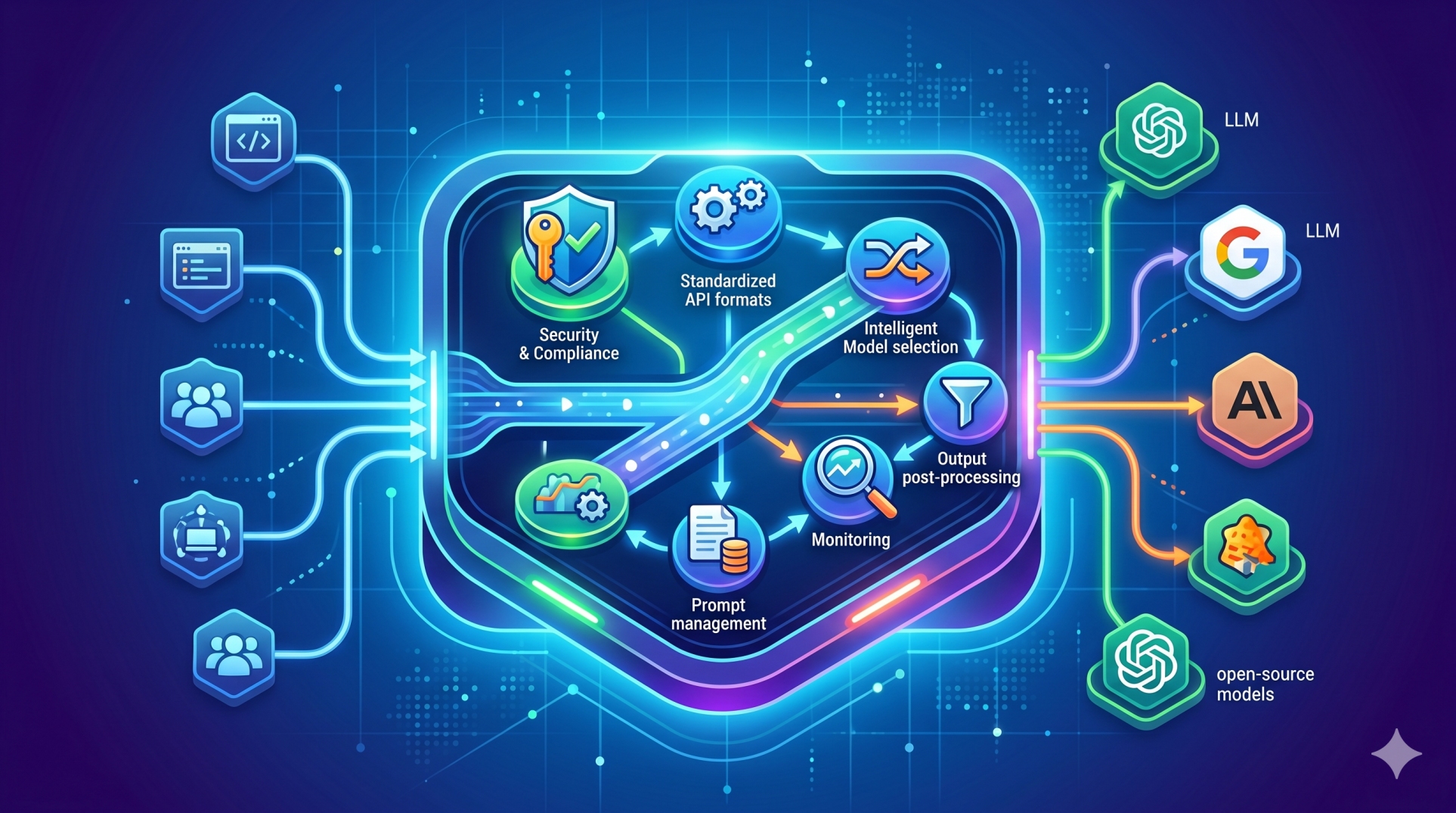
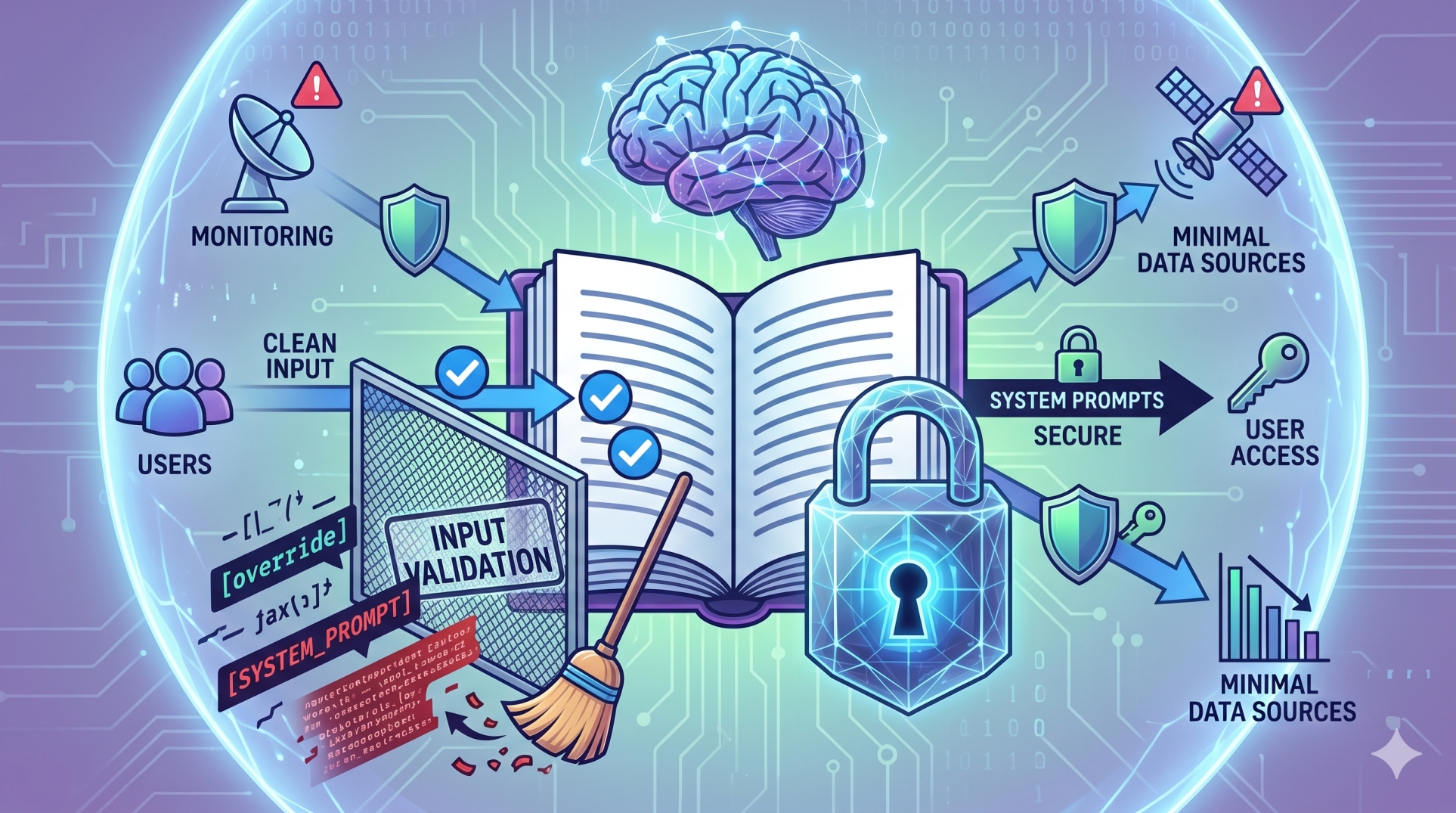
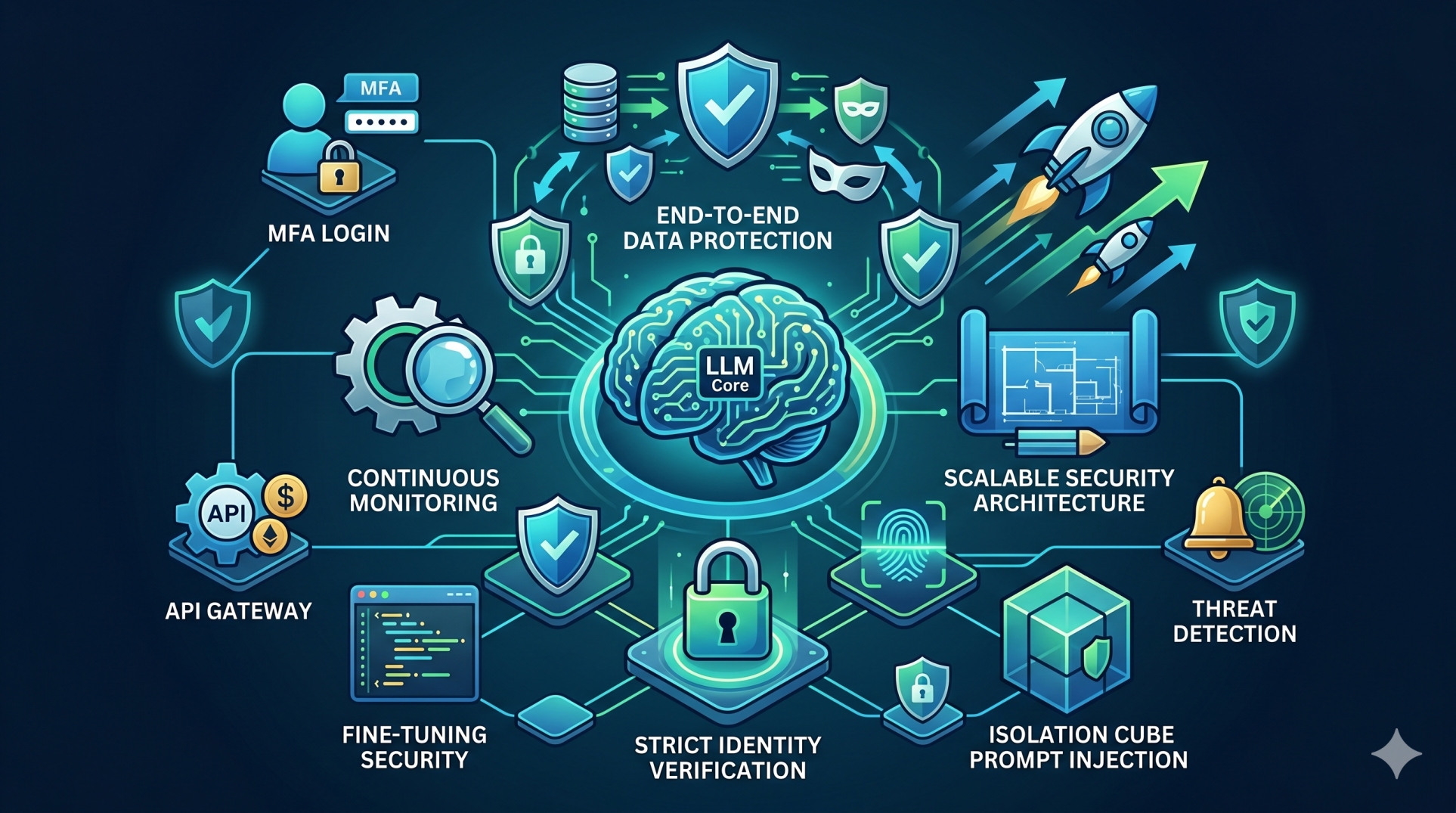
Step 4: Strengthening Security and Governance 🔐
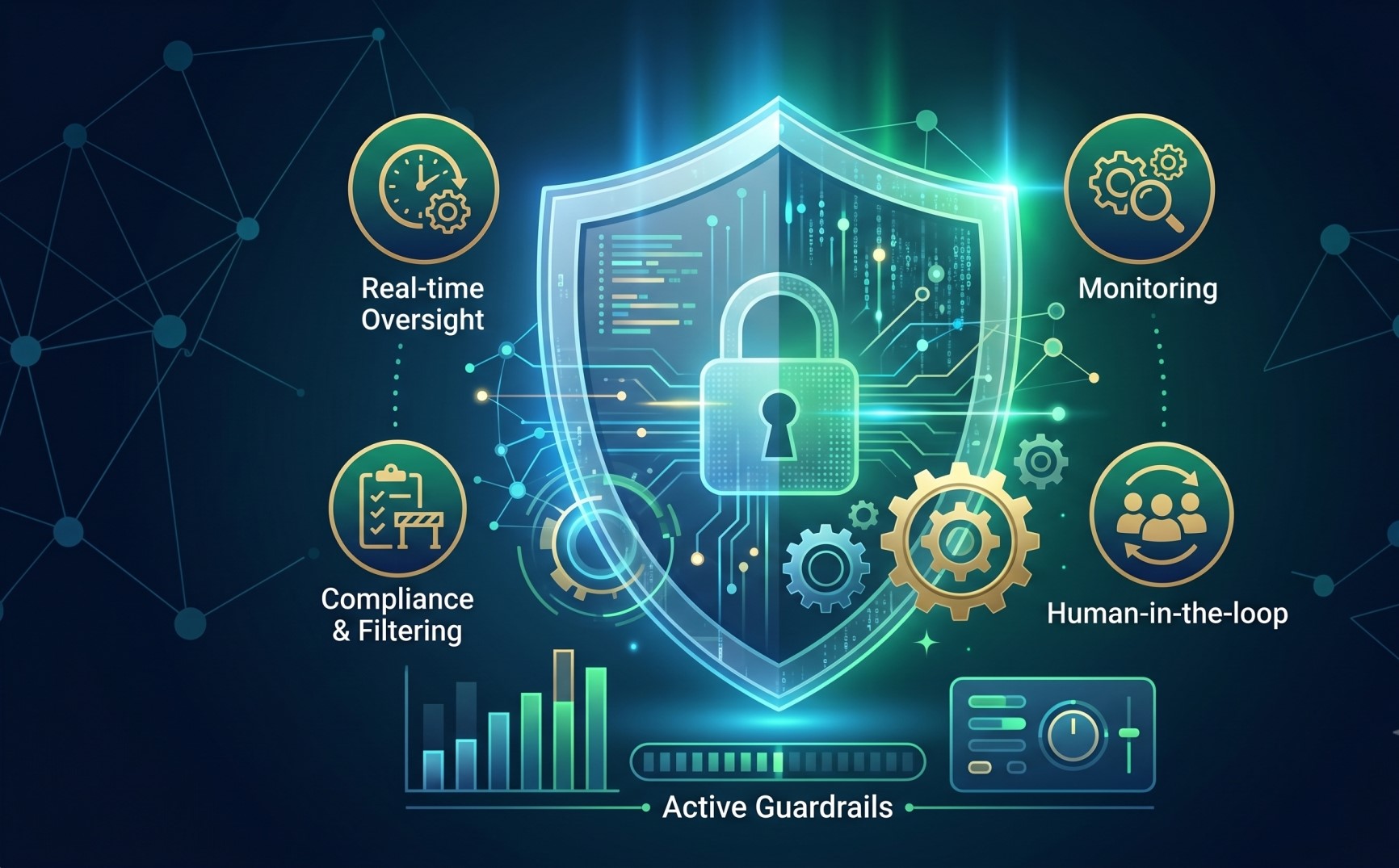
• Protect sensitive enterprise information through secure access 🛡️
• Apply role-based permissions across AI applications 👥
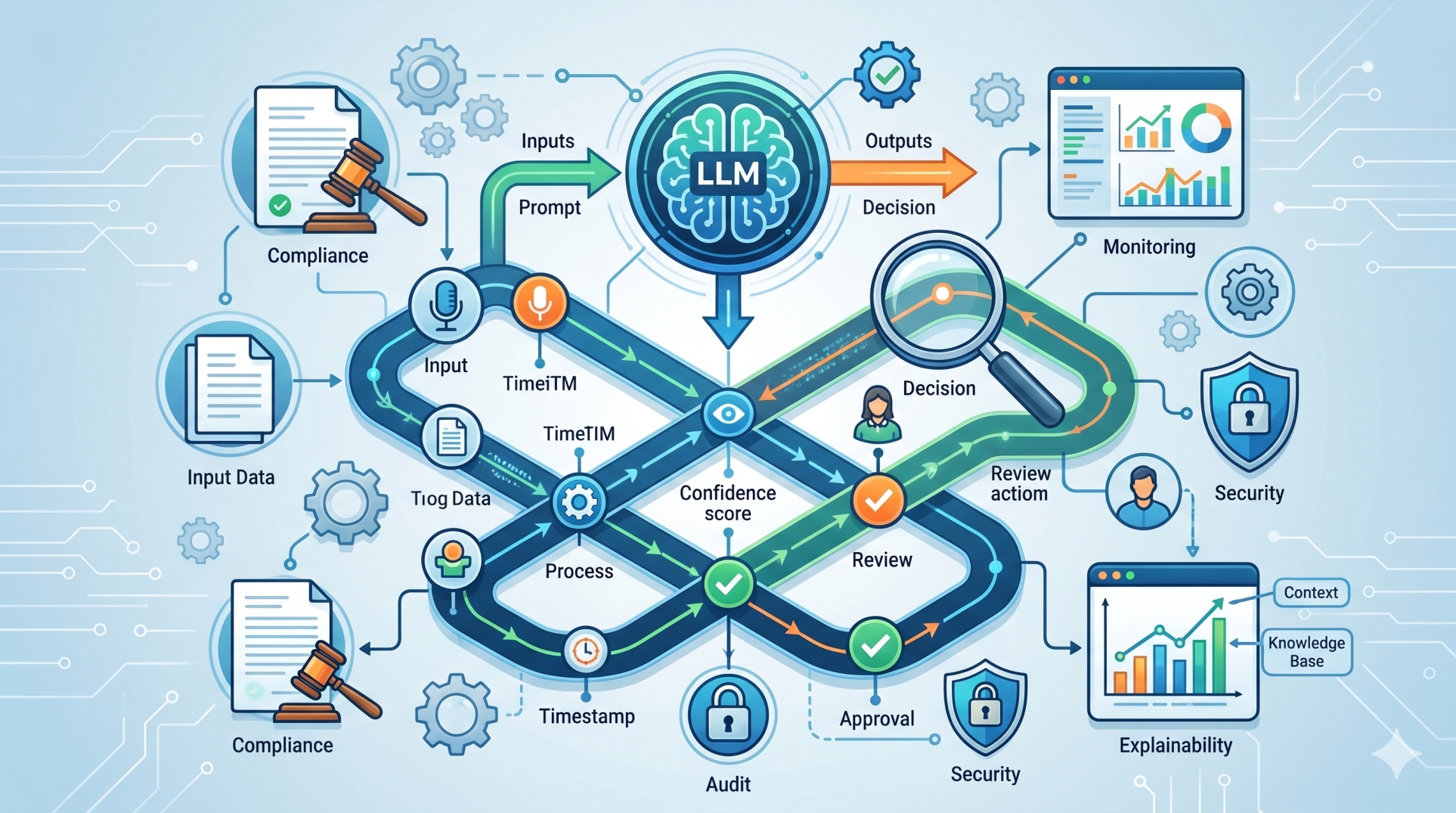
• Maintain audit logs for operational transparency 🧾
• Enforce governance policies for responsible AI usage ⚖️
• Support compliance with organizational and regulatory standards 📜
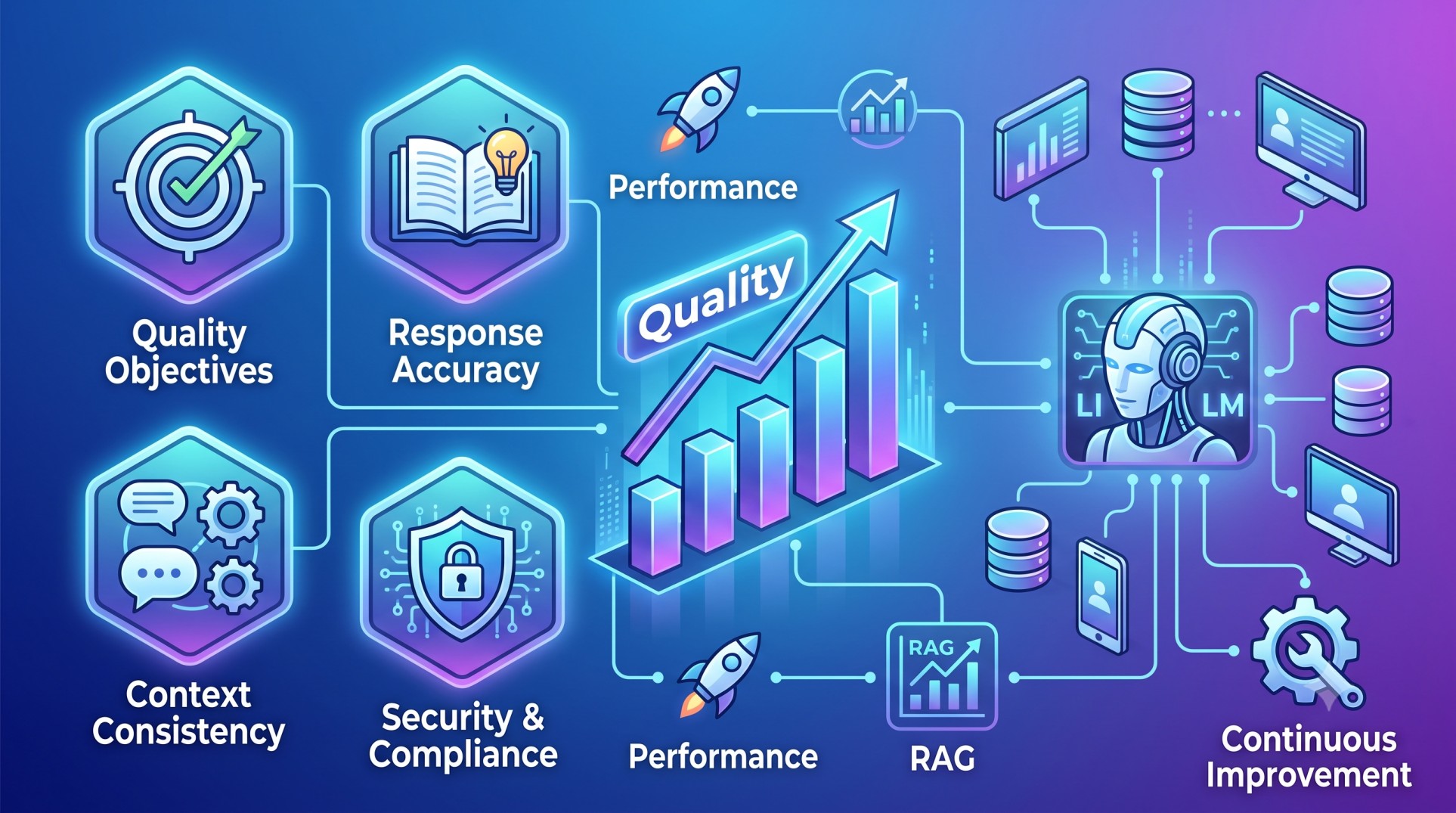
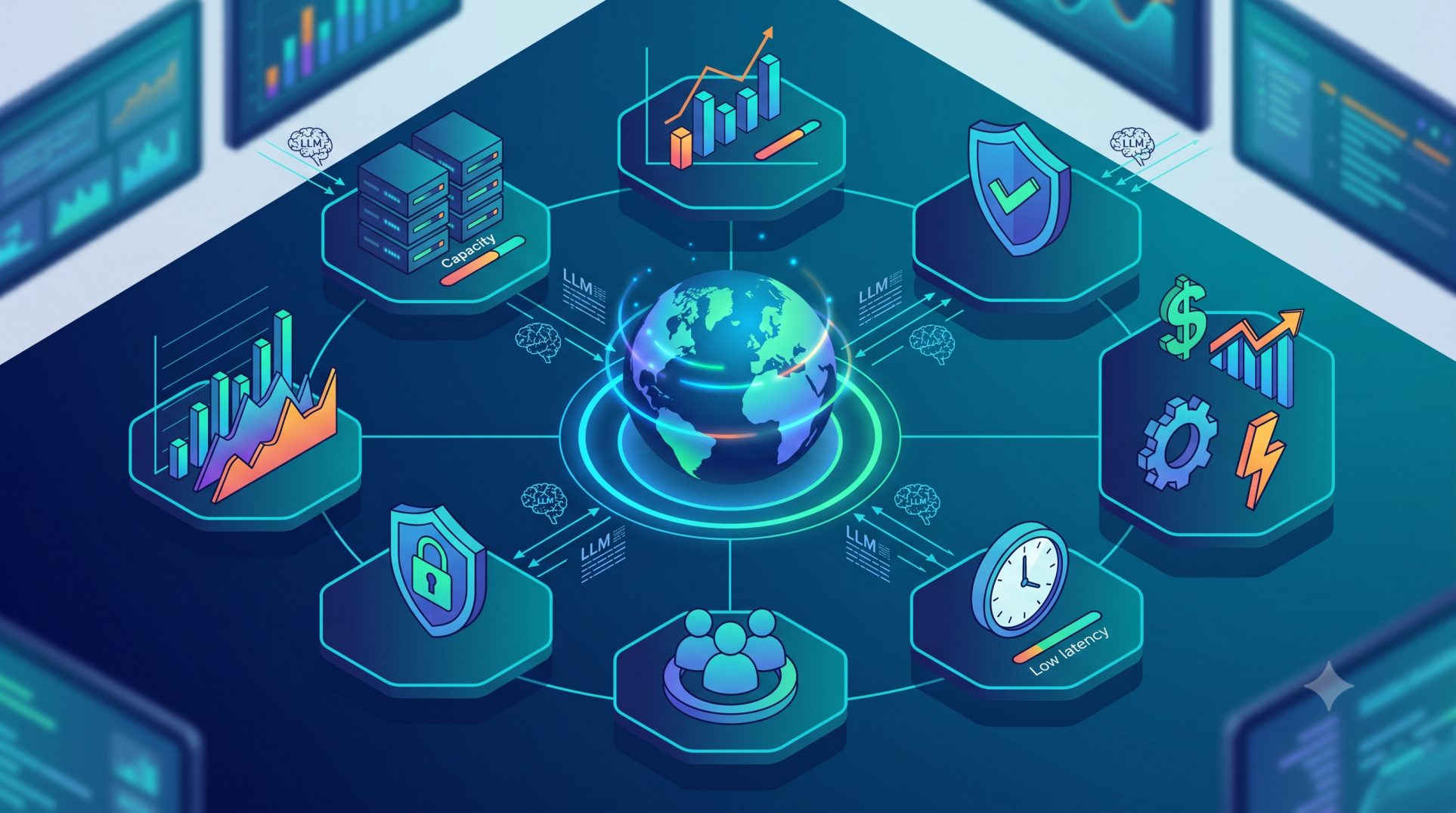
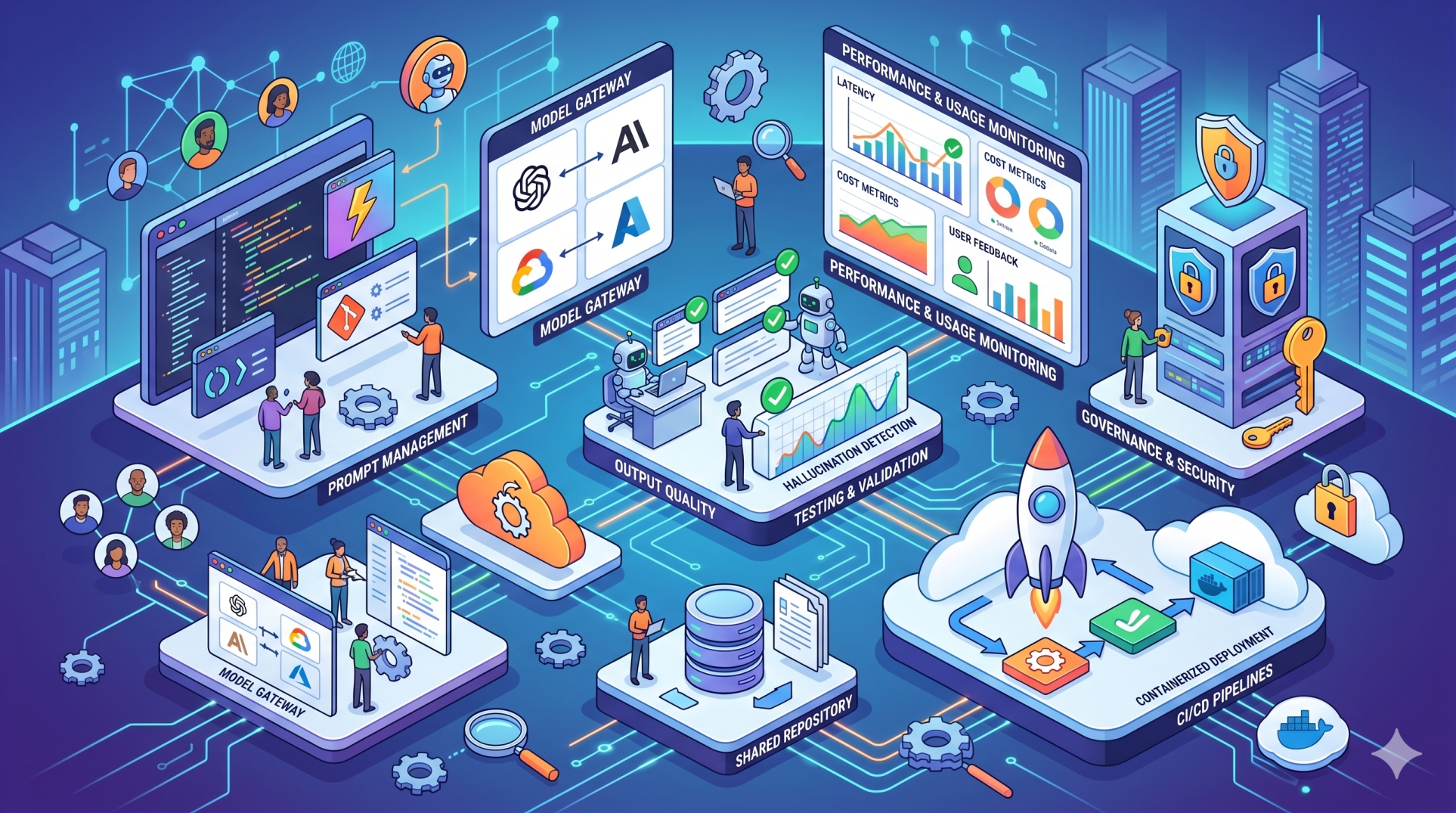
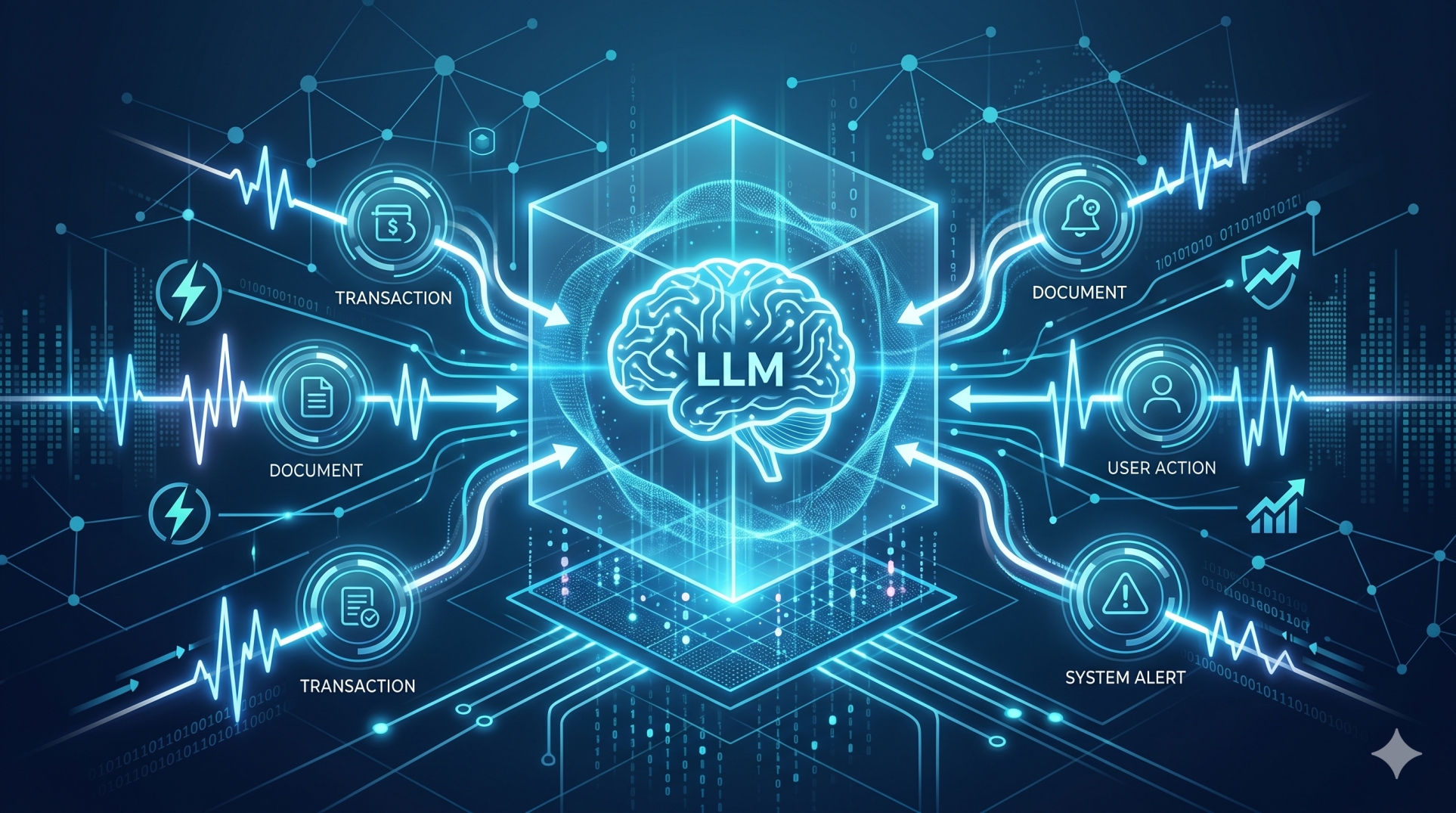
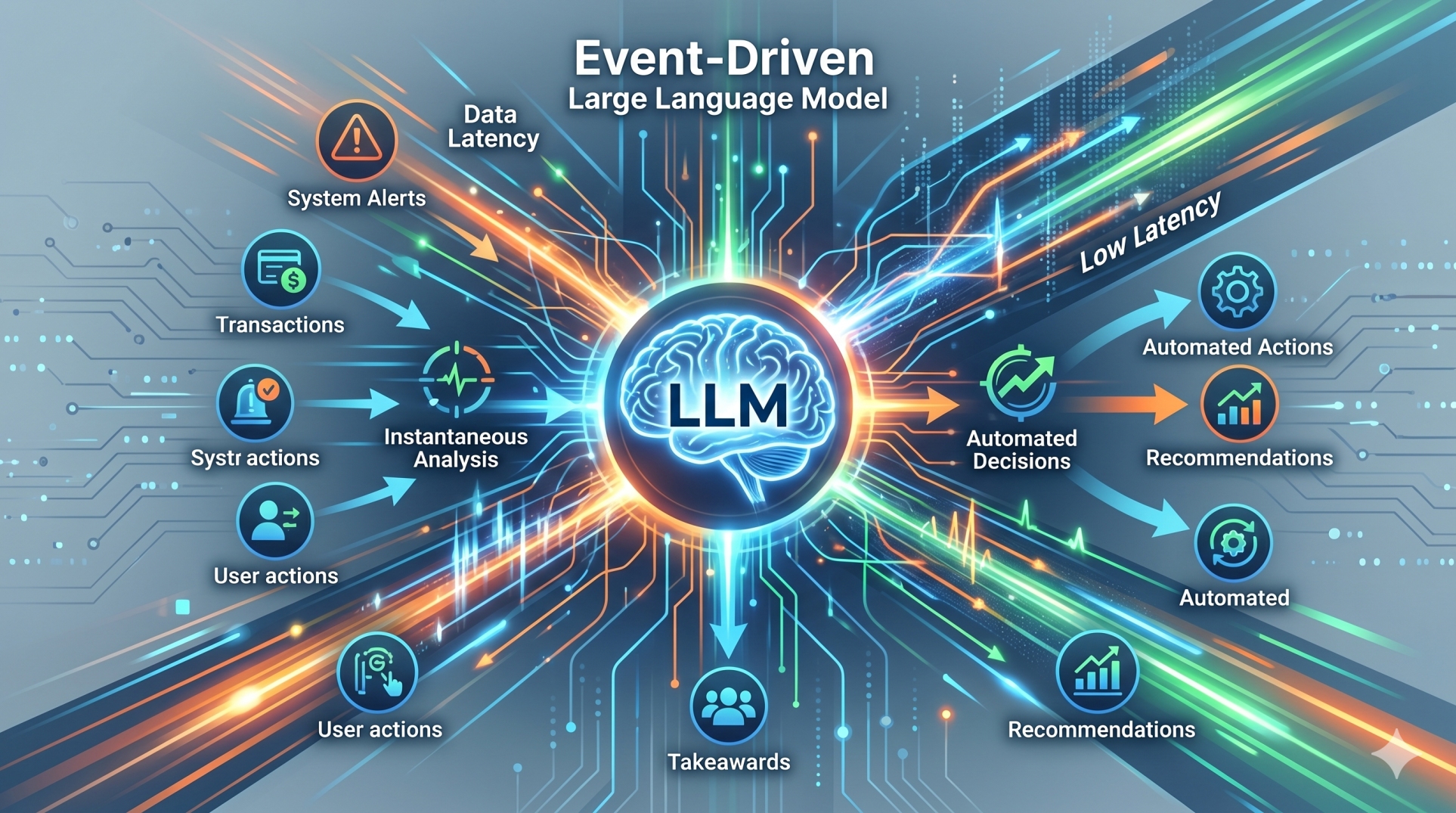
Step 5: Monitoring Performance Continuously 📊
• Track response quality and application reliability 📈
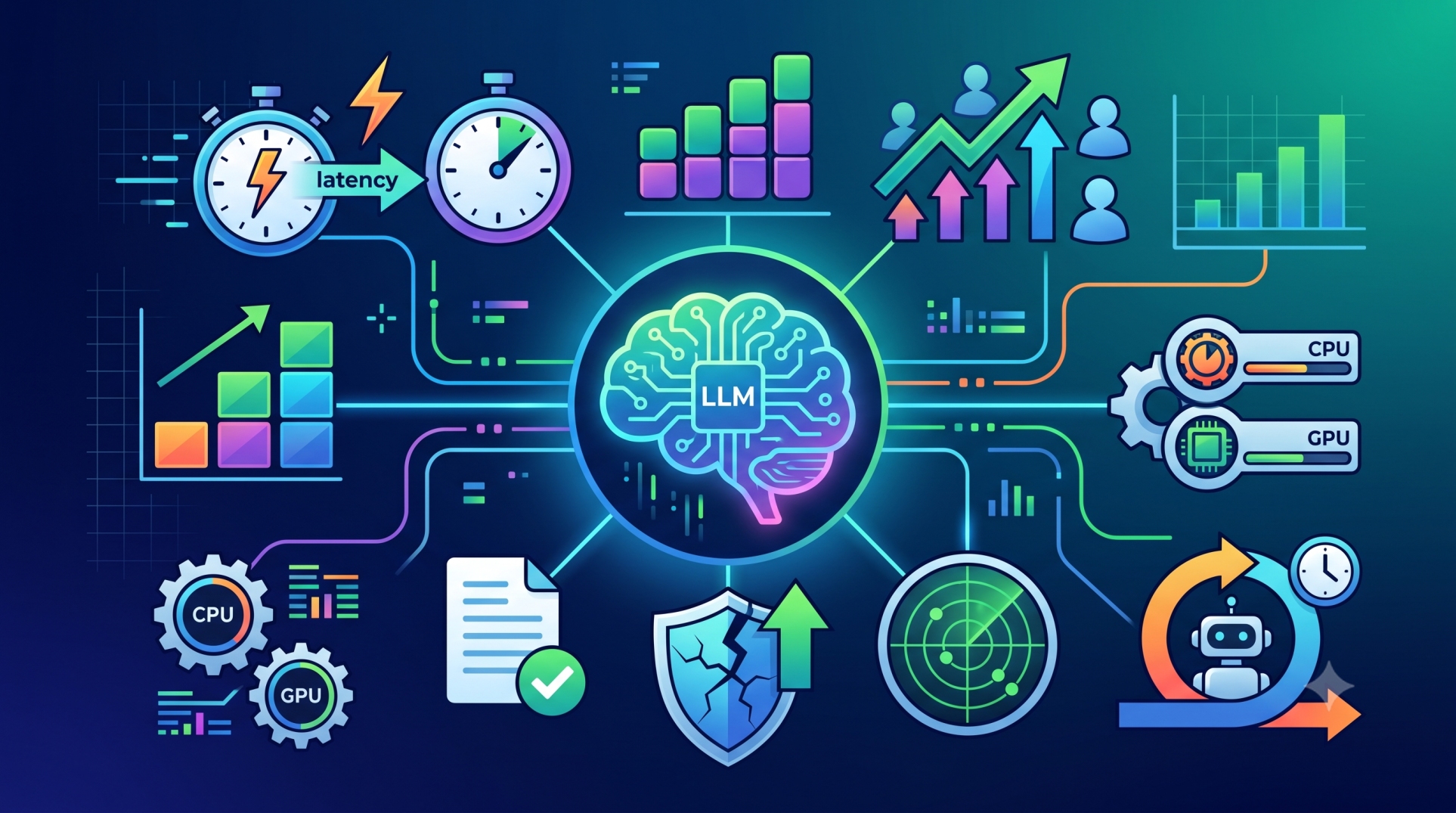
• Measure latency and system availability ⏱️
• Monitor infrastructure utilization and resource consumption 💻
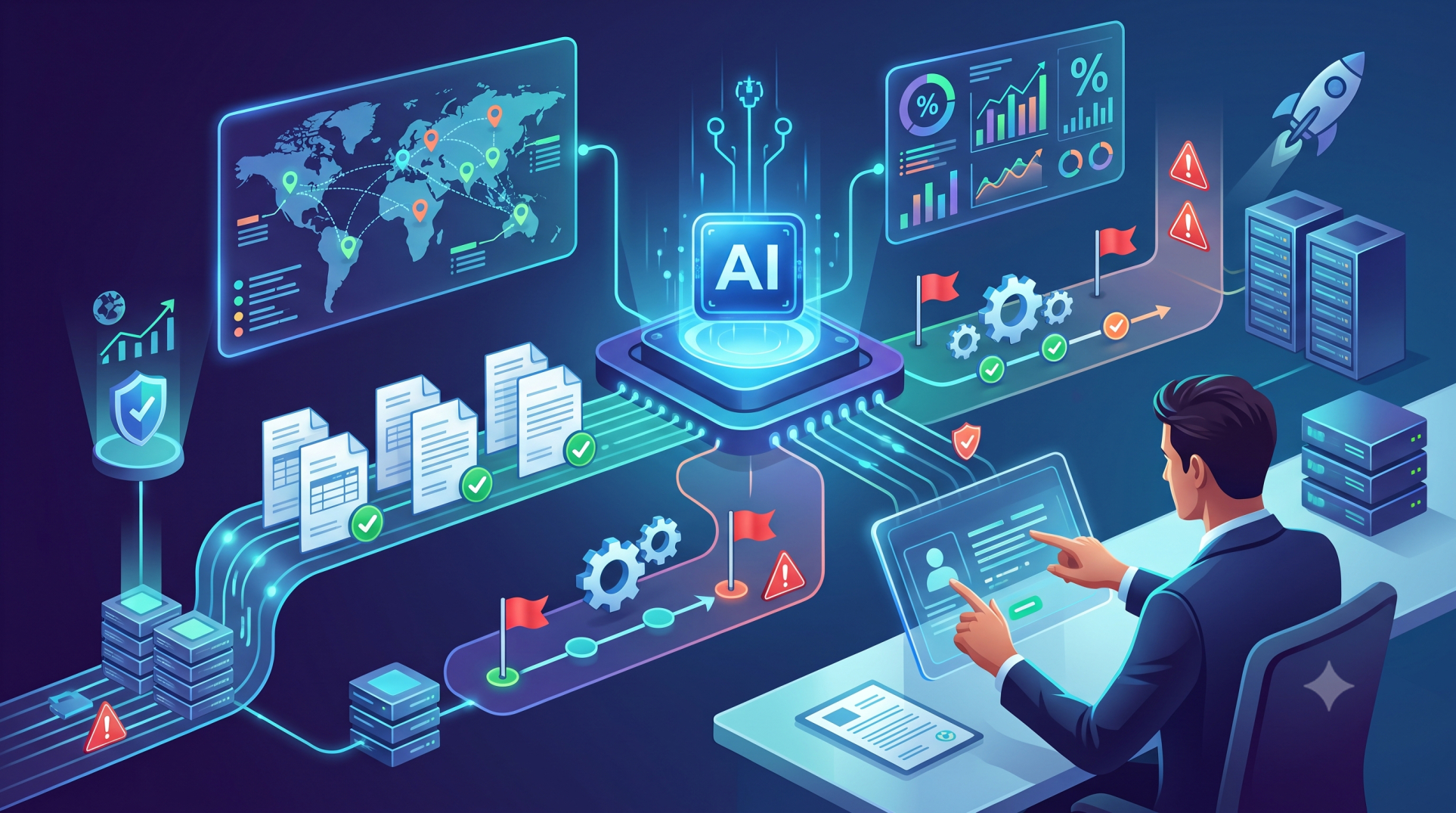
• Detect anomalies before they affect users 🚨
• Continuously refine operational performance 🔄
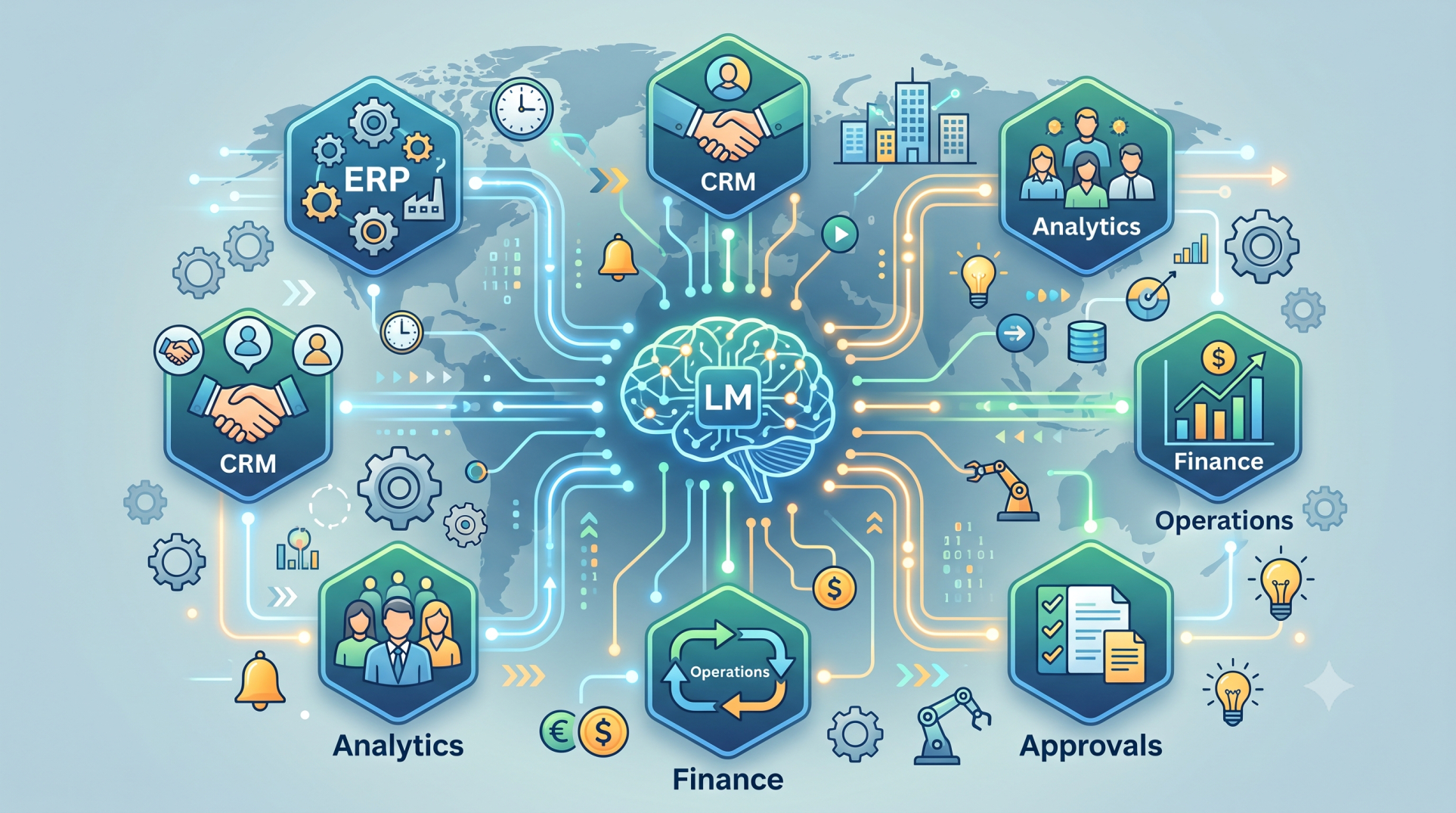
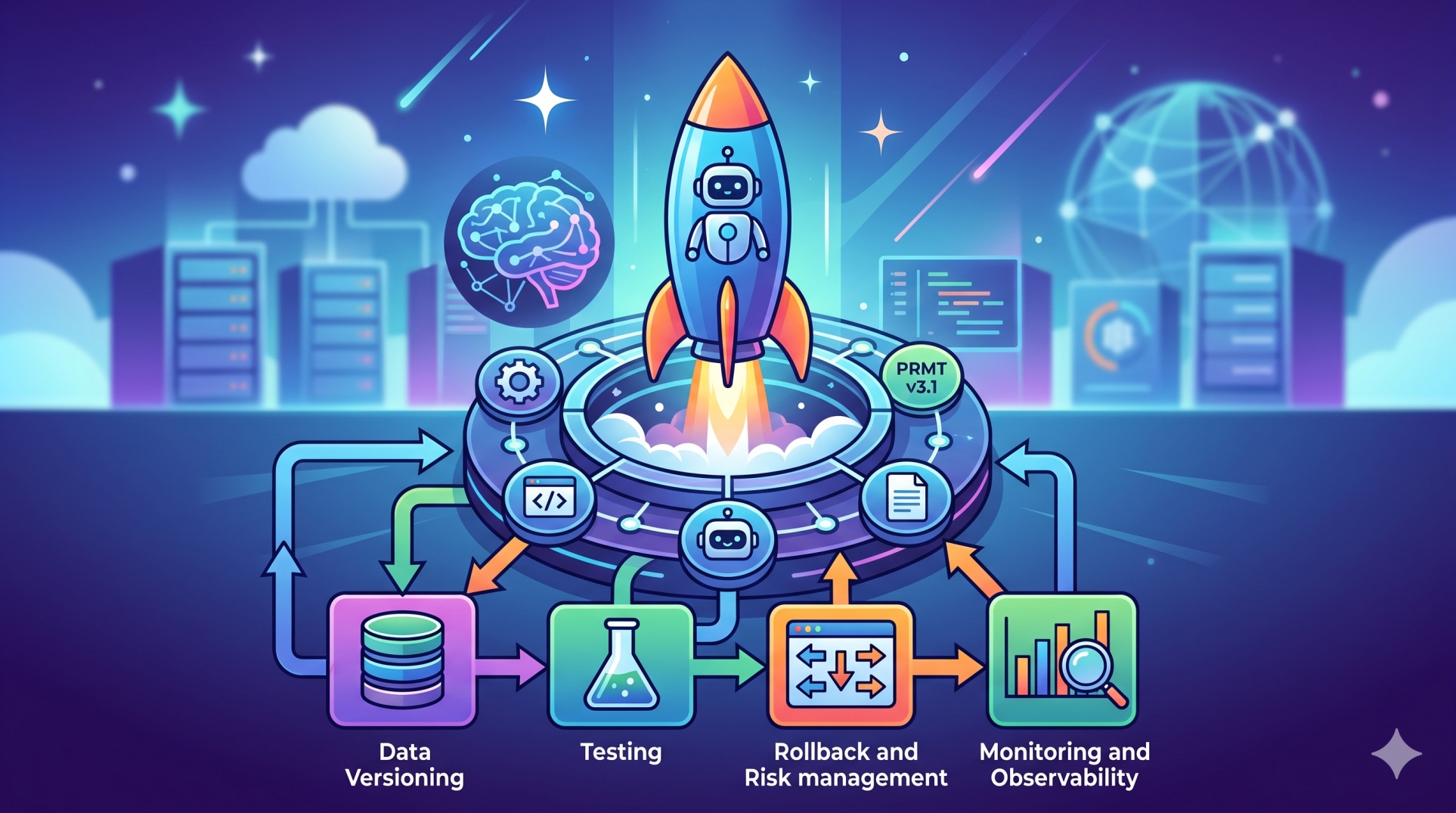
Step 6: Automating Deployment and Maintenance 🚀
• Streamline software releases through automated deployment pipelines ⚙️
• Reduce manual intervention with intelligent automation 🤖
• Roll out updates with minimal operational disruption 🔄
• Validate deployments before production release ✅
• Maintain system stability through controlled updates 🏗️
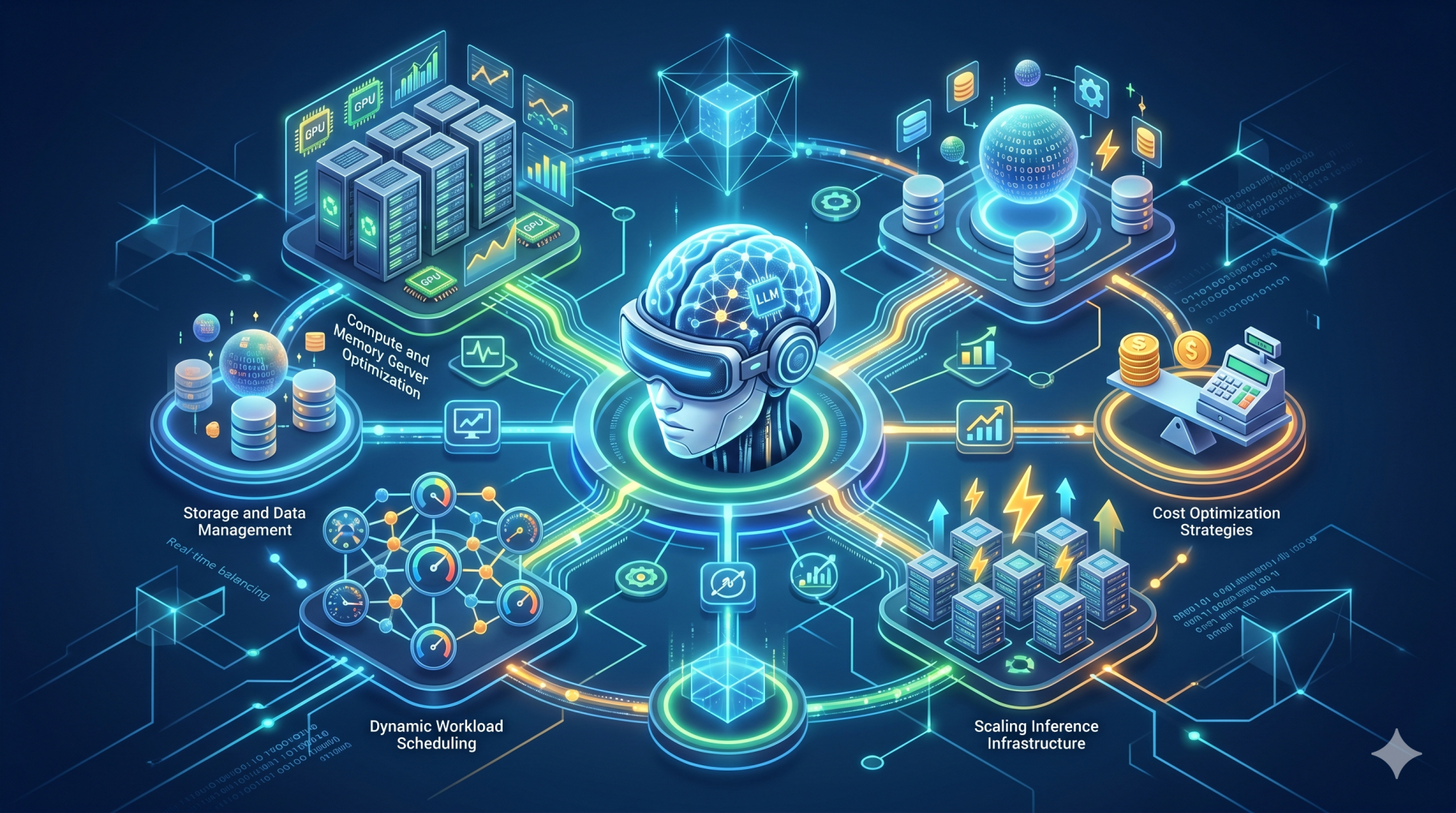
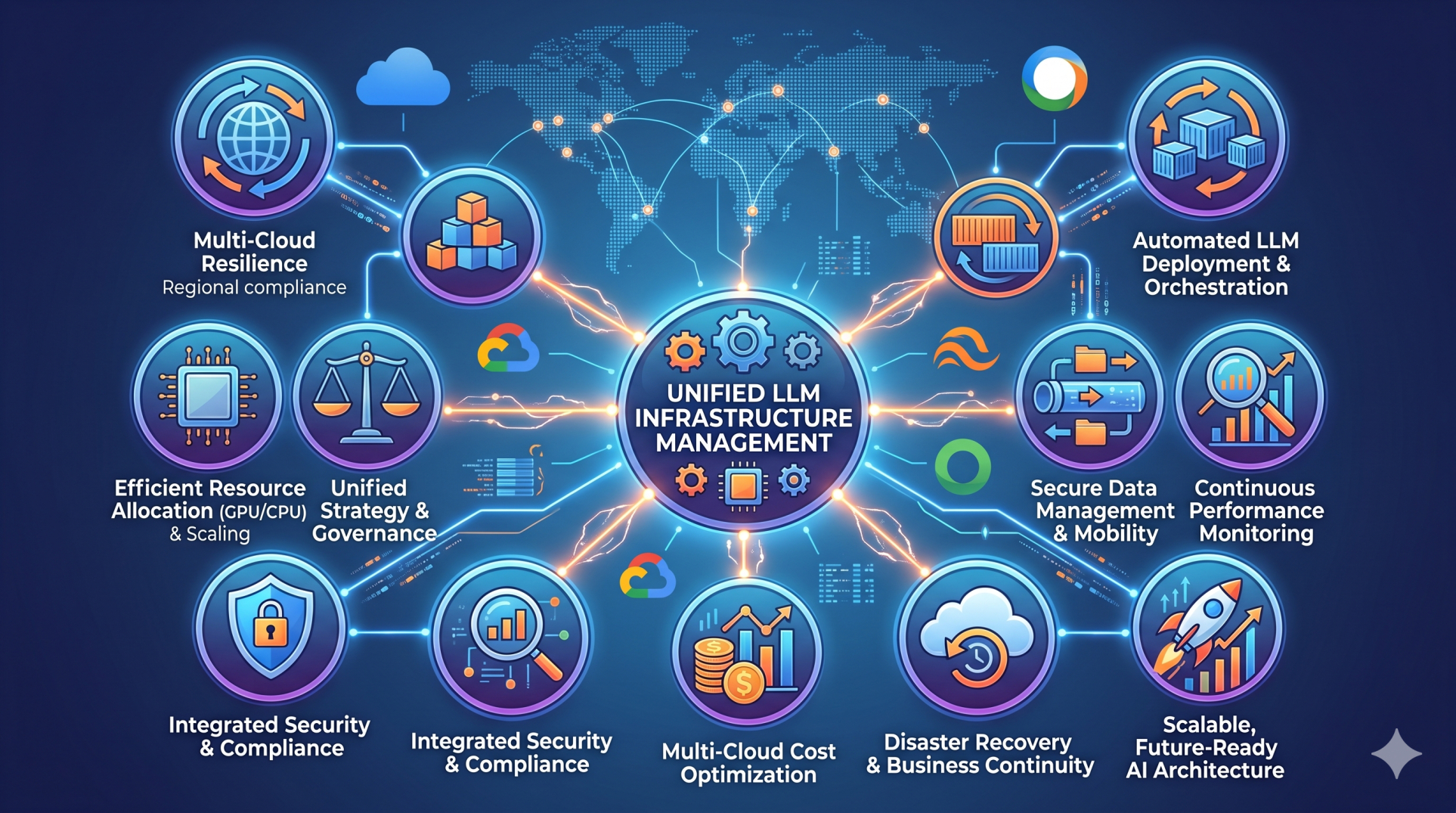
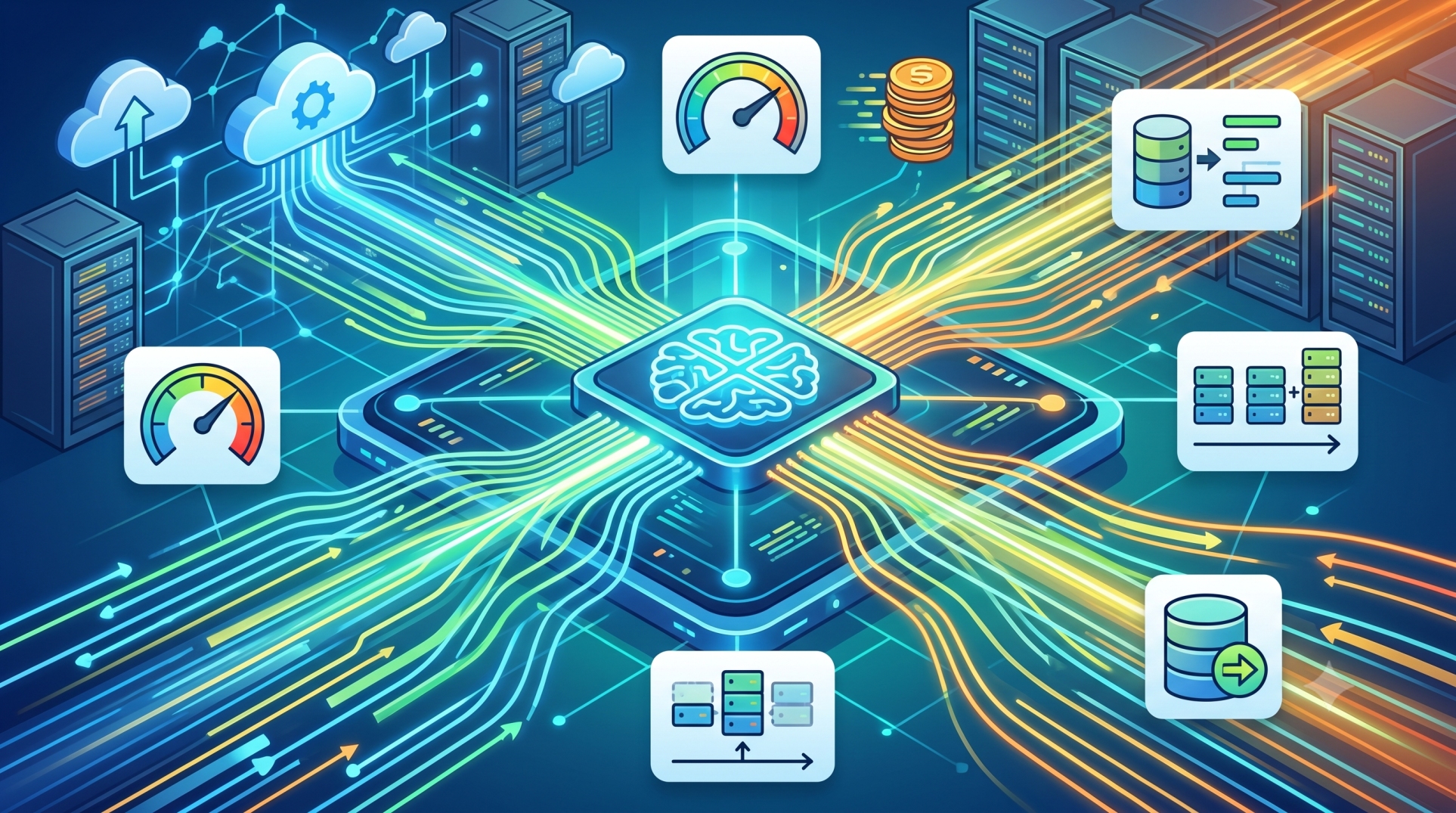
Step 7: Enhancing Scalability and Resource Efficiency 🌐
• Design systems to handle growing workloads 📈
• Balance computing resources efficiently ⚖️
• Optimize infrastructure for performance and cost 💰
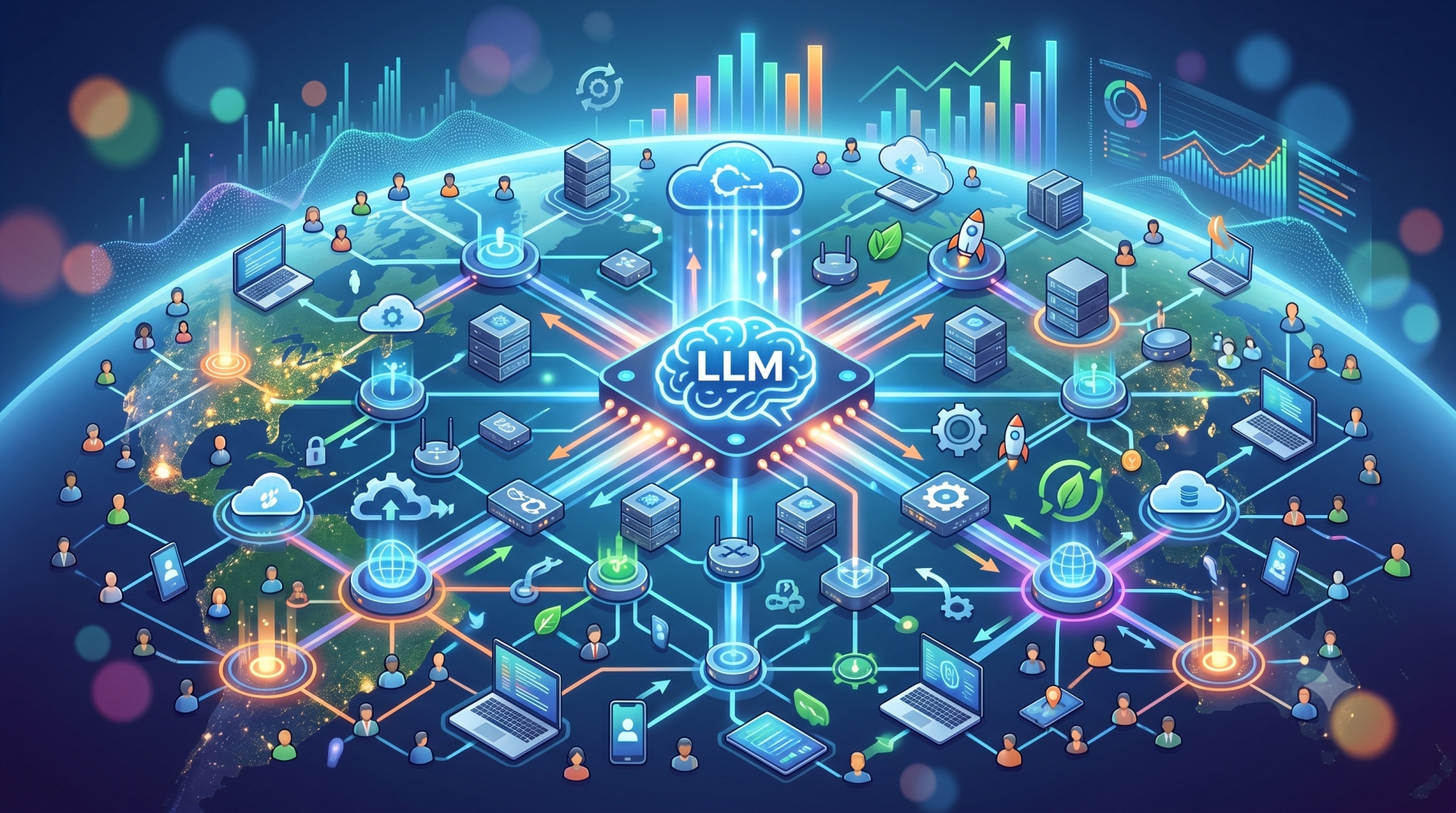
• Support distributed and cloud-native deployments ☁️
• Prepare platforms for future expansion 🚀
Step 8: Key Operational Priorities ⭐
• Reliable and secure AI-powered software 🛡️
• Consistent application performance across environments ⚡
• Automated operational workflows 🤖
• Scalable architecture for enterprise growth 📈
Step 9: Managing Operational Challenges 🔄
• Identify and resolve system issues proactively 🚨
• Respond quickly to changing business requirements 📋
• Maintain service continuity during peak demand 📡
• Improve resilience through continuous optimization 💪
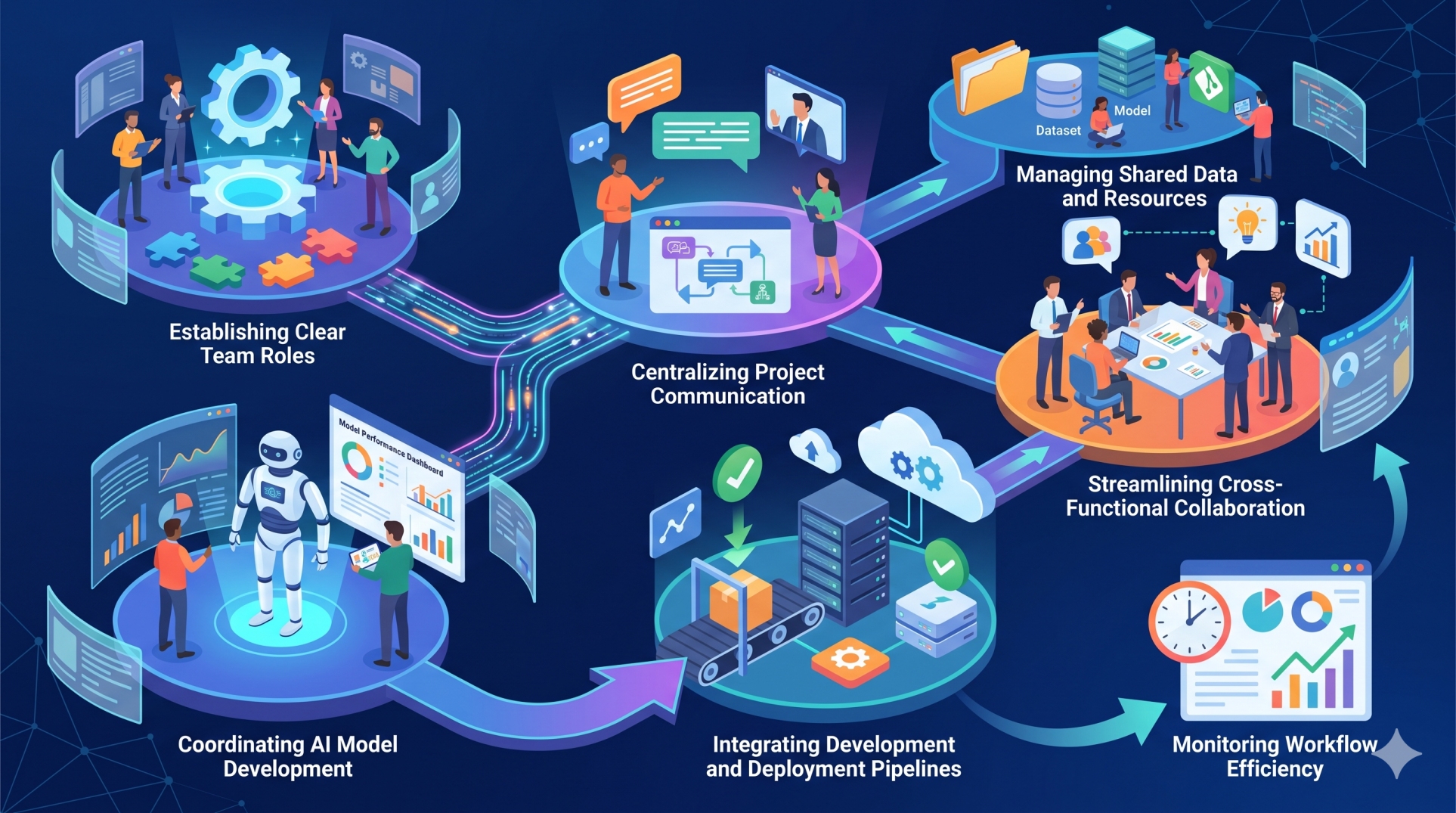
• Strengthen collaboration between development and operations teams 🤝
Step 10: Driving Continuous Improvement 🌟
• Evaluate operational performance using measurable insights 📊
• Incorporate user feedback into development cycles 💬
• Refine AI capabilities through ongoing optimization 🔍
• Adopt emerging technologies to improve efficiency 🚀
• Foster a culture of innovation and operational excellence 🌱
Conclusion
Operational excellence in LLM software development extends beyond building intelligent models. It requires a comprehensive approach that combines robust engineering practices, secure operations, continuous monitoring, and scalable infrastructure. By establishing disciplined operational frameworks, organizations can deliver dependable AI solutions that evolve with business needs, maximize long-term value, and provide a strong foundation for future innovation.
See more blogs
You can all the articles below