Validation Engines Supporting LLM Decision Processes
Validation Engines Supporting LLM Decision Processes
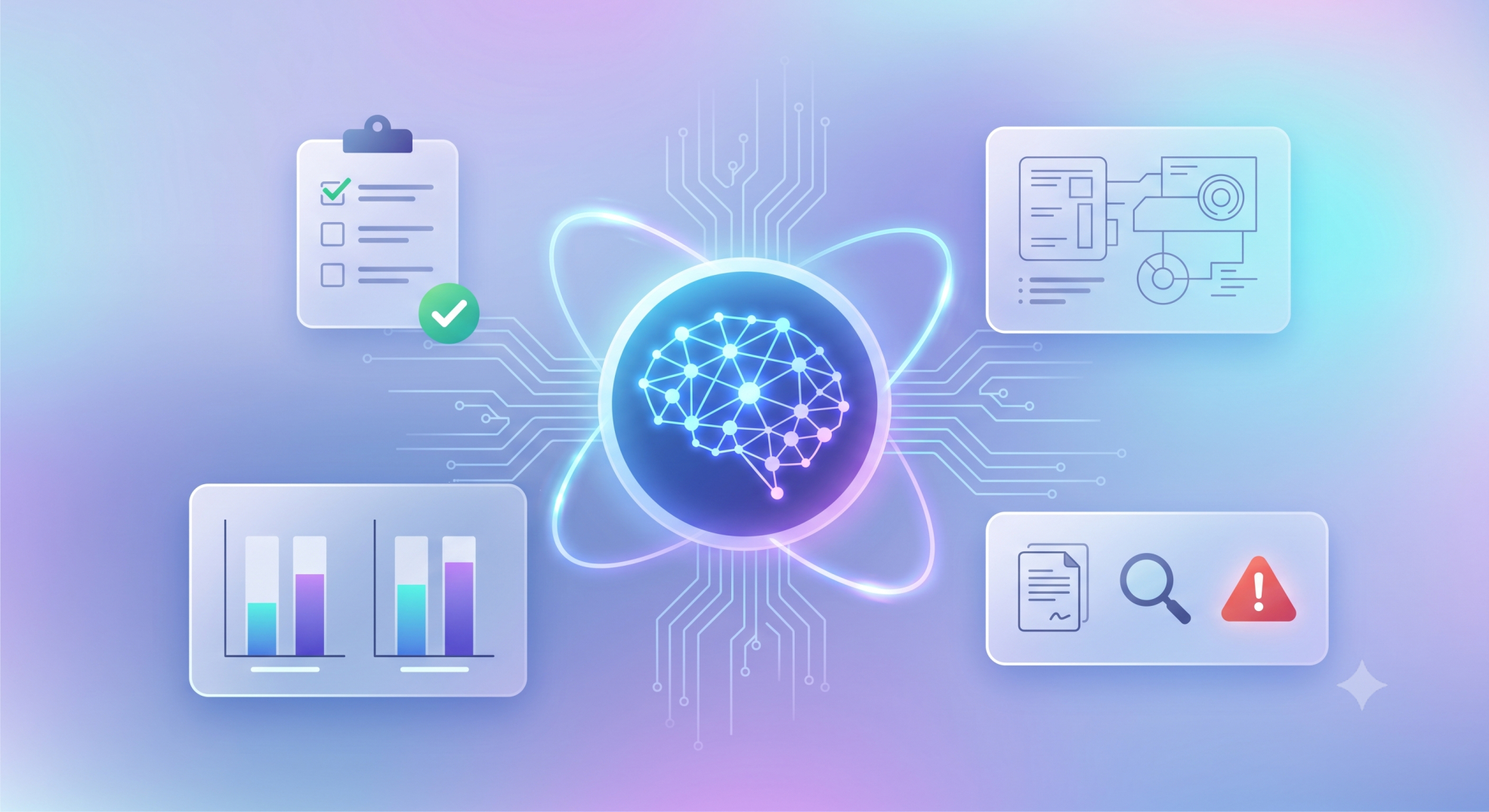
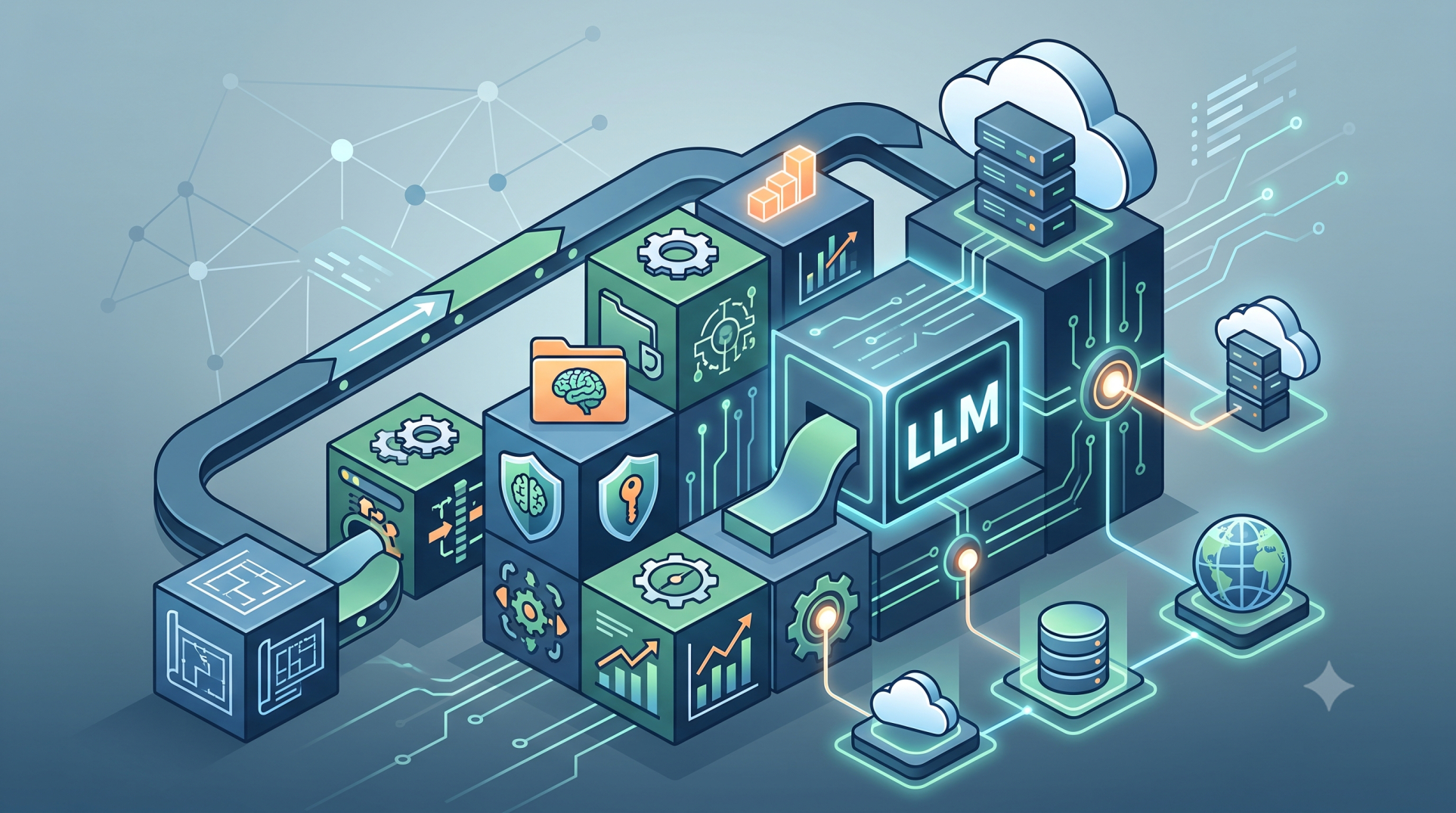
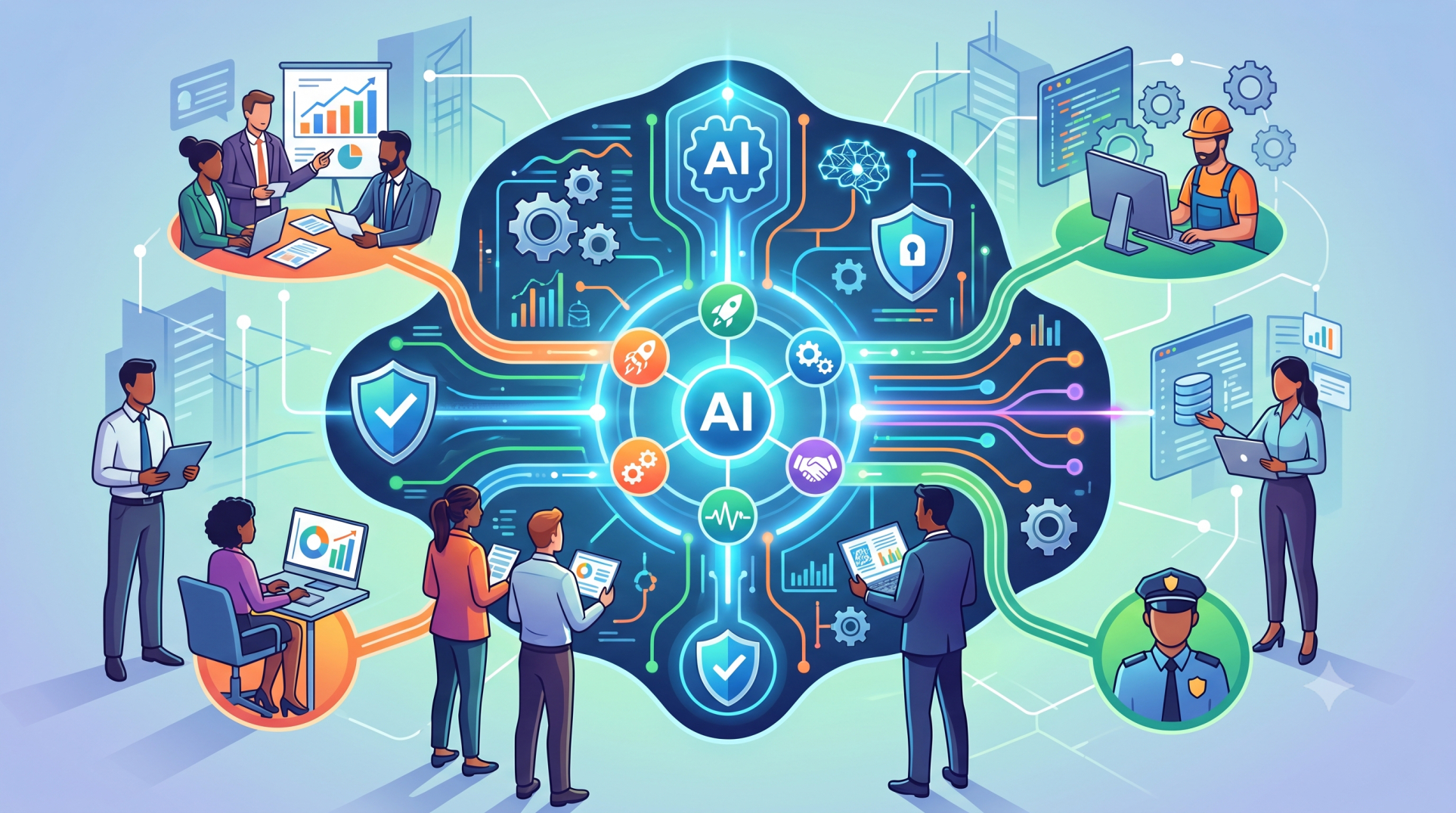
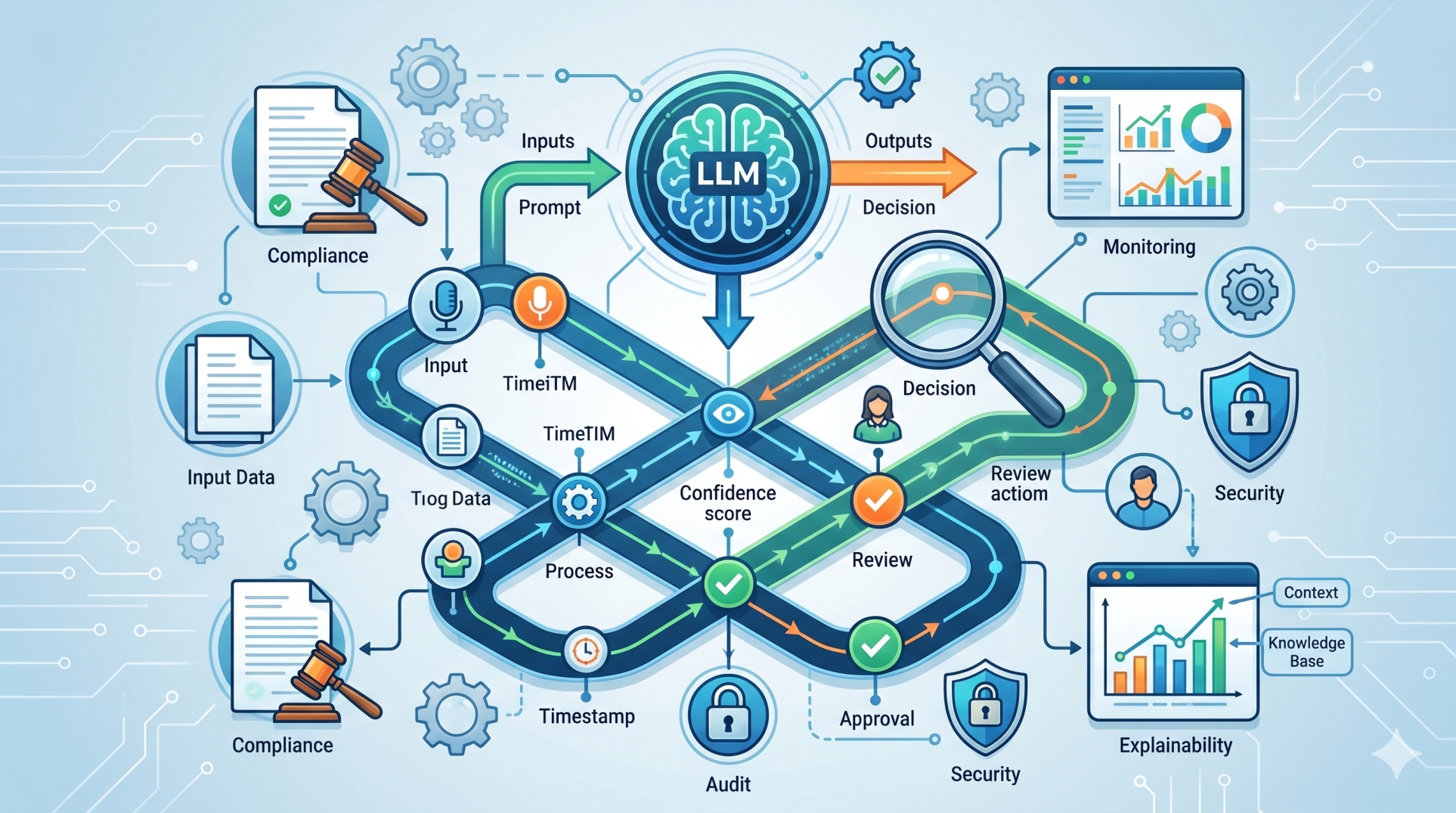
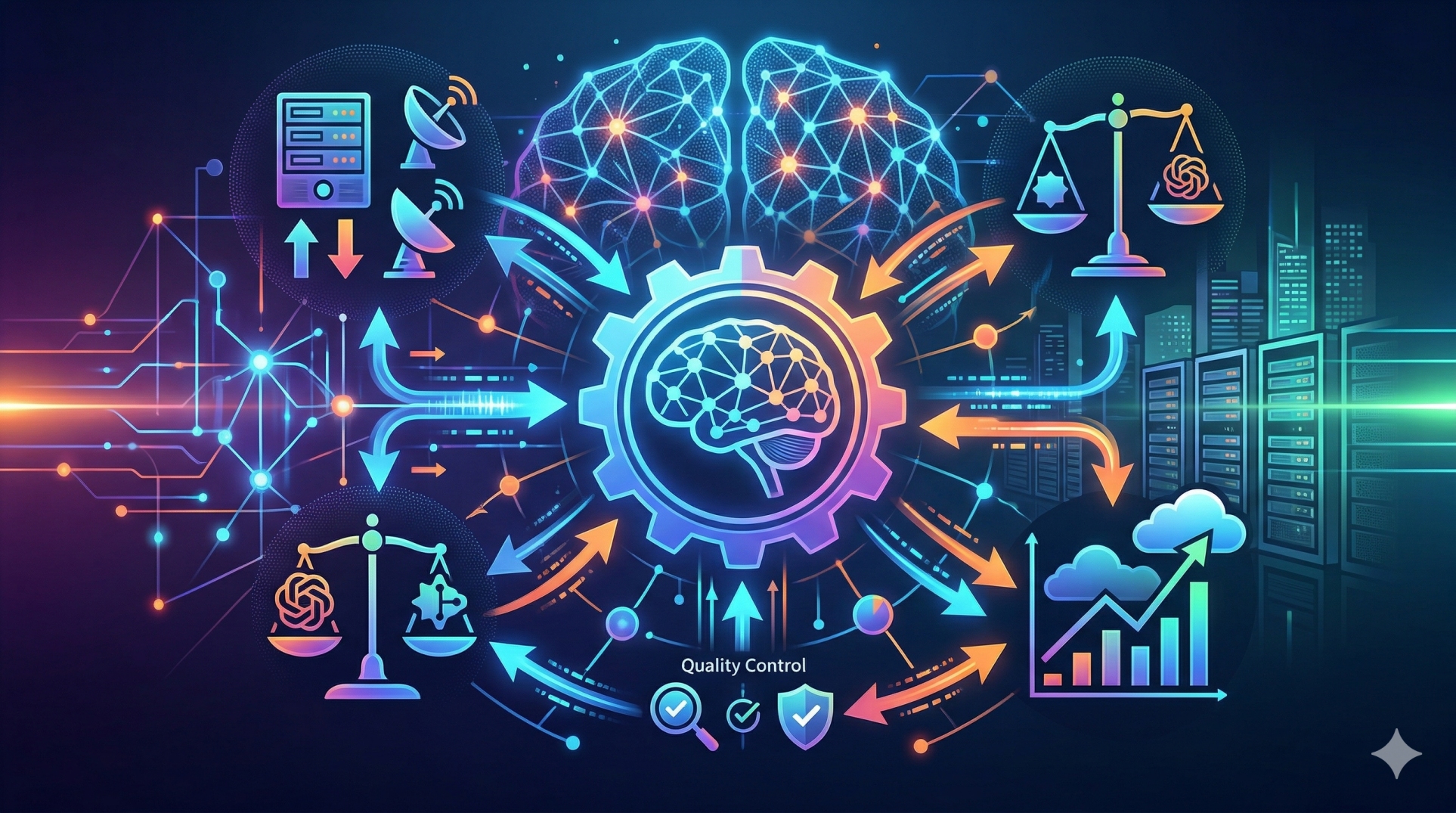
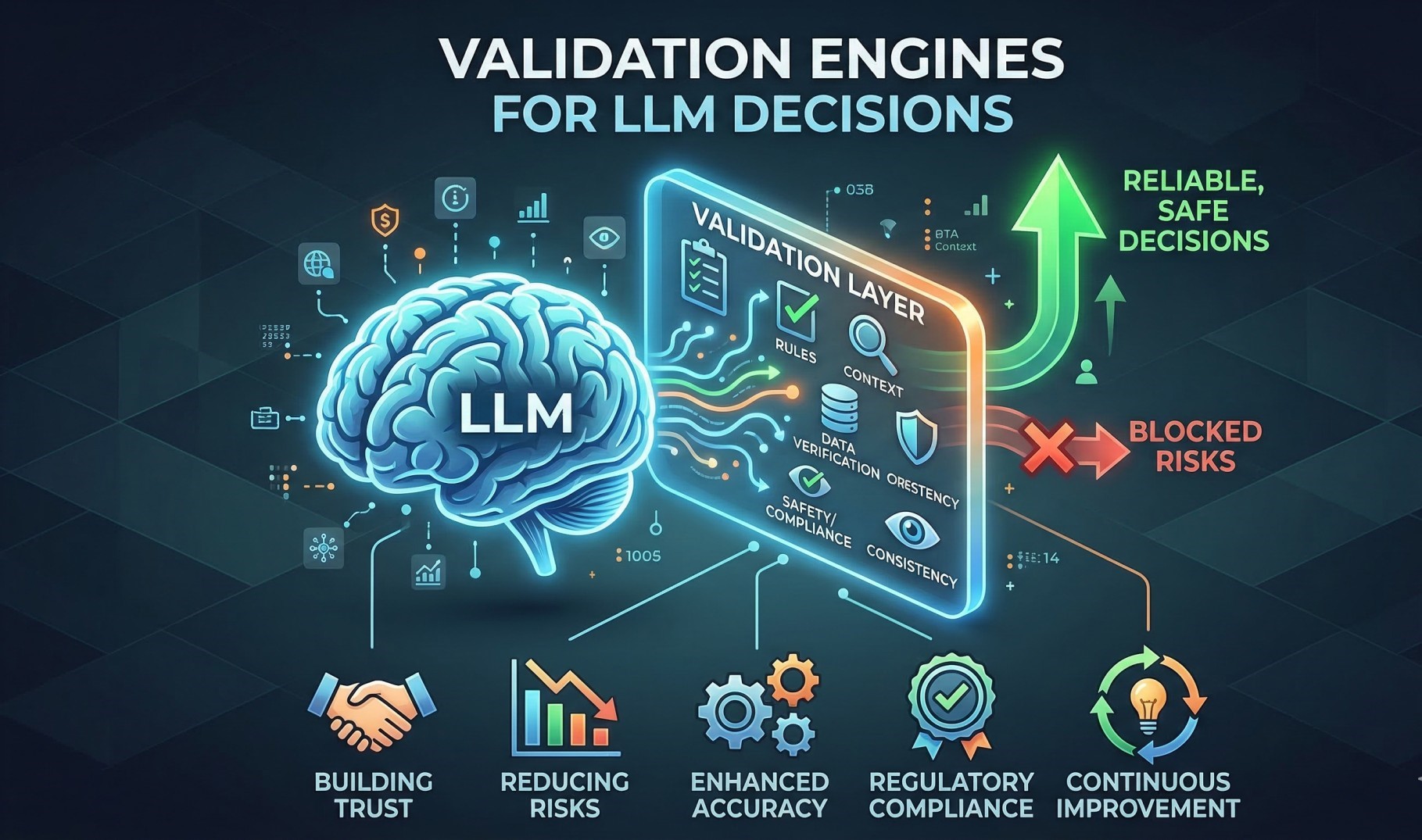
As Large Language Models take on roles in decision support and automated workflows, ensuring the reliability of their outputs becomes increasingly important. Validation engines act as a control layer that reviews, verifies, and governs model responses before they influence real-world actions. By applying structured rules, contextual checks, and consistency validation, these systems help ensure that AI-driven decisions remain accurate, safe, and aligned with business objectives.
1. Why Validation Is Critical for LLM Systems ⚠️🧠
• LLM outputs are probabilistic and may vary in accuracy 🎲📊
• Unverified responses can introduce risk into decision-making 🚨⚖️
• Hallucinations and incomplete reasoning require systematic checks 🔍❗
• Production systems demand higher reliability than experimental setups 🏗️📈
• Validation ensures outputs meet defined quality standards before use ✅📏
2. Understanding Validation Engines 🧩⚙️
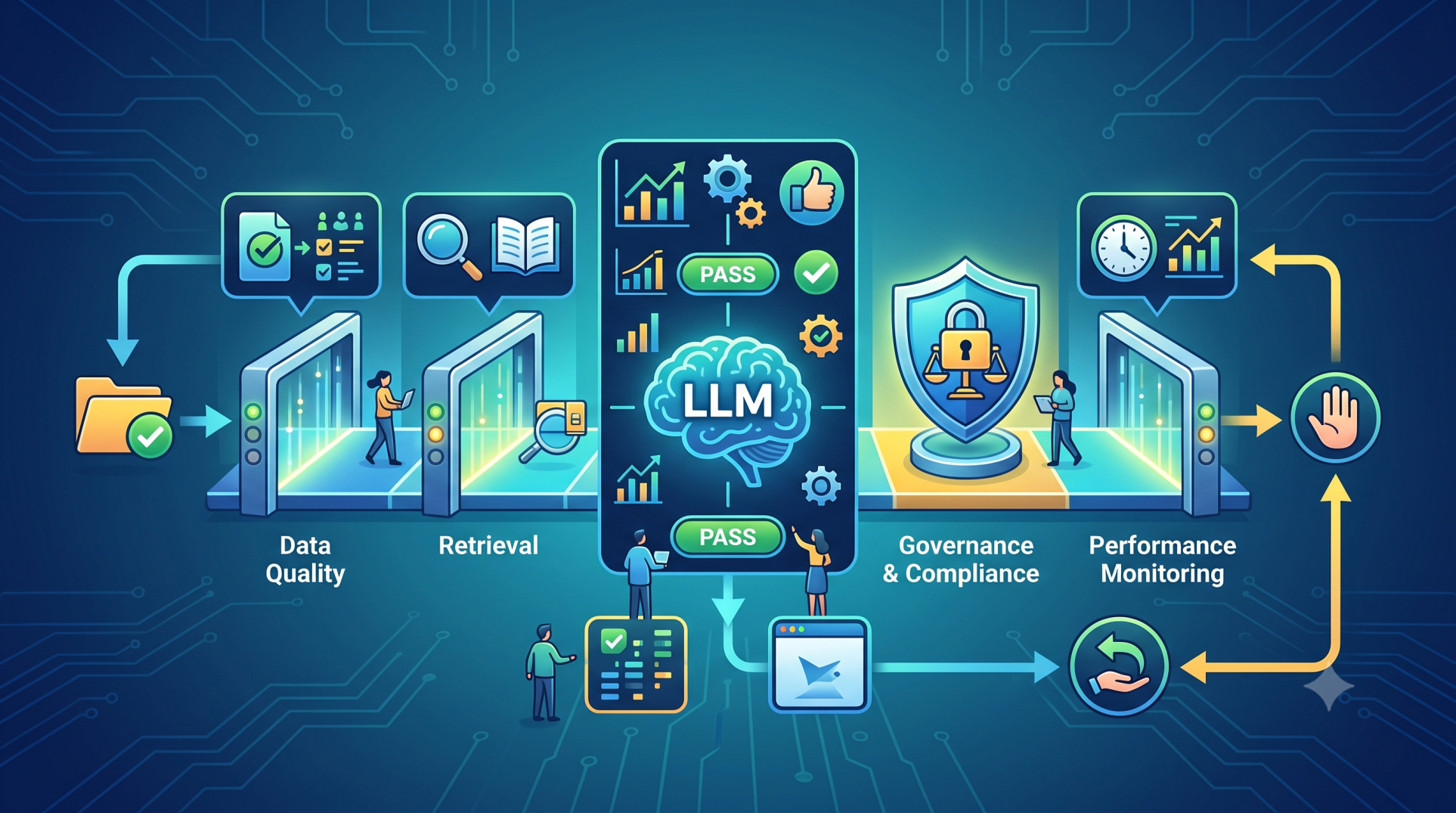
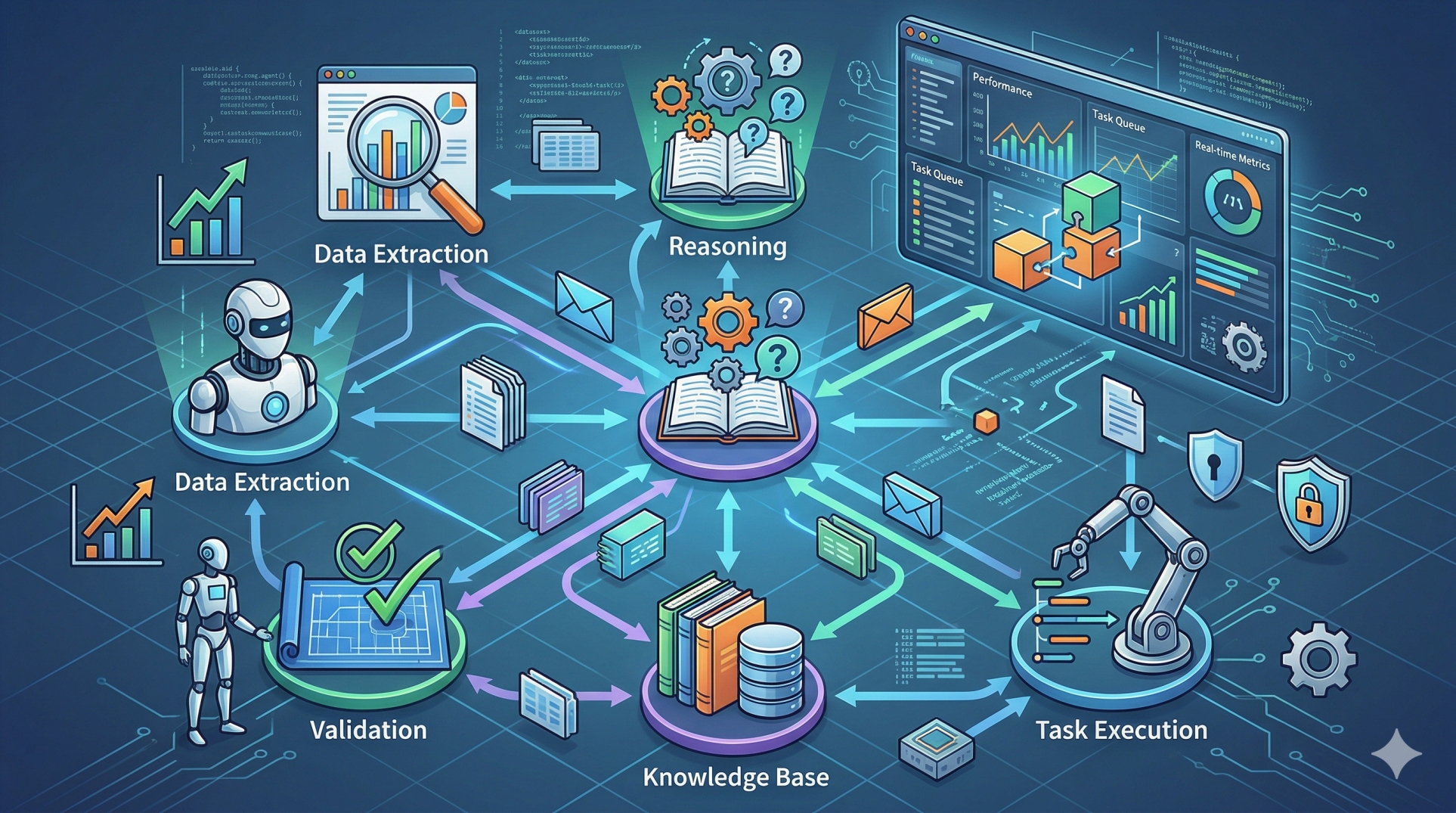
• A dedicated layer that evaluates model outputs against predefined conditions 📋🔍
• Positioned between response generation and execution or delivery 🔄➡️
• Applies logical rules, contextual awareness, and domain-specific checks 🧠📚
• Flags, filters, or blocks outputs that fail validation criteria 🚫⚠️
• Increases confidence in AI-assisted processes 🤝📈
3. Validation Methods for LLM Outputs 🛠️📐
• Rule-based validation aligned with business constraints 📏🏢
• Contextual validation to ensure relevance and meaning 🎯🧠
• Data verification against trusted systems and structured sources 📊🔗
• Consistency checks across multi-step or chained workflows 🔁📋
• Policy enforcement for safety, governance, and compliance 🛡️📜
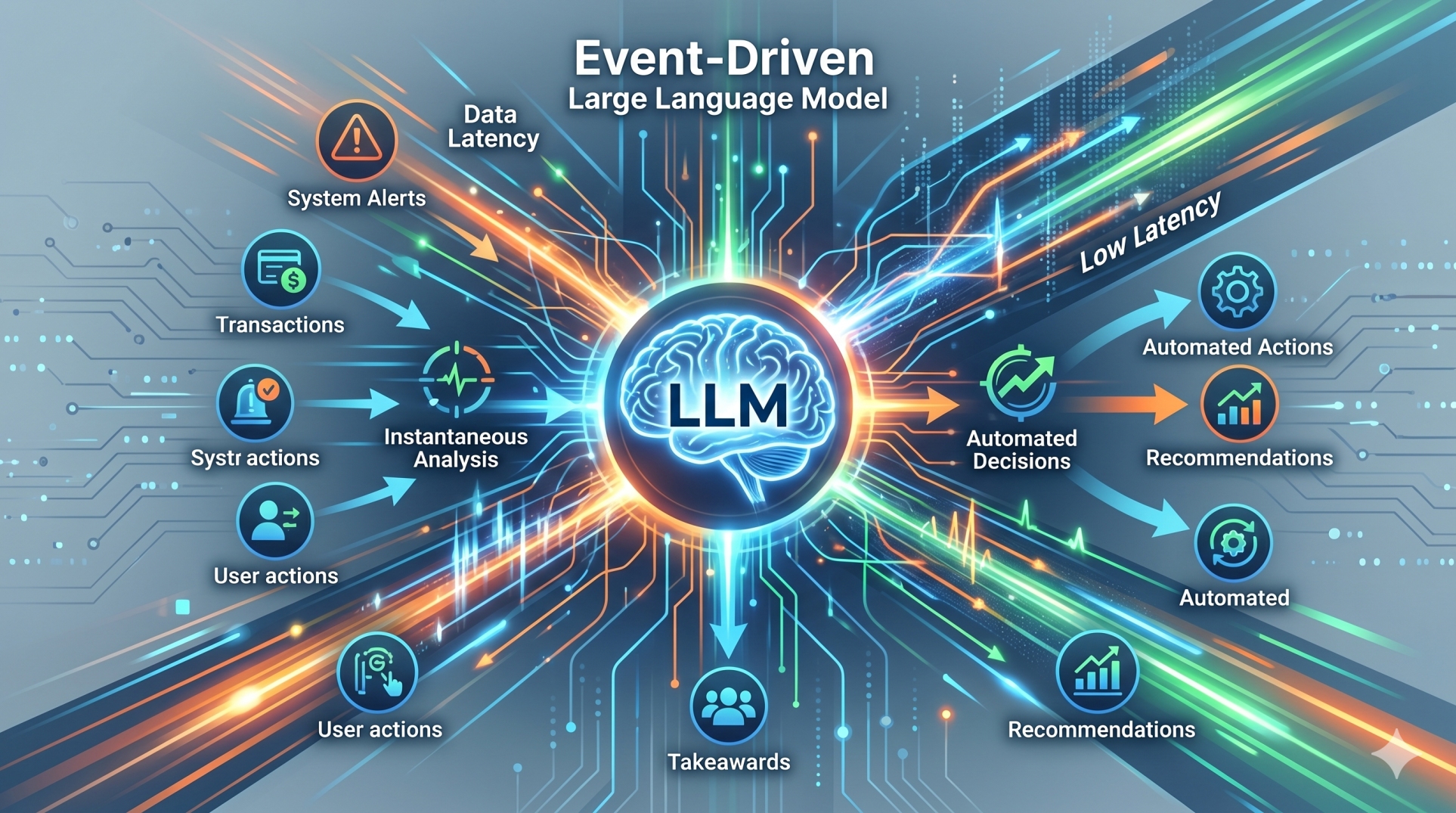
4. Real-Time Validation in Operational Workflows ⚡🔄
• Evaluates outputs instantly before triggering downstream actions ⏱️➡️
• Prevents invalid or unsafe responses from propagating 🚫⚠️
• Supports live systems such as automation pipelines and user interactions 🌐🤖
• Activates fallback or correction paths when validation fails 🔁🛠️
• Maintains system stability under dynamic input conditions 📊🛡️
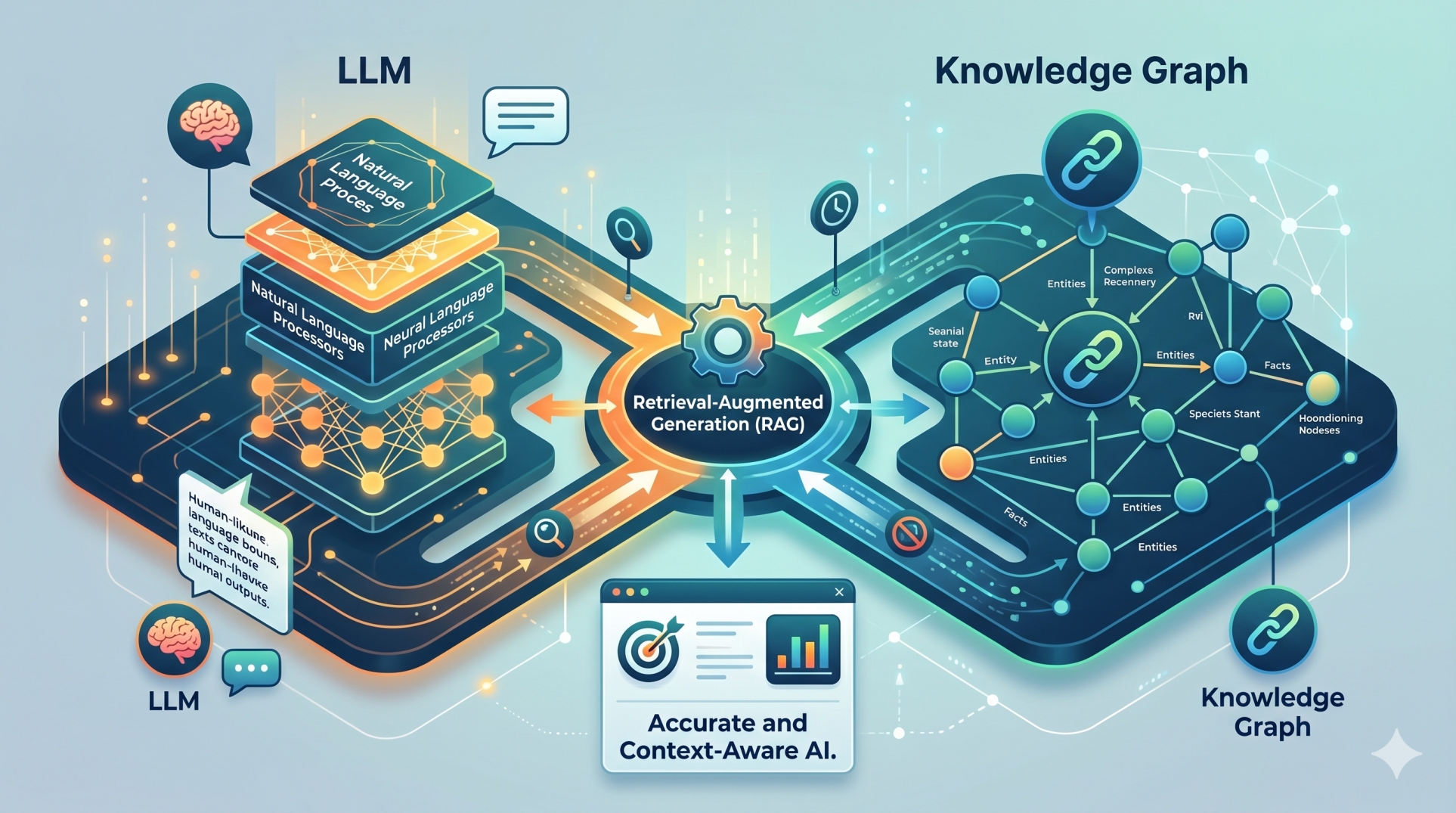
5. Validation in Retrieval-Augmented Architectures 📚🔗
• Confirms alignment between generated outputs and retrieved data ✔️📖
• Ensures responses are supported by reliable sources 🧠📘
• Detects inconsistencies between context and generated answers 🚫🔍
• Reduces hallucinations through grounded validation methods 🌀❌
• Improves traceability between outputs and source information 🧵📎
6. Layered Validation Frameworks 🏗️📊
• Combines multiple validation techniques for stronger assurance 🔄🧩
• Covers stages before generation, after generation, and post-execution ⏳➡️
• Uses scoring systems to assess output quality 📈📐
• Incorporates human review for sensitive or high-impact scenarios 👥⚠️
• Balances performance efficiency with validation depth ⚖️⚙️
7. Continuous Learning Through Validation Feedback 🔁📈
• Logs validation failures for analysis and improvement 🗂️🔍
• Refines rules and models based on recurring issues 🔄🧠
• Improves accuracy through iterative feedback loops 📊🔁
• Adapts validation logic to evolving business requirements 🏢⚙️
• Keeps systems aligned with changing operational needs 📈🔧
8. Core Benefits of Validation Engines 🌟🛡️
• Minimizes risk in AI-driven decision processes ⚠️⬇️
• Ensures compliance with defined rules and governance standards 📜✔️
• Builds trust in automated systems and outputs 🤝📊
9. Governance and Transparency 🏛️🔍
• Maintains detailed records of validation results 🗂️📋
• Enables traceability of AI-influenced decisions 🔗🧠
• Supports adherence to regulatory and compliance frameworks ⚖️📜
• Provides clarity on why outputs are accepted or rejected 💡✔️❌
• Strengthens accountability across systems and stakeholders 🤝📊
10. Validation as a Foundational AI Component 🧠🏗️
• Positions validation as a core element of LLM system architecture ⚙️📐
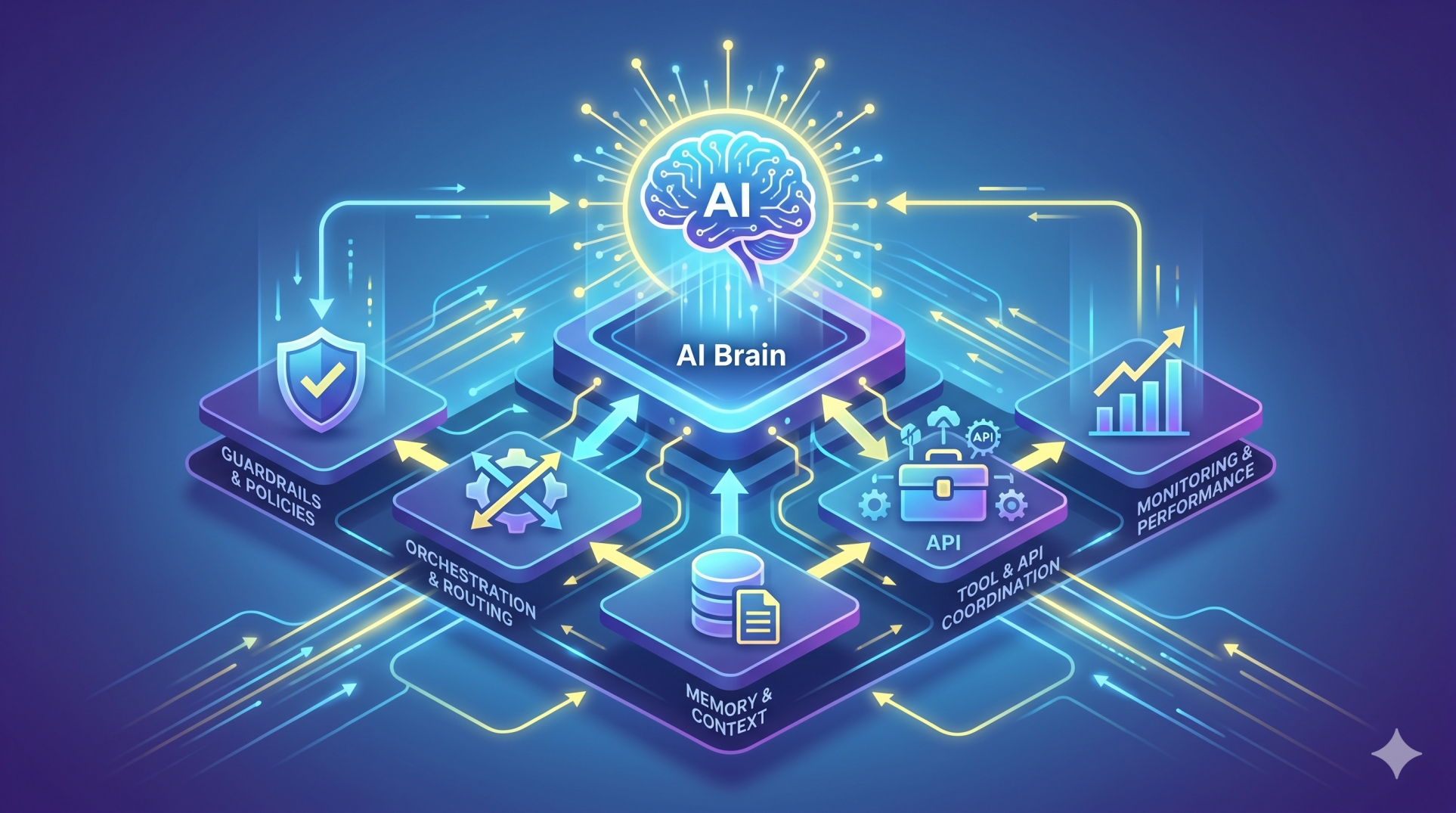
• Integrates with orchestration, monitoring, and control layers 🔄📊
• Scales alongside enterprise-wide AI adoption 📈🏢
• Enables safe execution of automated decision workflows 🤖🛡️
• Supports long-term system reliability and operational stability ⏳✔️
Conclusion
Validation engines are essential for ensuring that LLM-powered systems perform reliably in real-world environments. By combining structured verification, real-time safeguards, and continuous improvement, they create a protective layer between generated outputs and actual decisions. As organizations increasingly rely on AI for critical operations, validation will remain a key component in maintaining trust, accuracy, and control.
See more blogs
You can all the articles below