Cross-Channel AI Systems Powered by LLM Software
Cross-Channel AI Systems Powered by LLM Software
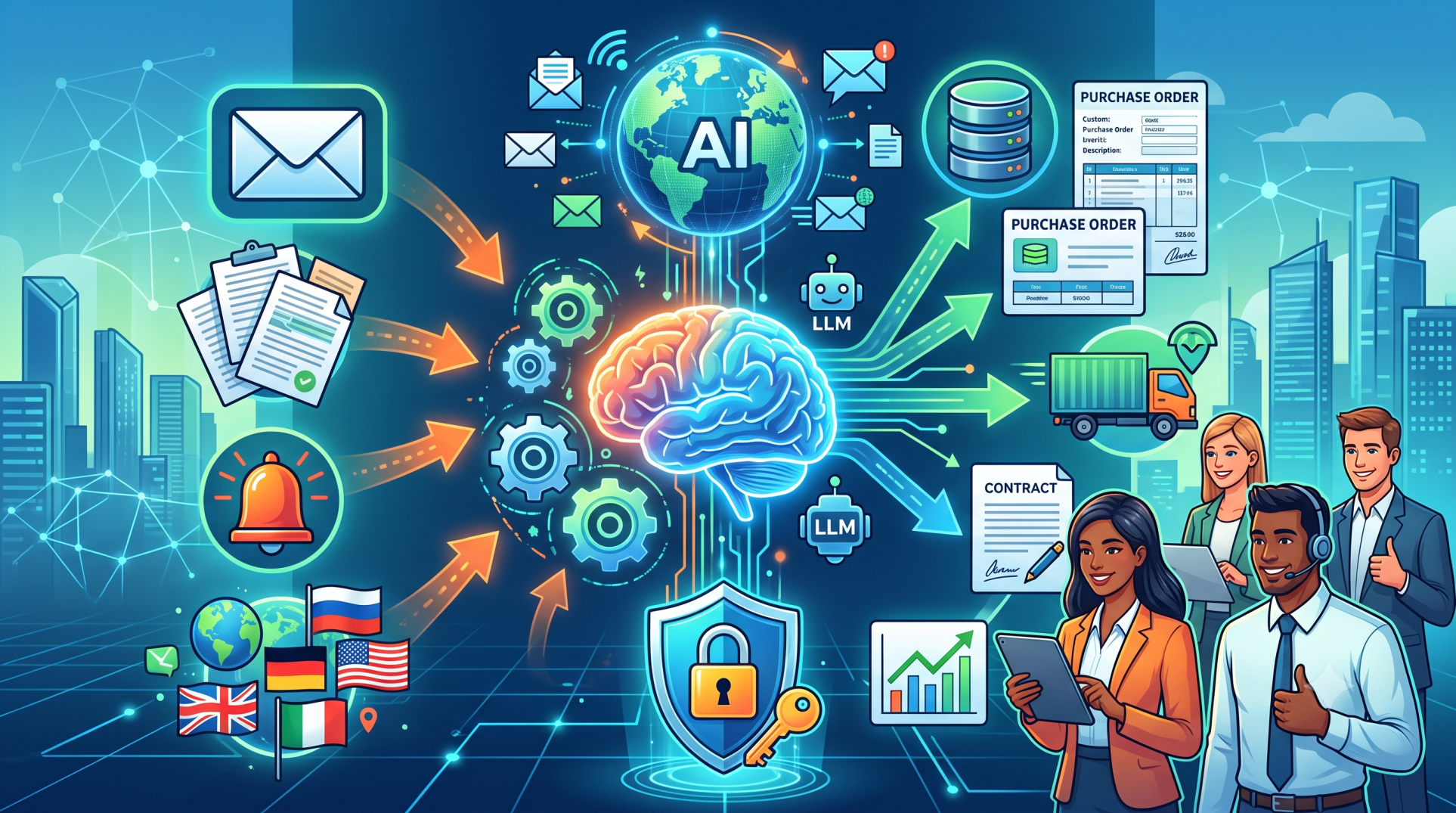
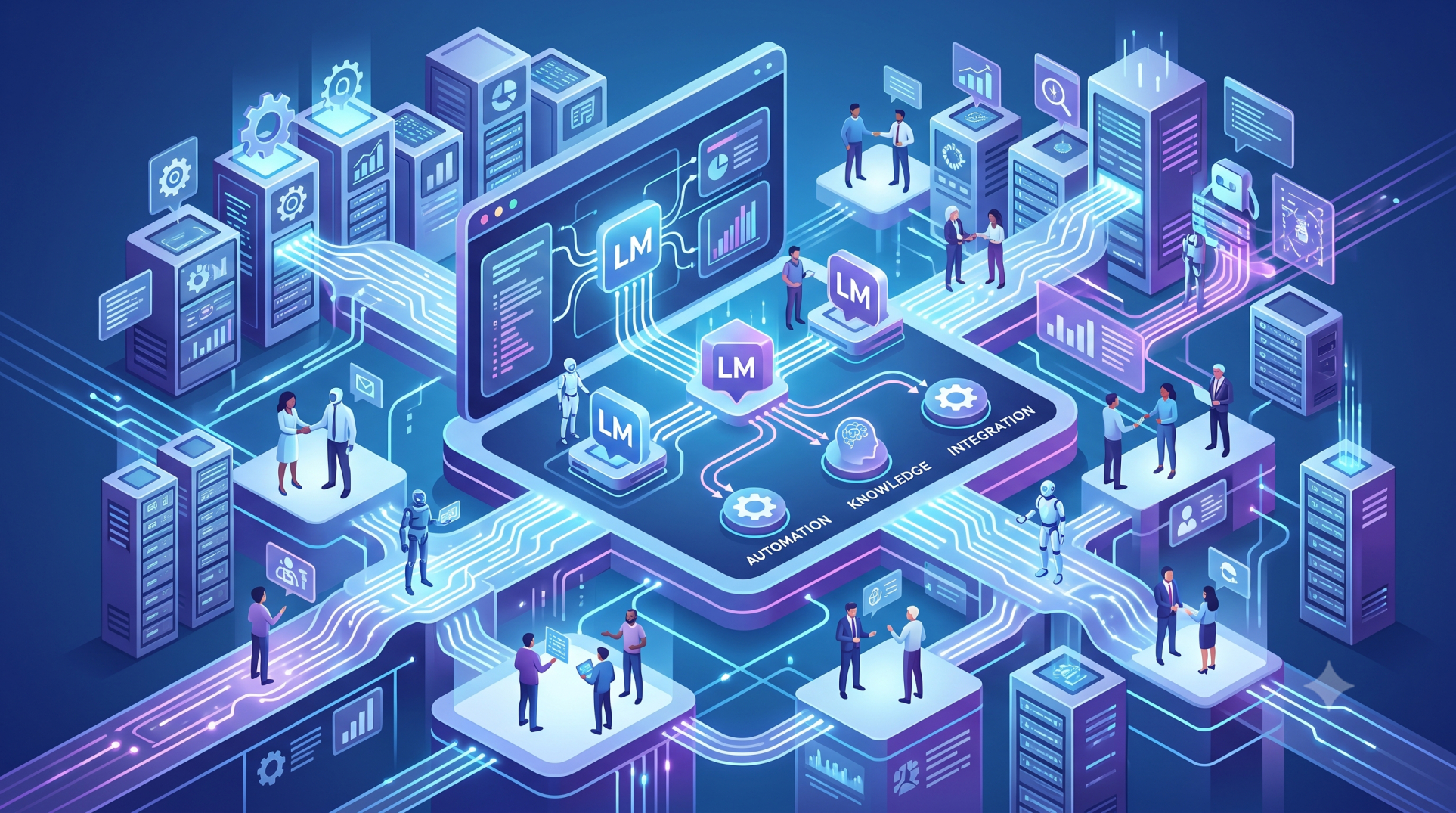
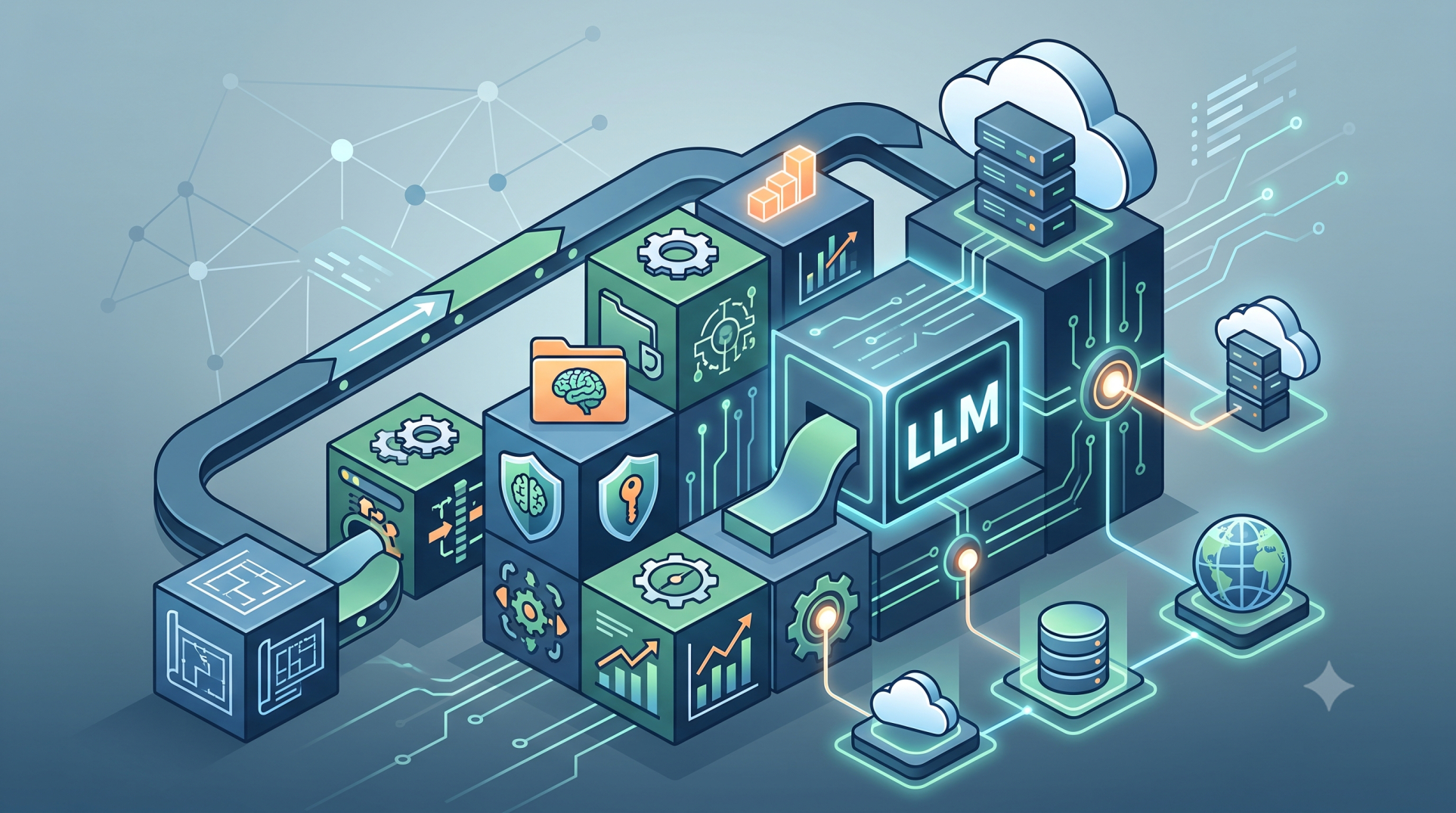
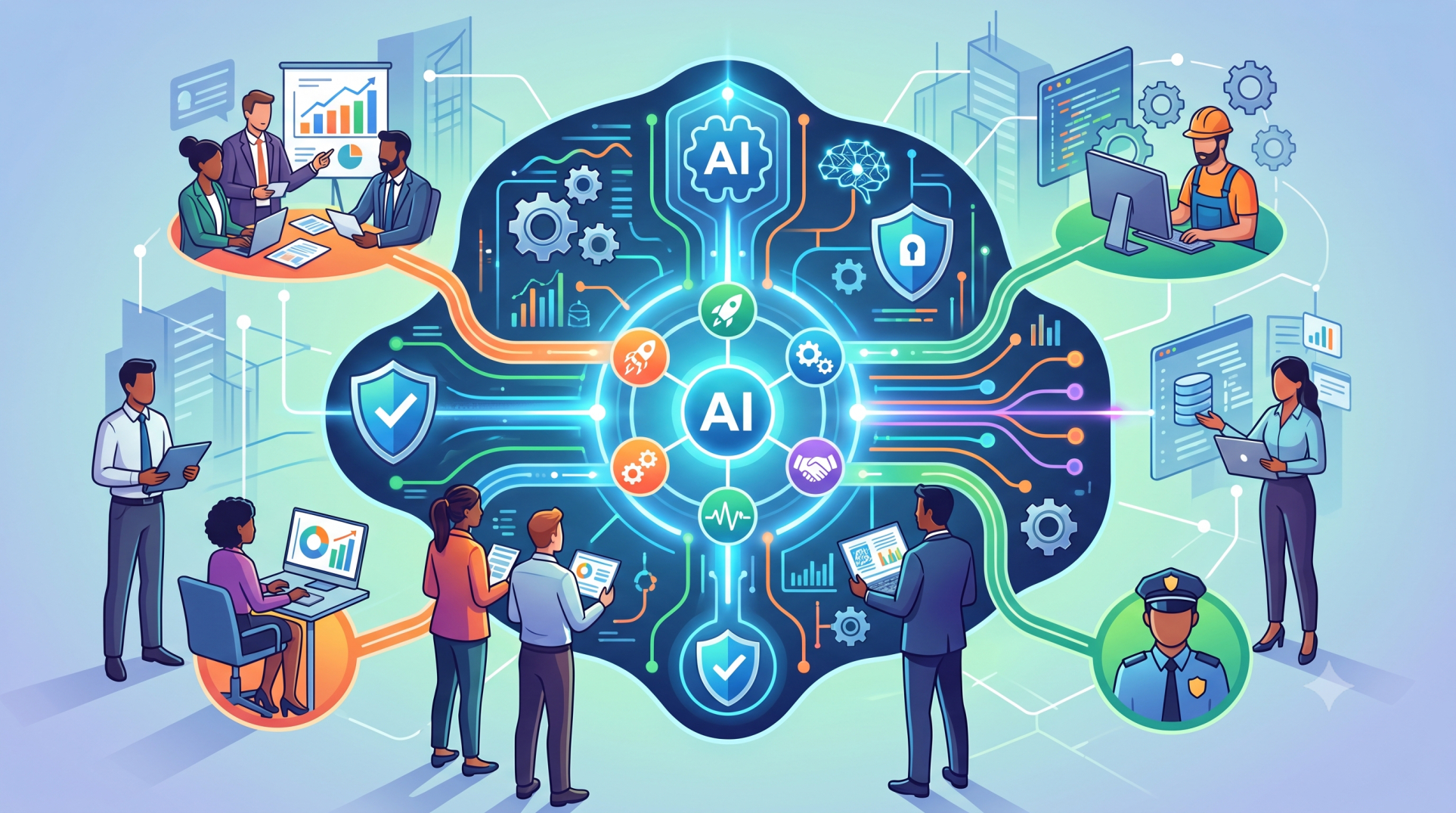
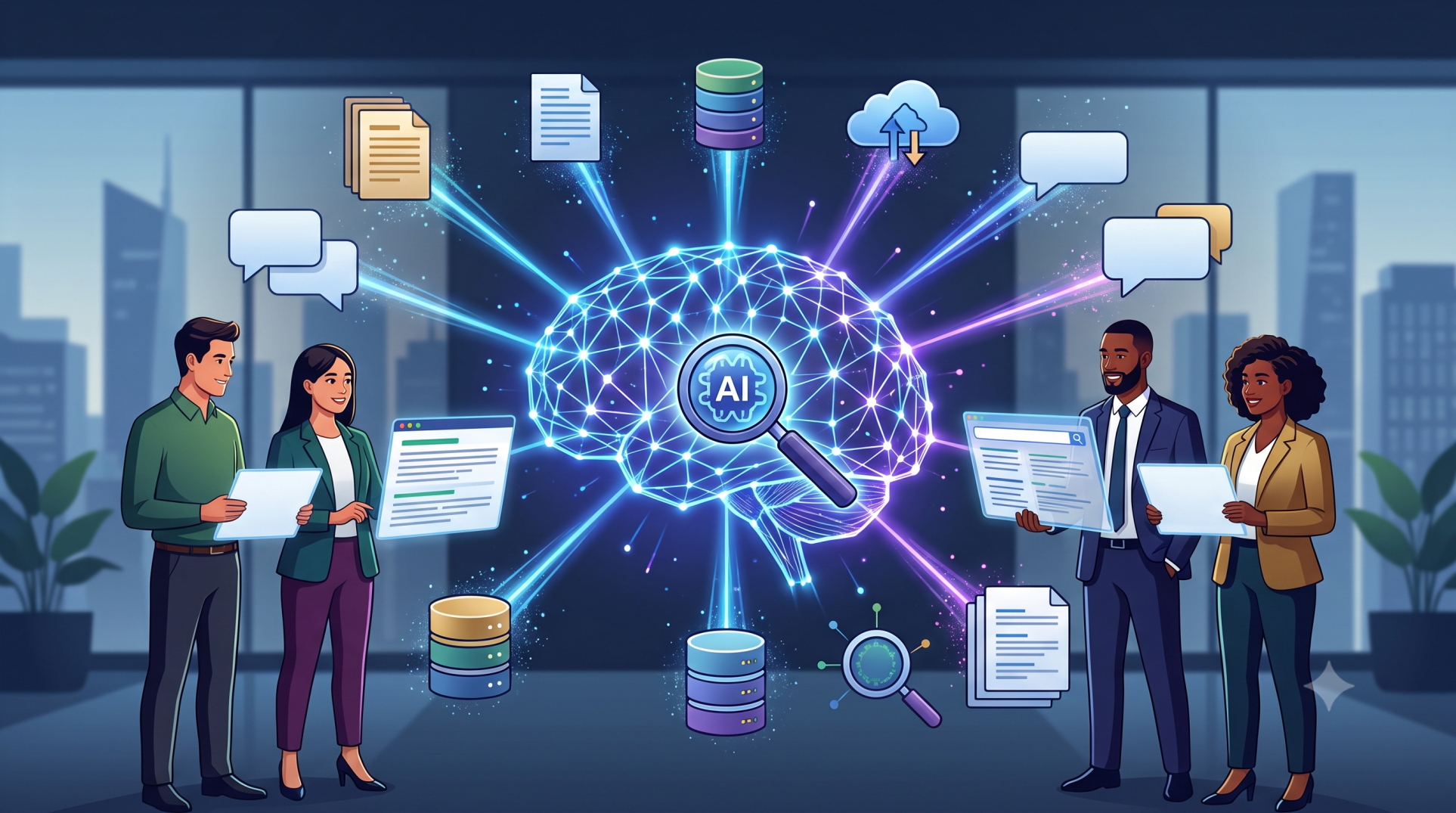
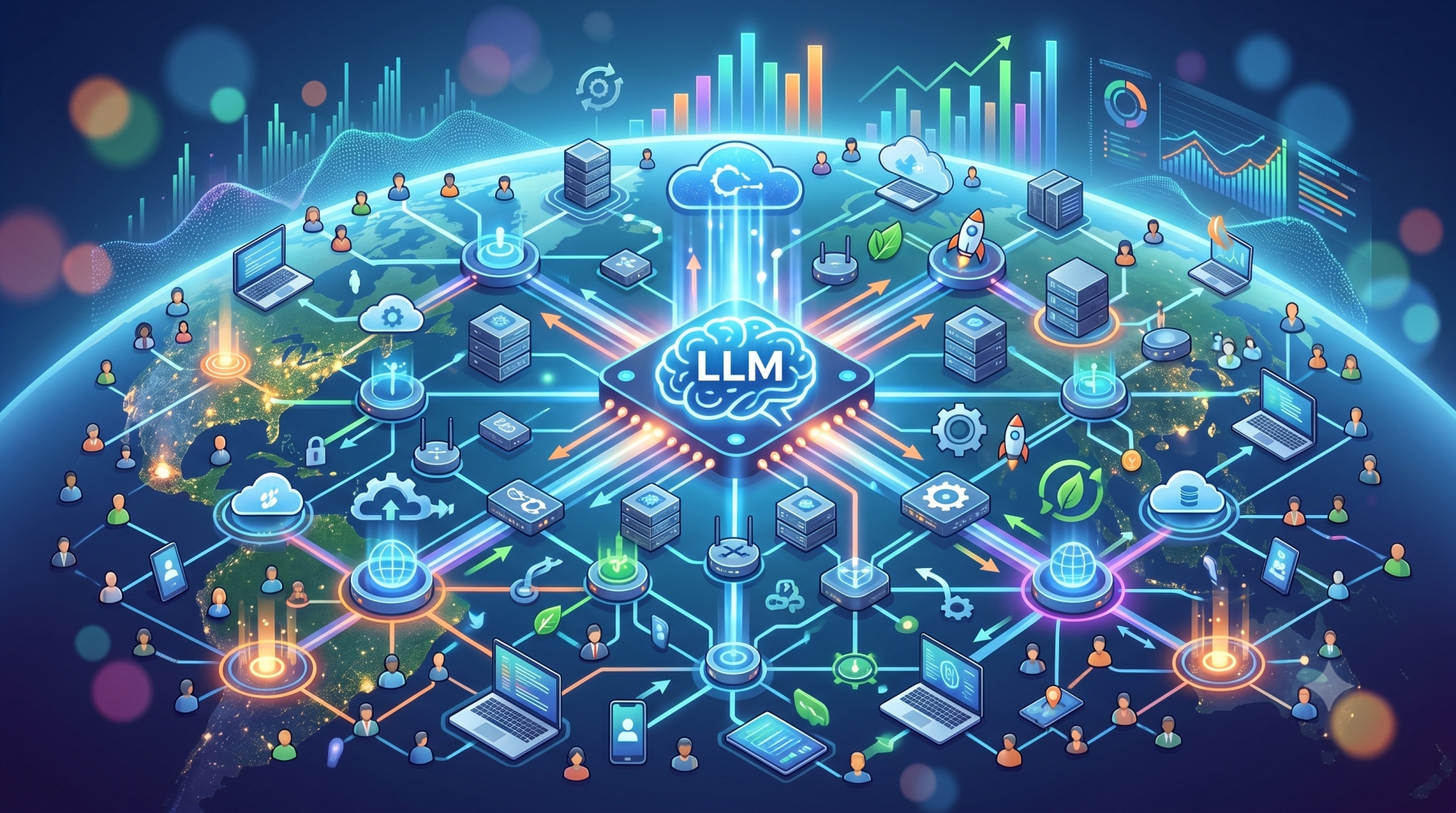
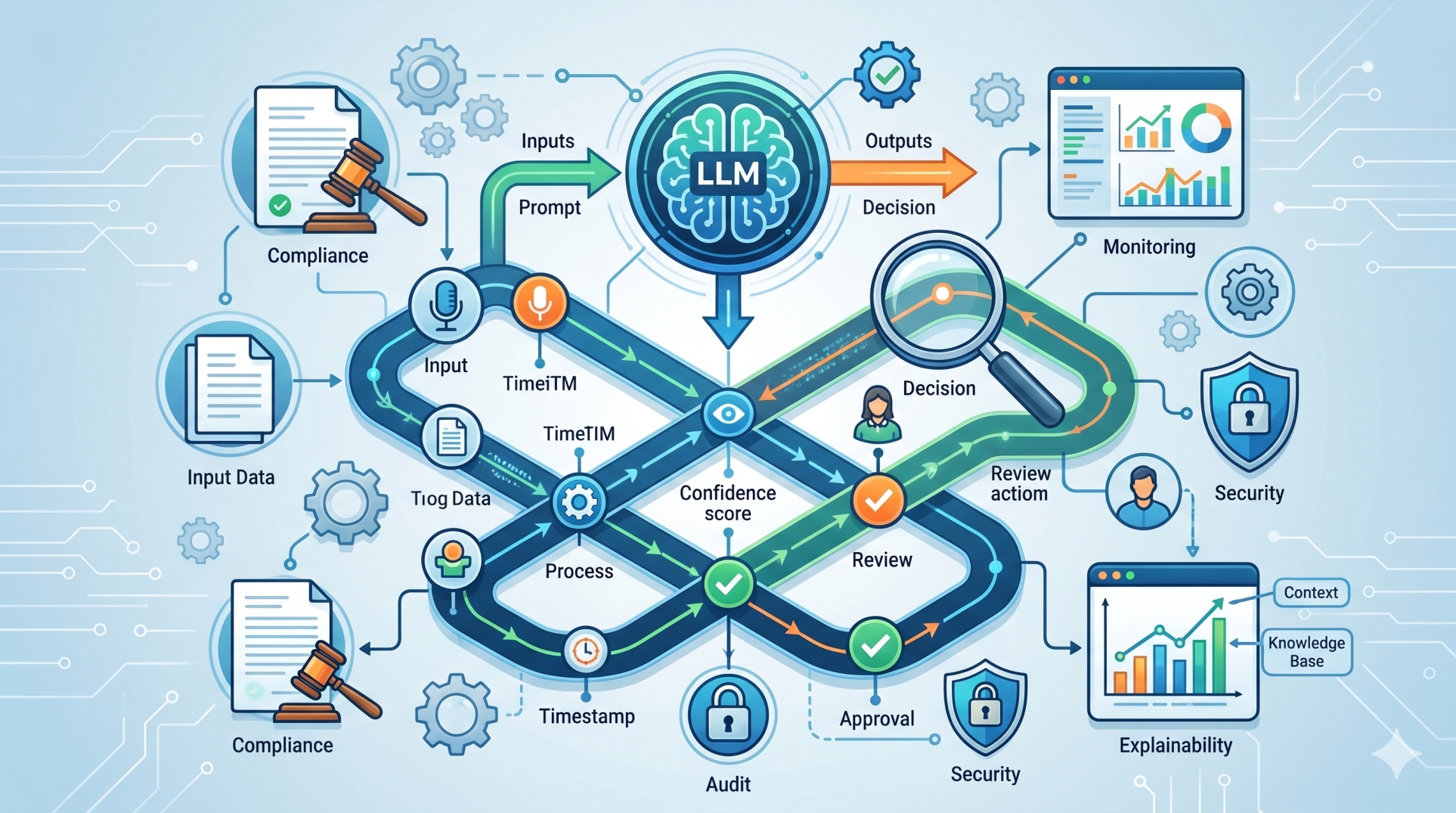
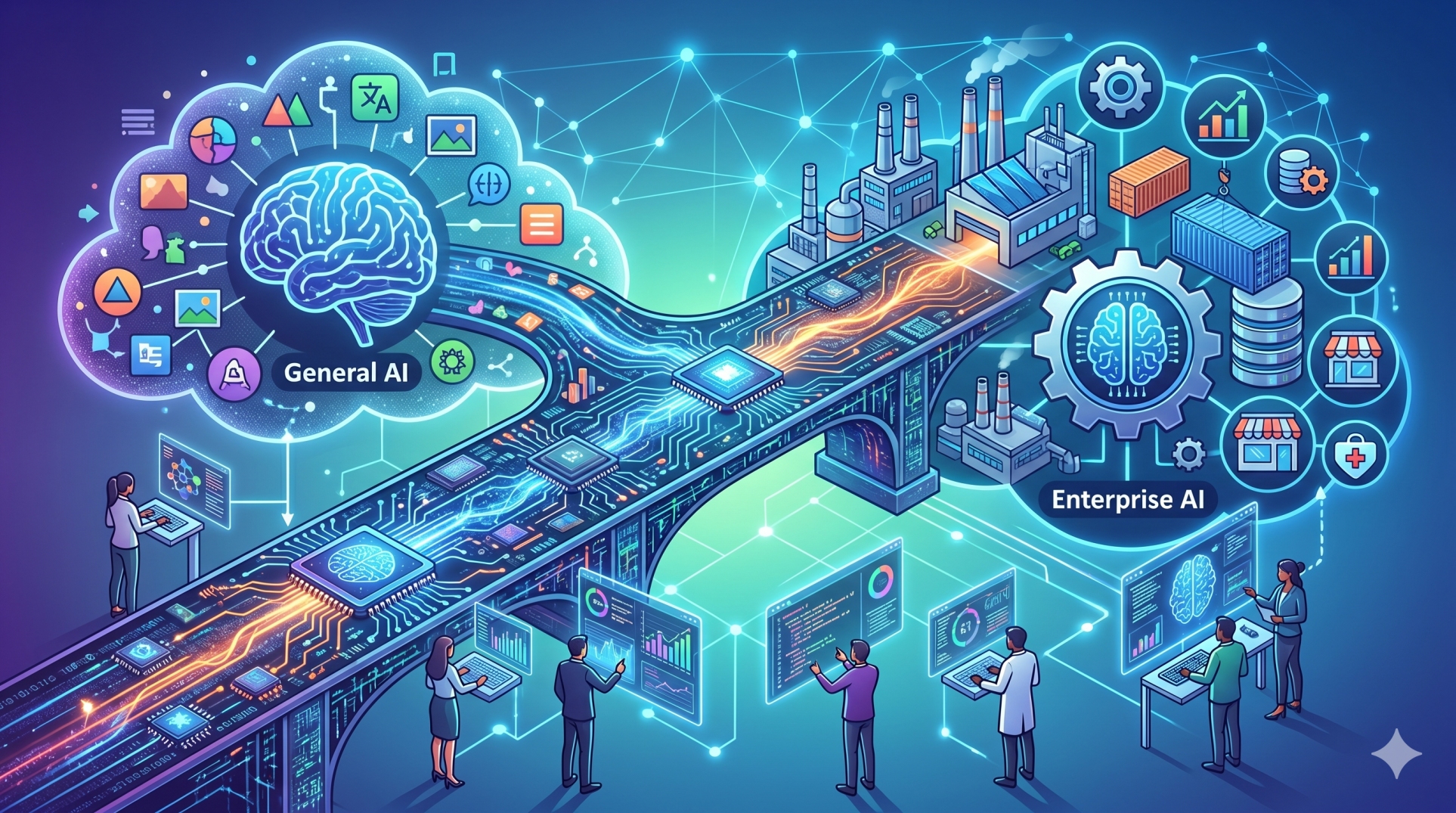
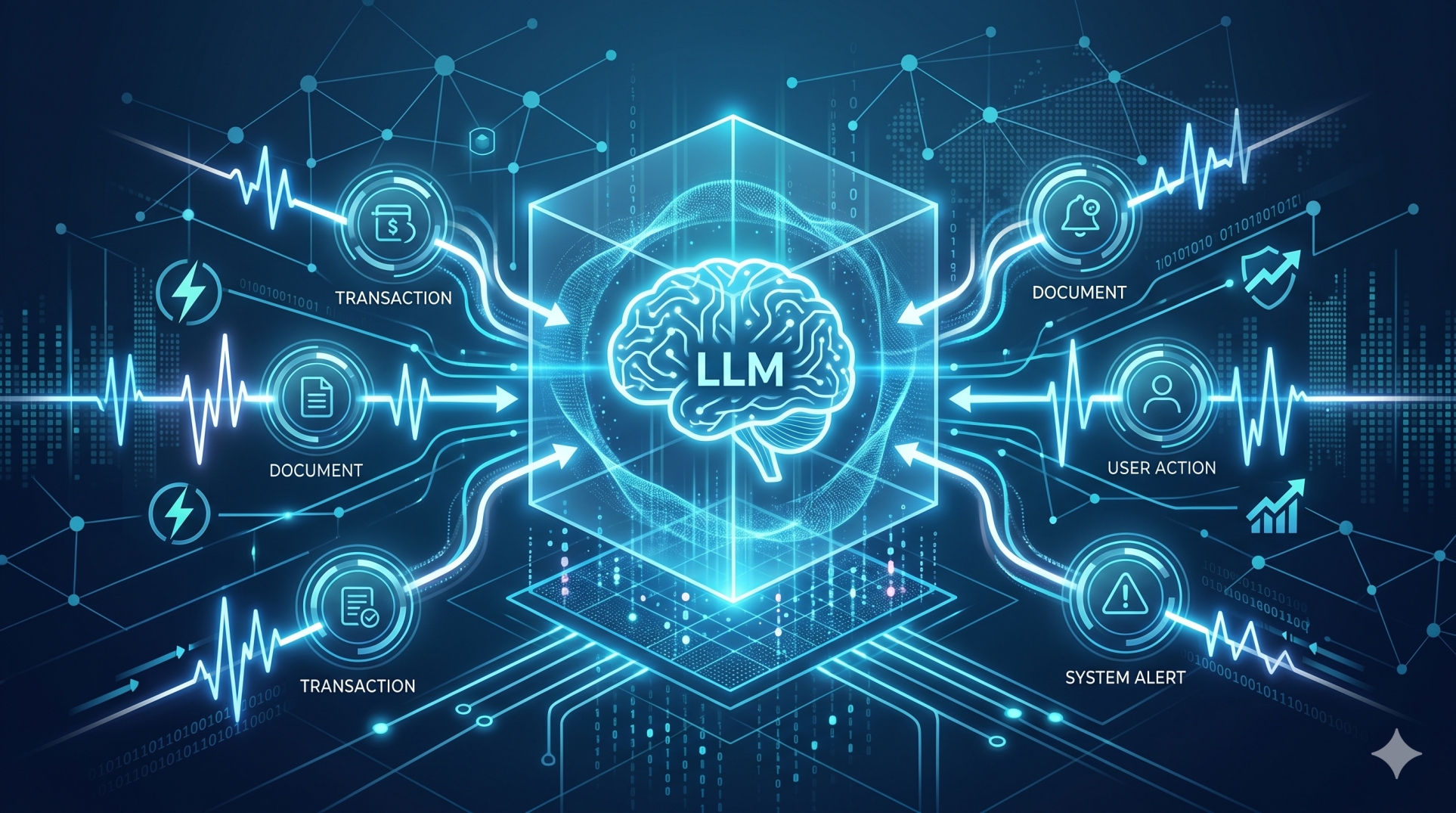
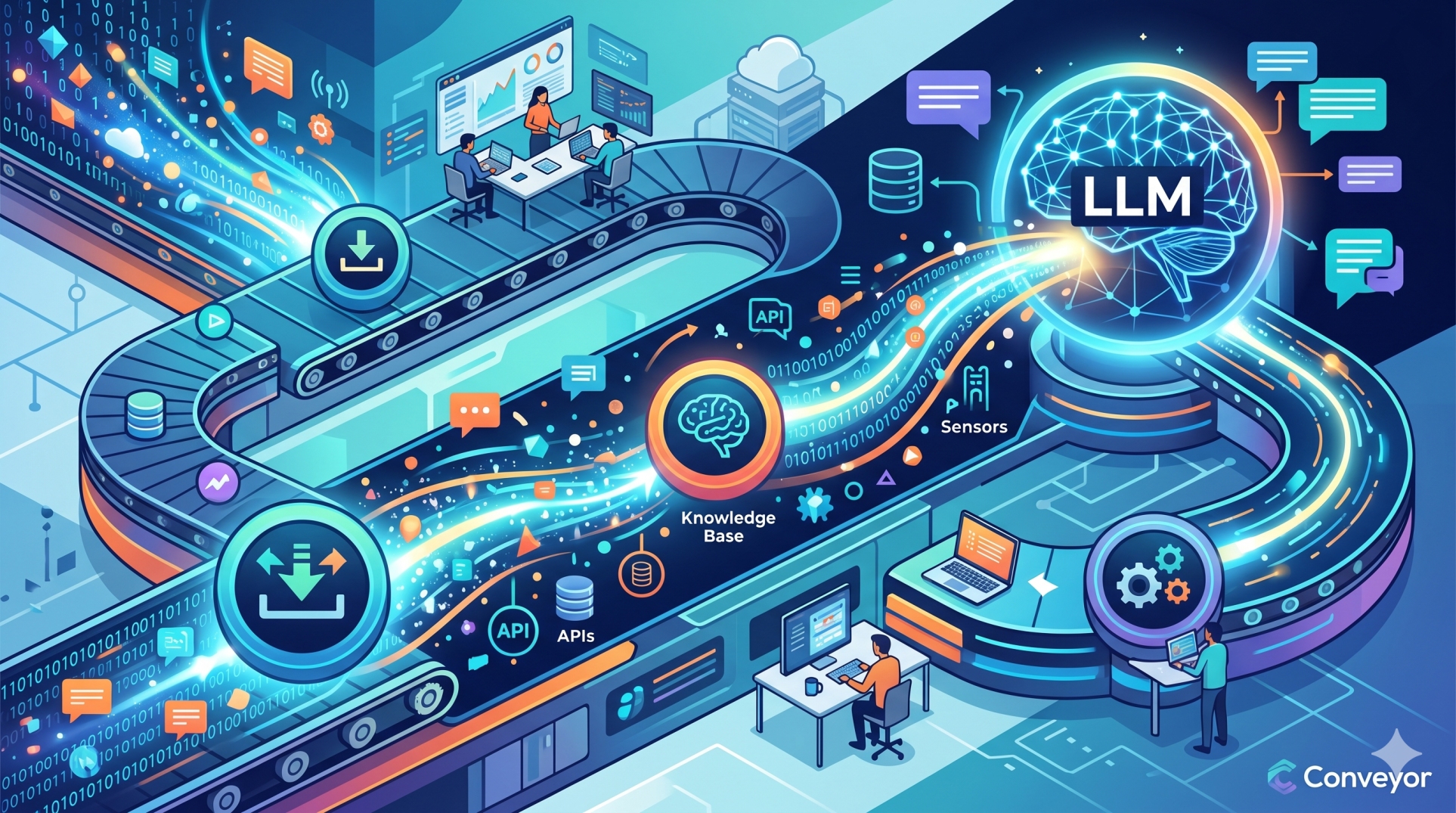
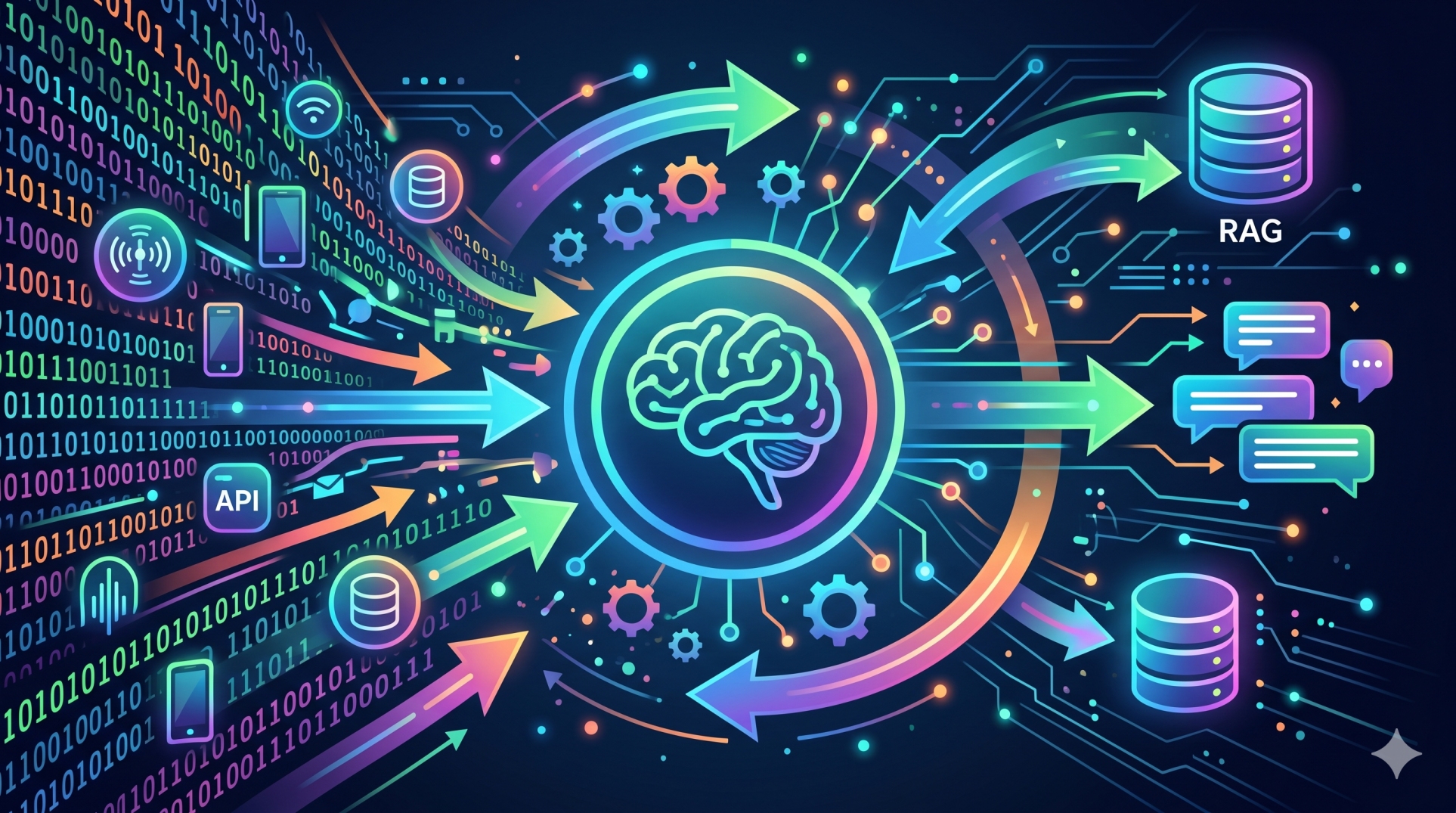
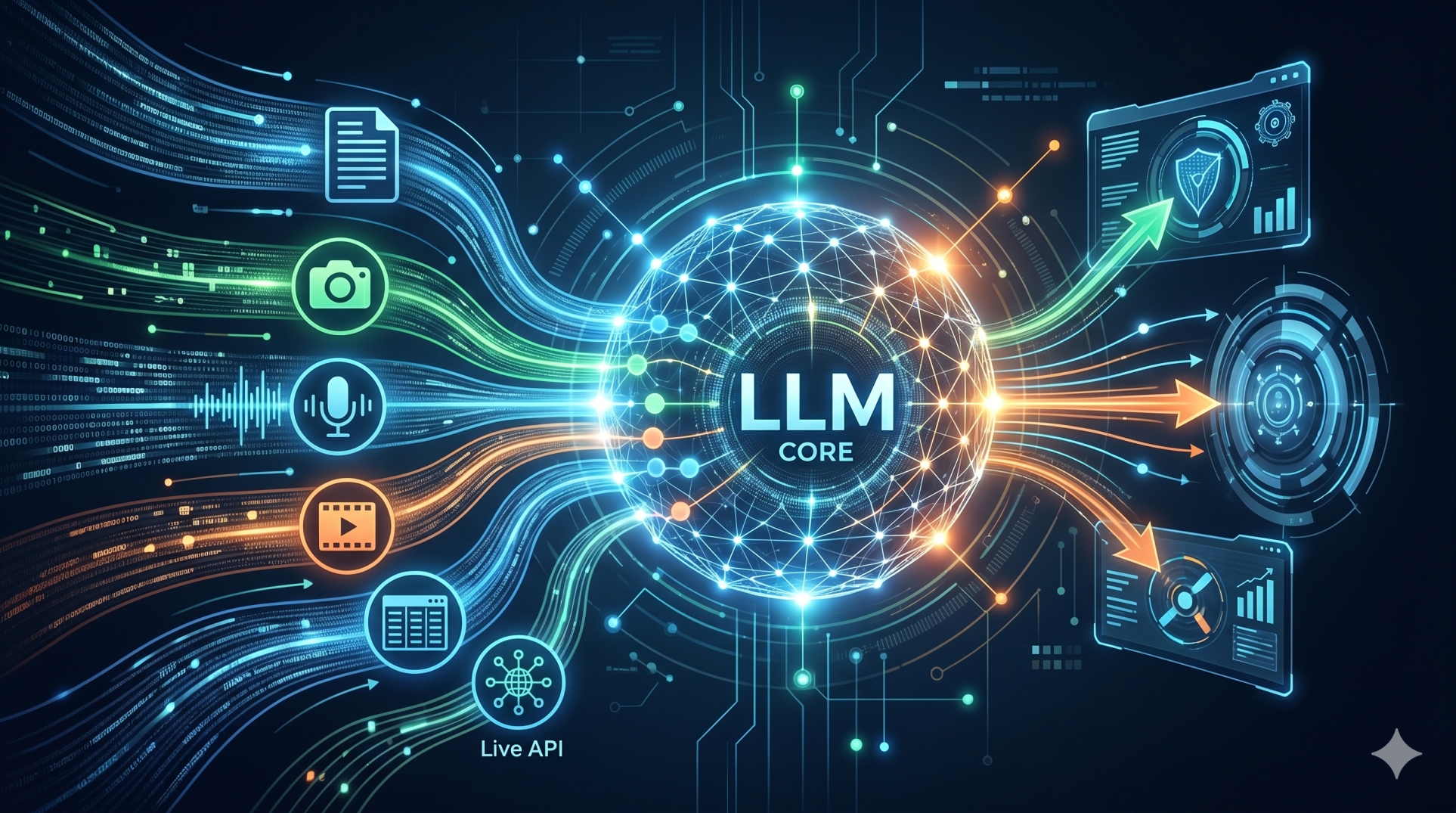
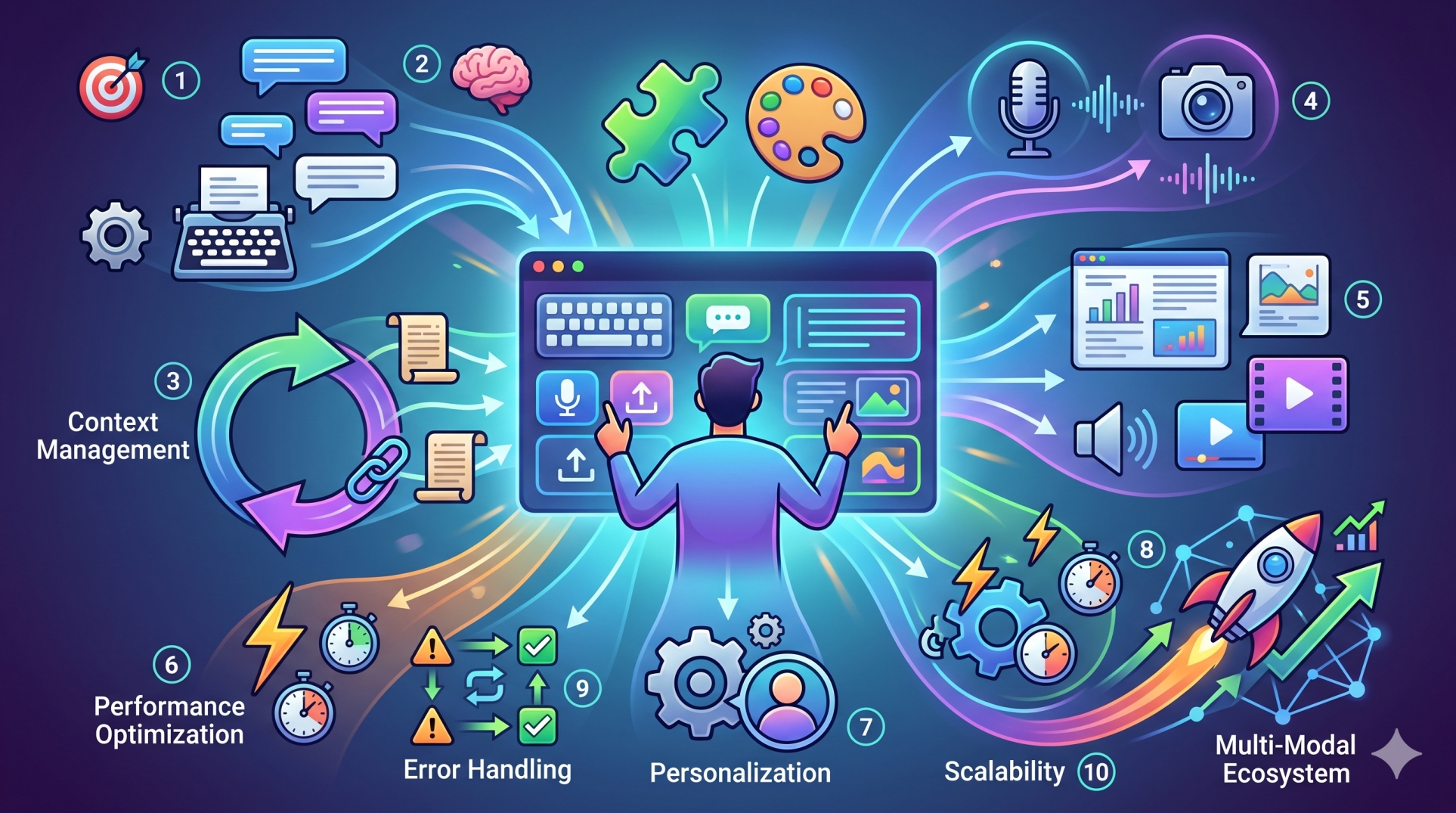
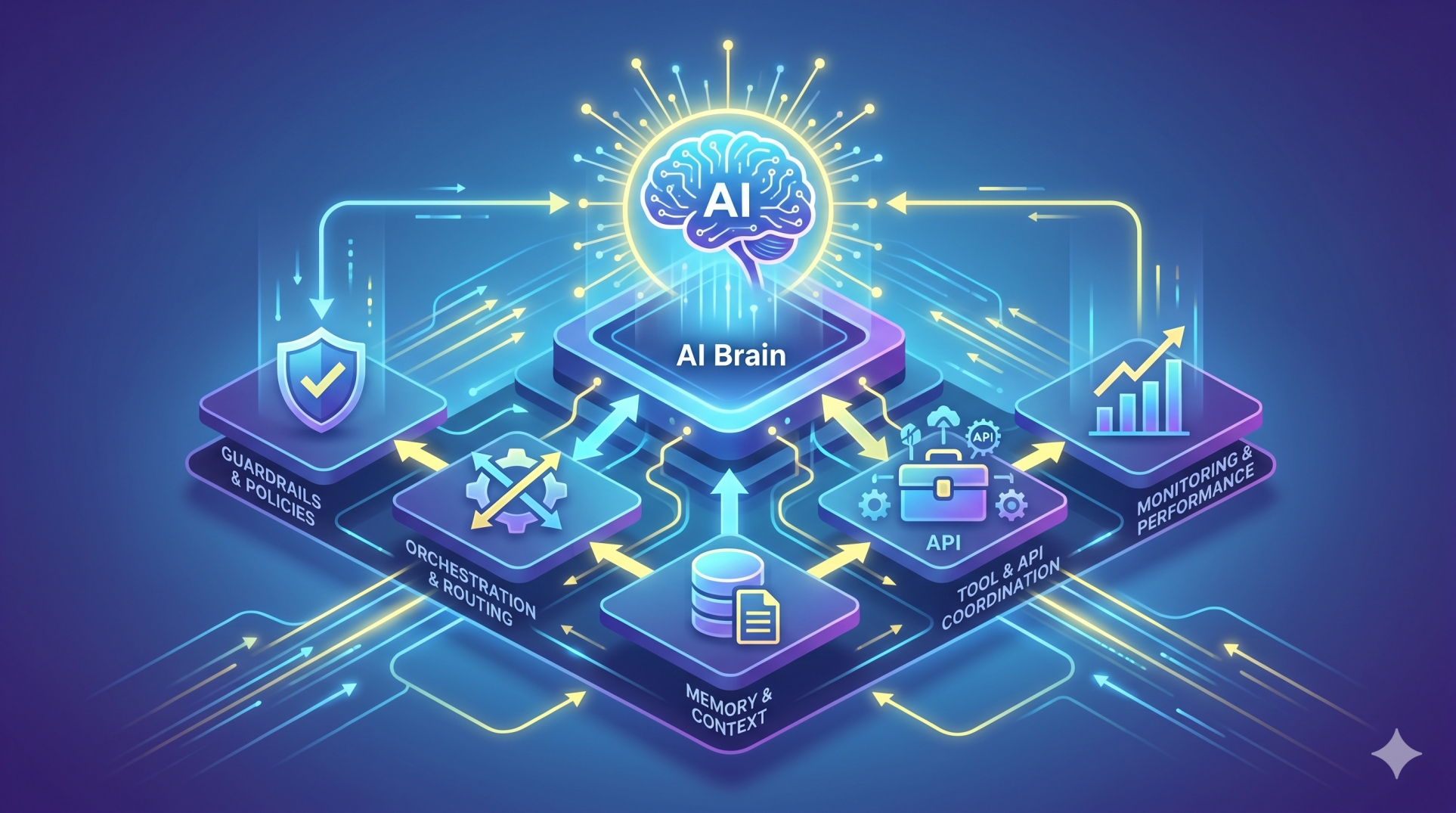
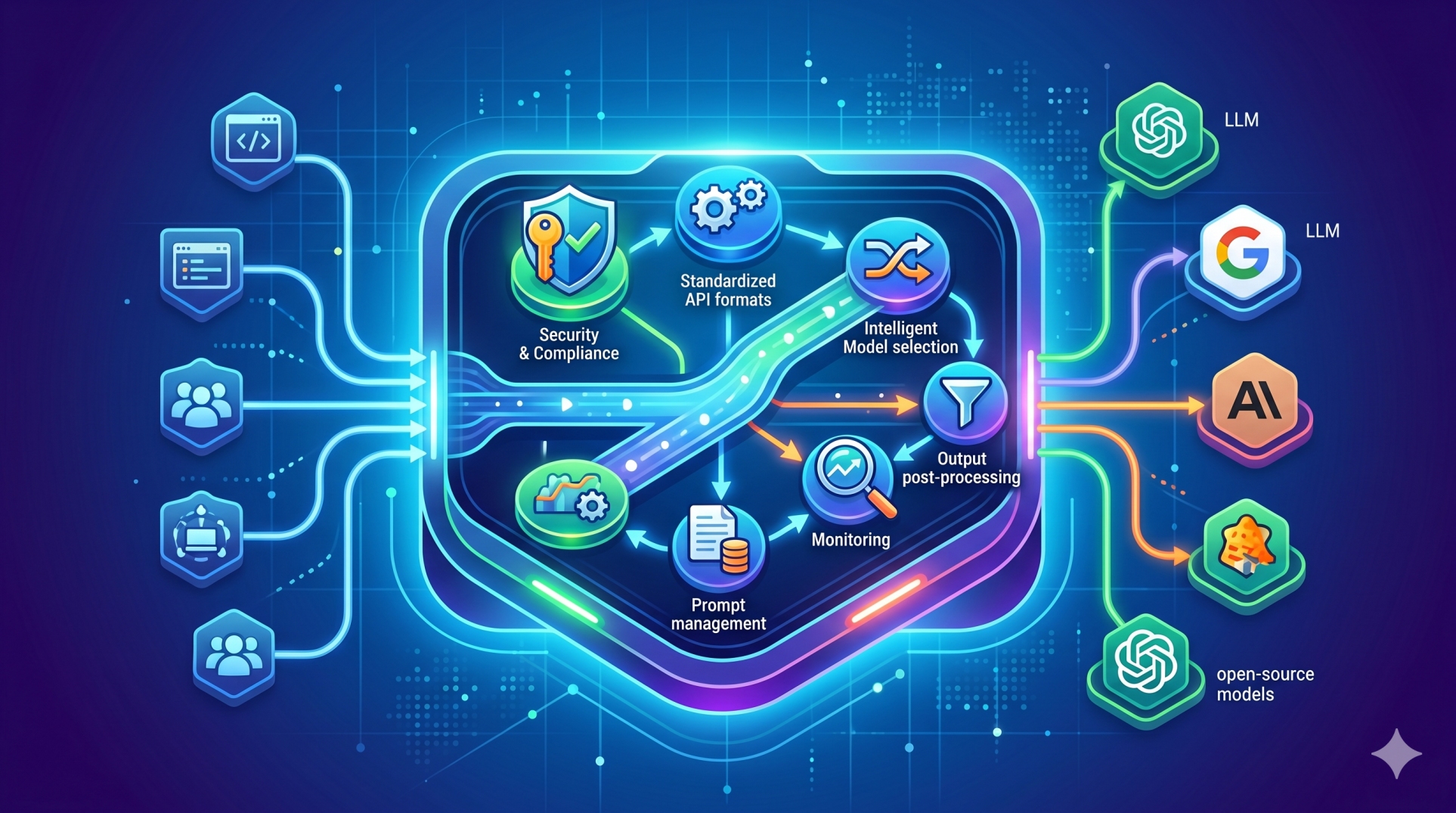
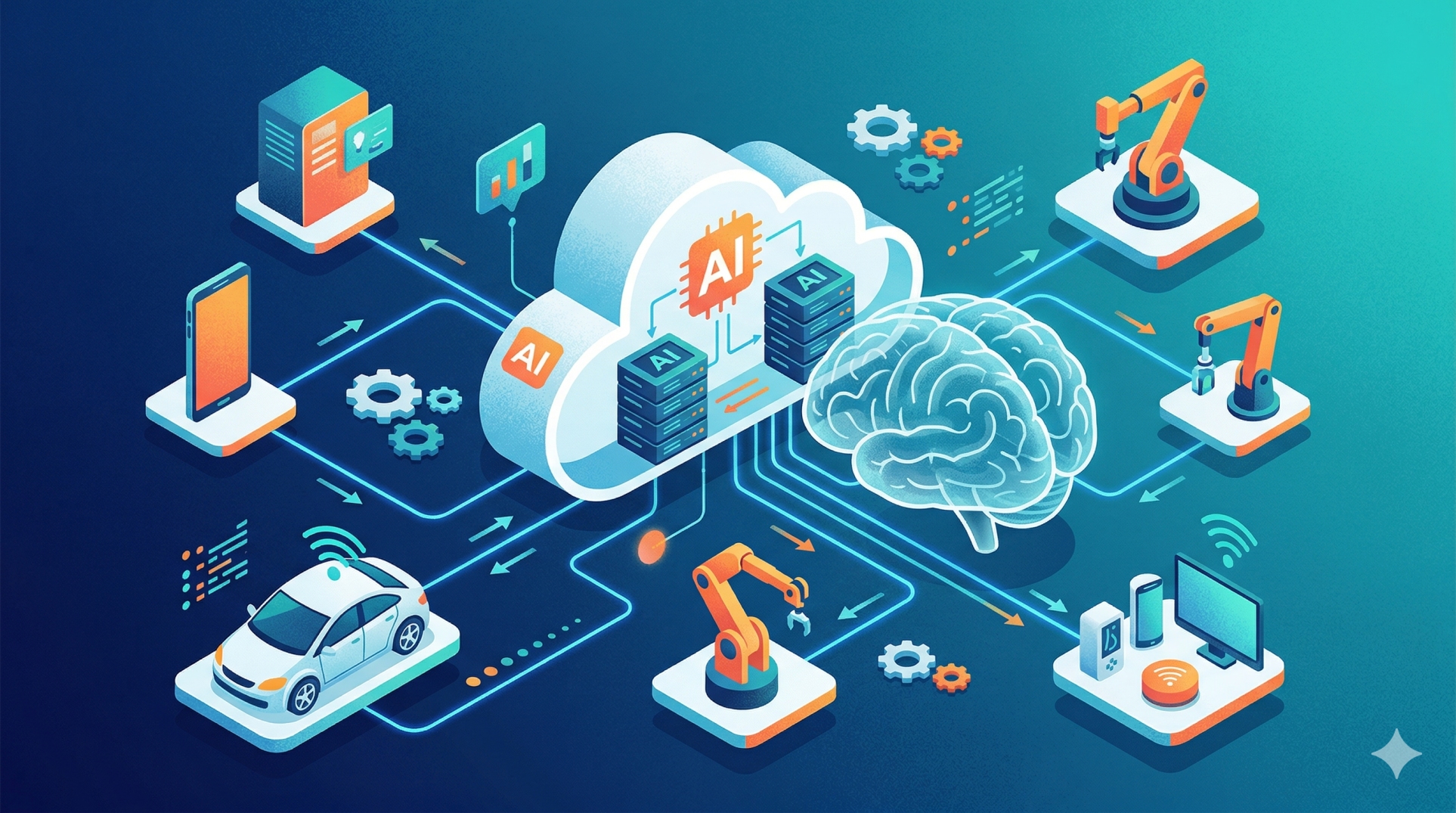
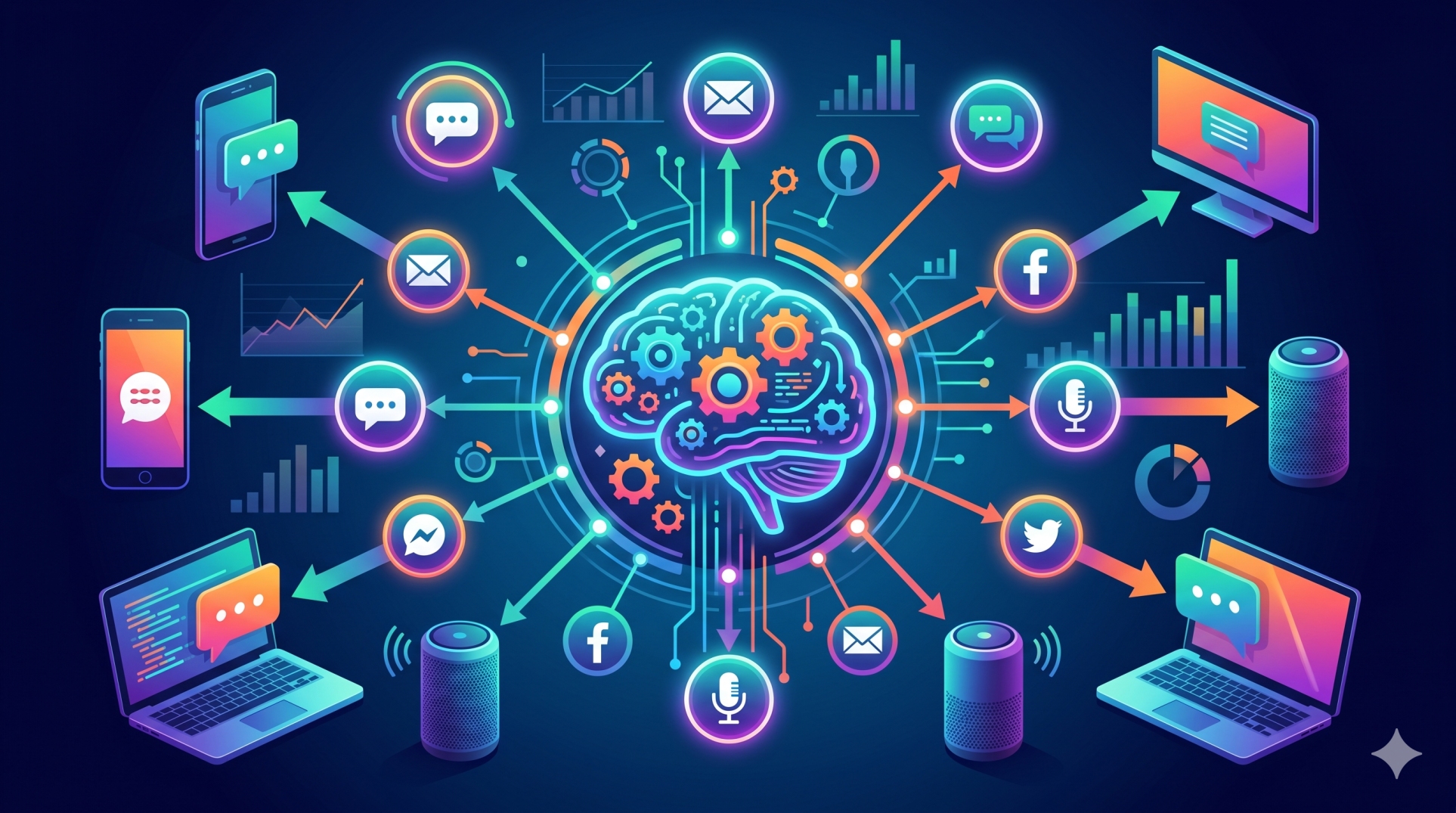
As businesses engage customers across multiple digital touchpoints, delivering consistent and intelligent interactions has become a major challenge. Cross-channel AI systems powered by Large Language Model (LLM) software enable organizations to unify communication across platforms such as chat, email, voice, and social media. By leveraging advanced language understanding and contextual awareness, these systems create seamless, personalized, and scalable customer experiences.
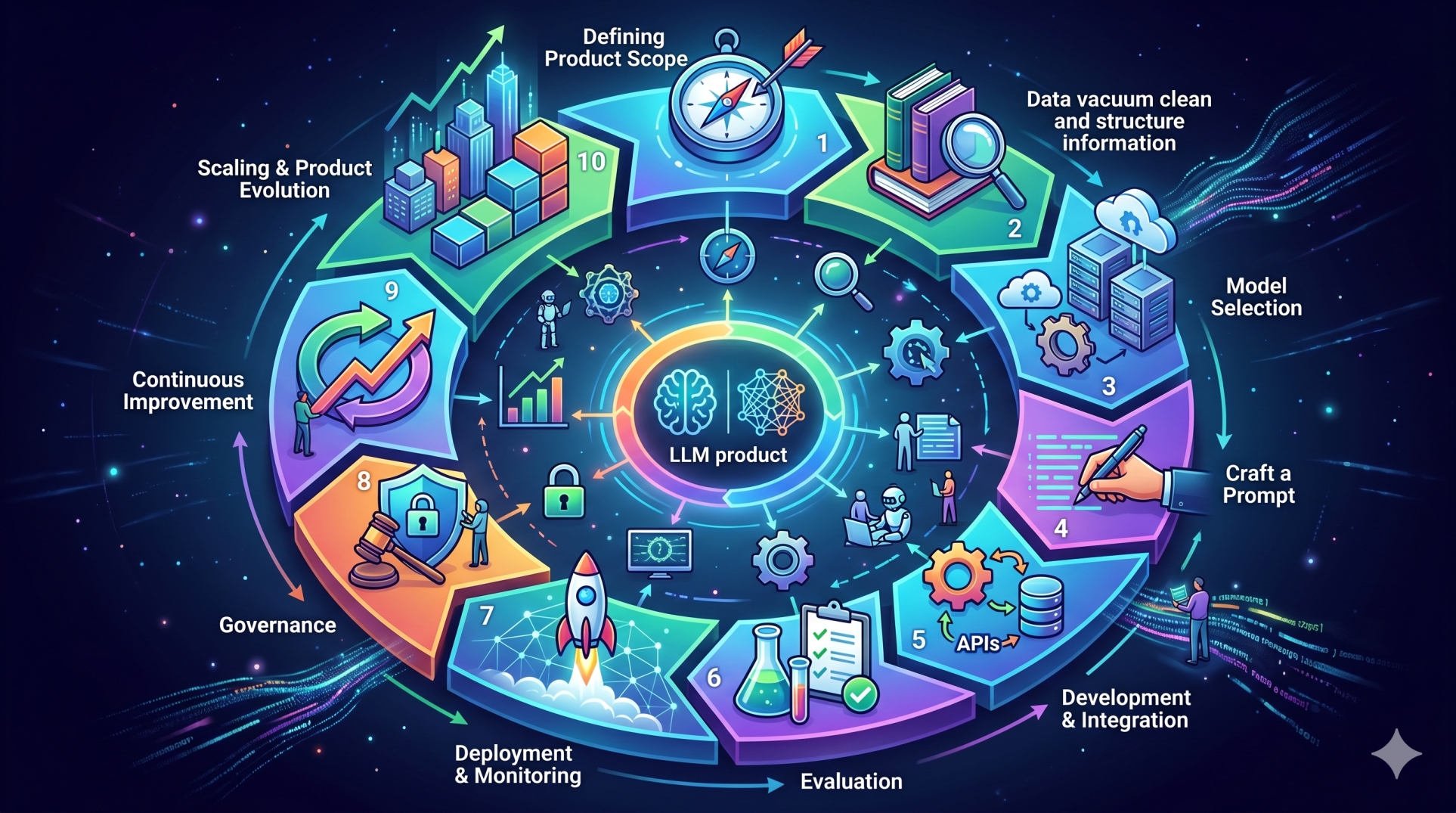
Step 1: Understanding Cross-Channel AI Systems 🤖
• Cross-channel AI connects multiple communication platforms into a unified system 🔗
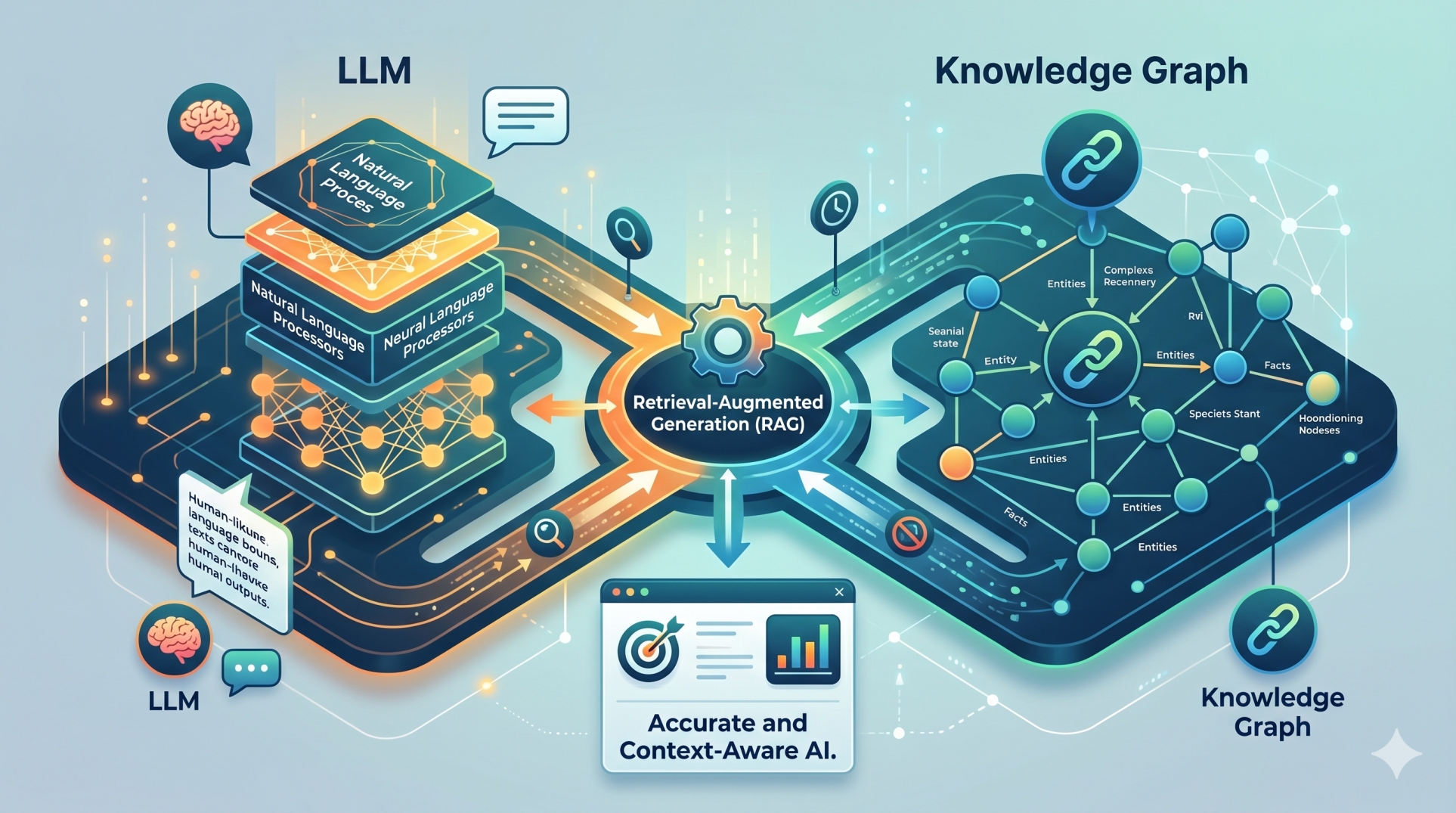
• LLM software enables natural, context-aware interactions across channels 🧠
• Systems maintain conversation continuity regardless of platform 🔄
• AI adapts tone and responses based on user context and channel 📱
• Enables consistent customer experience across all touchpoints 🌐
Step 2: Centralizing Customer Context 📊
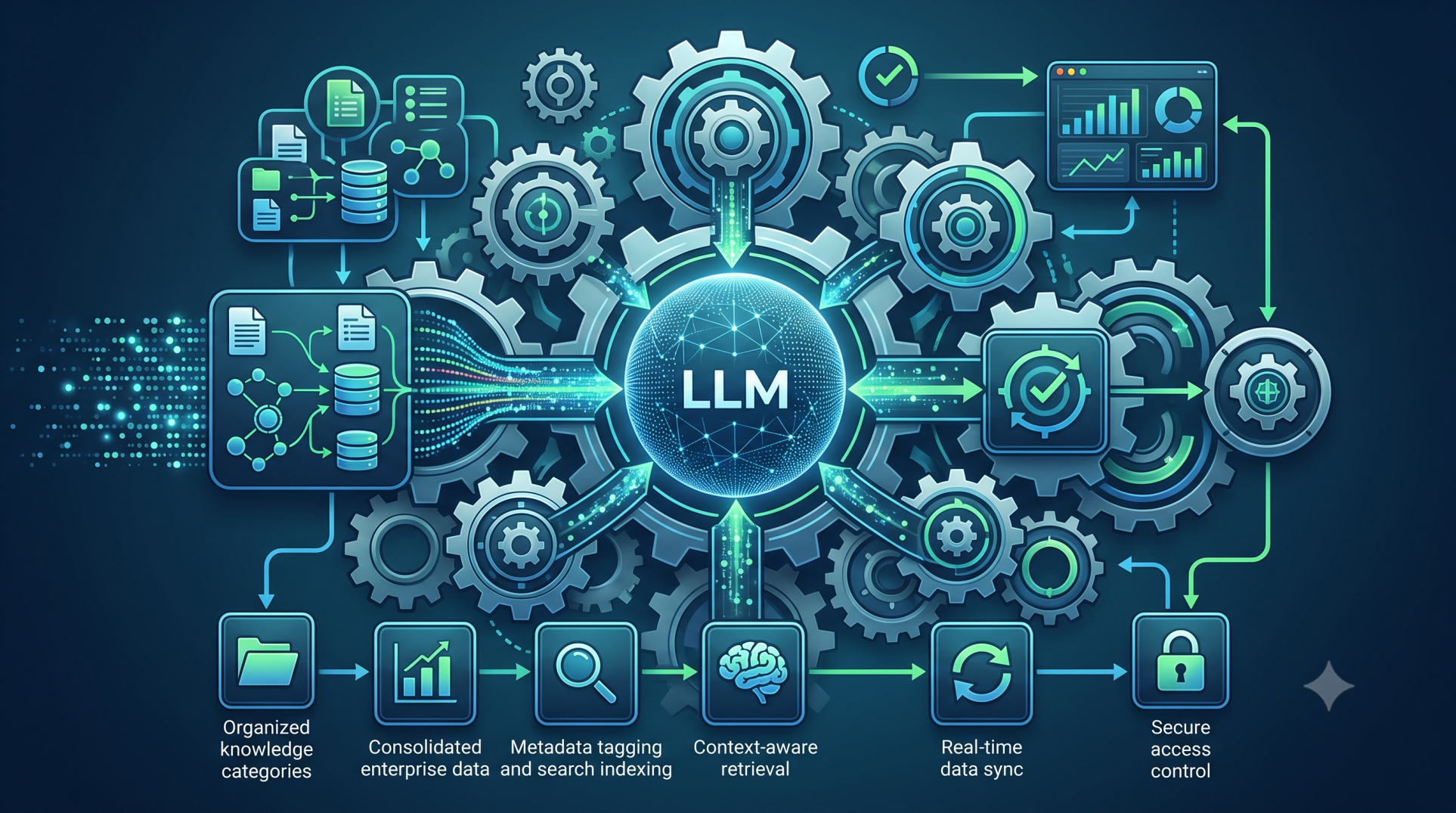
• Aggregate customer data from all interaction channels 📊
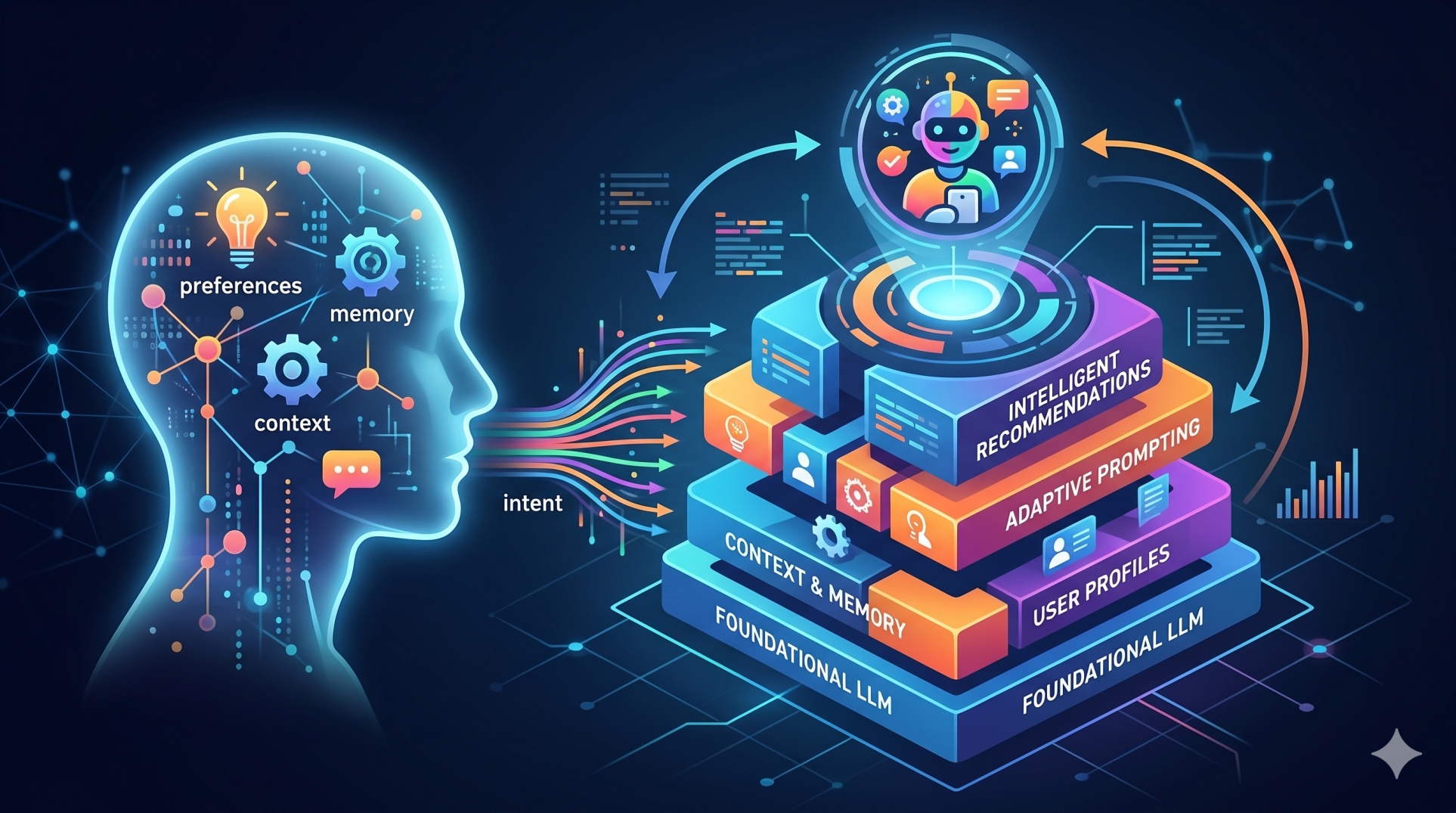
• Maintain unified user profiles with historical interactions 🧾
• Enable real-time context sharing across systems ⏱️
• Reduce repetition by remembering previous conversations 🔁
• Improve personalization using consolidated data insights 🎯
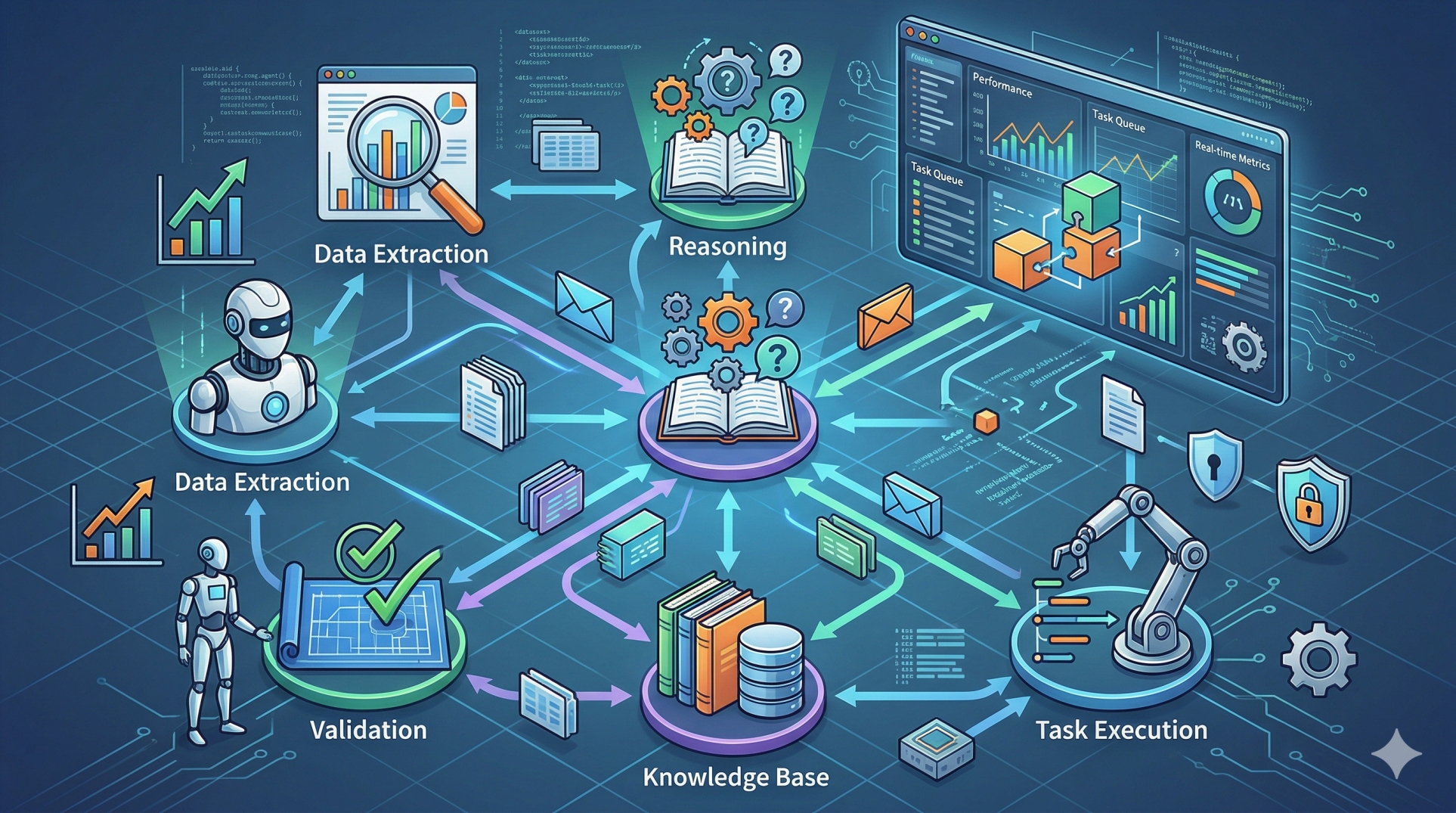
Step 3: Orchestrating Multi-Channel Communication 🔄
• Route conversations dynamically between chat, email, voice, and apps 📲
• Ensure seamless transitions without losing context 🔗
• Automate responses across different communication channels 🤖
• Balance AI automation with human intervention when needed 👥
• Optimize communication flow based on user behavior 📈
Step 4: Real-Time Language Processing 🧠
• Use LLMs to understand intent, sentiment, and context in real time 🧠
• Generate human-like responses tailored to each channel ✍️
• Support multilingual communication for global users 🌍
• Adapt messaging style based on platform (formal vs conversational) 💬
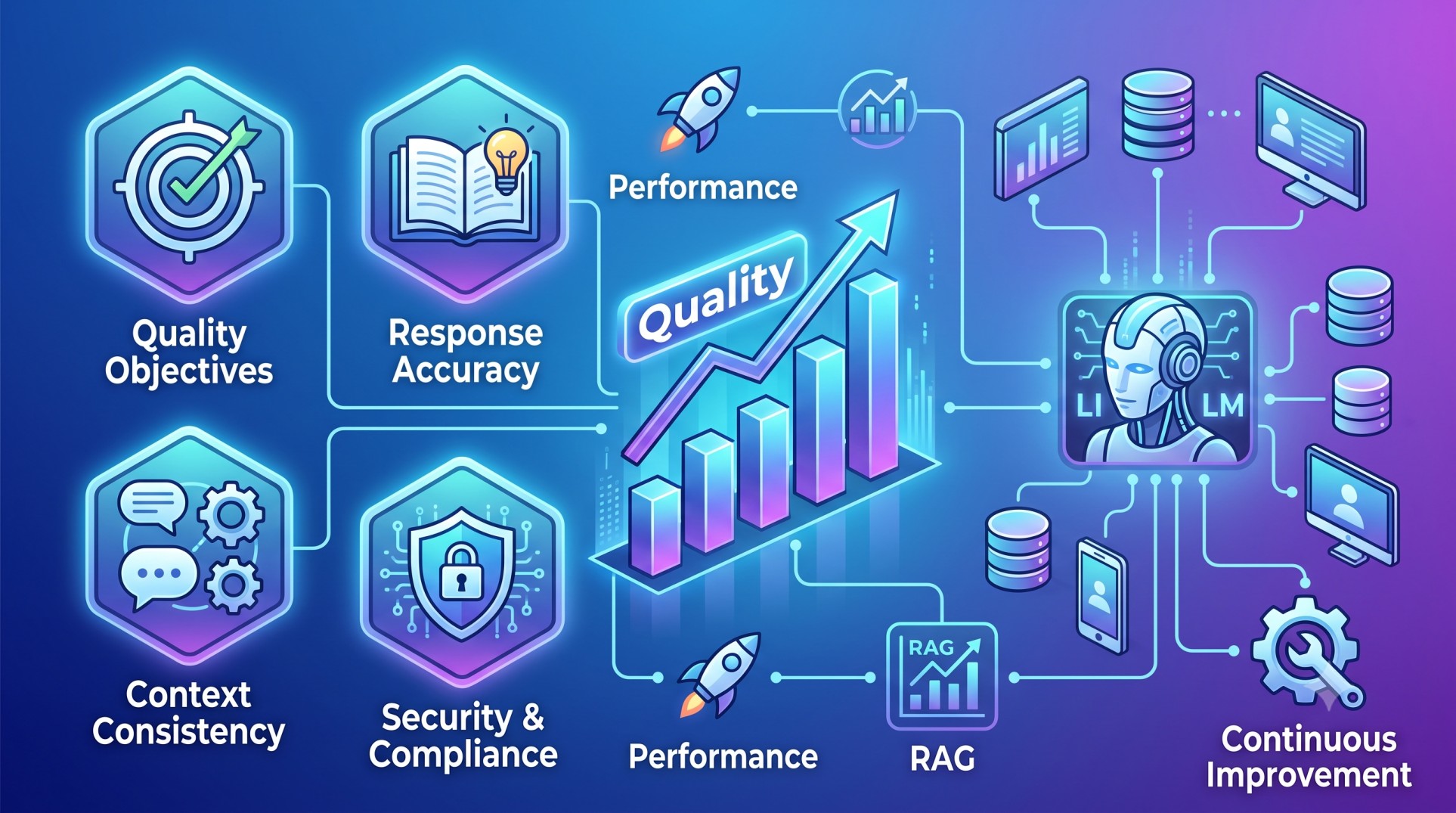
• Continuously improve accuracy through learning and feedback 🔄
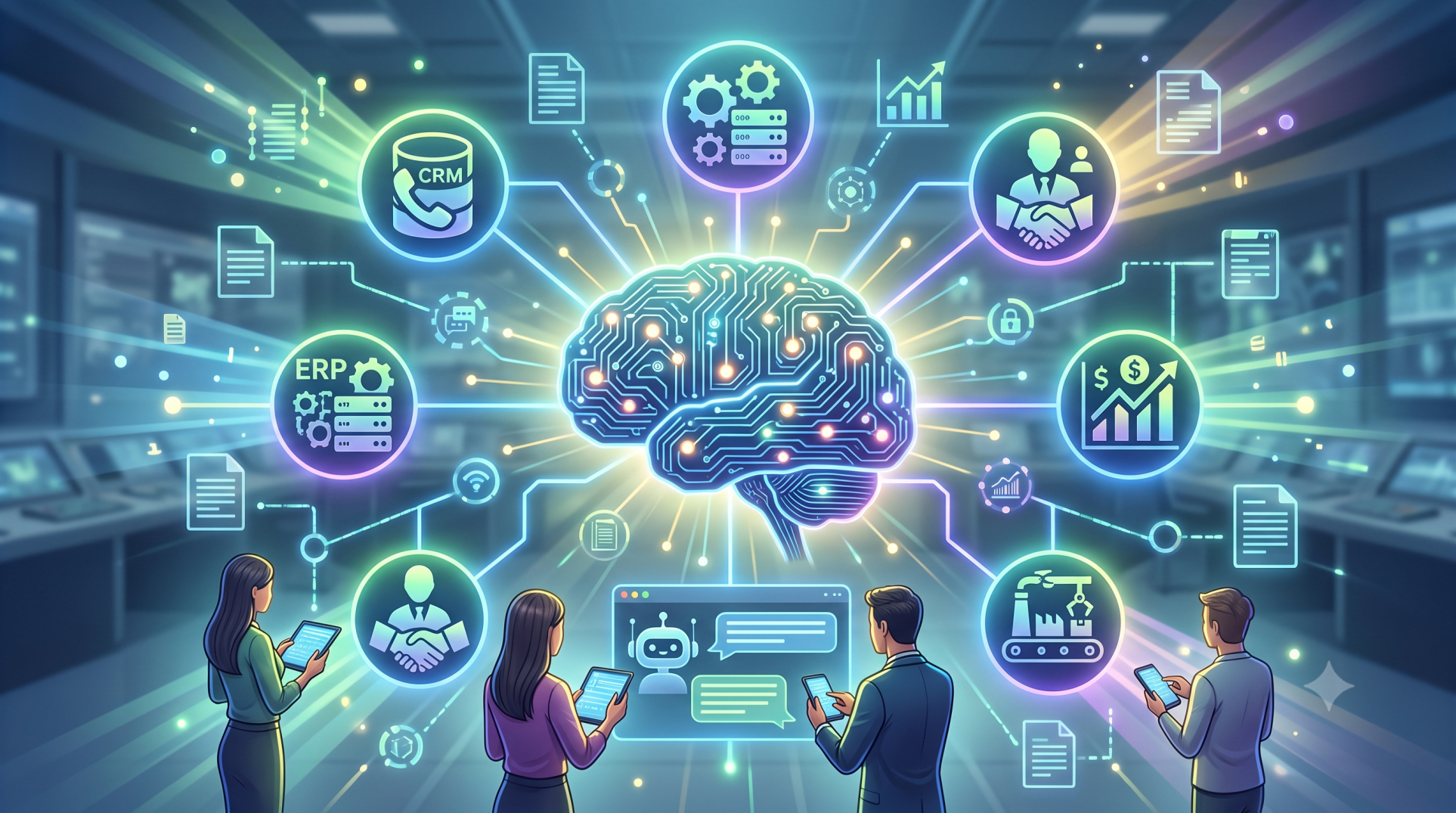
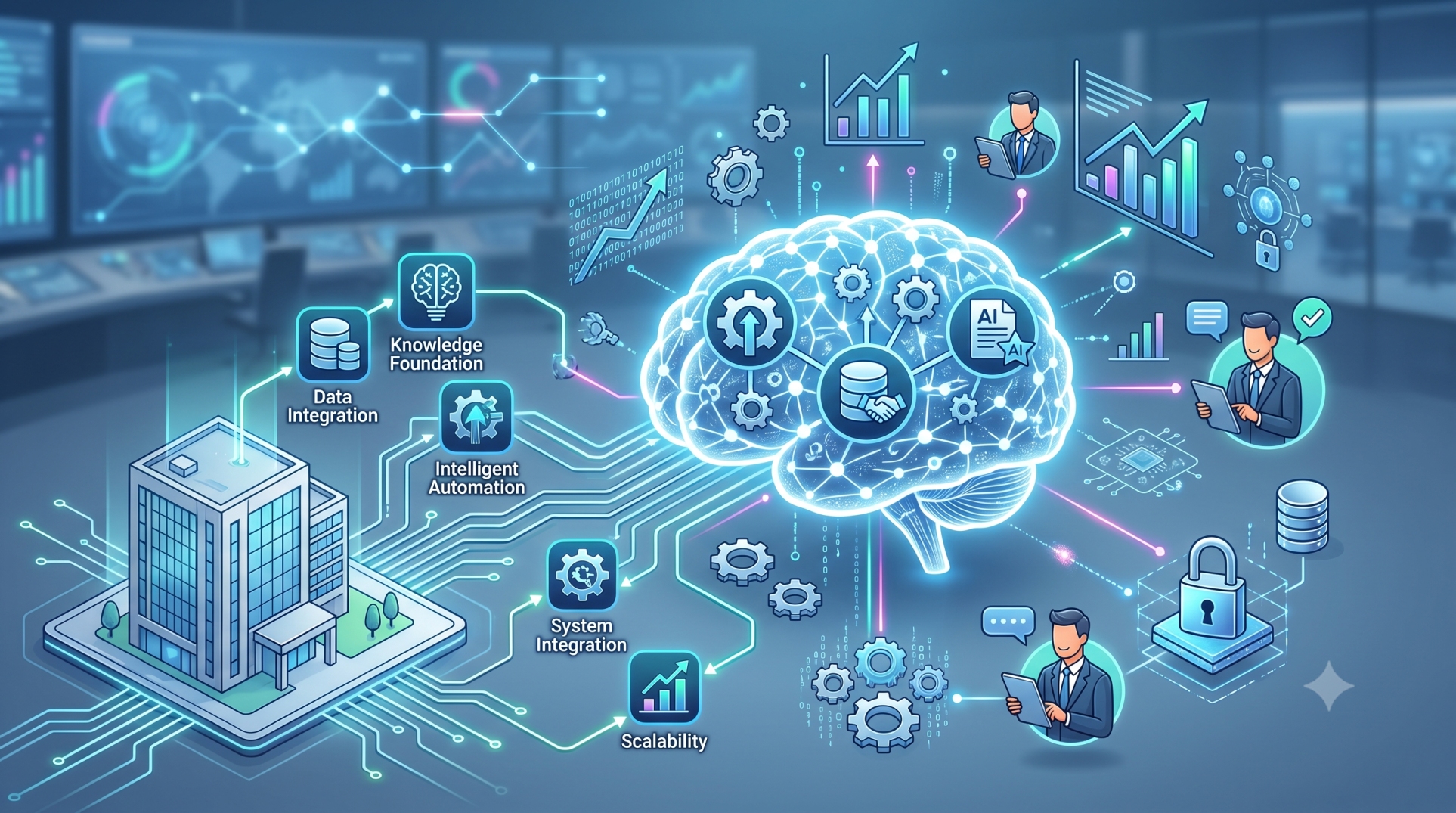
Step 5: Integration with Business Systems 🔗
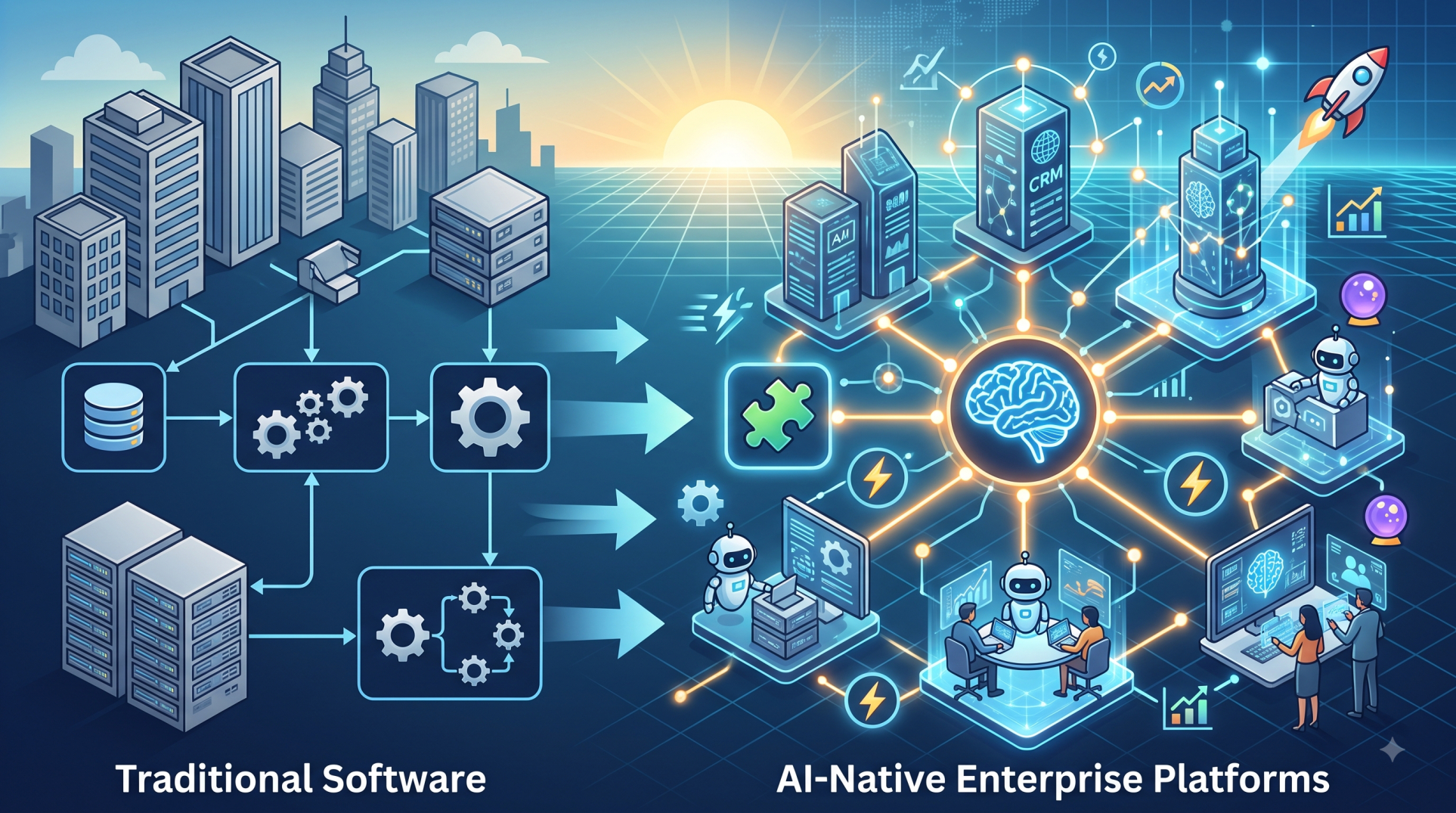
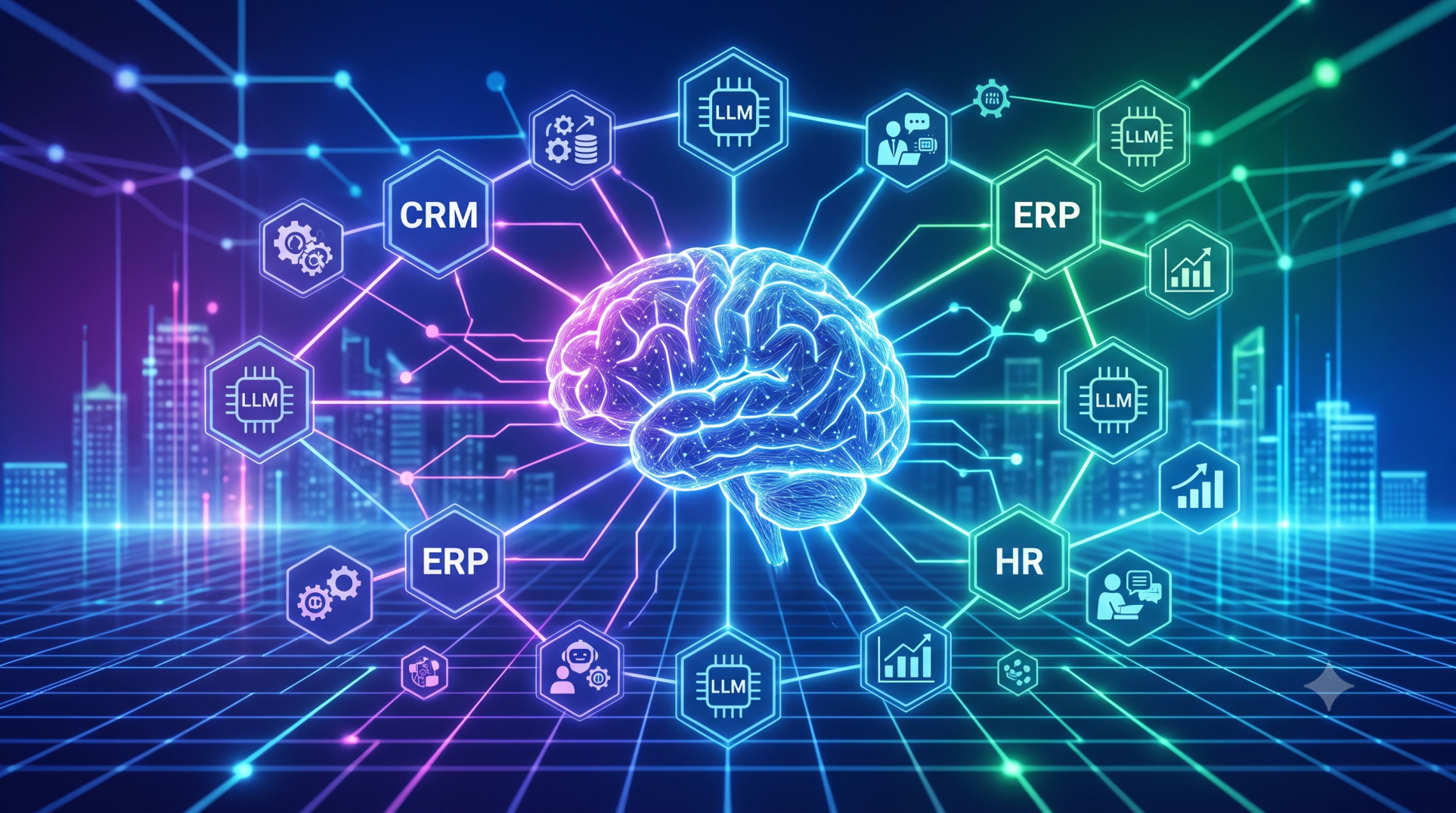
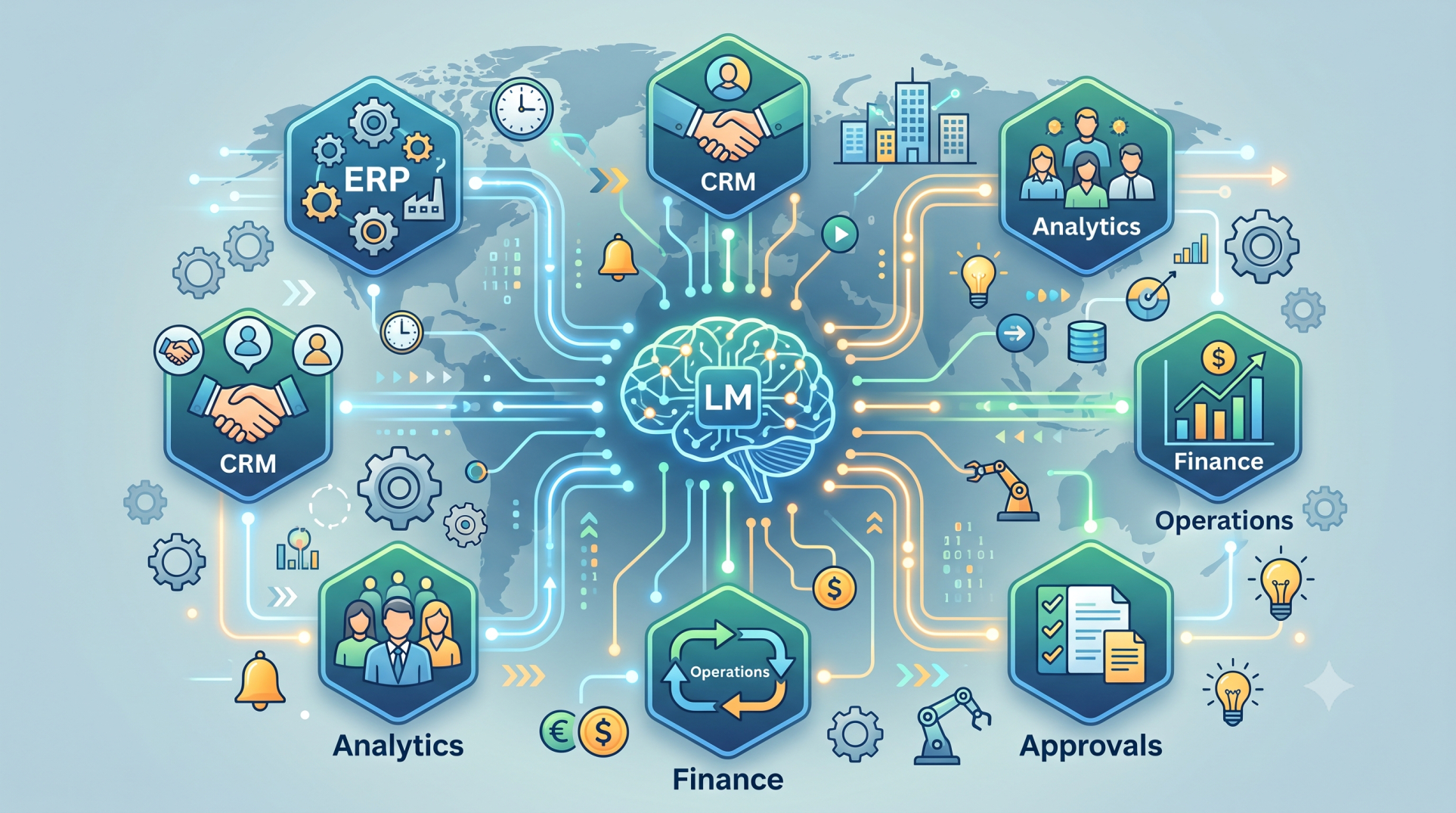
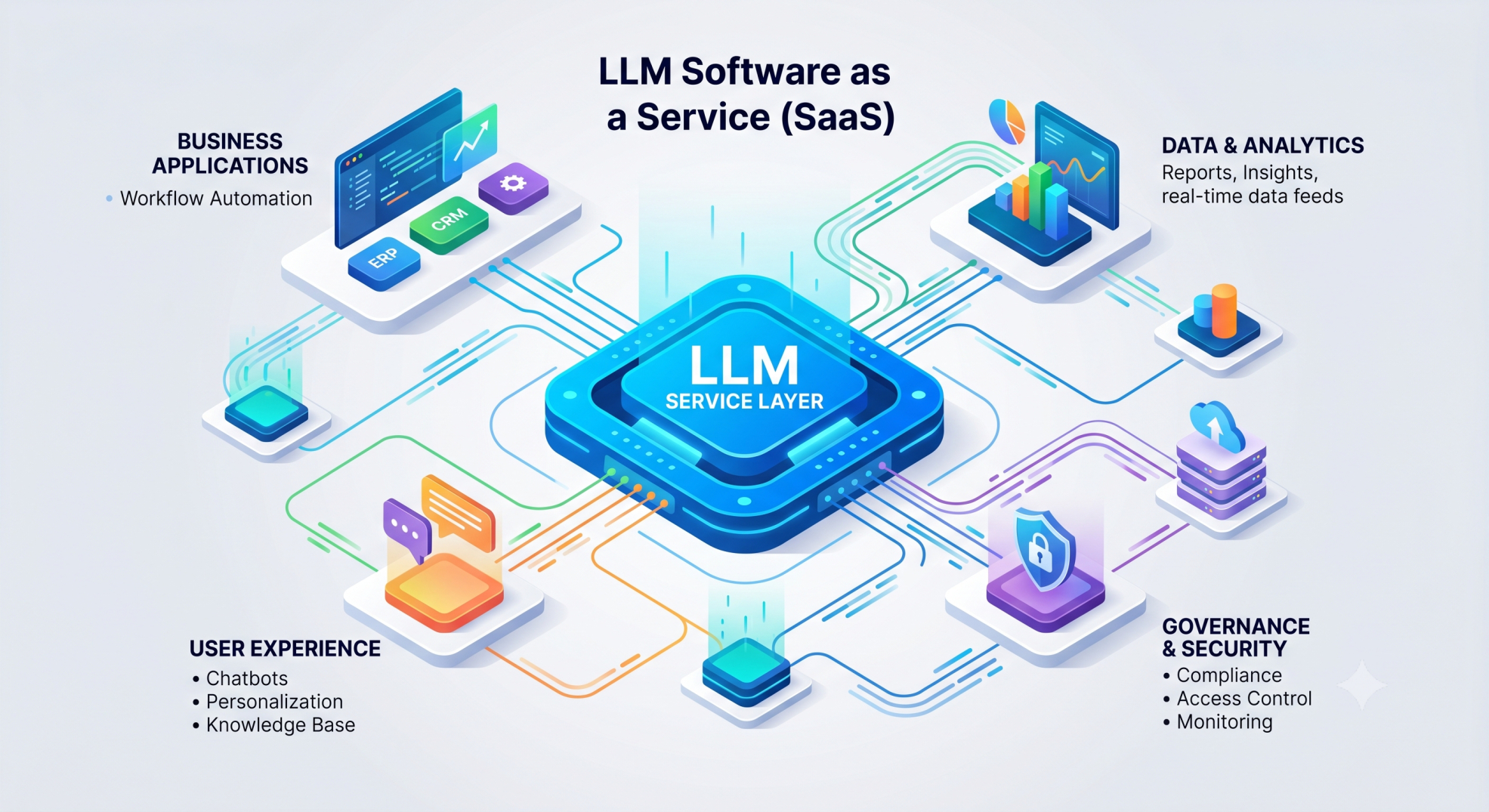
• Connect AI systems with CRM, ERP, and support platforms 🧩
• Enable data-driven responses using backend system insights 📊
• Automate workflows such as ticketing, order updates, and notifications 📦
• Ensure seamless data flow across enterprise systems 🔄
• Reduce manual intervention through intelligent automation 🤖
Step 6: Personalization at Scale 🎯
• Deliver tailored responses based on customer preferences 🎯
• Use behavioral data to predict user needs 🔍
• Customize communication across different channels 📱
• Maintain consistency in messaging and brand voice 🧾
• Enhance engagement through relevant and timely interactions ⏰
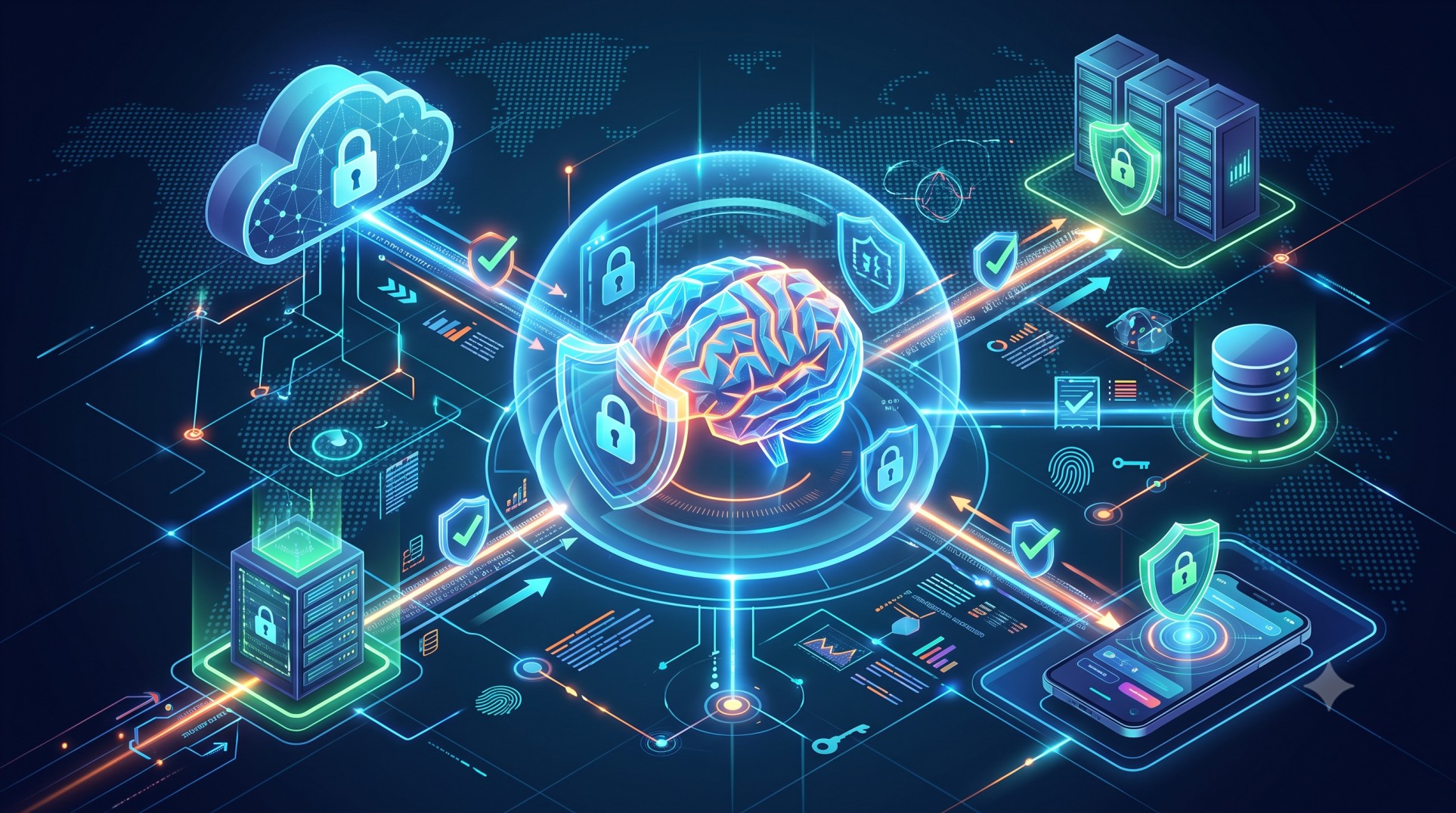
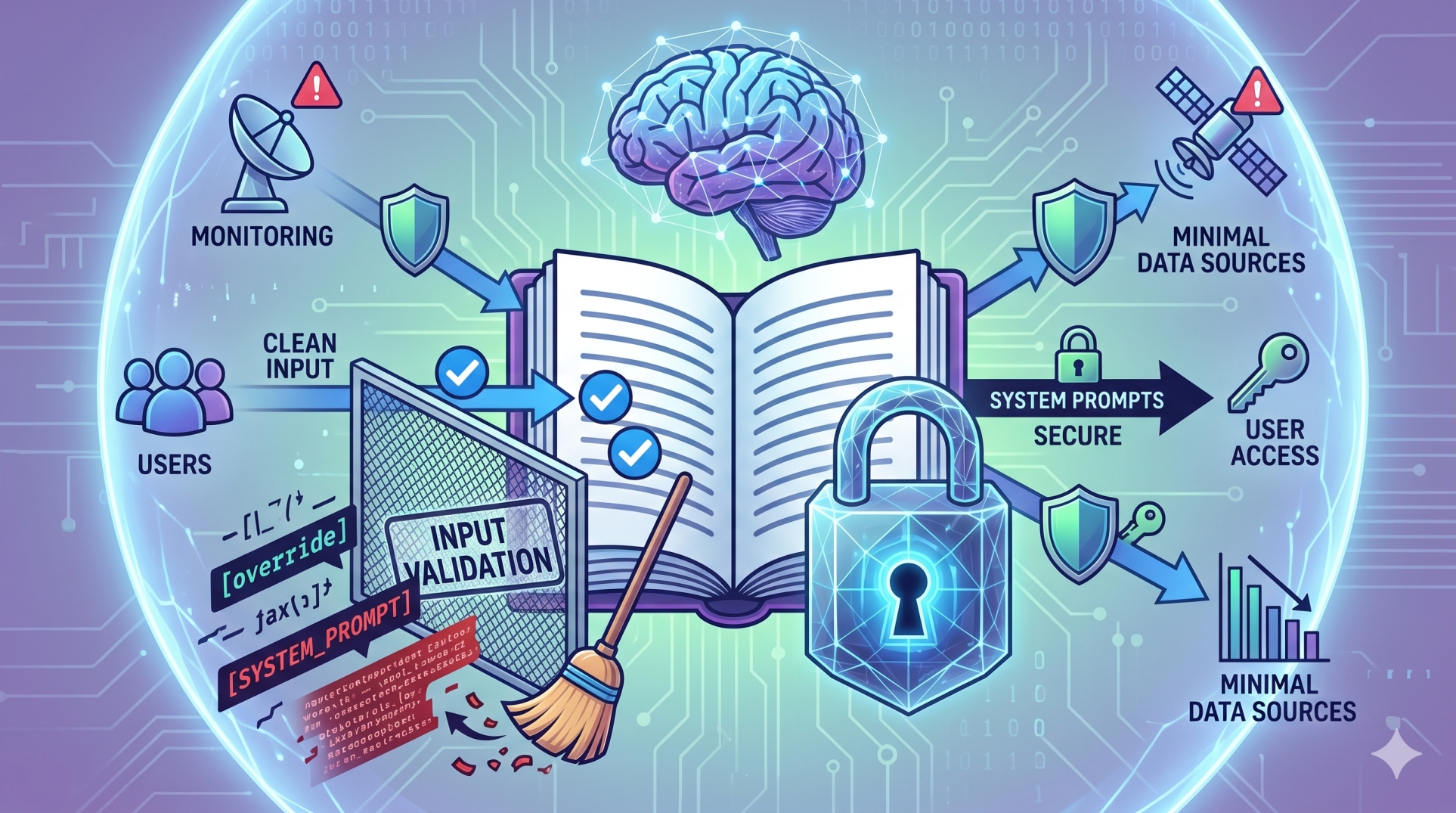
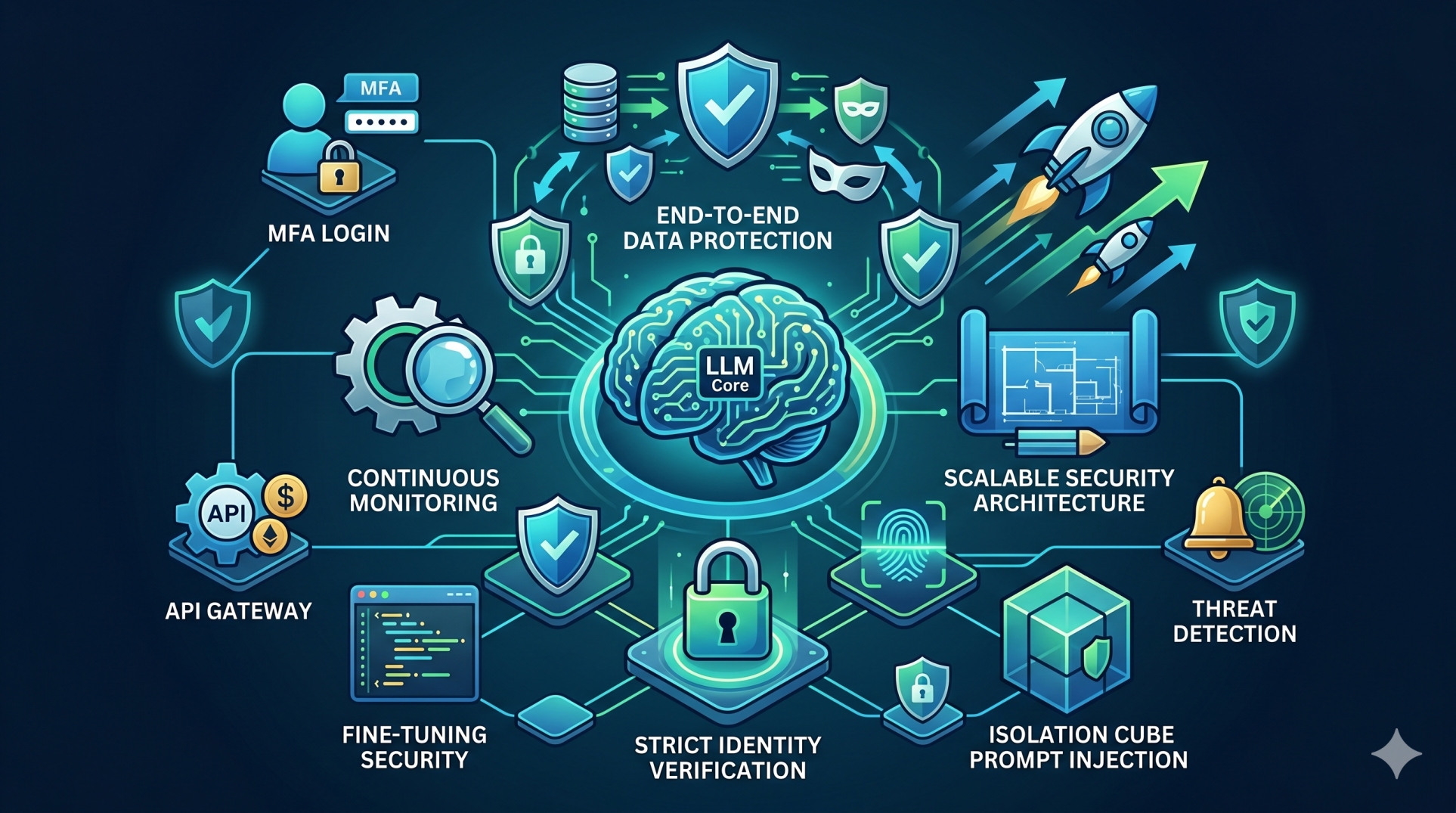
Step 7: Ensuring Data Privacy and Security 🔐
• Protect sensitive customer data across all channels 🔐
• Implement secure authentication and access control 🛡️
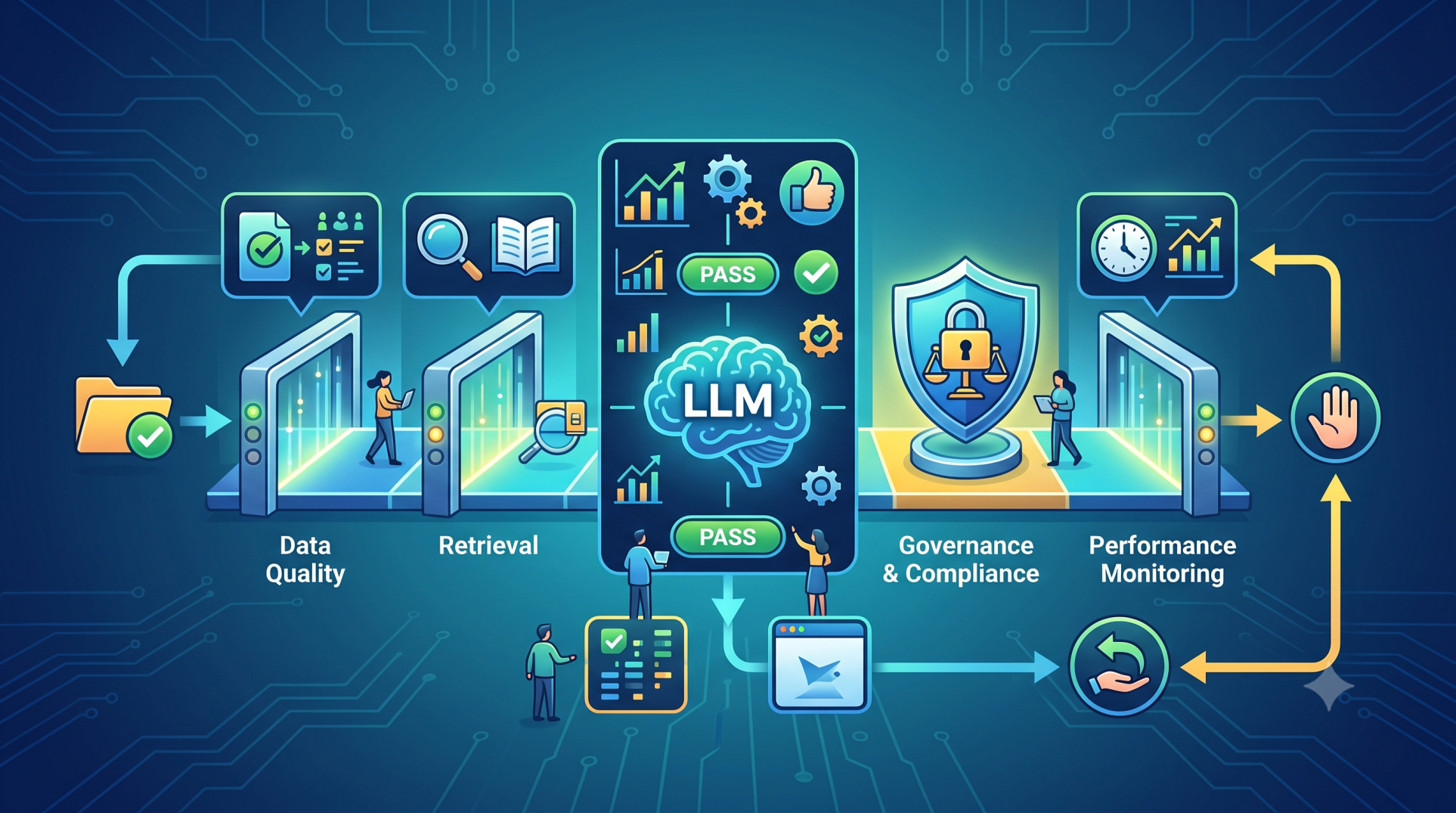
• Ensure compliance with global data protection regulations 📜
• Monitor data usage and prevent unauthorized access 👁️
• Maintain trust through transparent data handling practices 🤝
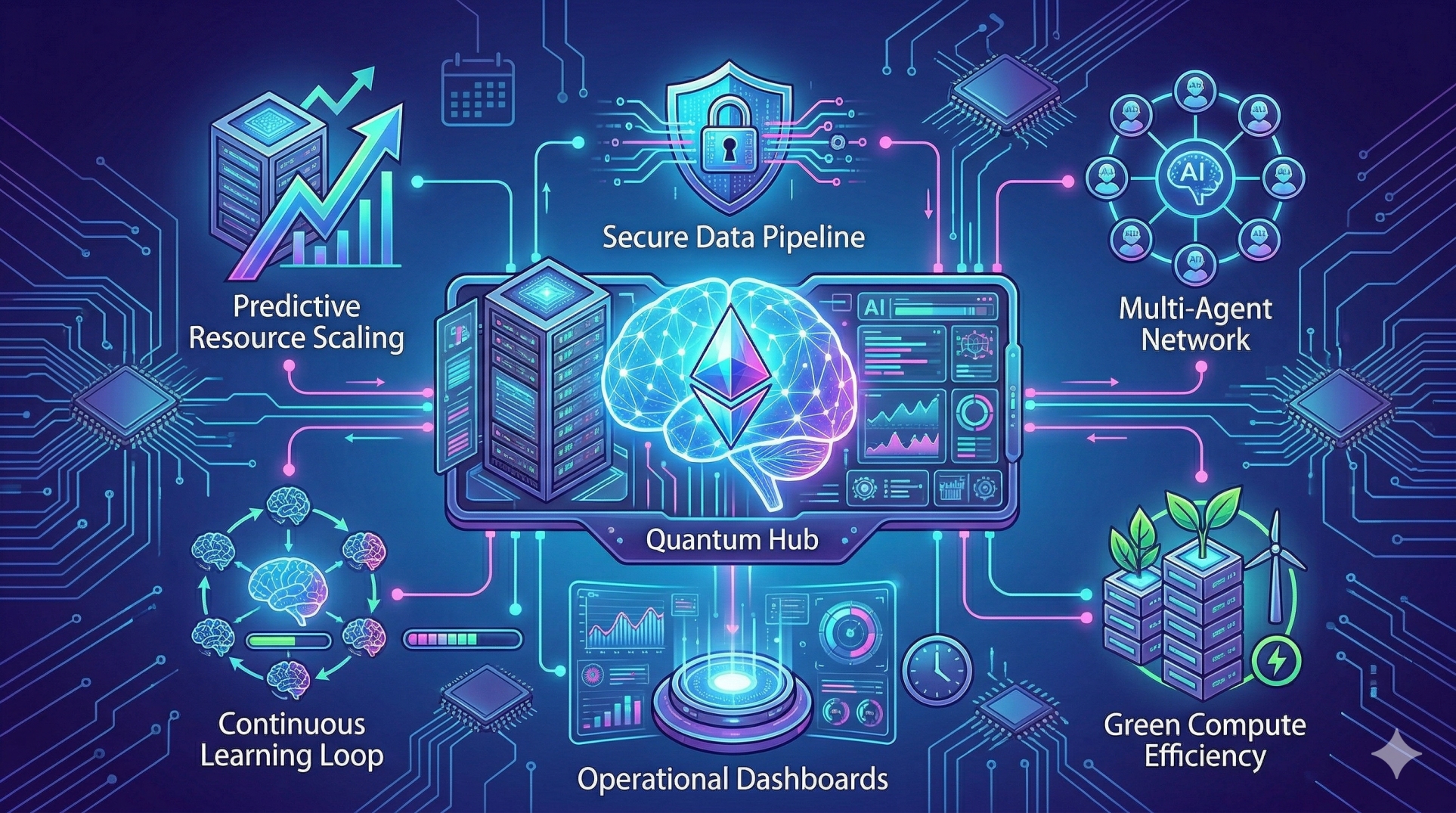
Step 8: Key System Capabilities 🚀
• Unified communication across all digital channels 🌐
• Real-time context awareness and intelligent responses 🧠
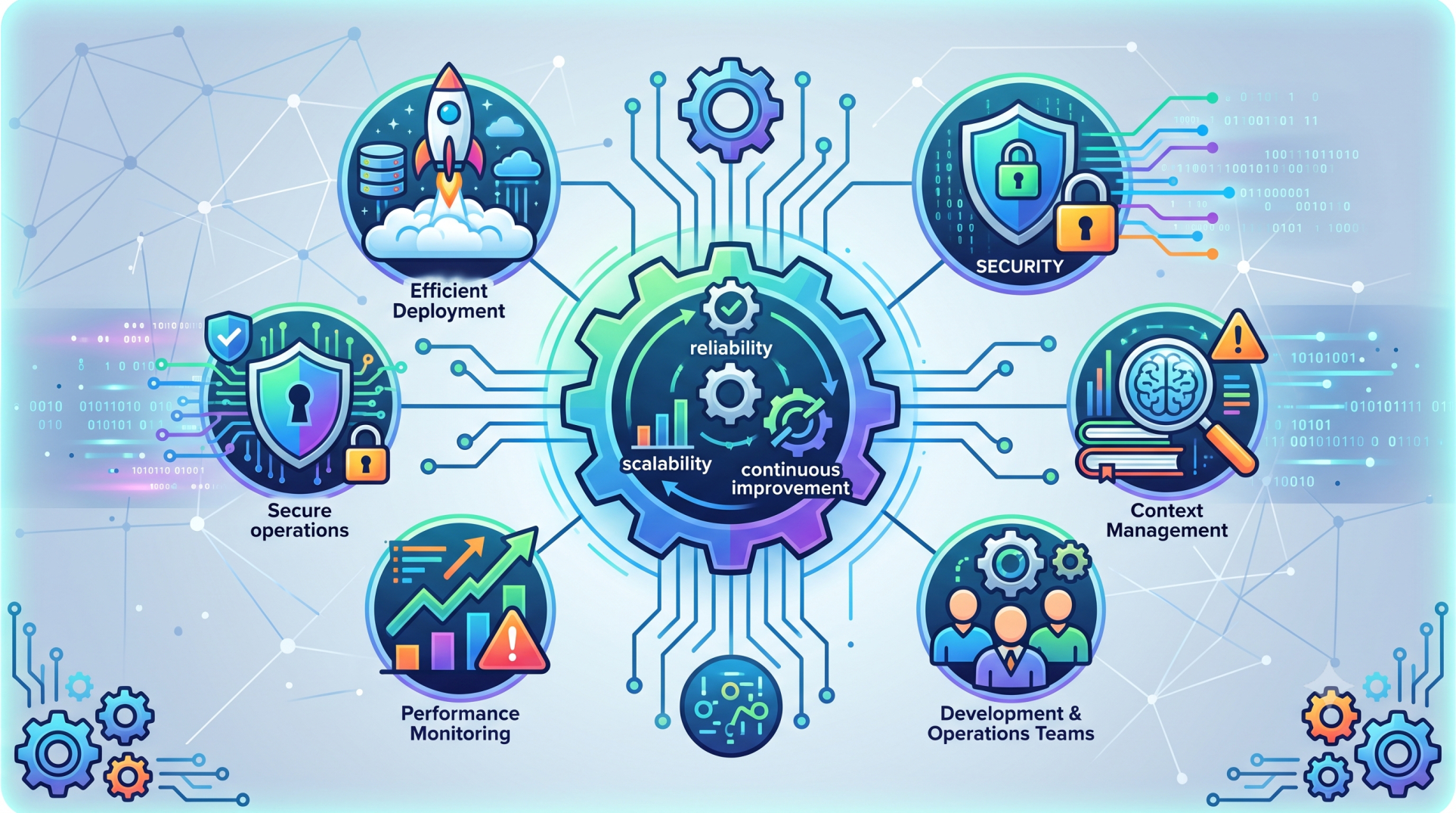
• Scalable architecture for high-volume interactions 📈
• Seamless integration with enterprise systems 🔗
Step 9: Handling Exceptions and Edge Cases ⚠️
• Detect and manage ambiguous or complex user queries ⚠️
• Escalate to human agents when necessary 👥
• Handle channel-specific limitations and constraints 📱
• Maintain continuity during system interruptions 🔄
• Improve system resilience through continuous learning 📊
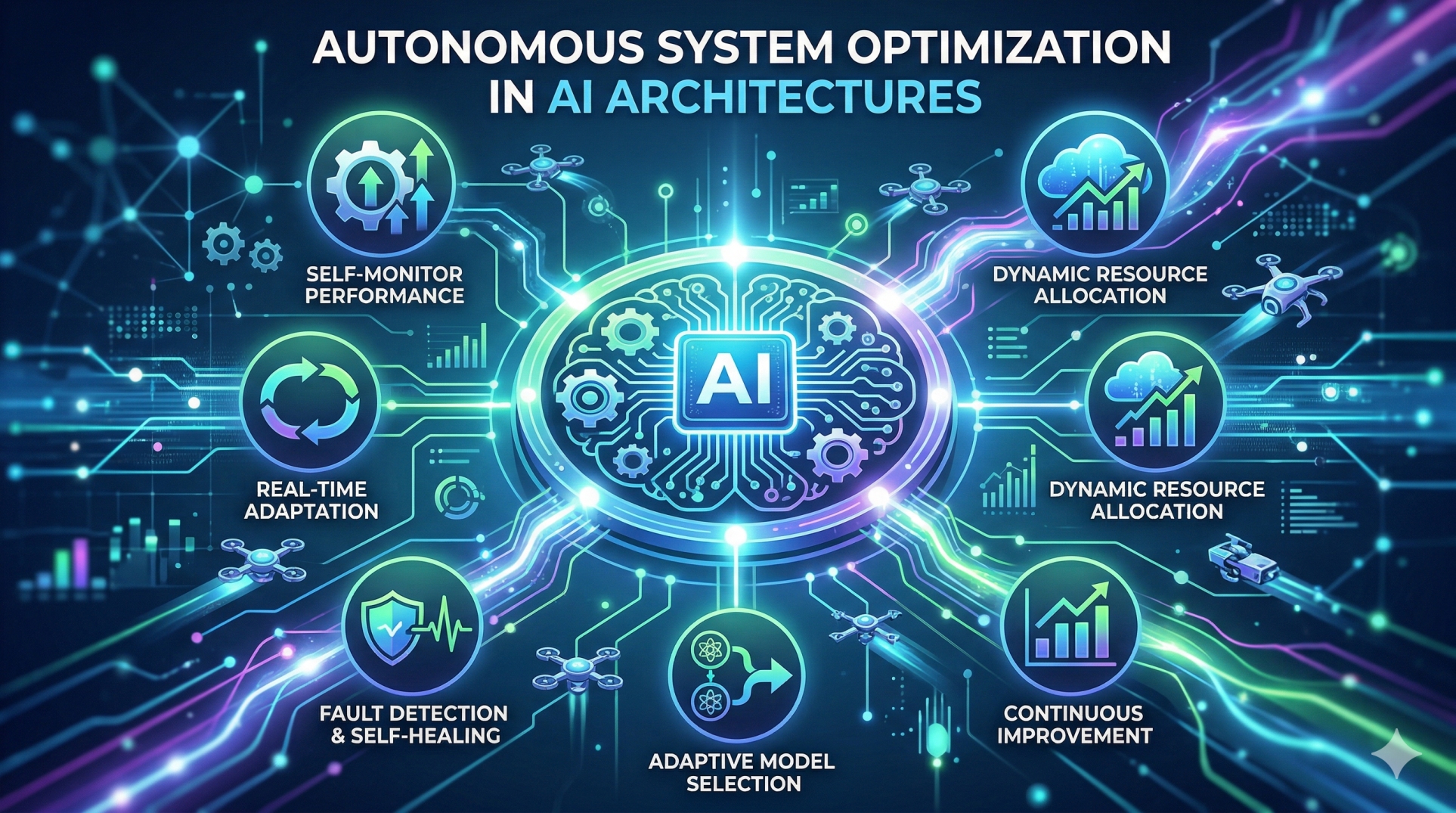
Step 10: Building a Future-Ready AI Ecosystem 🌟
• Design systems to support new communication channels 📡
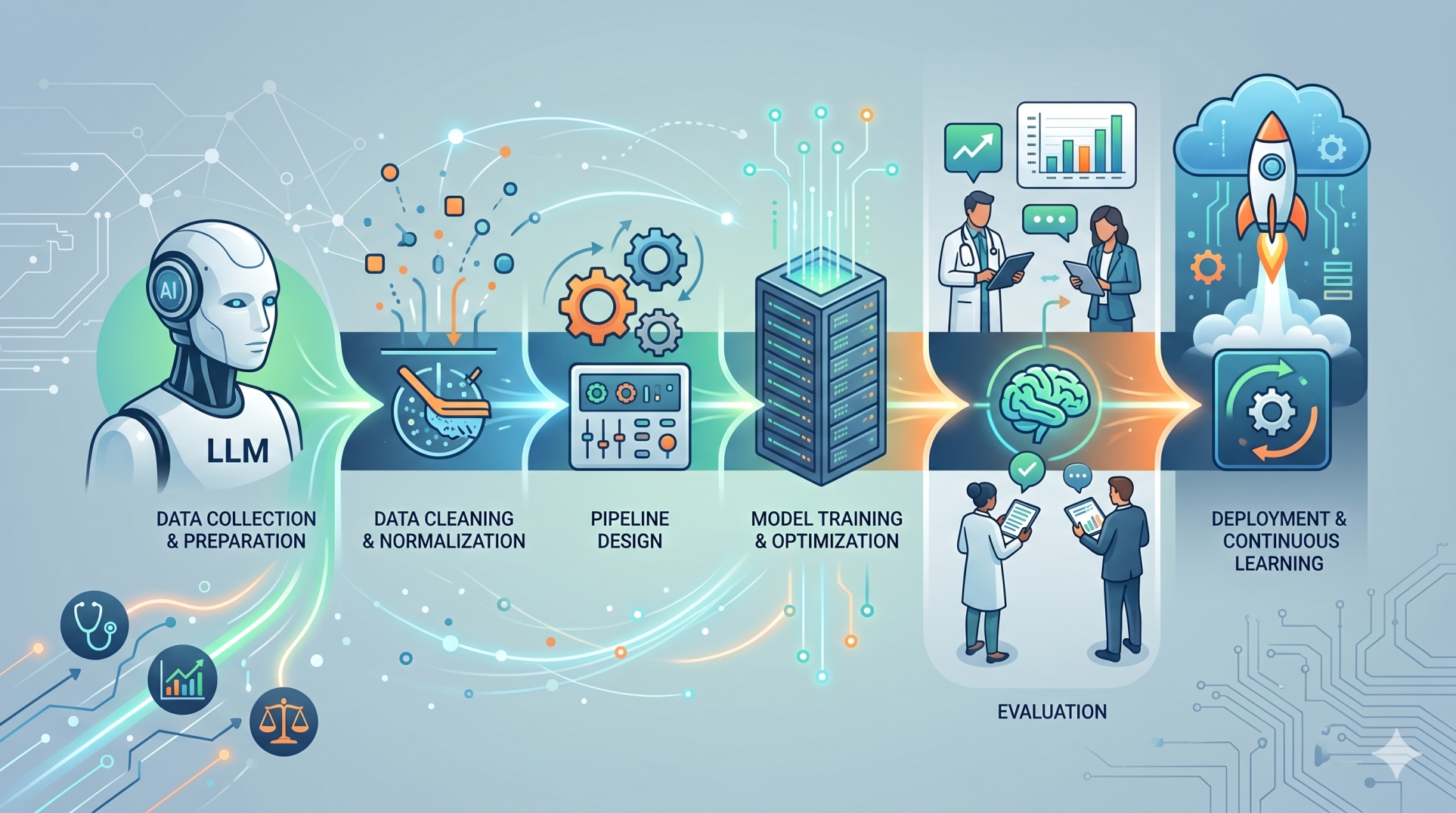
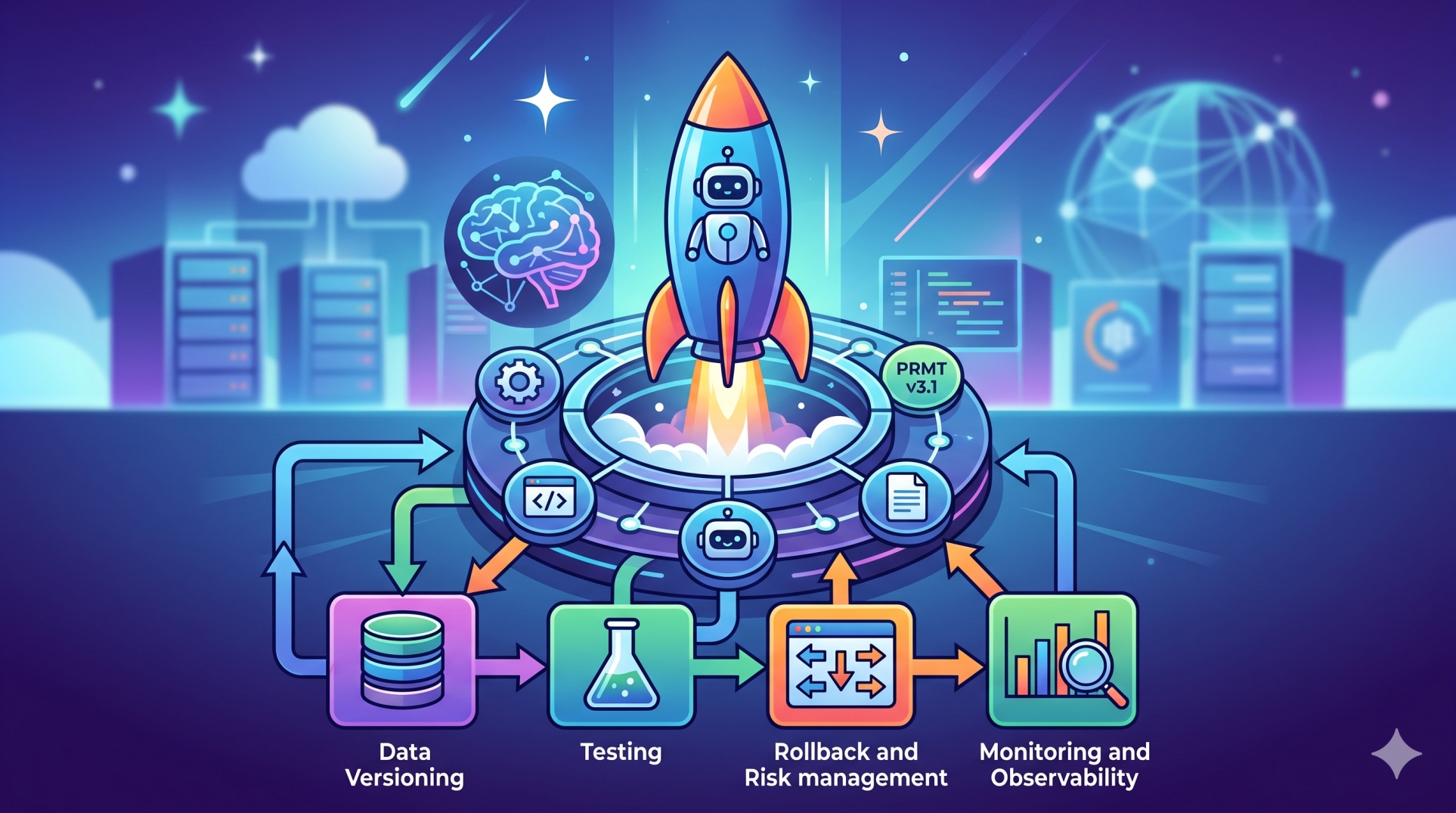
• Continuously evolve models with updated data and feedback 🔄
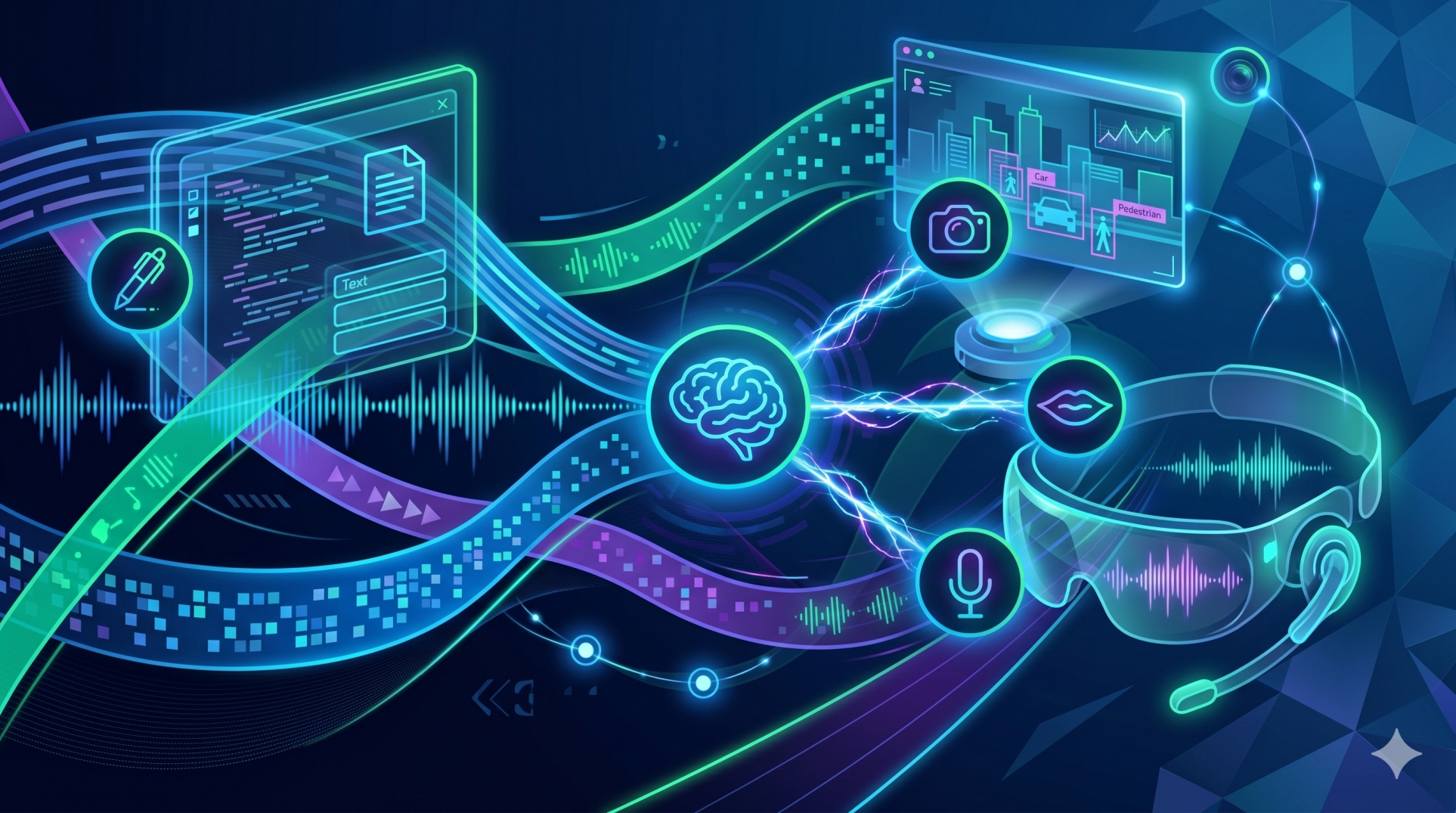
• Incorporate advanced AI capabilities like voice and multimodal interaction 🎙️
• Scale infrastructure to handle growing user demand 📦
• Align AI systems with long-term digital transformation goals 🚀
Conclusion
Cross-channel AI systems powered by LLM software are transforming how businesses interact with customers. By unifying communication, centralizing data, and enabling intelligent automation, organizations can deliver consistent, personalized, and efficient experiences across every touchpoint. As customer expectations continue to evolve, these systems provide the foundation for scalable, future-ready engagement strategies.
See more blogs
You can all the articles below