Internal Tooling for LLM Application Development
Internal Tooling for LLM Application Development
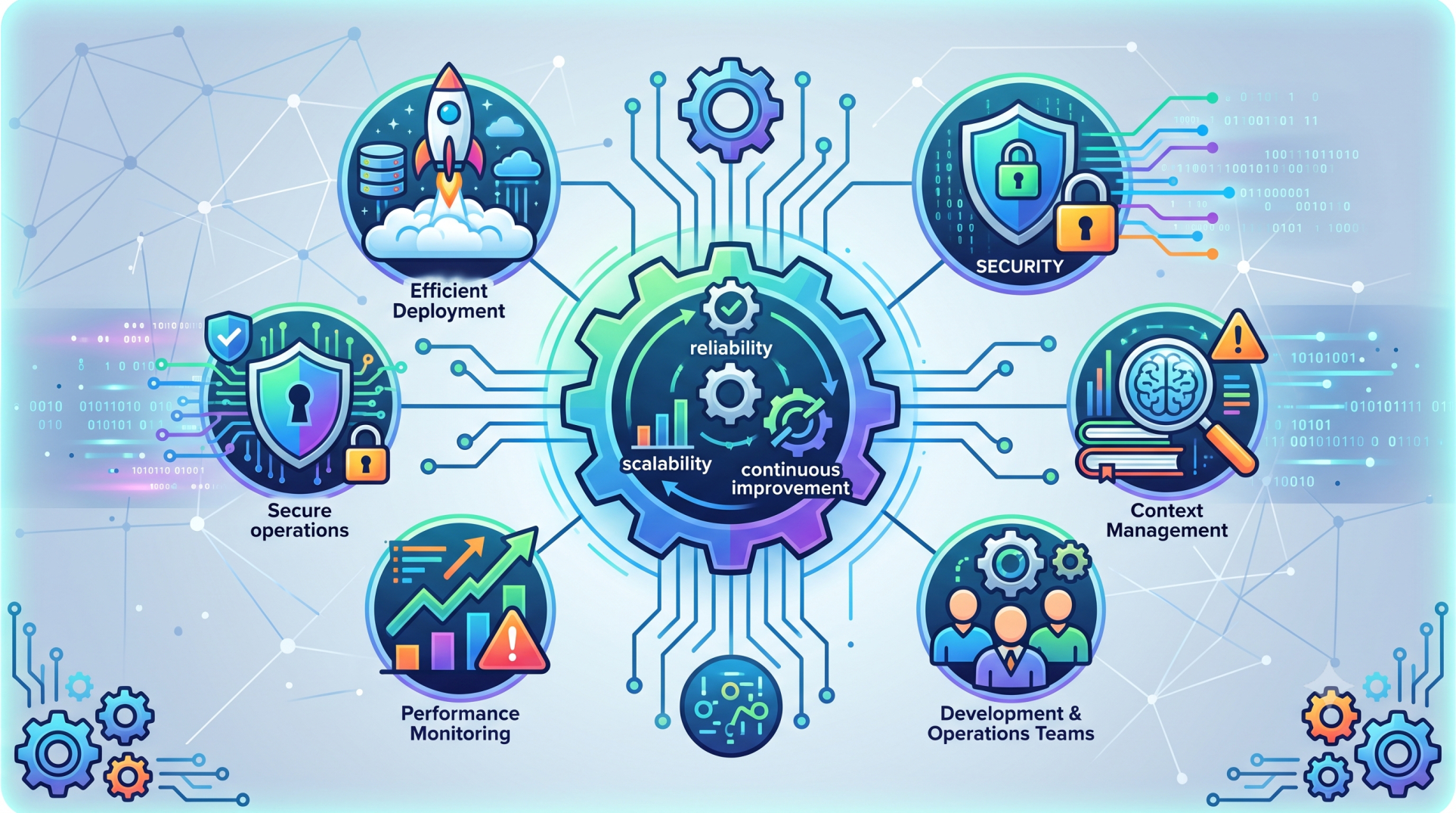
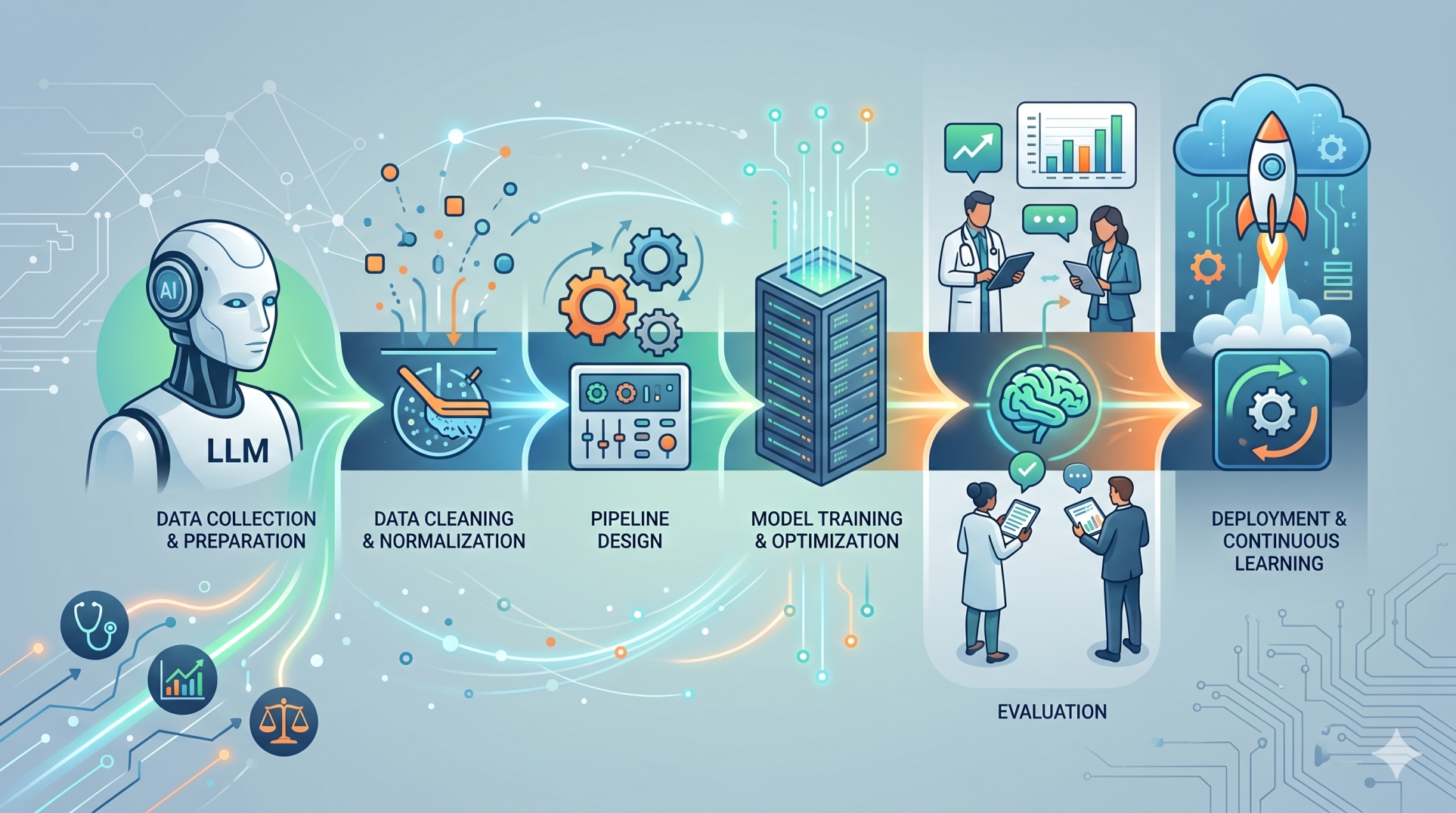
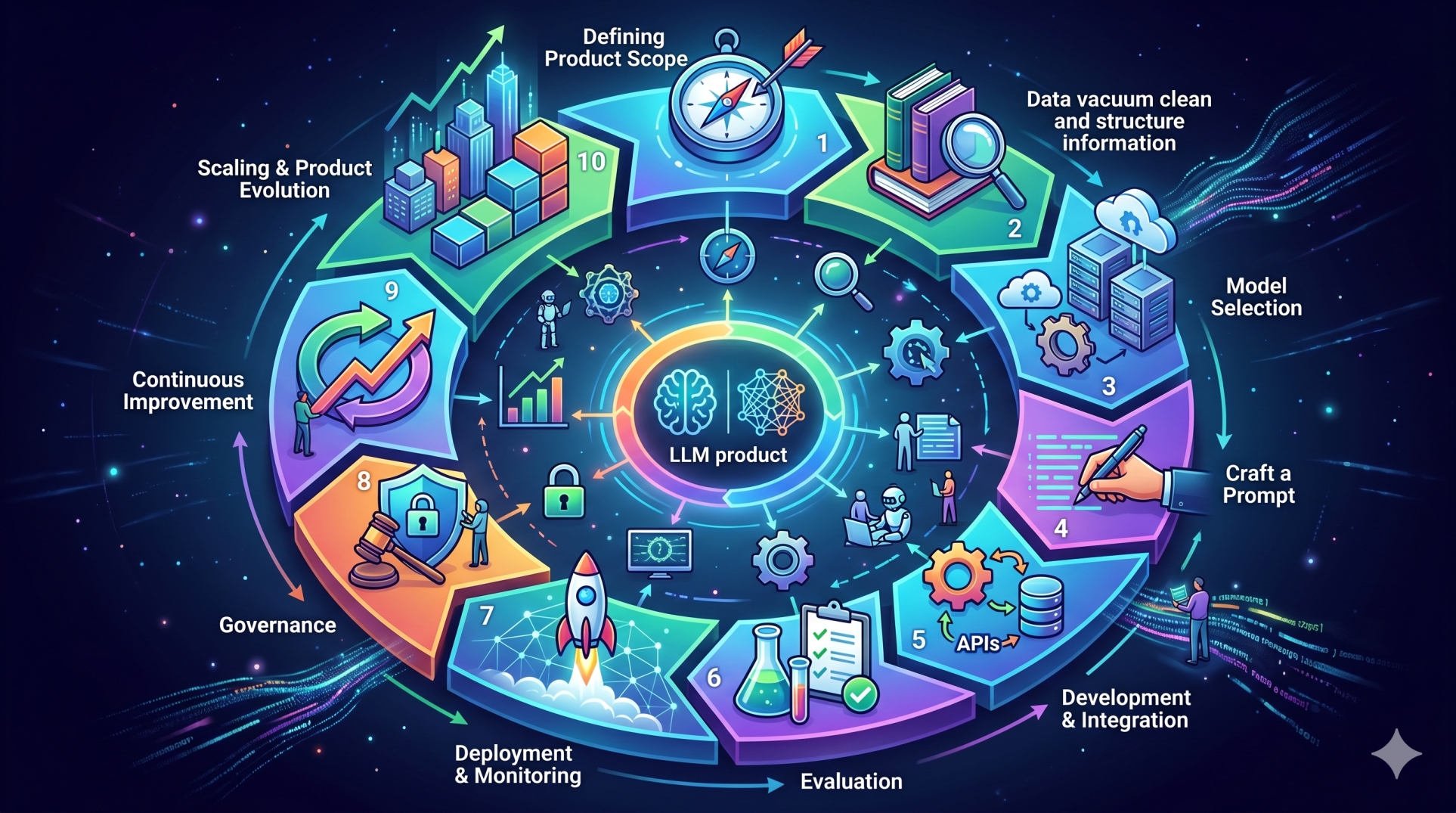
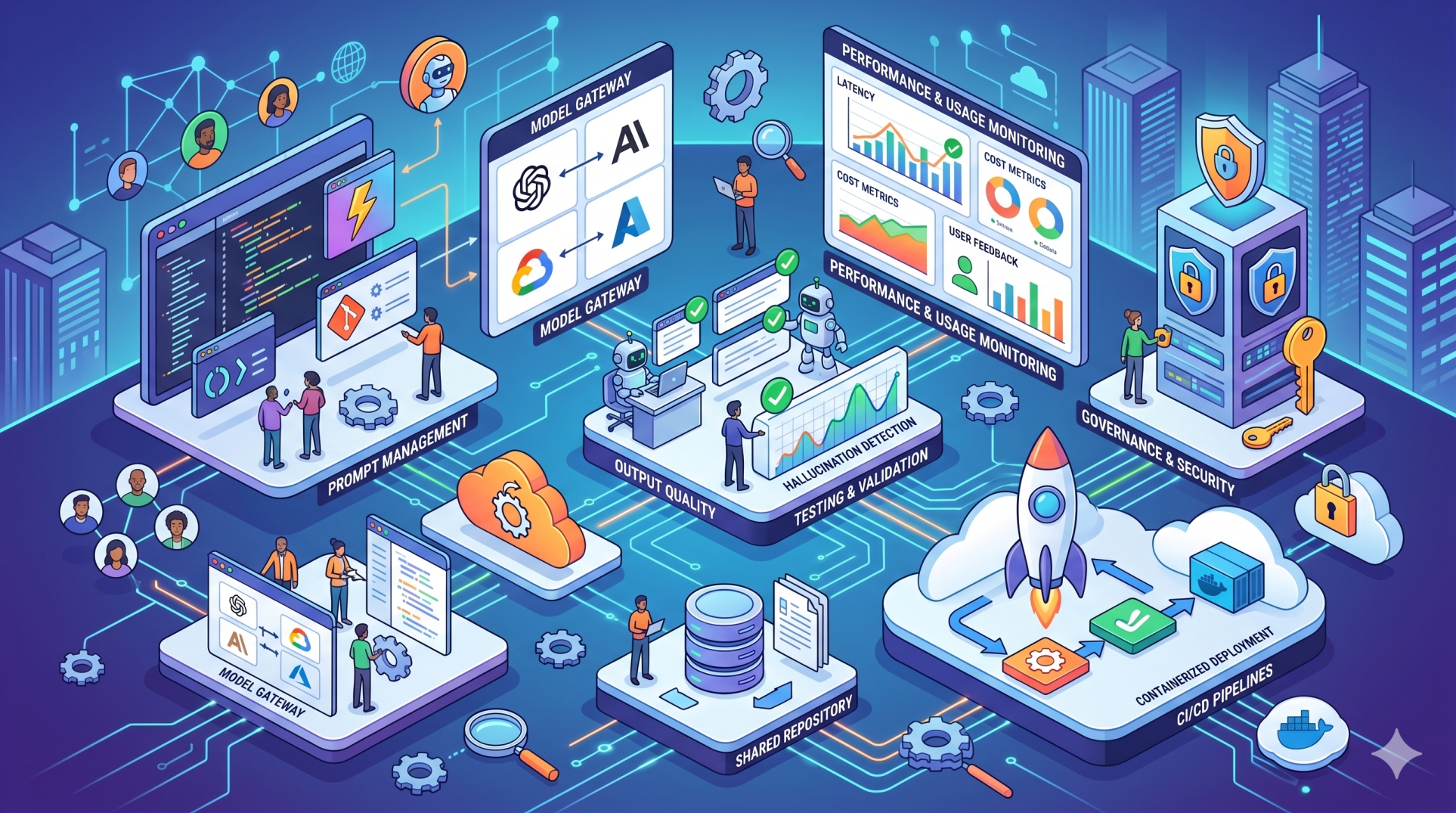
As organizations accelerate the adoption of Large Language Model (LLM) applications, the need for robust internal tooling has become increasingly important. Developing AI-powered systems at scale requires more than model integration alone. Teams need efficient frameworks, monitoring systems, testing environments, and deployment pipelines to manage performance, reliability, security, and continuous improvement. Well-designed internal tooling enables faster development cycles, improved governance, and scalable AI operations.
Step 1: Establishing the Development Foundation 🛠️
• Define standardized workflows for LLM application development
• Create reusable components and shared development libraries
• Establish coding standards and architectural guidelines
• Build centralized repositories for prompts, models, and configurations
• Enable collaboration across engineering and AI teams
Step 2: Managing Prompt Engineering Efficiently ✍️
• Develop internal prompt management systems
• Version and track prompt changes systematically
• Test prompts across multiple scenarios and edge cases
• Store reusable prompt templates for common workflows
• Monitor prompt effectiveness and response quality
Step 3: Building Model Integration Frameworks 🔗
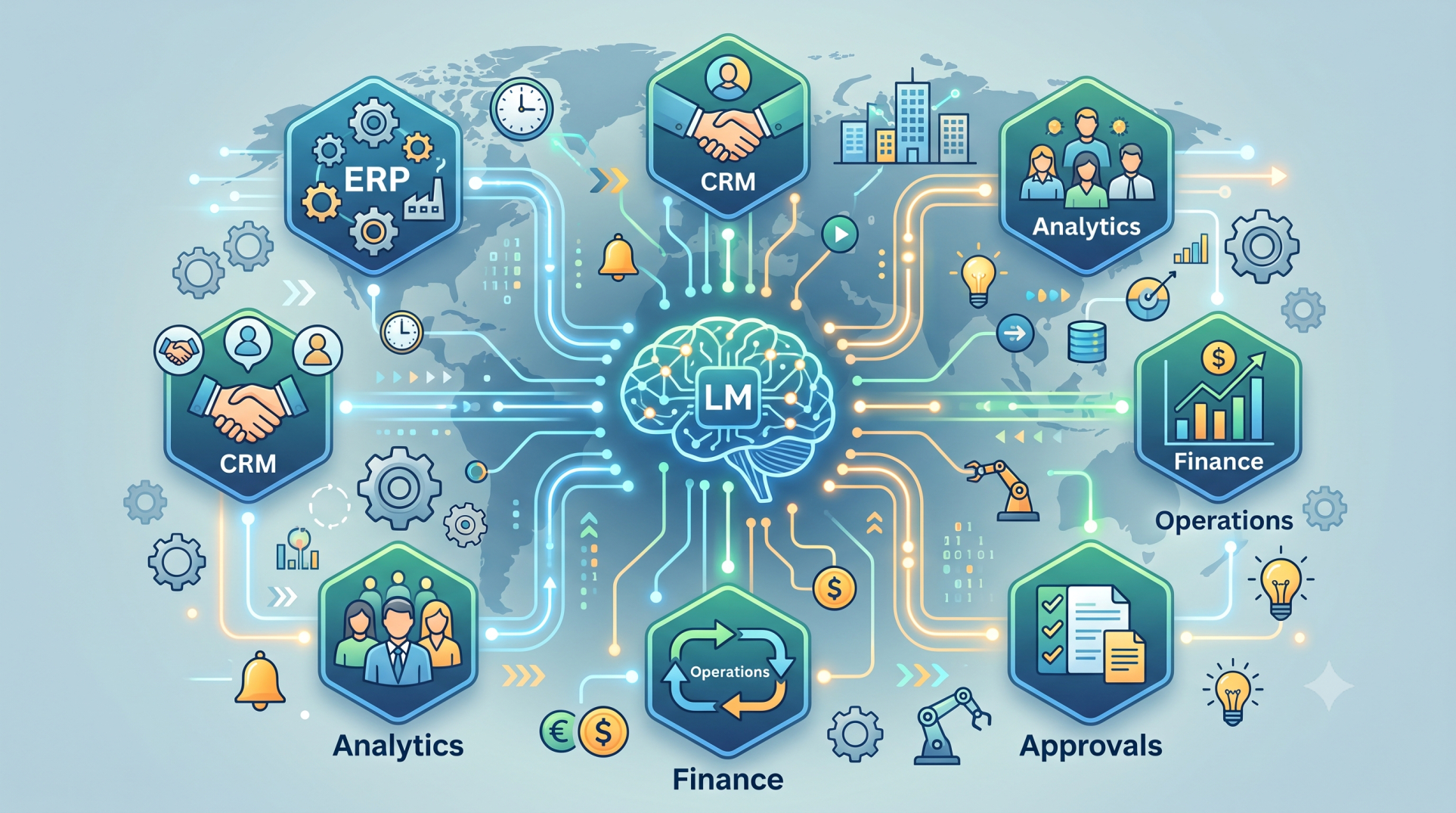
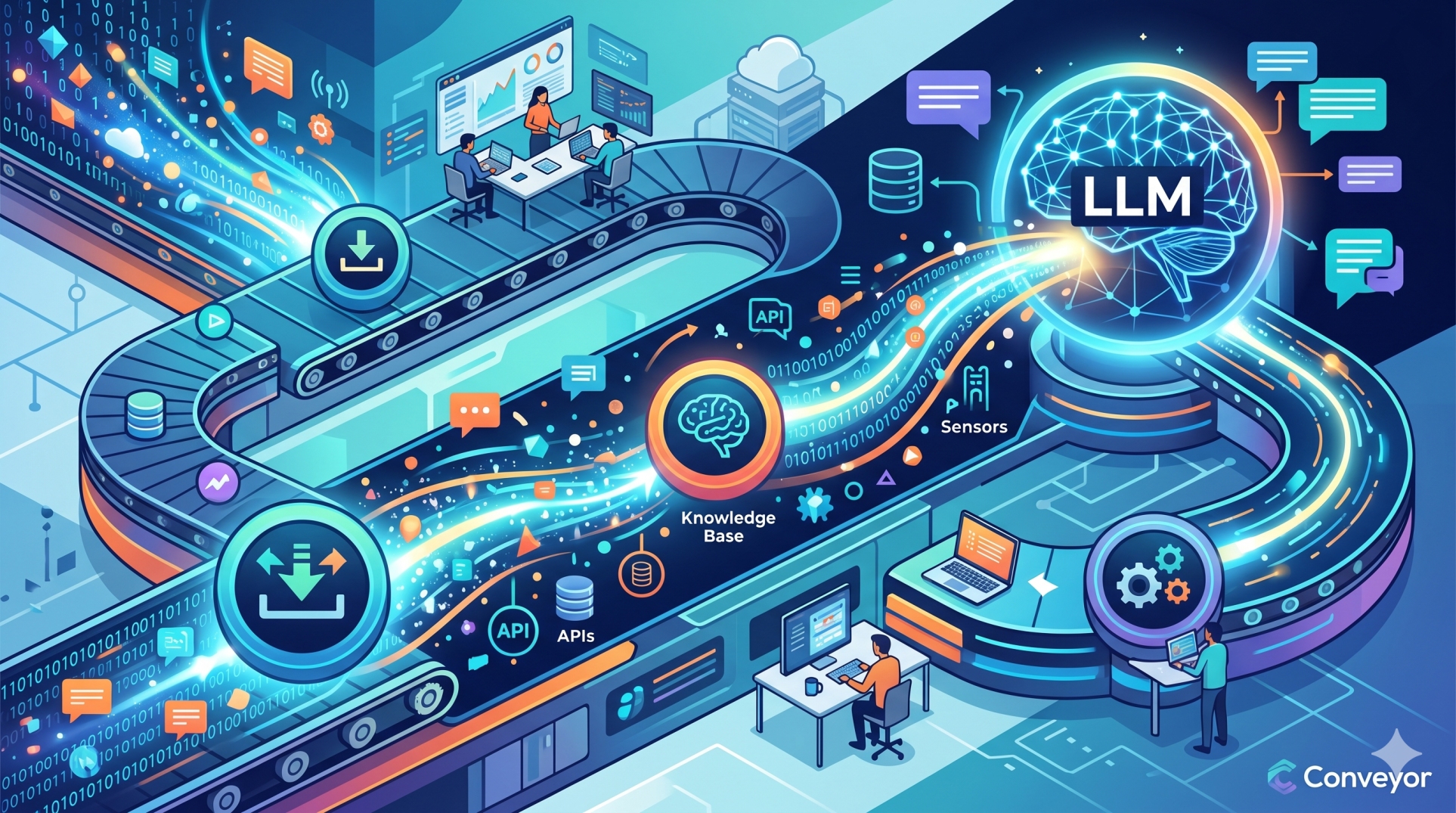
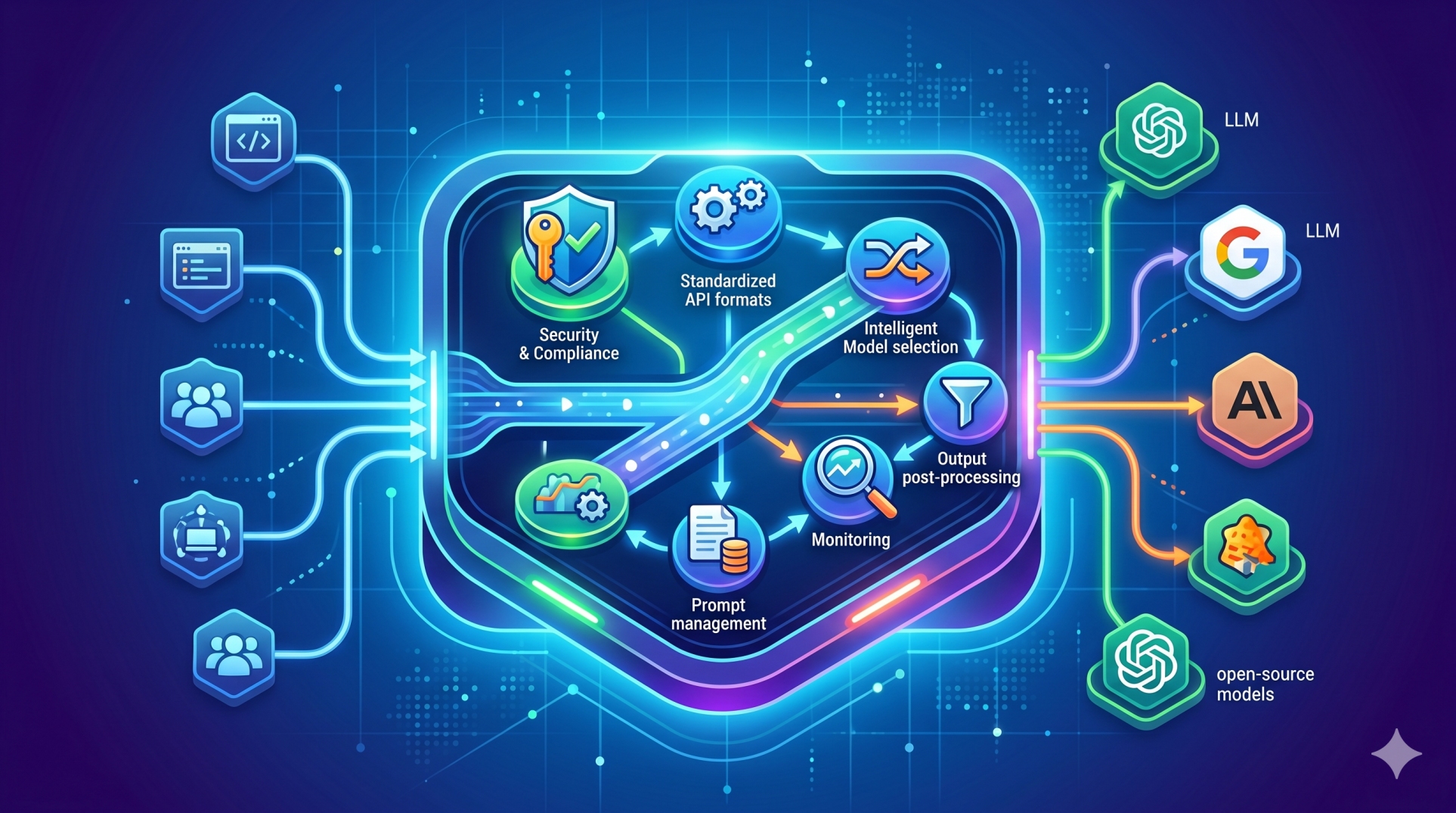
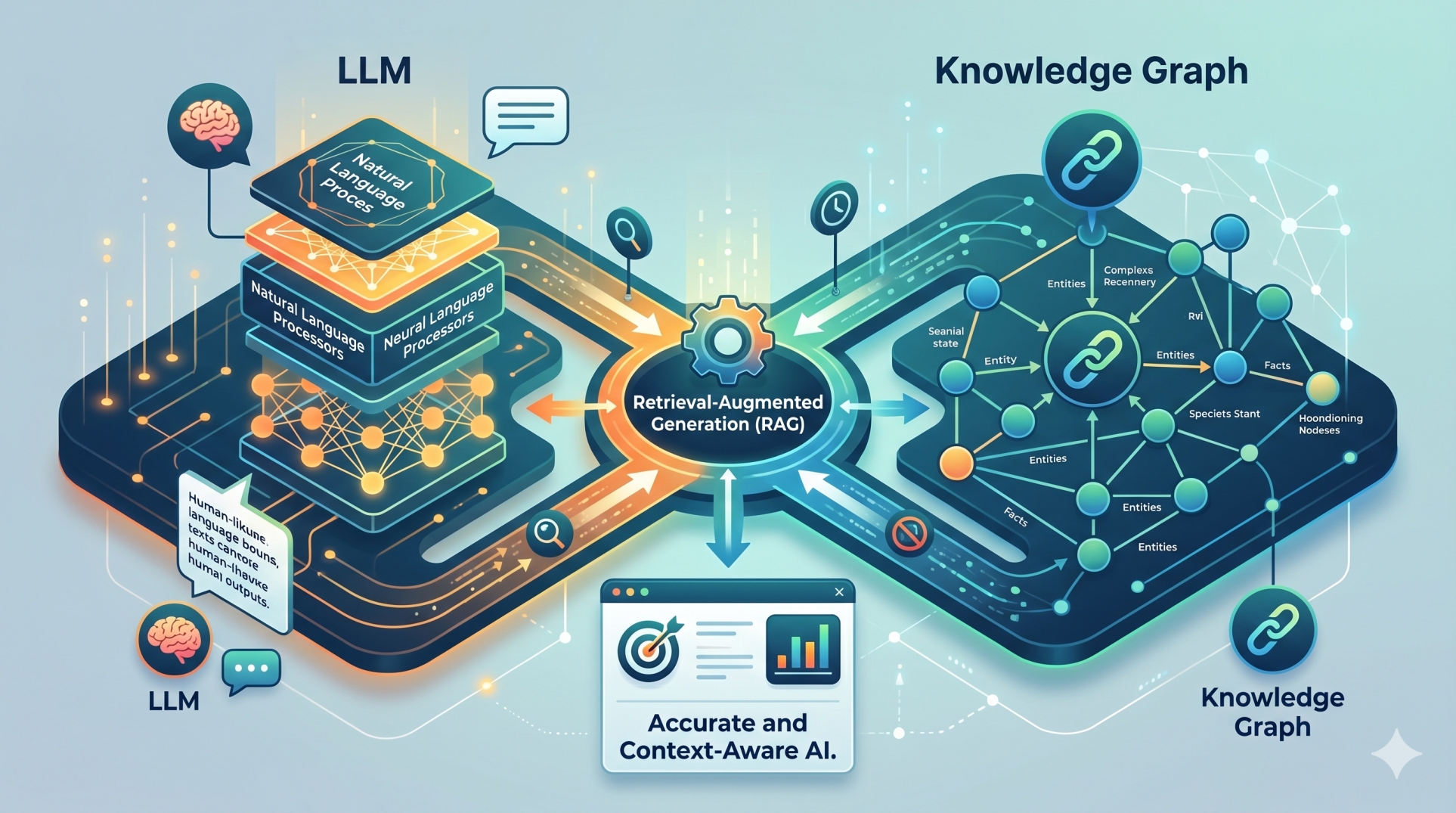
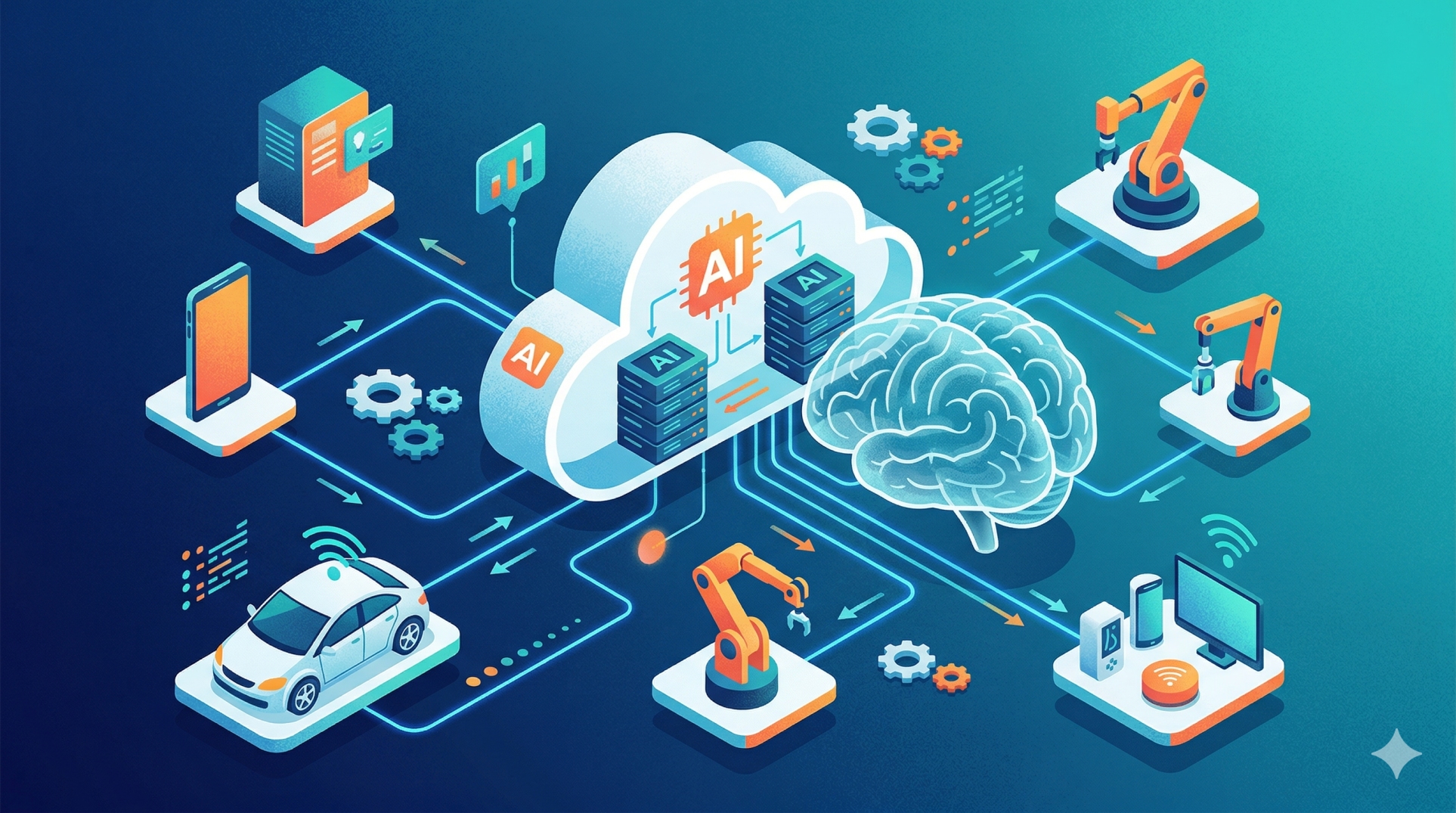
• Simplify integration with multiple LLM providers and APIs
• Create abstraction layers for model interoperability
• Enable seamless switching between models when needed
• Standardize authentication and API management
• Reduce development complexity through reusable connectors
Step 4: Implementing Testing and Validation Systems ✅
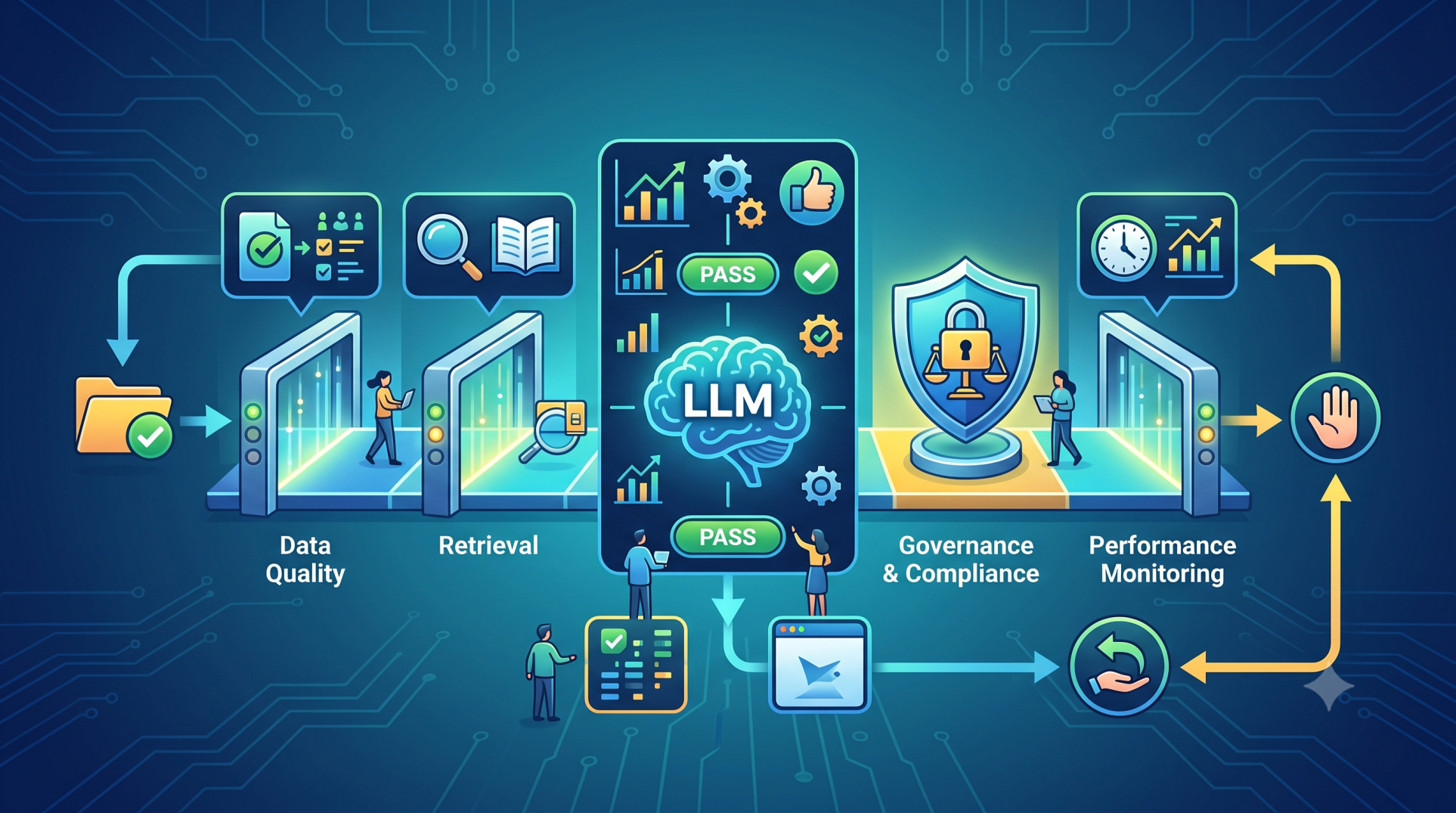
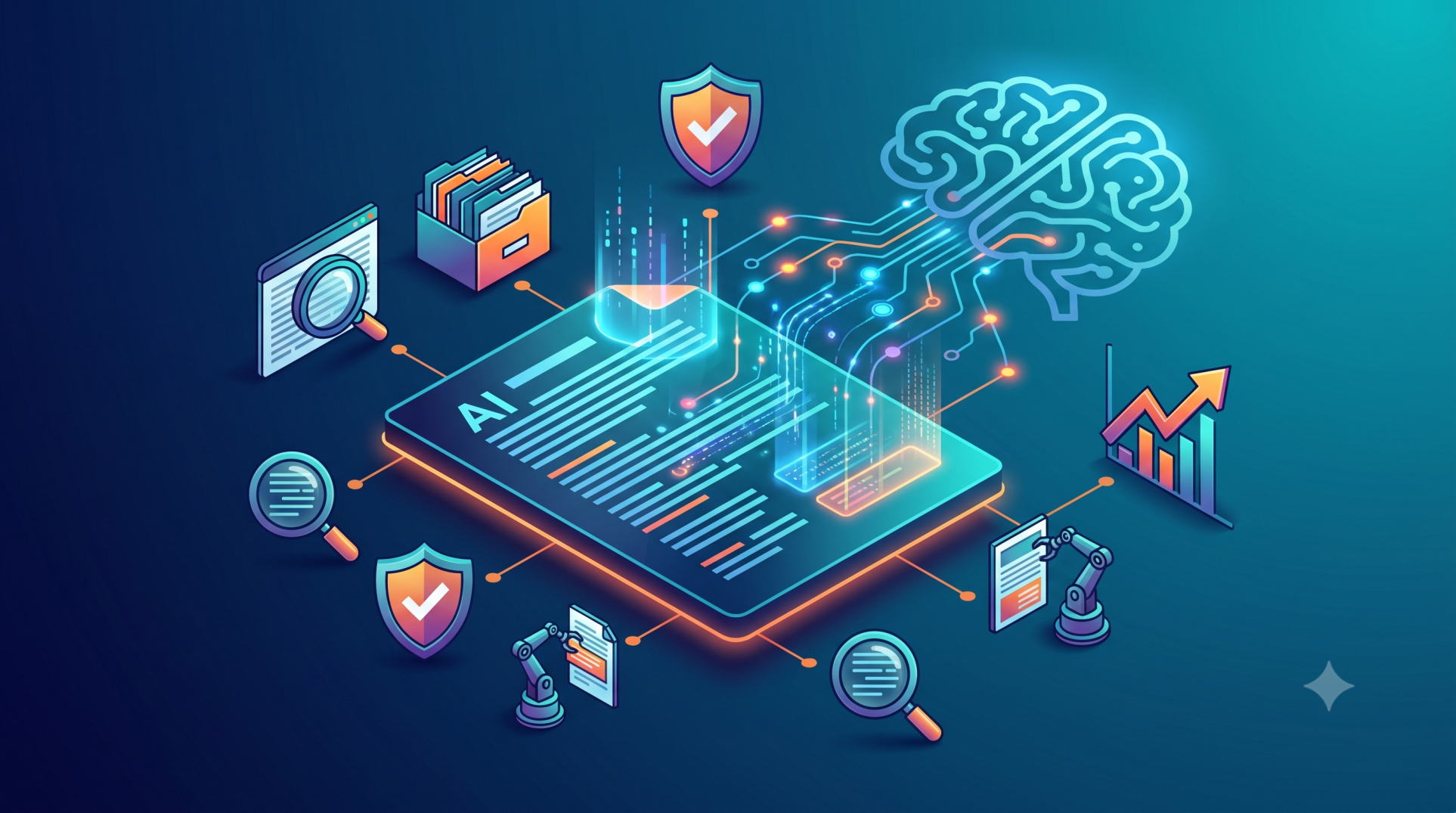
• Build automated testing pipelines for LLM outputs
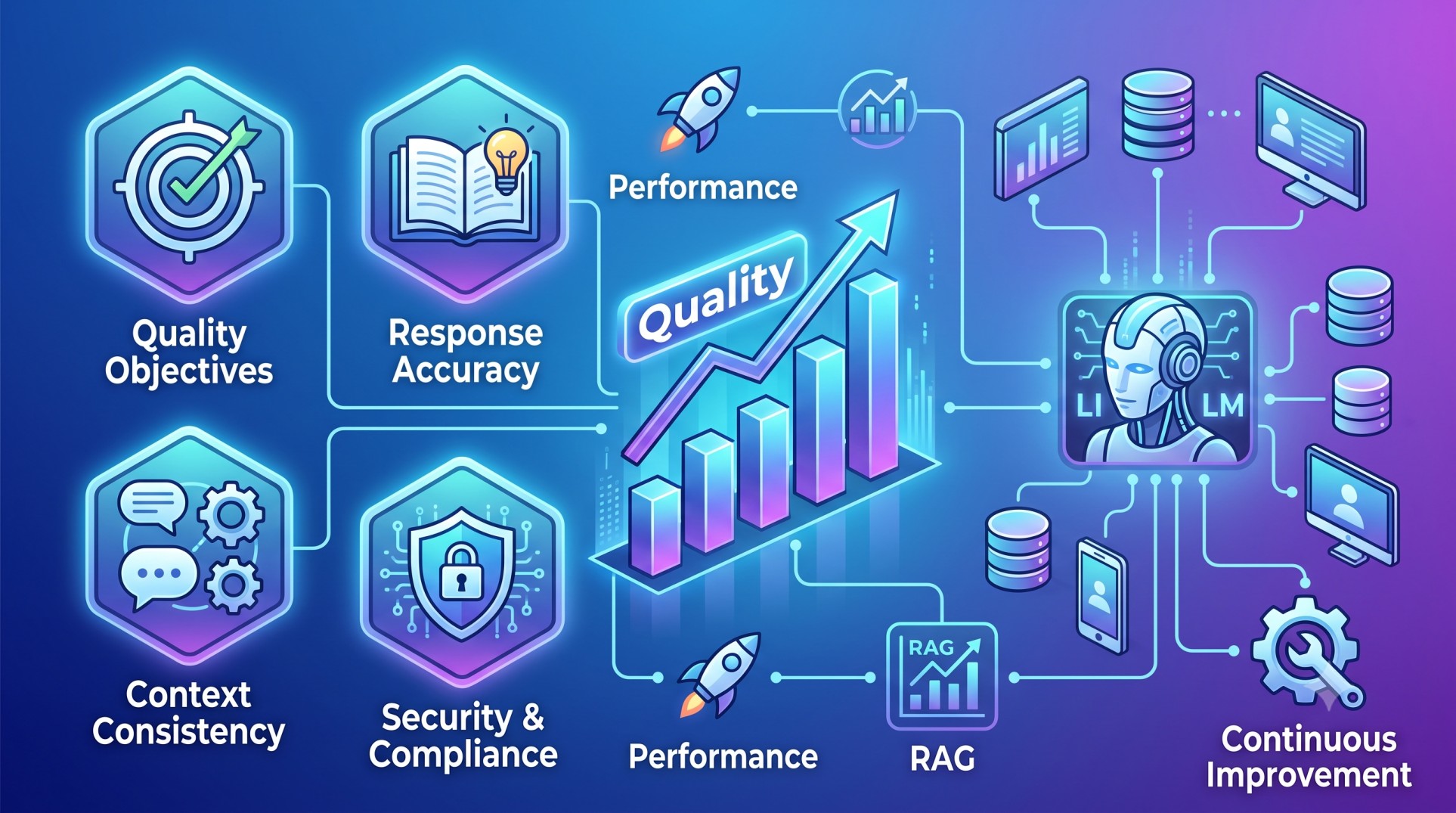
• Validate response accuracy, consistency, and reliability
• Detect hallucinations and unsafe responses early
• Create benchmark datasets for evaluation
• Continuously monitor quality across deployments
Step 5: Monitoring Performance and Usage 📊
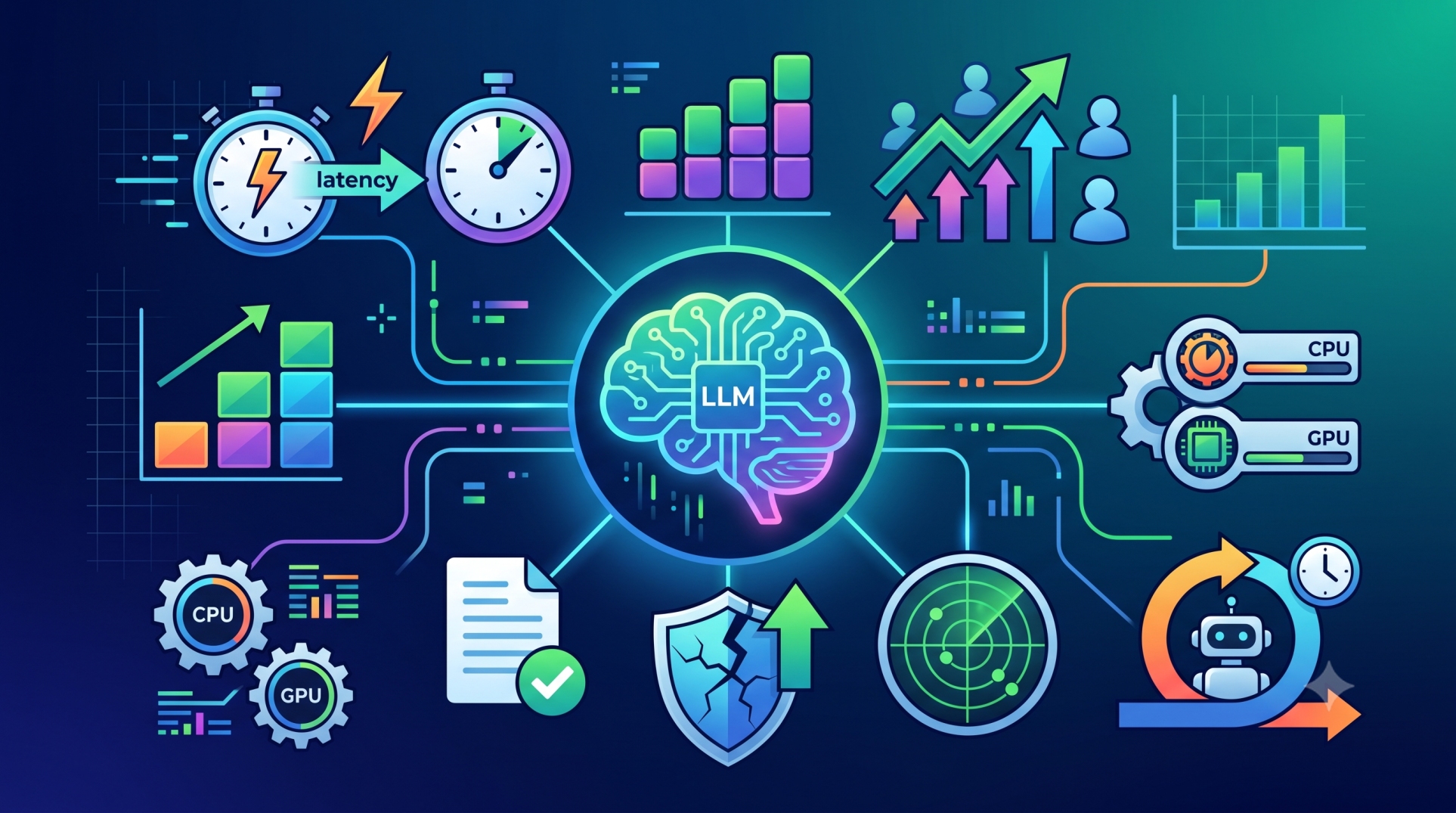
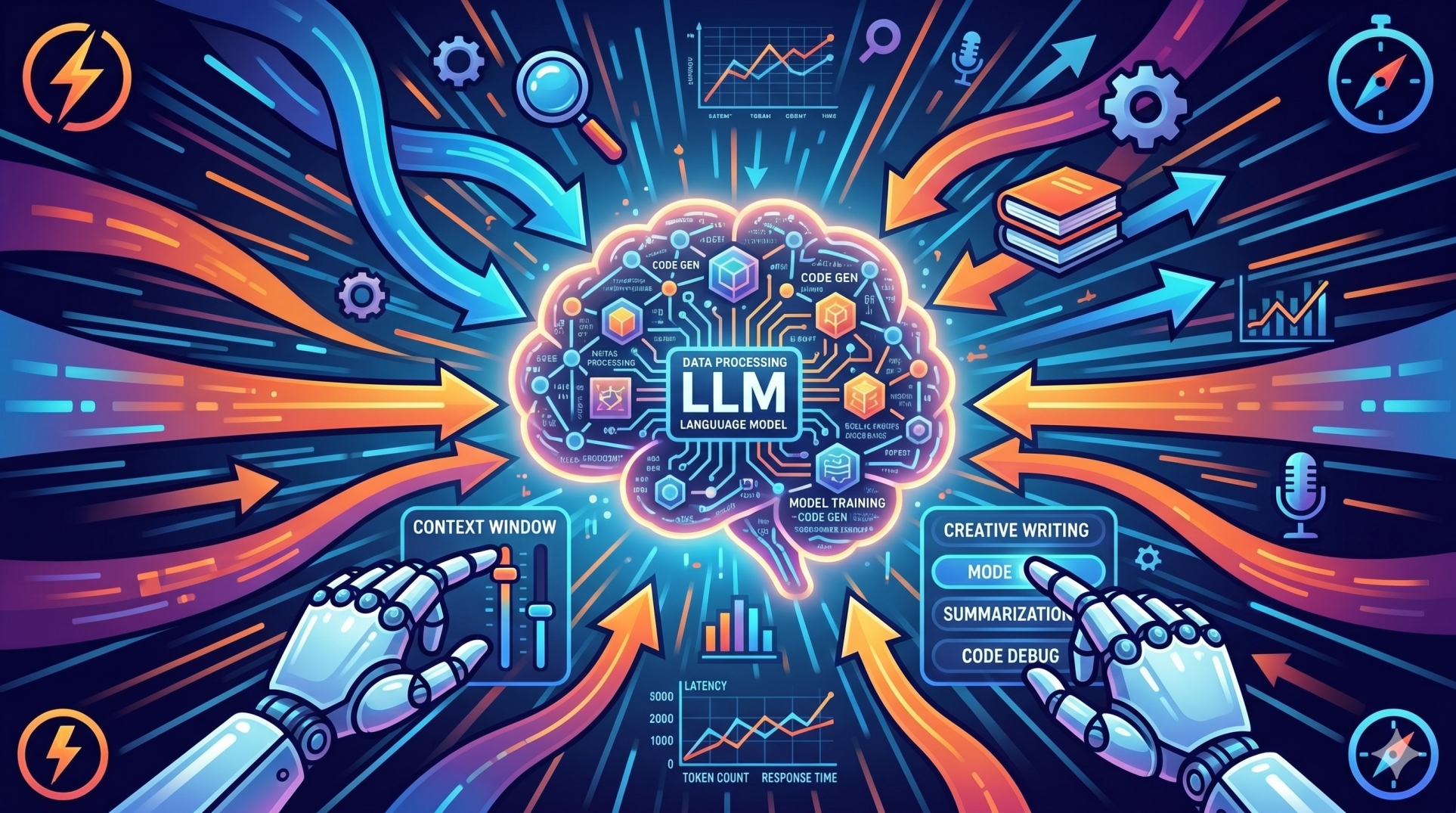
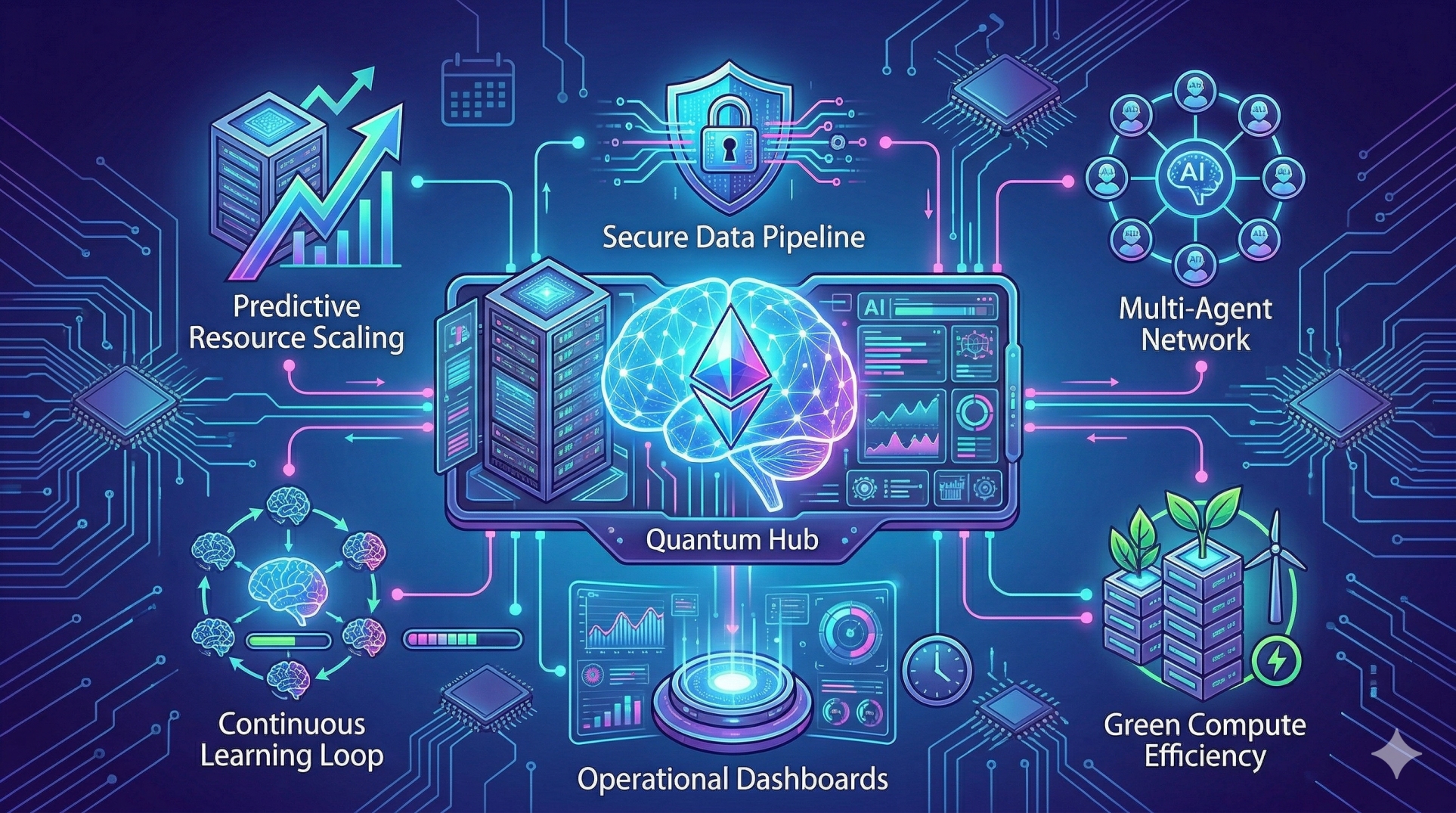
• Track latency, throughput, and response quality metrics
• Monitor API consumption and operational costs
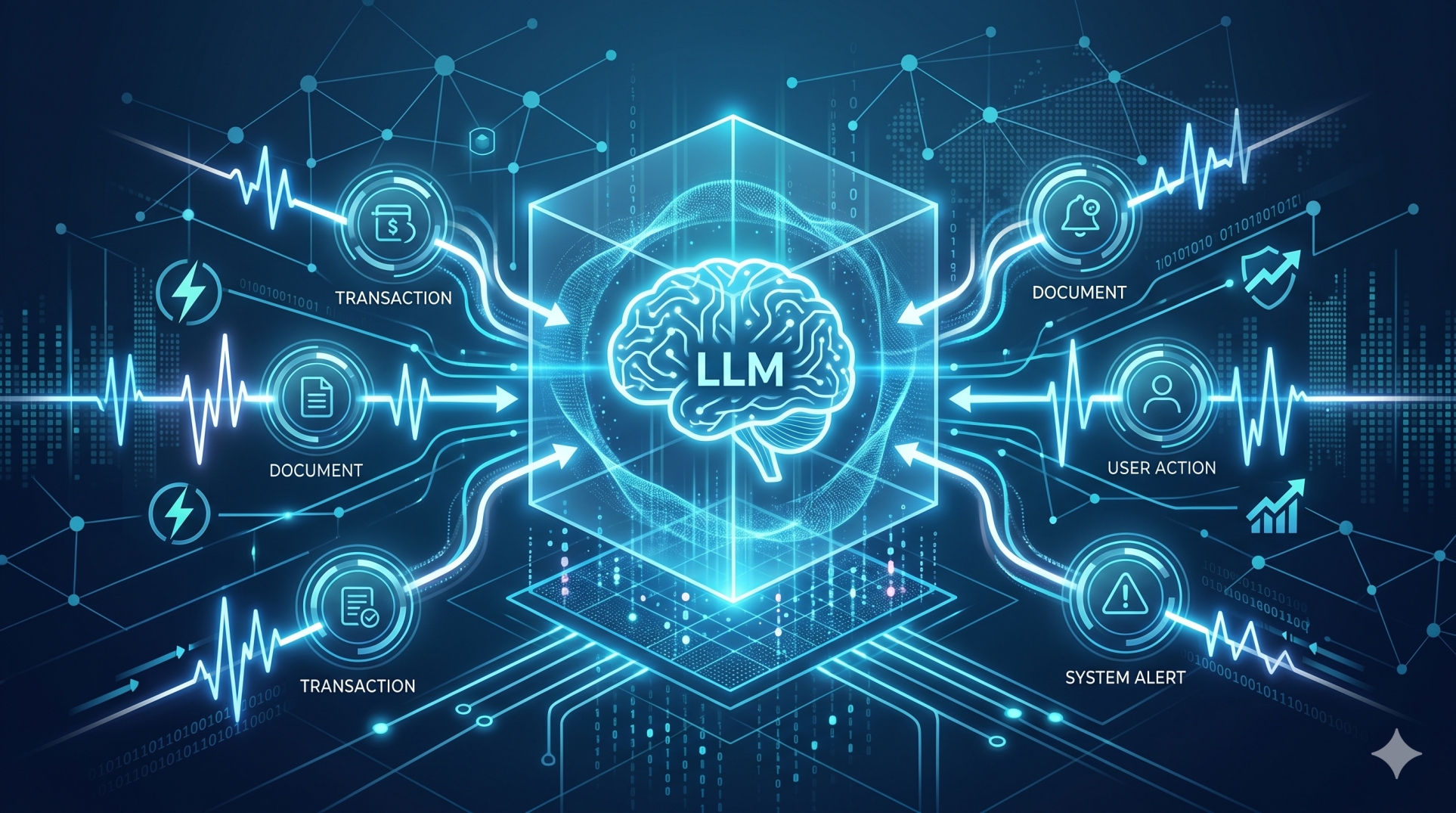
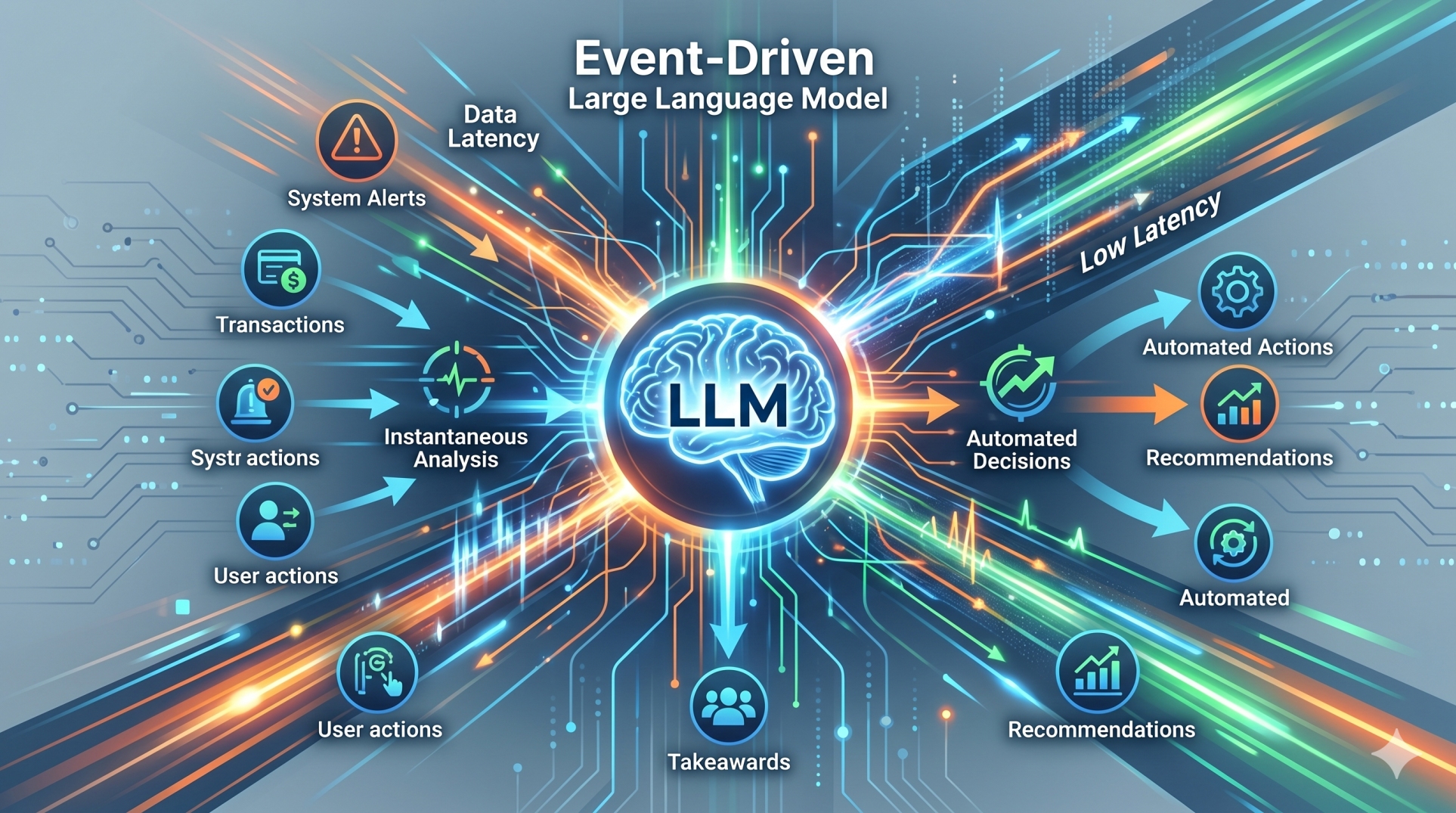
• Detect system failures and abnormal behaviors in real time
• Analyze user interactions and feedback trends
• Optimize system efficiency through continuous monitoring
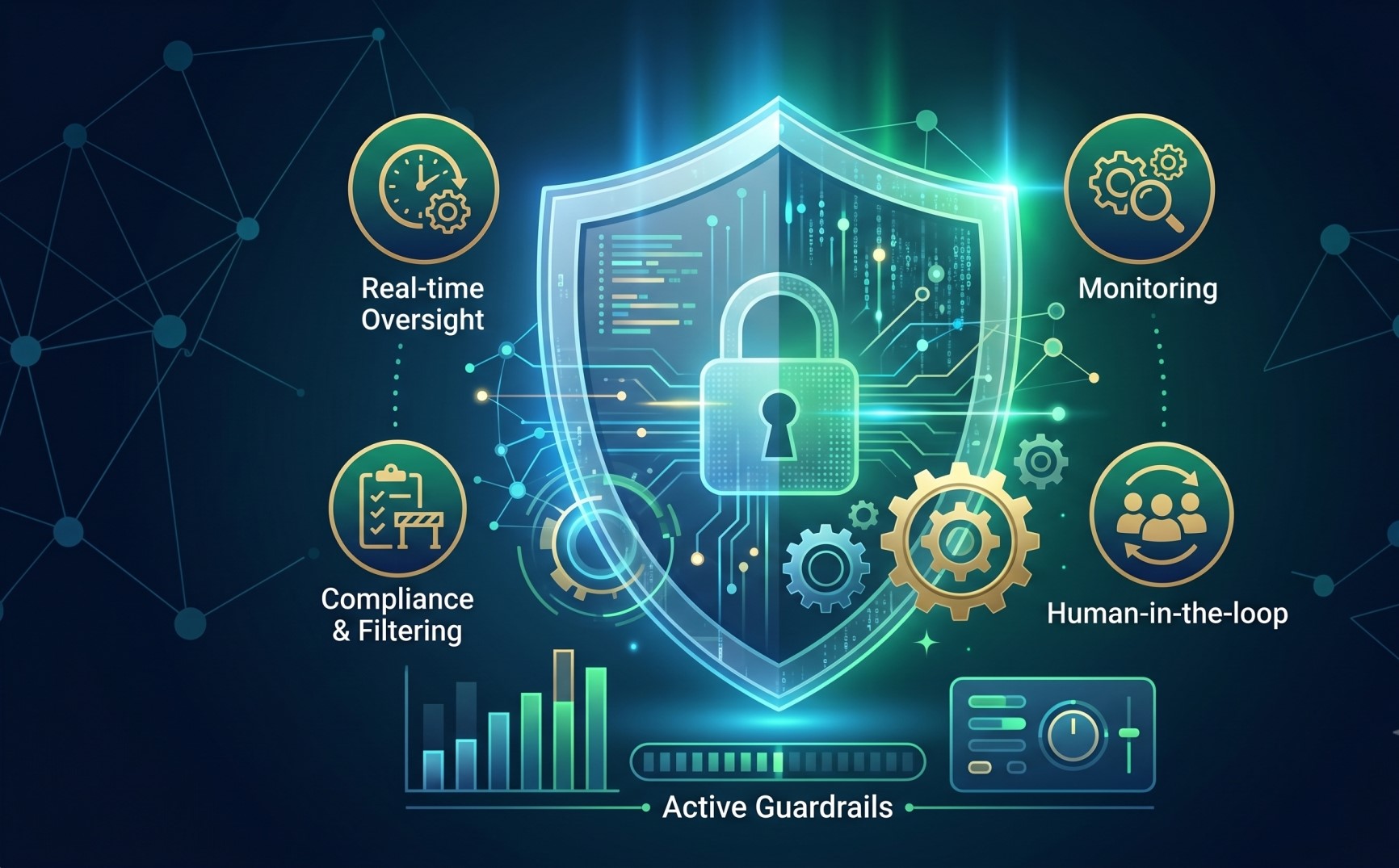
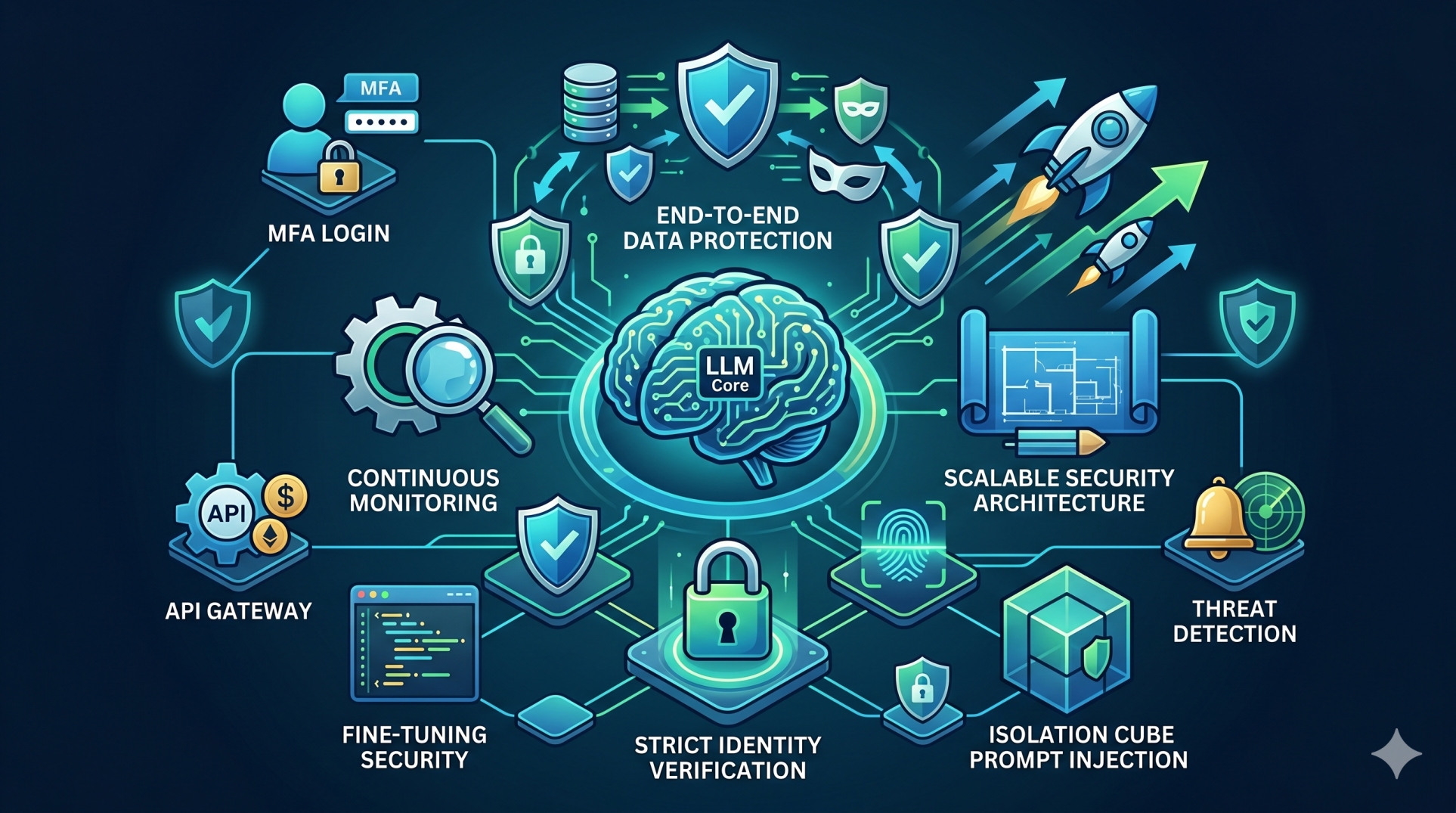
Step 6: Enabling Security and Governance 🔐
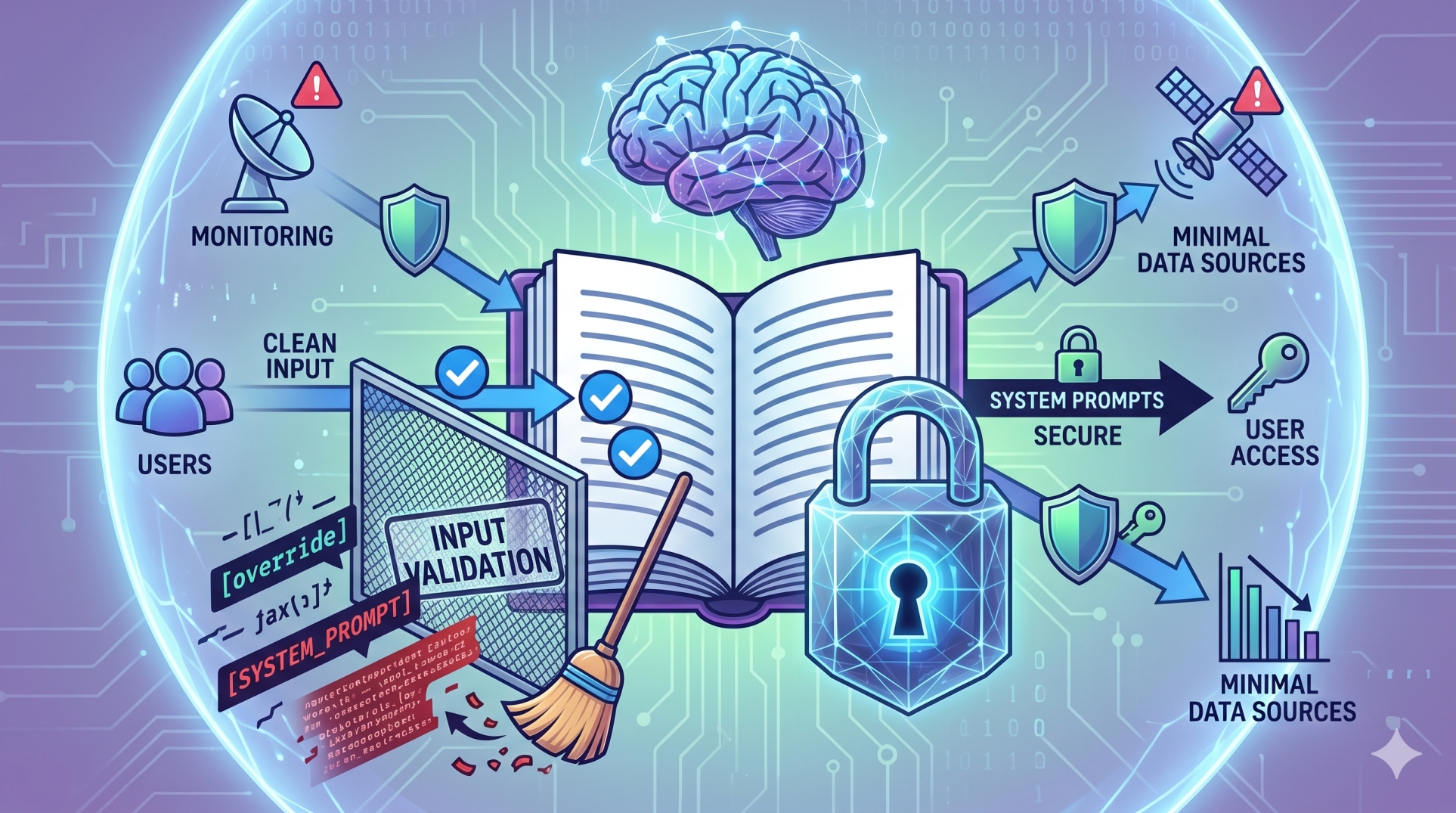
• Implement role-based access control for AI systems
• Protect sensitive data during model interactions
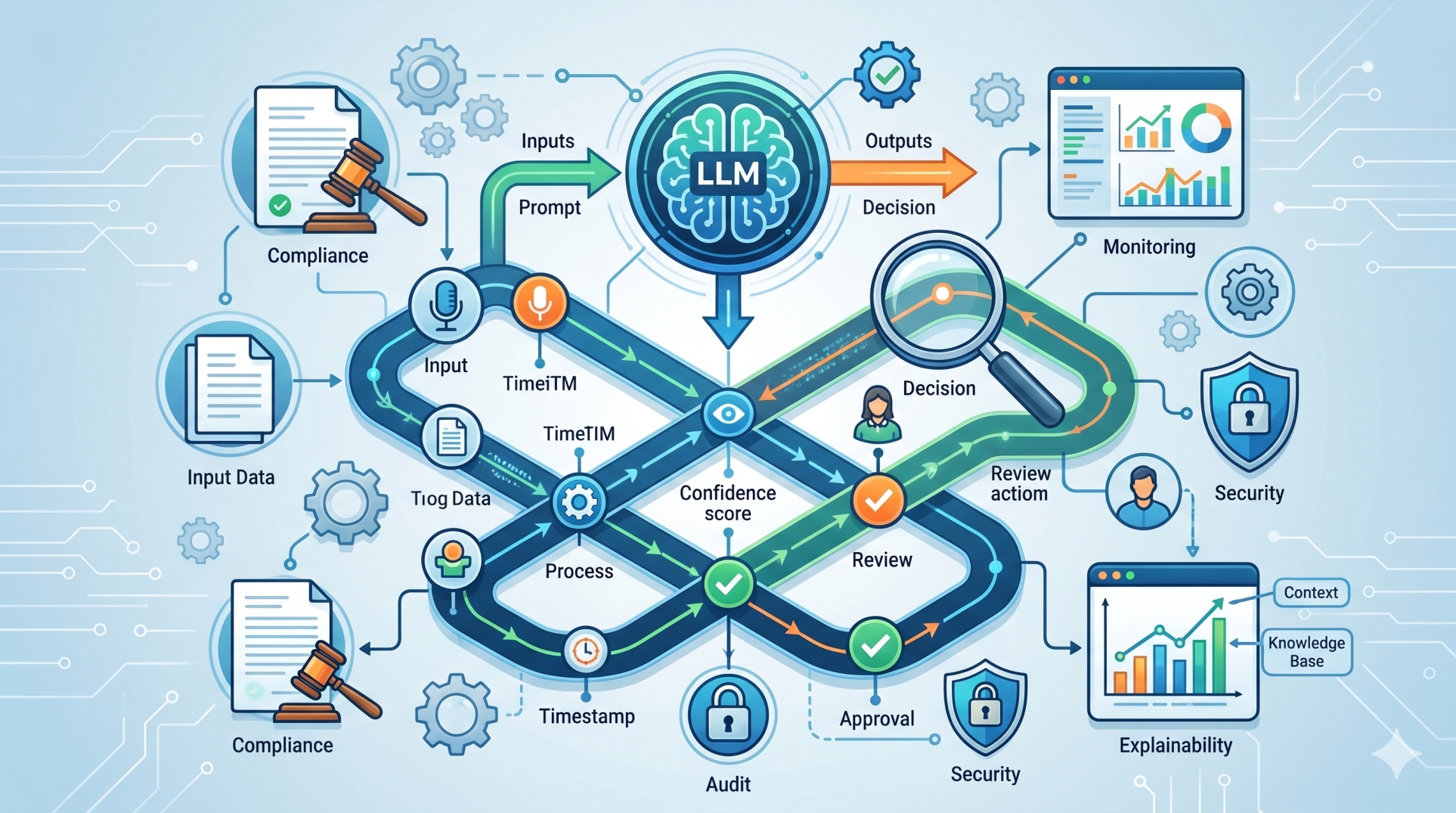
• Monitor compliance with organizational policies
• Maintain audit logs for prompts, outputs, and model usage
• Establish governance frameworks for responsible AI deployment
Step 7: Streamlining Deployment and Scaling 🚀
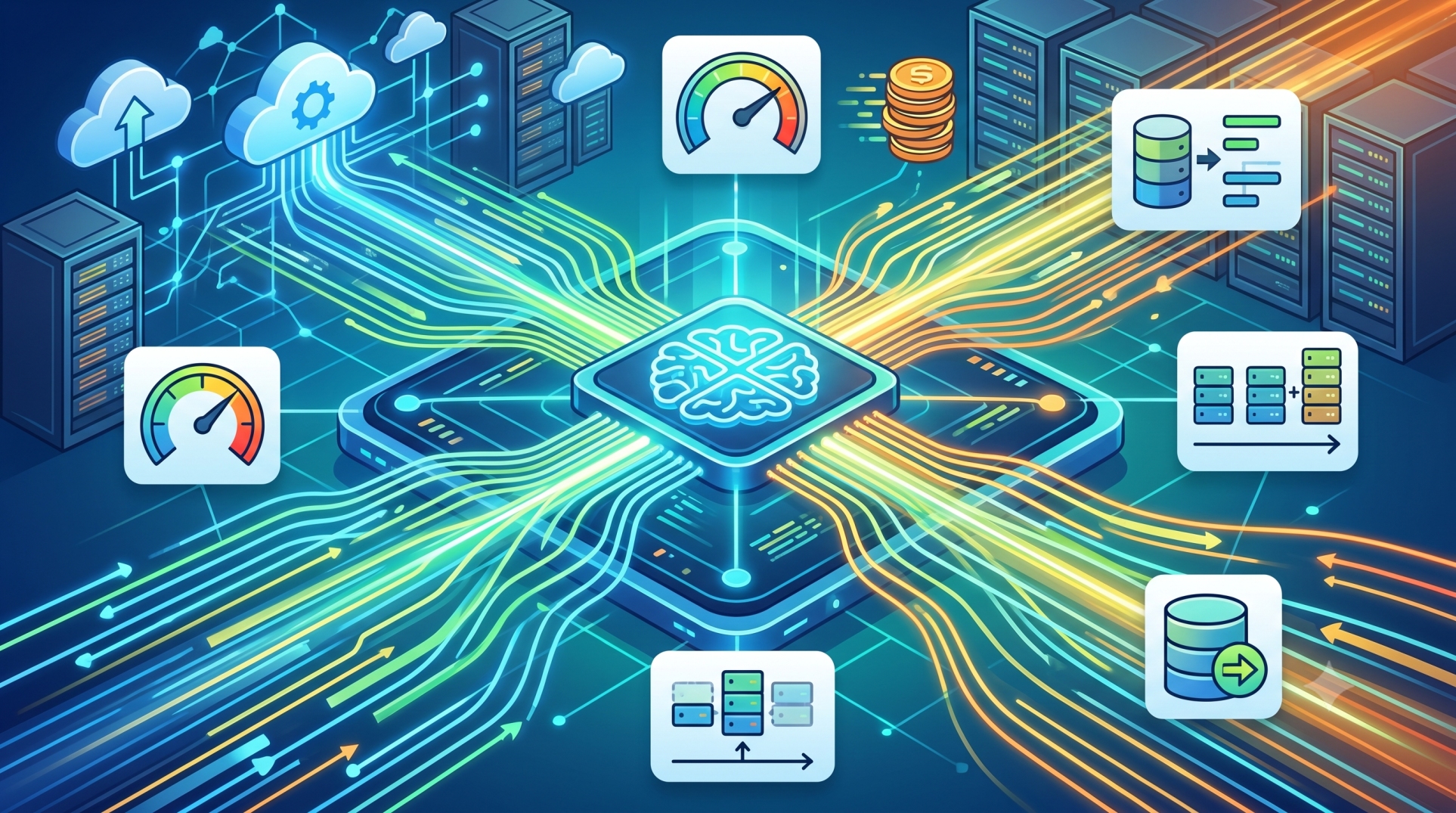
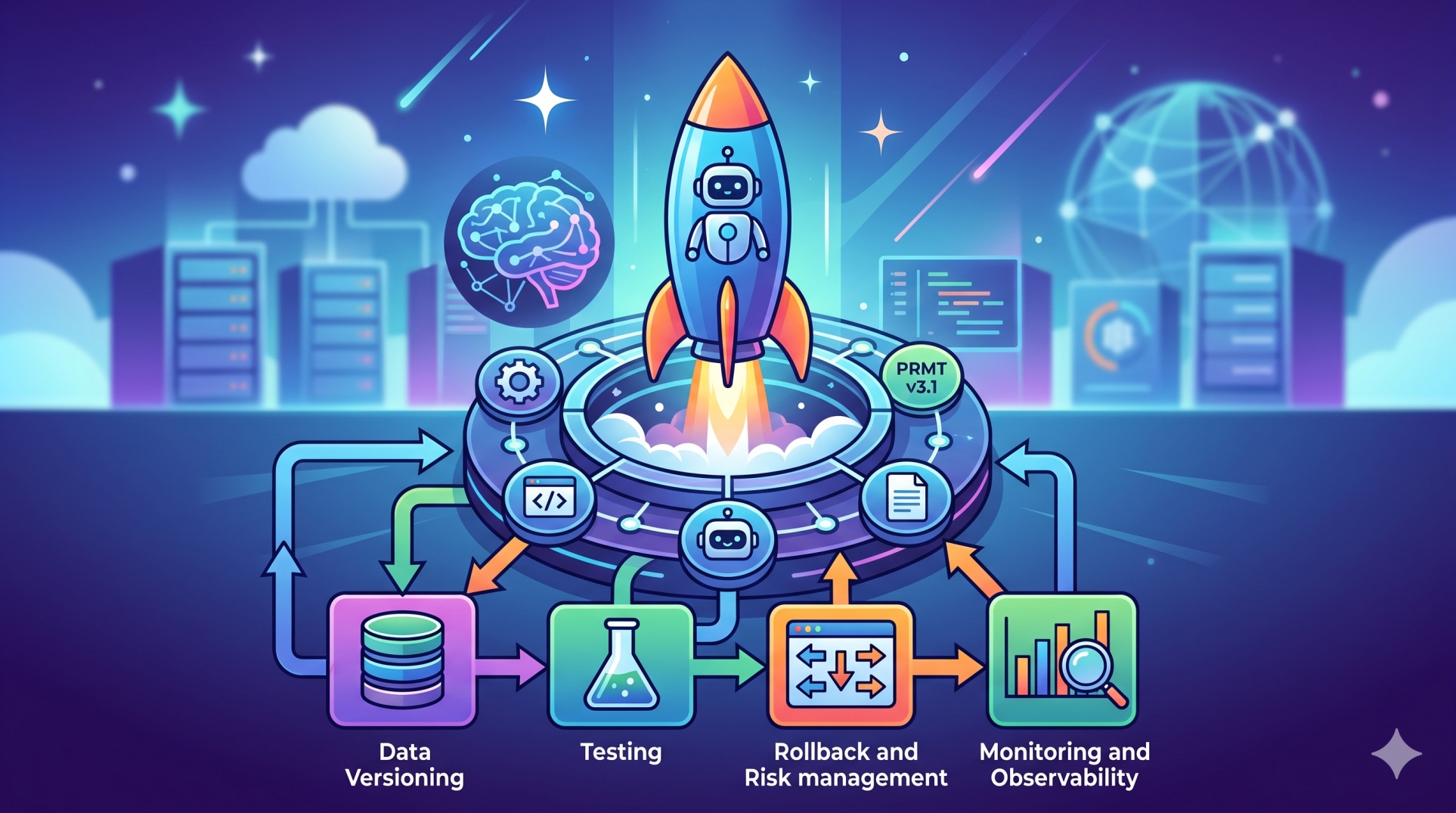
• Build automated CI/CD pipelines for LLM applications
• Support scalable deployment across cloud and on-premise environments
• Enable rapid rollout of updates and improvements
• Minimize downtime during model or application changes
• Ensure infrastructure can handle growing workloads
Step 8: Key Internal Tooling Priorities ⚡
• Faster and more reliable AI application development
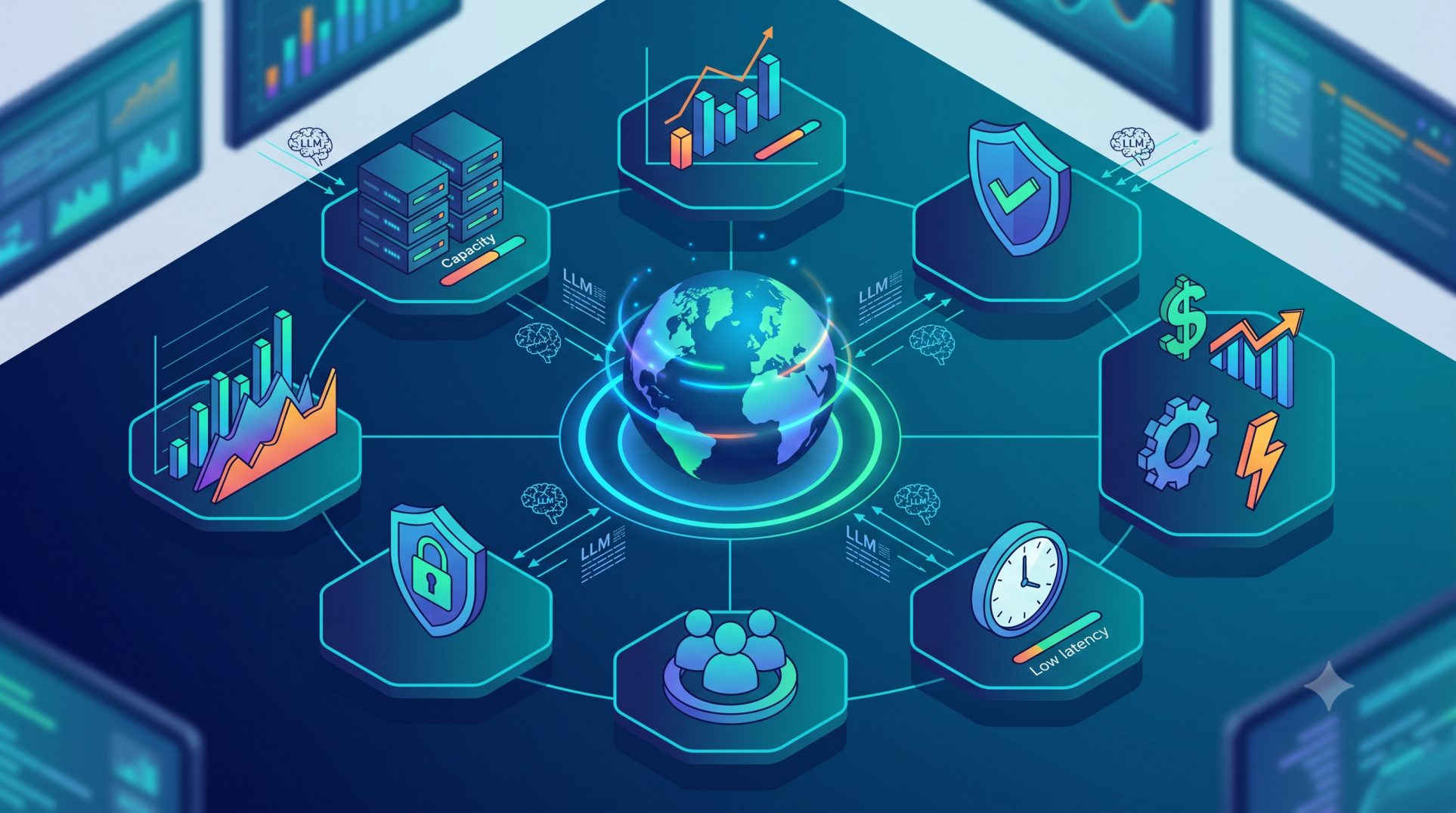
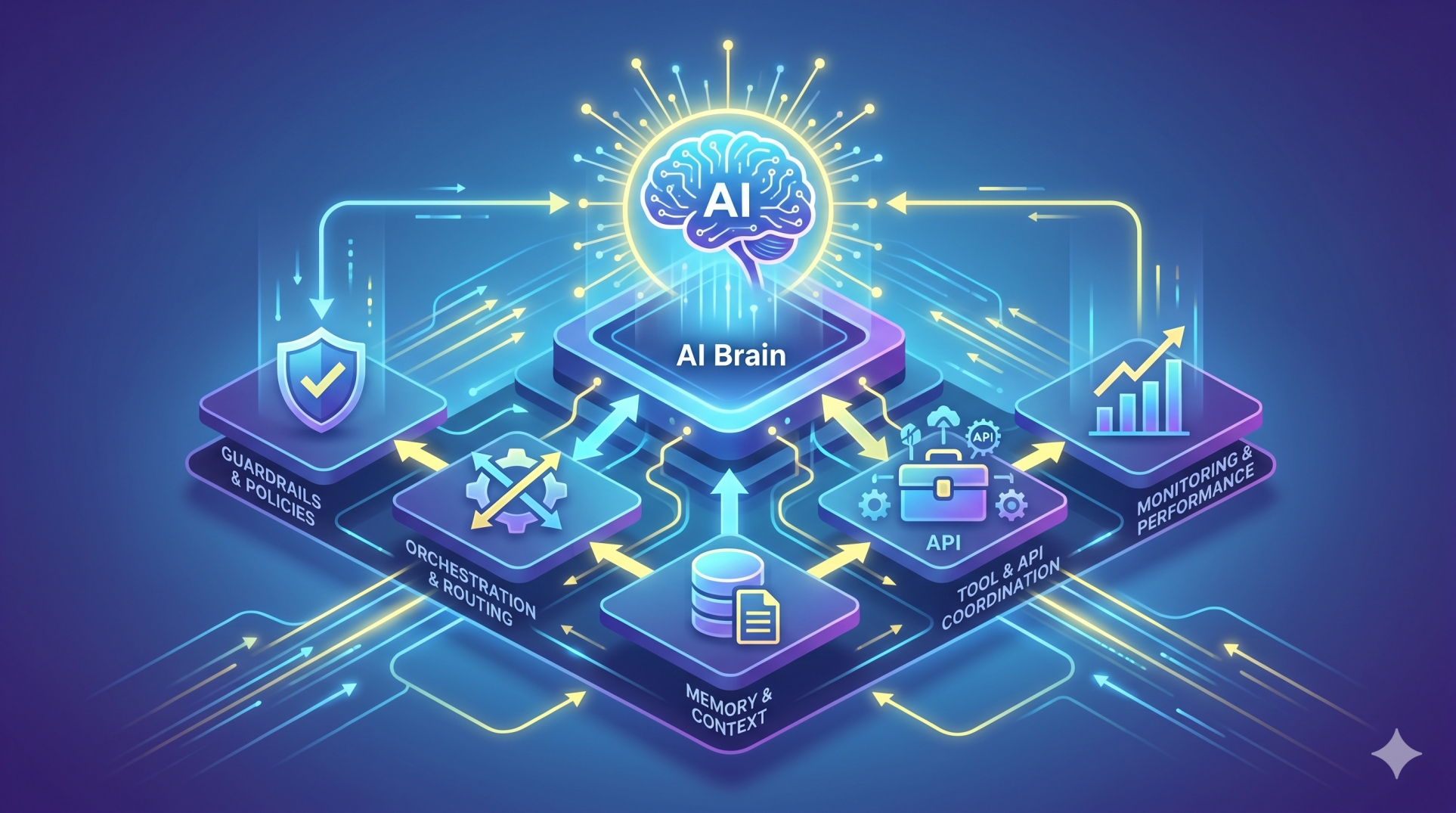
• Centralized monitoring and operational visibility
• Strong governance and security controls
• Scalable infrastructure for evolving AI workloads
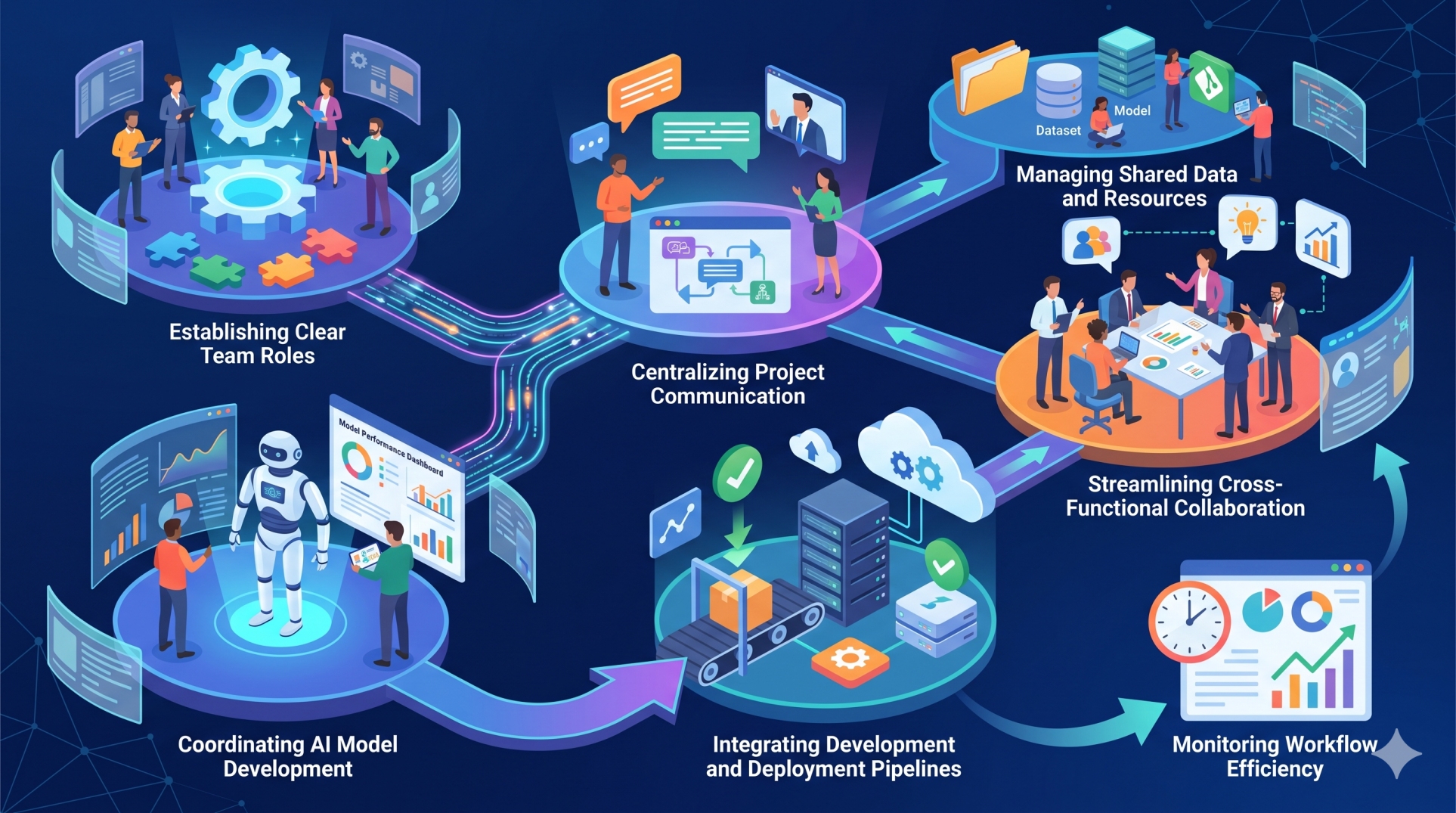
Step 9: Supporting Collaboration Across Teams 👥
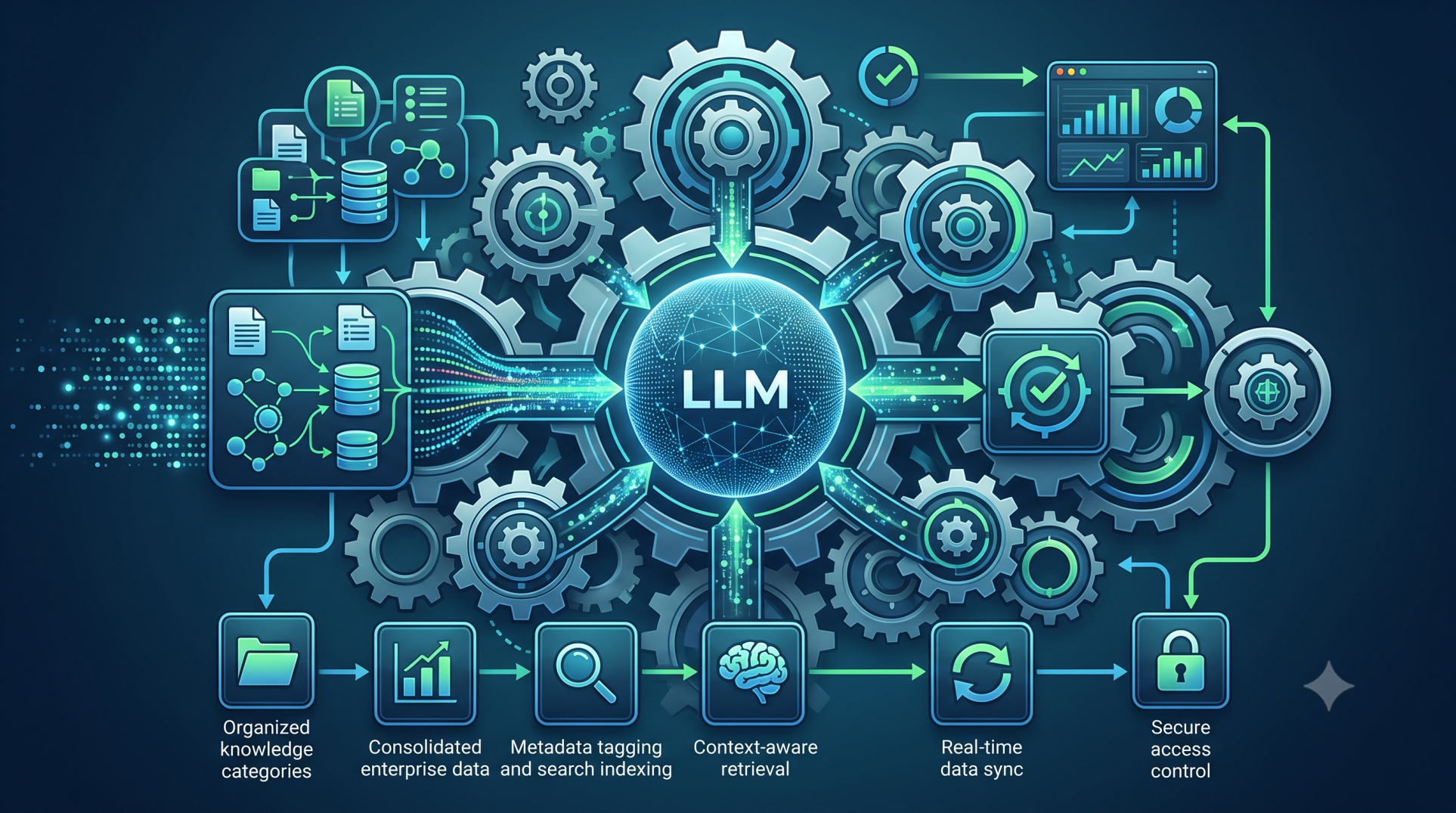
• Enable shared access to prompts, datasets, and models
• Improve communication between developers, researchers, and operations teams
• Create internal documentation and knowledge-sharing systems
• Standardize workflows across departments
• Reduce duplication of effort through centralized tooling
Step 10: Building a Future-Ready AI Development Ecosystem 🌐
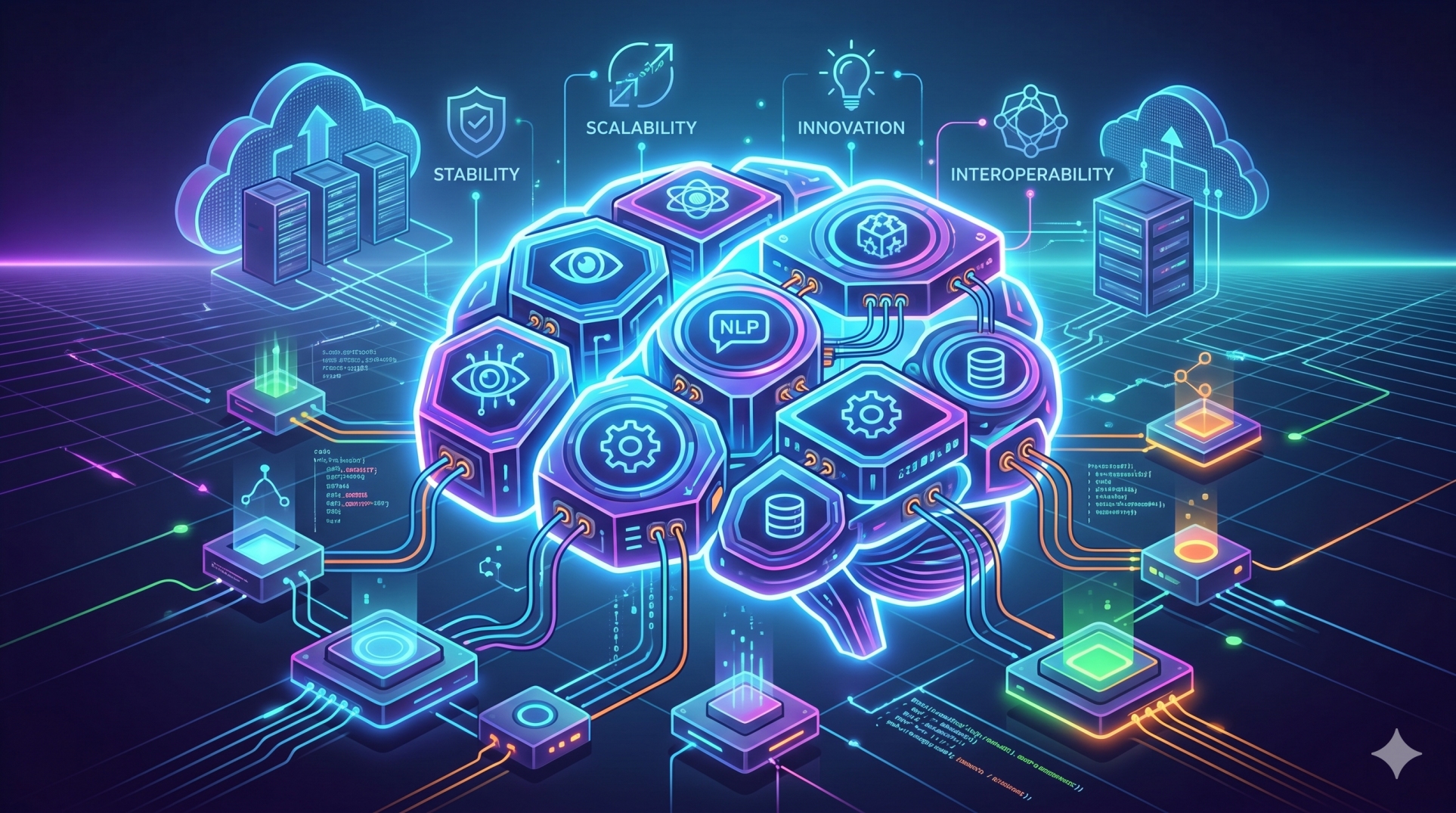
• Design tooling that adapts to rapidly evolving LLM technologies
• Support integration with future AI models and frameworks
• Enable modular expansion of AI capabilities
• Continuously optimize based on usage and performance insights
• Create a sustainable foundation for long-term AI innovation
Conclusion
Internal tooling plays a critical role in scaling and managing LLM application development effectively. By establishing strong frameworks for integration, testing, monitoring, deployment, and governance, organizations can accelerate innovation while maintaining reliability and control. Well-structured internal AI tooling not only improves development efficiency but also creates a scalable foundation for future AI-driven growth.
See more blogs
You can all the articles below