The Evolution of AI-Native Enterprise Platforms
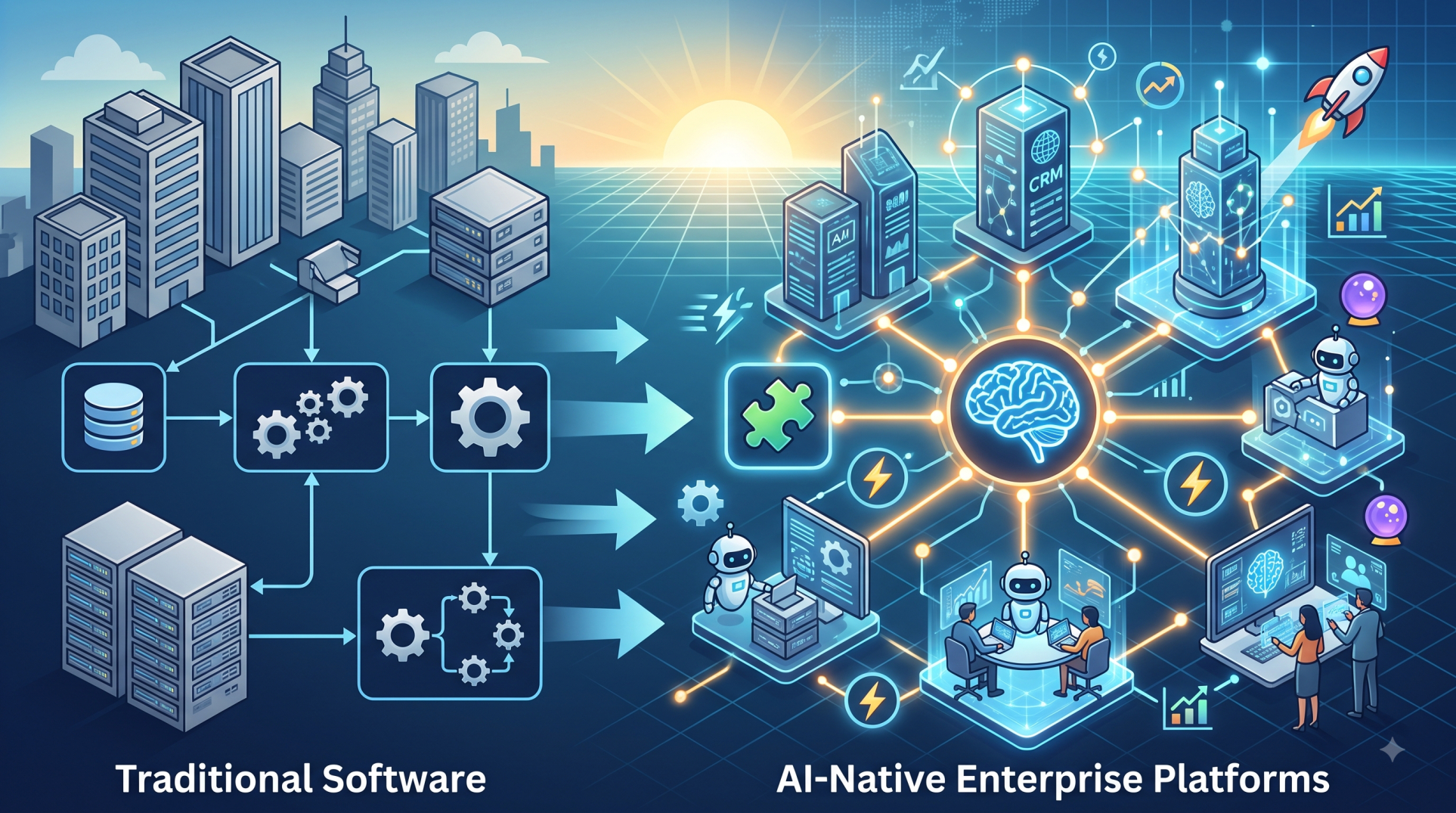
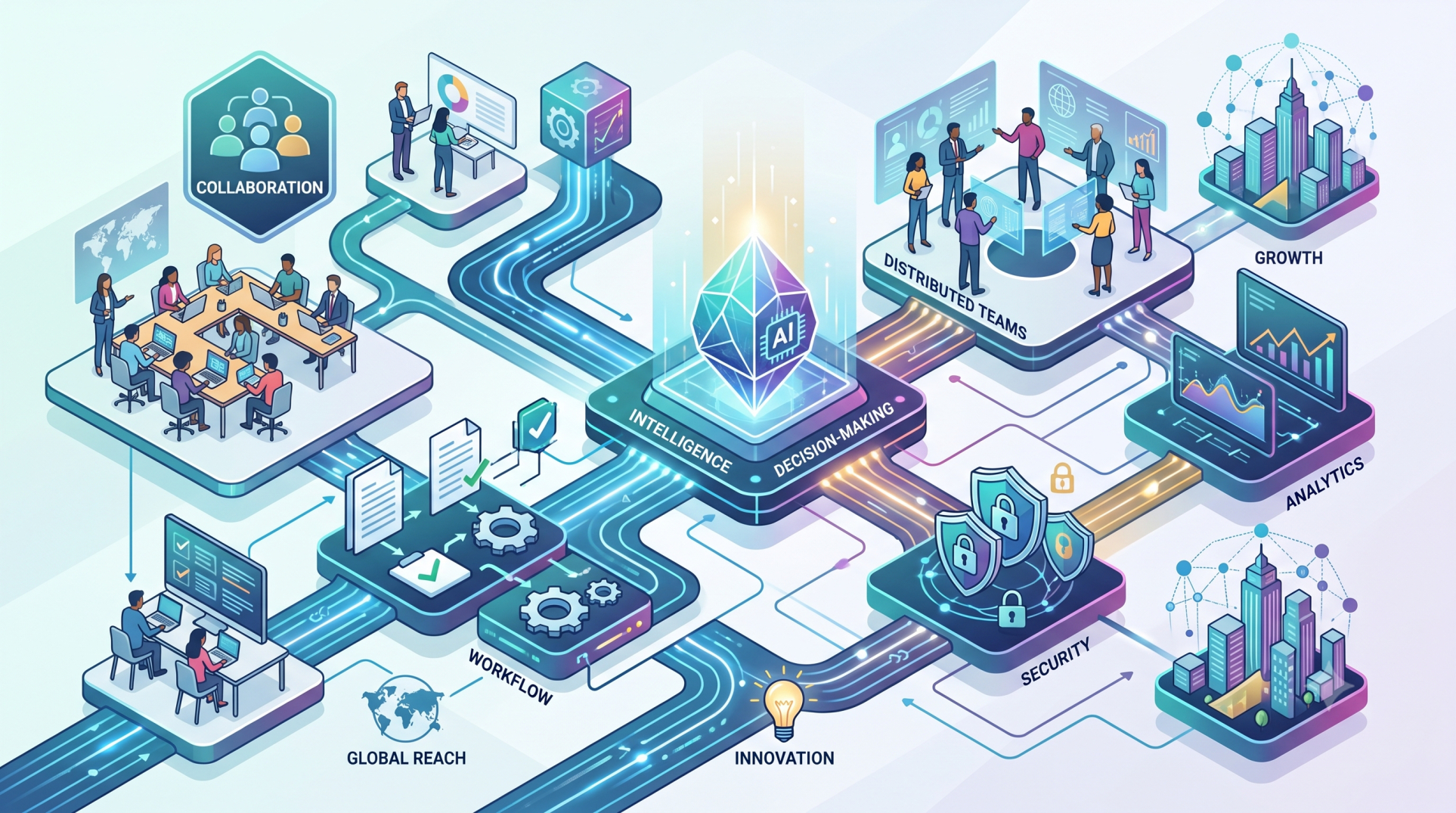
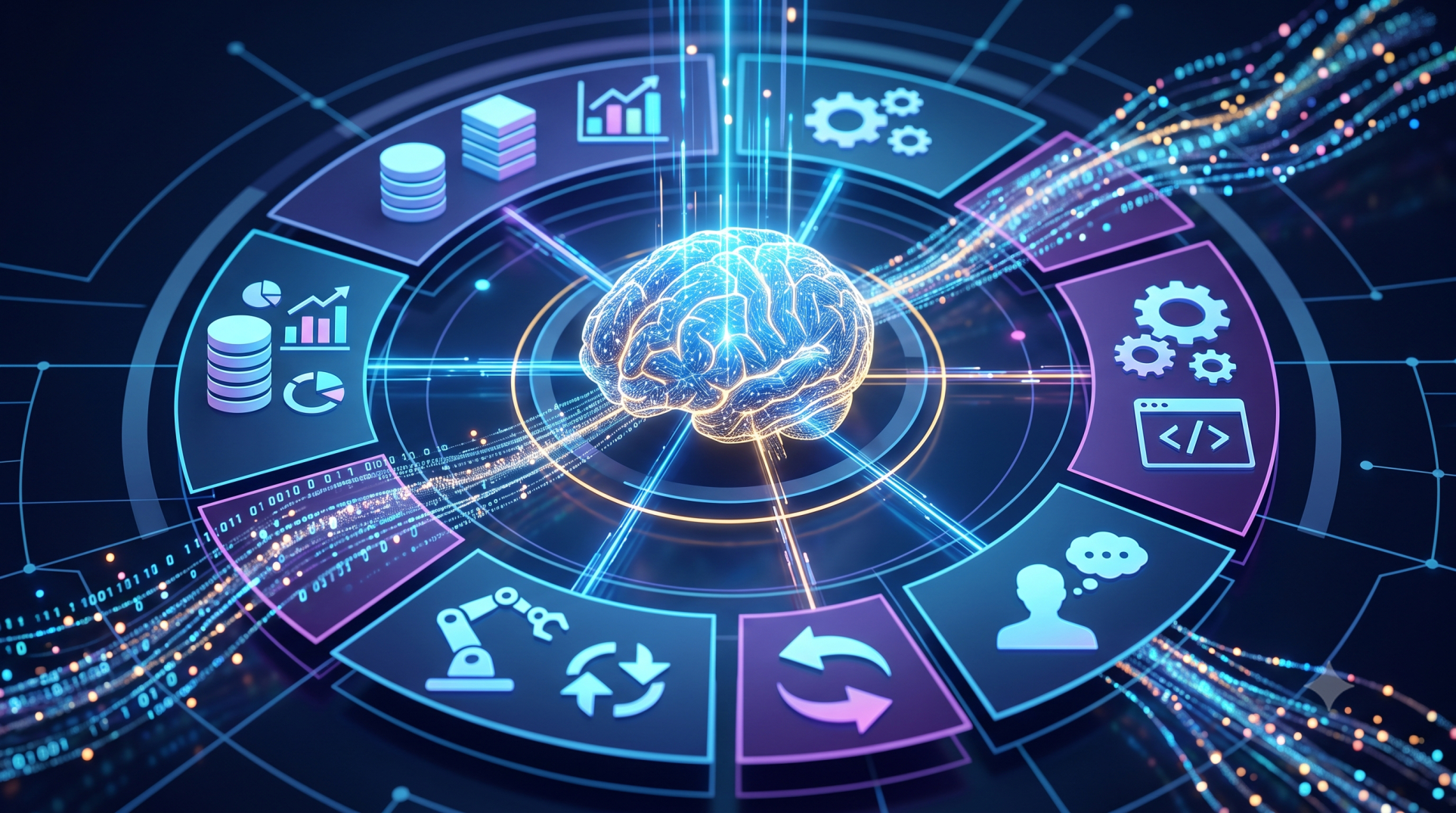
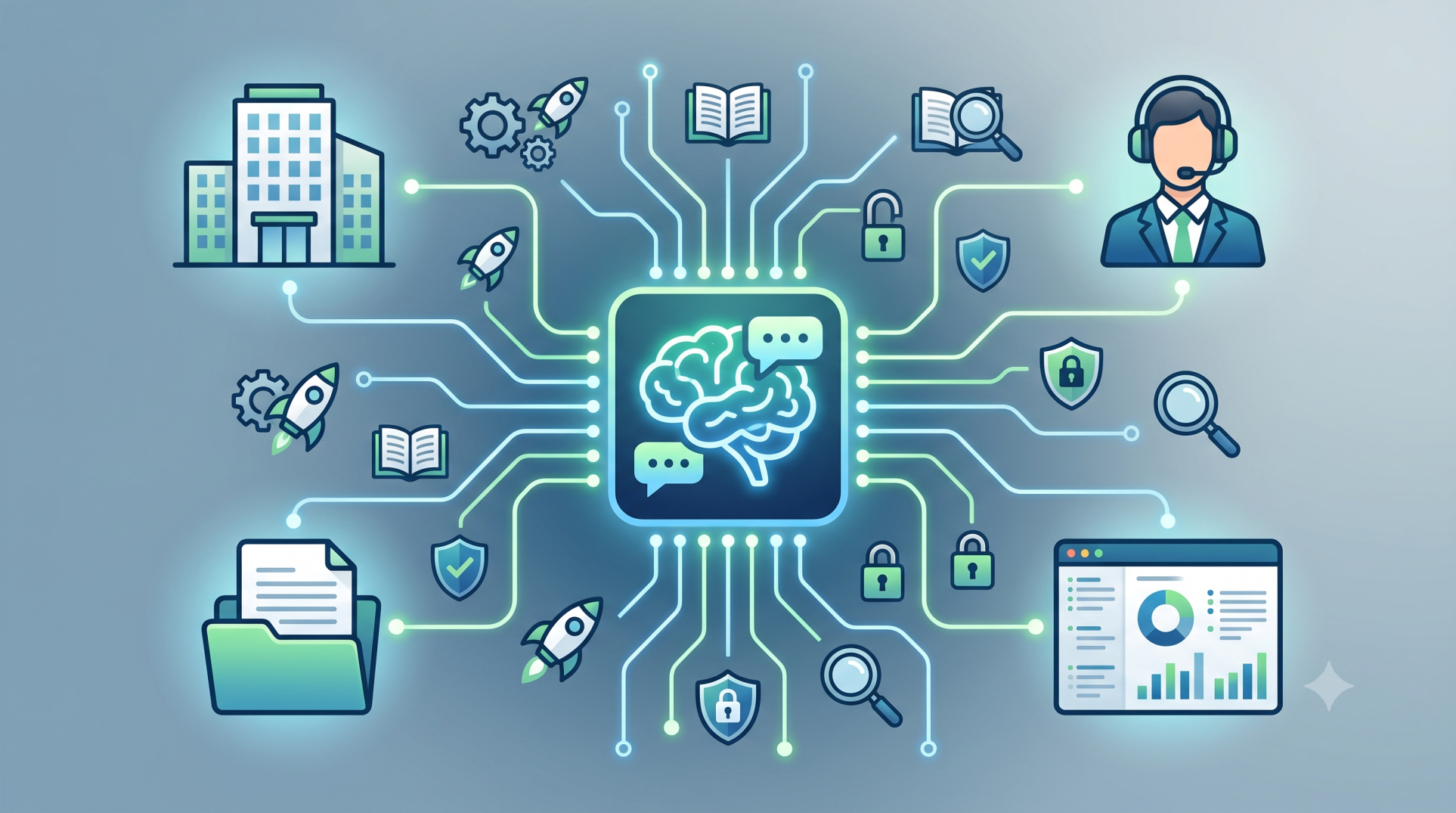
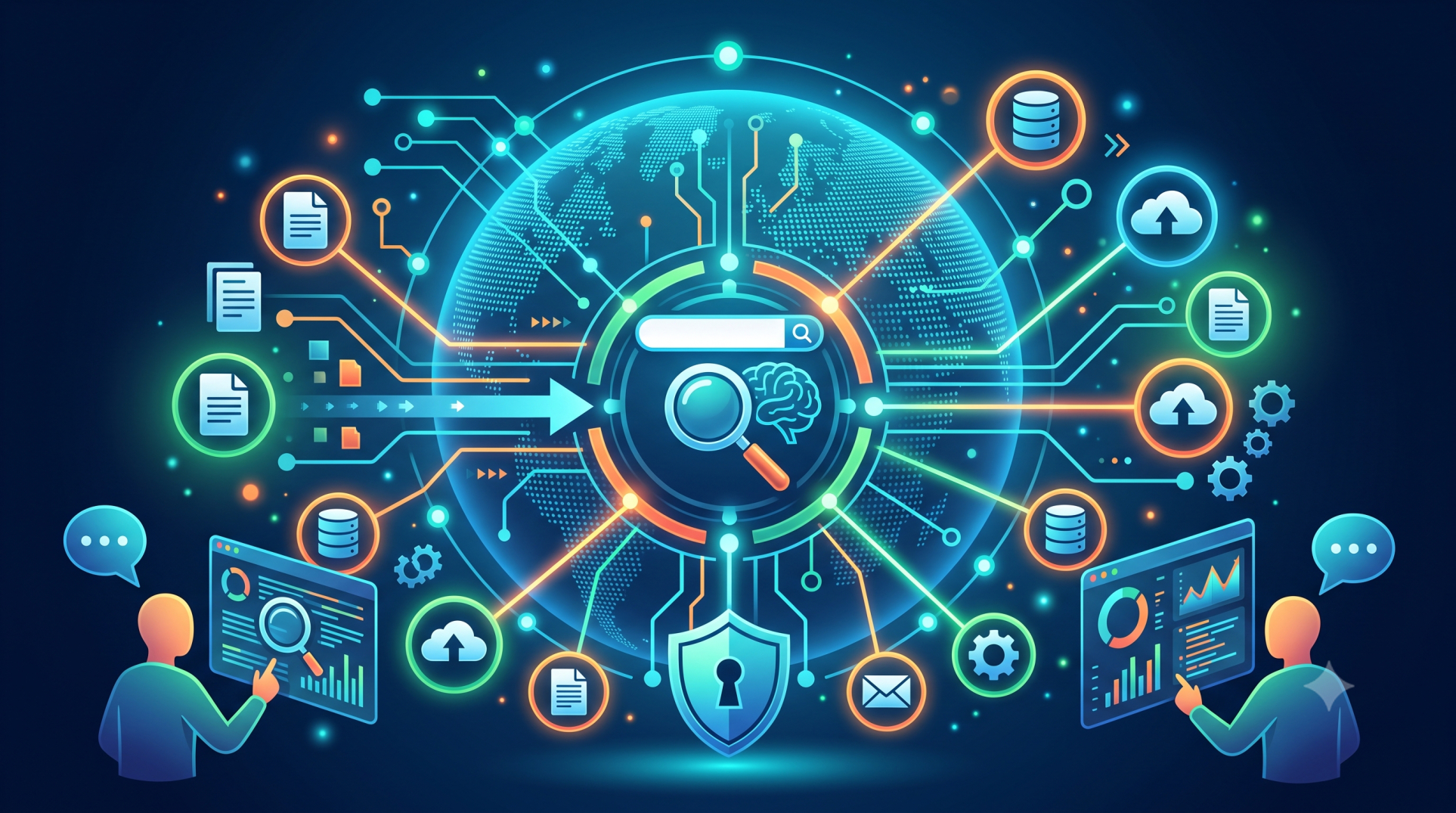
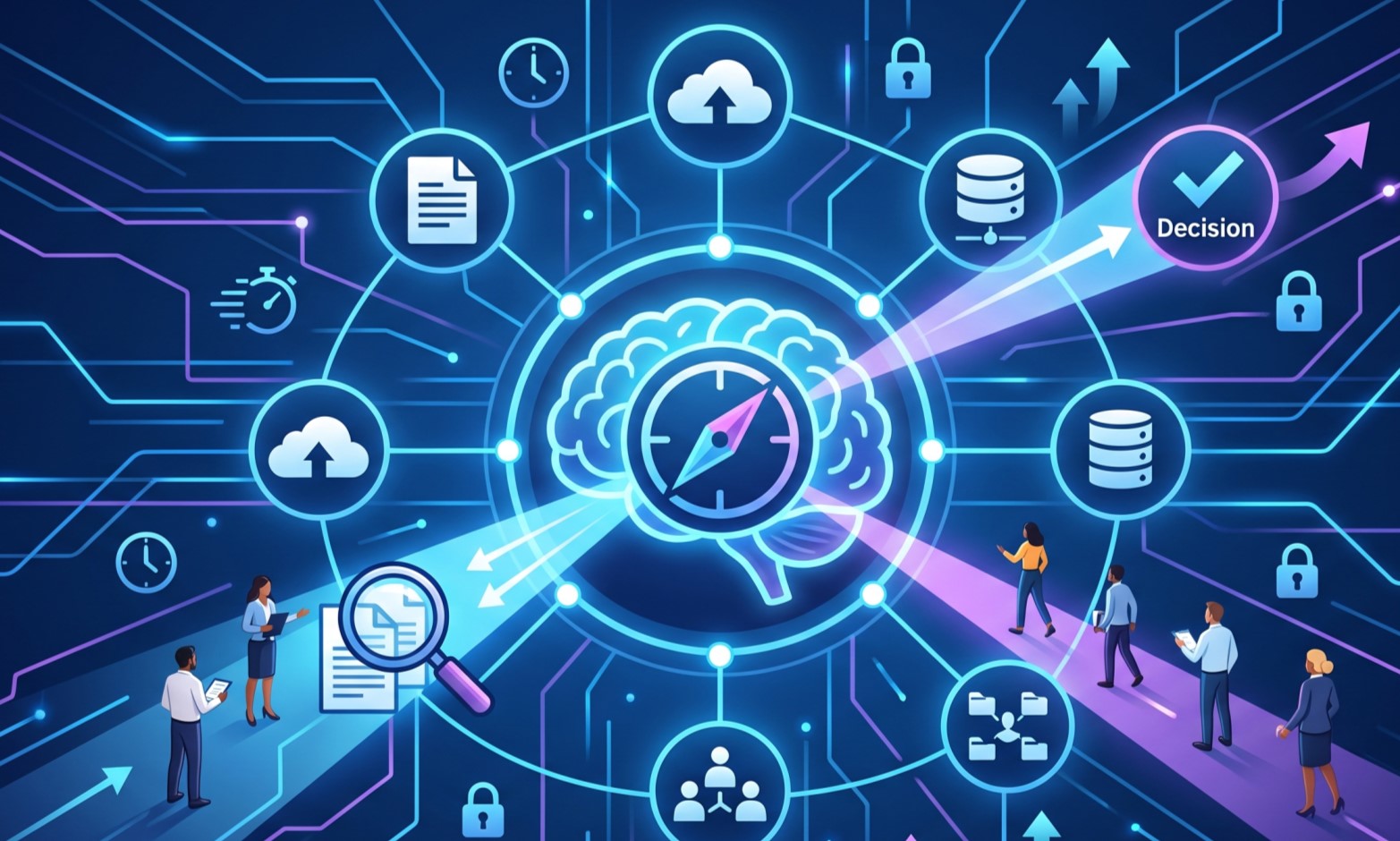
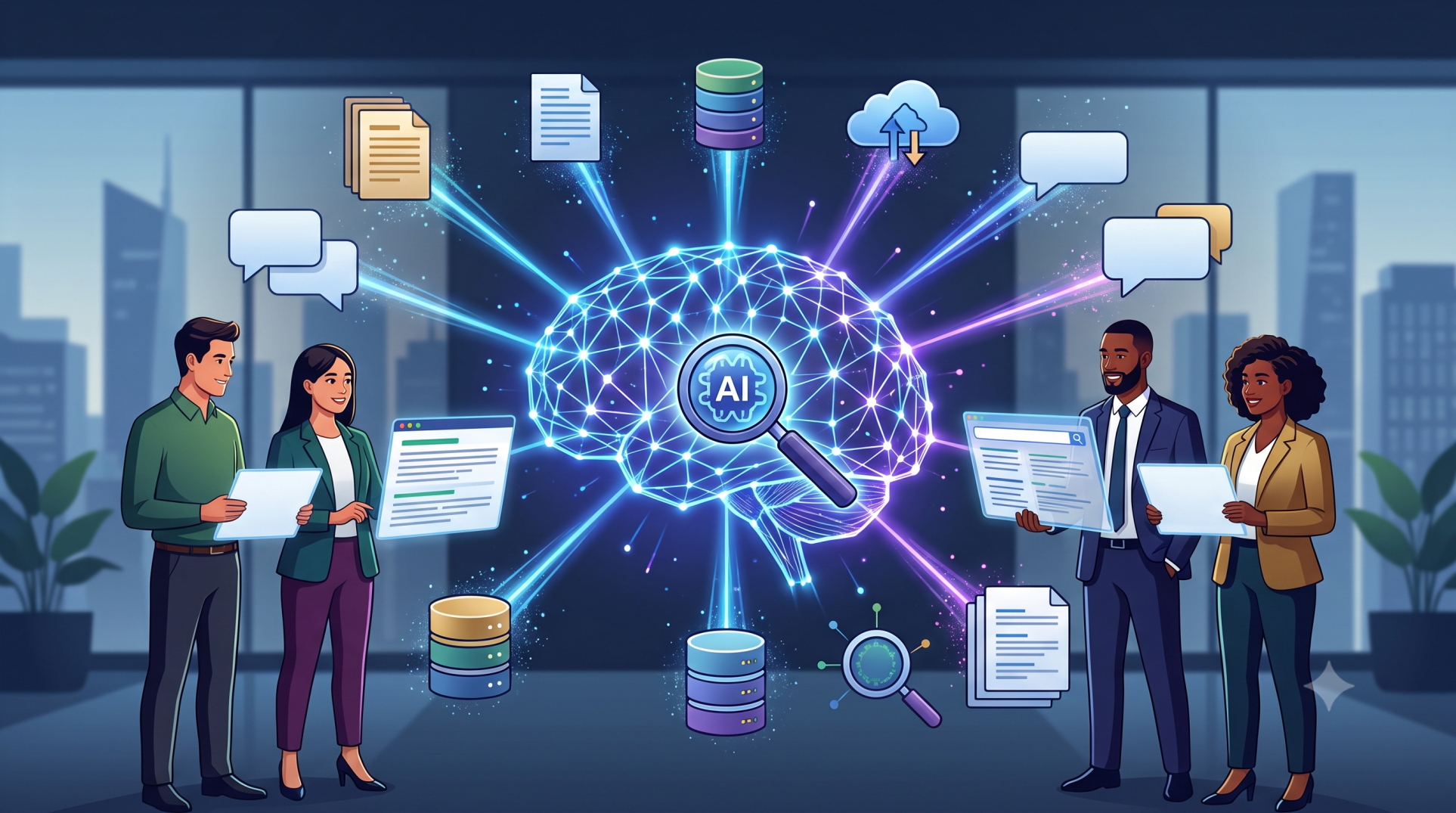
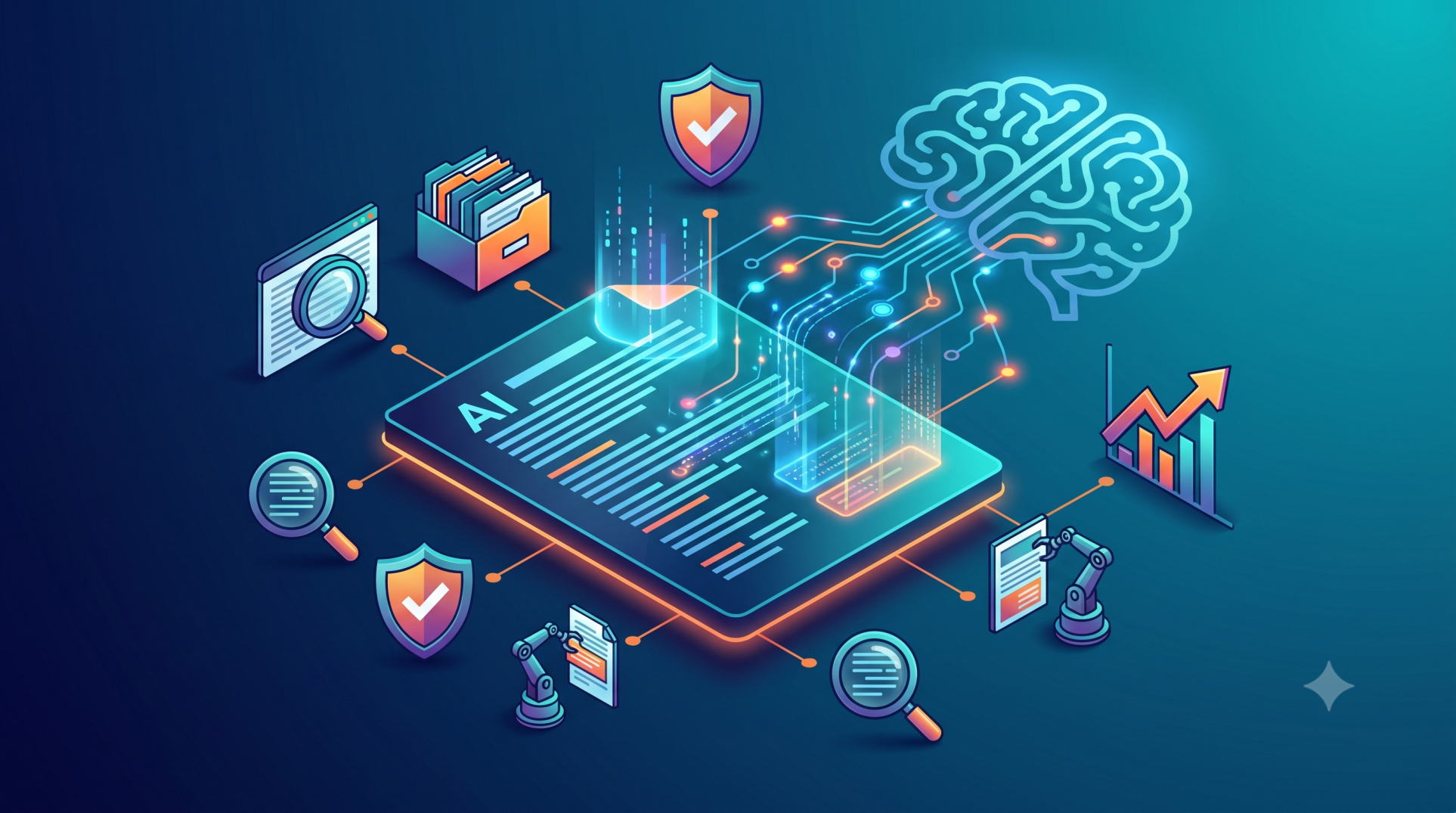
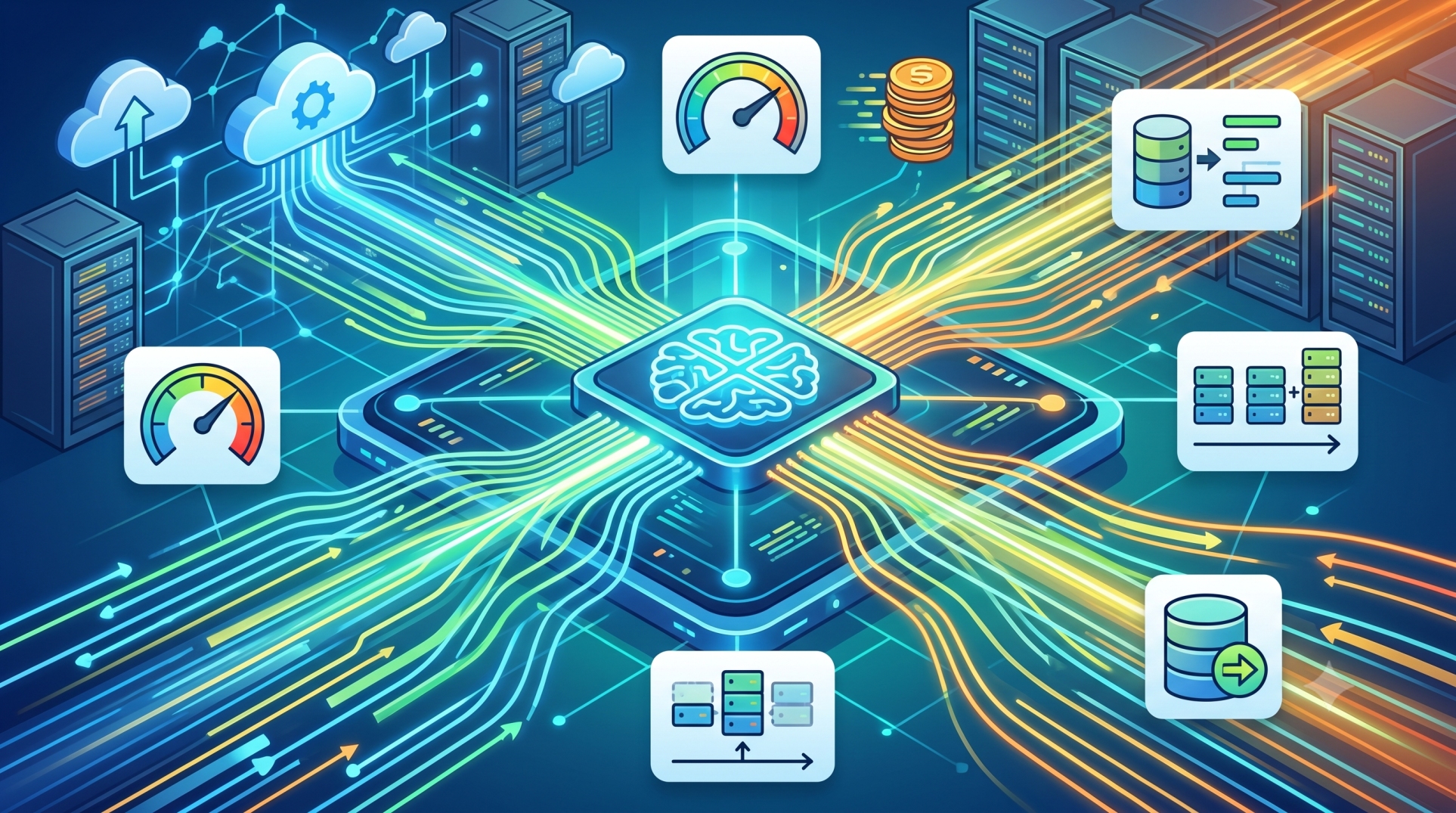
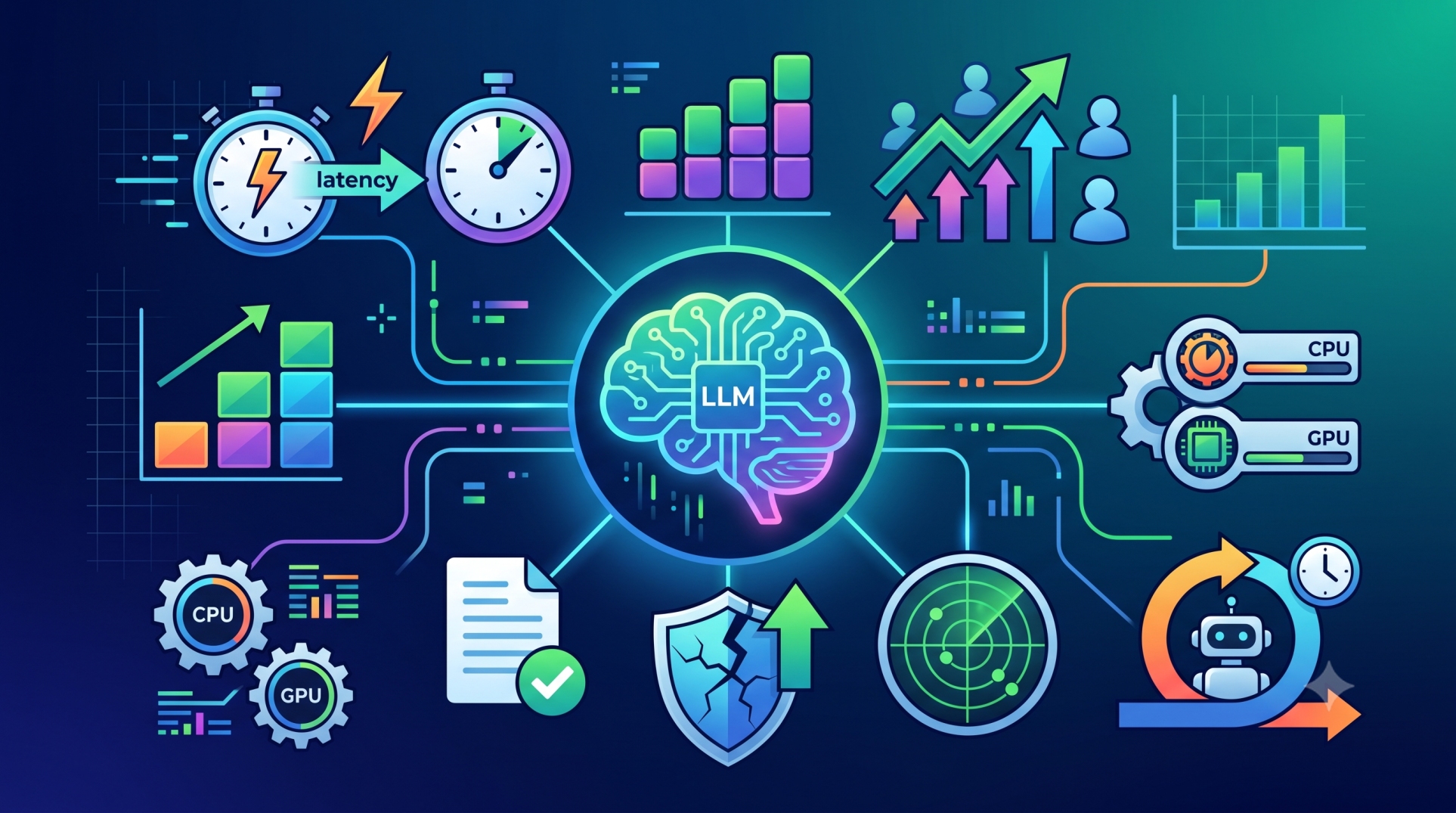
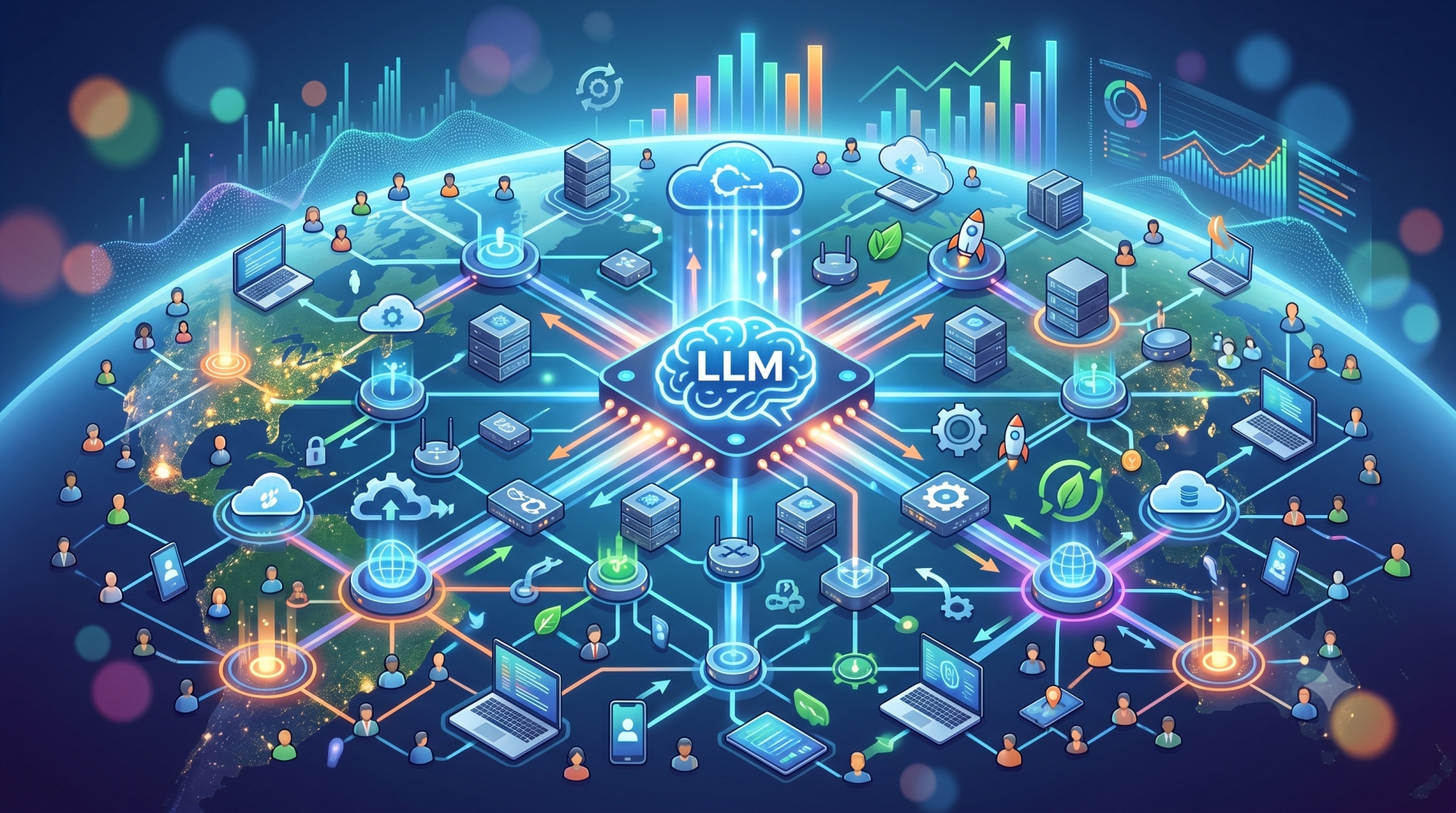
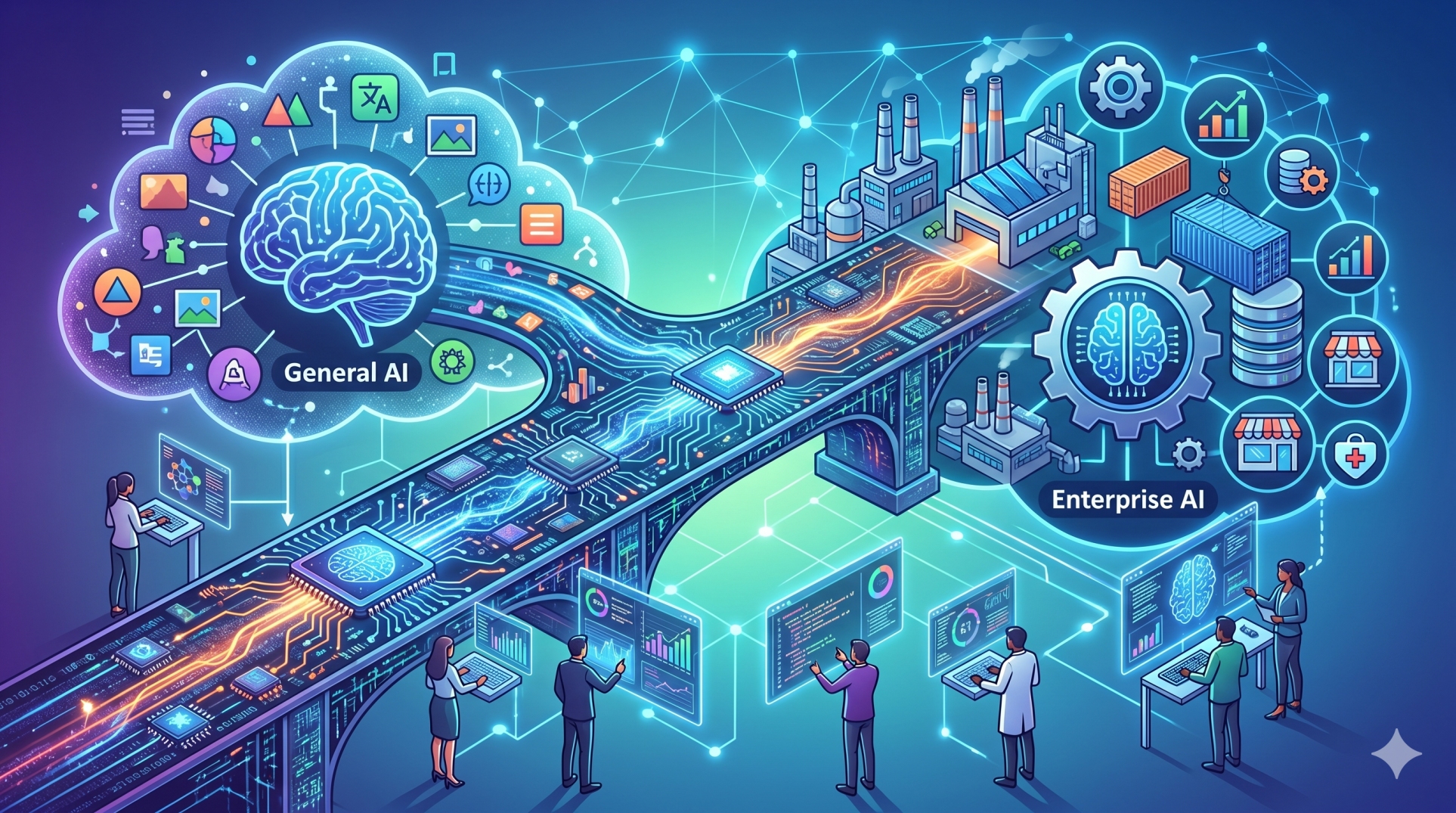
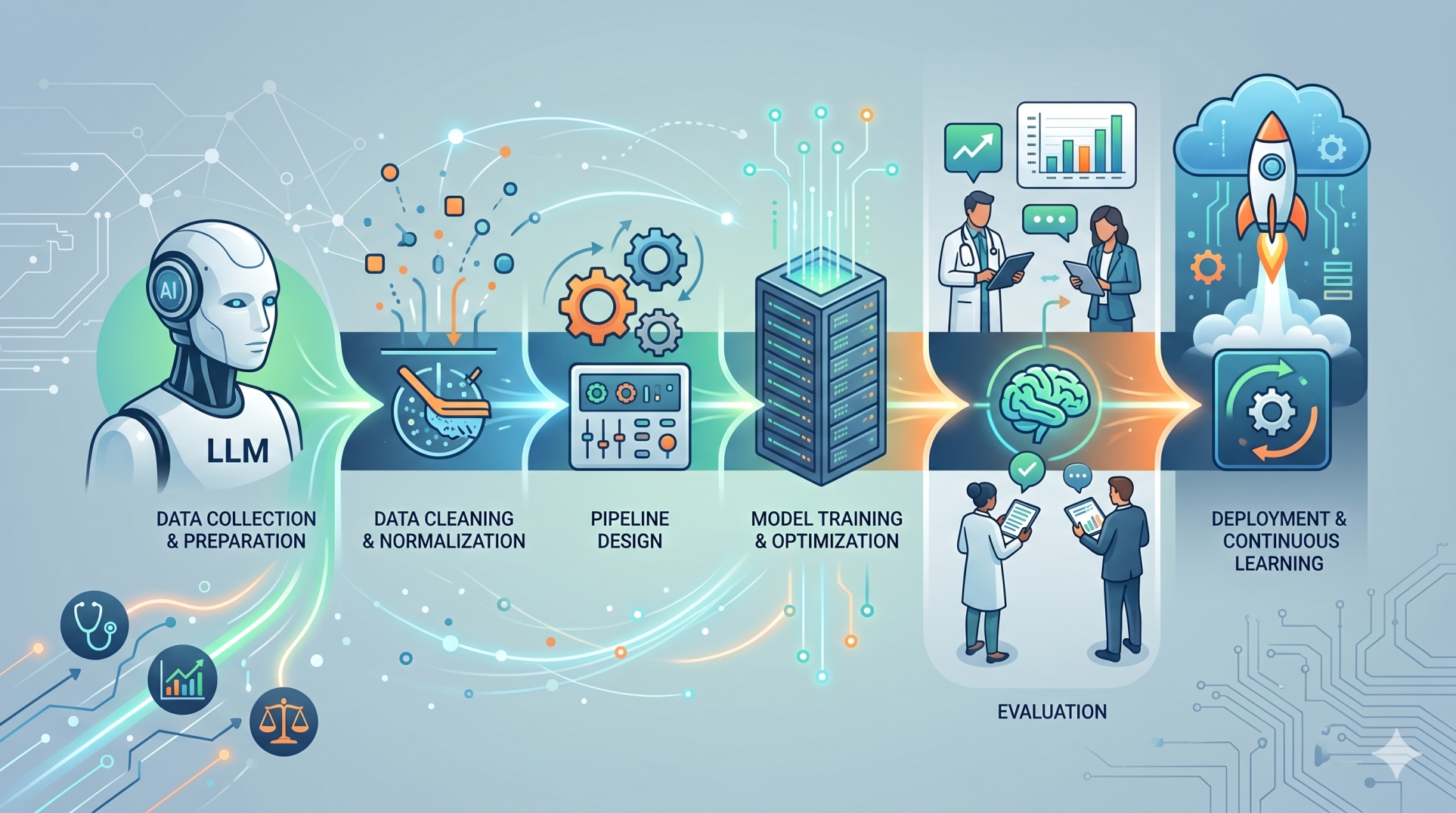
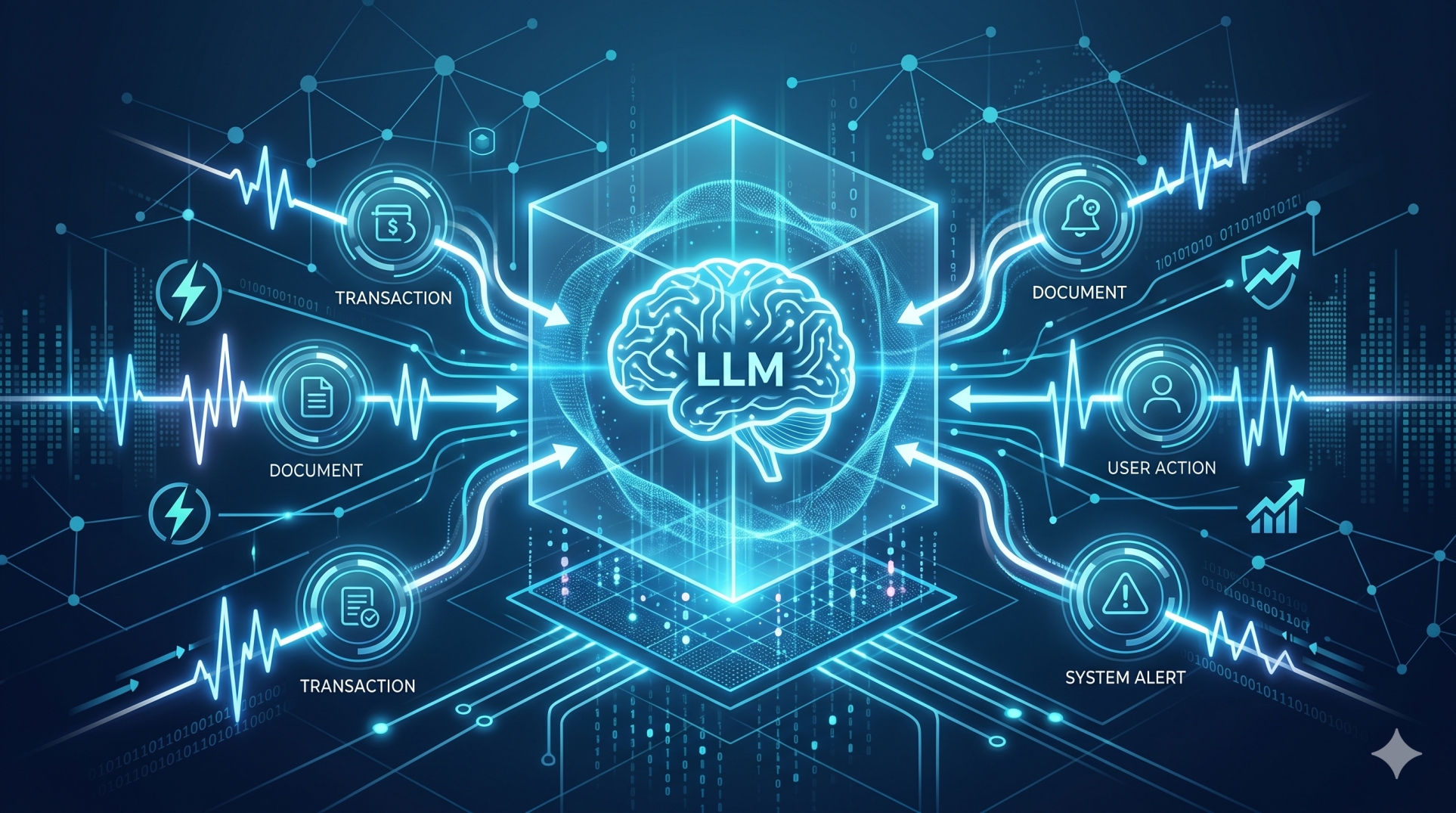
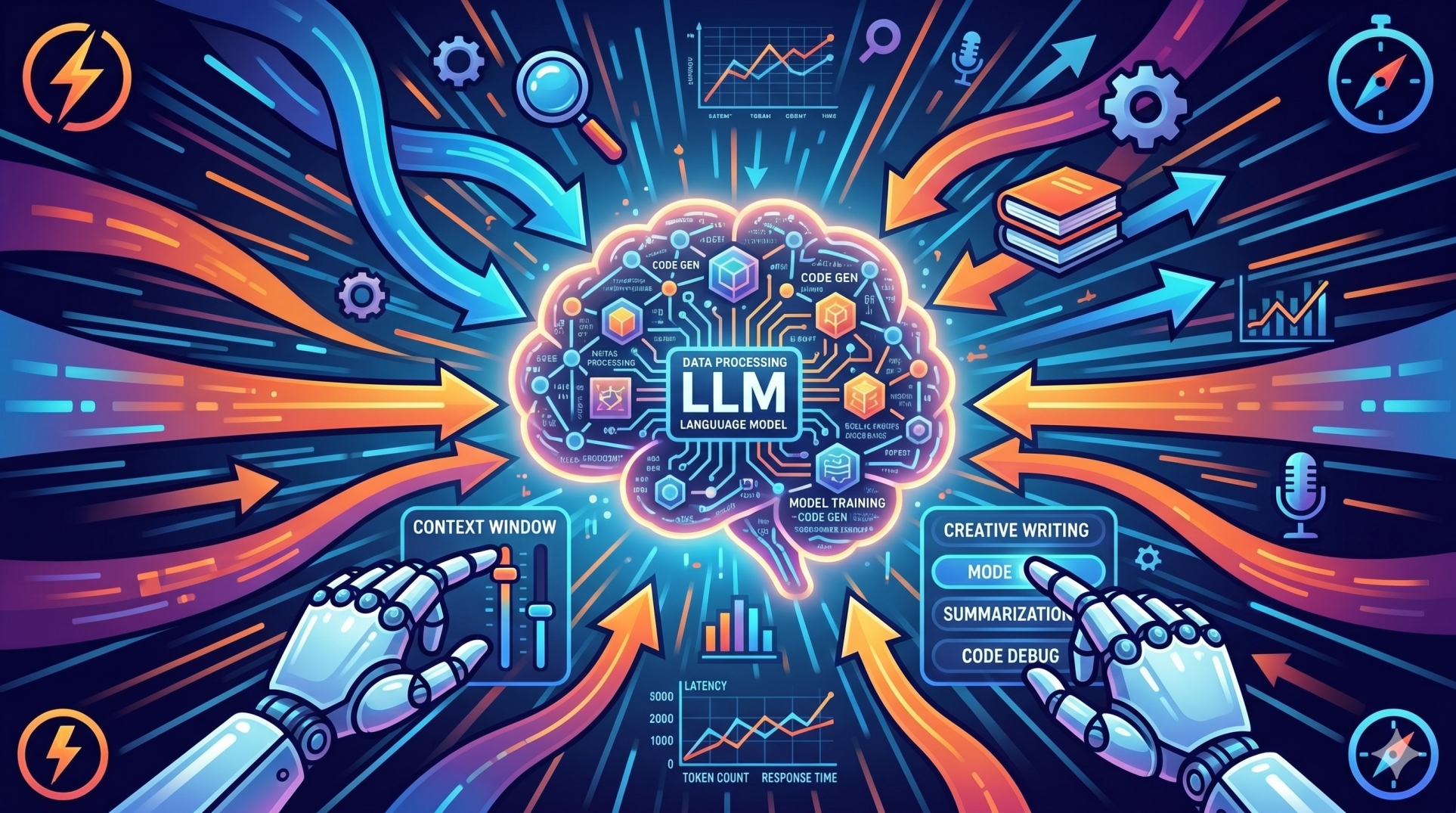
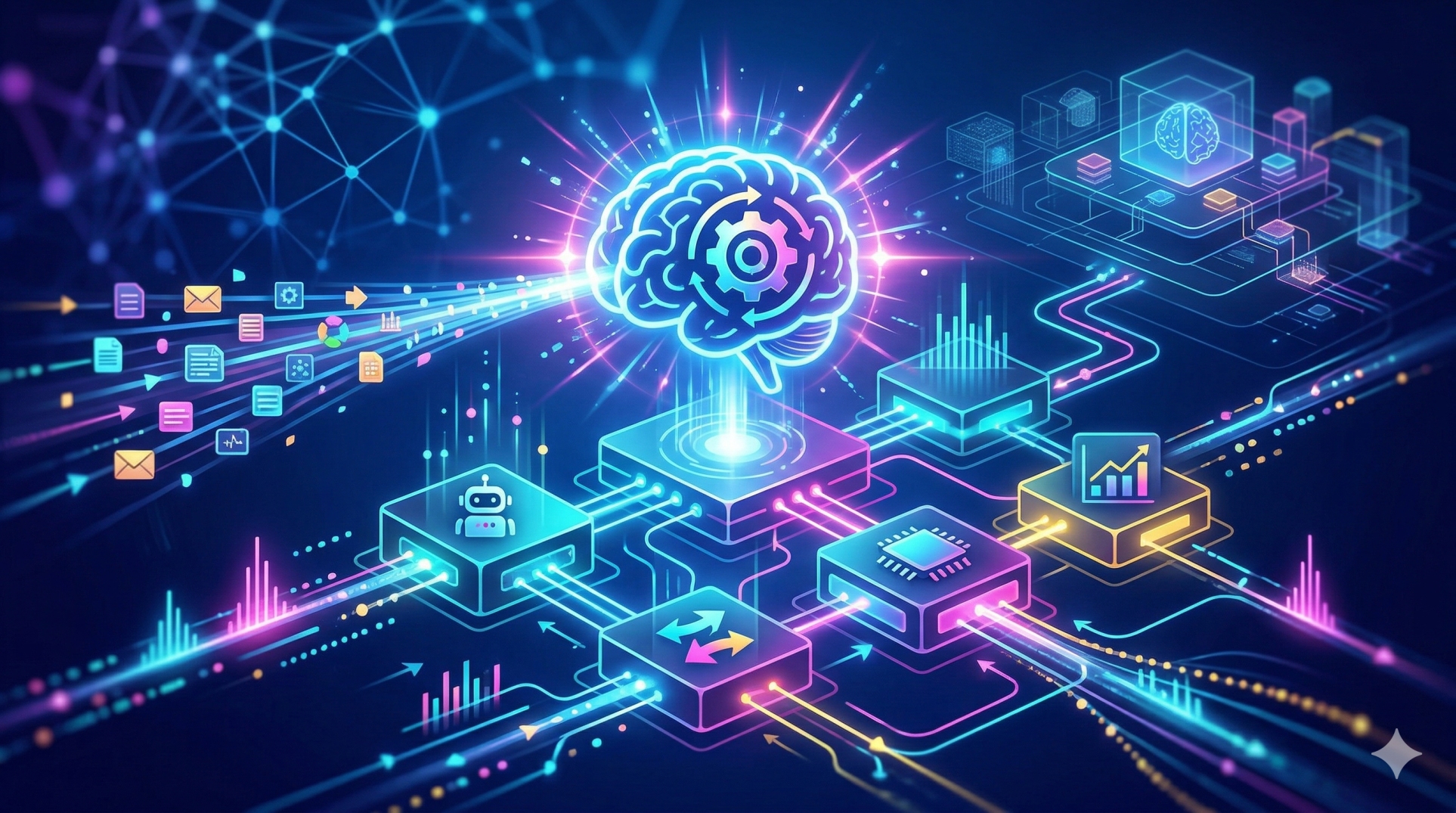
Enterprise software is moving beyond traditional applications that simply store information and automate predefined workflows. AI-native enterprise platforms are being designed around artificial intelligence from the foundation, allowing systems to understand data, reason across business processes, automate decisions, and continuously adapt to changing operational needs. This evolution is transforming enterprise technology from passive software into intelligent systems capable of actively supporting employees, customers, and business operations.
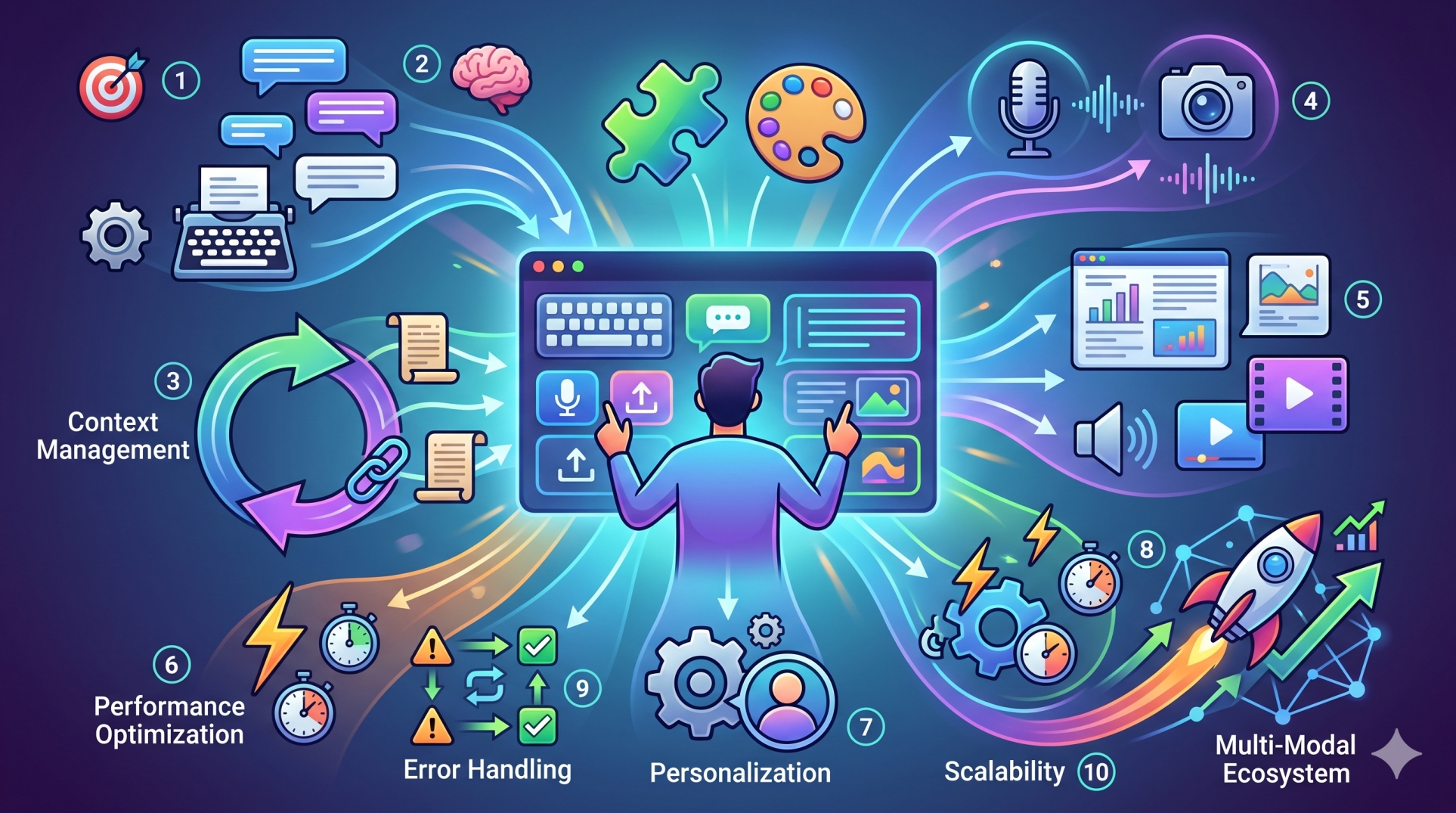
Step 1: Moving Beyond Traditional Enterprise Software 🔄
• Traditional platforms primarily depend on predefined rules and workflows ⚙️
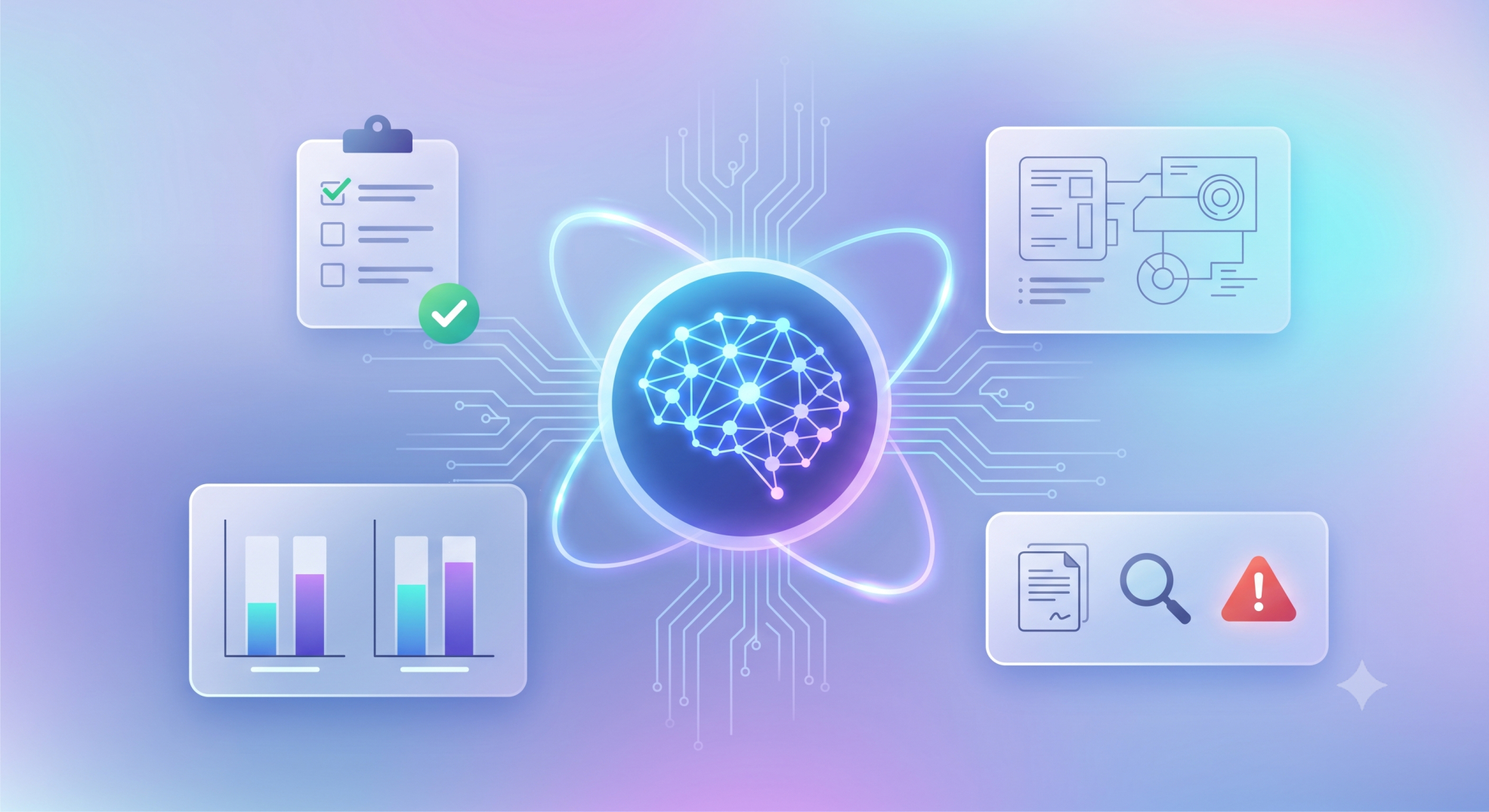
• AI-native systems incorporate intelligence directly into core architecture 🧠
• Applications can interpret information instead of simply storing it 📚
• Intelligent capabilities become part of everyday business processes 🤝
• Organizations gain more adaptive and responsive technology environments 🚀
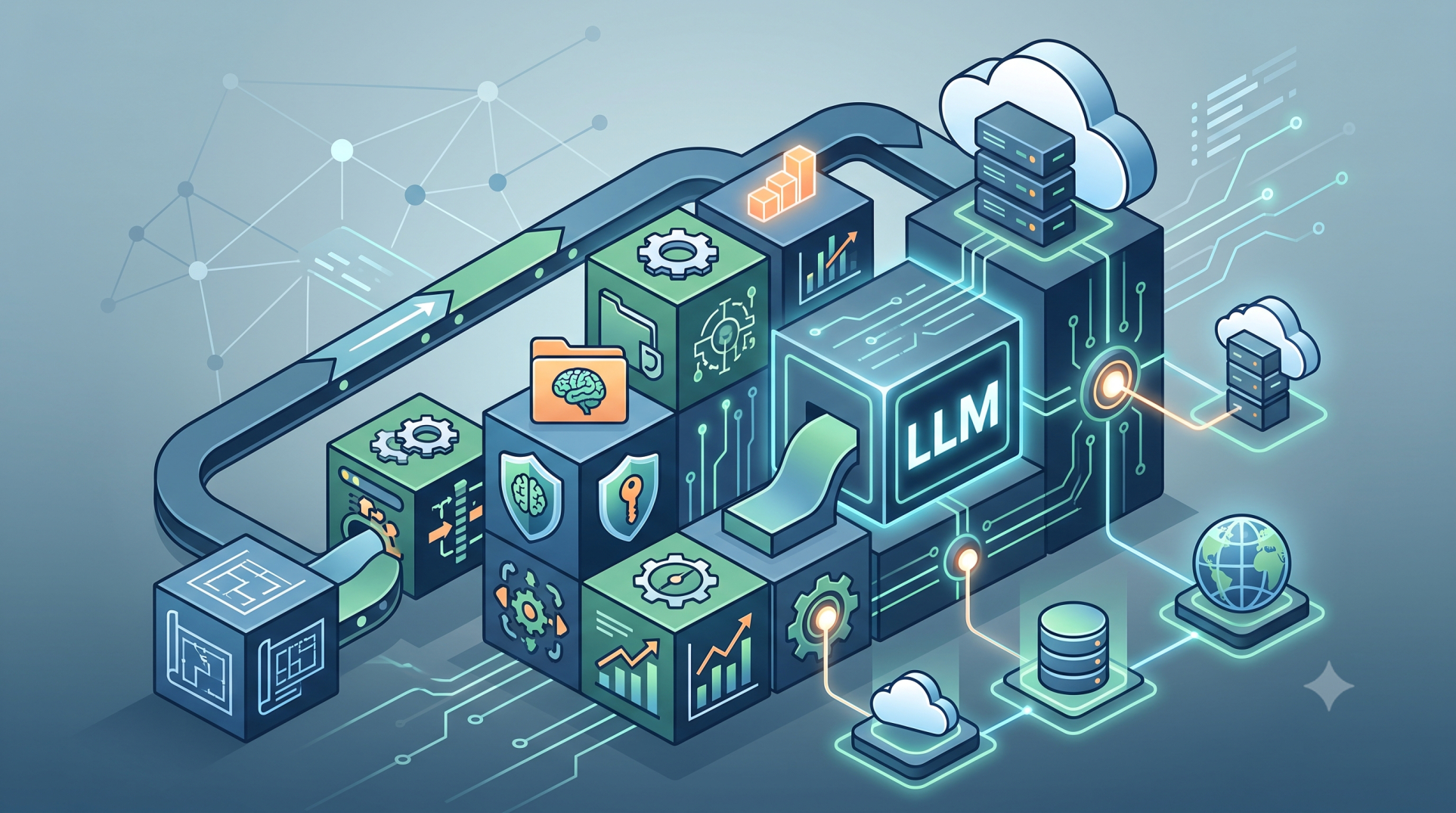
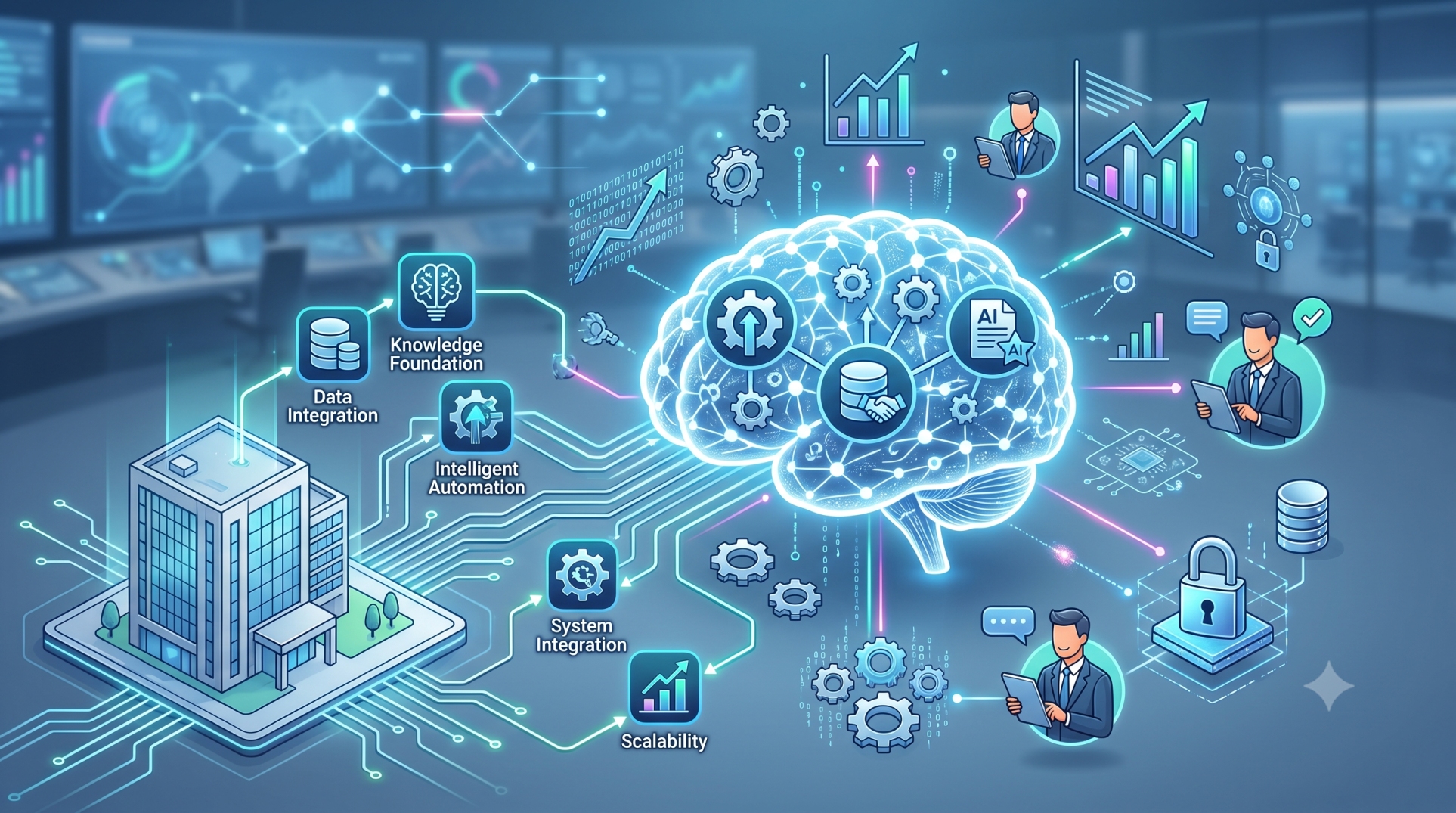
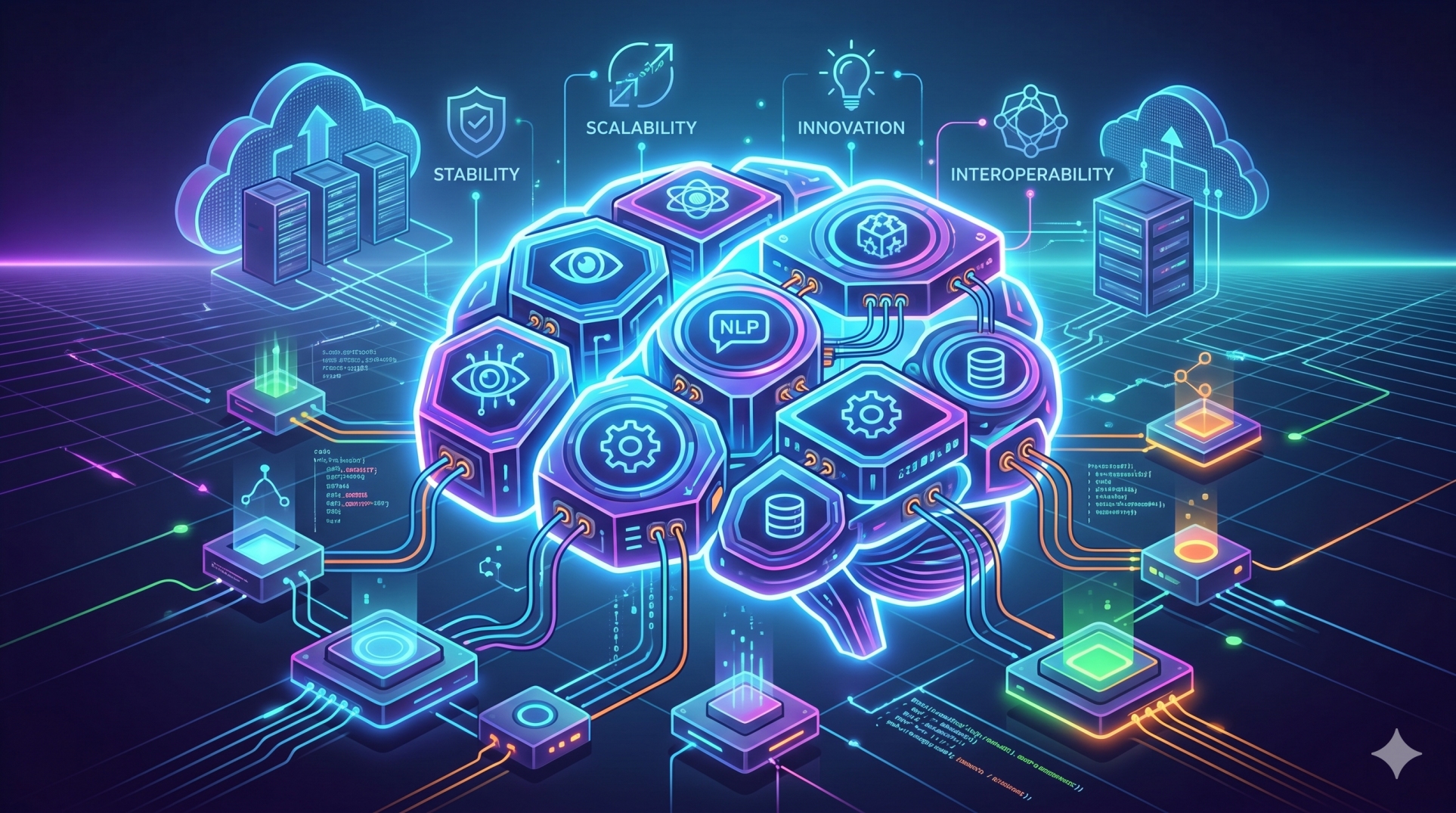
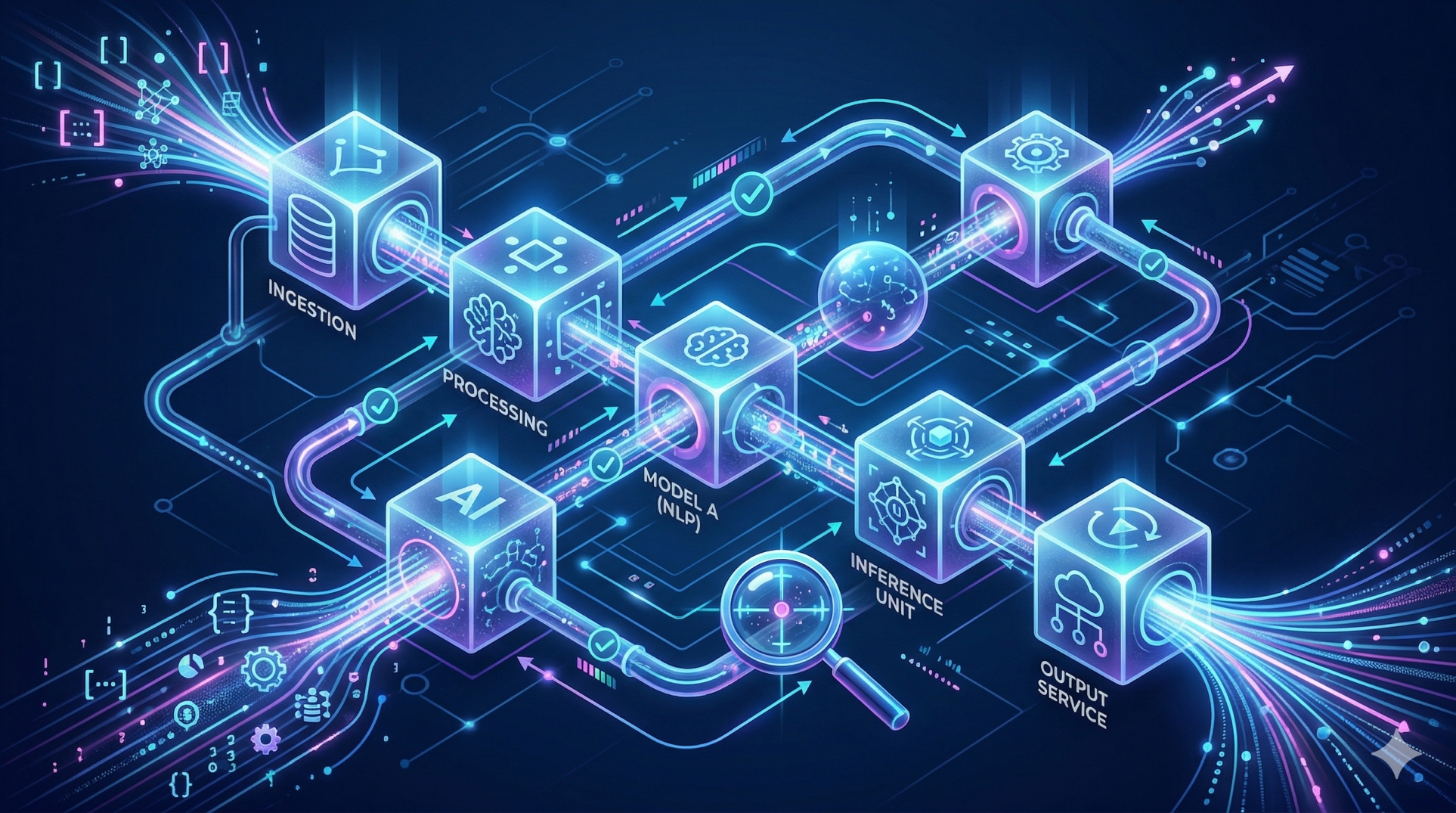
Step 2: Building AI Into the Core Architecture 🏗️
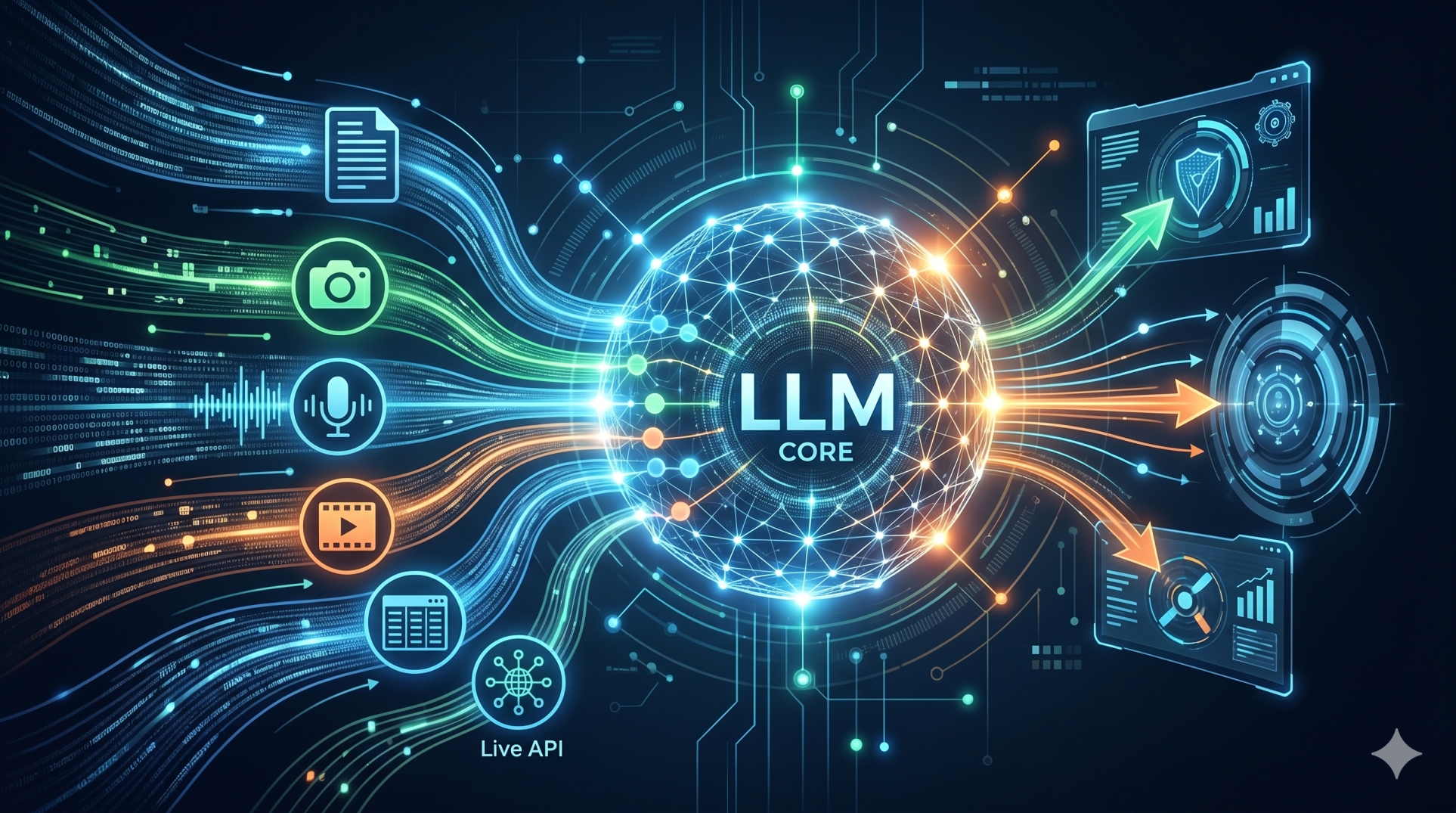
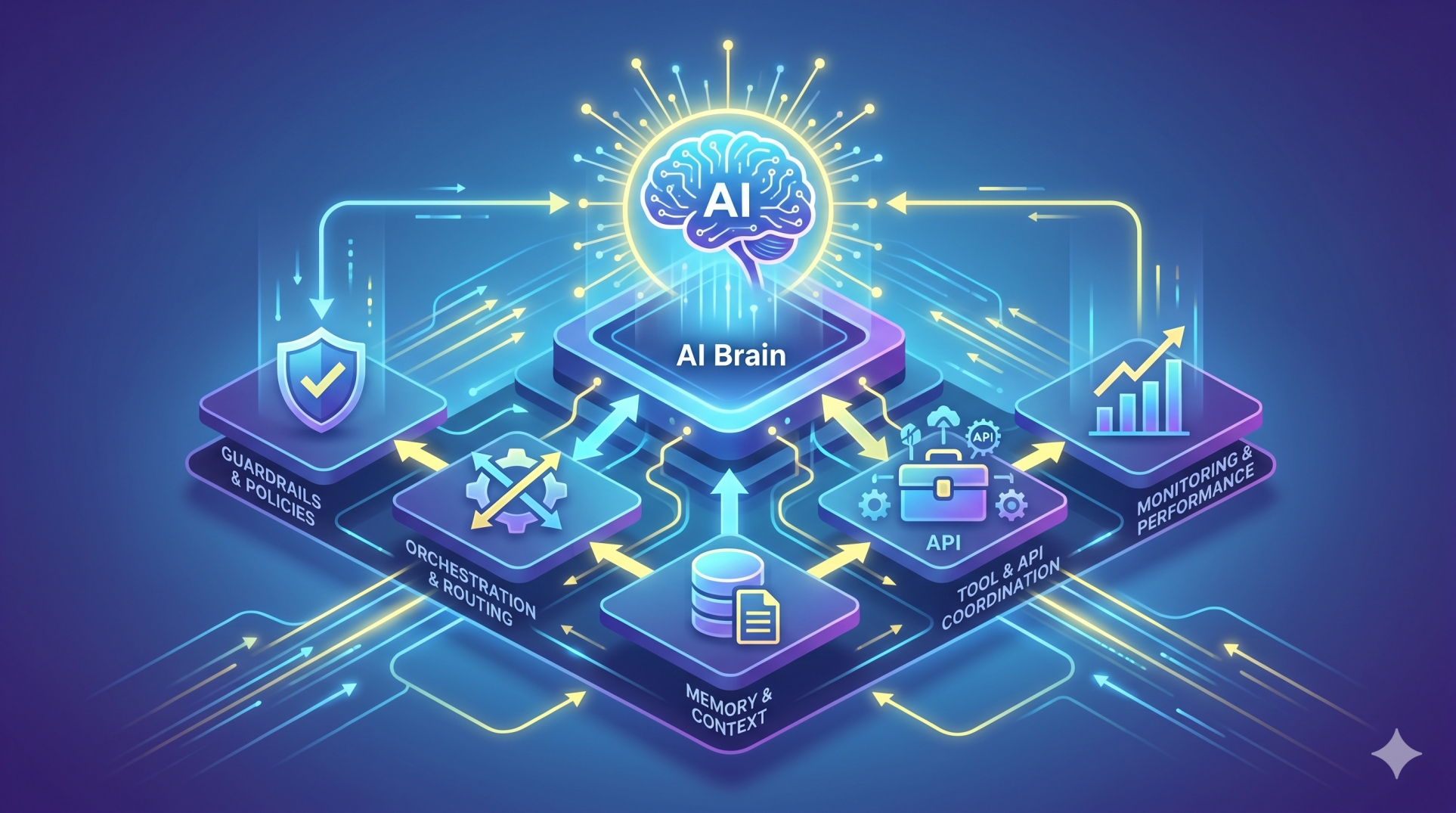
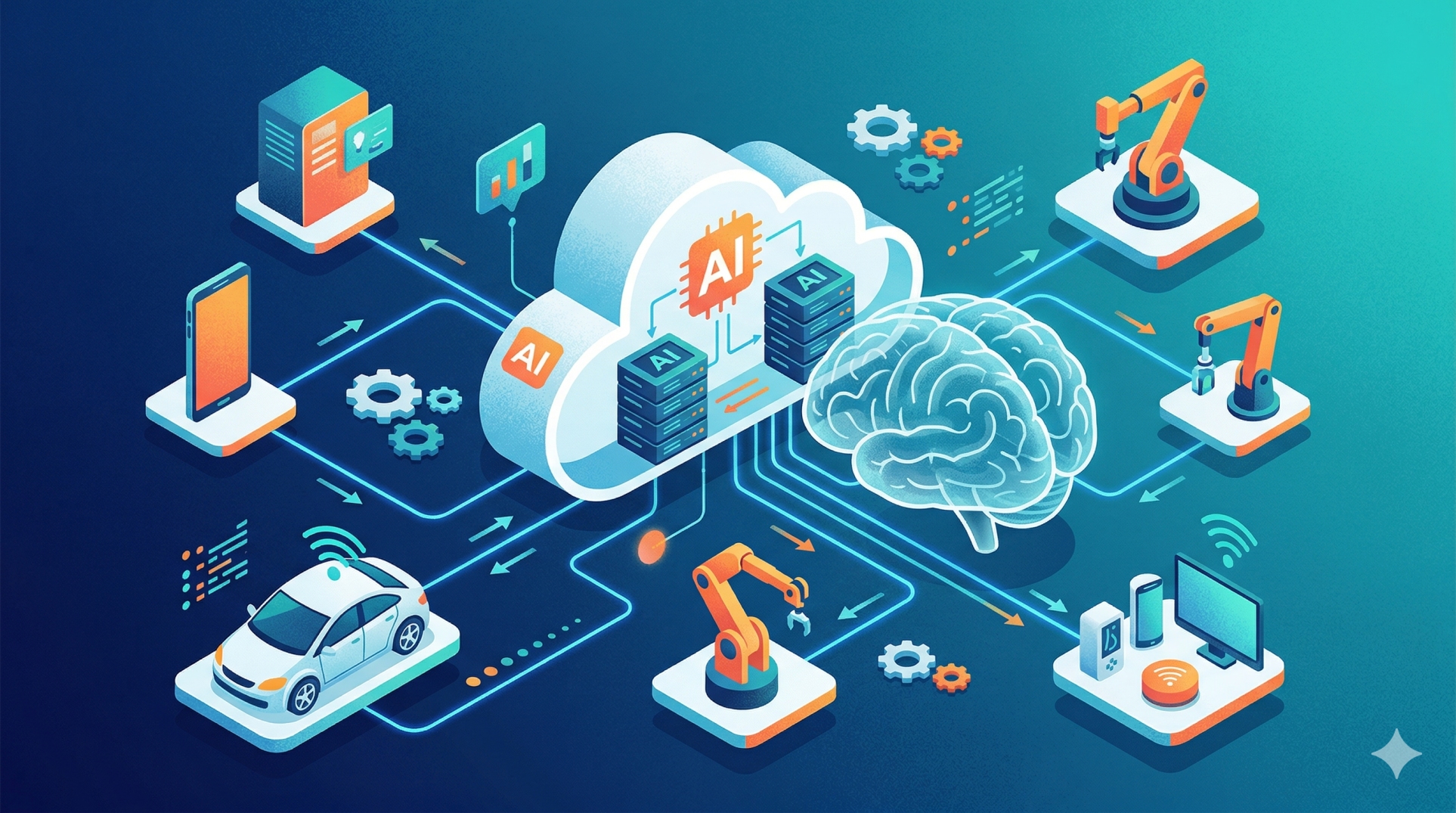
• Integrate AI models directly into enterprise application layers 🤖
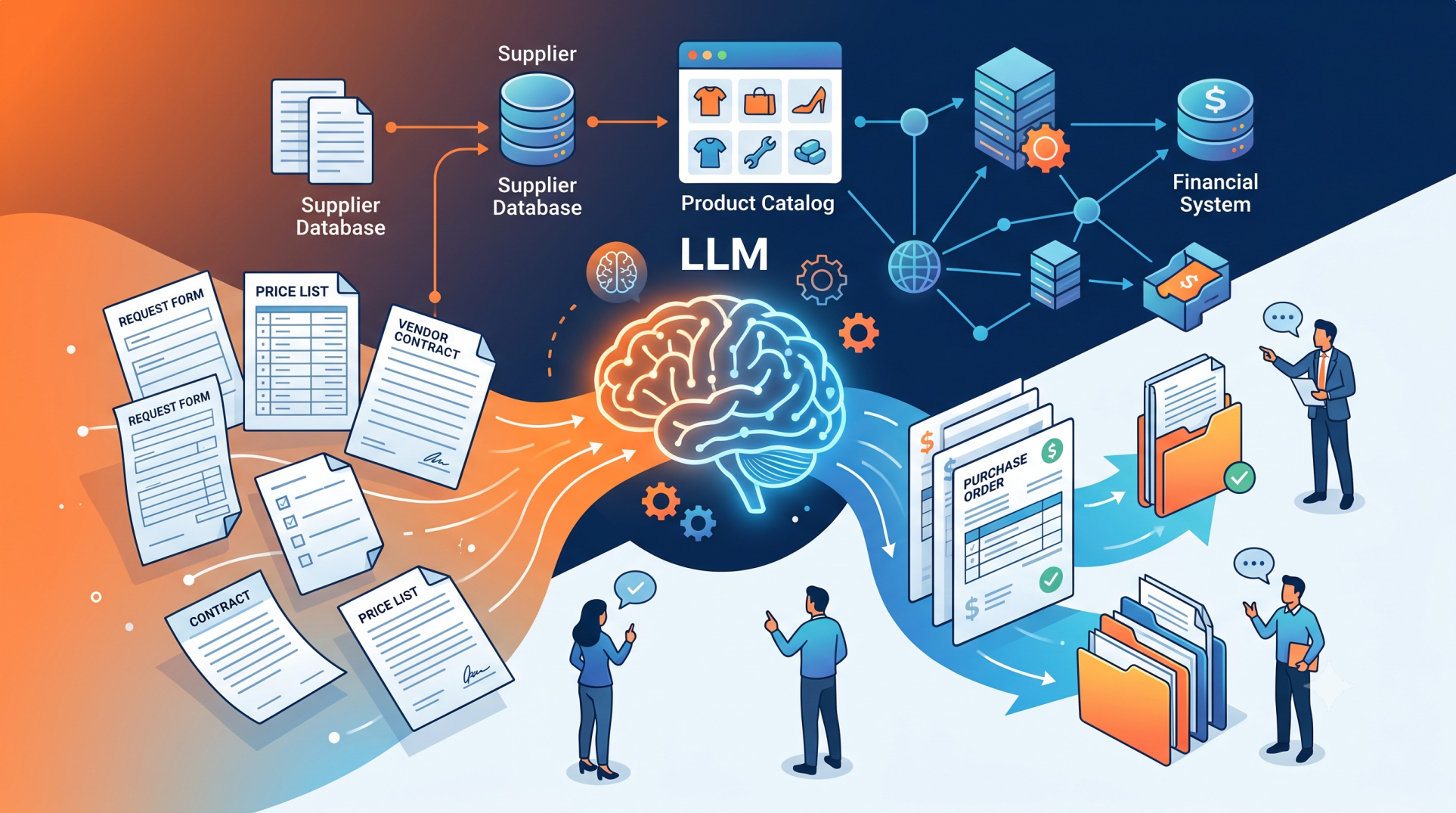
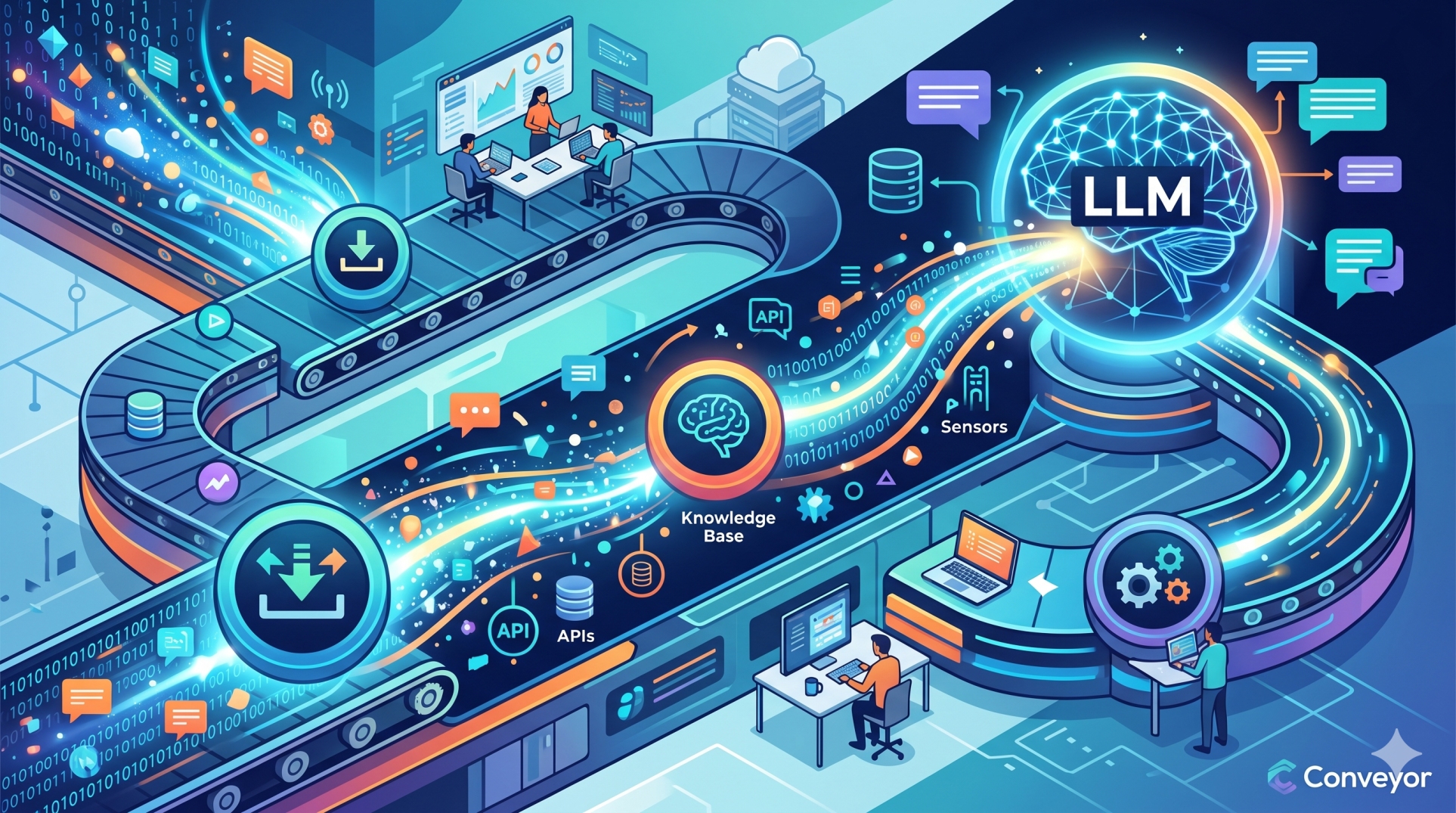
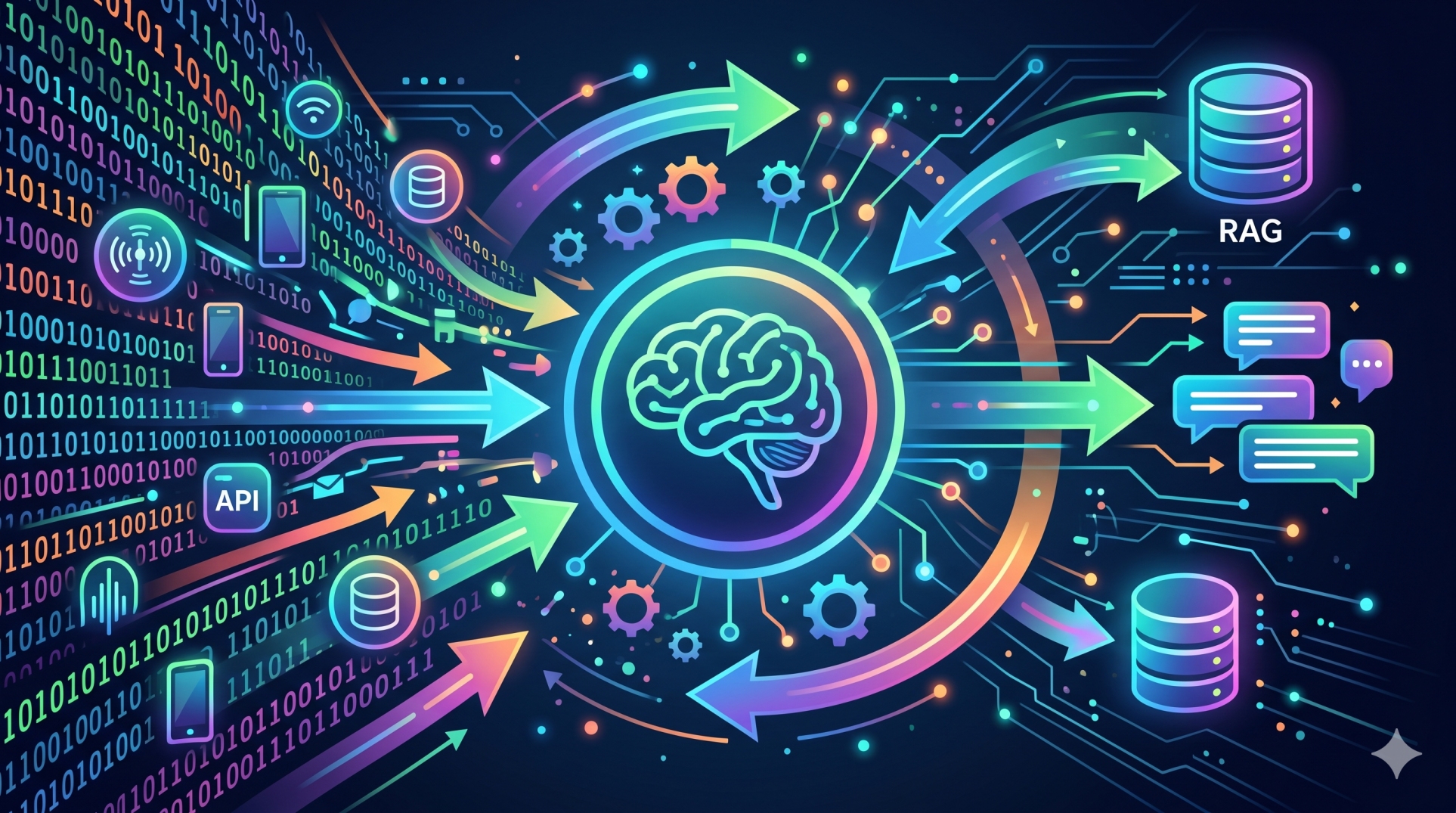
• Connect language models with business data and operational systems 🔗
• Create intelligent services that can support multiple workflows 📊
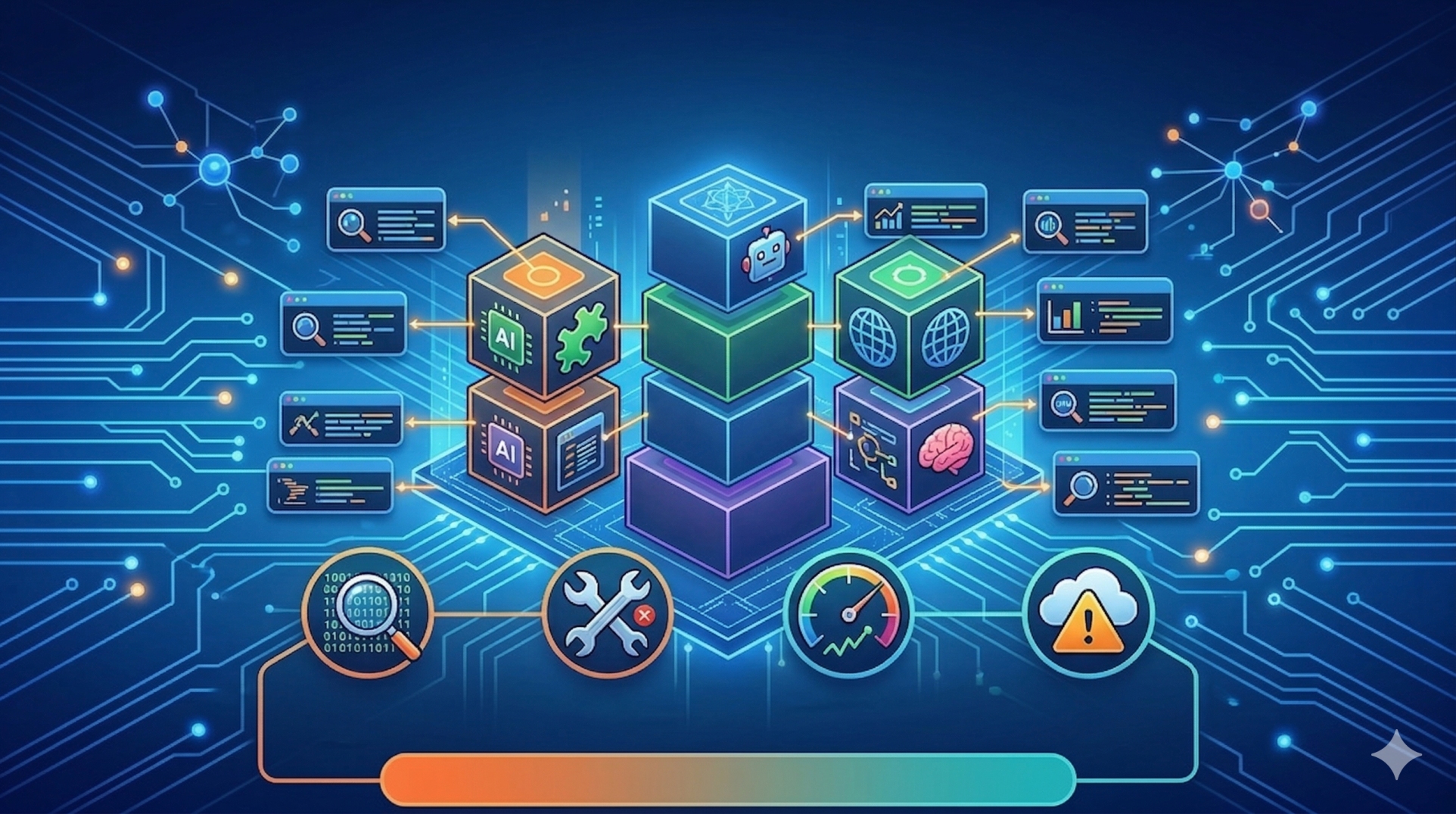
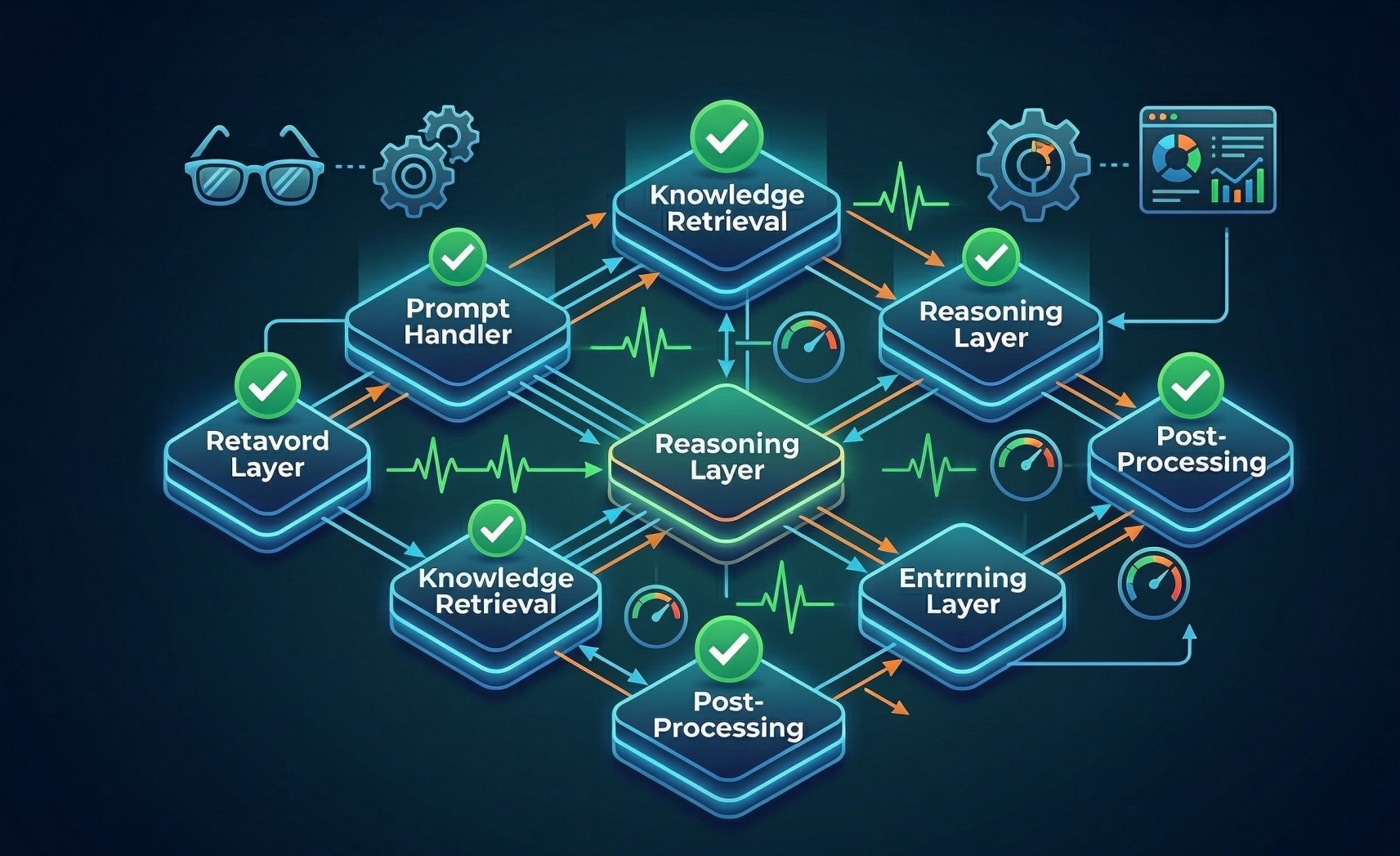
• Use modular AI components for flexible system development 🧩
• Design infrastructure to support continuous AI improvement 🔄
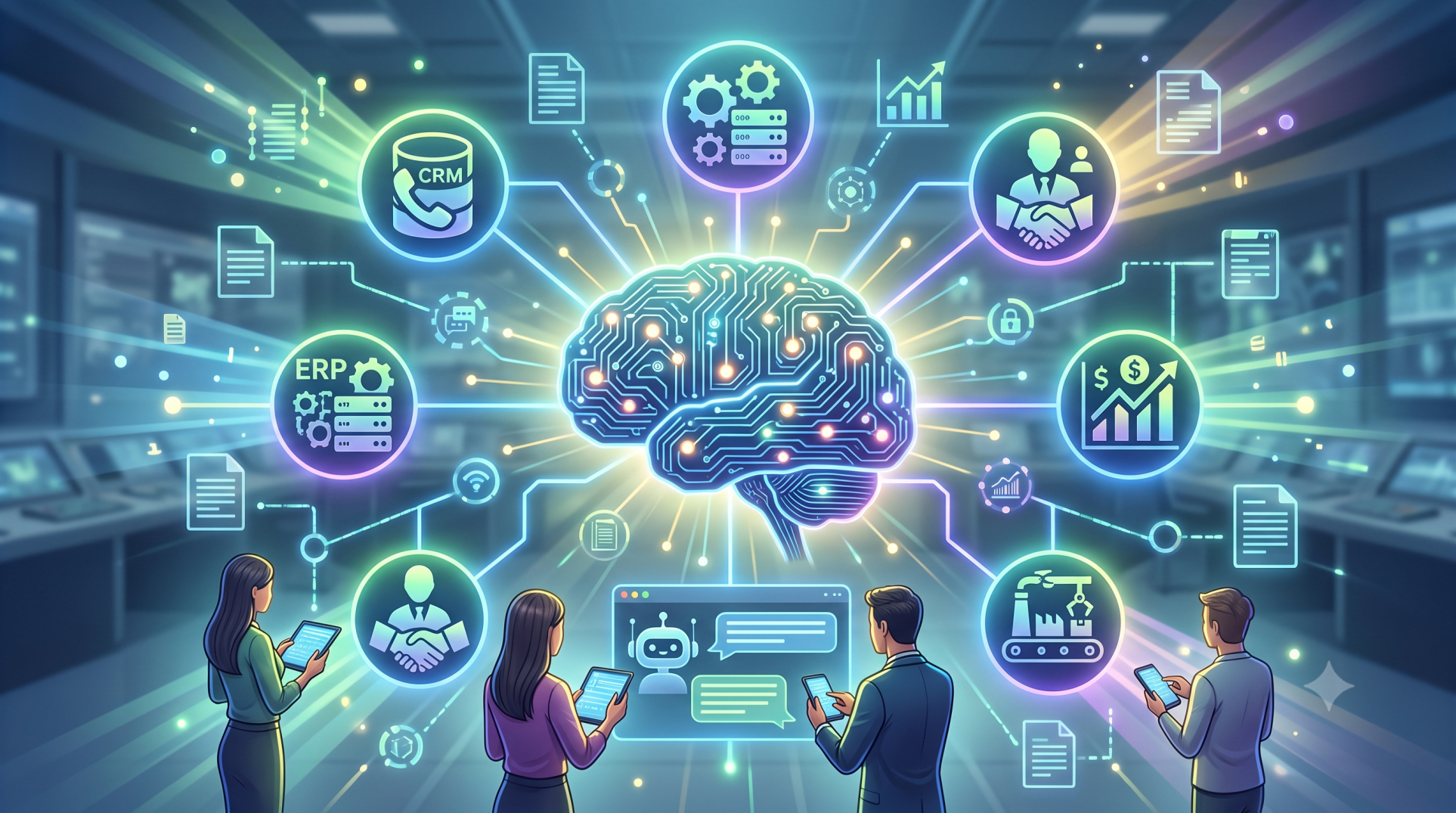
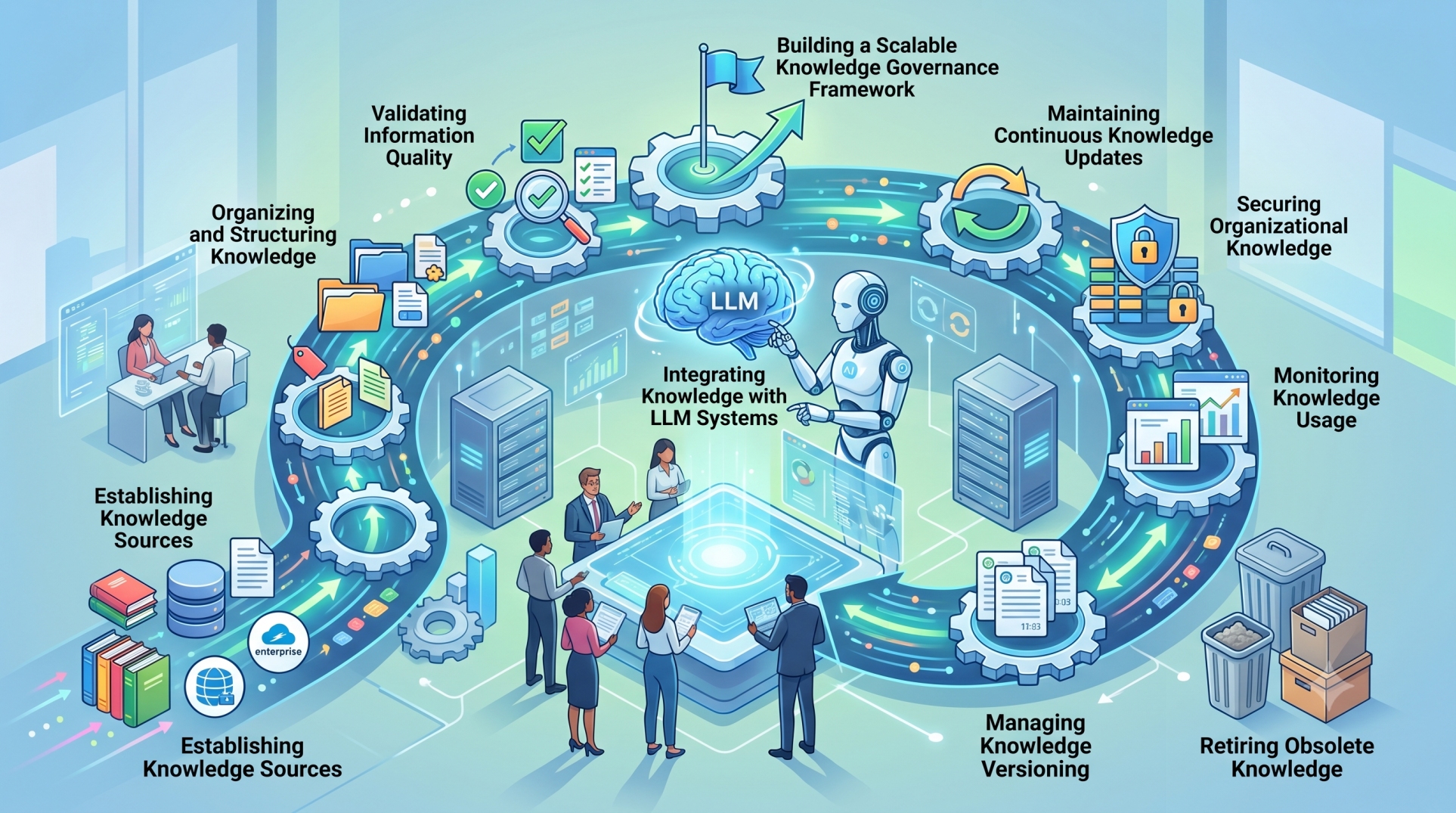
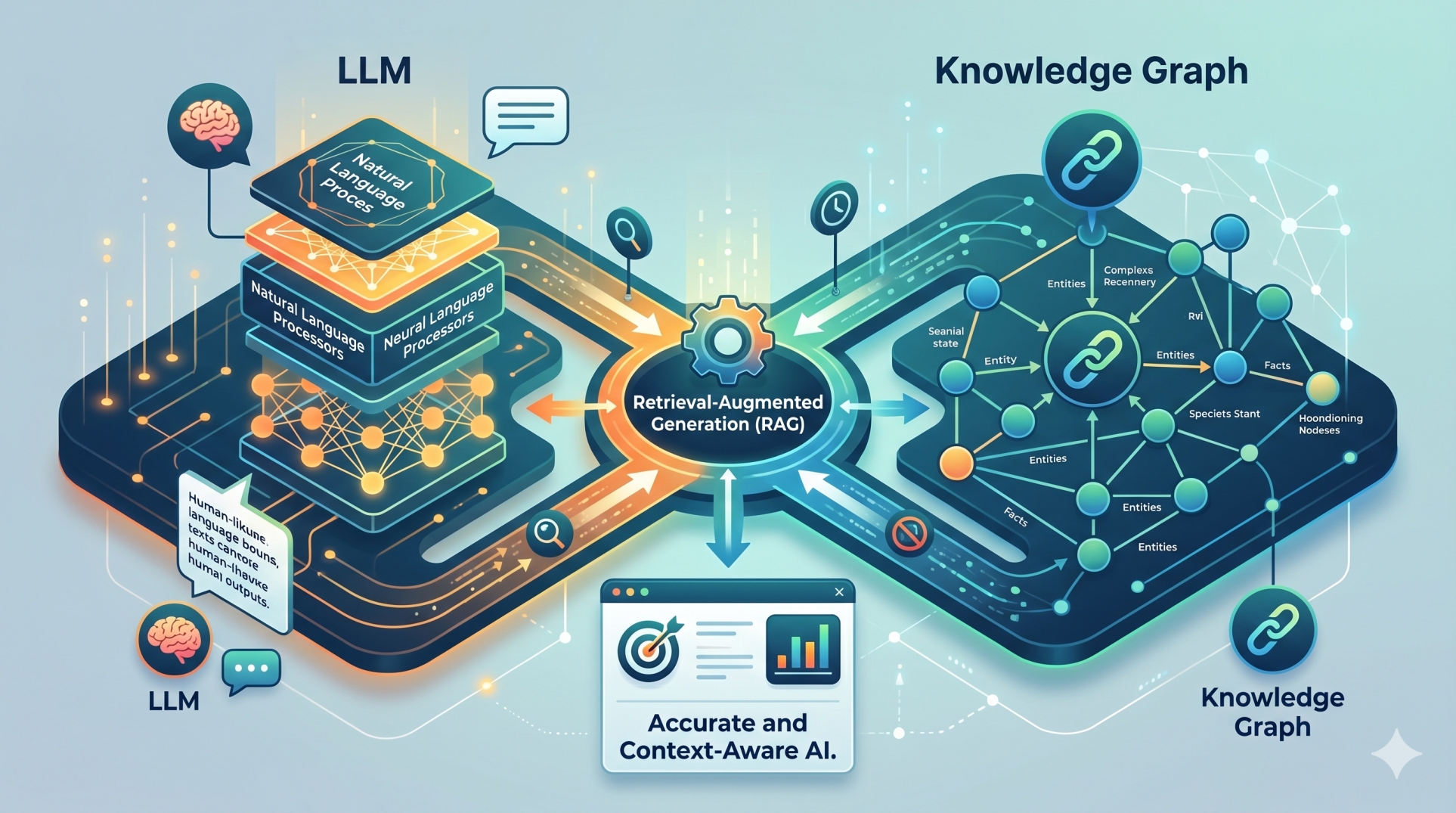
Step 3: Connecting Enterprise Knowledge 🧠
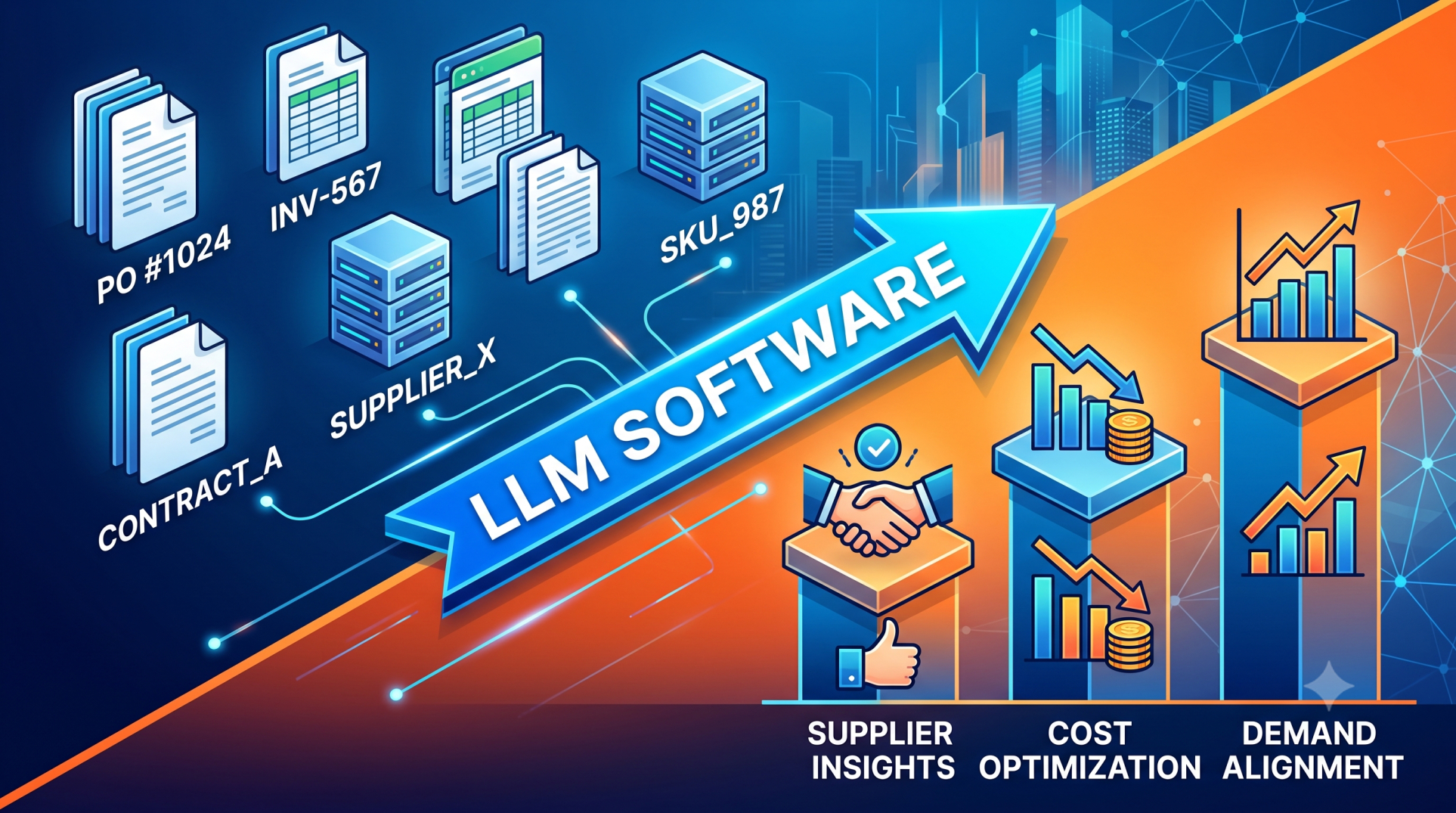
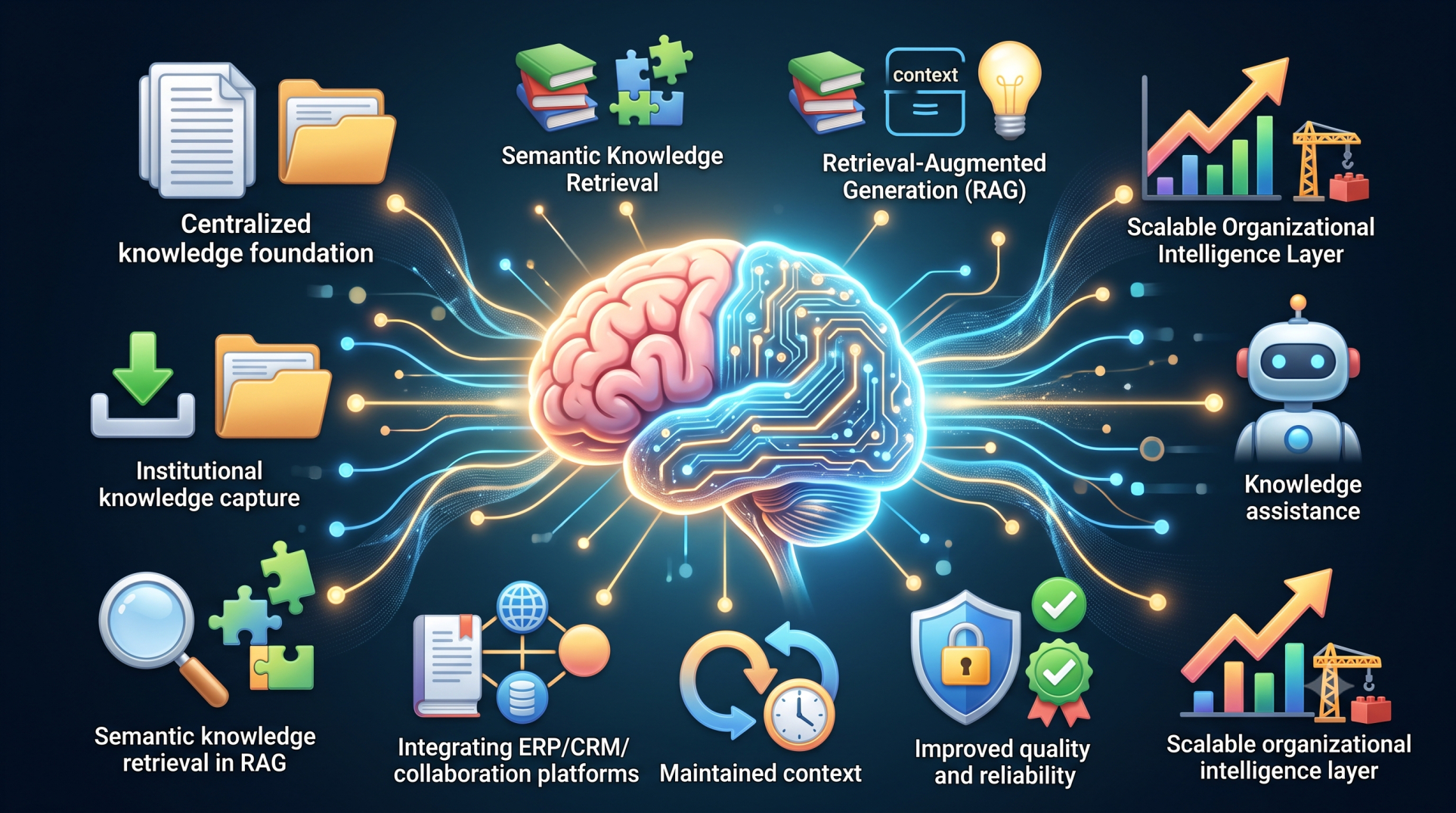
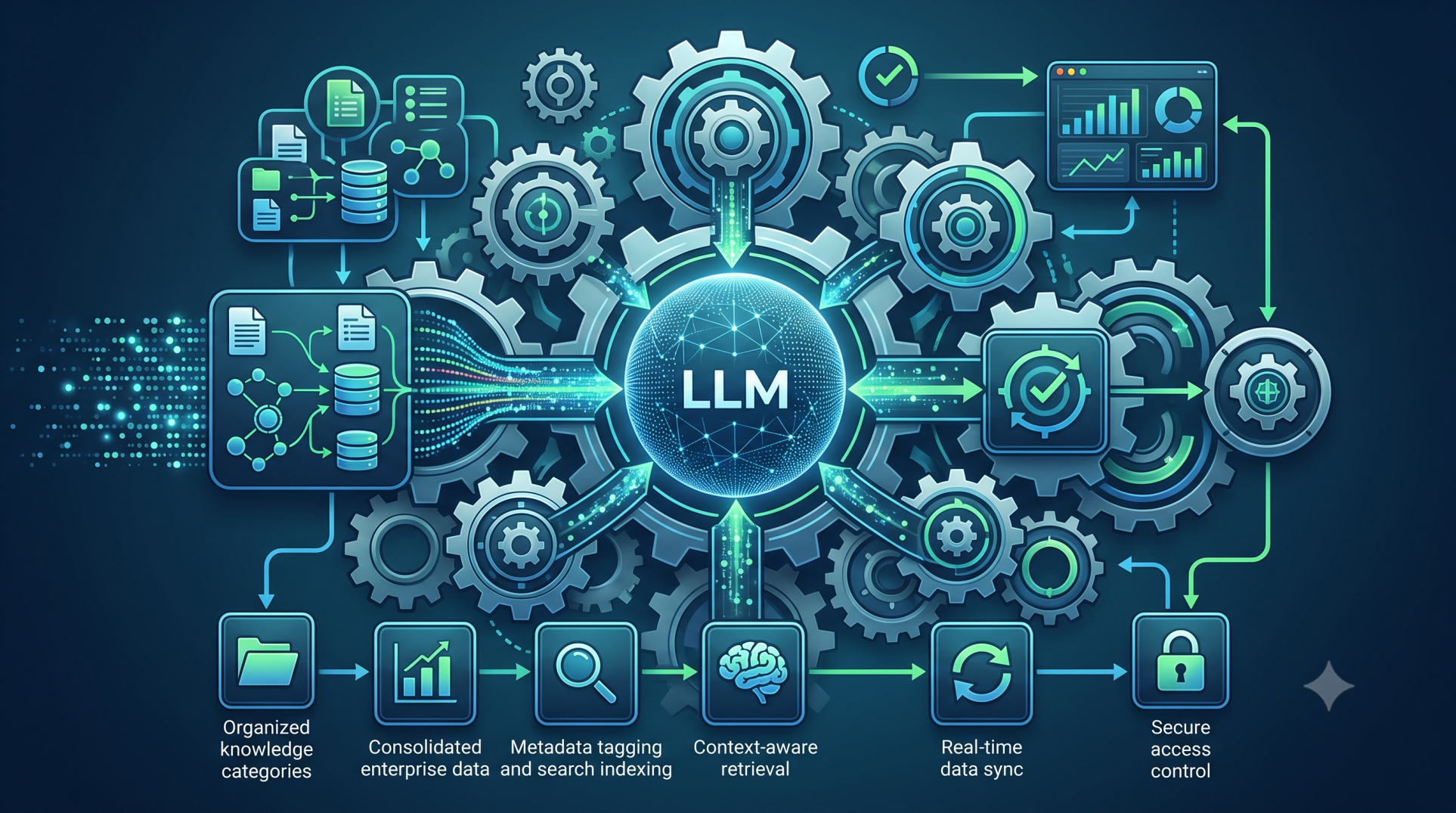
• Integrate structured databases with unstructured business documents 📁
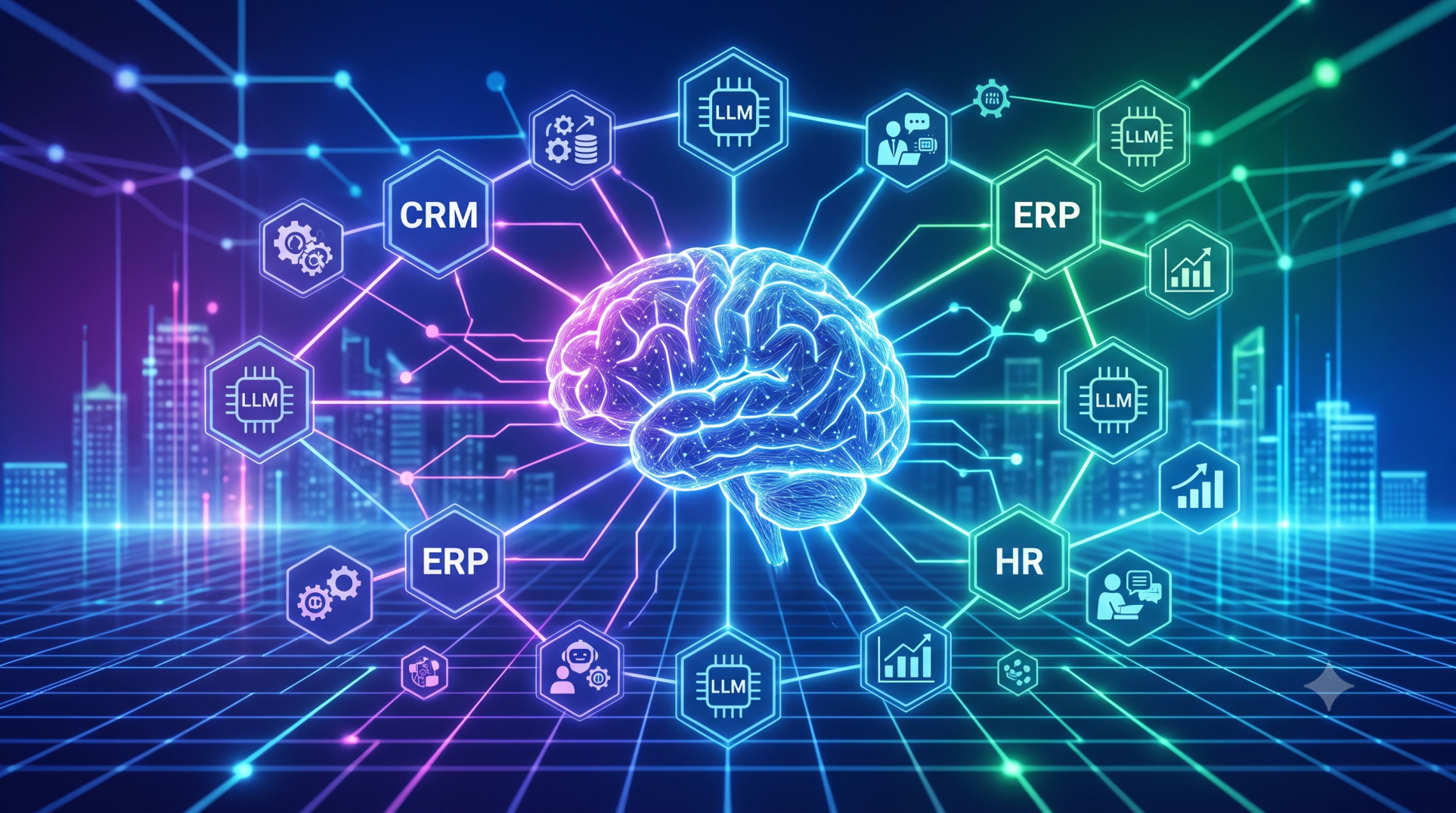
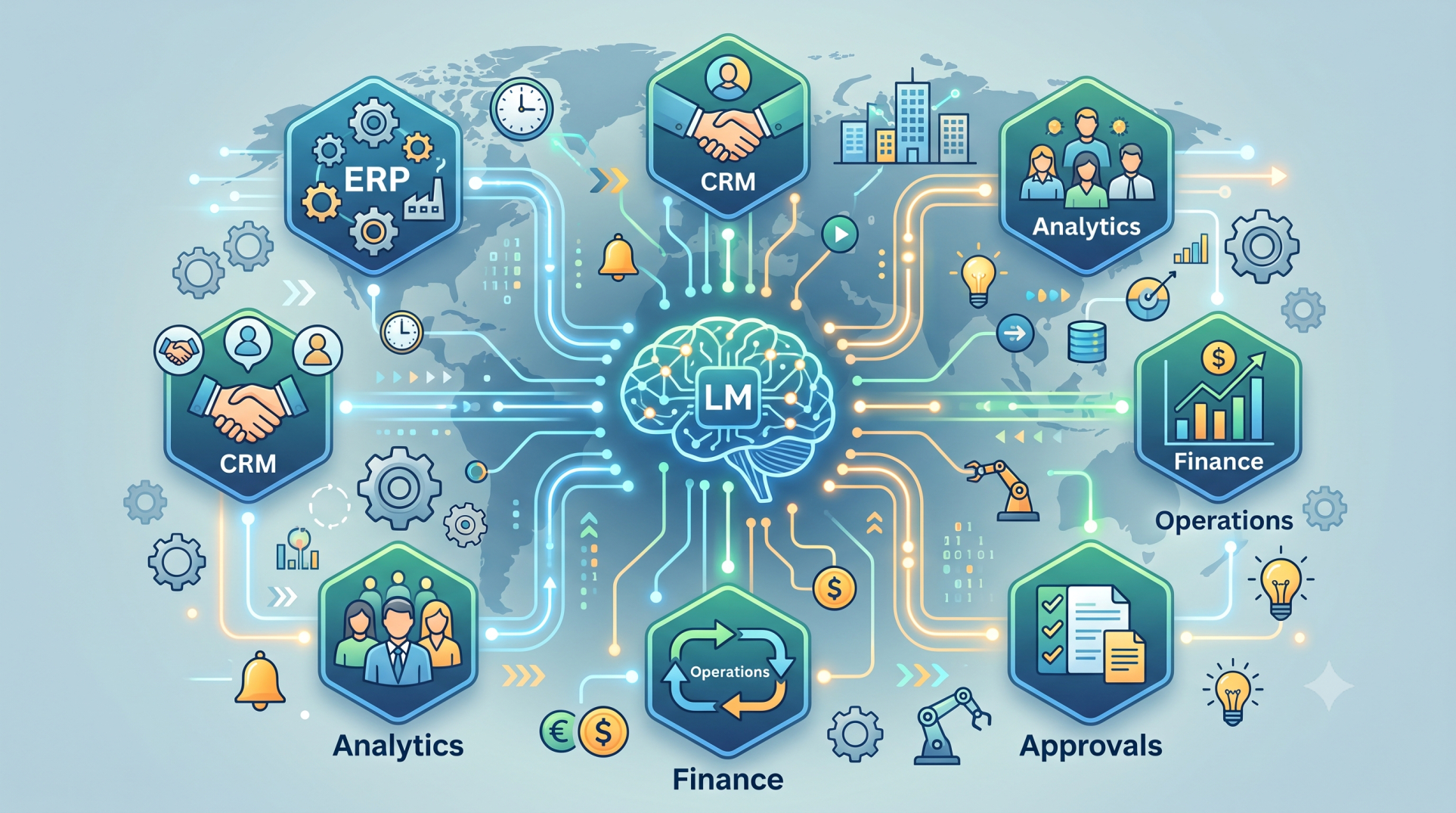
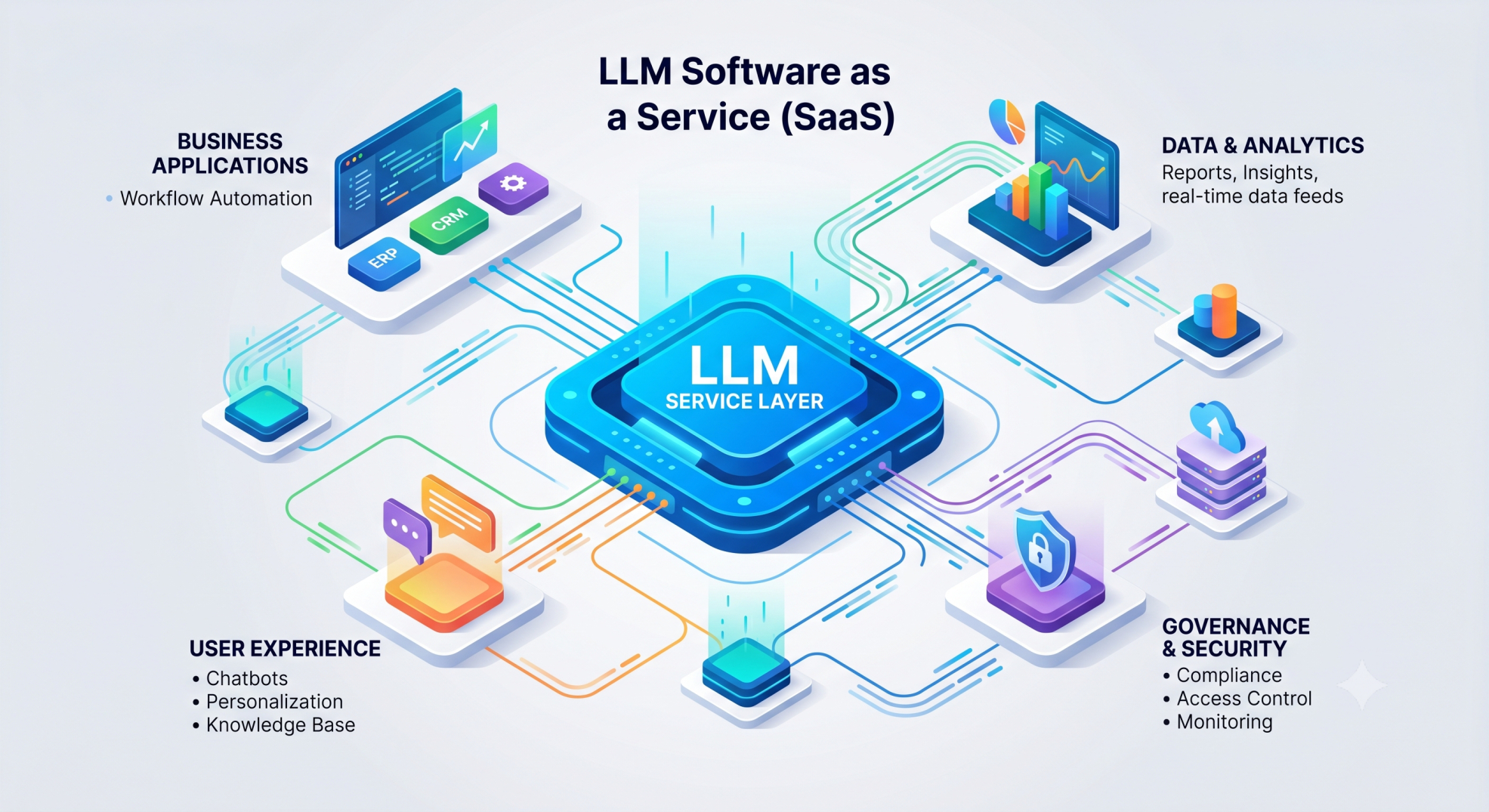
• Connect ERP, CRM, analytics, and operational systems 🔗
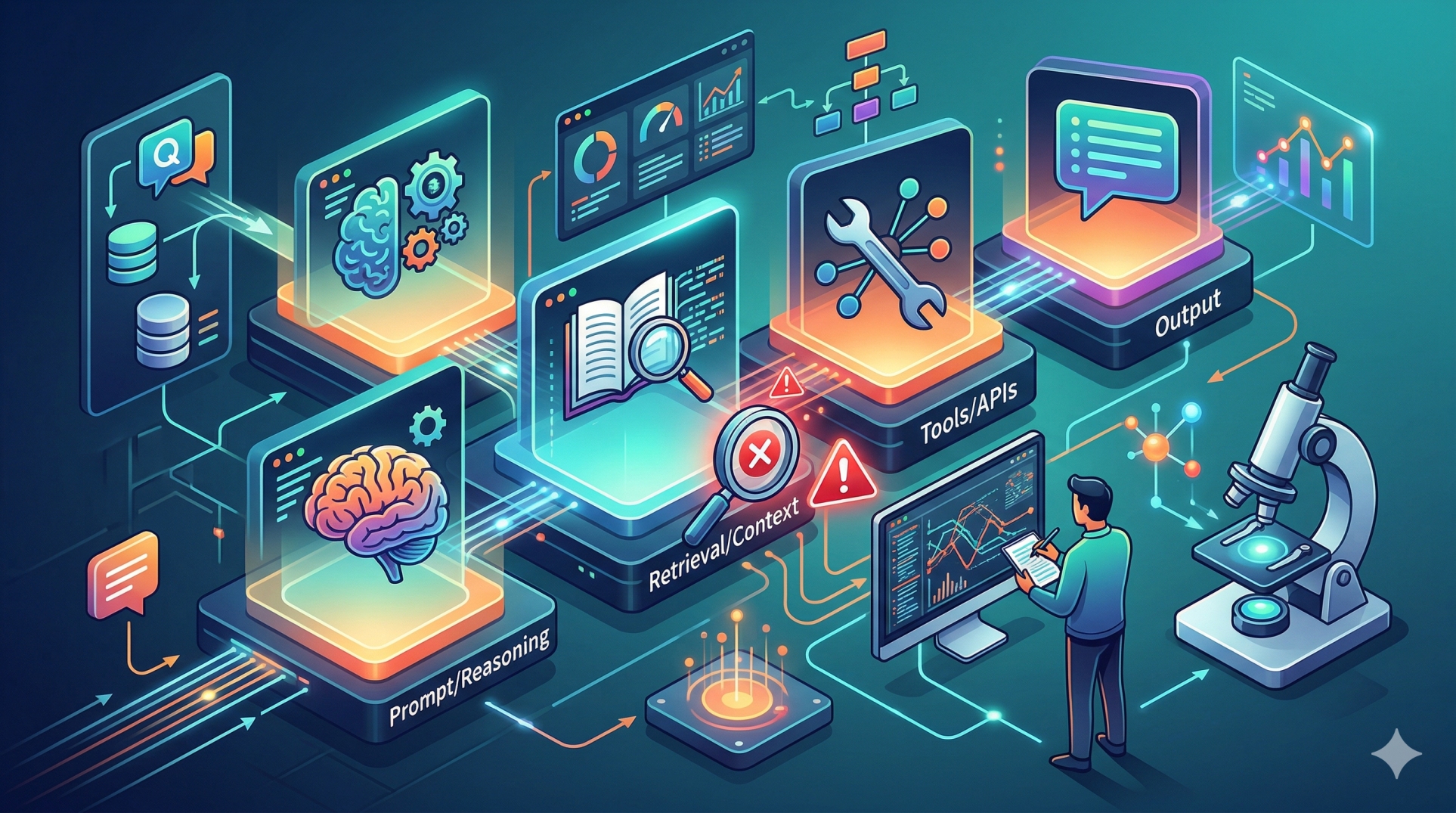
• Use knowledge retrieval to provide relevant business context 🔍
• Maintain centralized access to organizational information 🌐
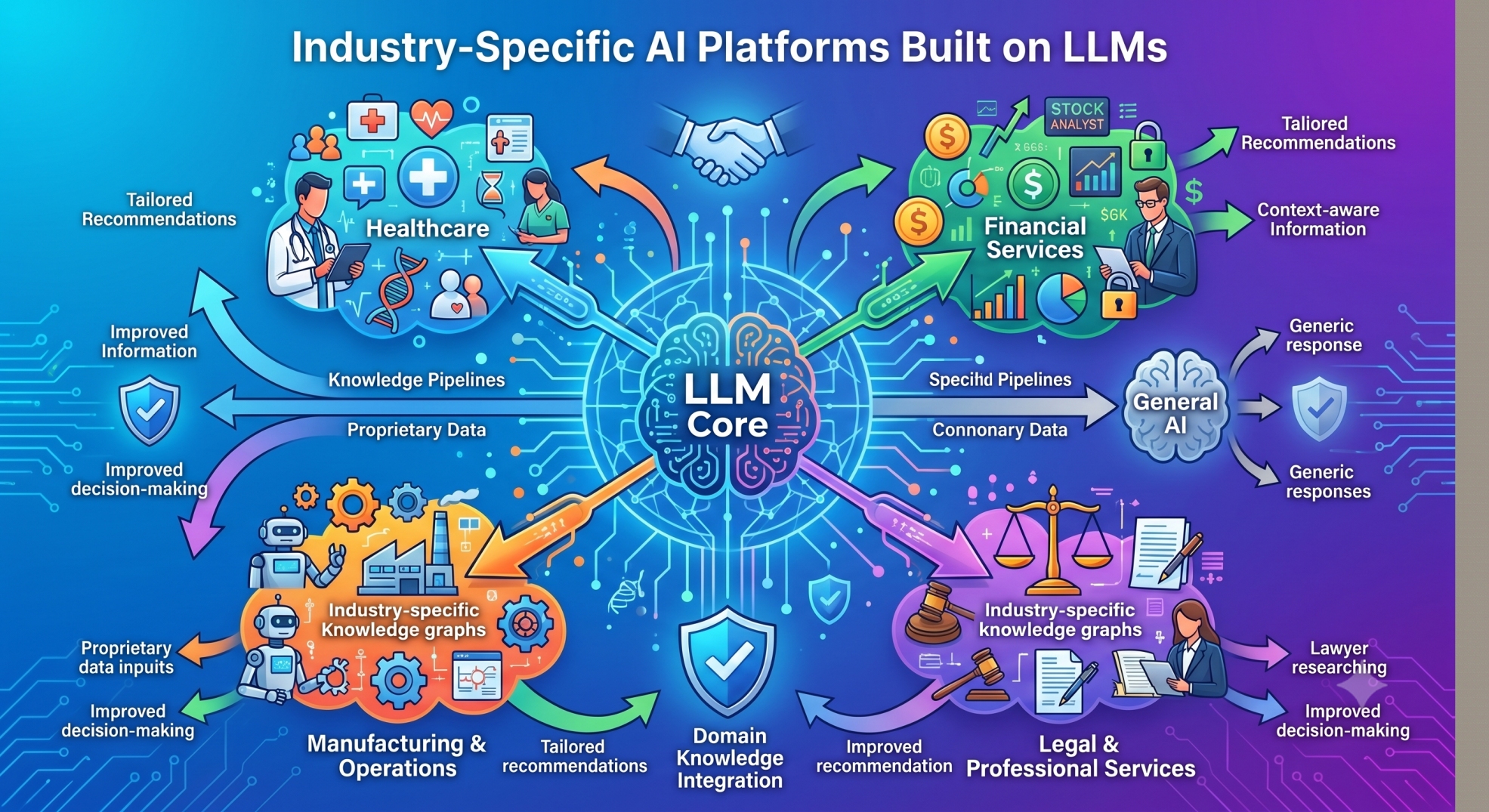
• Enable AI systems to work with domain-specific knowledge 📚
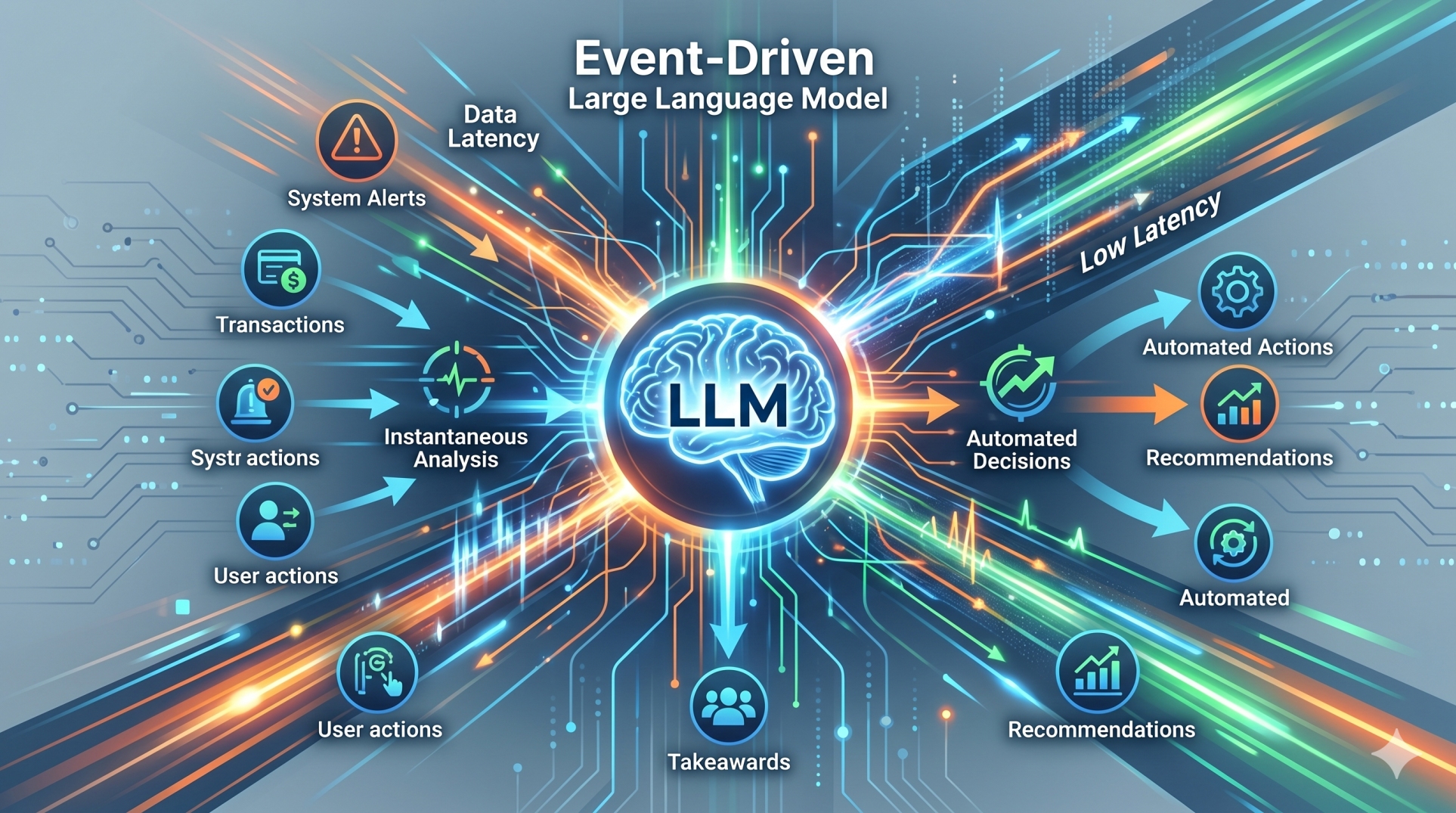
Step 4: Introducing Intelligent Automation ⚡
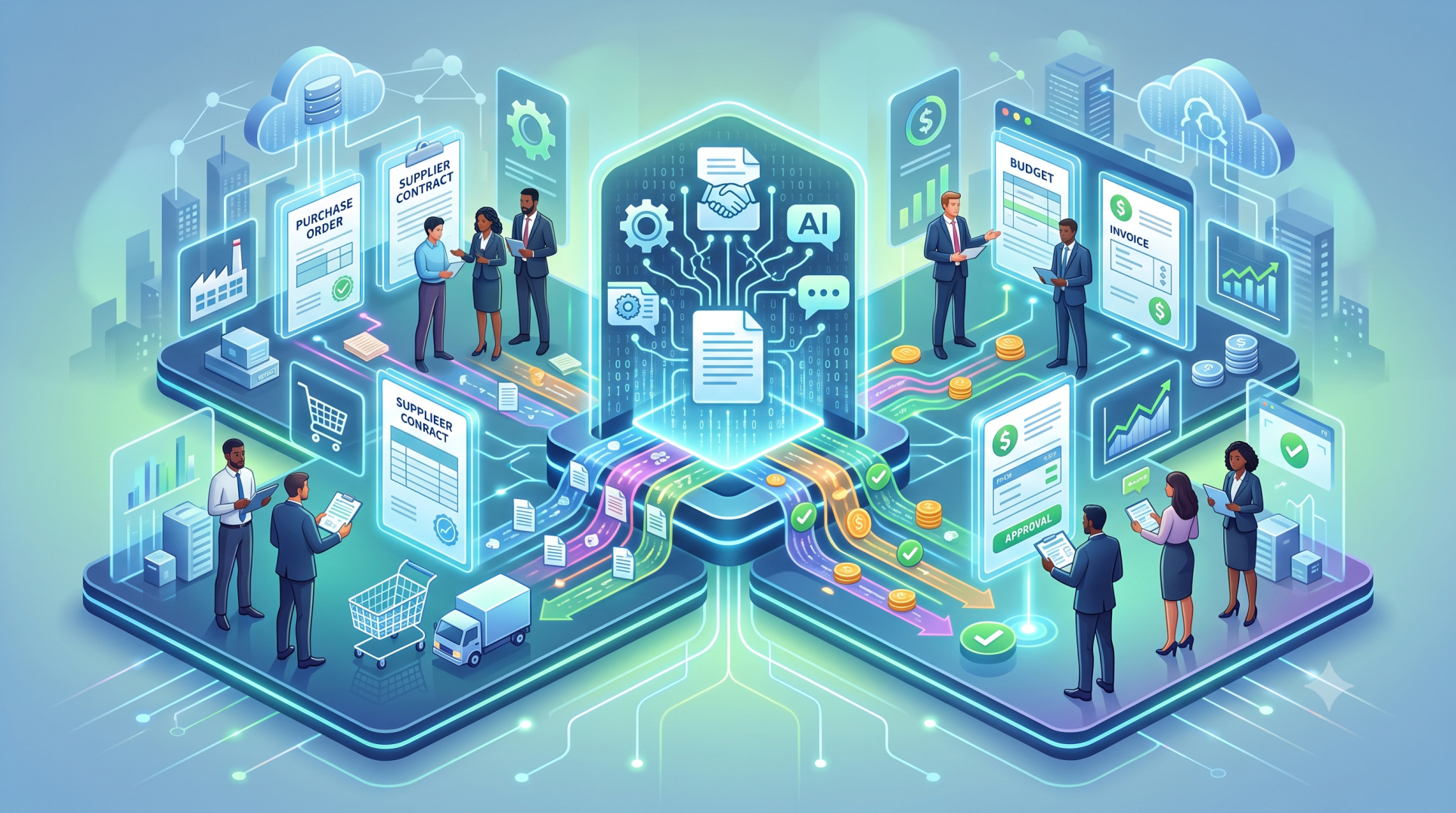
• Automate repetitive business activities through AI-powered workflows 🤖
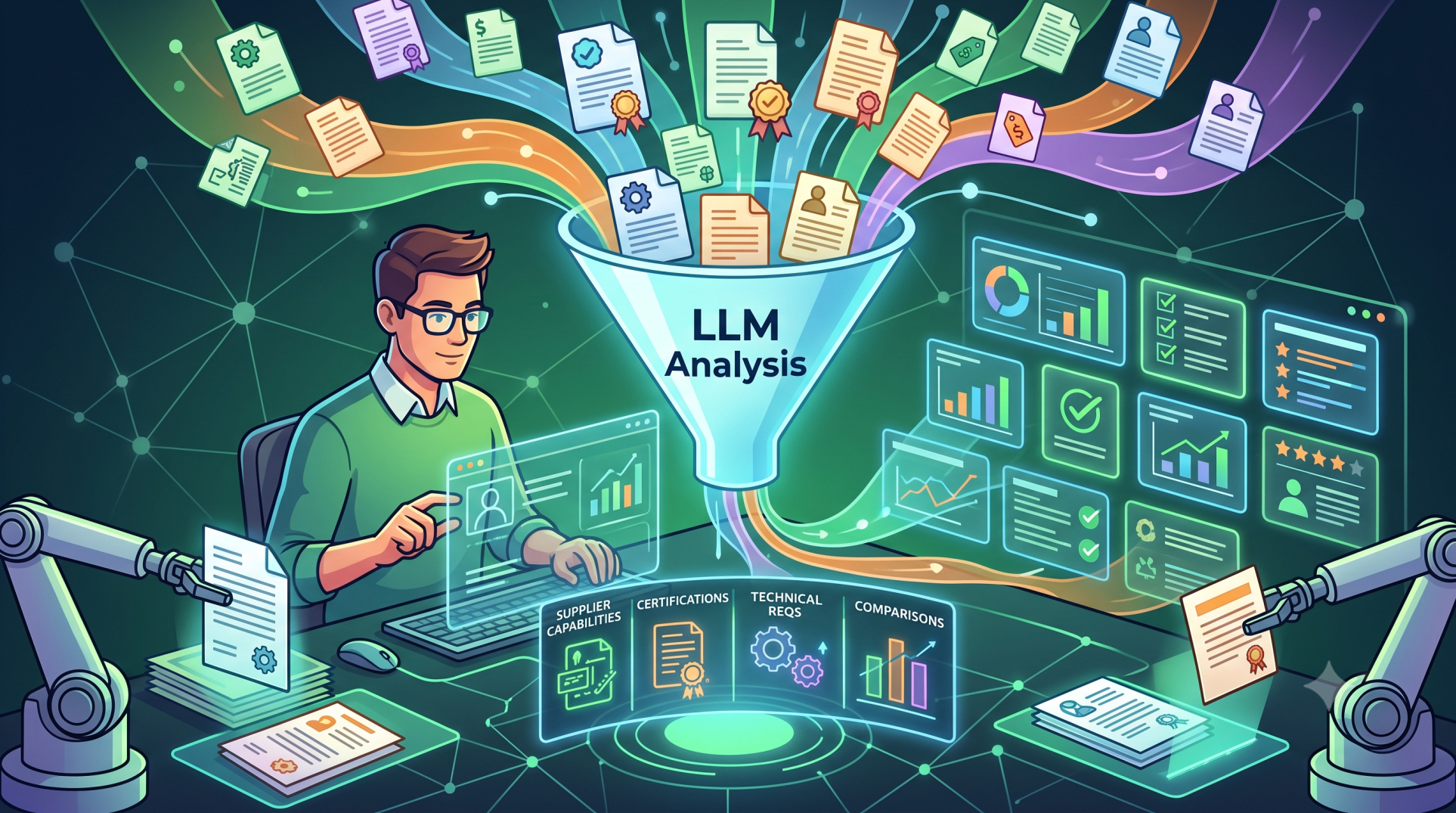
• Classify and process information automatically 📄
• Route tasks based on business conditions and priorities 🎯
• Generate recommendations for employees and decision-makers 💡
• Reduce manual intervention across high-volume processes ⏱️
Step 5: Enabling AI-Powered Decision Support 📊
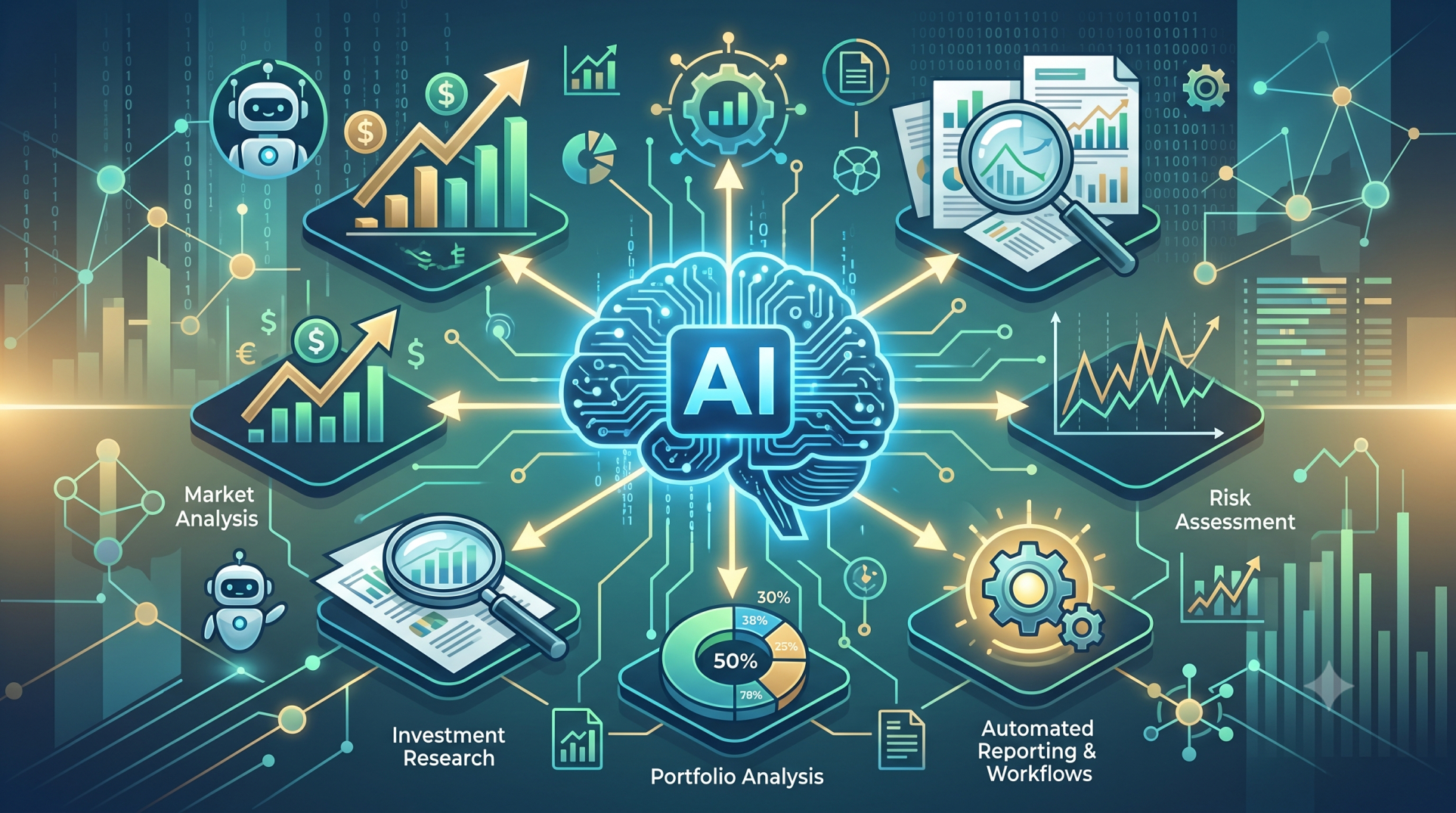
• Analyze large volumes of enterprise data quickly 📈
• Identify patterns, risks, and operational opportunities 🔍
• Provide contextual recommendations to business teams 🧠
• Support forecasting and scenario analysis 🔮
• Help leaders make faster, data-informed decisions 🚀
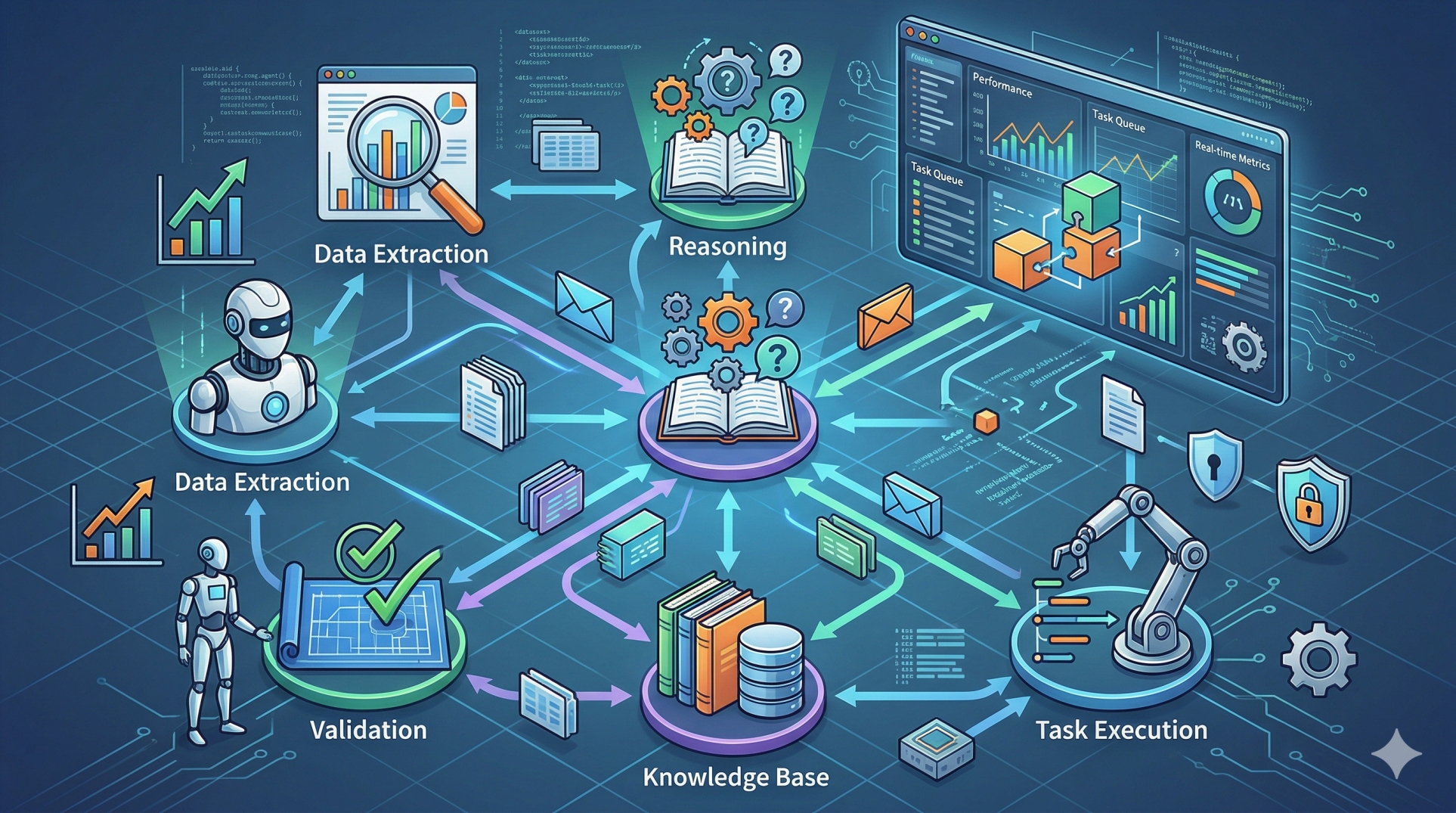
Step 6: Creating Intelligent Enterprise Agents 🤝
• Deploy AI agents for specific business functions 🧩
• Allow agents to interact with enterprise applications and APIs 🔗
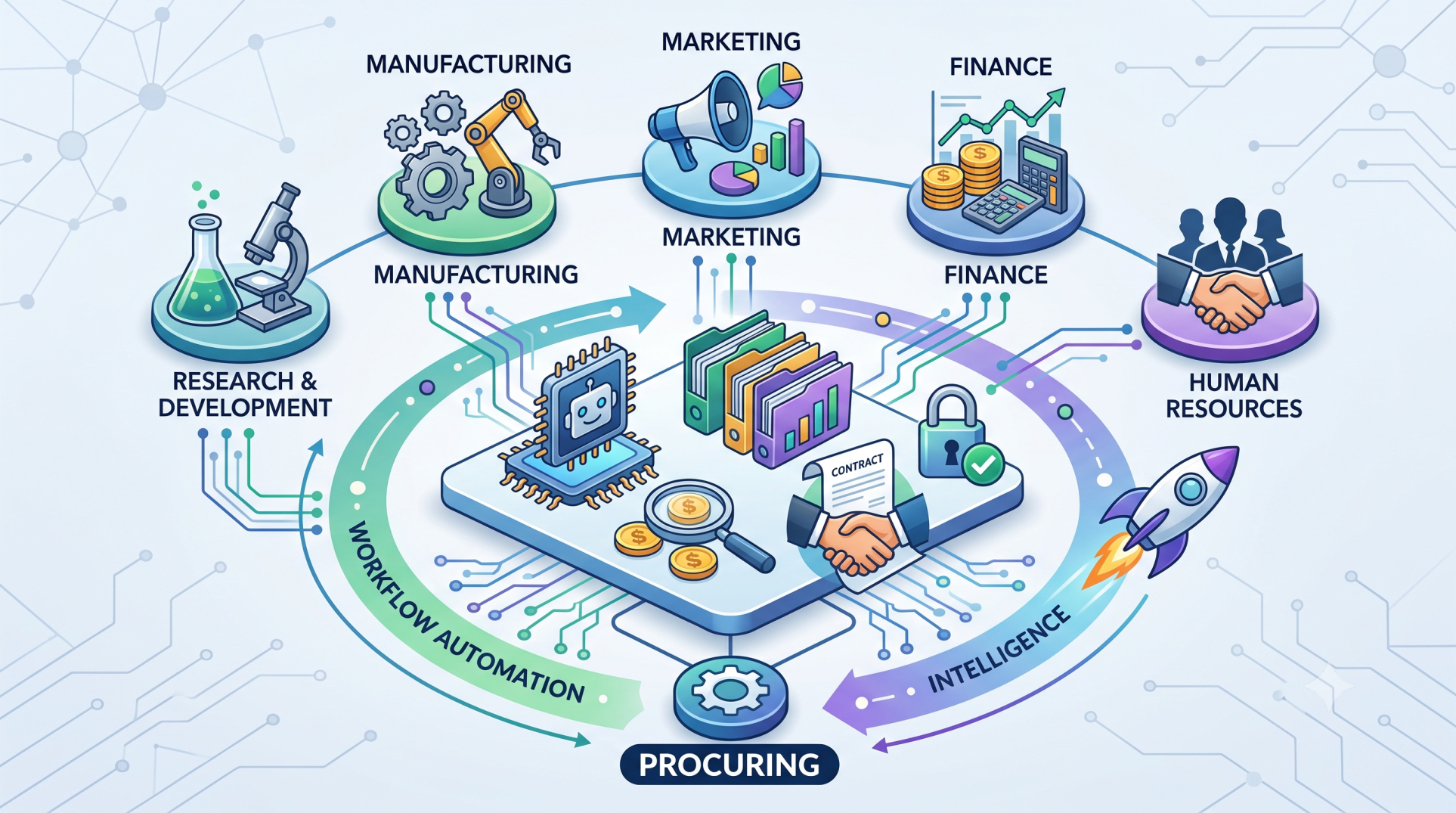
• Coordinate tasks across multiple systems and departments 🌐
• Enable agents to complete multi-step workflows autonomously ⚙️
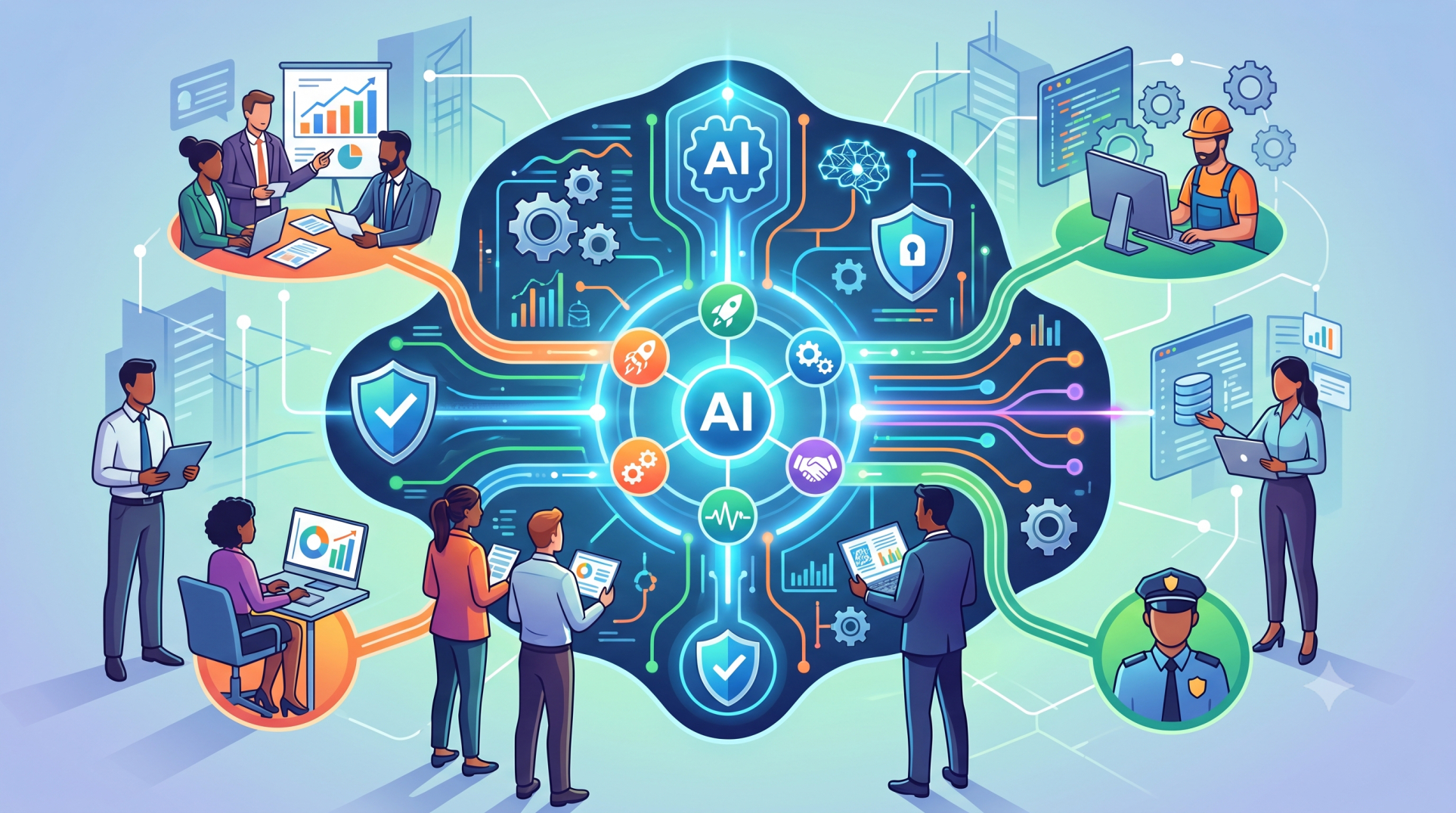
• Maintain appropriate human oversight for critical decisions 👥
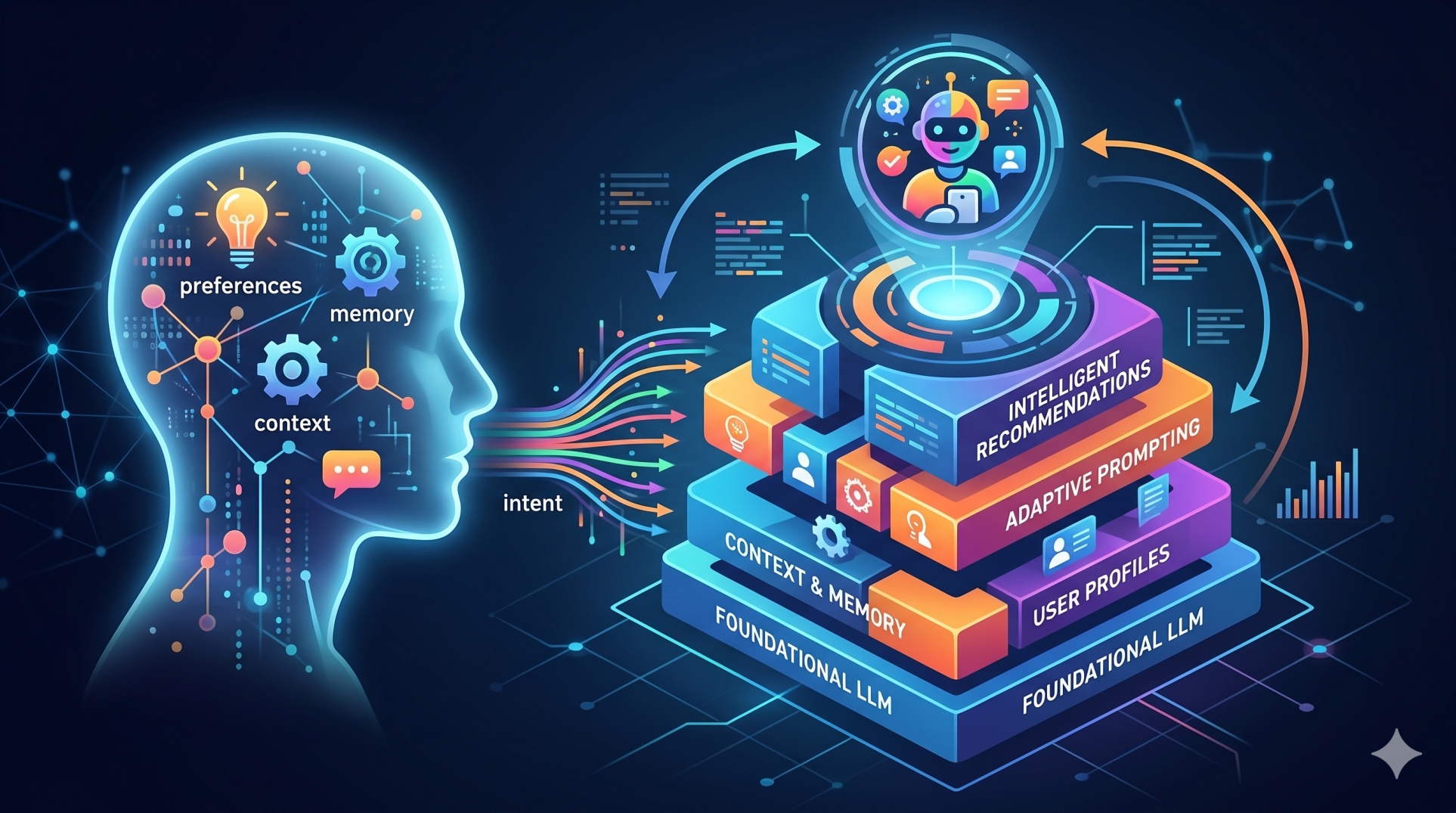
Step 7: Personalizing Enterprise Experiences 🎯
• Adapt interfaces and recommendations to individual users 👤
• Provide employees with context-aware assistance 💬
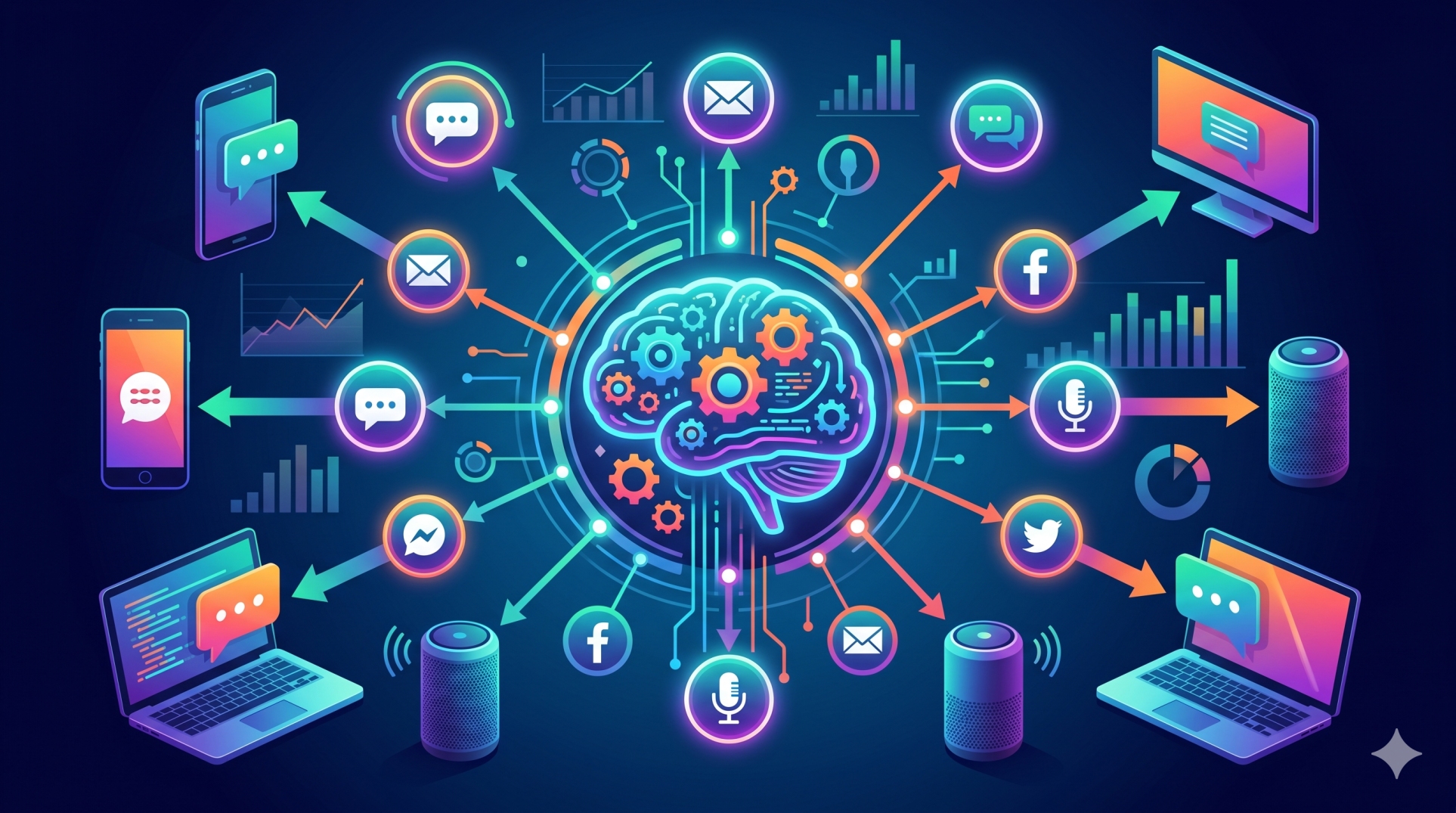
• Deliver personalized customer interactions across channels 📱
• Use organizational roles and permissions to control AI behavior 🔐
• Improve productivity through intelligent assistance ⚡
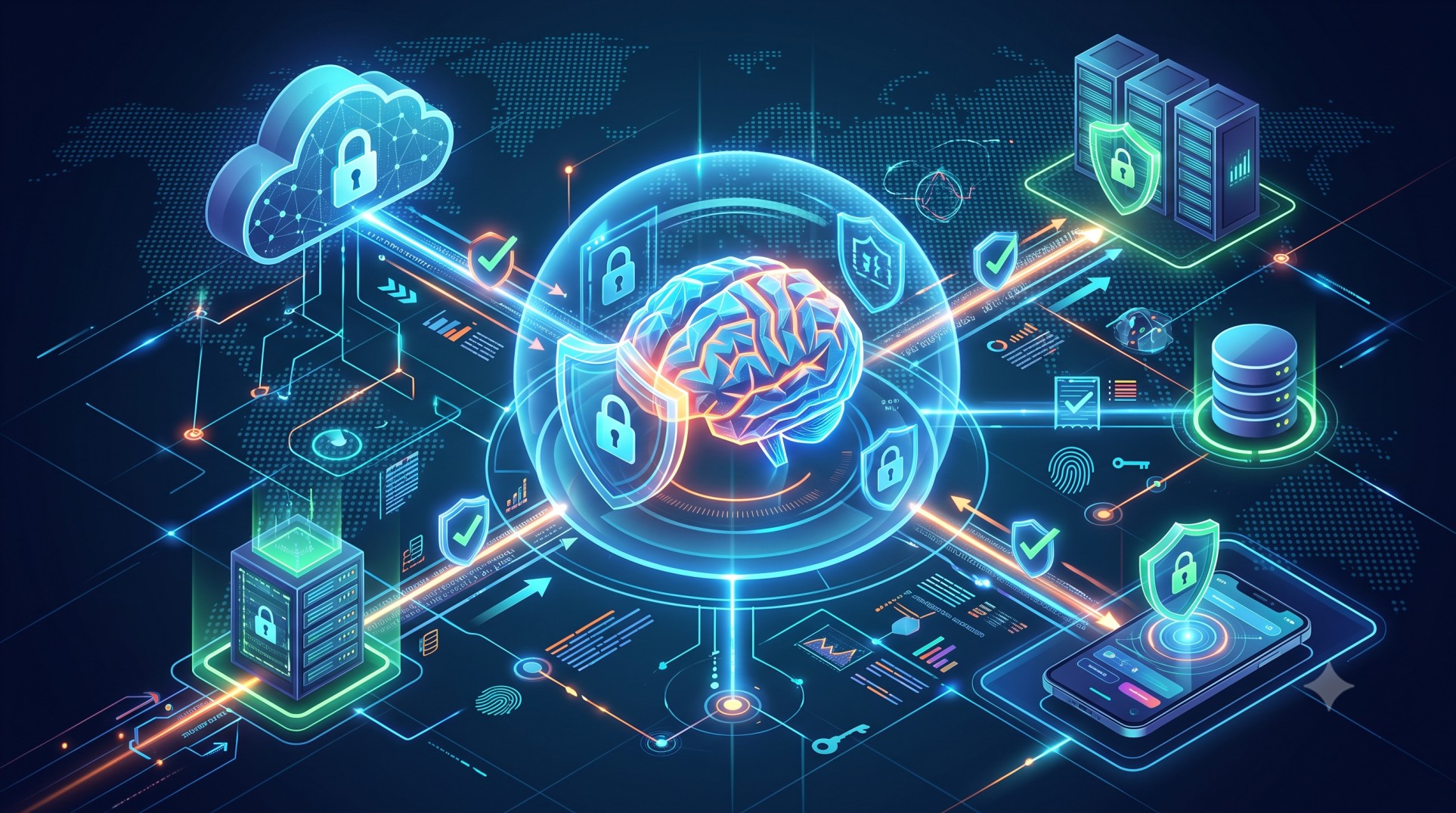
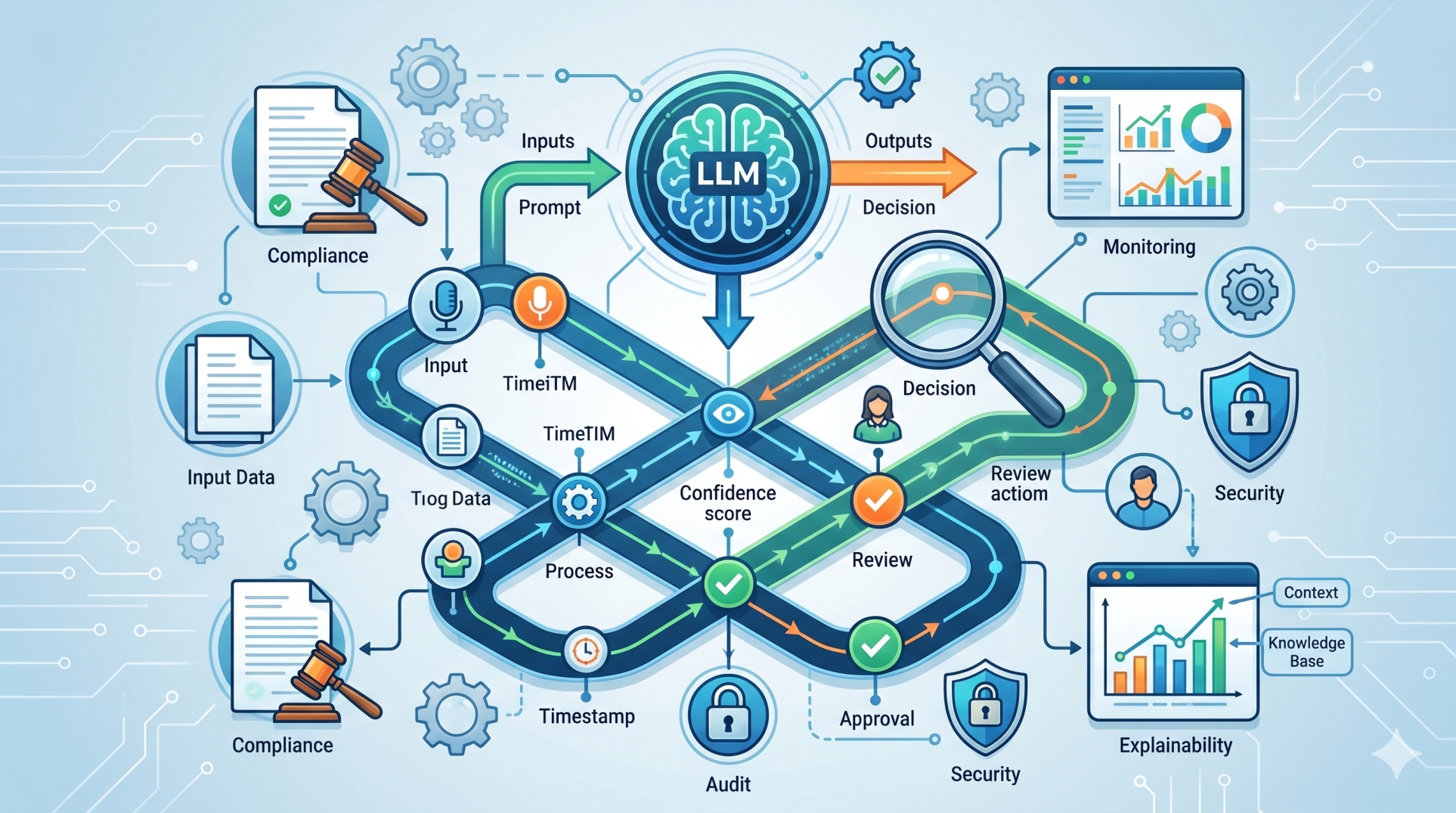
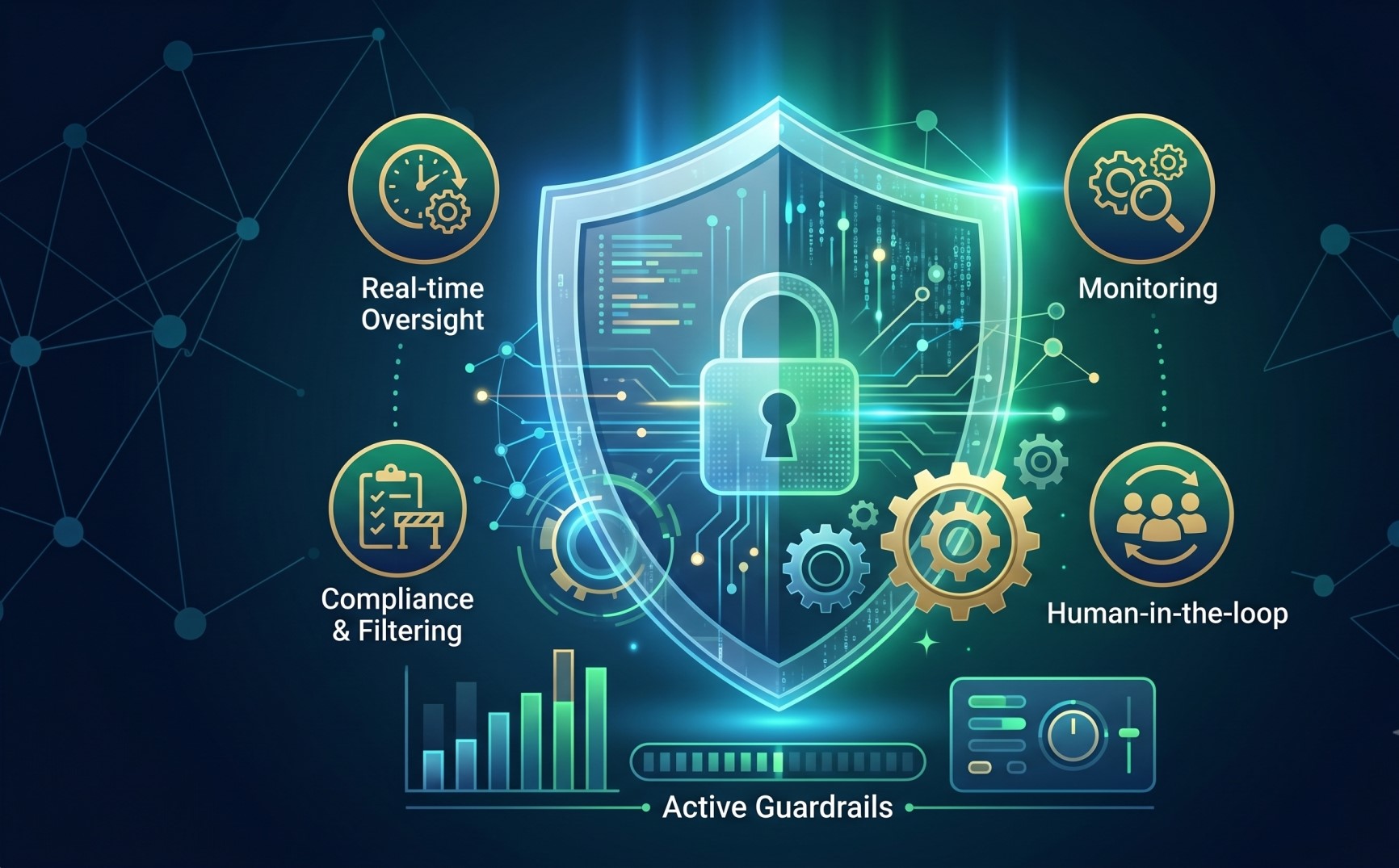
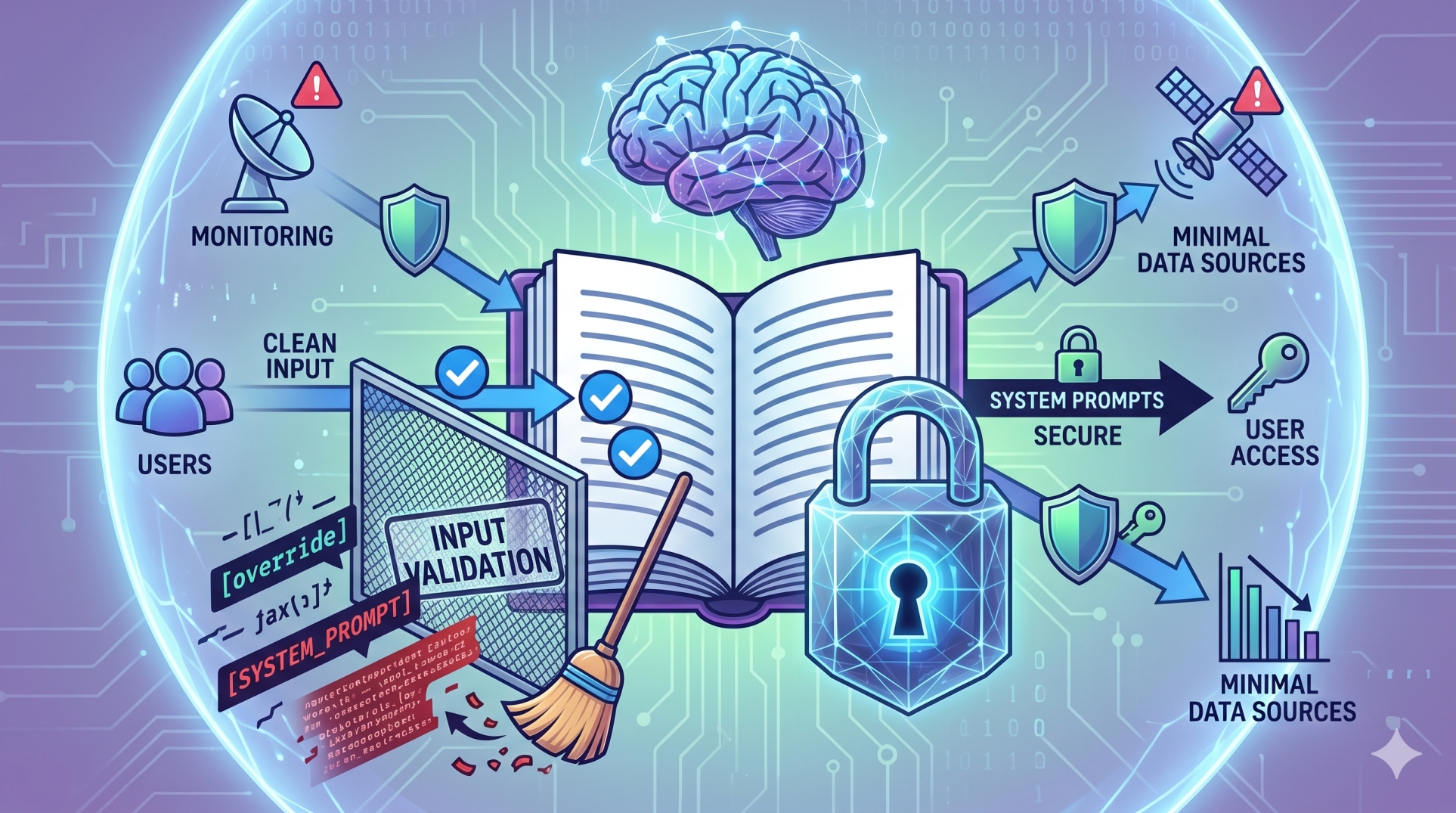
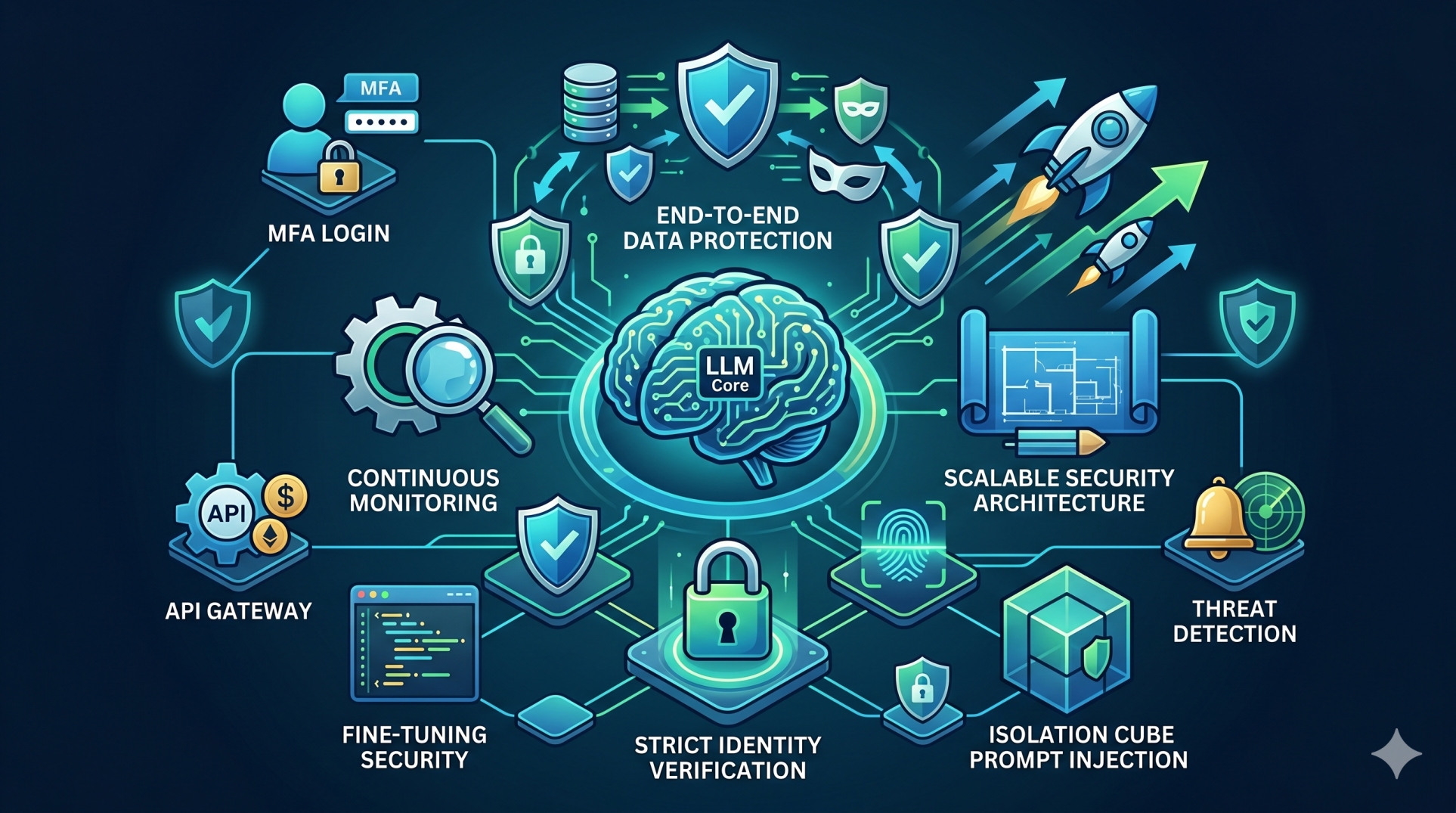
Step 8: Strengthening AI Governance and Security 🔐
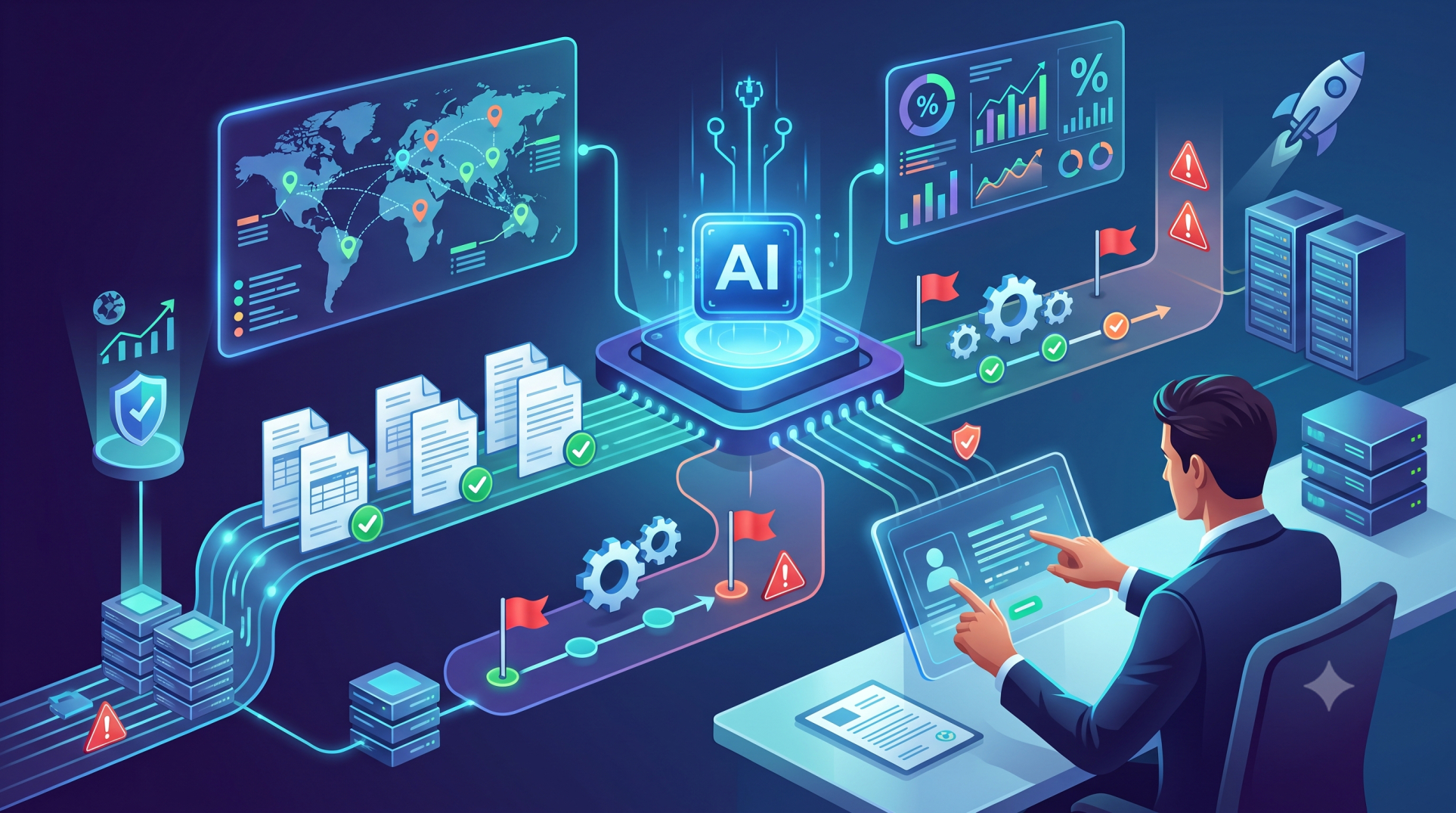
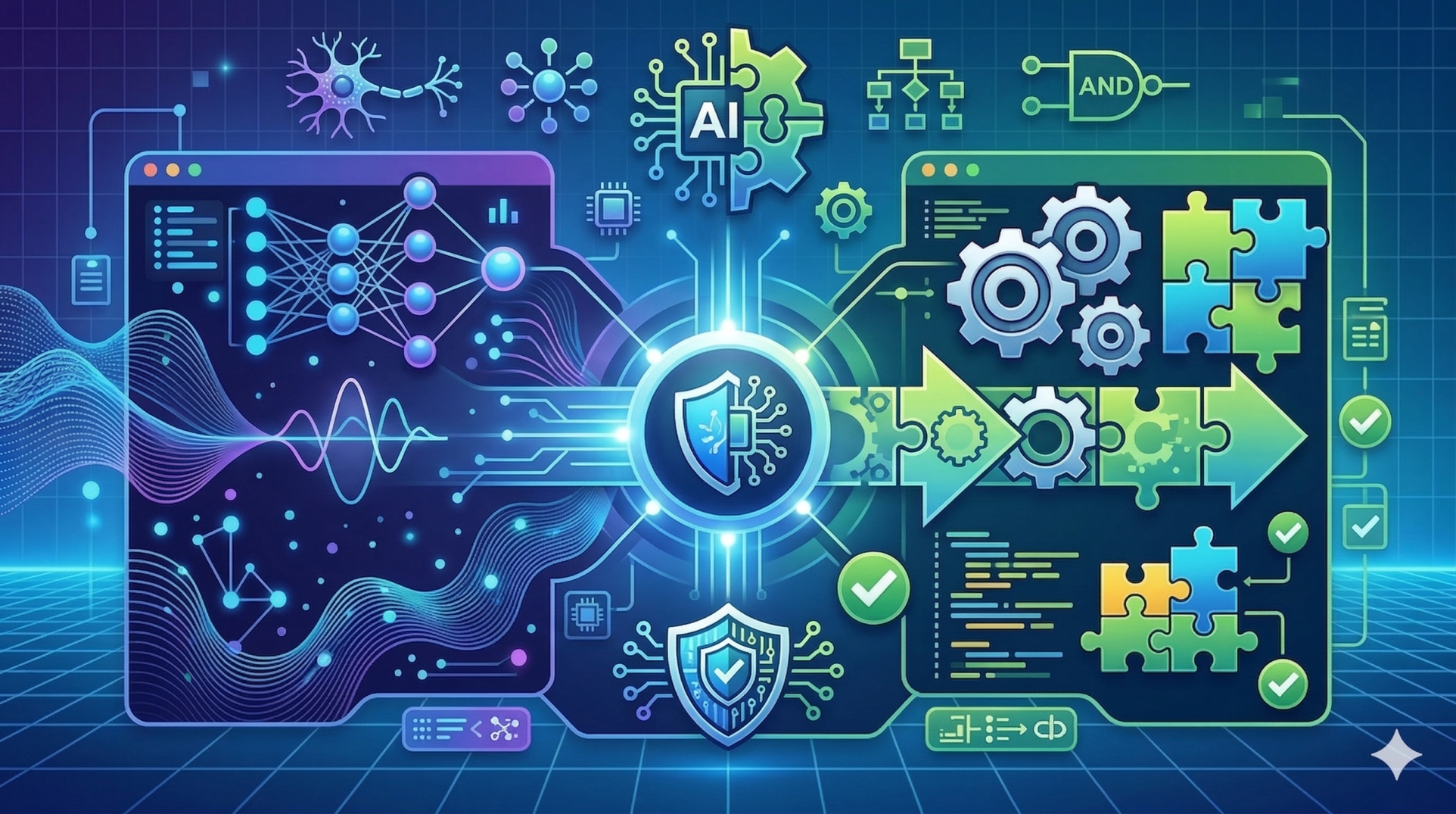
• Establish clear controls for AI-generated decisions and actions 🛡️
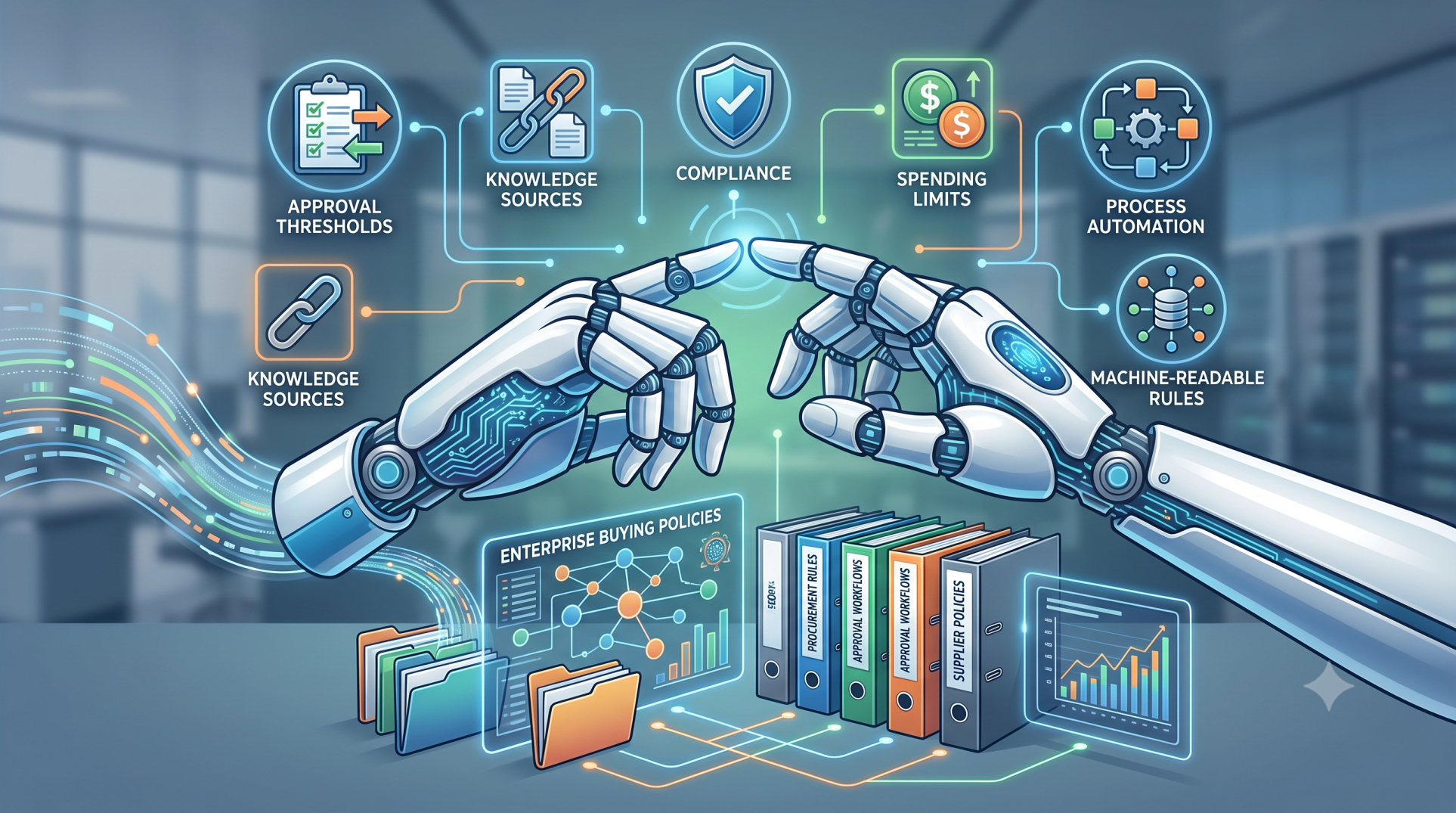
• Protect sensitive enterprise information through access policies 🔒
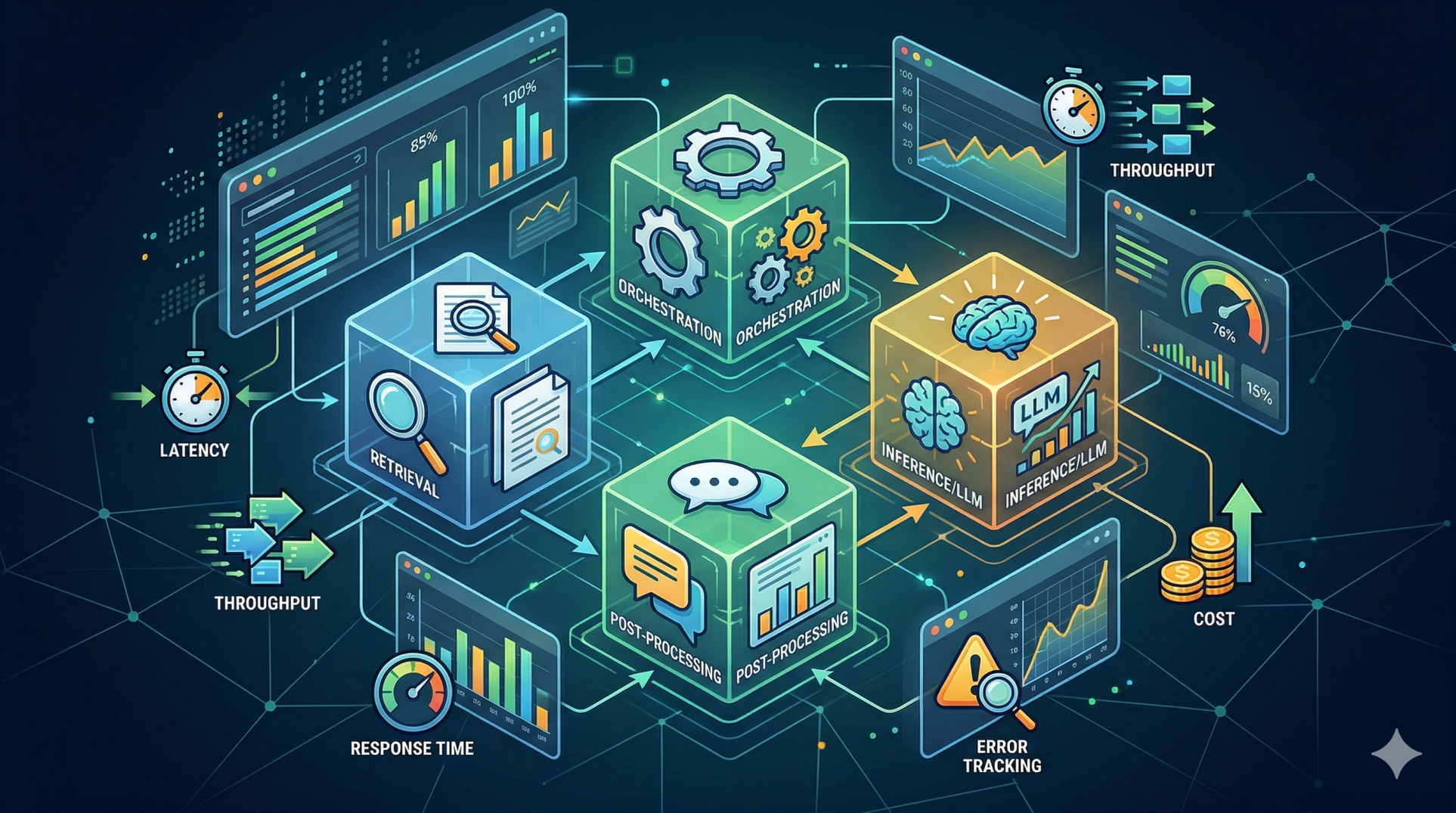
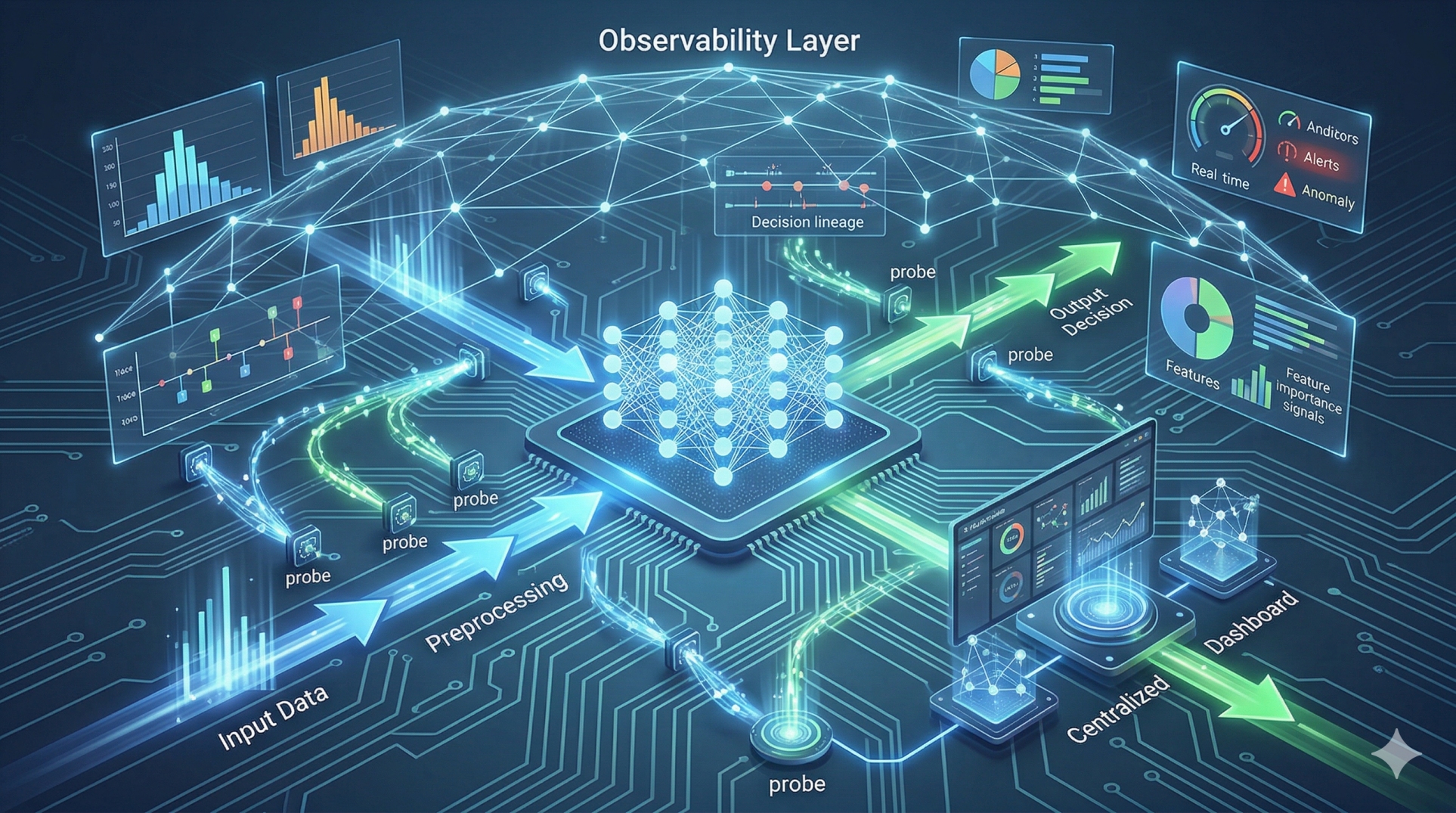
• Monitor model behavior and system activity 📊
• Maintain traceability for important AI-driven processes 🧾
• Align AI deployments with organizational and regulatory requirements ⚖️
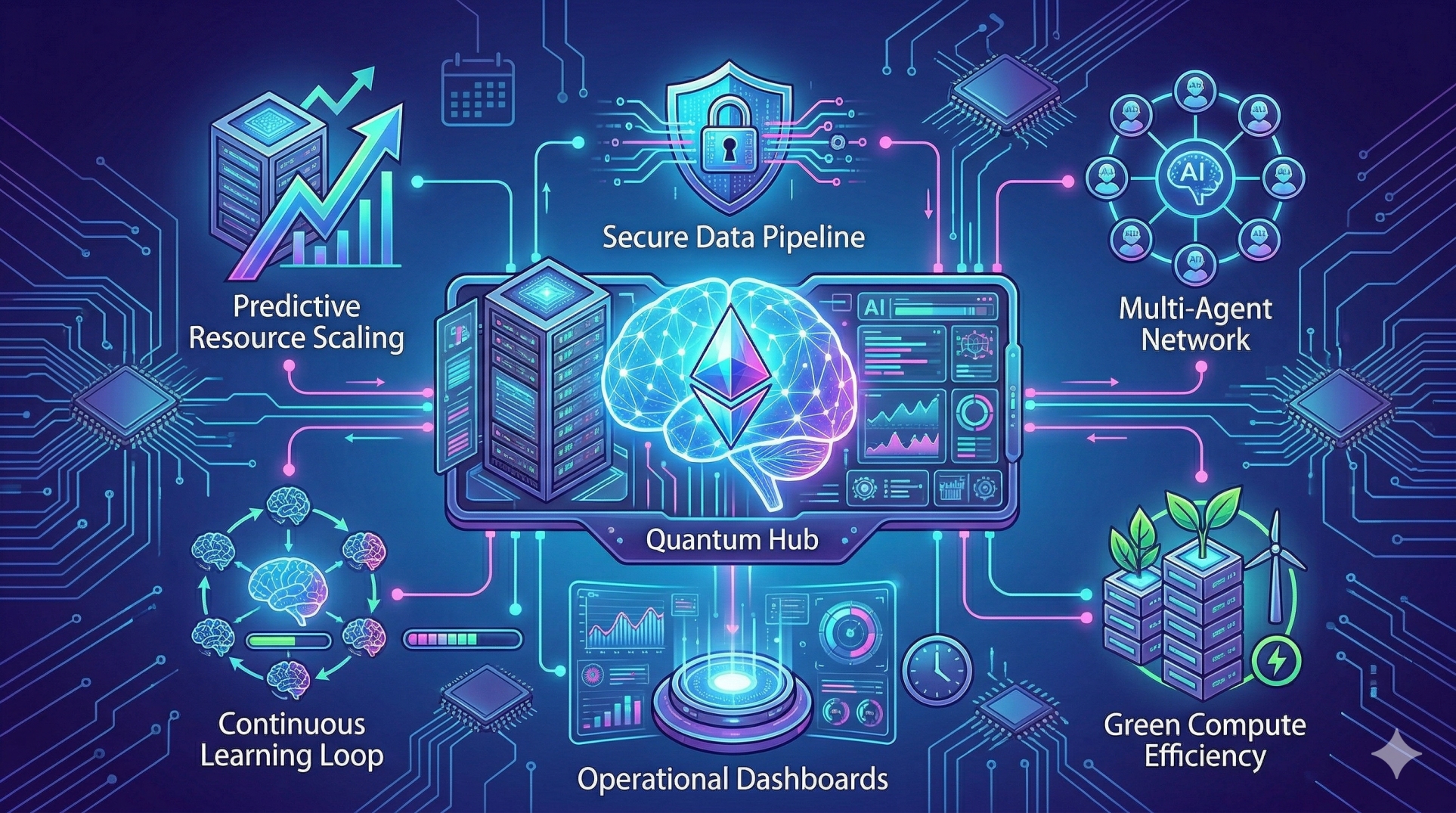
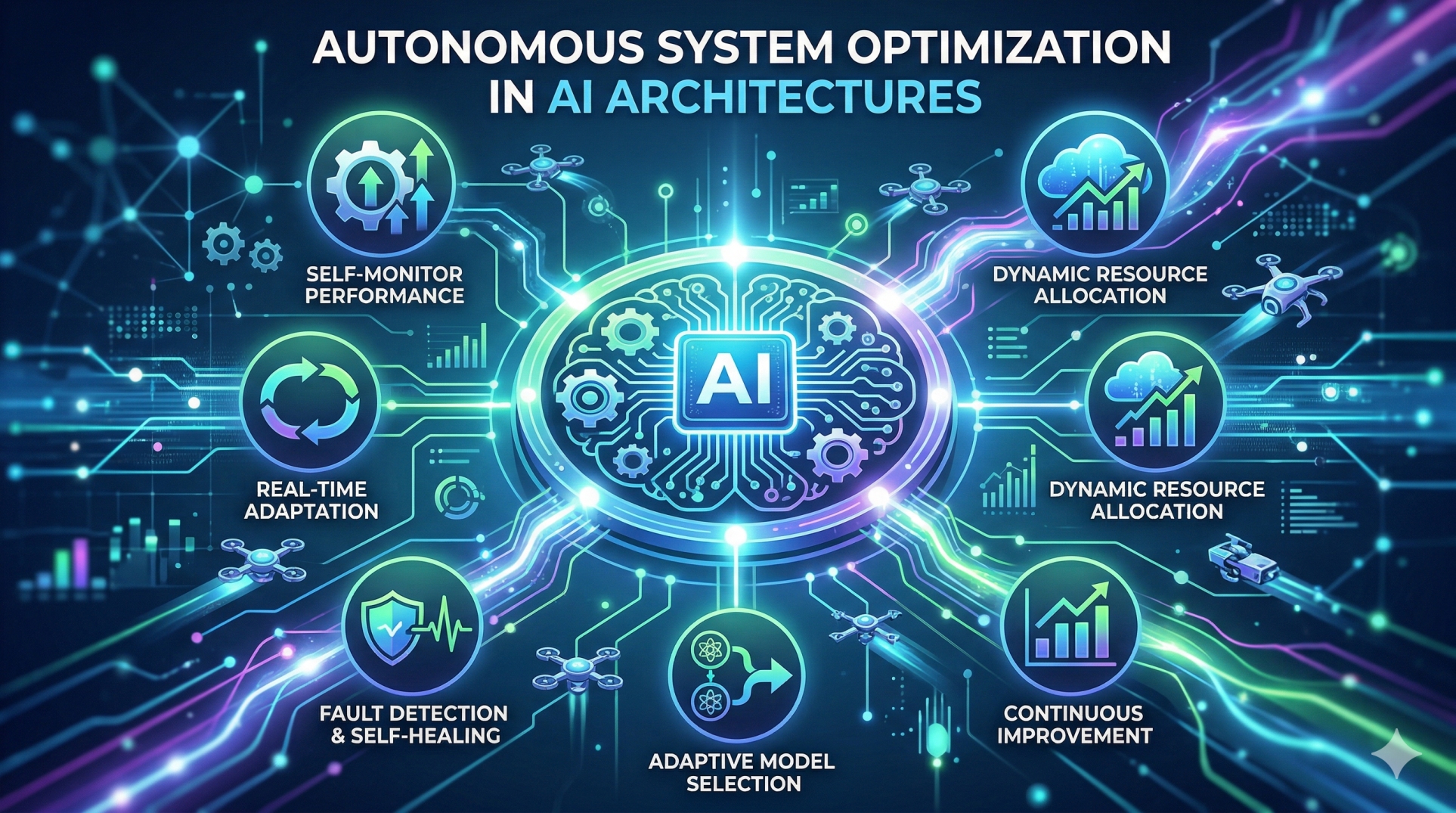
Step 9: Continuously Learning From Enterprise Operations 📈
• Use operational feedback to improve AI performance 🔄
• Monitor system outcomes and identify areas for optimization 🔍
• Update knowledge sources as business information changes 📚
• Refine workflows based on real-world usage patterns ⚙️
• Build systems that become increasingly useful over time 🚀
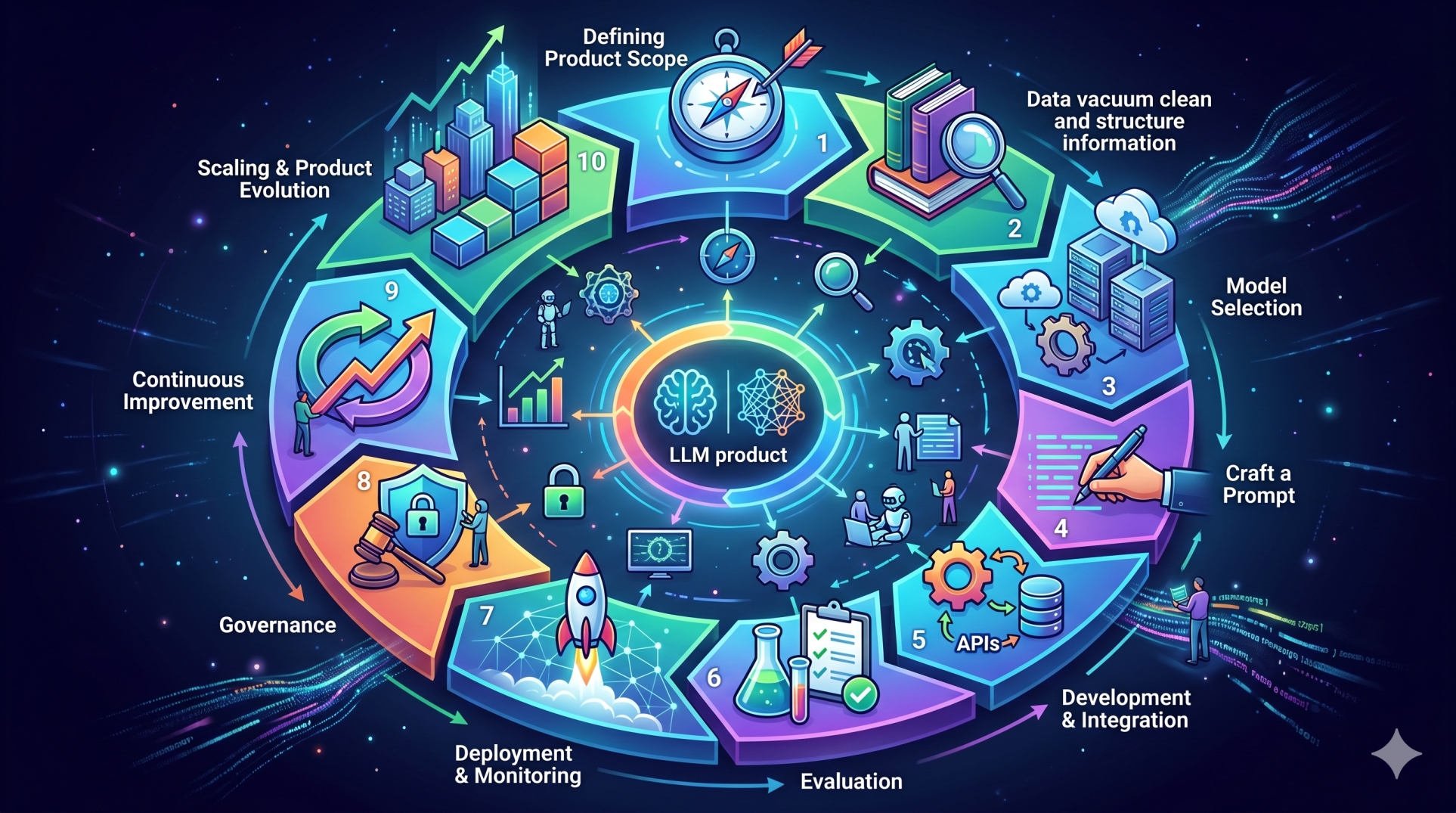
Step 10: Building the Next Generation of Enterprise Platforms 🌐
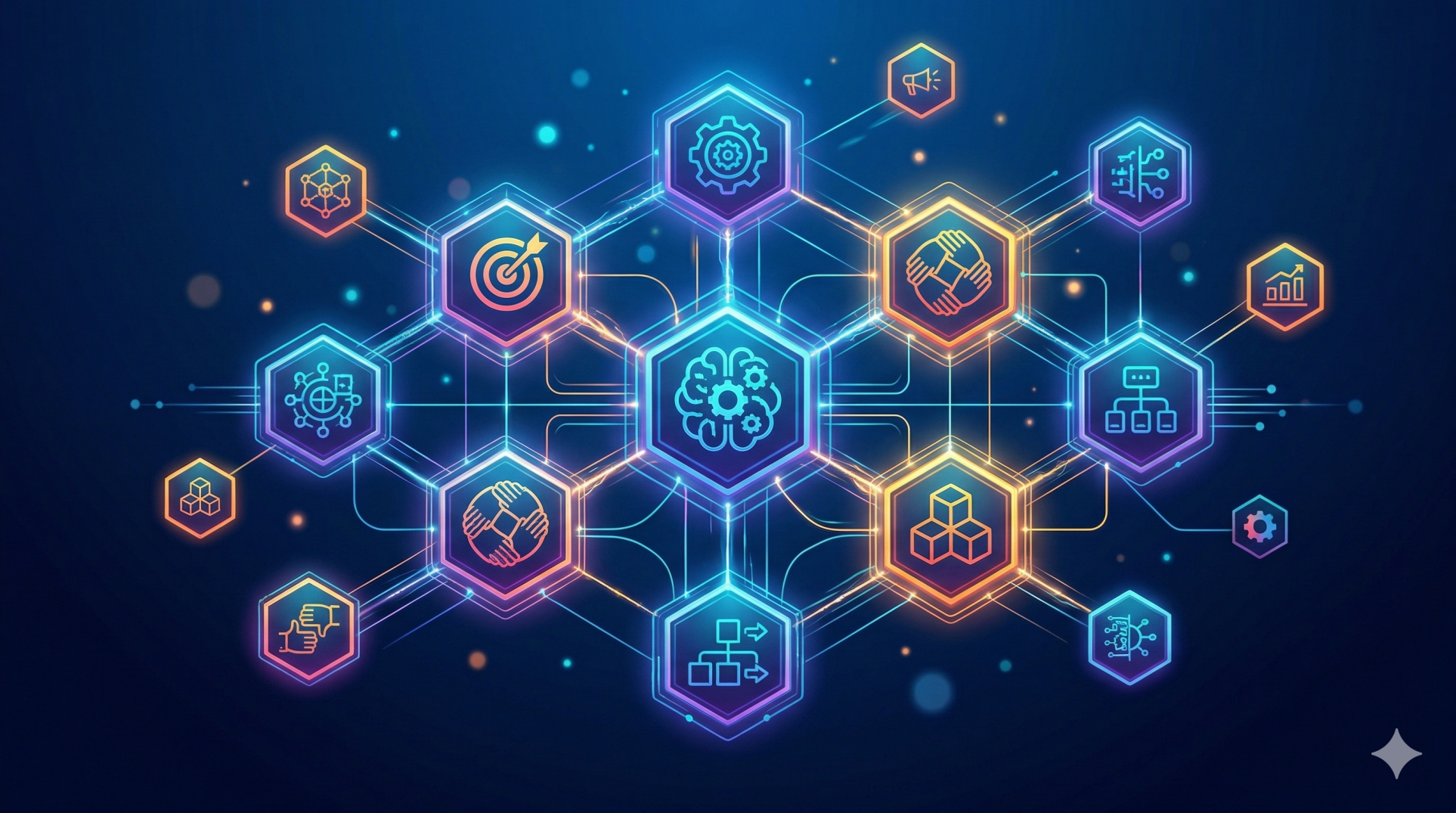
• Design modular architectures that support emerging AI capabilities 🏗️
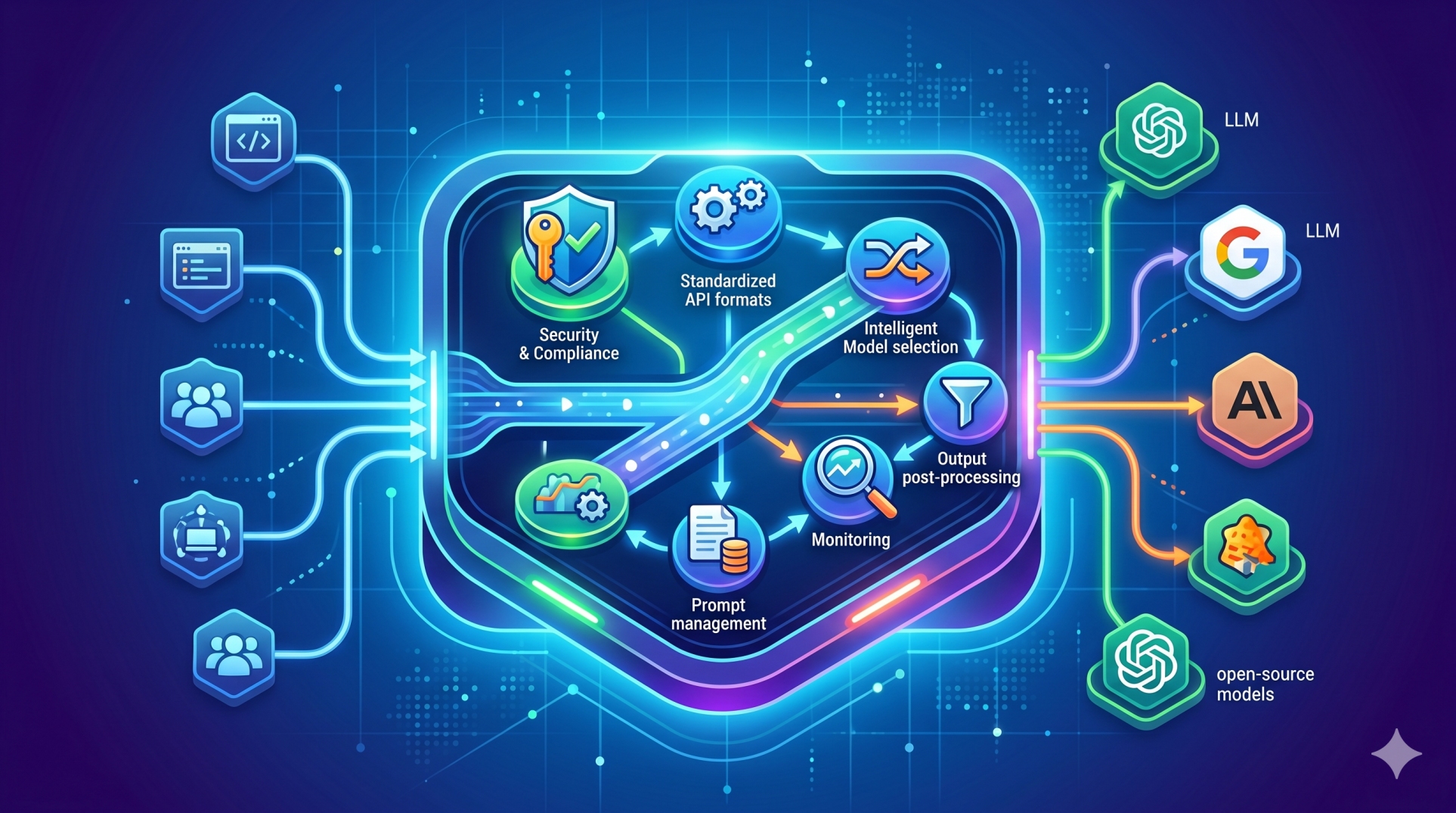
• Integrate new models and intelligent services without rebuilding the platform 🔌
• Support cloud, hybrid, and distributed enterprise environments ☁️
• Combine automation, analytics, agents, and enterprise knowledge 🤖
• Create scalable platforms capable of adapting to future business requirements 🌟
Key Advantages of AI-Native Enterprise Platforms ⭐
• Greater operational efficiency through intelligent automation ⚡
• Faster decision-making with contextual business insights 📊
• Improved employee productivity through AI assistance 🤝
• Stronger organizational intelligence through connected enterprise knowledge 🧠
• Greater scalability through modular AI architecture 🚀
• More adaptive operations that can respond to changing business conditions 🔄
Conclusion
The evolution of AI-native enterprise platforms represents a fundamental shift in how organizations build and operate business software. Instead of treating AI as an additional feature, these platforms place intelligence at the center of application architecture, workflows, data, and decision-making. By combining enterprise knowledge, intelligent automation, AI agents, analytics, and strong governance, organizations can create technology environments that are more adaptive, connected, and responsive. The future of enterprise software will increasingly be defined not only by what systems can store or automate, but by how intelligently they can understand, coordinate, and act.
See more blogs
You can all the articles below