Designing Event-Based Data Updates for LLM Systems
Designing Event-Based Data Updates for LLM Systems
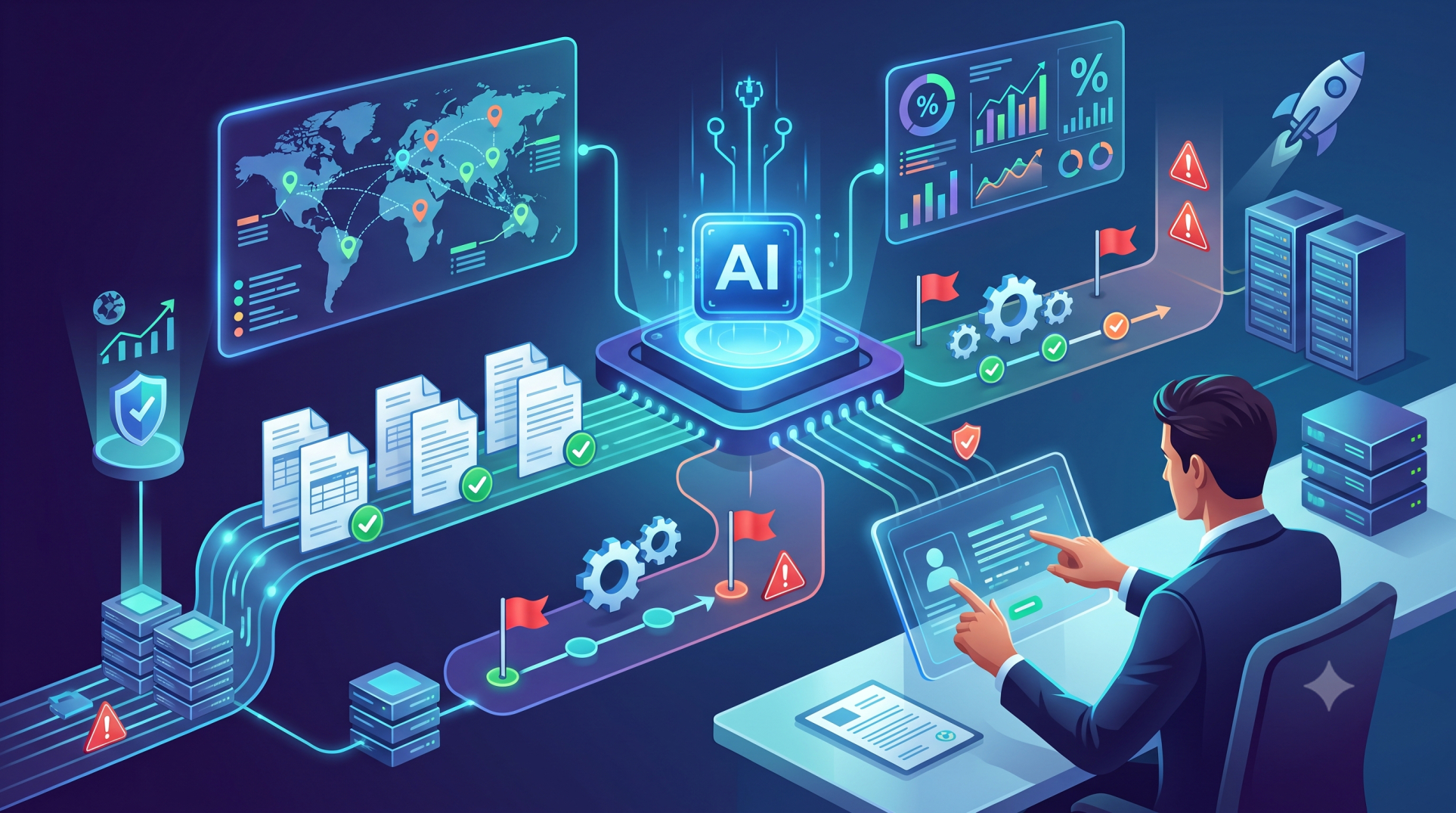
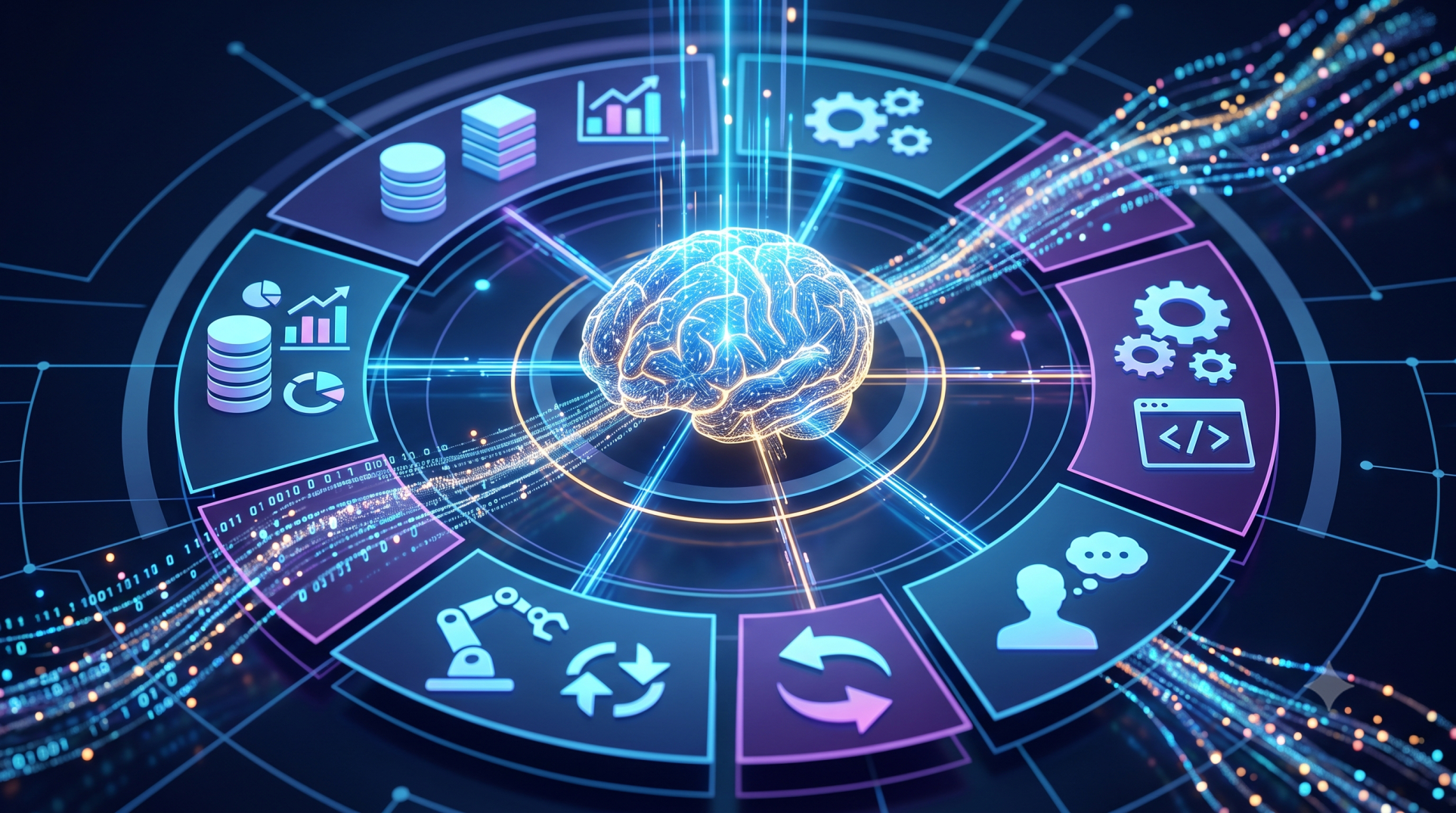
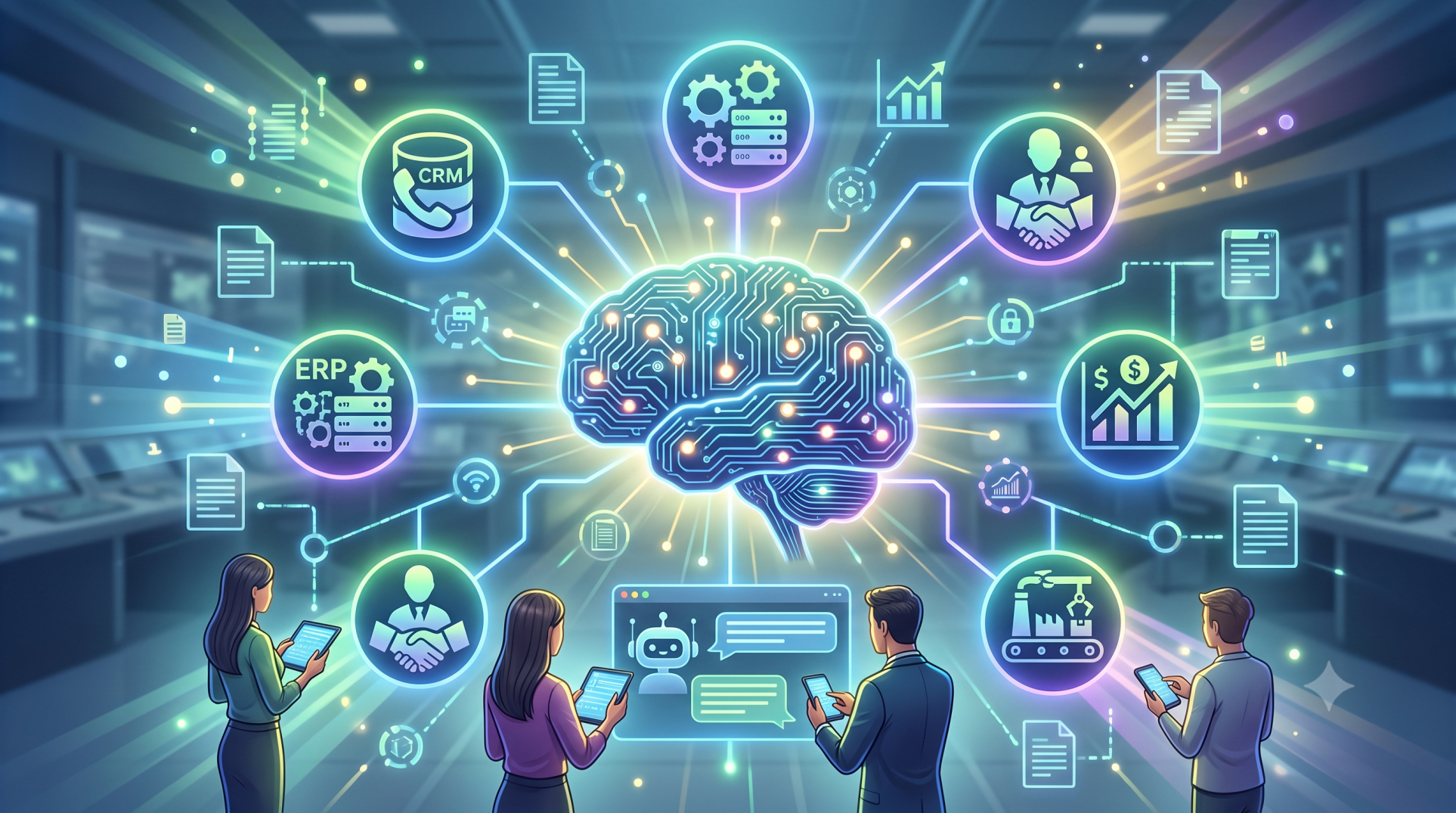
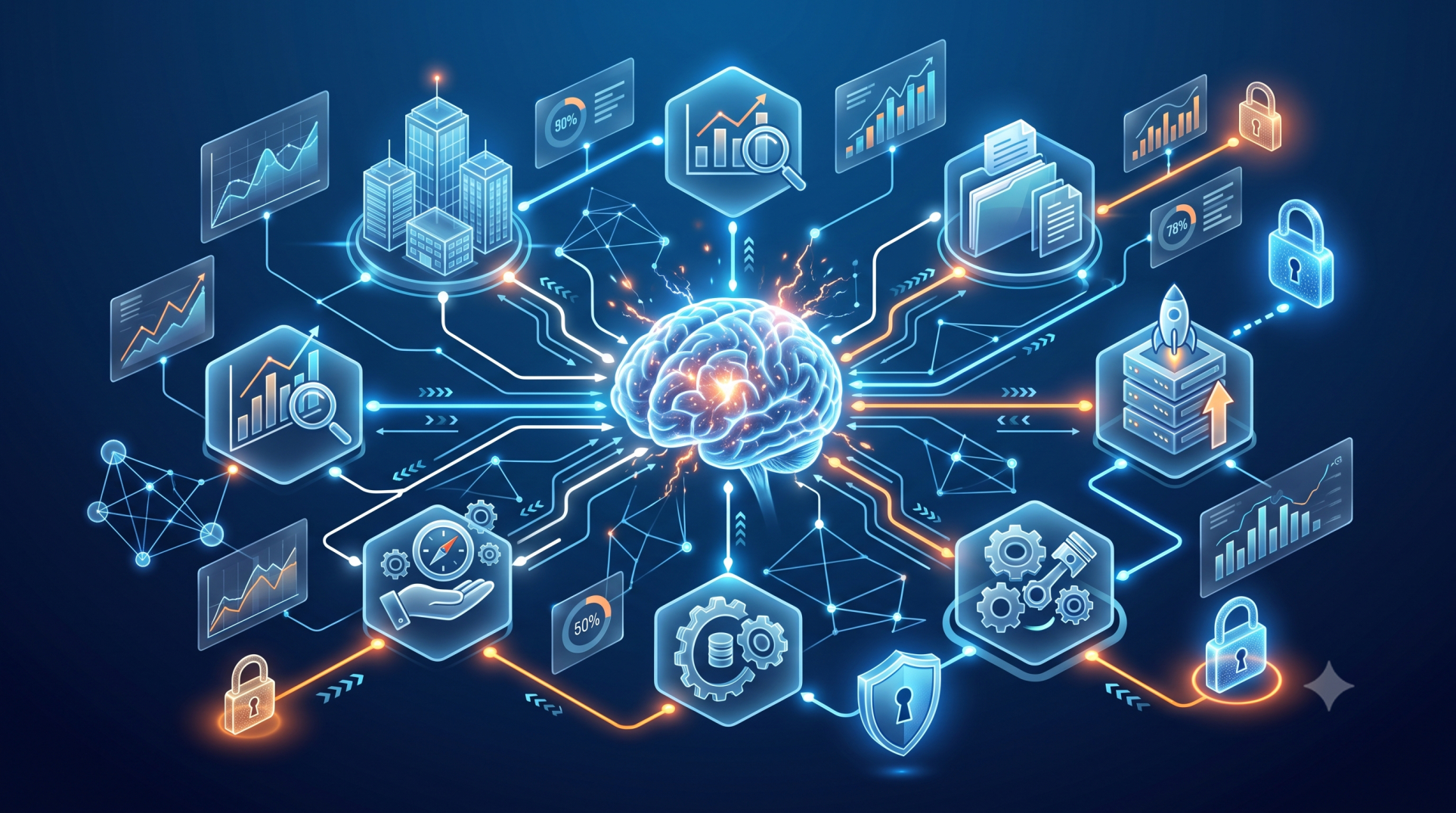
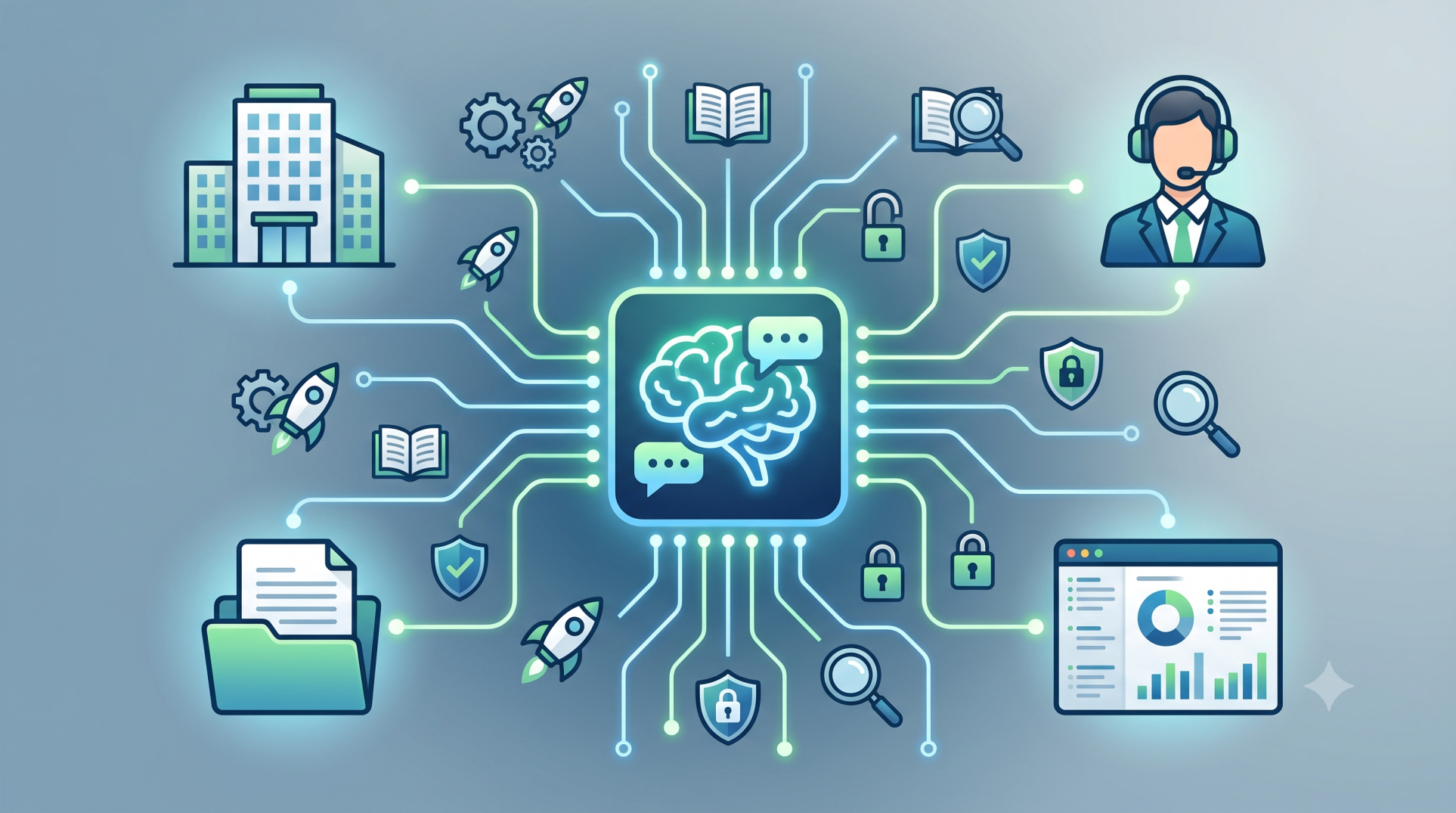
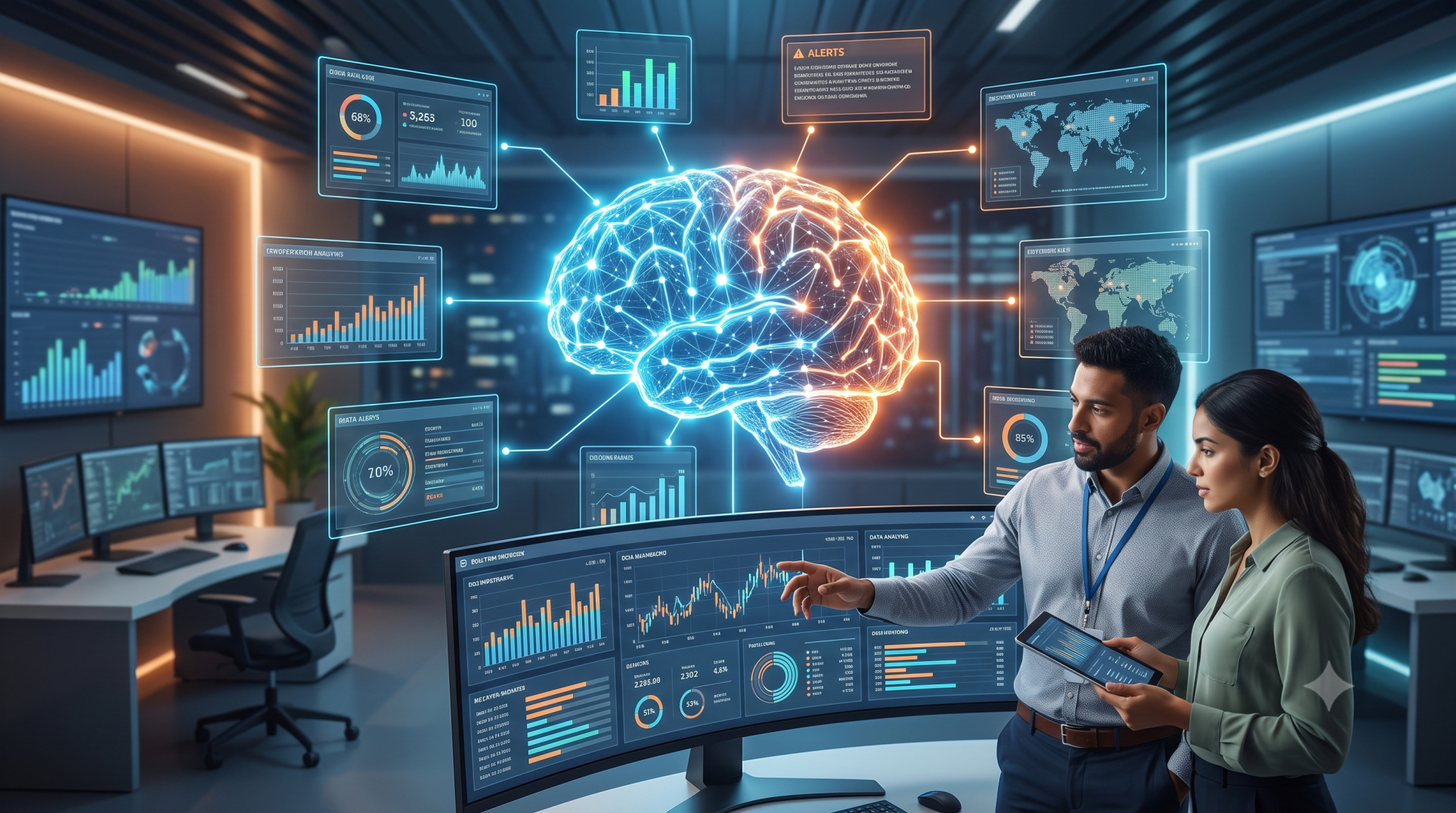
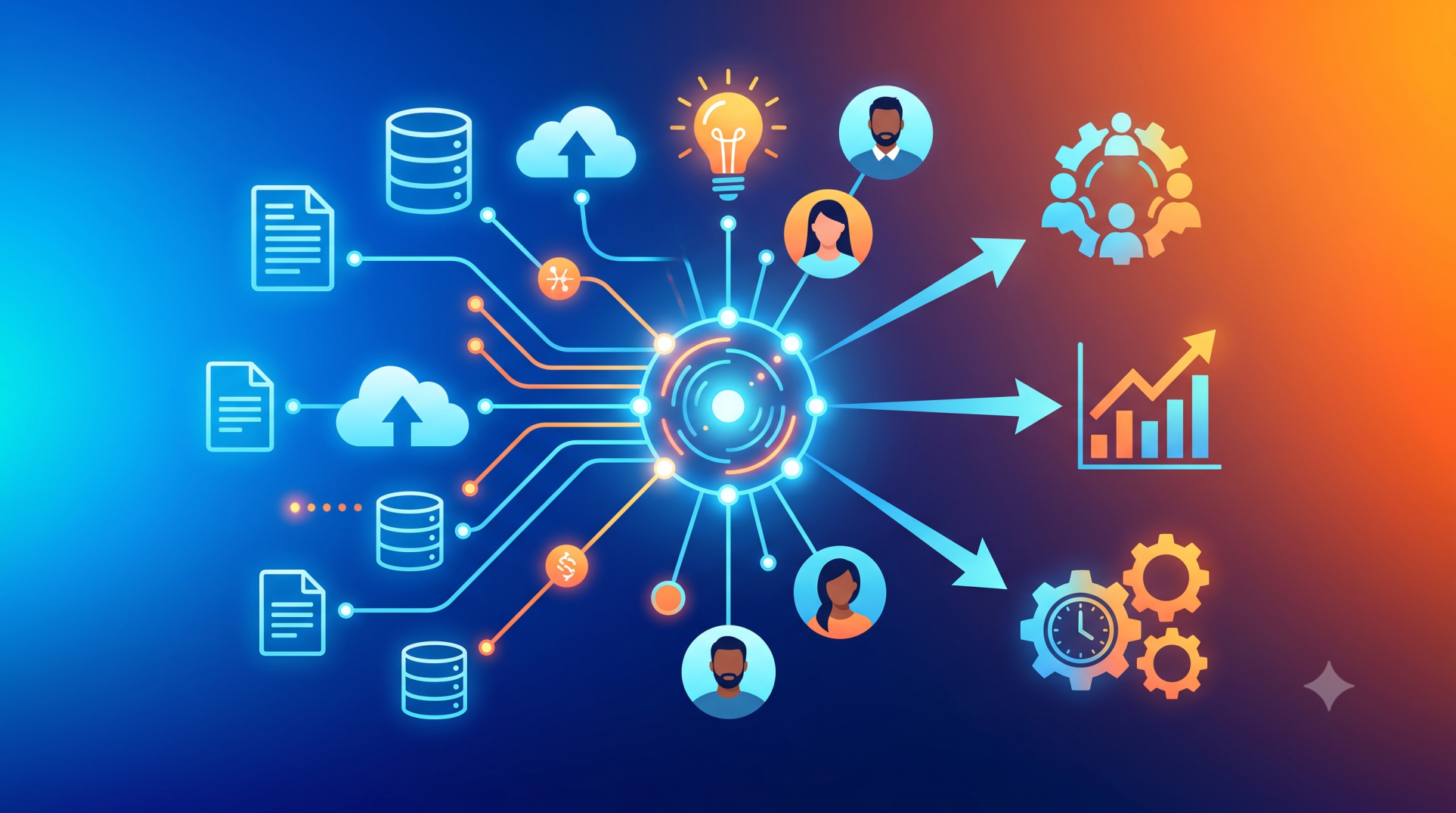
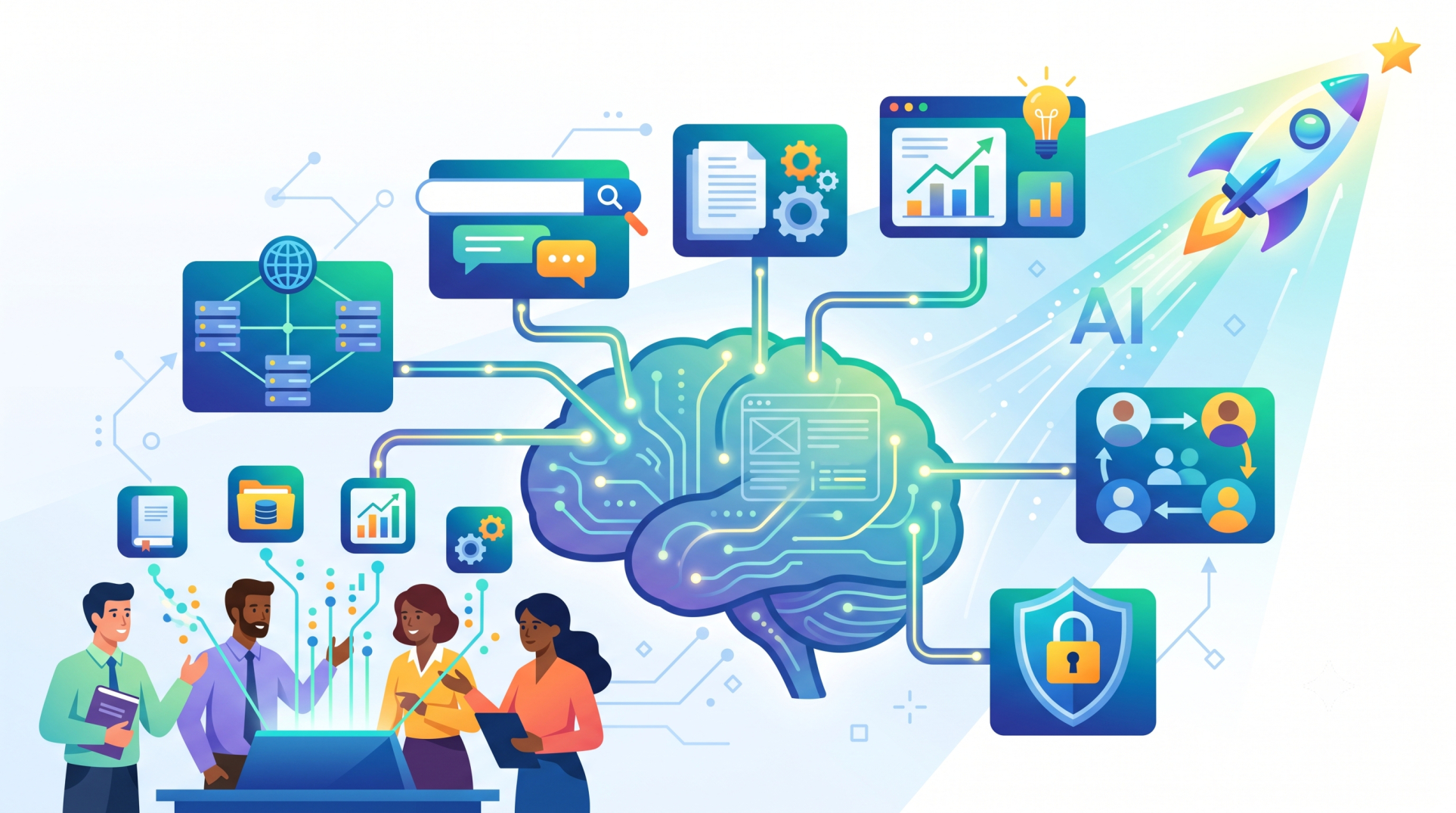
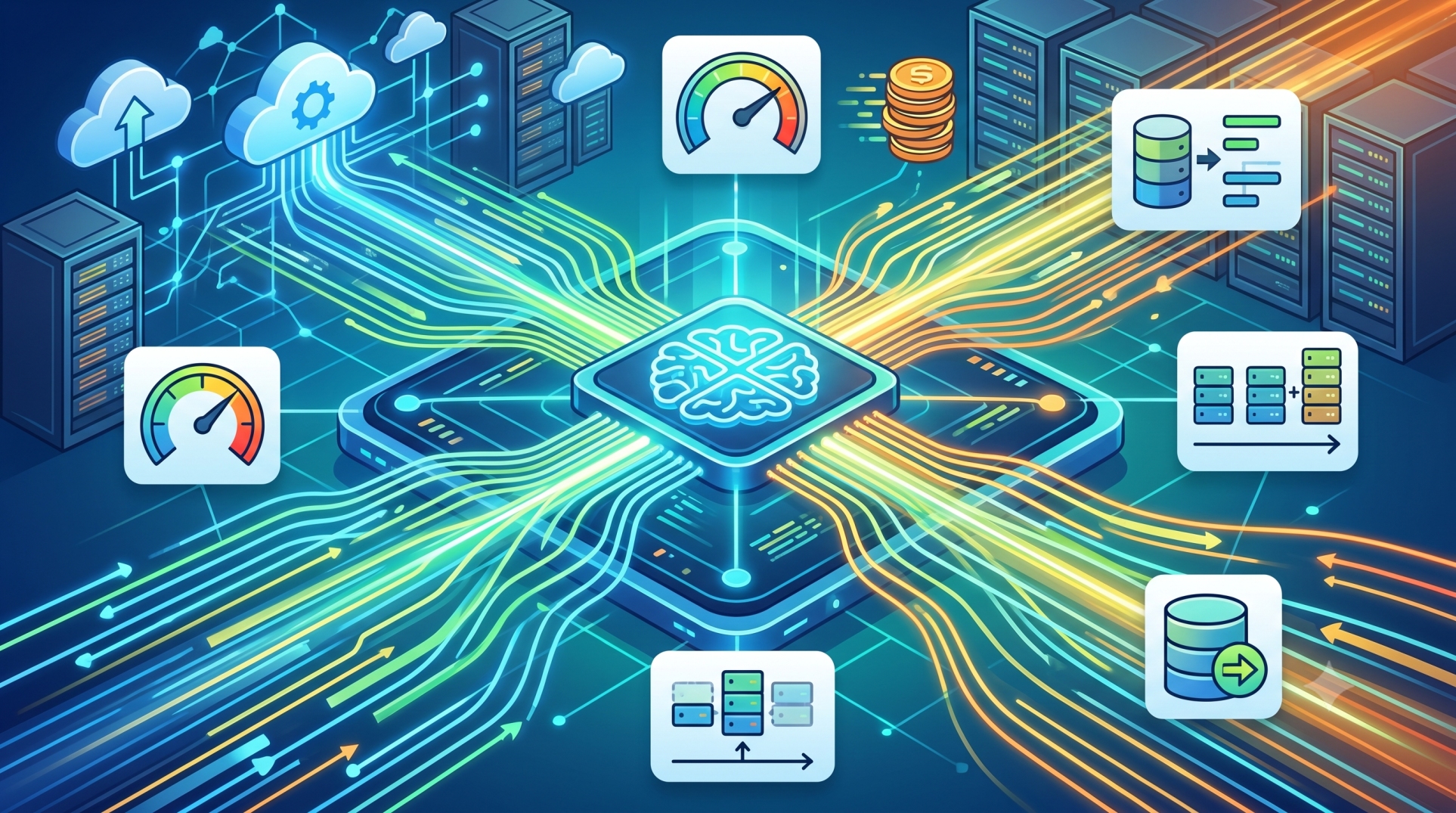
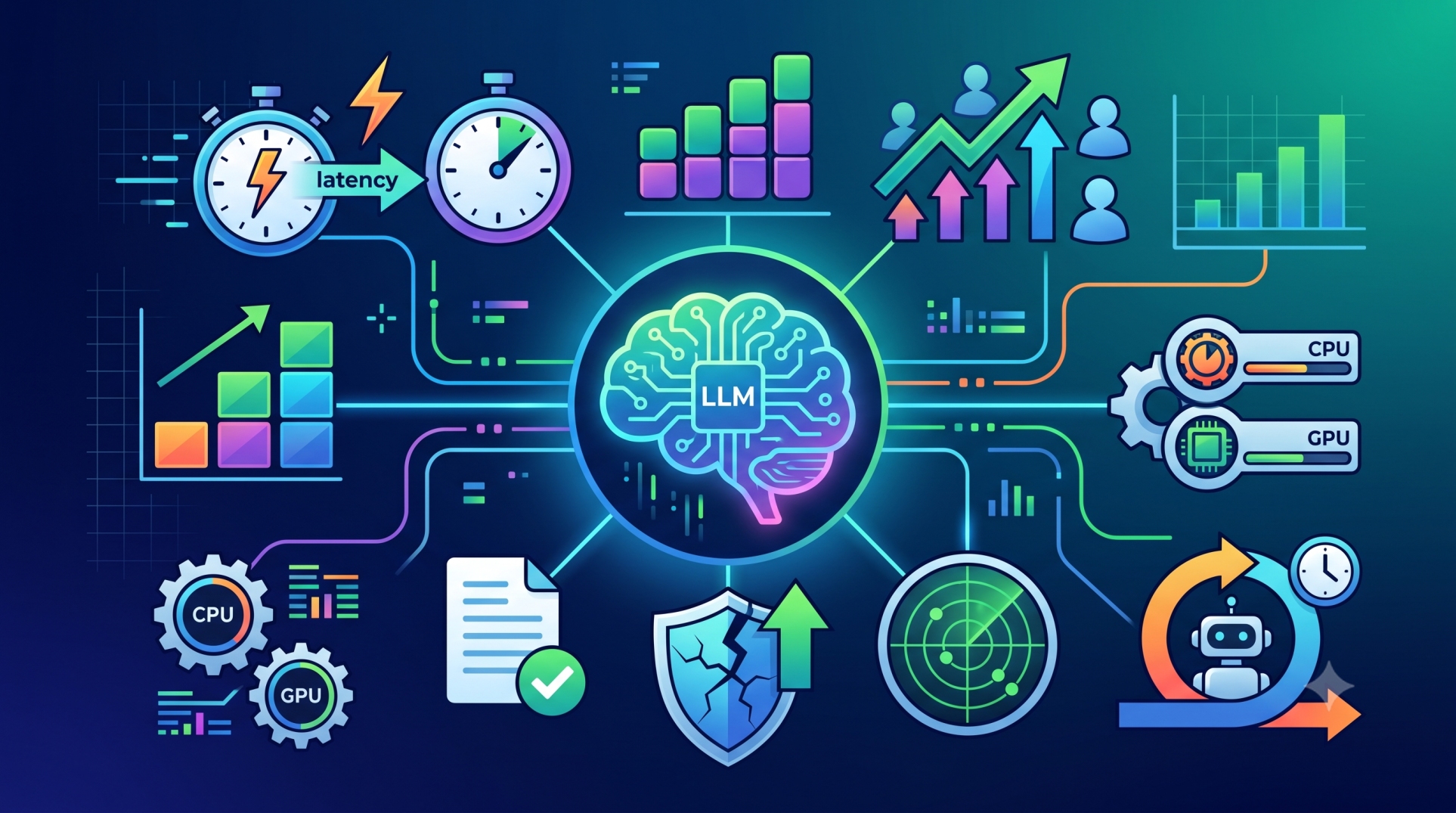
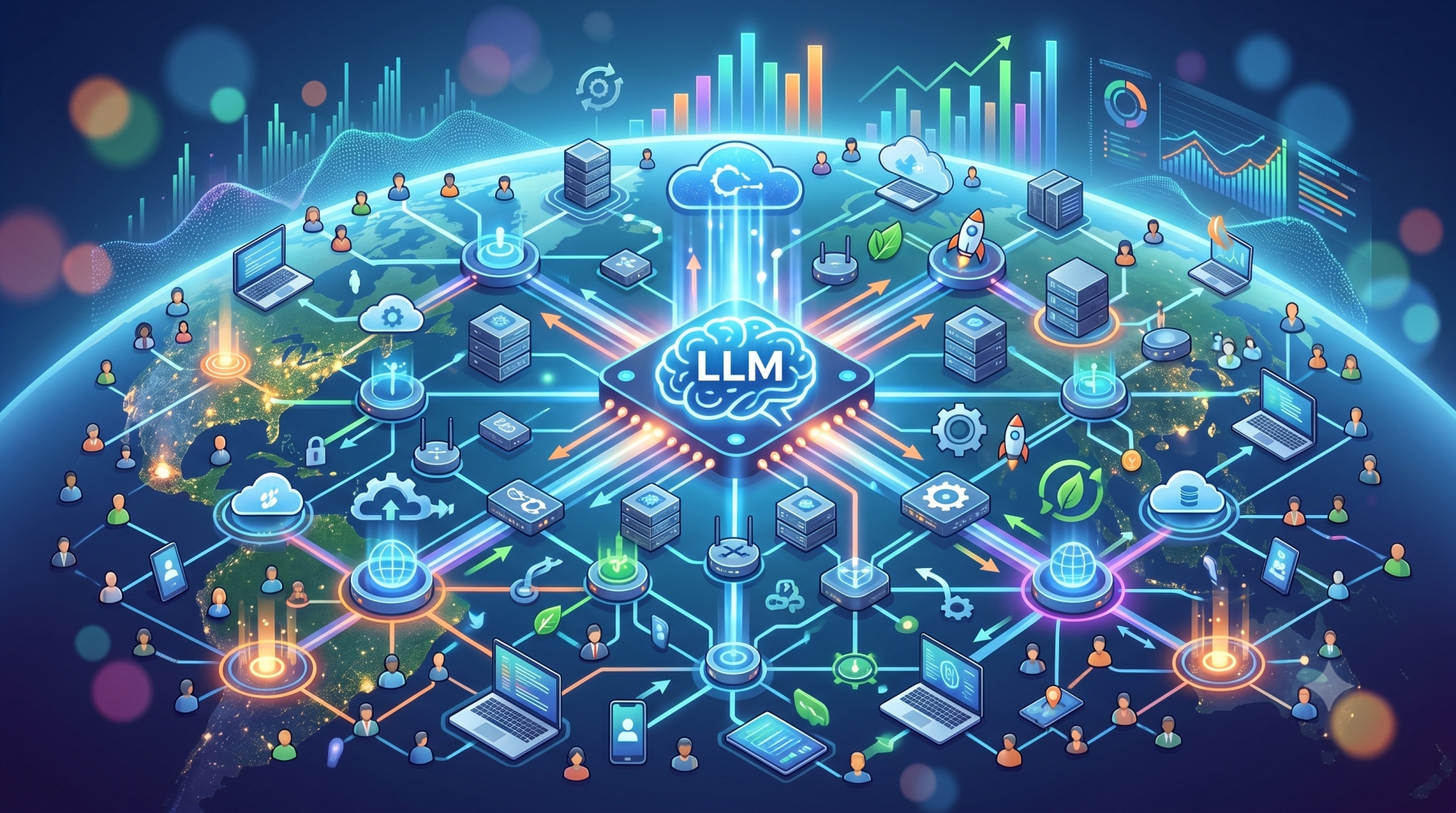
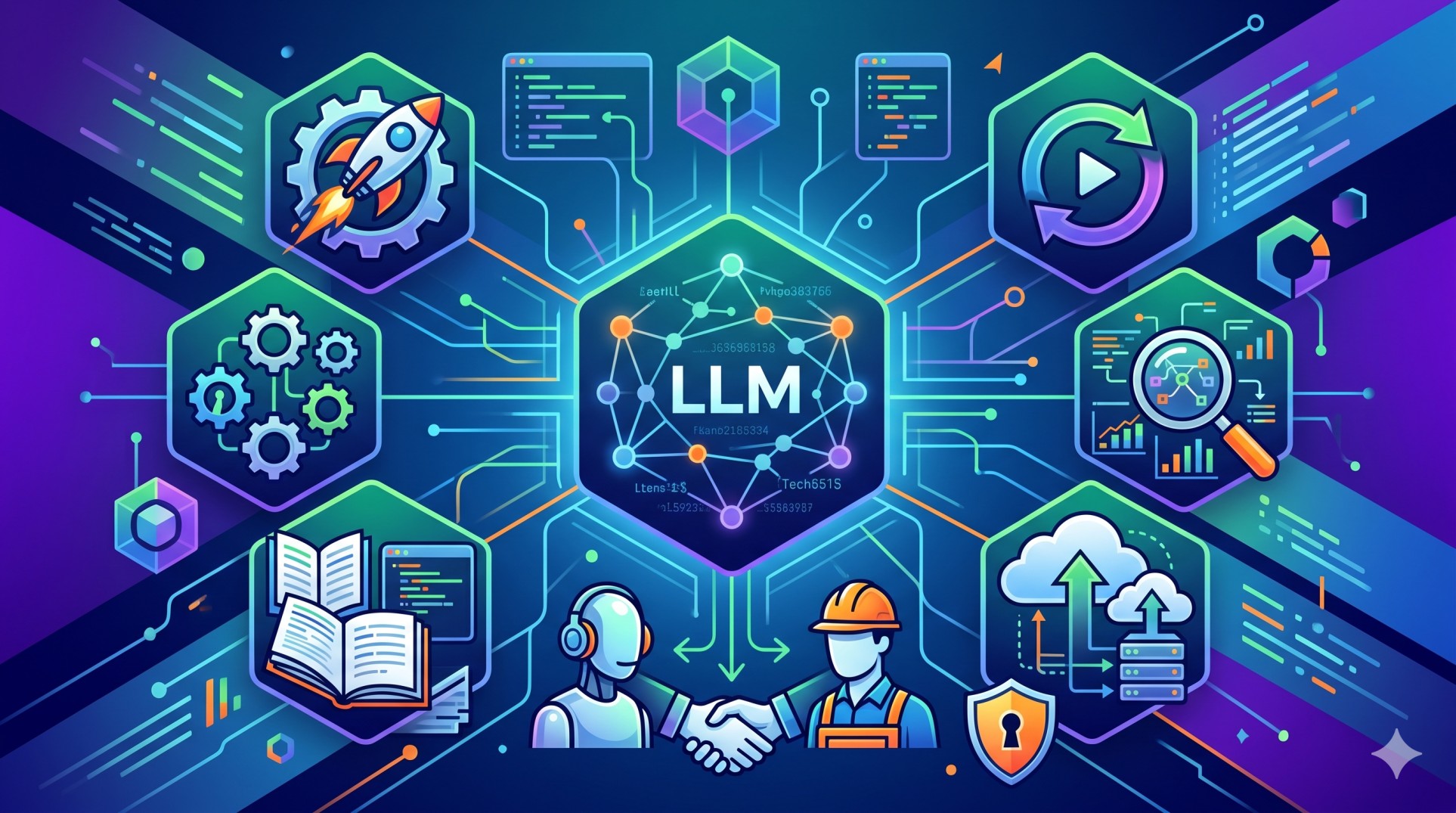
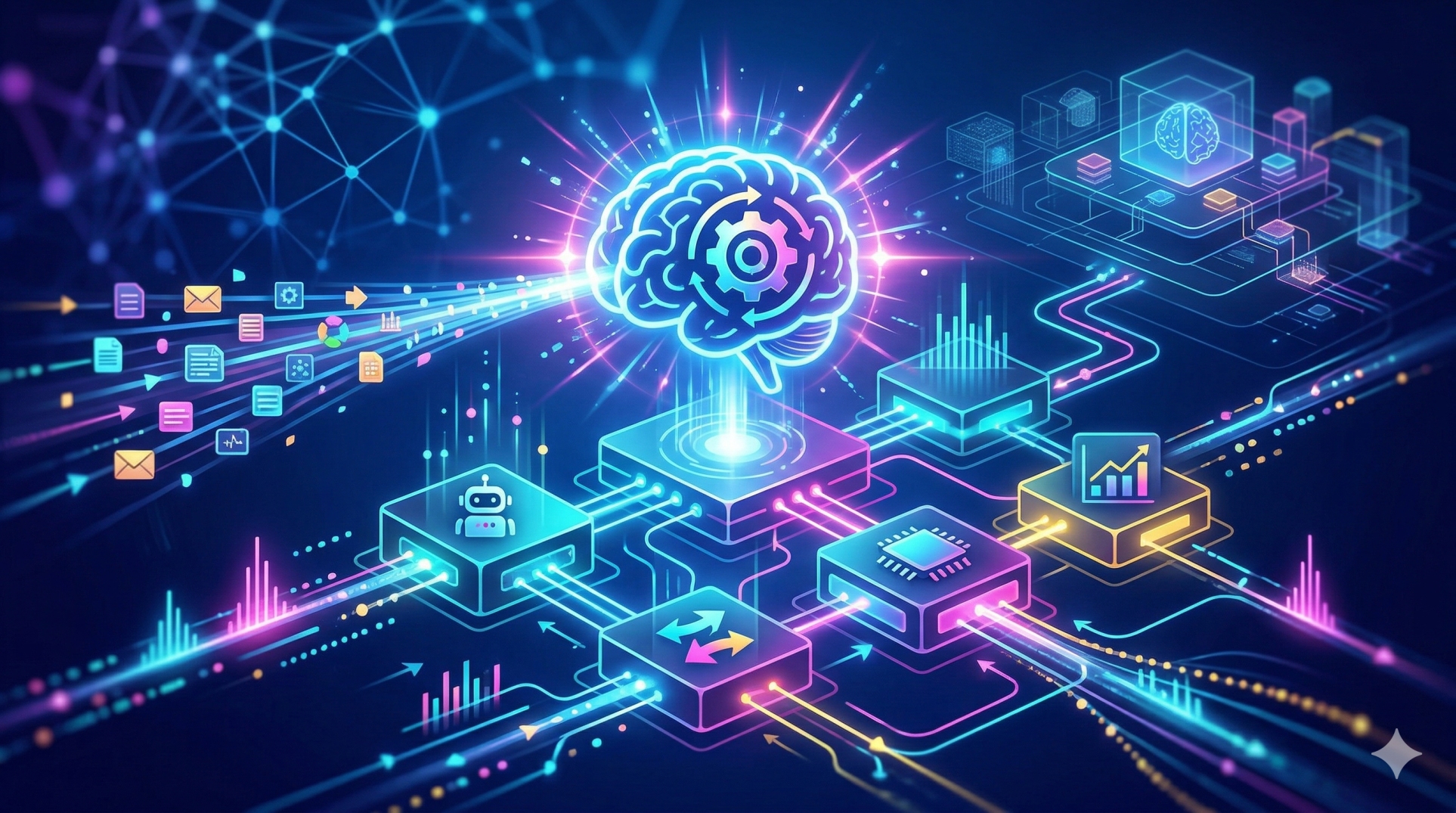
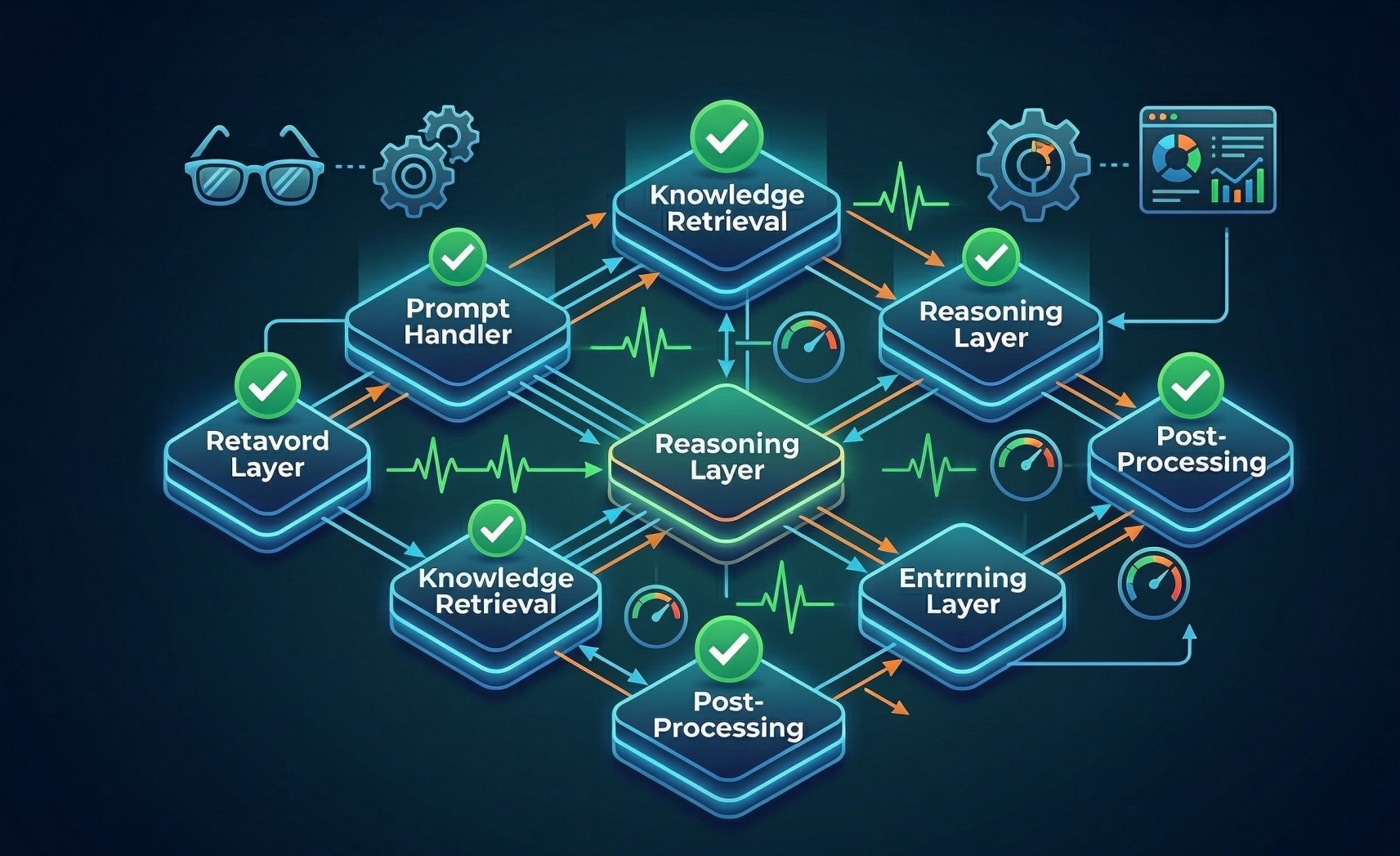
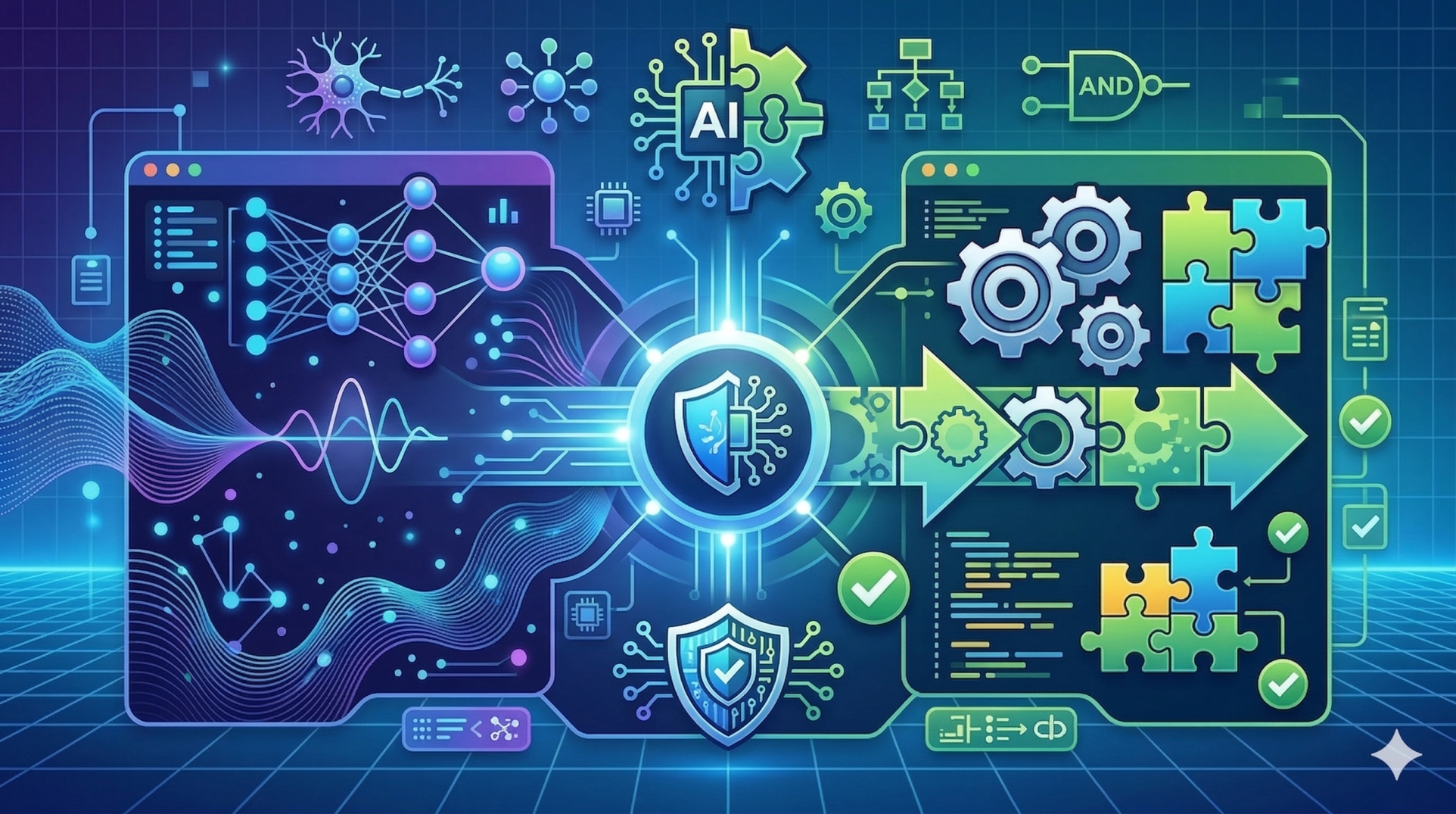
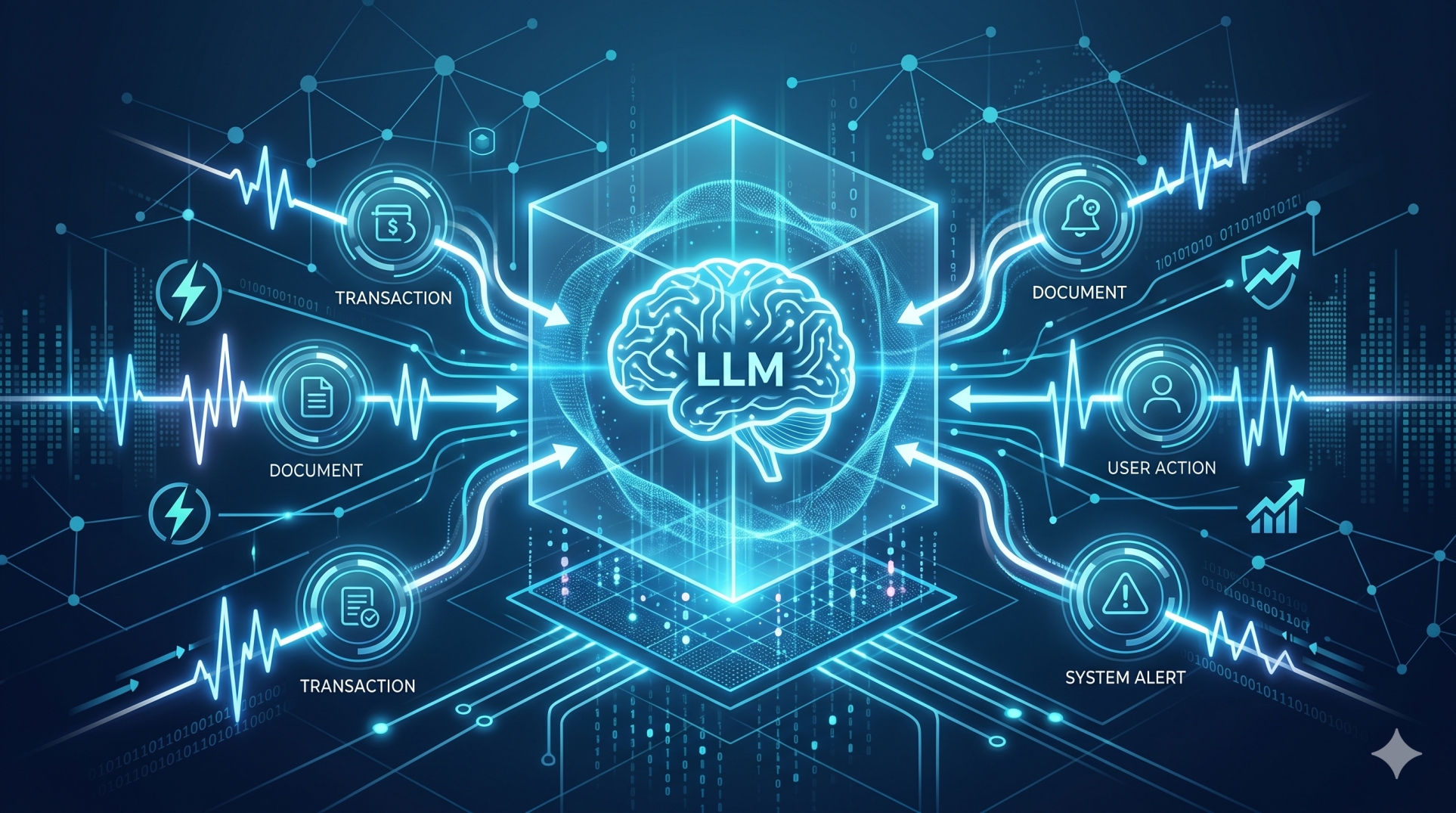
As Large Language Model (LLM) systems become more integrated into enterprise operations, maintaining accurate and timely information has become increasingly important. Traditional batch updates are often too slow for dynamic environments where data changes continuously. Event-based data update architectures enable LLM systems to react instantly to new information, ensuring responses remain relevant, consistent, and operationally aligned in real time.
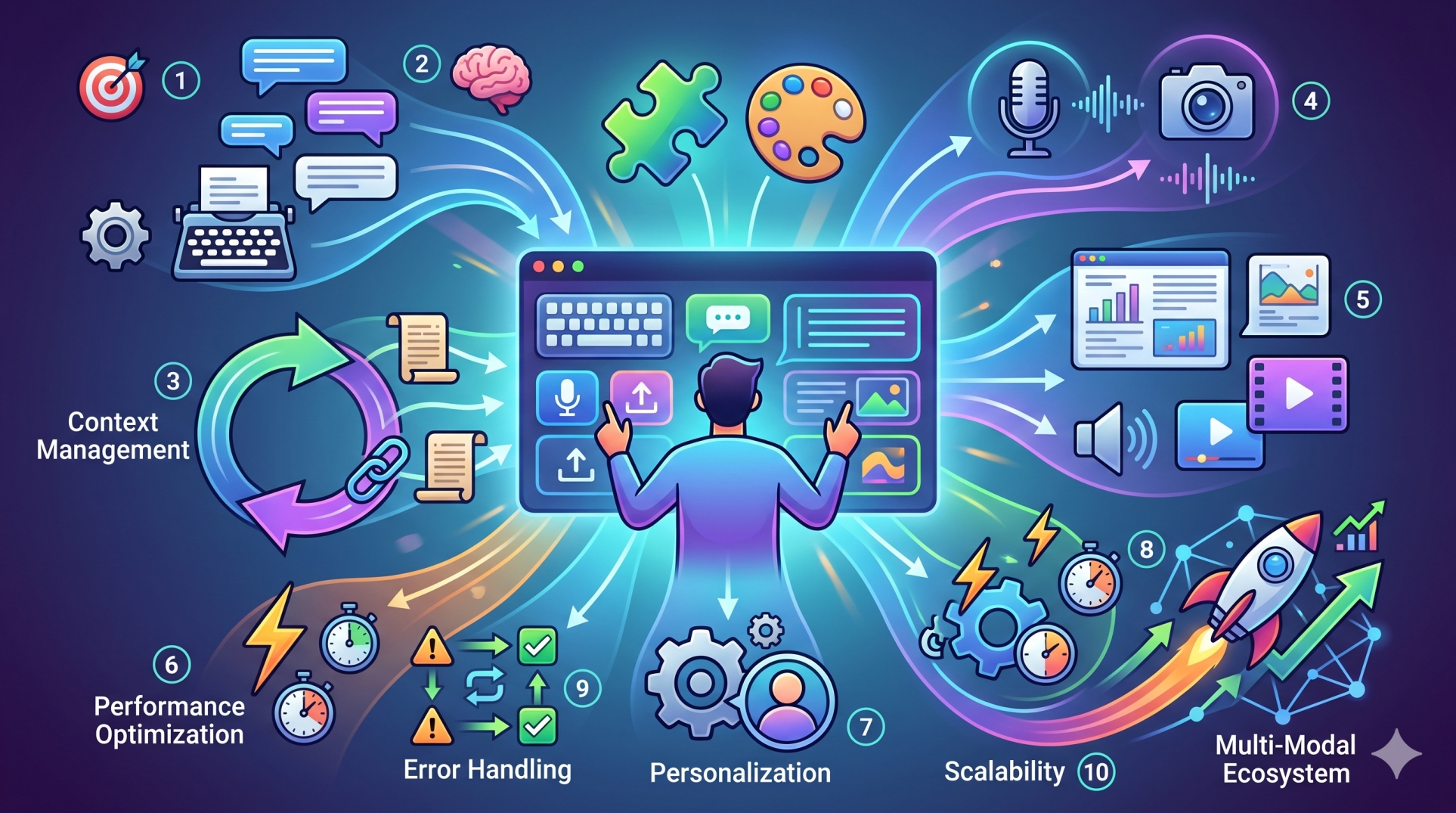
Step 1: Understanding Event-Driven Architectures ⚡
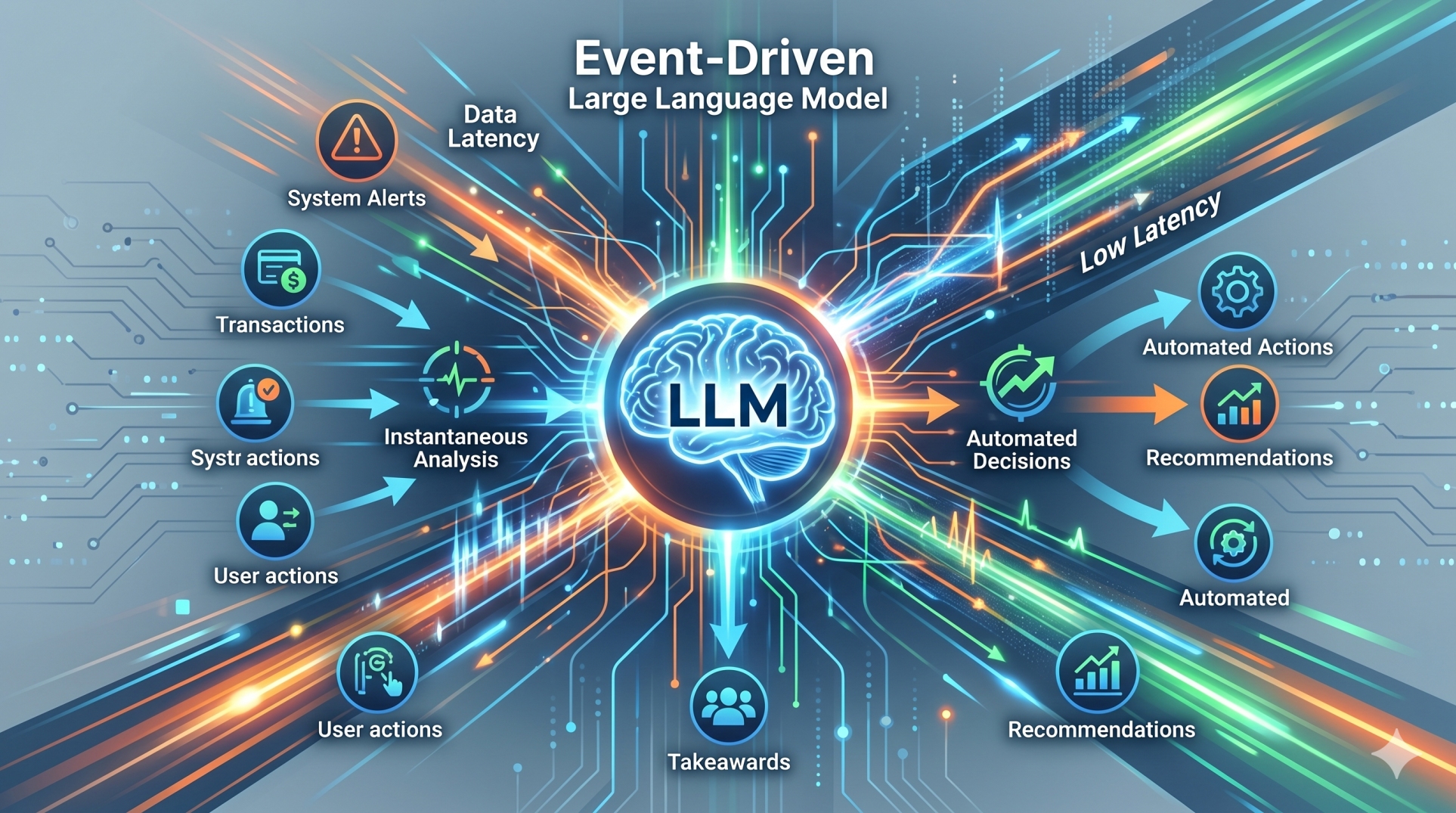
• Event-driven systems respond automatically to changes in data or system activity 🔄
• Events can include transactions, status changes, user actions, or sensor updates 📡
• LLM systems use these events to refresh context and knowledge dynamically 🧠
• Real-time updates improve responsiveness and operational accuracy ⏱️
• Event-based workflows reduce dependency on scheduled synchronization ⛓️
Step 2: Identifying Critical Data Events 🎯
• Determine which business events require immediate LLM updates 📌
• Prioritize high-impact operational and customer-related changes 🚨
• Define triggers for document updates, workflow actions, and notifications 🔔
• Separate critical events from low-priority background activity ⚖️
• Ensure events align with business objectives and AI workflows 🏢
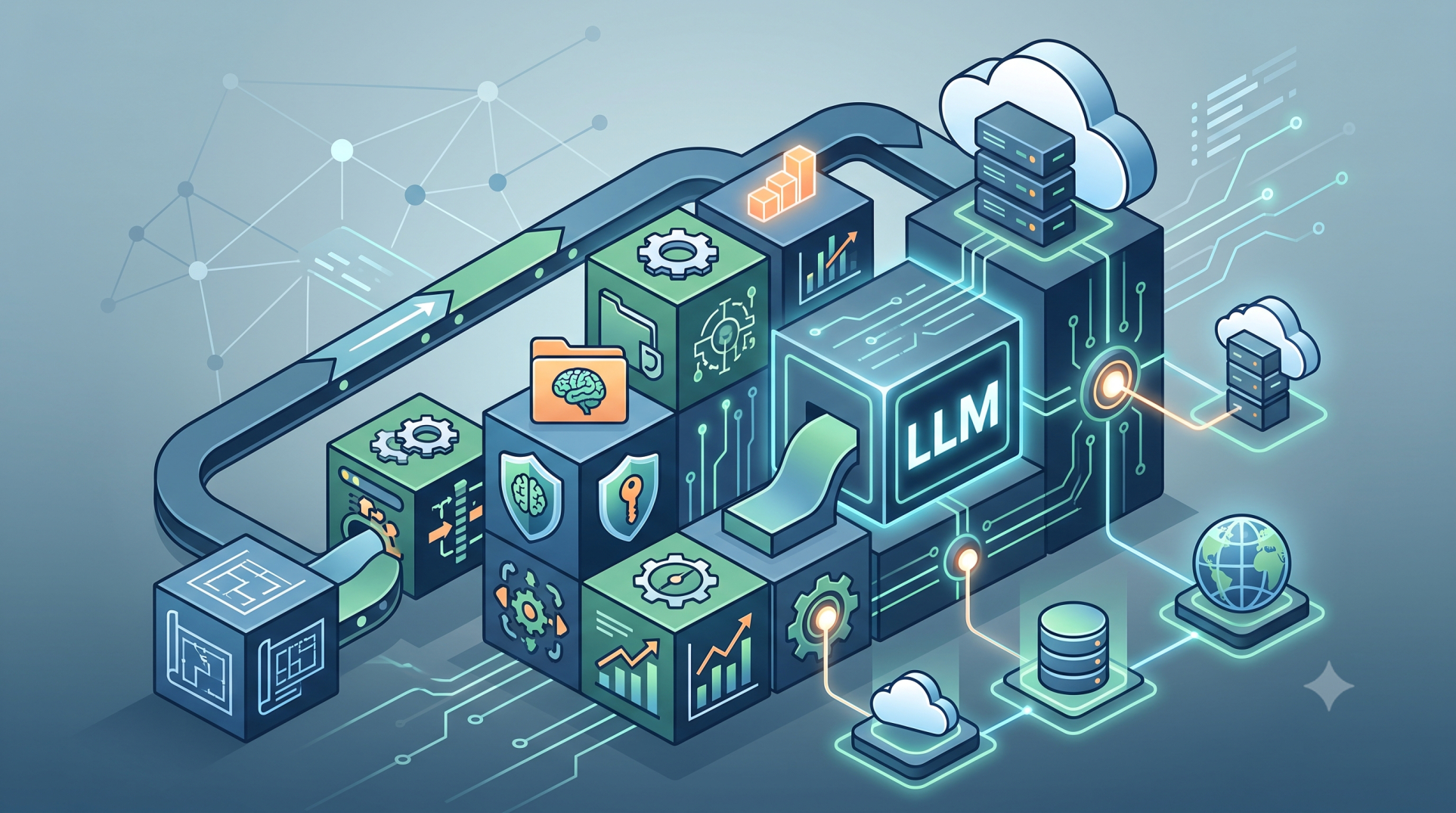
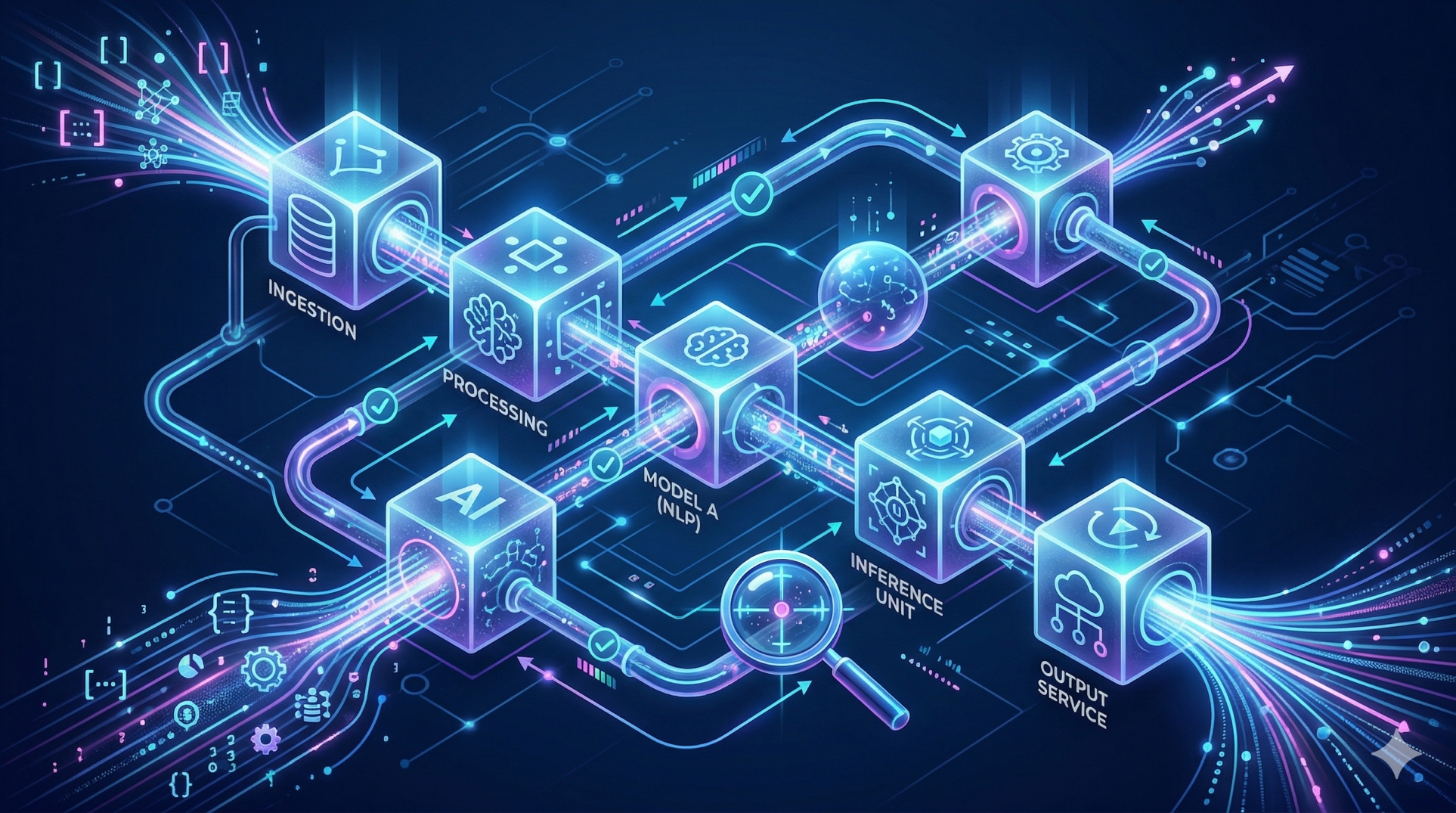
Step 3: Building Real-Time Data Pipelines 🔗
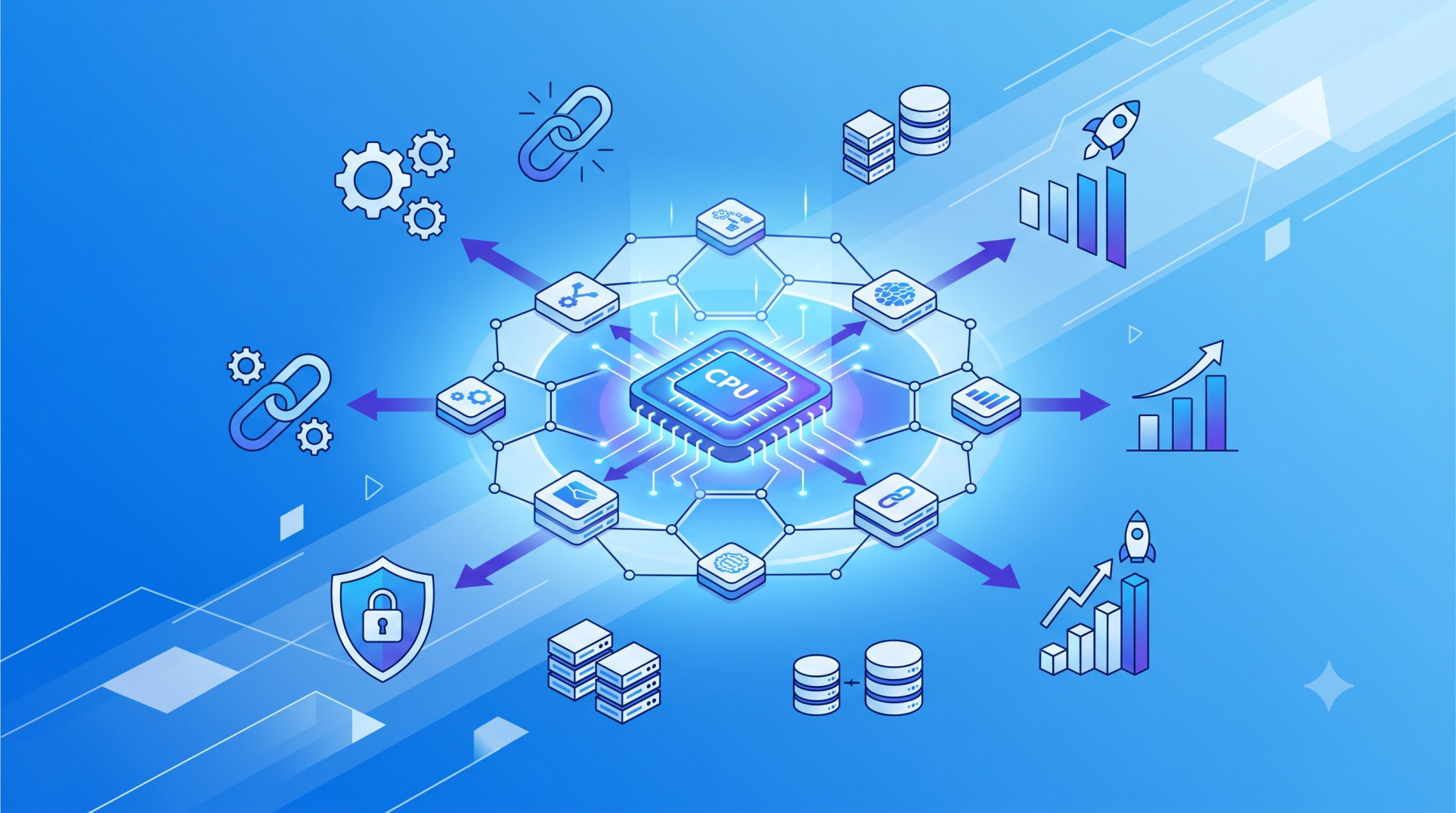
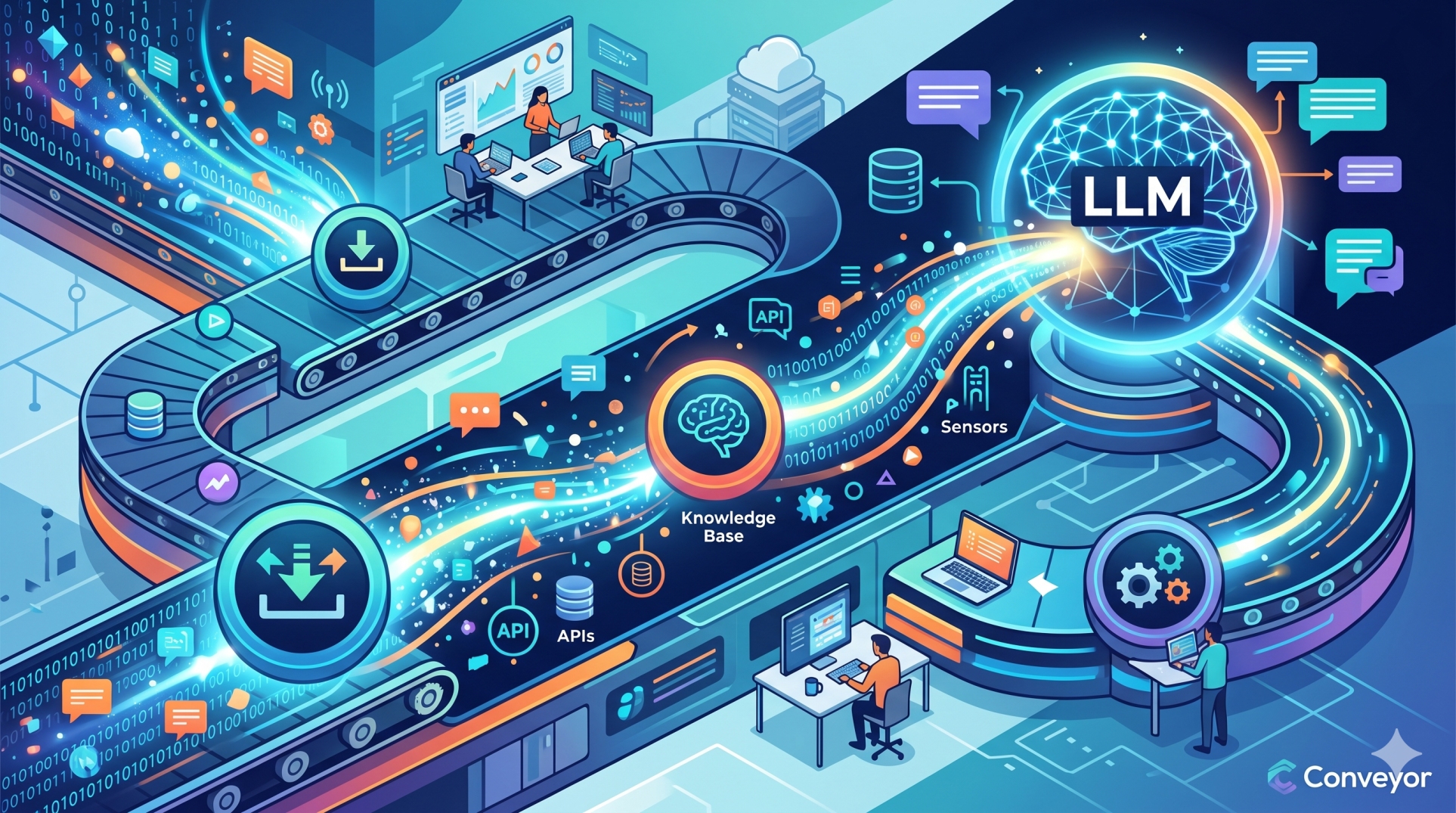
• Establish streaming pipelines for continuous data movement 🌊
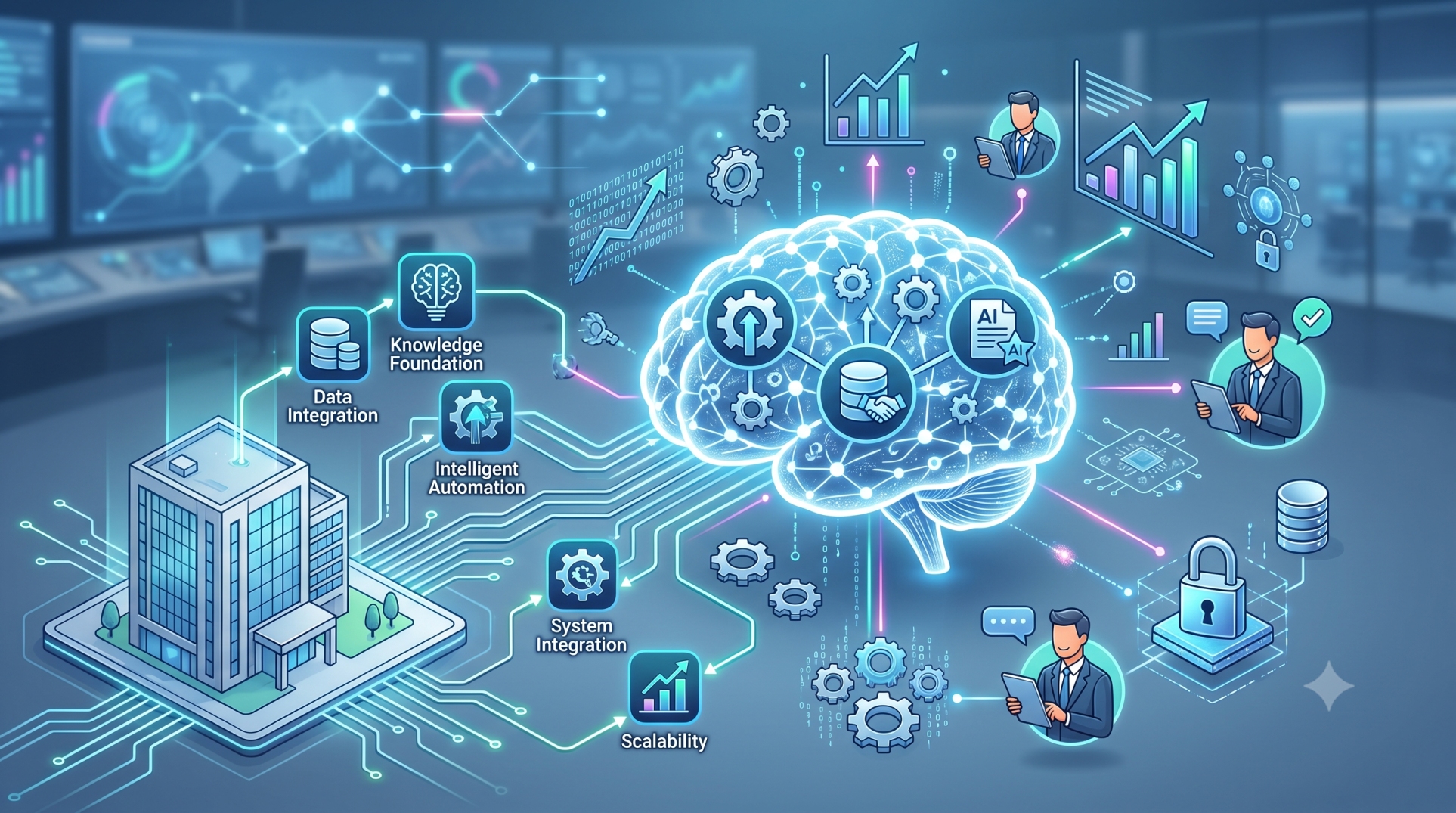
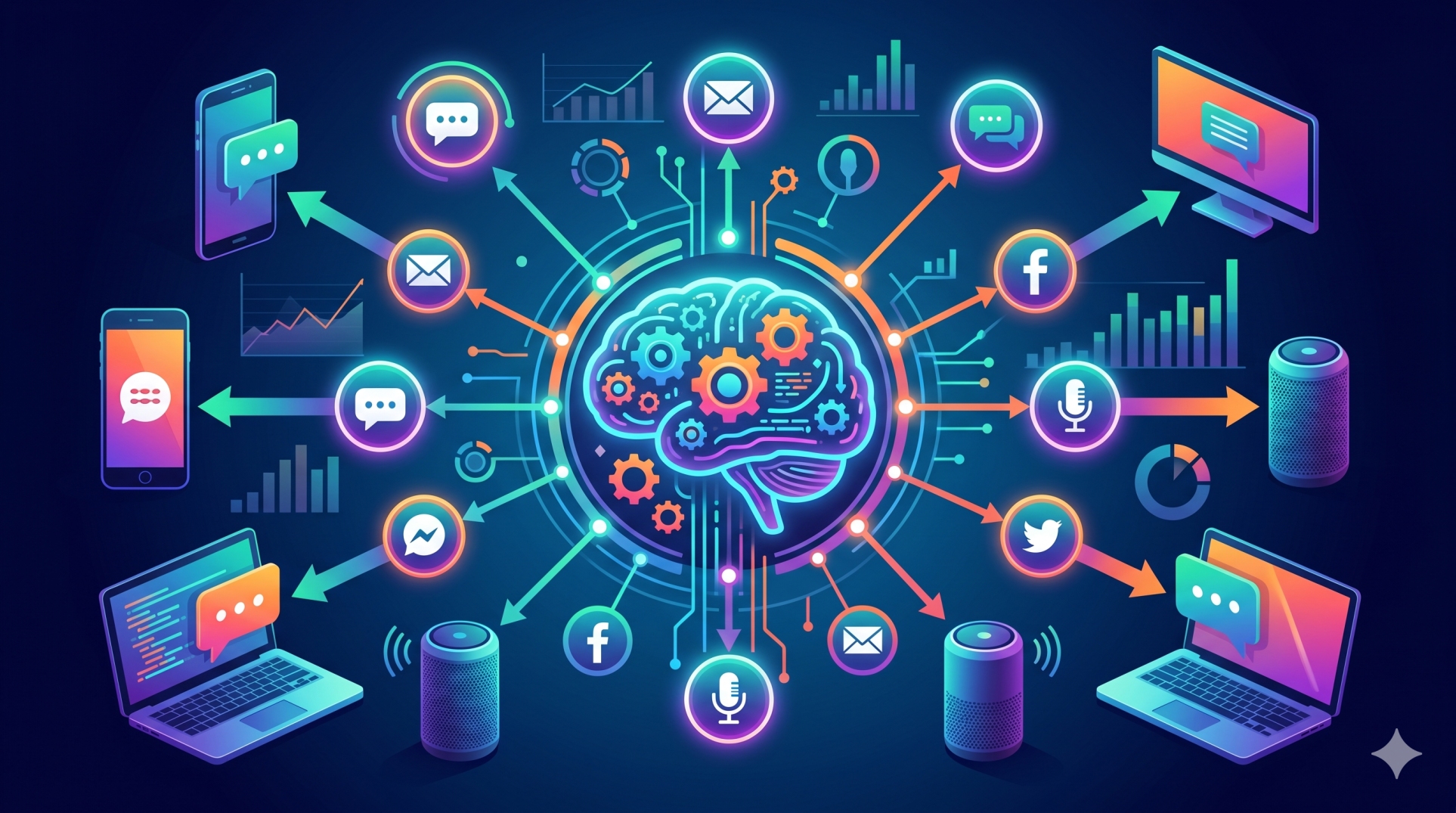
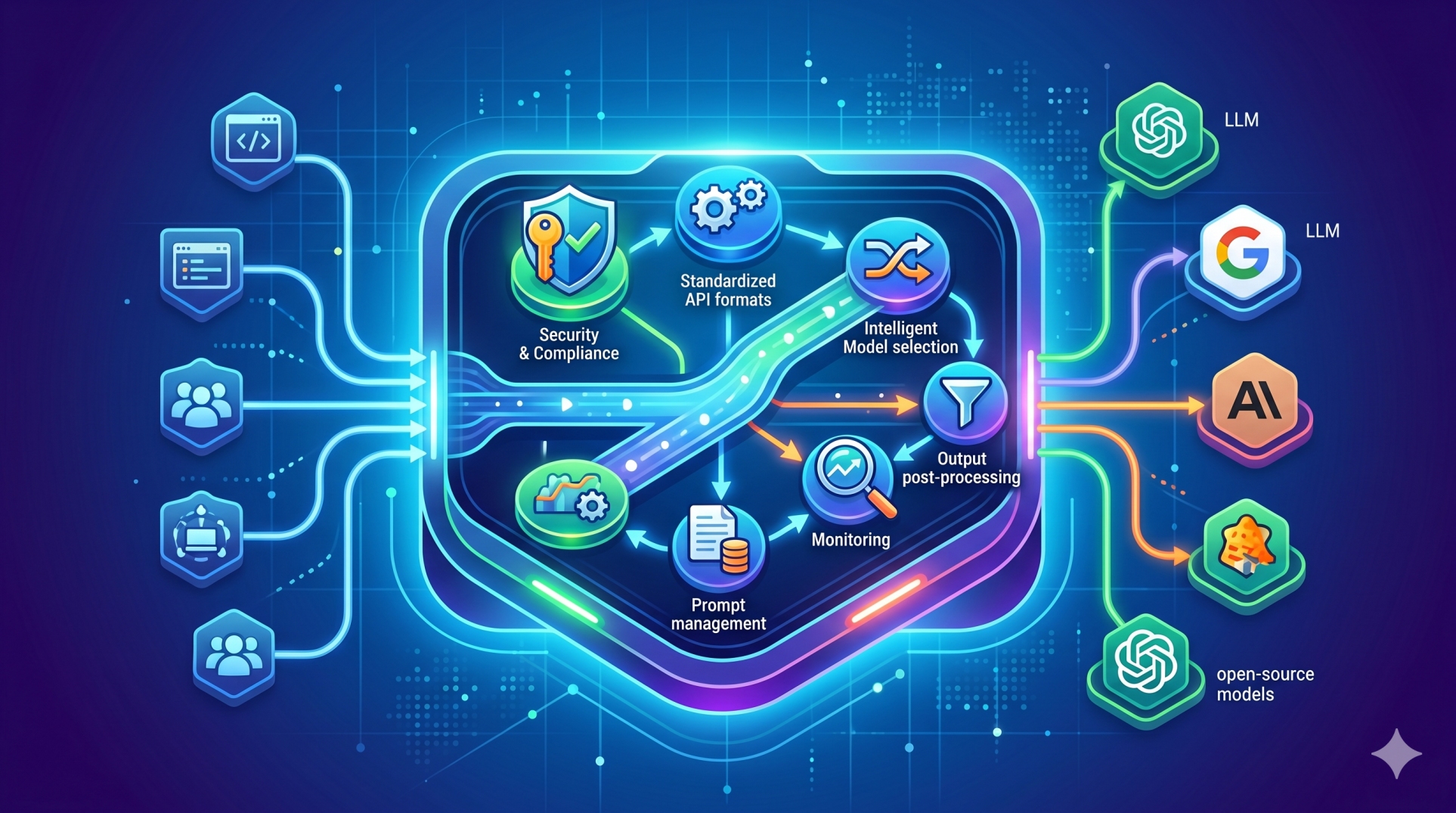
• Connect enterprise systems, APIs, and databases through event brokers 🔌
• Enable low-latency communication between platforms ⚡
• Ensure reliable delivery of event messages across systems 📬
• Support scalable ingestion for growing data volumes 📈
Step 4: Synchronizing LLM Knowledge Context 🧠
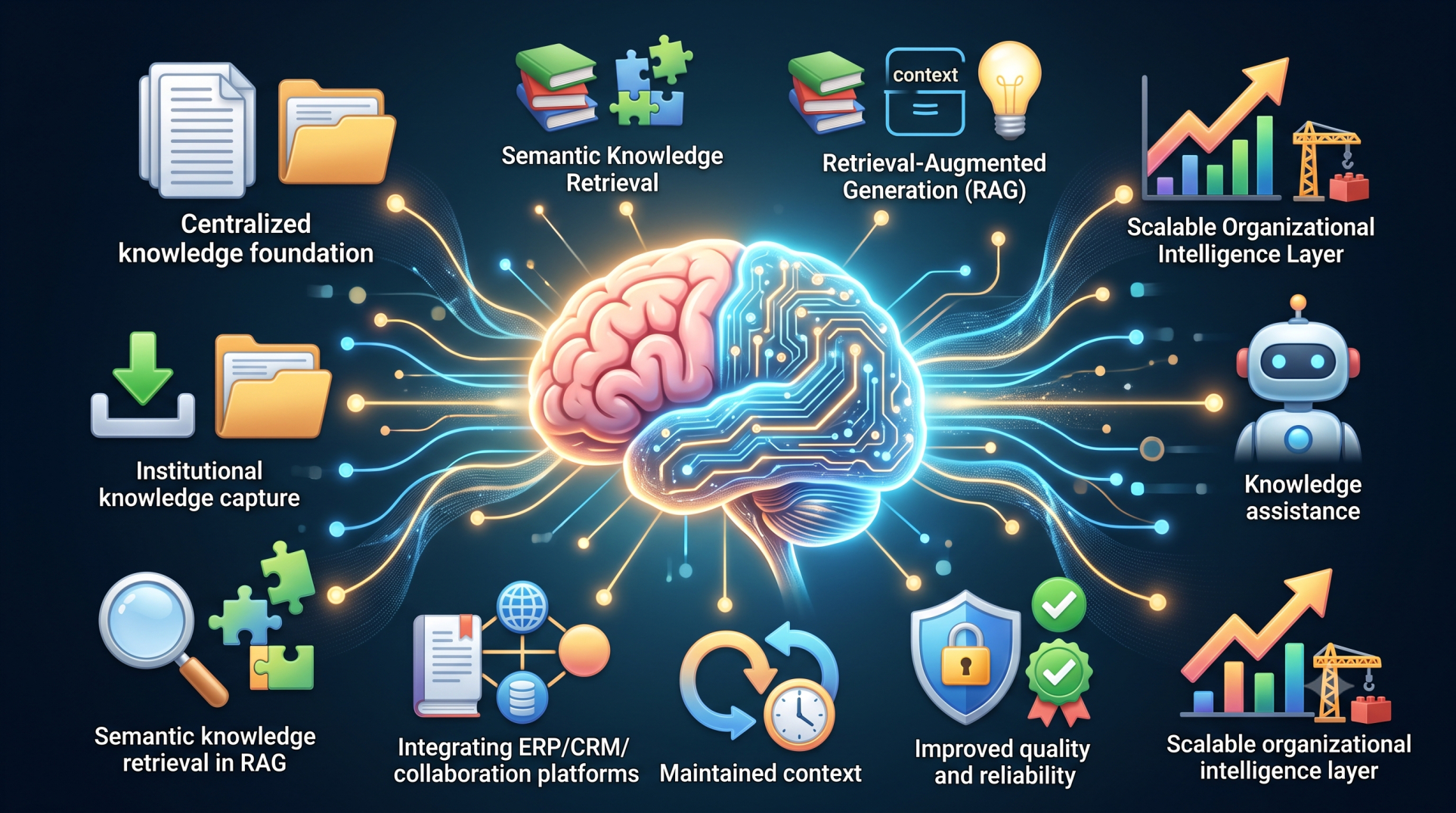
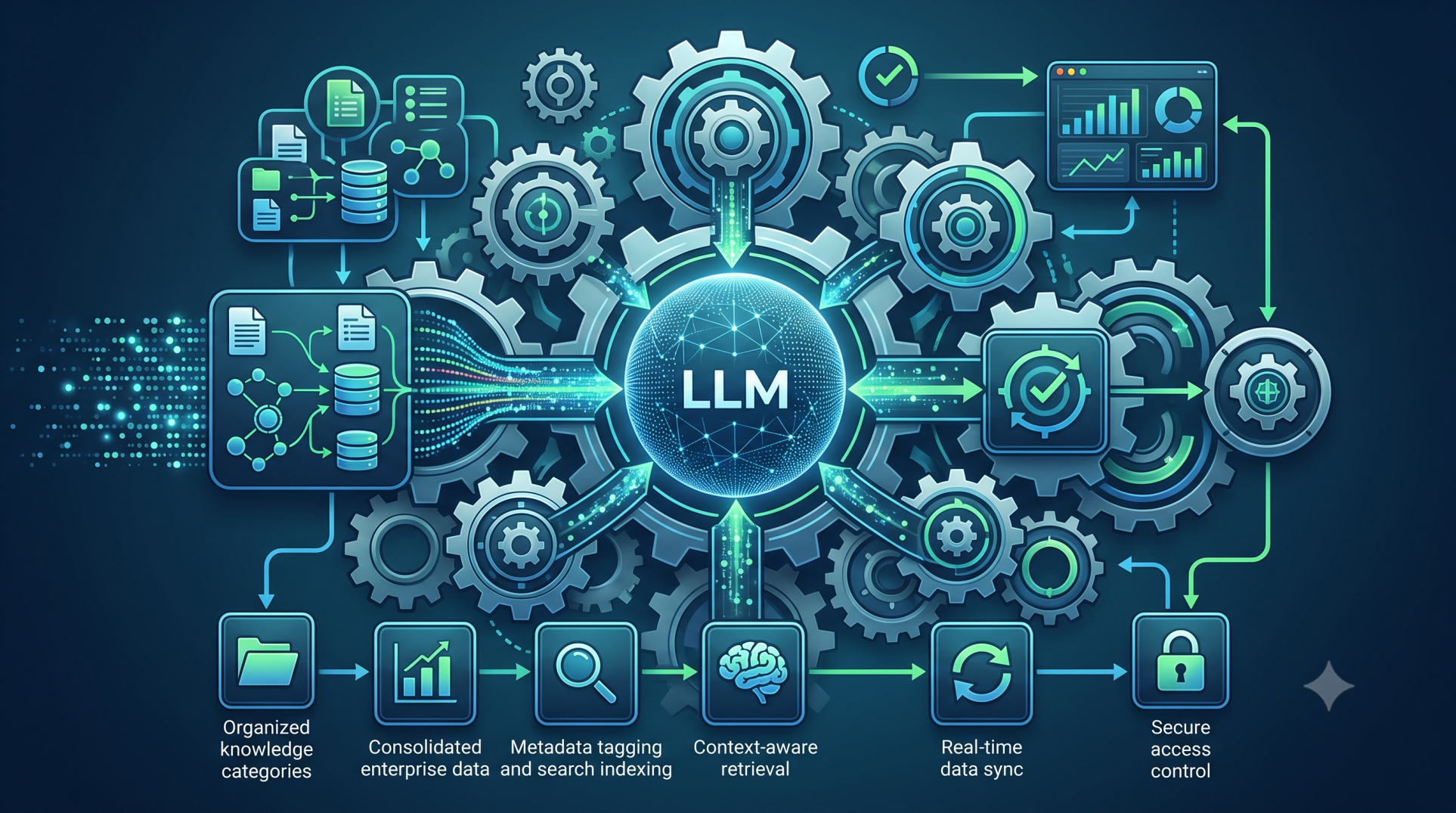
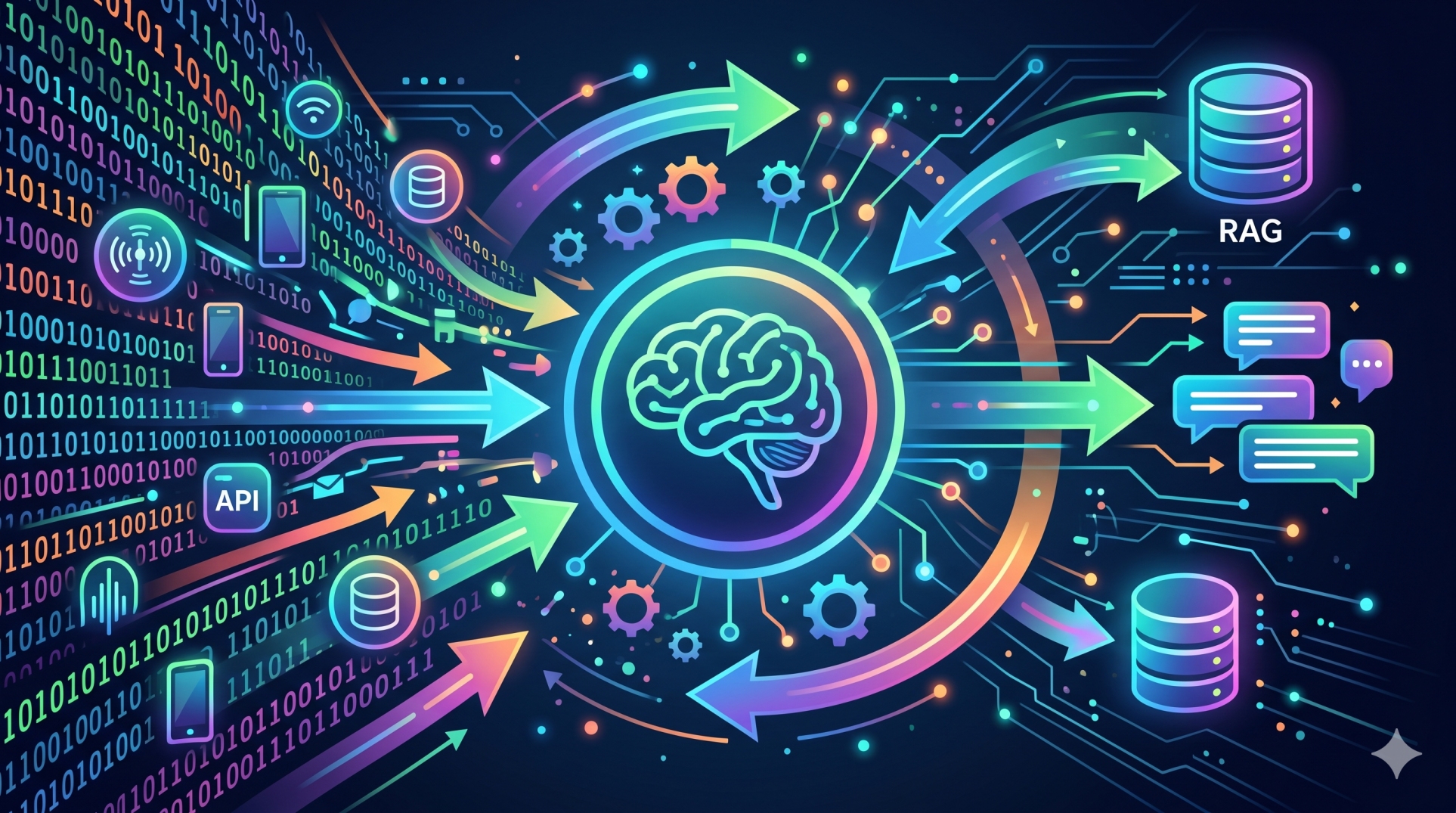
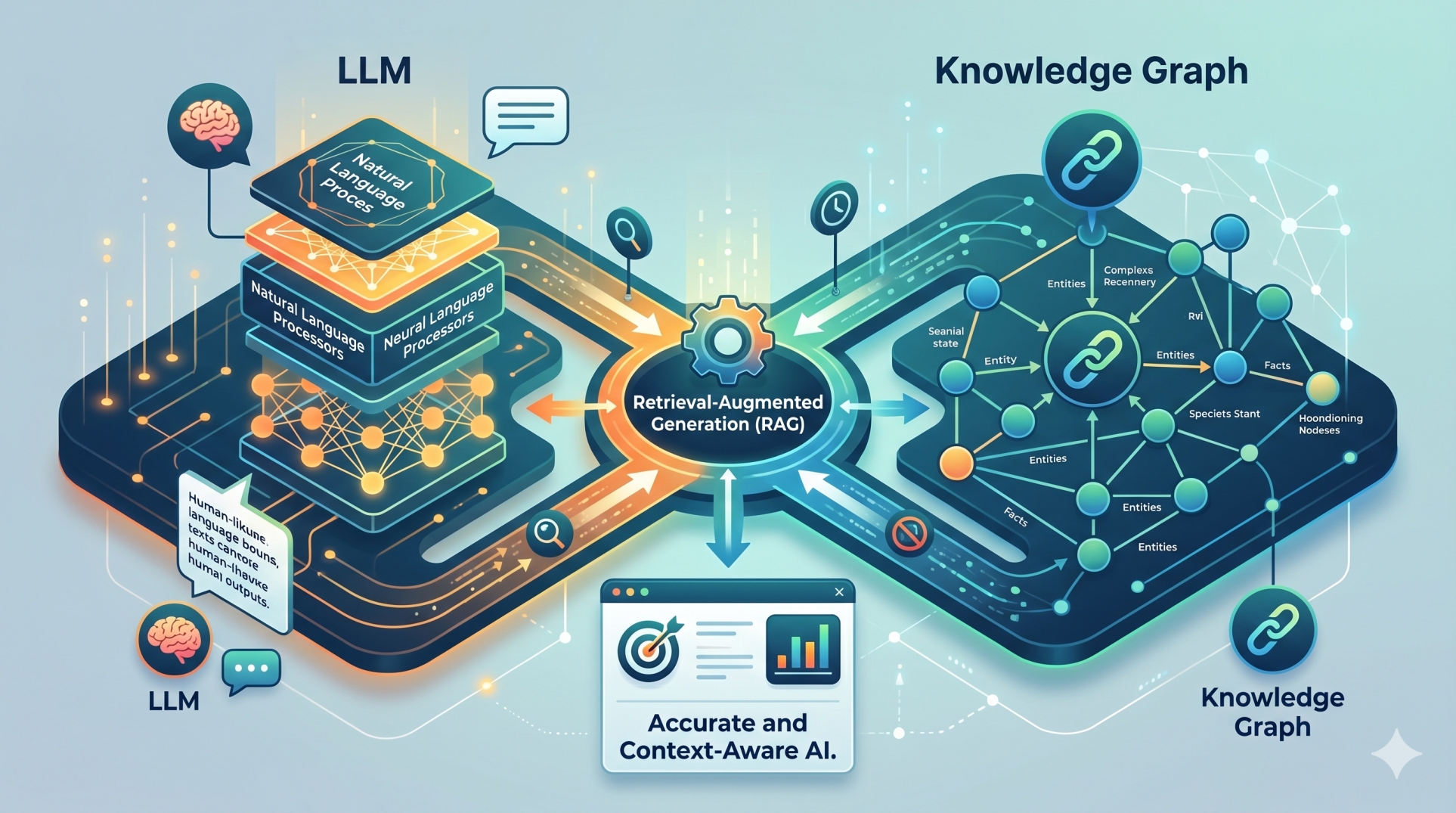
• Update embeddings and vector databases when new events occur 🔄
• Refresh retrieval layers with the latest operational information 📂
• Prevent outdated responses by maintaining current context ✅
• Enable context-aware reasoning based on live system activity ⚙️
• Ensure synchronization between structured and unstructured data 📊
Step 5: Event Prioritization and Filtering 🚦
• Filter unnecessary or duplicate events before processing 🧹
• Prioritize time-sensitive updates for faster response handling ⏳
• Prevent overload by controlling event frequency and routing 🔀
• Categorize events based on operational importance 📋
• Optimize resource usage through intelligent event management ⚡
Step 6: Automating Workflow Responses 🤖
• Trigger automated workflows directly from event updates 🔄
• Enable LLM systems to generate alerts, summaries, or recommendations 📢
• Support intelligent task routing and operational decision-making 🧭
• Reduce manual intervention through automated processing ⚙️
• Improve responsiveness across enterprise operations 🚀
Step 7: Ensuring Reliability and Fault Tolerance 🛡️
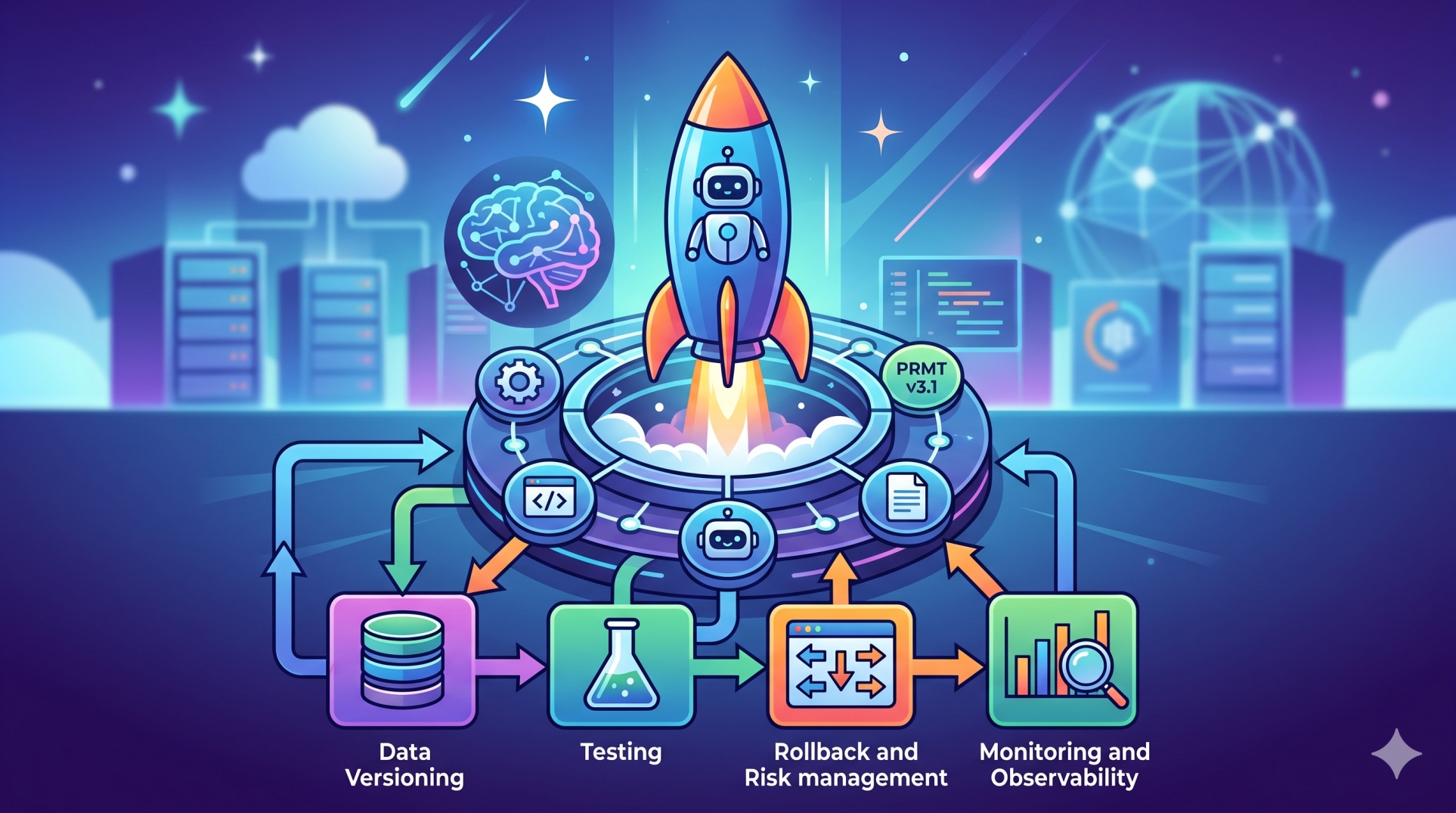
• Implement retry mechanisms for failed event deliveries 🔁
• Maintain message durability and delivery guarantees 📦
• Prevent data inconsistencies during system interruptions ⚠️
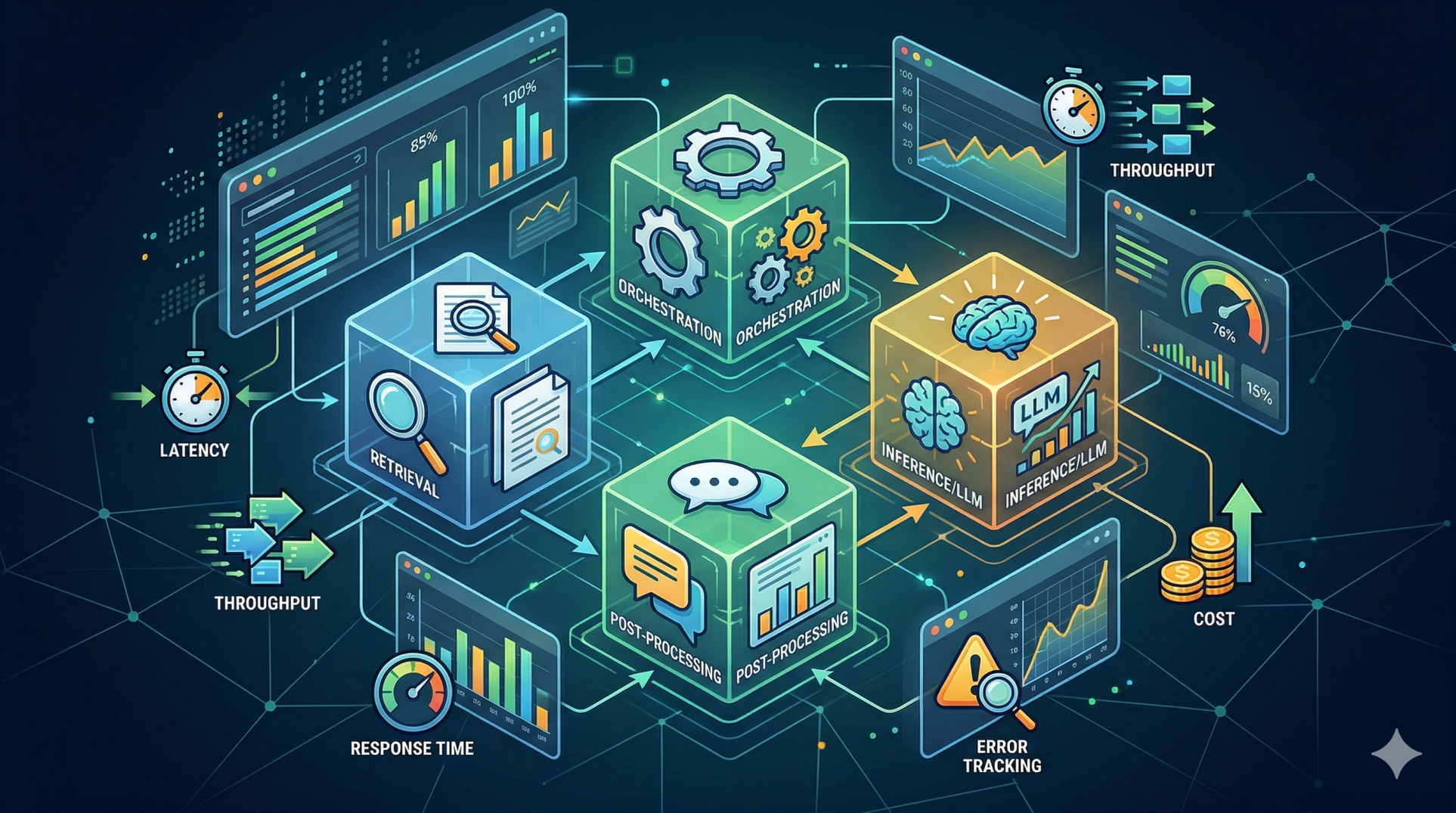
• Monitor pipeline health and event processing status 👀
• Ensure operational continuity during high-volume activity 🔄
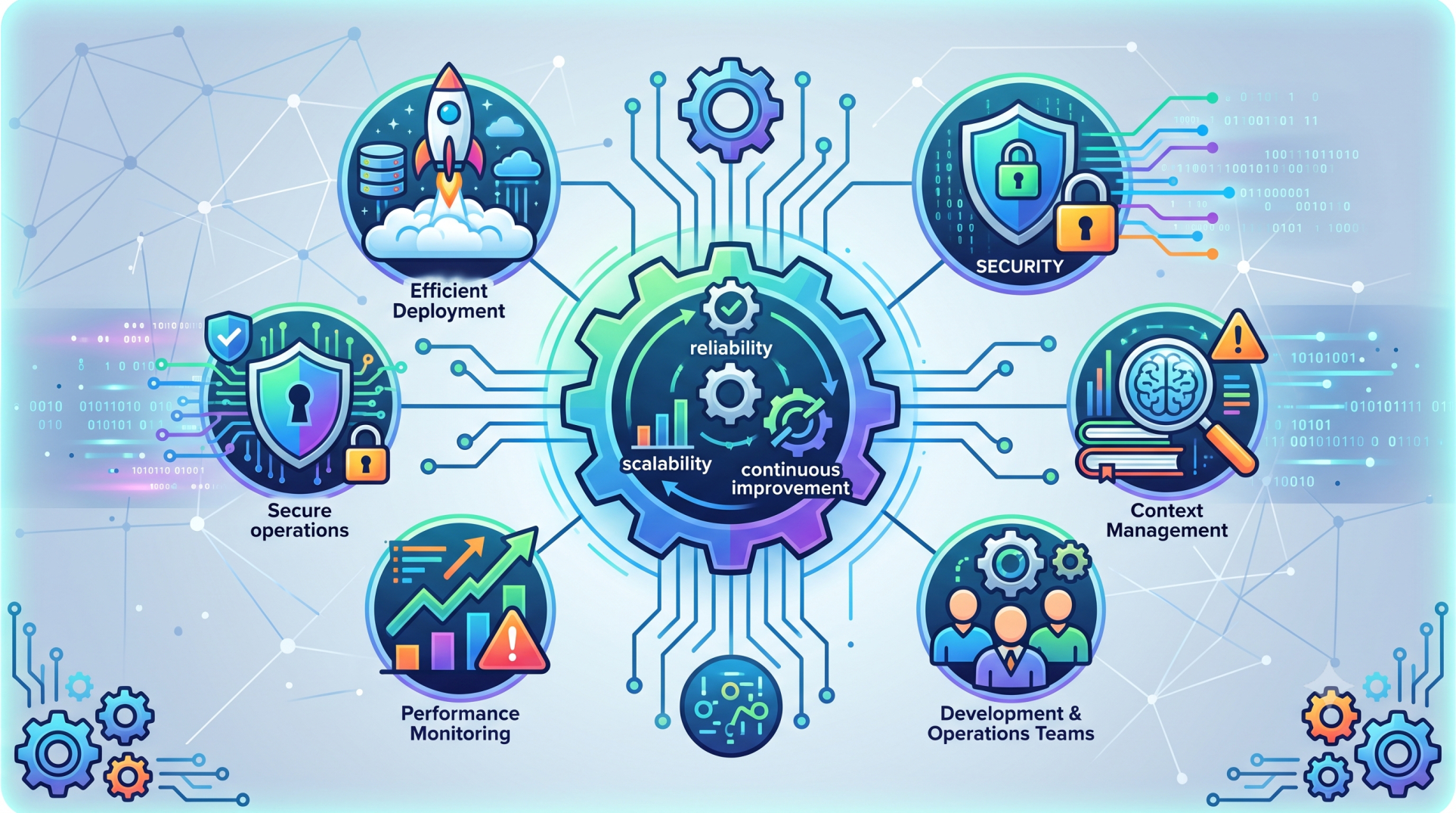
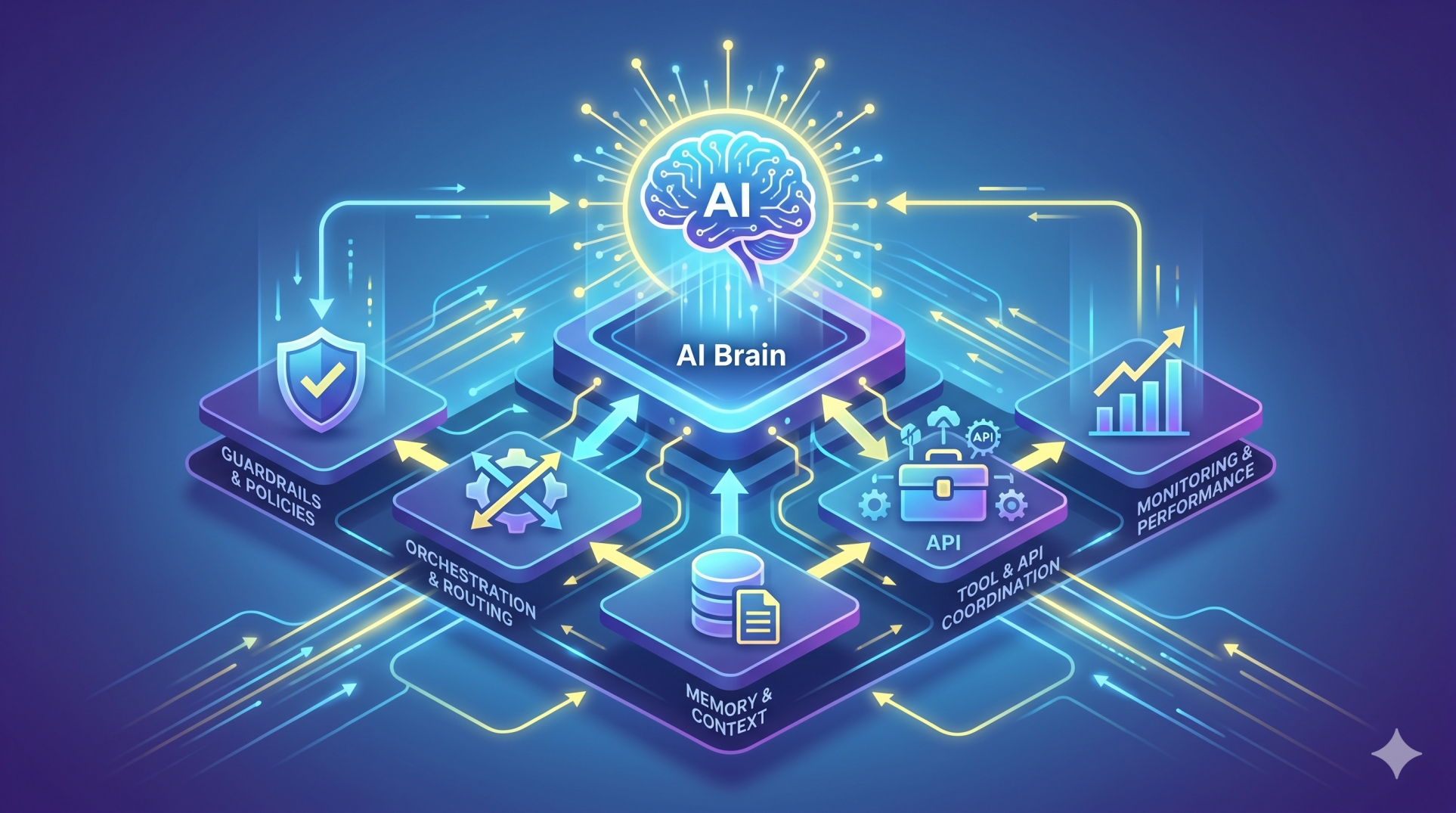
Step 8: Key Architectural Priorities 📊
• Real-time synchronization between enterprise systems and LLMs ⚡
• Scalable event processing infrastructure 🏗️
• Reliable and low-latency communication 📡
• Accurate and continuously updated knowledge context 🧠
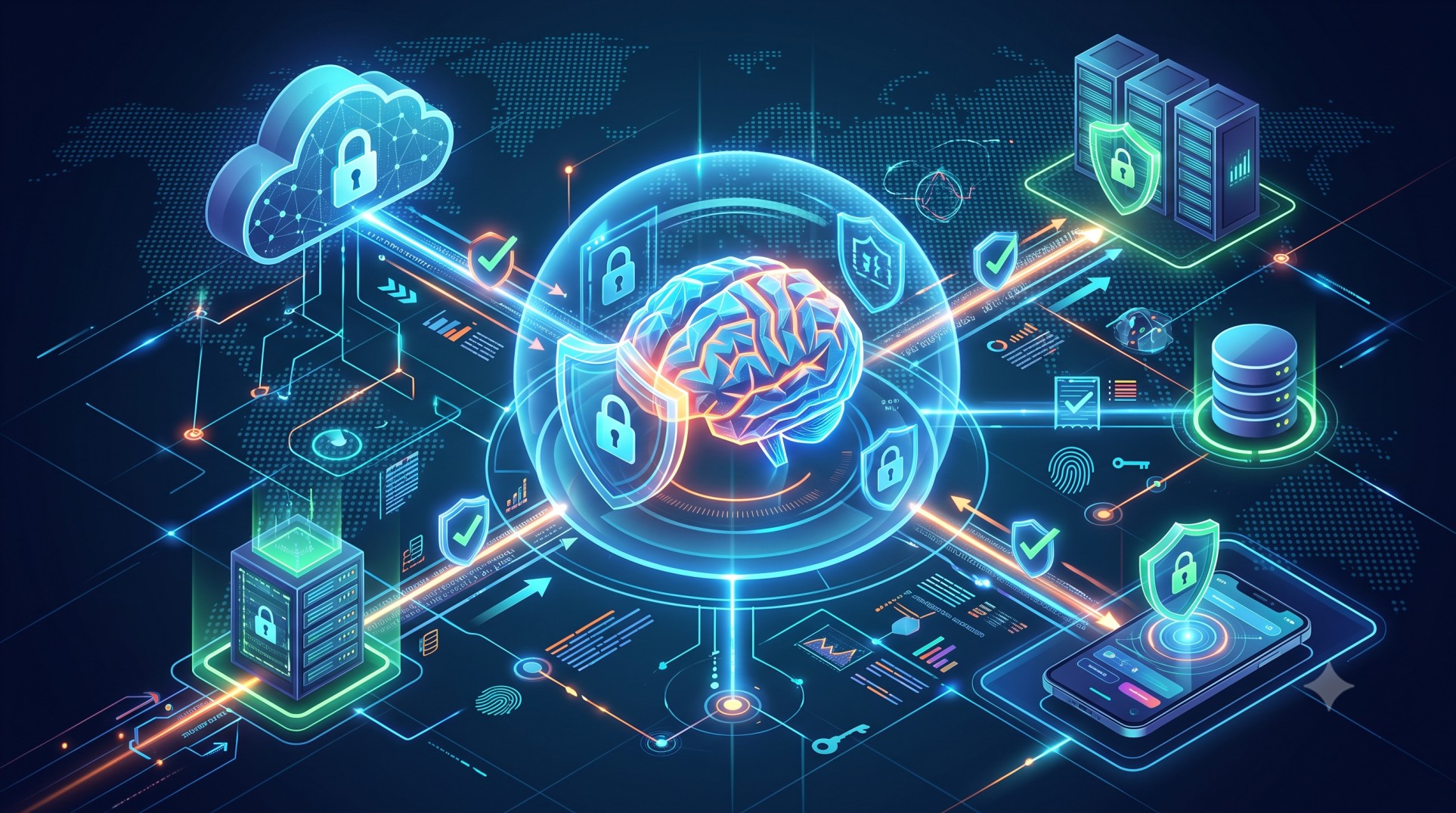
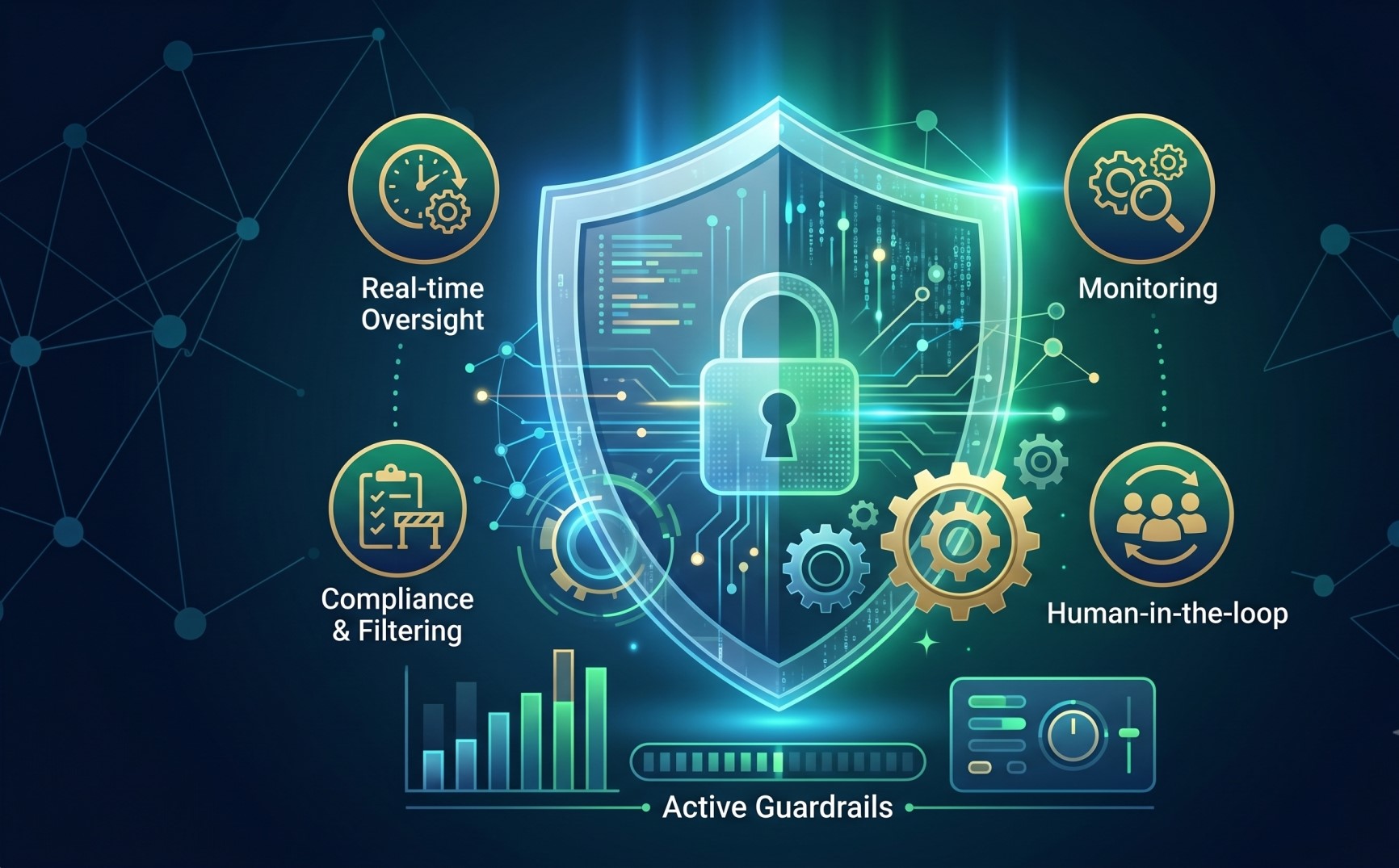
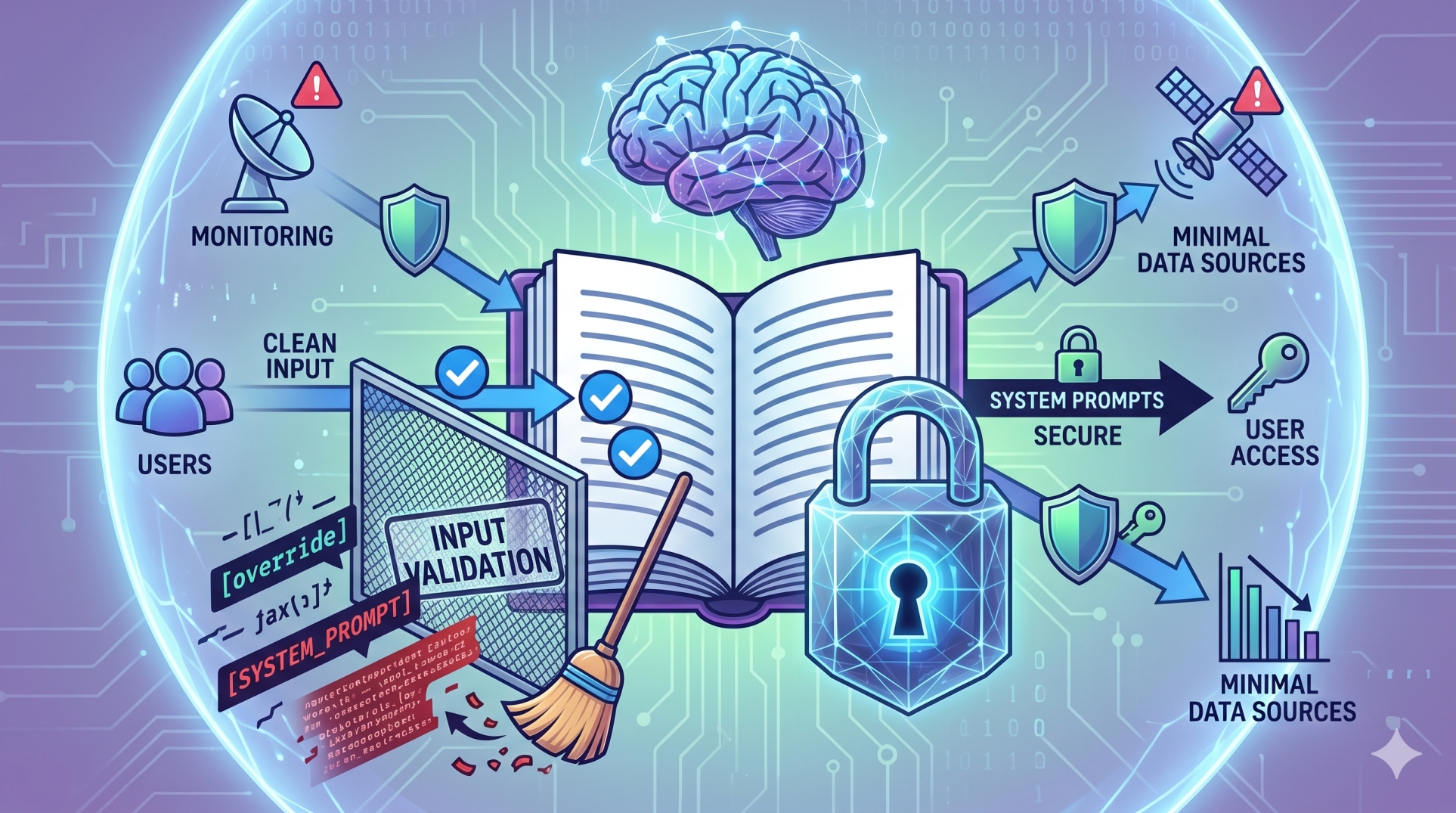
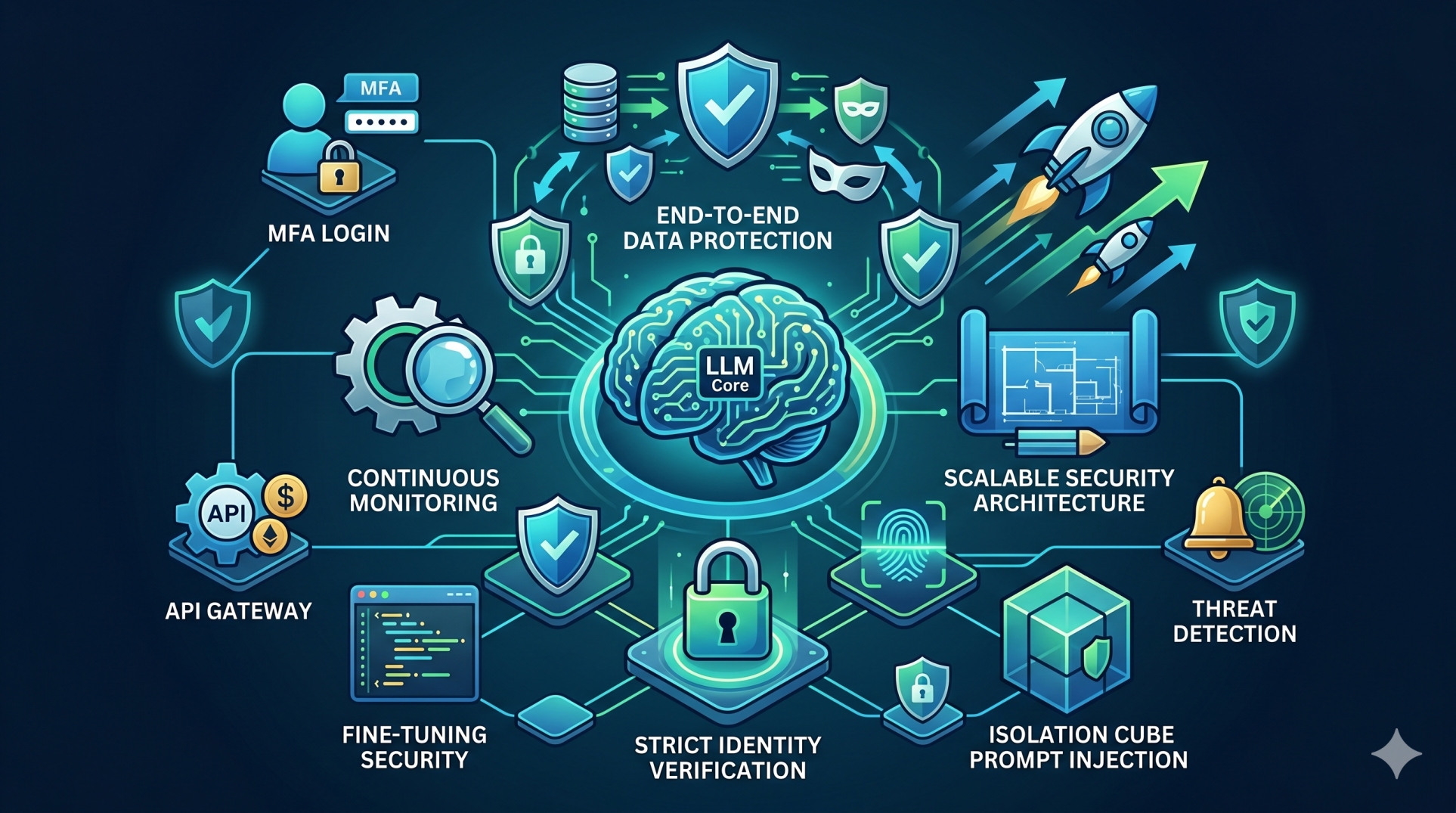
Step 9: Security and Data Governance 🔐
• Secure event streams and communication channels 🛡️
• Enforce access control and authentication policies 🔑
• Protect sensitive enterprise and customer information 🔒
• Maintain audit logs for event tracking and compliance 📜
• Ensure governance across distributed AI environments 🌐
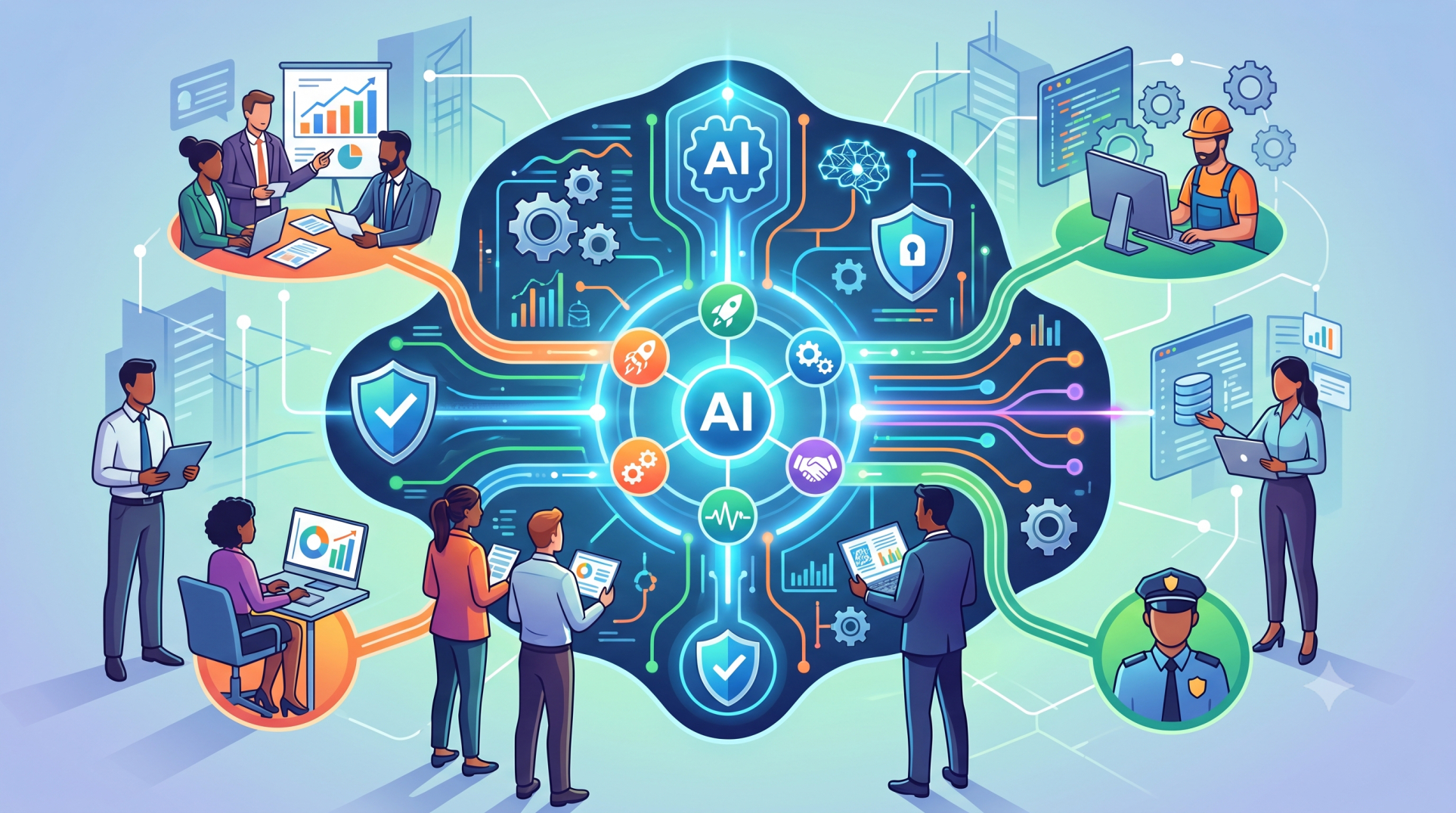
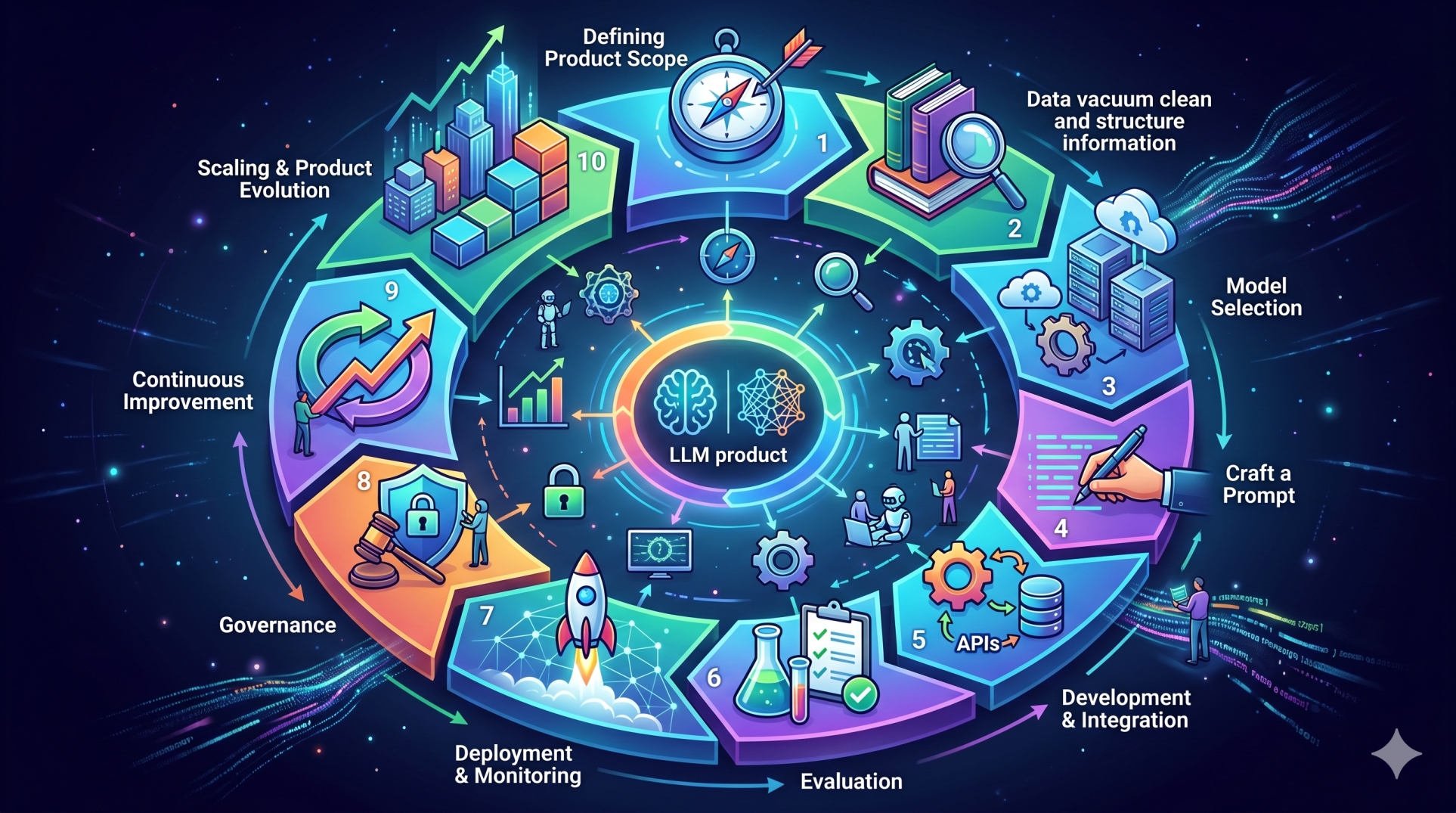
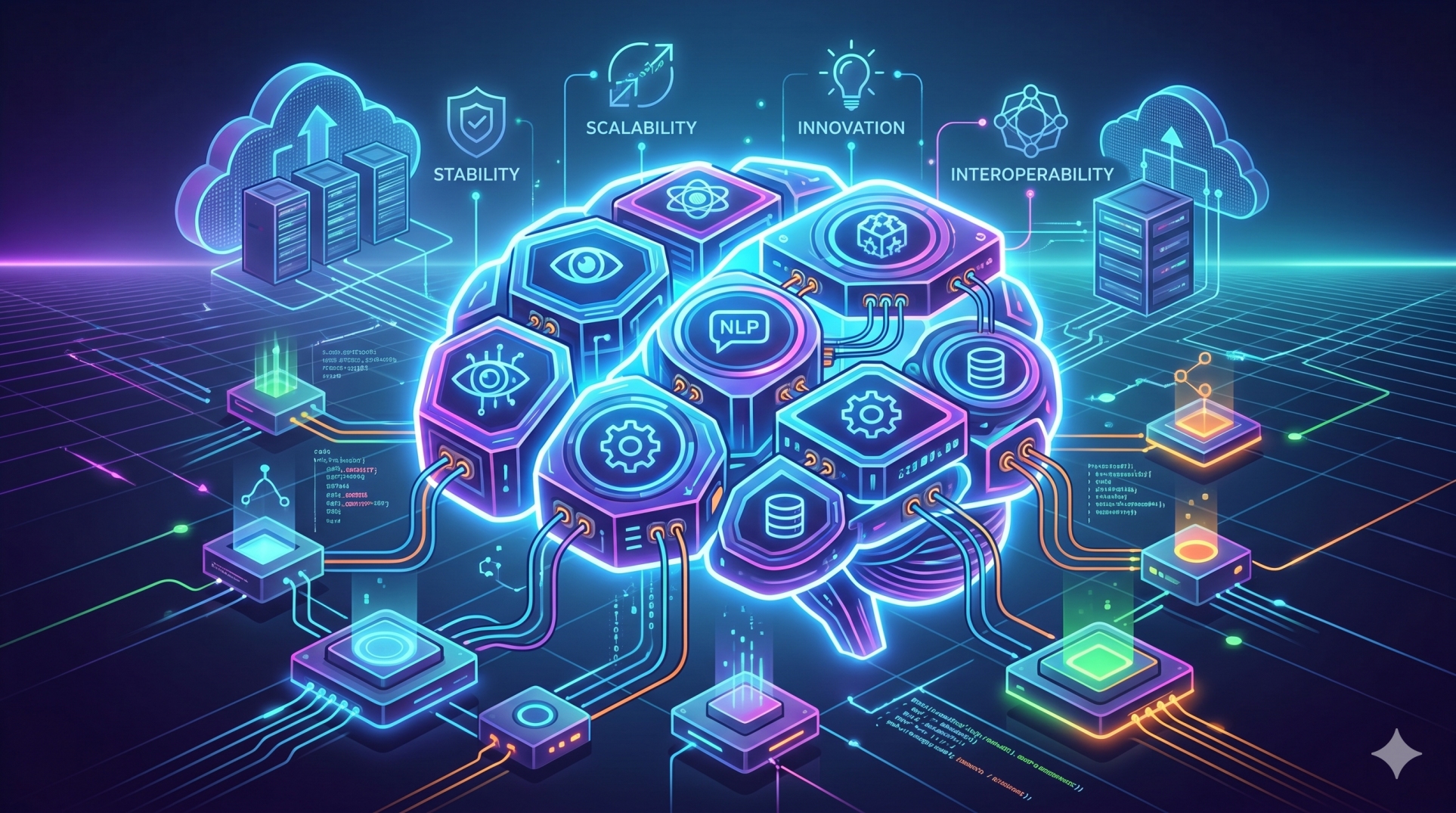
Step 10: Building a Scalable Event-Driven AI Ecosystem 🚀
• Design architectures that support increasing event volumes 📈
• Enable modular integration with future AI and enterprise systems 🔗
• Support expansion across departments and operational workflows 🏢
• Continuously optimize event handling and system performance ⚙️
• Future-proof LLM infrastructure through adaptive design 🔮
Conclusion
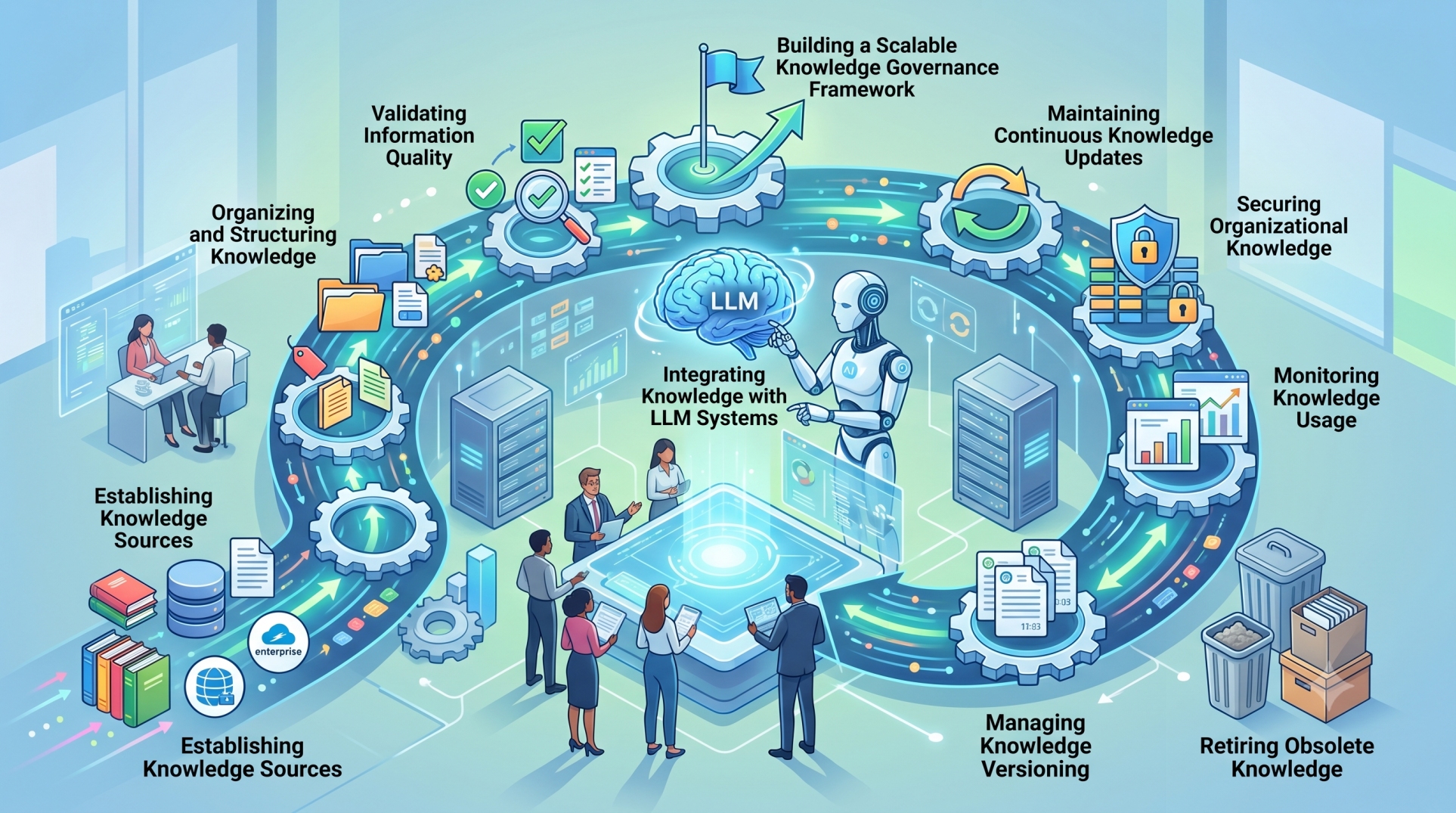
Designing event-based data updates for LLM systems is essential for maintaining real-time intelligence in modern enterprise environments. By enabling continuous synchronization between operational systems and AI models, organizations can improve responsiveness, accuracy, and automation efficiency. A well-designed event-driven architecture not only enhances current AI capabilities but also creates a scalable foundation for future innovation and enterprise growth.
See more blogs
You can all the articles below