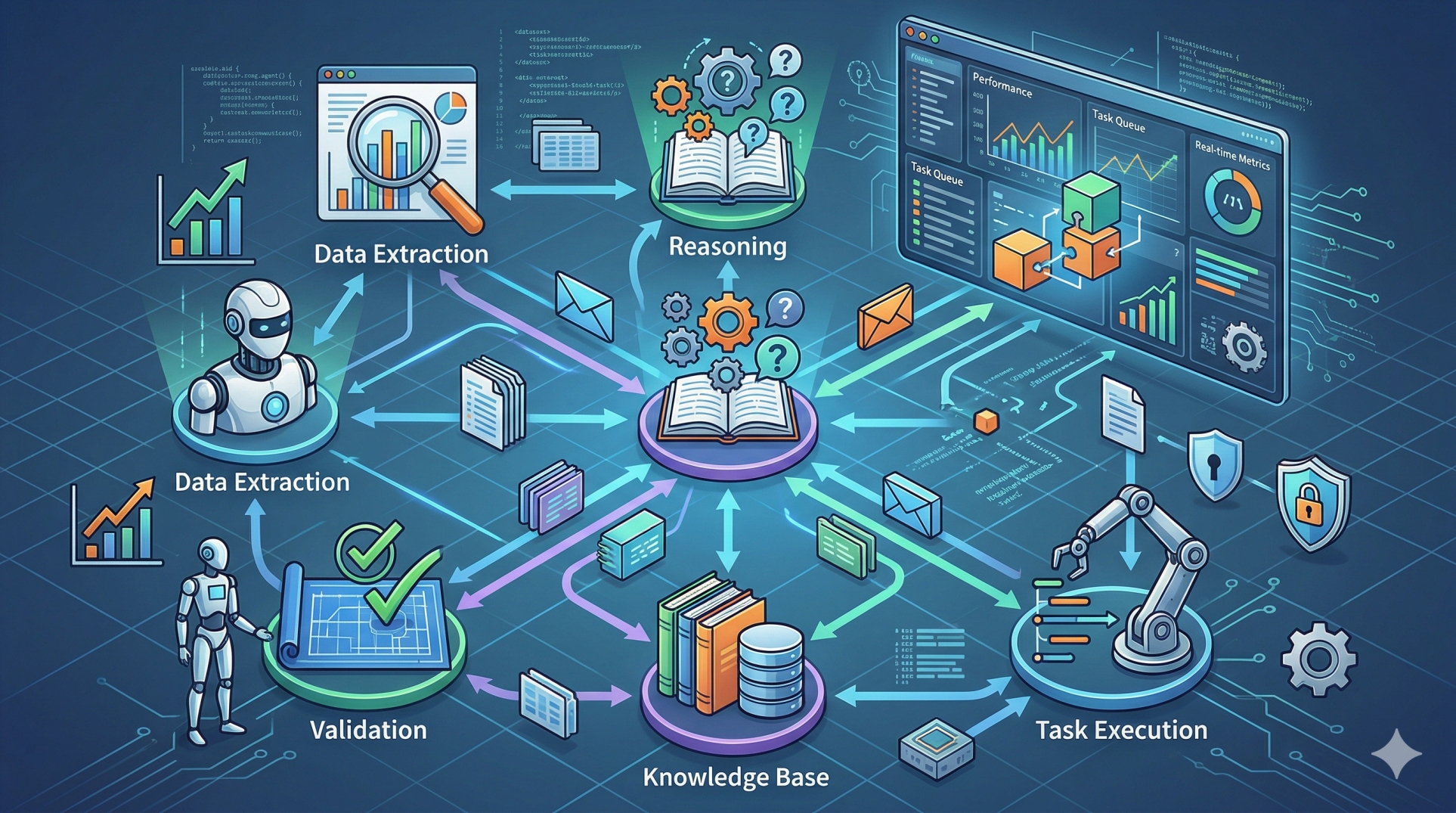
Cross-Model Verification in Multi-Layer AI Architectures
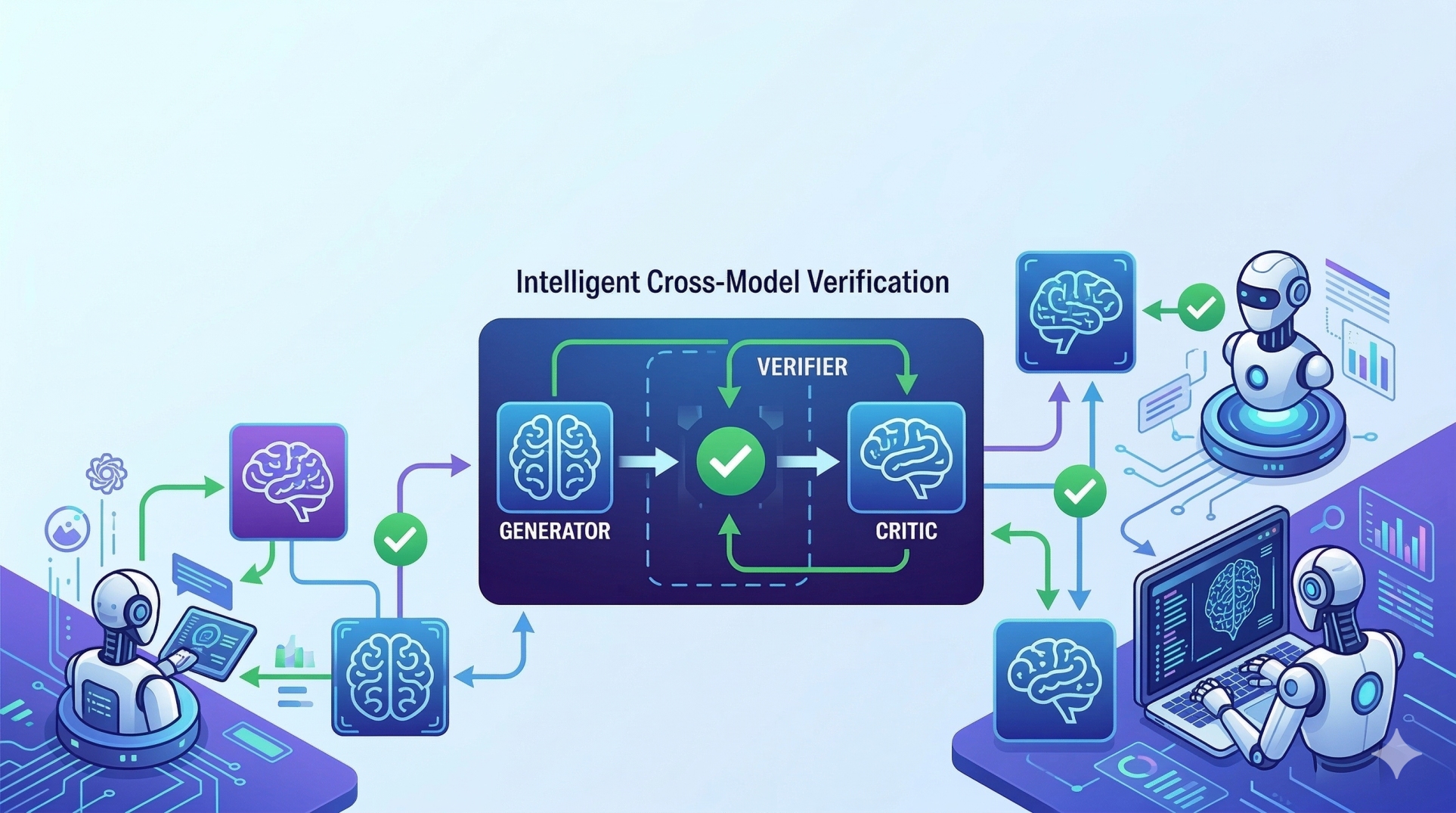
Cross-Model Verification in Multi-Layer AI Architectures
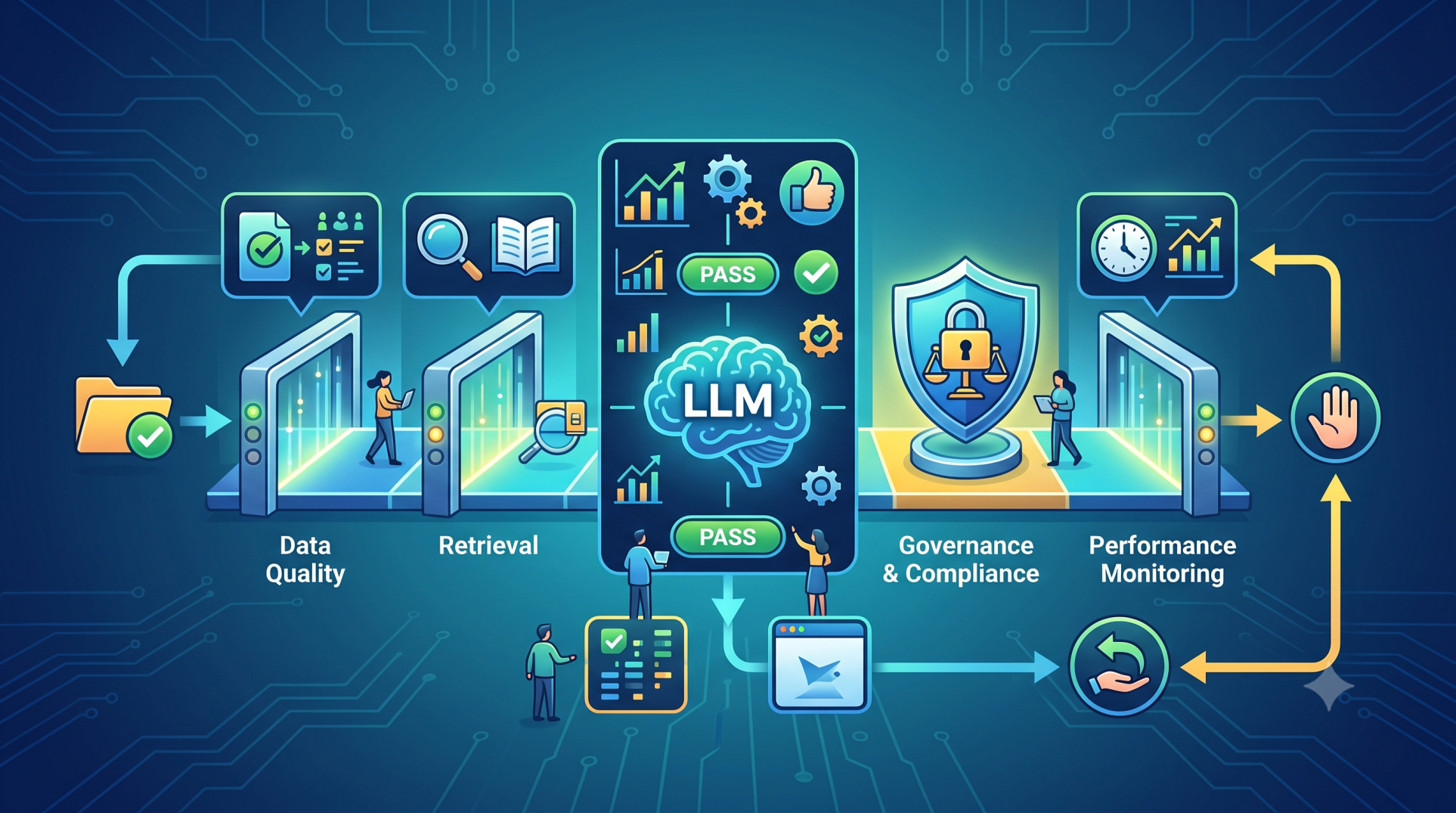
As AI systems grow more complex, relying on a single model for critical decisions is no longer sufficient. Multi-layer AI architectures introduce multiple models working together, and Cross-Model Verification (CMV) ensures that outputs are validated, consistent, and trustworthy. By comparing and validating results across models, organizations can significantly reduce errors, improve reliability, and build more robust AI systems.
Step 1: What Is Cross-Model Verification 🧠🔍
• Cross-Model Verification involves multiple AI models validating each other’s outputs 🔄🤖
• It reduces dependency on a single model’s reasoning or prediction ⚖️📊
• Helps identify inconsistencies, hallucinations, or anomalies 🚨🌀
• Improves confidence in high-stakes decision-making systems ✔️🏢
• Acts as a reliability layer in advanced AI architectures ⚙️📈
Step 2: Why Multi-Layer Architectures Need Verification 🏗️🔗
• Different models specialize in different tasks or domains 🎯📚
• Layered systems increase complexity and potential failure points ⚠️📊
• Outputs may conflict across reasoning, retrieval, and generation layers 🔄🧠
• Verification ensures alignment across all processing stages ✔️🔗
• Critical for enterprise AI systems handling sensitive or regulated data 🏛️🔐
Step 3: Types of Cross-Model Verification Strategies 🔎🤖
• Consensus-Based Verification: Multiple models generate outputs, and the majority result is selected 🗳️📊
• Hierarchical Verification: A primary model generates output, and secondary models validate it 🏗️✔️
• Adversarial Verification: One model challenges or critiques another’s output ⚔️🧠
• Ensemble Validation: Combines outputs from multiple models to improve accuracy 📈🔄
• Rule-Based + Model Hybrid: Combines deterministic rules with AI validation ⚙️📋
Step 4: Role in Reducing Hallucinations 🚫🌀
• Detects unsupported or fabricated information across models 🔍📄
• Cross-checks generated responses against retrieved knowledge sources 📚✔️
• Flags inconsistencies before delivering outputs to users 🚨📤
• Enhances factual grounding in generative AI systems 🧠📊
• Strengthens trust in AI-assisted decision workflows 🤝🤖
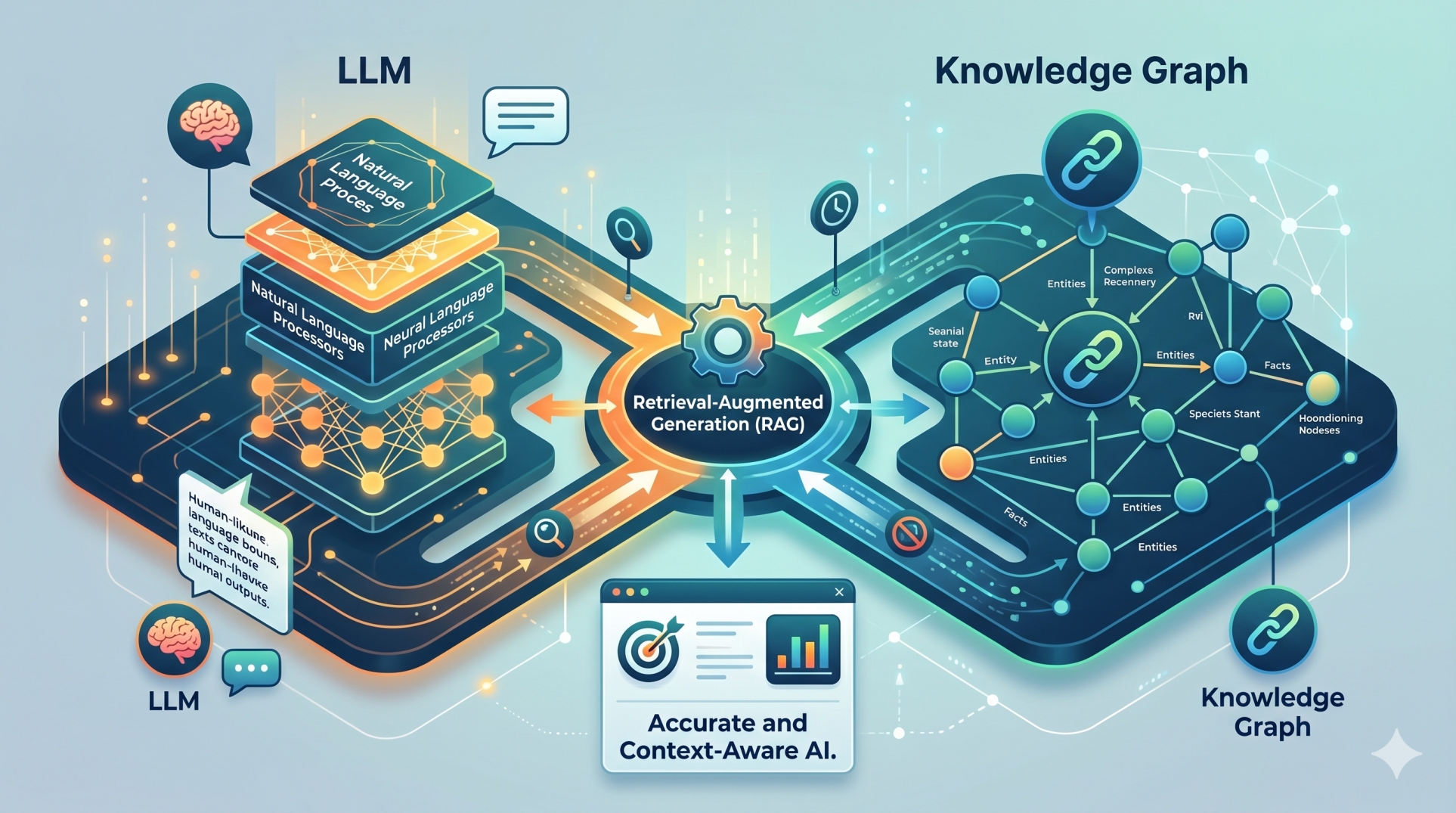
Step 5: Integration with Retrieval-Augmented Systems 🔗📚
• Verifies retrieved data relevance before generation 🔎📄
• Ensures generated responses align with source documents ✔️📊
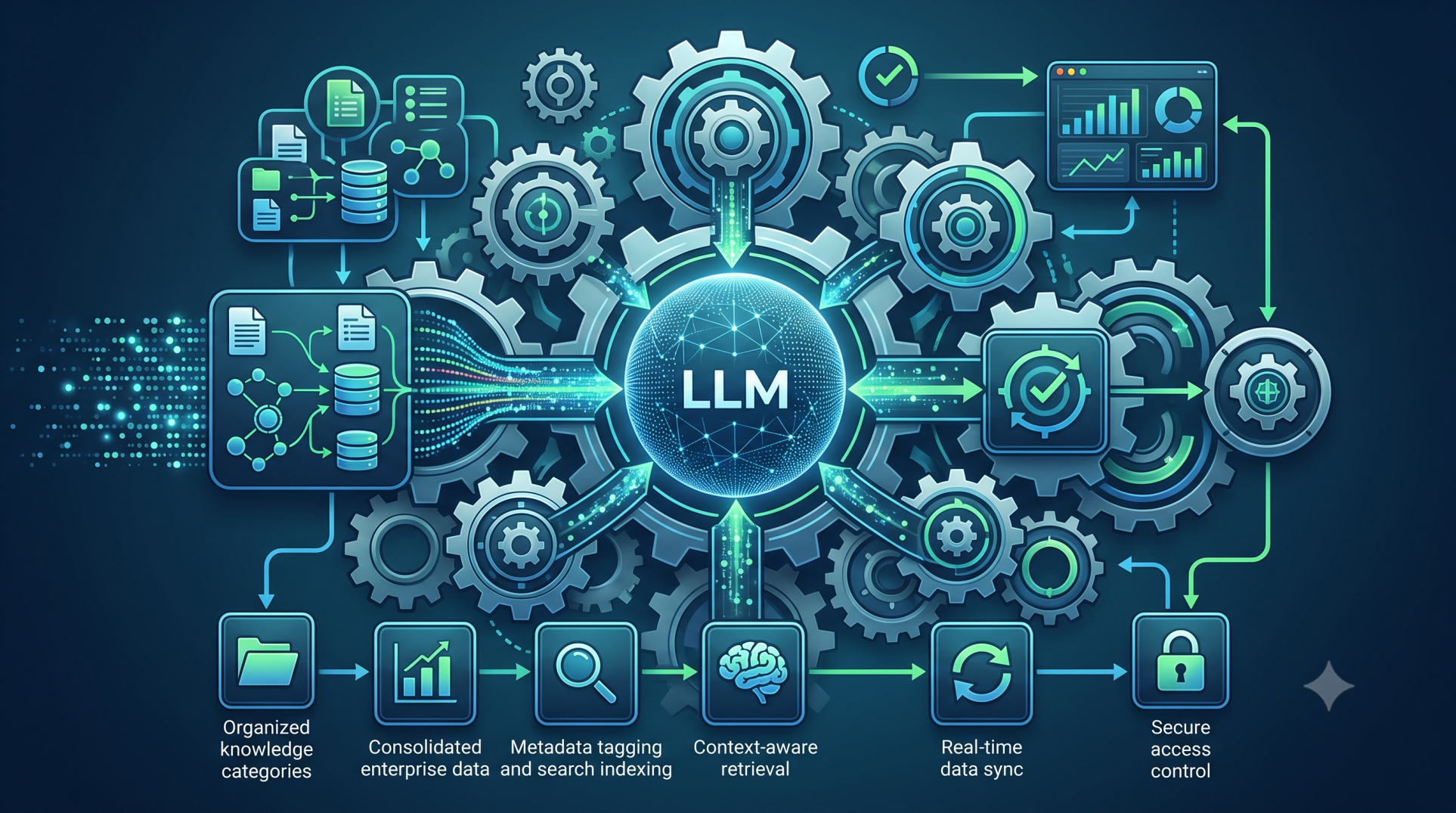
• Adds an additional validation layer on top of RAG pipelines 🔄🤖
• Improves traceability of information sources 🔍📚
• Supports explainable AI outputs with verifiable references 📖✔️
Step 6: Model Specialization and Role Assignment 🎯🤖
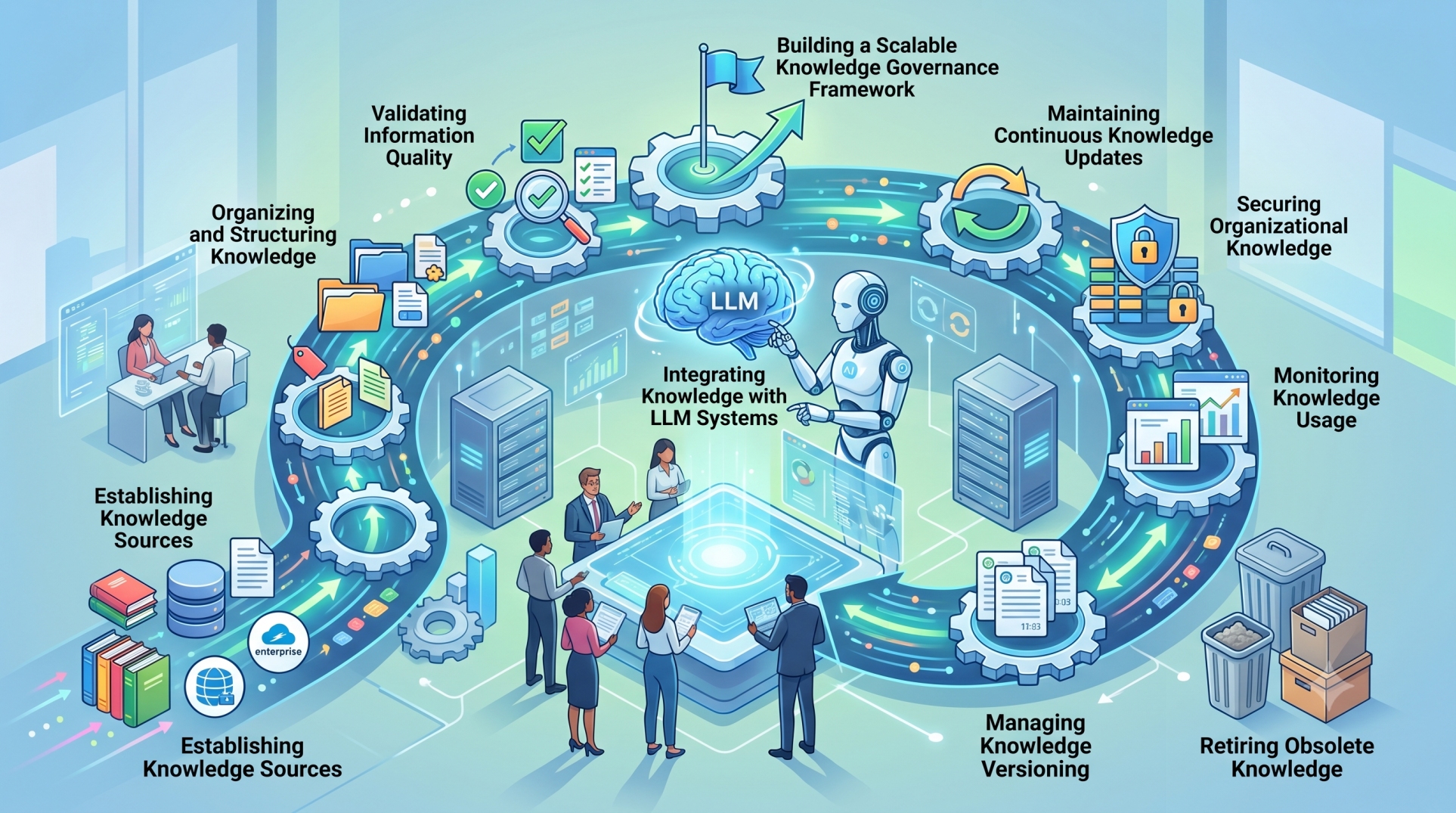
• Assigns different roles such as generator, verifier, and critic 🧠⚙️
• Uses domain-specific models for targeted validation 📚🔍
• Enables modular system design with interchangeable components 🔄🏗️
• Improves efficiency by distributing tasks across models ⚡📊
• Supports scaling by adding new verification layers as needed 📈➕
Step 7: Orchestration and Decision Logic ⚙️🔗
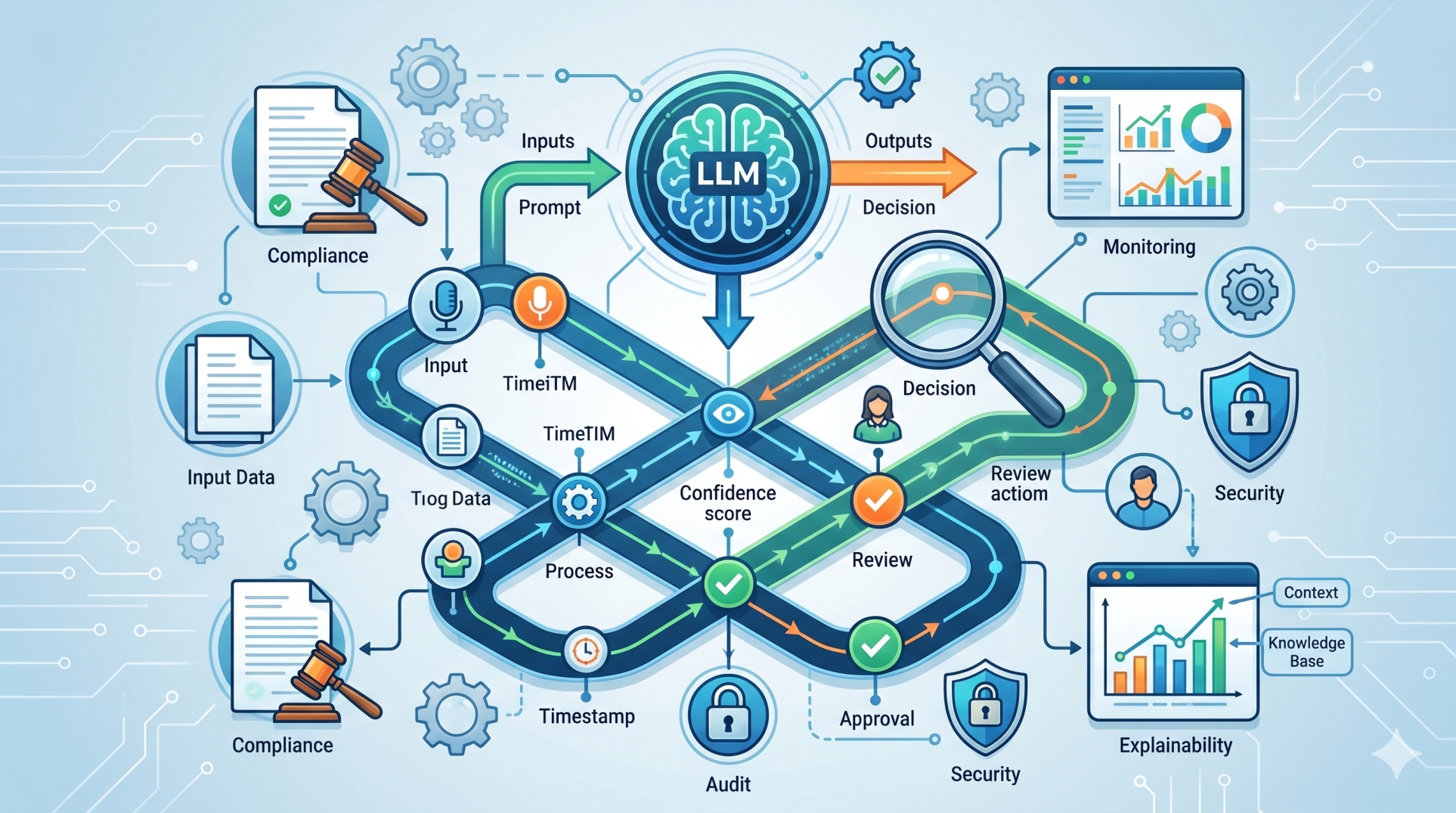
• Coordinates communication between multiple models 🔄🤖
• Defines rules for accepting, rejecting, or refining outputs 📋✔️
• Implements scoring systems for confidence evaluation 📊🎯
• Routes tasks dynamically based on model strengths 🔀🧠
• Ensures smooth integration within distributed AI systems 🌐⚙️
Step 8: Performance and Latency Considerations ⚡⏱️
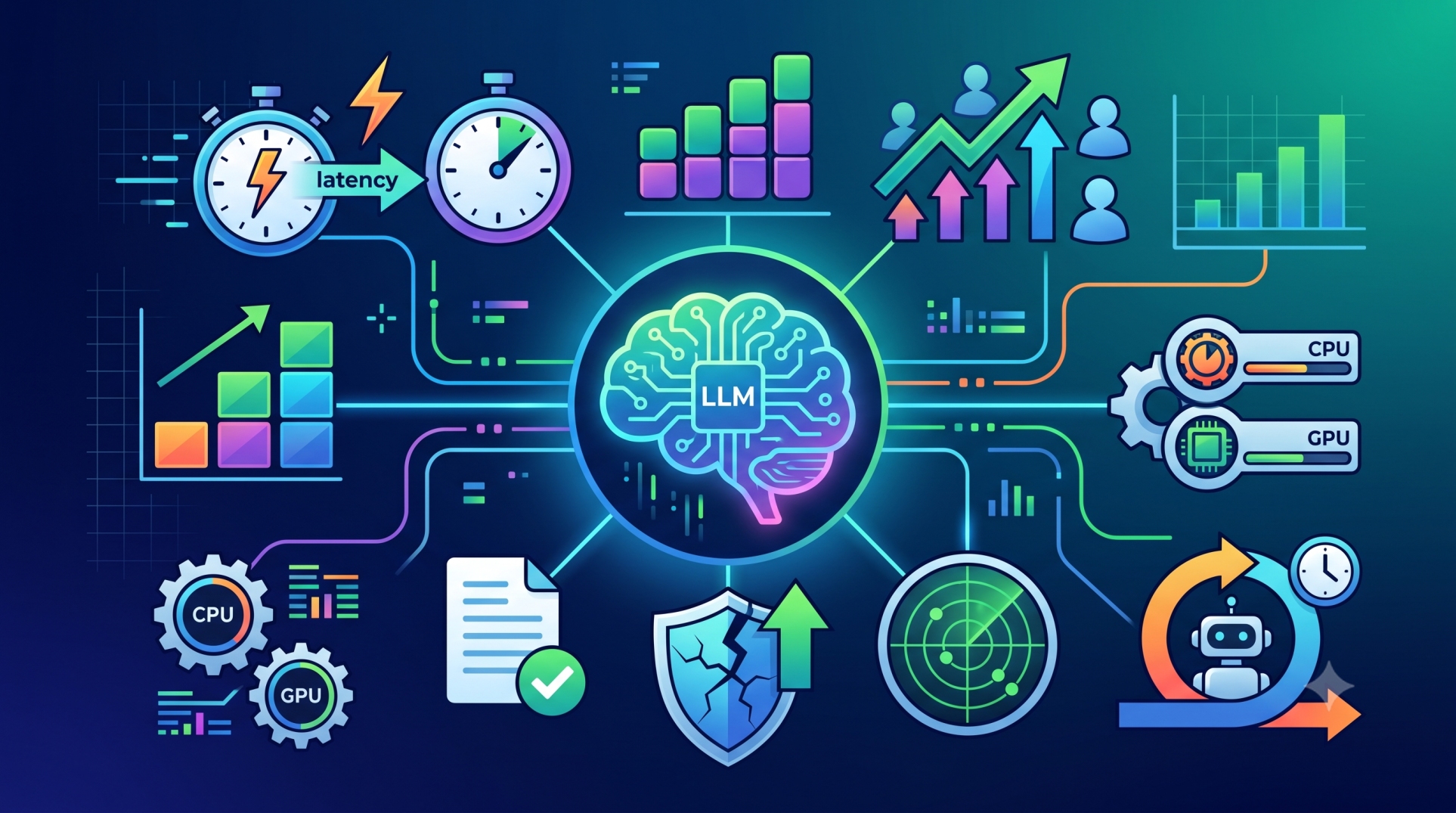
• Multiple models increase computational overhead 📊💻
• Requires optimization to balance accuracy and speed ⚖️⚡
• Uses caching and parallel processing to reduce delays 🔄🚀
• Prioritizes verification layers based on task criticality 🎯📉
• Ensures scalable performance in real-time applications 📈⏱️
Step 9: Use Cases of Cross-Model Verification 🌍📊
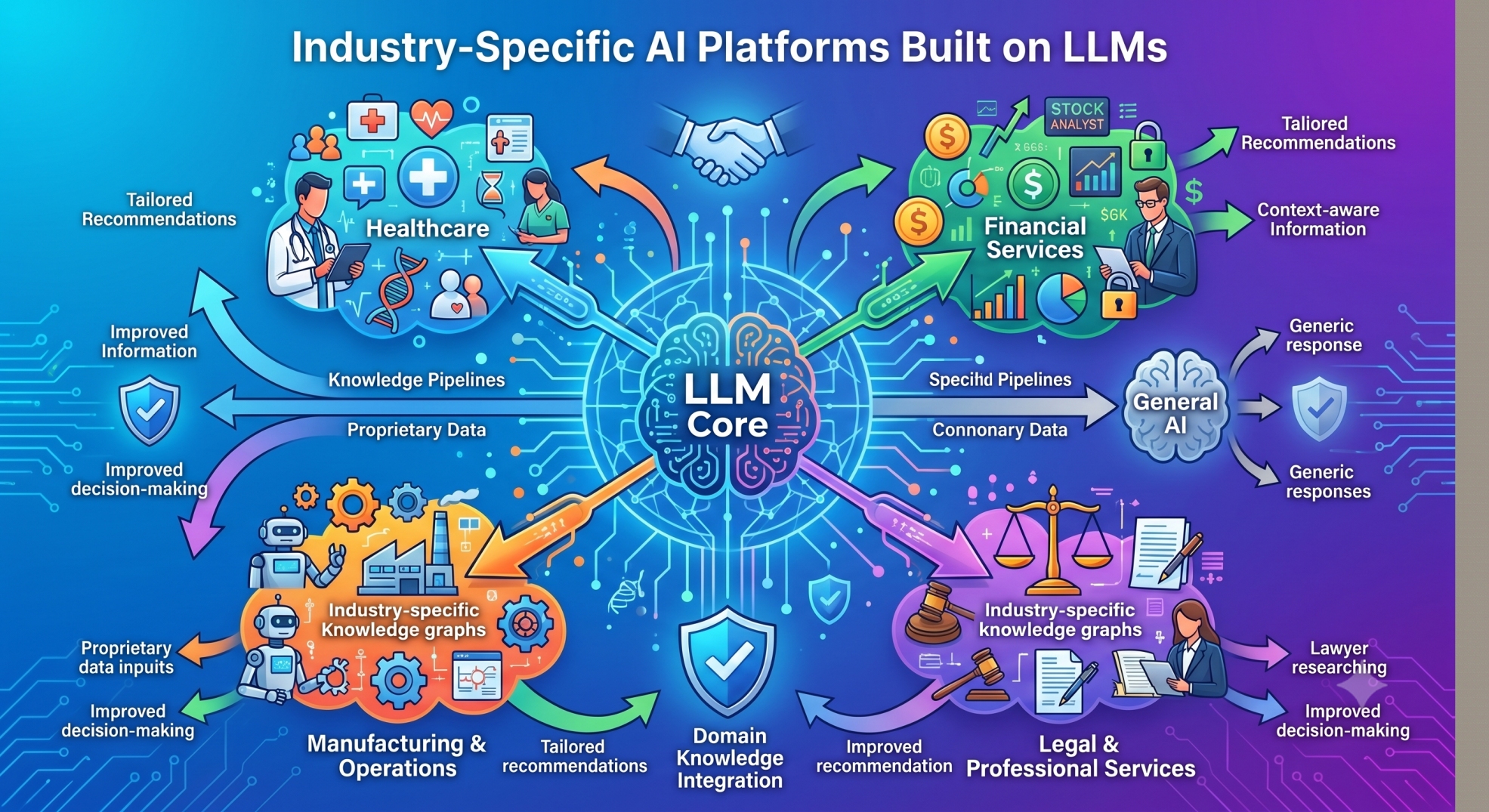
• Healthcare decision support systems 🏥🧠
• Financial risk analysis and fraud detection 💰🔍
• Legal document review and compliance ⚖️📄
• Autonomous systems and robotics 🤖🚗
• Enterprise AI copilots and knowledge assistants 🏢💬
Step 10: Building Robust Multi-Model AI Systems 🚀🏗️
• Design architectures with built-in verification layers 🔄⚙️
• Combine symbolic reasoning with generative AI 🧠📊
• Continuously evaluate model agreement and performance 📈🔍
• Implement monitoring and feedback loops for improvement 🔁📊
• Build systems that prioritize reliability alongside innovation 🔧🔮
Conclusion
Cross-Model Verification is a critical advancement in multi-layer AI architectures, enabling systems to move beyond single-model limitations. By introducing validation, consensus, and intelligent orchestration across models, organizations can build AI systems that are more accurate, explainable, and trustworthy. As AI adoption accelerates, cross-model verification will become a foundational component of reliable and scalable intelligent systems.
See more blogs
You can all the articles below