Tracking Data Flow Across Multi-Module AI Systems
Tracking Data Flow Across Multi-Module AI Systems
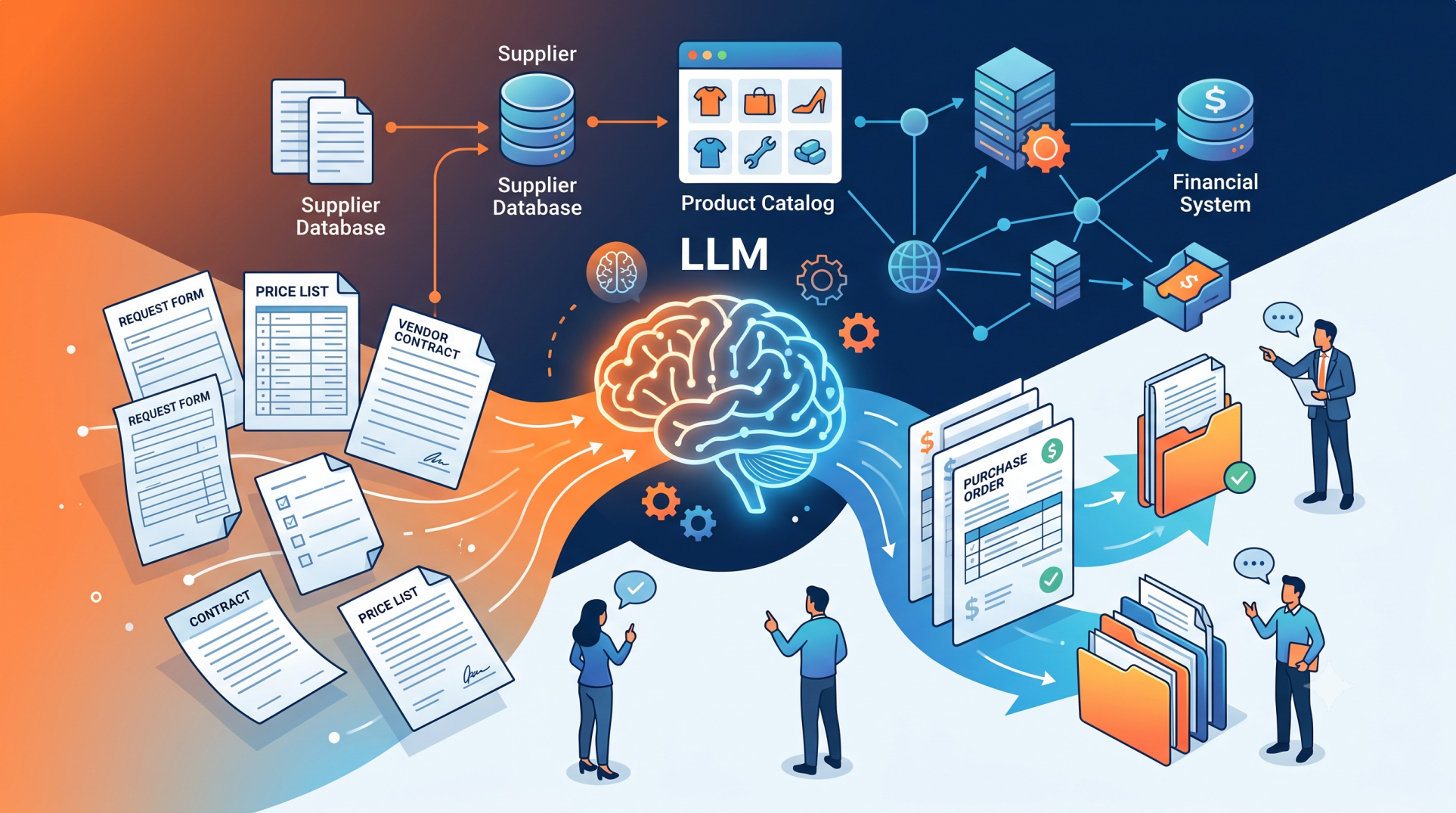
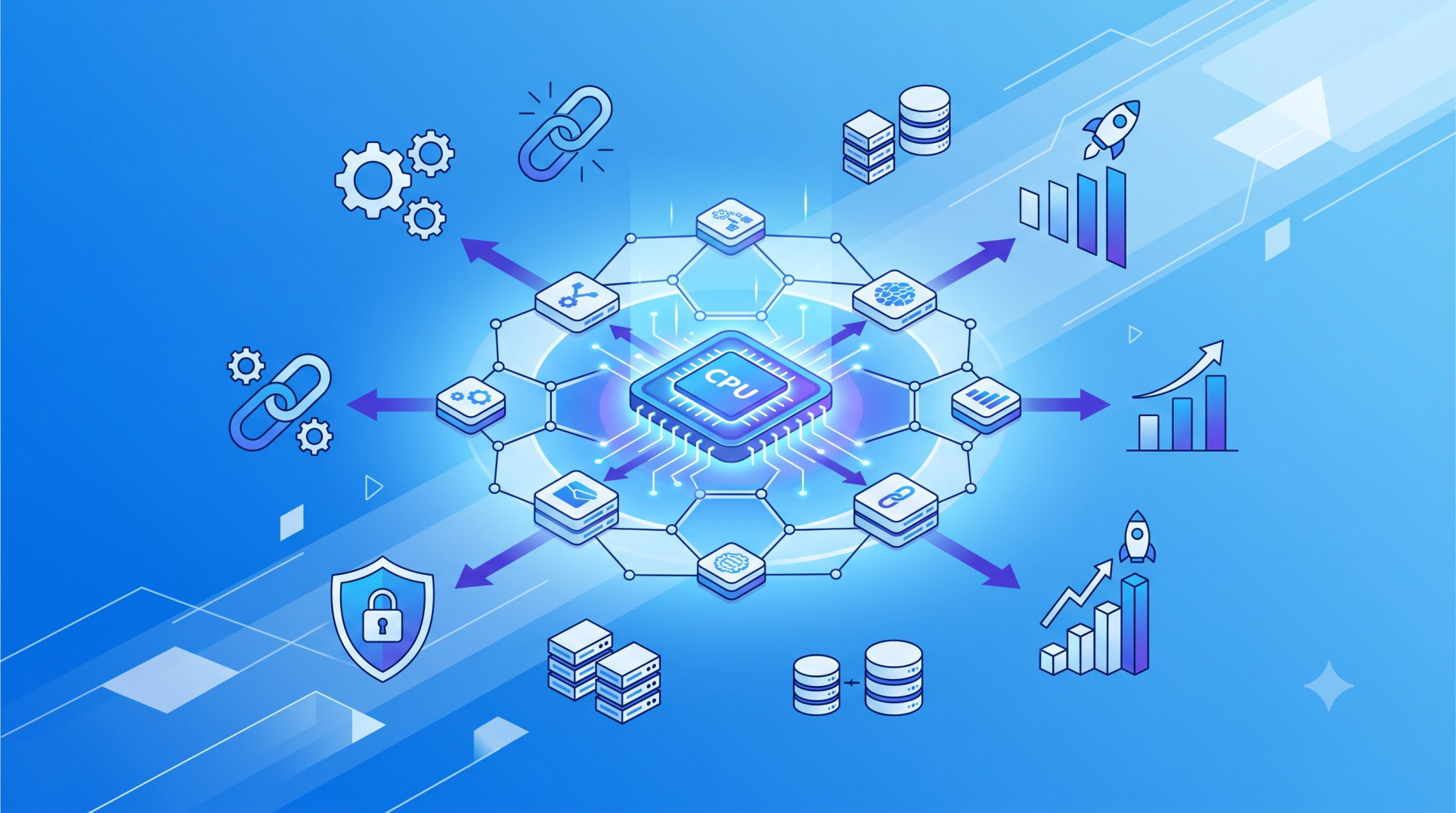
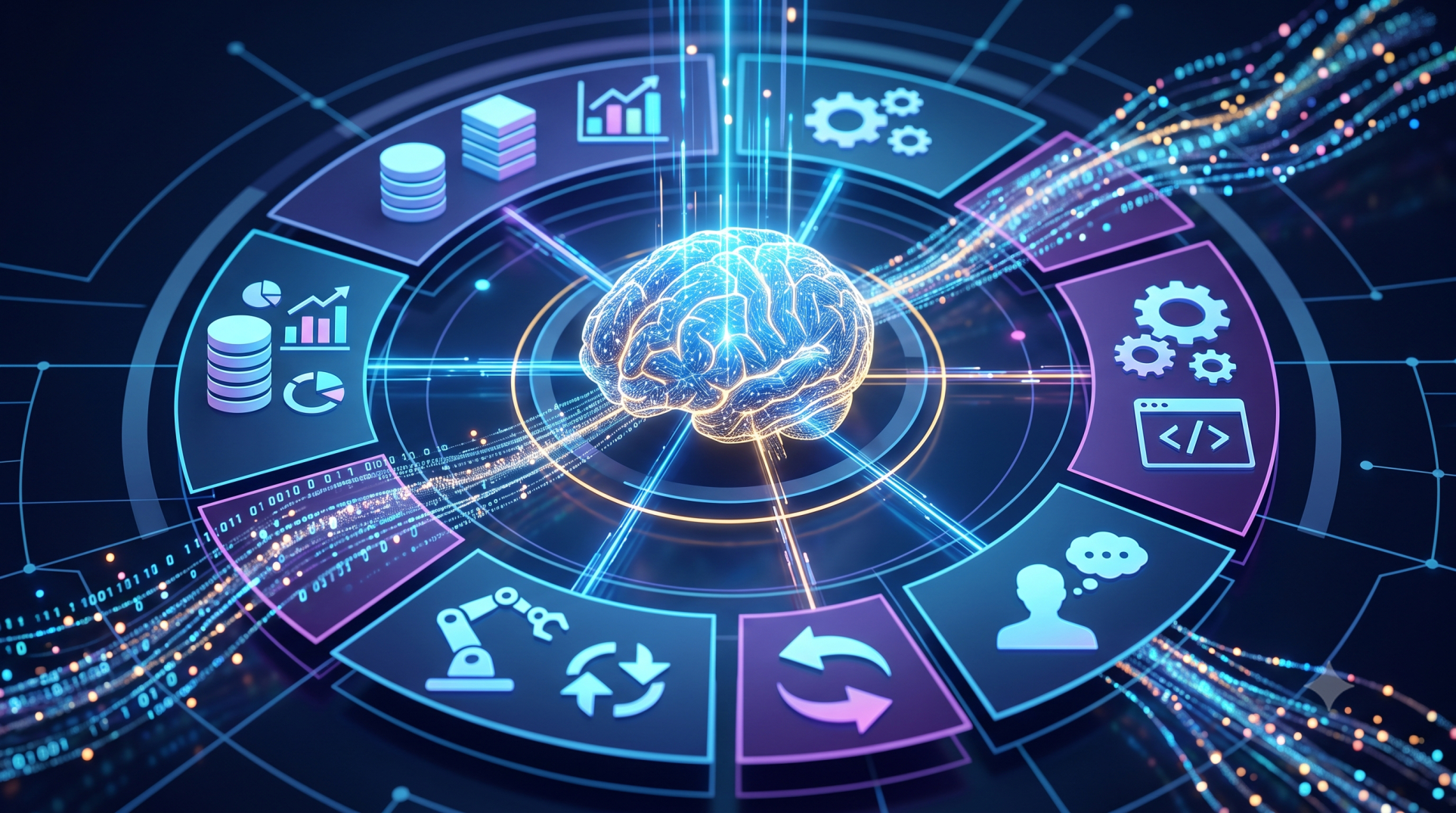
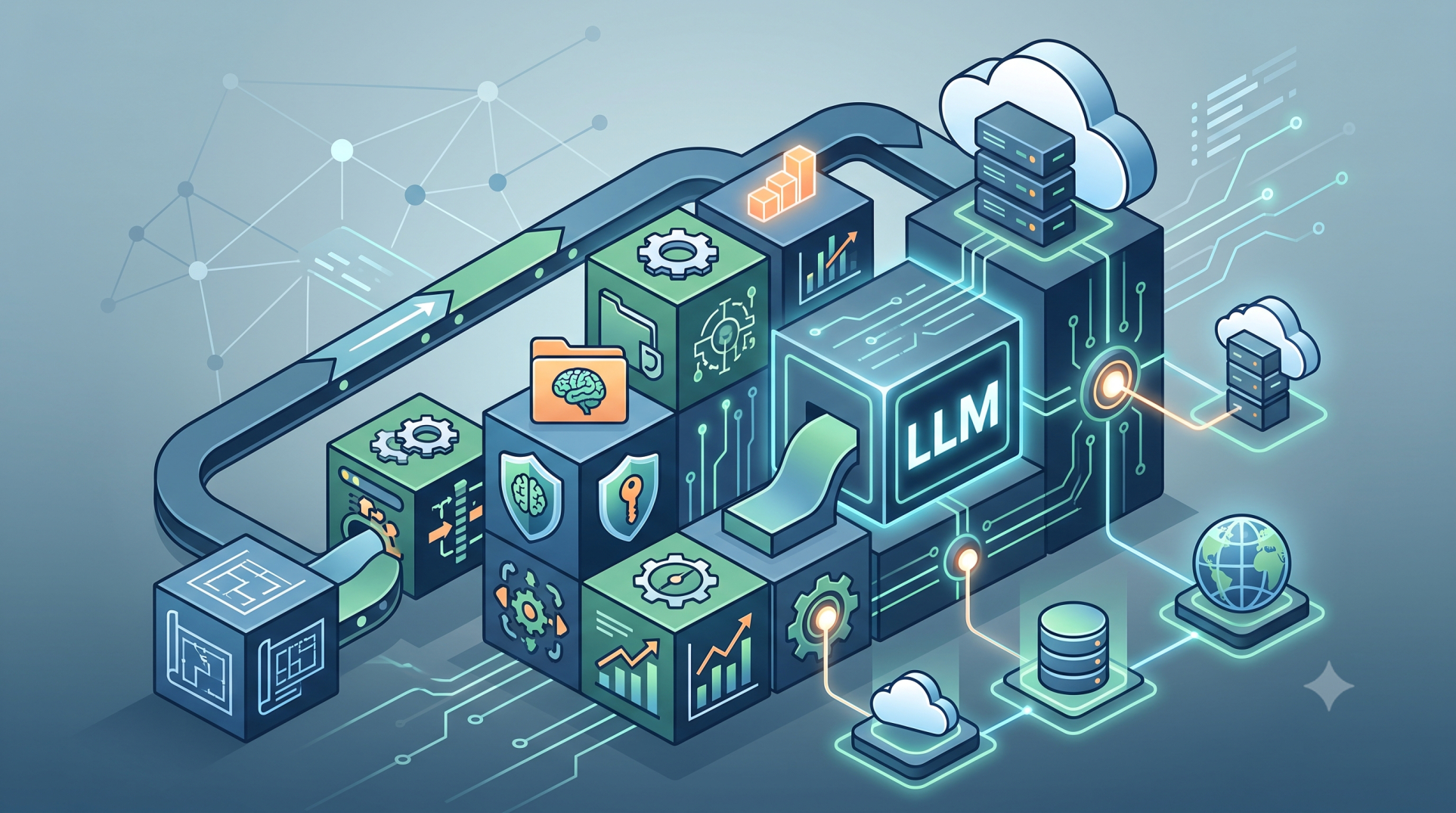
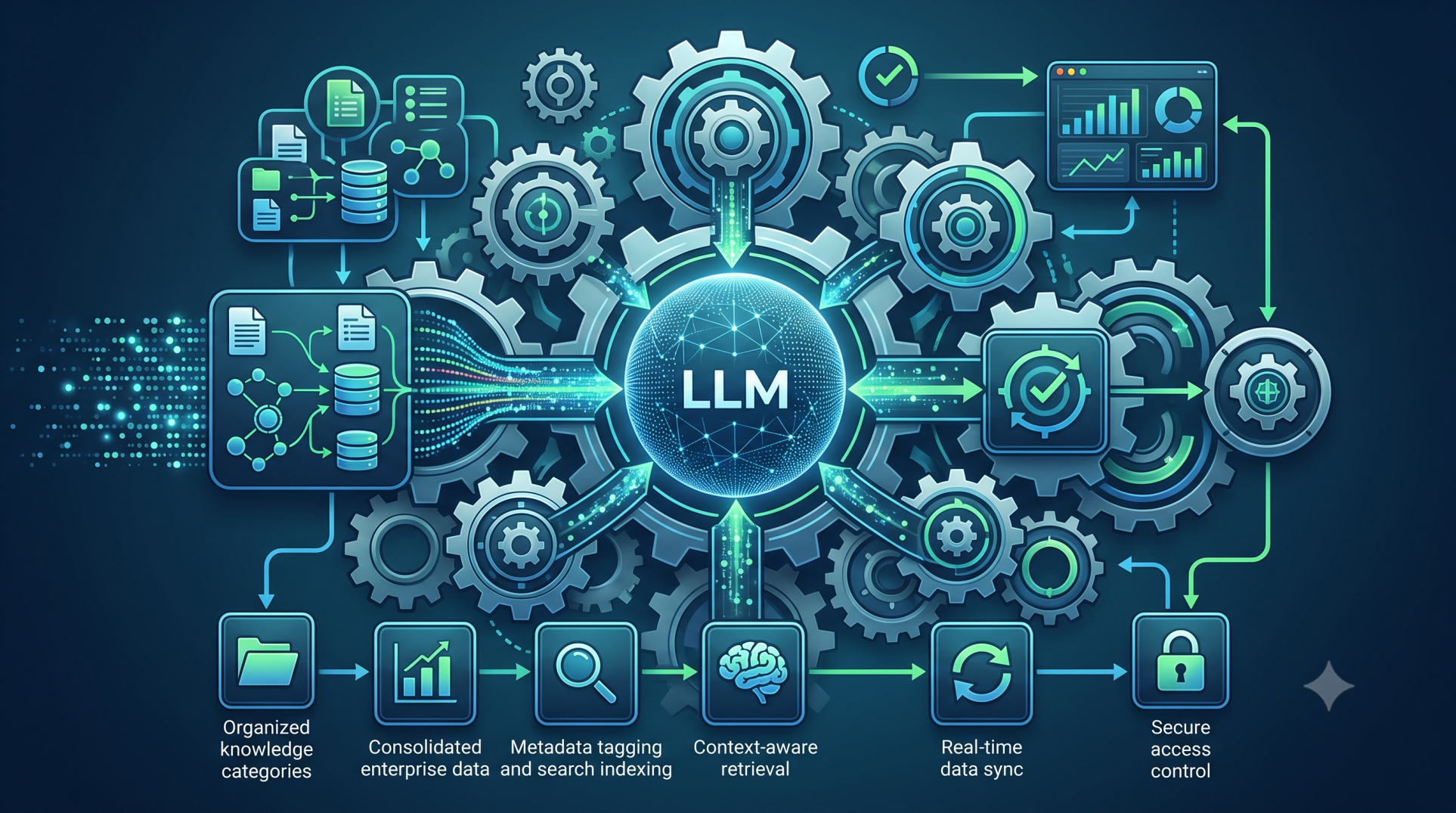
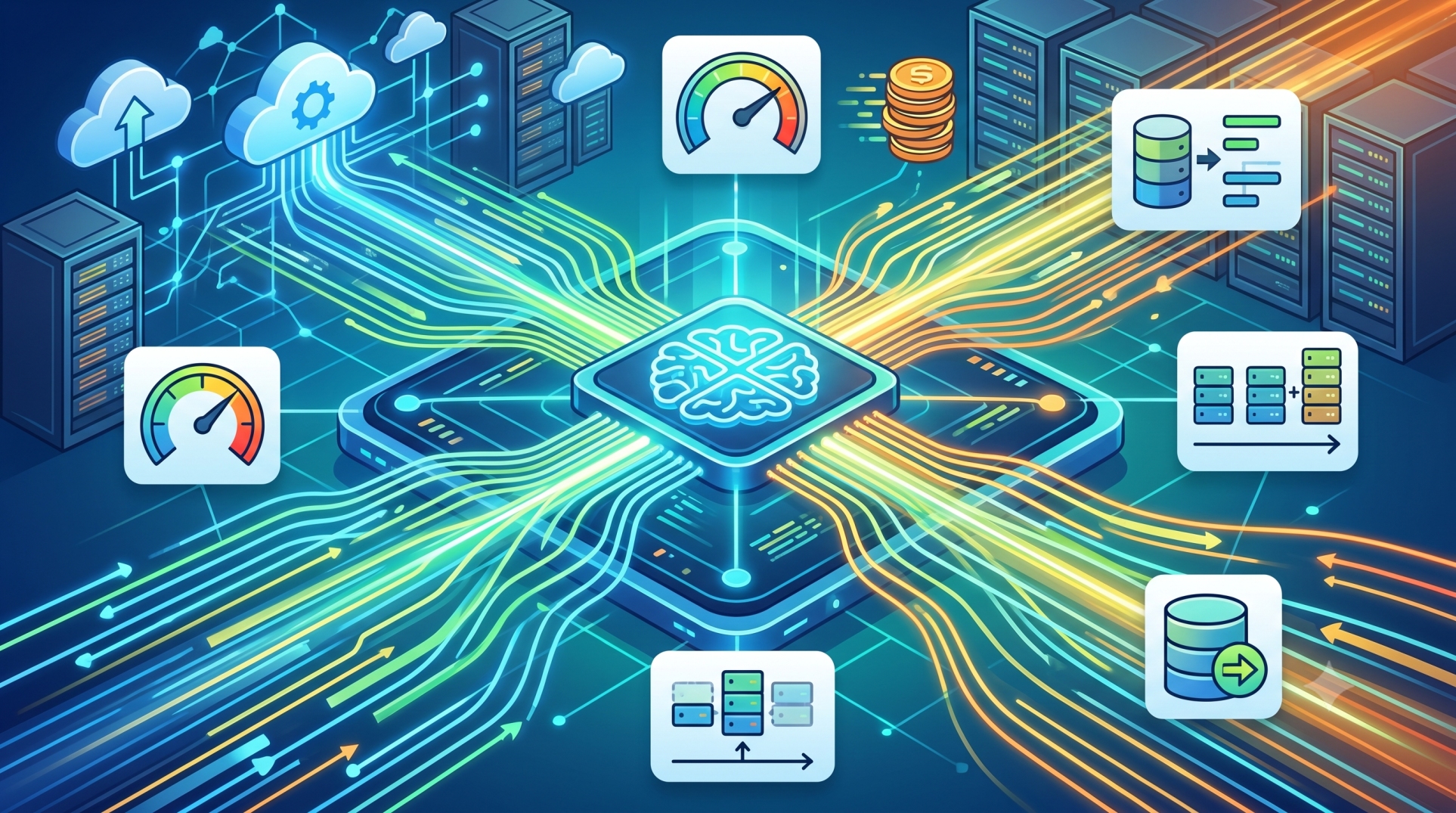
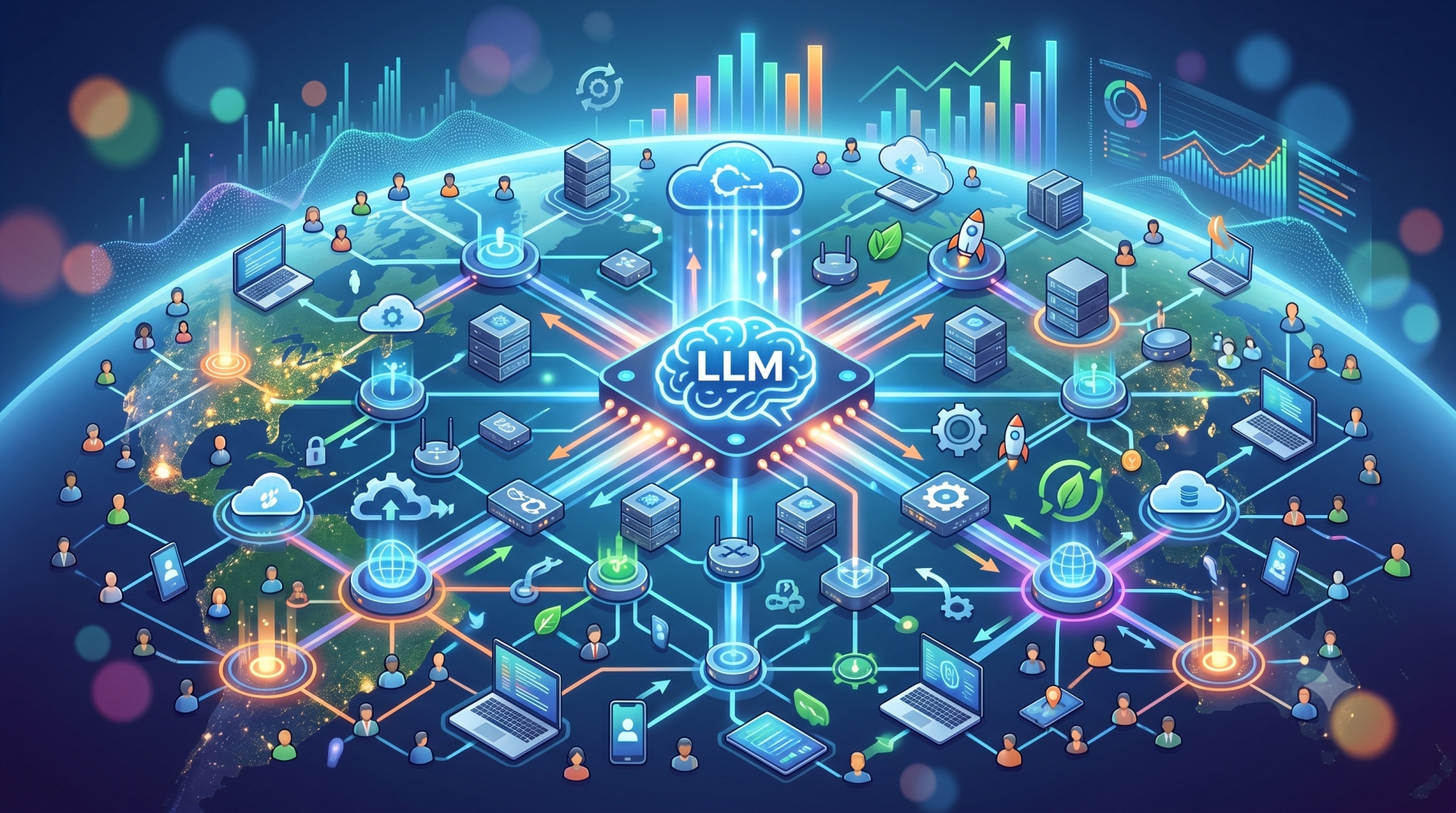
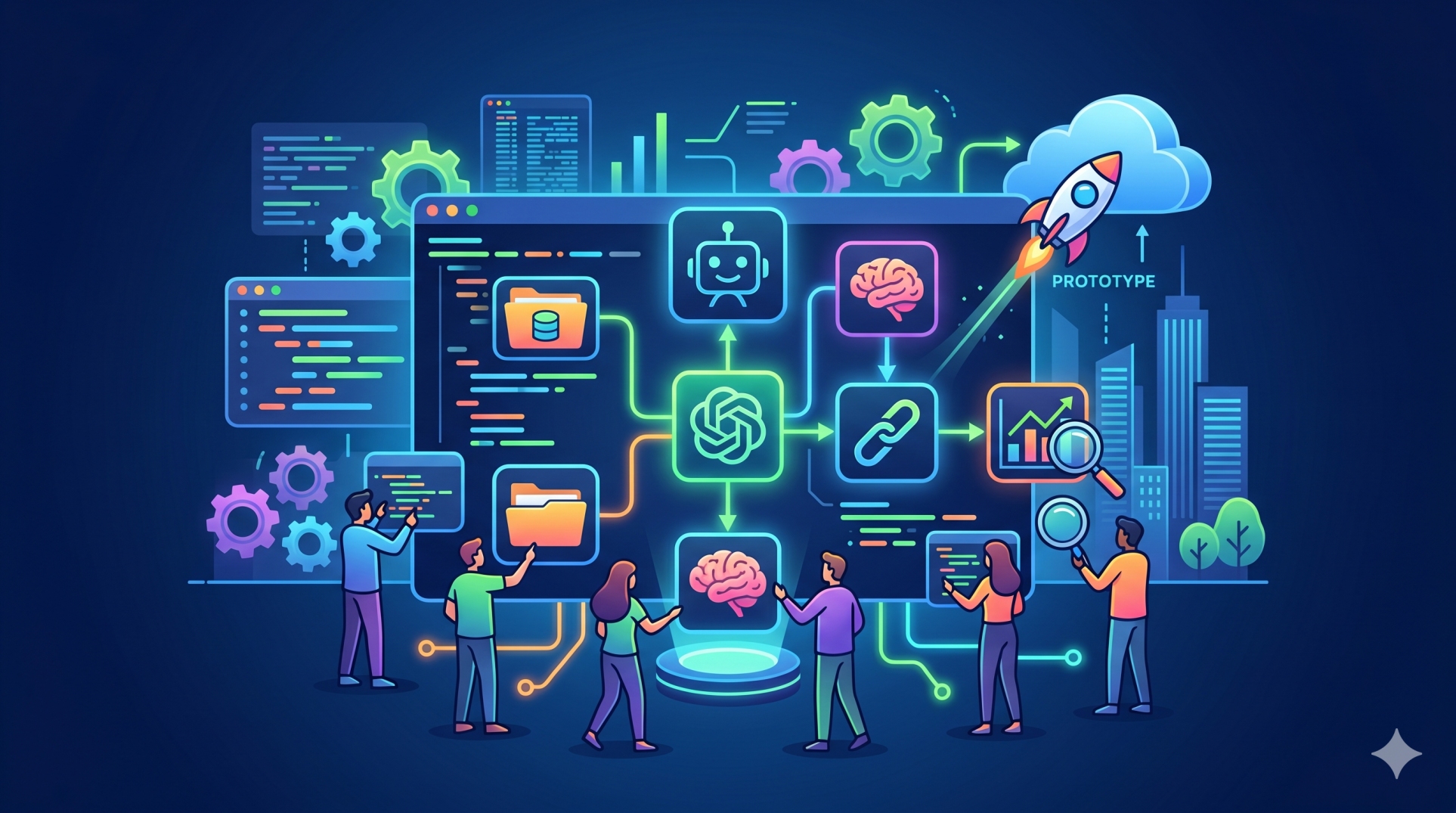
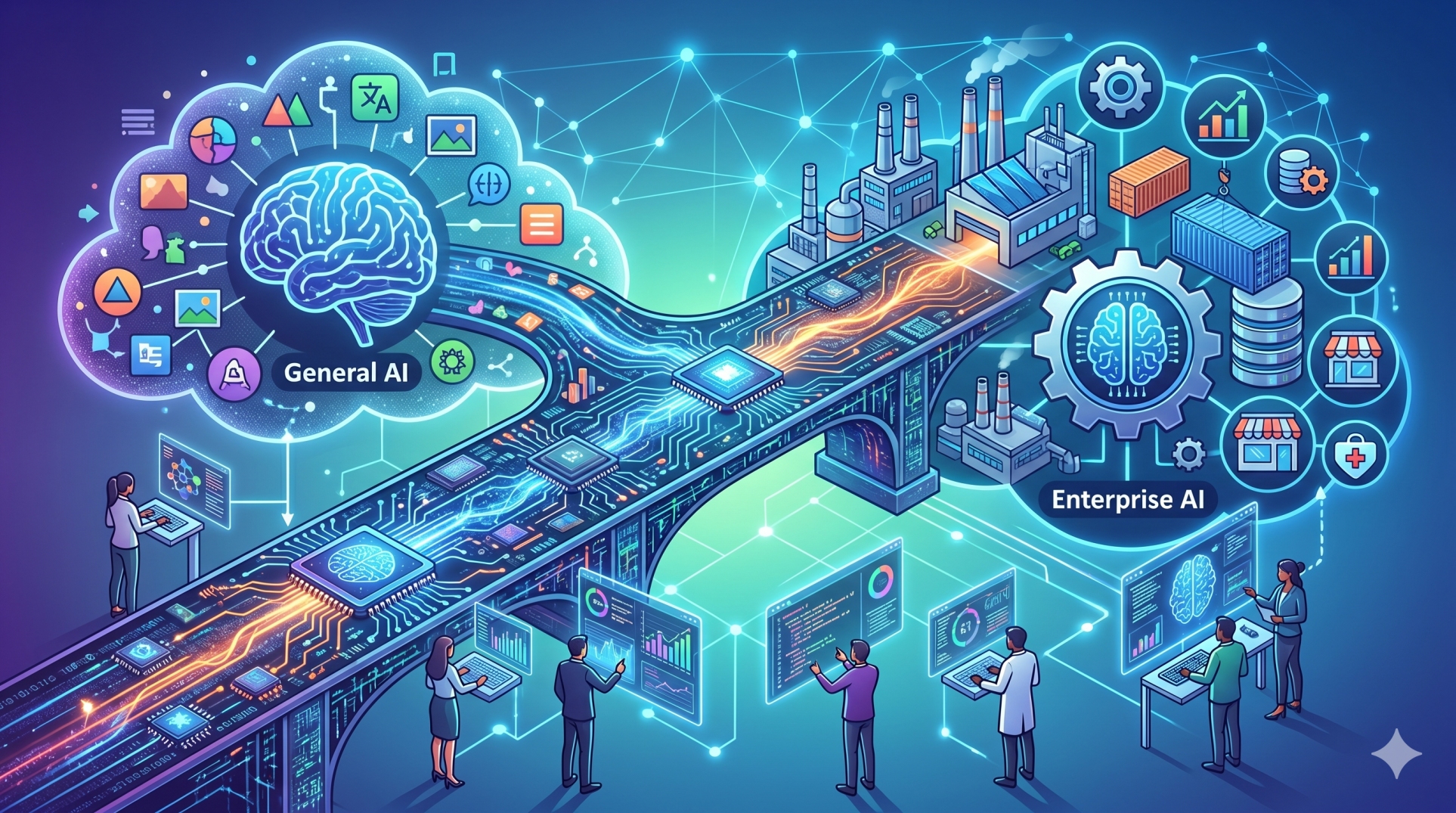
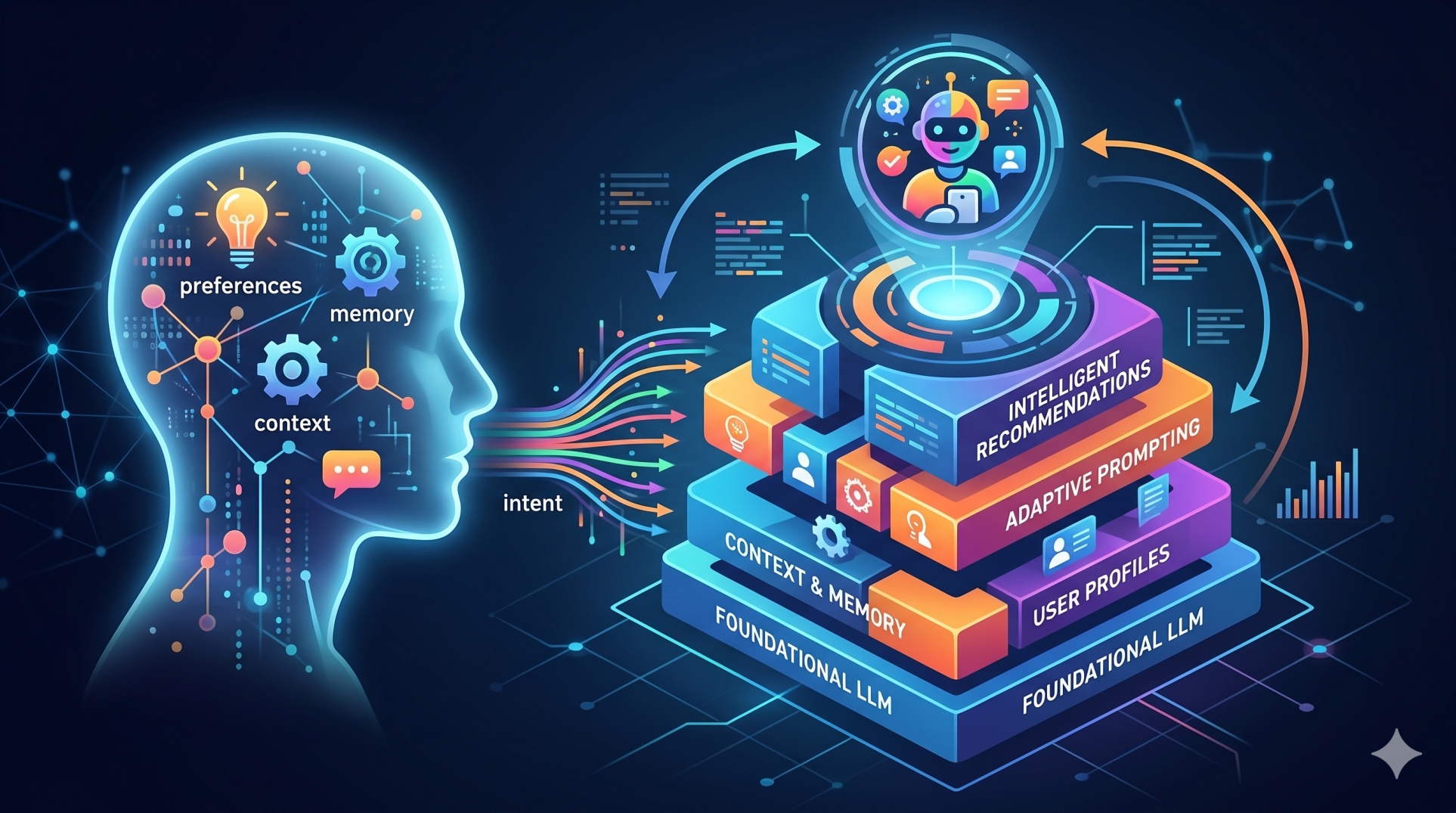
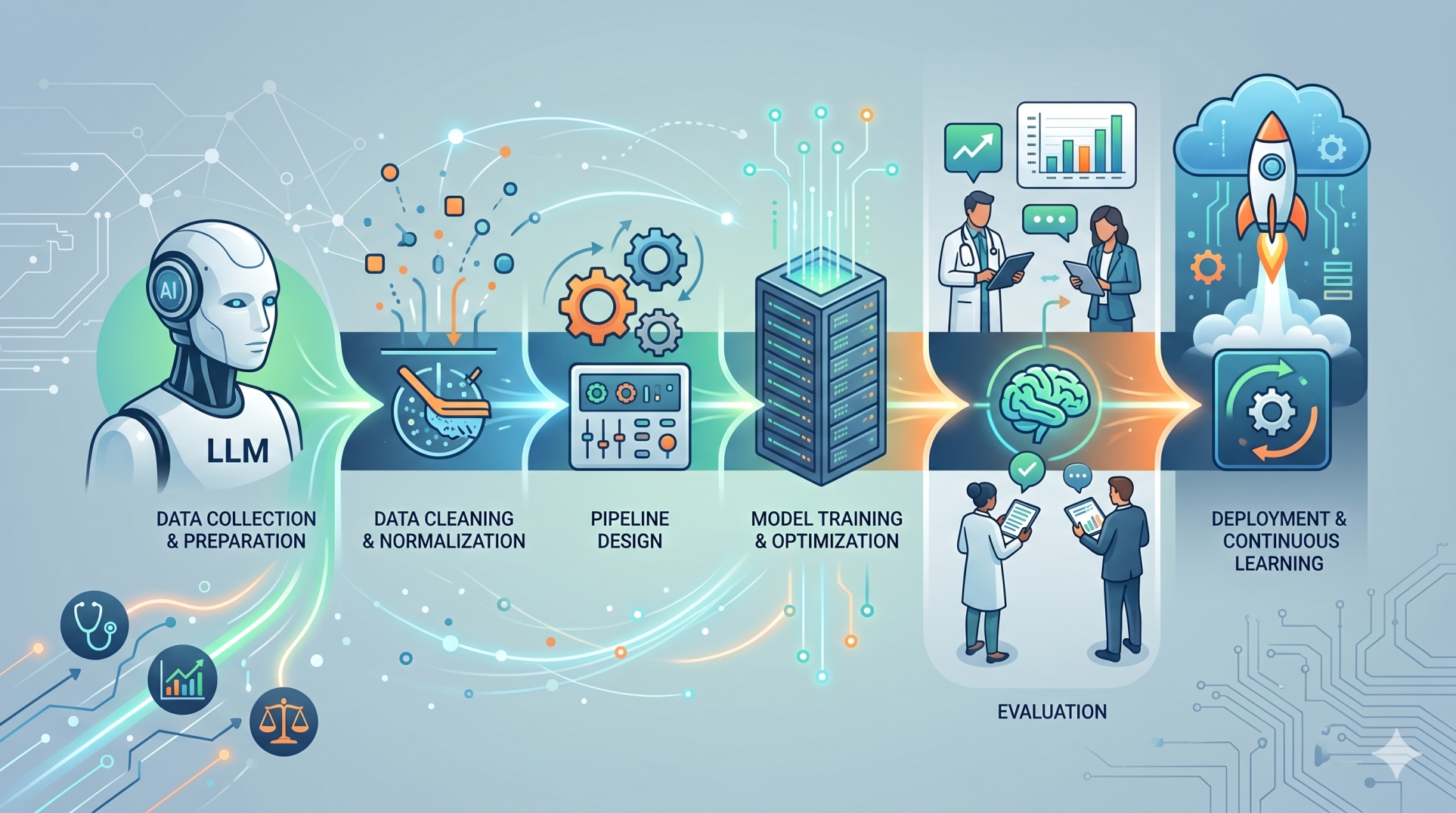
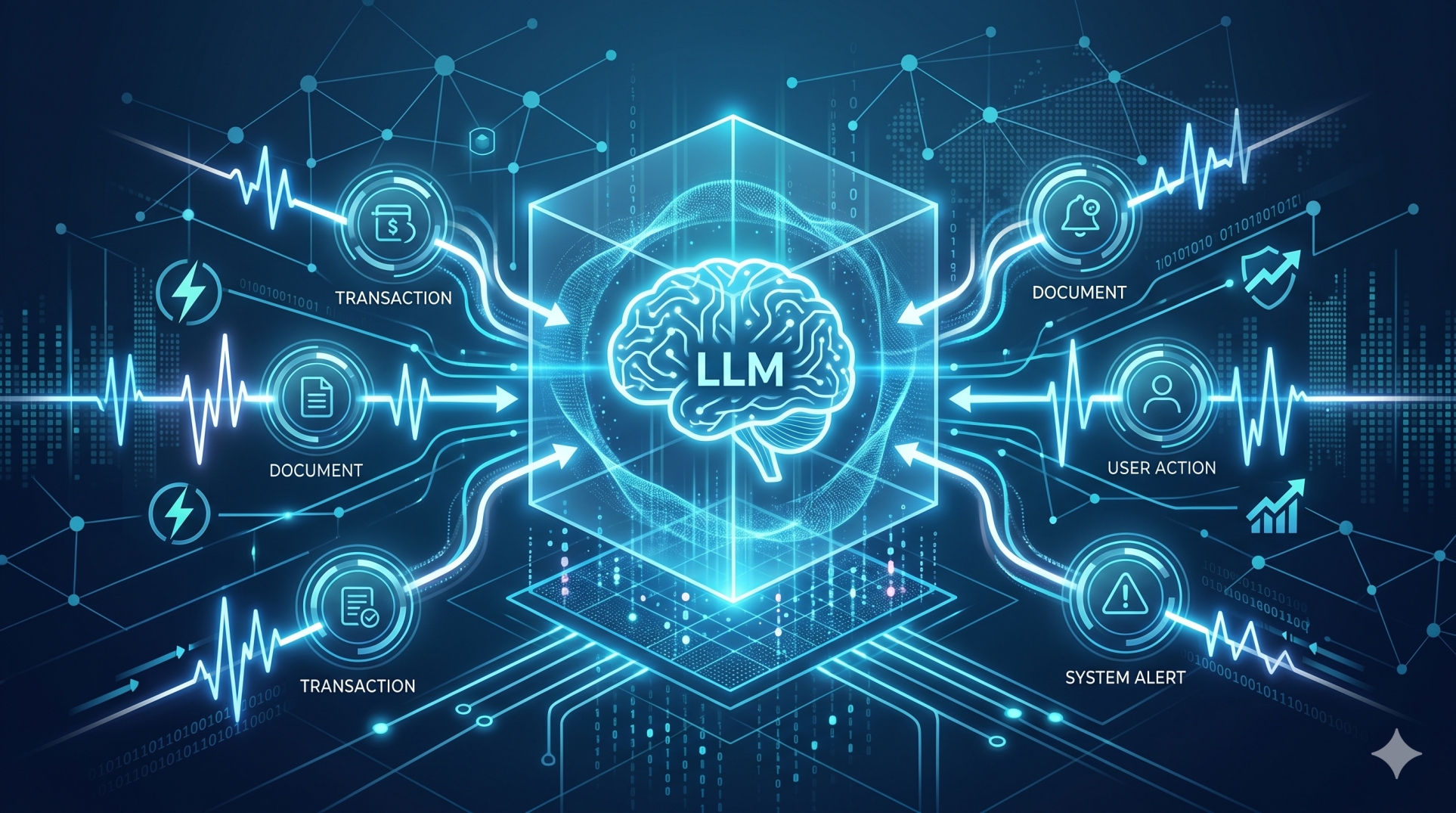
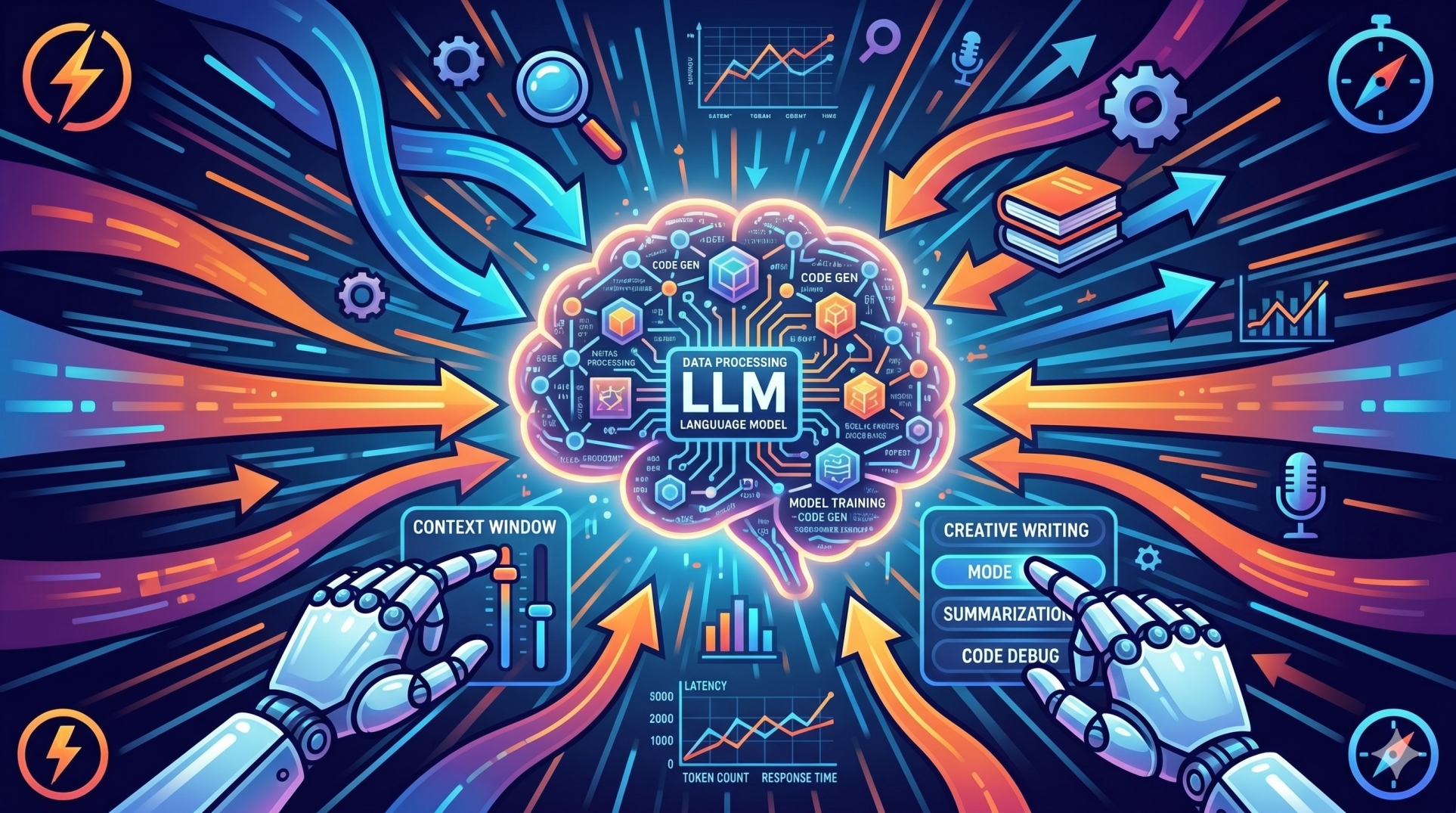
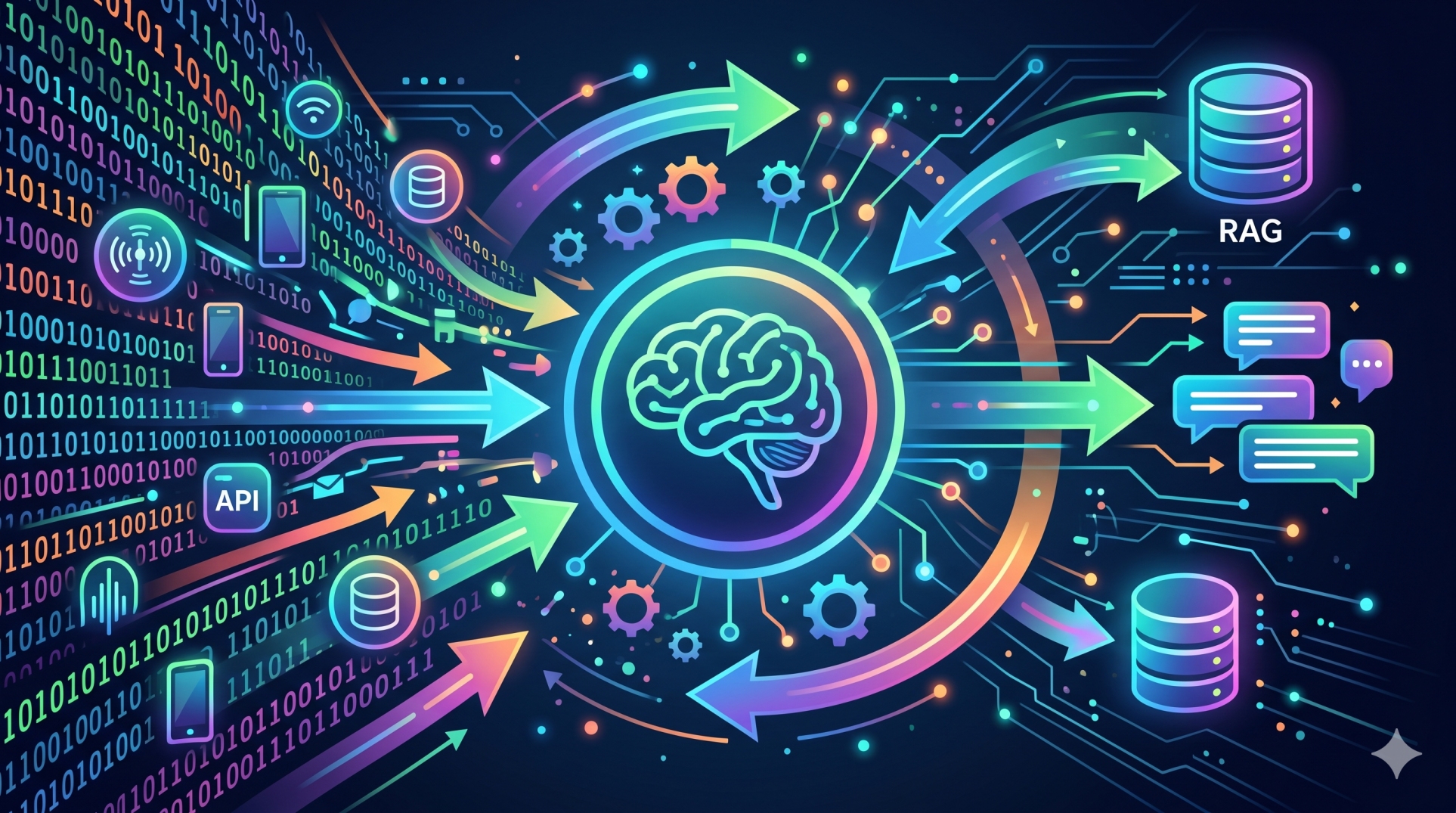
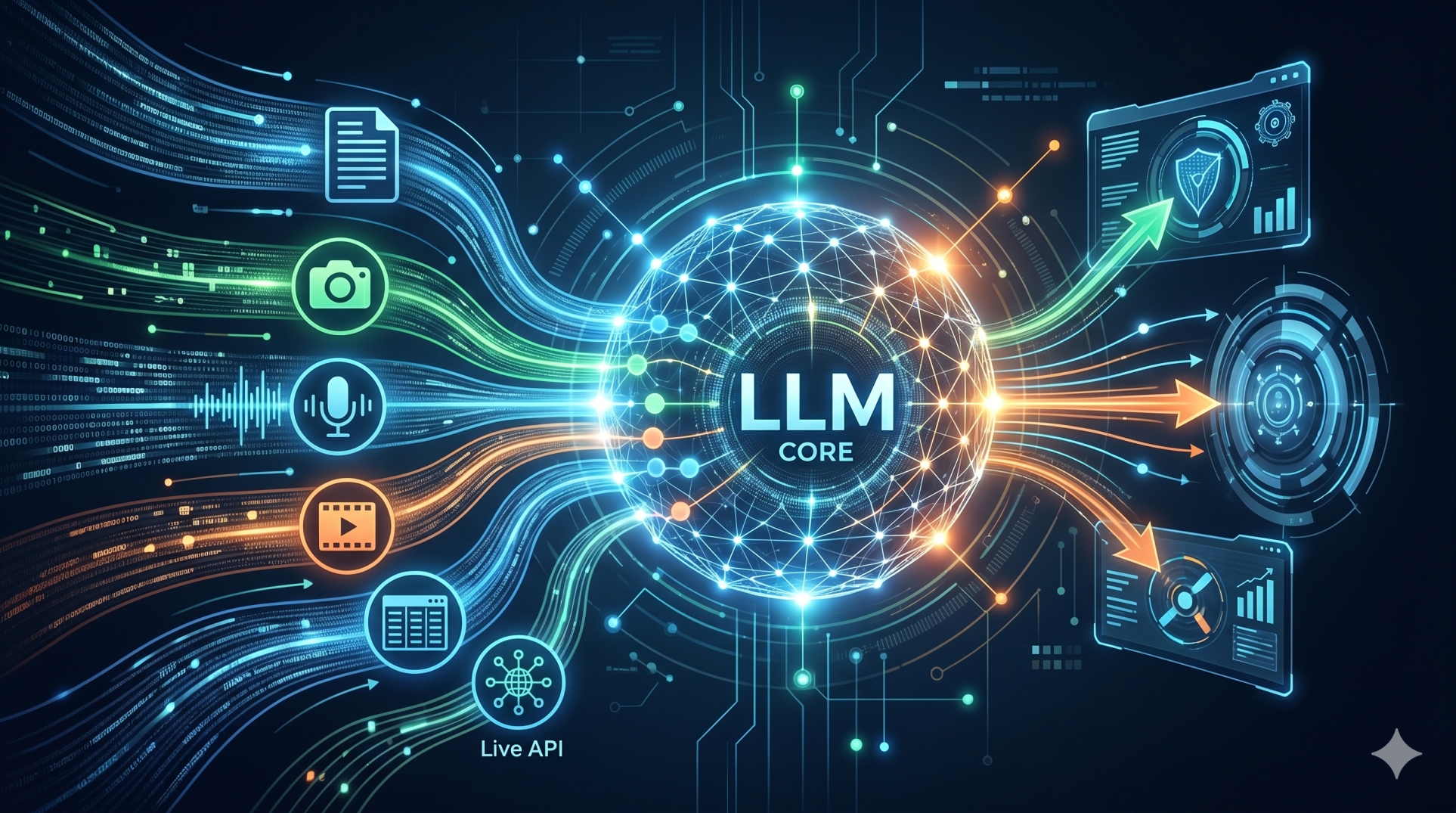
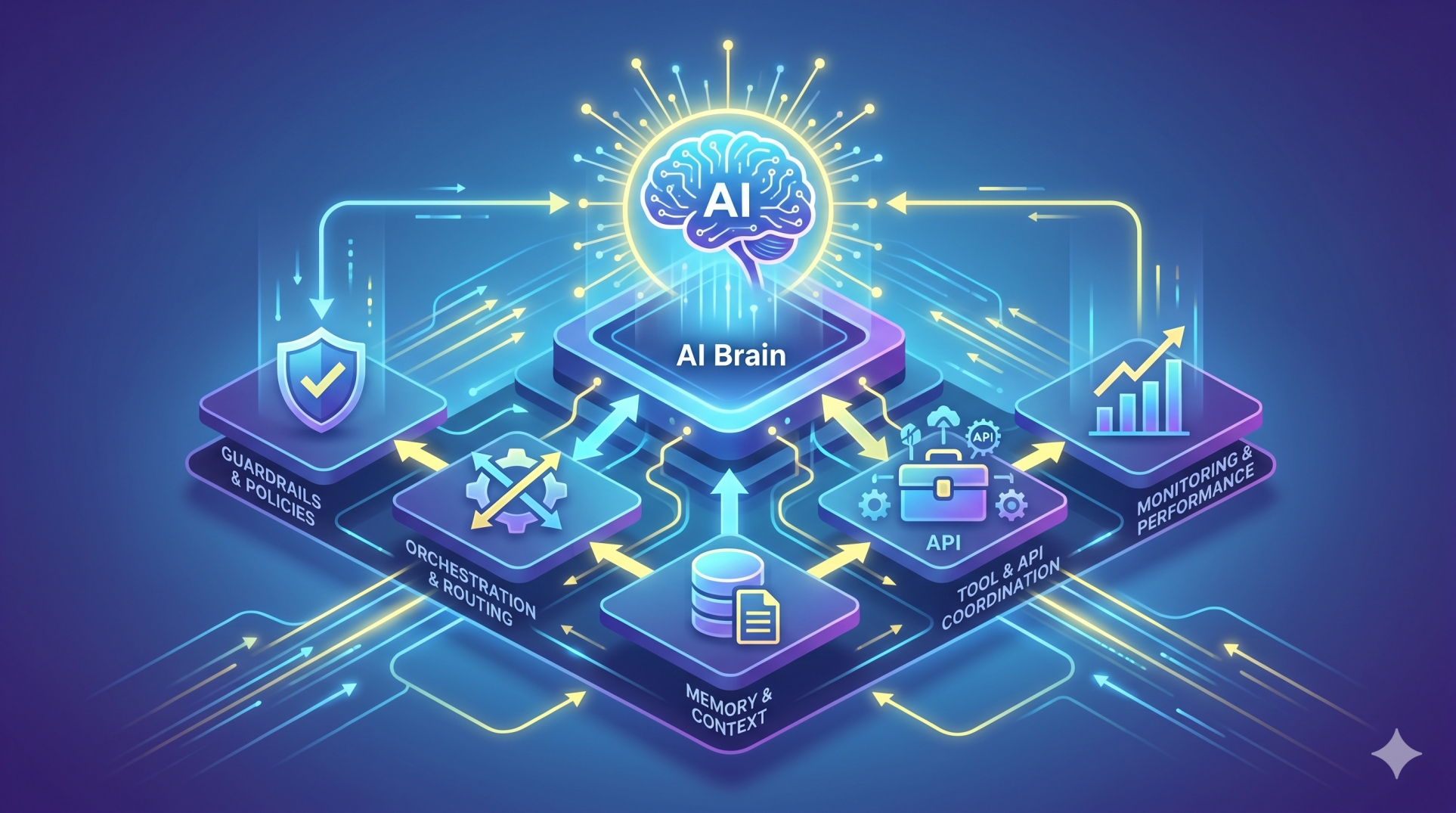
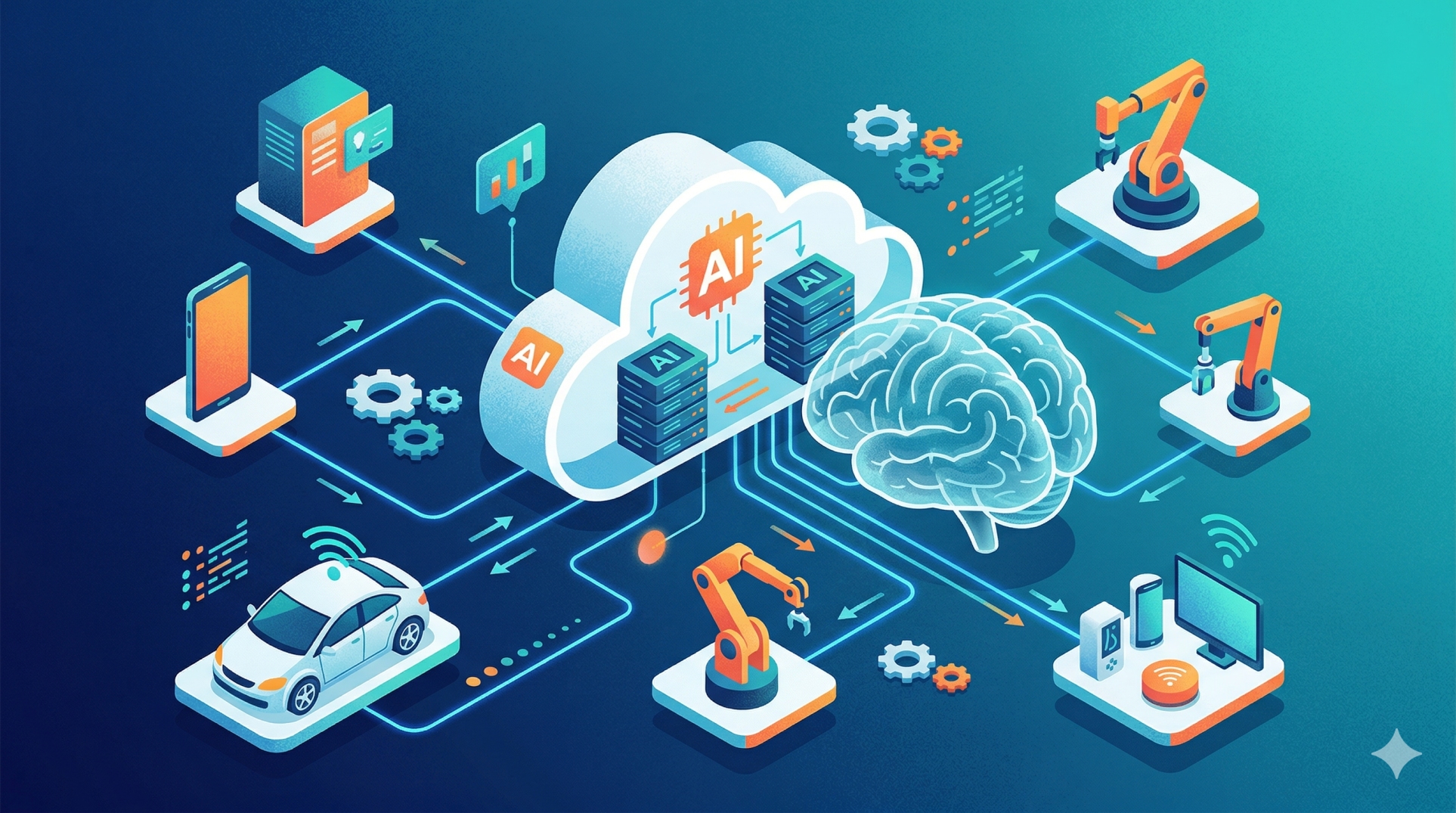
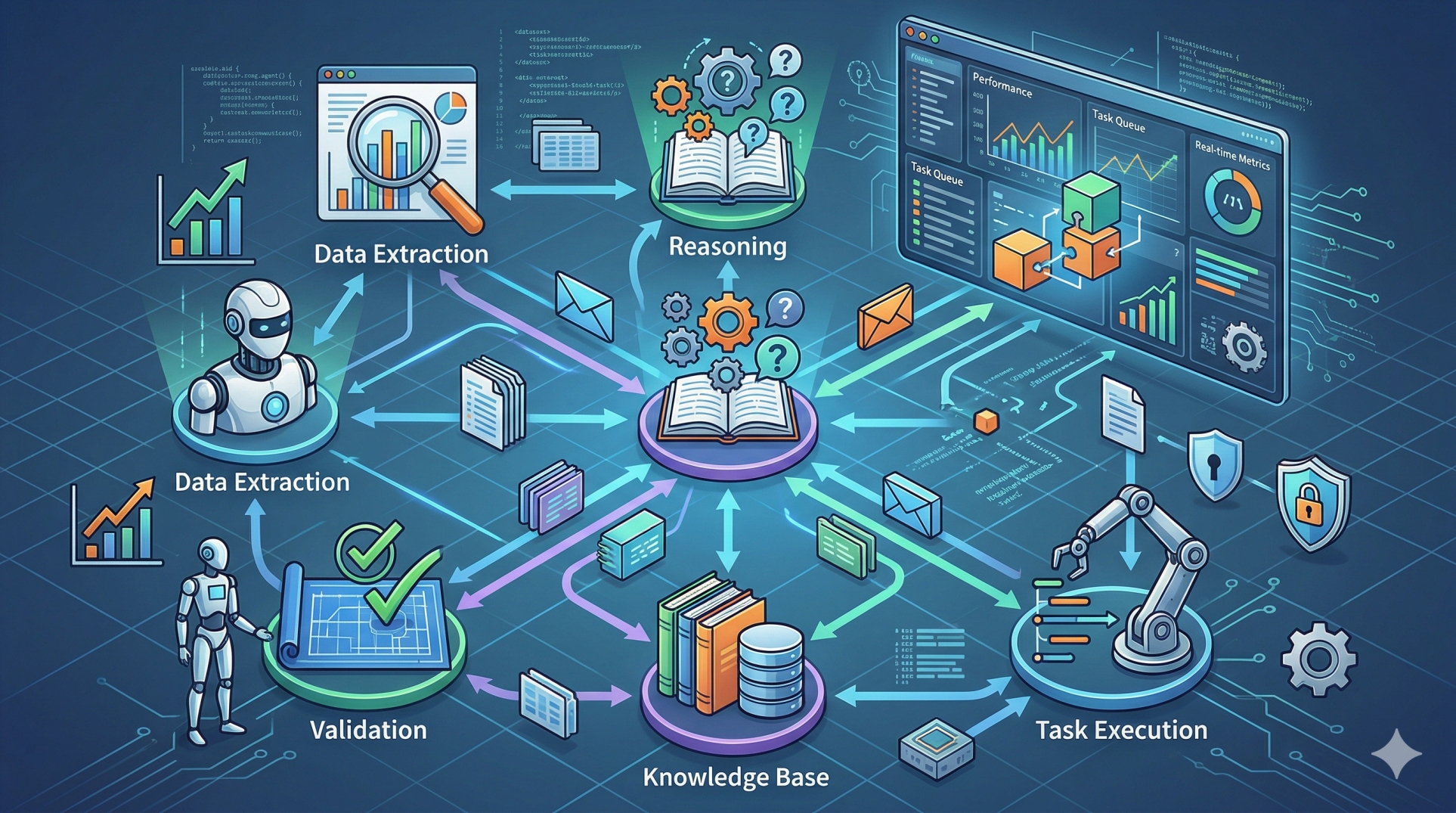
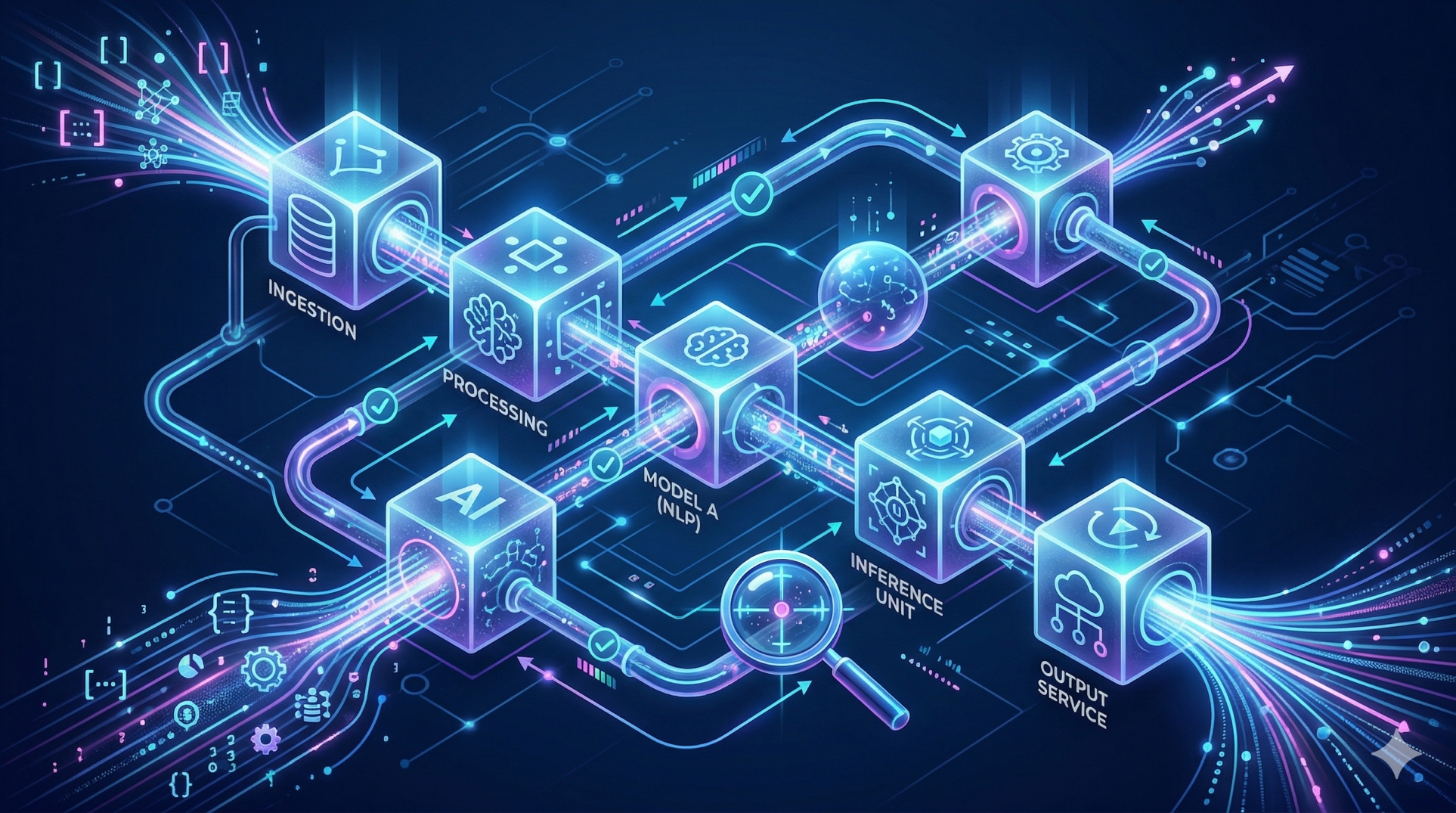
As AI systems evolve into interconnected architectures made up of multiple models, services, and data pipelines, understanding how data moves between modules becomes critical. These systems depend on continuous data exchange across components such as ingestion layers, processing engines, inference services, and output layers. Without clear visibility into this movement, maintaining reliability, traceability, and performance becomes increasingly difficult.
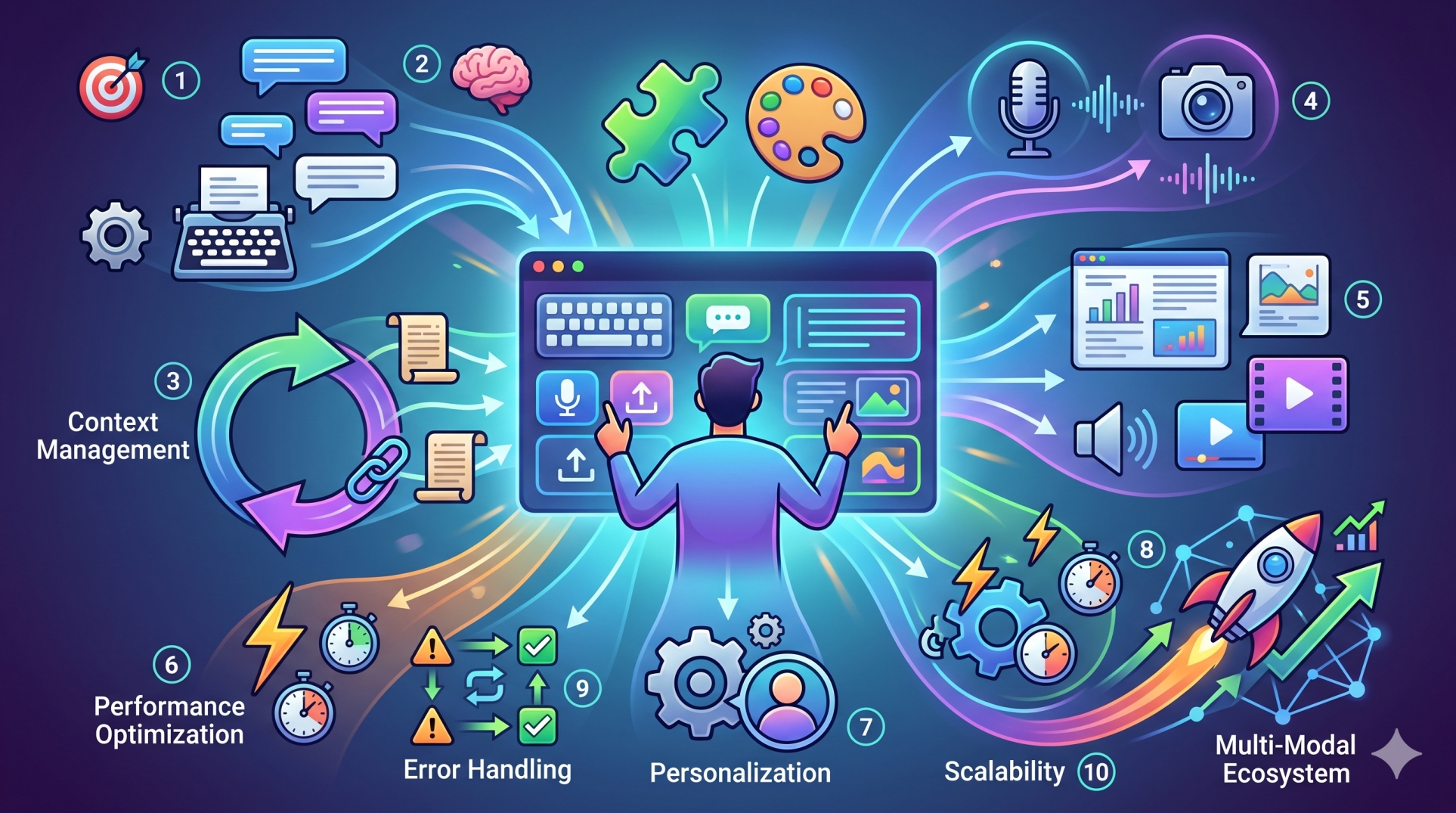
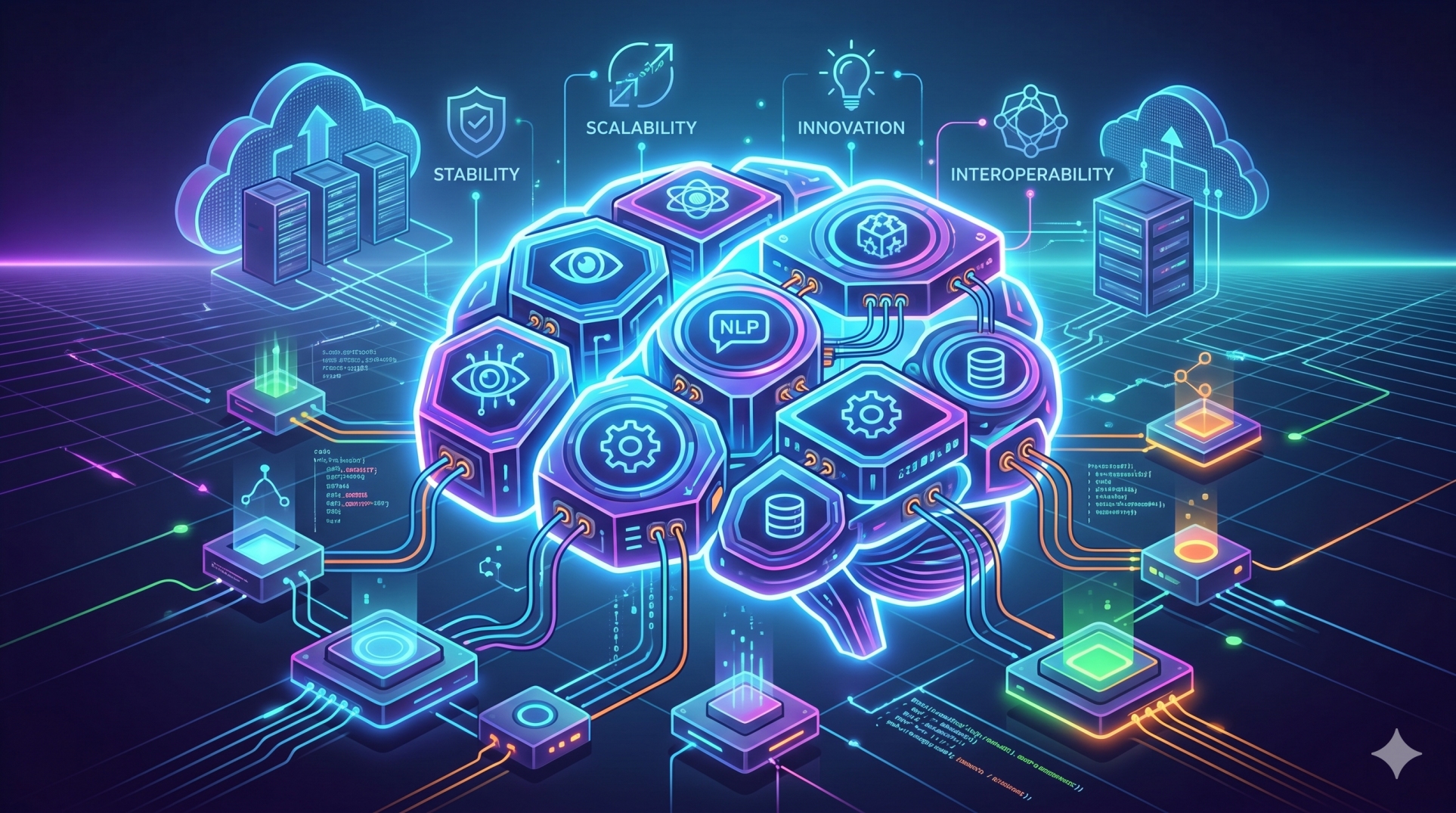
Step 1: Understanding Multi-Module AI Architectures 🧠
• AI systems consist of multiple interconnected components 🔗
• Each module serves a specific role within the data lifecycle ⚙️
• Data moves sequentially and sometimes loops across modules 🔄
• Interdependencies increase architectural complexity 🧩
• Clear system mapping is essential for effective tracking 📍
Step 2: Why Data Flow Tracking Is Critical 🎯
• Provides visibility across complex AI pipelines 👀
• Helps pinpoint the source of errors or inconsistencies ⚠️
• Supports debugging and performance improvements 🛠️
• Enables accountability in system-driven decisions 📊
• Minimizes risk in production environments 🛡️
Step 3: Data Lineage and Traceability 📜
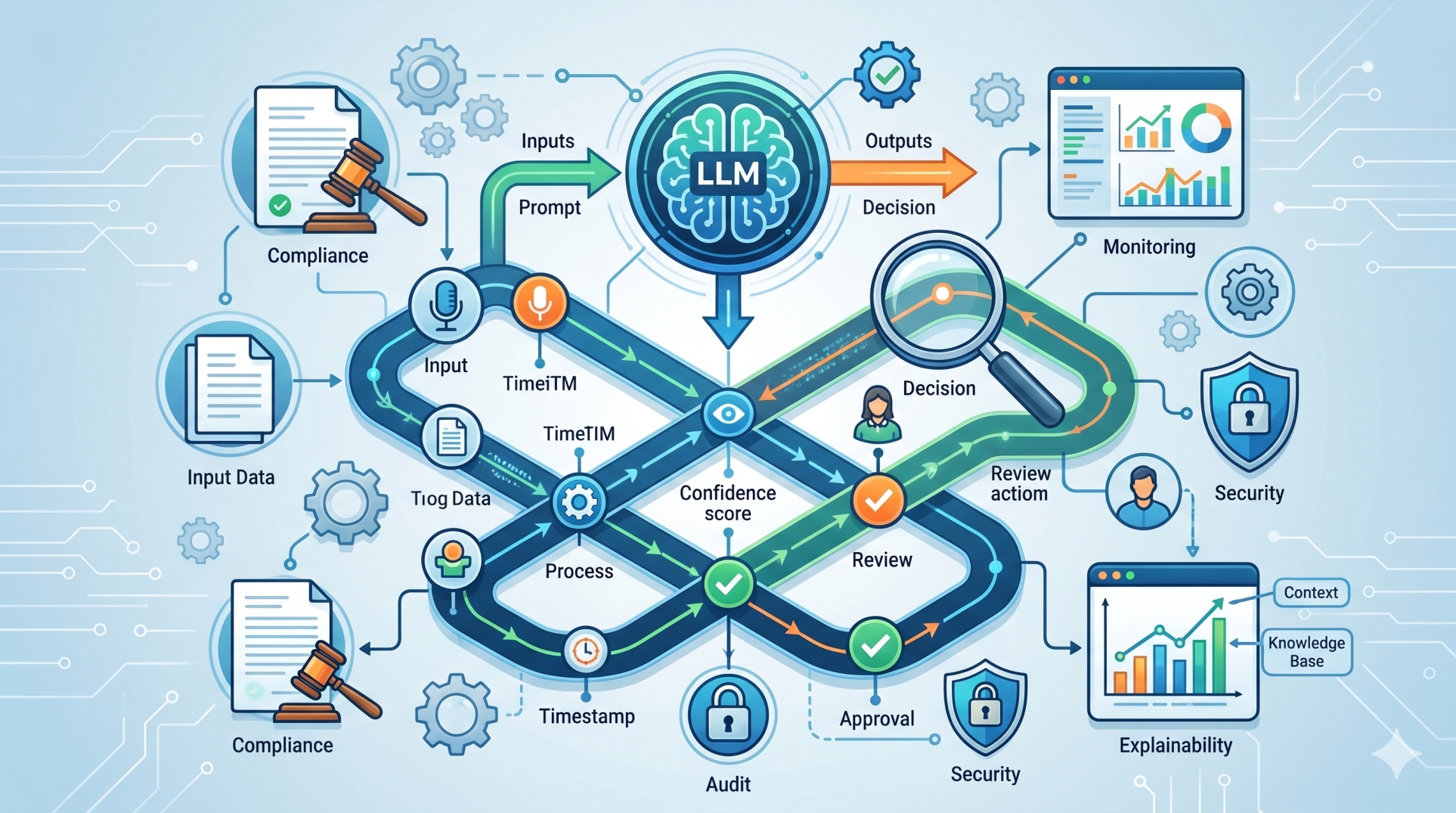
• Tracks the origin and transformation of data across modules 🔍
• Documents how inputs evolve into final outputs 🔄
• Enables reproducibility of results 📊
• Supports auditing and compliance needs 🏛️
• Builds confidence in AI-generated outcomes 🤝
Step 4: Observability in AI Systems 👁️
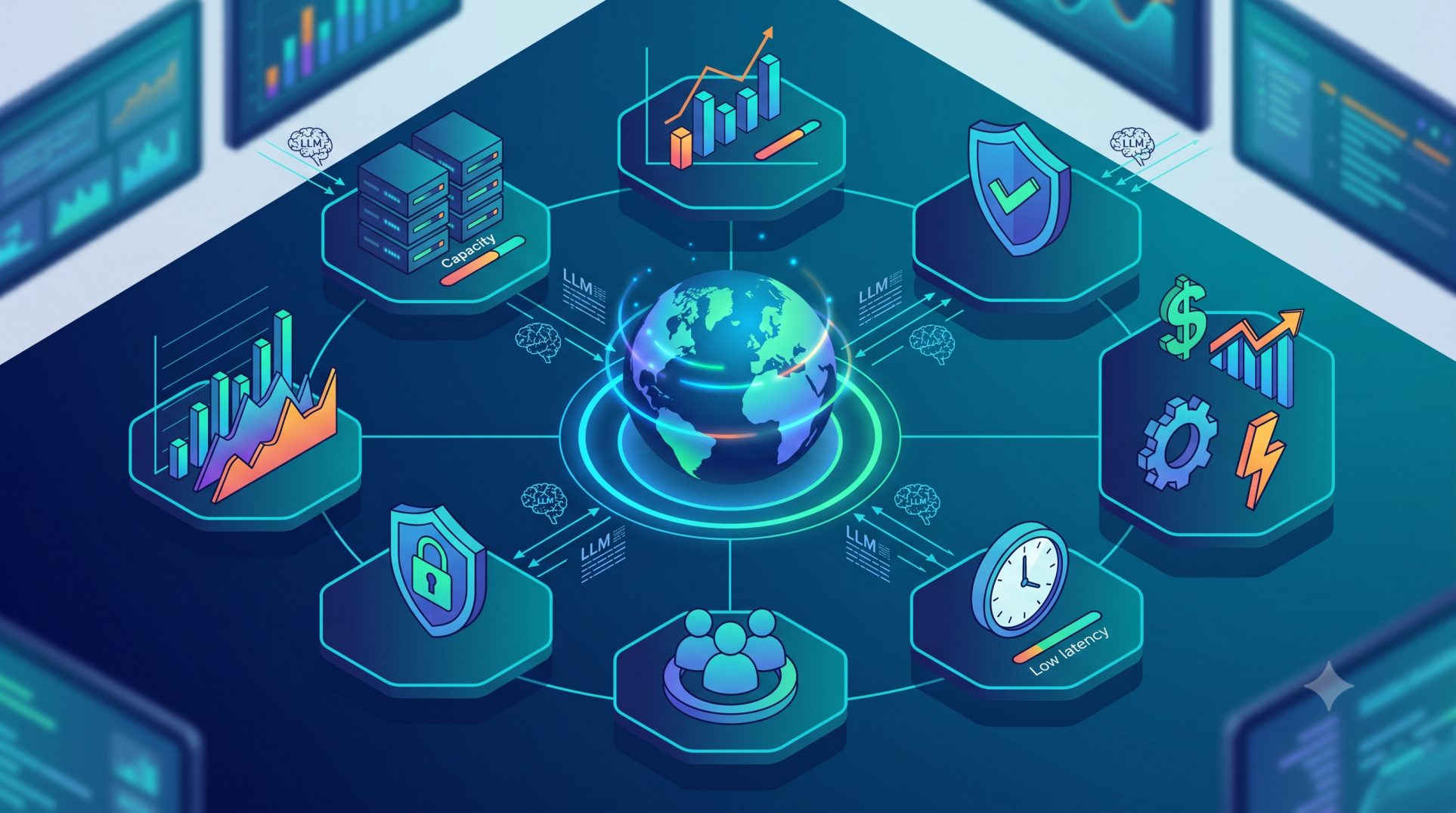
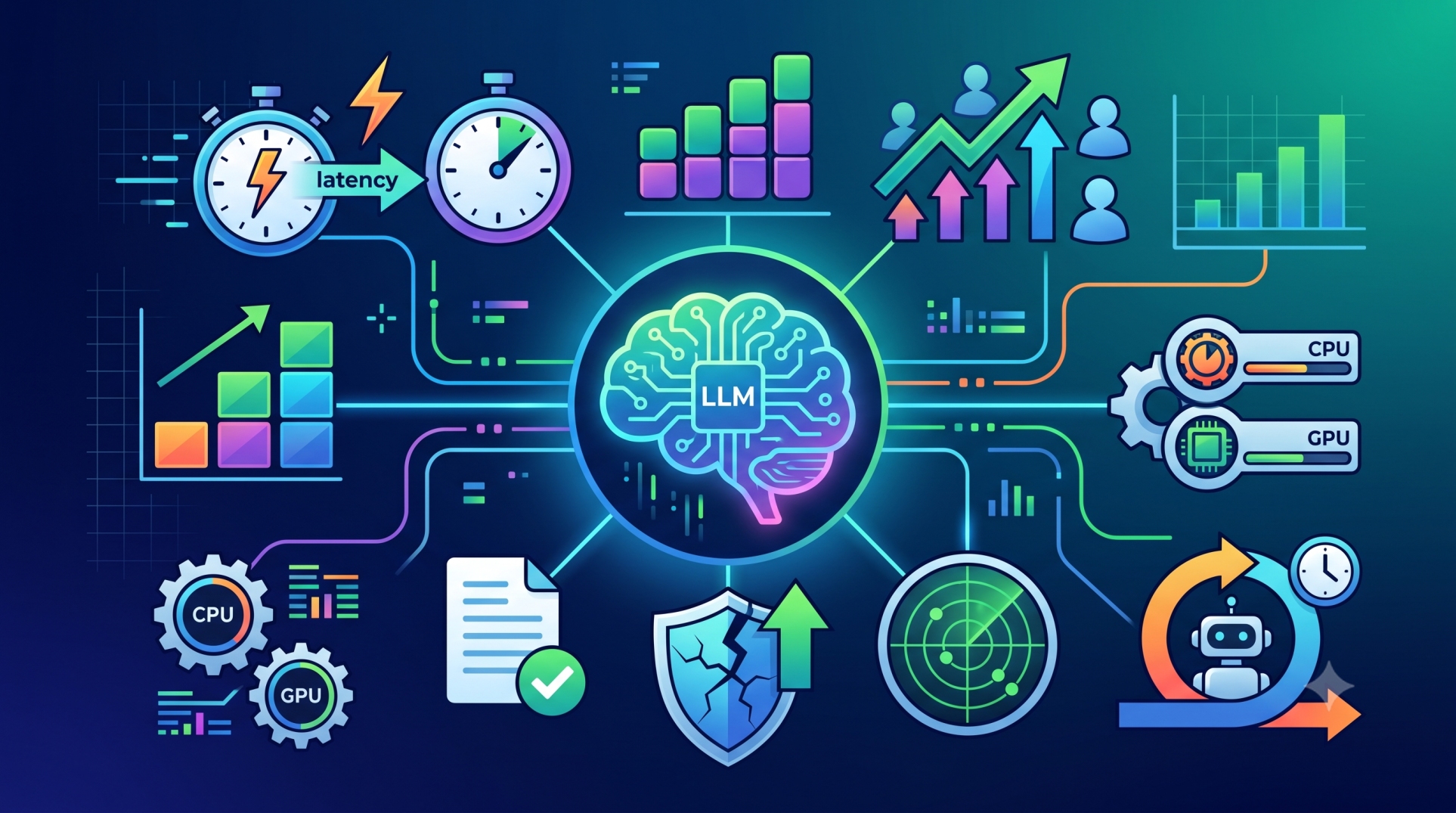
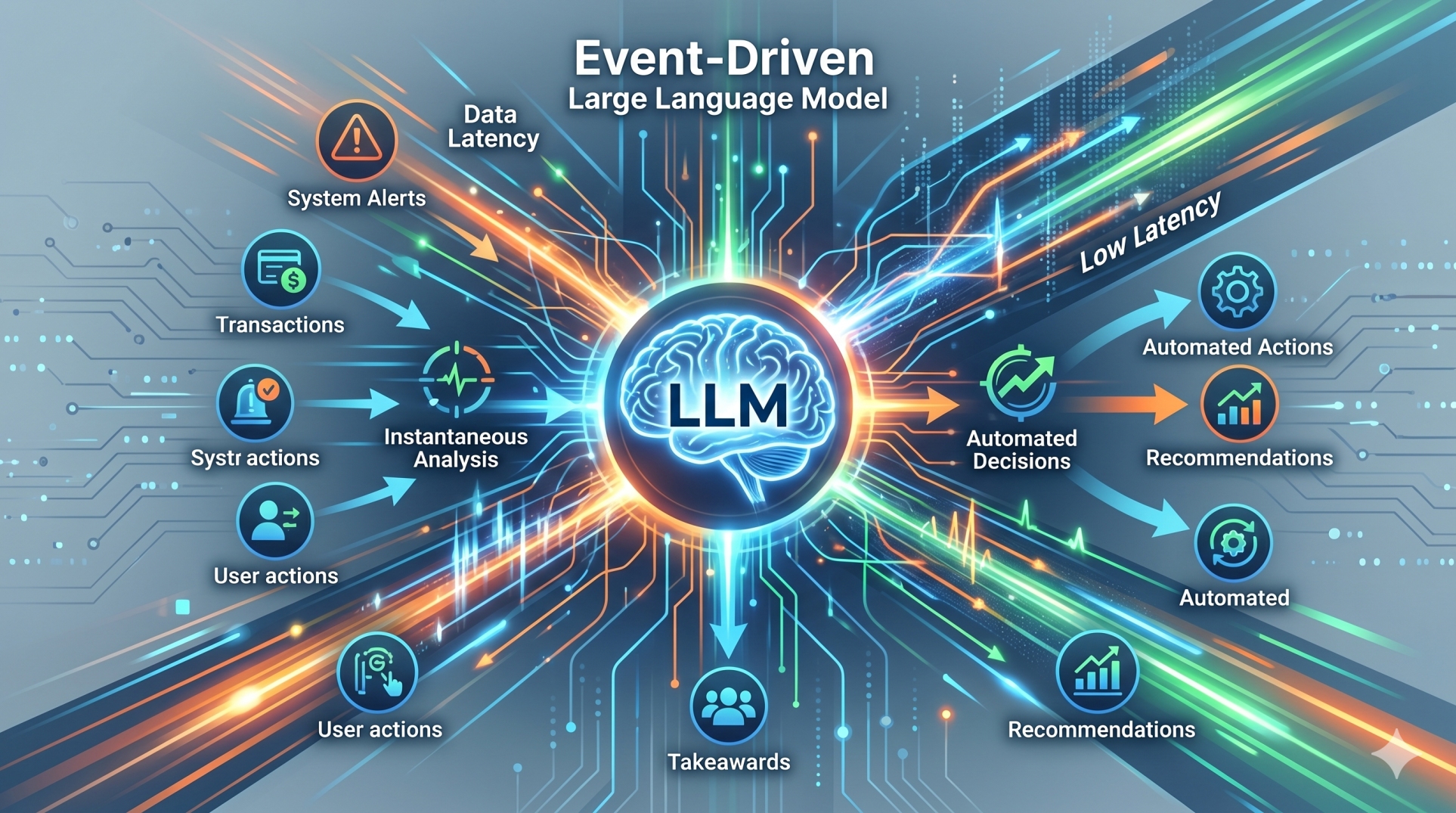
• Monitors data movement, latency, and processing stages ⏱️
• Captures logs, metrics, and traces across components 📊
• Identifies bottlenecks and failure points 🚧
• Provides real-time insights into system behavior 🔄
• Improves overall system reliability and uptime 📈
Step 5: Managing Inter-Module Dependencies 🔗
• Maps relationships between modules for data exchange 🧩
• Identifies cascading impacts of failures or delays ⚠️
• Ensures compatibility between inputs and outputs ✔️
• Supports upgrades without disrupting system flow 🔄
• Enhances coordination across distributed services 🤝
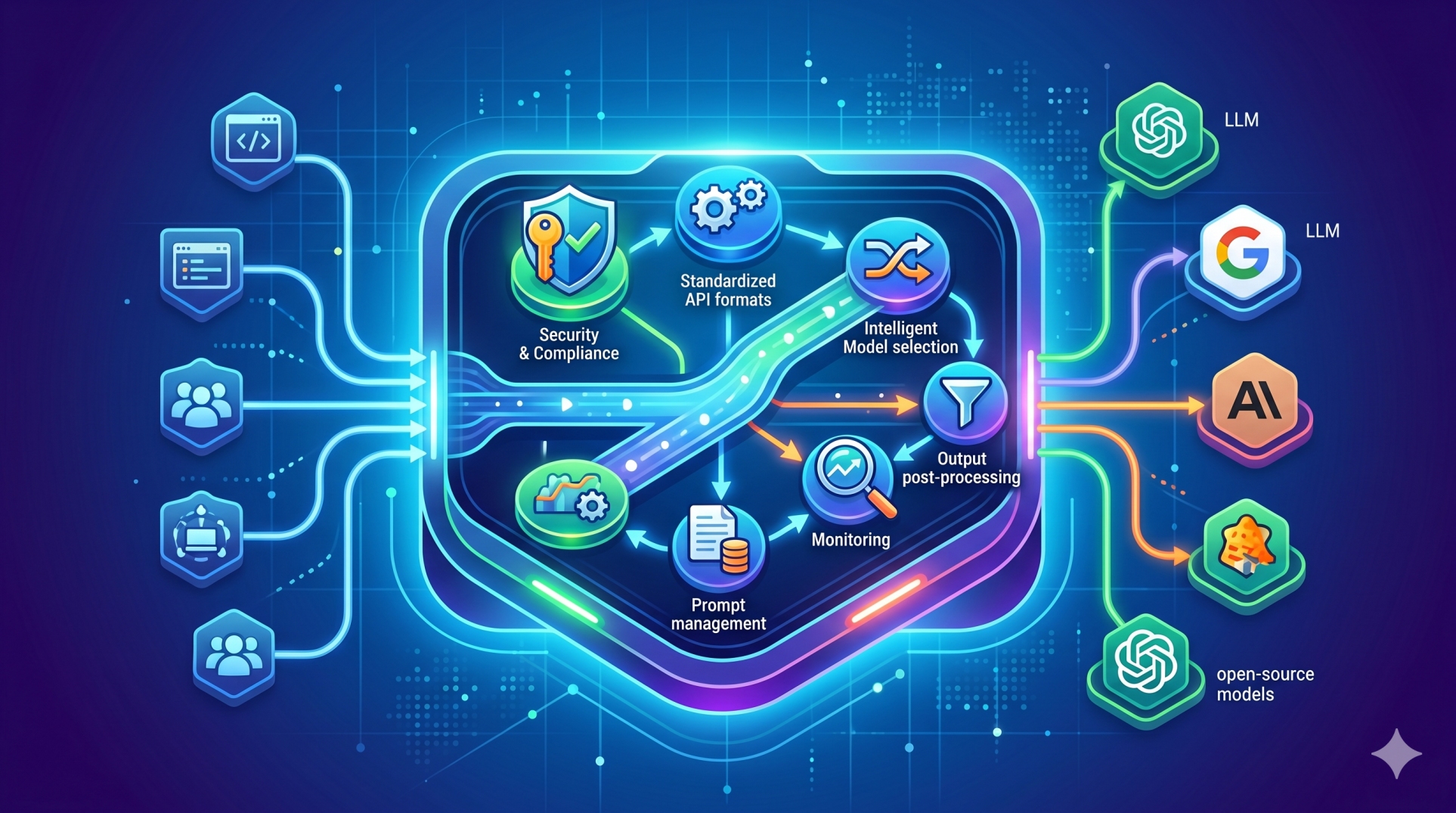
Step 6: Standardizing Data Interfaces 📐
• Establishes consistent data schemas across modules 📊
• Reduces errors caused by format mismatches 🚫
• Enables smooth integration between services 🔗
• Simplifies validation and transformation workflows 🛠️
• Improves scalability of data pipelines 📈
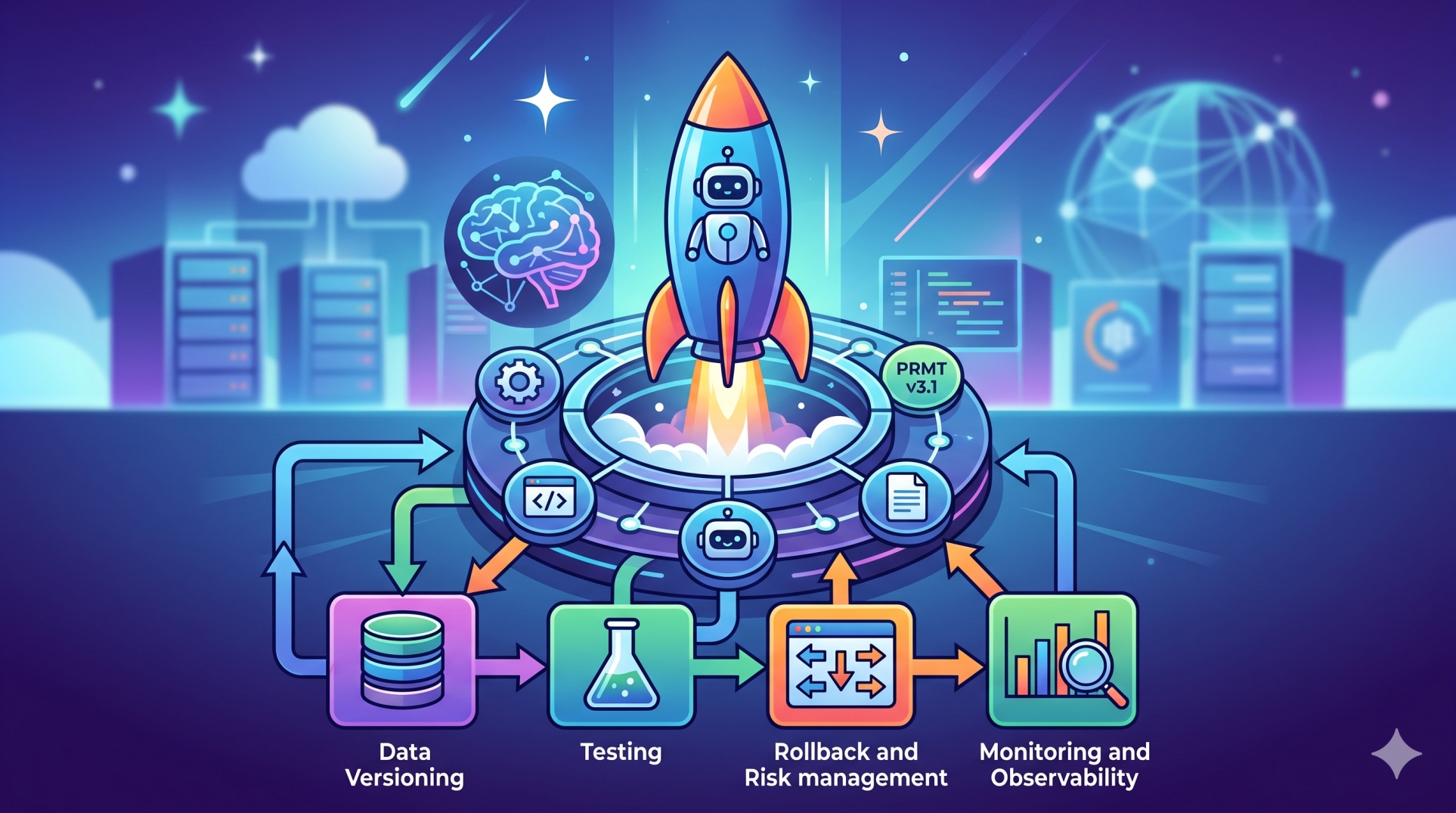
Step 7: Real-Time Monitoring of Data Pipelines ⏱️
• Continuously tracks data movement across modules 🔄
• Detects anomalies such as delays or missing data ⚠️
• Alerts teams to disruptions in processing flows 🚨
• Enables quick intervention and recovery ⚡
• Maintains system performance under load 📊
Step 8: Key Outcomes of Effective Data Flow Tracking 📊
• Faster detection and resolution of system issues ⚡
• Improved consistency and reliability of outputs ✔️
• Stronger governance and accountability 🏛️
Step 9: Security and Data Integrity 🔐
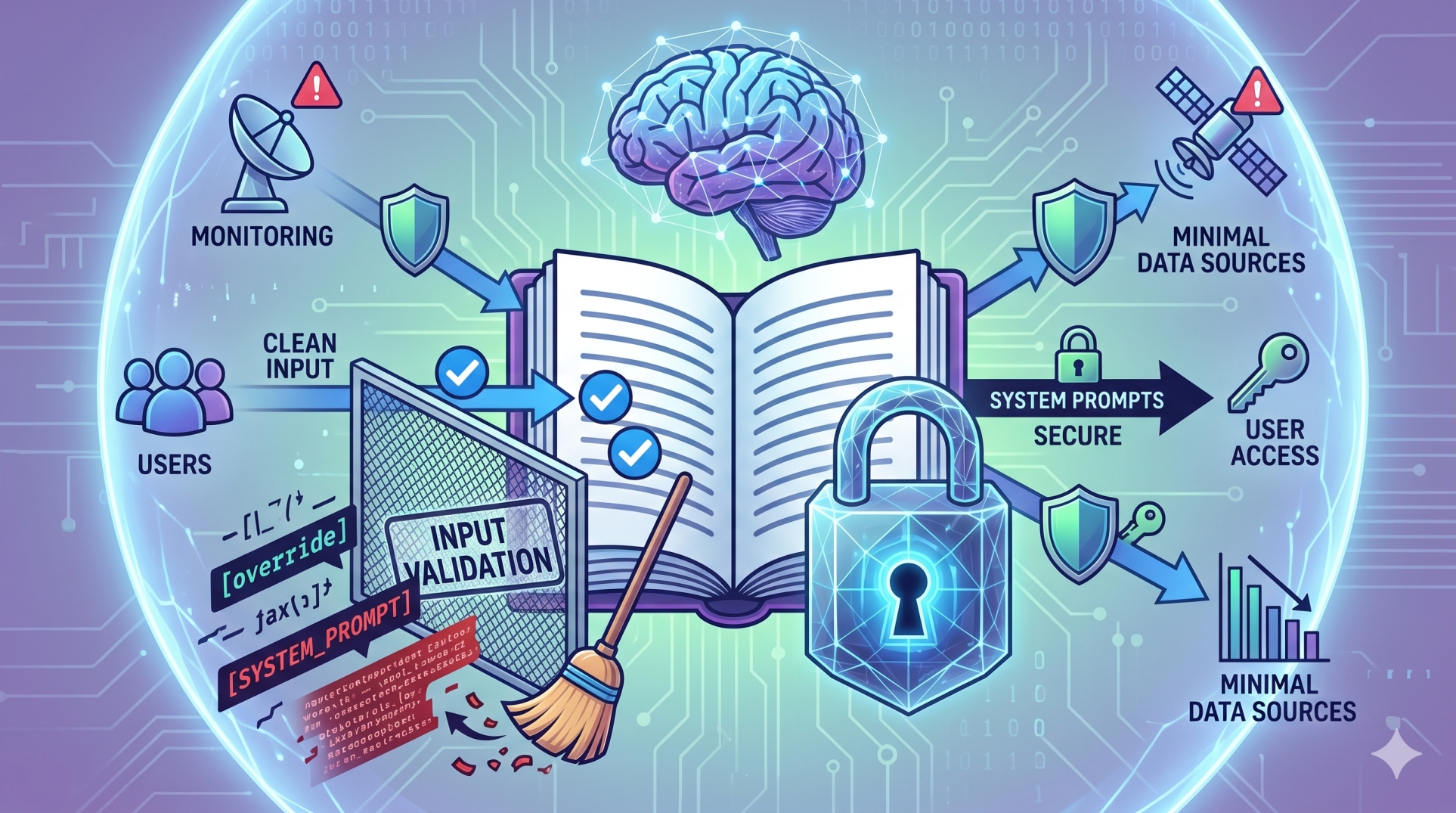
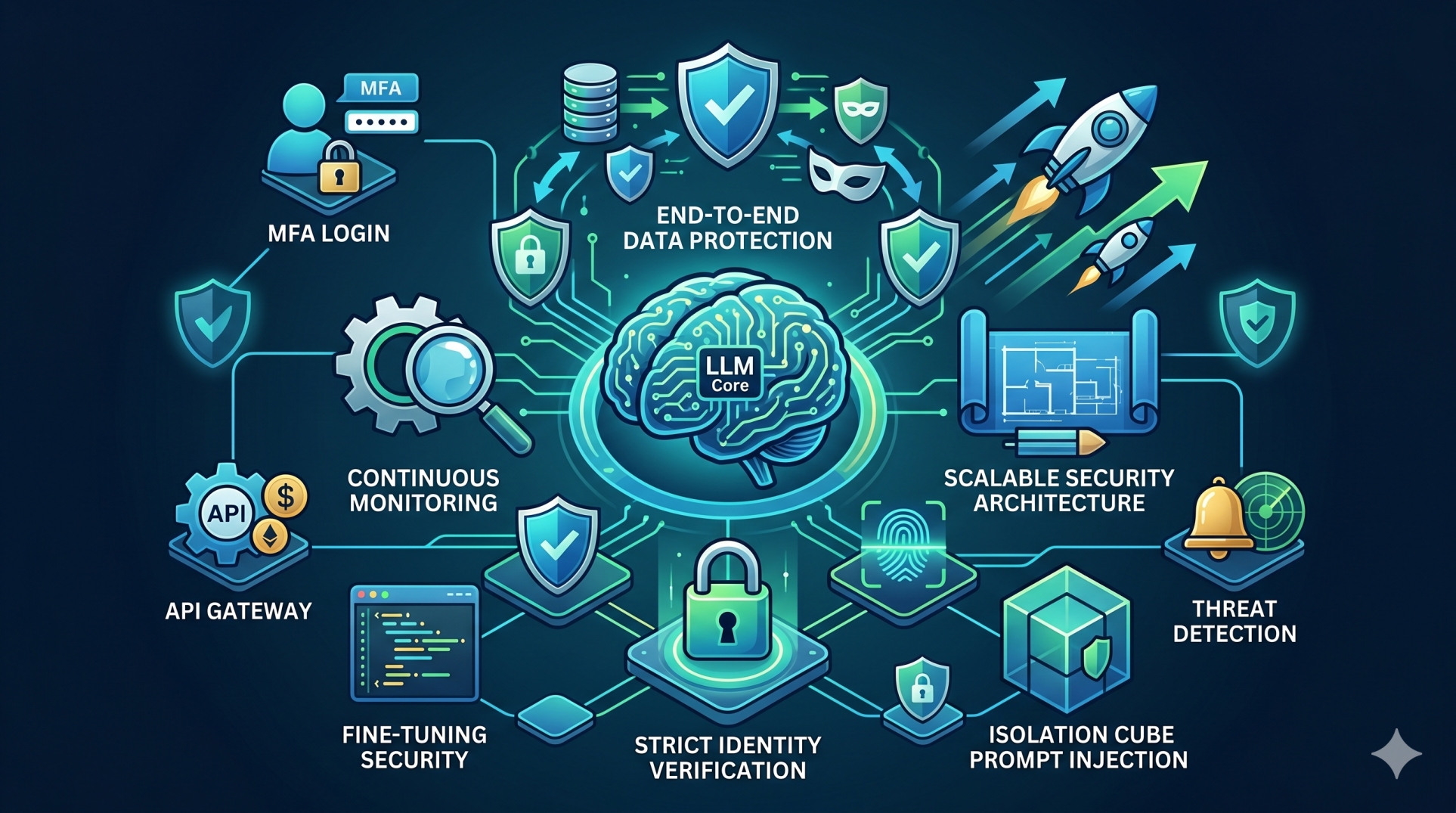
• Protects sensitive data as it moves across modules 🛡️
• Ensures data remains accurate and unaltered ✔️
• Applies access controls at each processing stage 🔑
• Supports encryption and secure handling practices 🔒
• Maintains compliance with data protection standards 📜
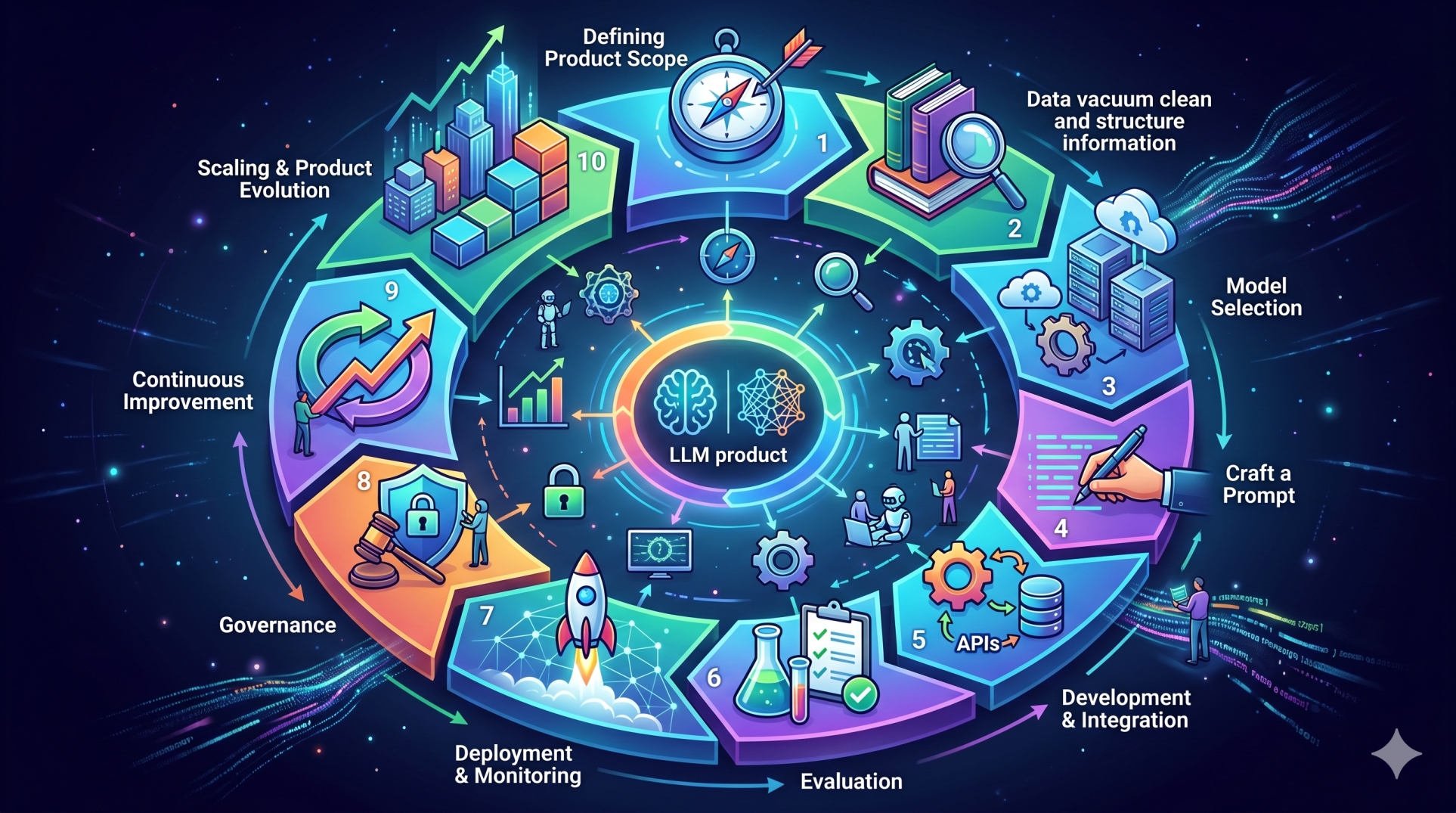
Step 10: Scaling Multi-Module AI Systems with Confidence 🚀
• Enables safe expansion of system complexity 📈
• Supports adding new modules without losing visibility 🔗
• Maintains performance as data volume increases 📊
• Reduces operational risks during scaling ⚠️
• Strengthens long-term system sustainability 🌱
Conclusion
Tracking data flow across multi-module AI systems is essential for maintaining transparency, reliability, and control in complex architectures. By combining lineage tracking, observability, standardized interfaces, and real-time monitoring, organizations can ensure that data moves accurately and efficiently through every stage of the system. As AI systems continue to scale, robust data flow tracking becomes a foundational capability for building trustworthy and high-performing solutions.
See more blogs
You can all the articles below