Domain Adaptation Techniques for Enterprise AI
Domain Adaptation Techniques for Enterprise AI
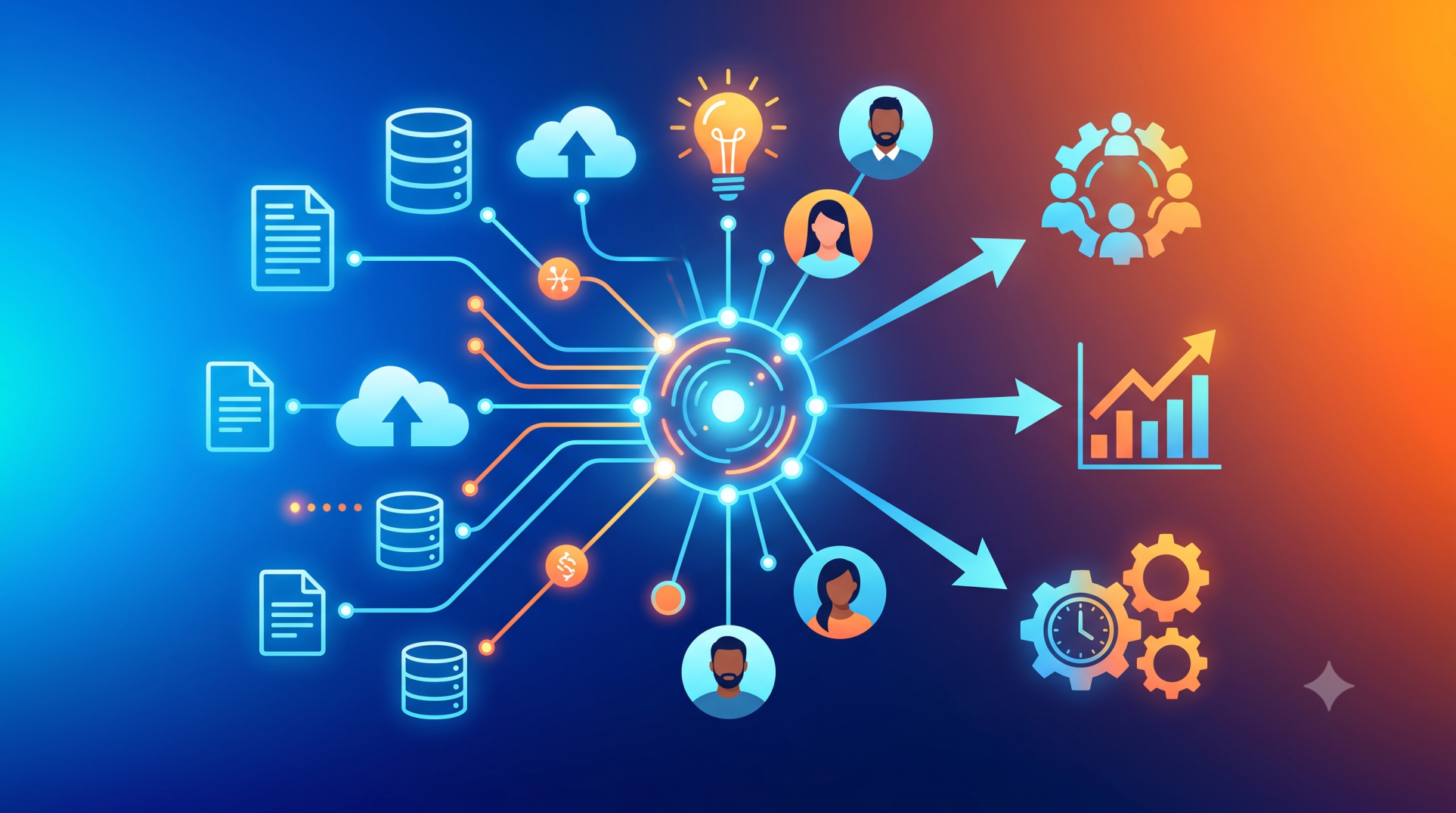
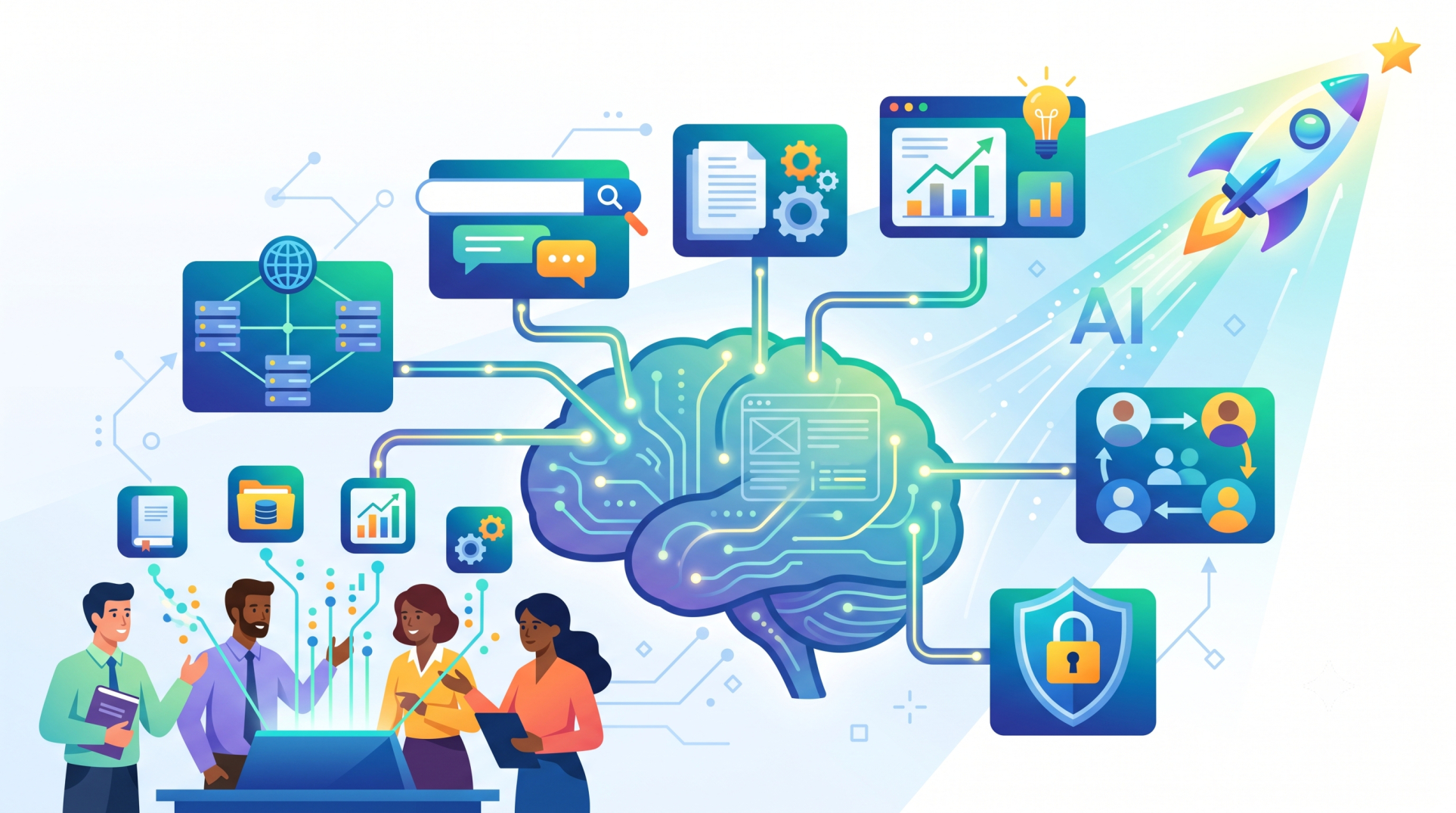
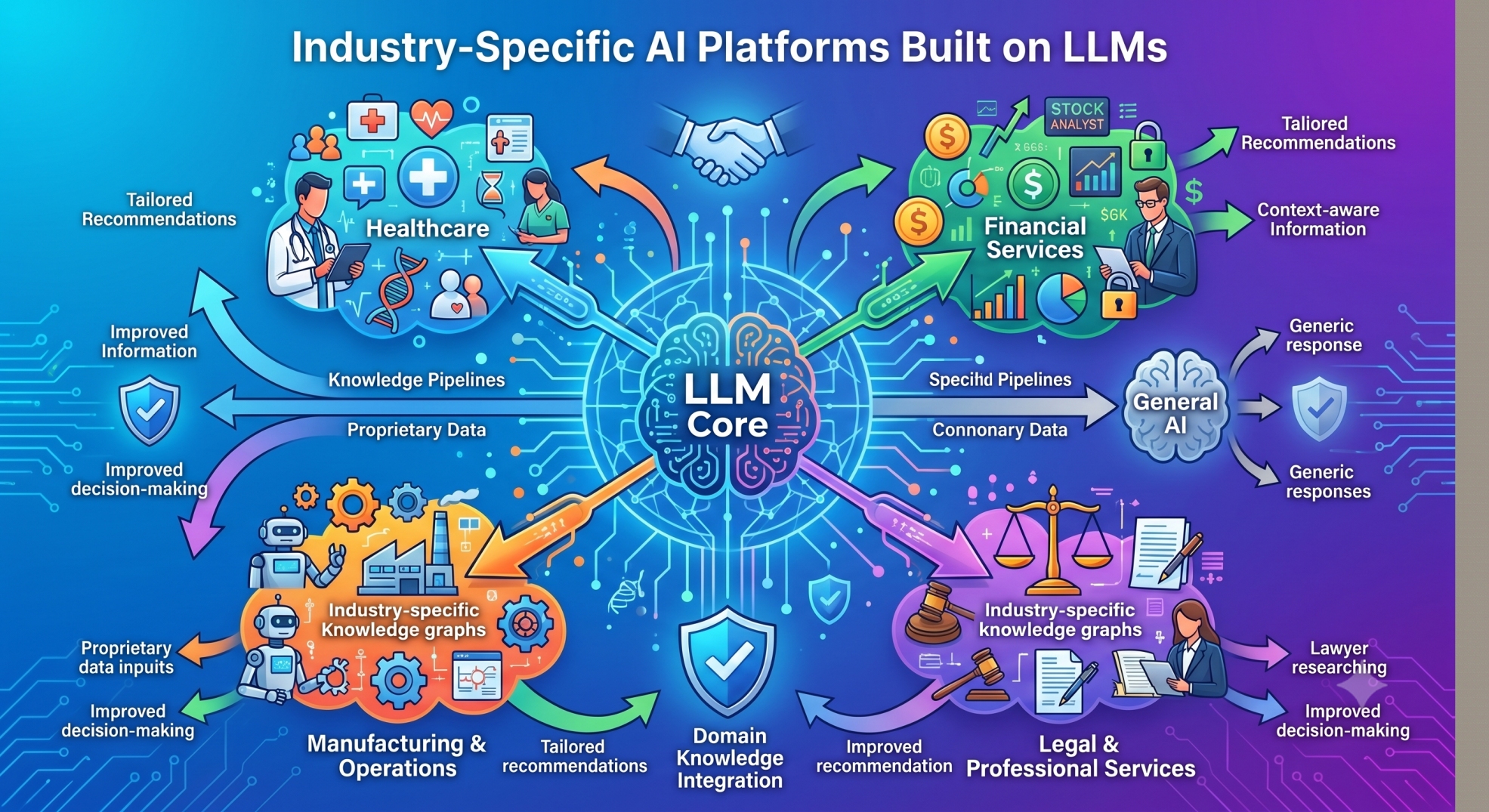
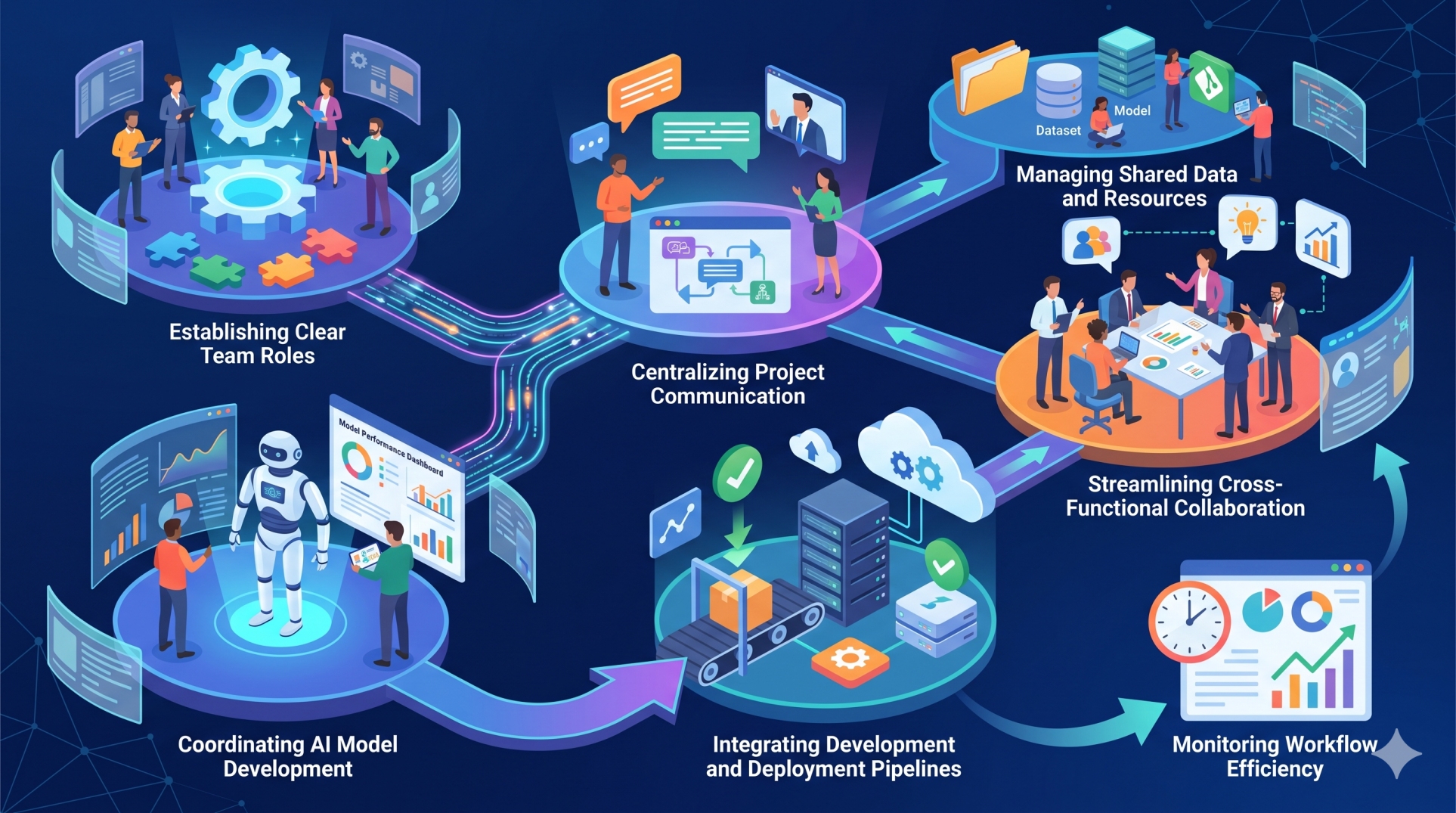
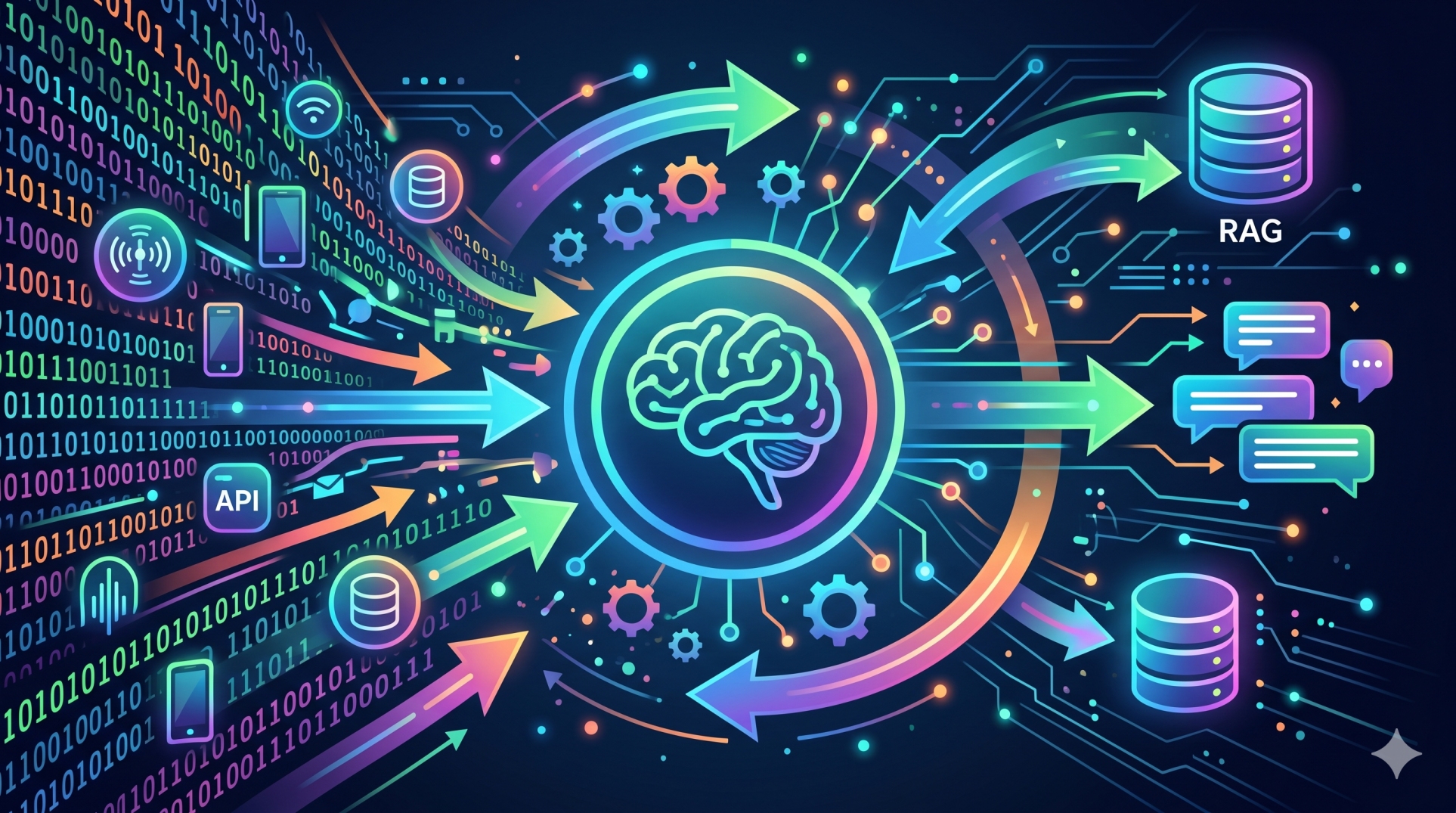
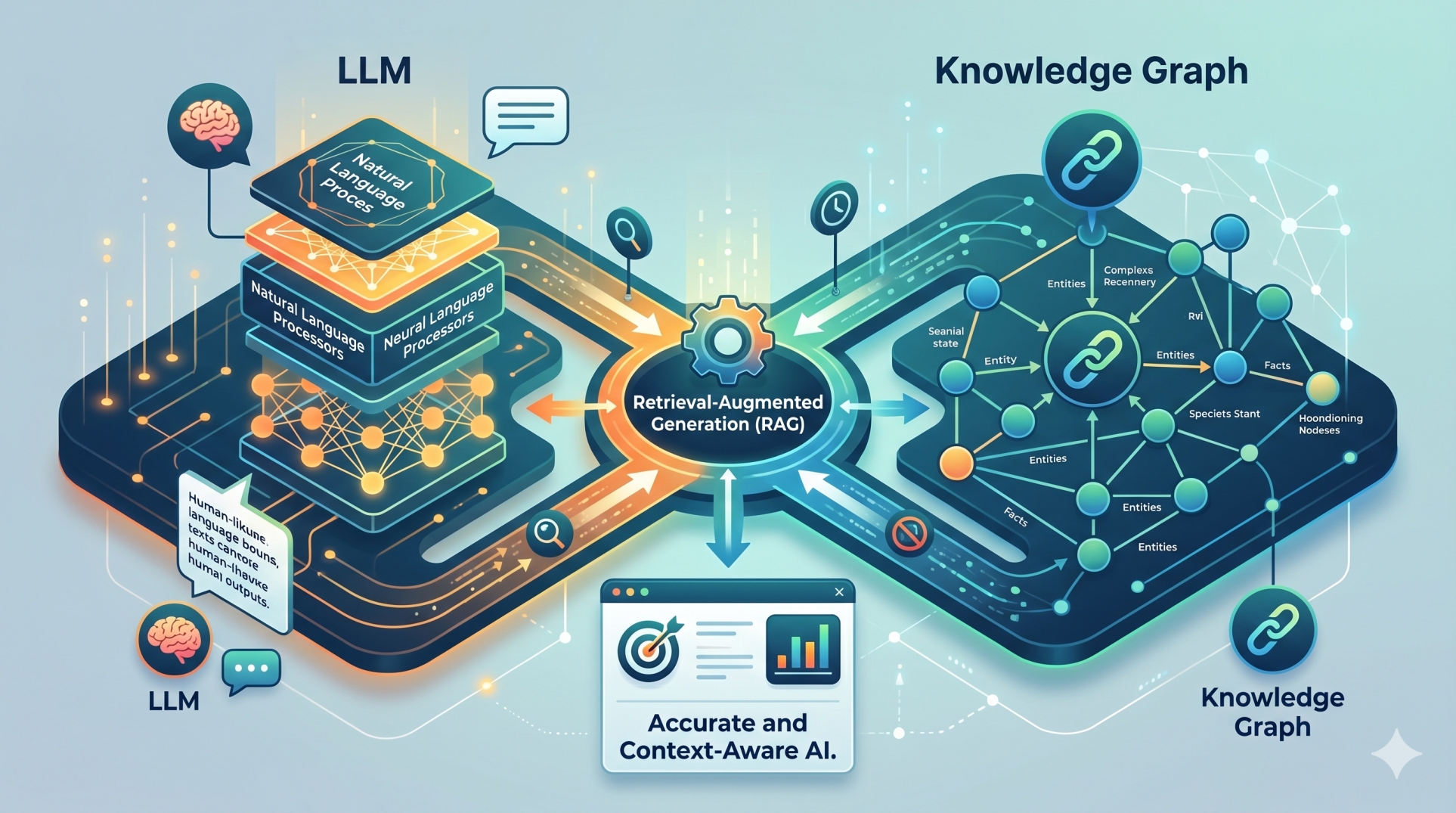
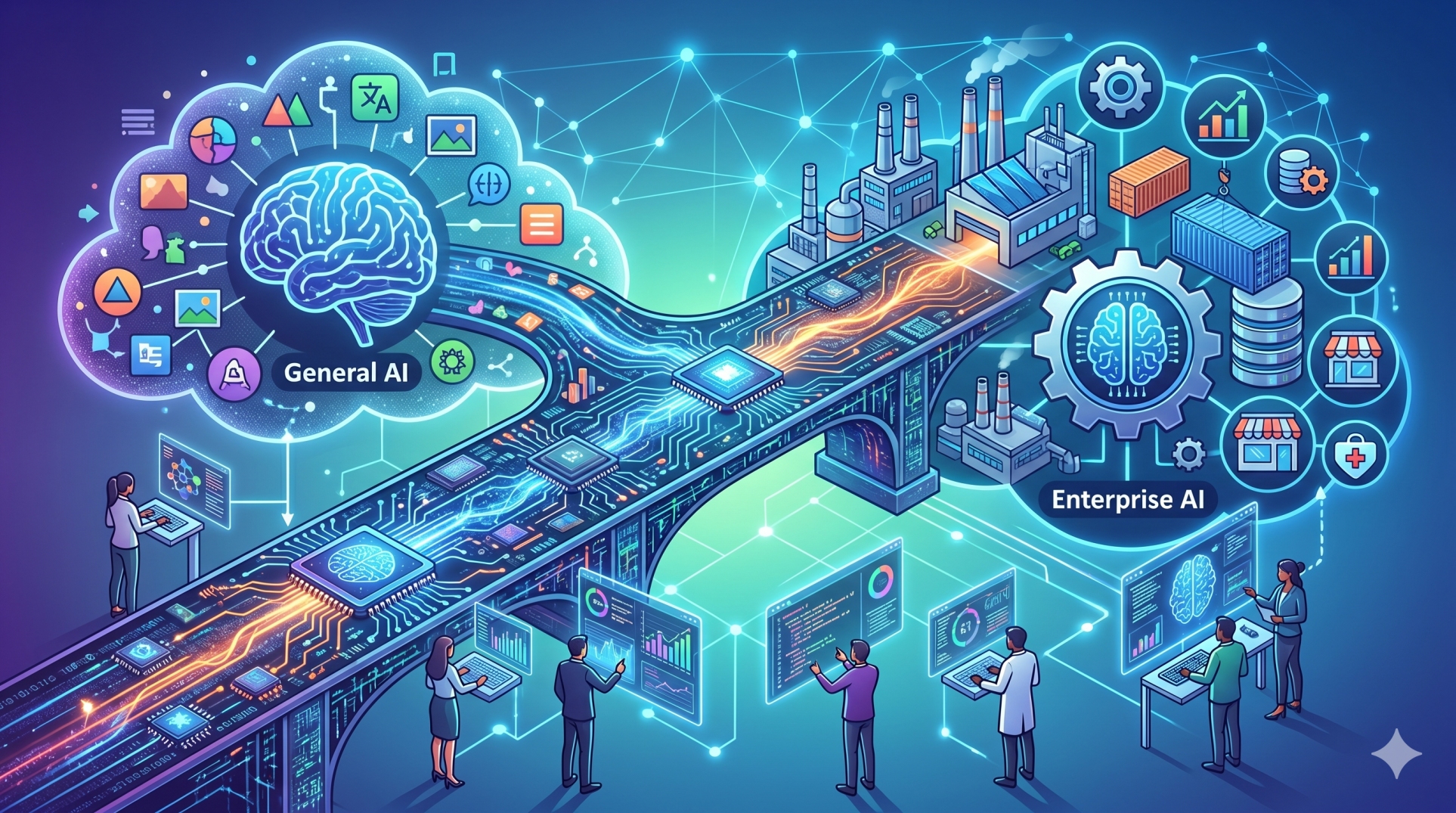
Enterprise AI systems often struggle when models trained on general datasets are applied to industry-specific environments. Differences in terminology, workflows, customer behavior, and operational data can significantly reduce model accuracy and reliability. Domain adaptation helps bridge this gap by enabling AI models to perform effectively within specialized business contexts while improving scalability, efficiency, and decision-making.
Step 1: Understanding Domain Adaptation in Enterprise AI 🧠
• Domain adaptation enables AI models to operate effectively in specialized industries 🏭
• It helps models adjust to new datasets, workflows, and business terminology 🔄
• Reduces performance gaps between general-purpose and enterprise-specific AI 📊
• Improves accuracy in industry-focused applications and use cases 🎯
• Supports scalable AI deployment across different operational environments 🚀
Step 2: Identifying Domain-Specific Data Requirements 📂
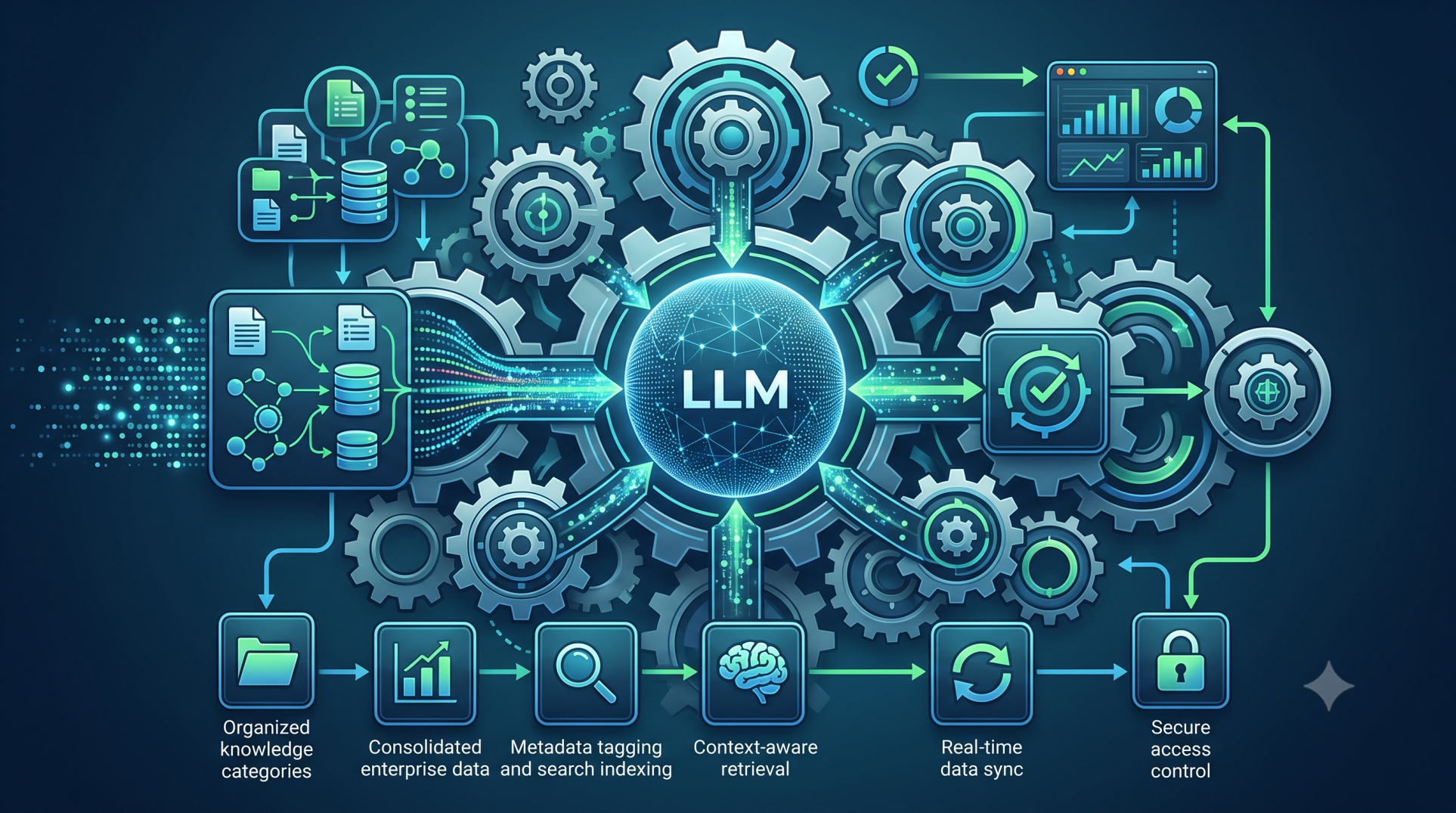
• Collect relevant enterprise datasets aligned with business objectives 📁
• Identify industry terminology, workflows, and contextual relationships 🏷️
• Separate structured and unstructured data sources effectively 🧩
• Ensure data quality, consistency, and completeness ✅
• Prioritize datasets that represent real operational conditions 🏢
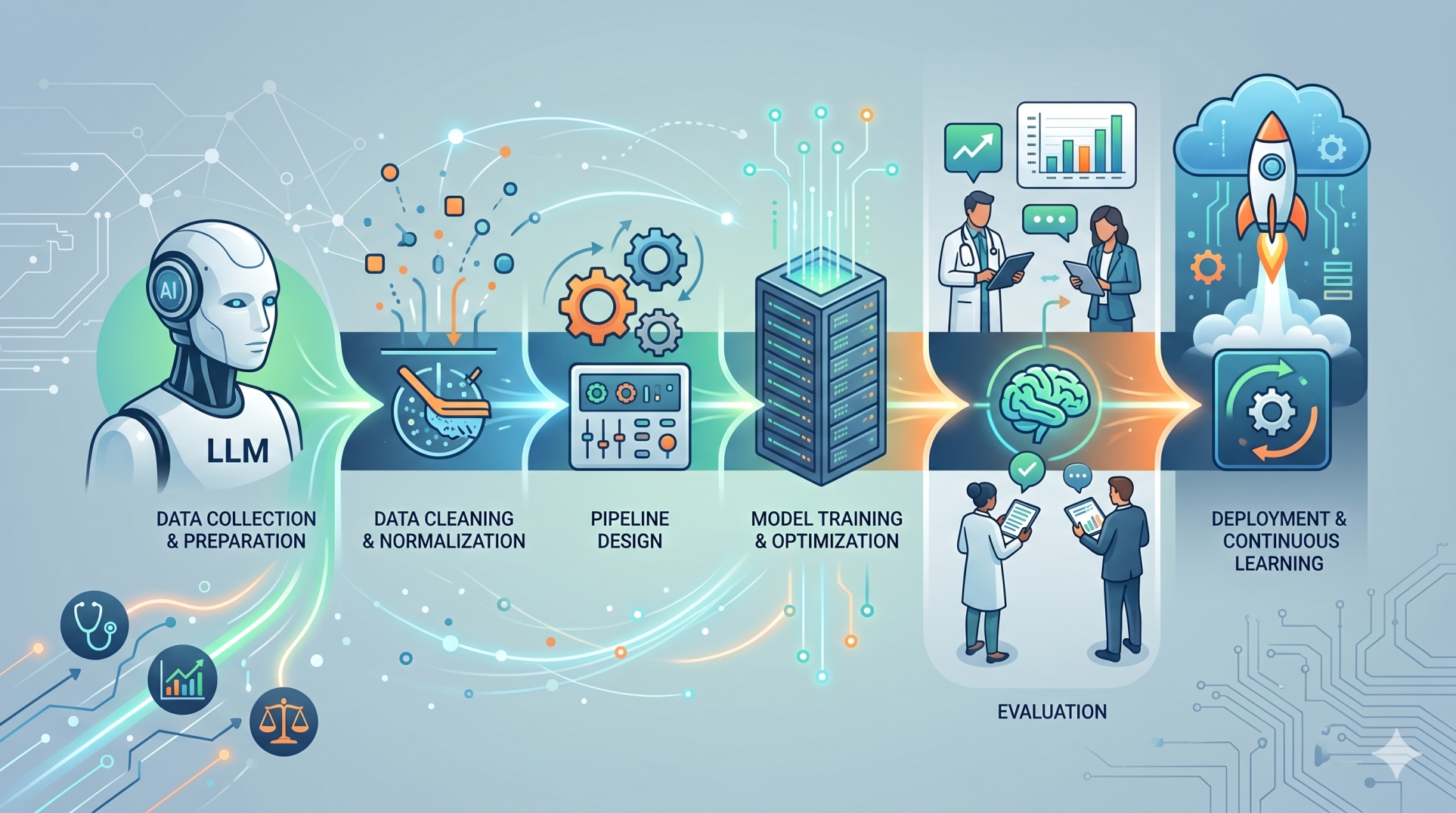
Step 3: Fine-Tuning Pretrained Models ⚙️
• Adapt foundation models using enterprise-specific datasets 🤖
• Train models on company workflows, policies, and terminology 📘
• Improve contextual understanding for domain-specific tasks 🎯
• Reduce training costs compared to building models from scratch 💰
• Continuously refine models using updated enterprise data 🔄
Step 4: Transfer Learning Strategies 🔗
• Reuse knowledge from pretrained models for specialized tasks 🧠
• Accelerate model deployment with reduced training time ⏱️
• Improve performance in low-data enterprise environments 📉
• Adapt models efficiently across multiple departments 🏬
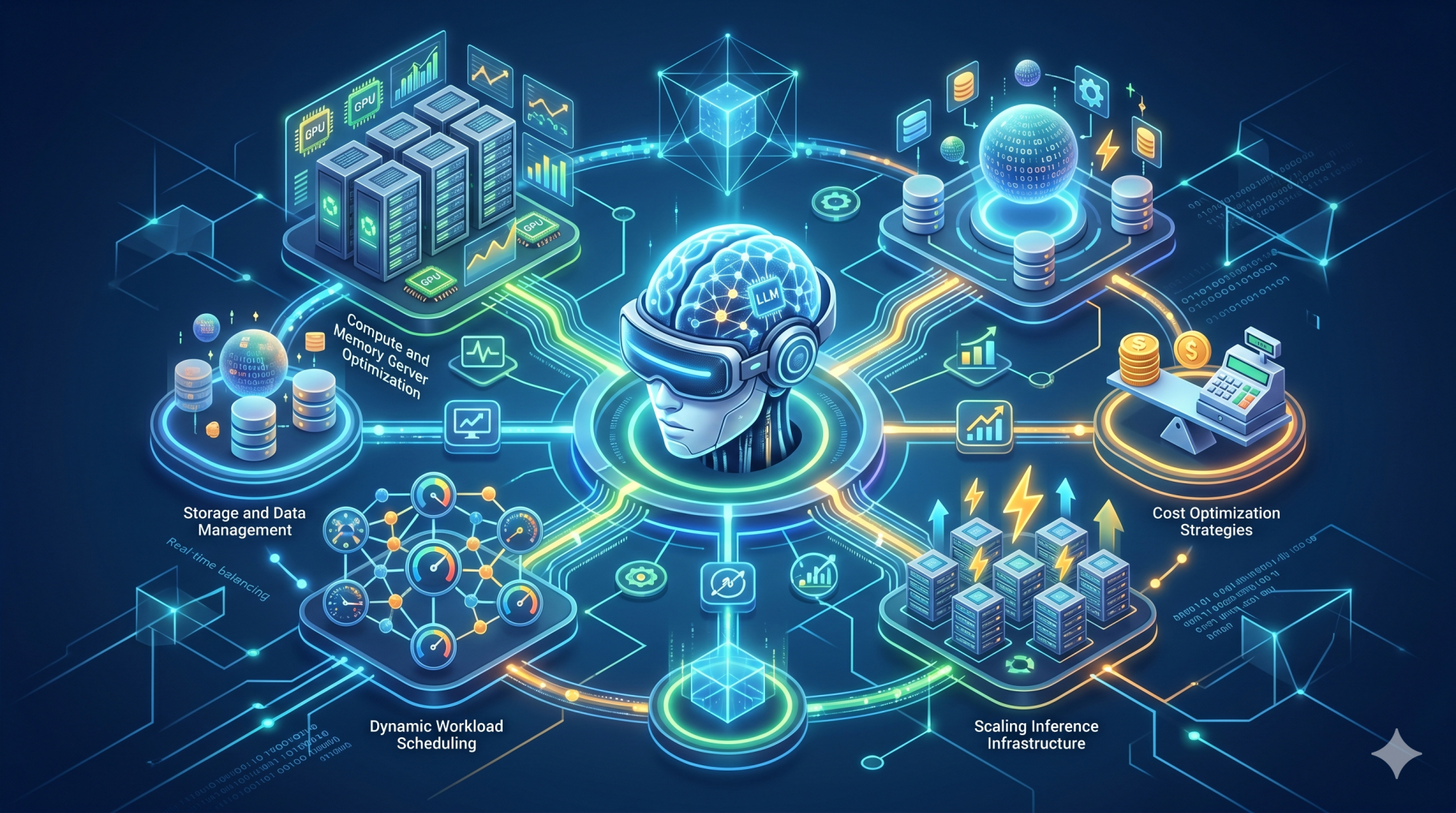
• Minimize computational resource requirements ⚡
Step 5: Data Labeling and Annotation 🏷️
• Create accurate labels for industry-specific datasets 📋
• Use subject matter experts to improve annotation quality 👨💼
• Maintain consistency across training and validation datasets 🔍
• Automate repetitive labeling processes where possible 🤖
• Continuously validate annotations for reliability ✅
Step 6: Synthetic Data and Augmentation Techniques 🧪
• Generate synthetic enterprise data to expand training coverage 🏗️
• Improve model robustness through data augmentation methods 🔄
• Simulate rare operational scenarios for better preparedness ⚠️
• Reduce dependency on limited real-world datasets 📉
• Enhance model generalization across varying business conditions 🌐
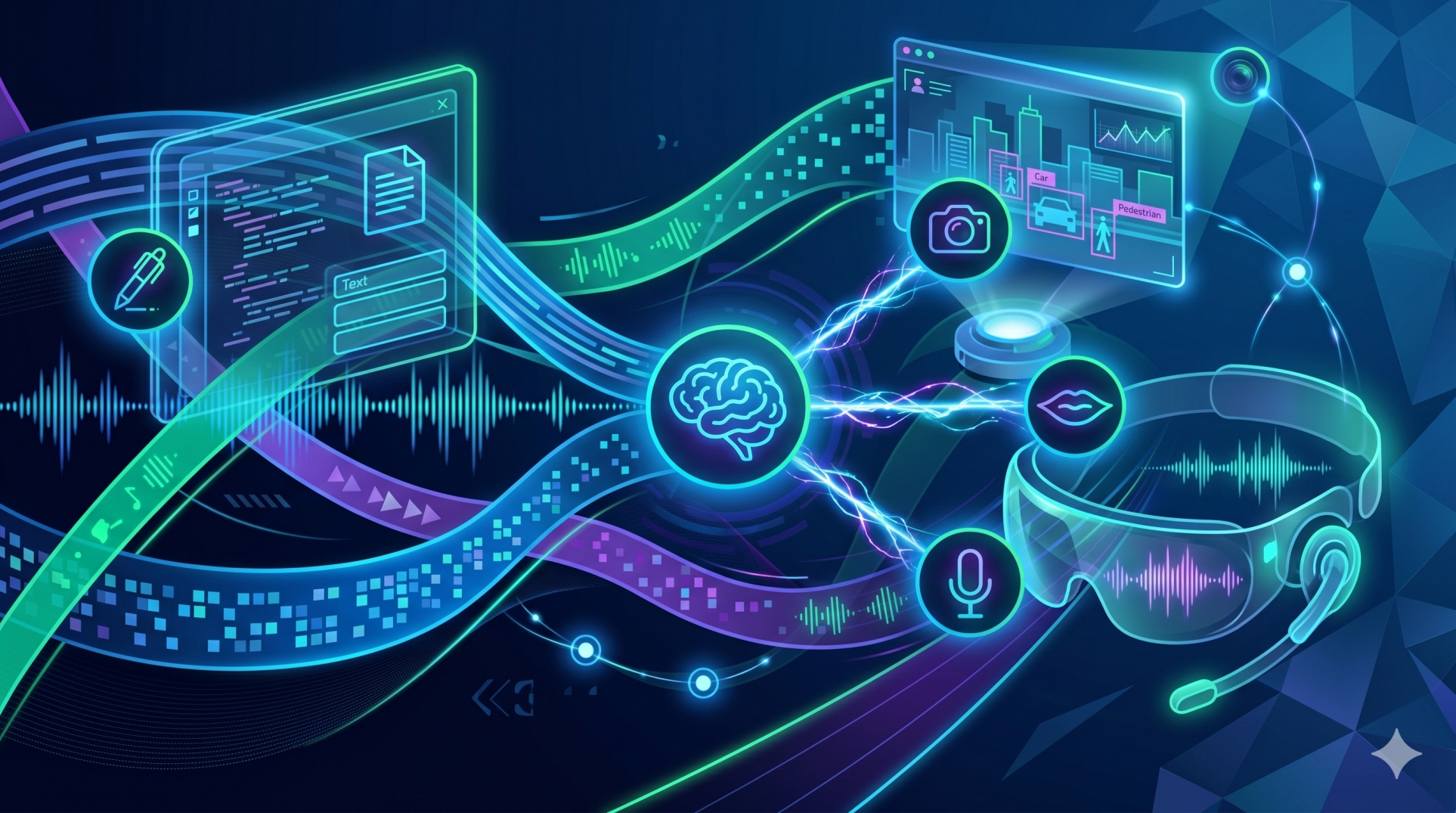
Step 7: Cross-Domain Knowledge Integration 🌐
• Combine insights from multiple operational domains 🔗
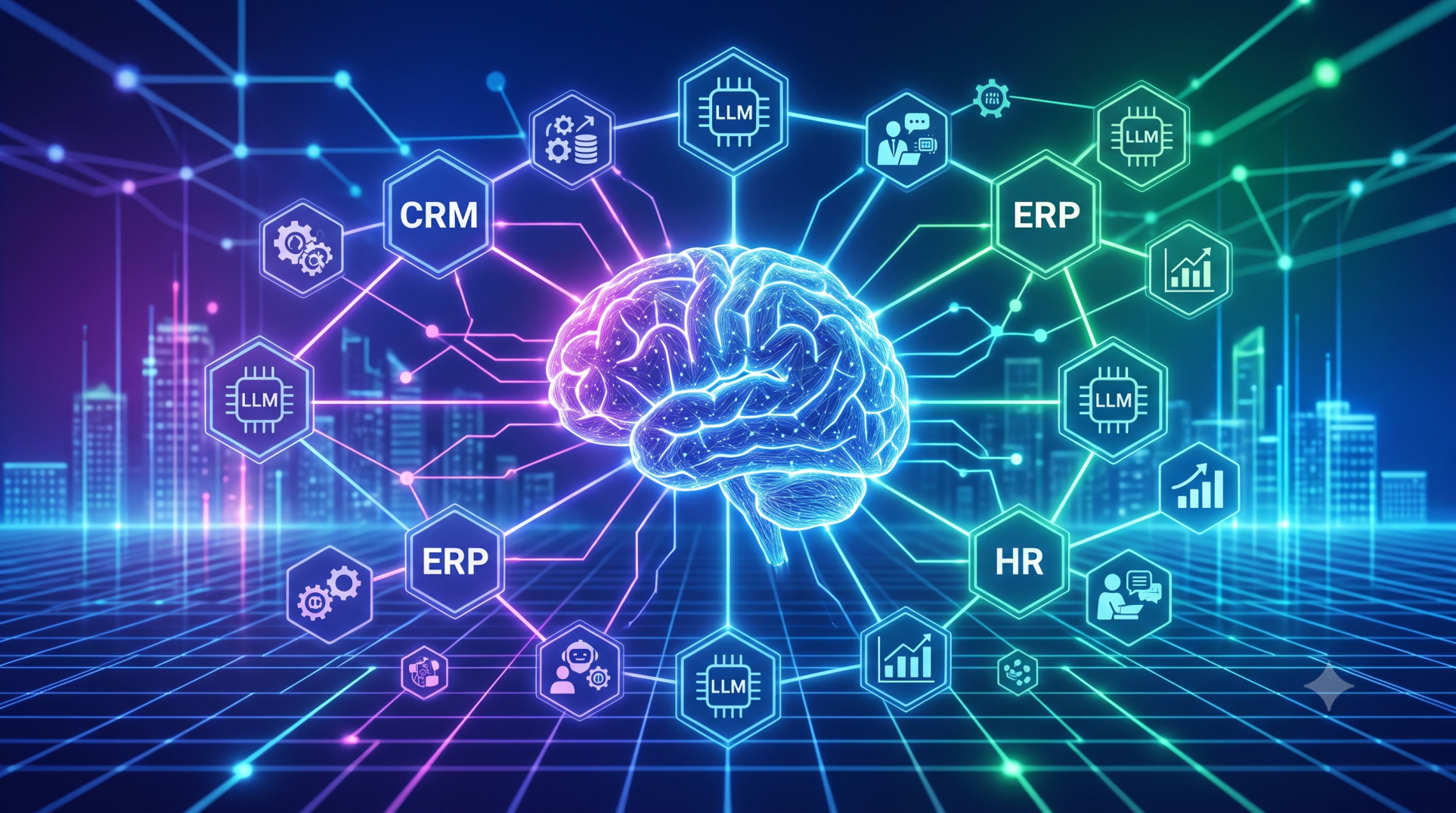
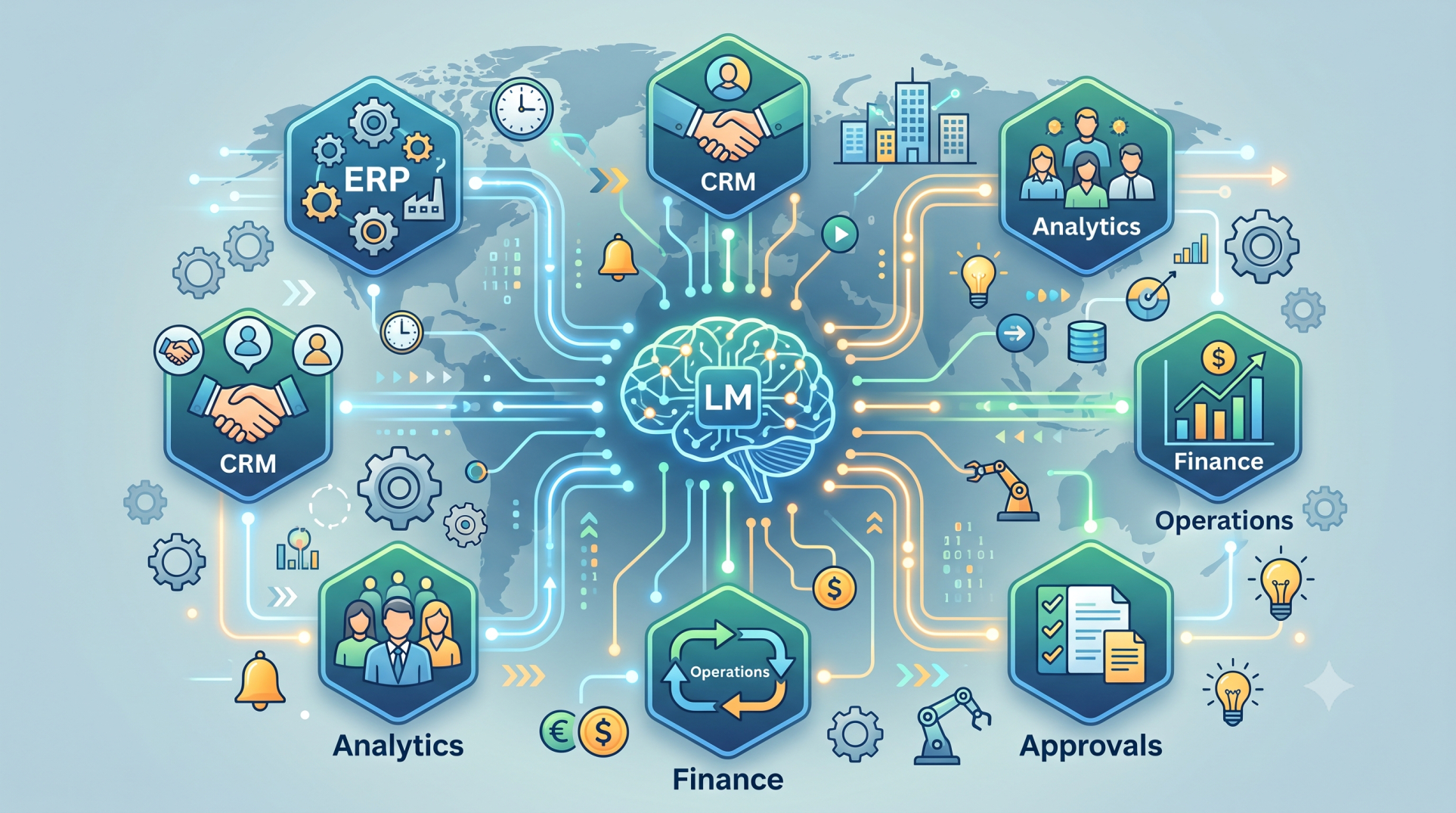
• Enable AI systems to understand interconnected business functions 🏢
• Improve adaptability across departments and workflows 📊
• Reduce isolated decision-making between enterprise systems 🤝
• Enhance overall organizational intelligence 🧠
Step 8: Key Domain Adaptation Priorities 📌
• High-quality enterprise-specific training data 📂
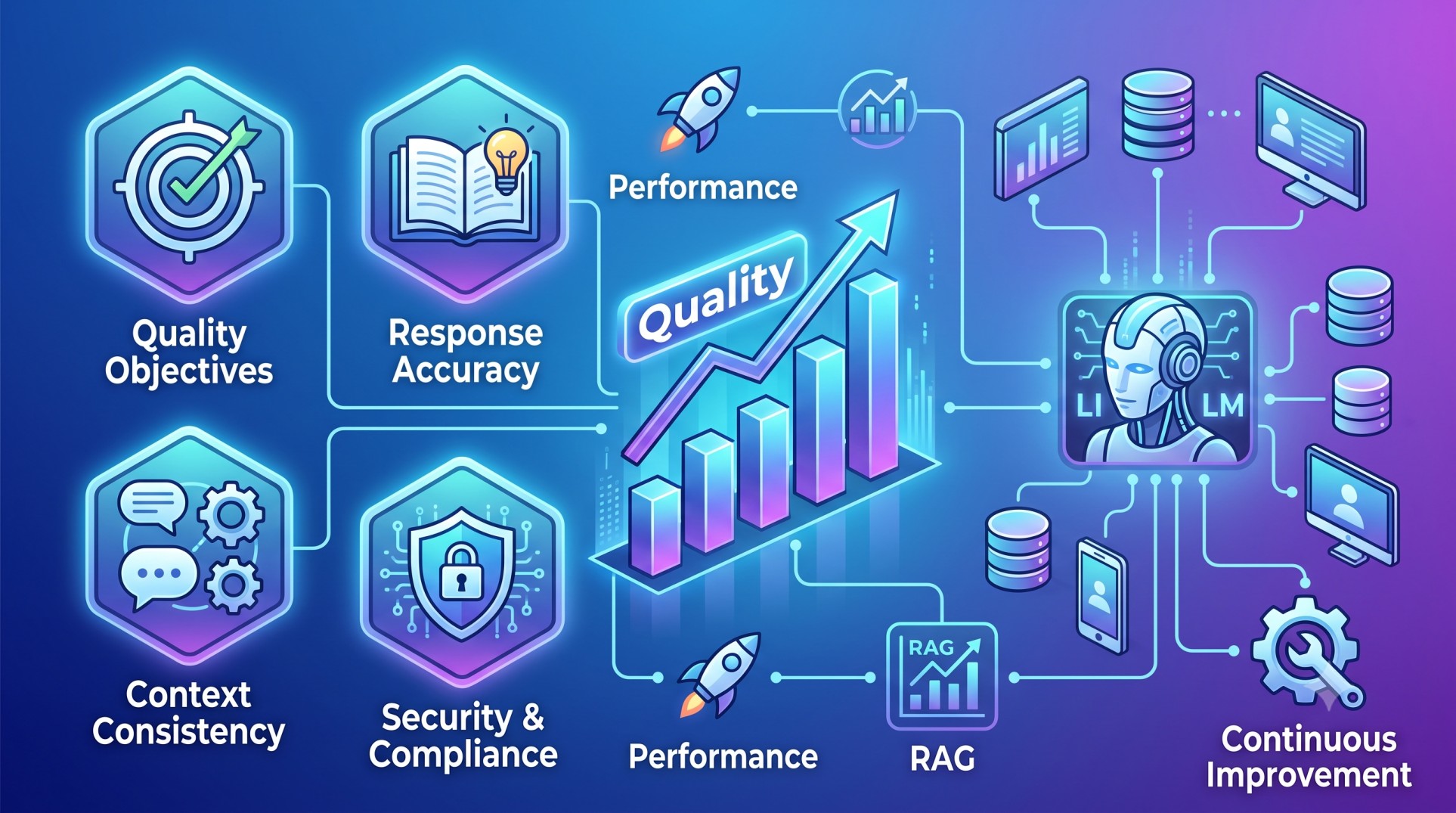
• Continuous model refinement and evaluation 🔄
• Scalable adaptation across business units 🏗️
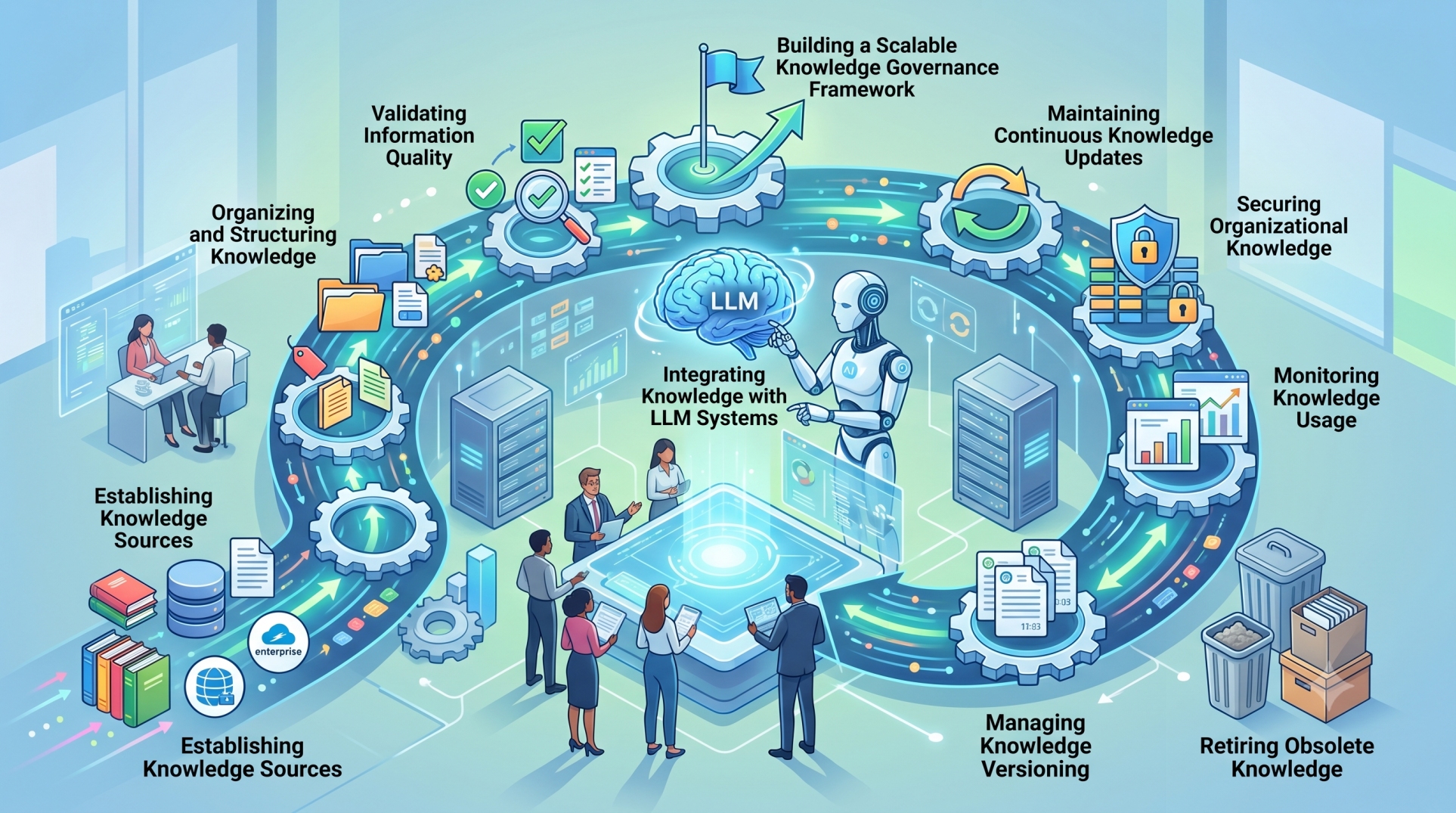
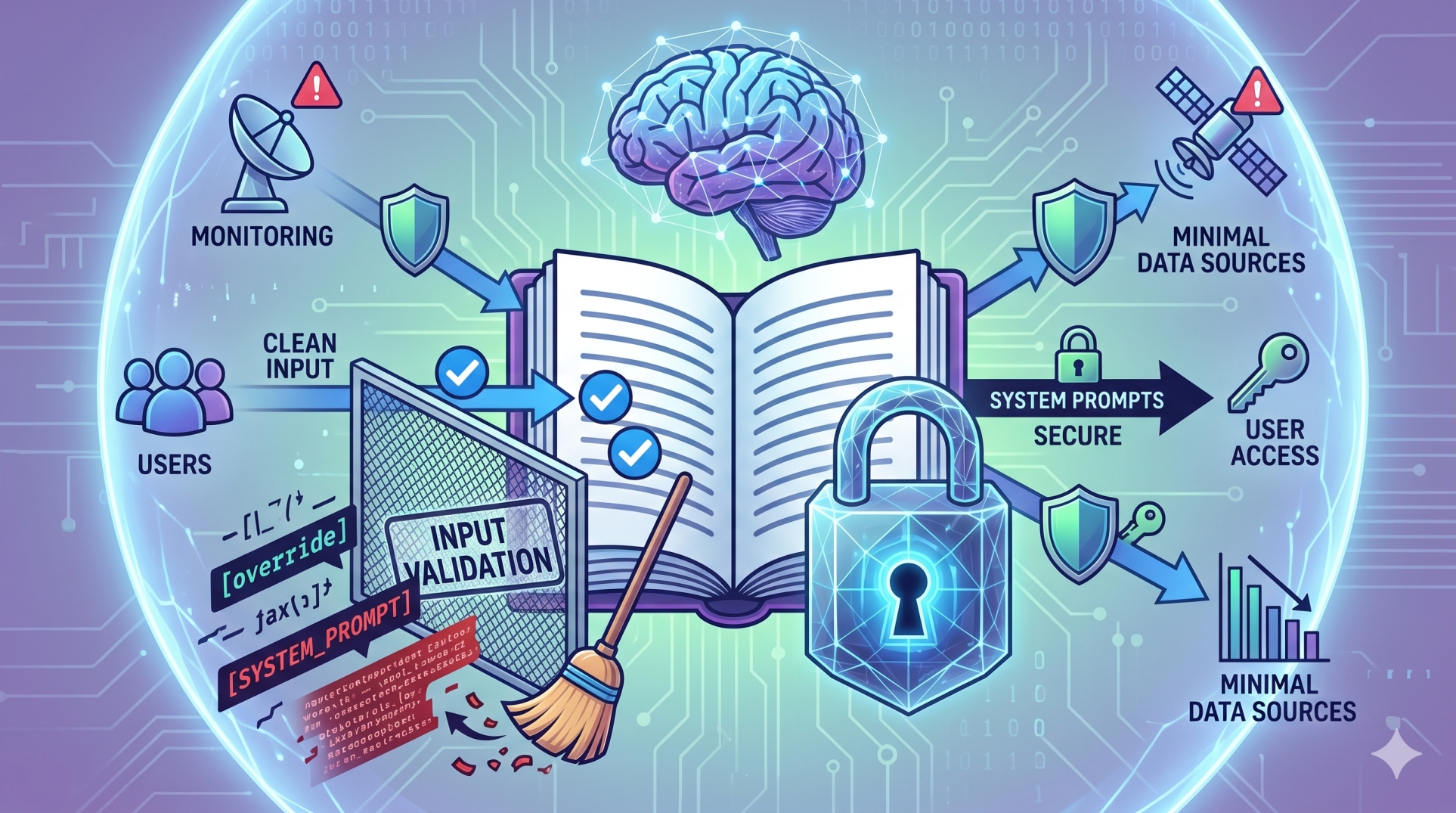
• Strong governance and compliance frameworks 🔐
Step 9: Monitoring Model Performance and Drift 📈
• Track model accuracy across changing operational conditions 📊
• Detect data drift and evolving business patterns 🔍
• Retrain models when performance degradation occurs 🔄
• Monitor enterprise KPIs linked to AI outcomes 📉
• Maintain long-term reliability and consistency 🛡️
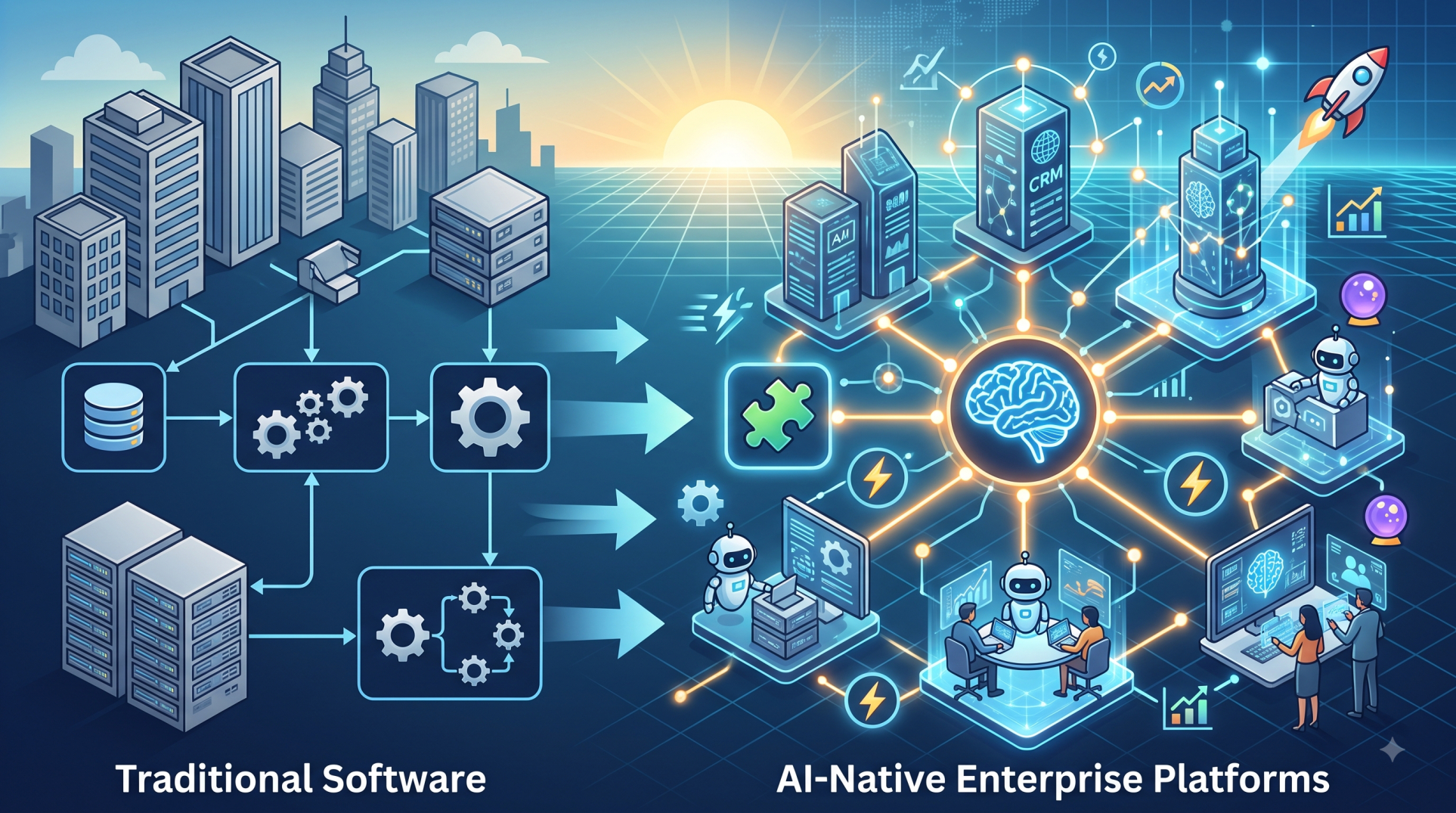
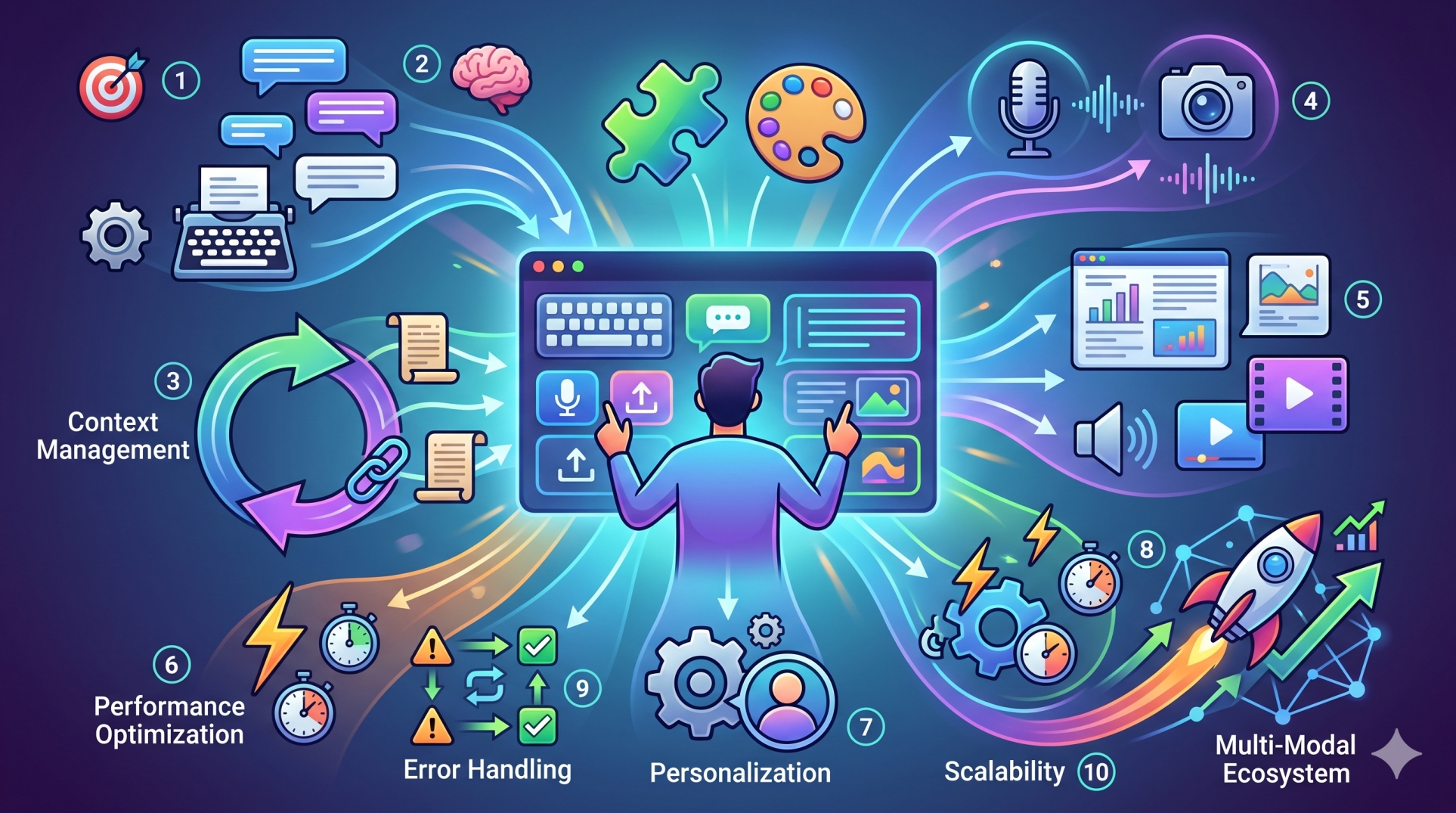
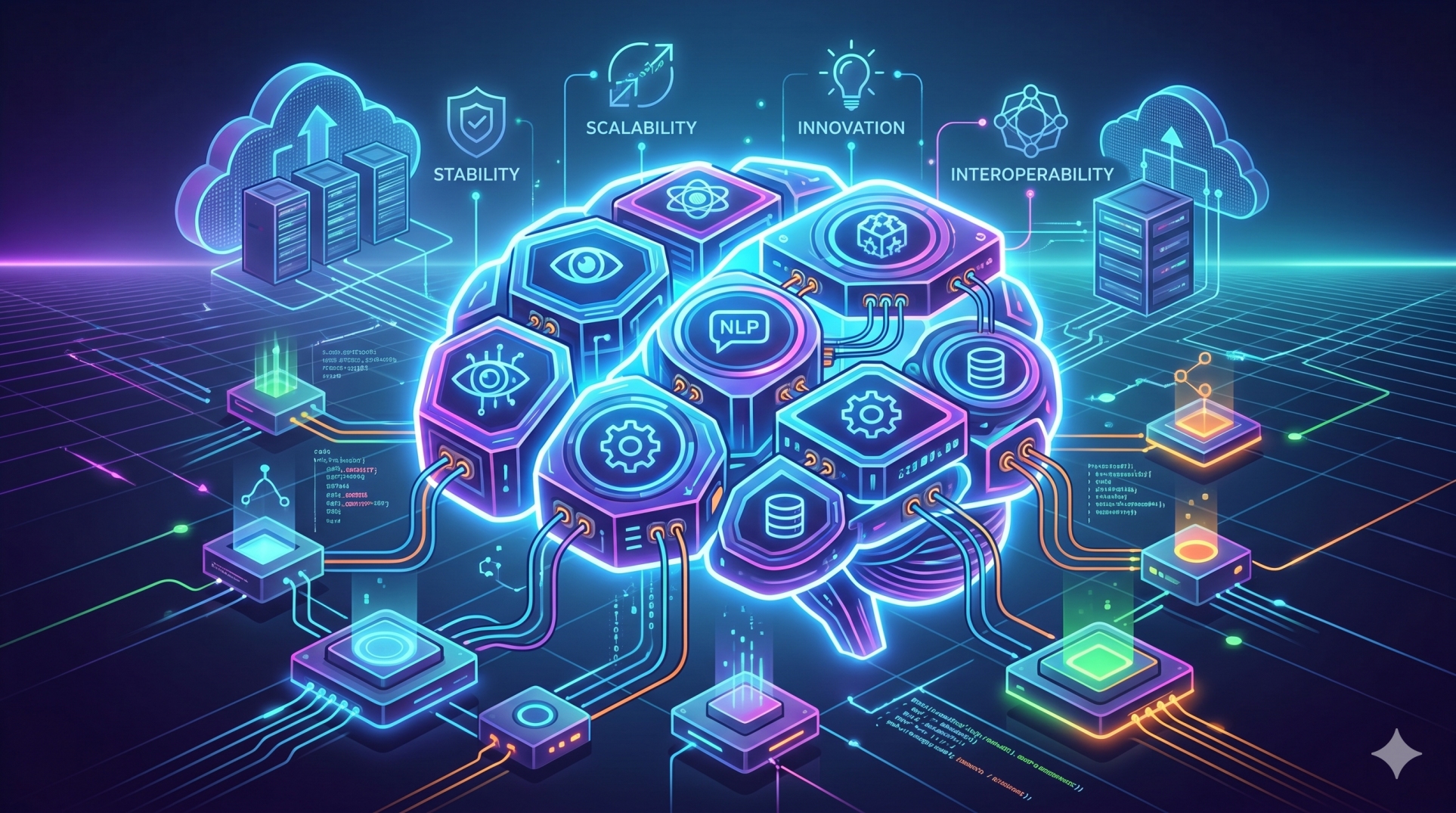
Step 10: Building a Scalable Enterprise AI Ecosystem 🚀
• Design AI systems that support future business expansion 🌍
• Enable modular integration with enterprise applications 🔗
• Support evolving workflows and operational requirements ⚙️
• Incorporate automation and orchestration capabilities 🤖
• Future-proof AI infrastructure through continuous innovation 💡
Conclusion
Domain adaptation techniques play a critical role in improving the effectiveness of Enterprise AI systems. By aligning AI models with industry-specific data, workflows, and operational requirements, organizations can achieve higher accuracy, better scalability, and stronger business outcomes. Well-adapted AI systems not only enhance current enterprise operations but also provide the flexibility needed to support long-term innovation and growth.
See more blogs
You can all the articles below