Creating Unified AI Operating Models with LLM Software

Creating Unified AI Operating Models with LLM Software
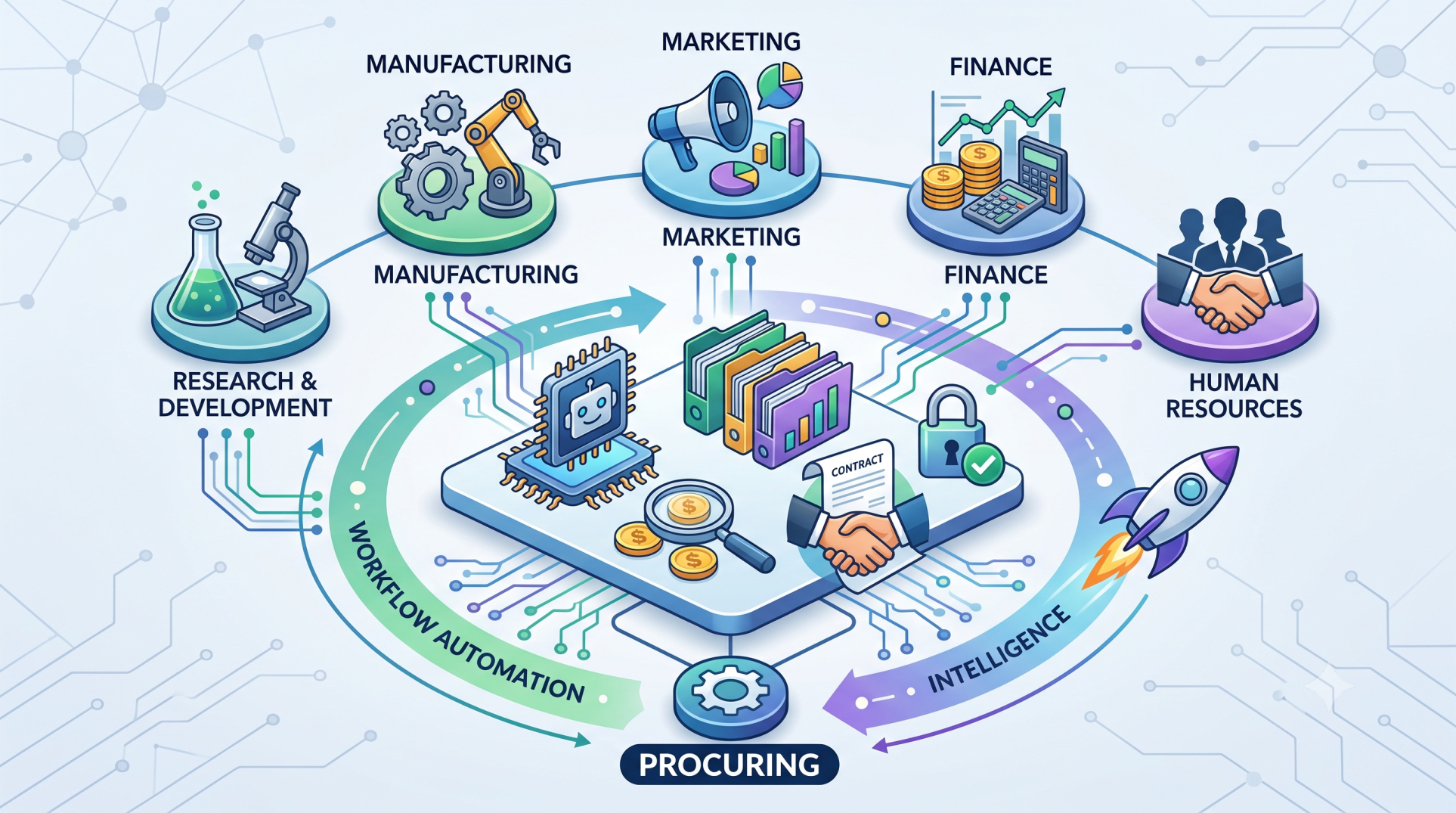
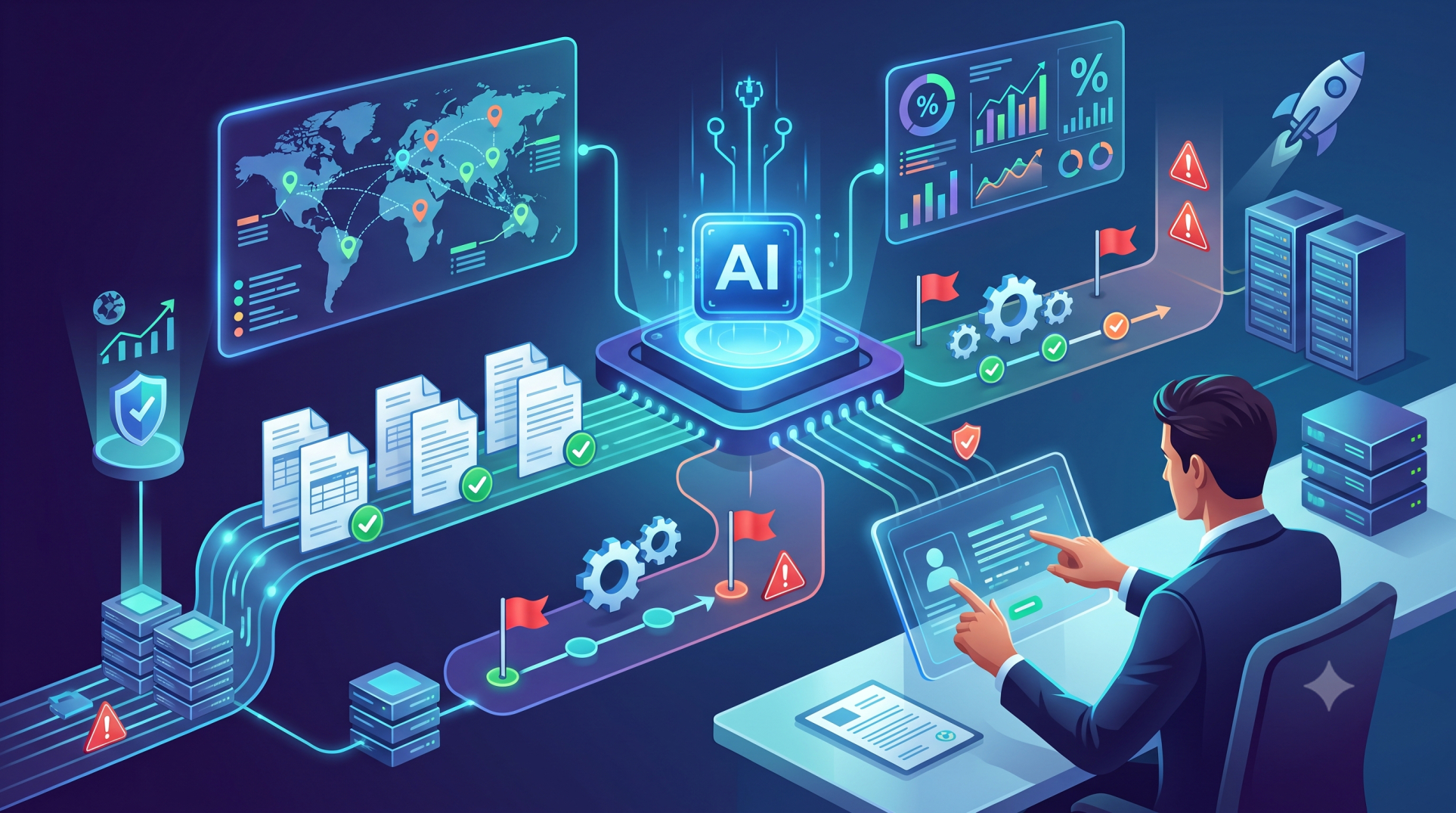
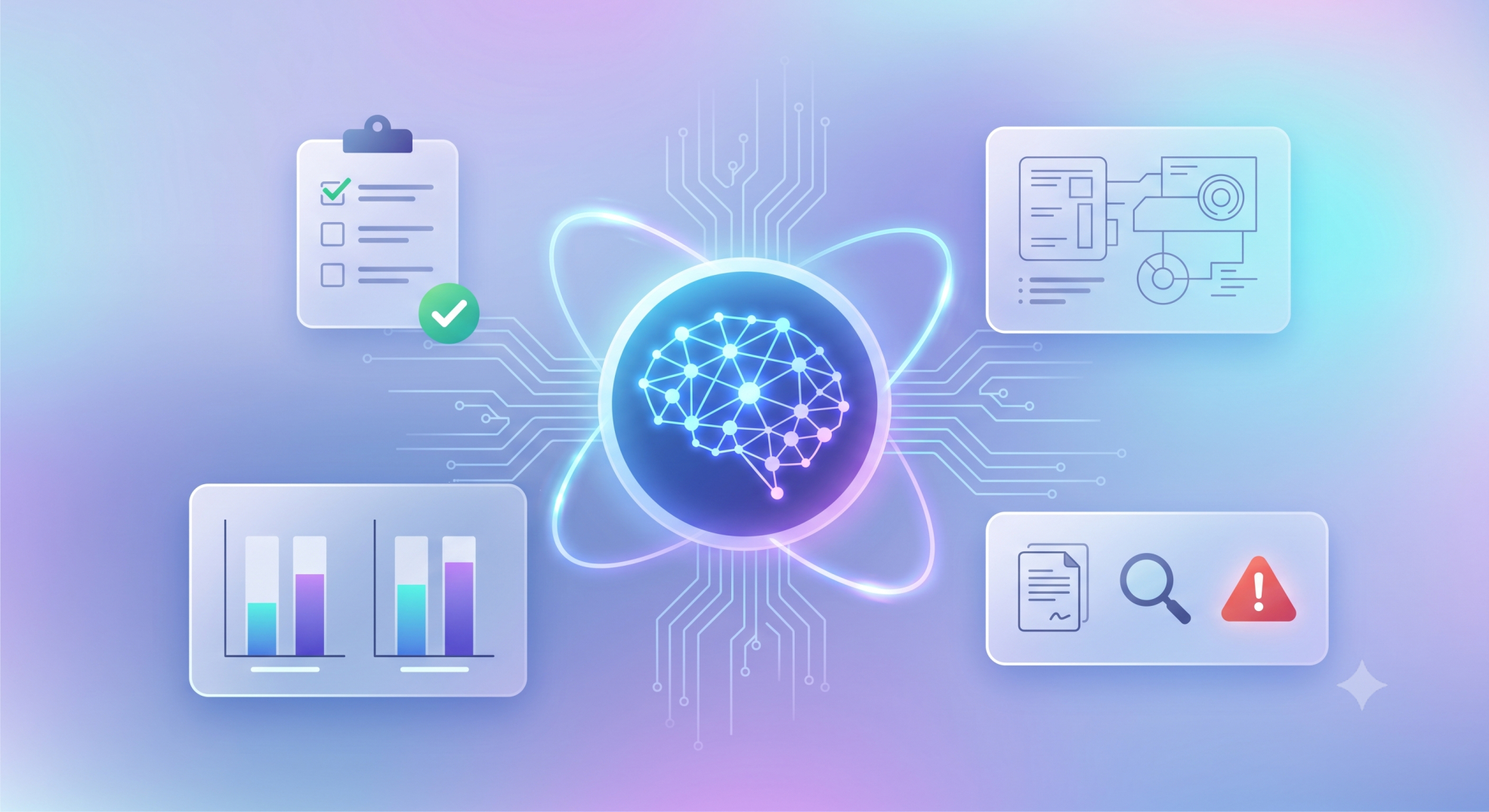
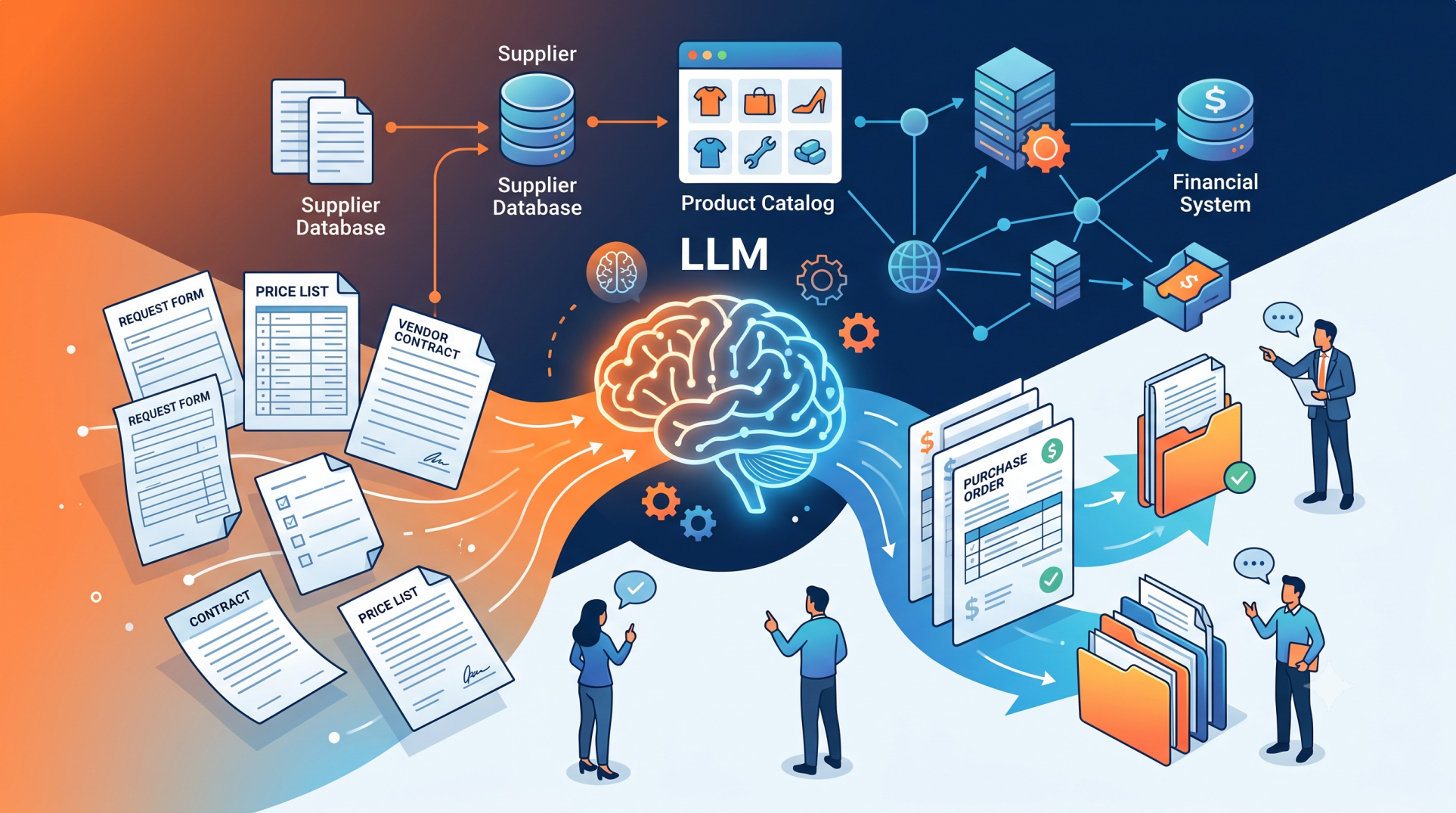
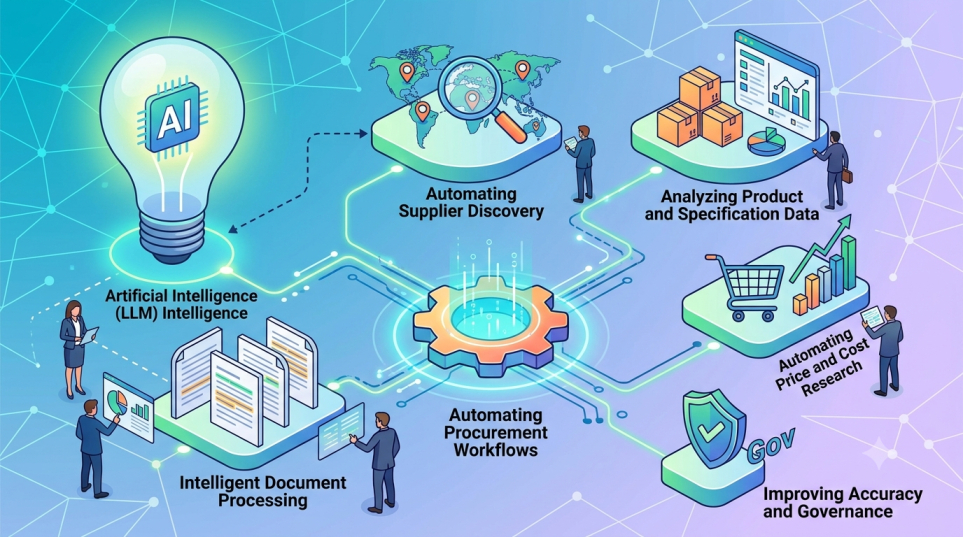
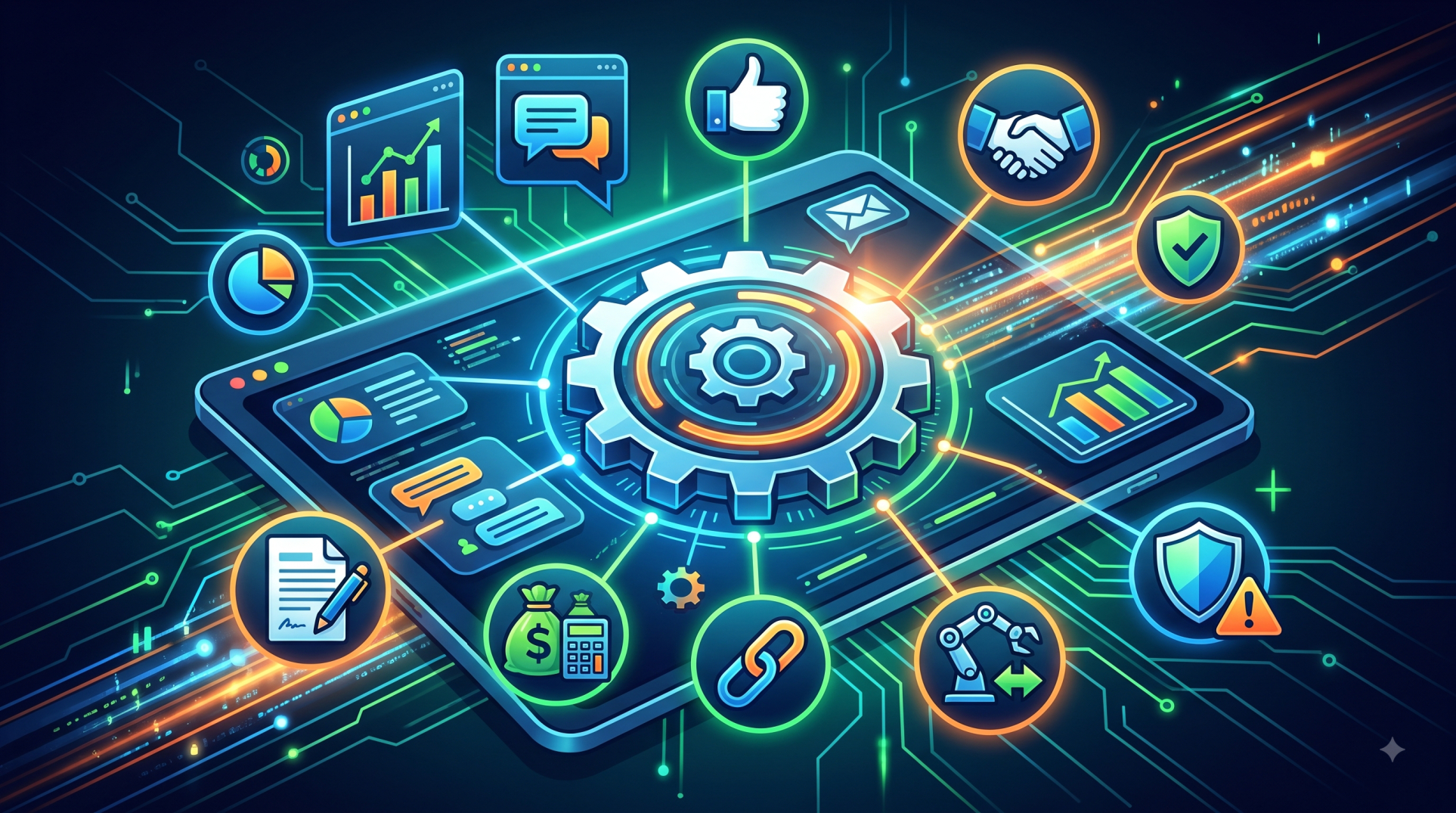
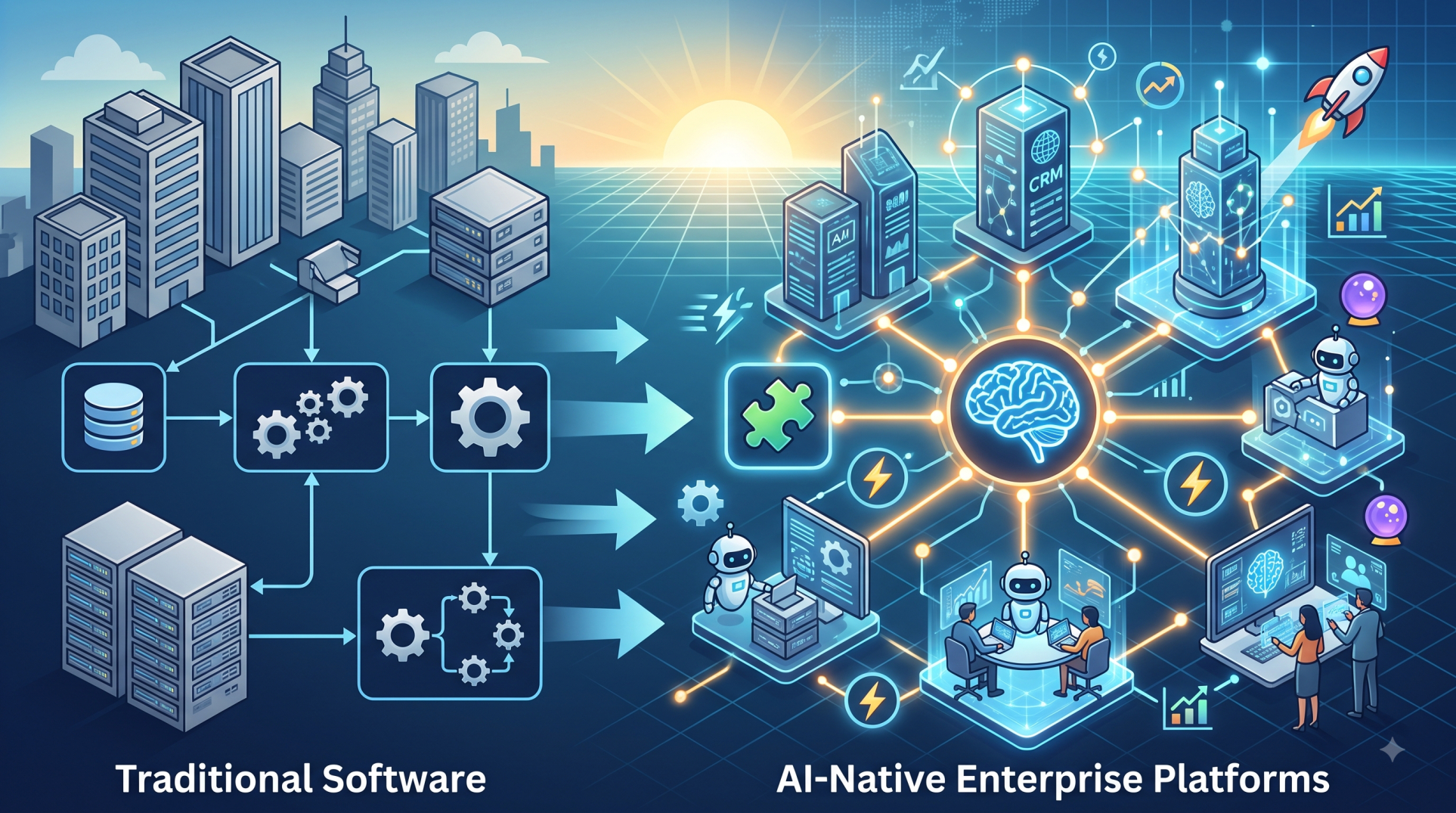
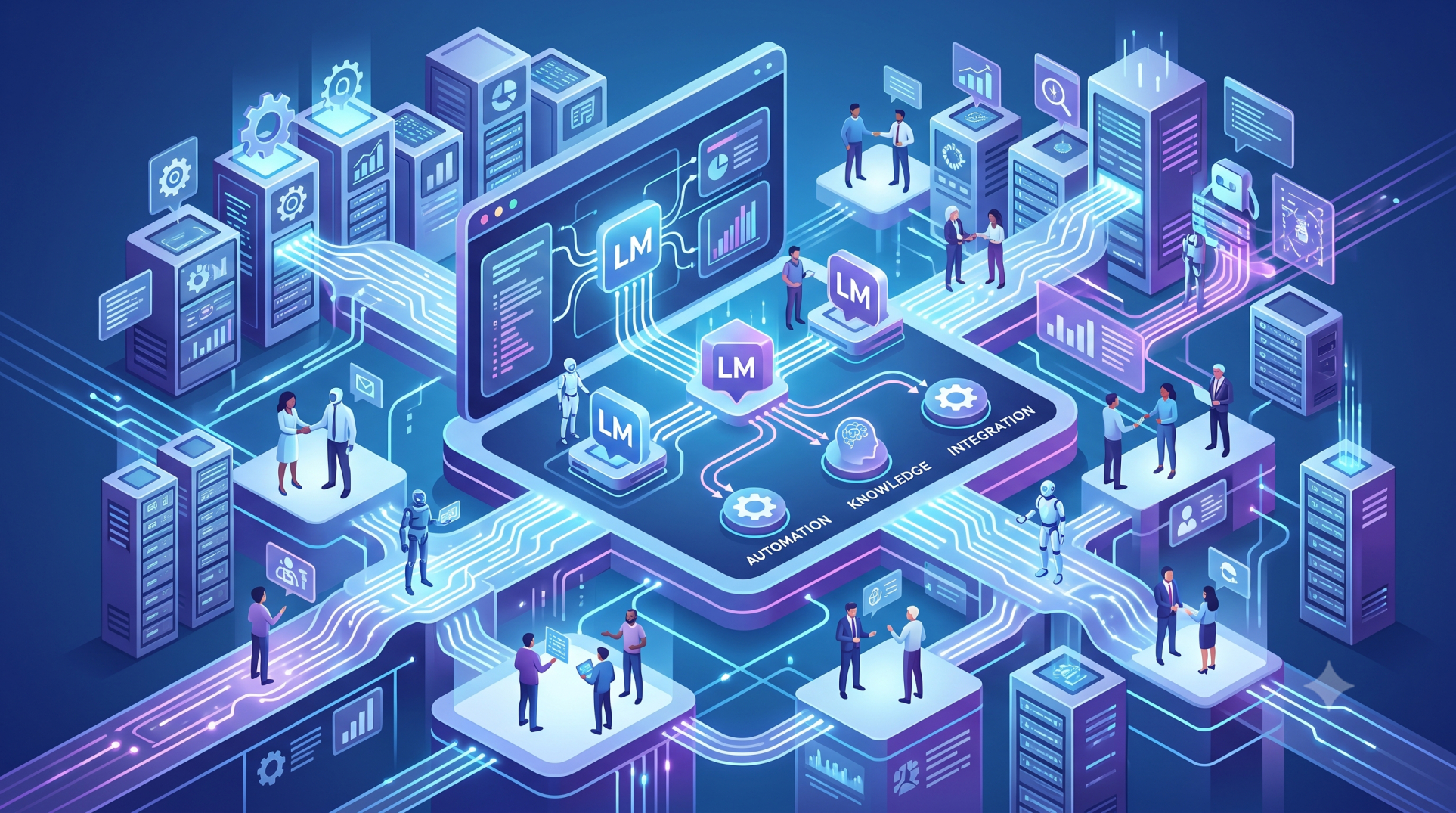
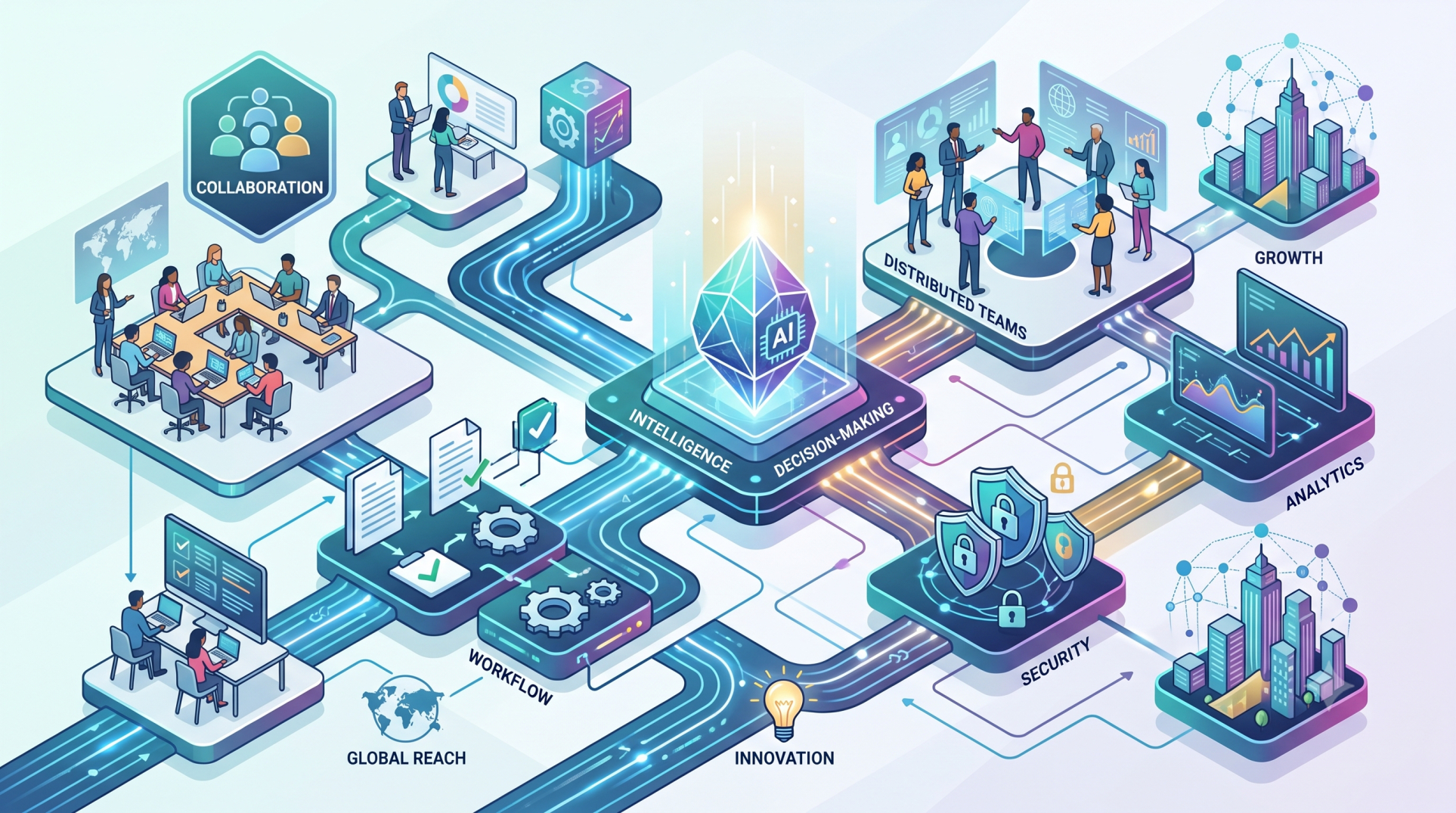
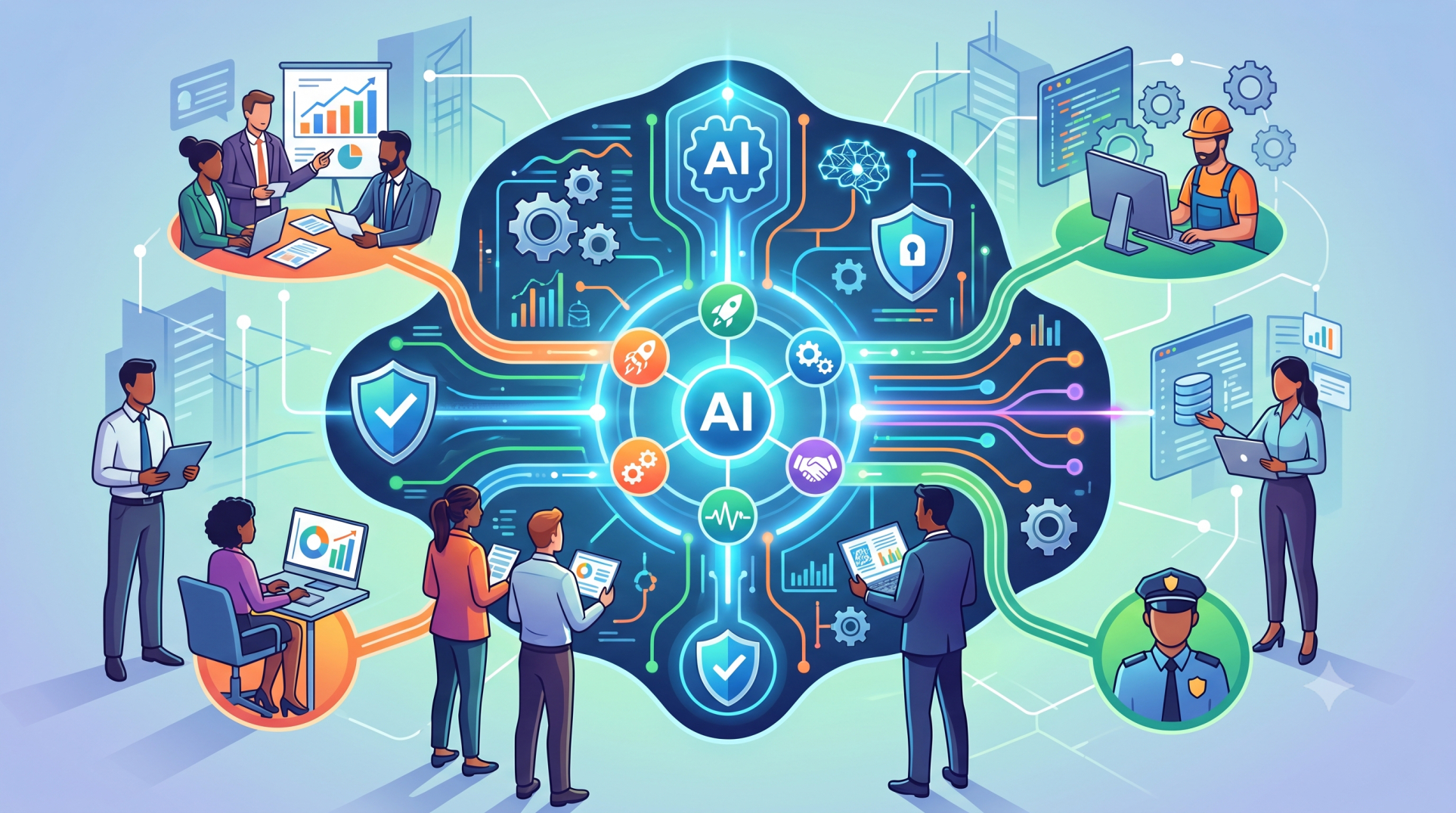
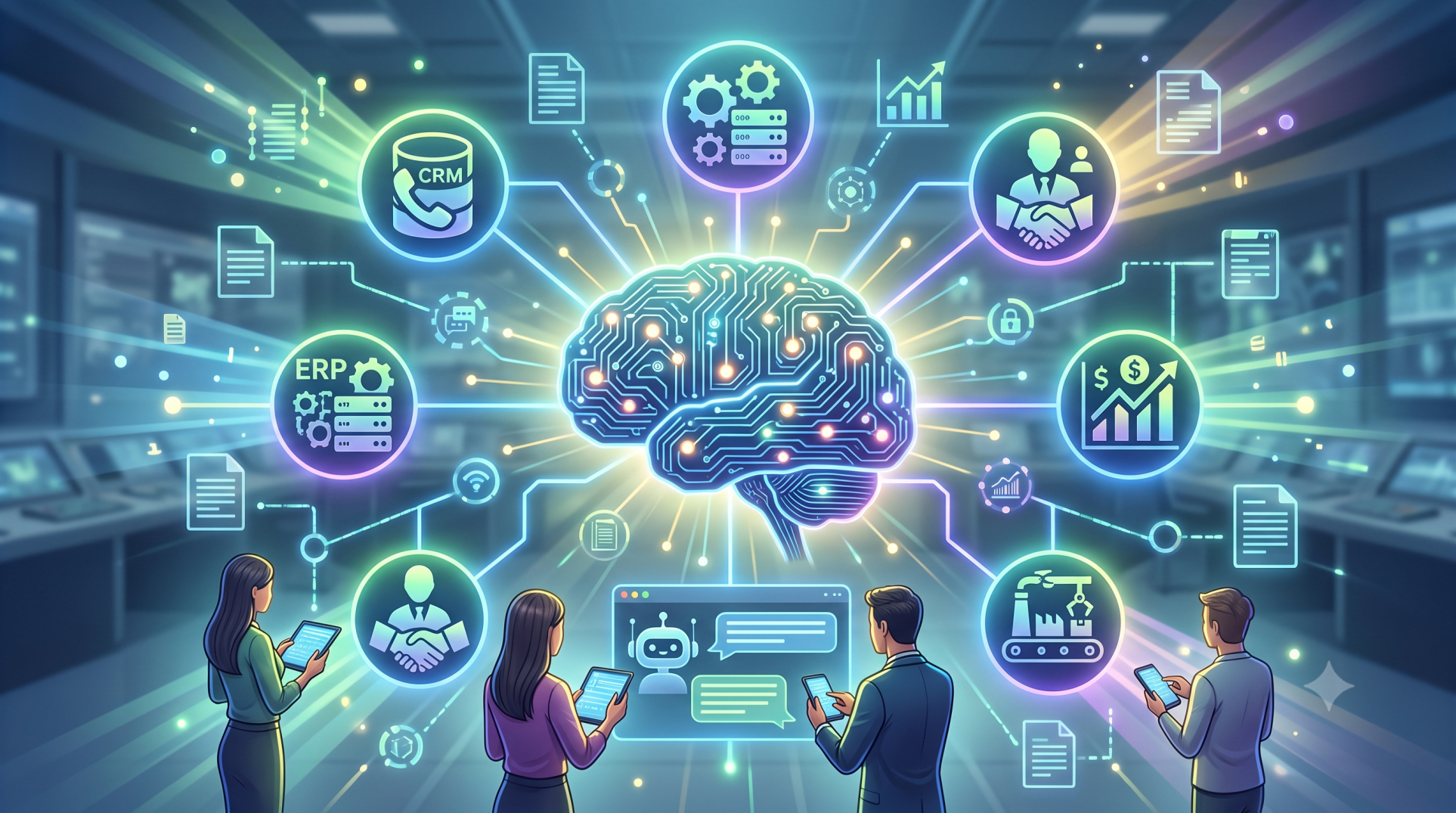
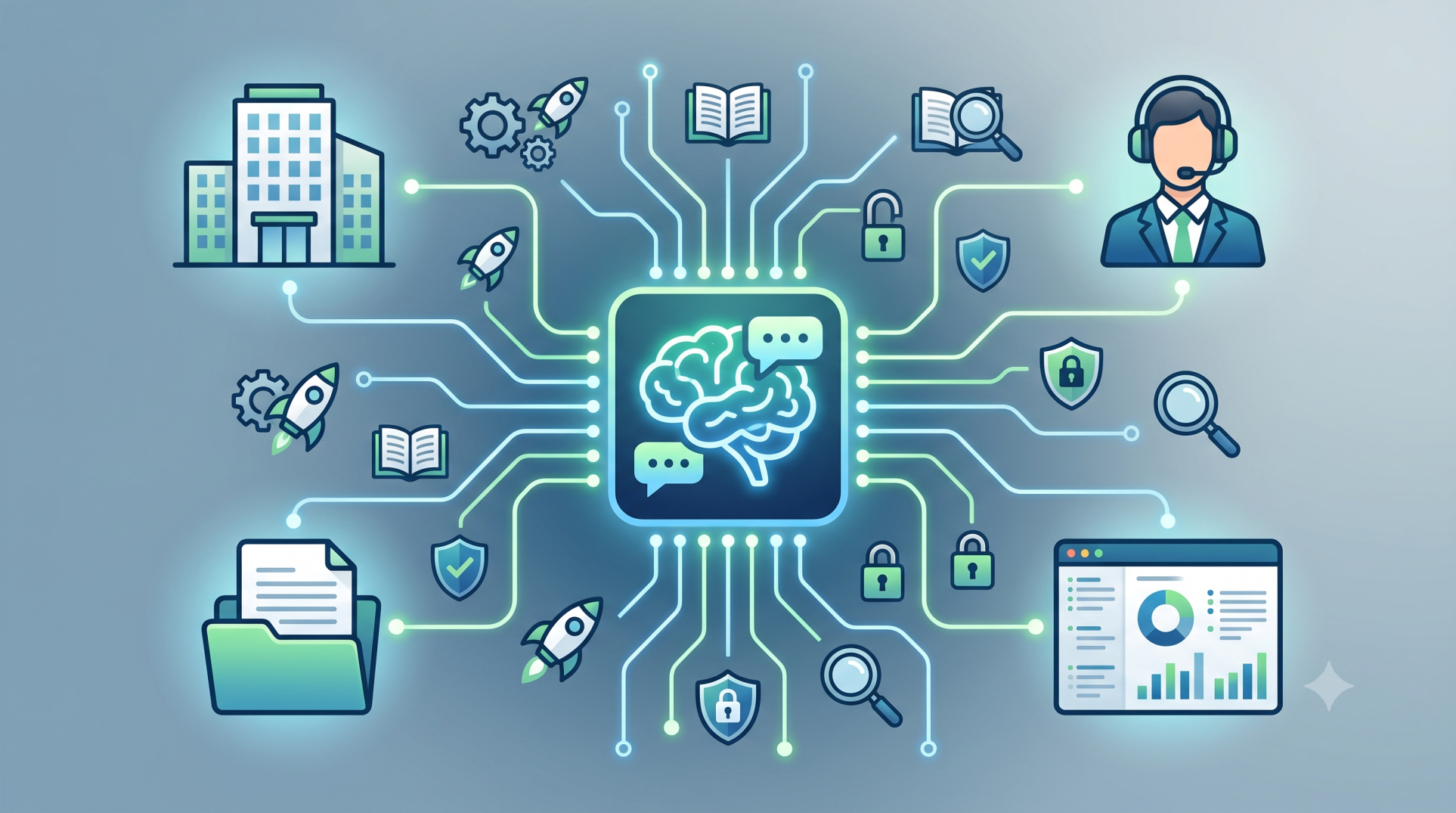
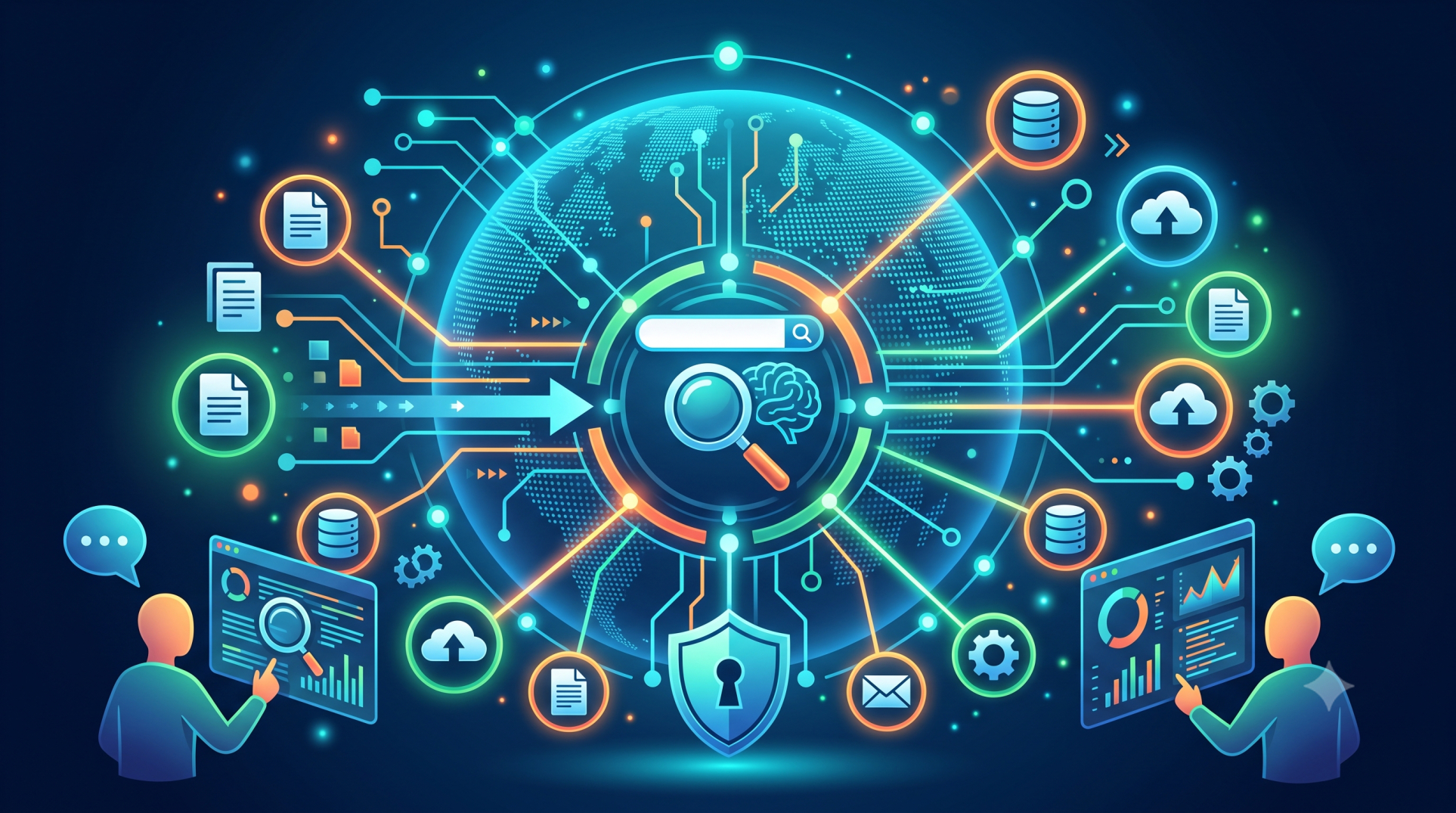
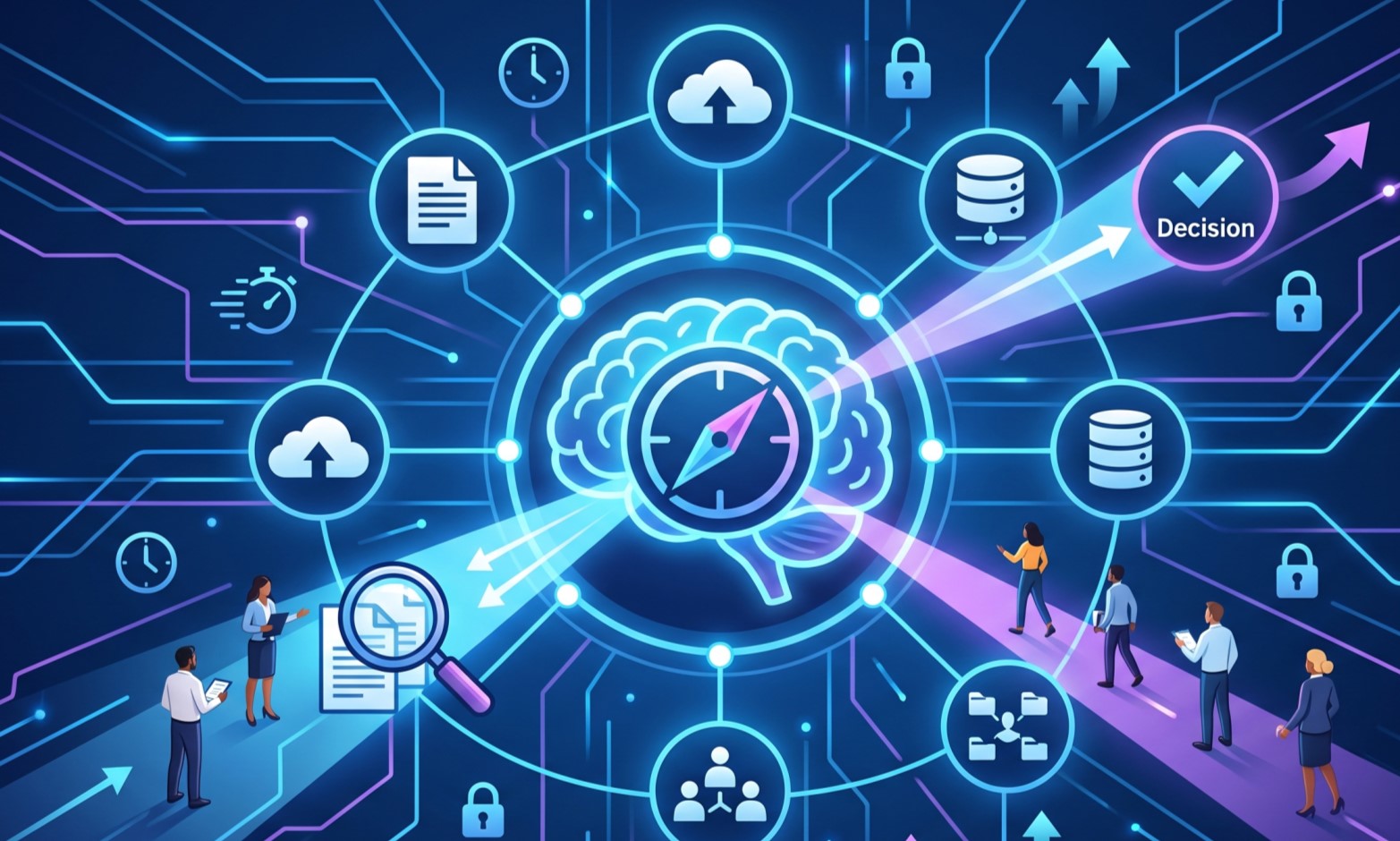
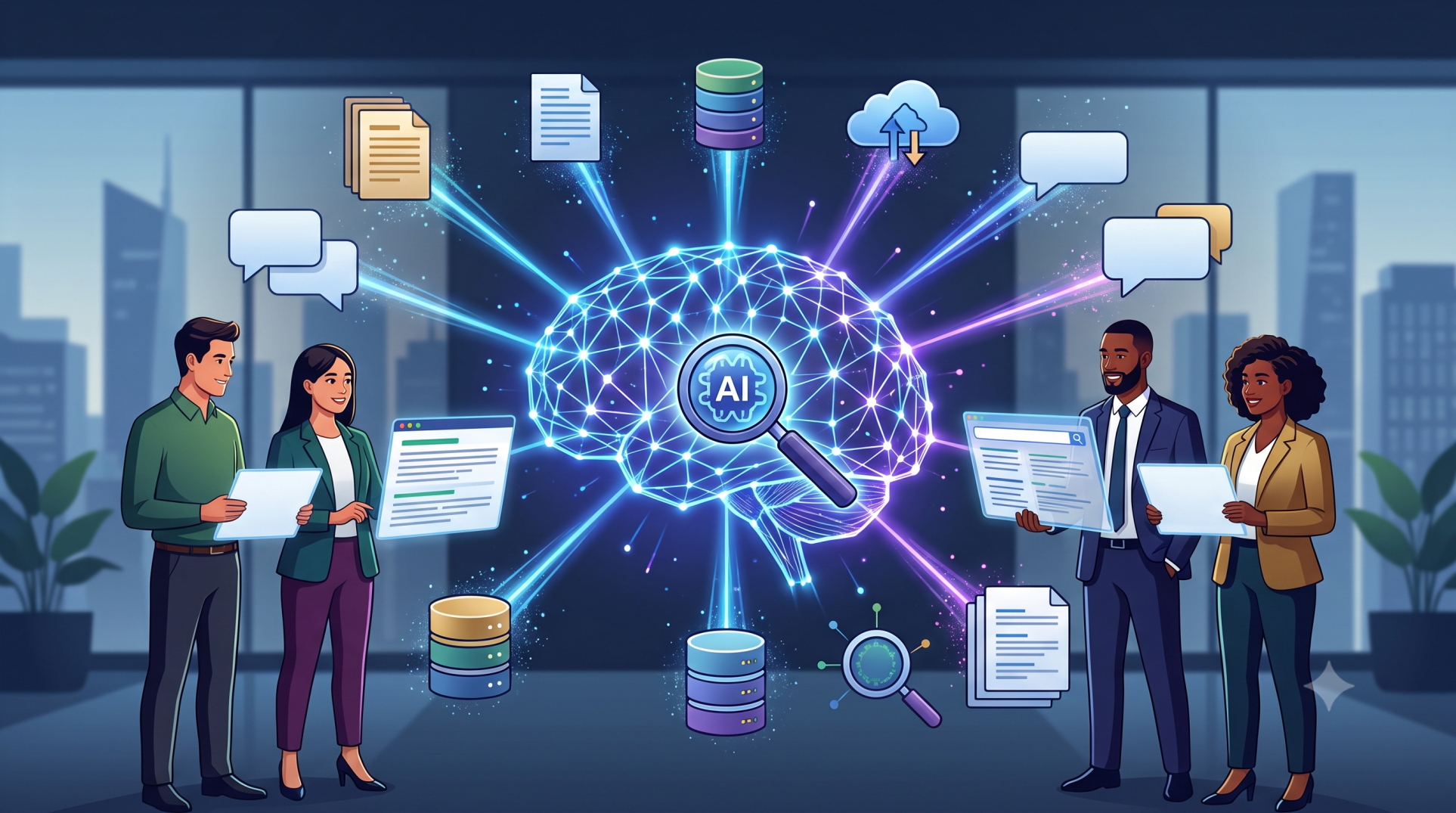
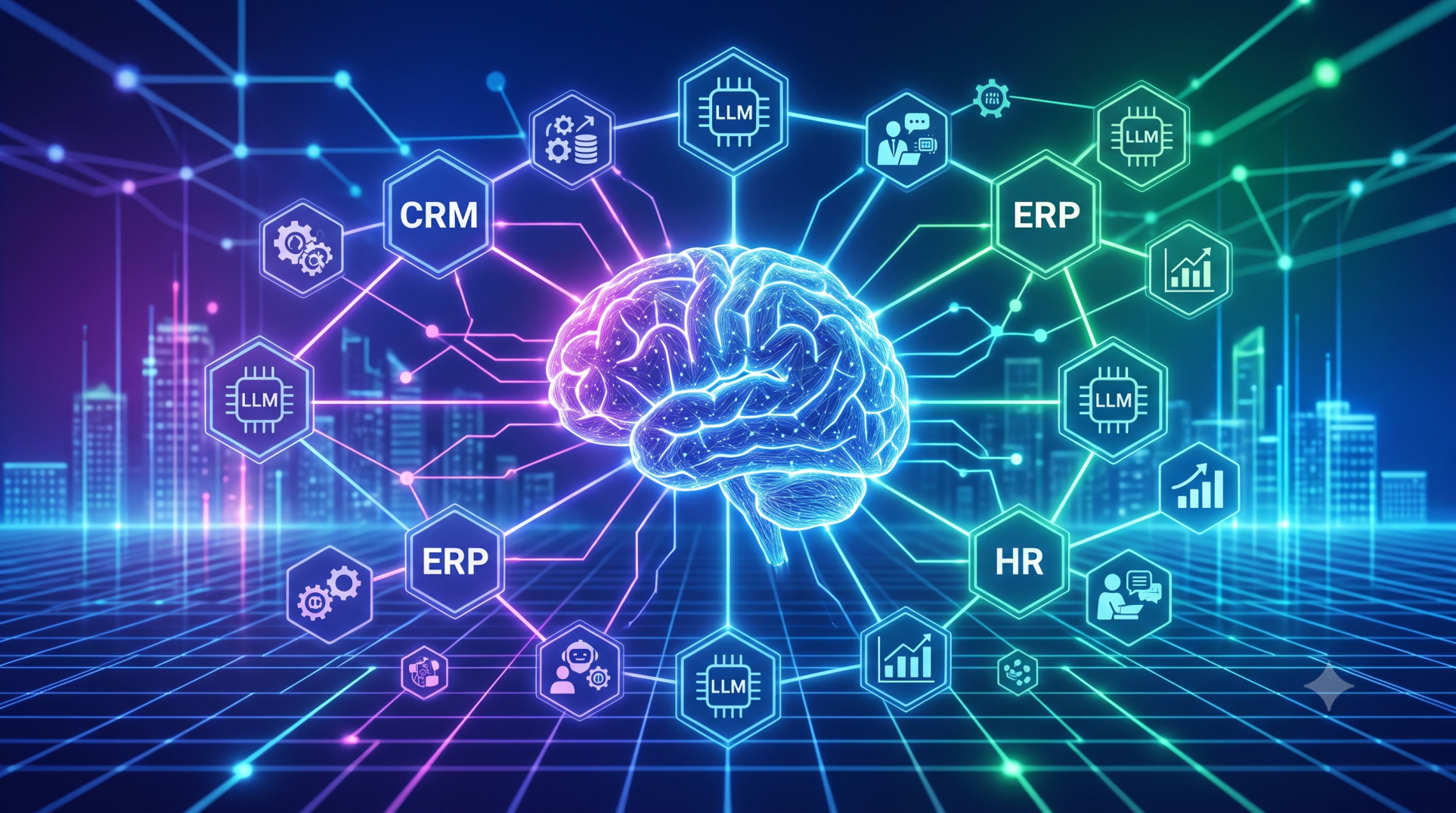
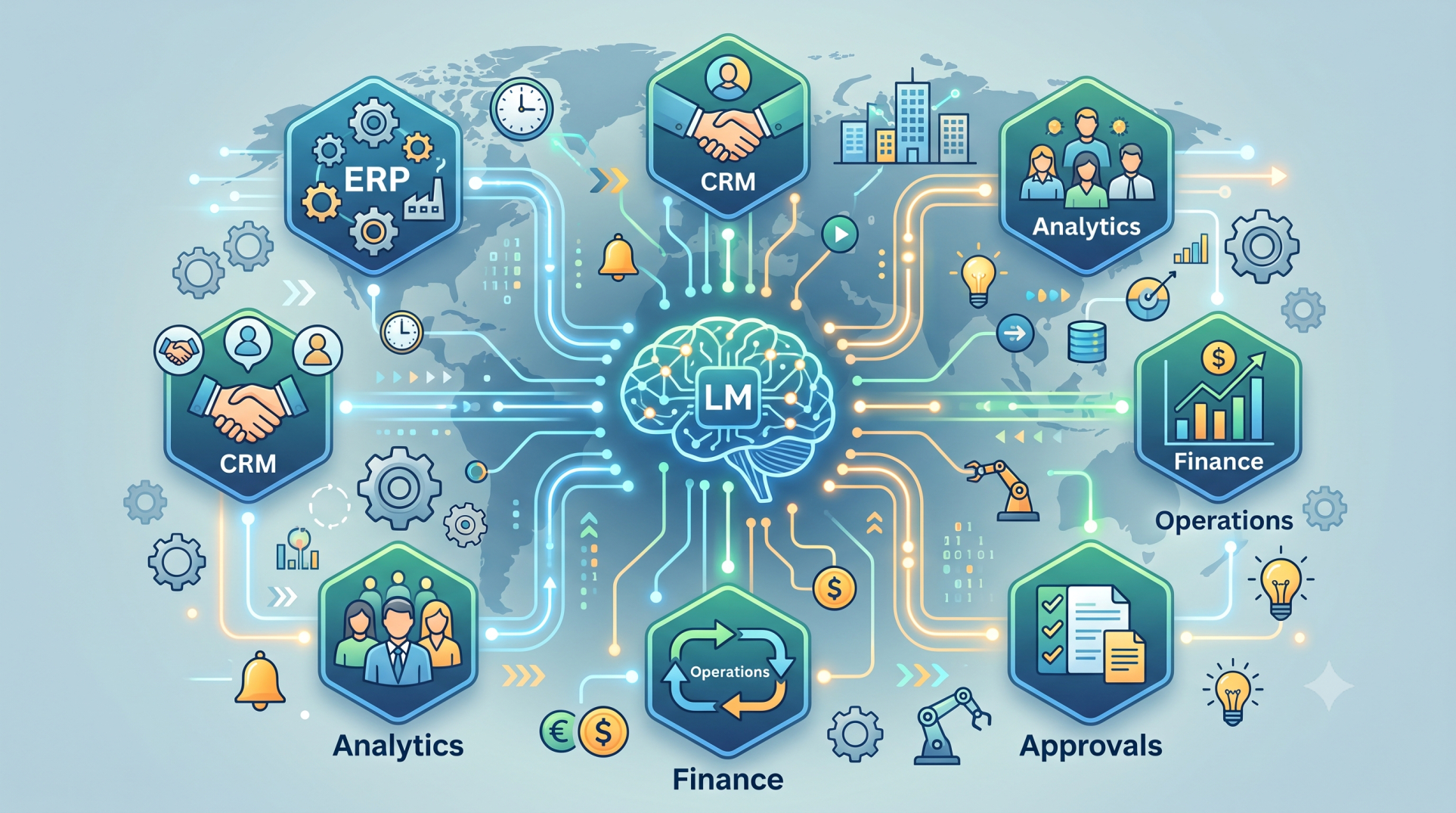
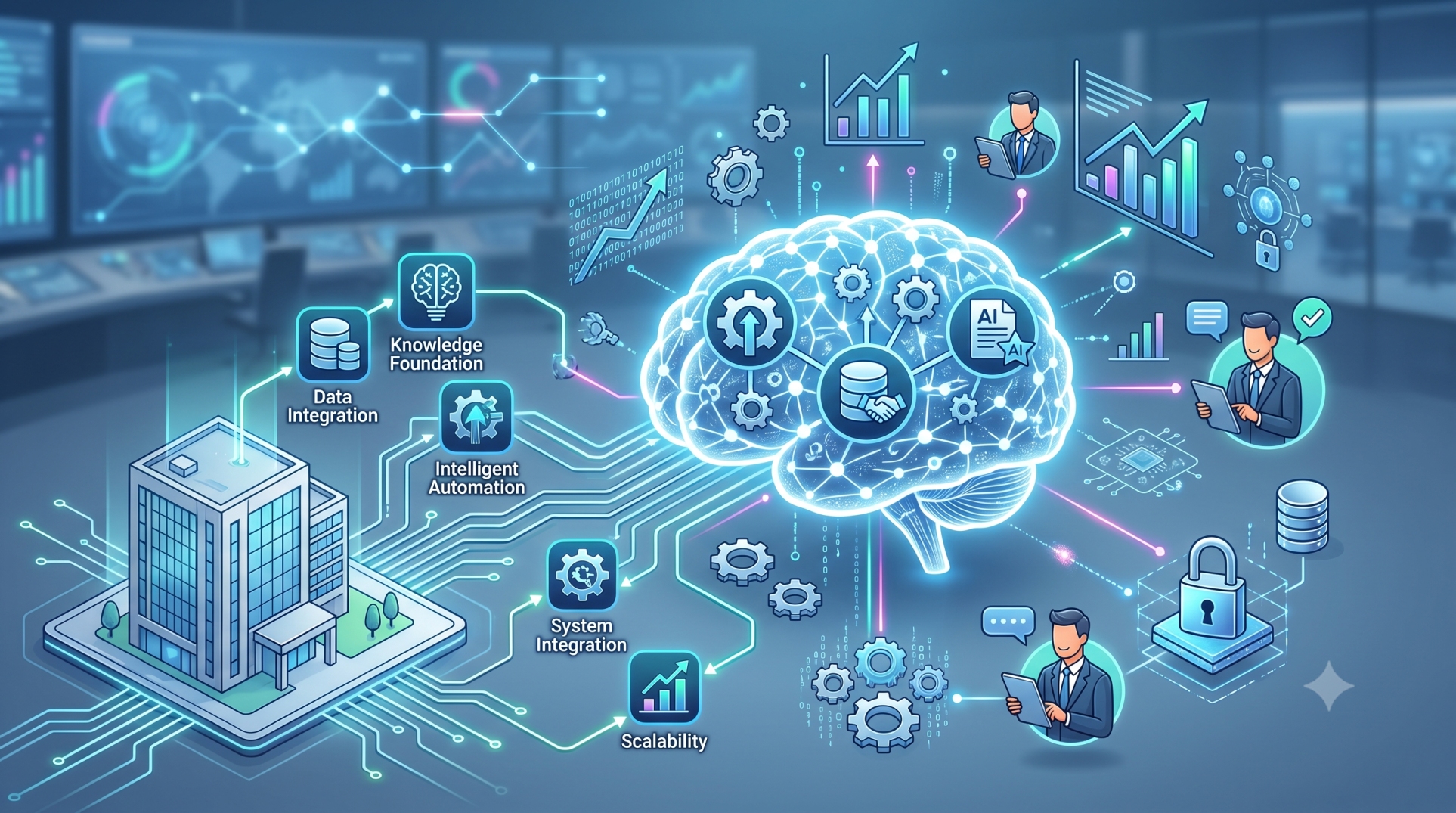
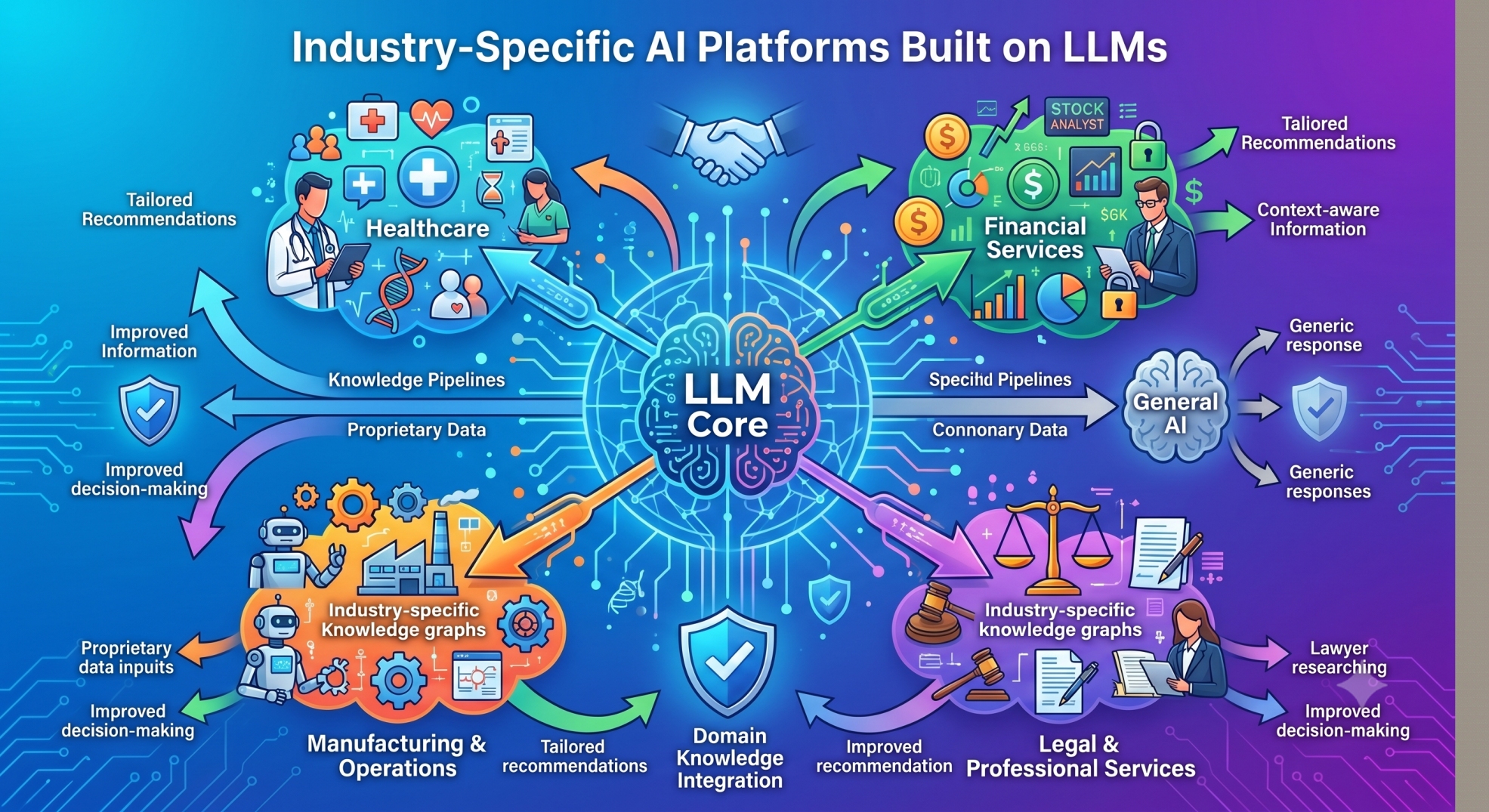
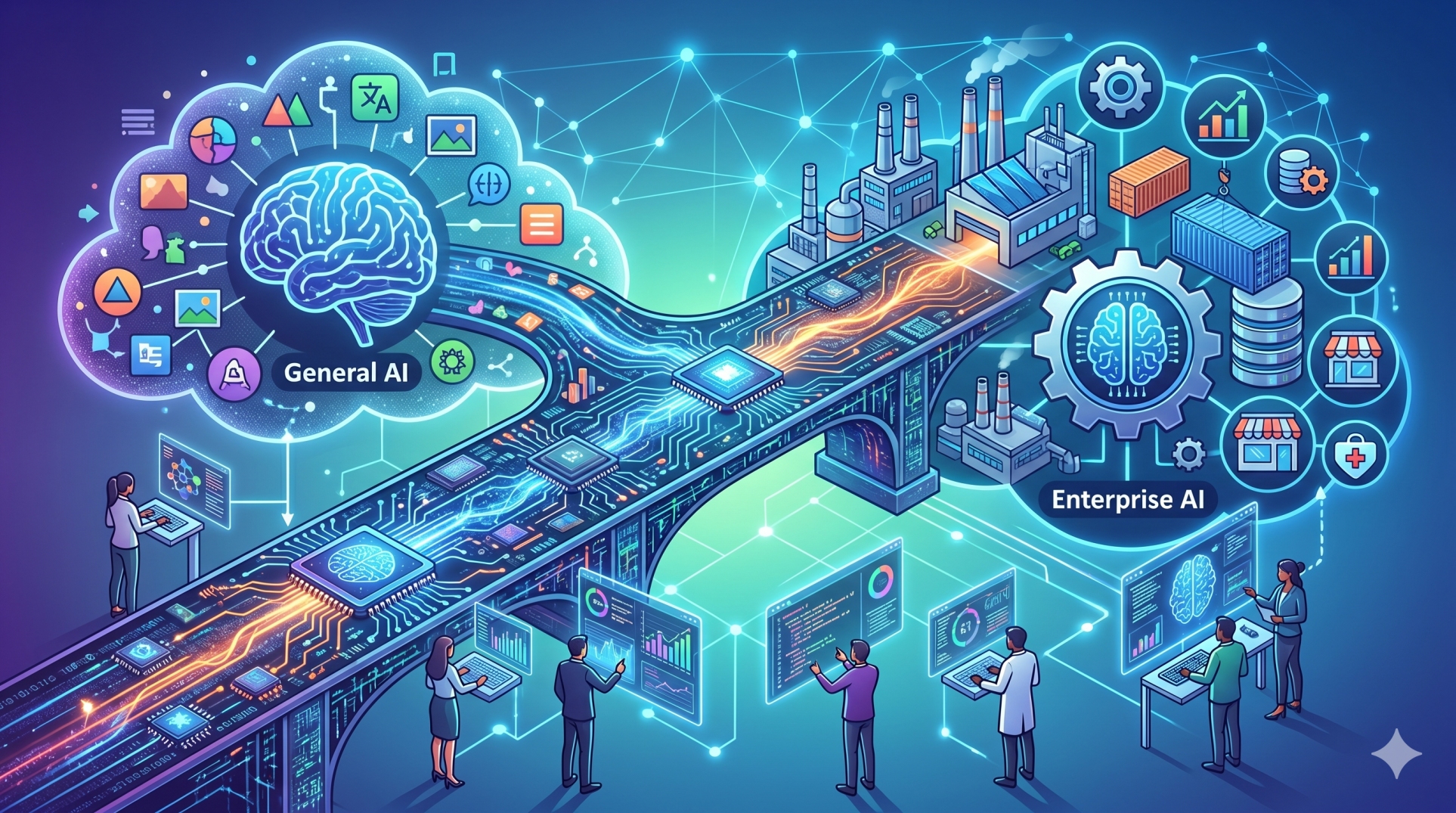
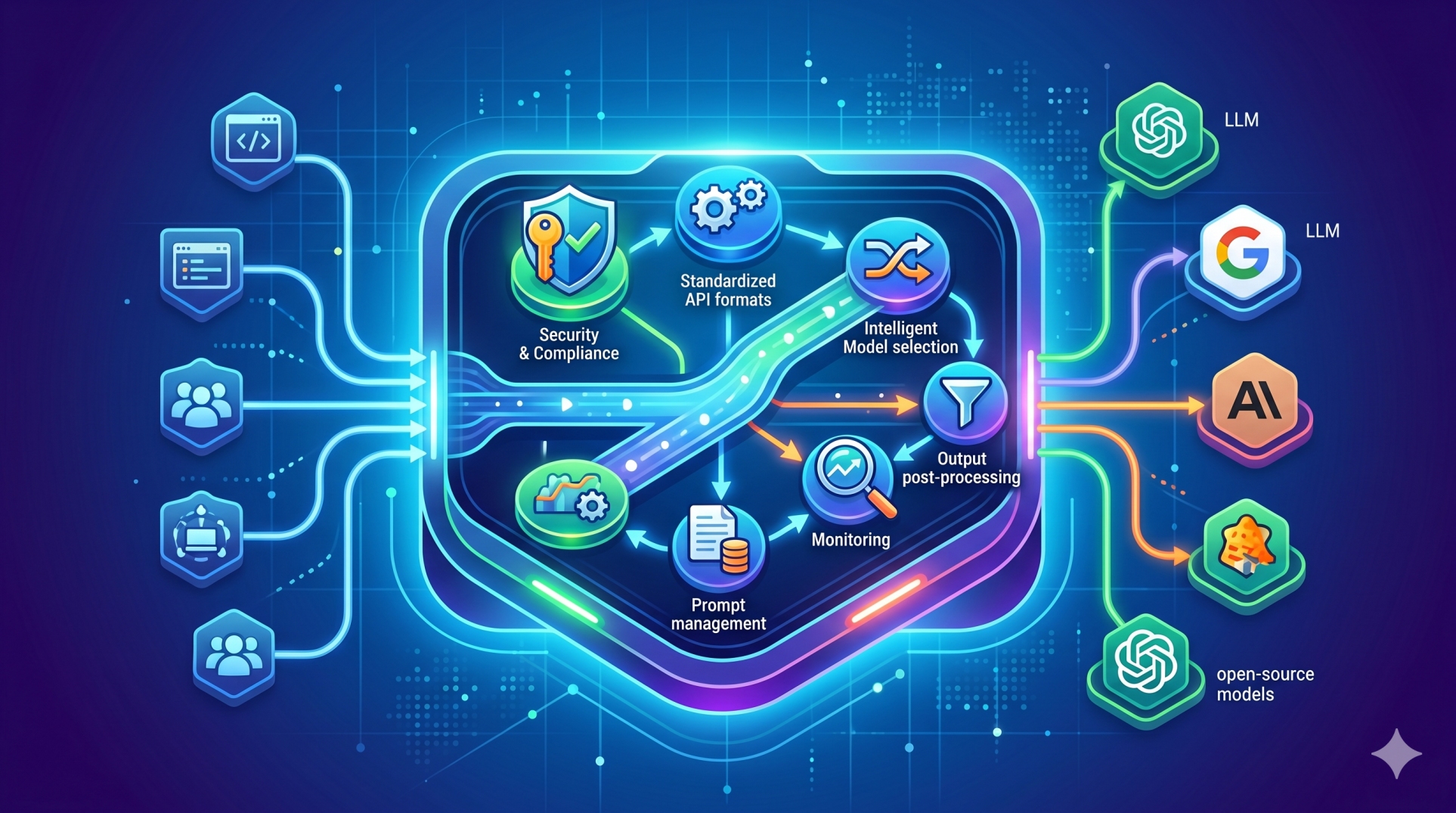
As organizations expand their use of artificial intelligence across departments, managing isolated AI tools becomes increasingly challenging. A unified AI operating model built with LLM software enables businesses to standardize AI workflows, centralize knowledge, and integrate intelligent automation into everyday operations. By connecting language models with business systems, organizations can improve collaboration, accelerate decision-making, and scale AI adoption with confidence.
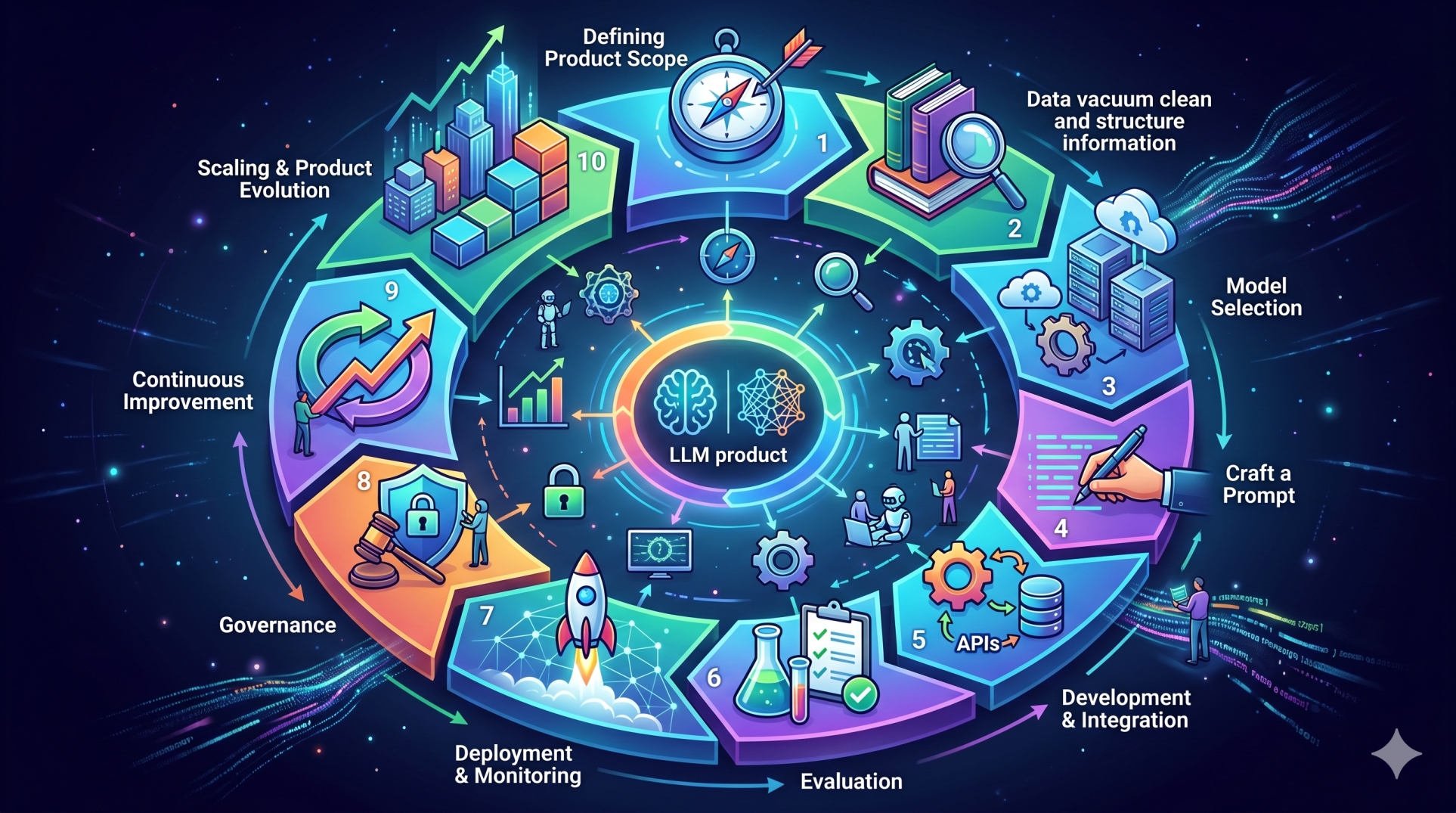
Step 1: Defining the AI Operating Model 🧠
• Establish a centralized framework for AI-powered business operations 📋
• Align AI initiatives with organizational objectives 🎯
• Define governance, responsibilities, and operational standards ⚖️
• Create consistent AI workflows across departments 🔄
• Build a foundation for scalable AI adoption 🚀
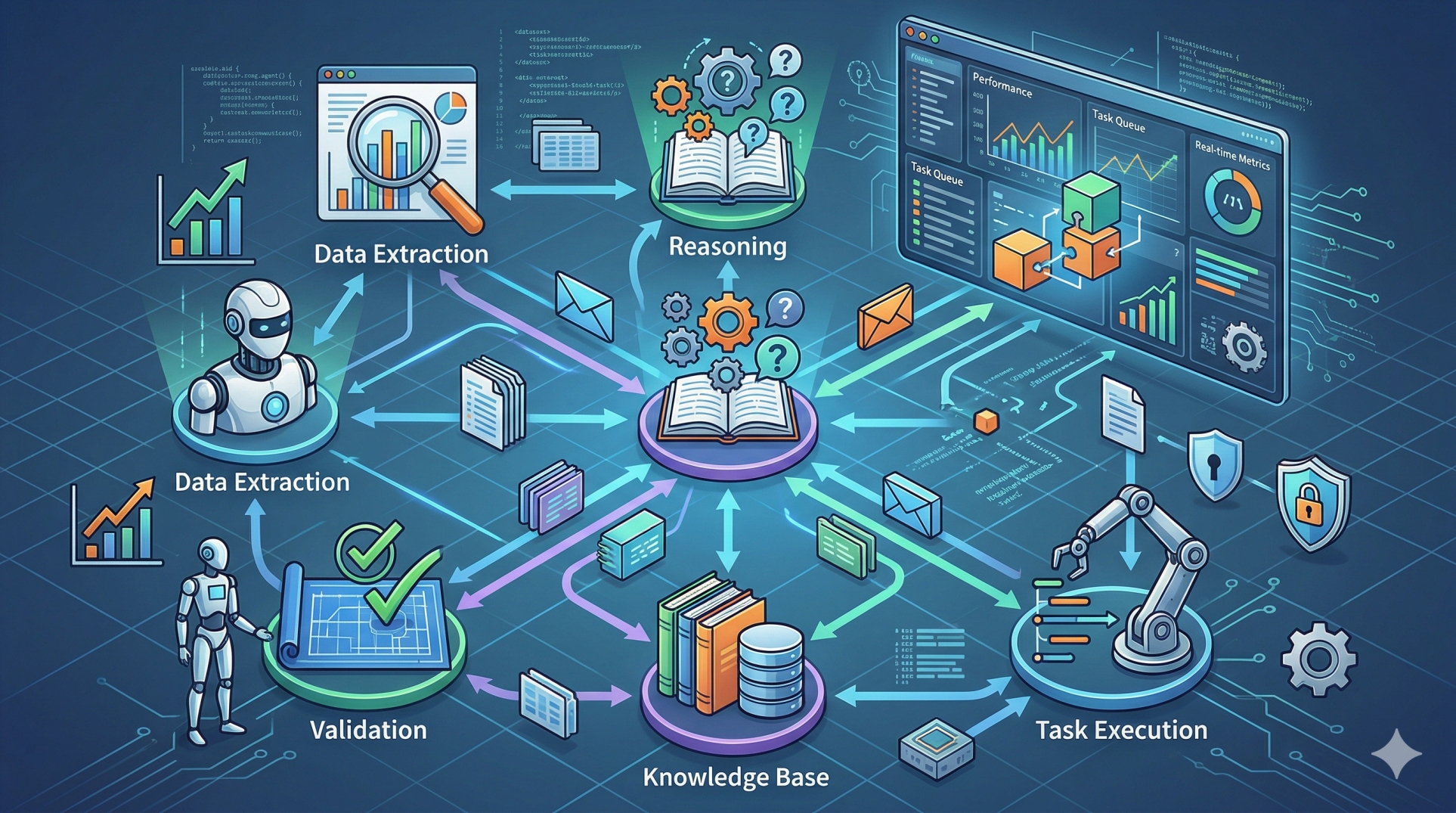
Step 2: Connecting Enterprise Data Sources 🔗
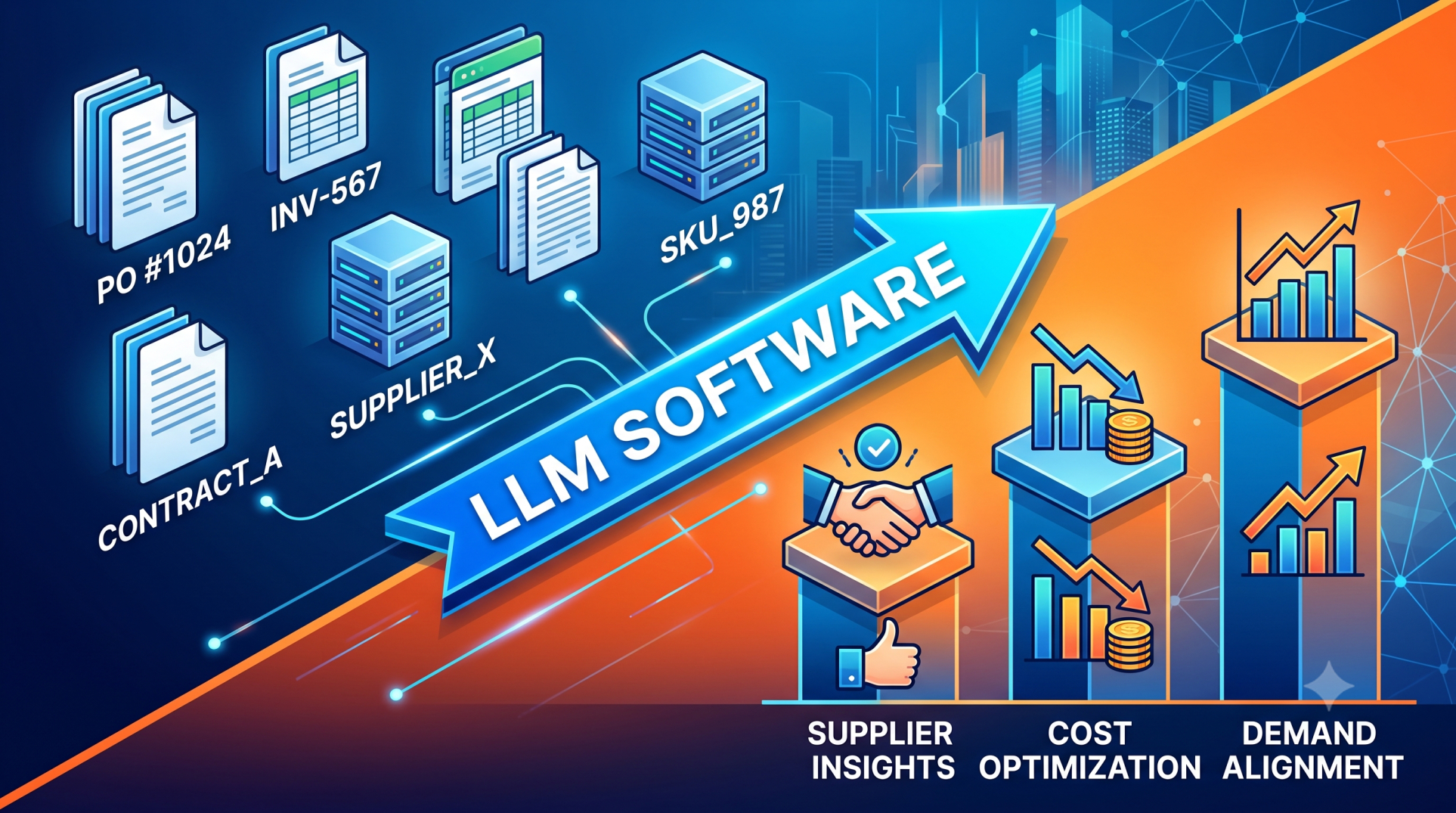
• Integrate business applications, databases, and knowledge repositories 📂
• Consolidate structured and unstructured information 🌐
• Enable secure access to enterprise knowledge 🔐
• Maintain consistent and reliable data across systems 📊
• Improve context for AI-generated responses 💡
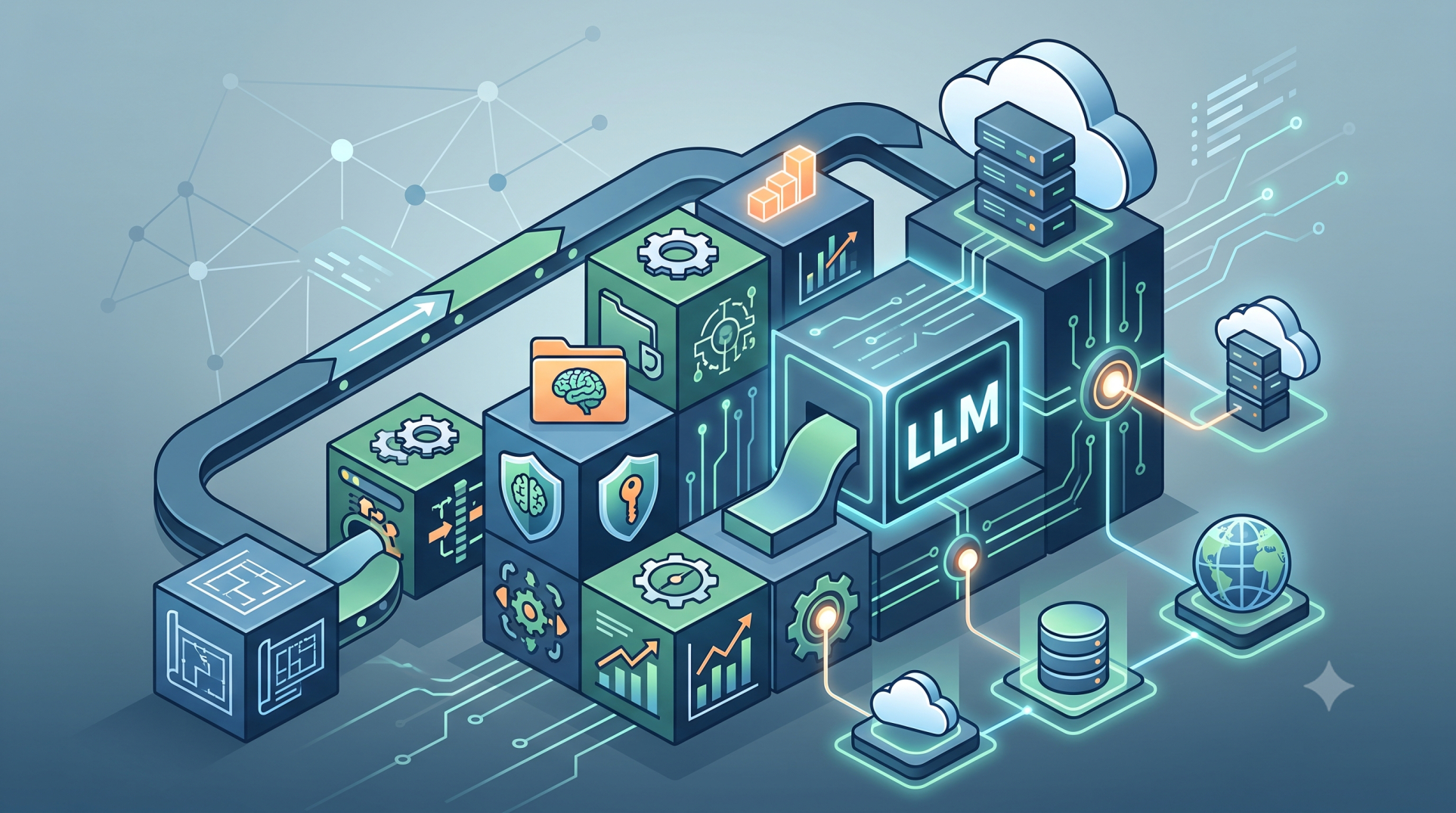
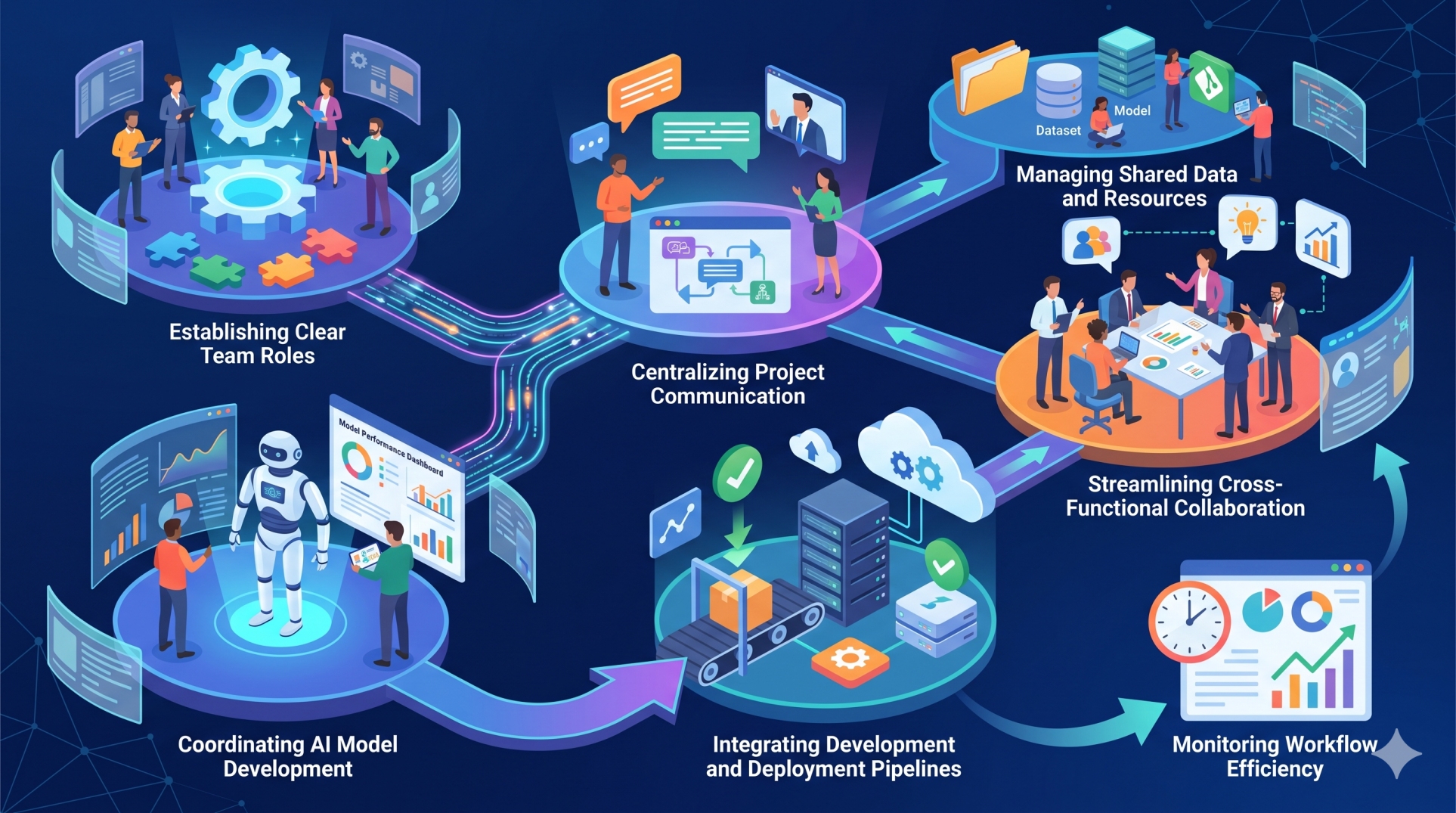
Step 3: Integrating LLM Software into Business Workflows ⚙️
• Embed AI capabilities into daily operational processes 🤖
• Automate repetitive tasks and information retrieval 📄
• Support employees with intelligent assistance 🧑💼
• Improve collaboration between teams through shared AI services 🤝
• Streamline workflow execution with contextual automation 🚀
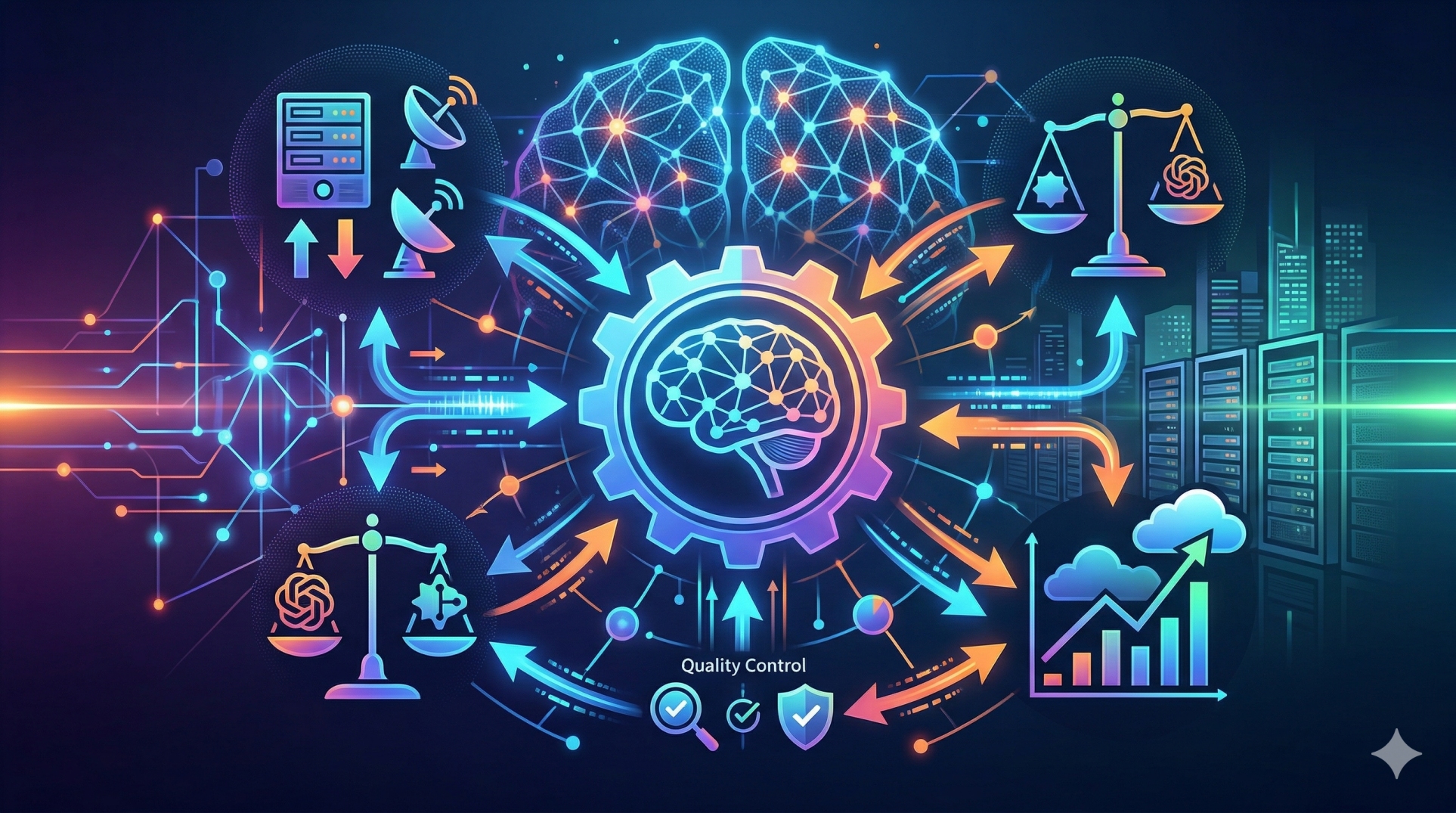
Step 4: Standardizing AI Decision Processes 📈
• Create consistent prompts and operational guidelines 📝
• Define approval workflows for AI-assisted decisions ✅
• Reduce variability in AI-generated outputs ⚖️
• Improve transparency across business functions 👀
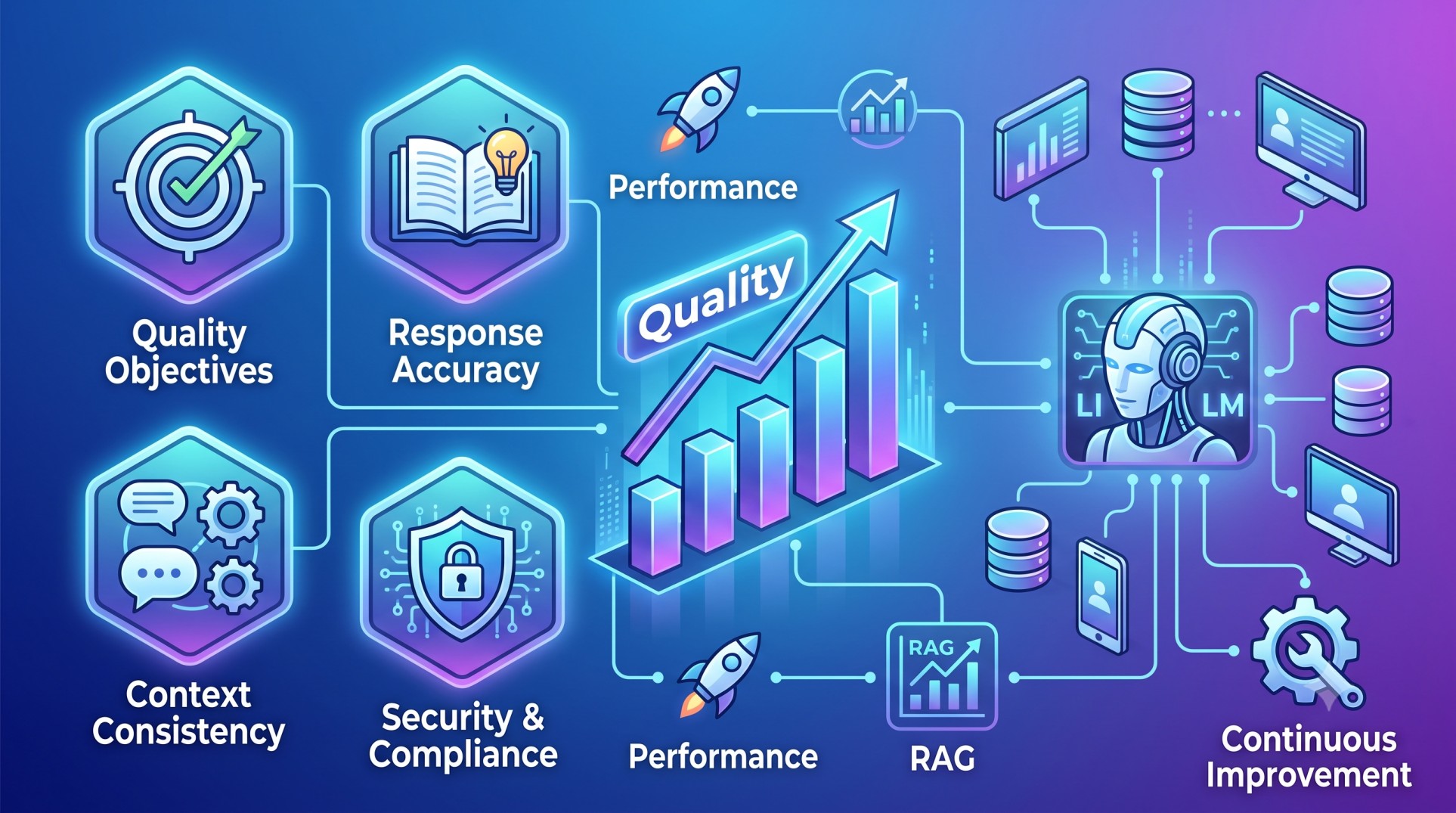
• Maintain consistent operational quality 📊
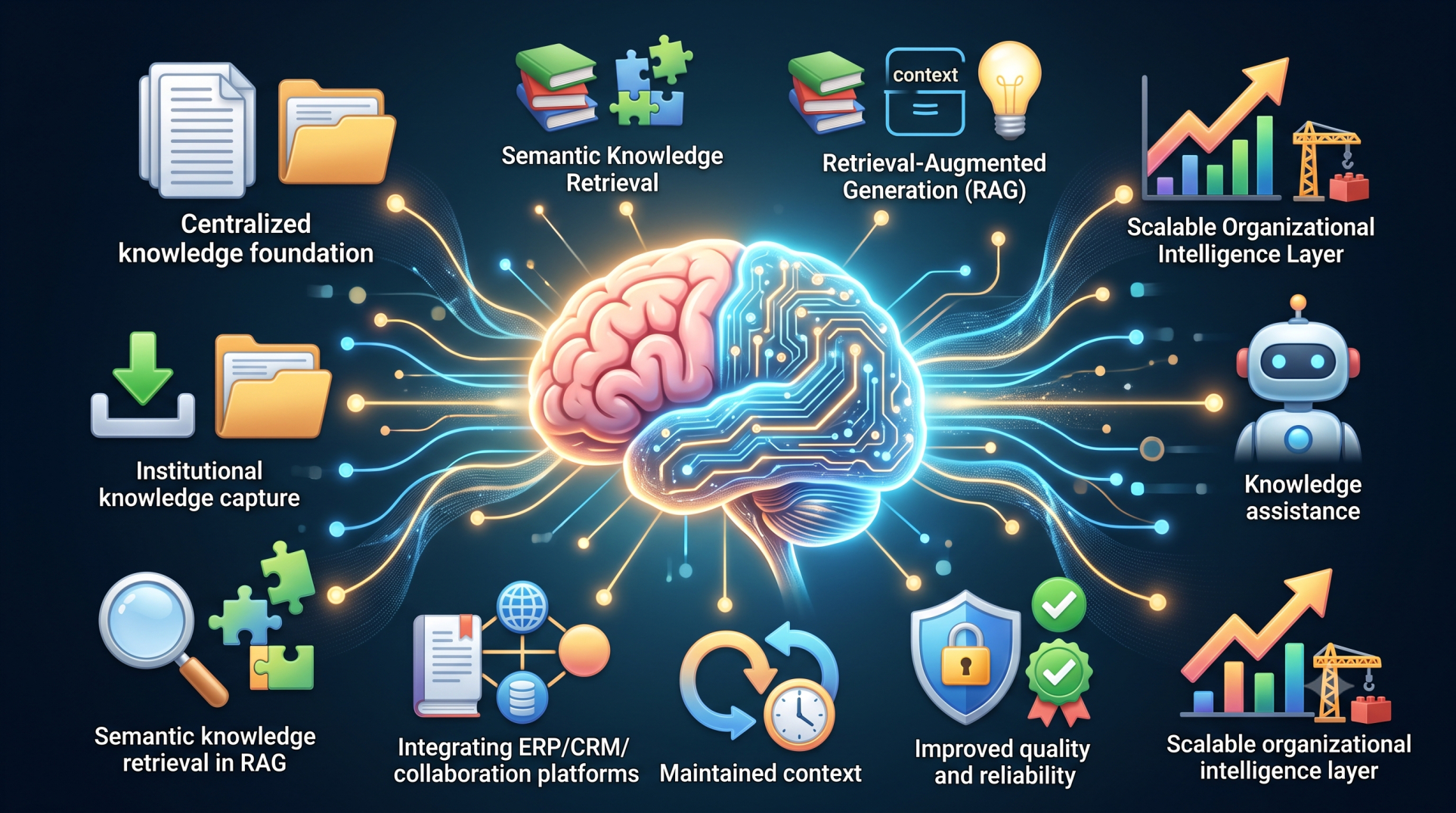
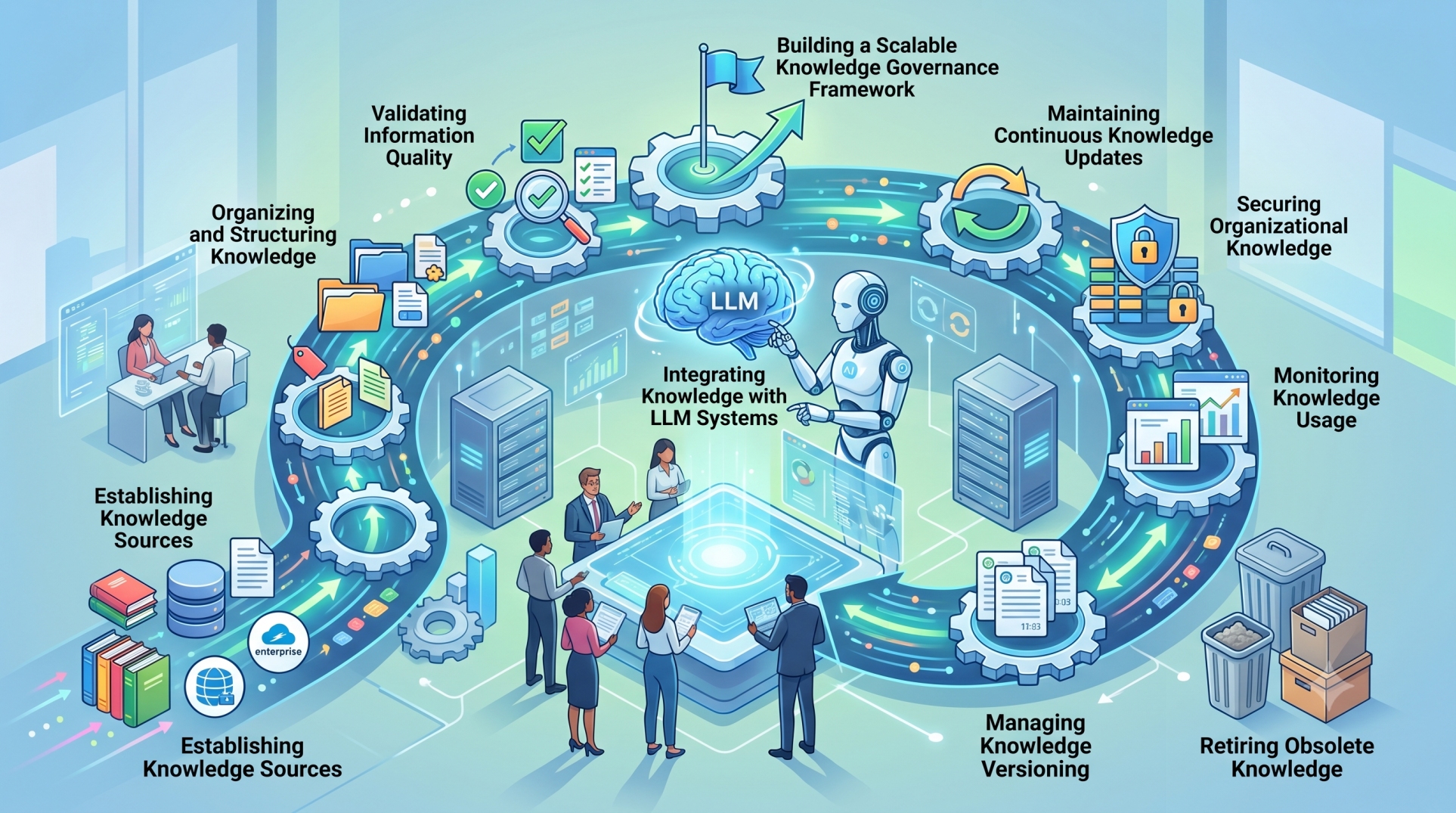
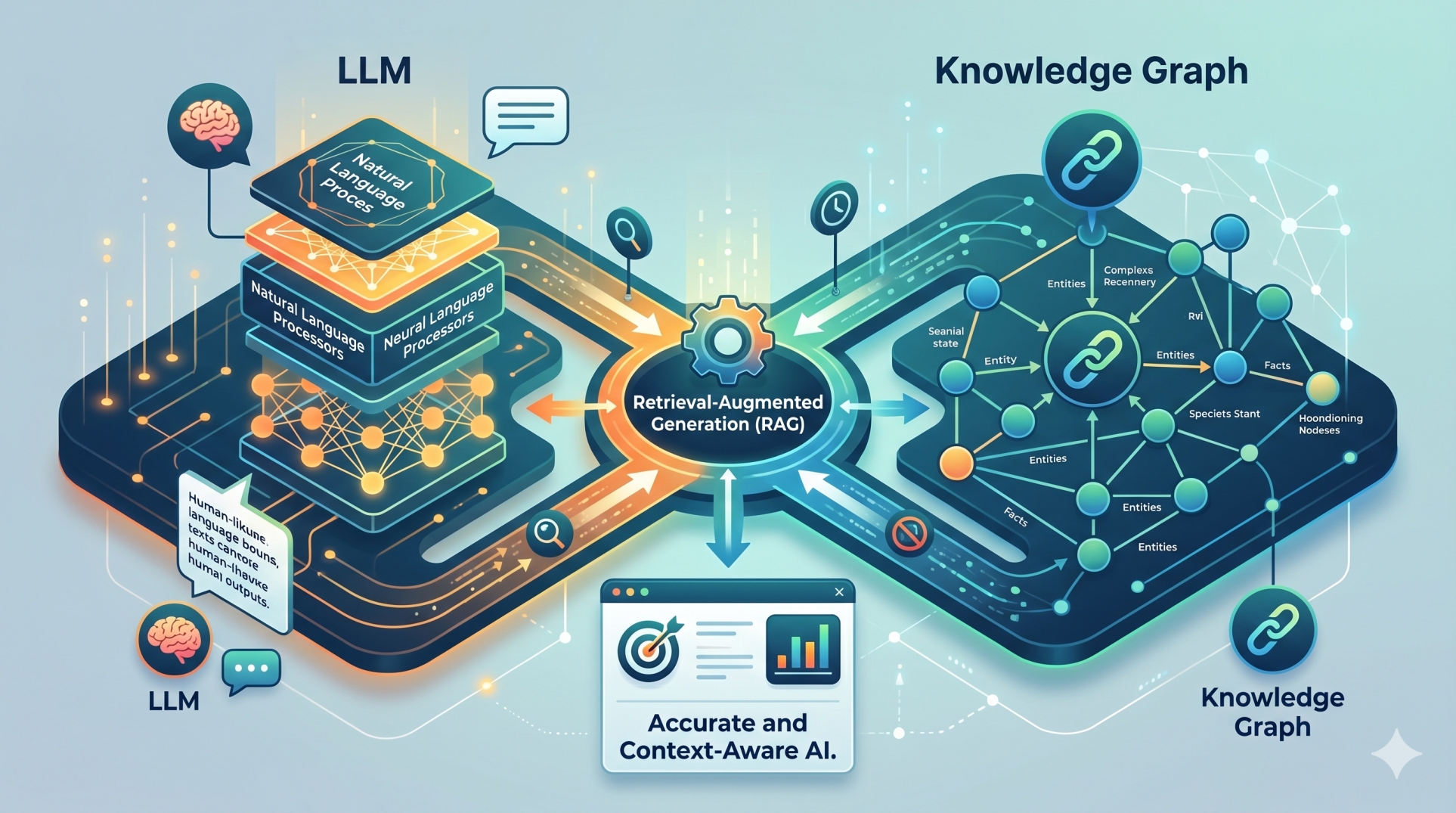
Step 5: Managing AI Knowledge Effectively 📚
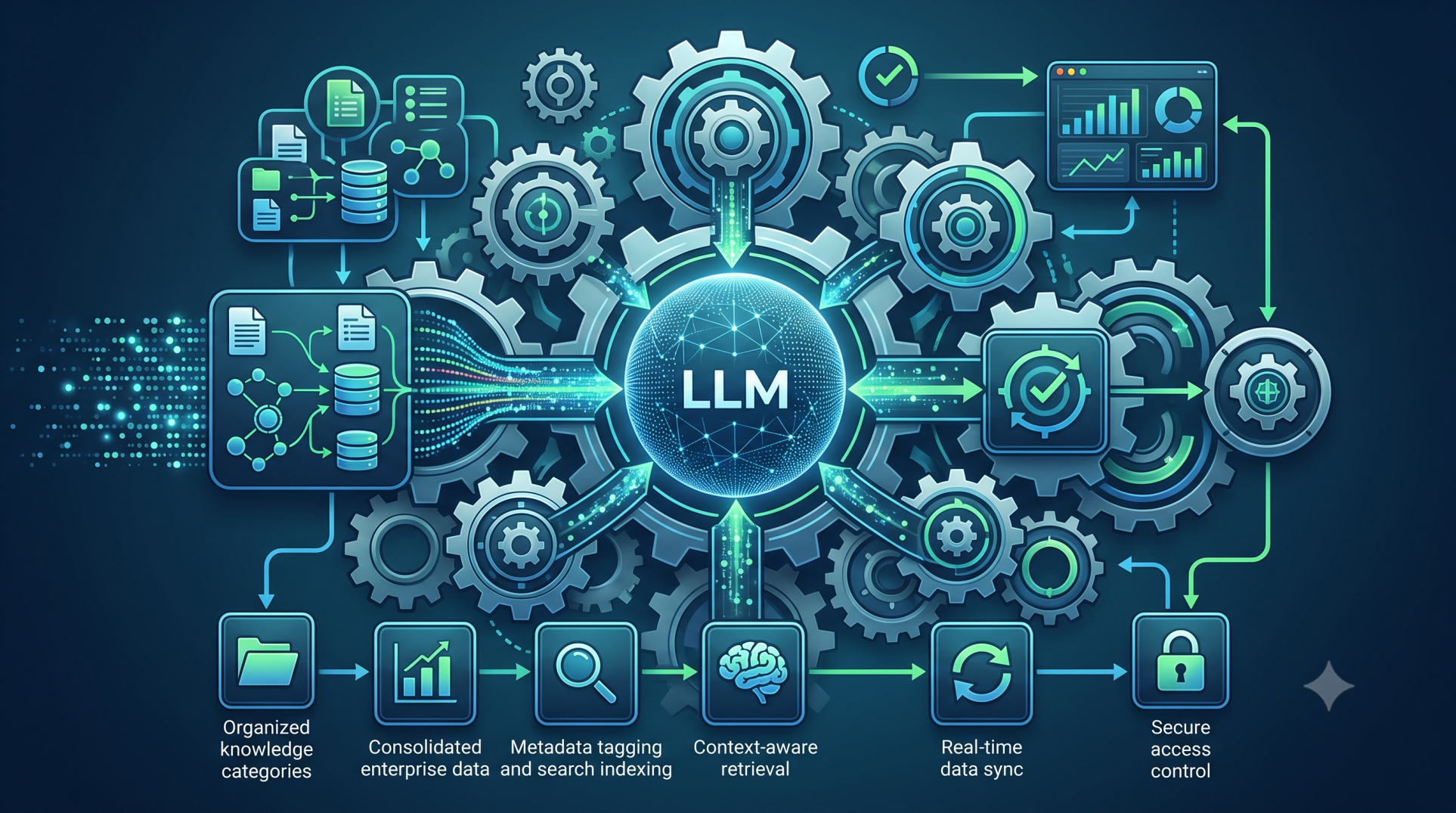
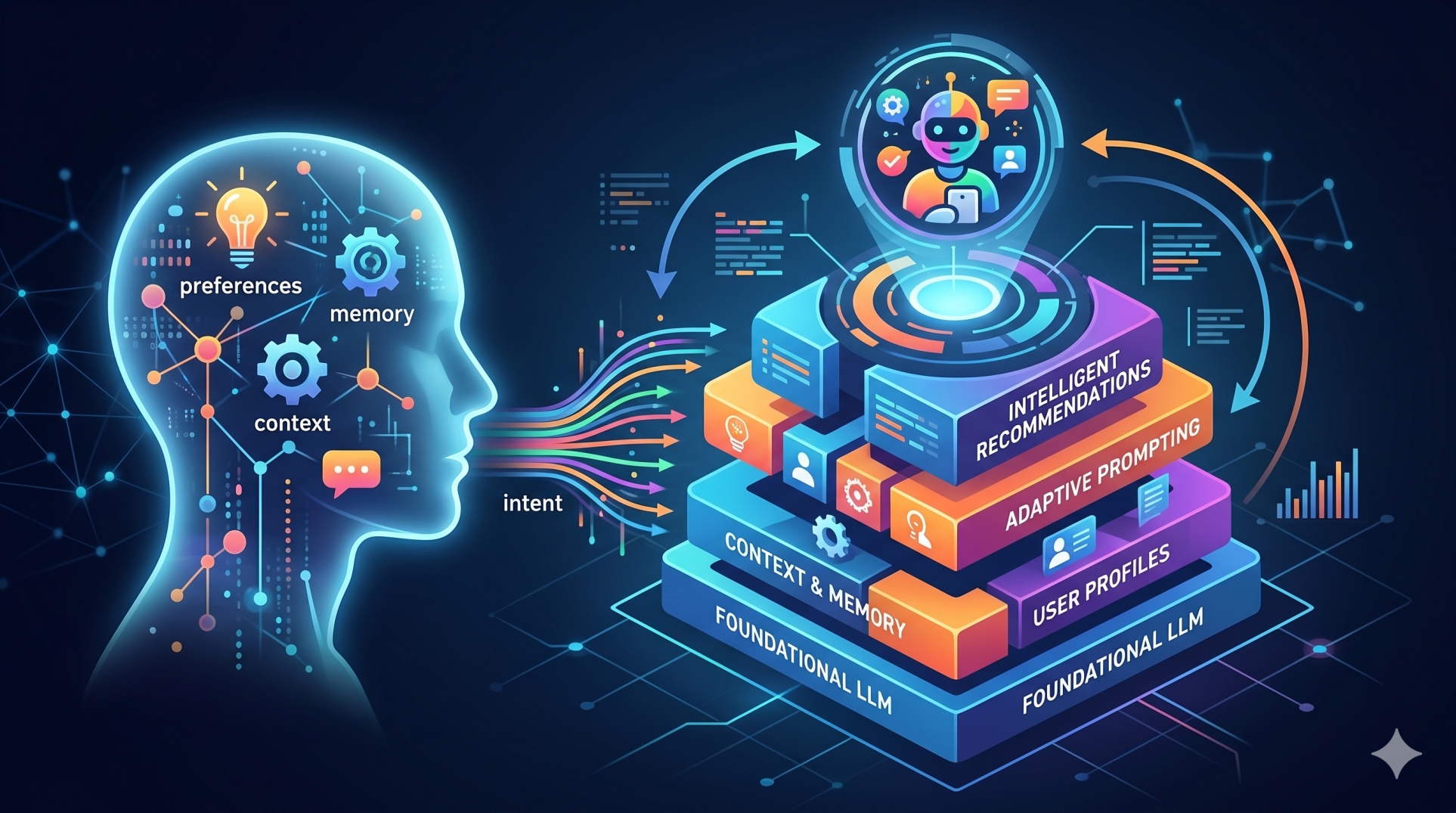
• Organize enterprise knowledge for efficient retrieval 🗂️
• Keep information accurate and up to date 🔄
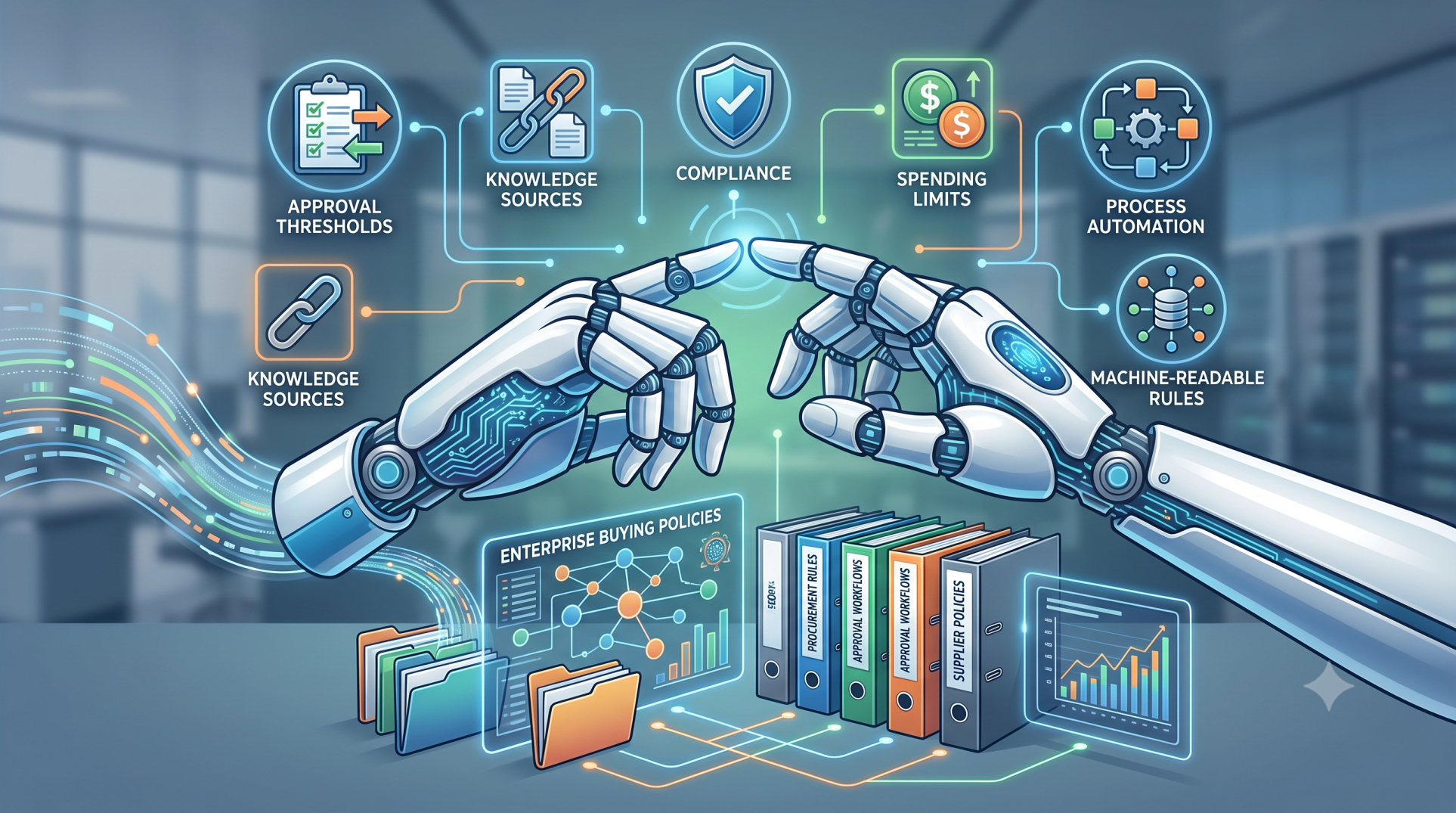
• Connect AI systems with internal documentation and policies 📑
• Support contextual understanding across business domains 🌍
• Enable reliable knowledge-driven interactions 💬
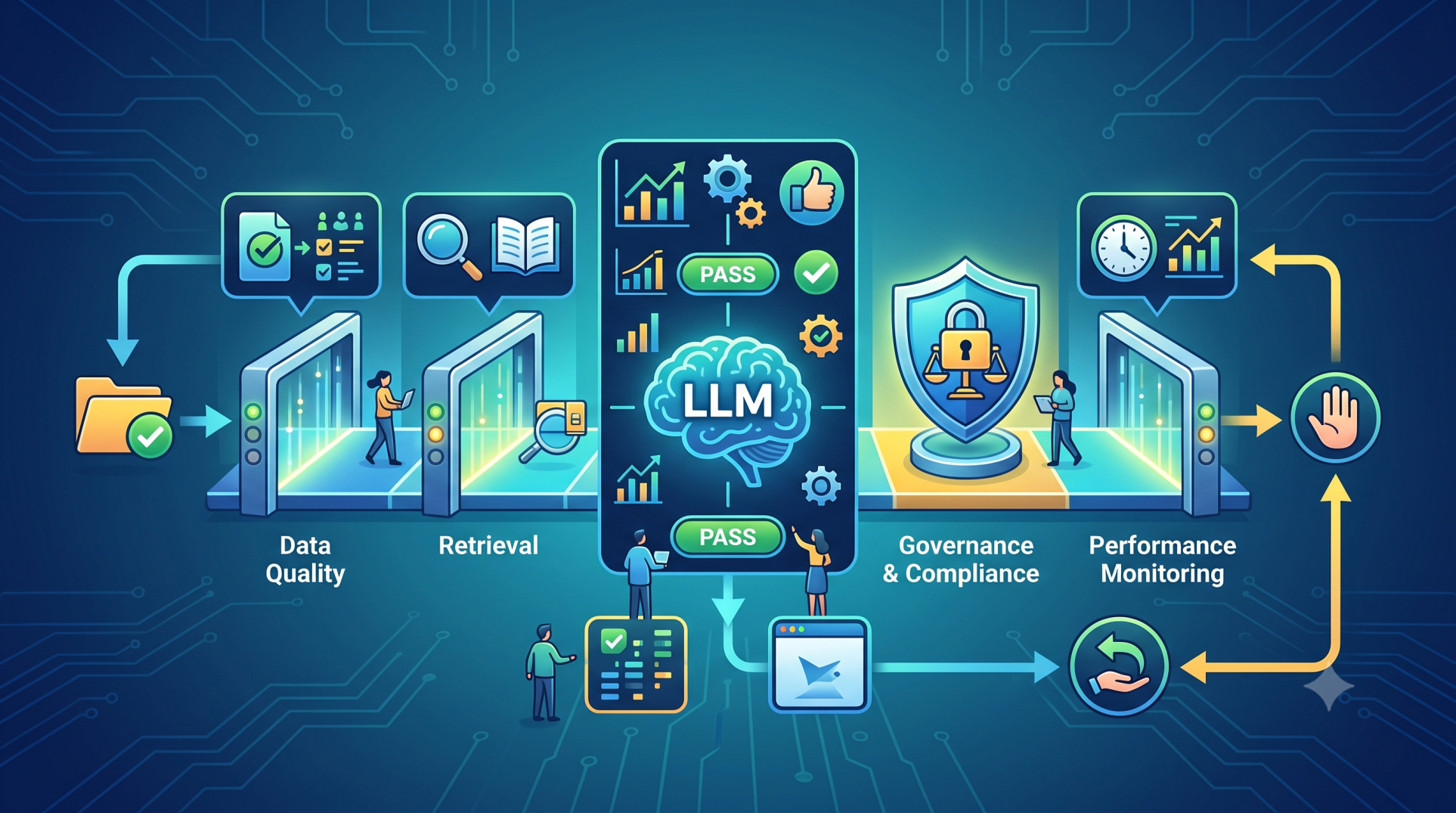
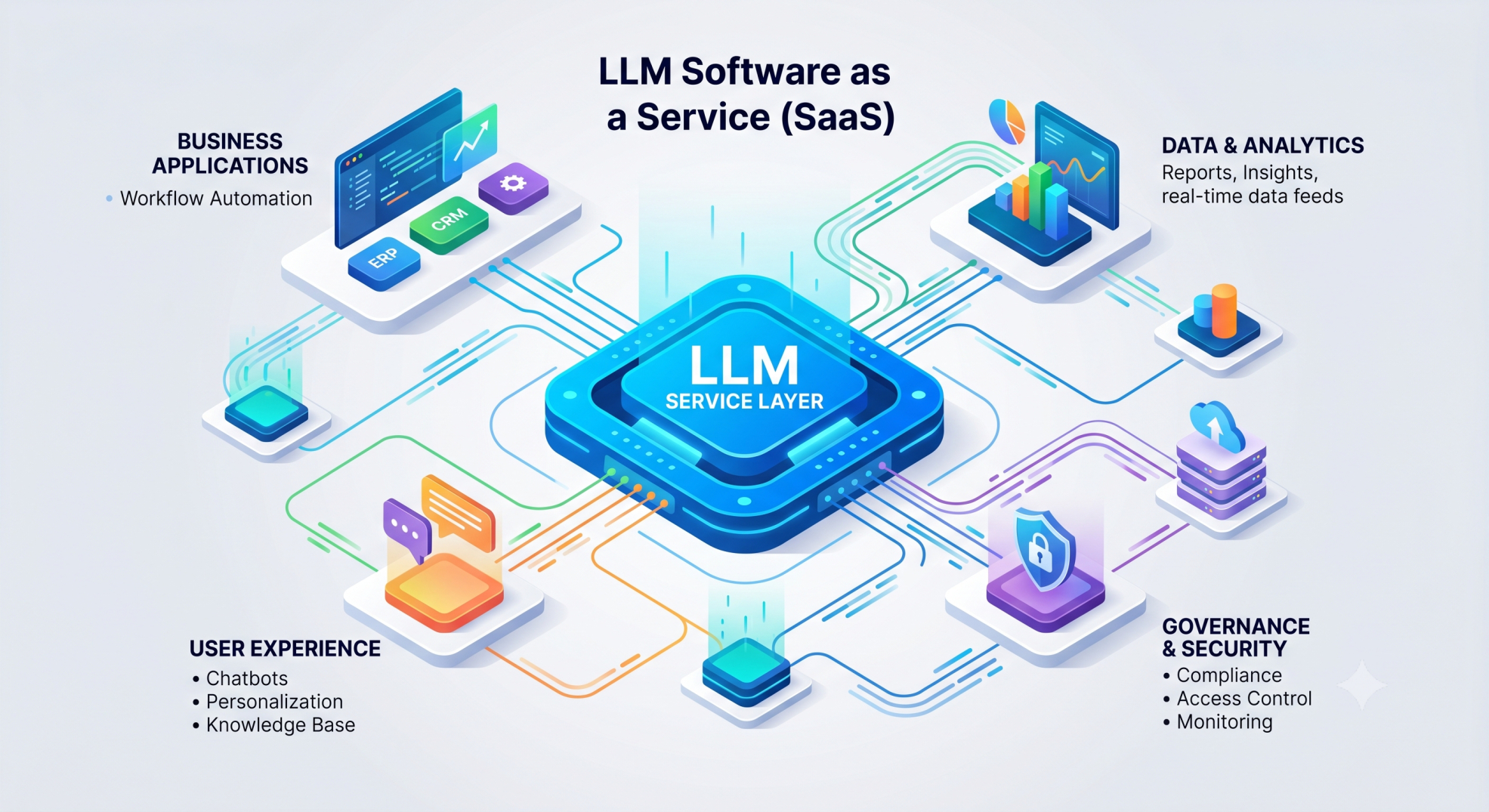
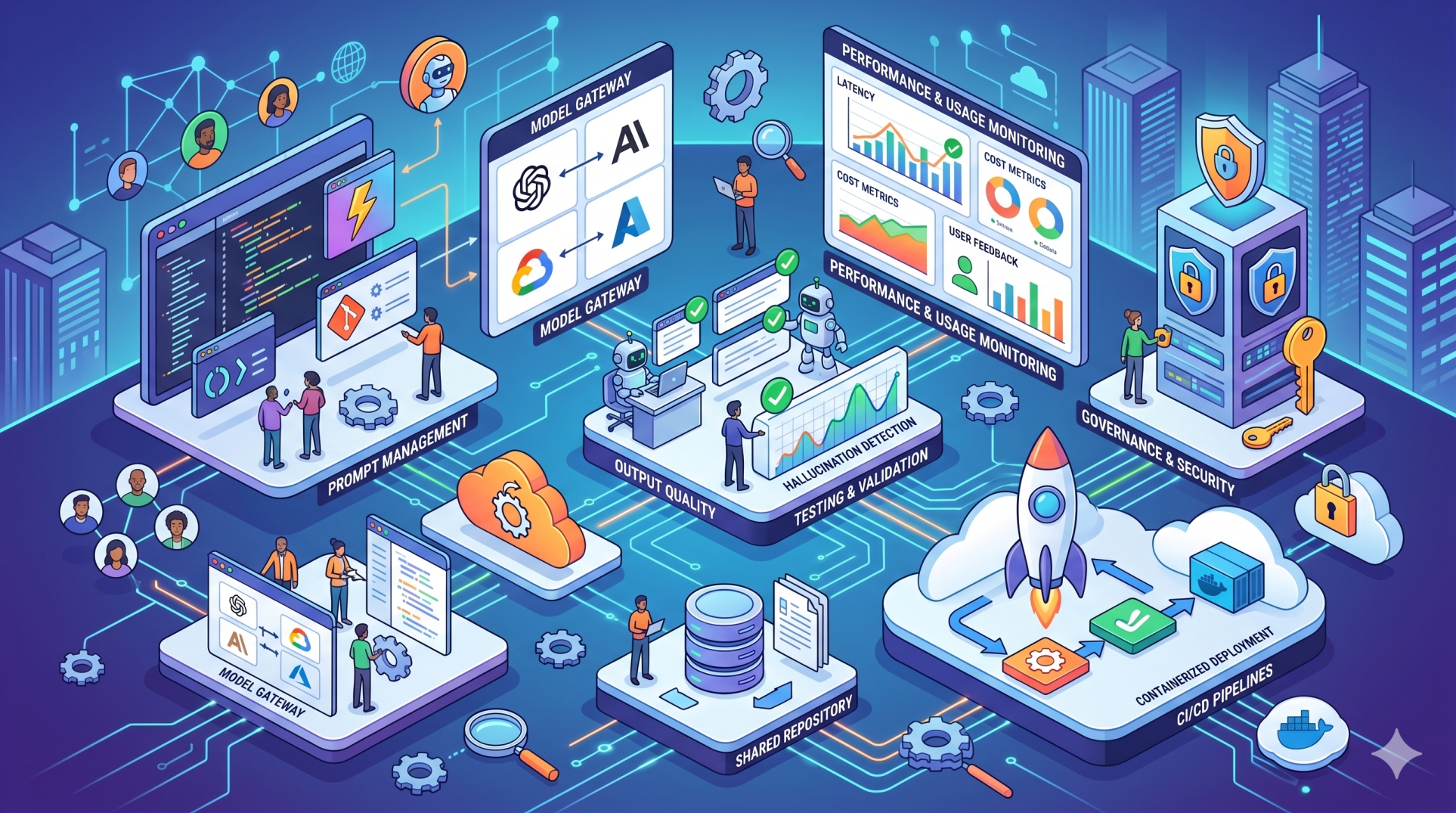
Step 6: Implementing Governance and Security 🛡️
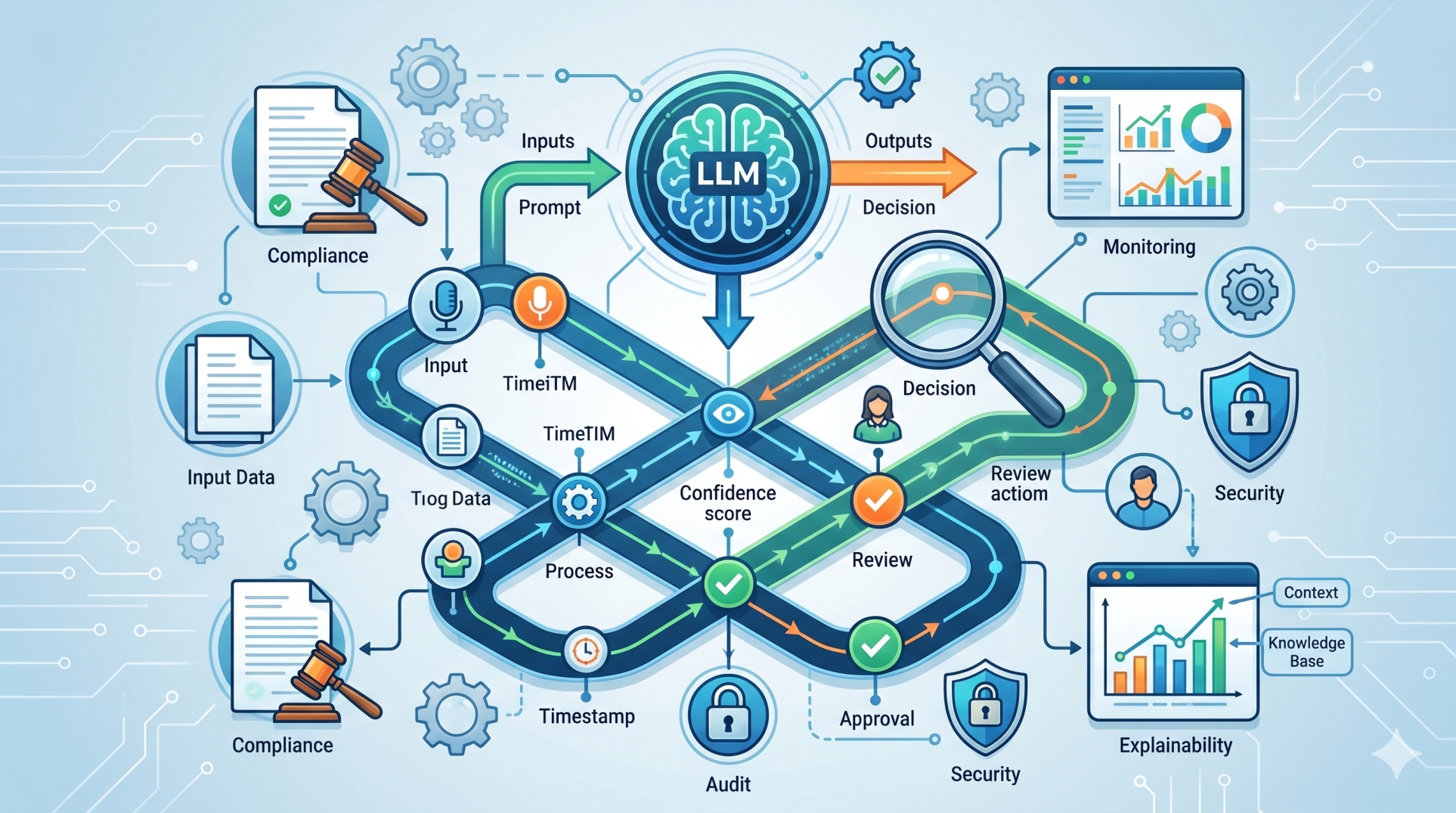
• Define access controls for AI services 🔐
• Protect sensitive business information 🔒
• Monitor AI usage across departments 📊
• Establish governance policies for responsible AI adoption 📜
• Support compliance with organizational and regulatory requirements ✅
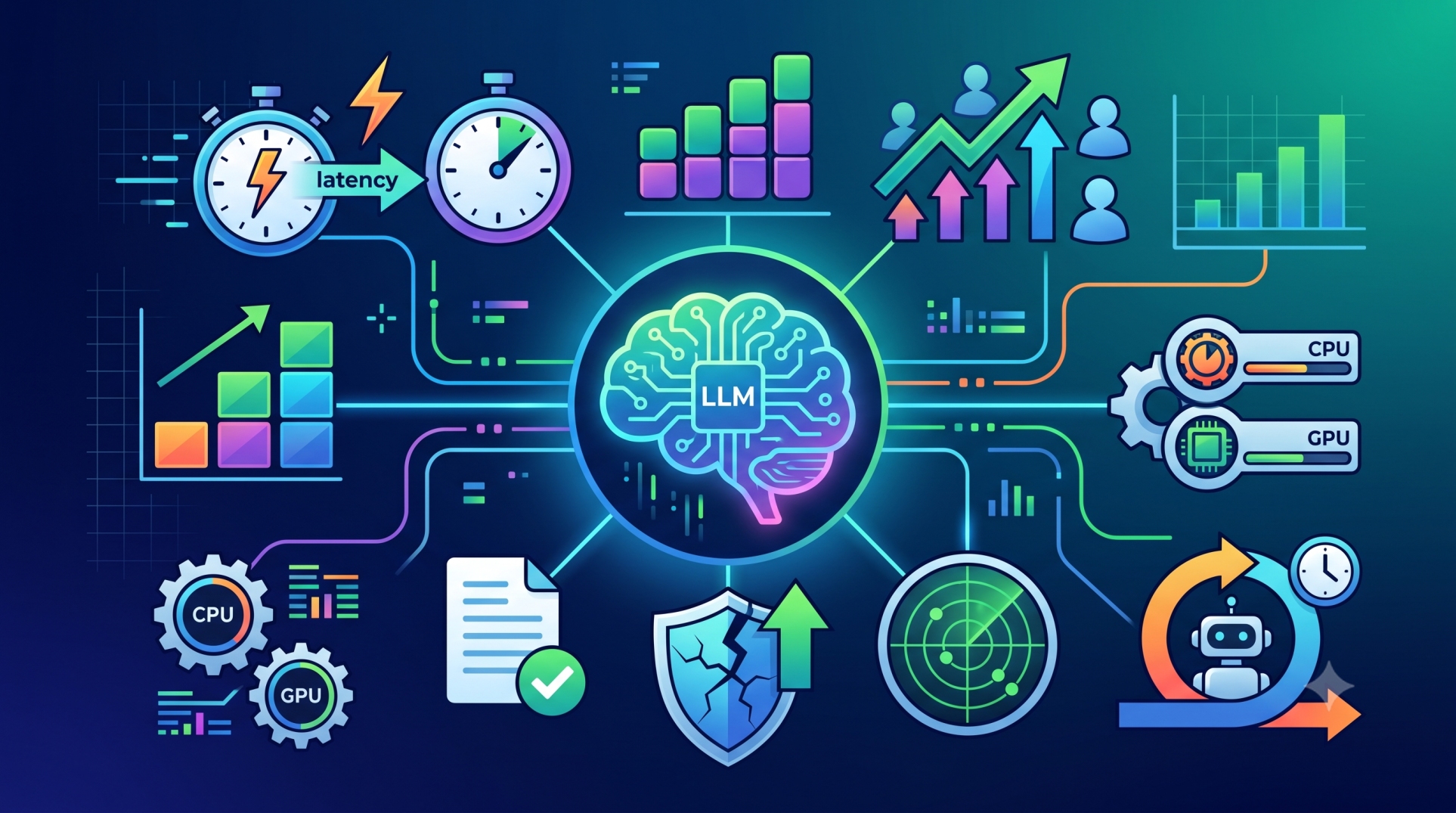
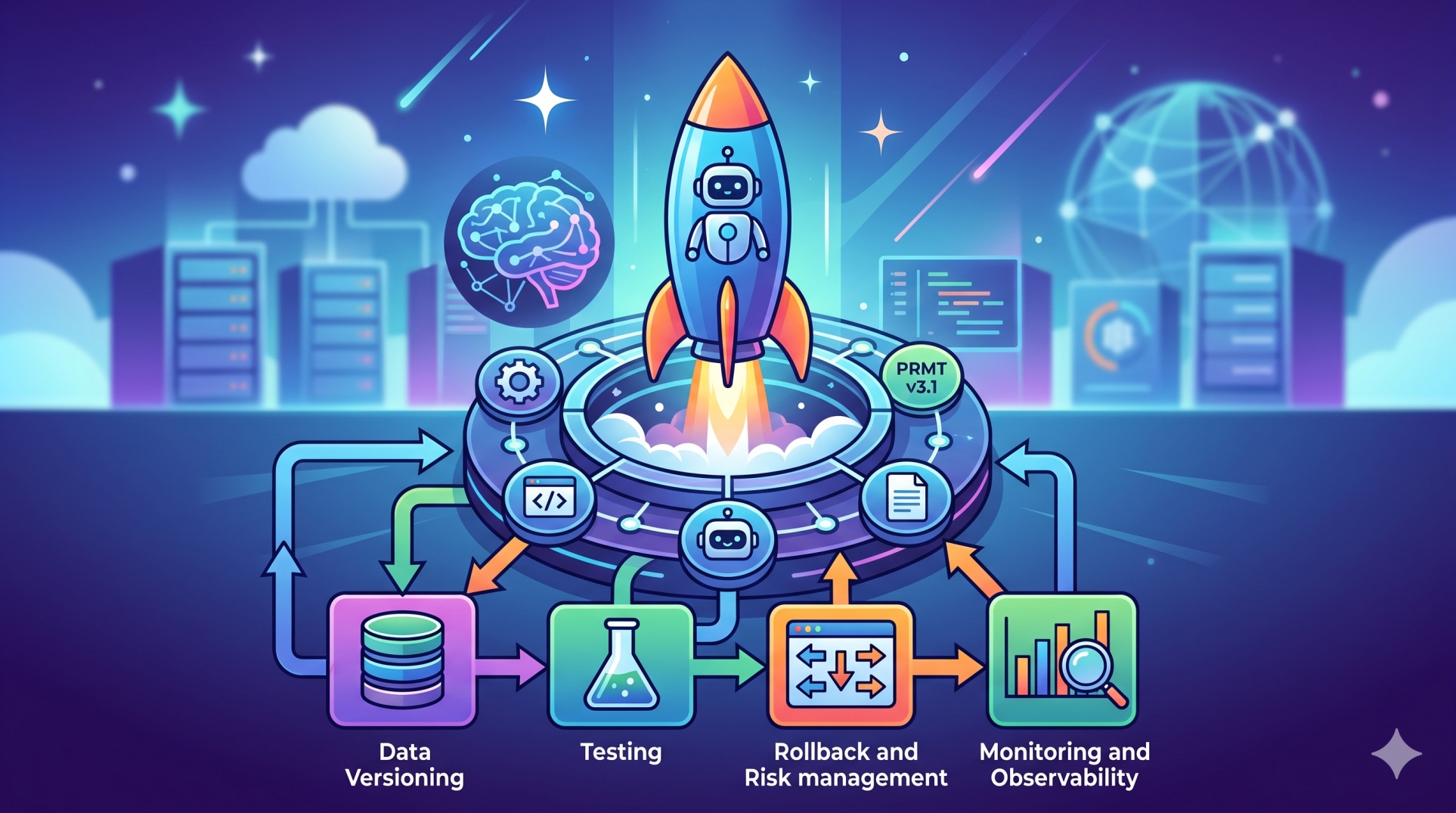
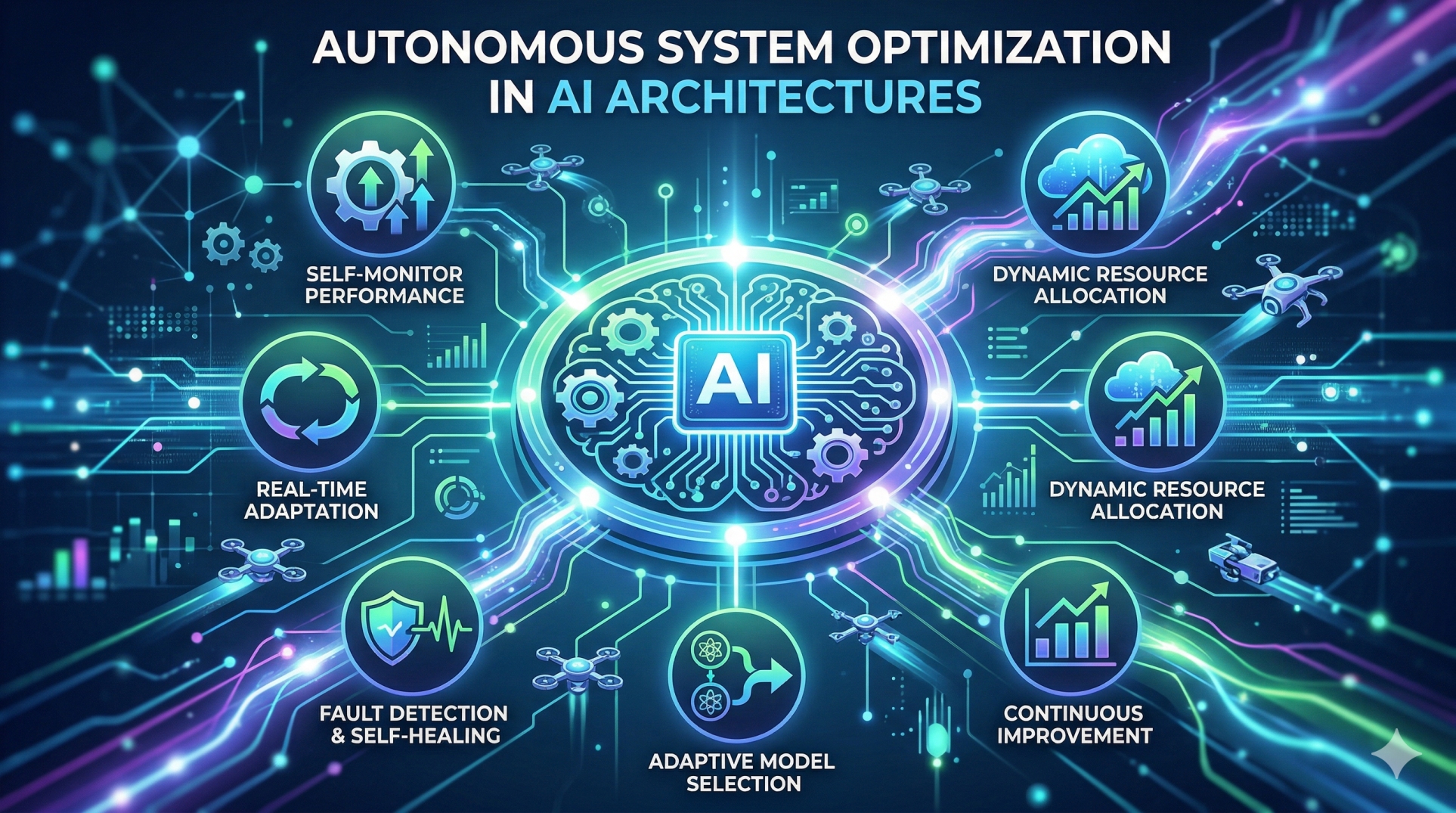
Step 7: Monitoring AI Performance 📊
• Track AI usage, response quality, and operational efficiency 📈
• Measure business impact across workflows 💼
• Identify opportunities for optimization 🔍
• Monitor system reliability and availability ⚡
• Continuously improve AI performance using operational insights 💡
Step 8: Key AI Operating Priorities ⭐
• Centralized AI governance and oversight 🏛️
• Seamless integration across enterprise systems 🔗
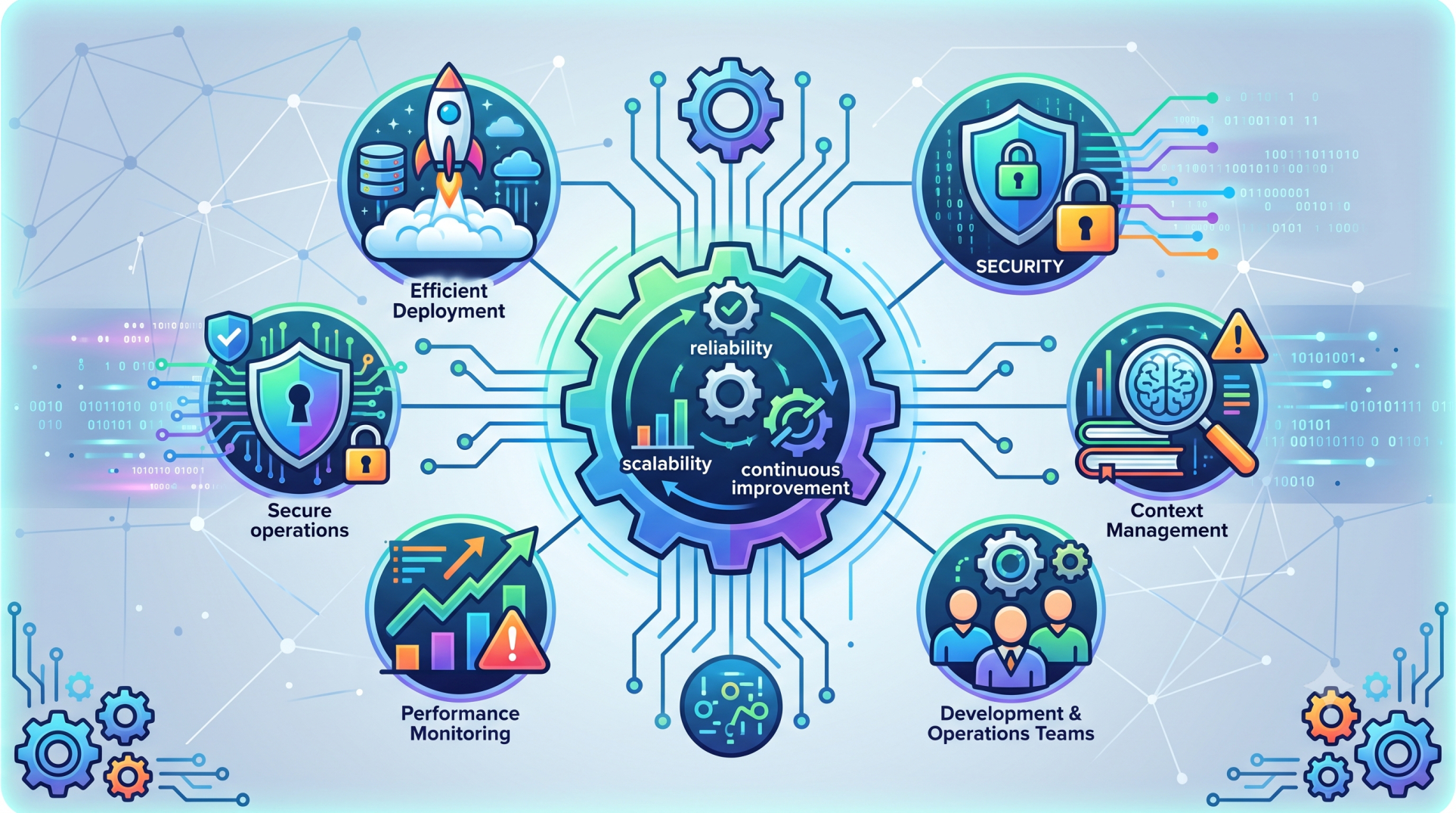
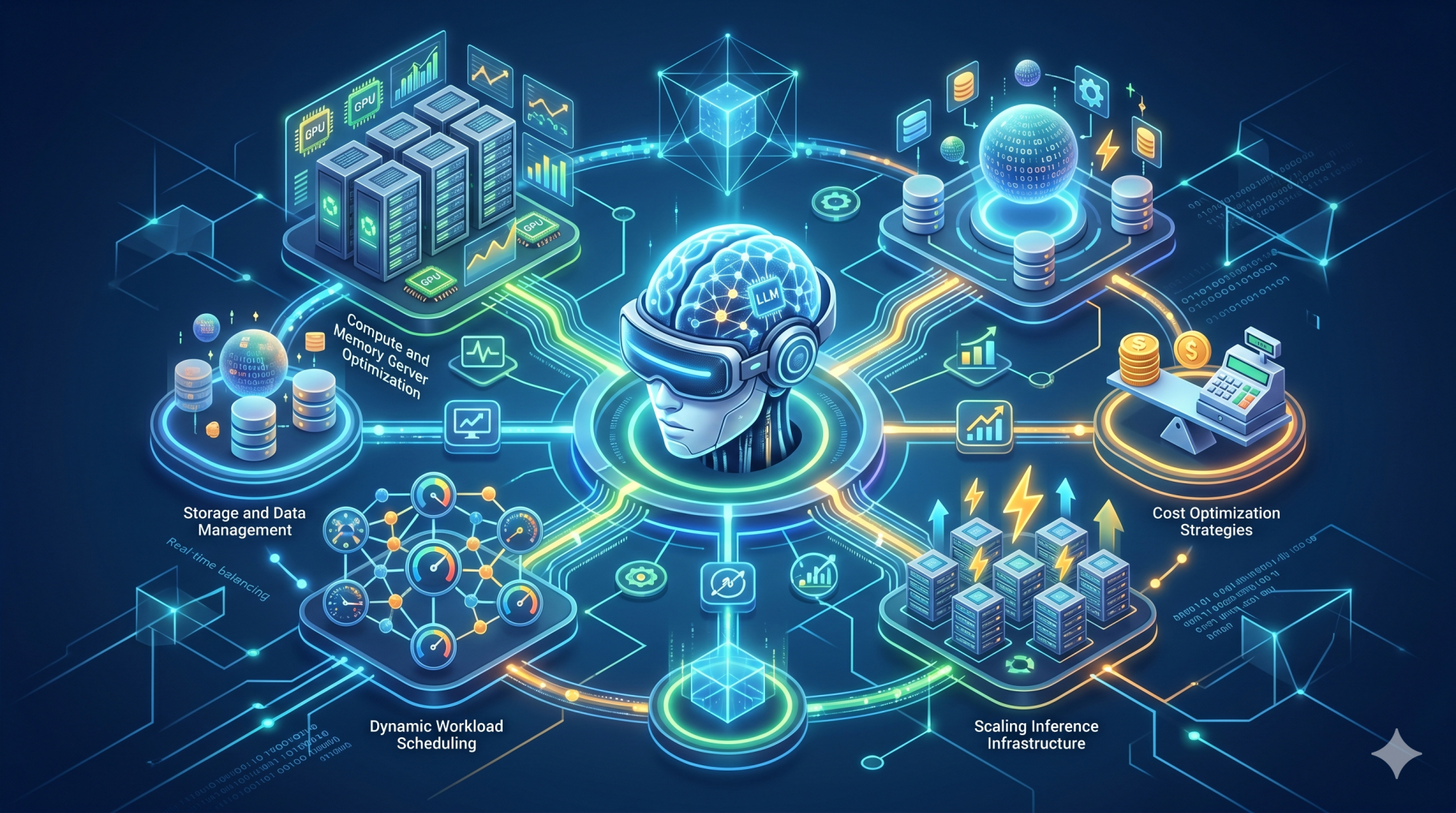
• Secure and scalable AI infrastructure ☁️
• Consistent AI experiences across departments 🤝
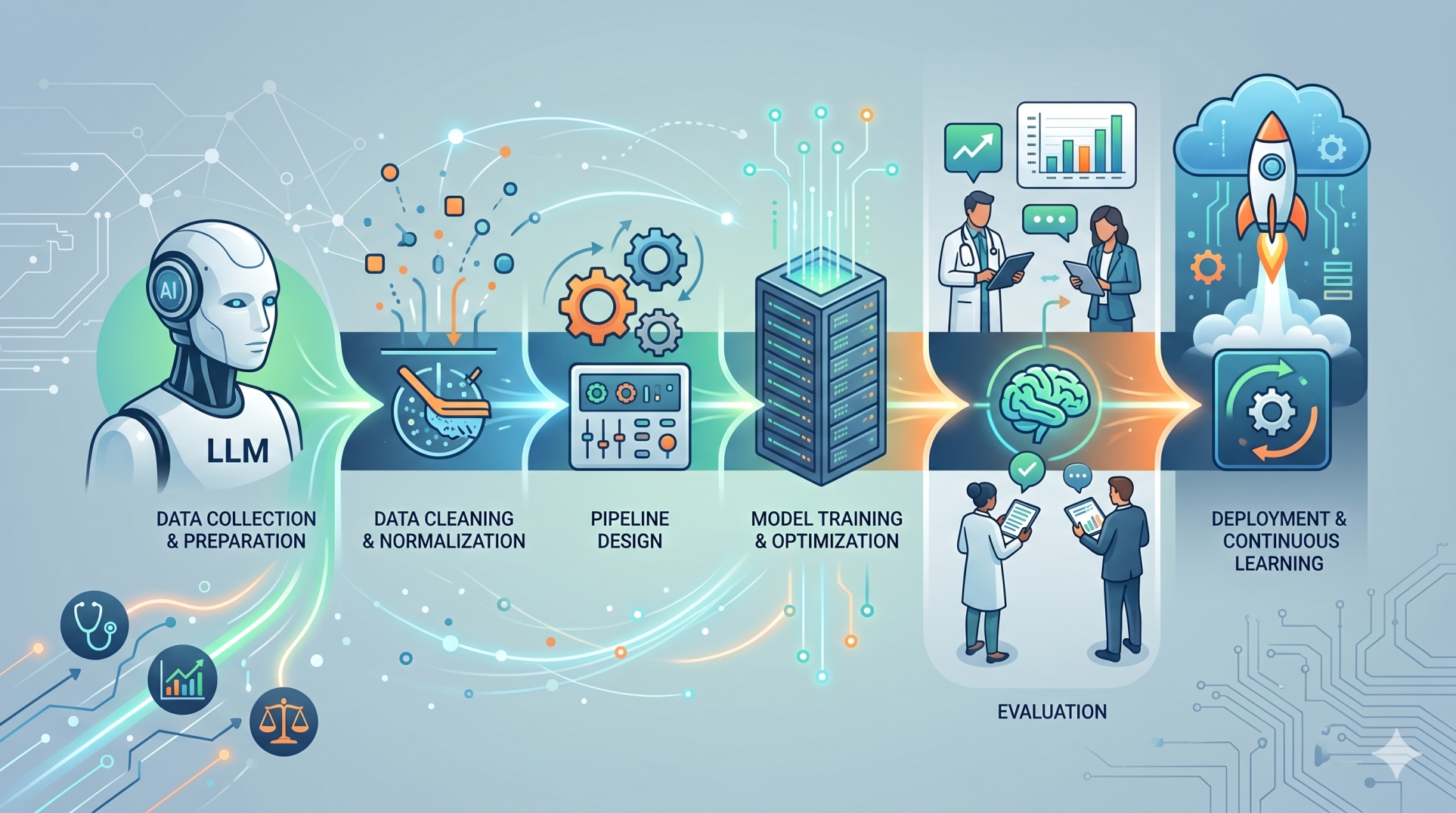
Step 9: Supporting Continuous Improvement 🔄
• Refine AI workflows based on user feedback 🗣️
• Update knowledge sources as business information evolves 📚
• Expand AI capabilities to new operational areas 🚀
• Optimize automation for changing business needs ⚙️
• Encourage ongoing innovation across the organization 🌱
Step 10: Building a Future-Ready AI Enterprise 🌍
• Design modular AI architectures for long-term scalability 🏗️
• Support cloud, hybrid, and on-premises deployments ☁️
• Integrate emerging AI technologies with minimal disruption 🔄
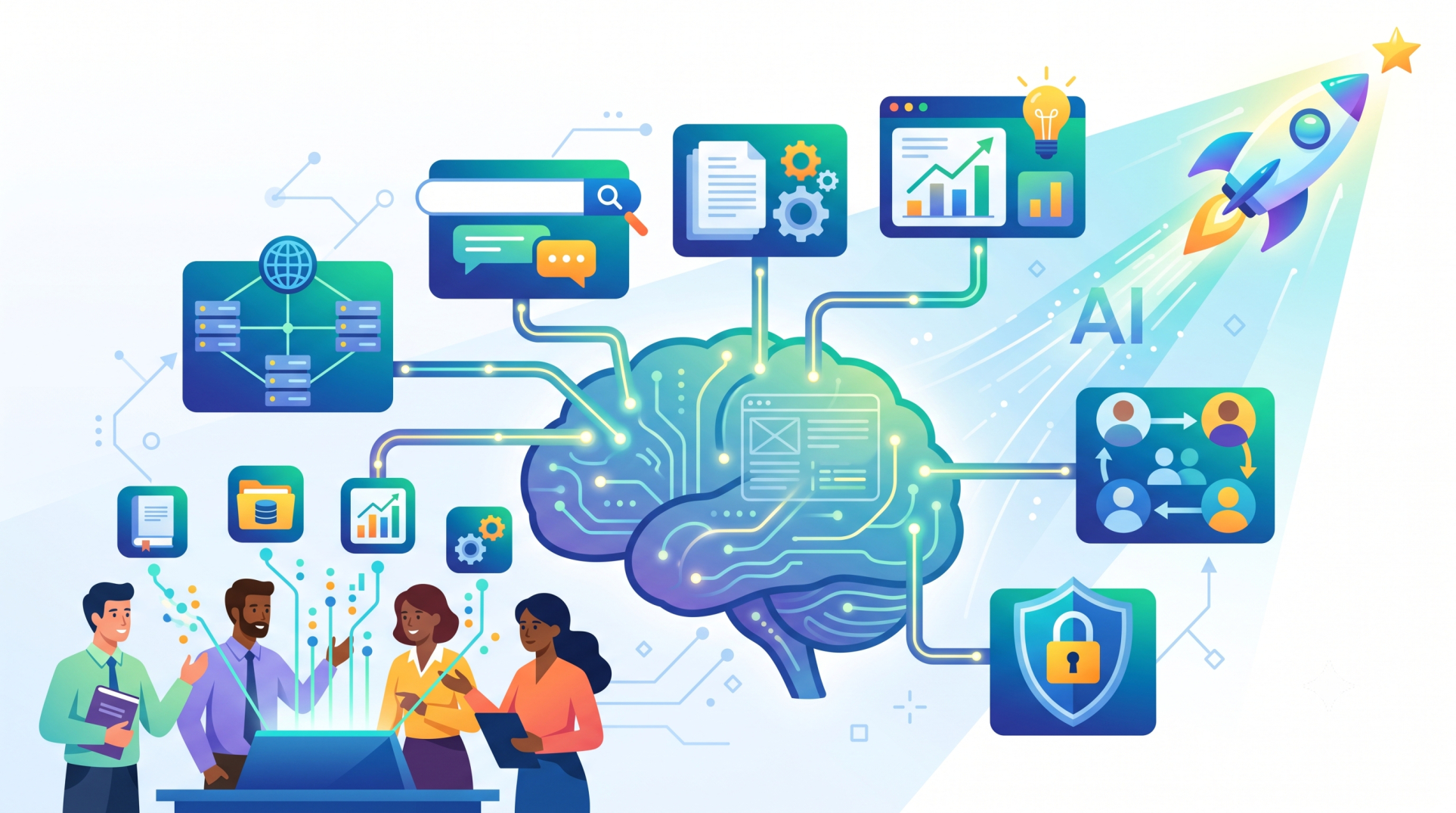
• Enable intelligent collaboration across the enterprise 🤖
• Create an adaptable AI ecosystem that evolves with business growth 📈
Conclusion
Creating a unified AI operating model with LLM software enables organizations to move beyond isolated AI initiatives and establish a connected, intelligent business environment. By integrating enterprise knowledge, standardizing workflows, strengthening governance, and continuously optimizing AI performance, businesses can unlock greater efficiency, improve decision-making, and accelerate digital transformation. A well-designed AI operating model provides the flexibility, scalability, and resilience needed to support long-term innovation and sustainable growth.
See more blogs
You can all the articles below