Personalization Layers Built on Top of LLM Software
Personalization Layers Built on Top of LLM Software
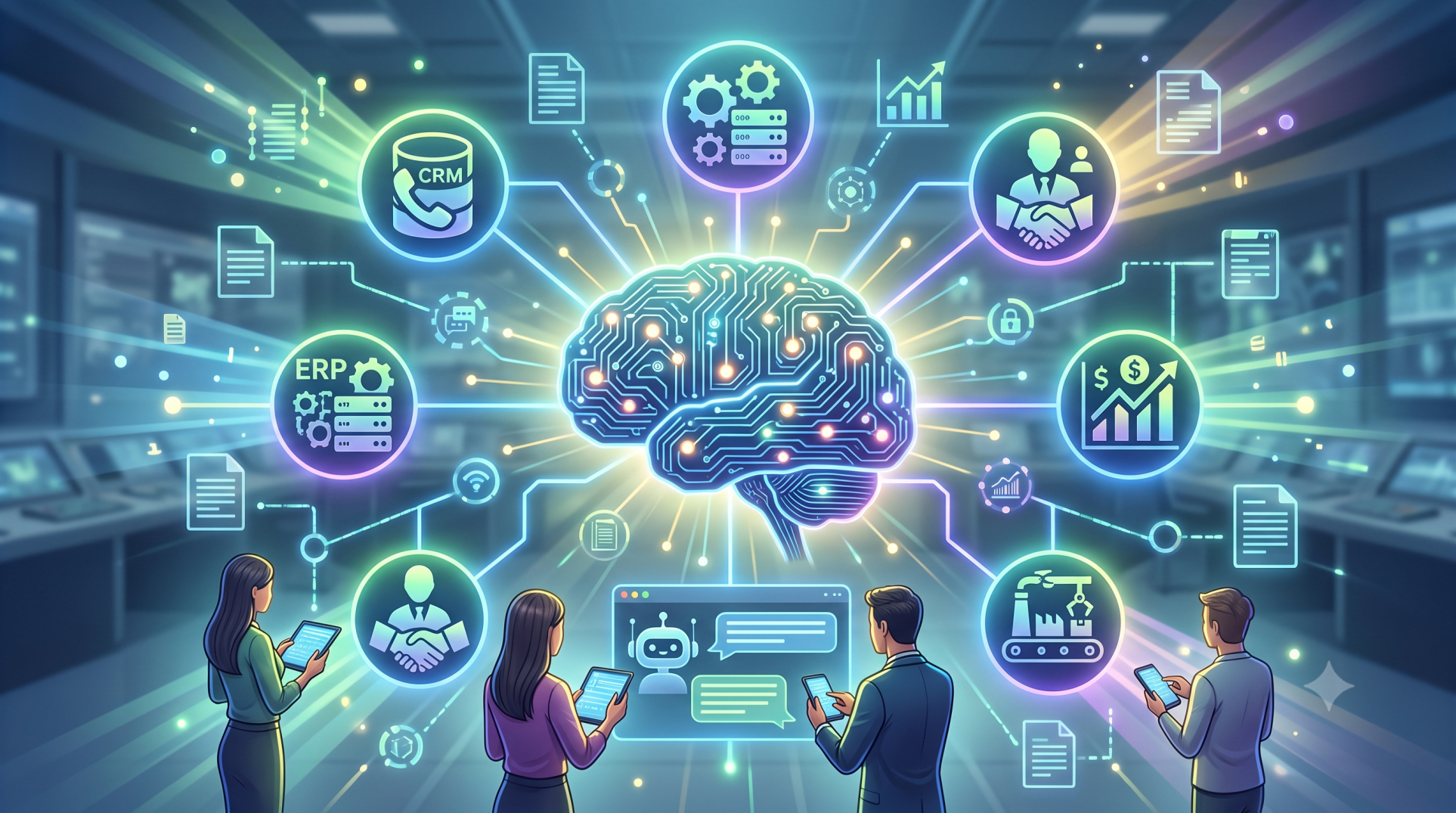
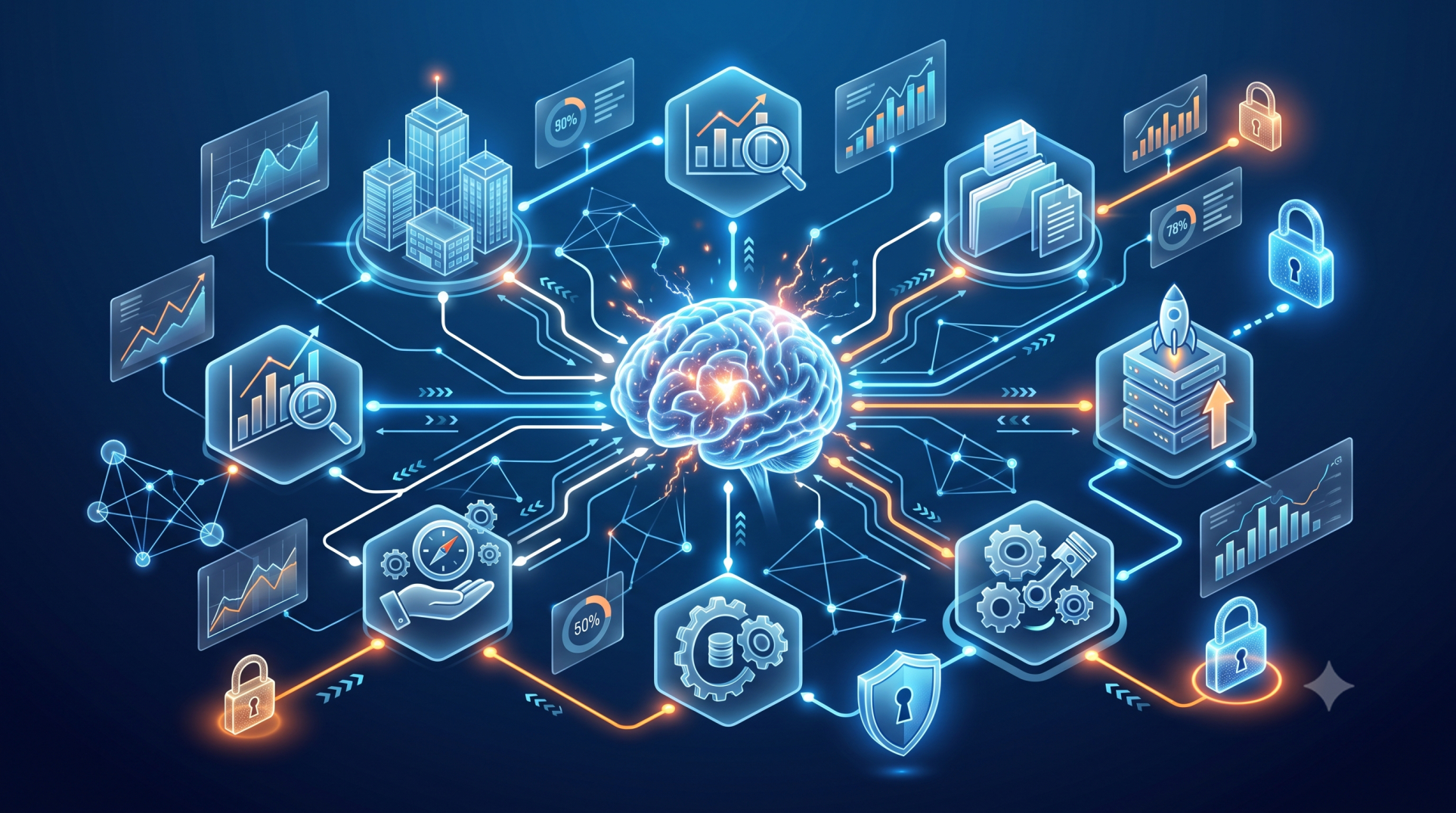
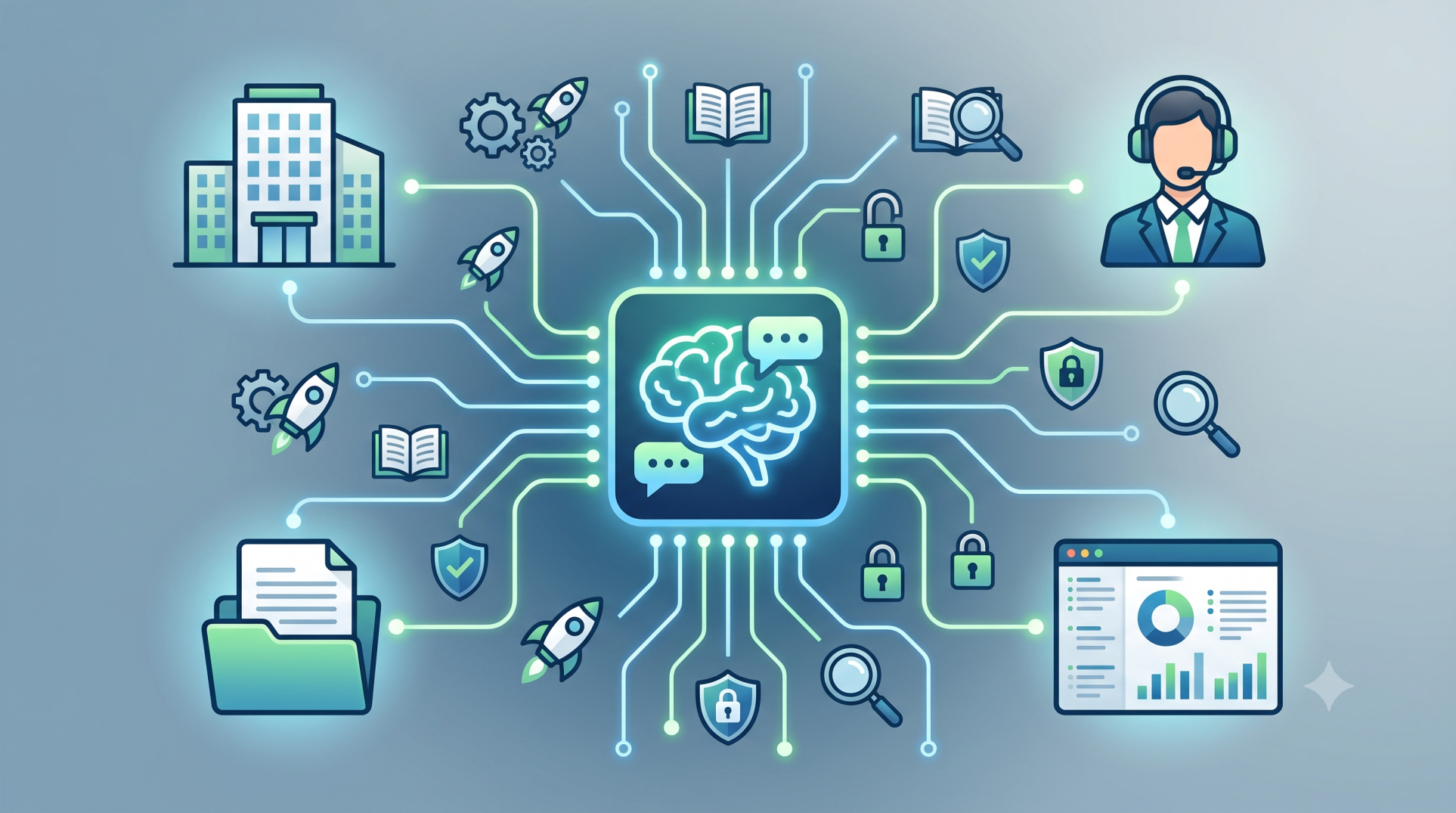
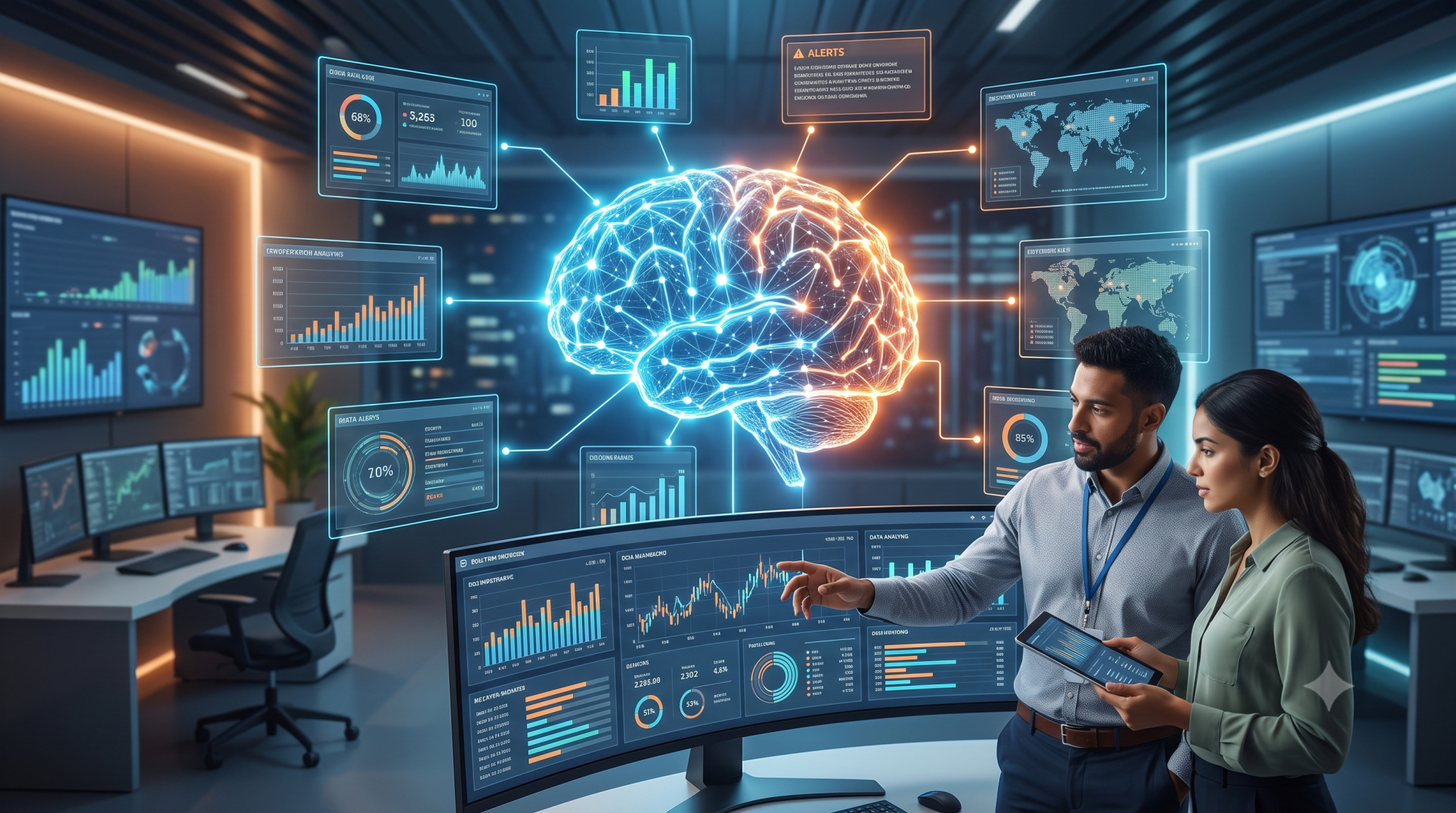
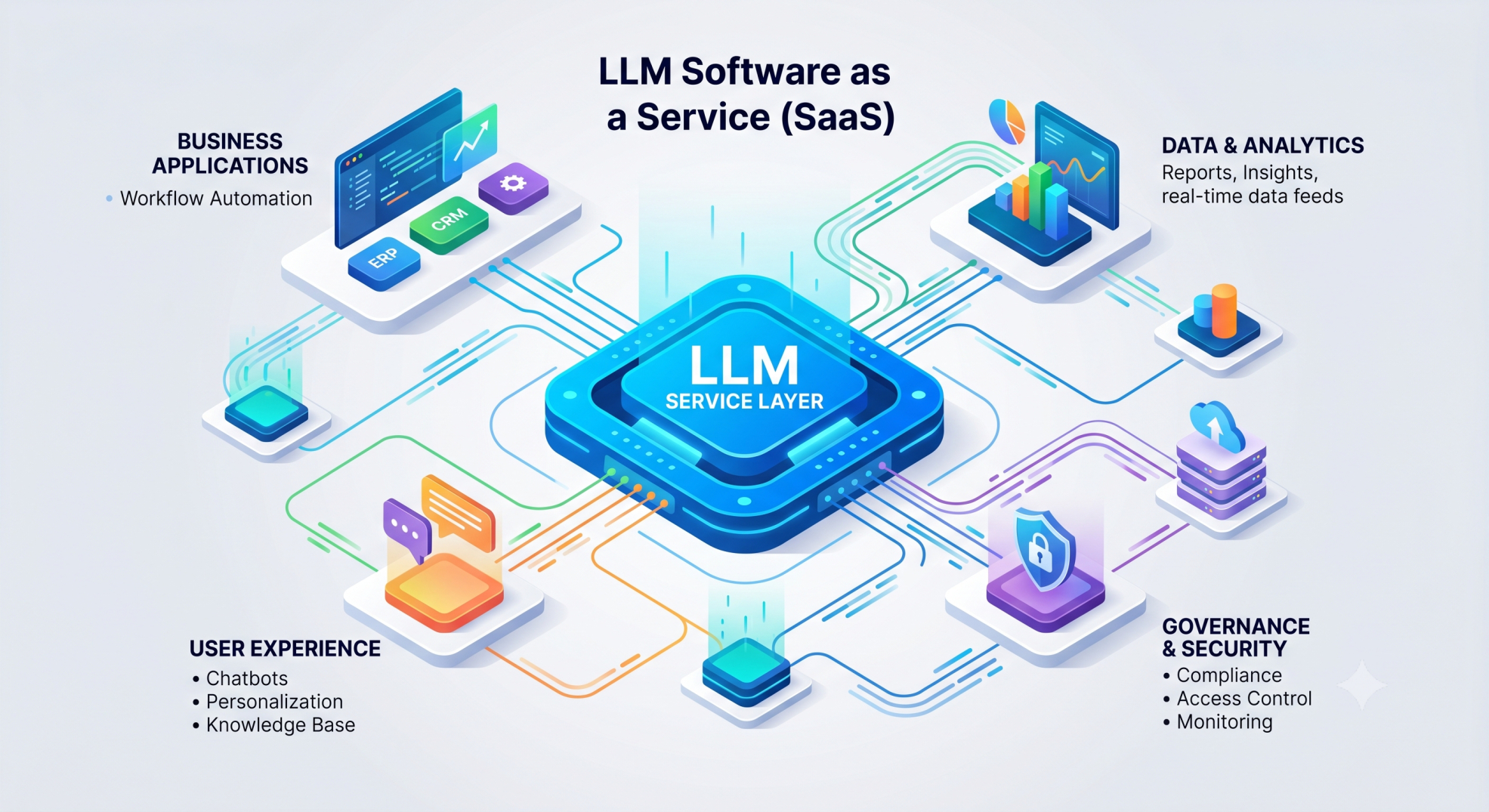
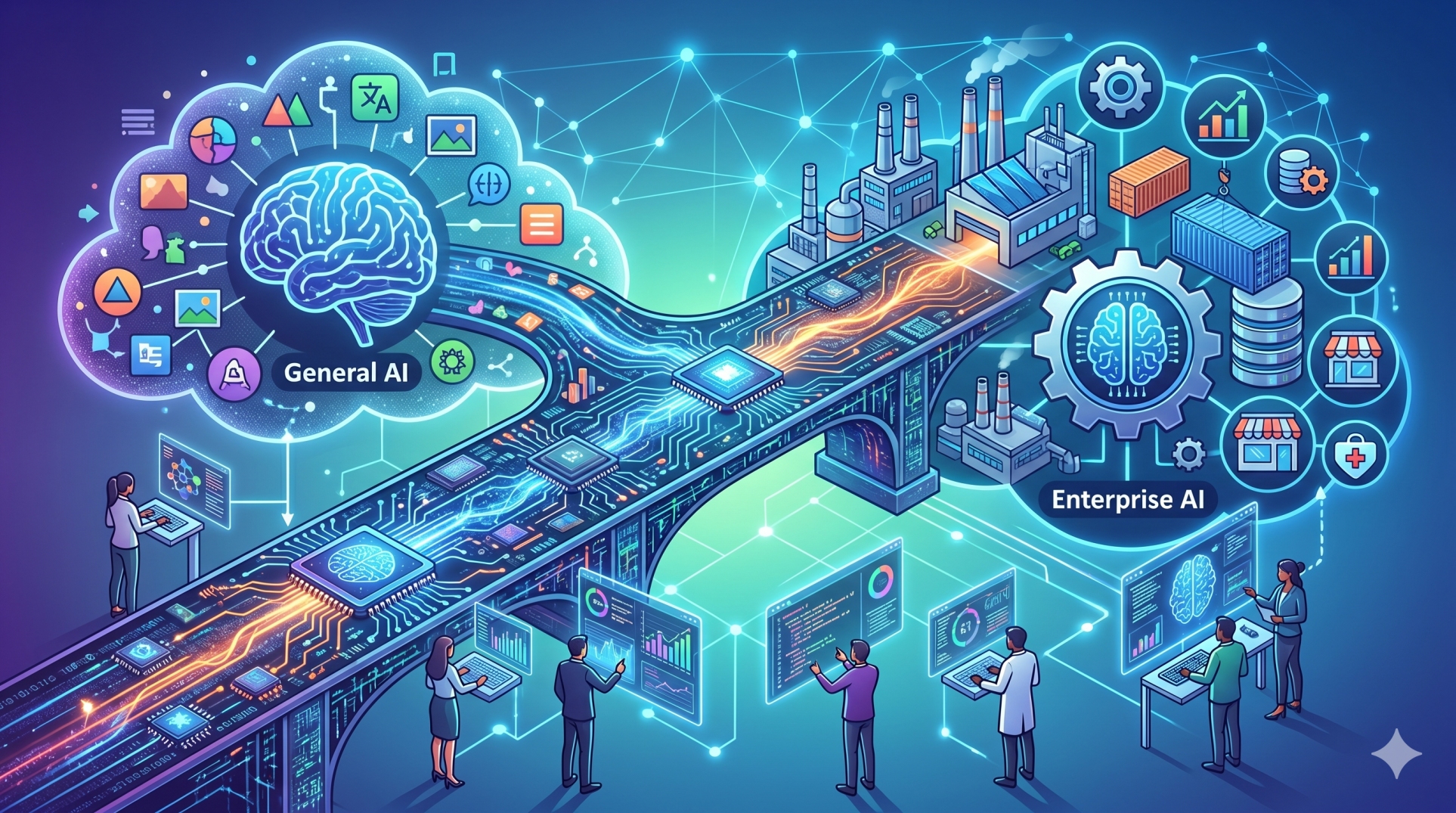
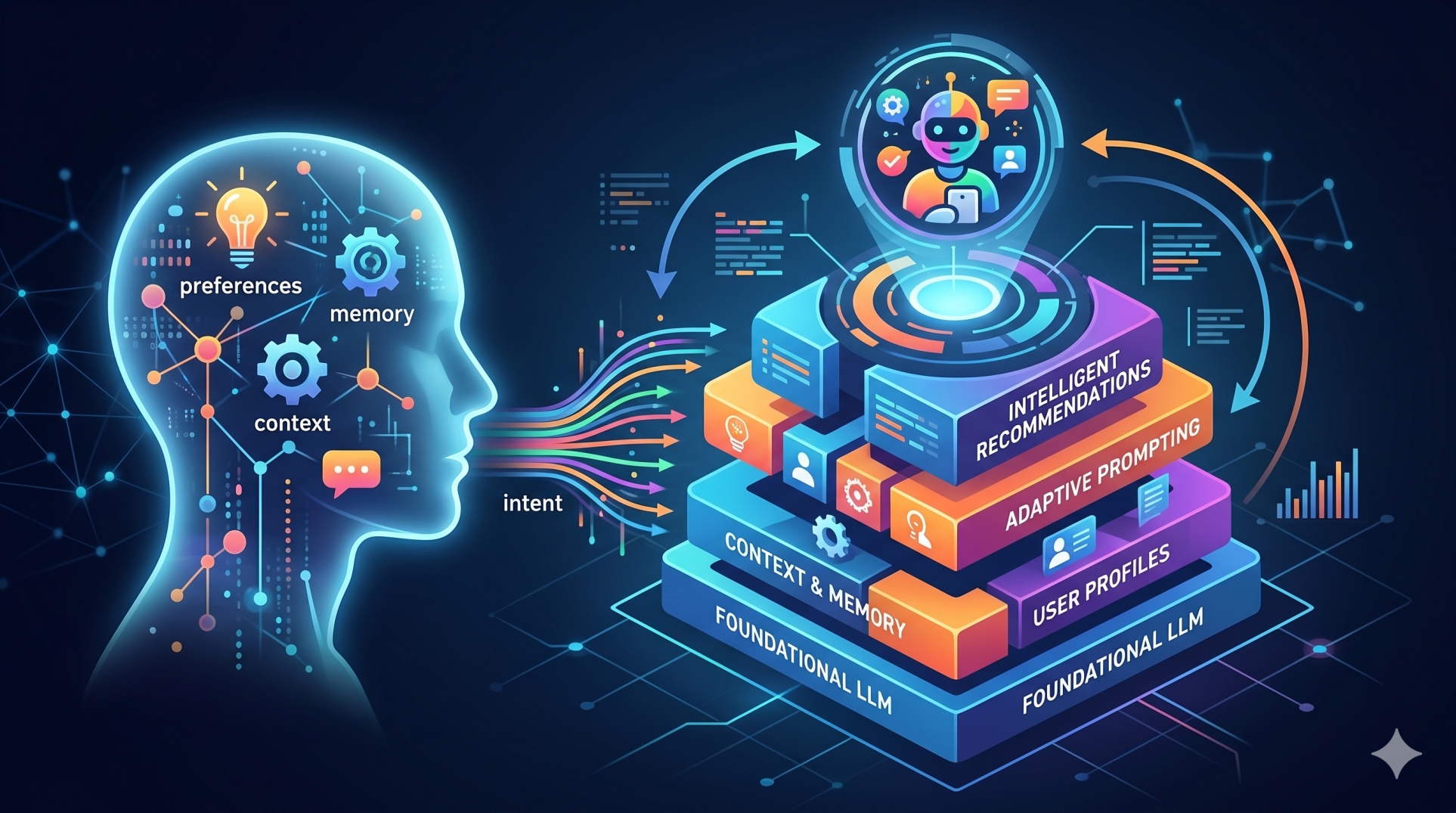
As Large Language Model (LLM) platforms continue to evolve, personalization has become a critical capability for delivering more relevant, contextual, and user-focused experiences. Rather than providing generic responses, modern LLM software can adapt interactions based on user behavior, preferences, workflows, and historical context. By building personalization layers on top of foundational LLM systems, organizations can create intelligent applications that improve engagement, productivity, and decision-making across industries.
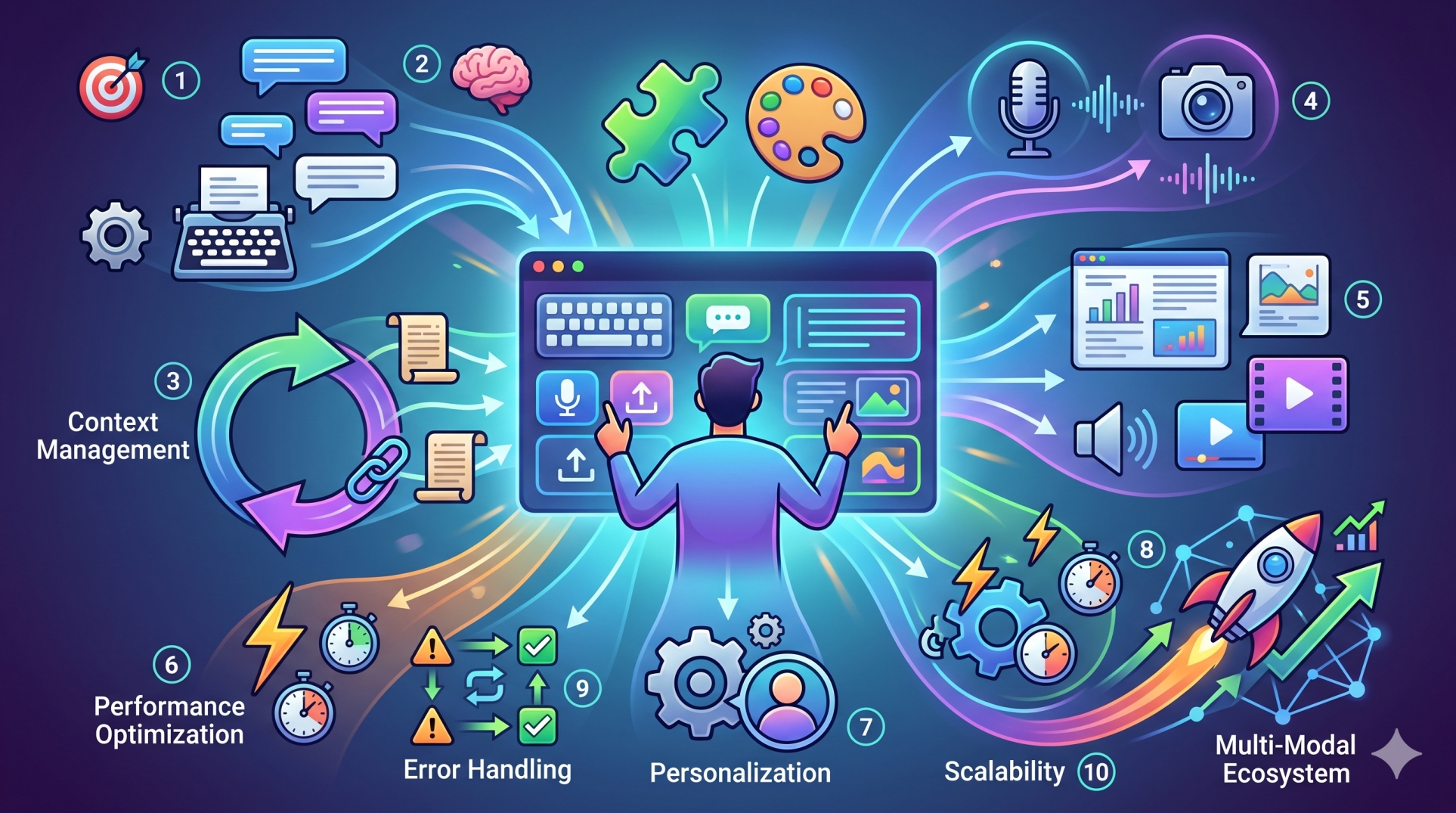
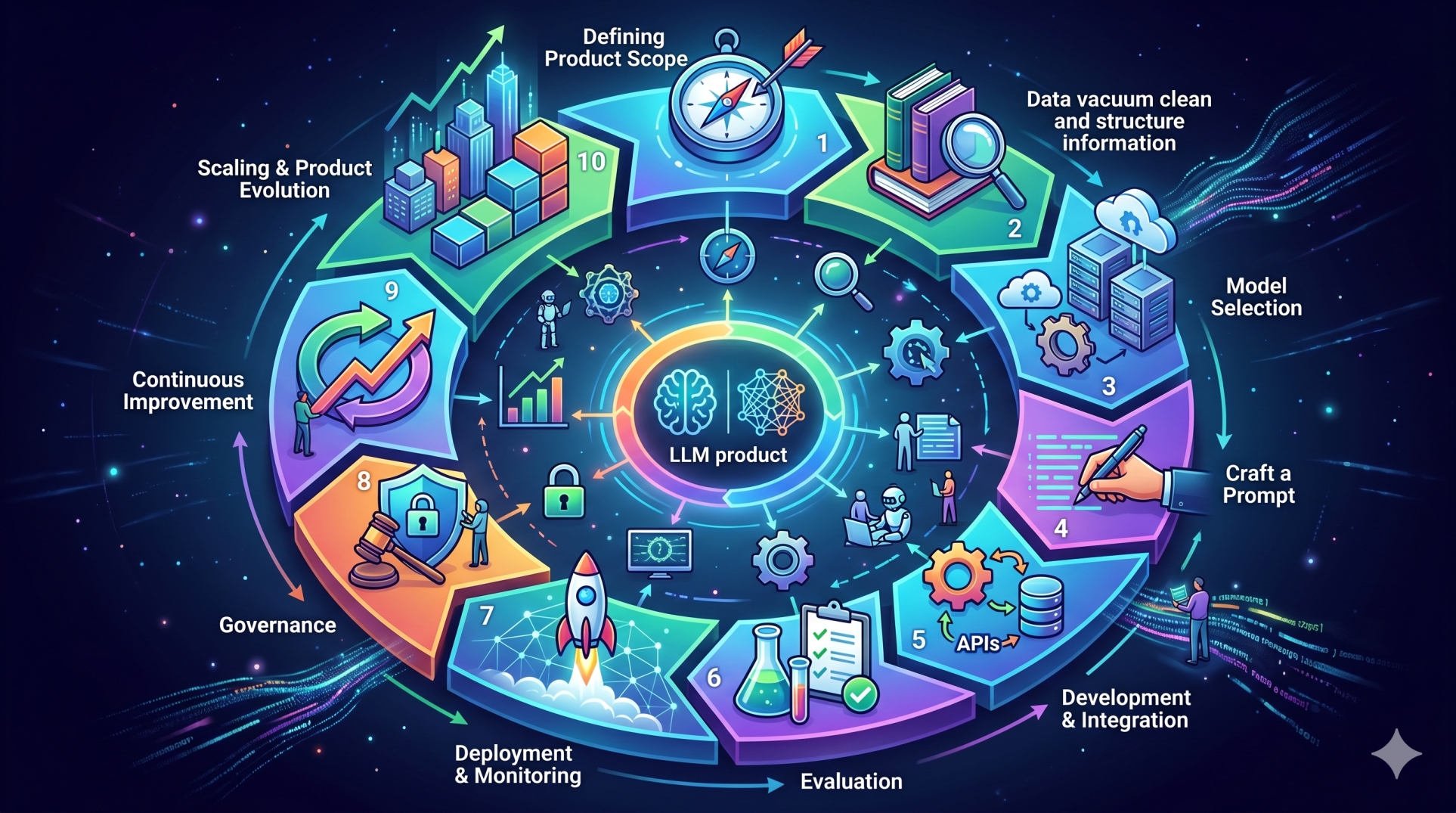
Step 1: Understanding the Role of Personalization 🎯
• Personalization enables LLM systems to deliver context-aware interactions 🧠
• Tailored responses improve user engagement and satisfaction 📈
• Systems can adapt based on user roles, preferences, and goals 👤
• Personalized experiences increase efficiency and relevance ⚡
• Customization transforms generic AI into intelligent assistants 🤖
Step 2: Capturing User Context Effectively 📂
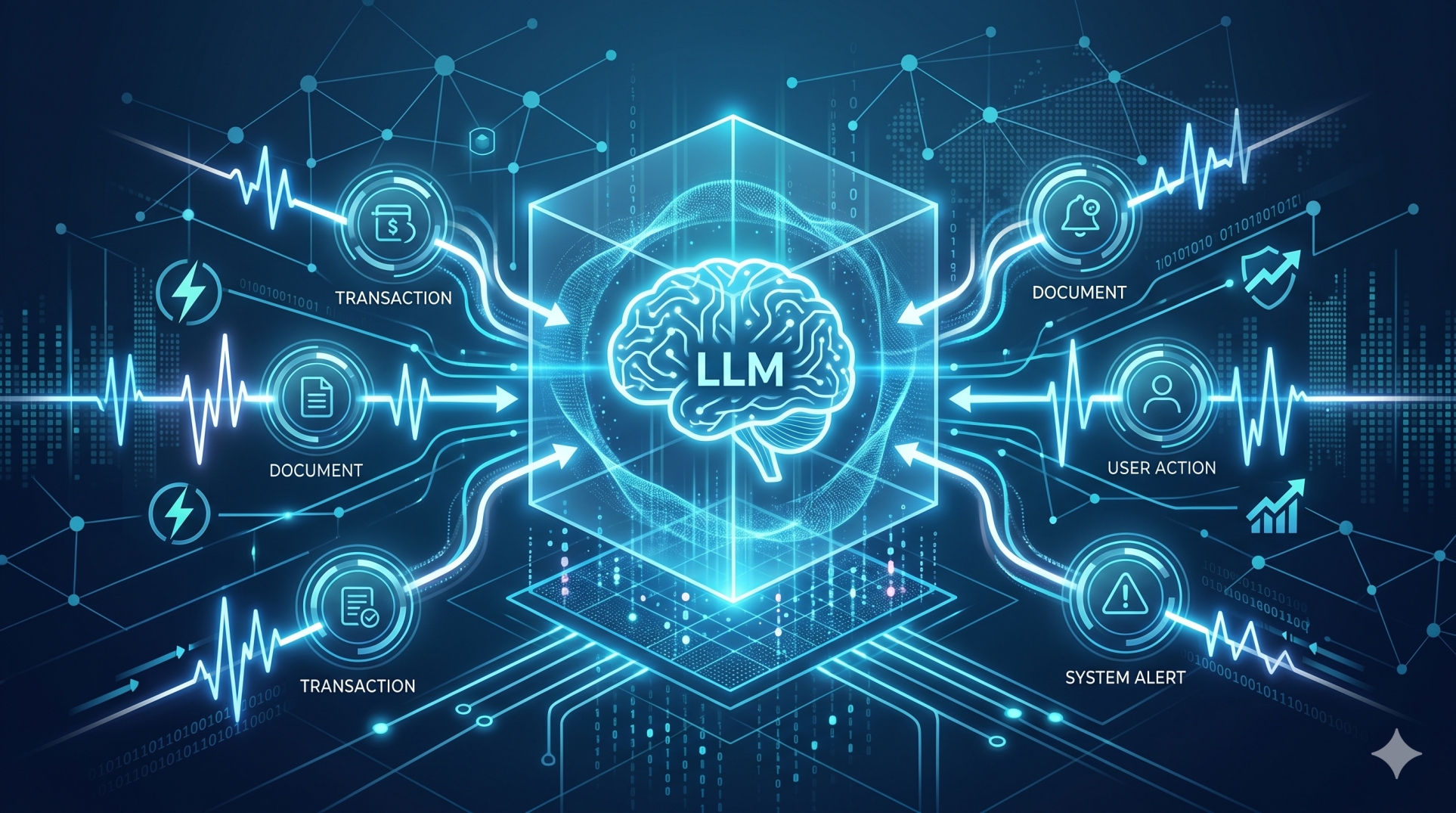
• Collect interaction history to improve future responses 📝
• Store user preferences and behavioral patterns 🔍
• Track workflows, frequently used actions, and recurring tasks 🔄
• Build contextual memory for long-term interaction continuity 🧠
• Ensure accurate and structured context management 📊
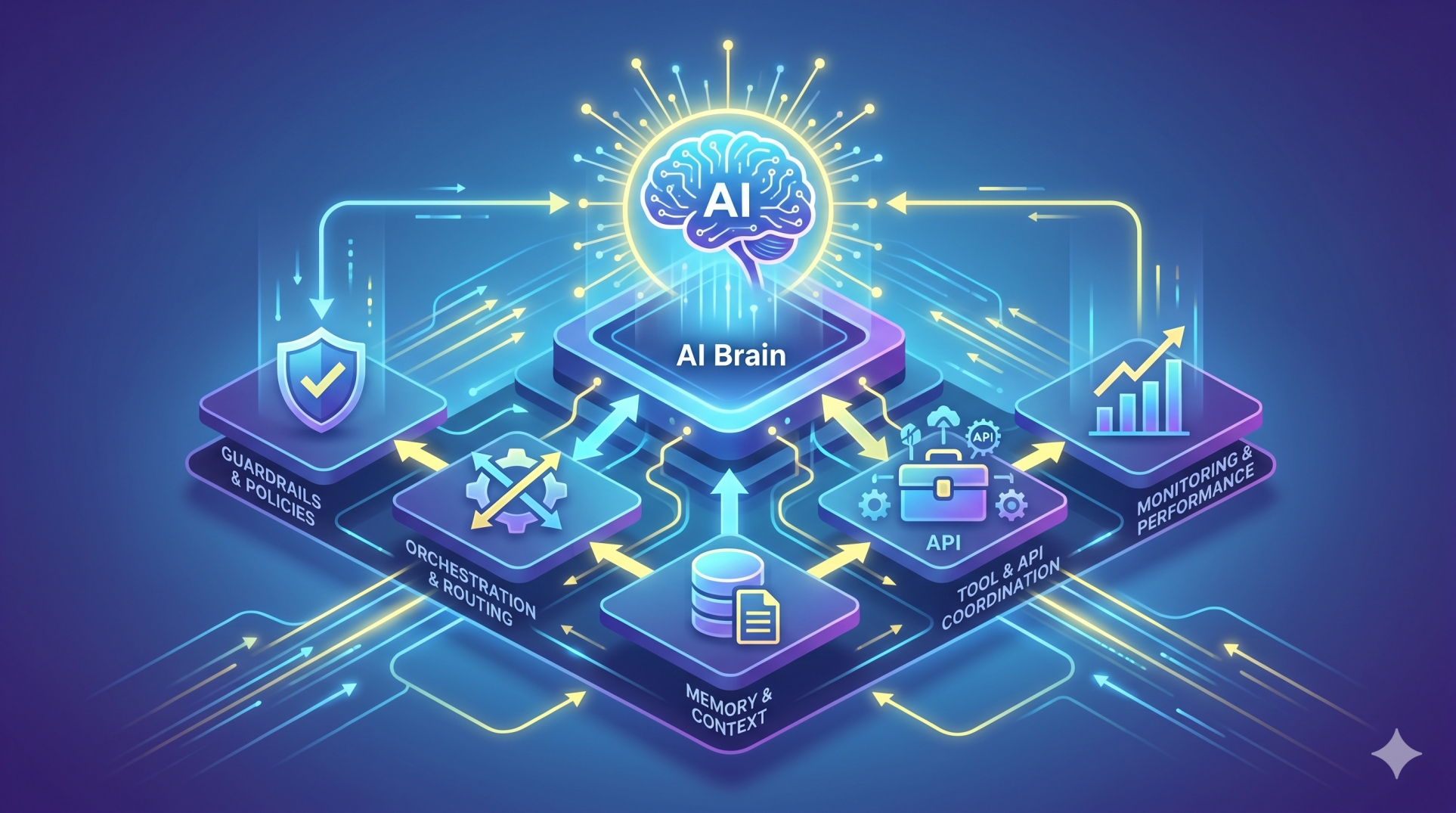
Step 3: Integrating Memory and Context Retention 🧠
• Enable short-term and long-term conversational memory 💬
• Retain relevant information across multiple sessions 🔗
• Prioritize context based on relevance and recency ⏱️
• Reduce repetitive inputs by remembering user intent 🎯
• Improve continuity in ongoing workflows and conversations 🚀
Step 4: Dynamic Prompt Personalization ⚙️
• Modify prompts dynamically based on user context 🔄
• Adapt system instructions to match user preferences 🎛️
• Personalize tone, formatting, and response structure ✨
• Deliver industry-specific or role-based outputs 🏢
• Improve response precision through contextual prompting 📌
Step 5: User Profile and Preference Modeling 👤
• Create structured user profiles for personalization 📋
• Store communication styles and interaction preferences 💡
• Adapt recommendations based on historical usage 📊
• Enable role-specific workflows and permissions 🔐
• Continuously refine personalization through feedback 🔄
Step 6: Recommendation and Decision Support 📈
• Deliver personalized suggestions based on user behavior 🤖
• Recommend actions, documents, or workflows intelligently 📂
• Use predictive insights to improve decision-making 🔍
• Surface relevant information proactively ⚡
• Enhance operational efficiency with contextual guidance 🚀
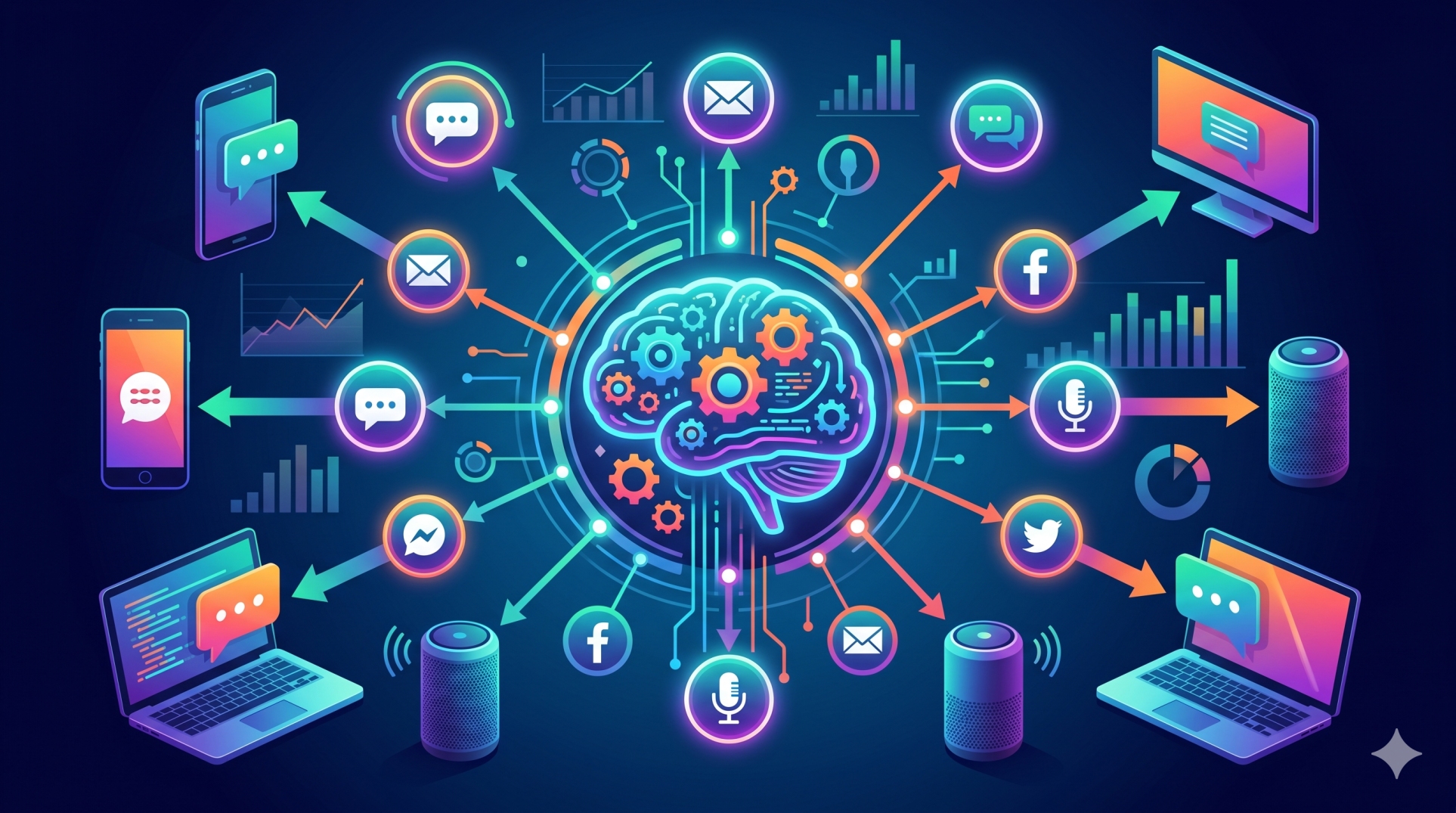
Step 7: Multi-Channel Personalization 🌐
• Maintain personalization across web, mobile, and voice platforms 📱
• Synchronize user context across multiple interaction channels 🔄
• Ensure consistent experiences across applications 🎯
• Support personalized communication in real time ⏱️
• Enable seamless transitions between devices and platforms 🔗
Step 8: Key Personalization Priorities 📊
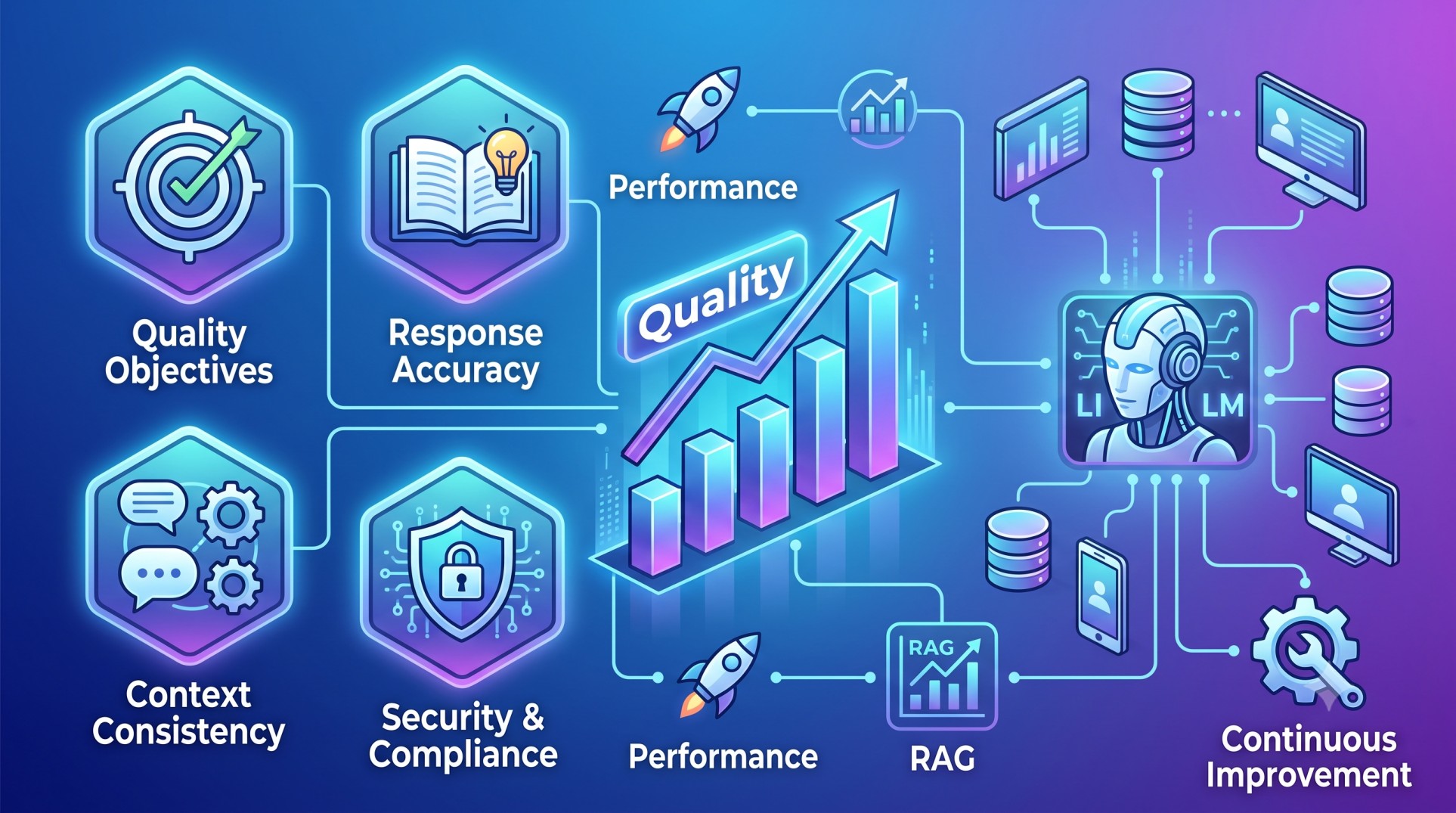
• Accurate context retention and memory management 🧠
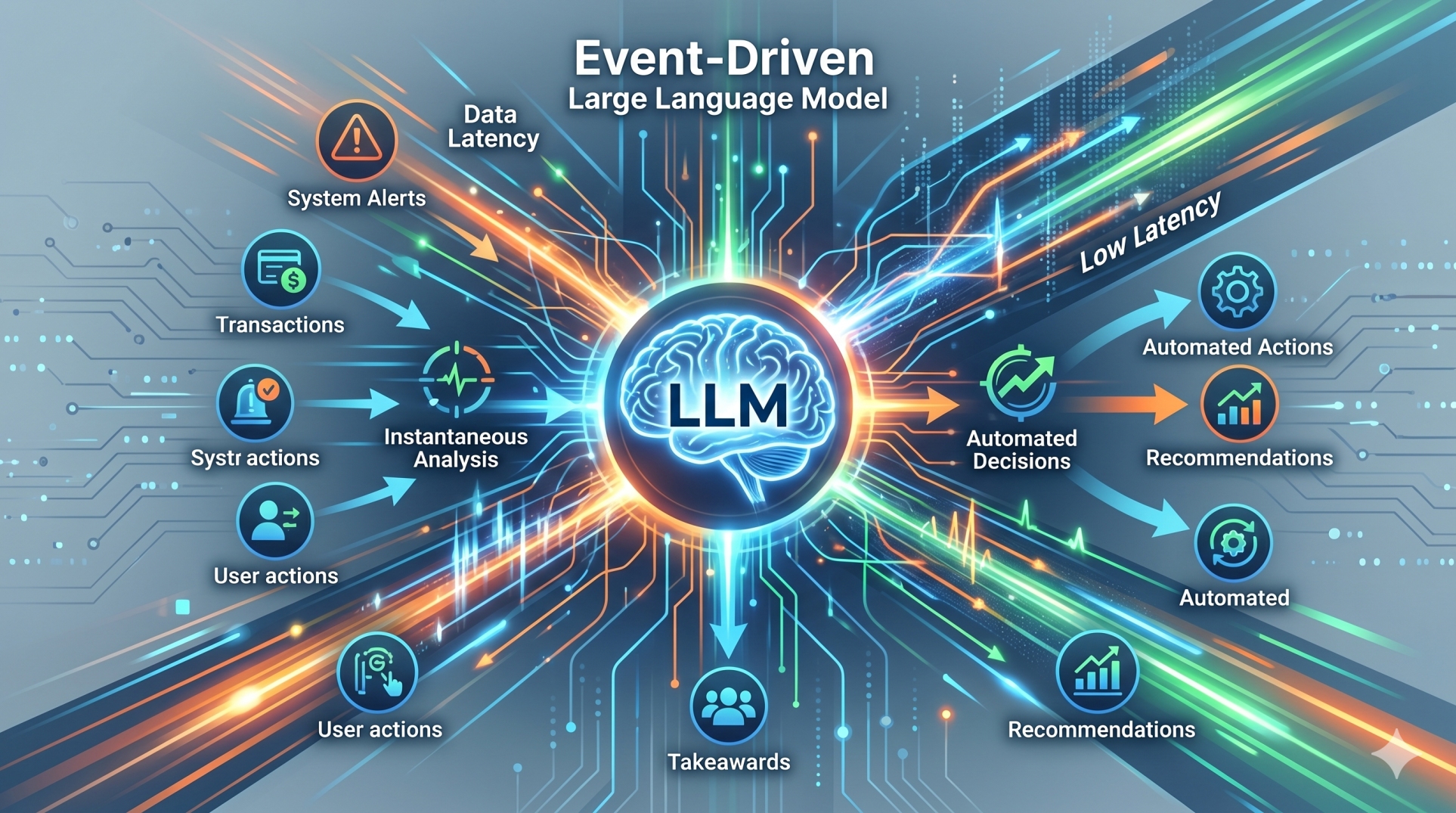
• Real-time adaptation based on user behavior ⚡
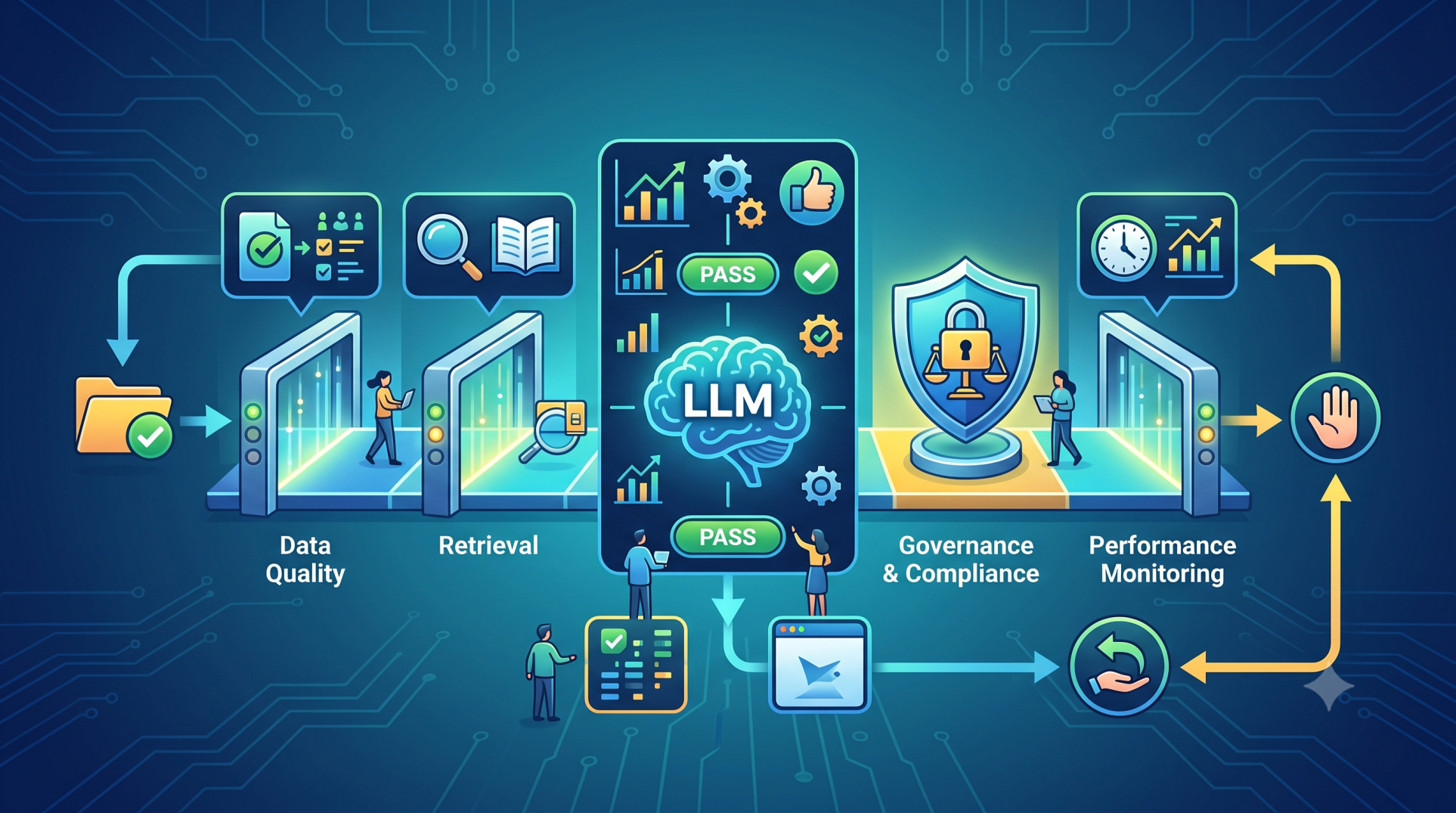
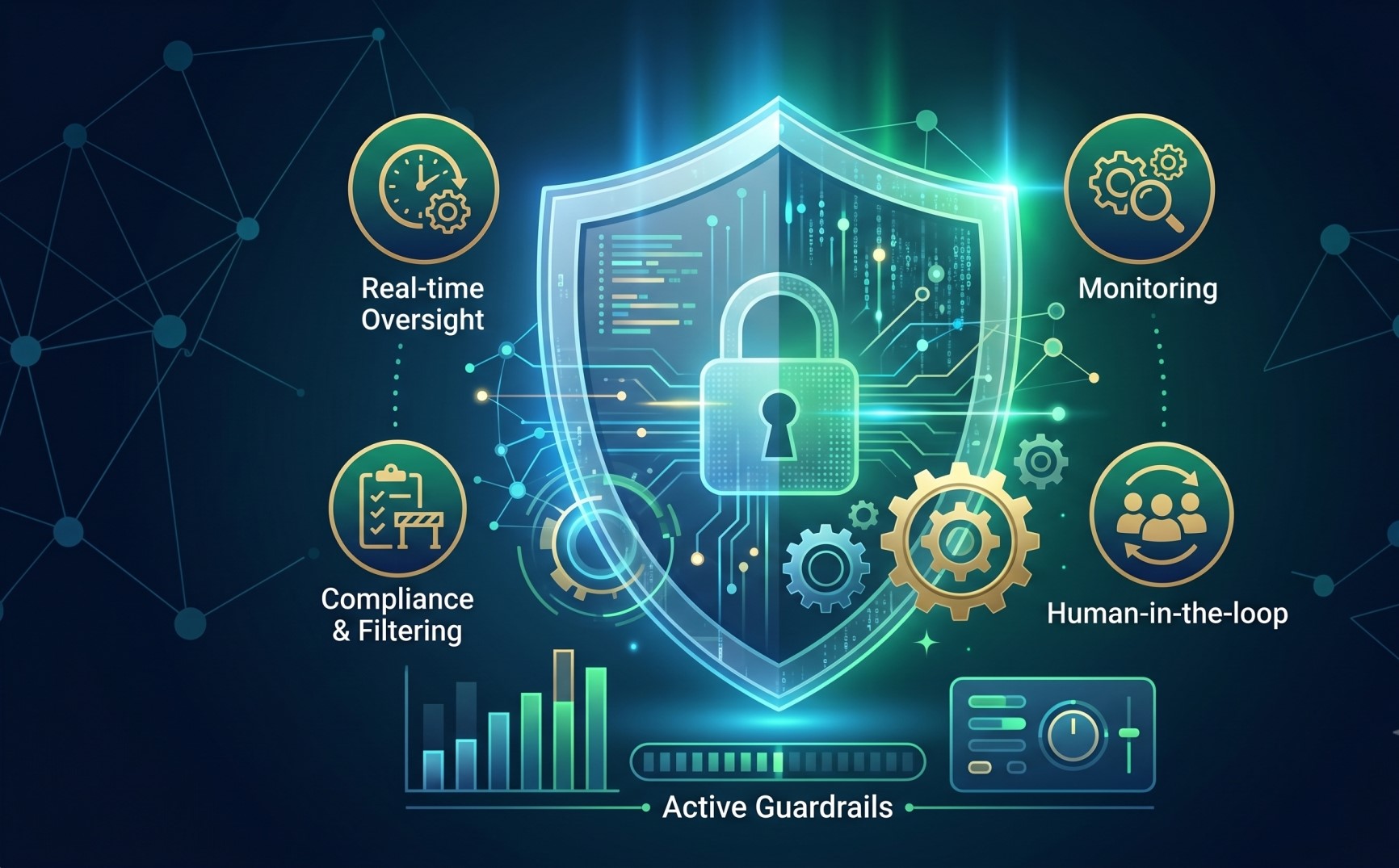
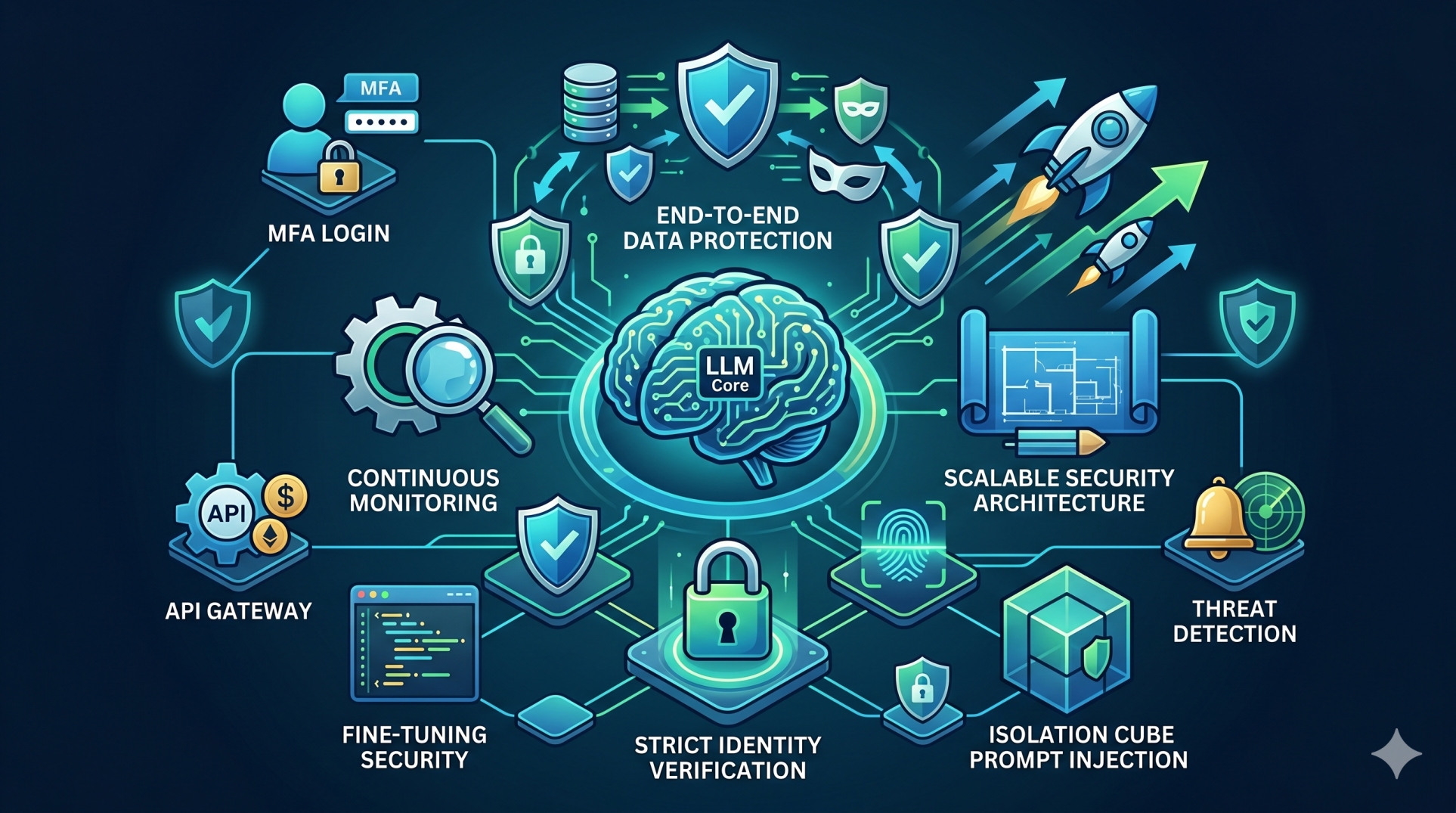
• Secure handling of user preferences and data 🔐
• Scalable personalization architecture for growth 🚀
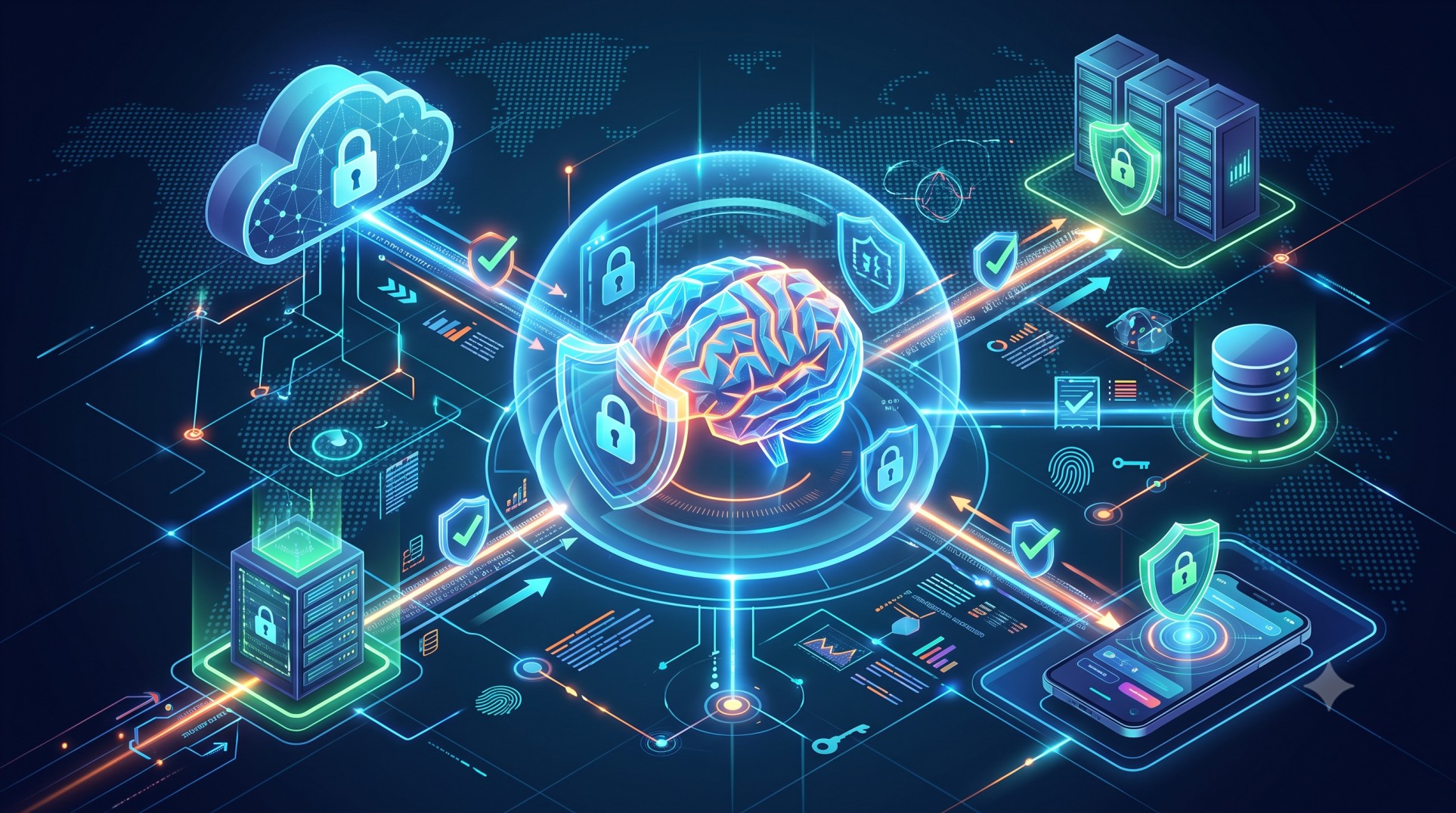
Step 9: Privacy, Security, and Ethical Considerations 🛡️
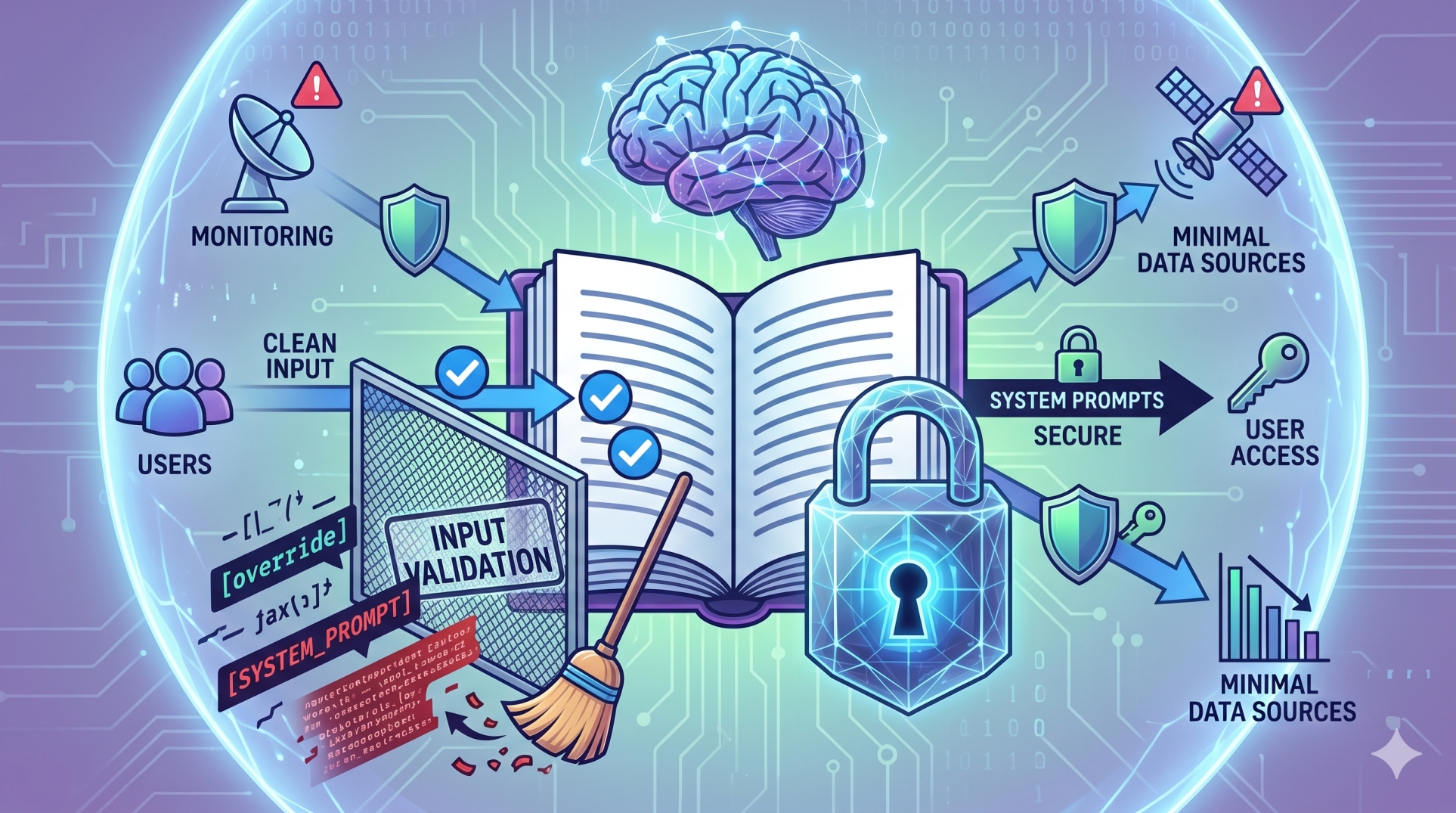
• Protect sensitive user data through secure storage 🔒
• Implement permission-based access controls 👤
• Maintain transparency in how personalization is applied 📜
• Avoid biased or manipulative recommendation systems ⚖️
• Ensure compliance with privacy and data regulations 🌍
Step 10: Building Scalable Personalization Ecosystems 🚀
• Design systems that support millions of personalized interactions 🌐
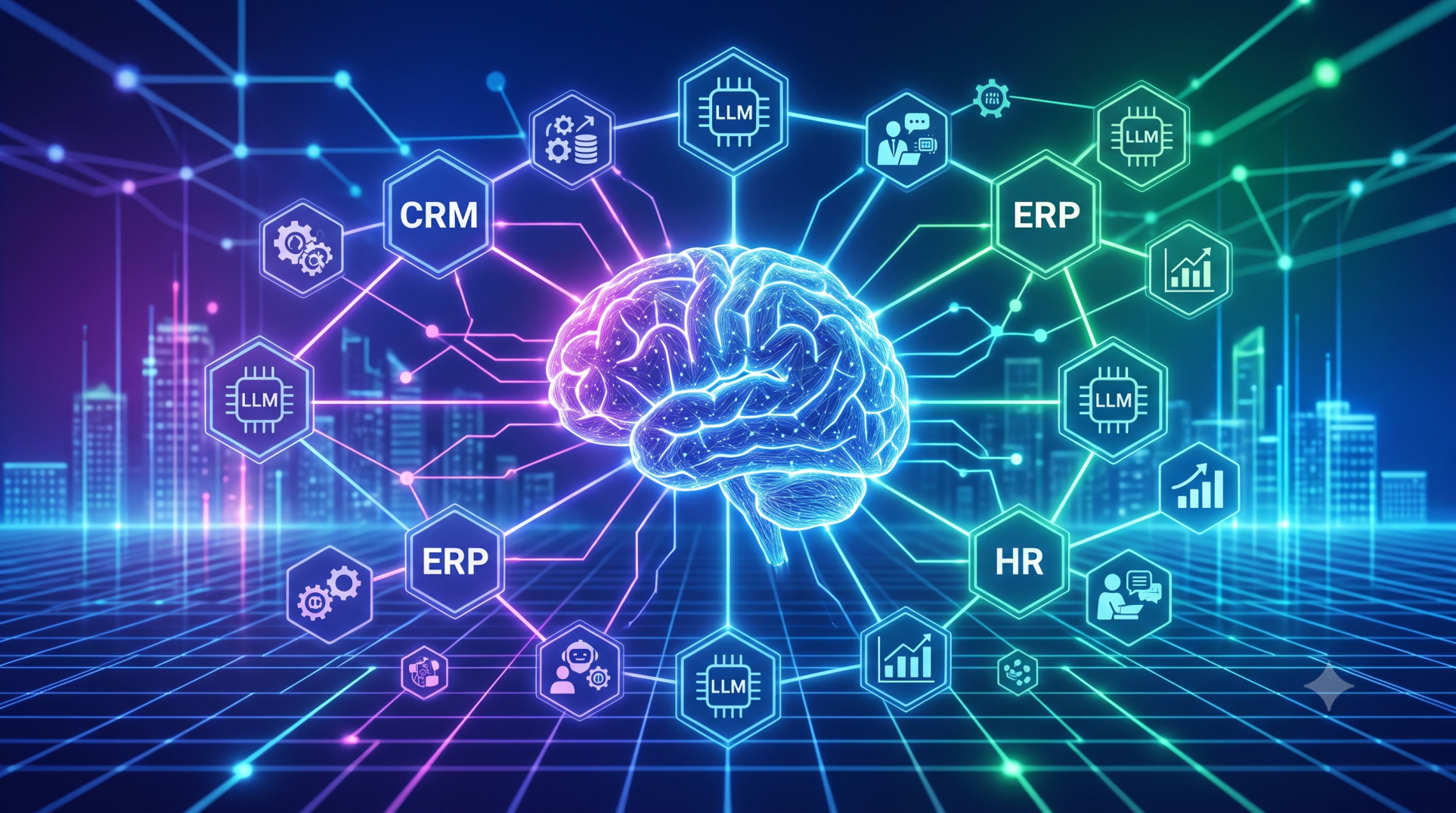
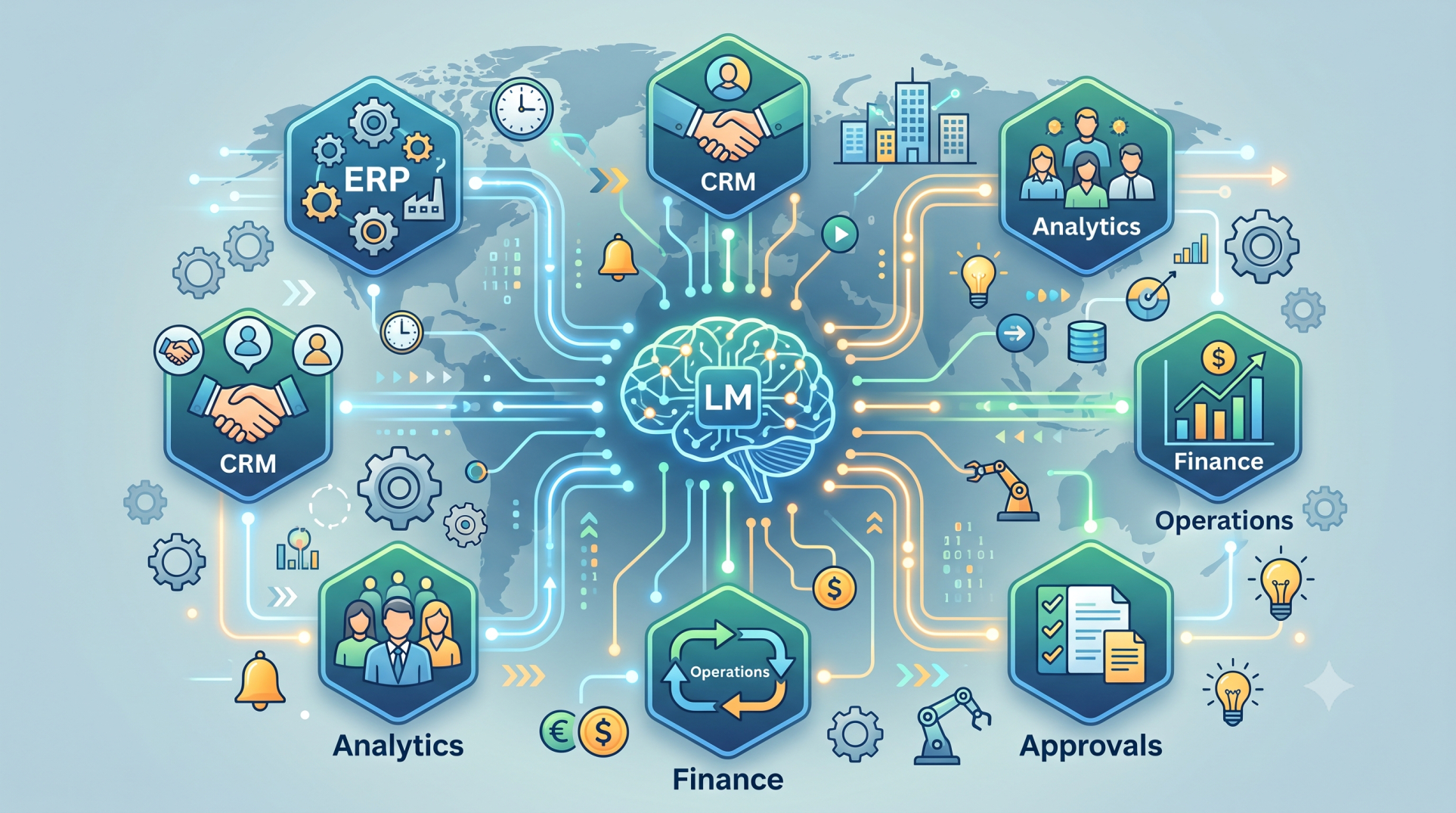
• Integrate personalization across enterprise applications 🔗
• Continuously optimize models based on user feedback 📈
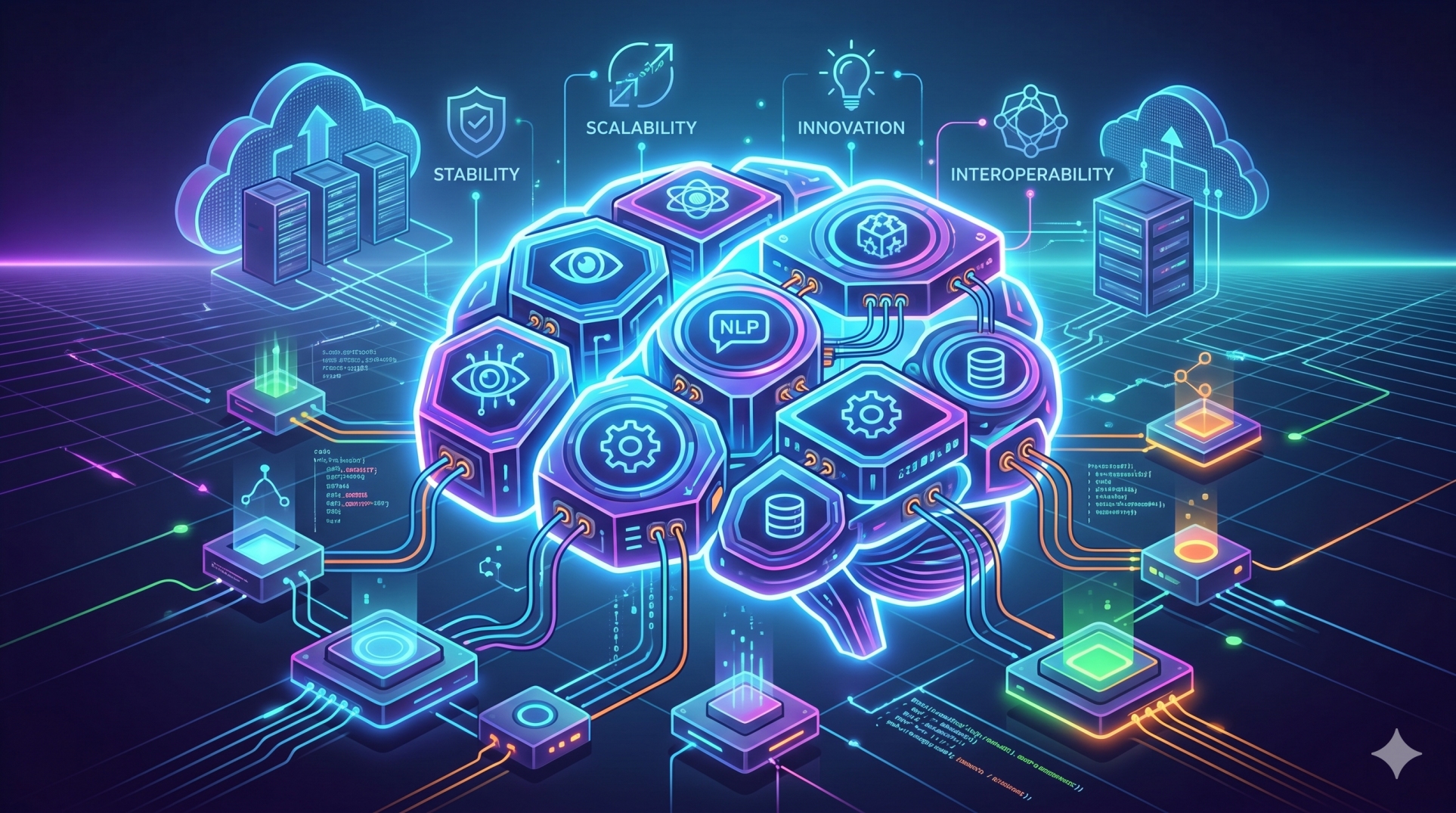
• Enable modular upgrades for evolving AI capabilities 🧩
• Future-proof personalization infrastructure for long-term growth 🔮
Conclusion
Personalization layers built on top of LLM software are transforming how users interact with AI-powered systems. By combining contextual memory, adaptive prompting, behavioral insights, and intelligent recommendations, organizations can create highly relevant and engaging experiences. Well-designed personalization frameworks not only improve usability and efficiency but also position LLM applications for scalable, long-term success in increasingly dynamic digital environments.
See more blogs
You can all the articles below