Structuring AI Pipelines with Modular Processing Stages
Structuring AI Pipelines with Modular Processing Stages
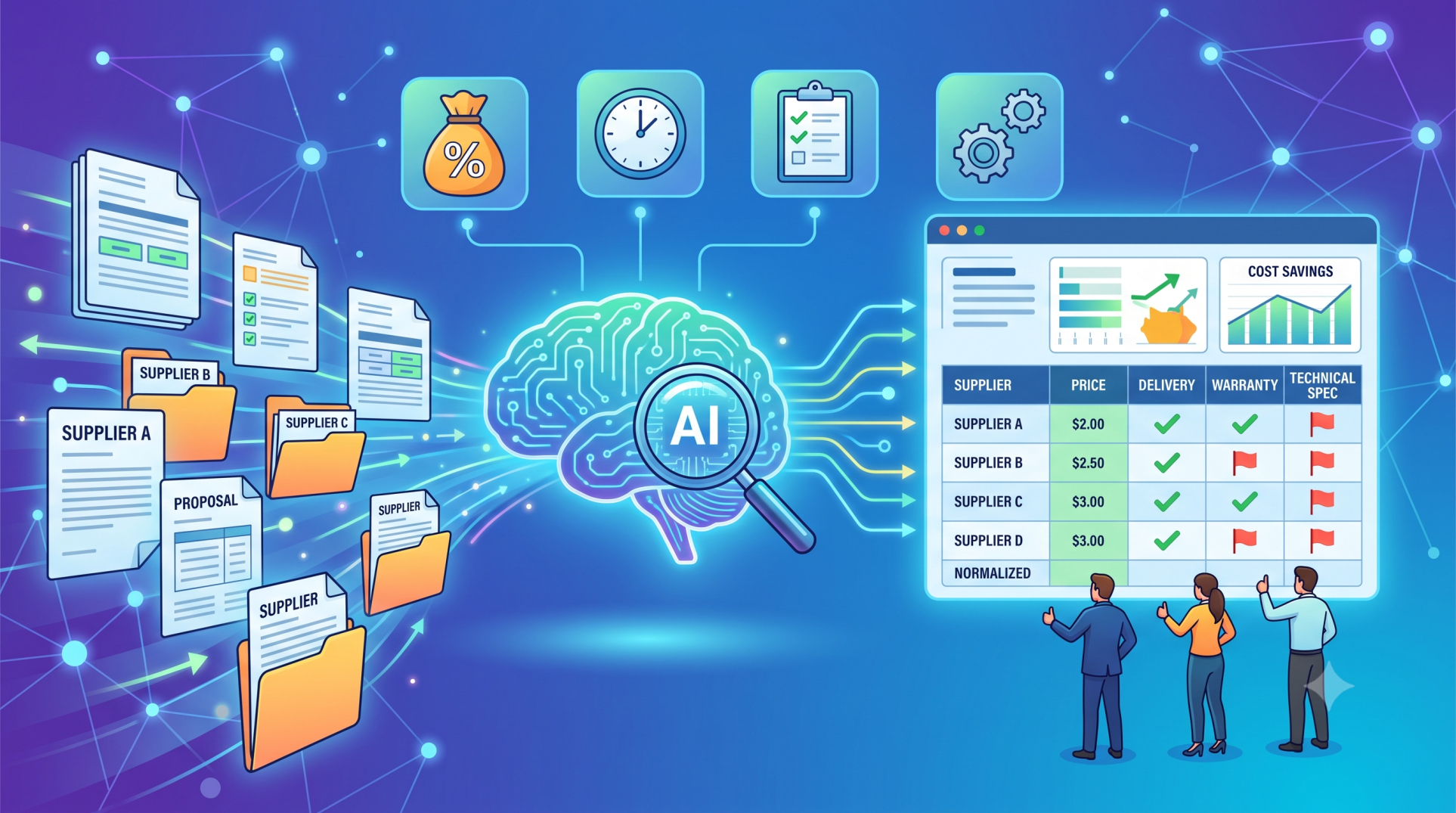
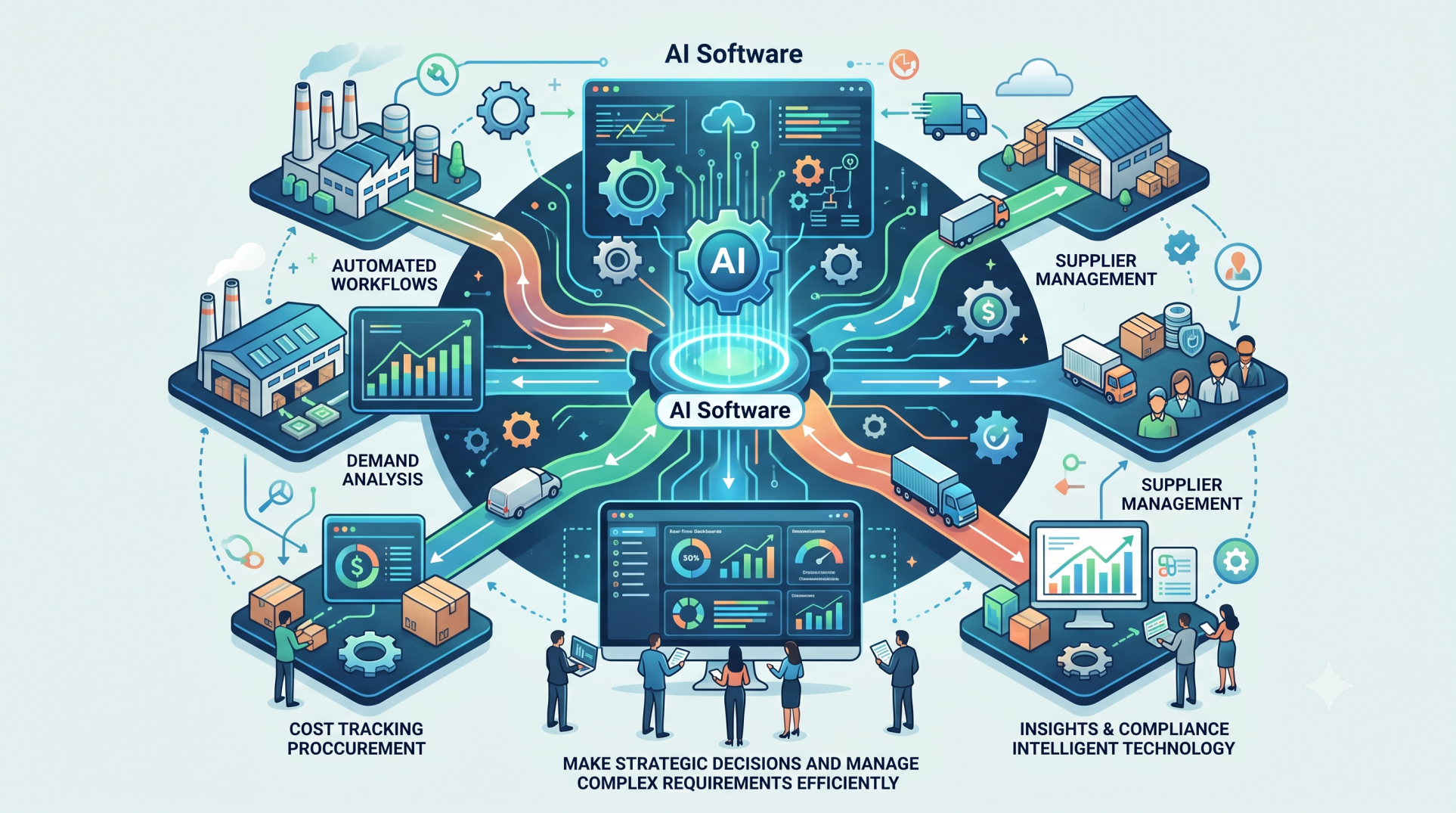
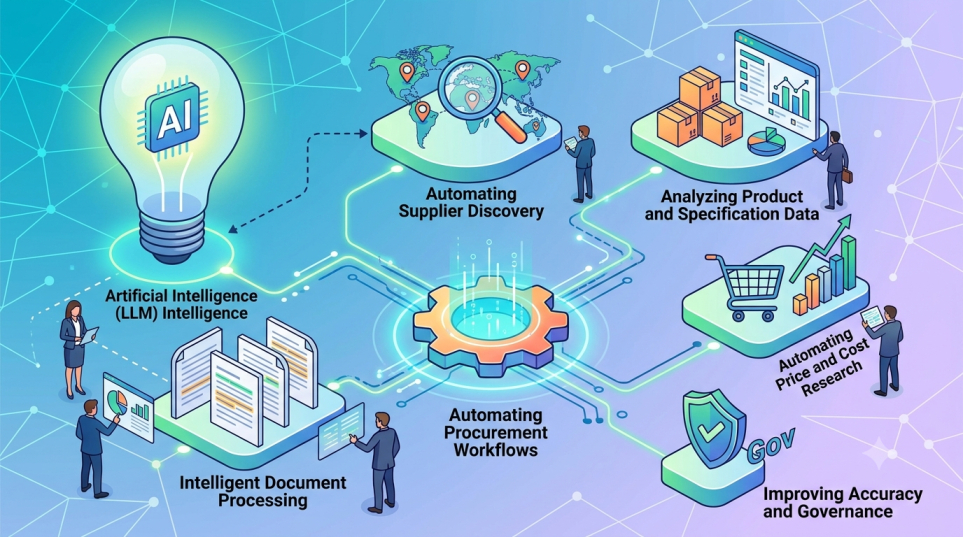
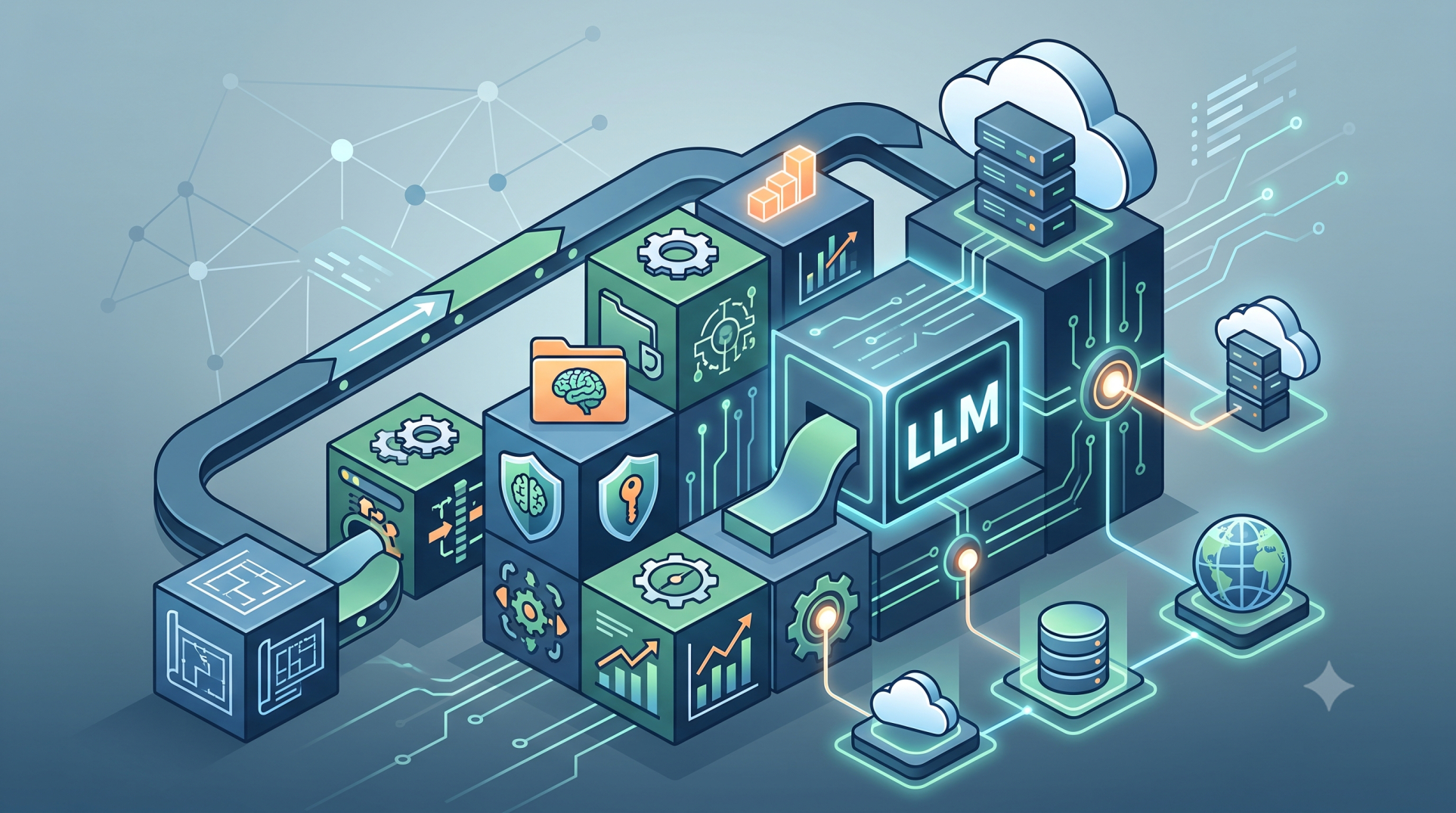
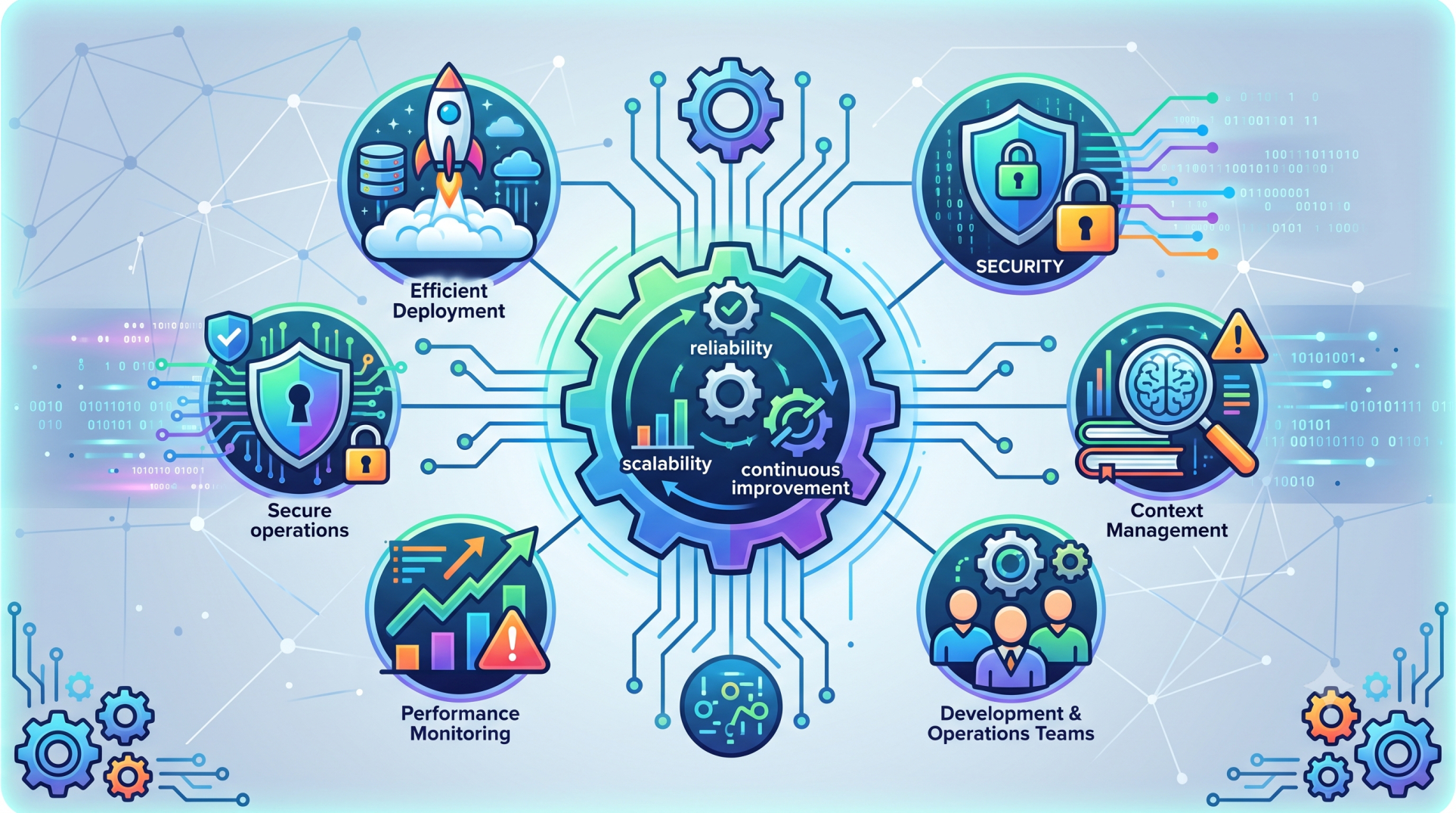
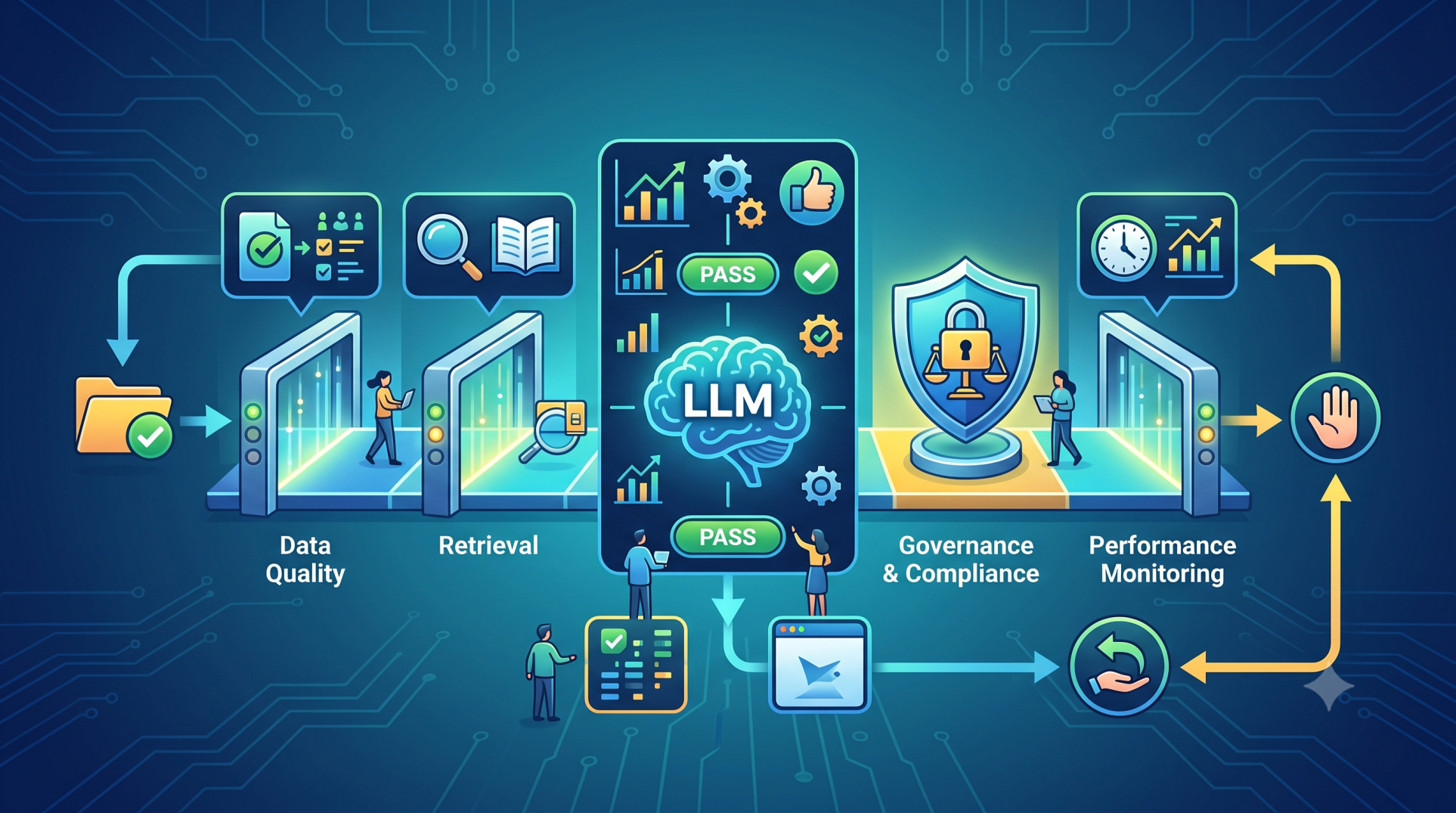
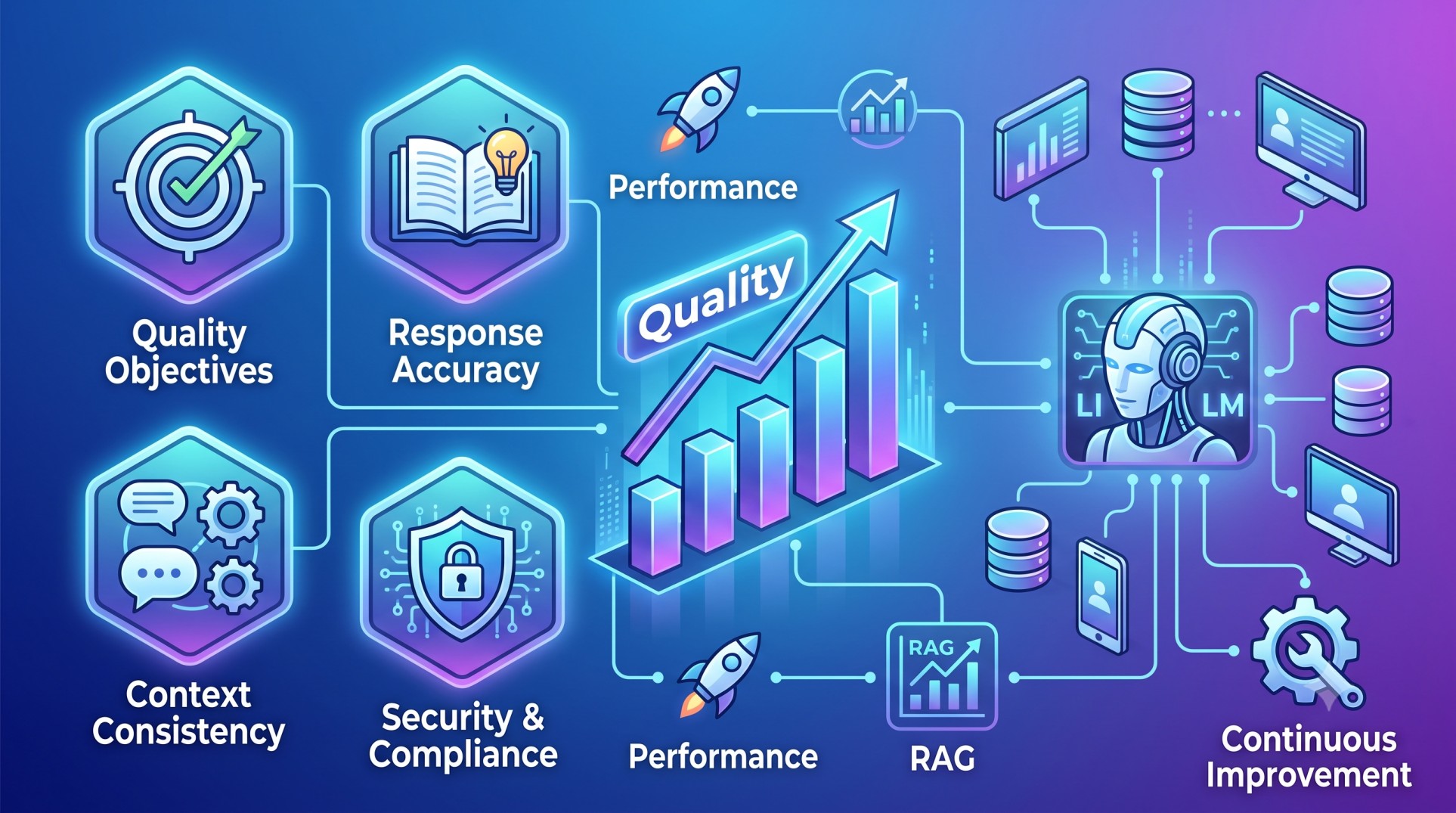
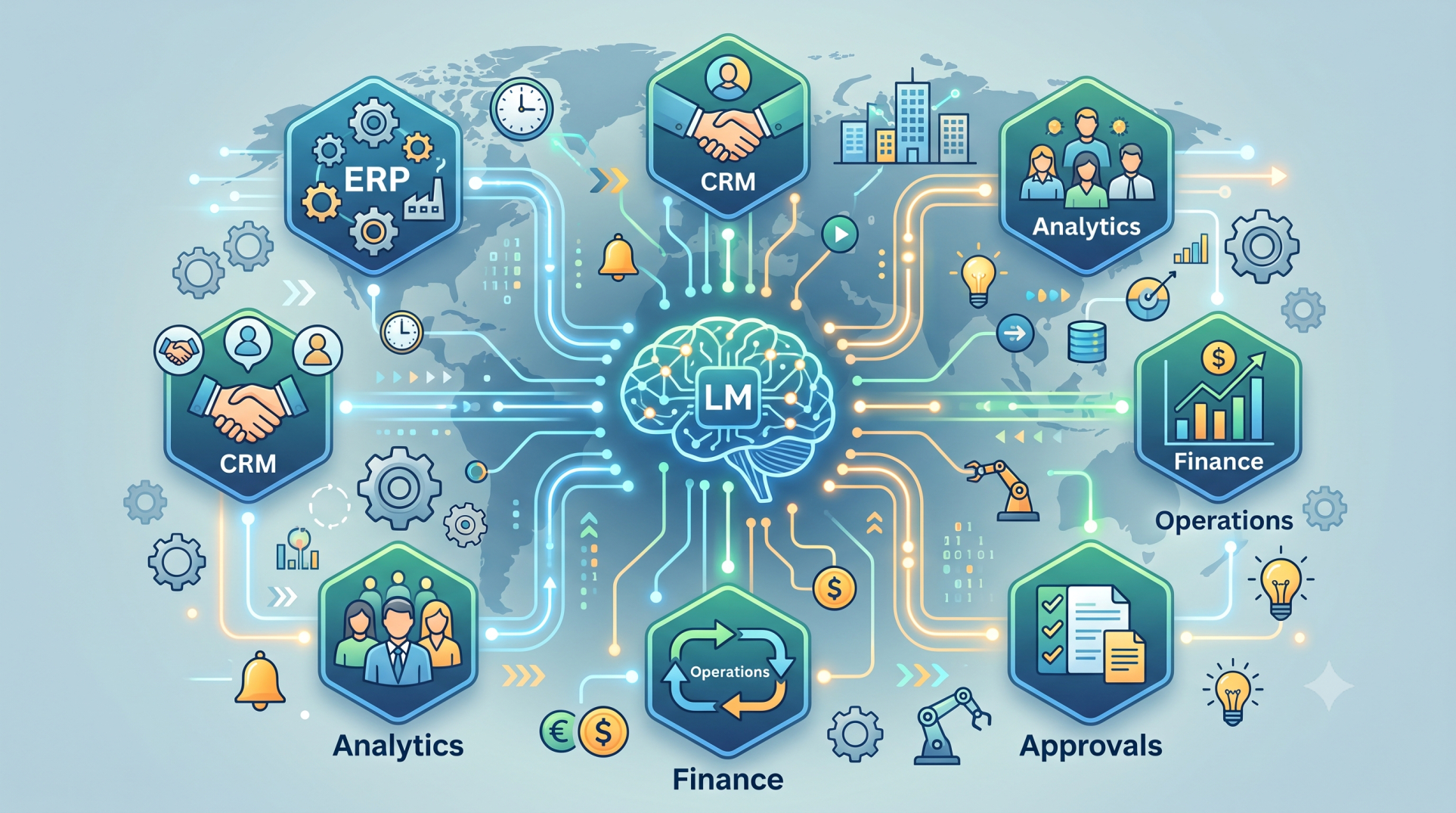
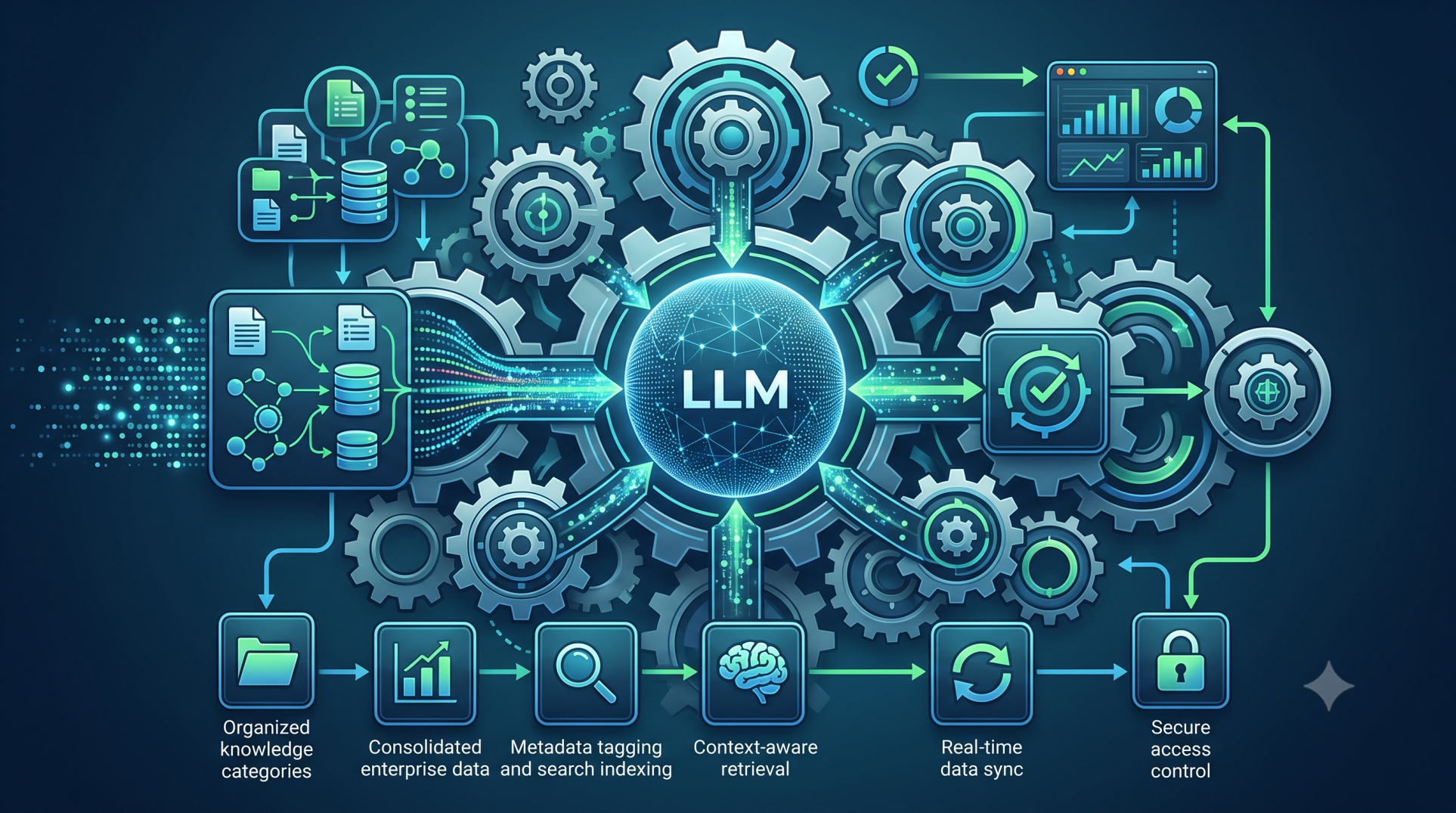
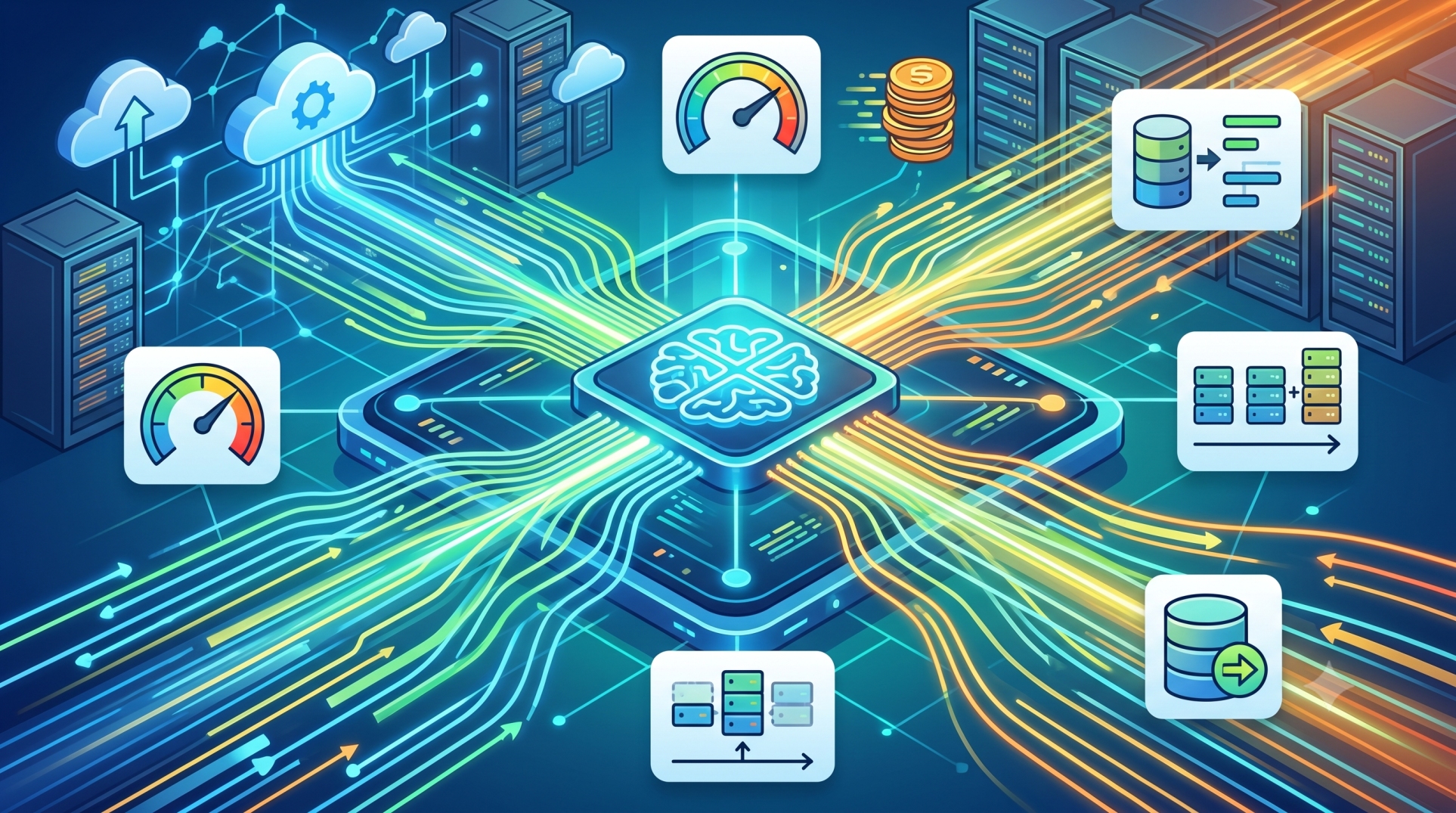
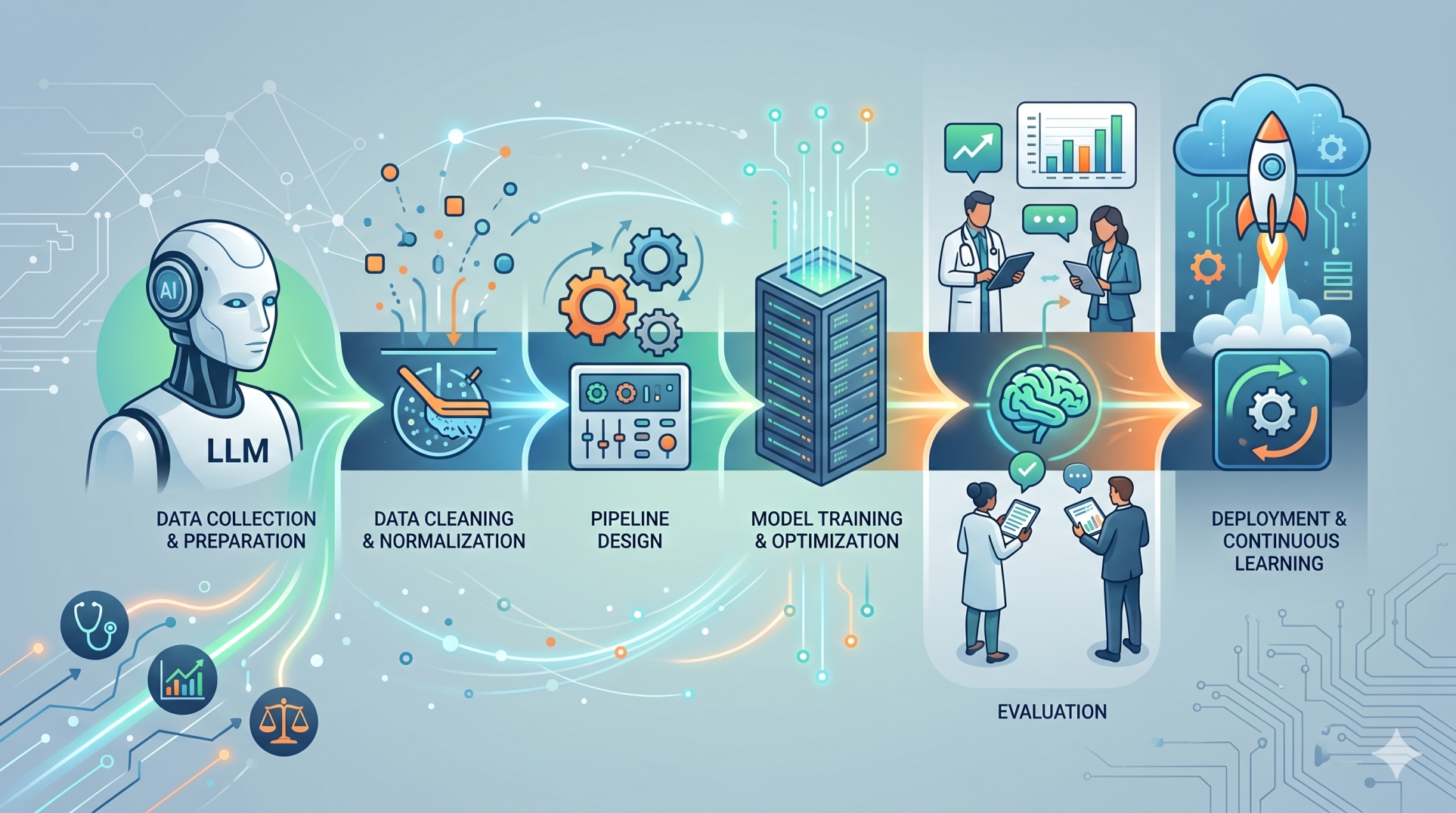
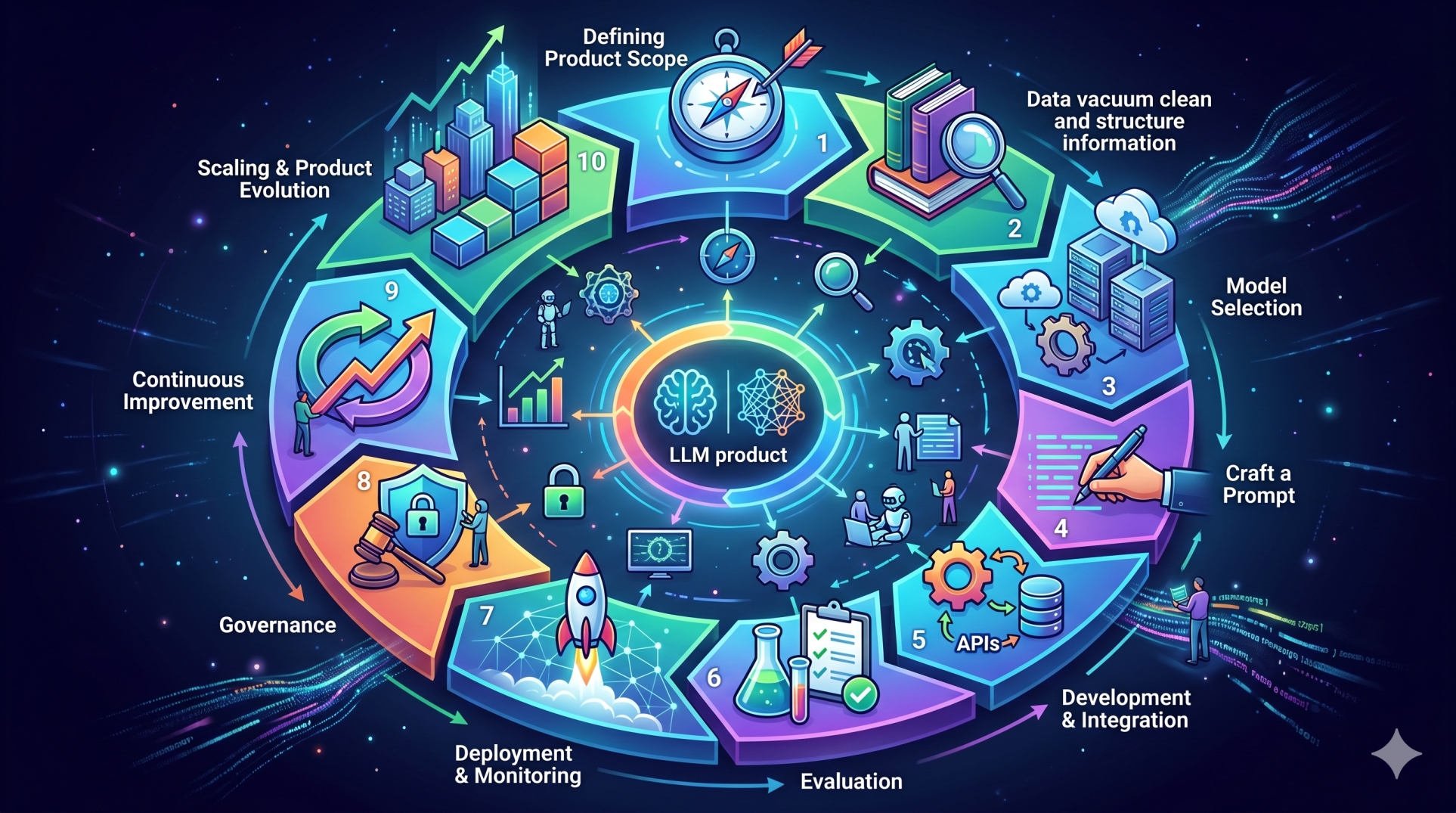
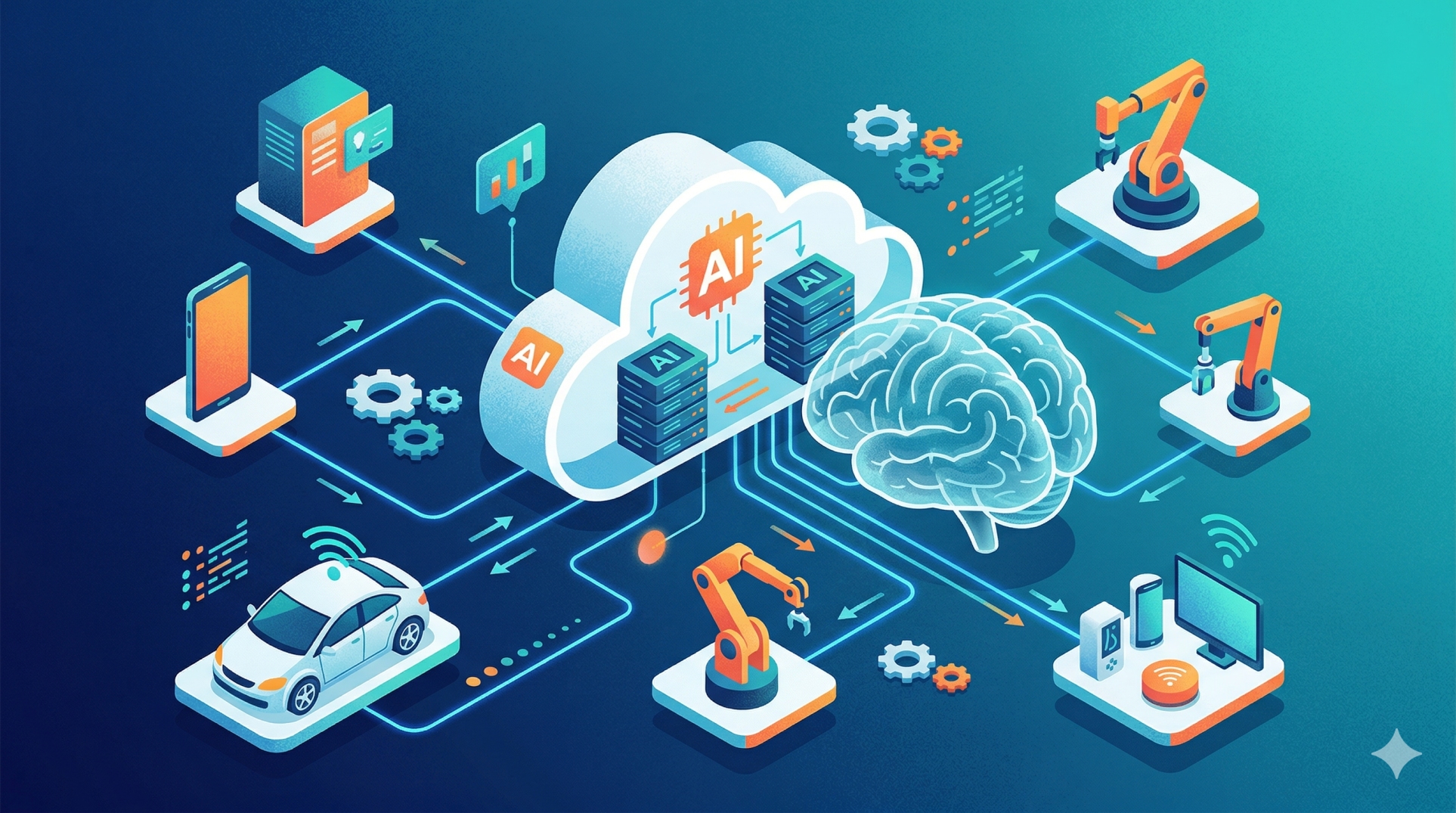
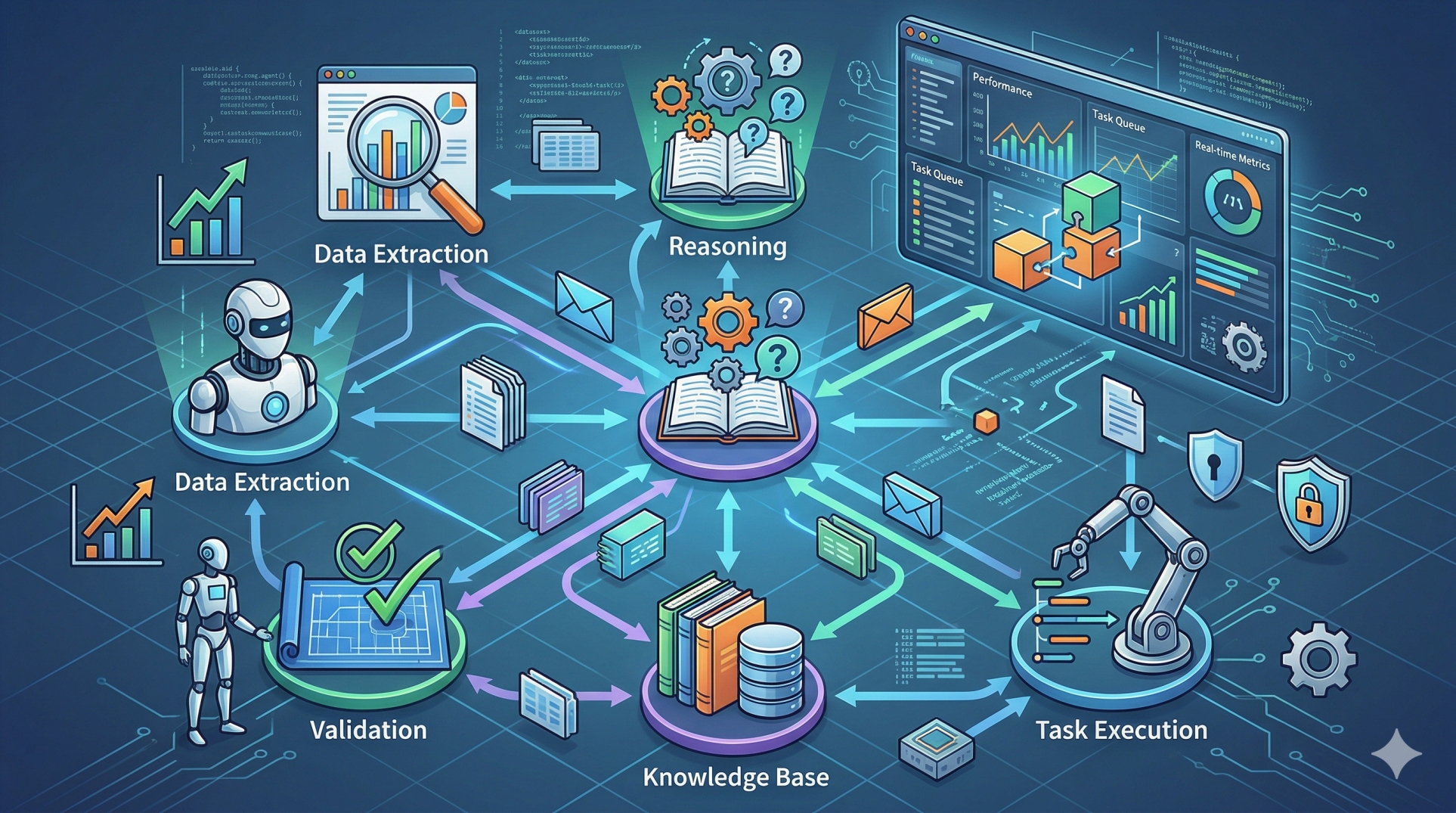
Modern artificial intelligence systems rely on organized processing pipelines to manage complex data workflows efficiently. By structuring AI pipelines into modular stages, organizations can separate large processes into smaller, independent components that are easier to develop, test, maintain, and improve. This modular approach strengthens scalability, improves reliability, and allows AI systems to adapt quickly as data sources, models, and business requirements evolve.
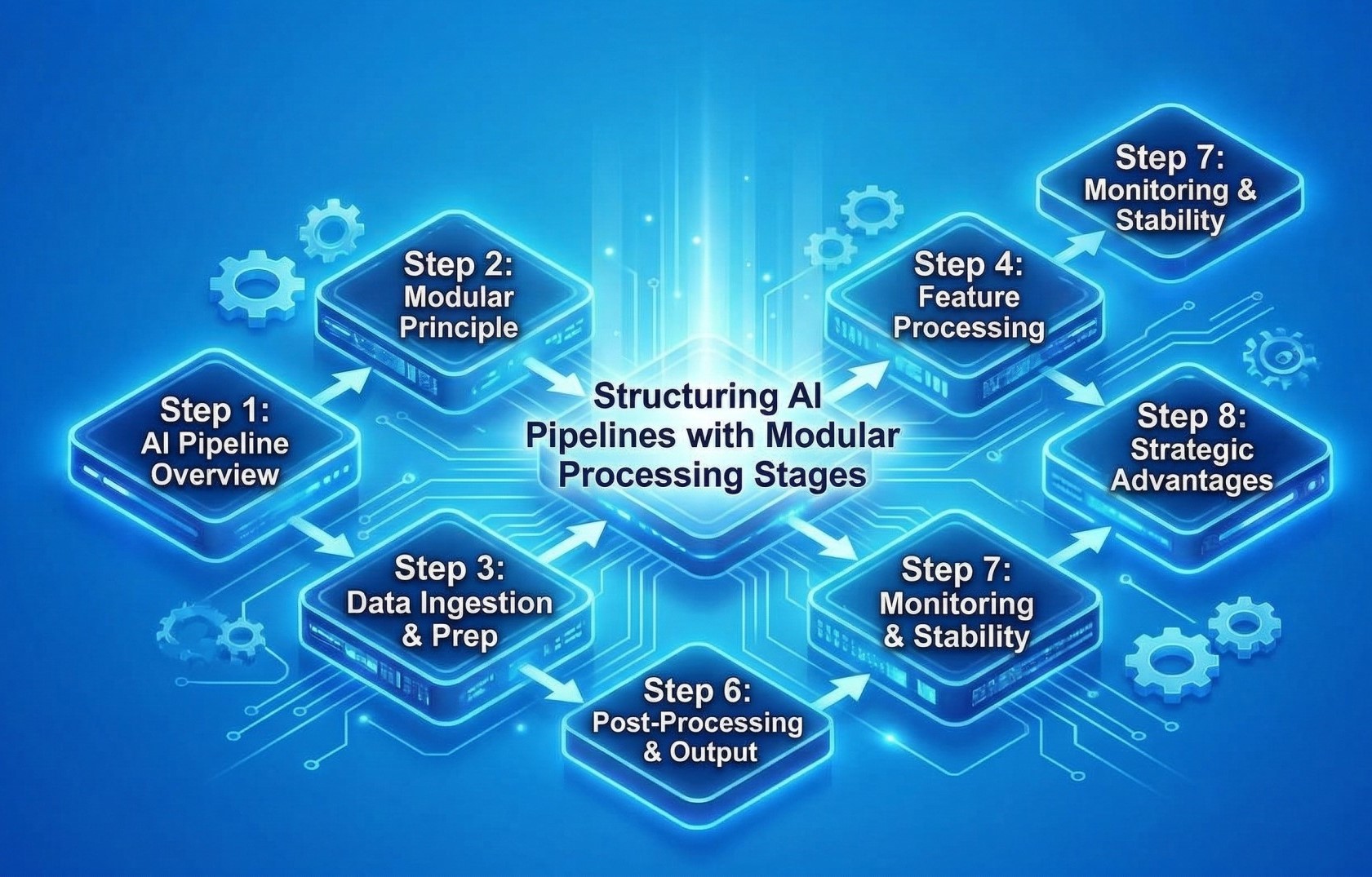
1. Understanding the Role of AI Pipelines ⚙️
• AI pipelines manage how data moves through multiple processing stages 🔄
• Each stage performs a defined task such as transformation, analysis, or prediction 🧠
• Structured pipelines organize complex workflows into clear operational sequences 🧩
• Defined stages improve transparency in how data is processed 👀
• Clear pipeline design makes troubleshooting and optimization easier 🛠️
2. The Principle of Modular Processing 🧱
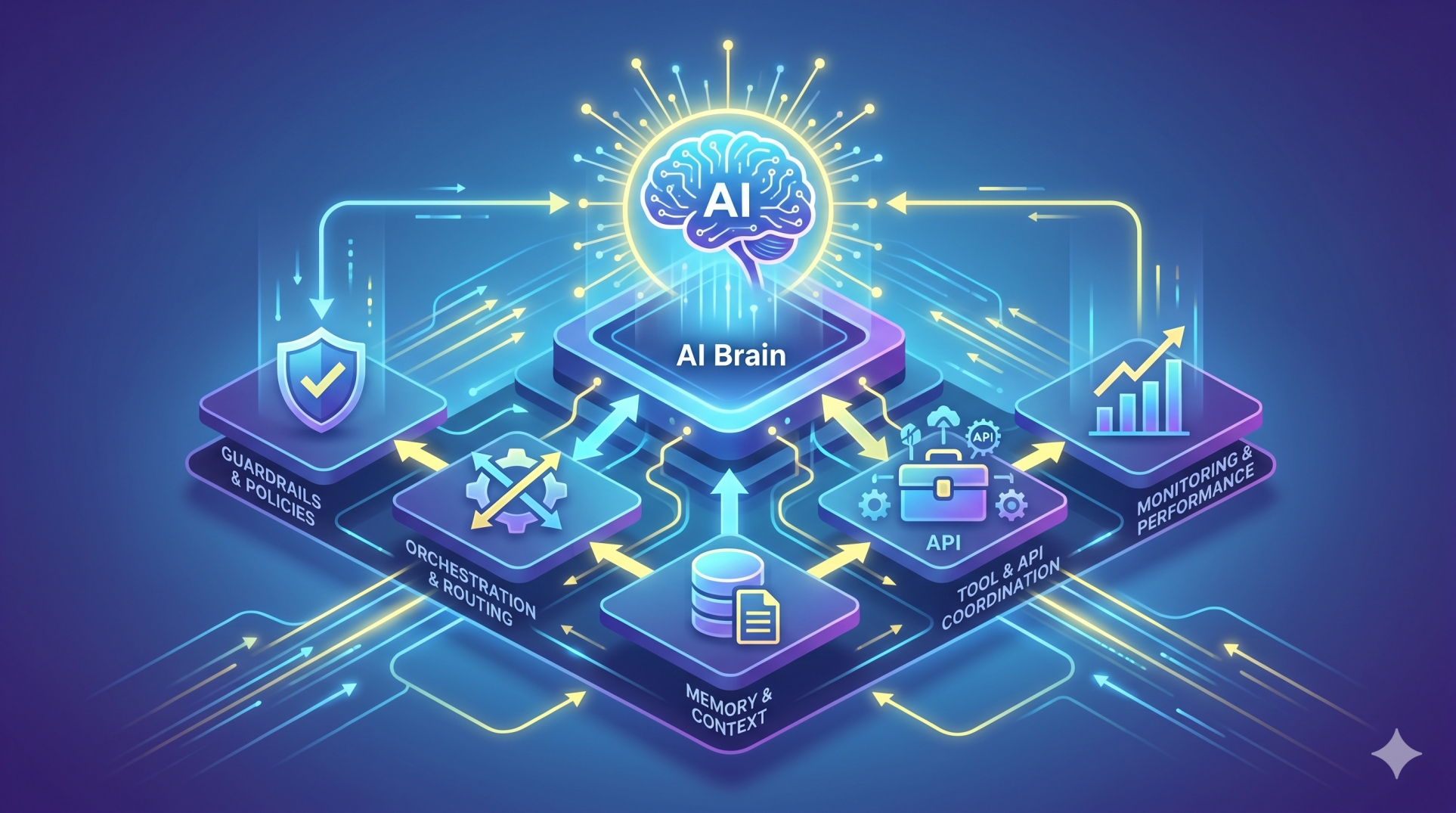
• Modular architecture separates systems into independent functional components ⚙️
• Each module focuses on a specific processing responsibility 🎯
• Individual modules can be modified or upgraded without redesigning the entire pipeline 🔧
• Reusable modules reduce development time across projects ⏱️
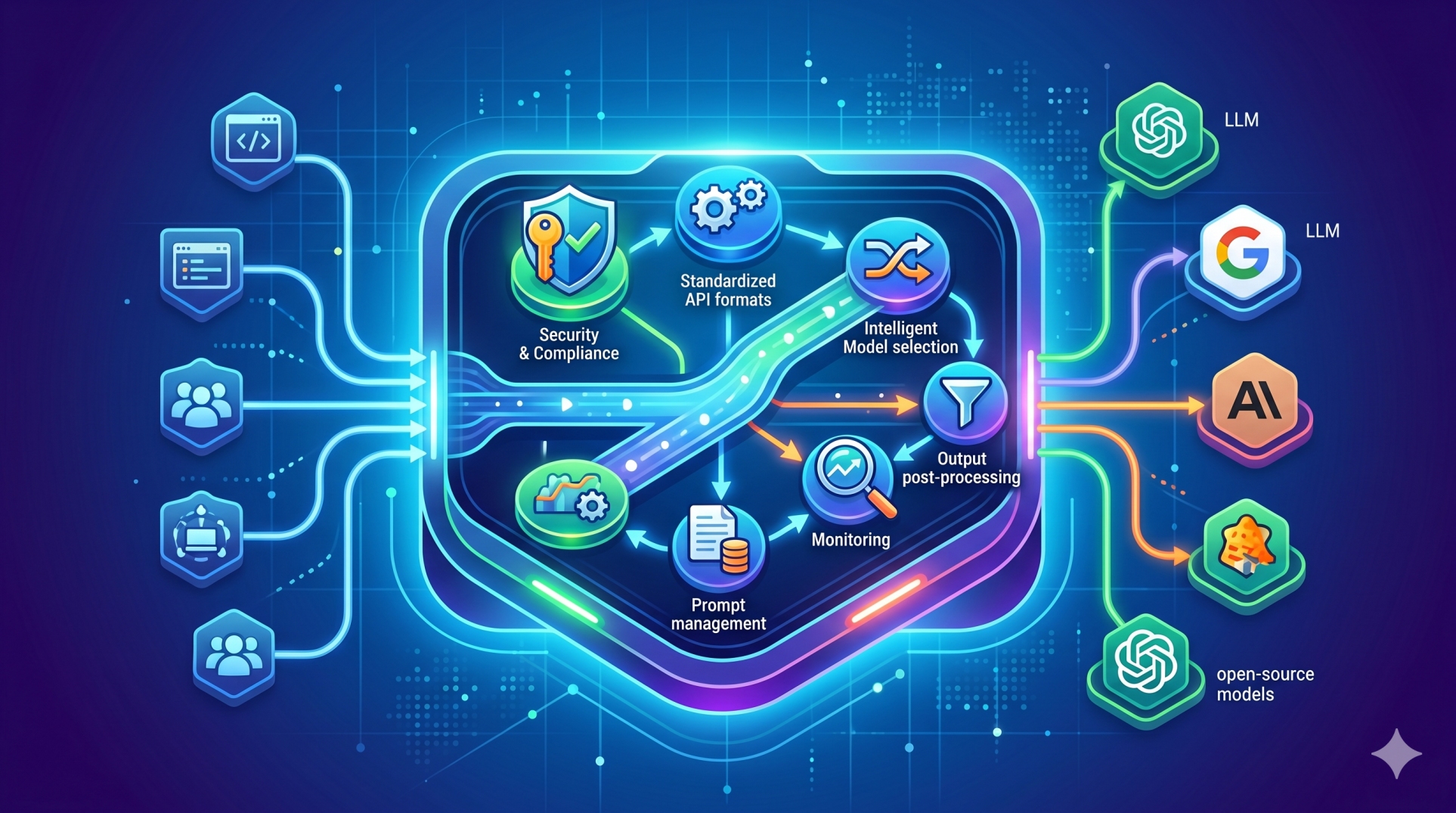
• Consistent interfaces simplify system integration 🔗
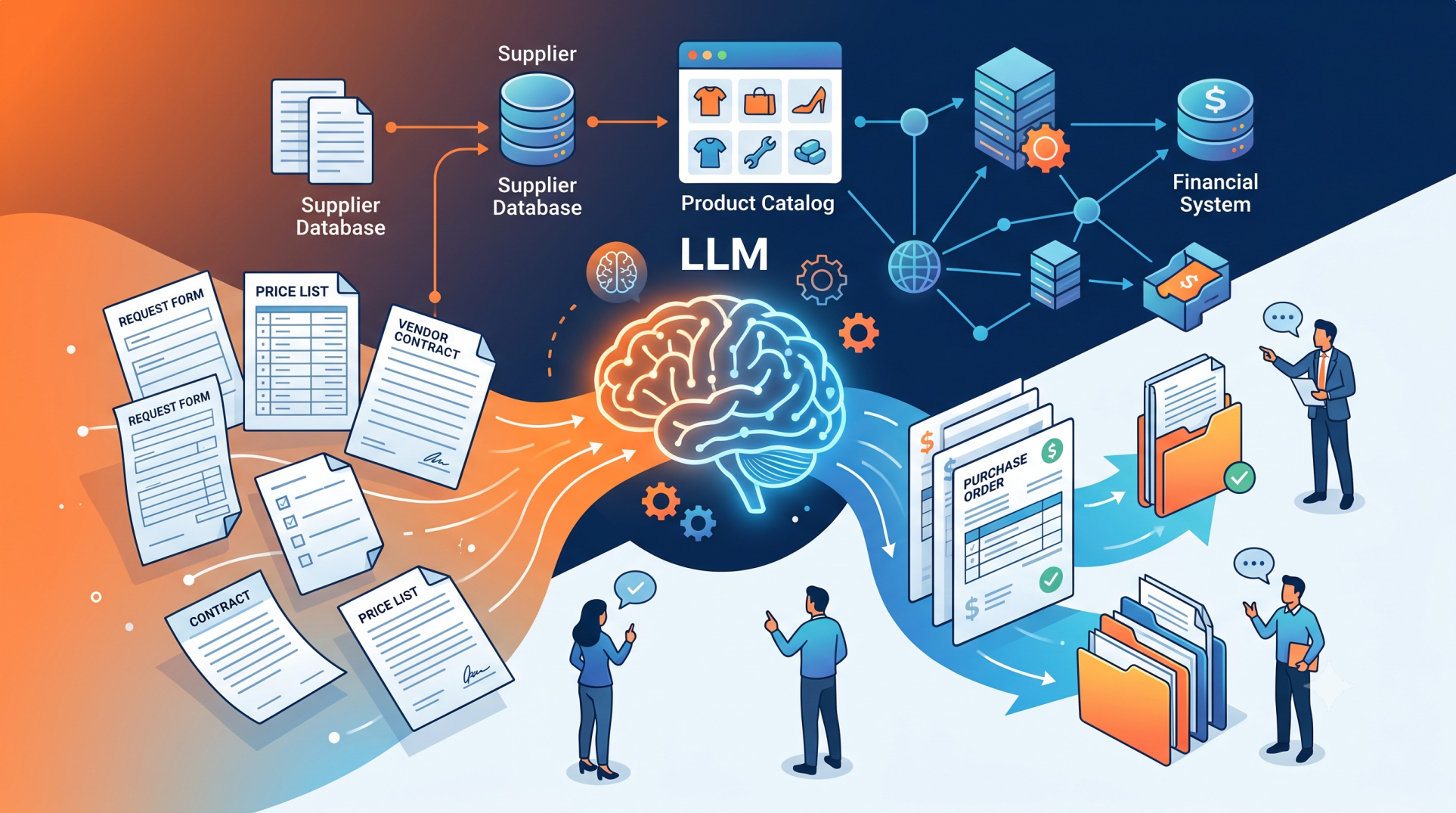
3. Data Ingestion and Preparation 📥
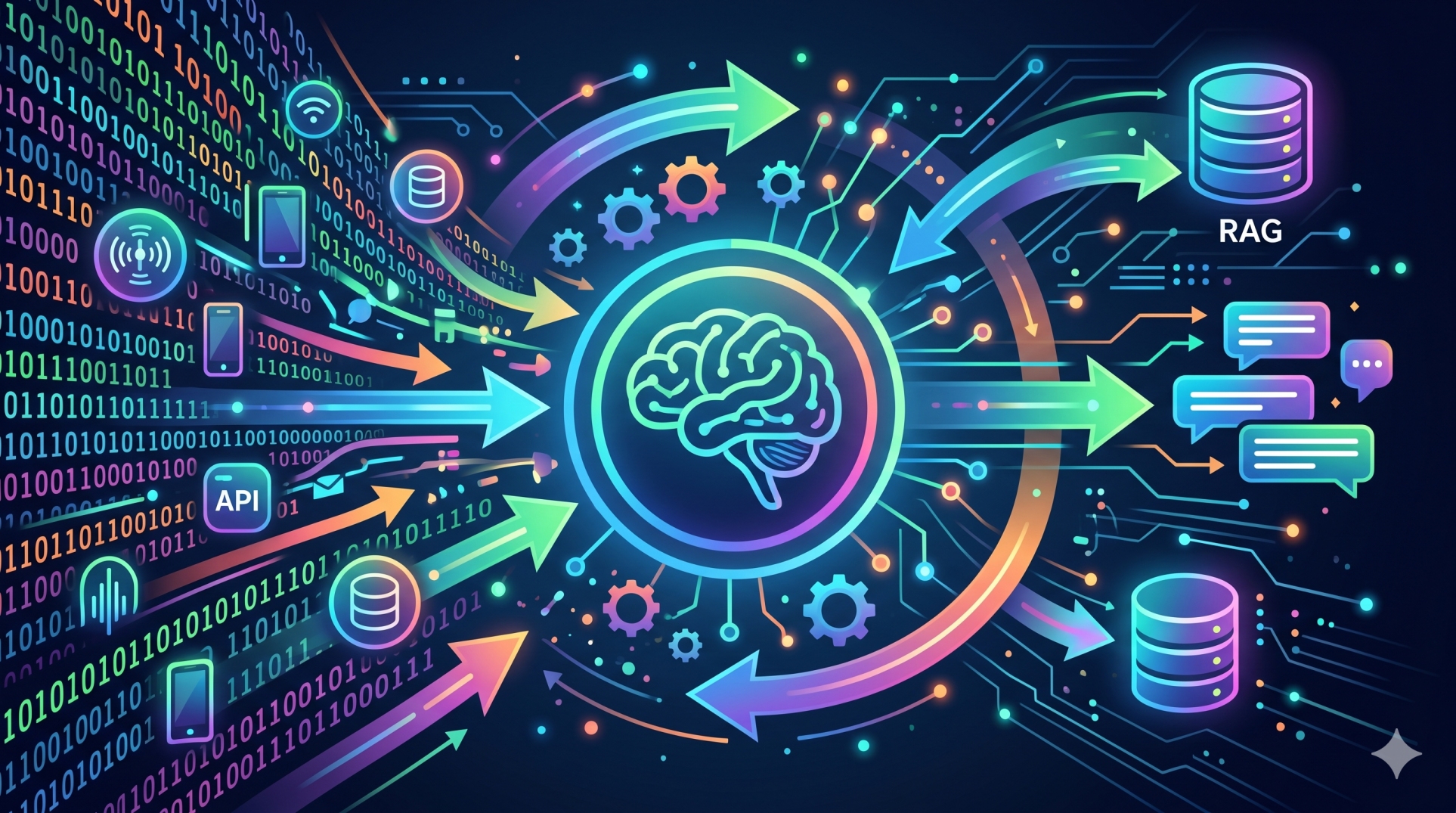
• Collects data from sources such as databases, APIs, files, and sensors 🌐
• Cleans and standardizes raw inputs before processing begins 🧹
• Removes inconsistencies, duplicates, and incomplete records 🚫
• Converts data into structured formats suitable for analysis 📊
• Establishes a reliable data foundation for the pipeline 🏗️
4. Feature Processing and Transformation 🔬
• Transforms raw data into features suitable for machine learning models 🧠
• Applies techniques such as encoding, normalization, and scaling ⚙️
• Extracts meaningful patterns that improve model performance 📈
• Ensures feature consistency between training and inference stages 🔁
• Maintains standardized feature pipelines across environments 🌐
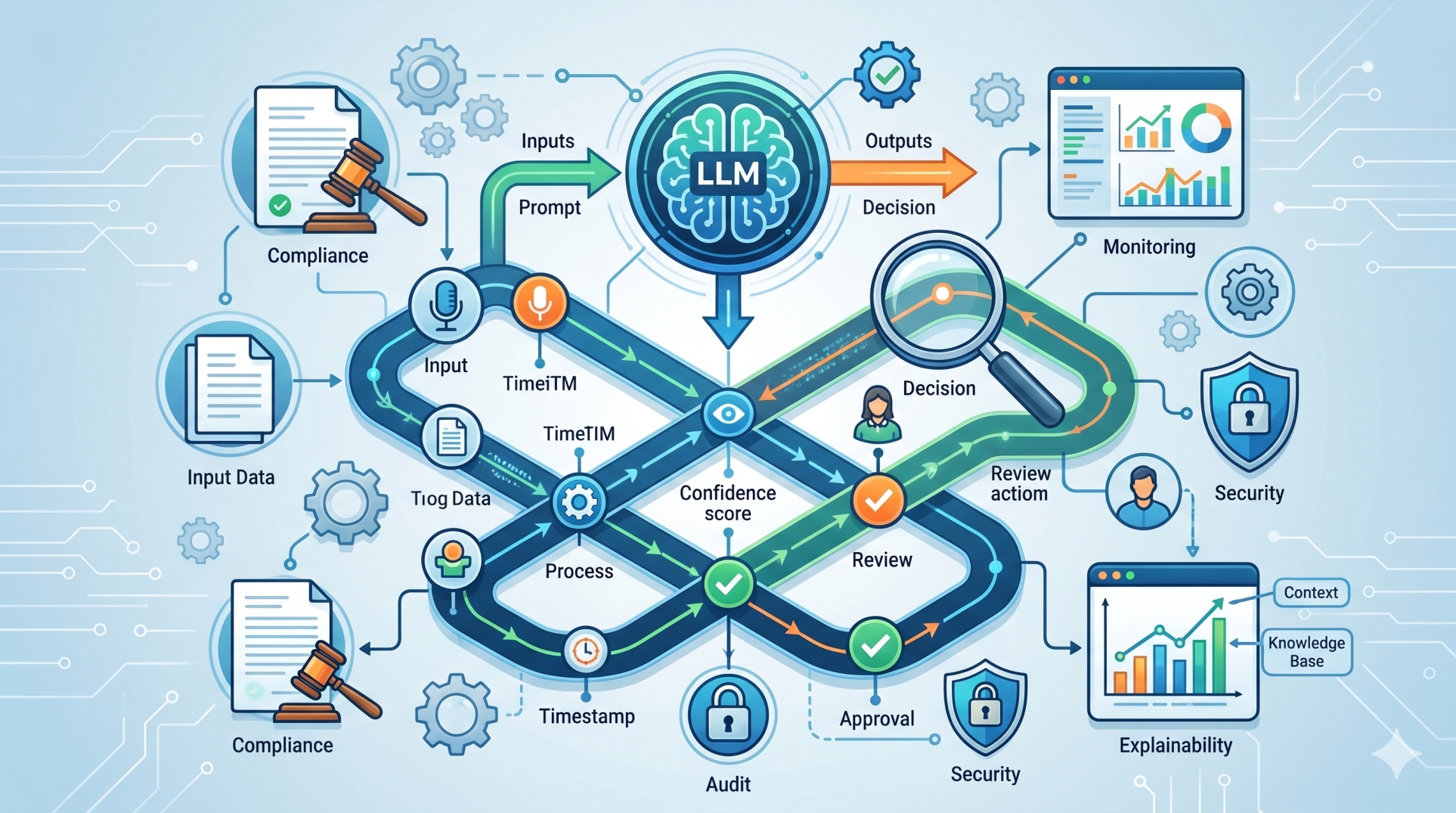
5. Model Processing and Inference 🤖
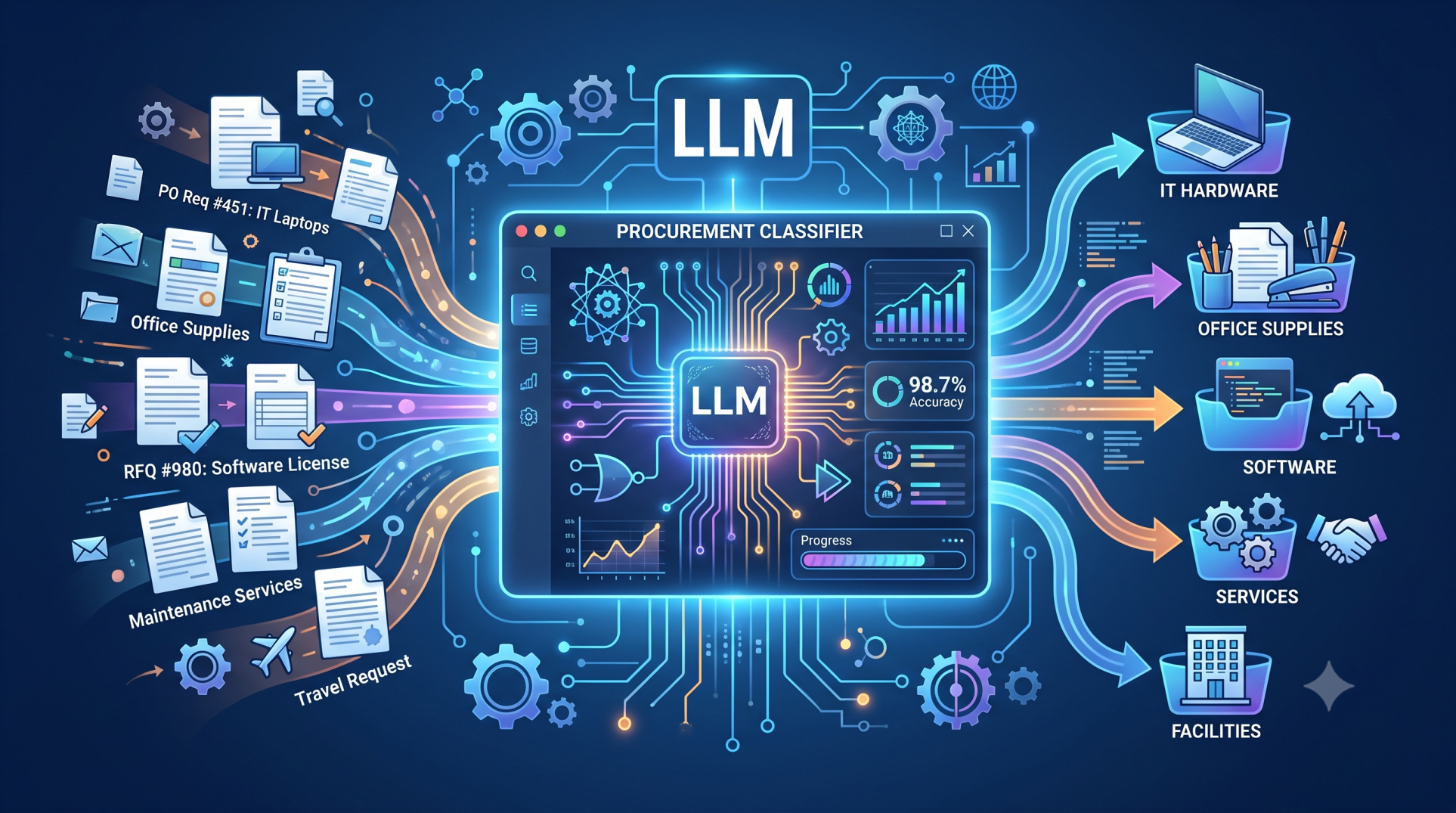
• Runs trained models to generate predictions or classifications 📊
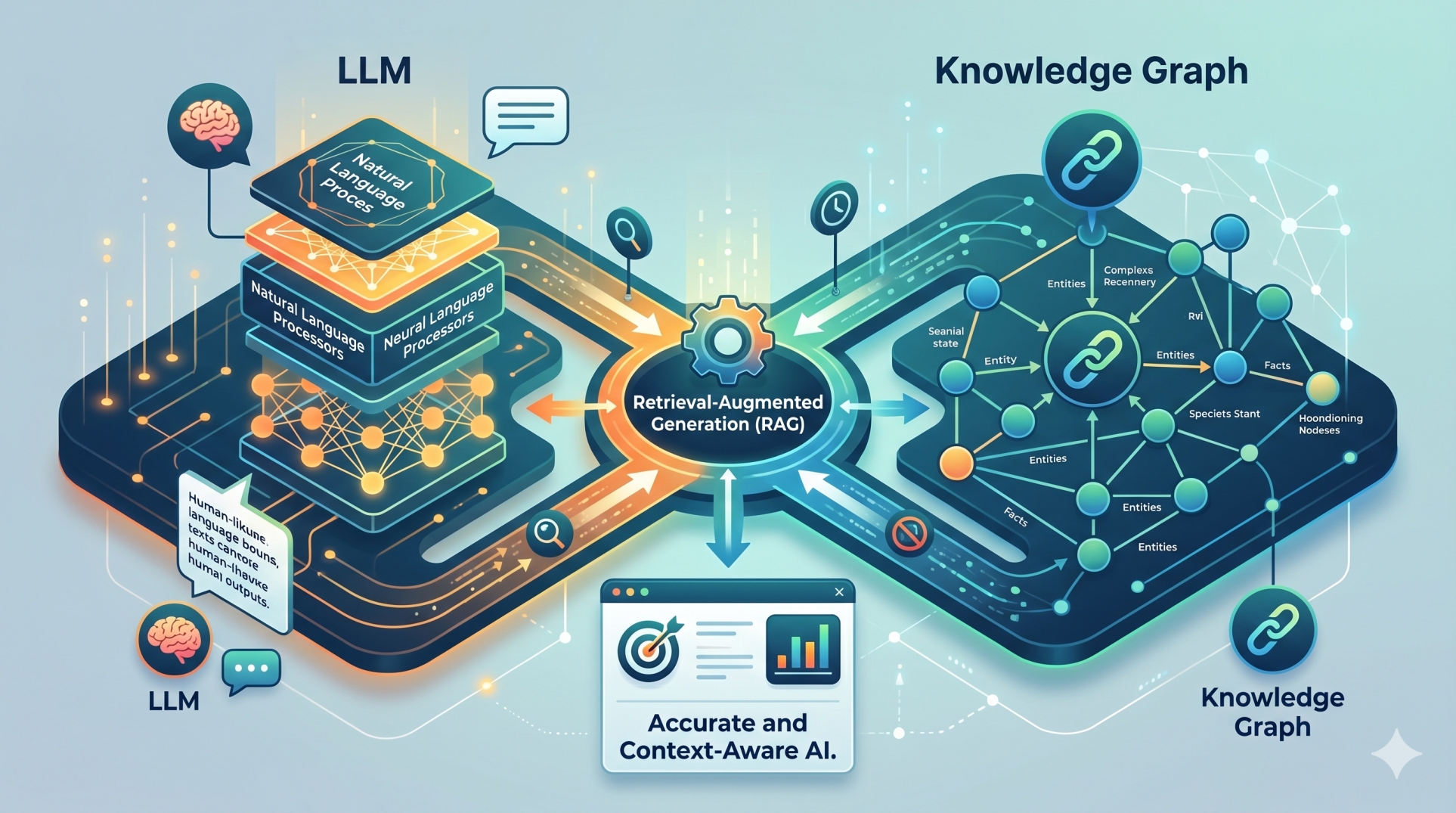
• Allows multiple models to operate within the same pipeline structure 🔗
• Supports model comparison and evaluation processes ⚖️
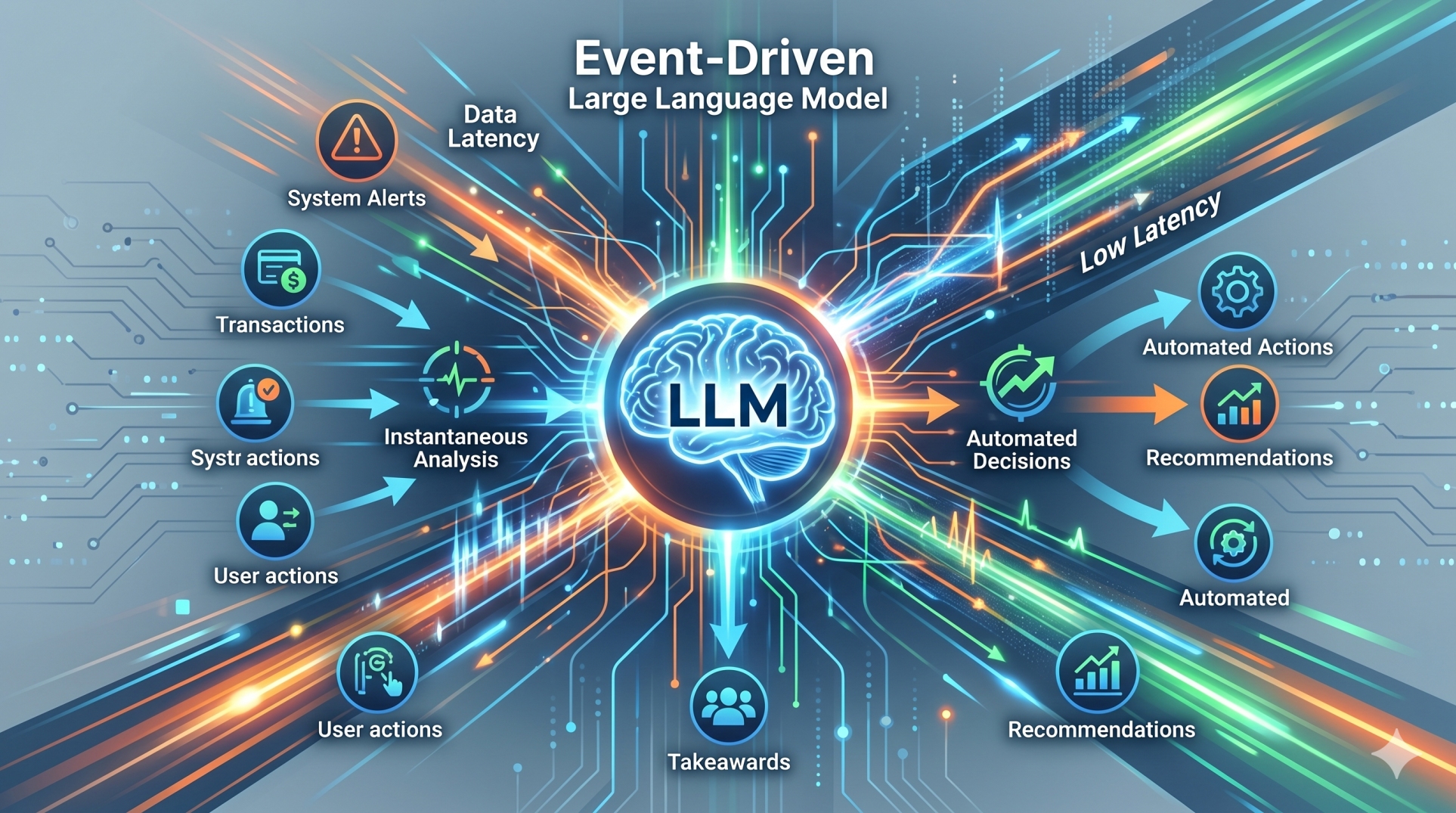
• Handles both real-time and batch prediction workflows ⏱️
• Ensures consistent and reliable inference results ✔️
6. Post-Processing and Output Structuring 📦
• Converts model predictions into usable business outputs 📊
• Applies validation rules and domain-specific logic 📜
• Formats results for downstream applications and systems 🔗
• Aggregates insights for reporting and decision support 📈
• Aligns outputs with operational or business requirements 🎯
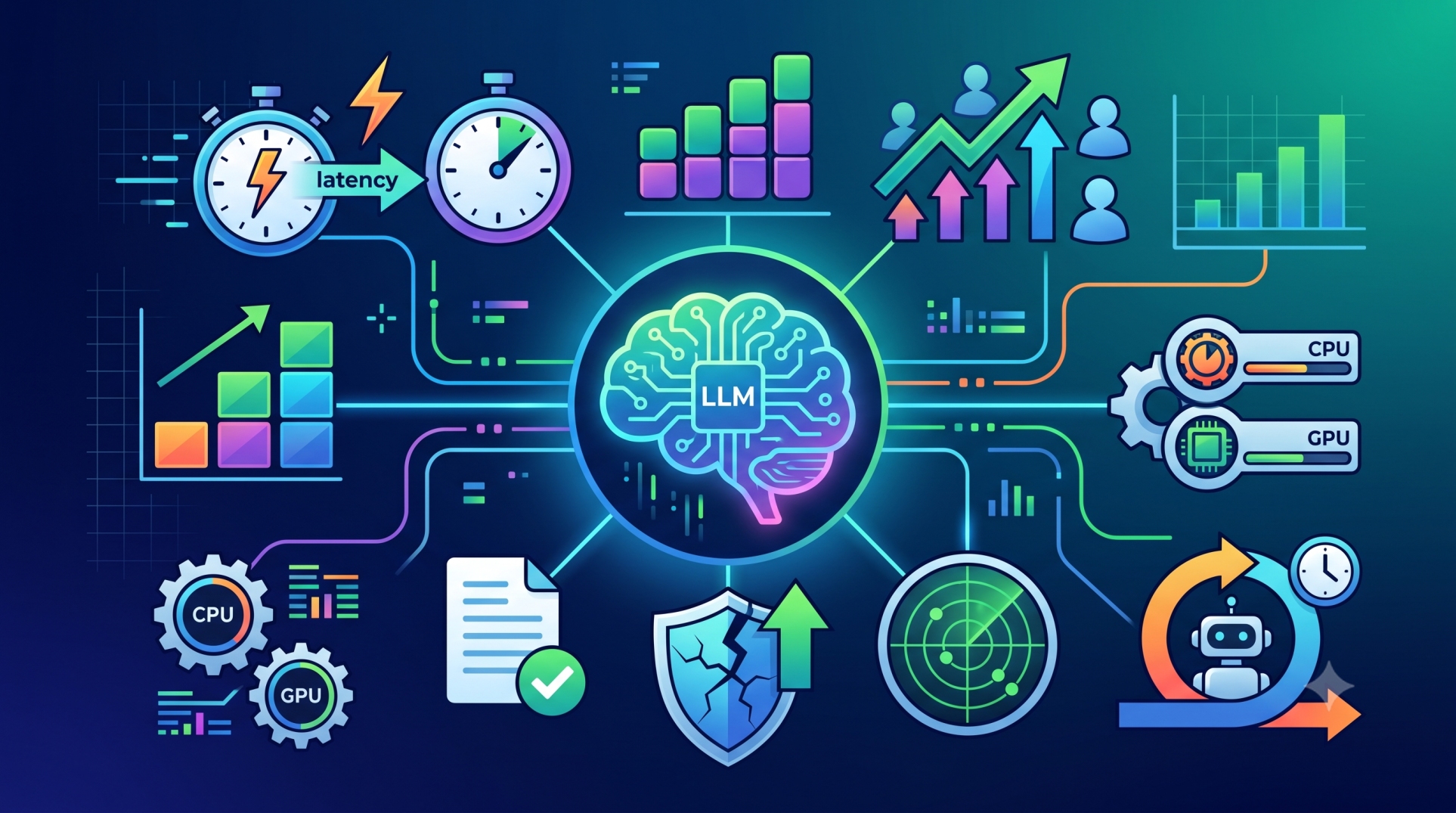
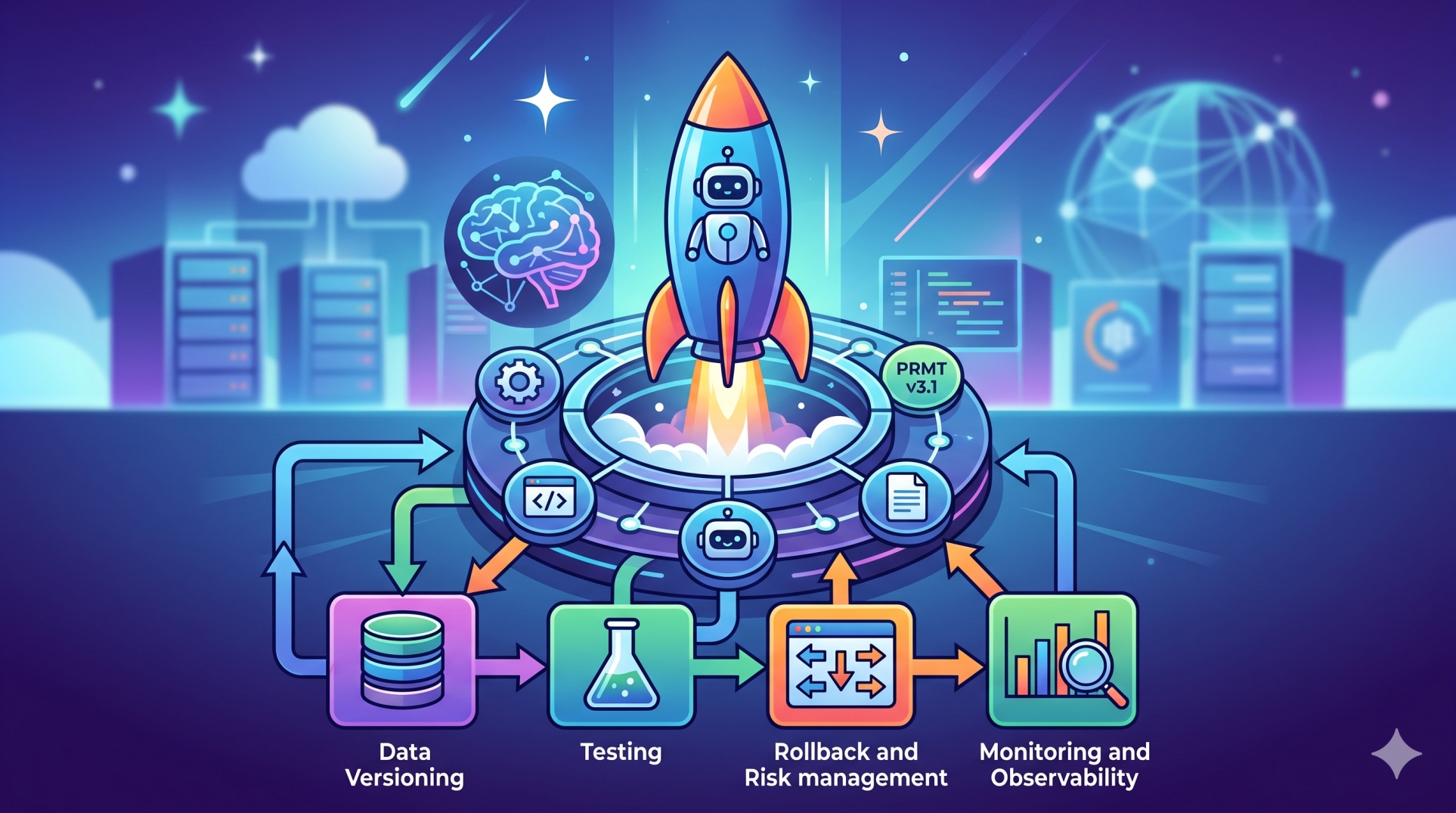
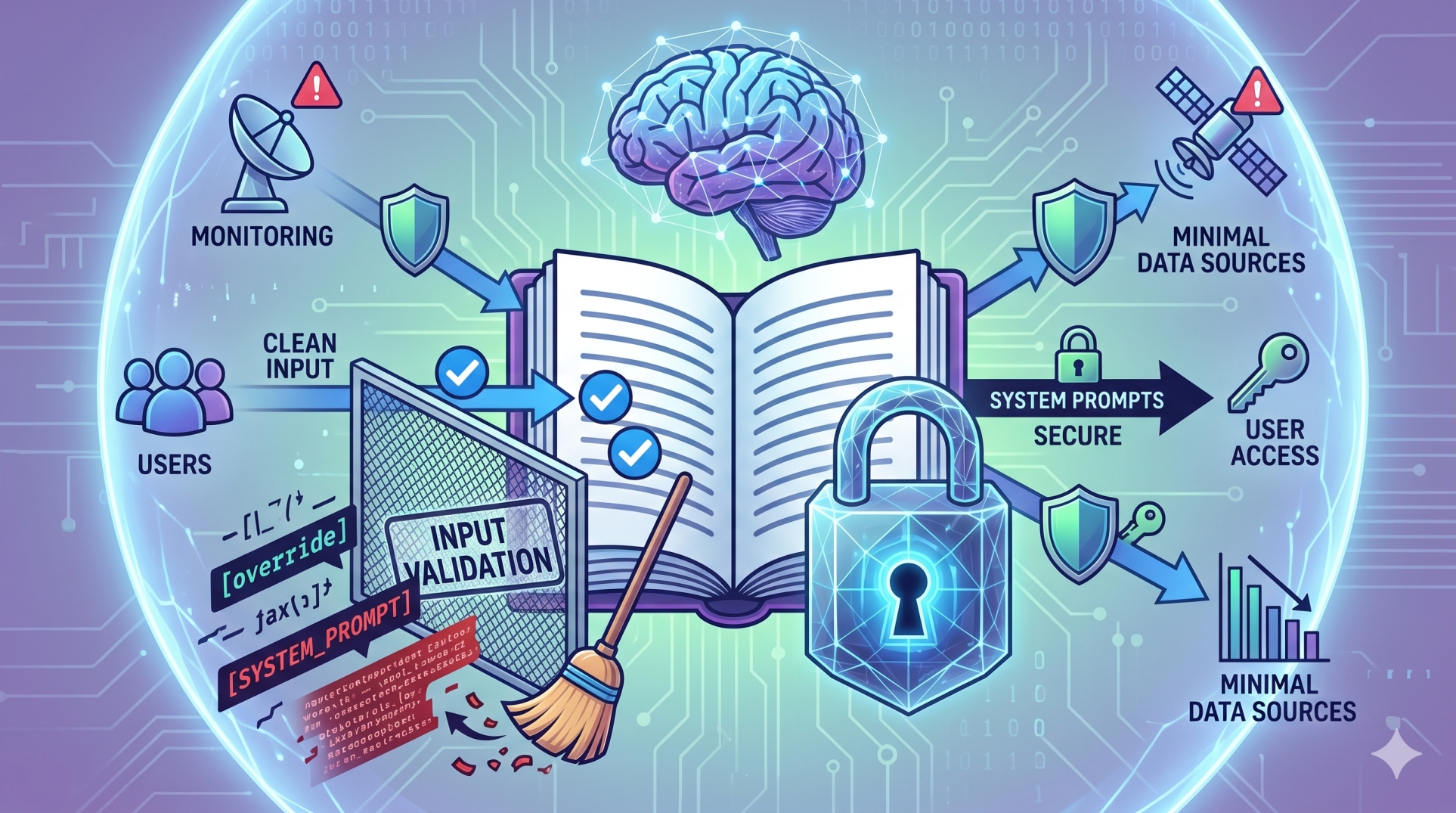
7. Monitoring and Pipeline Stability 📡
• Observes pipeline performance and operational efficiency 📊
• Detects system failures, processing delays, or data anomalies 🚨
• Tracks model performance and potential drift over time 📉
• Generates logs, metrics, and alerts for operational visibility 📝
• Enables ongoing improvement of pipeline components 🔄
8. Strategic Advantages of Modular AI Pipelines 🚀
• Supports scalability through independently upgradeable components 📦
• Speeds development using reusable pipeline modules ⚡
• Simplifies testing and maintenance of complex AI workflows 🛠️
Conclusion
Modular AI pipelines provide a structured framework for building scalable and dependable artificial intelligence systems. By organizing workflows into well-defined processing stages, organizations gain better control, flexibility, and visibility across the AI lifecycle. As AI adoption grows, modular pipeline architectures will continue to play a crucial role in managing complexity and delivering consistent performance in production environments.
See more blogs
You can all the articles below