The Rise of Enterprise AI Operating Platforms
The Rise of Enterprise AI Operating Platforms
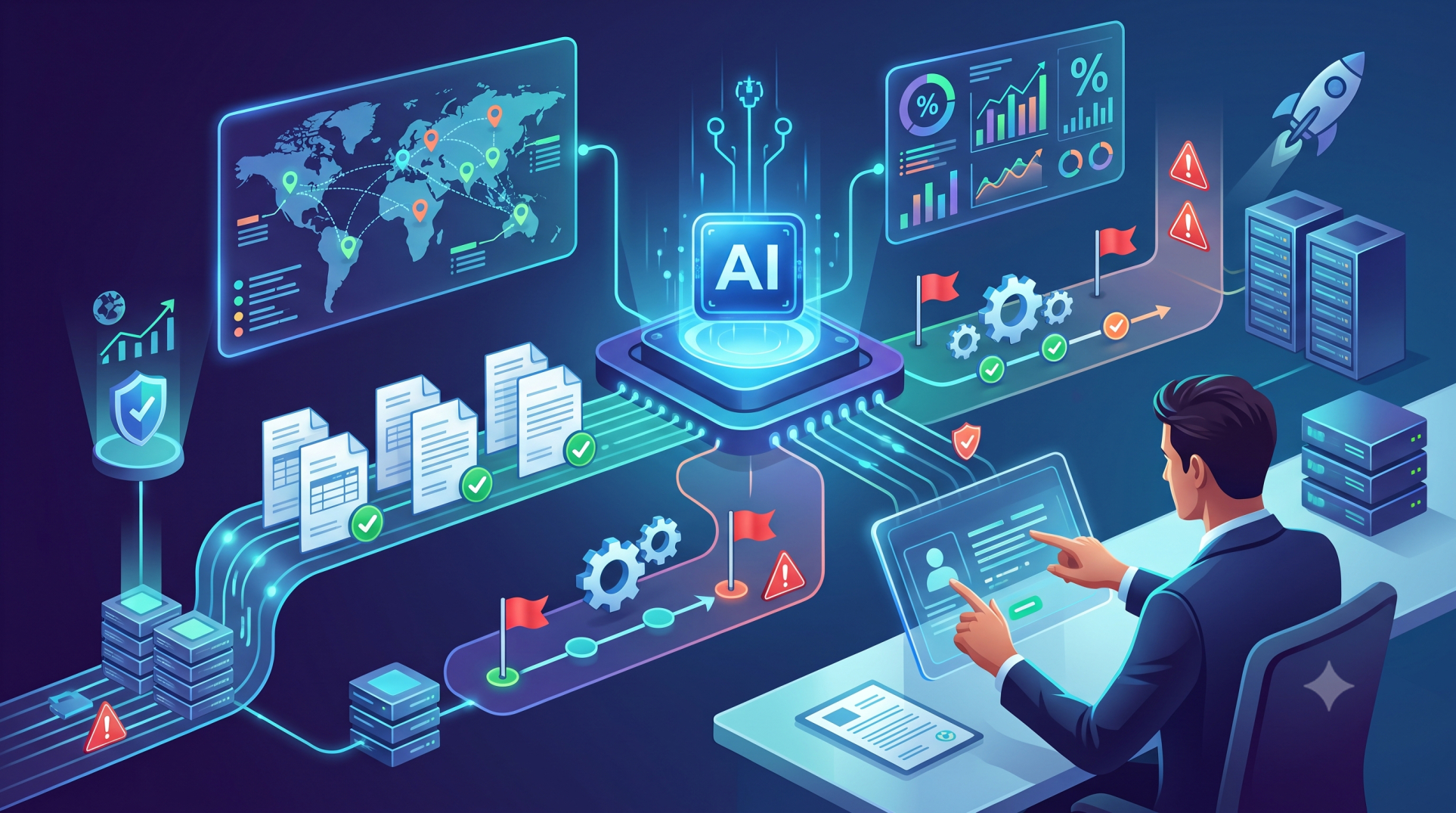
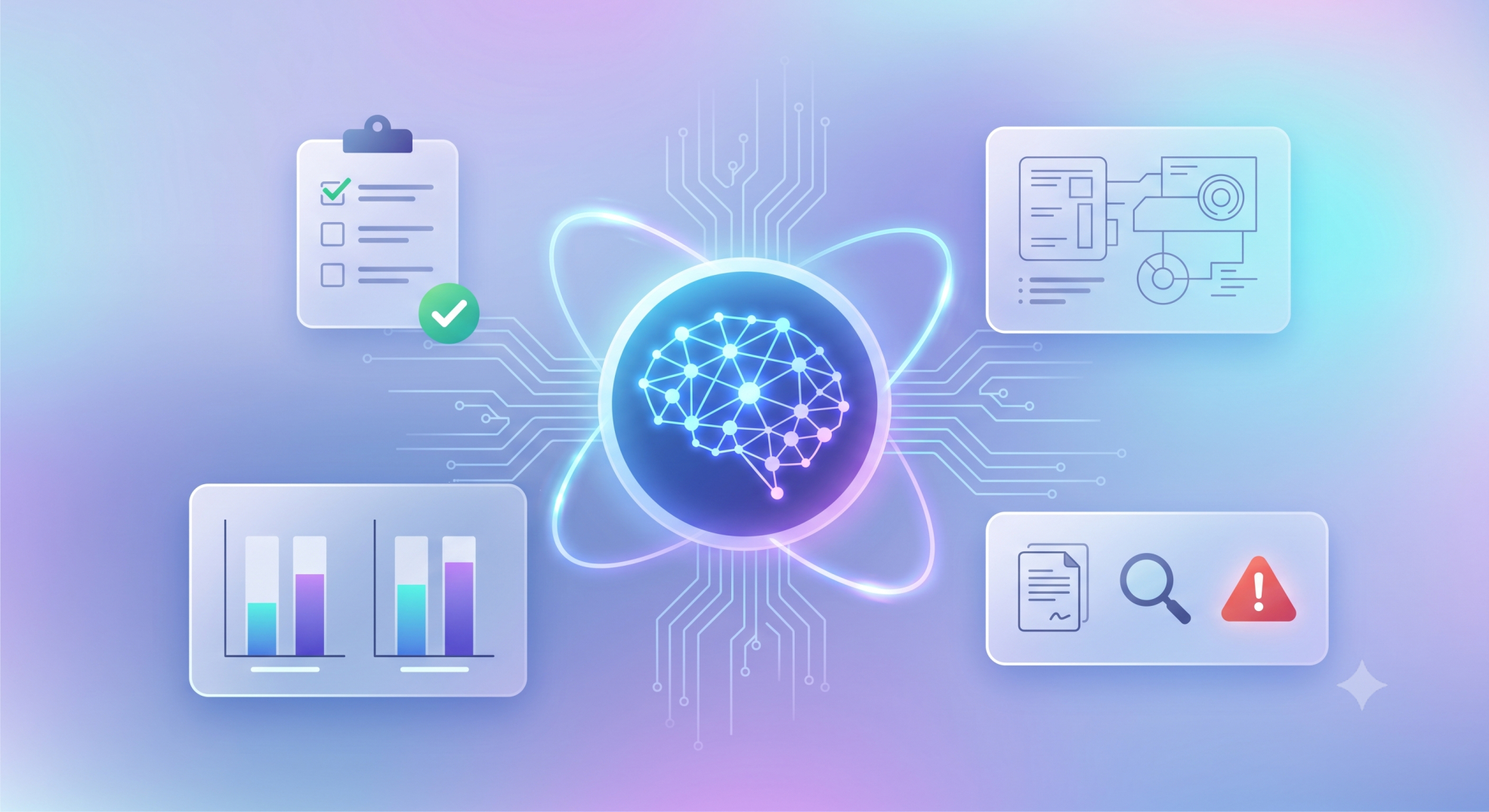
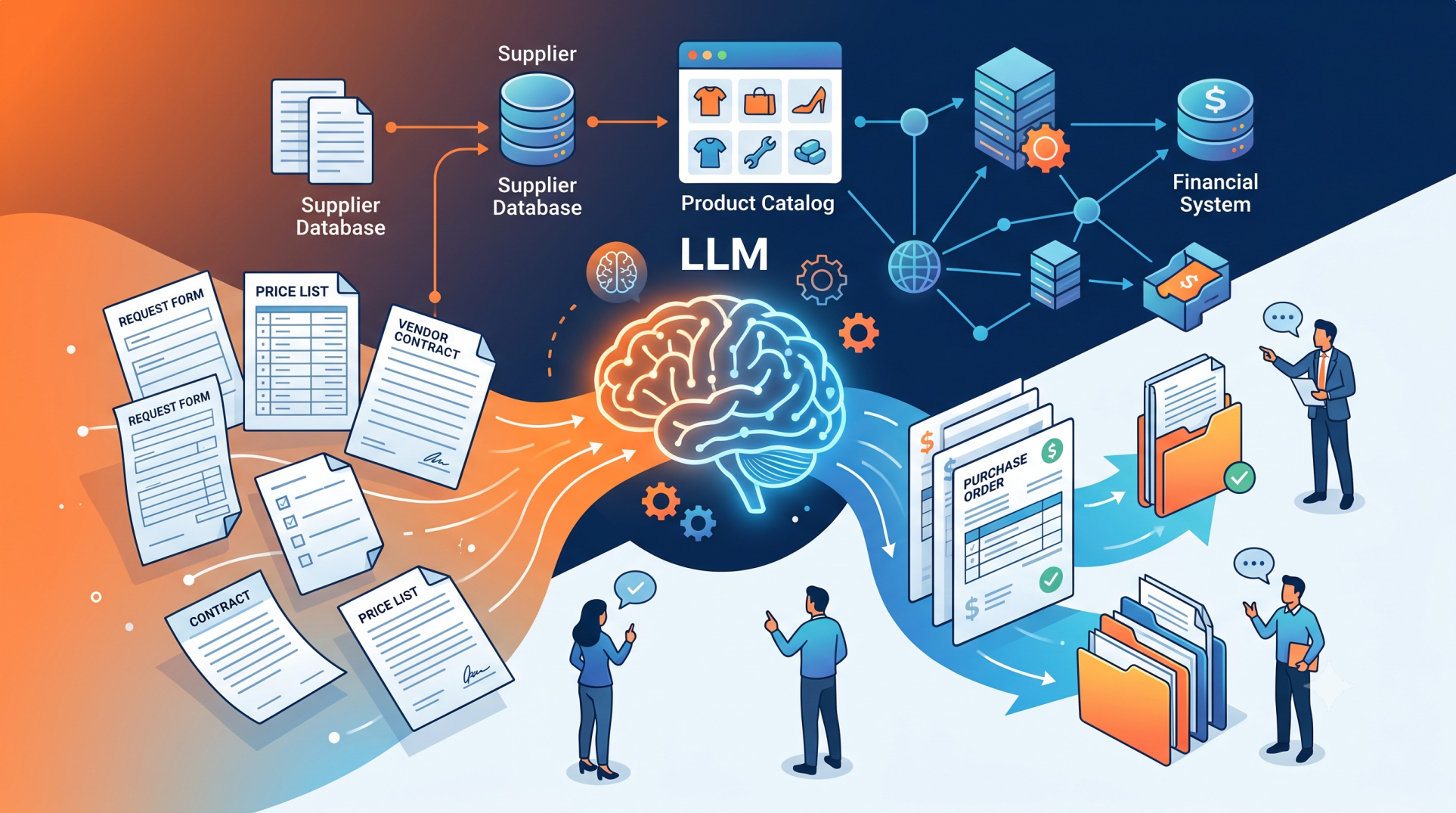
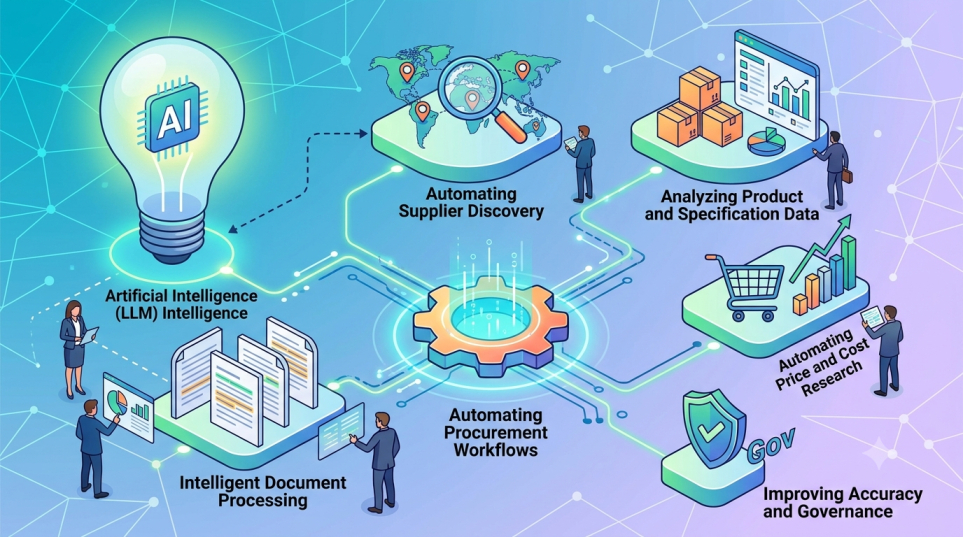
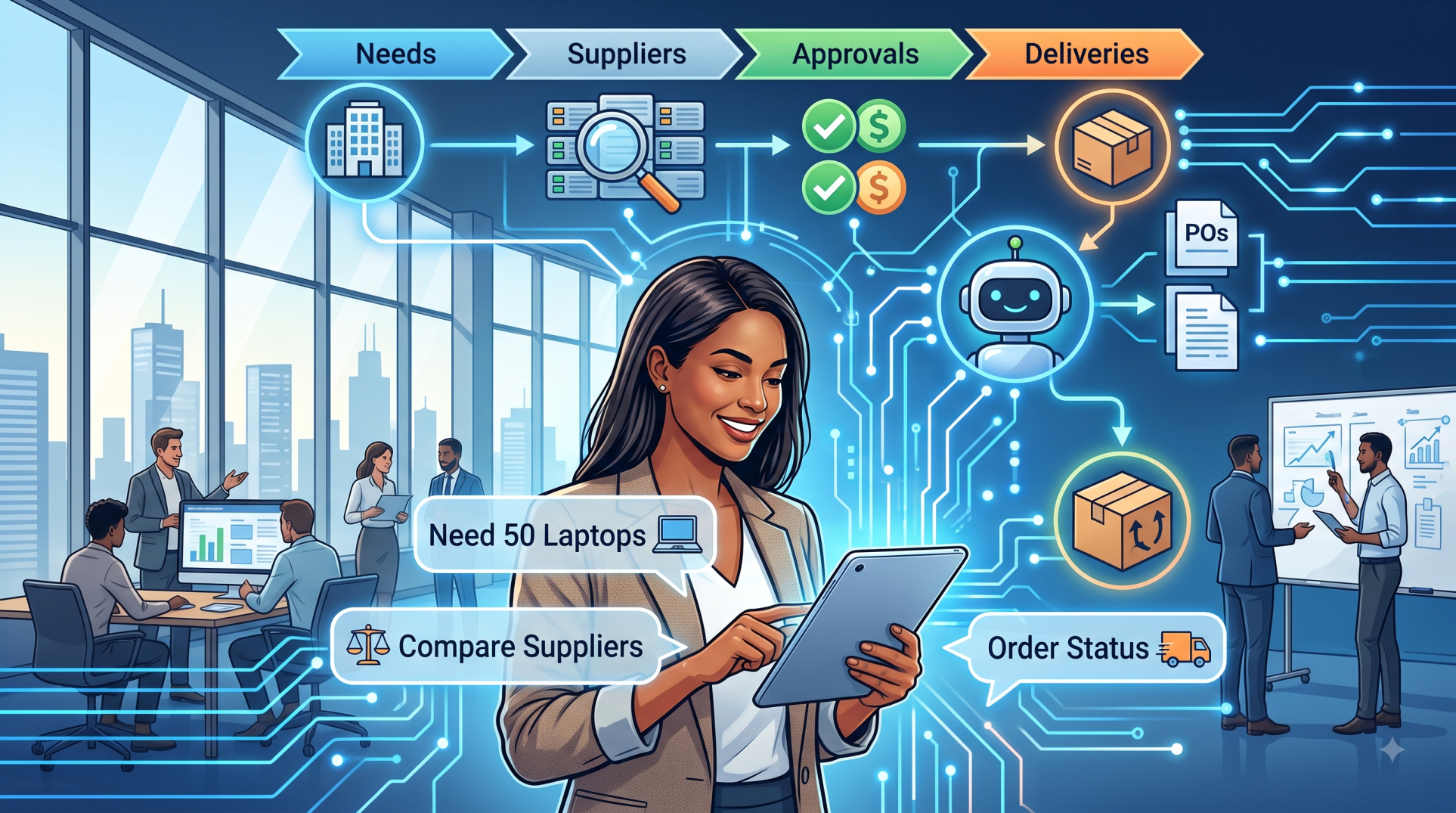
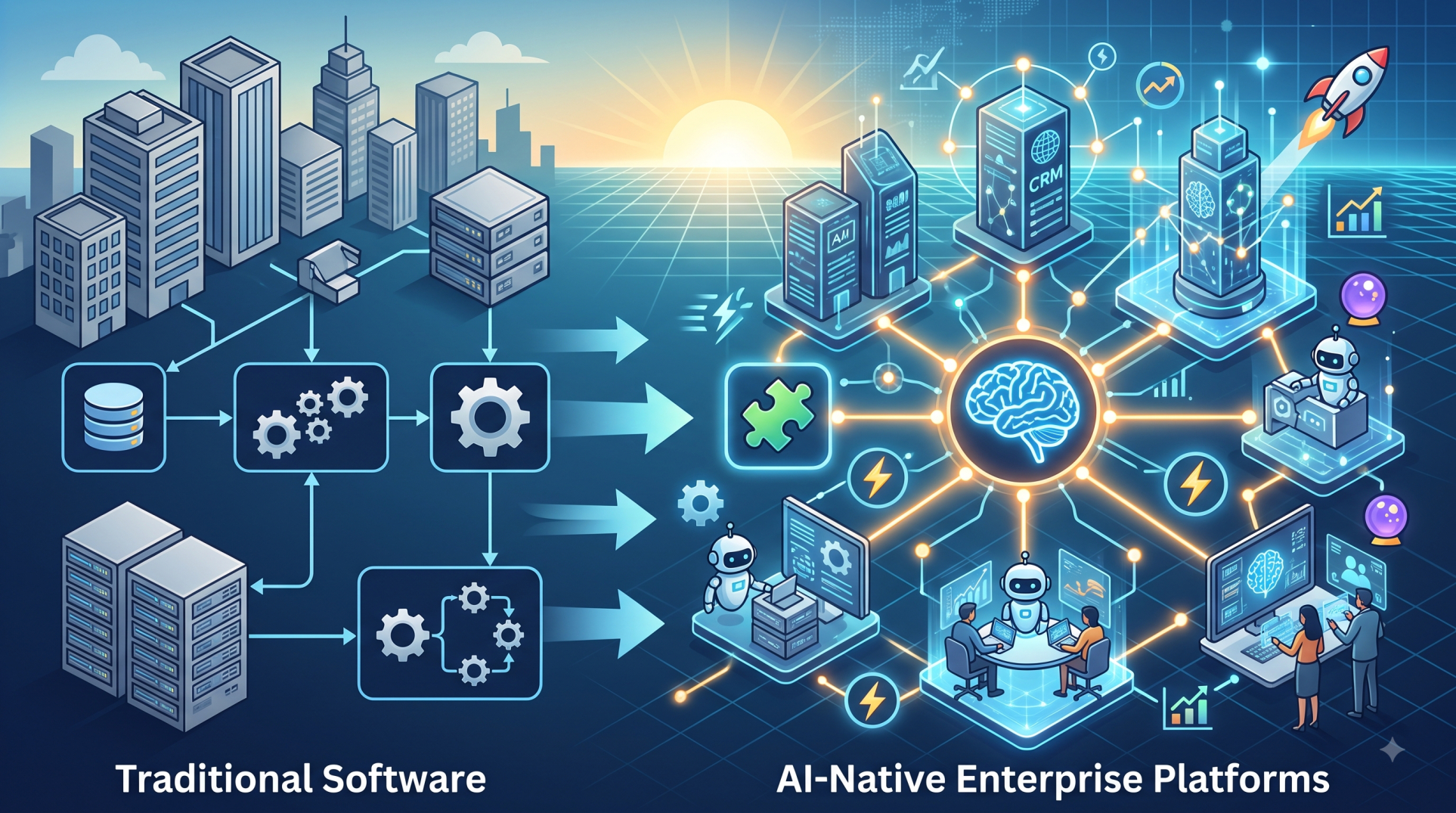
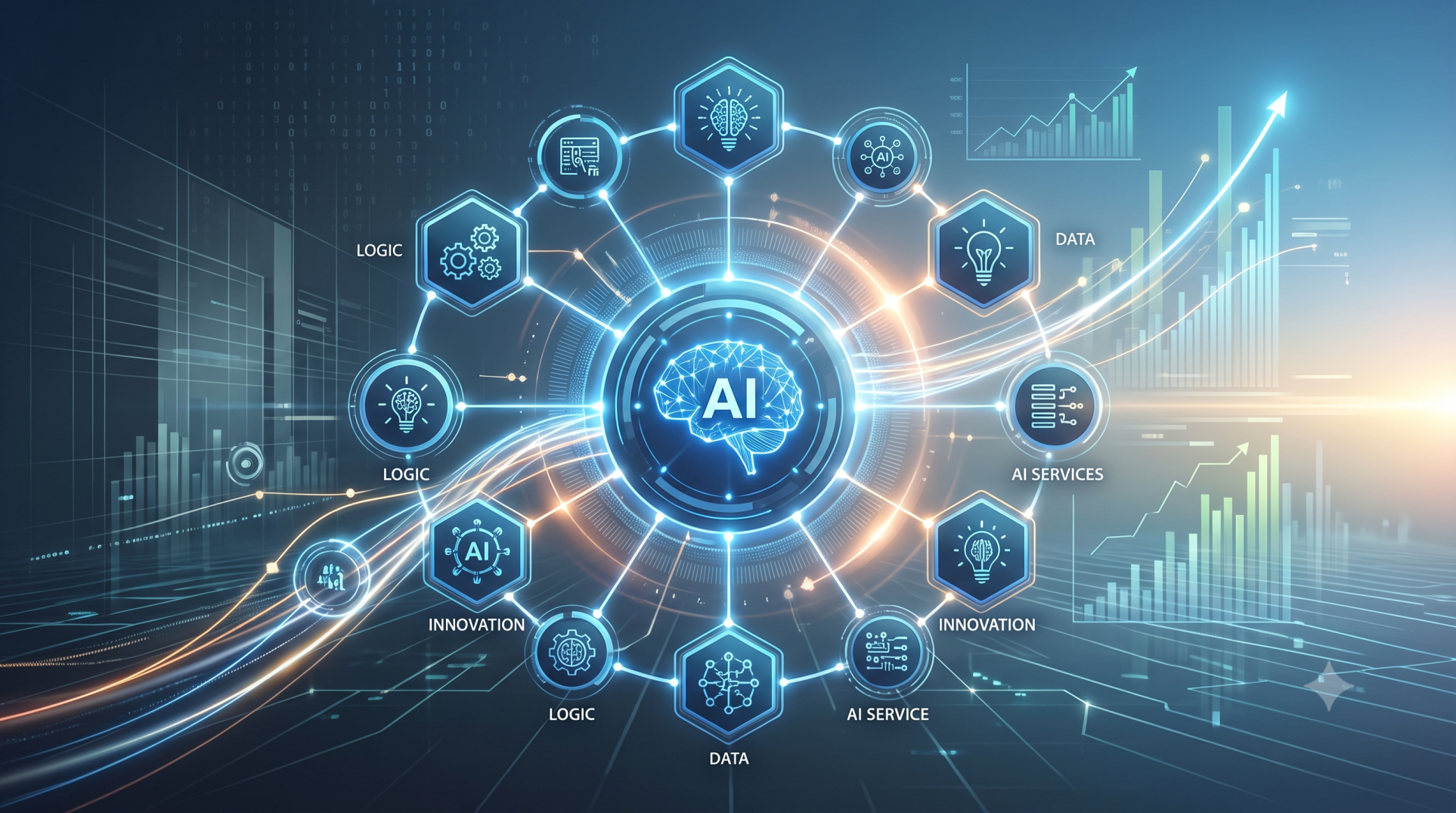
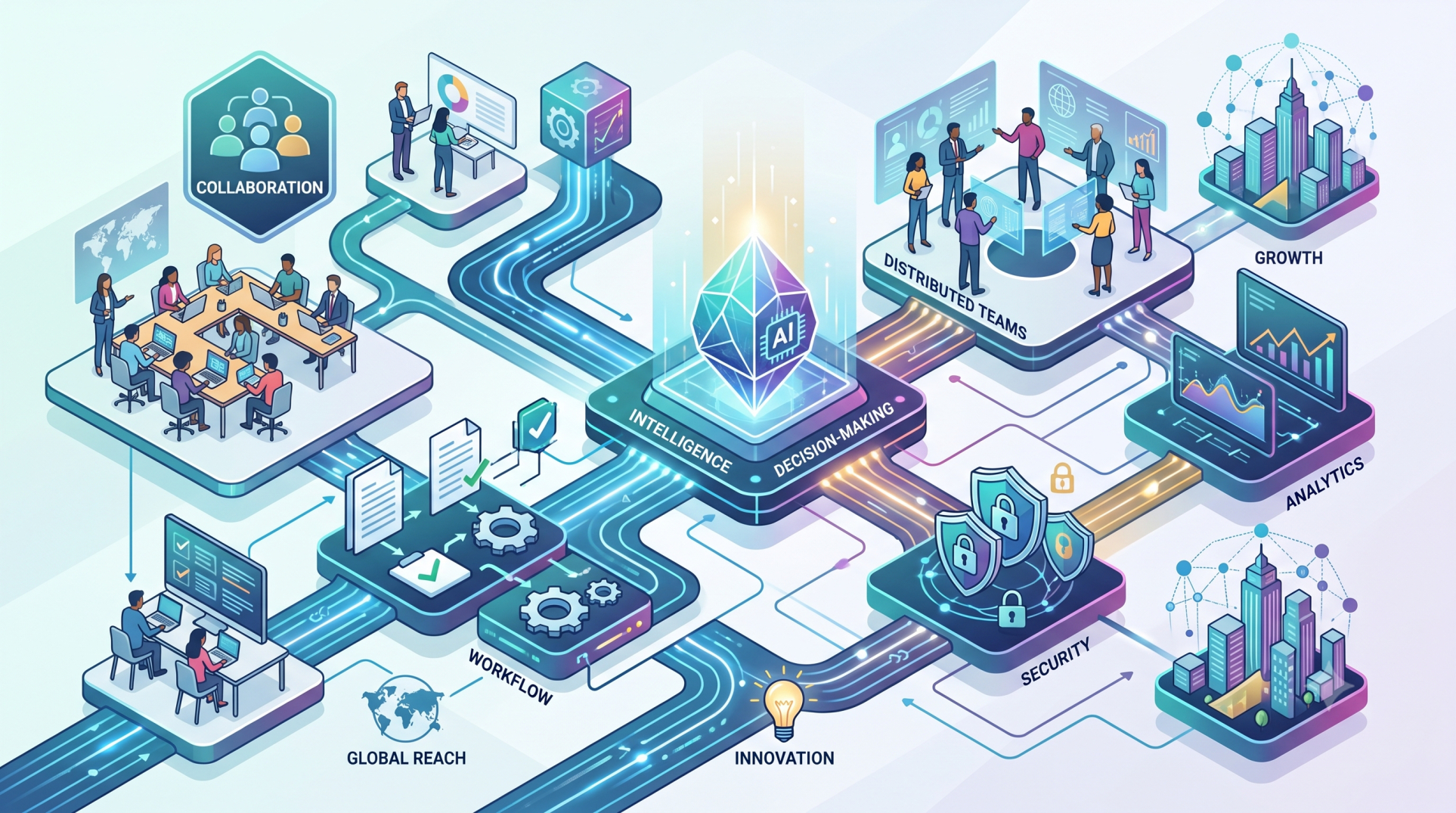
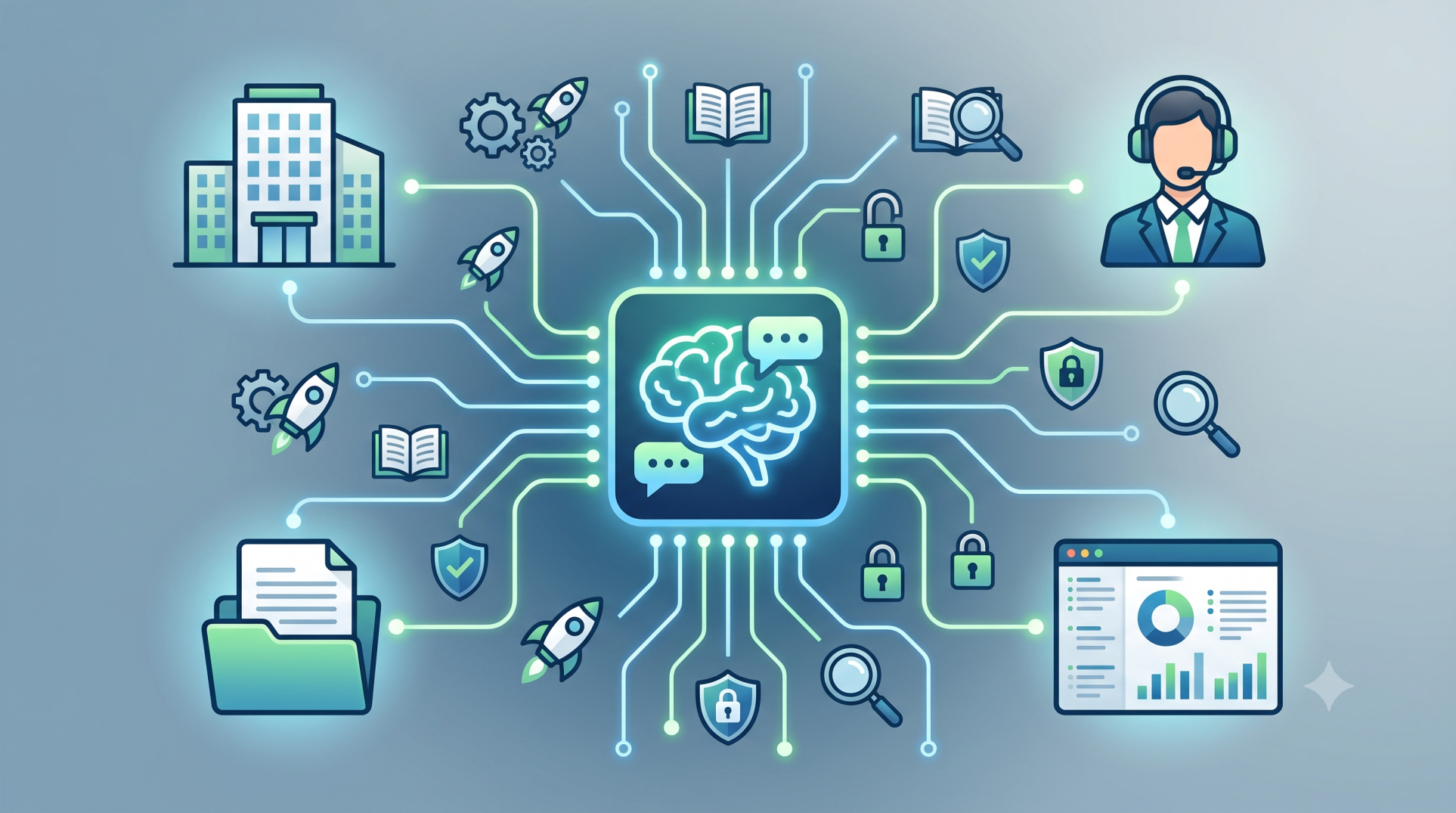
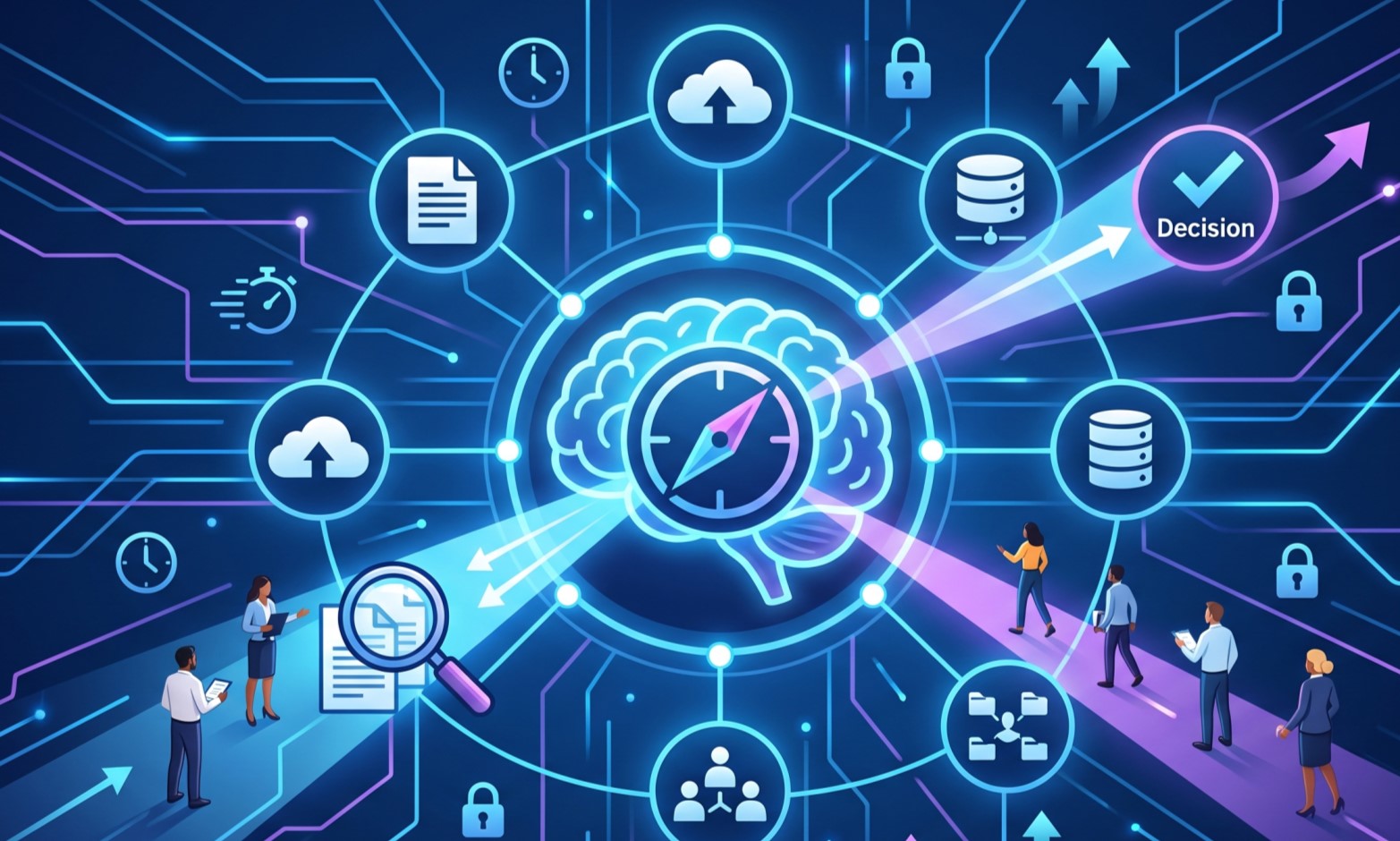
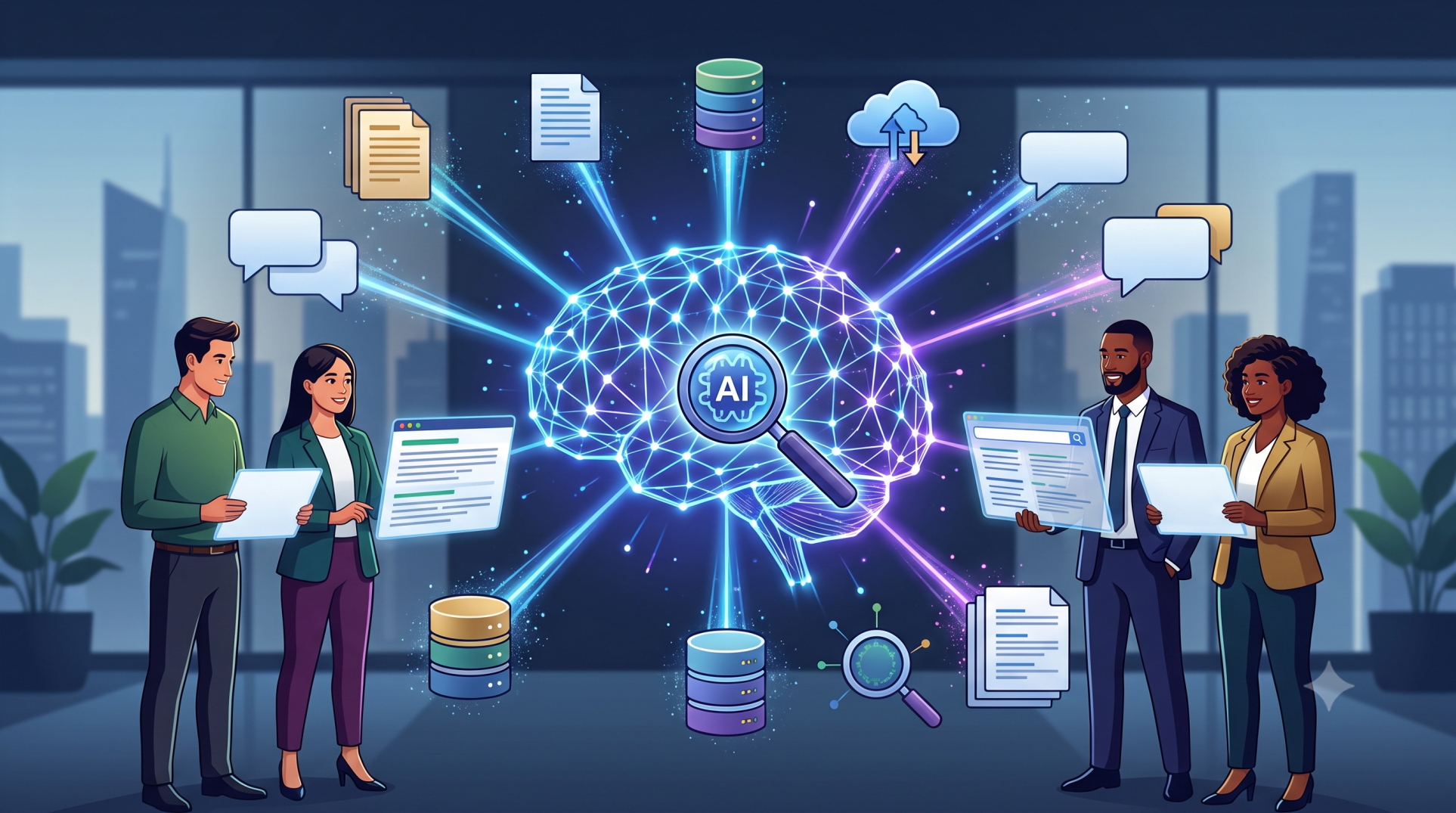
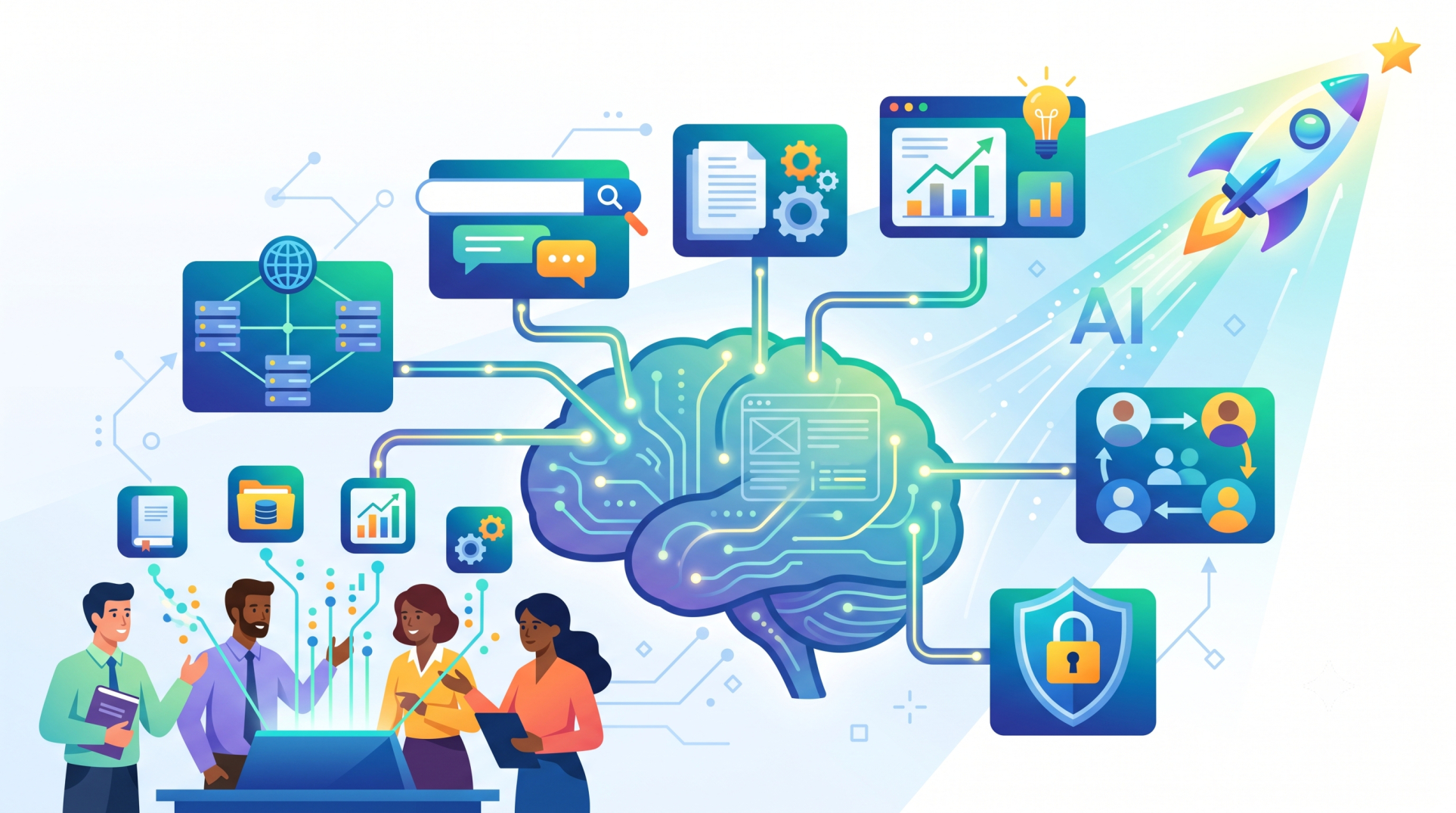
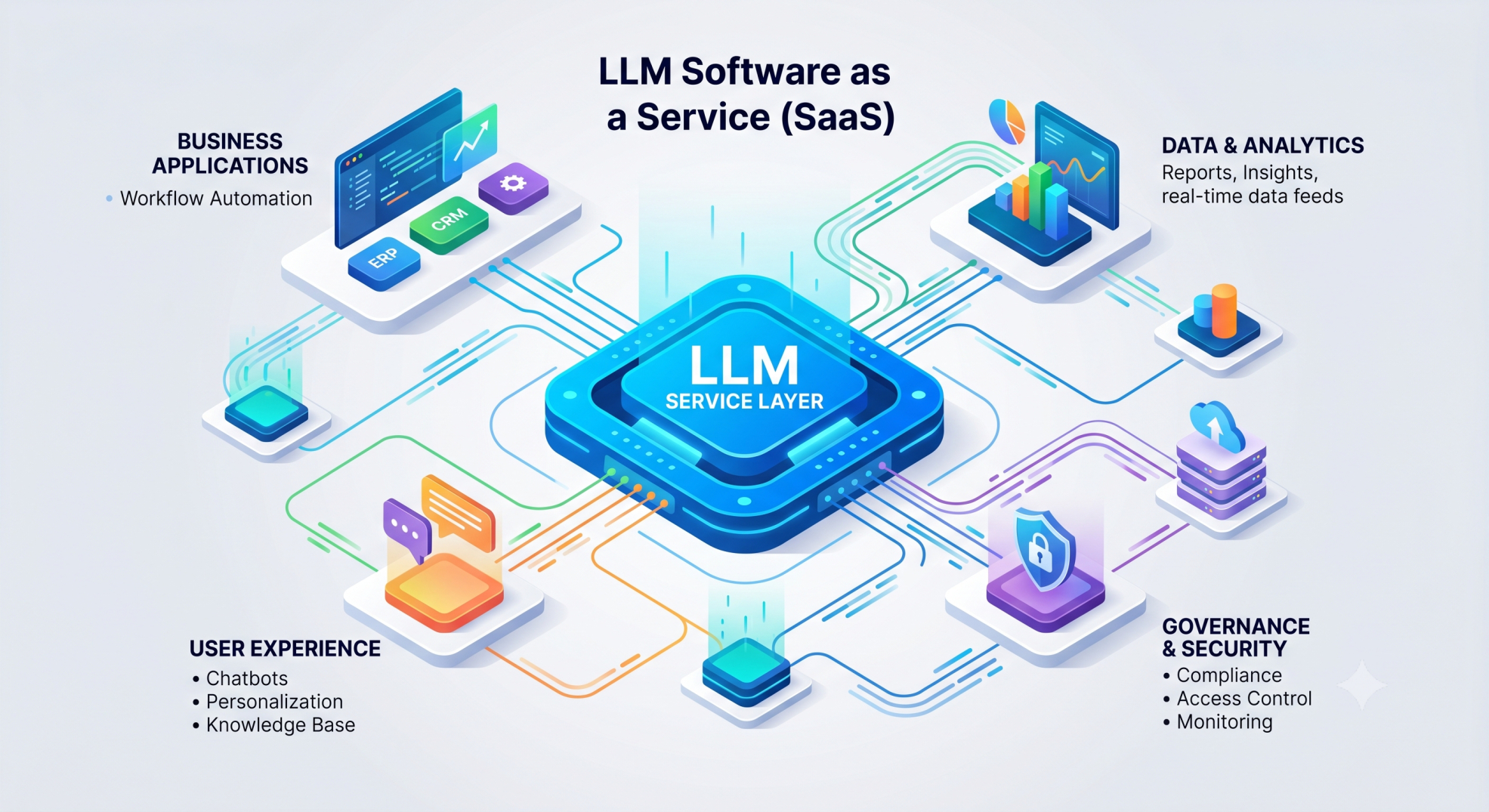
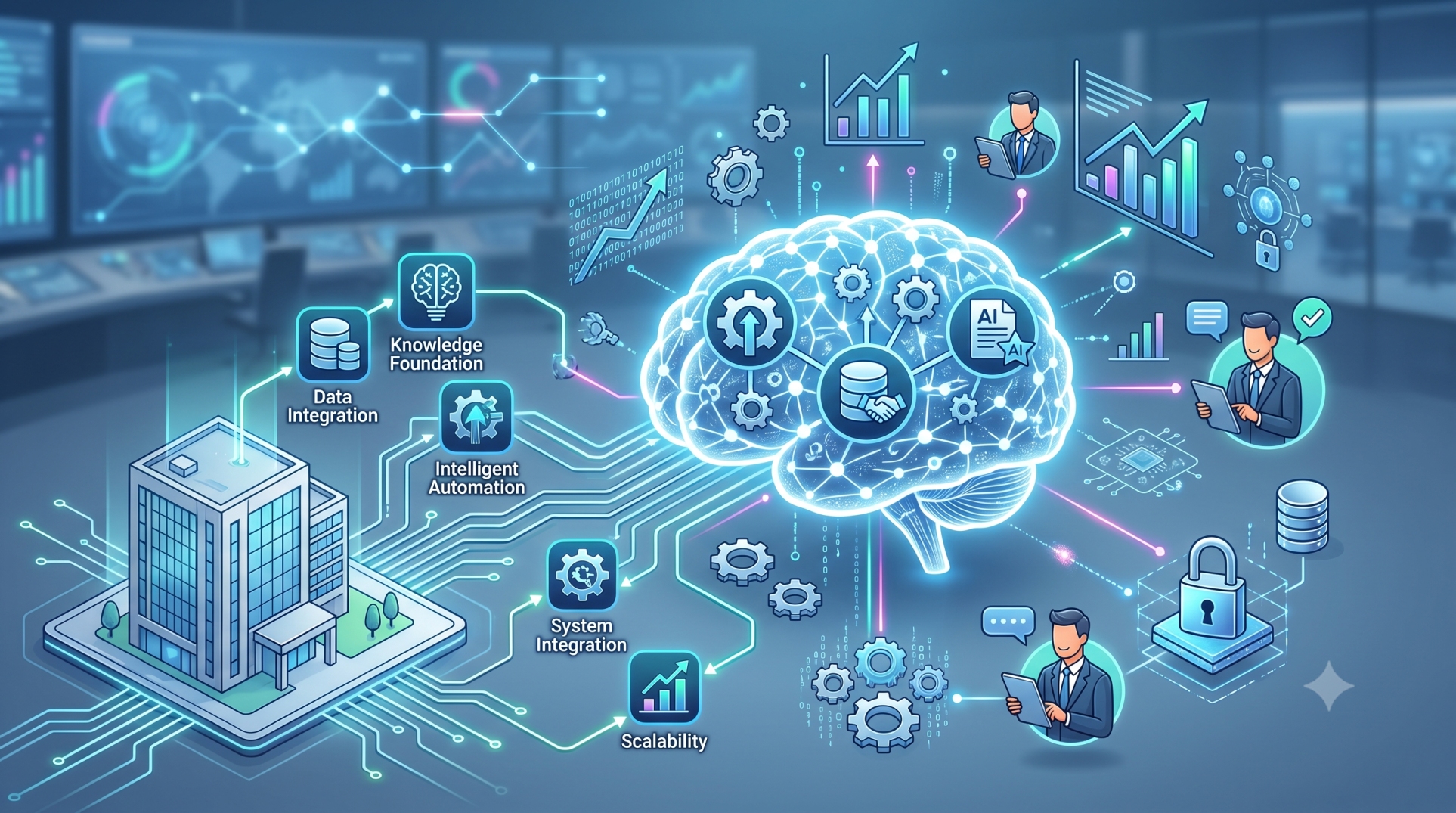
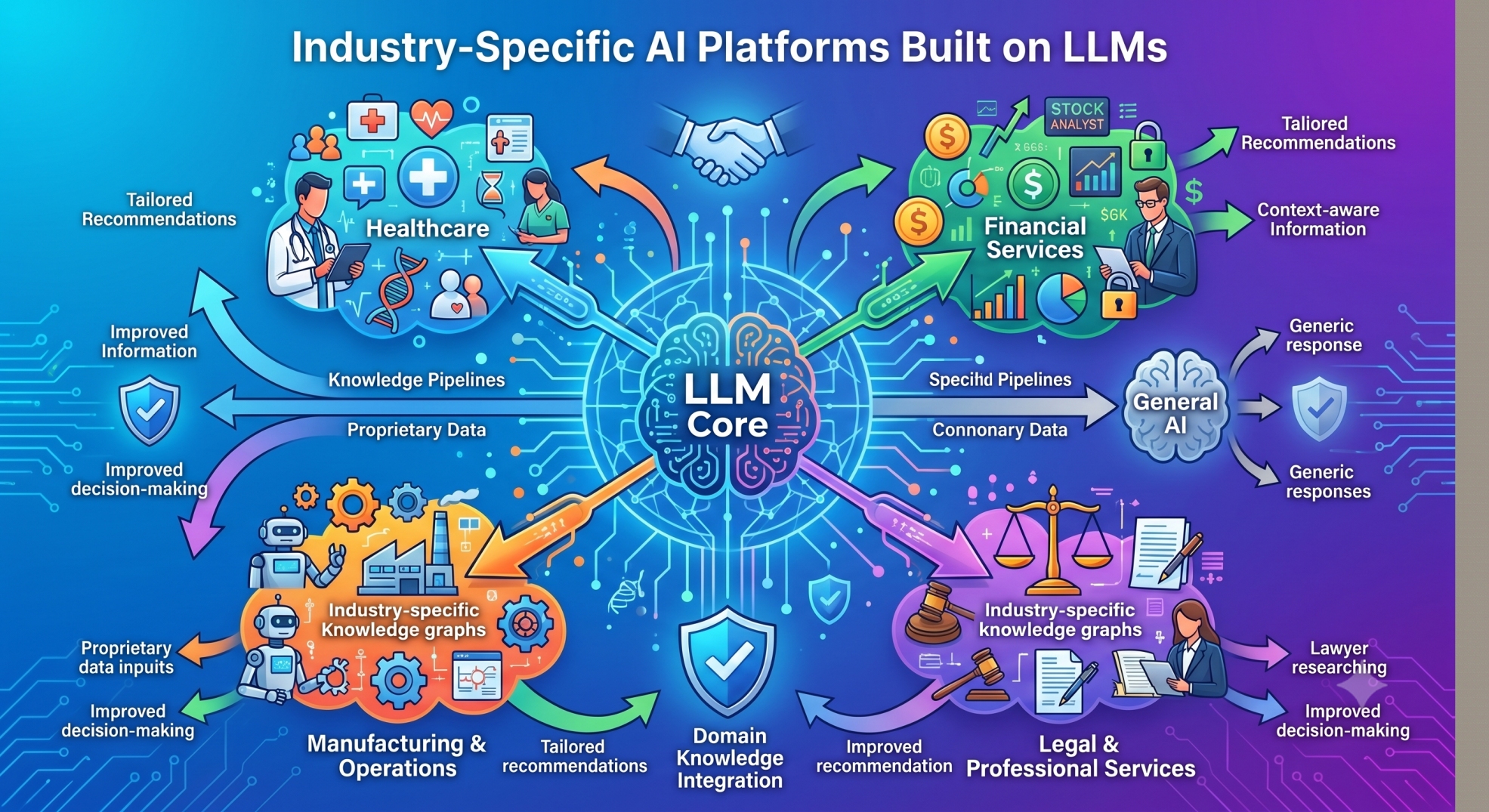
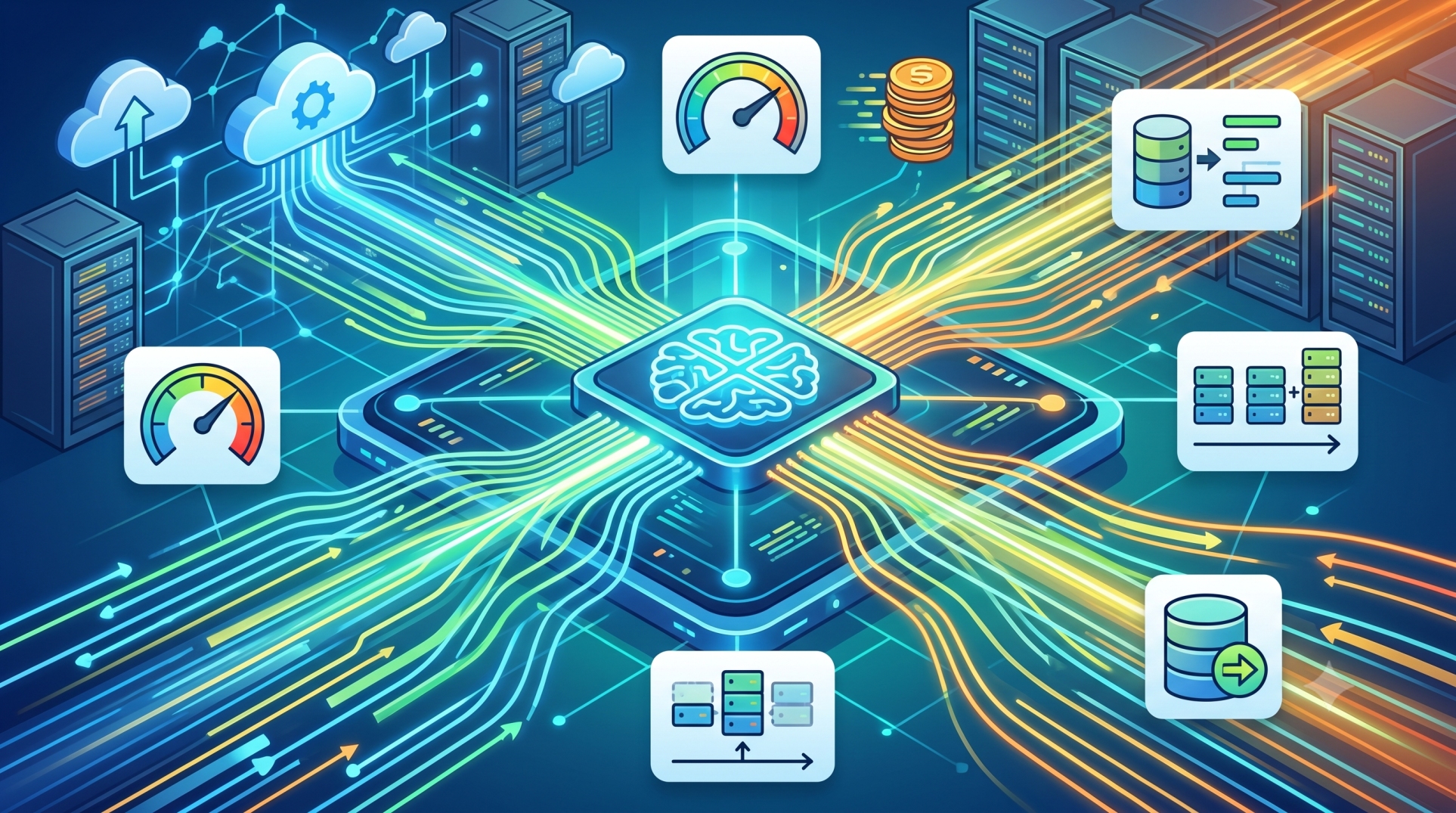
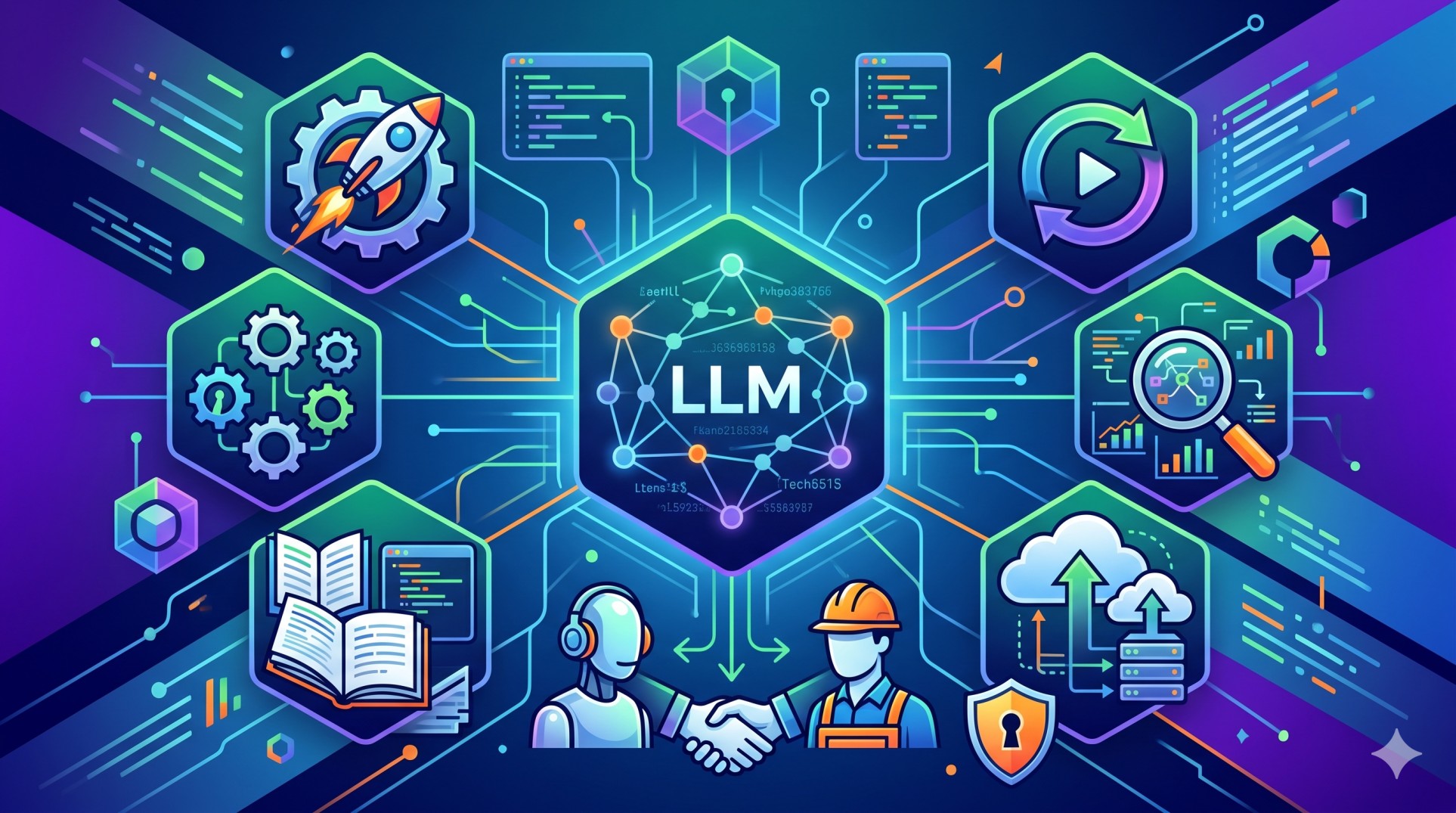
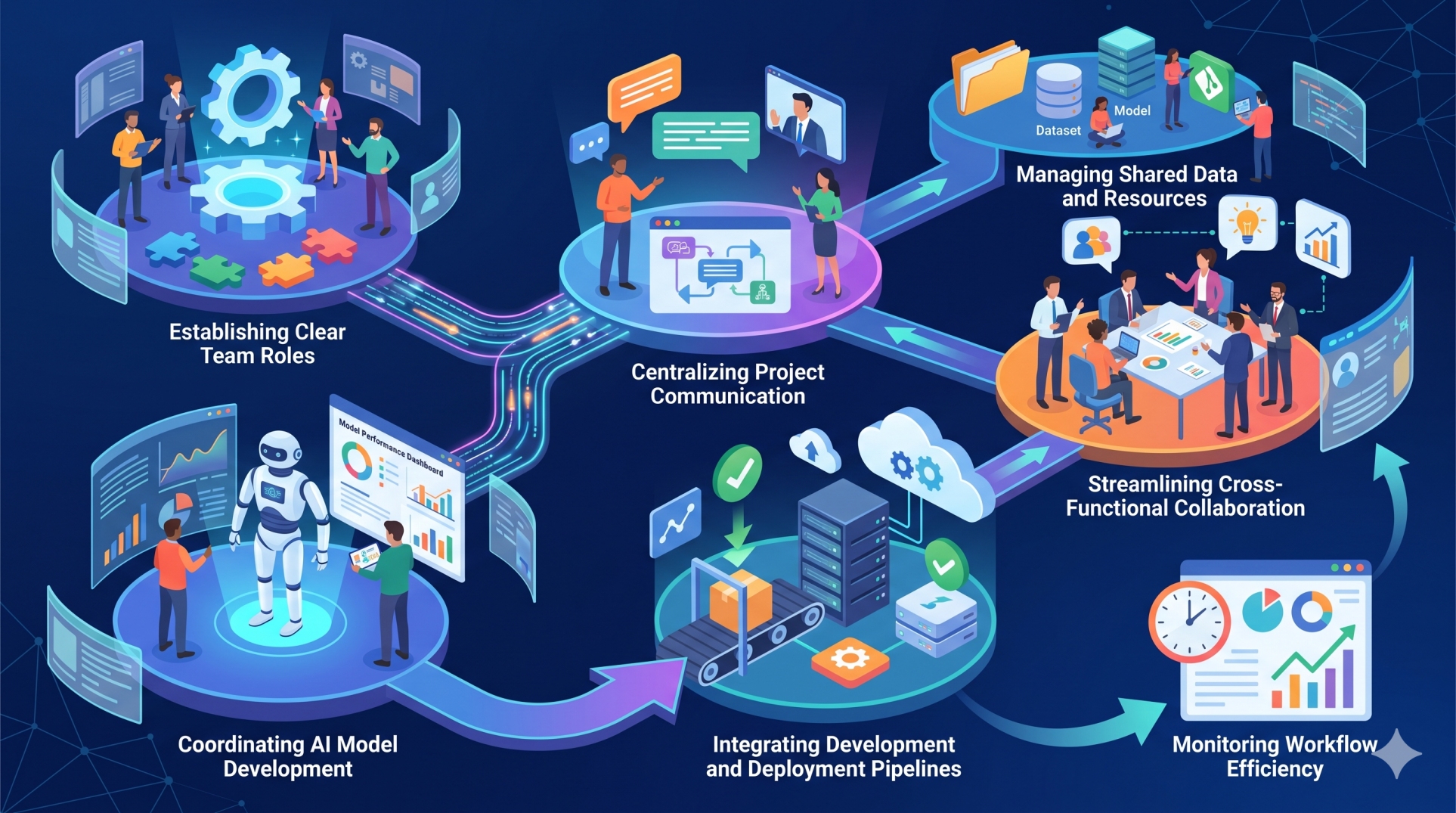
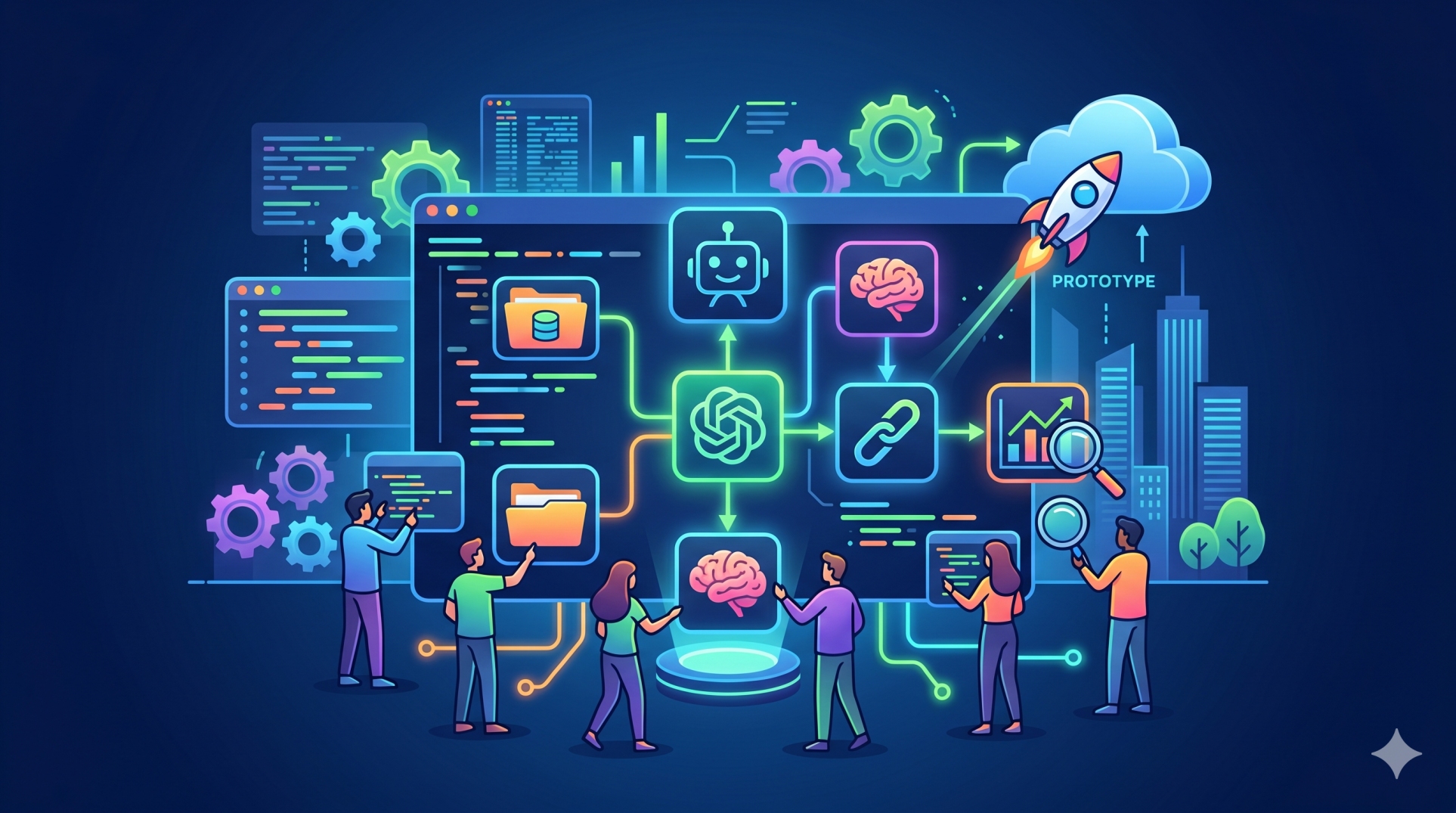
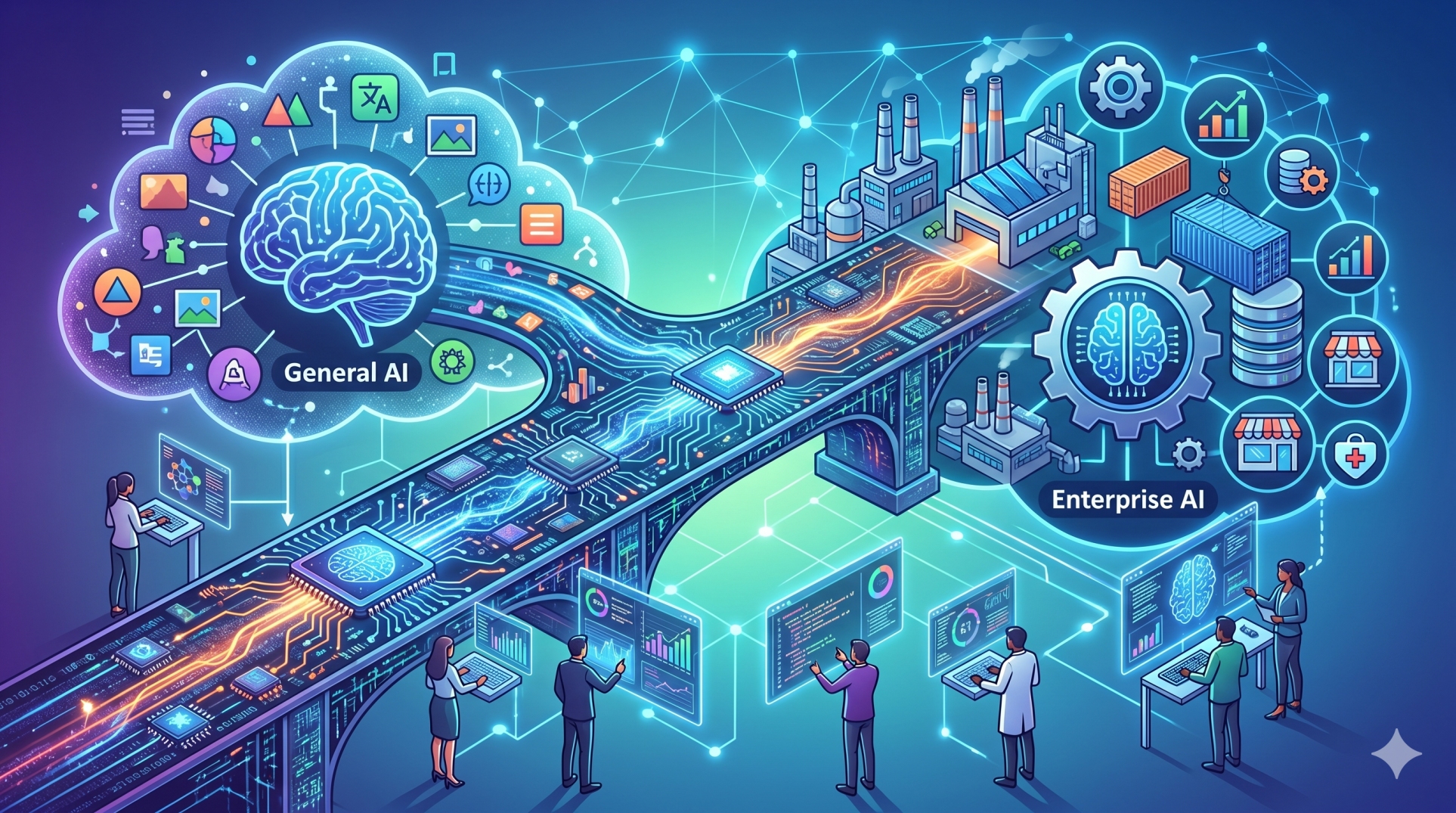
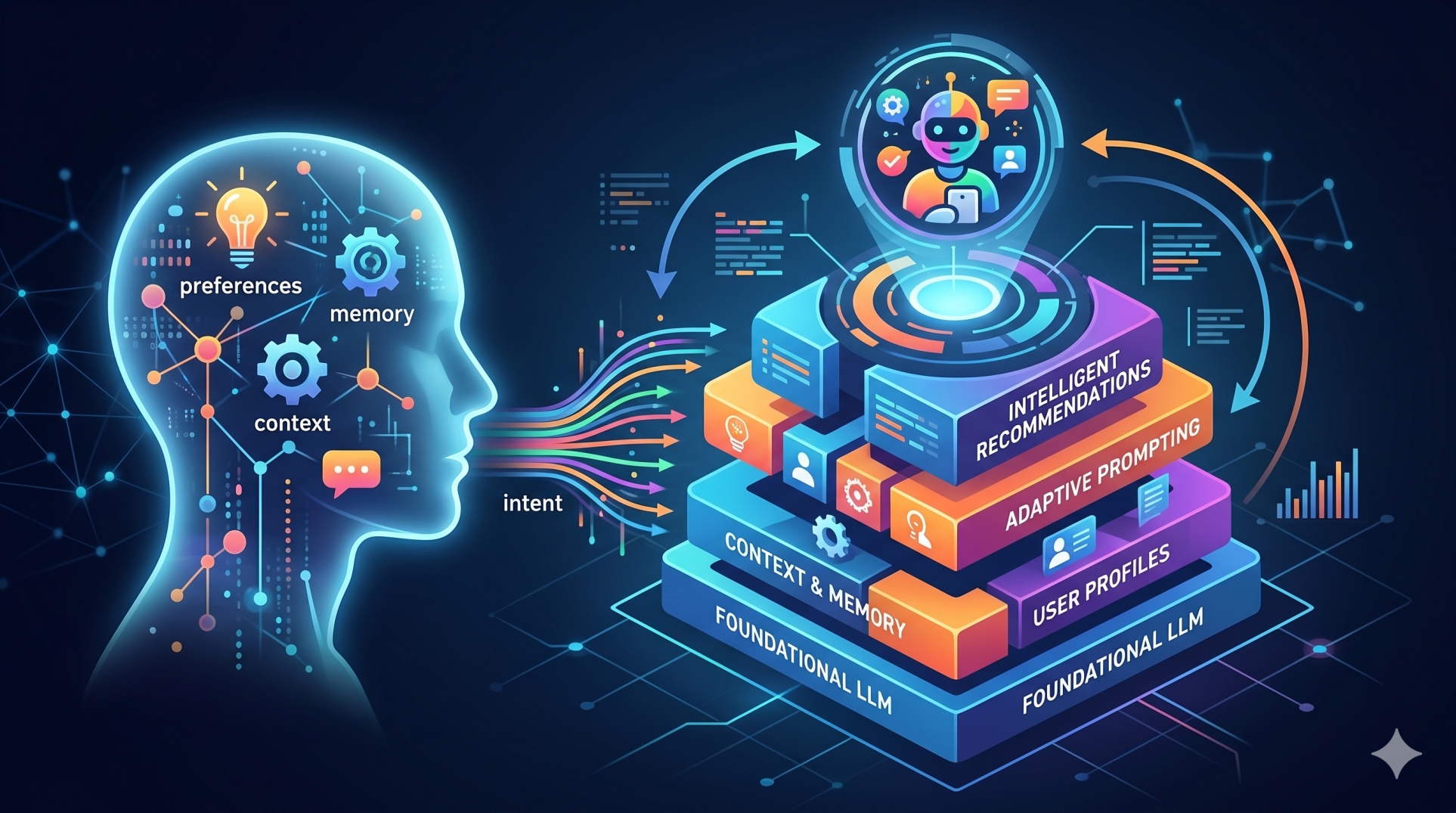
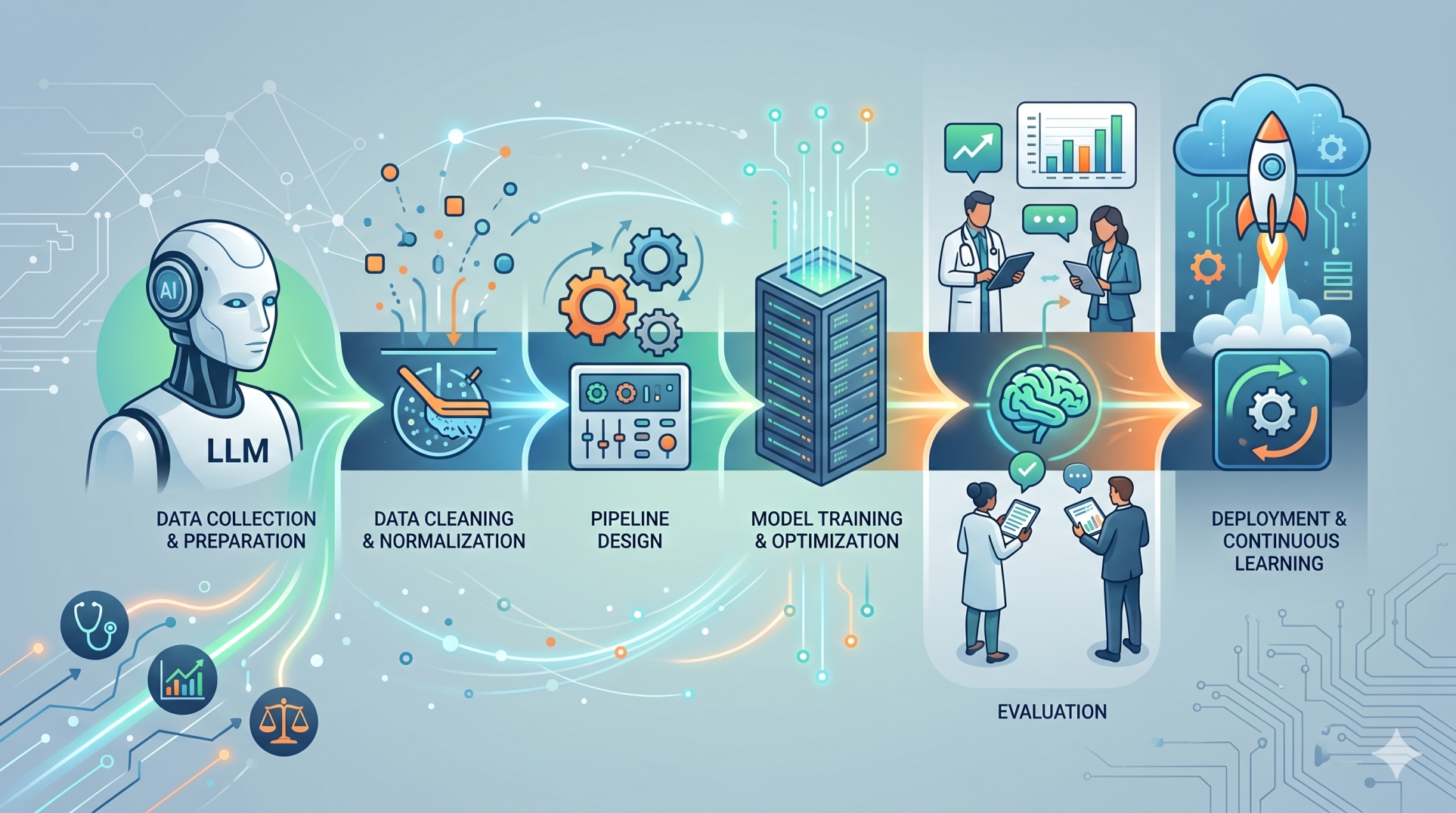
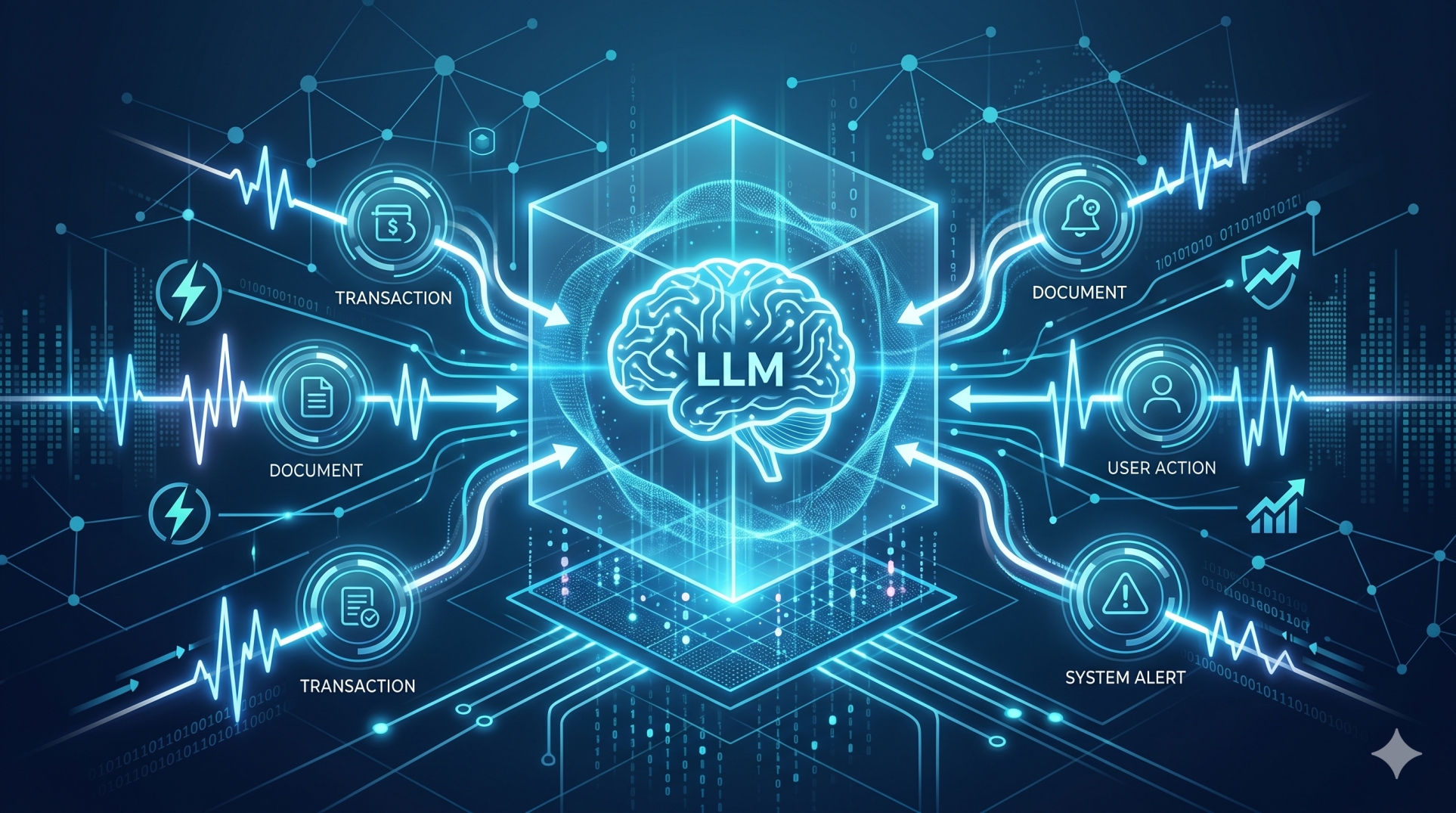
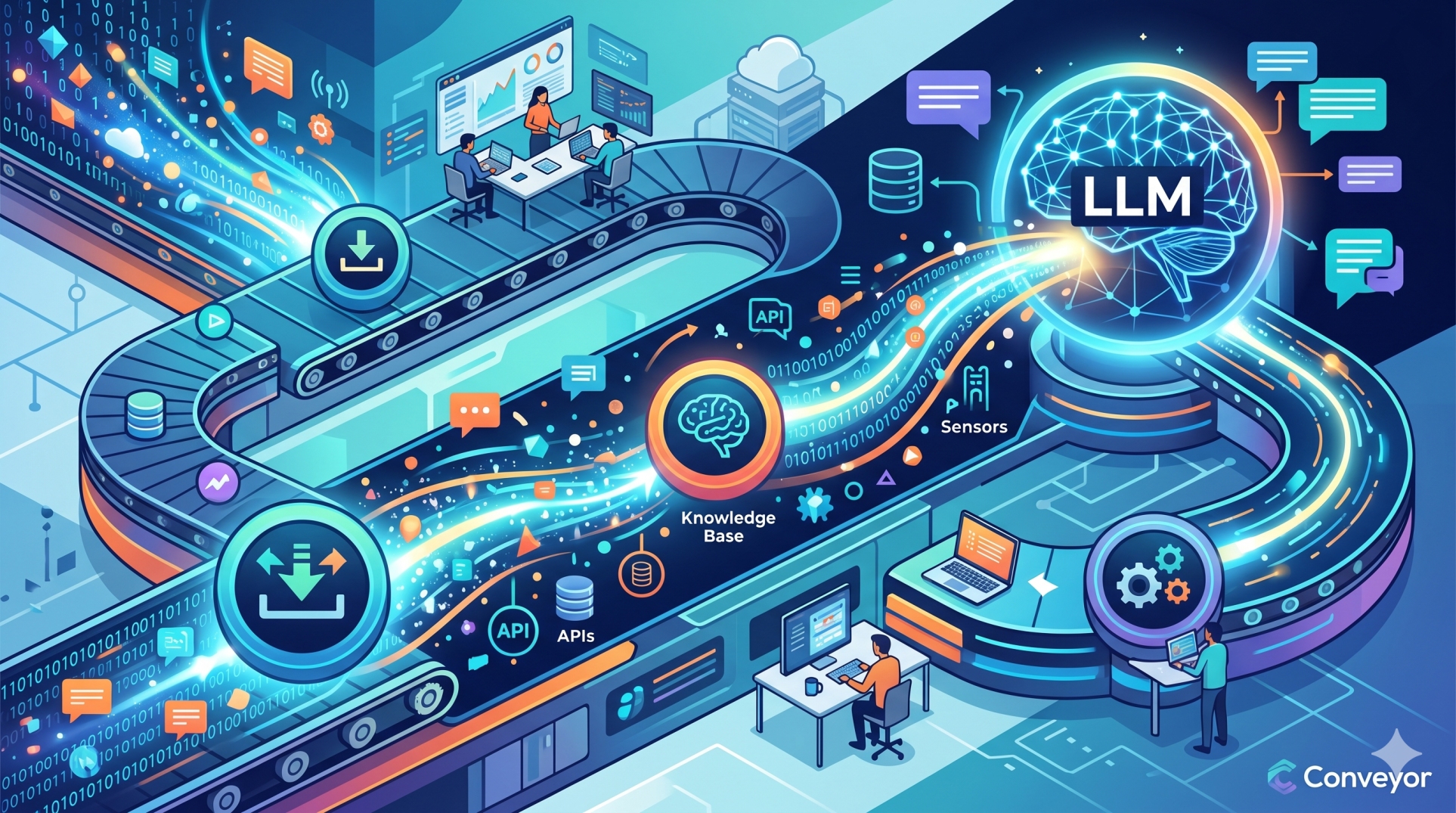
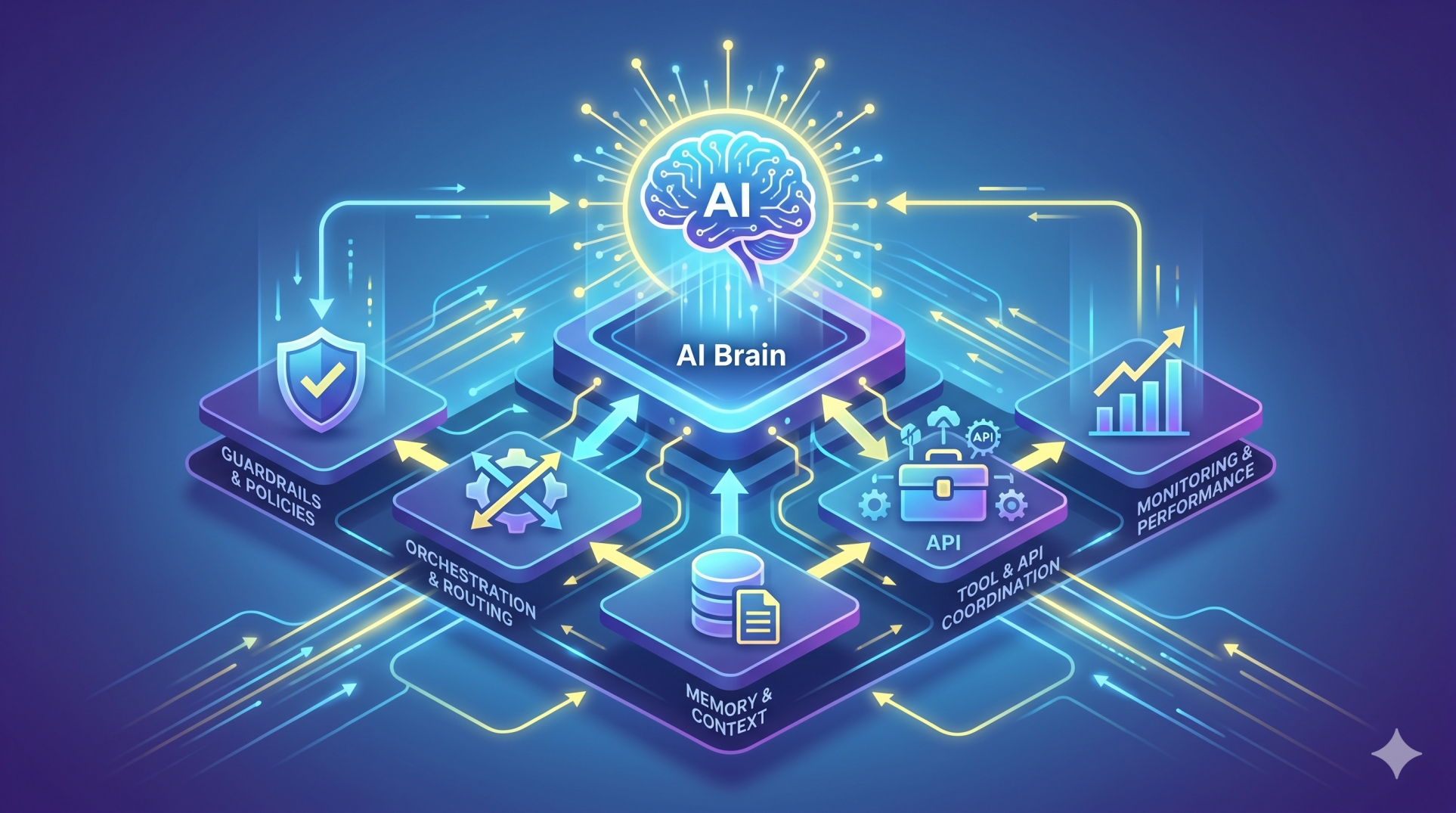
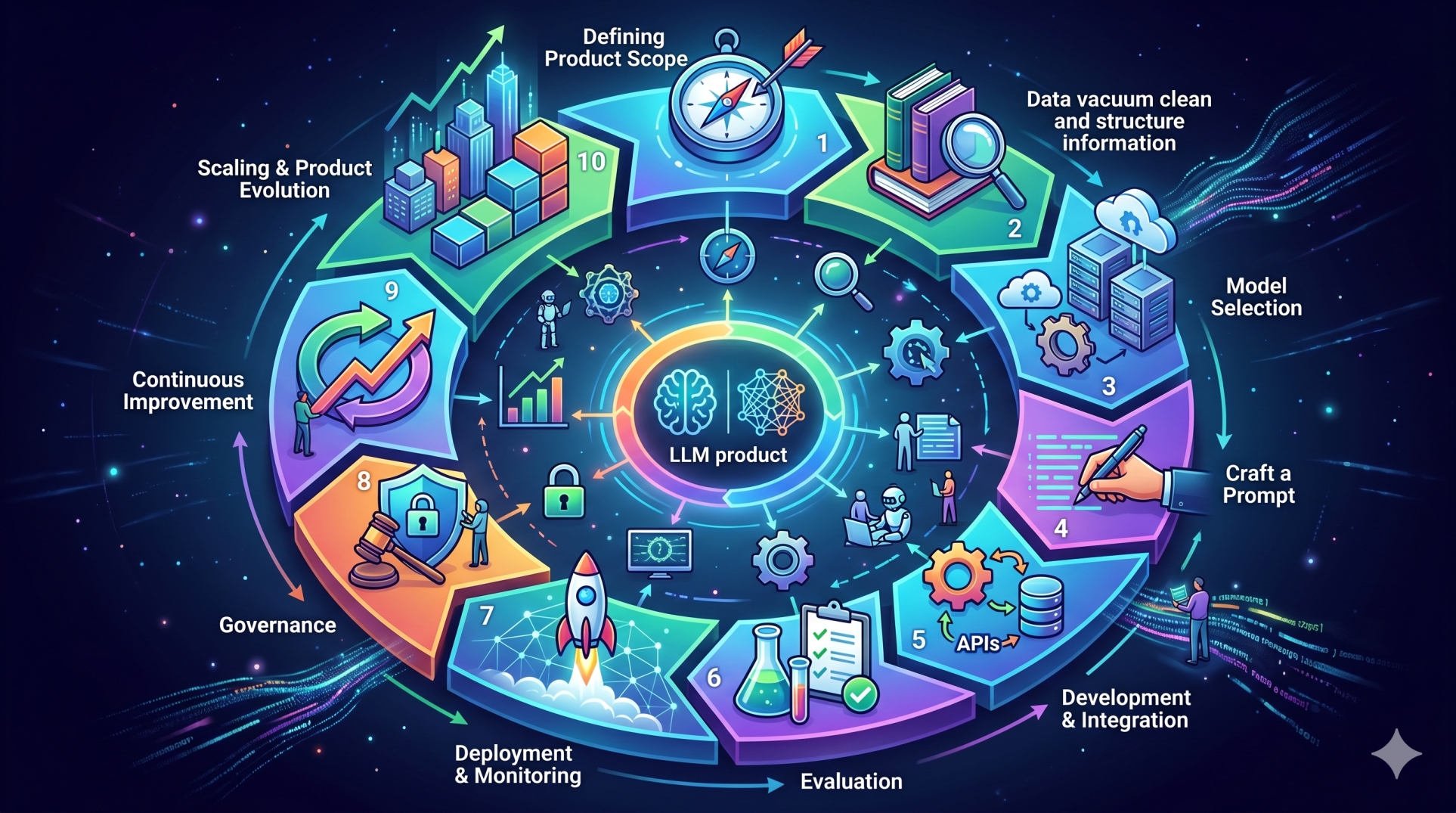
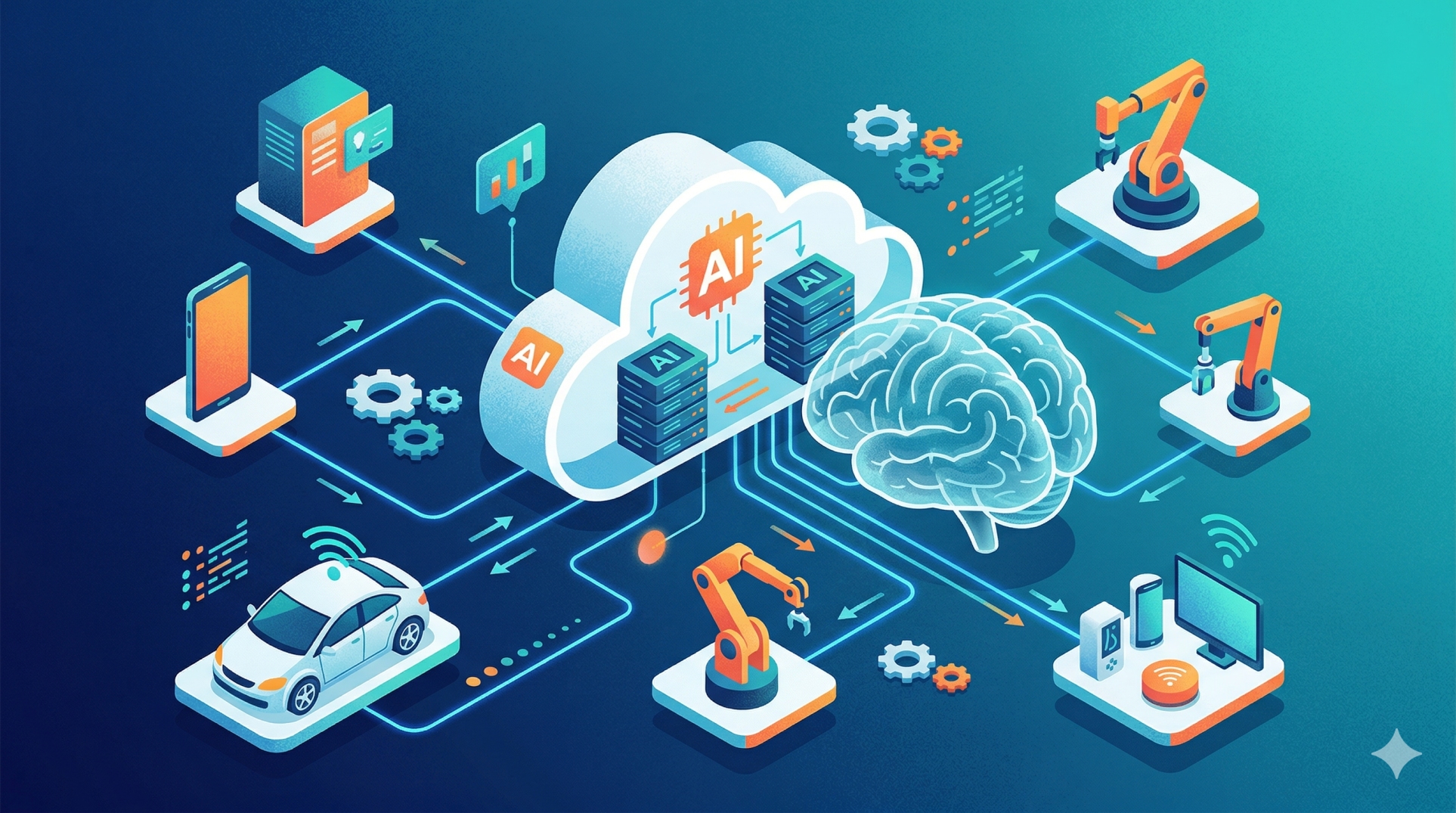
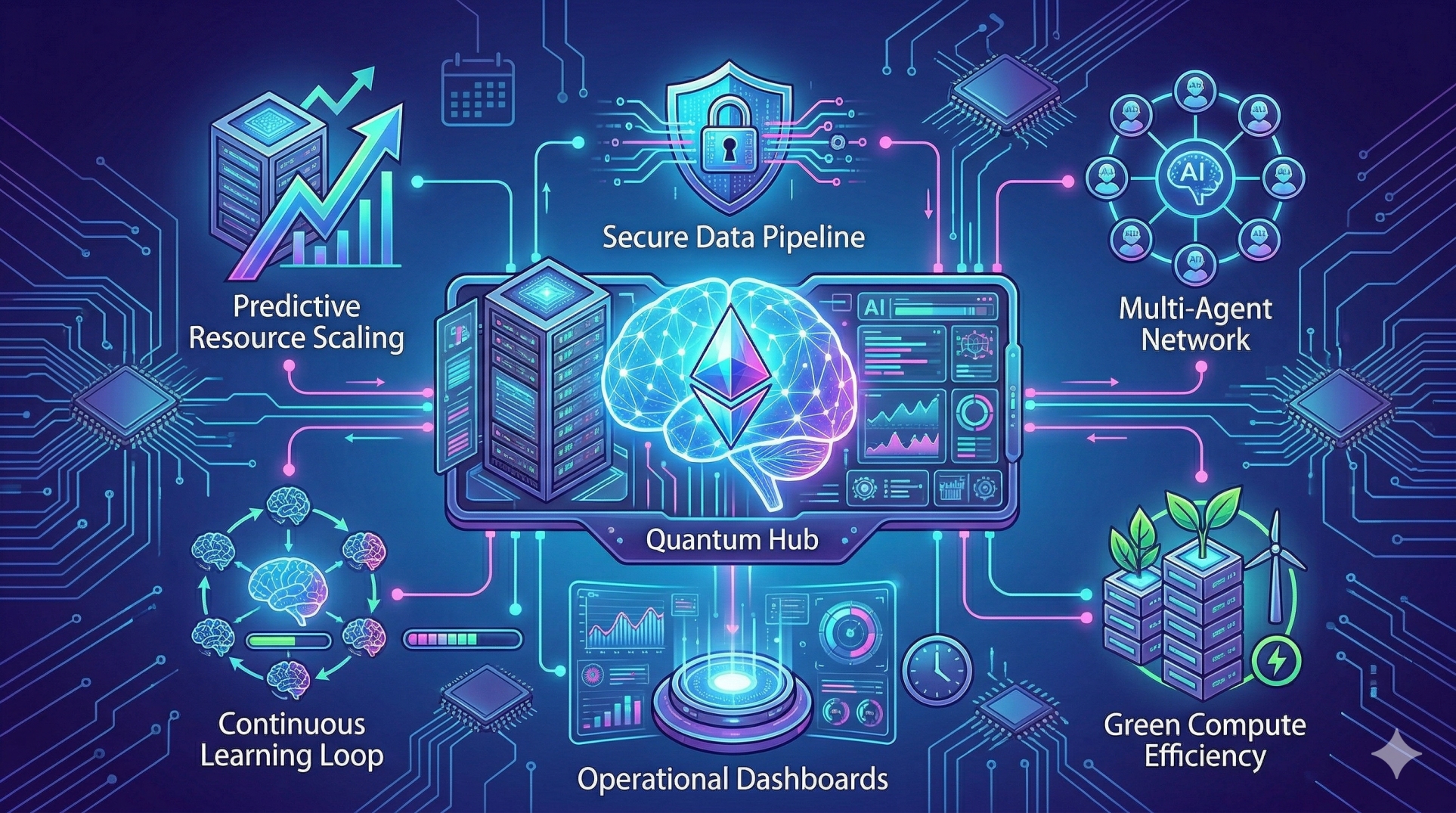
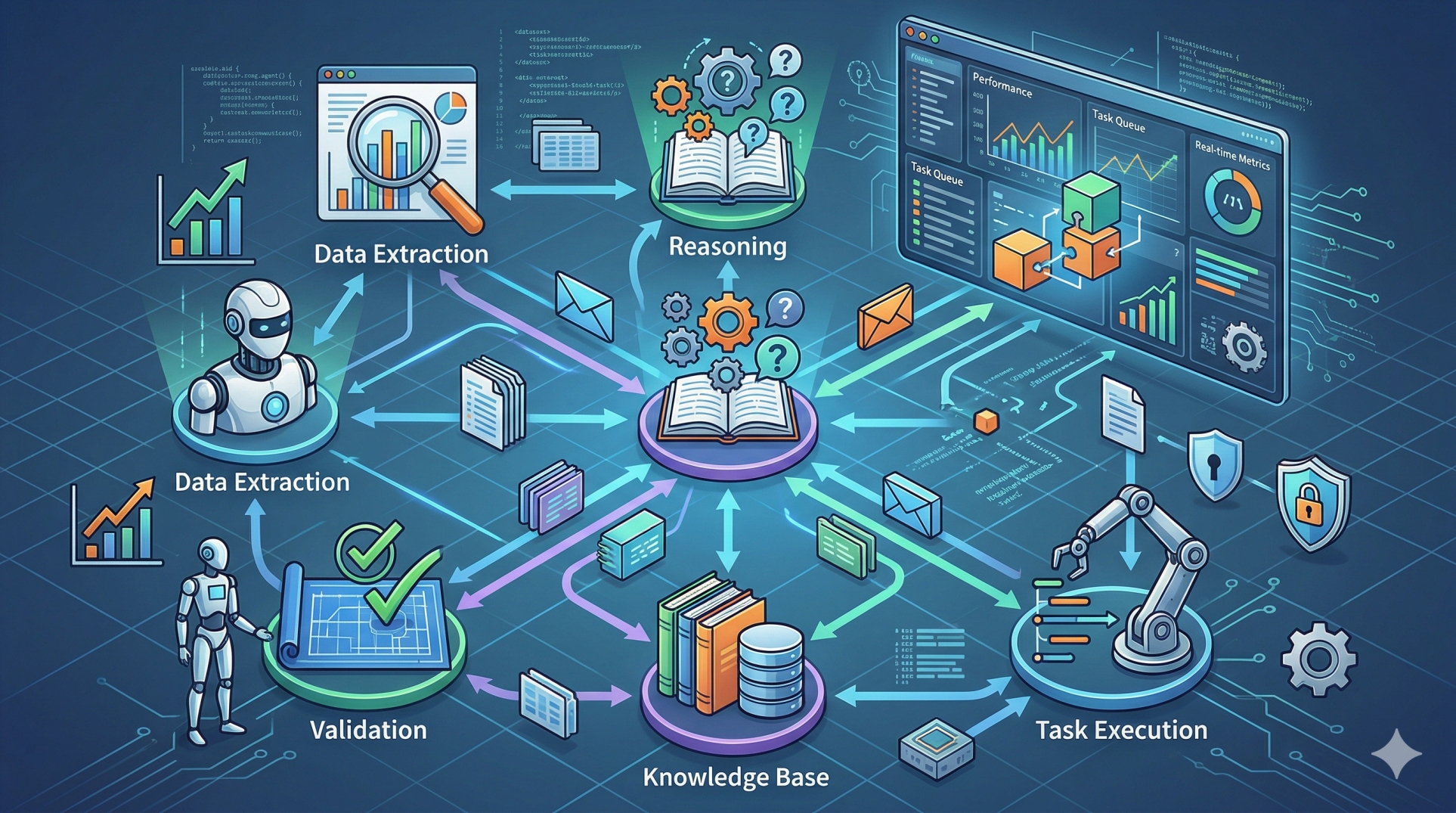
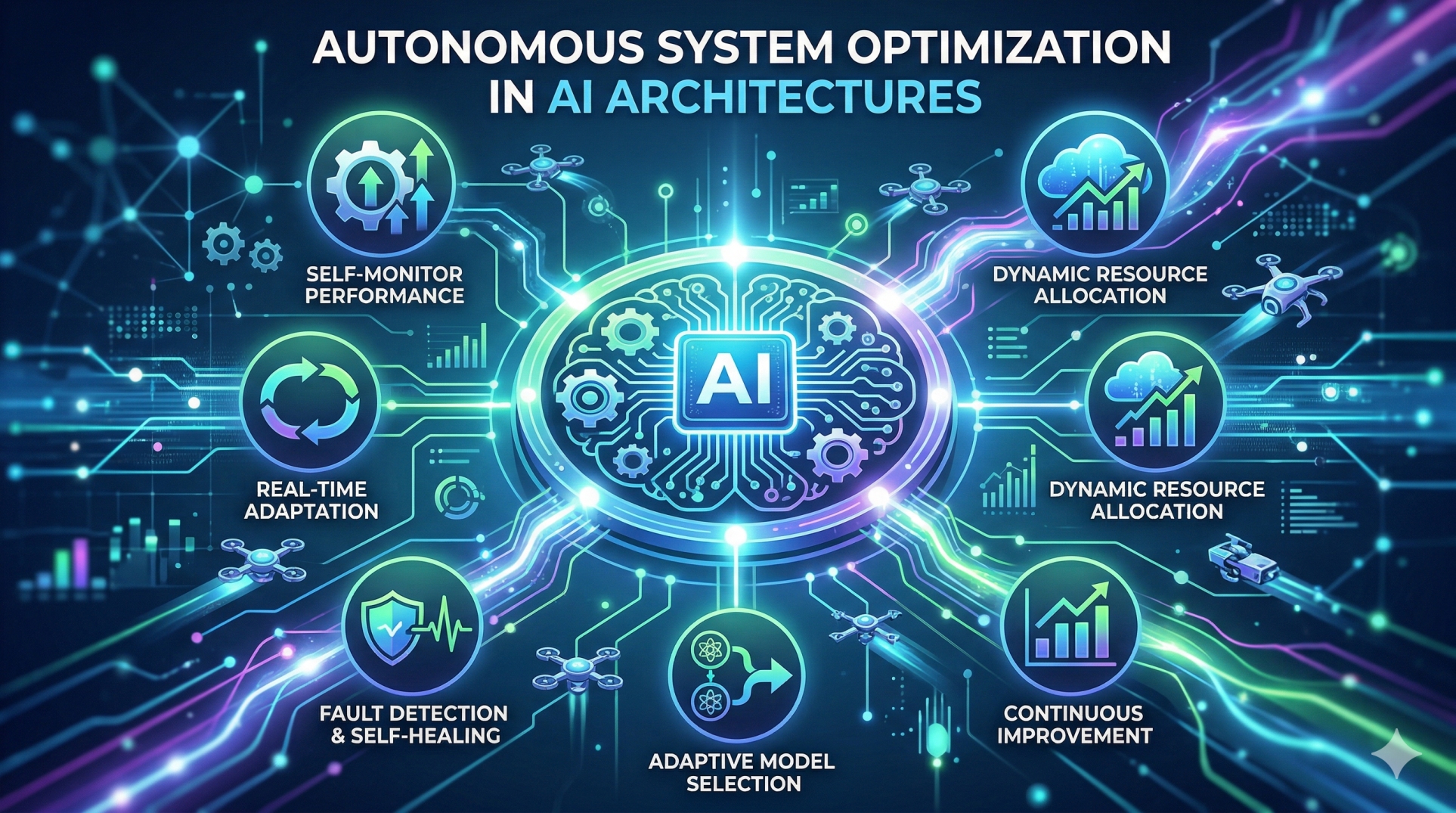
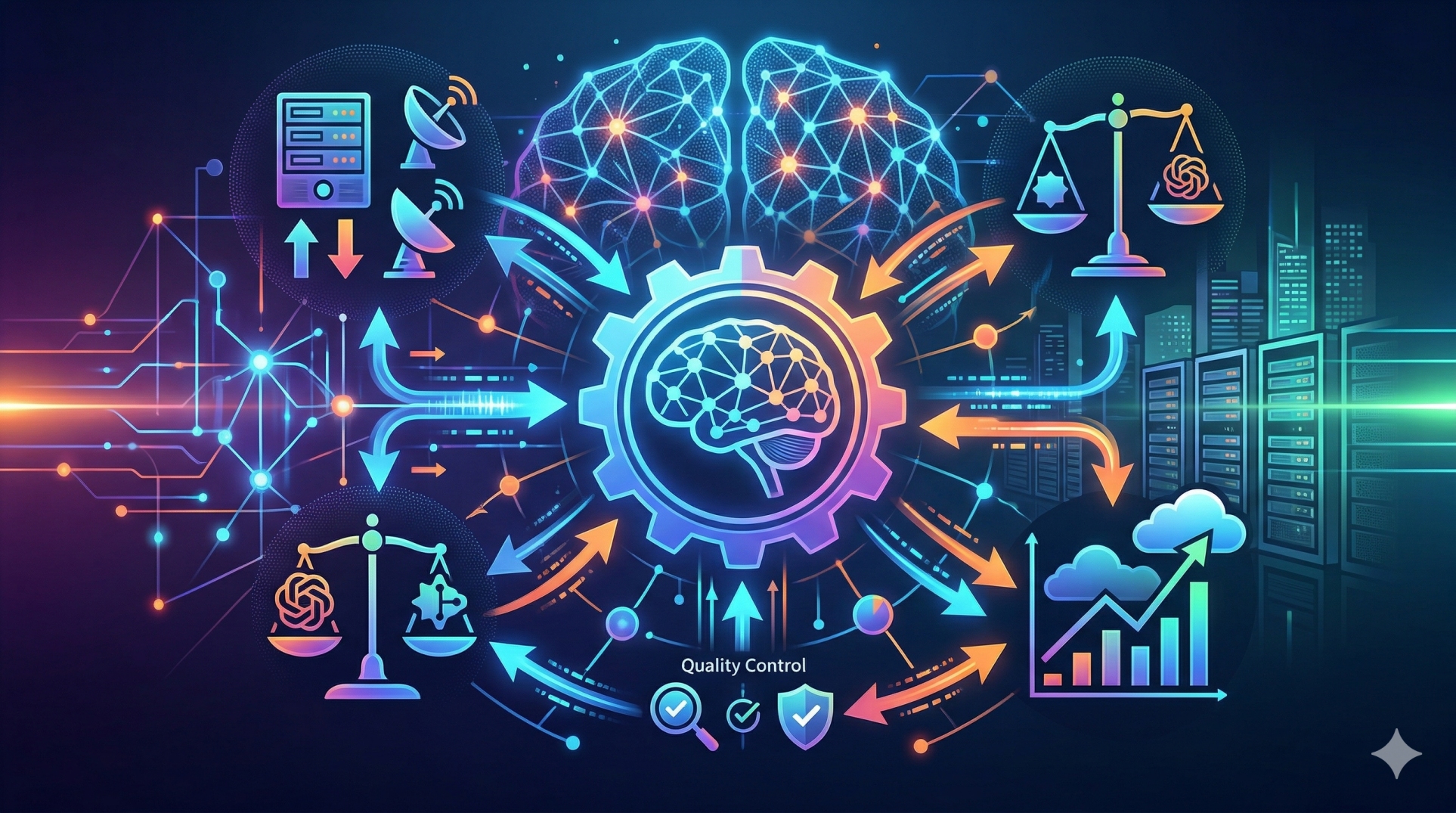
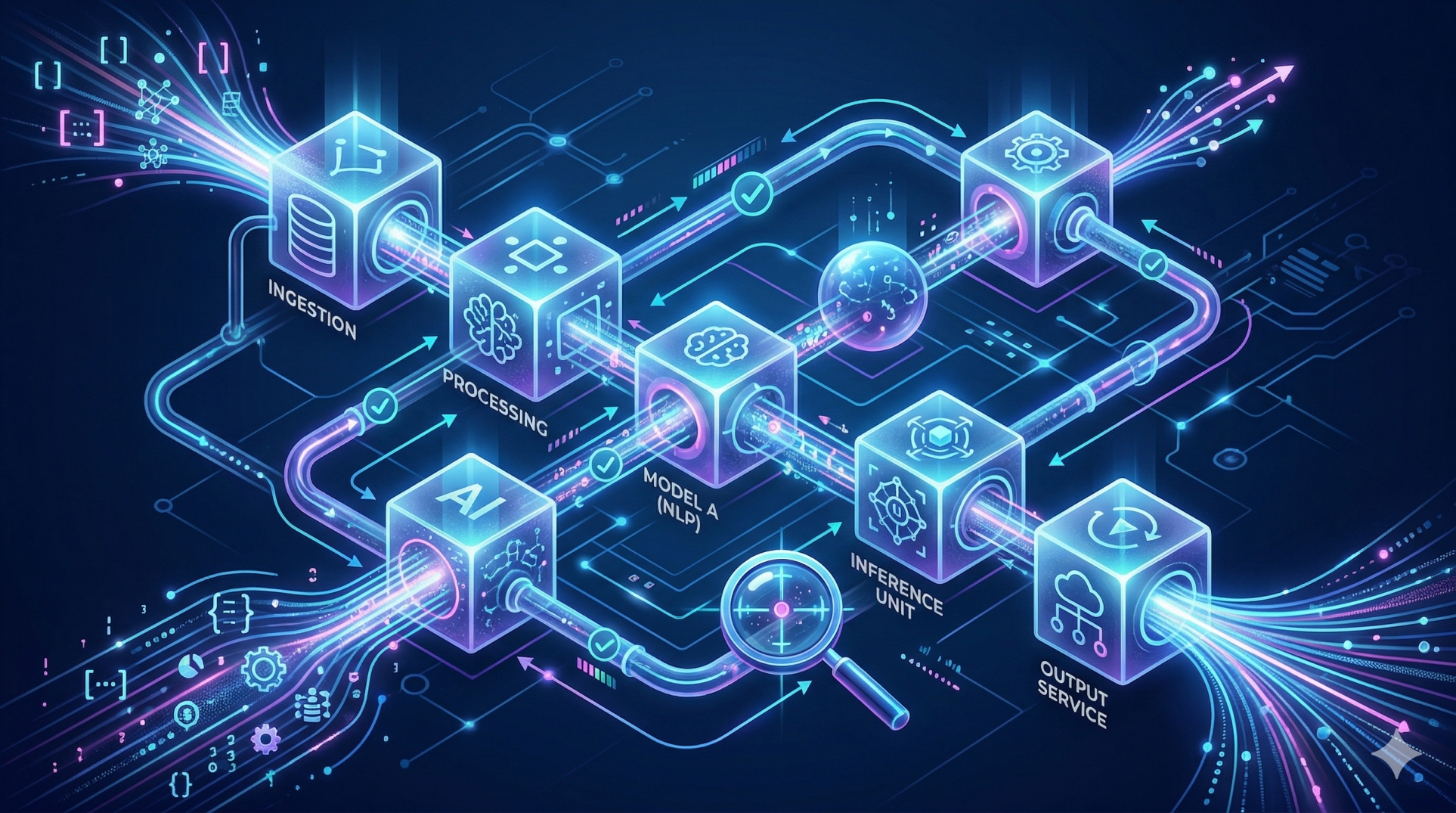
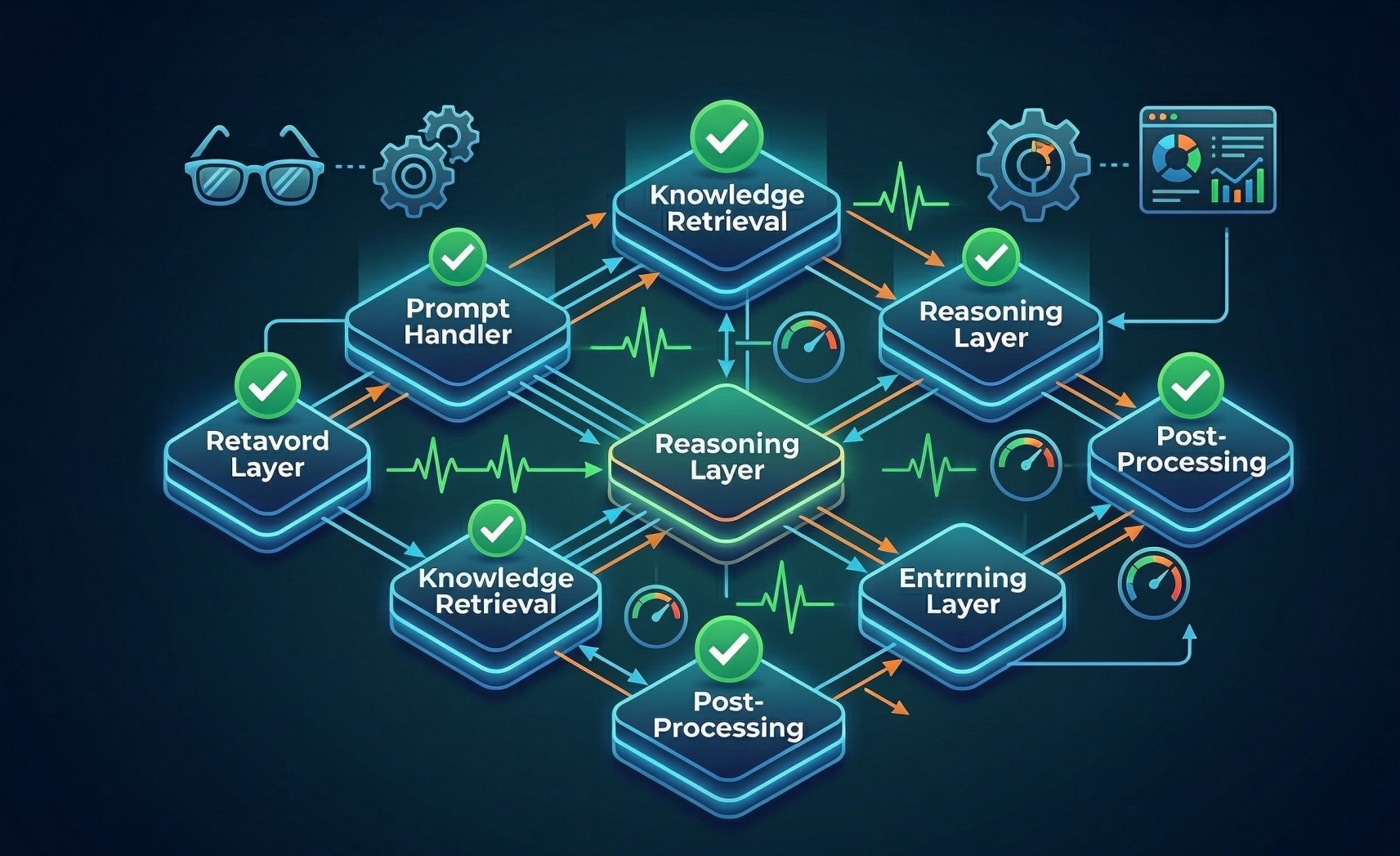
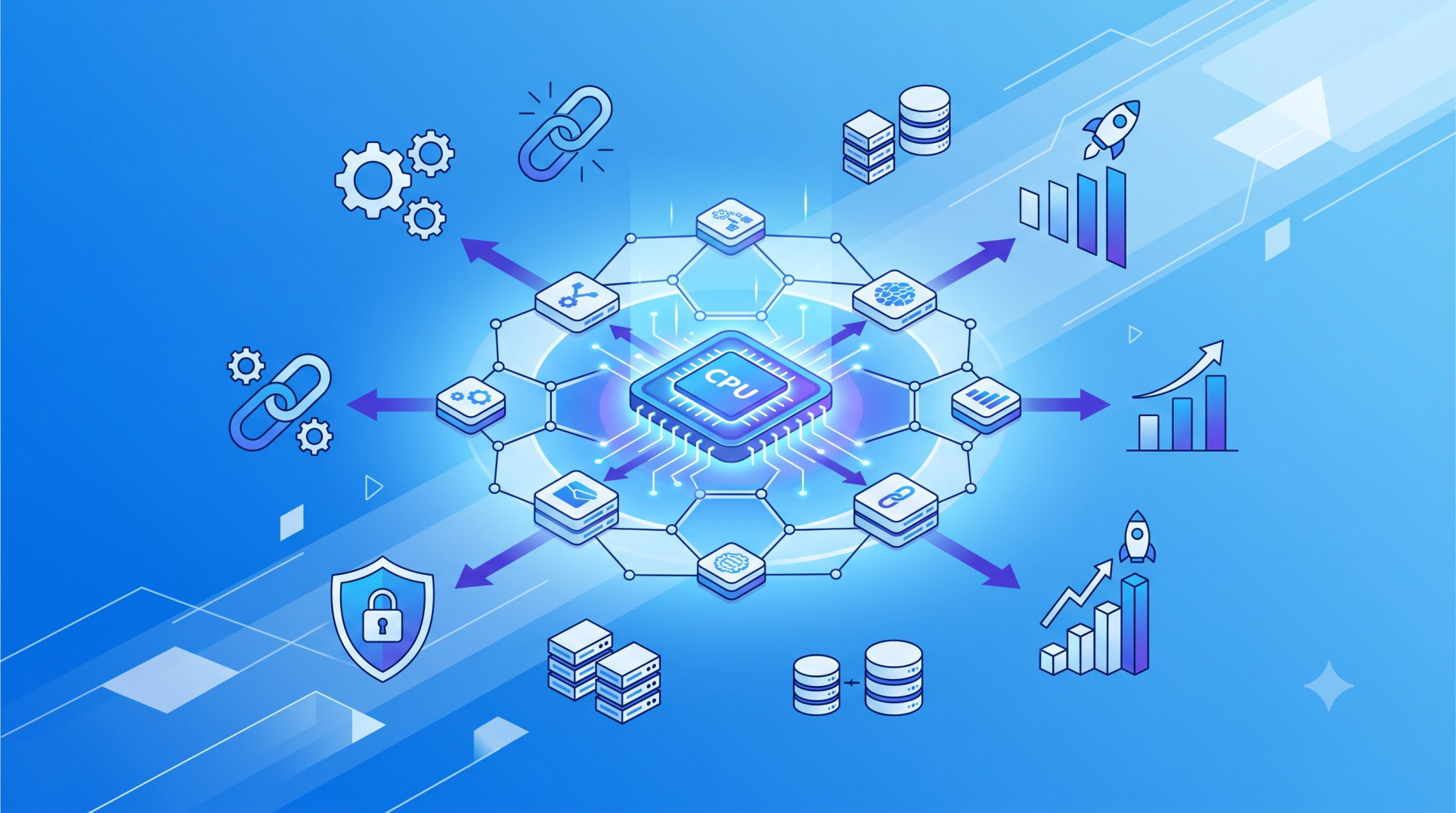
Artificial intelligence is rapidly becoming a foundational capability across modern enterprises. Rather than deploying isolated AI tools for individual tasks, organizations are adopting Enterprise AI Operating Platforms that provide a centralized environment for developing, deploying, managing, and governing AI applications. These platforms unify data, automation, analytics, and intelligent decision-making, enabling businesses to scale AI initiatives with greater efficiency, security, and operational consistency.
Step 1: Understanding Enterprise AI Operating Platforms 🧠
• Provide a centralized foundation for enterprise AI operations 🏢
• Unify AI models, business data, and automation workflows 🔗
• Support organization-wide deployment of intelligent applications 🚀
• Simplify AI lifecycle management from development to production ⚙️
• Enable consistent governance across AI initiatives ✅
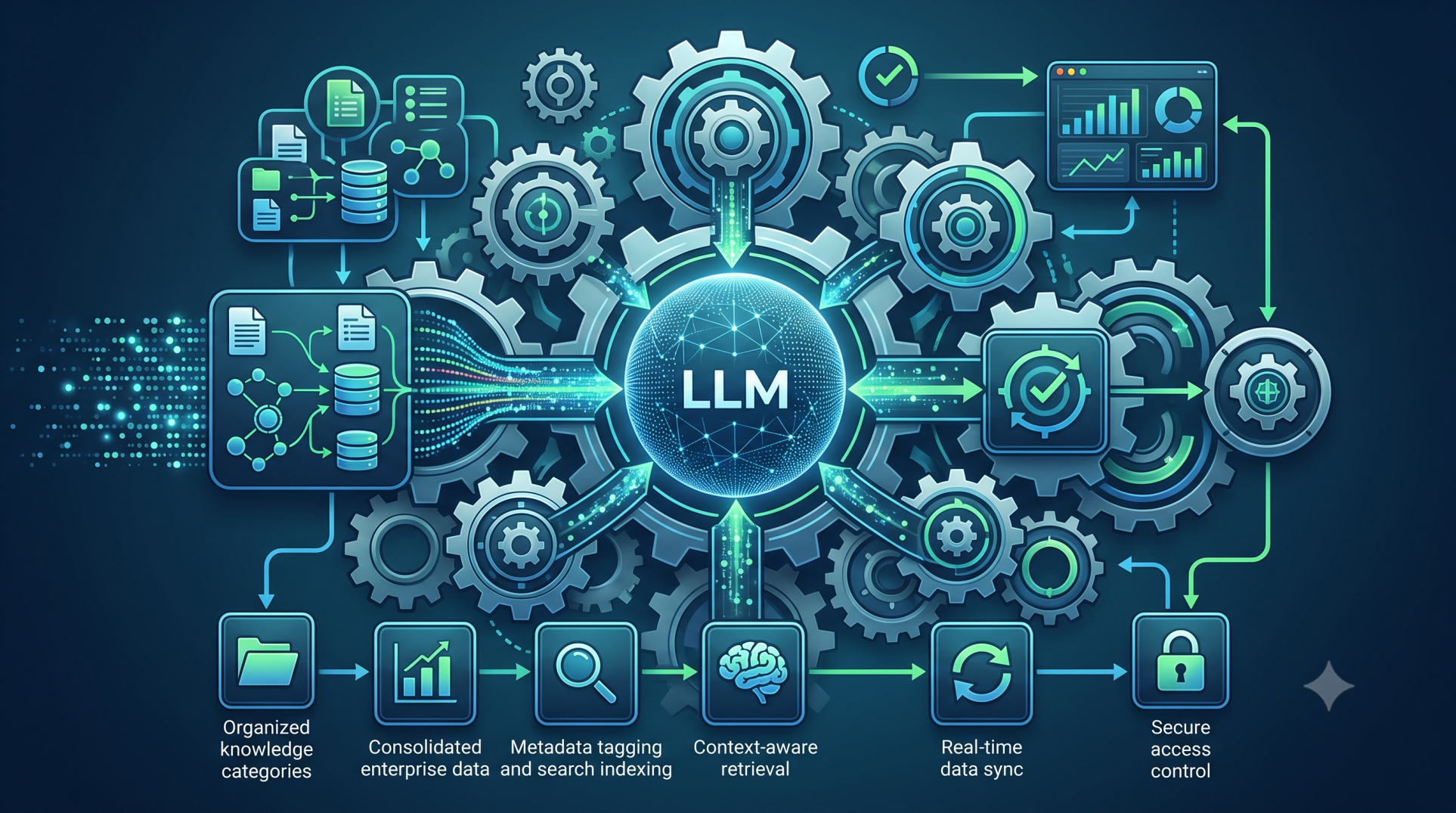
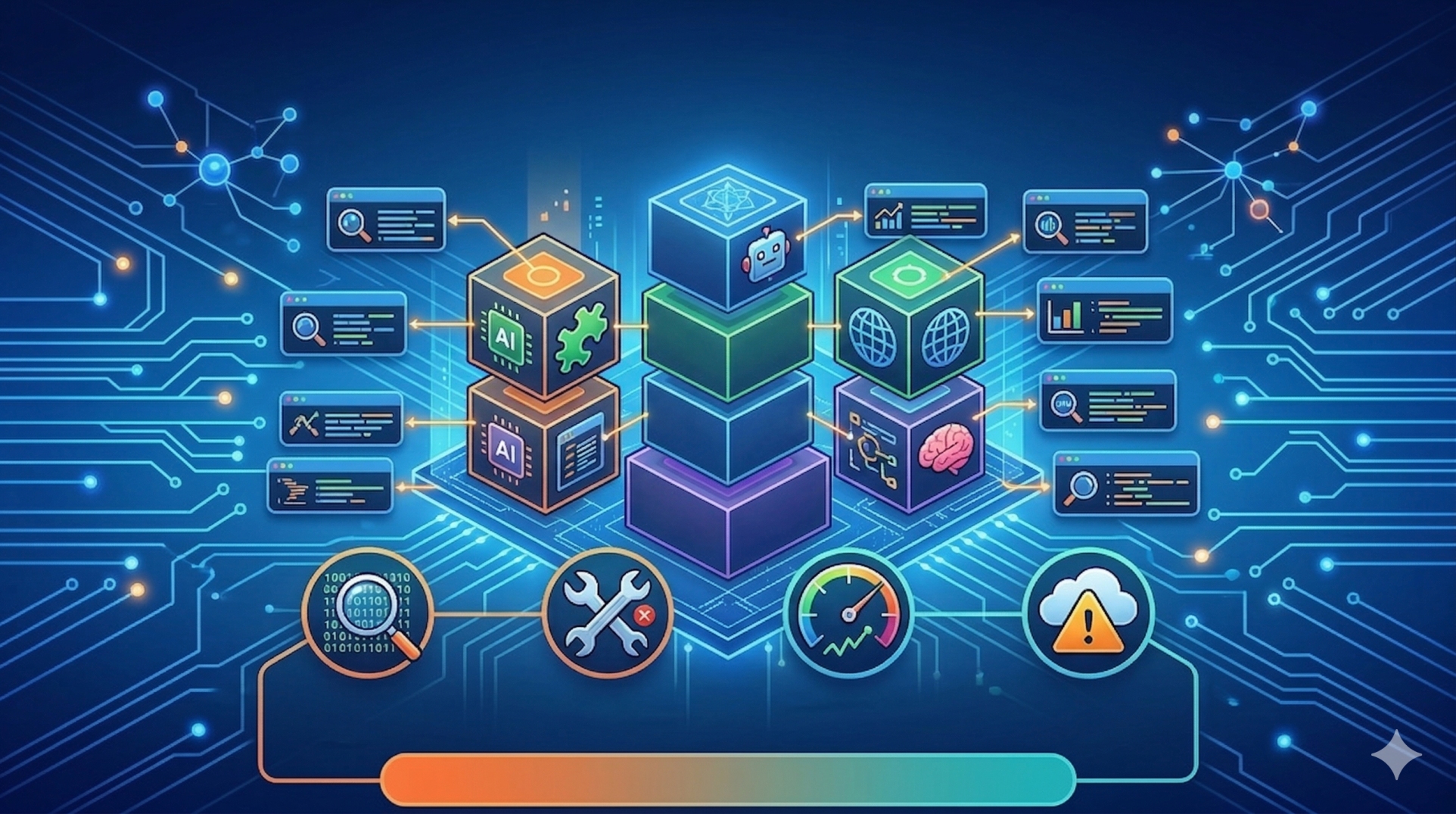
Step 2: Building a Unified AI Infrastructure 🏗️
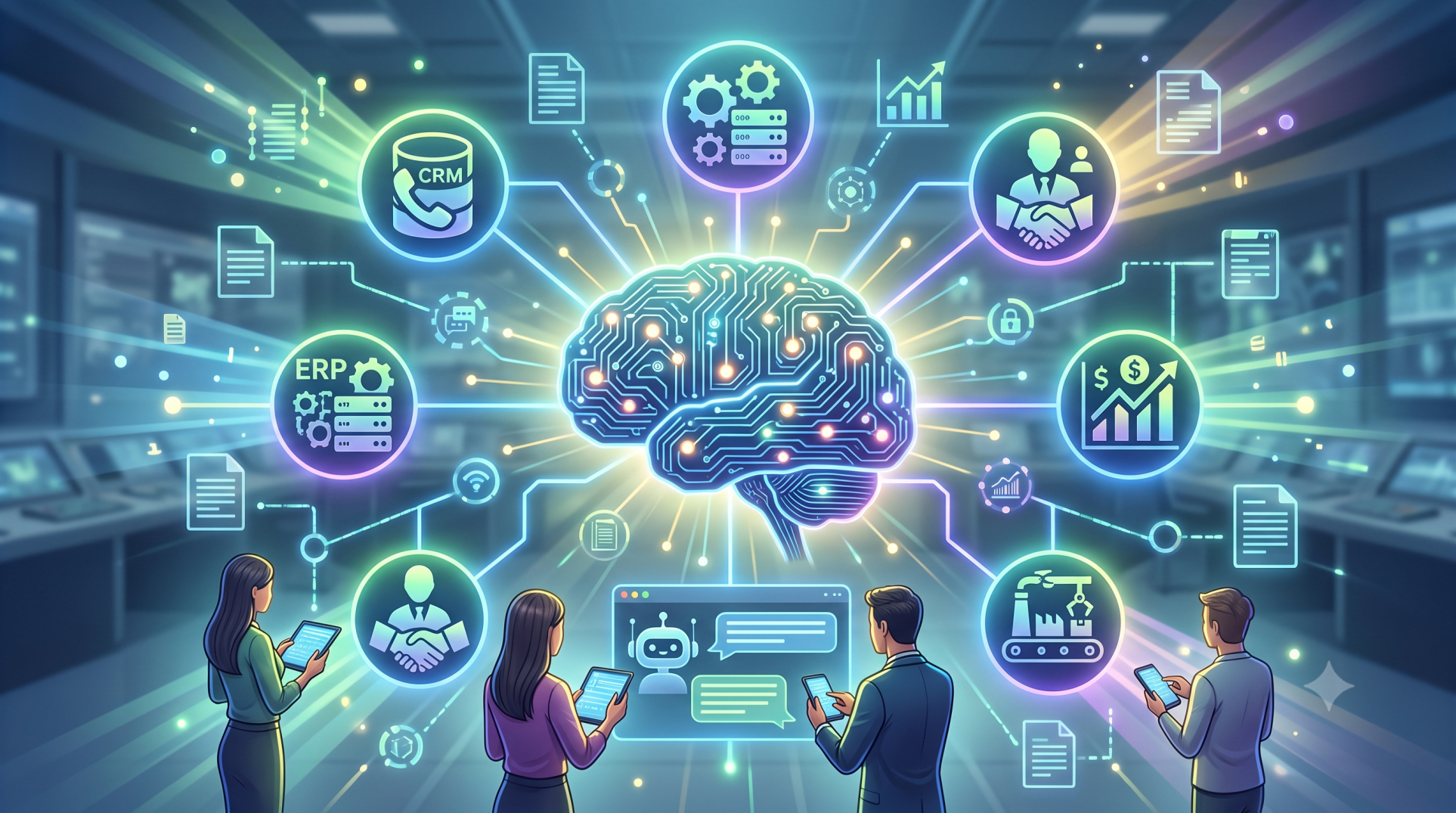
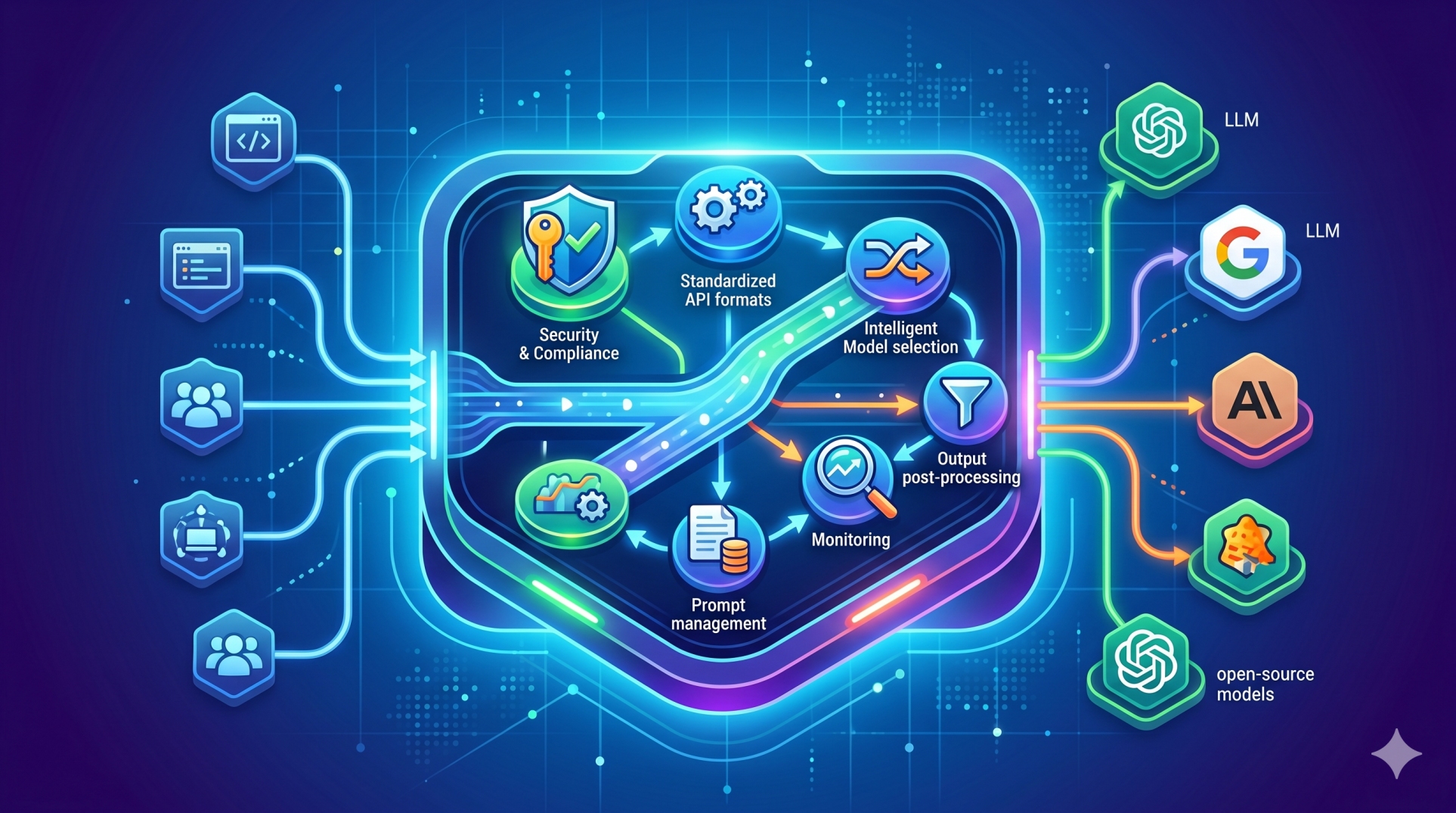
• Connect enterprise systems through standardized integrations 🔄
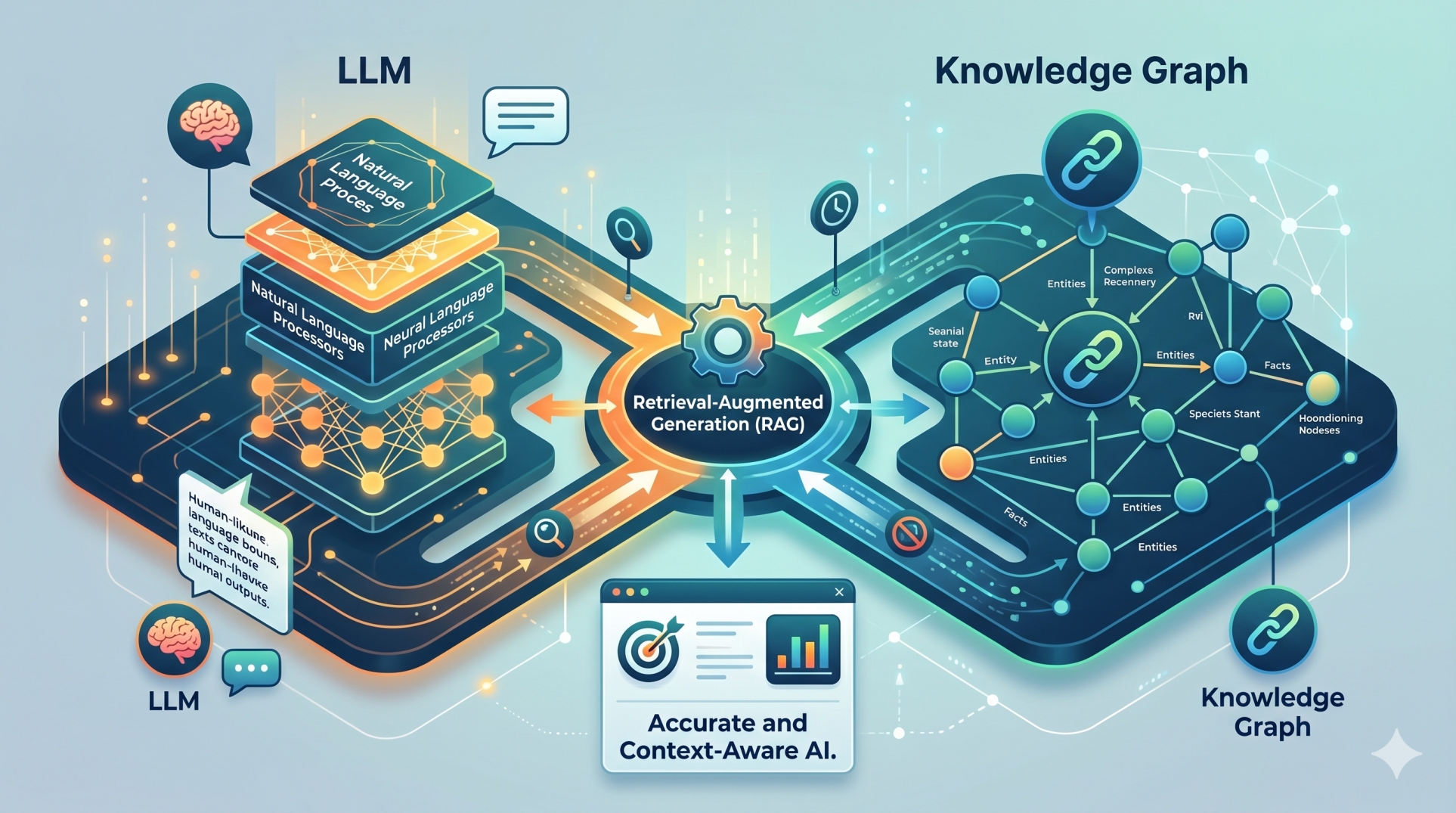
• Consolidate structured and unstructured data sources 📂
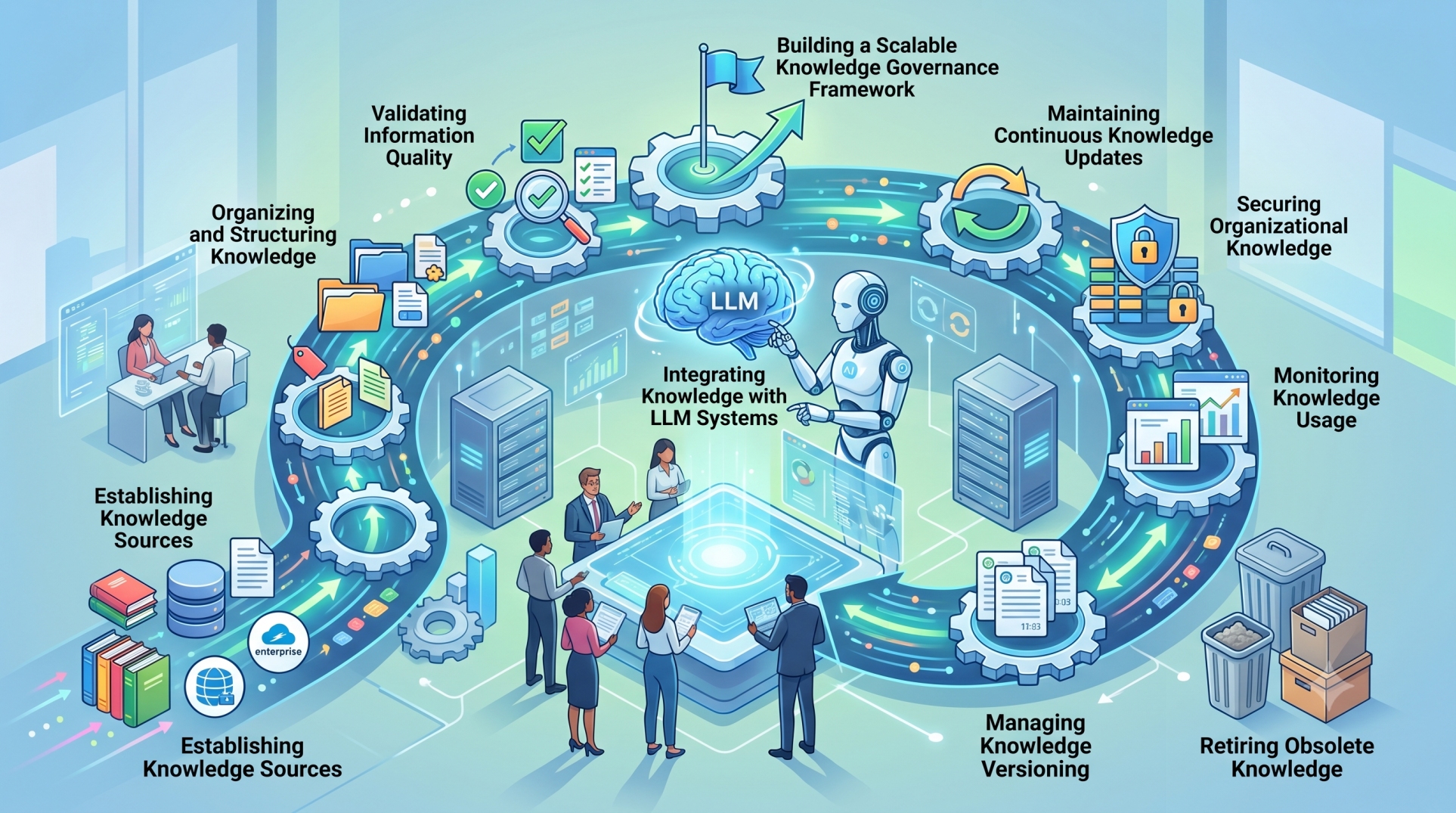
• Enable secure access to organizational knowledge 🔐
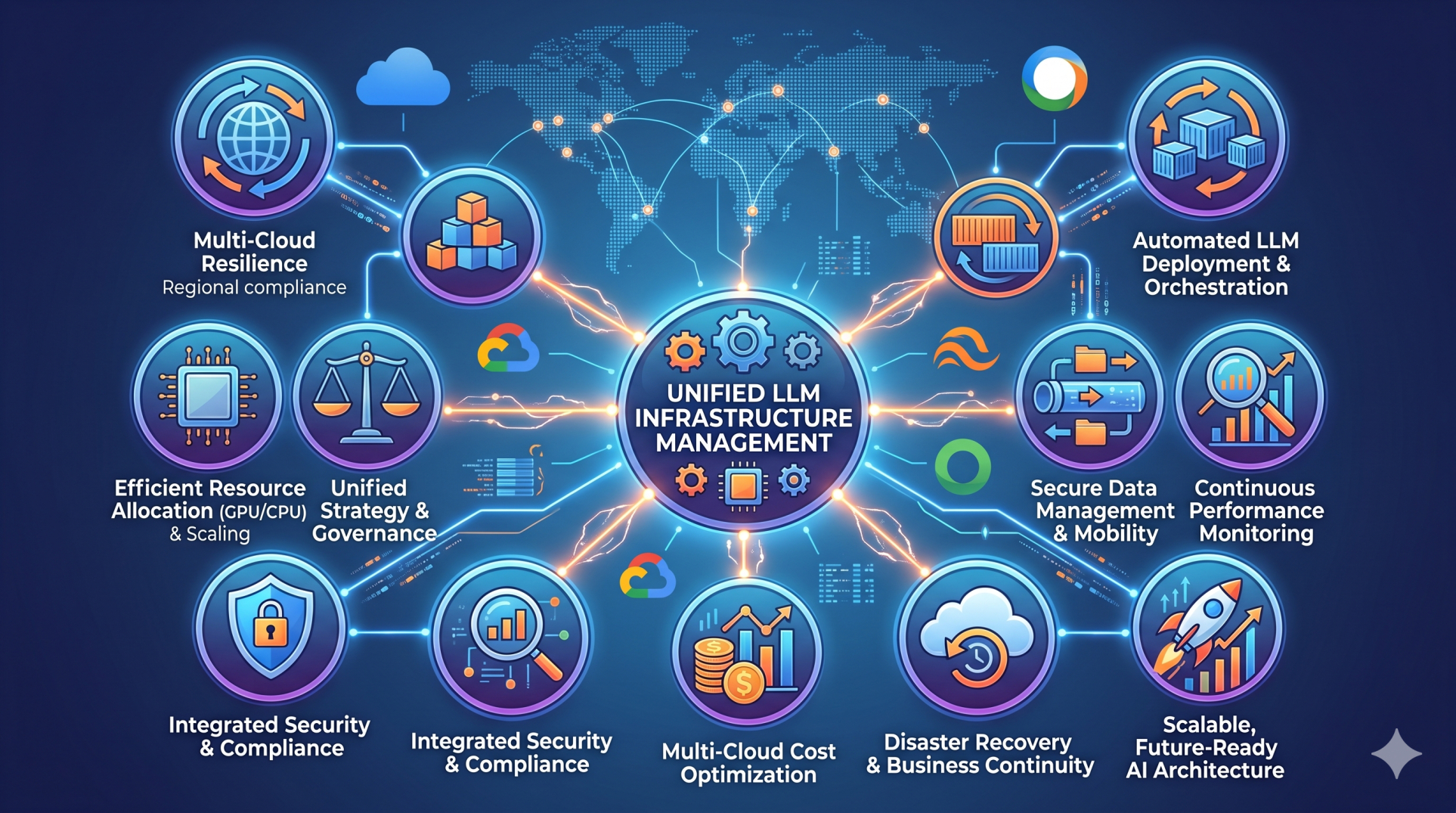
• Support cloud, hybrid, and on-premises environments ☁️
• Create a scalable architecture for future AI expansion 📈
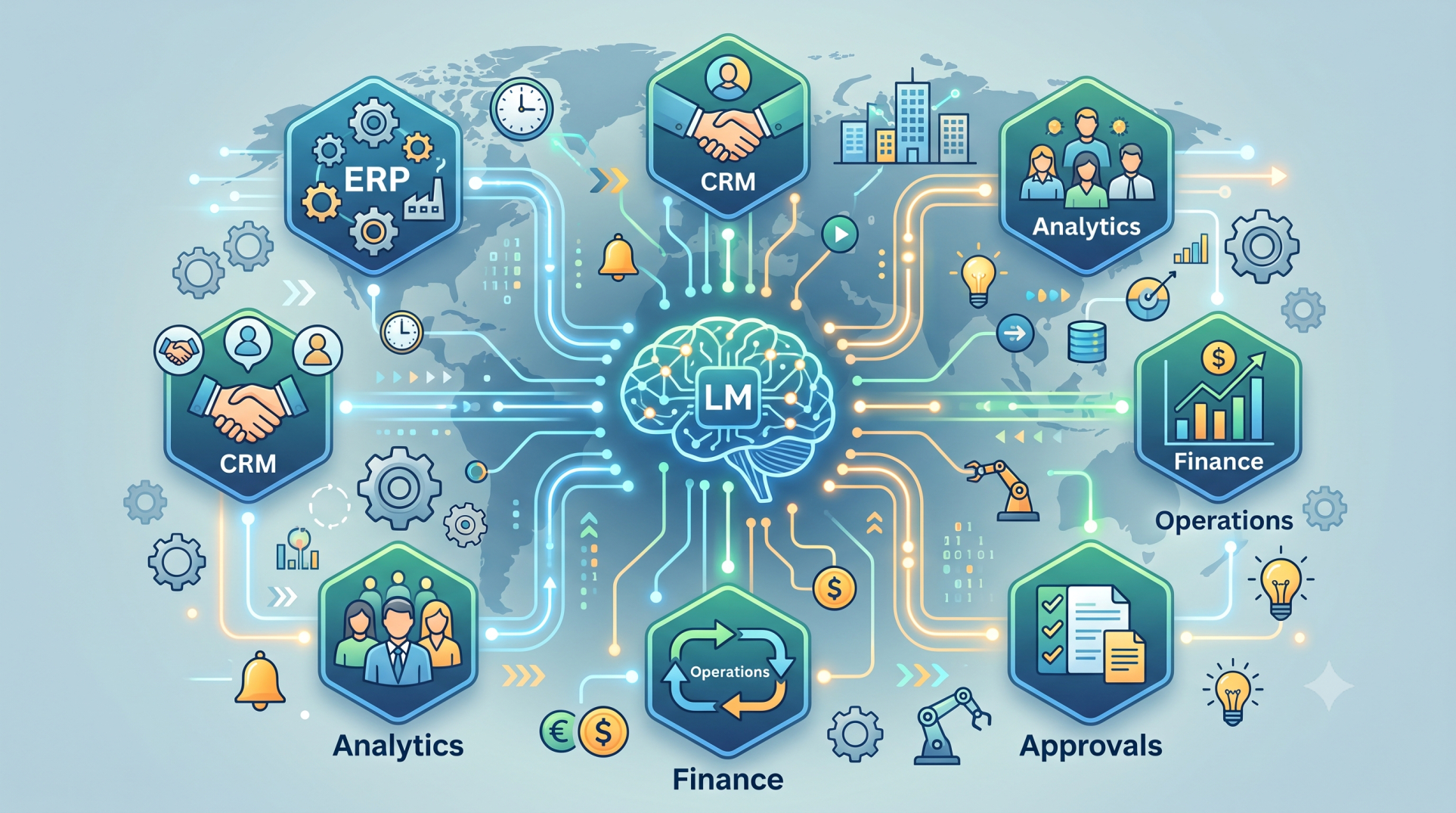
Step 3: Integrating AI into Business Processes 🤖
• Embed AI capabilities into everyday operational workflows ⚡
• Automate repetitive business activities intelligently 🔄
• Assist employees with contextual recommendations 💡
• Improve operational efficiency across departments 📊
• Enhance collaboration between people and intelligent systems 🤝
Step 4: Managing AI Models and Services 📡
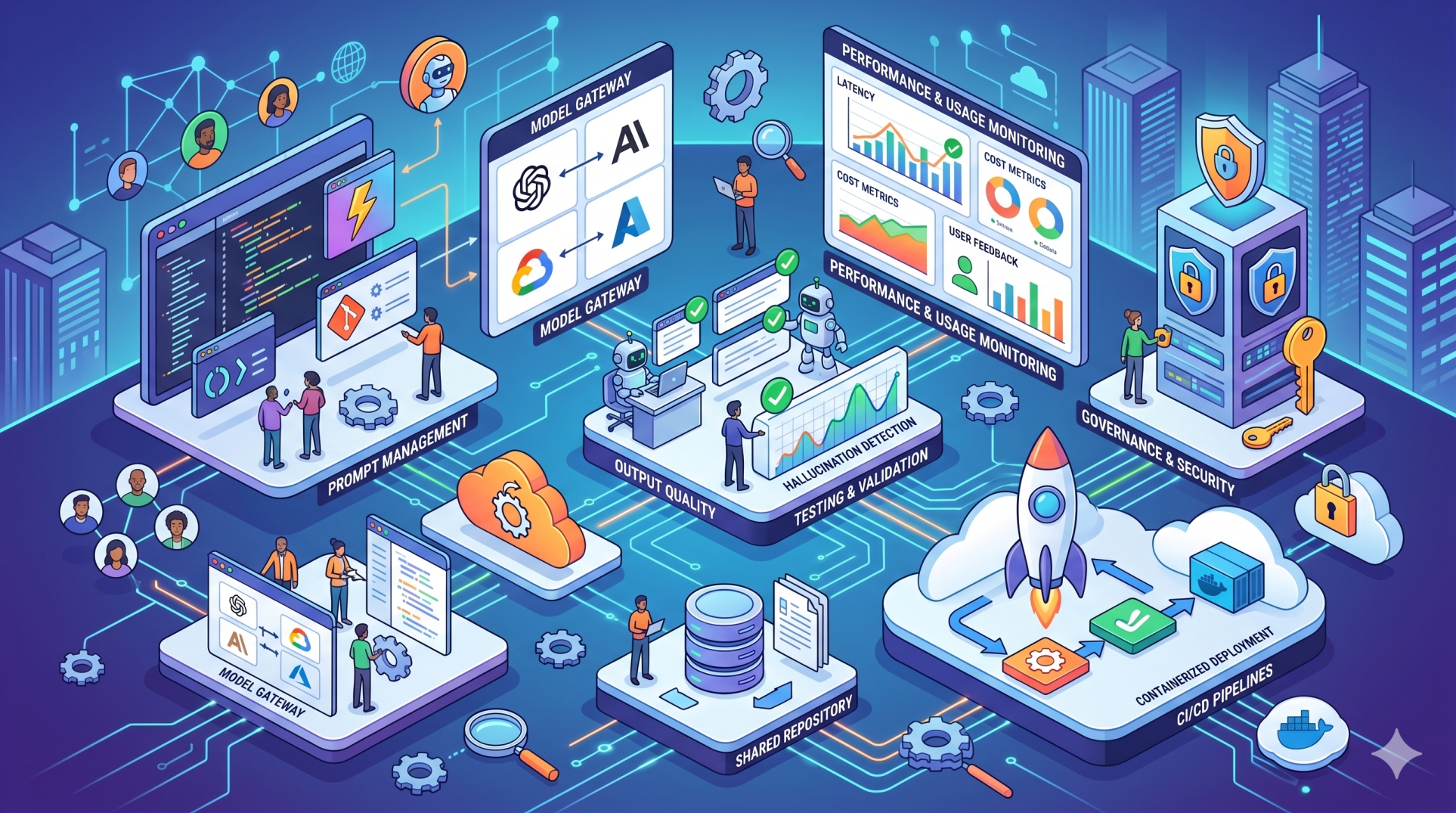
• Deploy multiple AI models through a unified platform 🧩
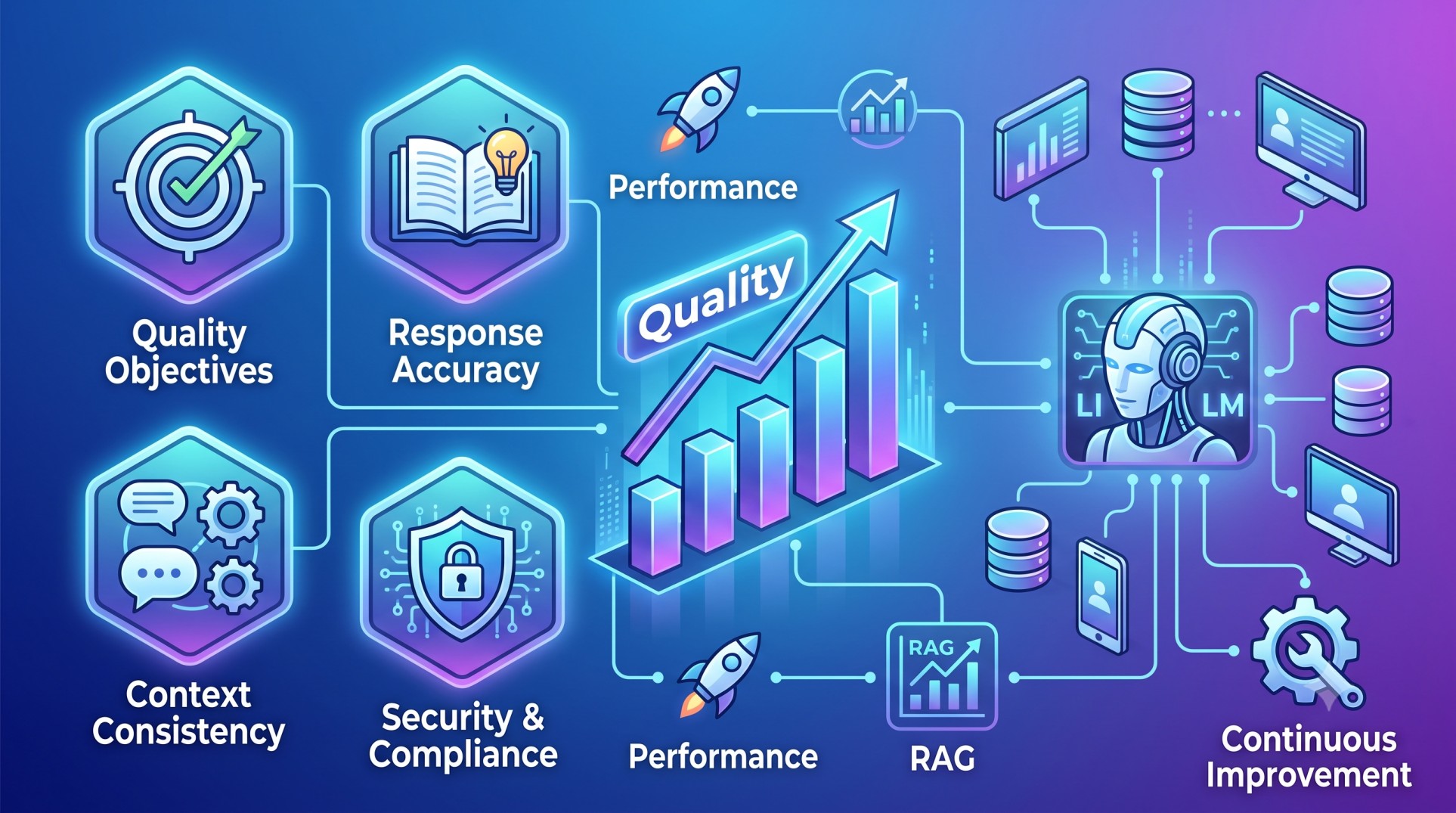
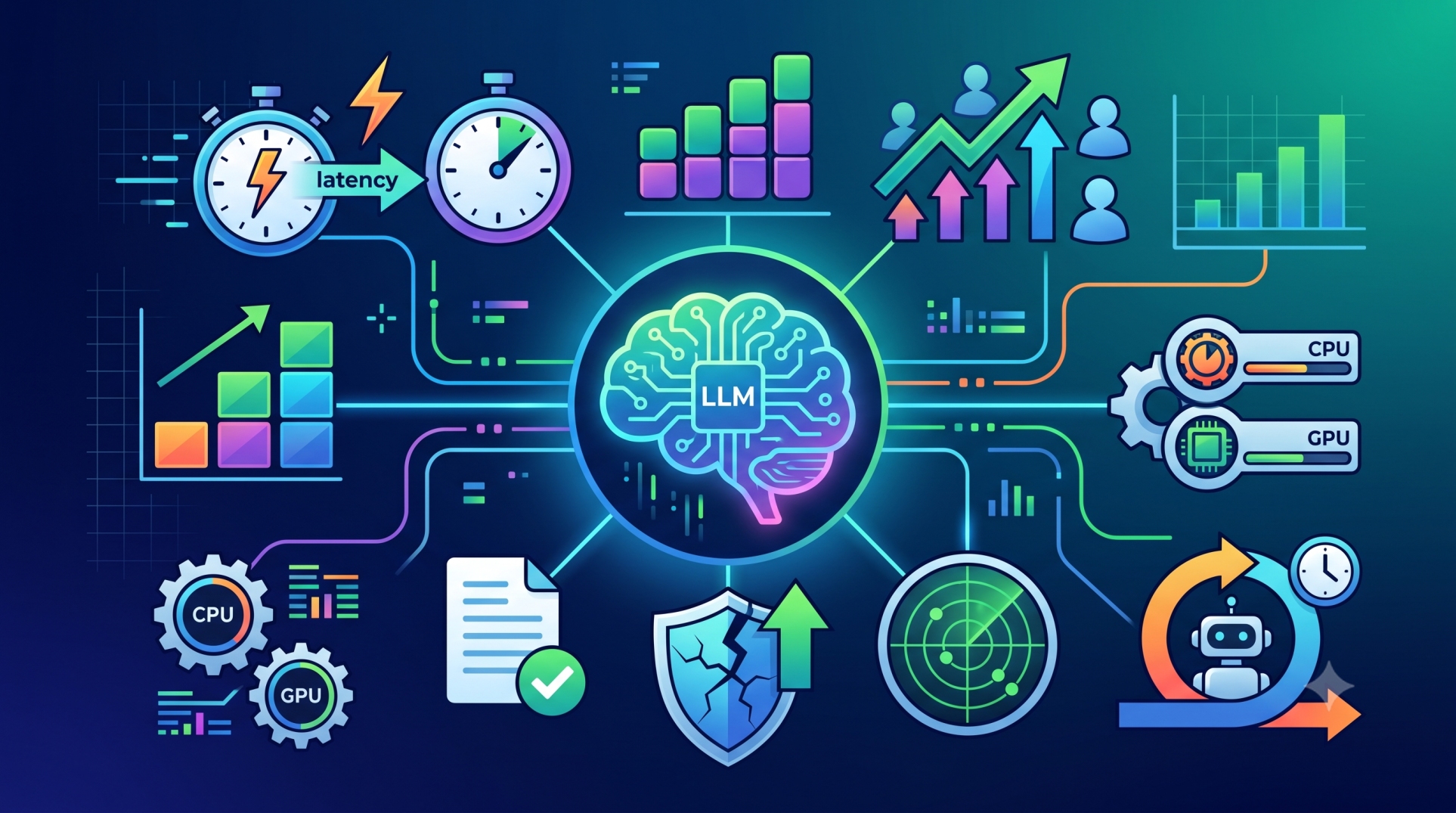
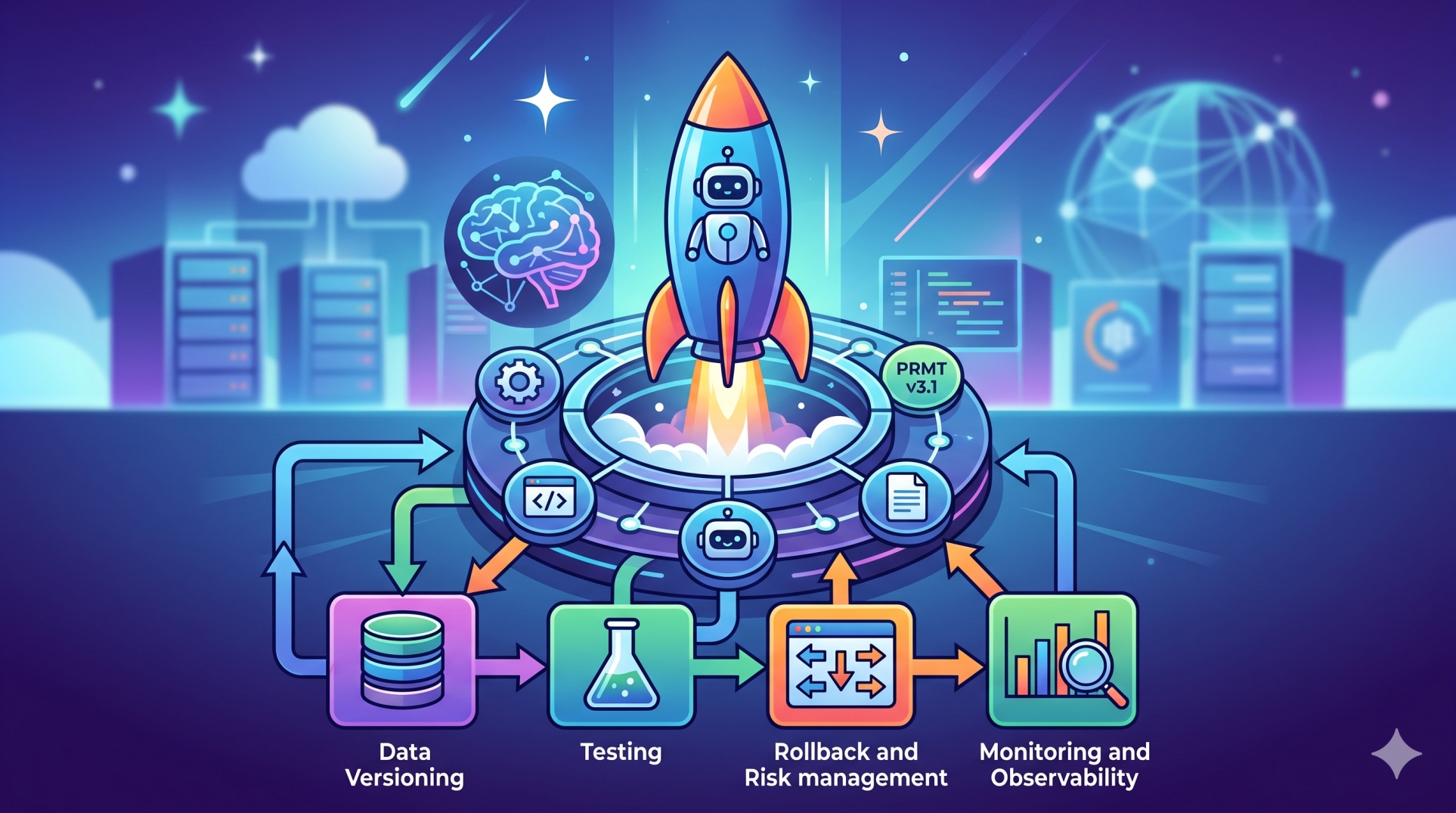
• Monitor model performance throughout production 📈
• Manage version control and lifecycle updates 🔄
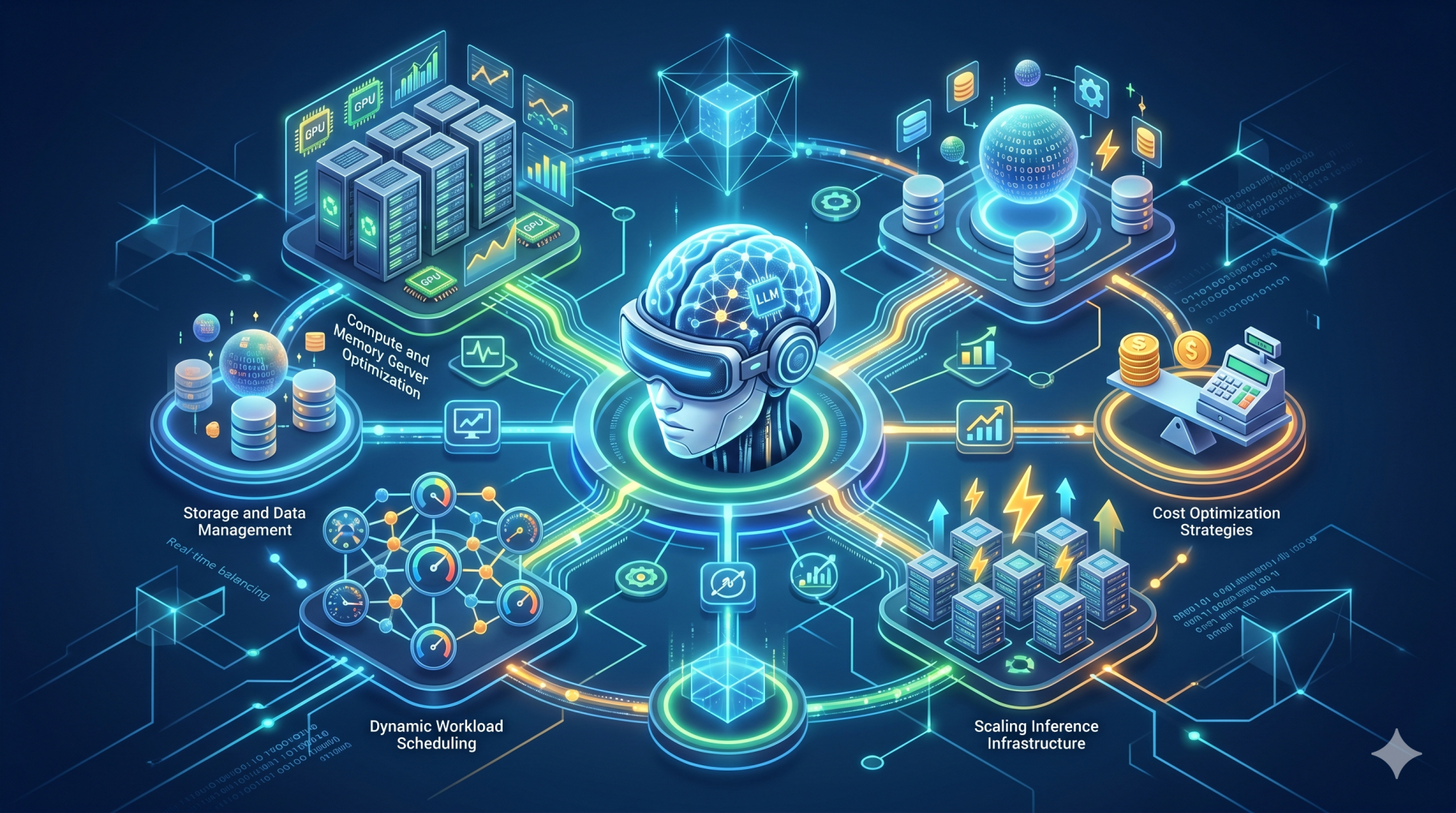
• Optimize resource utilization for AI workloads ⚙️
• Ensure reliable and scalable AI service delivery 🚀
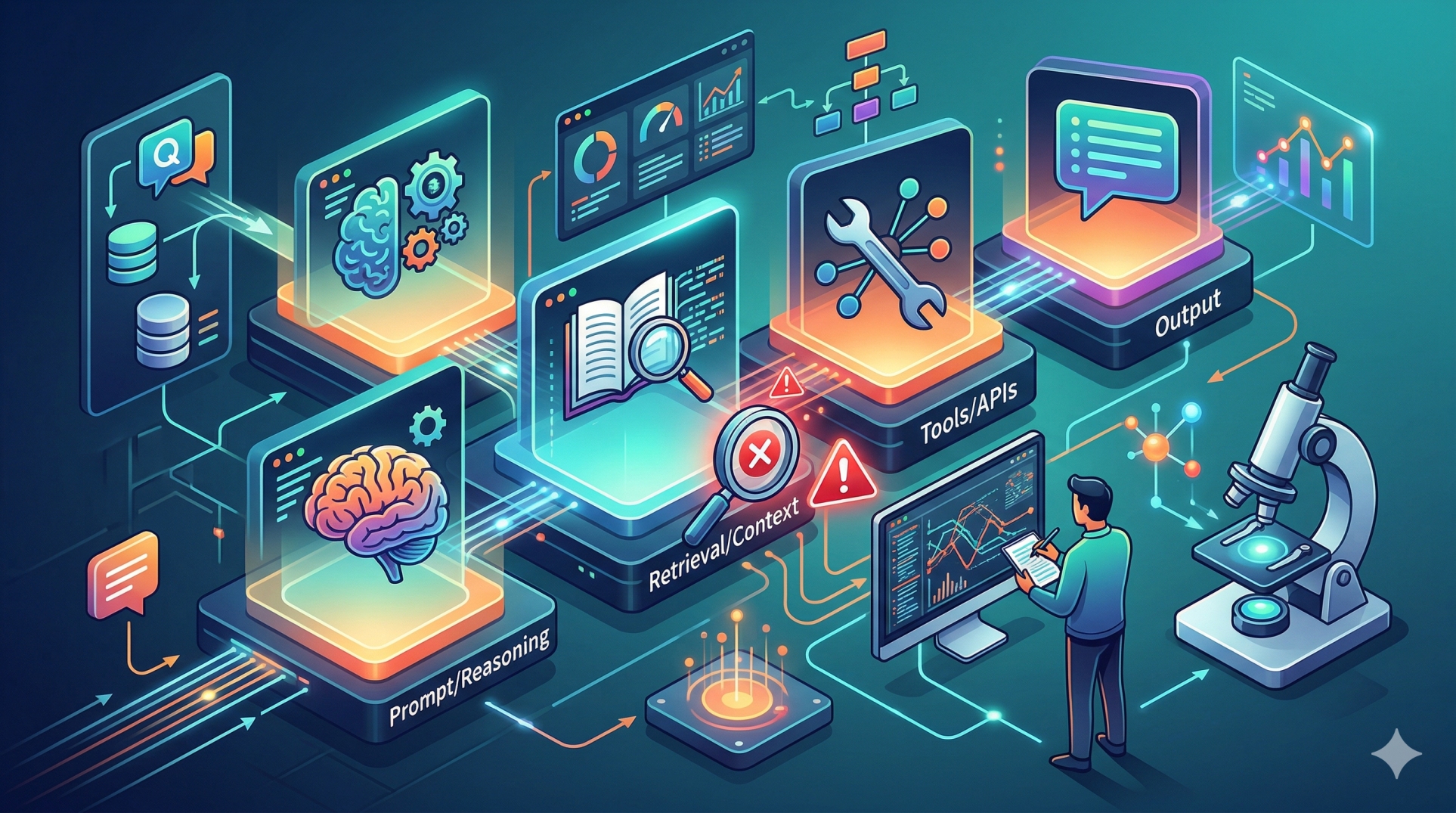
Step 5: Orchestrating Intelligent Workflows 🔀
• Coordinate AI-driven decisions across business functions 🏢
• Automate multi-step operational processes 🤖
• Connect AI with enterprise applications through APIs 🔗
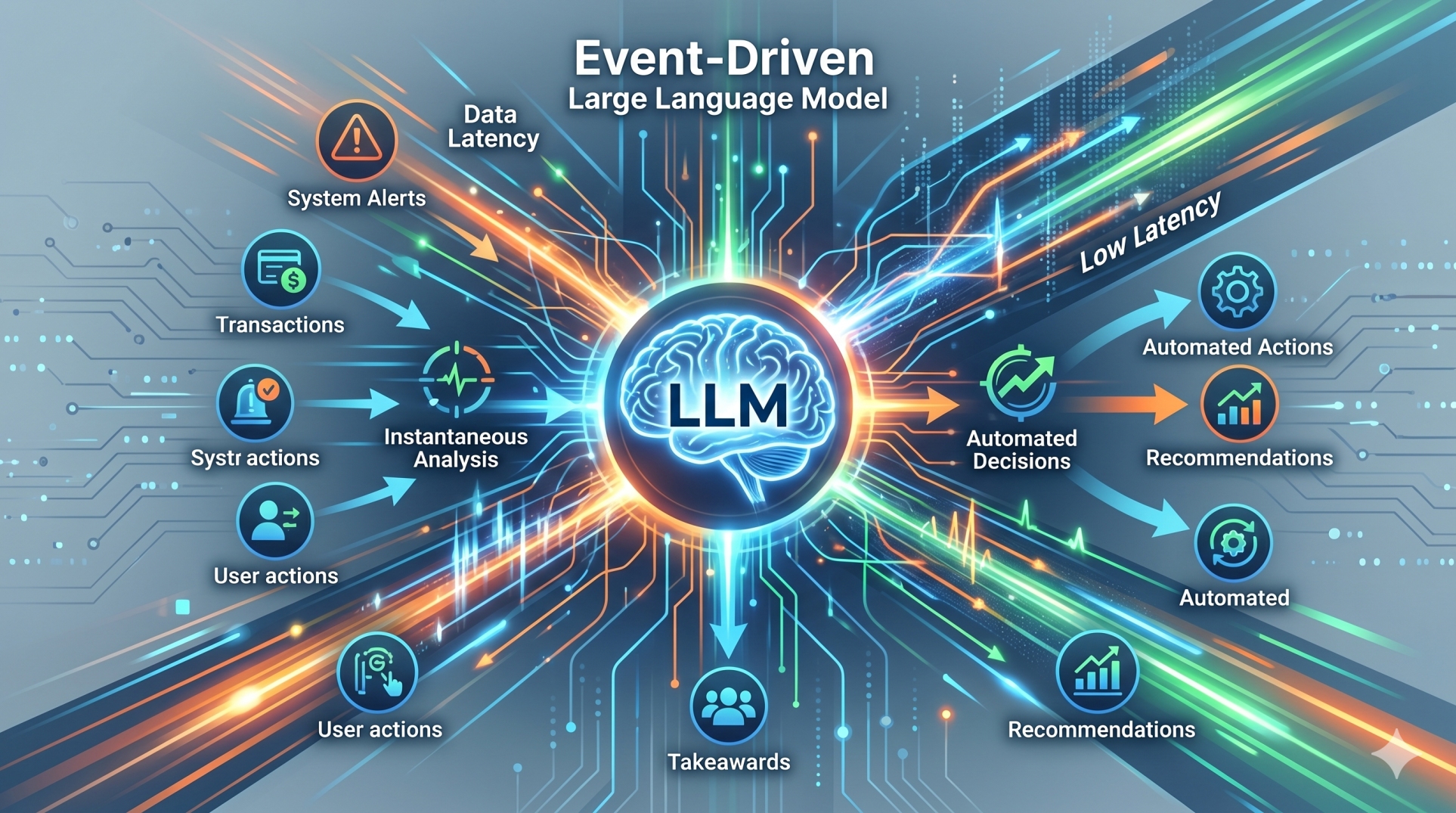
• Enable event-driven workflow execution 📢
• Improve process consistency and responsiveness ⚡
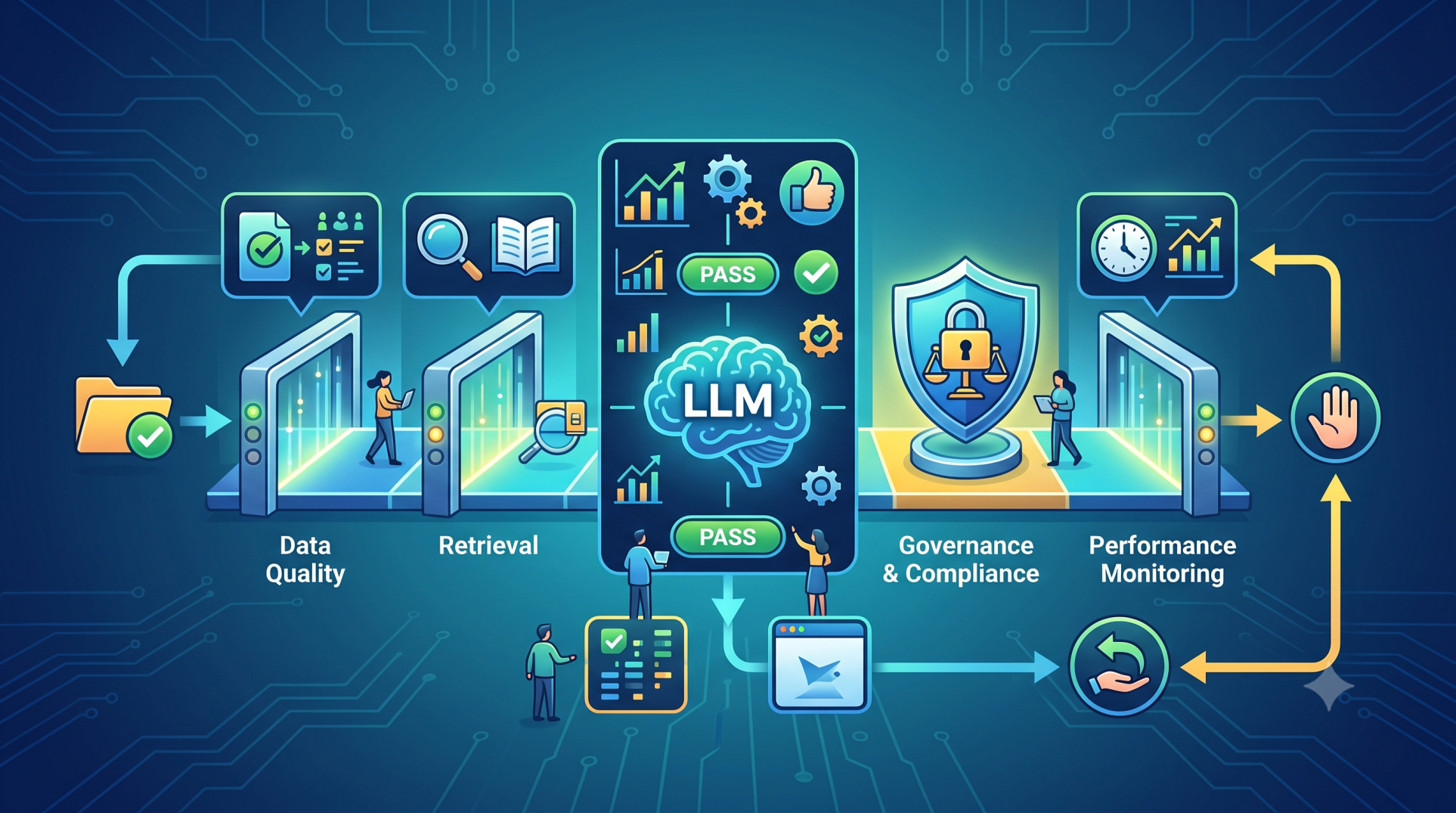
Step 6: Strengthening Governance and Security 🛡️
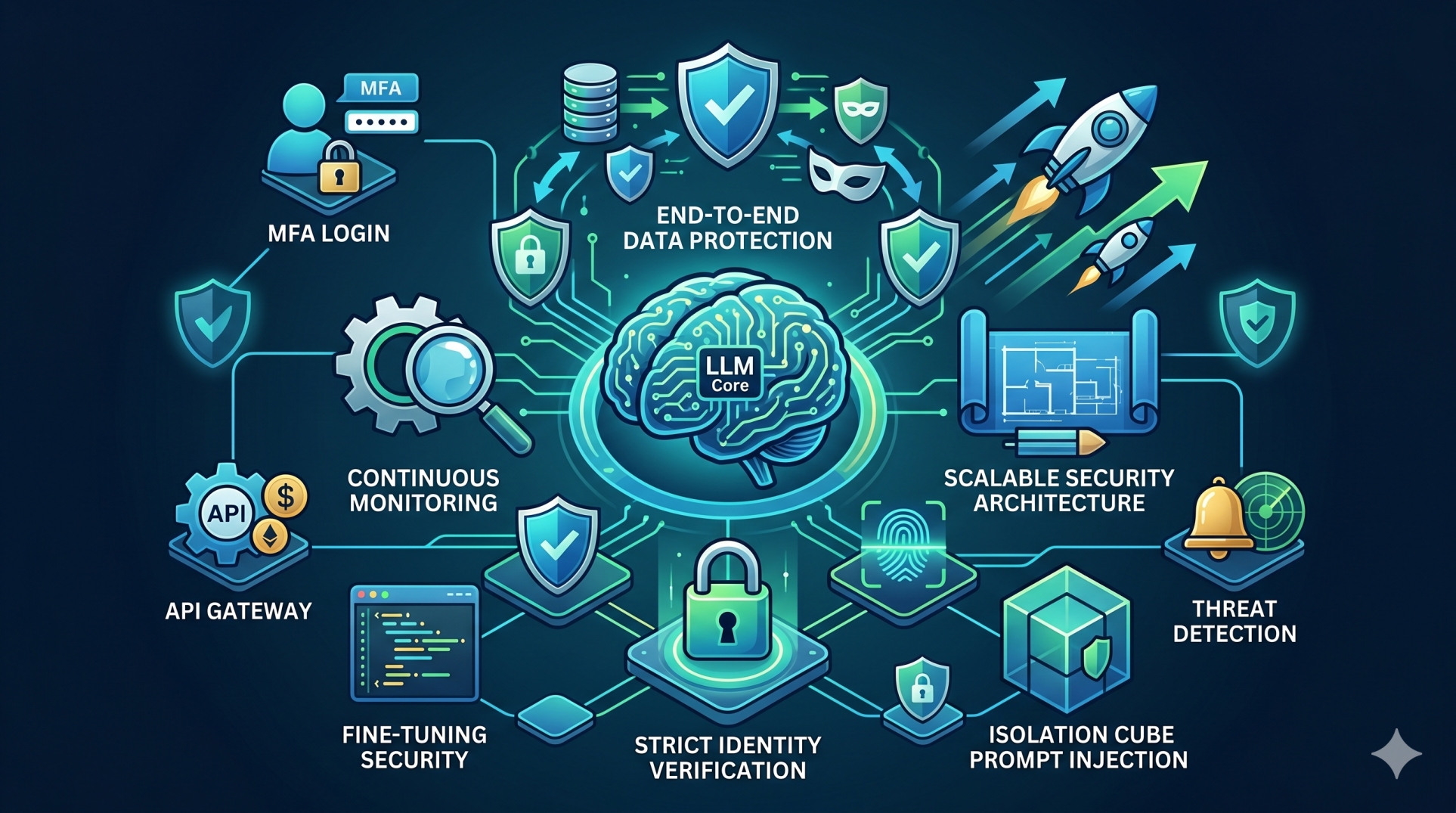
• Apply role-based access controls for AI resources 👥
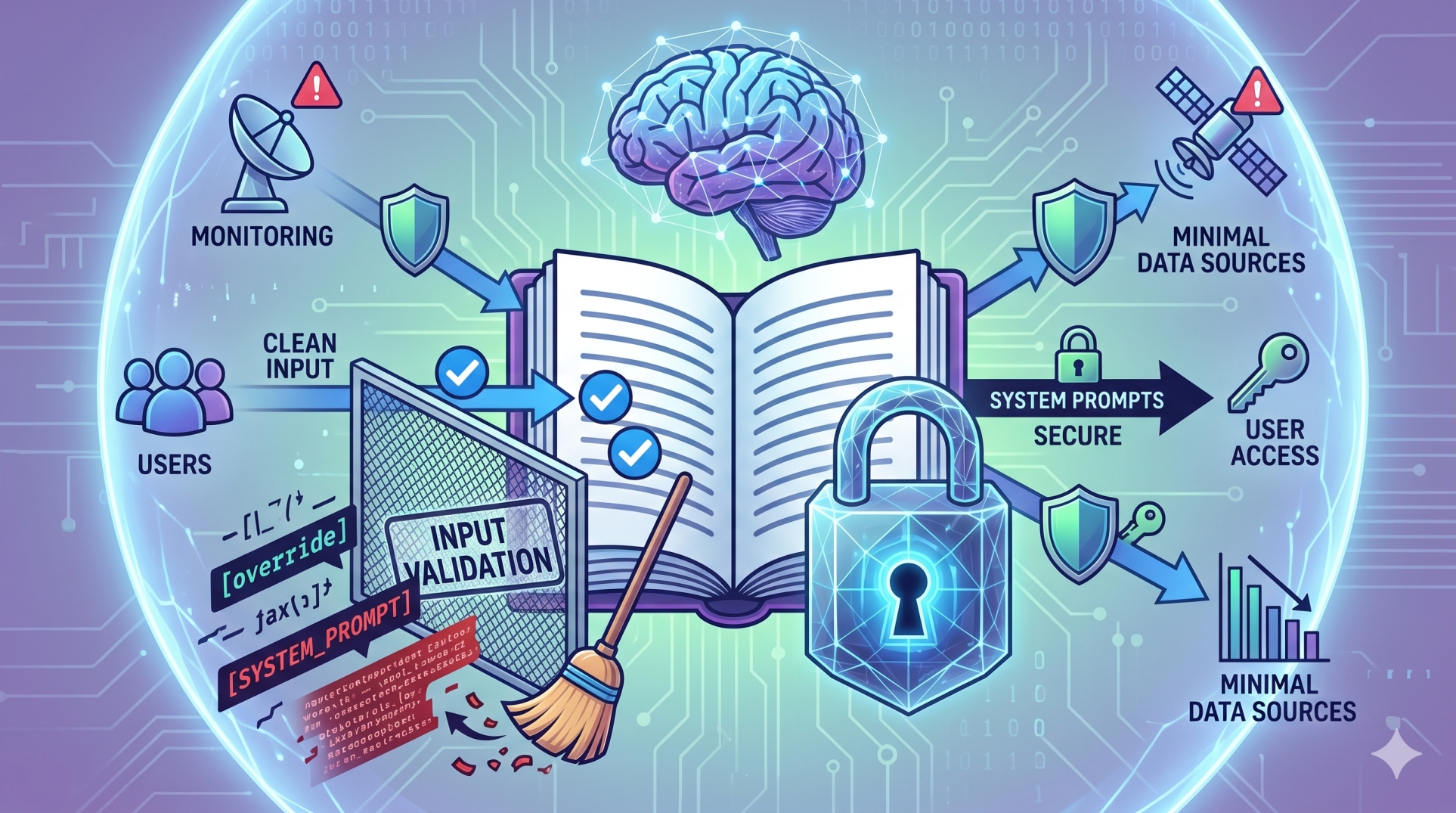
• Protect sensitive business information through secure frameworks 🔐
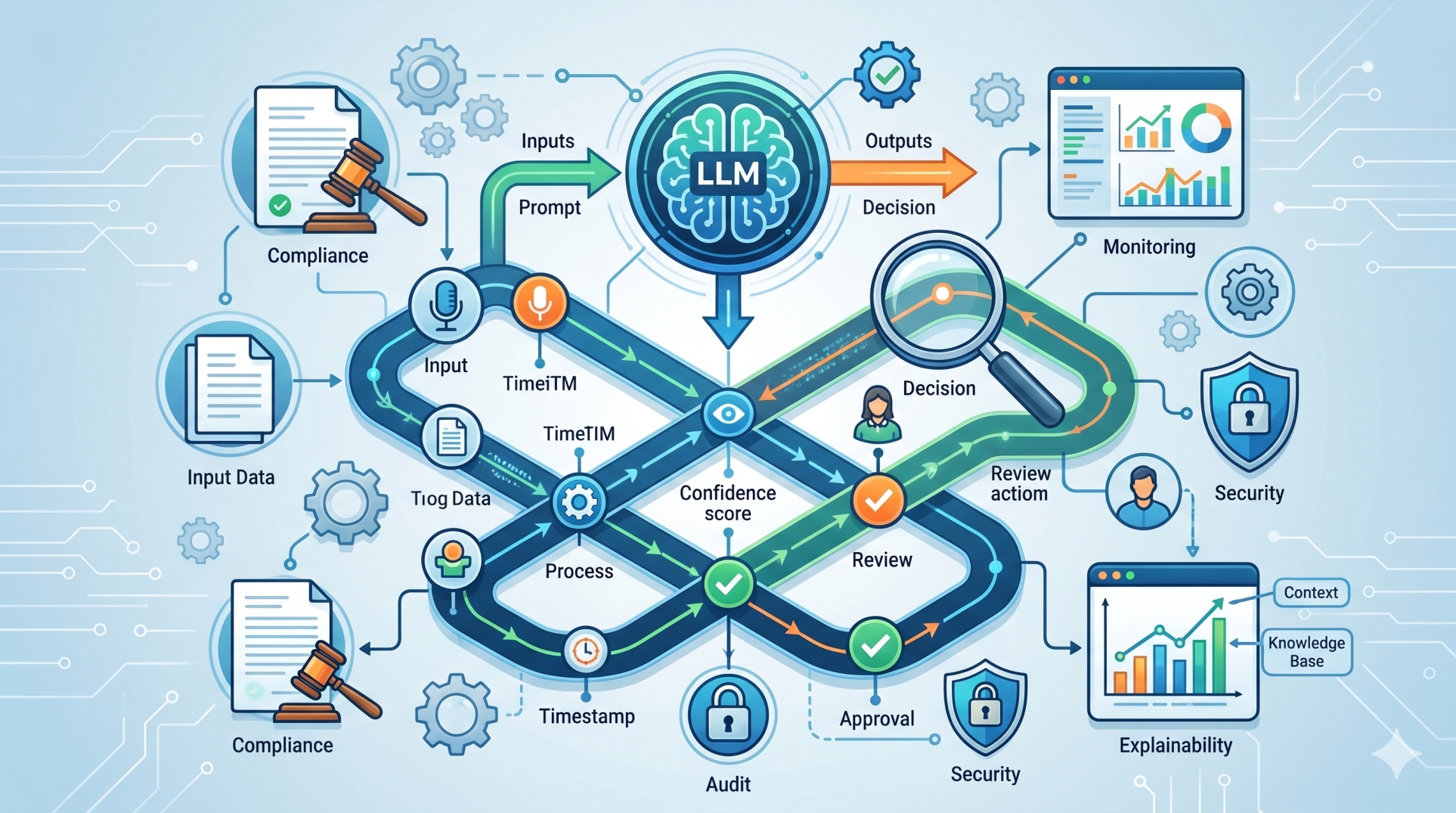
• Maintain audit trails for AI activities 🧾
• Support compliance with organizational policies 📜
• Promote responsible and transparent AI adoption ⚖️
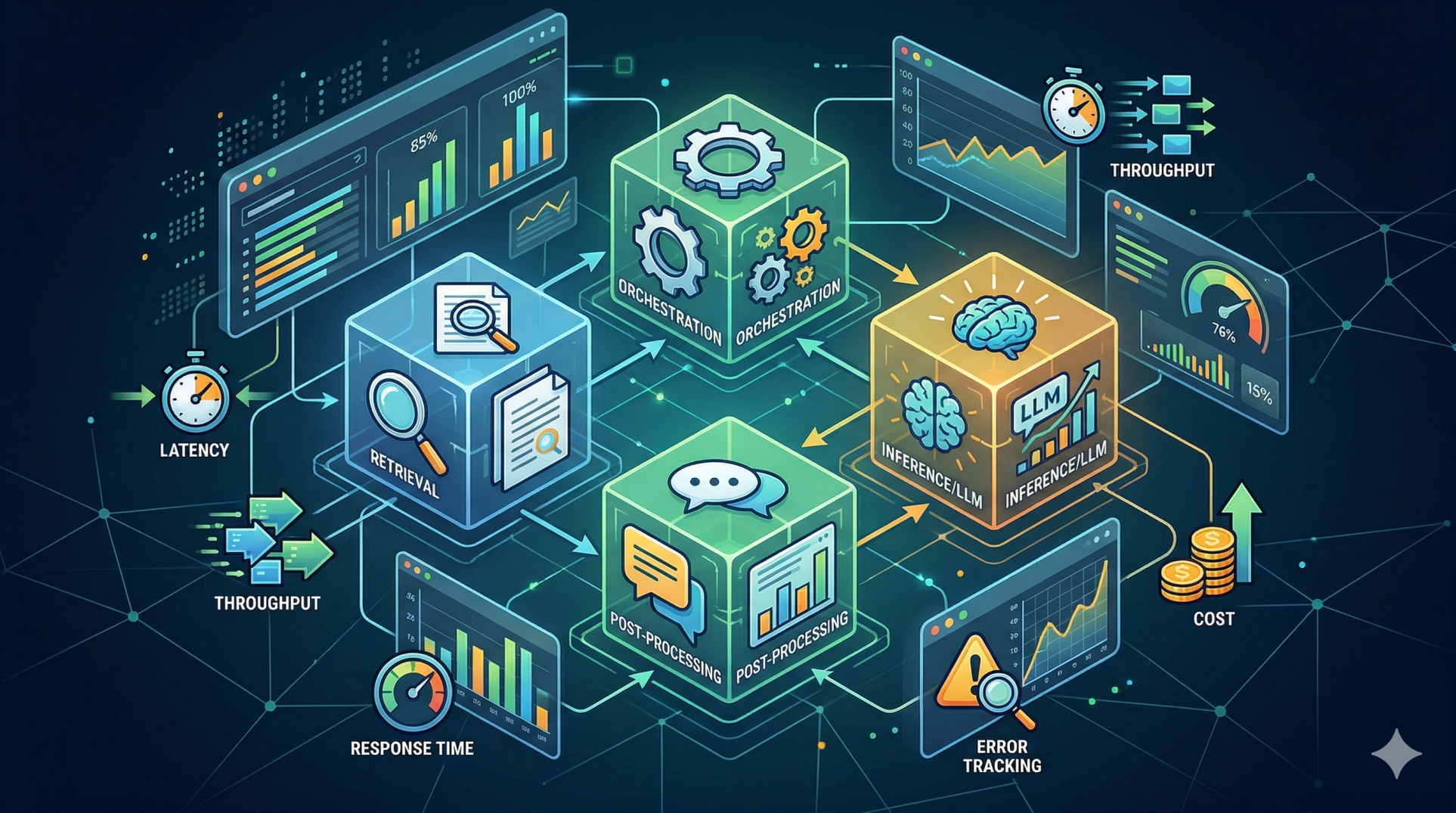
Step 7: Monitoring Performance and Business Impact 📊
• Track AI utilization across departments 📈
• Measure operational improvements and efficiency gains 🚀
• Monitor workflow execution and response times ⏱️
• Identify opportunities for continuous optimization 🔍
• Support data-driven strategic planning 💼
Step 8: Key Platform Priorities ⭐
• Centralized AI management across the enterprise 🏢
• Seamless integration with existing business systems 🔗
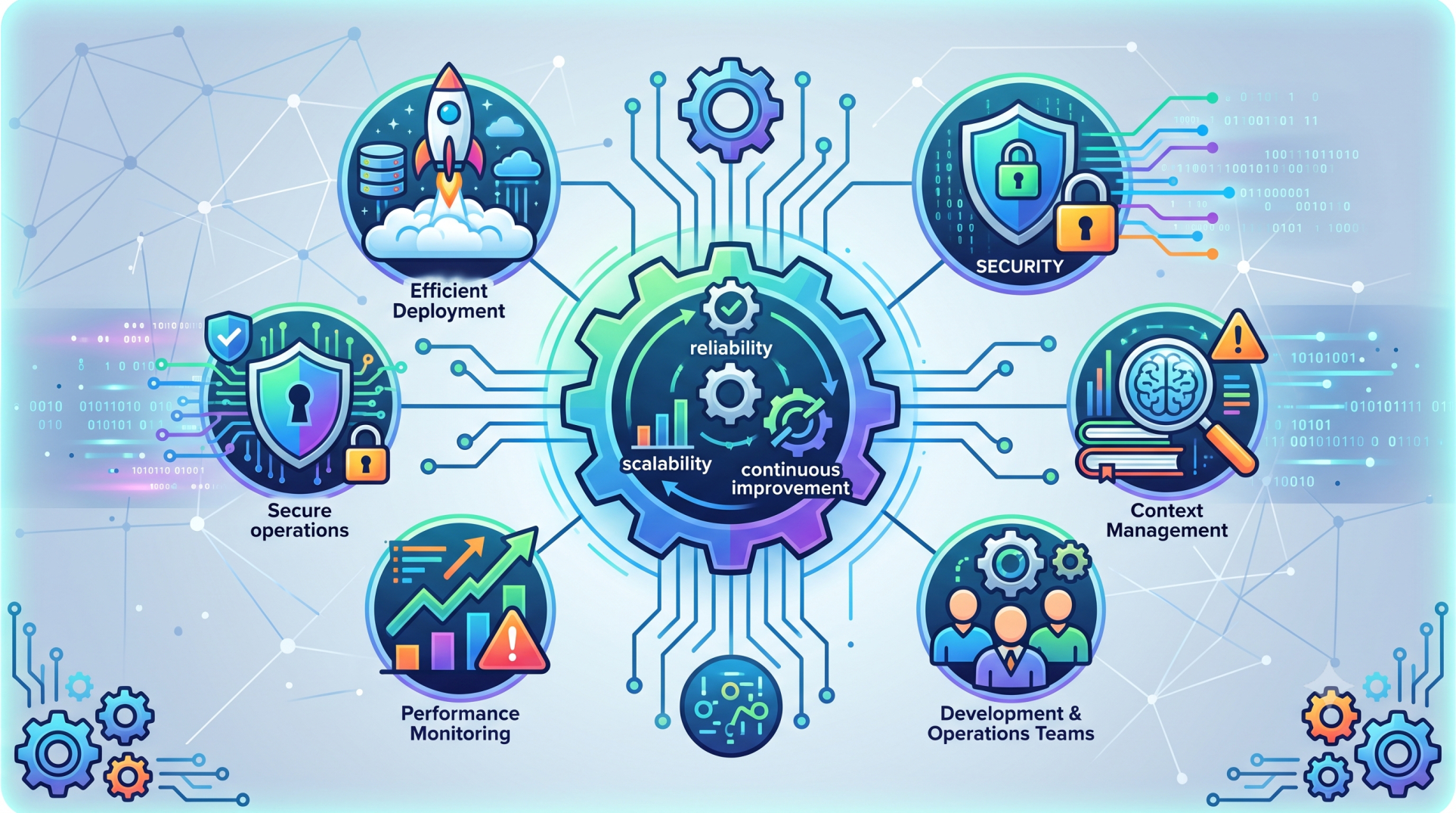
• Secure, scalable, and governed AI operations 🛡️
• Continuous optimization through analytics and automation 📊
Step 9: Supporting Continuous Innovation 🌱
• Enable rapid development of new AI capabilities 🚀
• Integrate emerging technologies with minimal disruption 🔄
• Encourage experimentation while maintaining governance 🧪
• Adapt to evolving business requirements 📈
• Foster a culture of continuous digital transformation 🌍
Step 10: Building an Intelligent Enterprise Ecosystem 🌐
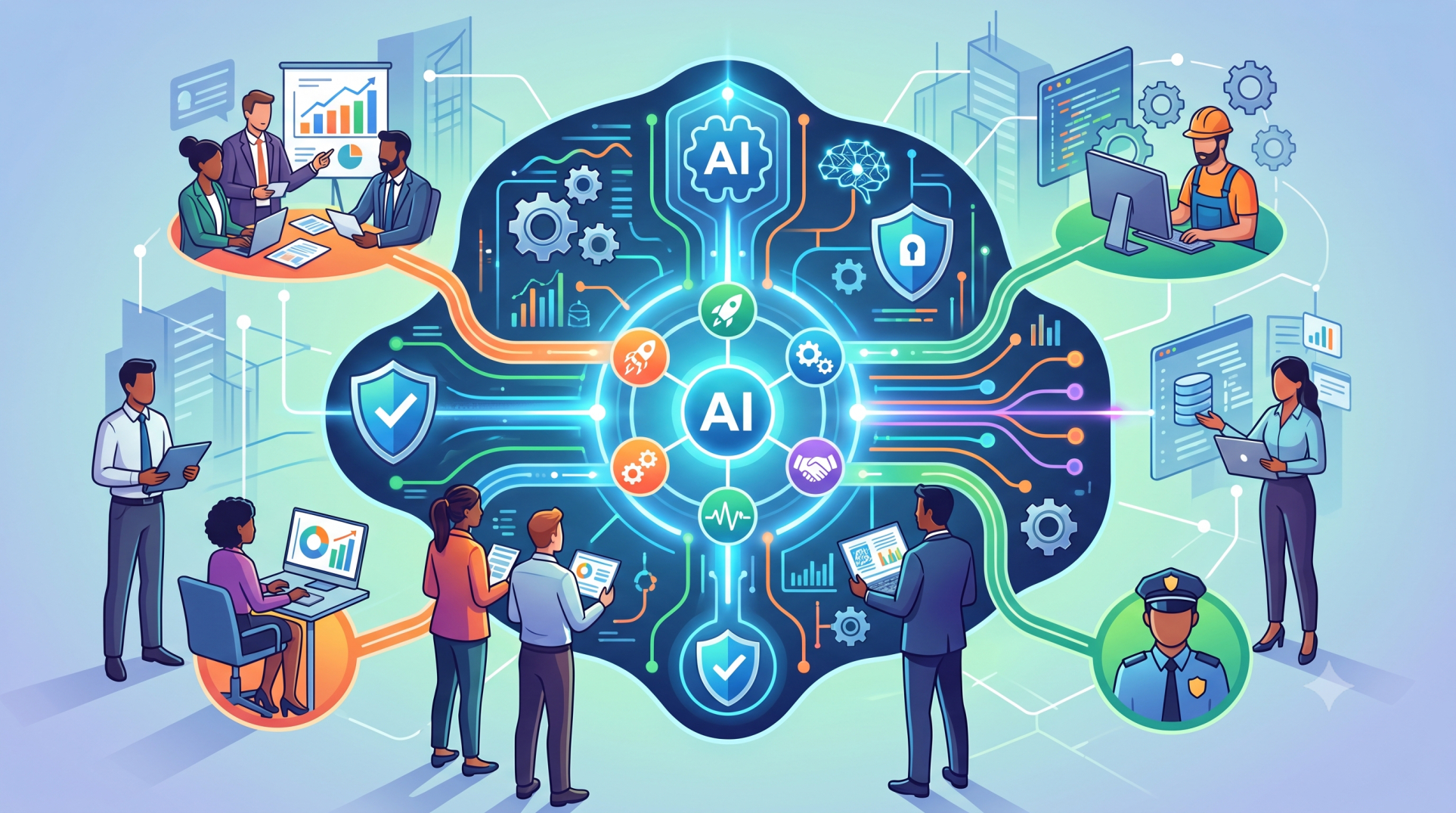
• Create a connected environment for people, processes, and AI 🤝
• Expand AI capabilities across business functions 📂
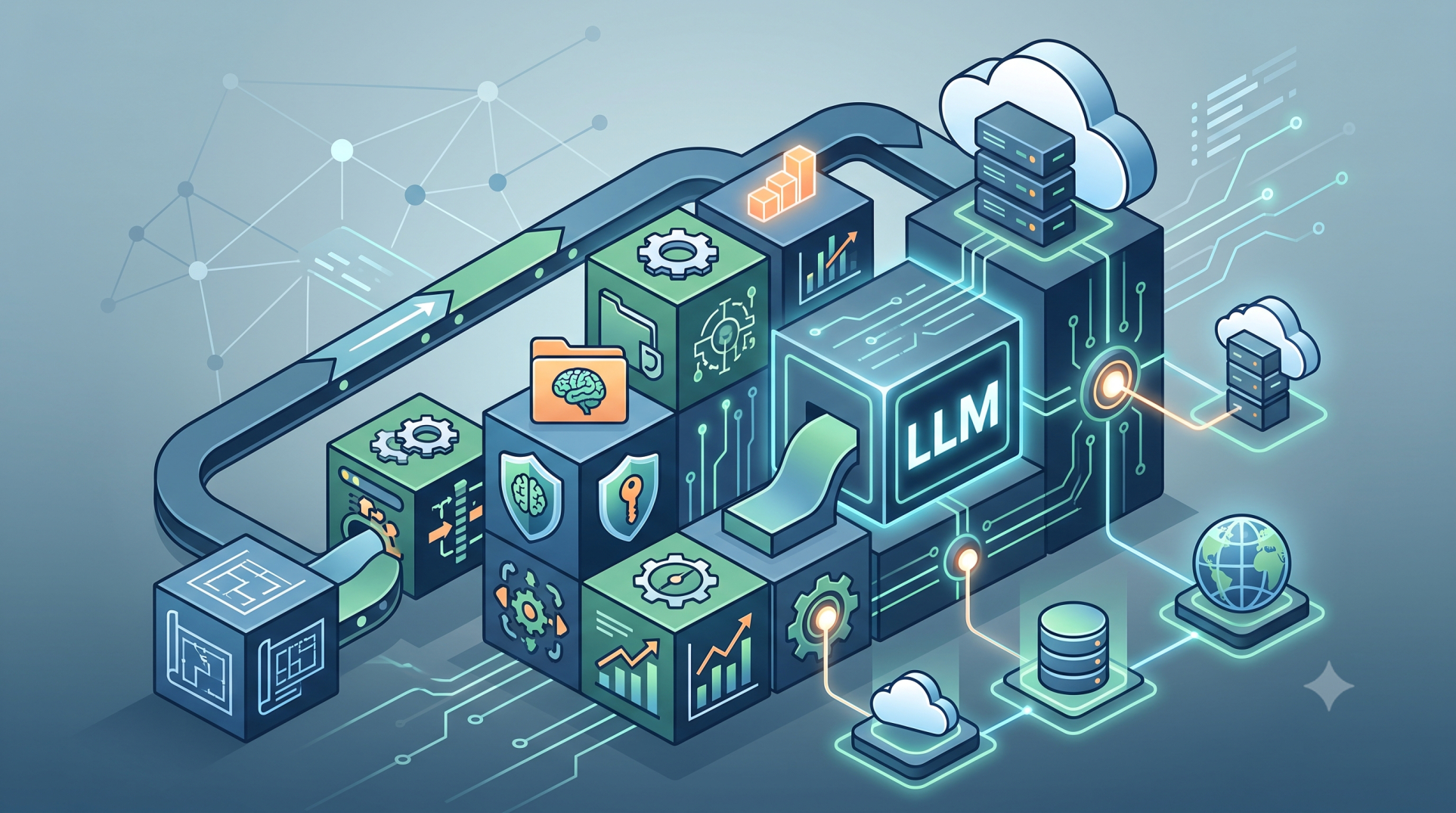
• Support long-term scalability through modular architecture 🏗️
• Improve organizational agility with intelligent automation ⚡
• Future-proof enterprise operations through continuous innovation 🚀
Conclusion
Enterprise AI Operating Platforms are transforming how organizations deploy and manage artificial intelligence at scale. By bringing together AI models, enterprise data, automation, and governance within a unified ecosystem, these platforms enable businesses to improve efficiency, accelerate innovation, and strengthen operational resilience. As AI becomes an integral part of enterprise strategy, a well-designed AI operating platform provides the flexibility, scalability, and control needed to drive sustainable business growth.
See more blogs
You can all the articles below