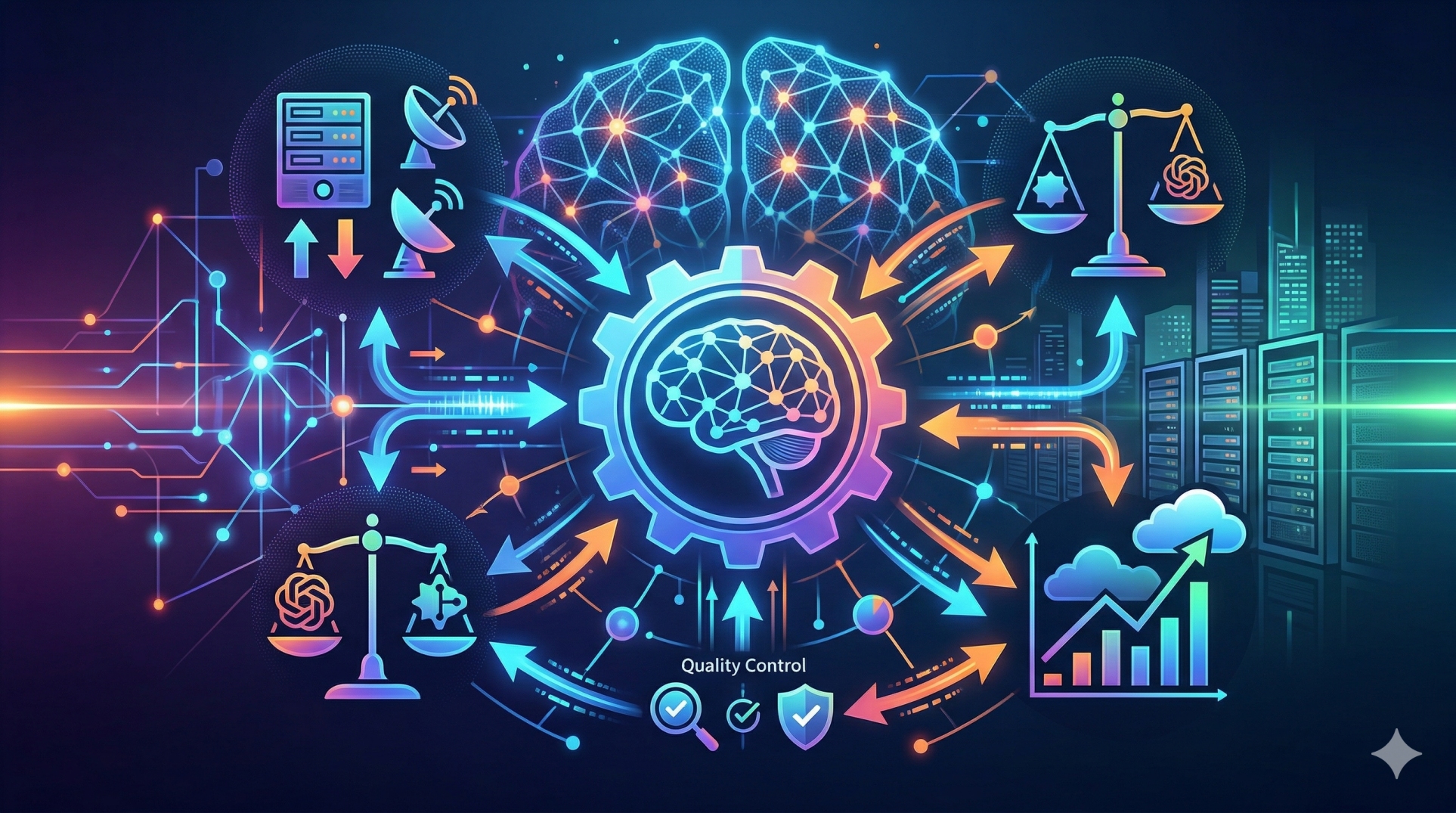
AI-Driven Knowledge Navigation Systems
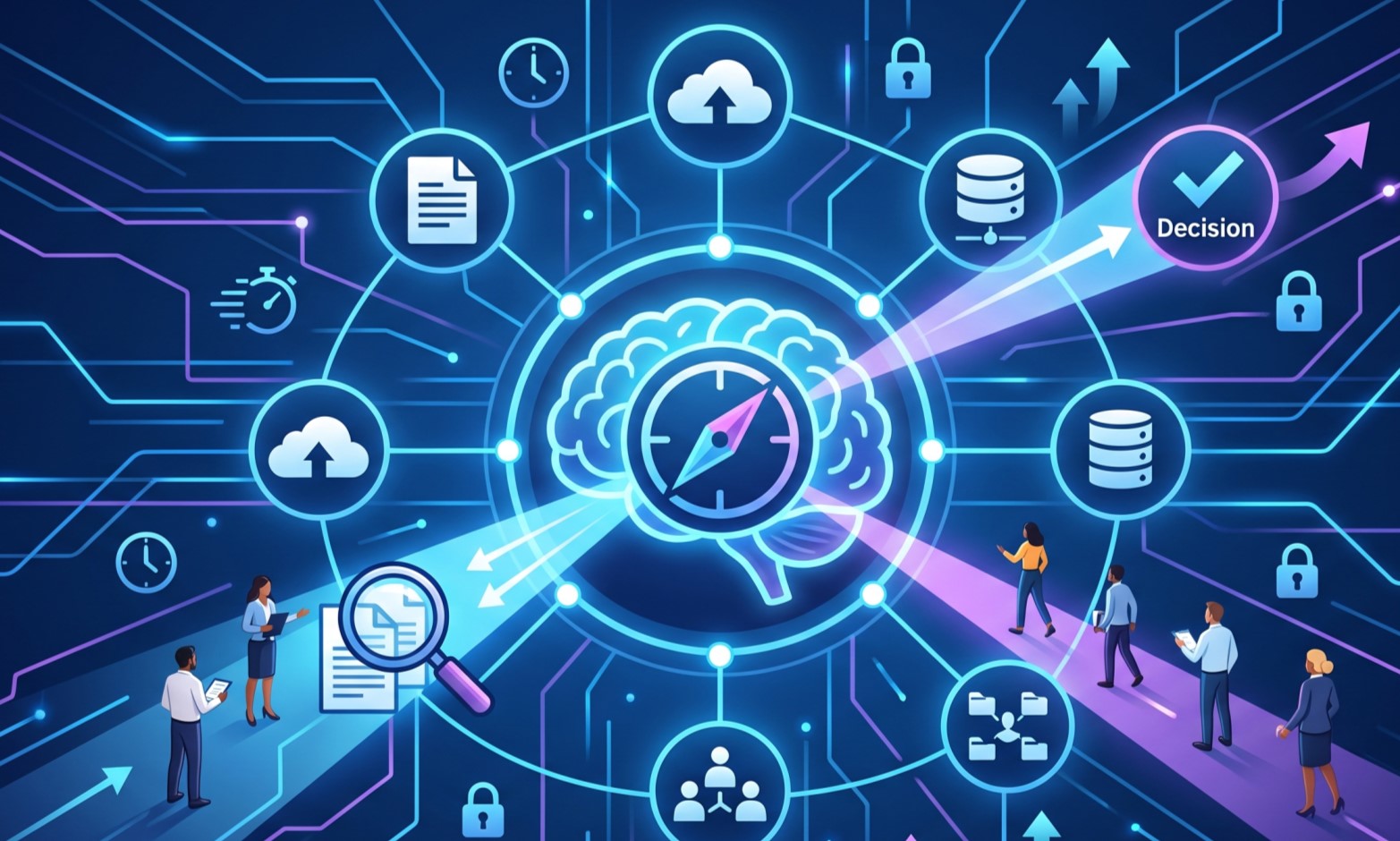
AI-Driven Knowledge Navigation Systems
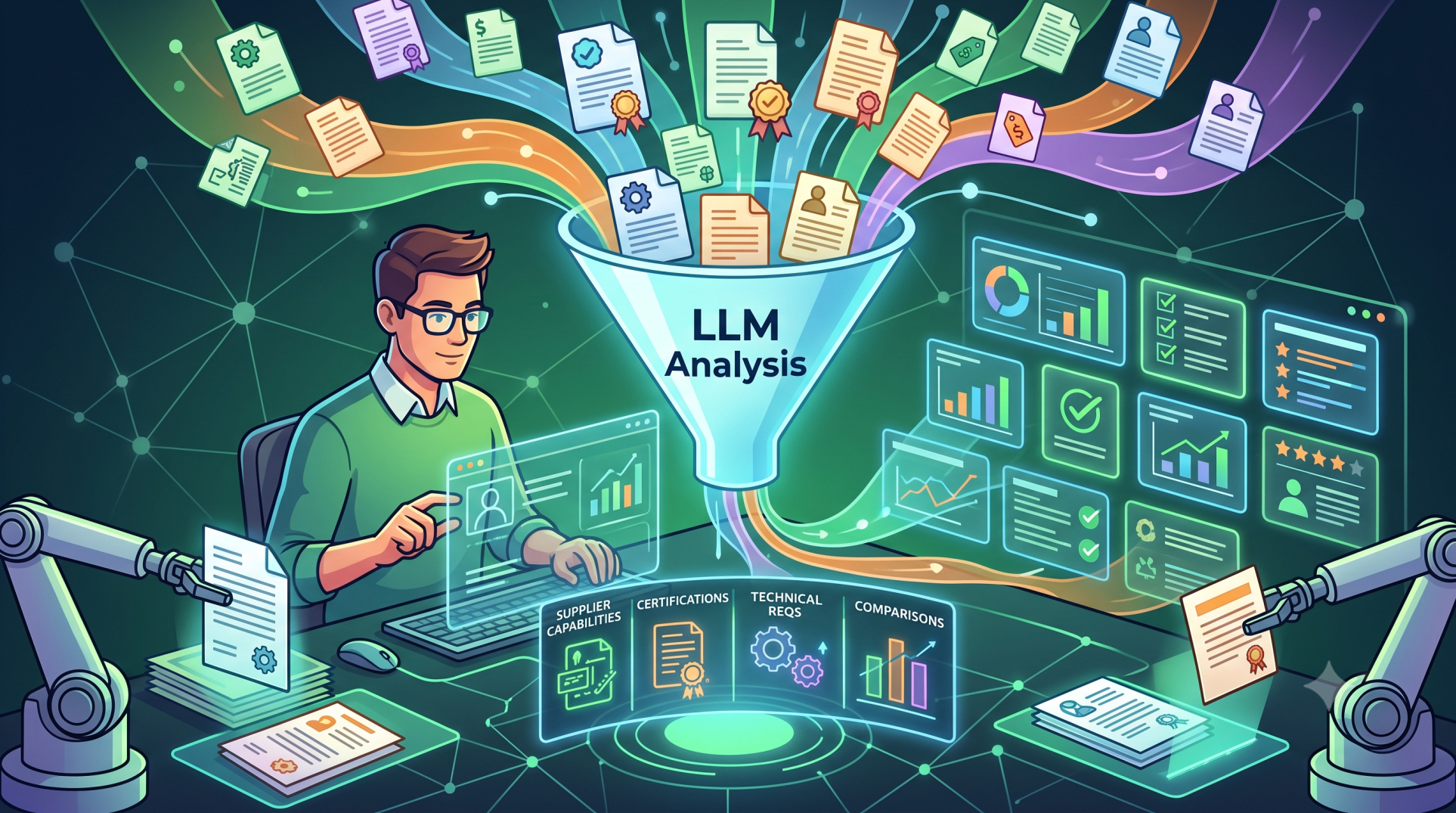
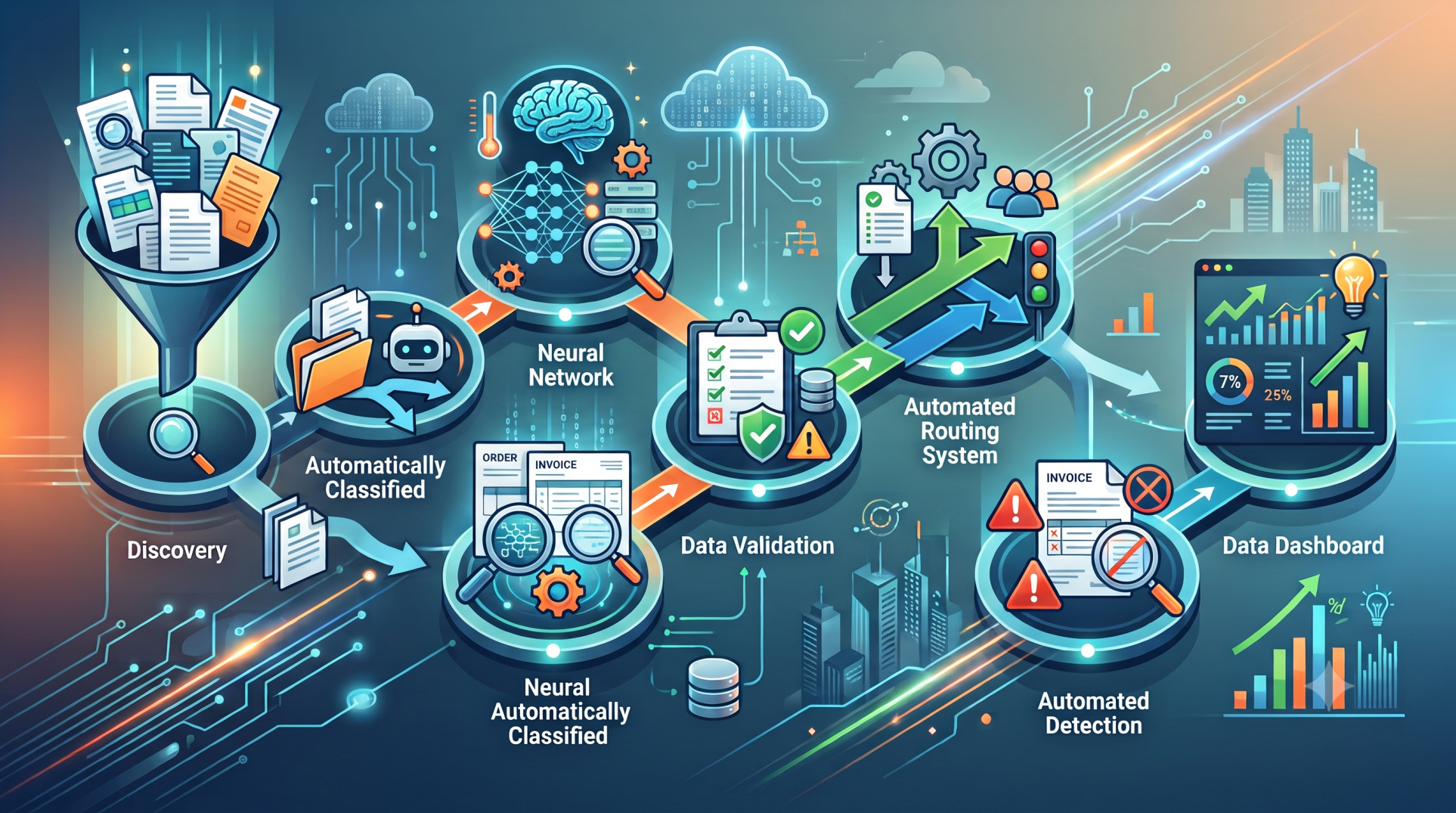
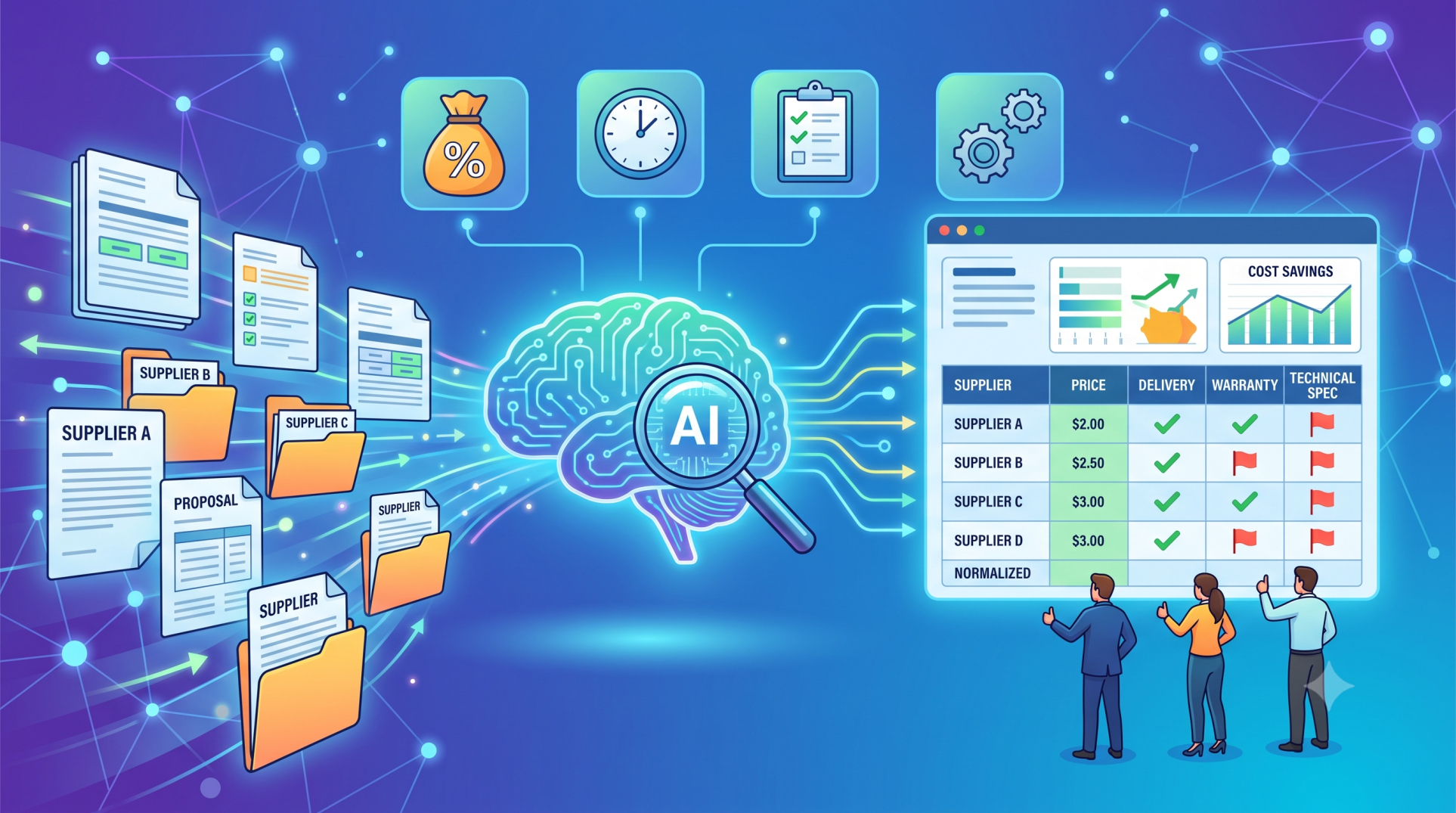
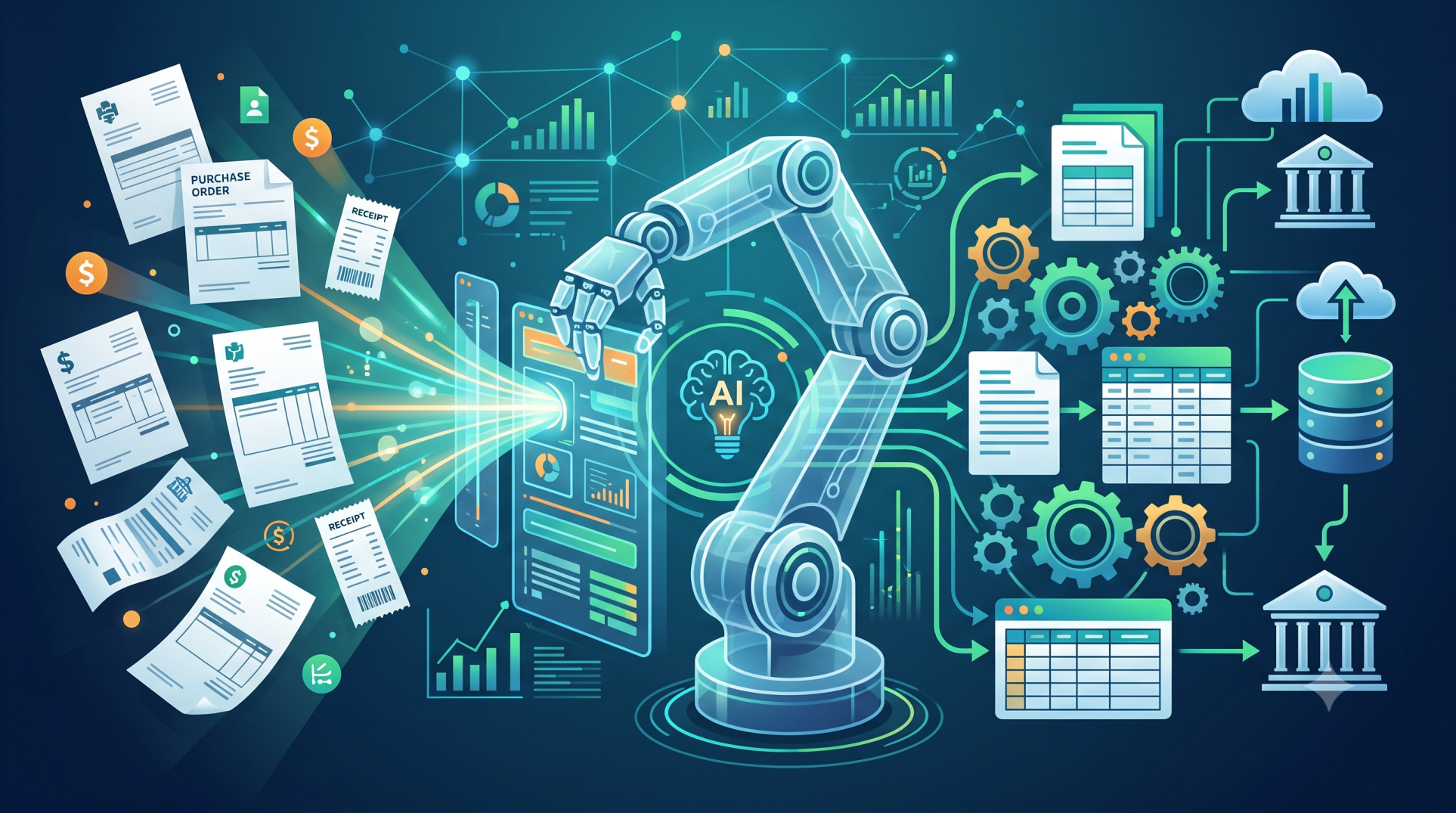
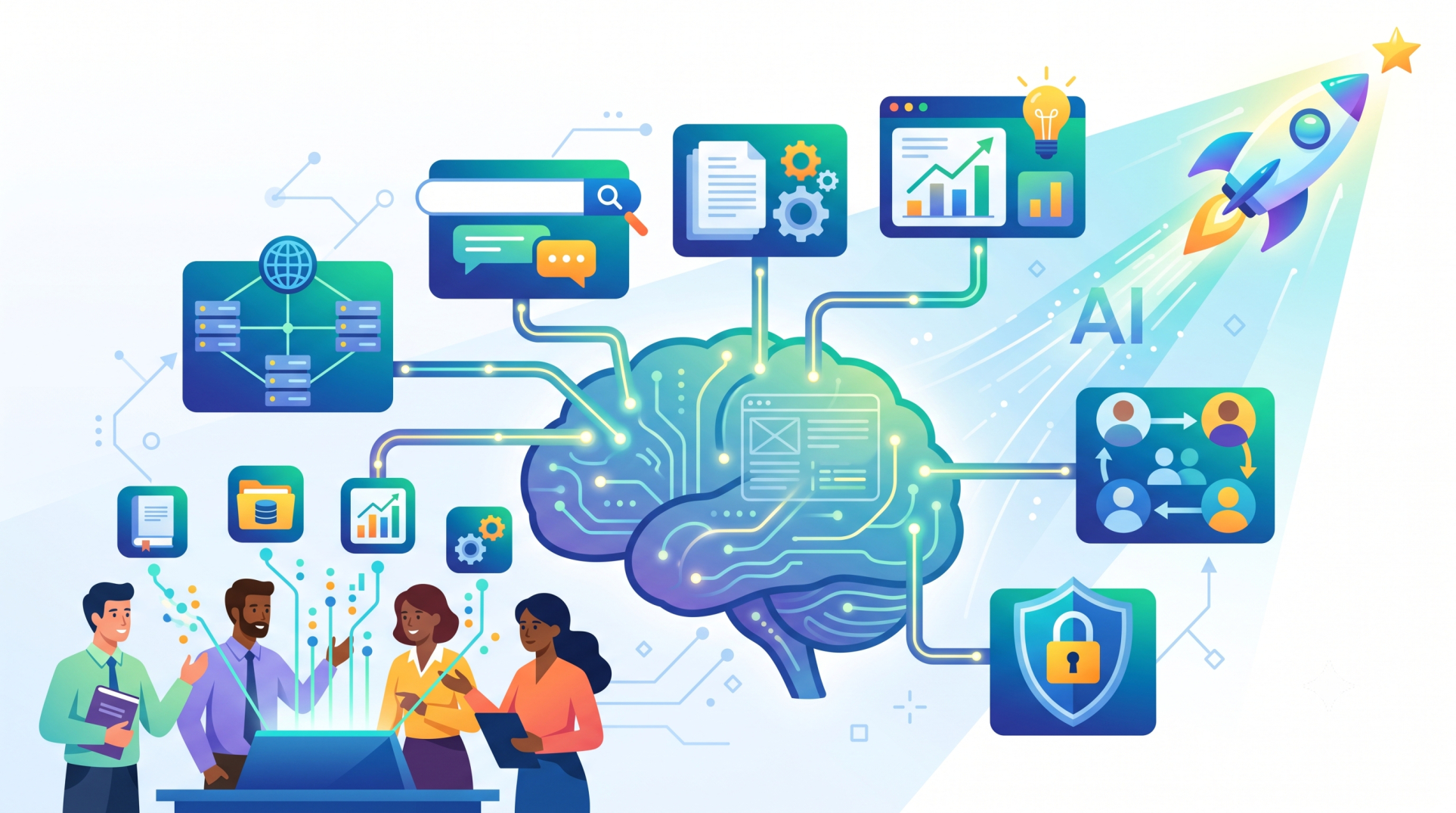
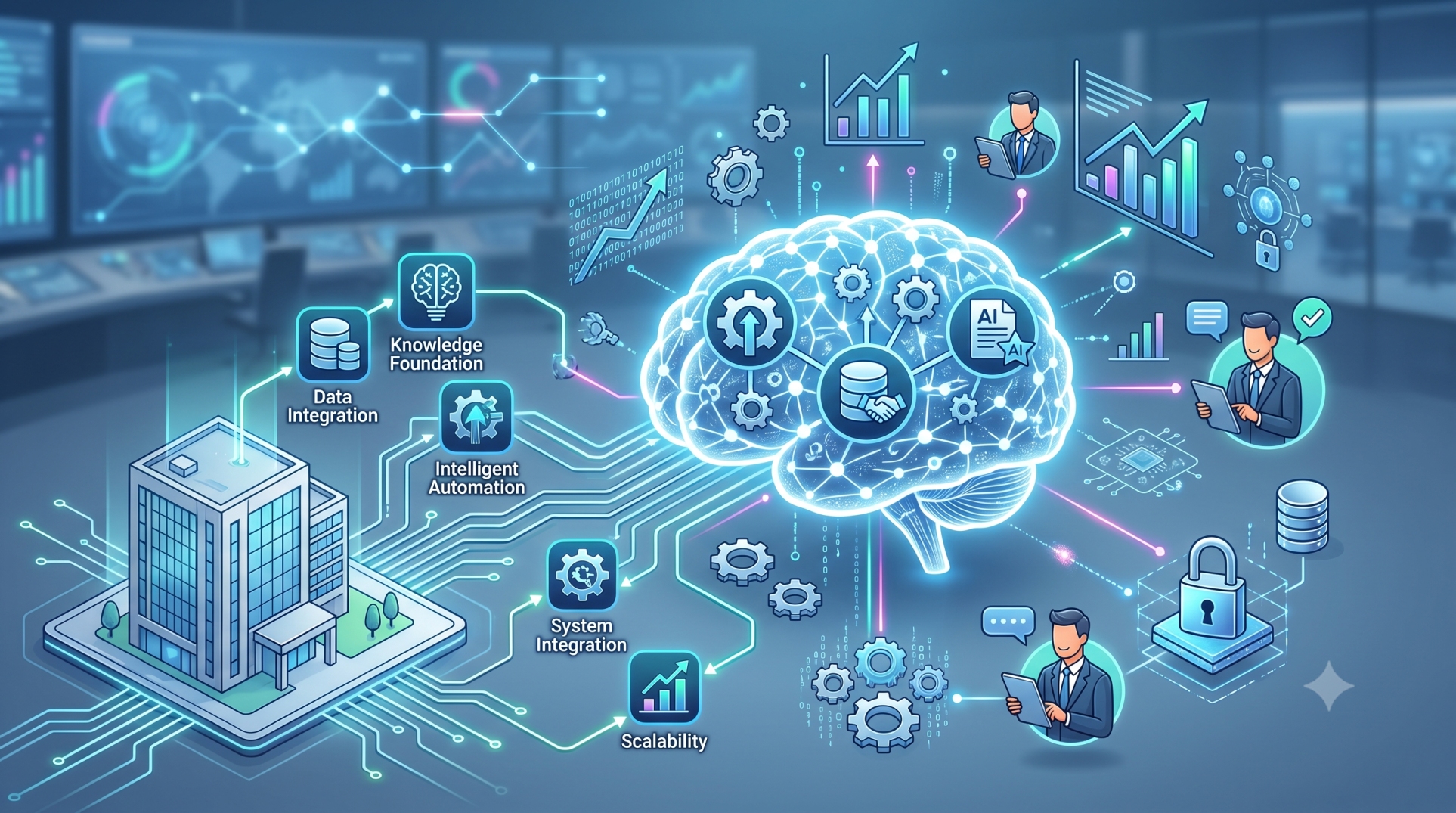
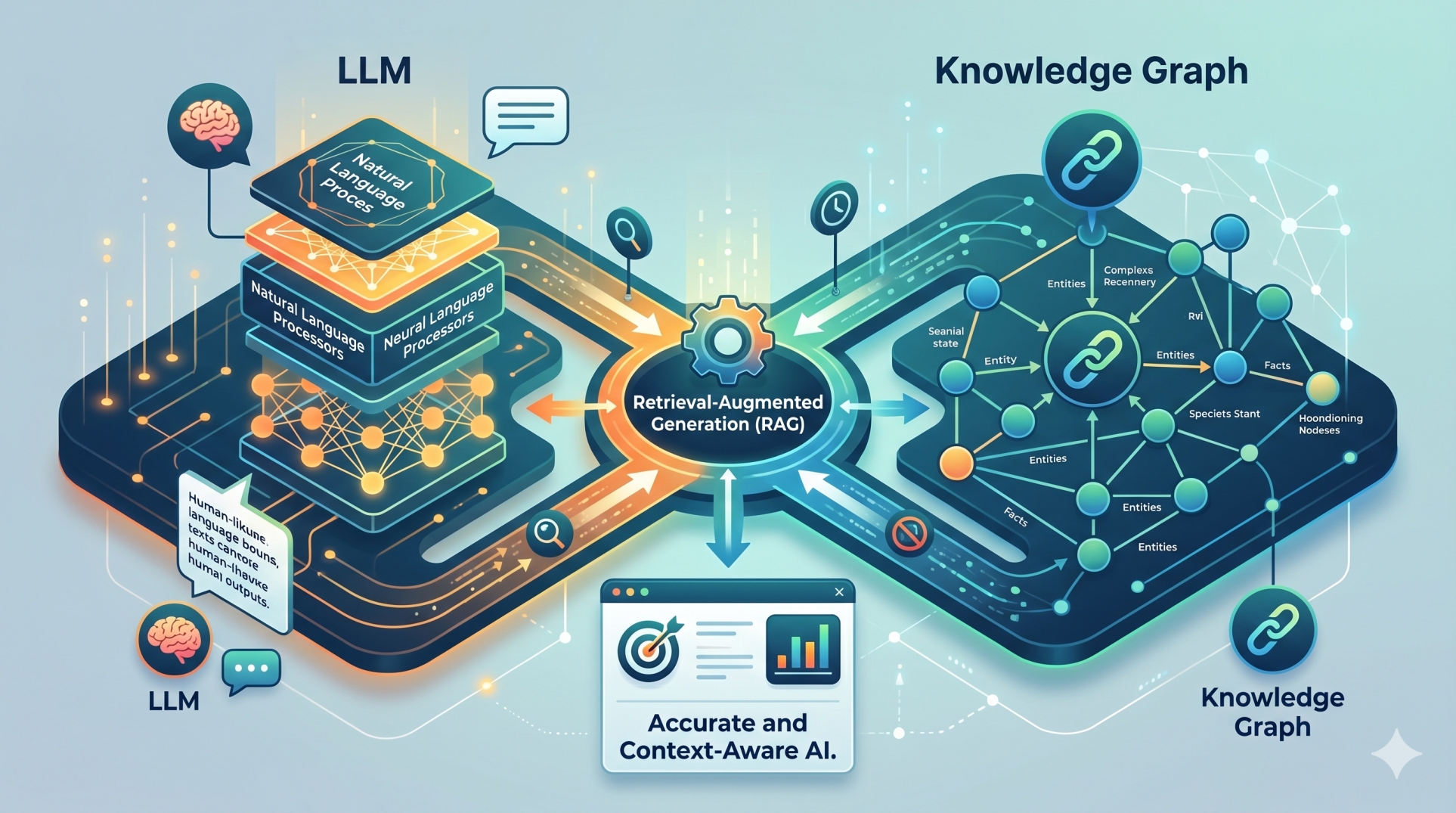
As organizations generate vast amounts of digital information, finding the right knowledge at the right time has become increasingly challenging. AI-driven Knowledge Navigation Systems help users discover, organize, and access relevant information through intelligent search, contextual understanding, and semantic reasoning. By connecting people with accurate and timely knowledge, these systems improve productivity, support informed decision-making, and enhance enterprise collaboration.
Step 1: Understanding AI-Driven Knowledge Navigation 🧠
• Connect users with relevant information through intelligent search 🔍
• Organize knowledge across multiple business systems 📚
• Understand user intent to deliver context-aware results 🎯
• Reduce the time spent searching for critical information ⏱️
• Create a unified knowledge experience across the organization 🌐
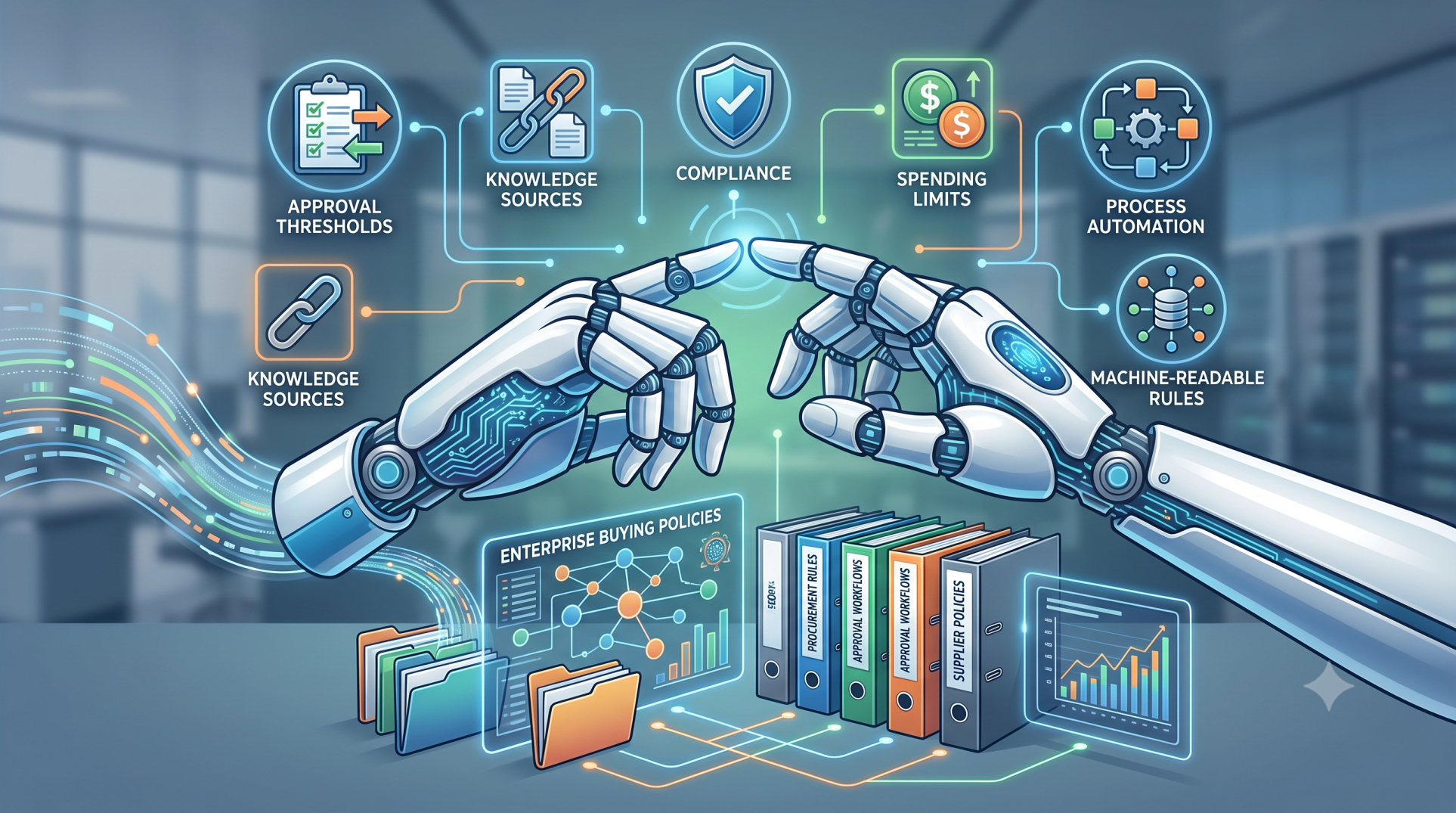
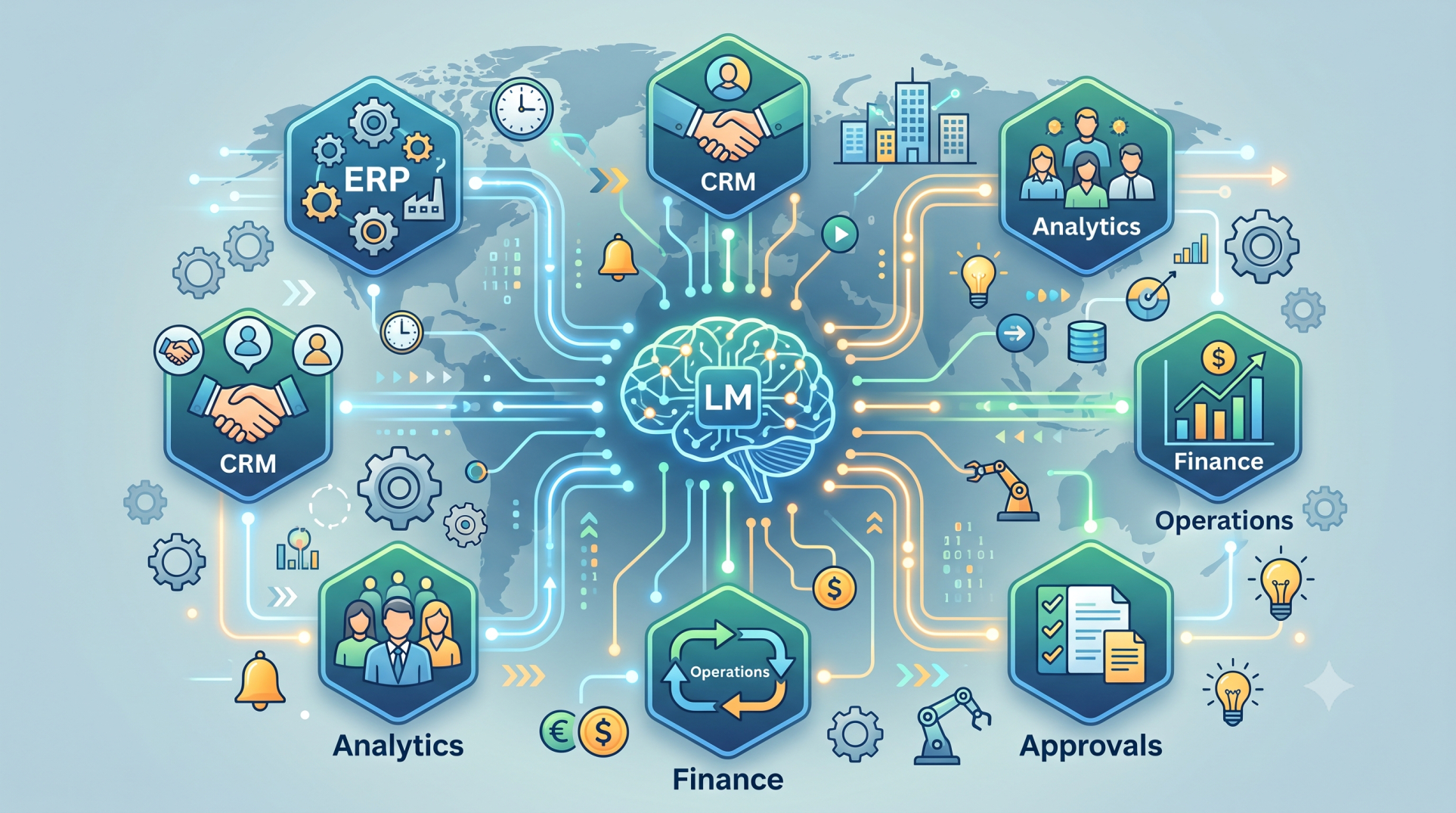
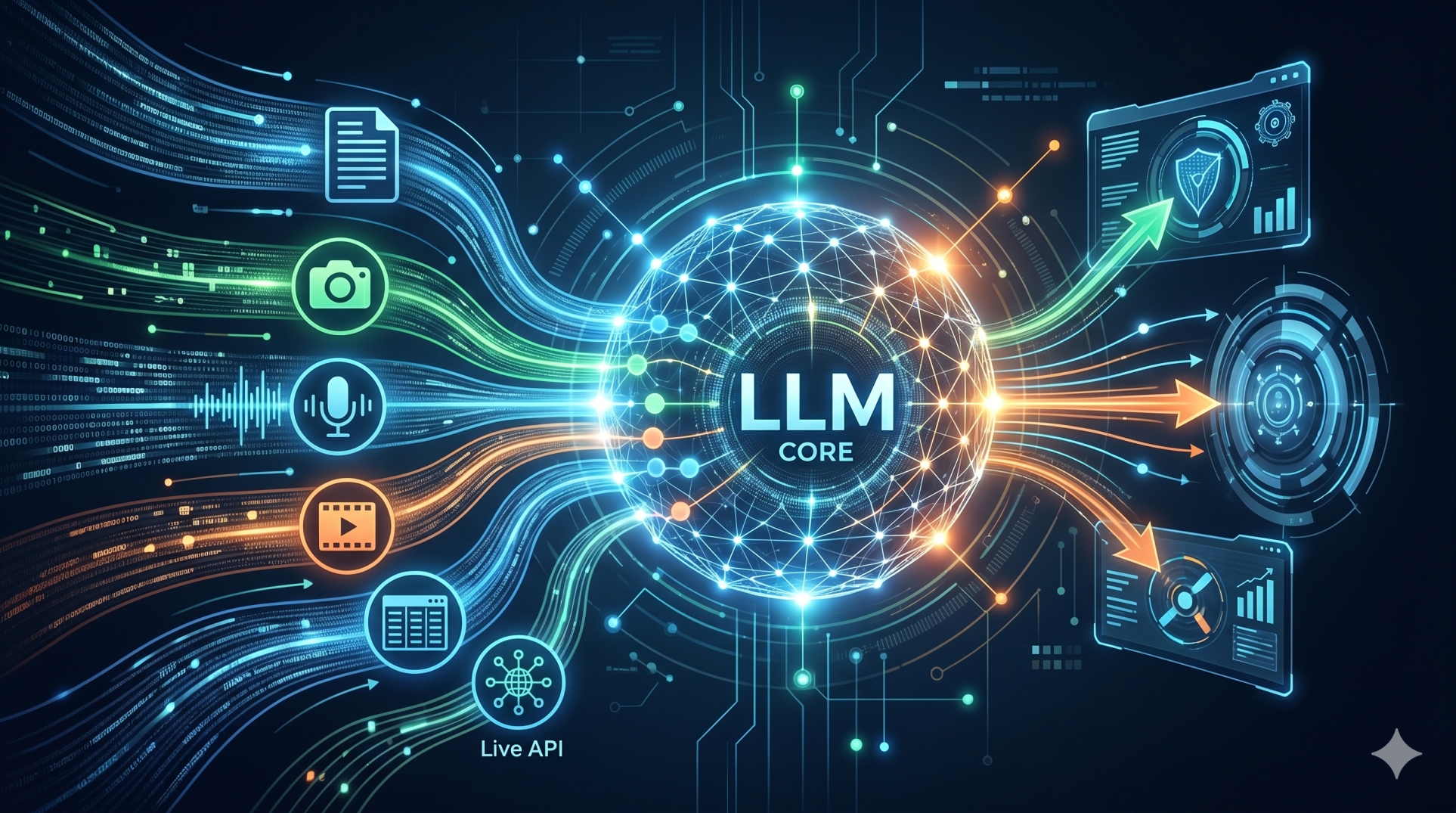
Step 2: Integrating Diverse Knowledge Sources 🔗
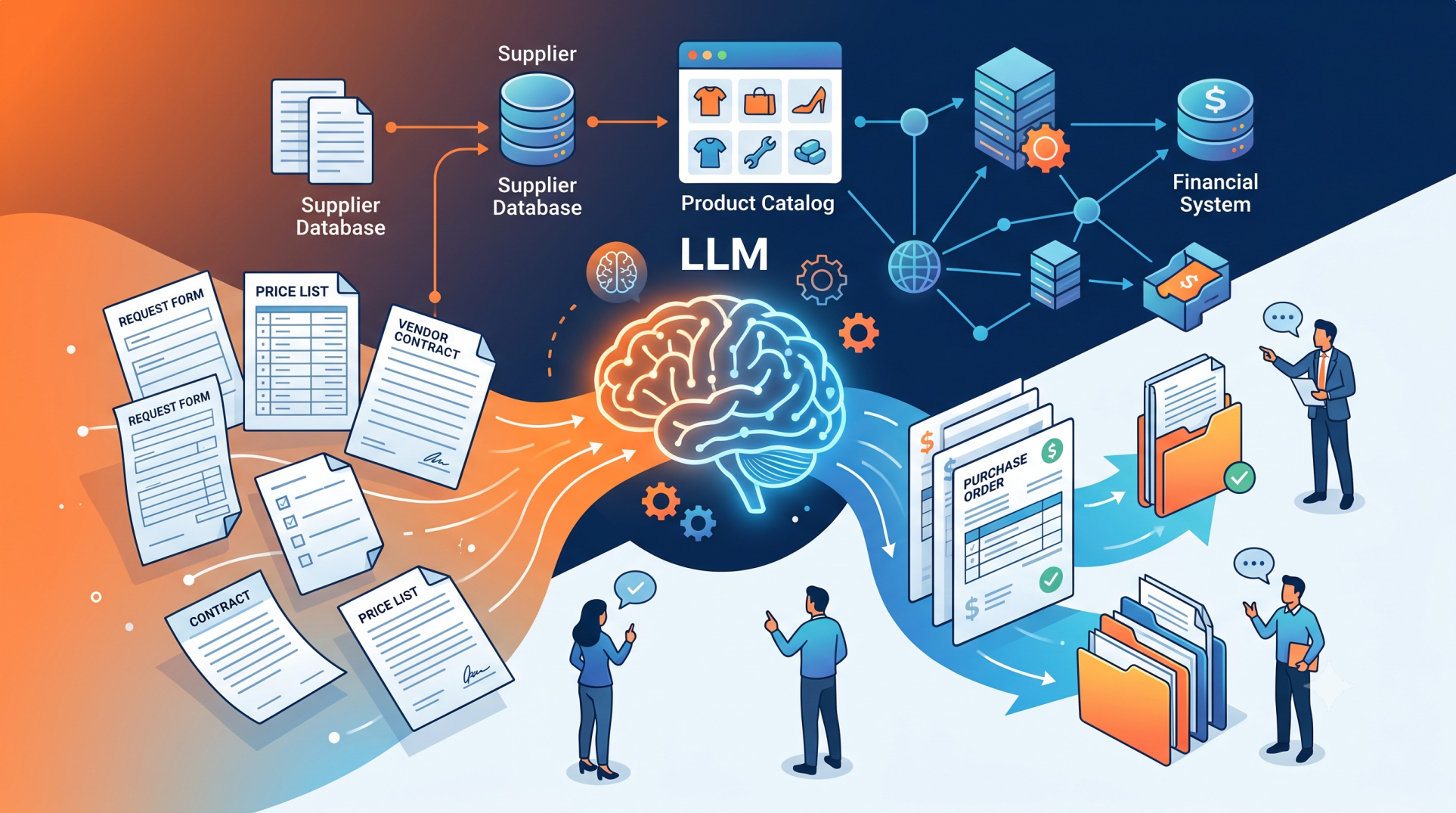
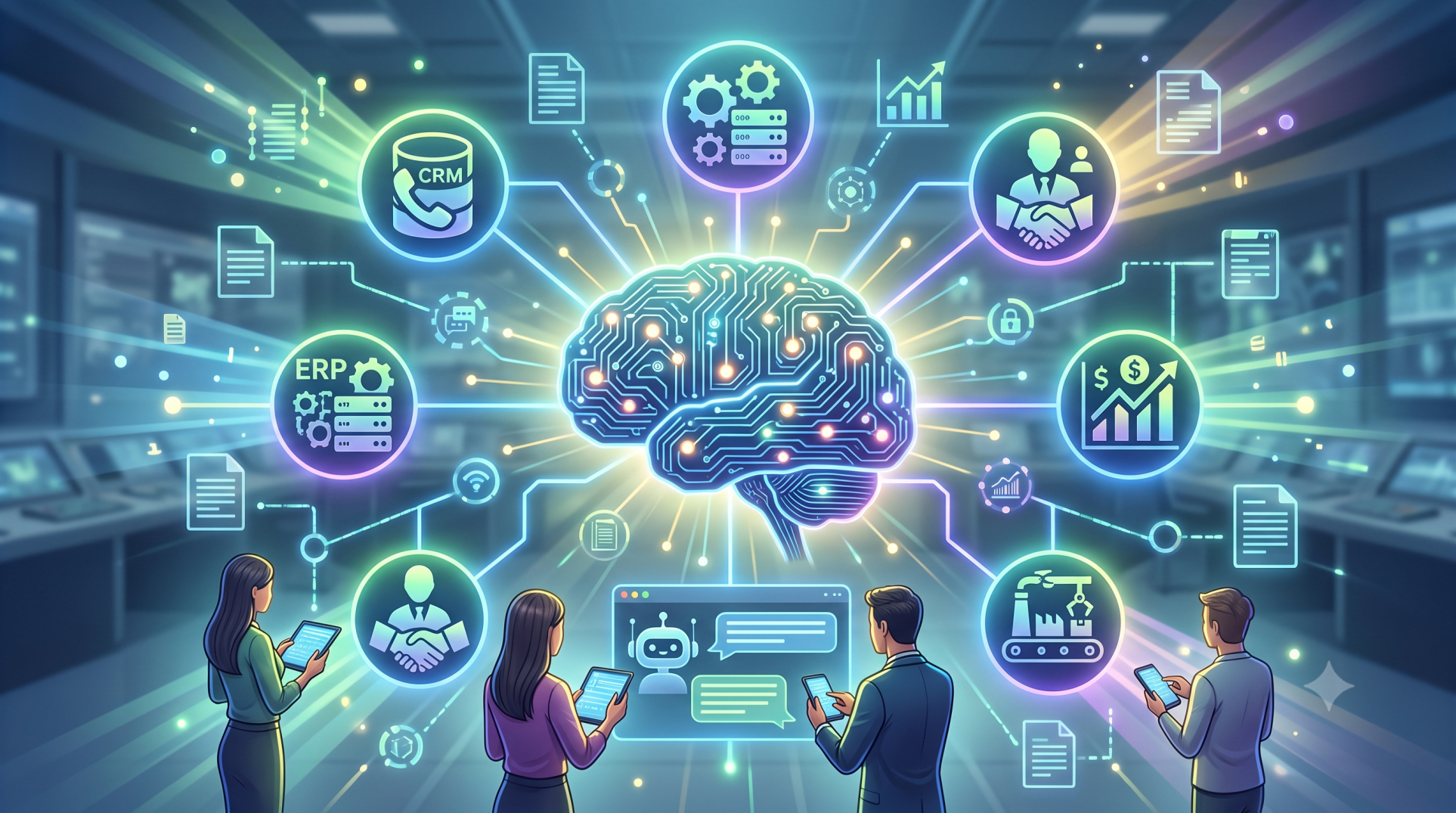
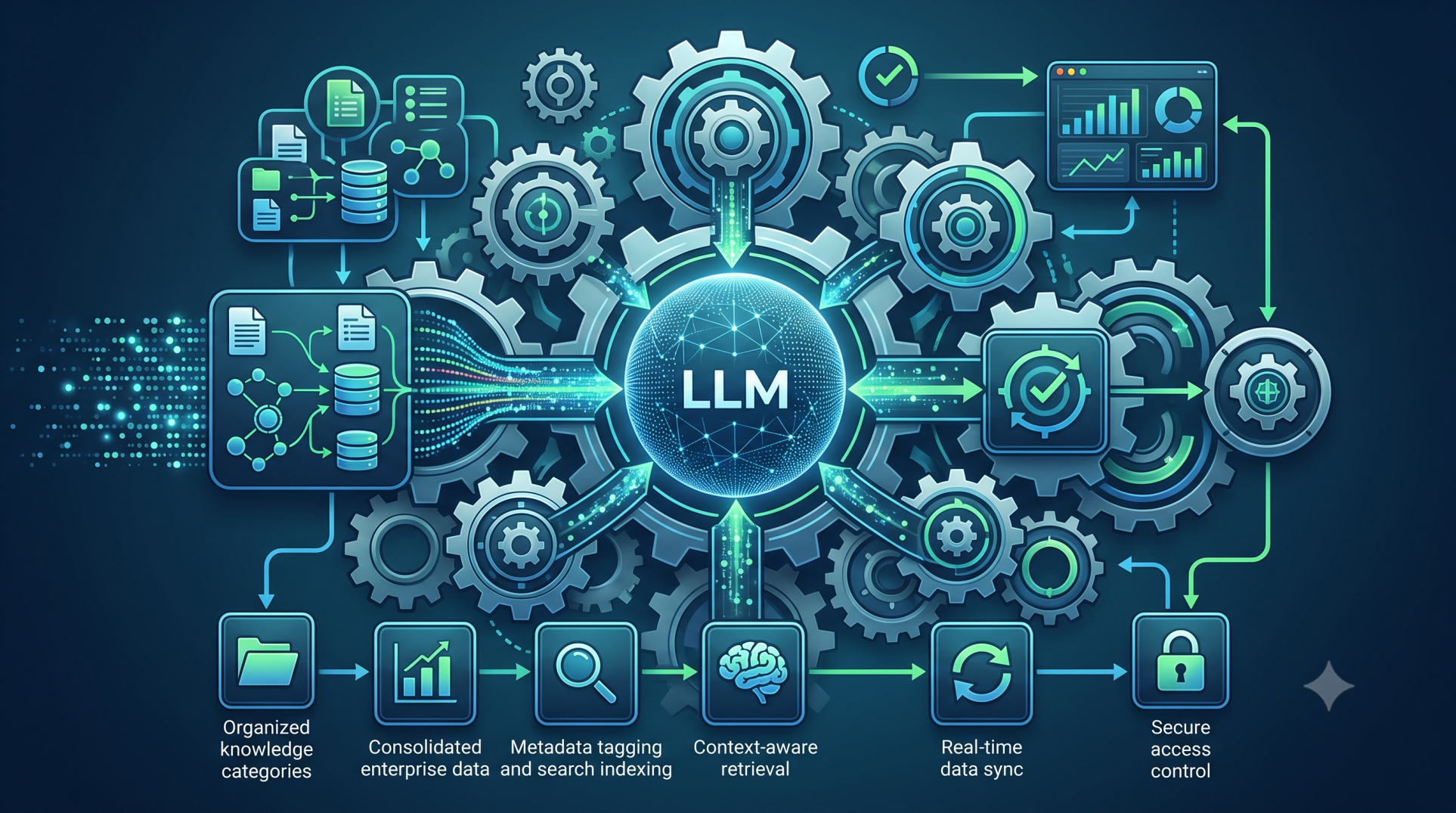
• Connect documents, databases, and enterprise applications 📄
• Consolidate structured and unstructured information 🗂️
• Integrate cloud platforms, internal repositories, and APIs ☁️
• Support knowledge from multiple departments and business units 🏢
• Maintain a centralized view of organizational knowledge 📊
Step 3: Intelligent Search and Retrieval 🔍
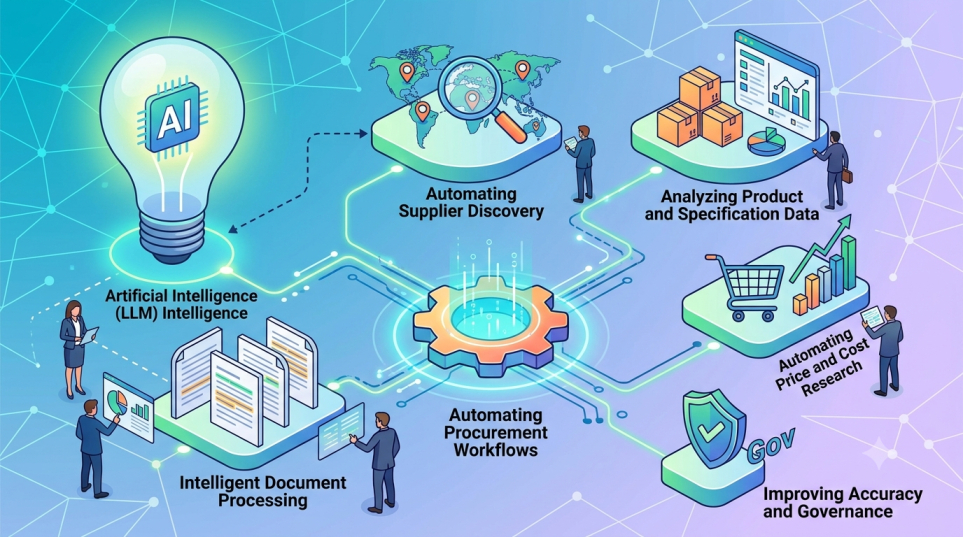
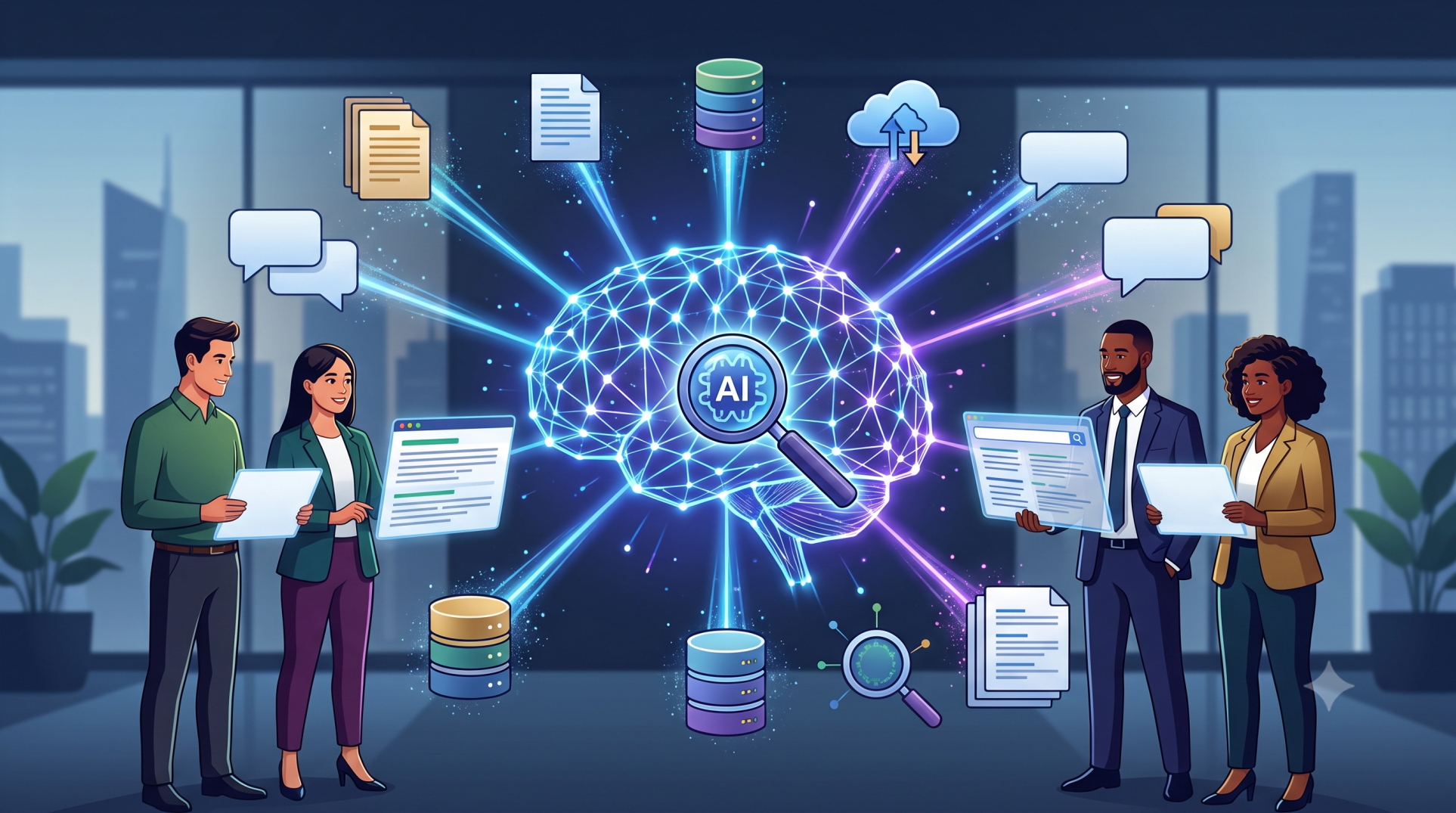
• Perform semantic searches beyond simple keyword matching 🧩
• Interpret user intent to improve search accuracy 💡
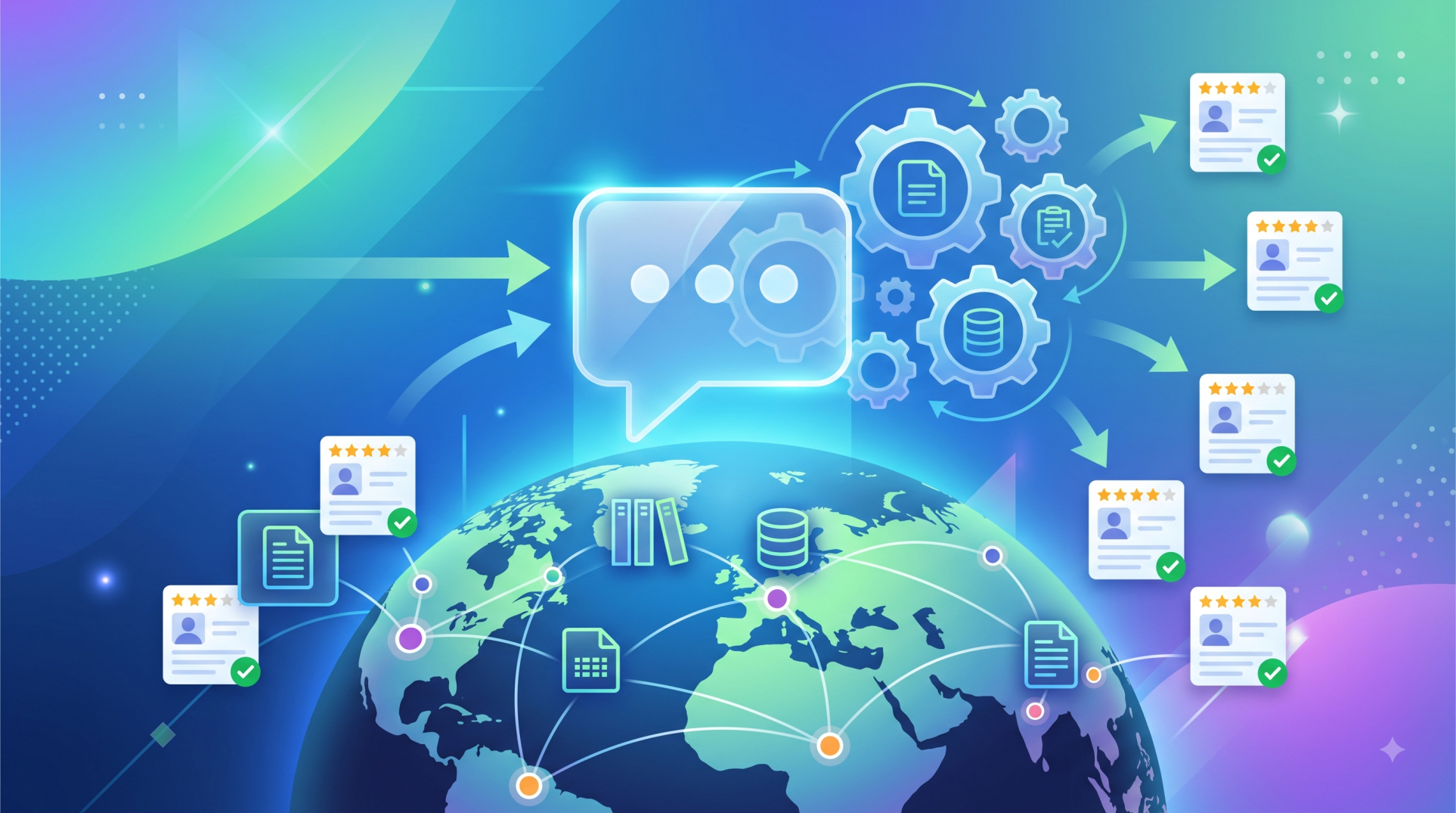
• Rank results based on relevance and context ⭐
• Retrieve information from multiple connected sources simultaneously 📡
• Deliver fast and precise search experiences 🚀
Step 4: Context-Aware Knowledge Delivery 📖
• Present information based on user roles and responsibilities 👥
• Deliver recommendations aligned with current tasks 📌
• Adapt results using conversation history and context 💬
• Surface related documents and supporting information 🔄
• Improve decision-making with personalized knowledge access 🎯
Step 5: Organizing Knowledge Intelligently 🗃️
• Categorize information automatically using AI 🤖
• Identify relationships between documents and topics 🔗
• Generate metadata for improved discoverability 🏷️
• Maintain consistent knowledge structures across repositories 📂
• Support scalable knowledge organization as data grows 📈
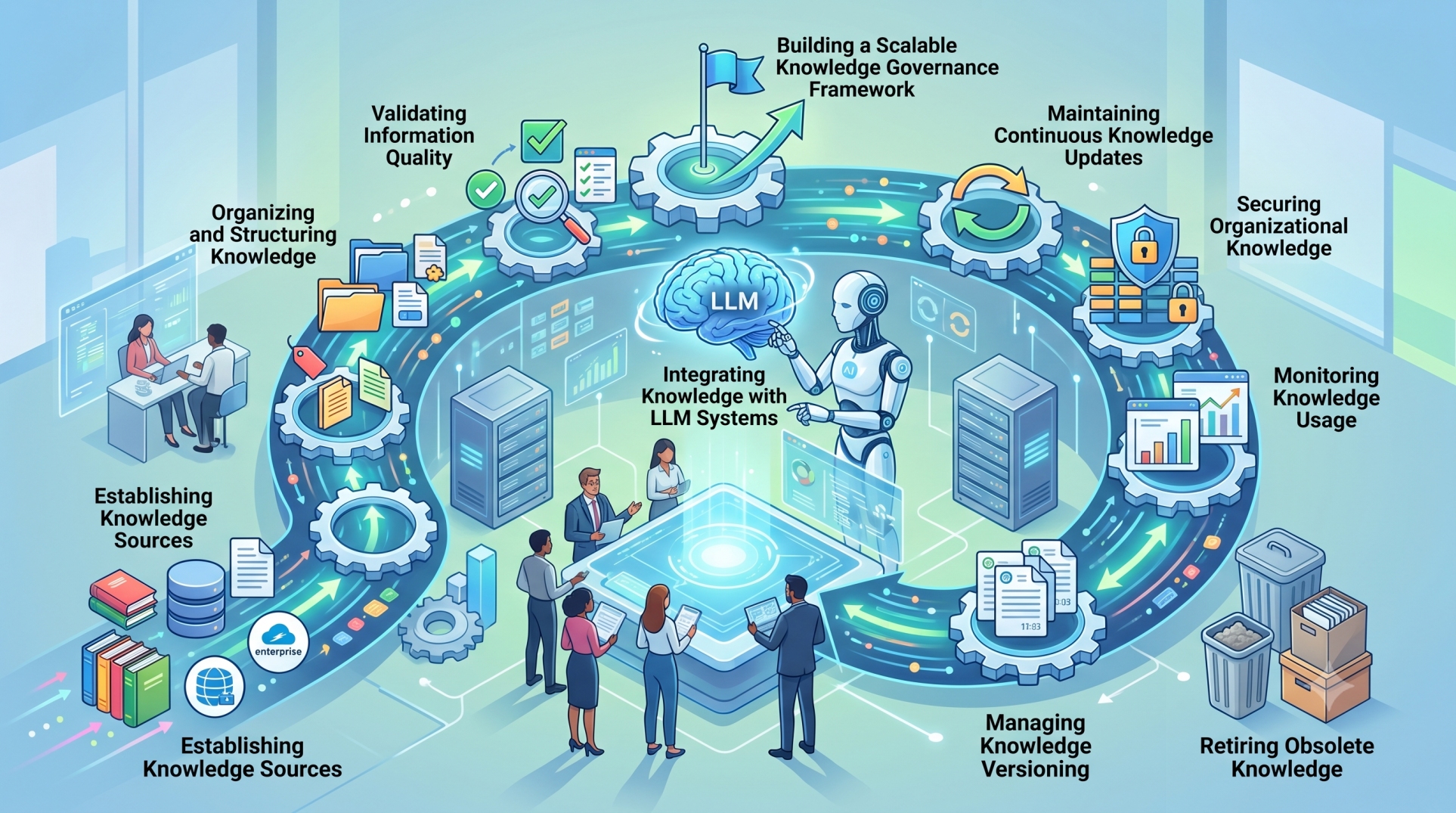
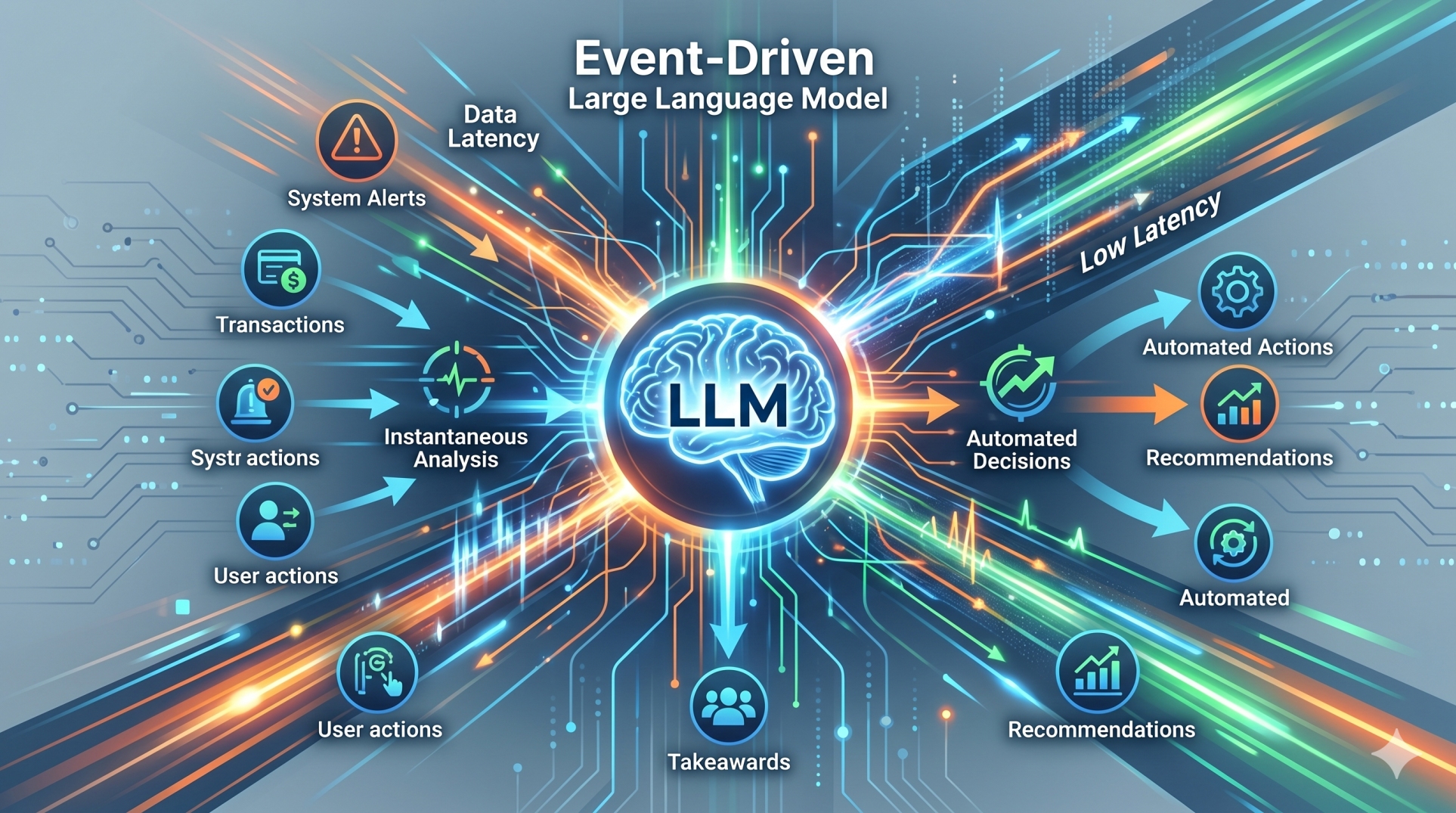
Step 6: Continuous Knowledge Updates 🔄
• Synchronize new information across connected systems 📡
• Detect changes in enterprise content automatically ⚡
• Keep search indexes current and accurate ✅
• Remove outdated or duplicate information 🧹
• Ensure users always access the latest knowledge 📚
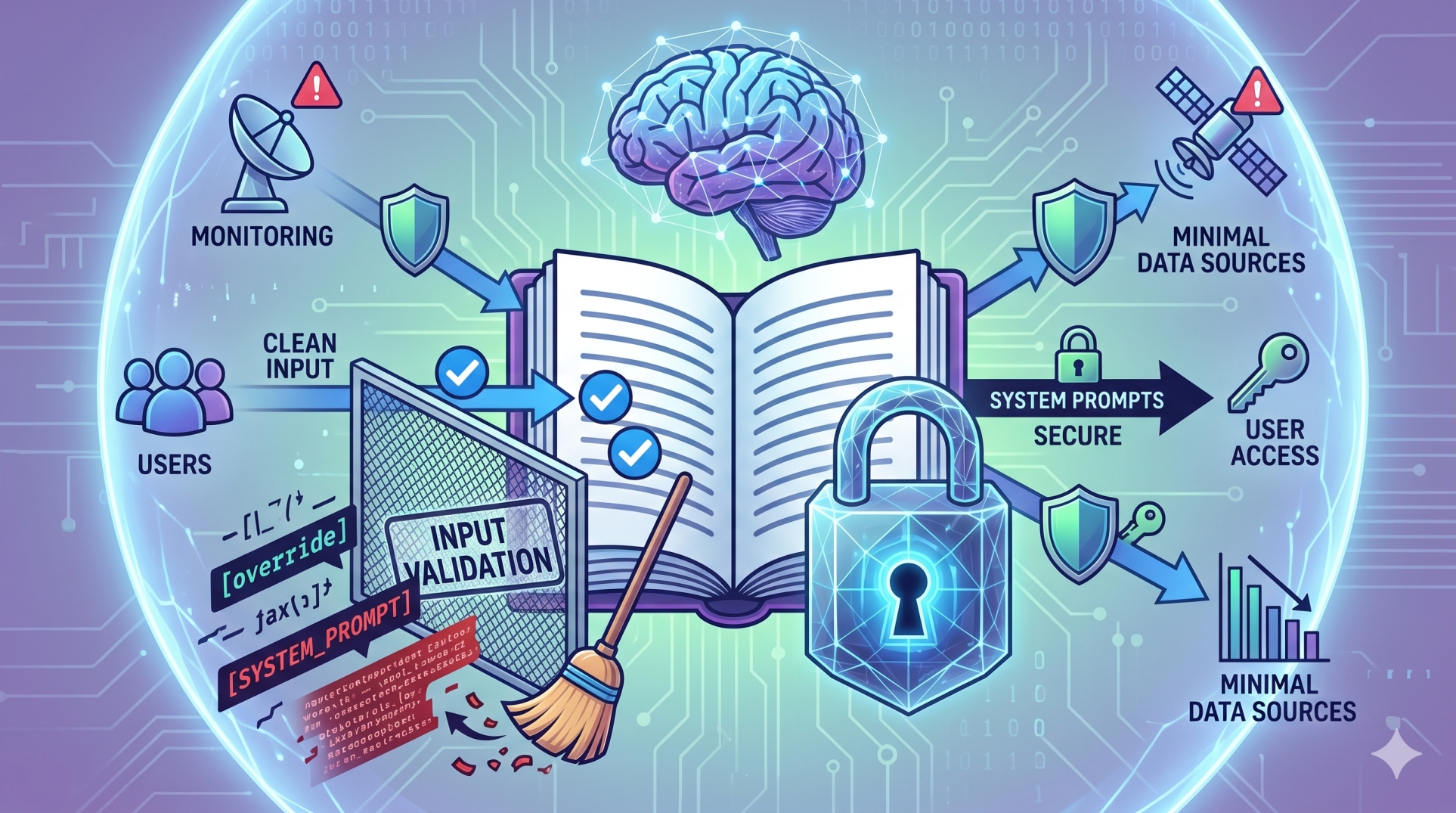
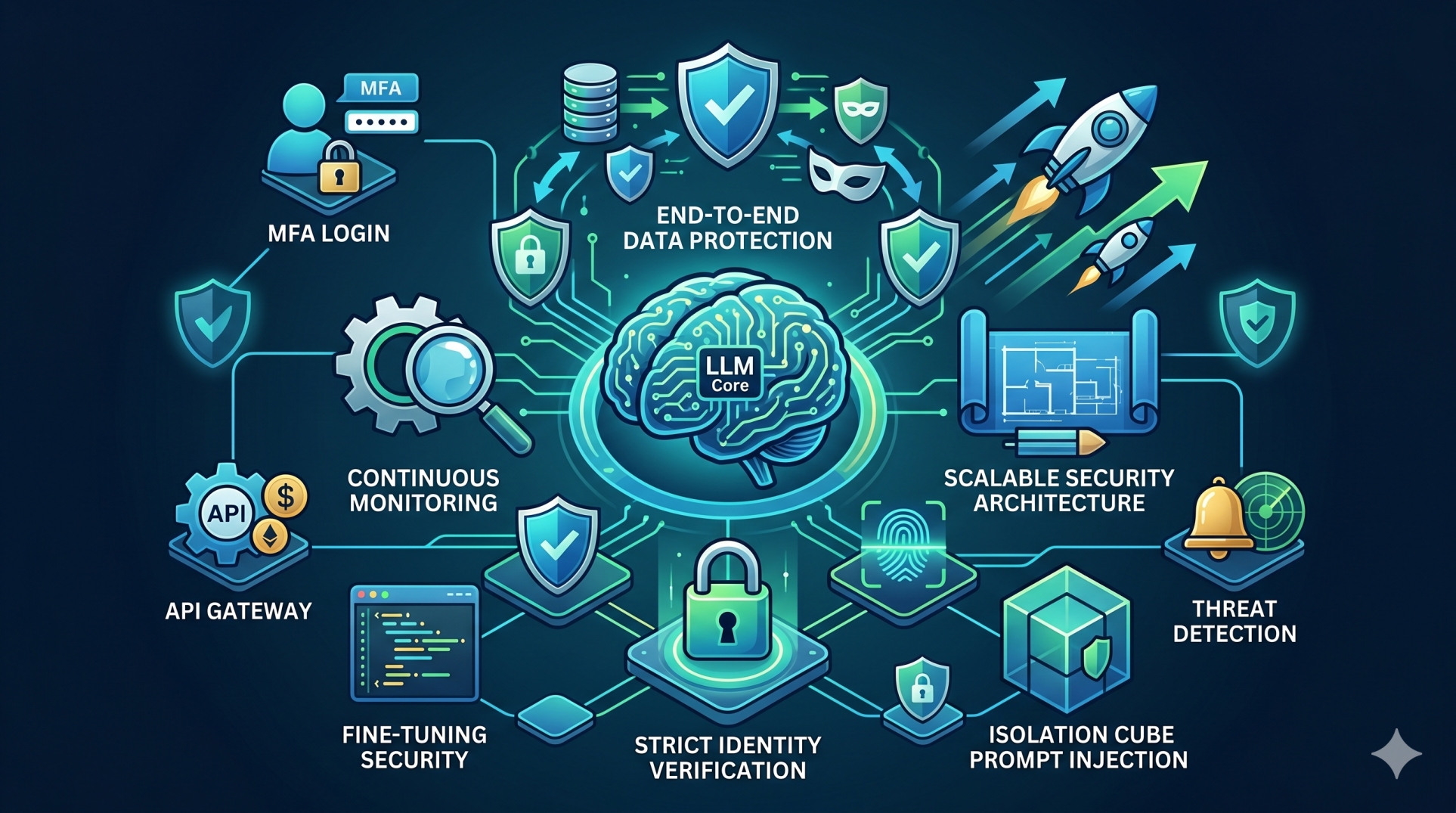
Step 7: Security and Access Management 🔐
• Apply role-based permissions to sensitive information 👤
• Protect confidential business knowledge with secure access 🛡️
• Enforce organizational governance policies 📜
• Monitor knowledge usage for compliance and auditing 🧾
• Safeguard enterprise information across connected platforms 🔒
Step 8: Key Navigation Priorities ⭐
• Fast and intelligent knowledge discovery 🚀
• Context-aware information delivery 📖
• Secure access across enterprise systems 🔐
• Scalable architecture for growing knowledge repositories 📈
Step 9: Measuring Knowledge Effectiveness 📊
• Track search success and user engagement metrics 📉
• Identify content gaps and frequently searched topics 🔍
• Monitor knowledge utilization across departments 🏢
• Improve content quality through usage insights 💡
• Continuously optimize navigation performance ⚙️
Step 10: Building a Future-Ready Knowledge Ecosystem 🌍
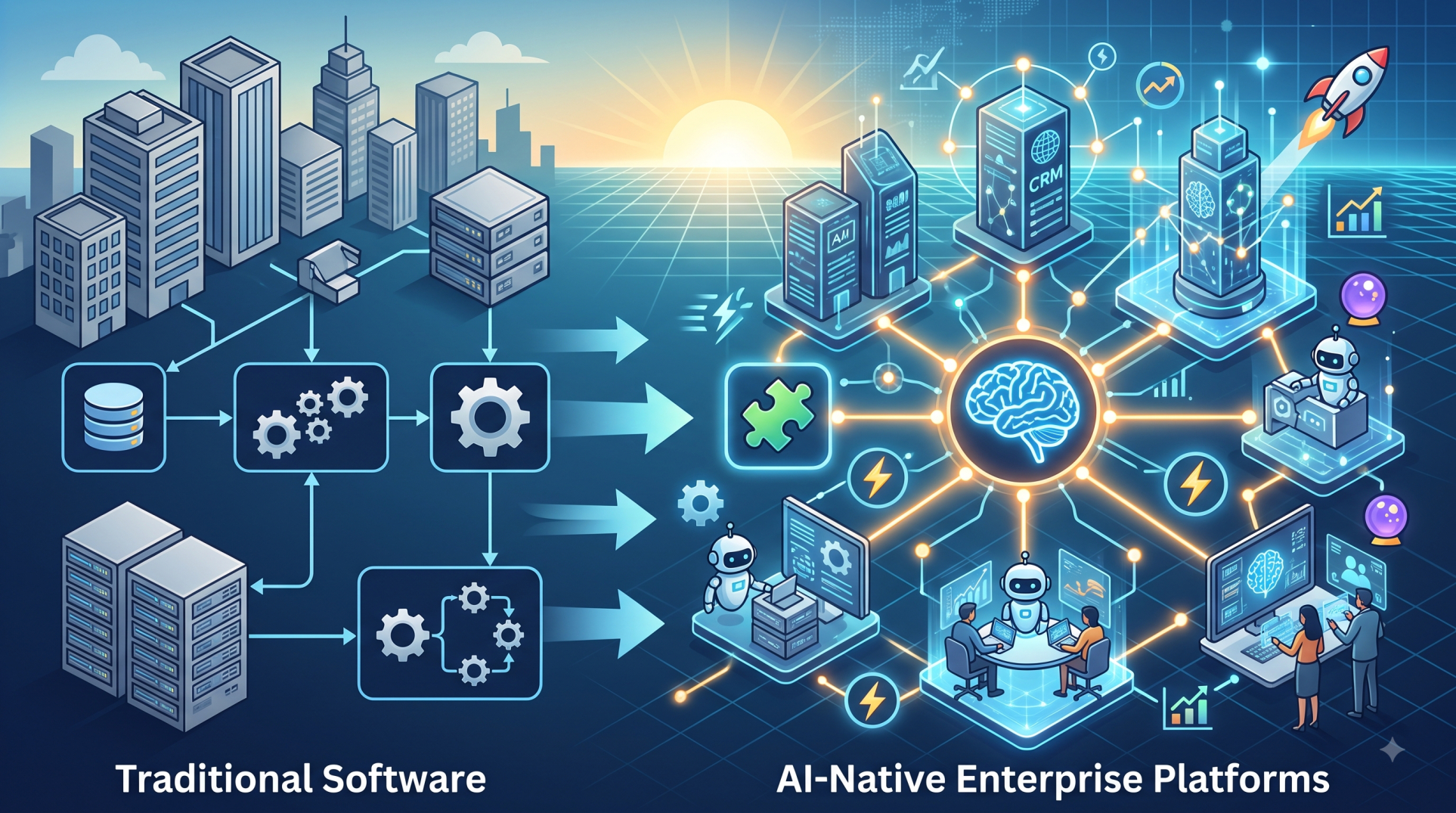
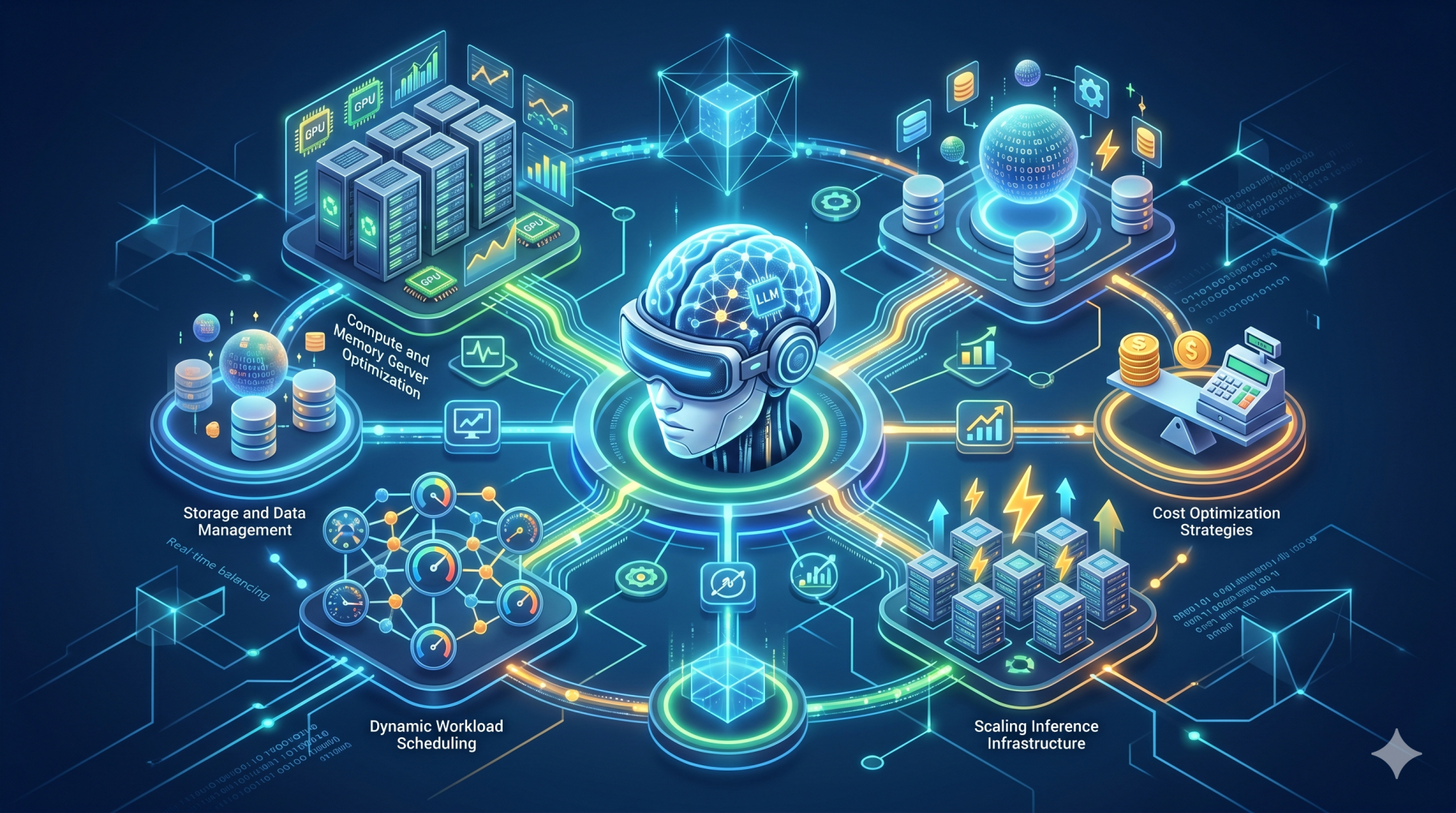
• Design modular platforms that support continuous expansion 🏗️
• Integrate AI, automation, and enterprise applications 🤝
• Enable multilingual knowledge access for global teams 🌎
• Adapt to evolving business requirements with flexible architecture 🔄
• Future-proof knowledge management through intelligent innovation 🚀
Conclusion
AI-driven Knowledge Navigation Systems transform how organizations access and utilize information by combining intelligent search, contextual understanding, and automated knowledge organization. By delivering accurate information quickly and securely, these systems improve collaboration, accelerate decision-making, and increase operational efficiency. As enterprise knowledge continues to grow, AI-powered navigation provides the scalability, adaptability, and intelligence required to keep information accessible and actionable.
See more blogs
You can all the articles below