Designing Unified Interfaces for Multi-Modal LLM Systems
Designing Unified Interfaces for Multi-Modal LLM Systems
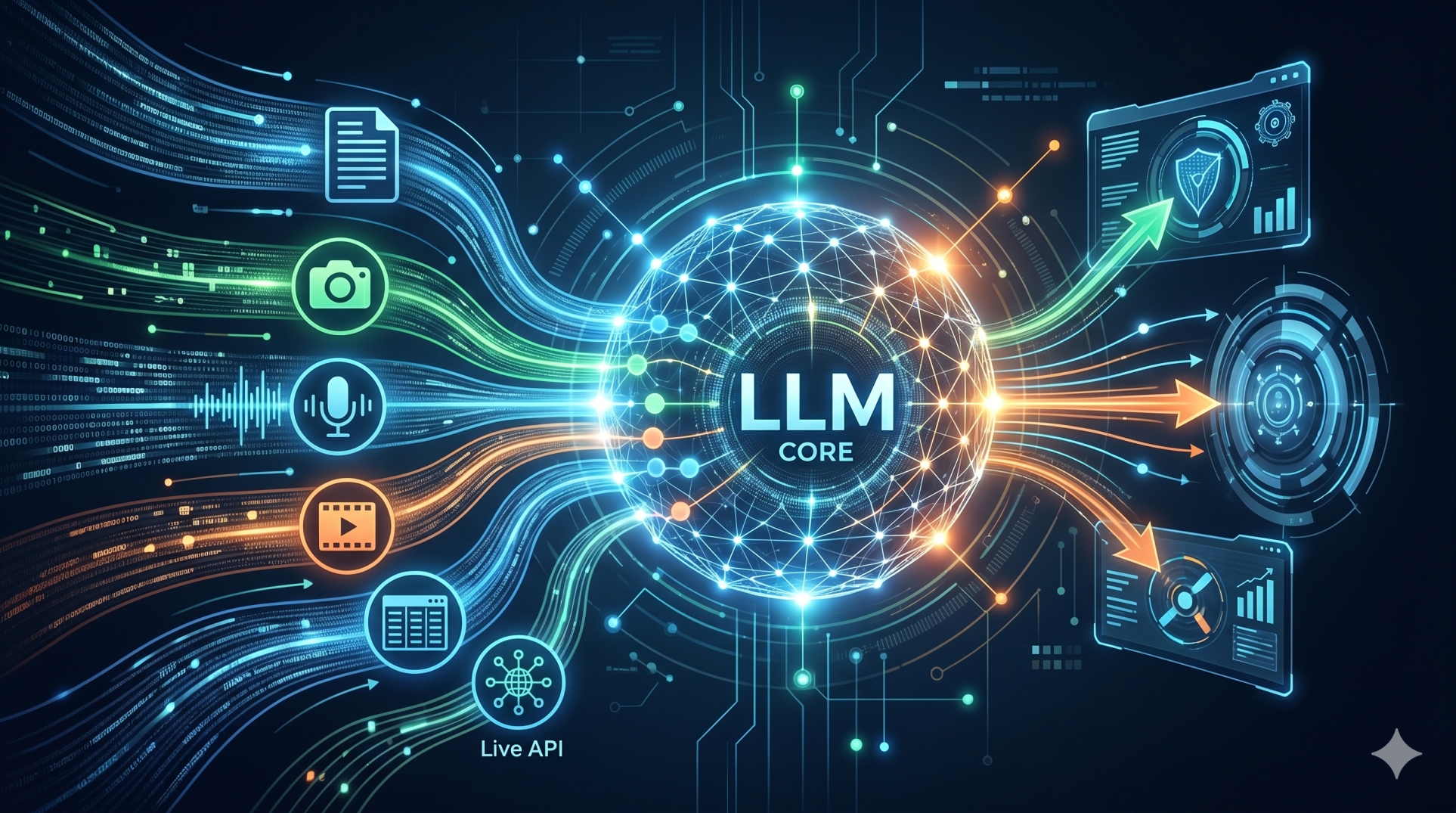
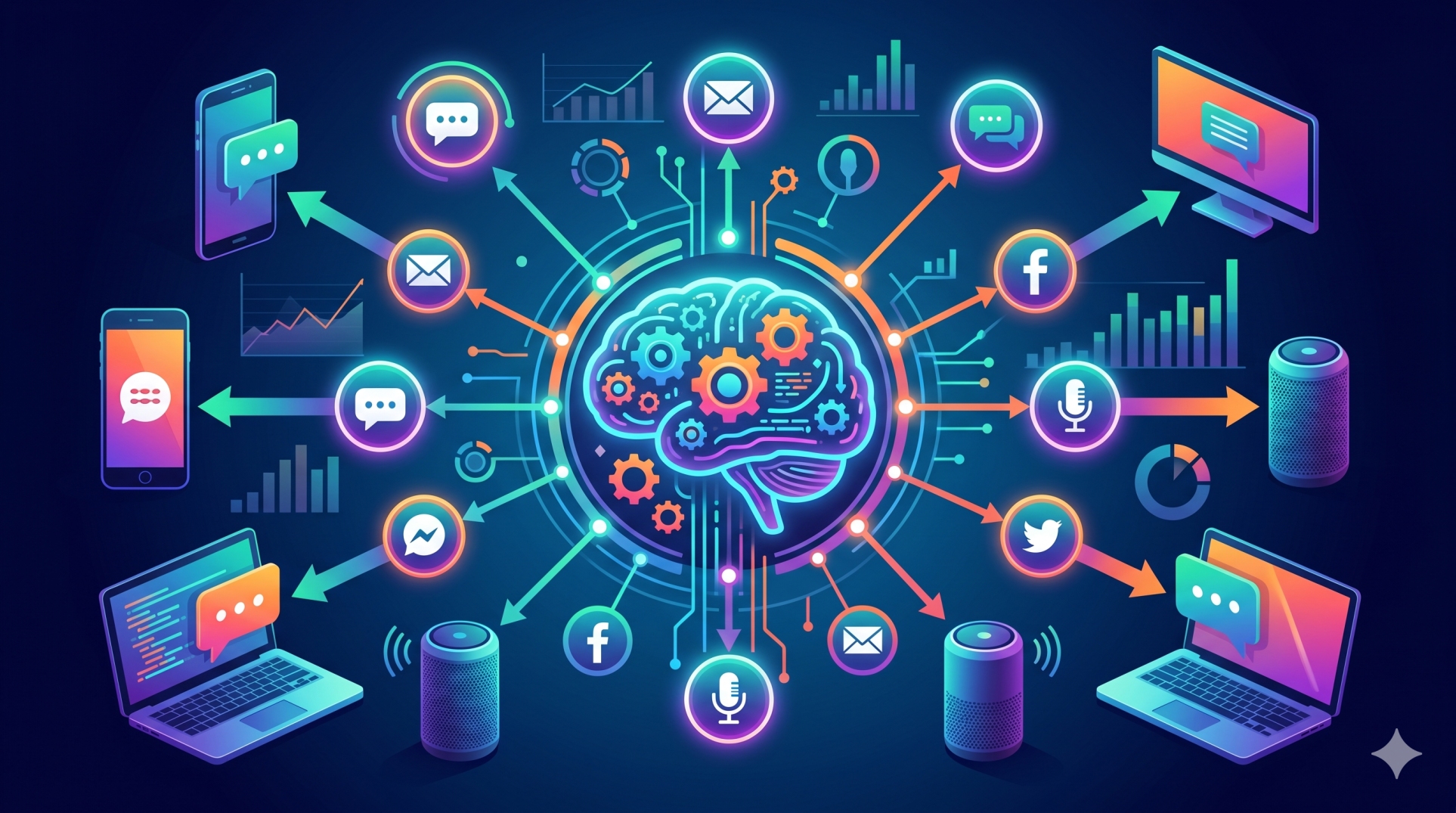
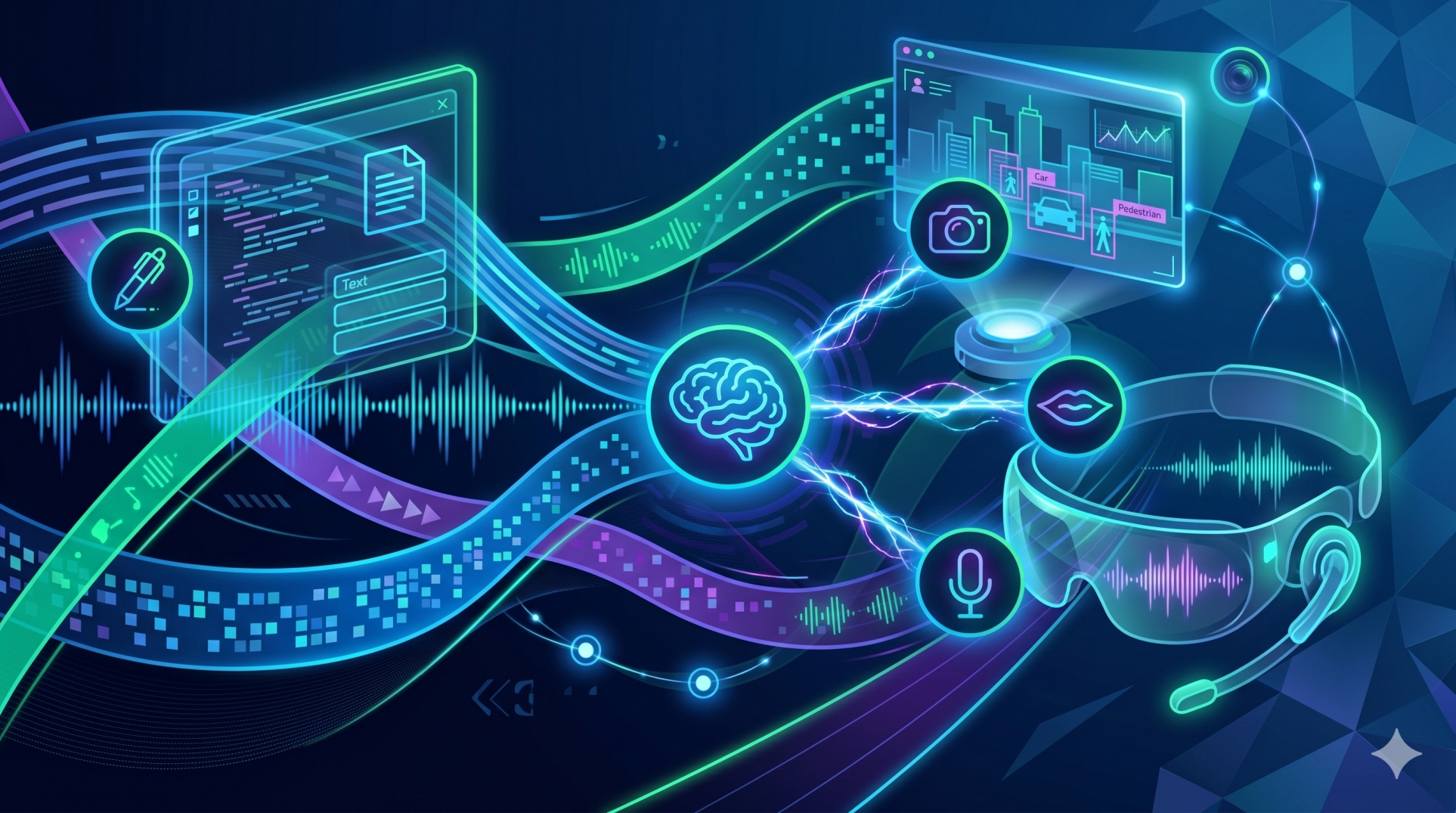
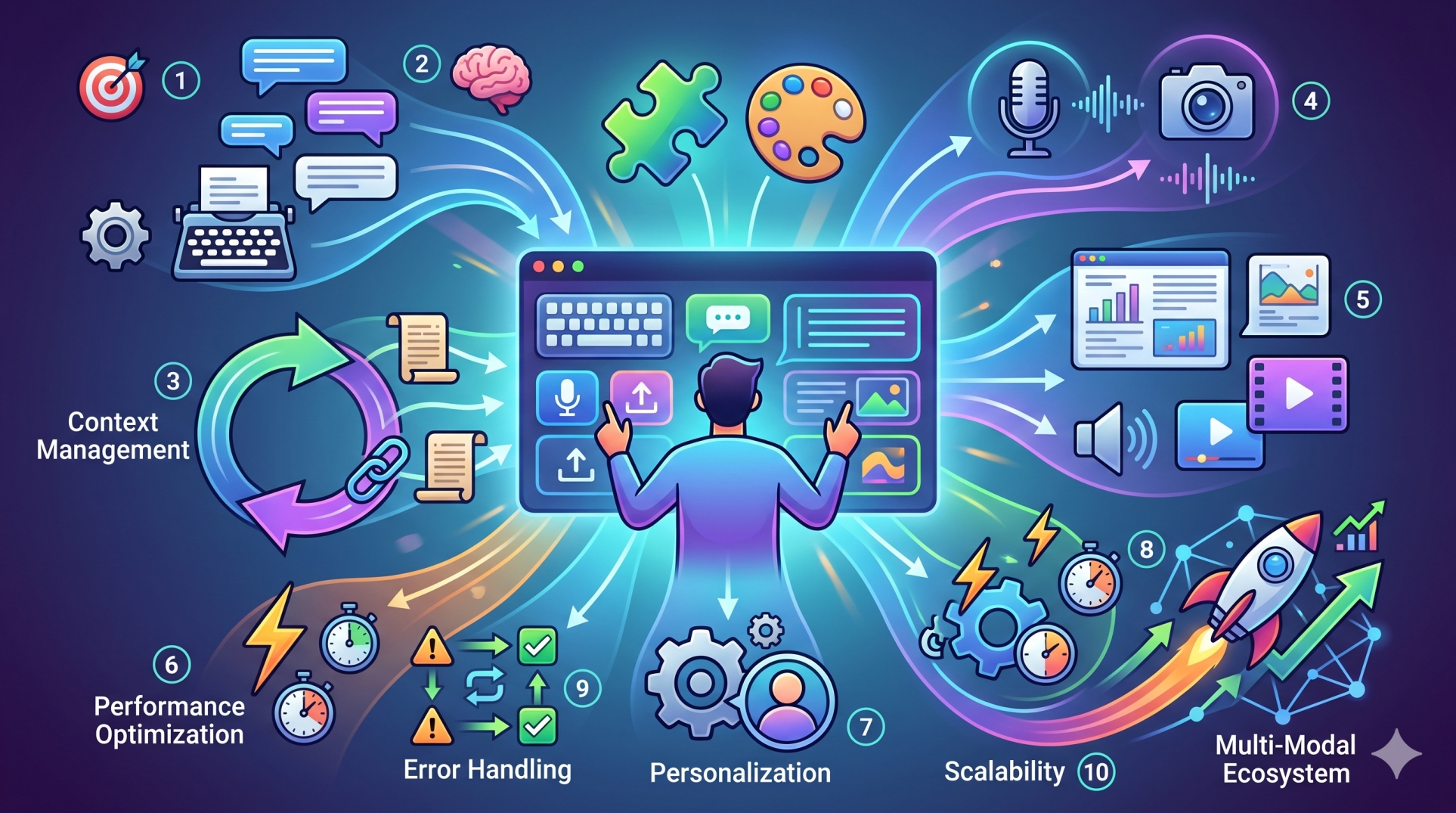
As multi-modal AI systems evolve, combining text, voice, image, and video capabilities into a single experience has become a key design challenge. A unified interface for Large Language Model (LLM) systems ensures seamless interaction across modalities while maintaining clarity, usability, and performance. The goal is to create an intuitive environment where users can interact naturally—without needing to think about the underlying complexity.
Step 1: Defining Multi-Modal Interaction Goals 🎯
• Identify how users will interact across text, voice, image, and video inputs 🎯
• Define primary use cases for each modality within the system 🧠
• Ensure interactions feel natural and context-aware 💬
• Align interface design with user intent and workflows 🔄
• Prioritize simplicity despite multi-modal complexity ⚖️
Step 2: Creating a Unified Interaction Layer 🧩
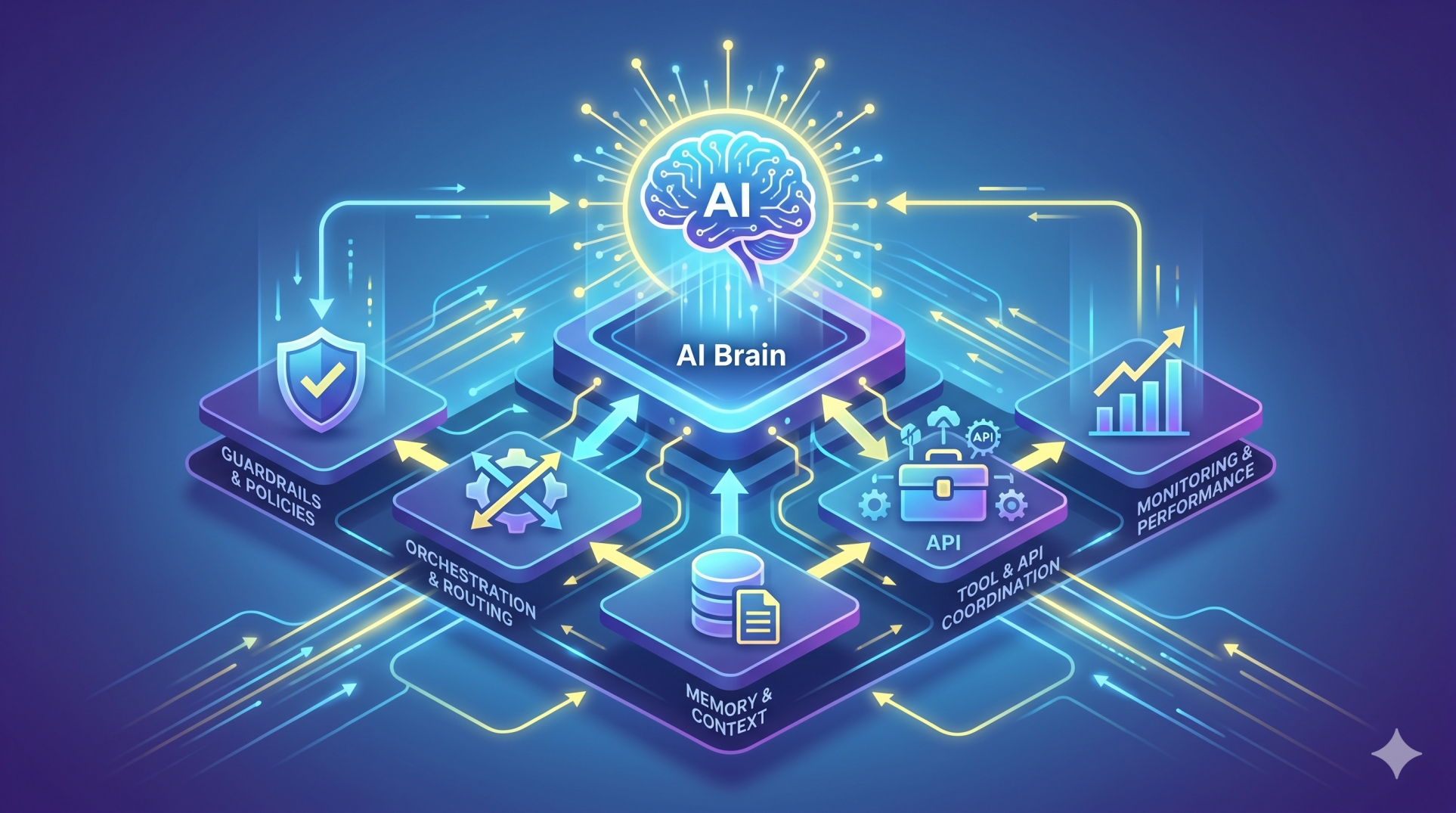
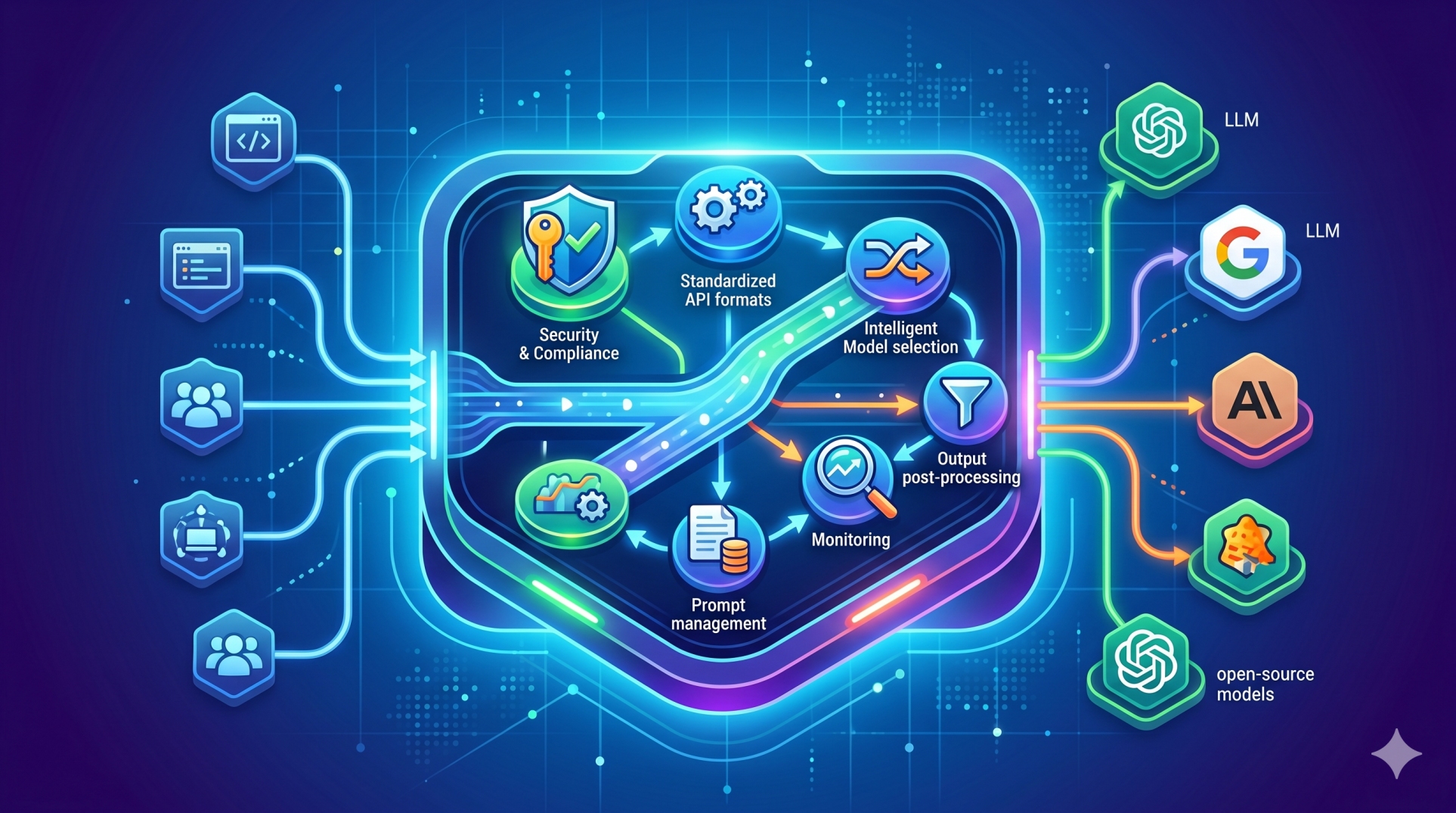
• Design a single interface that supports all input types seamlessly 🧩
• Maintain consistency across interaction patterns and UI elements 🎨
• Allow users to switch between modalities without friction 🔄
• Ensure context is preserved across different input methods 🧠
• Reduce cognitive load through intuitive design structures 💡
Step 3: Context Management Across Modalities 🔄
• Maintain shared context between text, voice, and visual inputs 🔄
• Enable the system to understand cross-modal references 🧠
• Preserve conversation history across all interaction types 📜
• Synchronize state between different input/output channels 🔗
• Ensure continuity in multi-step interactions ⏱️
Step 4: Designing Adaptive Input Mechanisms 🎙️
• Provide flexible input options such as typing, speaking, or uploading media 🎙️
• Automatically detect and adapt to user input preferences 🤖
• Offer real-time feedback for each interaction type ⚡
• Ensure accessibility for diverse user needs ♿
• Support fallback options when certain modalities are unavailable 🔄
Step 5: Output Coordination and Presentation 🖥️
• Deliver responses in the most appropriate format (text, audio, visual) 🖥️
• Combine multiple output types when necessary for clarity 📊
• Ensure synchronized output across modalities 🔄
• Maintain readability and usability in all response formats 📐
• Avoid overwhelming users with excessive information ⚖️
Step 6: Performance and Latency Optimization ⚡
• Optimize response times across all modalities ⚡
• Balance processing loads between text, audio, and visual tasks 🧠
• Use streaming responses for real-time interactions 📡
• Minimize delays in voice and visual processing ⏱️
• Ensure consistent performance under varying workloads 📊
Step 7: Personalization and User Adaptation 👤
• Adapt interface behavior based on user preferences 👤
• Learn from interaction patterns to improve experience 🤖
• Customize modality usage for different user types 🎯
• Provide personalized shortcuts and workflows ⚙️
• Enhance engagement through tailored interactions 💡
Step 8: Key Design Priorities 📊
• Seamless integration of multiple input and output modalities 🔗
• Consistent and intuitive user experience across all interactions 🎨
• Real-time context awareness and continuity 🧠
• Scalable design to support evolving AI capabilities 🚀
Step 9: Error Handling and Fallback Strategies 🛠️
• Detect and manage errors across different input types 🛠️
• Provide clear feedback when interactions fail ⚠️
• Offer fallback options such as switching modalities 🔄
• Maintain system stability during unexpected issues 🧩
• Ensure minimal disruption to user workflows ⏱️
Step 10: Building a Scalable Multi-Modal Ecosystem 🚀
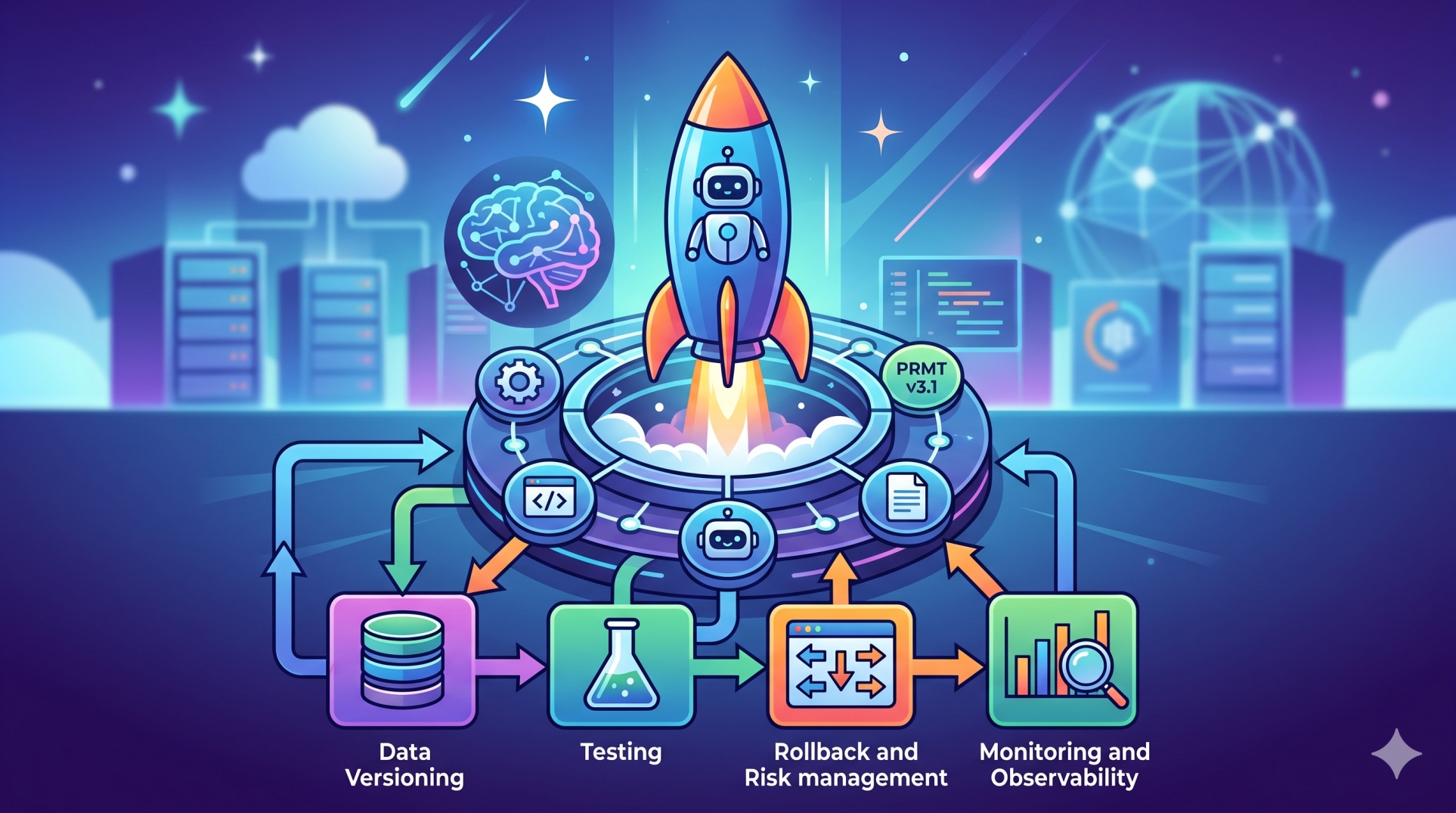
• Design interfaces that evolve with new modalities 🚀
• Support integration with emerging AI technologies 🤖
• Maintain modular architecture for flexibility 🧩
• Enable easy expansion without redesigning core systems 🔄
• Future-proof user experience through adaptive design 📈
Conclusion
Designing unified interfaces for multi-modal LLM systems is essential for delivering intuitive and efficient AI experiences. By integrating multiple interaction methods into a cohesive interface, organizations can reduce complexity while enhancing usability. A well-designed multi-modal system not only improves user engagement but also unlocks the full potential of AI-driven interactions in an increasingly connected digital ecosystem.
See more blogs
You can all the articles below