Zero-Trust Architectures for LLM-Powered Applications
Zero-Trust Architectures for LLM-Powered Applications
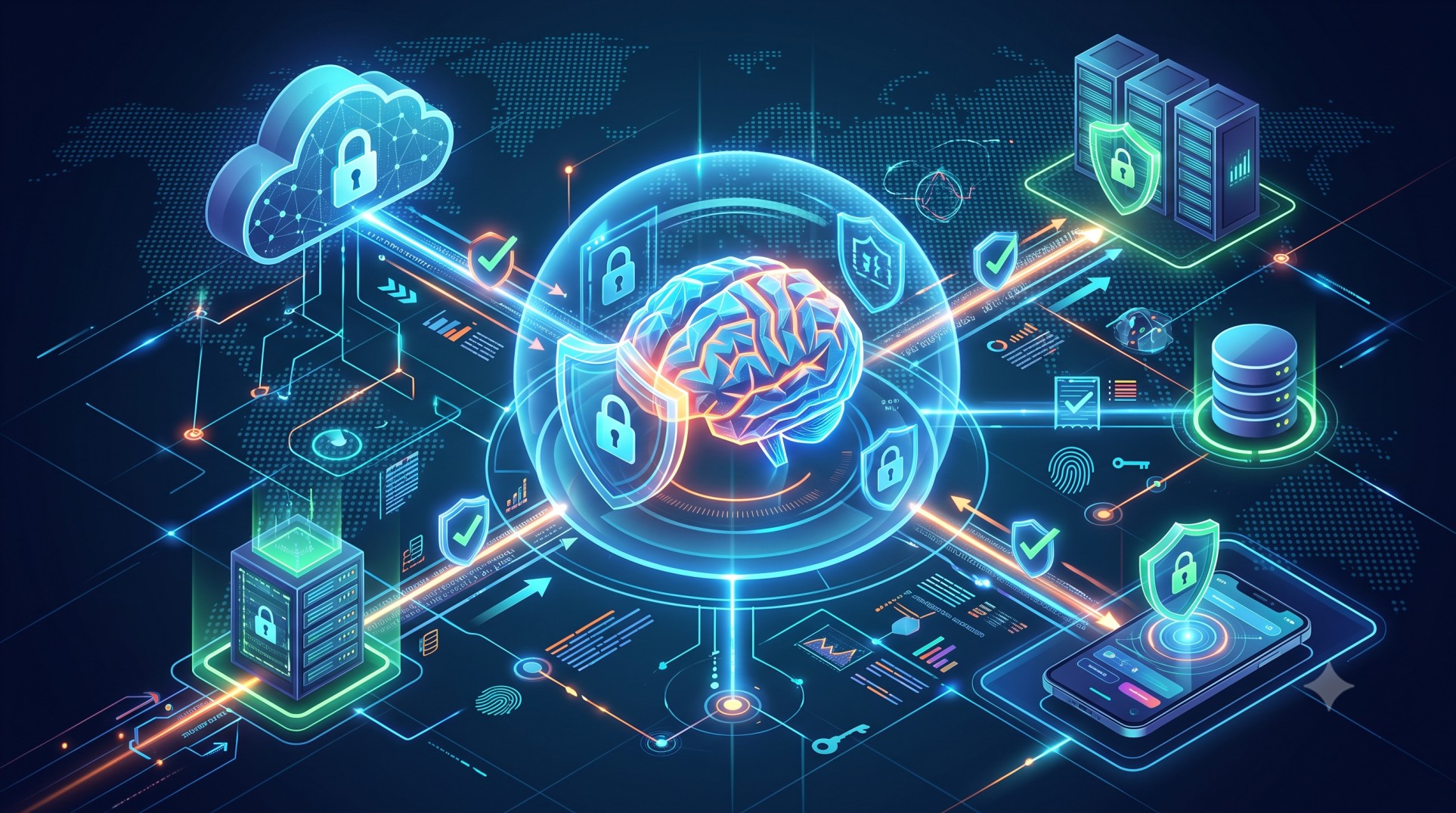
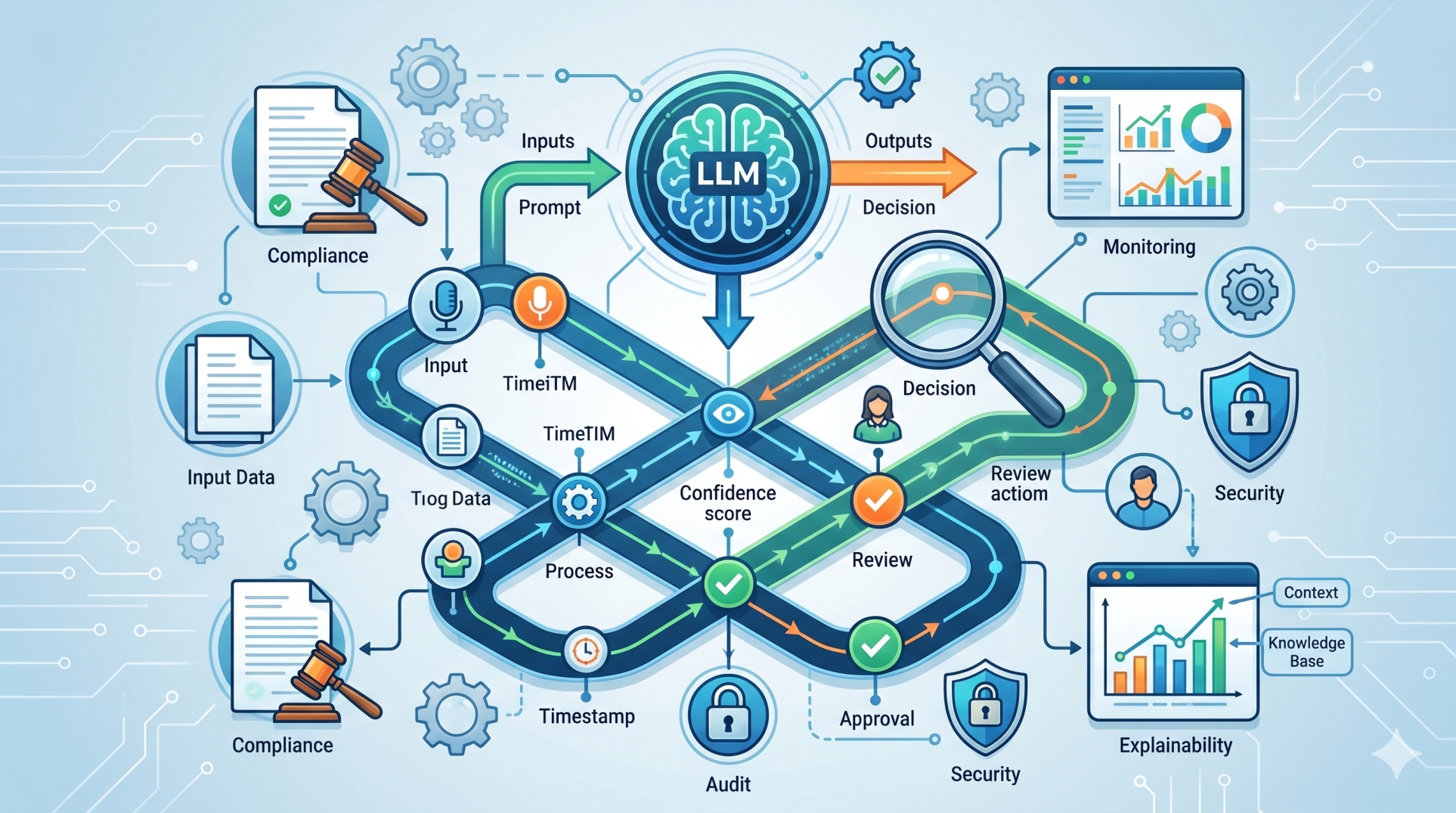
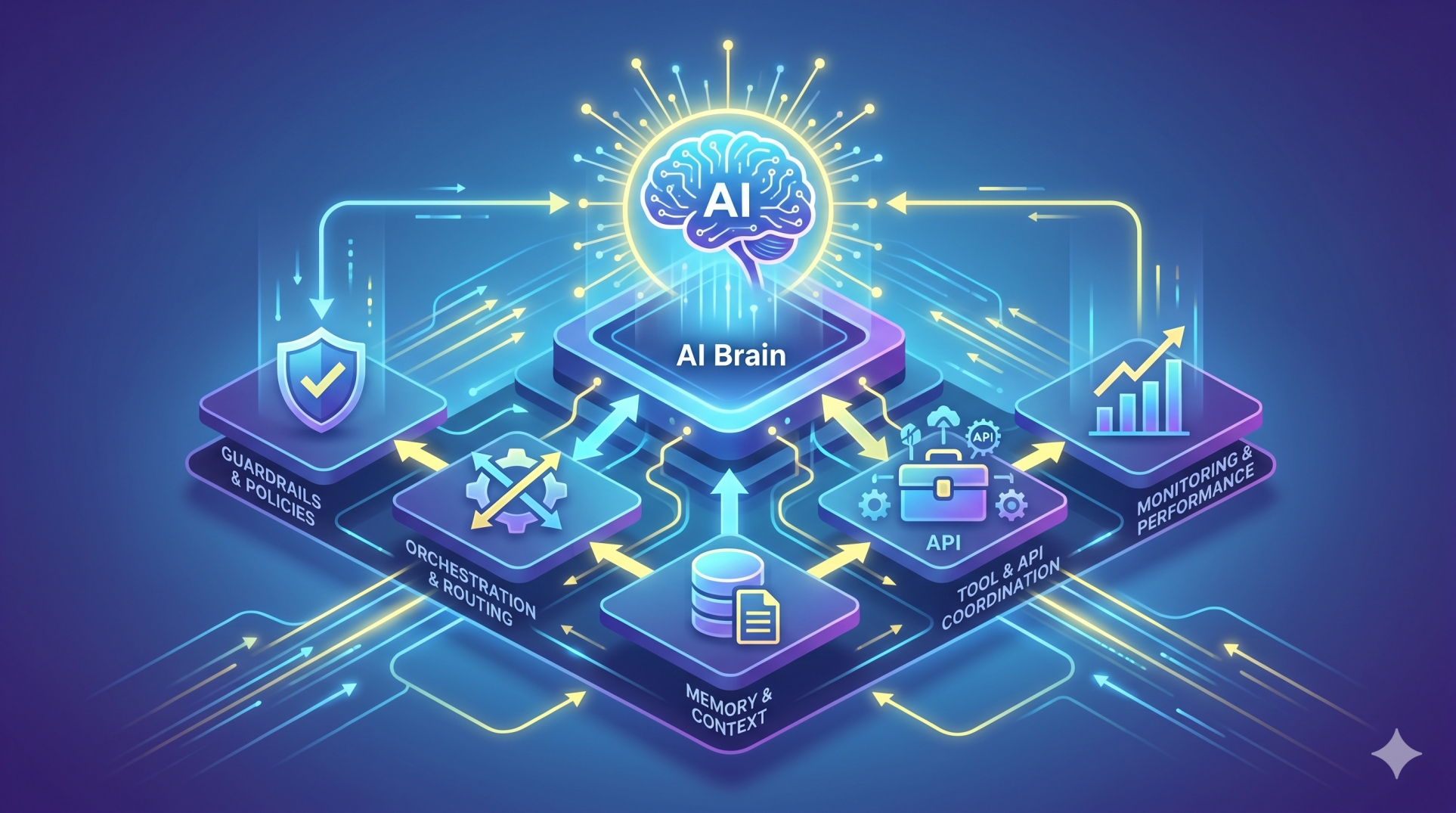
As Large Language Model (LLM)–powered applications become central to enterprise workflows, they introduce new security challenges around data access, model interaction, and system integration. Traditional perimeter-based security models are no longer sufficient in environments where users, APIs, and services interact dynamically across distributed systems. Zero-Trust Architecture (ZTA) addresses this by enforcing strict verification at every access point, ensuring that no entity—inside or outside the network—is trusted by default.
Step 1: Understanding Zero-Trust Principles 🔐
• Never trust, always verify every user, device, and service 🔍
• Enforce least-privilege access across all system components ⚖️
• Continuously authenticate and authorize every interaction 🔄
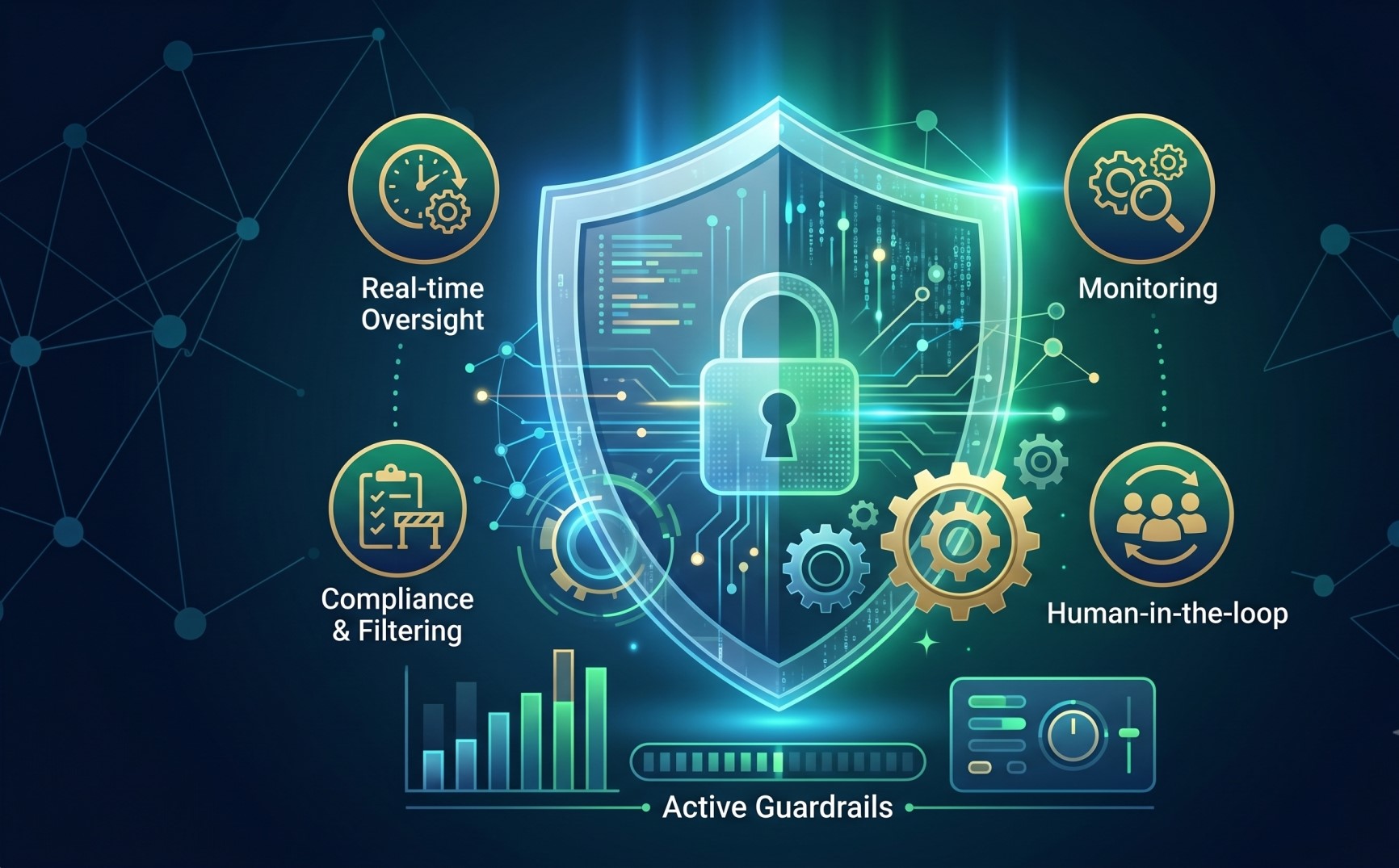
• Assume breach and design systems for resilience 🛡️
• Apply security policies uniformly across environments 🌐
Step 2: Securing LLM Access and Interactions 🤖
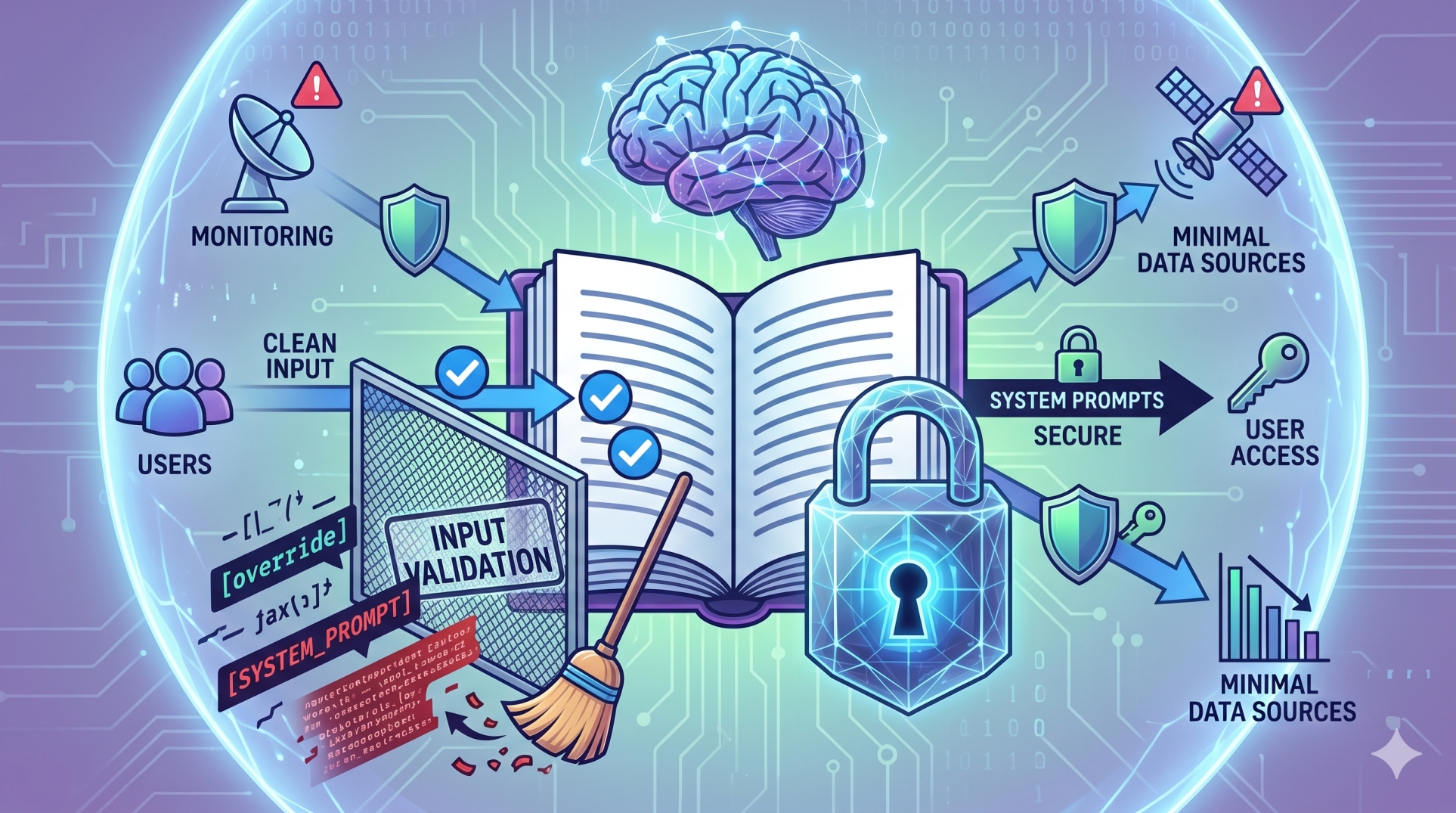
• Authenticate users before allowing interaction with LLM systems 🔑
• Control access to prompts, responses, and model outputs 📄
• Monitor usage patterns to detect anomalies 📊
• Prevent unauthorized access to sensitive model capabilities 🚫
• Enforce role-based access for different user groups 👥
Step 3: Protecting Data in Prompts and Responses 📊
• Filter and sanitize input prompts to prevent data leakage 🔍
• Mask sensitive information in model outputs 🛡️
• Implement data classification and tagging policies 🏷️
• Prevent exposure of confidential or regulated data 🚫
• Ensure compliance with data protection regulations 📜
Step 4: API and Service-Level Security 🌐
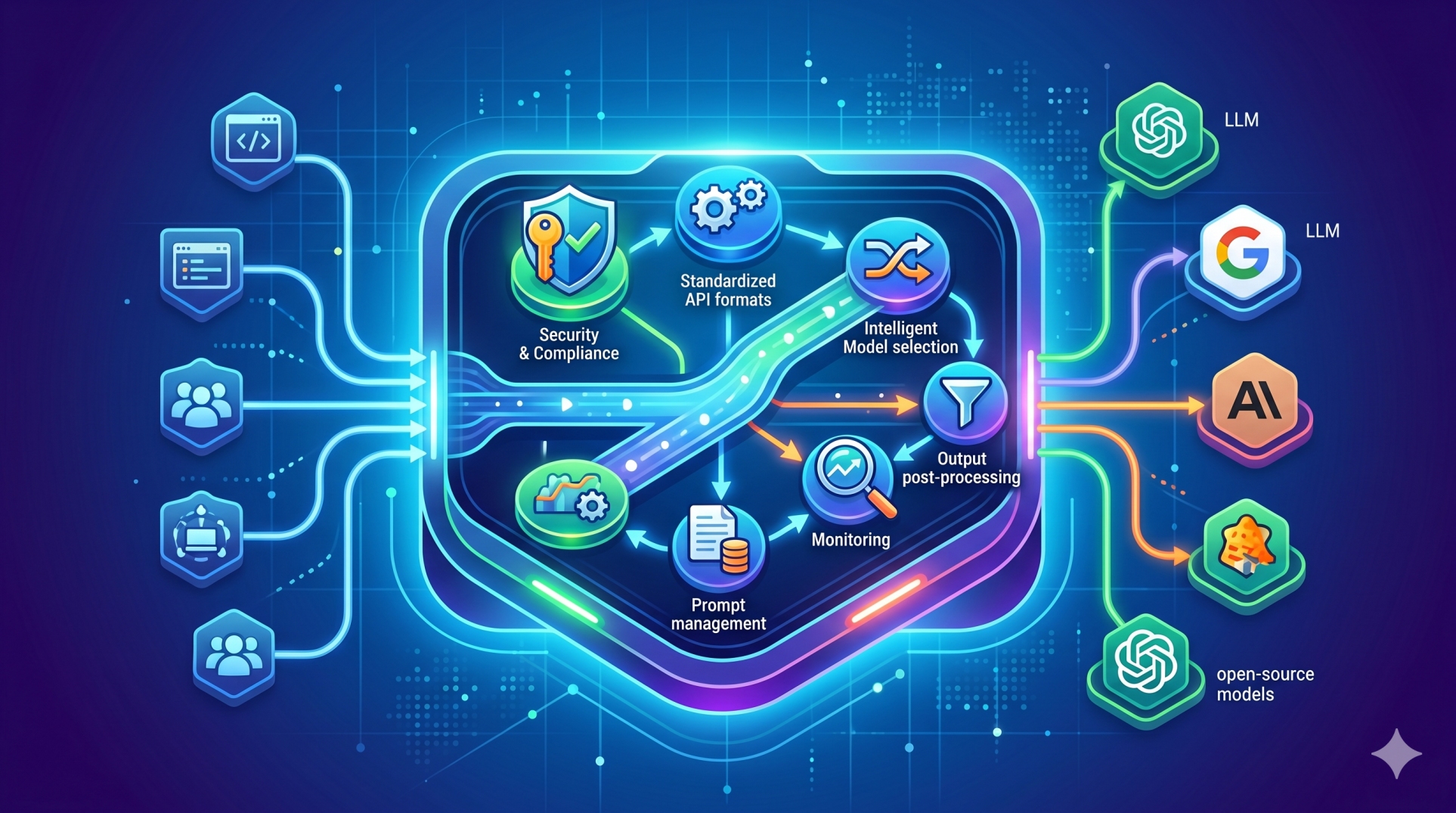
• Secure all APIs connecting LLMs with other systems 🔗
• Use token-based authentication and encryption protocols 🔐
• Validate every request between microservices 📡
• Limit API access based on roles and permissions ⚙️
• Monitor API traffic for suspicious activity 🔍
Step 5: Identity and Access Management (IAM) 👤
• Implement centralized identity management systems 🧠
• Use multi-factor authentication for all critical access 🔑
• Define granular access controls for users and services ⚖️
• Continuously verify identity during sessions 🔄
• Maintain audit logs for all access events 📂
Step 6: Securing Model Training and Fine-Tuning 🧪
• Restrict access to training datasets and pipelines 🔐
• Validate data sources to prevent poisoning attacks 🚫
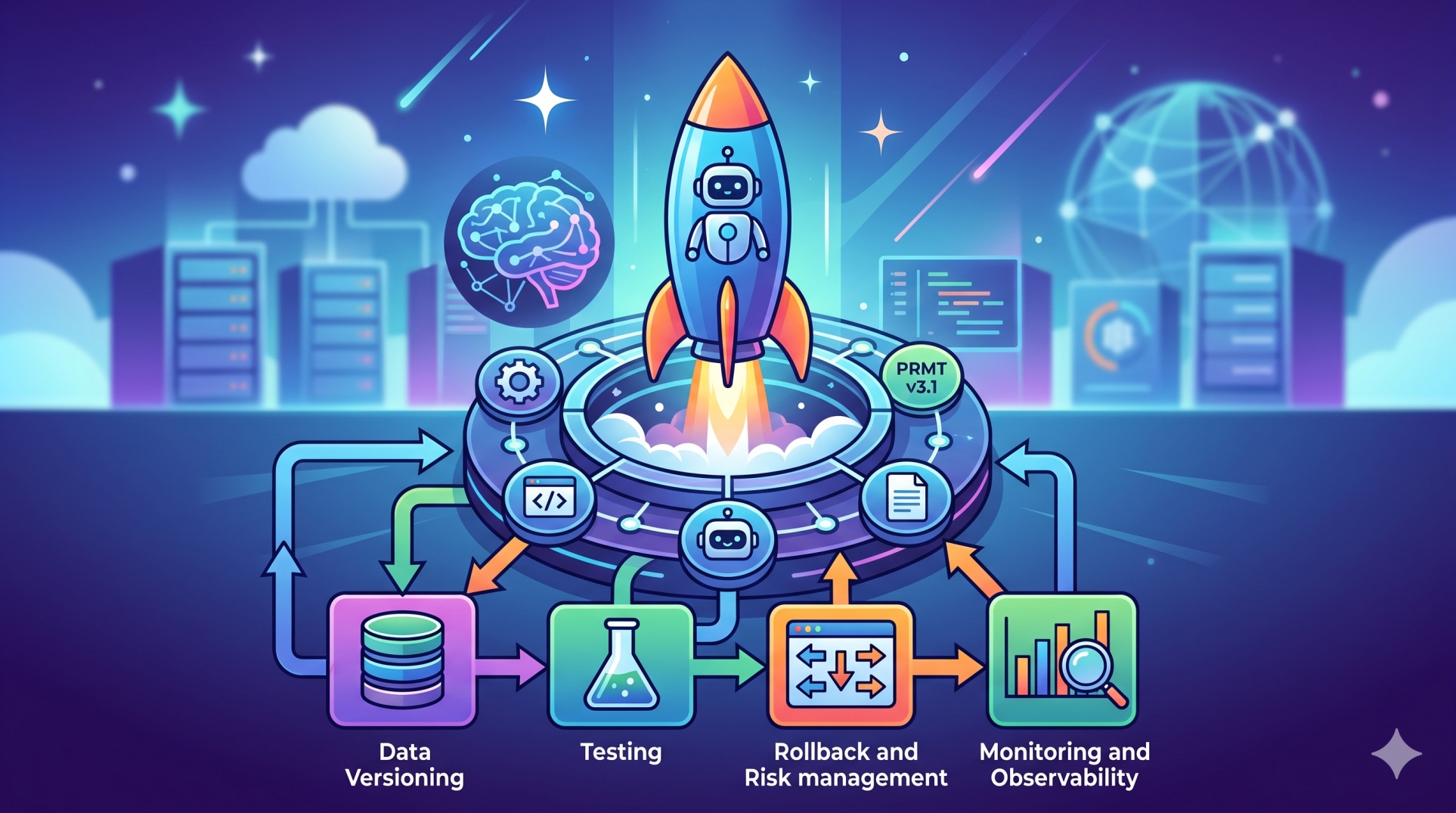
• Monitor model updates and version changes 🔍
• Ensure secure storage of model artifacts 📦
• Control who can modify or retrain models 🧠
Step 7: Continuous Monitoring and Threat Detection 📡
• Track system activity across users, models, and services 📊
• Detect unusual behavior in prompts or outputs 🔍
• Use AI-driven security tools for anomaly detection 🤖
• Enable real-time alerts for potential threats 🚨
• Maintain visibility across the entire LLM ecosystem 👁️
Step 8: Key Zero-Trust Priorities 📌
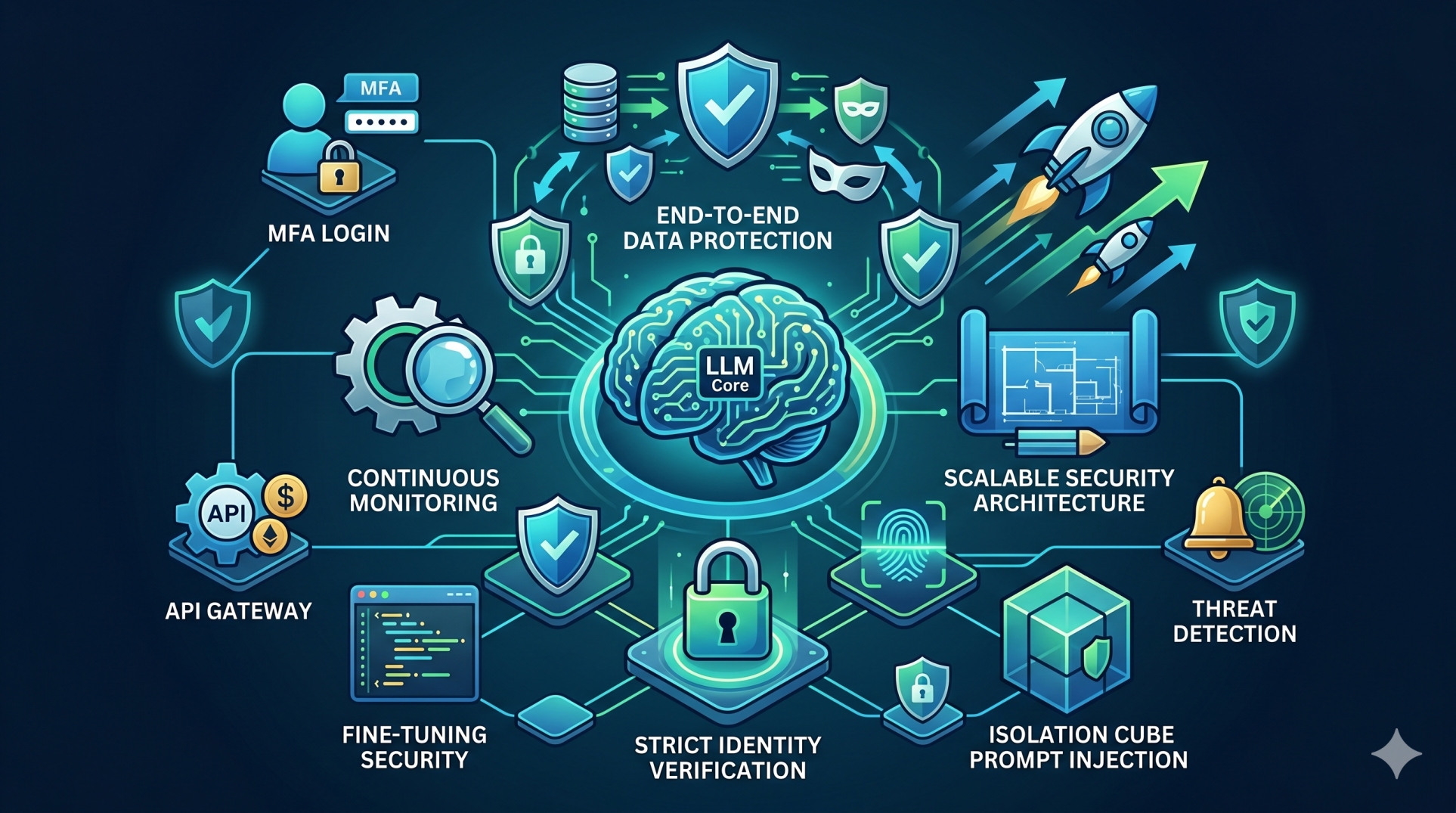
• Strict identity verification for every interaction 🔐
• End-to-end data protection across LLM workflows 📊
• Continuous monitoring and adaptive security controls 🔄
• Scalable security architecture for evolving systems 🚀
Step 9: Handling Threats and Security Exceptions ⚠️
• Detect prompt injection and adversarial attacks 🧠
• Isolate compromised components quickly 🚫
• Implement fallback mechanisms for secure operation 🔄
• Respond rapidly to security incidents 🚨
• Continuously update threat models and defenses 📊
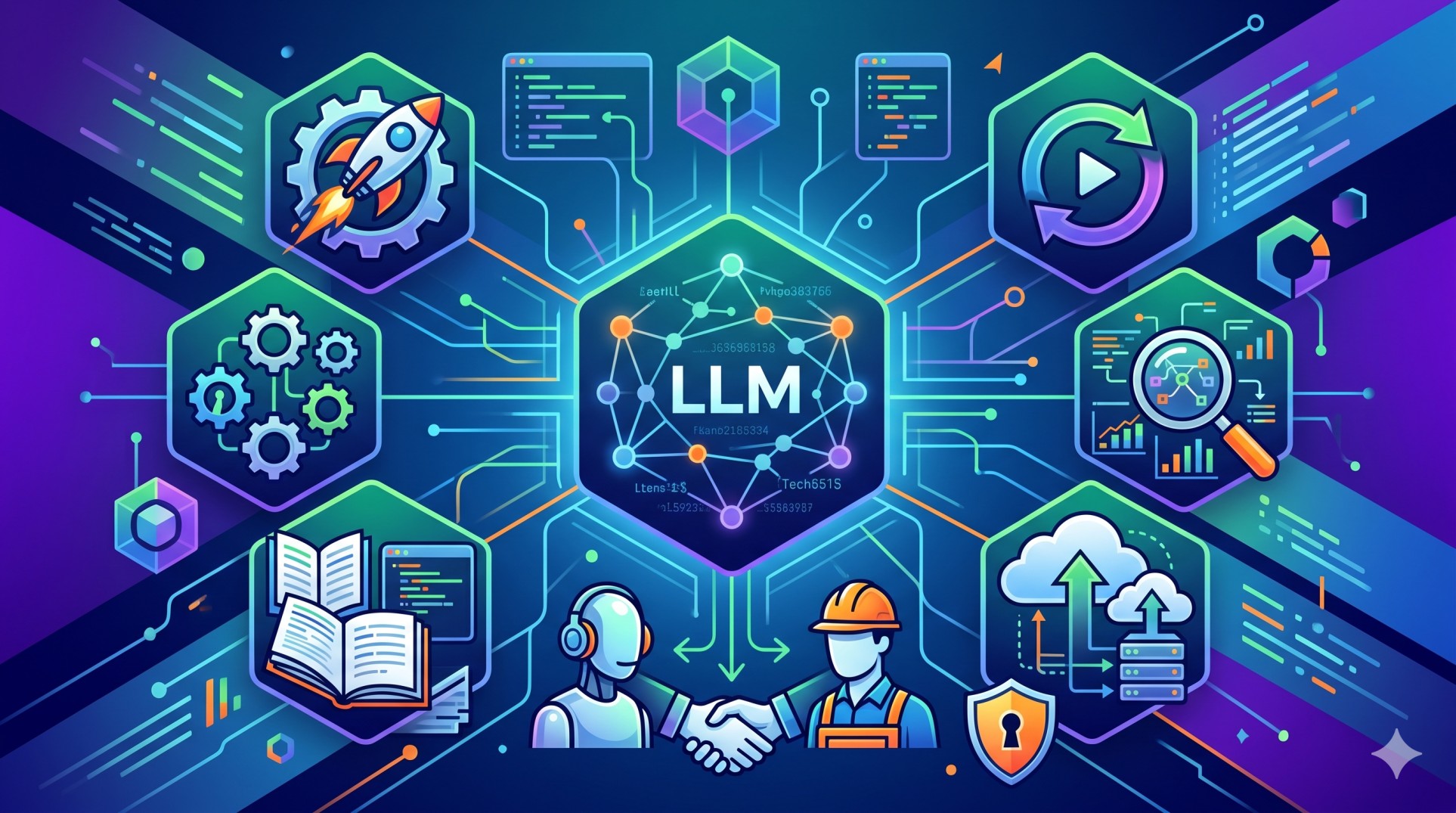
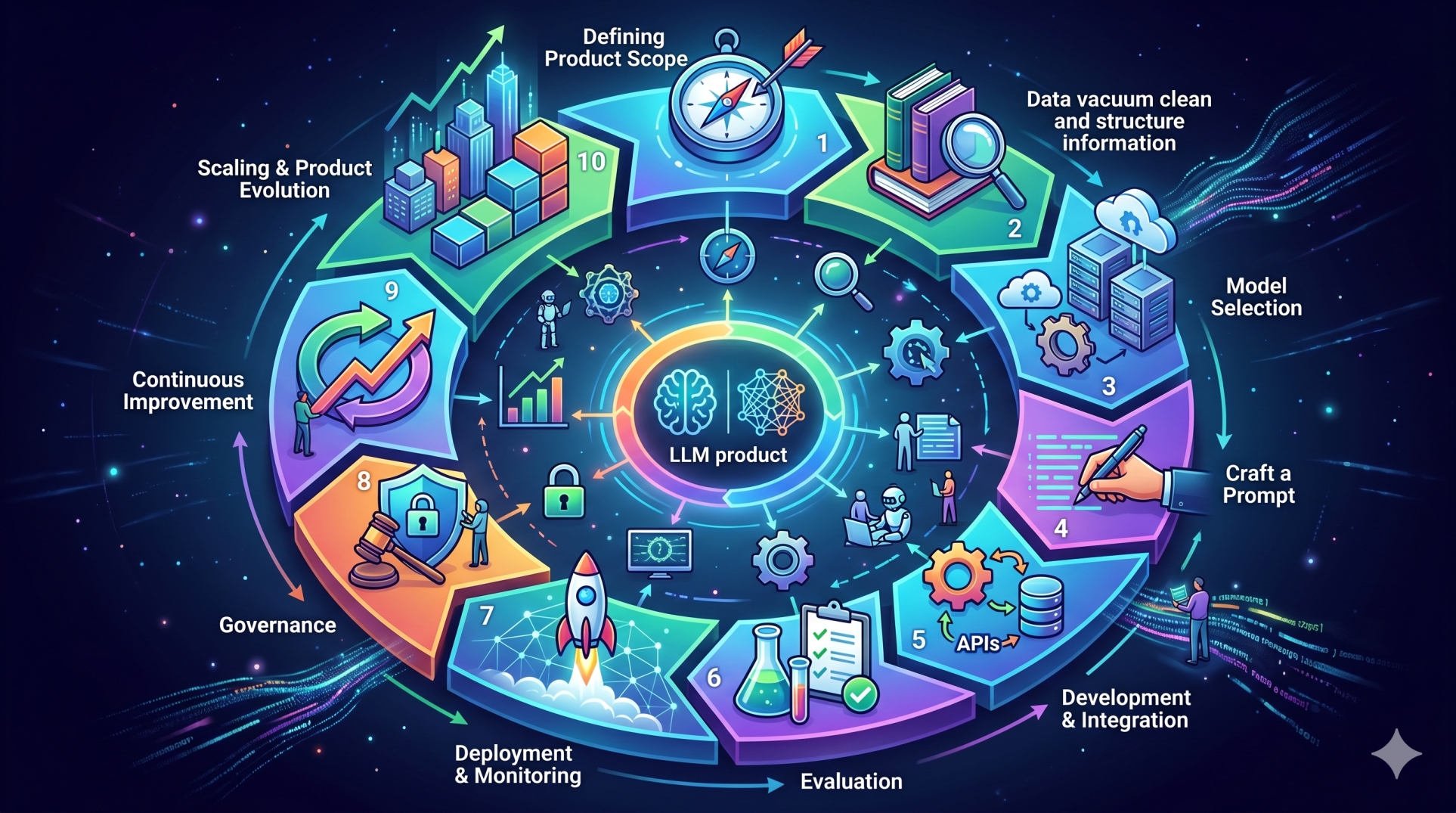
Step 10: Building a Secure and Scalable LLM Ecosystem 🏗️
• Design security into every layer of the architecture 🔐
• Integrate Zero-Trust principles with AI system design 🤖
• Ensure scalability without compromising security 📈
• Support secure collaboration across teams and systems 🤝
• Future-proof applications against emerging threats 🚀
Conclusion
Zero-Trust Architectures are essential for securing LLM-powered applications in today’s distributed and dynamic environments. By enforcing continuous verification, protecting sensitive data, and securing every interaction, organizations can build resilient AI systems that operate safely at scale. As LLM adoption continues to grow, Zero-Trust will serve as a foundational approach to ensuring trust, compliance, and long-term security in AI-driven enterprises.
See more blogs
You can all the articles below