Securing LLM APIs Against Prompt Injection and Data Leakage
Securing LLM APIs Against Prompt Injection and Data Leakage
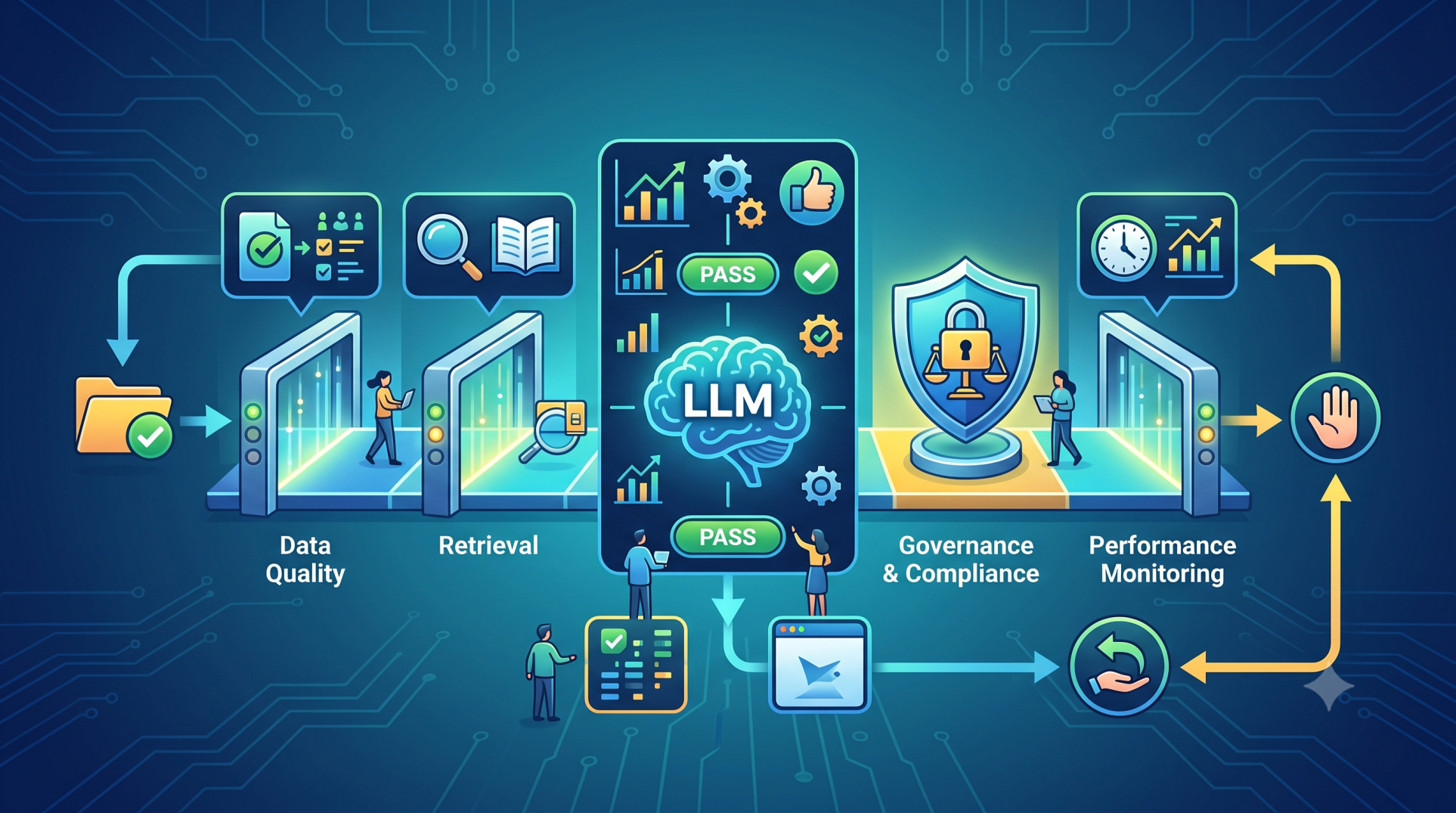
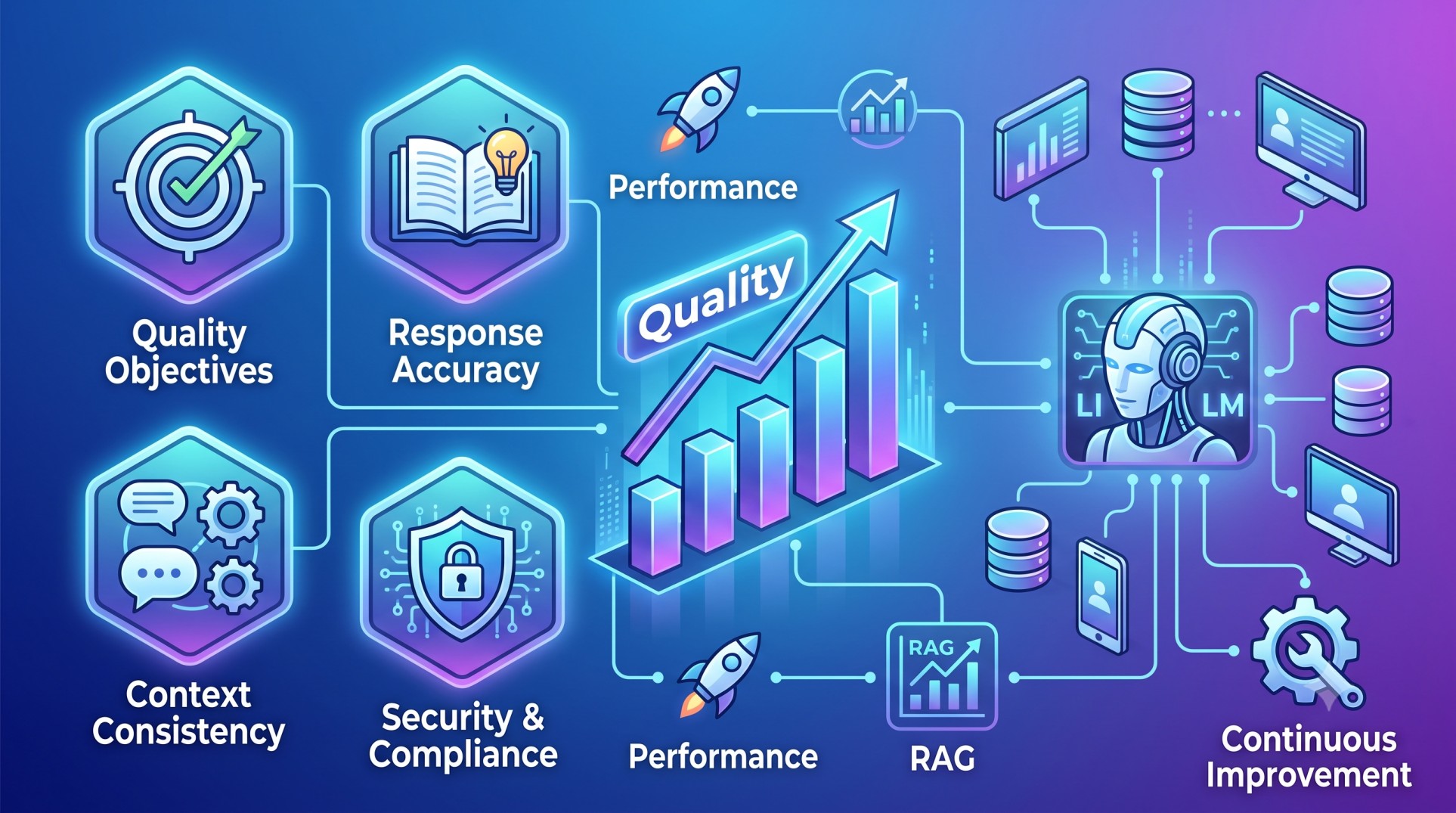
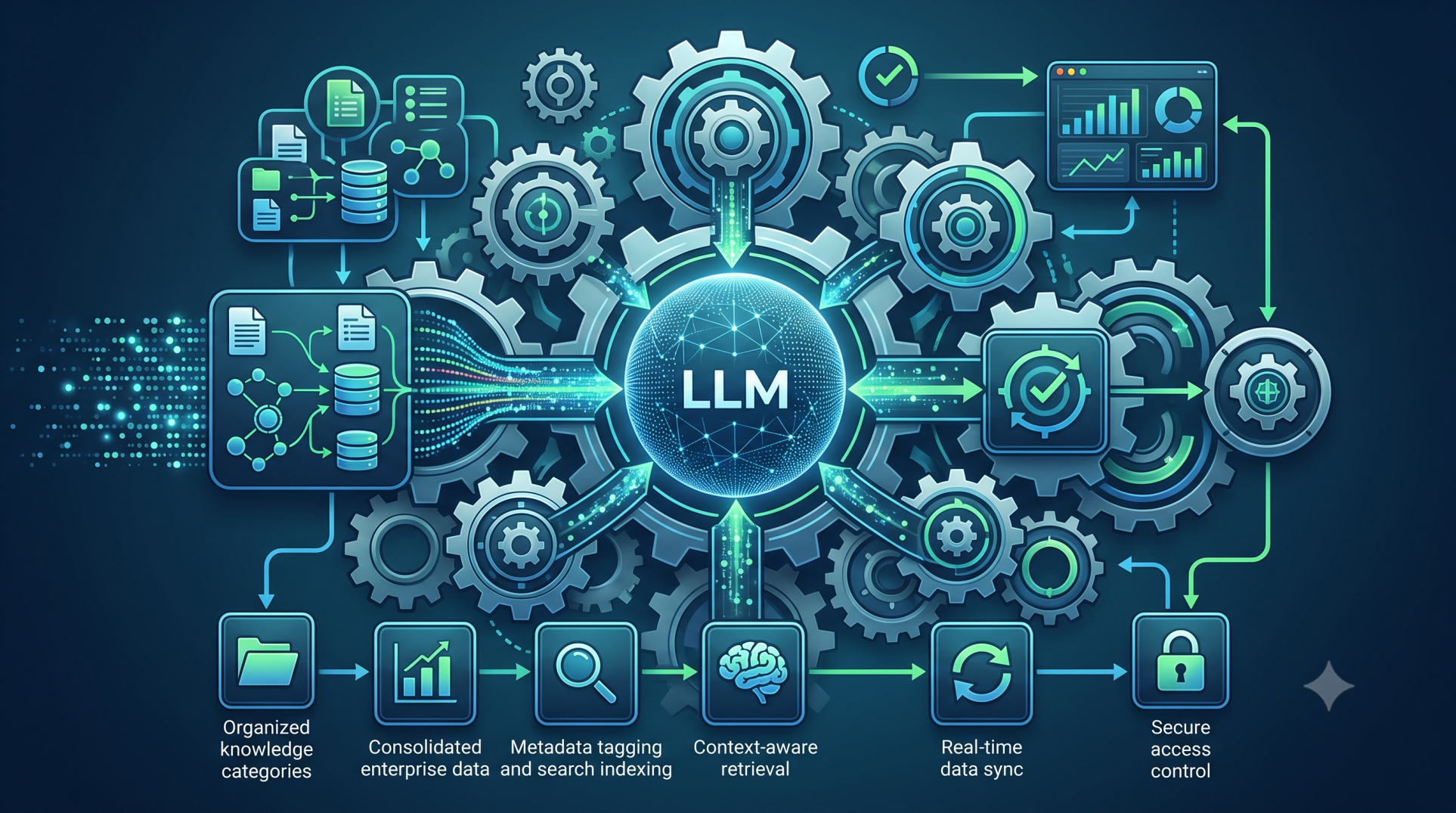
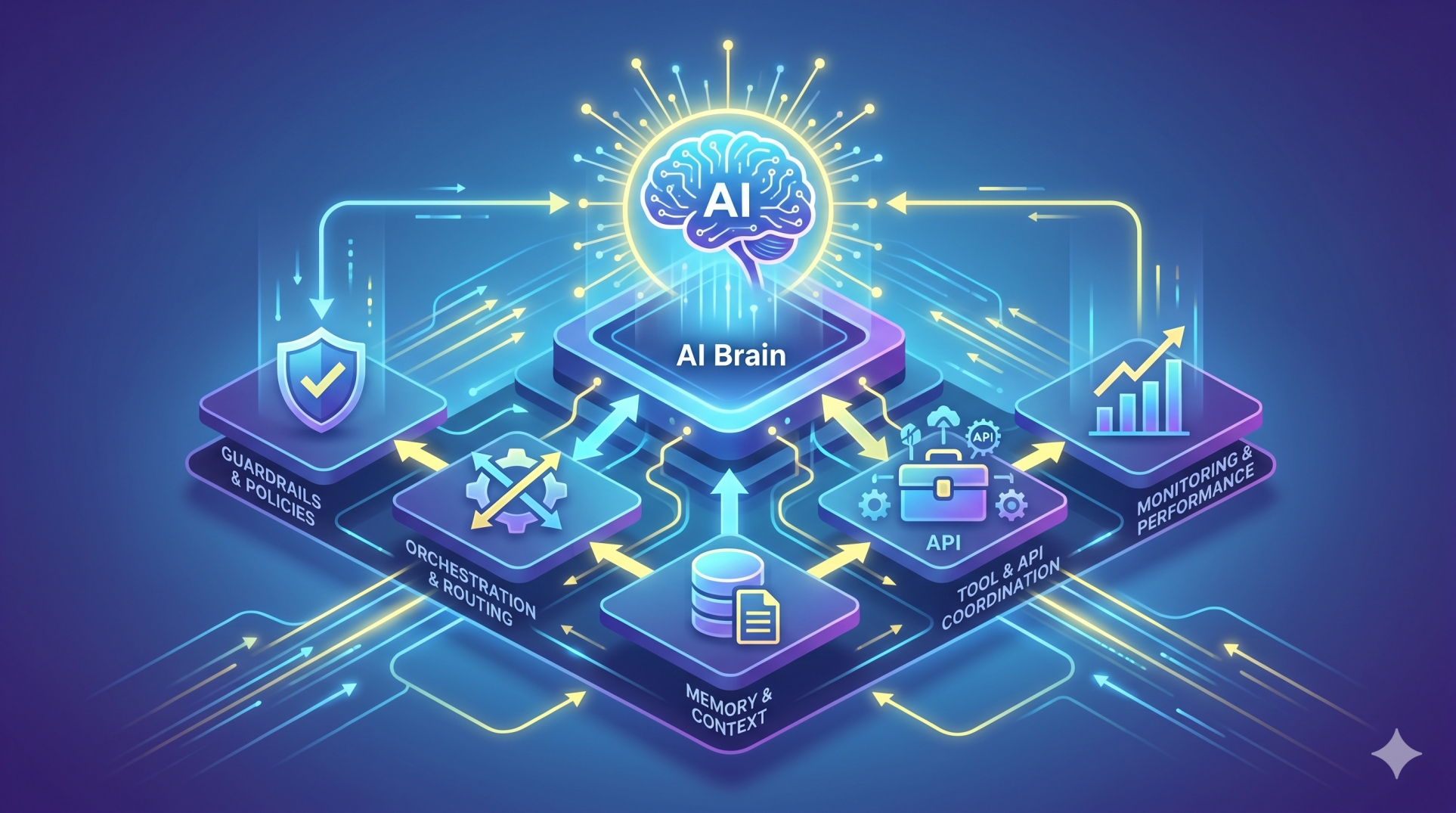
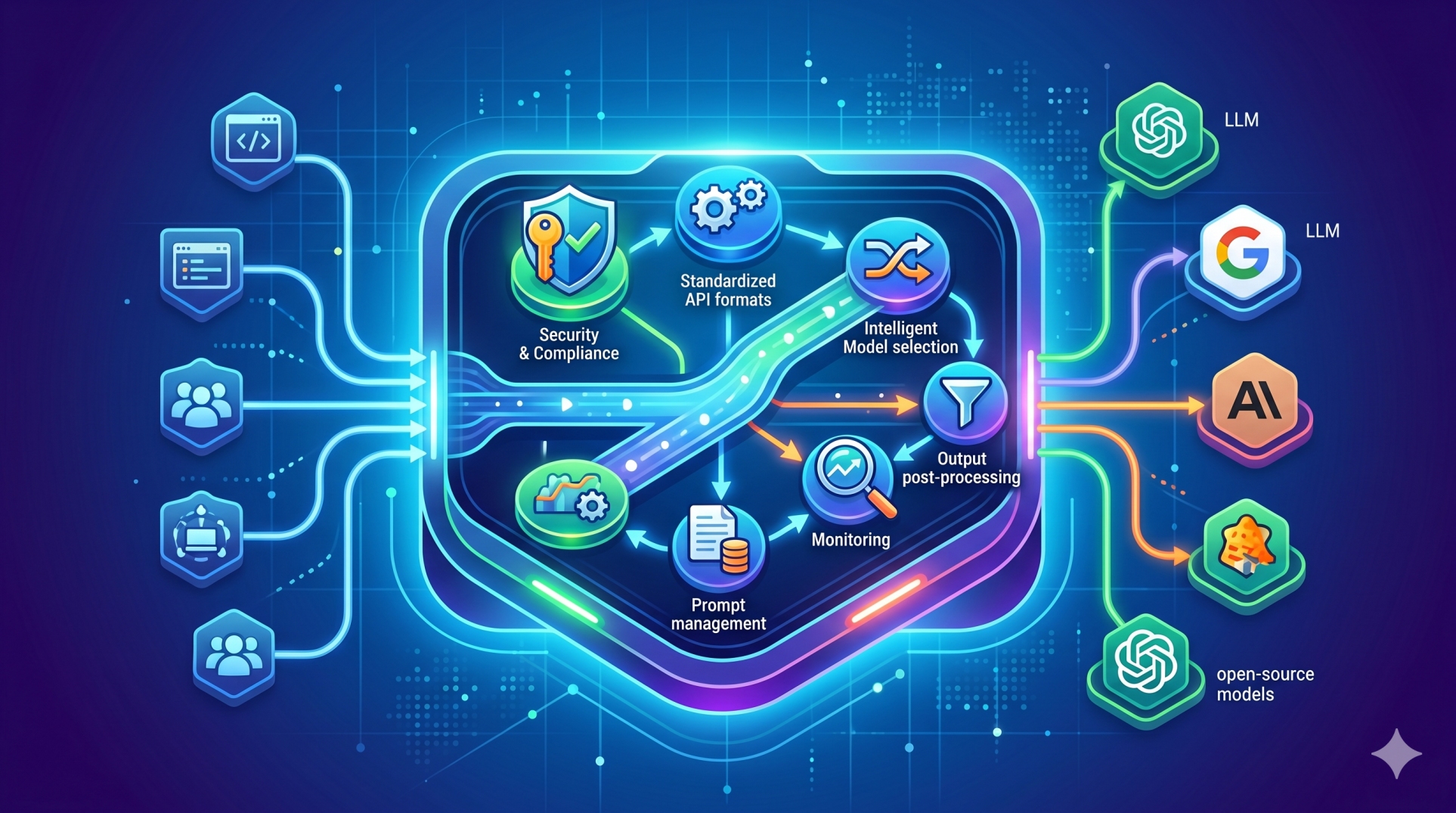
As Large Language Model (LLM) APIs become integral to modern applications, they introduce new security challenges that traditional systems were not designed to handle. Prompt injection and data leakage are among the most critical risks, where malicious inputs can manipulate model behavior or expose sensitive information. Securing LLM APIs requires a layered approach that combines input validation, access control, monitoring, and robust system design to ensure safe and reliable AI operations.
Step 1: Understanding Prompt Injection Risks 🧠
• Prompt injection occurs when malicious inputs alter model behavior or instructions ⚠️
• Attackers can override system prompts with crafted user inputs 🧩
• Can lead to unauthorized actions or unintended outputs 🚫
• Exploits the model’s tendency to follow natural language instructions 🗣️
• Requires proactive defense at both input and system levels 🔐
Step 2: Identifying Data Leakage Vulnerabilities 🔍
• Sensitive data may be exposed through model responses 📂
• Includes internal prompts, user data, or system instructions 🧾
• Risks increase with improper context handling ⚠️
• Logs and memory systems can unintentionally store sensitive data 🗄️
• Requires strict data governance and access controls 🛡️
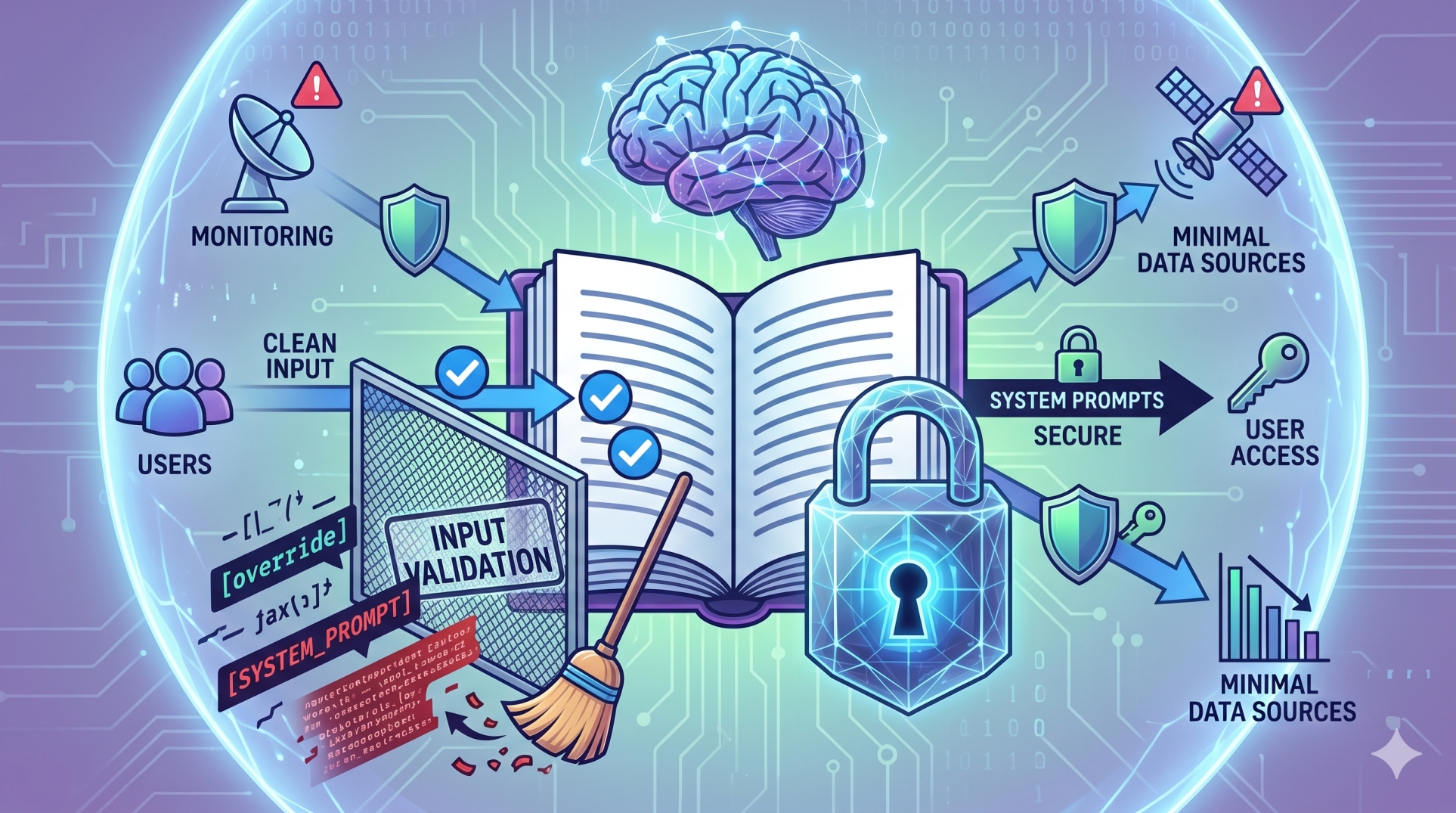
Step 3: Implementing Input Validation and Sanitization 🧹
• Filter and validate all incoming user inputs before processing 🔍
• Detect suspicious patterns or injection attempts 🚨
• Limit prompt length and structure to reduce attack surface 📏
• Use allowlists and structured input formats where possible 📋
• Prevent harmful or unauthorized instructions from reaching the model 🚫
Step 4: Isolating System Prompts and Instructions 🔐
• Keep system prompts separate from user-controlled inputs 🧩
• Avoid exposing internal instructions in API responses 🚫
• Use secure prompt templates with strict boundaries 📜
• Prevent users from modifying or accessing hidden prompts 🔒
• Maintain clear separation between control logic and user data ⚙️
Step 5: Enforcing Access Control and Authentication 🔑
• Implement strong authentication for API access 🔐
• Use role-based access control for different user types 👥
• Restrict access to sensitive data and system functions 🚫
• Monitor API usage and enforce rate limits 📊
• Prevent unauthorized or excessive requests ⚠️
Step 6: Context Management and Data Minimization 📉
• Limit the amount of data passed into prompts 🧾
• Avoid including sensitive or unnecessary information 🚫
• Use short-lived context windows to reduce exposure ⏱️
• Segment data based on user roles and permissions 👥
• Ensure only relevant data is accessible to the model 🔍
Step 7: Monitoring and Anomaly Detection 📡
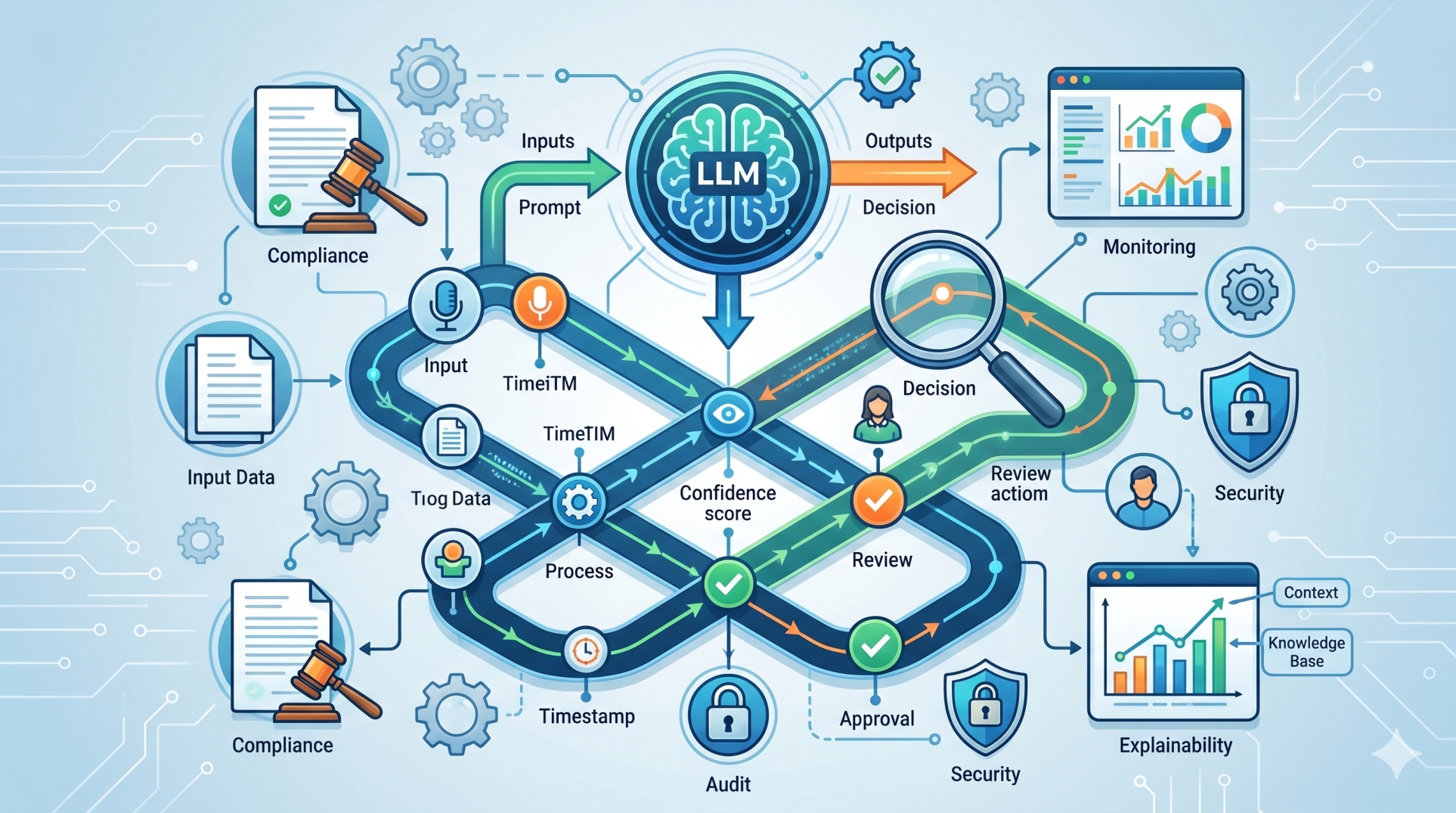
• Track API usage patterns and detect unusual behavior 📊
• Identify potential injection attempts or data exfiltration 🚨
• Log interactions securely for auditing purposes 🗂️
• Use automated alerts for suspicious activities 🔔
• Continuously improve detection mechanisms 🔄
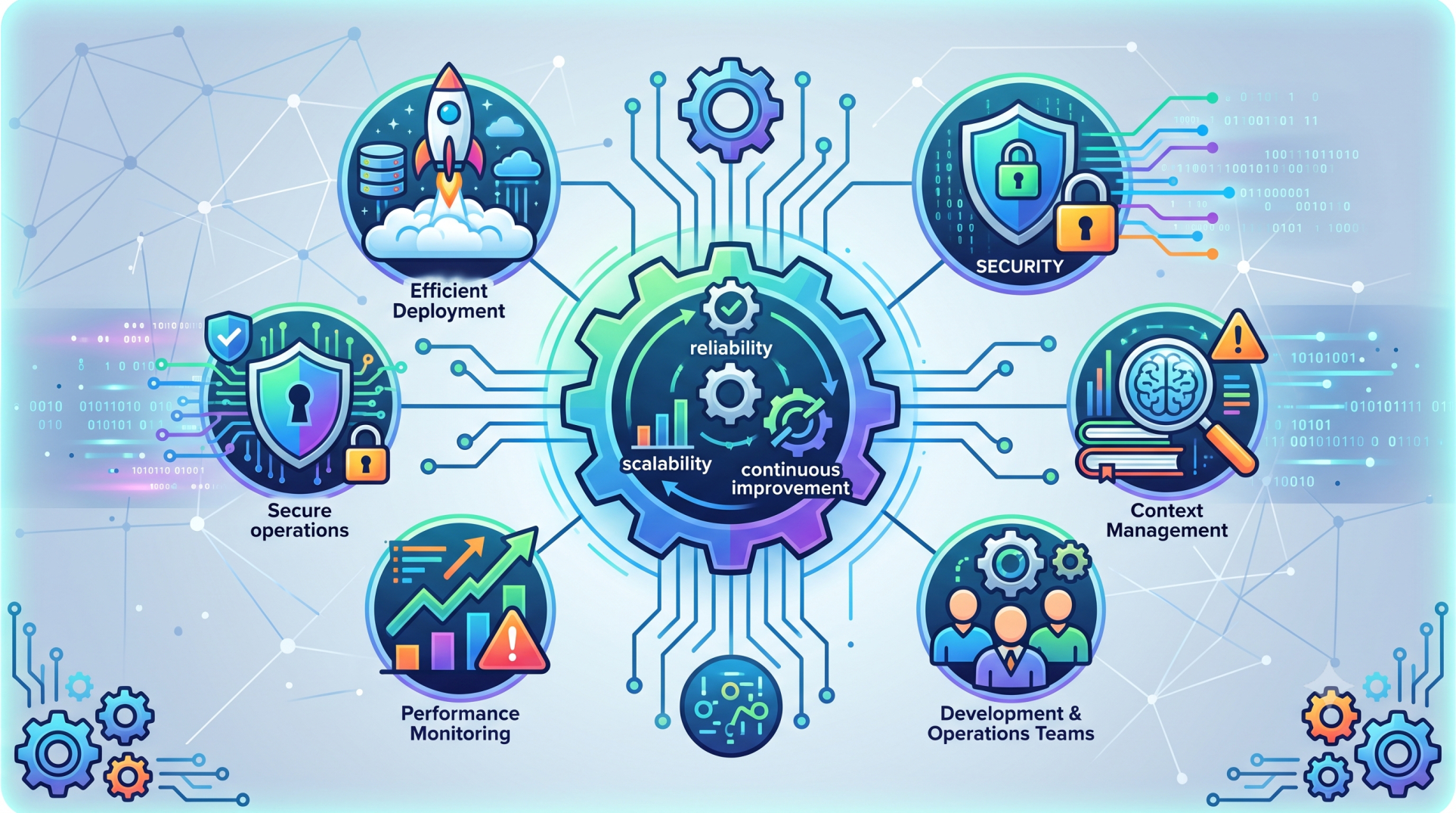
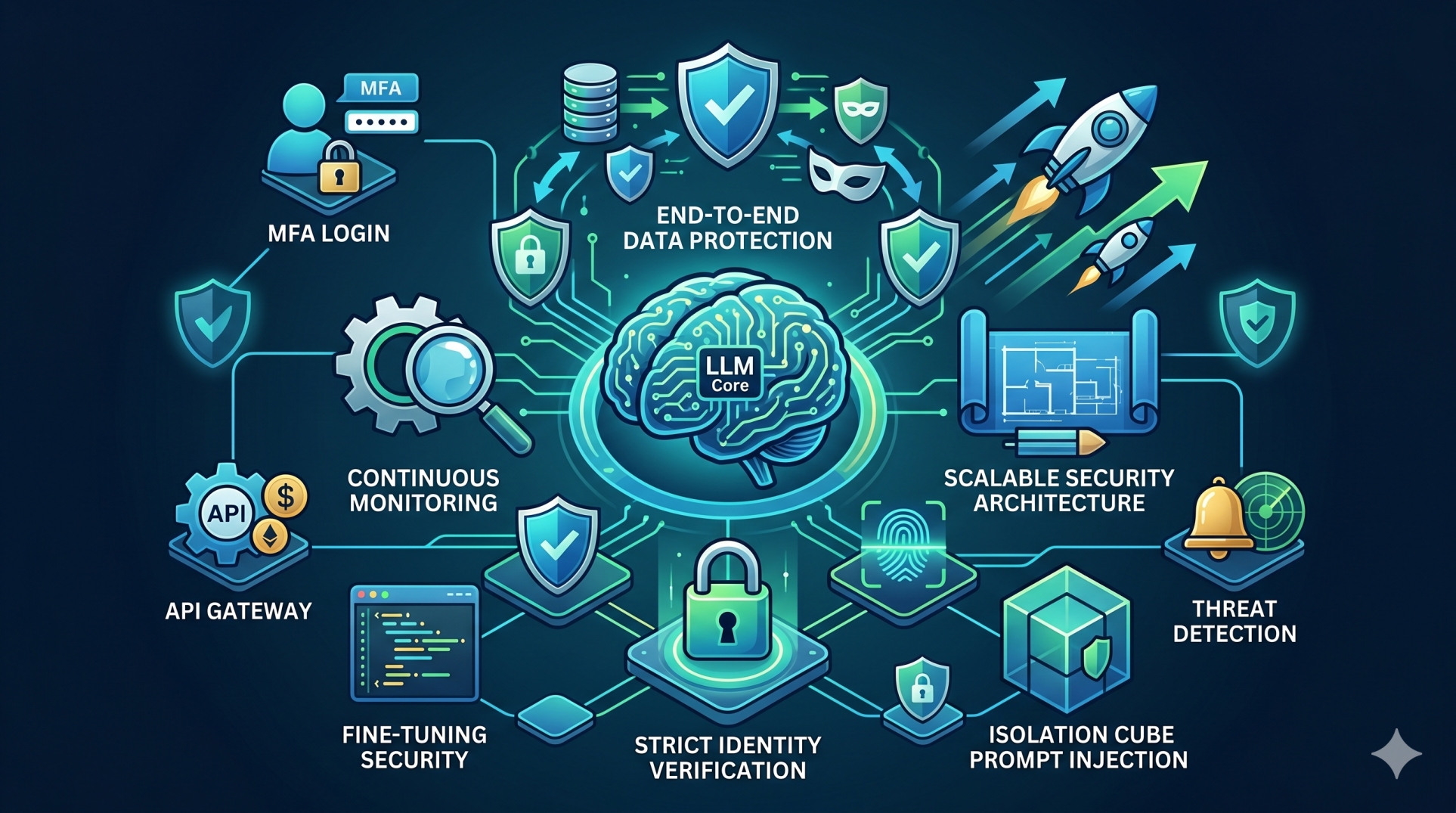
Step 8: Key Security Priorities 🛡️
• Strong input validation and prompt isolation 🔐
• Controlled data access and minimal exposure 📉
• Continuous monitoring and anomaly detection 📡
• Secure architecture for LLM integration 🧠
Step 9: Handling Security Incidents and Failures ⚠️
• Detect and respond quickly to security breaches 🚨
• Revoke compromised API keys and sessions 🔑
• Implement fallback mechanisms for safe operation 🔄
• Conduct root cause analysis and system audits 🔍
• Strengthen defenses based on incident learnings 📈
Step 10: Building a Secure LLM Ecosystem 🔒
• Design systems with security as a core principle 🛡️
• Regularly update models, APIs, and dependencies 🔄
• Conduct penetration testing and security assessments 🧪
• Train teams on LLM-specific security risks 🧠
• Continuously evolve security strategies with emerging threats 🚀
Conclusion
Securing LLM APIs against prompt injection and data leakage is essential for building trustworthy and resilient AI systems. By combining robust input controls, strict data governance, and continuous monitoring, organizations can mitigate risks and ensure safe AI deployment. As LLM adoption continues to grow, proactive security measures will play a critical role in protecting both systems and user data in increasingly complex AI-driven environments.
See more blogs
You can all the articles below