Adaptive Architectures for Next-Generation Language Models
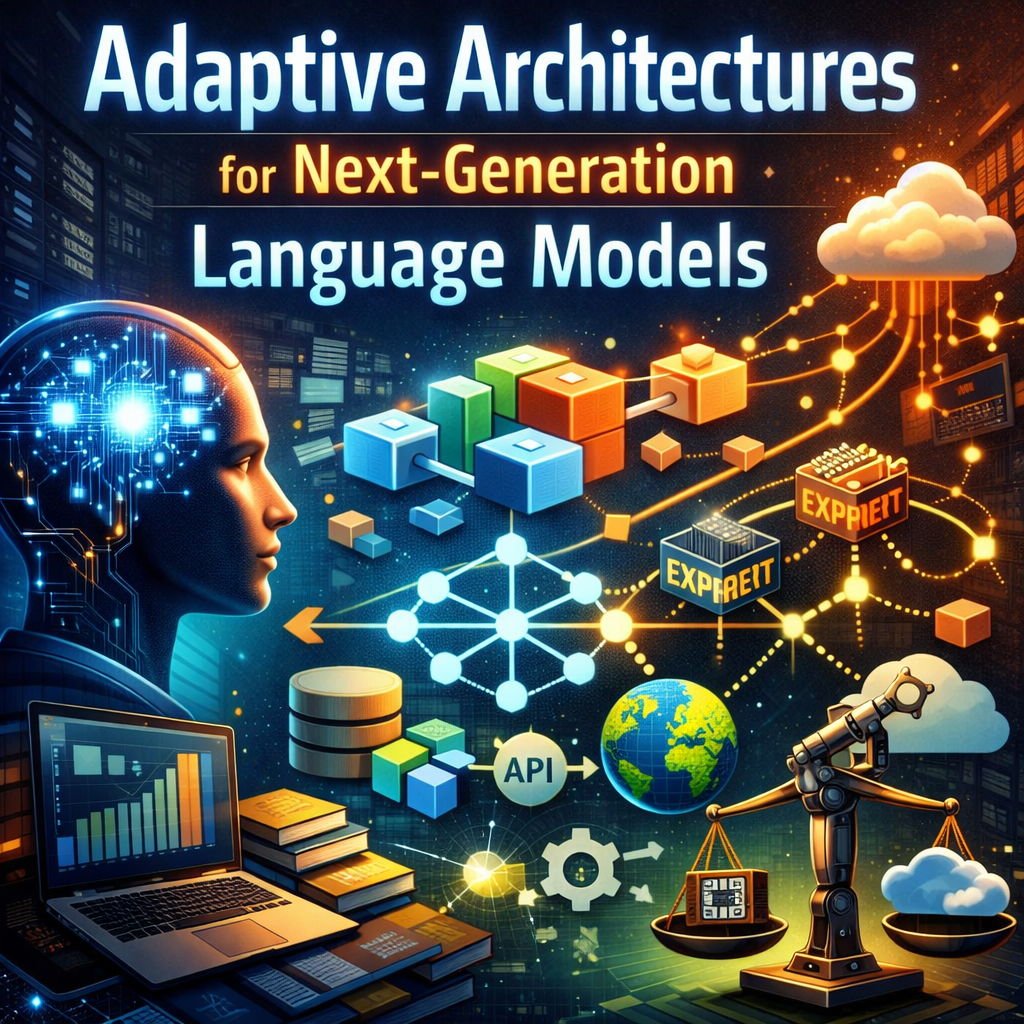
Adaptive Architectures for Next-Generation Language Models
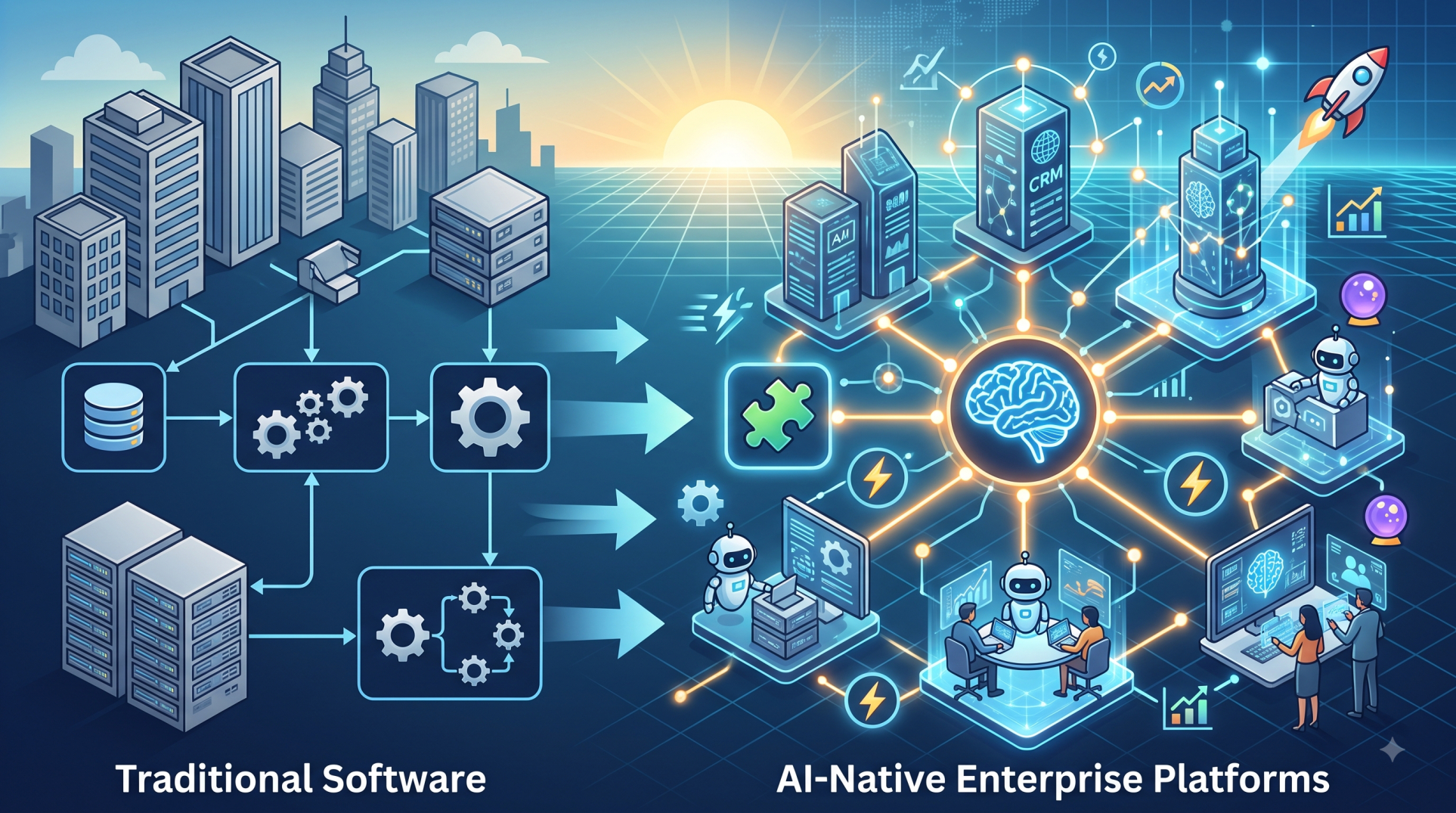
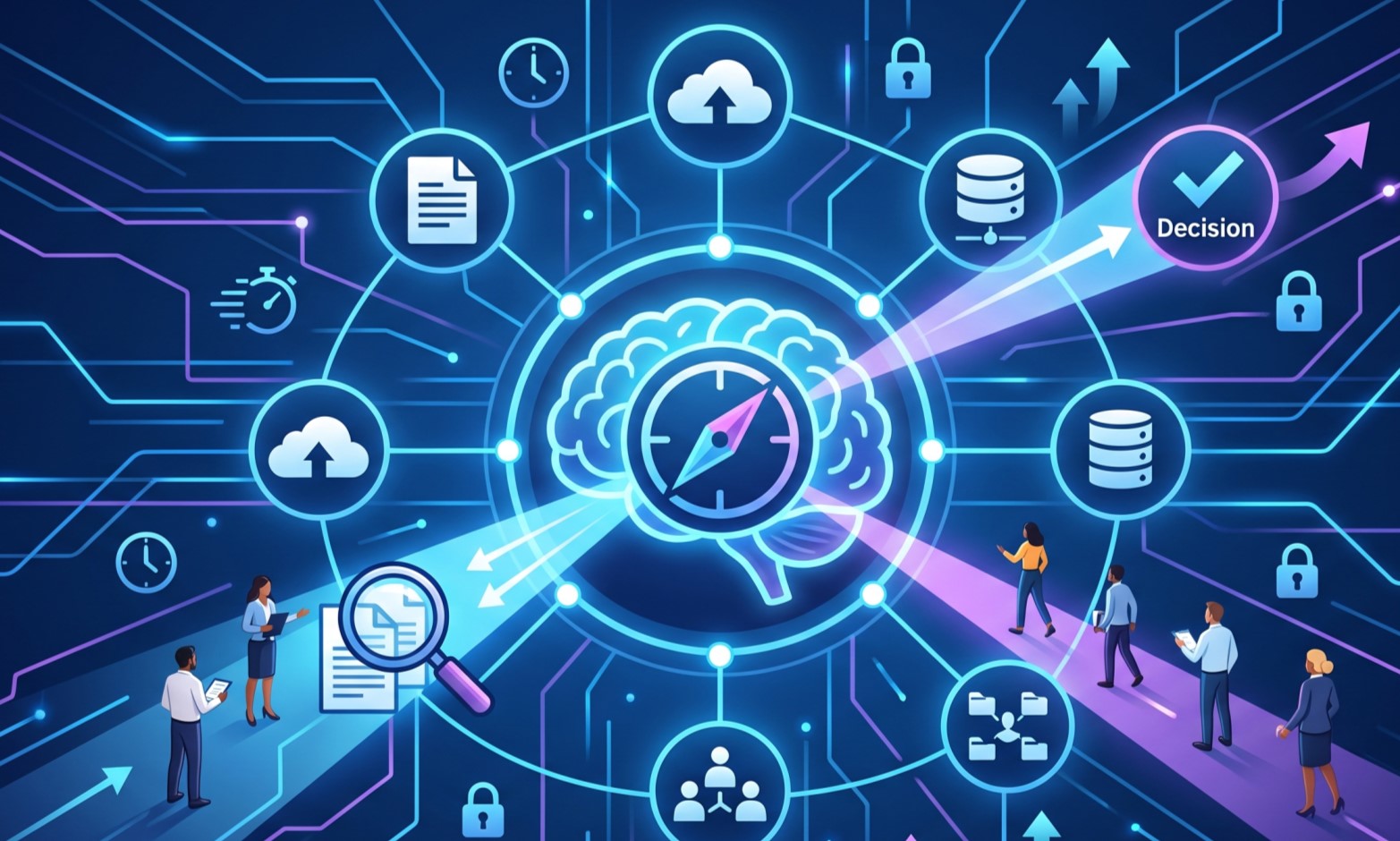
As language models continue to increase in size and capability, traditional static architectures are becoming less effective for modern AI applications. Future-ready language models require adaptive architectural designs that can respond dynamically to different tasks, data conditions, and user requirements. These adaptive systems enhance efficiency, scalability, and responsiveness while allowing models to perform effectively across diverse real-world environments.
Step 1: The Need for Adaptability in Language Model Design 🔄
• Modern AI systems operate within constantly evolving environments 🌍
• Static model configurations restrict flexibility and responsiveness 🚫
• Different tasks demand varying levels of reasoning and computation 🧠
• Adaptive systems improve performance without excessive resource consumption ⚡
• Flexible architectures enable long-term model evolution and scalability 📈
Step 2: Modular Model Structures 🧩
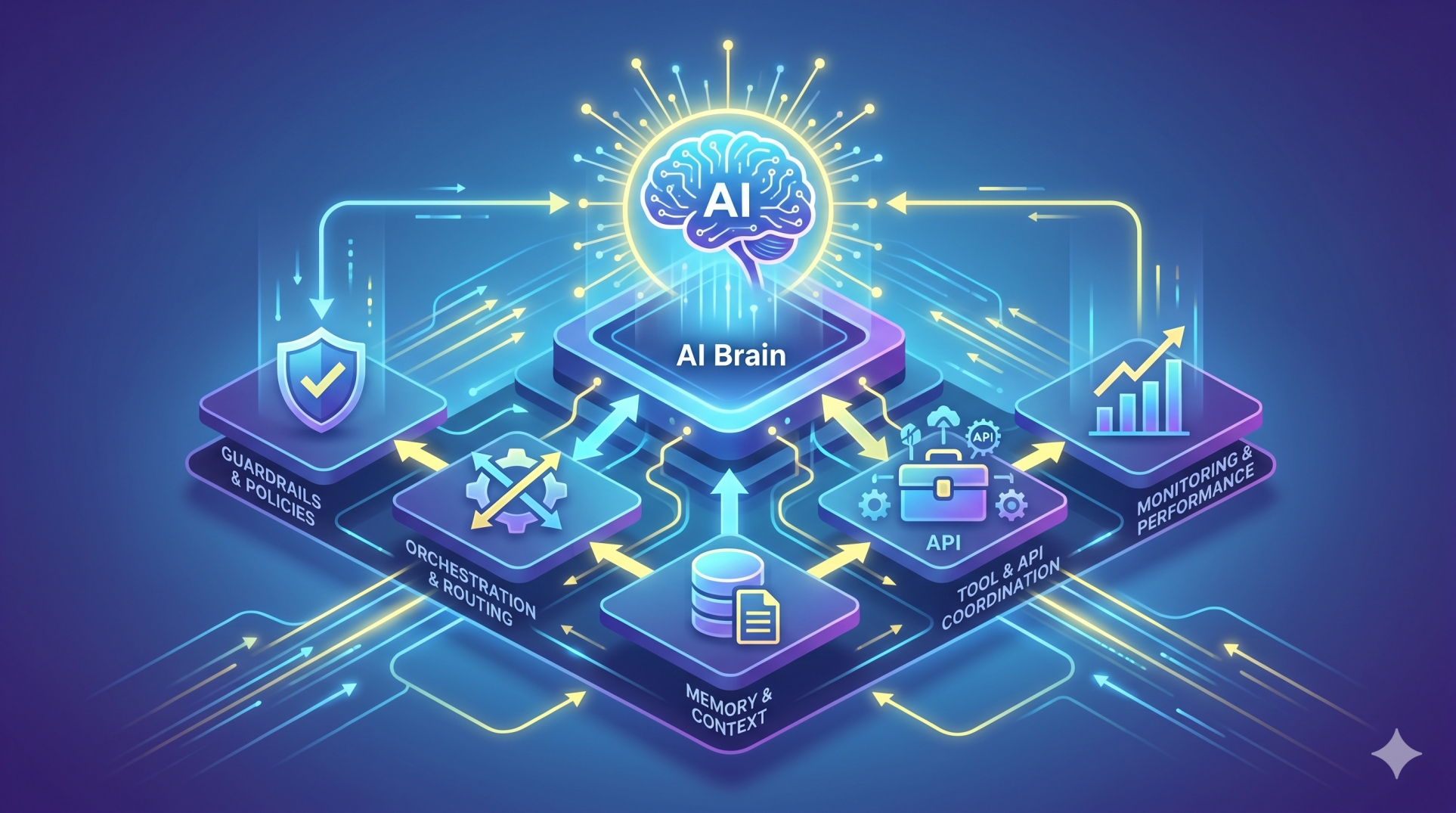
• Divides large models into specialized functional components ⚙️
• Activates only relevant modules depending on the task 🎯
• Improves efficiency by avoiding unnecessary computation 🚀
• Simplifies maintenance and updates for individual components 🔧
• Enables scalable capability expansion as systems evolve 📦
Step 3: Dynamic Routing and Mixture-of-Experts Systems 🔀
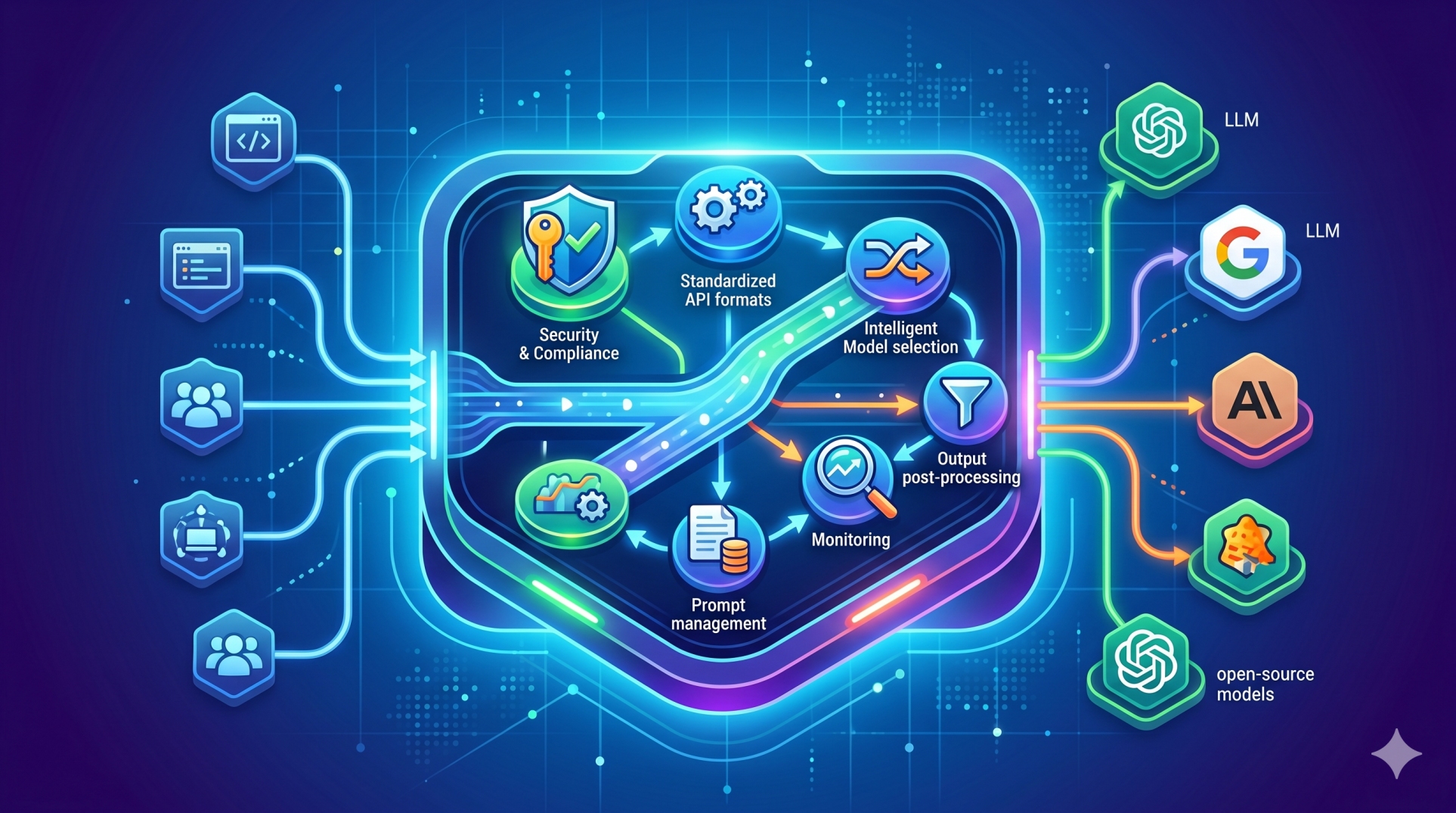
• Routes inputs to specialized expert networks within the architecture 🧠
• Activates only the most relevant computational pathways ⚙️
• Enhances performance while controlling computational cost 📊
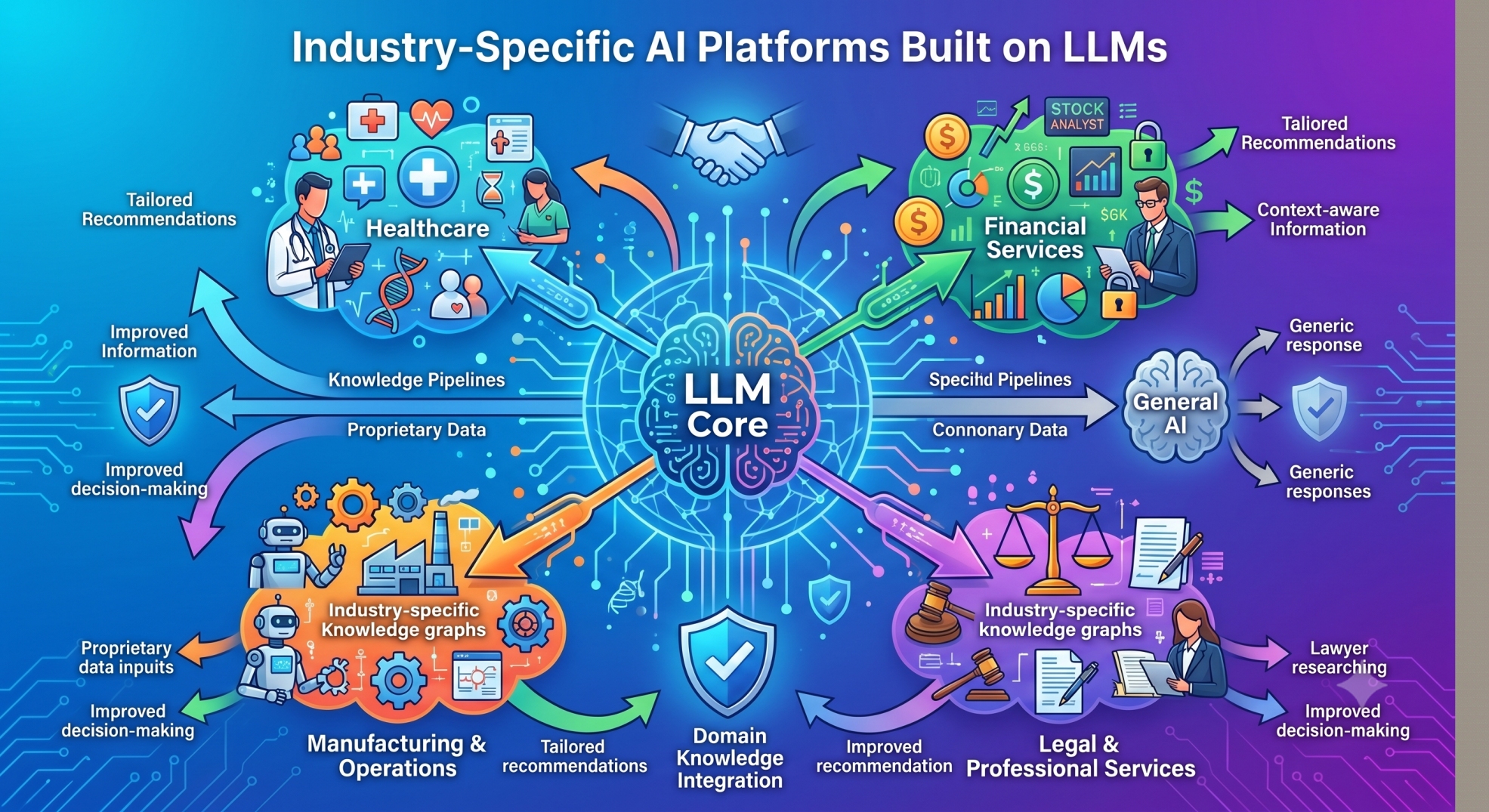
• Allows models to specialize across multiple knowledge domains 🌐
• Improves scalability for extremely large model deployments 📈
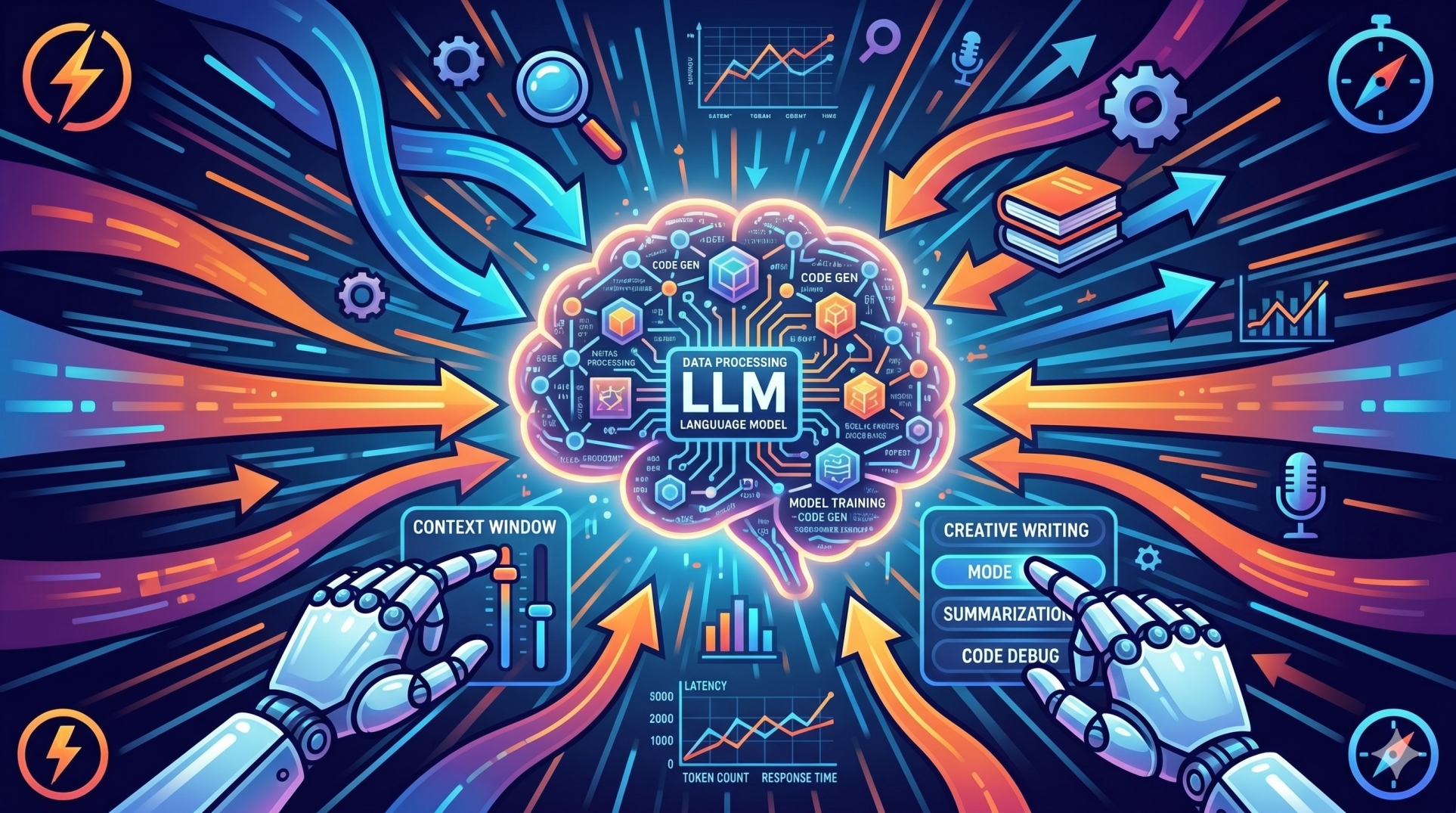
Step 4: Context-Aware Processing 🧠
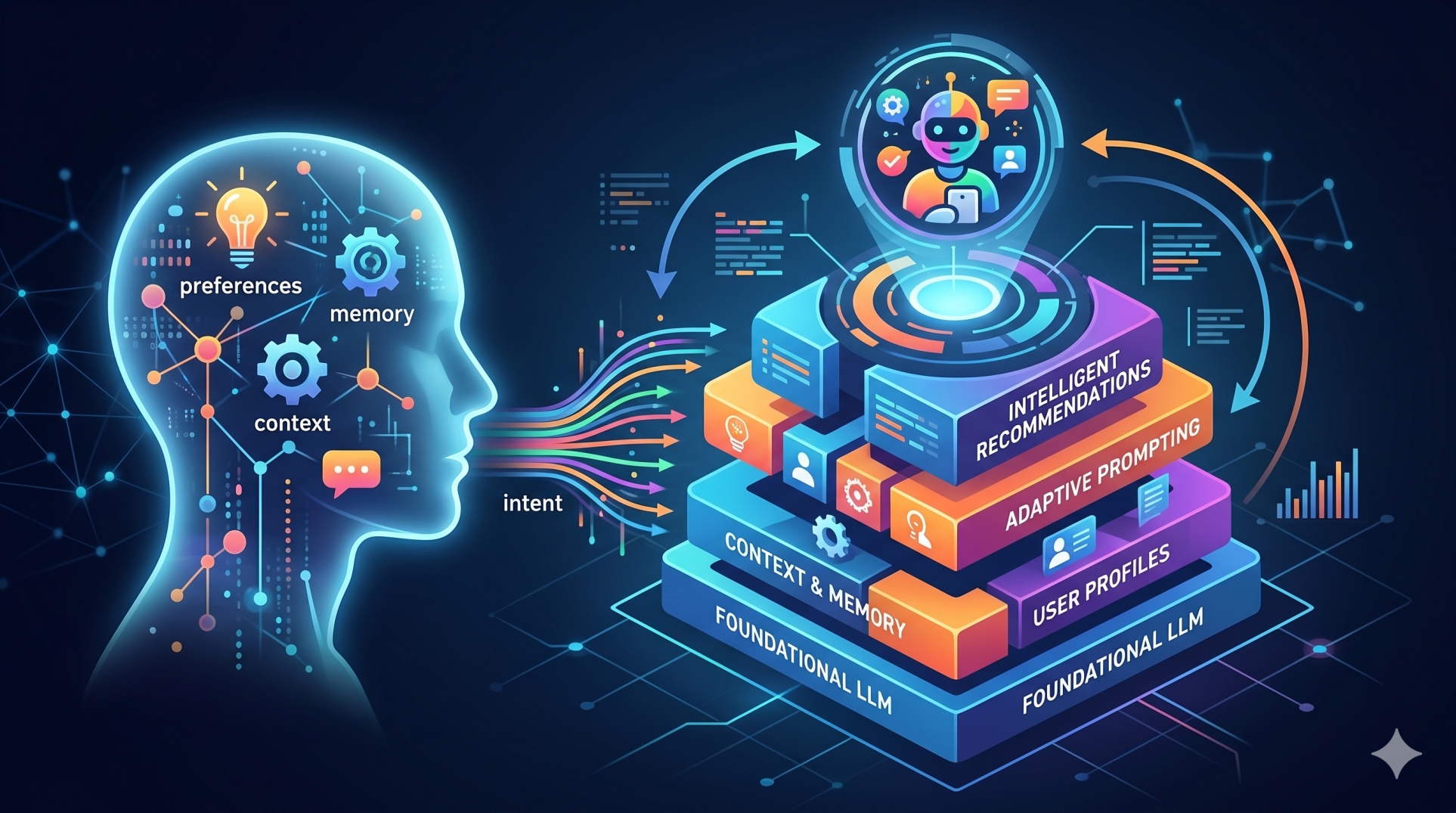
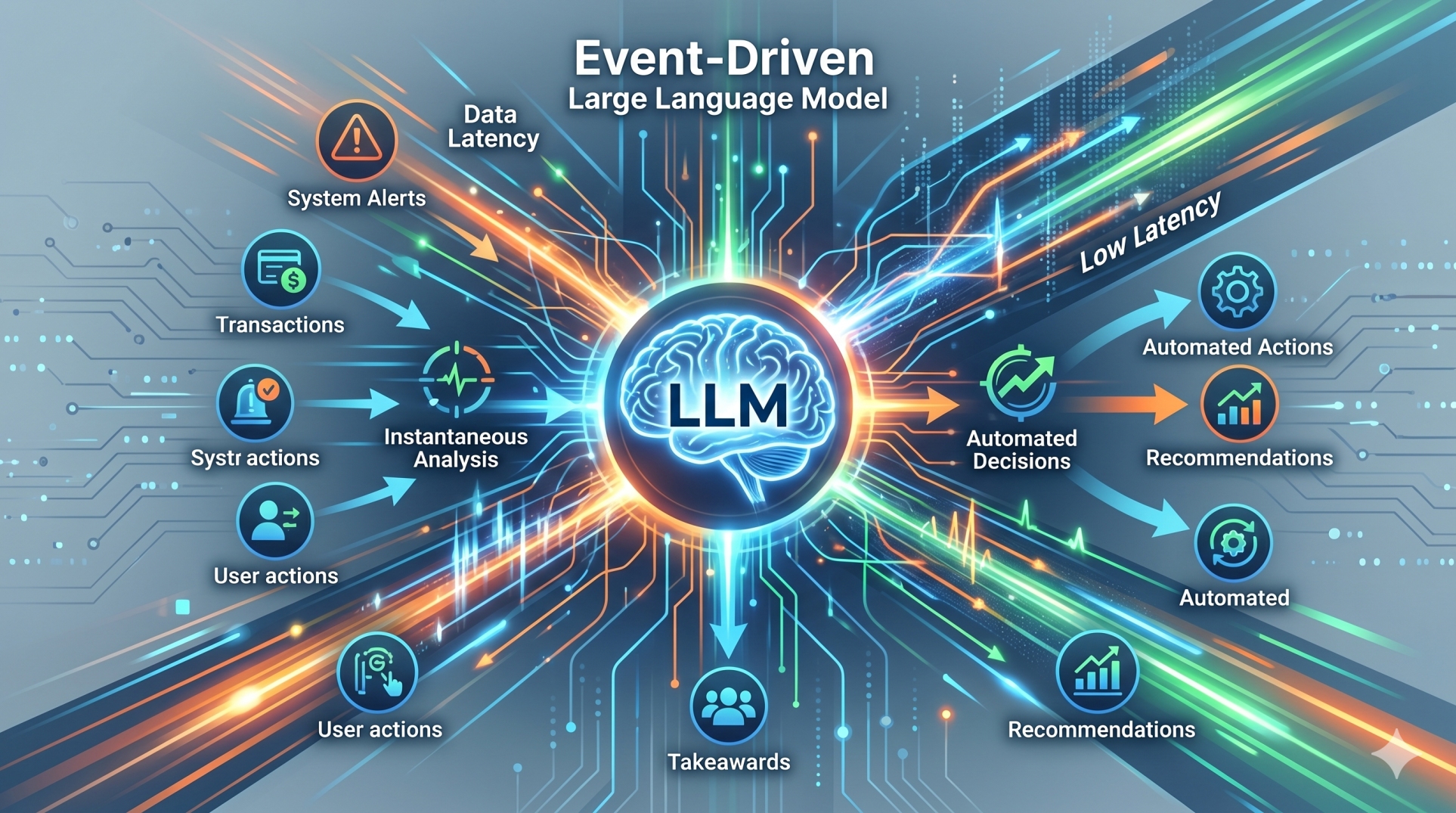
• Adjusts model behavior based on input context and task requirements 📥
• Allocates deeper reasoning when queries are complex 🔍
• Enhances relevance and response accuracy 🎯
• Reduces unnecessary computation for simple requests ⚡
• Improves efficiency for real-time AI applications ⏱️
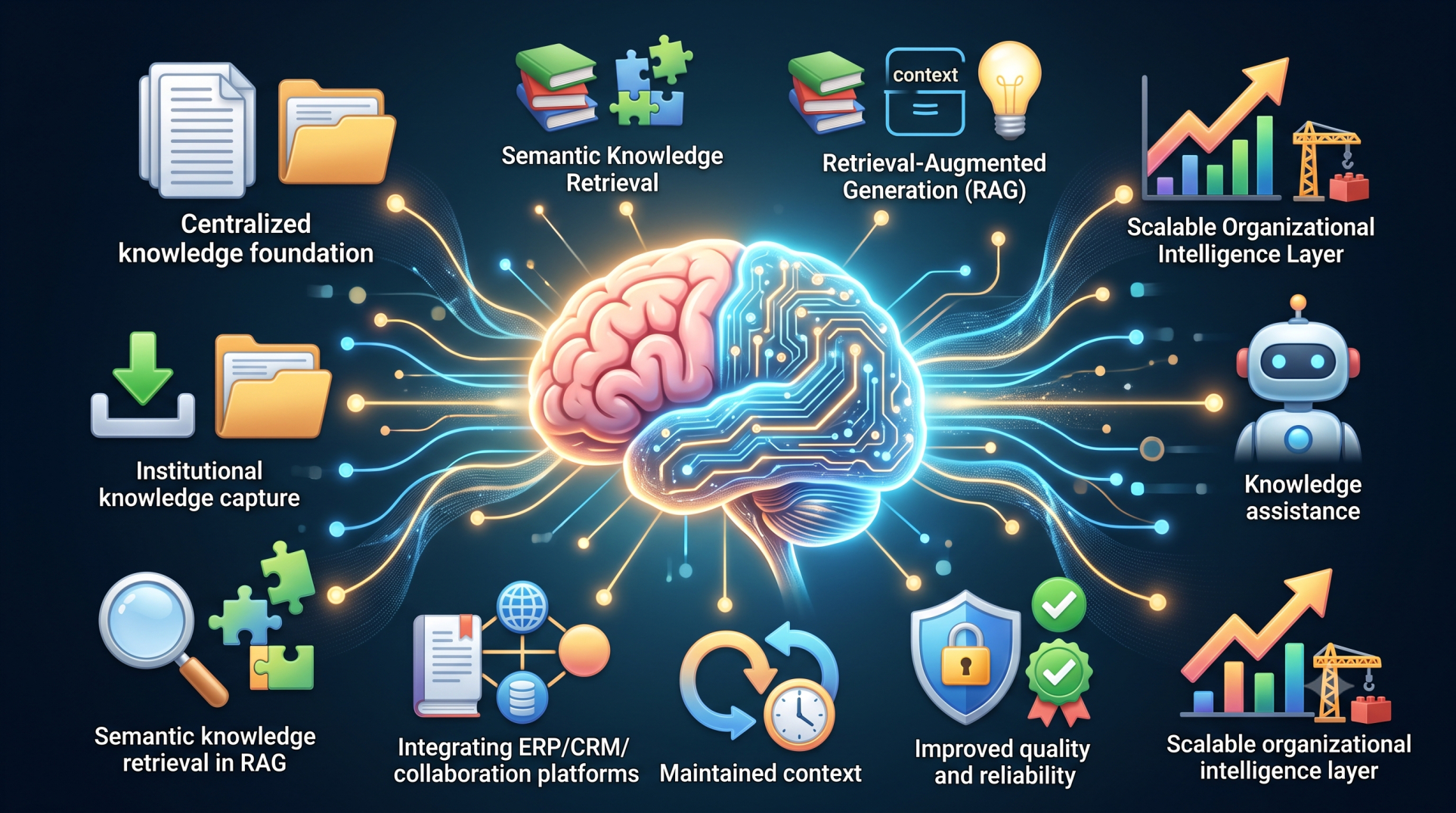
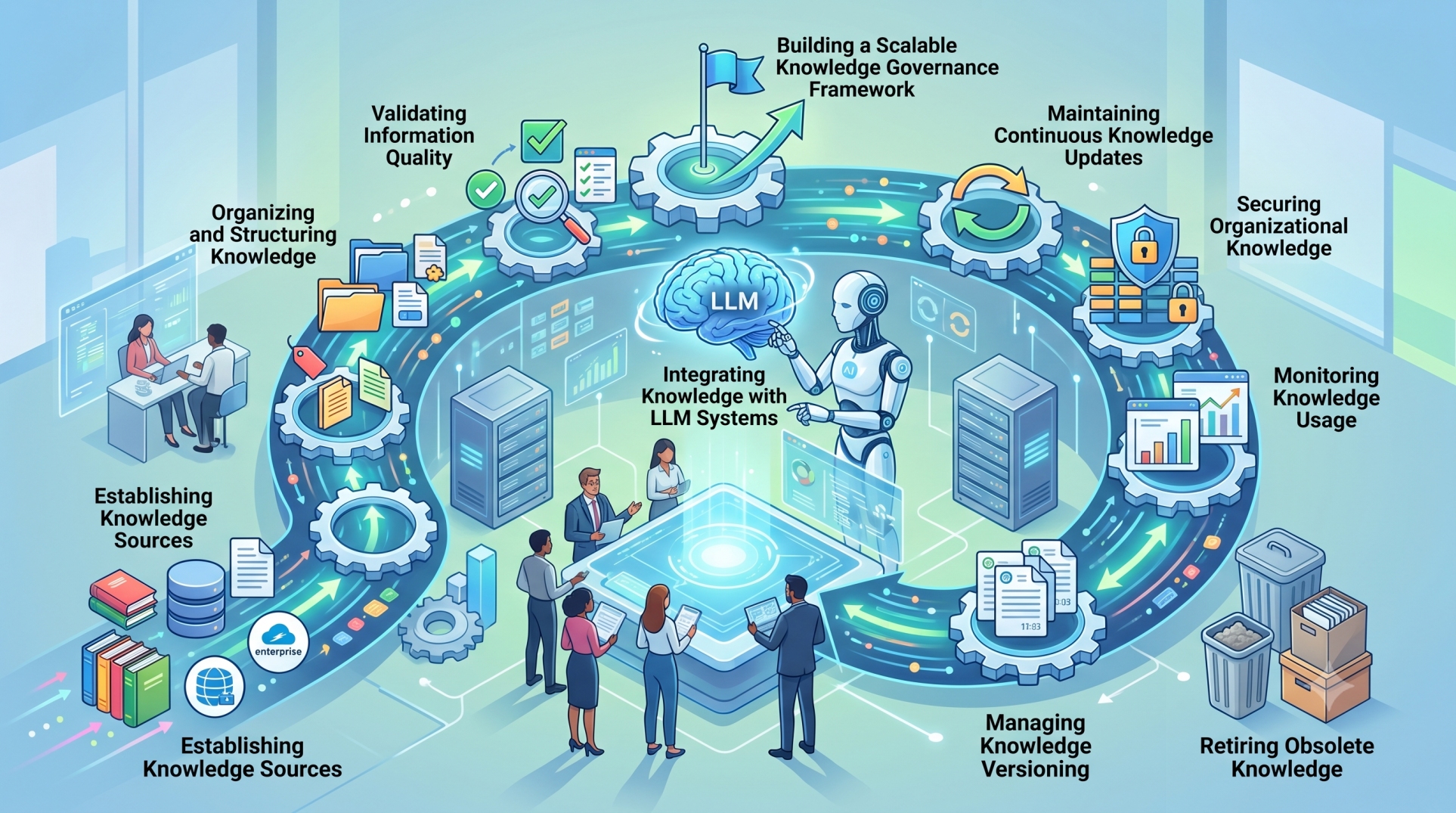
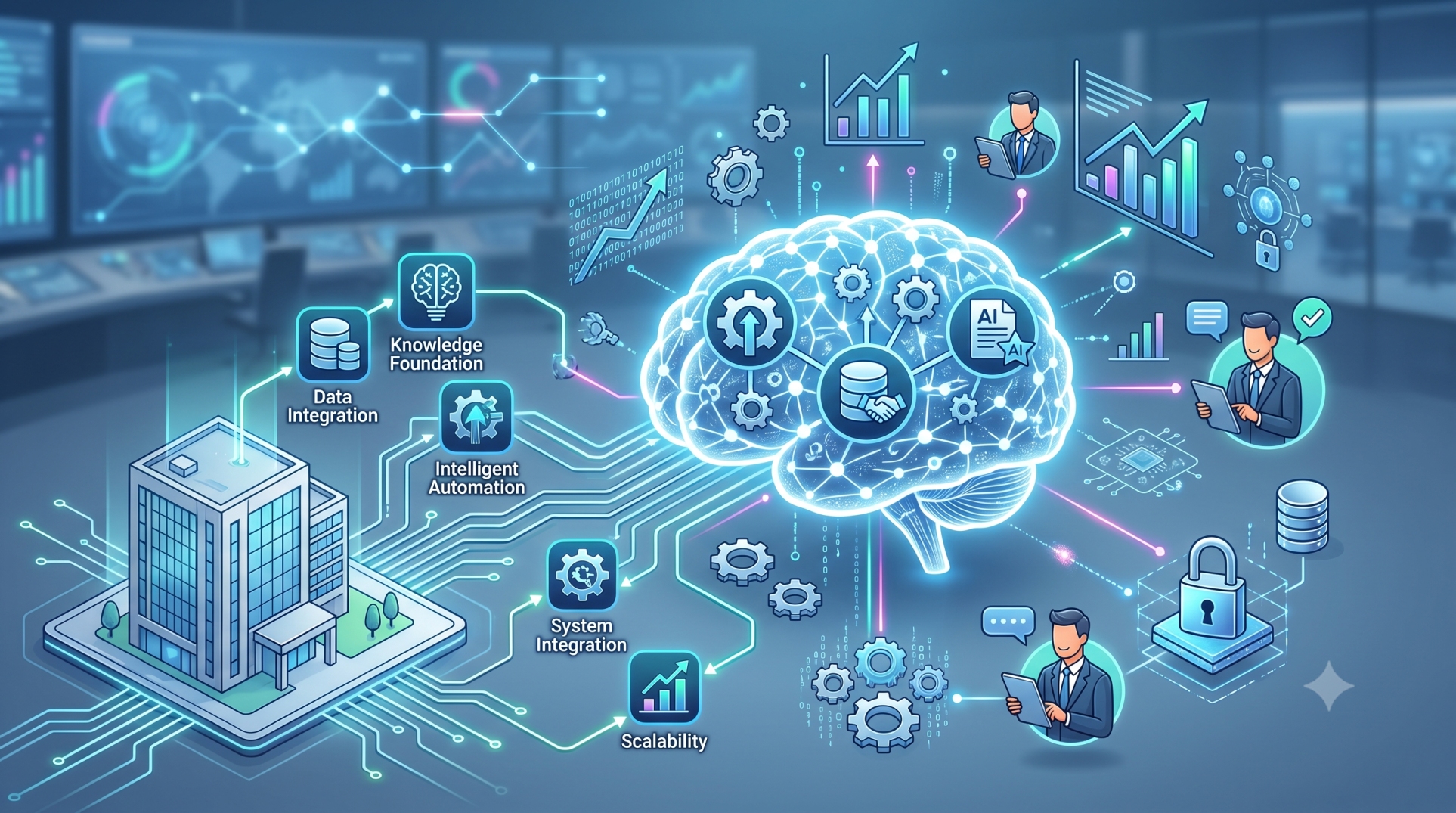
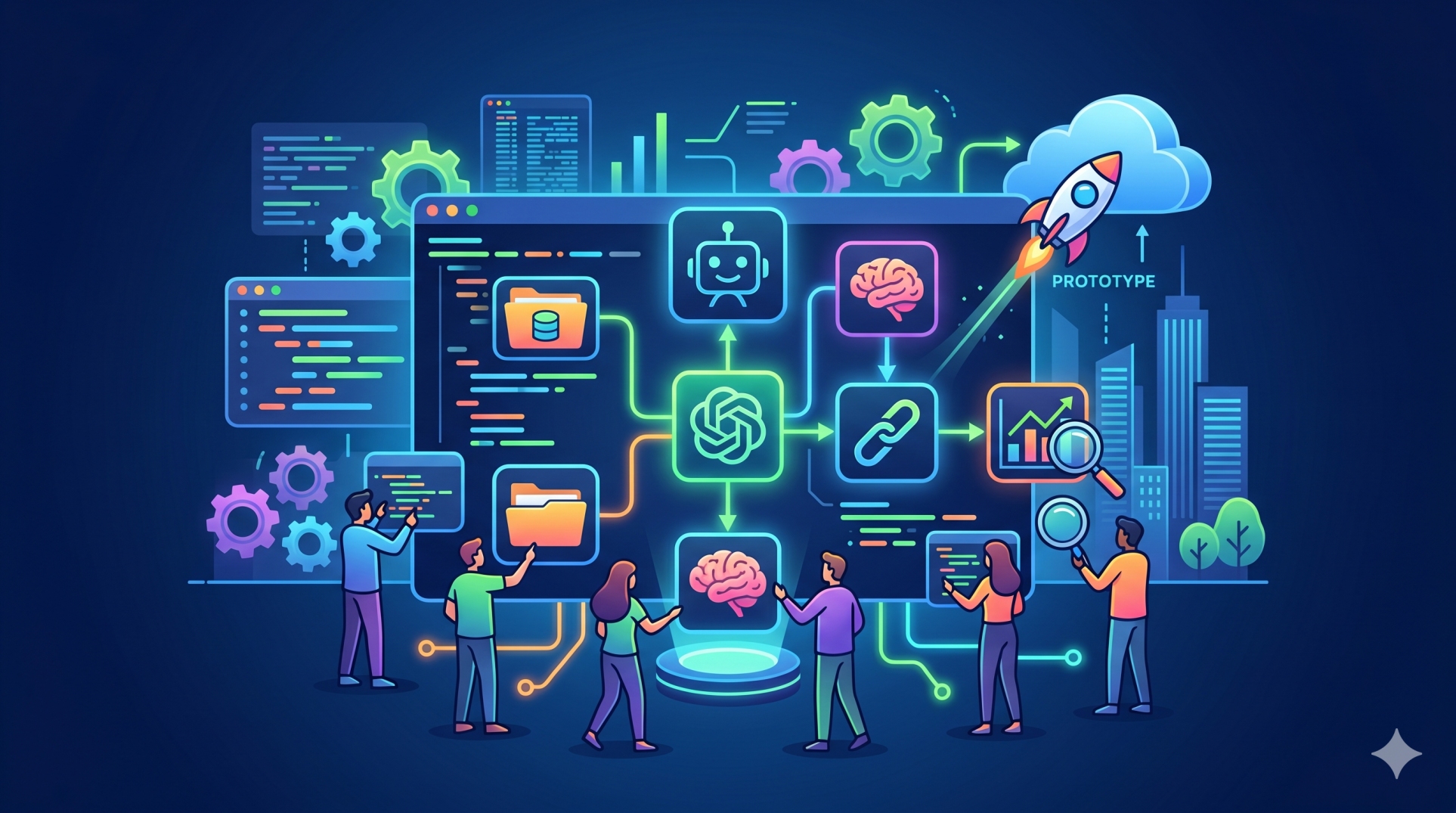
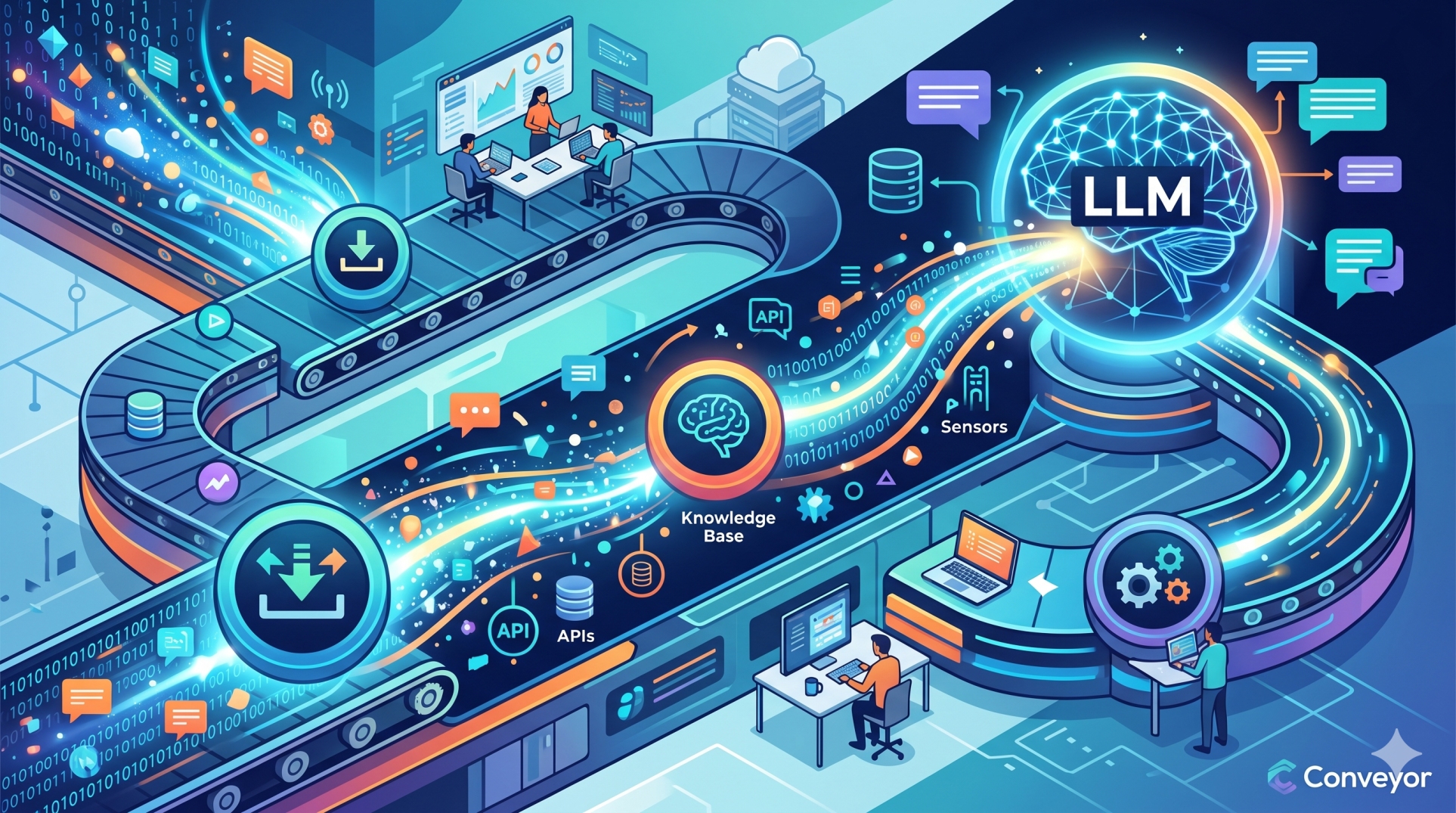
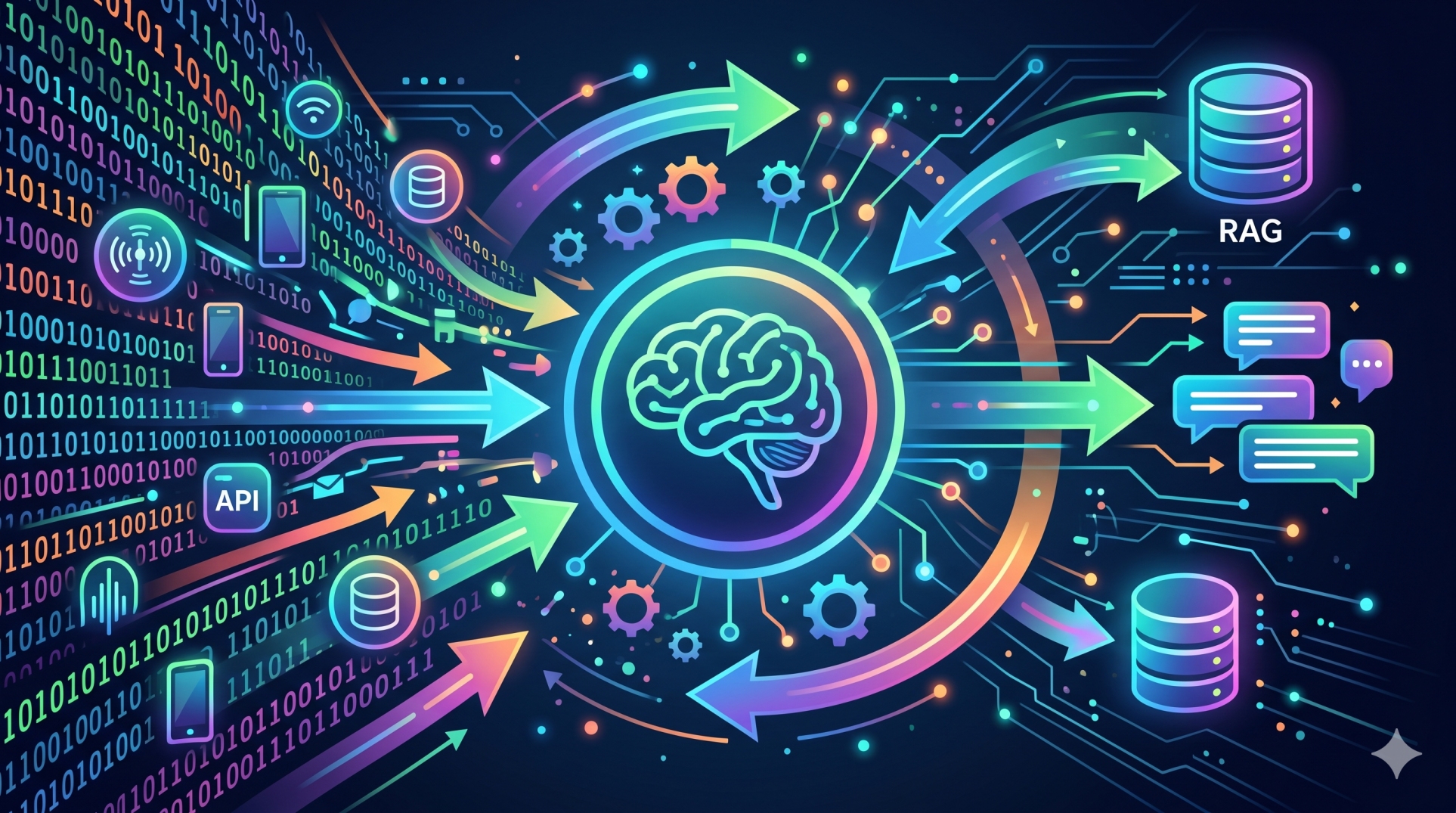
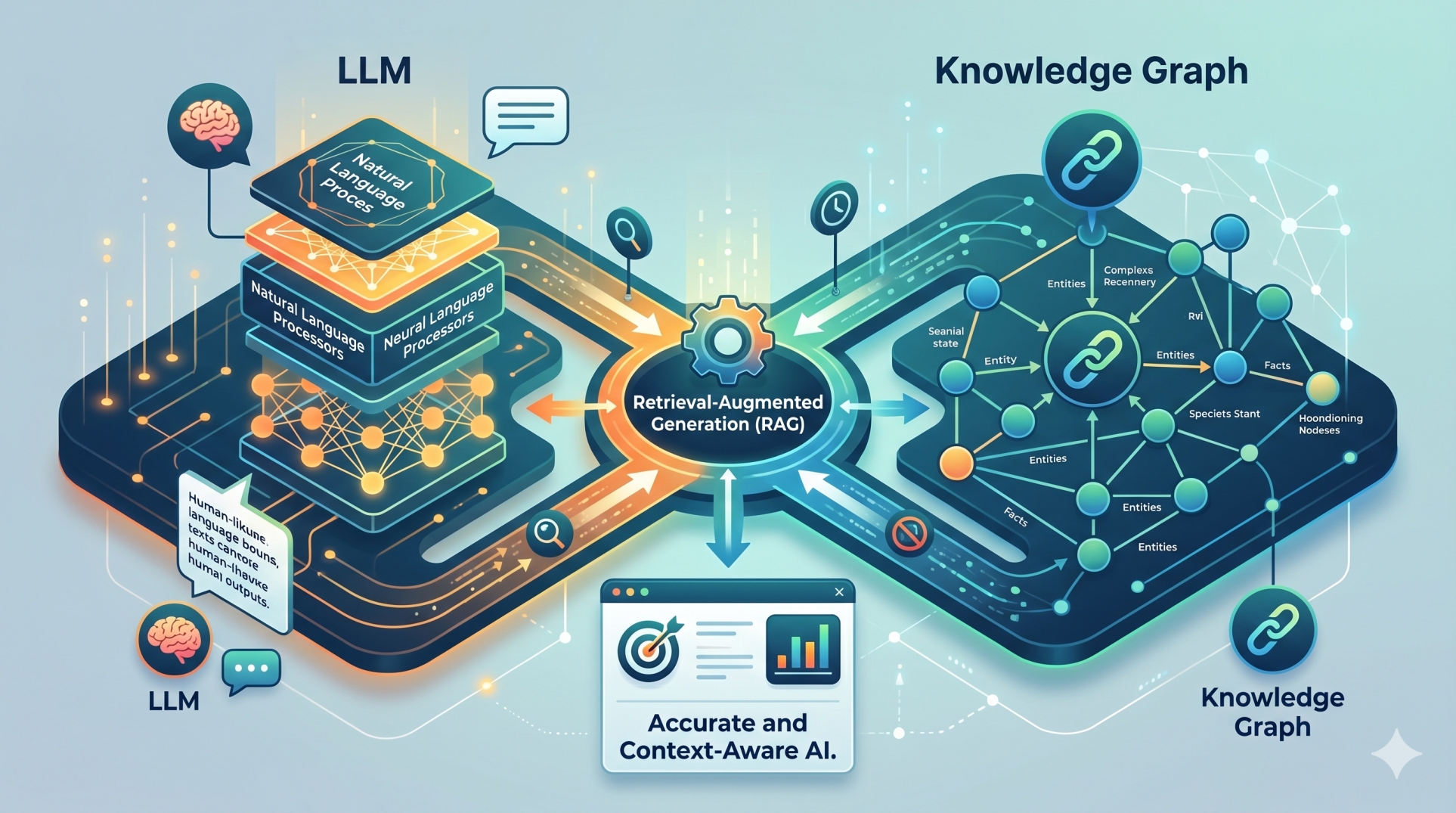
Step 5: Integration with External Knowledge Systems 🔗
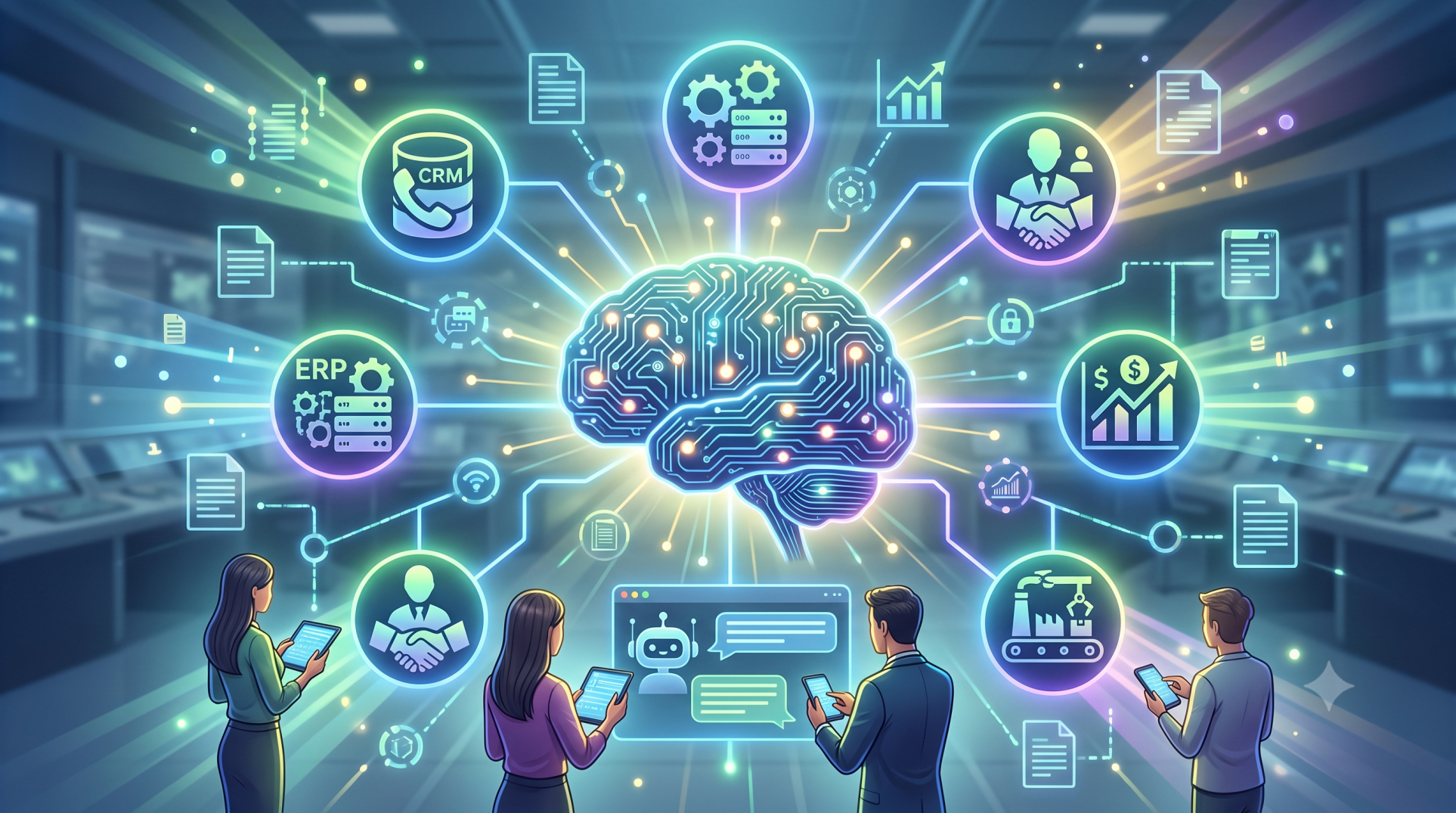
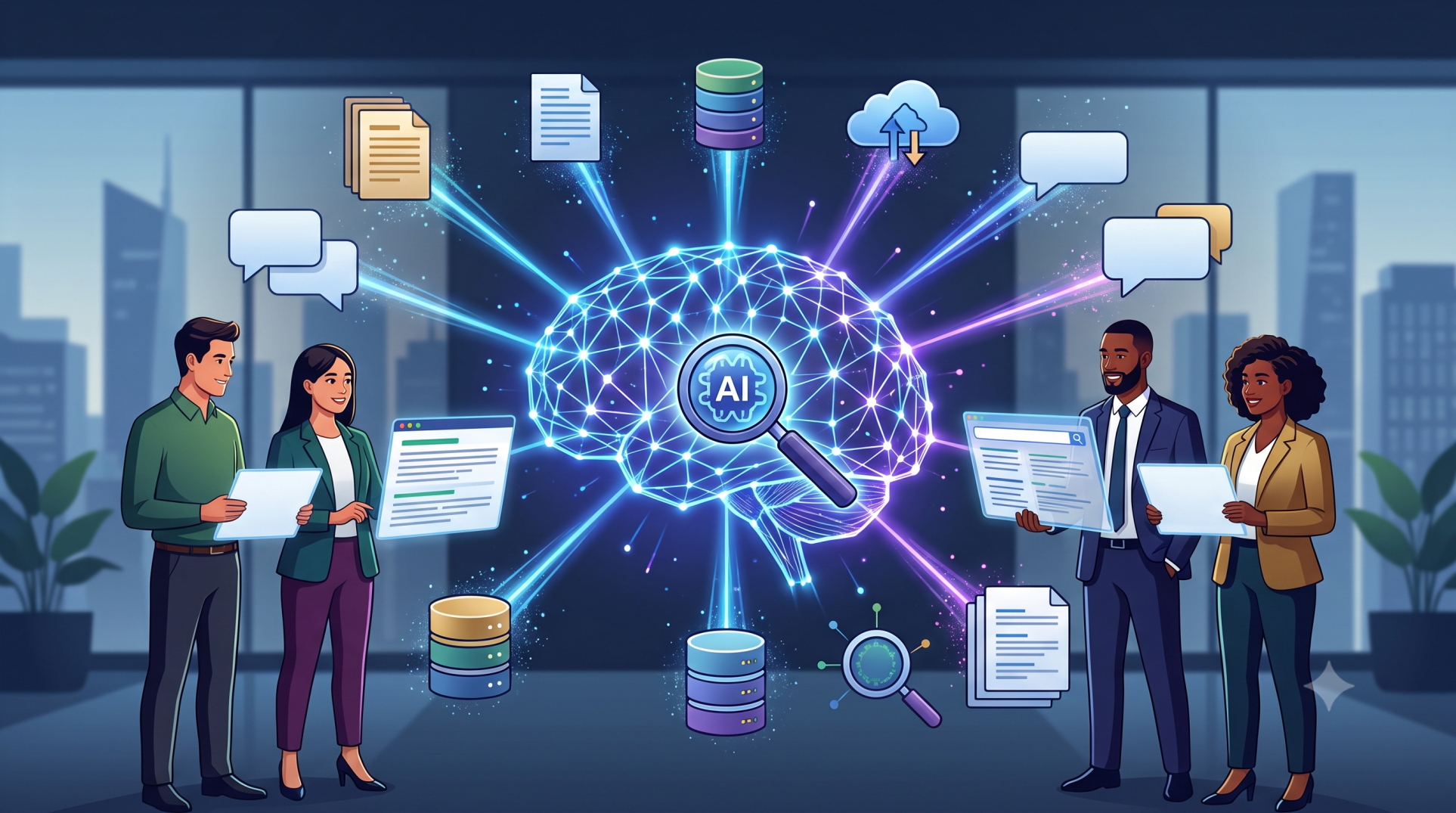
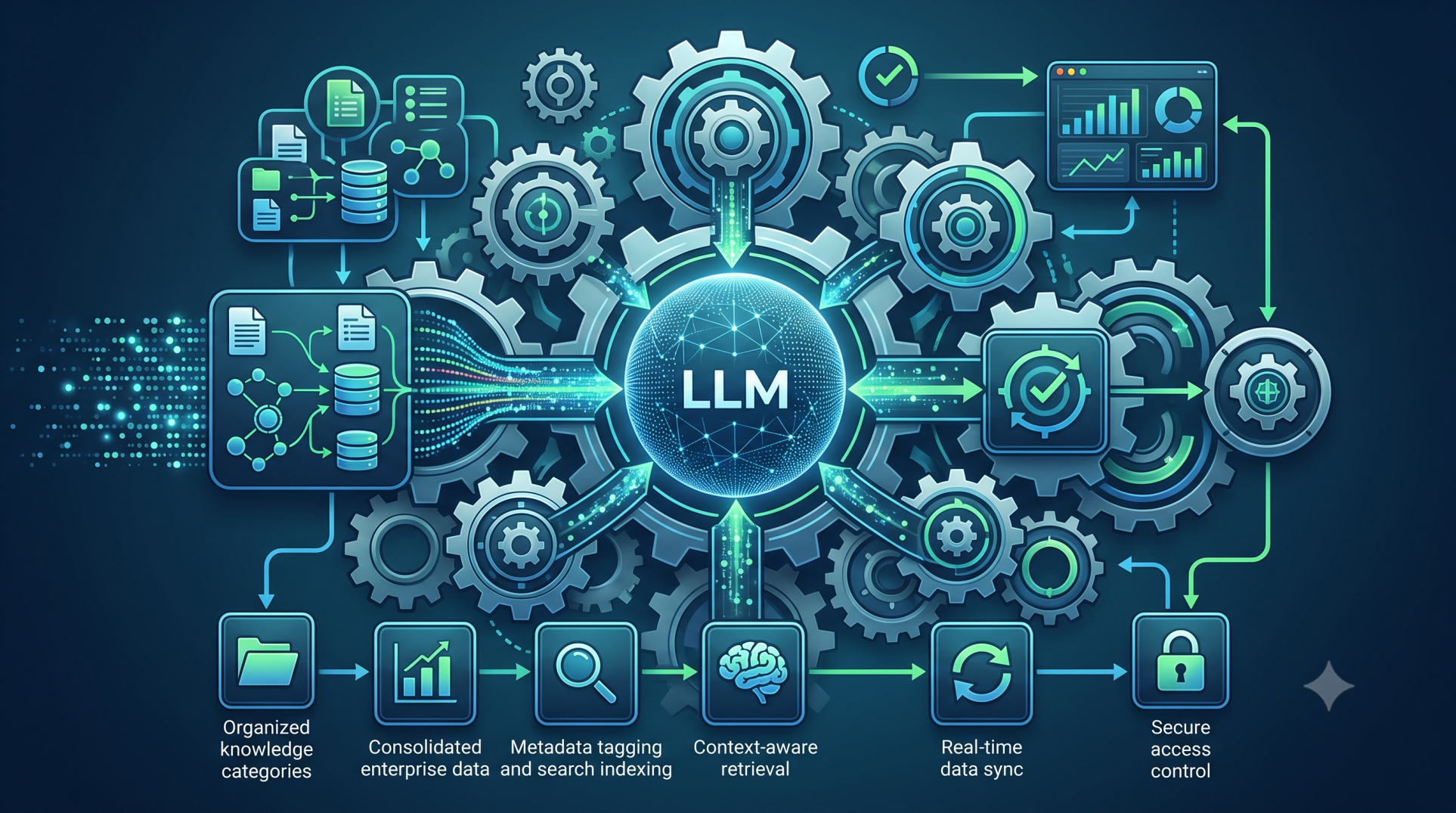
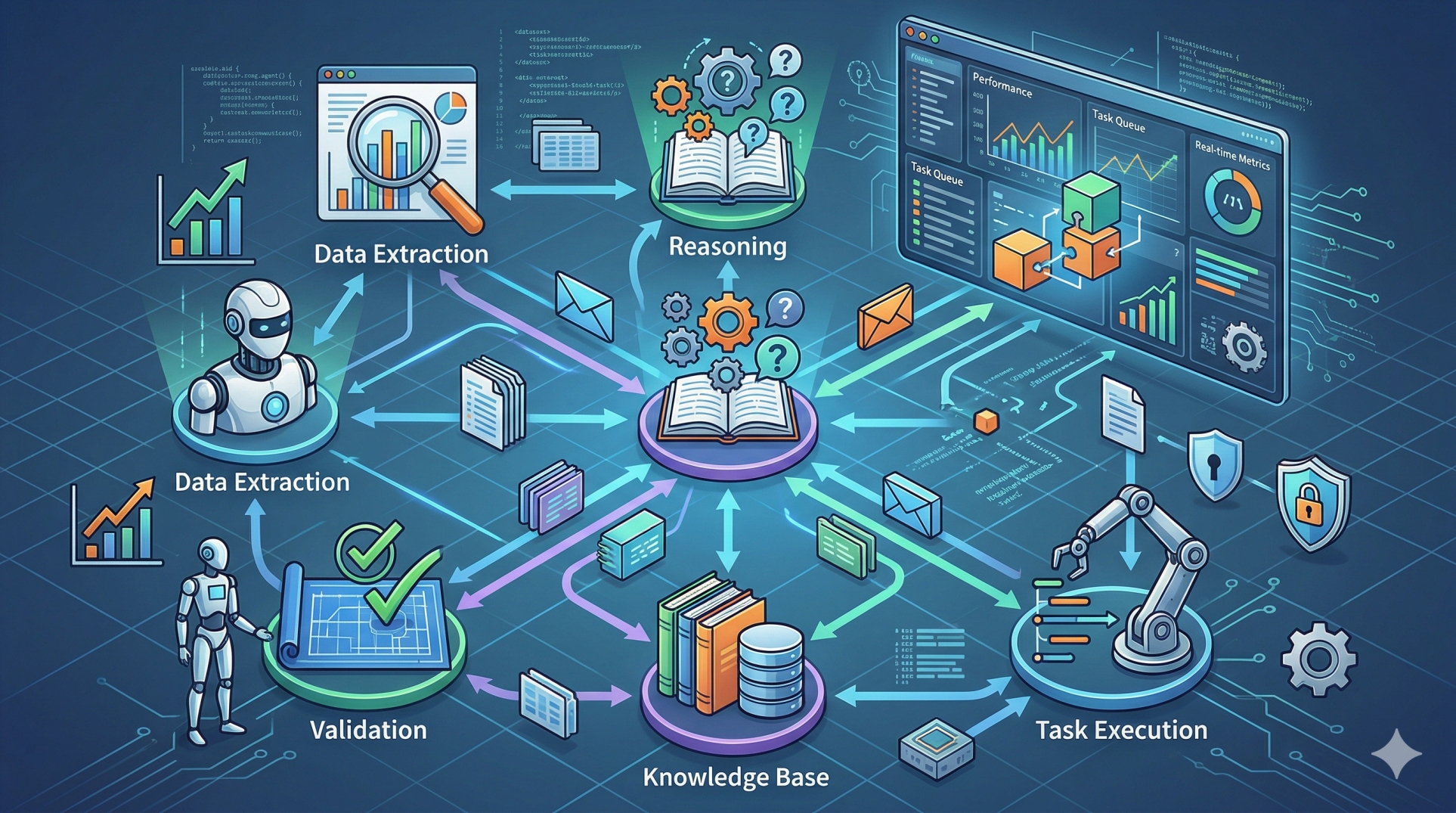
• Connects language models with databases, APIs, and knowledge repositories 📚
• Enables retrieval-based reasoning beyond training data 🔍
• Keeps information current without continuous retraining 🔄
• Strengthens factual grounding and reliability ✔️
• Extends system capability beyond internal model parameters 🌐
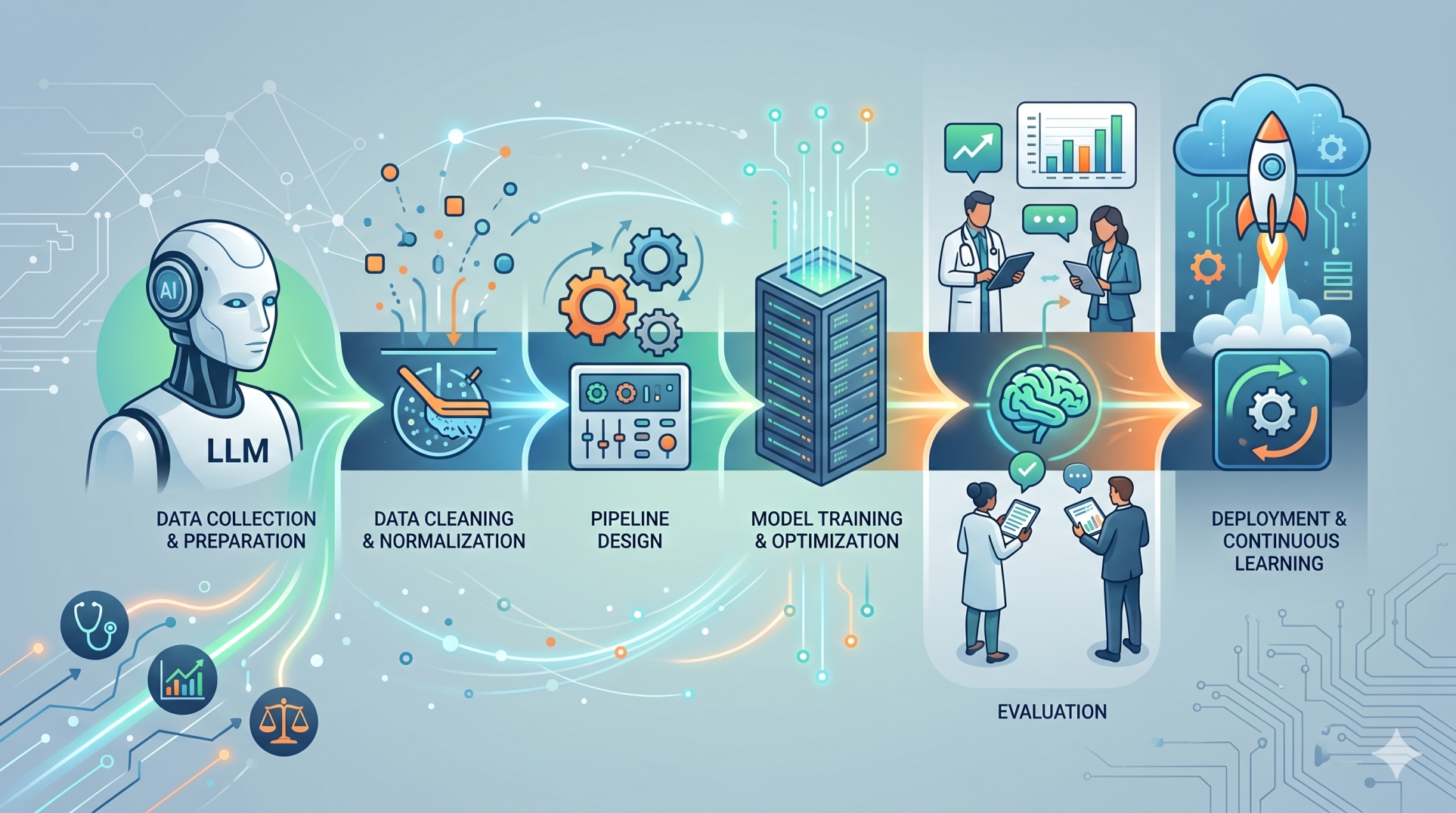
Step 6: Continuous Learning and Adaptation 📈
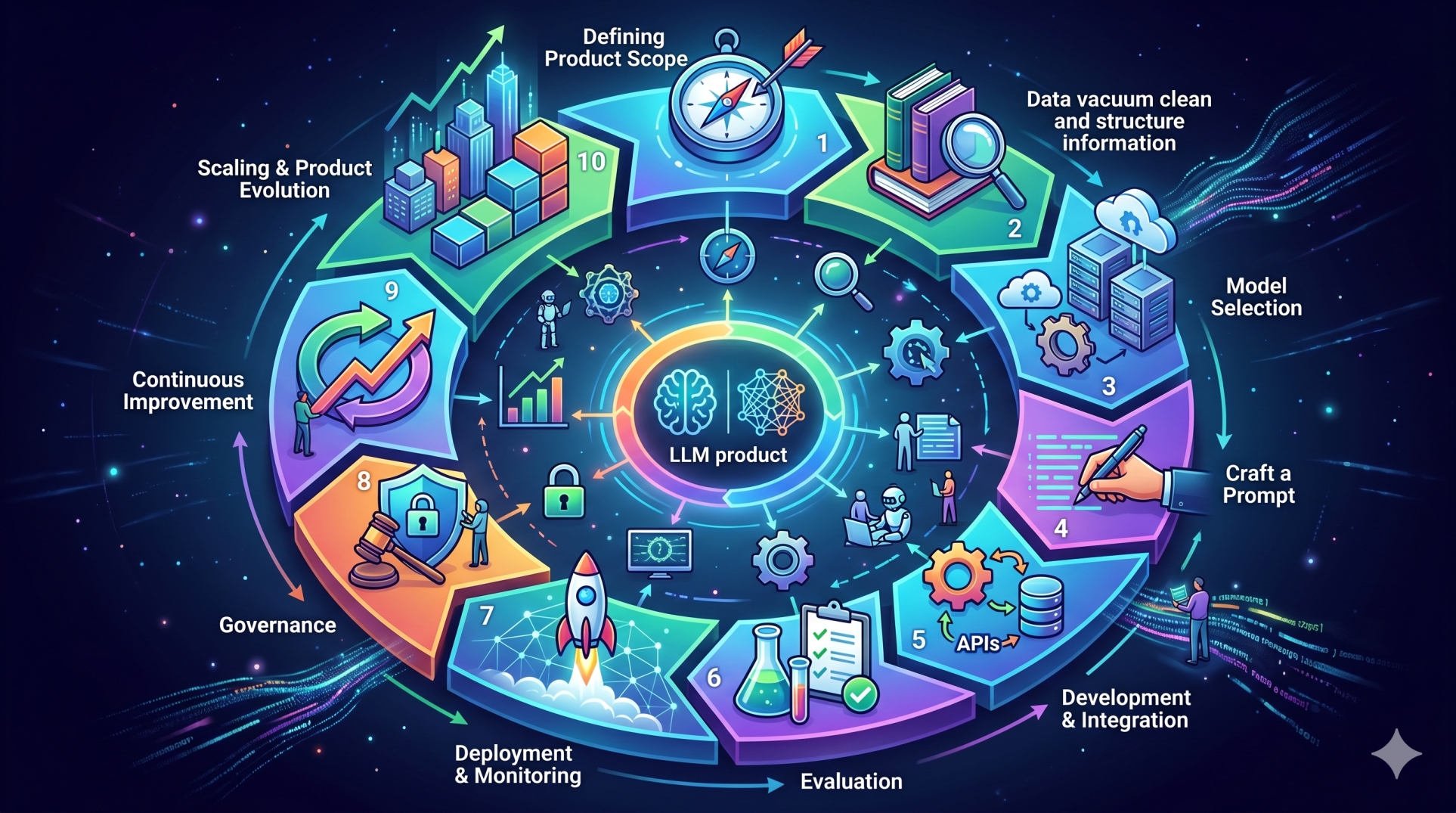
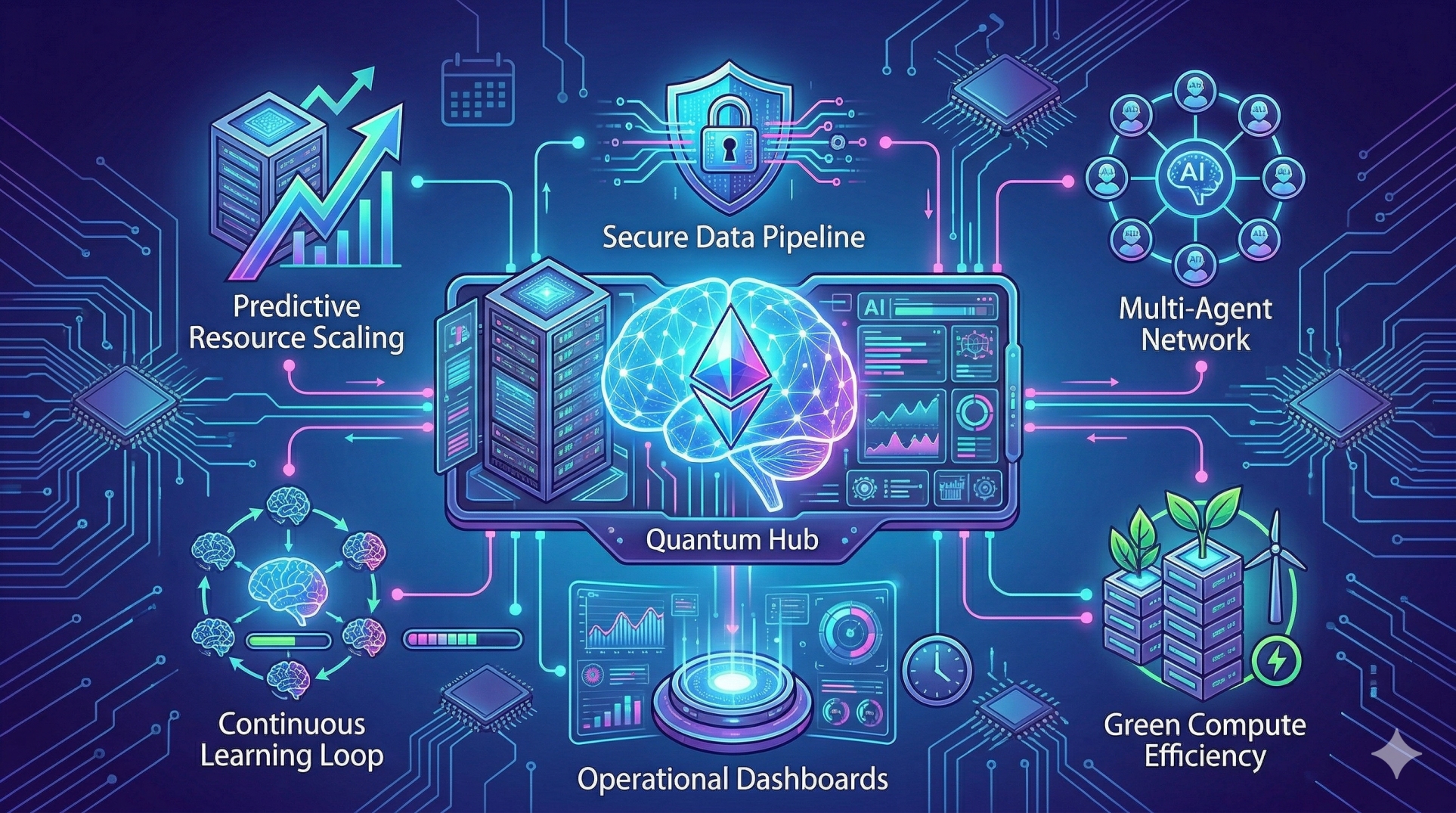
• Allows models to evolve with new data and feedback loops 🔄
• Supports incremental learning mechanisms 🧠
• Reduces dependency on large retraining cycles ⚙️
• Enables rapid adaptation to emerging knowledge domains 🚀
• Enhances long-term usefulness and model relevance ⏳
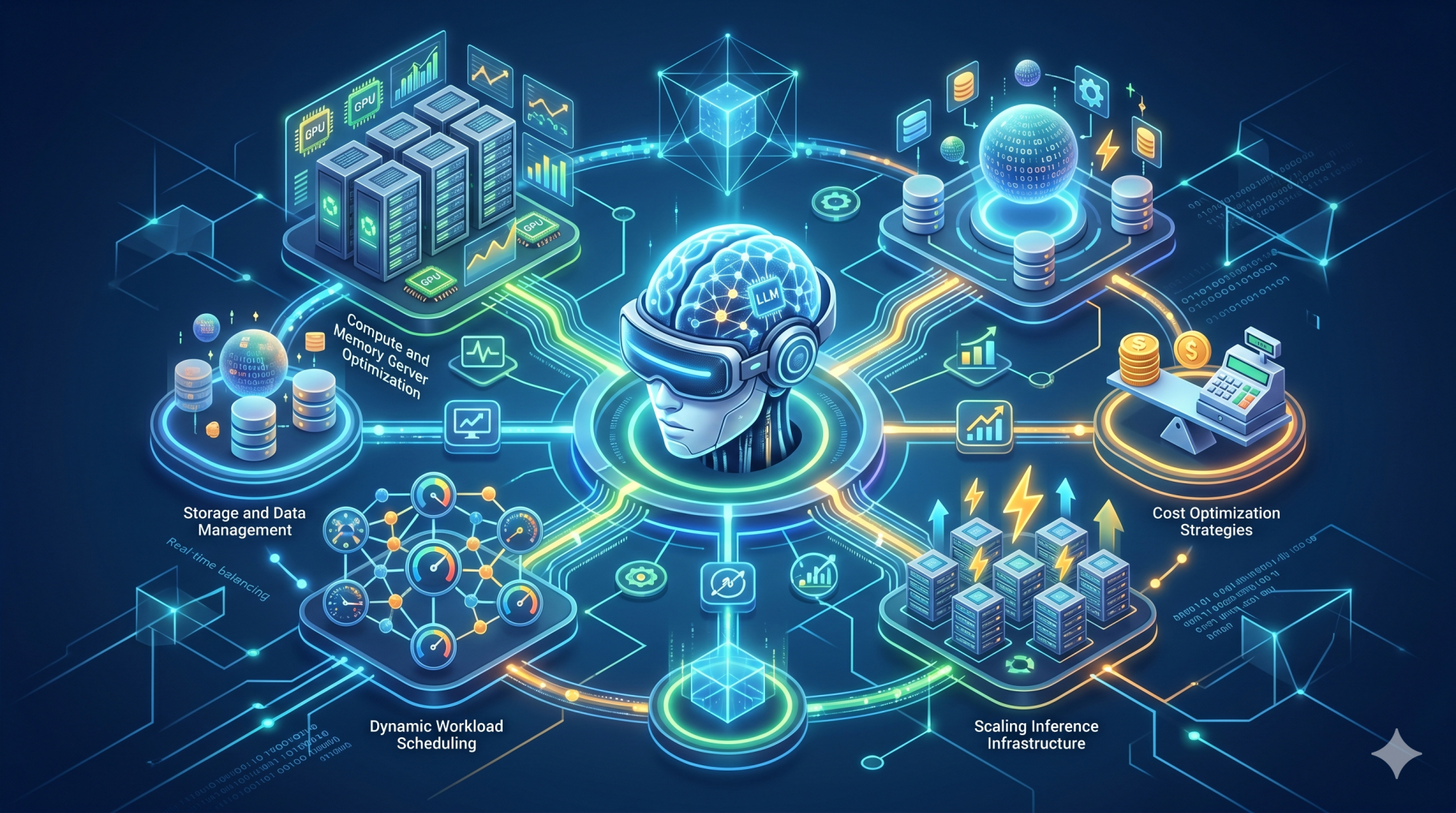
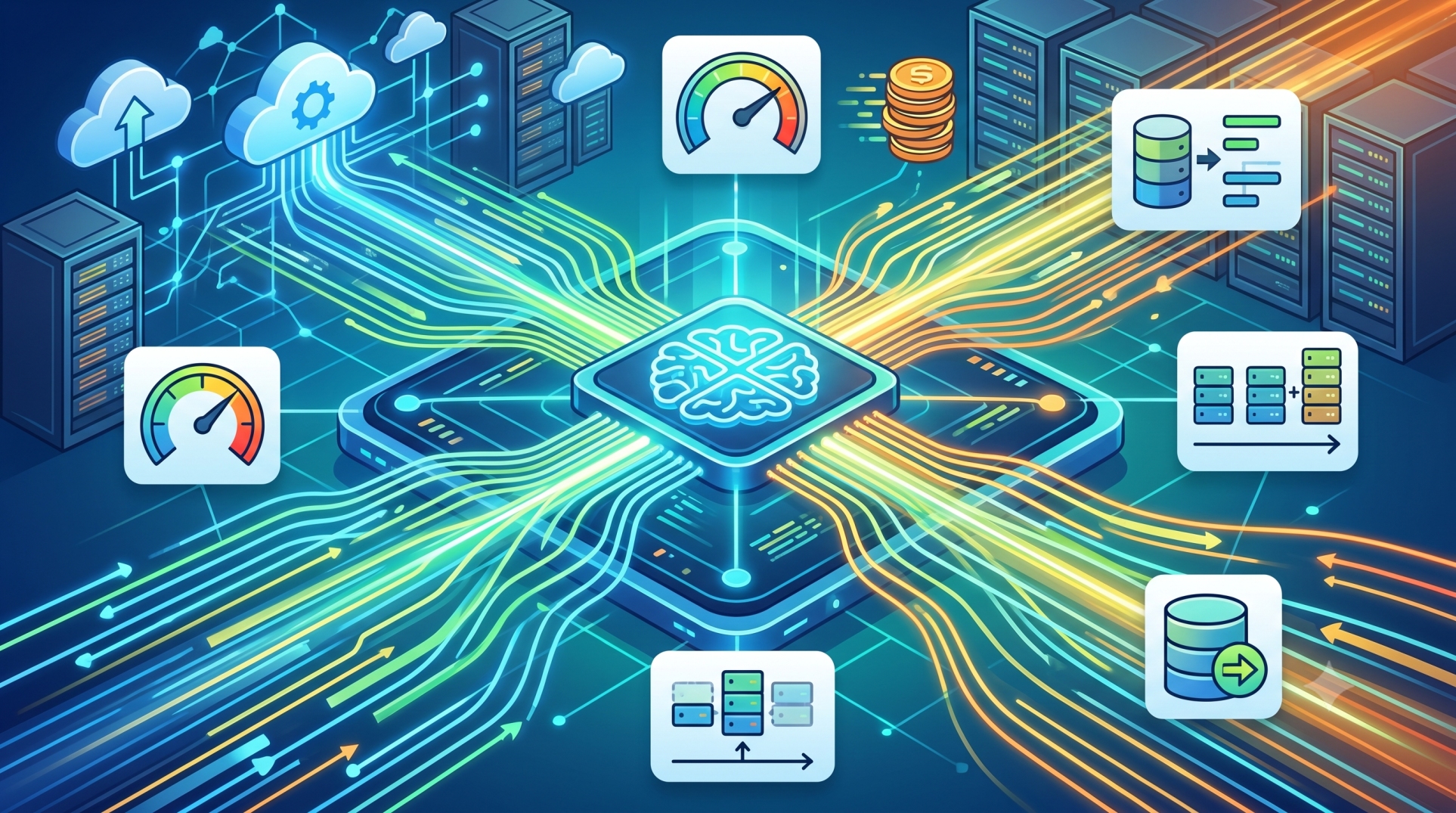
Step 7: Resource-Aware Computation ⚙️
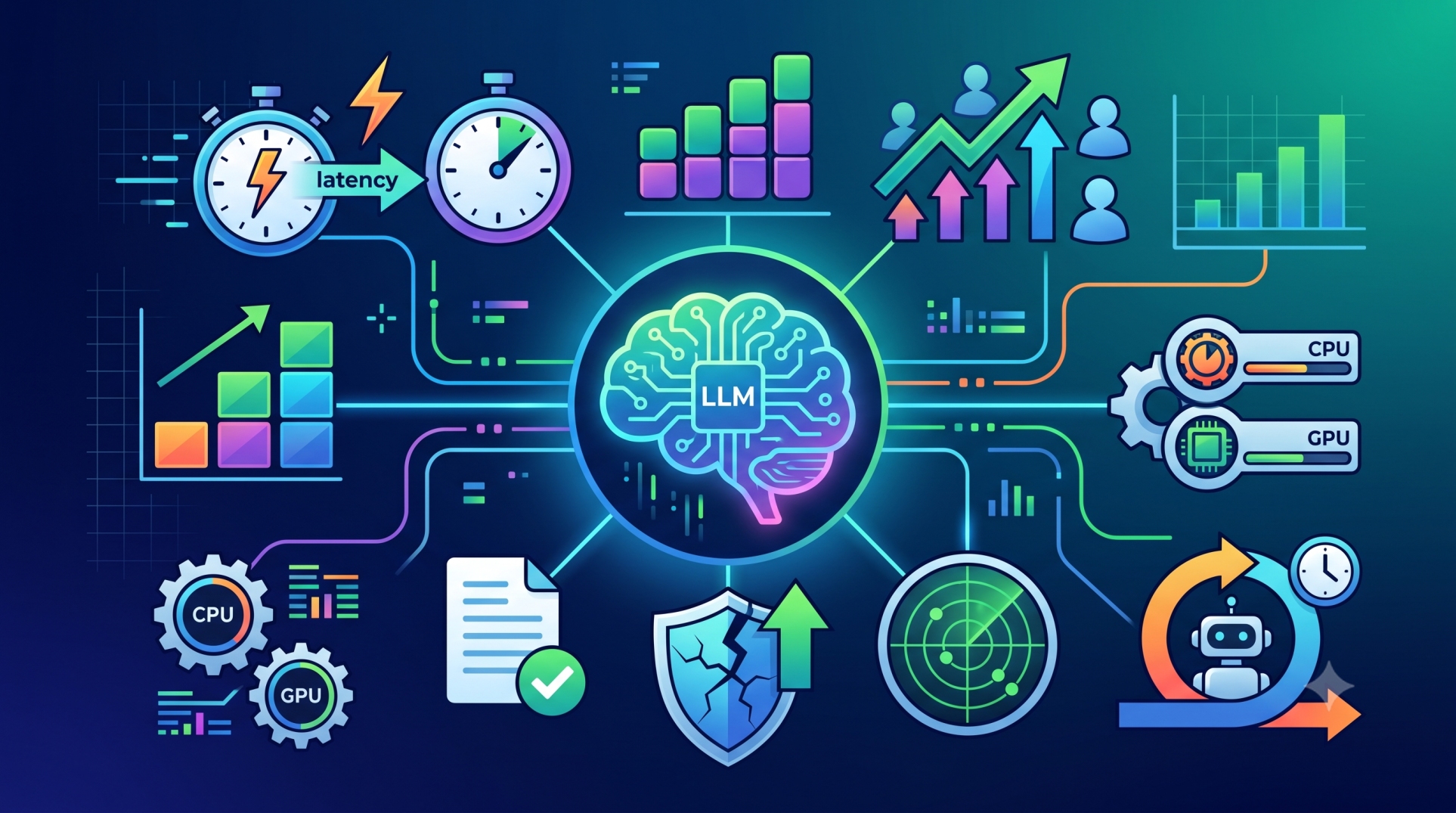
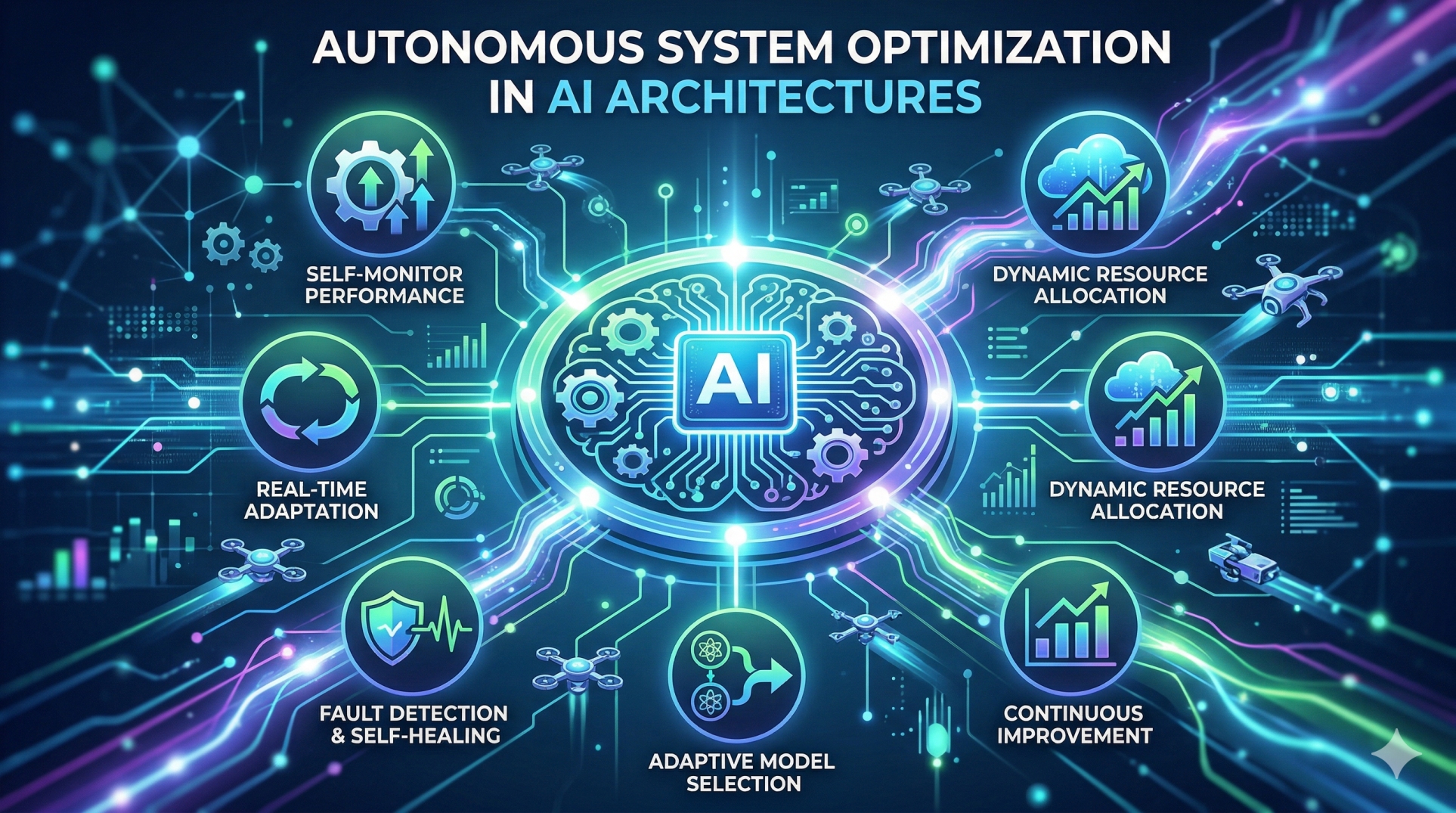
• Dynamically adjusts computational effort according to task complexity 🧠
• Balances cost, latency, and performance requirements 💰
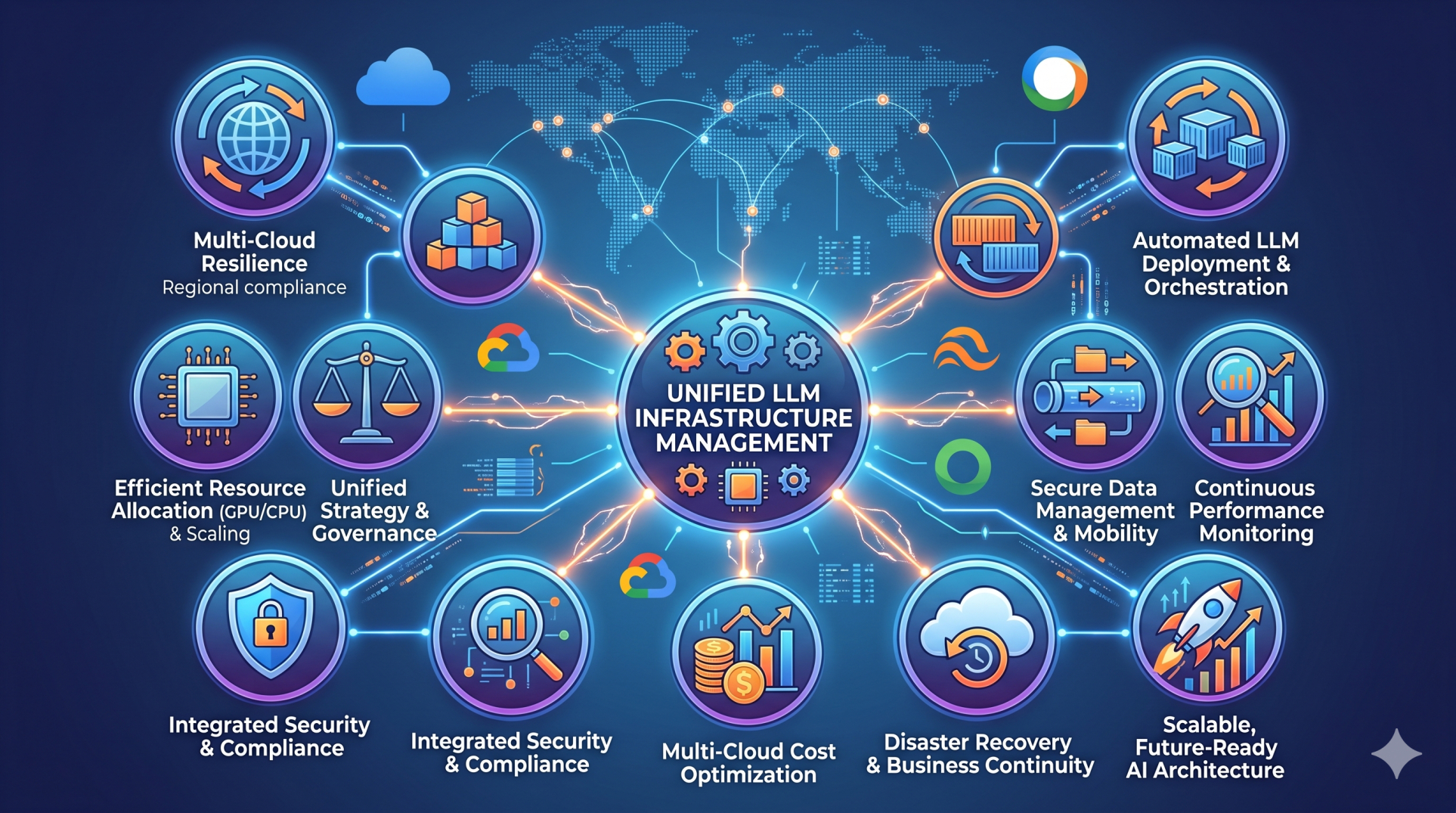
• Enables deployment across diverse hardware environments 💻
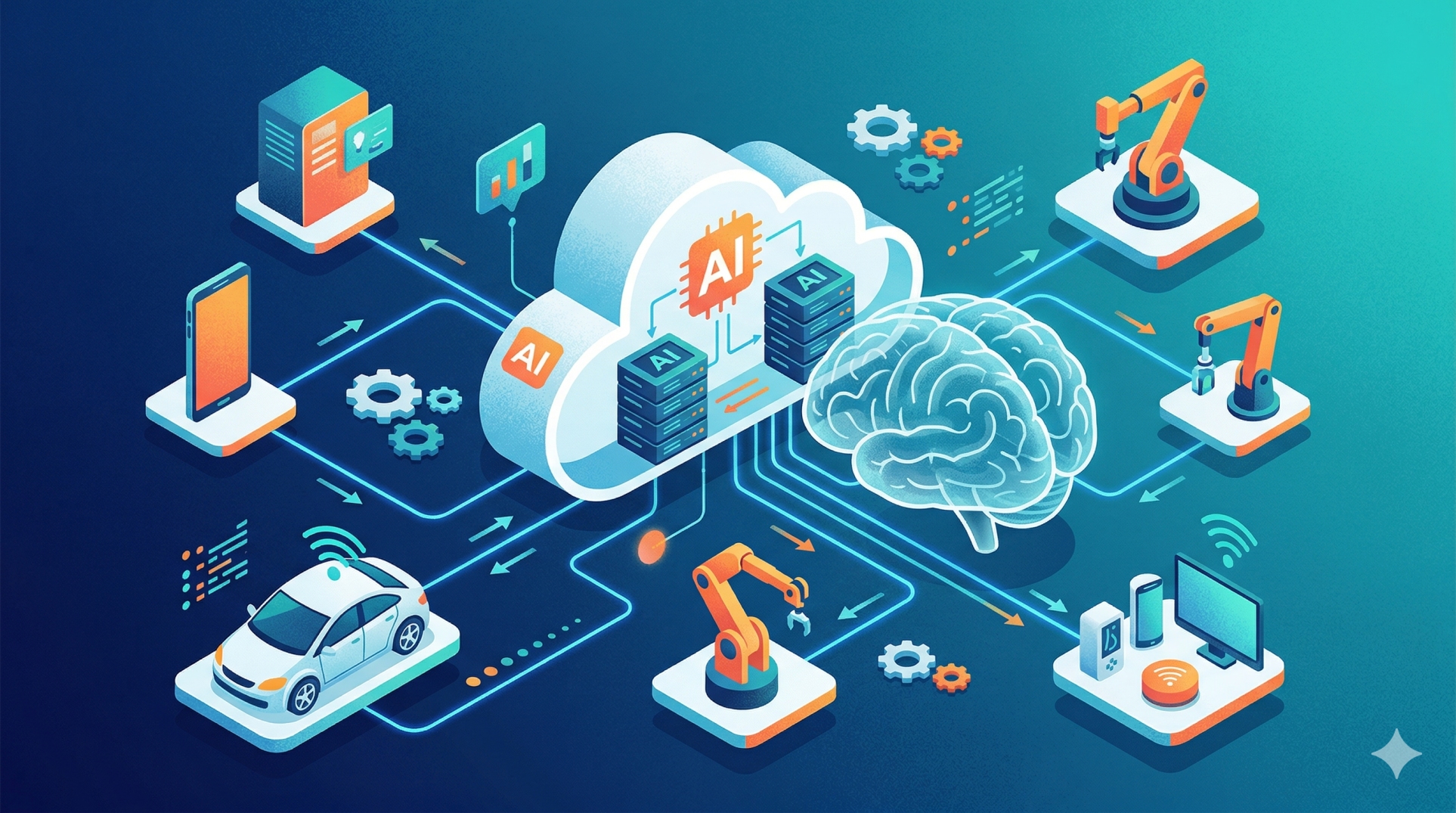
• Supports edge, cloud, and hybrid AI infrastructures ☁️
• Maximizes efficiency without compromising capability ⚡
Step 8: Strategic Impact of Adaptive Architectures 🏗️
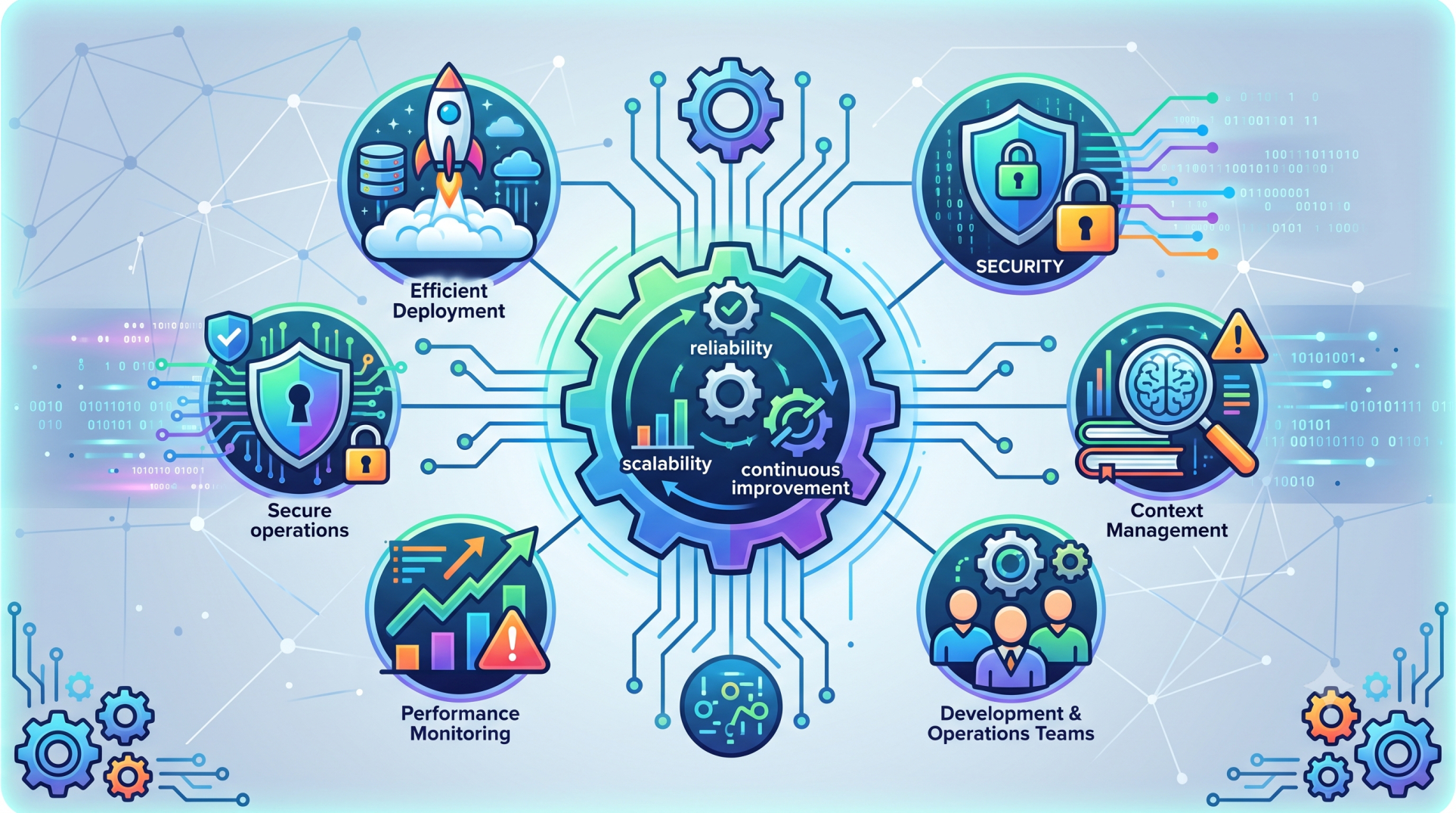
• Enables scalable AI systems capable of handling diverse workloads 📊
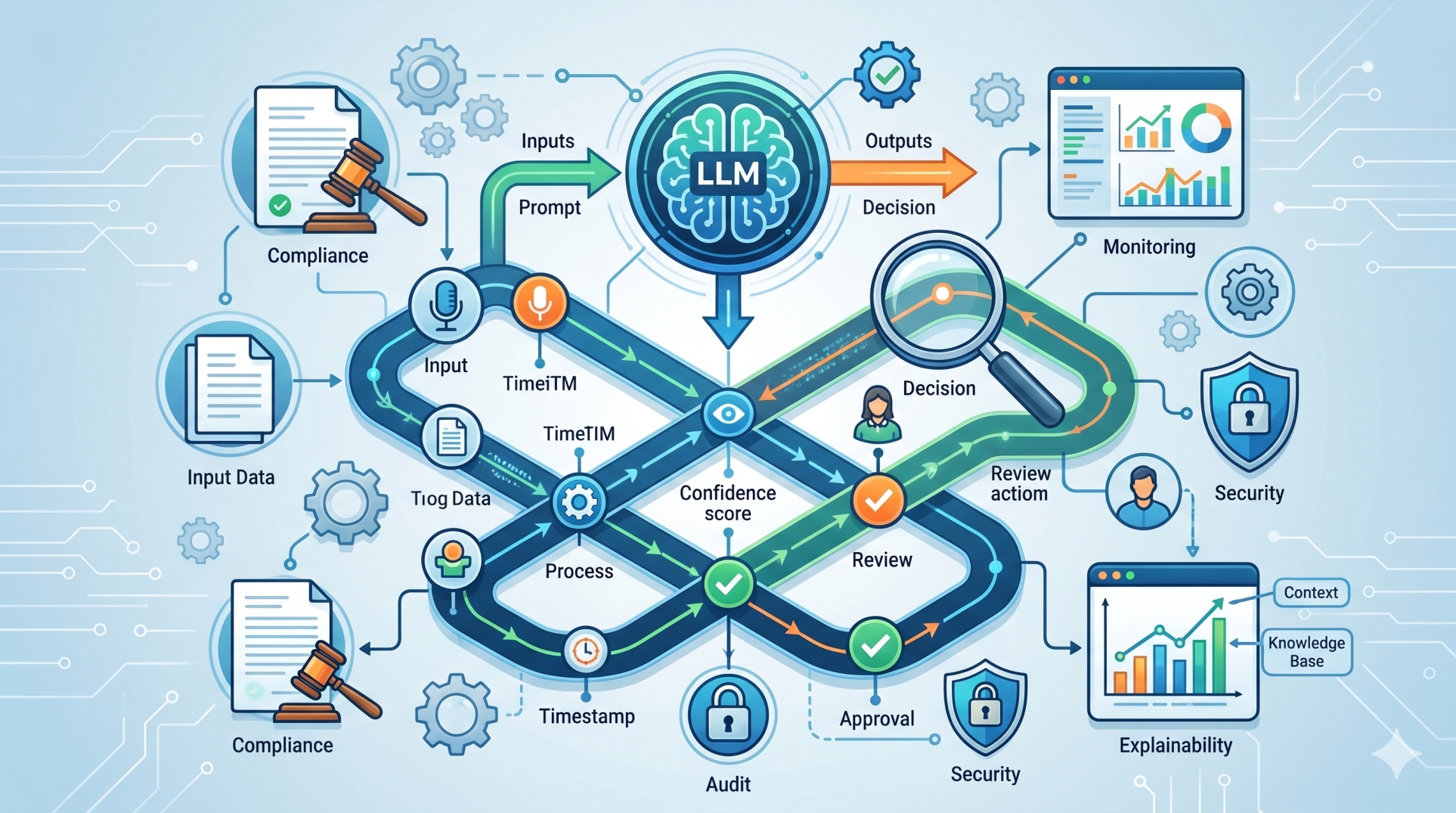
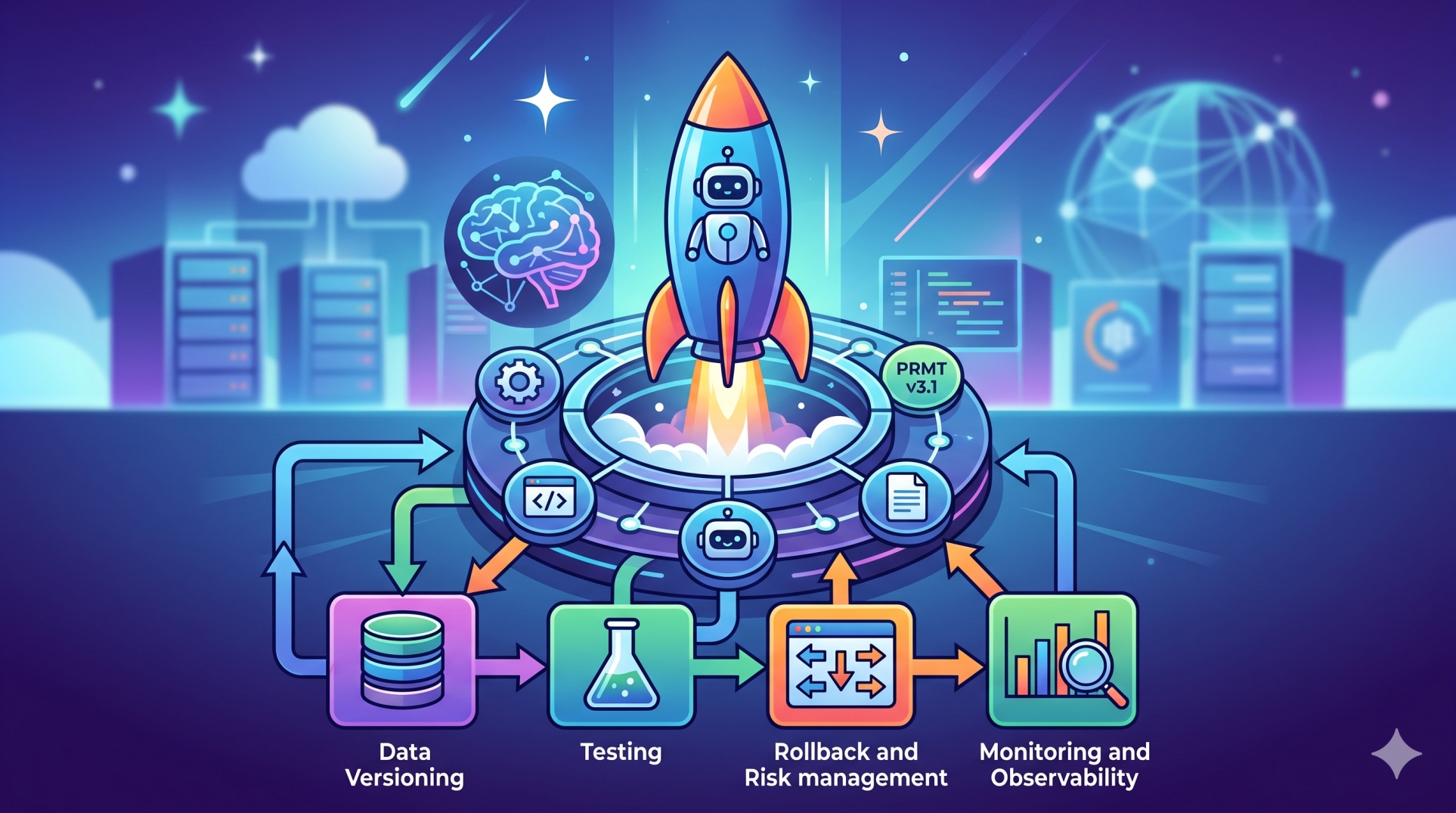
• Improves operational reliability in production environments ✔️
• Supports long-term evolution of AI platforms 🔄
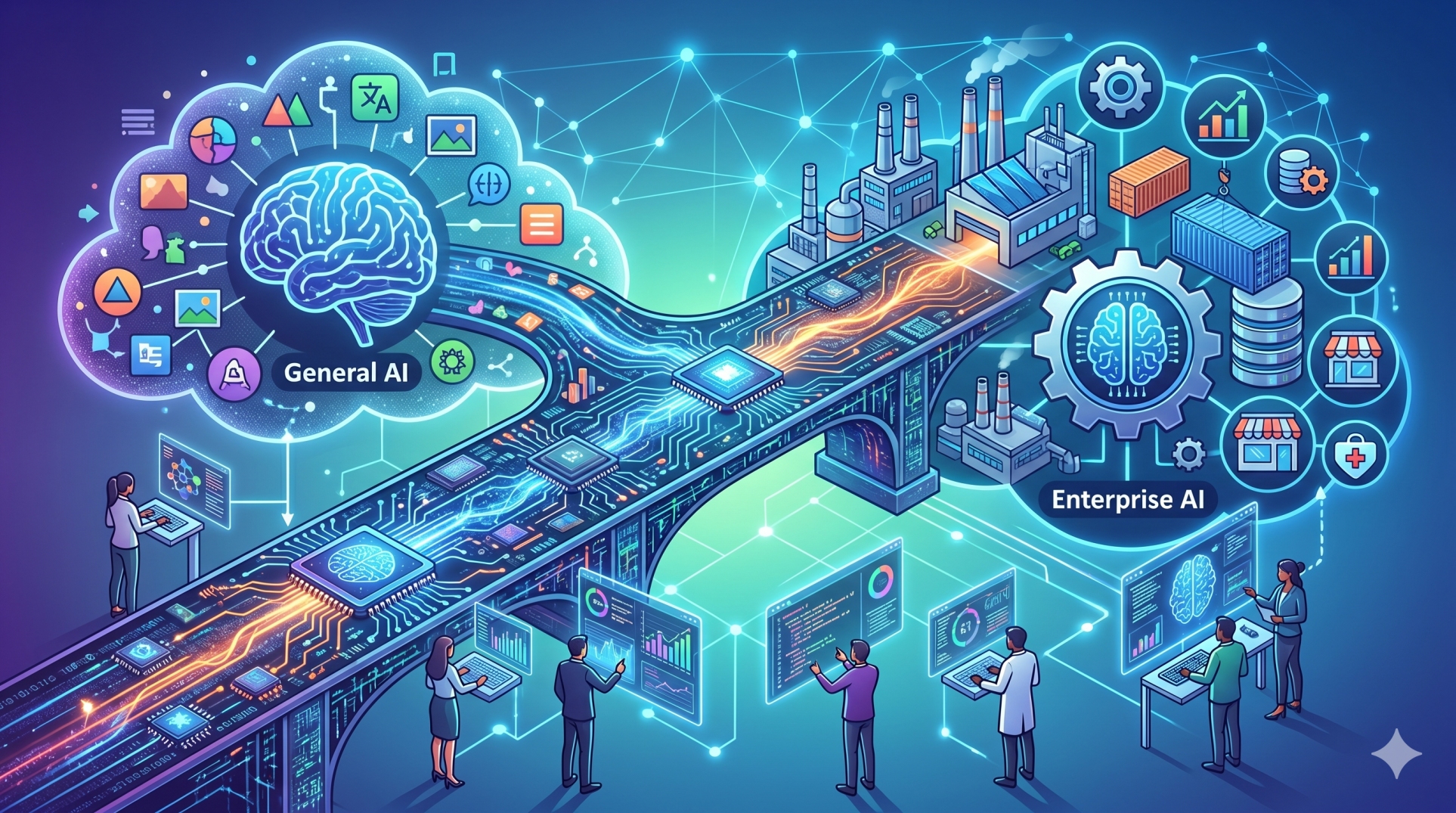
• Allows organizations to deploy AI across wider application domains 🌍
Conclusion
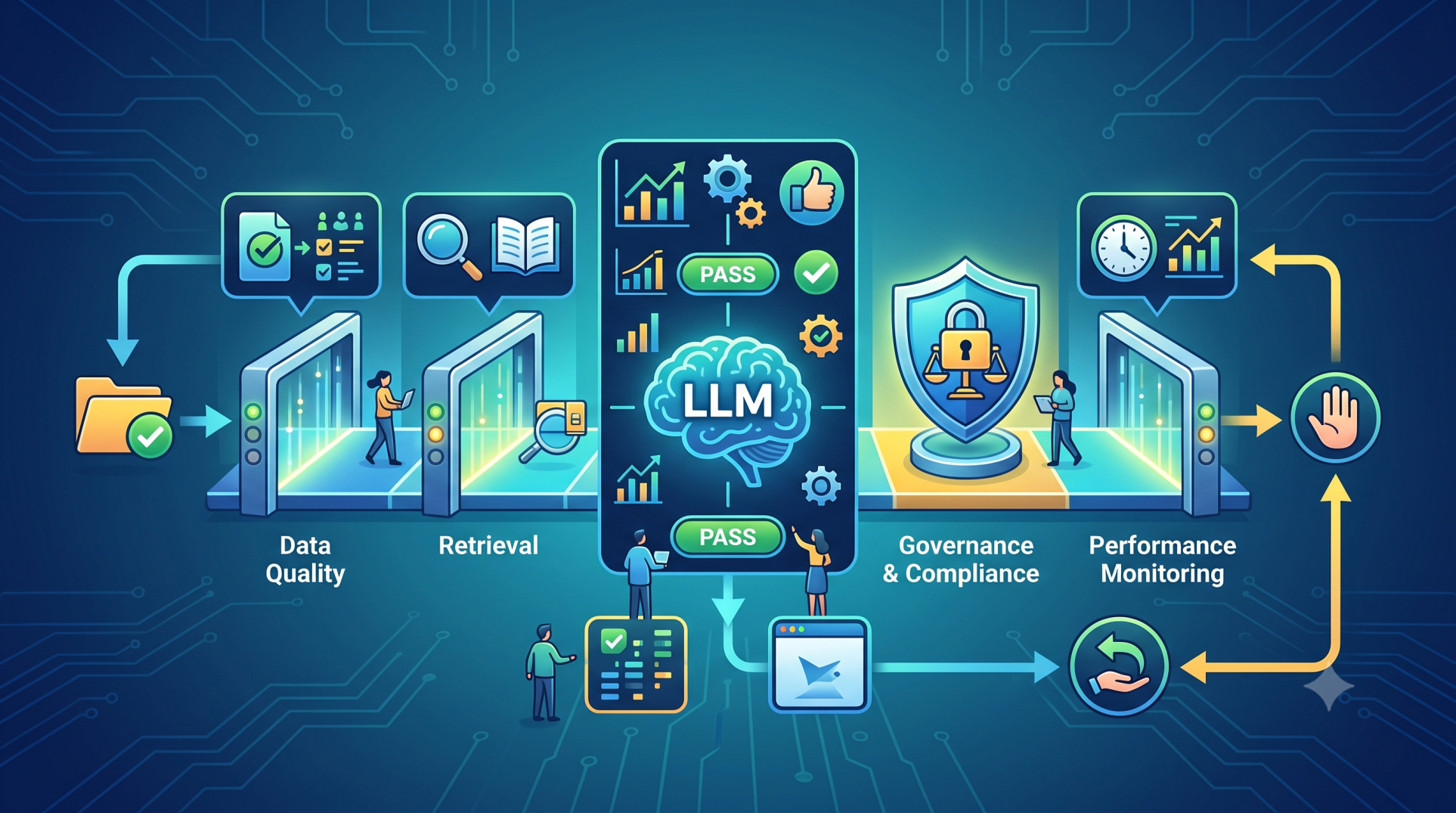
Adaptive architectures are playing a critical role in shaping the future of next-generation language models. Through modular design, dynamic computation, and integration with external systems, these architectures allow models to intelligently respond to different tasks and operational environments. As AI systems expand into increasingly complex real-world applications, adaptability will become a defining factor in building reliable, scalable, and high-performance language model platforms.
See more blogs
You can all the articles below