Product Maintenance Strategies for AI-Driven Platforms

Product Maintenance Strategies for AI-Driven Platforms
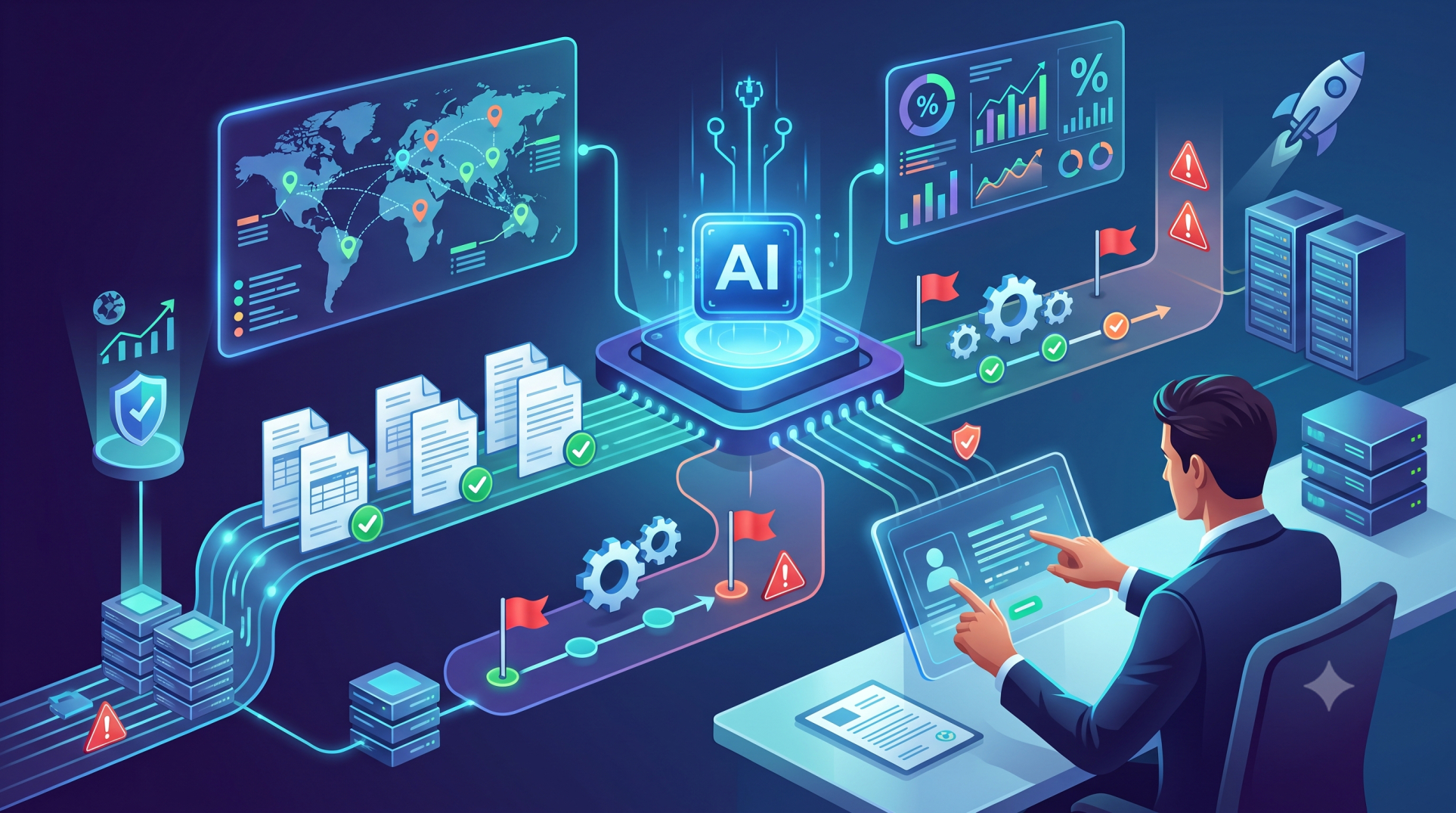
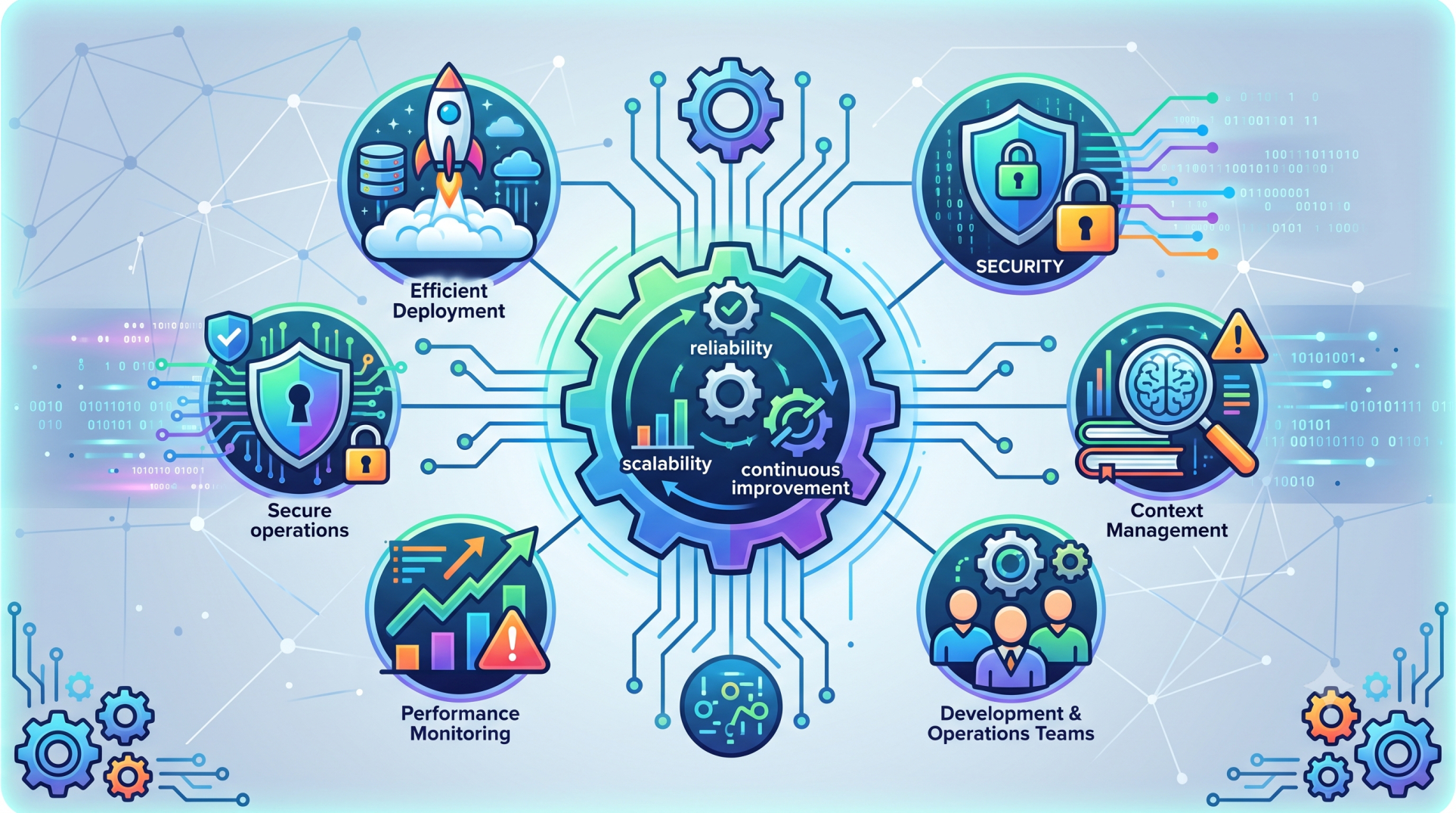
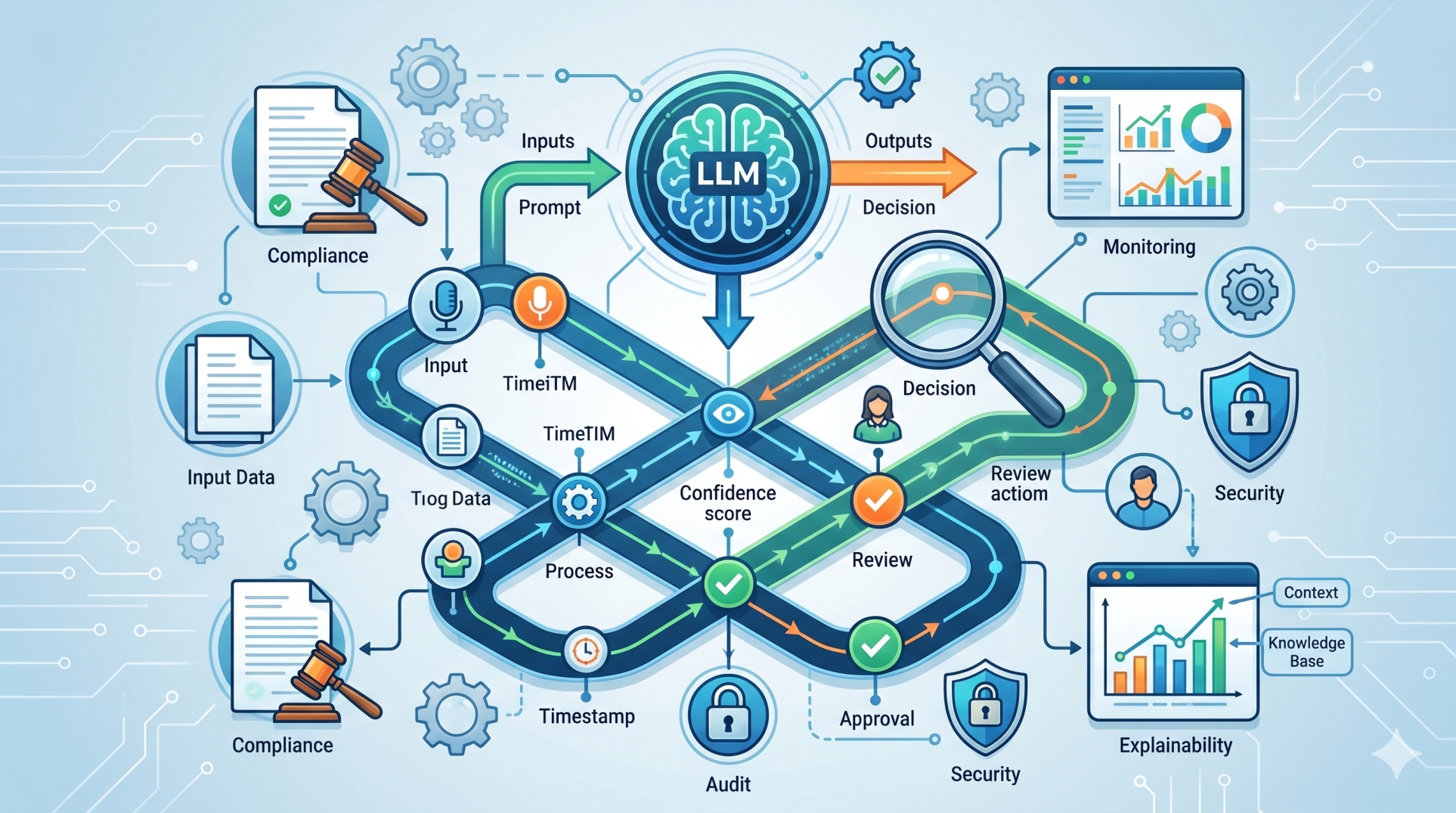
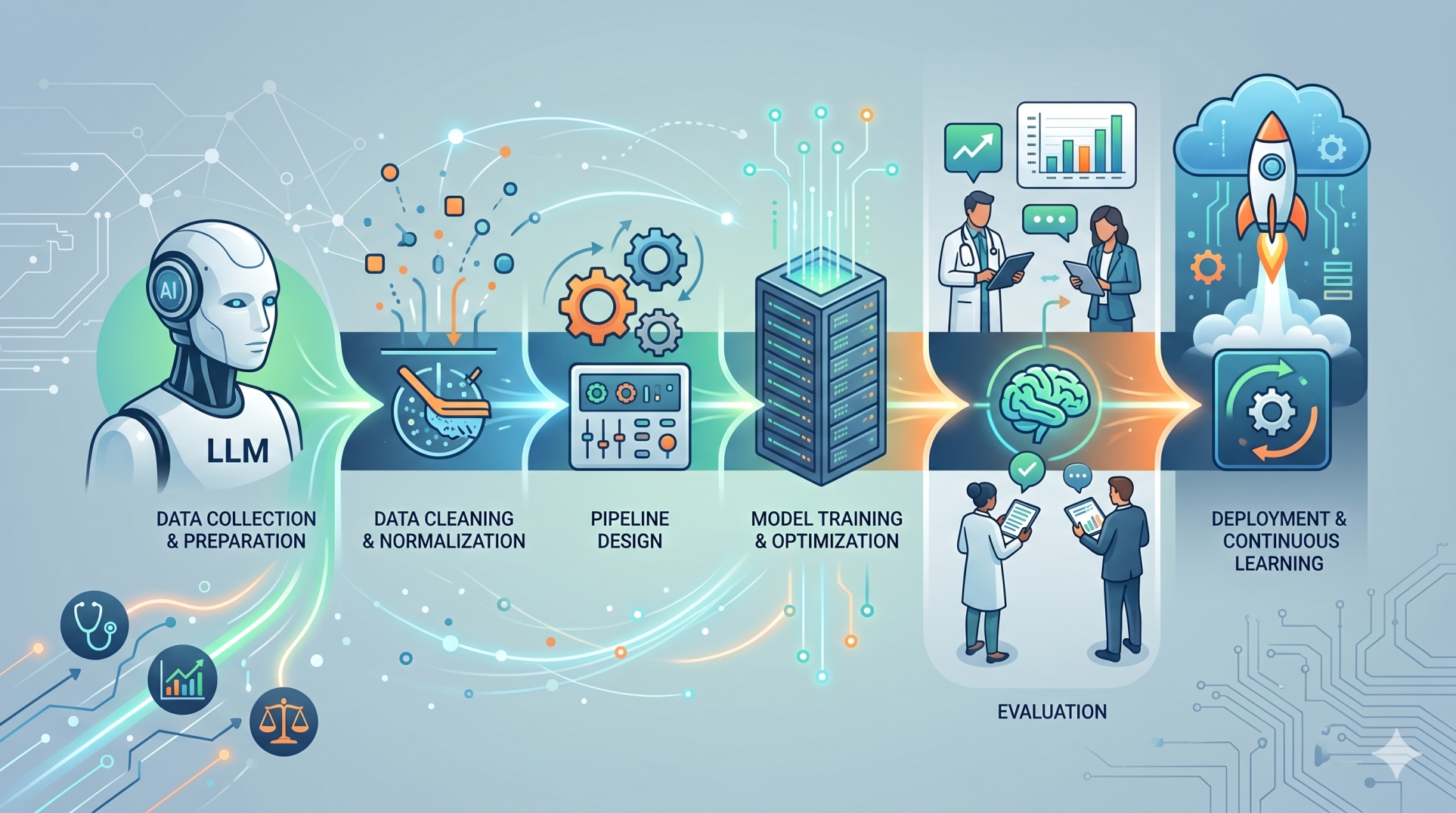
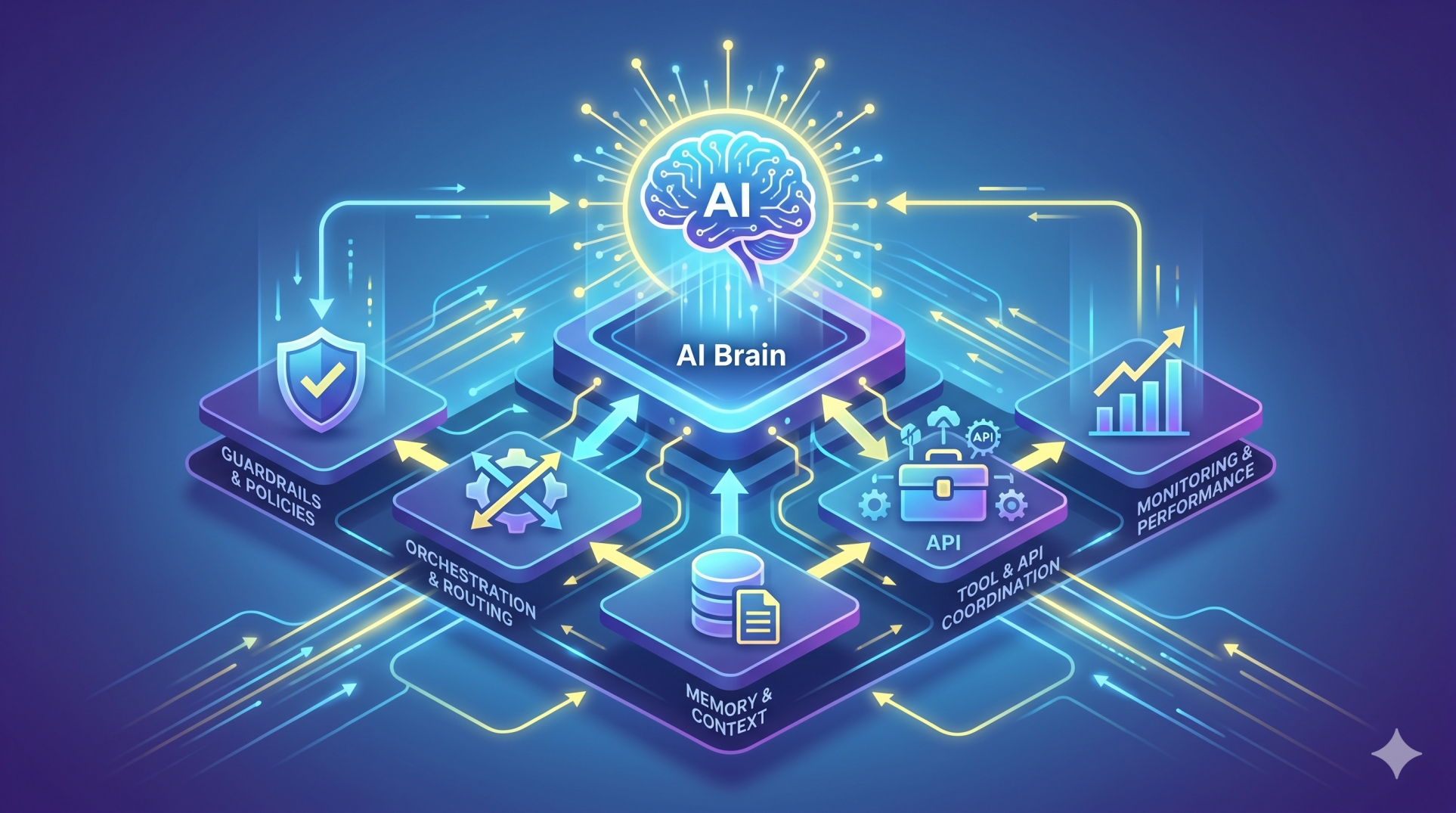
As AI-driven platforms continue to evolve, ongoing product maintenance has become essential for ensuring reliability, scalability, and long-term business value. Unlike traditional software, AI systems require continuous monitoring of models, data pipelines, integrations, and user experiences. A strong maintenance strategy helps organizations sustain performance, reduce risks, and keep platforms aligned with changing business needs.
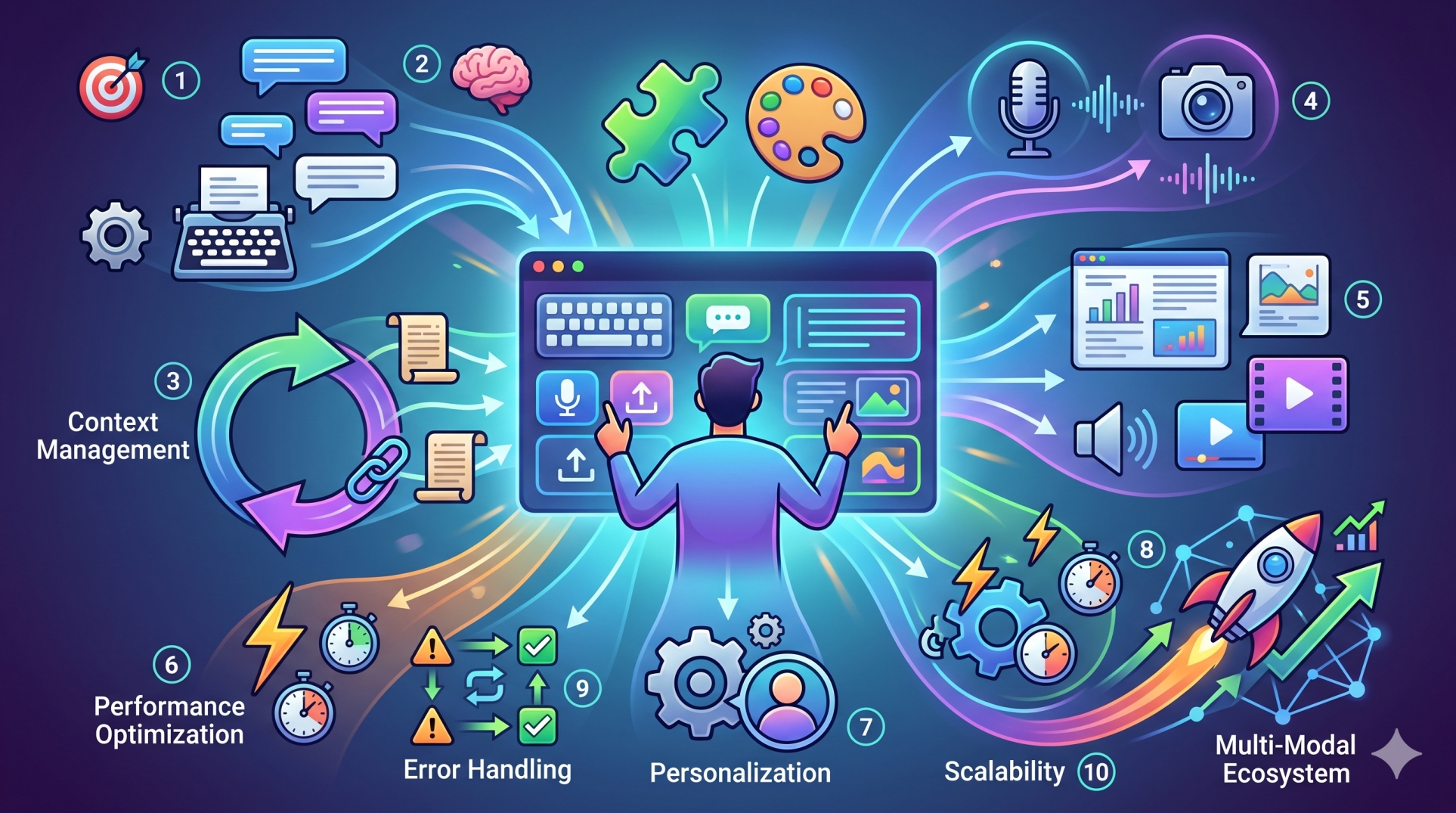
Step 1: Establishing a Continuous Maintenance Framework 🛠️
• Create a structured maintenance plan for platform operations 🛠️
• Define ownership across engineering, data, and product teams 👥
• Schedule regular system reviews and health checks 📅
• Prioritize preventive maintenance over reactive fixes 🔄
• Align maintenance goals with business objectives 🎯
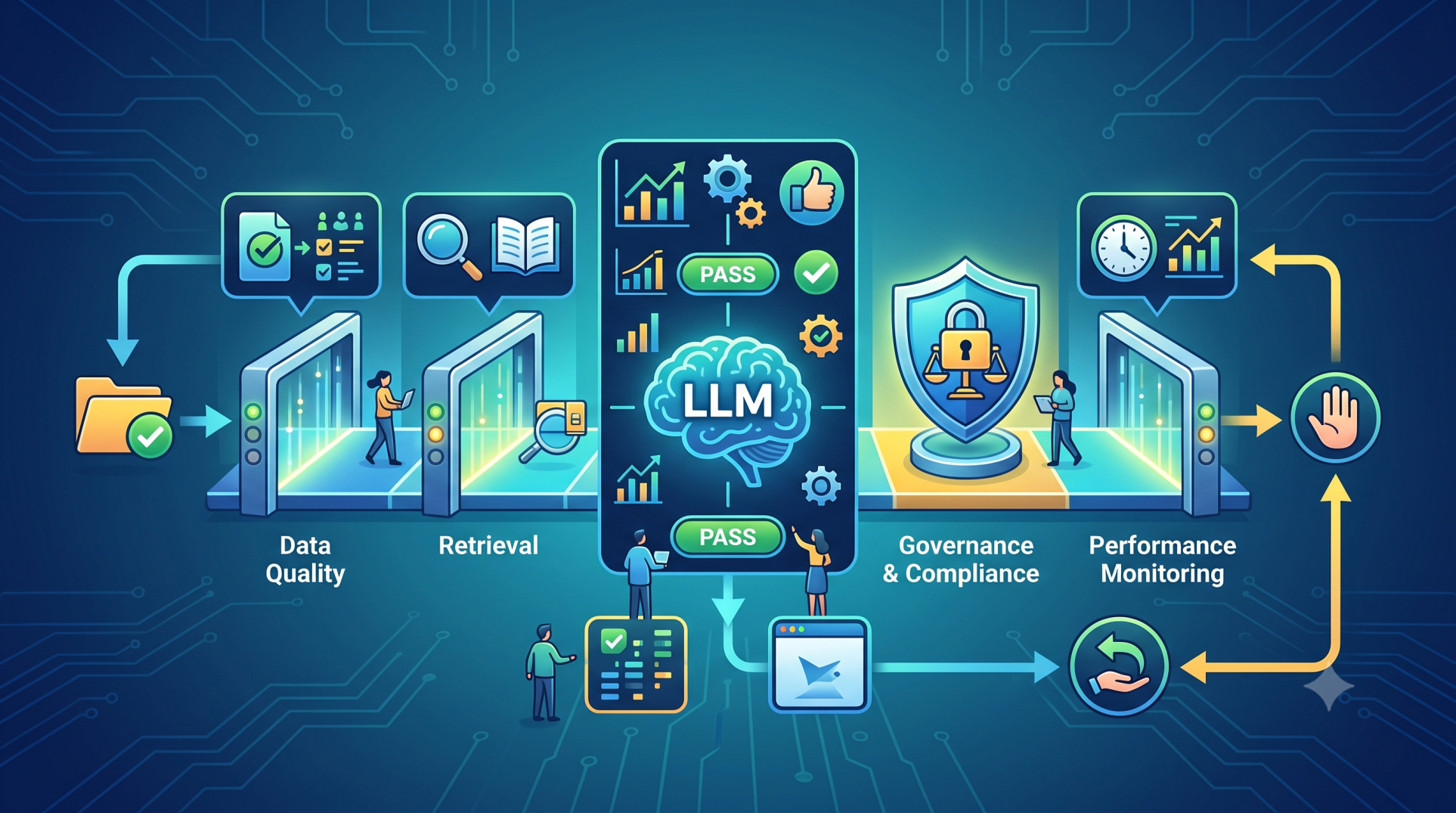
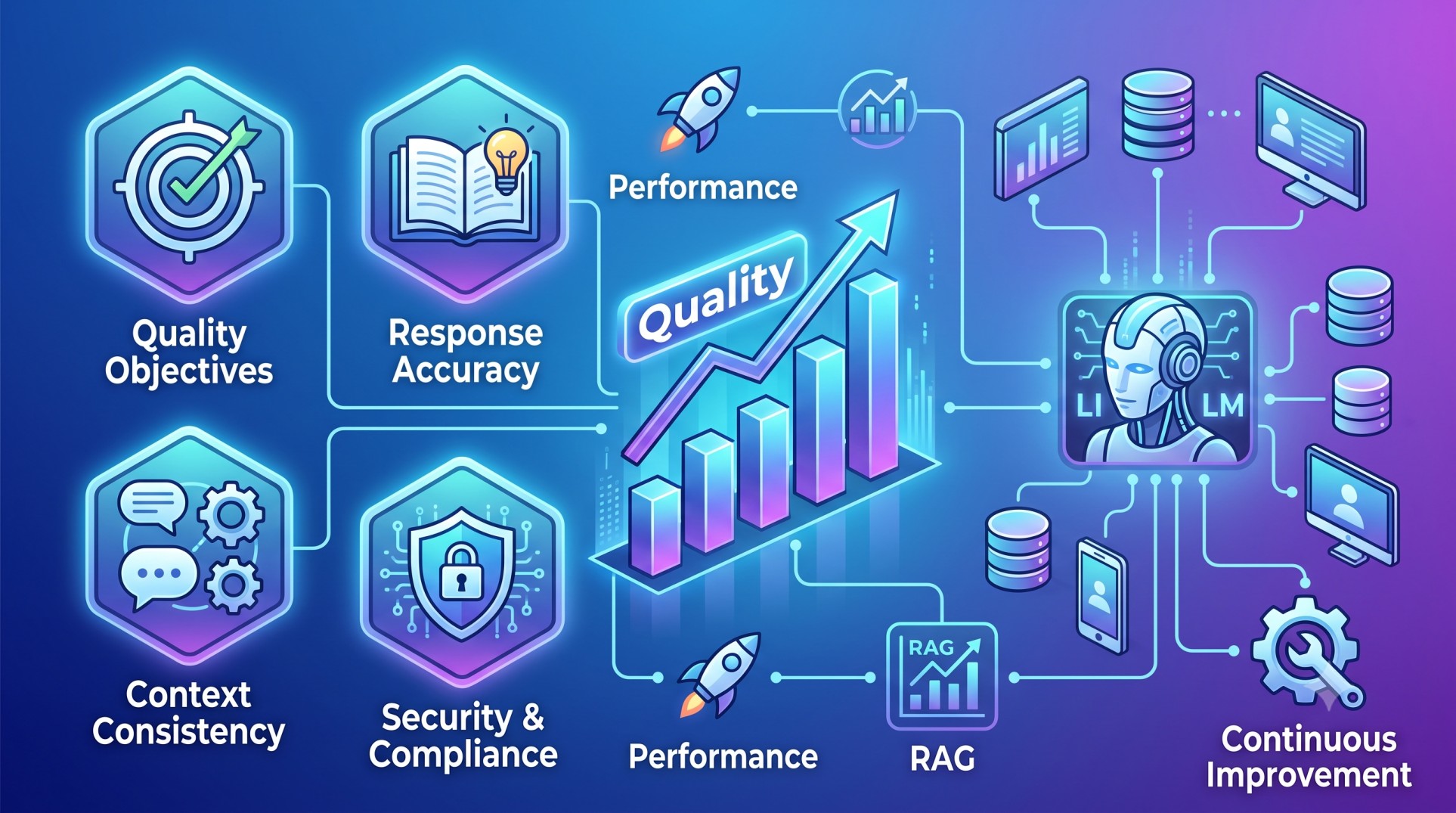
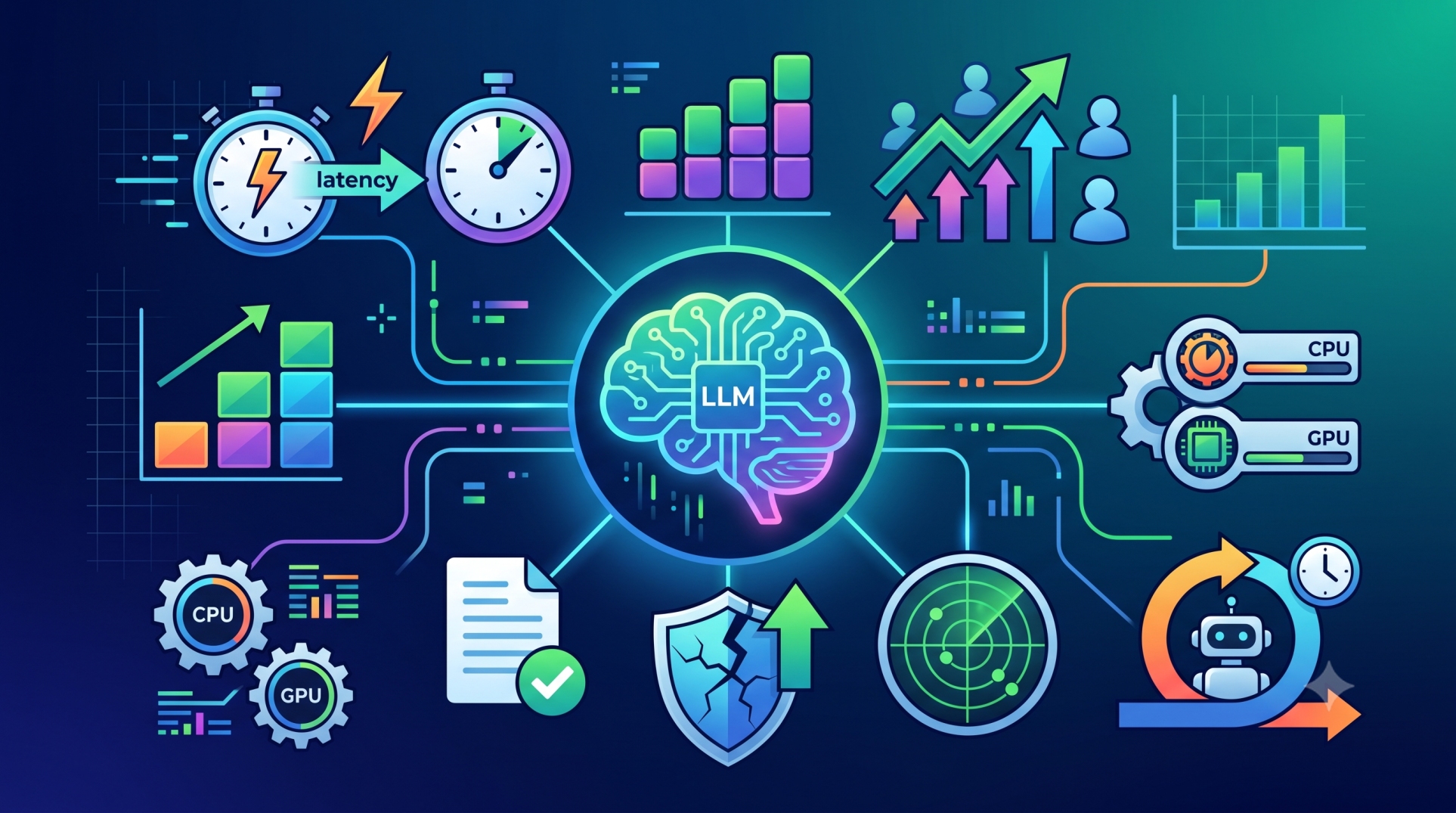
Step 2: Monitoring Model Performance 📊
• Track model accuracy, latency, and response quality continuously 📈
• Detect performance degradation over time ⚠️
• Monitor prediction consistency across use cases 🔍
• Compare live results against expected benchmarks 📏
• Trigger alerts when thresholds are exceeded 🚨
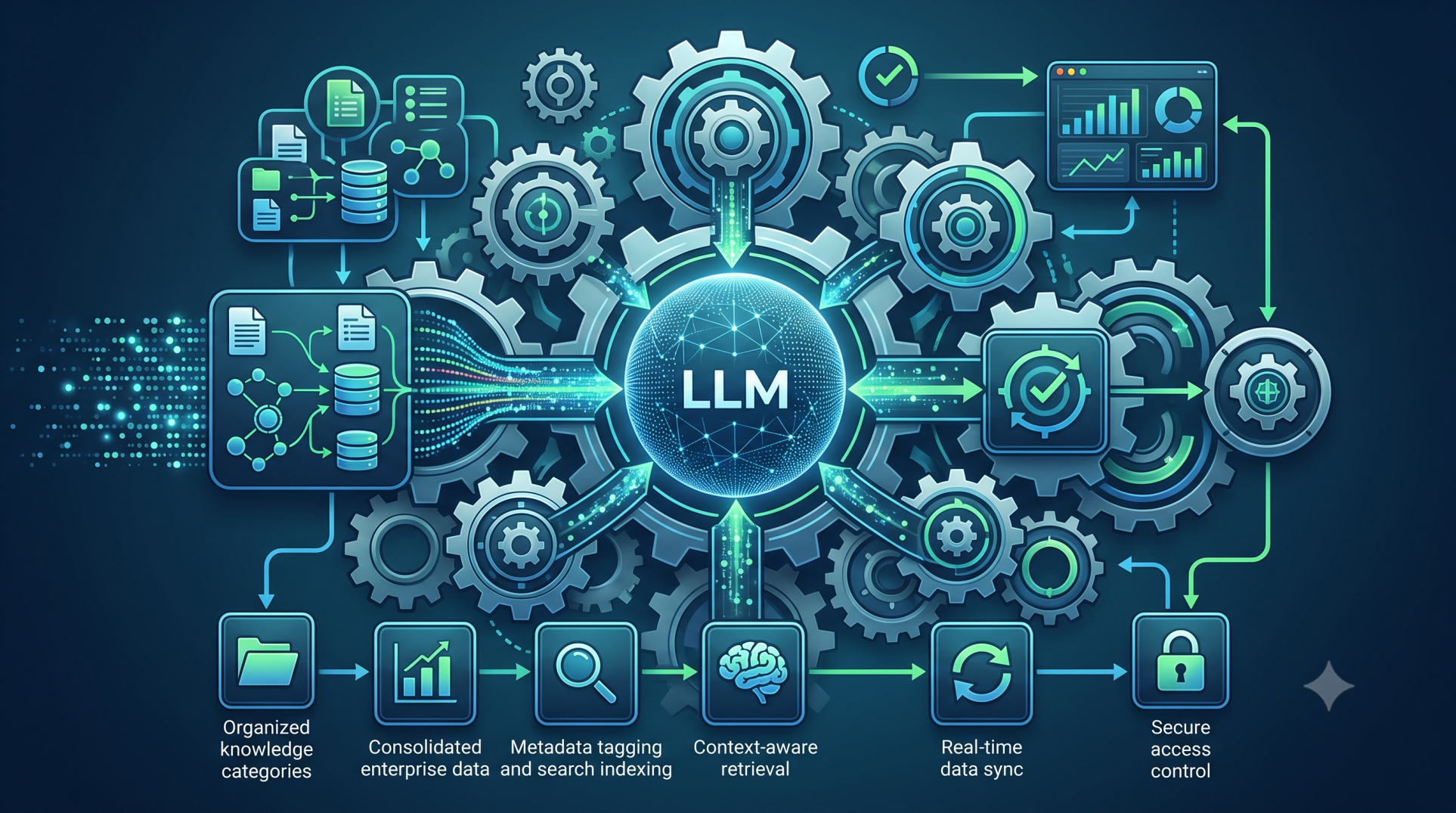
Step 3: Managing Data Quality and Pipelines 🔗
• Monitor incoming data sources for completeness and accuracy 📂
• Detect anomalies, duplicates, or missing values quickly 🔎
• Maintain stable ETL and data processing pipelines ⚙️
• Ensure fresh data is available for models and analytics 🔄
• Prevent pipeline failures from impacting operations 🚧
Step 4: Updating Models and Retraining 🔄
• Retrain models as business patterns and user behavior change 🤖
• Replace outdated models with improved versions 🚀
• Test new models before production deployment 🧪
• Maintain version control for models and datasets 📁
• Use staged rollouts to reduce implementation risk 🎯
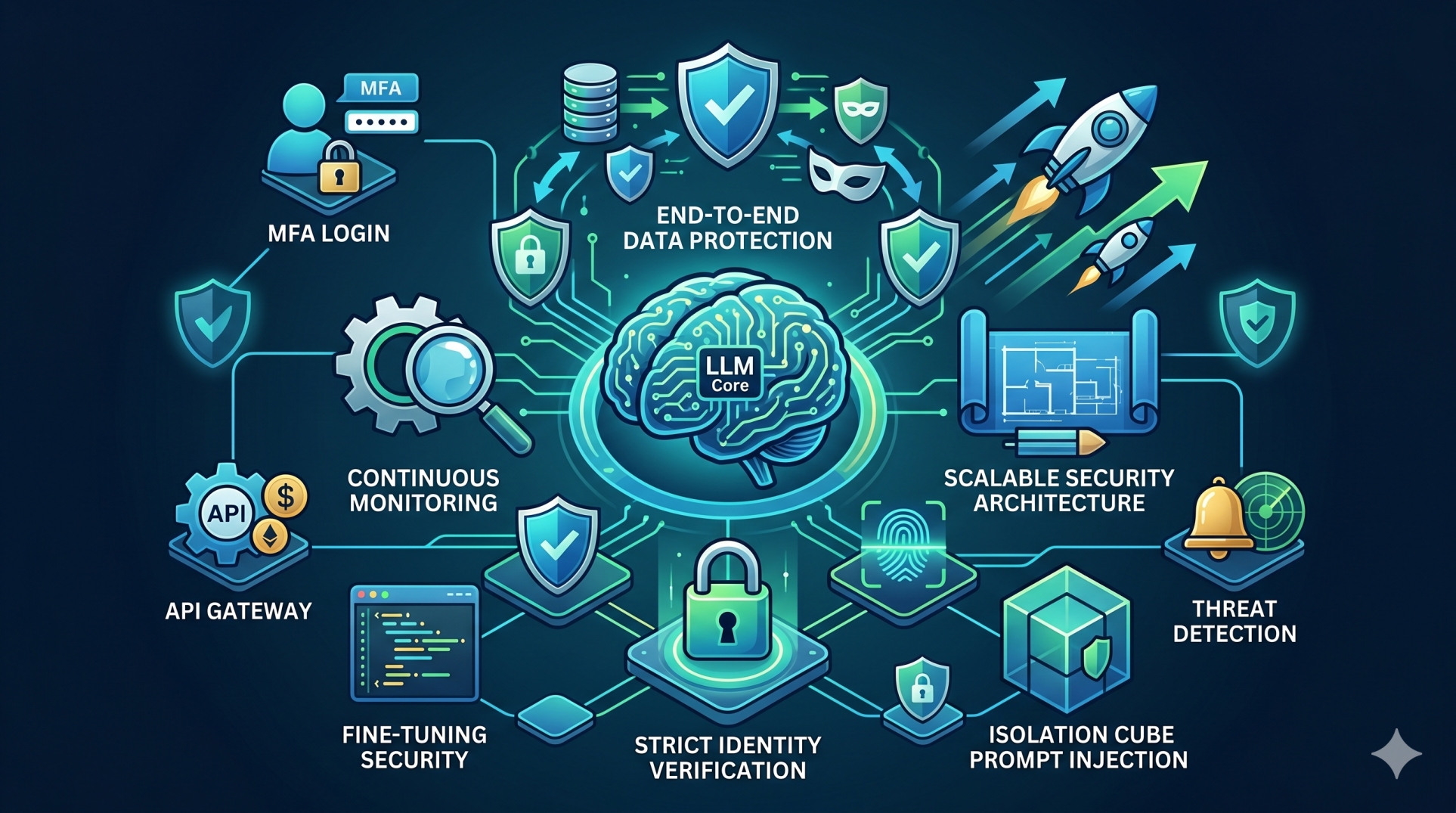
Step 5: Strengthening Platform Security 🔐
• Patch vulnerabilities across infrastructure and applications 🛡️
• Protect APIs, user accounts, and sensitive data 🔐
• Monitor suspicious activity and unauthorized access 👁️
• Maintain compliance with security standards 📜
• Perform regular audits and penetration testing 🔍
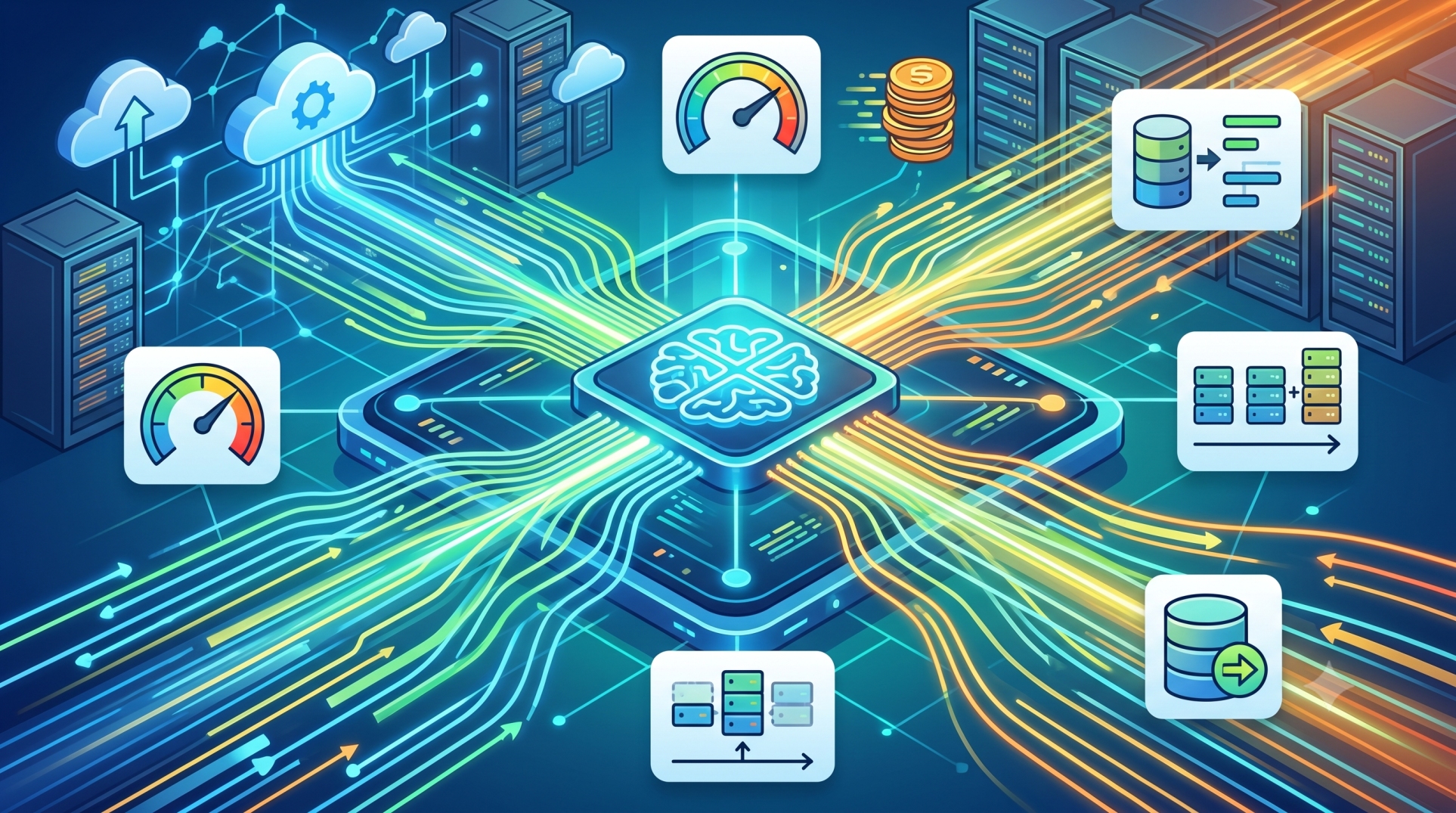
Step 6: Optimizing Infrastructure Performance ☁️
• Monitor servers, cloud resources, and storage utilization 📊
• Scale infrastructure based on usage demand 📈
• Optimize compute costs for AI workloads 💰
• Reduce downtime through redundancy and failover systems ⚡
• Improve response speed for end users 🚀
Step 7: Enhancing User Experience 🌐
• Collect feedback on AI outputs and platform usability 💬
• Improve interfaces based on user behavior insights 📱
• Reduce friction in workflows and navigation 🔄
• Increase trust through transparency and explainability 🤝
• Continuously refine product experience 🎯
Step 8: Key Maintenance Priorities 📌
• Reliable platform uptime and availability ⏱️
• Accurate and efficient AI model performance 🤖
• Strong security and compliance controls 🔐
• Scalable systems for future growth 📈
Step 9: Handling Incidents and Exceptions 🚨
• Build rapid response processes for outages and failures 🚨
• Diagnose root causes using logs and monitoring tools 🔍
• Restore services quickly with rollback plans 🔄
• Communicate incidents clearly to stakeholders 📢
• Learn from failures through post-incident reviews 📘
Step 10: Building a Future-Ready AI Product Ecosystem 🚀
• Design maintenance strategies that scale with growth 🌍
• Support modular upgrades without disruption 🧩
• Integrate new AI capabilities over time 🤖
• Adapt quickly to market and technology shifts 🔄
• Use maintenance insights to guide innovation 💡
Conclusion
Product maintenance strategies are critical for sustaining the success of AI-driven platforms. By continuously monitoring models, infrastructure, security, and user experience, organizations can maintain reliability while improving performance over time. A proactive maintenance approach not only reduces operational risk but also ensures AI platforms remain competitive, scalable, and valuable in a rapidly changing digital landscape.
See more blogs
You can all the articles below