Runtime Guardrails for Enterprise AI Systems
Runtime Guardrails for Enterprise AI Systems
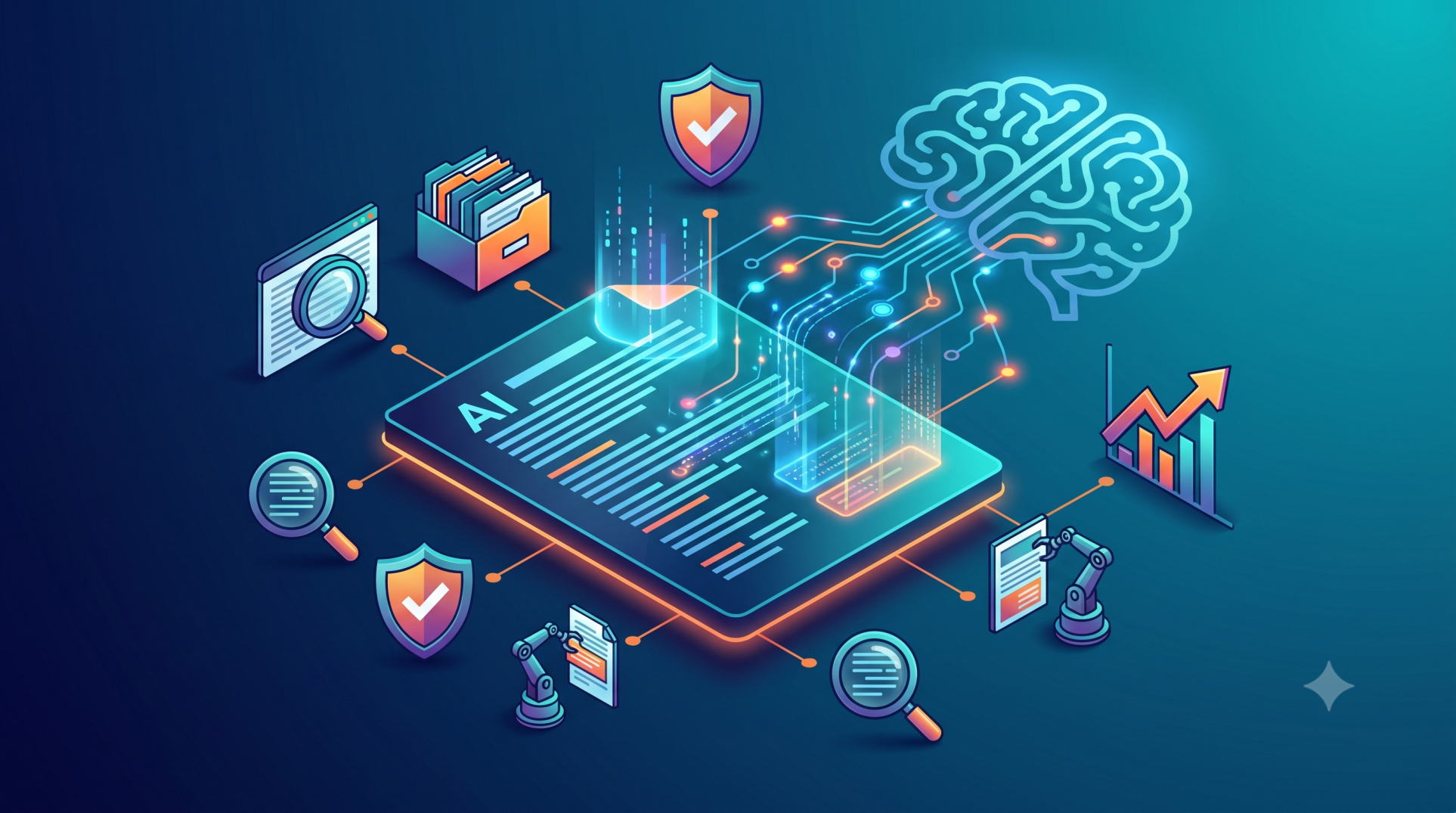
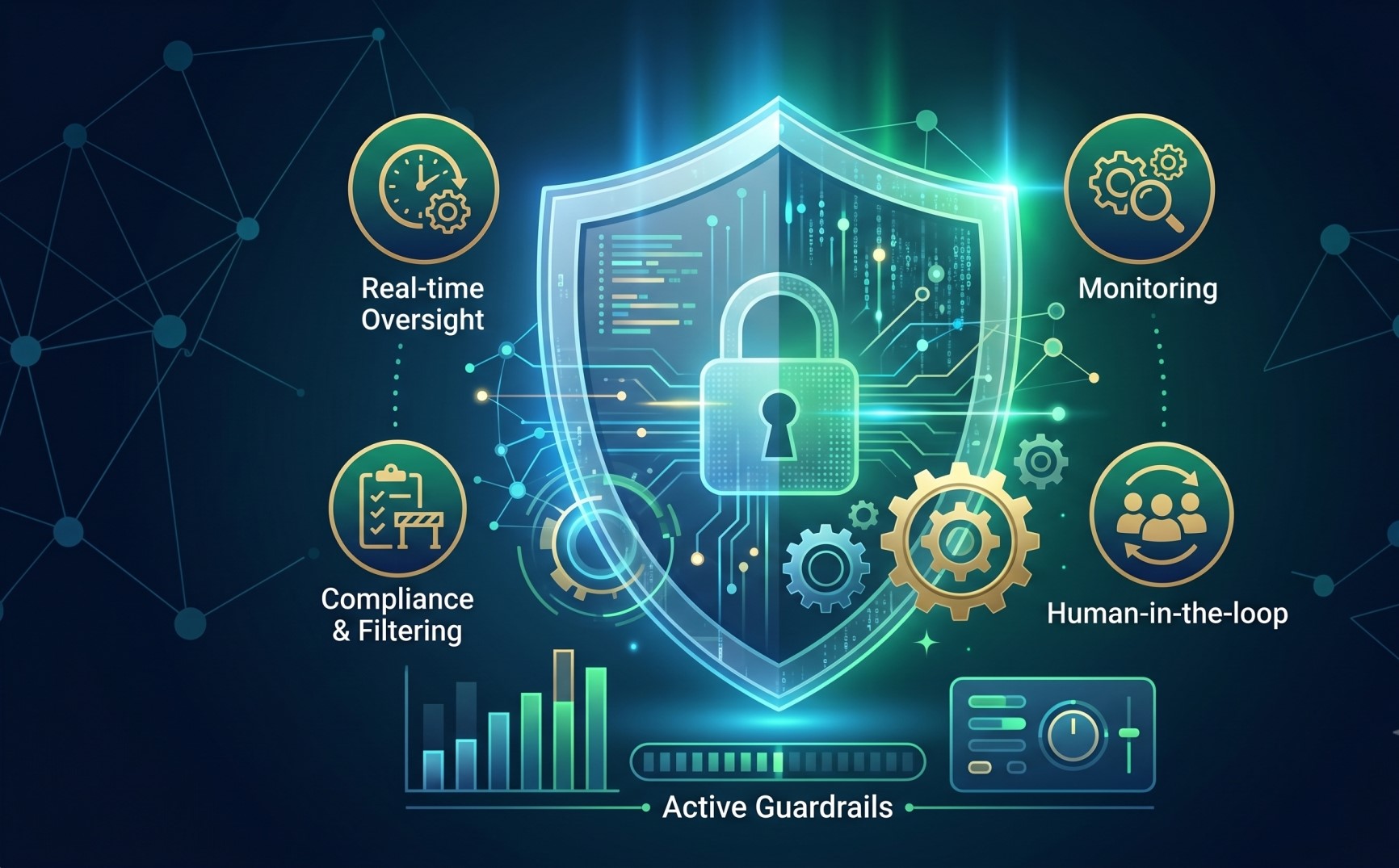
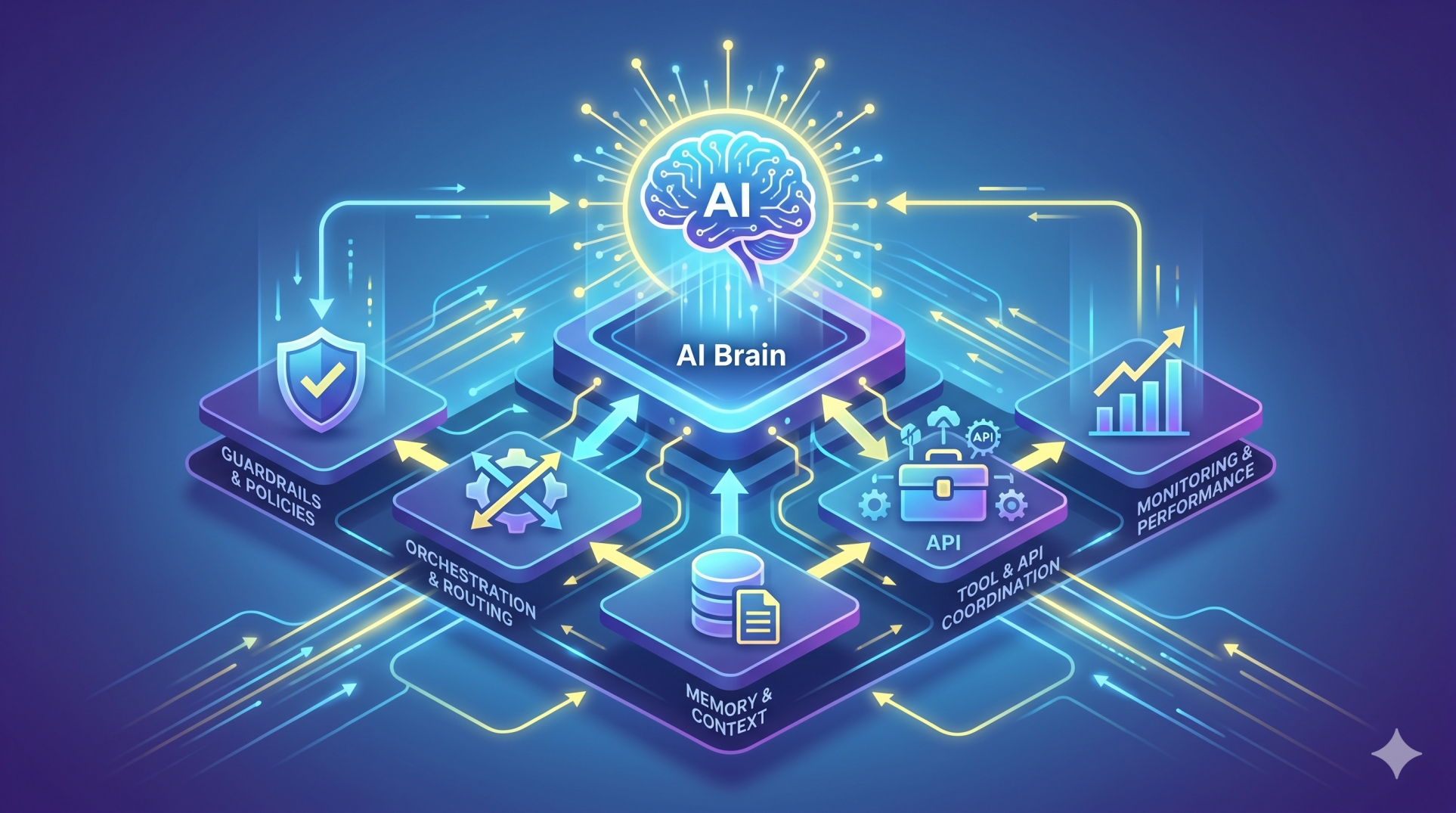
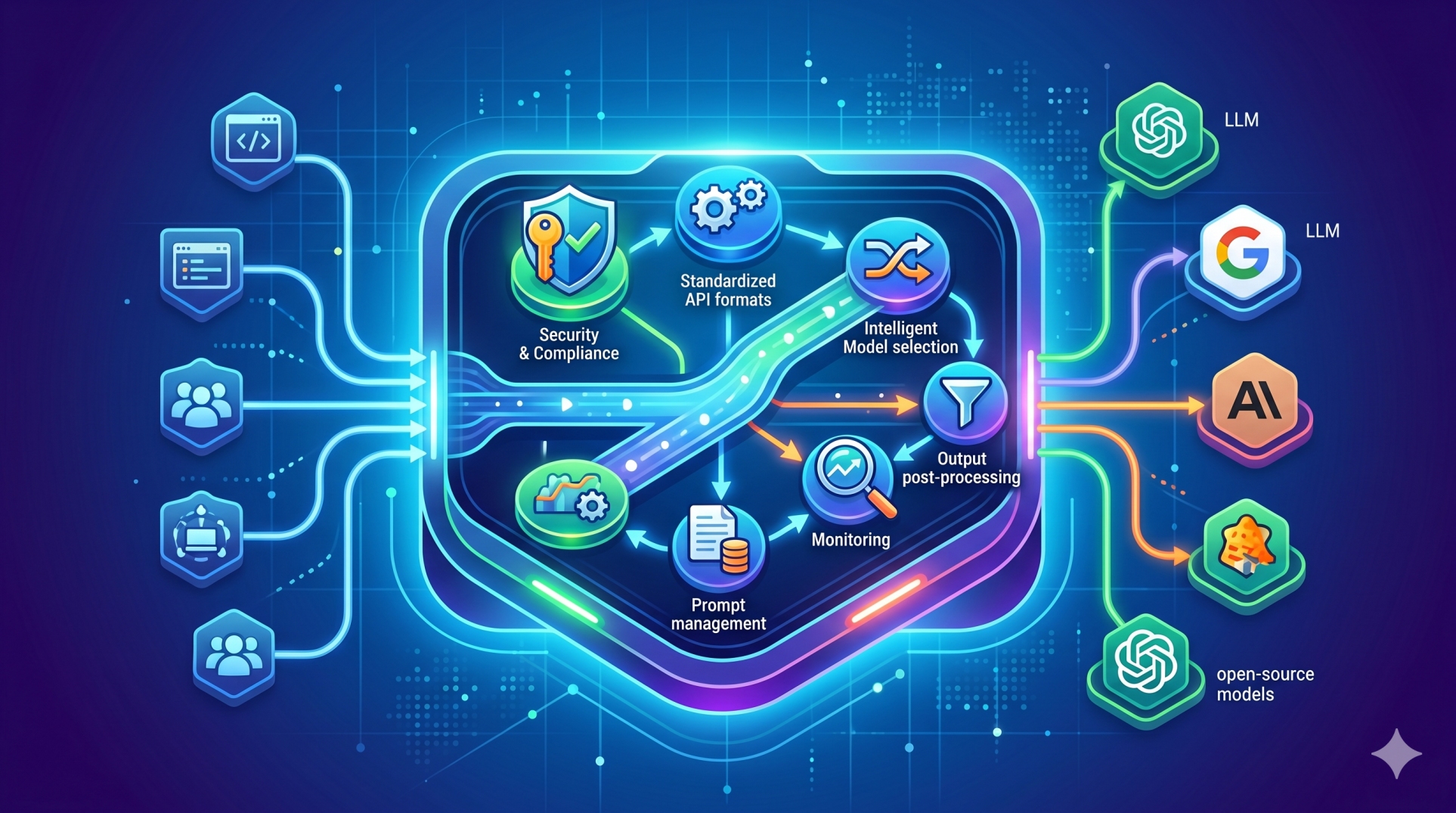
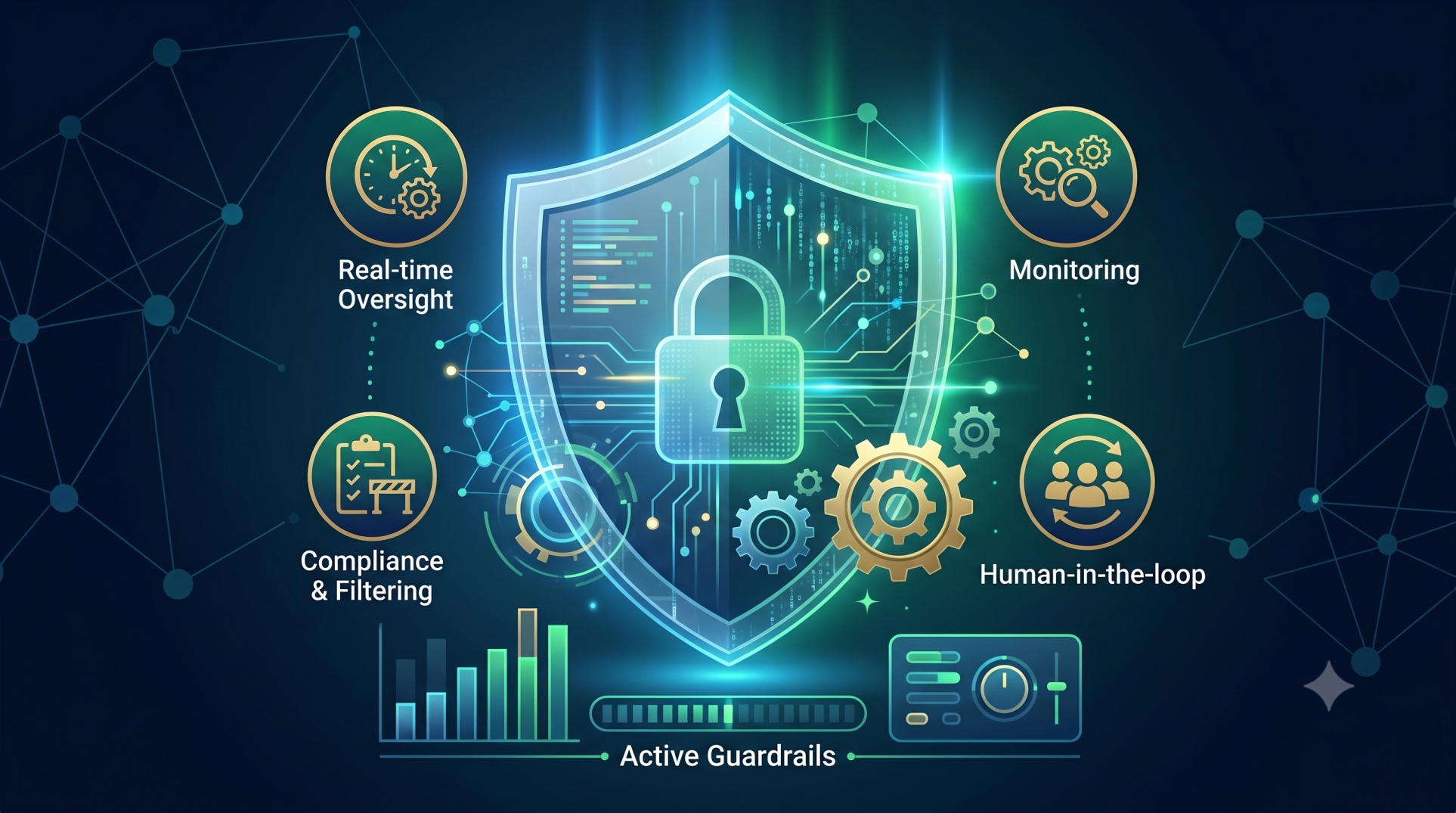
As enterprise AI adoption accelerates, organizations must ensure that AI systems operate safely, reliably, and within defined business and compliance boundaries. Runtime guardrails provide real-time oversight and control mechanisms that monitor AI behavior during operation. These safeguards help prevent harmful outputs, reduce operational risks, and maintain trust in AI-driven decision-making across enterprise environments.
Step 1: Understanding Runtime Guardrails 🛡️
• Runtime guardrails monitor AI behavior during live operations 🔍
• They enforce safety, compliance, and business policies in real time ⚙️
• Guardrails help prevent harmful, biased, or unauthorized outputs 🚫
• They provide oversight across AI interactions and workflows 🤖
• Effective guardrails improve trust and reliability in enterprise AI ✅
Step 2: Defining Policy and Compliance Boundaries 📜
• Establish clear rules for acceptable AI behavior 📋
• Align guardrails with legal, regulatory, and internal policies 🏛️
• Define restrictions for sensitive or confidential information 🔐
• Ensure AI outputs comply with industry standards 📑
• Continuously update policies as regulations evolve 🔄
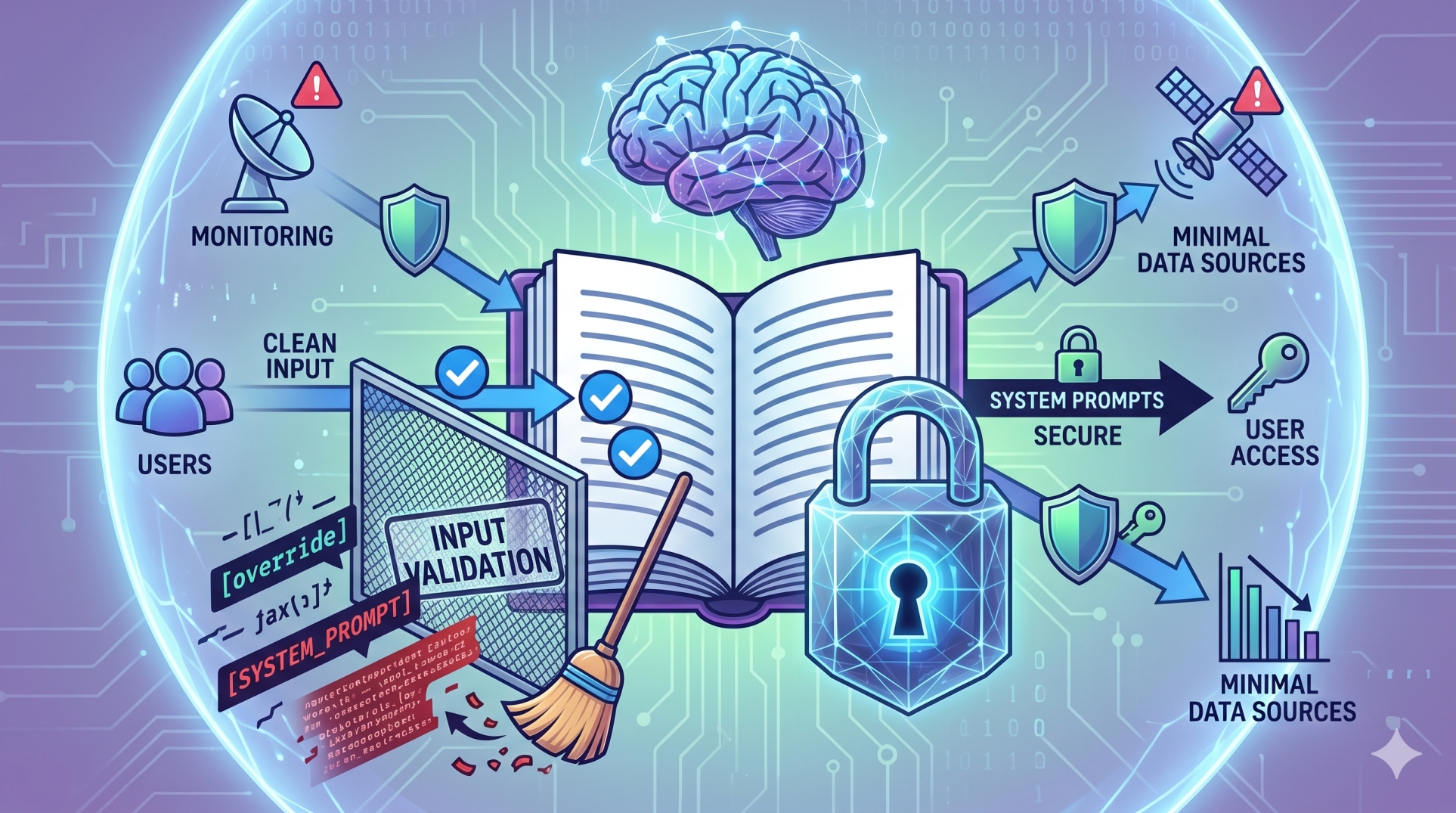
Step 3: Input Validation and Filtering 🚦
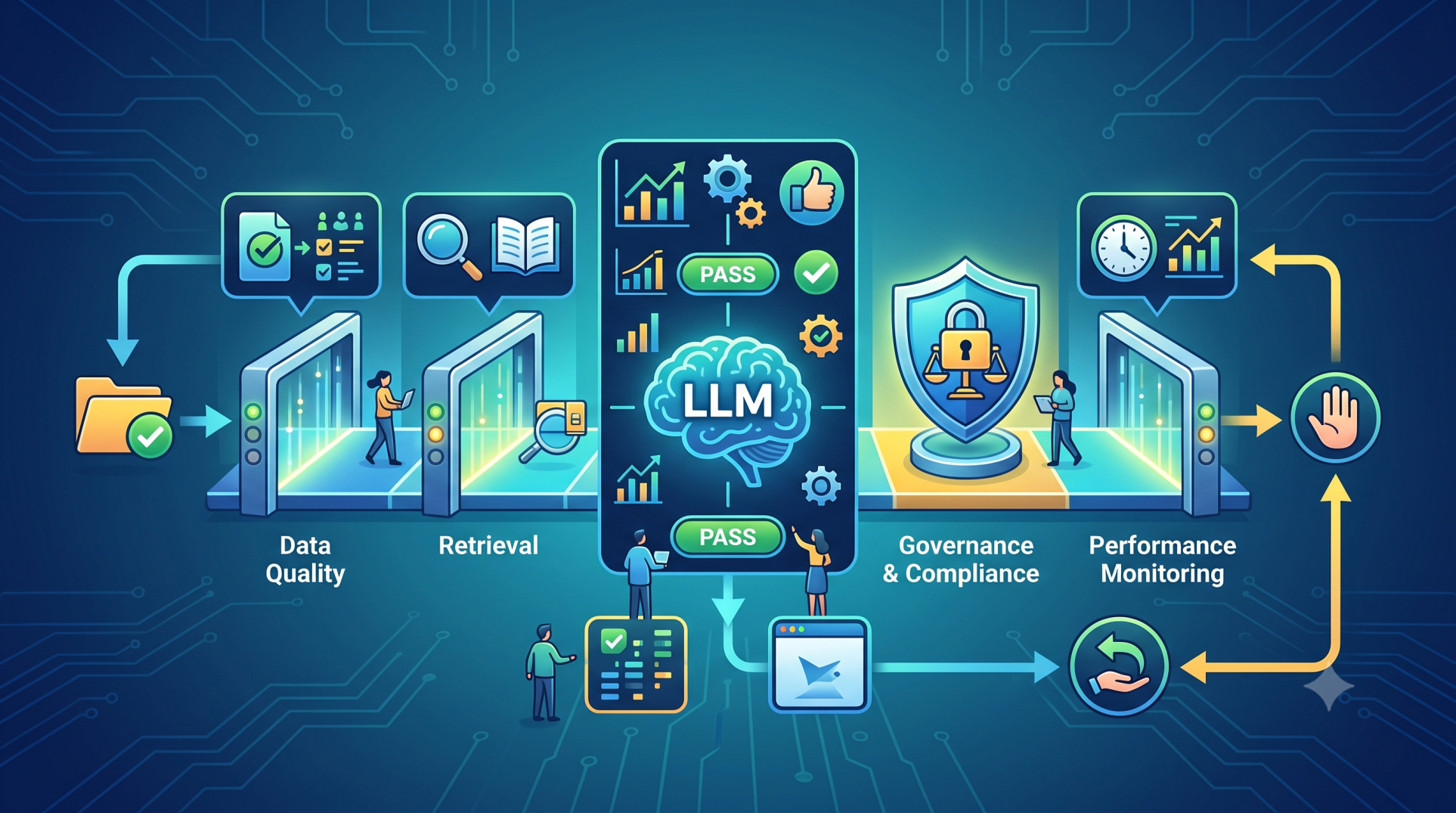
• Validate incoming prompts and user requests before processing 🔎
• Detect harmful, malicious, or unauthorized inputs ⚠️
• Prevent prompt injection and manipulation attempts 🧠
• Filter sensitive data before it reaches AI systems 🔒
• Maintain secure and controlled AI interactions 🛡️
Step 4: Output Monitoring and Response Control 🎯
• Analyze AI-generated responses in real time 👁️
• Block unsafe, biased, or non-compliant outputs 🚫
• Apply response moderation based on business policies ⚙️
• Ensure generated content aligns with organizational standards 📘
• Maintain consistent and reliable user experiences 🤝
Step 5: Role-Based Access and Permissions 👥
• Restrict AI capabilities based on user roles and responsibilities 🔑
• Control access to sensitive workflows and enterprise data 📂
• Apply permission-based interaction rules 🏢
• Ensure only authorized users can execute critical tasks ✅
• Maintain strong identity and access management practices 🔐
Step 6: Real-Time Monitoring and Observability 📊
• Track AI activity, system performance, and user interactions 📈
• Maintain visibility into runtime decisions and workflows 👁️
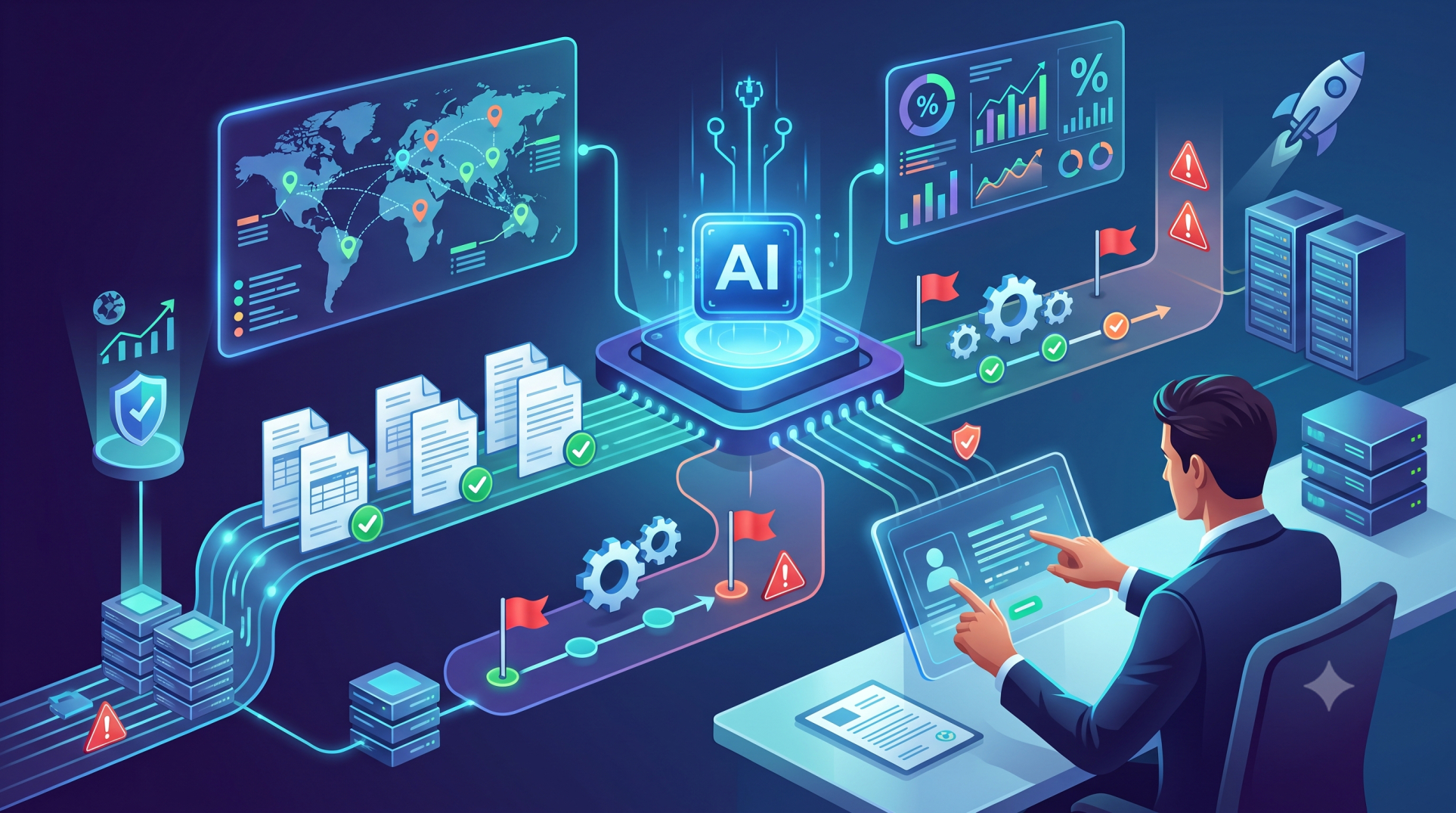
• Generate alerts for abnormal or risky behavior 🚨
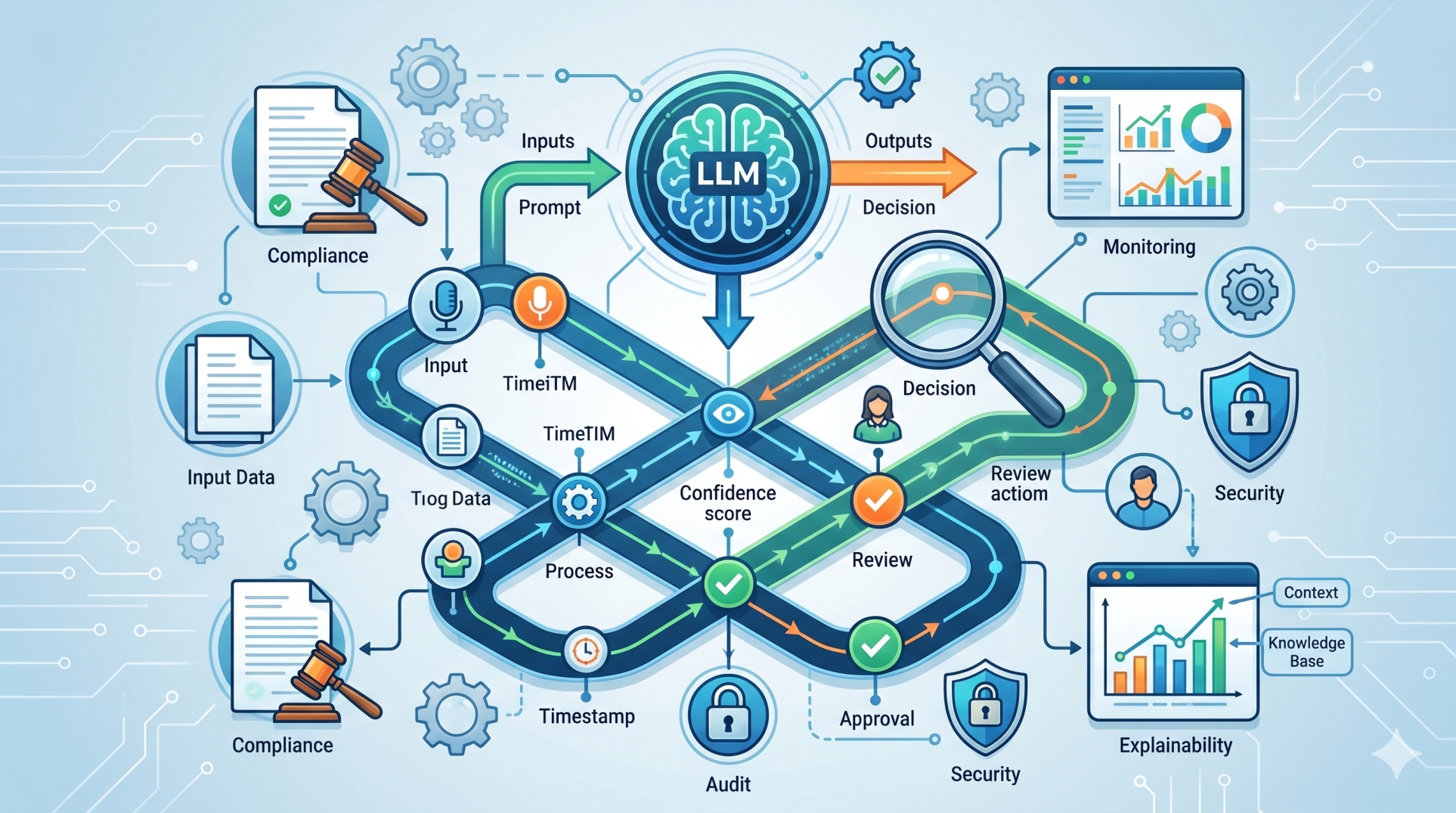
• Capture logs for auditing and troubleshooting 📝
• Enable proactive risk management and governance 🛡️
Step 7: Human-in-the-Loop Oversight 🤝
• Route high-risk decisions for human review 👨💼
• Enable approval workflows for sensitive operations ✔️
• Allow operators to intervene when issues are detected ⚠️
• Balance automation with human judgment ⚖️
• Improve accountability across AI-driven processes 📋
Step 8: Key Runtime Guardrail Priorities 📌
• Real-time safety and compliance enforcement 🛡️
• Secure handling of enterprise data 🔐
• Transparent monitoring and auditability 📊
• Reliable control over AI-generated actions 🤖
Step 9: Handling Exceptions and Risk Events ⚠️
• Detect unusual AI behavior or operational anomalies 🔍
• Trigger fallback responses during failures or uncertainty 🔄
• Prevent escalation of harmful outputs 🚫
• Isolate affected workflows to reduce operational impact 🧩
• Enable rapid recovery and incident response 🚨
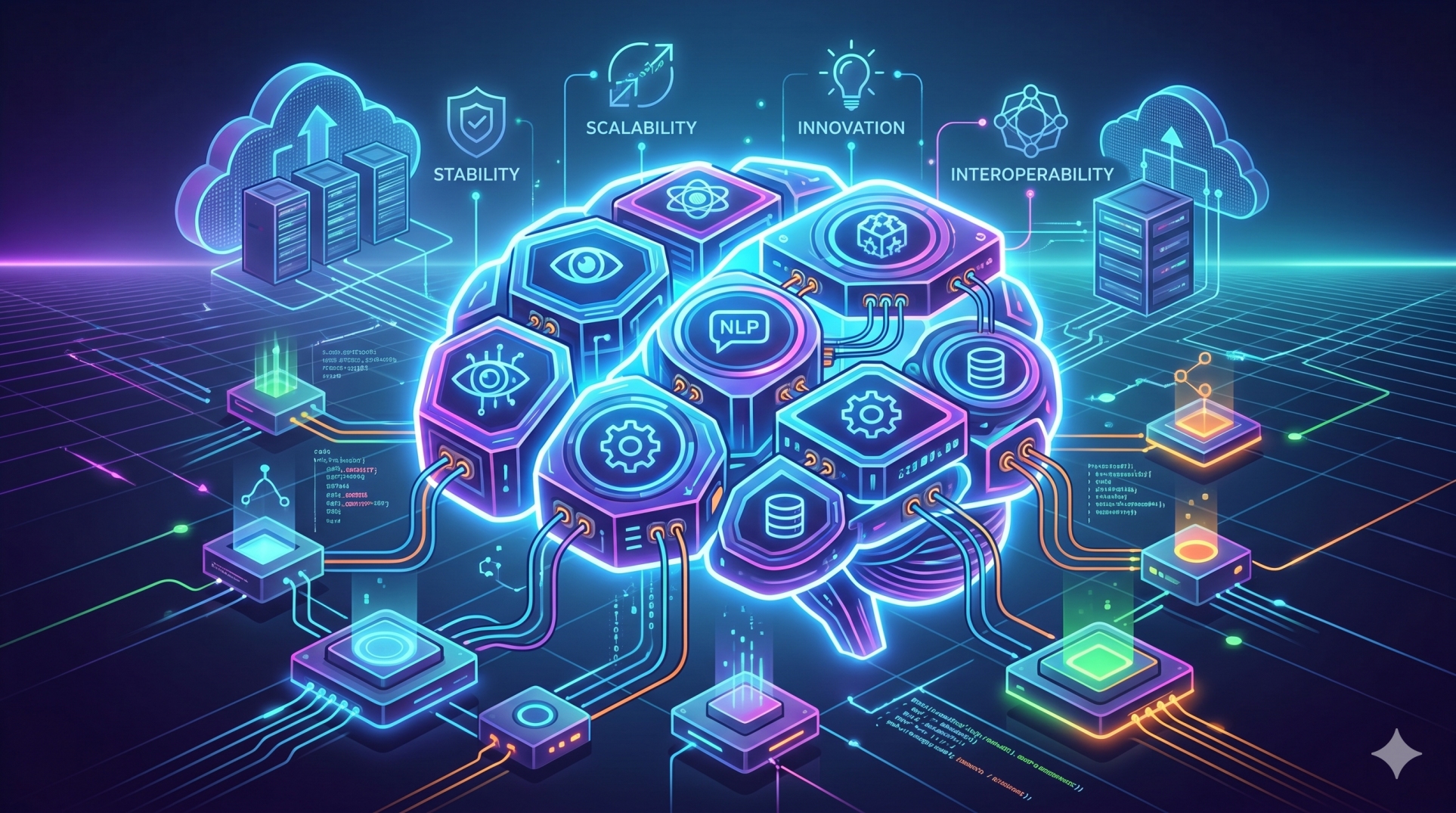
Step 10: Building a Scalable AI Governance Framework 🚀
• Design guardrails that scale across enterprise AI systems 🌐
• Support multiple AI models and deployment environments 🤖
• Maintain flexibility for evolving business requirements 🔄
• Continuously improve safeguards using operational insights 📈
• Future-proof governance through modular architecture 🏗️
Conclusion
Runtime guardrails are essential for ensuring enterprise AI systems operate safely, securely, and responsibly in real-world environments. By combining policy enforcement, real-time monitoring, human oversight, and scalable governance strategies, organizations can reduce operational risks while maximizing the value of AI. Strong runtime controls not only improve compliance and reliability but also build long-term confidence in enterprise AI adoption.
See more blogs
You can all the articles below