Custom LLM Solutions for Enterprise Workflows
Custom LLM Solutions for Enterprise Workflows
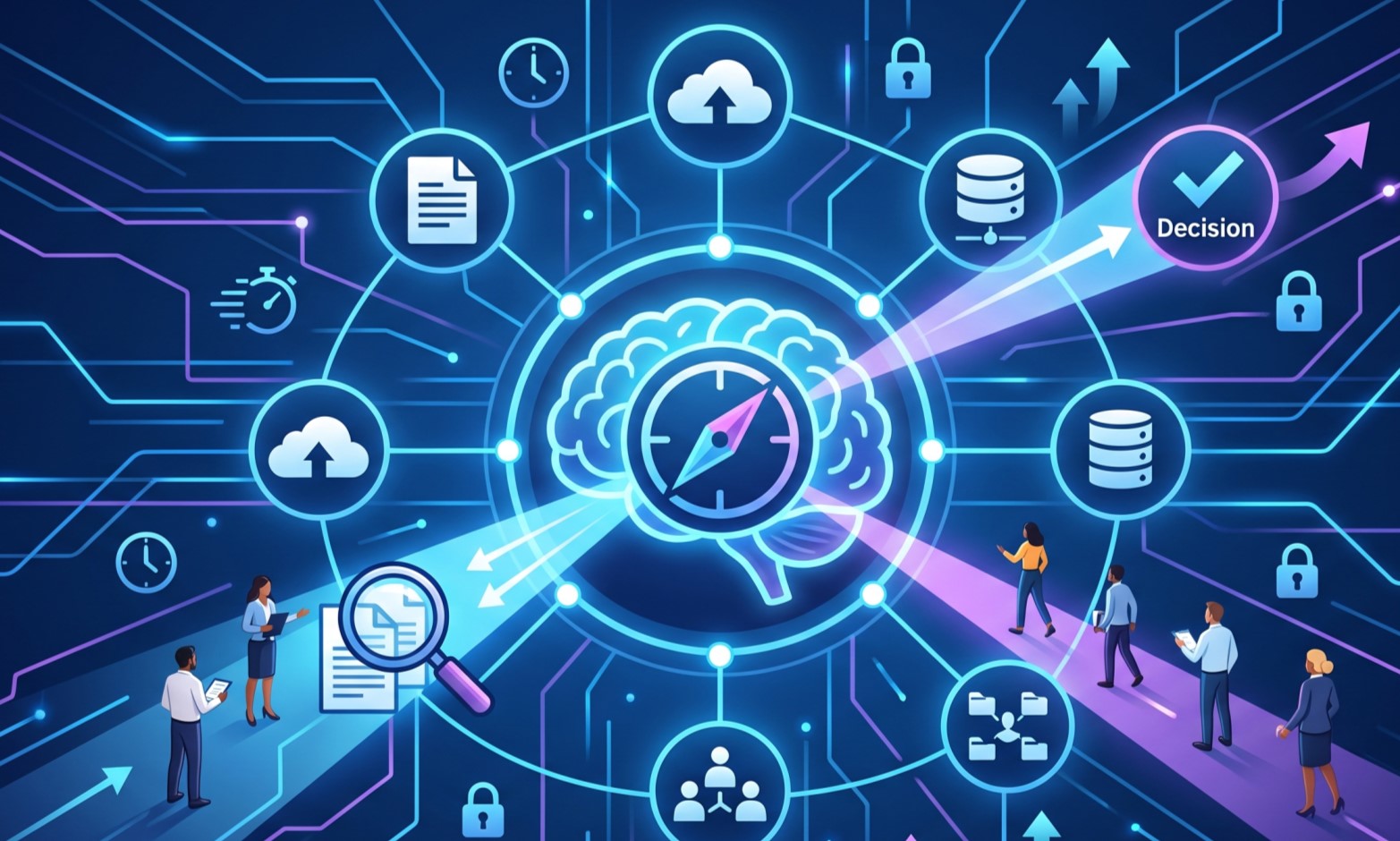
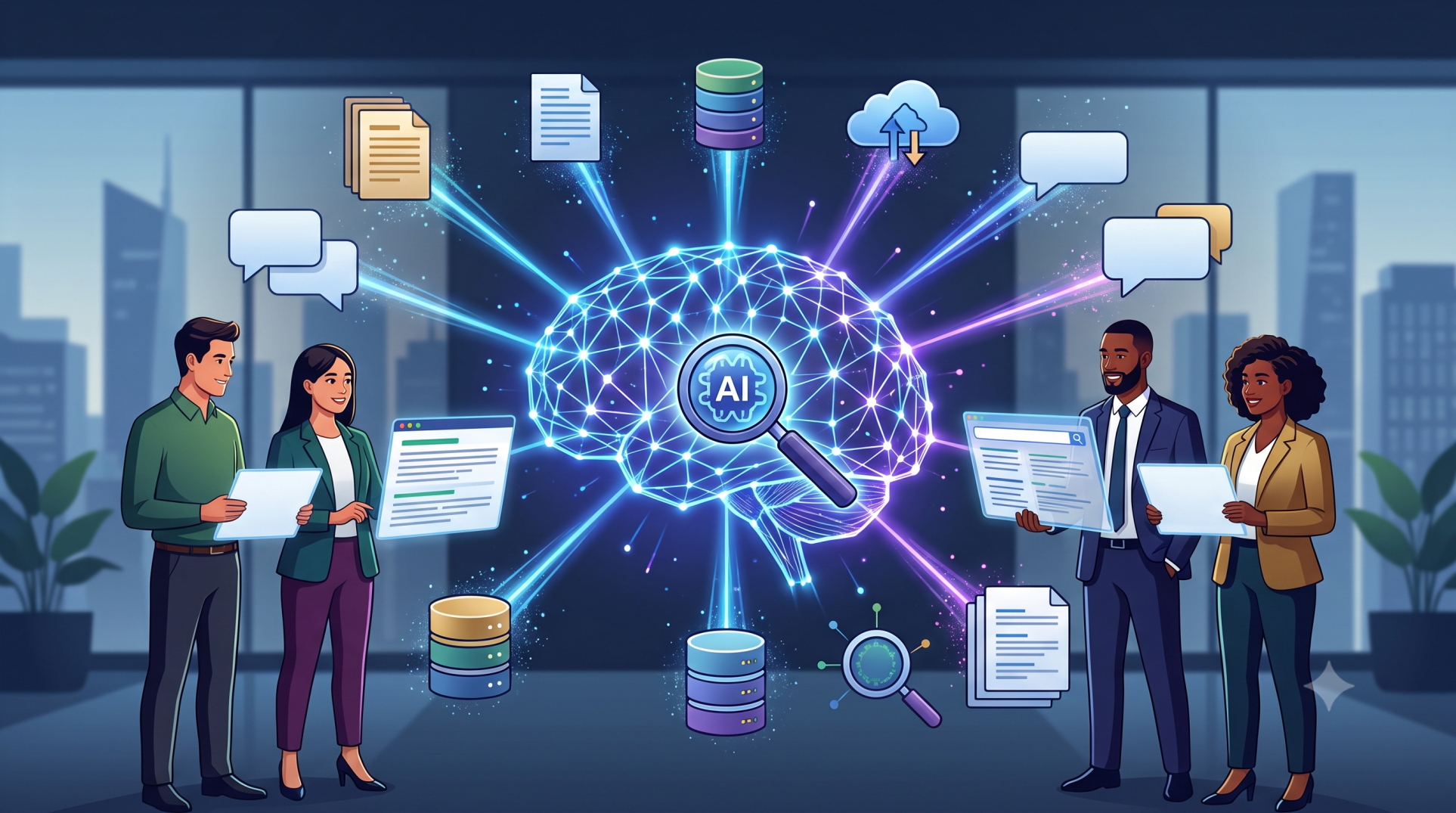
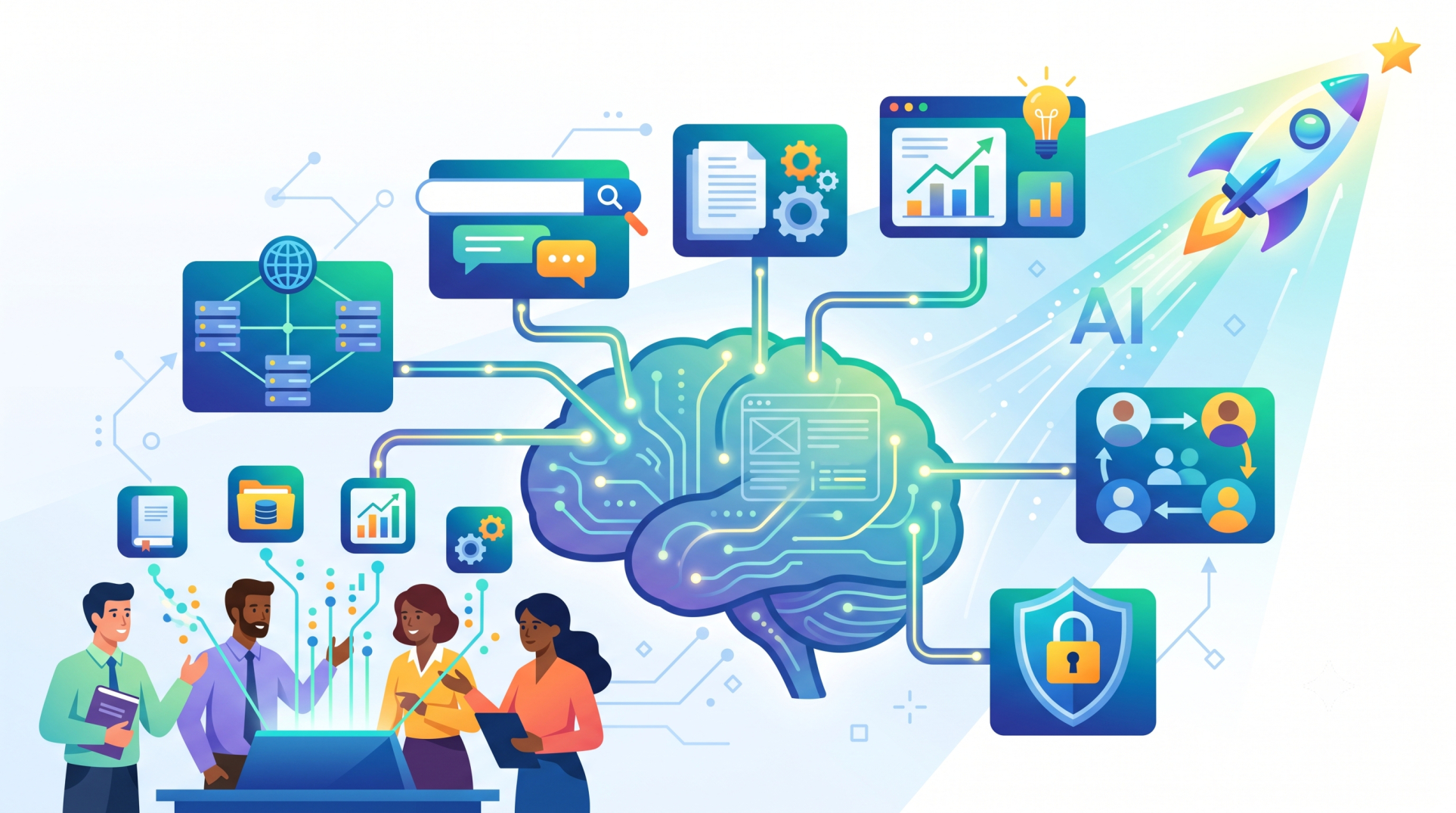
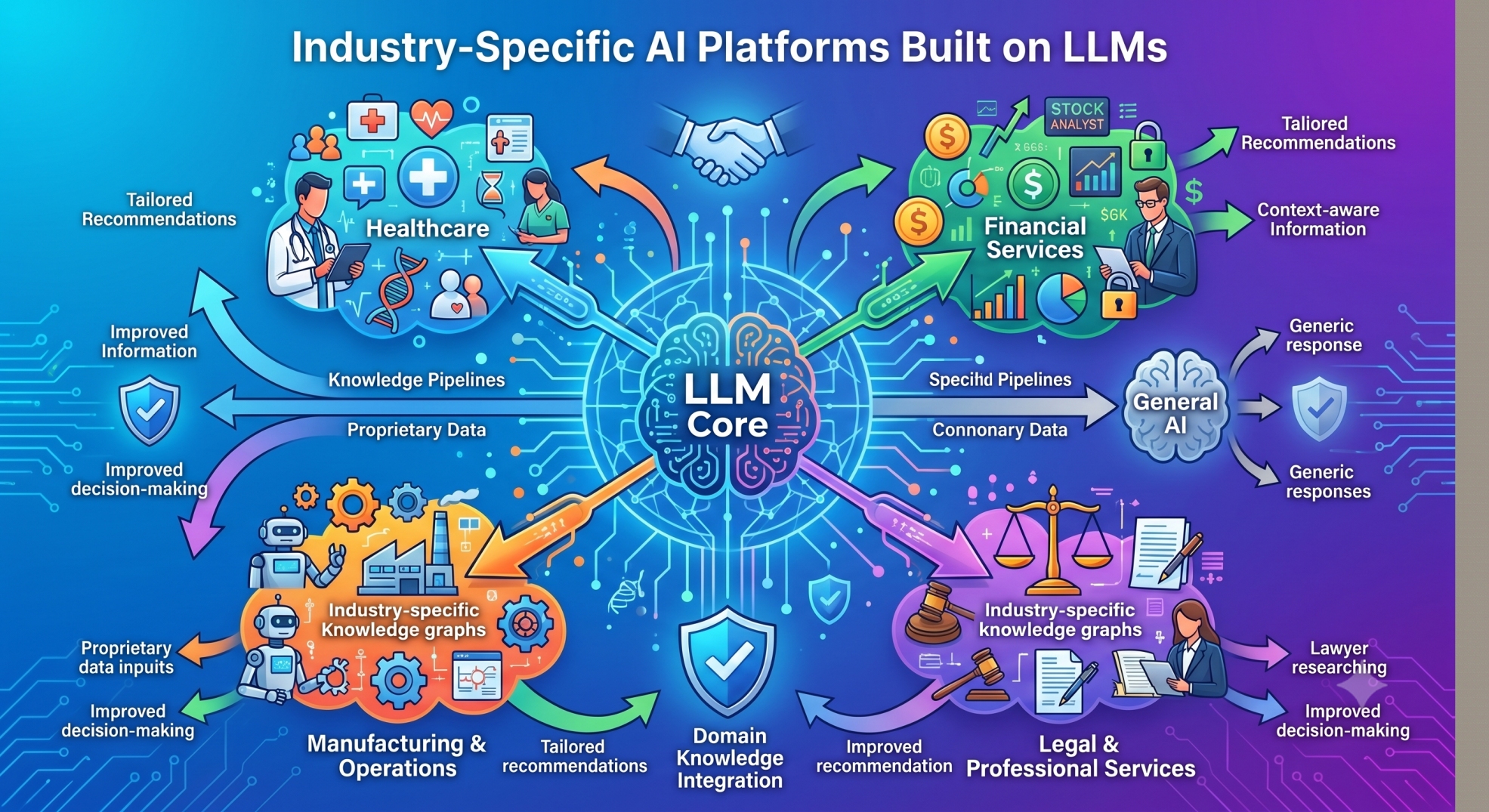
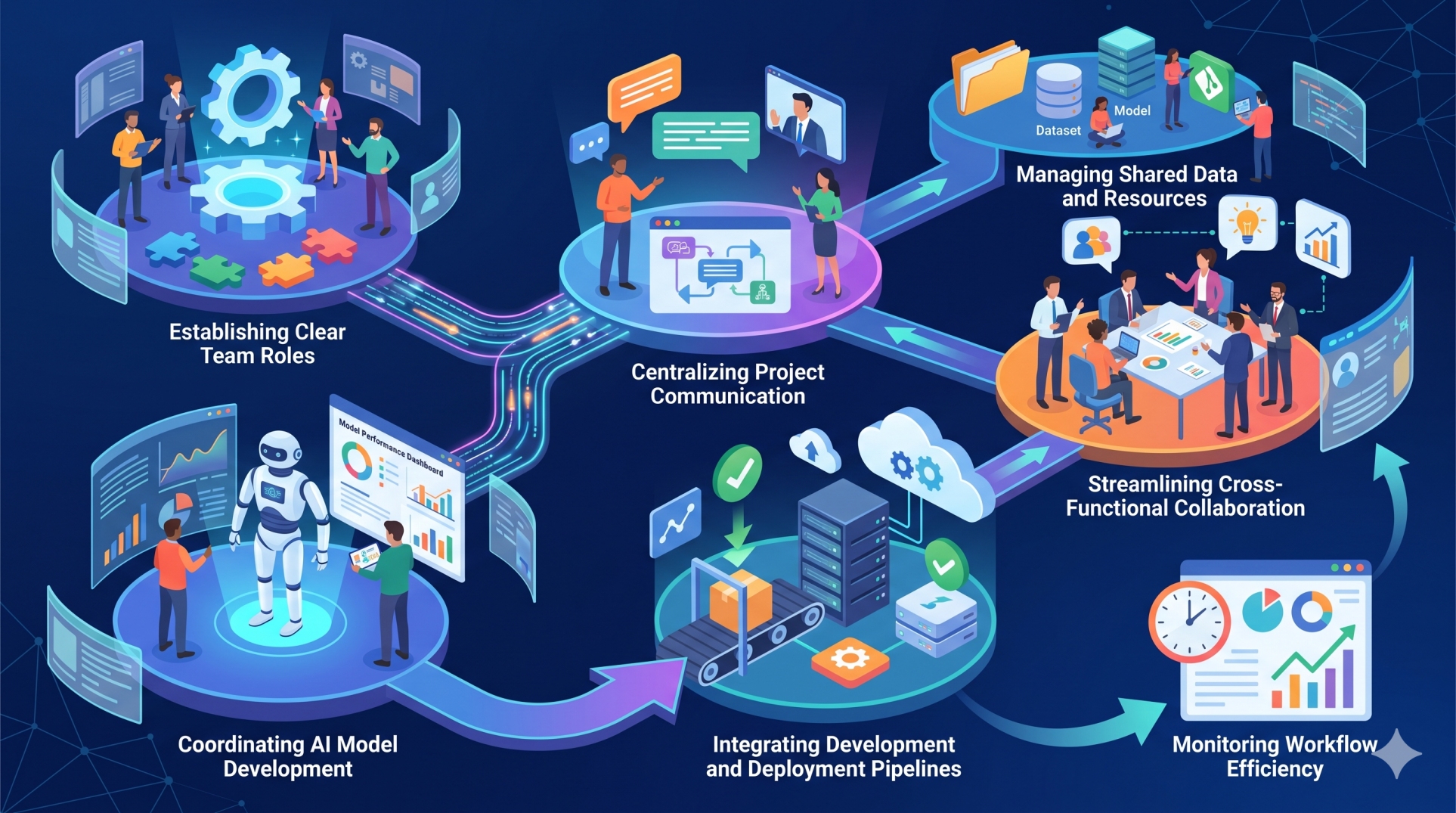
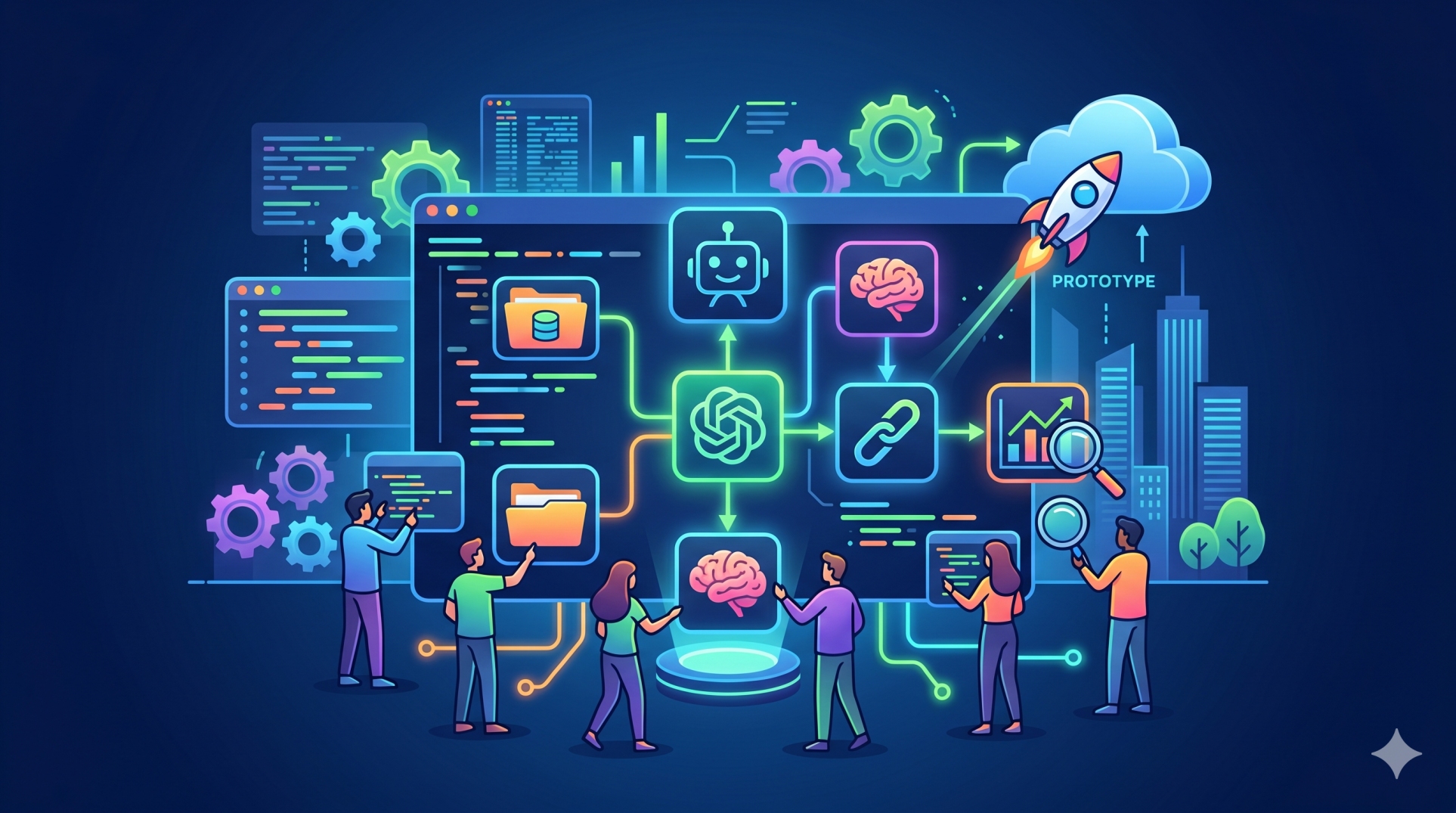
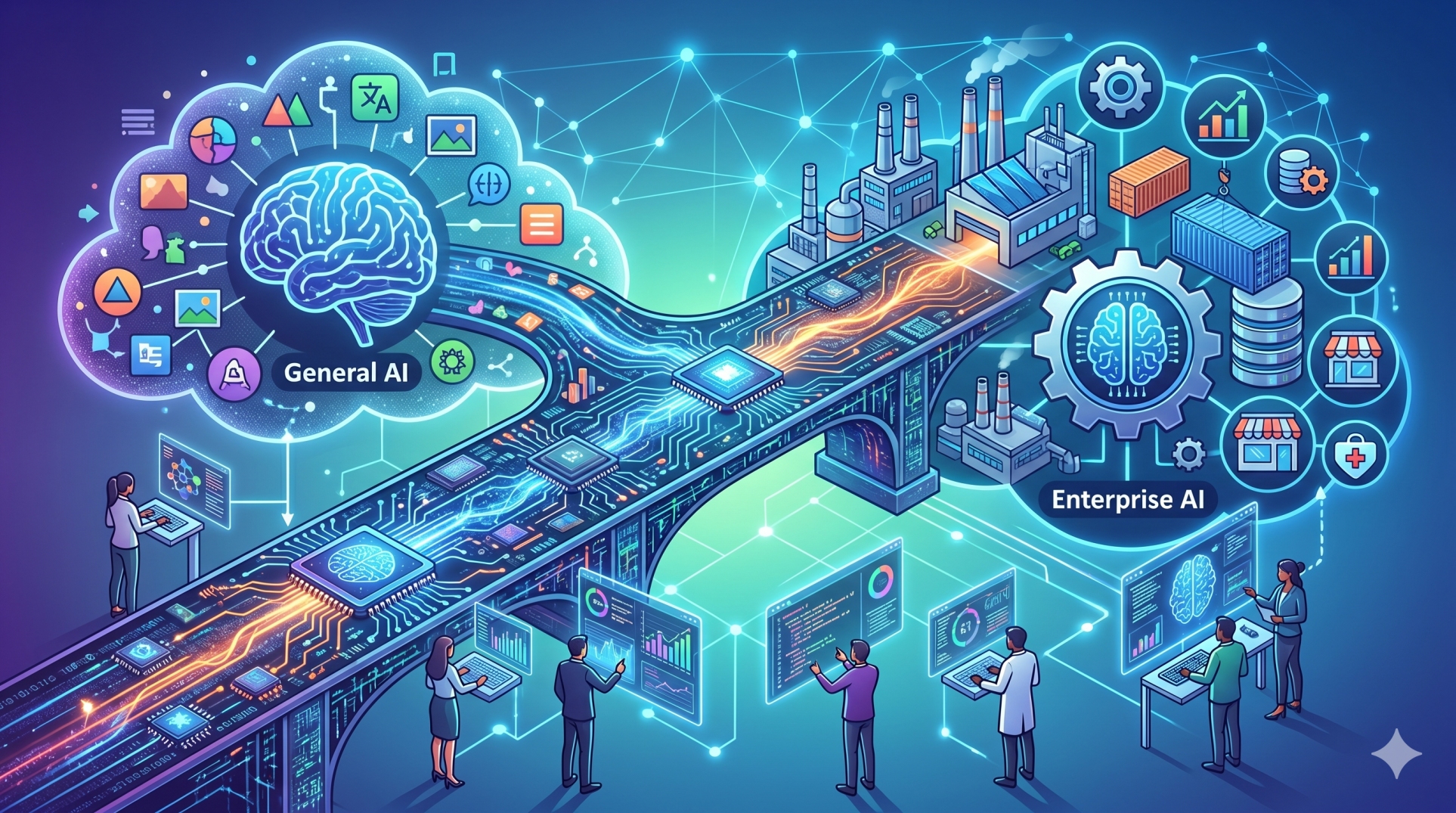
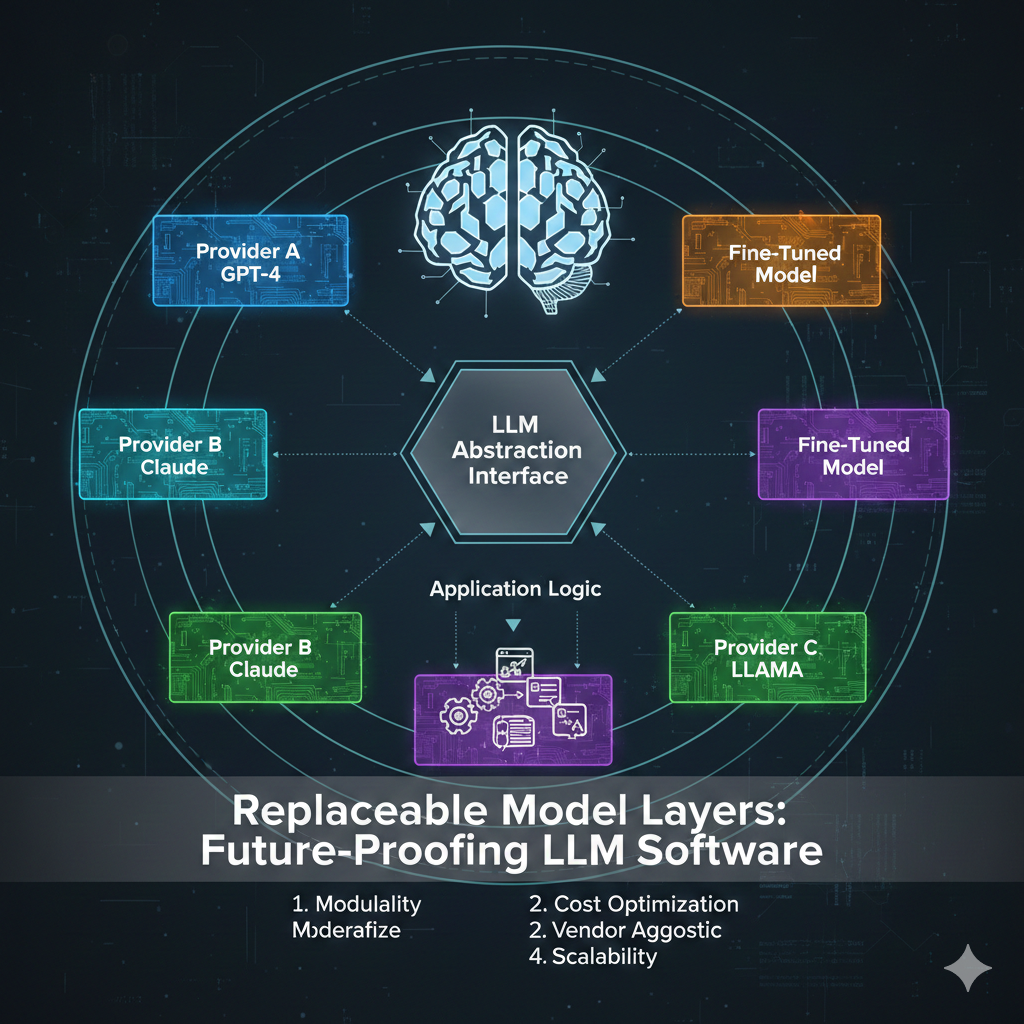
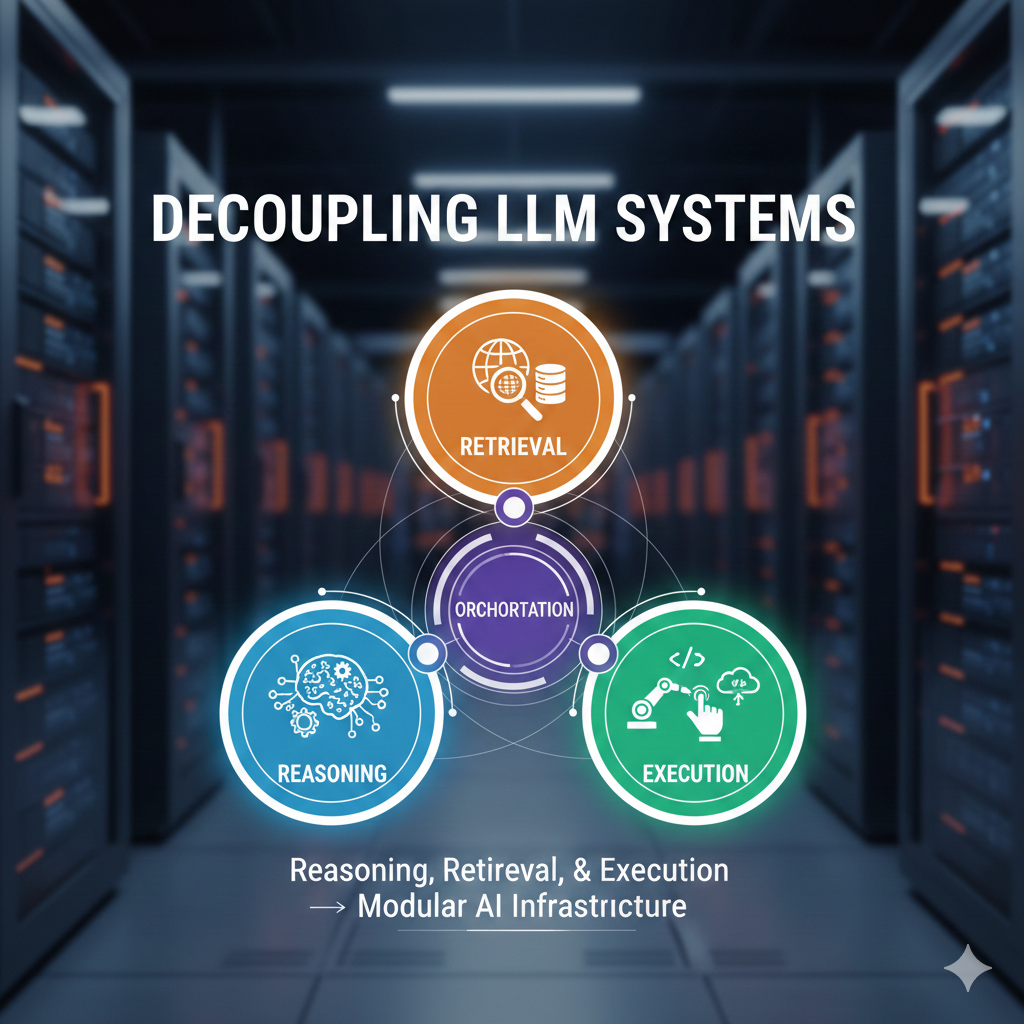
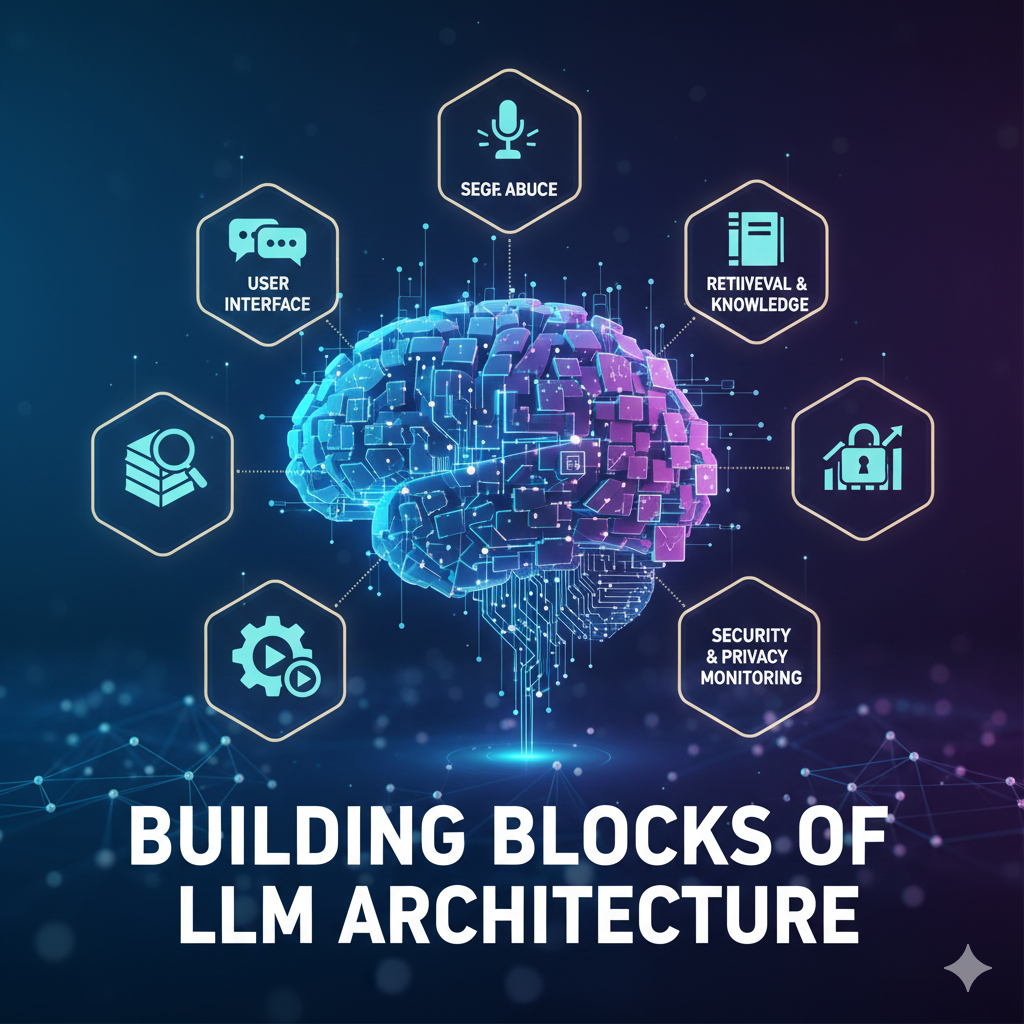
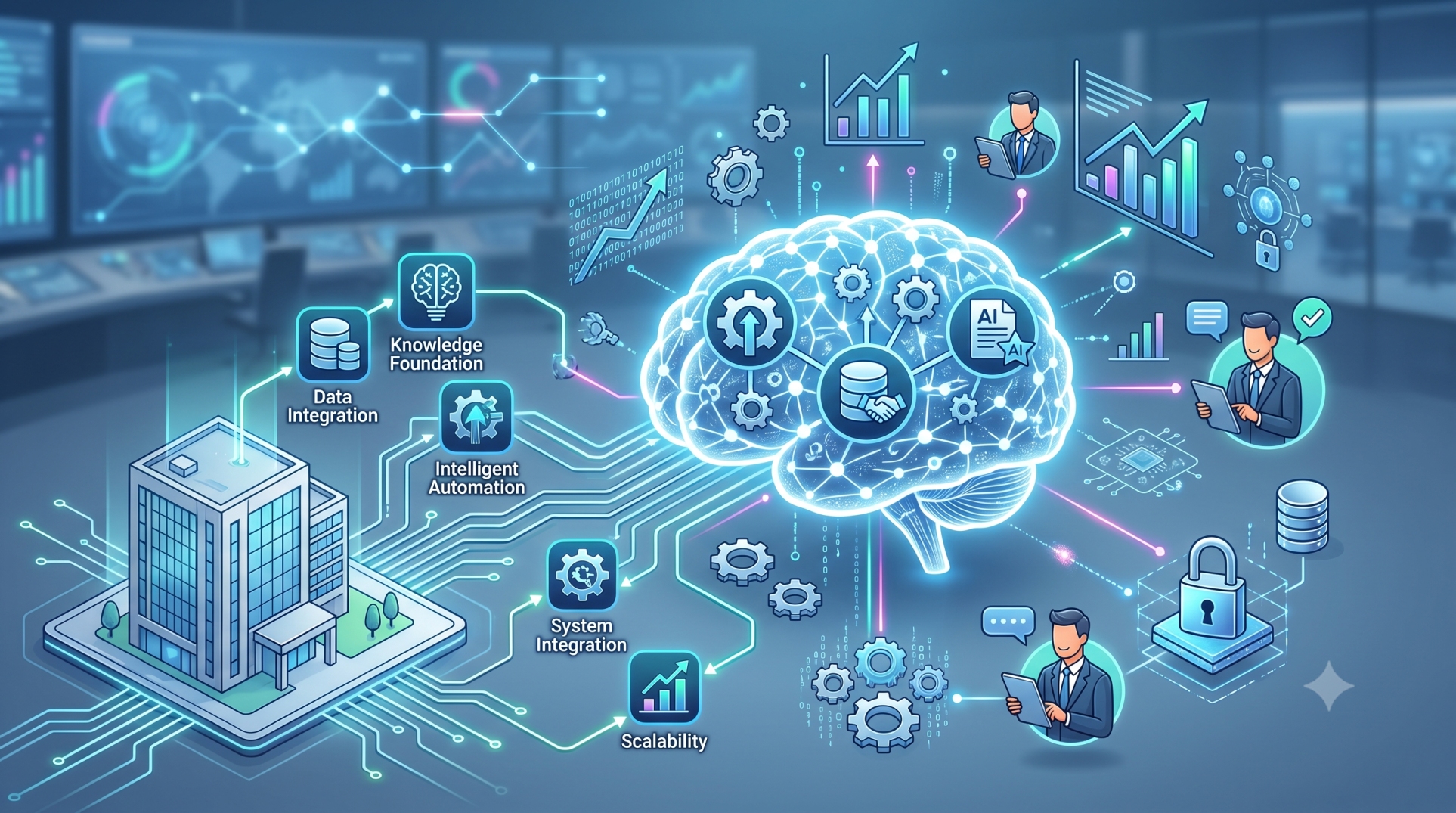
As organizations increasingly adopt artificial intelligence, generic language models often fall short of meeting specialized business requirements. Custom LLM solutions enable enterprises to tailor AI capabilities to their unique workflows, operational processes, and industry-specific needs. By aligning AI systems with business objectives, organizations can improve efficiency, enhance decision-making, and unlock greater value from automation initiatives.
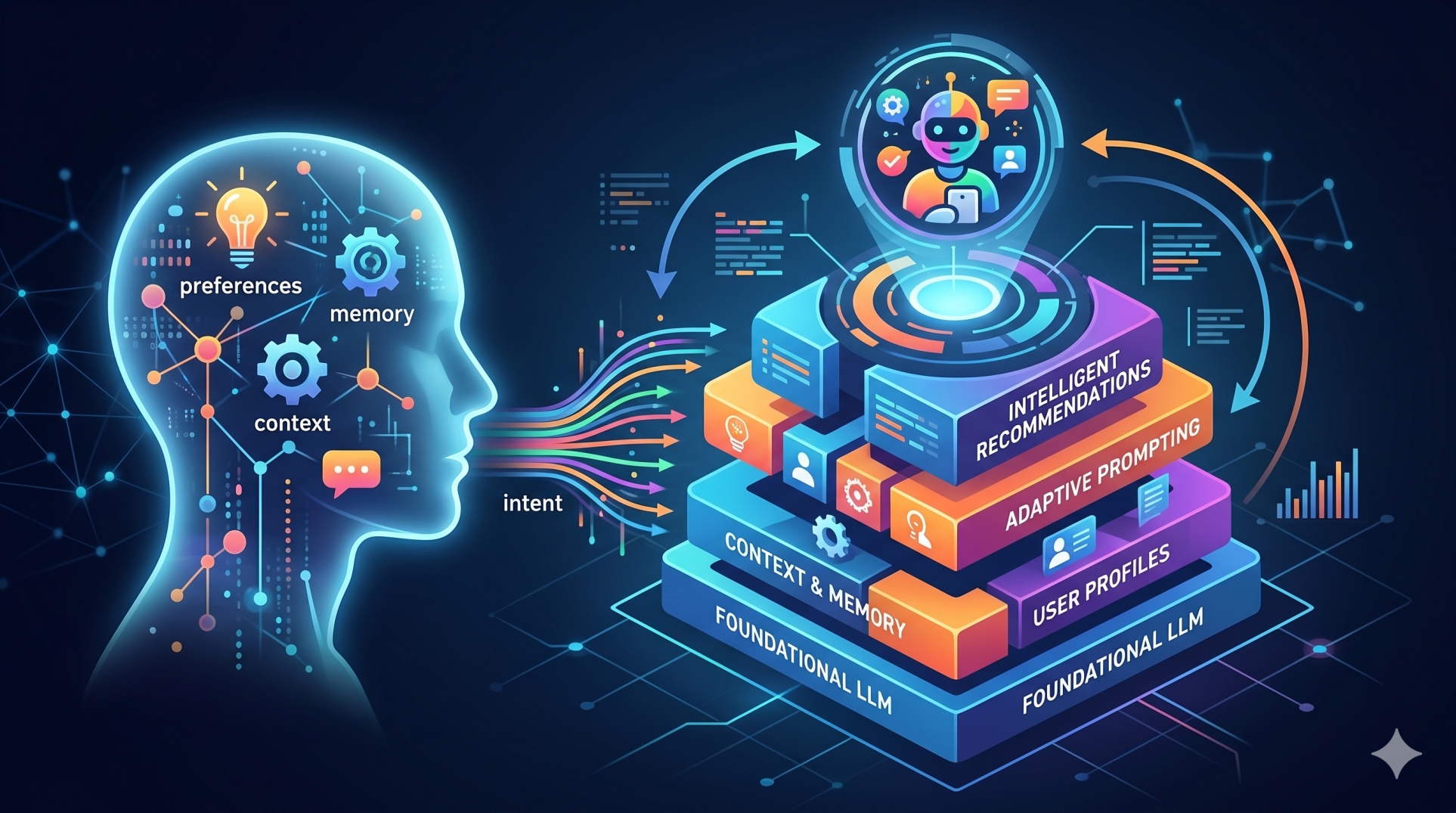
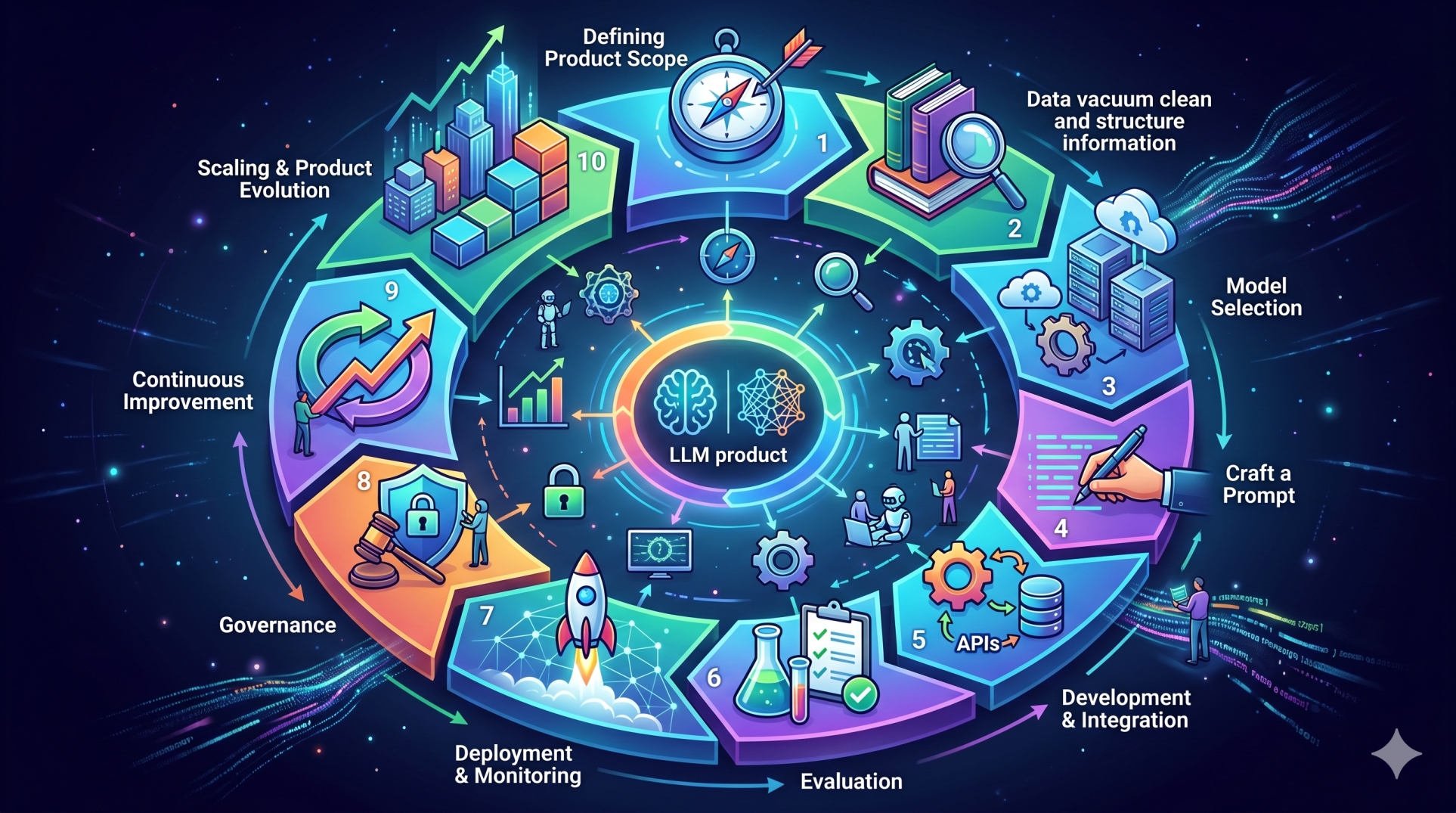
Step 1: Understanding Enterprise LLM Requirements 🧠
• Identify business processes that can benefit from AI-driven automation 🎯
• Define operational goals and expected outcomes clearly 📋
• Assess industry-specific requirements and compliance needs ⚖️
• Determine user roles and workflow interactions 👥
• Establish success metrics for implementation and adoption 📊
Step 2: Evaluating Existing Workflows 🔍
• Analyze current processes to identify inefficiencies 📈
• Map workflow dependencies and information flows 🔗
• Document repetitive tasks suitable for automation ⚙️
• Identify bottlenecks that impact productivity 🚧
• Prioritize opportunities based on business value 💡
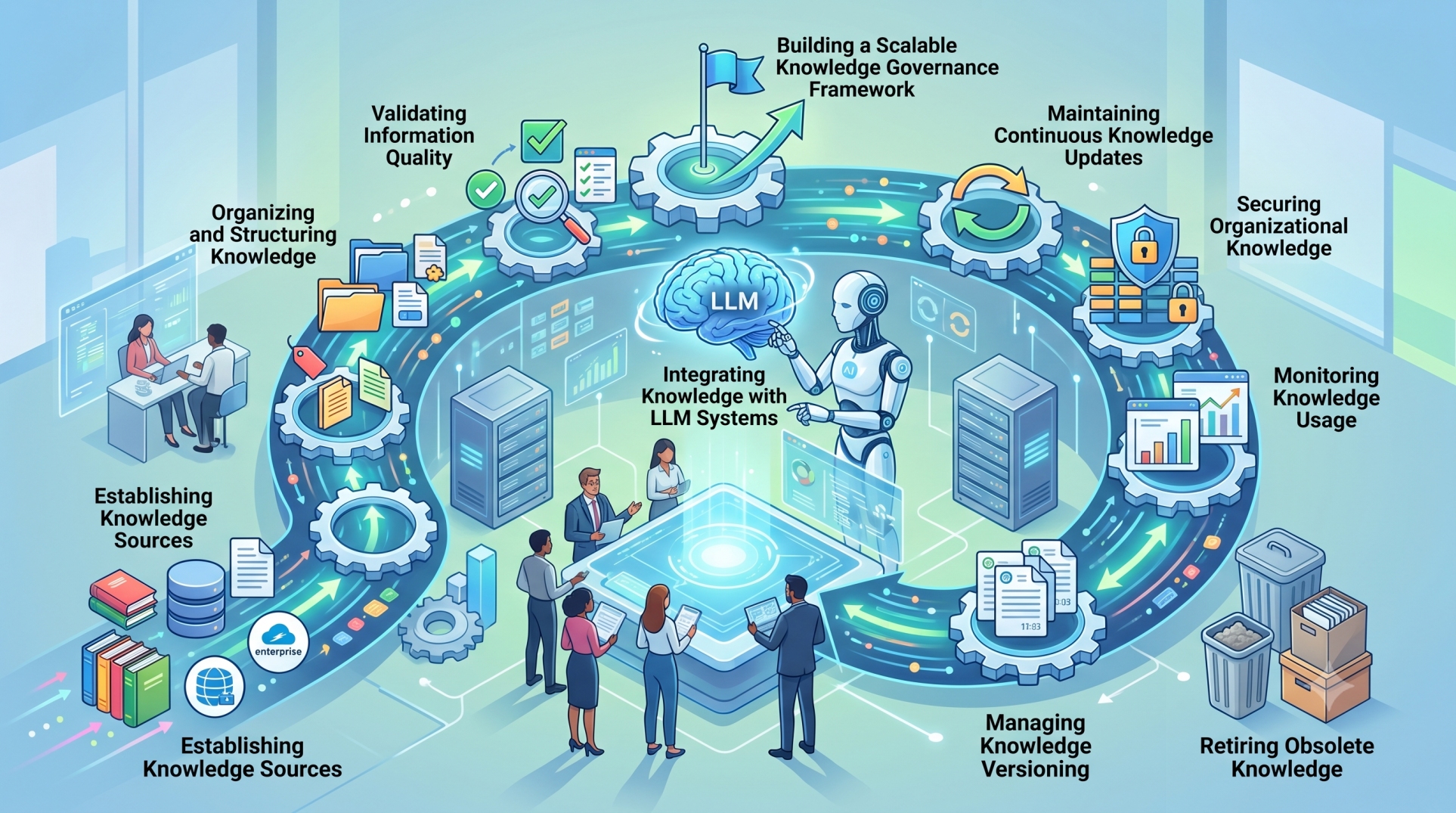
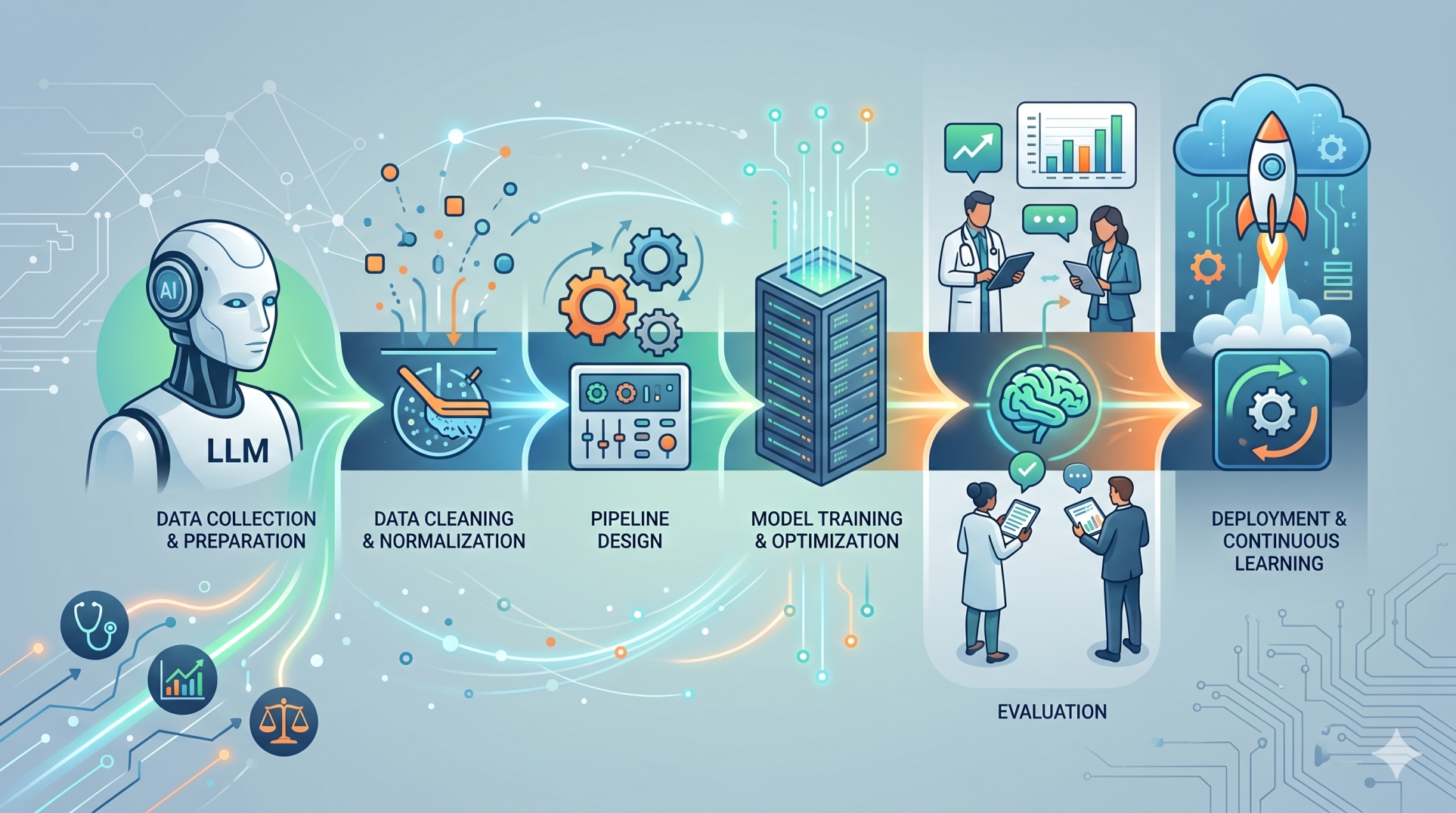
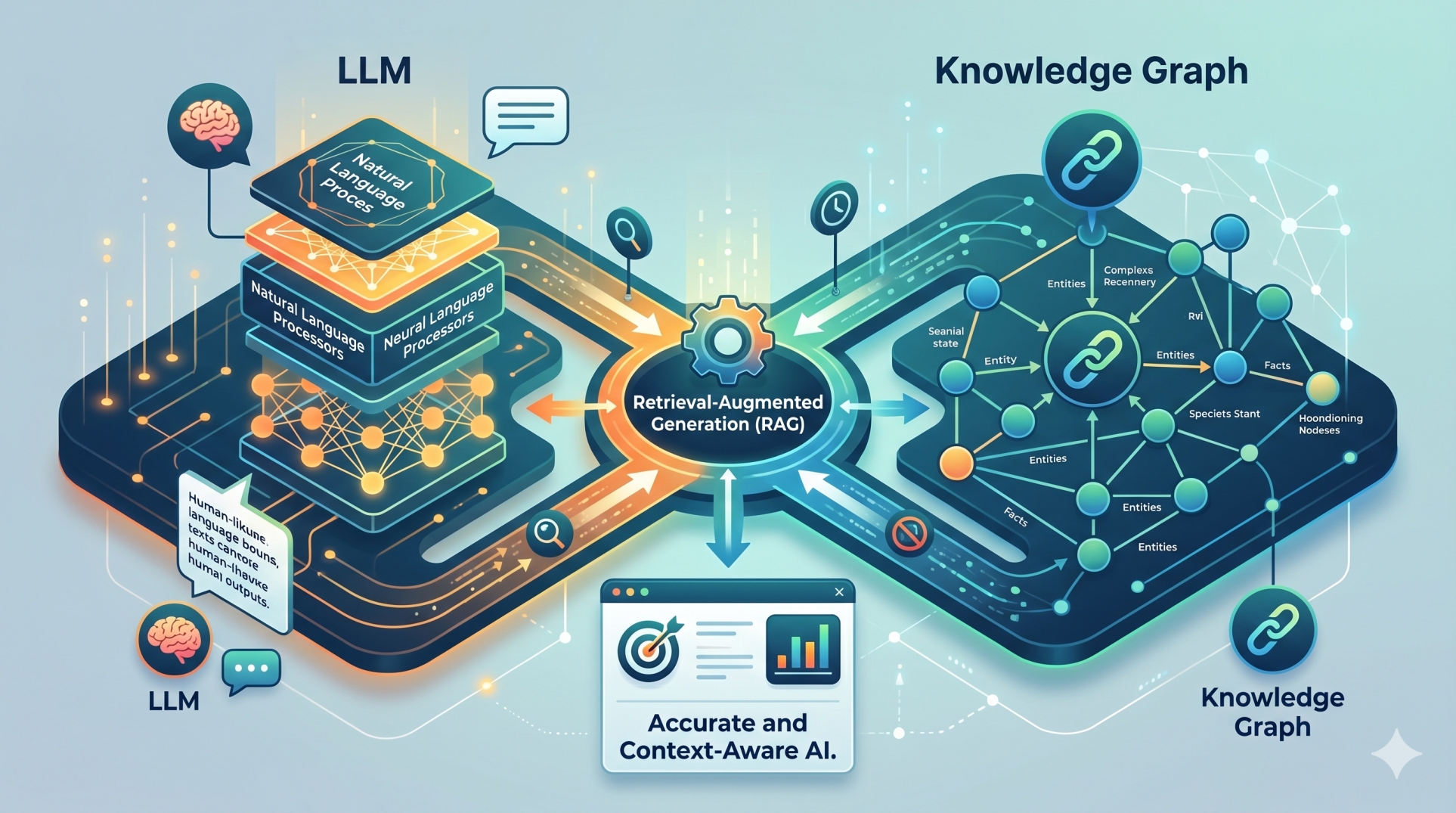
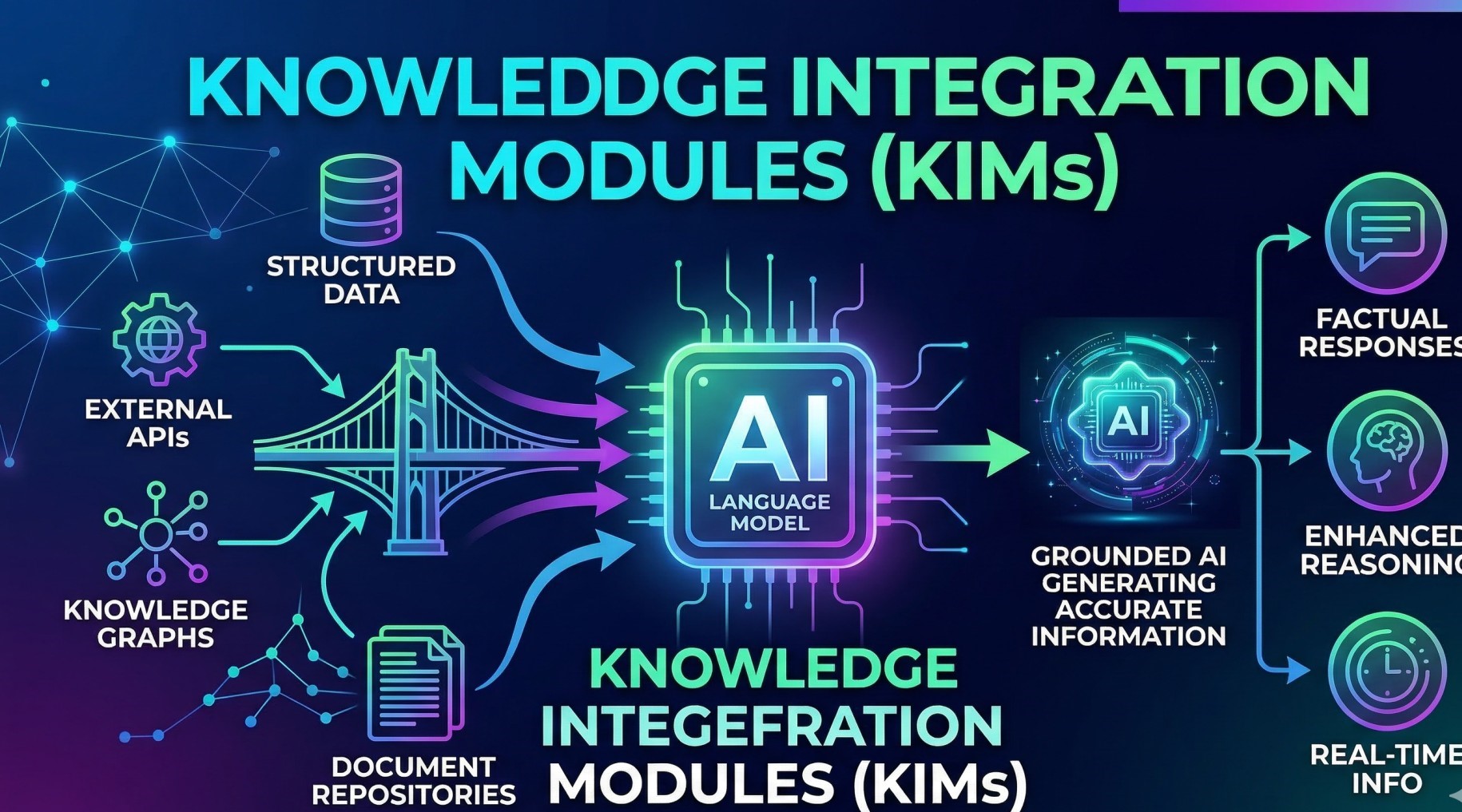
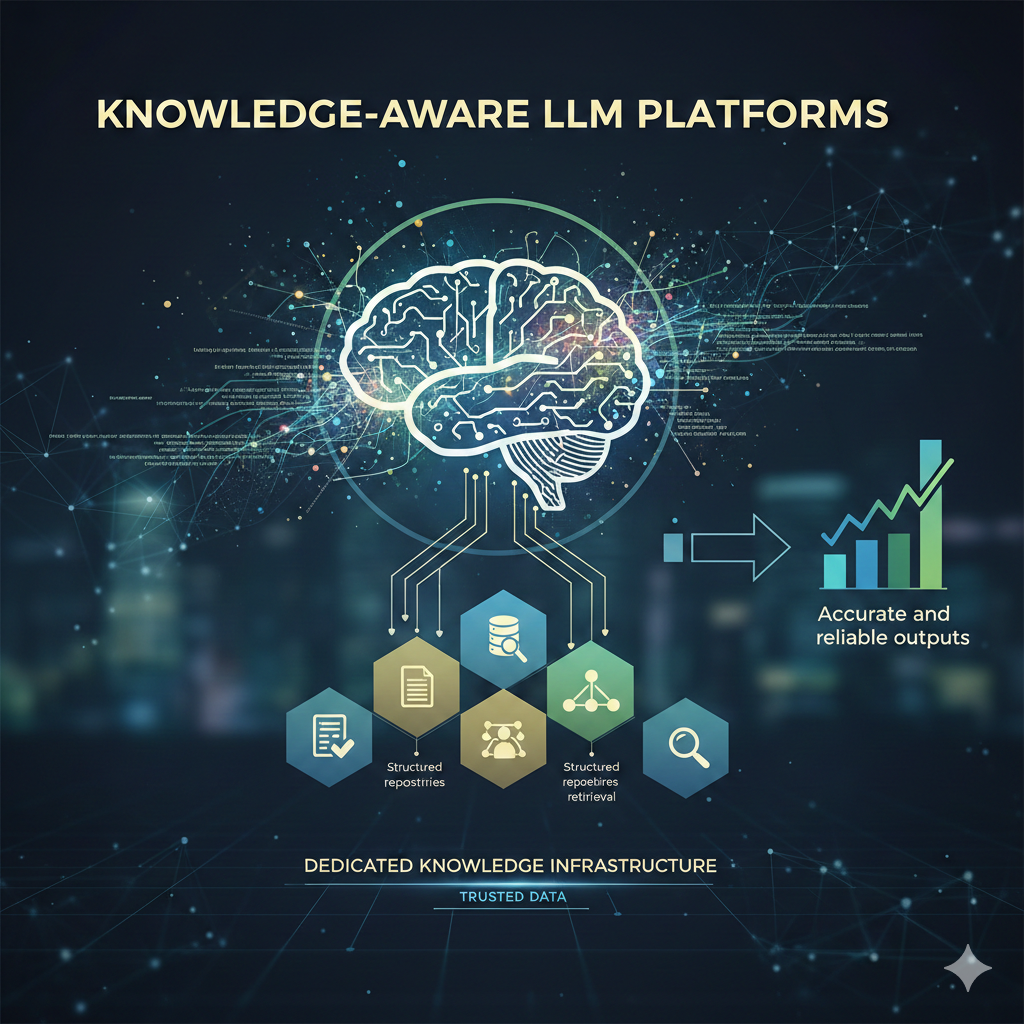
Step 3: Building Domain-Specific Knowledge Foundations 📚
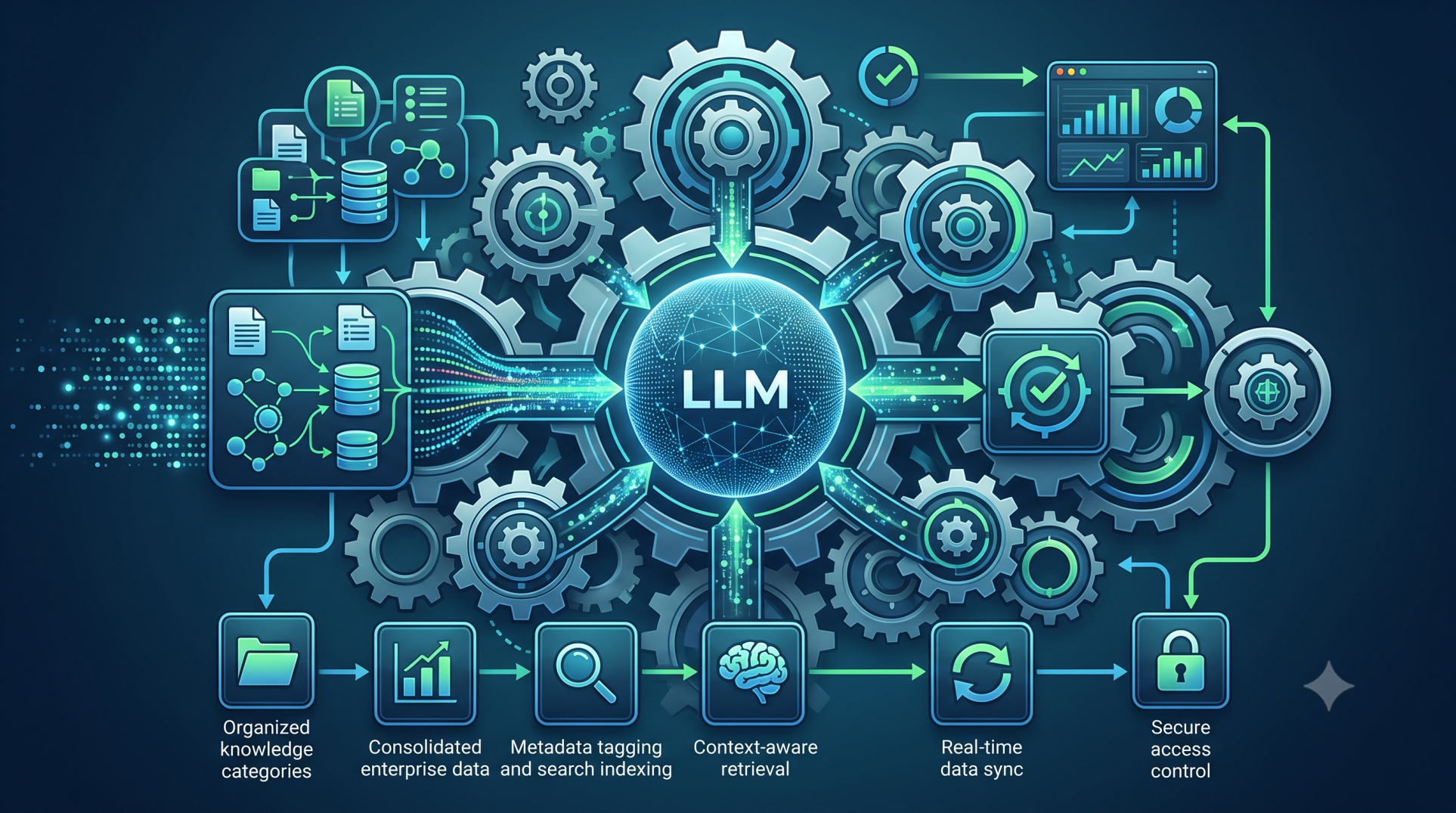
• Integrate company documents, policies, and procedures 🗂️
• Incorporate industry-specific terminology and expertise 🏭
• Connect knowledge repositories and enterprise databases 🔄
• Structure information for efficient retrieval and usage 📖
• Ensure knowledge remains current and accurate ✅
Step 4: Designing Workflow-Centric AI Experiences 🛠️
• Align AI interactions with existing business processes 🔗
• Create intuitive user experiences for employees 👨💼
• Support task execution within familiar workflows 📋
• Reduce context switching between applications 🔄
• Improve productivity through seamless AI assistance 🚀
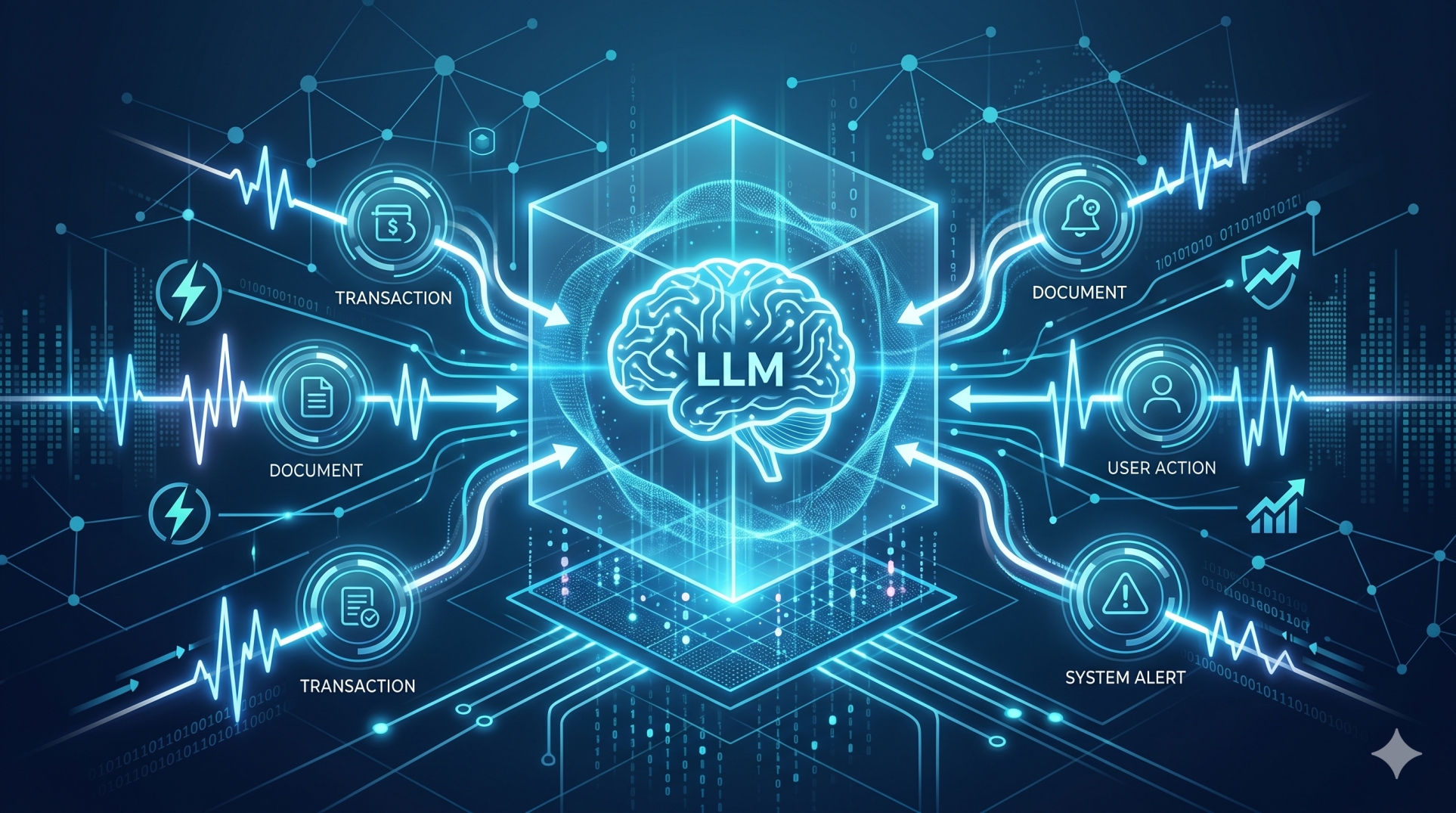
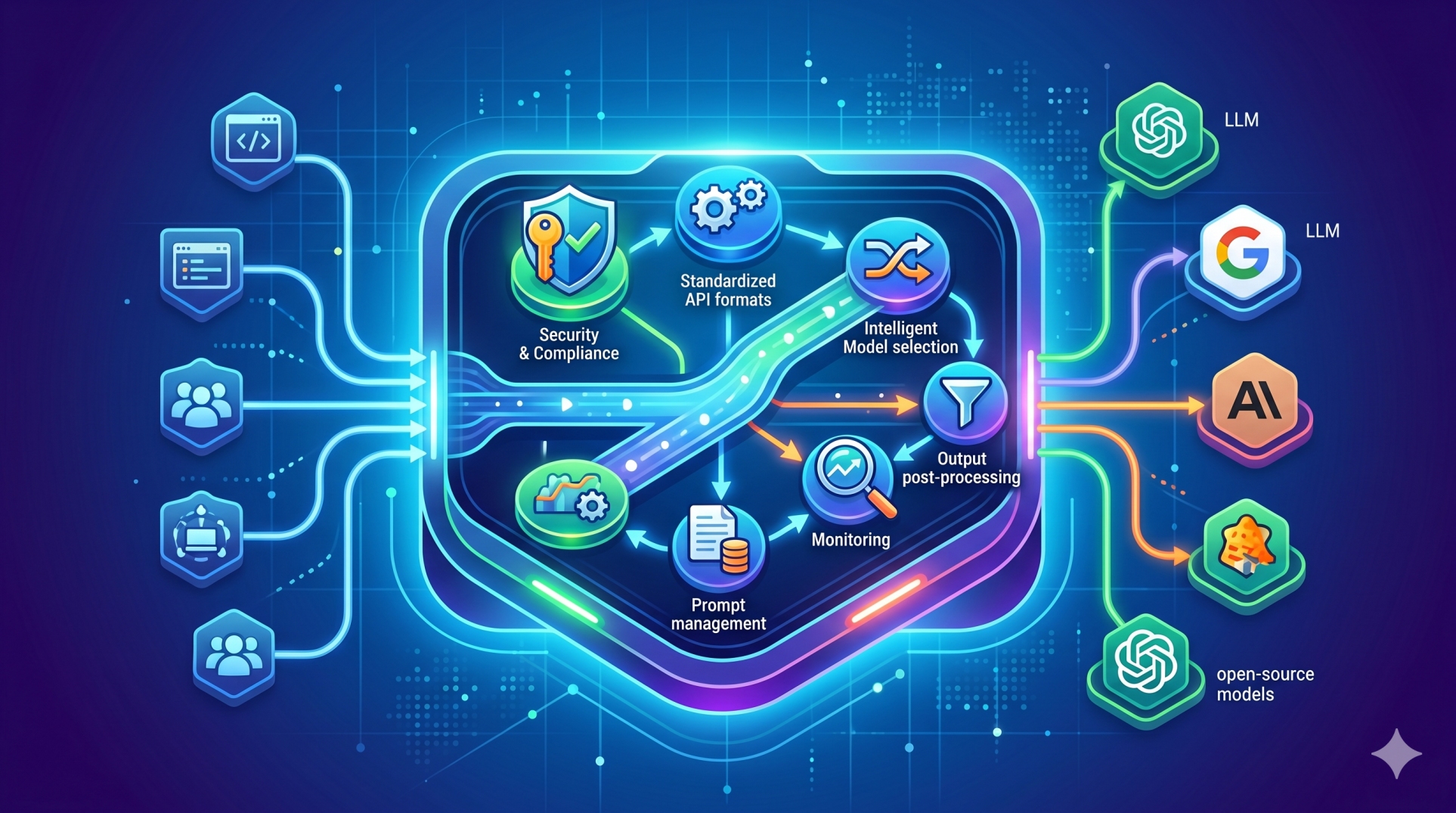
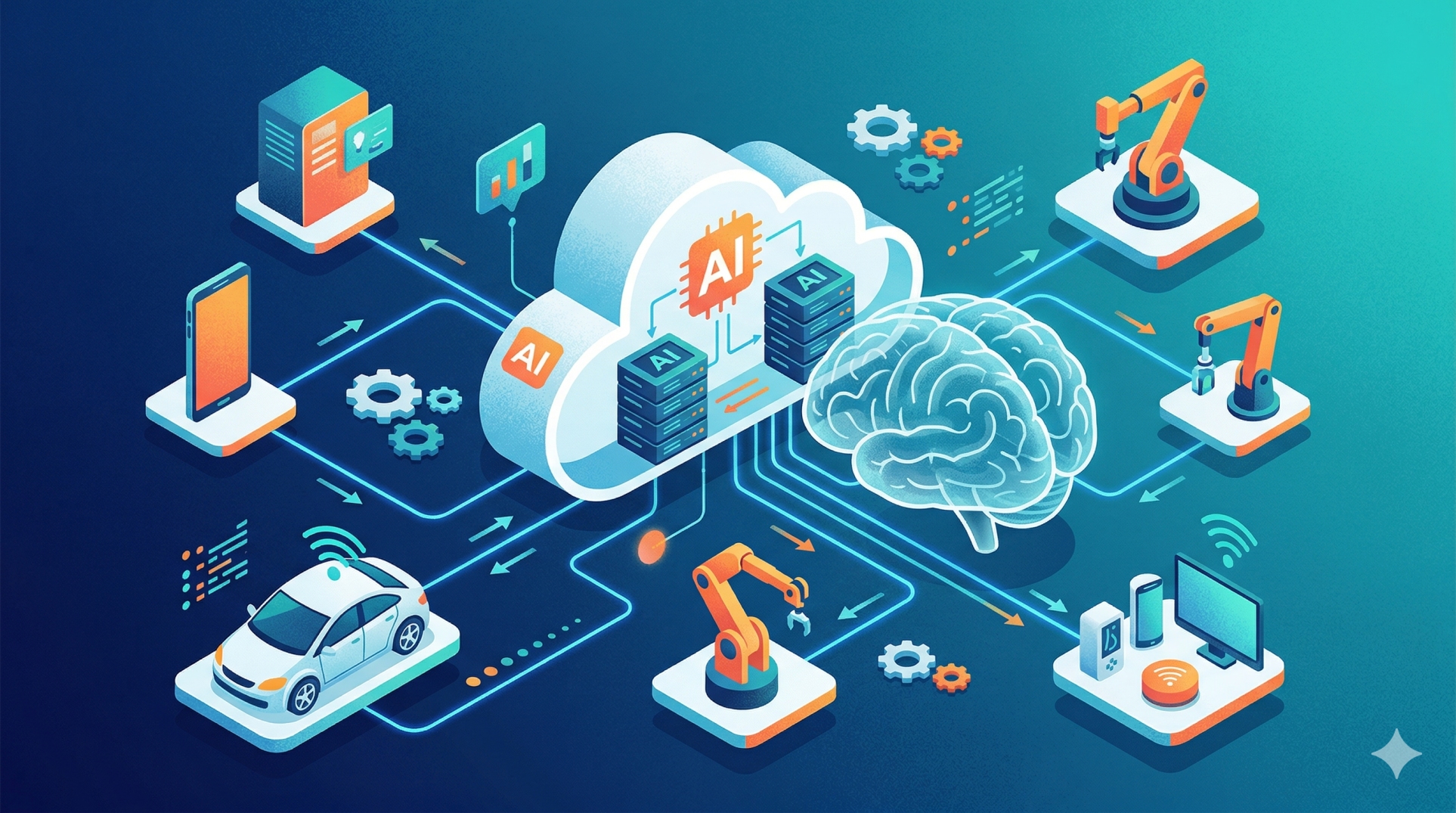
Step 5: Integrating Enterprise Systems 🔌
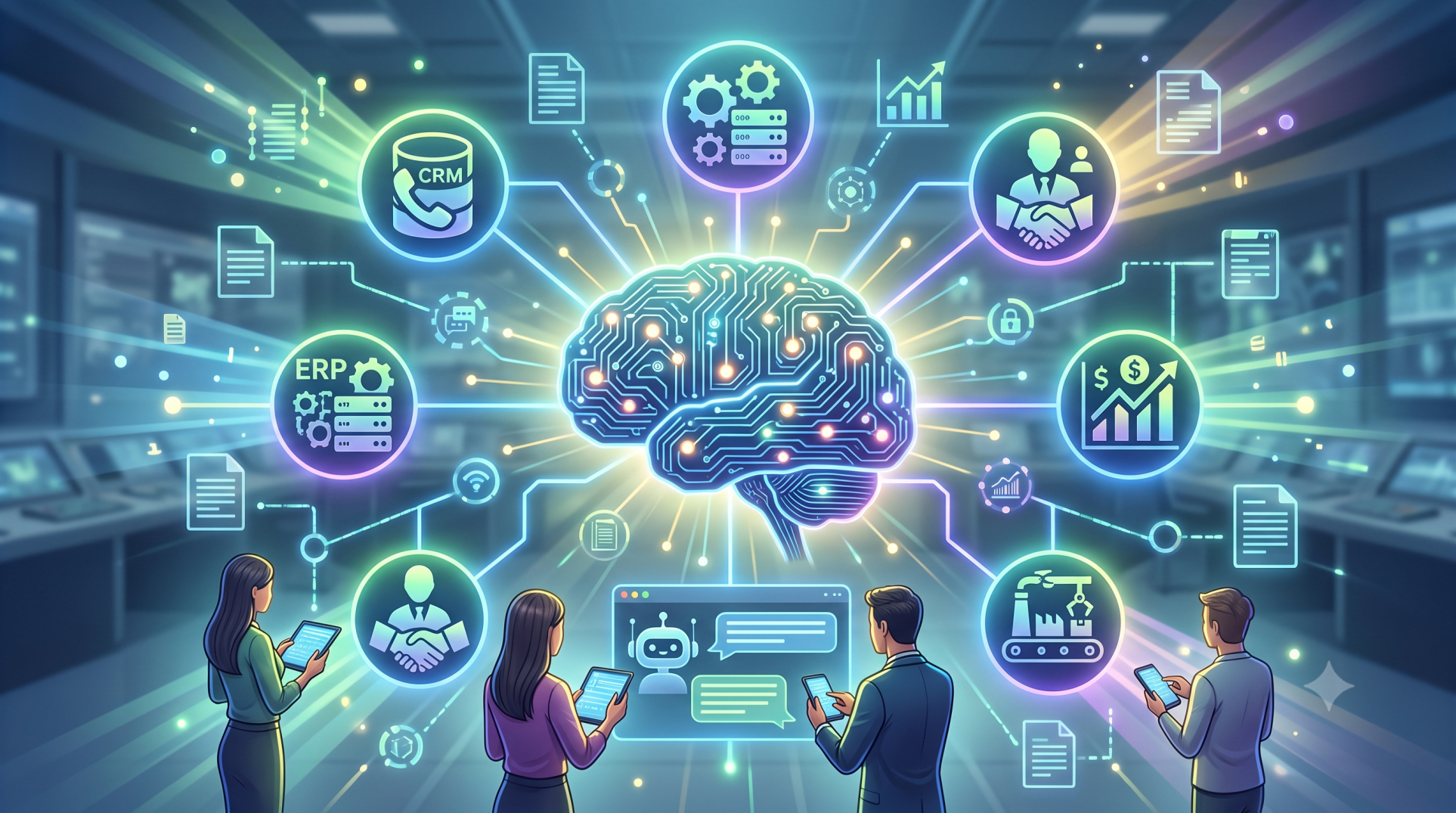
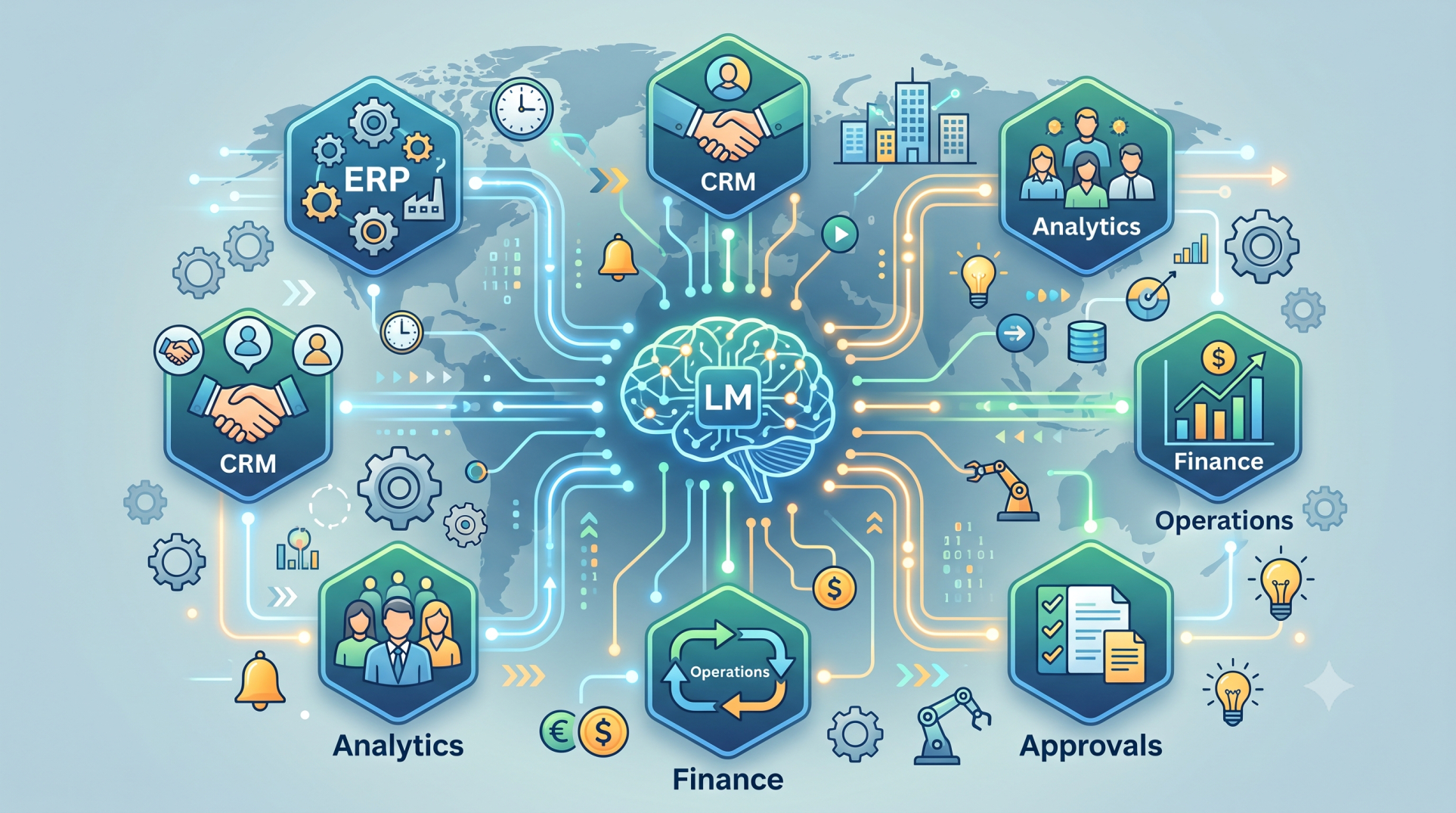
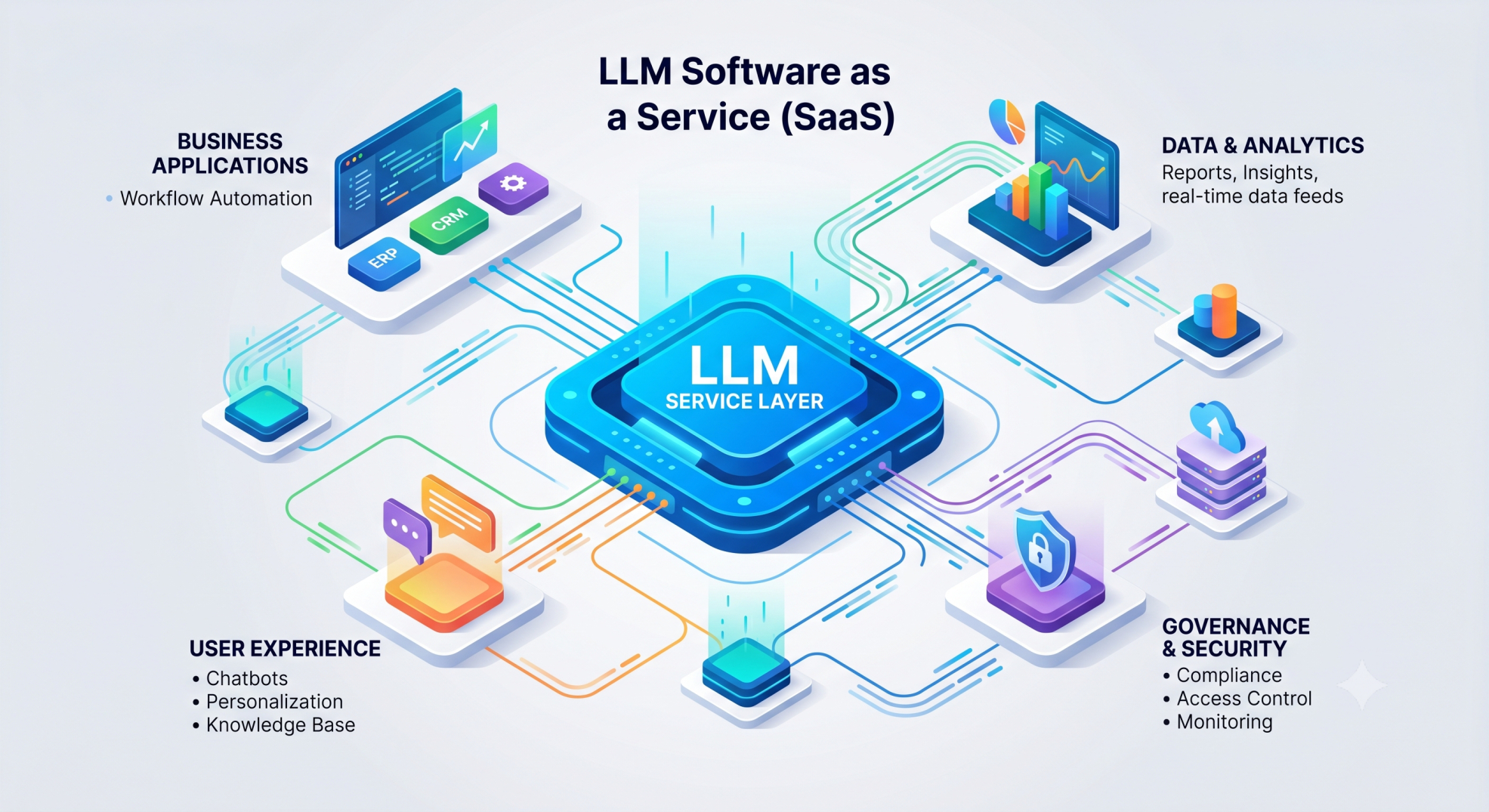
• Connect AI solutions with ERP, CRM, and business platforms 🏢
• Enable secure access to operational data 🔐
• Automate information exchange between systems 📡
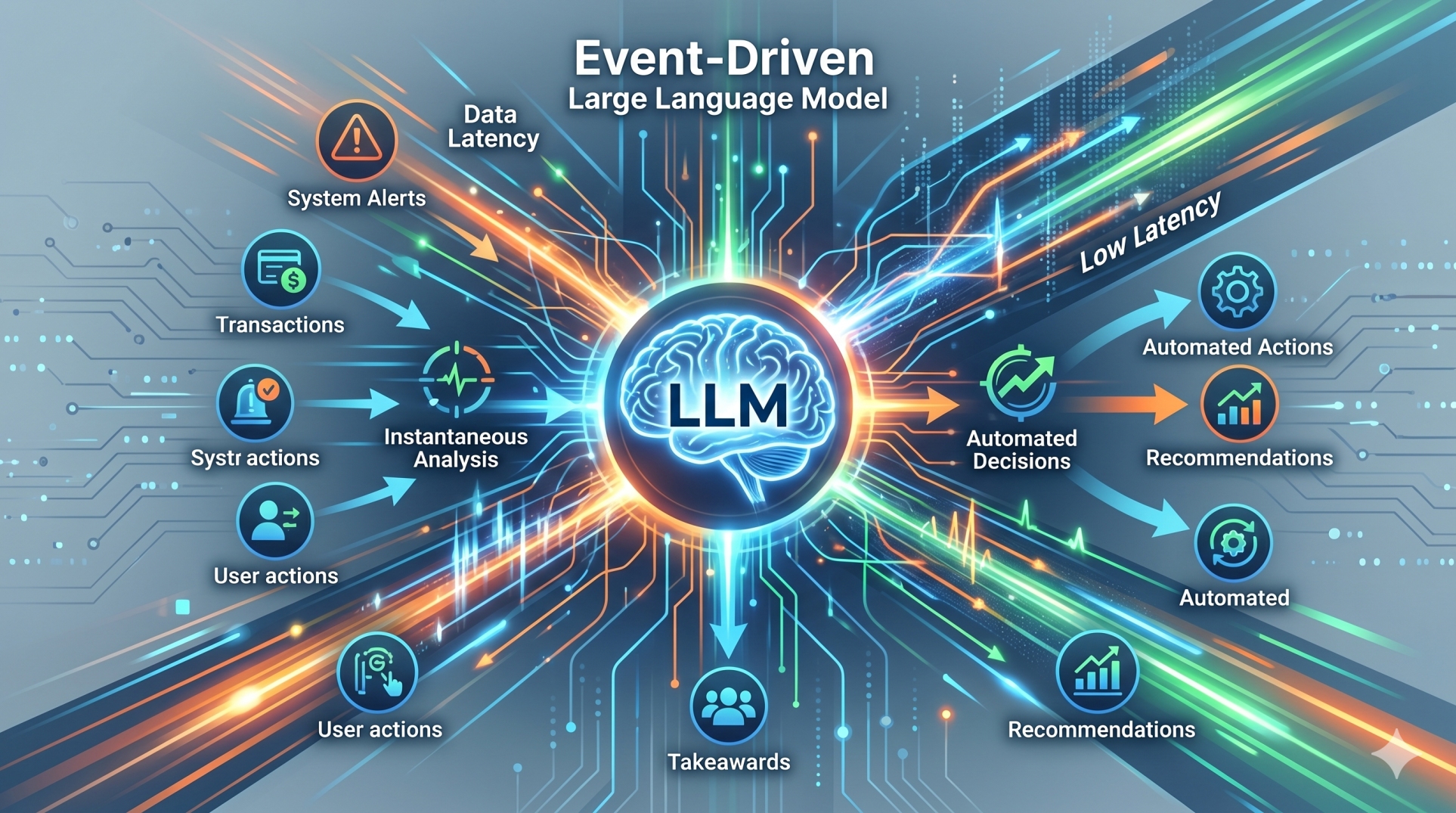
• Support real-time updates and synchronization ⚡
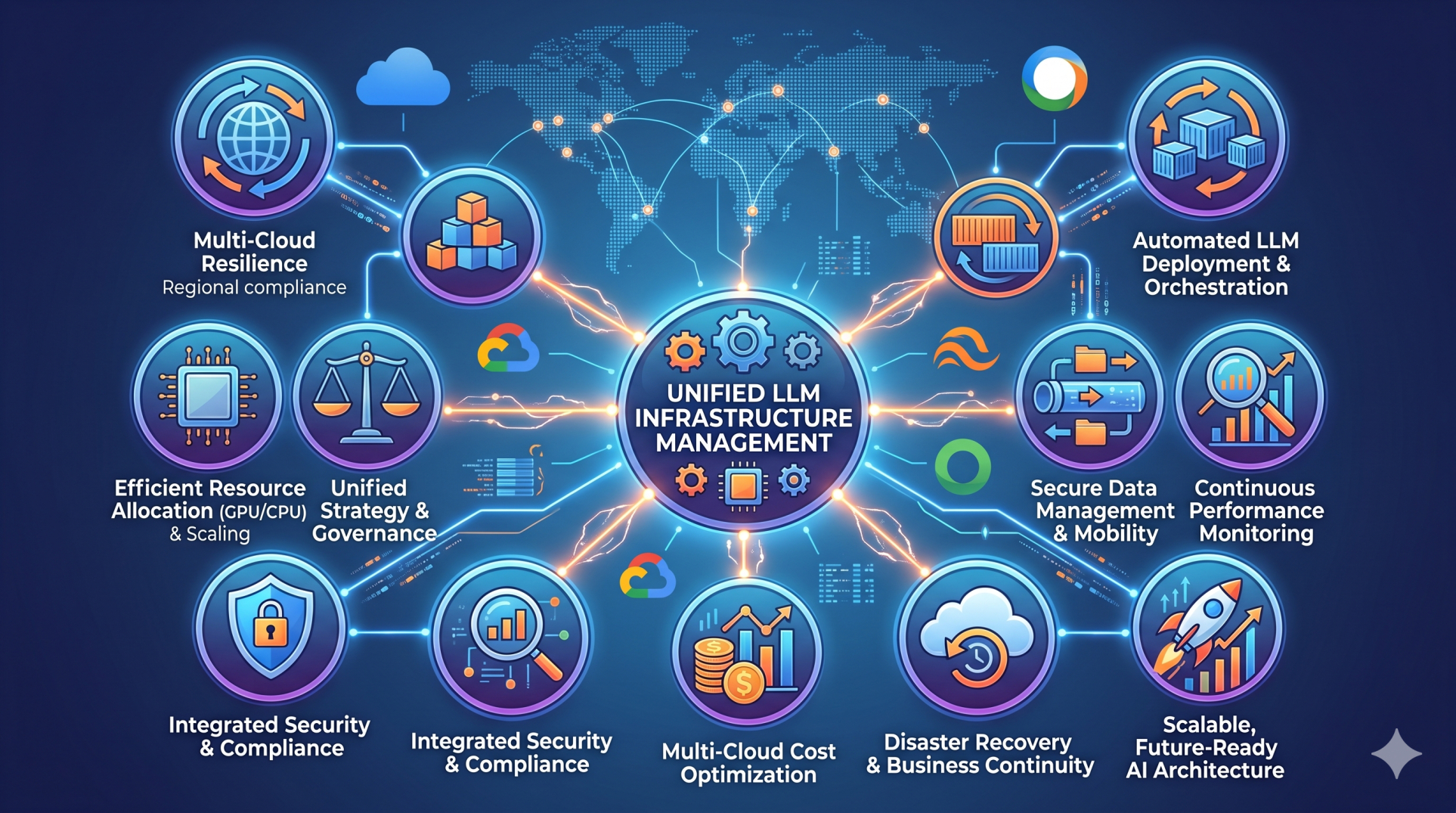
• Ensure interoperability across enterprise environments 🌐
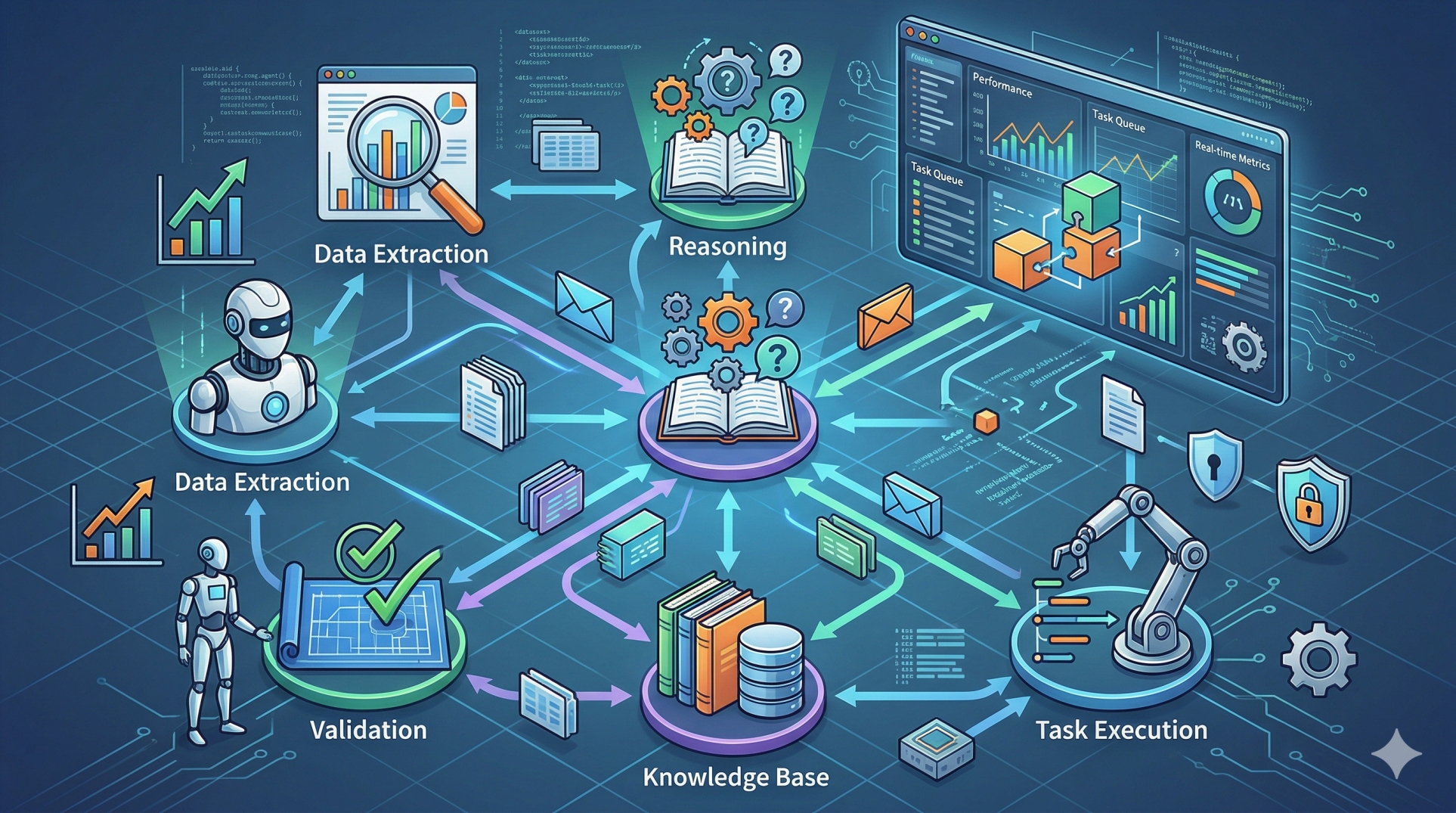
Step 6: Implementing Intelligent Automation 🤖
• Automate routine administrative and operational tasks ⚙️
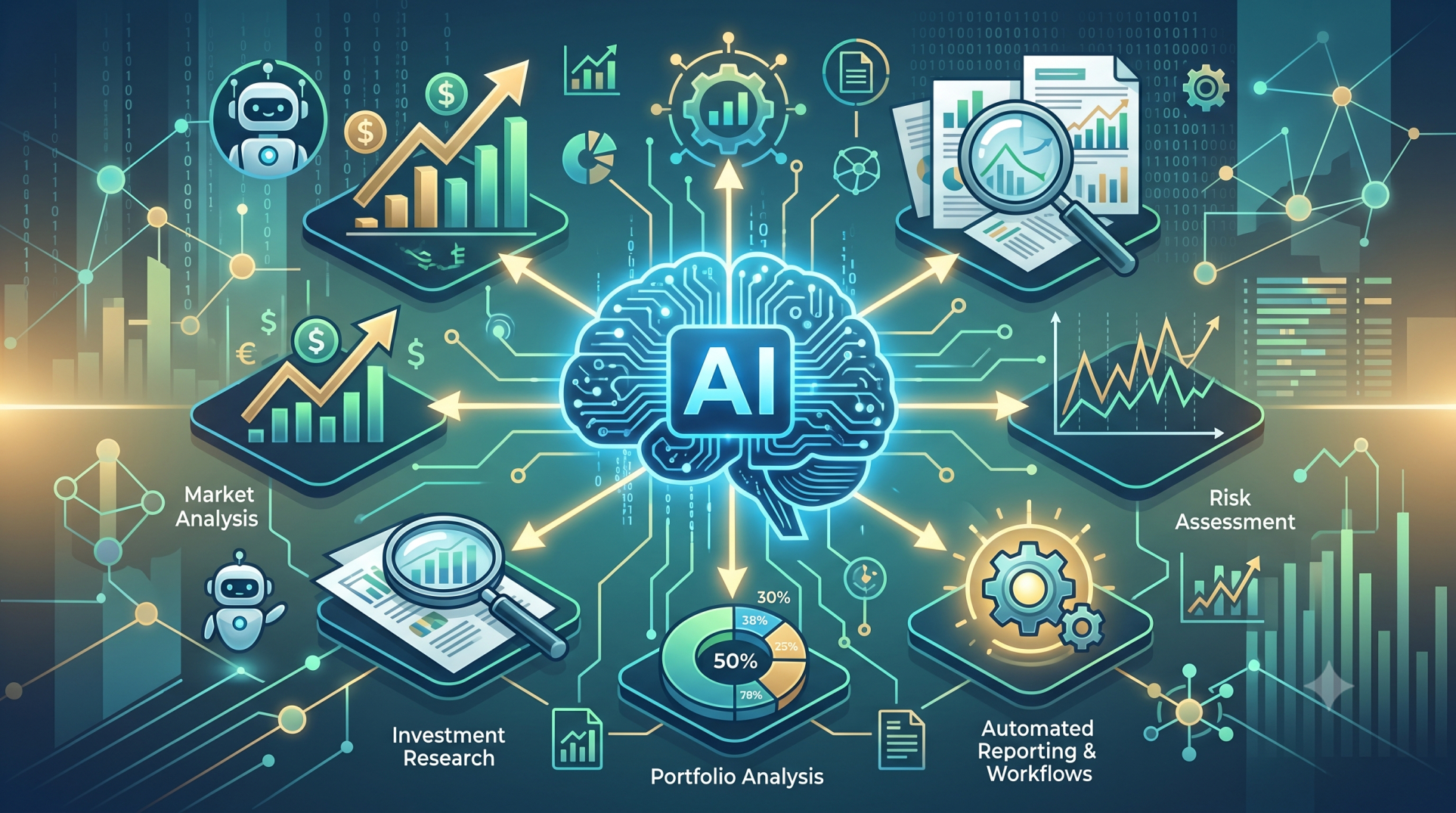
• Generate reports, summaries, and business insights 📊
• Support customer service and employee assistance functions 💬
• Streamline document processing and information retrieval 📄
• Enhance efficiency across multiple departments 🚀
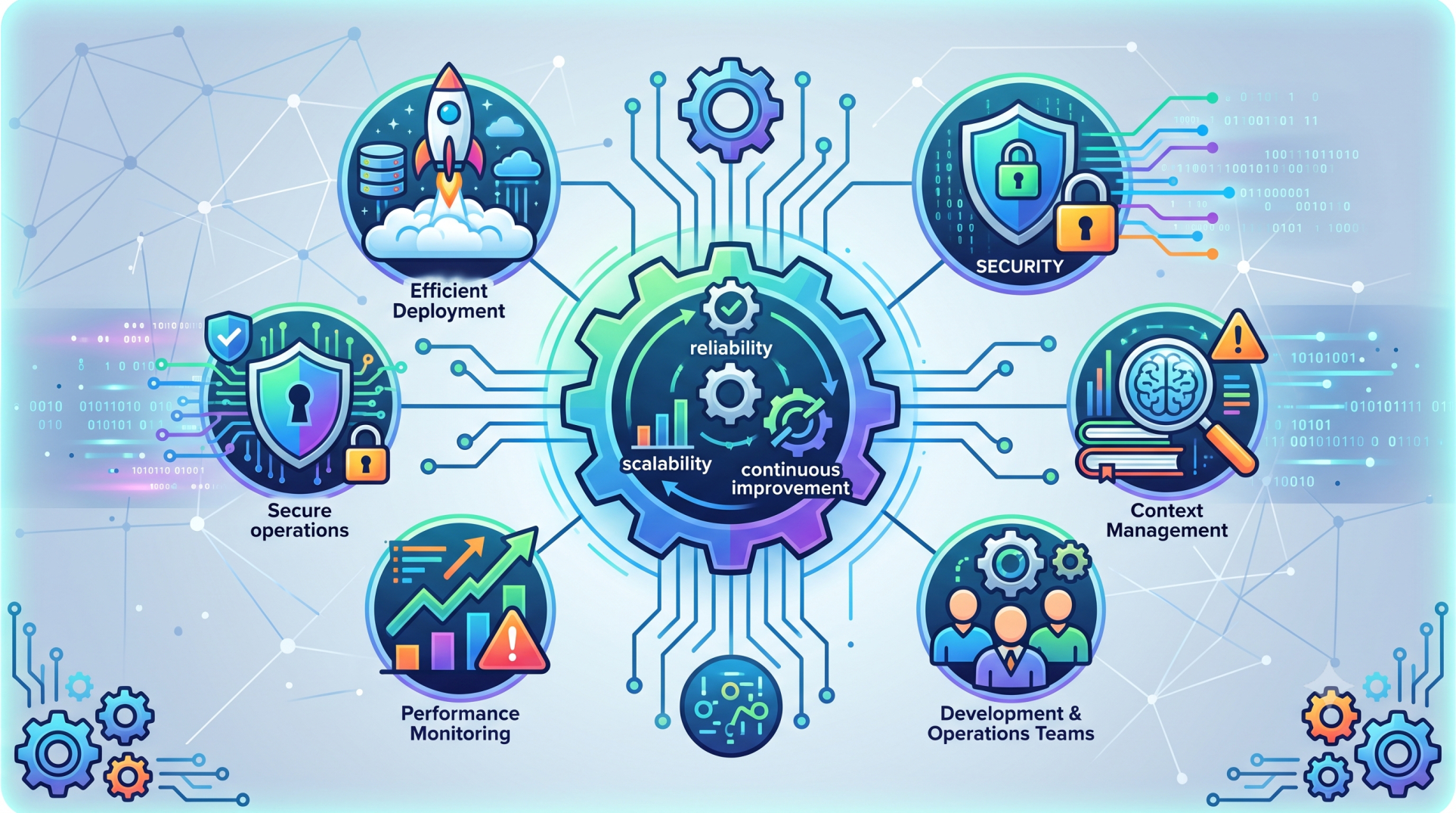
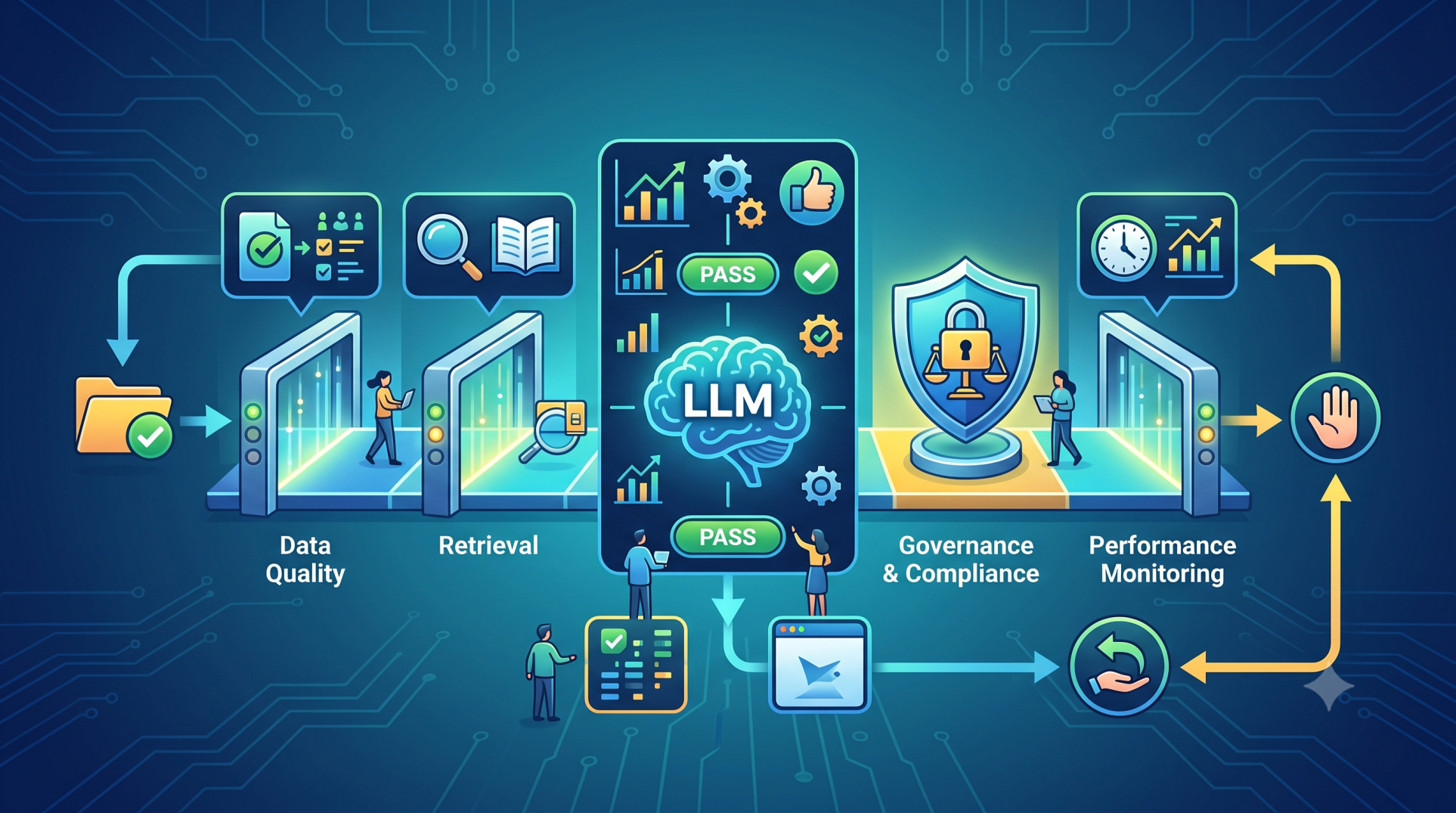
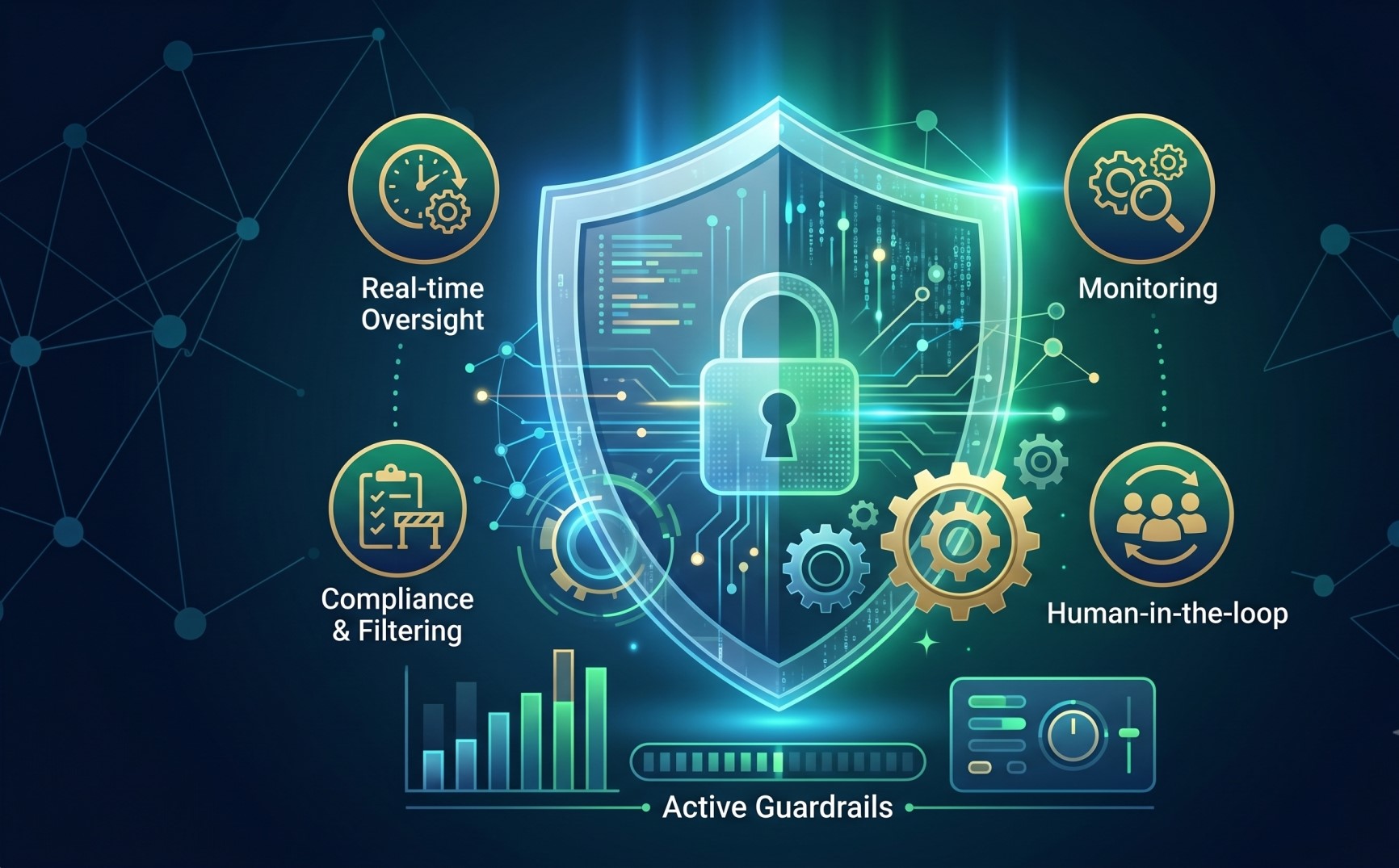
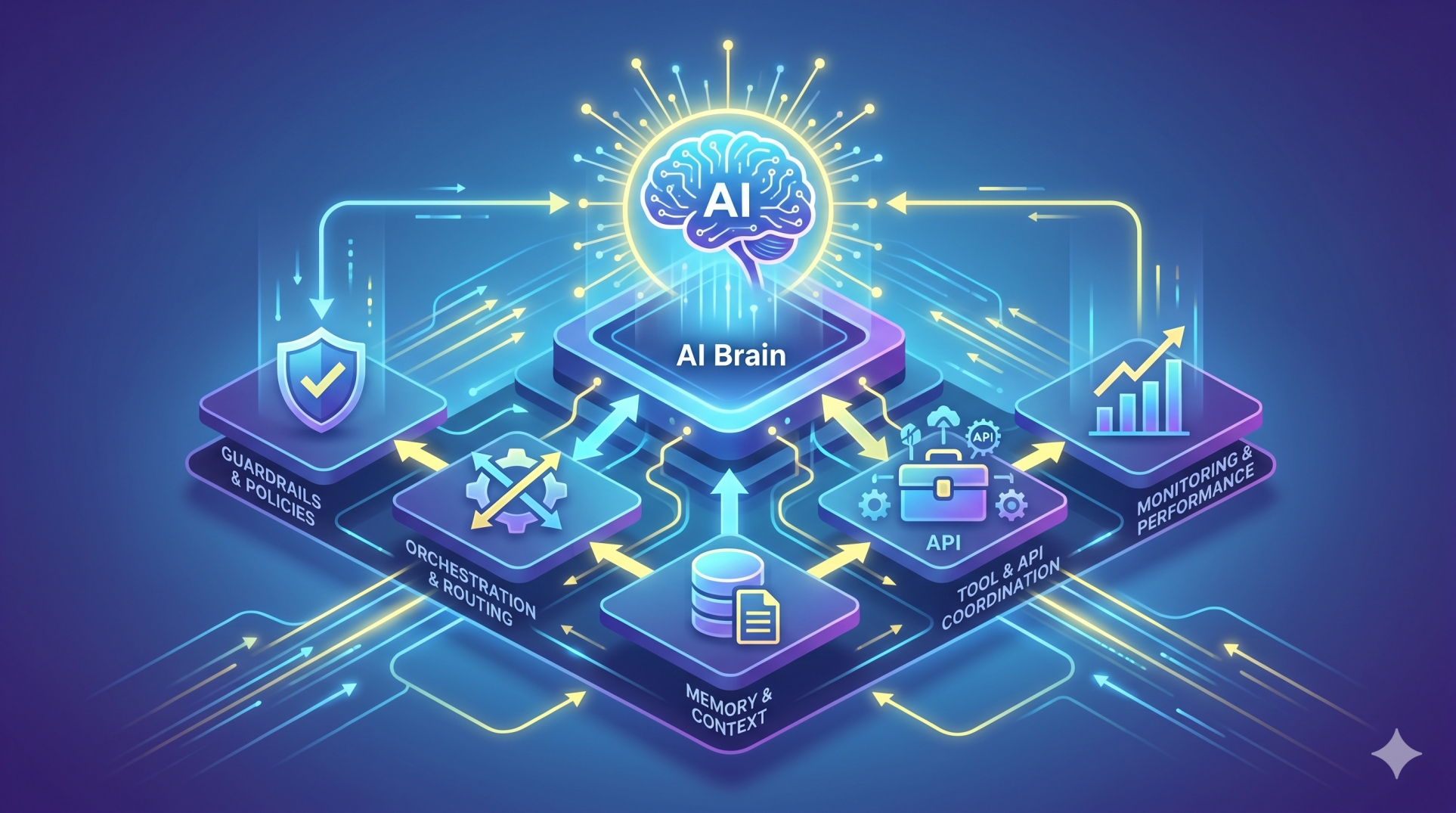
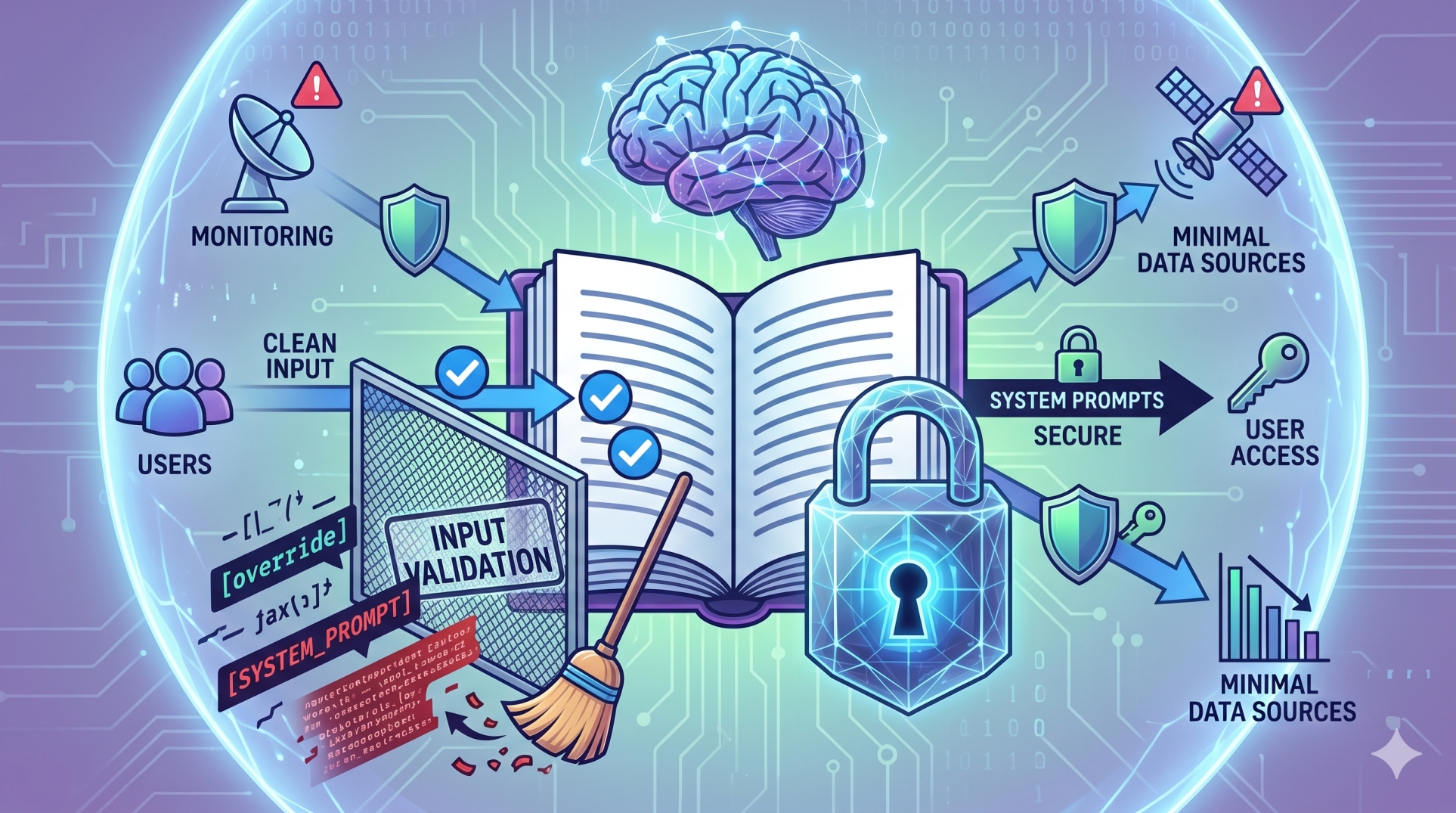
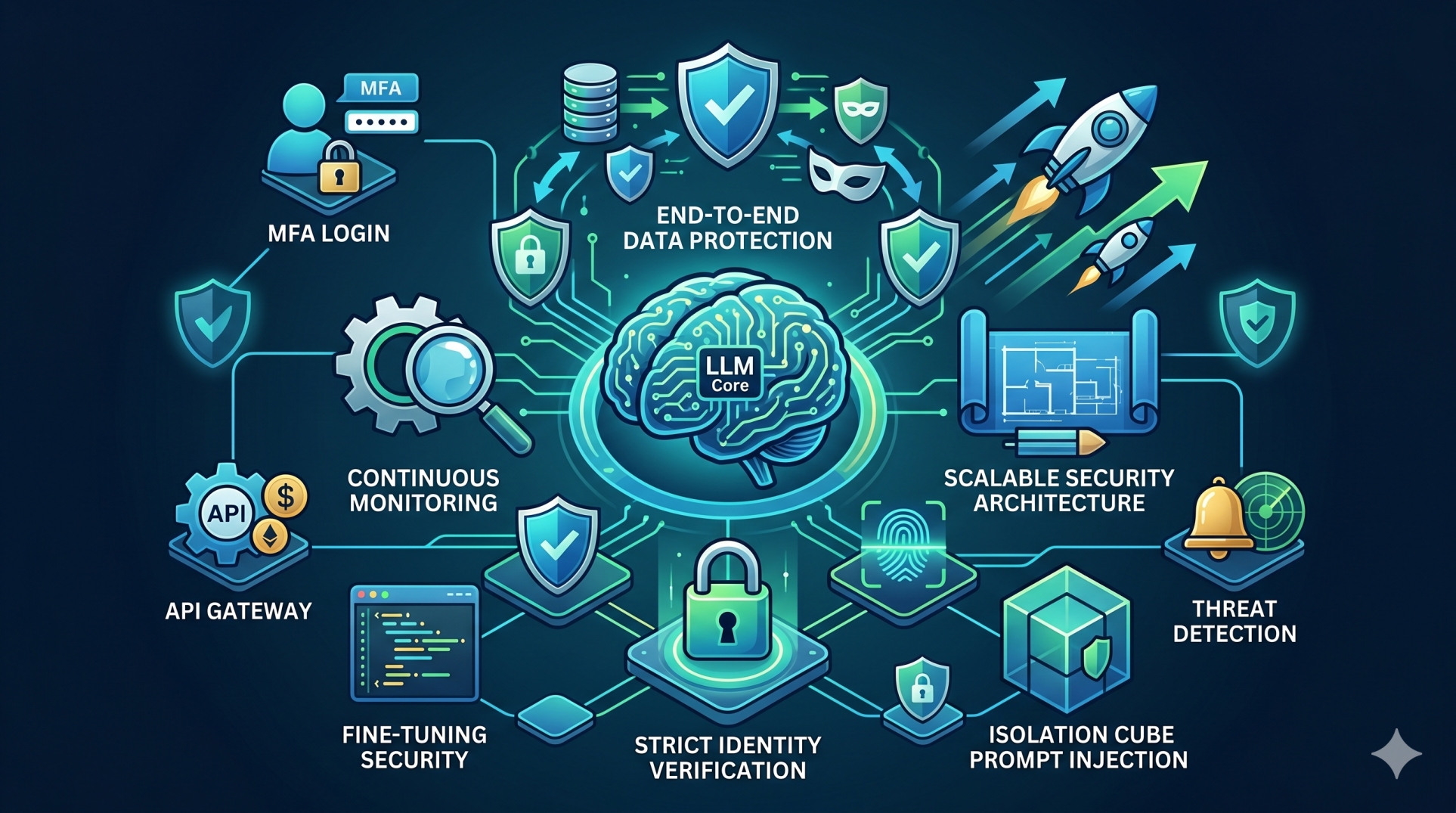
Step 7: Ensuring Security and Governance 🛡️
• Protect sensitive business information through access controls 🔒
• Implement role-based permissions for AI interactions 👥
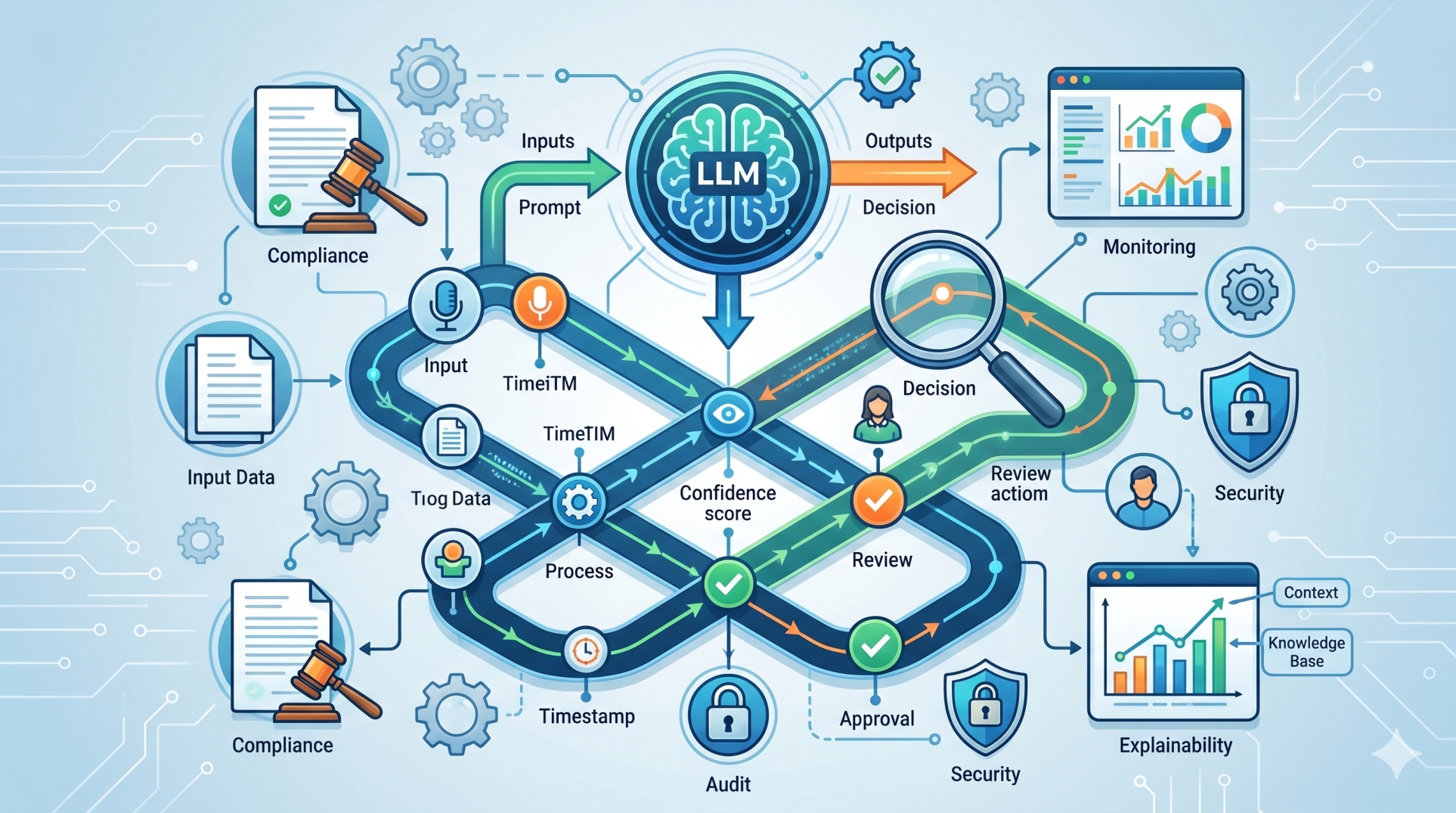
• Maintain audit trails and activity monitoring 📑
• Ensure compliance with organizational policies ⚖️
• Apply governance frameworks for responsible AI usage 📜
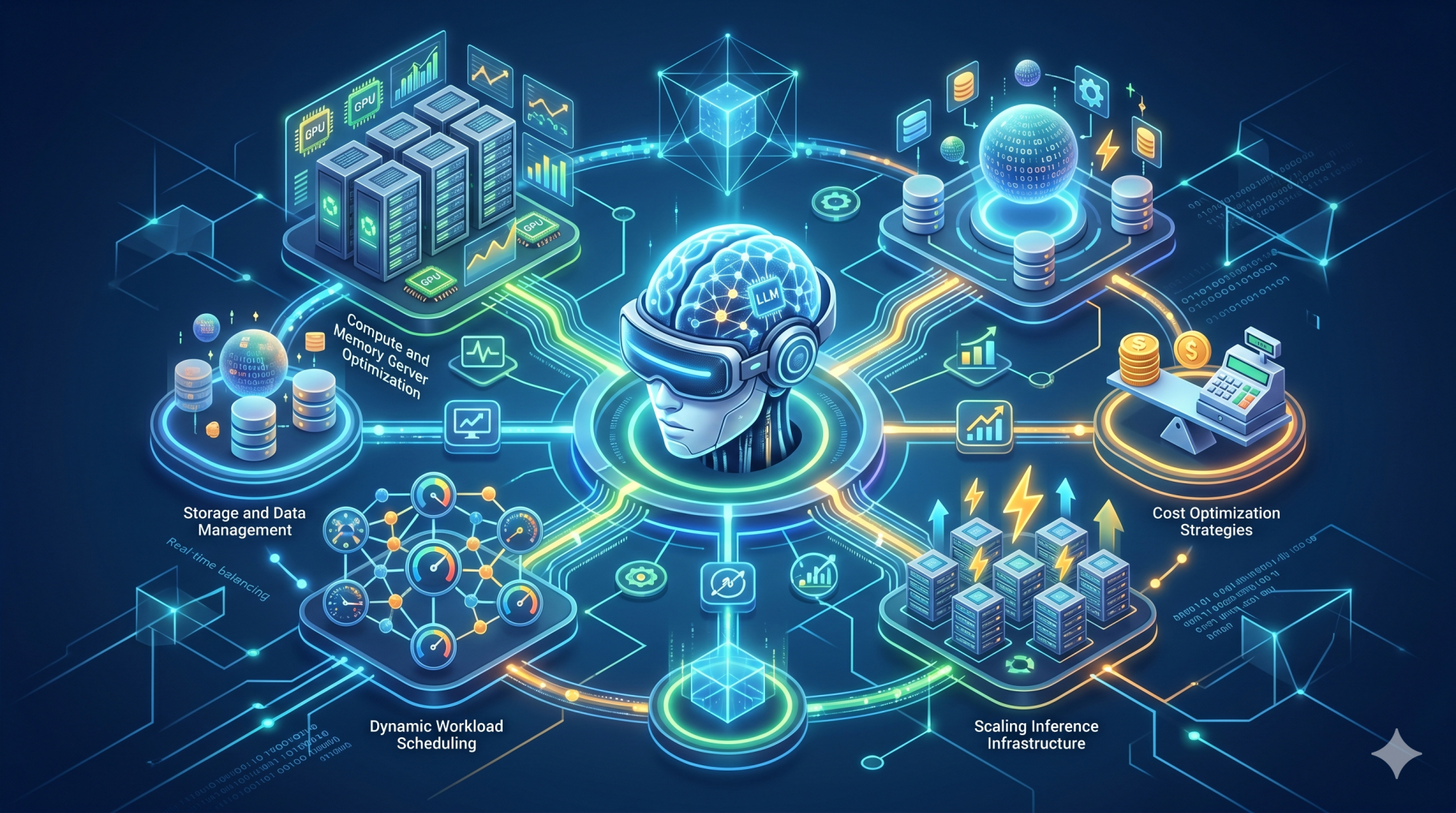
Step 8: Optimizing Performance and Accuracy ⚡
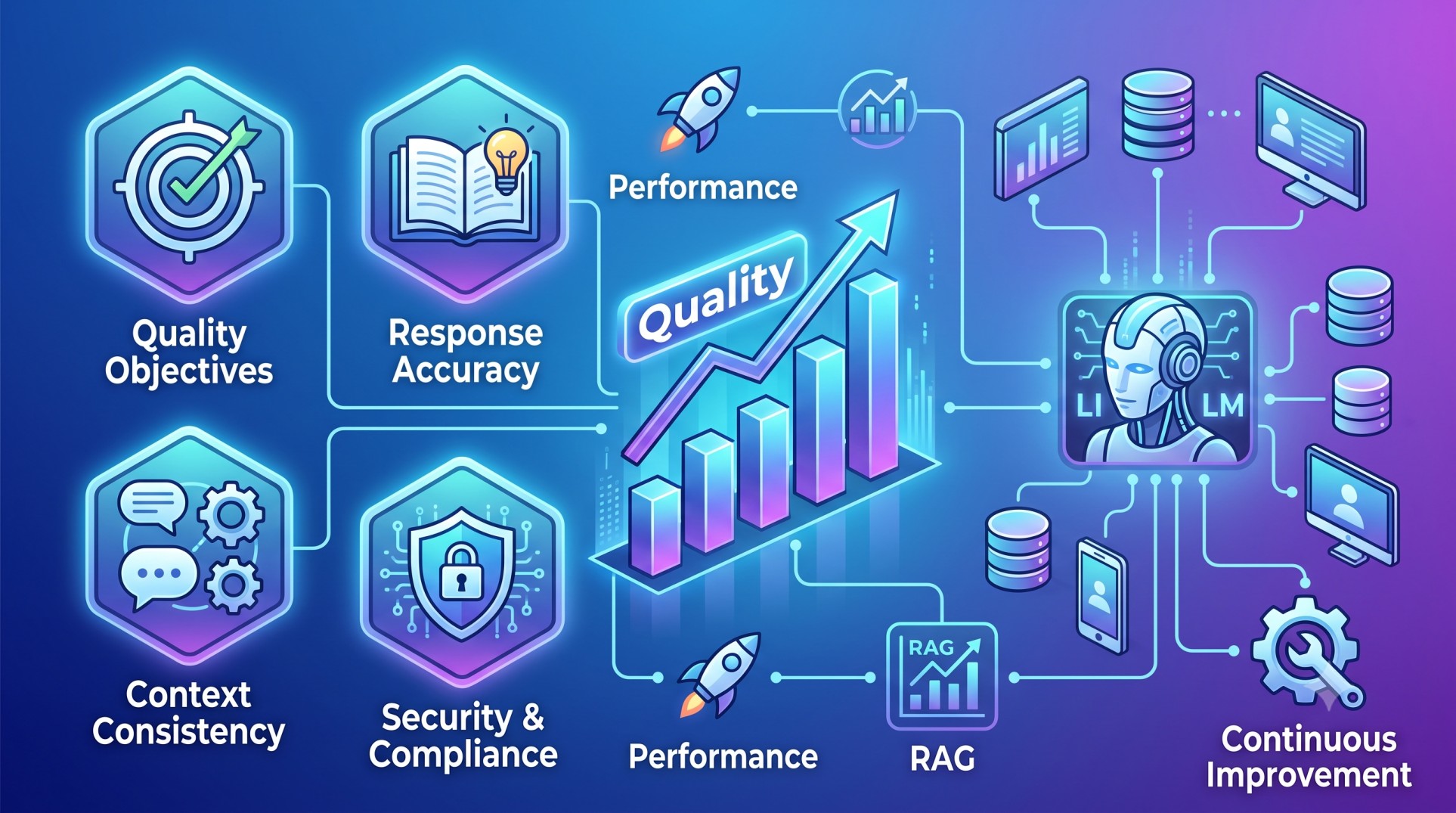
• Continuously evaluate model responses and outputs 📈
• Fine-tune systems using enterprise-specific data 🎯
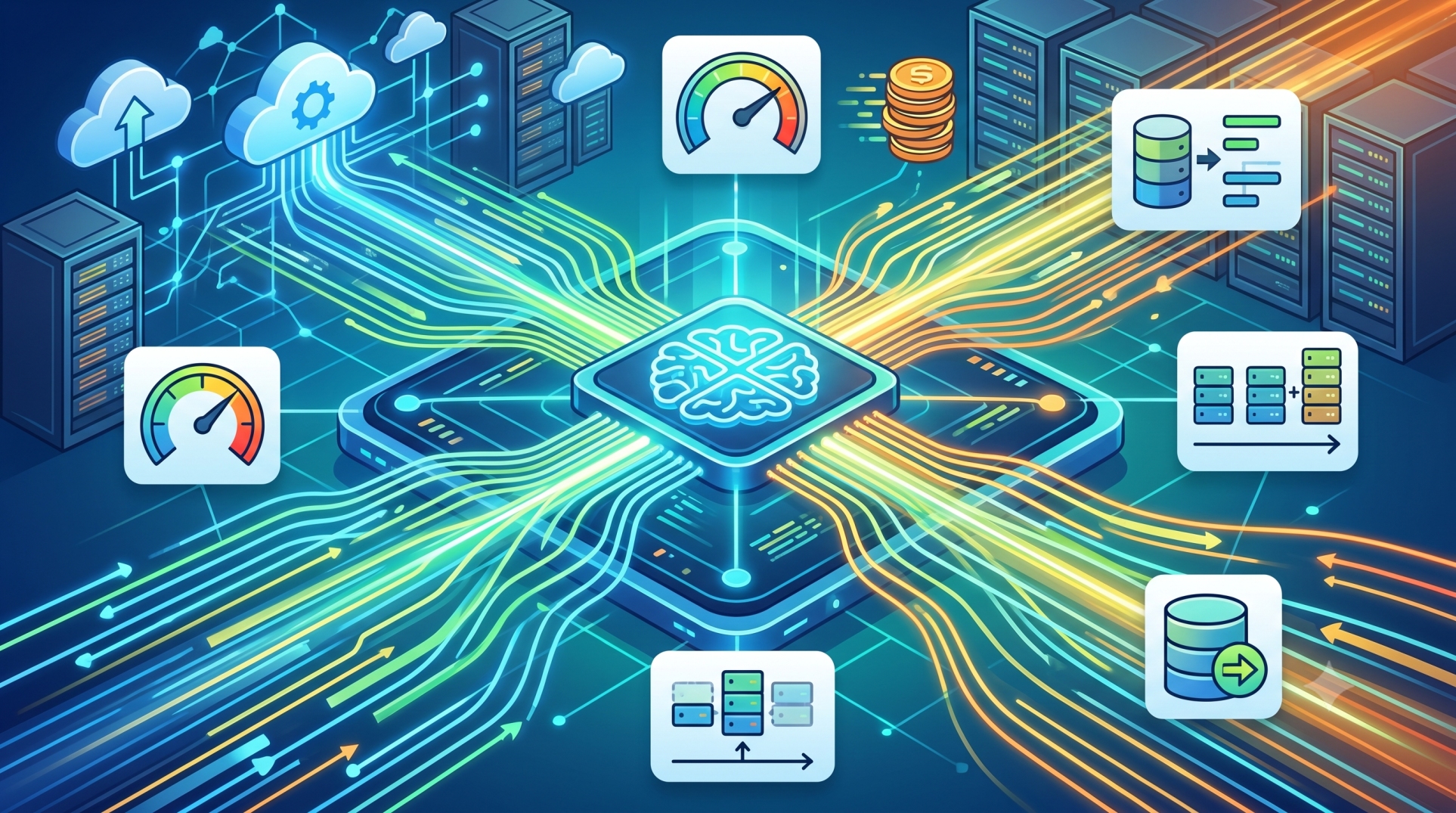
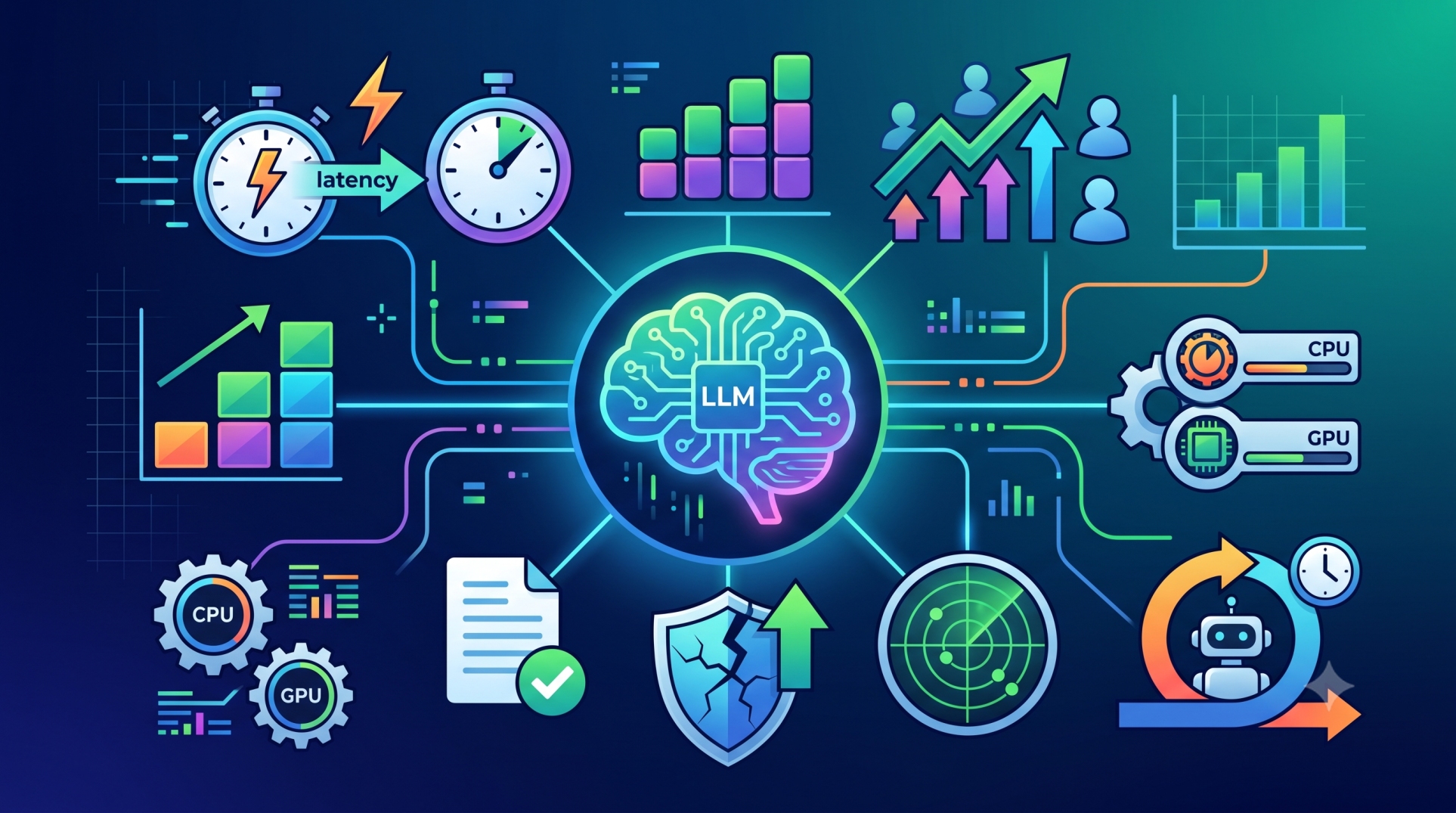
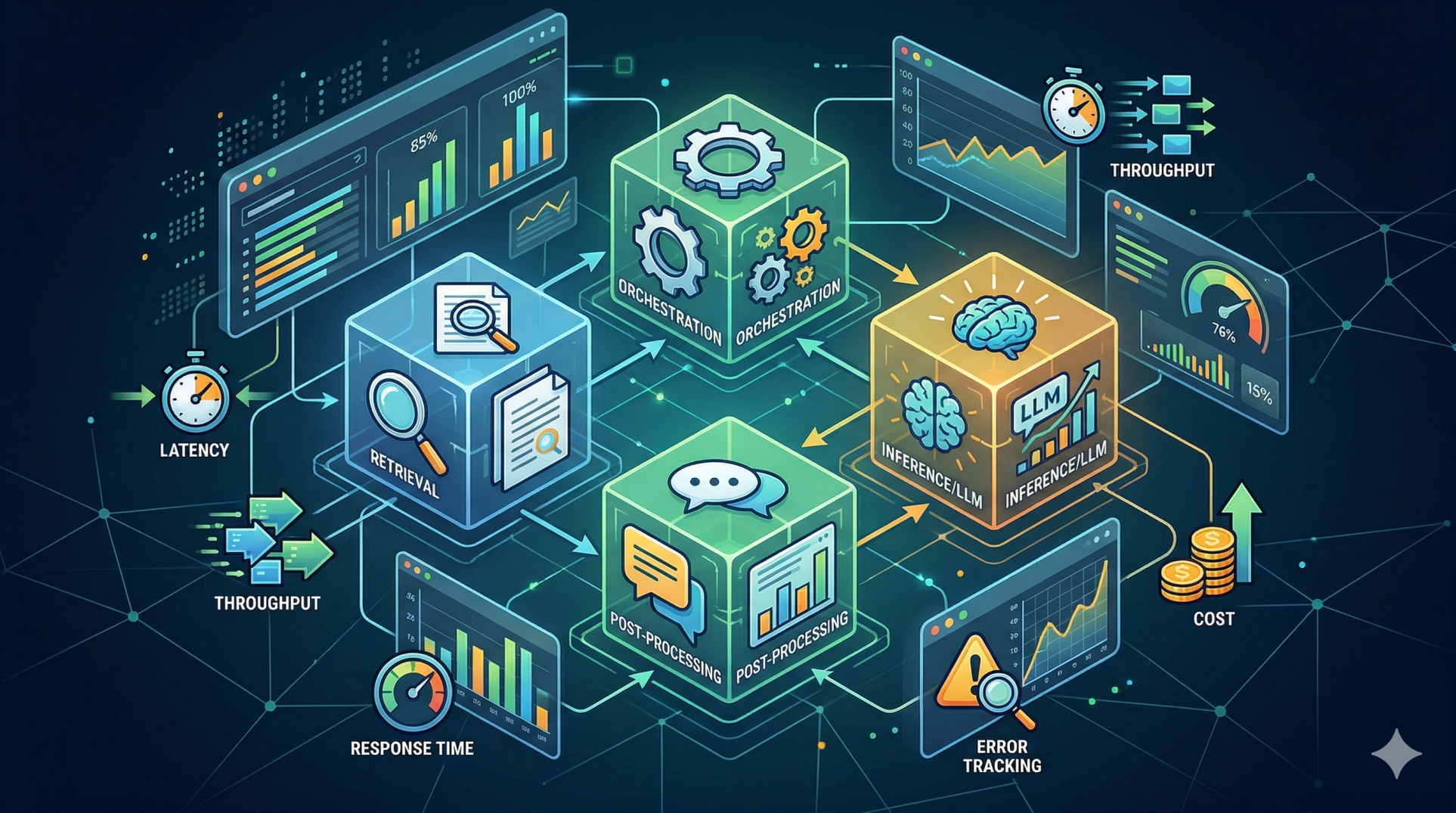
• Monitor latency and system performance metrics ⏱️
• Improve response quality through feedback loops 🔄
• Maintain high levels of reliability and consistency ✅
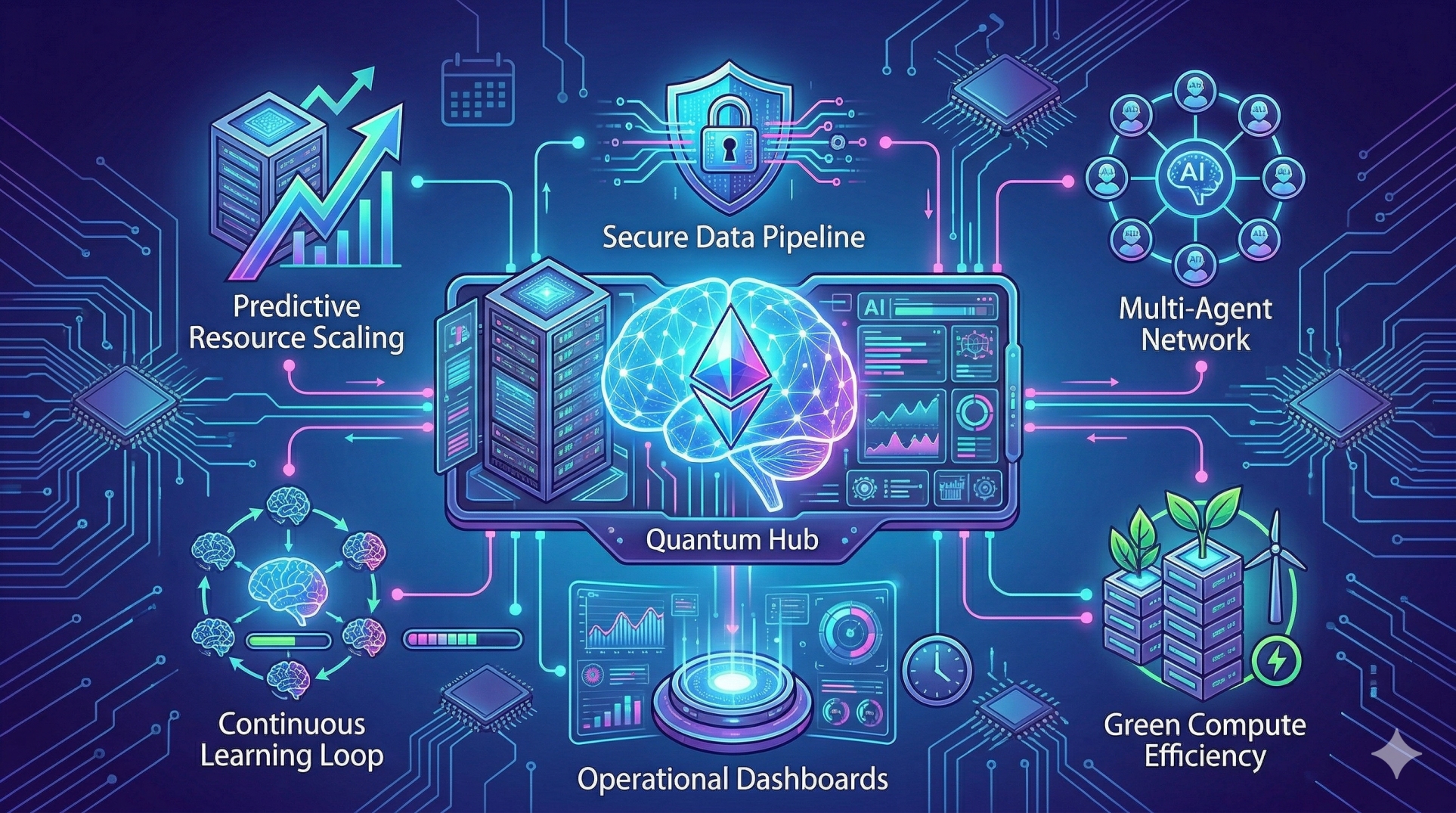
Step 9: Supporting Scalability and Growth 📈
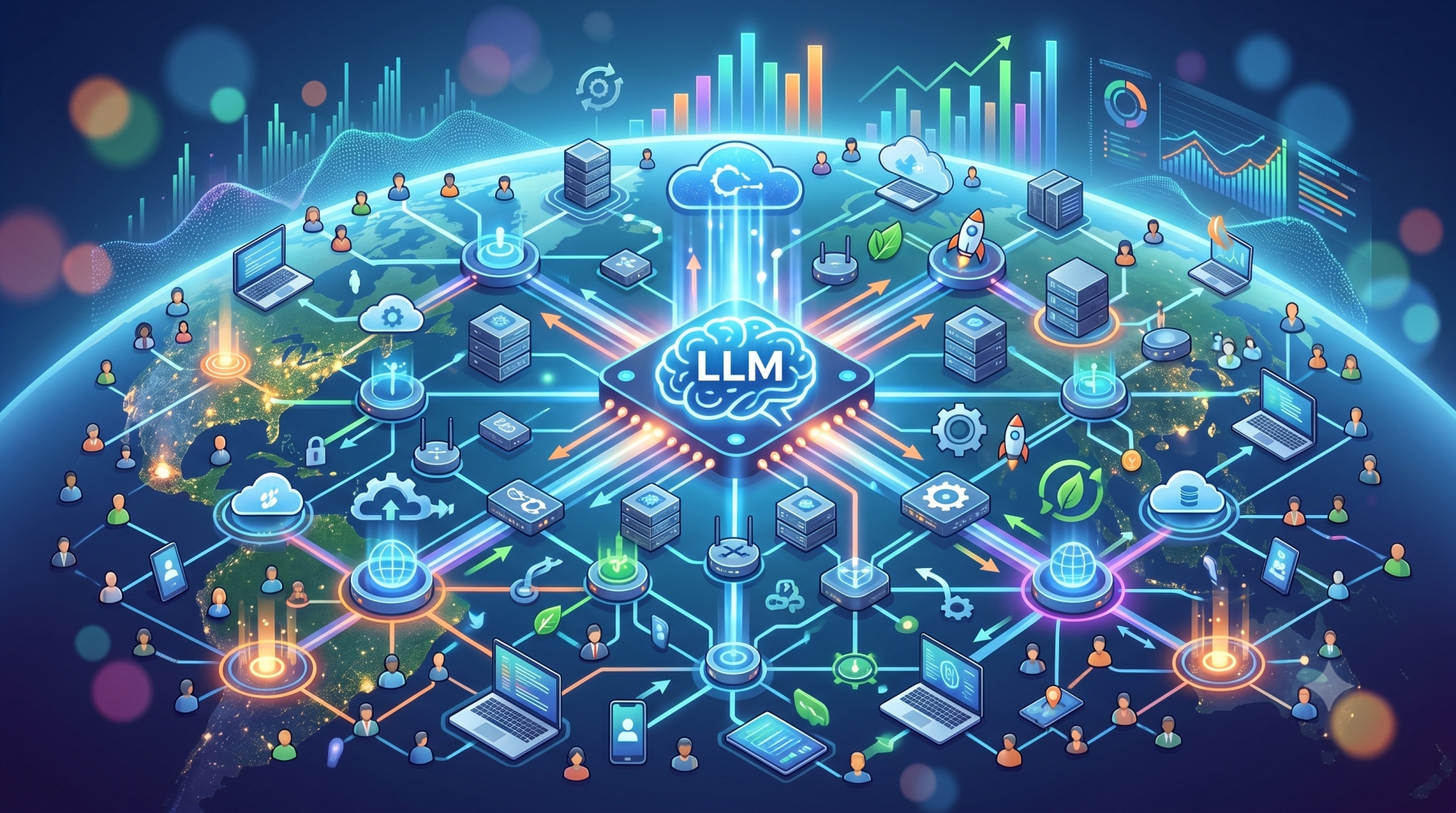
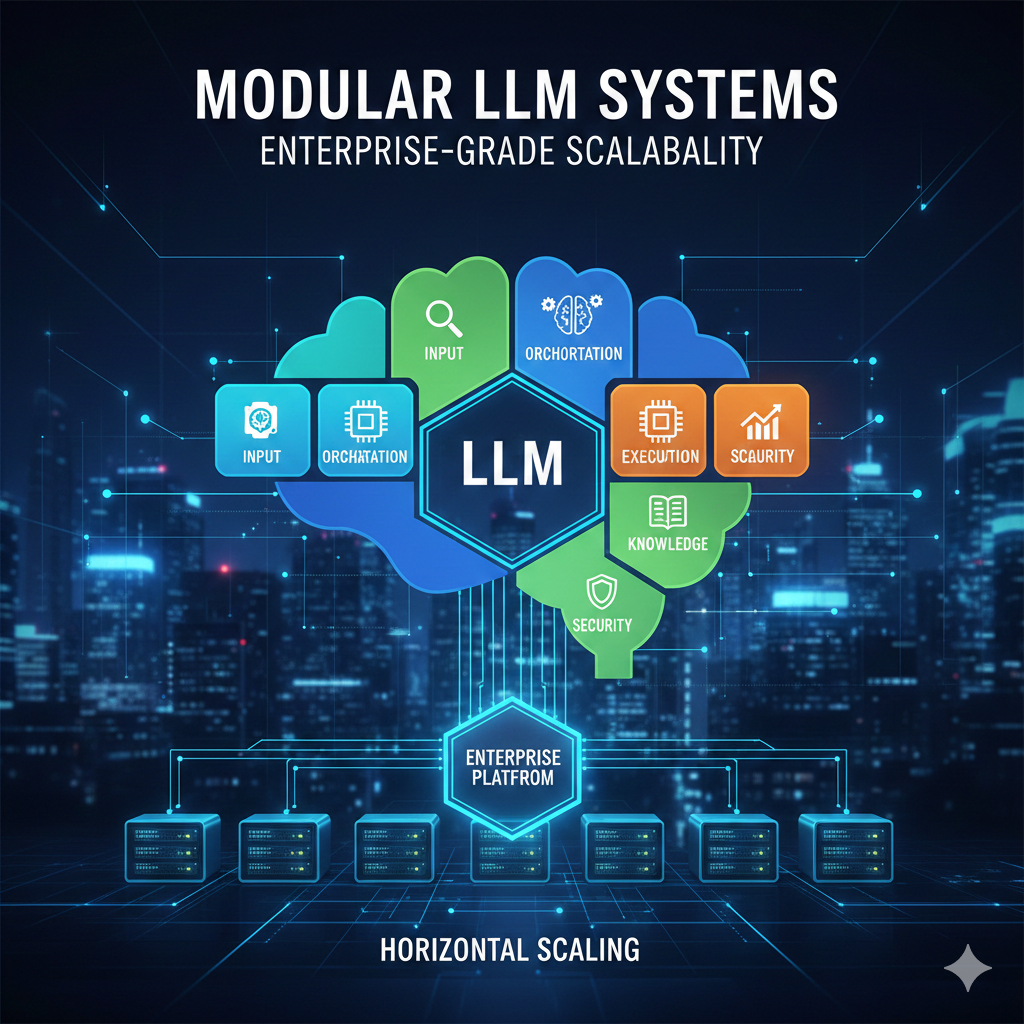
• Design architectures that accommodate increasing workloads 🏗️
• Expand AI capabilities across departments seamlessly 🌍
• Support additional workflows without major redesigns 🔄
• Integrate new data sources and applications easily 🔌
• Future-proof solutions for evolving business needs 🚀
Step 10: Measuring Business Impact 📊
• Track productivity improvements and operational gains 📈
• Measure cost reductions from automation initiatives 💰
• Monitor employee adoption and satisfaction levels 😊
• Evaluate workflow efficiency and process improvements ⚙️
• Refine AI strategies based on measurable outcomes 🎯
Conclusion
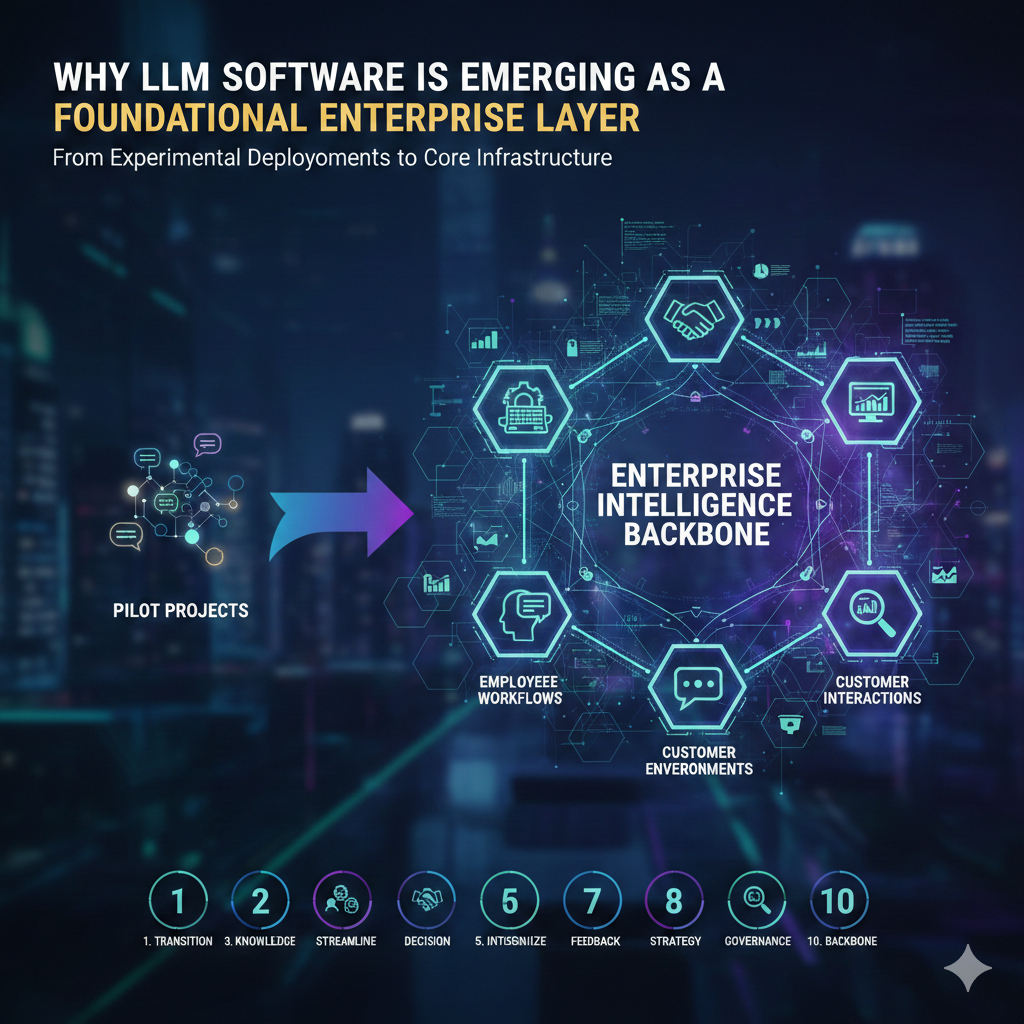
Custom LLM solutions enable enterprises to move beyond generic AI capabilities and create systems tailored to their unique operational requirements. By integrating domain knowledge, enterprise applications, and intelligent automation, organizations can streamline workflows, improve decision-making, and enhance productivity. A well-designed custom LLM strategy not only delivers immediate business value but also establishes a scalable foundation for future innovation and growth.
See more blogs
You can all the articles below