Fine-Tuning Pipelines for Domain-Specific LLM Applications
Fine-Tuning Pipelines for Domain-Specific LLM Applications
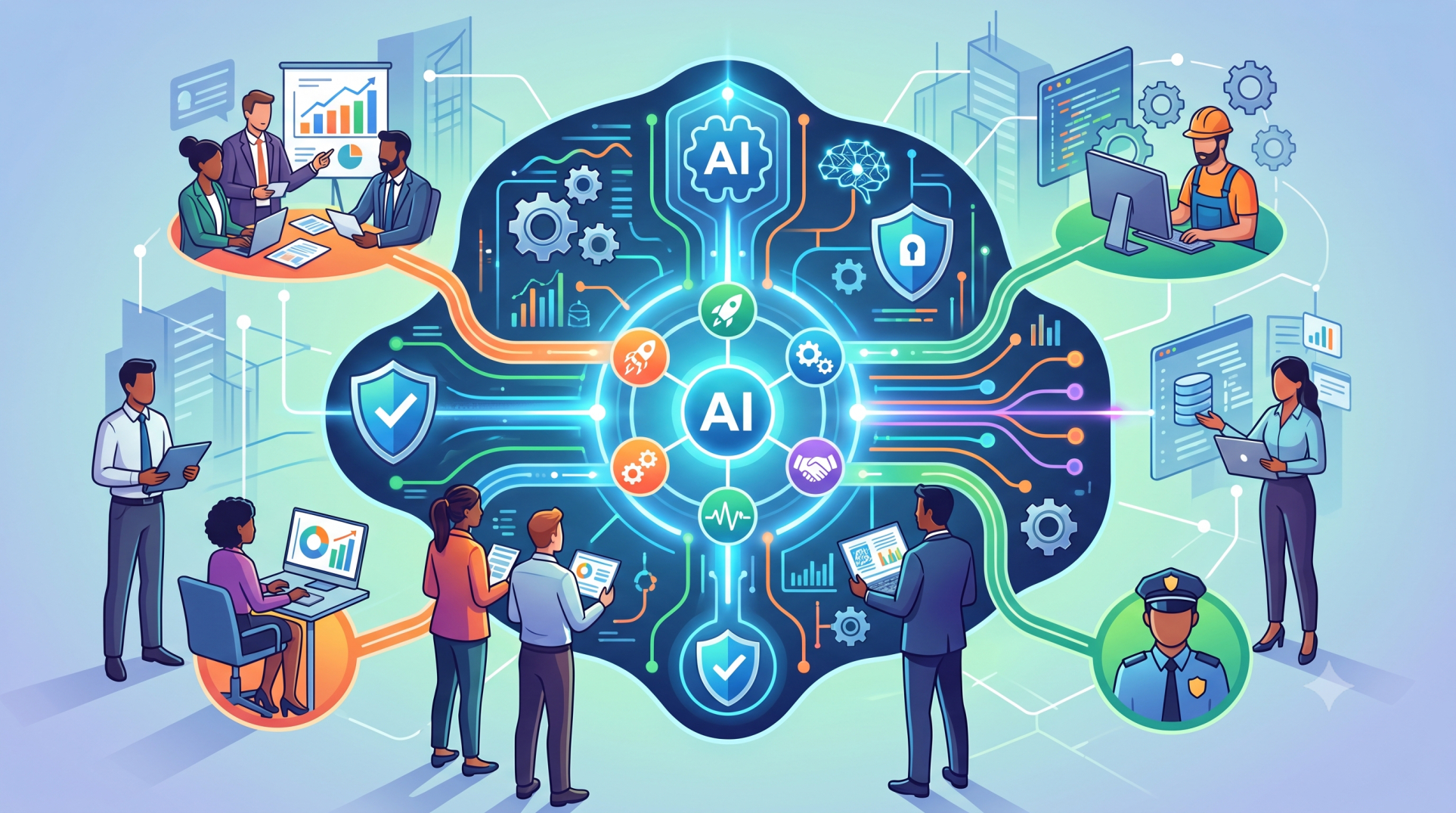
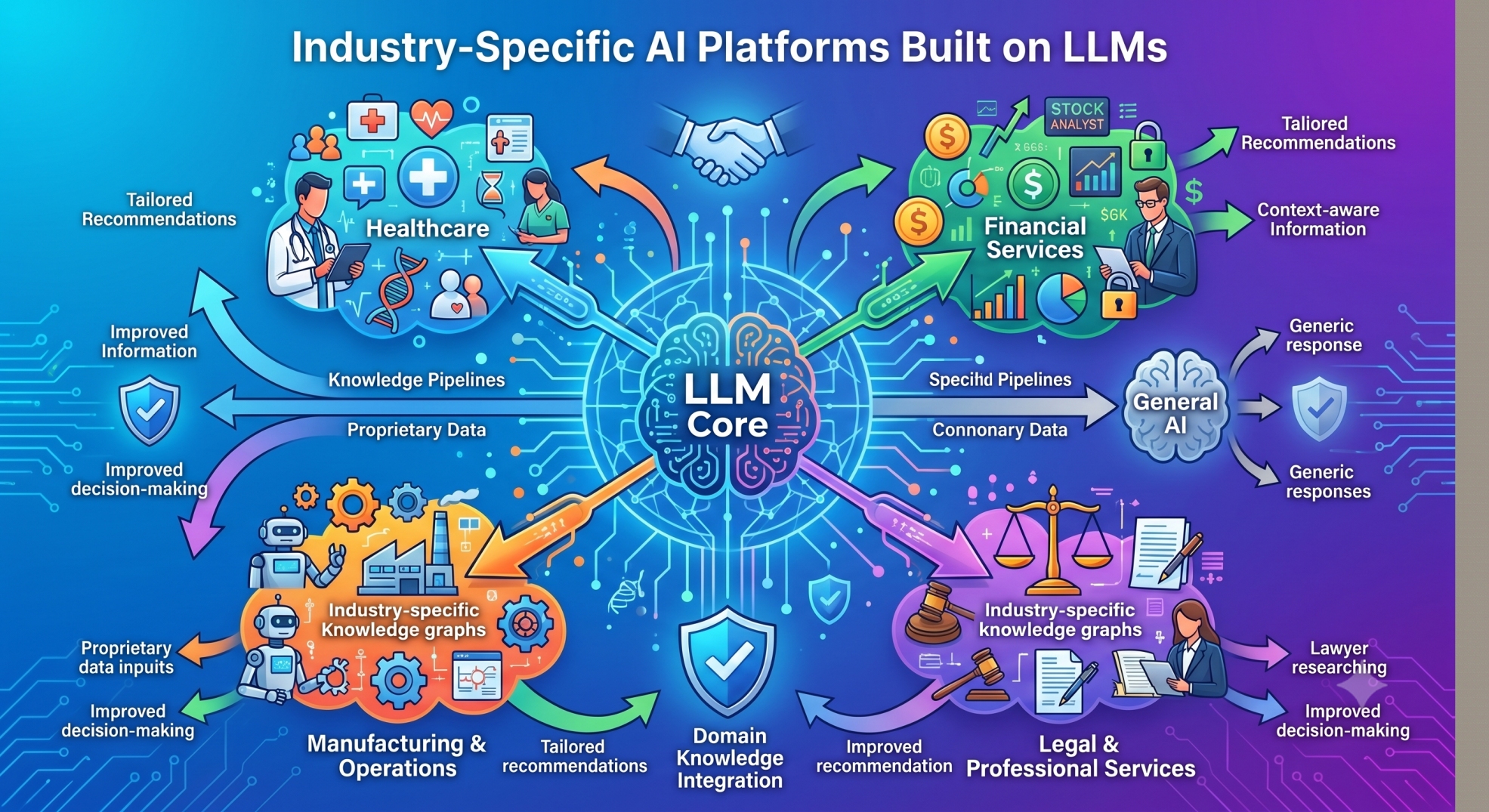
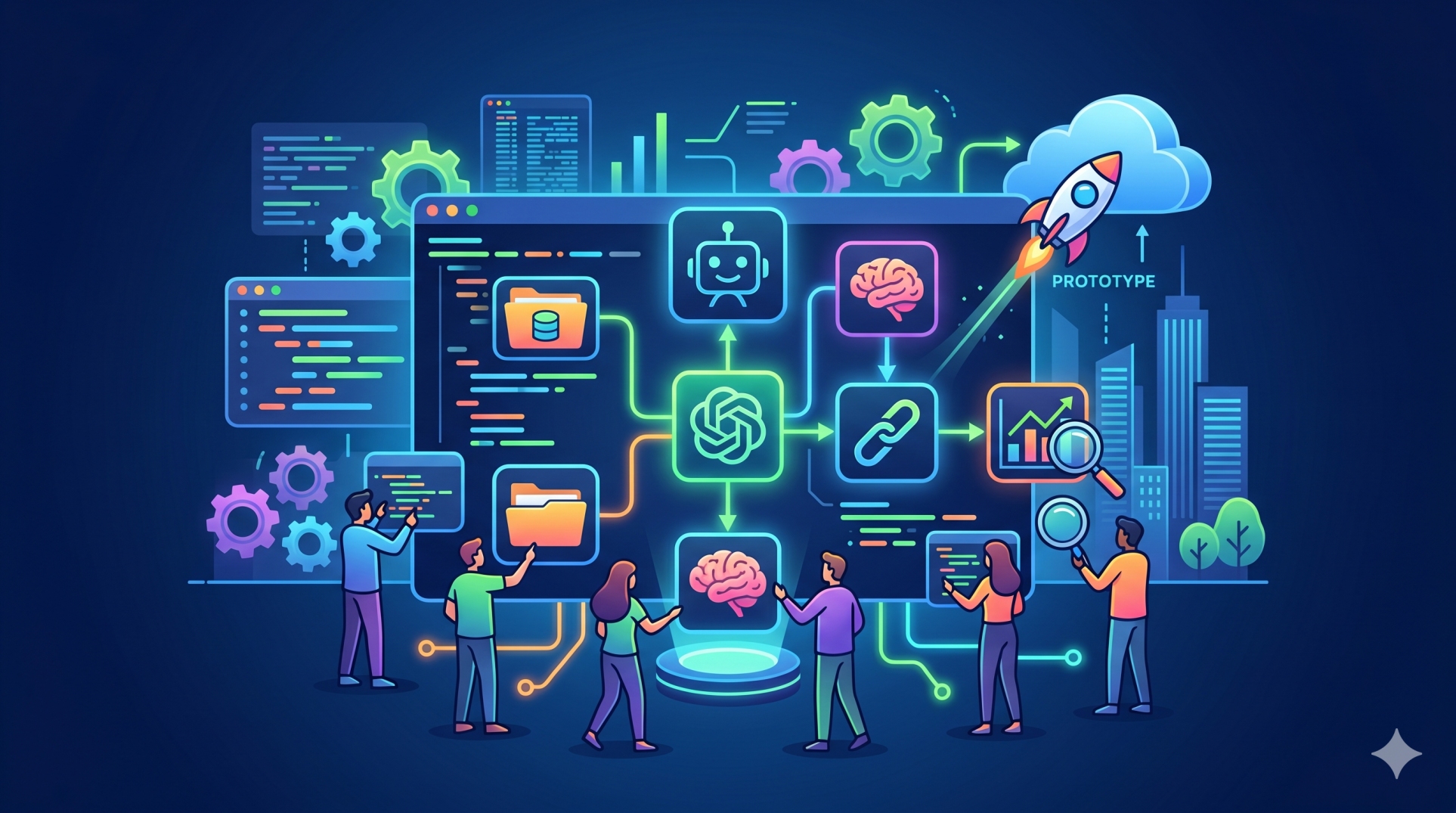
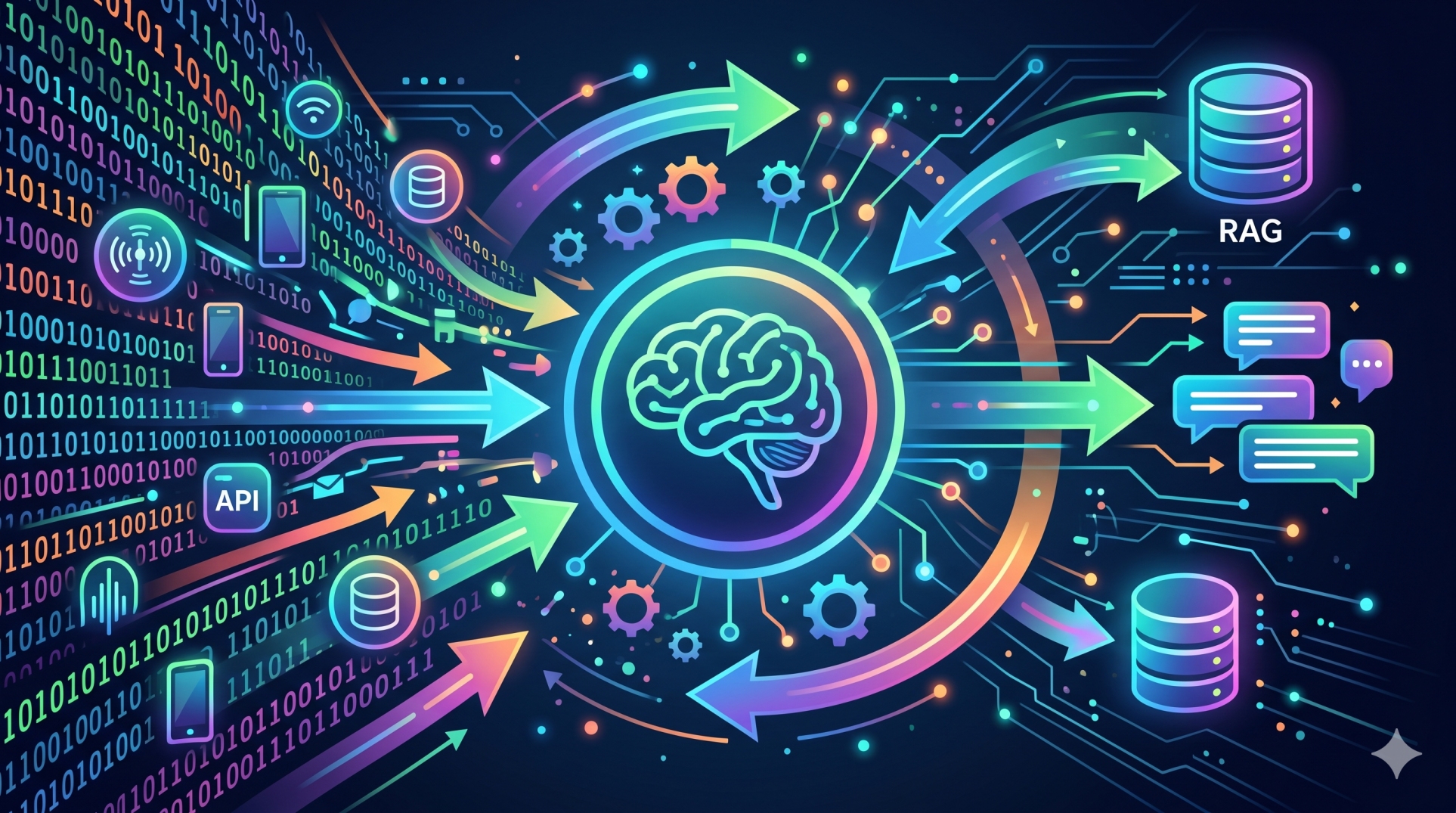
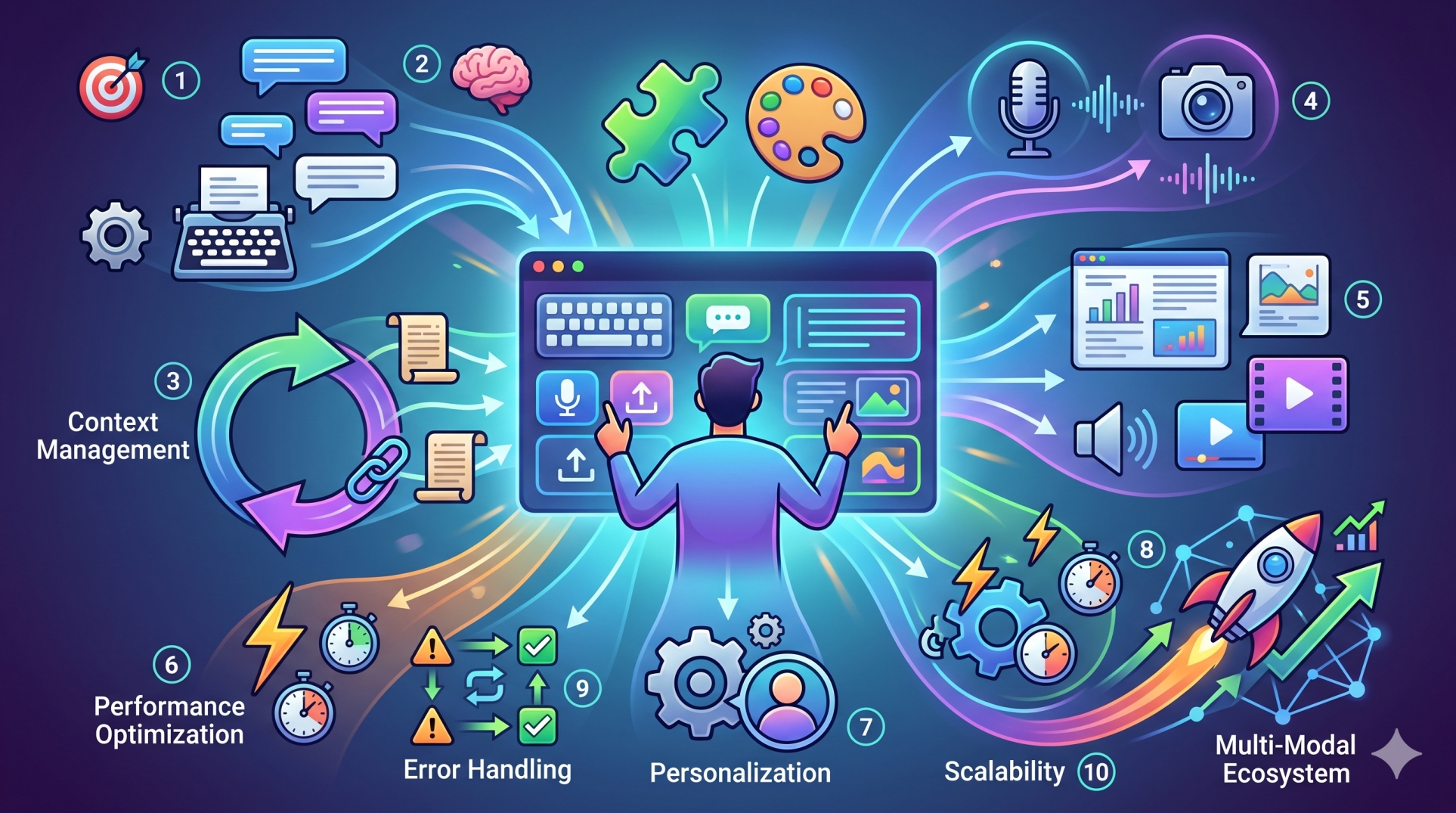
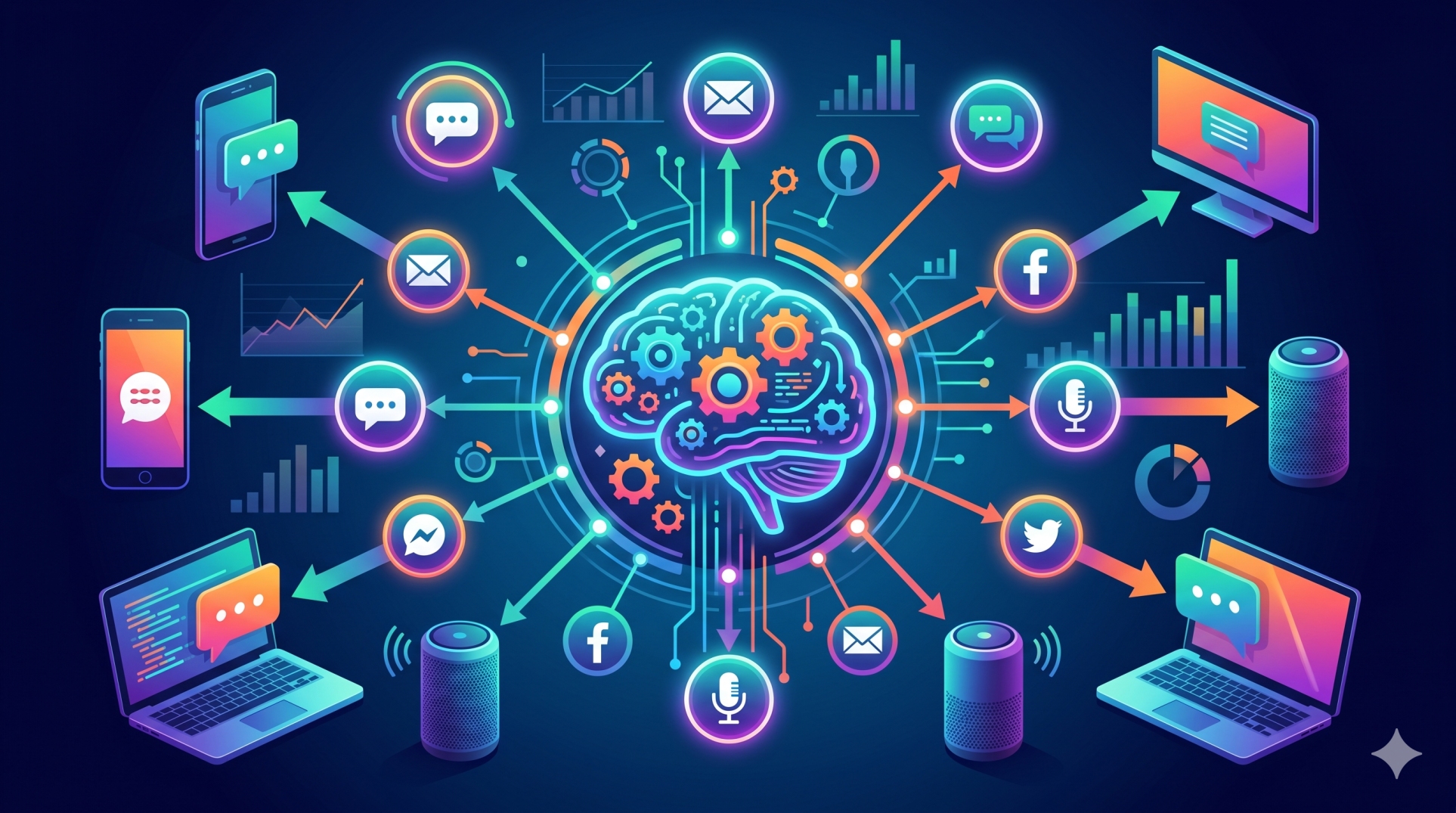
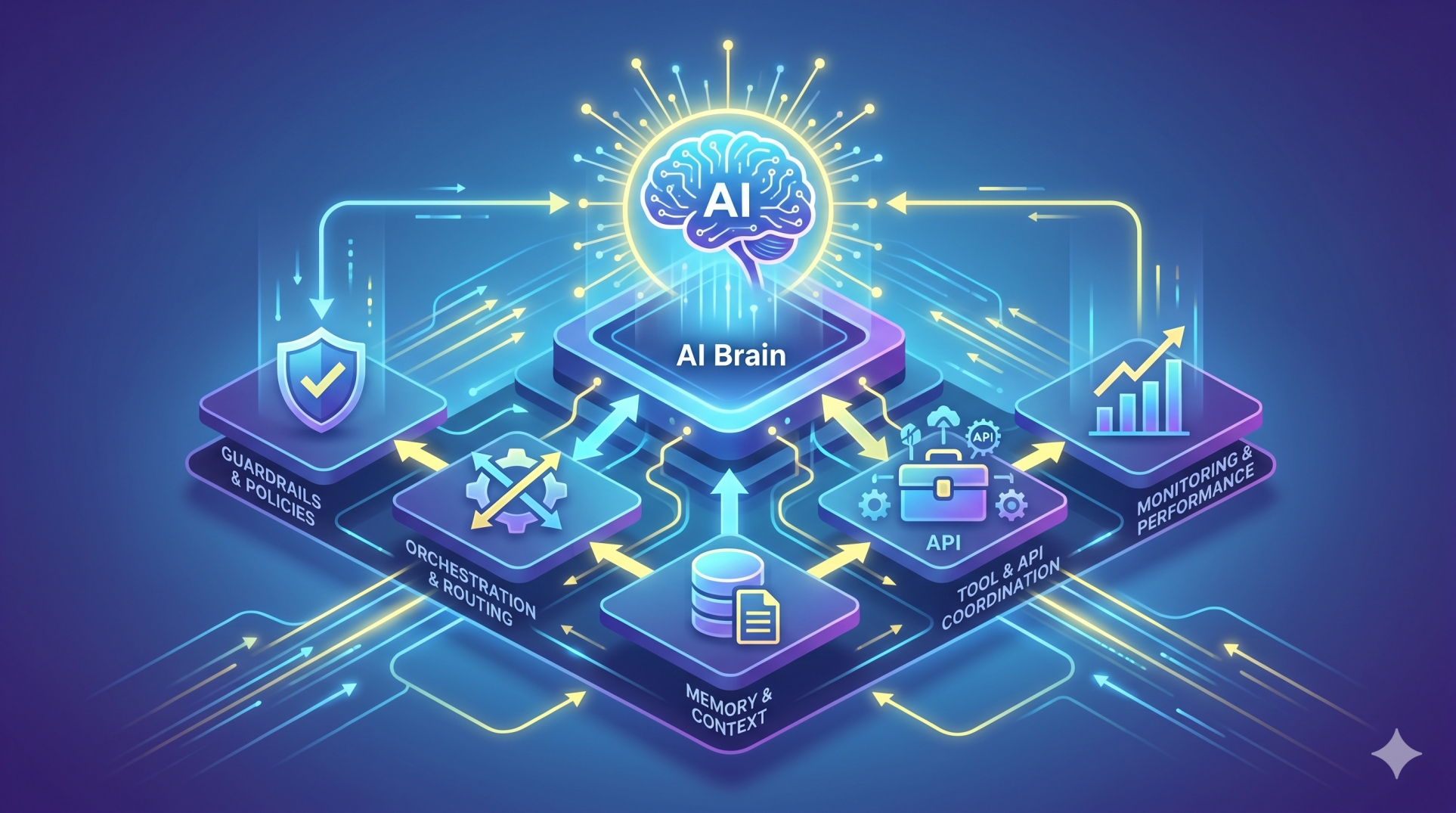
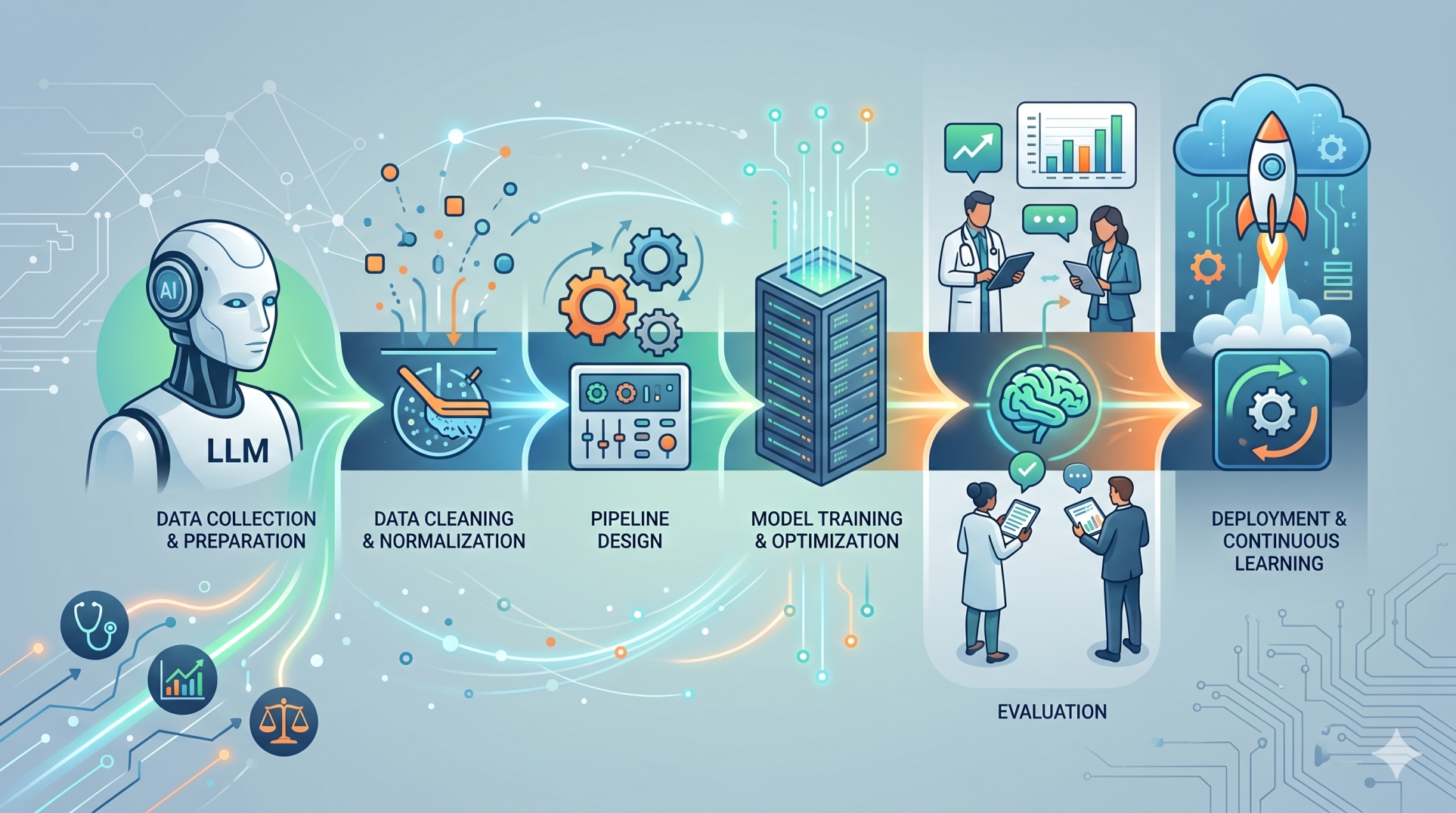
Large Language Models (LLMs) are becoming increasingly valuable across industries, but generic models often lack the specialized knowledge required for domain-specific use cases. Fine-tuning pipelines help organizations adapt foundation models to industry terminology, workflows, and operational requirements. A well-structured fine-tuning strategy improves accuracy, contextual understanding, and overall AI performance while maintaining scalability and efficiency.
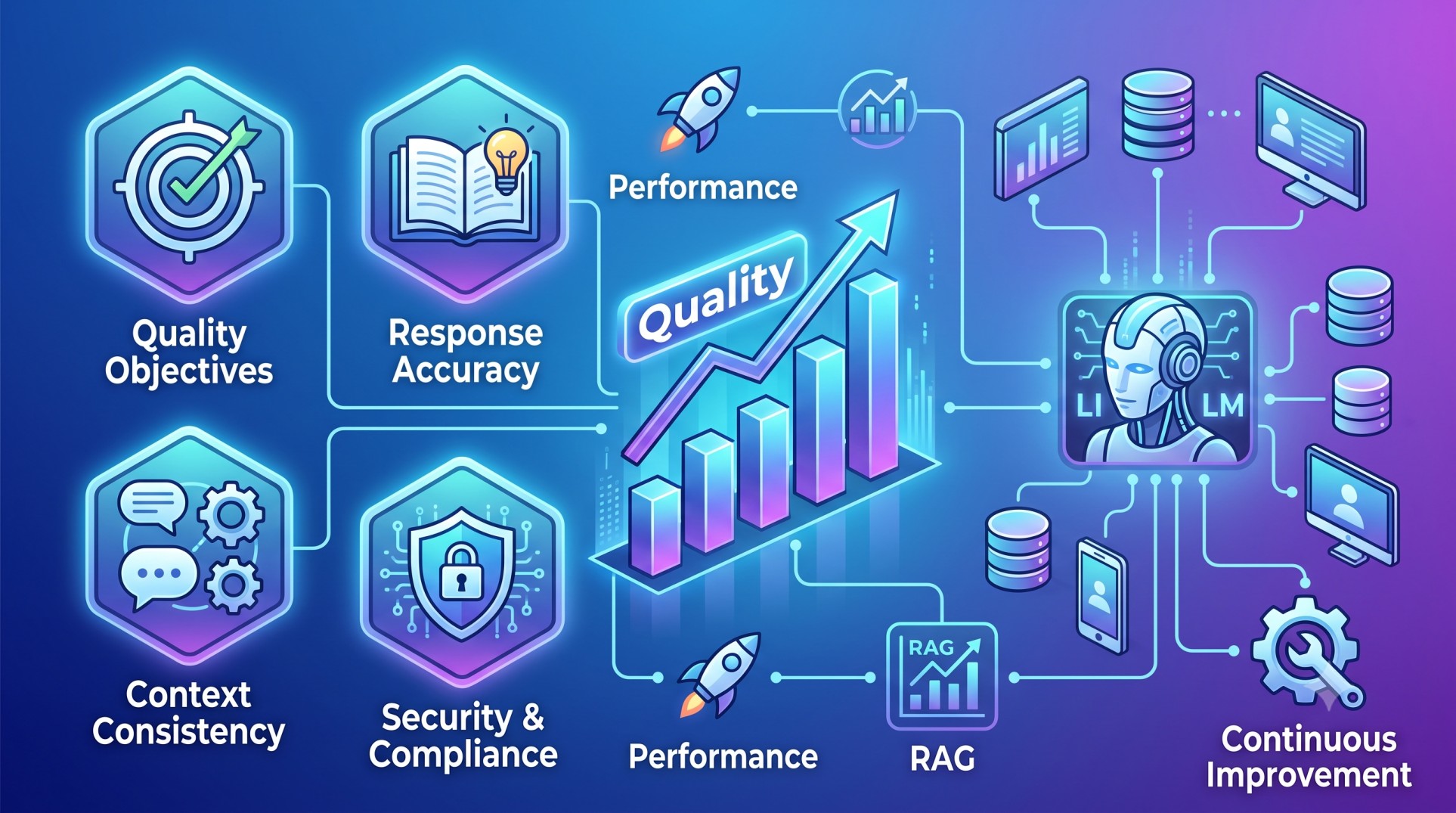
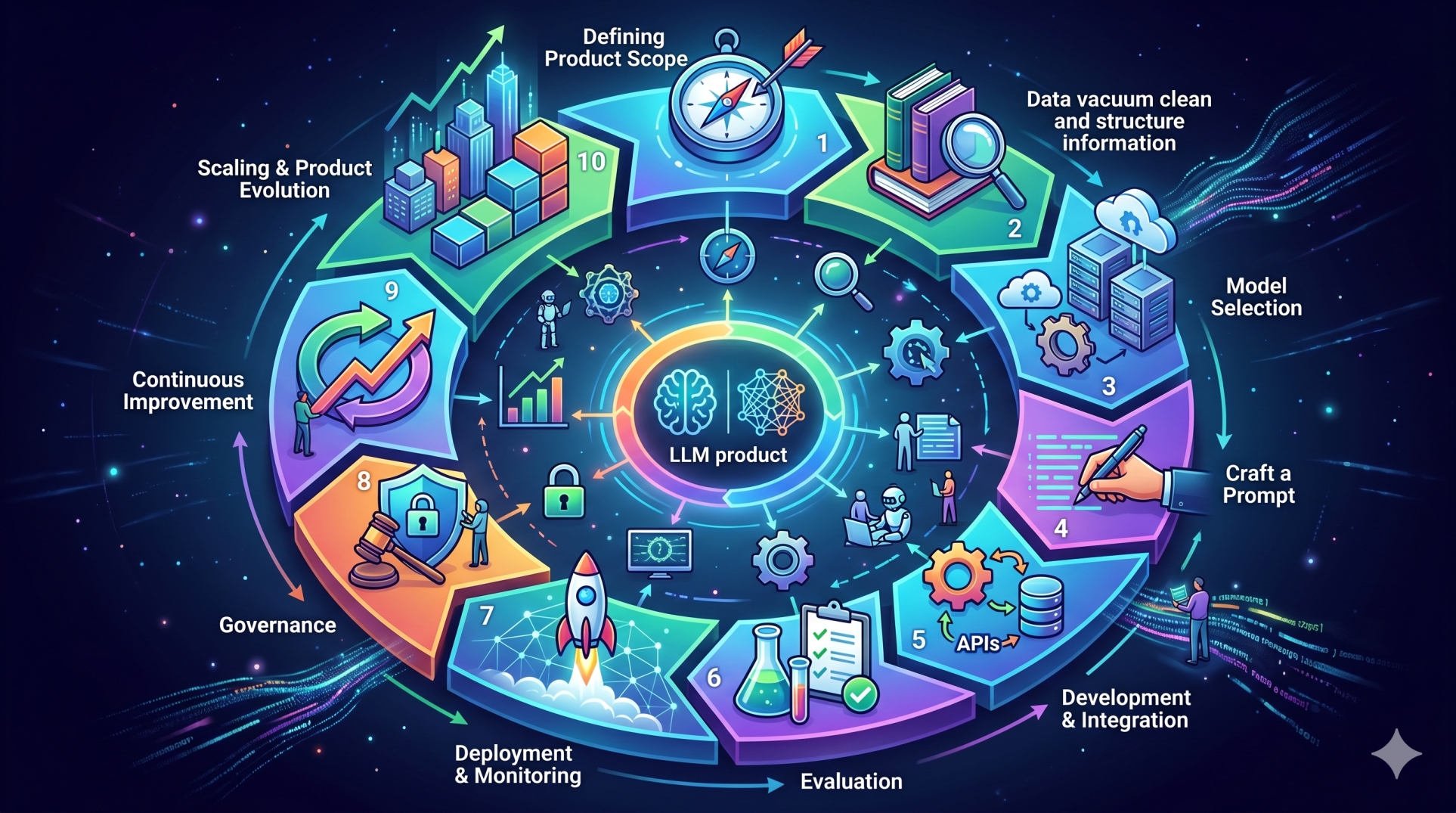
Step 1: Defining Domain-Specific Objectives 🎯
• Identify the business problems the LLM must solve 📌
• Define target industries, workflows, and user requirements 🏭
• Establish measurable performance goals and success metrics 📊
• Determine expected outputs, tone, and response quality 🧠
• Align fine-tuning objectives with operational priorities 🔄
Step 2: Collecting and Preparing Training Data 📂
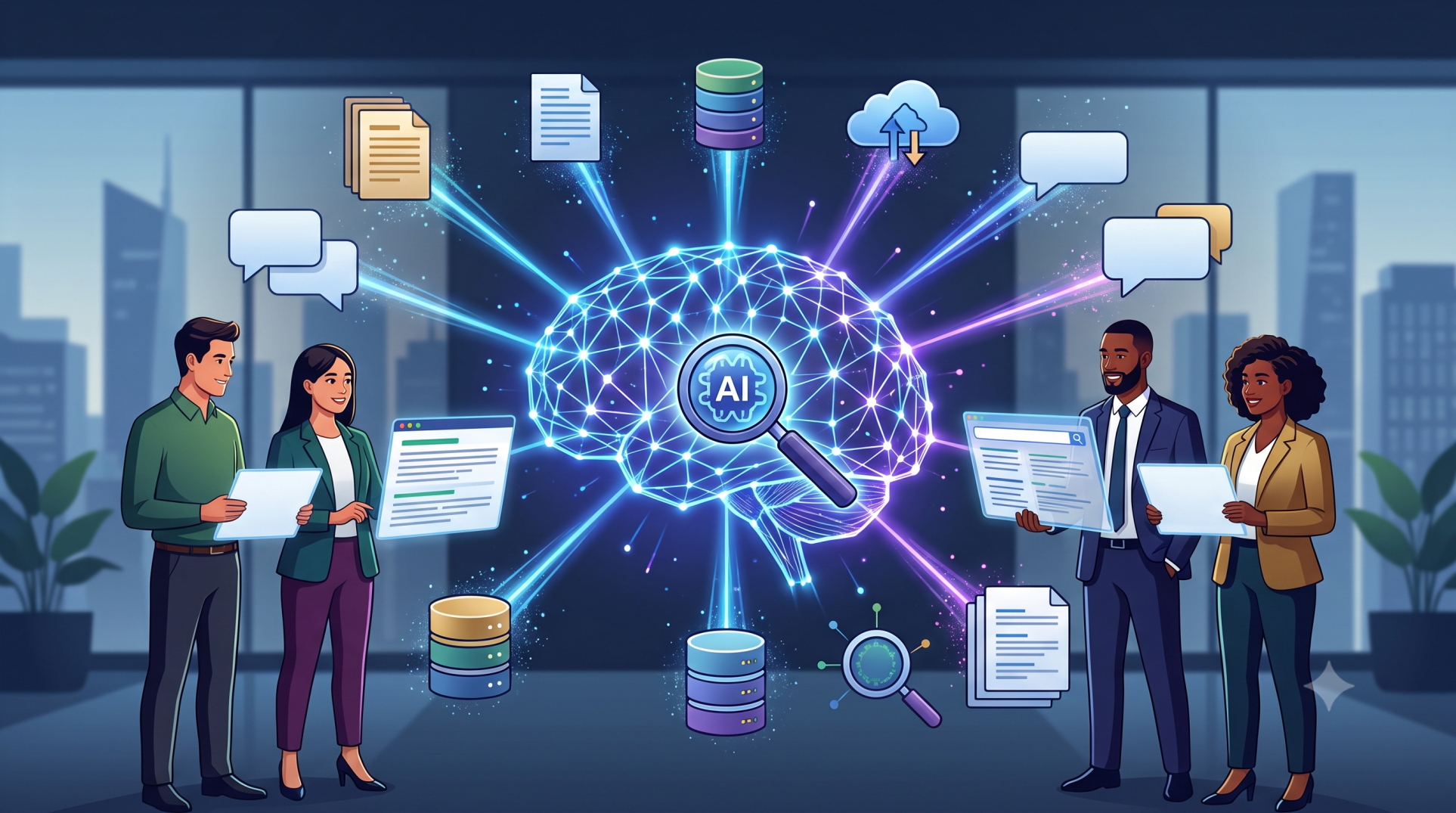
• Gather high-quality domain-specific datasets 📚
• Remove duplicate, outdated, or irrelevant information 🧹
• Structure data consistently for training efficiency ⚙️
• Annotate datasets with accurate labels and metadata 🏷️
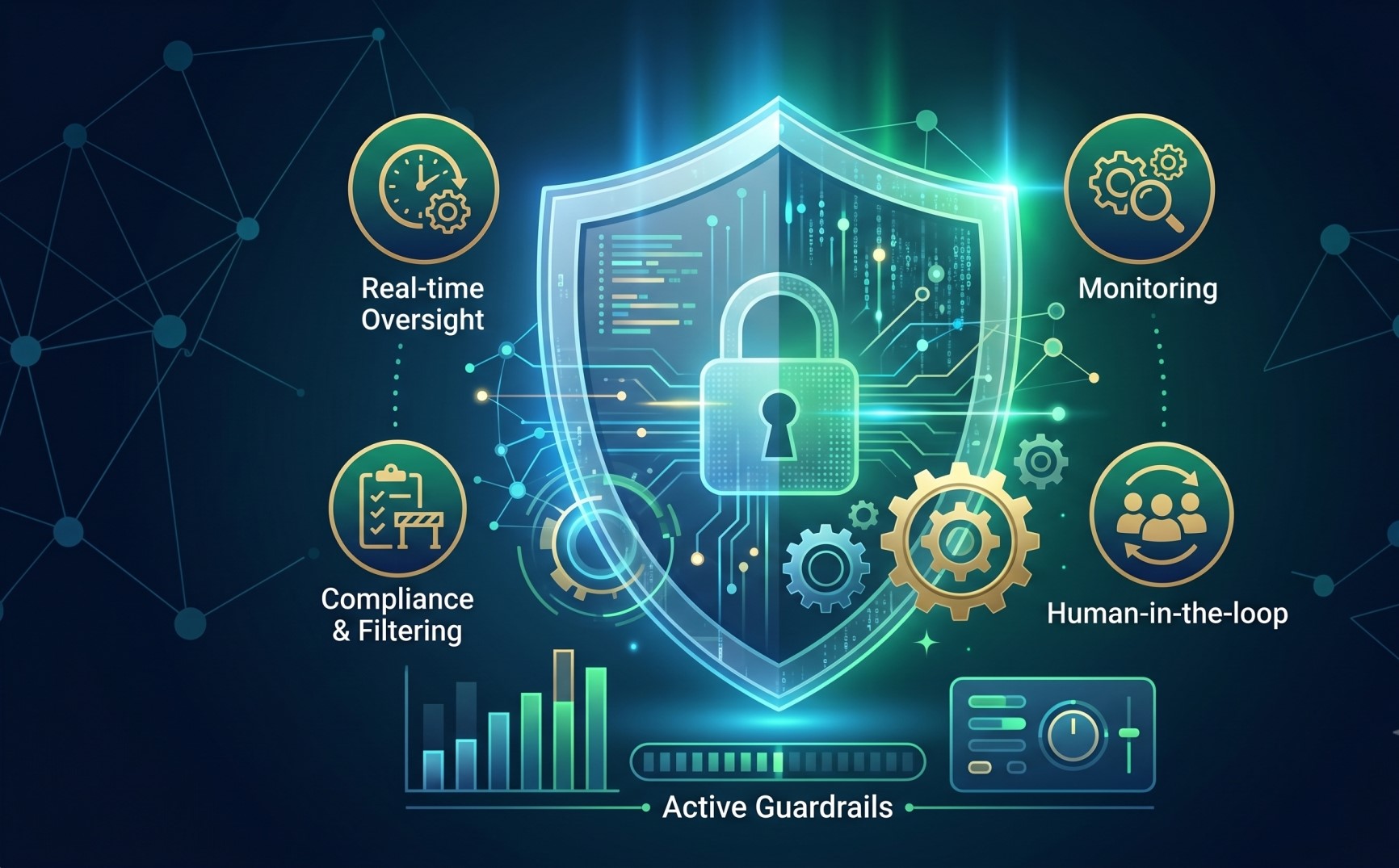
• Ensure compliance with privacy and security standards 🔐
Step 3: Data Cleaning and Normalization 🧼
• Standardize terminology, formatting, and language usage ✍️
• Eliminate noisy or low-quality training samples 🚫
• Normalize structured and unstructured data sources 🔄
• Validate dataset consistency before model training ✅
• Improve overall data reliability and model readiness 📈
Step 4: Selecting the Right Base Model 🤖
• Choose a foundation model aligned with business needs 🏗️
• Evaluate model size, performance, and infrastructure costs 💻
• Compare open-source and proprietary LLM options ⚖️
• Assess multilingual and domain adaptation capabilities 🌐
• Ensure compatibility with existing AI infrastructure 🔗
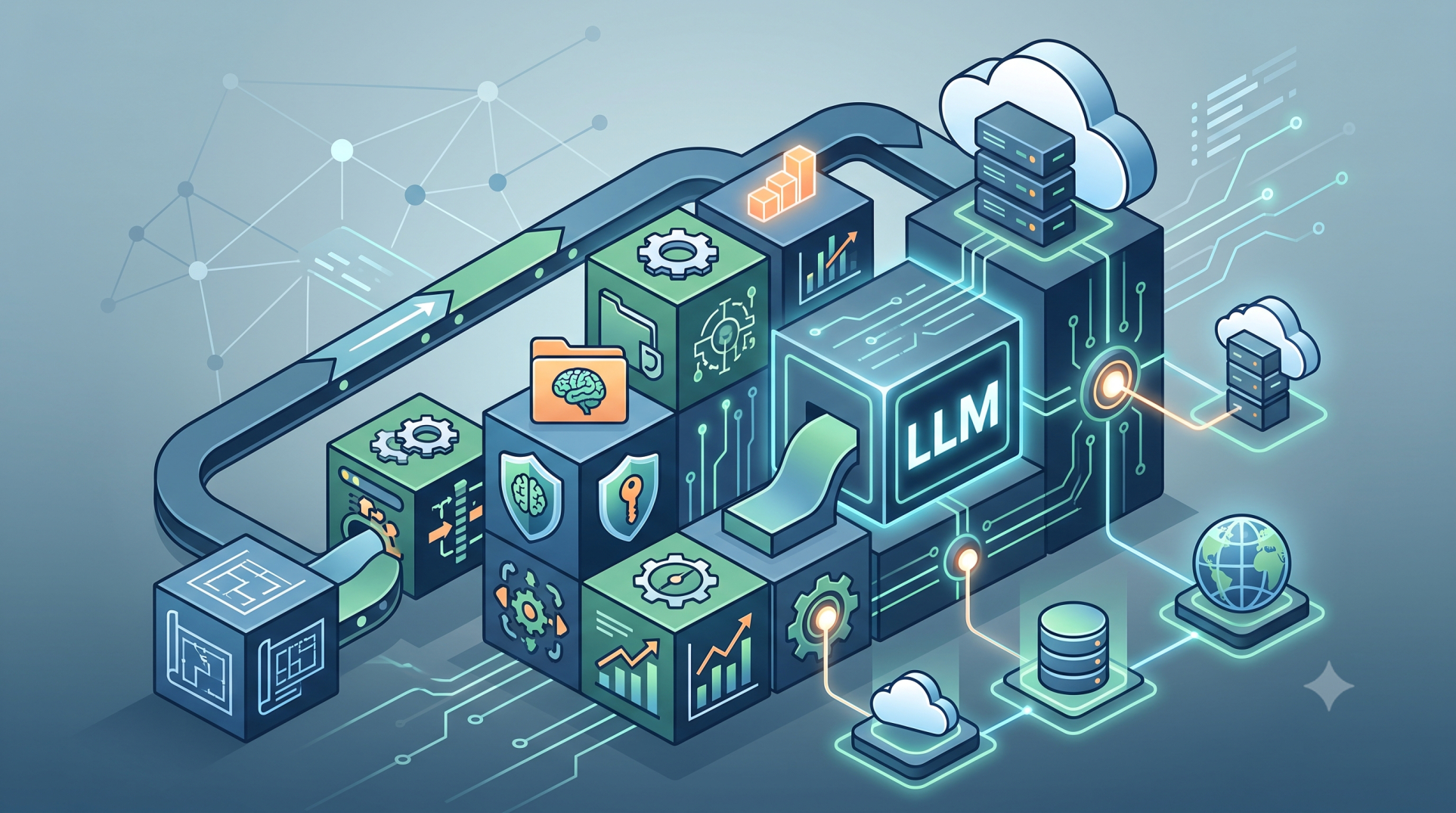
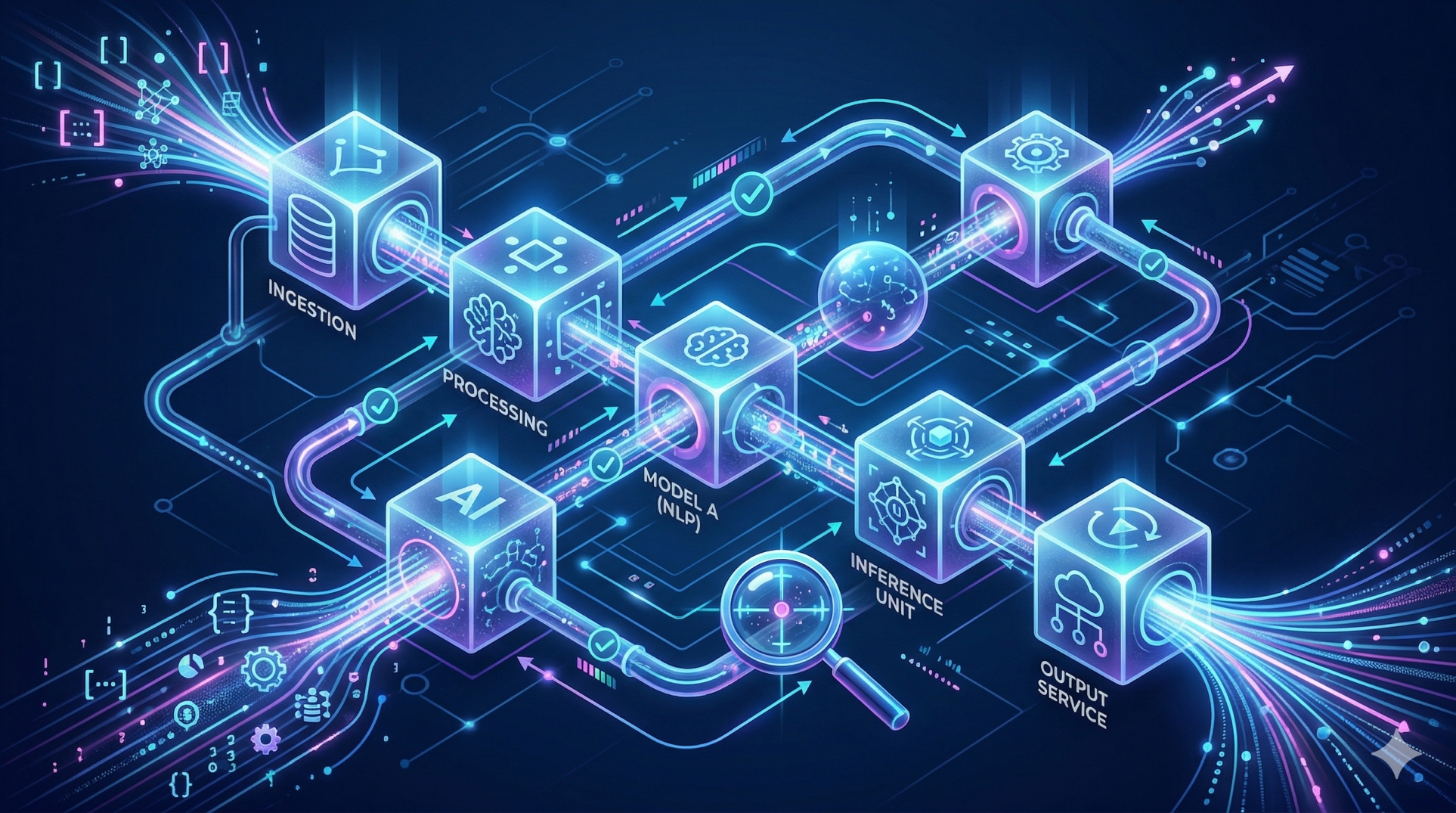
Step 5: Designing the Fine-Tuning Pipeline ⚙️
• Automate data ingestion and preprocessing workflows 🔄
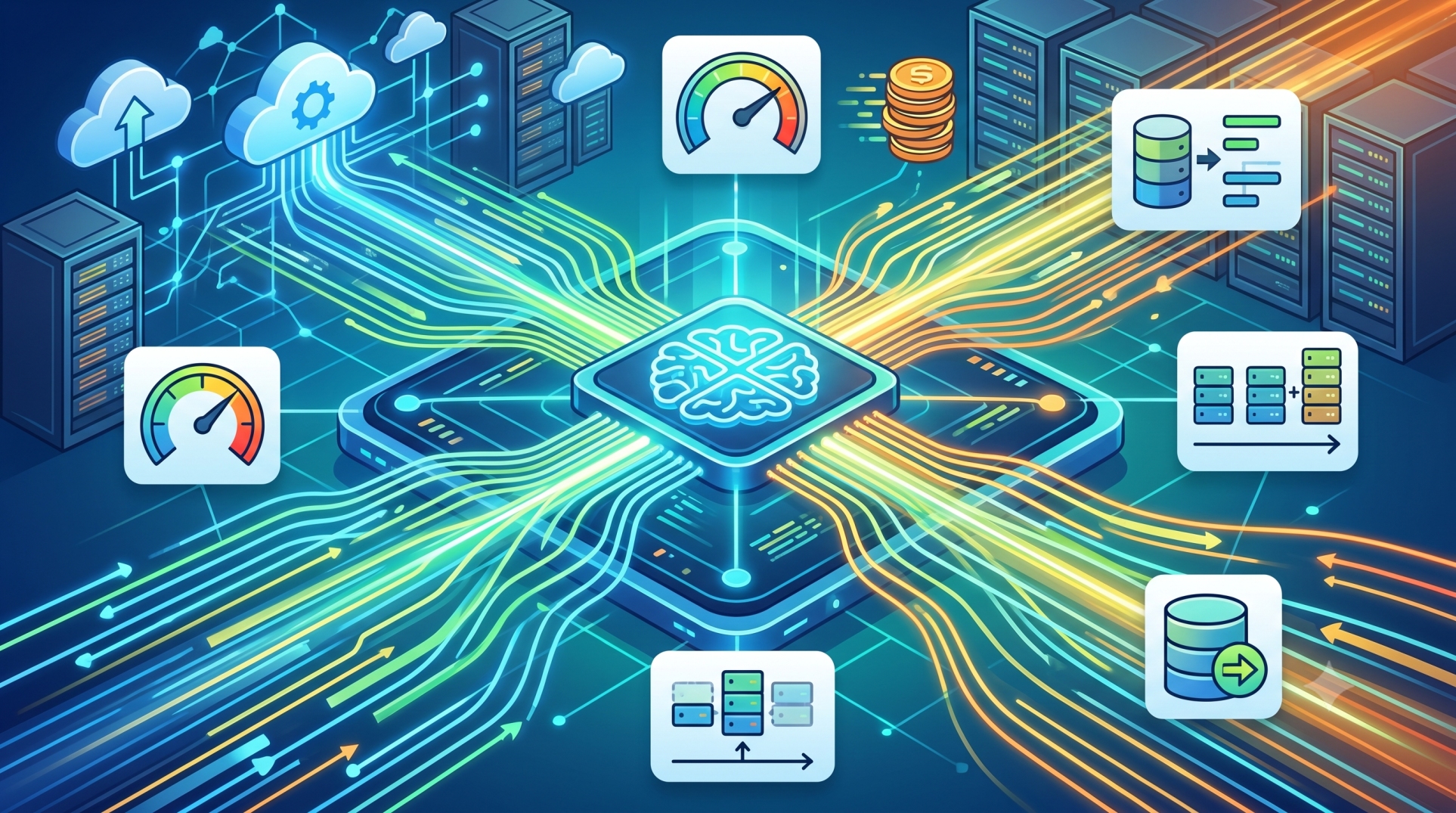
• Configure training environments and compute resources 🖥️
• Define hyperparameters for optimal model performance 🎛️
• Enable version control for datasets and model checkpoints 📁
• Create repeatable pipelines for scalable training operations 🚀
Step 6: Training and Model Optimization 🧠
• Train the LLM using domain-specific datasets 📚
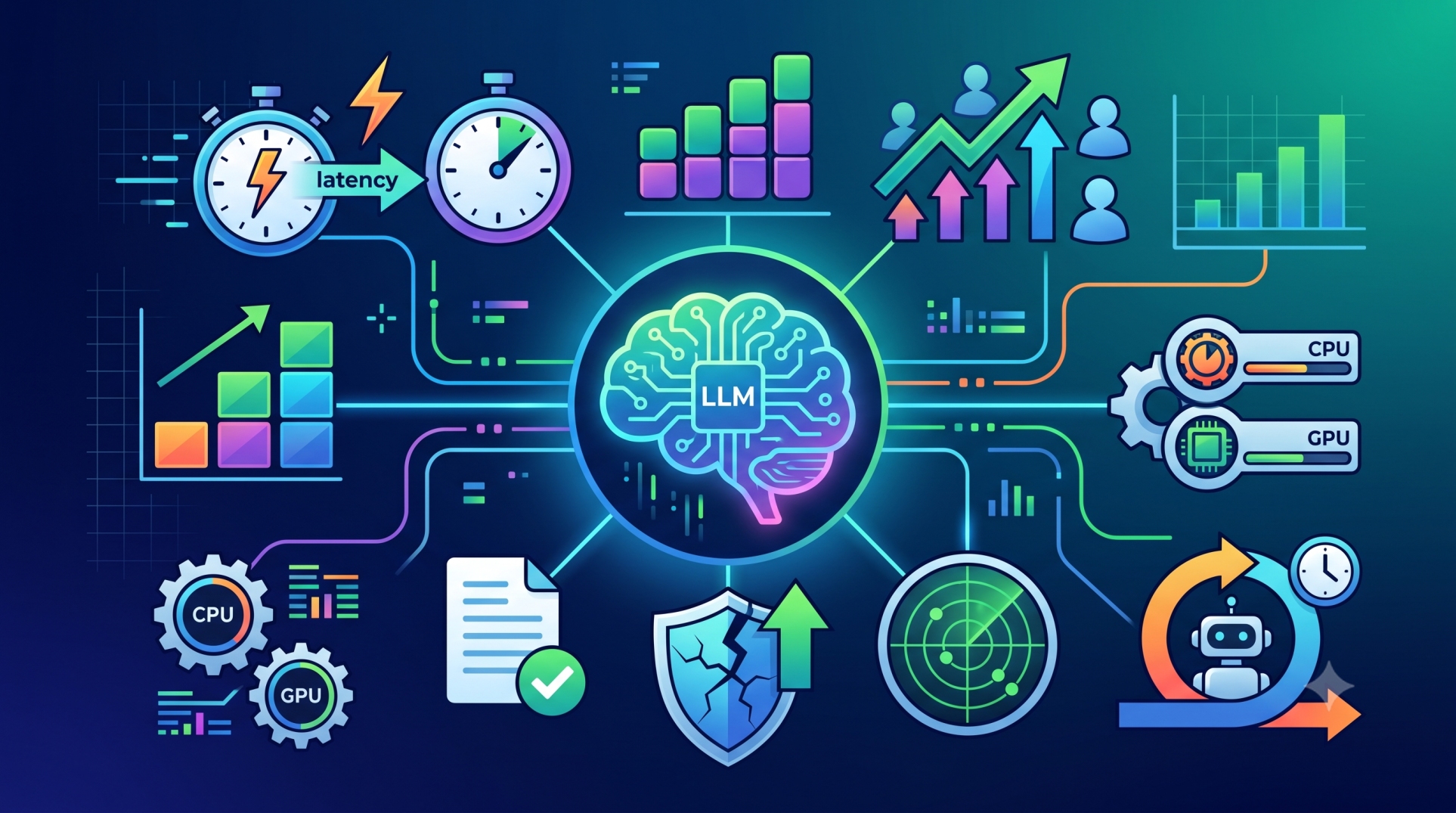
• Monitor training metrics such as loss and accuracy 📊
• Optimize learning rates and parameter configurations ⚡
• Prevent overfitting through validation and testing 🛡️
• Continuously refine the model for improved outputs 🔍
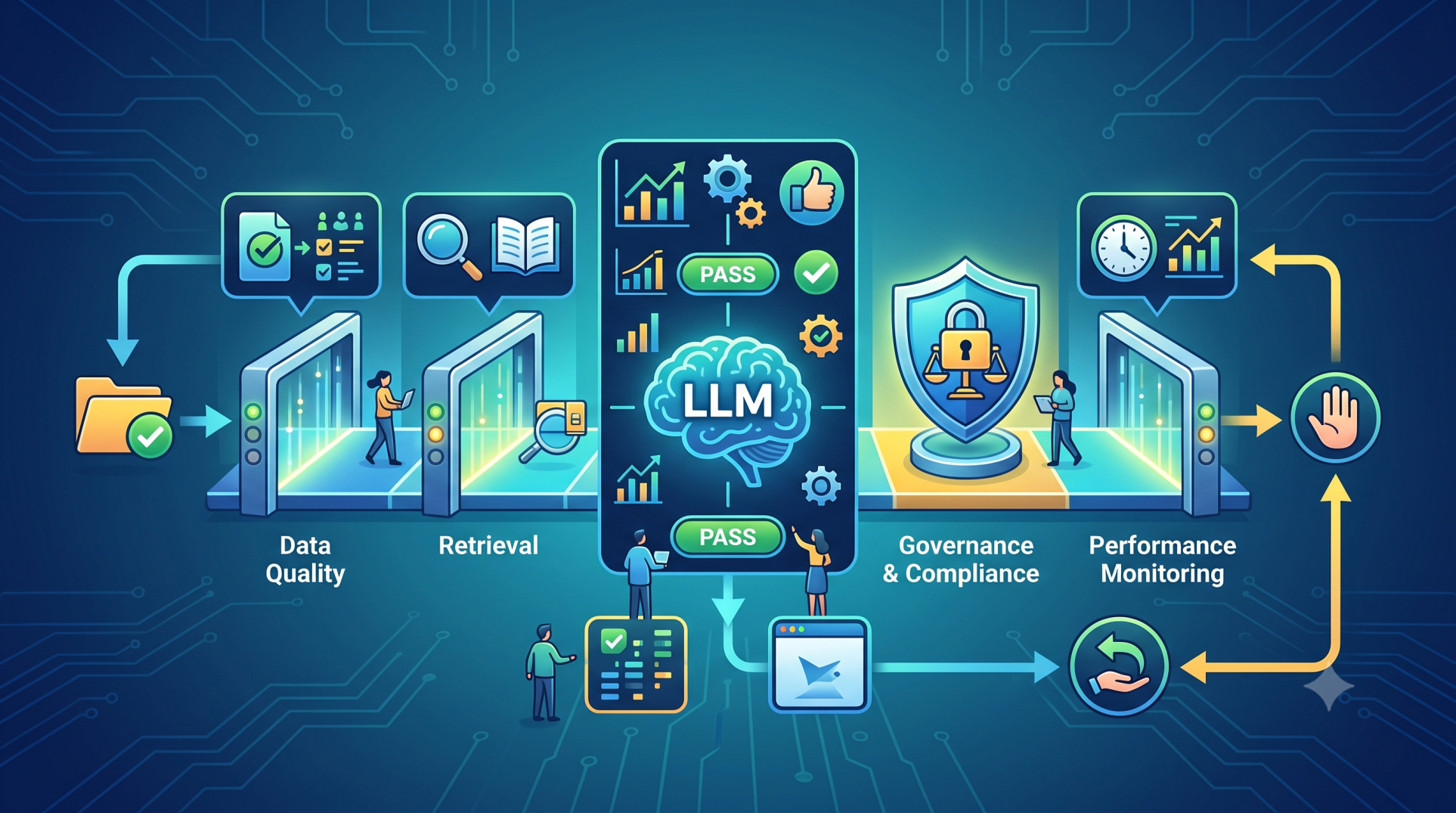
Step 7: Evaluating Model Performance 📈
• Test the model against real-world domain scenarios 🏭
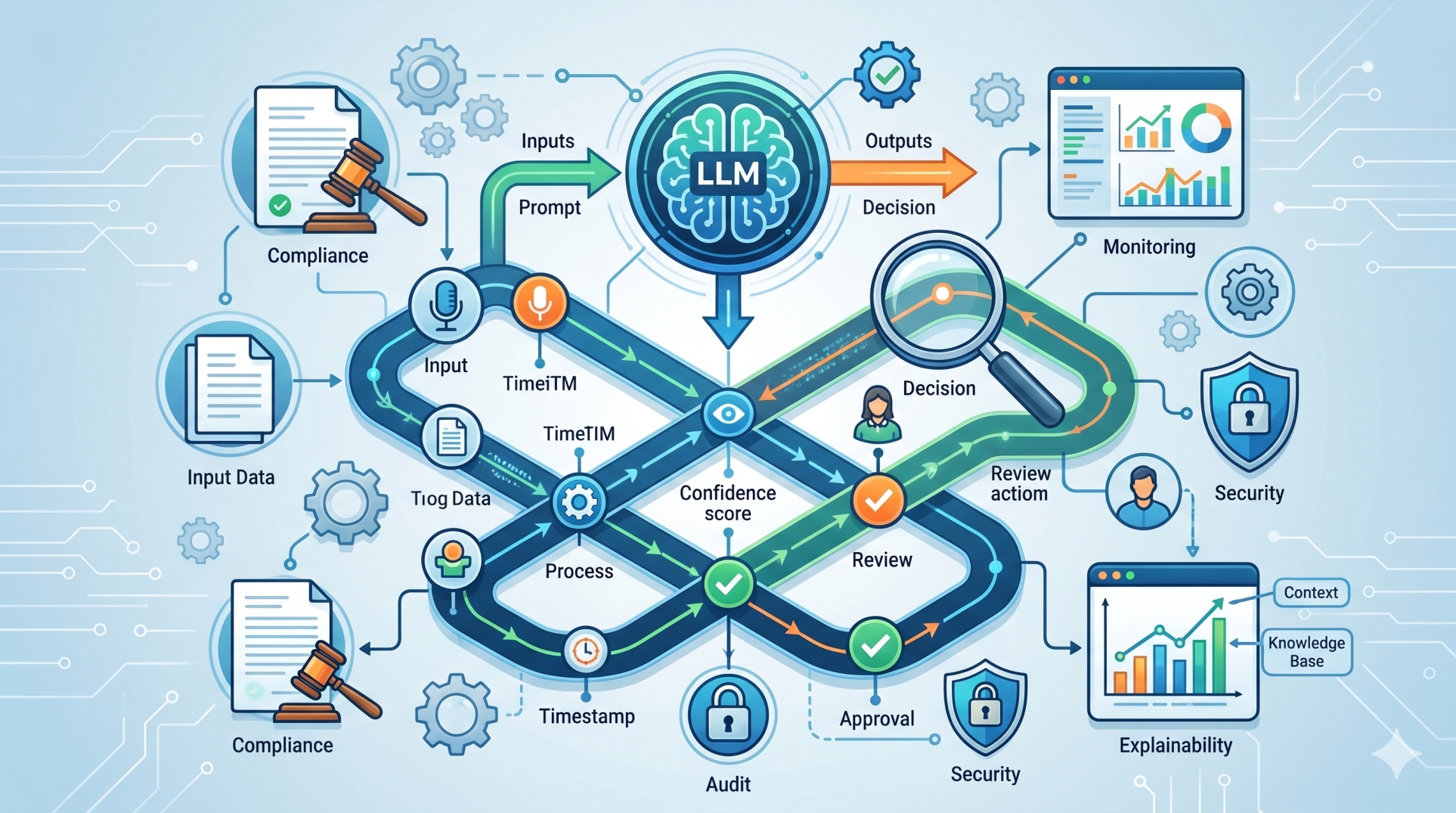
• Measure accuracy, relevance, and response consistency ✅
• Evaluate hallucination rates and contextual understanding 🧩
• Benchmark performance against baseline models ⚖️
• Collect feedback from users and subject matter experts 👥
Step 8: Key Fine-Tuning Priorities 🔑
• High-quality and domain-relevant training data 📂
• Scalable and repeatable training pipelines ⚙️
• Strong evaluation and validation frameworks 📊
• Continuous optimization and monitoring 🔄
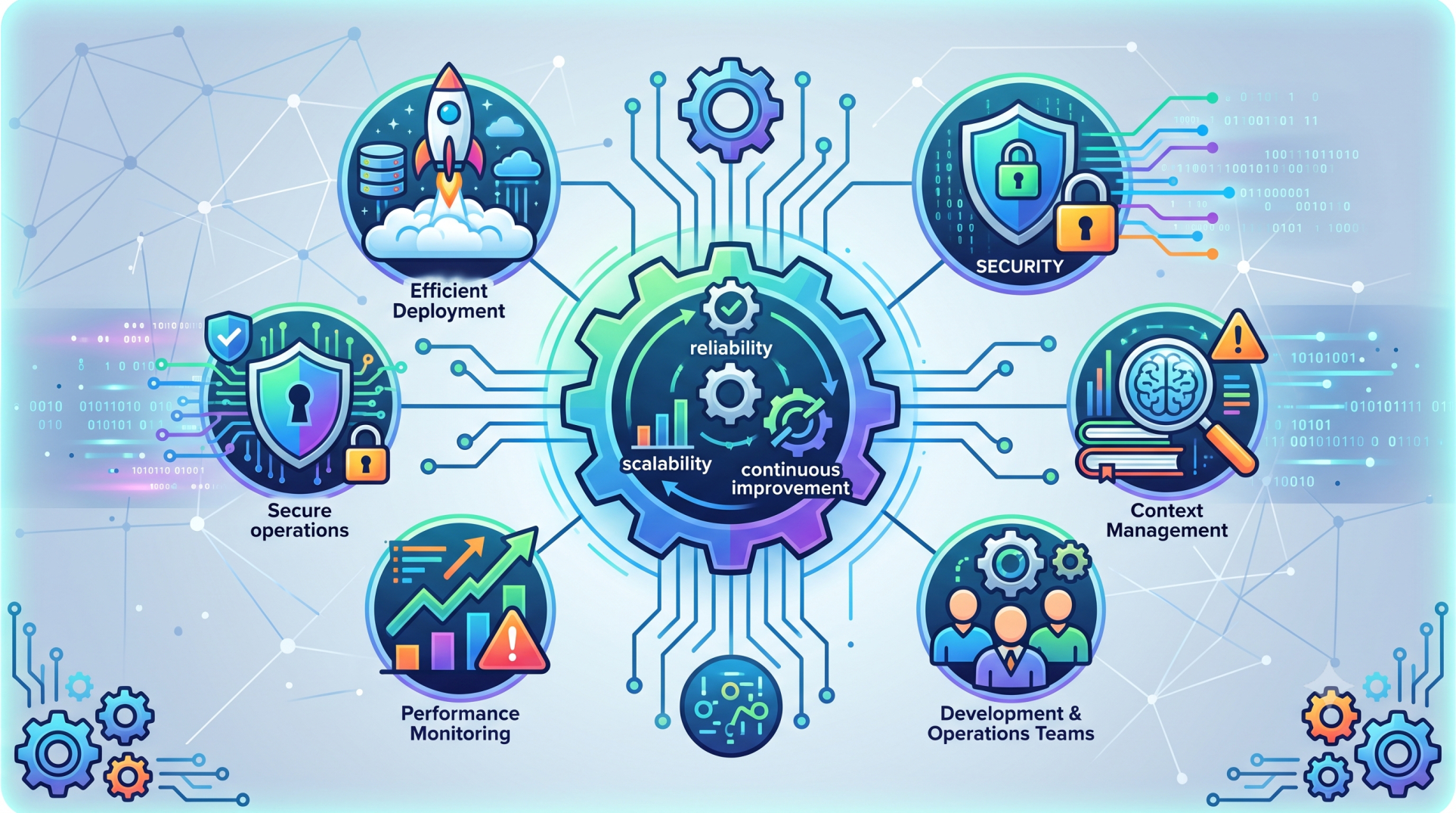
Step 9: Deployment and Continuous Learning 🌐
• Deploy models into production environments securely 🚀
• Monitor inference performance and resource utilization 📡
• Capture user feedback for ongoing improvements 🗣️
• Update models regularly with new domain knowledge 🔄
• Maintain adaptability as business requirements evolve 📈
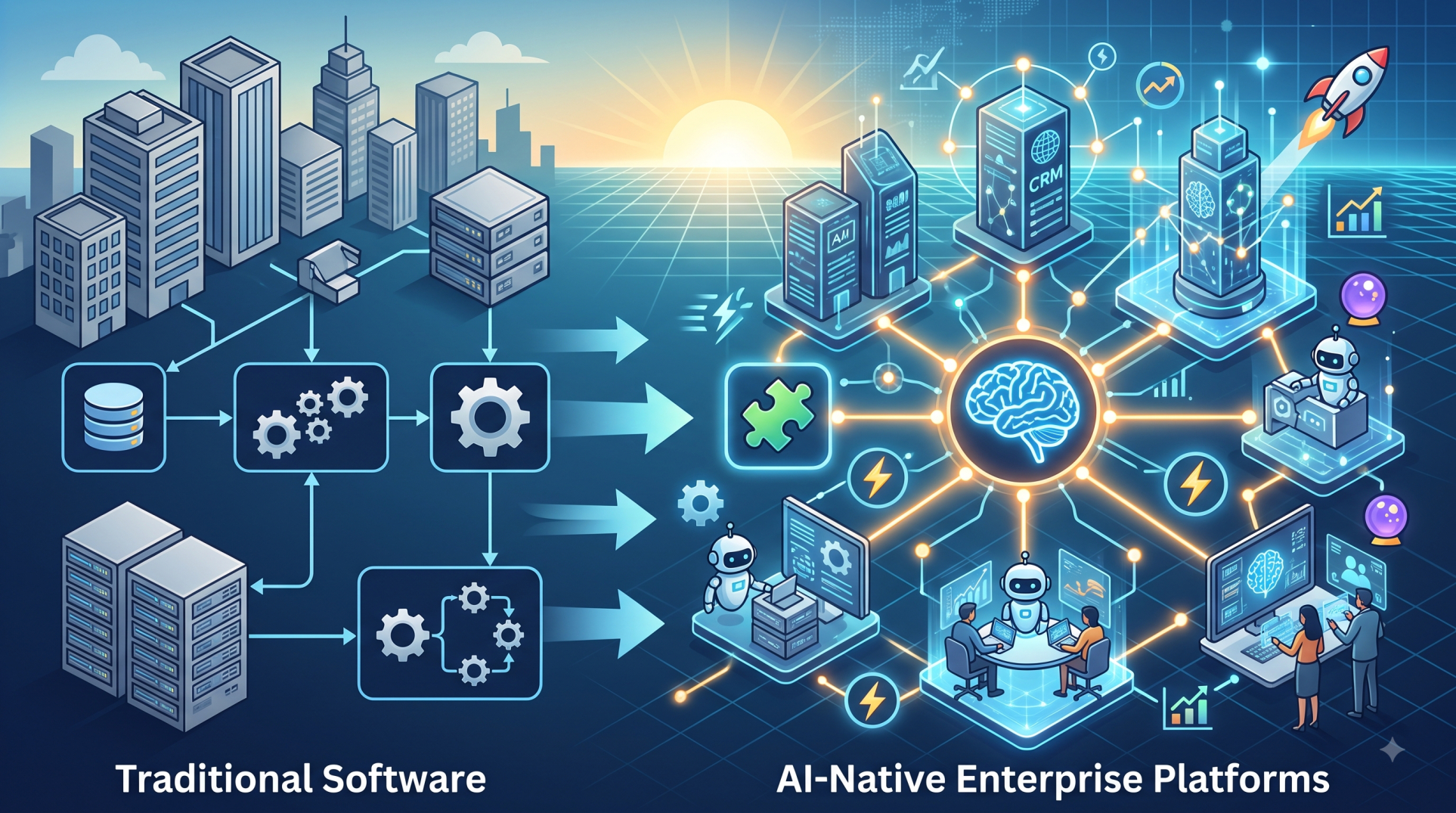
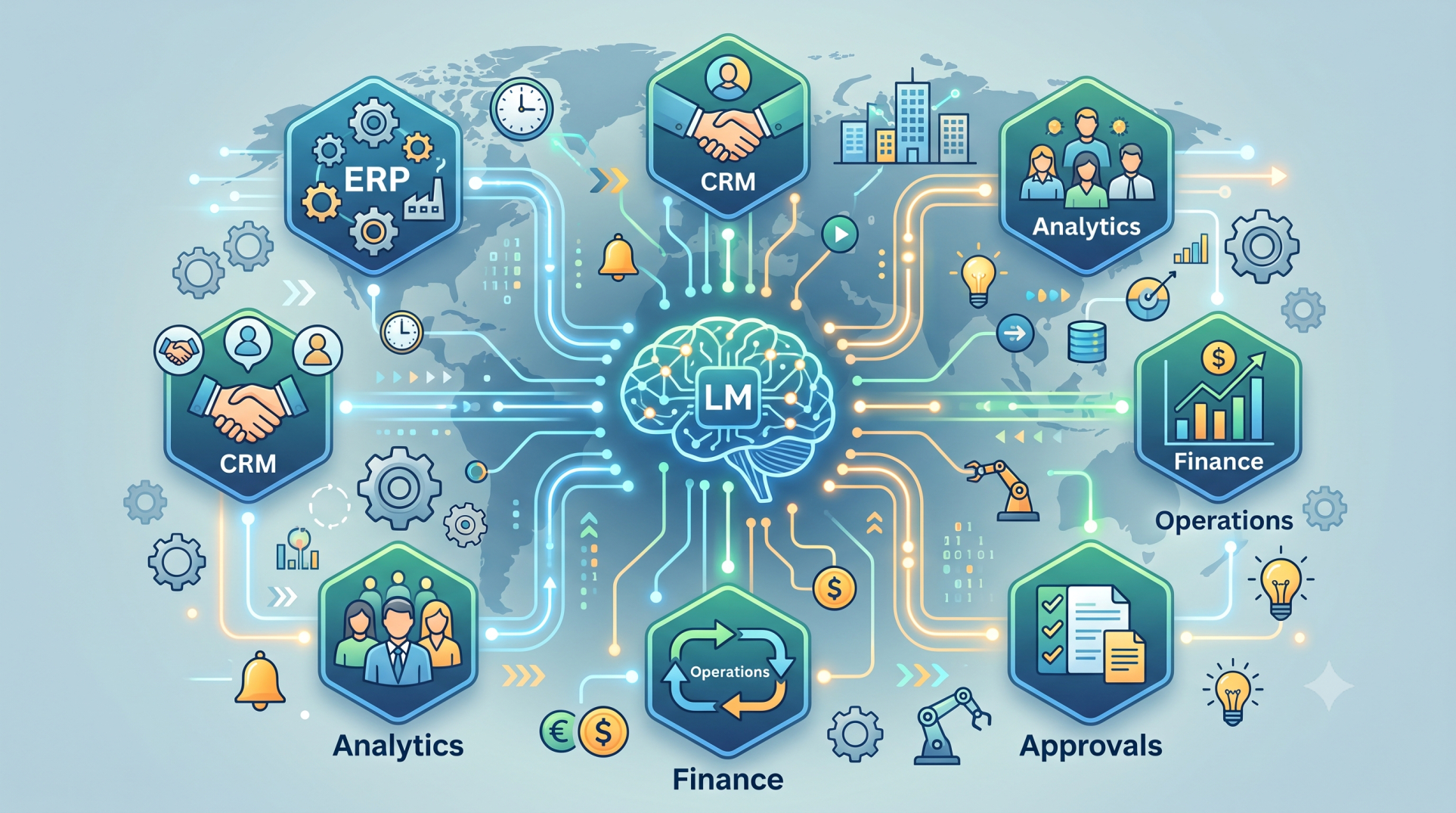
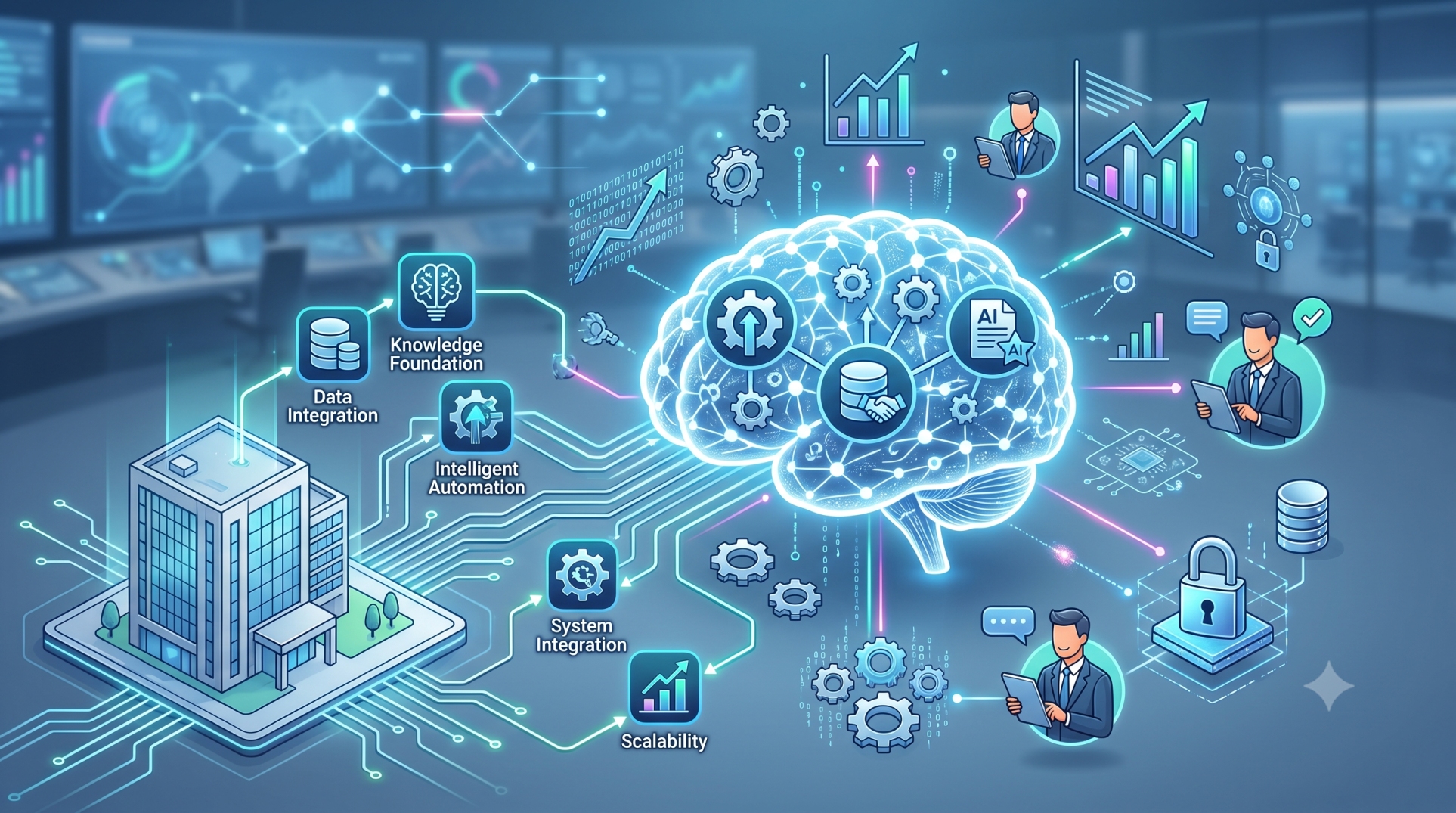
Step 10: Building a Scalable AI Ecosystem 🏗️
• Design infrastructure to support multiple domain models 🌐
• Integrate LLMs with enterprise systems and workflows 🔗
• Support future expansion across departments and industries 📦
• Enable modular upgrades and experimentation 🧪
• Future-proof AI operations with scalable architecture 🚀
Conclusion
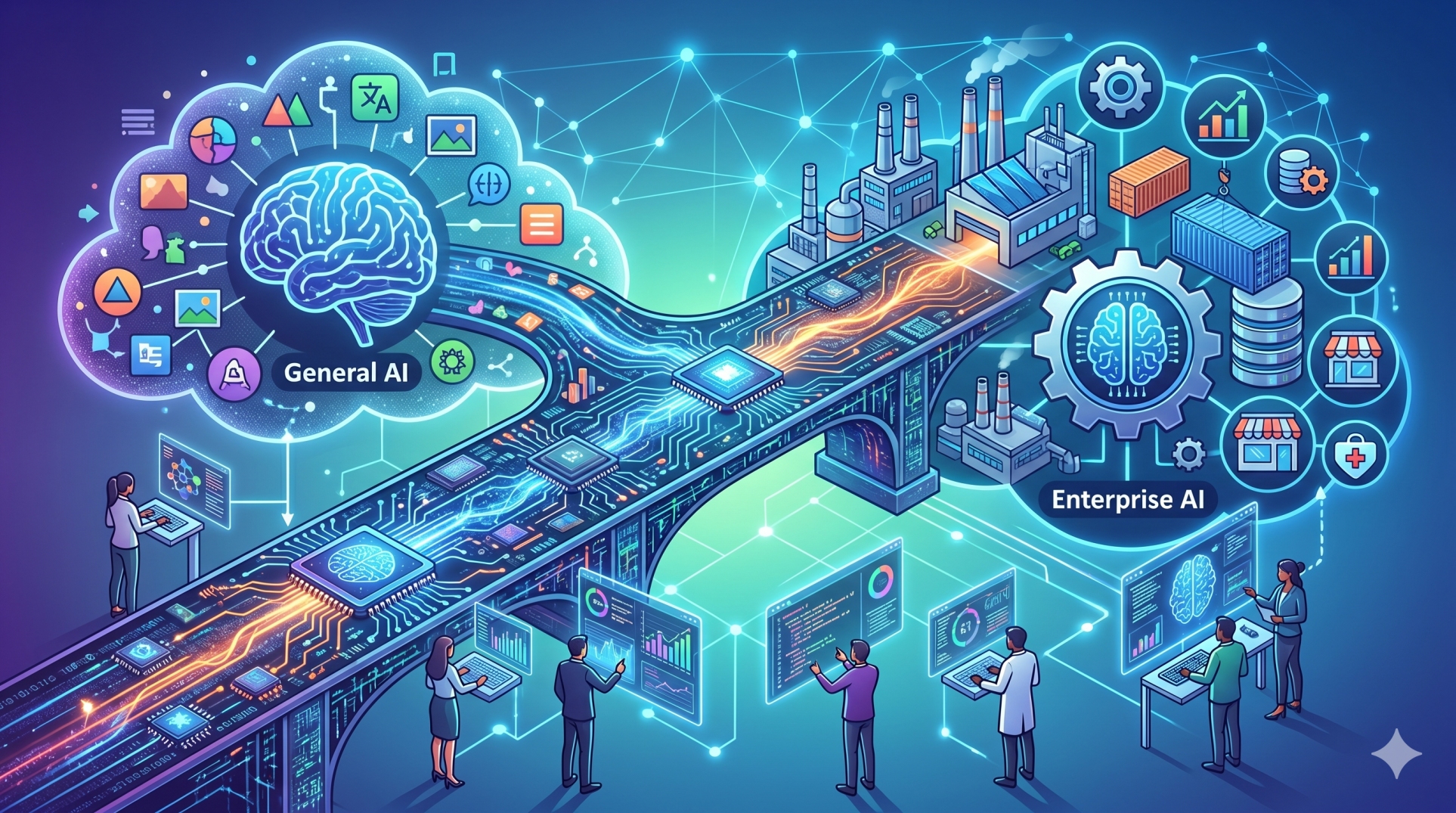
Fine-tuning pipelines for domain-specific LLM applications are essential for delivering accurate, reliable, and context-aware AI solutions. By combining high-quality data, scalable infrastructure, and continuous optimization, organizations can transform general-purpose models into specialized AI systems tailored to their operational needs. Well-designed pipelines not only improve performance but also provide the flexibility required to scale AI initiatives across evolving business environments.
See more blogs
You can all the articles below