Combining Knowledge Graphs with Modular LLM Pipelines
Combining Knowledge Graphs with Modular LLM Pipelines
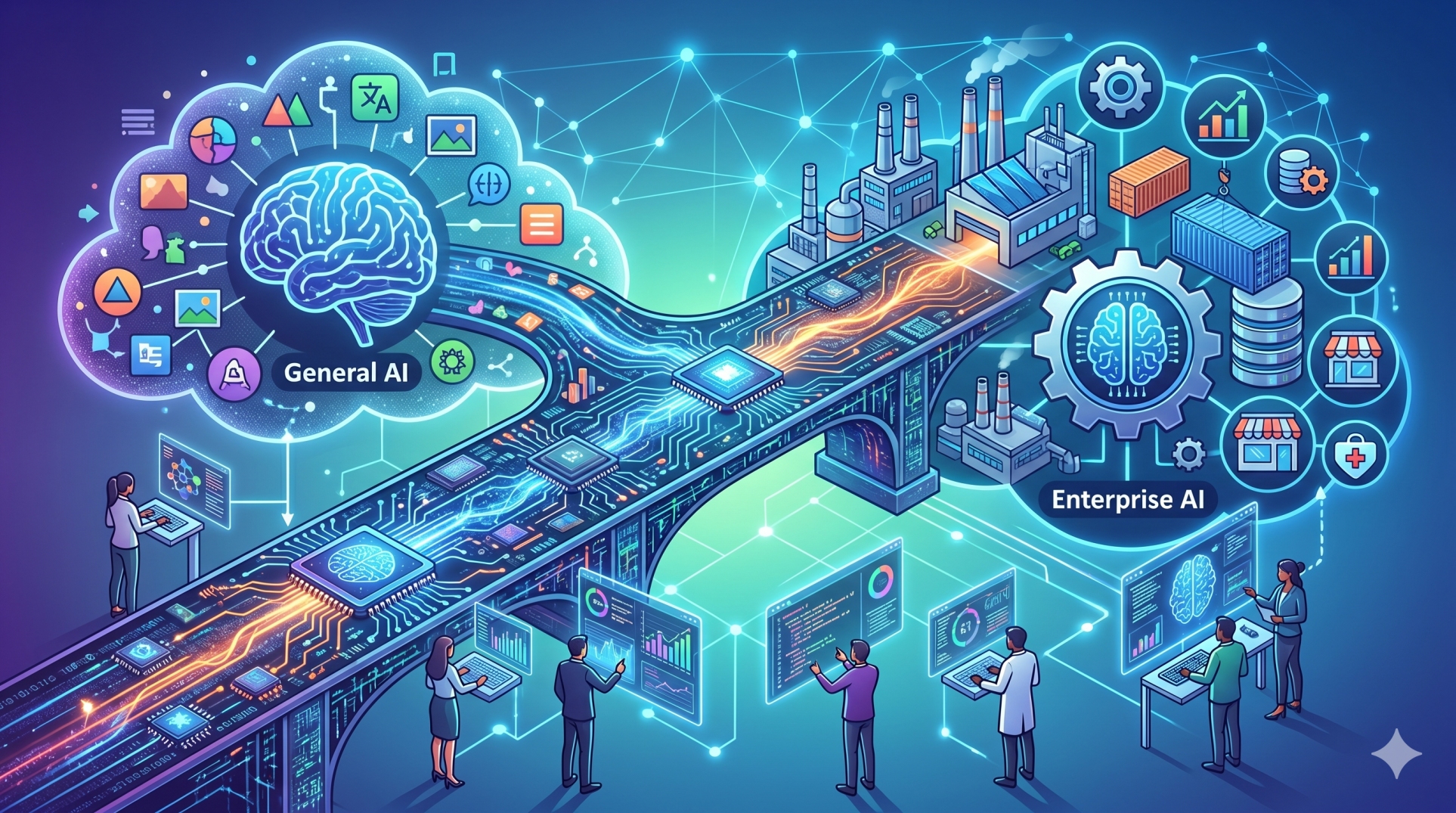
As Large Language Models become increasingly embedded in enterprise environments, the demand for structured, reliable, and explainable knowledge systems continues to grow. Knowledge graphs offer a way to organize entities, relationships, and context in a structured format, while modular LLM pipelines provide flexibility and scalability in processing workflows. Bringing these two approaches together enables more accurate, transparent, and adaptable AI systems capable of handling complex real-world scenarios.
Step 1: Why Combine Knowledge Graphs with LLM Pipelines 🔗🧠
• LLMs are powerful in language understanding but can lack consistent structured reasoning ⚠️
• Knowledge graphs provide explicit relationships and contextual grounding 📊
• The combination improves accuracy and minimizes hallucinations ✔️
• Enables explainability through traceable connections between data points 🔍
• Supports enterprise-grade reliability in AI-driven applications 🏢
Step 2: Understanding Knowledge Graph Foundations 🧩📚
• Represents entities, attributes, and relationships in a structured model 🗂️
• Encodes domain knowledge in a machine-readable format 🤖
• Supports semantic search and reasoning capabilities 🔍
• Preserves context across interconnected datasets 🔗
• Ensures consistent interpretation of complex information 📘
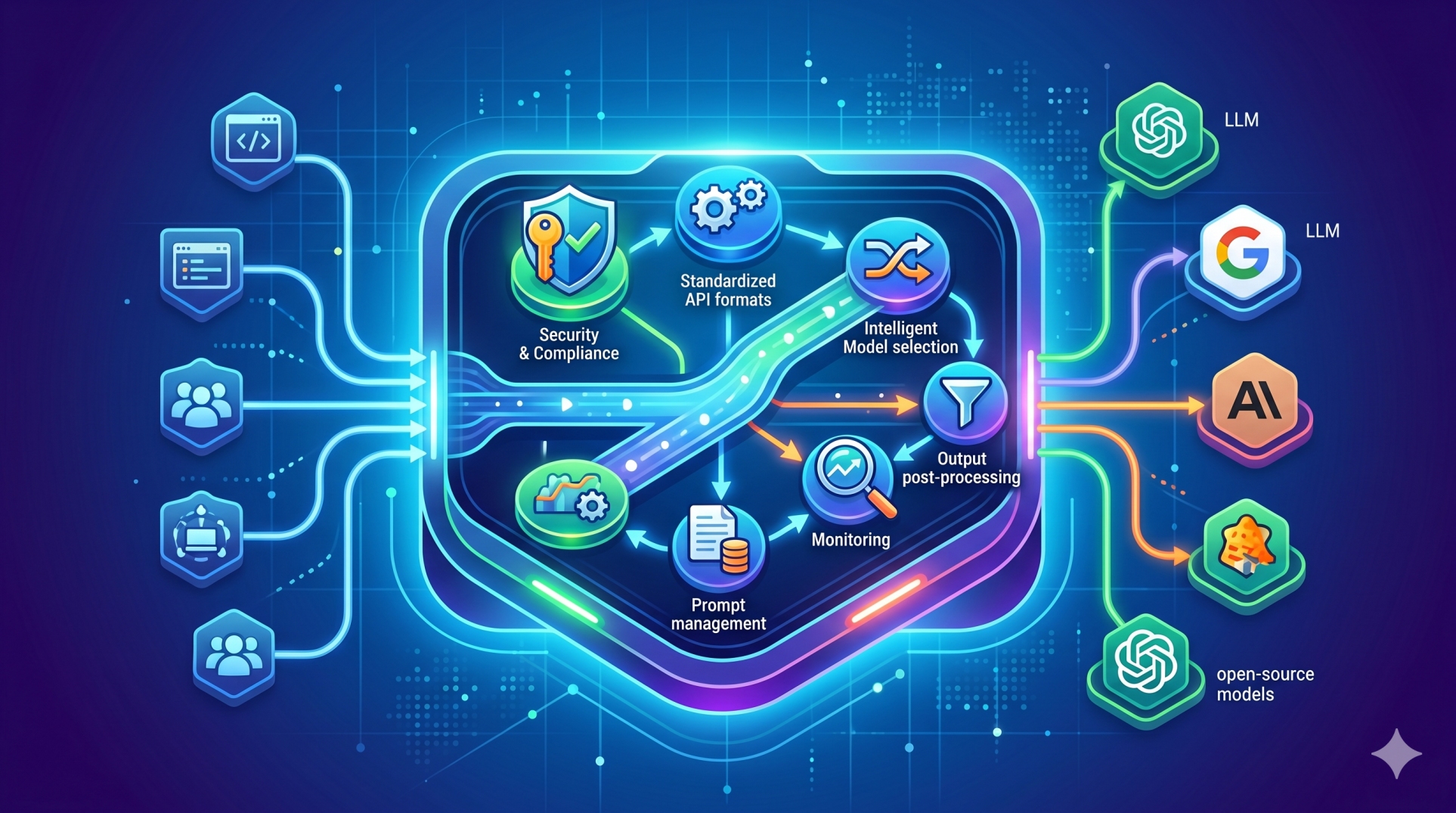
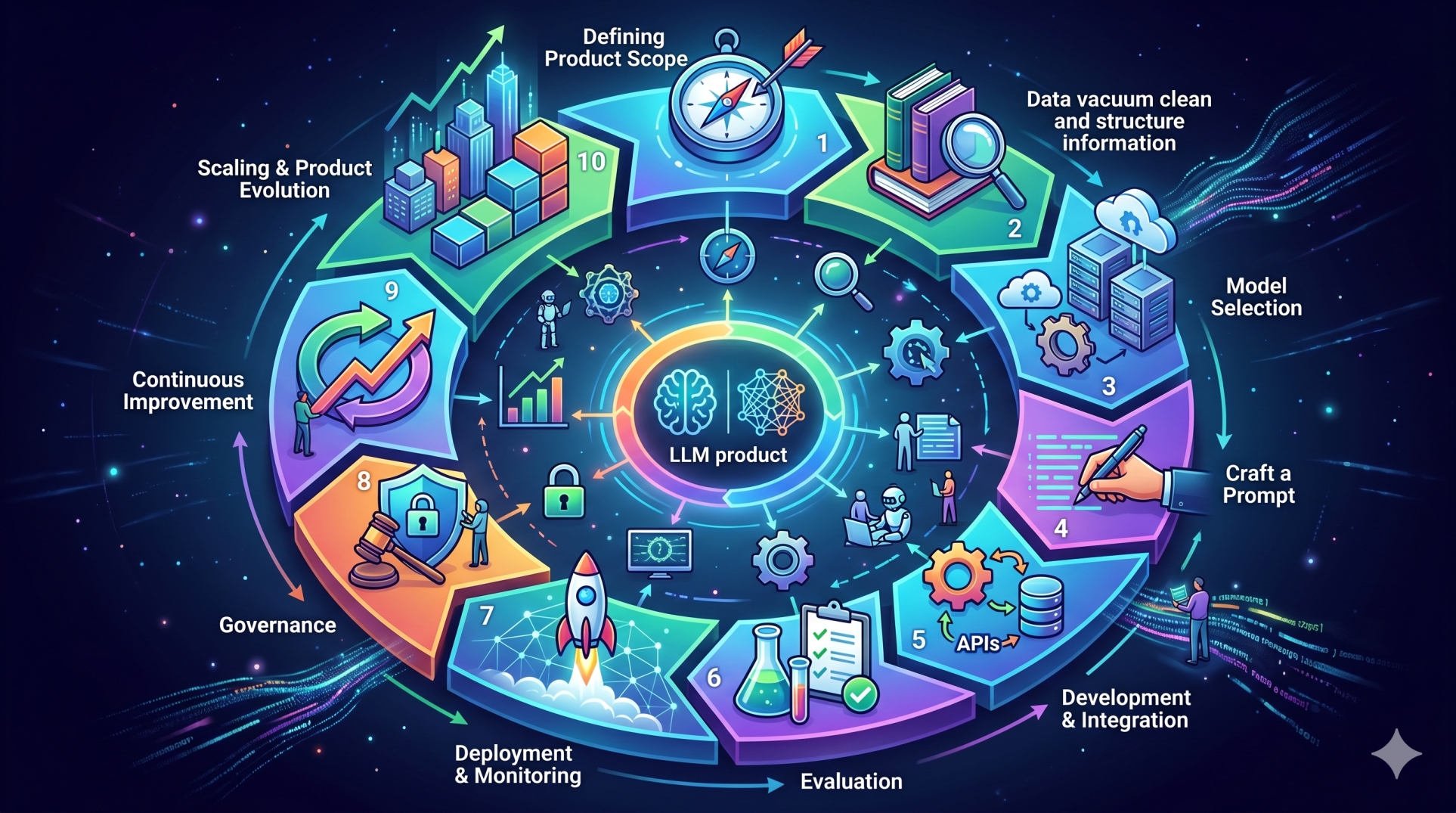
Step 3: What Are Modular LLM Pipelines ⚙️🔄
• Divides AI workflows into independent and reusable components 🧱
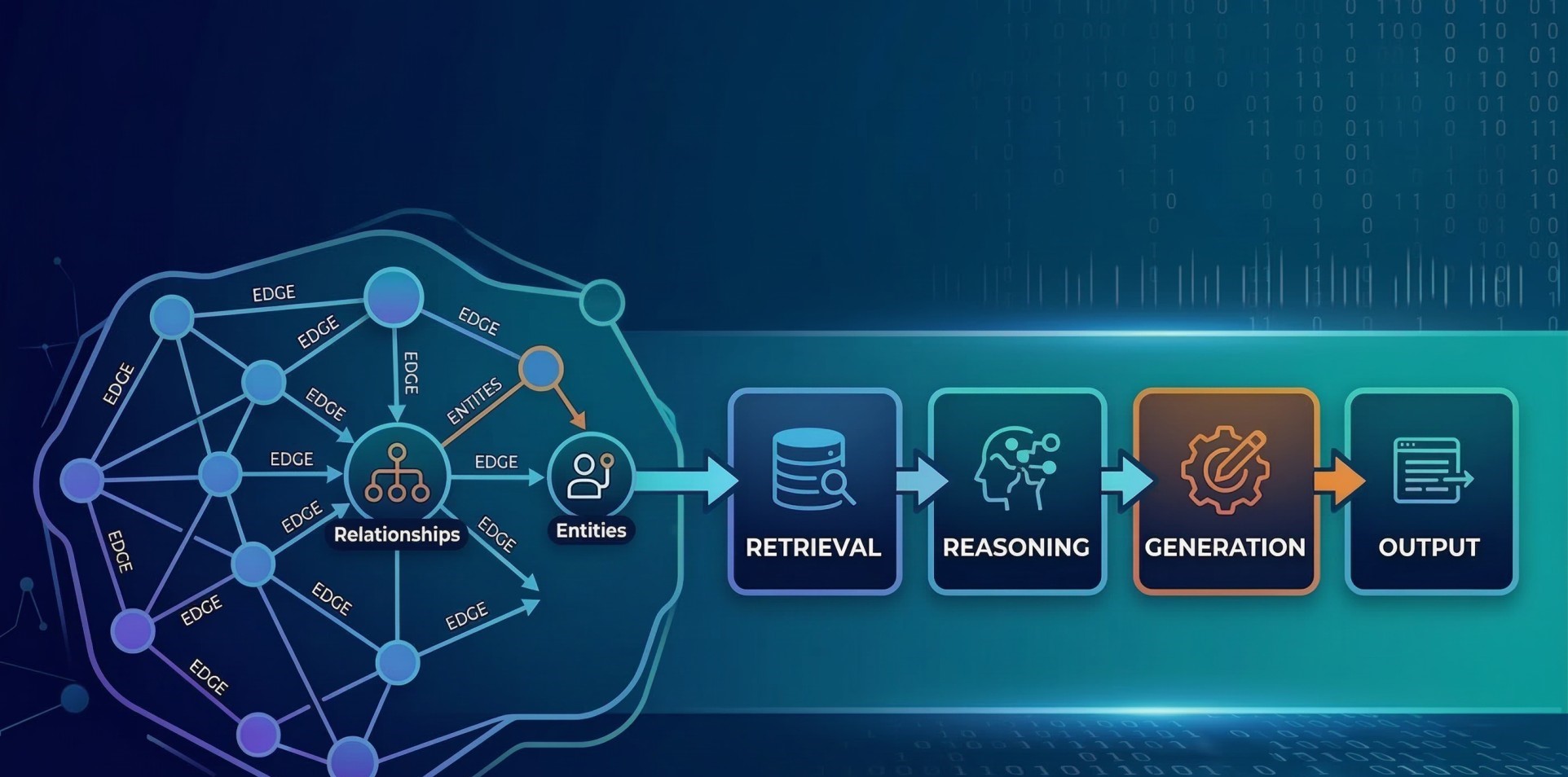
• Separates functions such as retrieval, reasoning, and generation 🔍➡️
• Enables flexible system architecture and easier updates 🔧
• Improves scalability across multiple use cases 📈
• Facilitates integration with external data sources 🌐
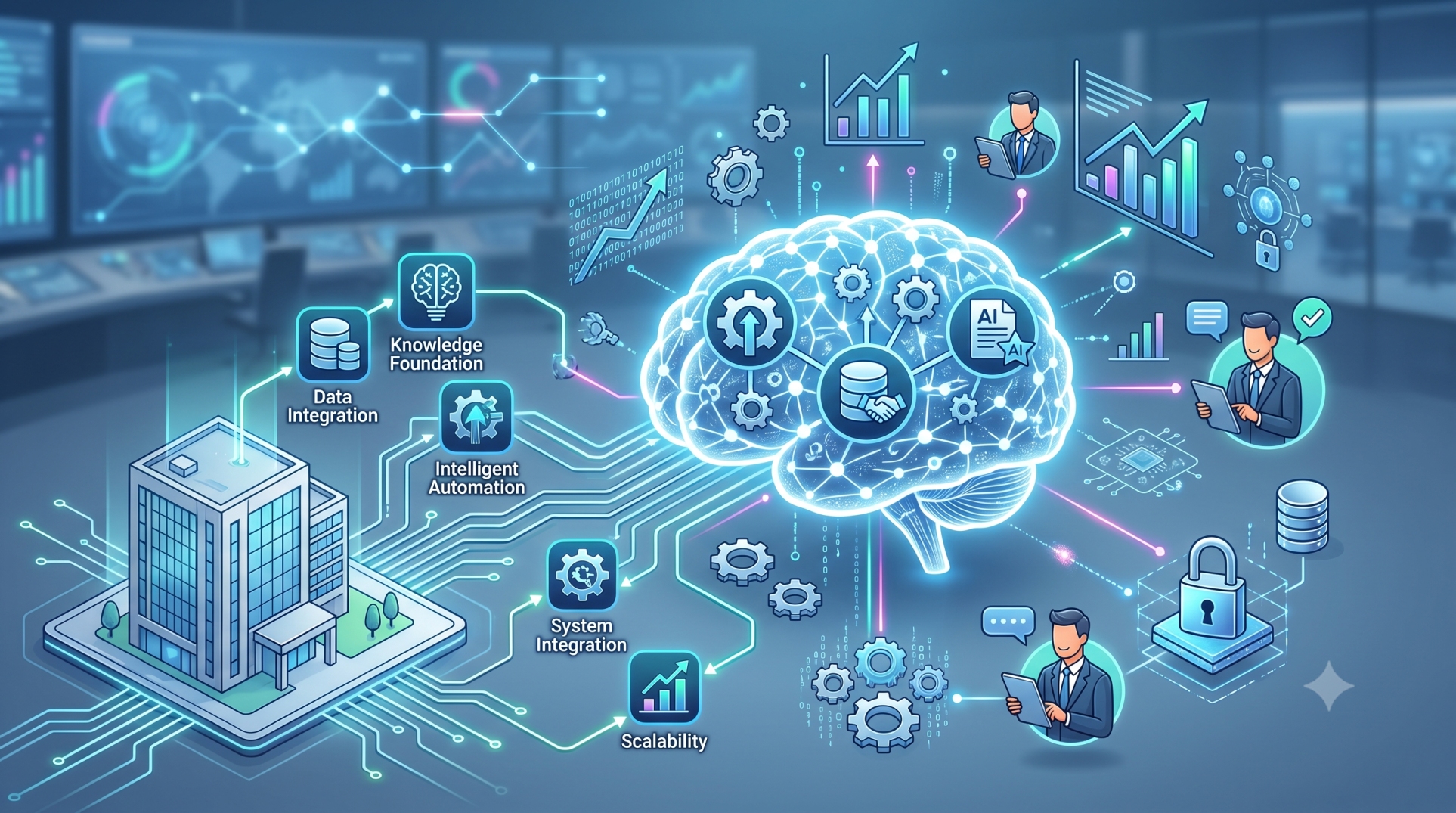
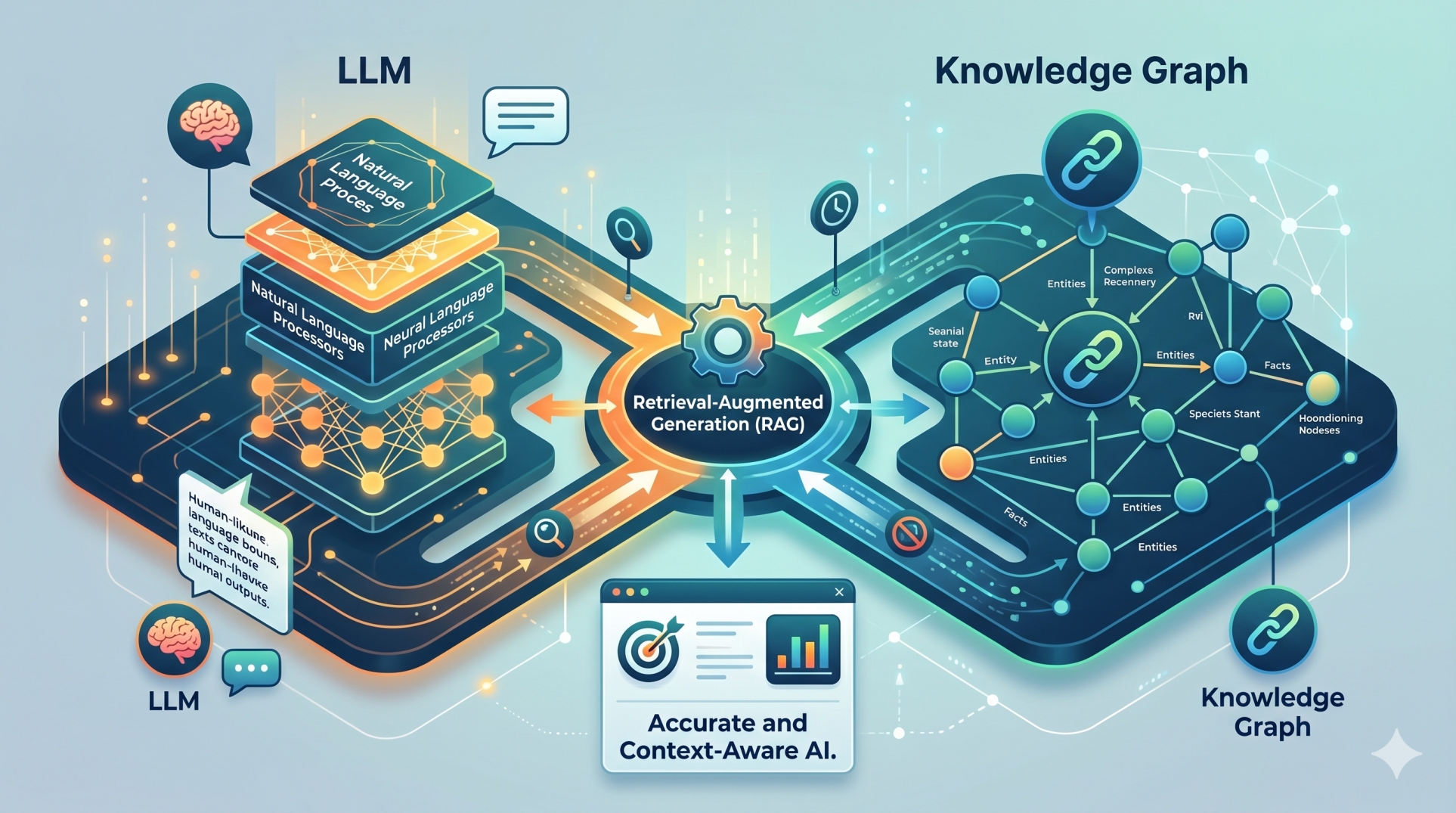
Step 4: Integrating Knowledge Graphs into LLM Pipelines 🔗⚙️
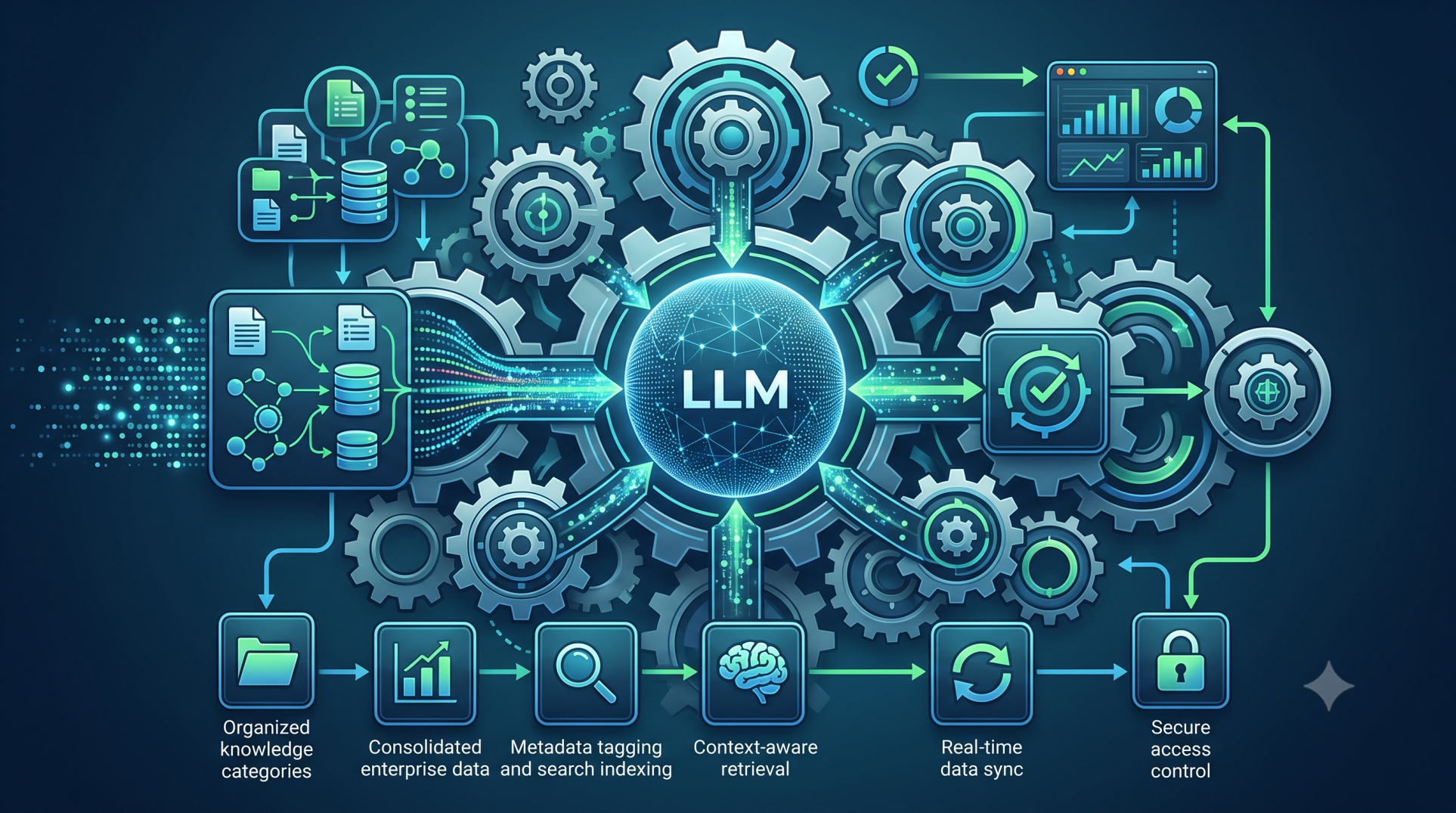
• Retrieves structured data through graph-based queries 📥
• Injects graph-derived context into LLM prompts 🧠
• Aligns outputs with verified relationships and facts ✔️
• Strengthens grounding for domain-specific use cases 🎯
• Connects unstructured language processing with structured data 🧩
Step 5: Improving Accuracy and Reducing Hallucinations ✔️🚫
• Grounds model outputs in verified graph-based information 📊
• Reduces unsupported or fabricated responses ⚠️
• Applies factual constraints during content generation 📏
• Ensures consistency across repeated or similar queries 🔁
• Builds trust in AI-generated results 🤝
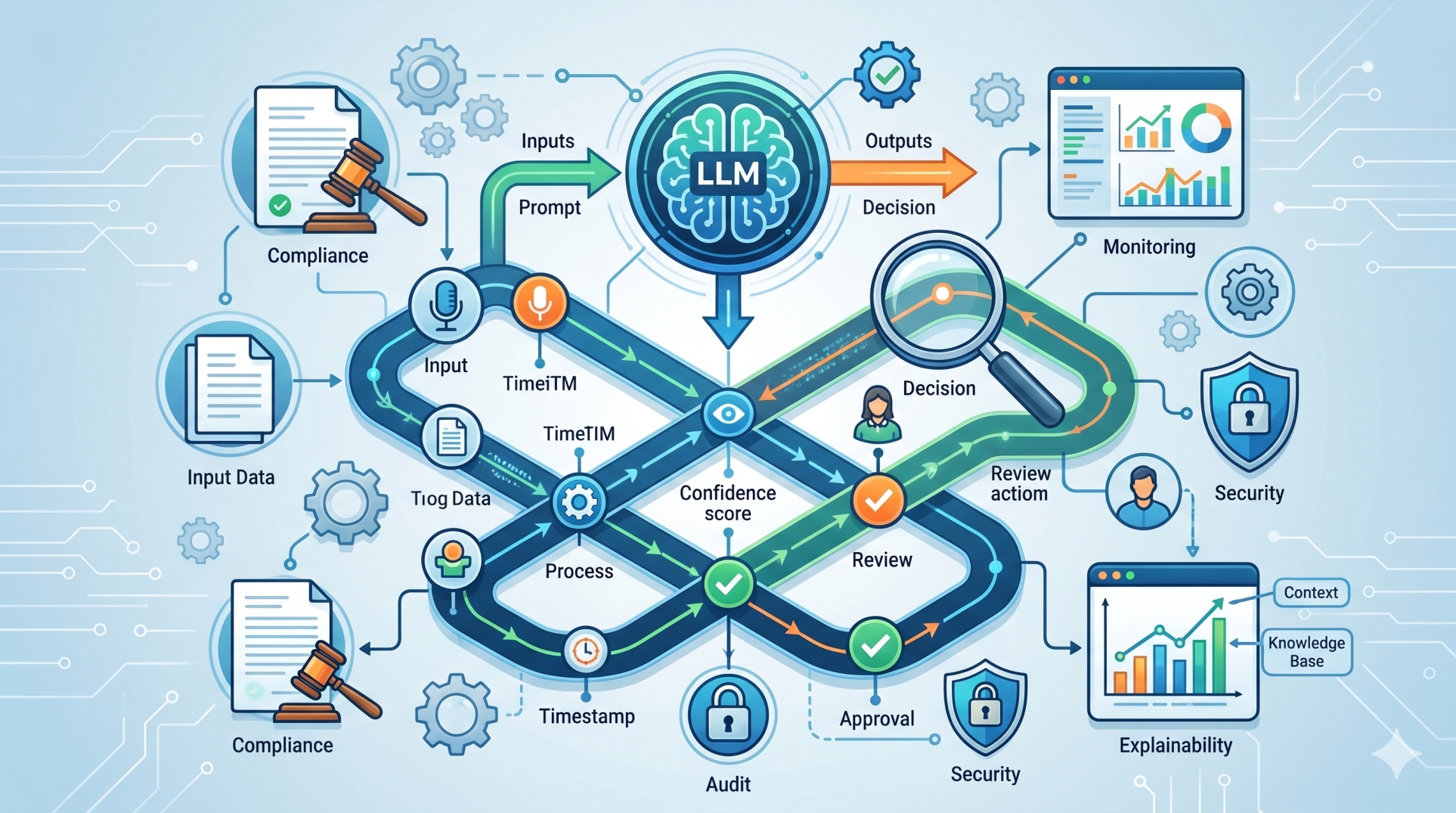
Step 6: Enabling Explainability and Traceability 🔍📎
• Links outputs back to graph nodes and relationships 🔗
• Makes reasoning paths more transparent and understandable 👀
• Supports auditing in enterprise and regulated environments 🏛️
• Helps users interpret how decisions or answers are derived 🧠
• Simplifies debugging and continuous system improvement 🛠️
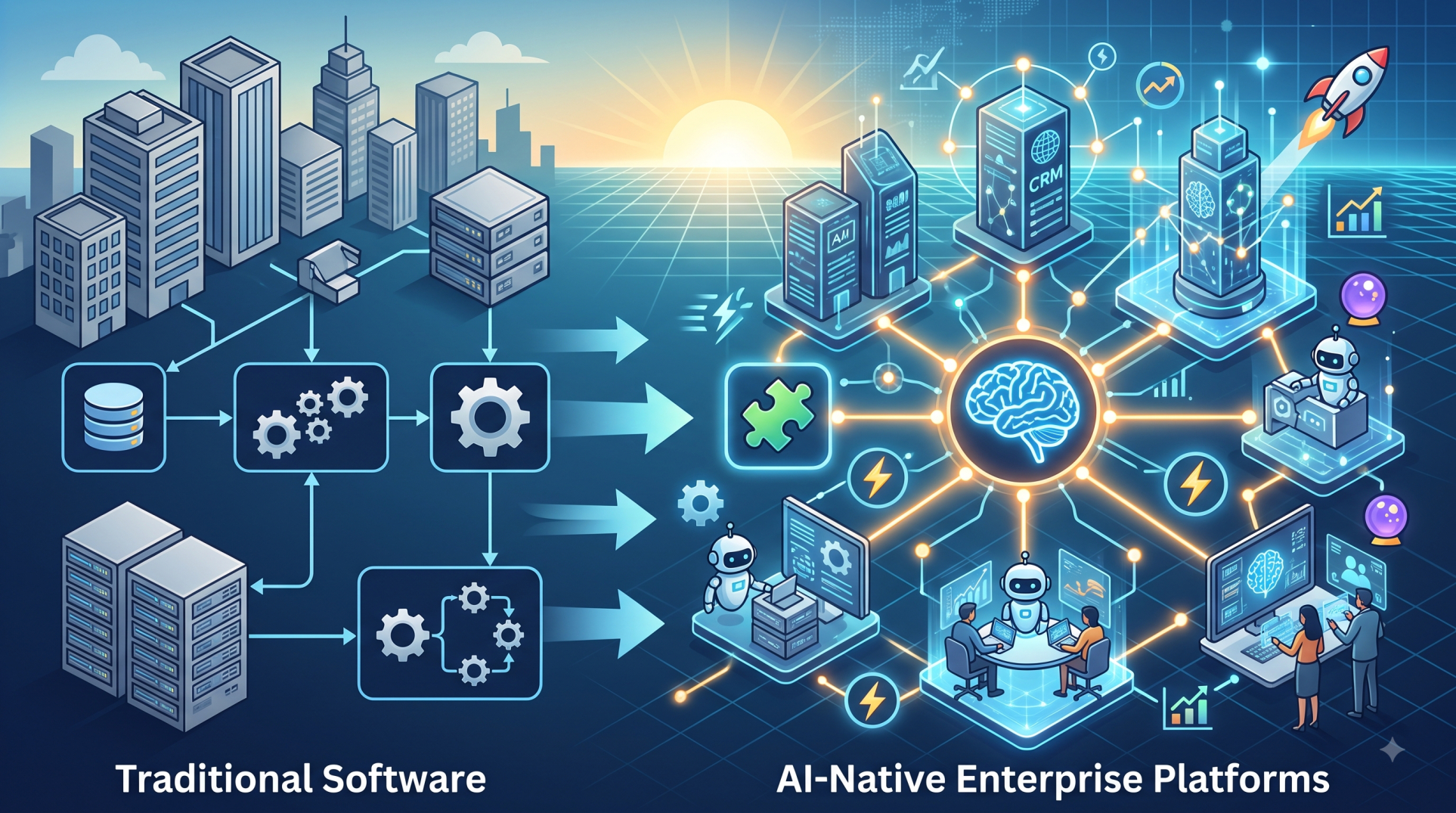
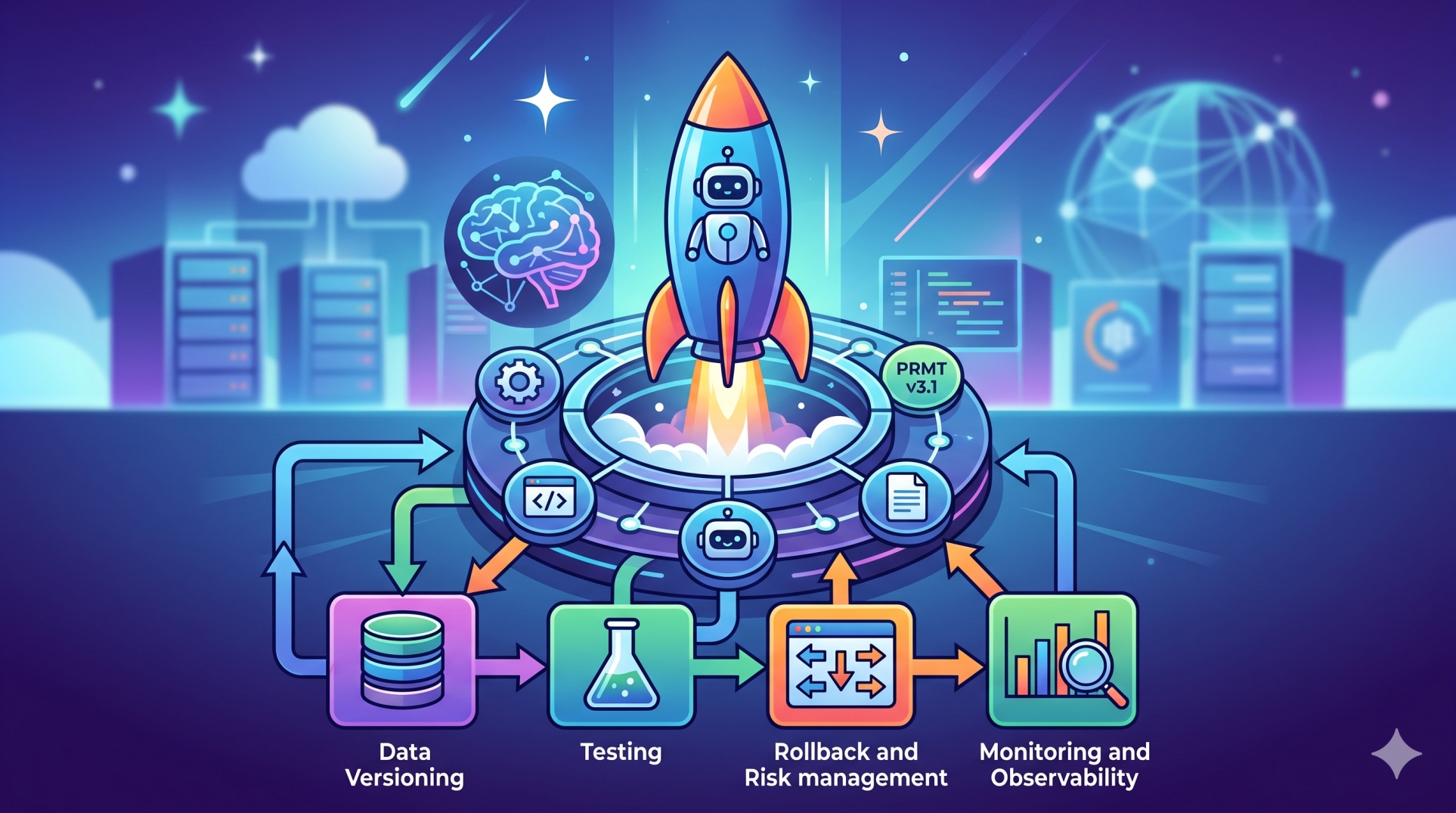
Step 7: Designing Scalable and Flexible Architectures 📦⚙️
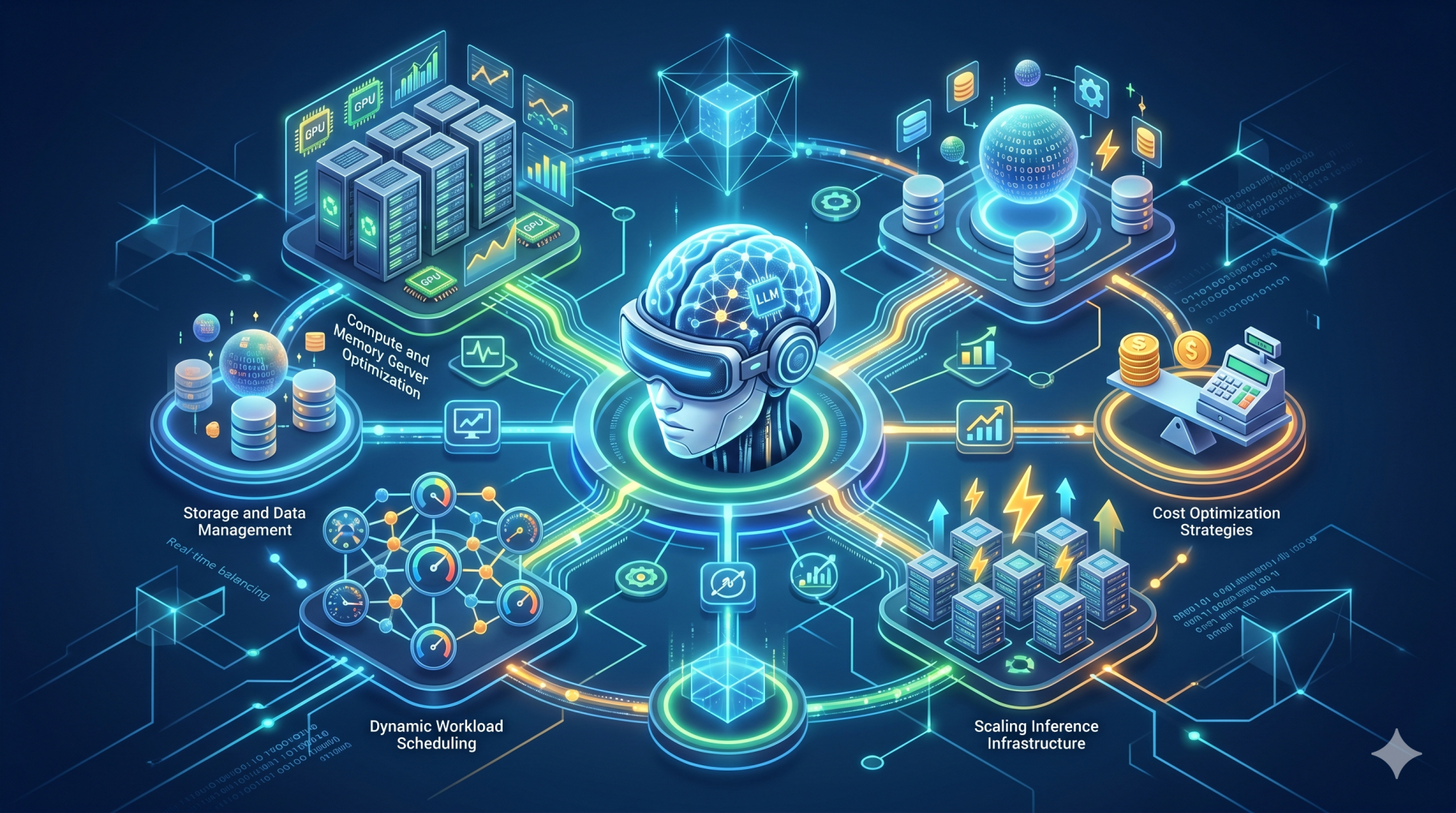
• Allows independent scaling of different pipeline components 📈
• Supports plug-and-play integration of new modules 🔌
• Adapts to evolving data and business requirements 🔄
• Reduces complexity through modular design principles 🧩
• Enhances maintainability and development efficiency ⚡
Step 8: Key Strategic Benefits 🎯📊
• Combines structured knowledge with generative intelligence 🤖
• Improves decision-making accuracy in complex domains ✔️
• Enables explainable and enterprise-ready AI solutions 🏢
• Supports long-term scalability and adaptability 📈
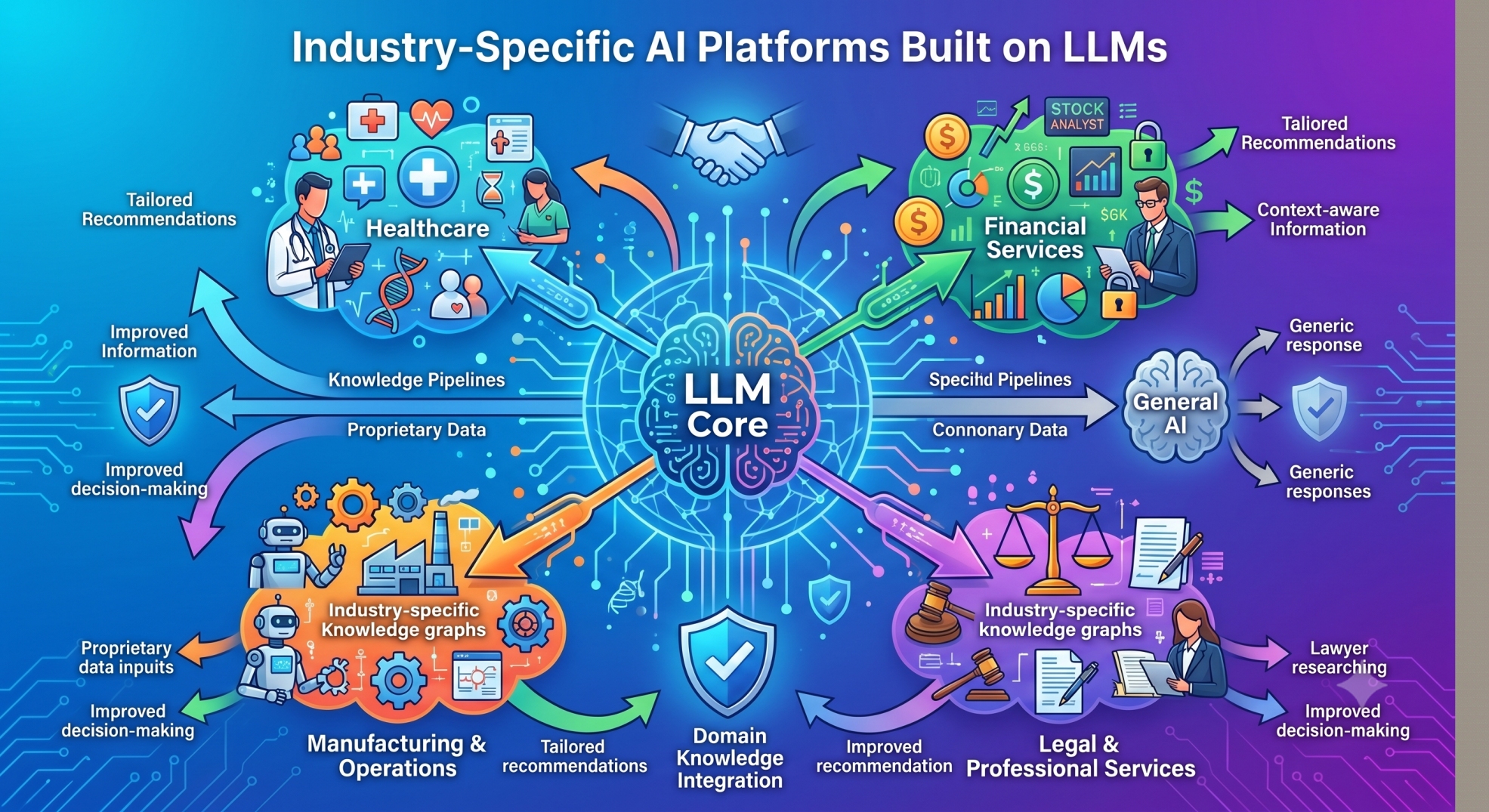
Step 9: Use Cases Across Industries 🌍💡
• Healthcare systems for clinical insights and decision support 🏥
• Financial services for risk evaluation and compliance ⚖️
• E-commerce platforms for intelligent recommendations 🛒
• Customer support systems with contextual understanding 💬
• Supply chain platforms with interconnected data visibility 🚚
Step 10: Future of Graph-Driven LLM Systems 🚀🔮
• Stronger integration between symbolic and generative AI 🧠
• Real-time graph updates influencing AI responses ⏱️
• Wider adoption in regulated and data-sensitive sectors 🏛️
• Growth of hybrid reasoning architectures ⚙️
• Shift toward more transparent and trustworthy AI systems 🤝
Conclusion
Combining knowledge graphs with modular LLM pipelines creates a powerful foundation for building intelligent, reliable, and scalable AI systems. By integrating structured relationships with flexible language processing, organizations can achieve higher accuracy, improved explainability, and stronger alignment with real-world data. This hybrid approach represents a critical step toward more dependable and enterprise-ready AI solutions.
See more blogs
You can all the articles below