Managing Complex AI Ecosystems Across Enterprise Teams
Managing Complex AI Ecosystems Across Enterprise Teams
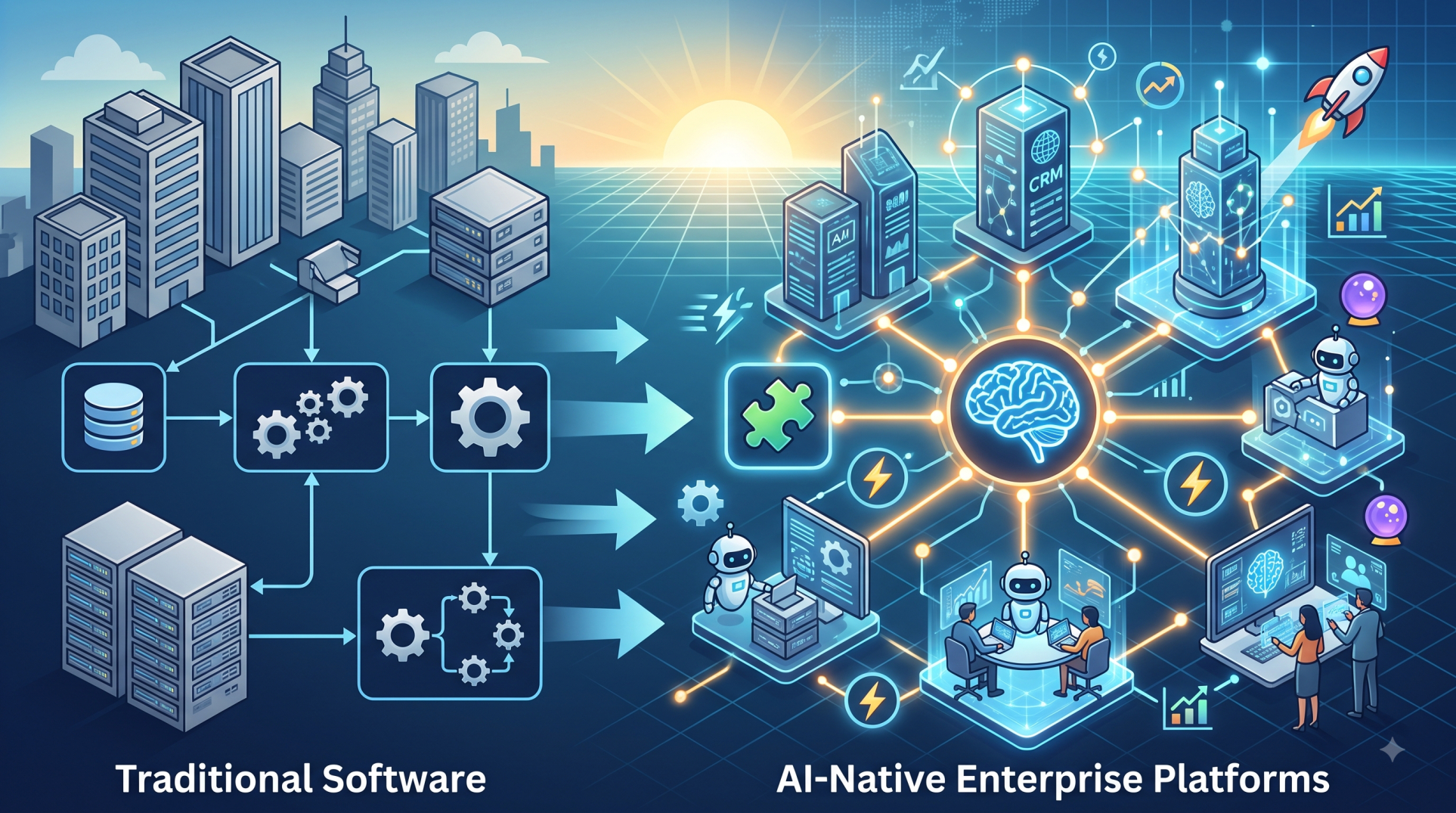
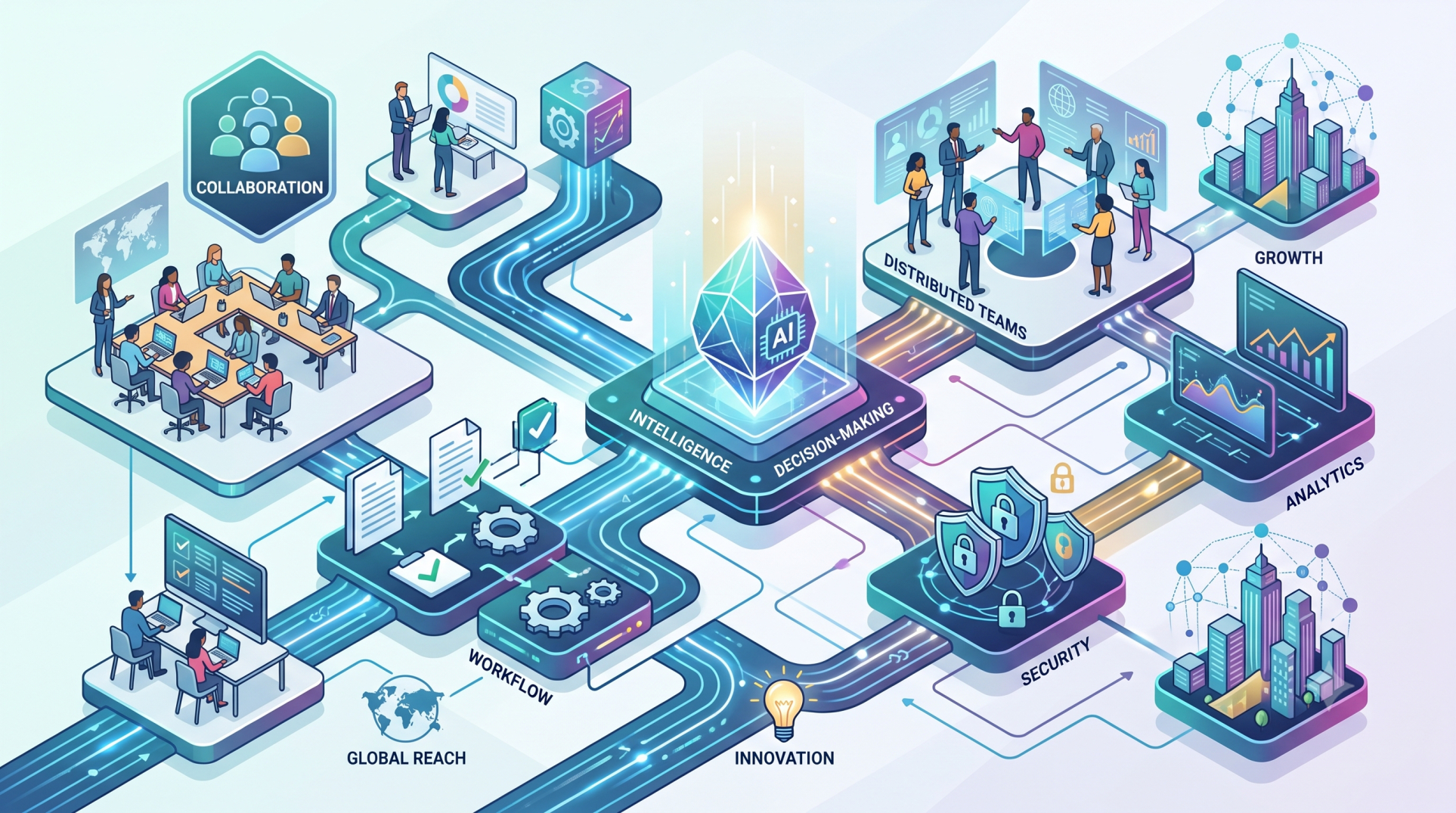
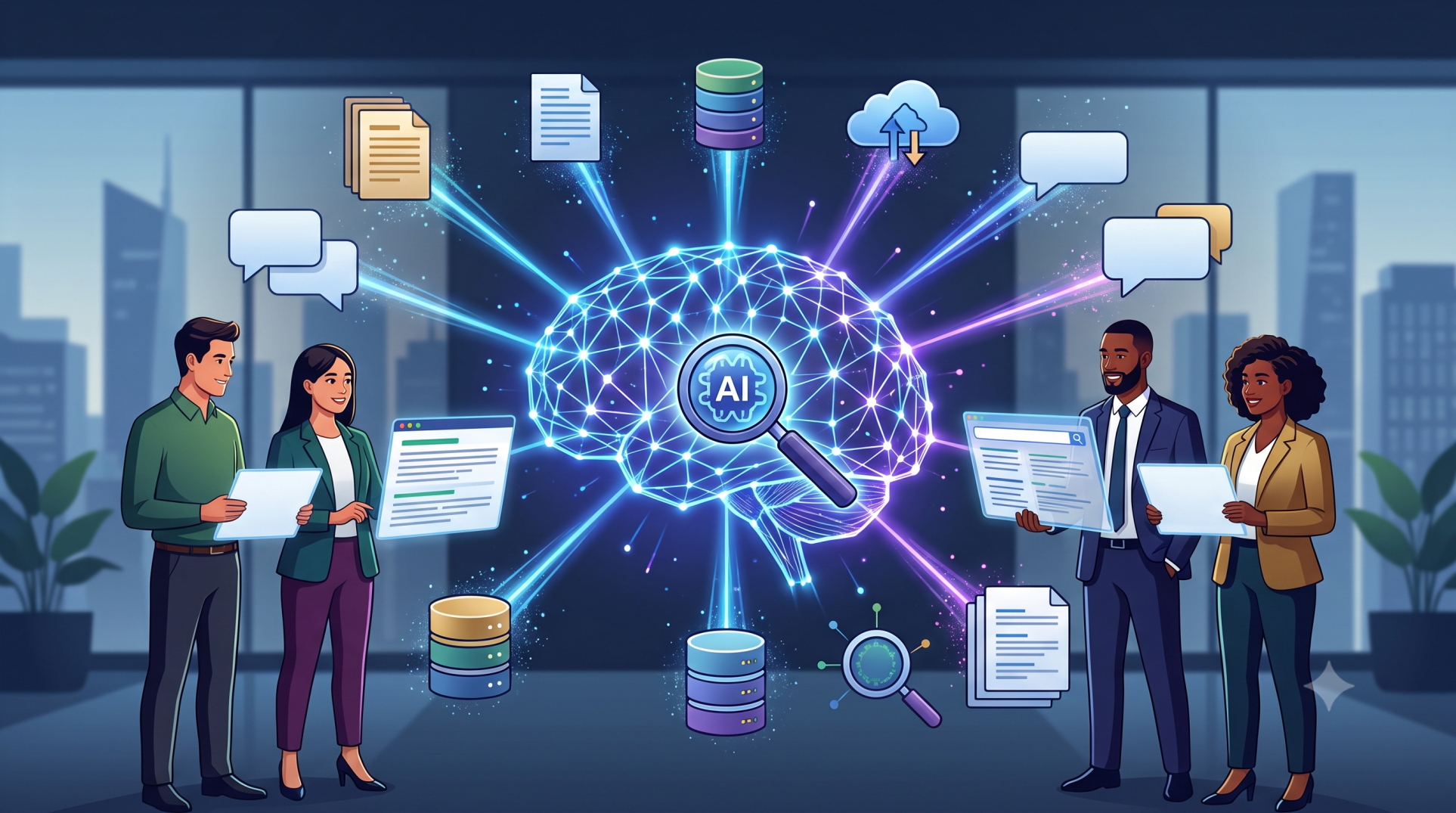
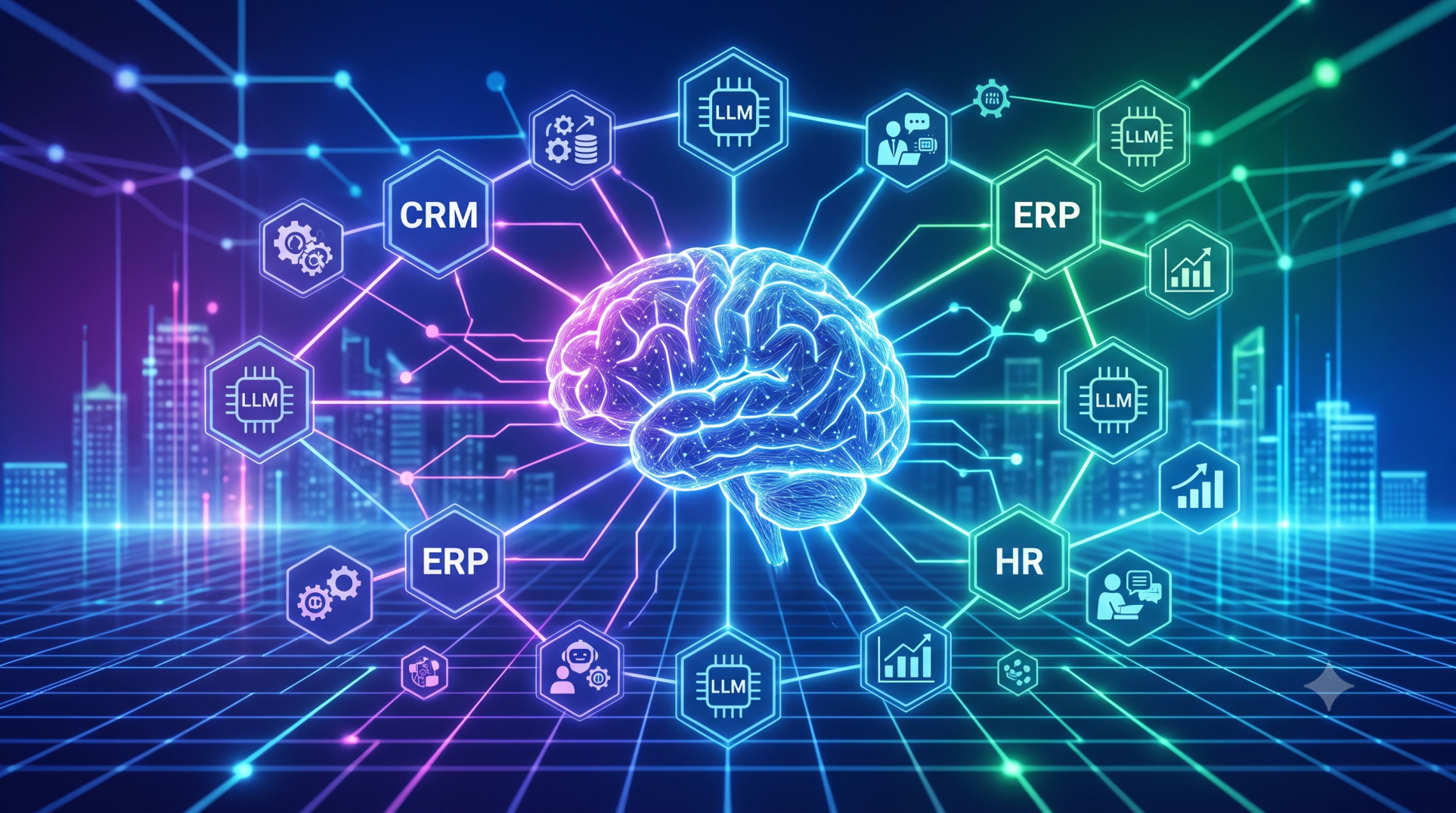
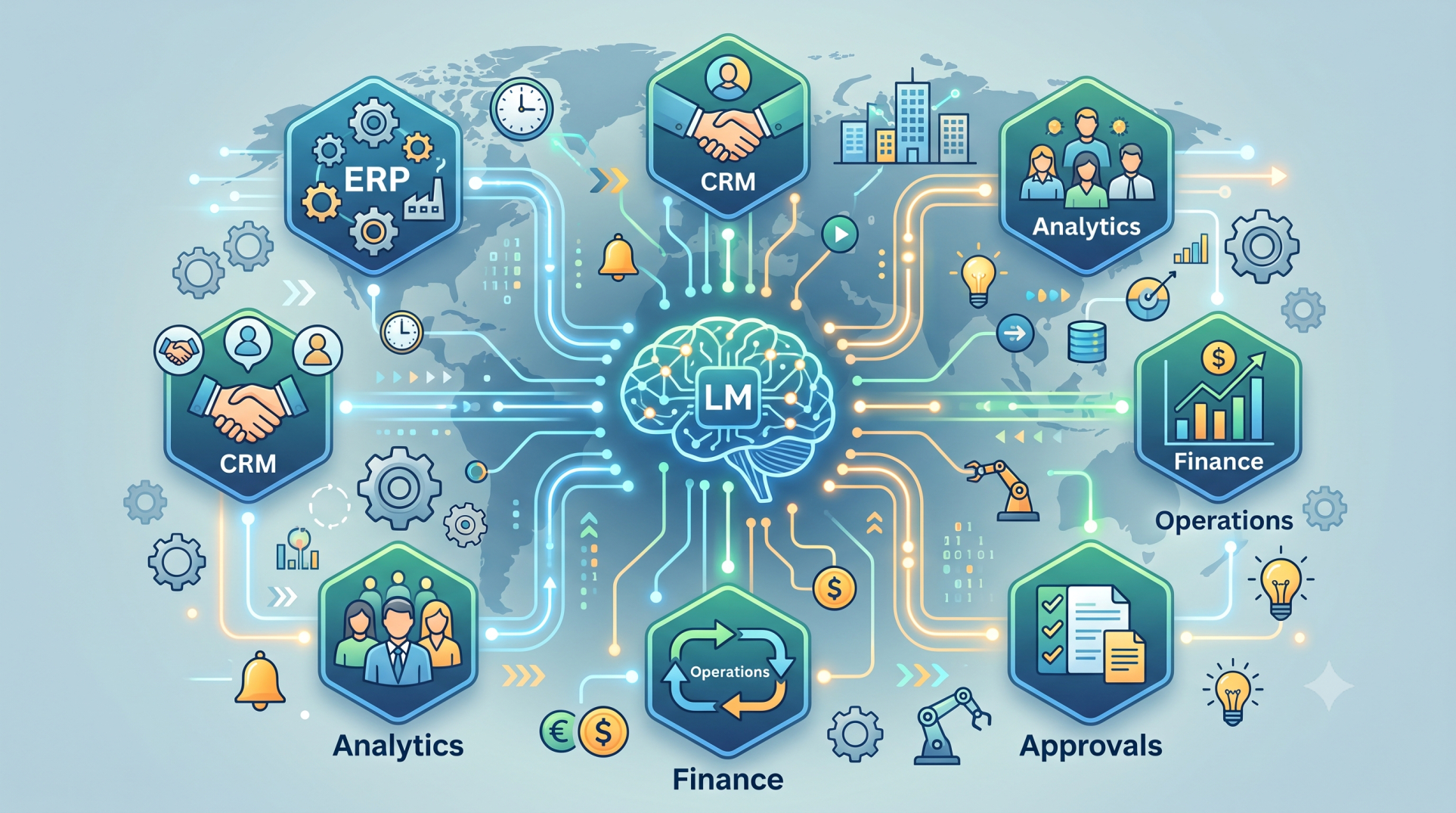
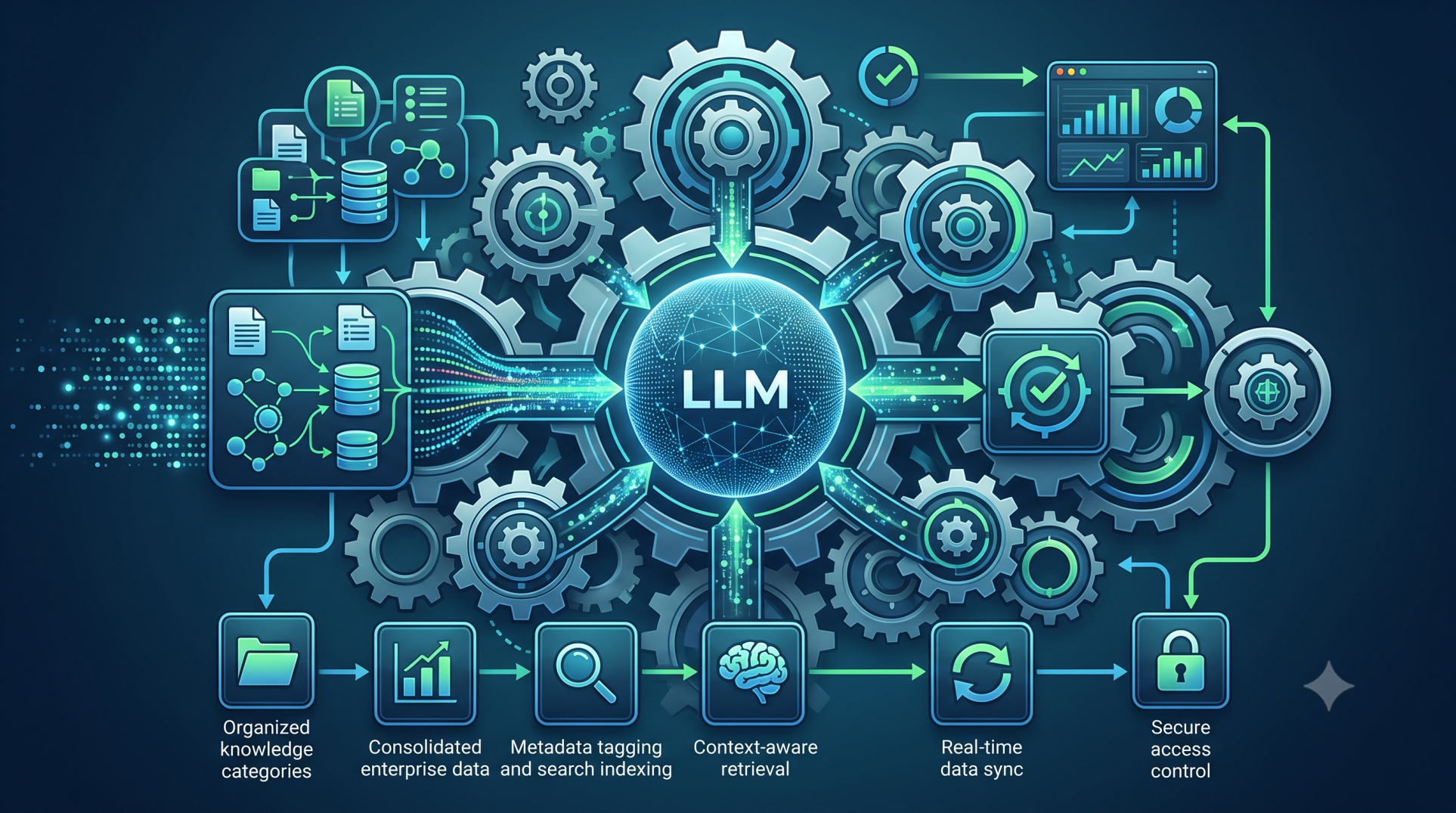
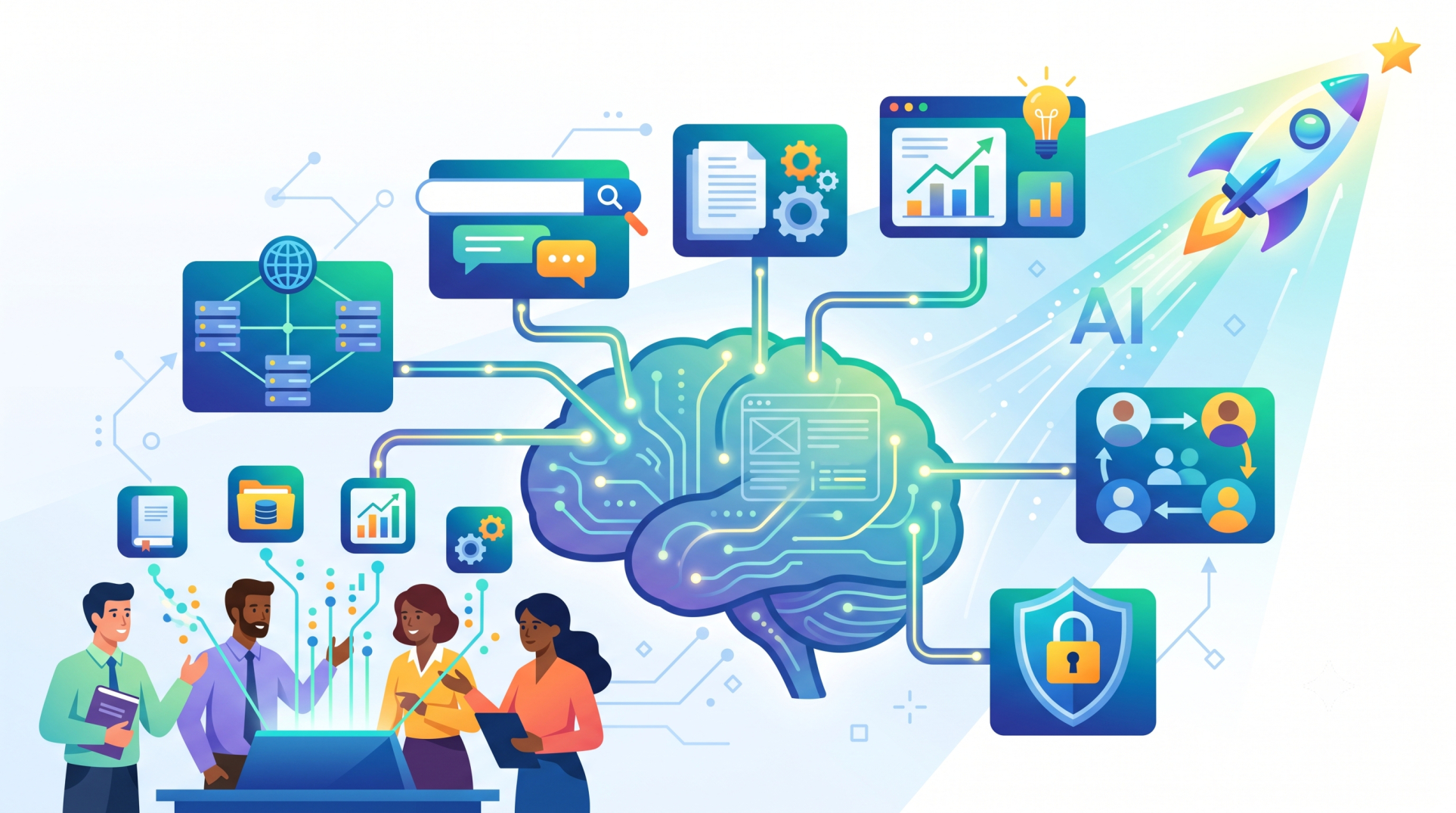
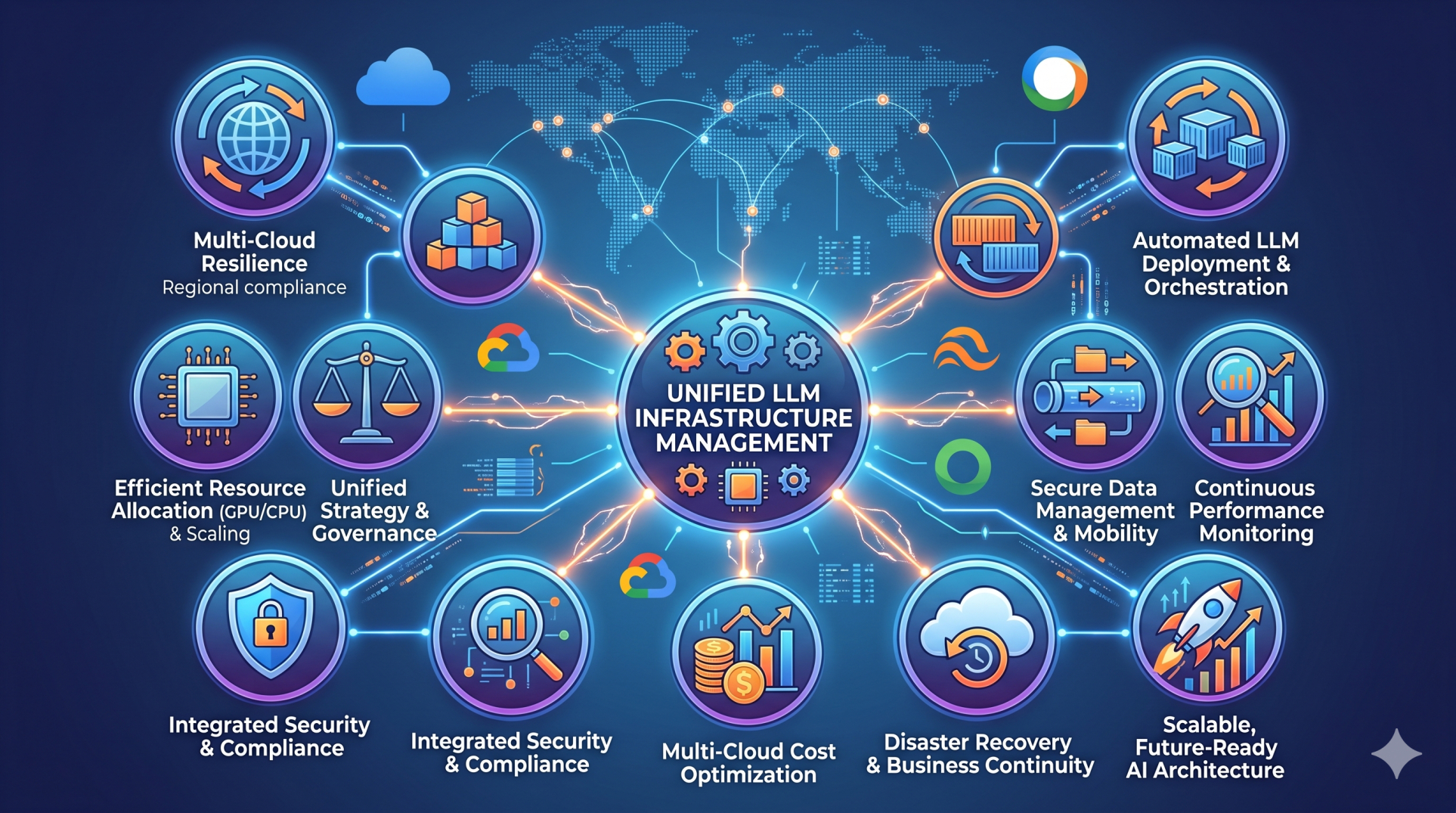
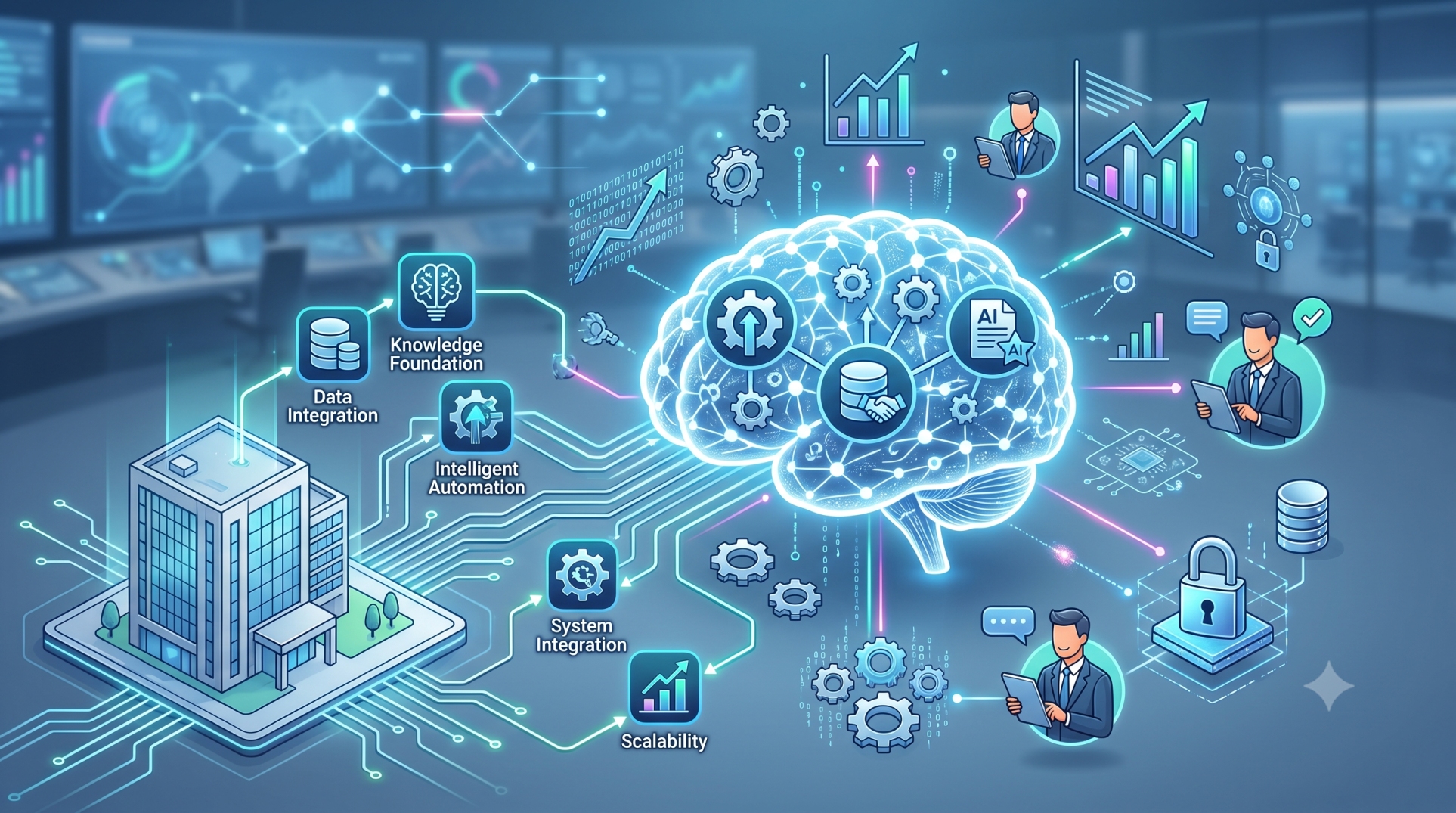
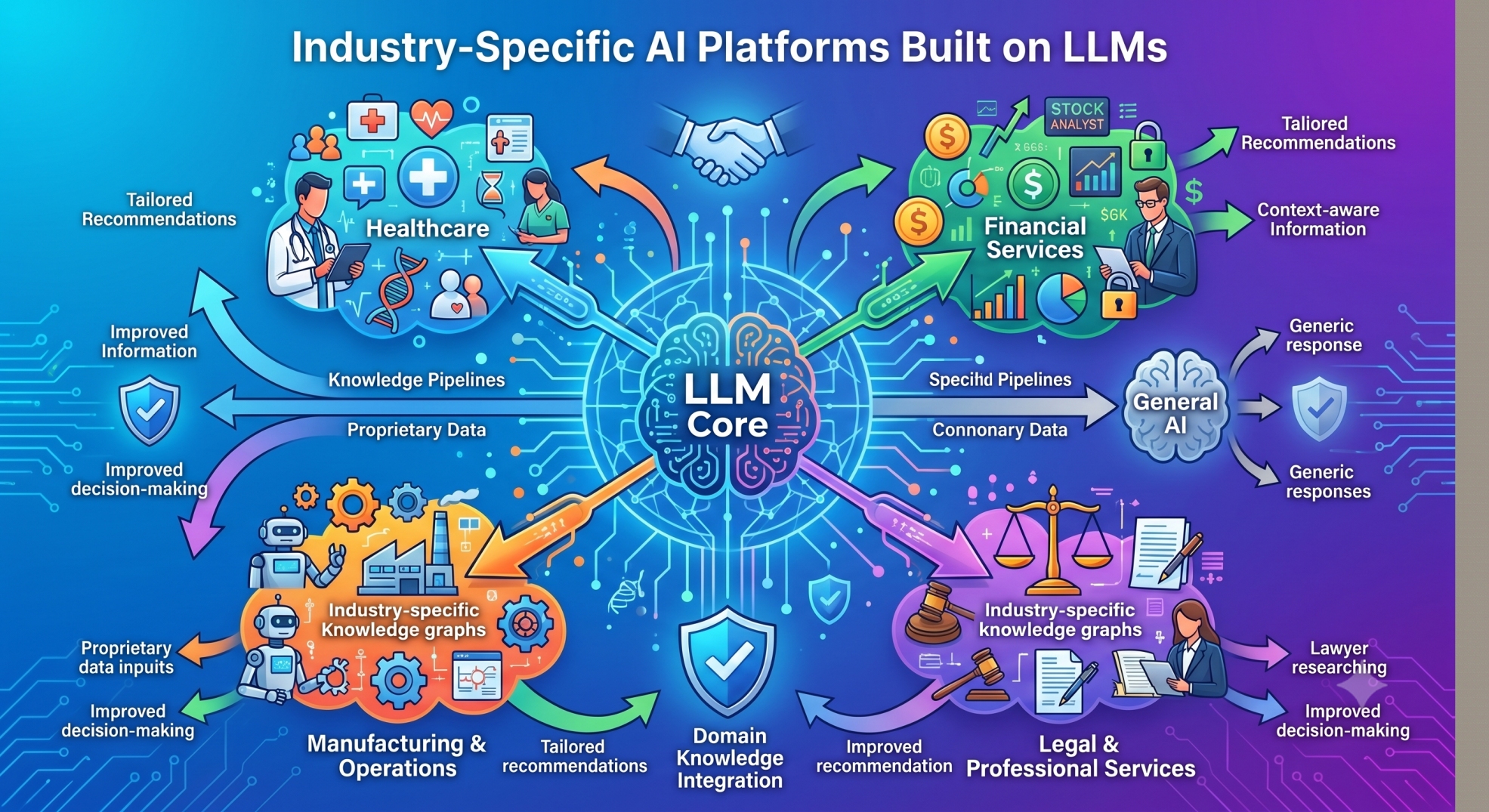
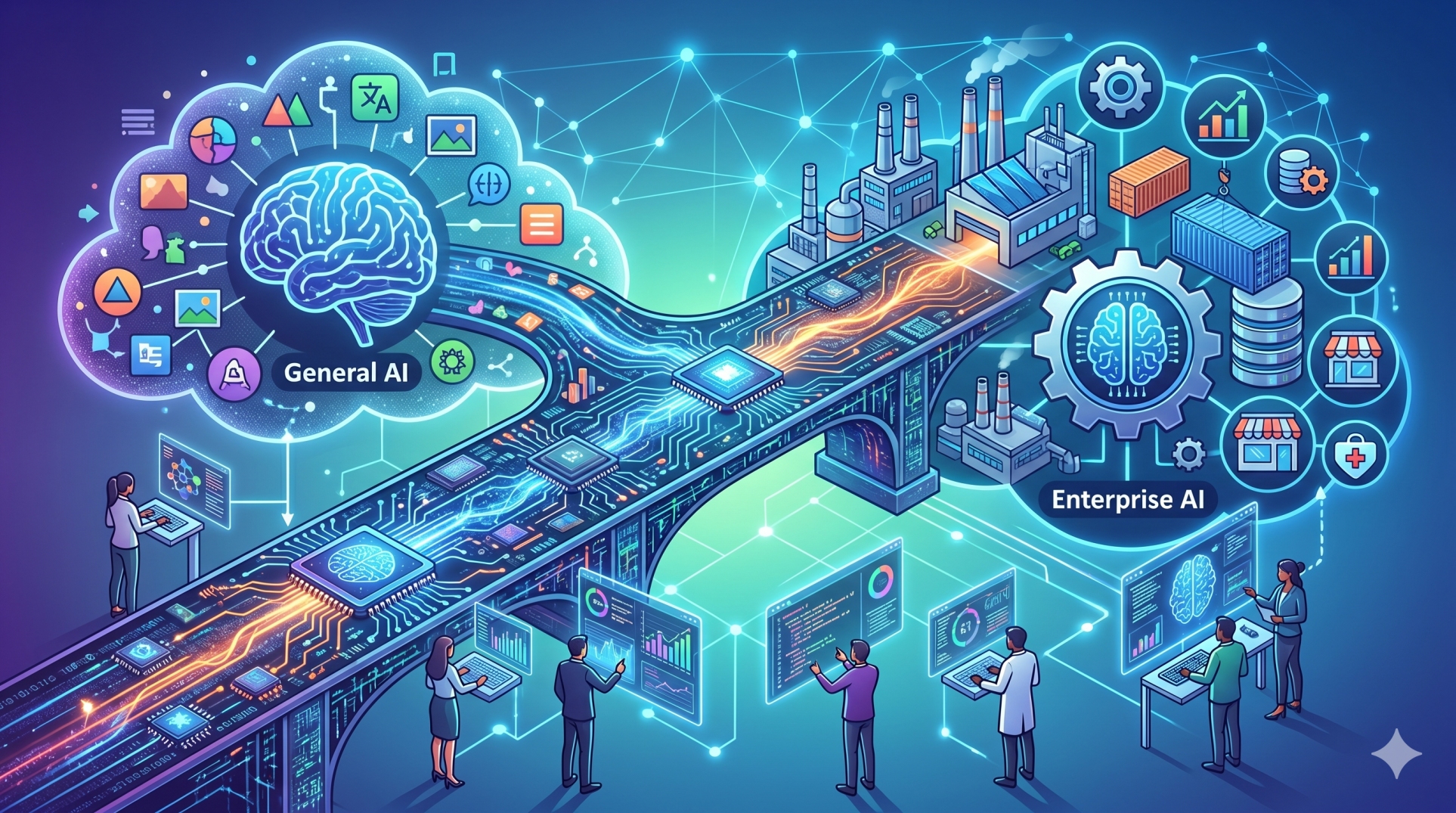
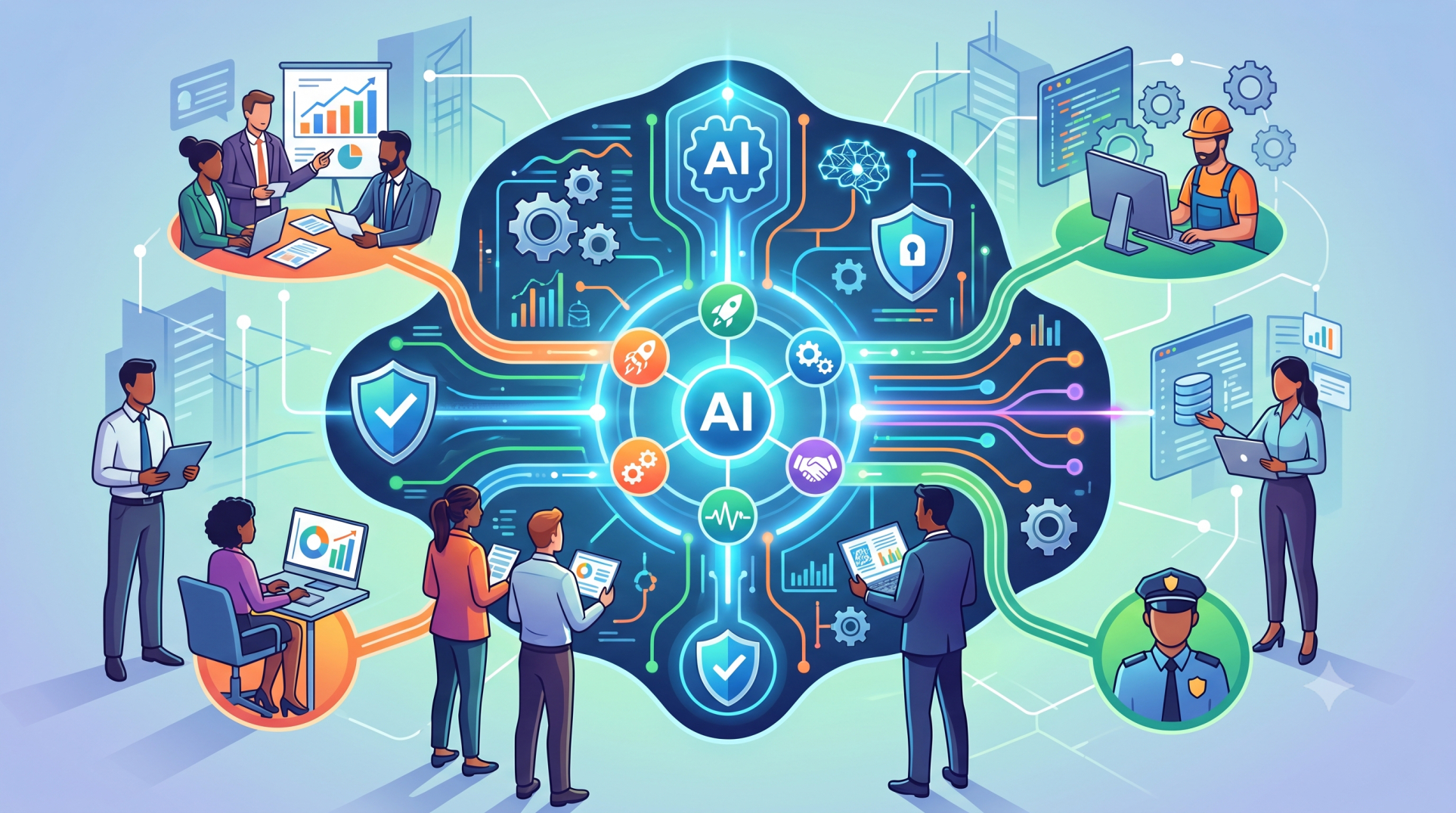
As artificial intelligence becomes embedded across multiple business functions, organizations must manage an increasingly complex ecosystem of AI models, data sources, applications, and workflows. Without a coordinated approach, teams can face inconsistent governance, duplicated efforts, and operational inefficiencies. A structured AI ecosystem enables departments to collaborate effectively, share trusted resources, and scale AI initiatives while maintaining security, compliance, and business alignment.
Step 1: Establishing a Unified AI Strategy 🎯
• Define enterprise-wide AI objectives aligned with business goals 📈
• Create a shared vision for AI adoption across departments 🤝
• Standardize governance principles for AI initiatives 📋
• Encourage collaboration between technical and business teams 👥
• Build a scalable foundation for long-term AI growth 🚀
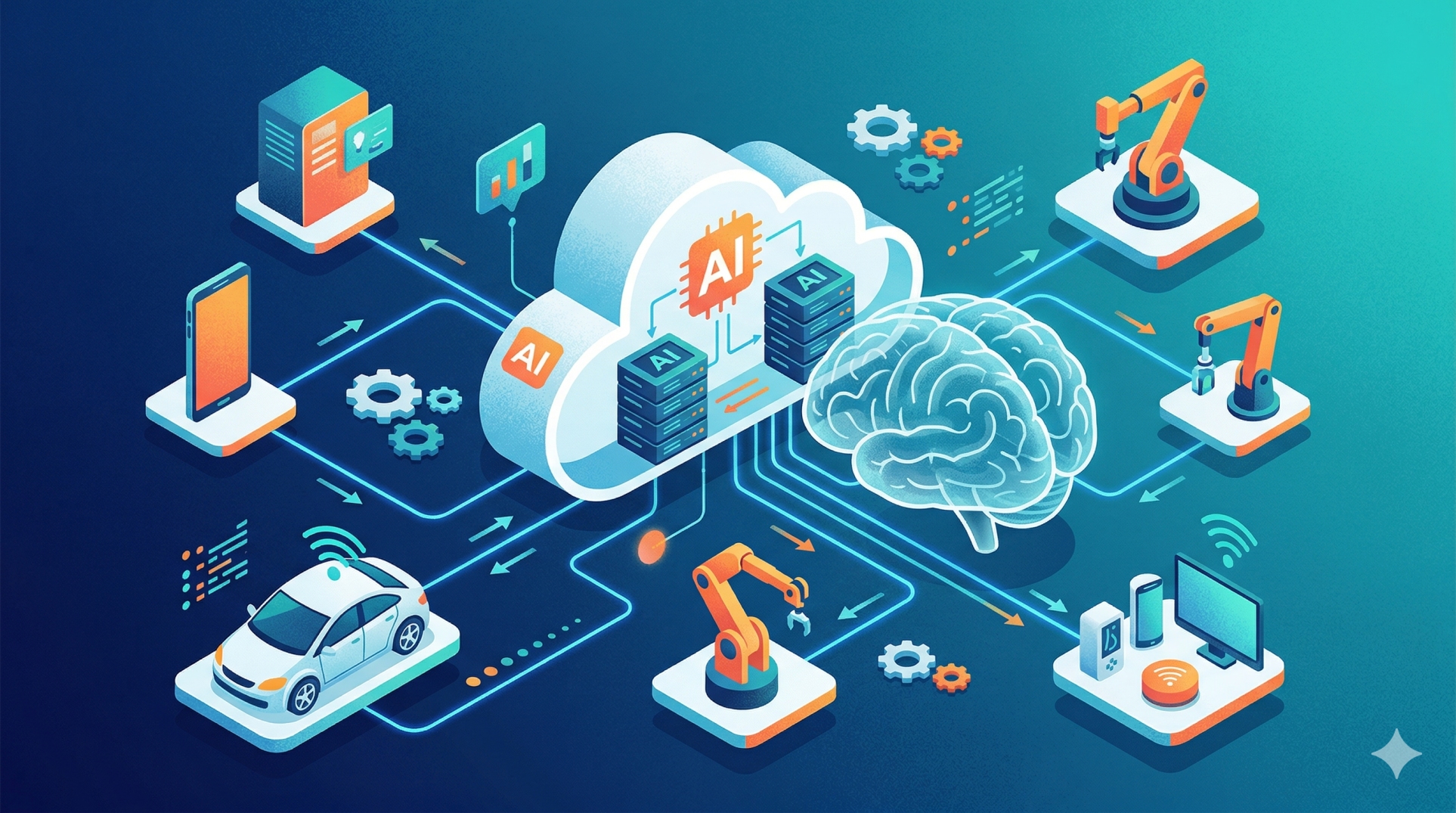
Step 2: Connecting AI Systems and Business Applications 🔗
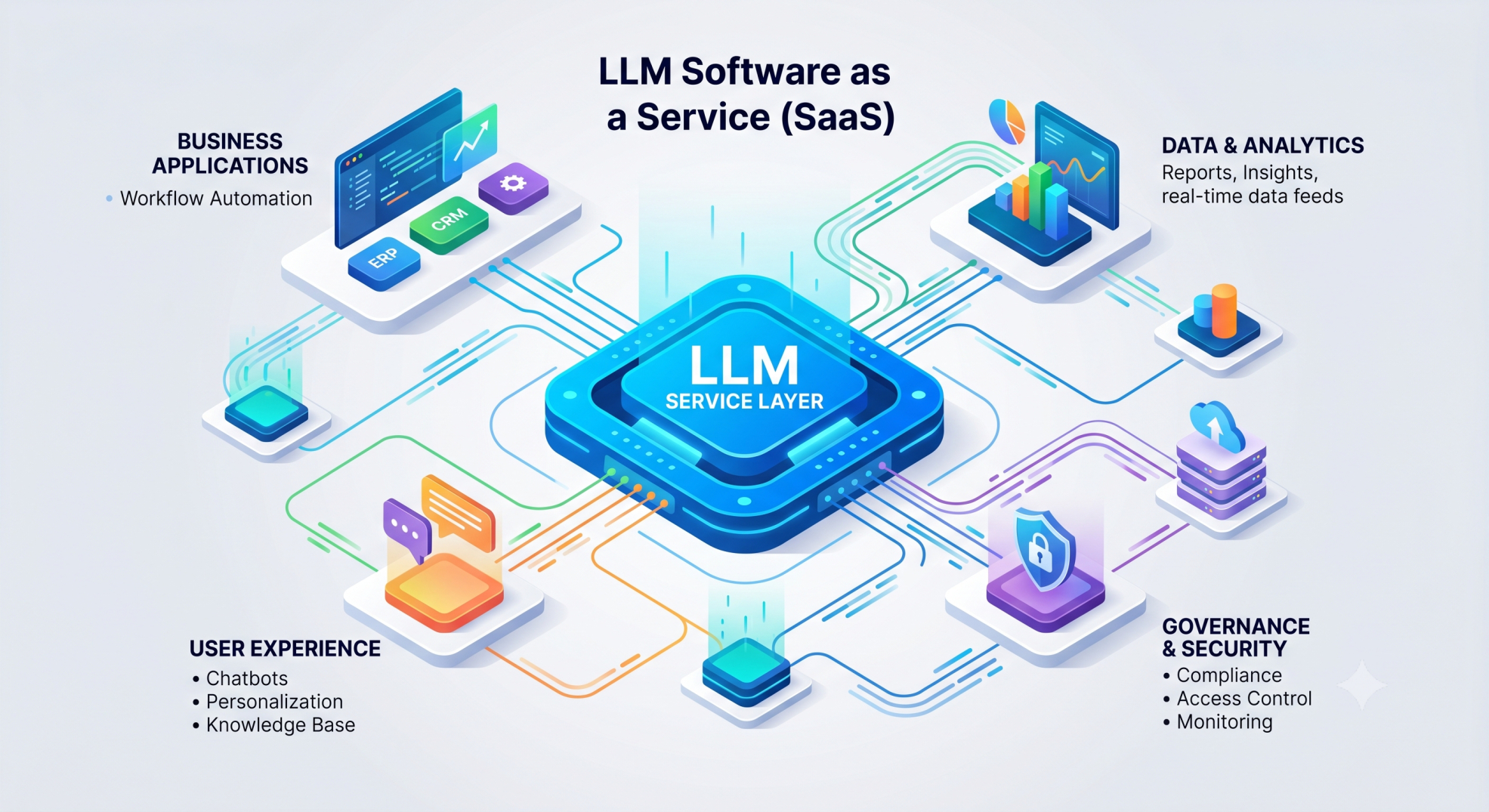
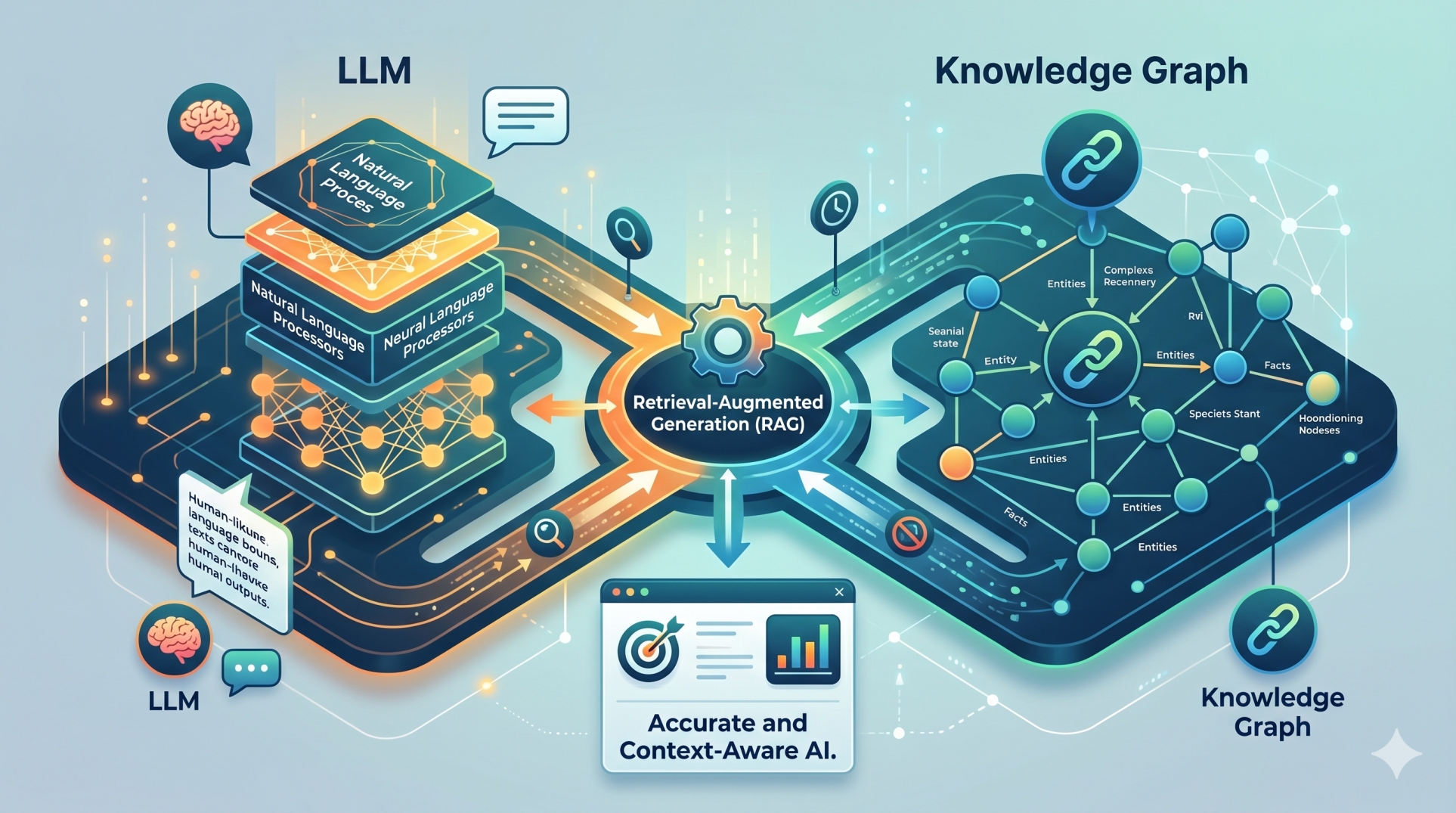
• Integrate AI solutions with existing enterprise platforms 🏢
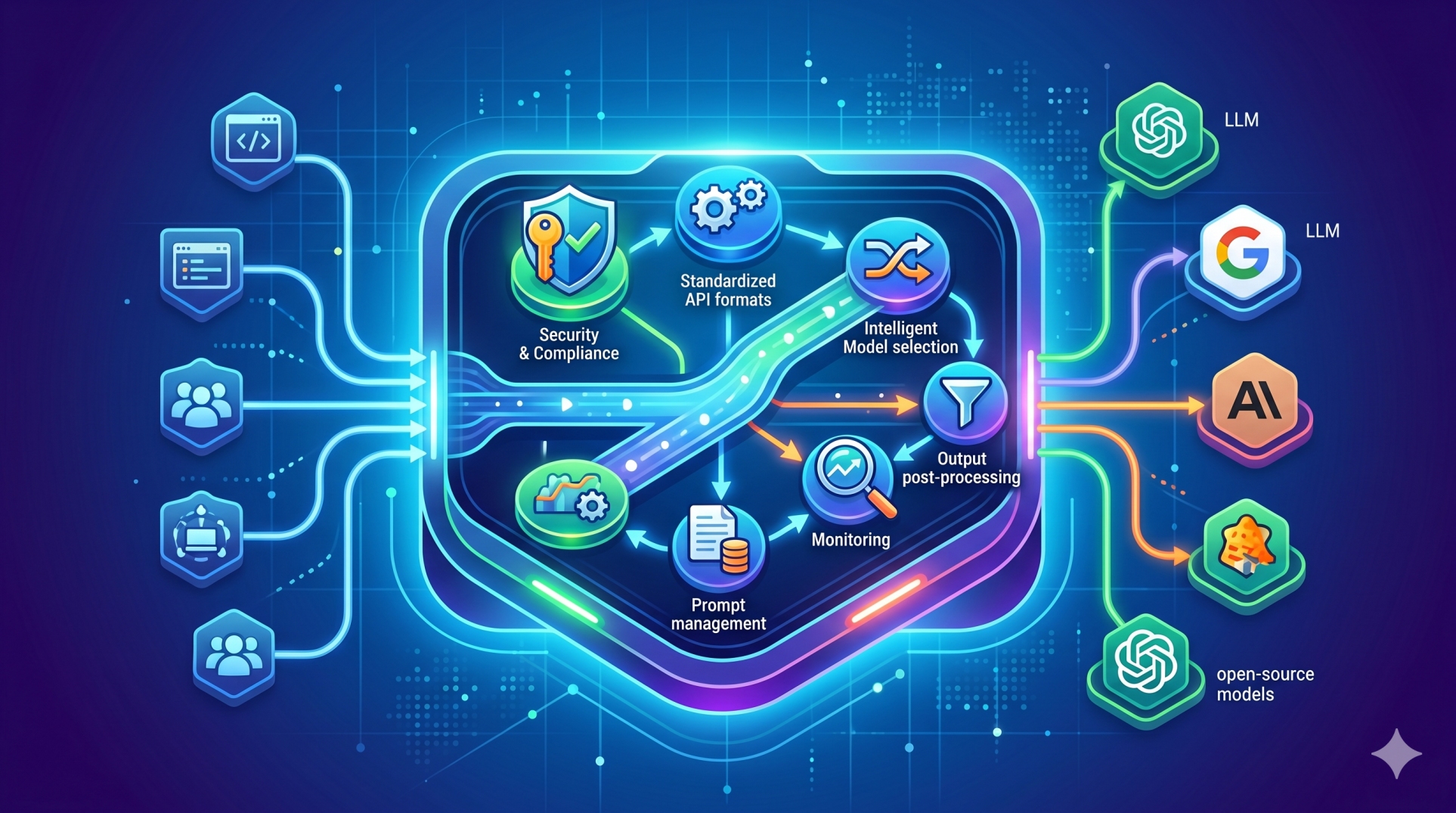
• Enable secure data exchange between connected systems 📡
• Eliminate information silos across departments 🗂️
• Support seamless workflows through system interoperability ⚙️
• Ensure consistent access to trusted business data 📊
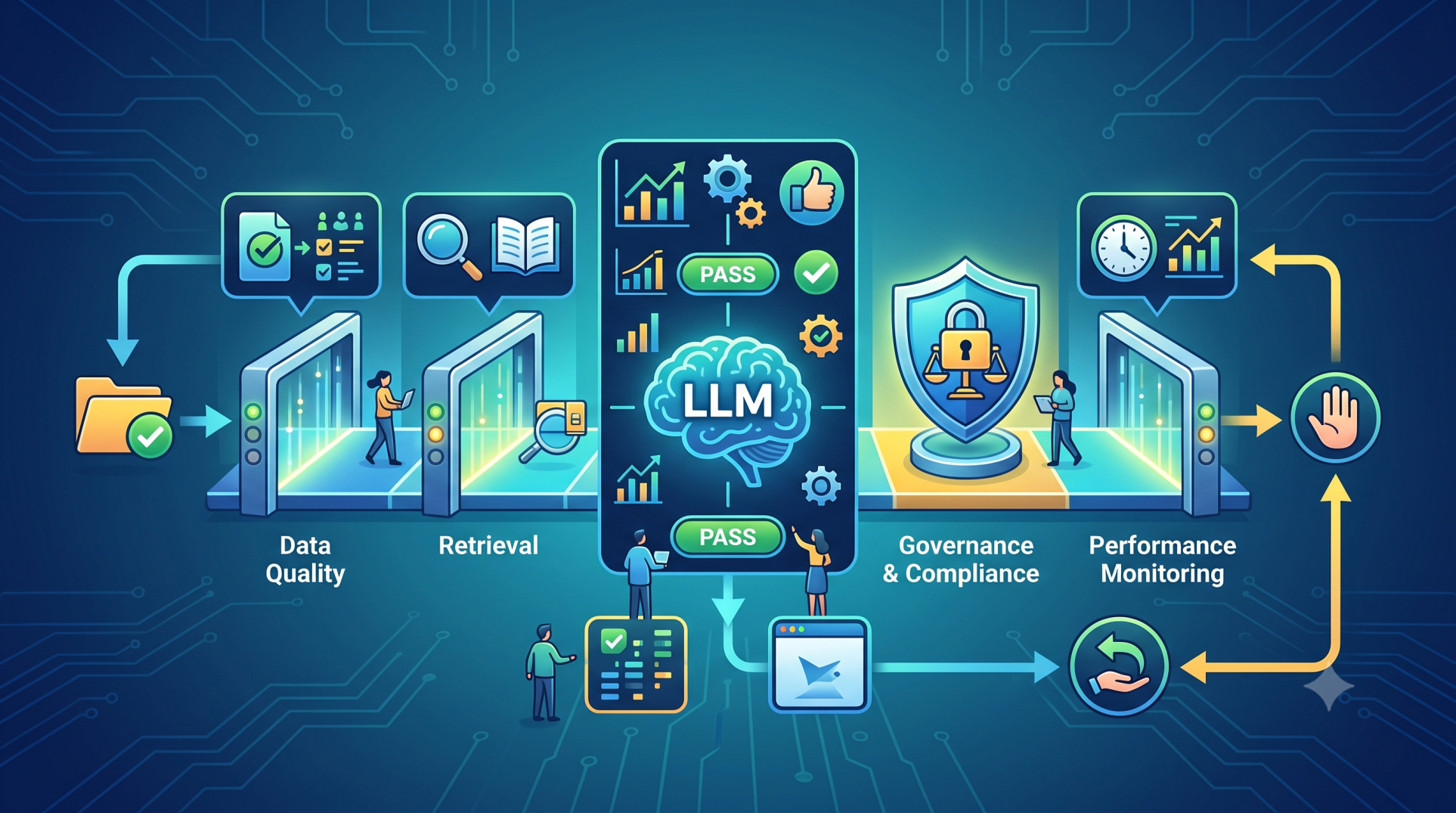
Step 3: Coordinating Data Management 📚
• Maintain high-quality data across AI initiatives ✅
• Standardize data collection and preparation processes 📋
• Manage structured and unstructured information efficiently 🗃️
• Enable secure data sharing between authorized teams 🔐
• Improve data consistency for reliable AI outcomes 📈
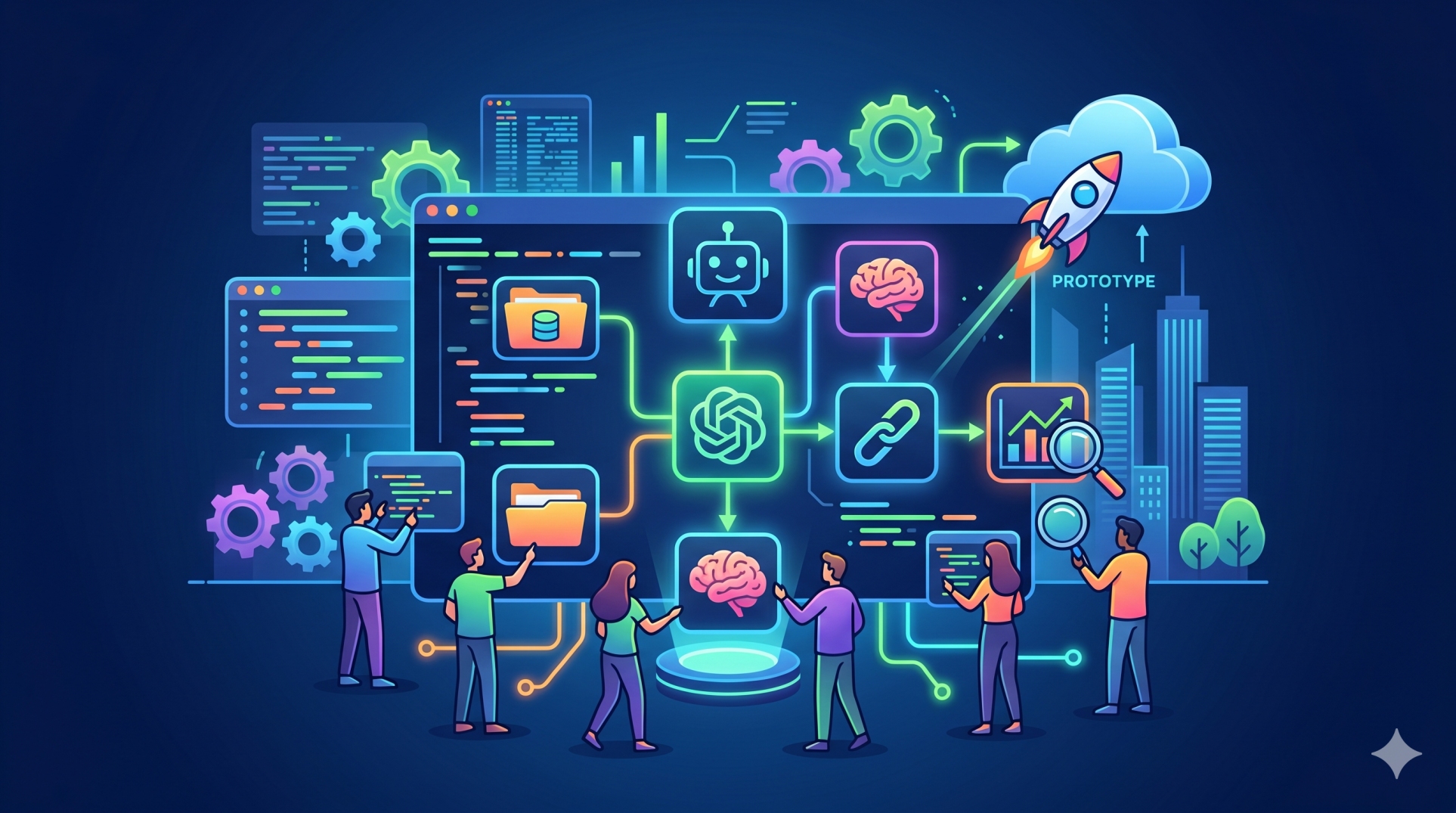
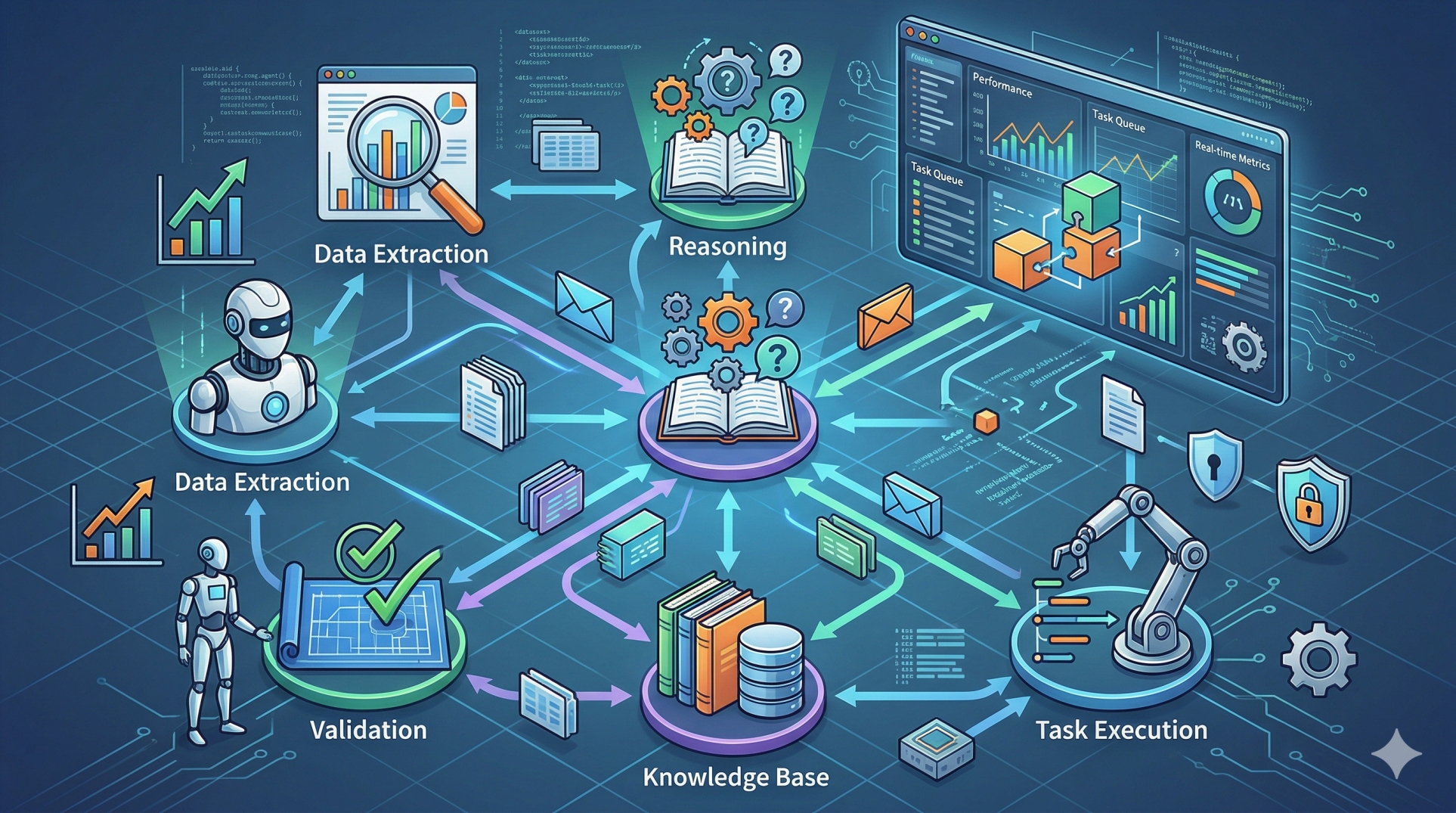
Step 4: Managing AI Models Effectively 🤖
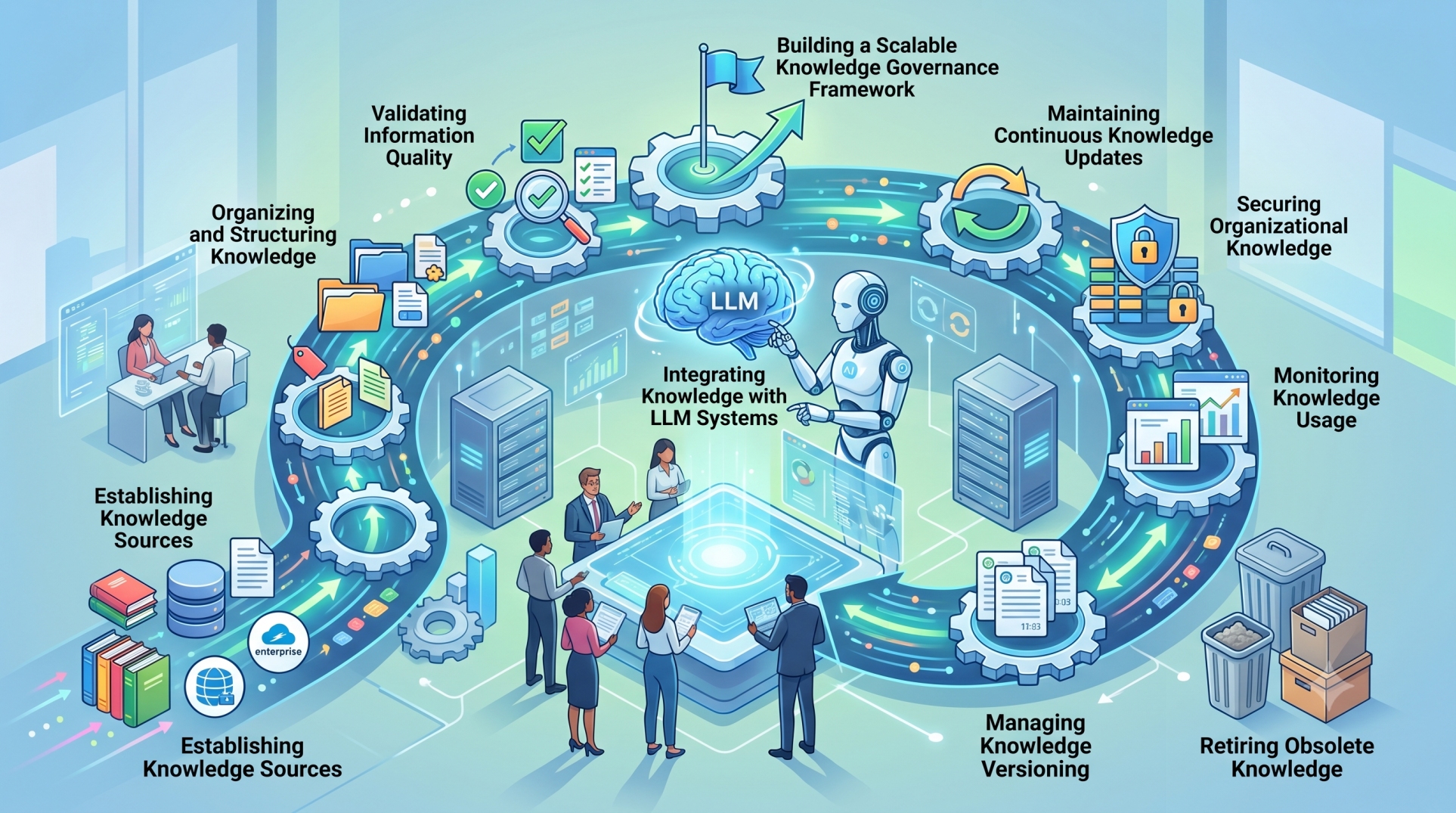
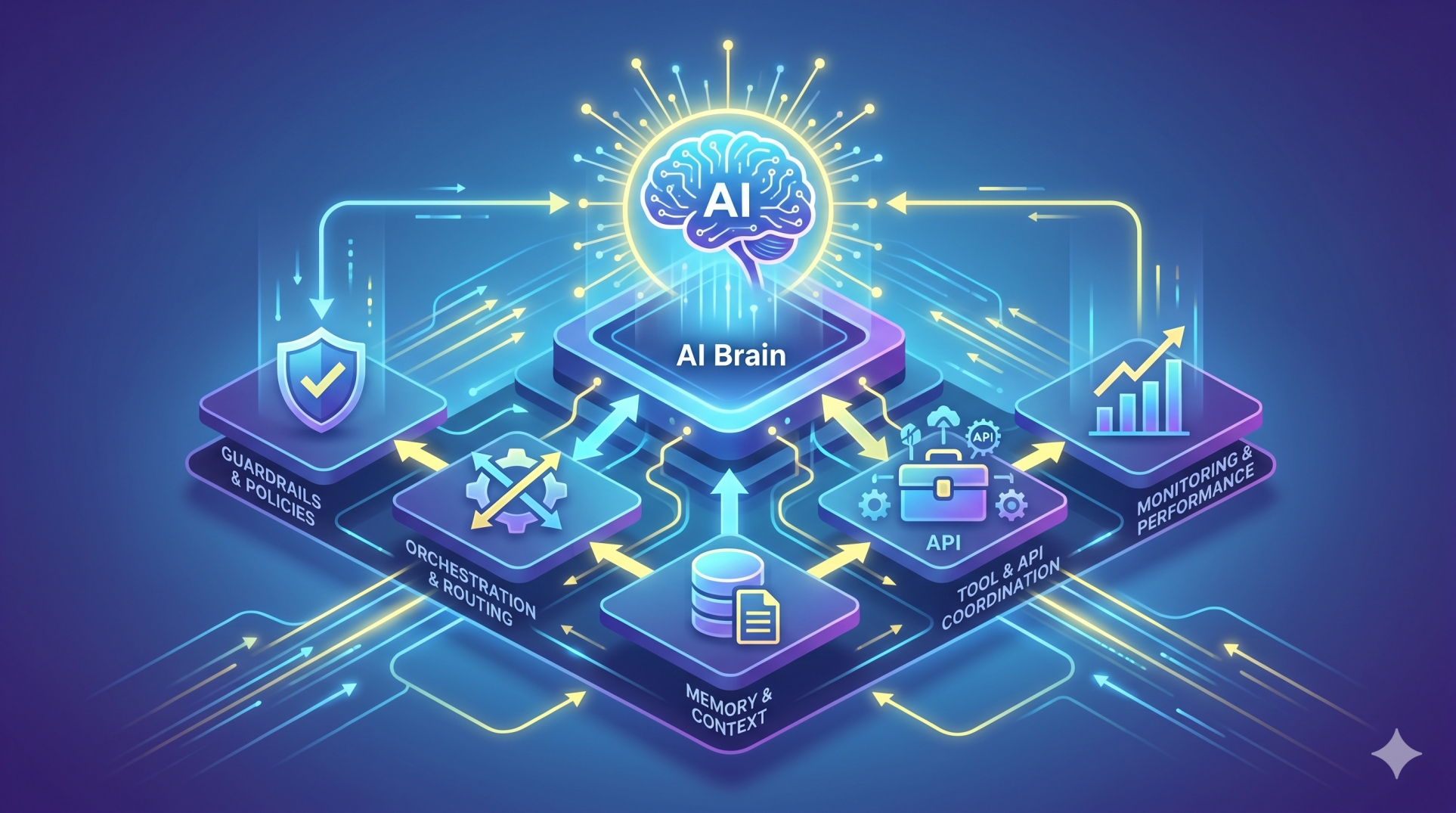
• Organize AI models through centralized lifecycle management 🧠
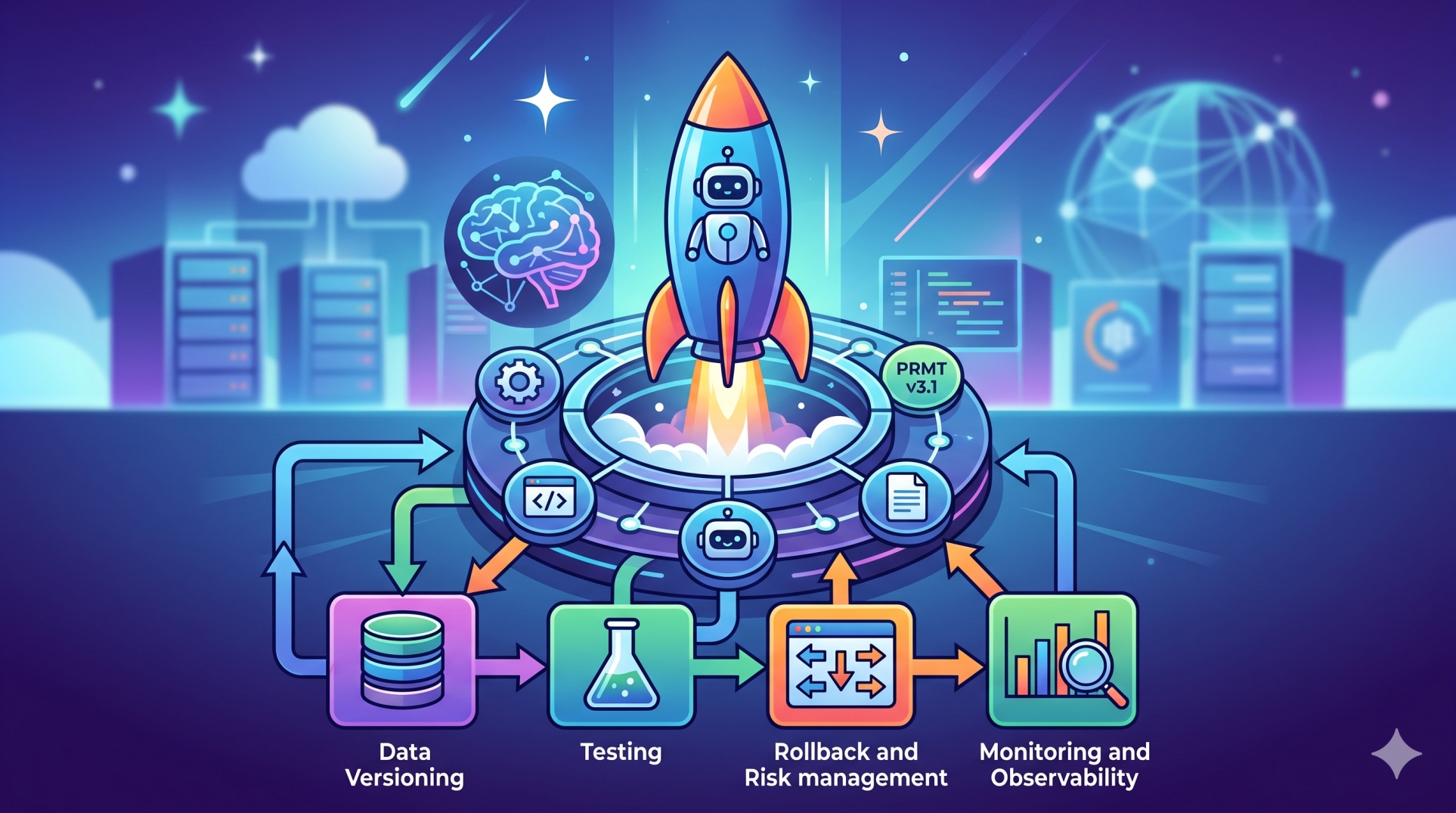
• Track model versions, updates, and deployment history 📝
• Monitor performance across production environments 📊
• Retire outdated models through structured governance 🔄
• Support continuous improvement using operational insights 🚀
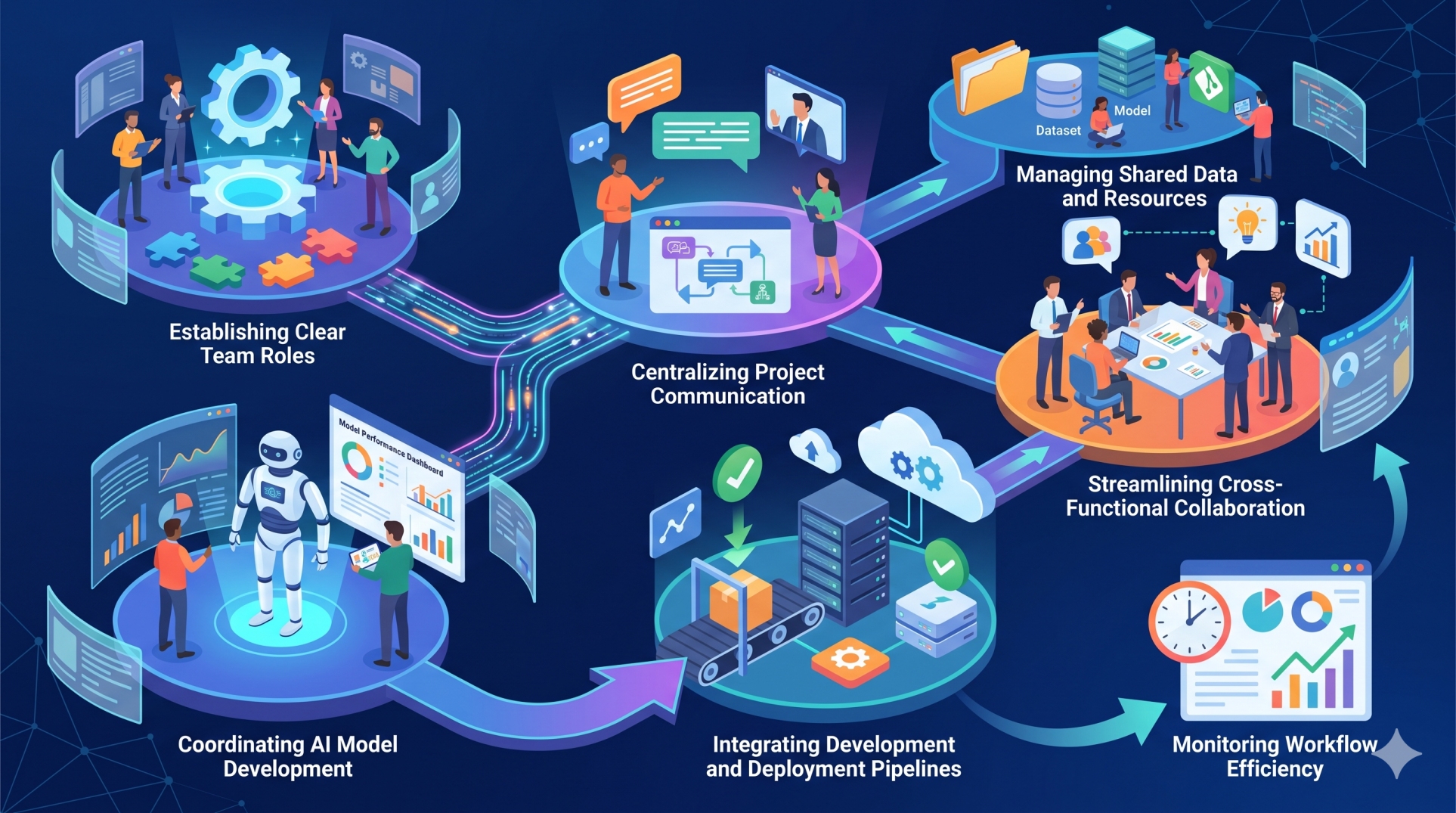
Step 5: Strengthening Collaboration Across Teams 🤝
• Encourage knowledge sharing between business and technical teams 💬
• Define clear responsibilities for AI development and operations 👥
• Coordinate cross-functional AI projects efficiently 📅
• Improve communication throughout the AI lifecycle 📢
• Foster innovation through collaborative problem-solving 💡
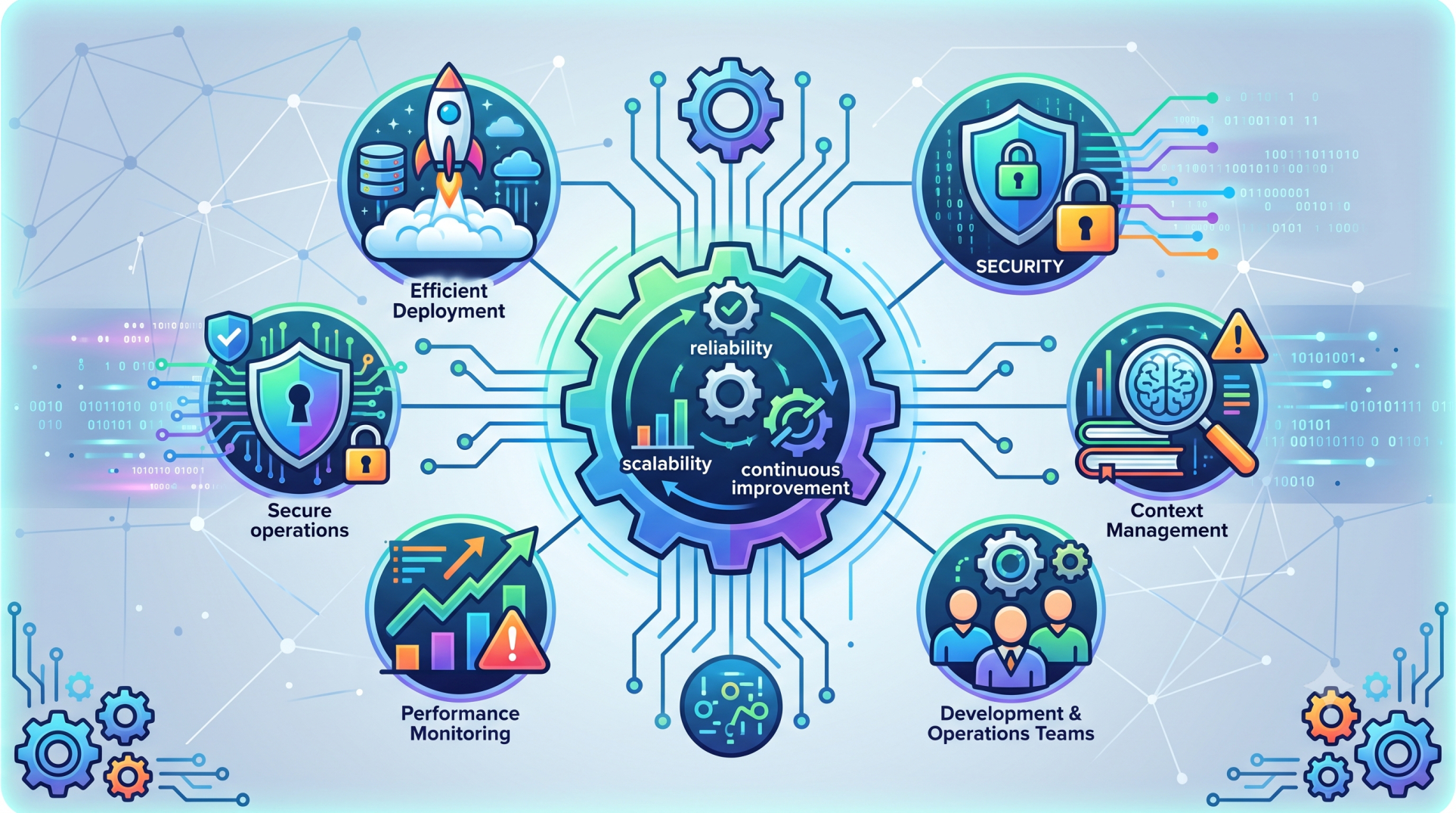
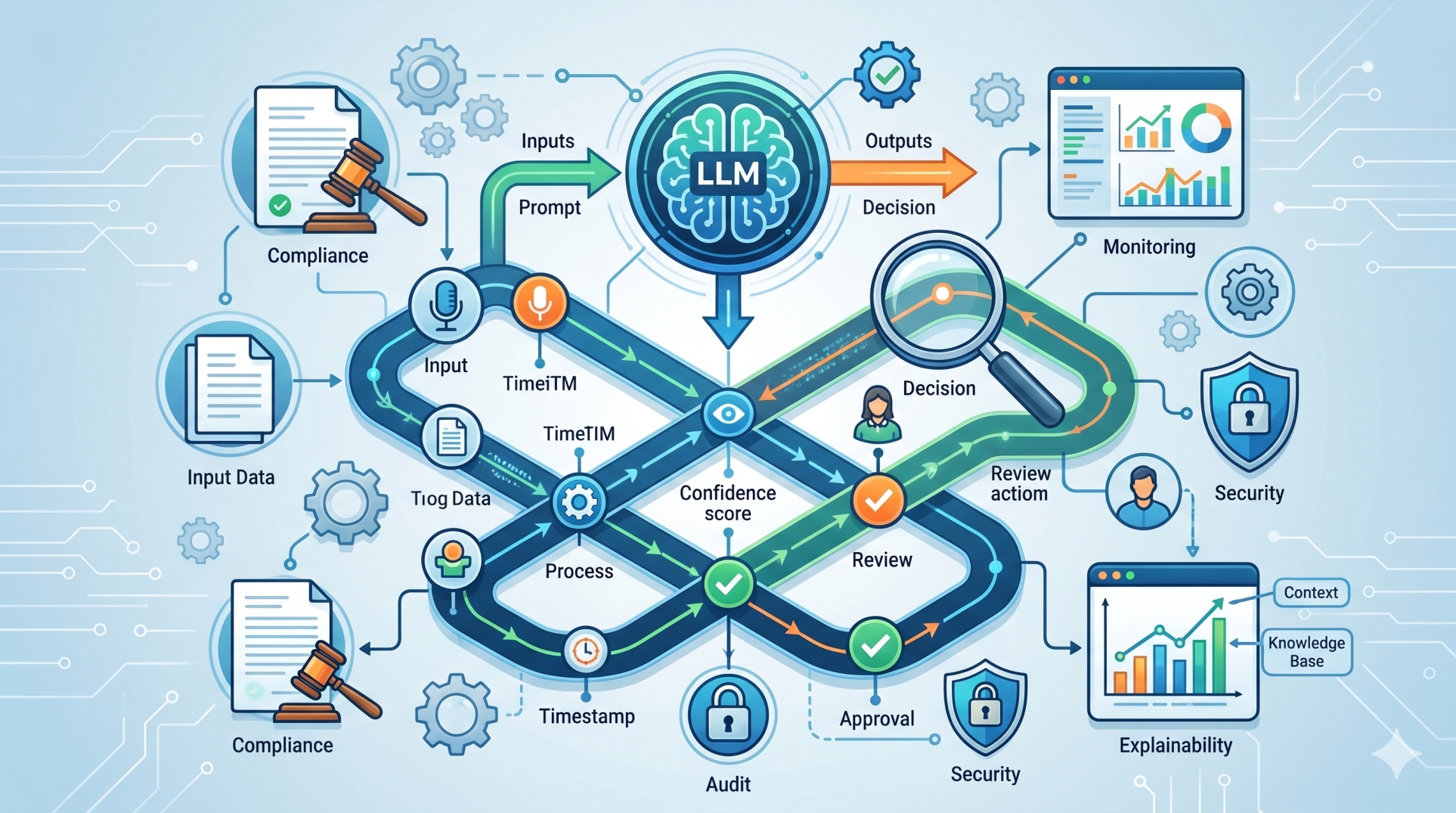
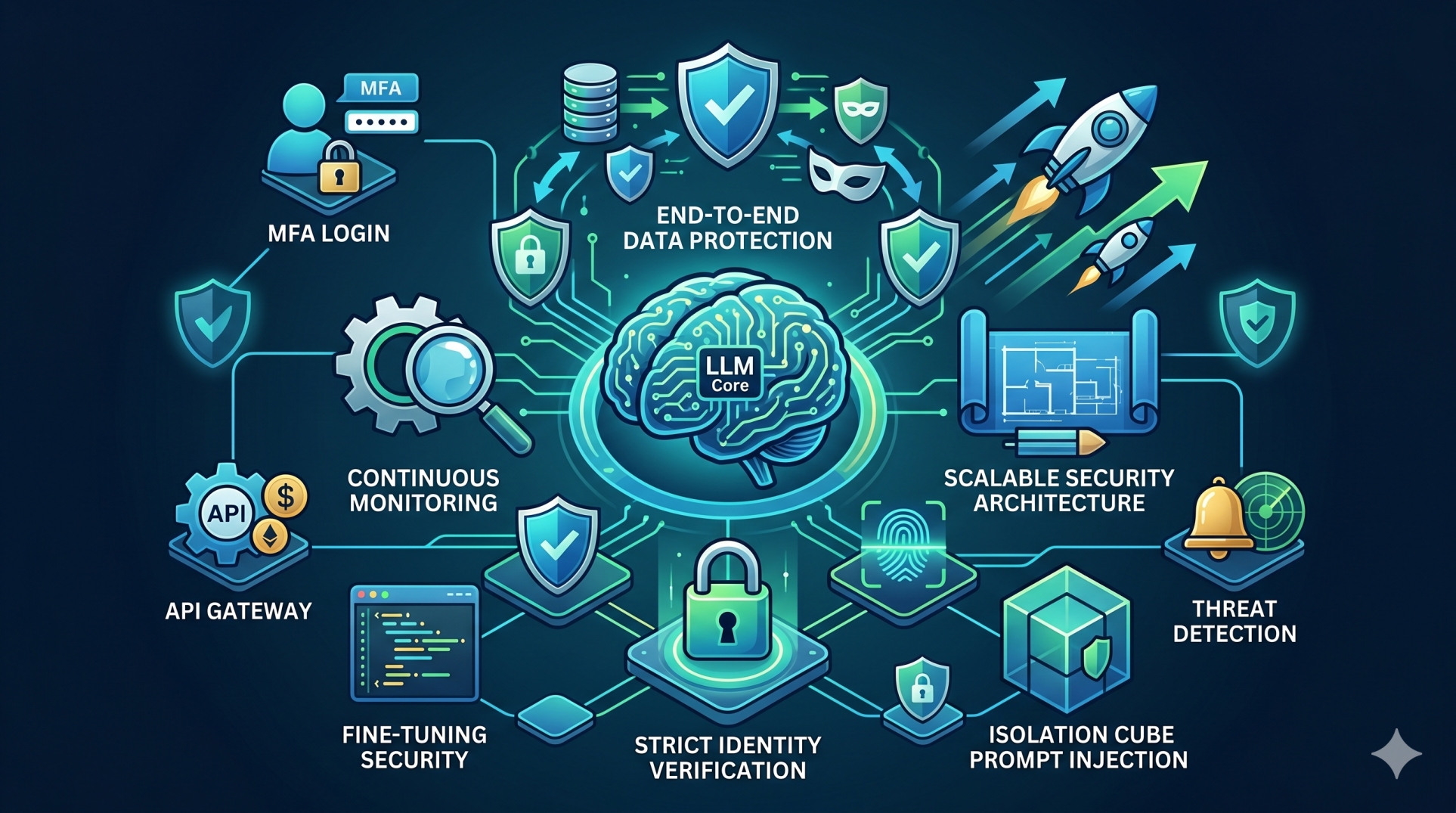
Step 6: Implementing AI Governance and Security 🛡️
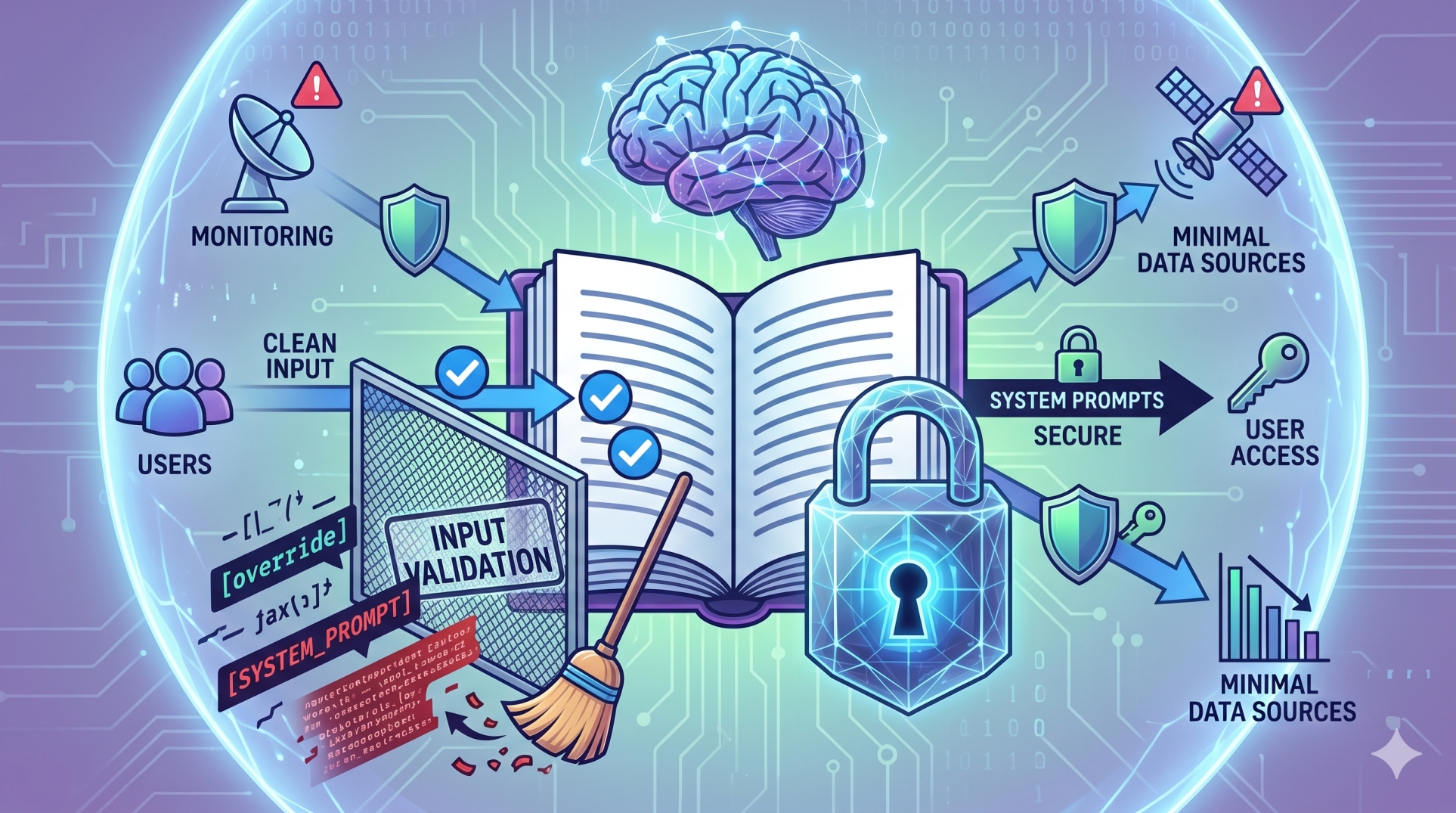
• Define policies for responsible AI usage 📜
• Protect sensitive business and customer information 🔐
• Control access to AI models and enterprise data 👤
• Monitor AI activities through comprehensive audit trails 🧾
• Support compliance with regulatory and organizational standards ✅
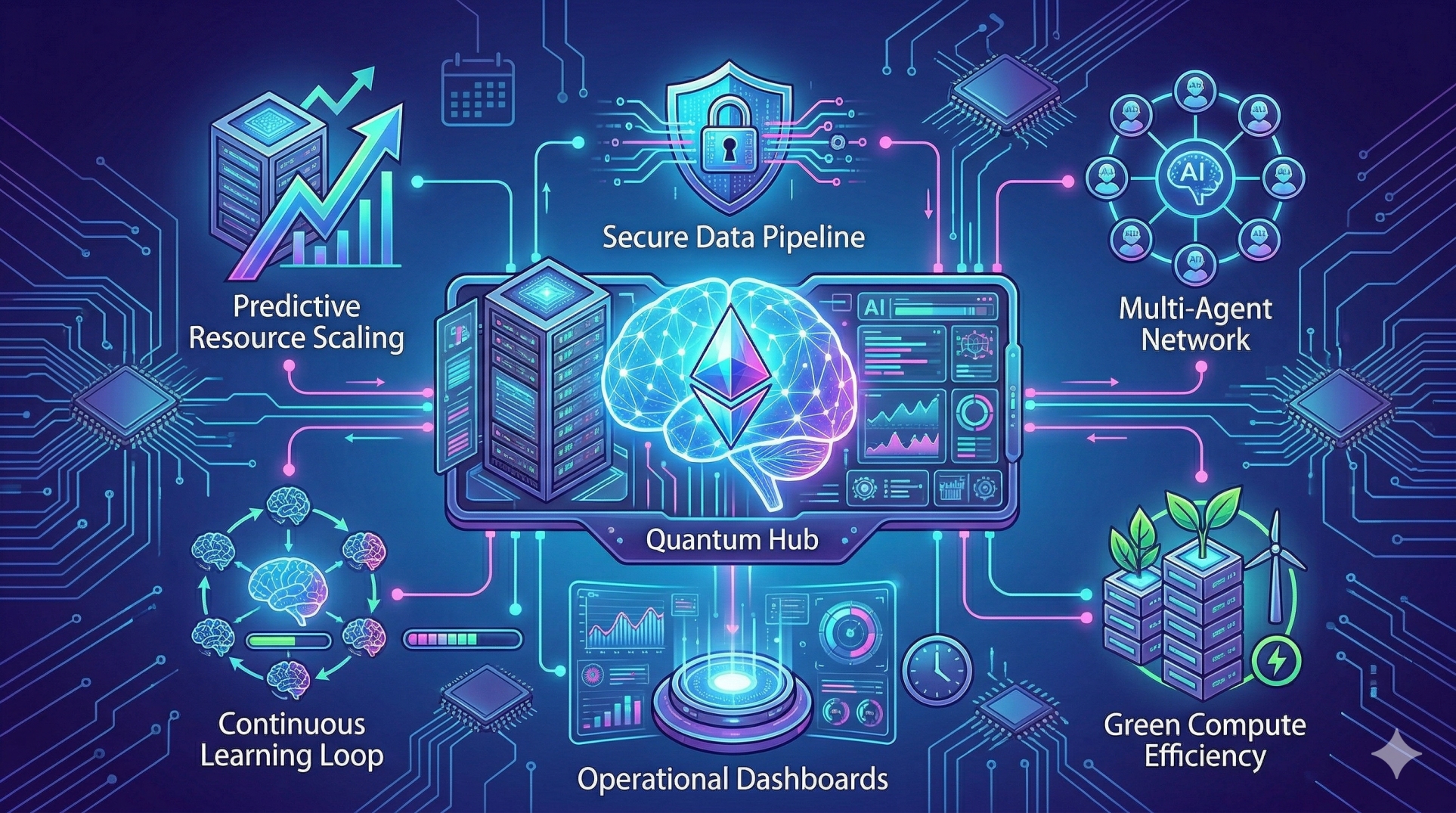
Step 7: Monitoring AI Performance and Operations 📈
• Track AI system performance using real-time dashboards 📊
• Measure business impact through operational metrics 📋
• Detect anomalies affecting AI reliability 🚨
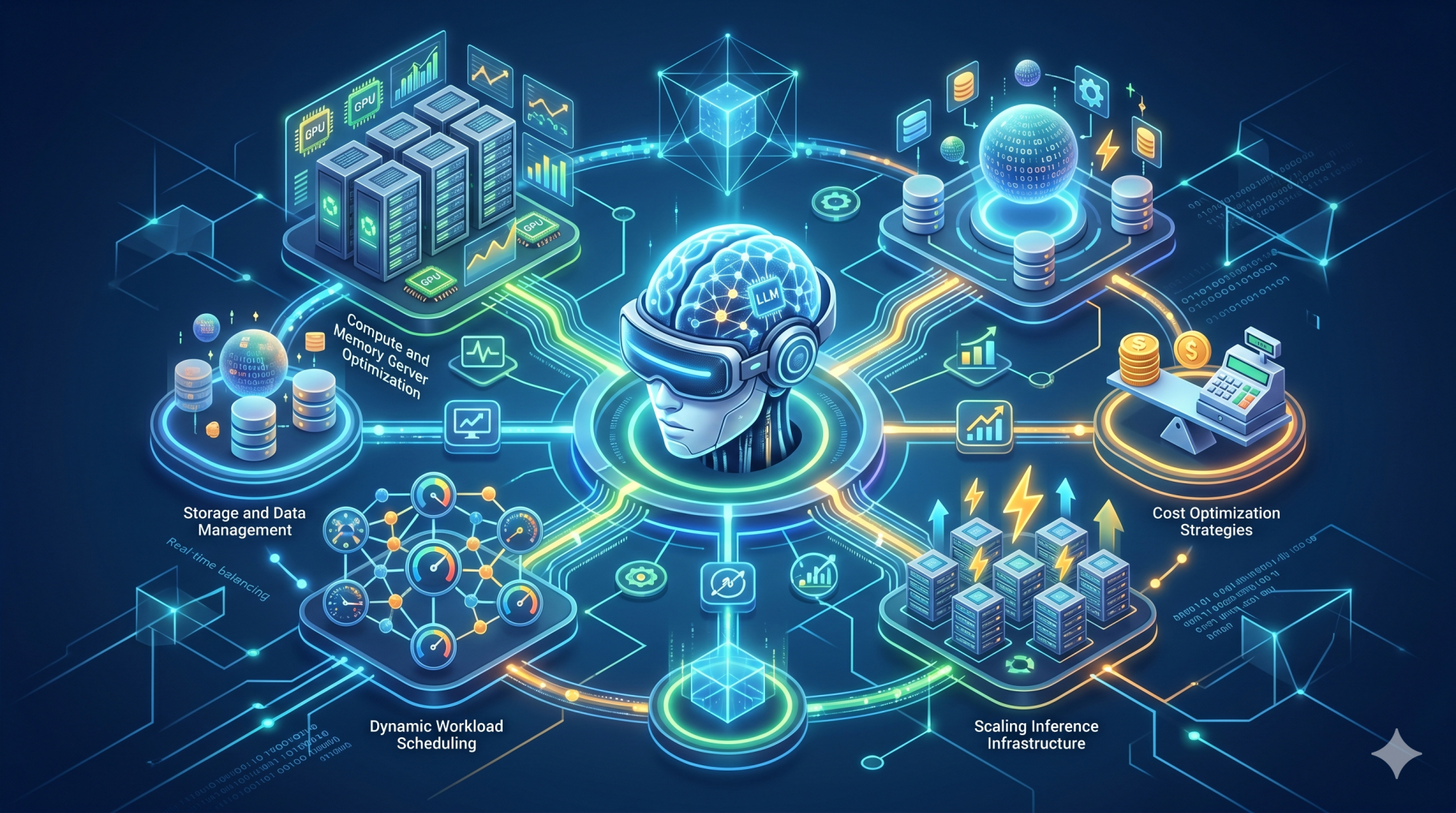
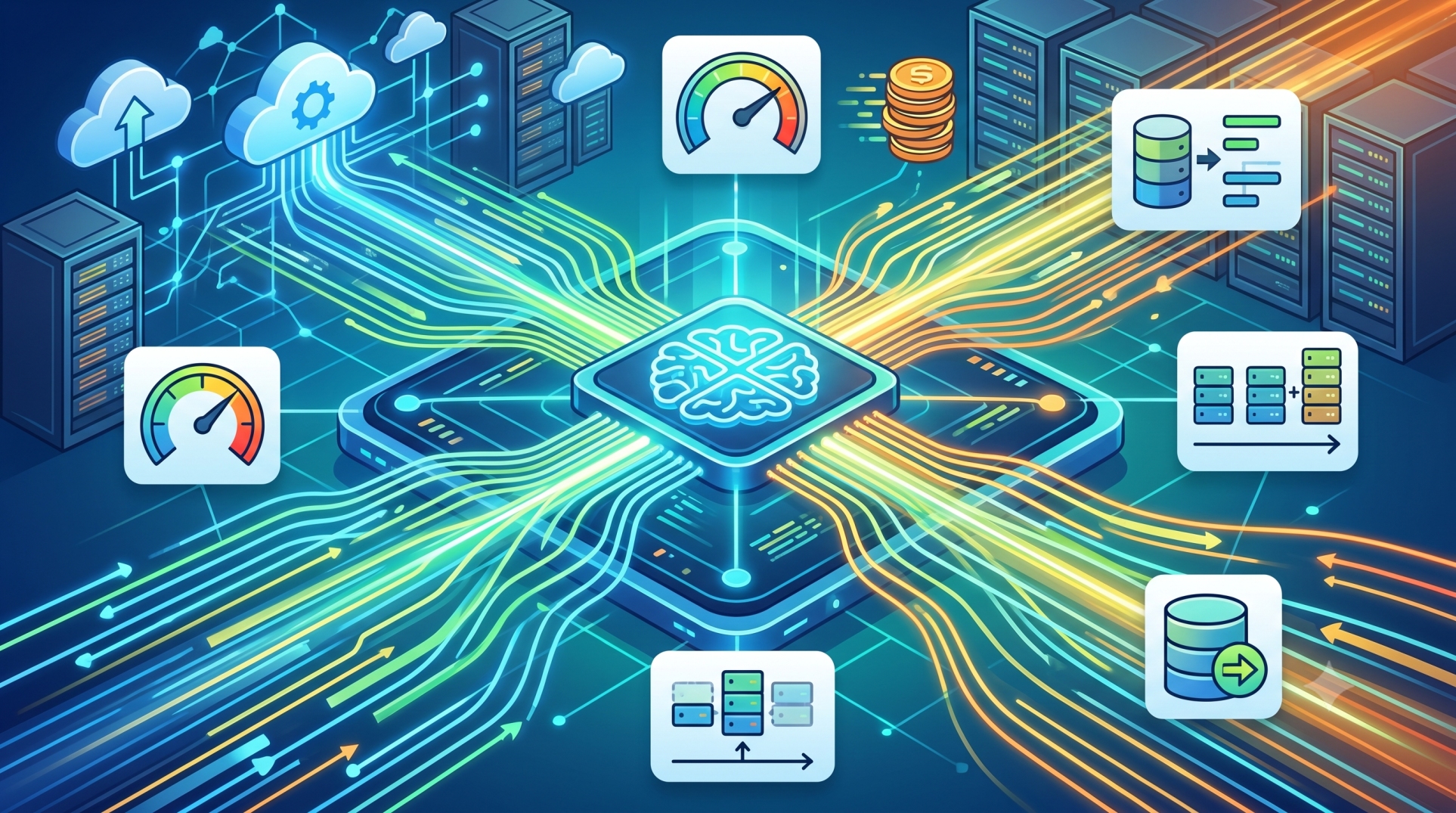
• Evaluate resource utilization across AI workloads ⚙️
• Continuously optimize AI operations for efficiency 🚀
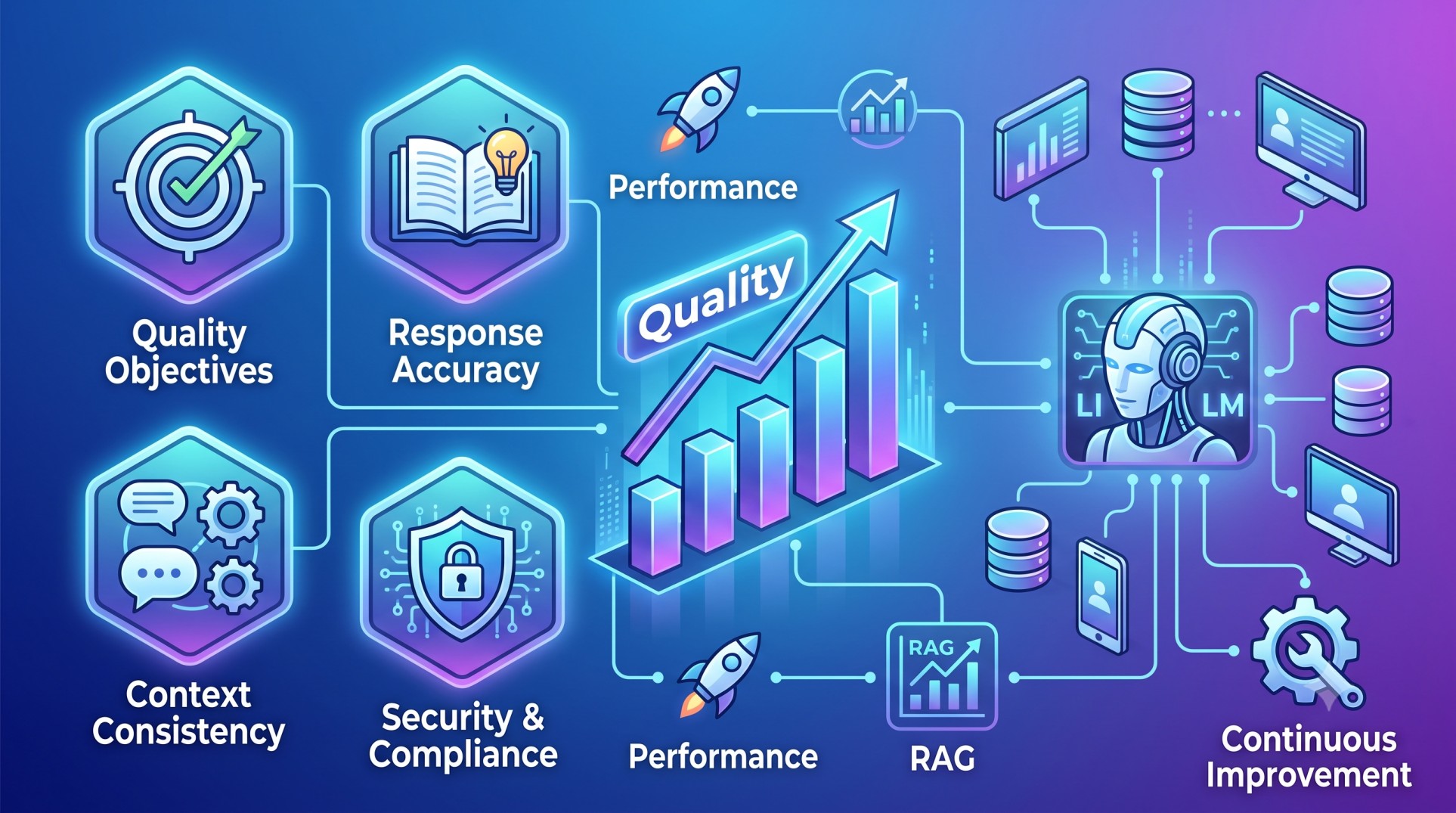
Step 8: Key Ecosystem Management Priorities ⭐
• Centralized governance across AI initiatives 🏛️
• Secure collaboration between enterprise teams 🤝
• Consistent data quality and model management 📚
• Scalable infrastructure for future AI expansion 🌍
Step 9: Adapting to Business and Technology Changes 🔄
• Scale AI capabilities as organizational needs evolve 📈
• Integrate emerging technologies without disrupting operations ⚡
• Support new business units and operational workflows 🏢
• Continuously refine governance and operational processes 🛠️
• Maintain flexibility in rapidly changing AI environments 🌐
Step 10: Building a Future-Ready AI Ecosystem 🌟
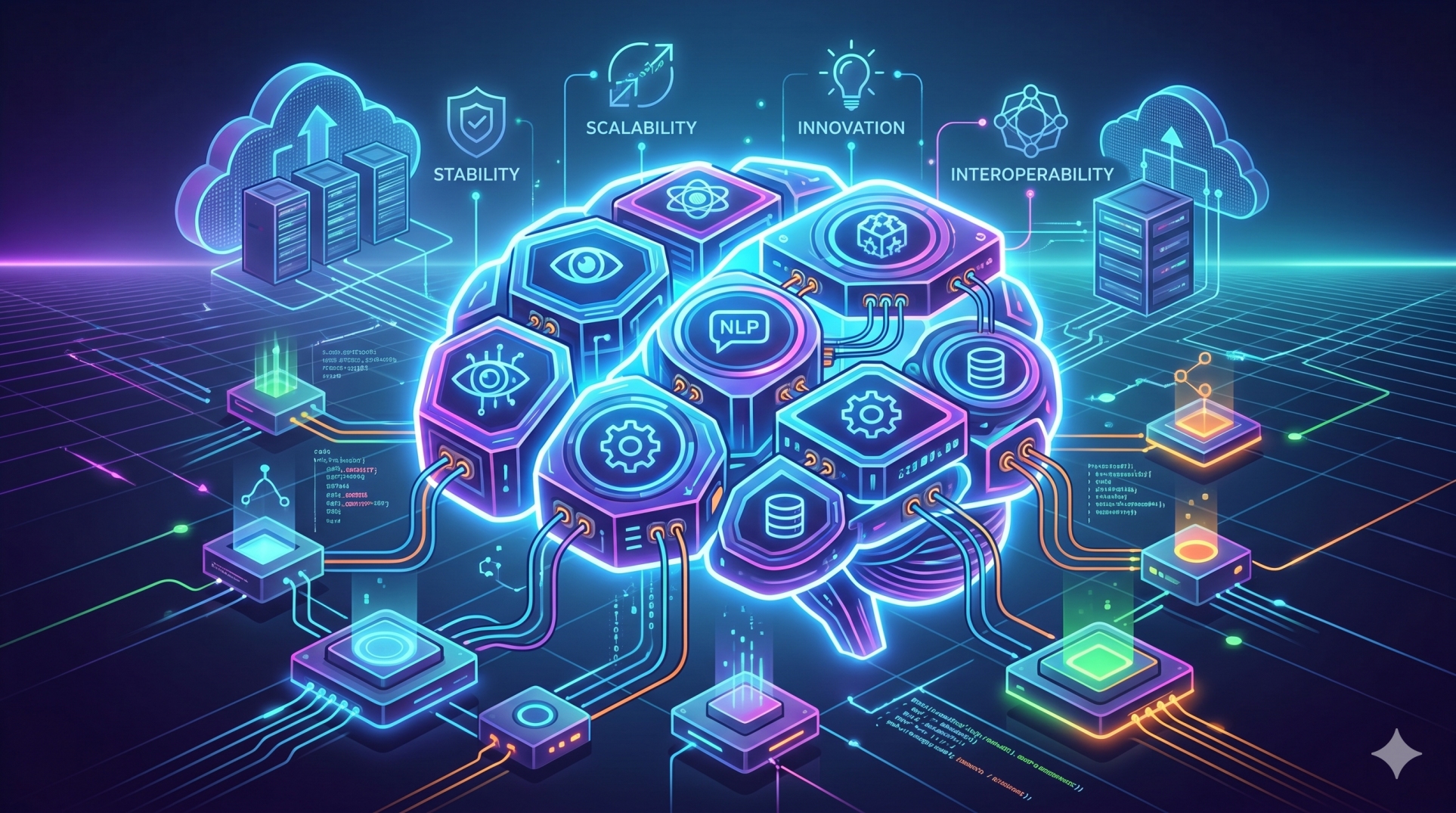
• Design modular AI architectures for long-term scalability 🏗️
• Promote interoperability across enterprise platforms 🔗
• Encourage continuous learning and innovation 📚
• Align AI investments with strategic business objectives 🎯
• Build resilient AI ecosystems that support sustainable growth 🚀
Conclusion
Managing complex AI ecosystems requires more than deploying intelligent models—it demands coordinated governance, seamless collaboration, secure data management, and continuous operational oversight. By connecting enterprise teams through a unified AI strategy, organizations can maximize the value of artificial intelligence while maintaining scalability, security, and business alignment. A well-managed AI ecosystem empowers teams to innovate with confidence and adapt successfully to evolving business demands.
See more blogs
You can all the articles below