Autonomous System Optimization in AI Architectures
Autonomous System Optimization in AI Architectures
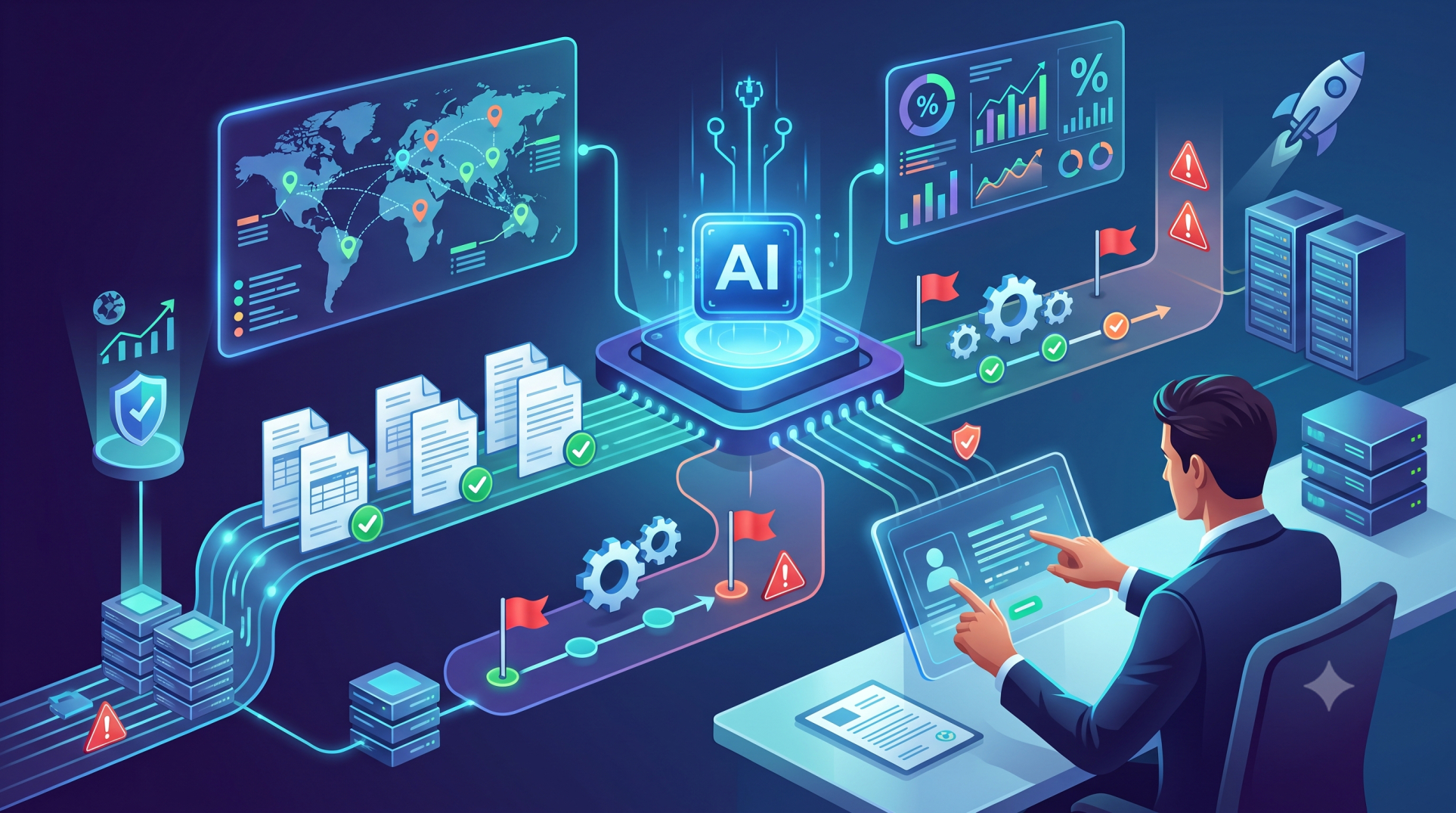
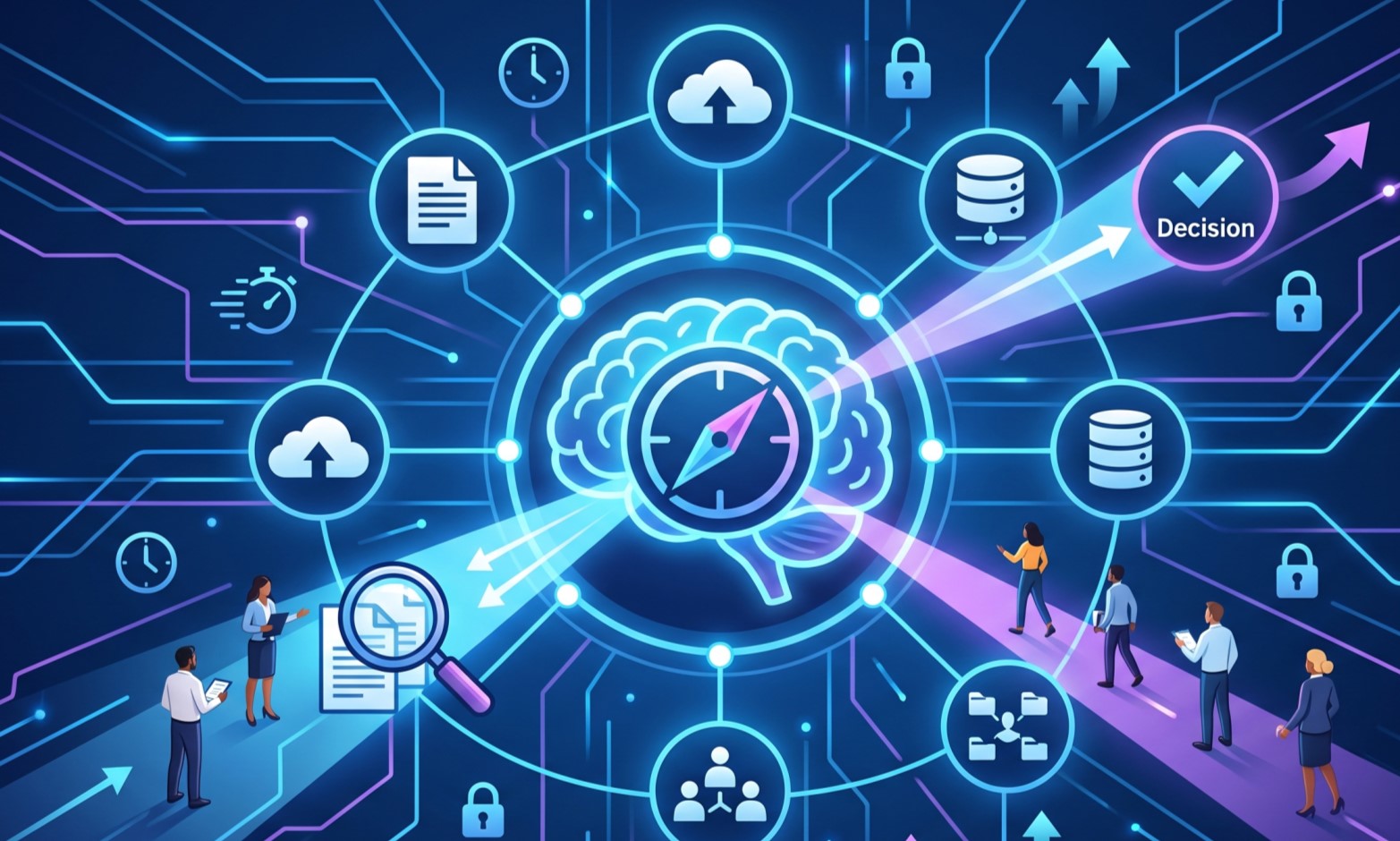
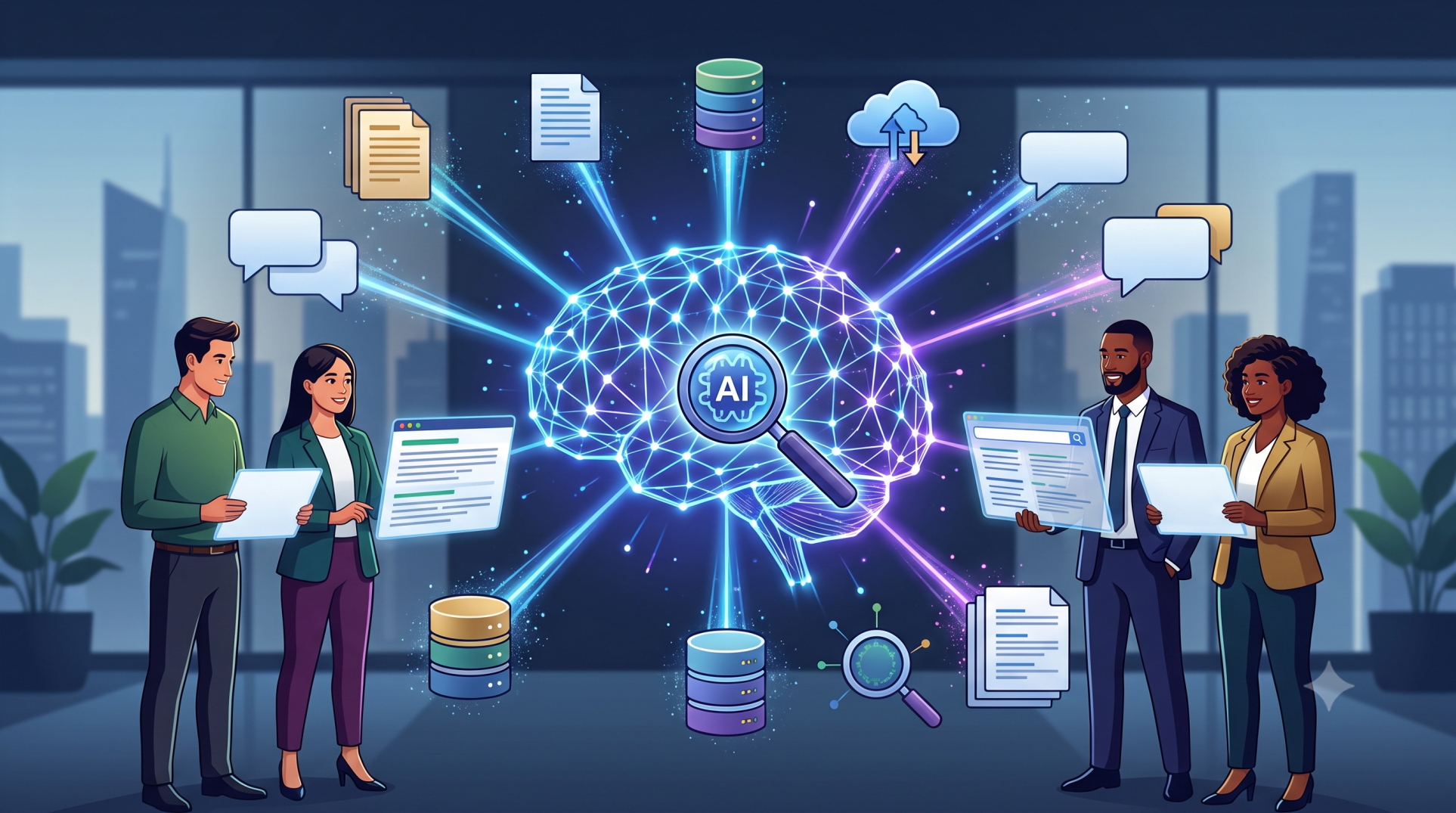
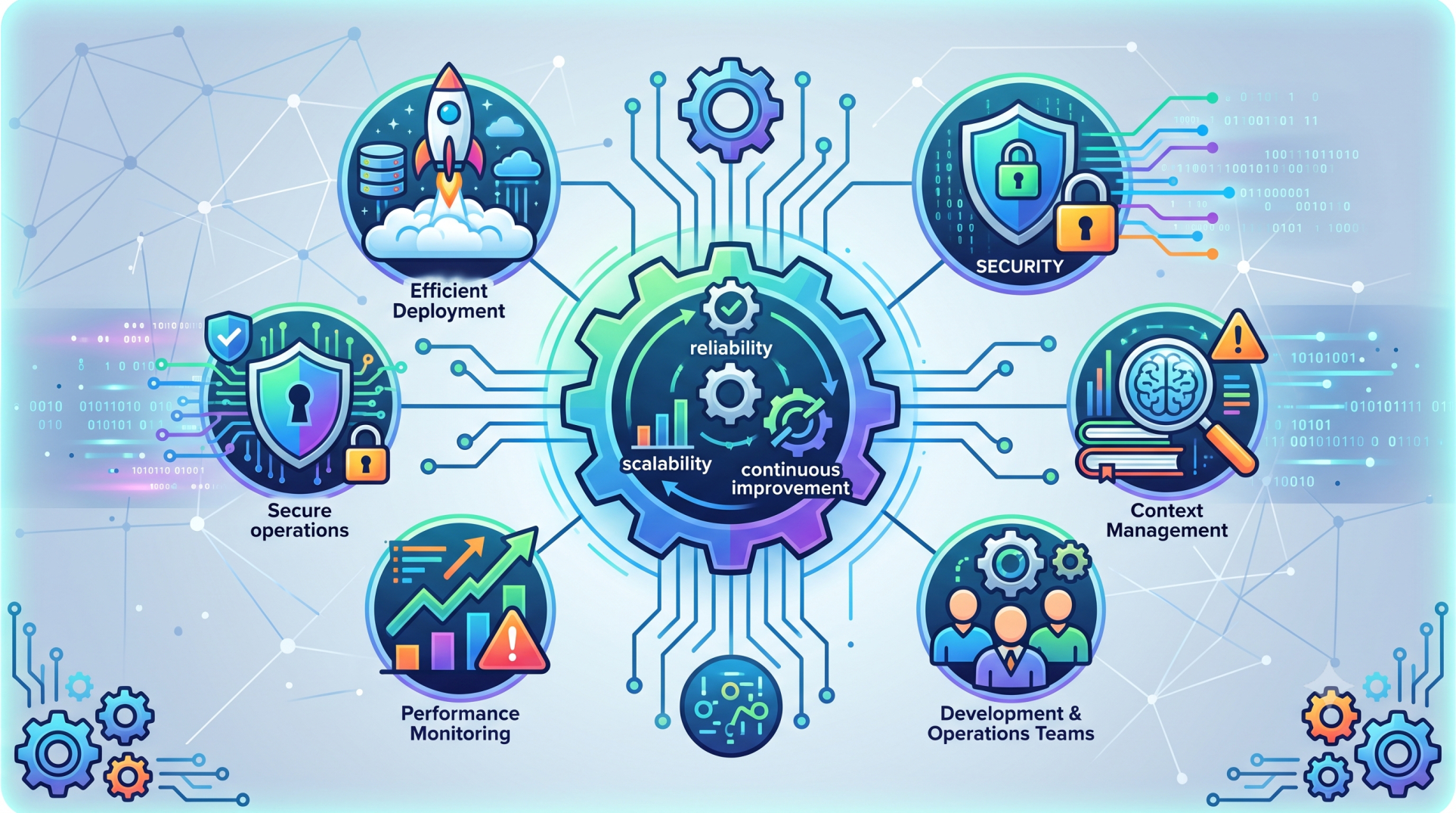
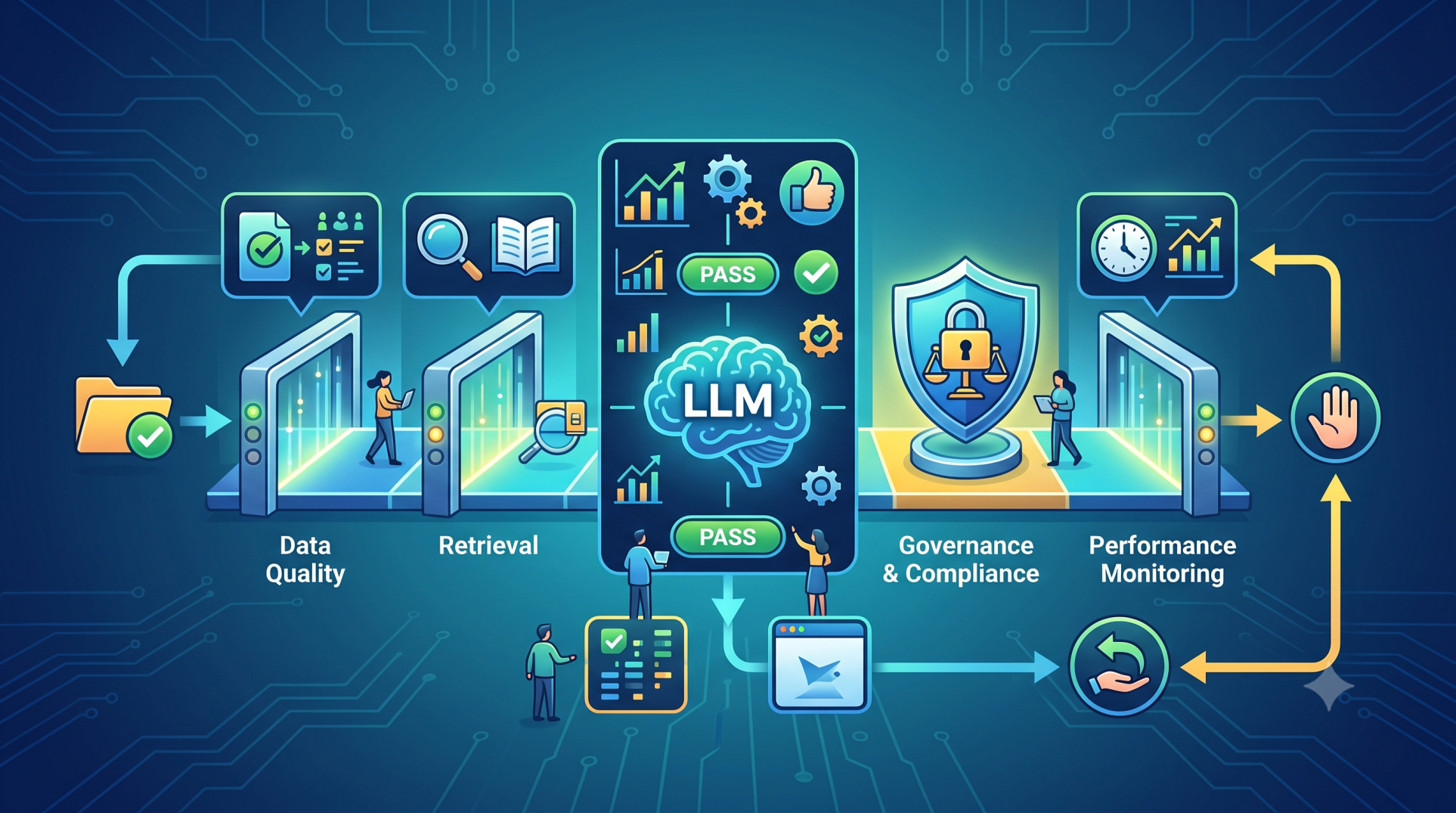
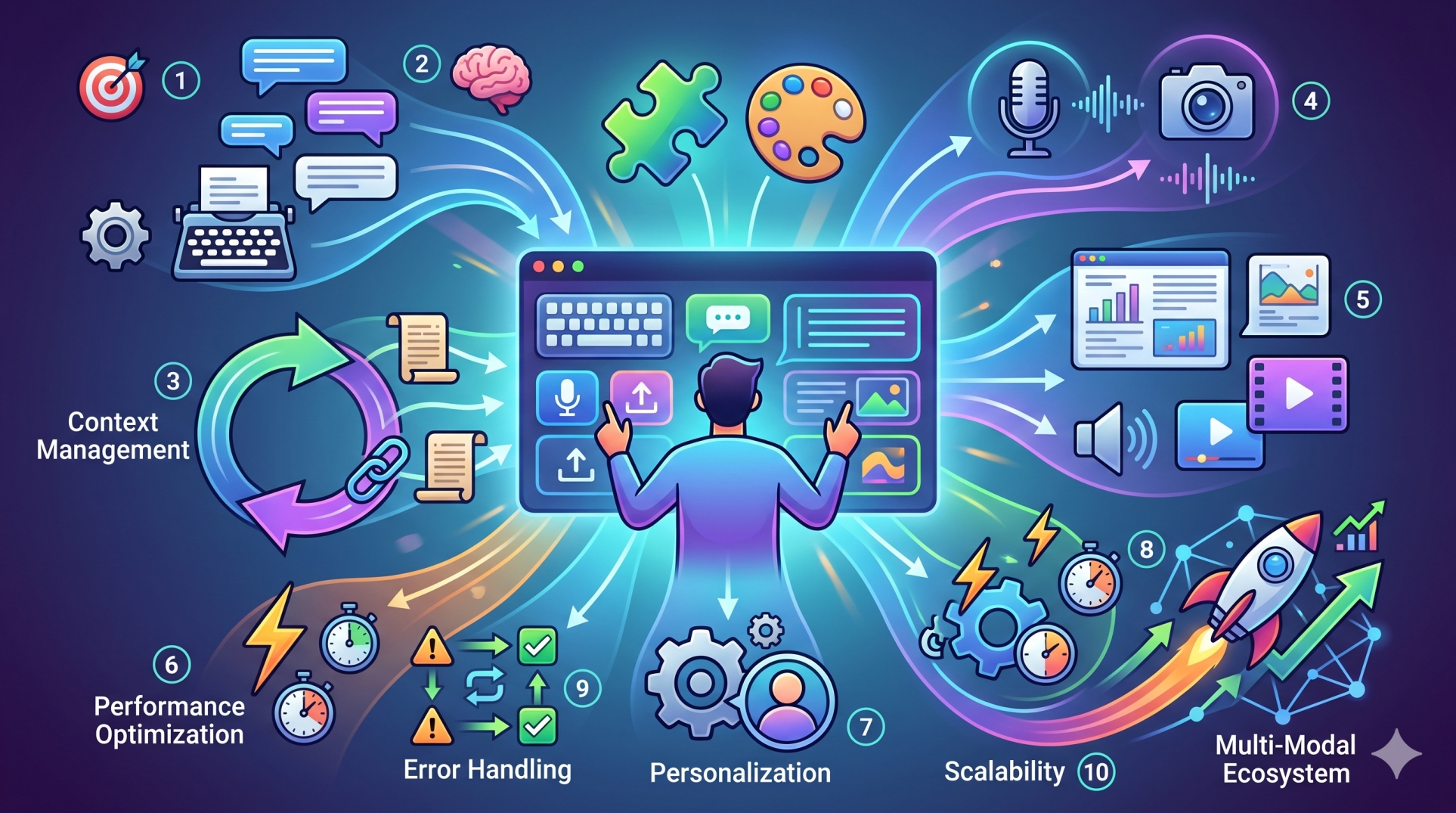
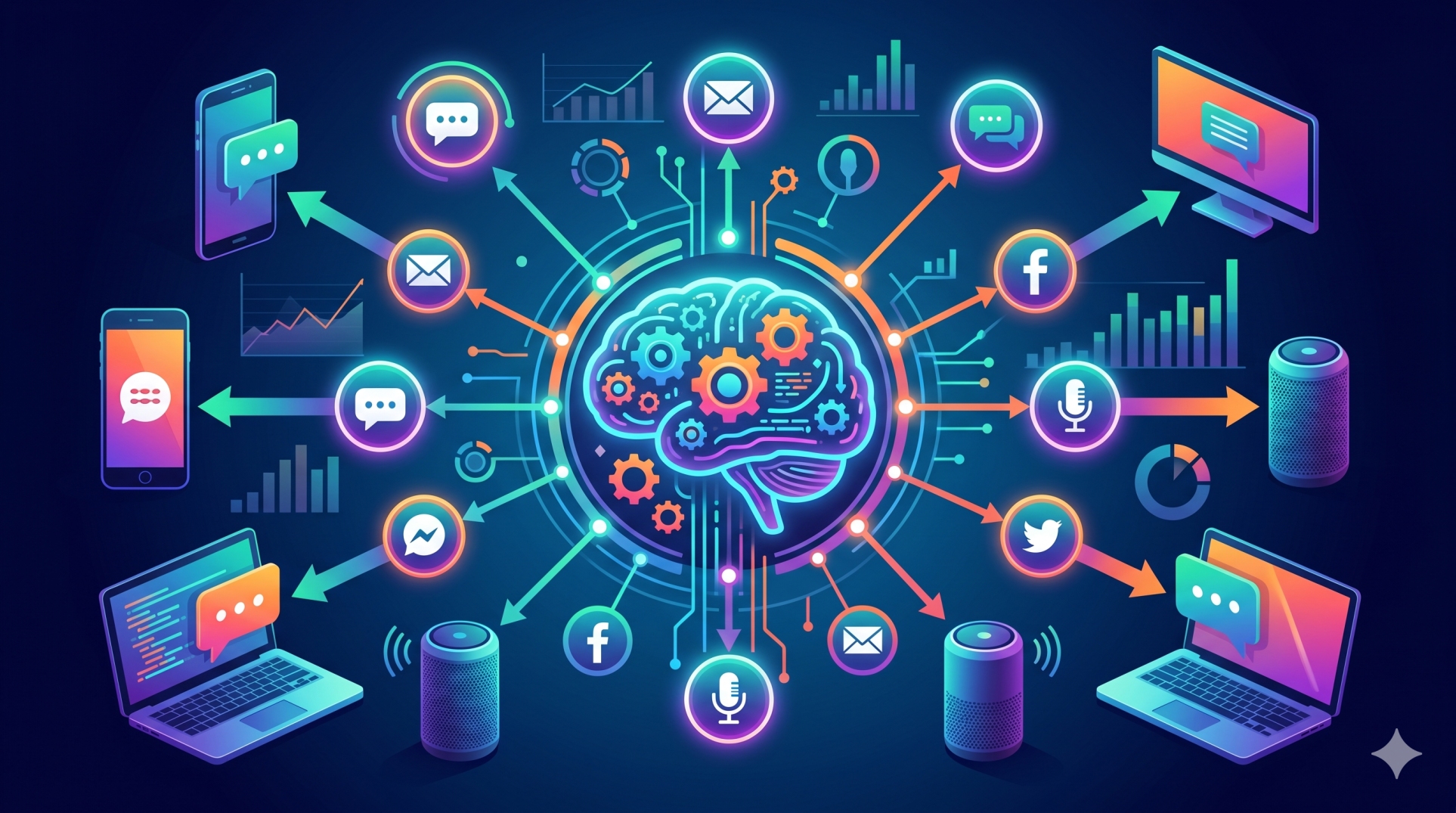
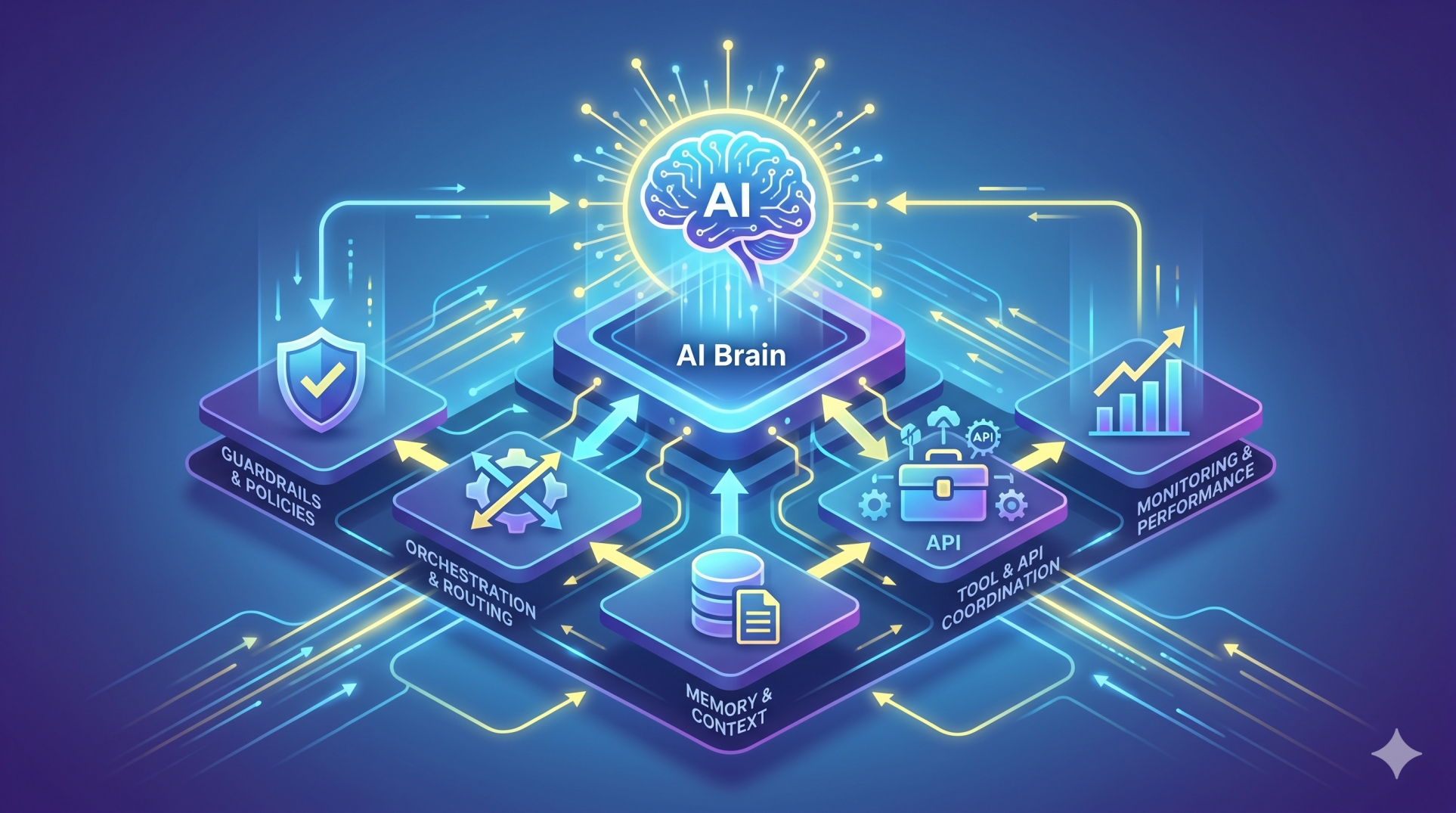
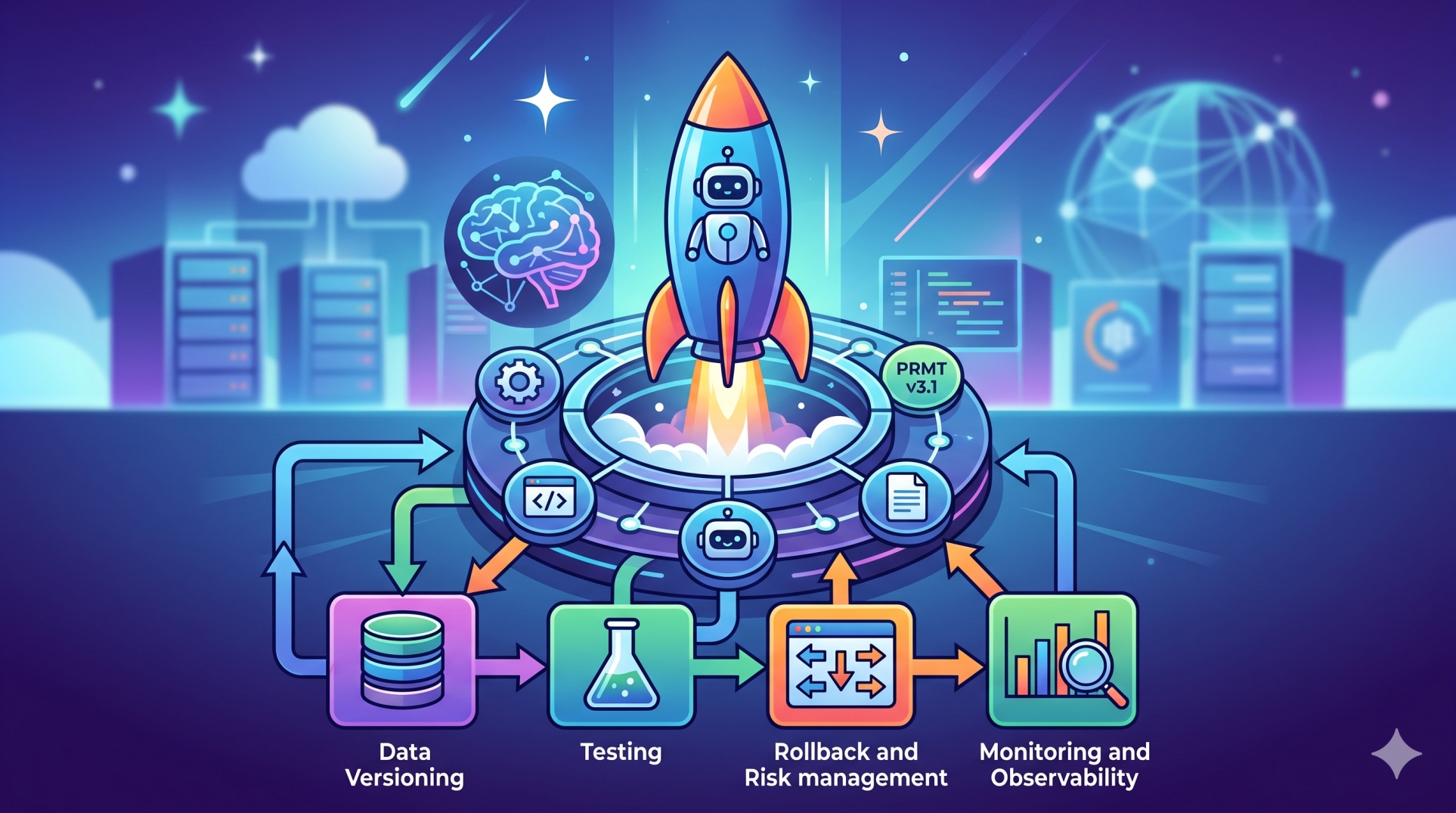
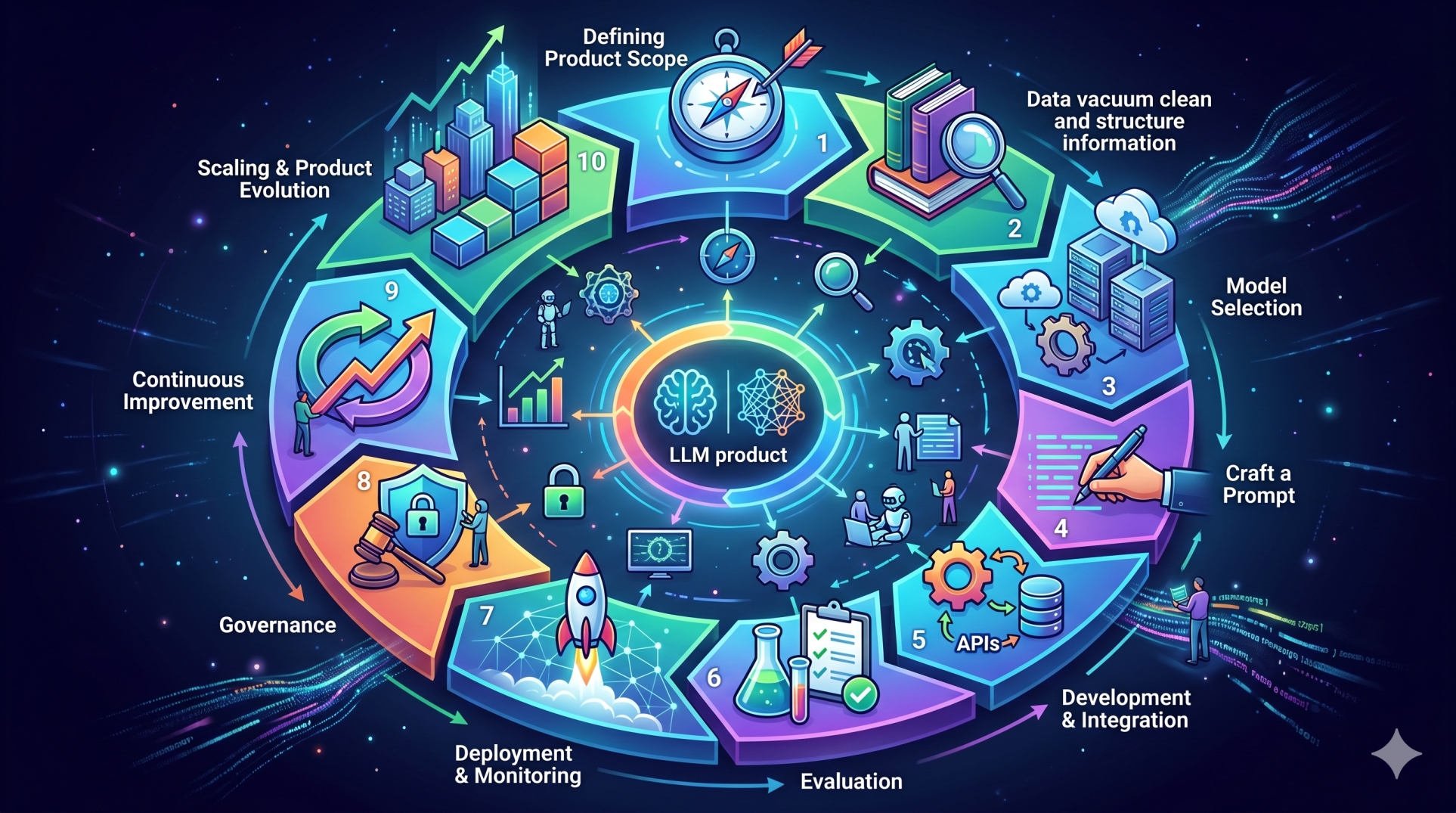
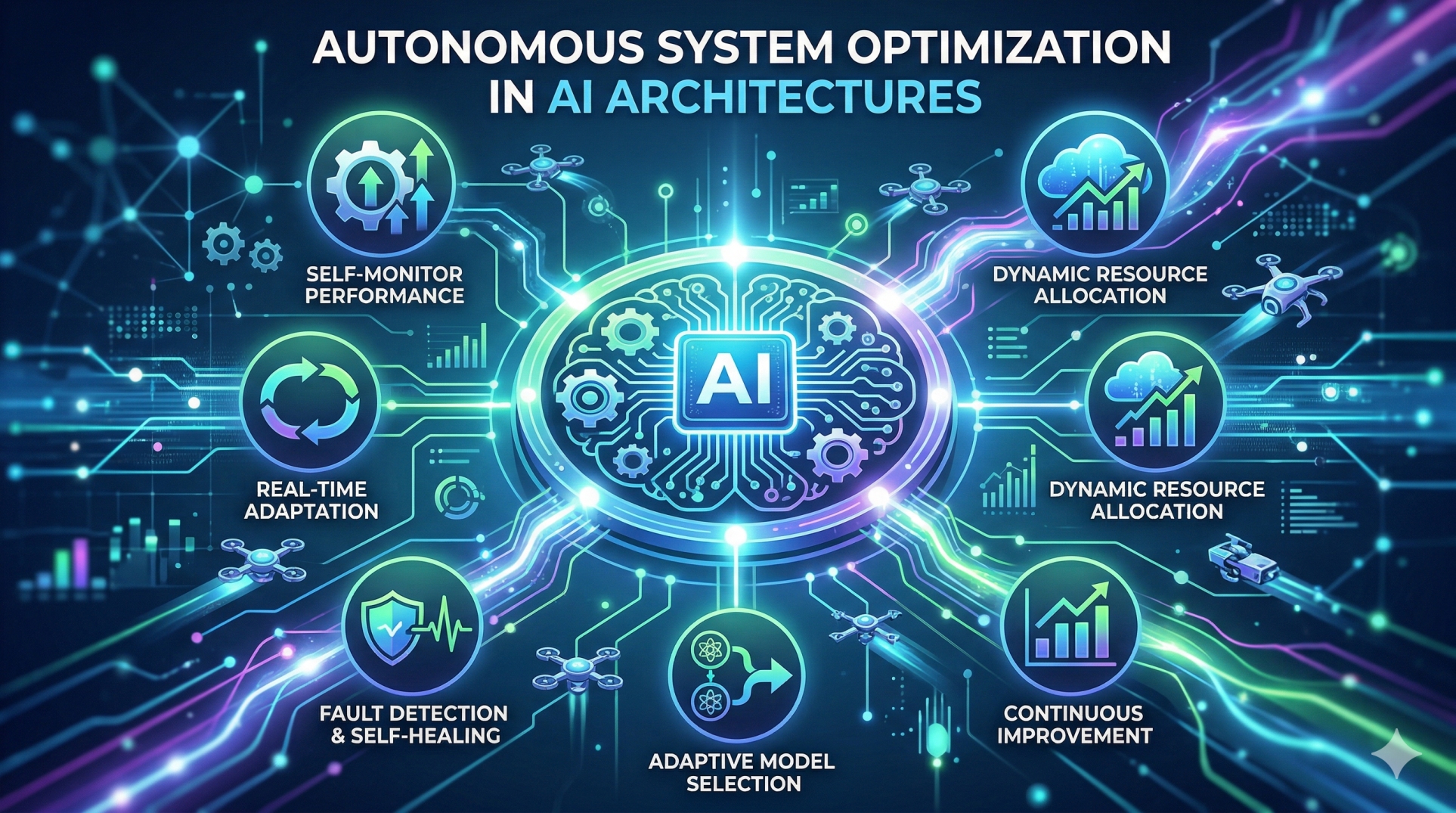
As AI systems evolve from isolated models into complex, production-grade ecosystems, the need for autonomous optimization becomes critical. Modern AI architectures must continuously monitor, adapt, and improve themselves without constant human intervention. Autonomous system optimization enables AI platforms to enhance performance, maintain reliability, and respond dynamically to changing inputs, workloads, and environments.
Step 1: Understanding Autonomous Optimization in AI 🤖
• Enable AI systems to self-monitor performance and behavior 📊
• Allow models to adapt based on real-time data and feedback 🔄
• Reduce dependency on manual tuning and intervention ⚙️
• Support continuous learning and improvement cycles 📈
• Create systems that evolve alongside changing requirements 🚀
Step 2: Real-Time Monitoring and Feedback Loops 🔍
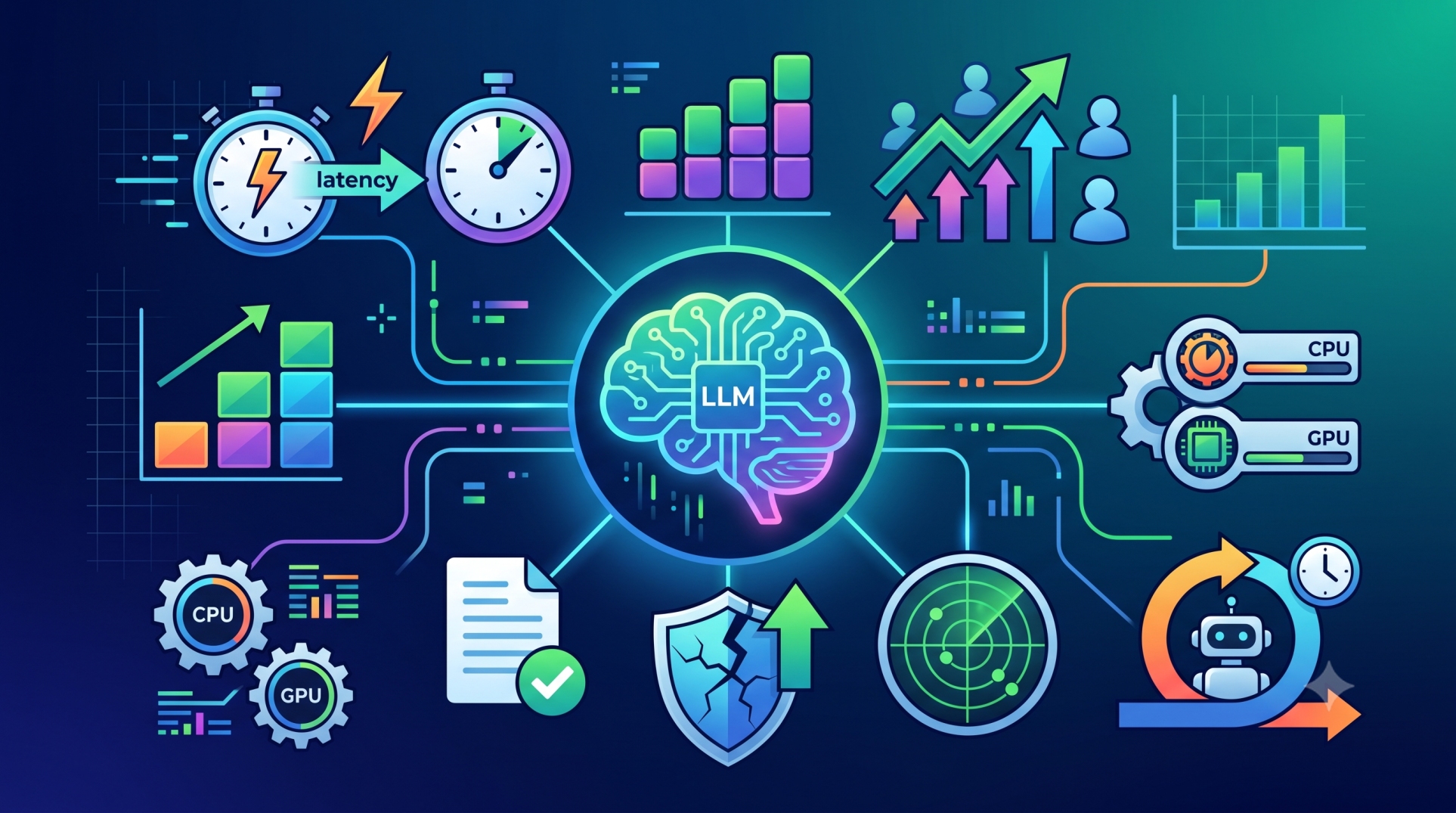
• Track model accuracy, latency, and resource utilization ⏱️
• Collect feedback from user interactions and system outputs 📥
• Identify performance degradation or anomalies early 🚨
• Implement closed-loop systems for continuous optimization 🔄
• Enable rapid response to changing data patterns 📊
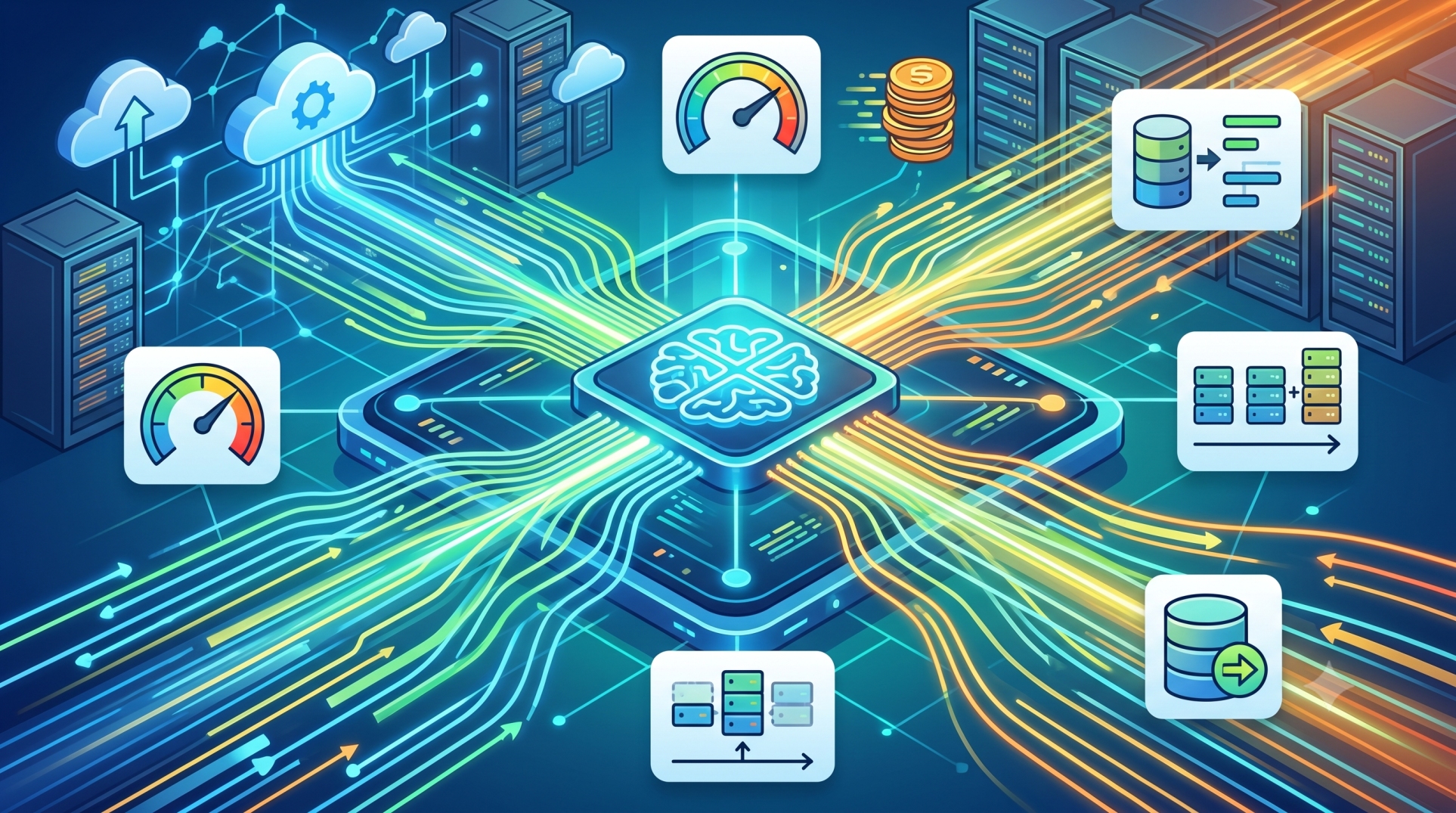
Step 3: Dynamic Resource Allocation ⚡
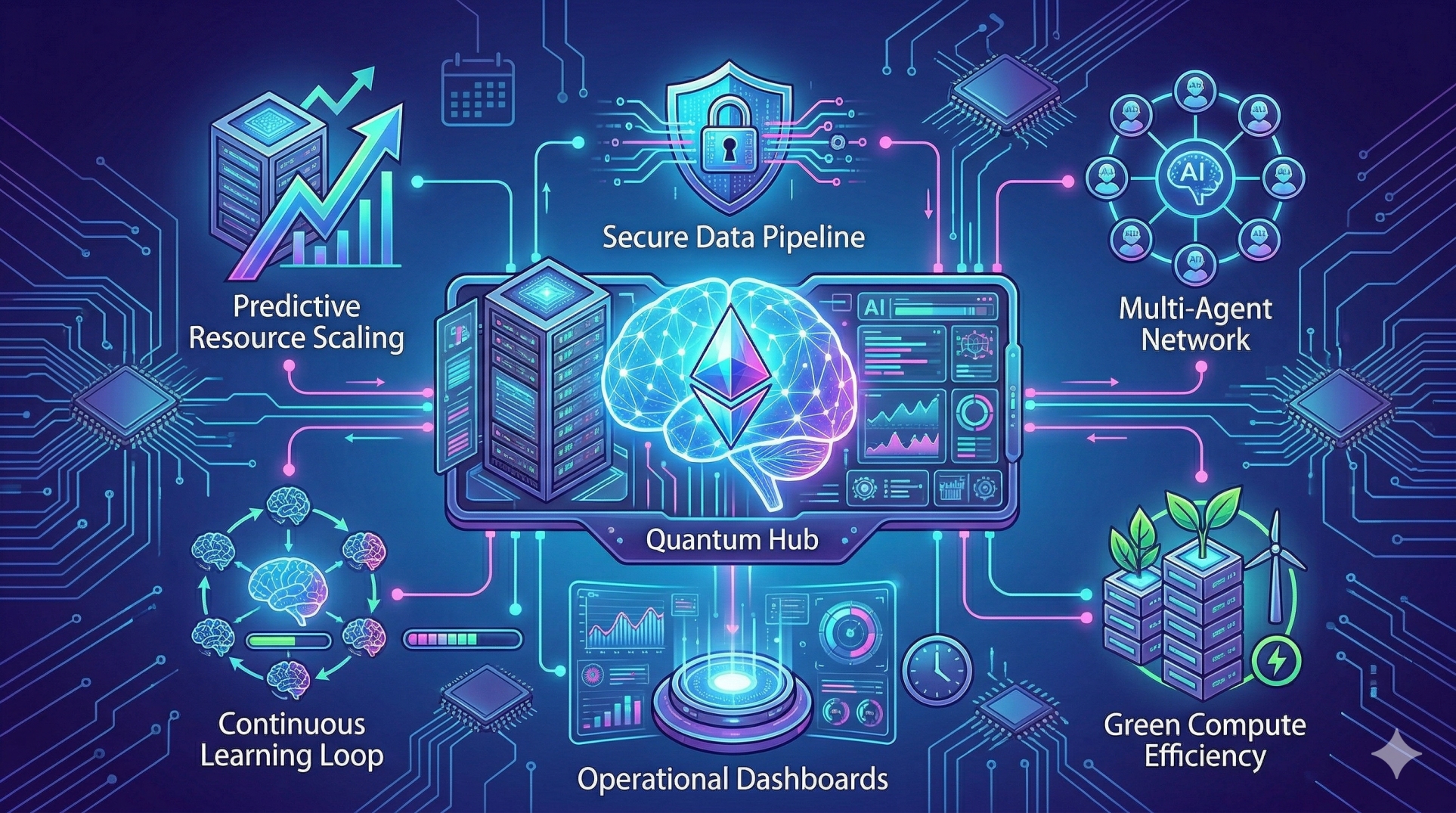
• Allocate compute resources based on workload demands 🖥️
• Scale infrastructure up or down automatically ☁️
• Optimize GPU/CPU utilization for cost and performance 💡
• Prevent bottlenecks during peak usage 📈
• Ensure efficient system performance across environments ⚙️
Step 4: Adaptive Model Selection and Routing 🧠
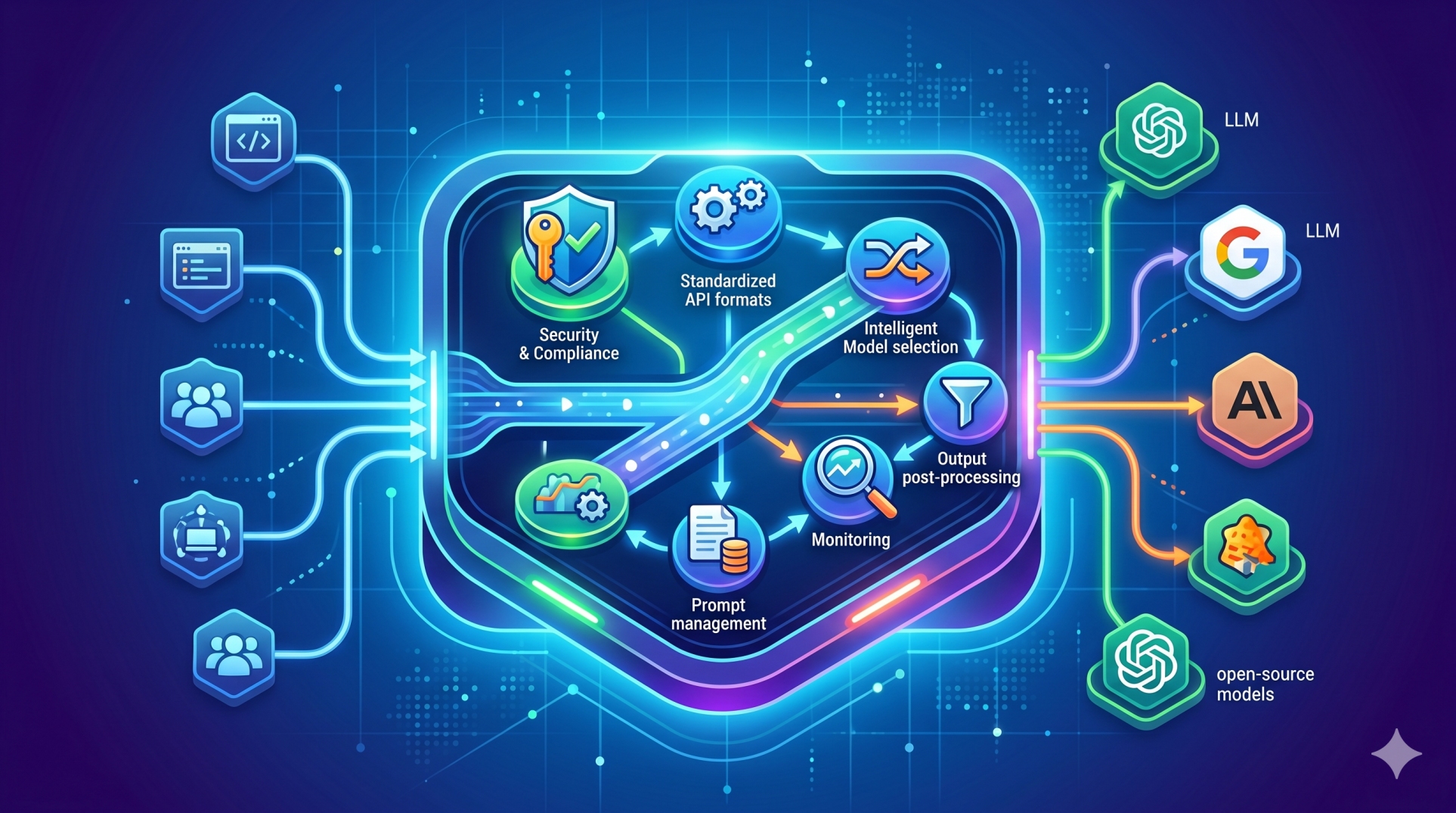
• Route requests to the most suitable models dynamically 🔀
• Use lightweight models for simple tasks and advanced models for complex queries ⚖️
• Optimize response time and accuracy through intelligent selection ⏱️
• Enable multi-model architectures for diverse use cases 🤖
• Continuously refine routing strategies based on performance 📊
Step 5: Continuous Model Evaluation and Tuning 📊
• Evaluate model outputs against defined quality benchmarks 📏
• Detect drift in model performance over time 🔄
• Automatically trigger retraining or fine-tuning processes 🤖
• Use A/B testing to compare model variants 🧪
• Maintain consistent output quality across scenarios 🎯
Step 6: Intelligent Data Pipeline Optimization 🔄
• Optimize data ingestion and preprocessing workflows 📥
• Remove redundant or low-quality data inputs 🚫
• Ensure timely updates of training and inference datasets ⏱️
• Balance data freshness with system stability ⚖️
• Improve overall pipeline efficiency and reliability 📊
Step 7: Fault Detection and Self-Healing Systems 🛠️
• Detect system failures and anomalies automatically 🚨
• Trigger corrective actions without human intervention 🔄
• Reroute tasks when components fail or degrade ⚙️
• Maintain system uptime and reliability 🛡️
• Enable resilient AI infrastructure across distributed environments 🌐
Step 8: Key Optimization Priorities 📌
• Continuous performance improvement 📈
• Real-time adaptability to changing conditions 🔄
• Efficient use of computational resources ⚡
• High system reliability and resilience 🛡️
Step 9: Managing Trade-offs and Constraints ⚖️
• Balance accuracy, latency, and cost in optimization decisions 💰
• Avoid overfitting through controlled adaptation strategies 🧠
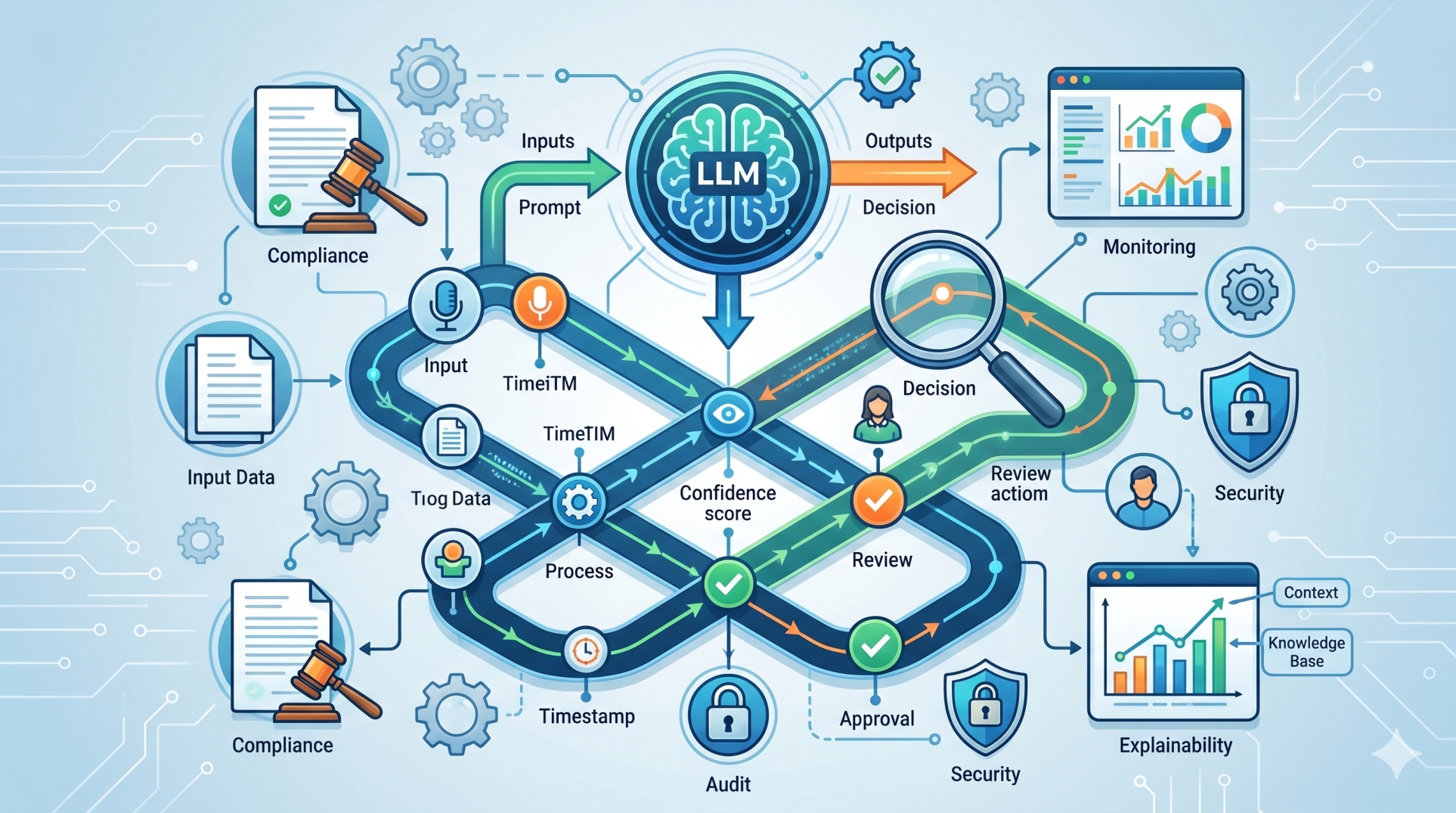
• Ensure transparency in automated decision-making 🔍
• Maintain ethical considerations in autonomous systems 📜
• Align optimization goals with business objectives 🎯
Step 10: Building Self-Optimizing AI Ecosystems 🚀
• Design architectures that support continuous evolution 🔄
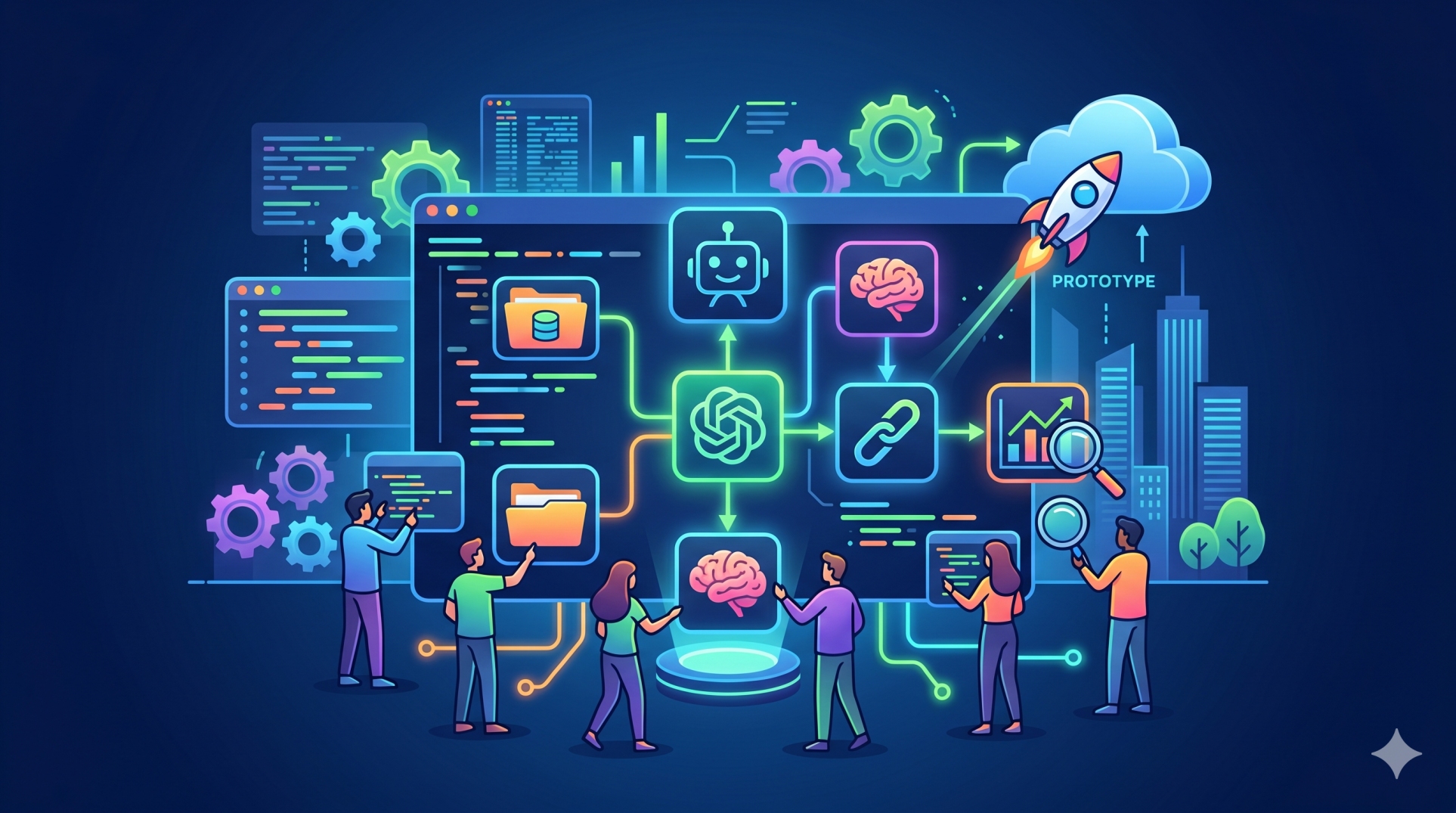
• Integrate orchestration layers for system-wide optimization 🧩
• Enable interoperability across models and services 🔗
• Foster modular and scalable system design 🏗️
• Prepare systems for long-term adaptability and growth 📈
Conclusion
Autonomous system optimization is a cornerstone of modern AI architectures, enabling systems to operate efficiently, adapt dynamically, and improve continuously. By embedding intelligence into monitoring, decision-making, and resource management processes, organizations can build AI platforms that are not only high-performing but also resilient and future-ready. As AI adoption grows, self-optimizing systems will become essential for maintaining competitive advantage in complex, data-driven environments.
See more blogs
You can all the articles below