Building Control Layers for Complex LLM Interactions
Building Control Layers for Complex LLM Interactions
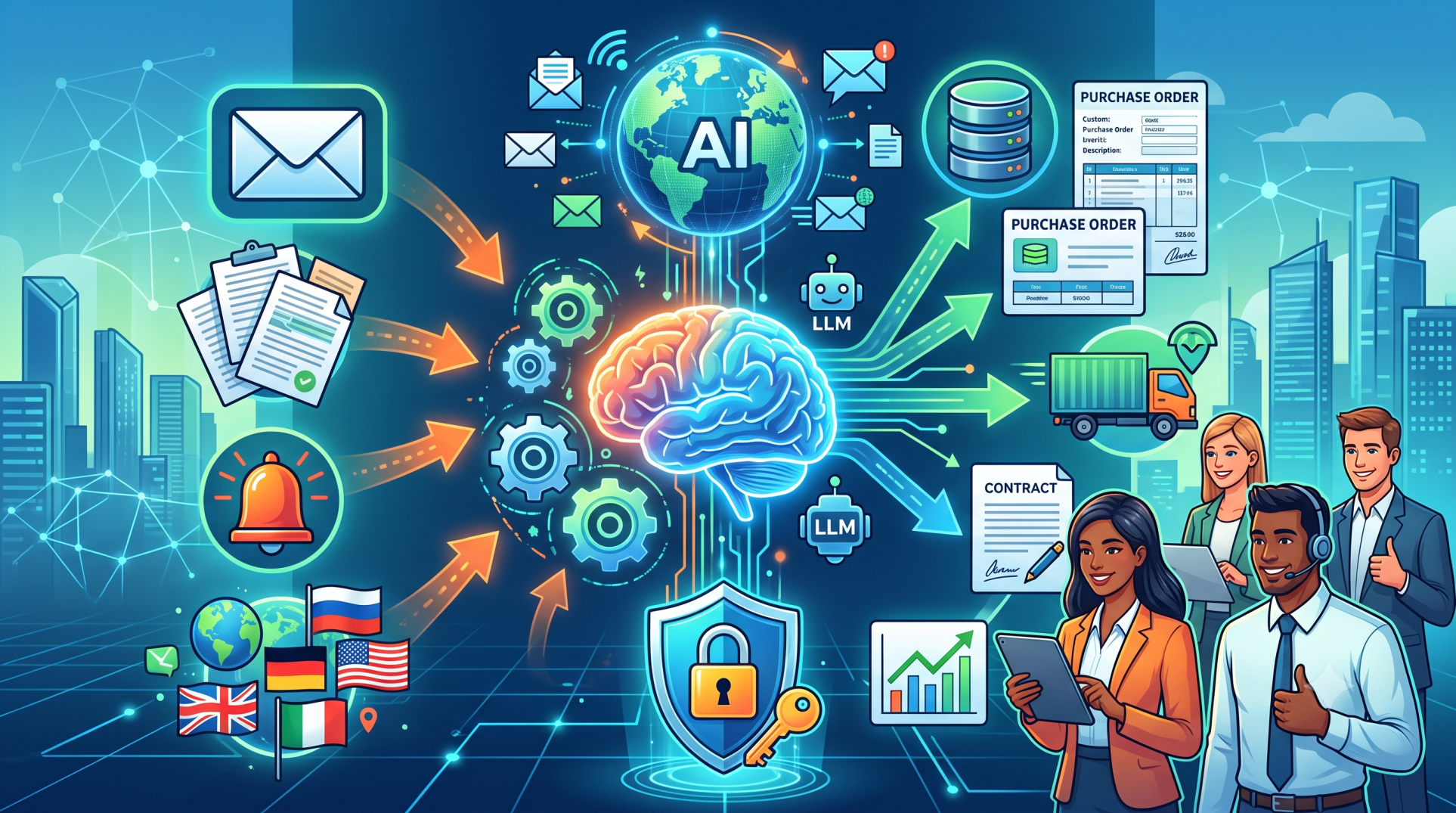
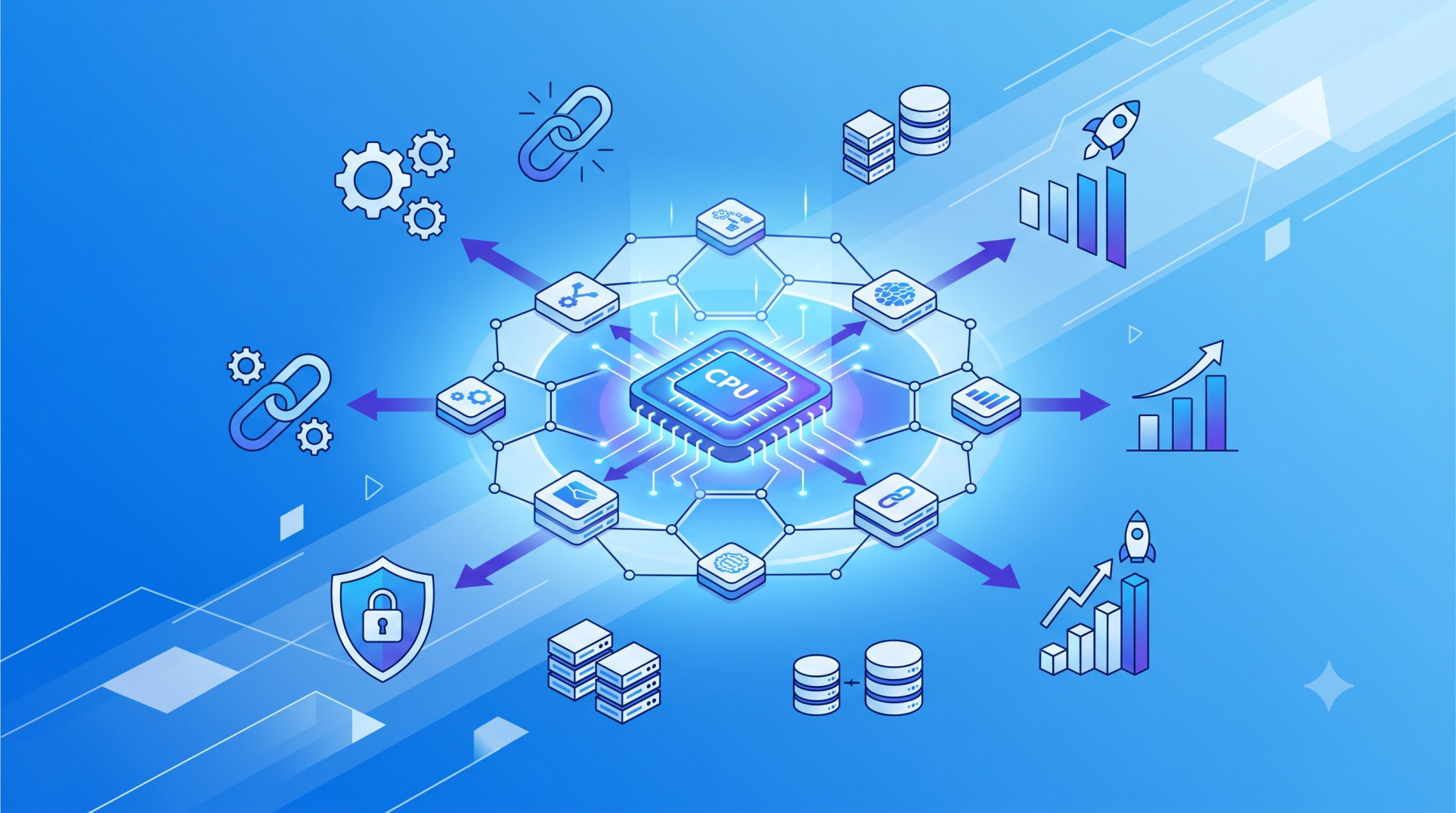
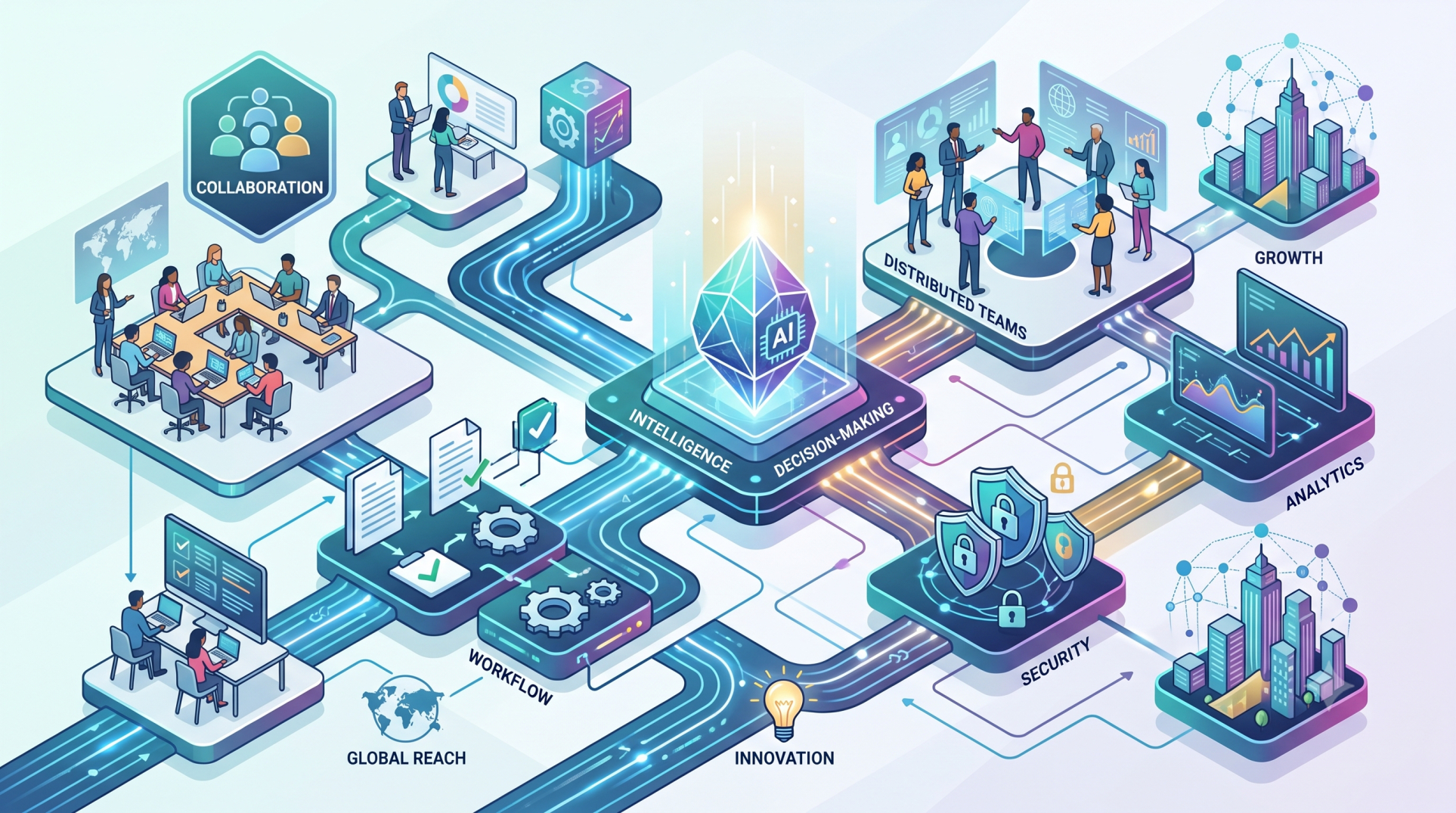
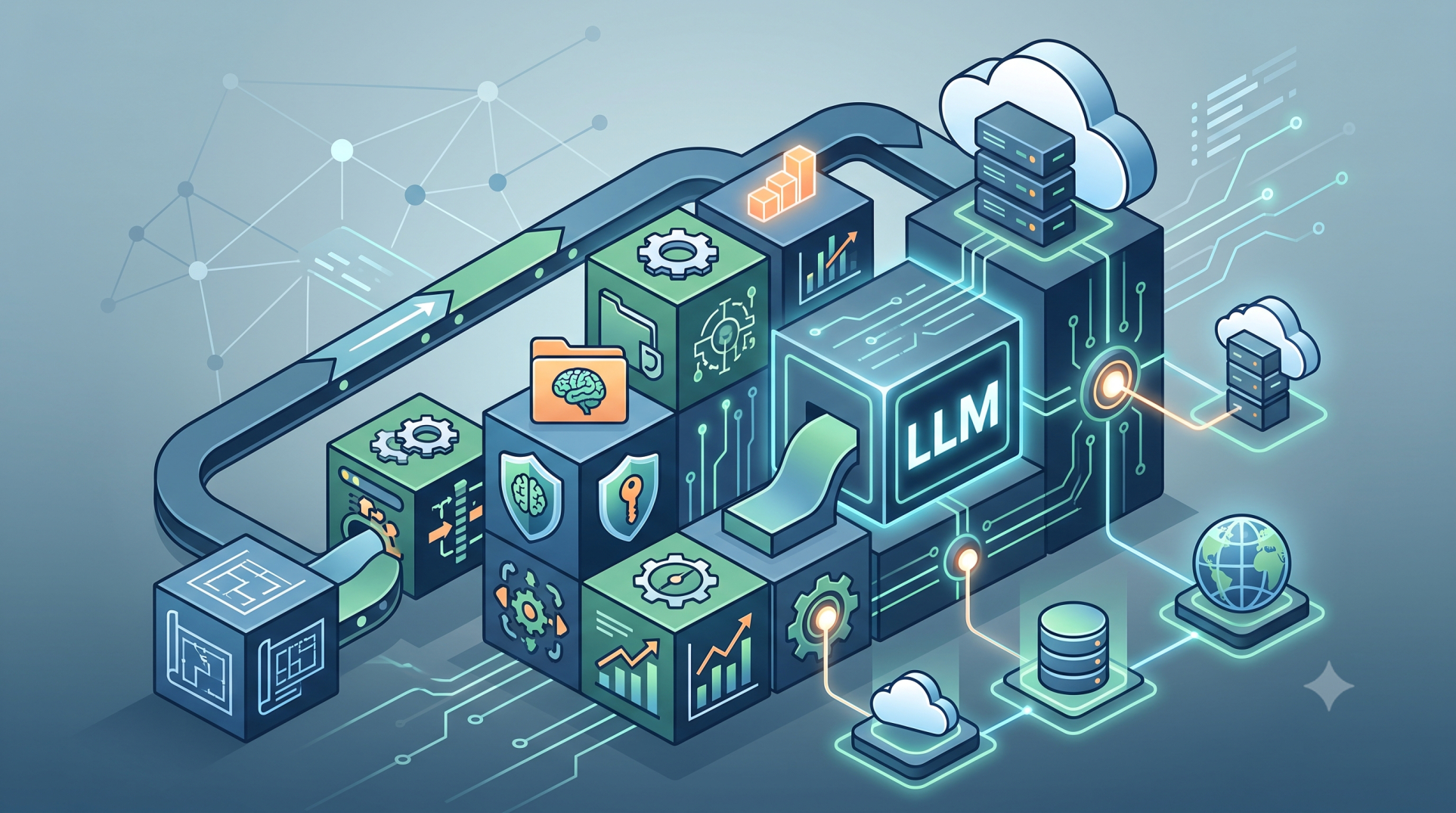
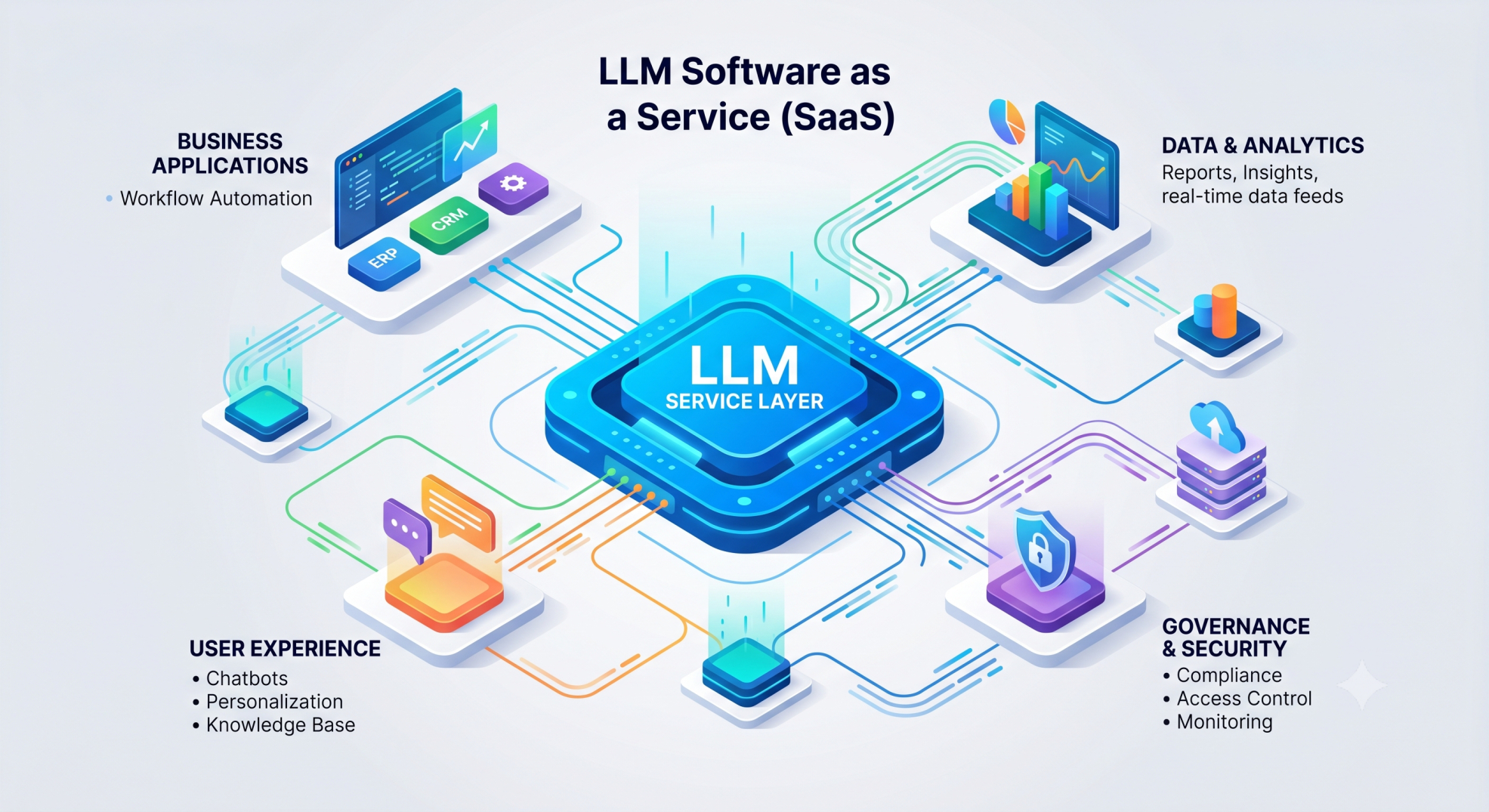
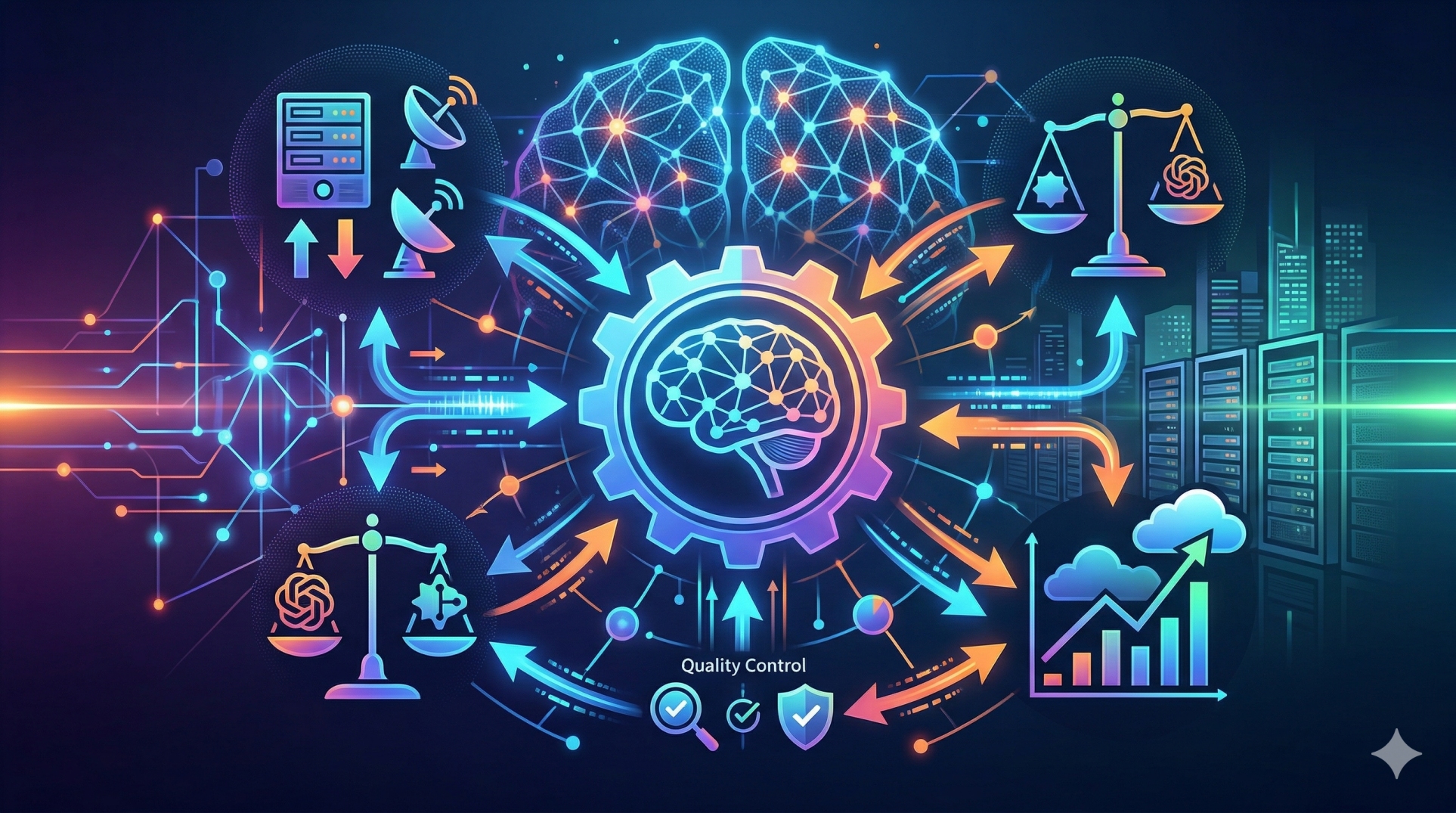
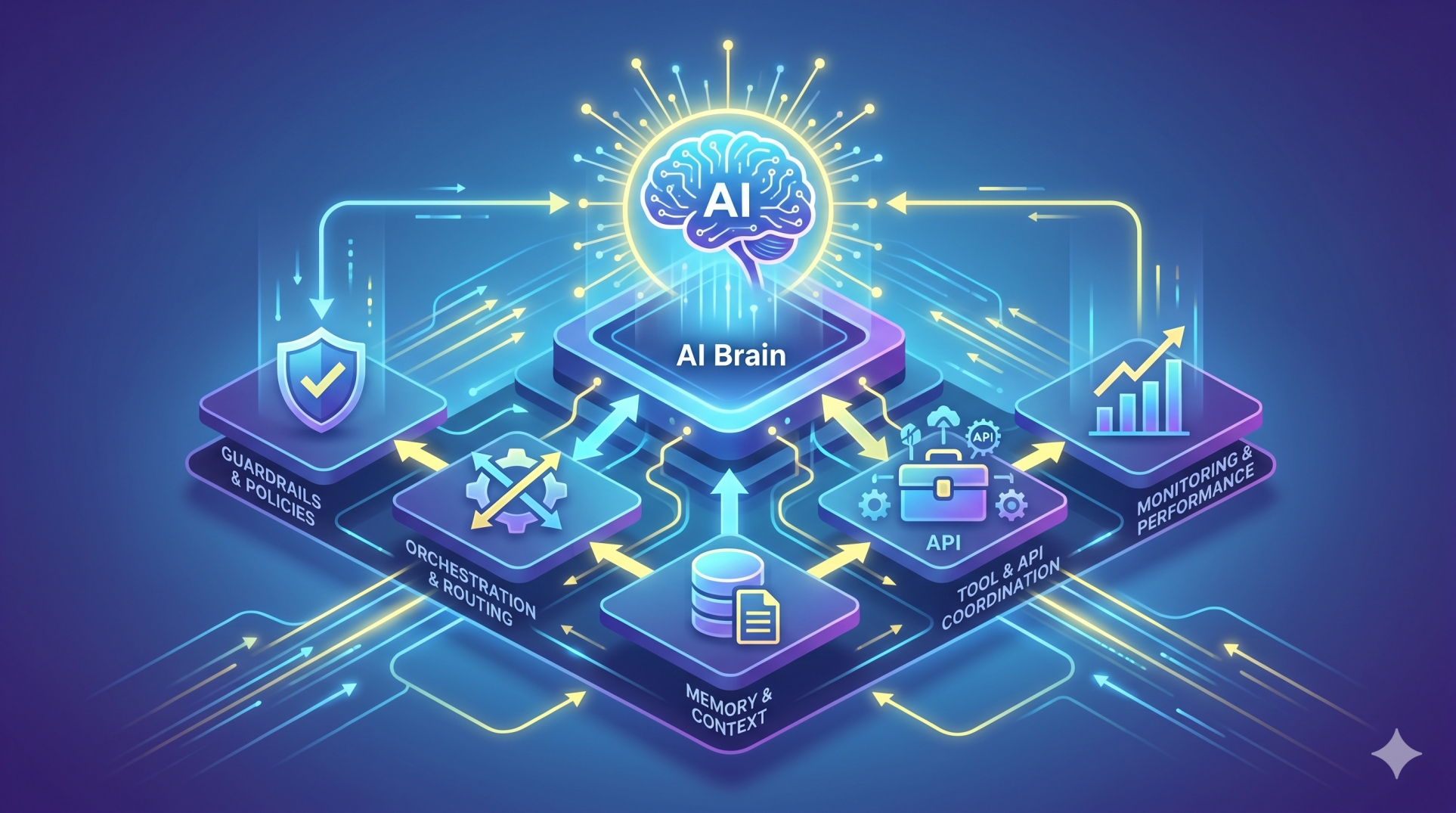
As Large Language Model (LLM) systems become more advanced, managing complex interactions requires more than strong model outputs alone. Organizations need control layers that guide behavior, enforce rules, manage workflows, and ensure reliable responses across multi-step tasks. Well-designed control layers improve consistency, safety, scalability, and operational performance in production AI environments.
Step 1: Defining the Role of Control Layers 🧠
• Establish governance between user requests and model responses 🧭
• Control how prompts, tools, and workflows are executed ⚙️
• Enforce business logic across complex interactions 📌
• Improve reliability in multi-step reasoning tasks 🔄
• Create structured orchestration for scalable AI systems 🚀
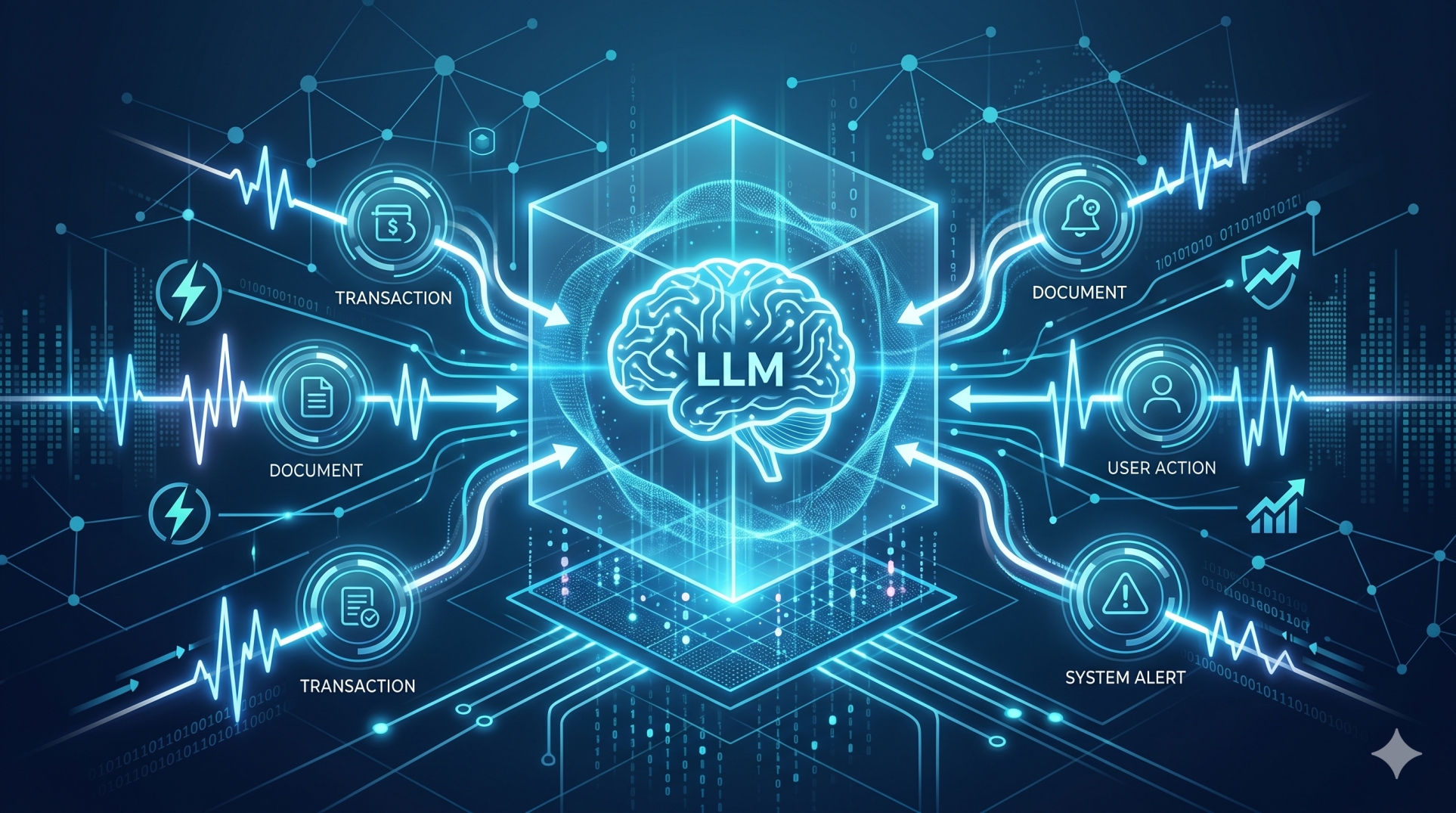
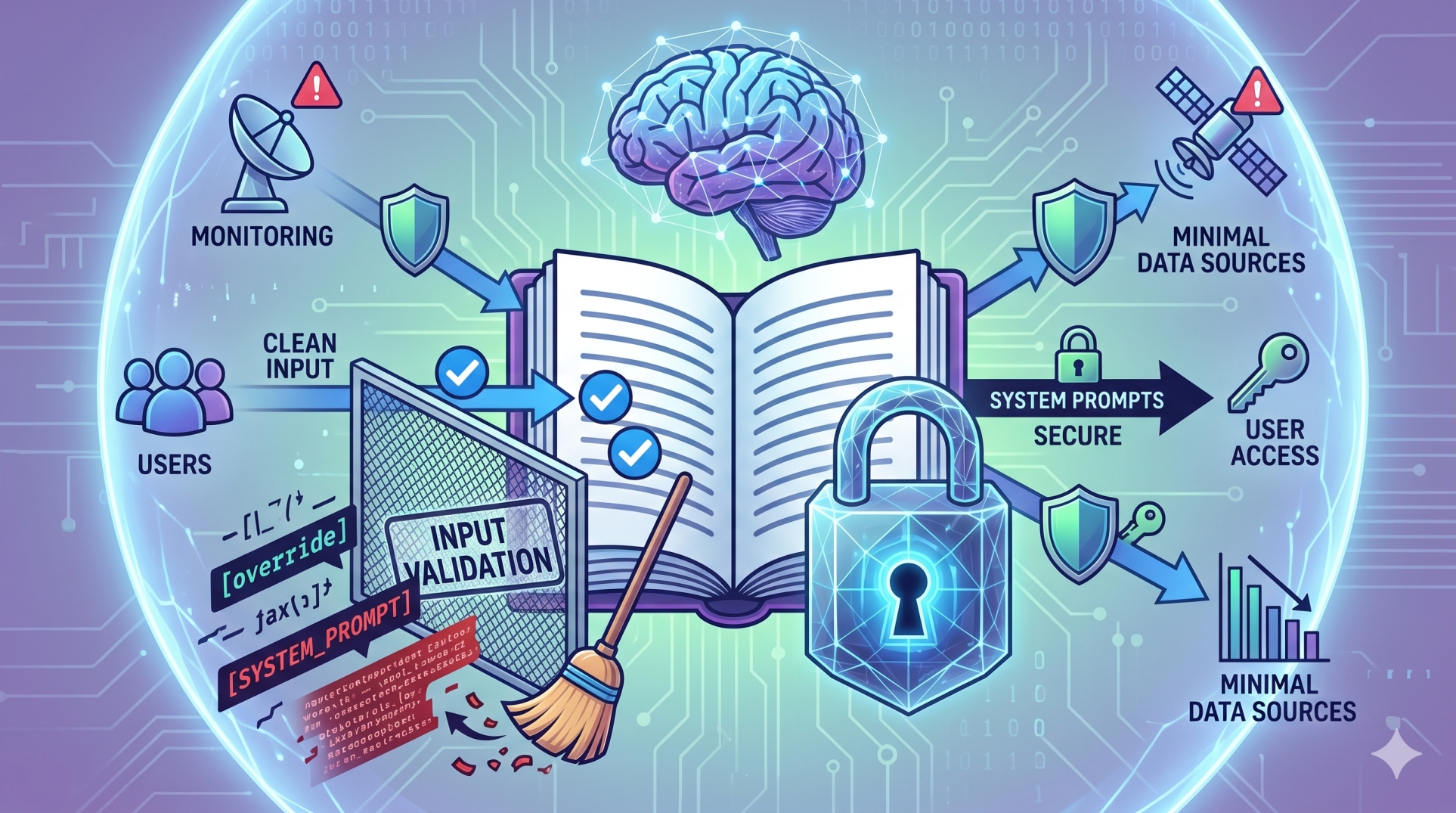
Step 2: Managing Input Validation and Routing 📥
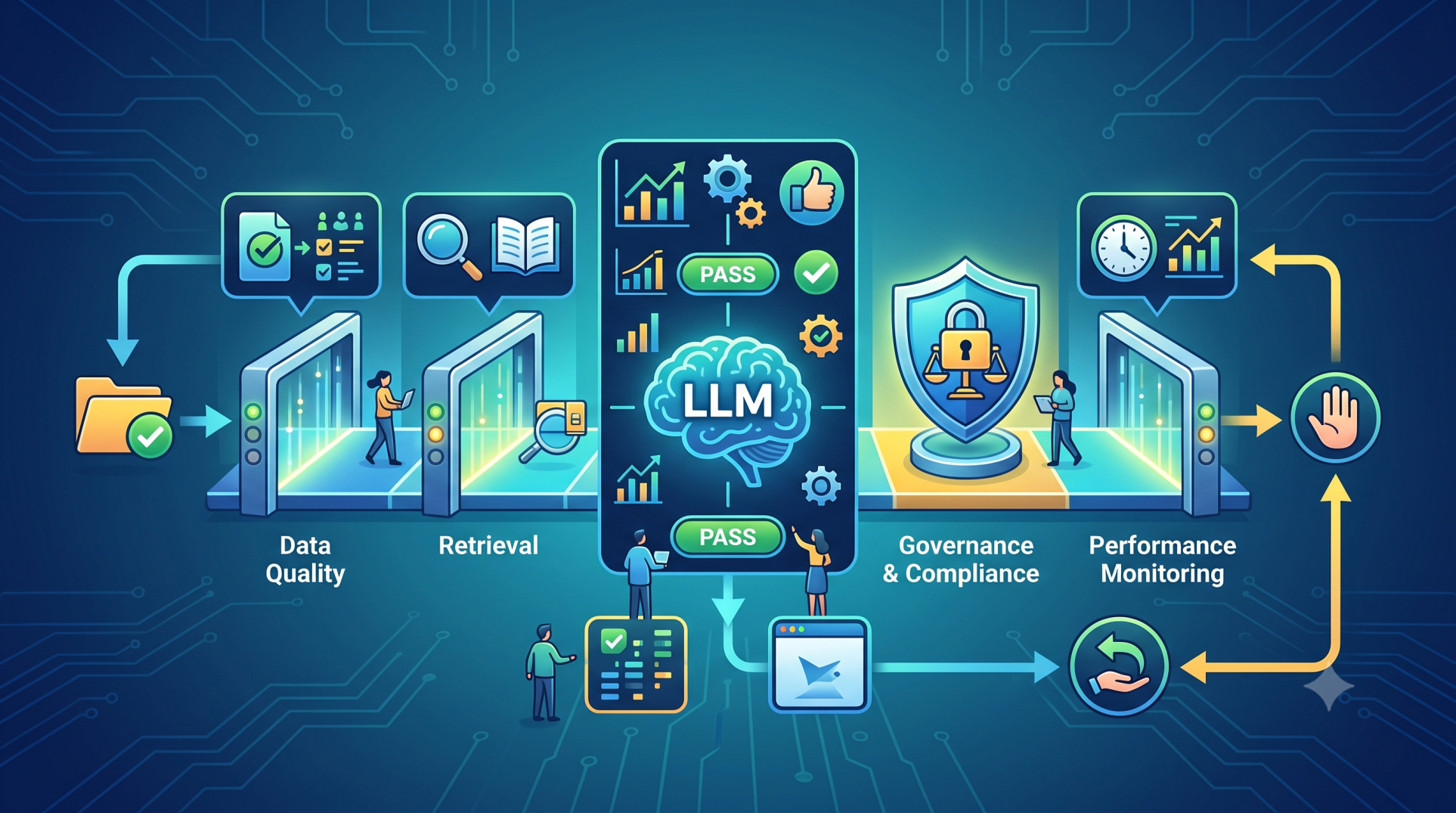
• Validate incoming requests before sending them to models ✅
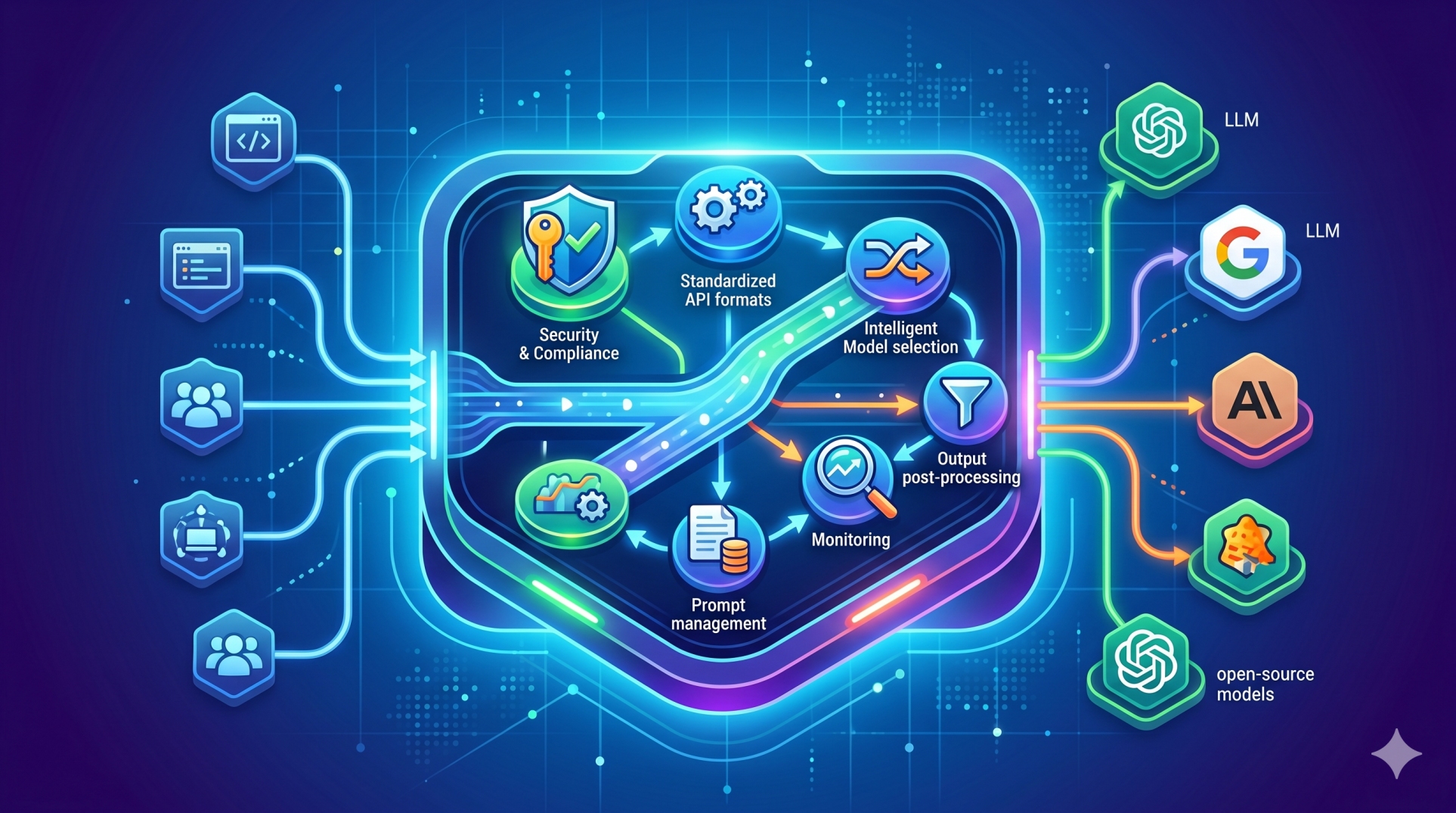
• Detect intent and route tasks to the correct workflow 🔀
• Filter incomplete, unsafe, or unsupported inputs 🛡️
• Classify requests based on priority or complexity 📊
• Reduce unnecessary model usage through smart routing ⚡
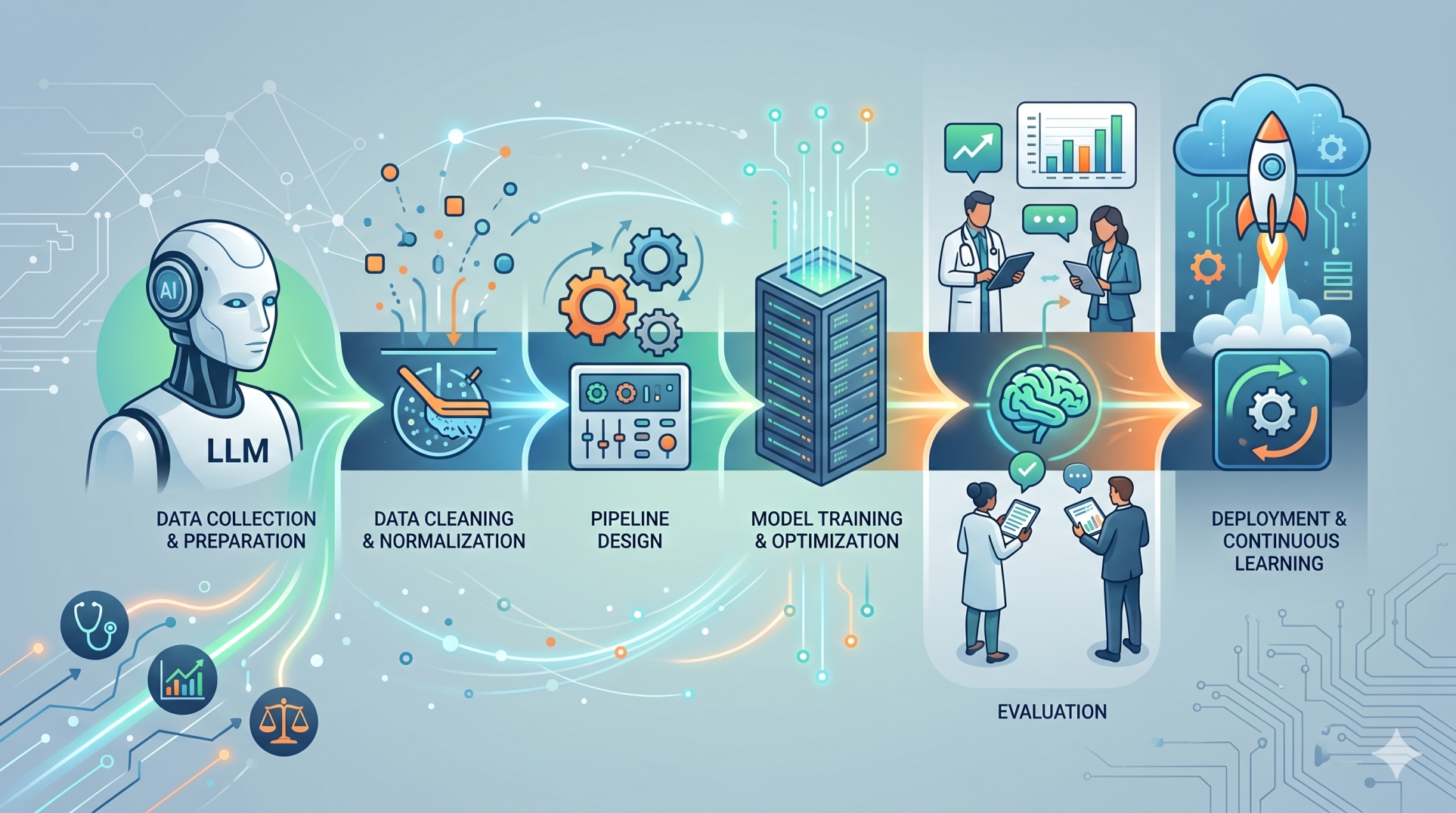
Step 3: Orchestrating Multi-Step Workflows 🔗
• Break complex requests into manageable task sequences 🧩
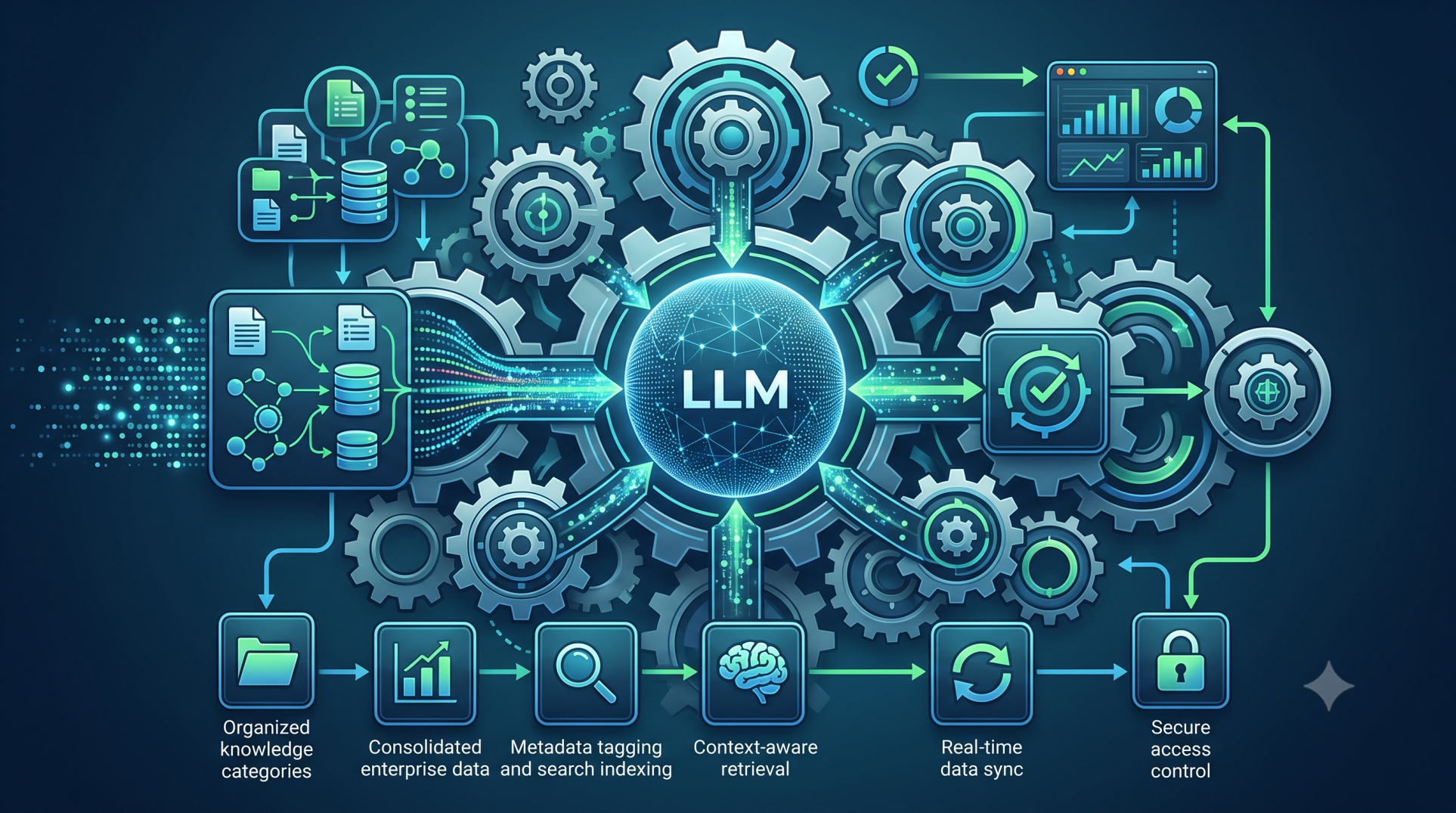
• Coordinate model calls, APIs, and external tools seamlessly 🔄
• Maintain logic across chained interactions 📌
• Trigger follow-up actions based on previous outputs ▶️
• Improve execution accuracy for advanced use cases 🎯
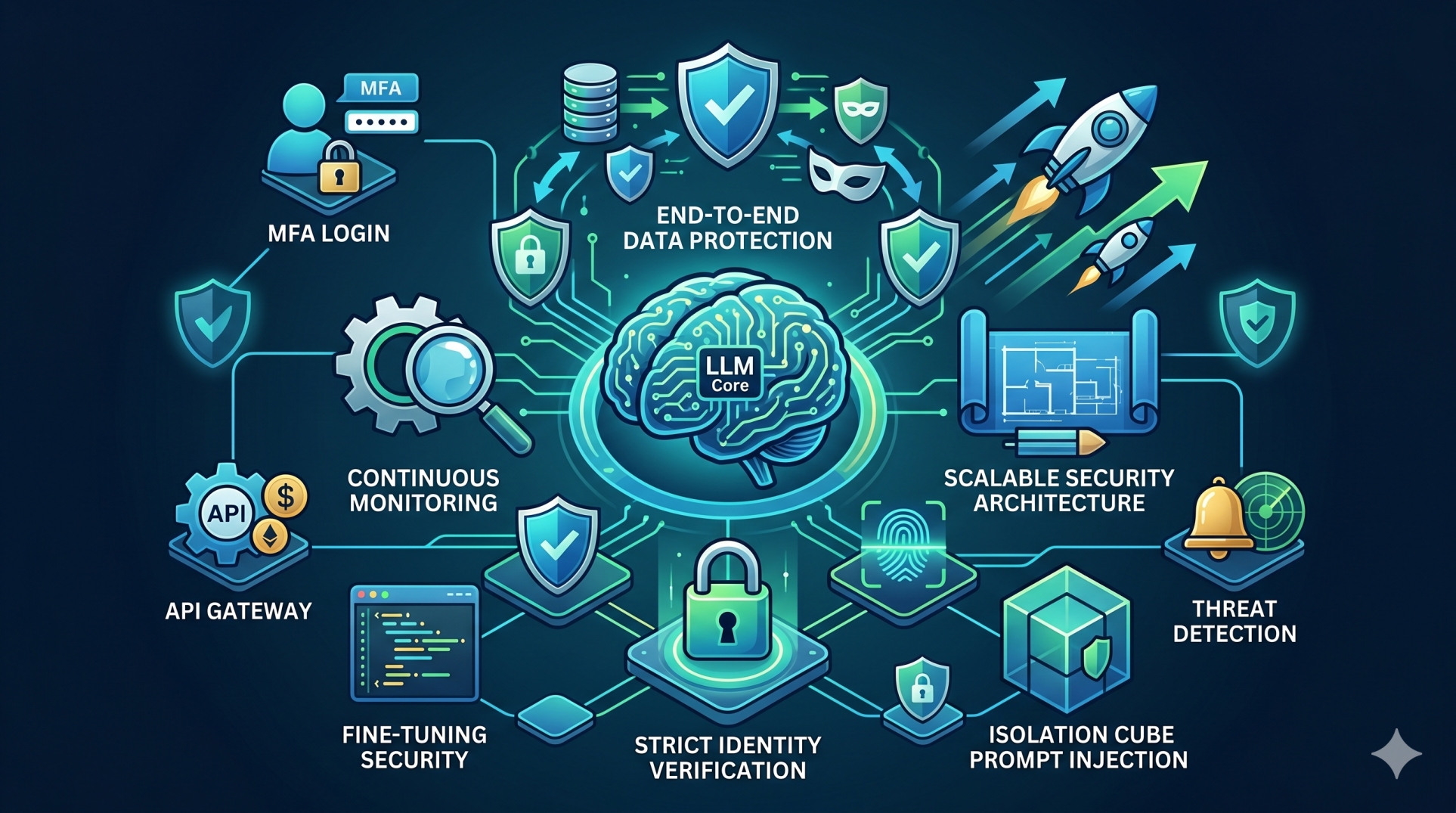
Step 4: Enforcing Policies and Guardrails 🔐
• Apply safety rules before and after model generation 🛡️
• Block restricted or non-compliant outputs 🚫
• Enforce tone, formatting, and brand standards ✍️
• Ensure responses align with organizational policies 📜
• Reduce operational risk in production environments ⚠️
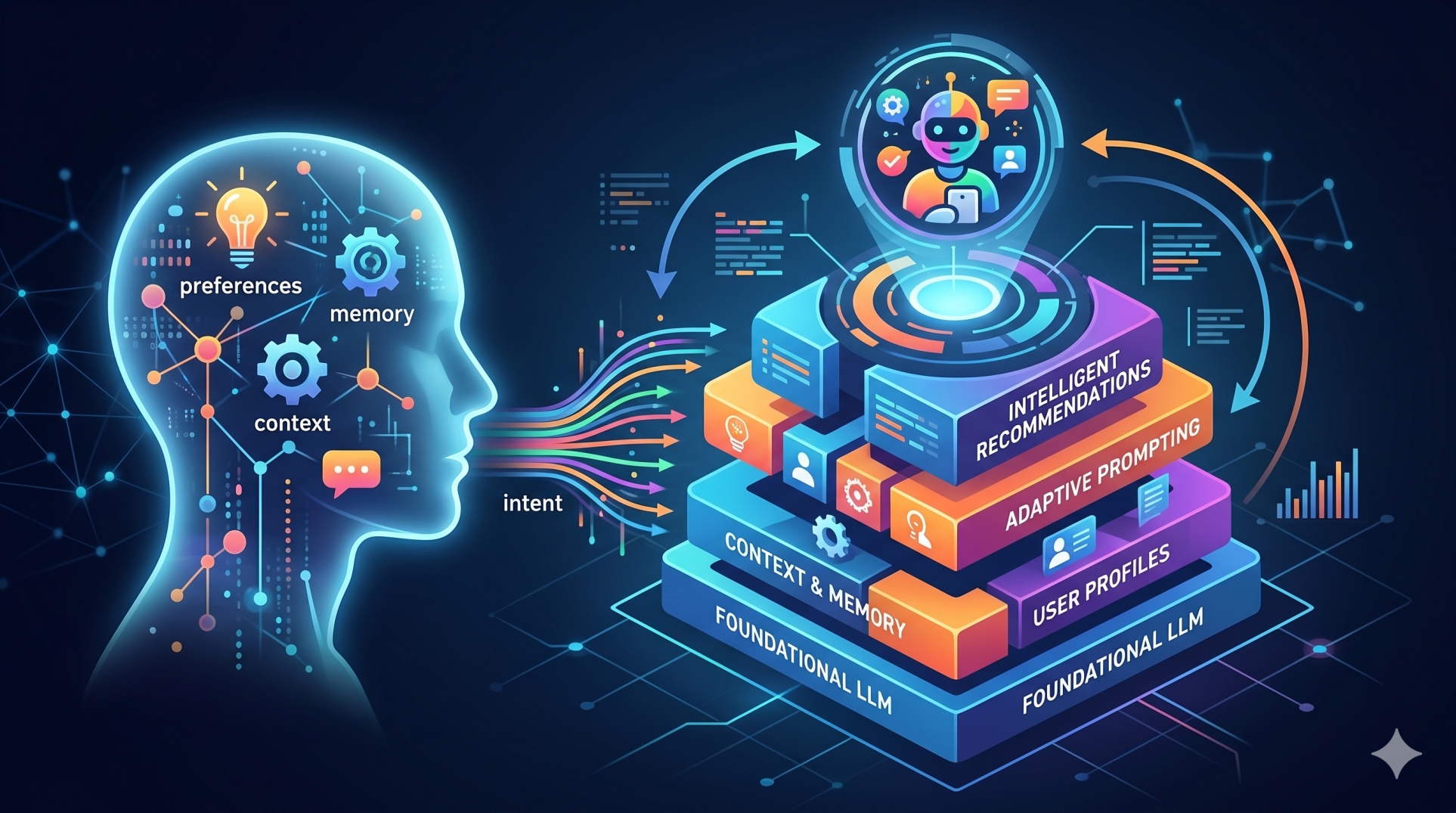
Step 5: Managing Memory and Context 🧾
• Track relevant conversation history across sessions 📚
• Store structured memory for recurring workflows 💾
• Control context windows for efficiency ⚡
• Prioritize important information during long interactions 🎯
• Improve personalization and continuity for users 🤝
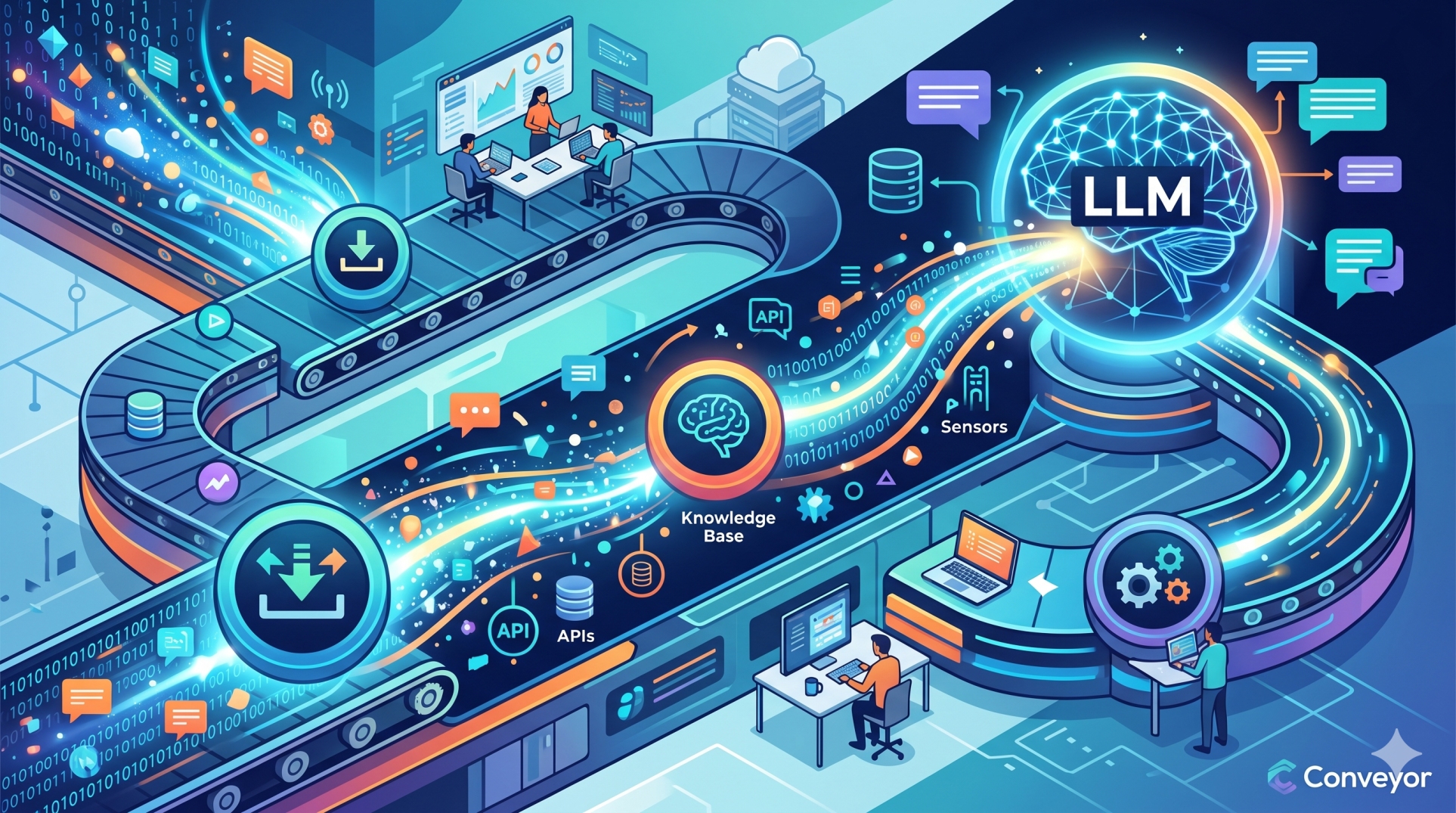
Step 6: Tool and API Coordination 🔧
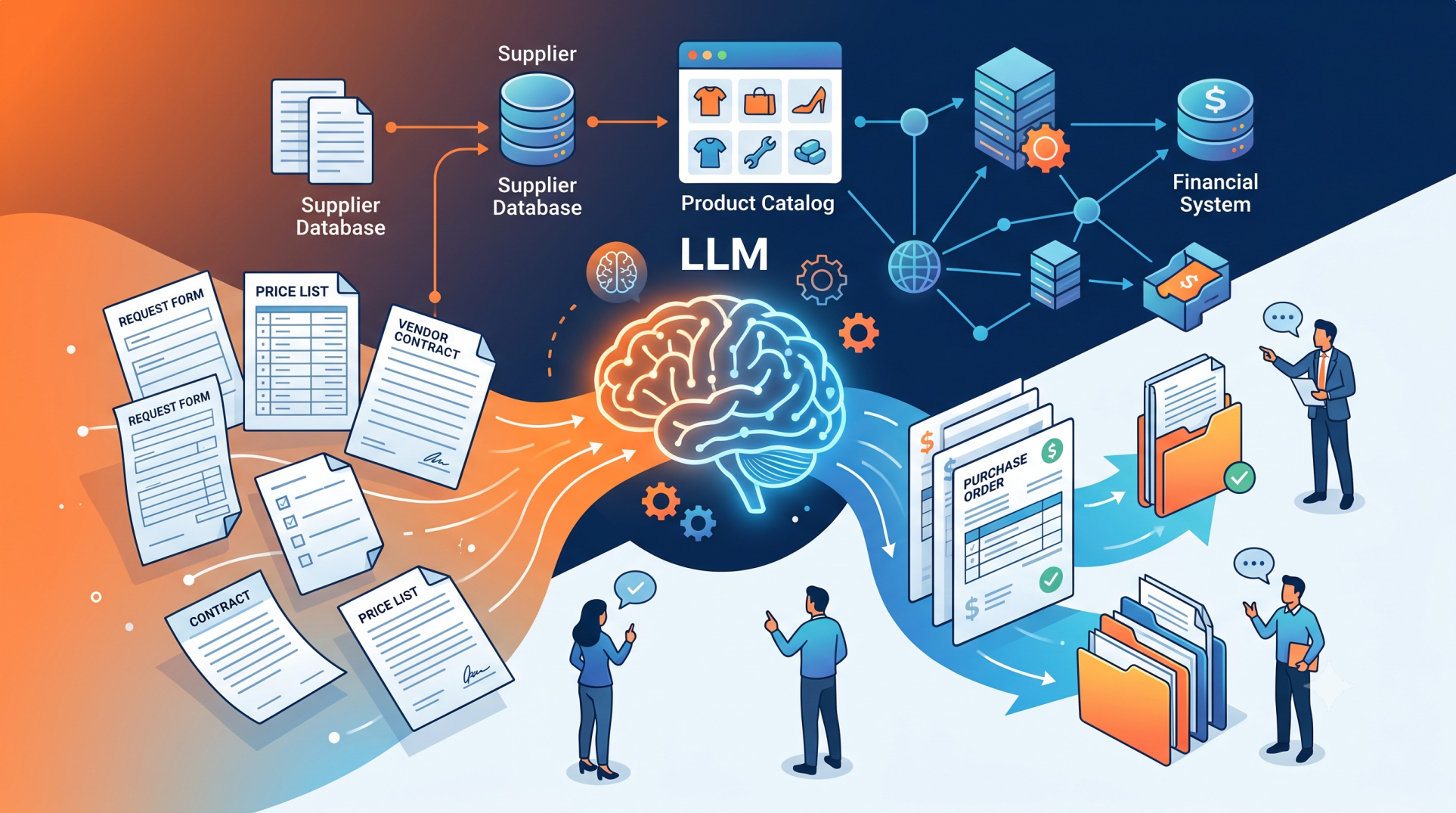
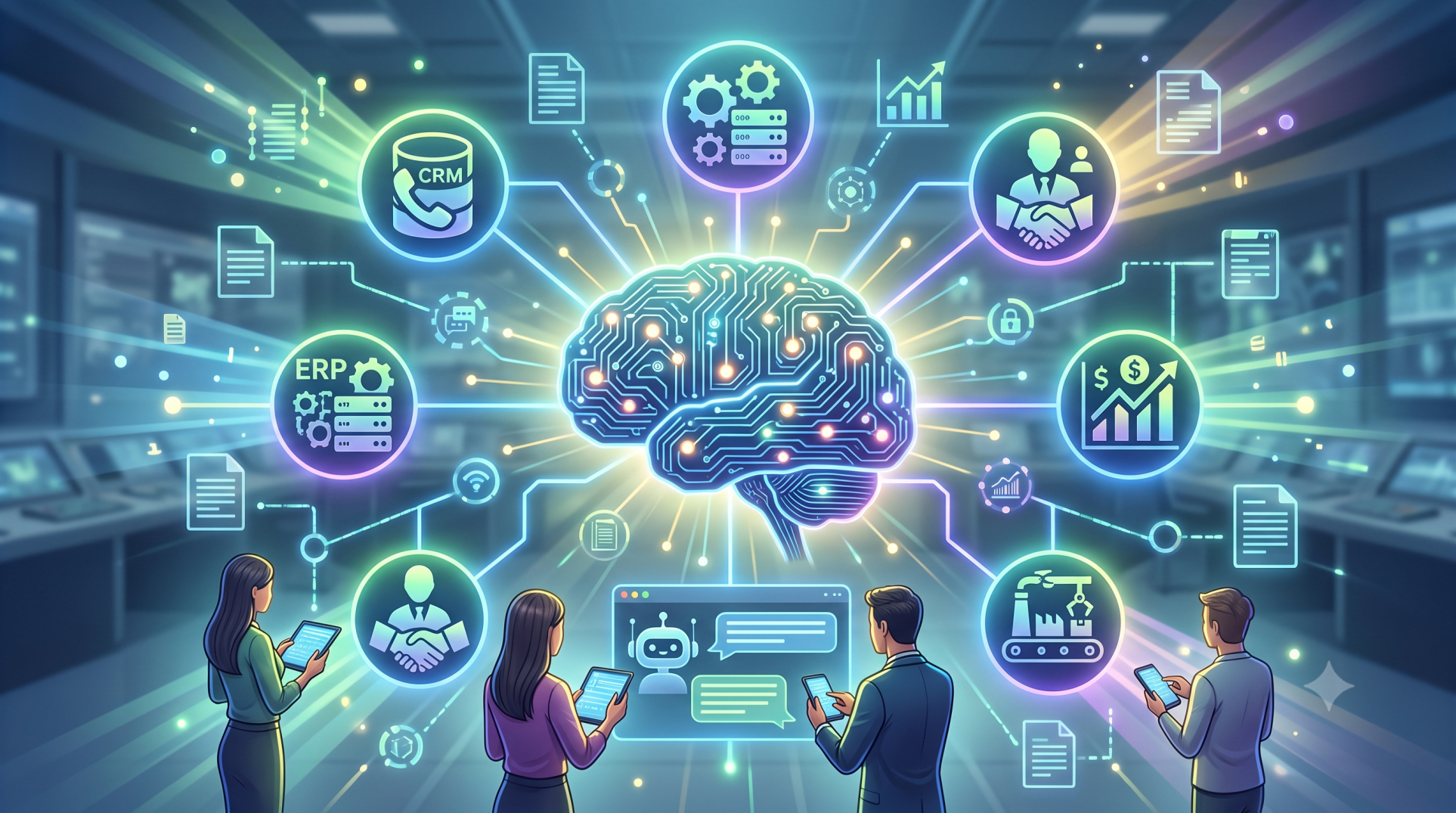
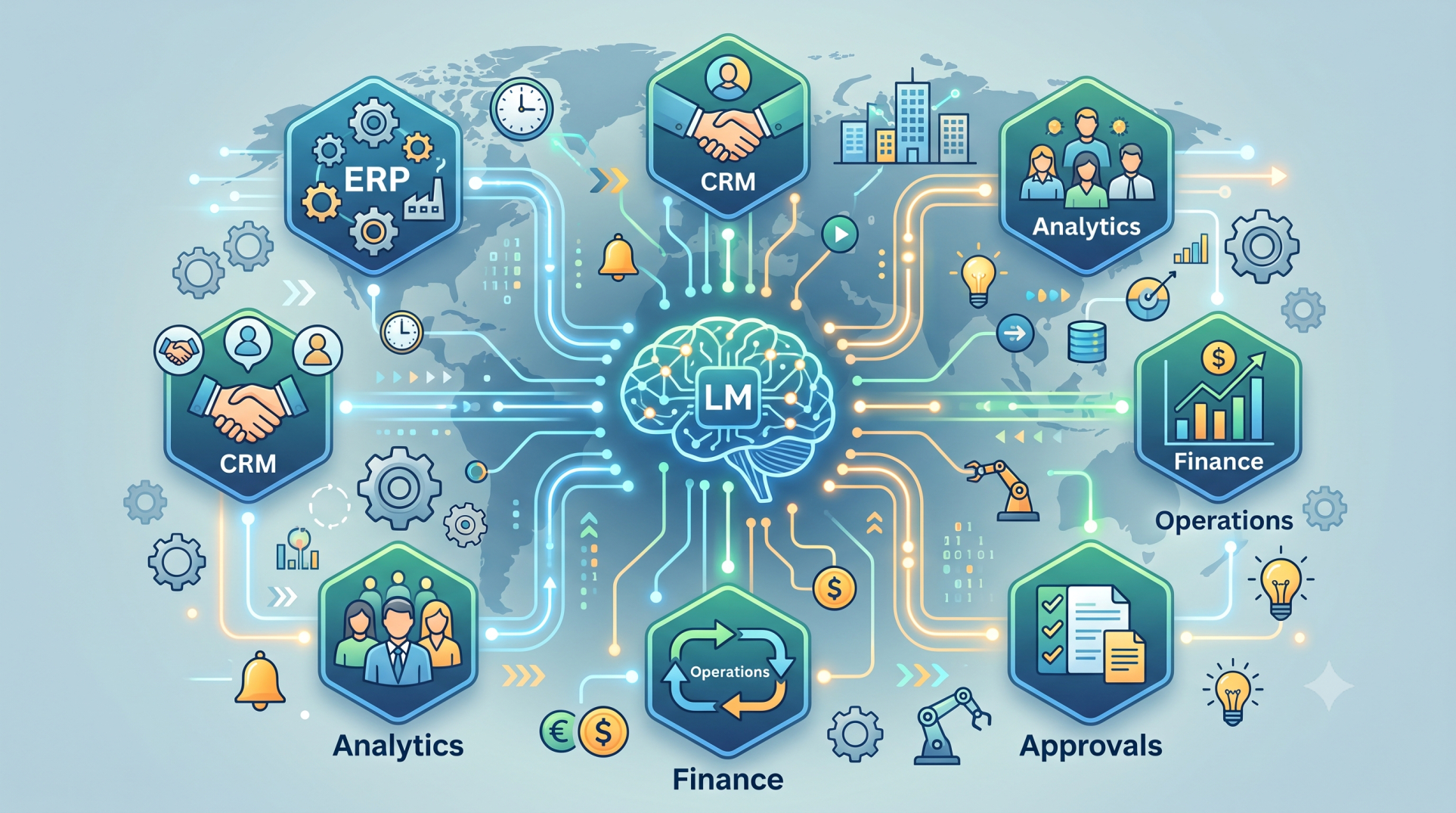
• Connect LLMs with databases, CRMs, and enterprise systems 🔗
• Decide when external tools should be triggered ⚙️
• Validate tool outputs before returning responses ✅
• Handle failures or delays gracefully 🔄
• Expand LLM capability beyond text generation 🚀
Step 7: Monitoring and Performance Optimization 📈
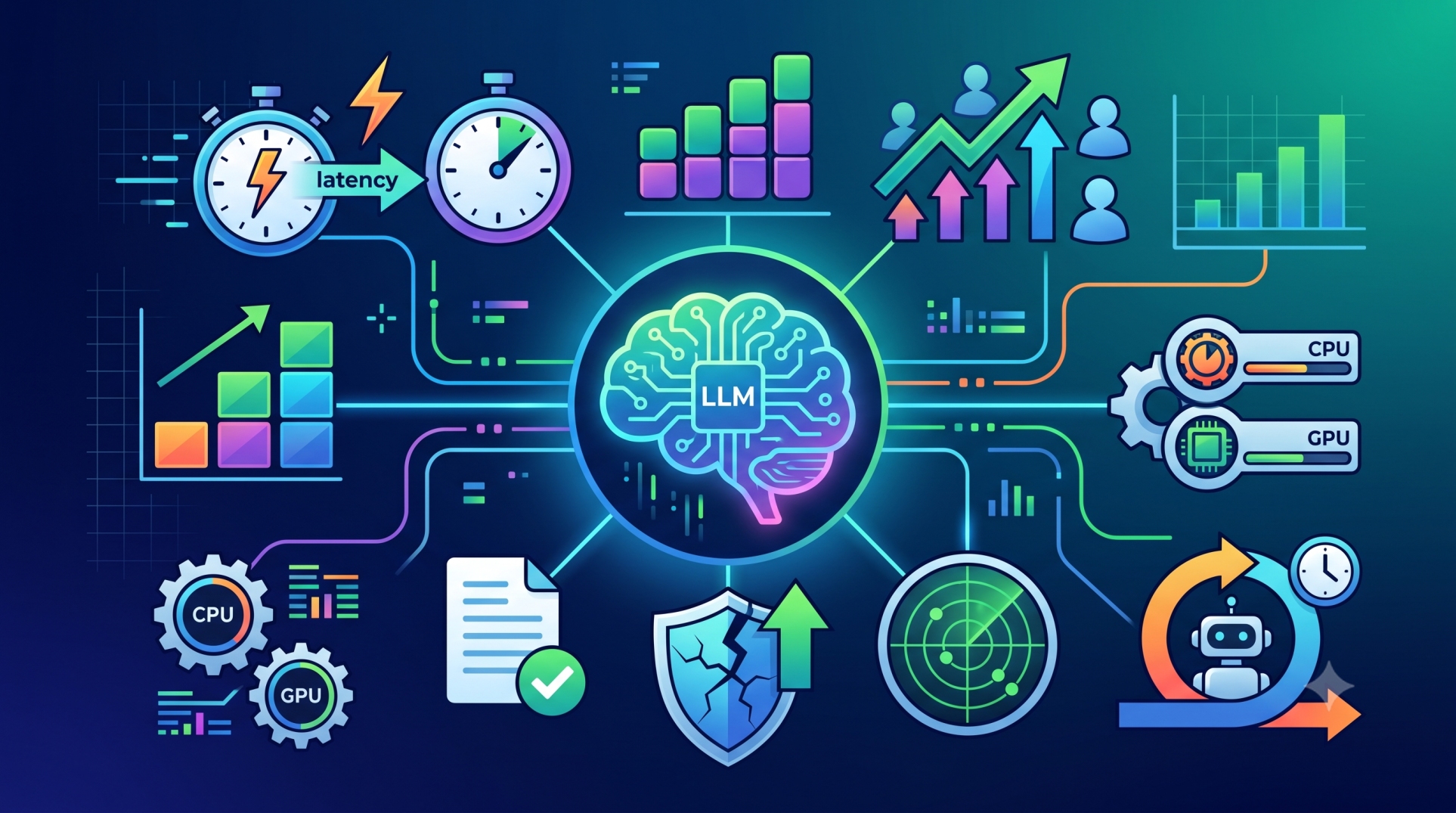
• Track latency, cost, and success rates continuously 📊
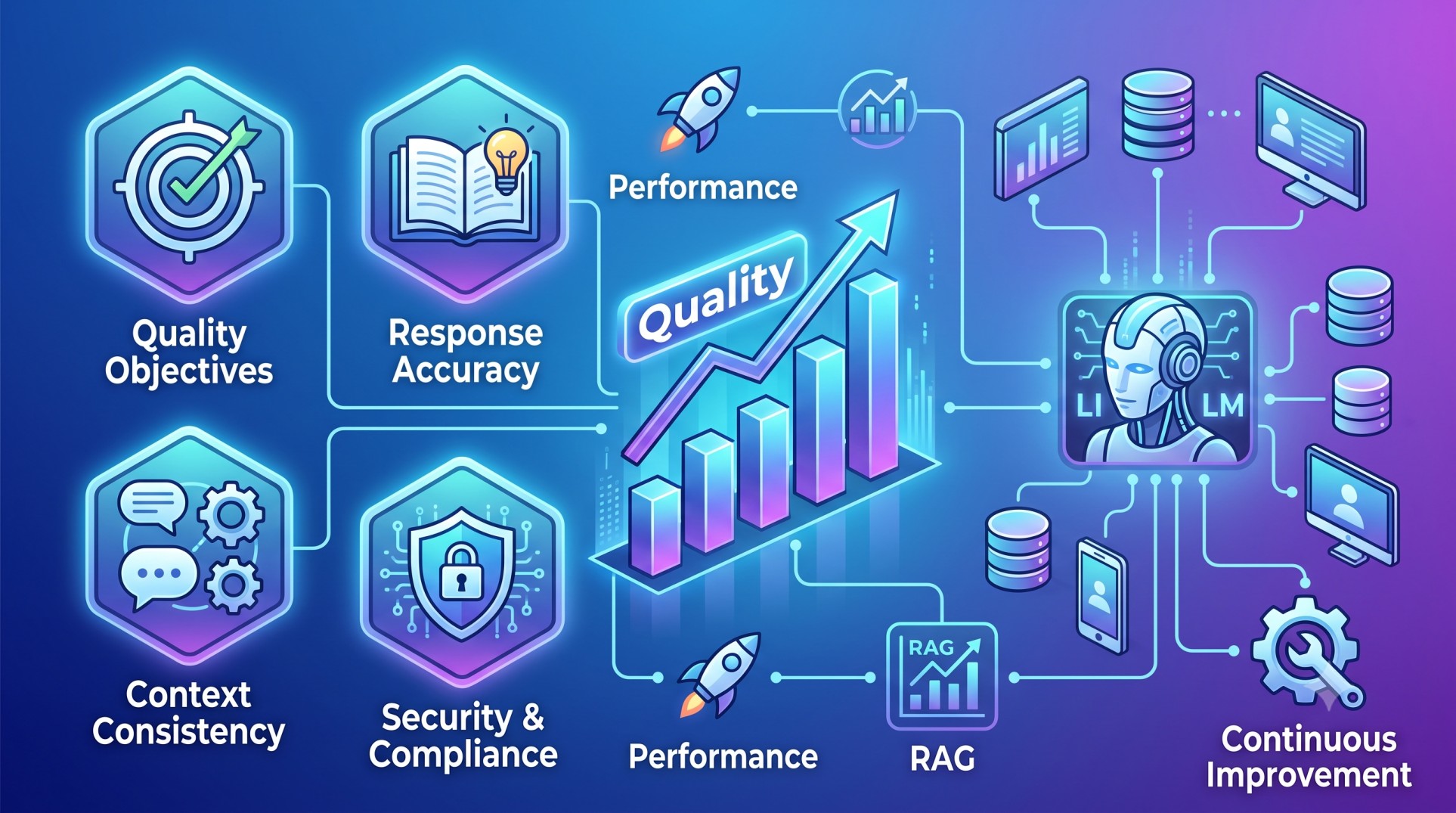
• Measure quality across different workflows 🎯
• Detect failure patterns and recurring issues 🔍
• Optimize prompts, routing, and orchestration logic ⚡
• Continuously improve production performance 🔄
Step 8: Key Control Layer Priorities 🎯
• Reliable orchestration across complex interactions 🔗
• Strong governance and policy enforcement 🛡️
• Efficient use of models and external tools ⚙️
• Scalable architecture for growing workloads 🚀
Step 9: Handling Exceptions and Recovery 🔄
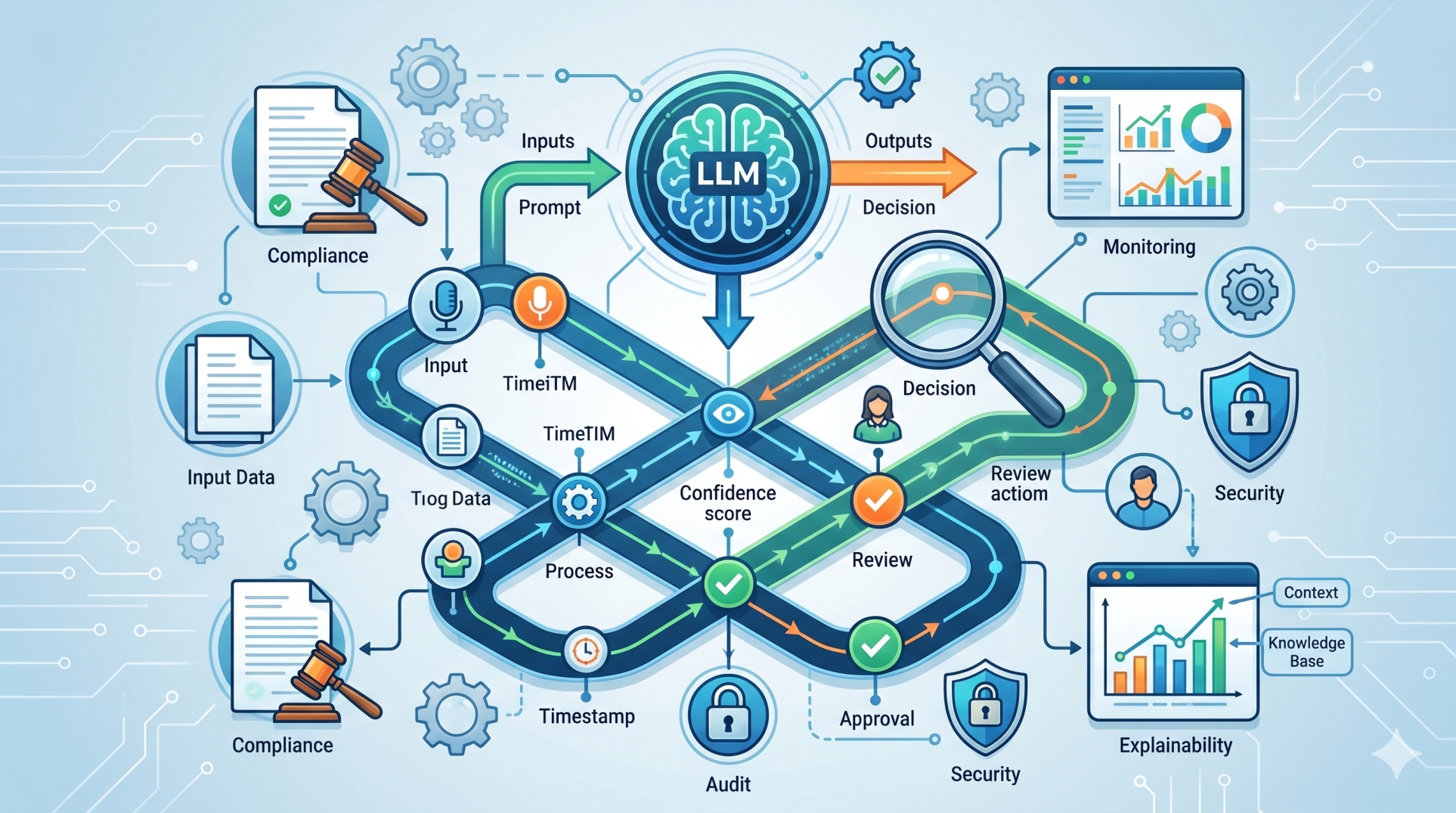
• Detect incomplete or low-confidence outputs 🚨
• Retry failed tasks using fallback strategies 🔁
• Escalate critical cases to human review 👥
• Recover gracefully from tool or system errors 🧰
• Maintain service continuity during disruptions ⚡
Step 10: Building Future-Ready AI Control Systems 🚀
• Design modular layers that support new models easily 🧩
• Enable experimentation without disrupting production 🔬
• Adapt quickly to changing business requirements 🔄
• Integrate future automation and agent capabilities 🤖
• Continuously evolve governance and orchestration strategies 📈
Conclusion
Building control layers for complex LLM interactions is essential for turning powerful models into dependable enterprise systems. By combining orchestration, policy enforcement, memory management, and monitoring, organizations can create AI environments that are scalable, efficient, and trustworthy. Strong control layers not only improve current performance but also prepare systems for future AI growth and complexity.
See more blogs
You can all the articles below