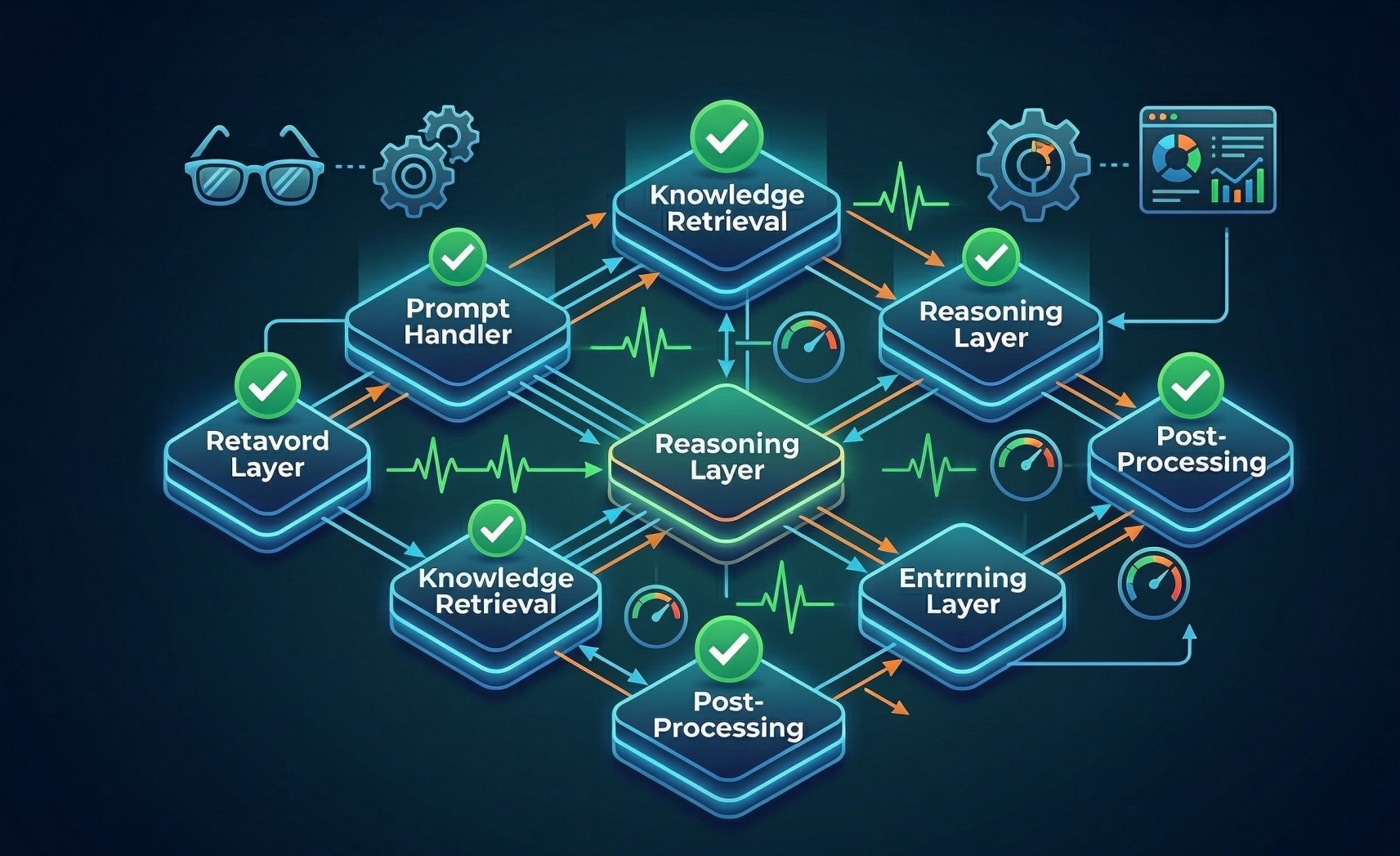
Structured Knowledge Operations for Language Model Systems
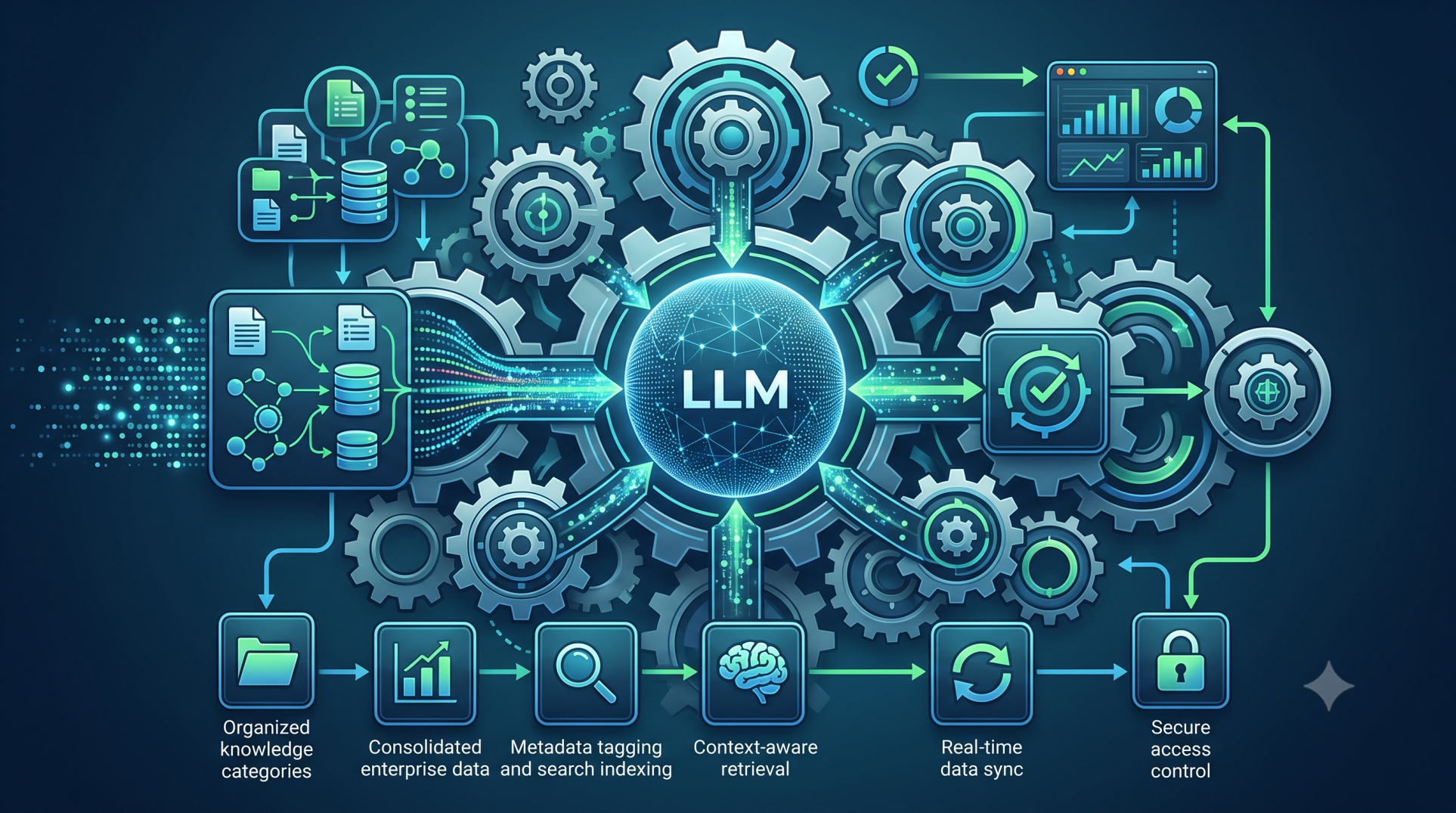
Structured Knowledge Operations for Language Model Systems
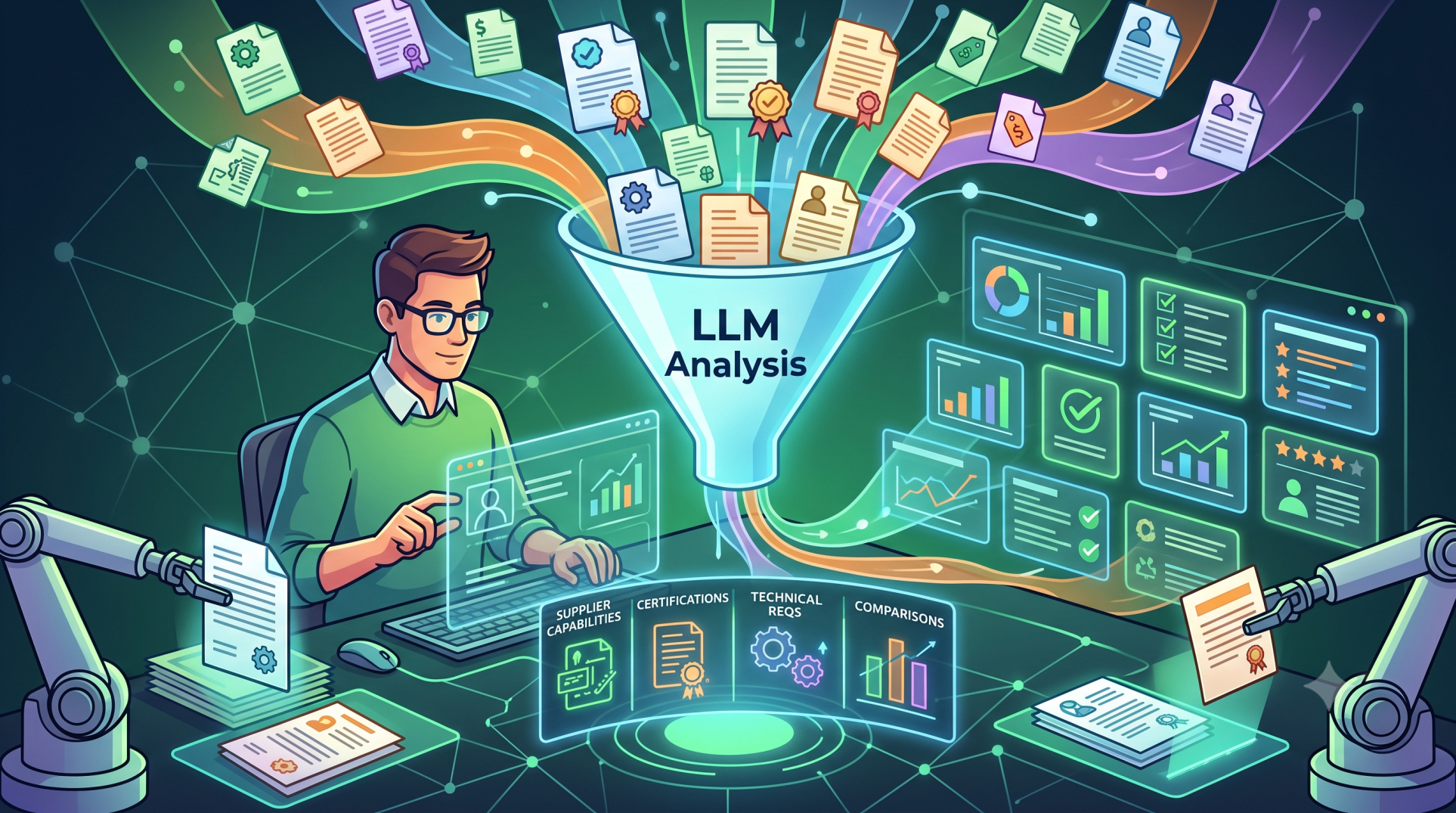
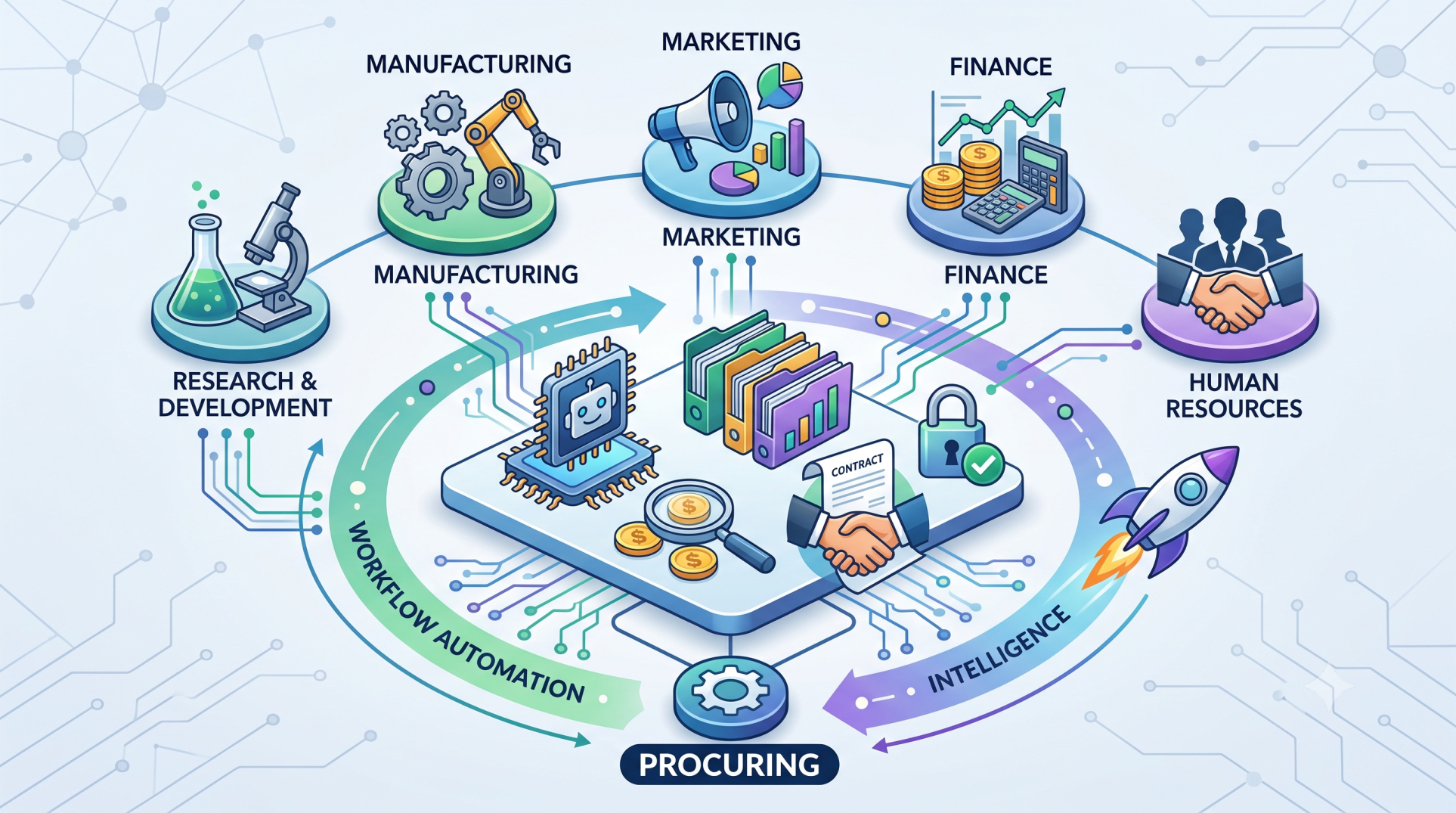
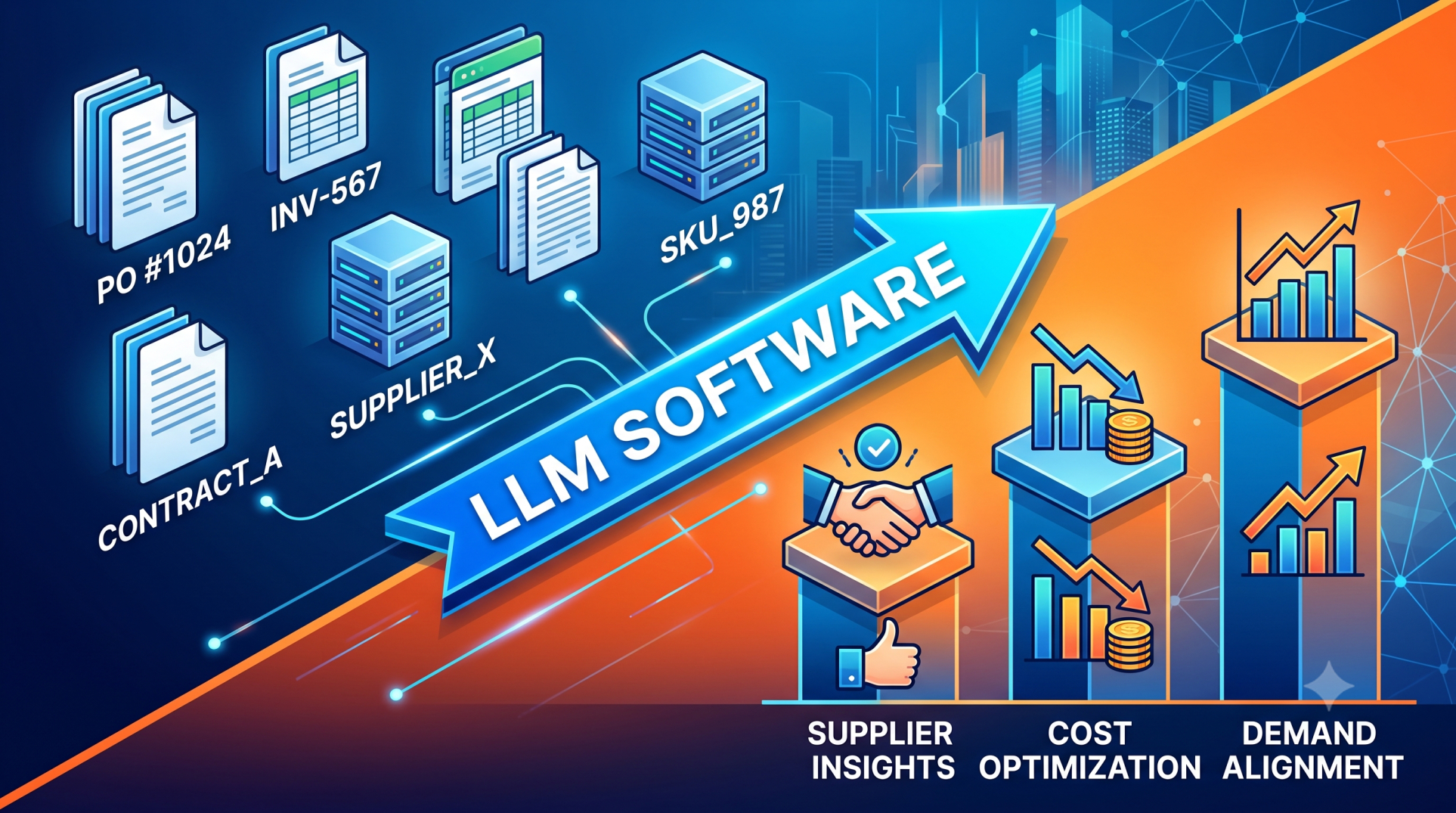
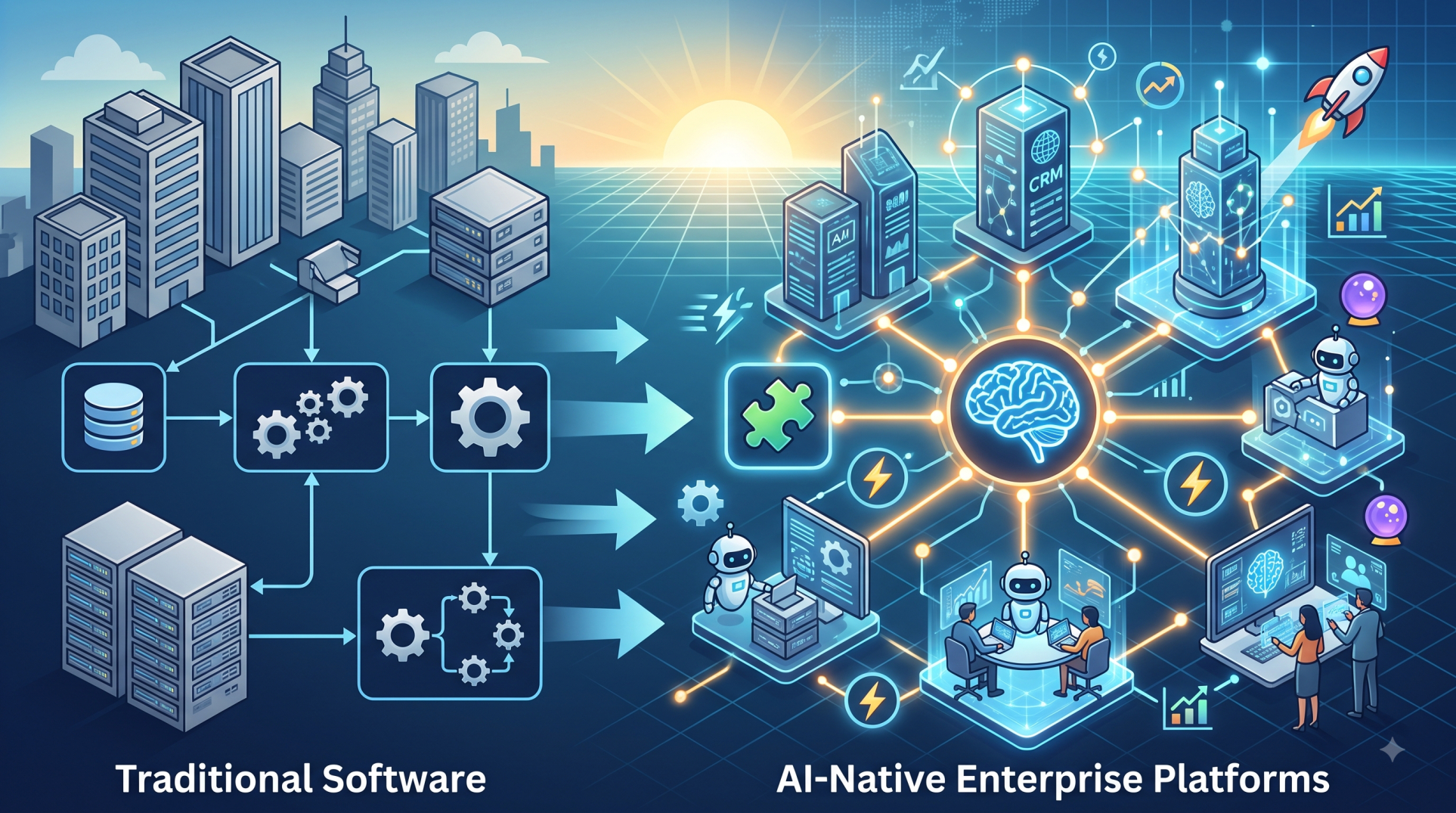
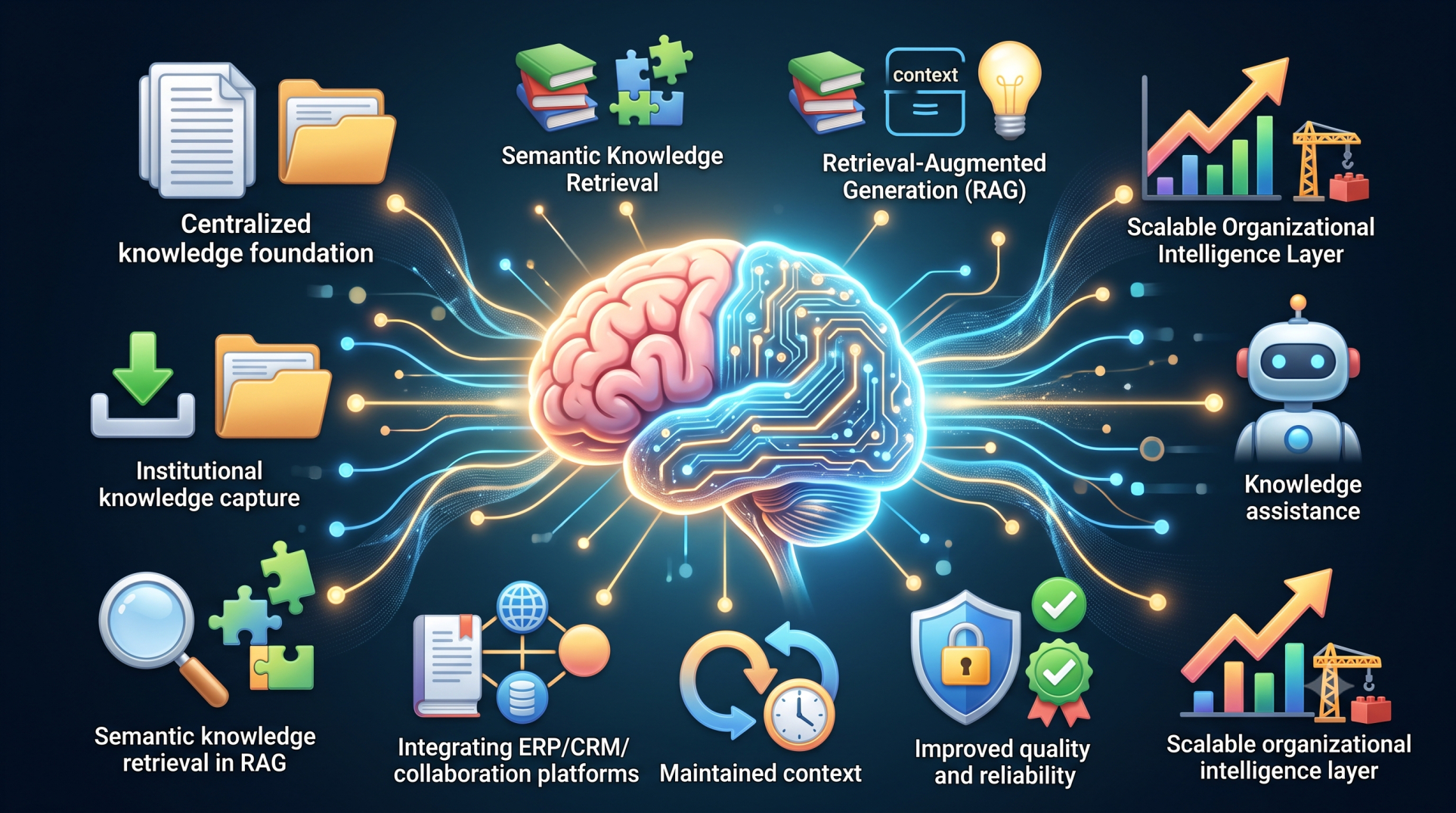
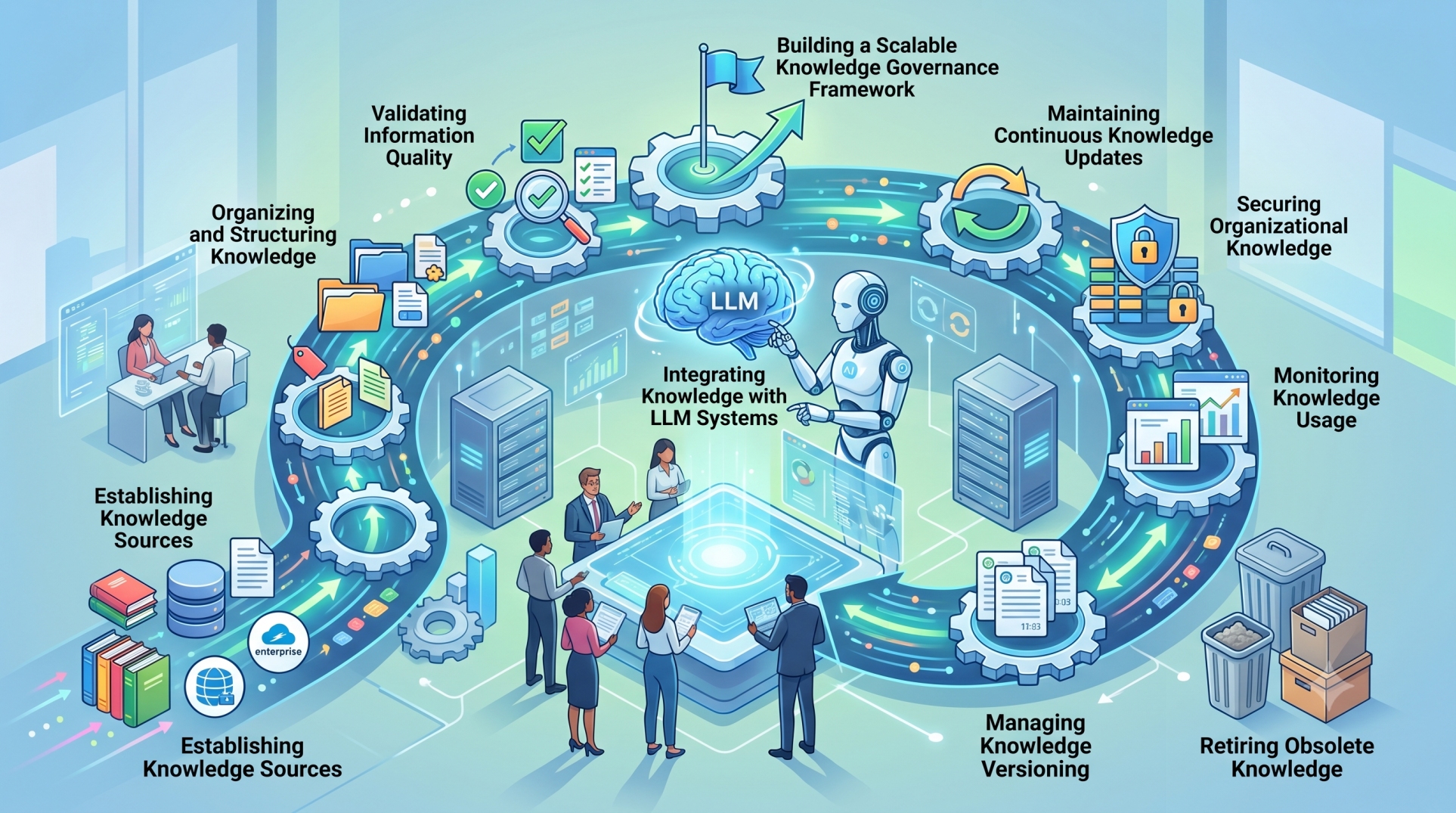
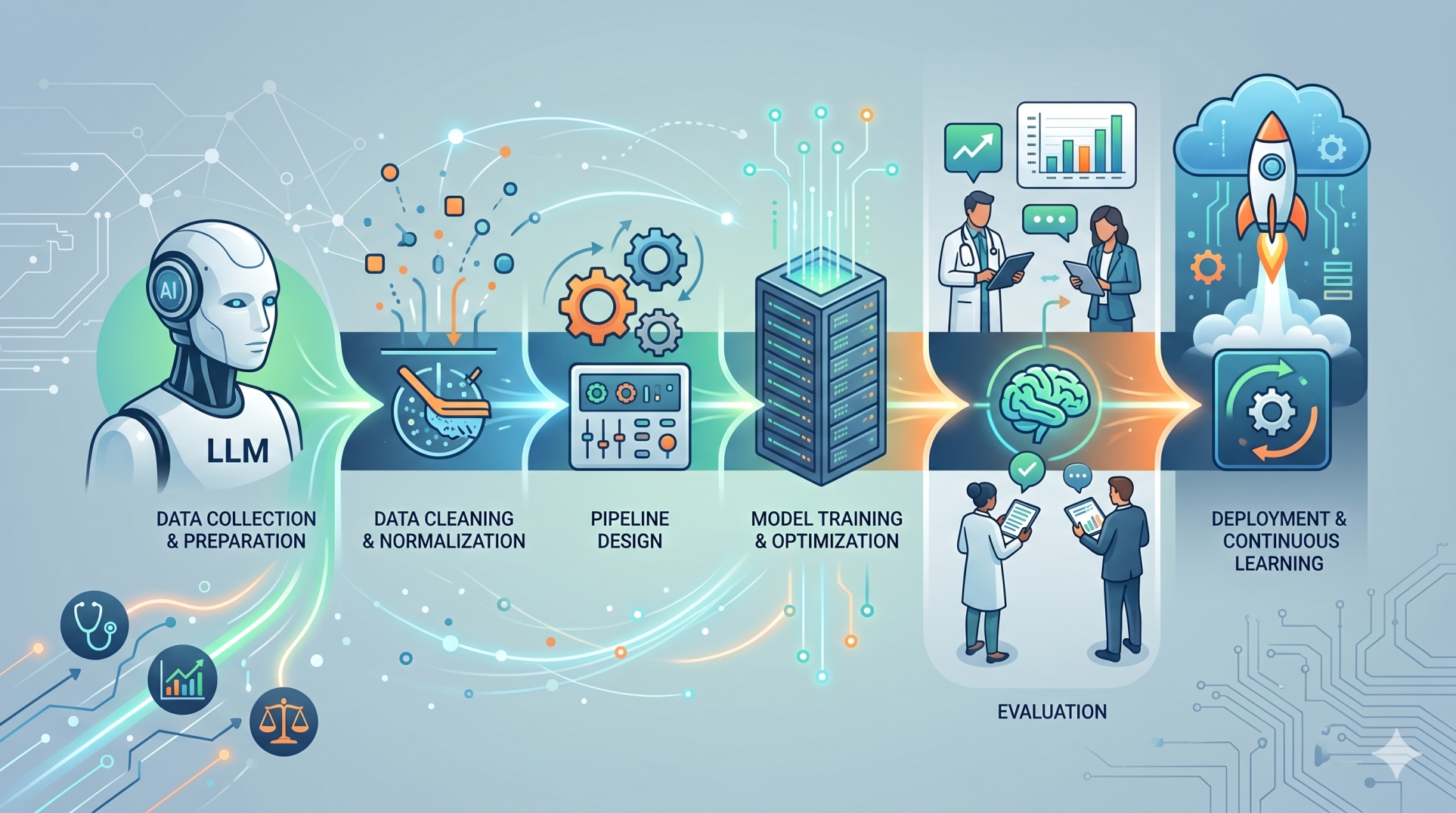
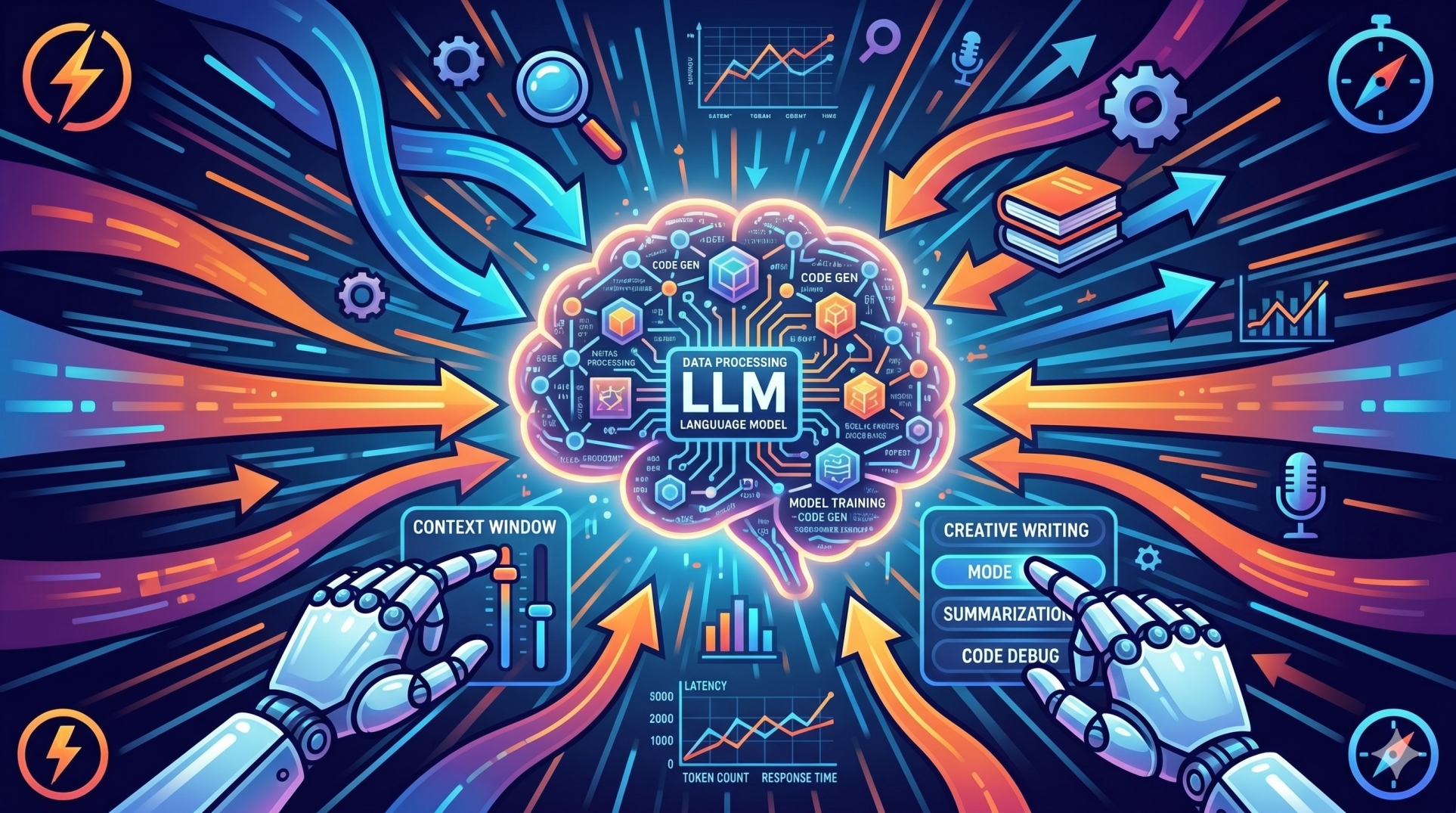
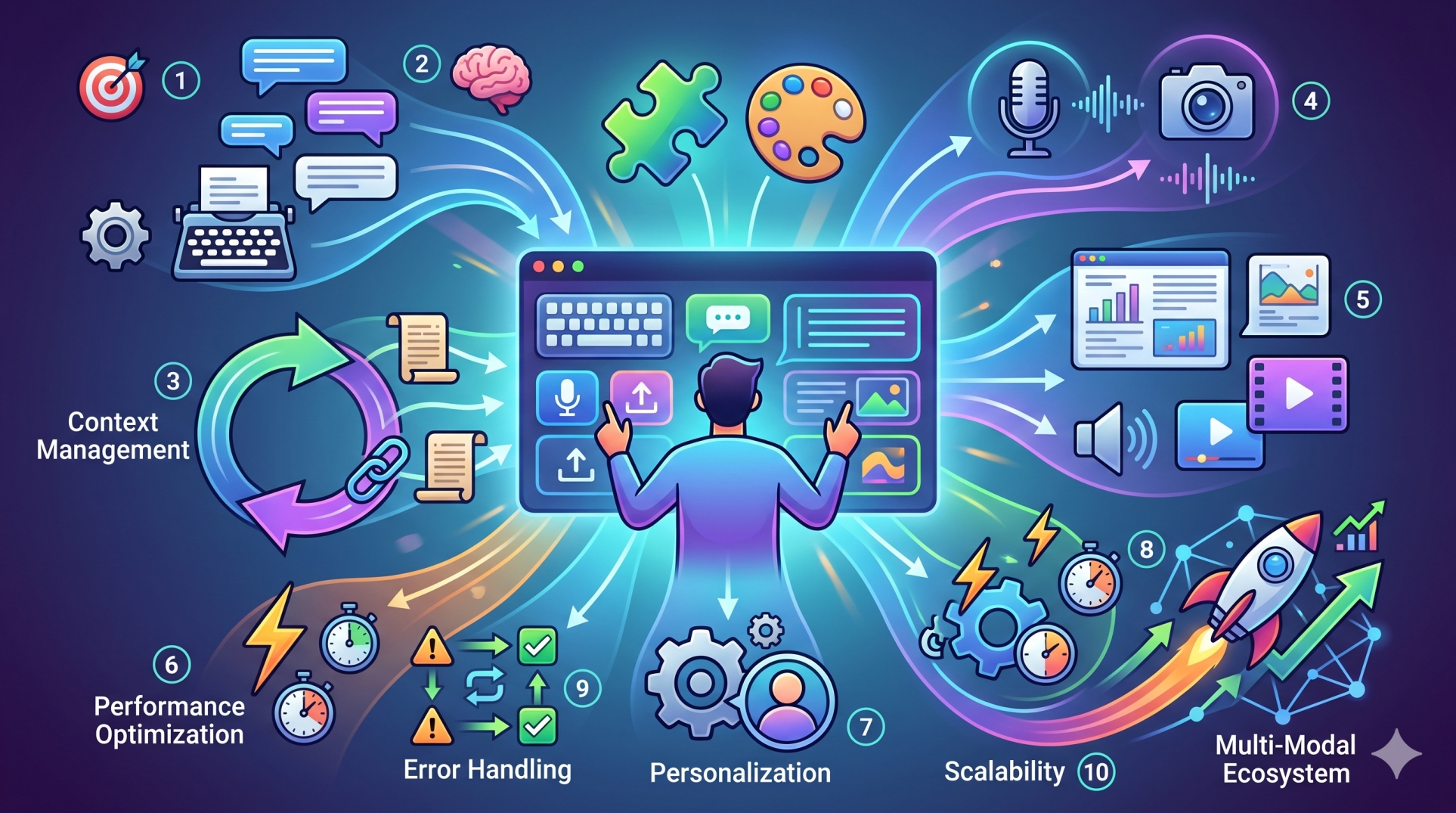
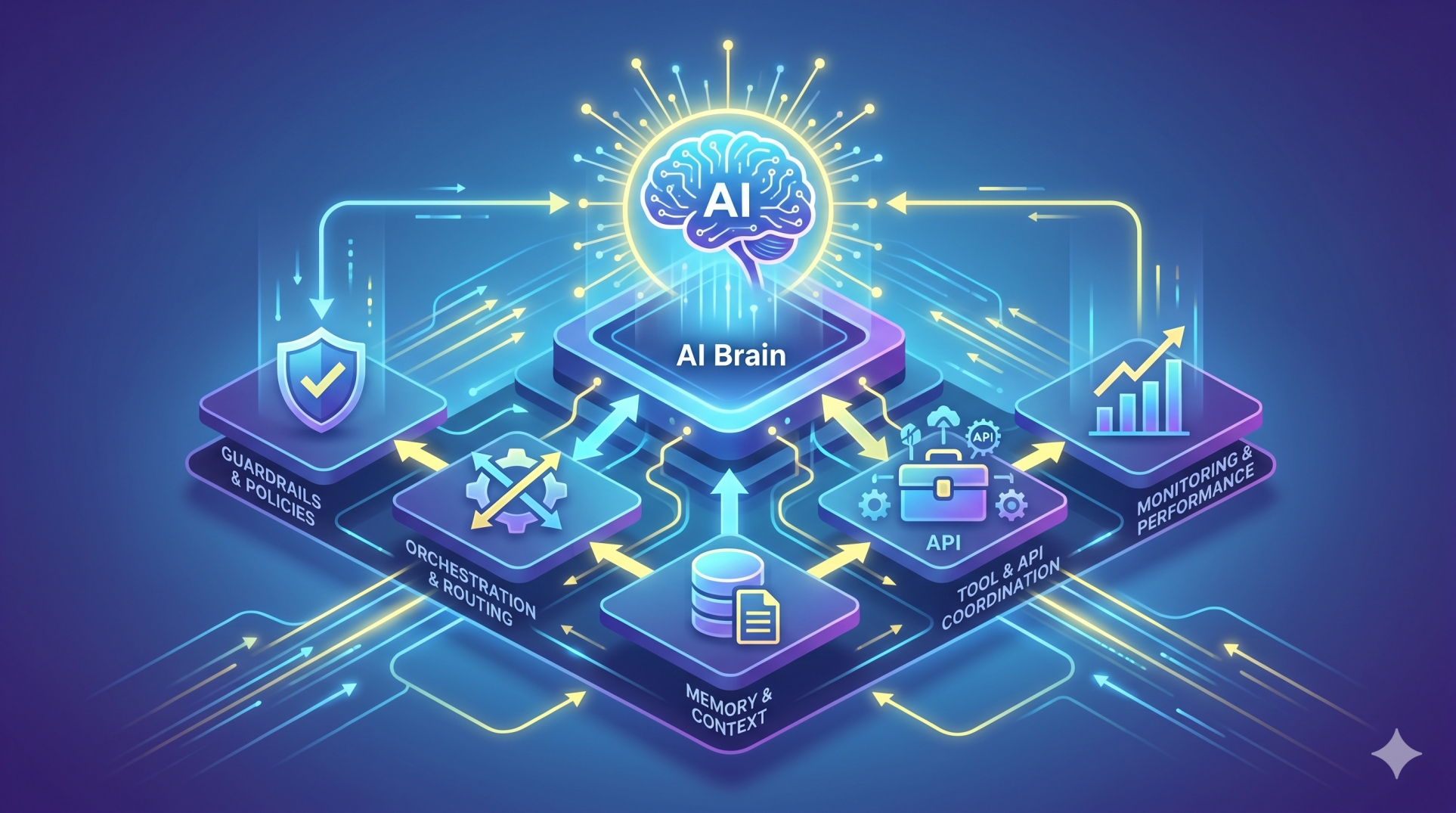
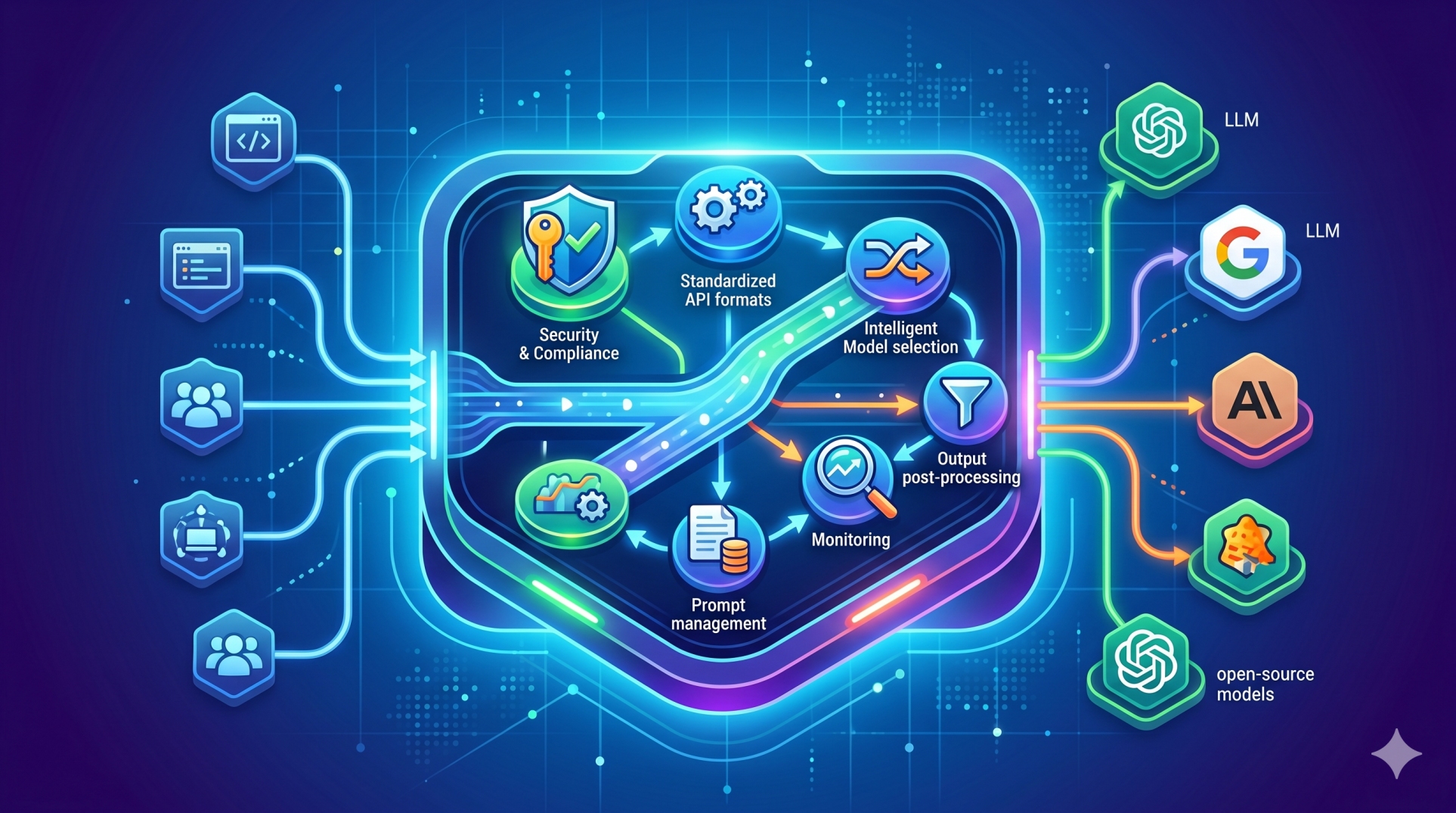
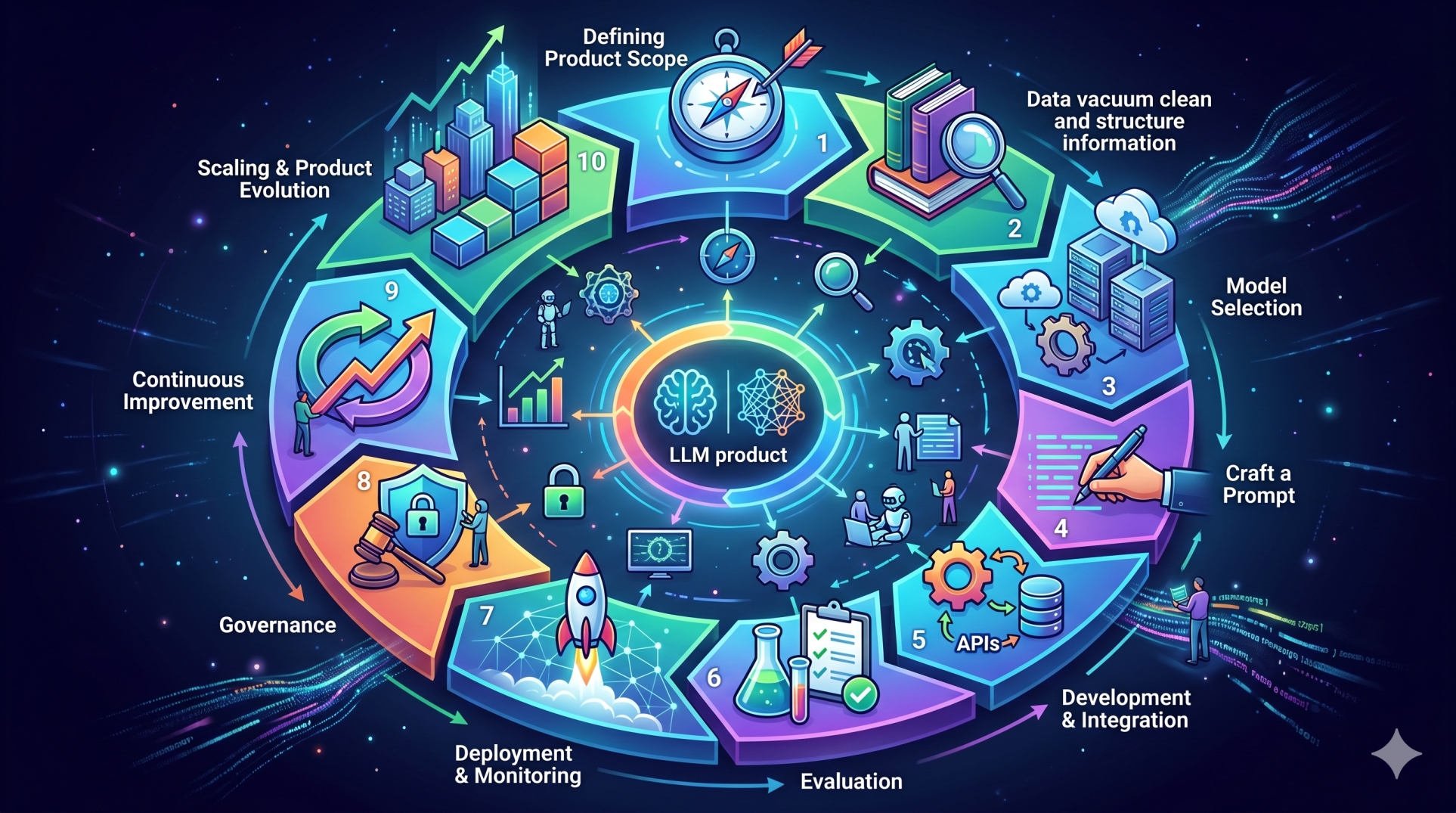
As language model systems become increasingly integrated into enterprise applications, managing knowledge in a structured and consistent manner is essential. Structured Knowledge Operations provide the processes and frameworks needed to organize, validate, retrieve, and maintain information that supports AI-driven interactions. By treating knowledge as a continuously managed asset, organizations can improve response quality, enhance reliability, and enable scalable AI deployments.
Step 1: Establishing a Structured Knowledge Foundation 🏗️
• Organize information into well-defined categories and domains 📂
• Standardize knowledge formats across multiple sources 📋
• Create consistent structures for storing and accessing information 🗄️
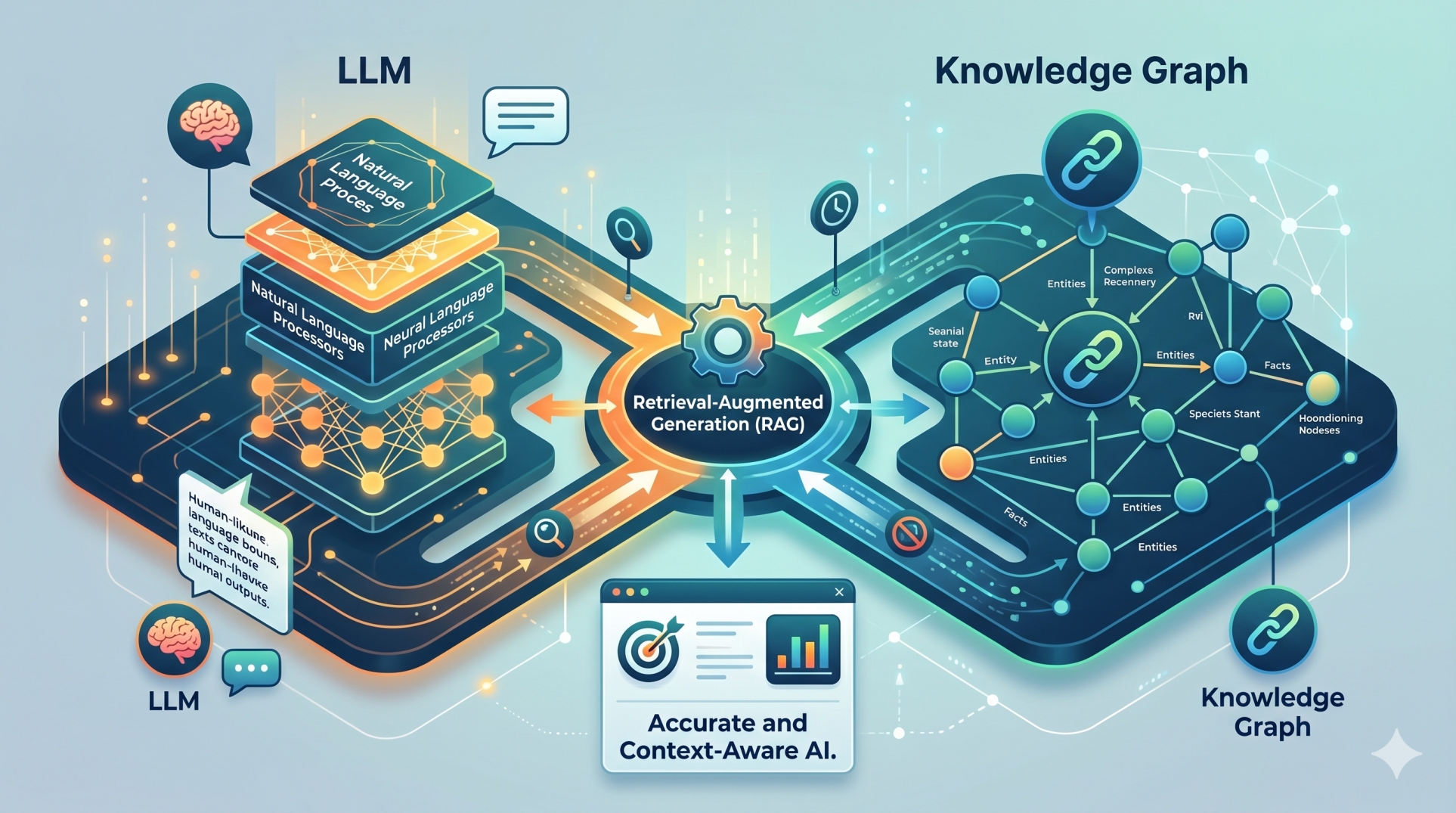
• Define relationships between concepts and entities 🔗
• Build a reliable foundation for AI-powered knowledge retrieval 🚀
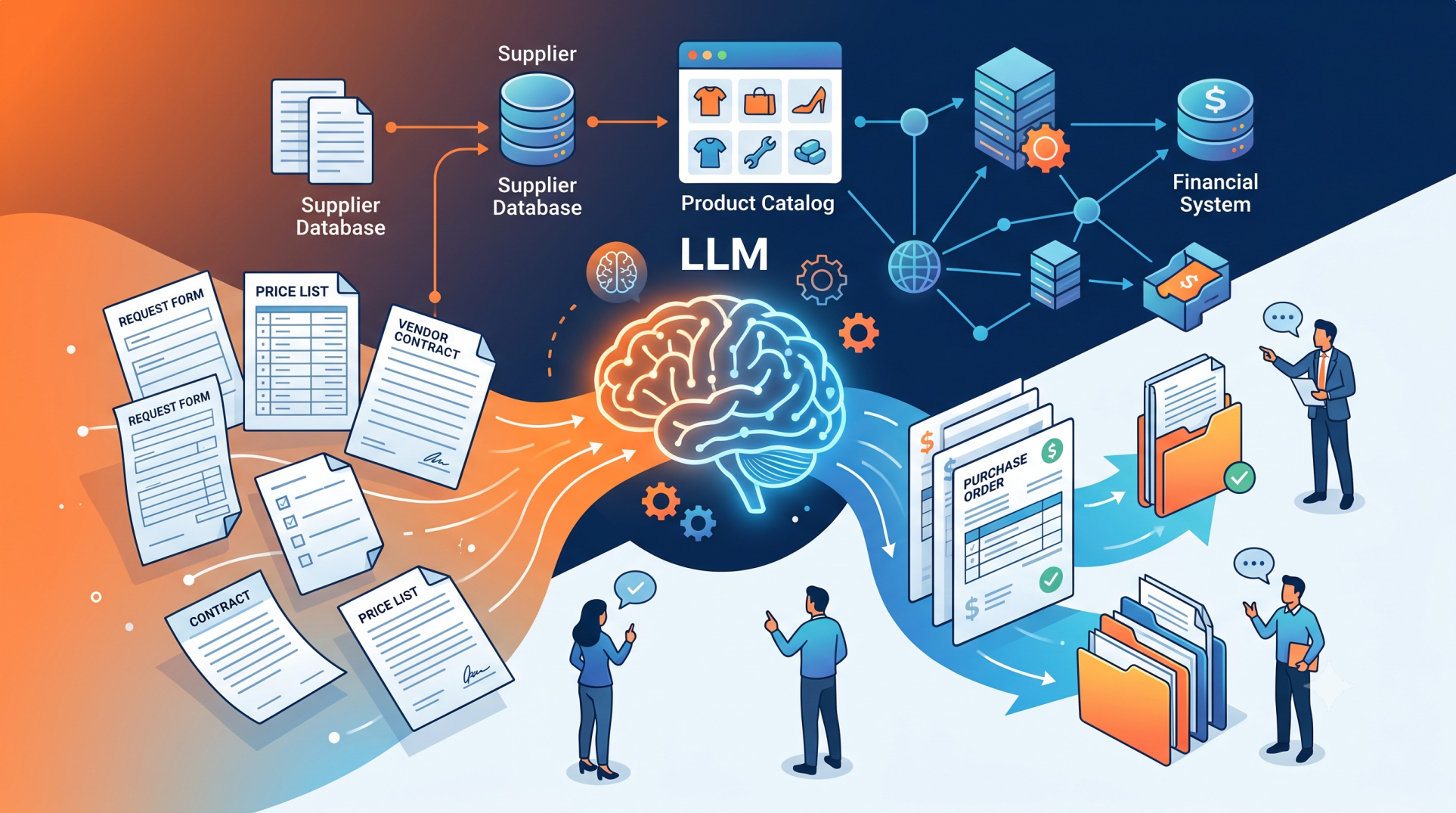
Step 2: Collecting and Integrating Knowledge Sources 🌐
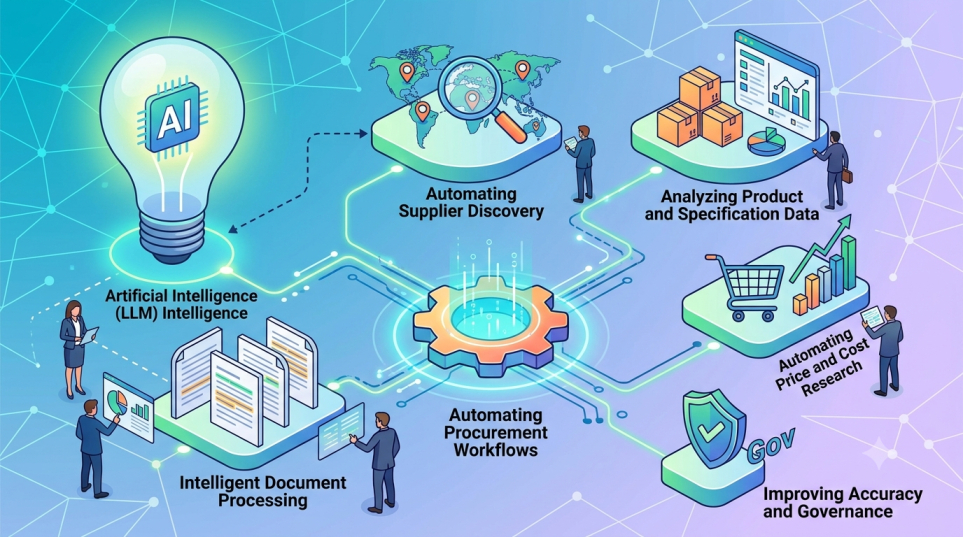
• Consolidate information from enterprise systems and repositories 📊
• Incorporate structured databases and unstructured documents 📄
• Integrate APIs, internal documentation, and knowledge bases 🔄
• Maintain consistency across connected information sources ⚙️
• Support domain-specific knowledge for specialized applications 🏢
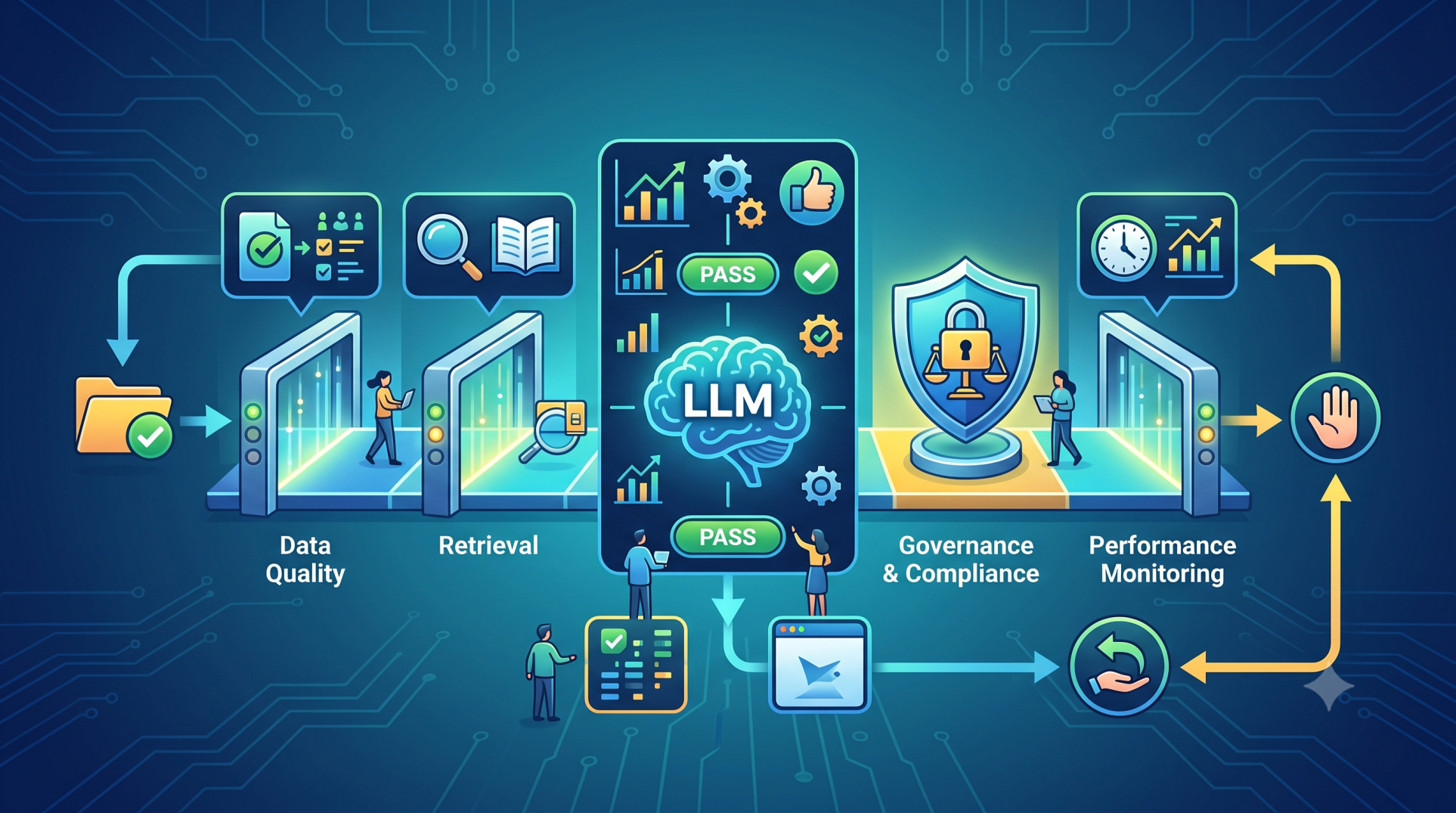
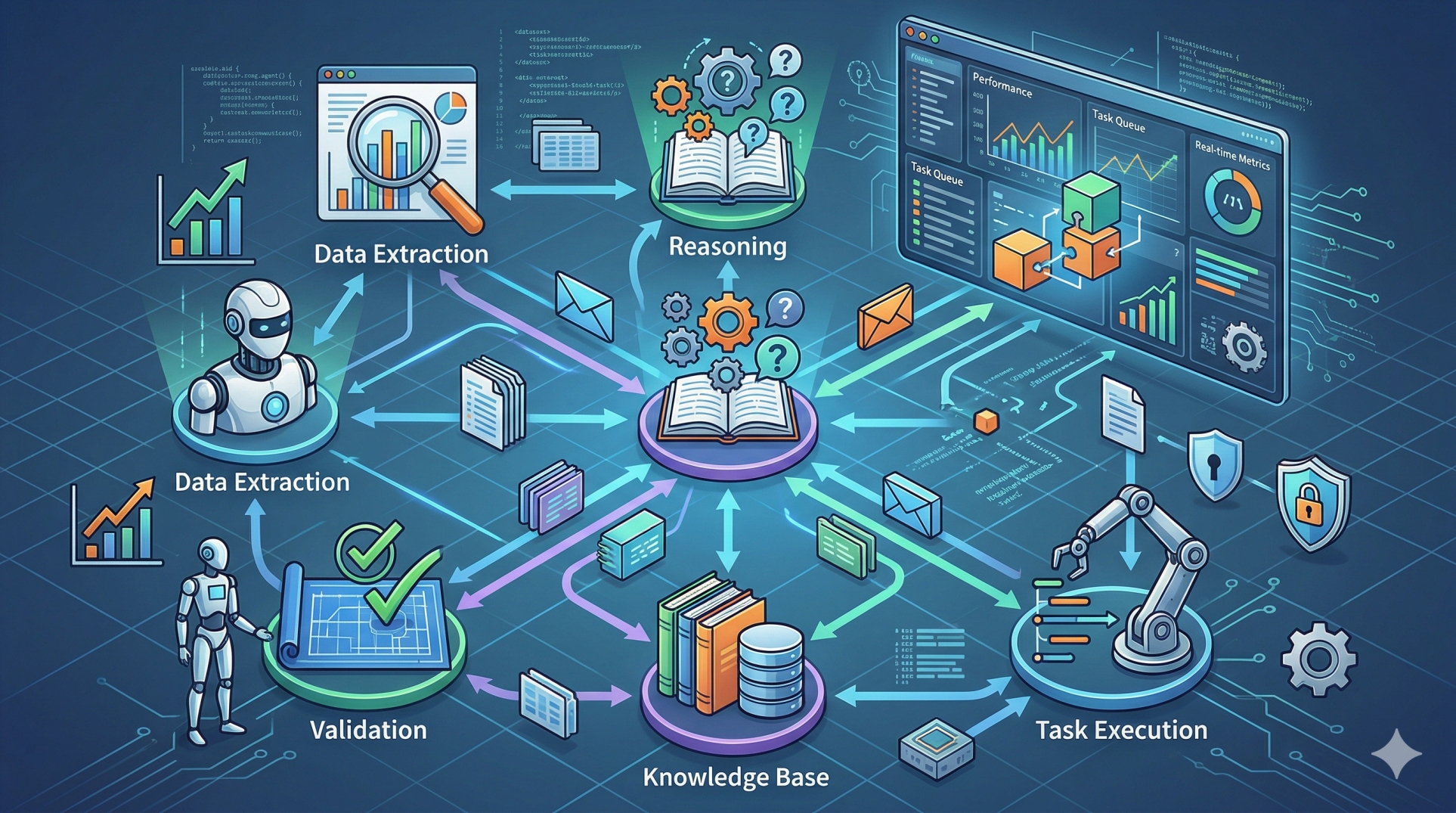
Step 3: Validating and Maintaining Data Quality ✅
• Verify information before it becomes part of the knowledge repository ✔️
• Remove duplicate, outdated, or conflicting content 🚫
• Monitor data quality through continuous validation 🔍
• Apply governance rules for consistent knowledge management 📜
• Maintain trusted and reliable information assets 🛡️
Step 4: Organizing Knowledge for Efficient Retrieval 🔍
• Index content for fast and accurate search ⚡
• Classify information using metadata and semantic relationships 🏷️
• Optimize retrieval strategies for contextual relevance 🎯
• Support hybrid search across multiple knowledge formats 📚
• Improve accessibility for AI applications and users 🌟
Step 5: Delivering Context-Aware Knowledge 🧠
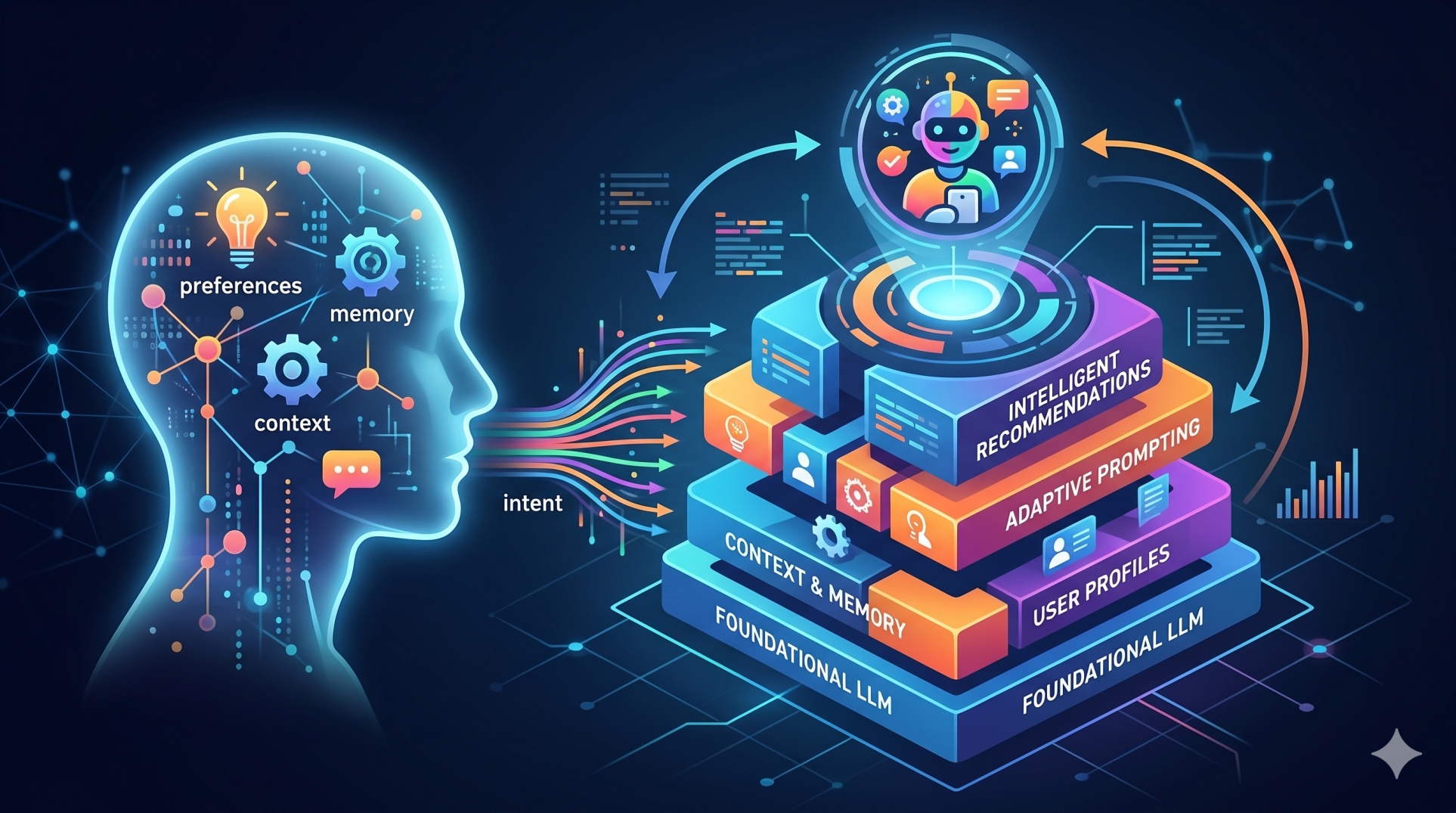
• Provide relevant information based on user intent 💬
• Enrich prompts with contextual enterprise knowledge ✍️
• Prioritize high-confidence information during retrieval ⭐
• Adapt responses using domain-specific context 🔄
• Improve answer relevance through intelligent knowledge selection 📈
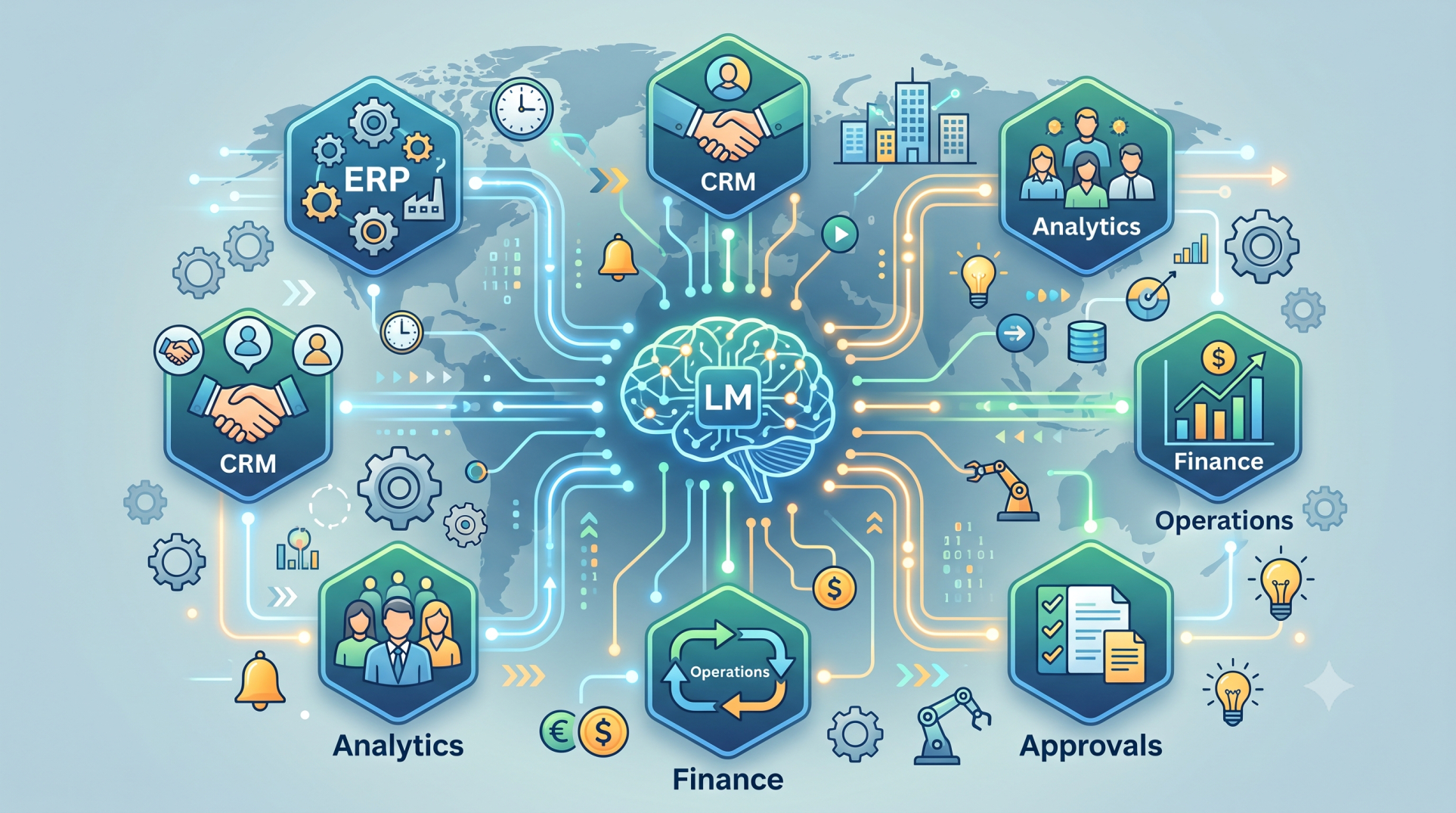
Step 6: Synchronizing Knowledge Across Systems 🔄
• Keep information aligned across enterprise platforms 🏢
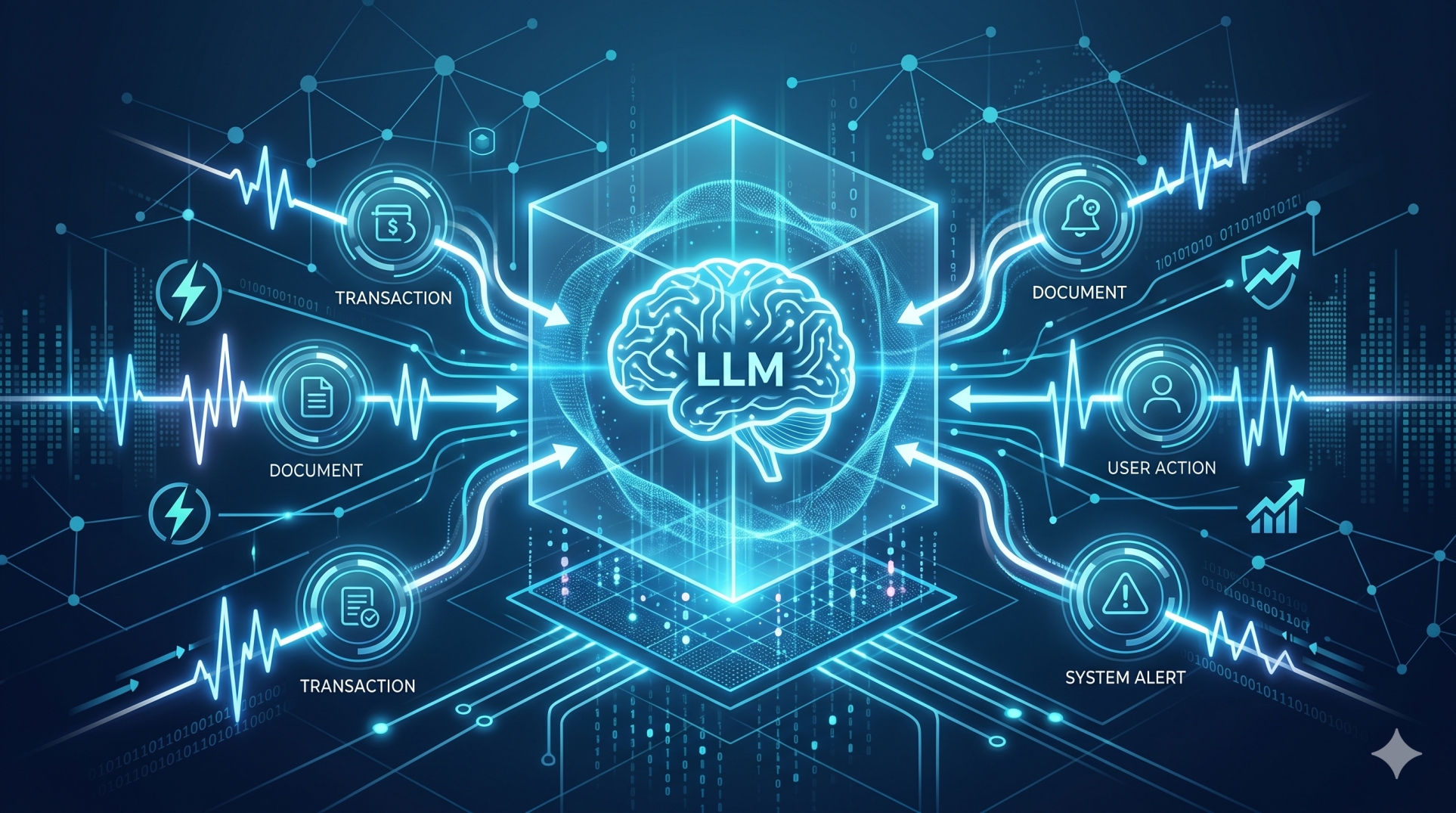
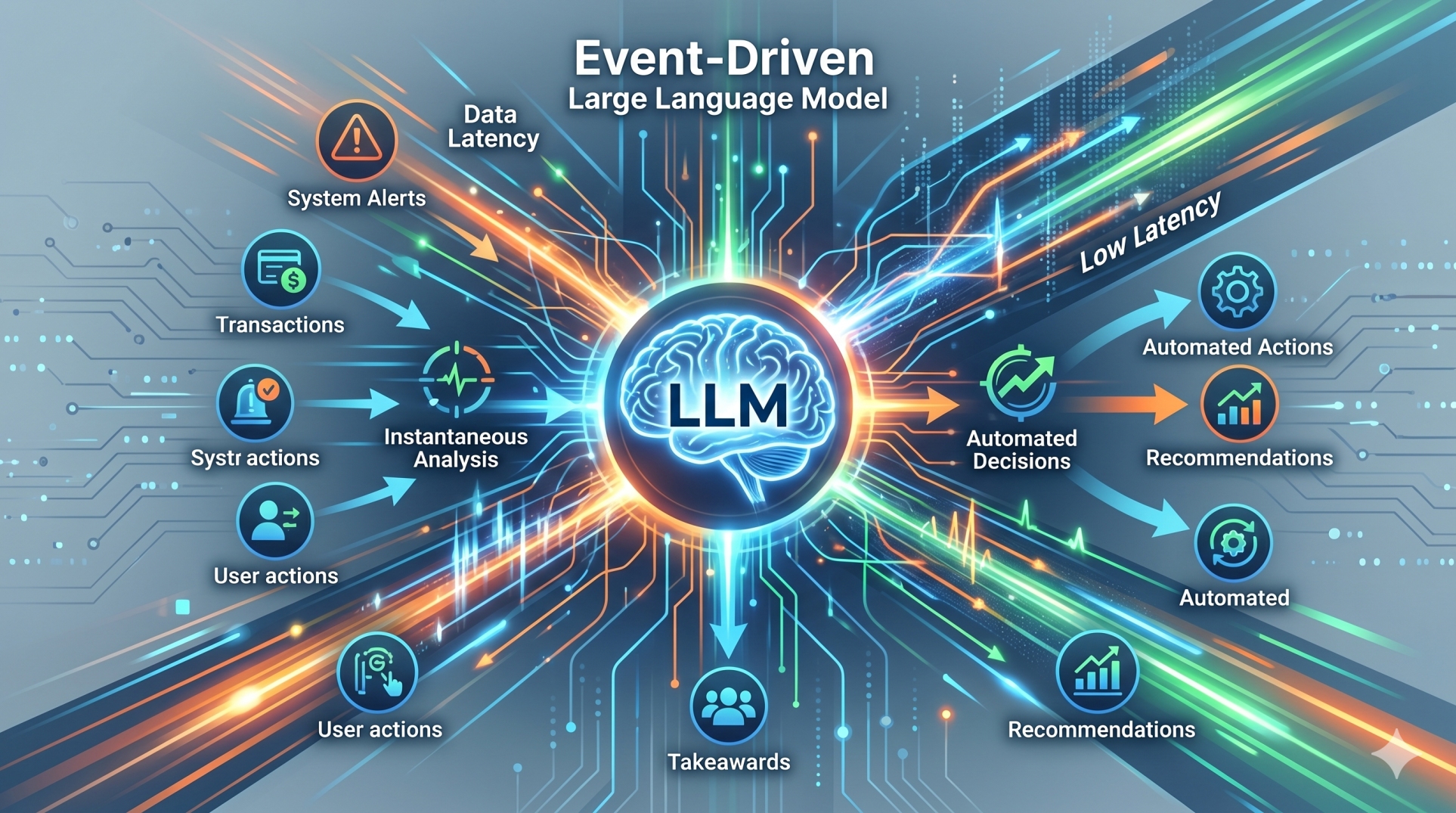
• Synchronize updates from business applications automatically 📡
• Ensure consistency between connected knowledge repositories ⚖️
• Support real-time information availability where required ⏱️
• Reduce delays in knowledge distribution 🚀
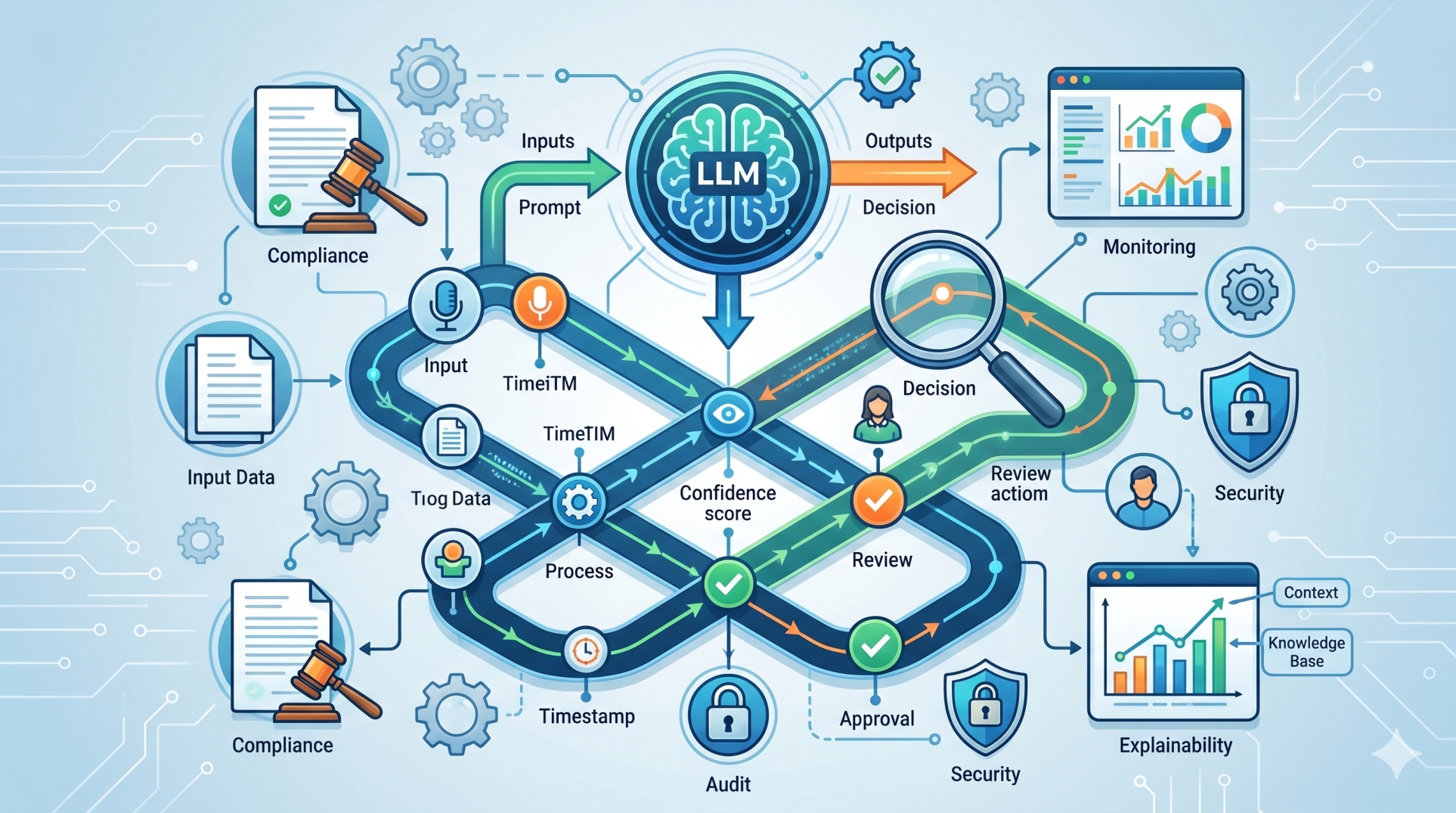
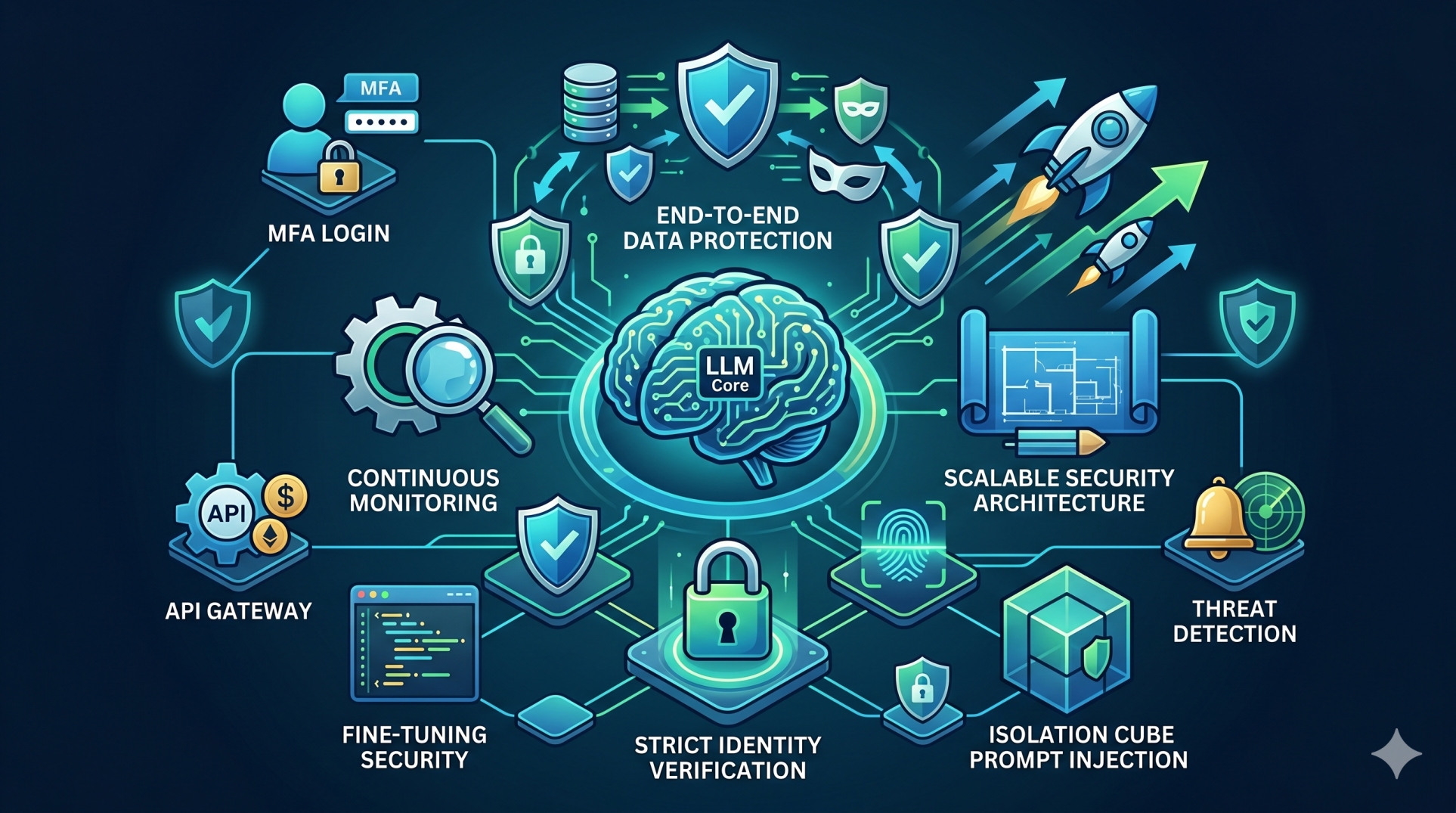
Step 7: Securing Knowledge Assets 🔐
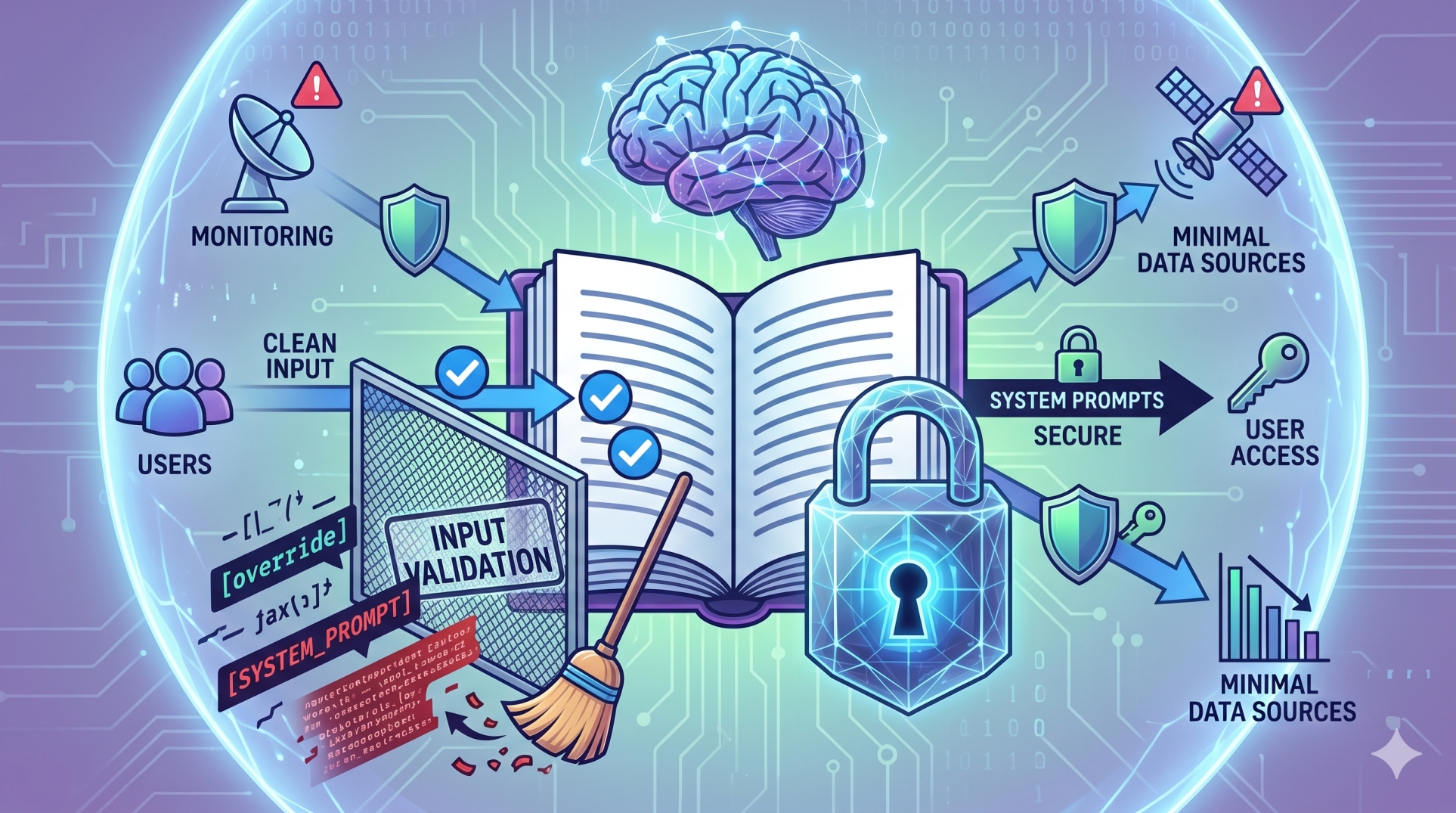
• Apply role-based access to sensitive information 👥
• Protect enterprise knowledge through secure authentication 🛡️
• Encrypt data during storage and transmission 🔒
• Track knowledge access with detailed audit logs 🧾
• Support compliance with organizational policies and regulations 📜
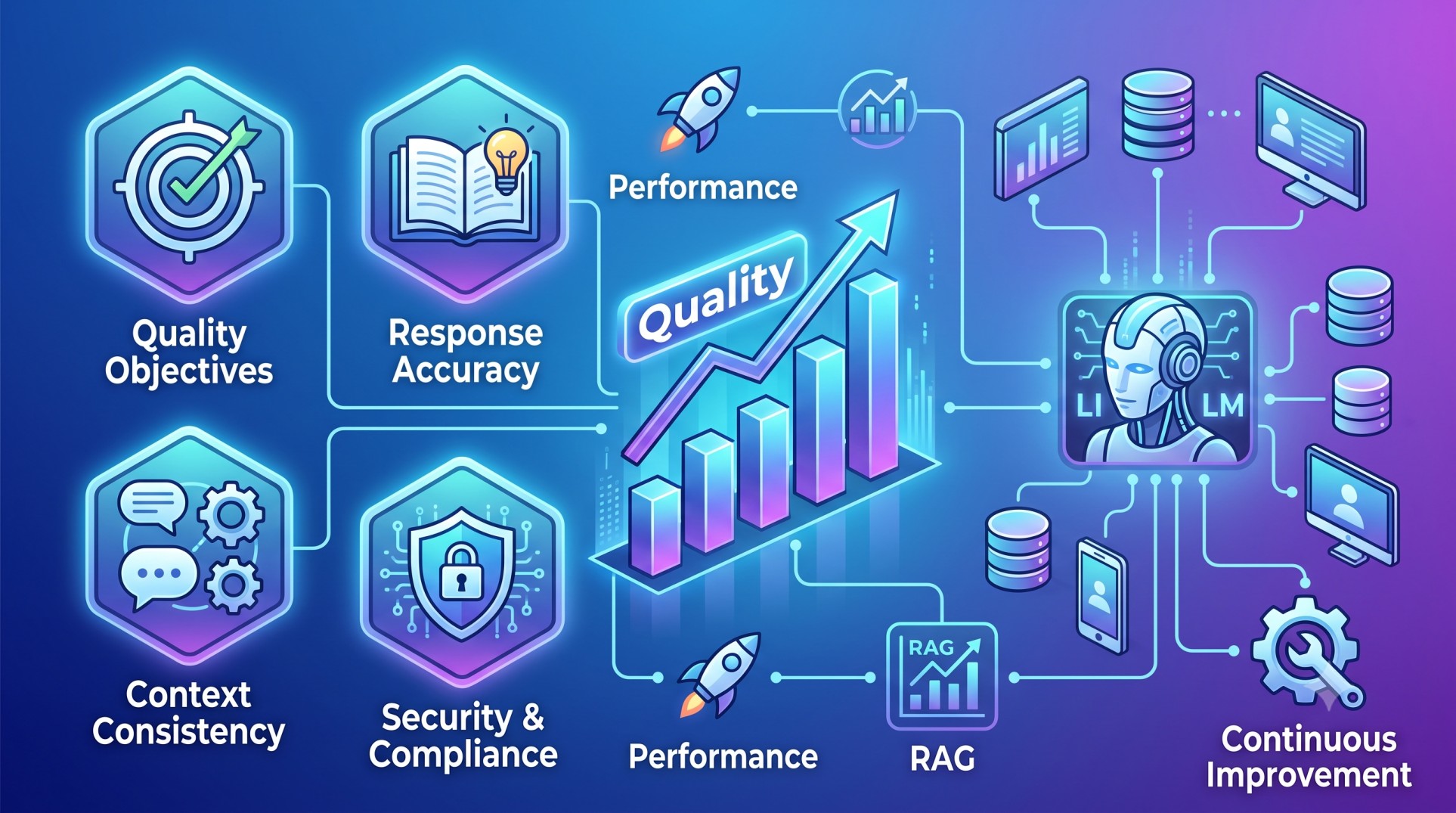
Step 8: Key Knowledge Operation Priorities ⭐
• High-quality, trusted knowledge repositories 📚
• Efficient retrieval with contextual relevance 🎯
• Consistent governance across information assets ⚙️
• Scalable knowledge operations that support AI growth 🚀
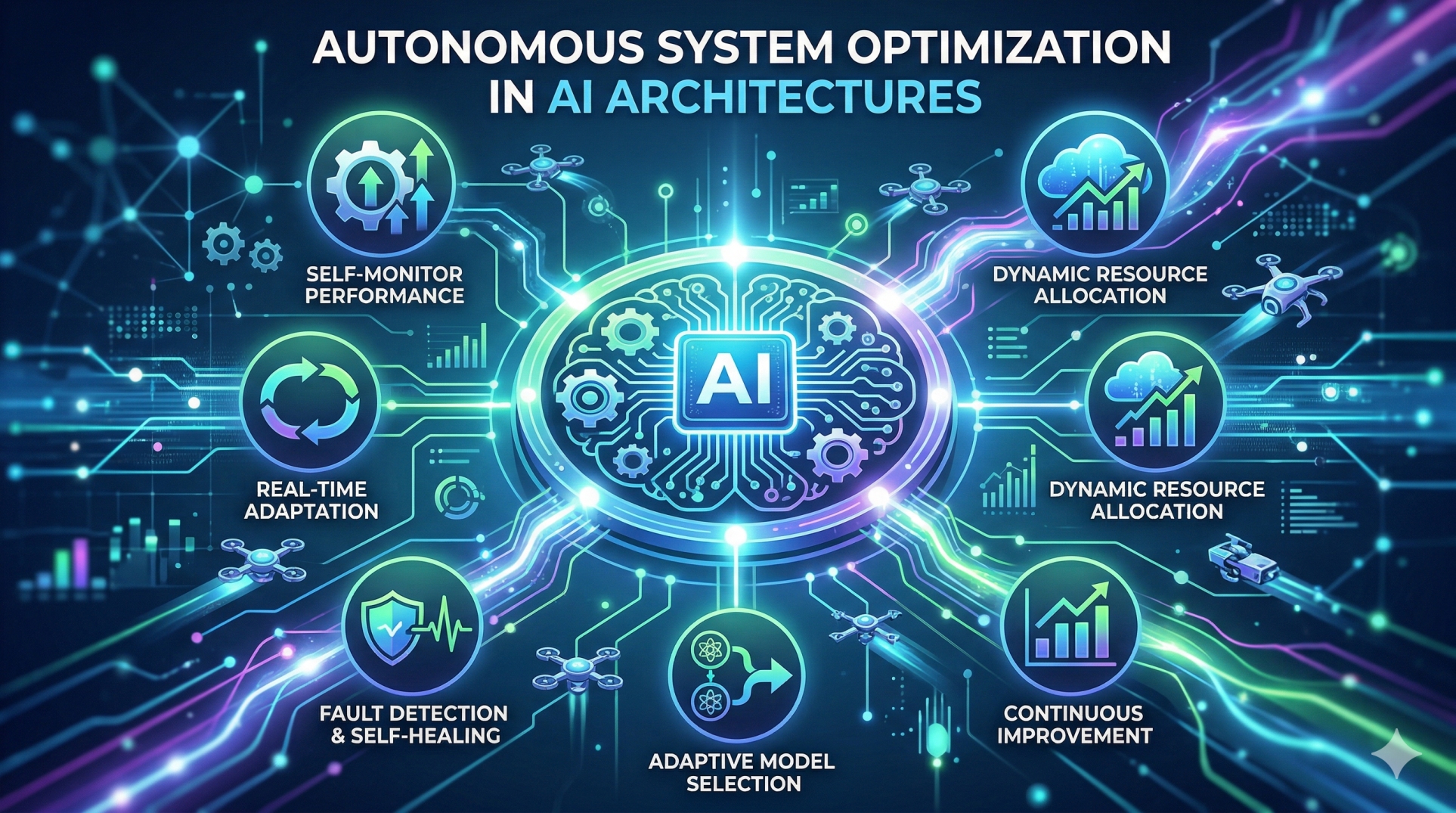
Step 9: Monitoring and Optimizing Knowledge Performance 📊
• Measure retrieval accuracy and response relevance 📈
• Analyze knowledge usage patterns and search behavior 🔍
• Identify content gaps and outdated information 📝
• Continuously improve retrieval strategies ⚡
• Optimize system performance through ongoing refinement 💡
Step 10: Building a Scalable Knowledge Operations Framework 🌍
• Design modular knowledge management architectures 🏗️
• Expand repositories without disrupting existing workflows 🔄
• Support multiple business domains and languages 🌐
• Integrate emerging AI capabilities seamlessly 🤖
• Future-proof knowledge operations for evolving enterprise needs 🚀
Conclusion
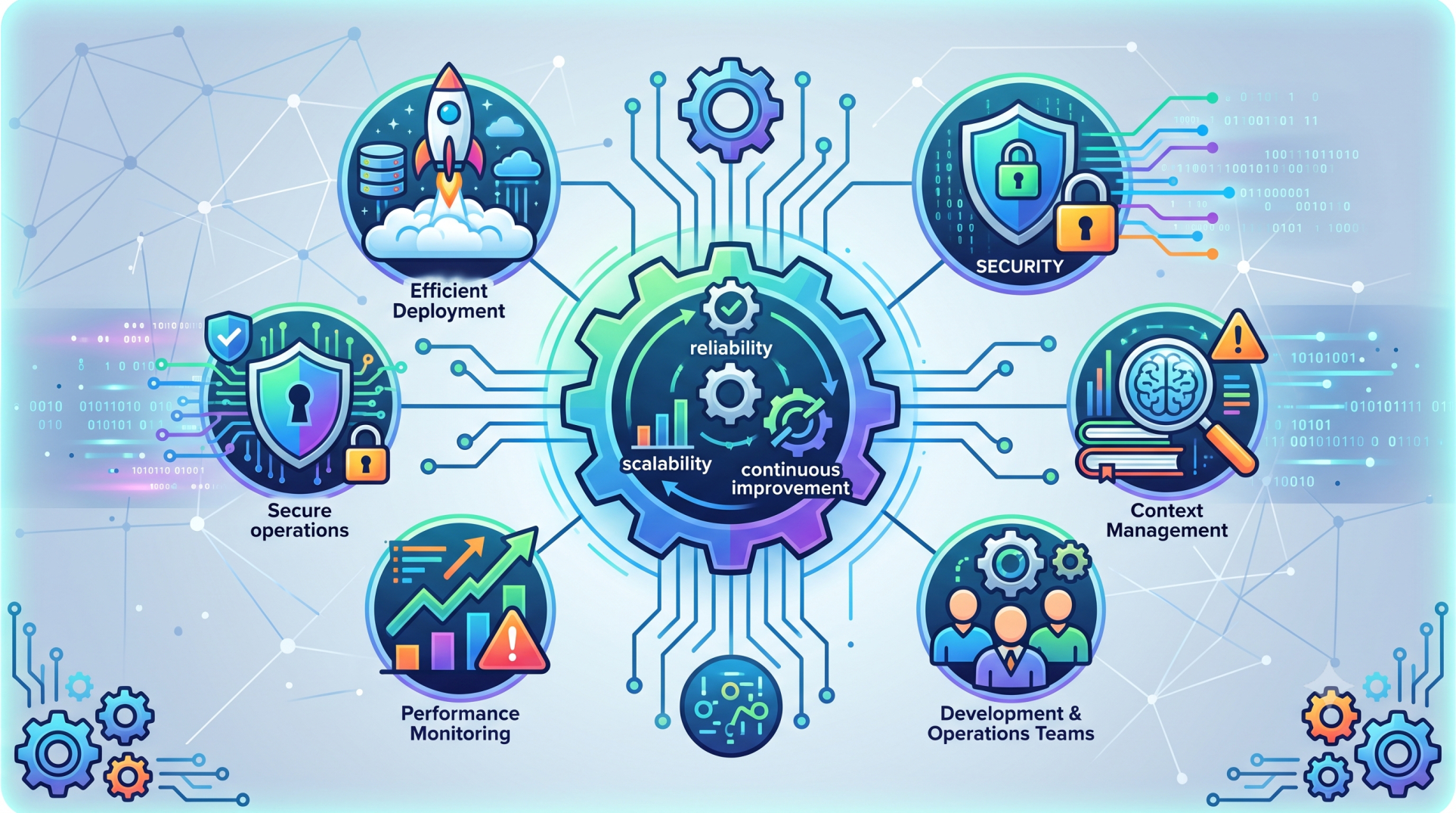
Structured Knowledge Operations provide the foundation for reliable, scalable, and intelligent language model systems. By organizing, validating, securing, and continuously maintaining enterprise knowledge, organizations enable AI applications to deliver accurate, context-aware, and trustworthy responses. A well-designed knowledge operations framework strengthens AI performance while supporting long-term adaptability, governance, and business growth.
See more blogs
You can all the articles below