Integrating LLMs with Knowledge Graphs for Contextual Intelligence
Integrating LLMs with Knowledge Graphs for Contextual Intelligence
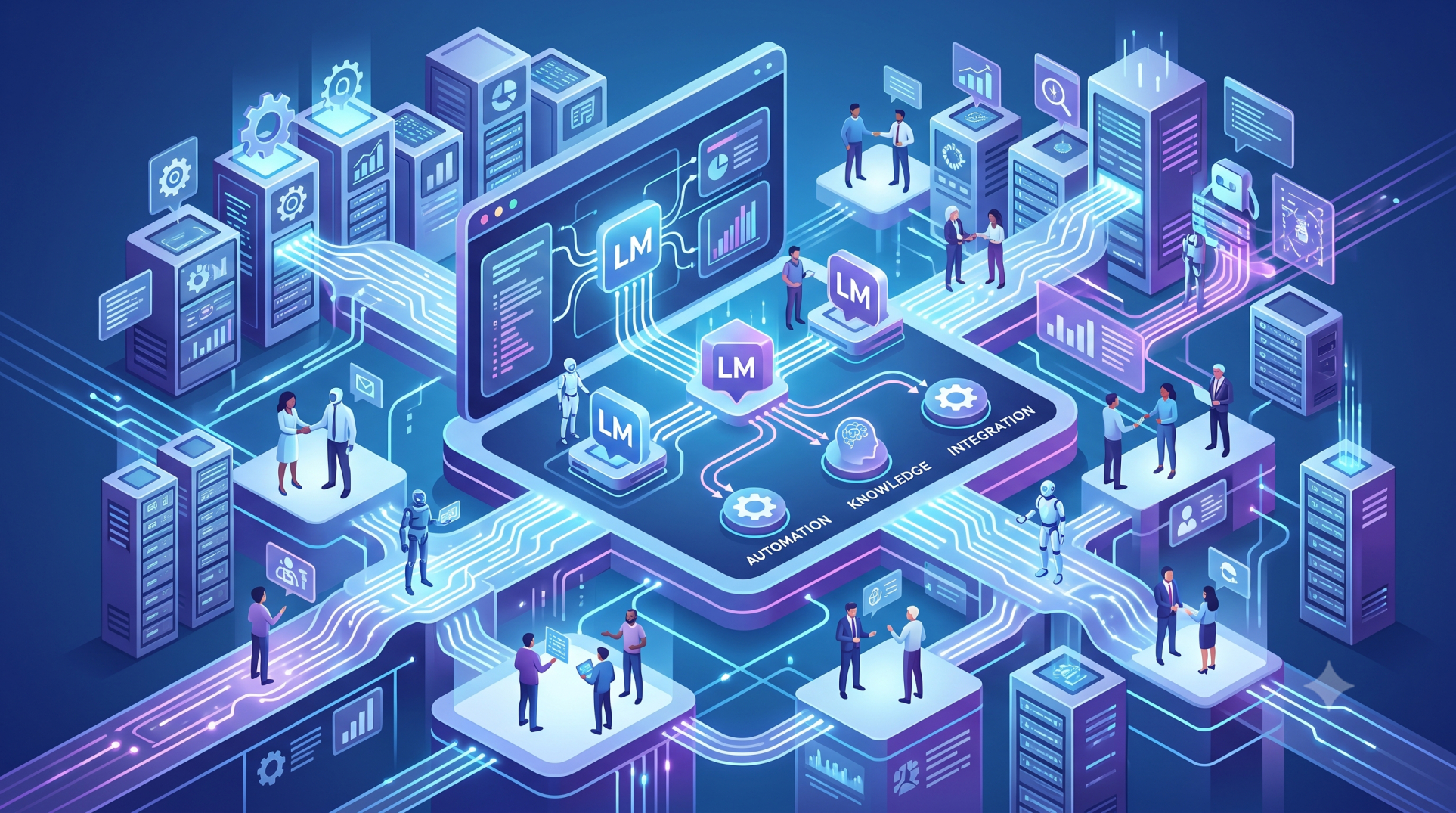
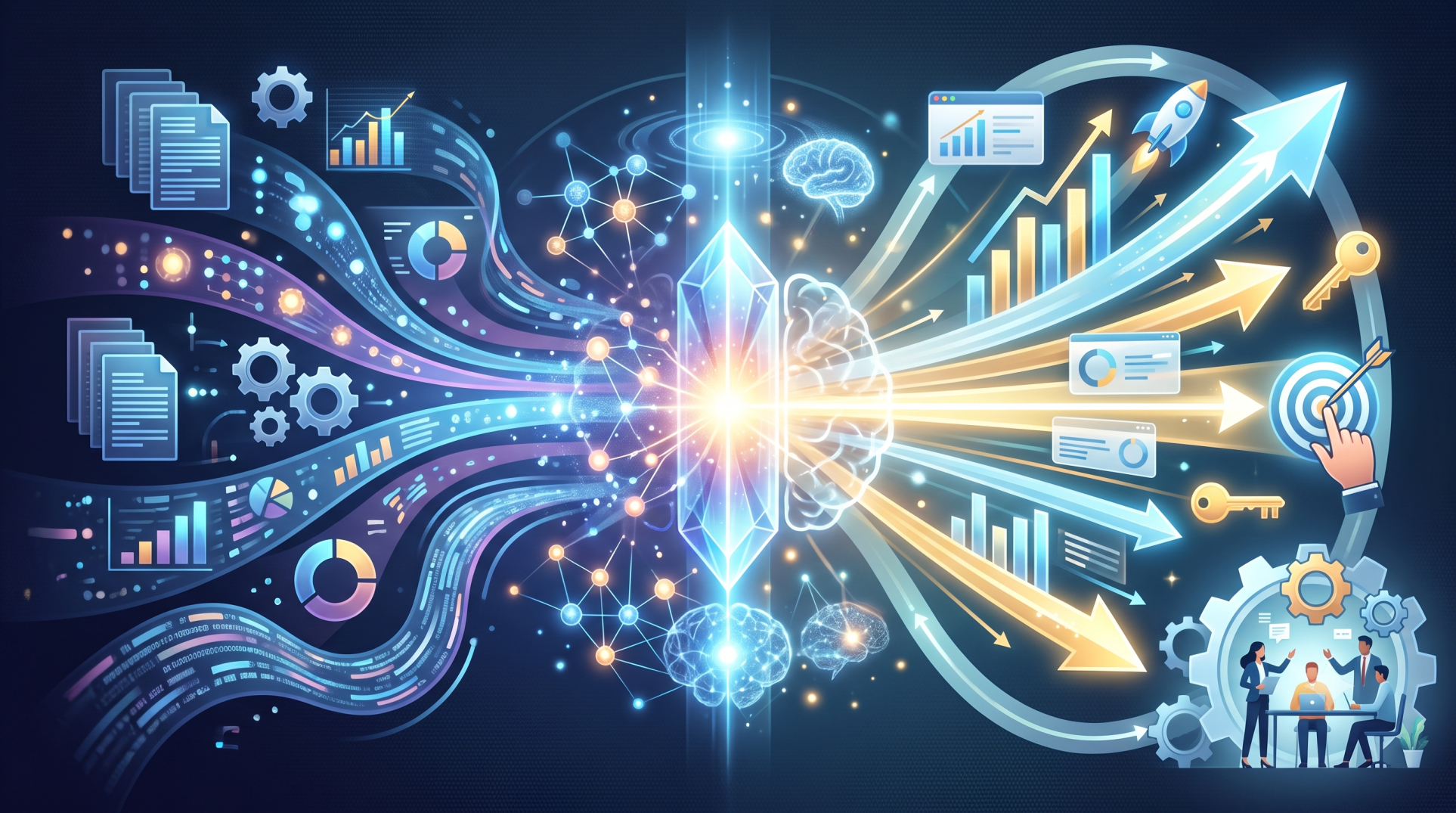
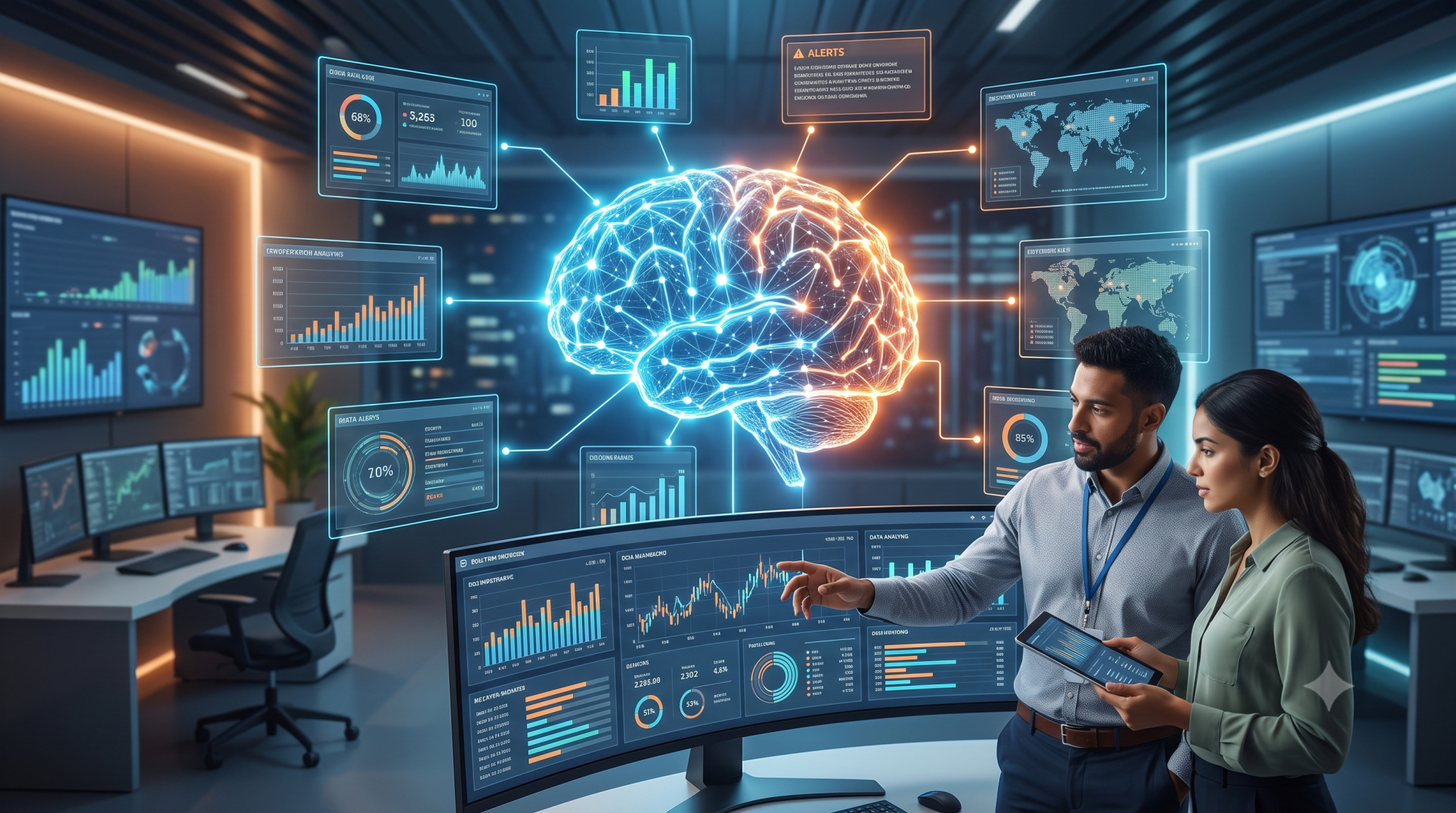
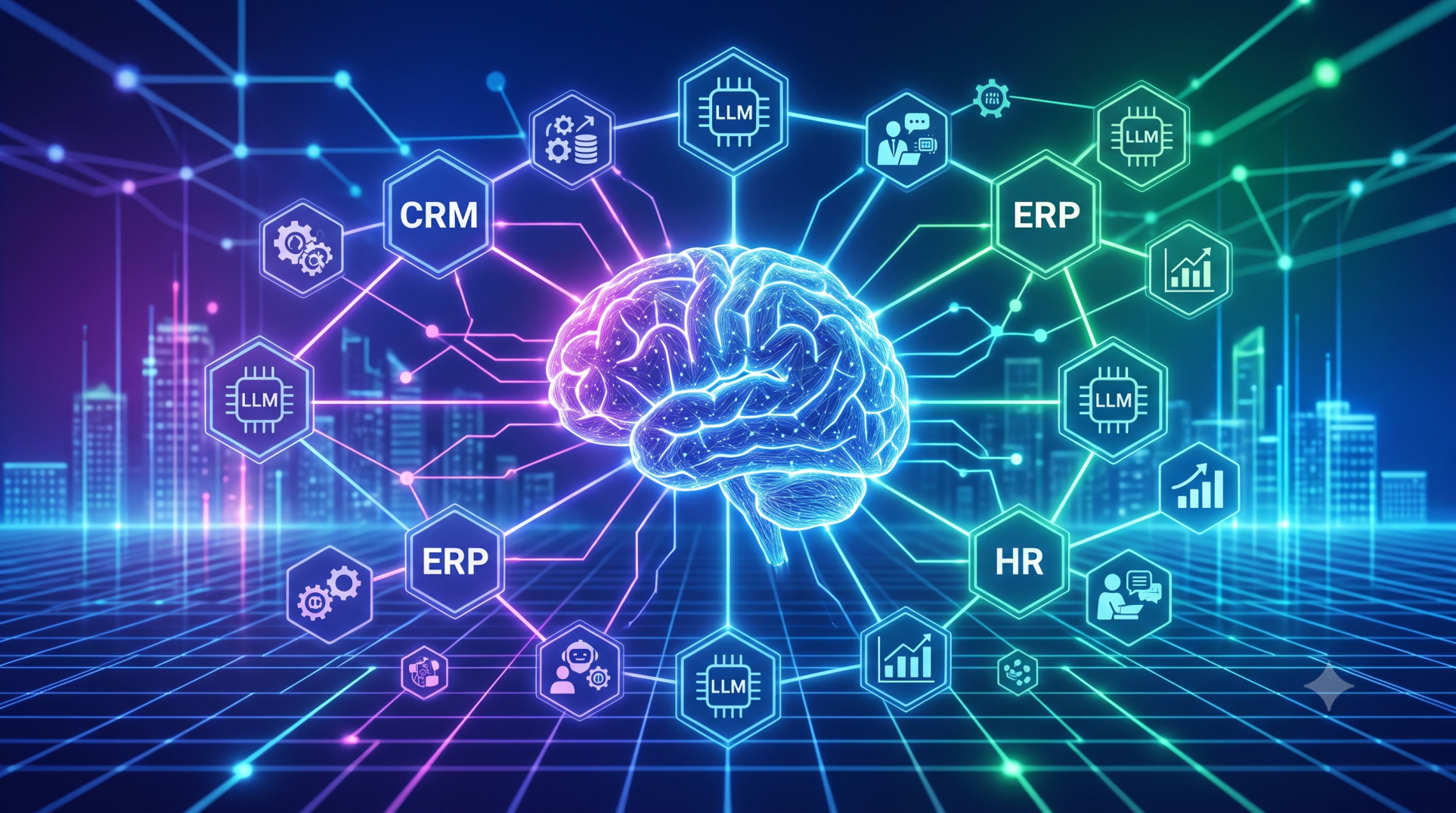
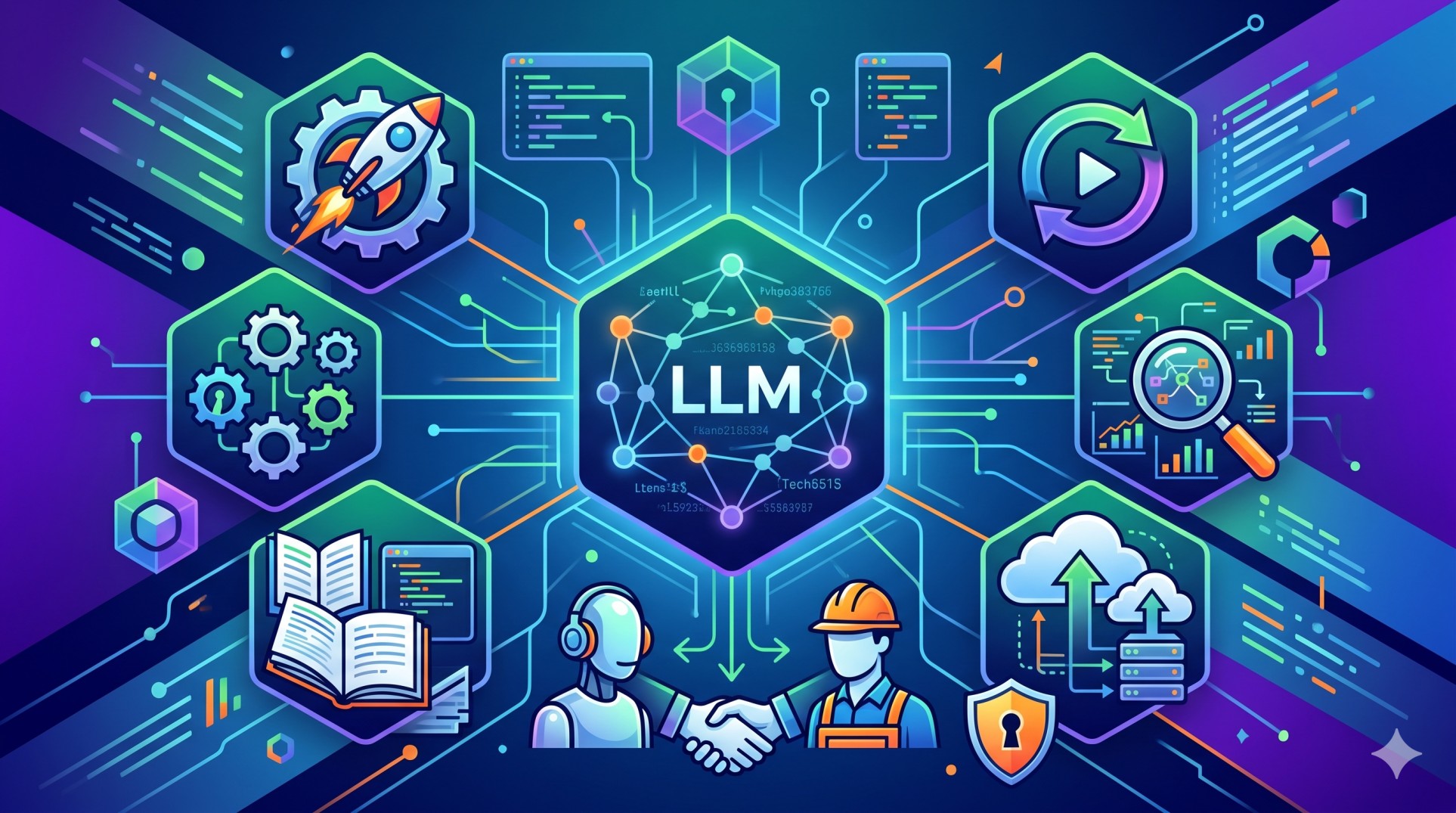
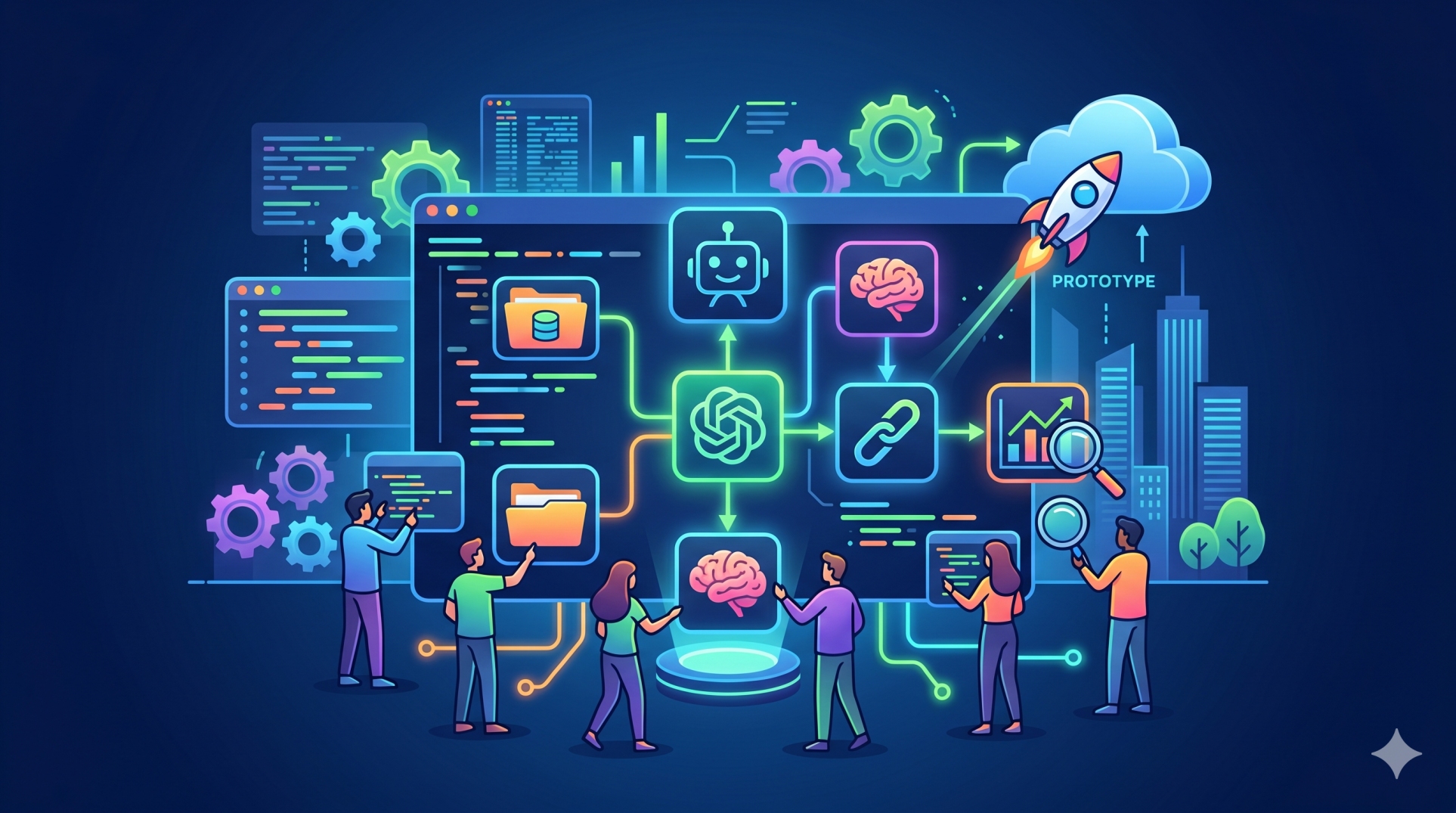
As AI systems evolve, delivering accurate and context-aware responses has become a key priority. While Large Language Models (LLMs) excel at generating human-like text, they often lack structured reasoning and verifiable grounding. Knowledge graphs, on the other hand, provide structured relationships between entities, enabling precise and explainable insights. Integrating LLMs with knowledge graphs creates a powerful hybrid approach—combining generative intelligence with structured context for more reliable and intelligent systems.
Step 1: Understanding LLMs and Knowledge Graphs 🤖
• LLMs generate natural language responses based on learned patterns 🧠
• Knowledge graphs store structured relationships between entities 🔗
• LLMs excel in language fluency, while graphs provide factual grounding 📊
• Combining both enables context-rich and accurate outputs 🎯
• Integration bridges unstructured and structured data worlds 🌐
Step 2: Structuring Domain Knowledge into Graphs 🧩
• Define entities, attributes, and relationships within a domain 📚
• Build ontologies to represent real-world concepts 🧠
• Normalize and clean data before graph construction 🧹
• Use graph databases to store and manage relationships 🗄️
• Continuously update graphs with new knowledge 🔄
Step 3: Connecting LLMs to Knowledge Graphs 🔗
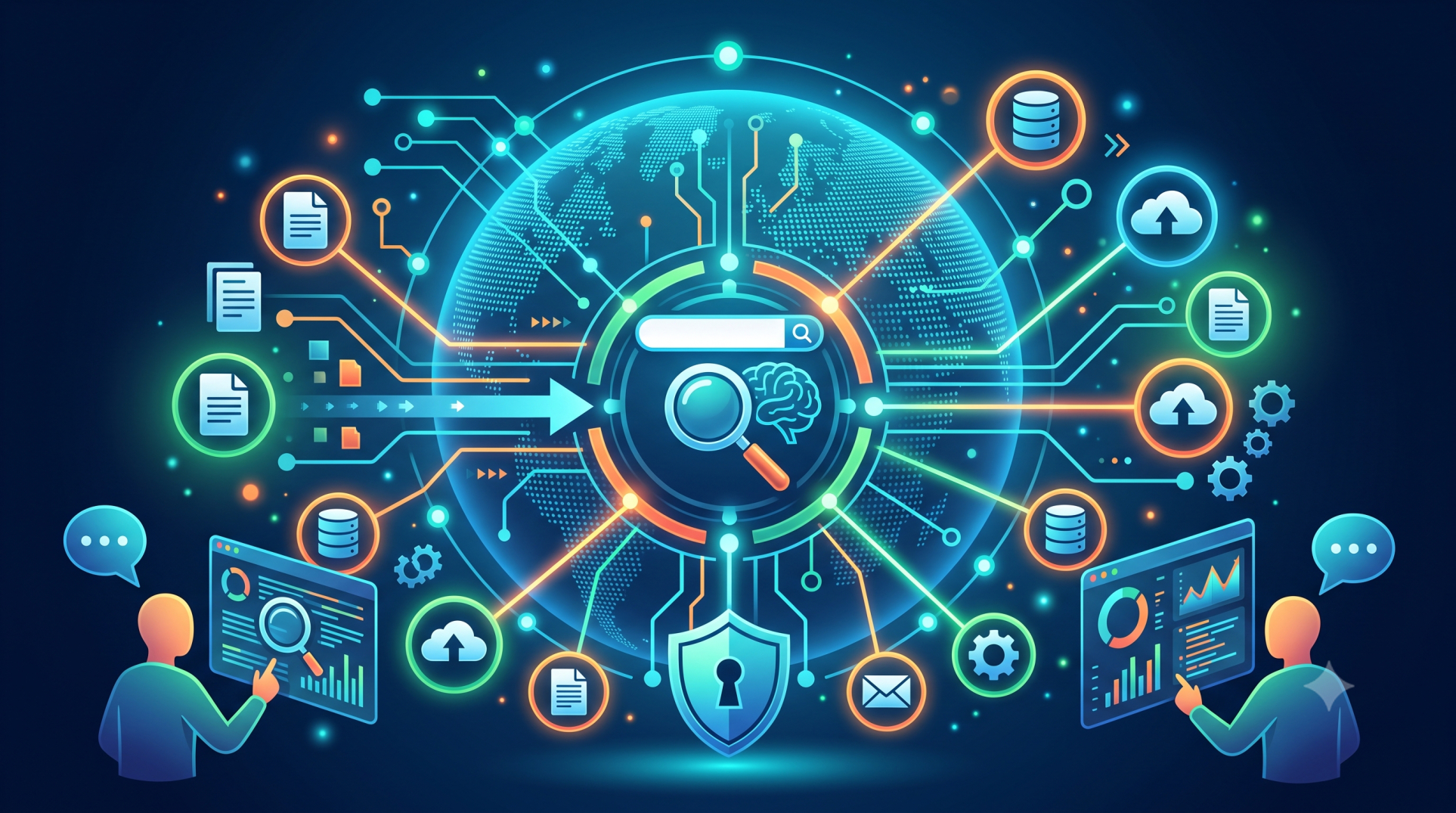
• Use APIs or middleware to link LLMs with graph databases 🌐
• Enable query-based retrieval from knowledge graphs 🔍
• Inject structured data into LLM prompts for grounding 🧾
• Support real-time access to verified information ⏱️
• Ensure seamless communication between systems 🔄
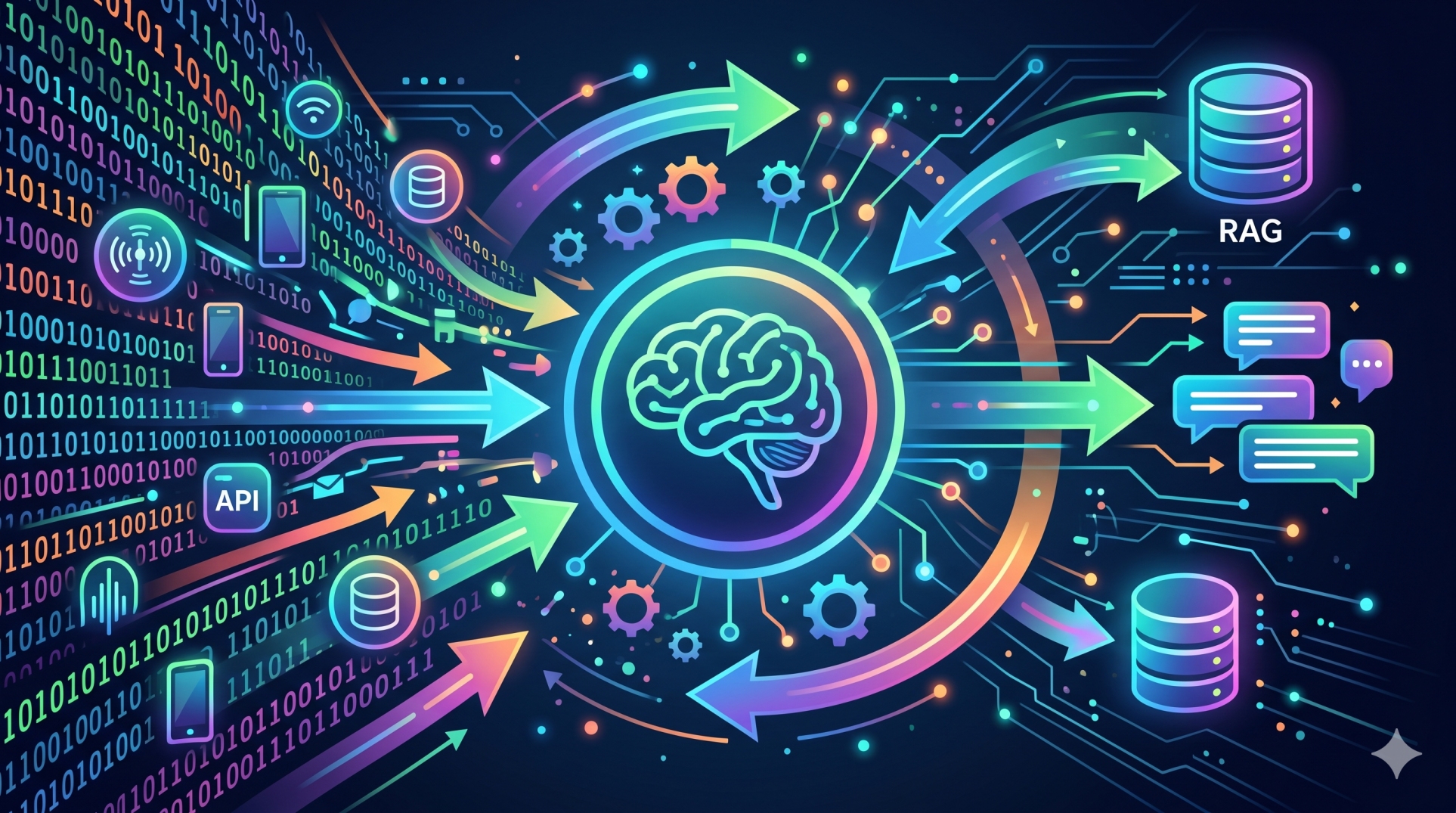
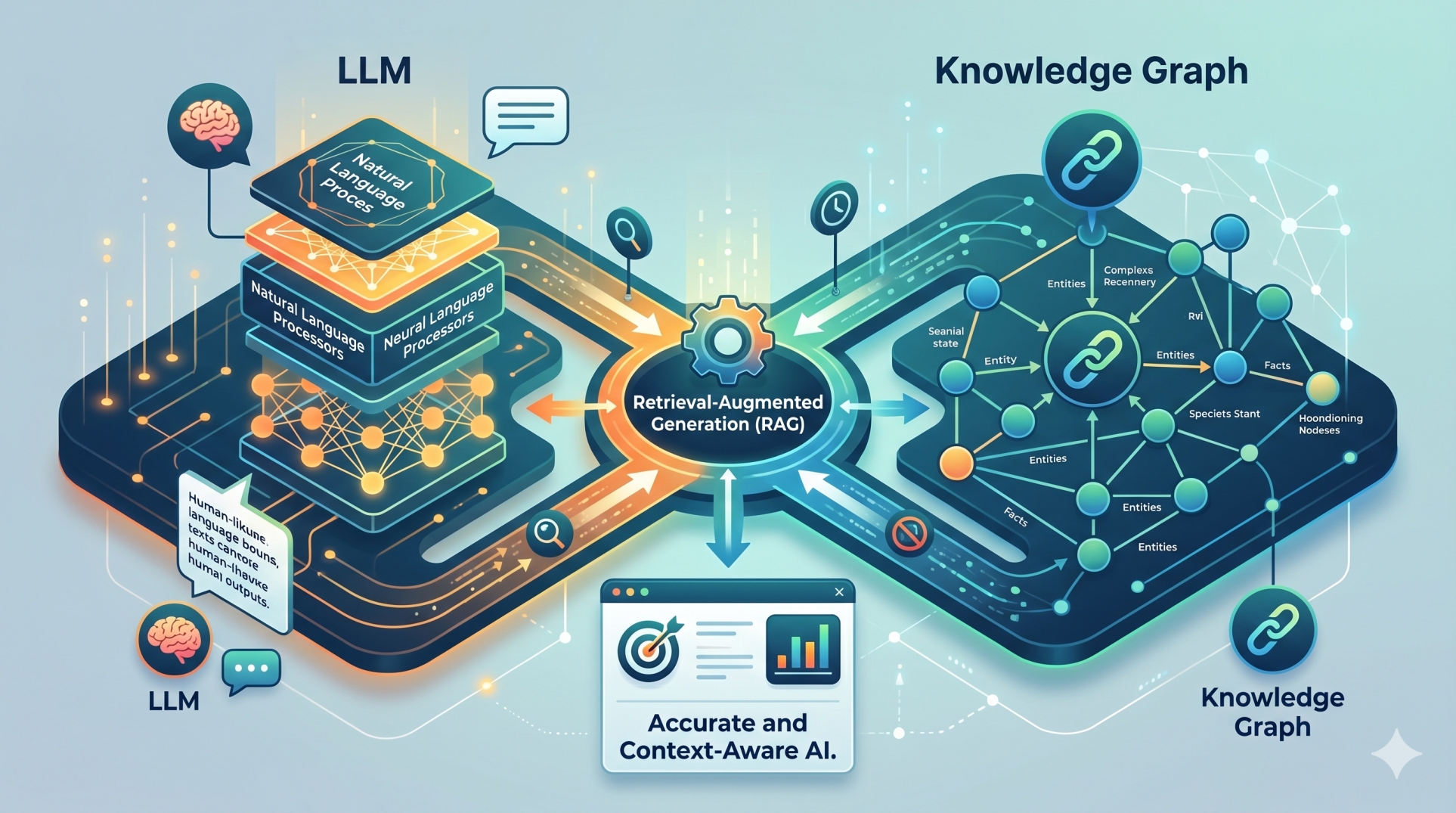
Step 4: Retrieval-Augmented Generation (RAG) 📡
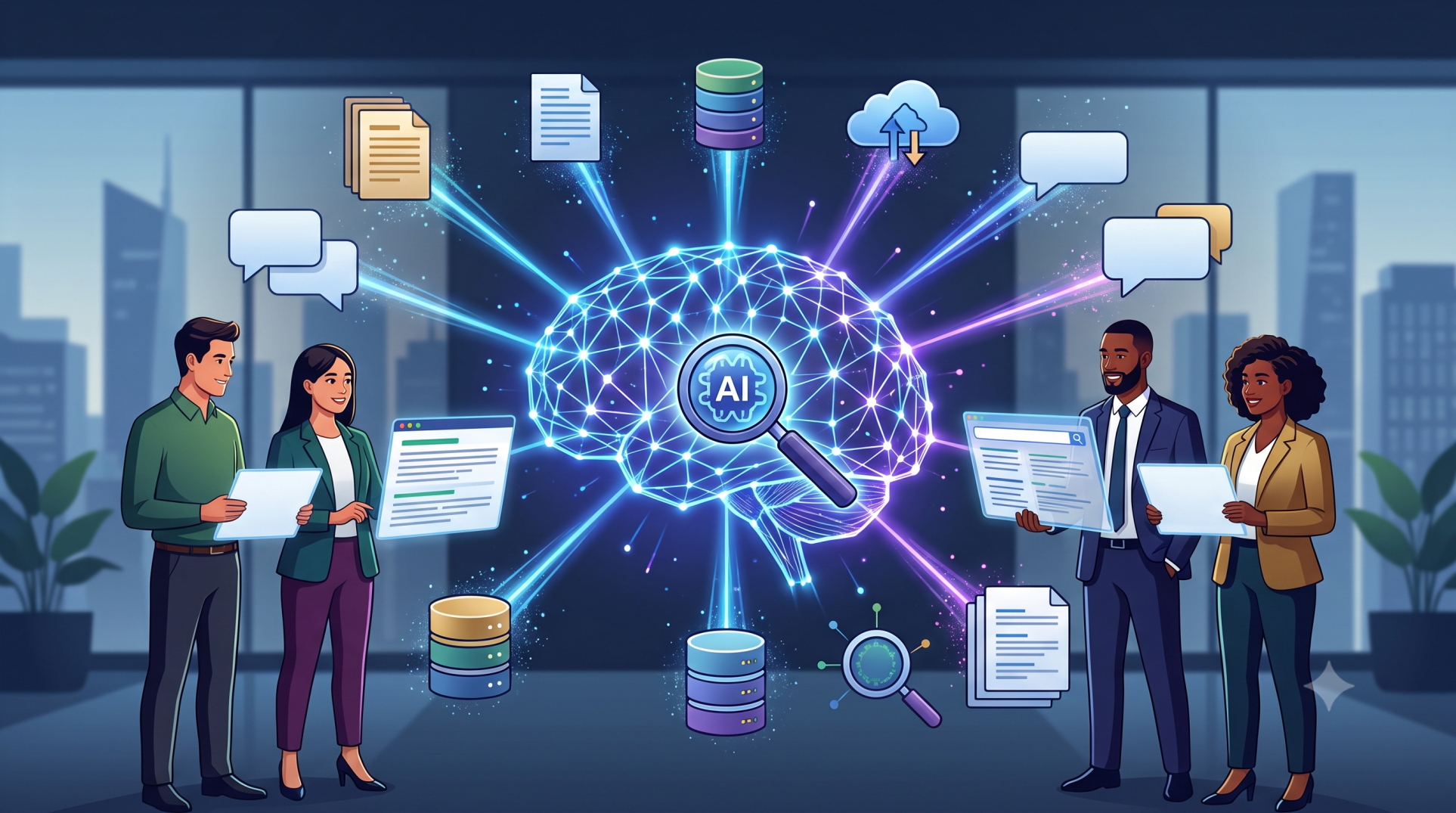
• Retrieve relevant facts from knowledge graphs before generating responses 🔍
• Provide LLMs with context-aware inputs for better accuracy 📊
• Reduce hallucinations by grounding outputs in structured data 🚫
• Improve explainability through traceable knowledge sources 🧠
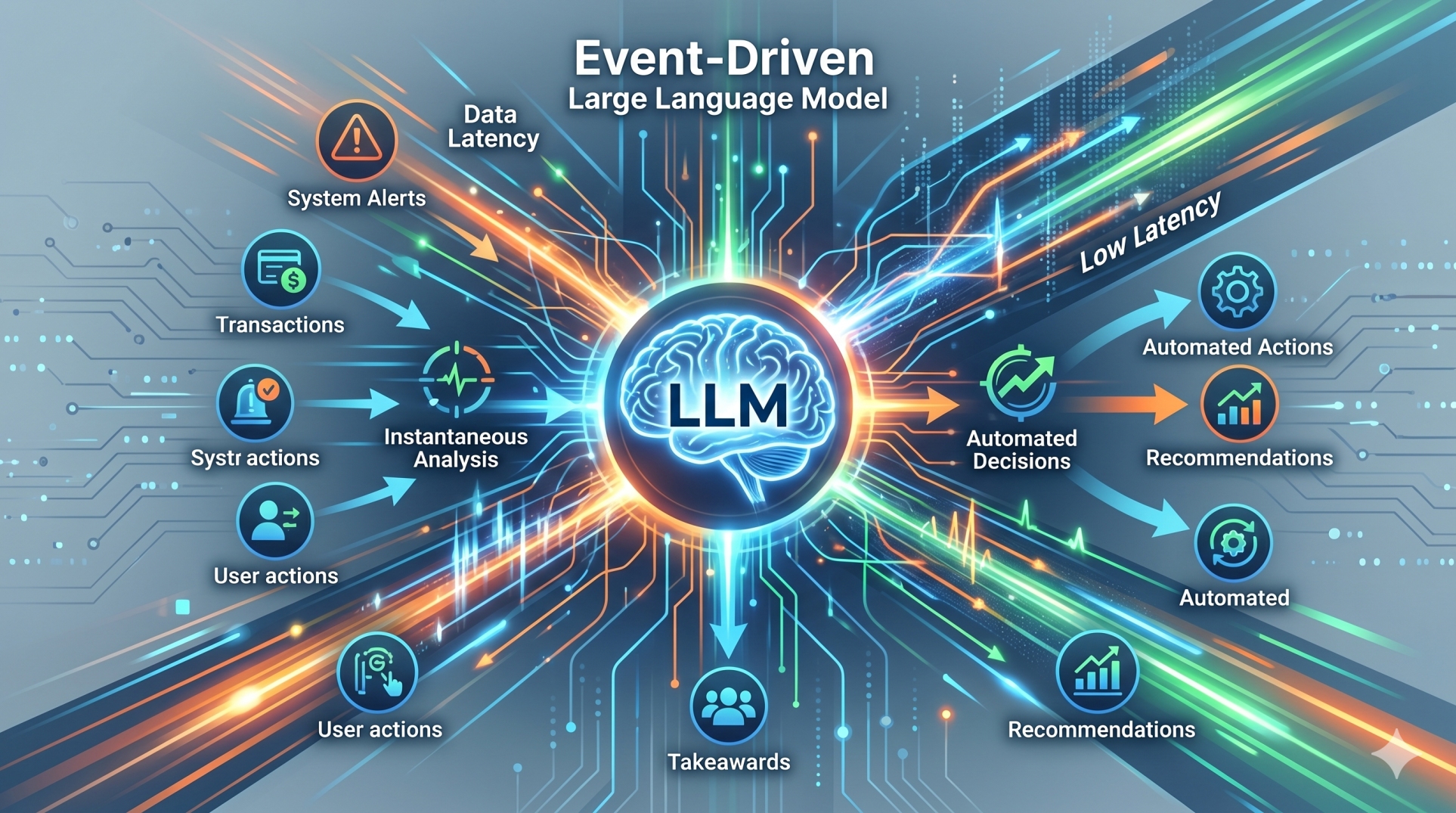
• Enable dynamic and up-to-date responses 🔄
Step 5: Enhancing Contextual Reasoning 🧠
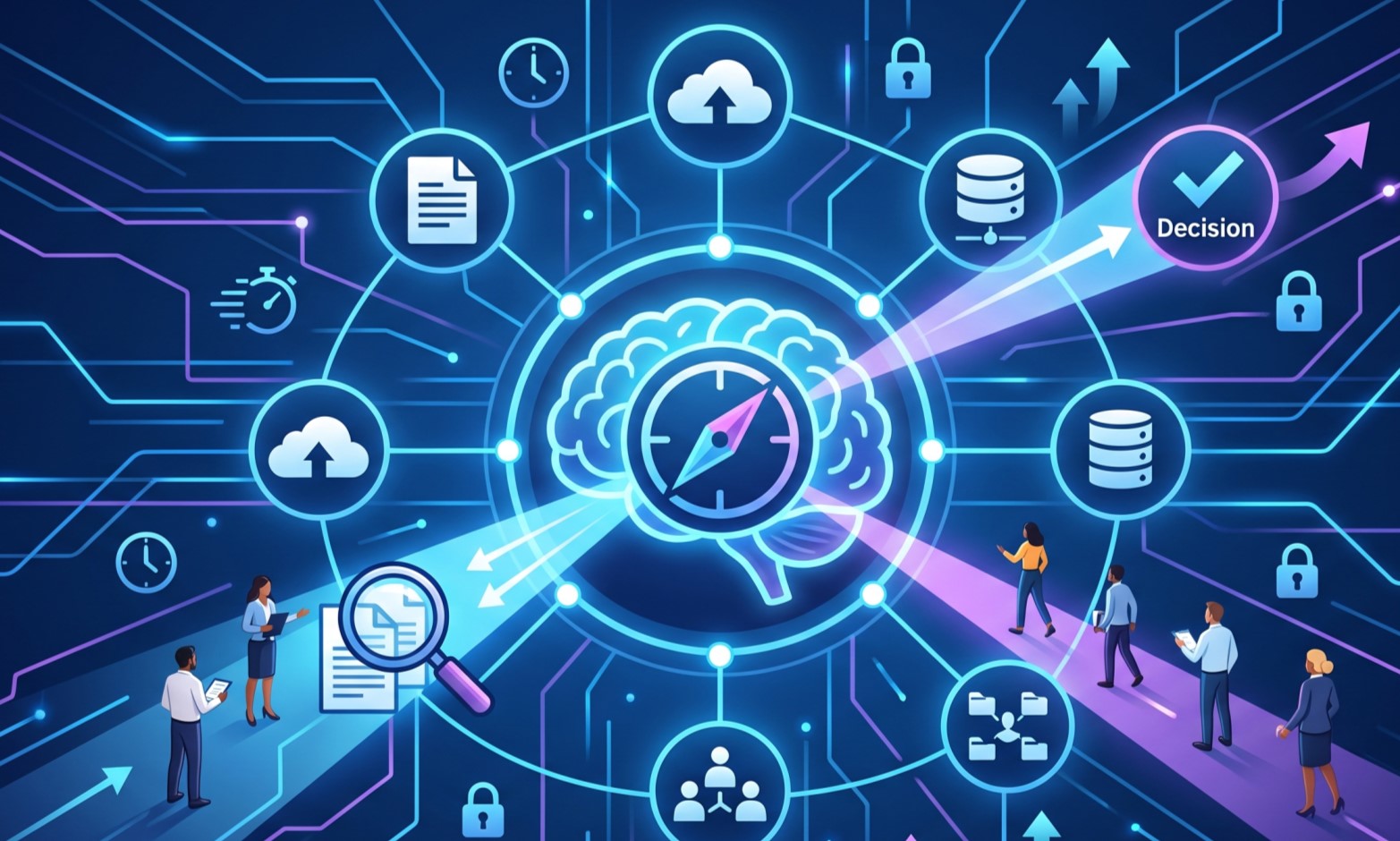
• Use graph relationships to infer deeper context 🔗
• Enable multi-hop reasoning across connected entities 🔄
• Support complex queries involving multiple data points 📊
• Improve decision-making with structured insights 🎯
• Enhance semantic understanding in AI systems 🌐
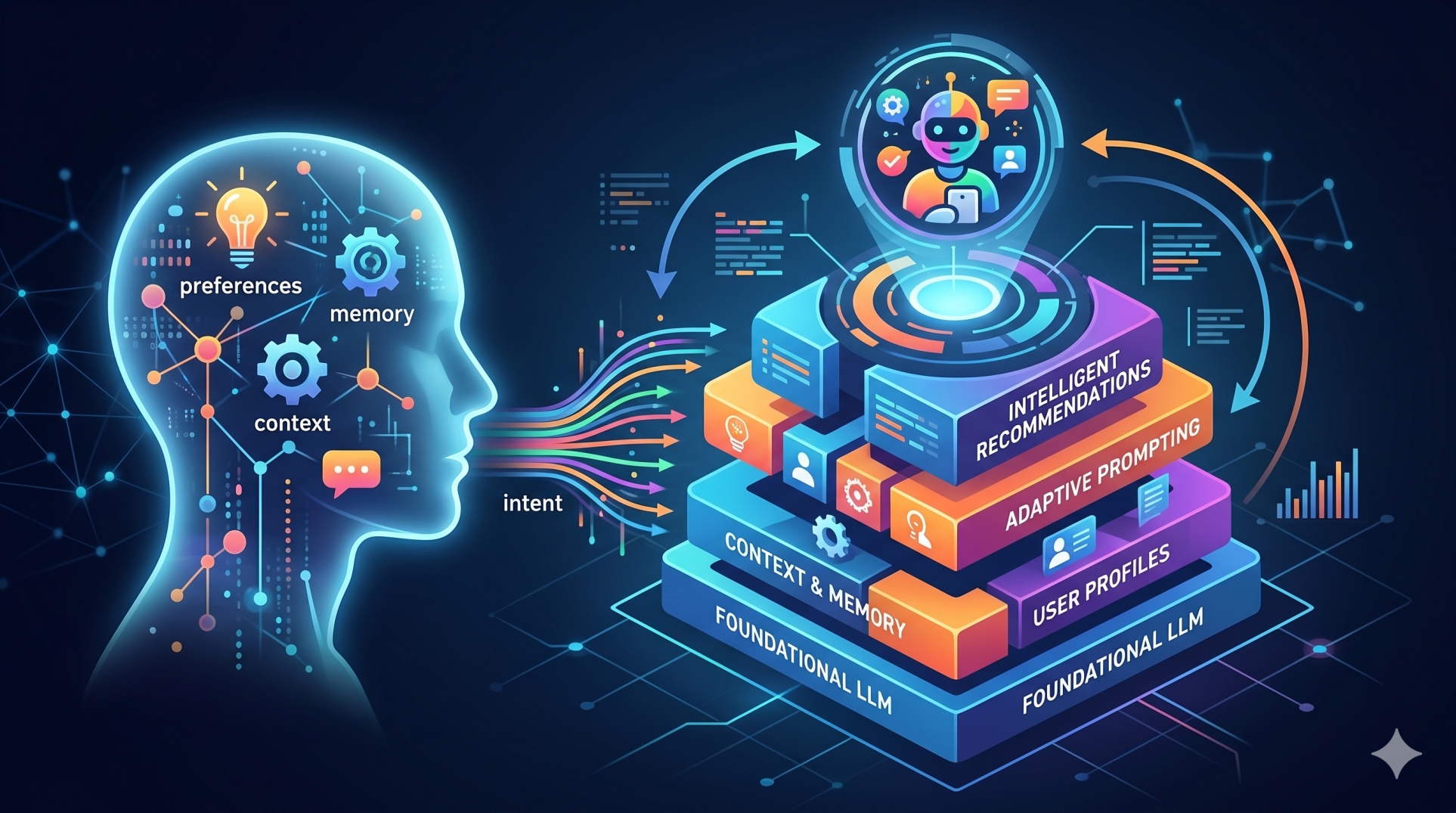
Step 6: Personalization and Domain Adaptation 🎯
• Tailor responses based on user-specific or domain-specific graphs 👤
• Adapt LLM outputs to industry-specific terminology 📚
• Provide personalized recommendations using graph data 🔍
• Improve relevance in specialized applications 🧠
• Support dynamic context adaptation in real time ⏱️
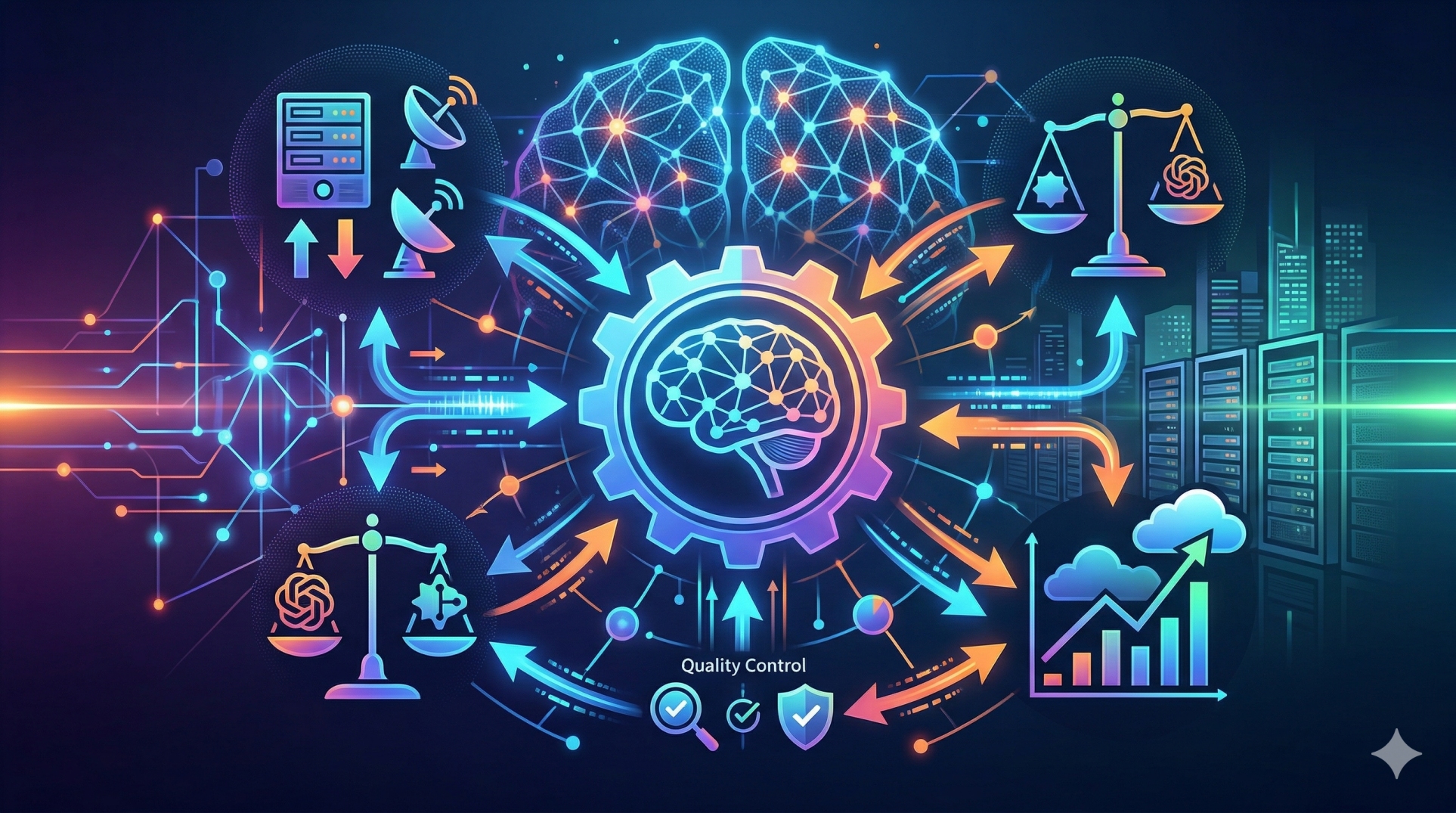
Step 7: Ensuring Data Quality and Consistency 🔐
• Maintain accurate and validated knowledge graph data ✅
• Synchronize updates between LLMs and graph systems 🔄
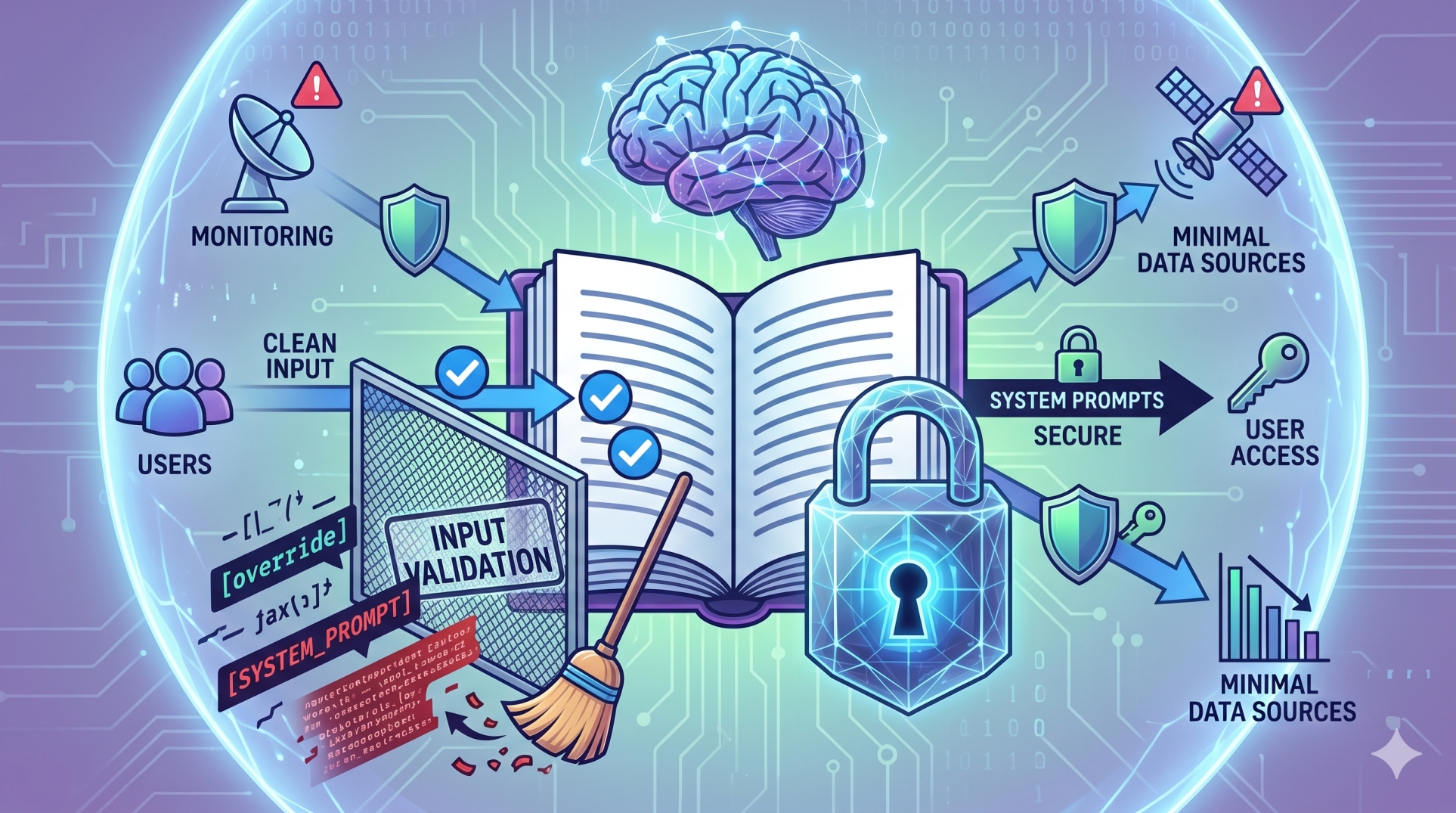
• Implement governance for data integrity 📜
• Monitor inconsistencies and resolve conflicts 🔍
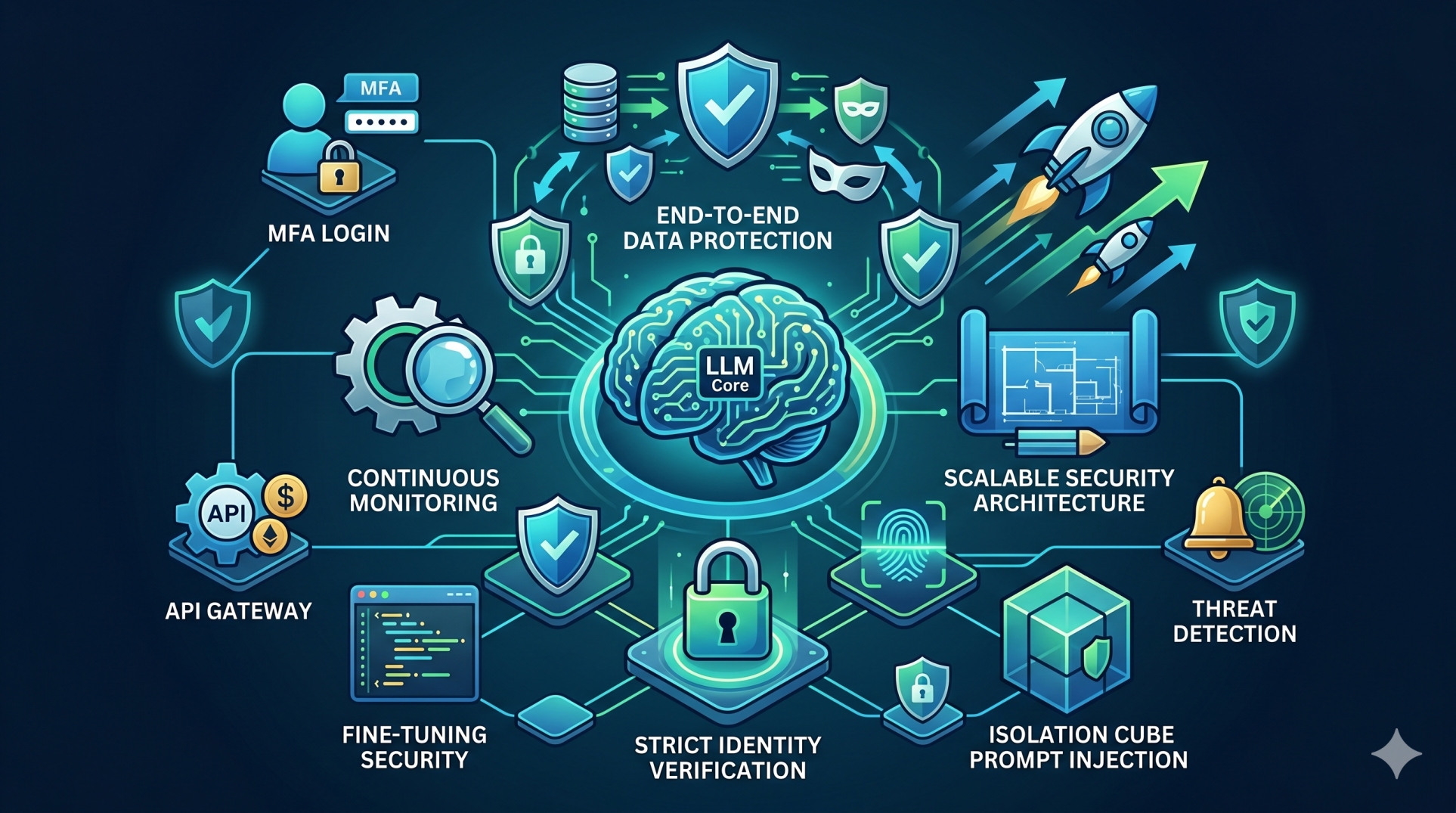
• Ensure trustworthiness of AI-generated outputs 🛡️
Step 8: Key Integration Benefits 📌
• Improved accuracy and reduced hallucinations 🎯
• Enhanced explainability through structured data 🔍
• Better contextual understanding and reasoning 🧠
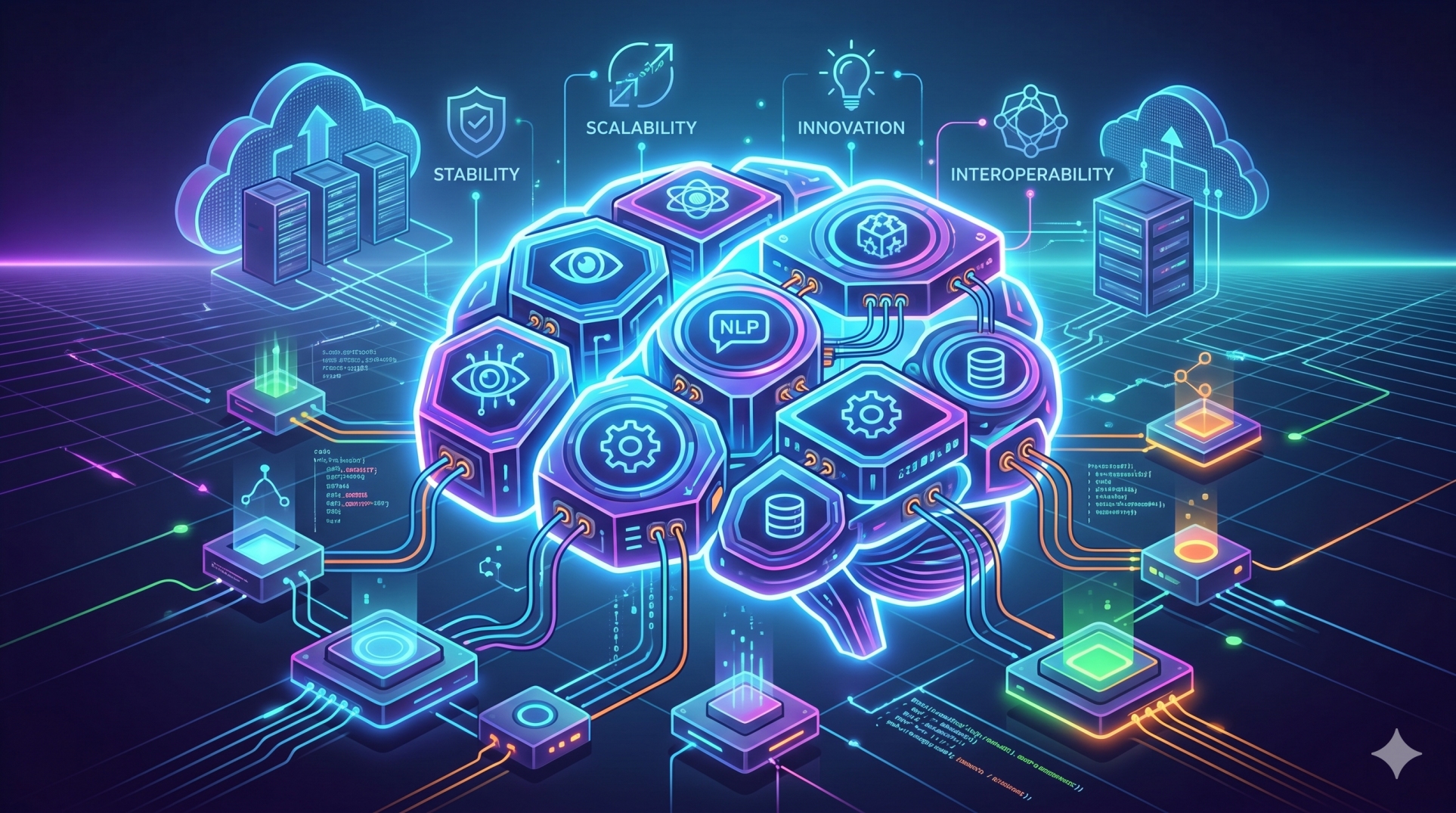
• Scalable architecture for knowledge-driven AI systems 🚀
Step 9: Handling Challenges and Limitations ⚠️
• Managing complexity of large-scale knowledge graphs 🧩
• Ensuring low-latency retrieval for real-time applications ⏱️
• Handling incomplete or evolving knowledge bases 🔄
• Balancing performance with accuracy ⚖️
• Integrating diverse data sources effectively 🌐
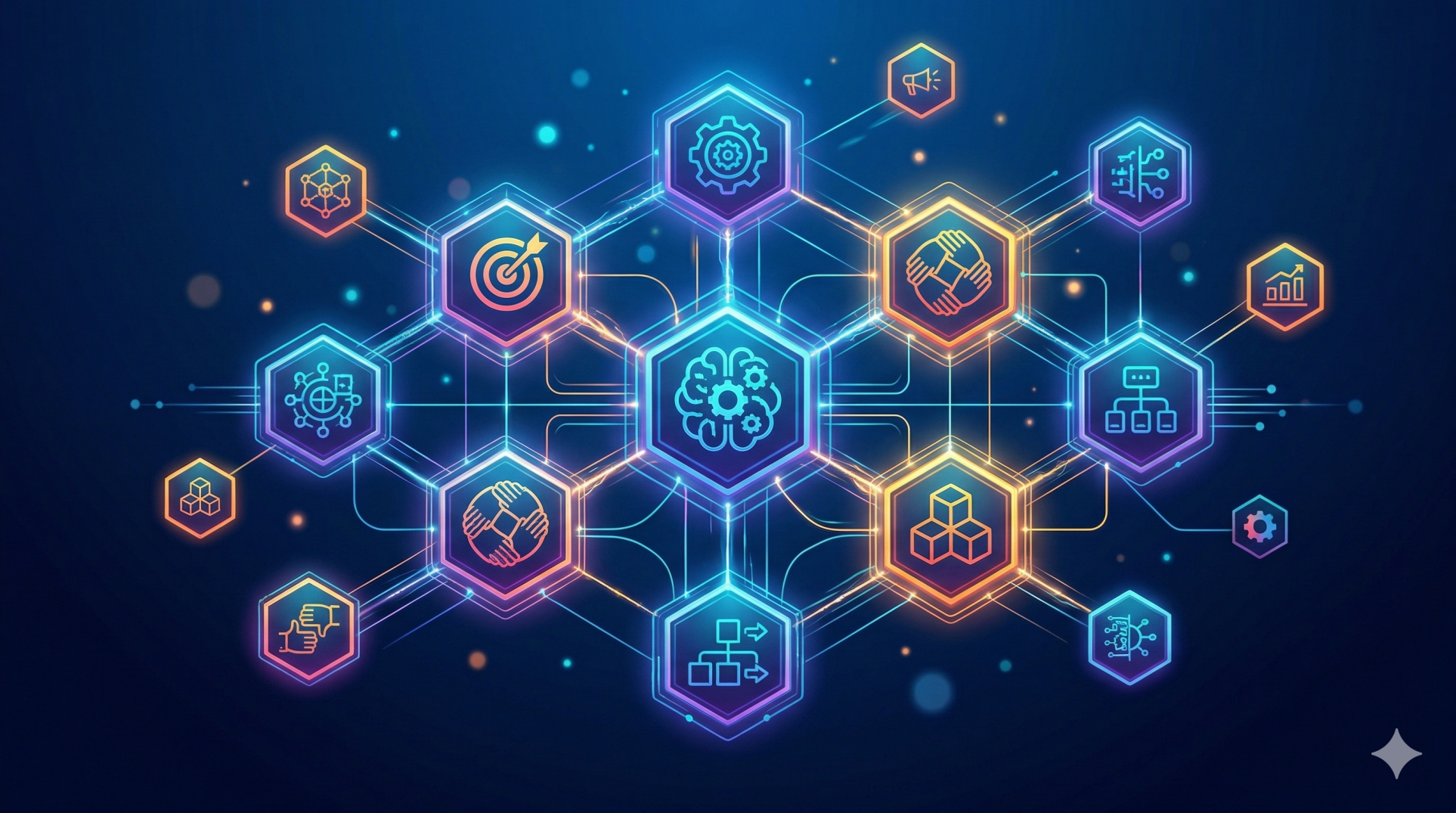
Step 10: Building Intelligent, Context-Aware Systems 🚀
• Design hybrid architectures combining LLMs and graph systems 🧠
• Use modular pipelines for retrieval and generation 🔗
• Continuously improve models using feedback loops 🔄
• Incorporate advanced reasoning and inference techniques 📊
• Future-proof systems for evolving AI capabilities 🌍
Conclusion
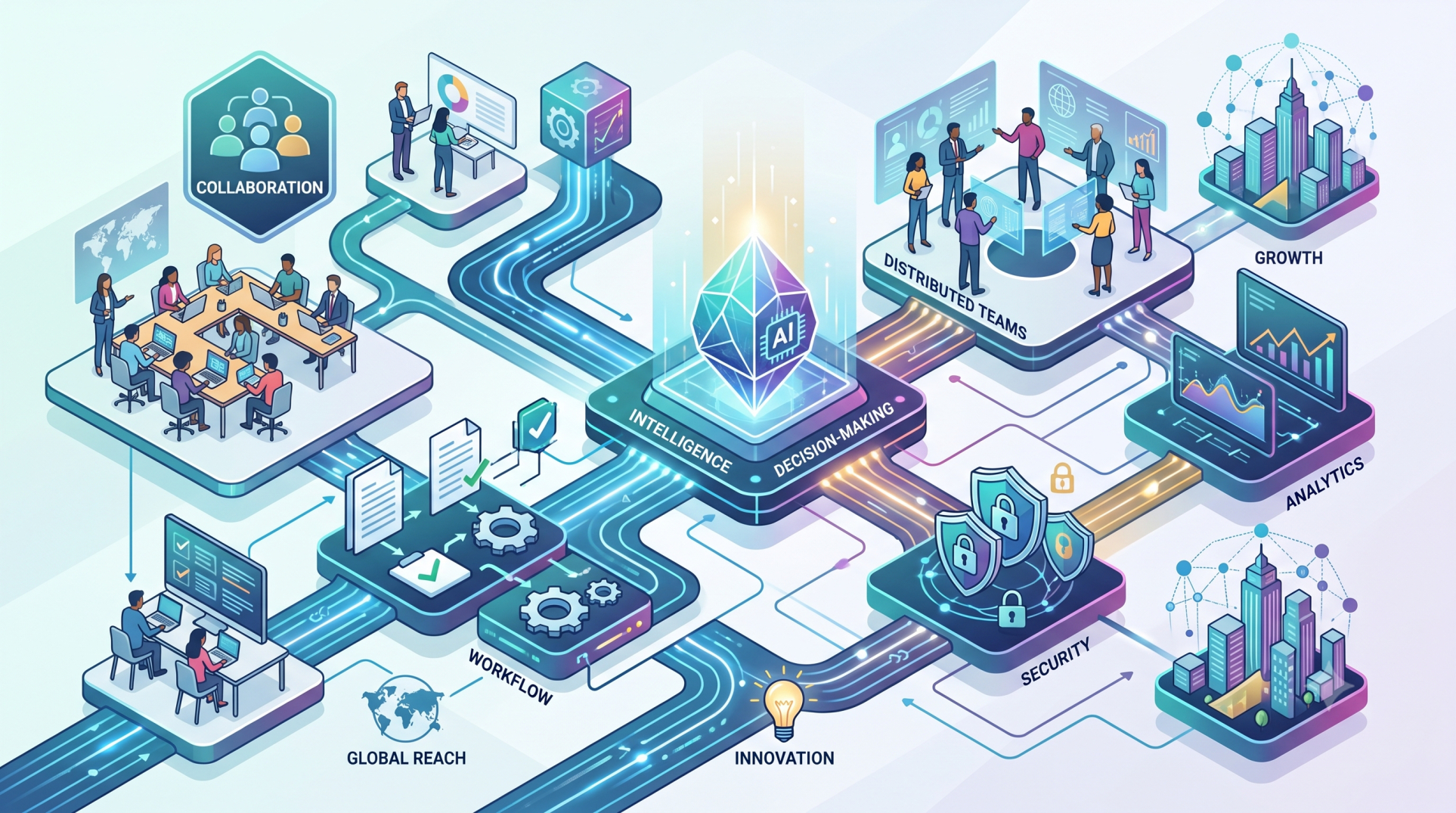
Integrating LLMs with knowledge graphs represents a significant step toward building more intelligent, reliable, and context-aware AI systems. By combining the generative power of LLMs with the structured precision of knowledge graphs, organizations can unlock deeper insights, improve decision-making, and deliver more accurate and explainable AI-driven solutions. This hybrid approach is poised to become a foundational pattern in the next generation of AI applications.
See more blogs
You can all the articles below