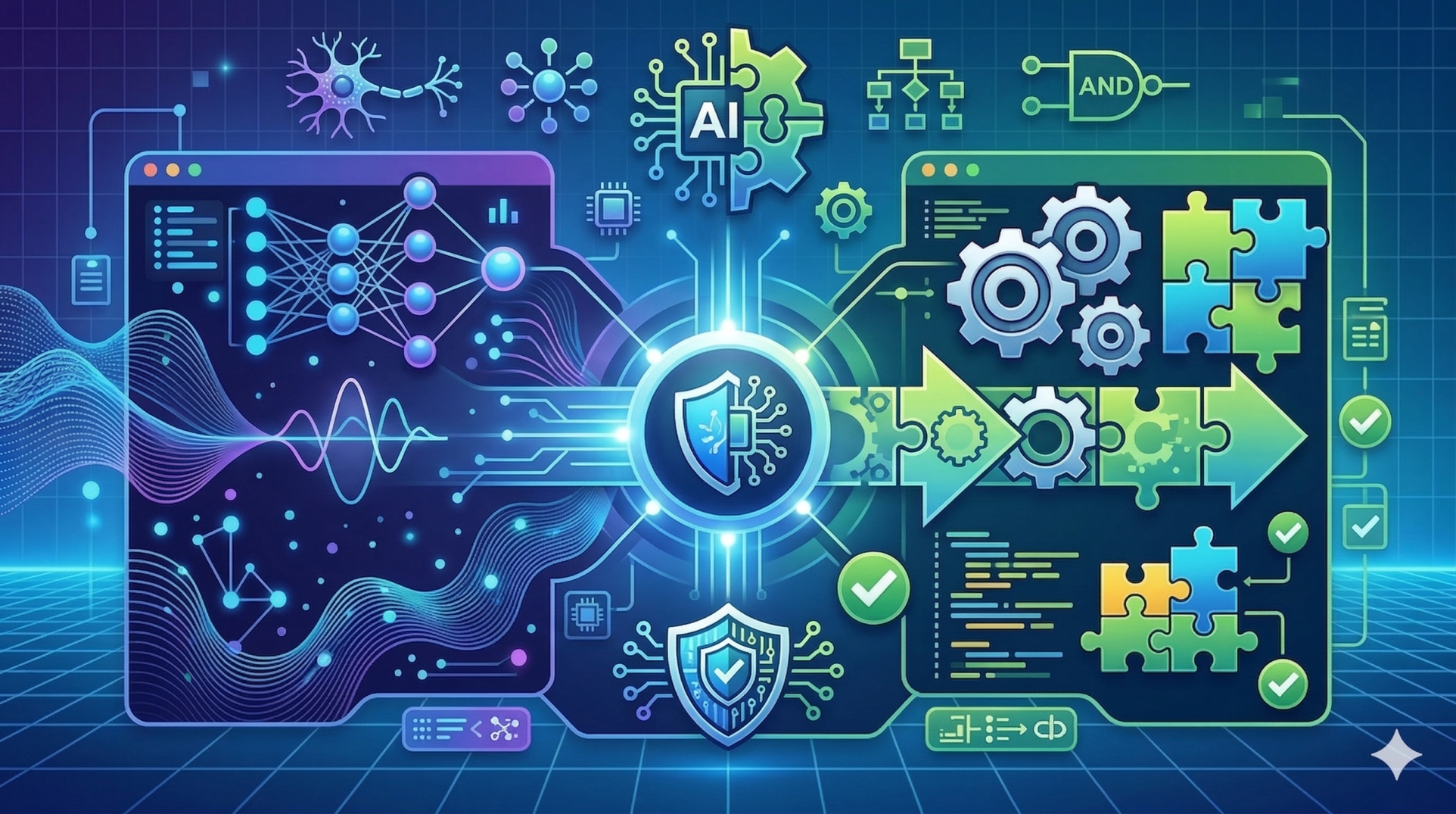
Business Process Acceleration Through LLM Coordination

Business Process Acceleration Through LLM Coordination
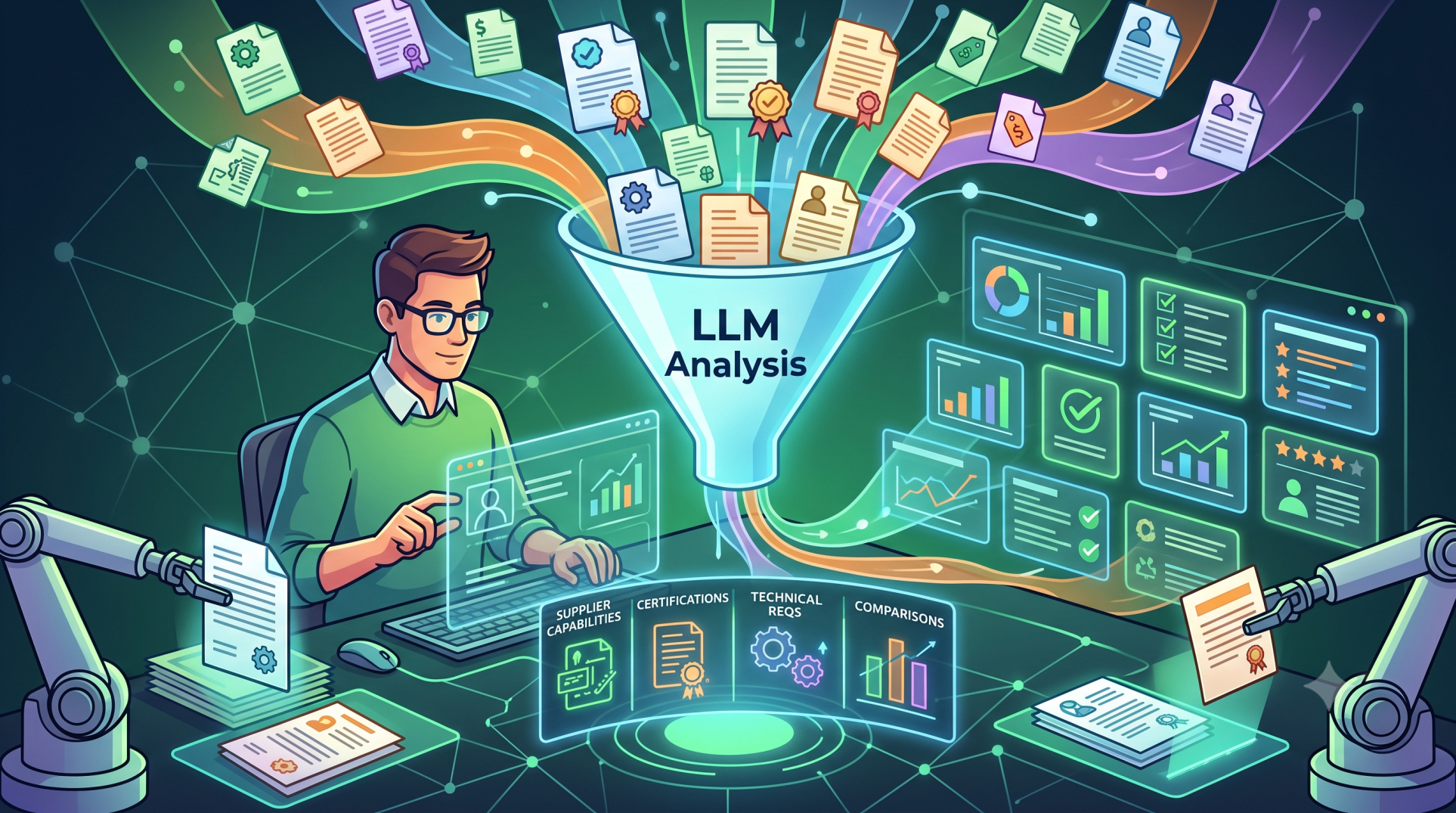
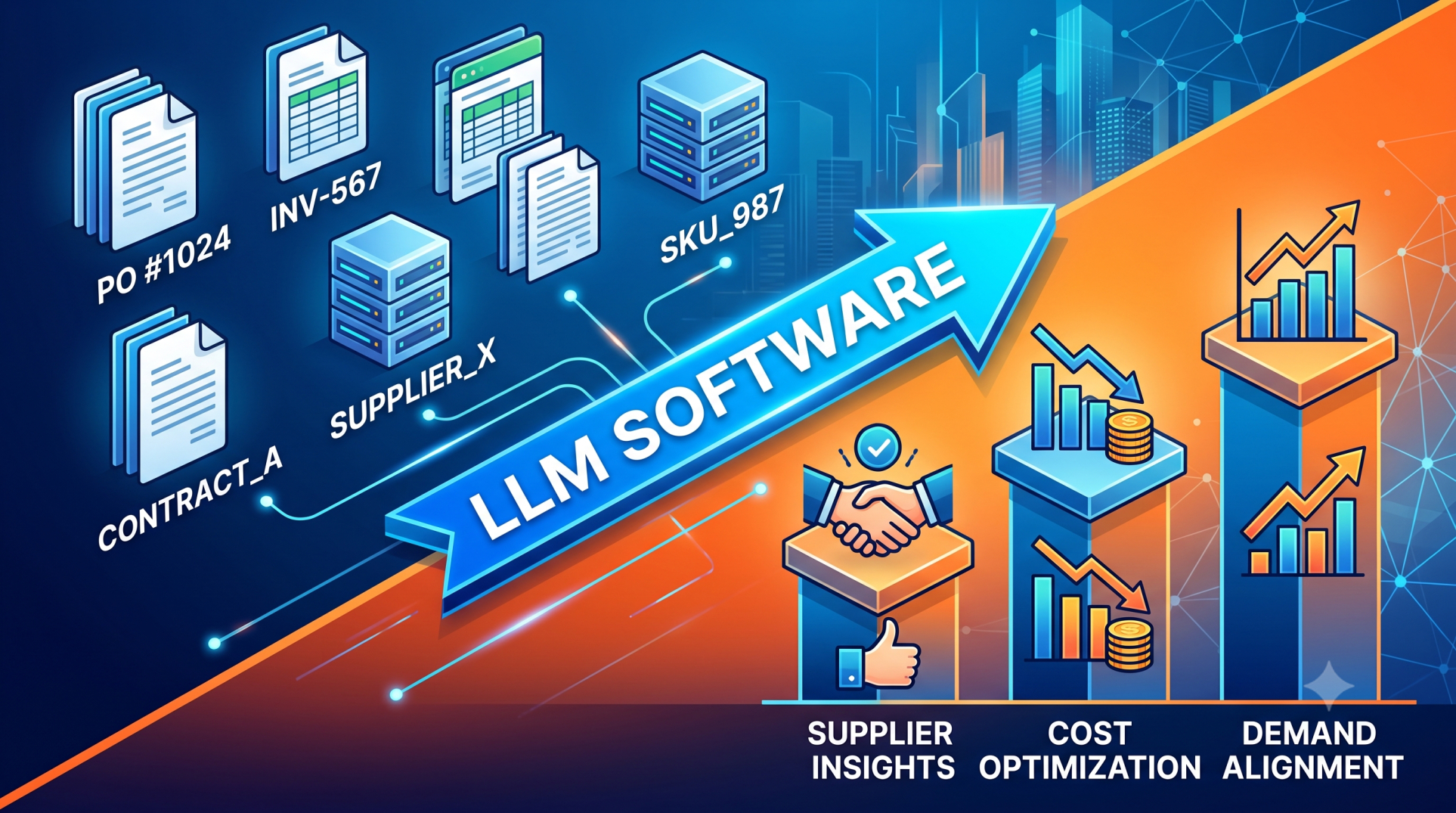
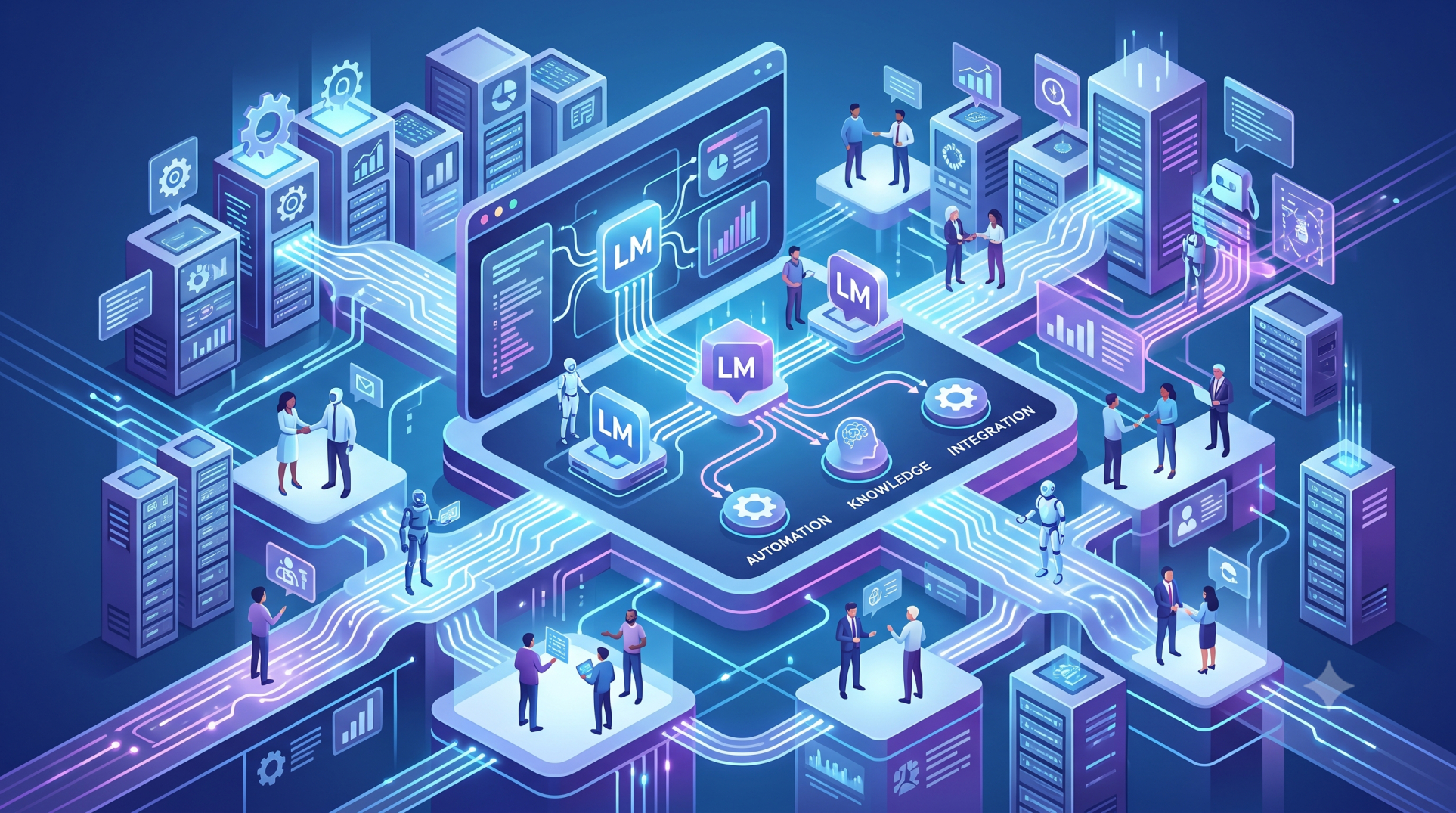
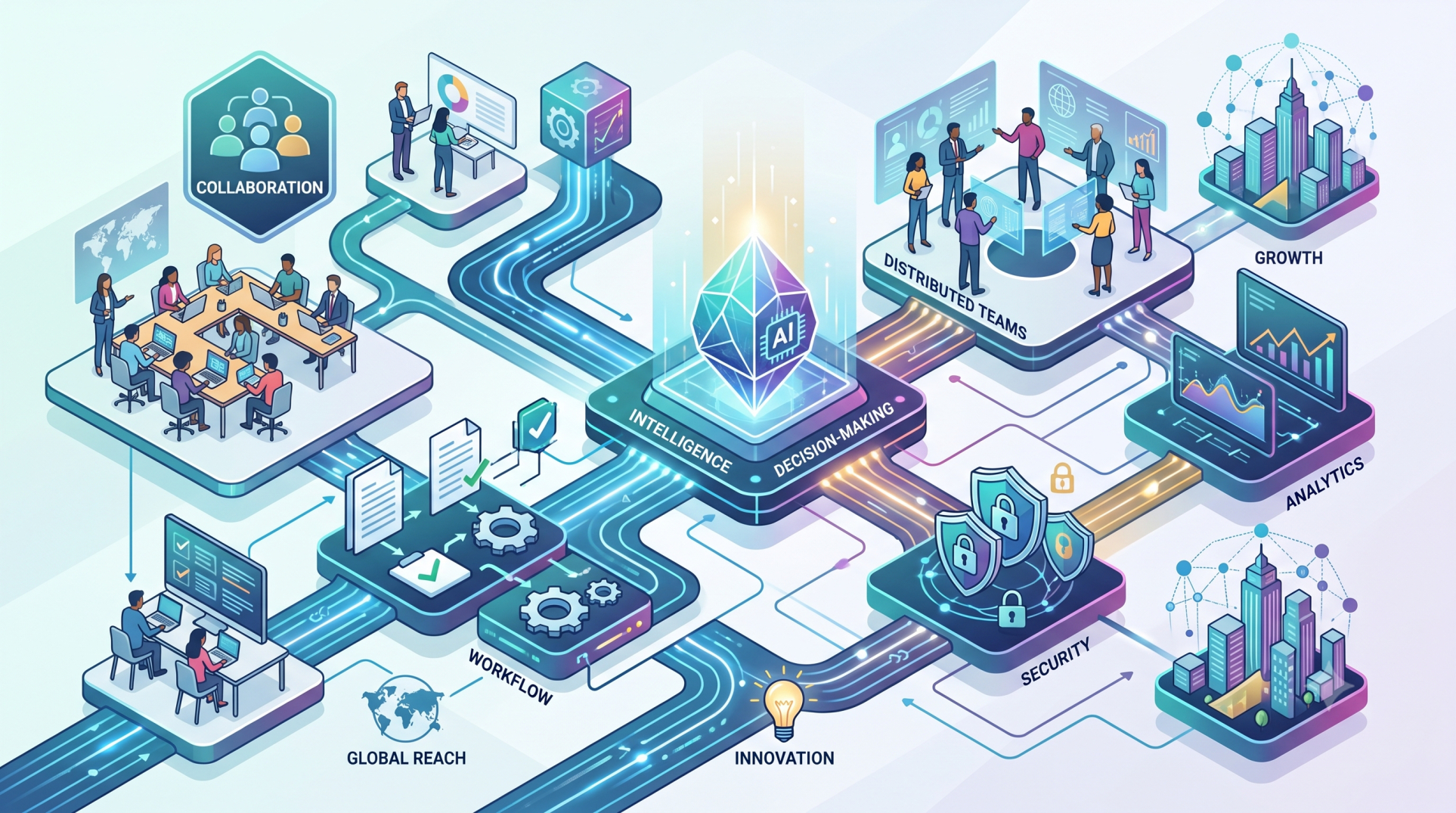
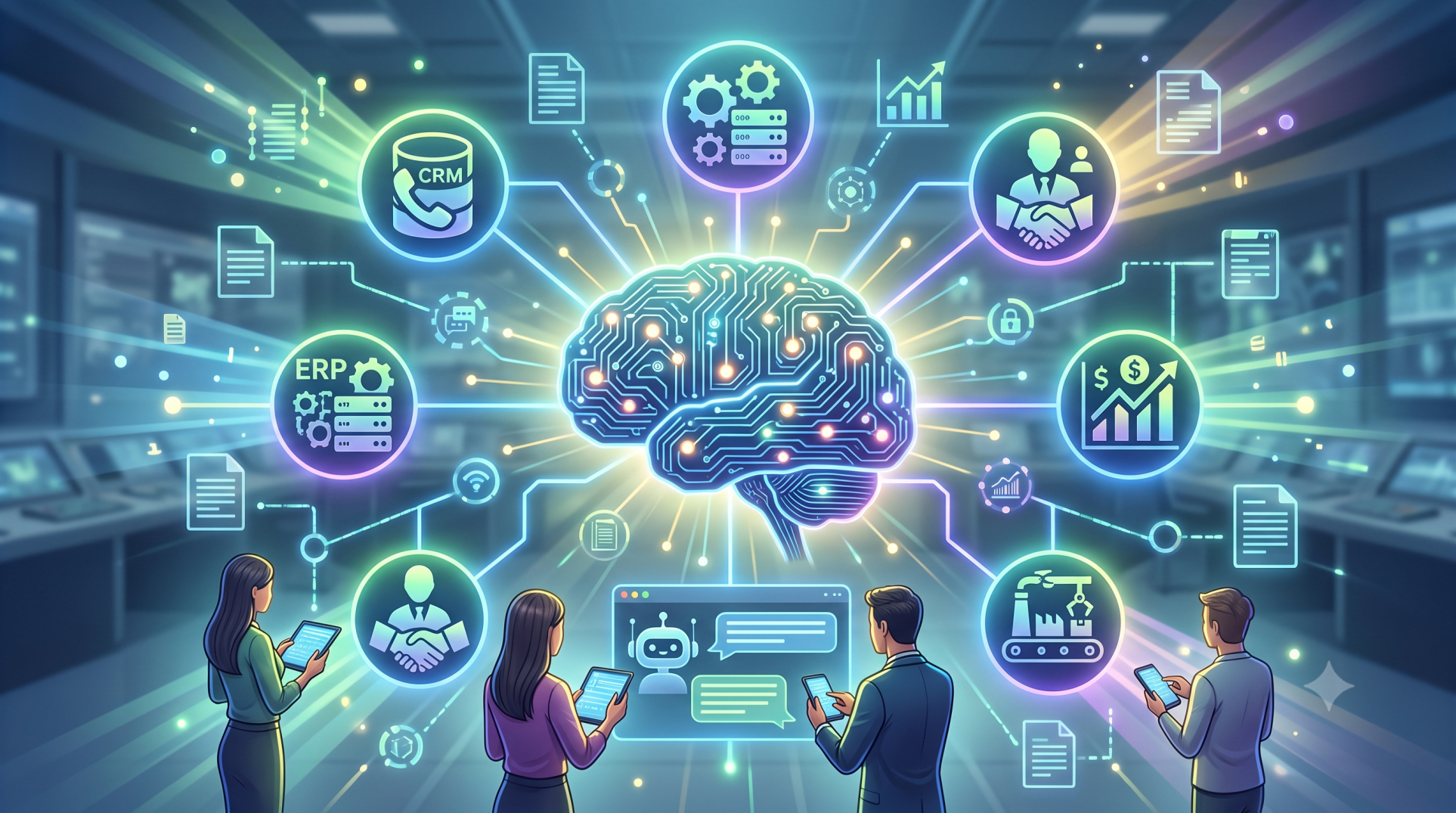
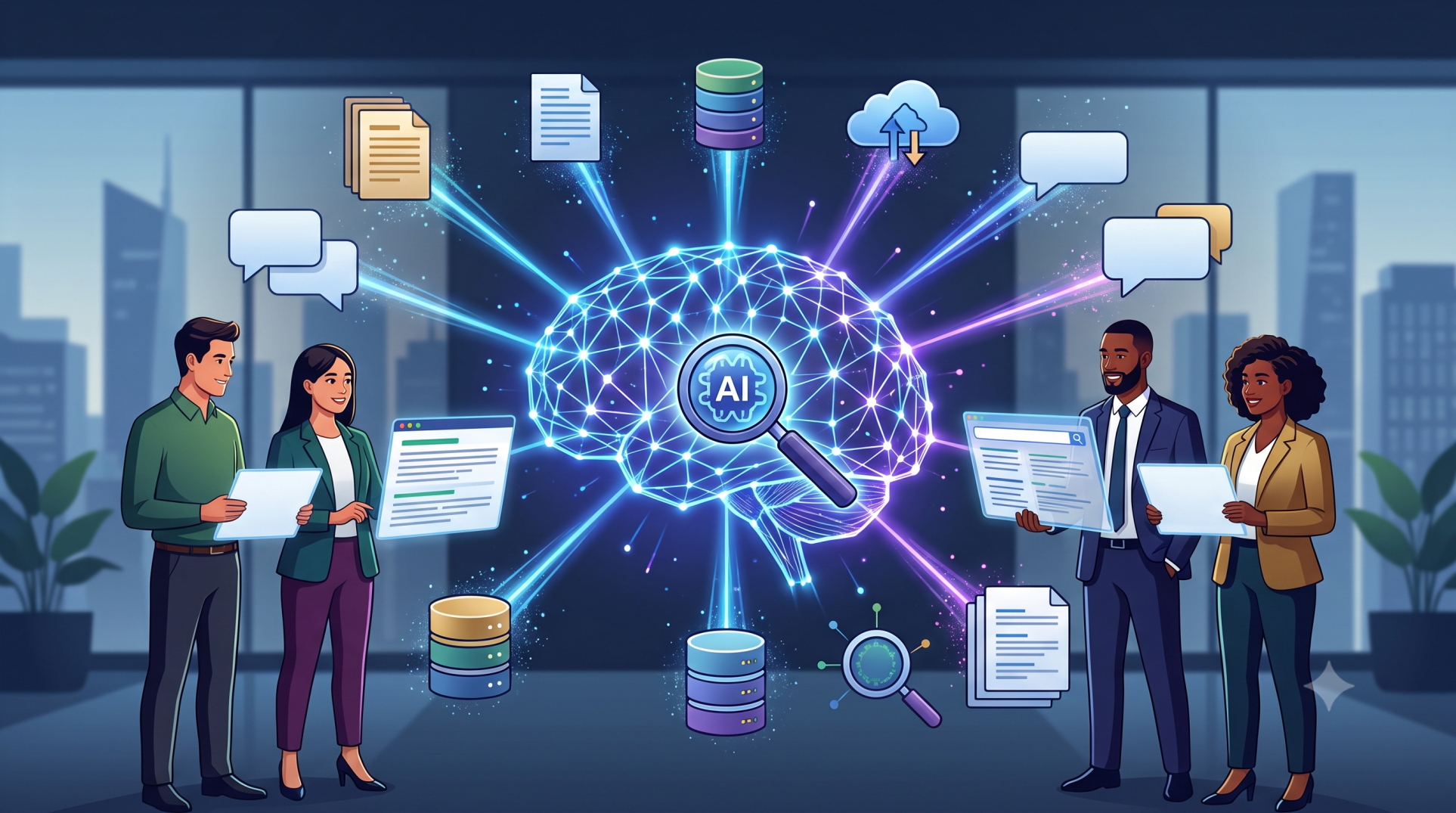
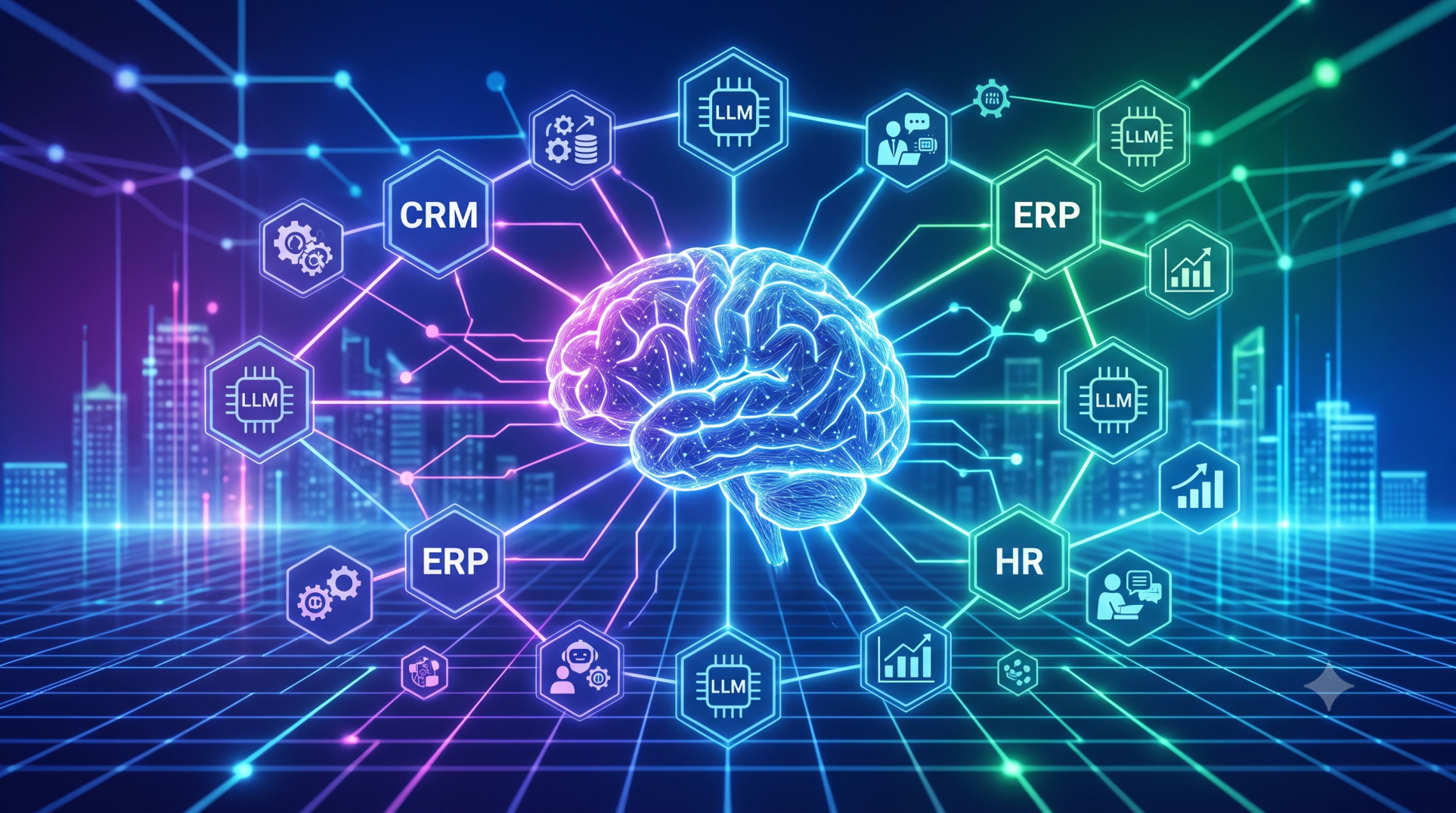
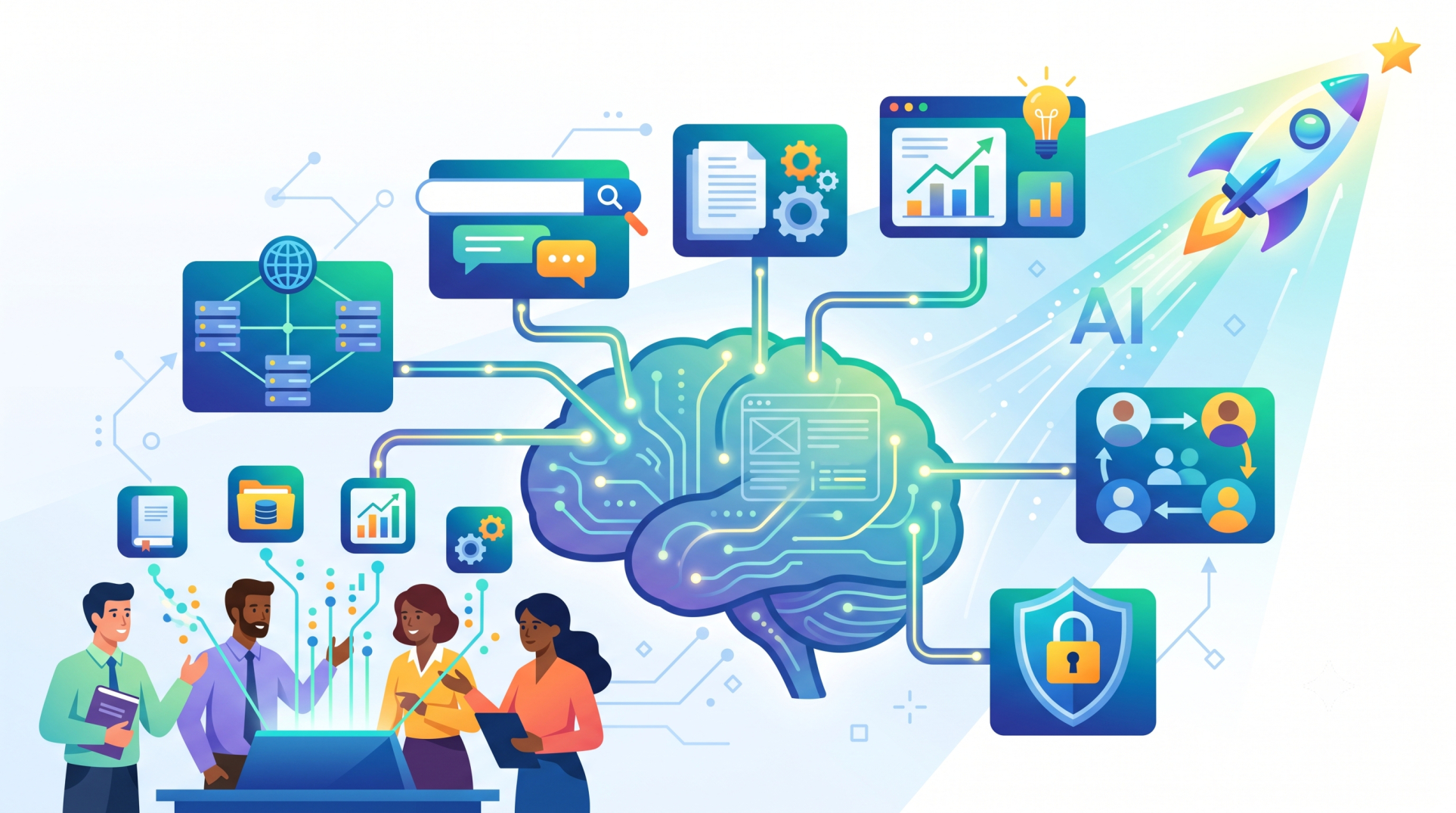
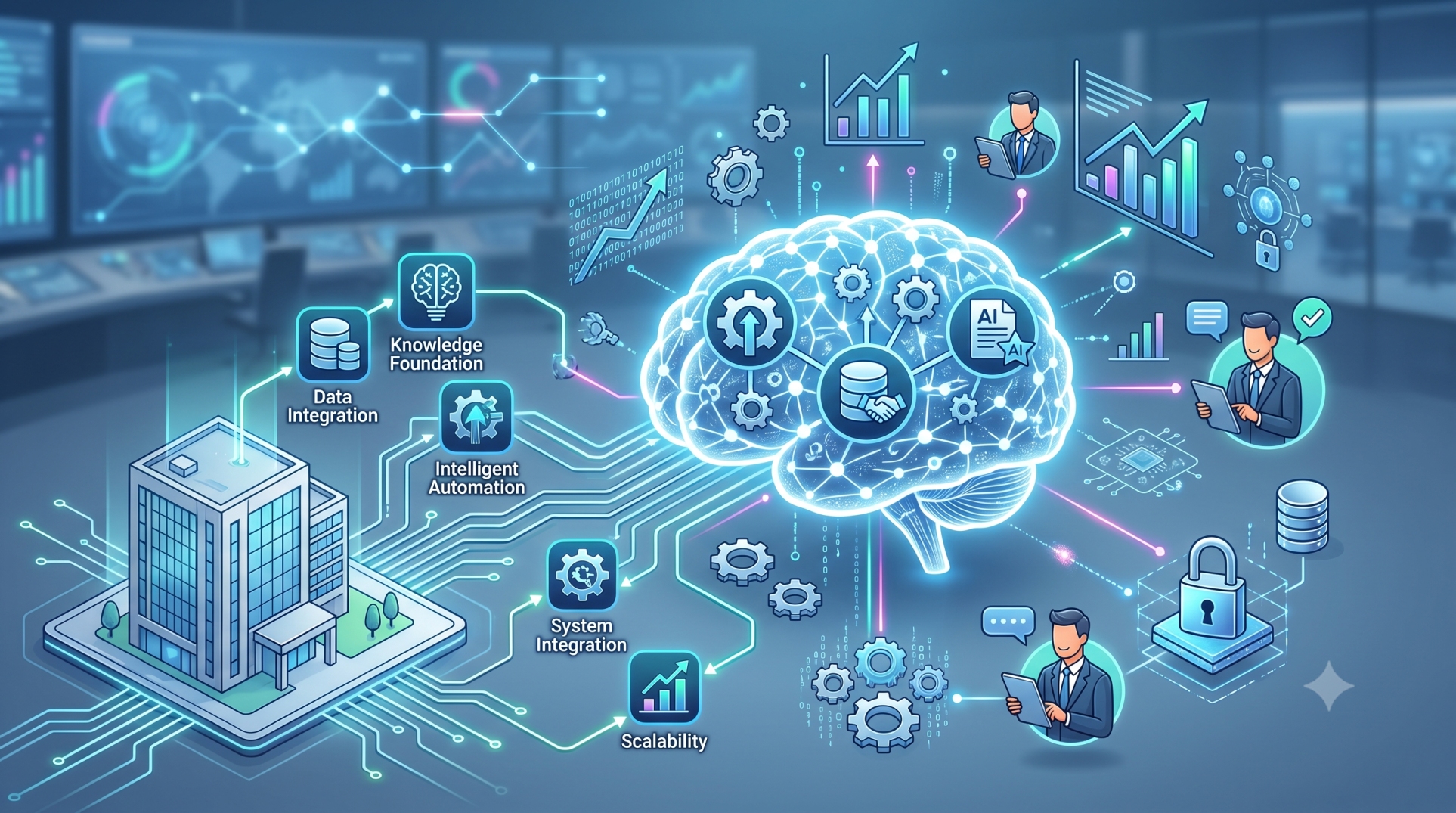
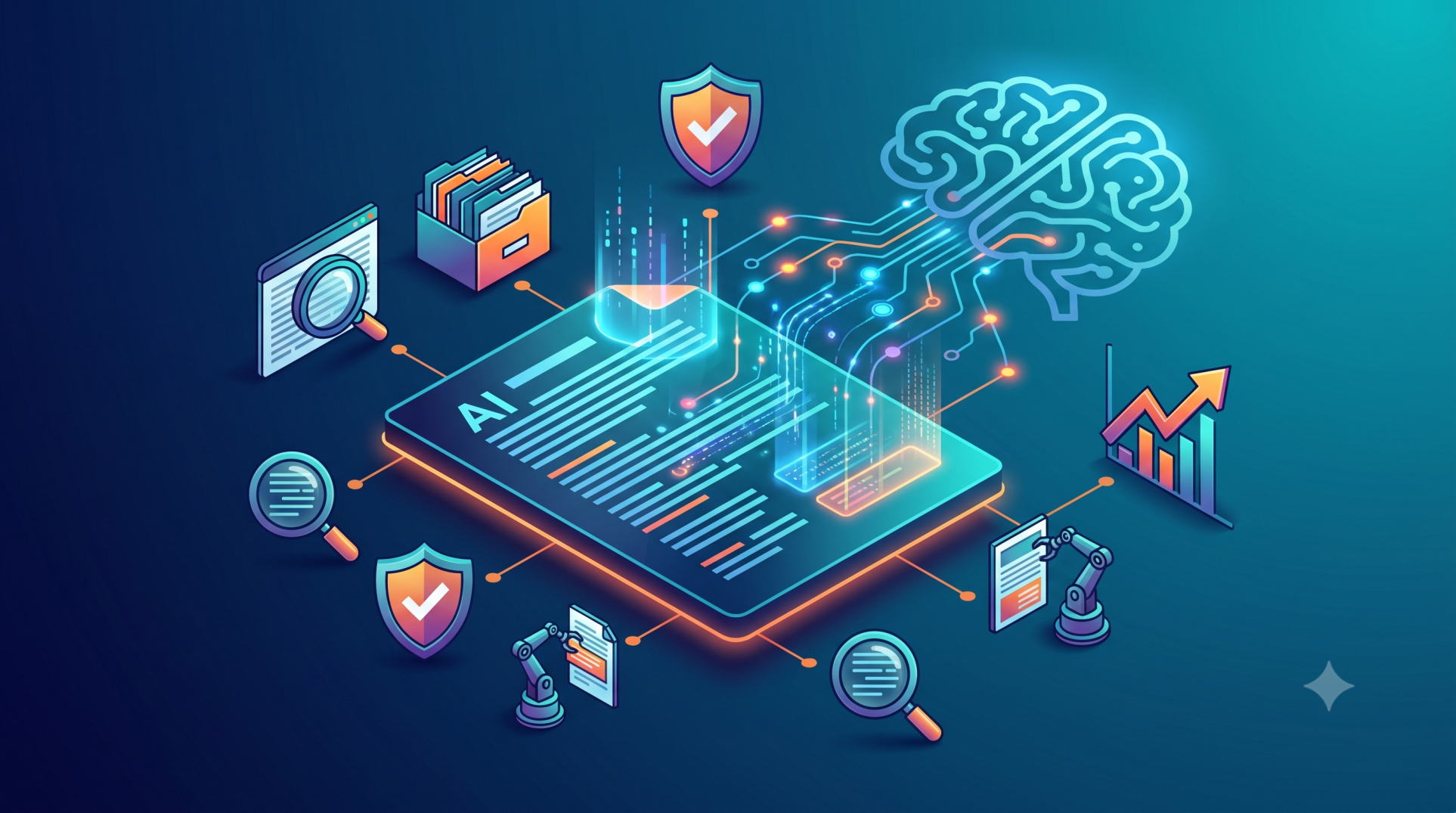
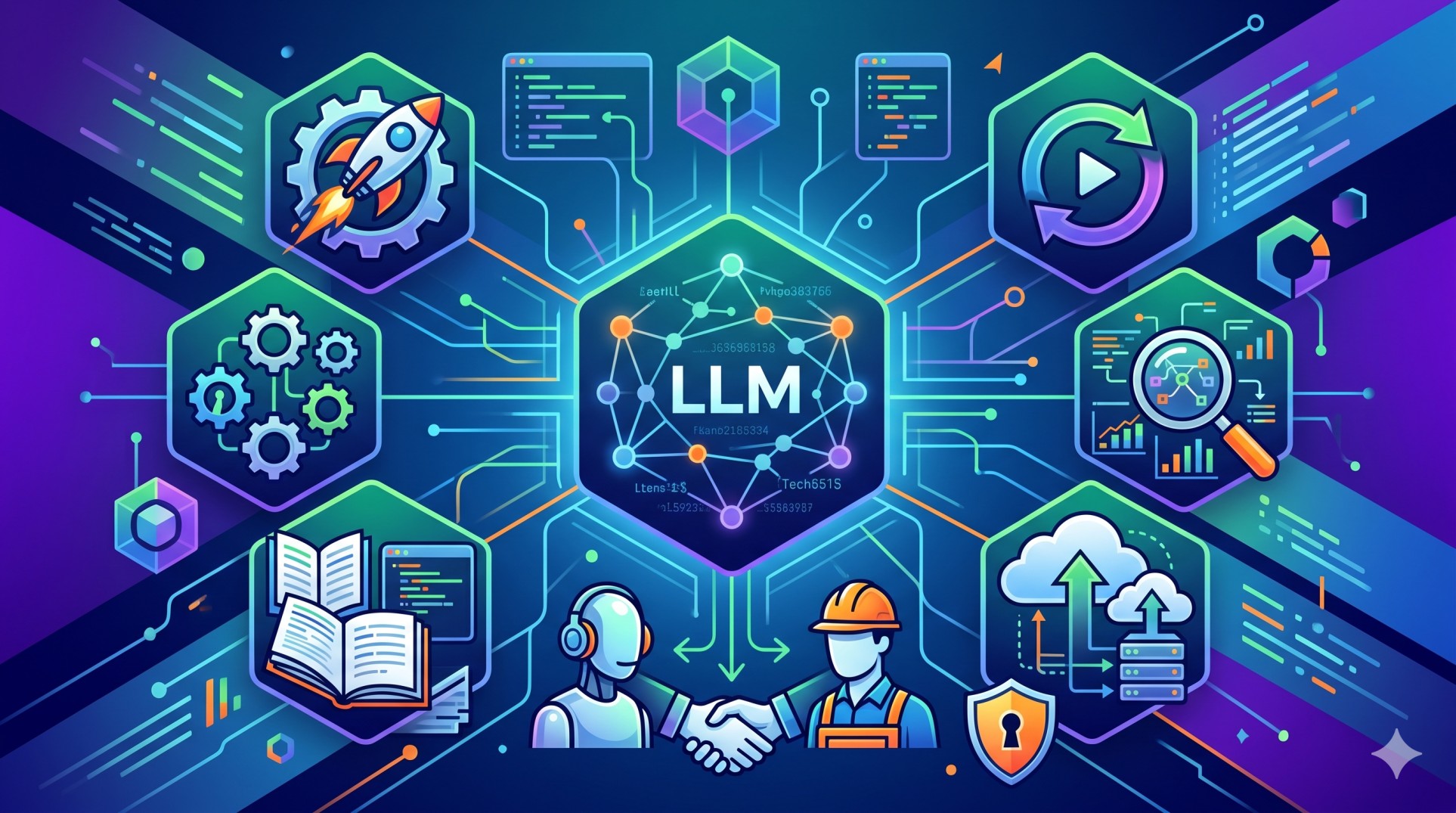
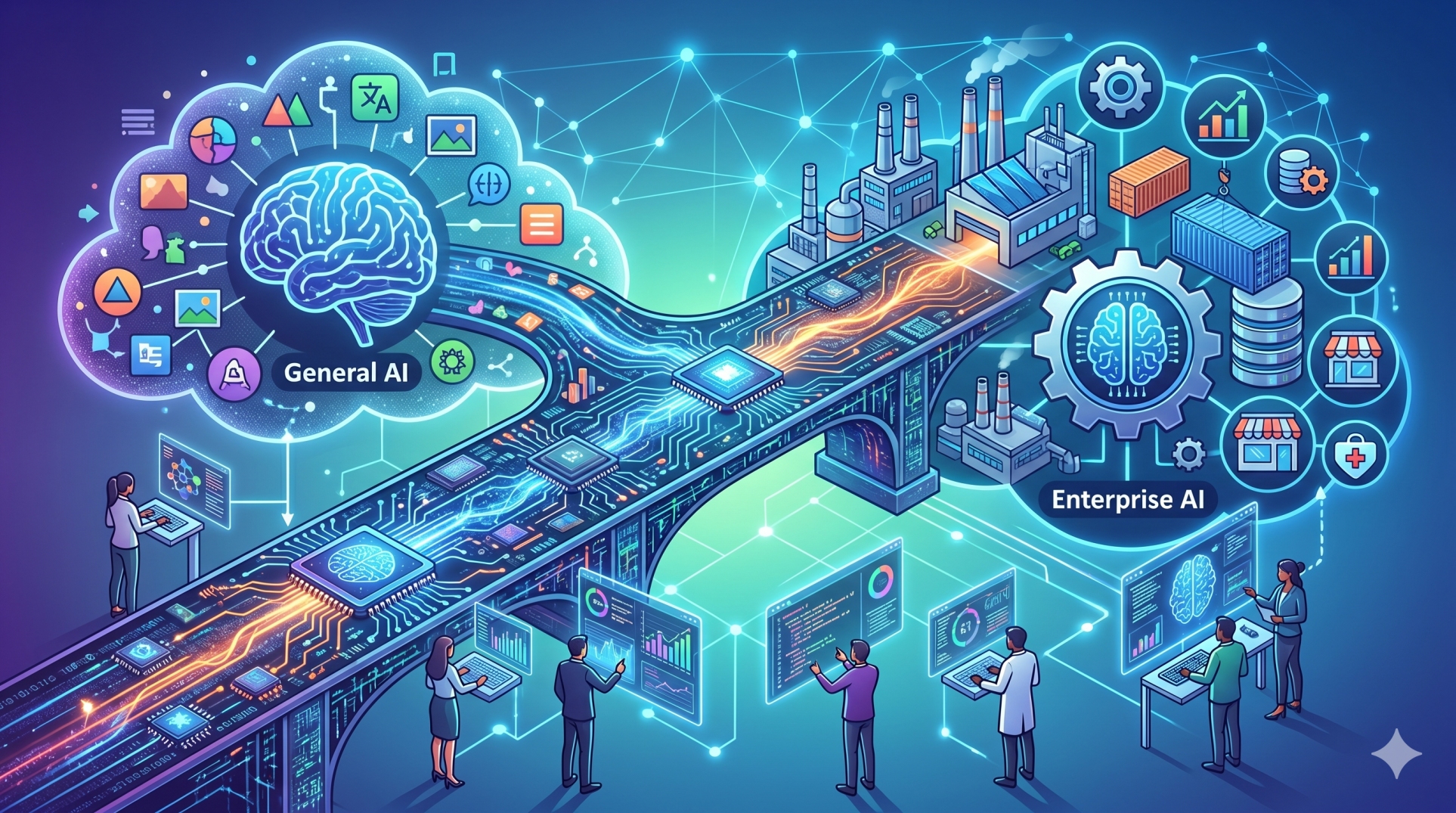
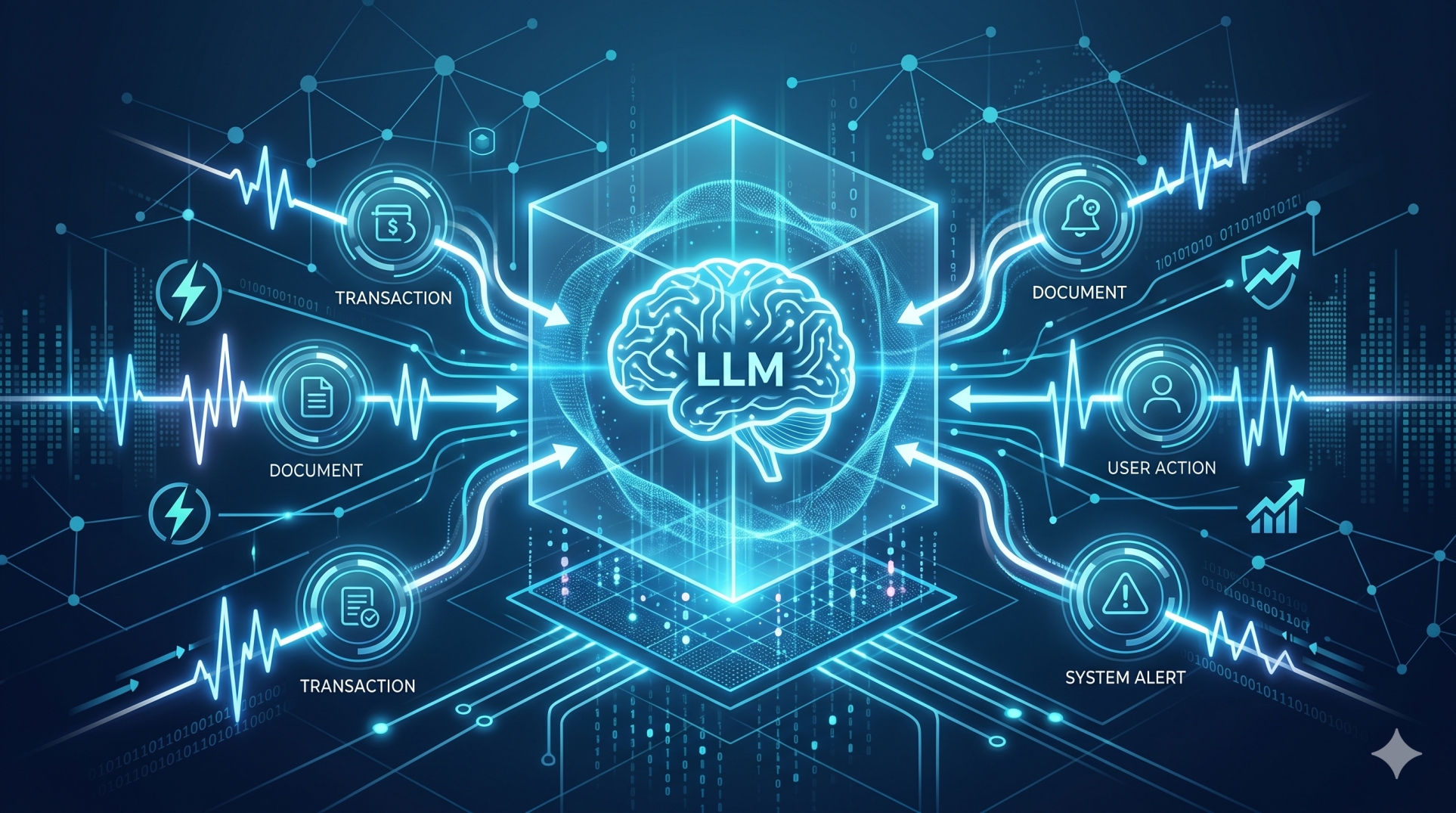
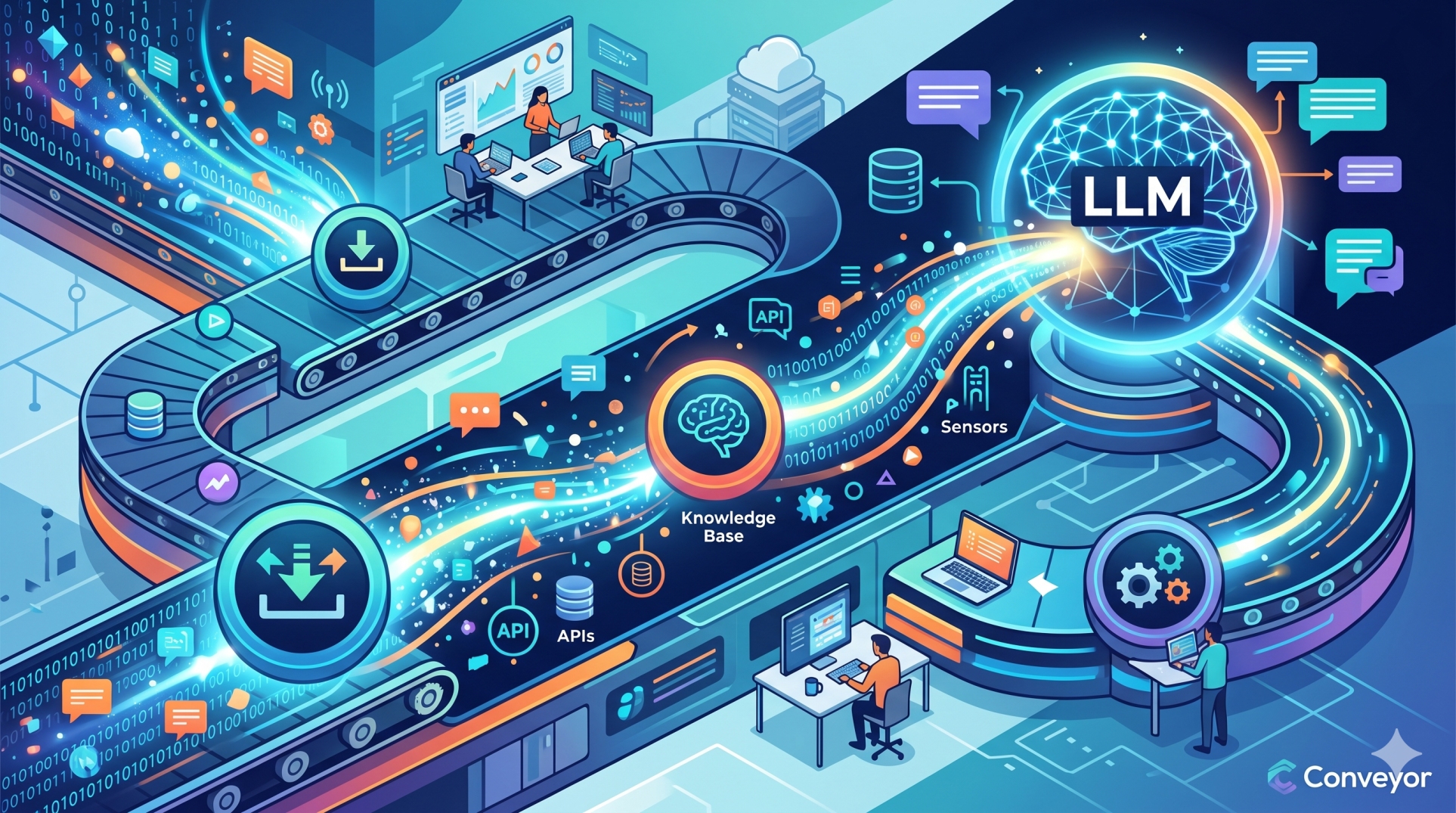
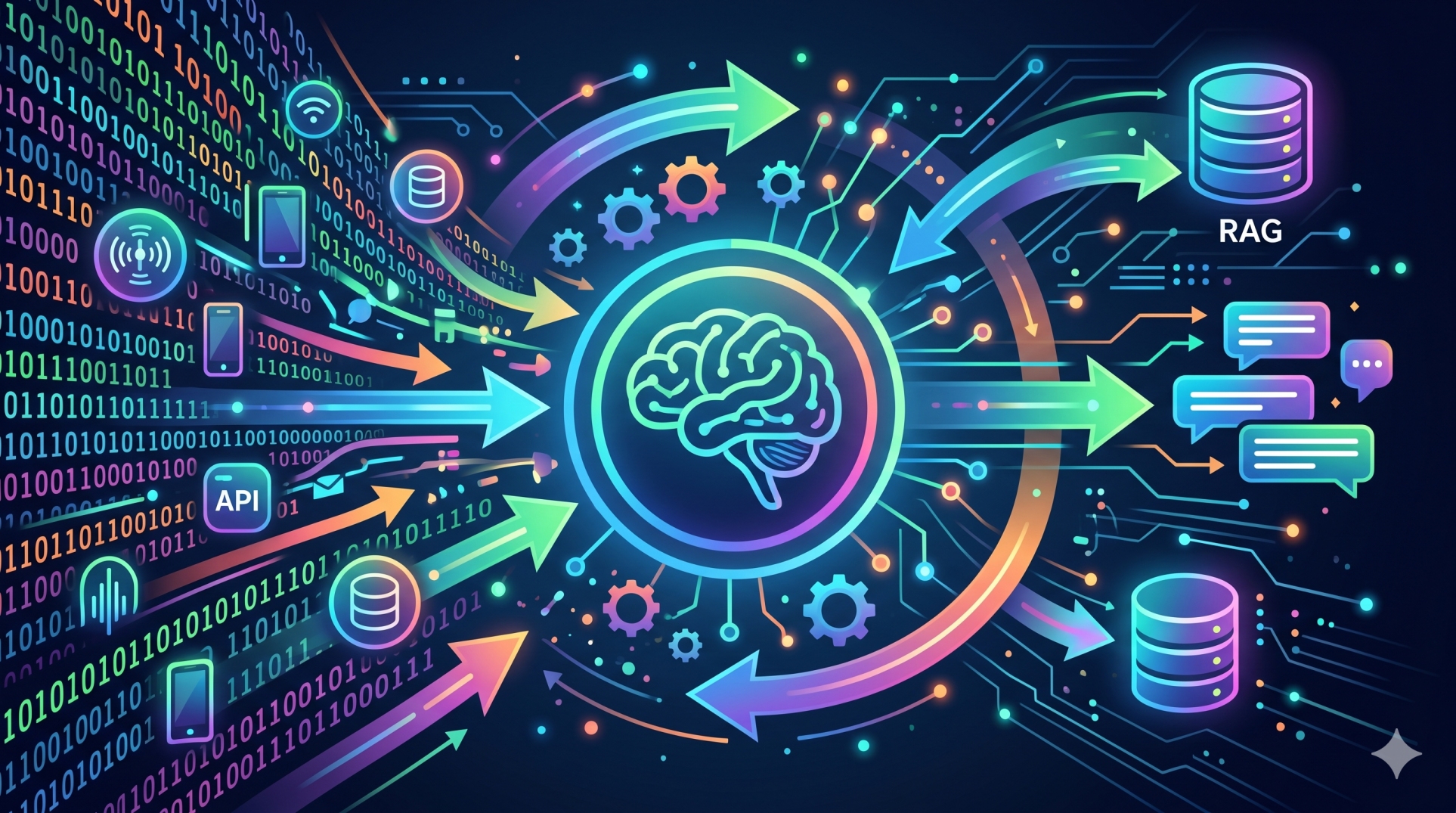
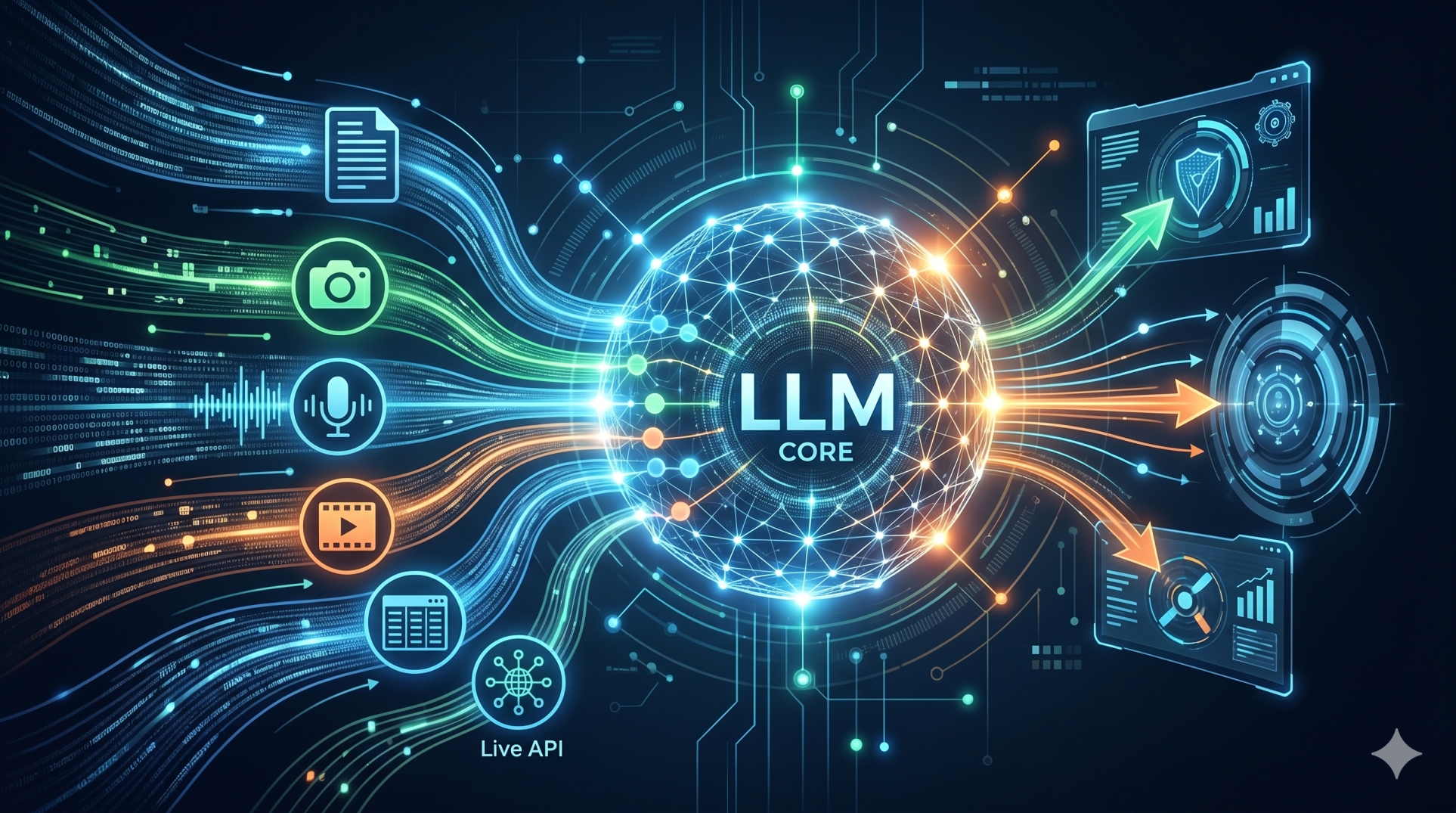
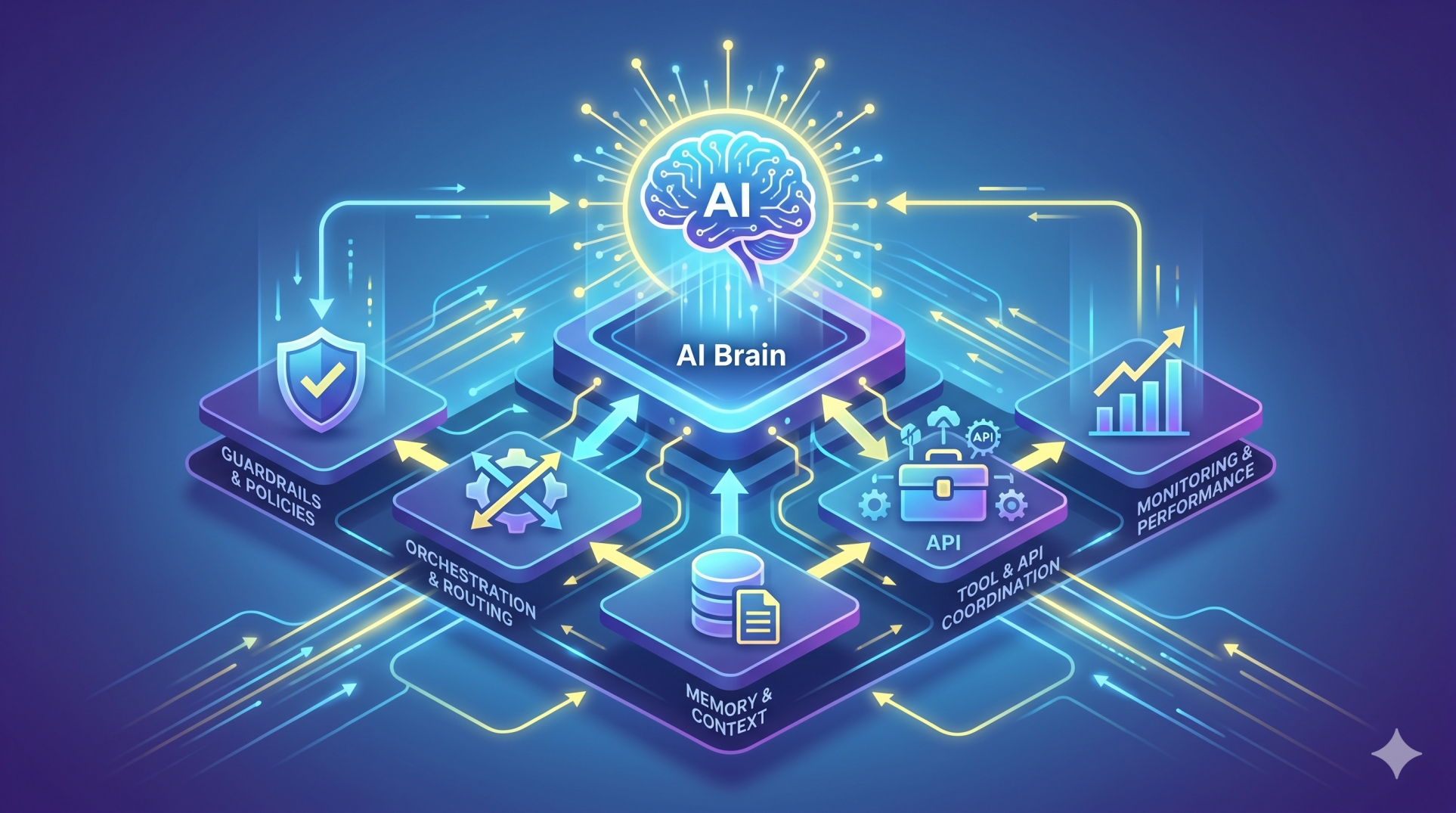
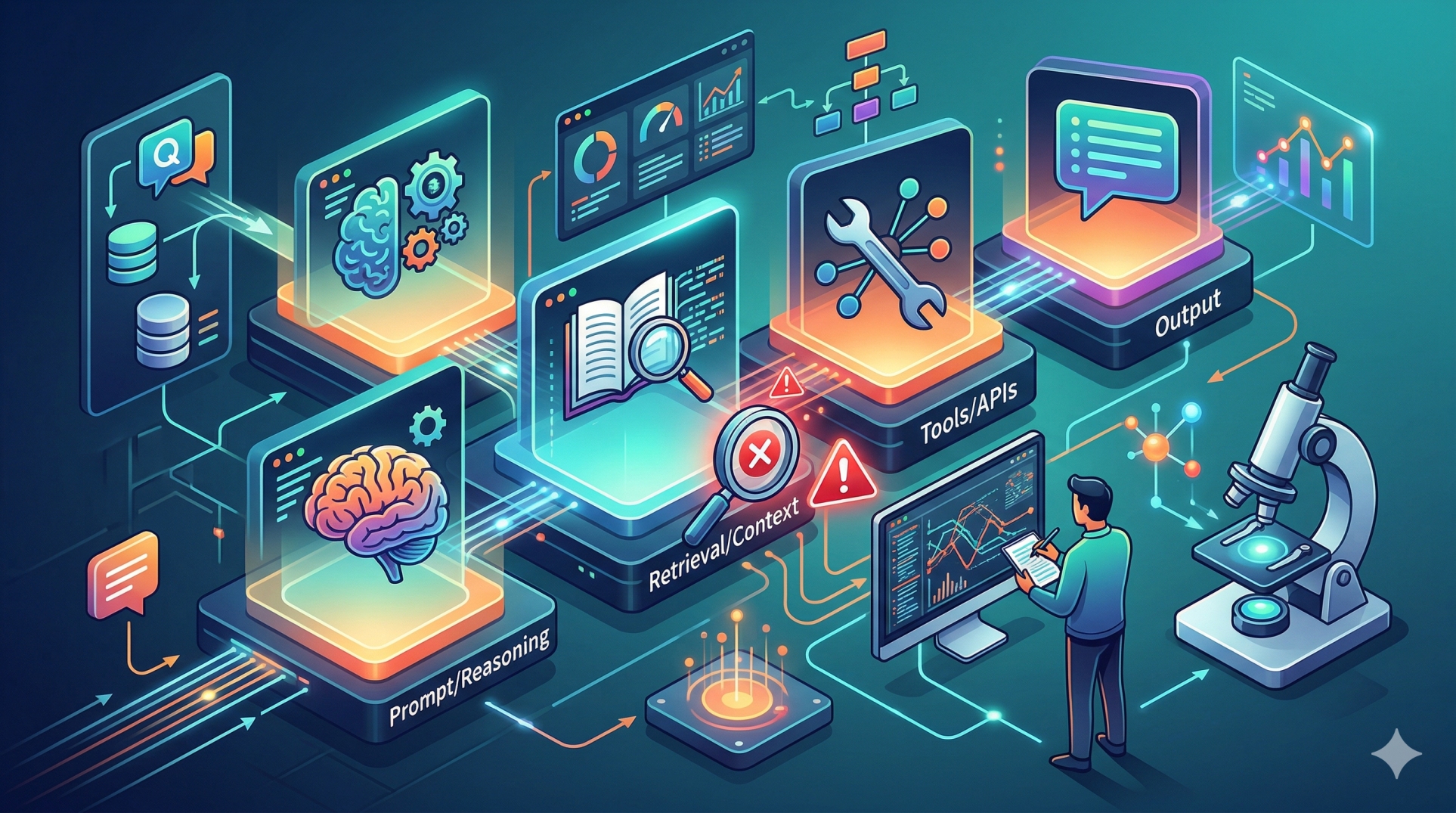
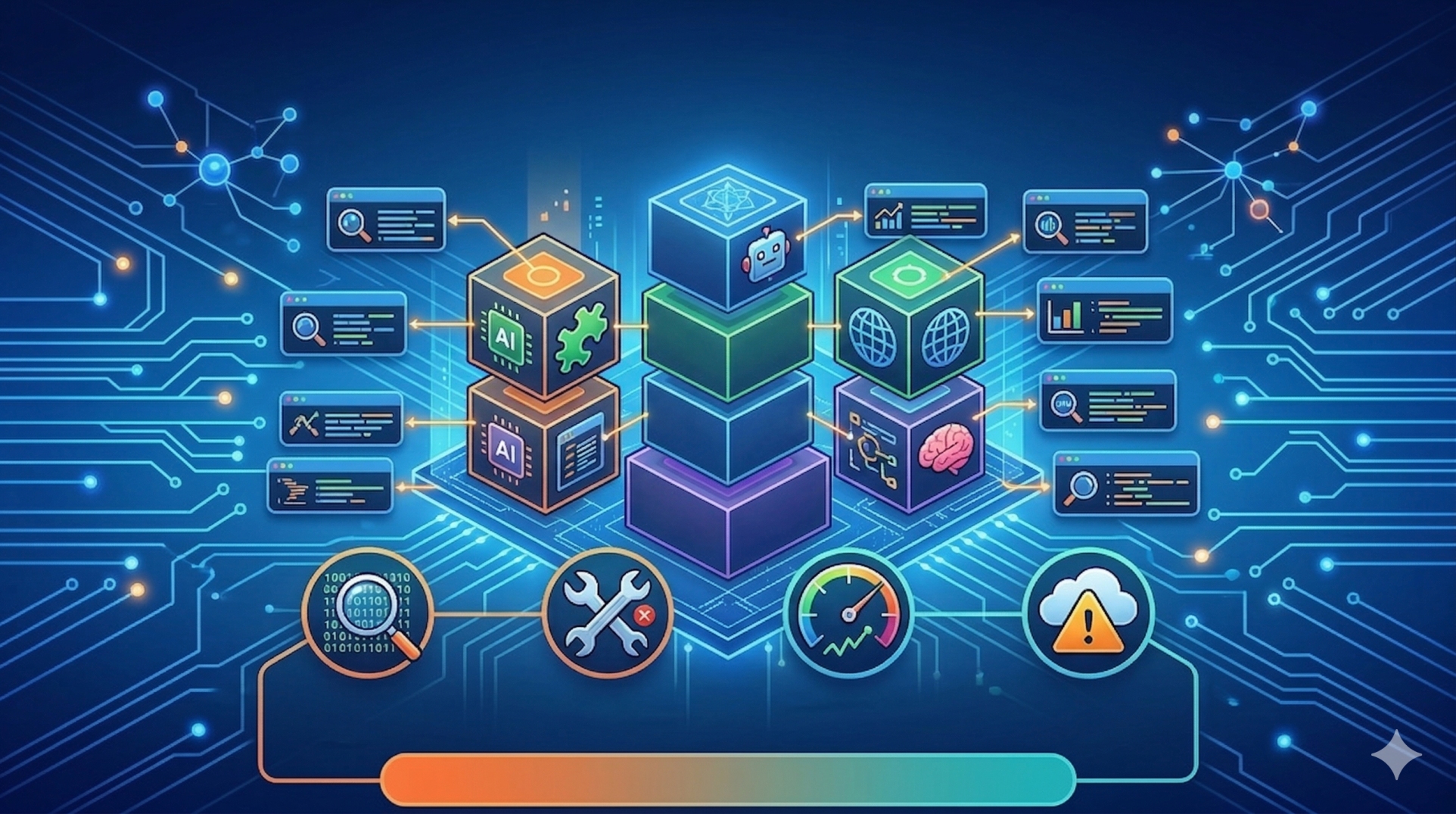
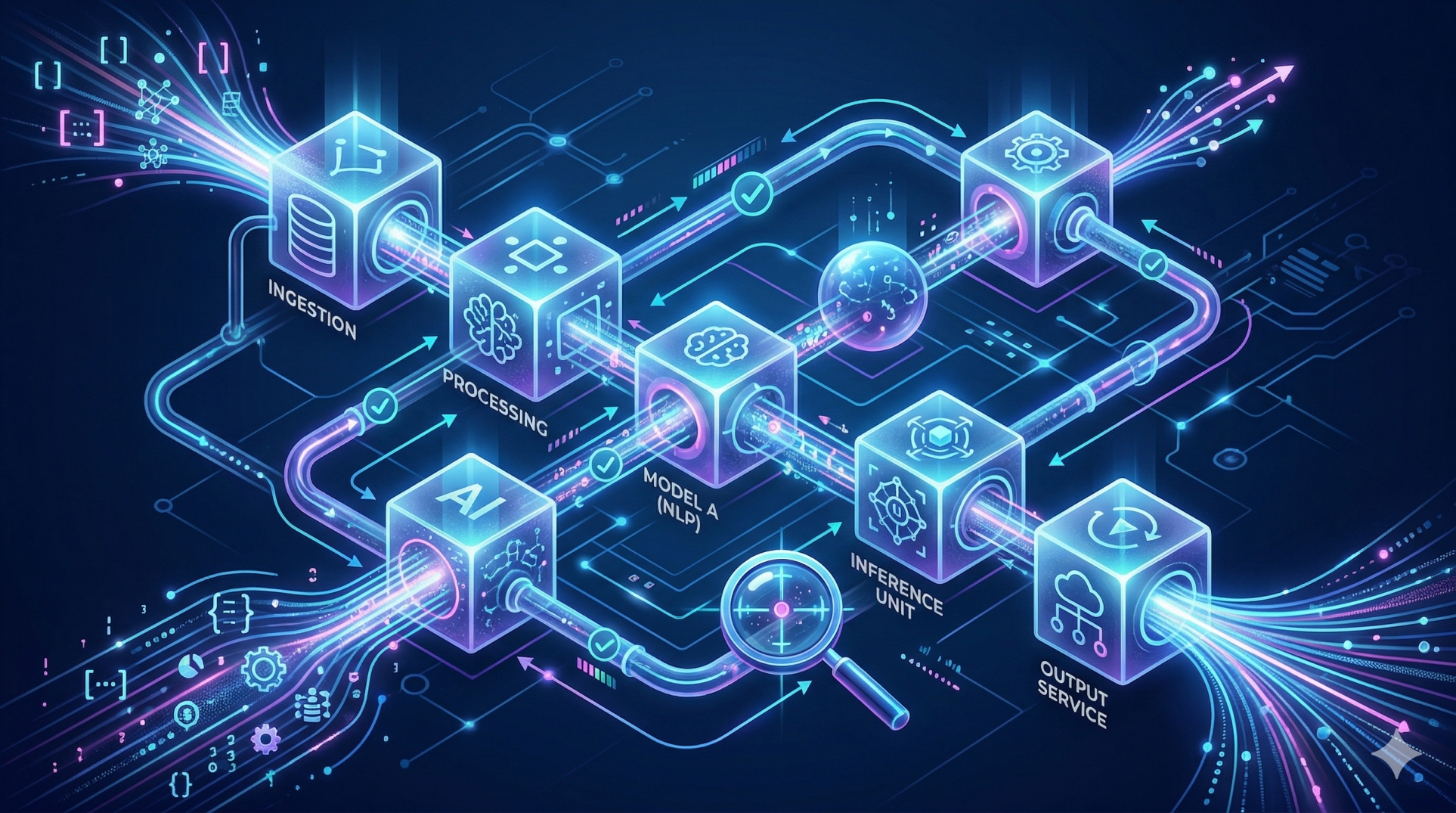
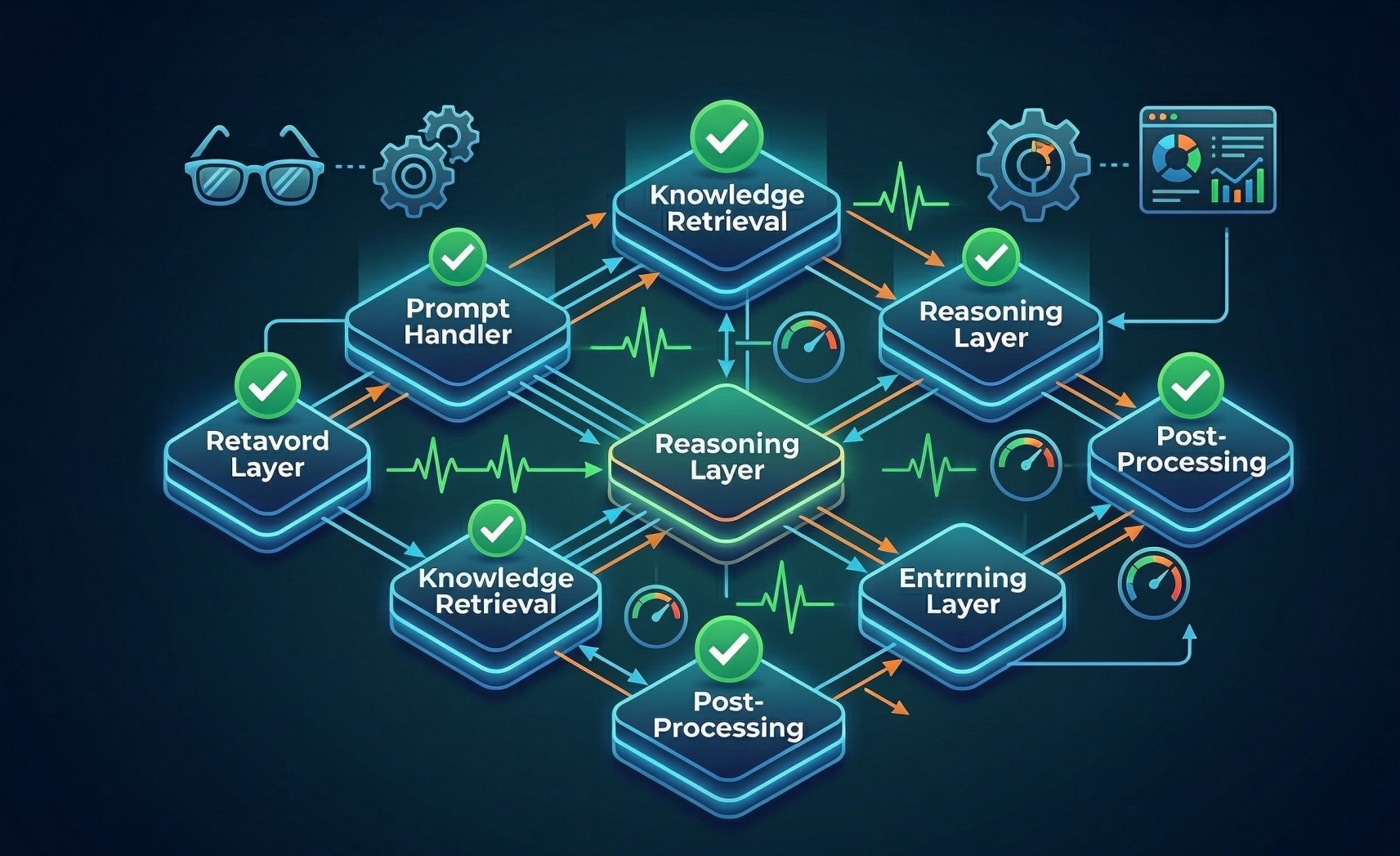
Organizations are increasingly adopting Large Language Models (LLMs) to streamline operations, automate decision-making, and improve collaboration across departments. Rather than functioning as standalone assistants, coordinated LLMs work together with enterprise applications, business workflows, and organizational knowledge to accelerate processes while maintaining consistency and operational control. This coordinated approach enables businesses to improve productivity, reduce manual effort, and respond more quickly to changing business demands.
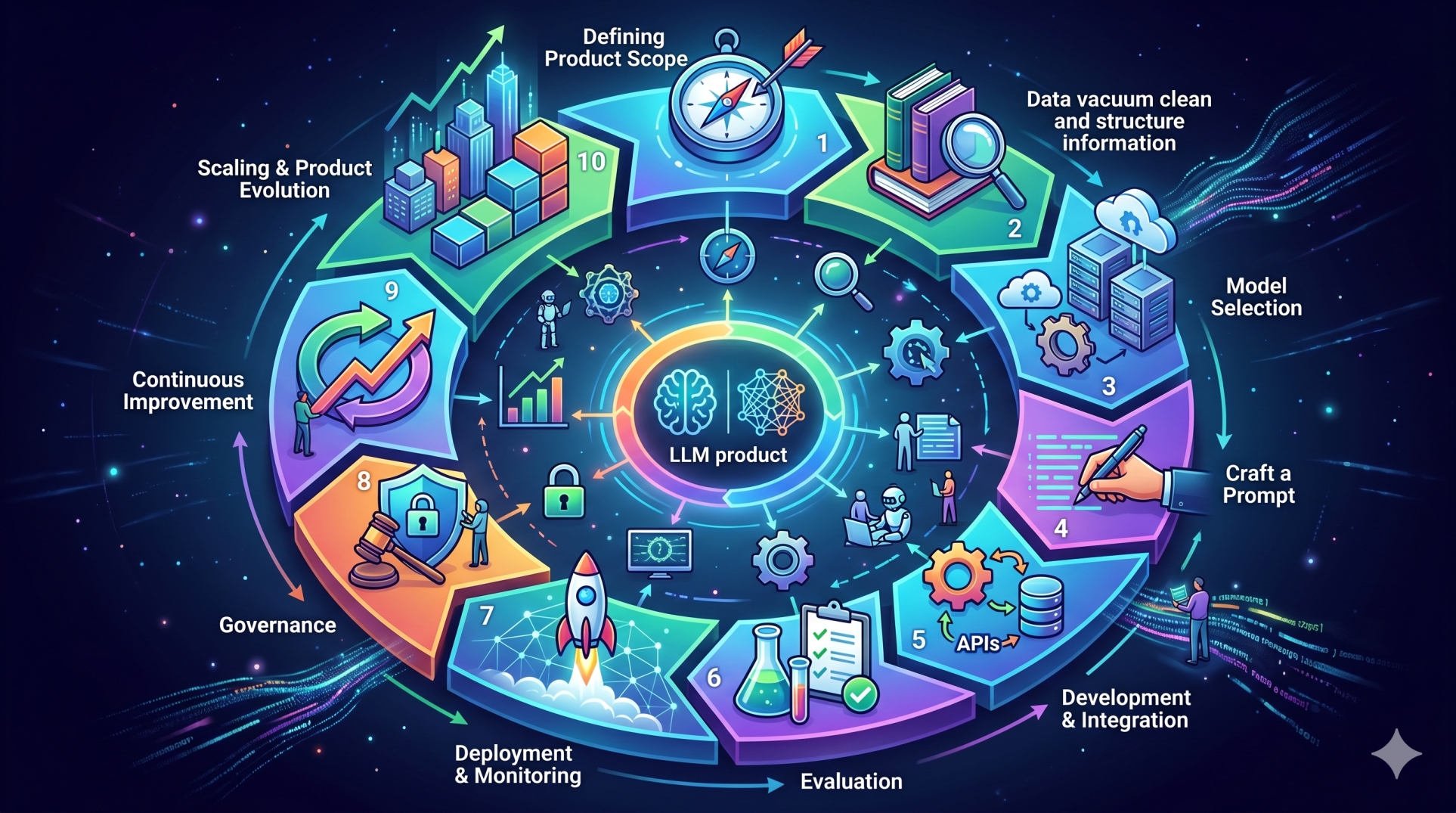
Step 1: Understanding LLM Coordination 🧠
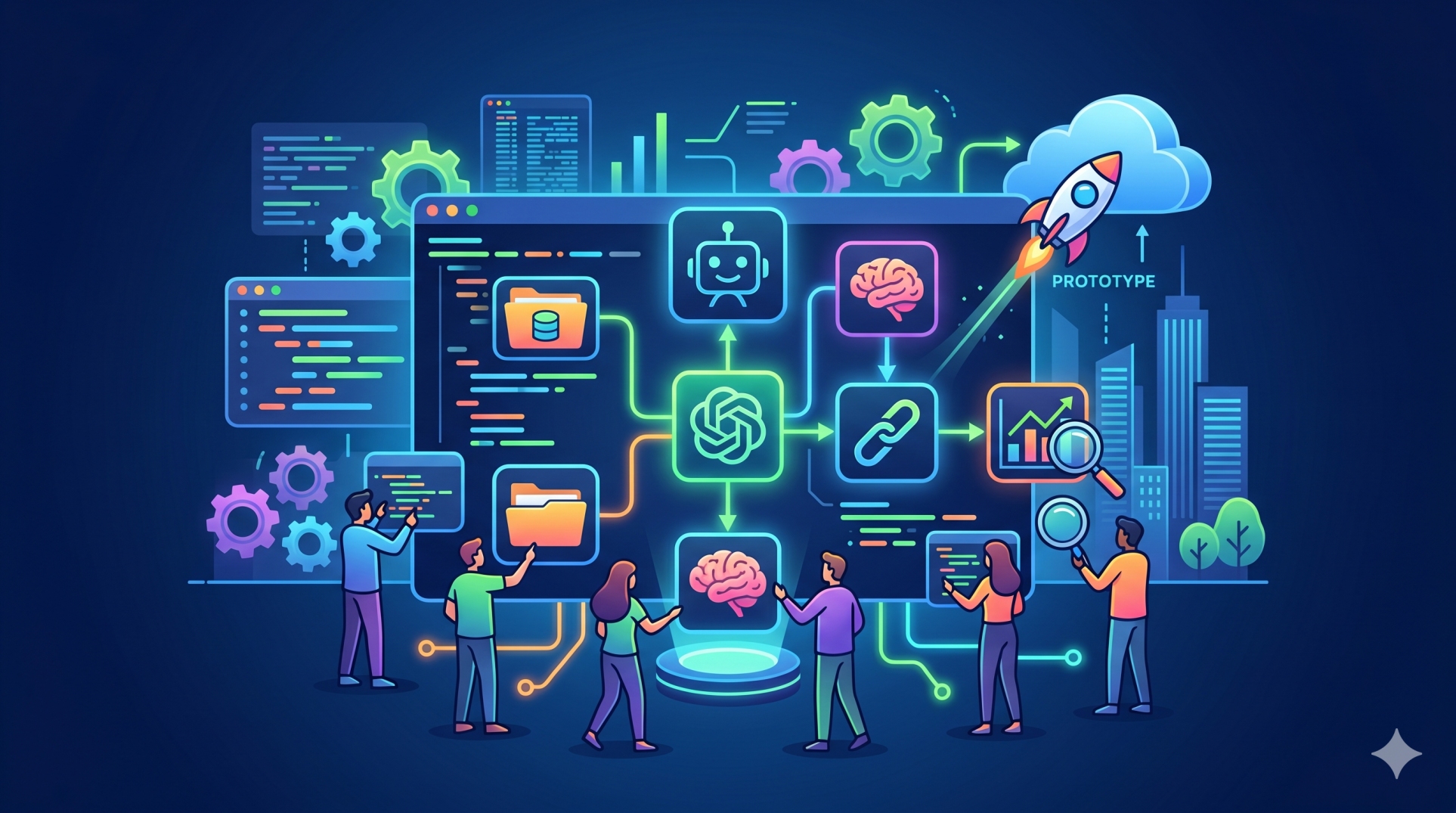
• Coordinate multiple AI models across interconnected business workflows 🔗
• Enable consistent decision support throughout enterprise operations 📊
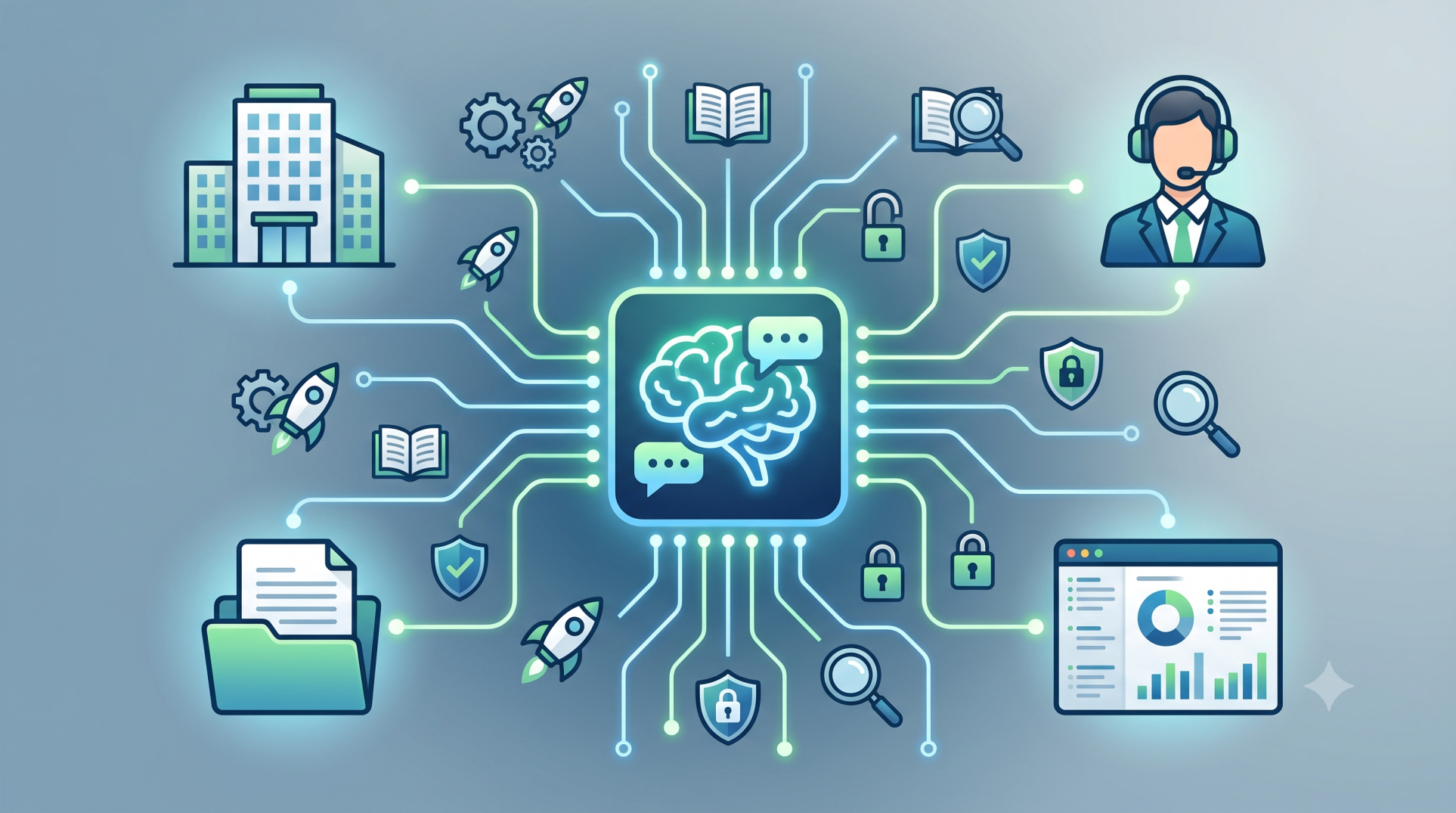
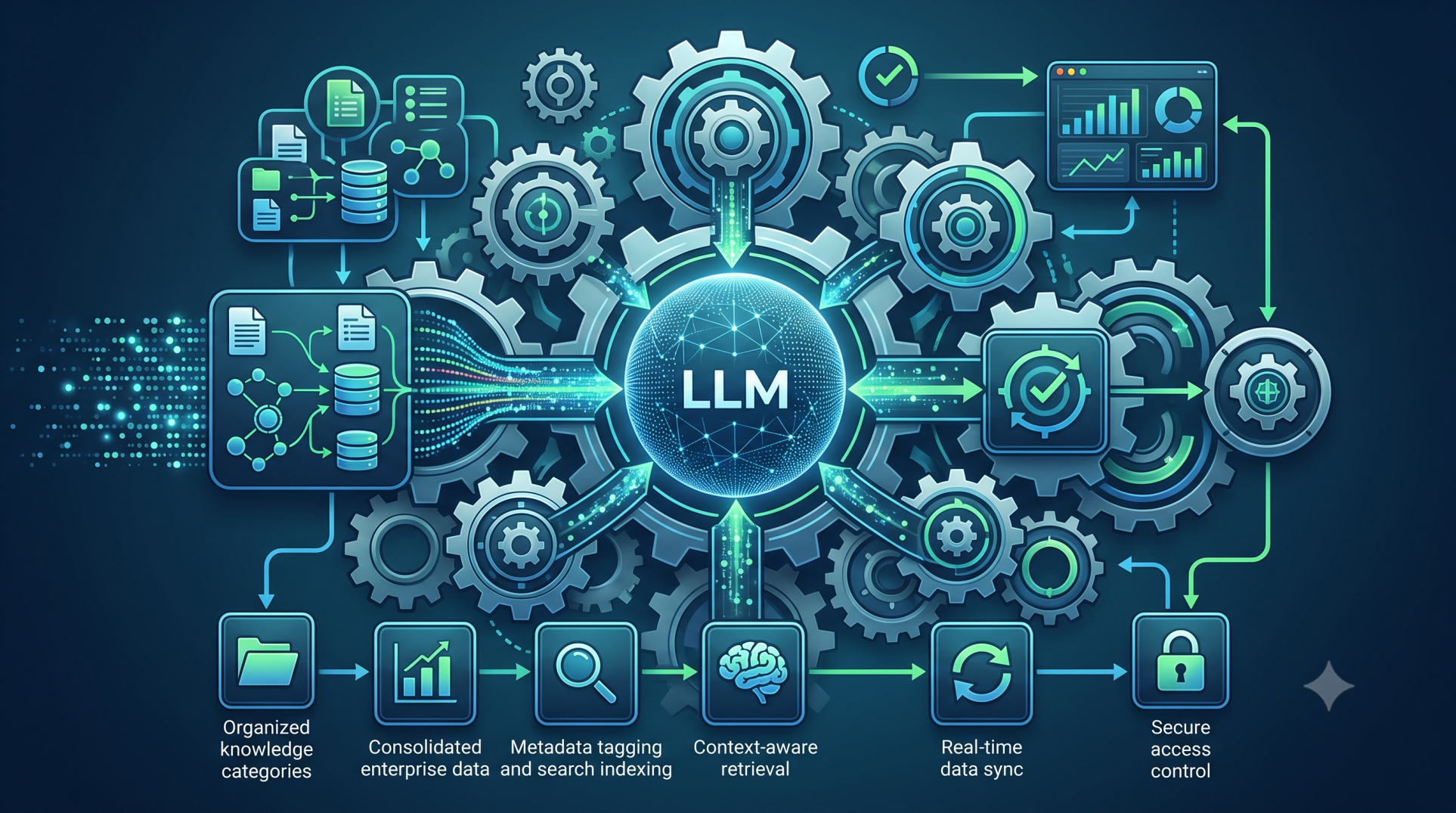
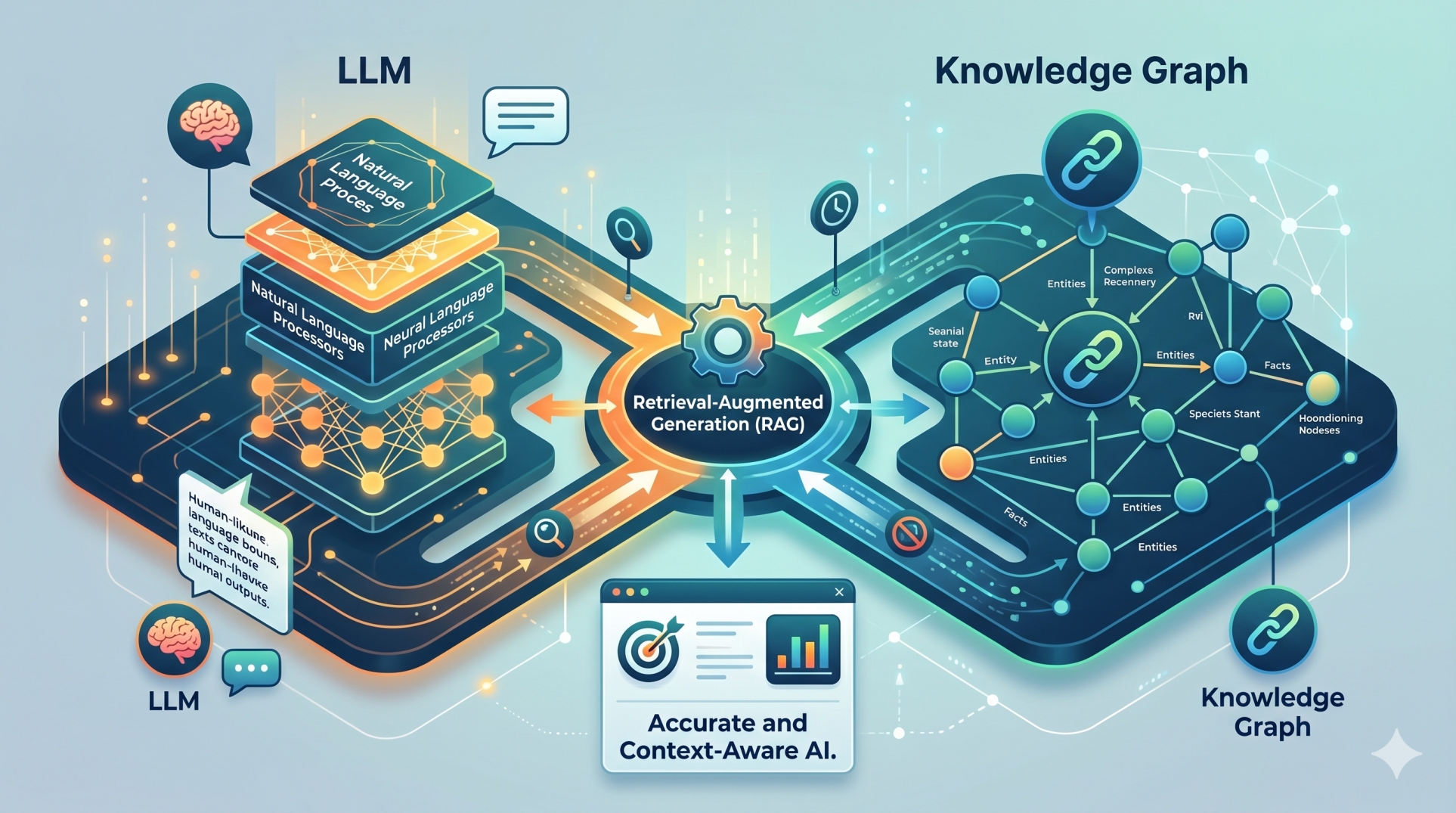
• Connect language models with organizational knowledge sources 📚
• Reduce repetitive manual activities through intelligent automation ⚙️
• Improve collaboration between employees and AI-driven systems 🤝
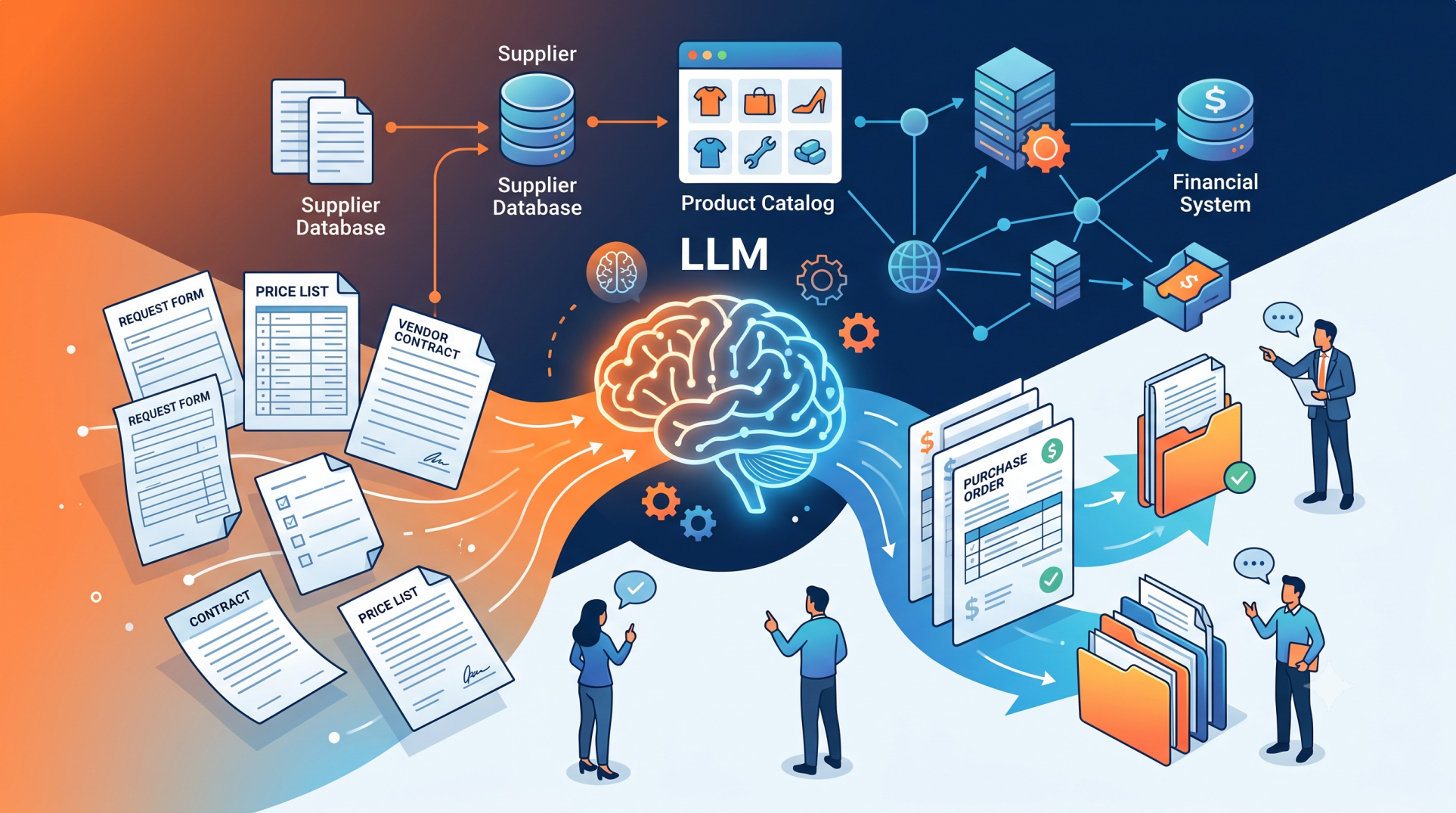
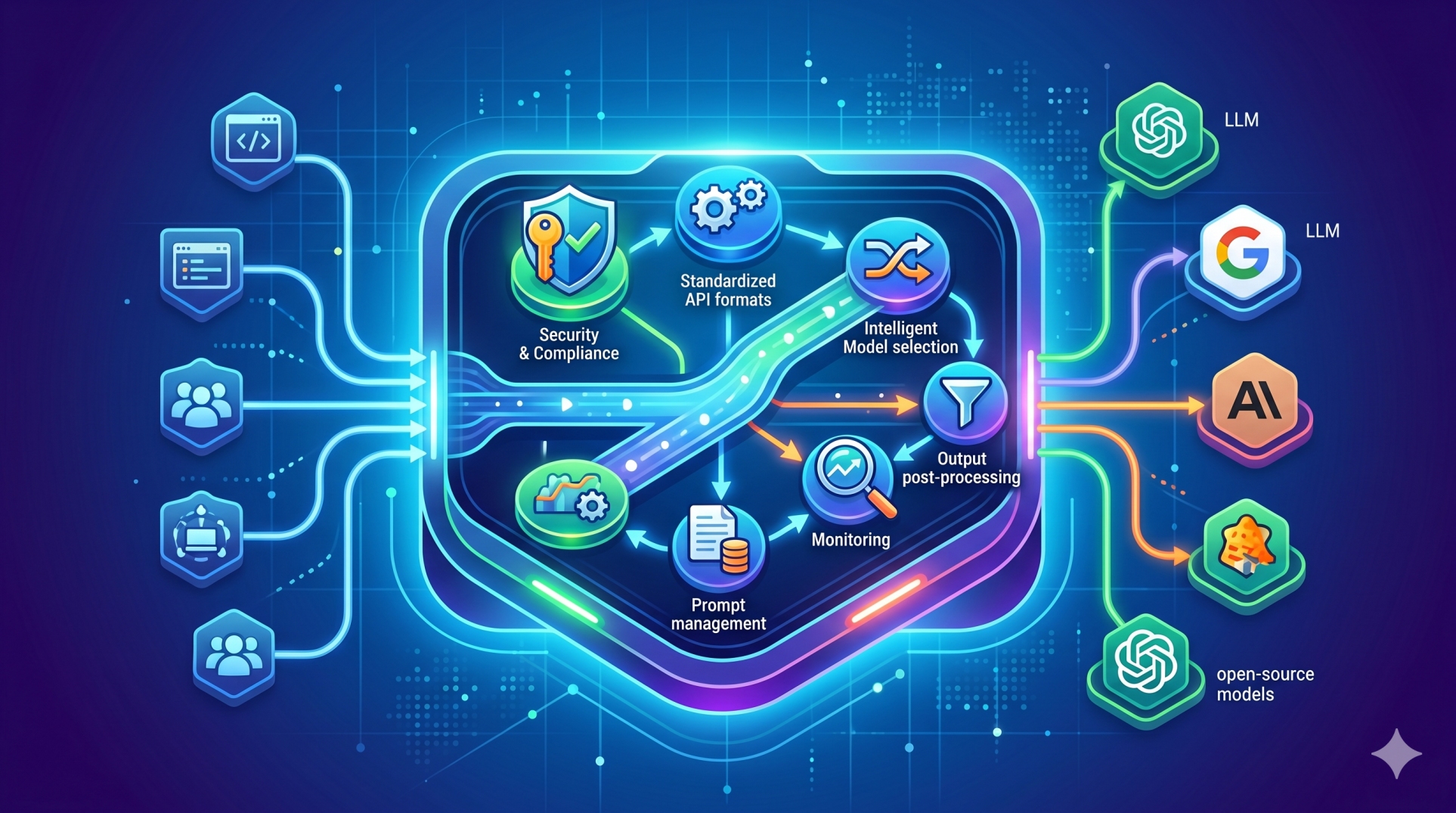
Step 2: Integrating Business Systems 🔄
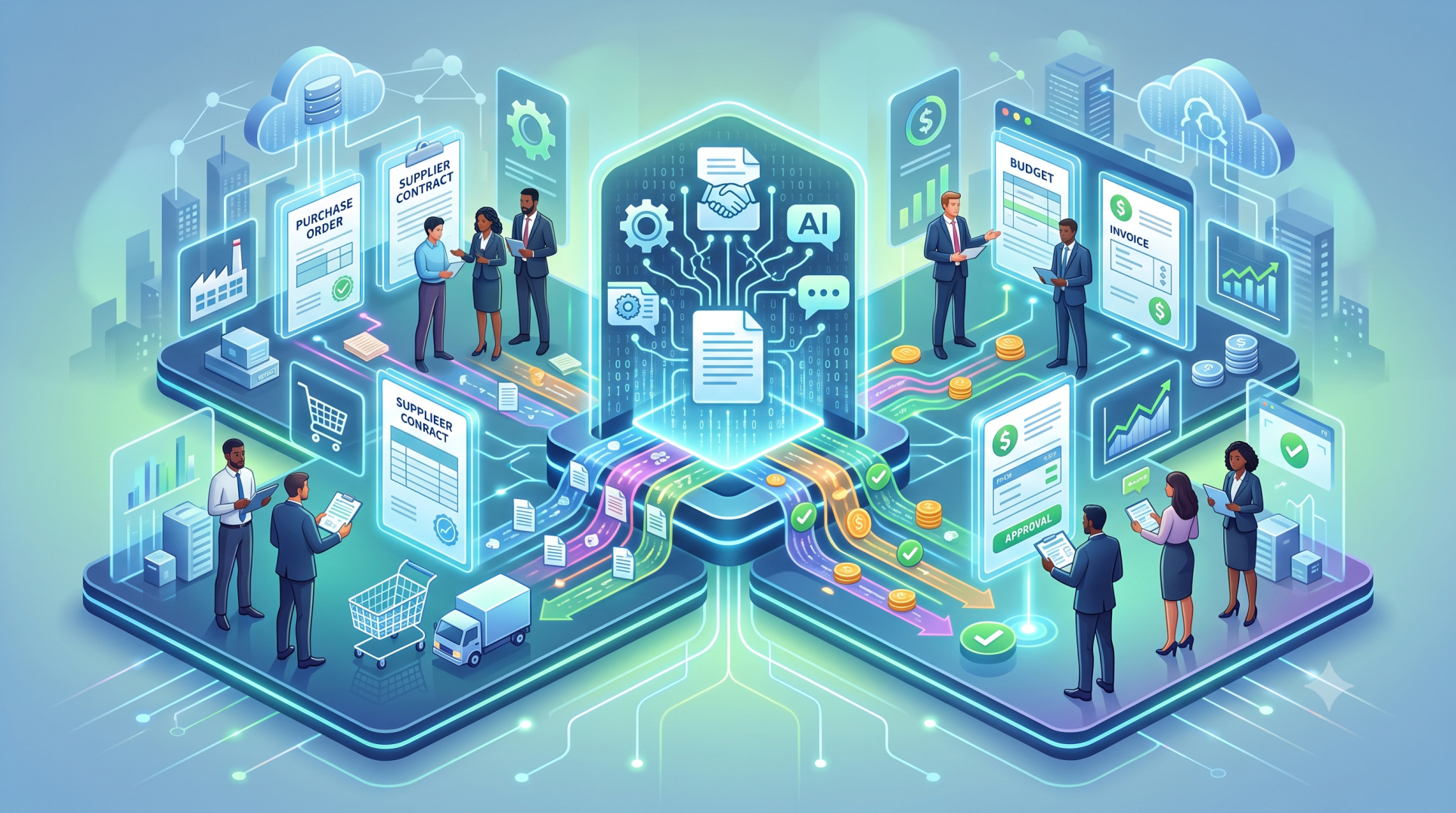
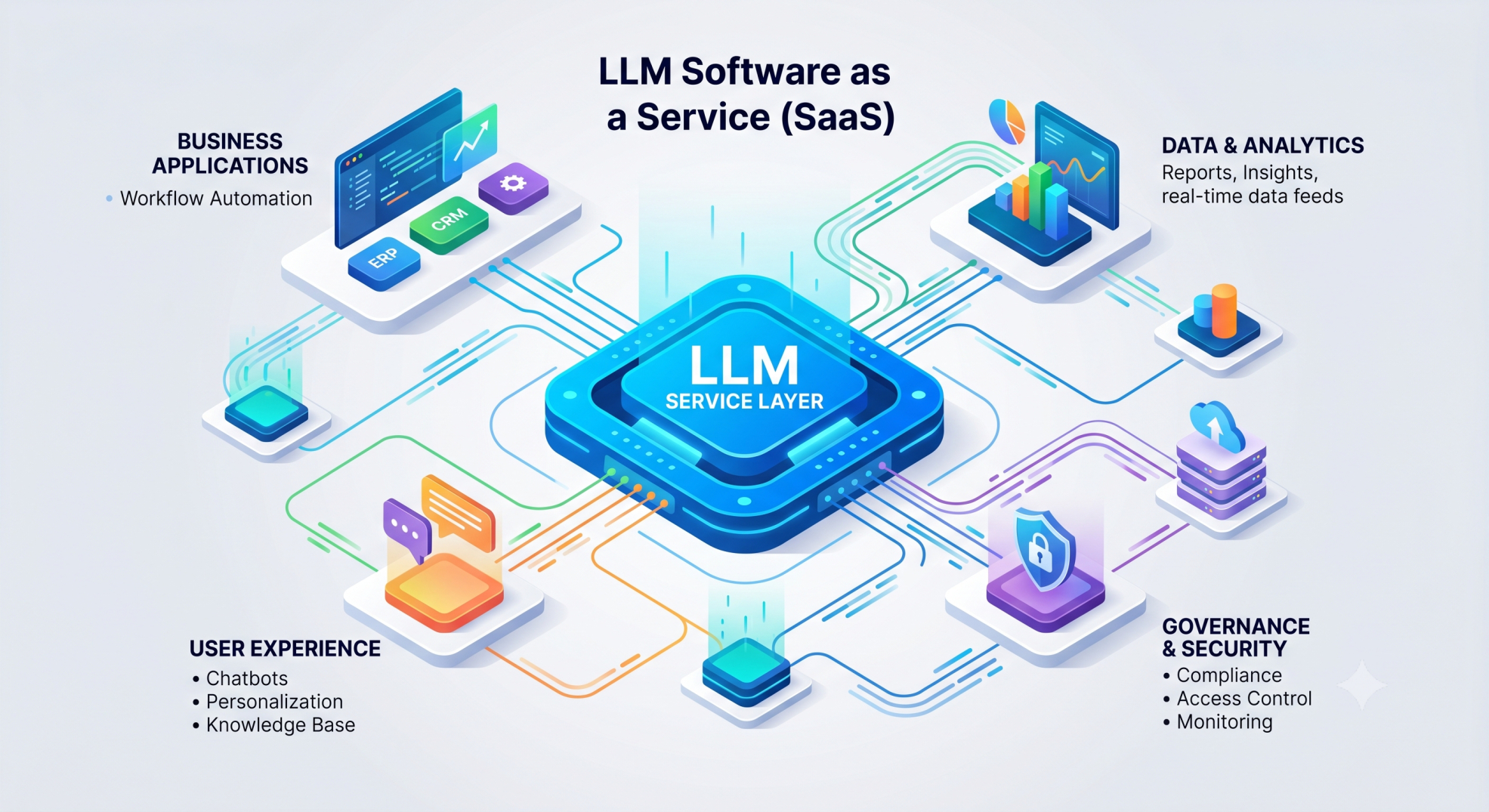
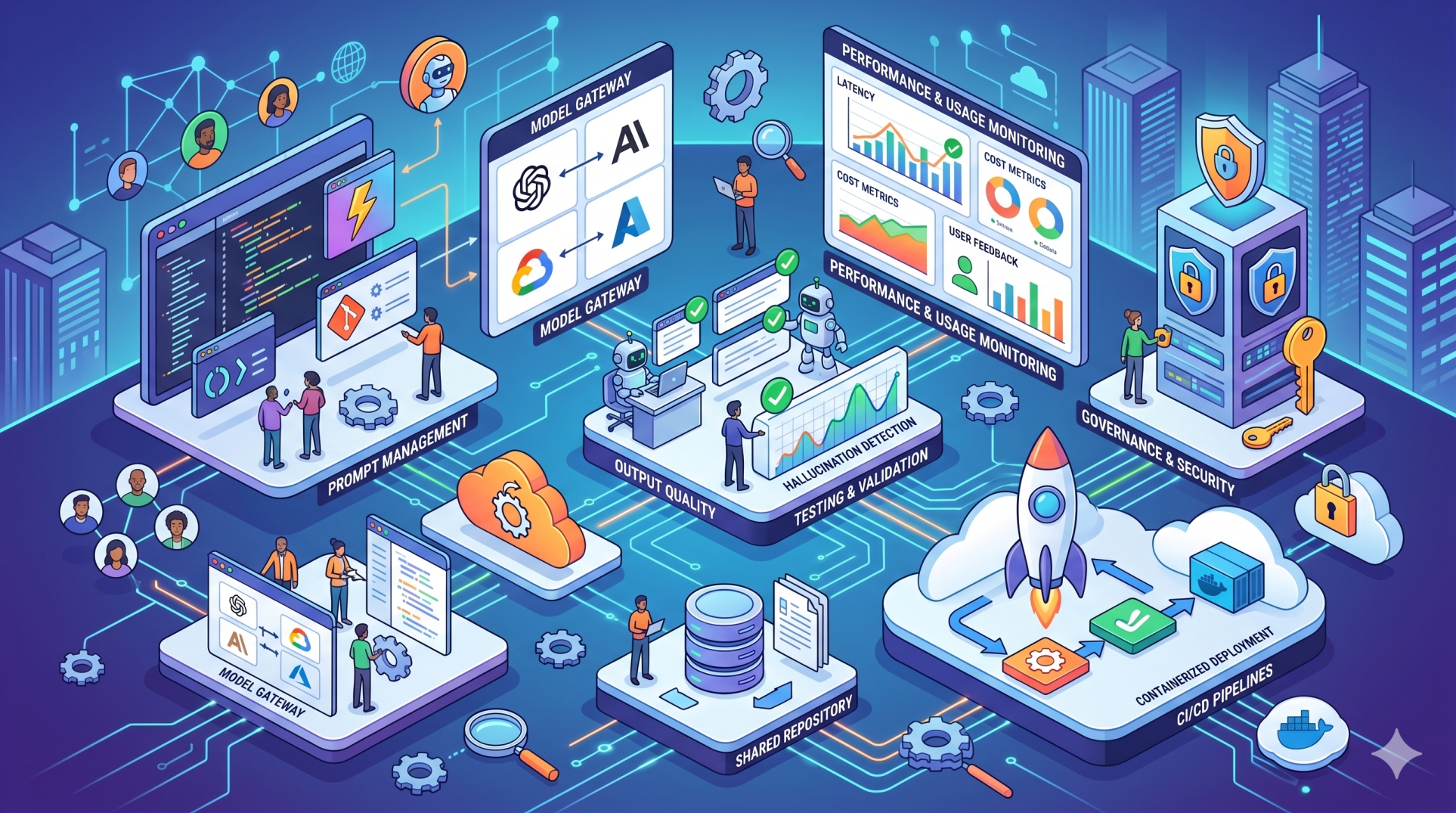
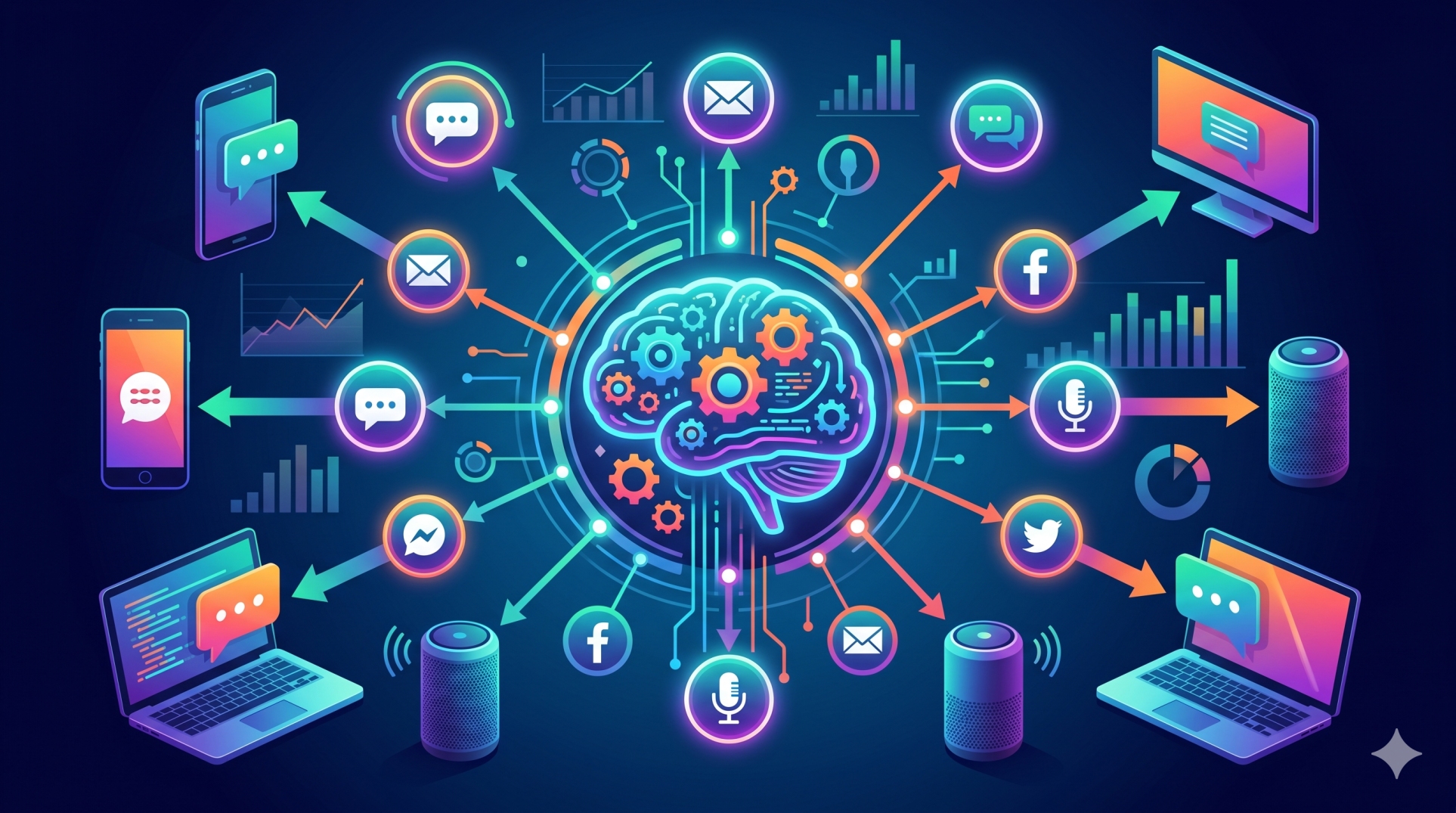
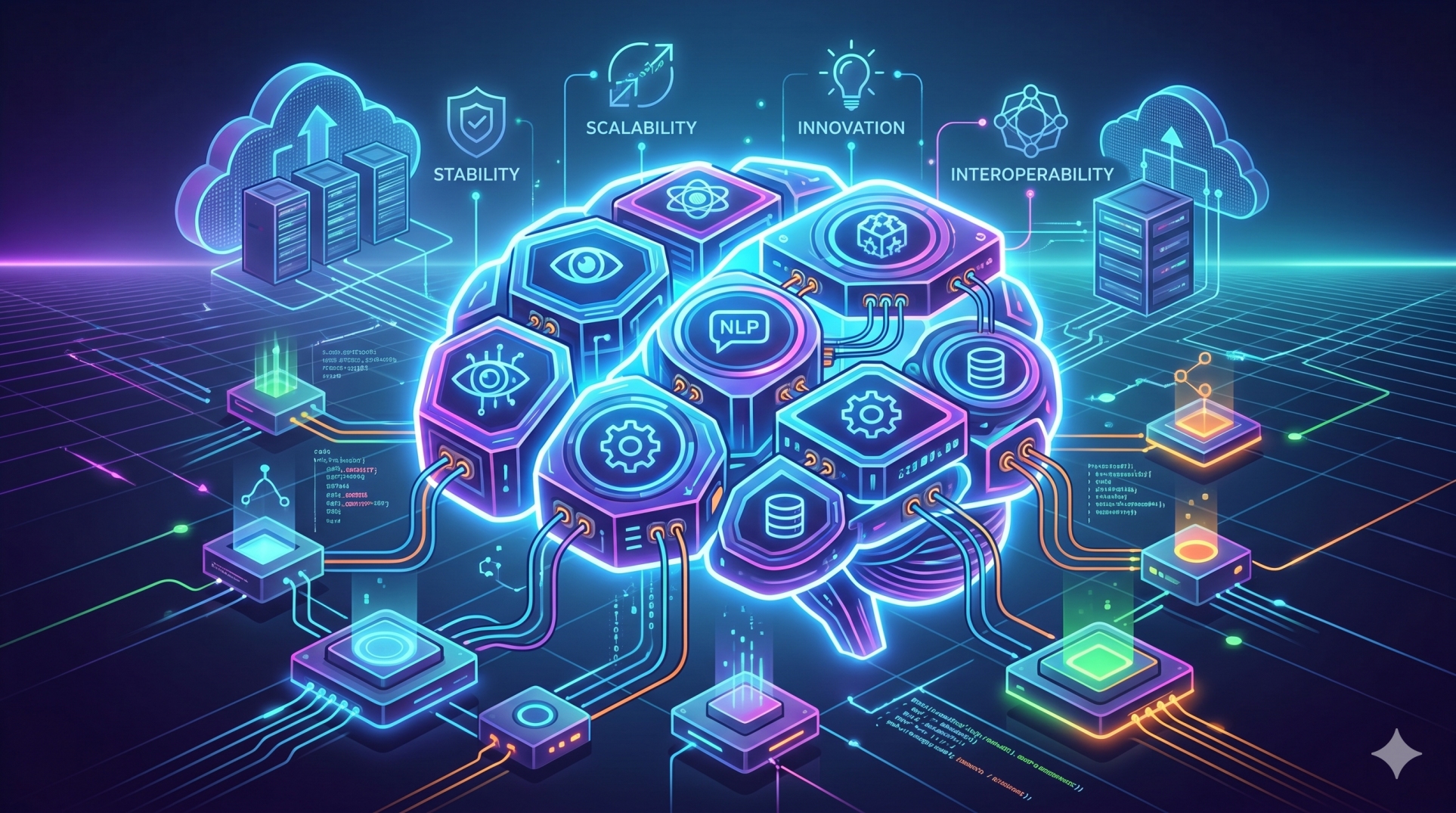
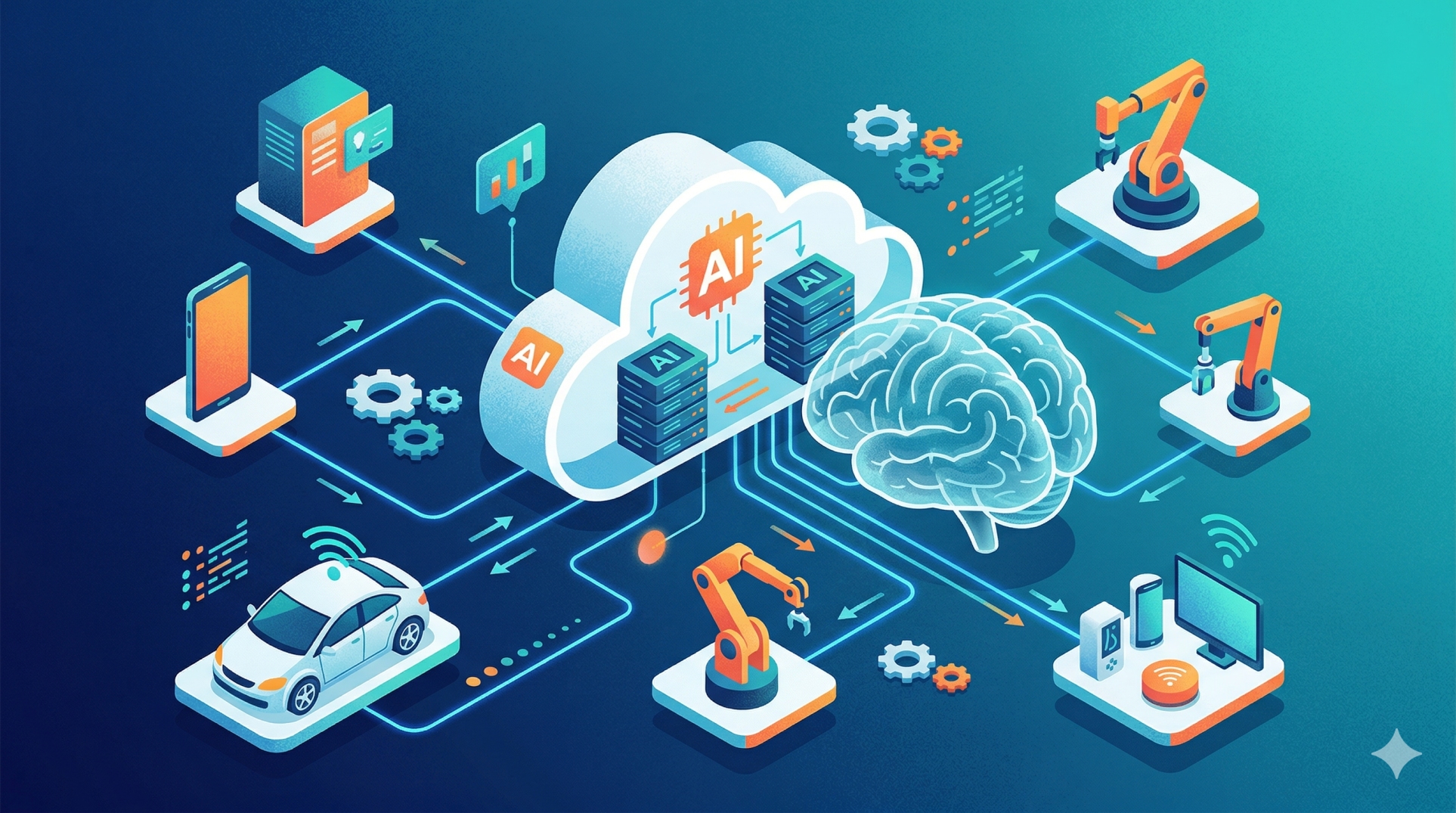
• Connect LLMs with ERP, CRM, HR, and operational platforms 🏢
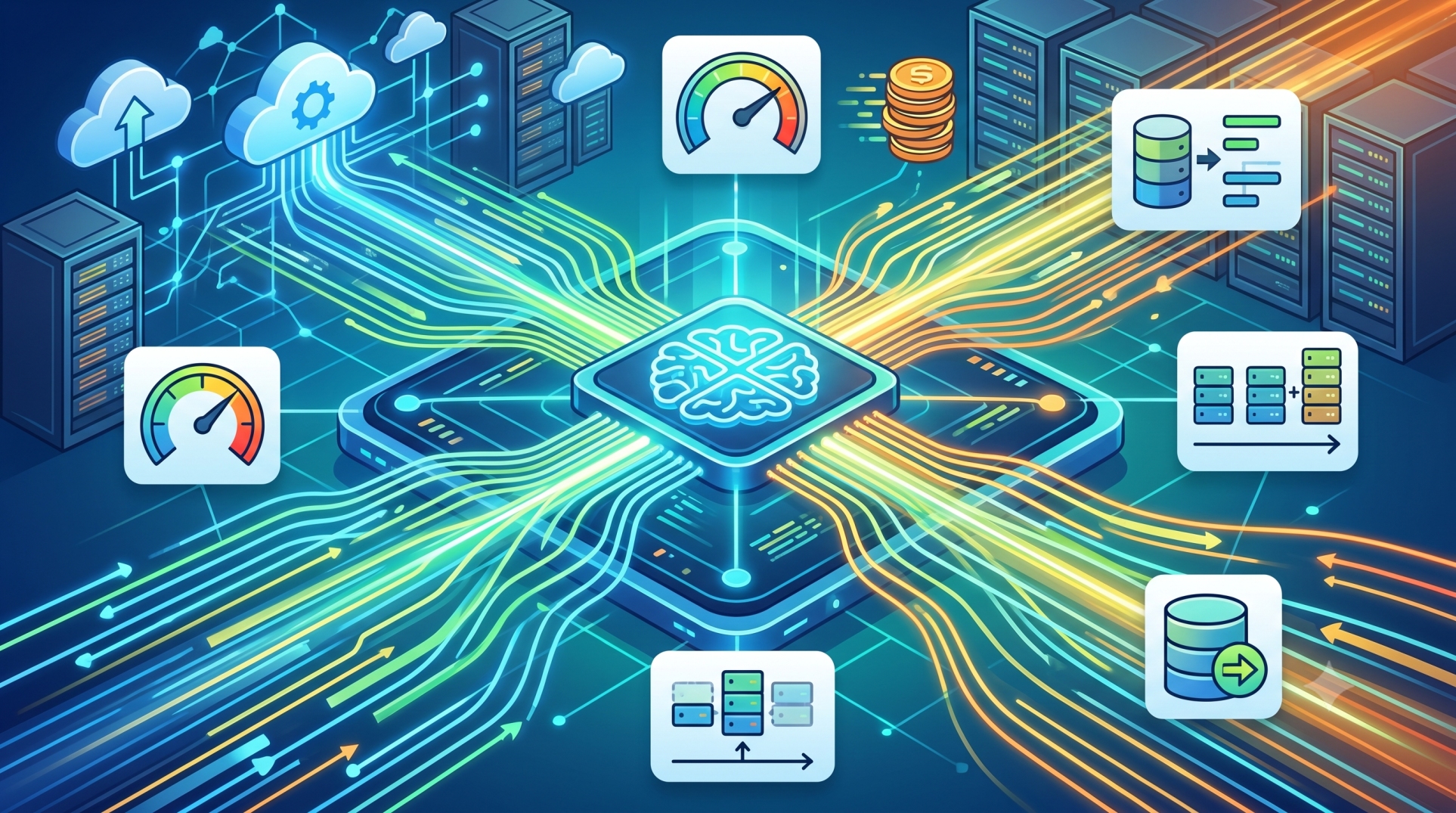
• Synchronize information across multiple enterprise applications 📡
• Eliminate data silos through unified integration layers 🔗
• Enable seamless information exchange between departments 📋
• Maintain consistent data throughout business processes ✅
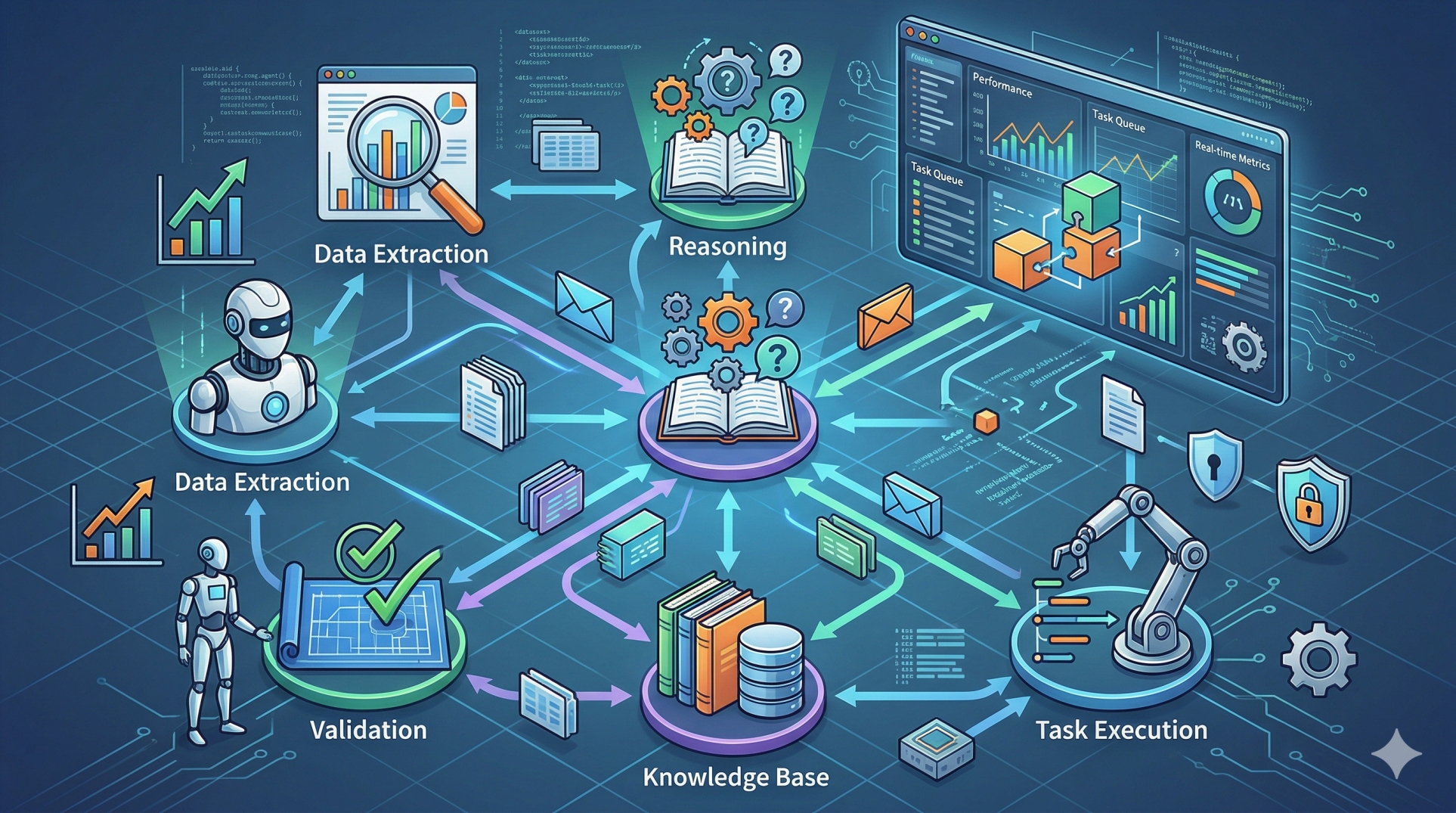
Step 3: Automating Workflow Execution 🤖
• Generate documents, reports, and business communications automatically 📄
• Route requests to the appropriate teams based on business rules 📬
• Assist with approvals and task prioritization ⚡
• Automate repetitive knowledge-intensive activities 🛠️
• Improve process speed without compromising quality 🚀
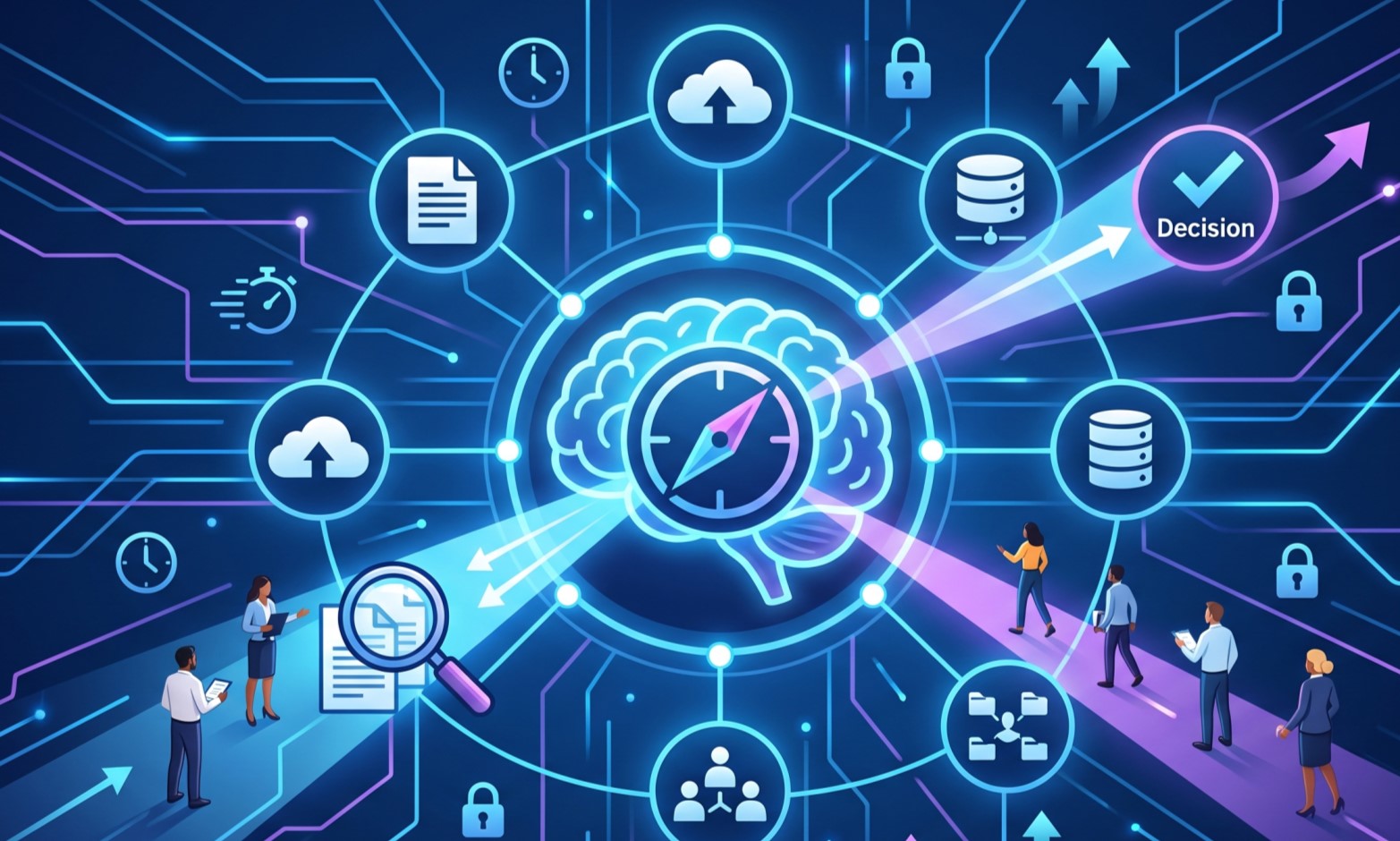
Step 4: Enhancing Decision Support 📈
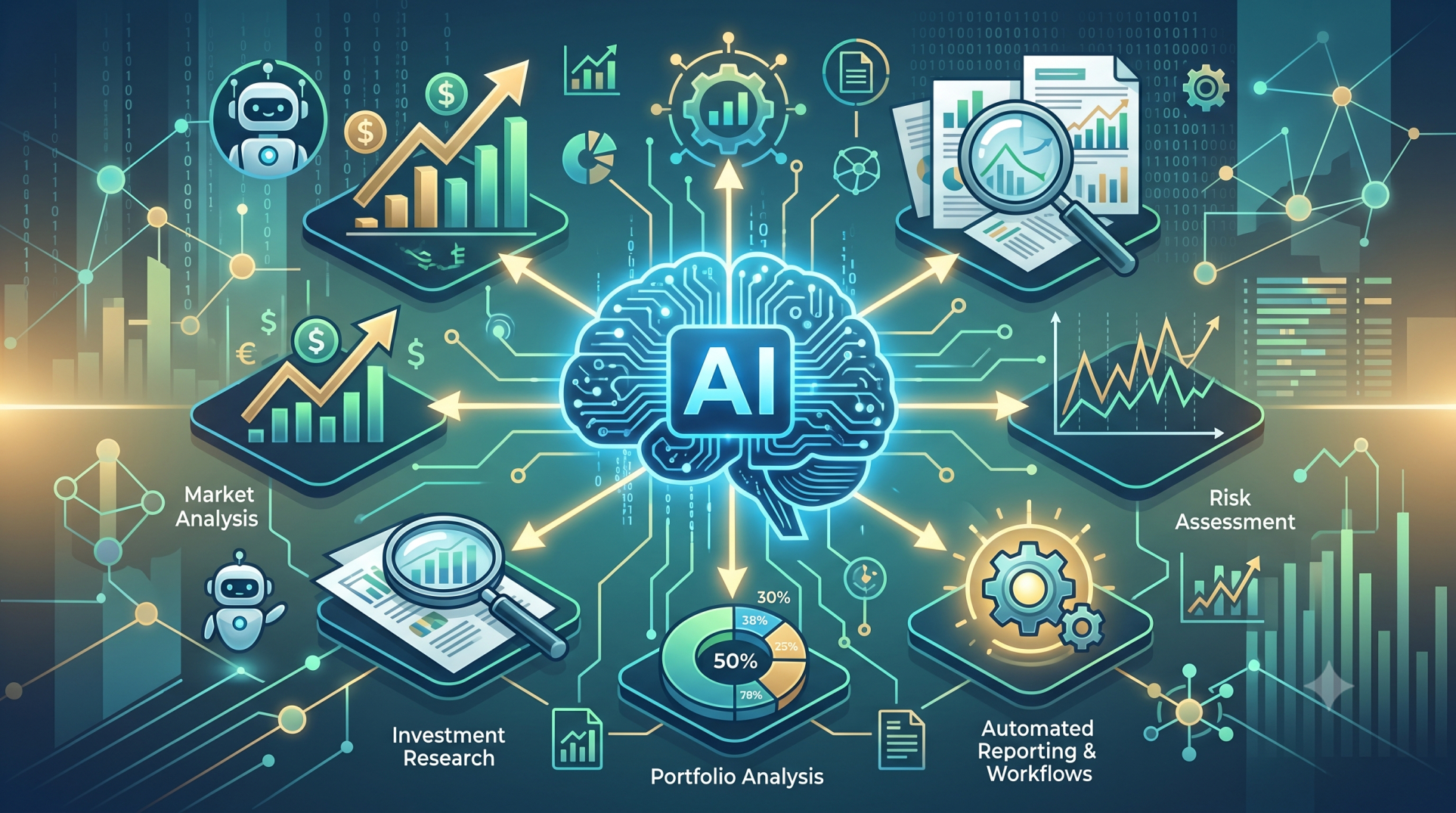
• Analyze business information from multiple sources 📊
• Provide context-aware recommendations for operational tasks 💡
• Summarize complex information into actionable insights 📝
• Support faster responses to changing business conditions ⚙️
• Improve decision consistency across departments 🎯
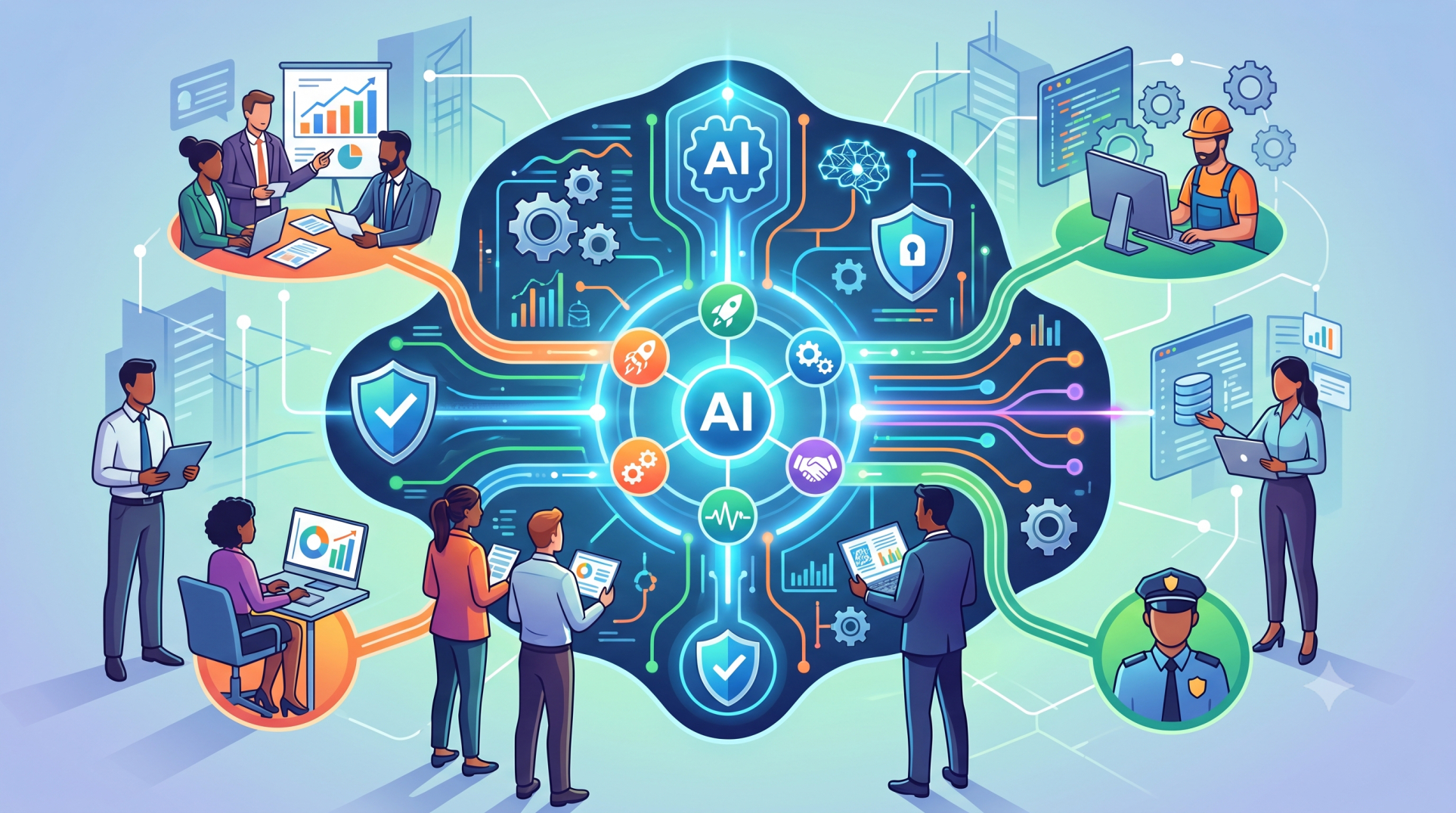
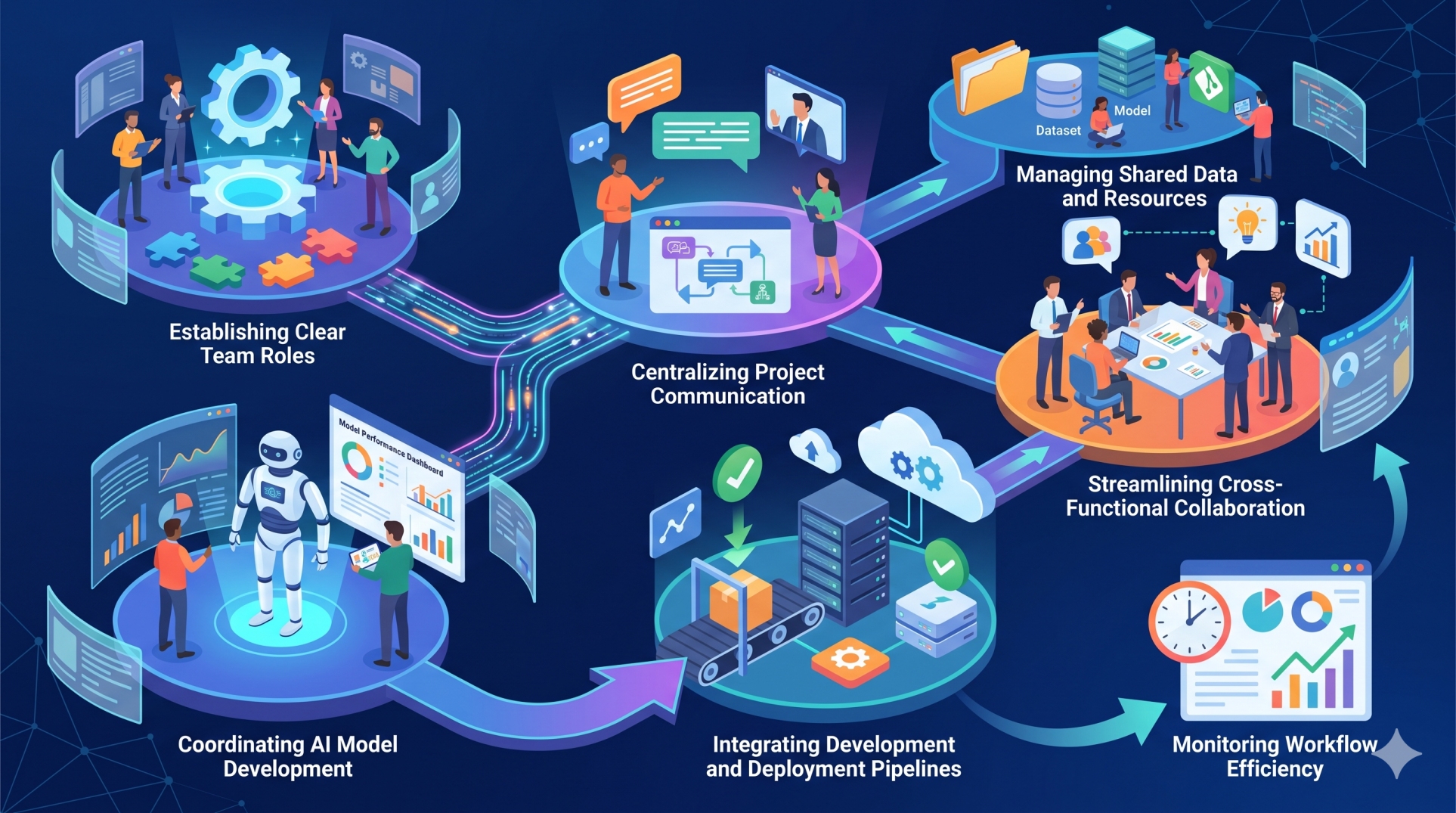
Step 5: Coordinating Cross-Functional Operations 🌐
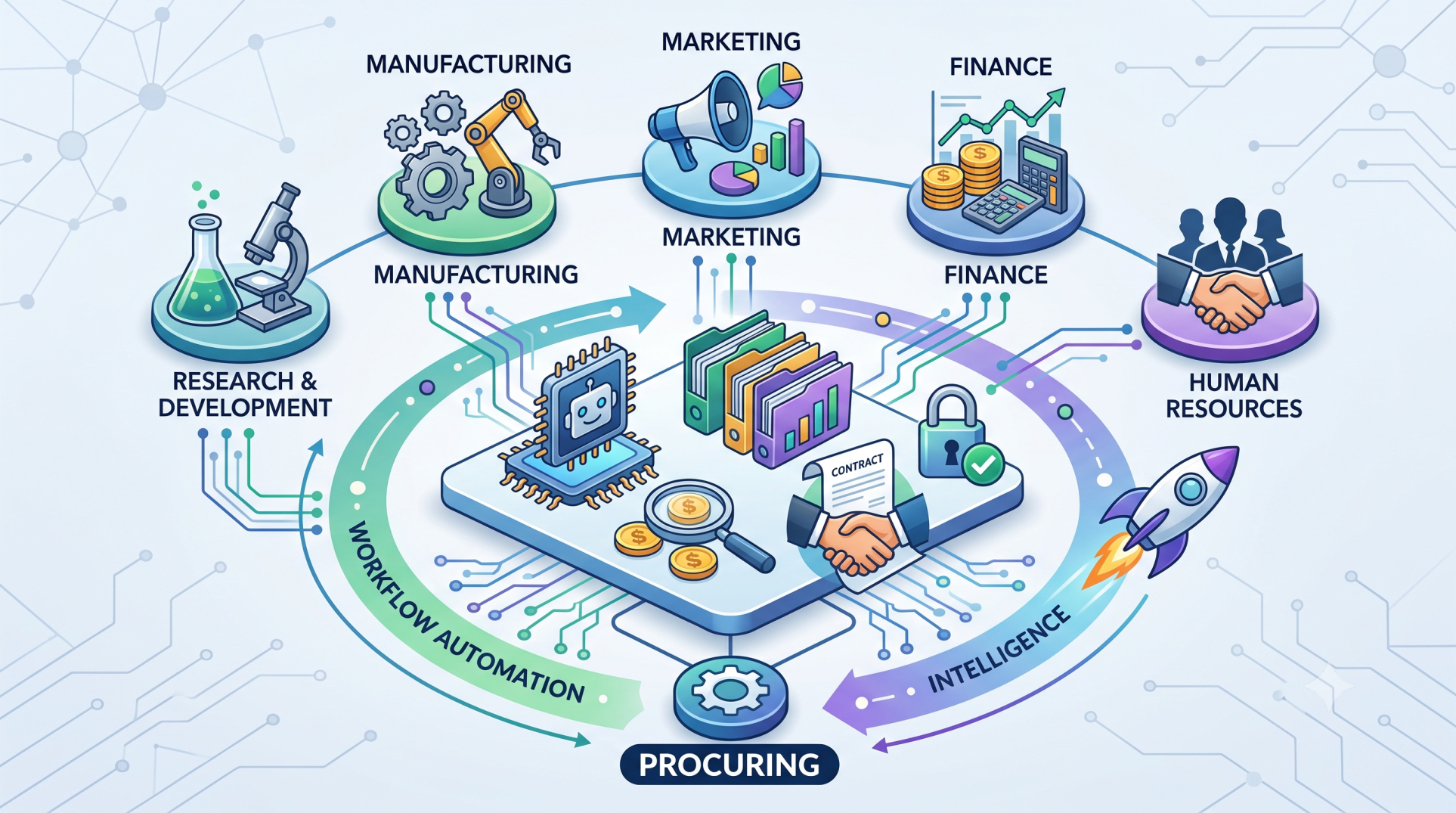
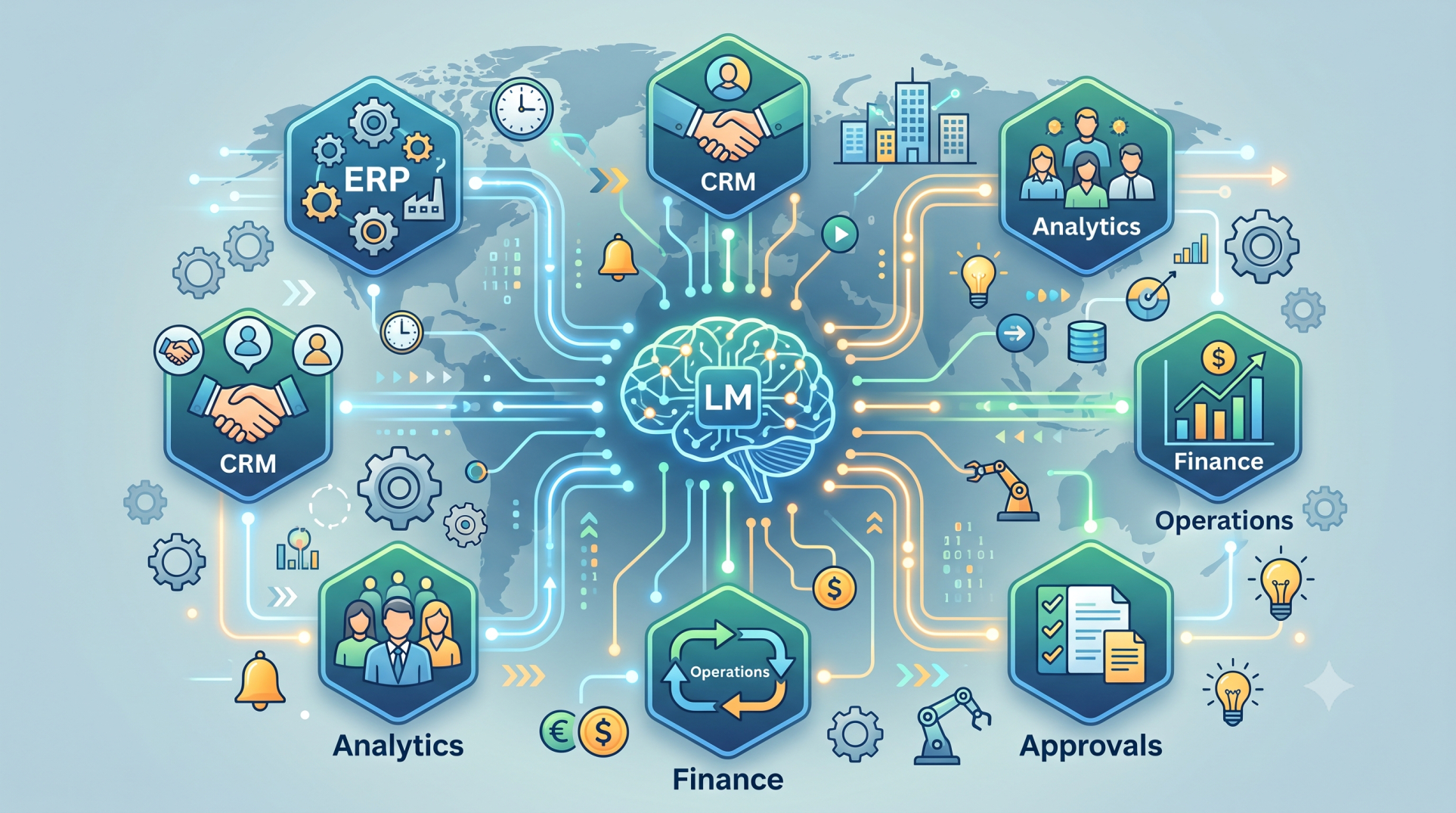
• Connect finance, sales, procurement, HR, and customer service workflows 🤝
• Improve collaboration through shared AI-generated insights 📡
• Standardize business processes across organizational units 📋
• Reduce delays caused by manual coordination ⏱️
• Support end-to-end operational visibility 👀
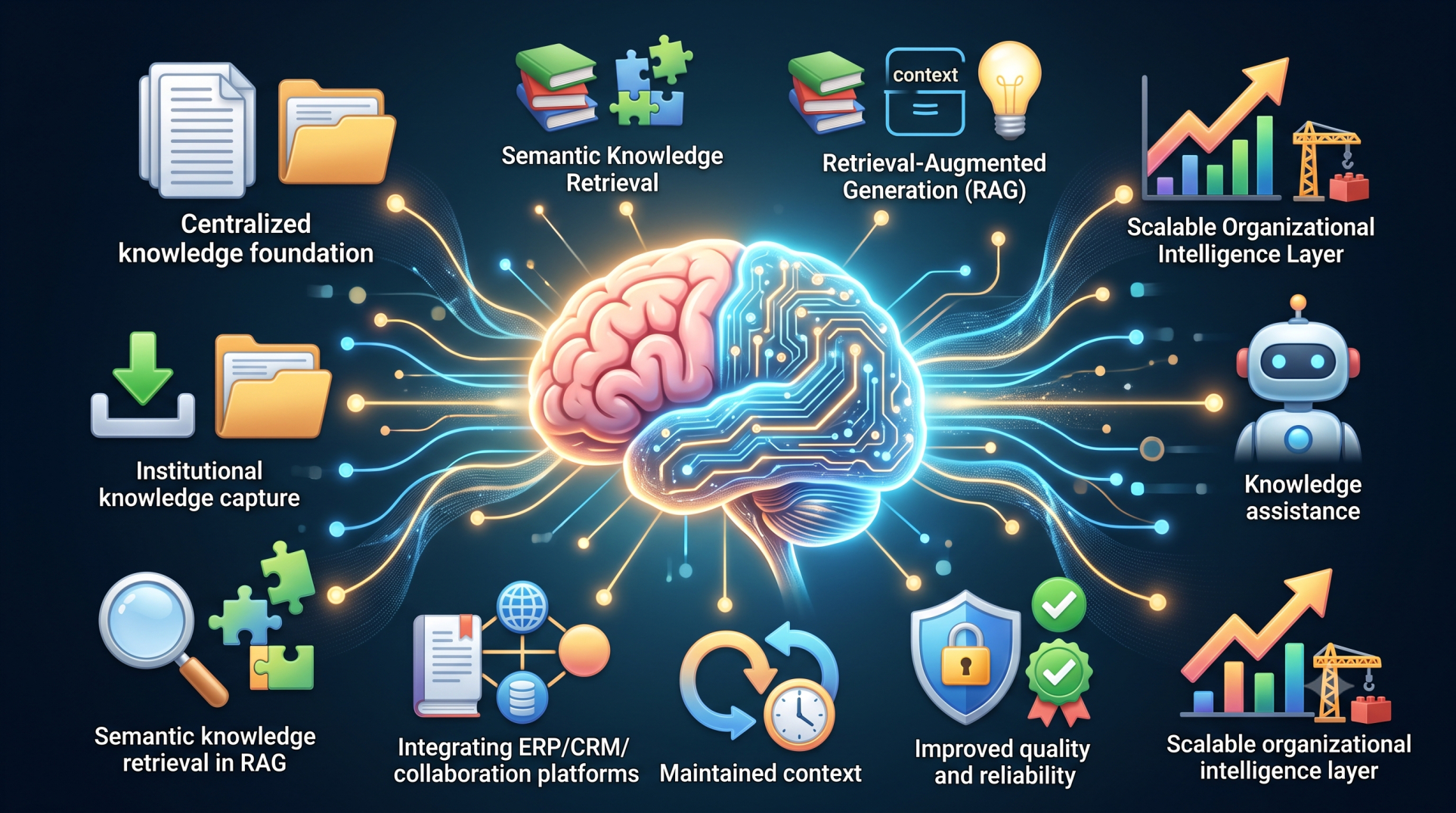
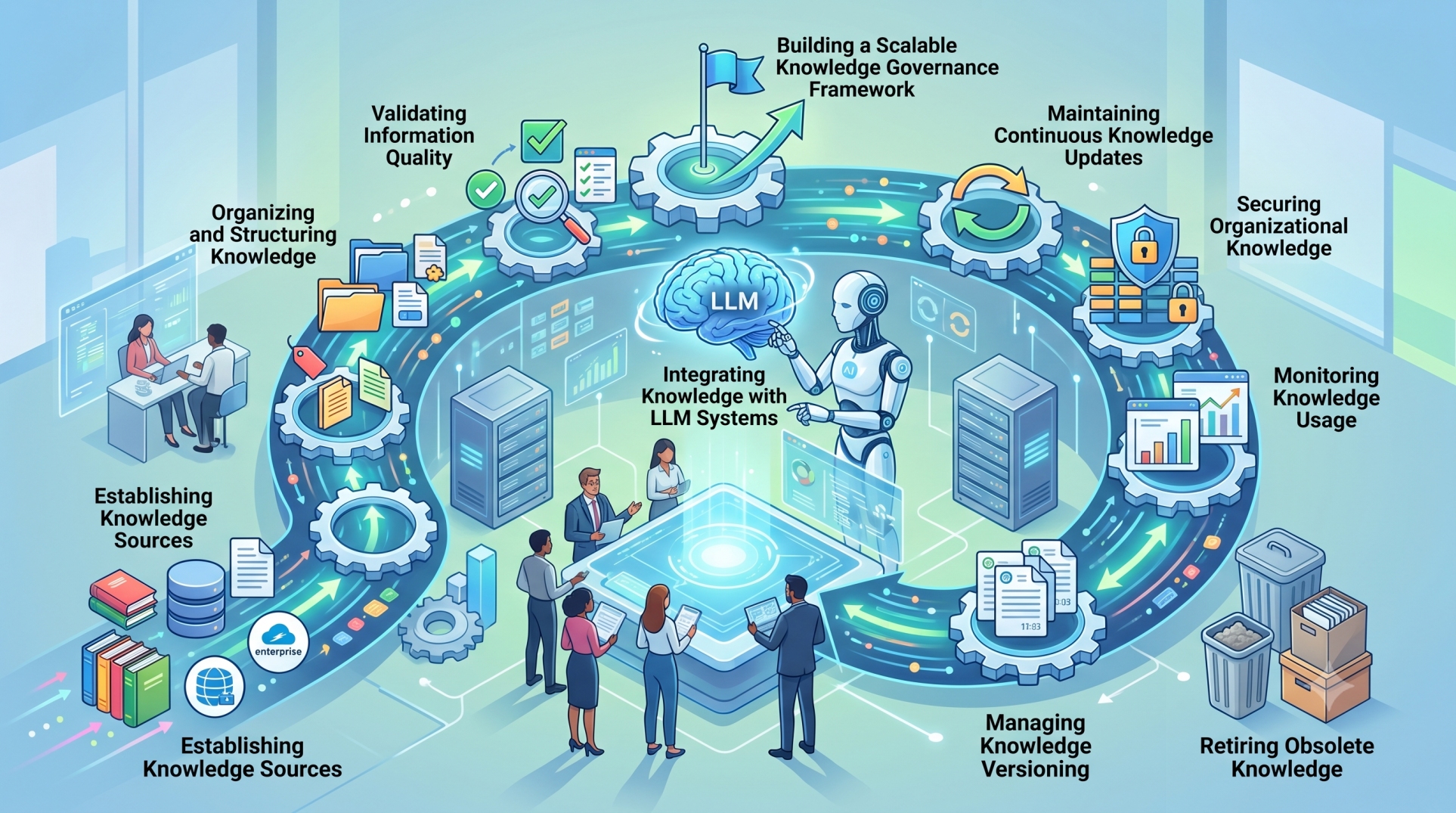
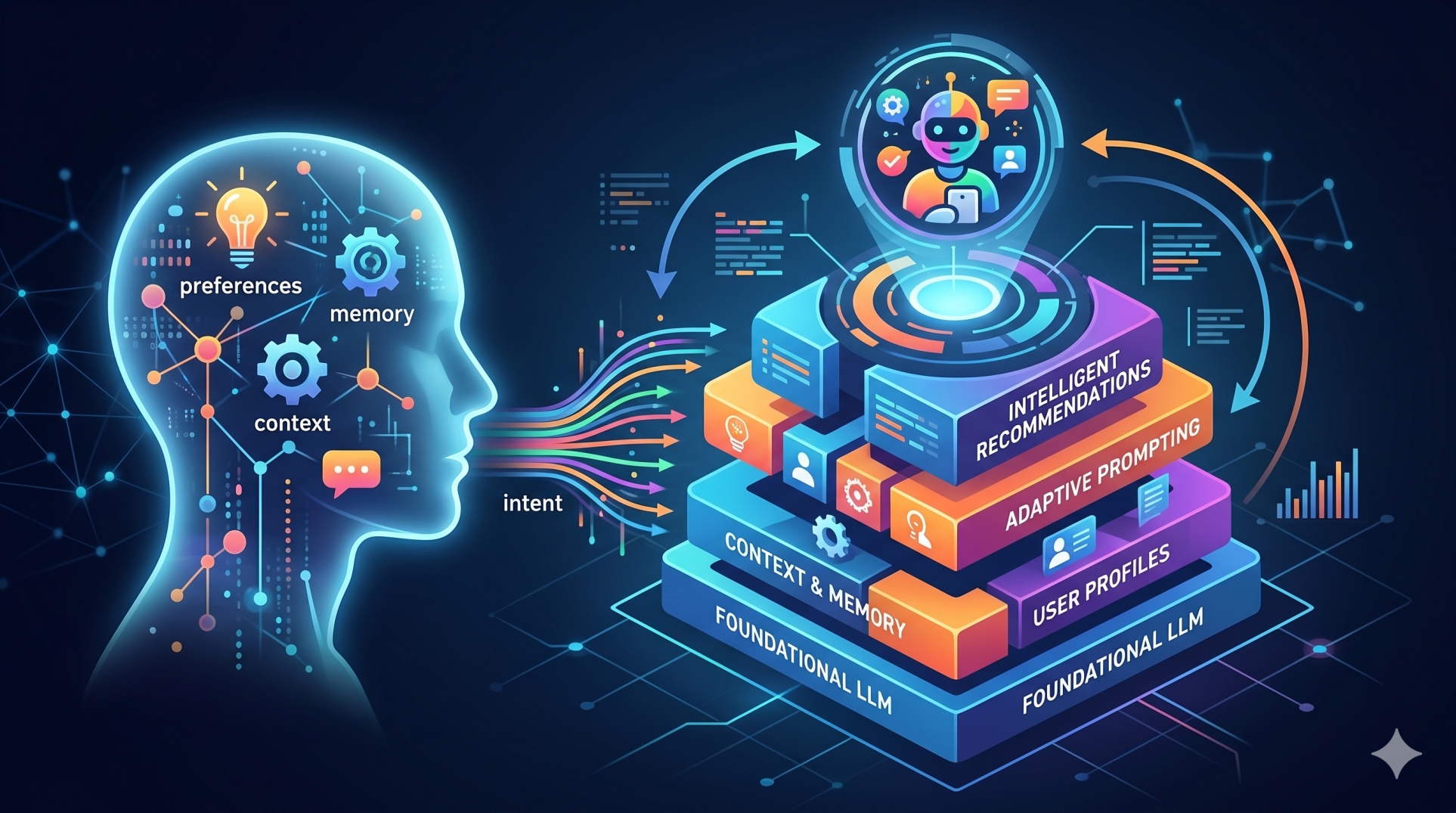
Step 6: Managing Knowledge and Context 📚
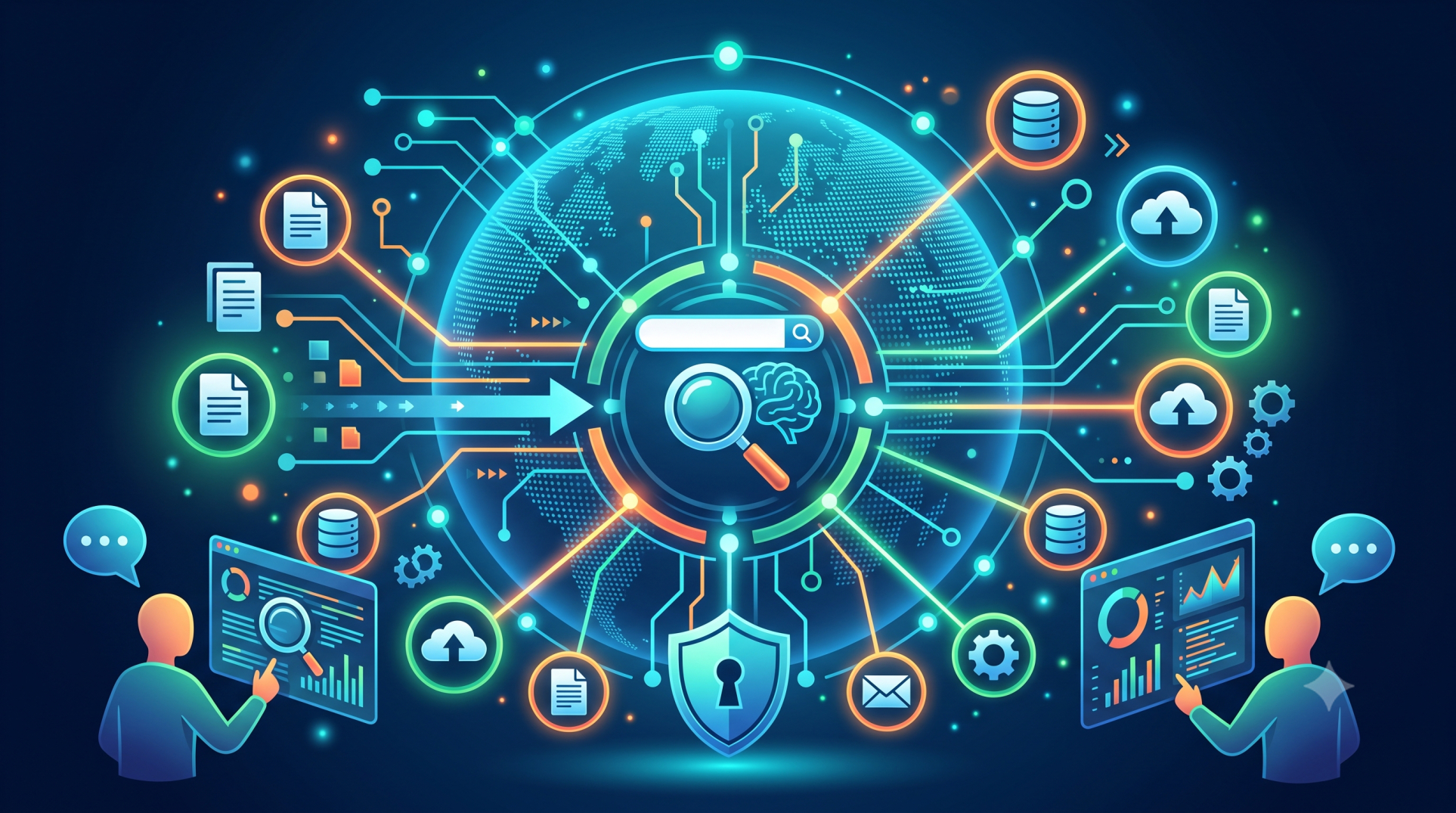
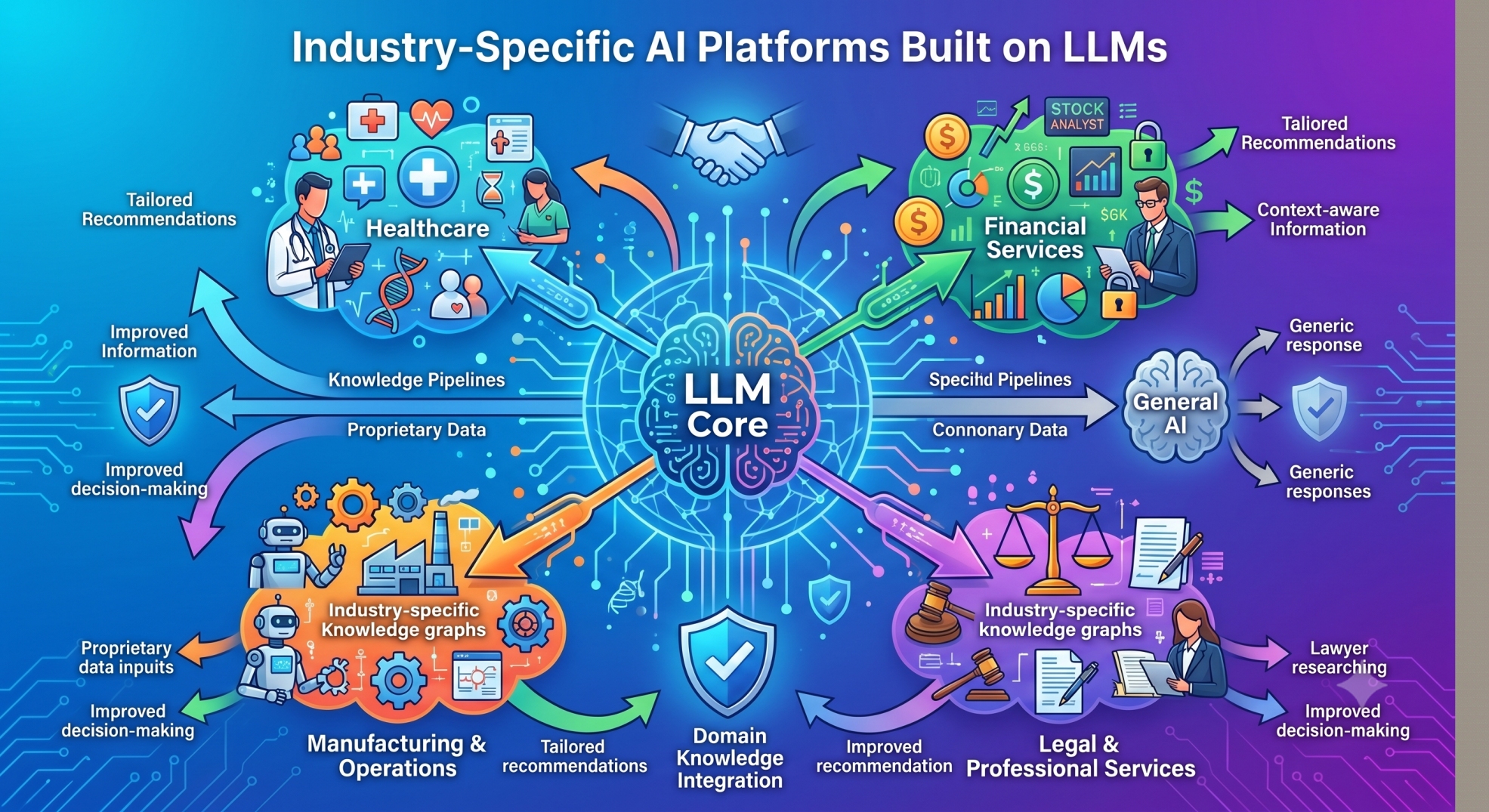
• Retrieve relevant enterprise knowledge during workflow execution 🔍
• Maintain contextual understanding across multi-step processes 🧩
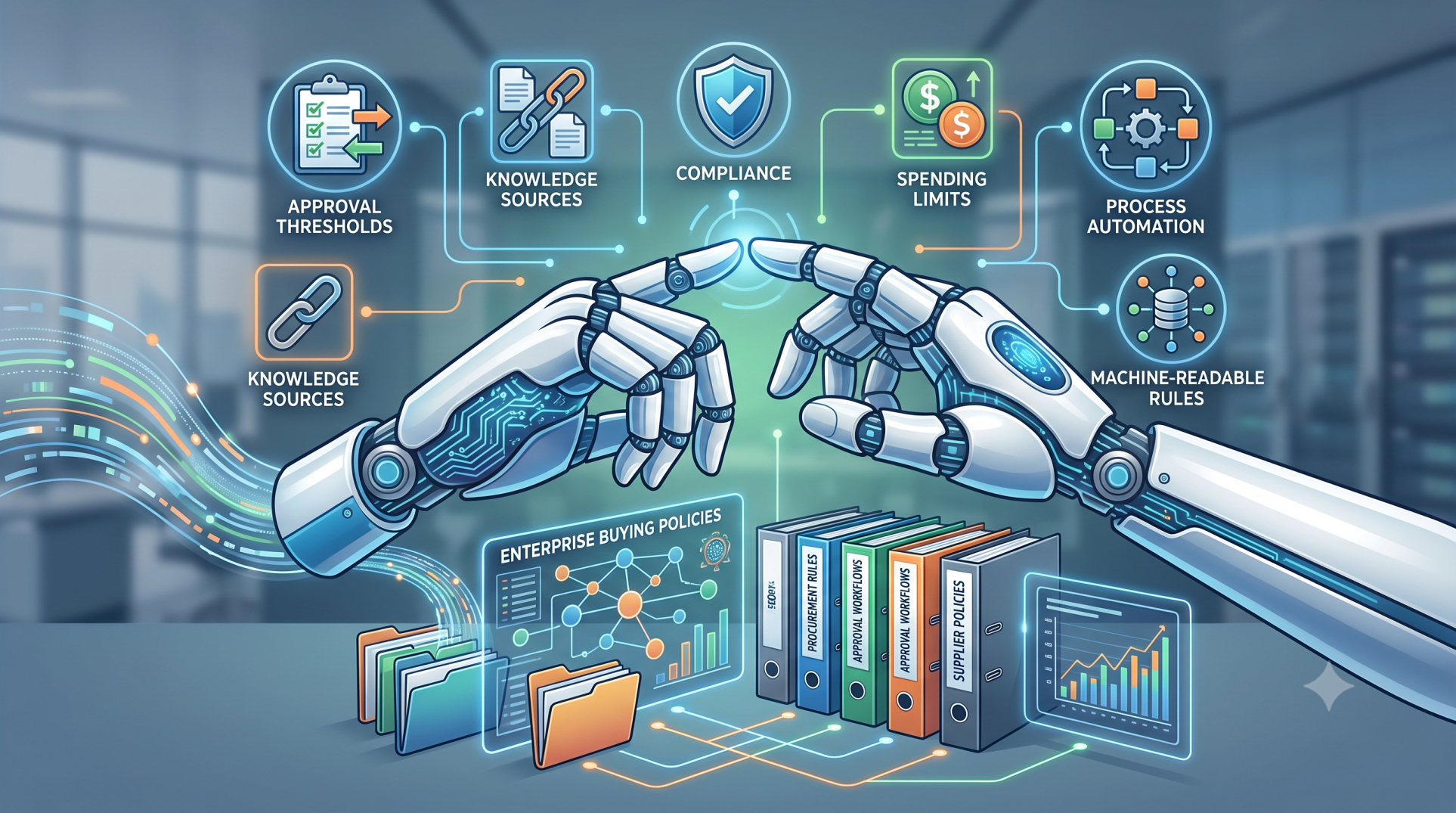
• Deliver accurate information based on business policies 📘
• Reduce redundant searches for organizational knowledge ⚡
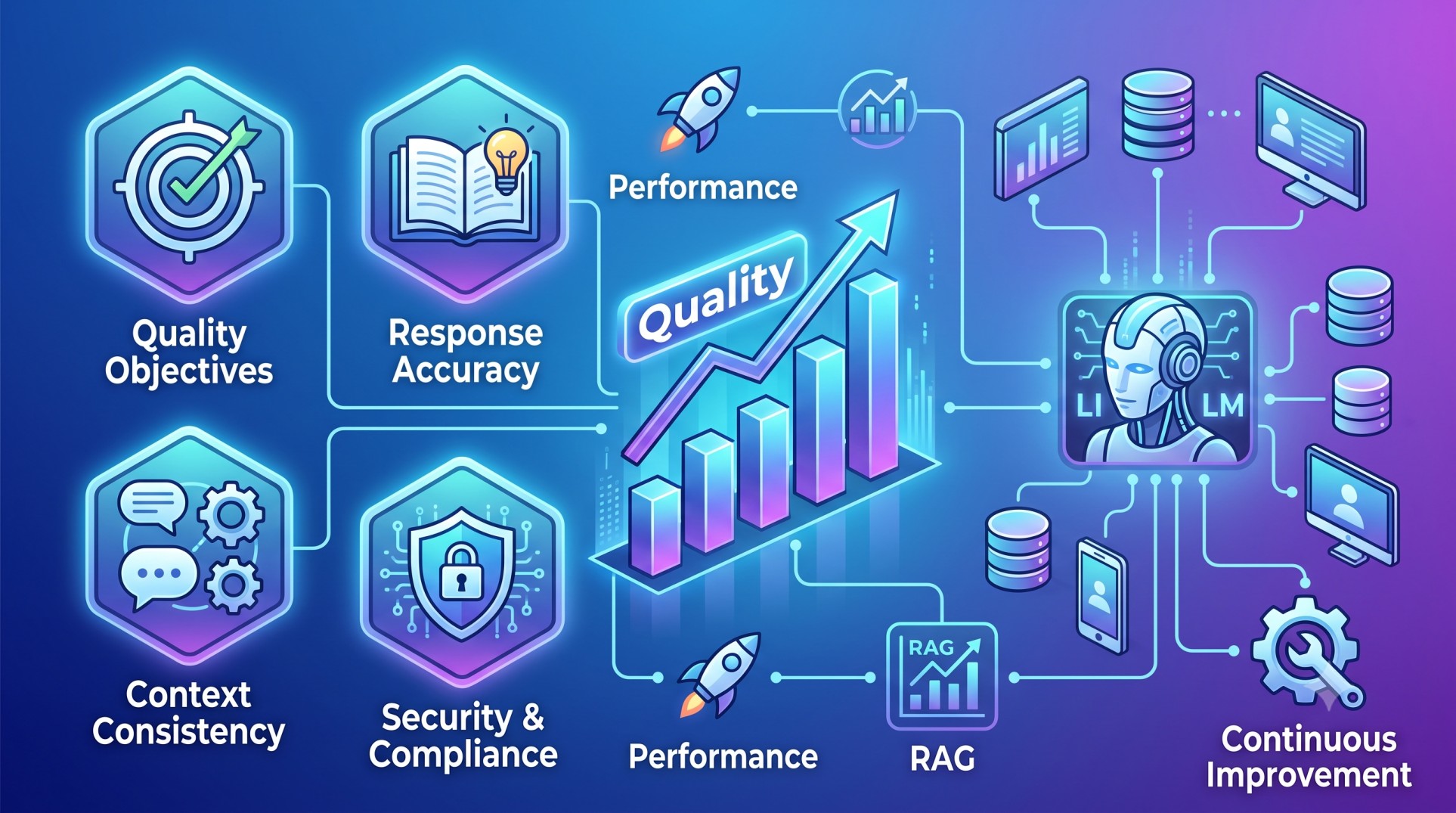
• Improve consistency in AI-assisted responses ✅
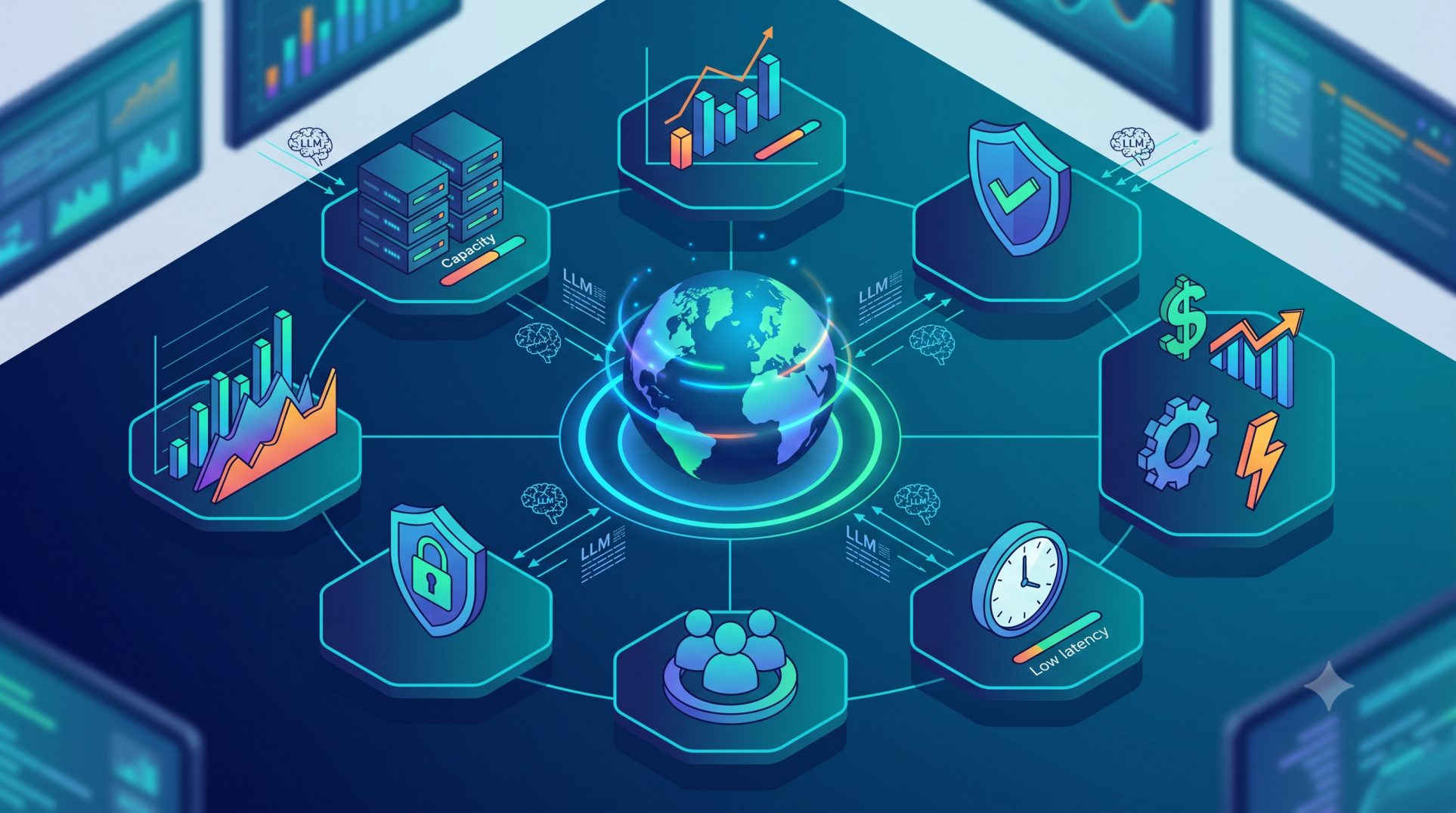
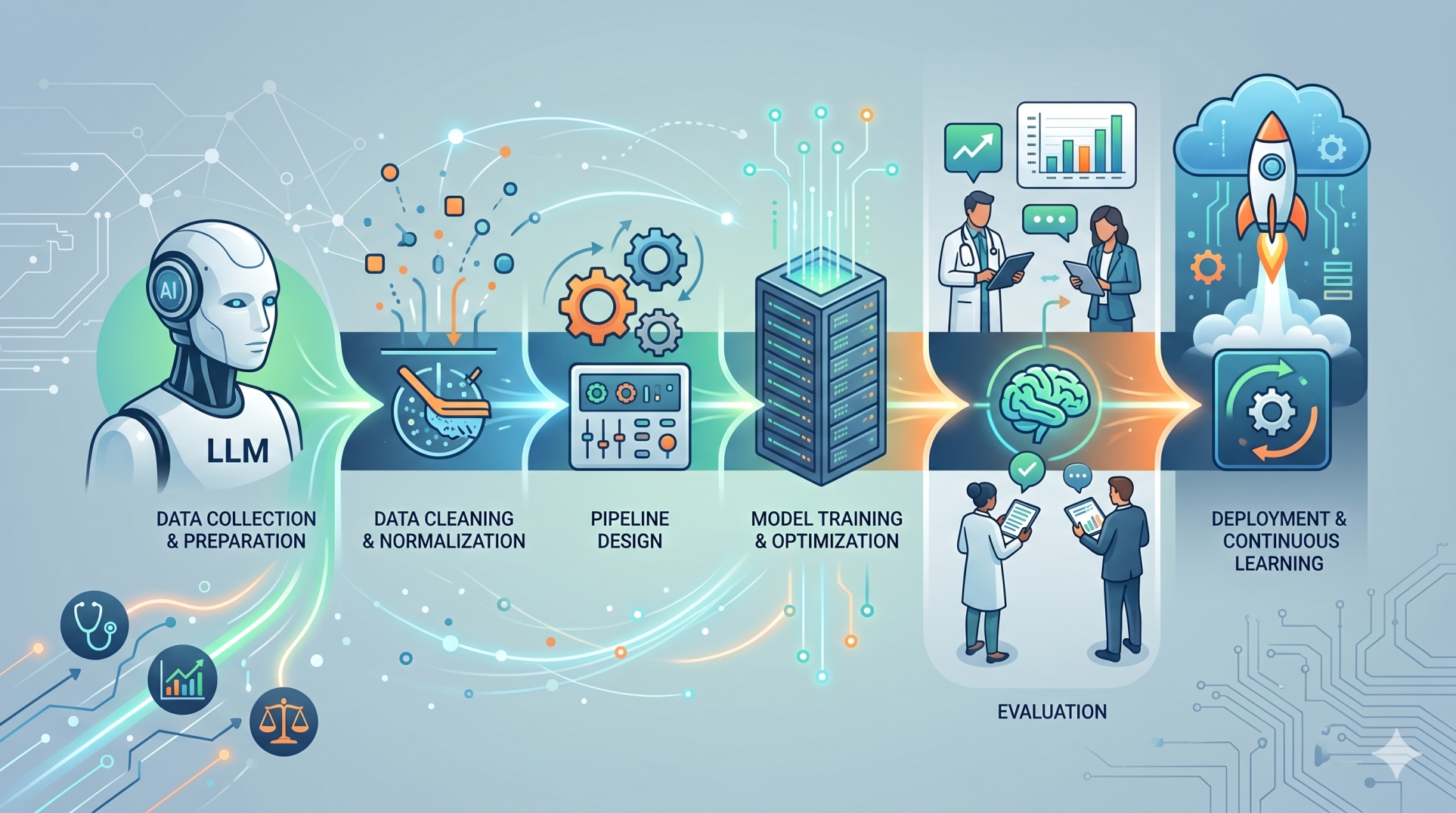
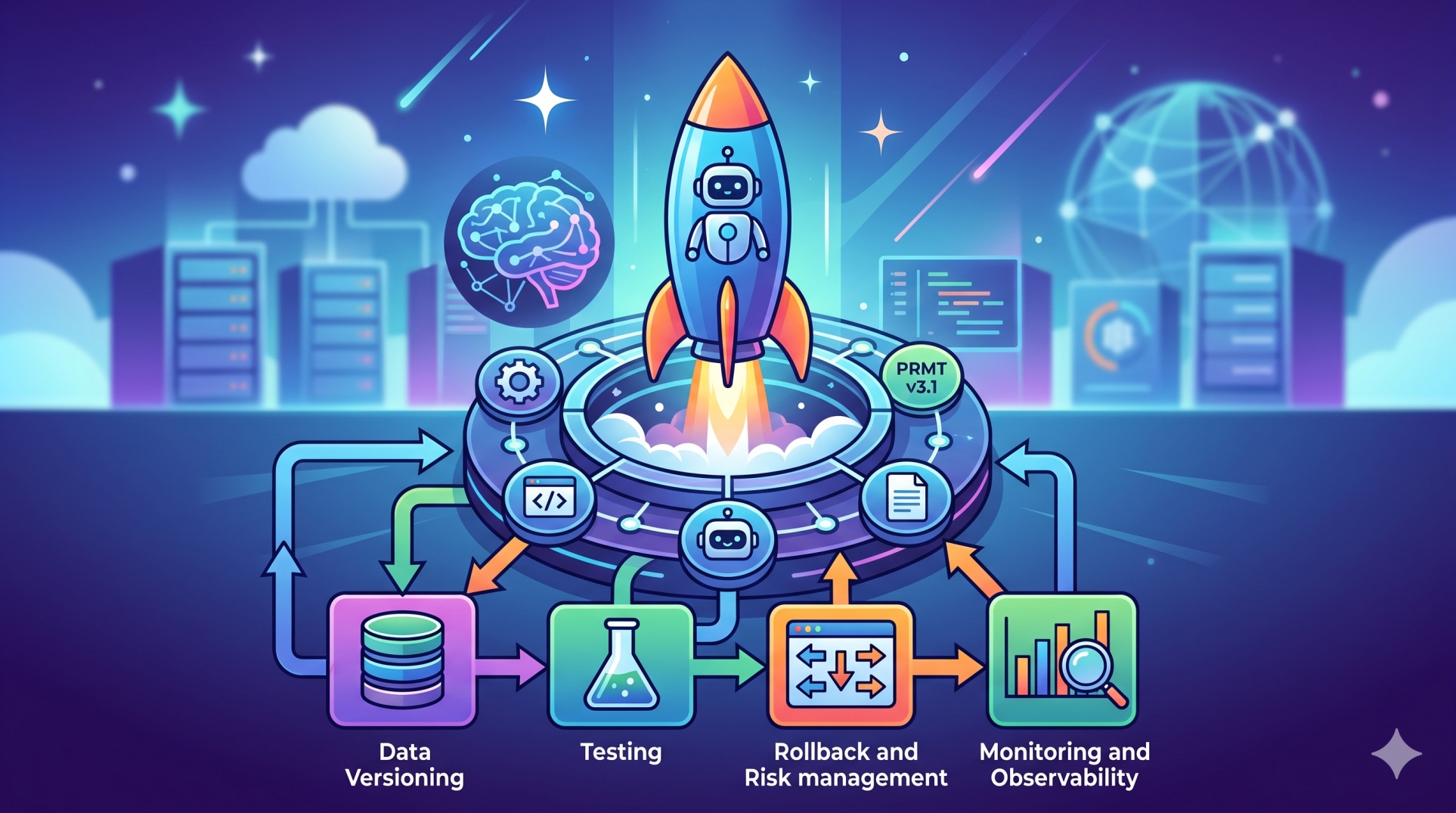
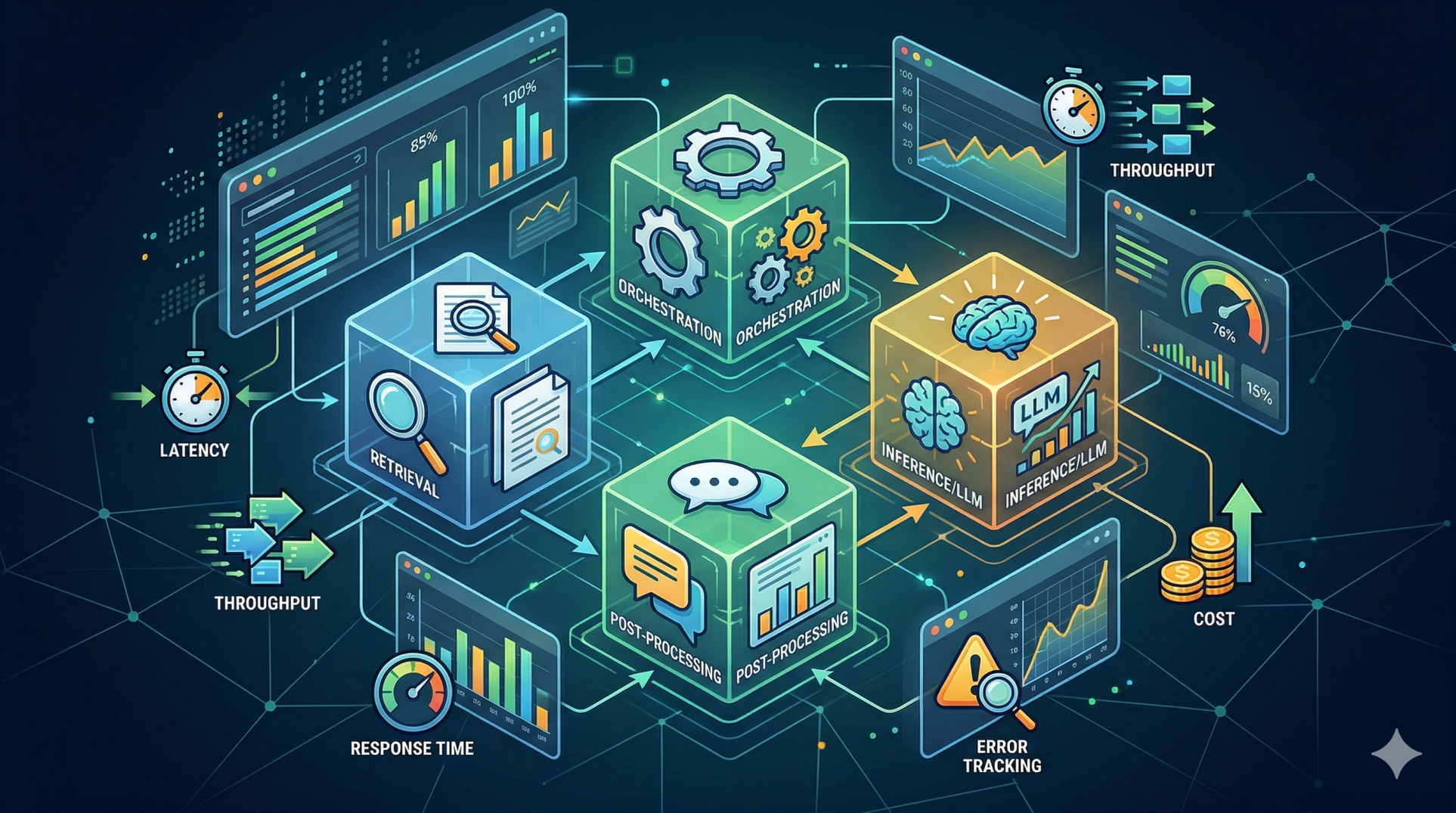
Step 7: Monitoring Process Performance 📊
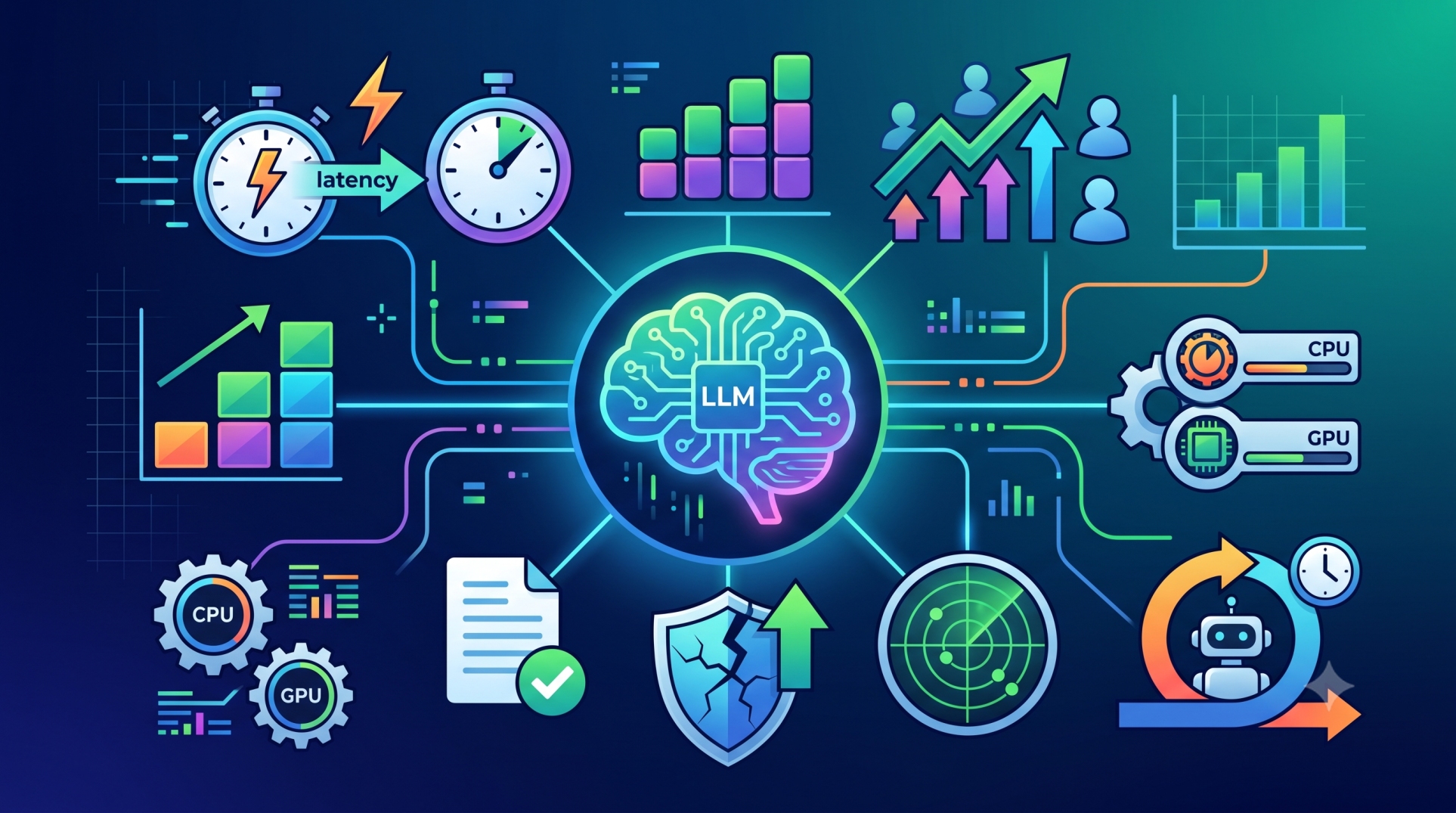
• Track workflow completion times and operational efficiency 📈
• Identify bottlenecks in automated business processes 🔍
• Measure productivity improvements across departments 📉
• Analyze AI-assisted workflow performance continuously 📋
• Refine coordination strategies using operational insights 💪
Step 8: Key Acceleration Priorities ⭐
• Intelligent coordination between AI and enterprise systems 🤖
• Automated workflows with minimal manual intervention ⚙️
• Real-time visibility into business operations 👀
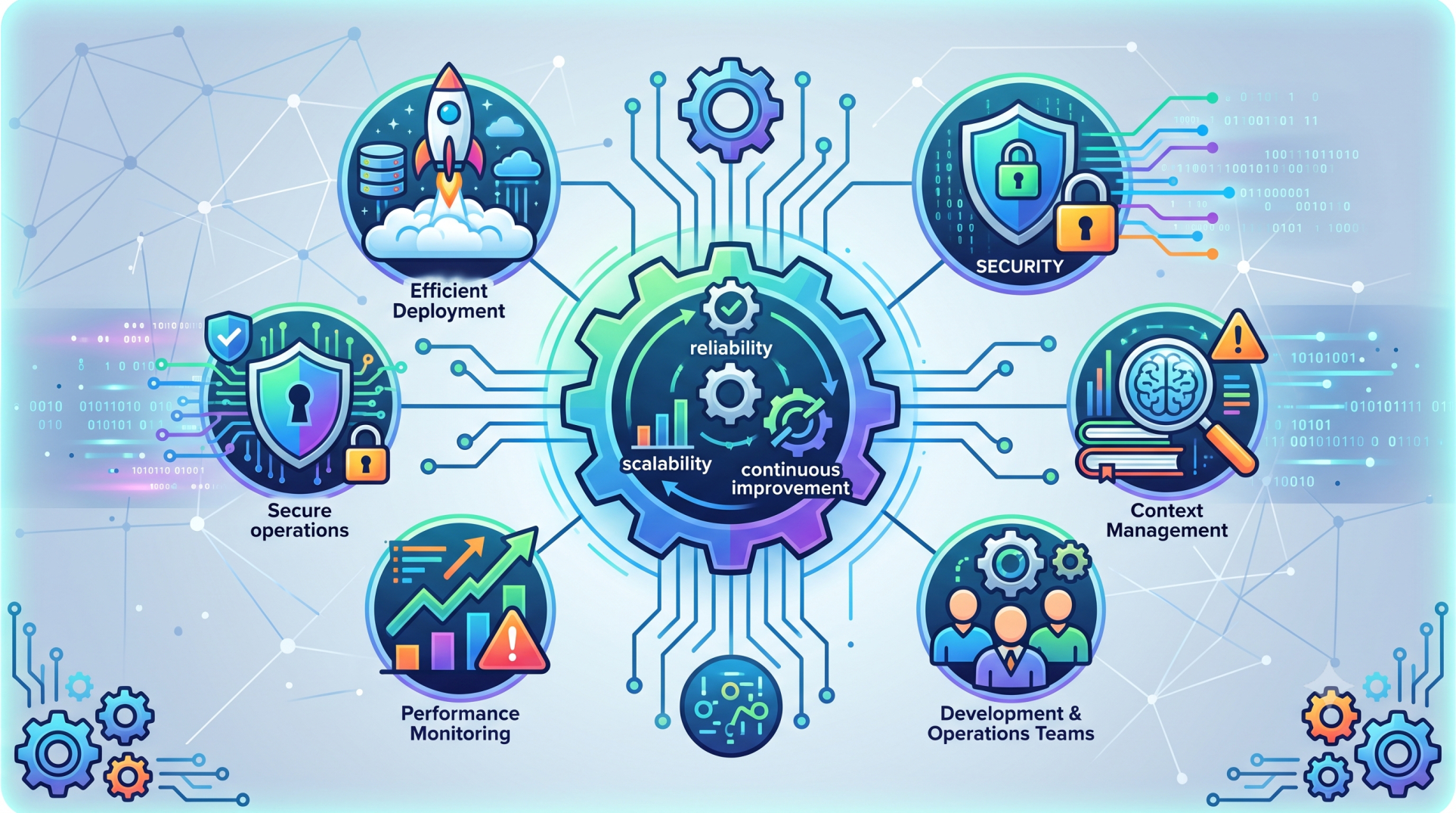
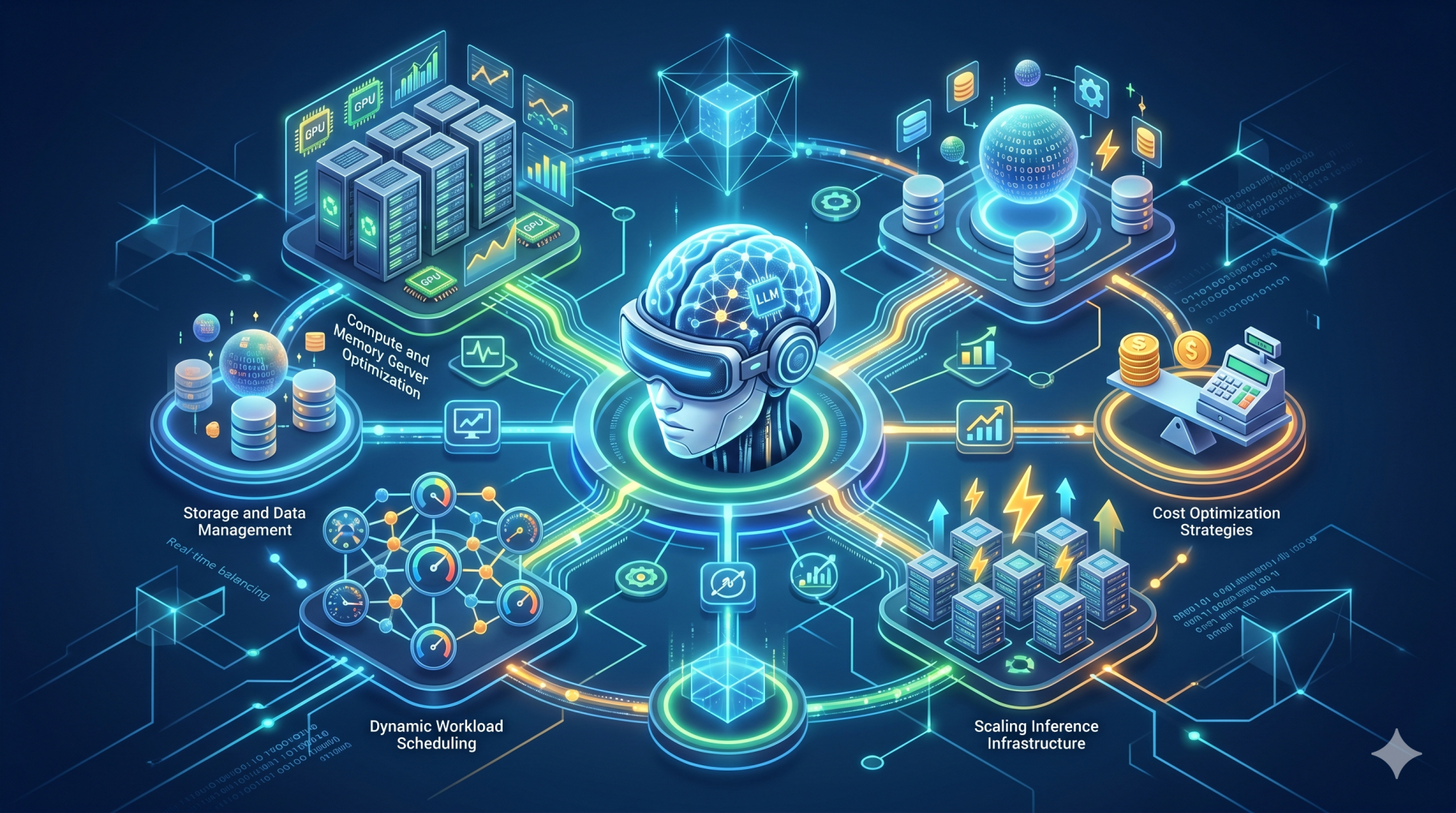
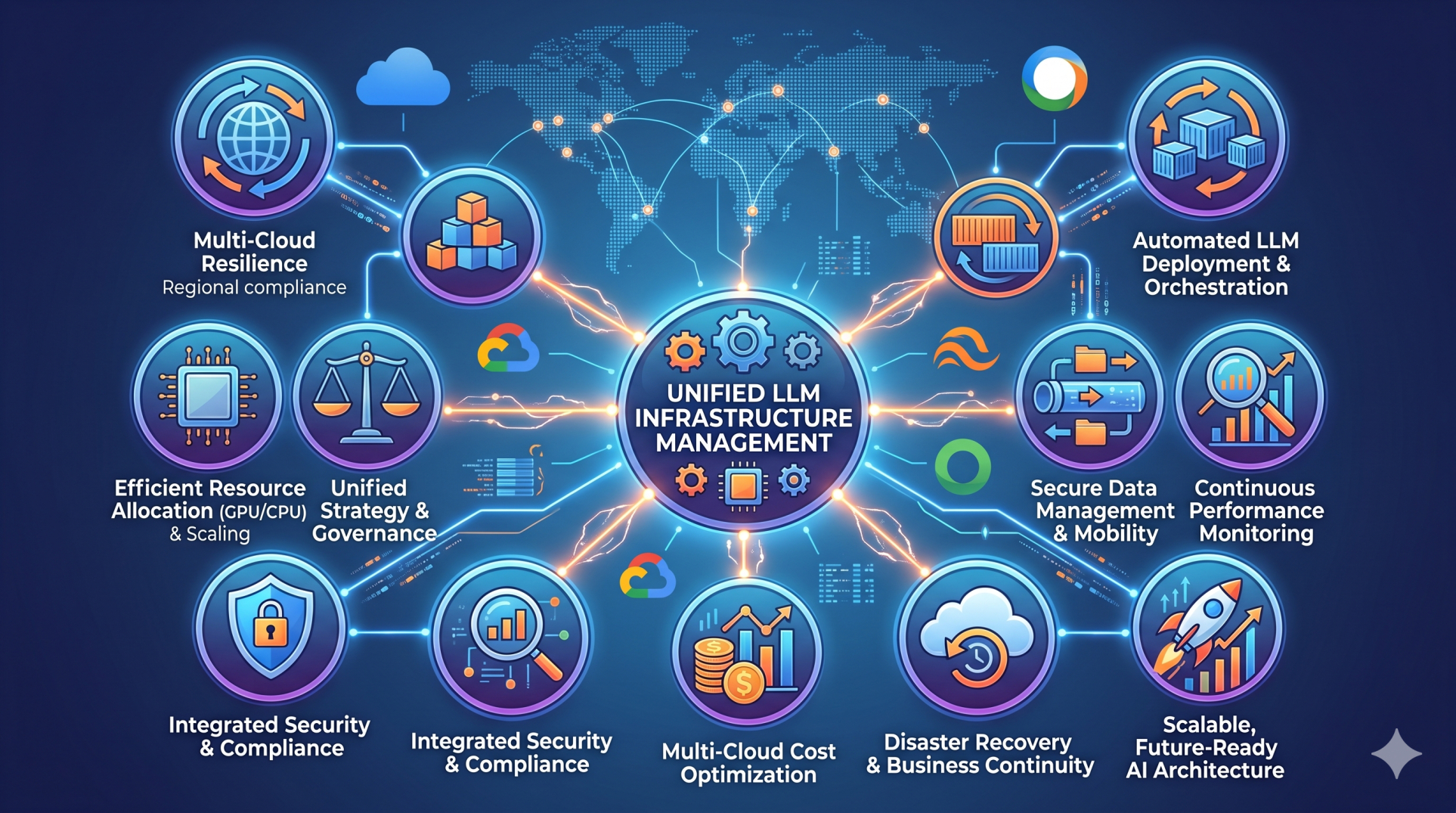
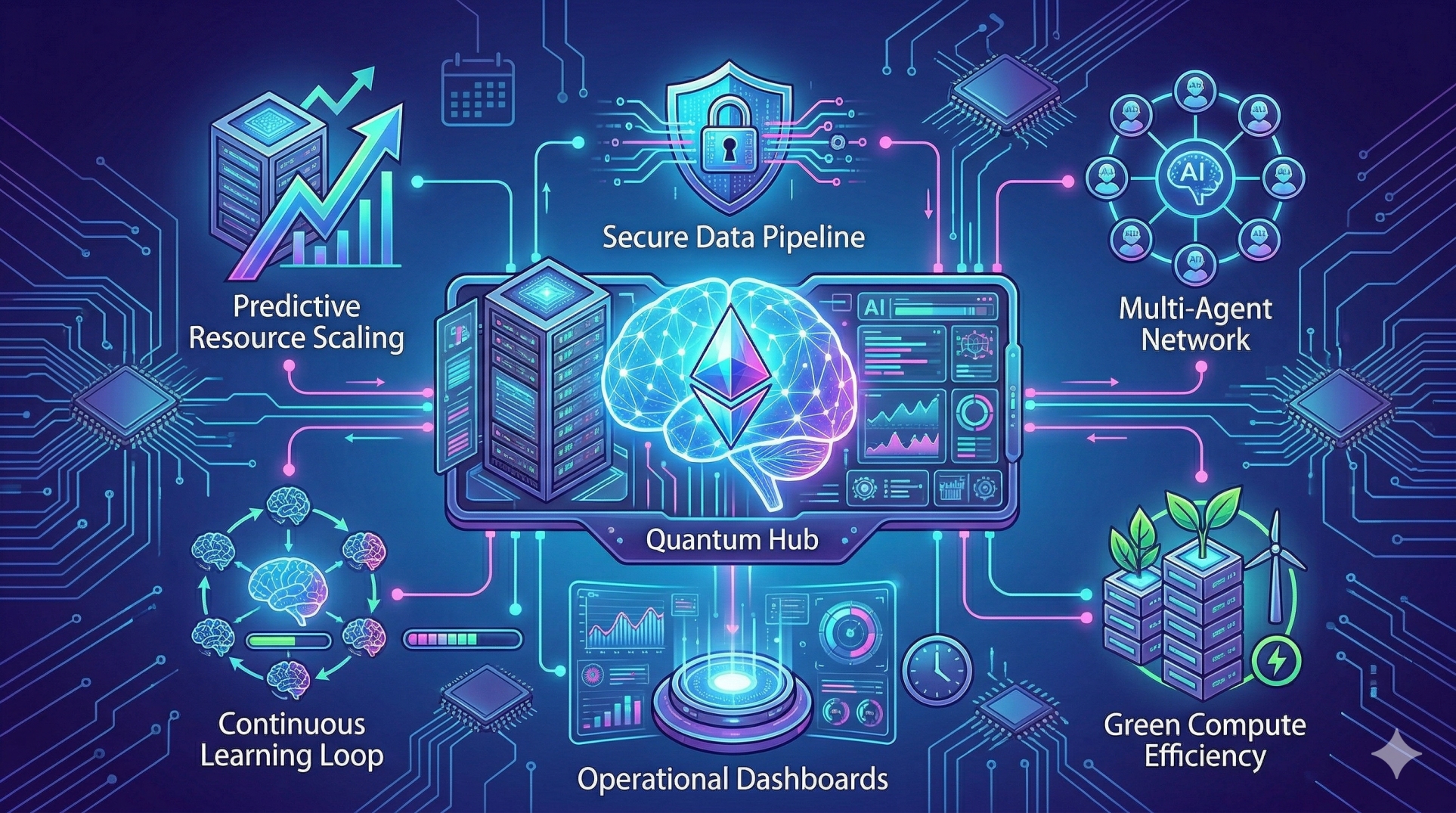
• Scalable AI infrastructure supporting organizational growth 🚀
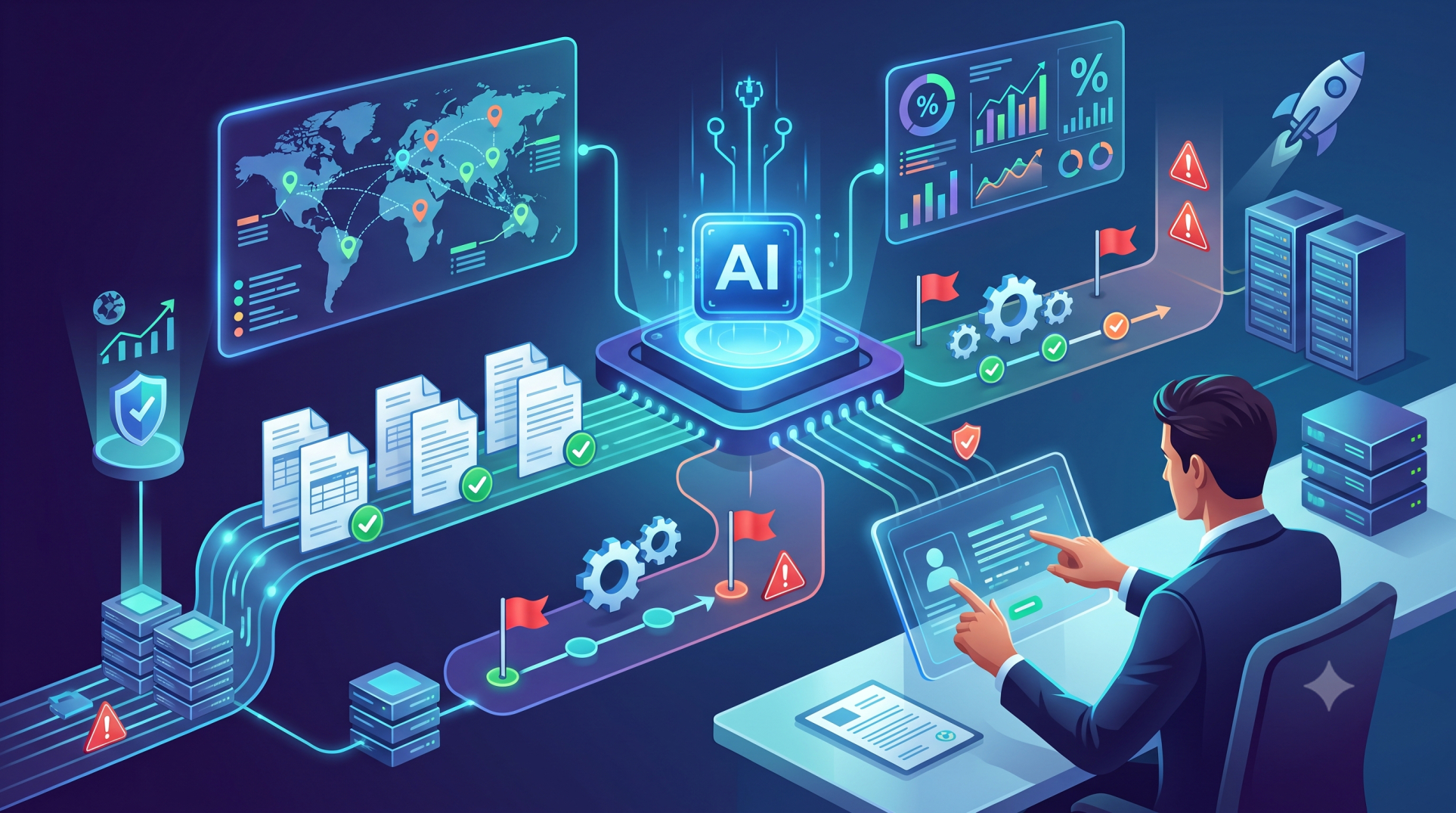
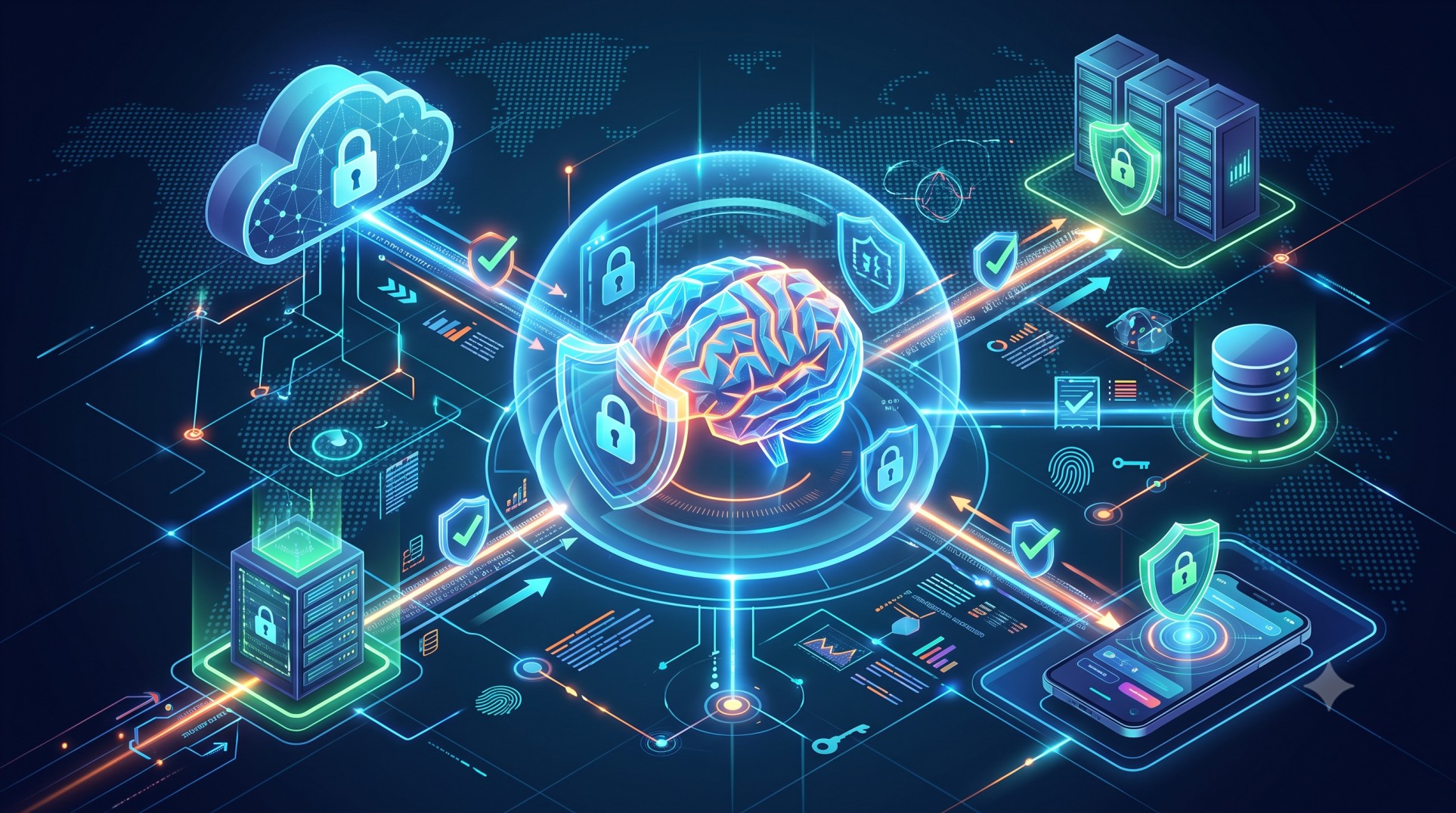
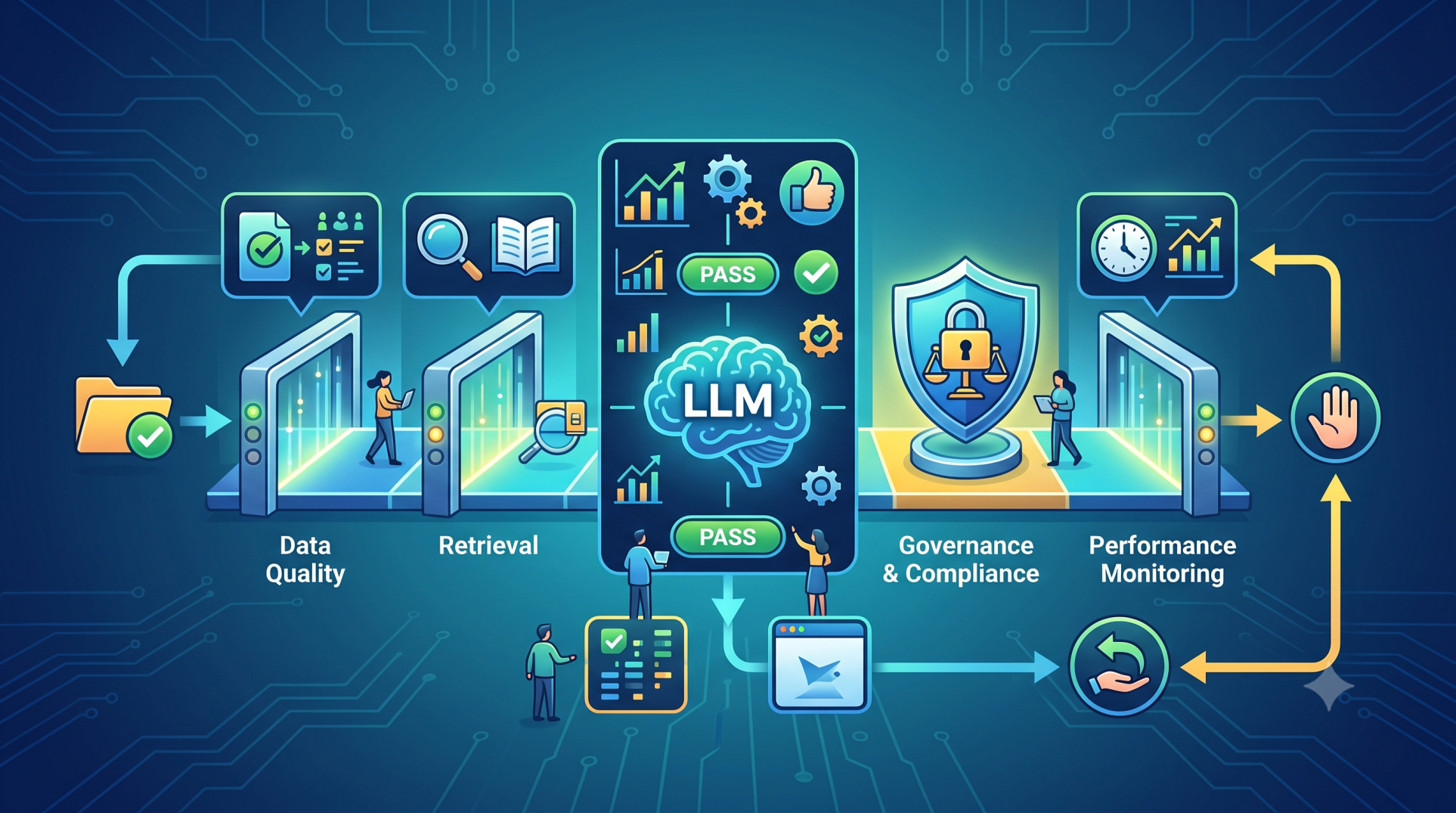
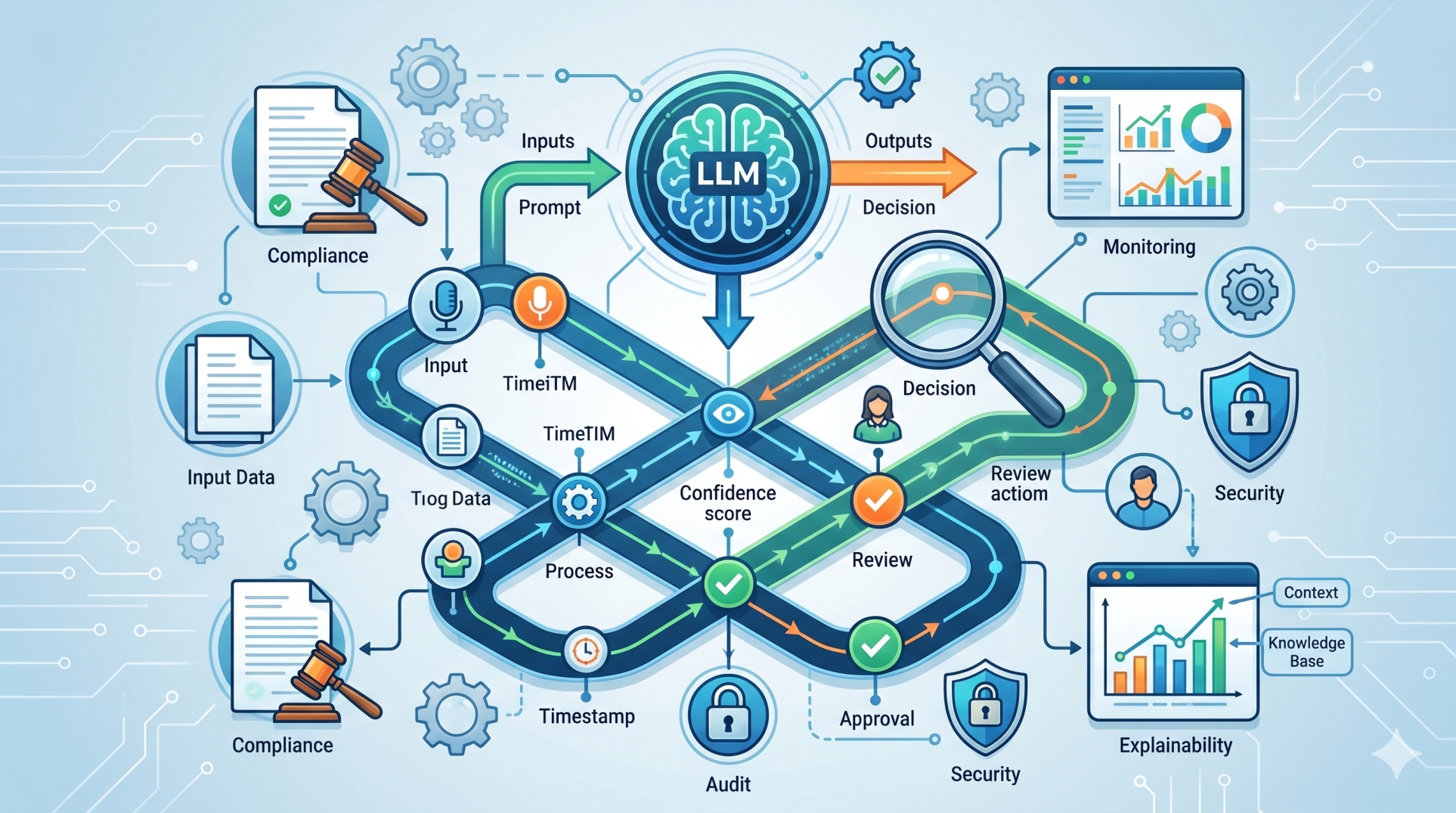
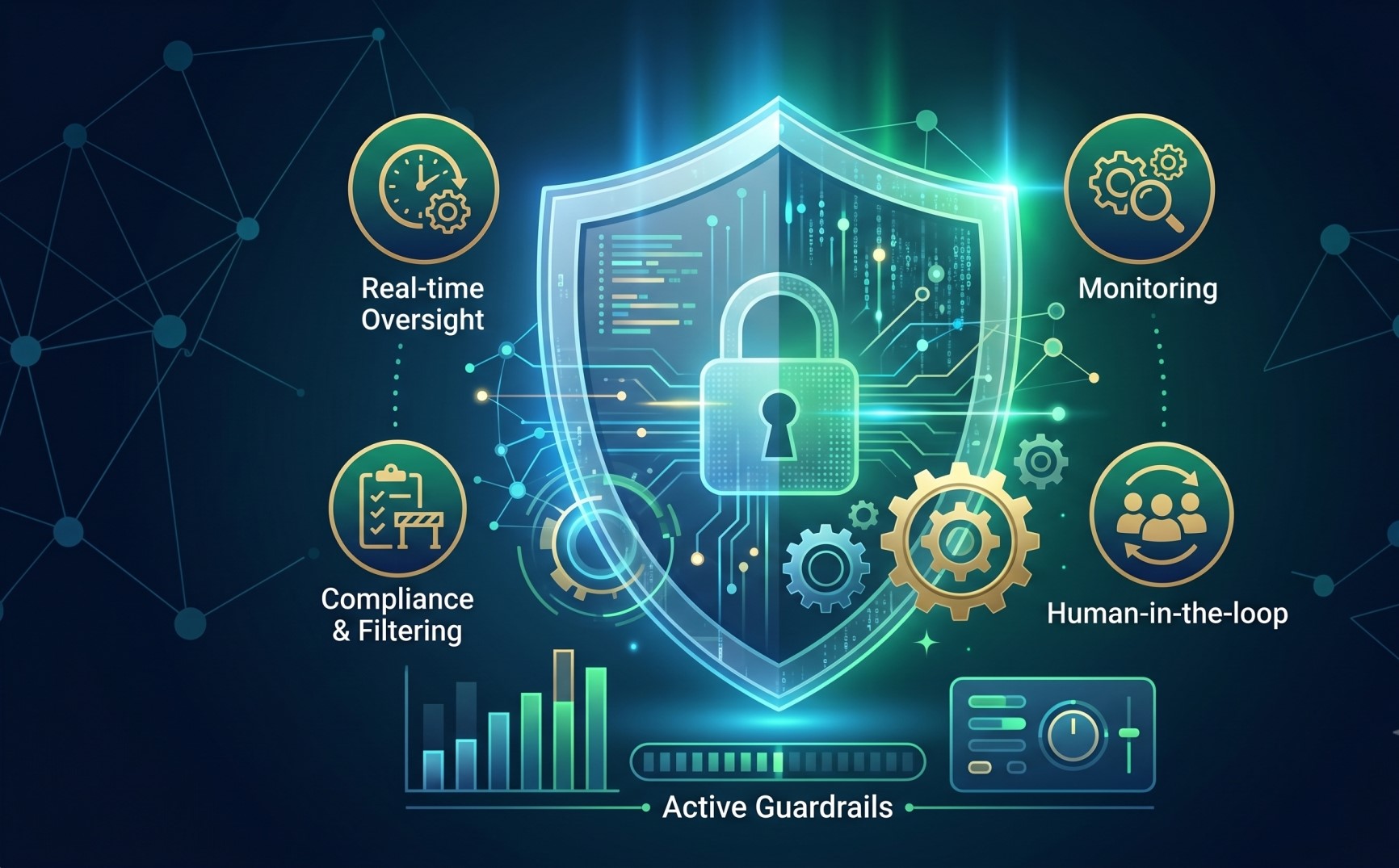
Step 9: Managing Exceptions and Governance 🛡️
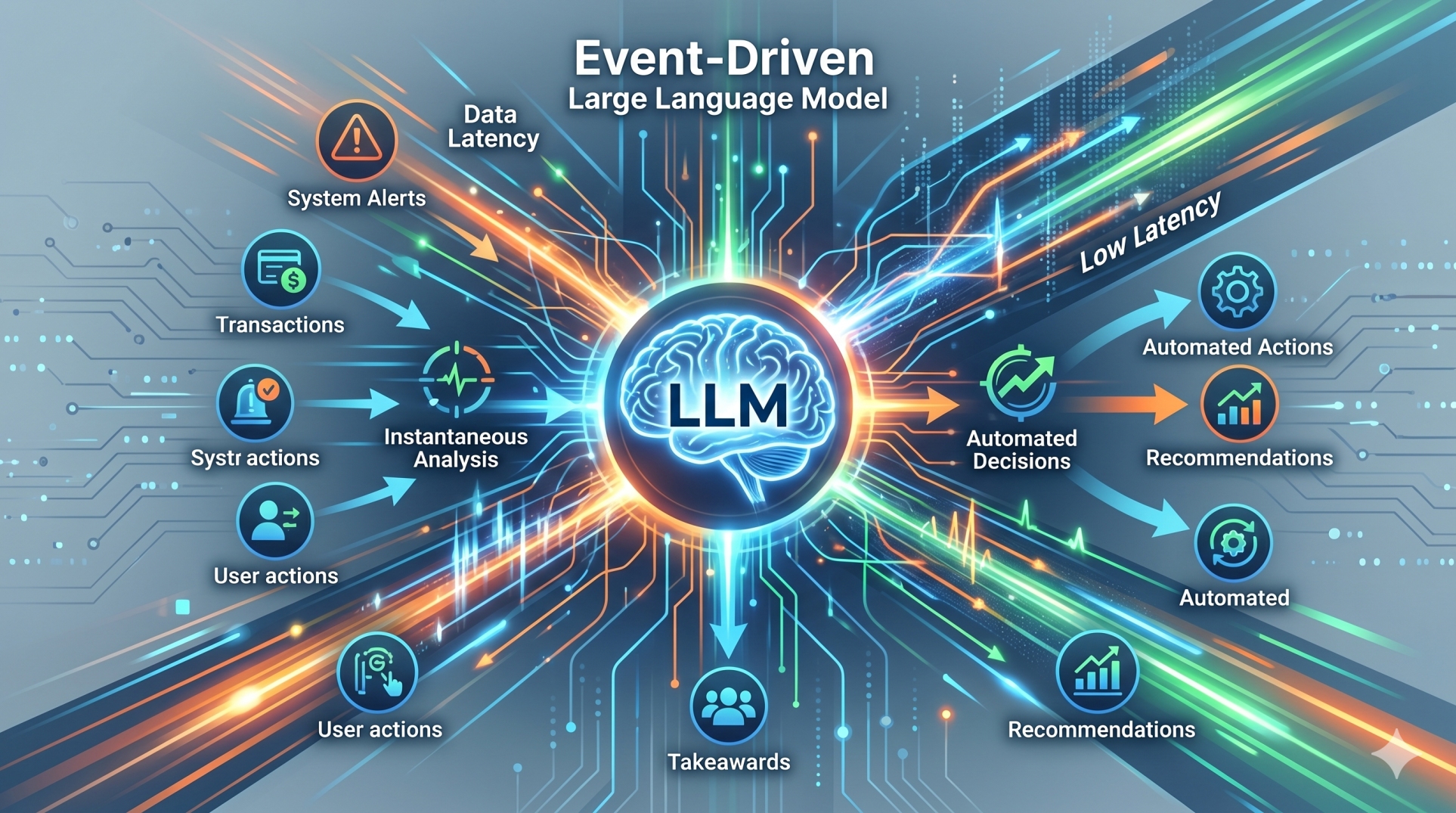
• Detect workflow exceptions before they affect operations 🚨
• Escalate complex cases requiring human expertise 👨💼
• Maintain audit trails for AI-assisted decisions 🧾
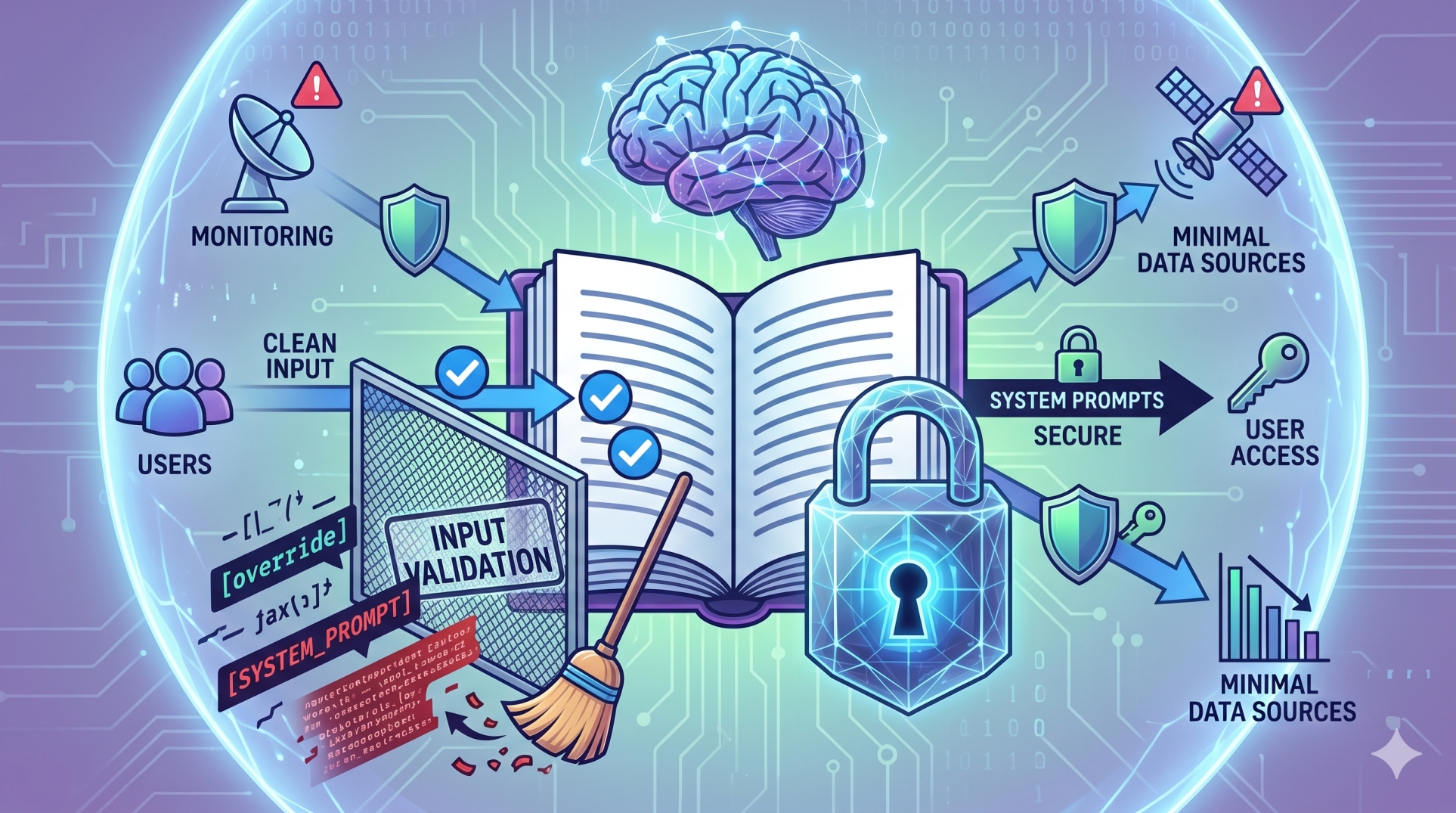
• Apply governance policies to automated processes 📜
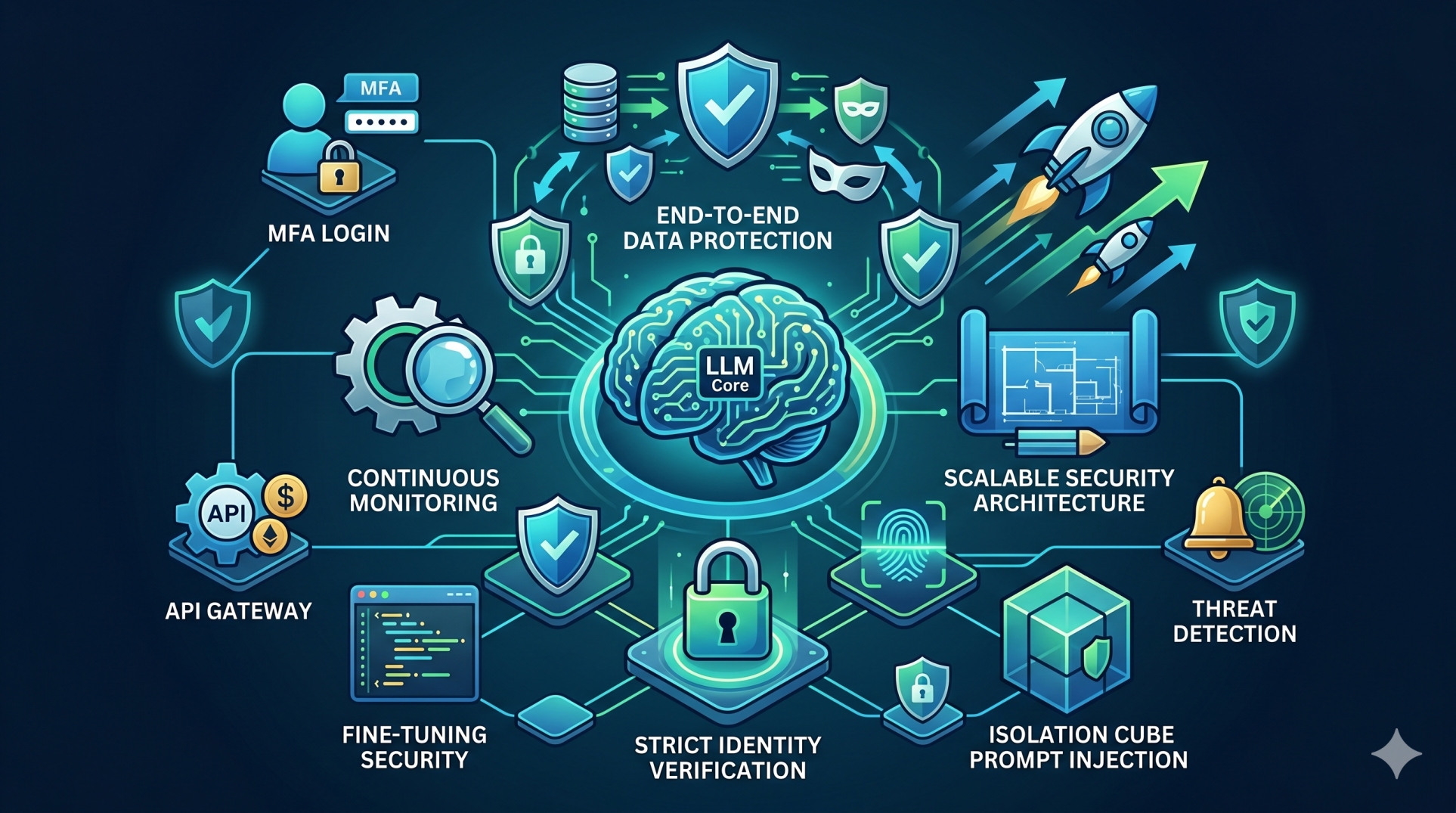
• Ensure secure handling of enterprise information 🔐
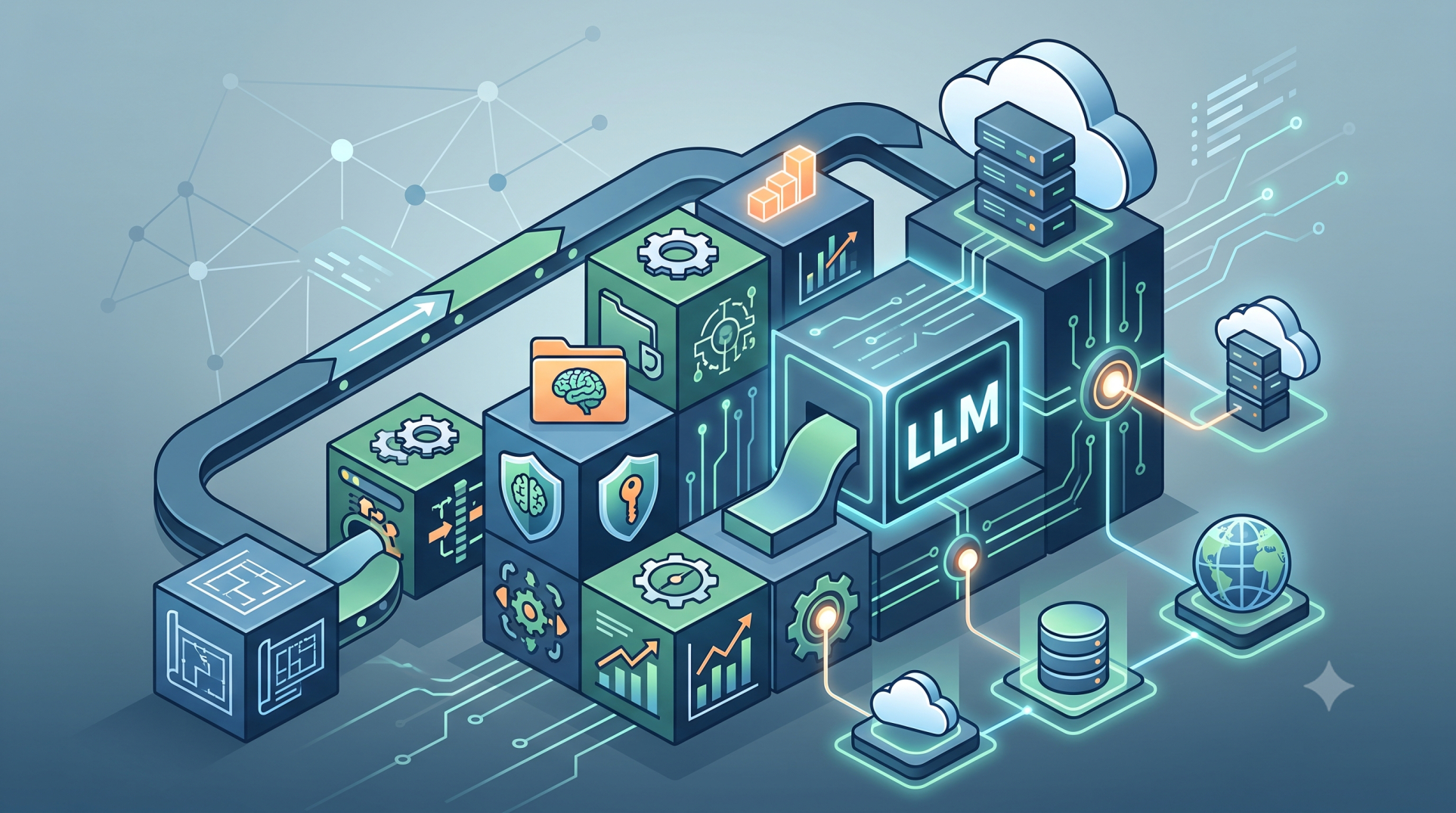
Step 10: Building a Future-Ready Intelligent Enterprise 🌟
• Design modular AI architectures for long-term scalability 🏗️
• Integrate emerging AI capabilities with existing business platforms 🔗
• Continuously optimize workflows using operational insights 📊
• Support evolving organizational requirements with flexible automation 🔄
• Future-proof enterprise operations through coordinated AI systems 🚀
Conclusion
Business process acceleration through LLM coordination empowers organizations to automate complex workflows, improve collaboration, and make faster, more informed decisions. By integrating language models with enterprise systems, business knowledge, and operational processes, companies can enhance efficiency while maintaining governance, accuracy, and scalability. As AI adoption continues to grow, coordinated LLM frameworks will play a central role in building agile, intelligent, and future-ready enterprises.
See more blogs
You can all the articles below