Strategic Knowledge Automation with LLM Systems

Strategic Knowledge Automation with LLM Systems
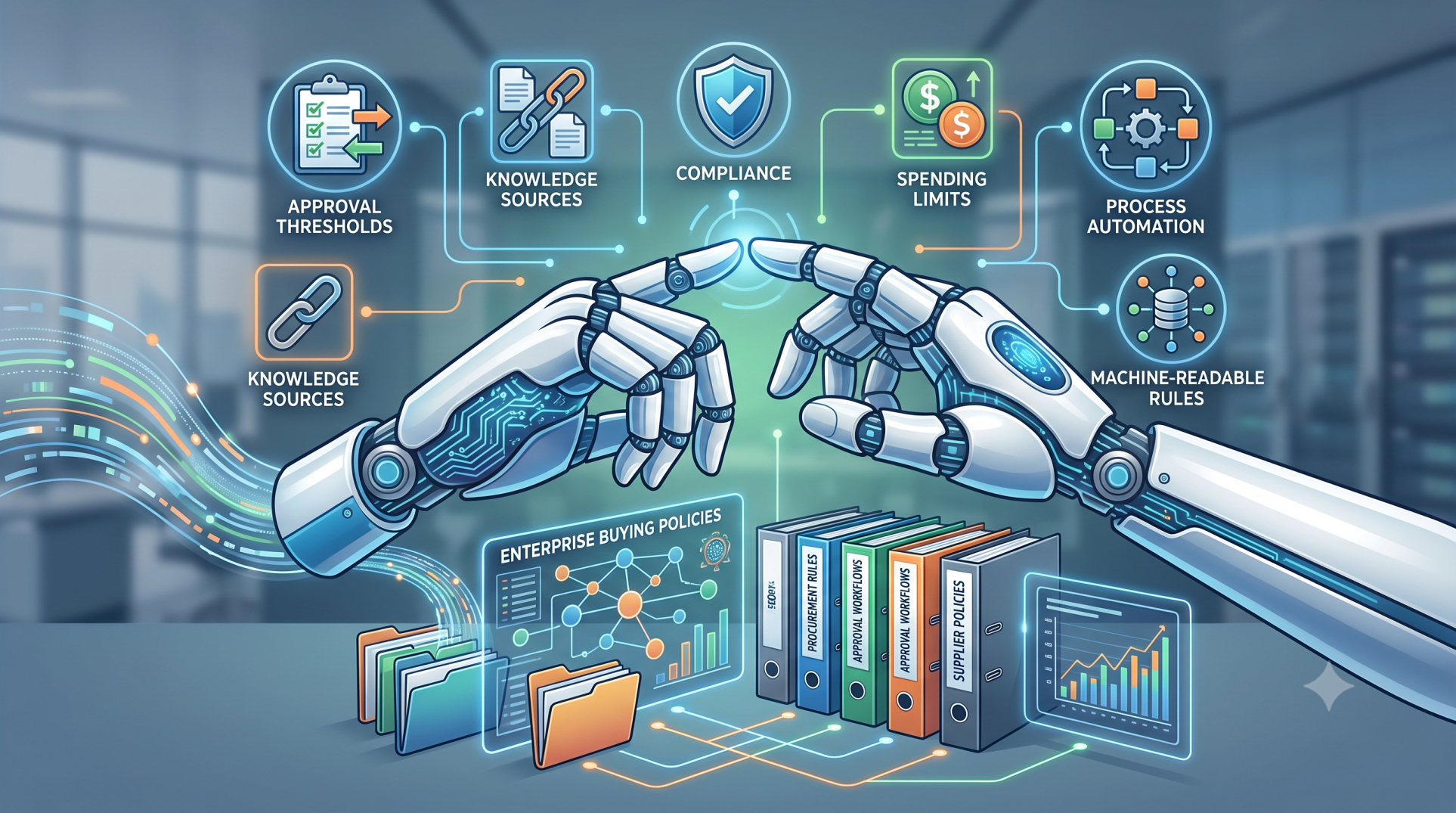
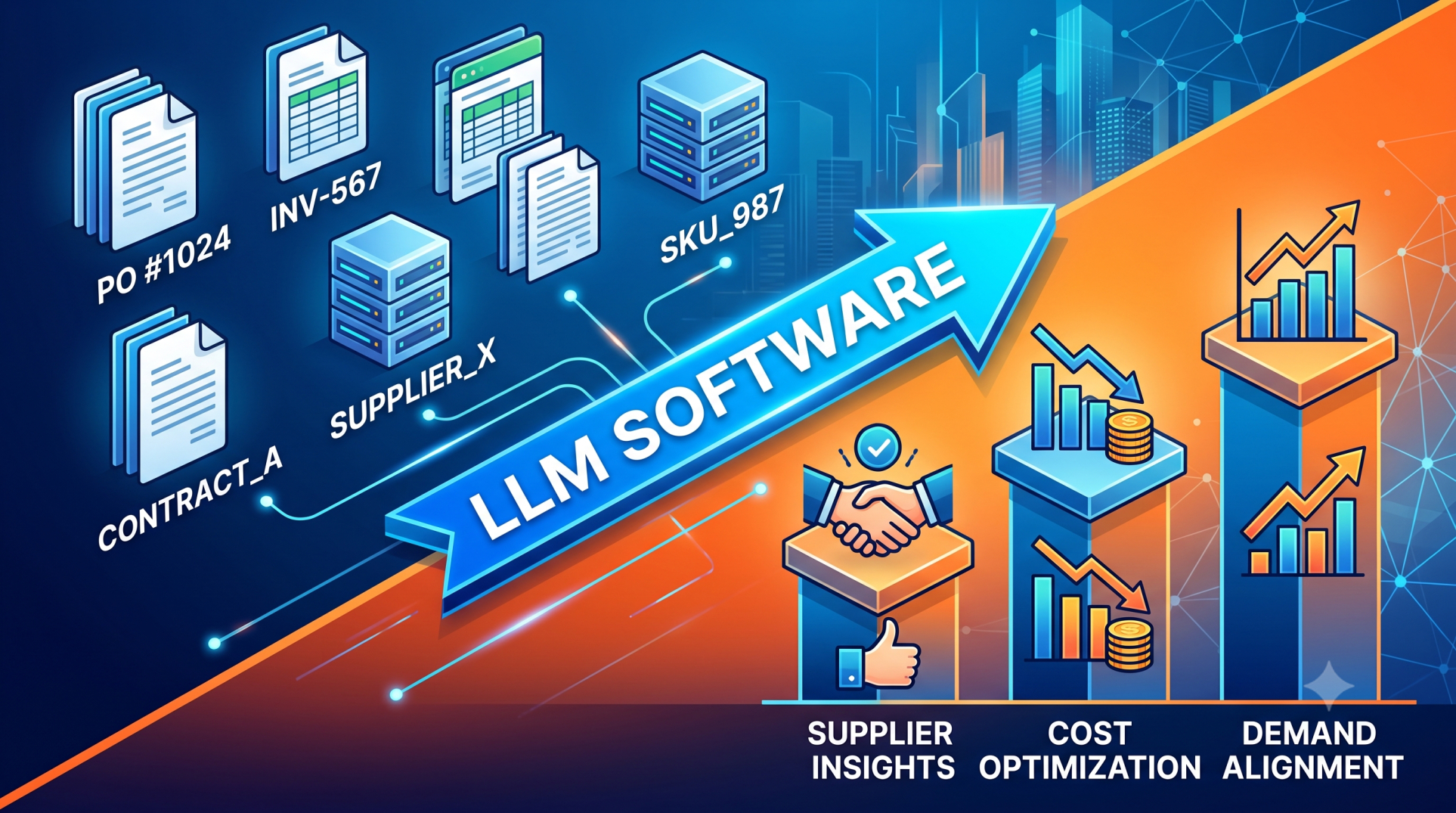
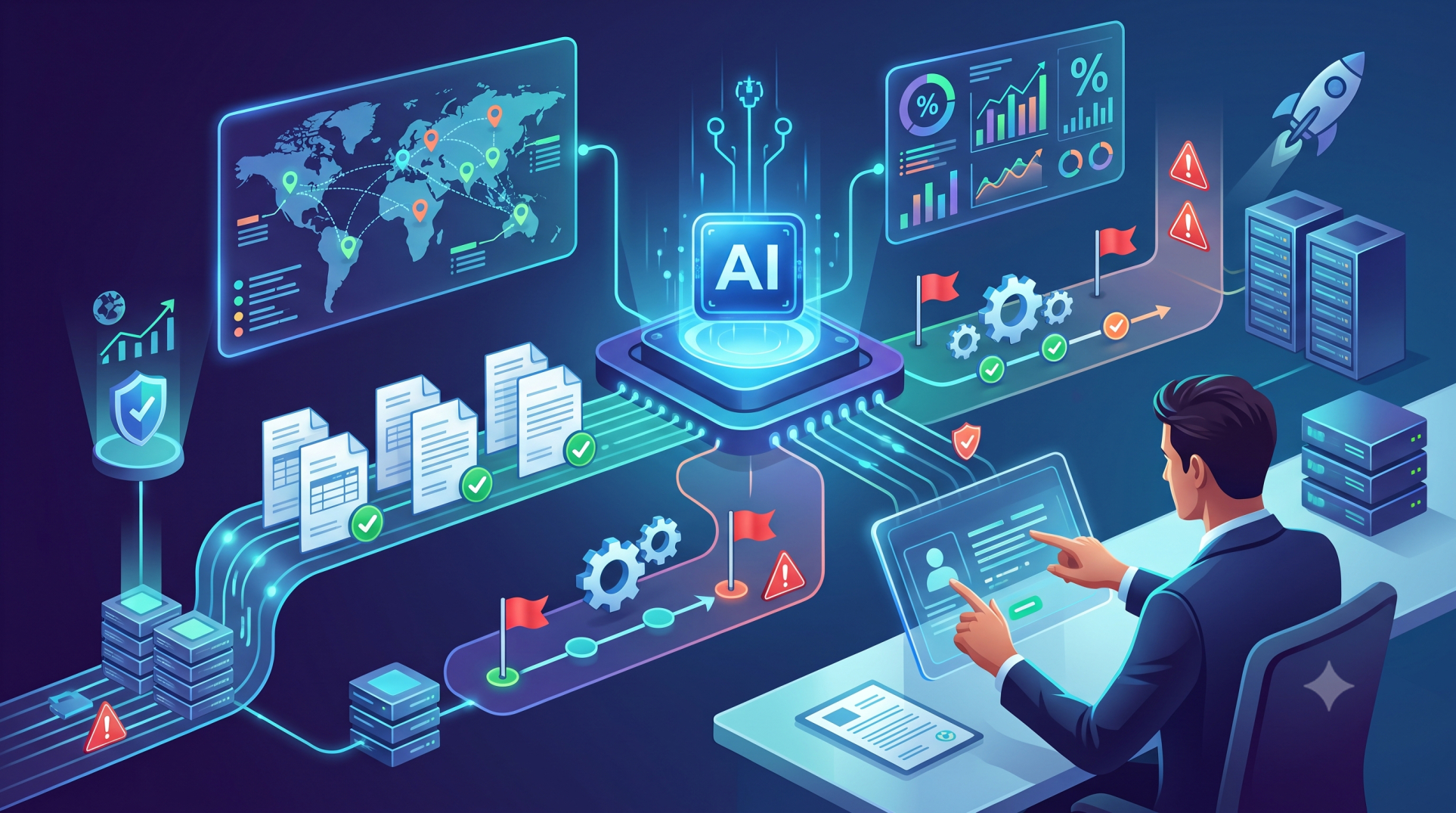
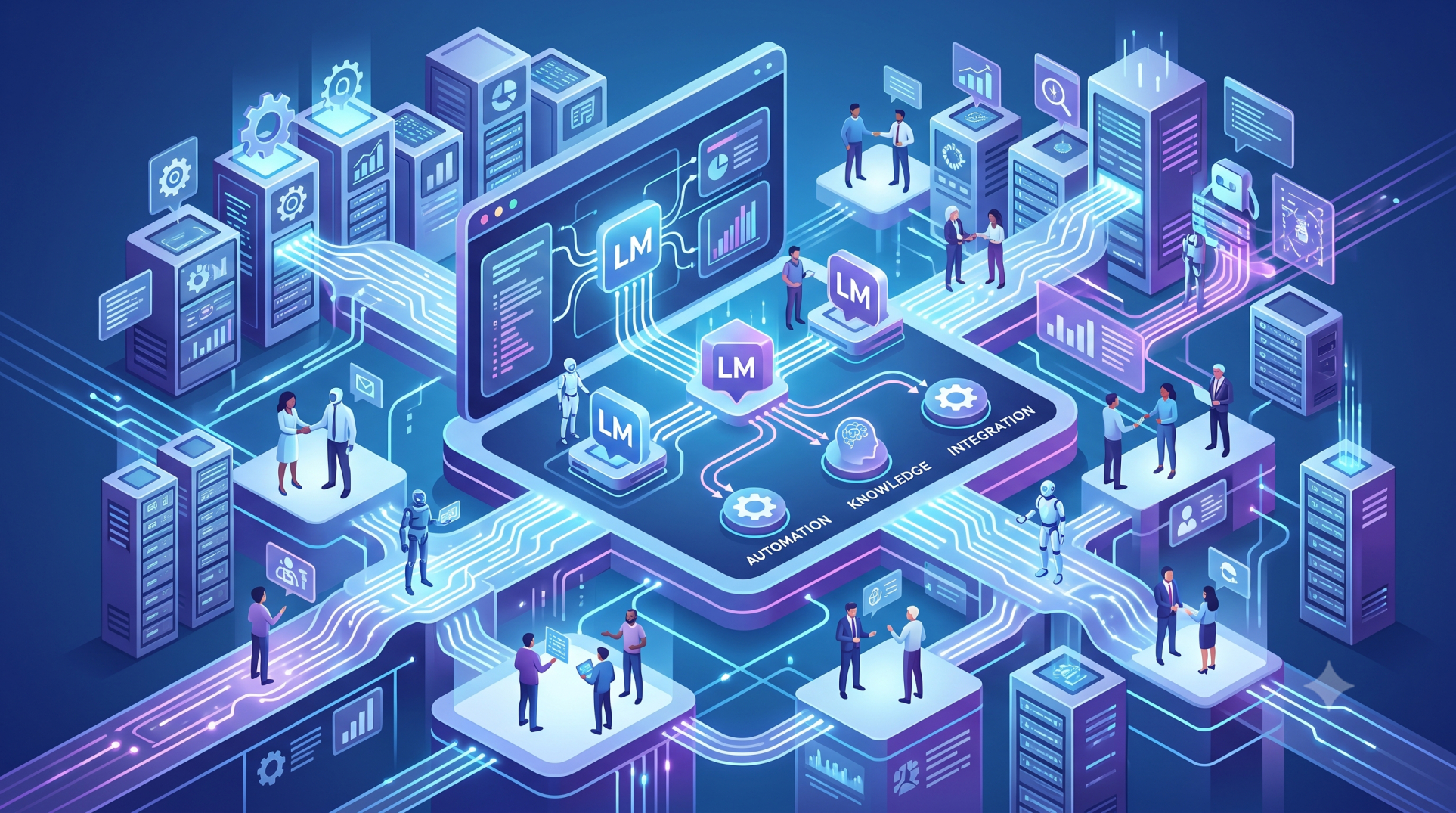
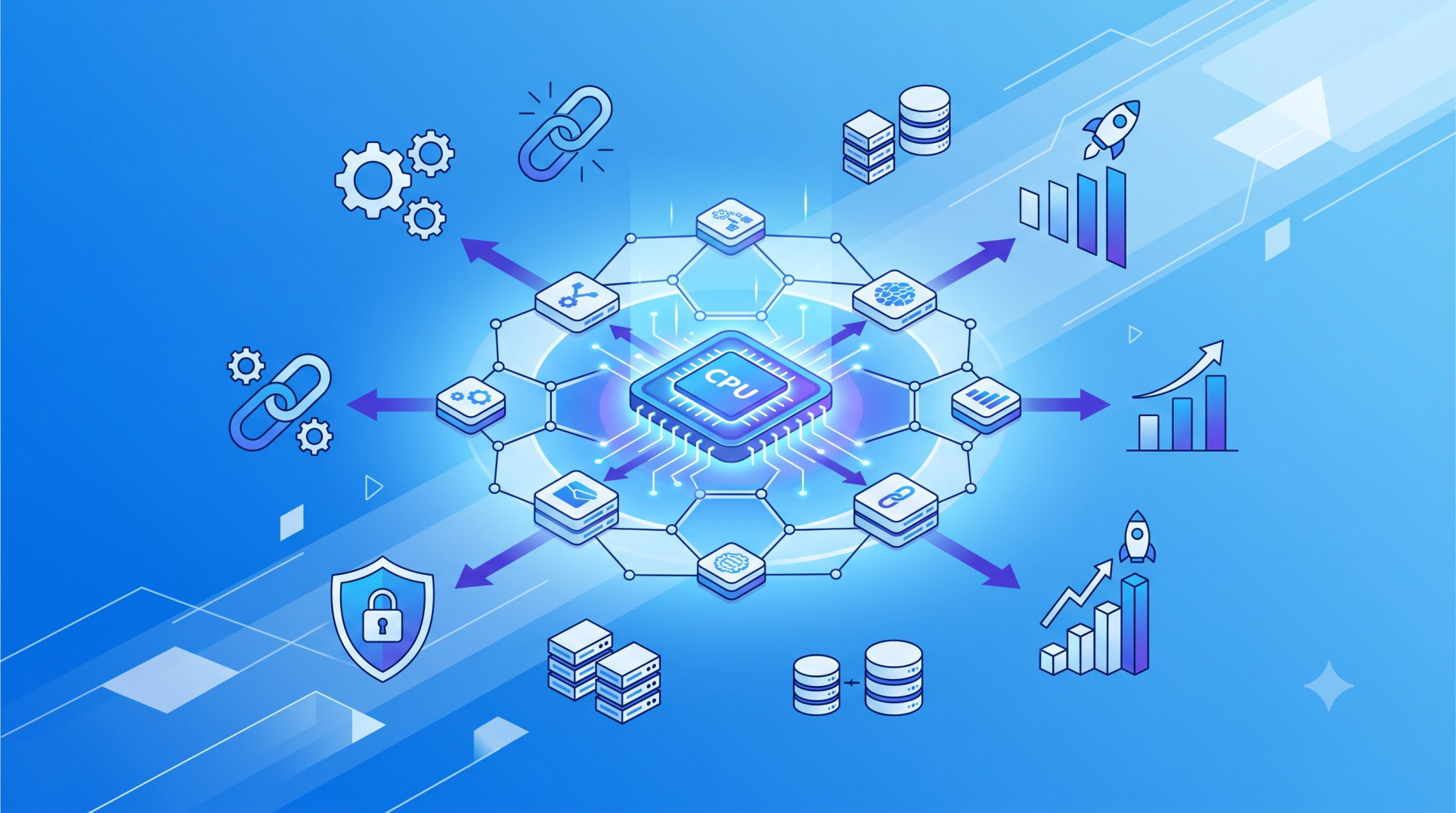
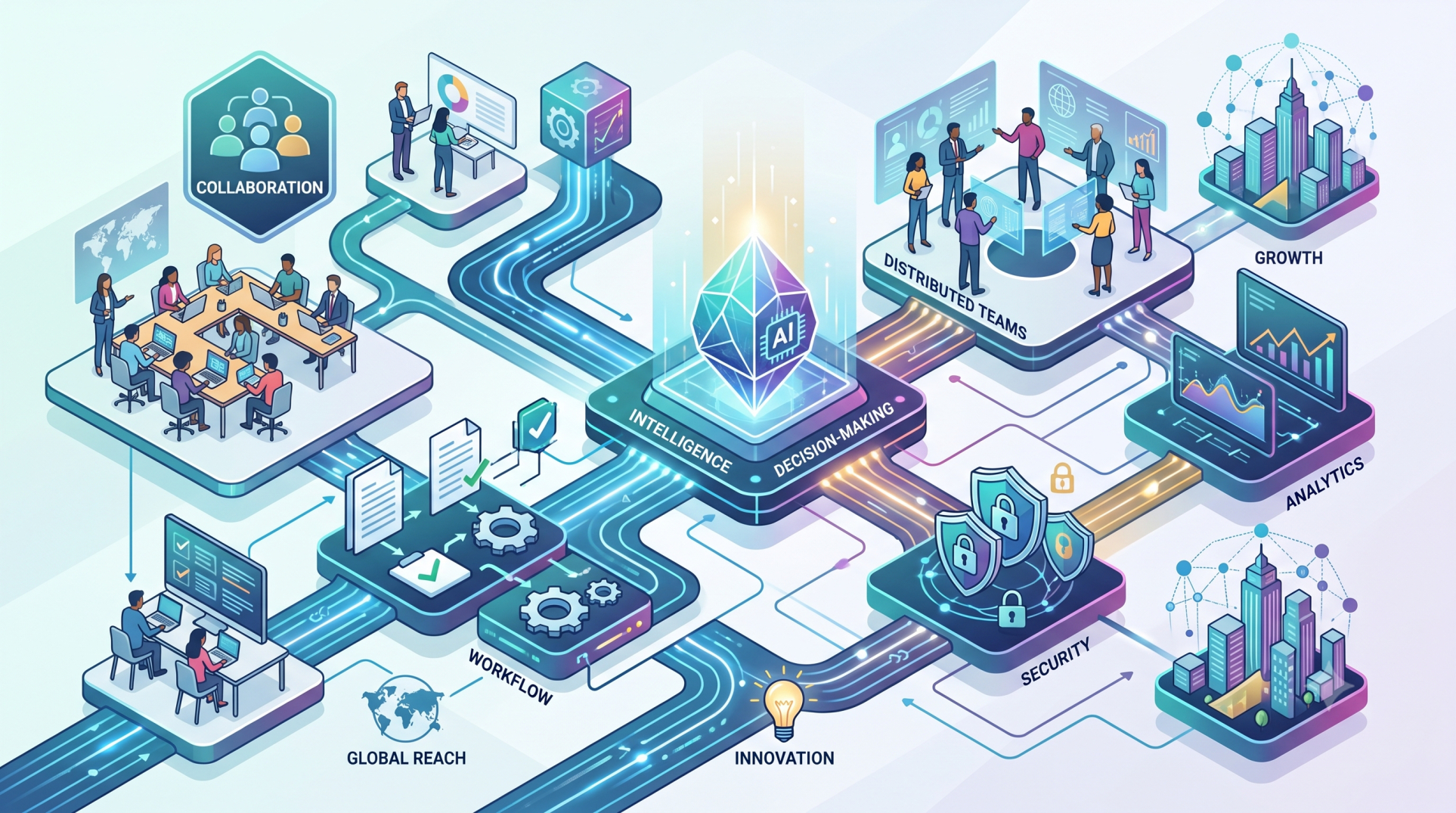
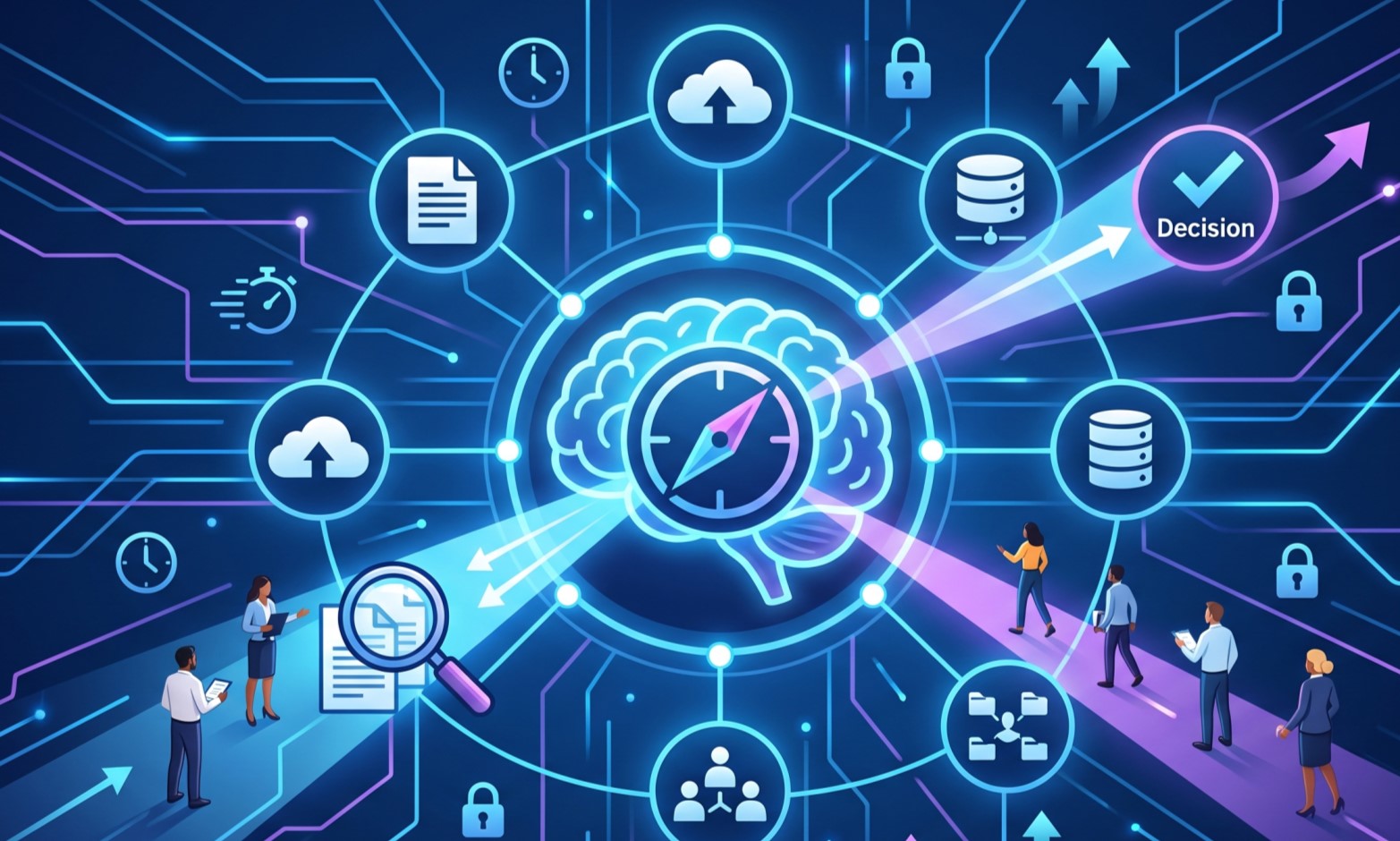
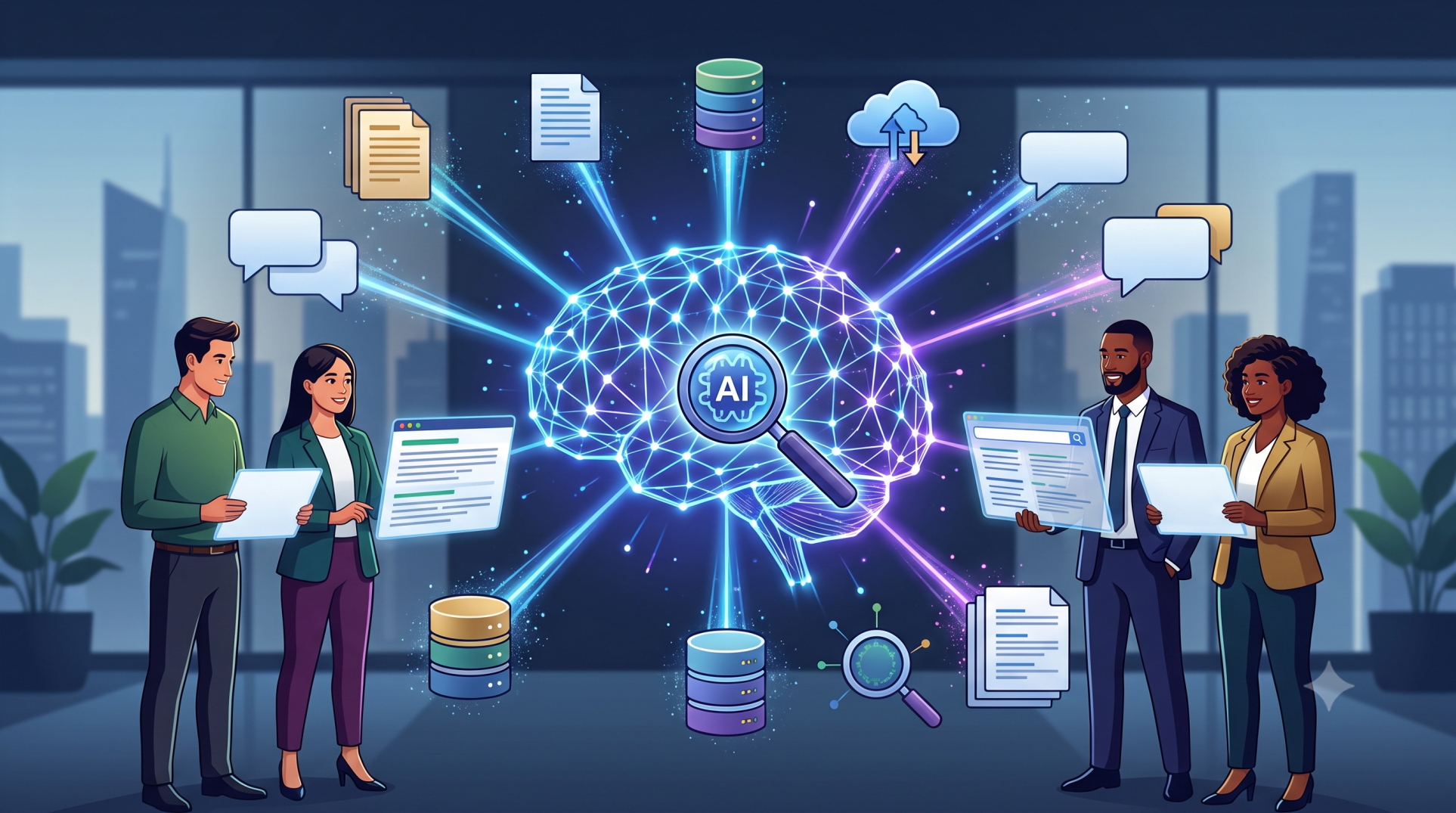
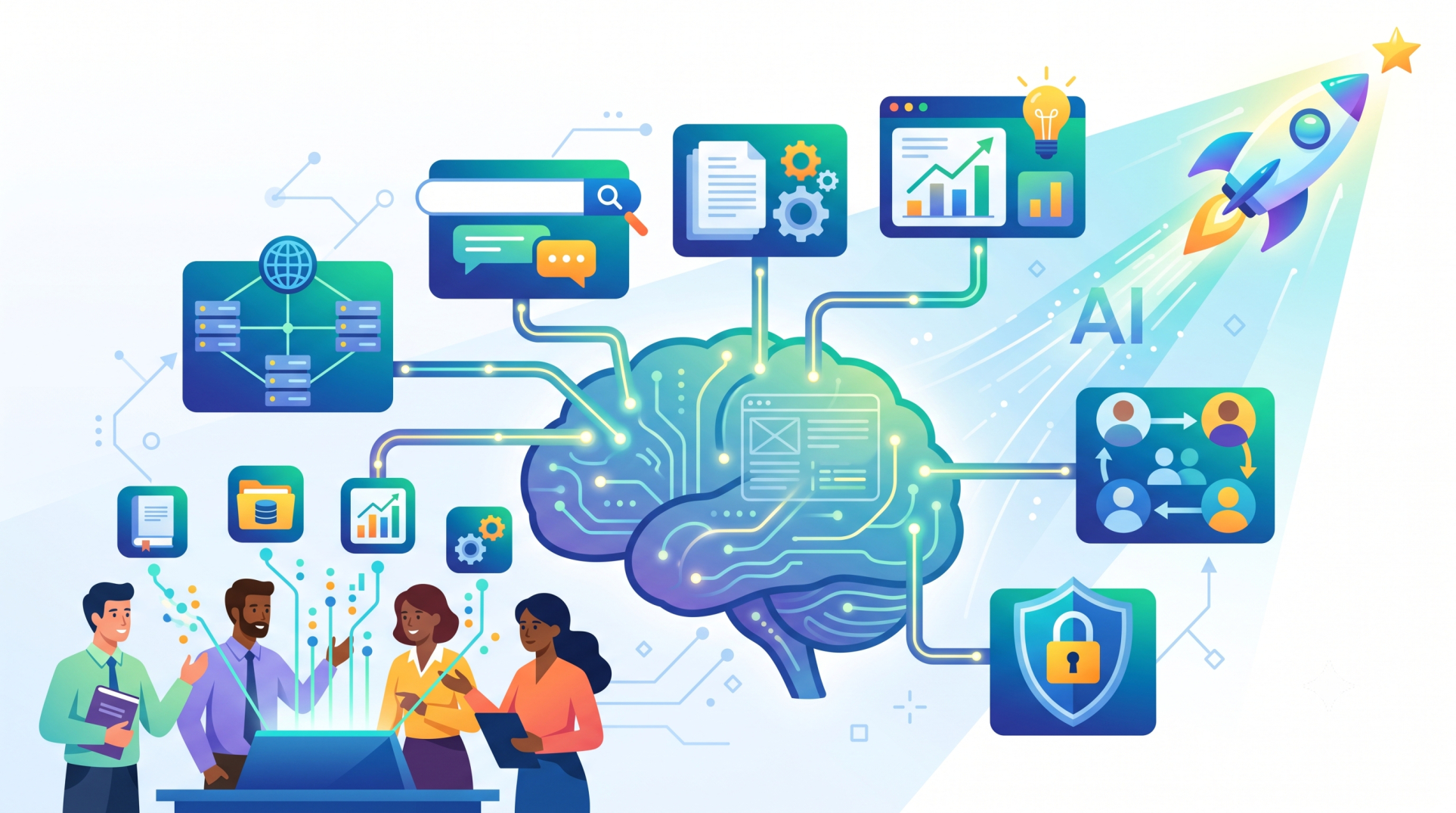
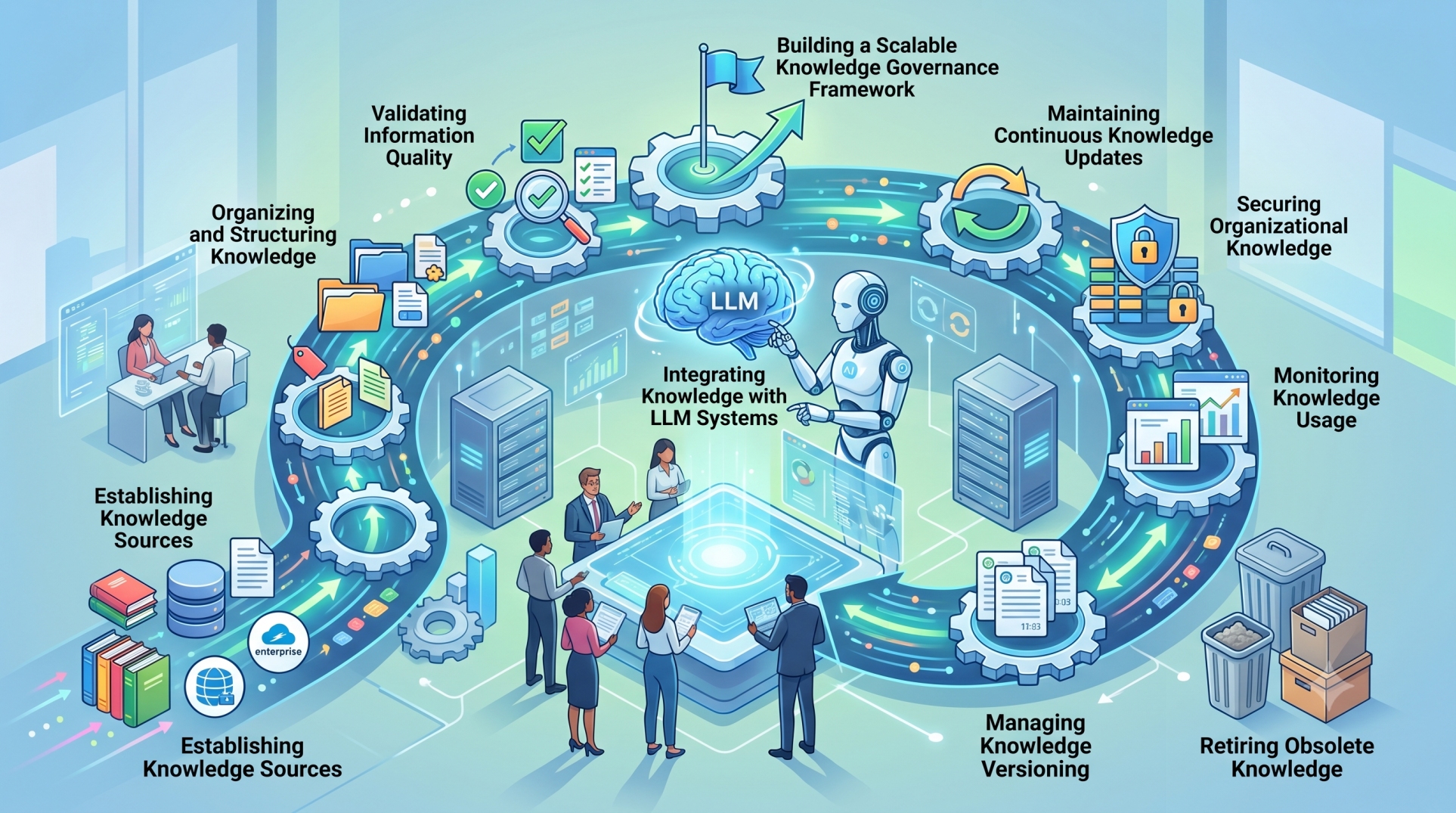
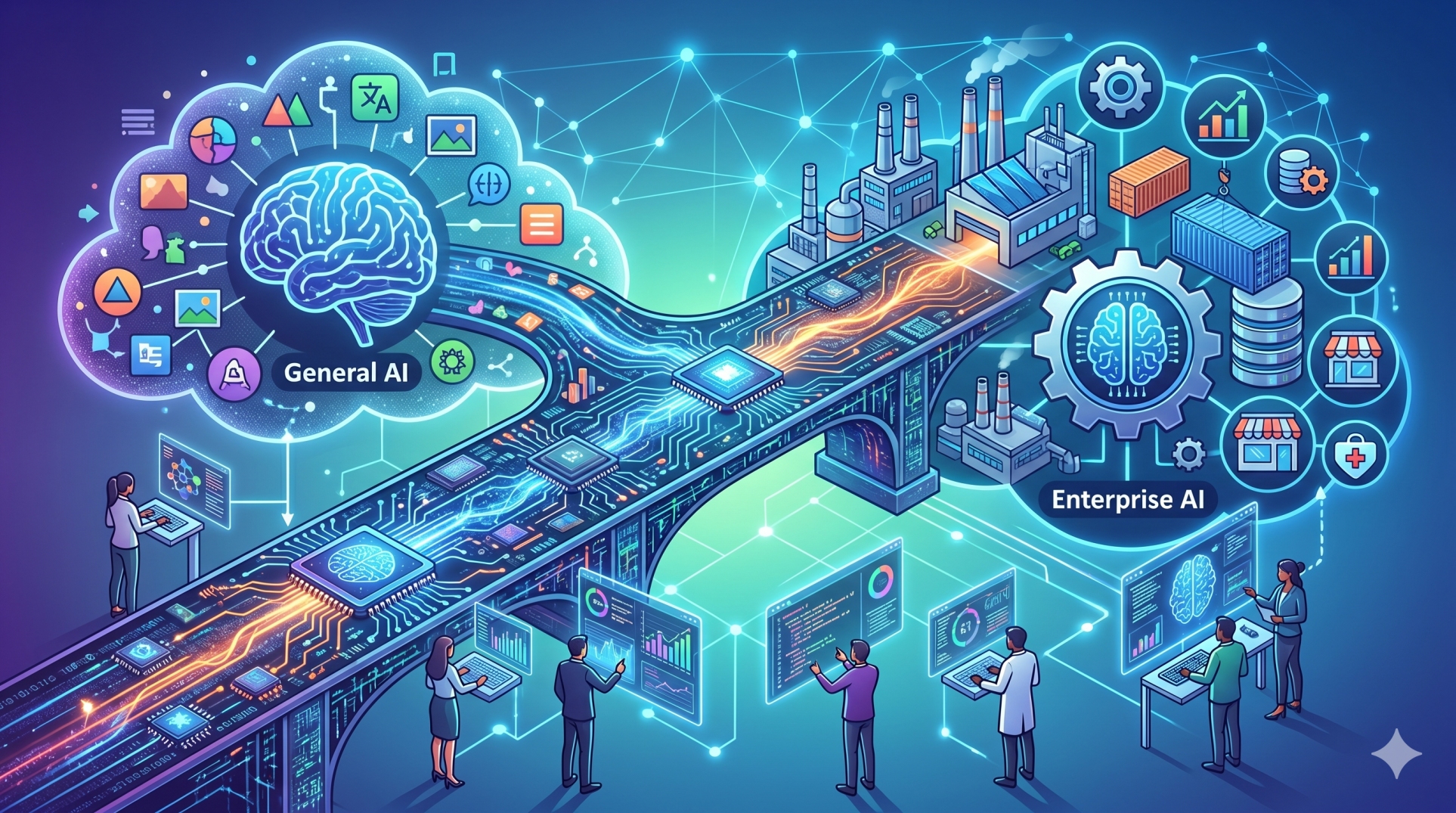
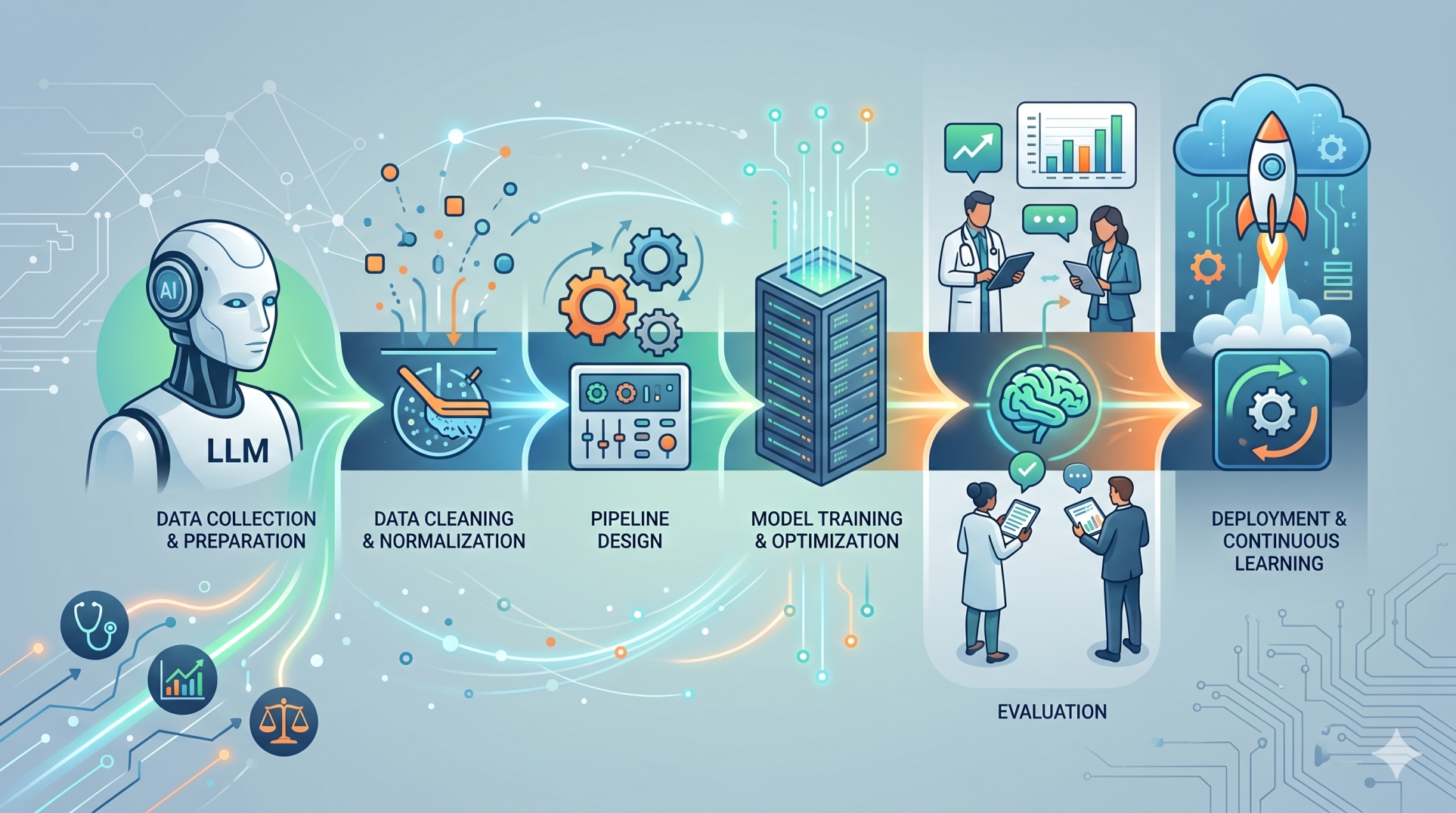
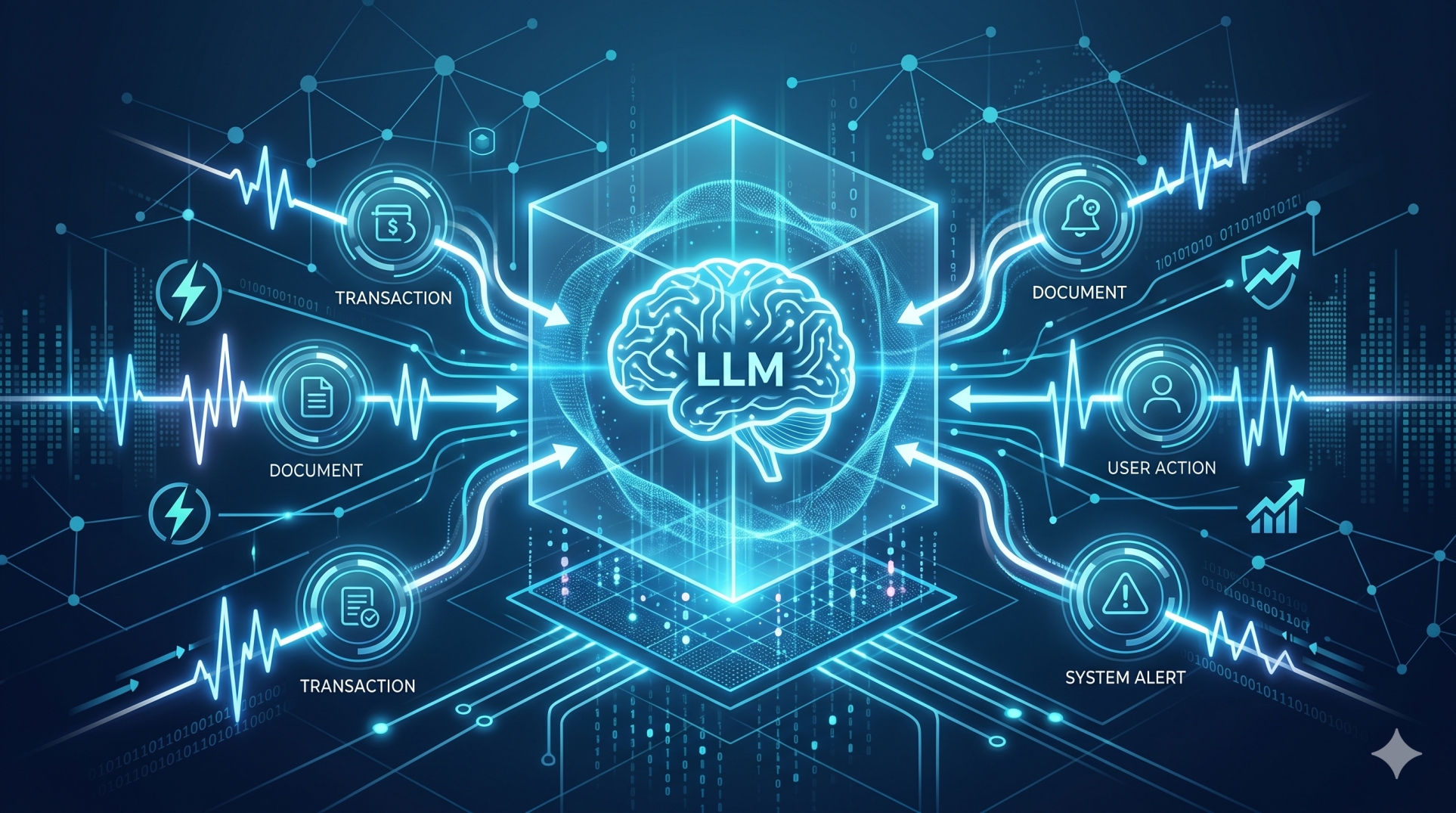
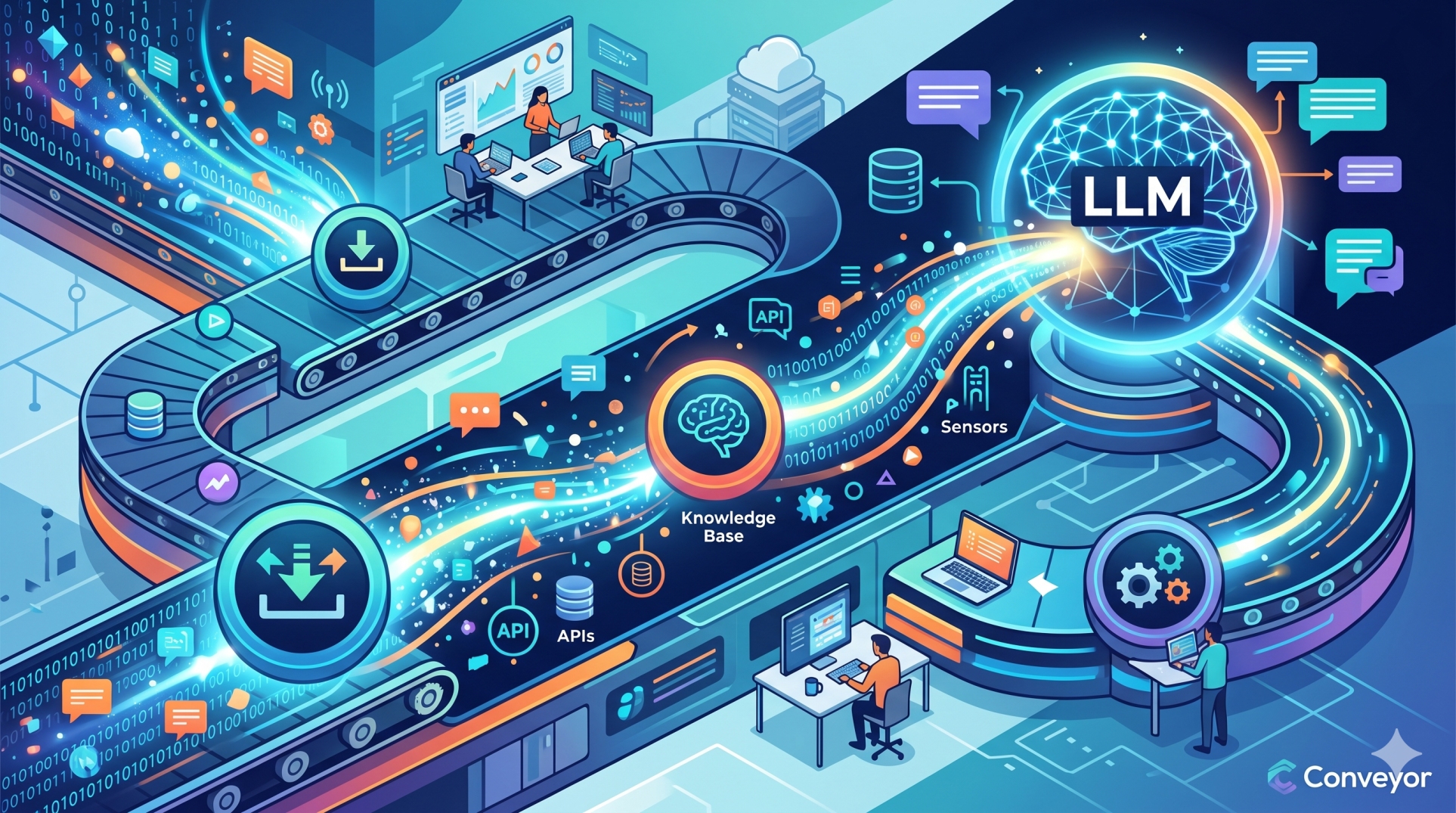
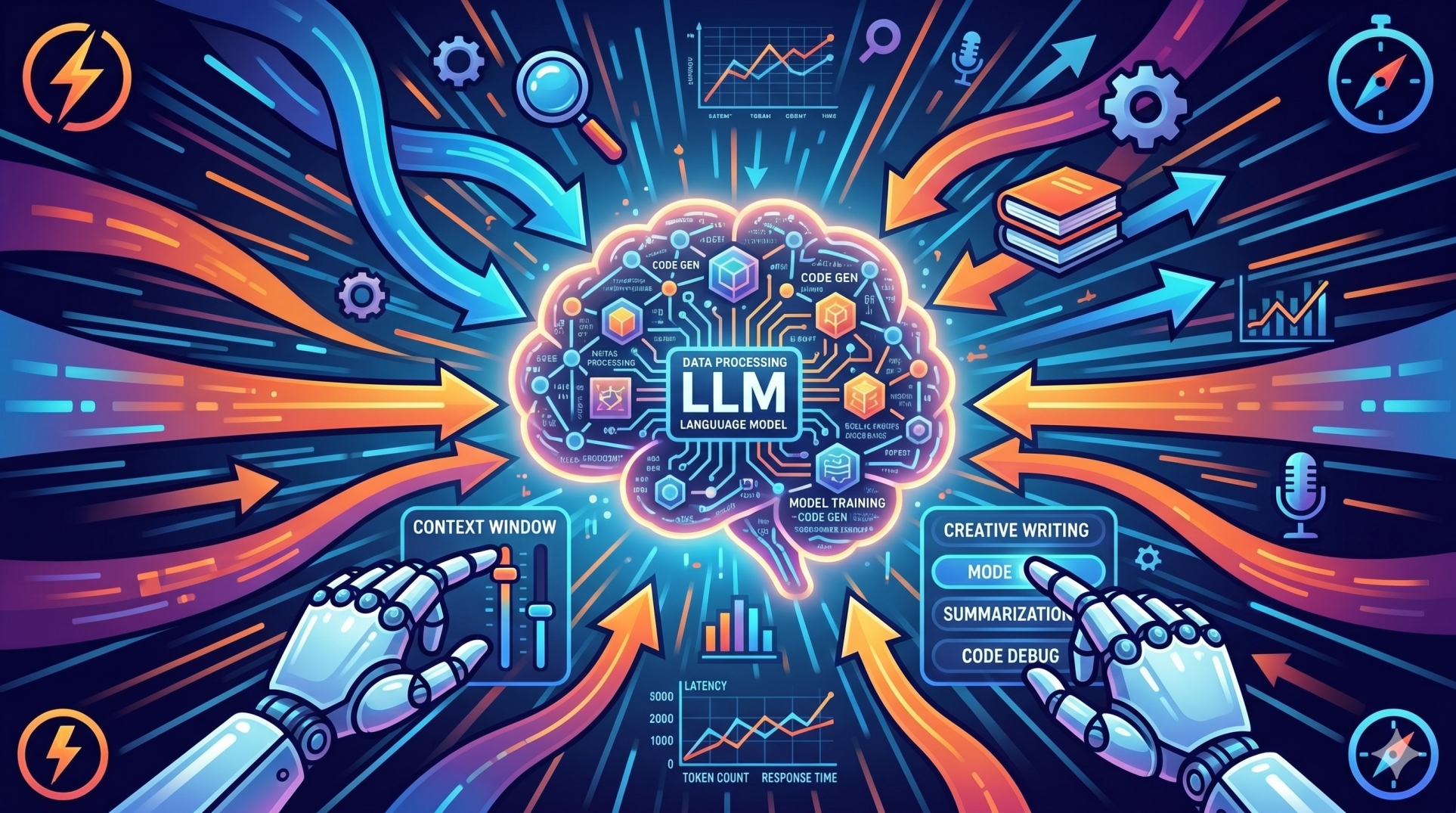
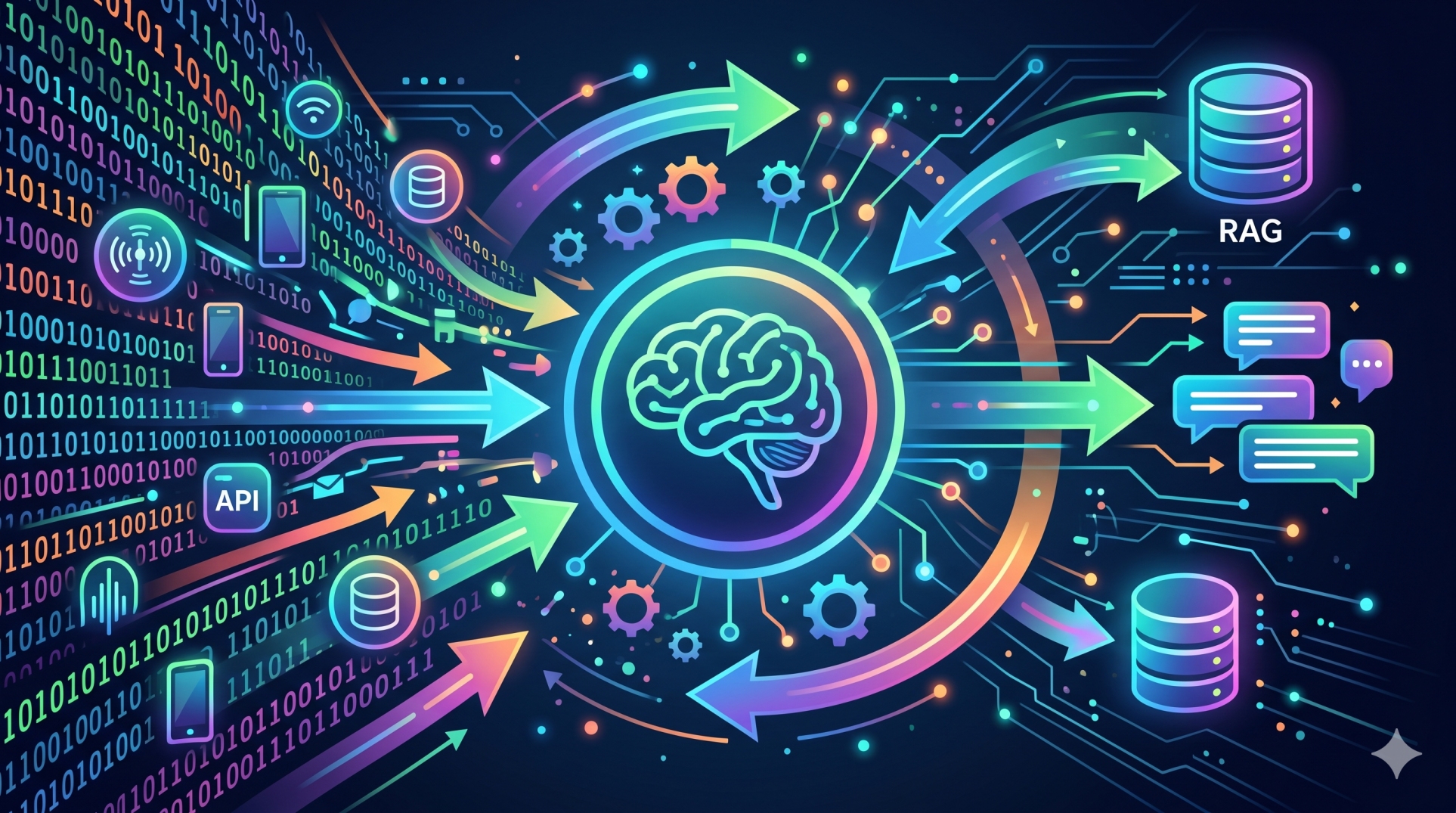
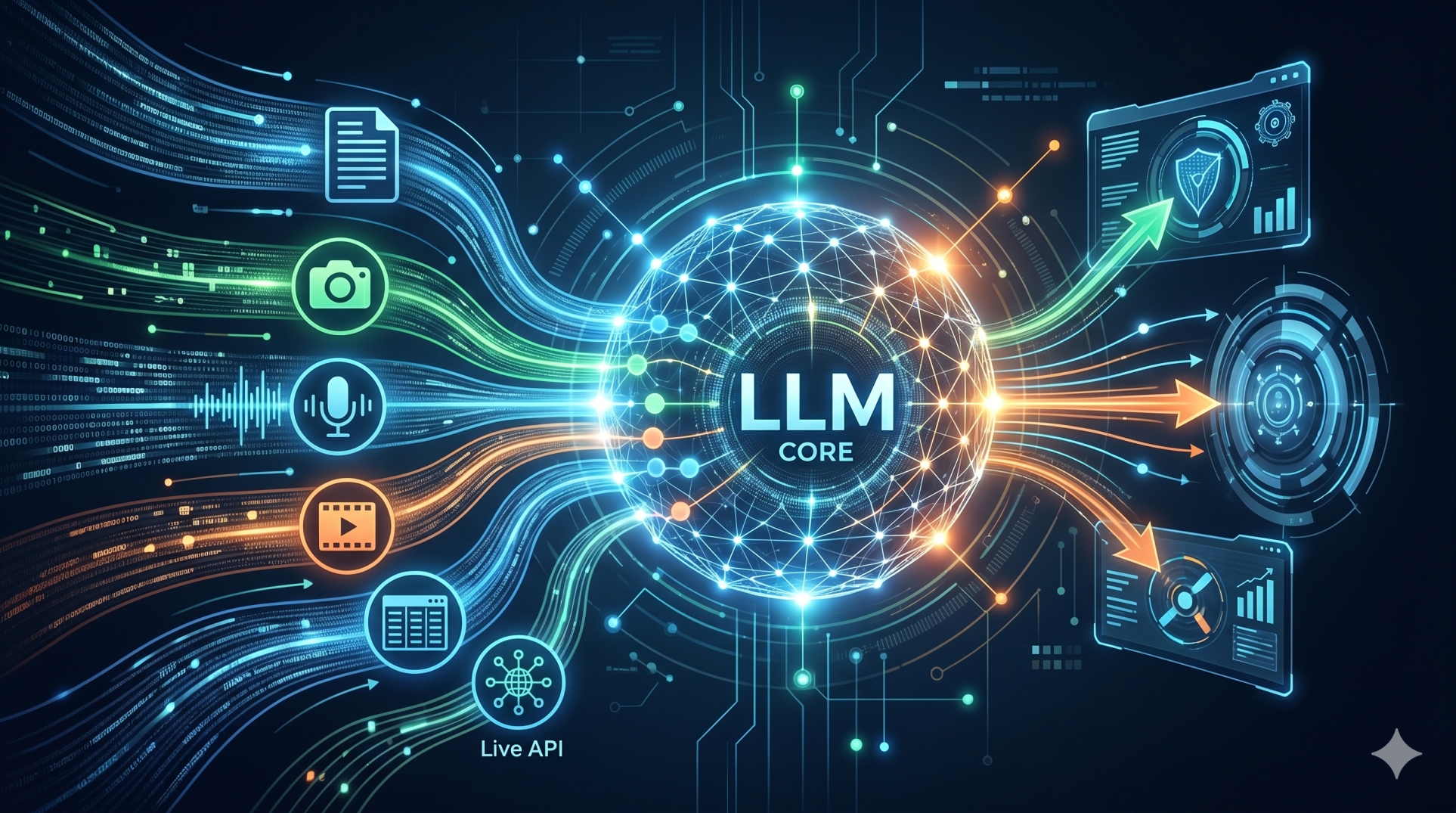
As organizations generate increasing volumes of business information, transforming knowledge into actionable intelligence has become a strategic priority. Large Language Model (LLM) systems enable knowledge automation by capturing, organizing, interpreting, and delivering information across enterprise workflows. By integrating LLM capabilities into business operations, organizations can accelerate decision-making, improve productivity, and ensure consistent access to organizational expertise.
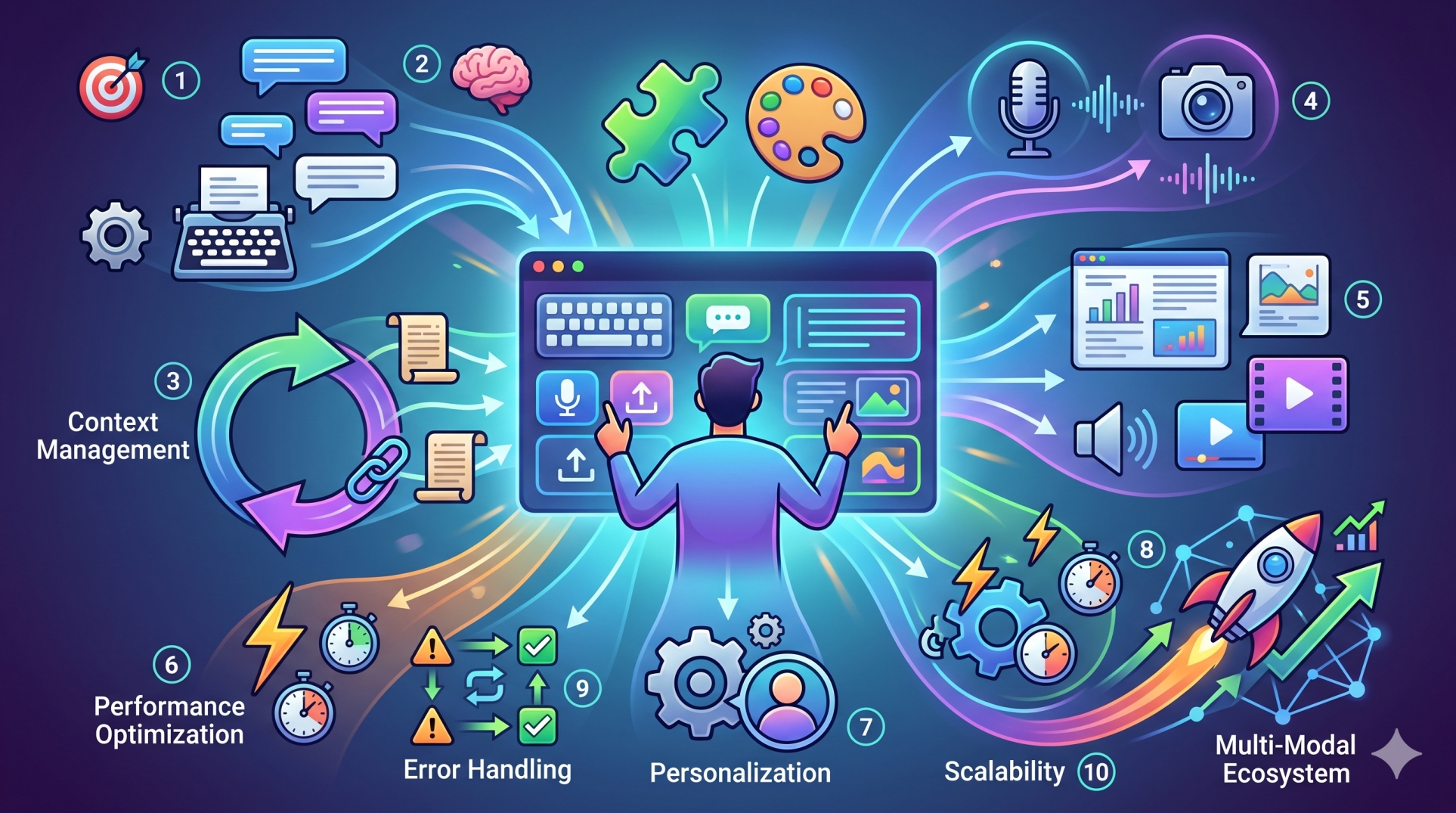
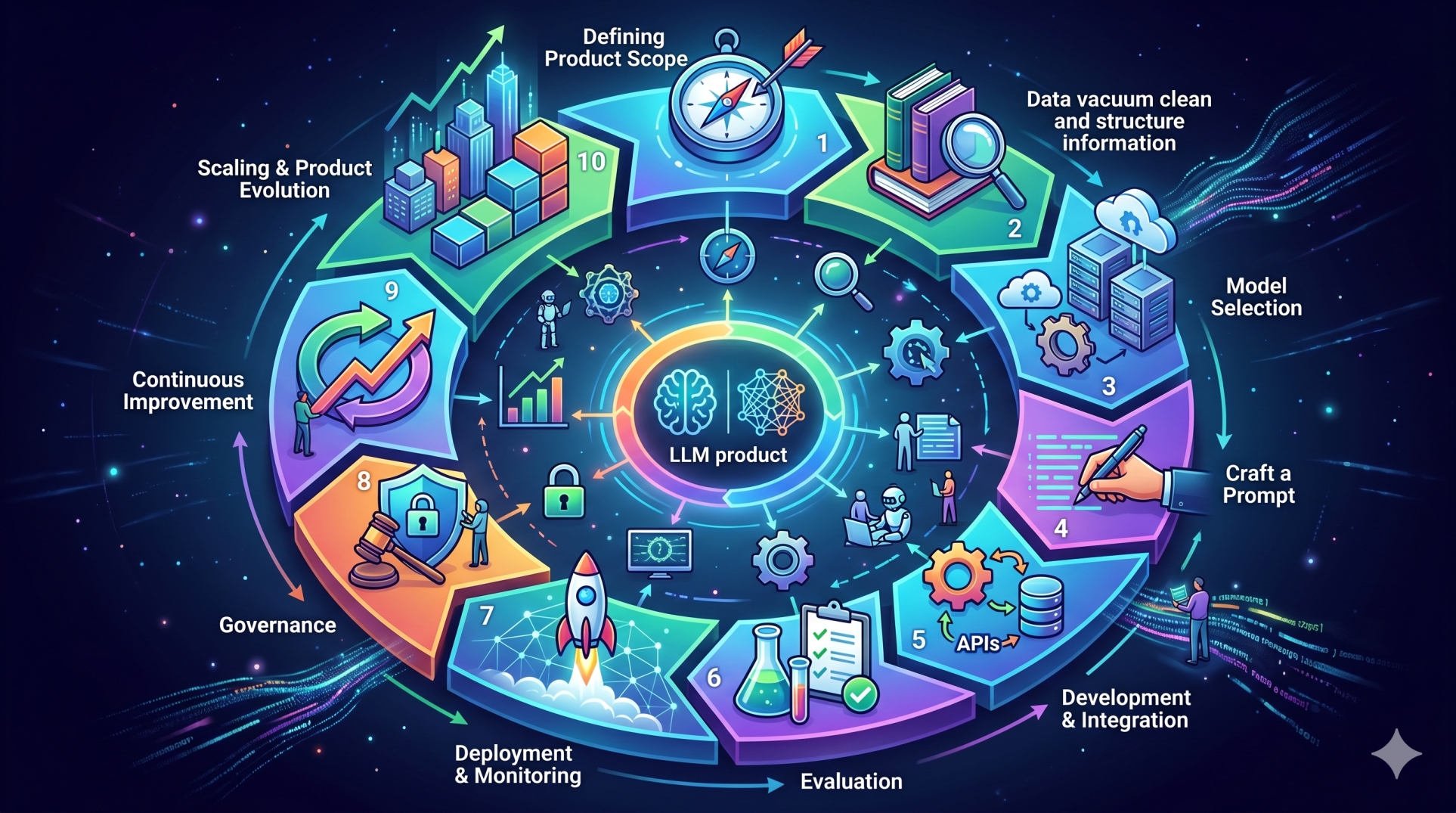
Step 1: Defining Strategic Knowledge Objectives 🎯
• Identify business processes that rely heavily on organizational knowledge 📚
• Establish clear goals for knowledge automation initiatives 📝
• Align LLM capabilities with operational and strategic priorities 🤝
• Determine measurable outcomes for productivity and efficiency 📊
• Build a roadmap for enterprise-wide knowledge transformation 🚀
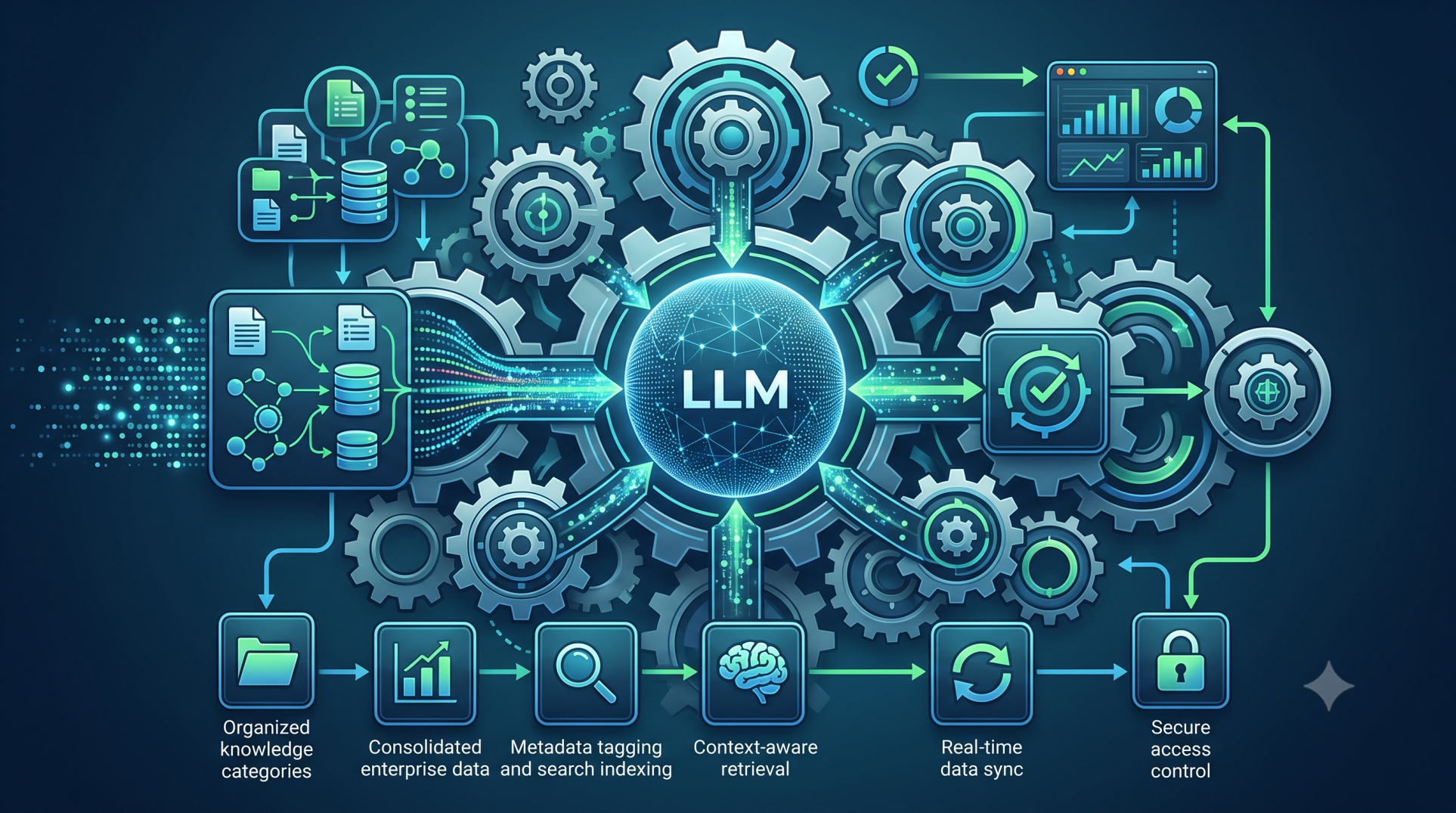
Step 2: Consolidating Enterprise Knowledge 🗂️
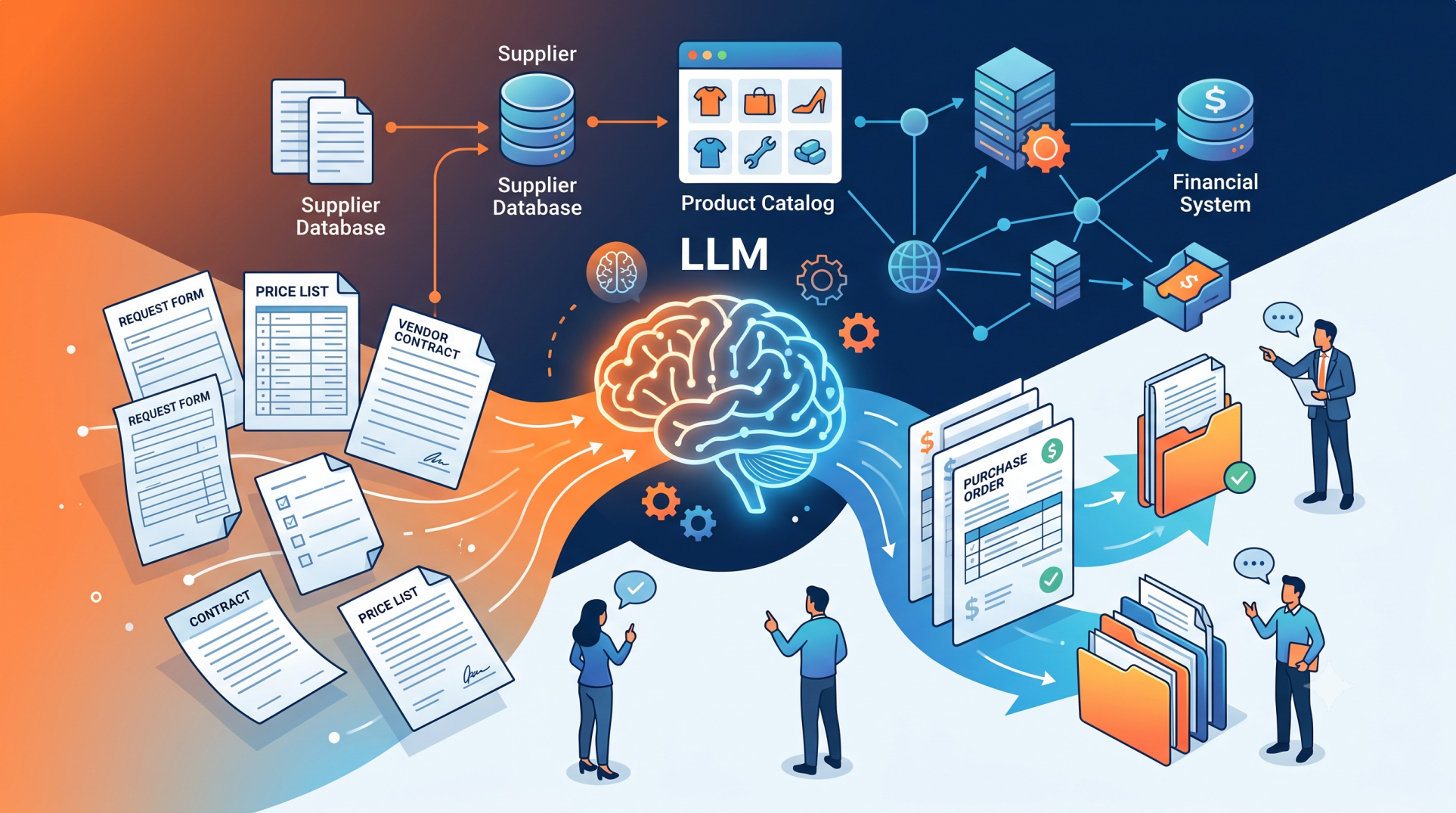
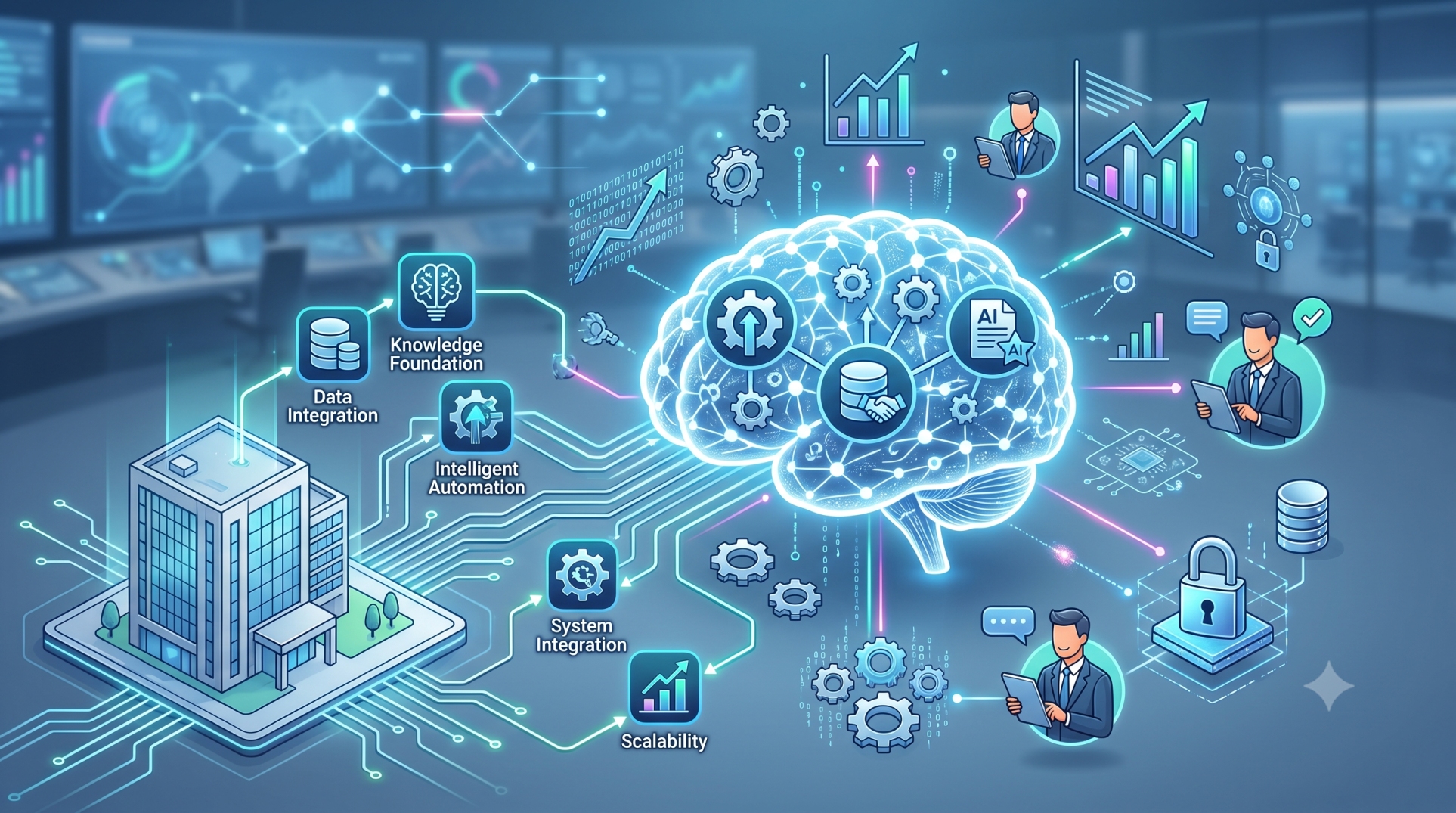
• Collect information from documents, databases, and business applications 📄
• Organize structured and unstructured knowledge into unified repositories 🏢
• Eliminate duplicate and outdated information 🔄
• Maintain consistent data organization across departments 📁
• Create a reliable foundation for intelligent knowledge access ✅
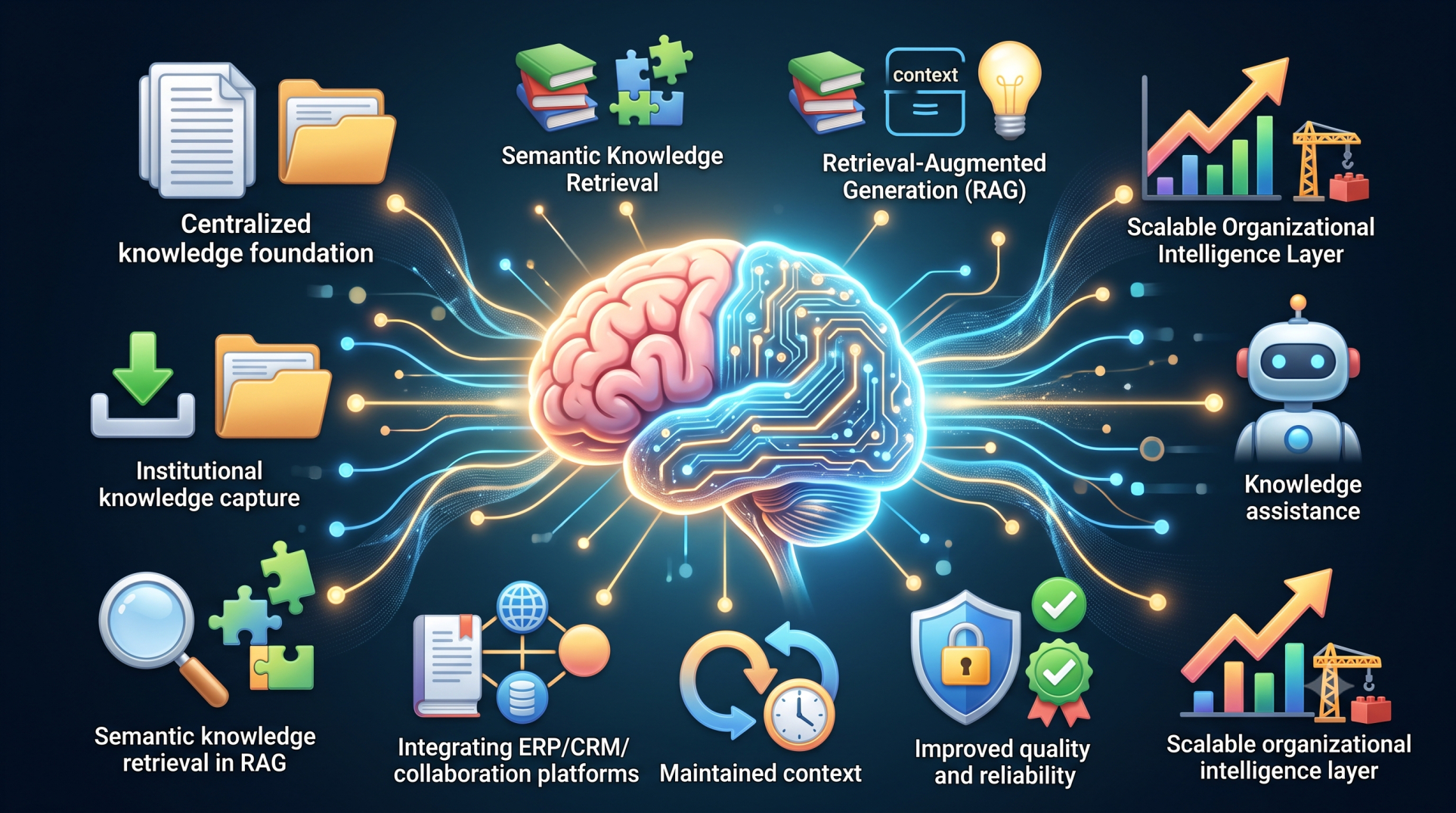
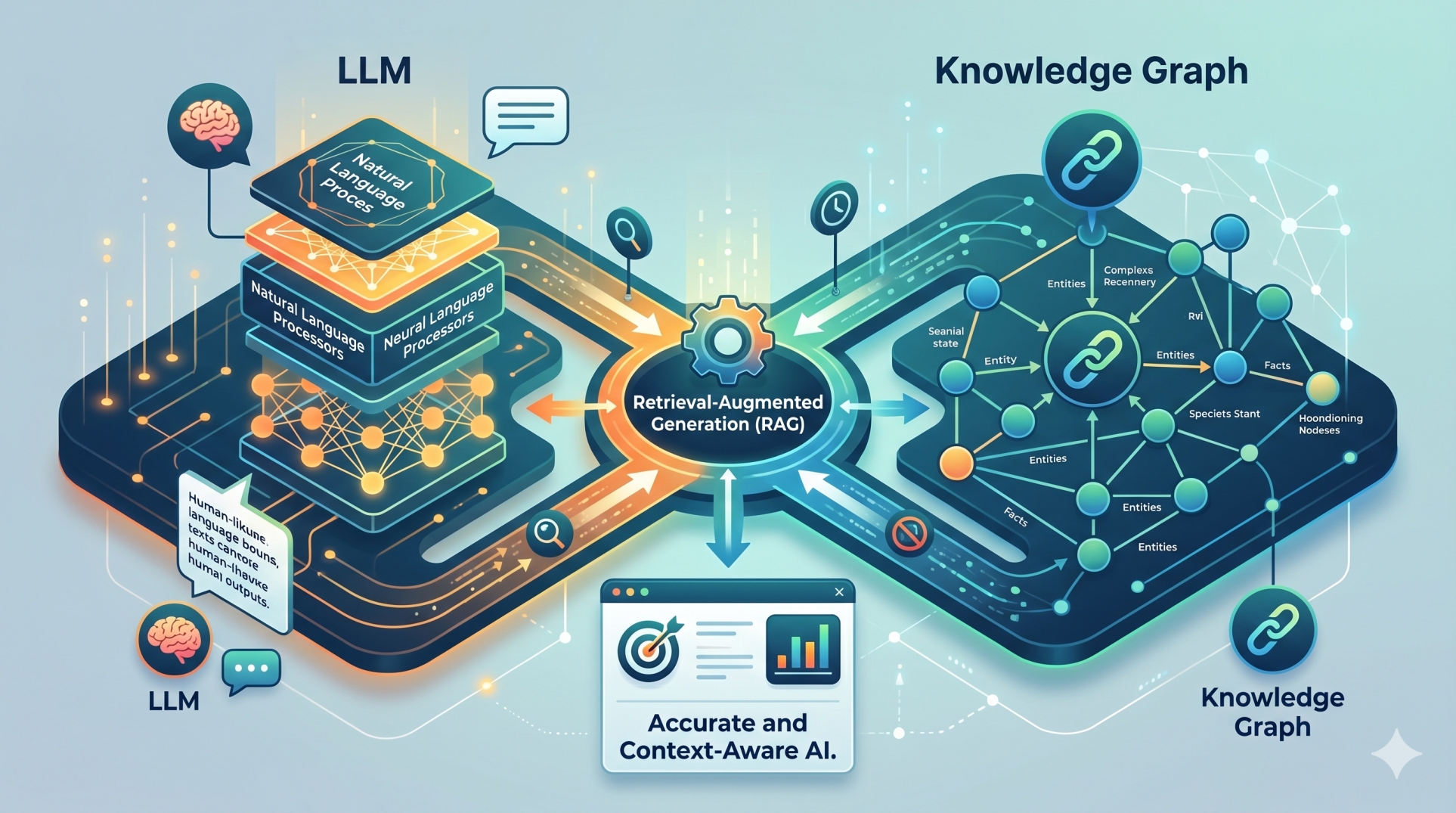
Step 3: Enabling Intelligent Knowledge Retrieval 🔍
• Deliver context-aware information based on user requests 💡
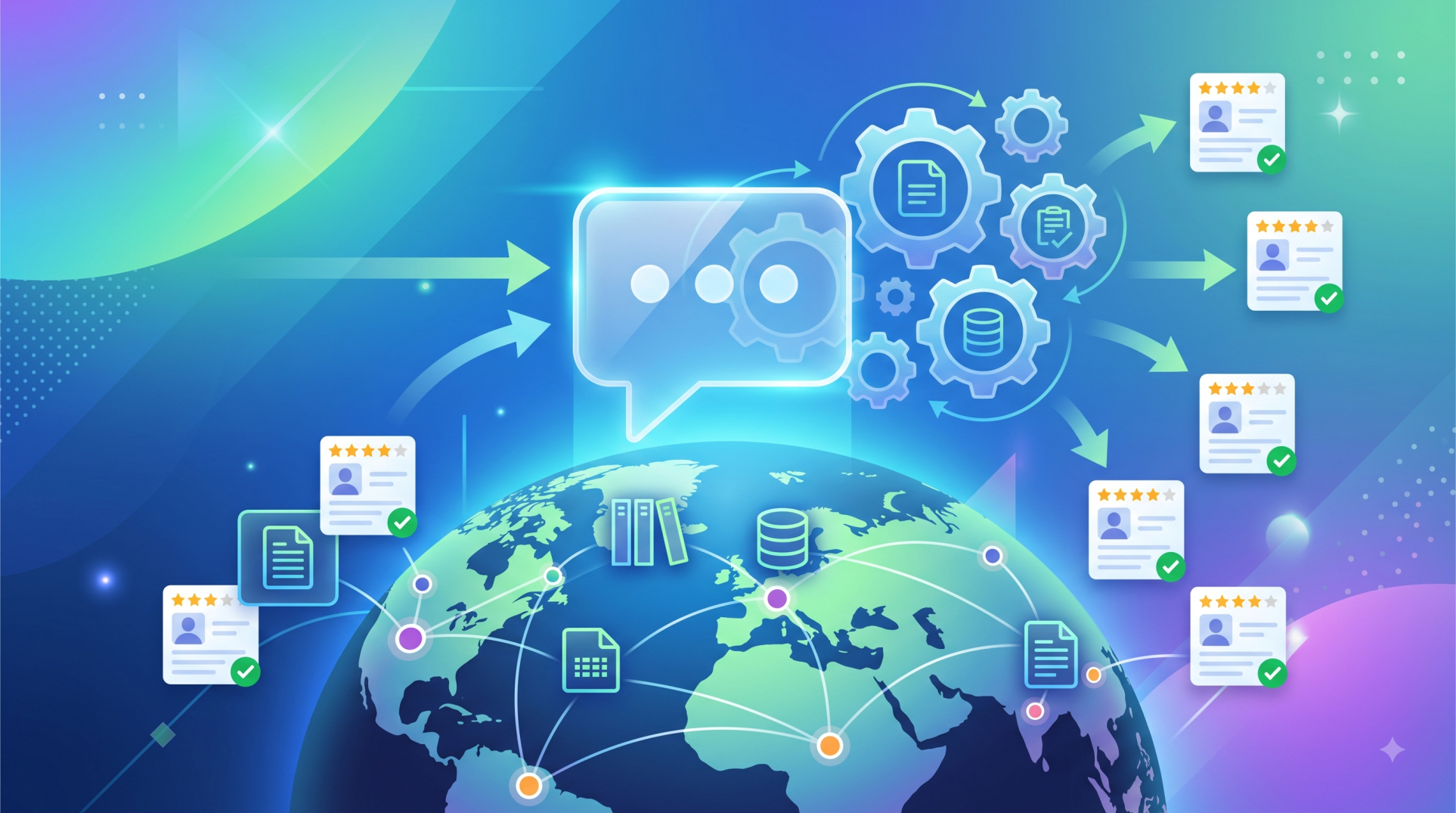
• Support semantic search for faster discovery of relevant content 🧠
• Retrieve information from multiple enterprise knowledge sources 🌐
• Prioritize accurate and relevant responses 📈
• Improve accessibility to organizational expertise ⚡
Step 4: Automating Business Knowledge Workflows ⚙️
• Generate summaries, reports, and documentation automatically 📋
• Assist employees with policy and procedure guidance 📝
• Streamline document classification and content organization 📂
• Reduce repetitive knowledge-intensive tasks 🤖
• Increase operational efficiency across business functions 🚀
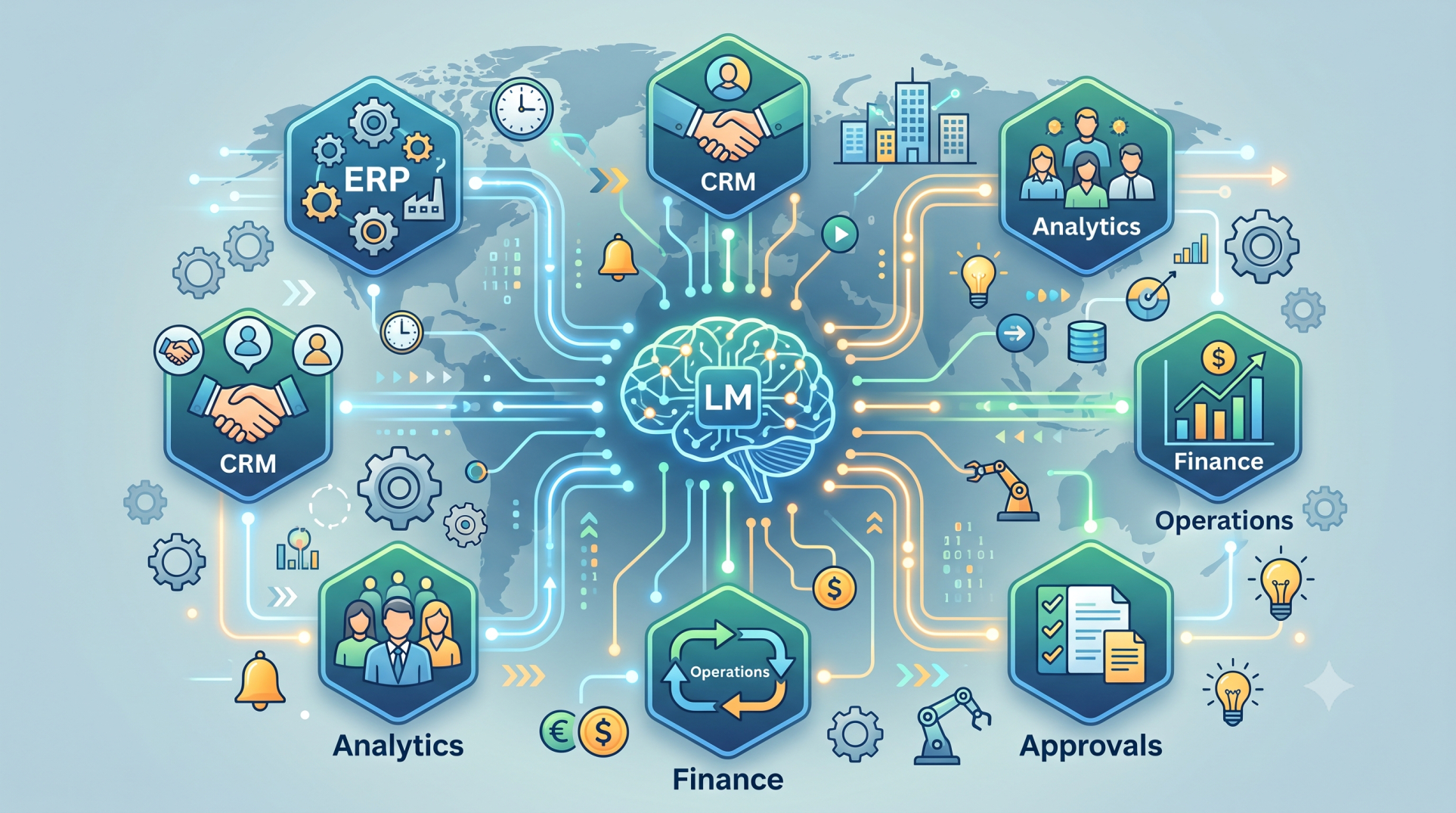
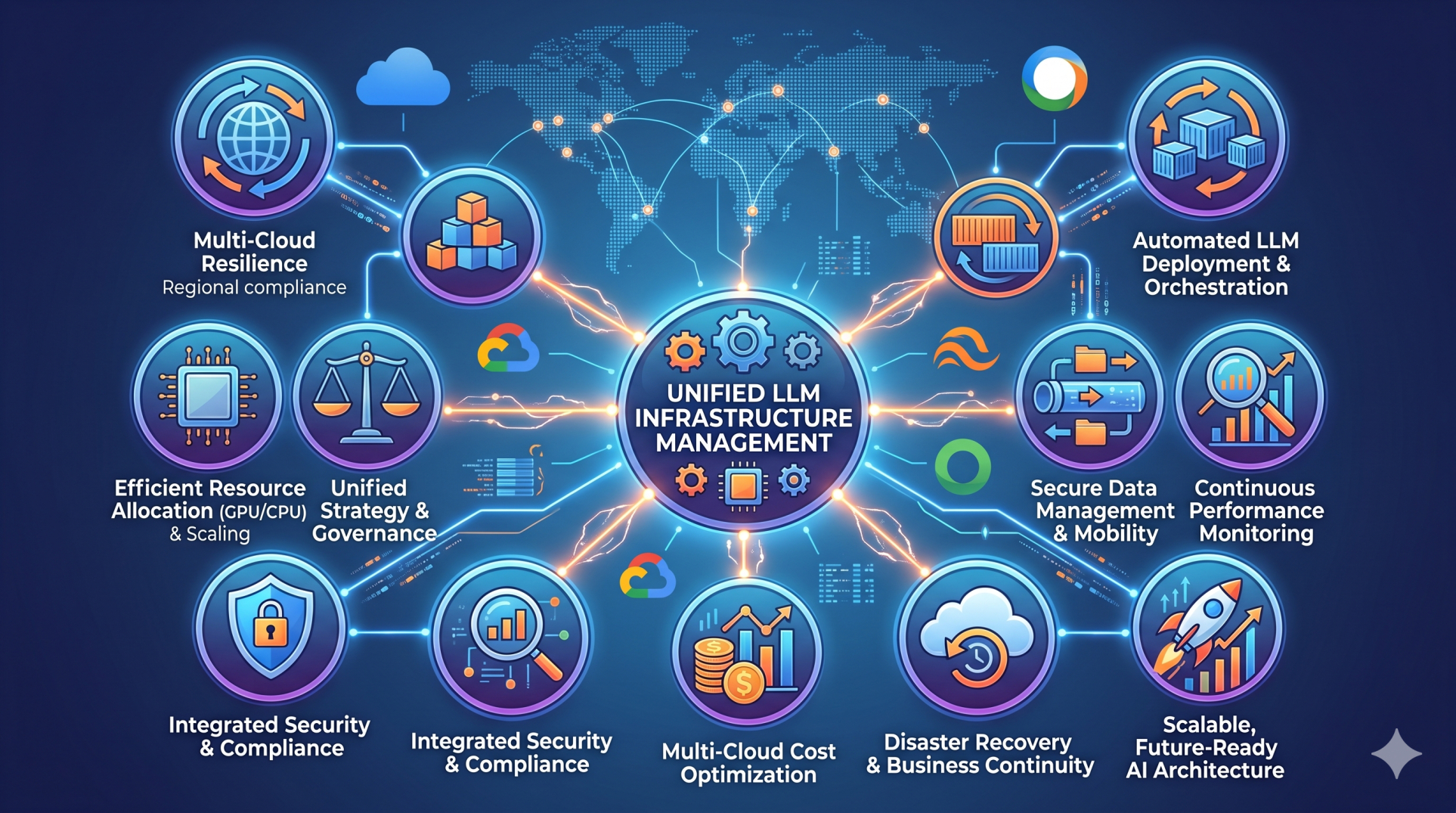
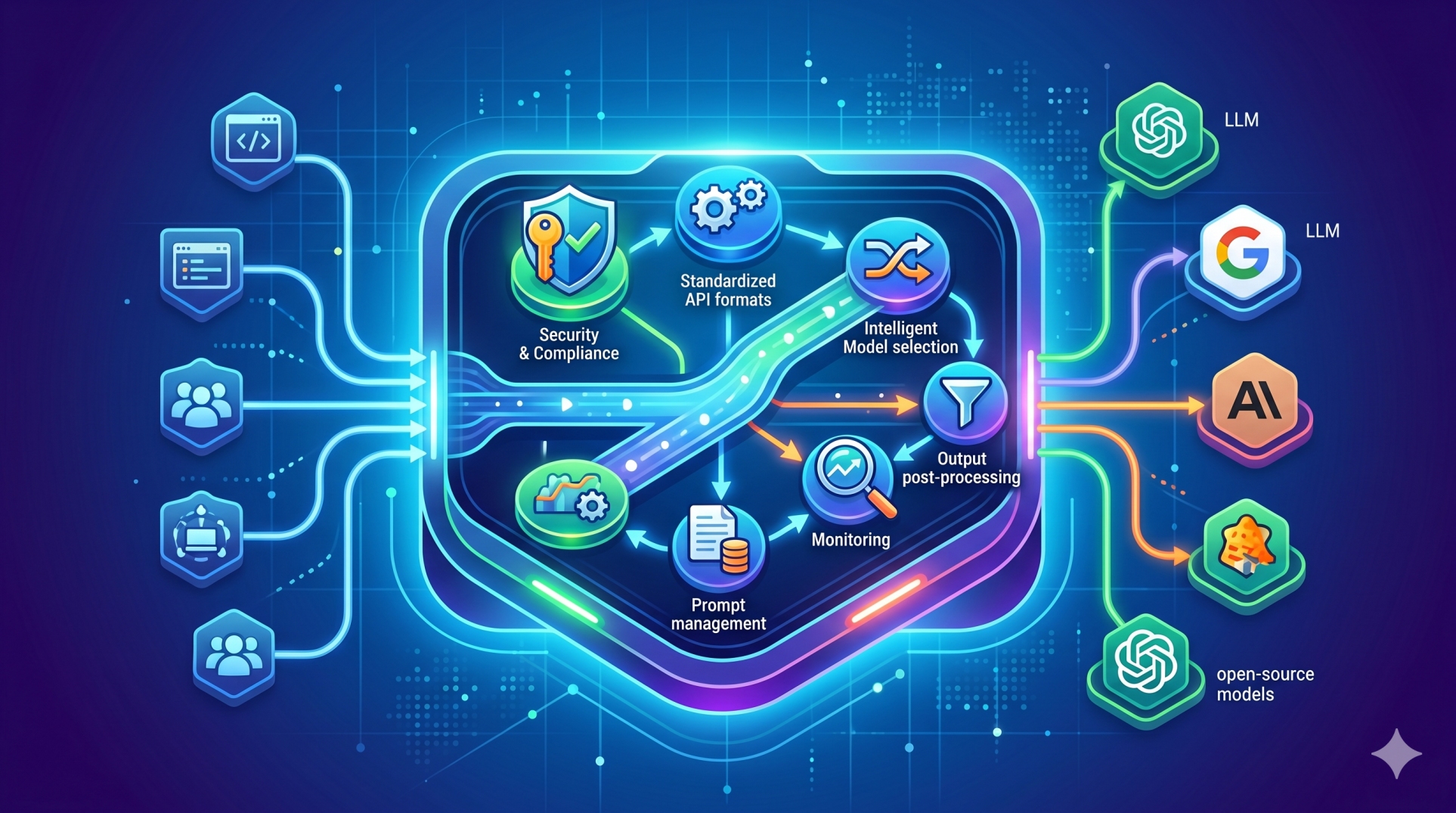
Step 5: Integrating LLM Systems with Enterprise Platforms 🔗
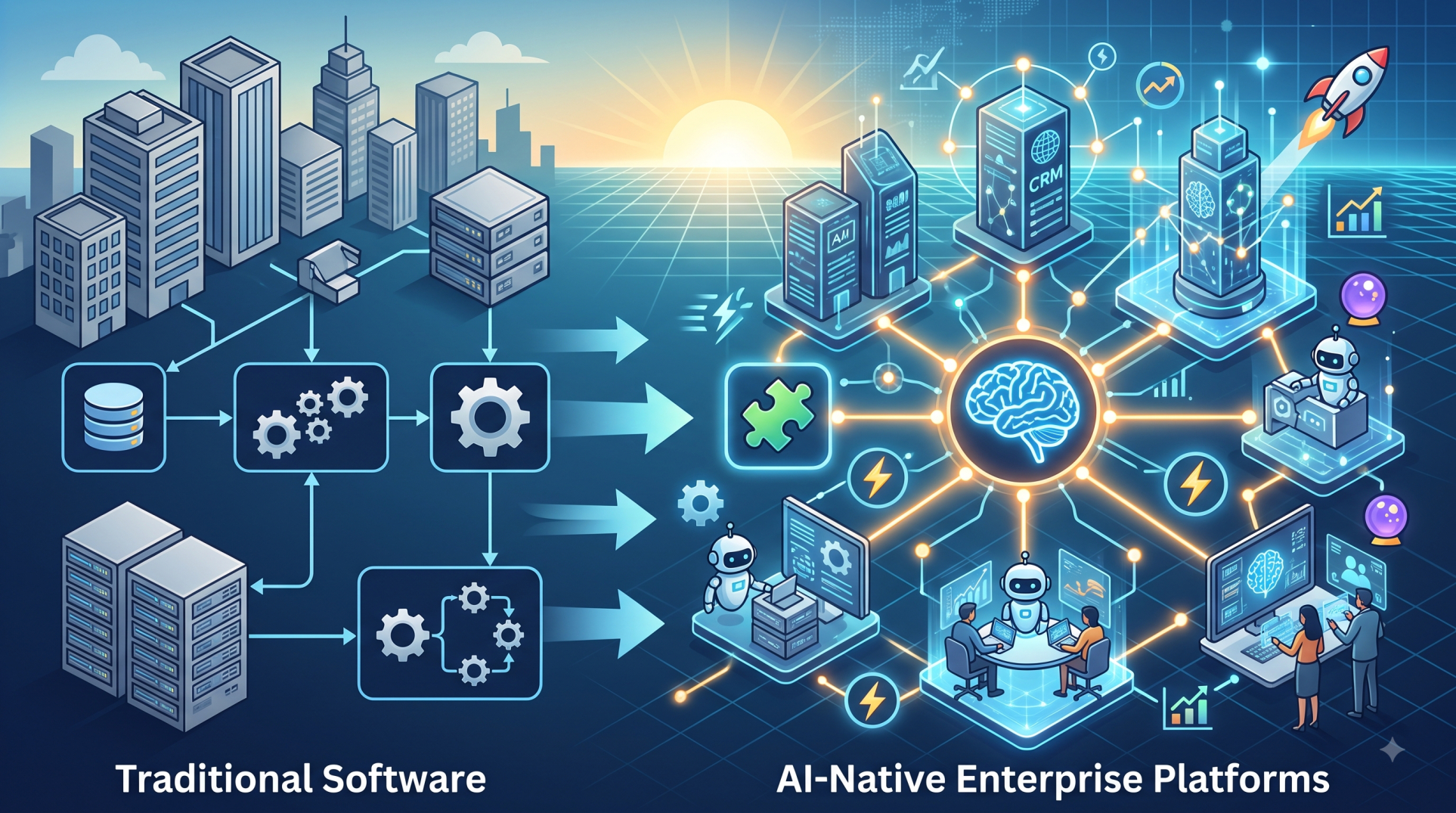
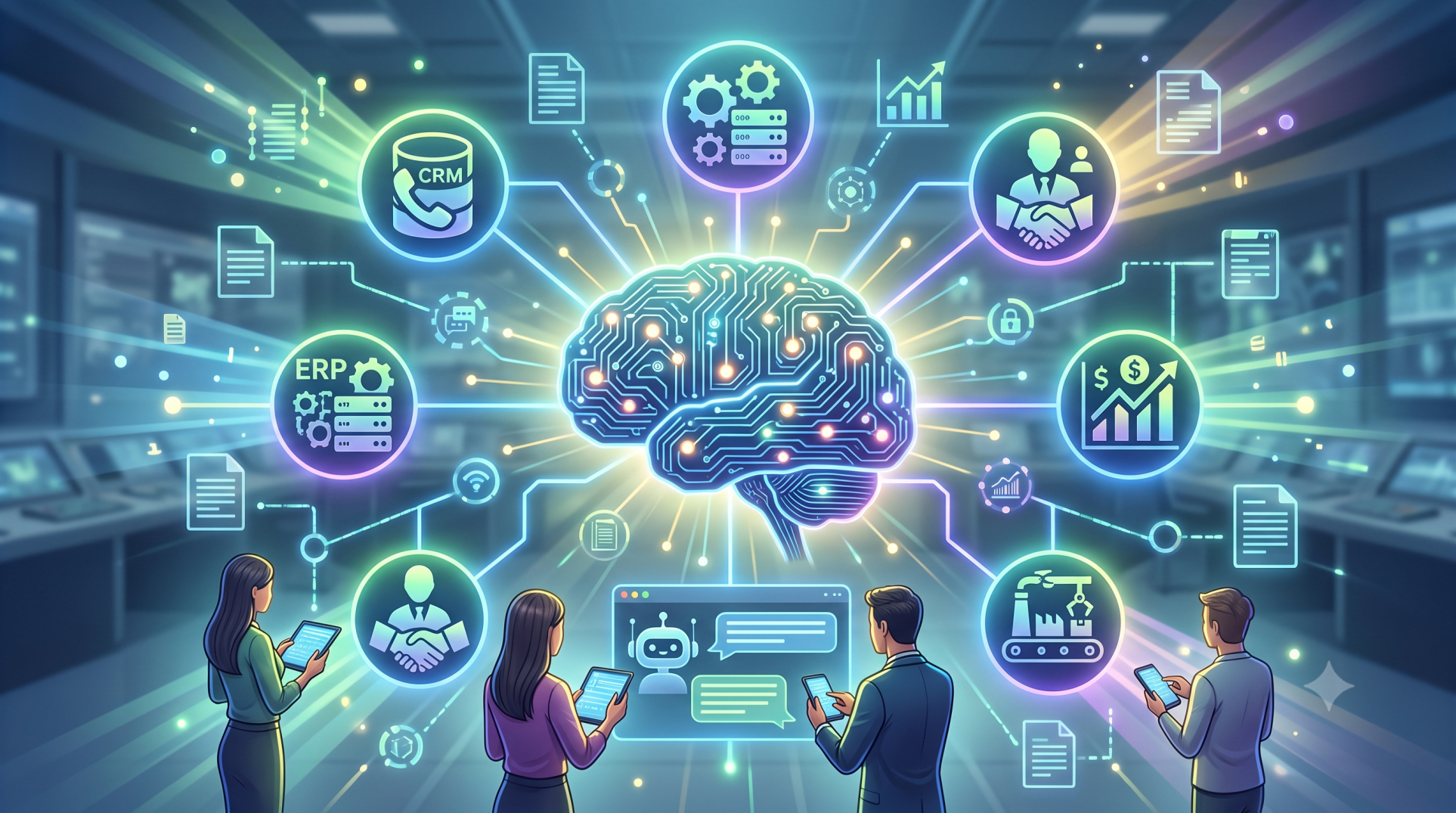
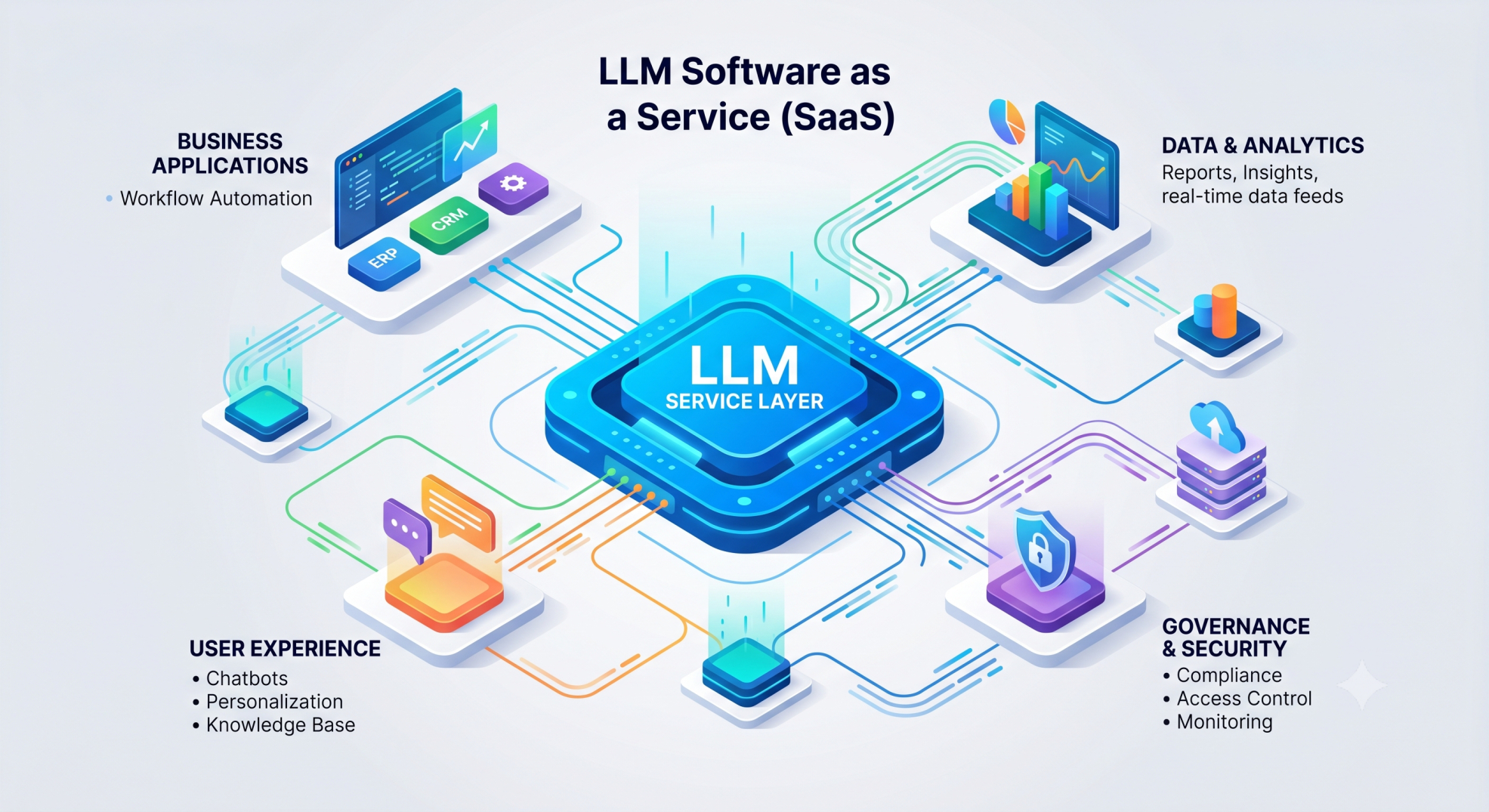
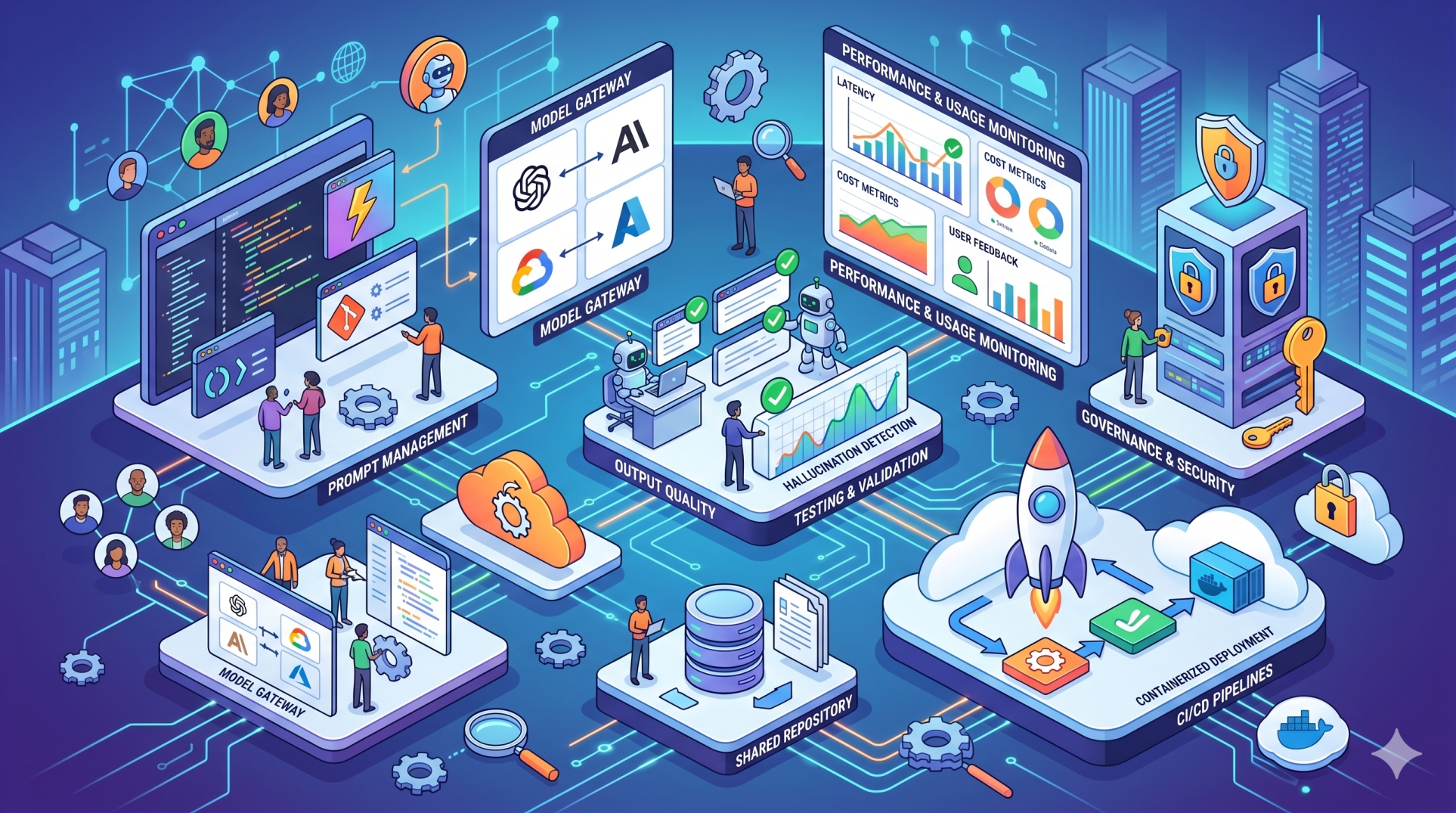
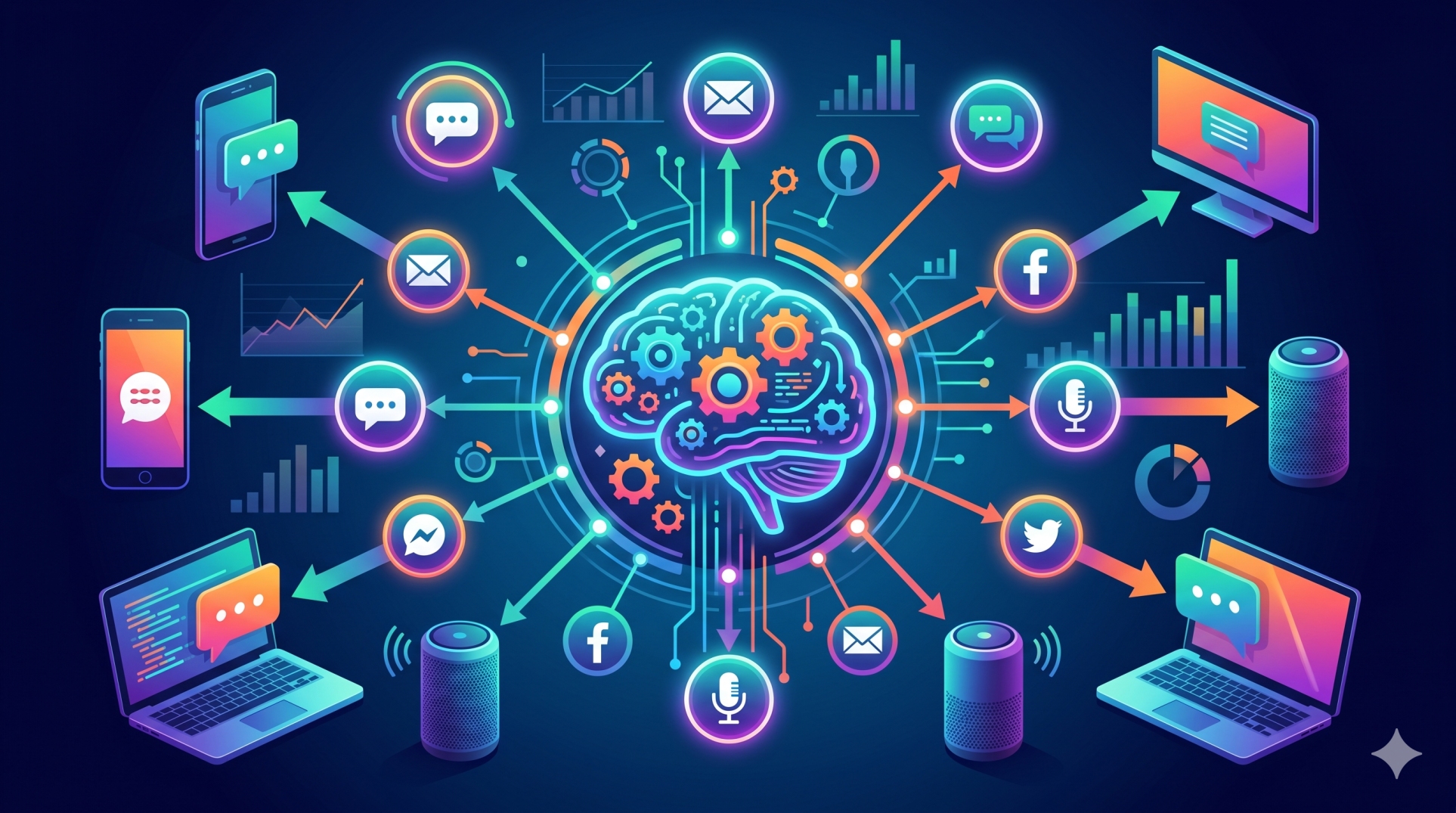
• Connect LLM systems with ERP, CRM, HR, and collaboration platforms 🏢
• Synchronize knowledge across multiple business applications 🔄
• Enable secure API-based communication between systems 📡
• Maintain consistent information throughout the enterprise 🔐
• Support seamless cross-platform workflows 🤝
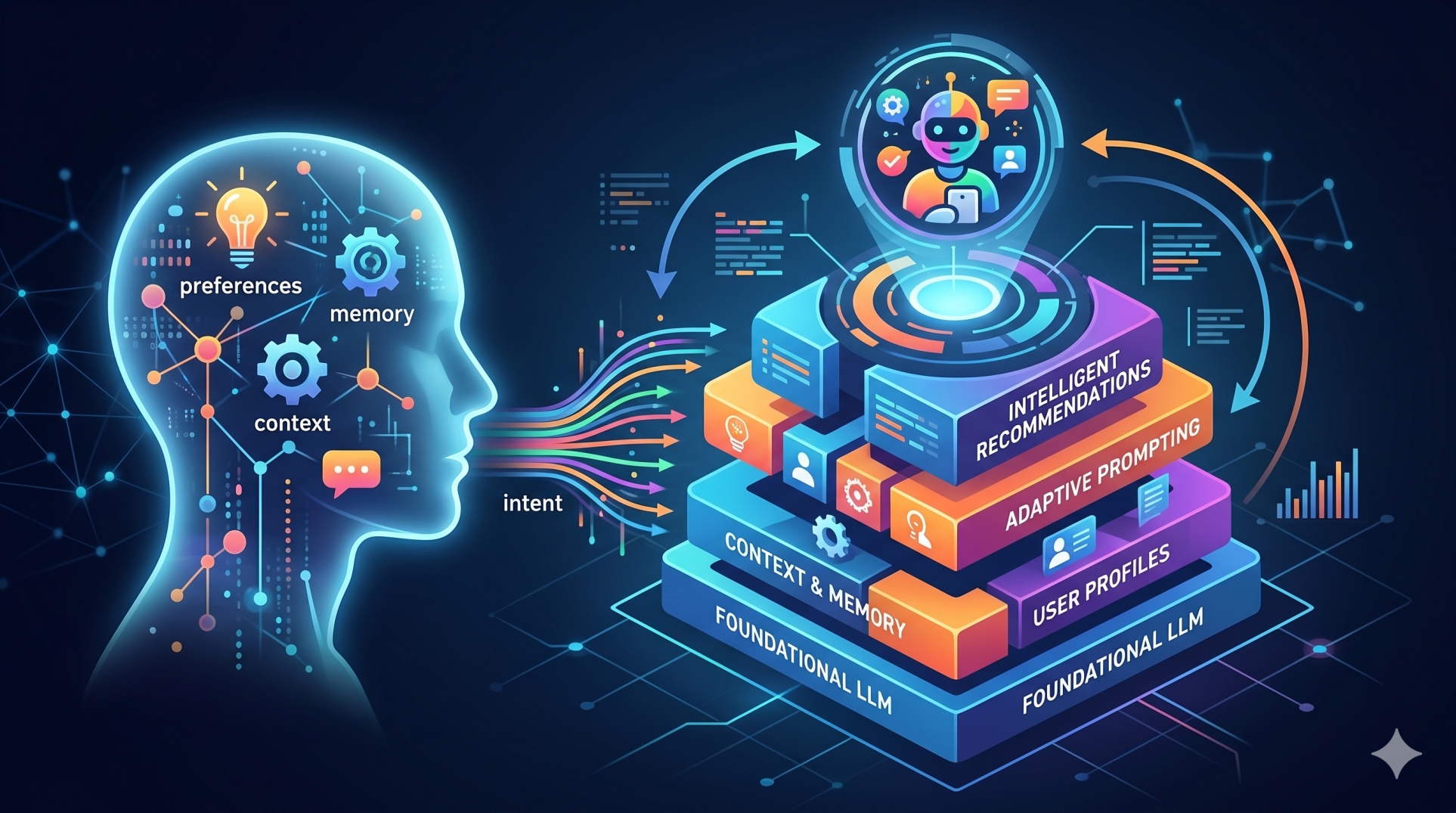
Step 6: Delivering Context-Aware Assistance 🧩
• Provide responses based on user roles and responsibilities 👥
• Understand business context to improve answer relevance 📖
• Personalize knowledge delivery for different departments 🎯
• Support multilingual enterprise communication 🌍
• Enhance employee productivity with intelligent assistance 💼
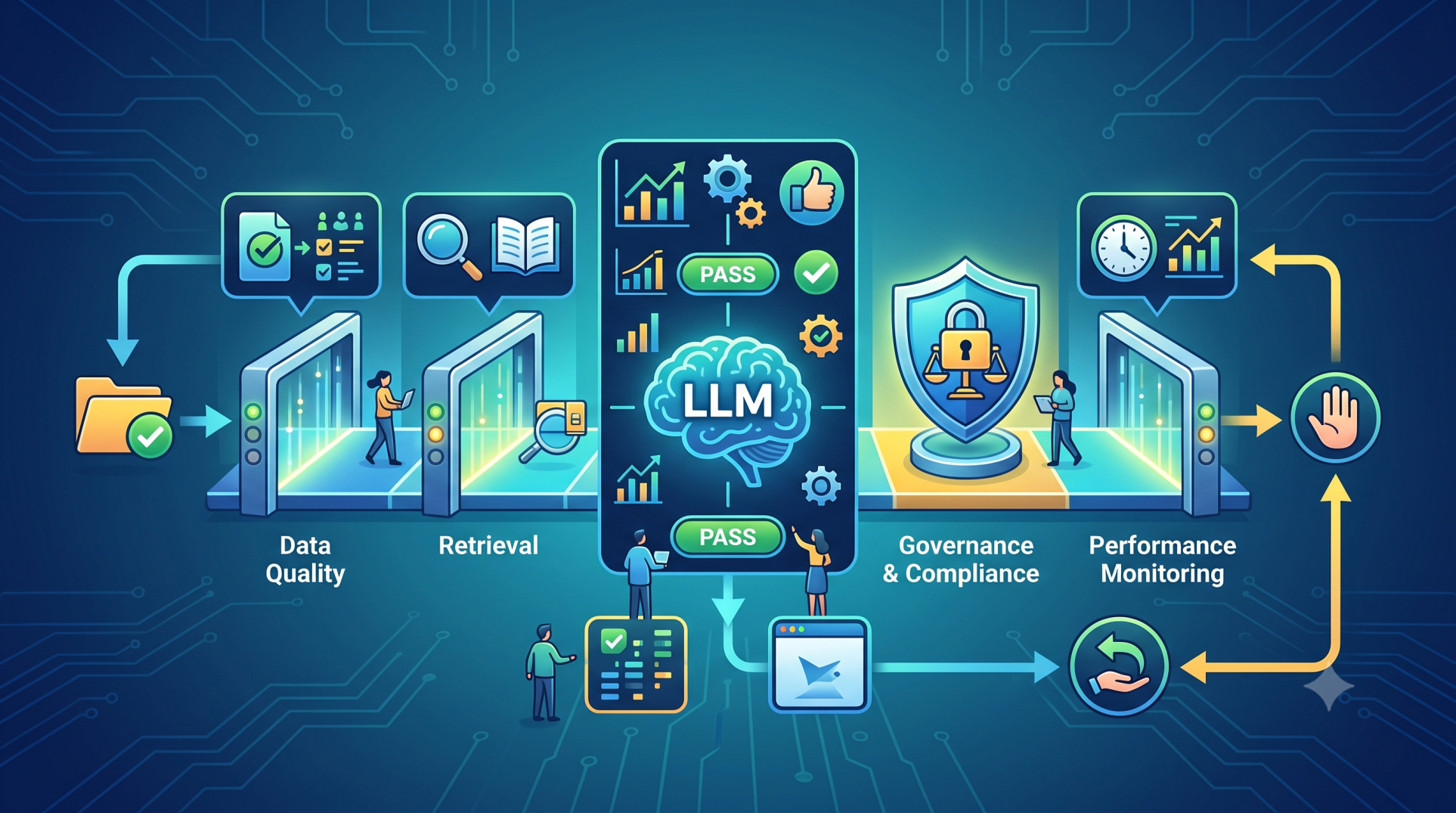
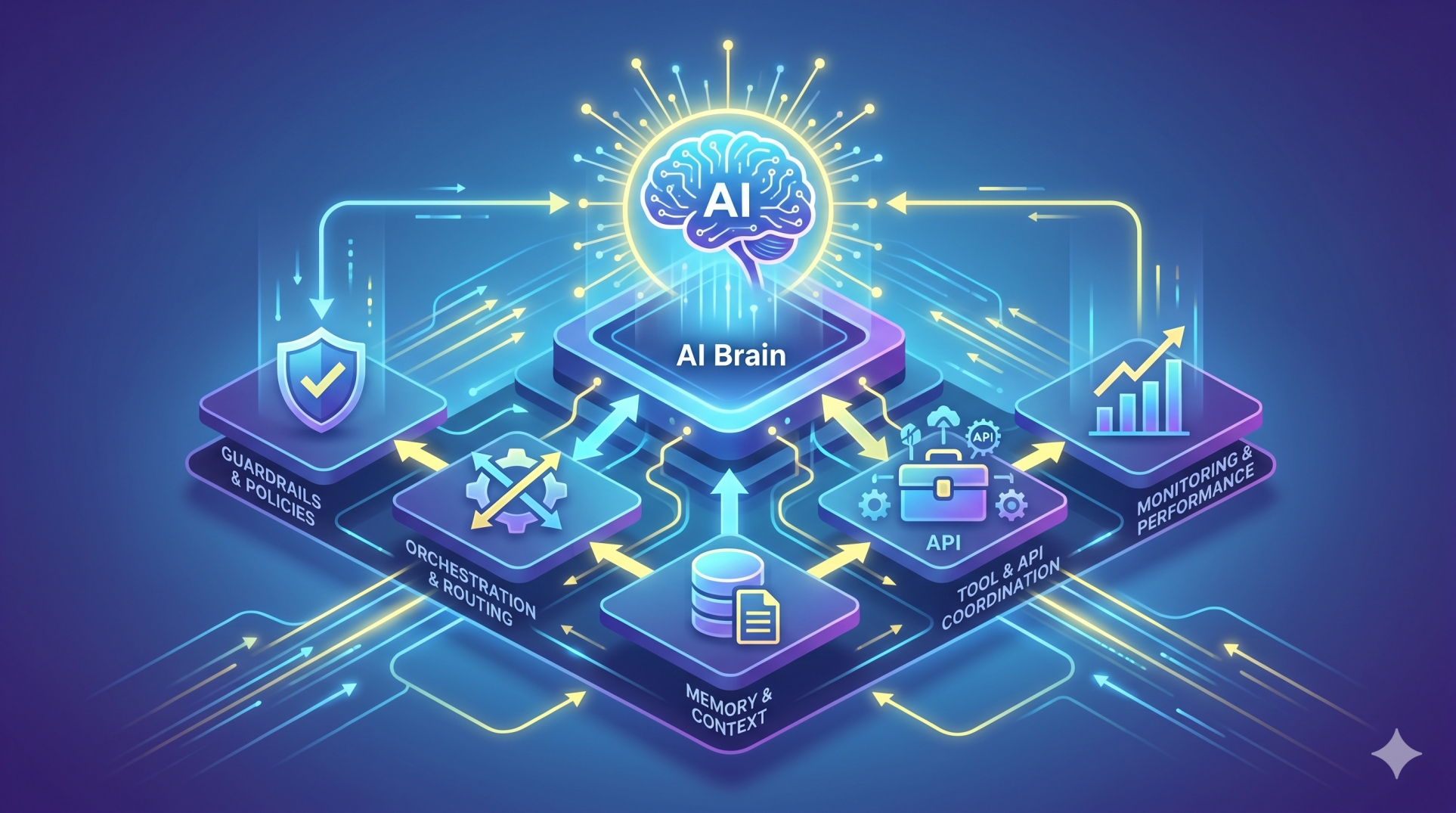
Step 7: Maintaining Knowledge Quality and Governance 🛡️
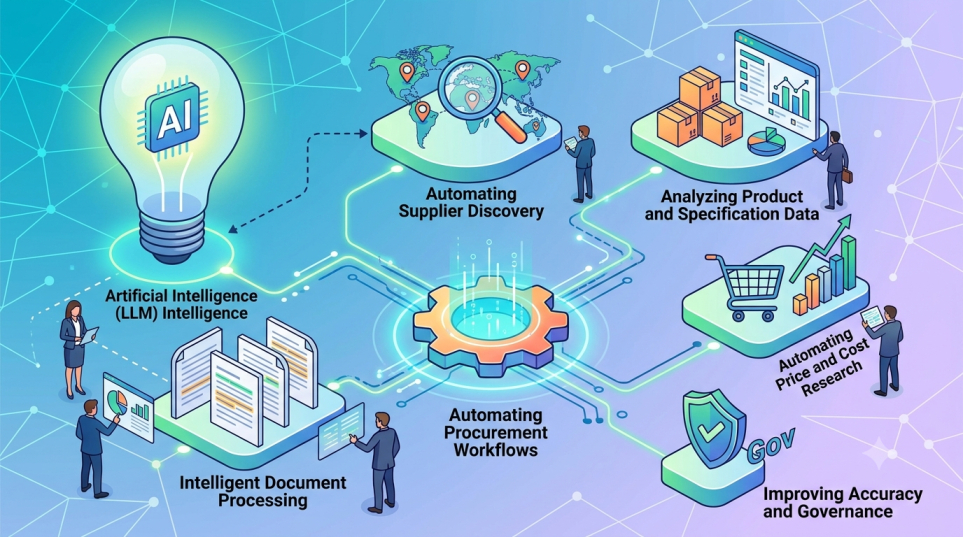
• Validate enterprise knowledge before making it available ✔️
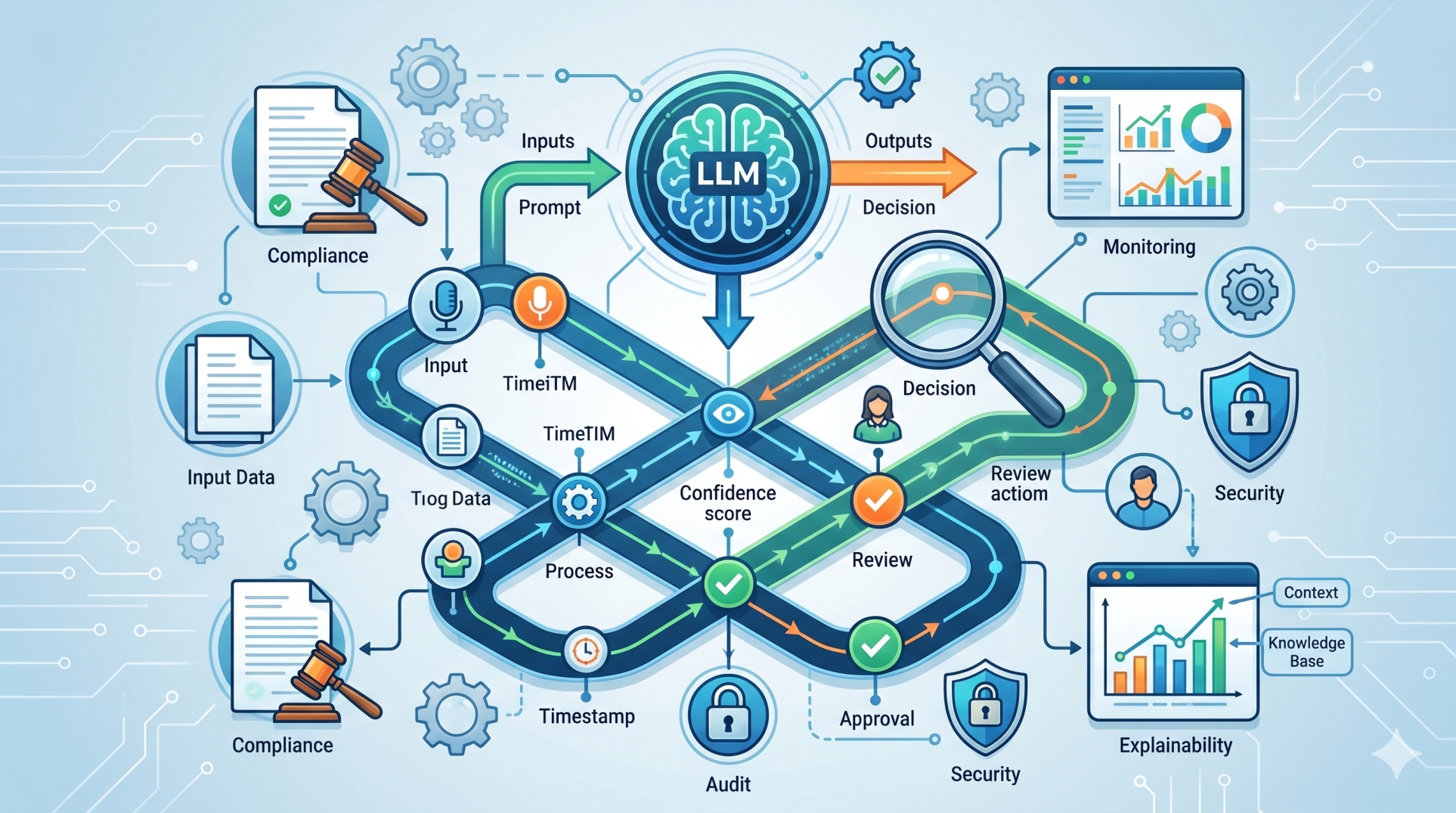
• Track knowledge sources for transparency and accountability 📜
• Control access through role-based permissions 🔐
• Ensure compliance with organizational governance policies ⚖️
• Continuously review and update business knowledge 🔄
Step 8: Key Automation Priorities ⭐
• Centralized enterprise knowledge management 📚
• Intelligent retrieval with contextual understanding 🧠
• Automated knowledge-driven business workflows ⚙️
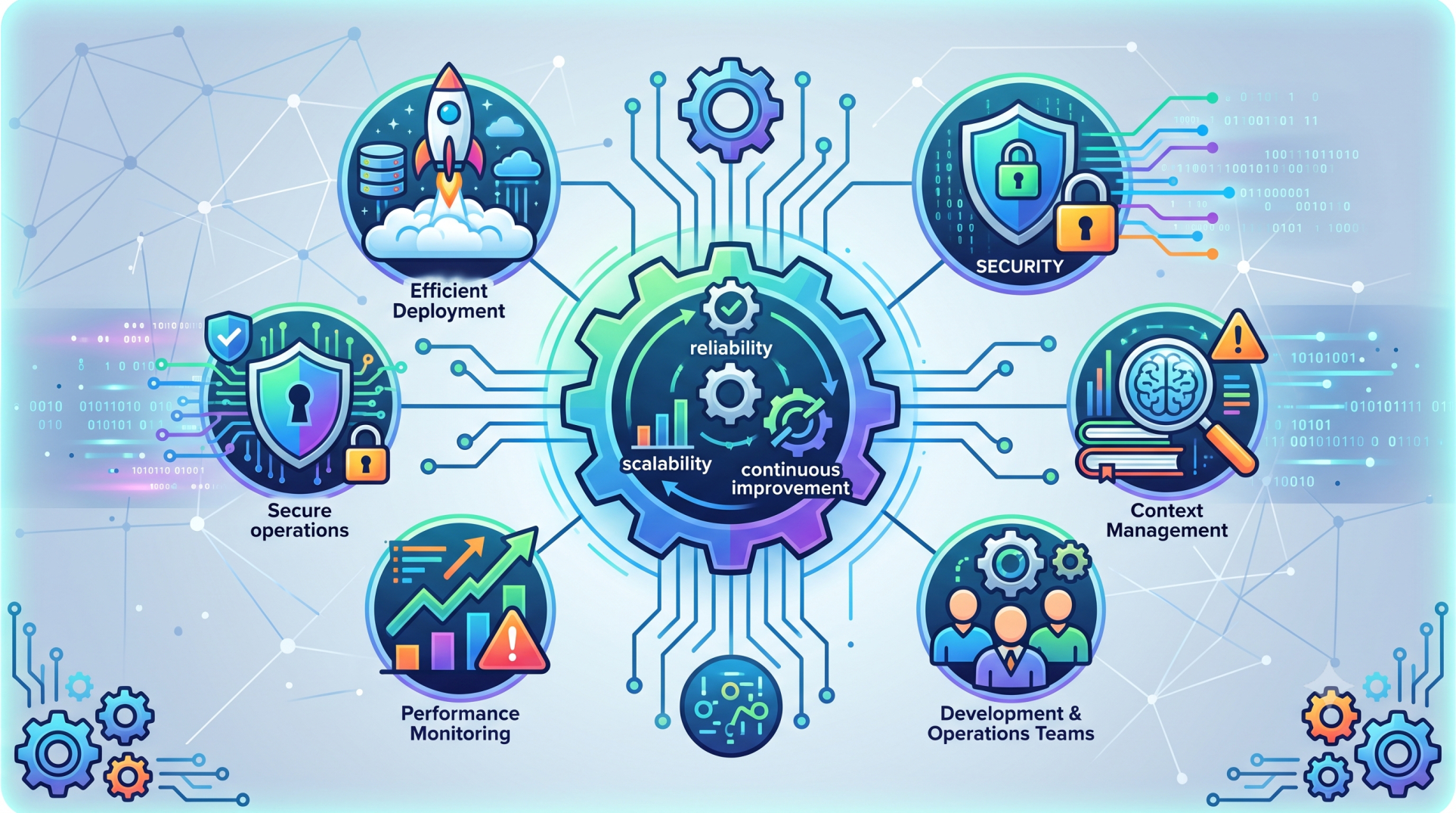
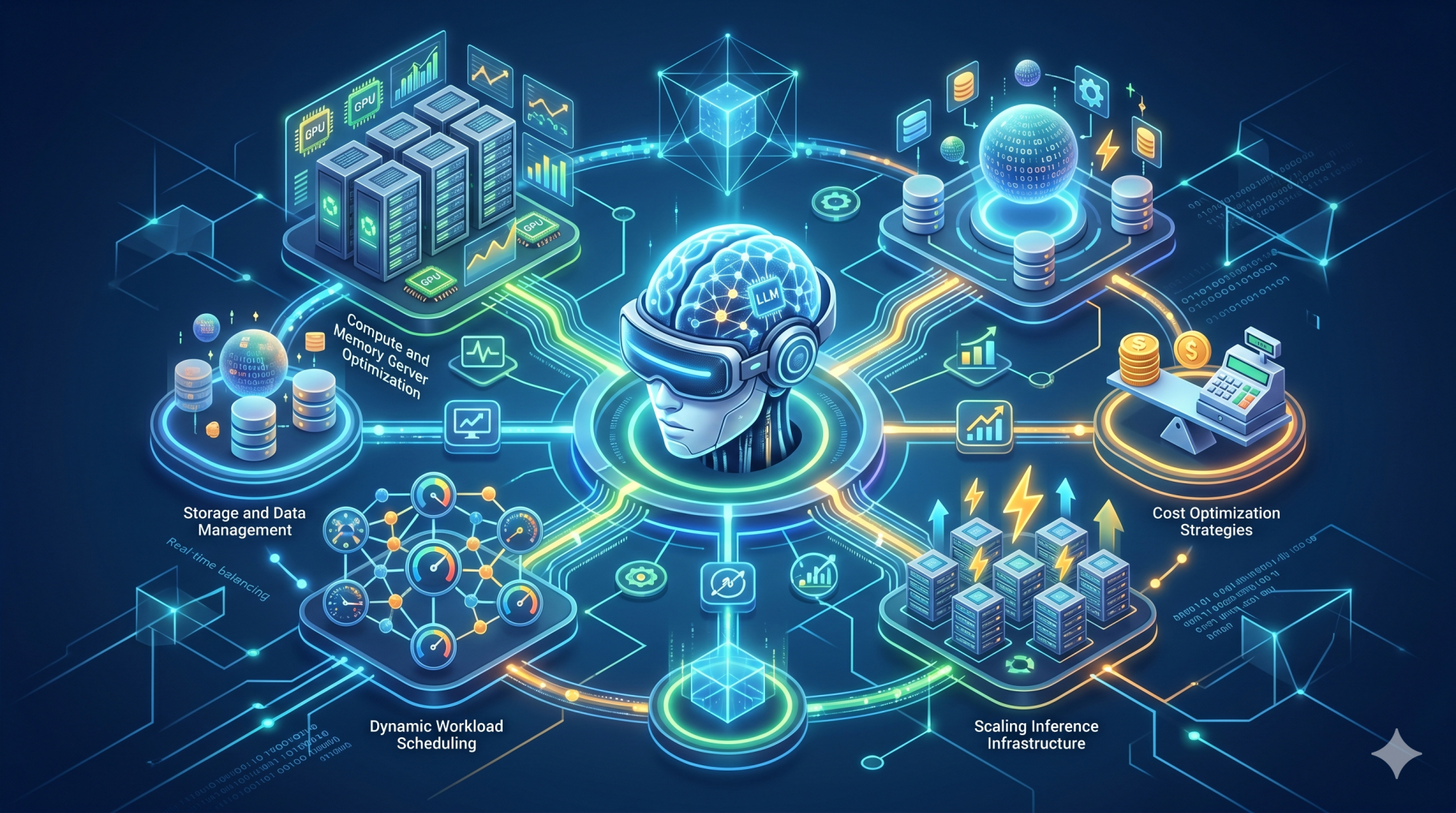
• Secure and scalable enterprise integration 🚀
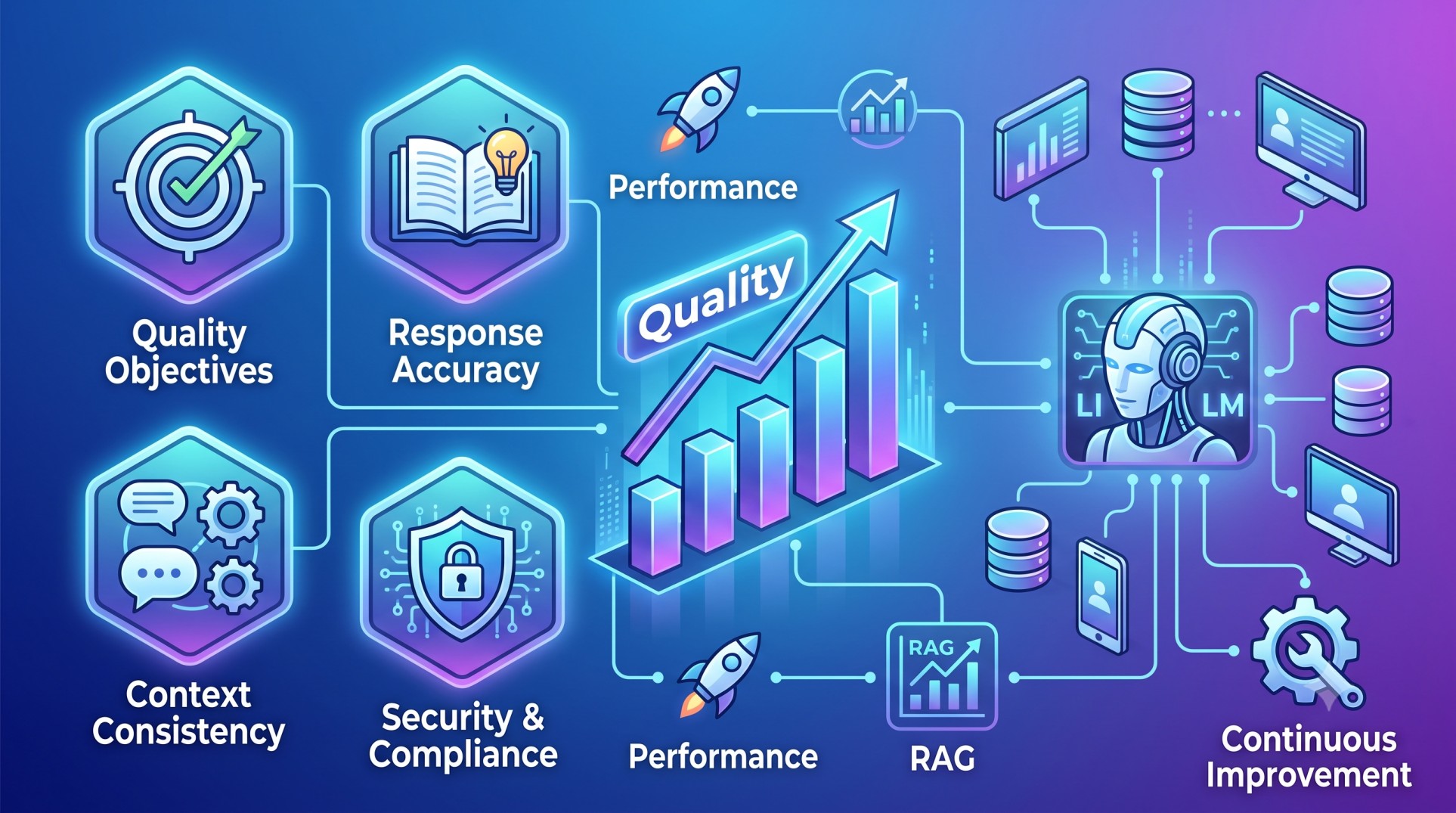
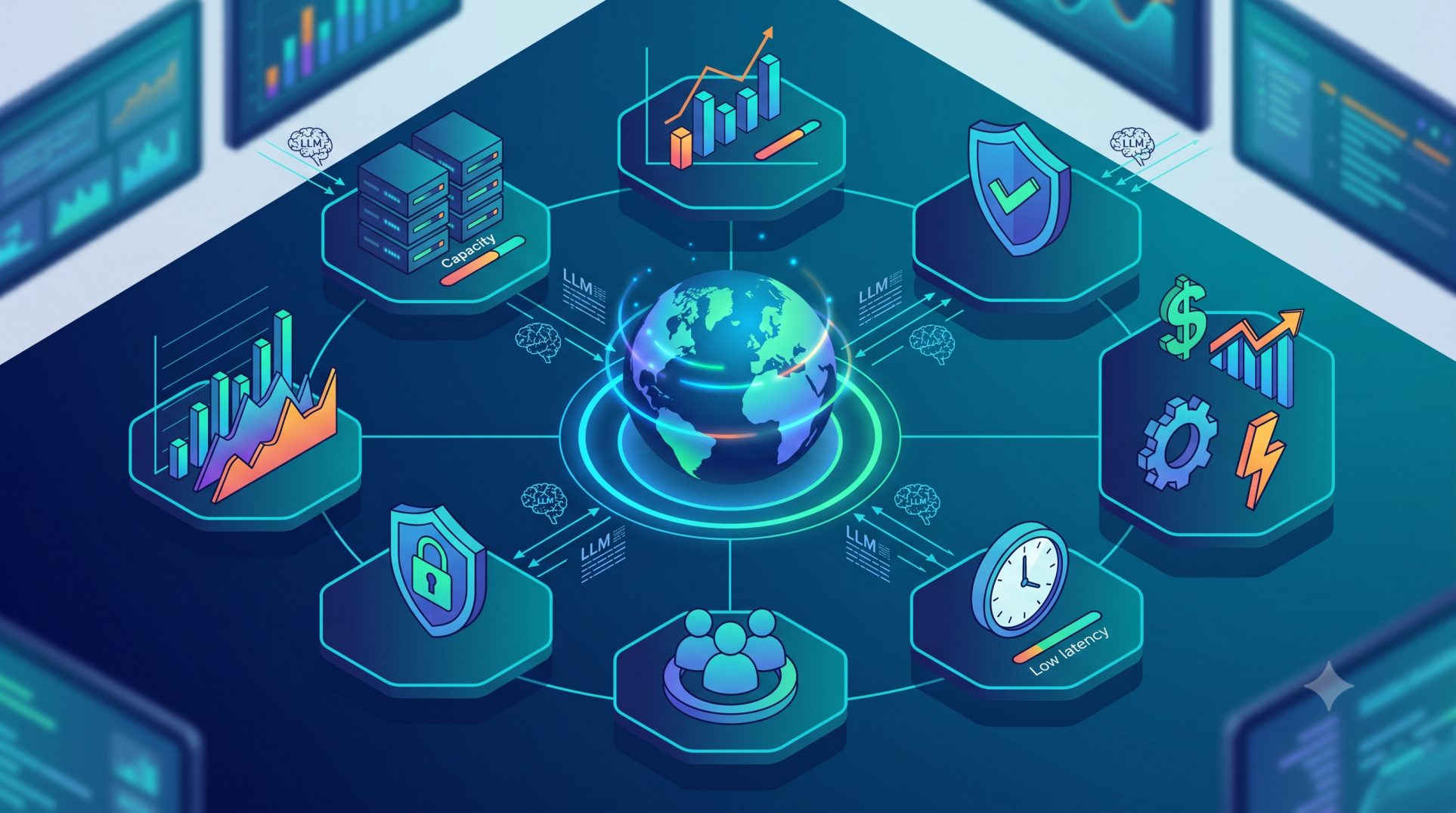
Step 9: Monitoring Performance and Continuous Improvement 📊
• Measure response quality and user satisfaction 📈
• Analyze knowledge usage patterns across departments 🔍
• Identify opportunities to improve automation workflows 💡
• Refine retrieval accuracy using operational feedback 🔄
• Optimize system performance as business requirements evolve ⚡
Step 10: Building a Future-Ready Knowledge Ecosystem 🌟
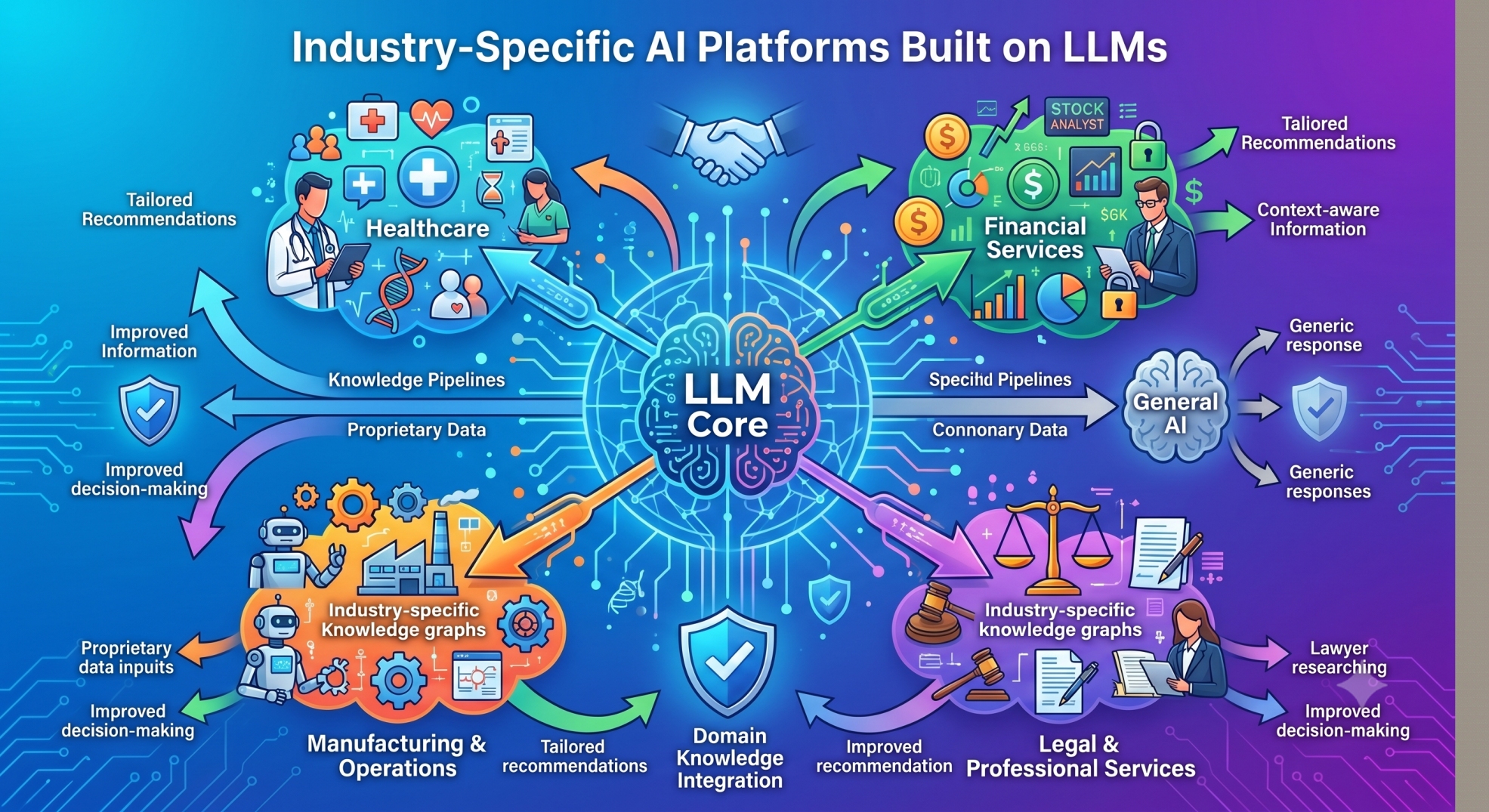
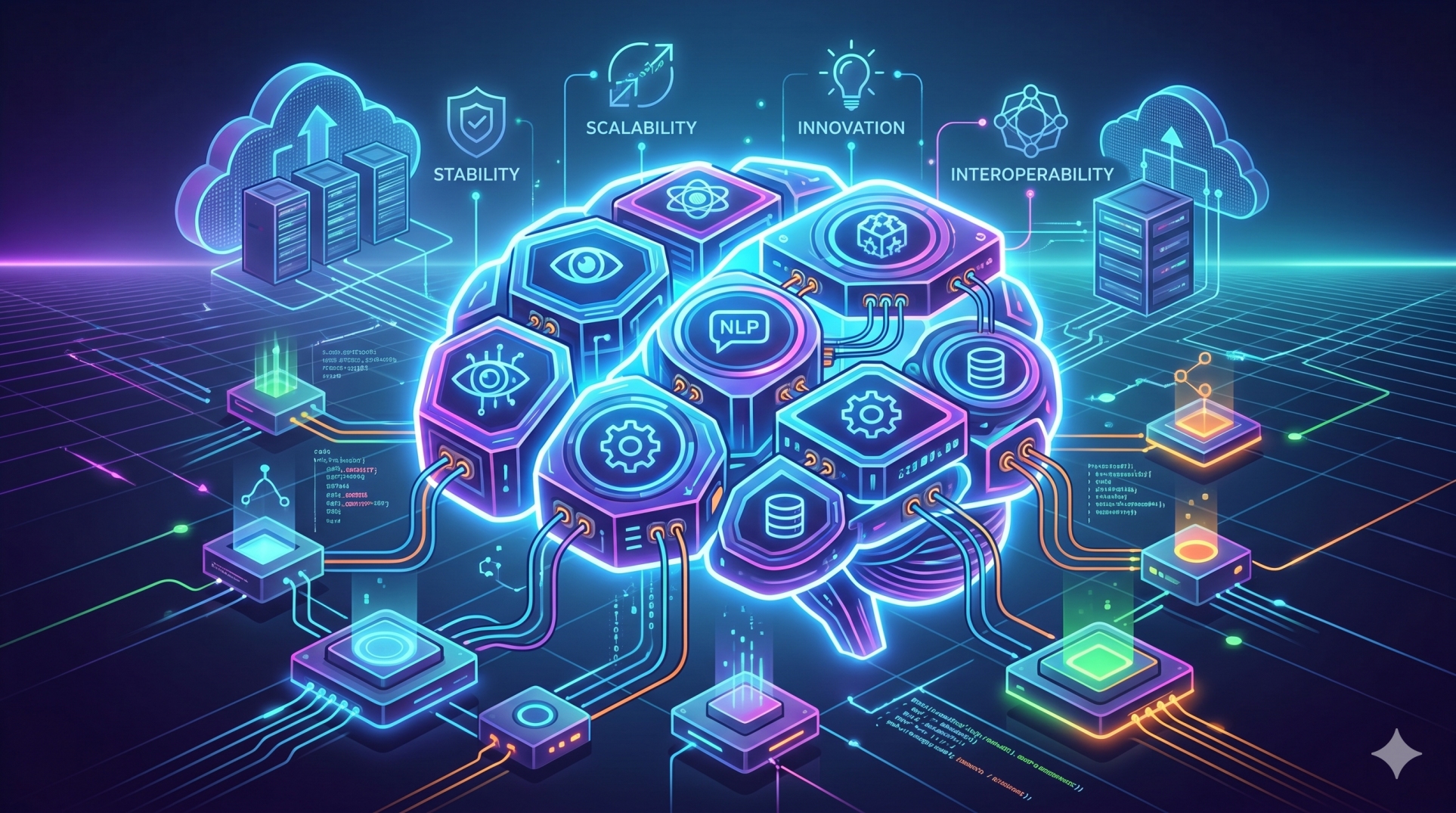
• Design modular architectures for long-term scalability 🏗️
• Support expansion into new business domains 🌐
• Integrate emerging AI technologies with minimal disruption 🤖
• Enable continuous learning through evolving knowledge repositories 📚
• Future-proof enterprise operations with intelligent automation 🚀
Conclusion
Strategic knowledge automation with LLM systems enables organizations to transform enterprise information into an accessible, intelligent, and continuously evolving business asset. By combining advanced language models with centralized knowledge management, automated workflows, and secure enterprise integration, businesses can improve decision-making, increase operational efficiency, and strengthen organizational collaboration. A well-designed knowledge automation strategy provides the flexibility and scalability needed to support innovation and long-term business growth.
See more blogs
You can all the articles below