Audit Trails for LLM-Based Decision Systems
Audit Trails for LLM-Based Decision Systems
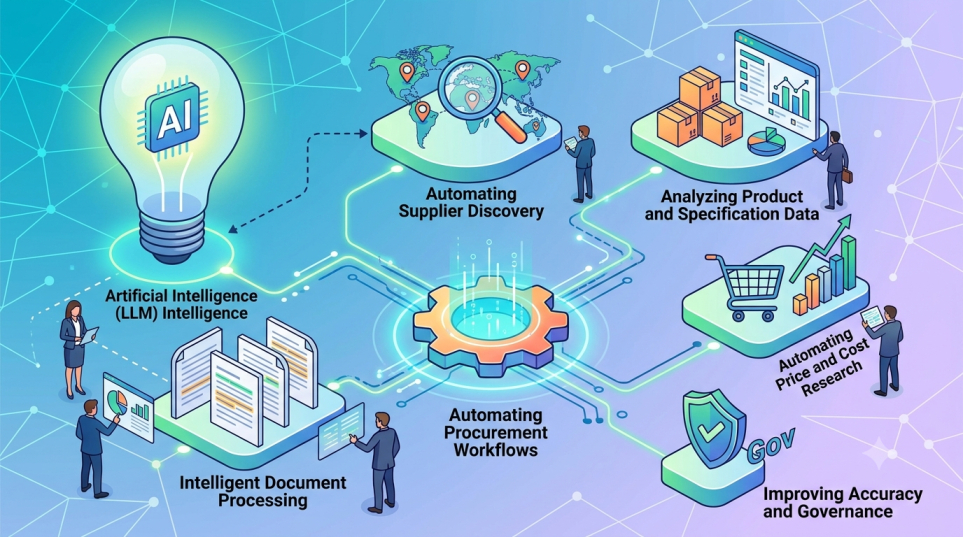
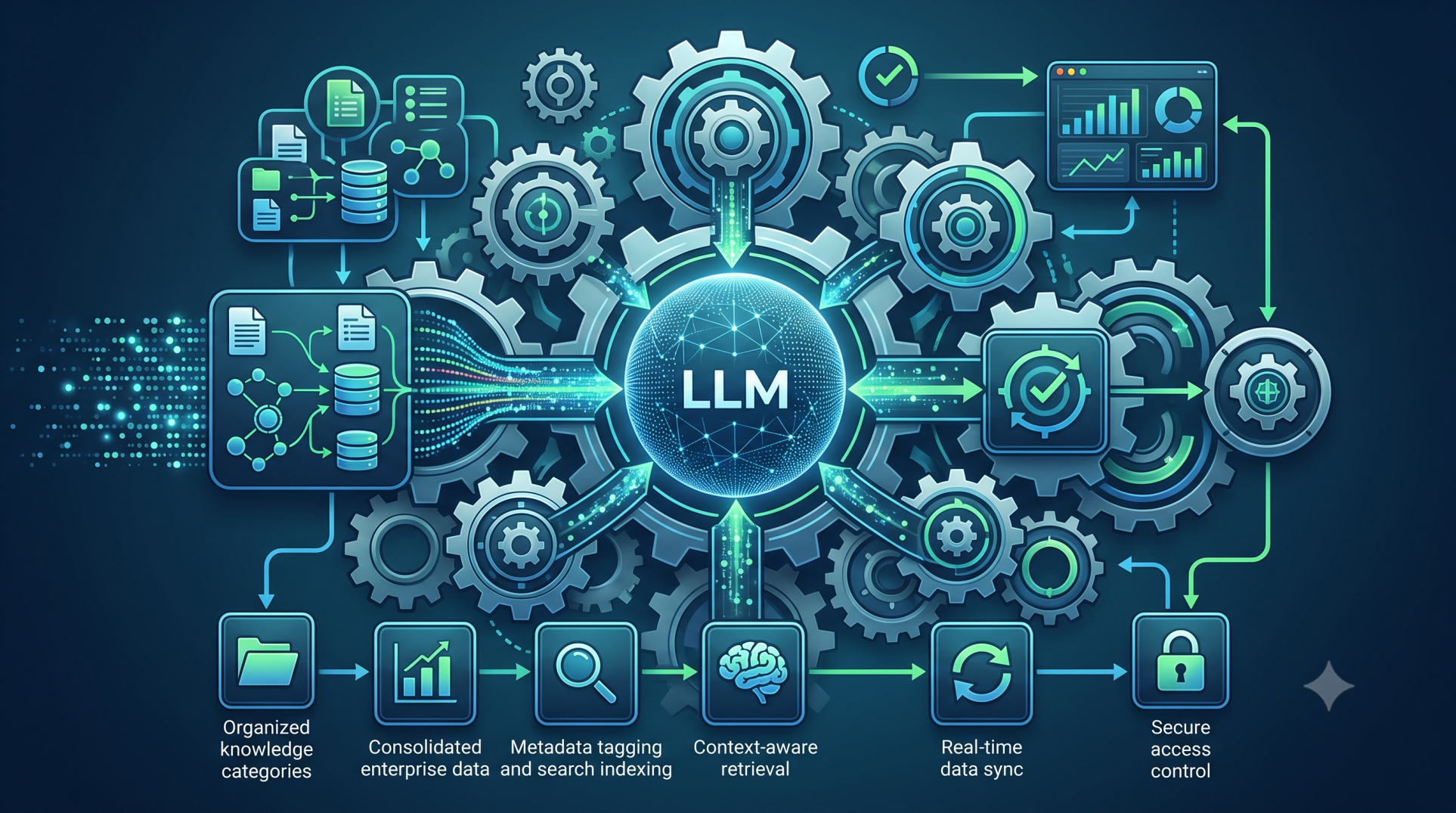
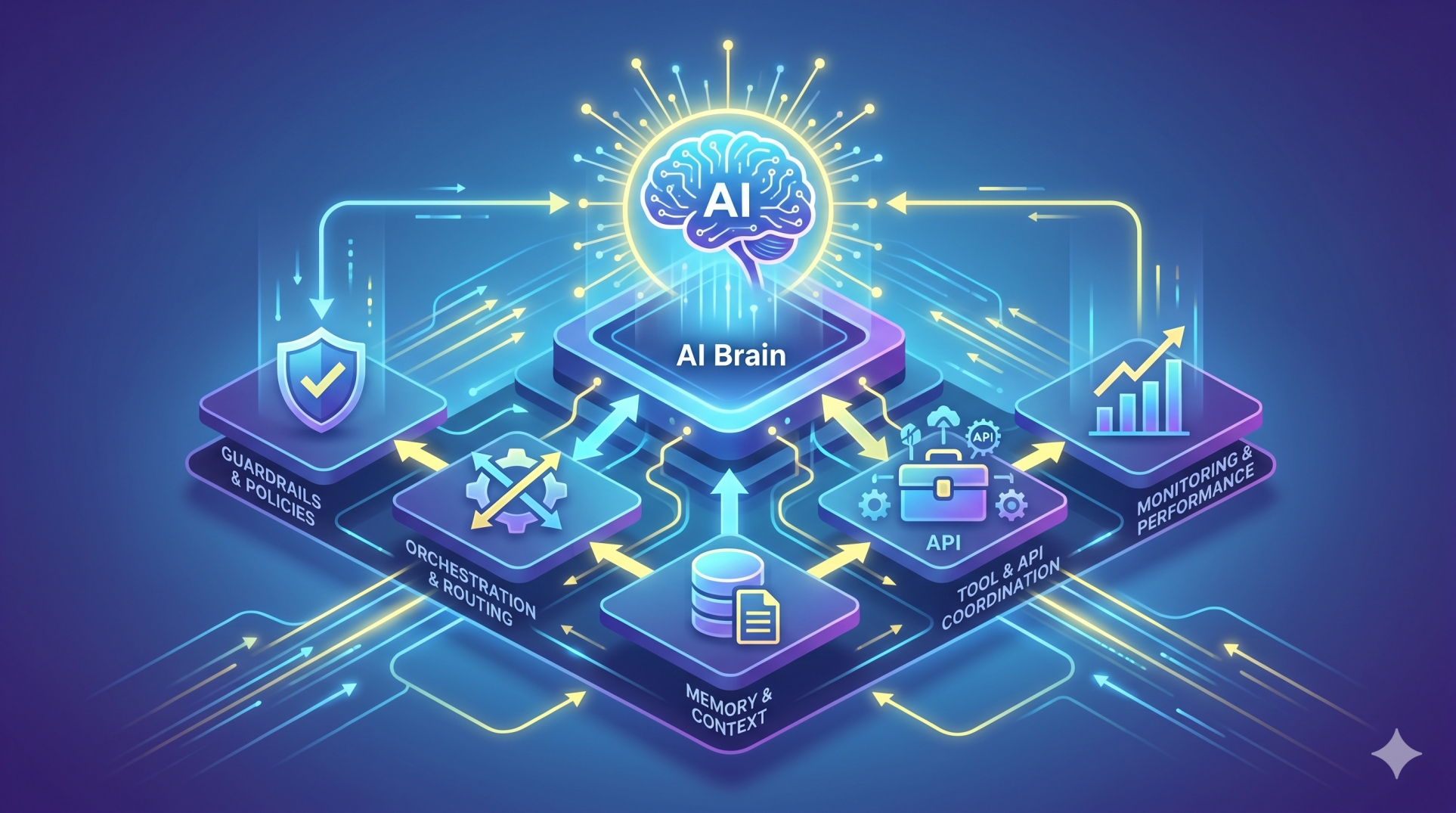
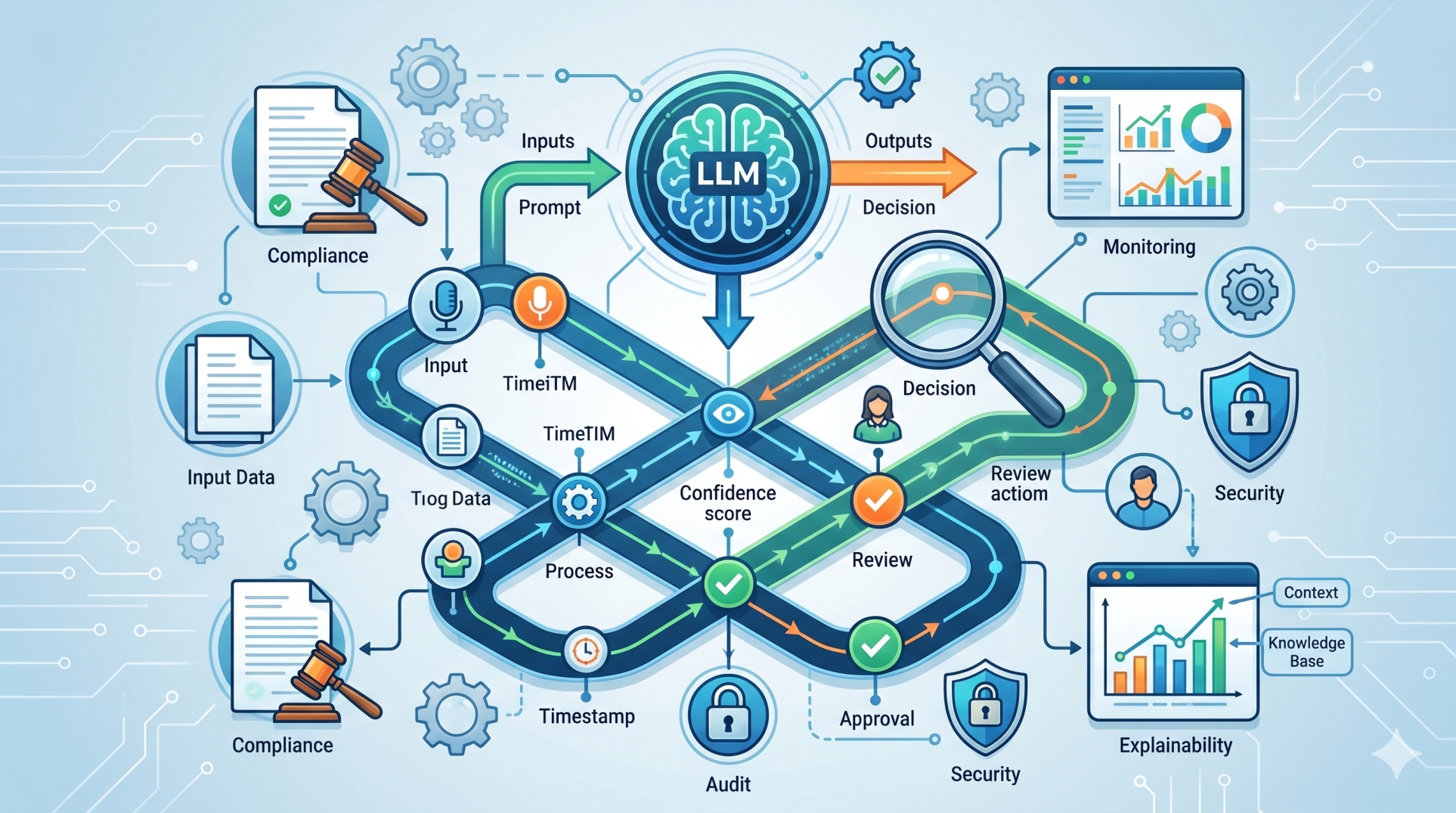
As Large Language Models (LLMs) become increasingly integrated into enterprise operations, maintaining transparency and accountability in AI-driven decisions has become essential. Audit trails for LLM-based decision systems provide organizations with the ability to track actions, monitor outputs, and validate how decisions are generated. Effective auditability improves governance, strengthens compliance, and builds trust in AI-powered workflows.
Step 1: Understanding the Importance of Audit Trails 🔍
• Track how AI-generated decisions are created and processed 🧠
• Improve transparency across automated workflows 📄
• Support accountability in enterprise AI operations ⚖️
• Enable investigation of unexpected or incorrect outputs 🚨
• Build trust in AI-assisted decision-making systems 🤝
Step 2: Capturing Input and Output Data 📥
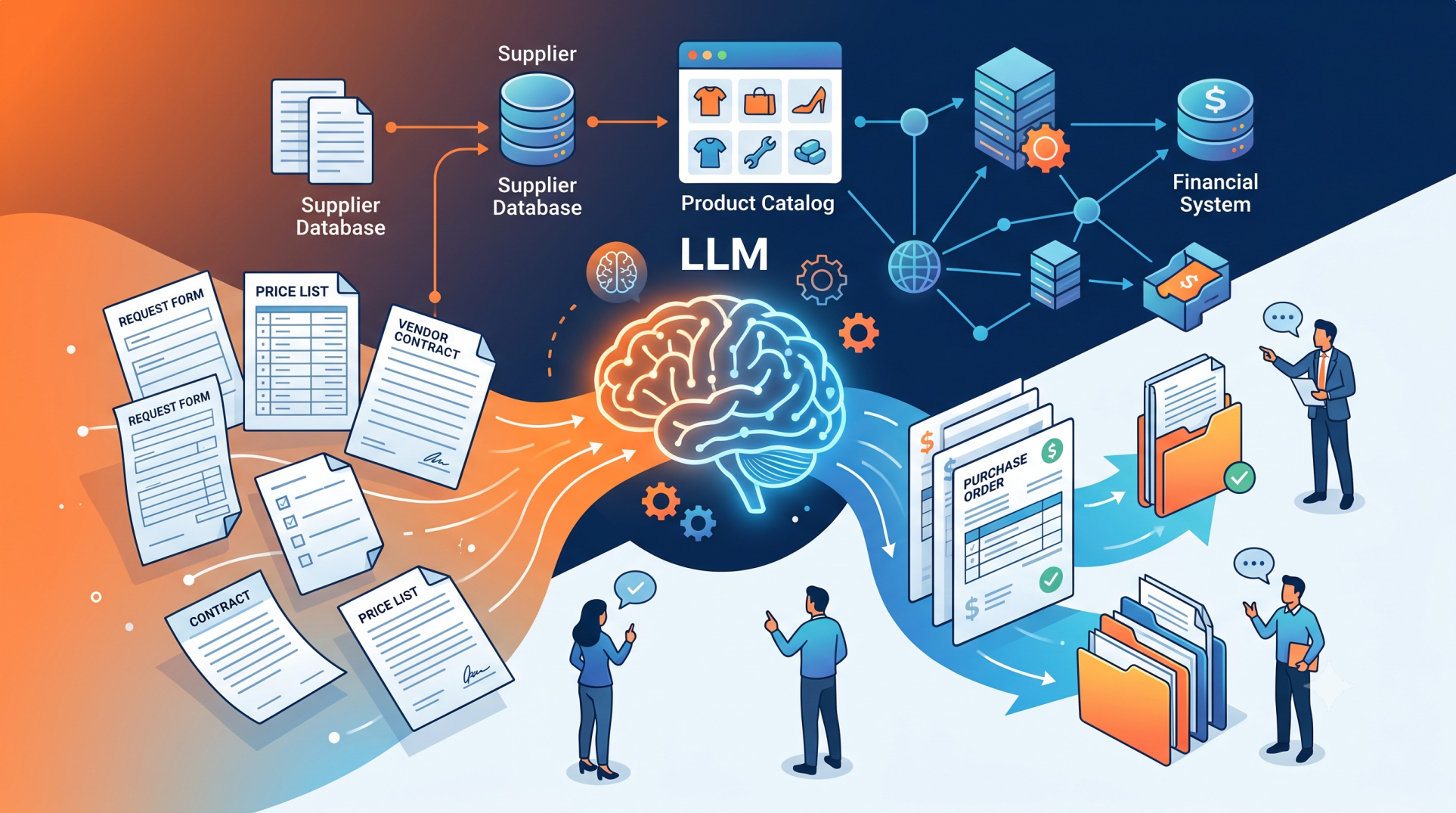
• Record prompts, queries, and contextual inputs provided to the LLM 📝
• Store generated outputs for future review and validation 📂
• Maintain timestamps for all AI interactions ⏱️
• Track user actions associated with AI-generated decisions 👤
• Ensure data consistency across audit records ✅
Step 3: Logging Decision Workflows 🔄
• Document each stage of the AI decision process 📊
• Capture workflow triggers and execution paths ⚙️
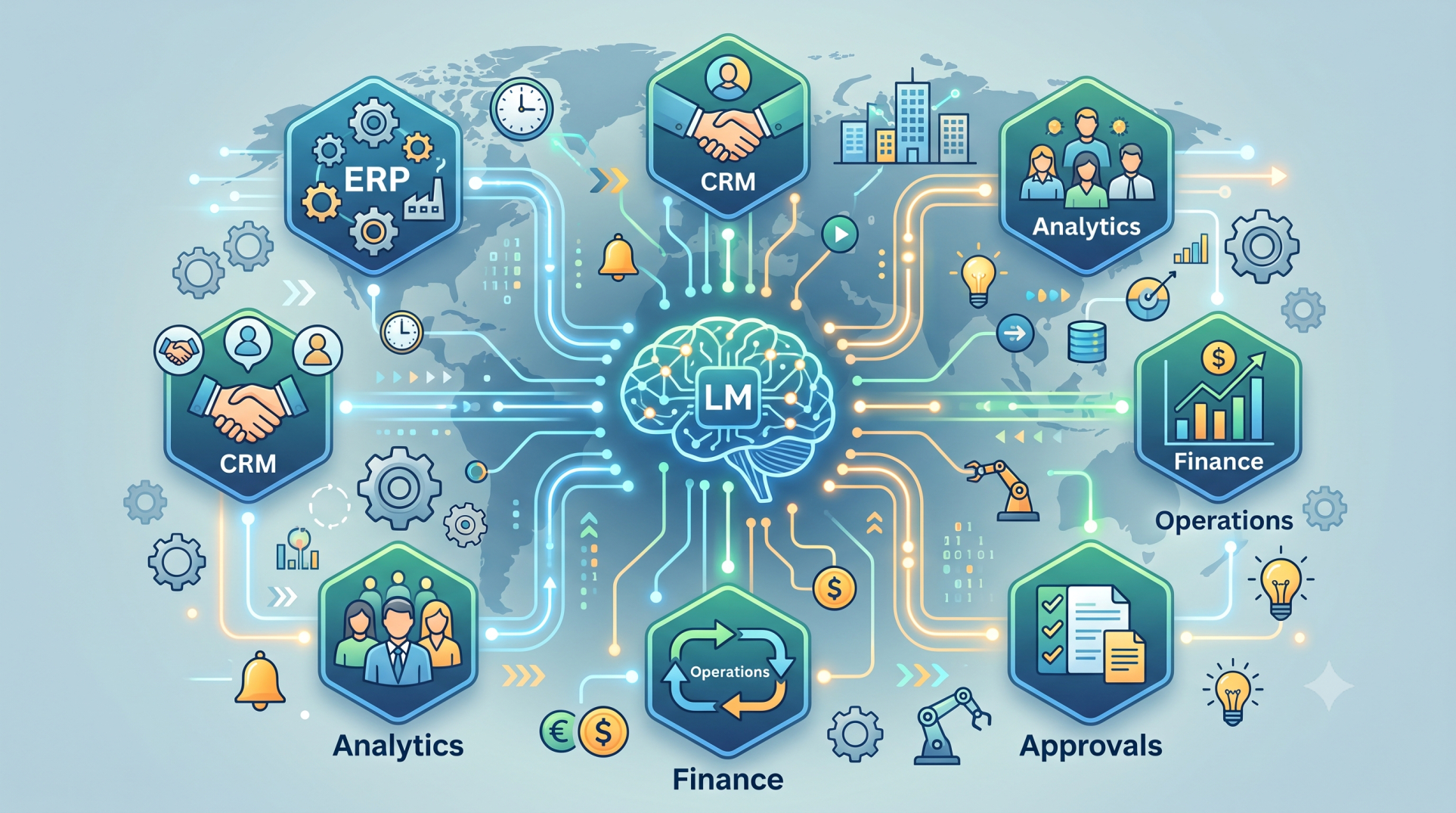
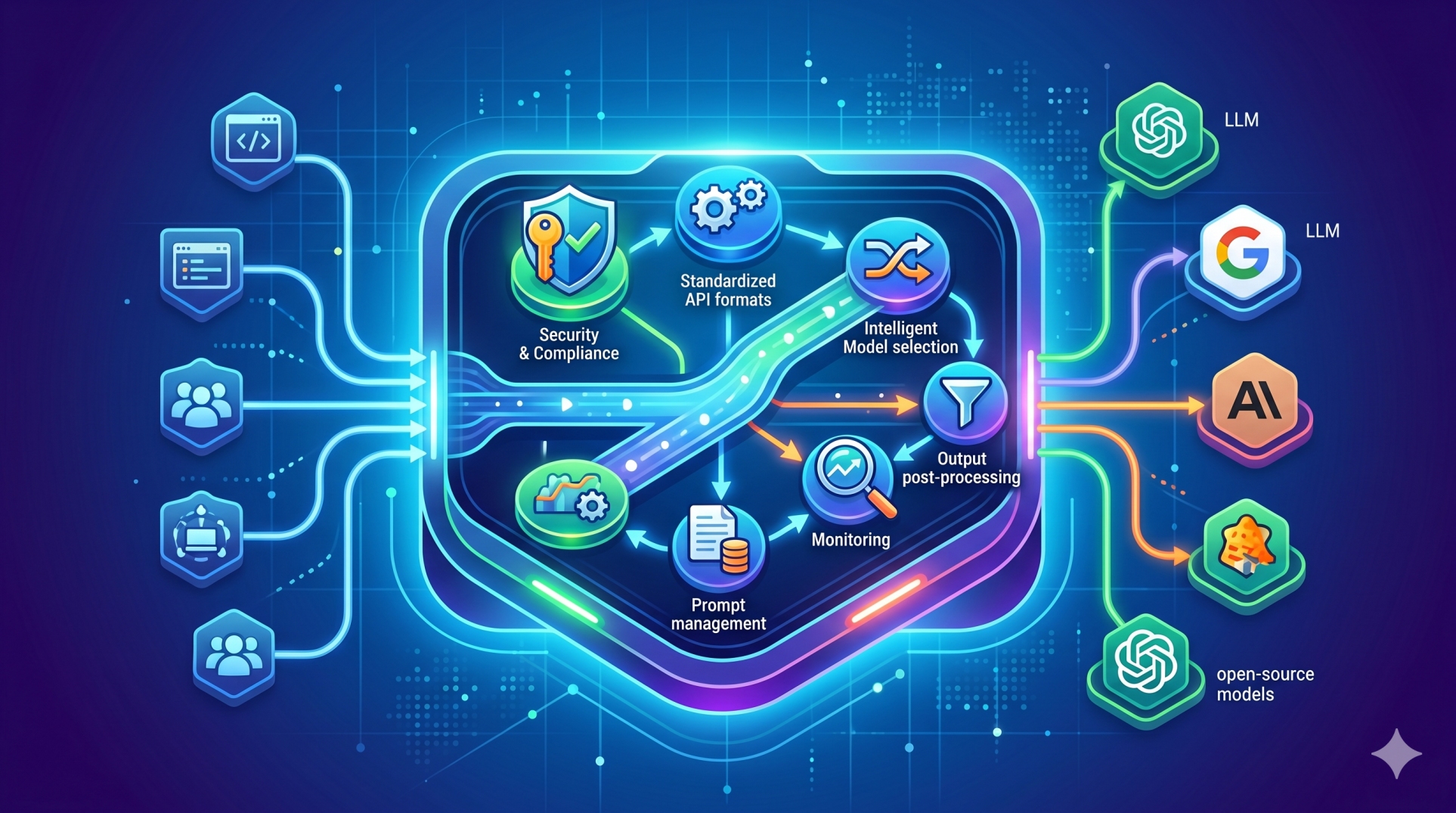
• Monitor interactions between AI systems and business applications 🔗
• Record approvals, modifications, or overrides by users ✍️
• Maintain end-to-end visibility across decision pipelines 👁️
Step 4: Ensuring Data Integrity and Security 🔐
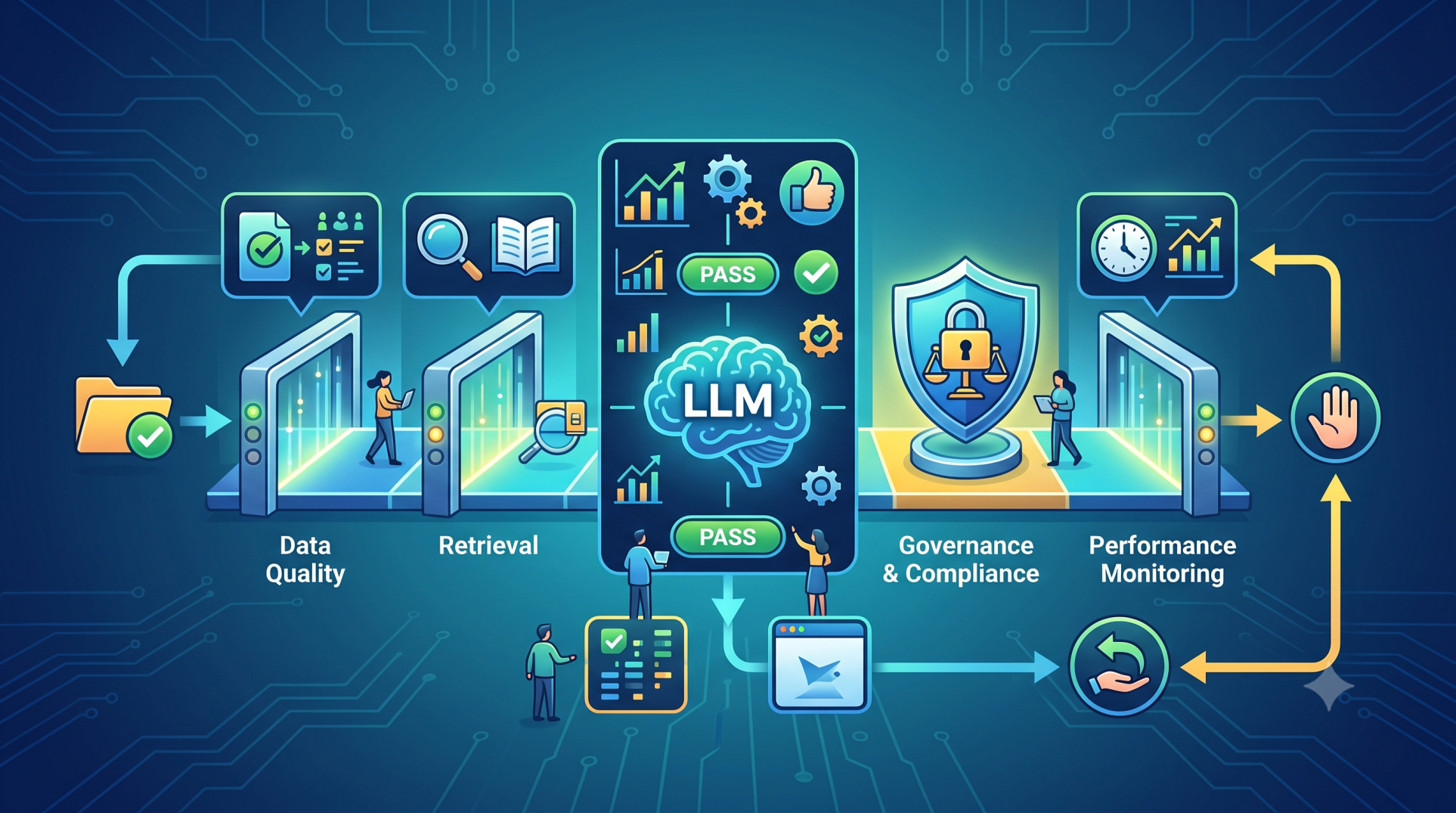
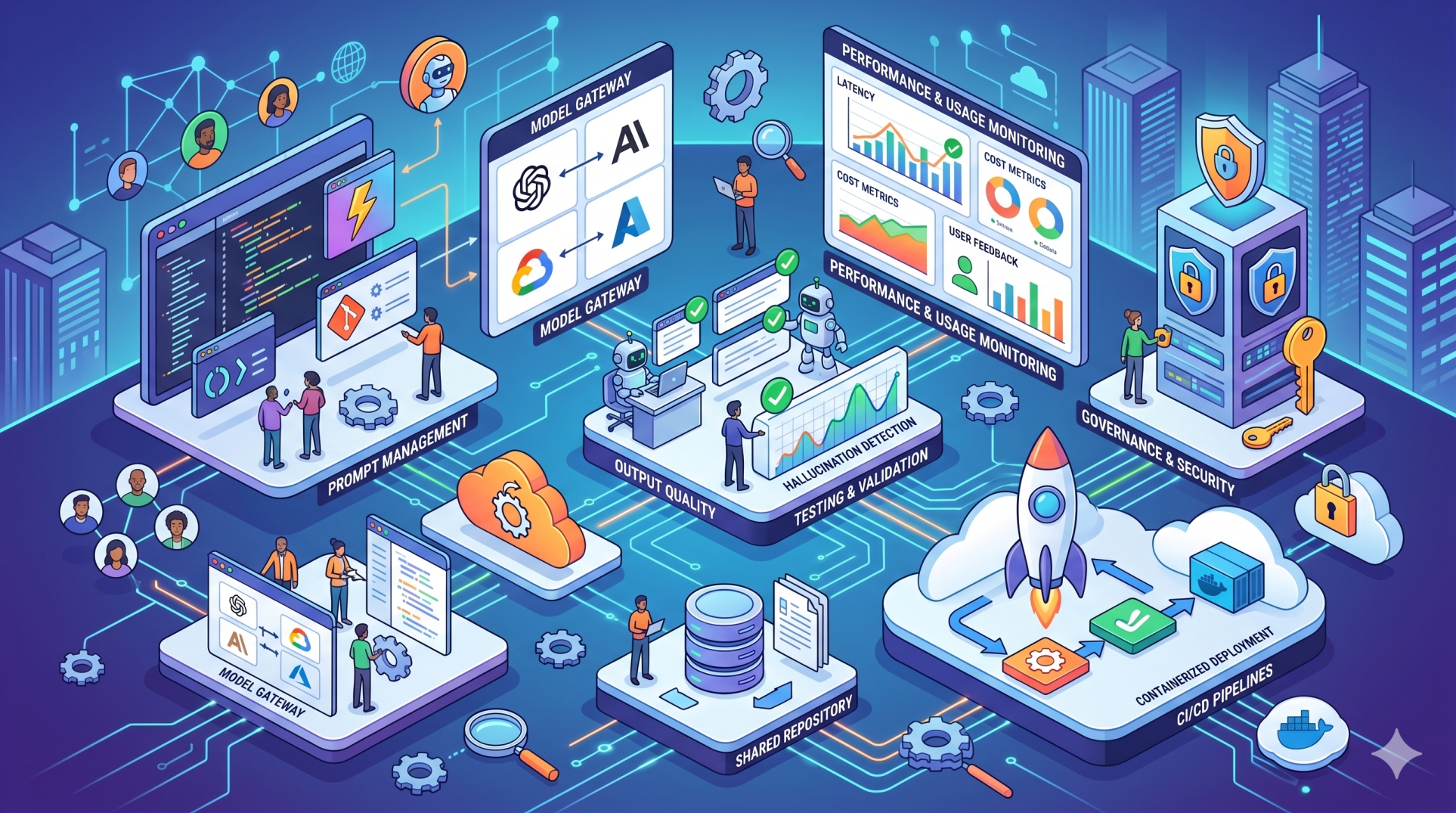
• Protect audit logs from unauthorized access 🛡️
• Implement encryption for stored audit records 🔒
• Maintain tamper-resistant logging mechanisms 📜
• Define role-based access controls for sensitive data 👥
• Ensure secure storage and backup of audit information 💾
Step 5: Monitoring Model Behavior 🤖
• Track model responses across different operational scenarios 📈
• Detect inconsistencies, hallucinations, or abnormal outputs 🚩
• Analyze trends in AI-generated recommendations 📊
• Monitor response quality and reliability continuously 🔄
• Support ongoing AI performance evaluation 🧪
Step 6: Supporting Regulatory Compliance 📜
• Maintain records required for industry and legal compliance 🏛️
• Support internal and external audit requirements 🔍
• Demonstrate transparency in automated decision-making 📄
• Align AI operations with governance frameworks ⚖️
• Simplify reporting for compliance reviews 📑
Step 7: Enabling Explainability and Traceability 🧭
• Provide visibility into how decisions are generated 🔎
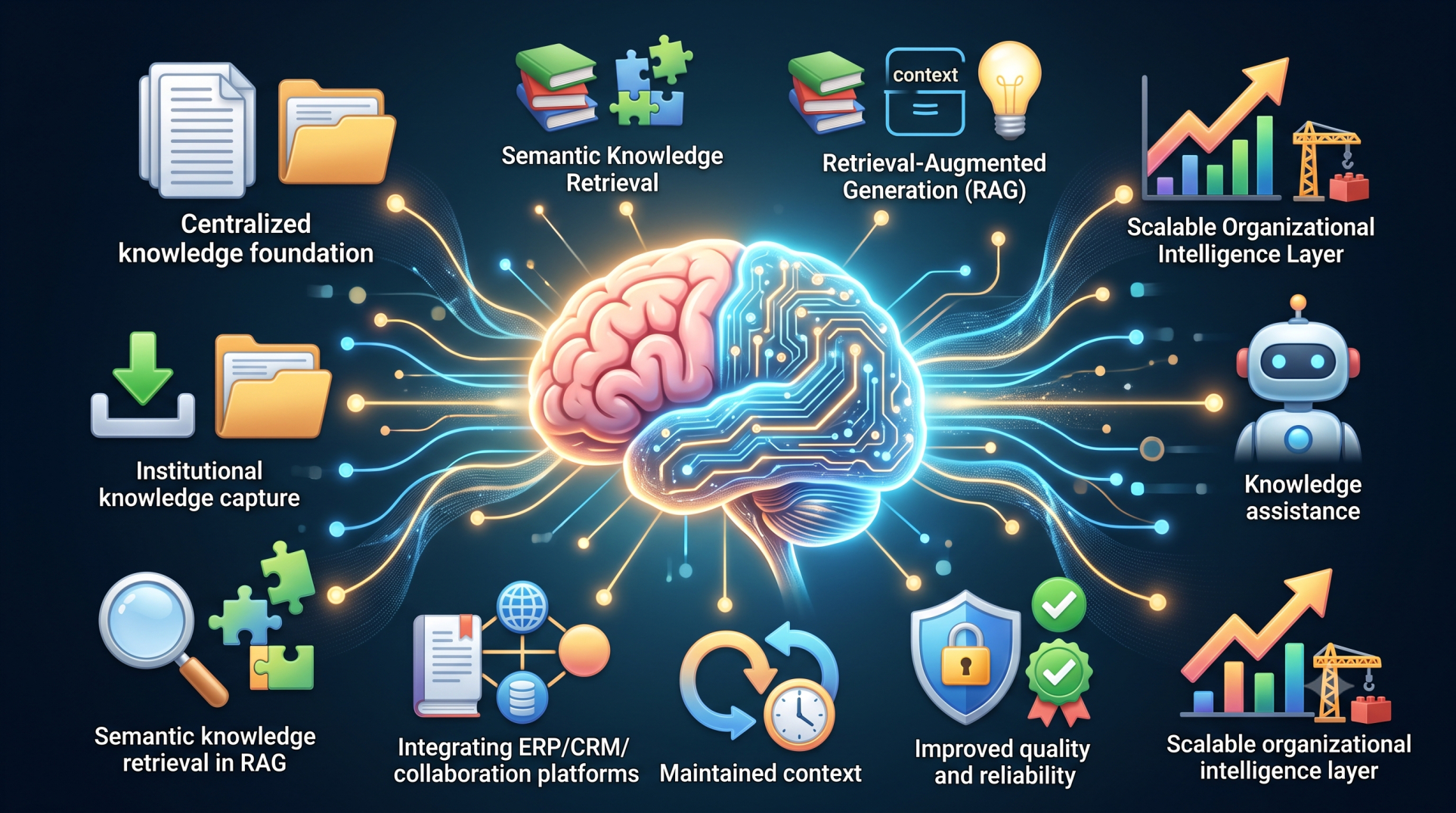
• Trace outputs back to original prompts and data sources 📌
• Support explainability for stakeholders and auditors 👥
• Improve confidence in AI-assisted operations 🤝
• Enable root-cause analysis for operational issues 🛠️
Step 8: Key Audit Trail Priorities 📊
• End-to-end visibility across AI decision workflows 👁️
• Secure and tamper-resistant audit logging 🔐
• Real-time monitoring of model behavior ⚡
• Strong governance and compliance support 🏛️
Step 9: Managing Exceptions and Risk 🚨
• Detect unauthorized or unusual AI activity 🚨
• Flag outputs that violate business policies ⚠️
• Enable rapid investigation of AI-related incidents 🔍
• Implement escalation workflows for high-risk decisions 📢
• Reduce operational and compliance risks proactively 🛡️
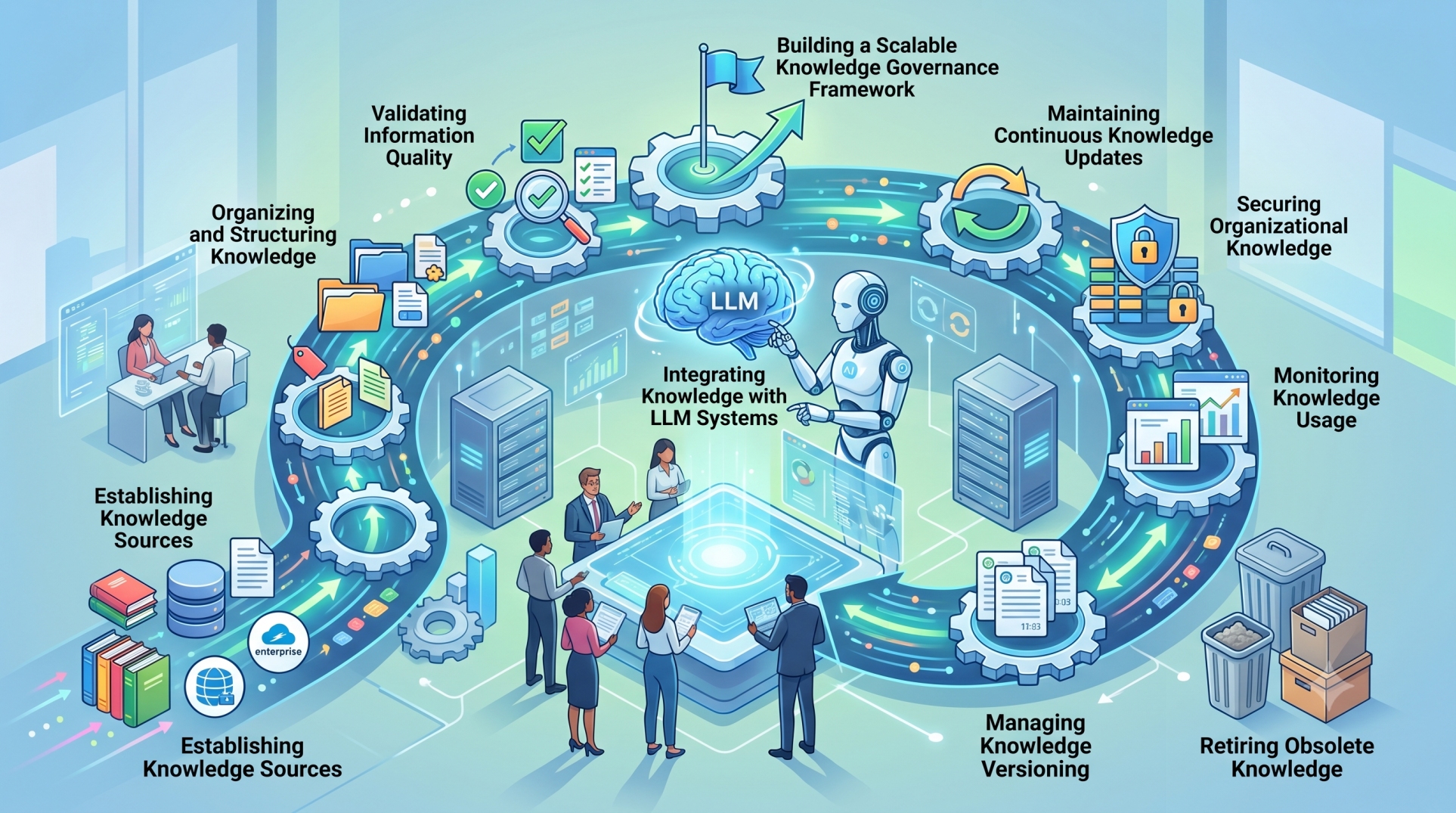
Step 10: Building a Scalable AI Governance Framework 🚀
• Design audit systems that scale with AI adoption 📈
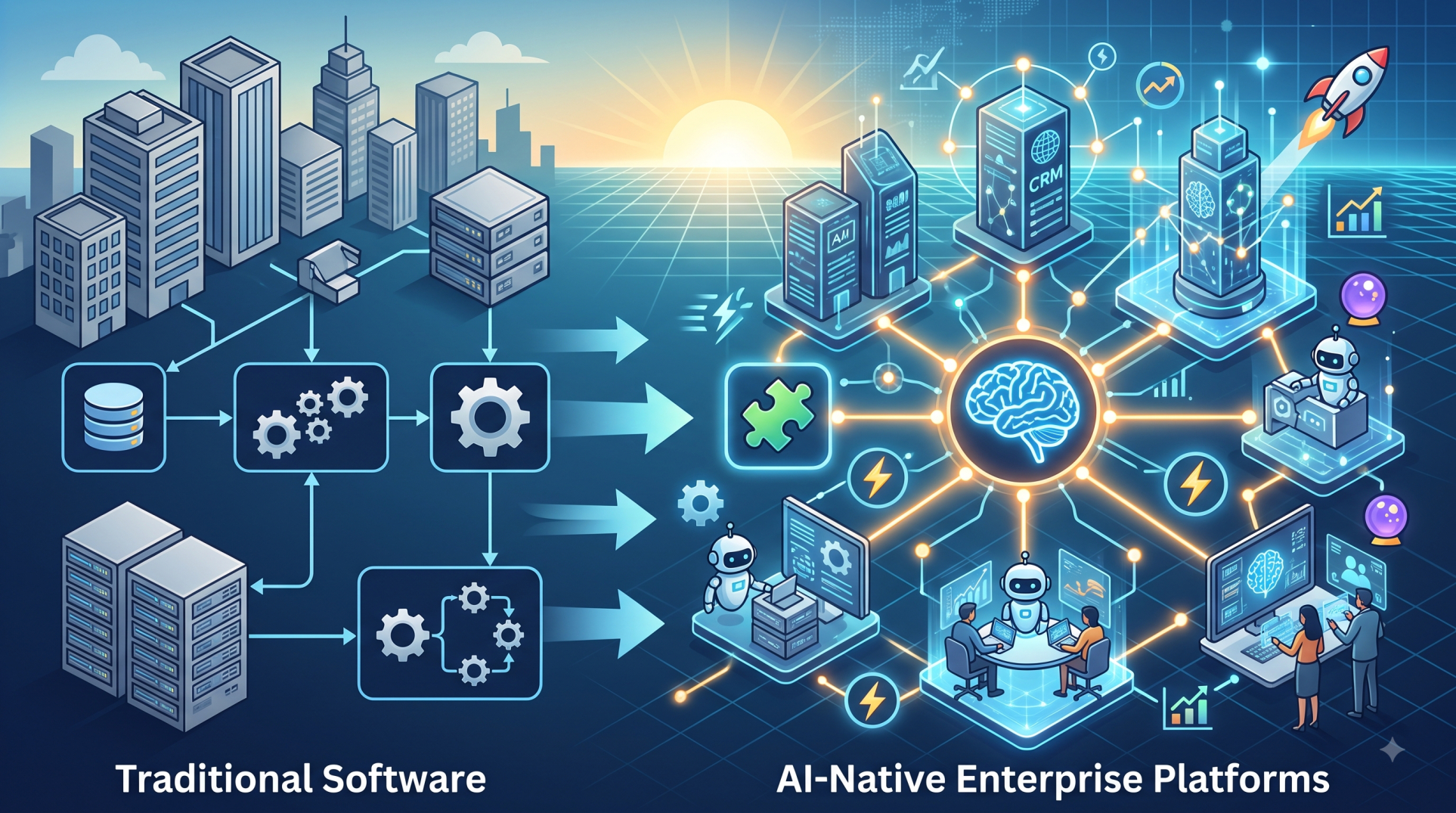
• Integrate audit trails across multiple AI platforms 🔗
• Support evolving compliance and governance requirements 📜
• Maintain flexibility for future AI capabilities 🔄
• Continuously optimize monitoring and reporting processes 📊
Conclusion
Audit trails for LLM-based decision systems are essential for ensuring transparency, accountability, and compliance in modern AI operations. By capturing decision workflows, monitoring model behavior, and maintaining secure audit records, organizations can strengthen governance while building trust in AI-driven systems. A well-designed audit framework not only improves operational oversight but also supports the long-term scalability and reliability of enterprise AI deployments.
See more blogs
You can all the articles below