Multi-Input Processing Pipelines in LLM Software

Multi-Input Processing Pipelines in LLM Software
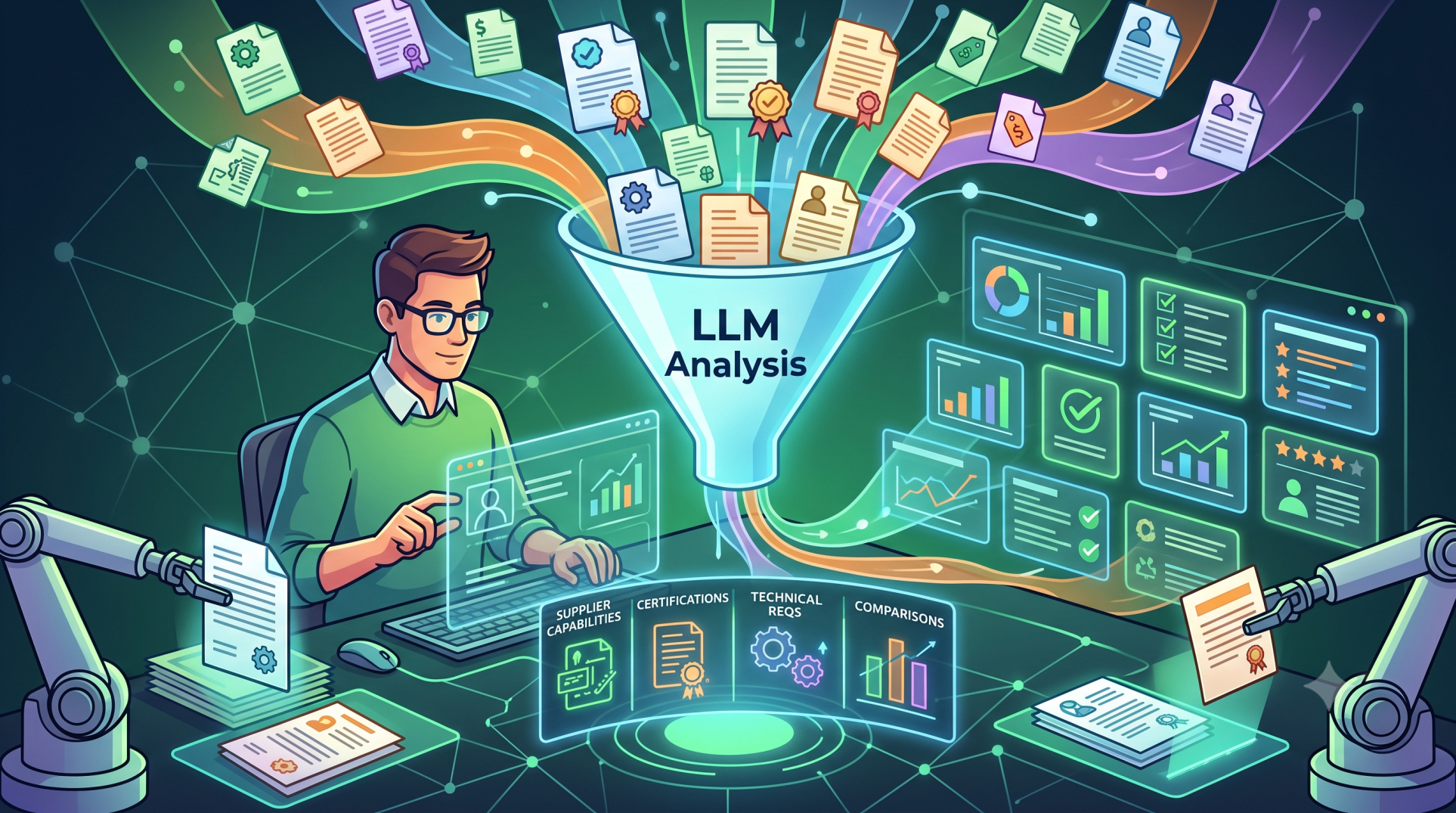
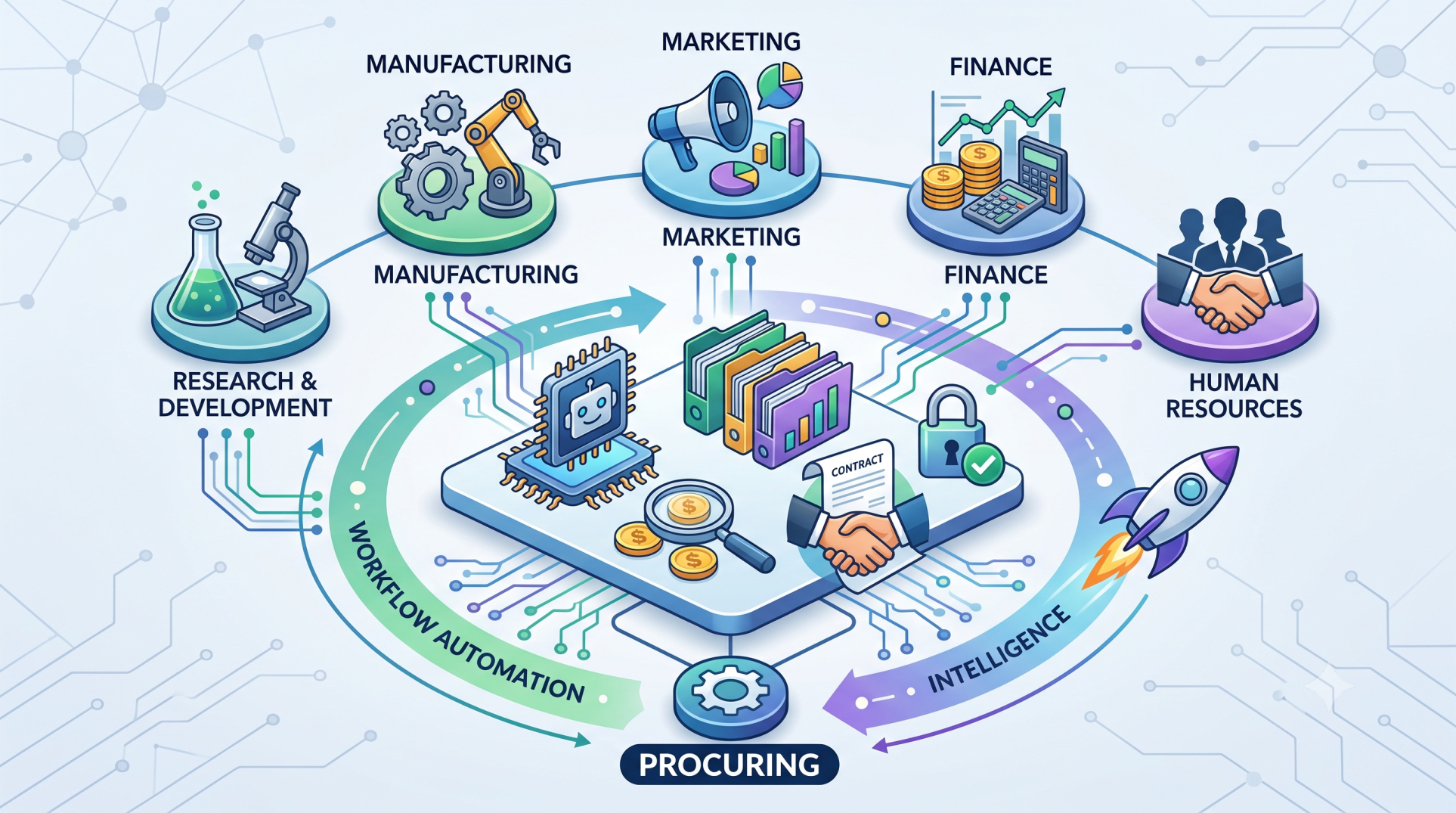
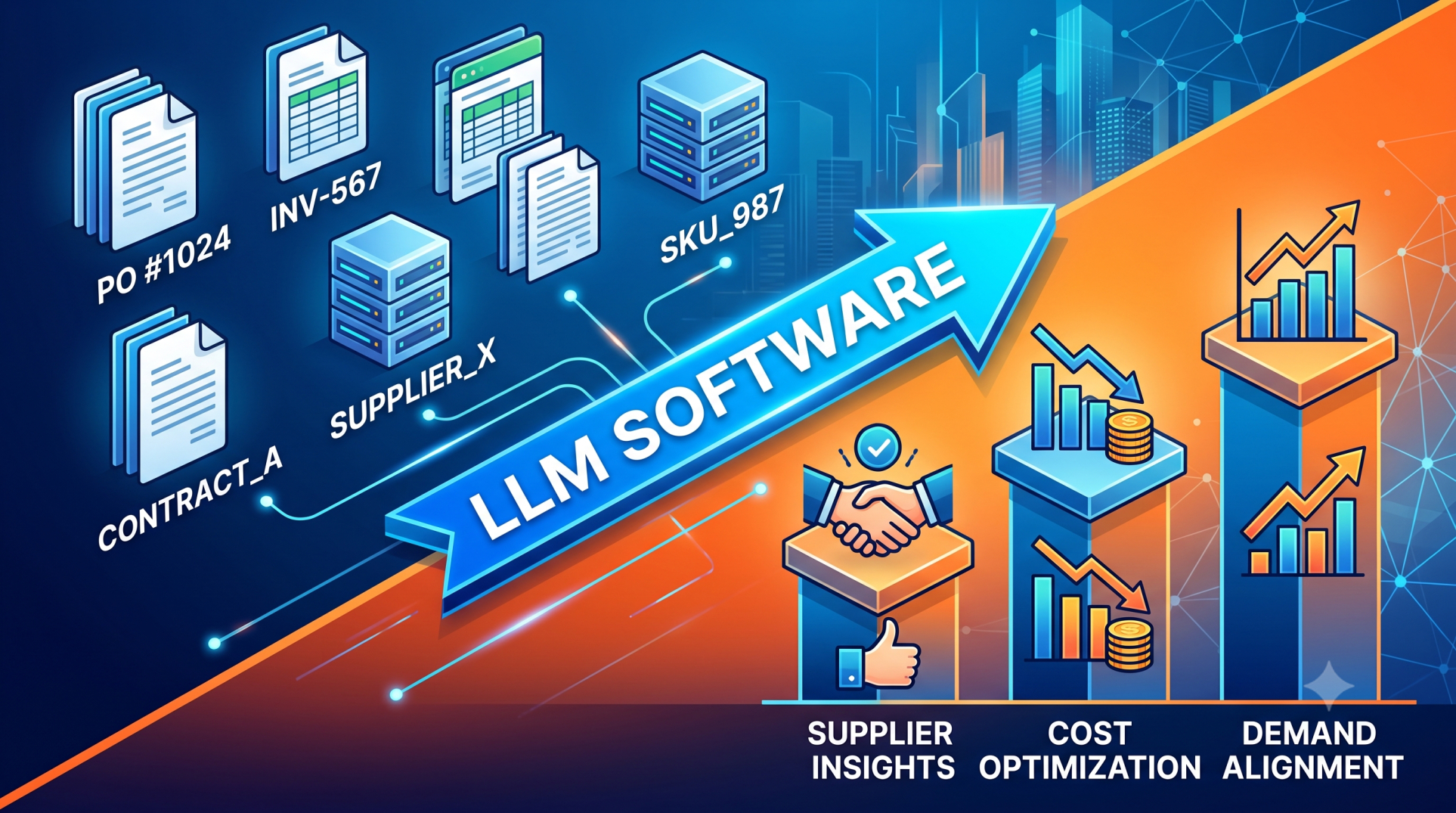
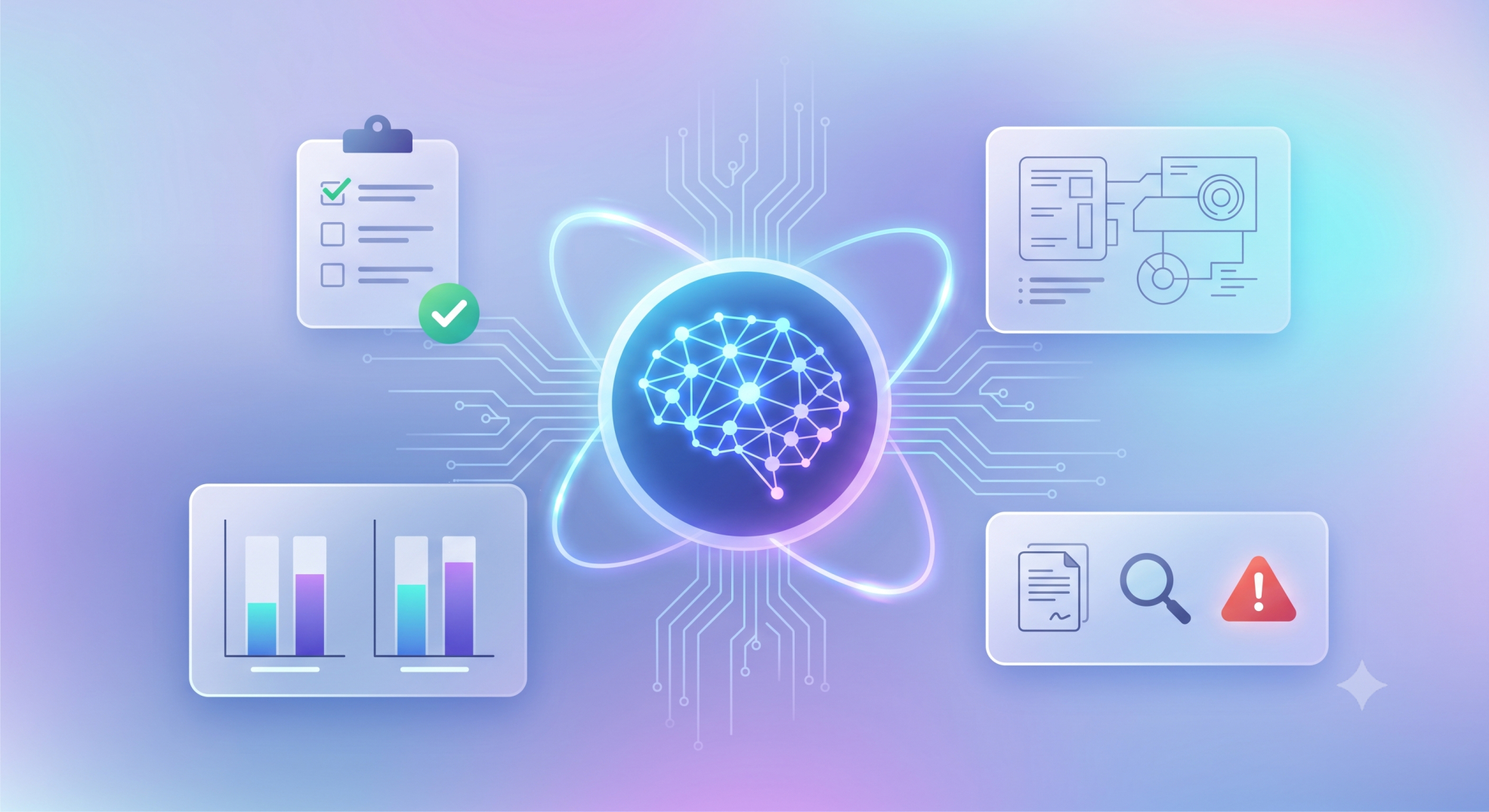
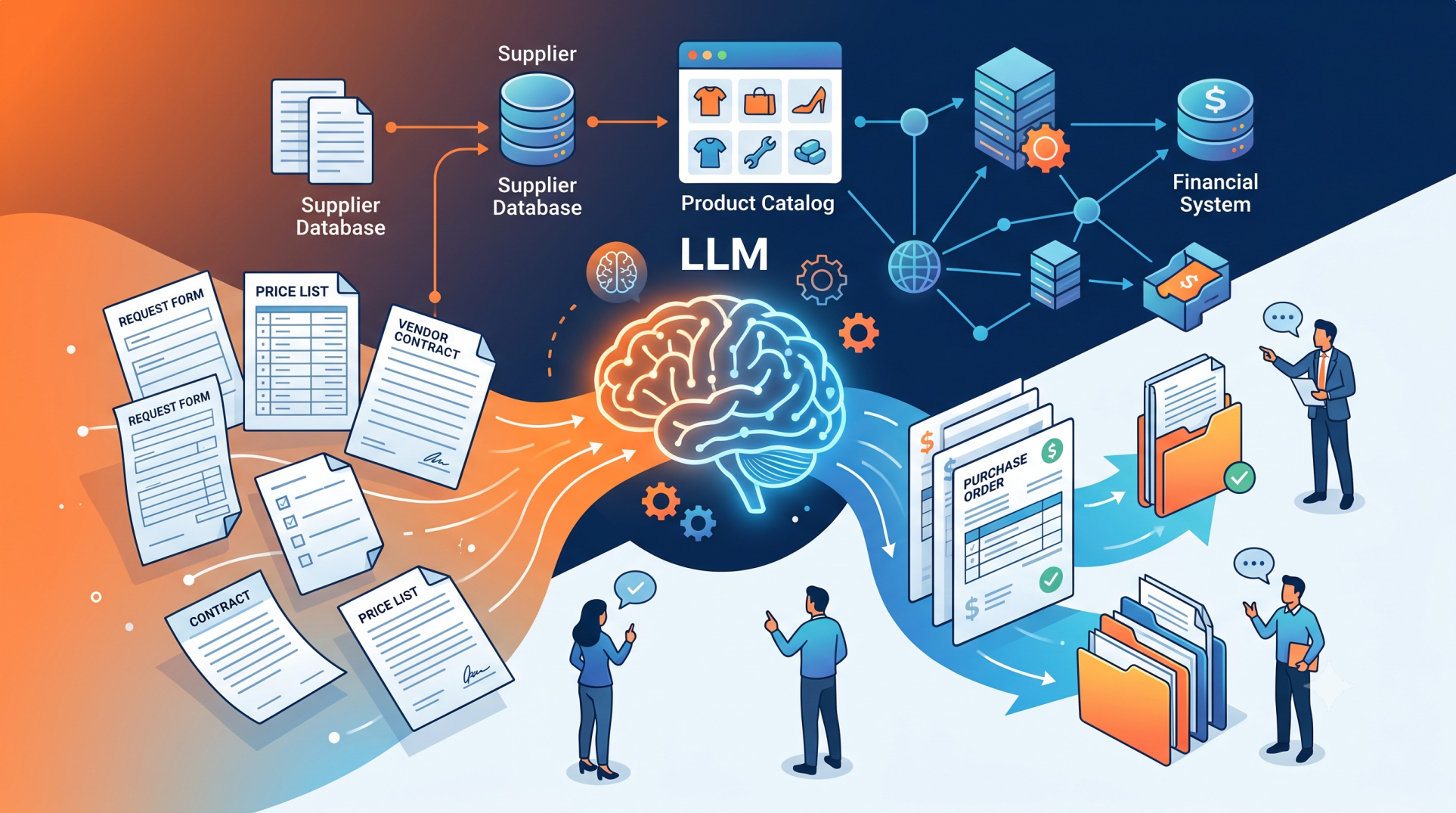
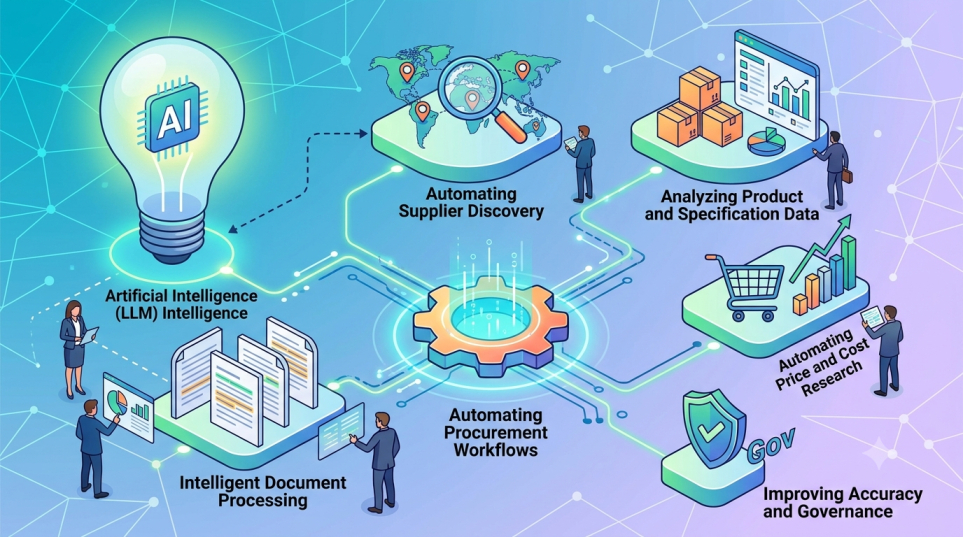
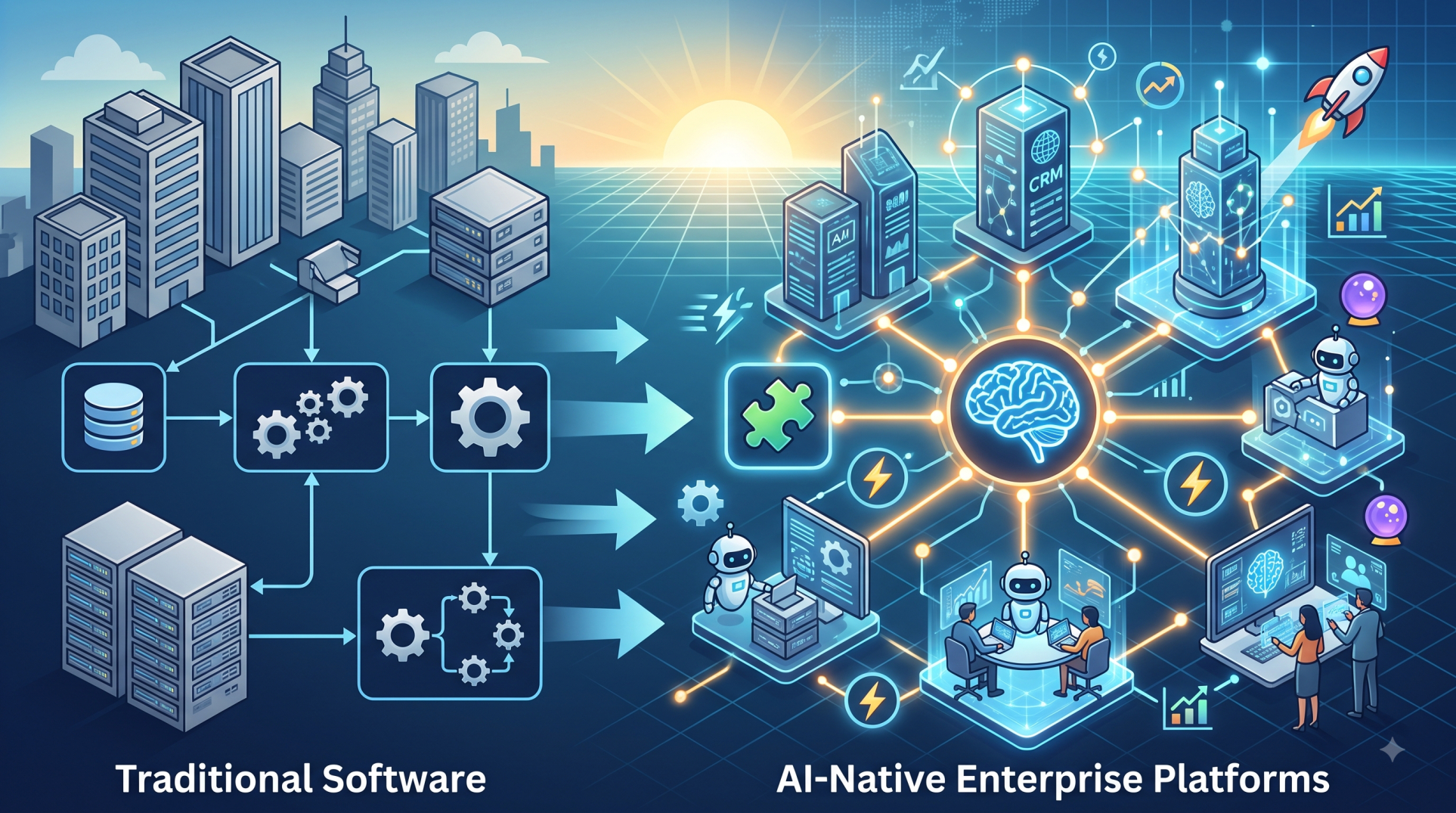
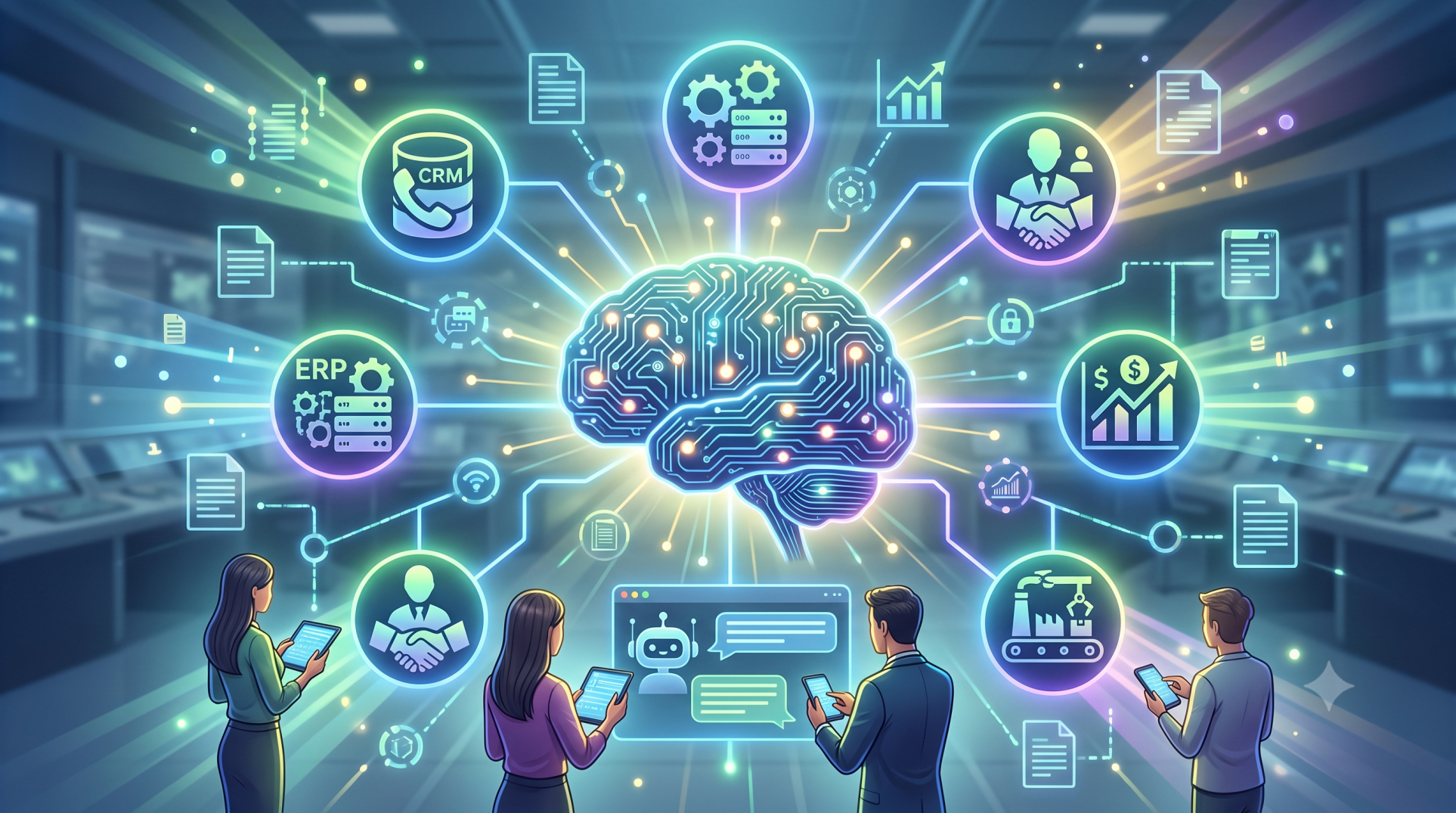
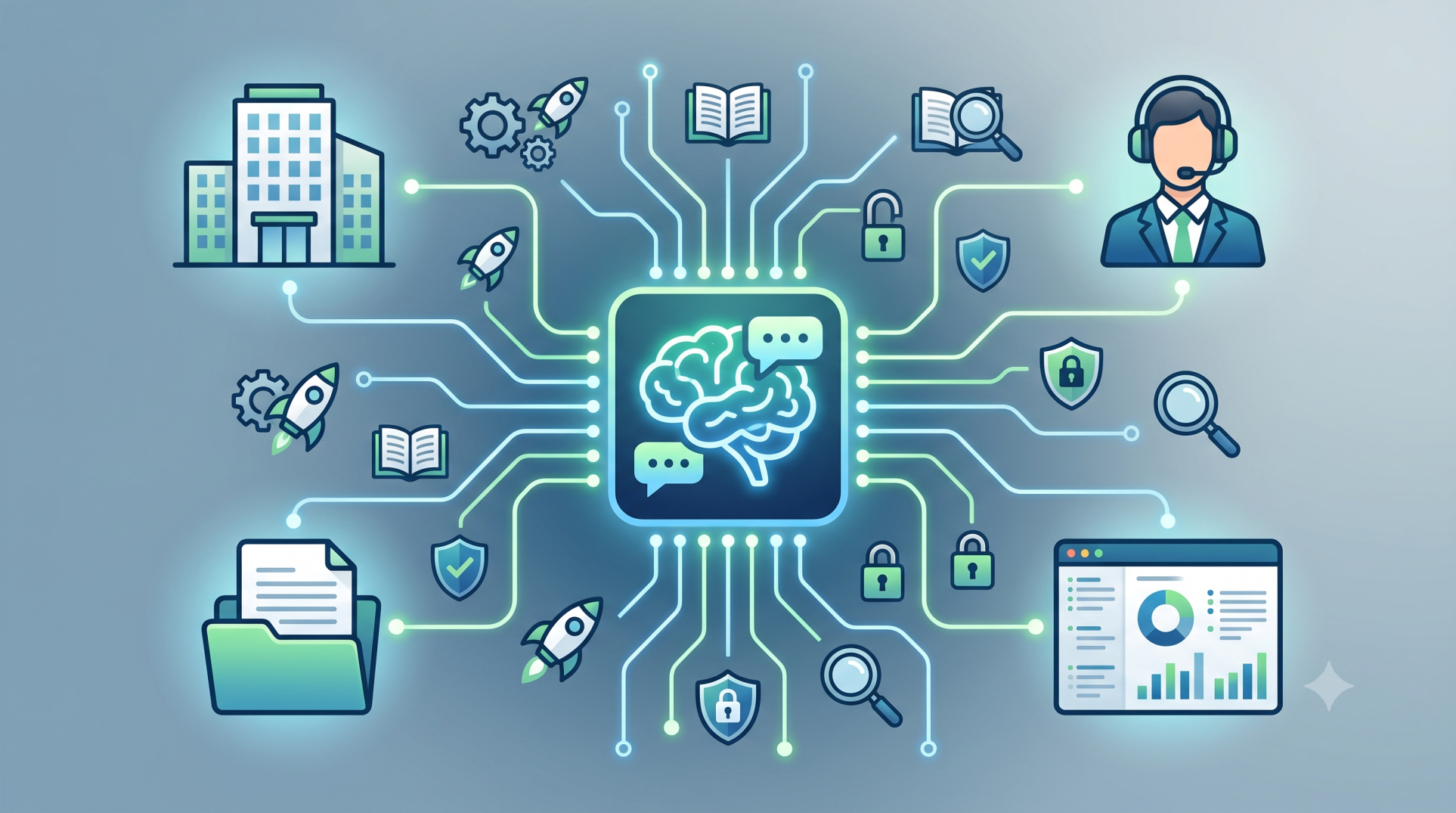
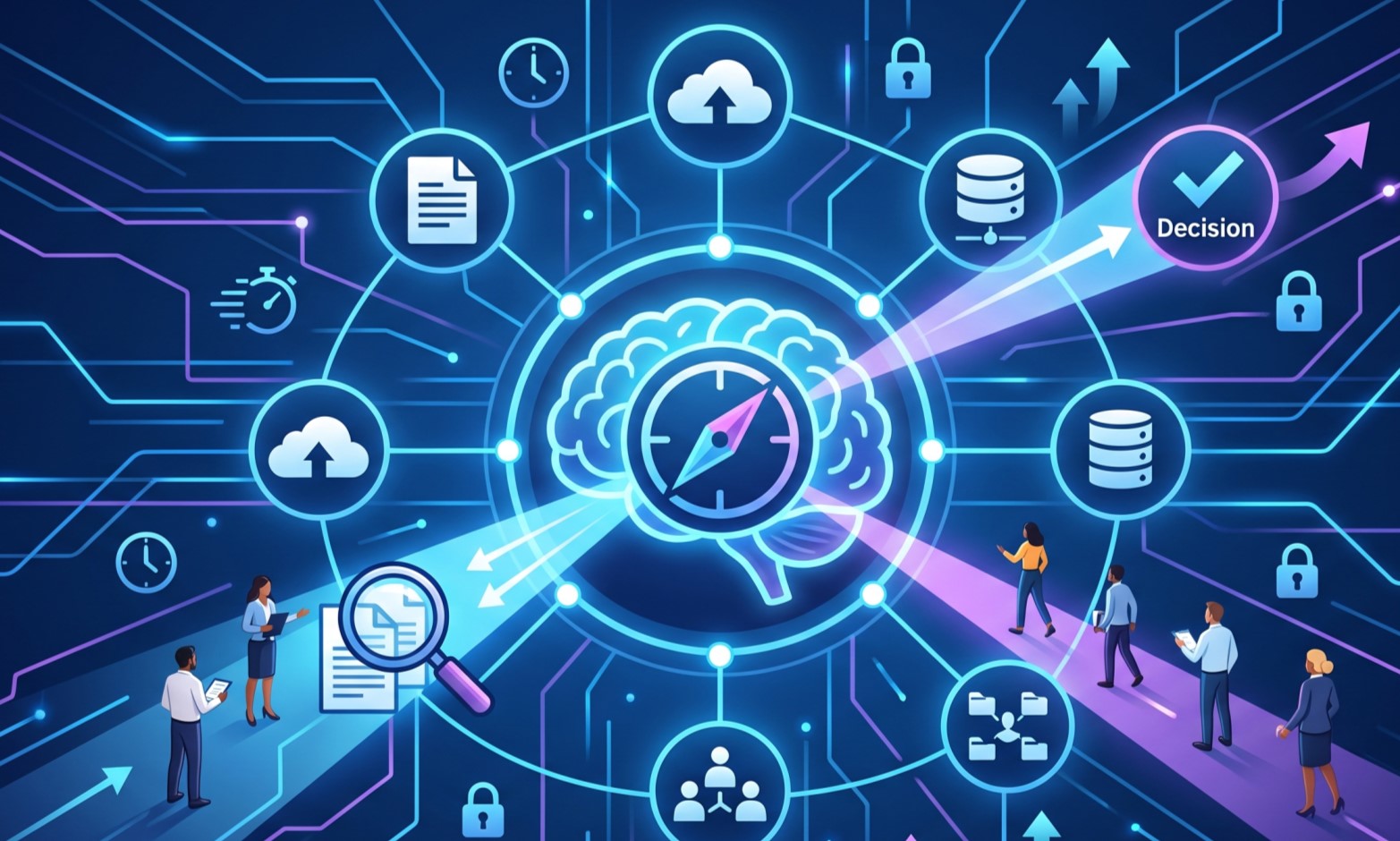
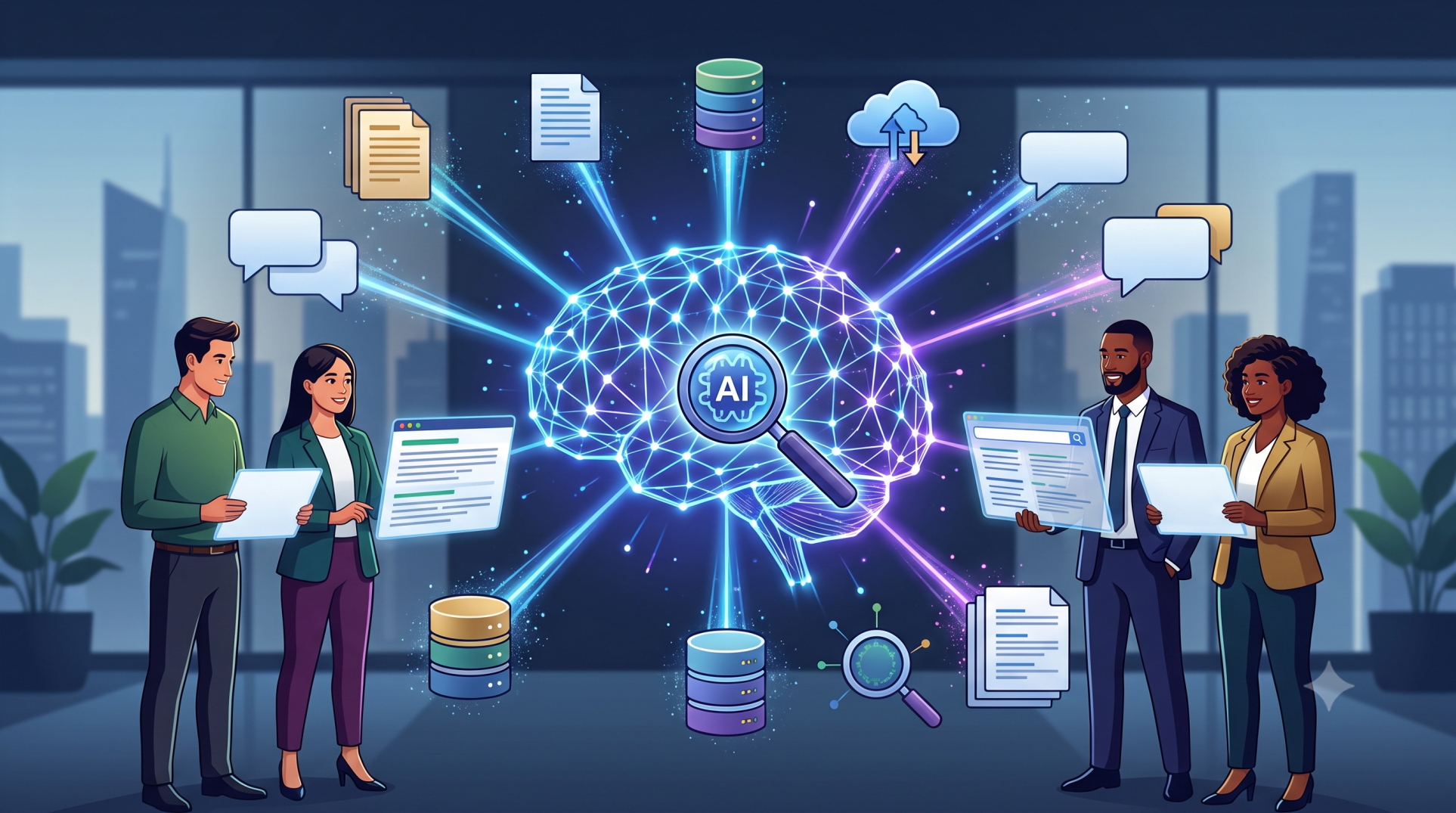
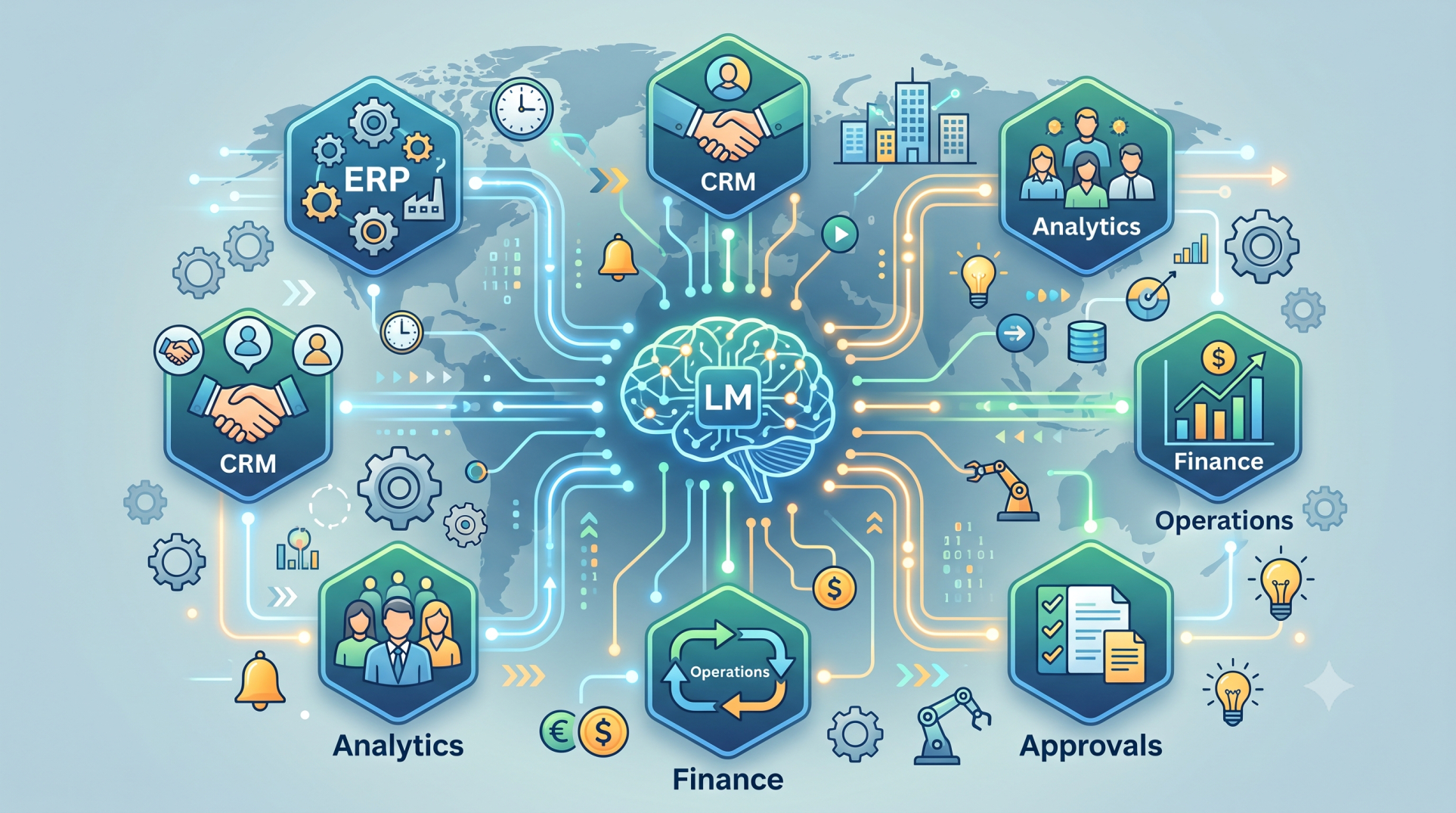
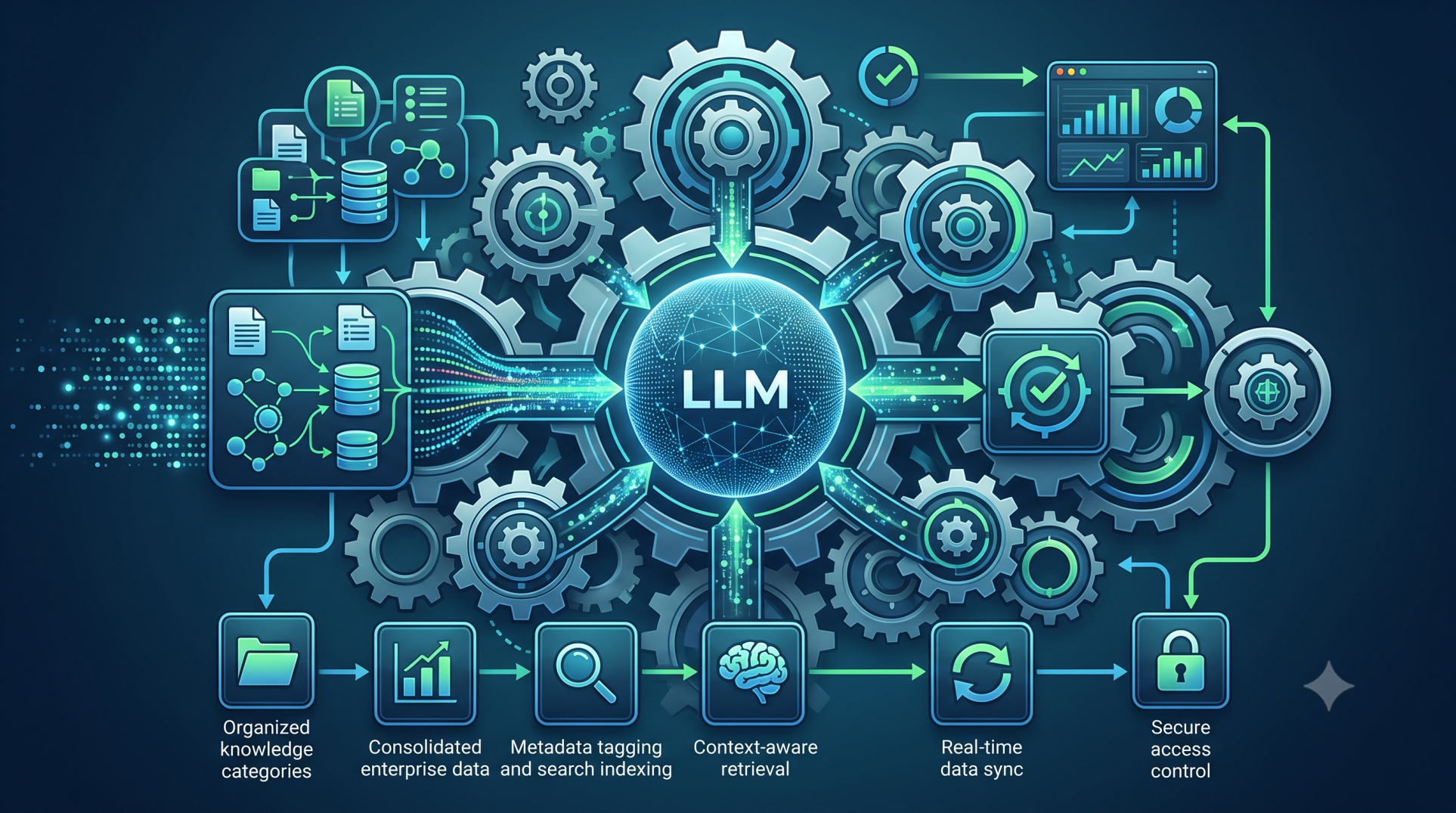
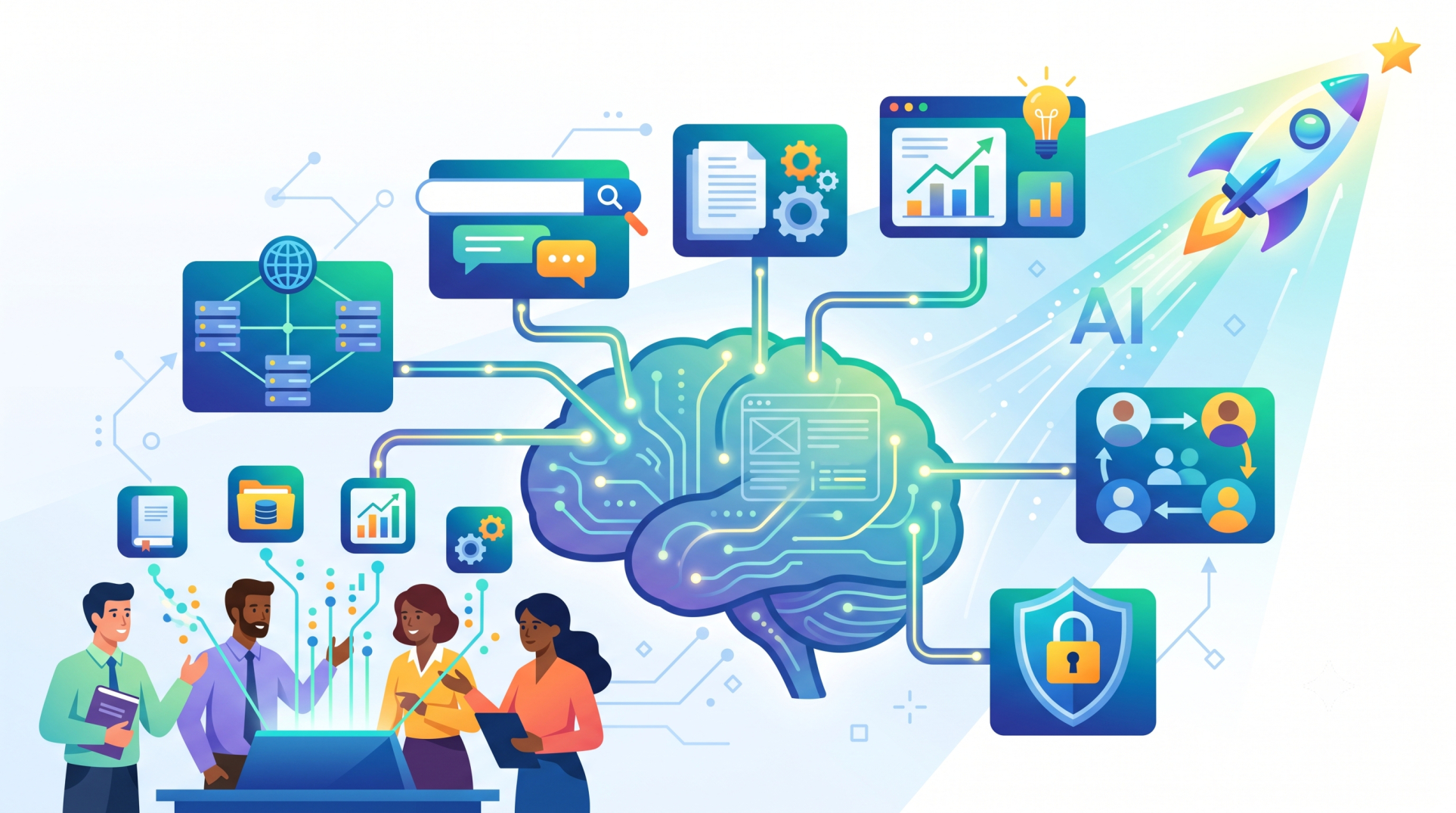
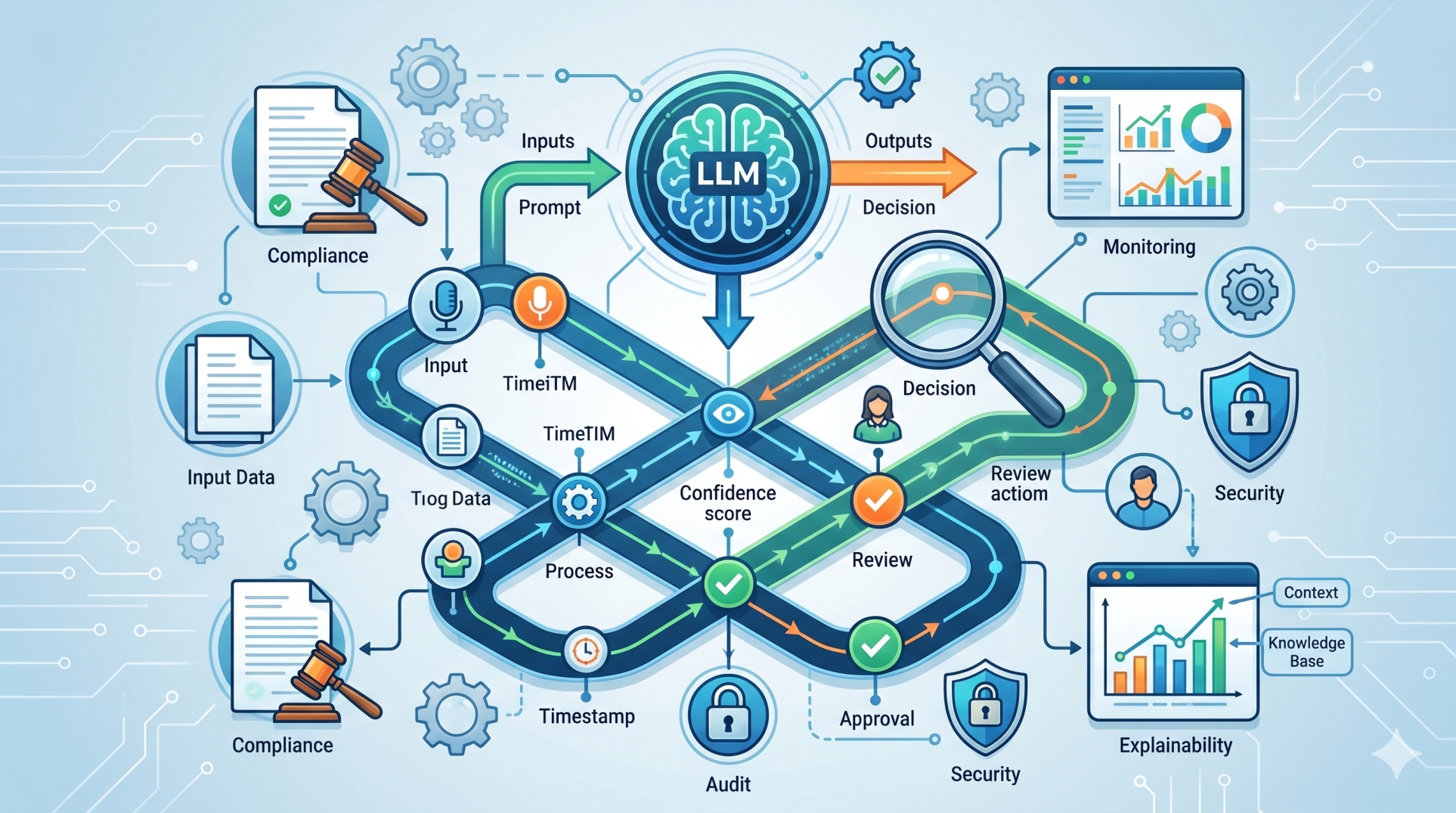
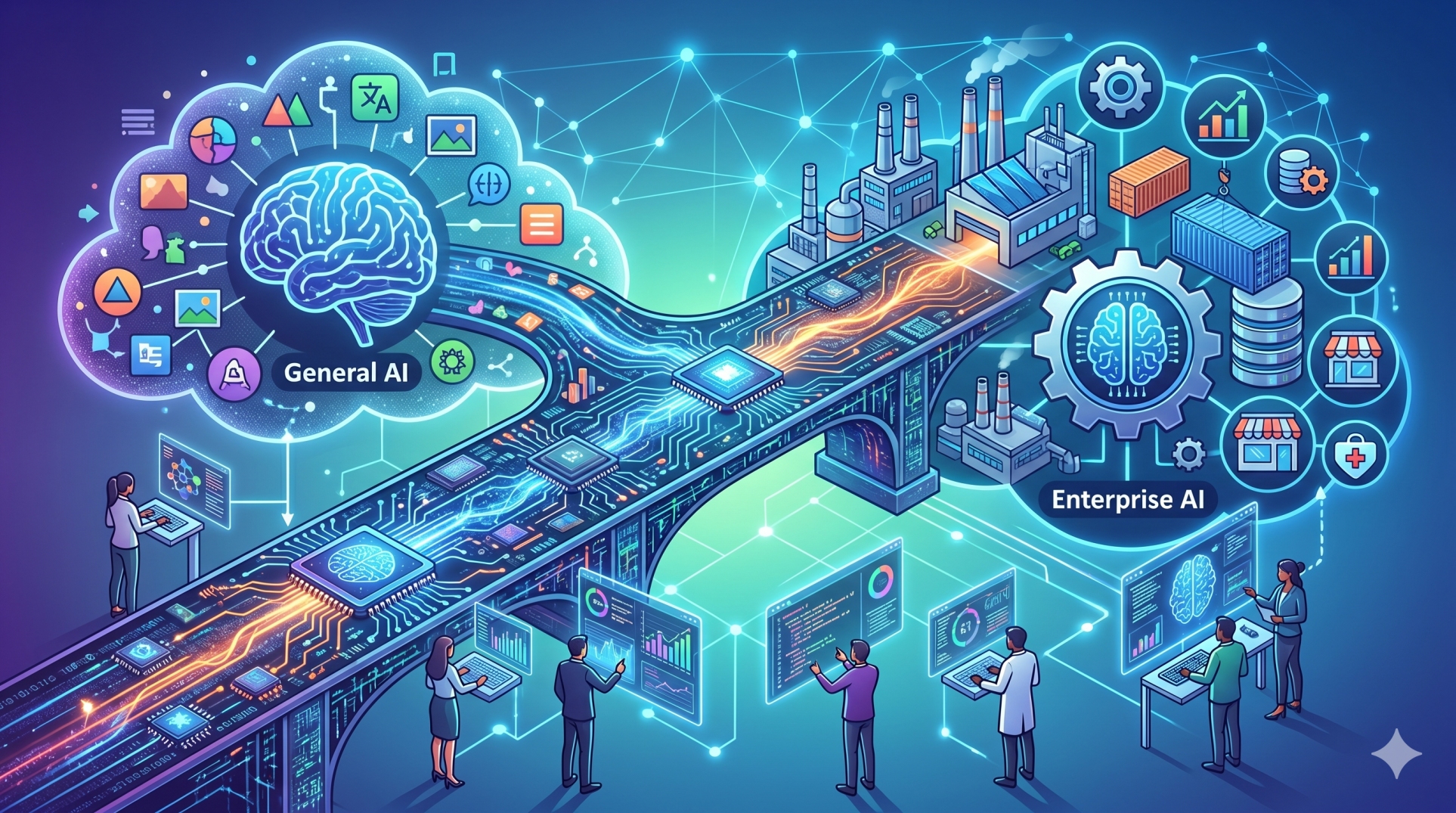
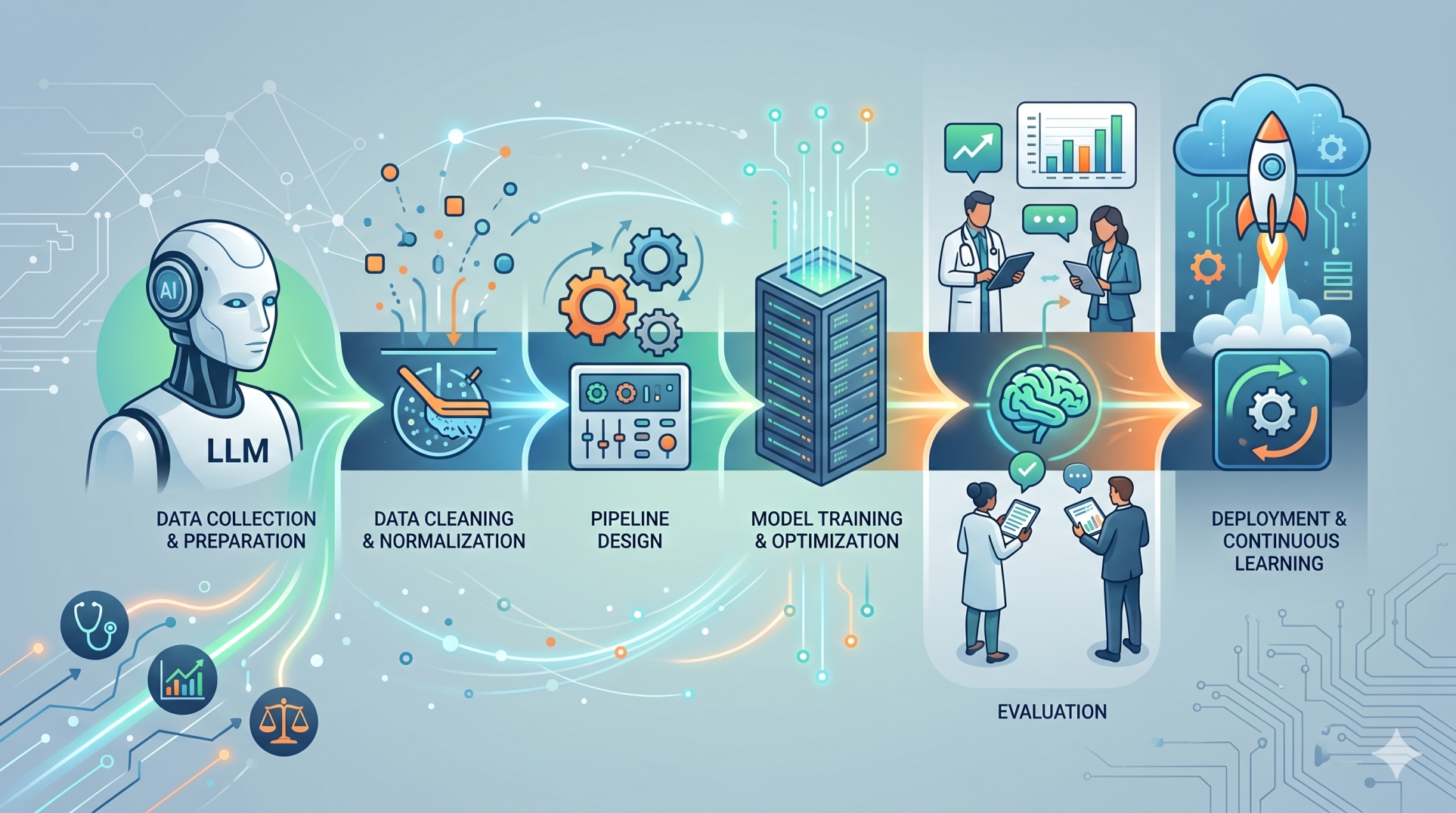
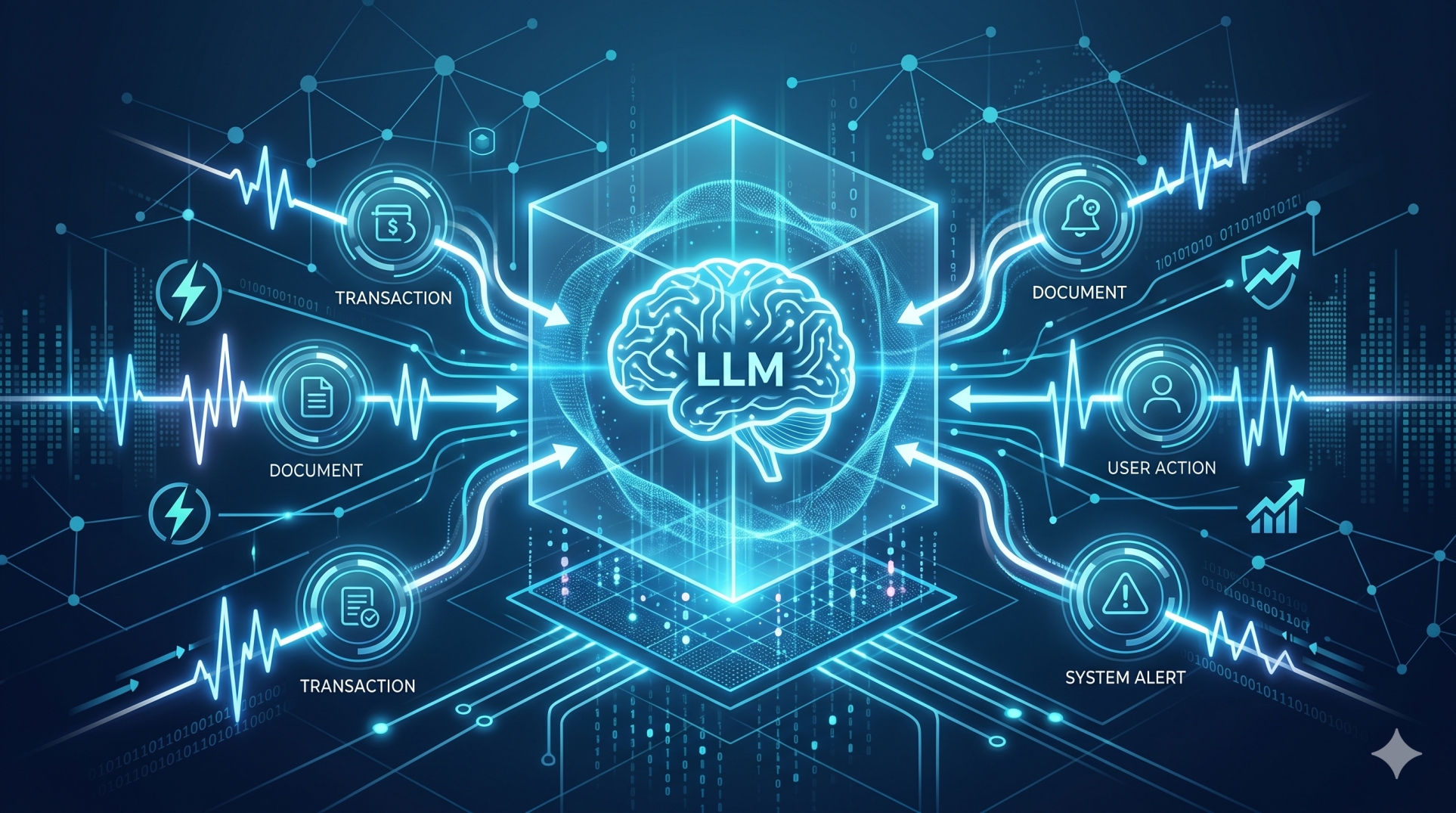
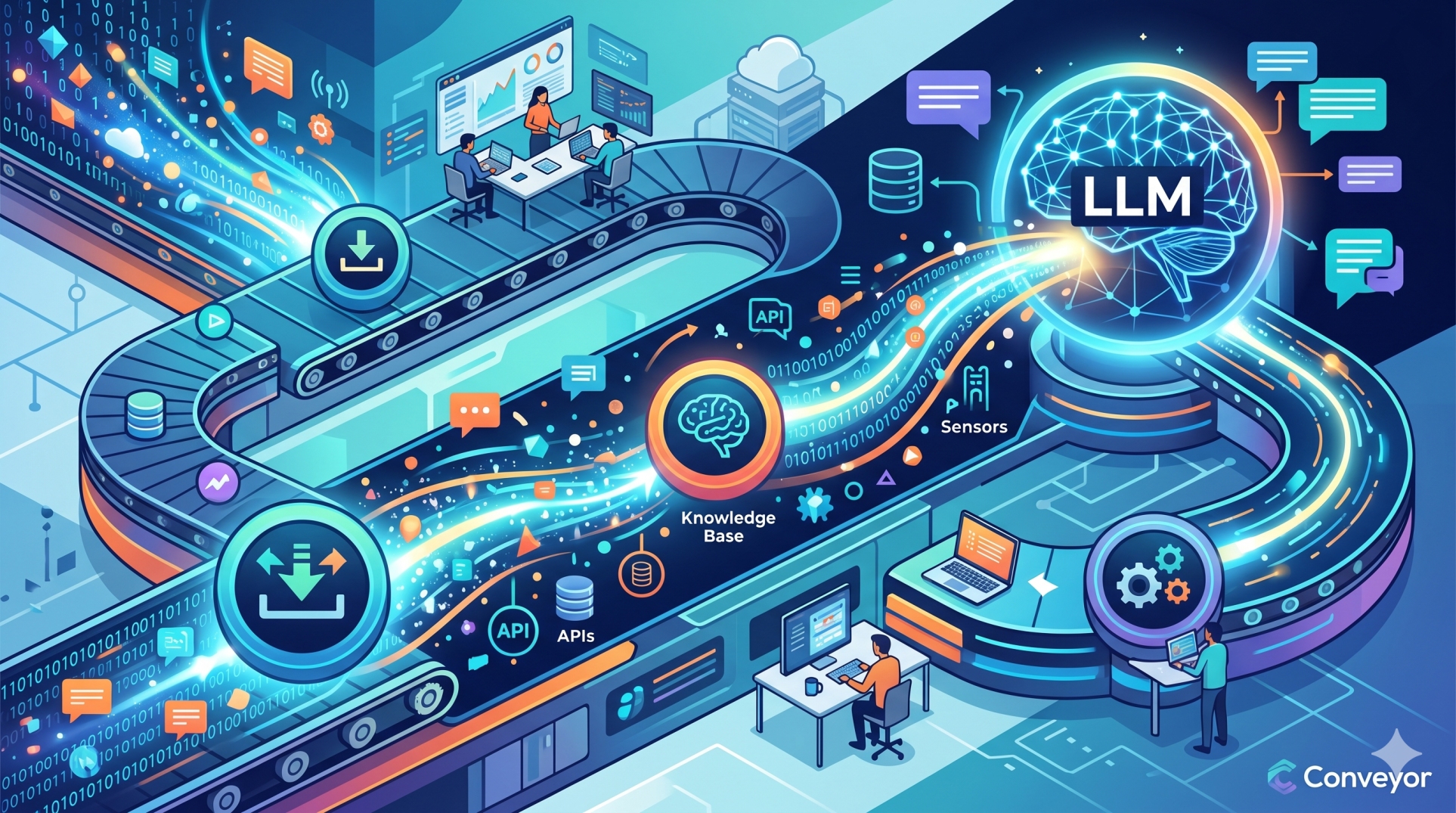
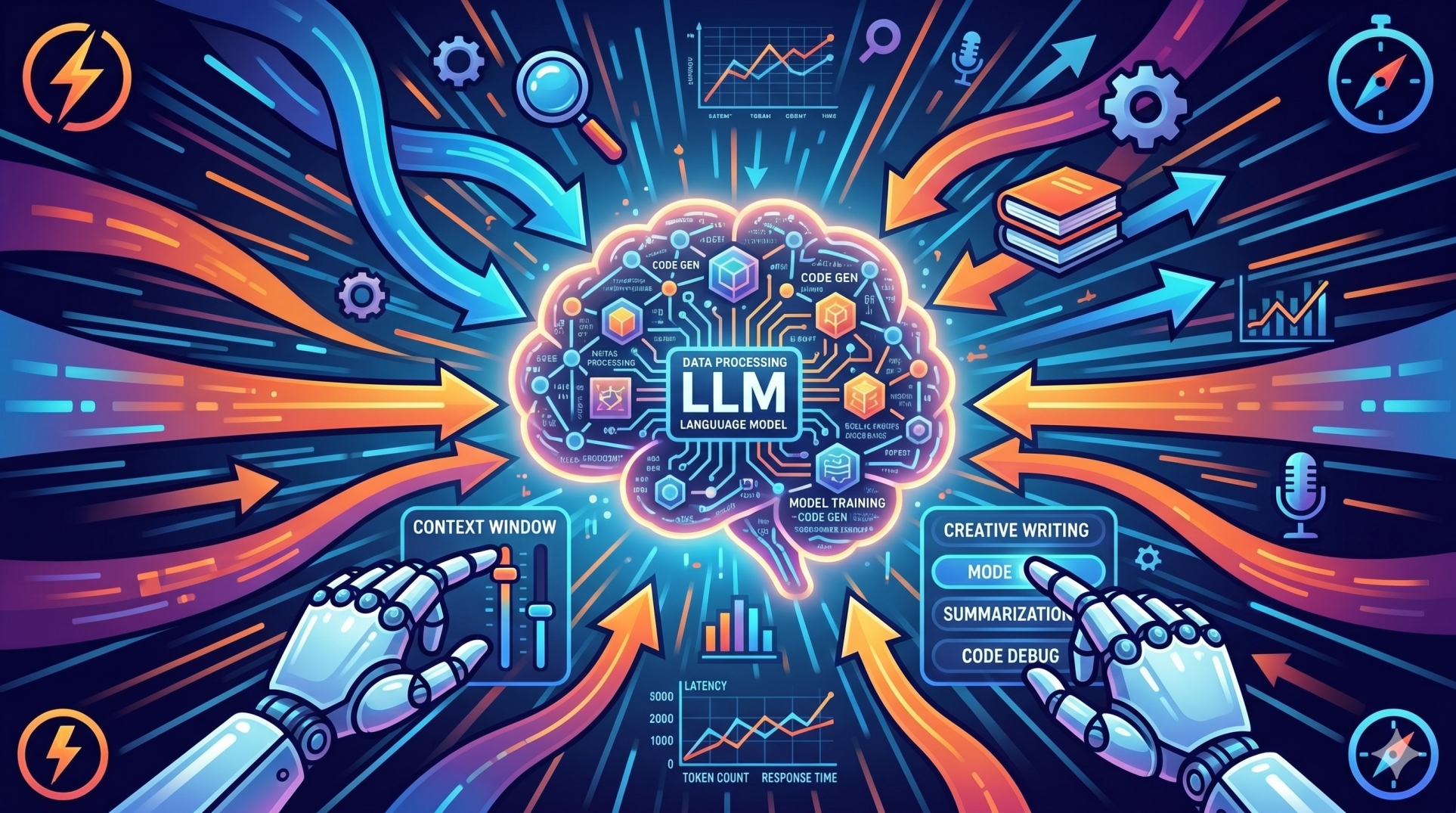
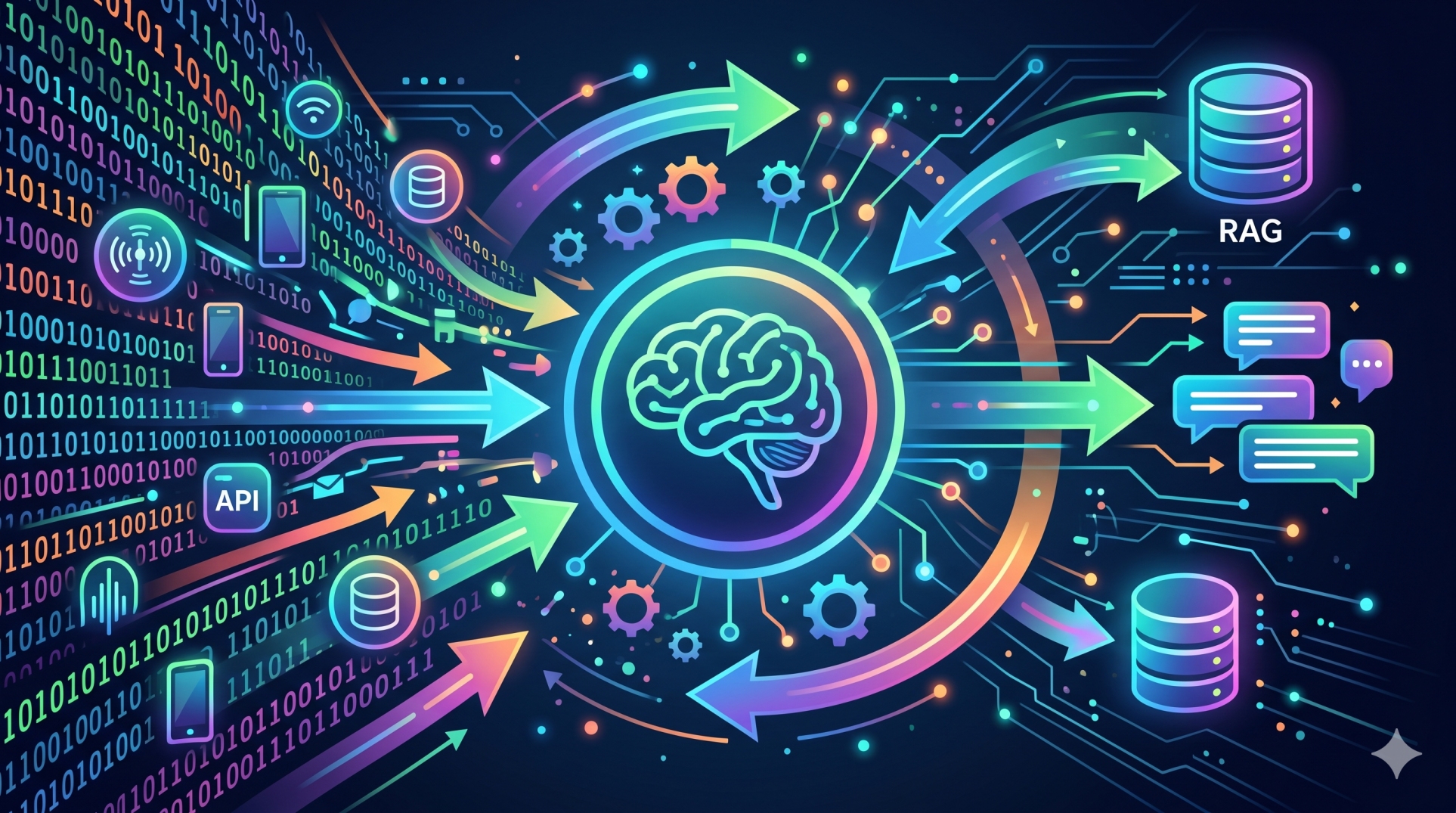
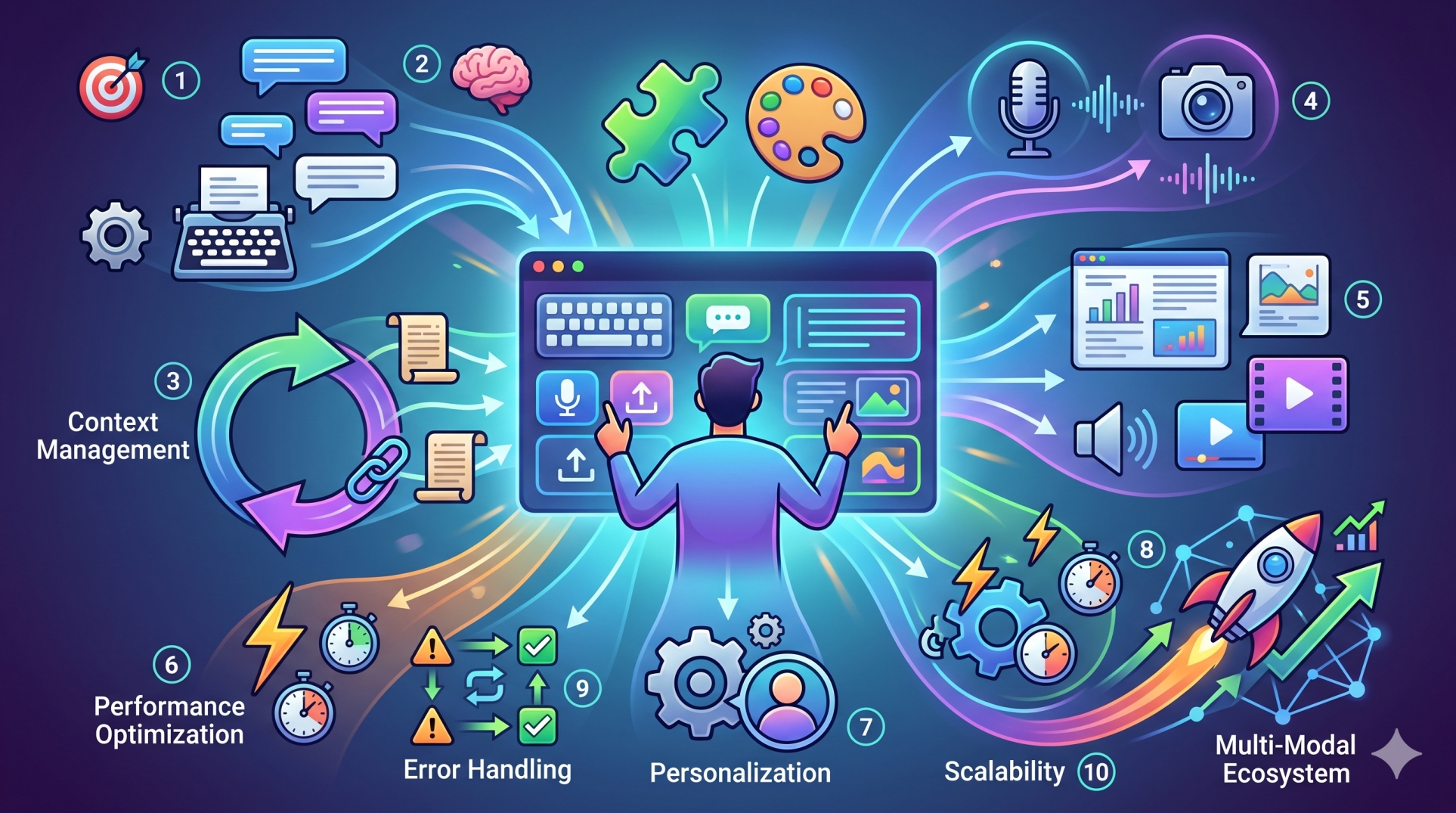
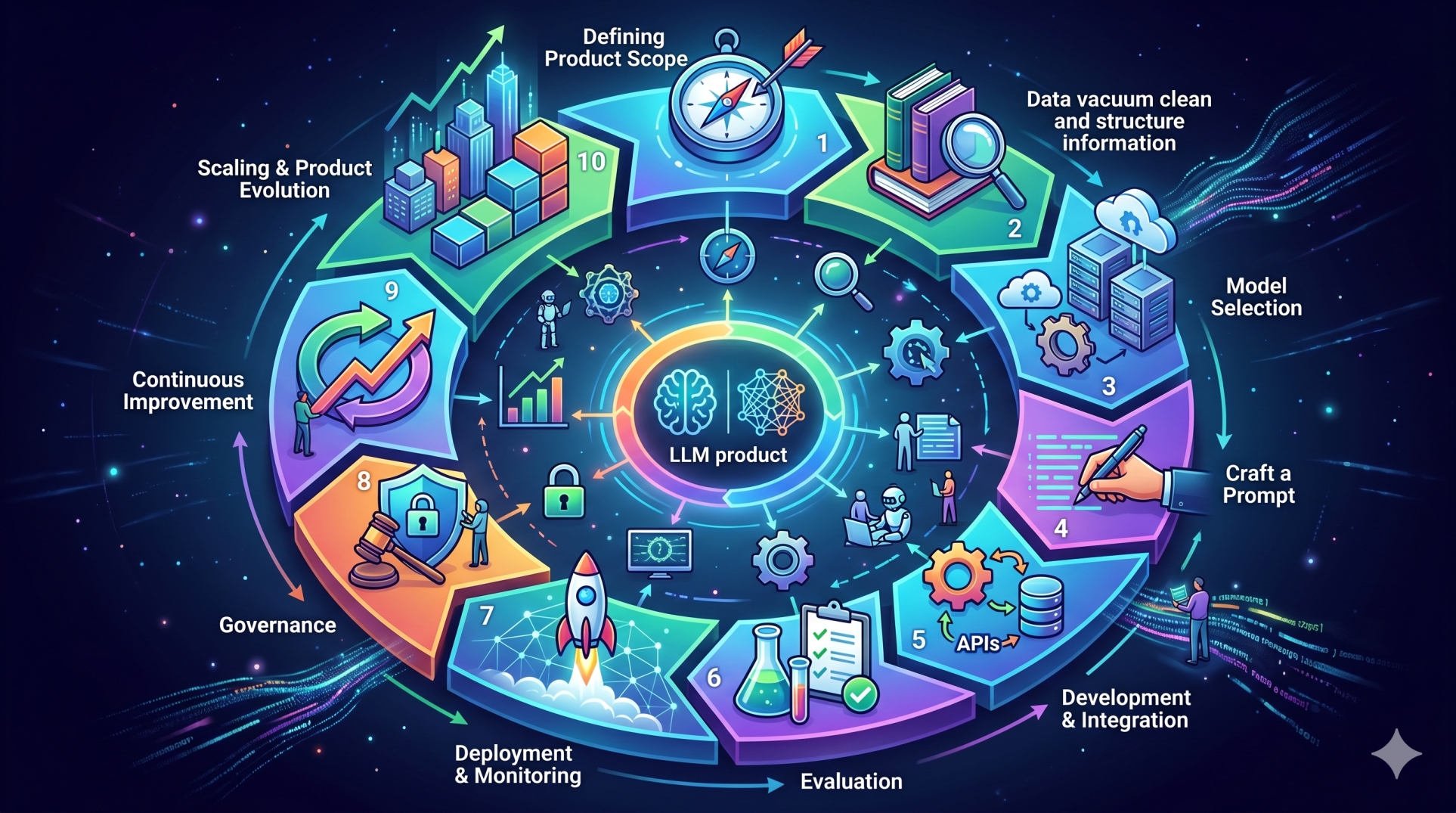
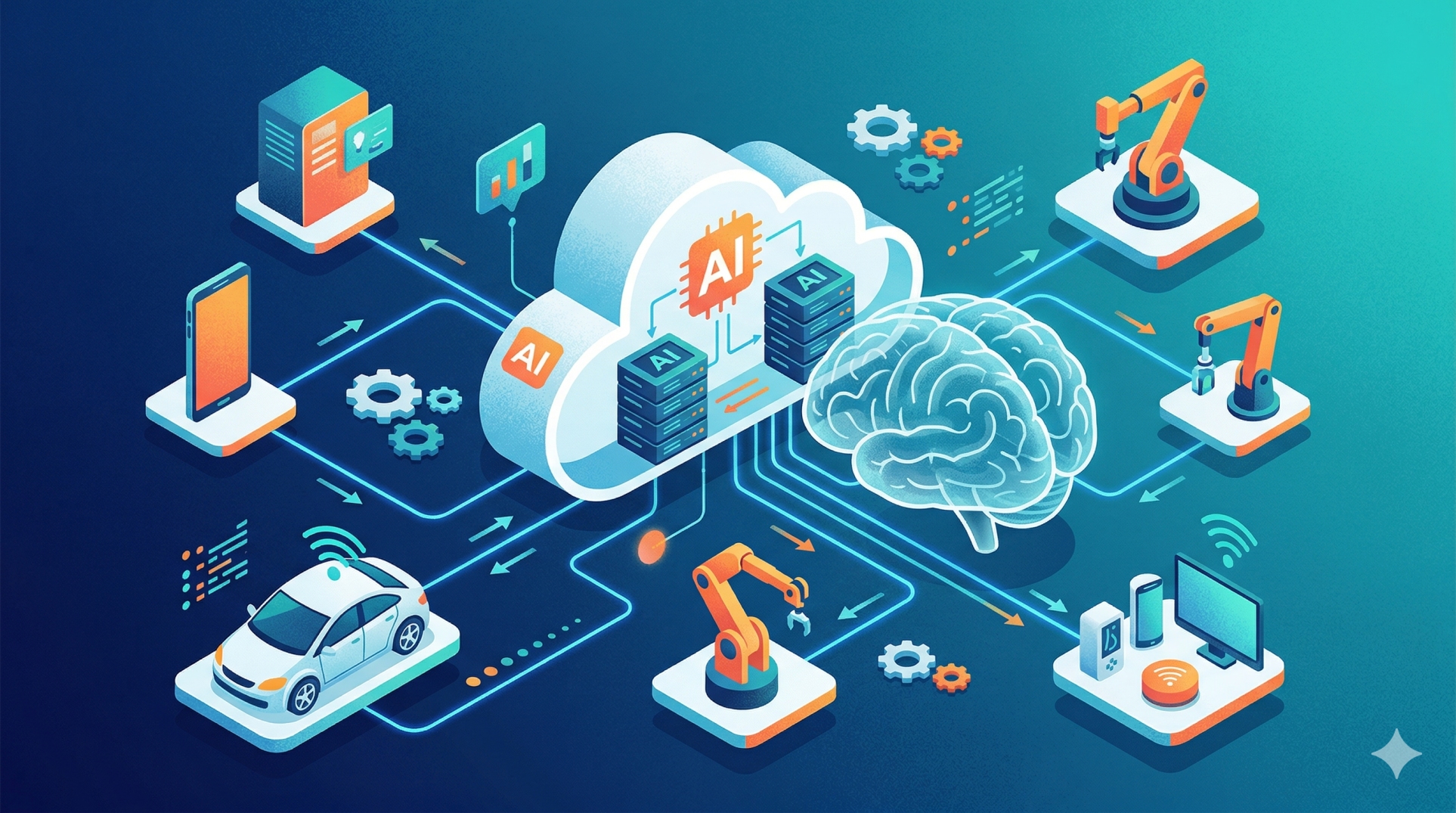
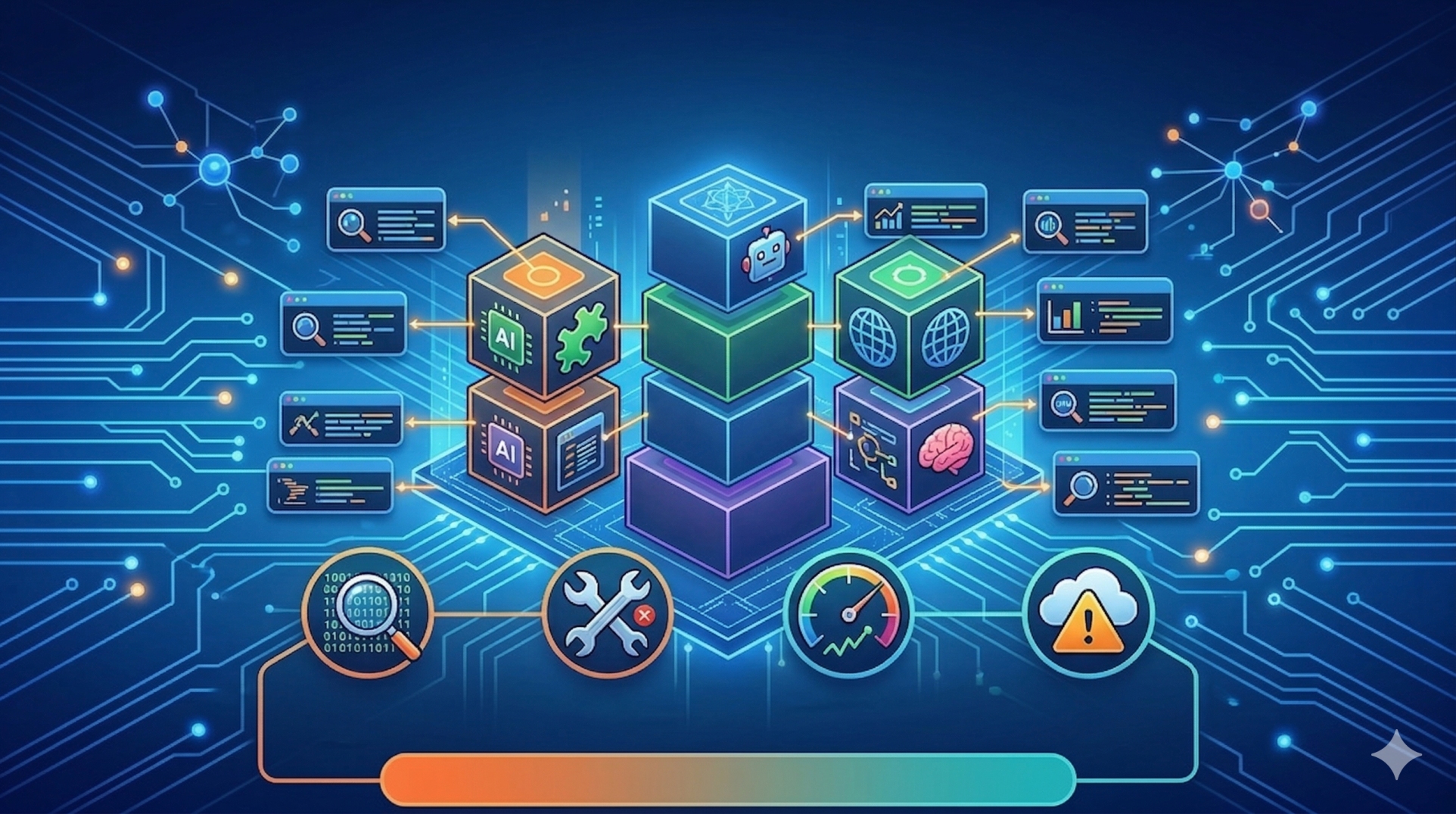
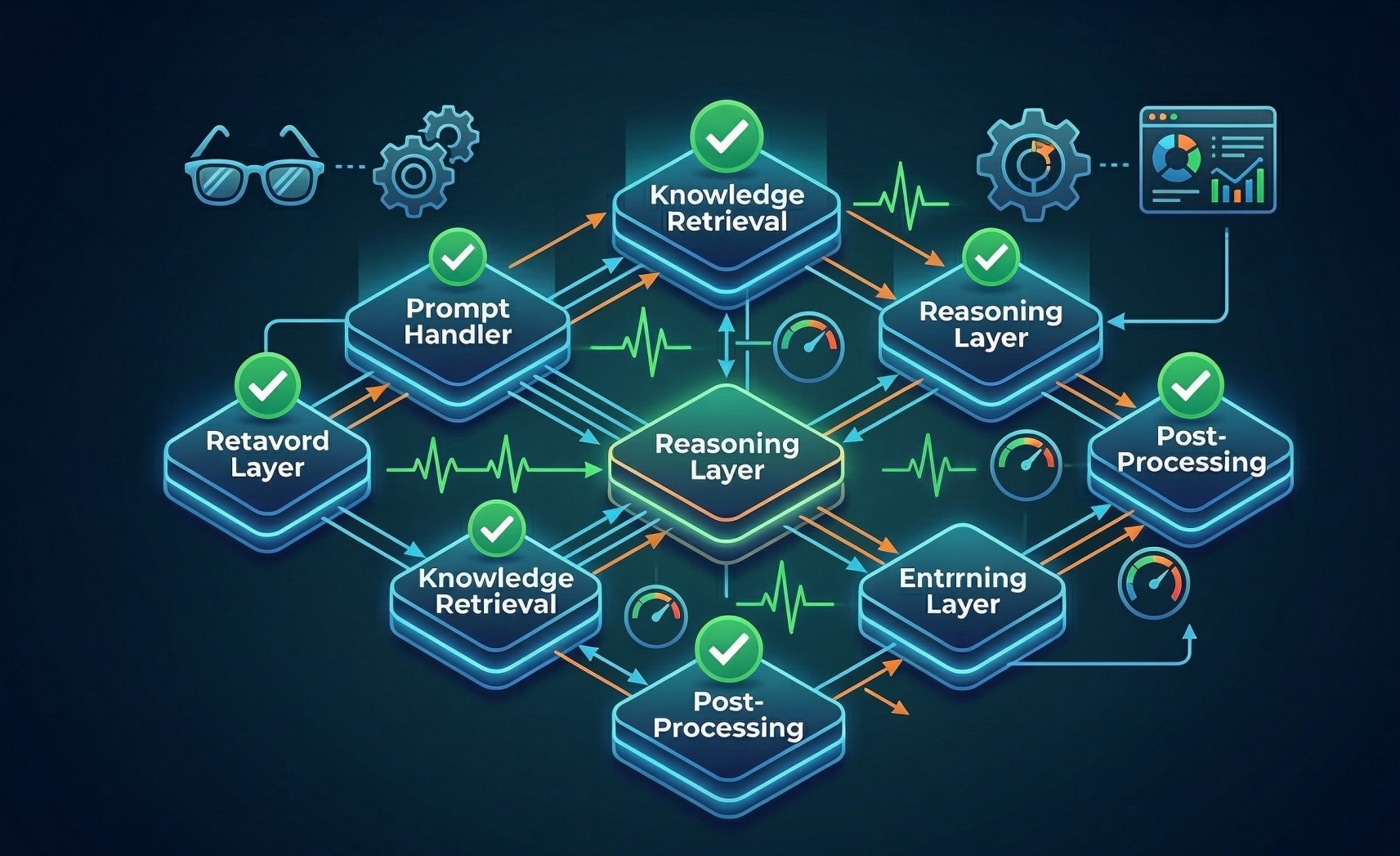
Modern AI applications are evolving beyond single-source text interactions. Large Language Model (LLM) software now increasingly relies on multi-input processing pipelines that combine text, images, audio, documents, APIs, and real-time data streams into unified workflows. These pipelines enable AI systems to process diverse information sources simultaneously, improving contextual understanding, decision-making accuracy, and automation capabilities across enterprise environments.
Step 1: Understanding Multi-Input Processing Pipelines 🔄
• Multi-input pipelines combine multiple data sources into a unified AI workflow 🧠
• Inputs may include text, images, audio, video, structured data, and APIs 📂
• LLMs use combined context to generate more accurate responses 🎯
• Pipelines improve contextual awareness and operational intelligence 📊
• Integrated processing enables more advanced AI-driven automation ⚡
Step 2: Collecting and Ingesting Diverse Data Sources 📥
• Capture information from enterprise systems, databases, and applications 🗄️
• Process uploaded documents, emails, and spreadsheets automatically 📄
• Integrate image and audio inputs into AI workflows 🎥
• Connect APIs and external services for real-time information exchange 🌐
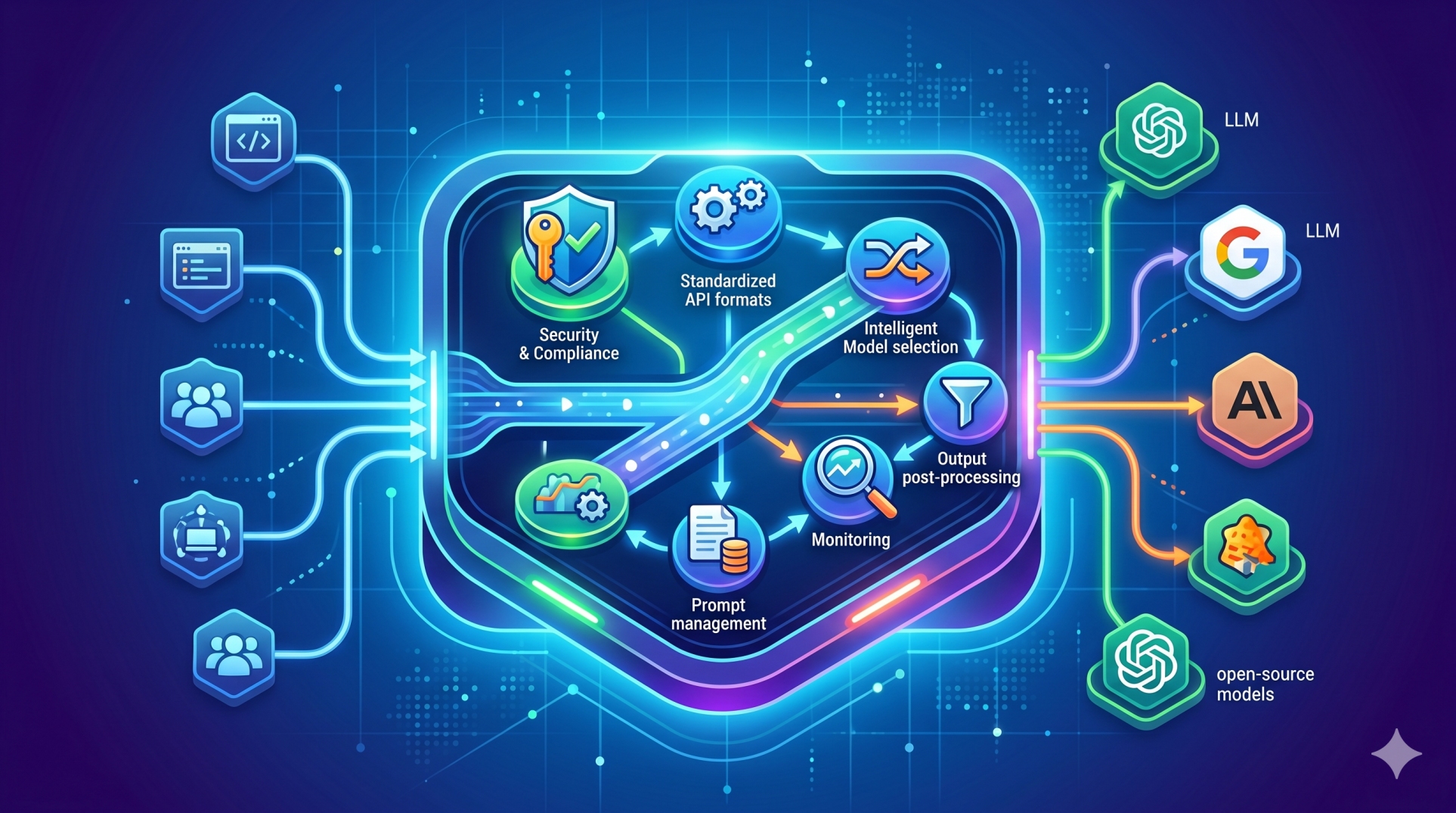
• Standardize incoming data formats for efficient processing 🔧
Step 3: Preprocessing and Data Normalization ⚙️
• Clean and structure raw data before AI processing 🧹
• Normalize formats across different input types 🔄
• Extract key entities and metadata from incoming information 🏷️
• Filter redundant or low-quality data sources 🚫
• Prepare inputs for optimized LLM interpretation 📊
Step 4: Context Aggregation and Fusion 🧩
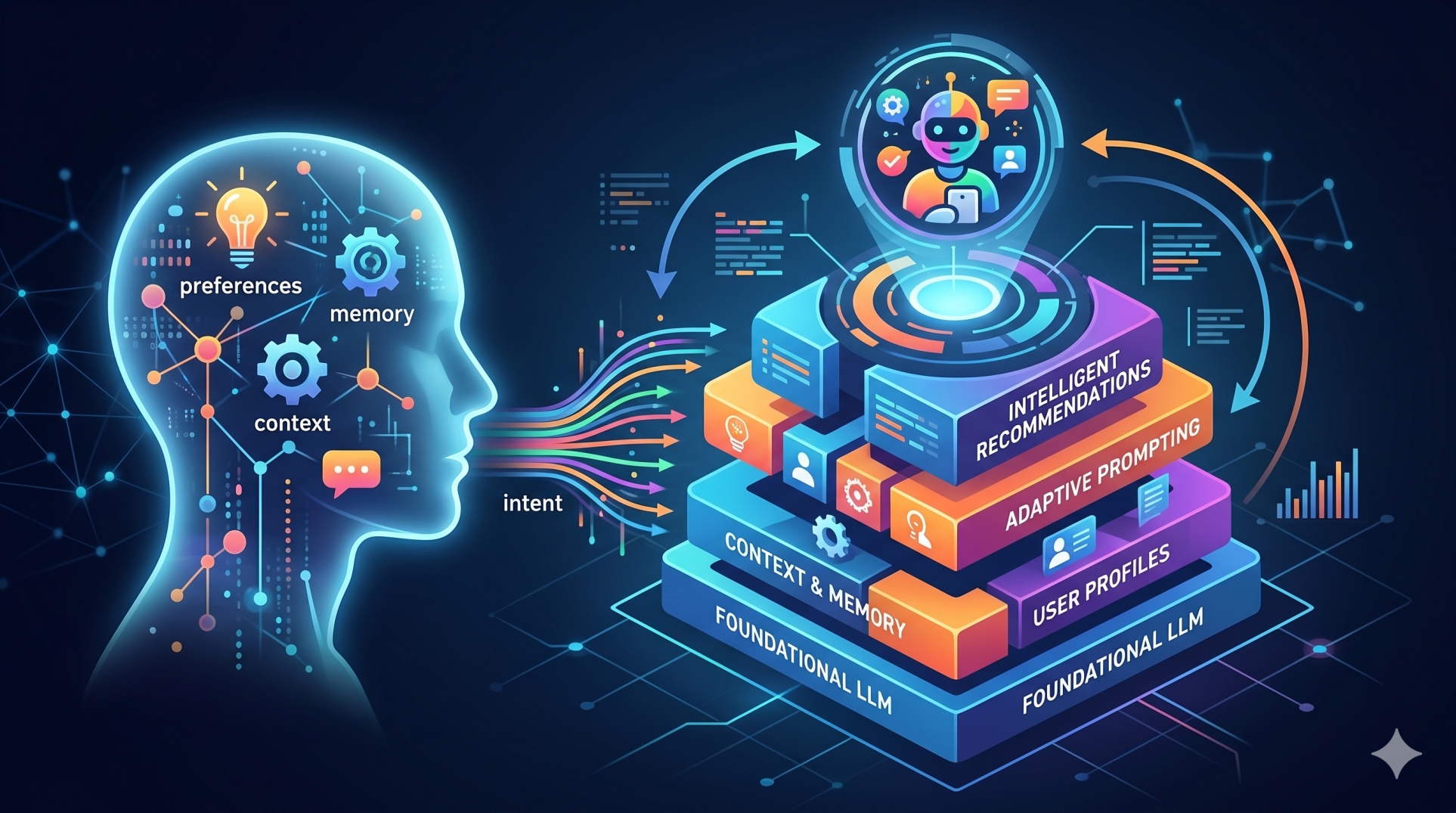
• Combine information from multiple channels into a shared context 🧠
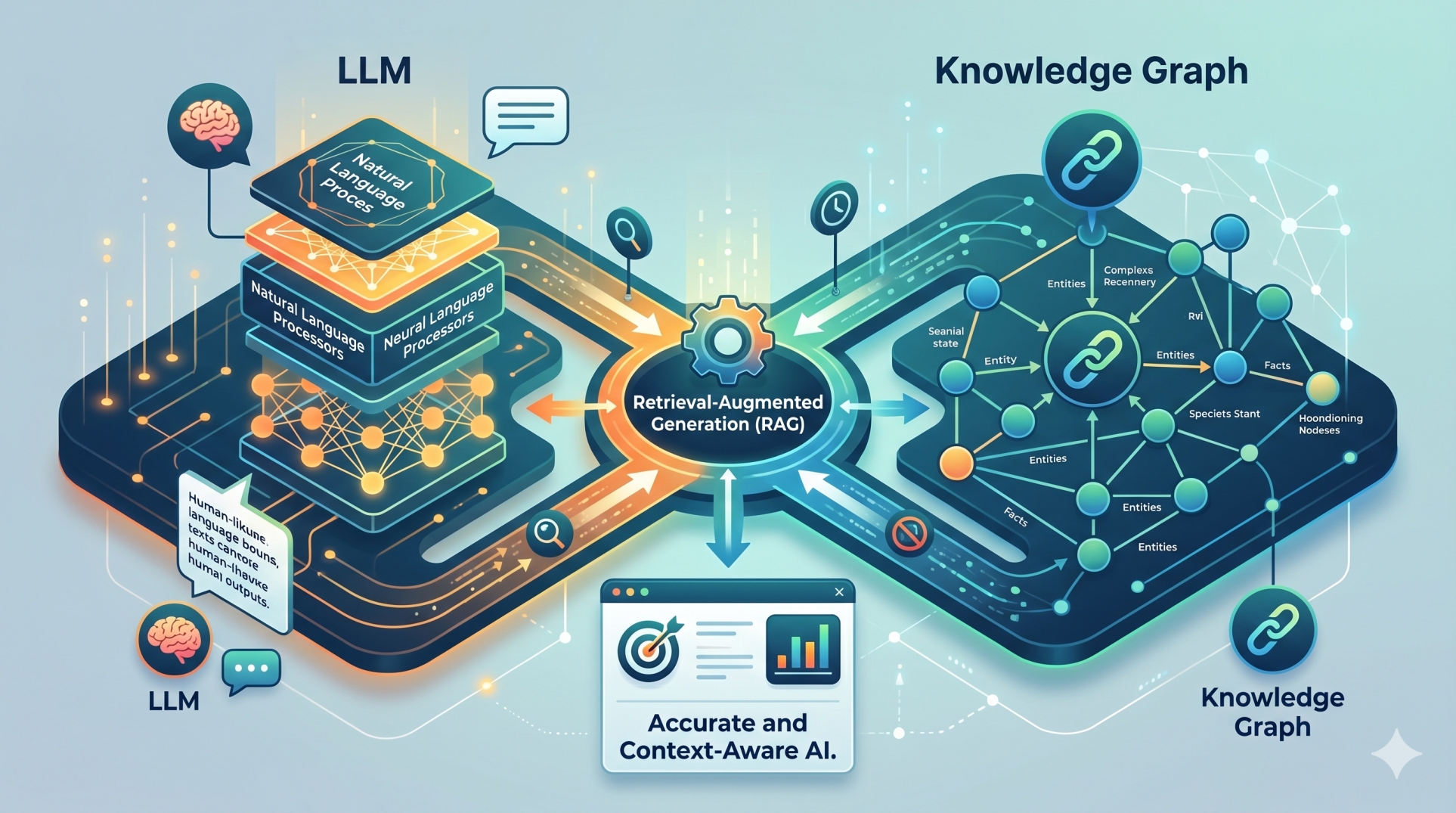
• Align structured and unstructured data for unified analysis 🔗
• Prioritize relevant inputs based on workflow objectives 🎯
• Maintain contextual continuity across interactions 🔄
• Improve response quality through cross-source understanding 📈
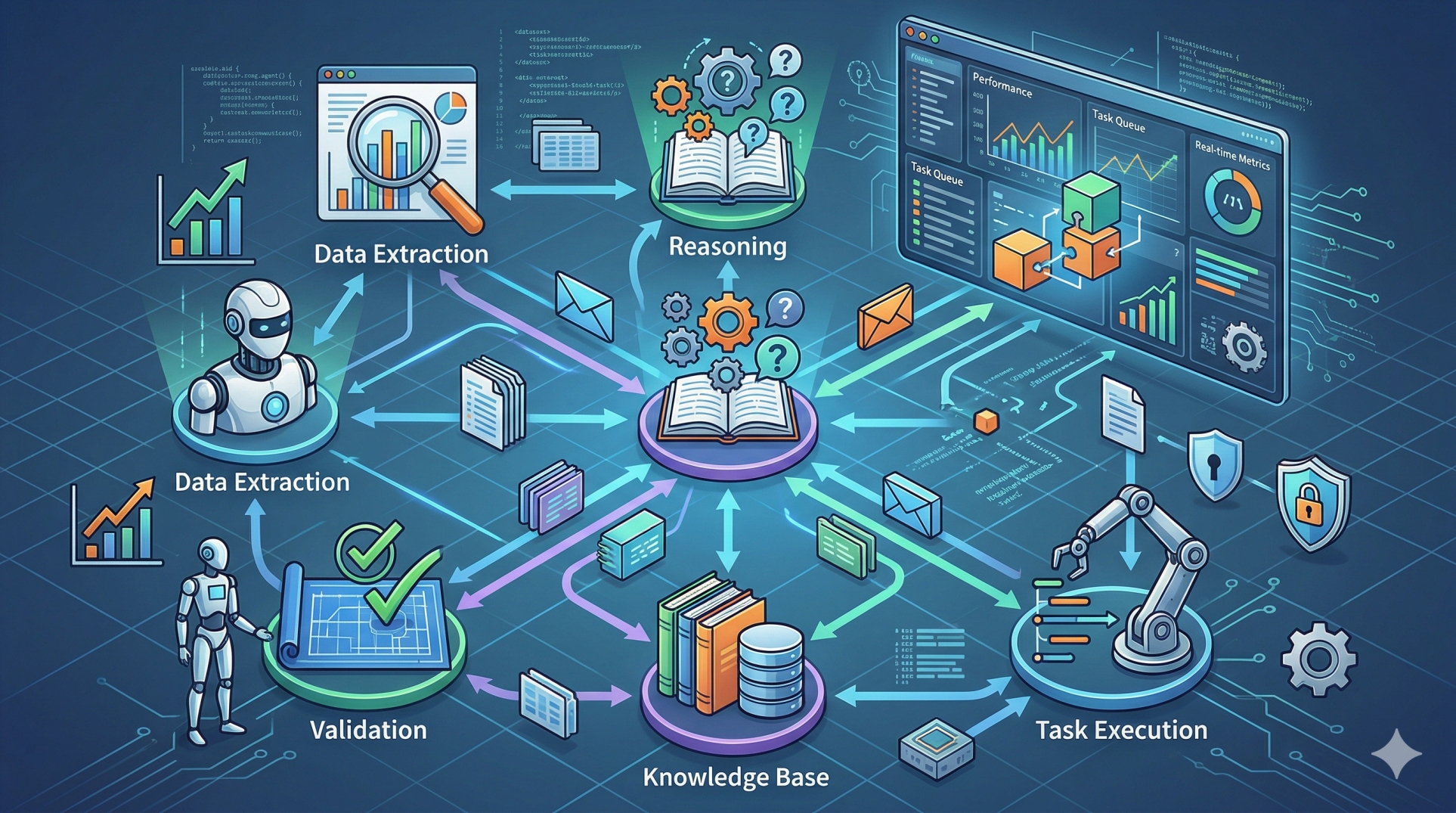
Step 5: Real-Time Processing and Orchestration ⏱️
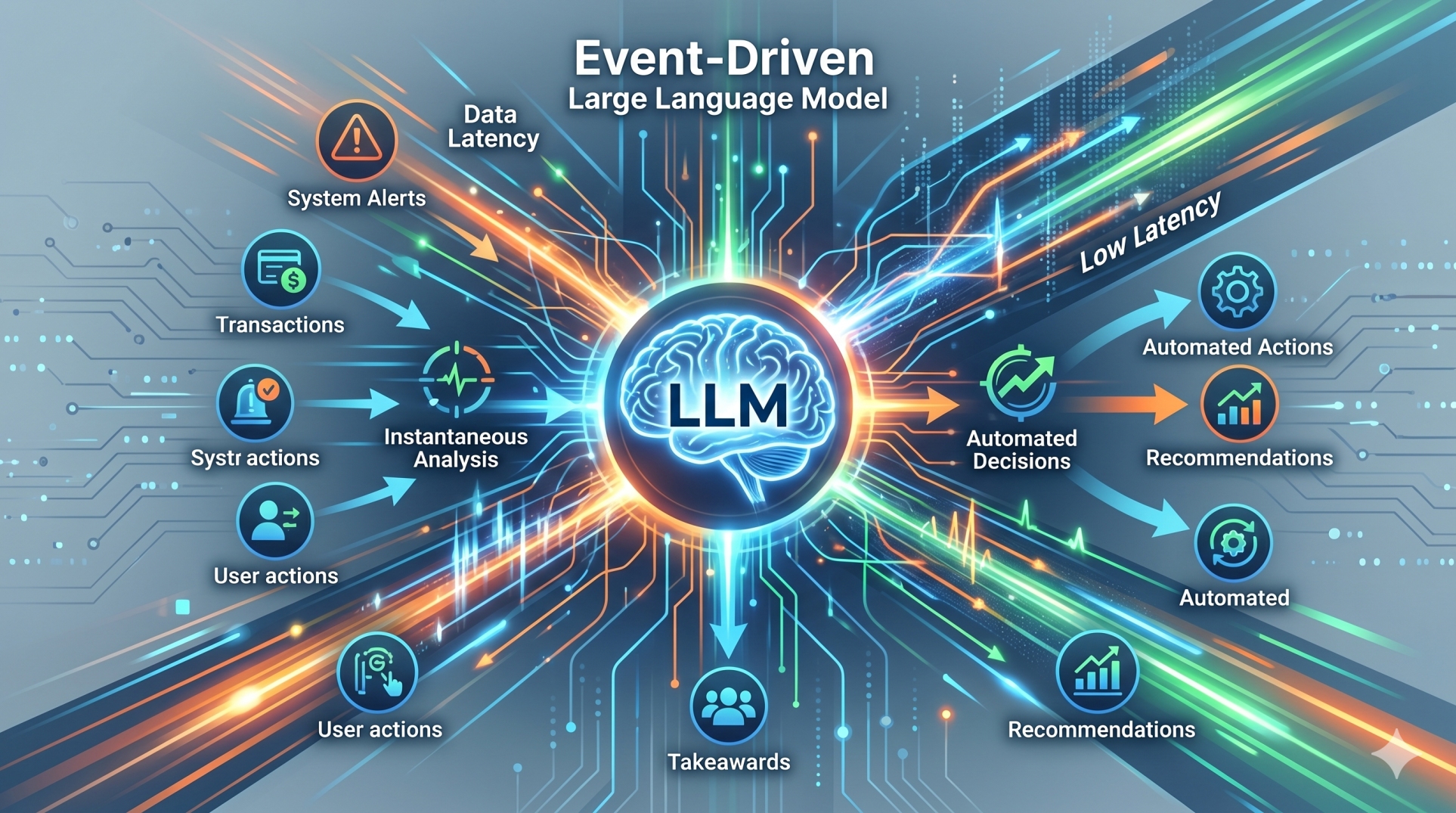
• Process multiple inputs simultaneously with low latency ⚡
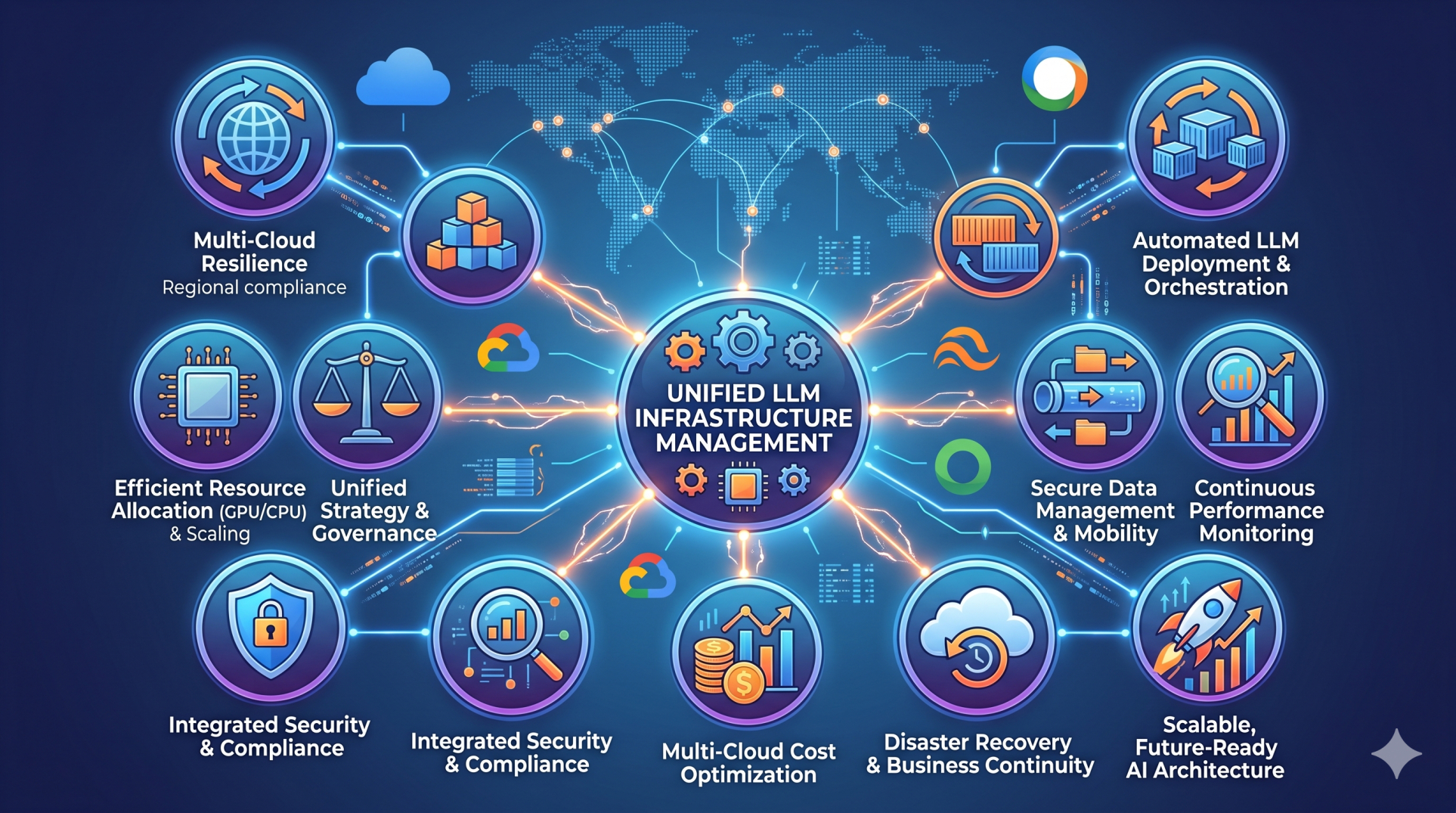
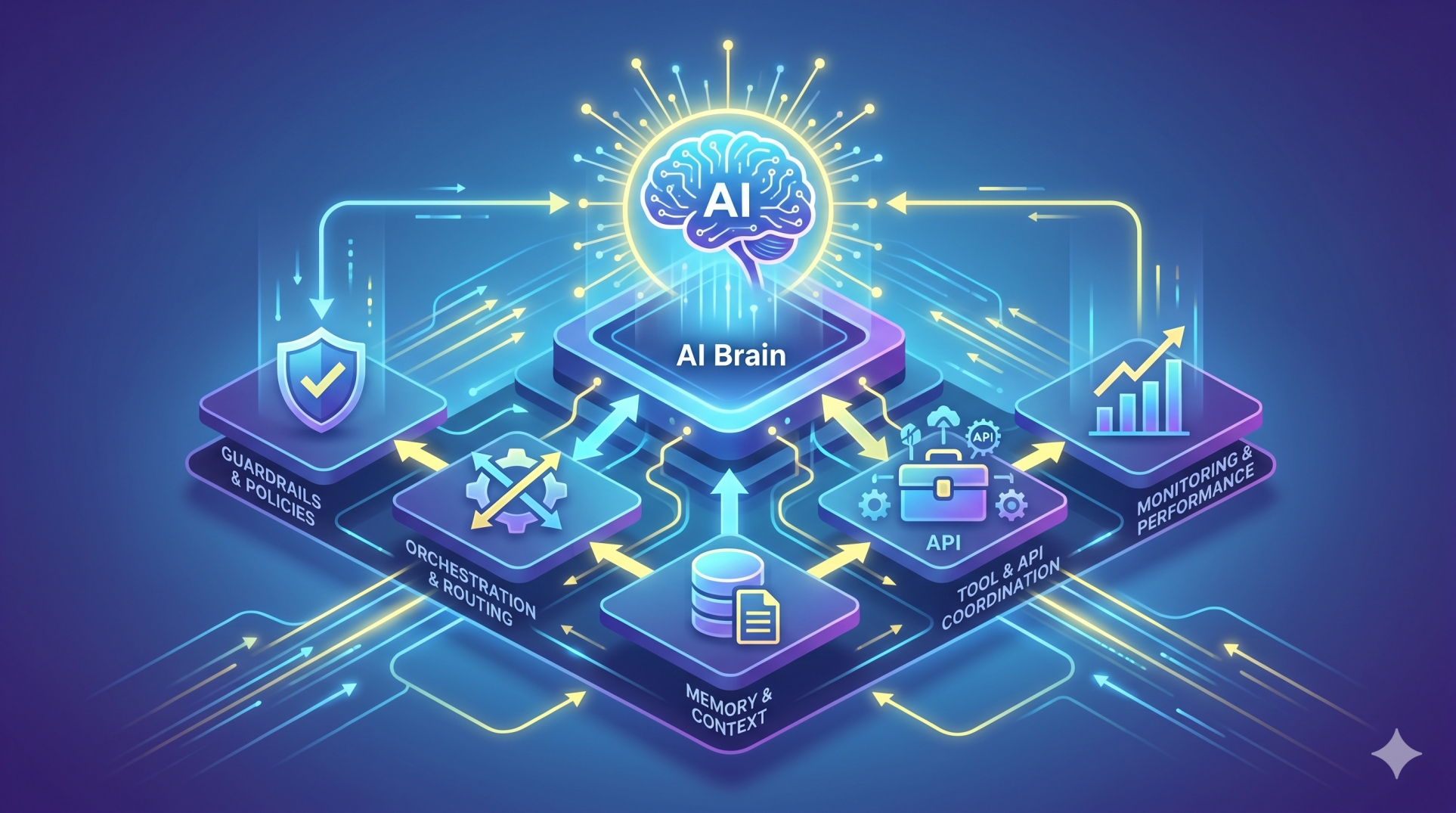
• Use orchestration layers to coordinate workflow execution 🏗️
• Trigger AI actions based on events and system conditions 🔔
• Synchronize data flows between connected services 🔄
• Ensure scalability for high-volume enterprise operations 📦
Step 6: Intelligent Routing and Task Distribution 🚦
• Route tasks dynamically based on input type and priority 📌
• Assign specialized AI models to different processing stages 🤖
• Balance workloads across distributed systems ⚖️
• Optimize processing paths for speed and efficiency 🚀
• Adapt workflows in response to changing operational demands 🔄
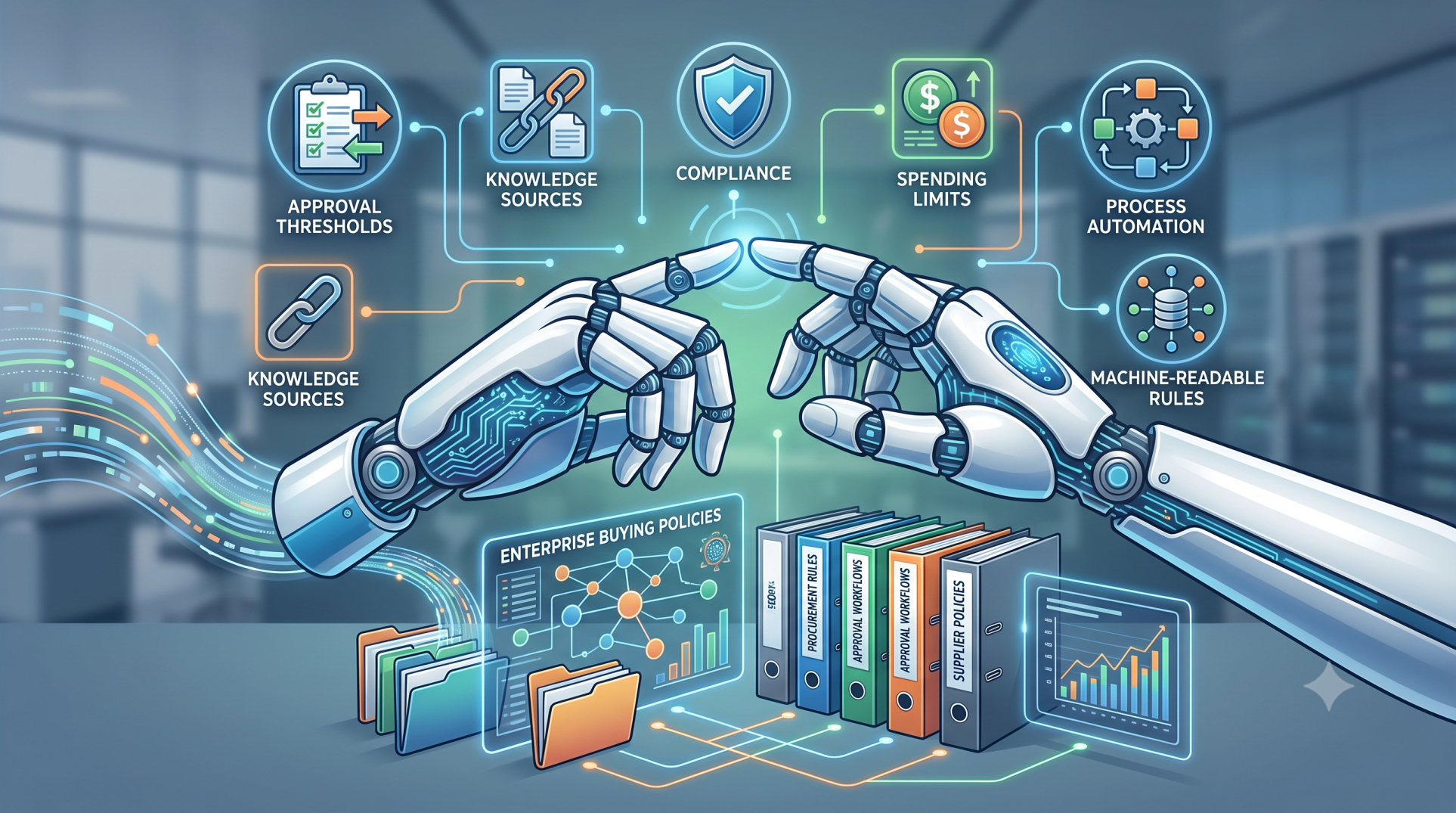
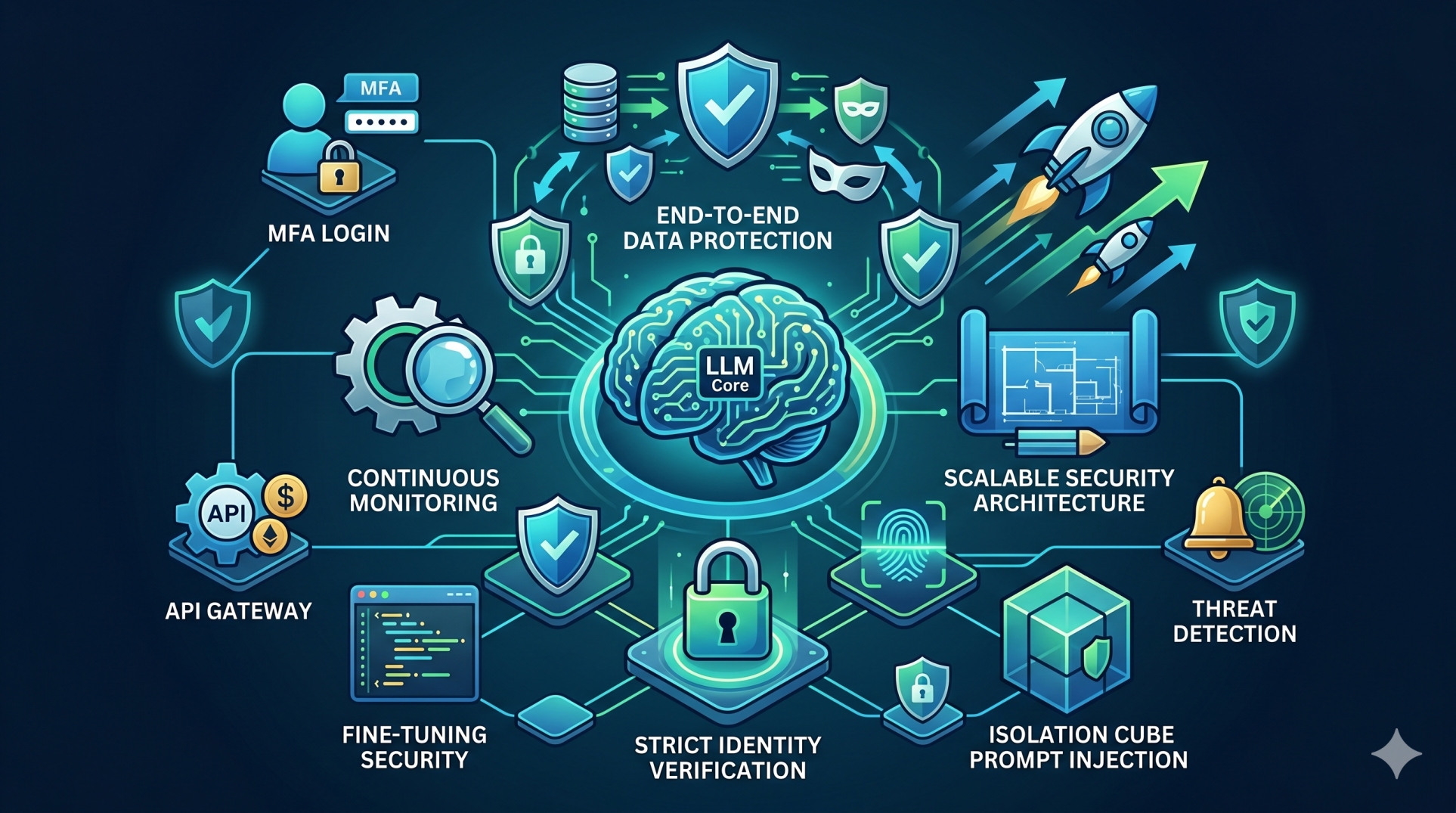
Step 7: Ensuring Data Security and Governance 🔐
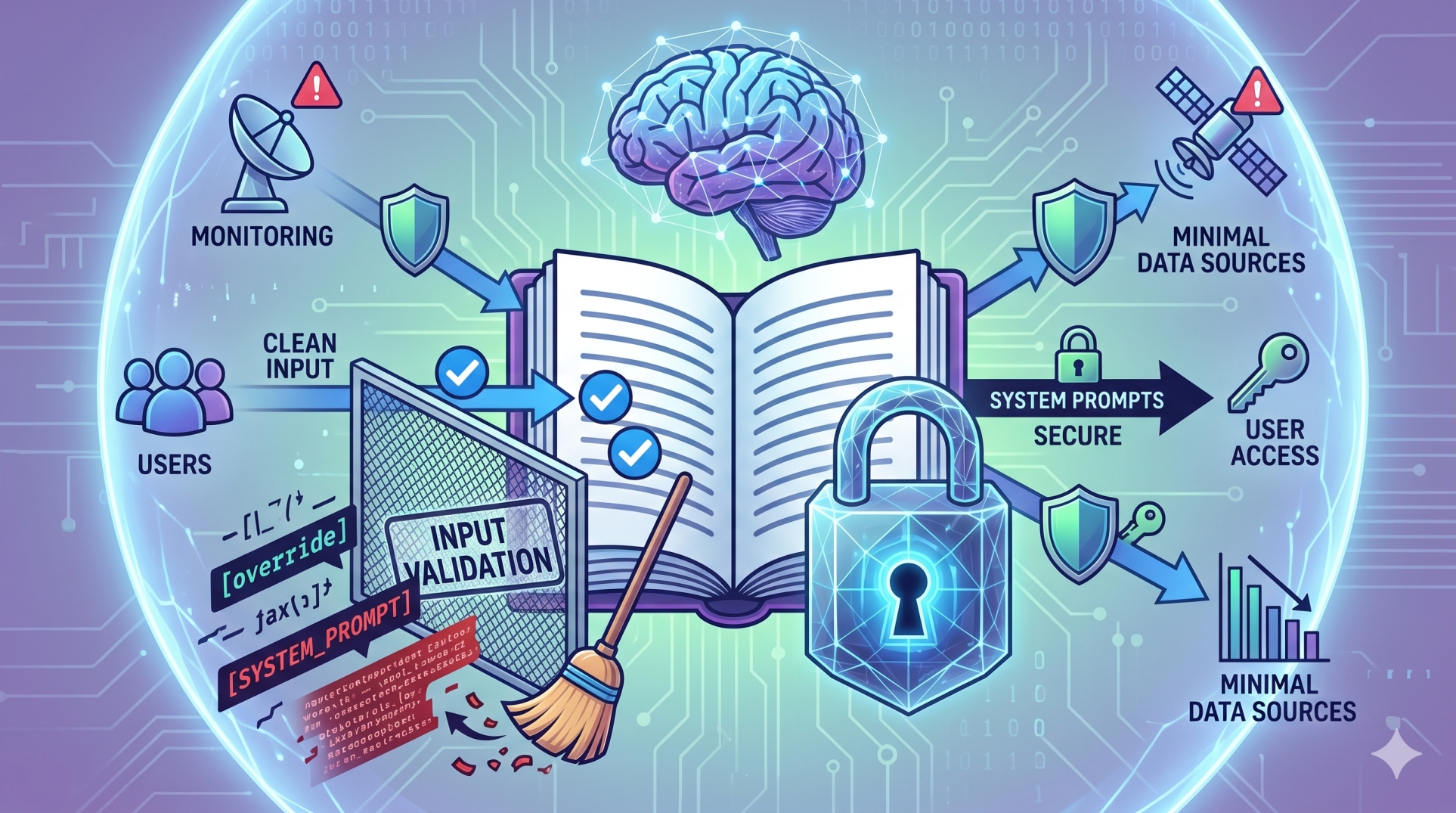
• Protect sensitive information across all pipeline stages 🛡️
• Implement access control and authentication mechanisms 🔑
• Maintain compliance with enterprise and regulatory standards 📜
• Monitor data handling and audit system activity 🔍
• Ensure secure communication between integrated platforms 🌐
Step 8: Key Pipeline Priorities 📊
• Unified processing across multiple data formats 🔗
• Real-time orchestration and contextual intelligence ⚡
• Scalable and modular workflow architecture 🧩
• Secure and compliant data management 🔐
Step 9: Handling Errors and Workflow Exceptions 🚨
• Detect failed inputs and processing interruptions automatically ⚠️
• Implement fallback mechanisms for unavailable services 🔄
• Retry failed tasks without disrupting overall workflows 🔁
• Maintain operational continuity during unexpected failures 🏗️
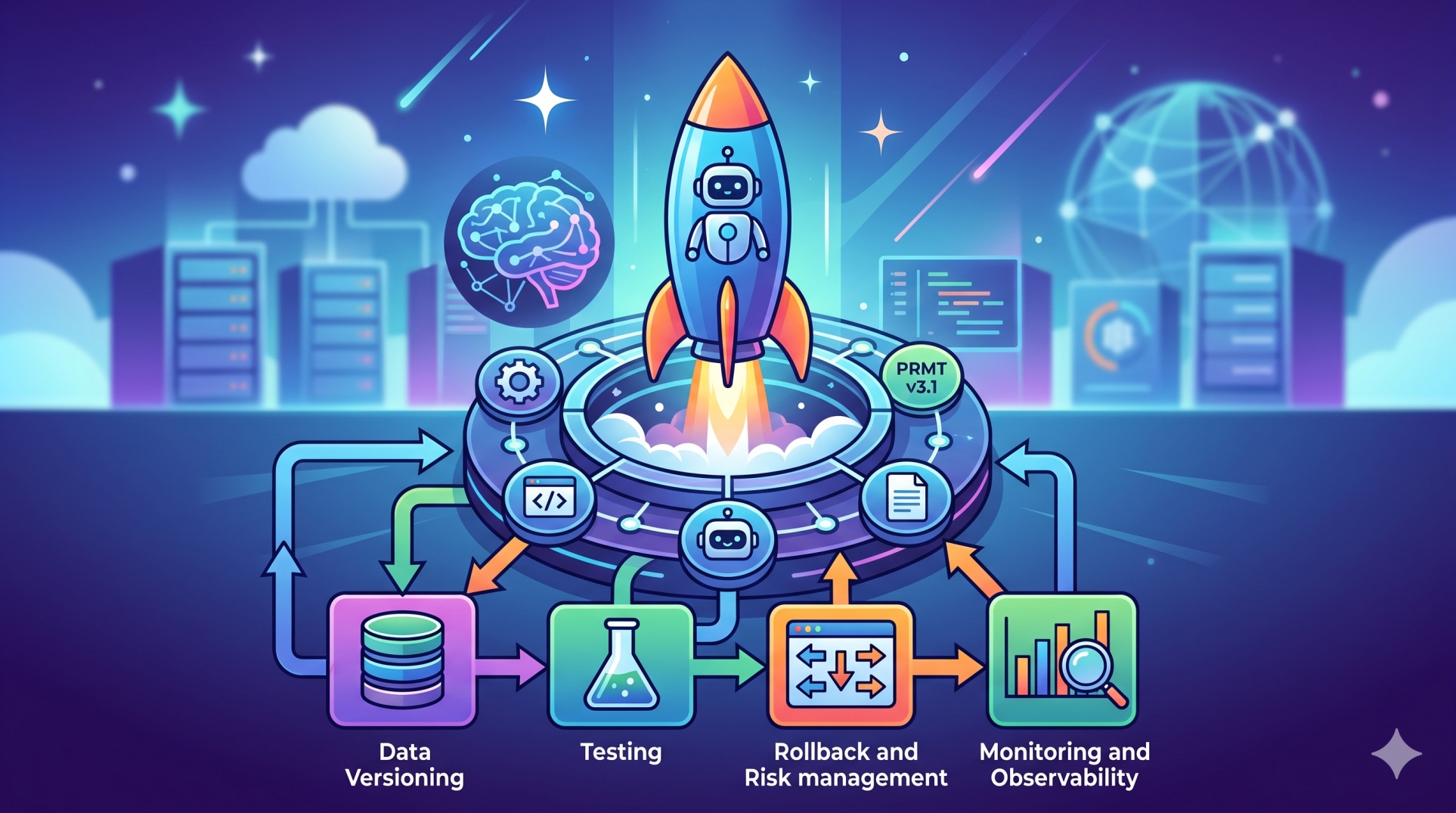
• Continuously monitor system reliability and performance 📈
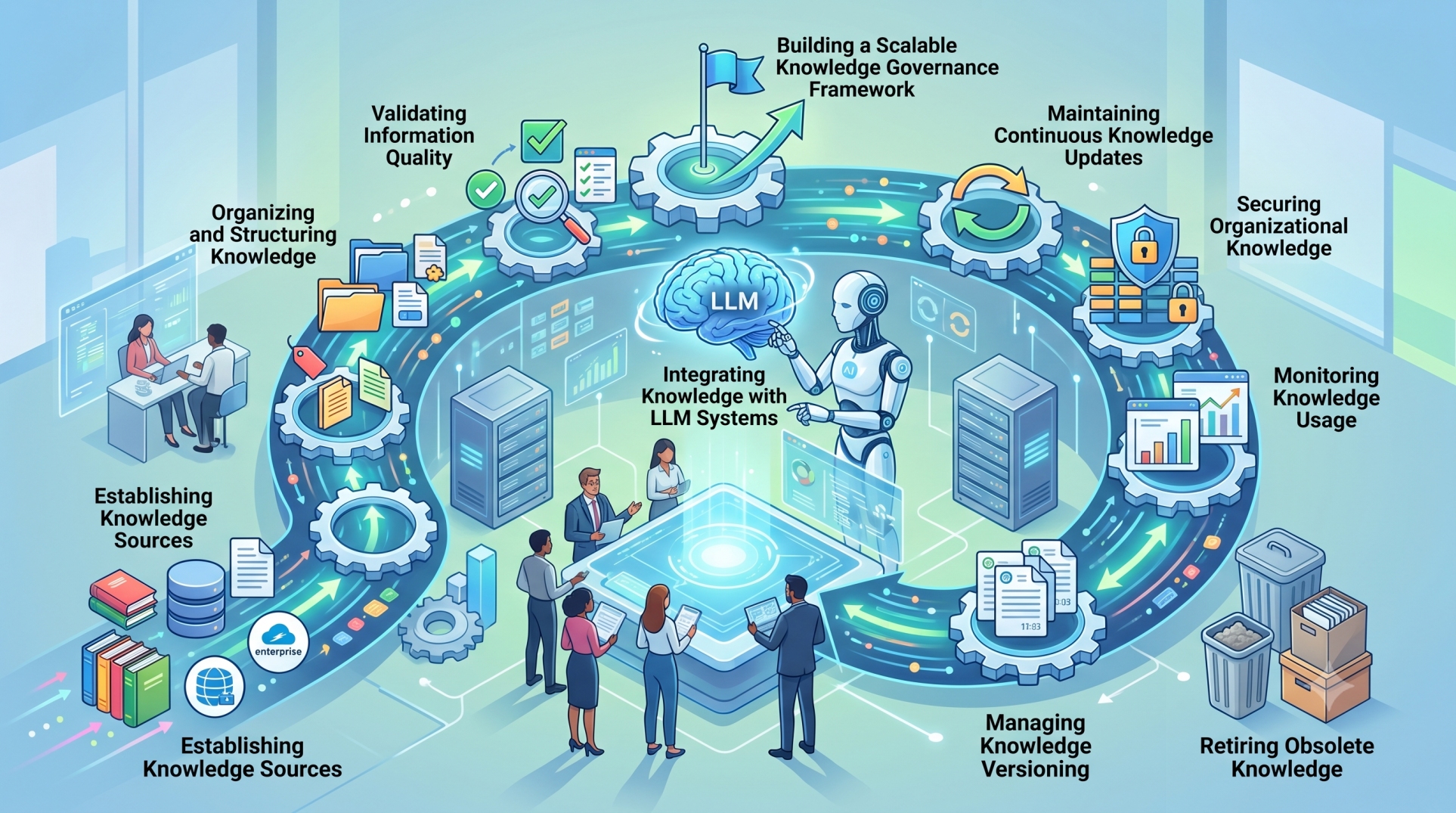
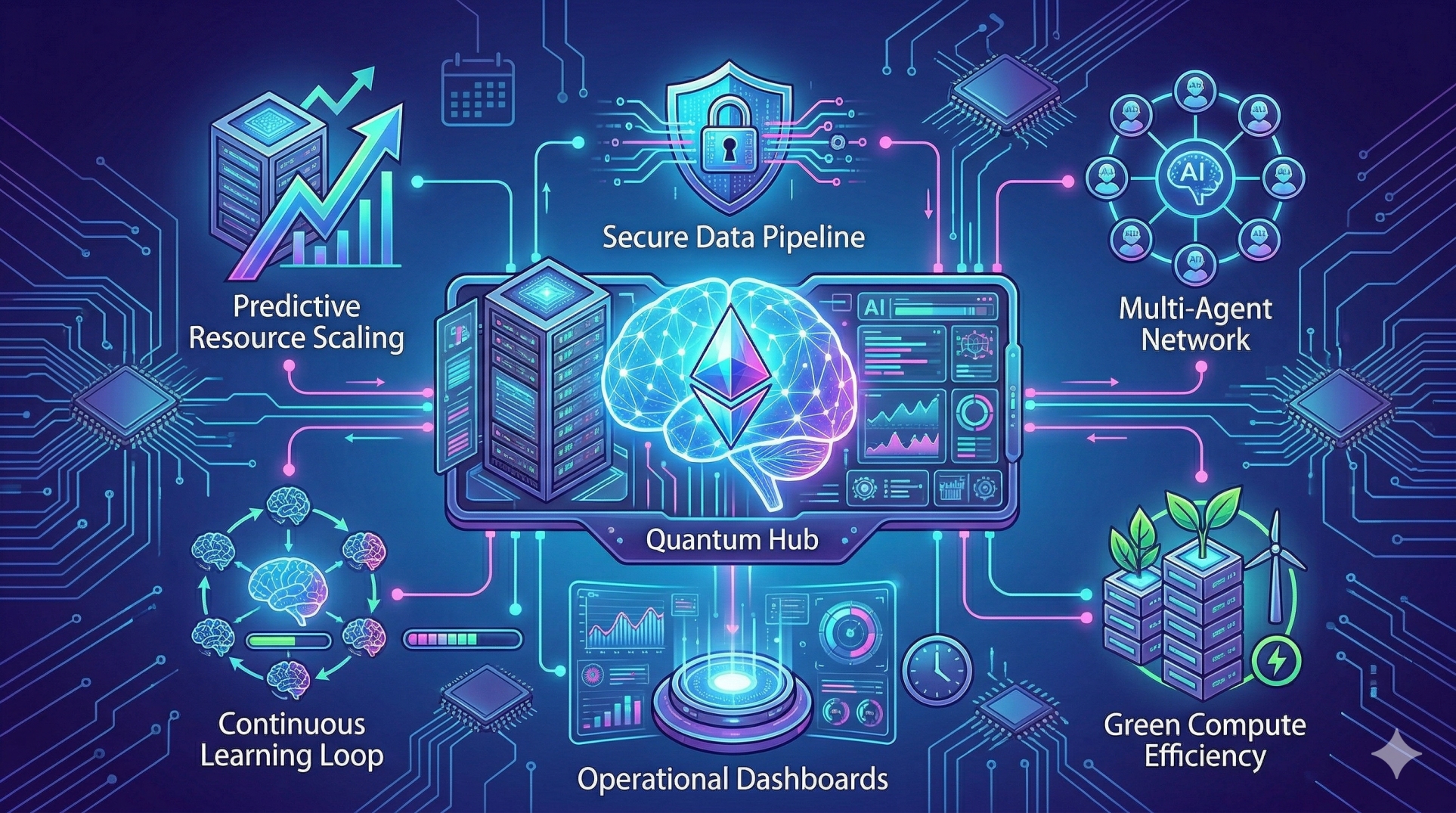
Step 10: Building Scalable AI Processing Ecosystems 🚀
• Design modular pipelines that support future AI capabilities 🧩
• Integrate additional models and data sources seamlessly 🔗
• Enable continuous optimization through analytics and monitoring 📊
• Support evolving enterprise automation requirements 🌍
• Future-proof AI infrastructure for long-term scalability ⚡
Conclusion
Multi-input processing pipelines are becoming a foundational component of modern LLM software systems. By combining diverse data sources into coordinated AI workflows, organizations can achieve deeper contextual understanding, faster automation, and more intelligent decision-making. Well-designed processing pipelines not only improve operational efficiency but also provide the flexibility and scalability needed for next-generation AI-driven enterprises.
See more blogs
You can all the articles below