Designing Hybrid AI Systems with Deterministic Components

Designing Hybrid AI Systems with Deterministic Components
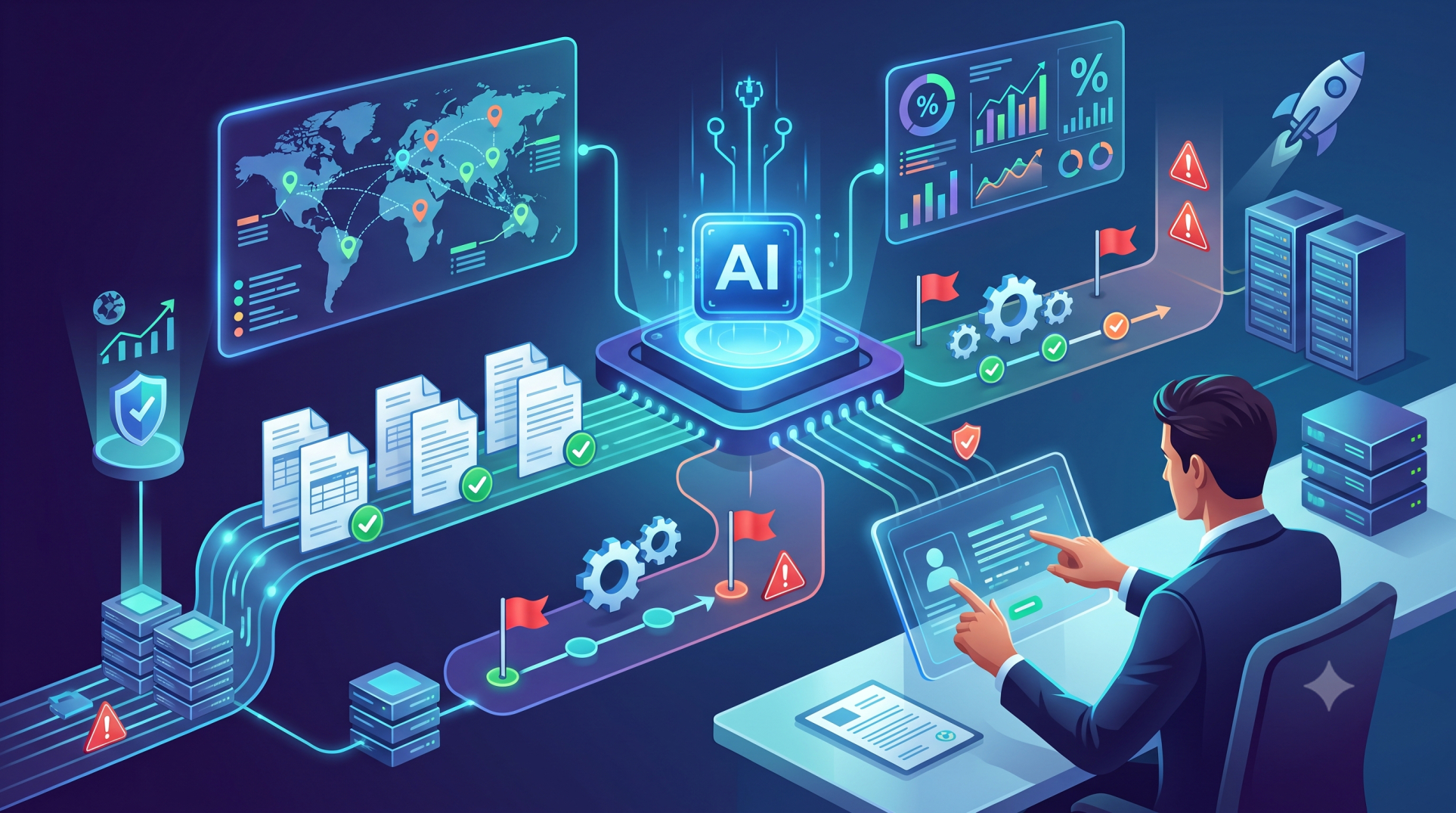
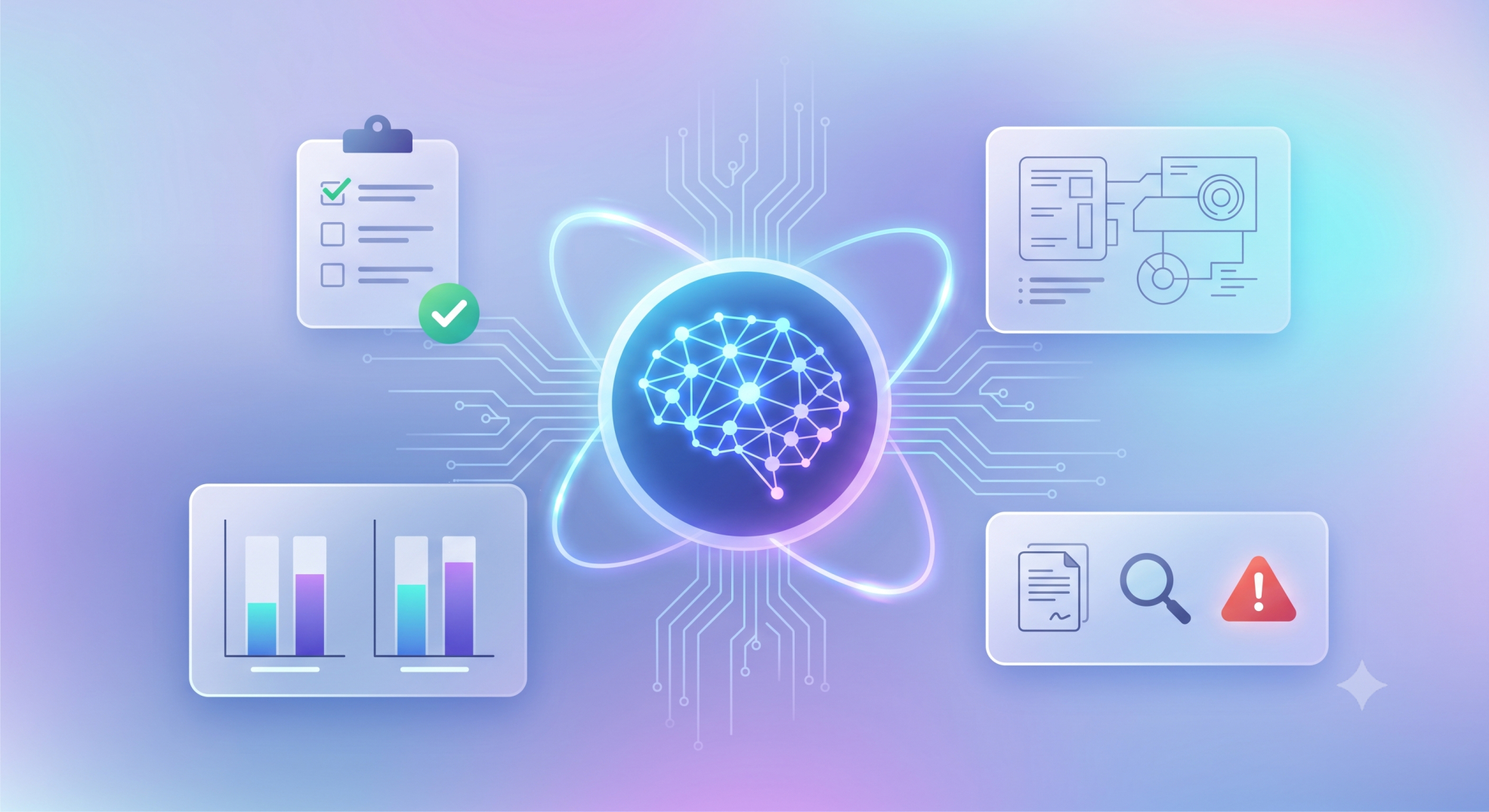
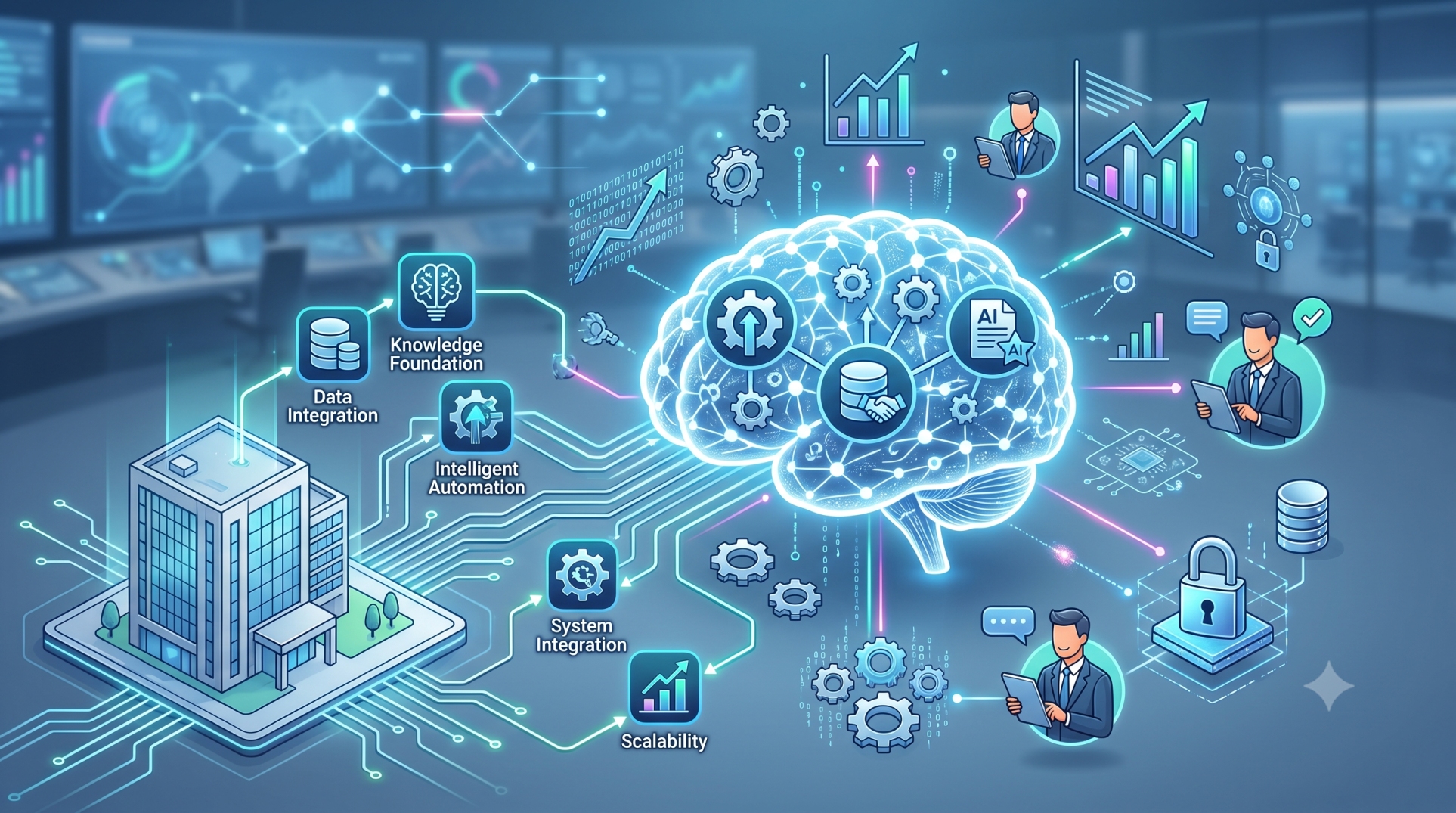
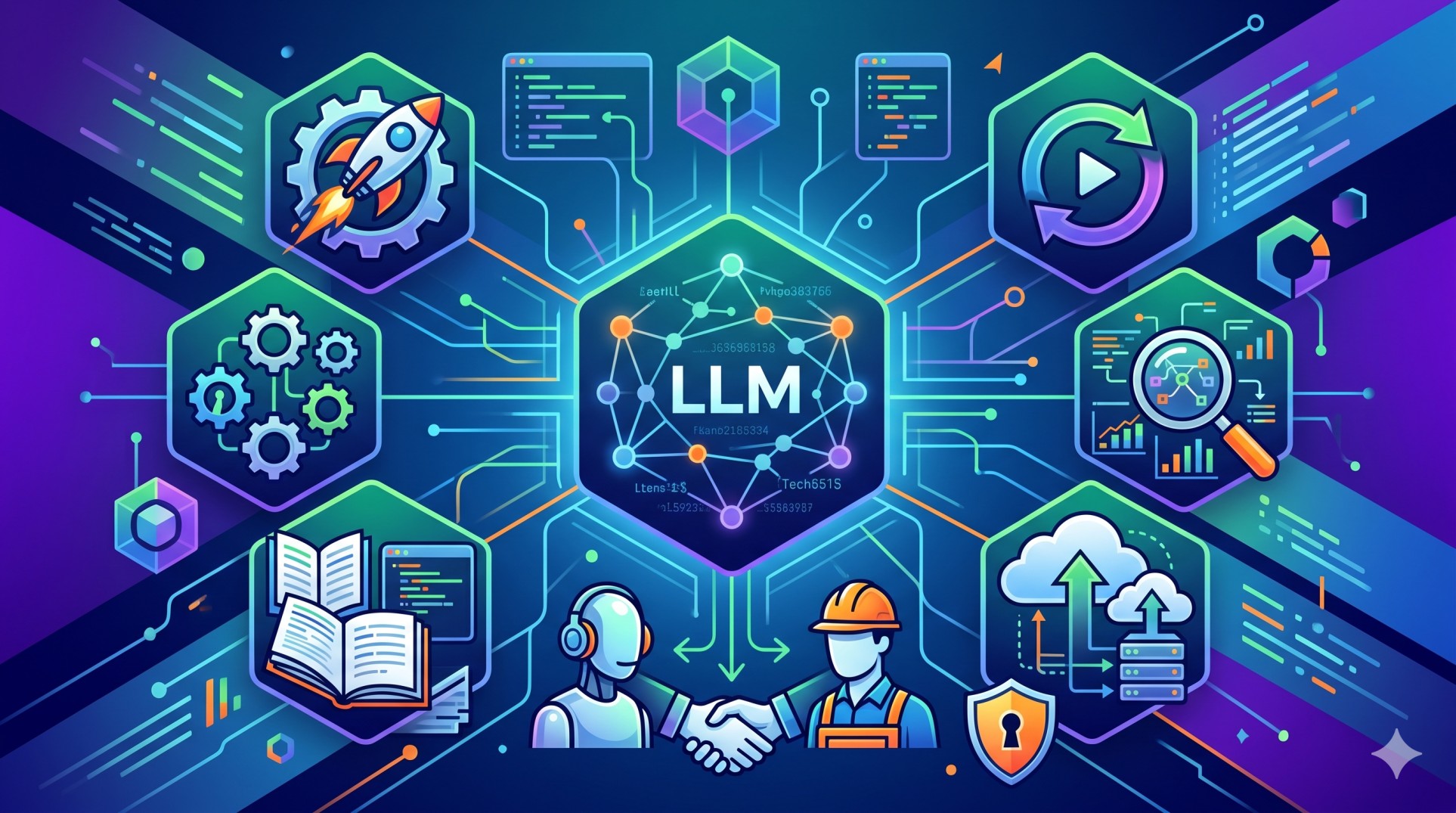
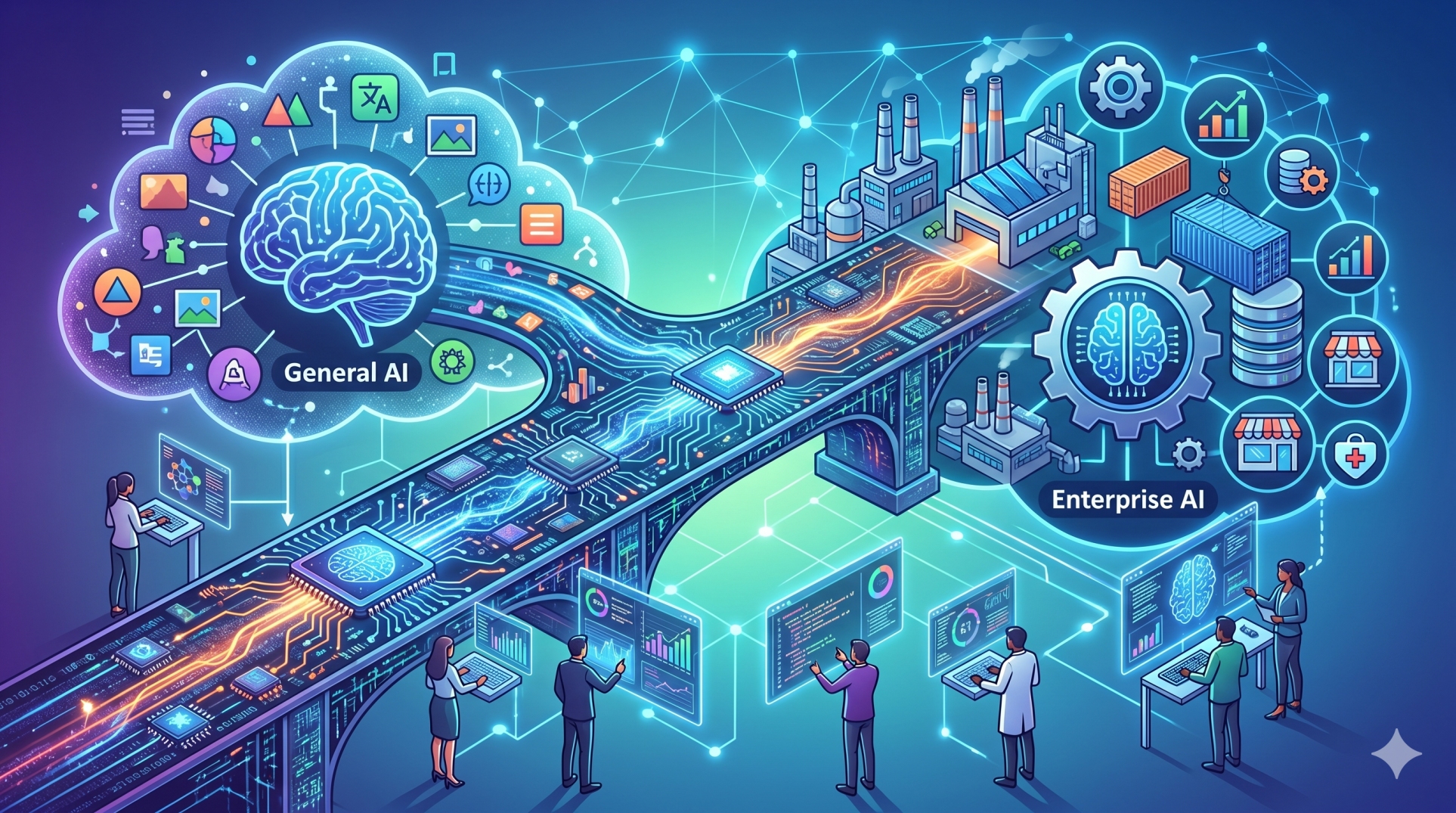
As AI systems move from experimentation into real-world deployment, relying only on probabilistic models is often insufficient for achieving reliability, governance, and control. Hybrid AI systems address this gap by combining learning-based intelligence with deterministic components that enforce rules, constraints, and predictable behavior. This approach allows organizations to build solutions that are both adaptive and dependable in production environments.
Step 1: Understanding Hybrid AI Architectures 🧠
• Combines machine learning models with rule-based or logic-driven components 🔗
• Balances probabilistic outputs with deterministic control mechanisms ⚖️
• Separates flexible reasoning from strict decision enforcement 🧩
• Enables modular architectures with clearly defined responsibilities 🏗️
• Improves predictability and interpretability of system outcomes 📊
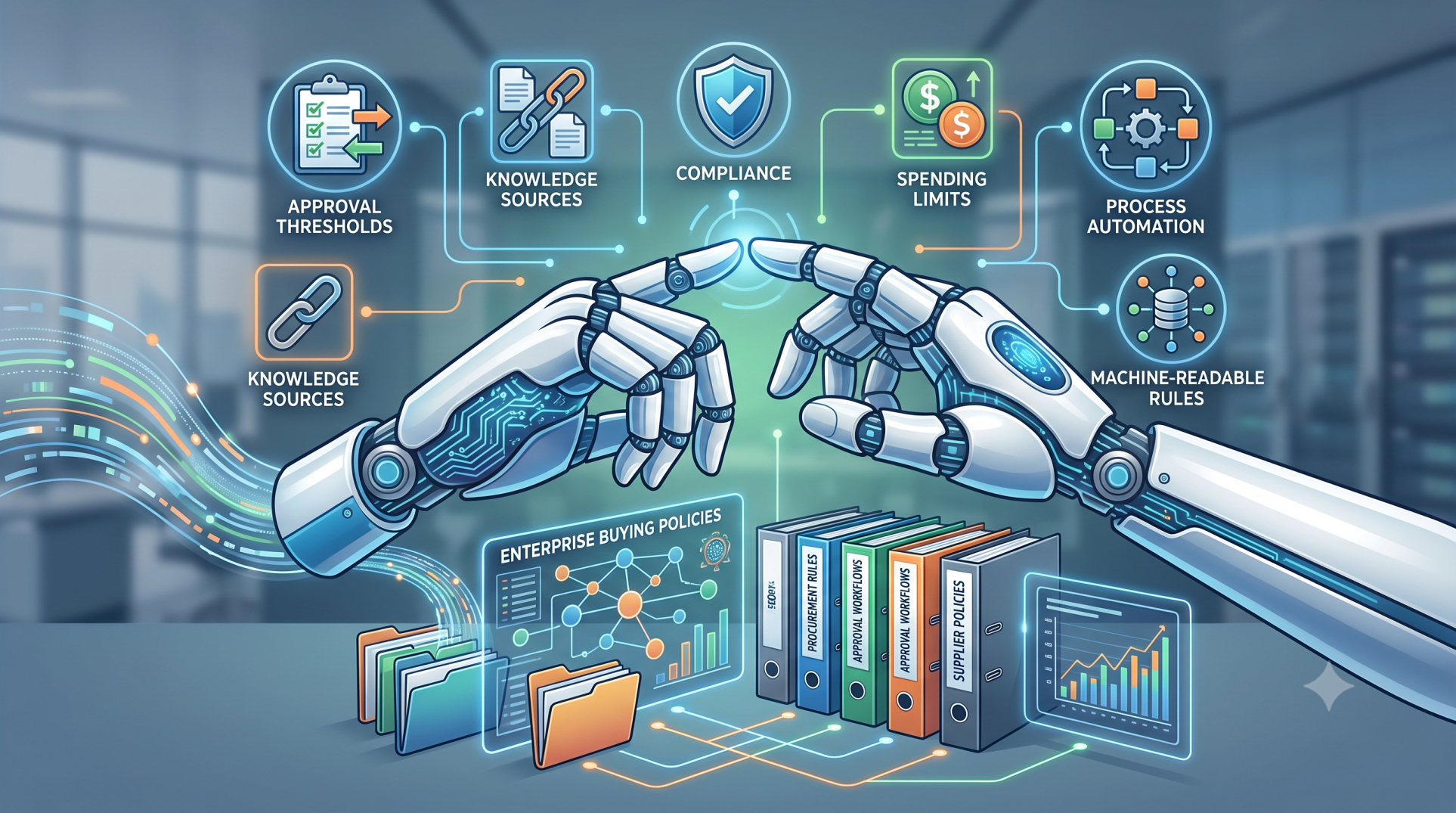
Step 2: Role of Deterministic Components 🛡️
• Enforce domain rules and business constraints ✔️
• Ensure adherence to compliance and regulatory requirements ⚖️
• Deliver consistent outputs in critical workflows 🔁
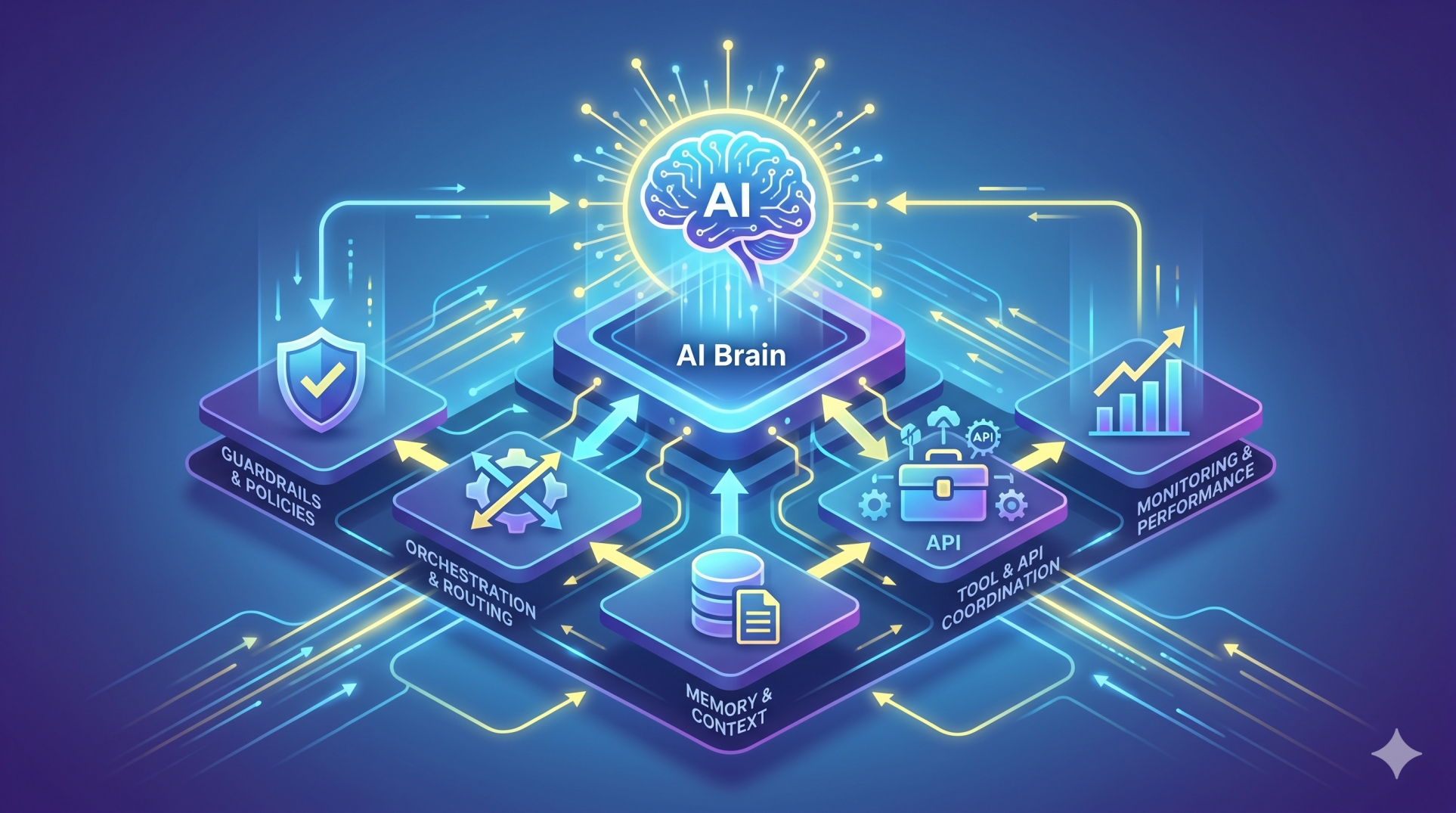
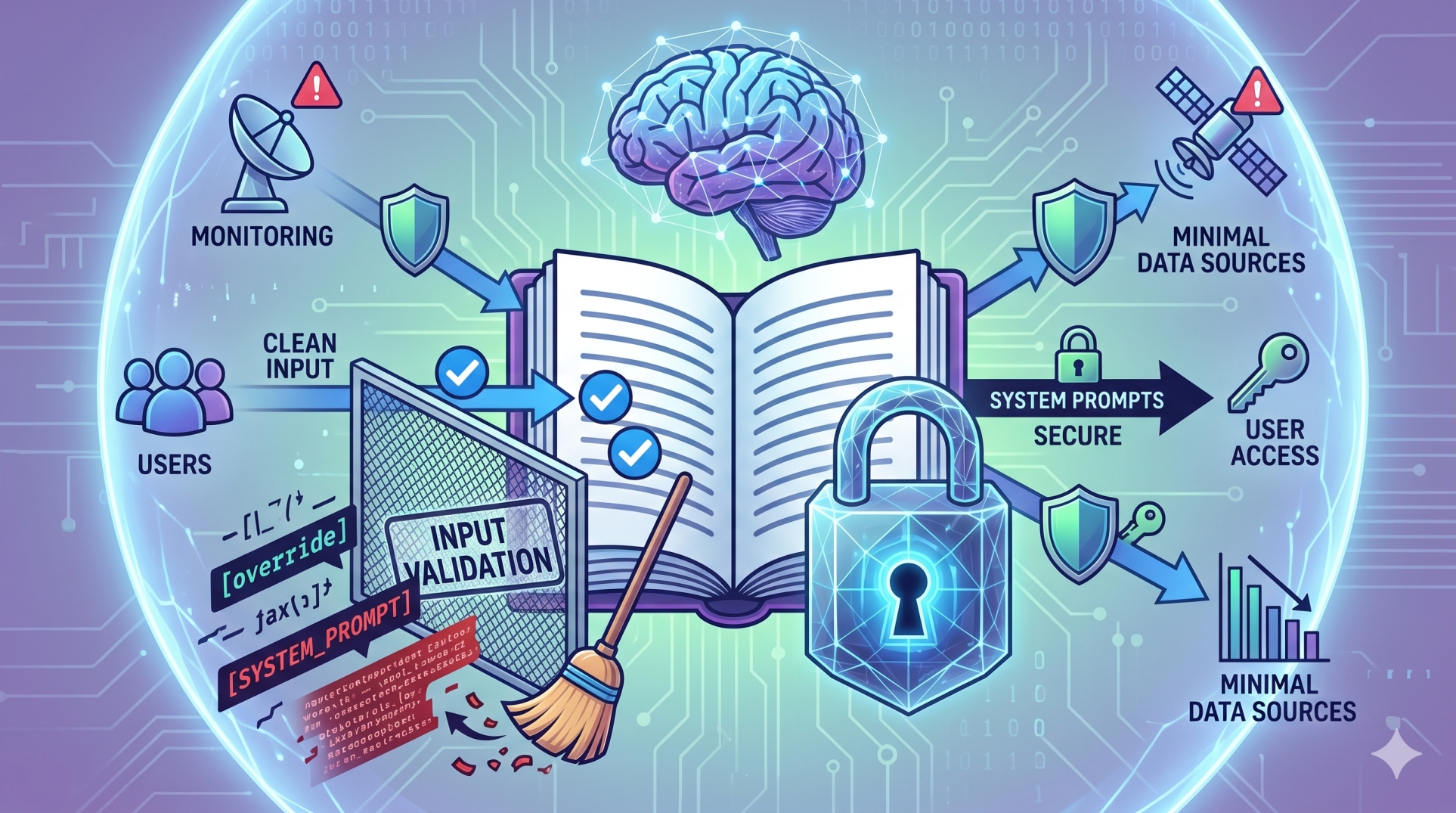
• Act as guardrails for model-generated responses 🚧
• Minimize variability in high-risk or sensitive scenarios ⚠️
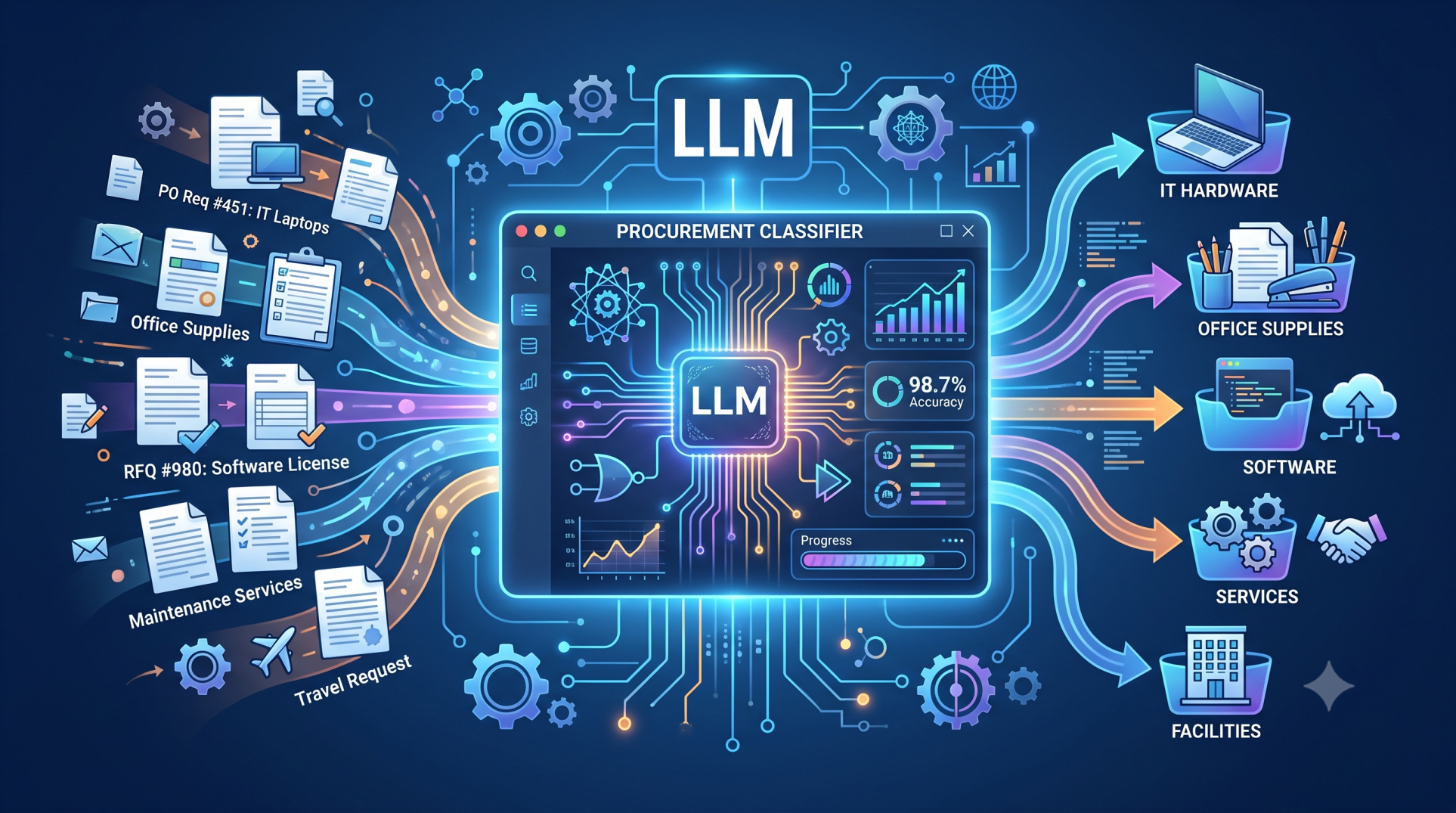
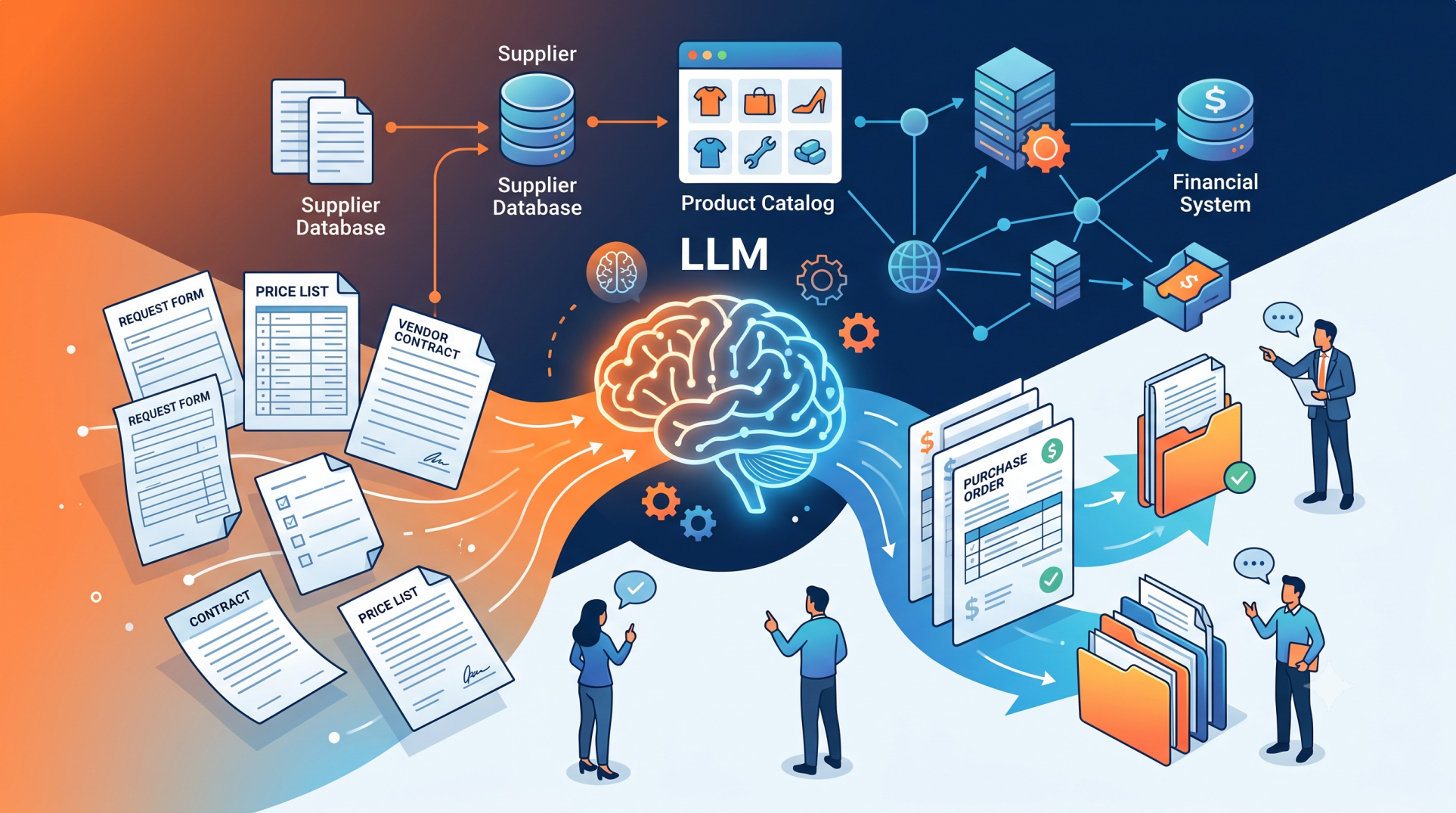
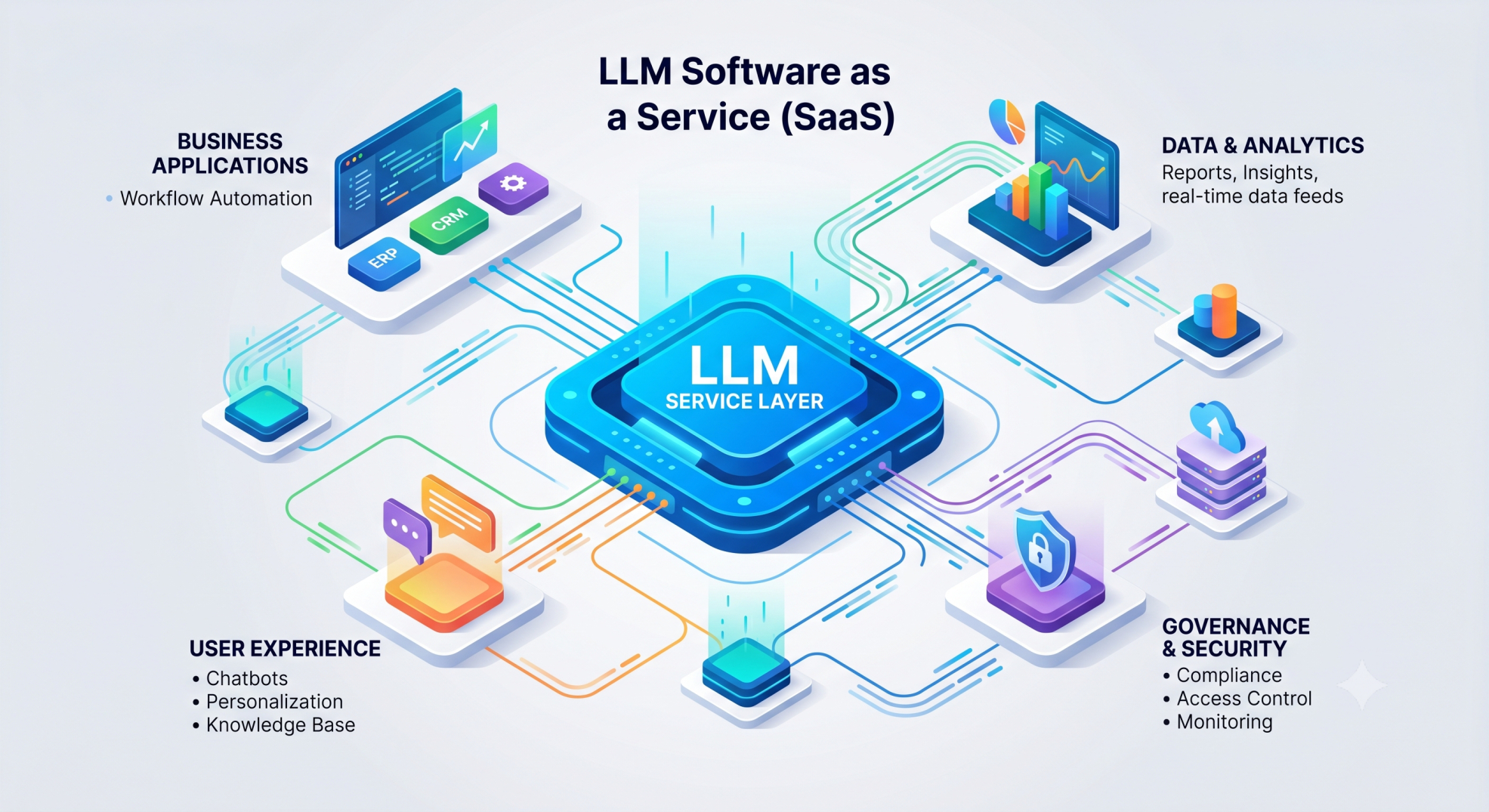
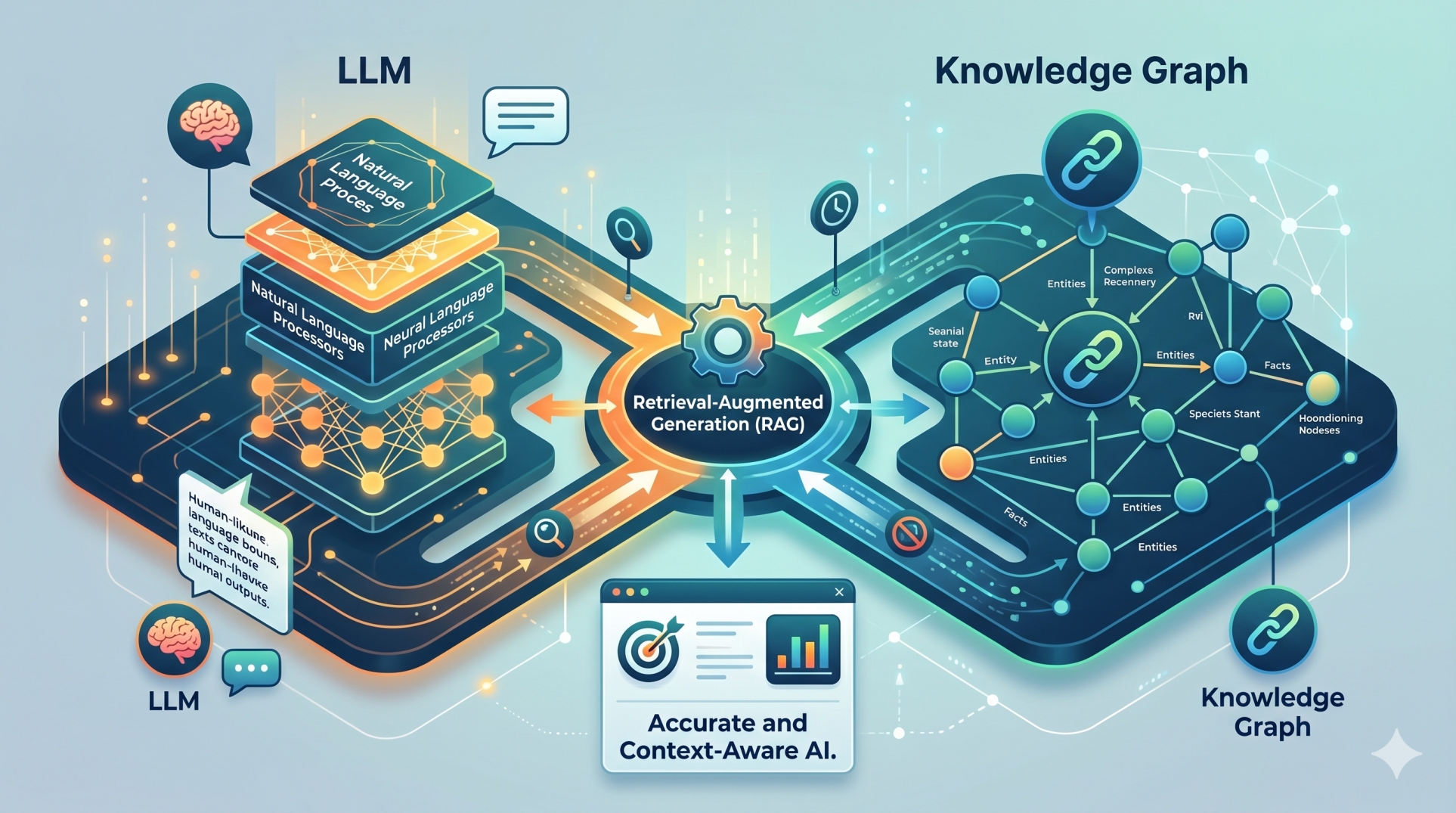
Step 3: Integrating LLMs with Rule-Based Systems 🤖
• Uses LLMs for understanding, reasoning, and content generation 🧠
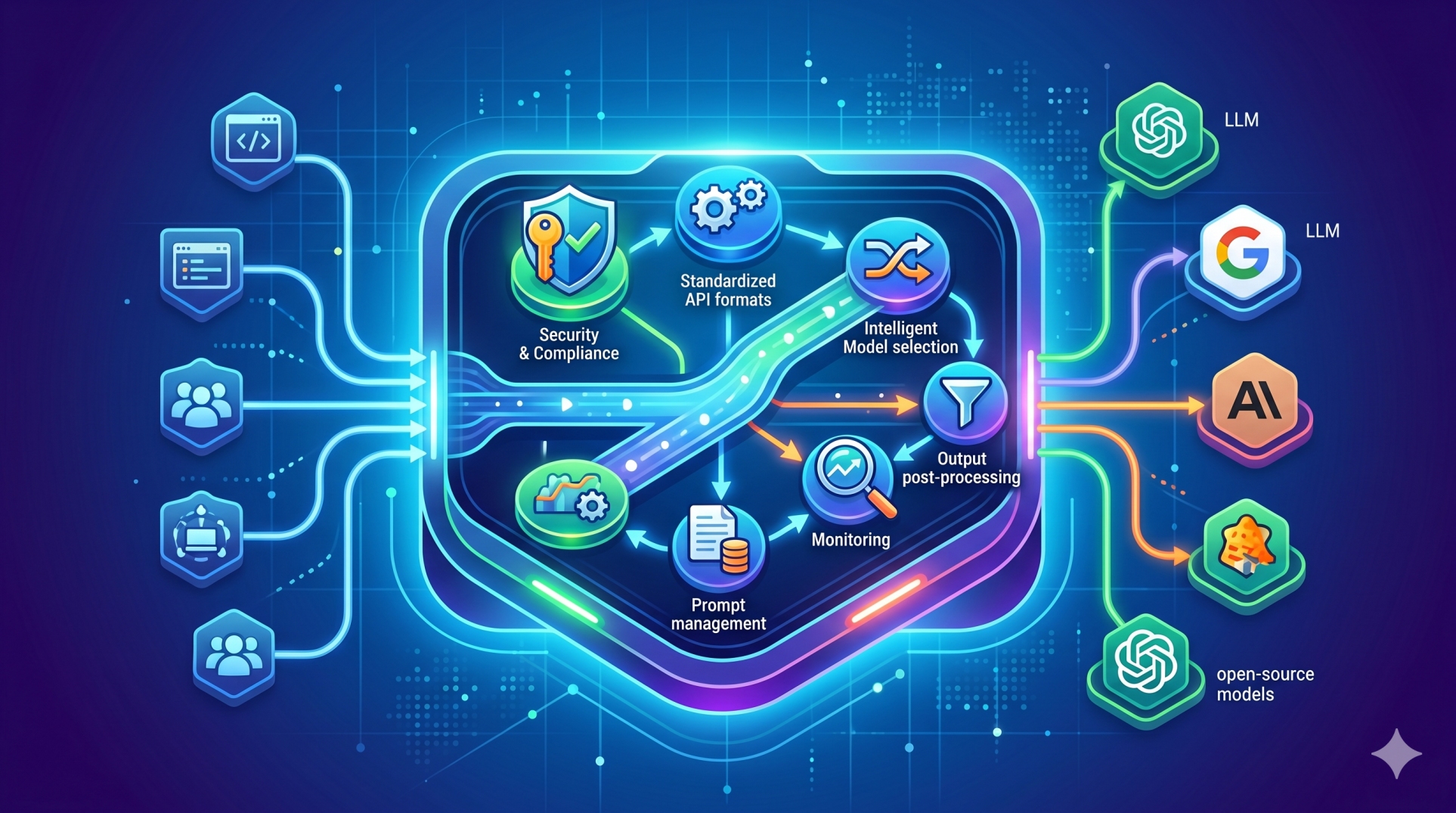
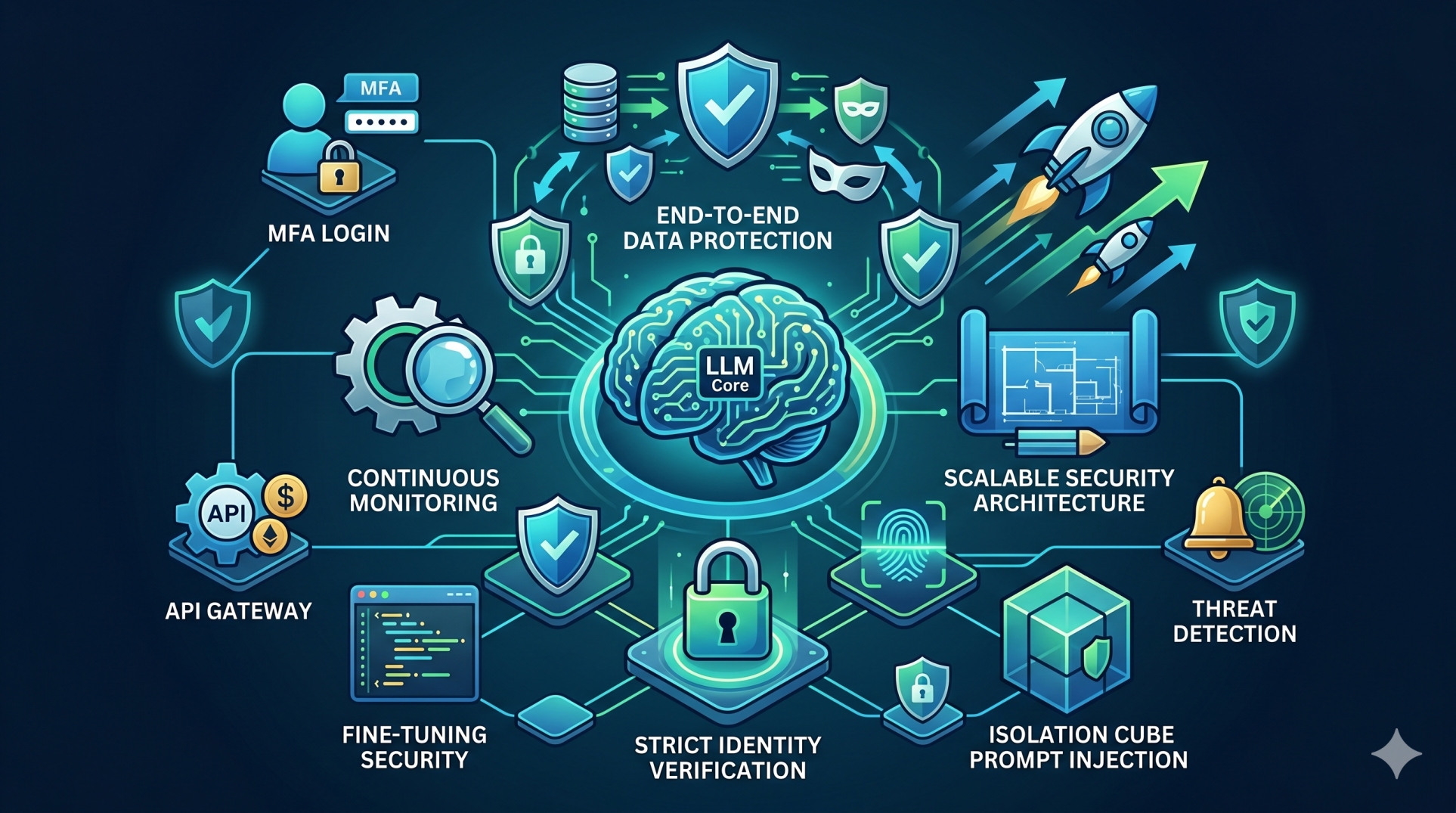
• Applies rule-based layers for validation and decision control 📏
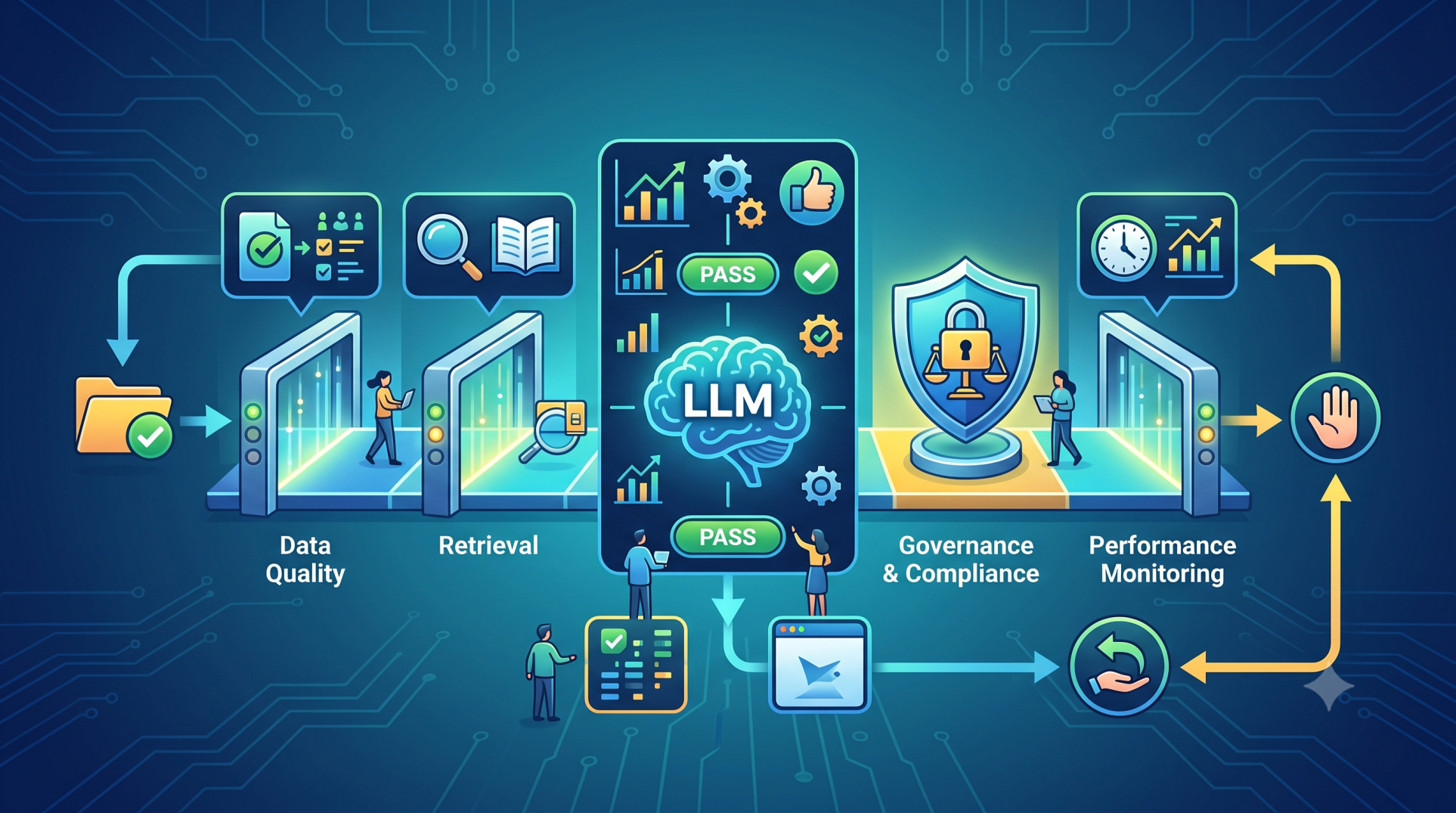
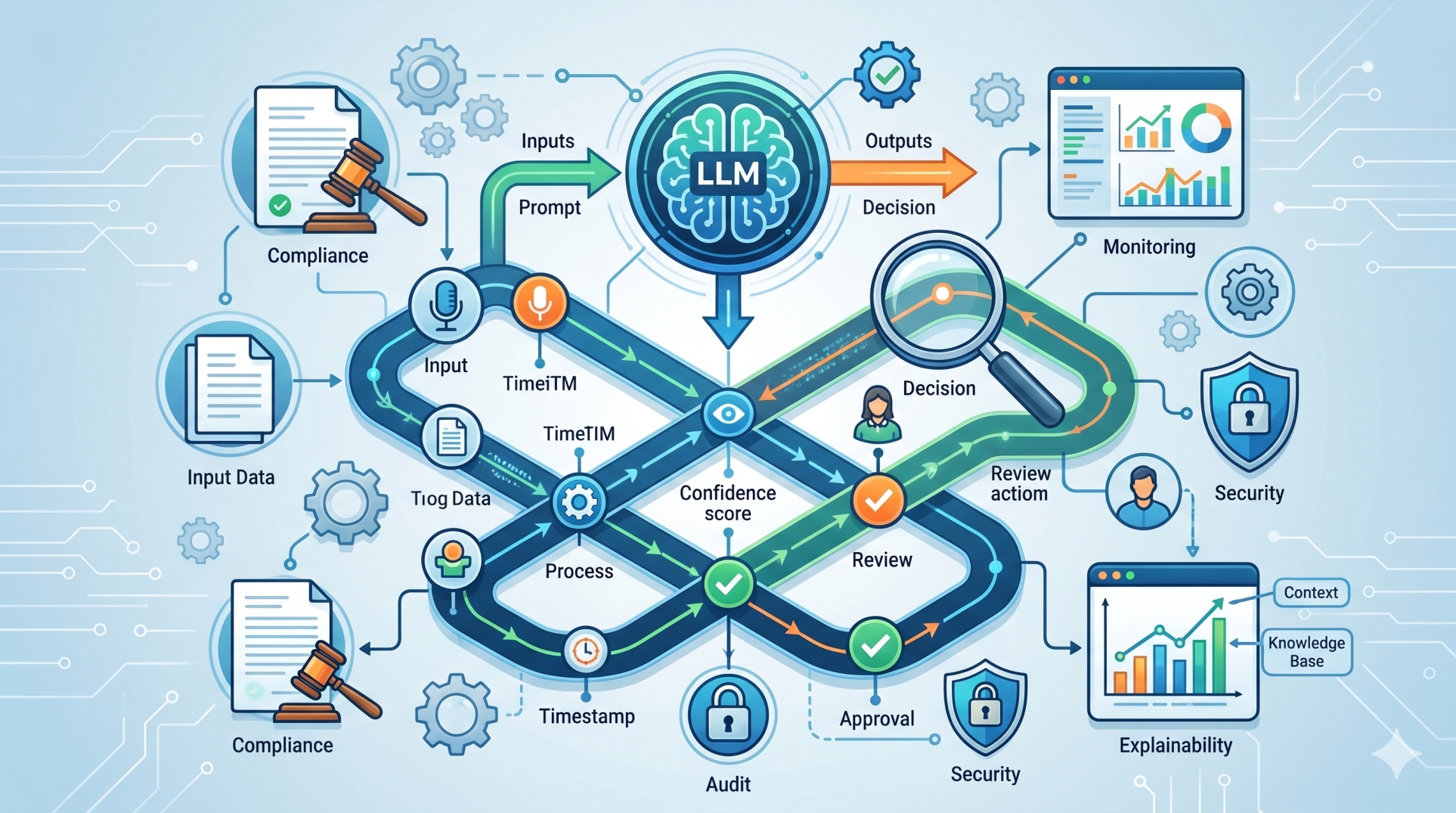
• Routes outputs through deterministic checkpoints before finalization 🔄
• Combines language flexibility with structured logic enforcement 🧩
• Enhances reliability without restricting model capability ⚙️
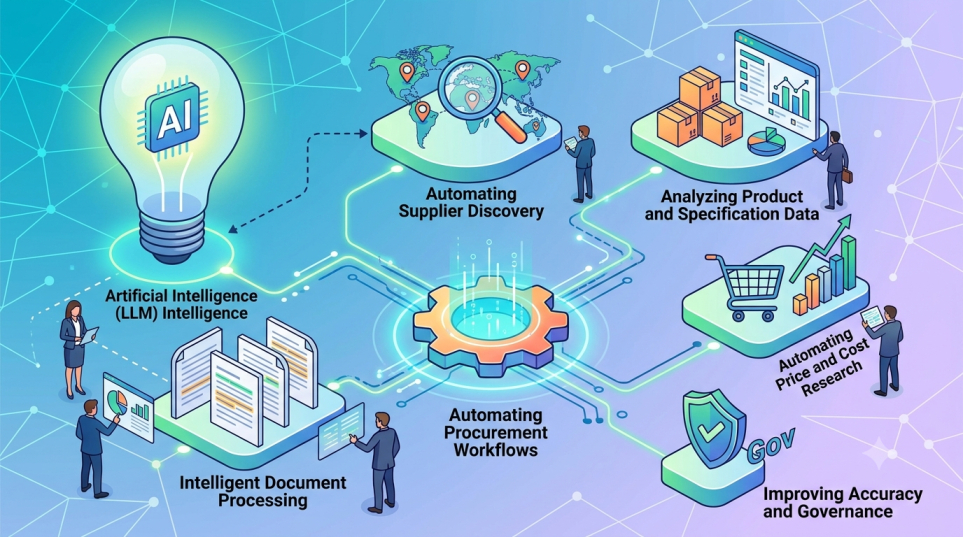
Step 4: Workflow Orchestration in Hybrid Systems 🔄
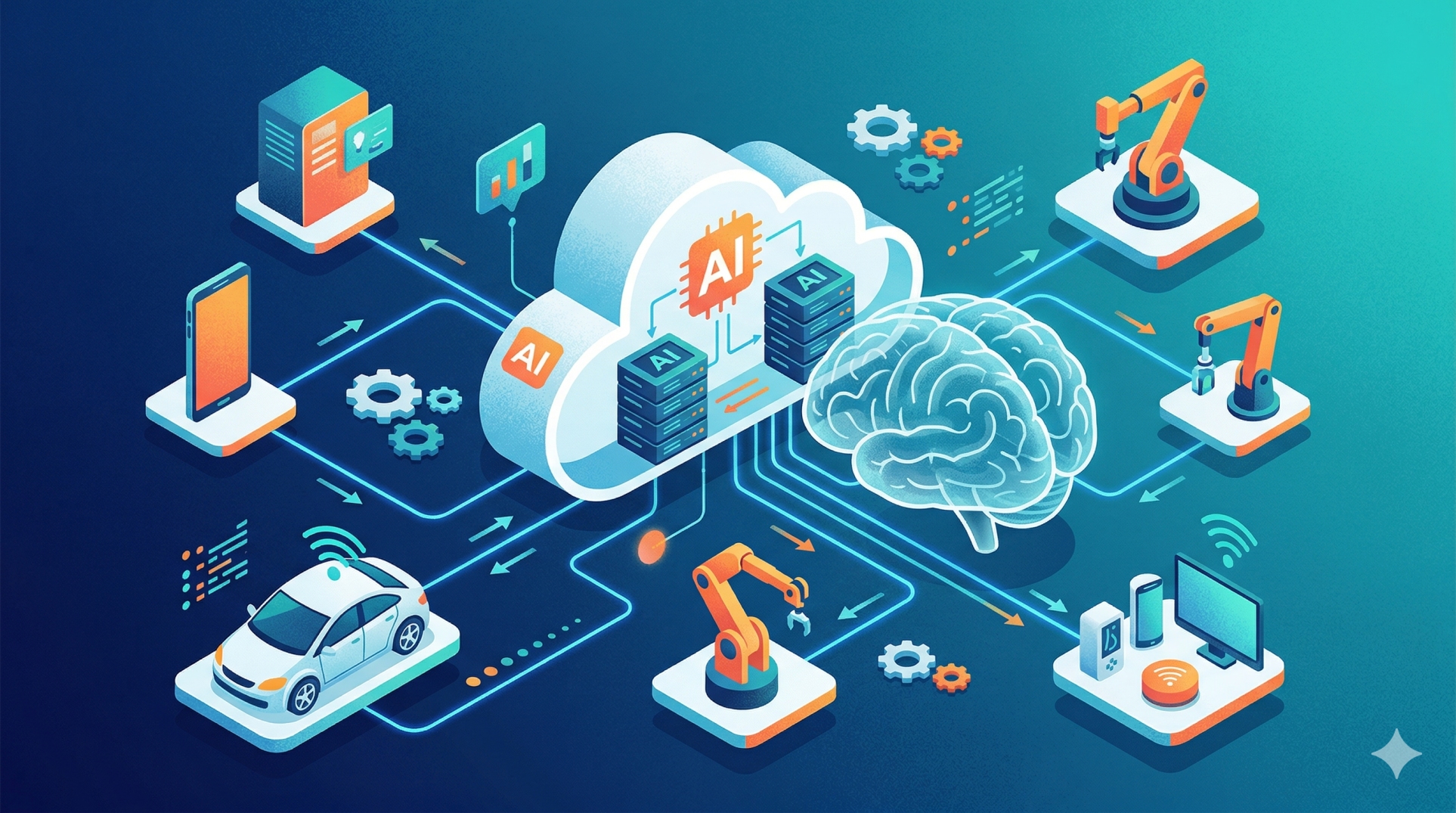
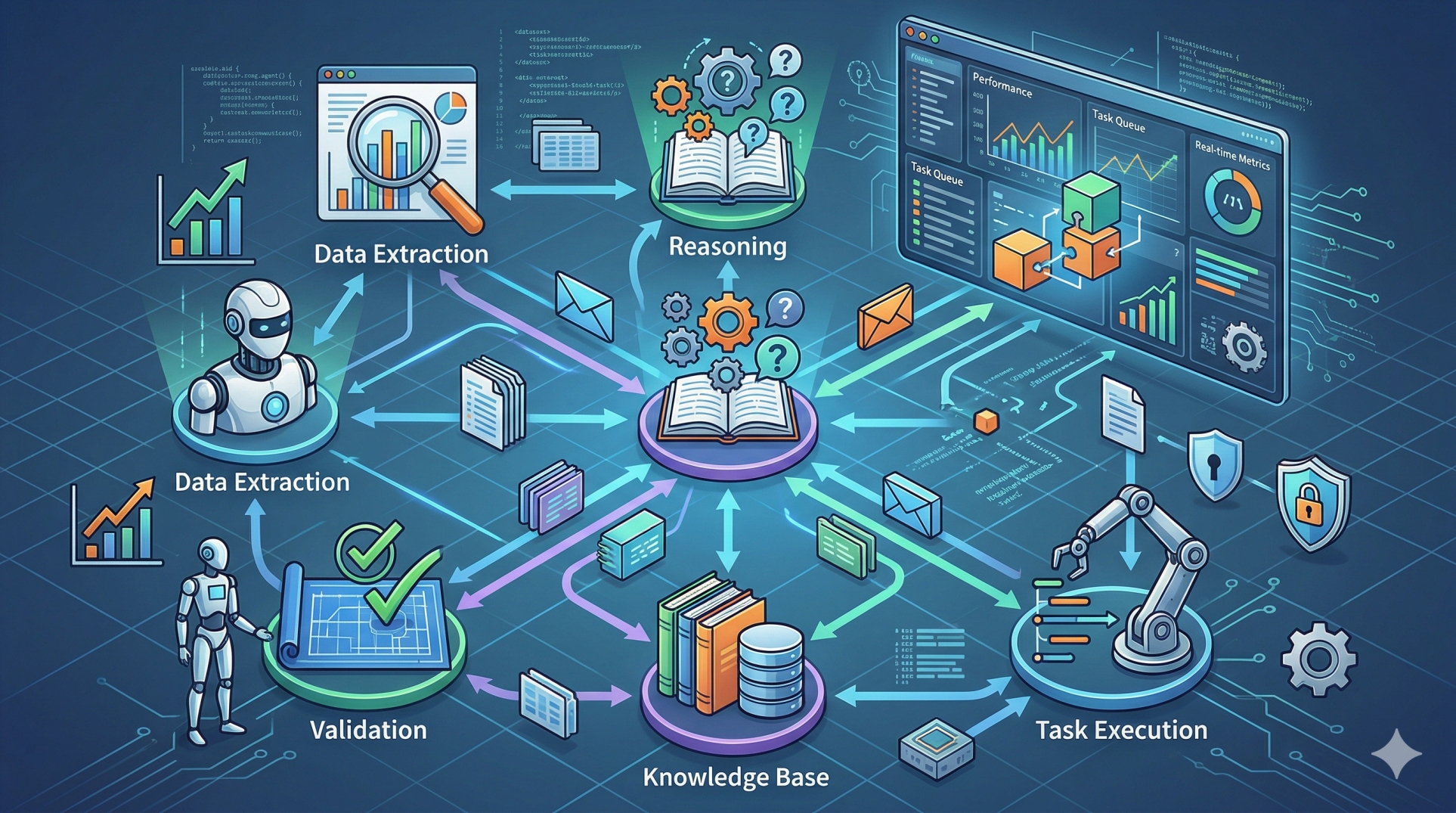
• Defines structured execution paths across AI and rule-based components 🛤️
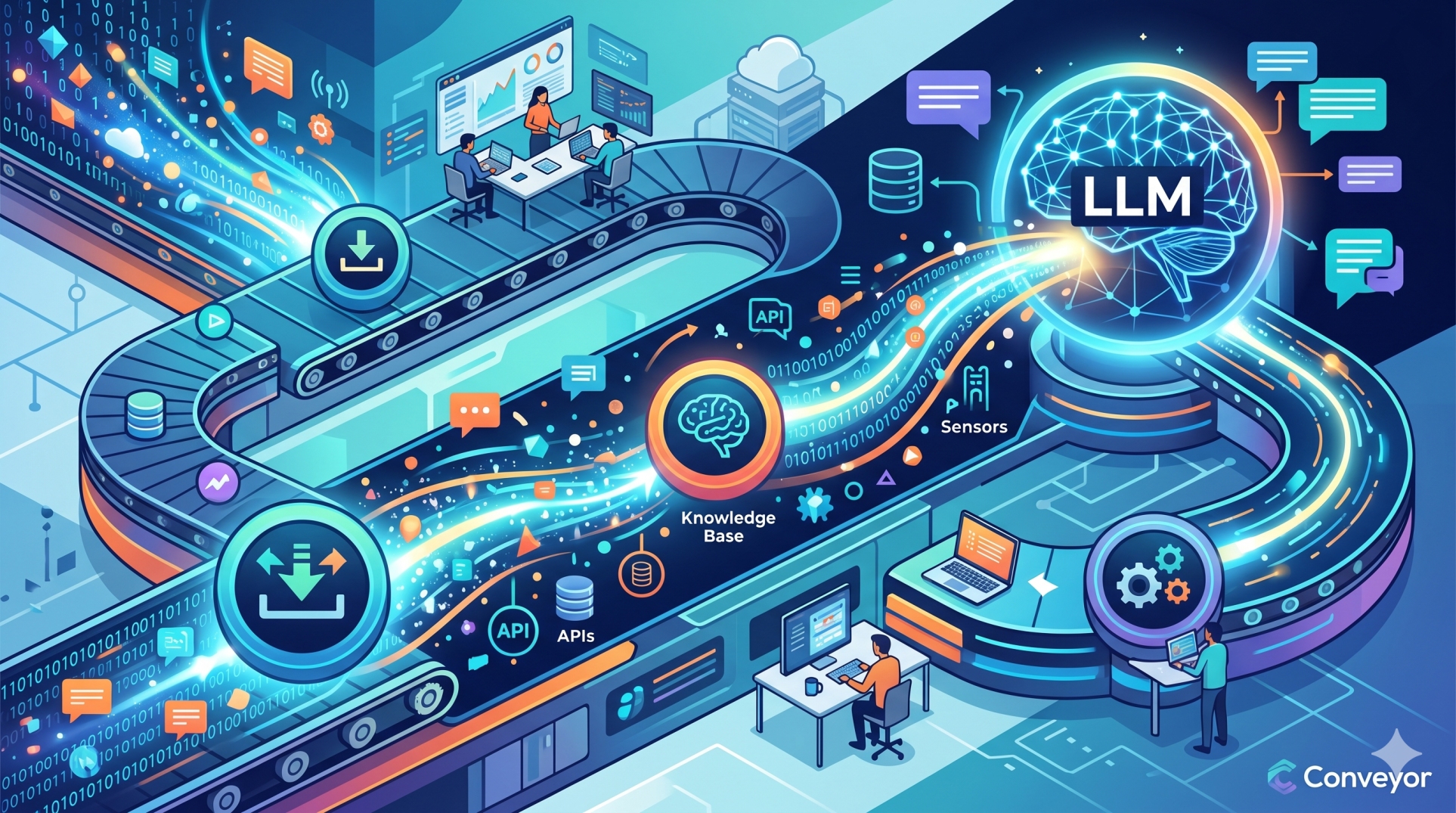
• Coordinates multiple services within a unified pipeline 🔗
• Supports conditional flows based on model outputs 🔀
• Maintains traceability across all decision stages 🧾
• Enables scalable and maintainable orchestration design 📈
Step 5: Managing Uncertainty and Risk ⚠️
• Identifies low-confidence or ambiguous model outputs ❓
• Triggers fallback mechanisms or human intervention when required 👥
• Applies thresholds to control acceptable output quality 📏
• Prevents propagation of incorrect or unsafe responses 🚫
• Strengthens system resilience in edge-case scenarios 🛡️
Step 6: Validation and Post-Processing Layers ✔️
• Validates outputs against predefined constraints and rules 📐
• Adjusts formatting, structure, or domain-specific requirements 📝
• Filters out harmful, irrelevant, or non-compliant responses 🚫
• Ensures outputs meet operational and business standards 📊
• Acts as a final verification layer before delivery ✅
Step 7: Explainability and Transparency 🔍
• Separates deterministic logic for easier auditing and review 📂
• Provides clear reasoning for rule-based decisions 🧠
• Tracks how outputs are modified, approved, or rejected 🔄
• Simplifies debugging and continuous system improvement 🛠️
• Builds trust among users, teams, and stakeholders 🤝
Step 8: Key Design Principles for Hybrid AI Systems 📐
• Keep rule logic simple, maintainable, and scalable 🧠
• Define clear boundaries between AI and deterministic components 🚧
• Prioritize reliability in critical decision pathways 🎯
• Design systems for modularity and easy iteration 🔄
Step 9: Scaling Hybrid Architectures 📈
• Supports gradual expansion with additional rules and models ➕
• Adapts to increasing data complexity and volume 📊
• Enables reuse of components across multiple applications 🔁
• Maintains performance under higher workloads ⚡
• Aligns with enterprise-grade architecture standards 🏢
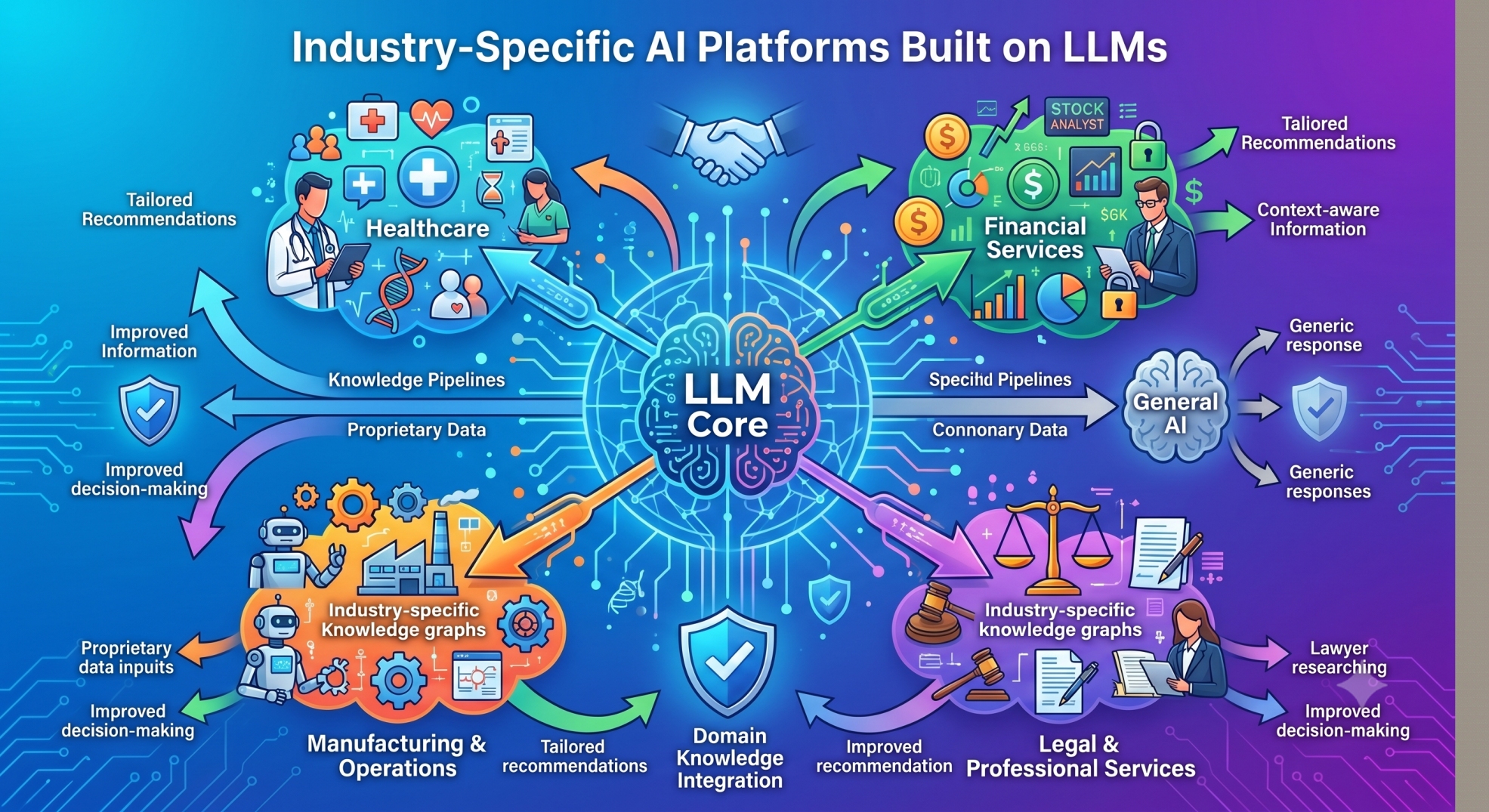
Step 10: Use Cases for Hybrid AI Systems 🧠
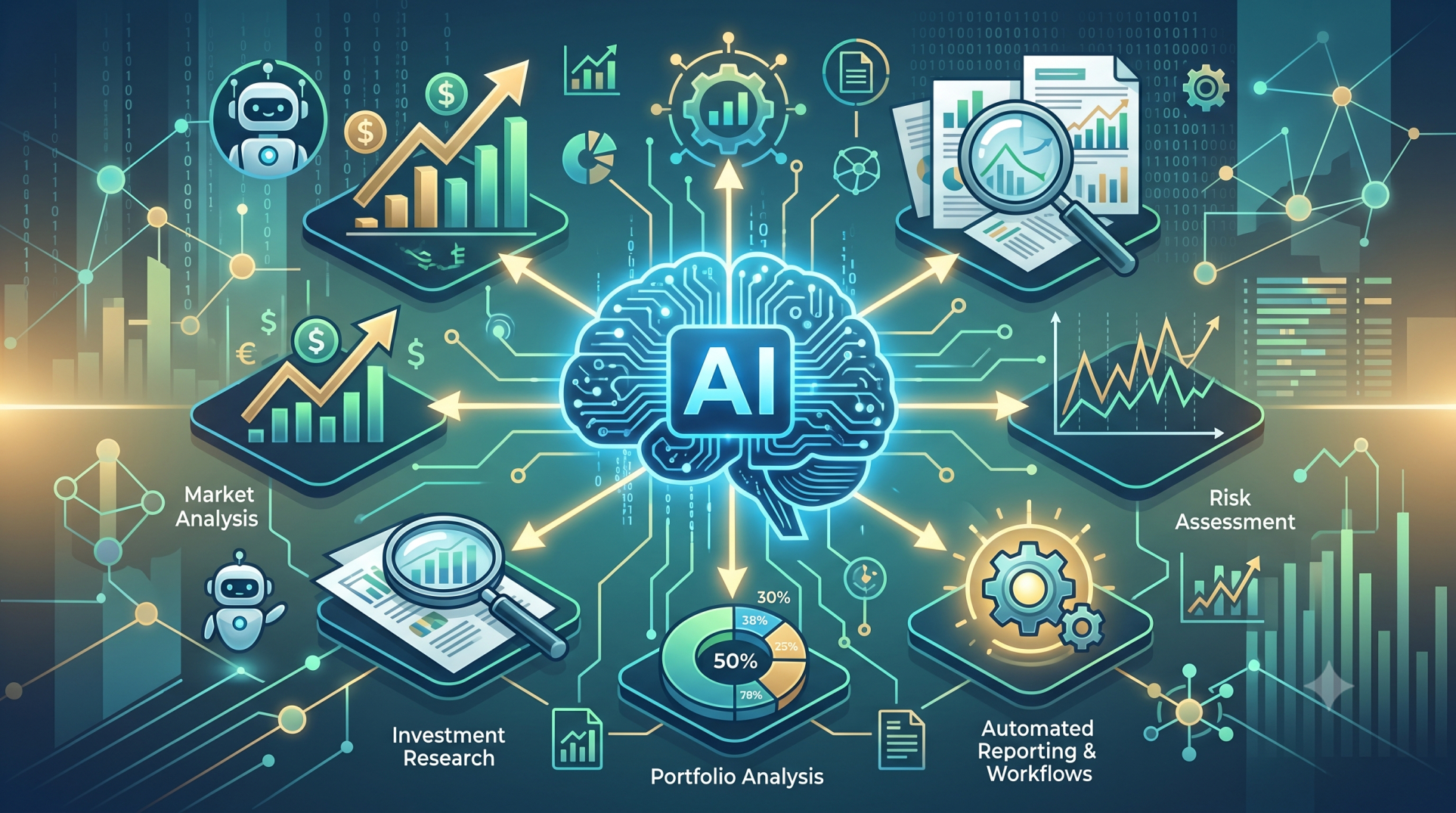
• Financial platforms requiring strict validation and compliance 💰
• Healthcare systems with safety-critical decision layers 🏥
• Customer support automation with policy enforcement 💬
• Enterprise workflows combining automation with human oversight 🏢
• Content generation systems with moderation and control layers ✍️
Conclusion
Hybrid AI systems provide a practical framework for deploying intelligent solutions in real-world environments. By combining the adaptability of LLMs with the precision of deterministic components, organizations can achieve both flexibility and control. This approach ensures that AI systems remain reliable, compliant, and aligned with business goals while continuing to benefit from the capabilities of modern machine learning.
See more blogs
You can all the articles below