AI Platforms for Legal Document Processing

AI Platforms for Legal Document Processing
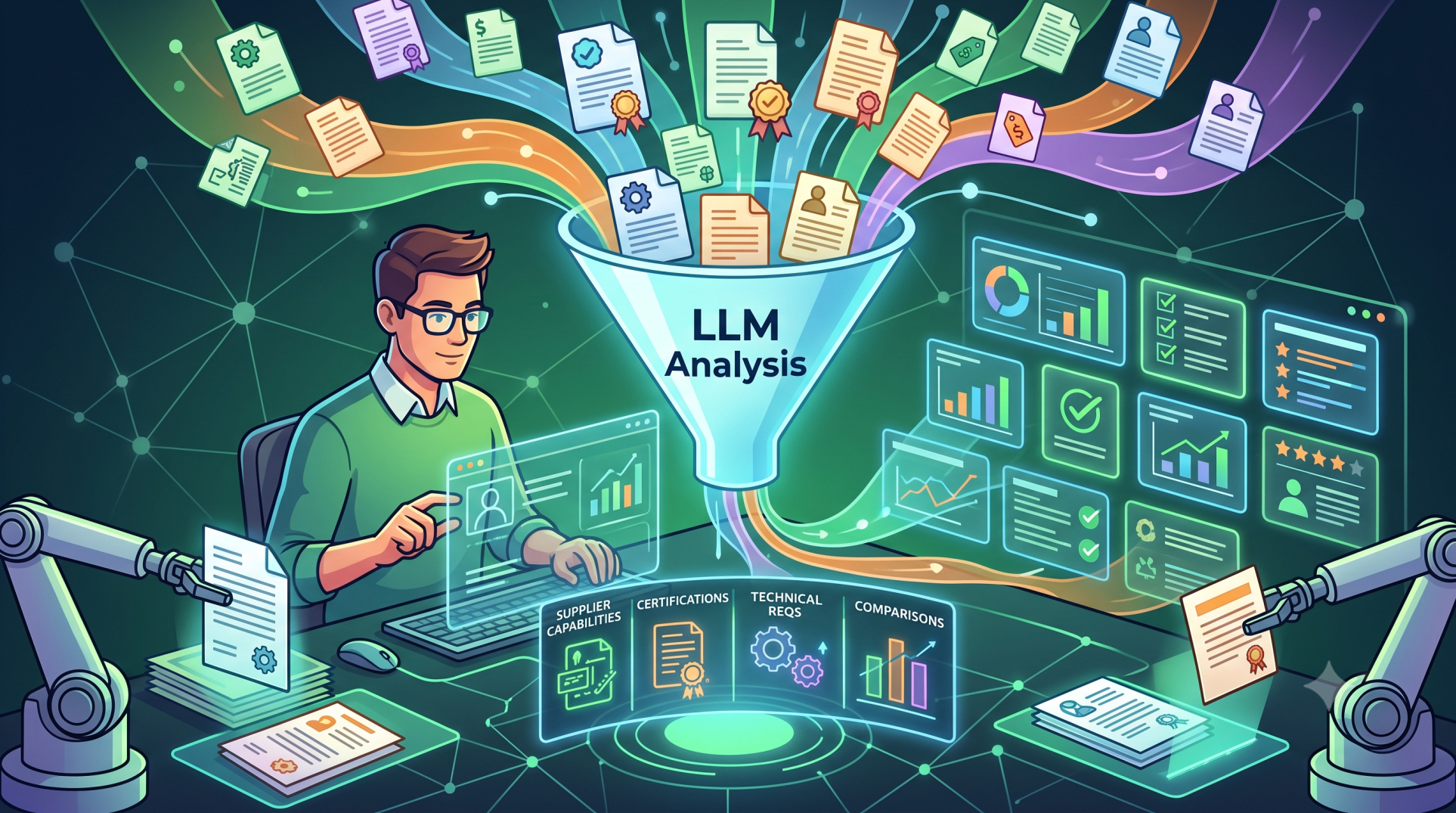
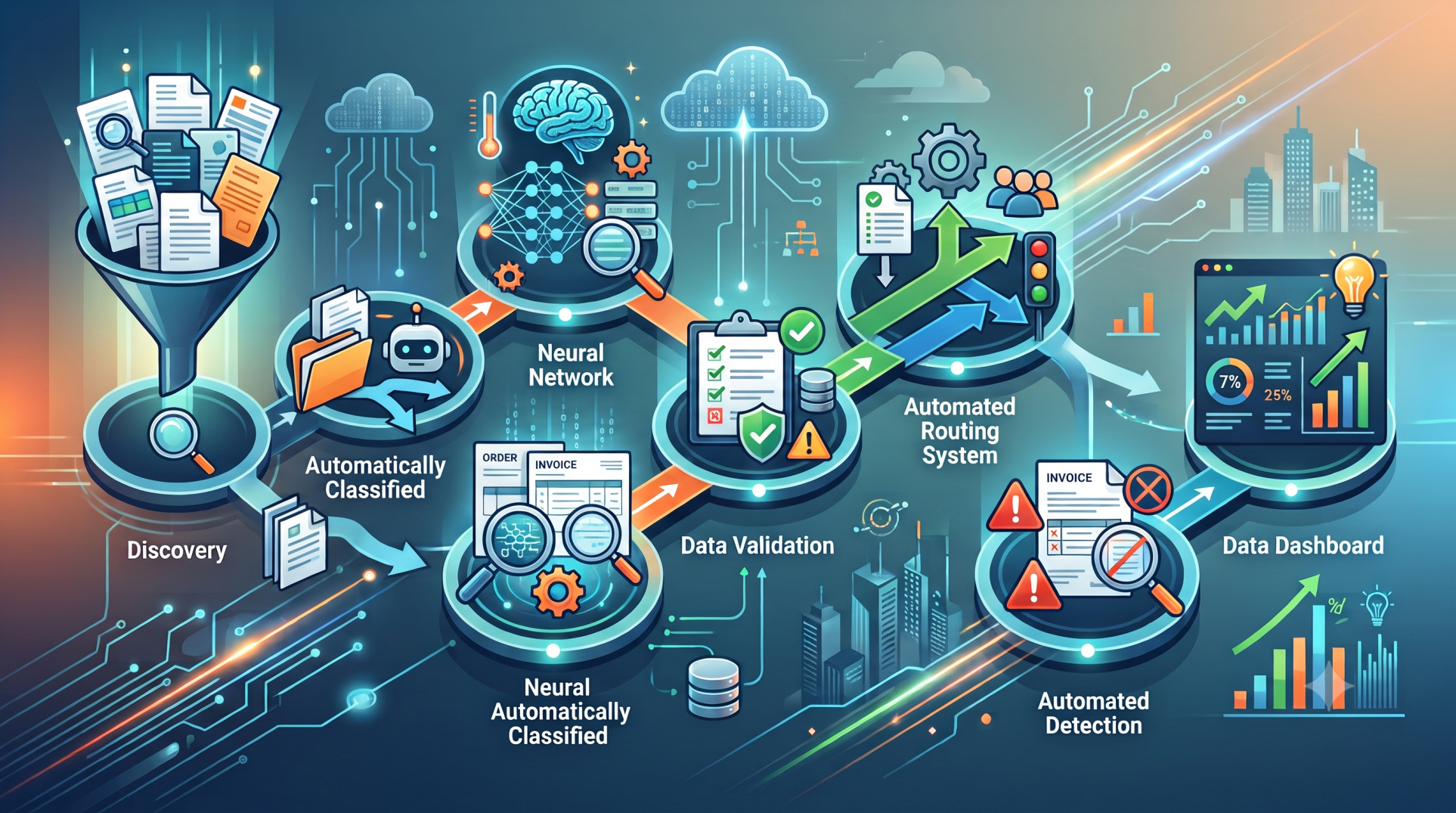
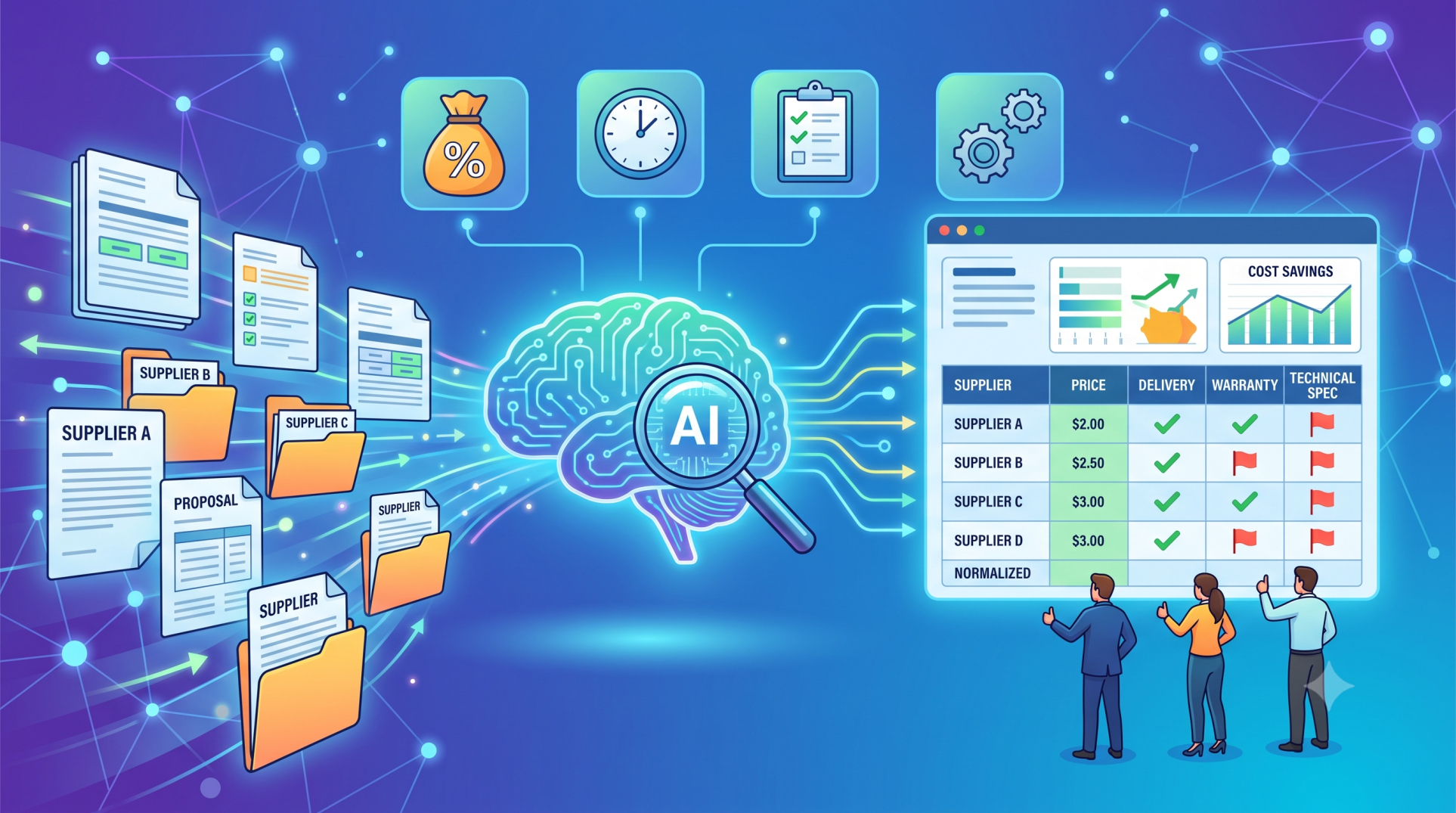
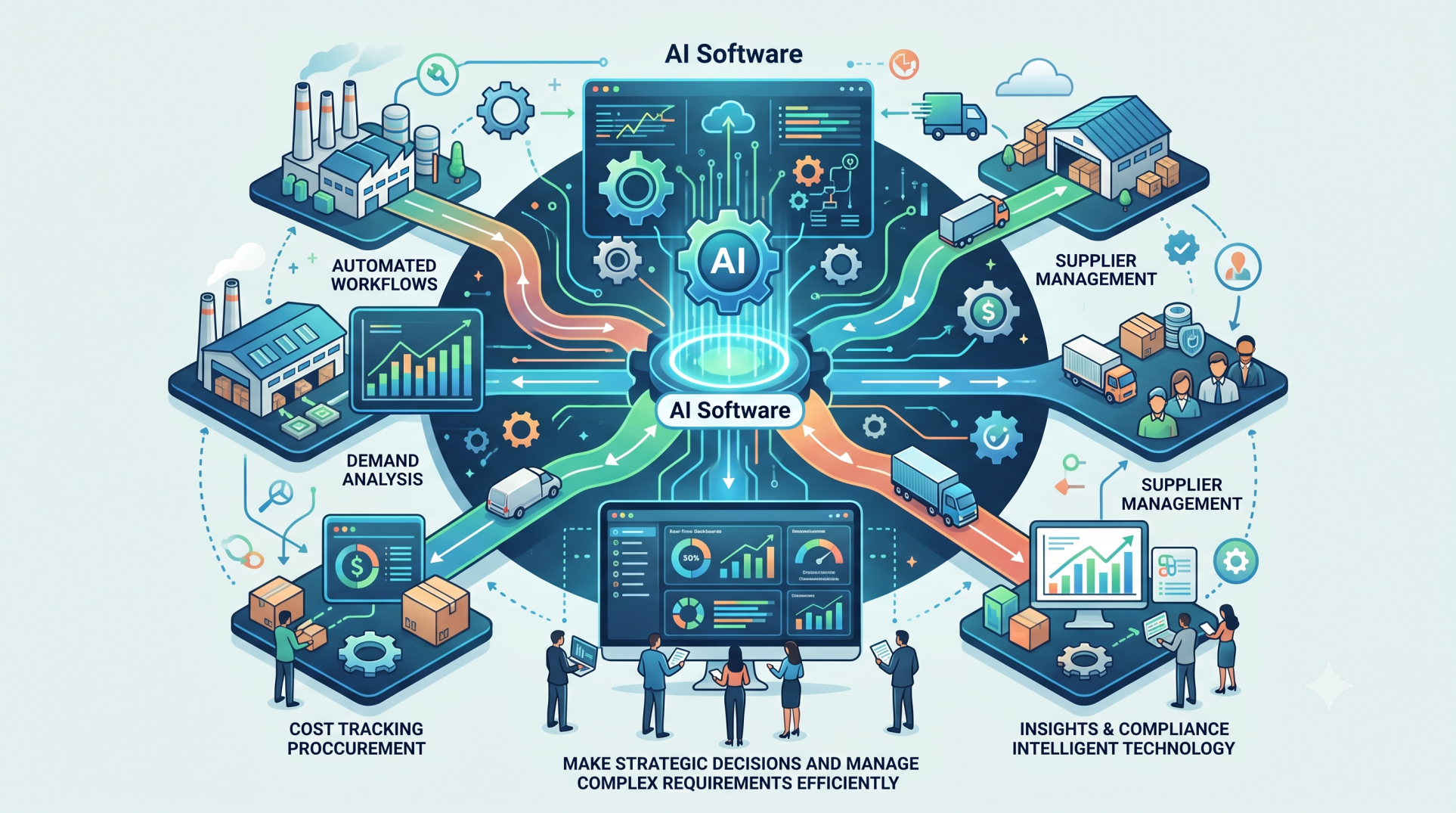
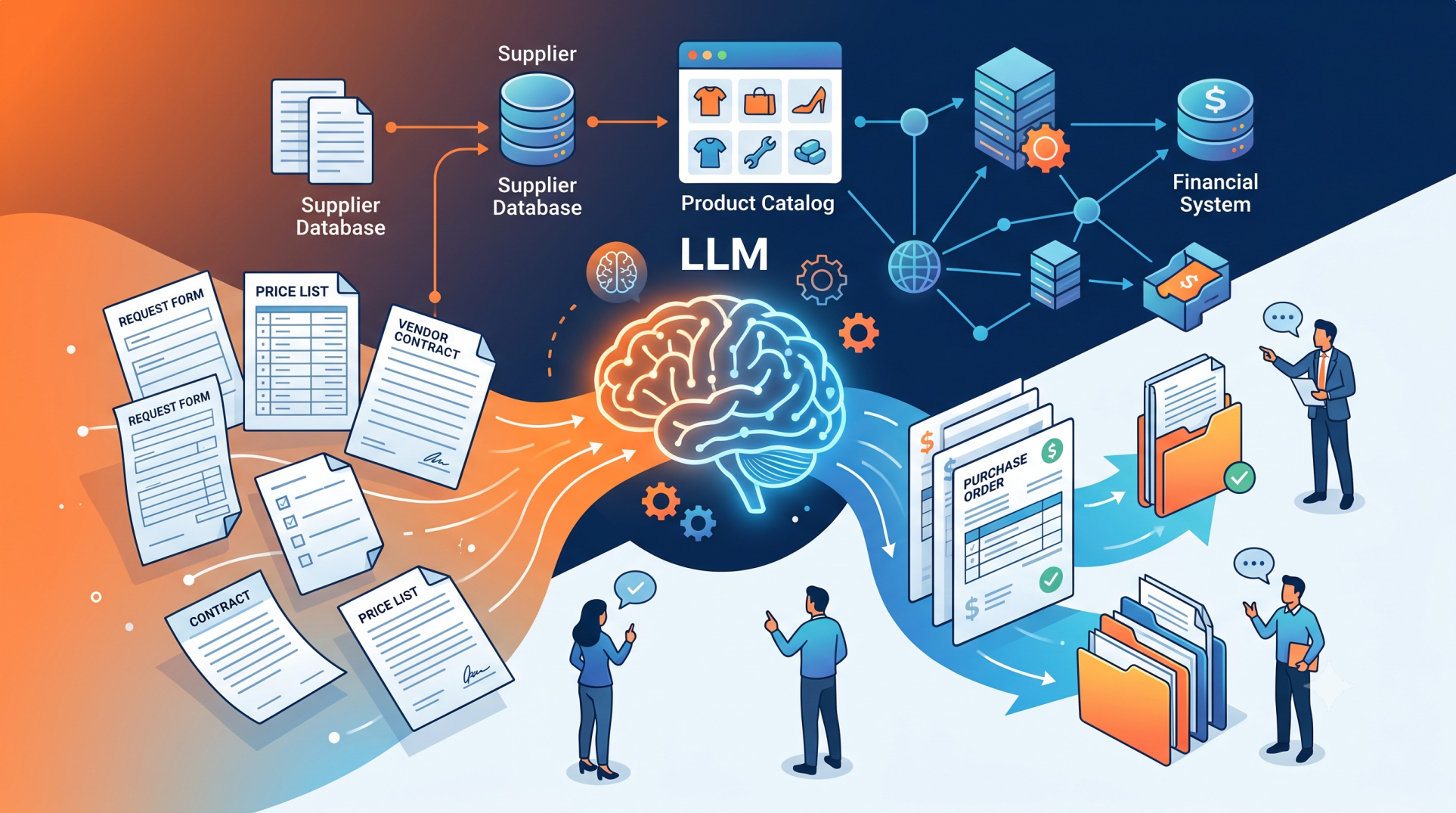
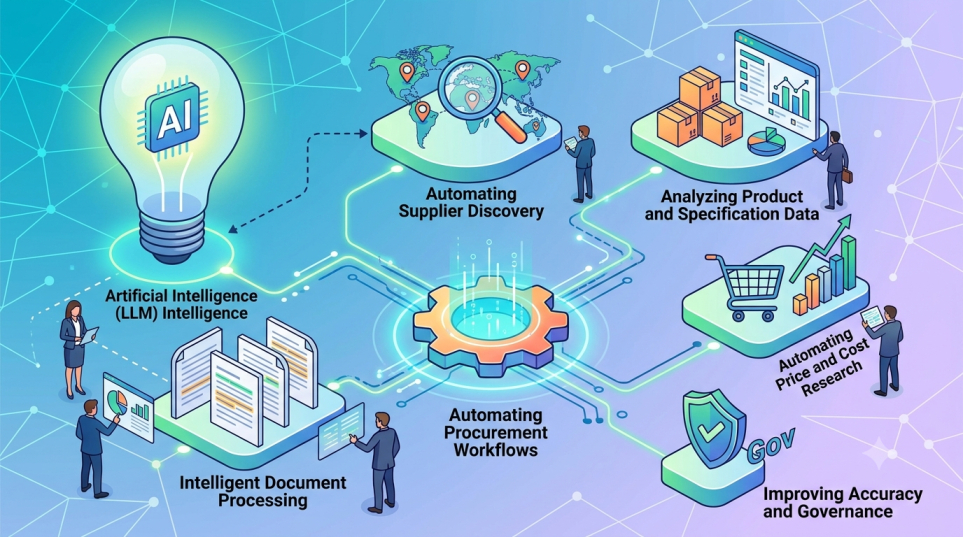
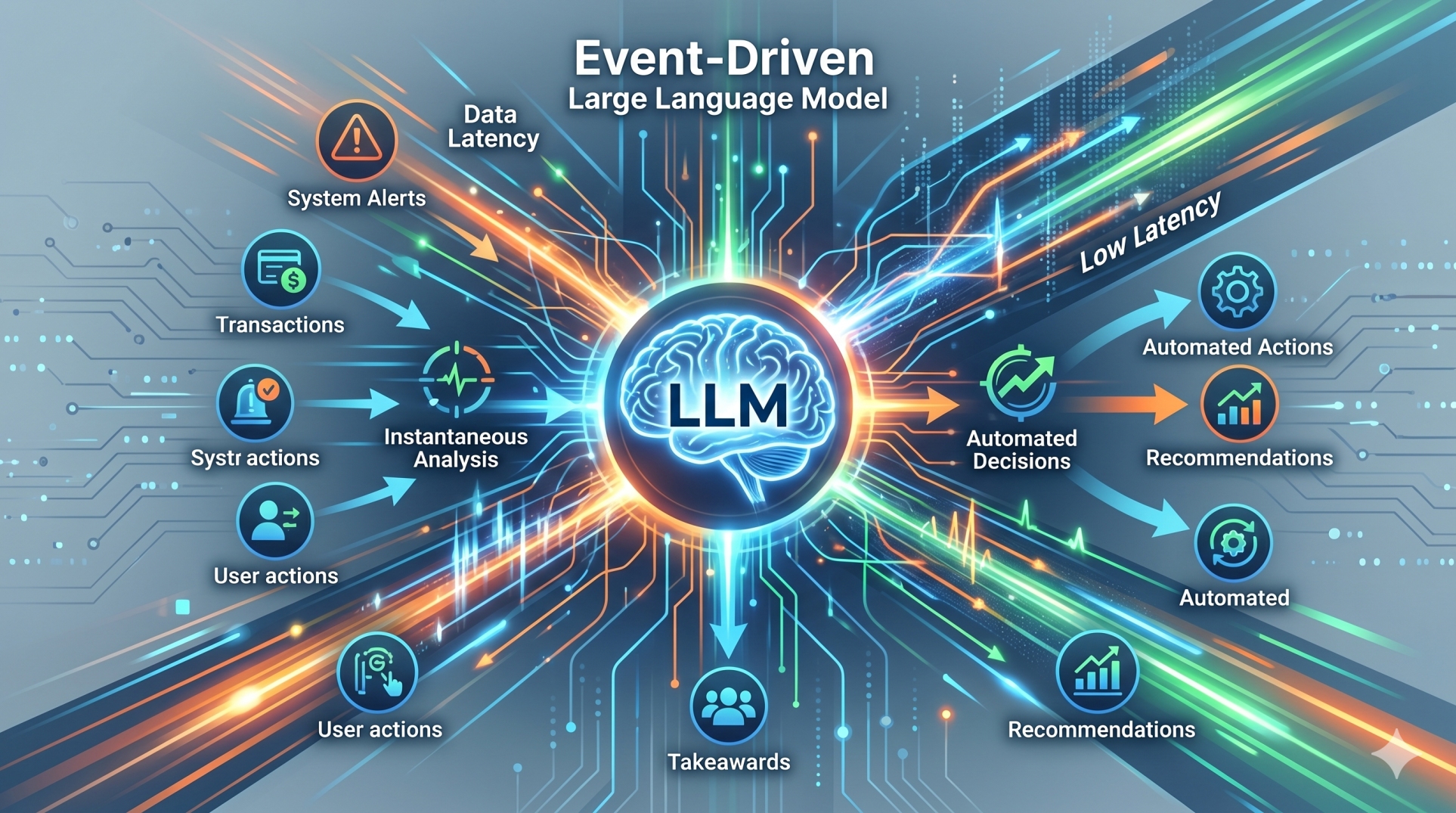
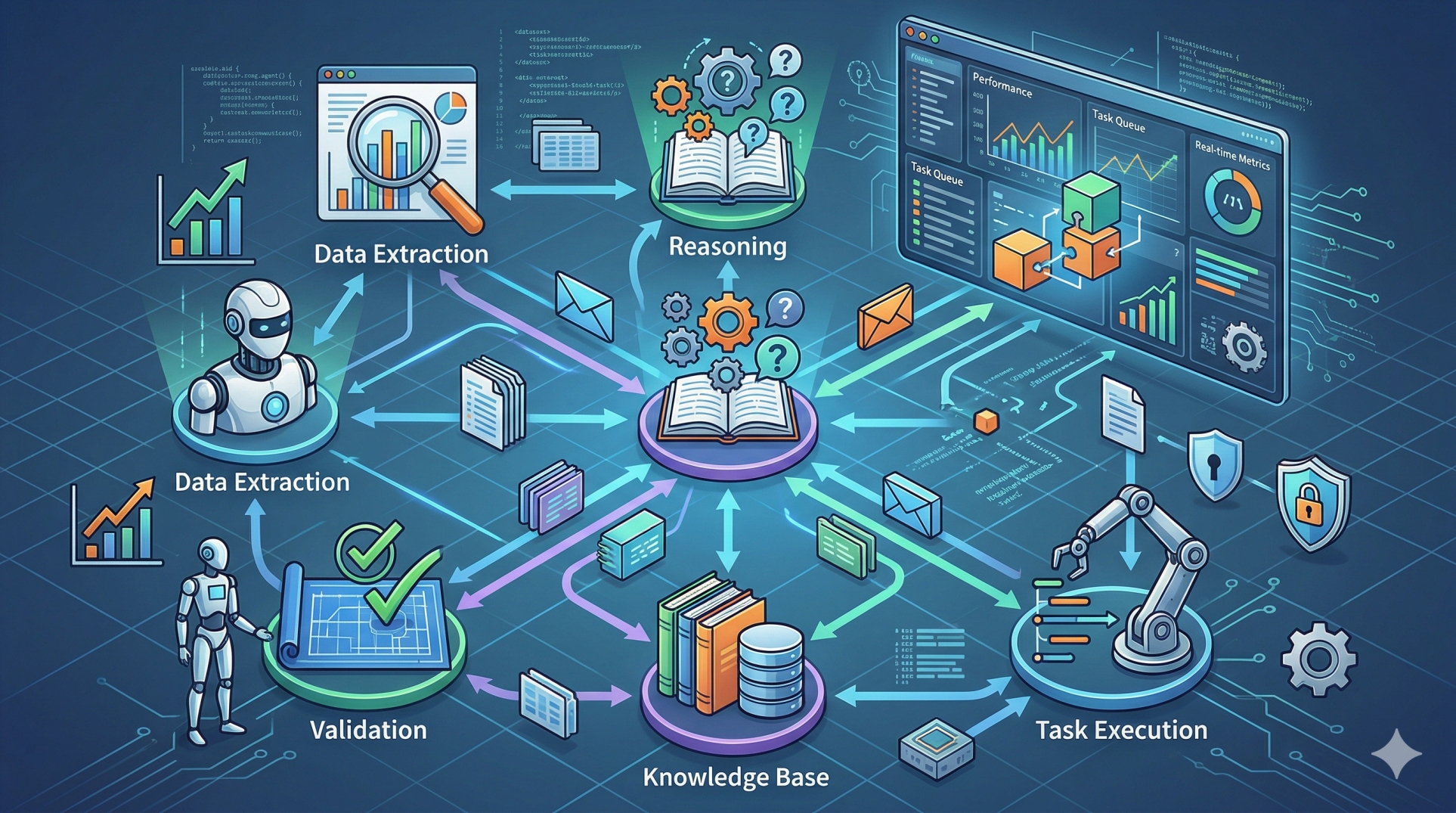
As legal departments and law firms face increasing volumes of contracts, compliance records, case files, and regulatory documents, AI-powered legal document processing platforms are becoming essential. These solutions automate document review, extraction, classification, analysis, and compliance verification, helping organizations reduce manual effort, improve accuracy, and accelerate legal workflows. By combining natural language processing, machine learning, and intelligent automation, AI platforms transform how legal information is managed and utilized.
Step 1: Understanding AI-Powered Legal Document Processing ⚖️
• Automates the analysis and management of legal documents 🤖
• Reduces time spent on manual document review ⏱️
• Extracts critical clauses, obligations, and legal terms 📄
• Improves consistency across legal operations ✅
• Supports faster and more informed decision-making 🎯
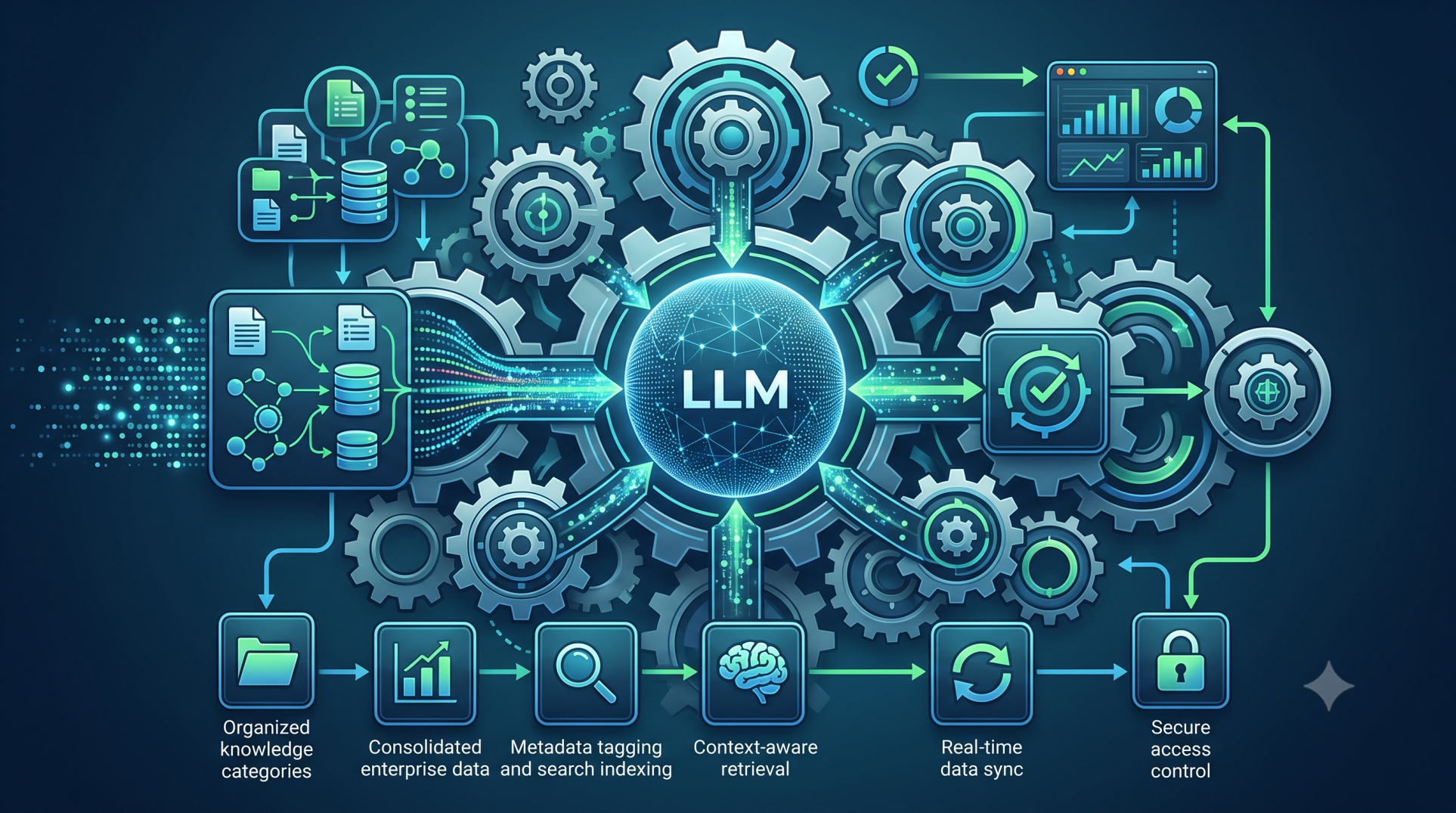
Step 2: Document Classification and Organization 📂
• Automatically categorize contracts, agreements, and legal records 🗃️
• Identify document types using AI-driven analysis 🔍
• Organize files for efficient retrieval and management 📑
• Reduce administrative workload through automation ⚙️
• Improve visibility across large document repositories 👁️
Step 3: Intelligent Data Extraction 🧠
• Extract key information from complex legal documents 📋
• Identify parties, dates, obligations, and financial terms 💼
• Capture structured data from unstructured content 🔄
• Minimize manual data entry and review efforts ✍️
• Improve accuracy in legal record management 🎯
Step 4: Contract Analysis and Review 📜
• Analyze contracts for risks, inconsistencies, and missing clauses 🚨
• Compare agreements against predefined legal standards 📏
• Highlight unusual provisions requiring attention 🔦
• Accelerate contract review cycles ⚡
• Improve legal due diligence processes 🔍
Step 5: Compliance and Regulatory Monitoring 🛡️
• Verify documents against regulatory requirements ⚖️
• Track policy changes and compliance obligations 📢
• Identify potential compliance gaps automatically 🚩
• Support audit preparation and reporting 📊
• Reduce regulatory risk exposure ✅
Step 6: Legal Research and Knowledge Discovery 🔎
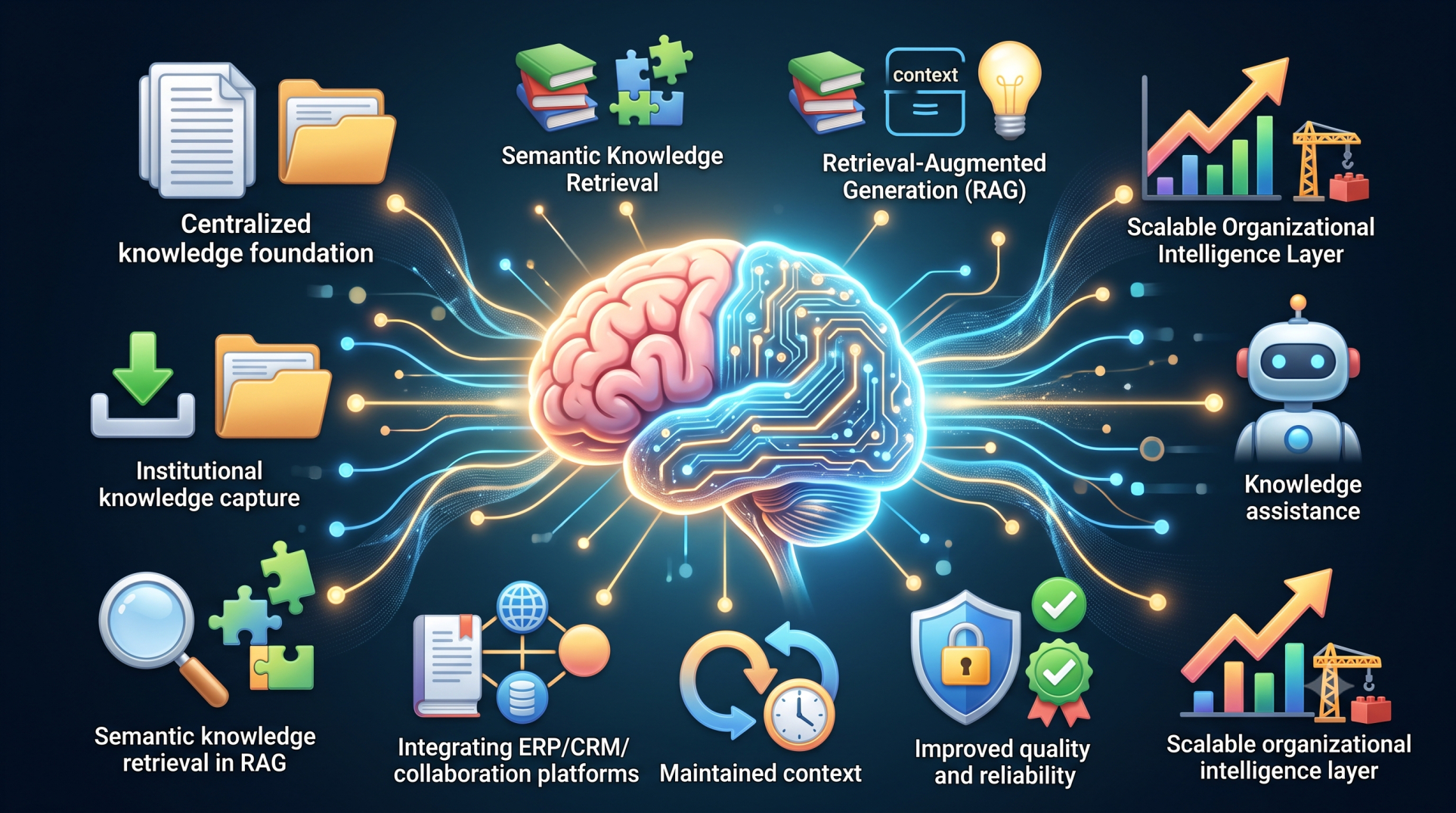
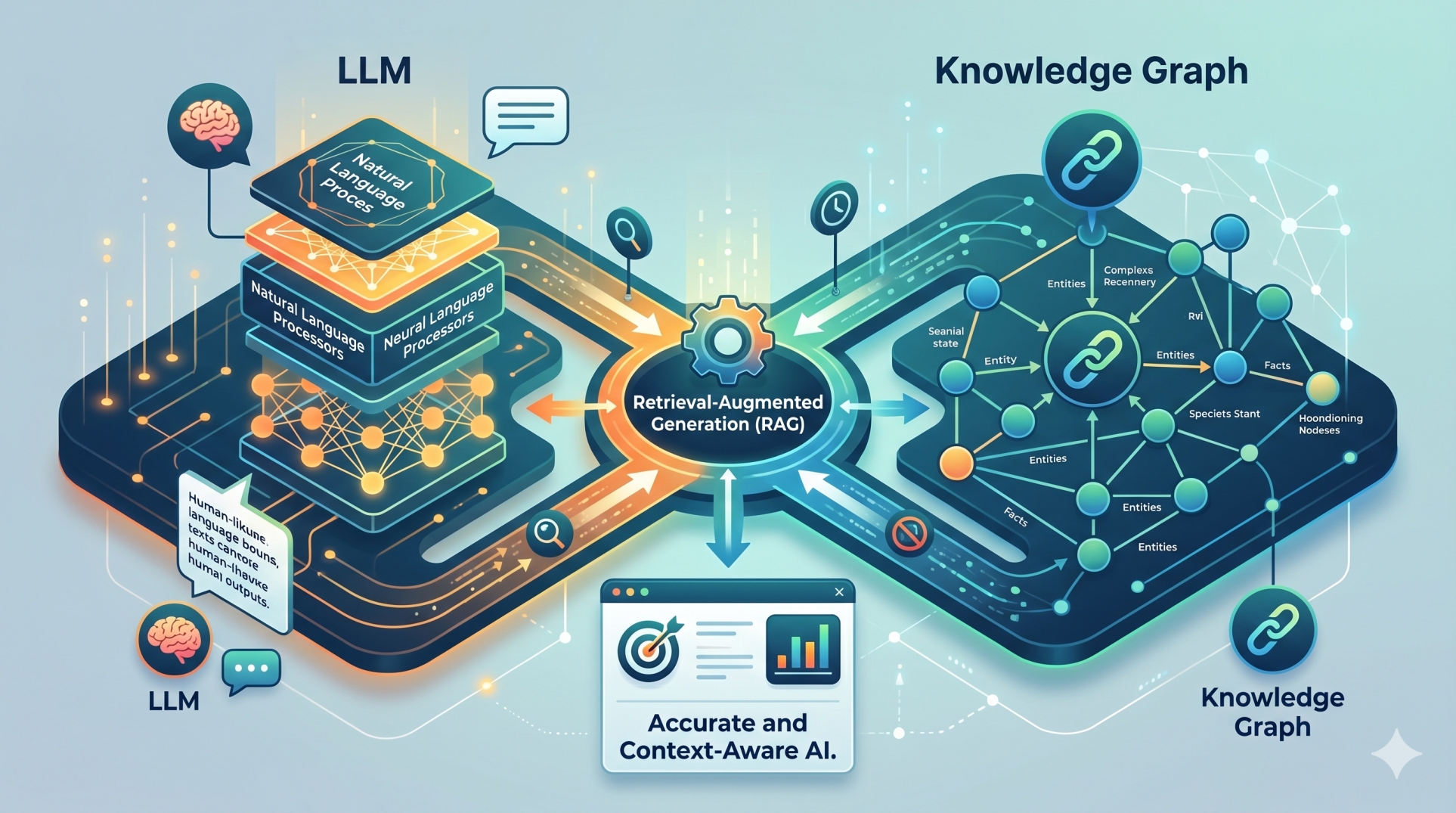
• Search large legal repositories using natural language queries 💬
• Surface relevant precedents, regulations, and case law 📚
• Accelerate legal research workflows ⚡
• Improve access to institutional knowledge 🏛️
• Enhance attorney productivity and efficiency 🚀
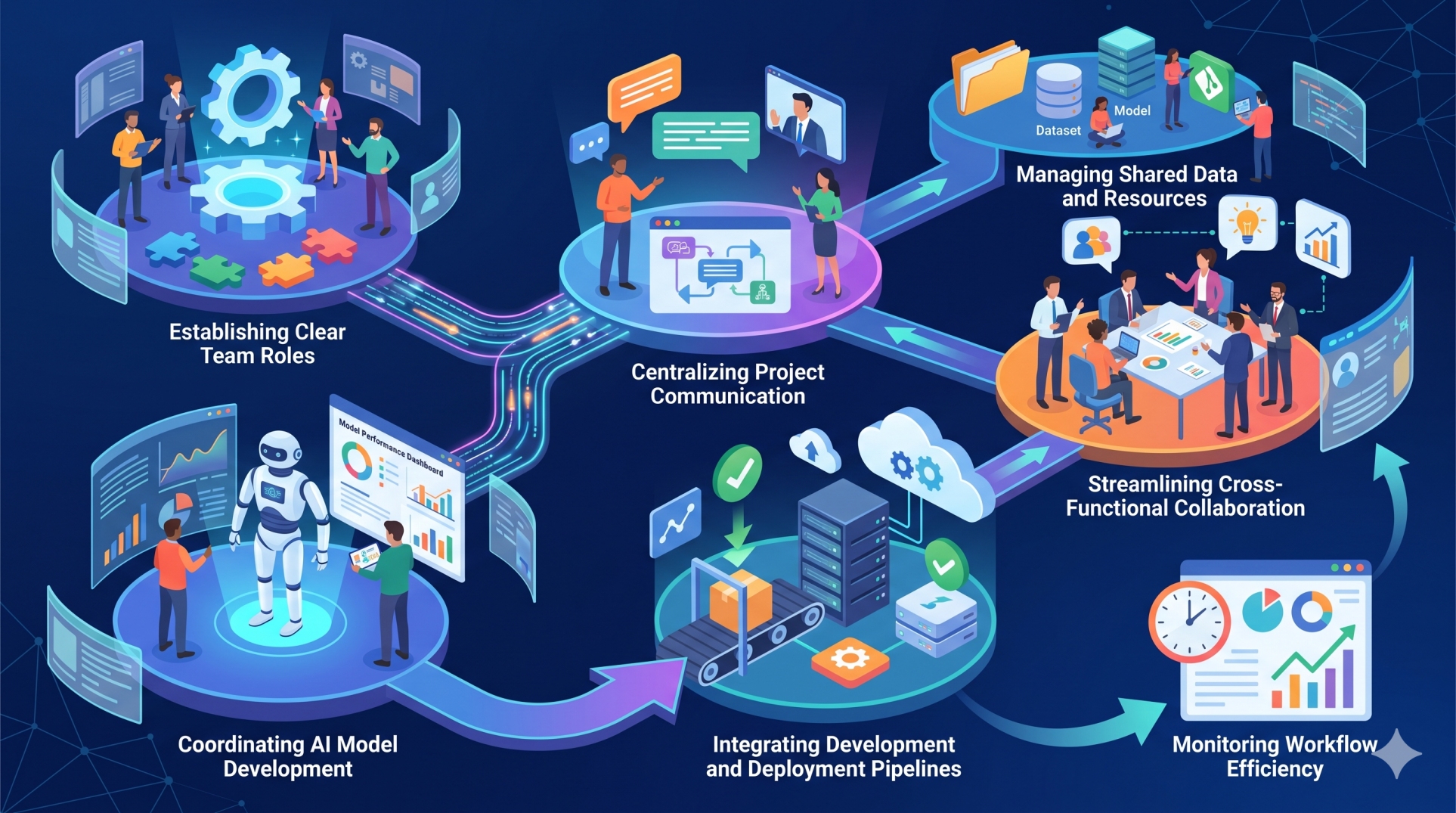
Step 7: Workflow Automation and Collaboration 🔄
• Automate document routing and approval processes 📨
• Coordinate tasks between legal teams and stakeholders 👥
• Track review status and document lifecycle stages 📈
• Reduce bottlenecks in legal operations ⚙️
• Improve cross-functional collaboration 🤝
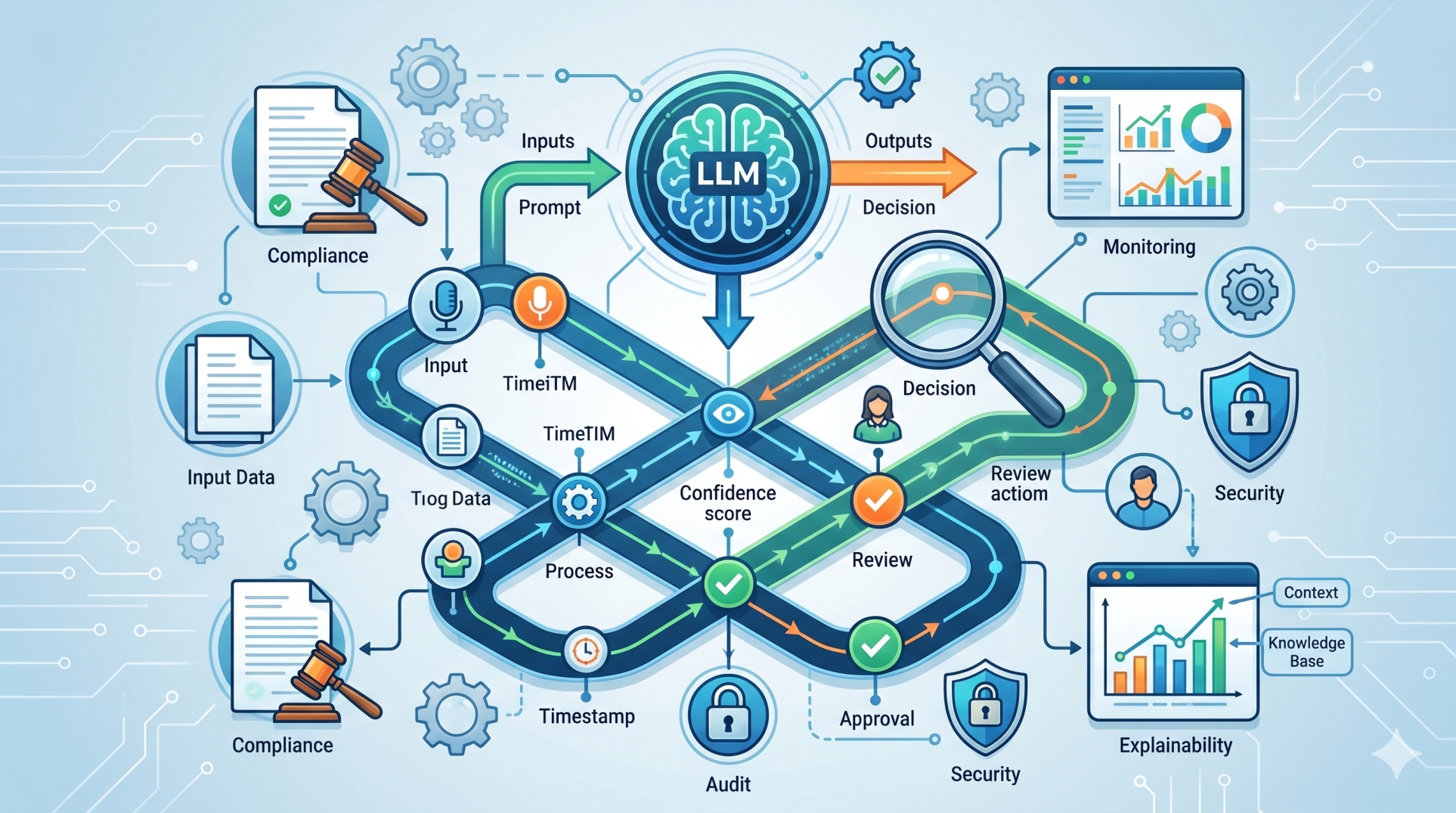
Step 8: Security and Data Governance 🔐
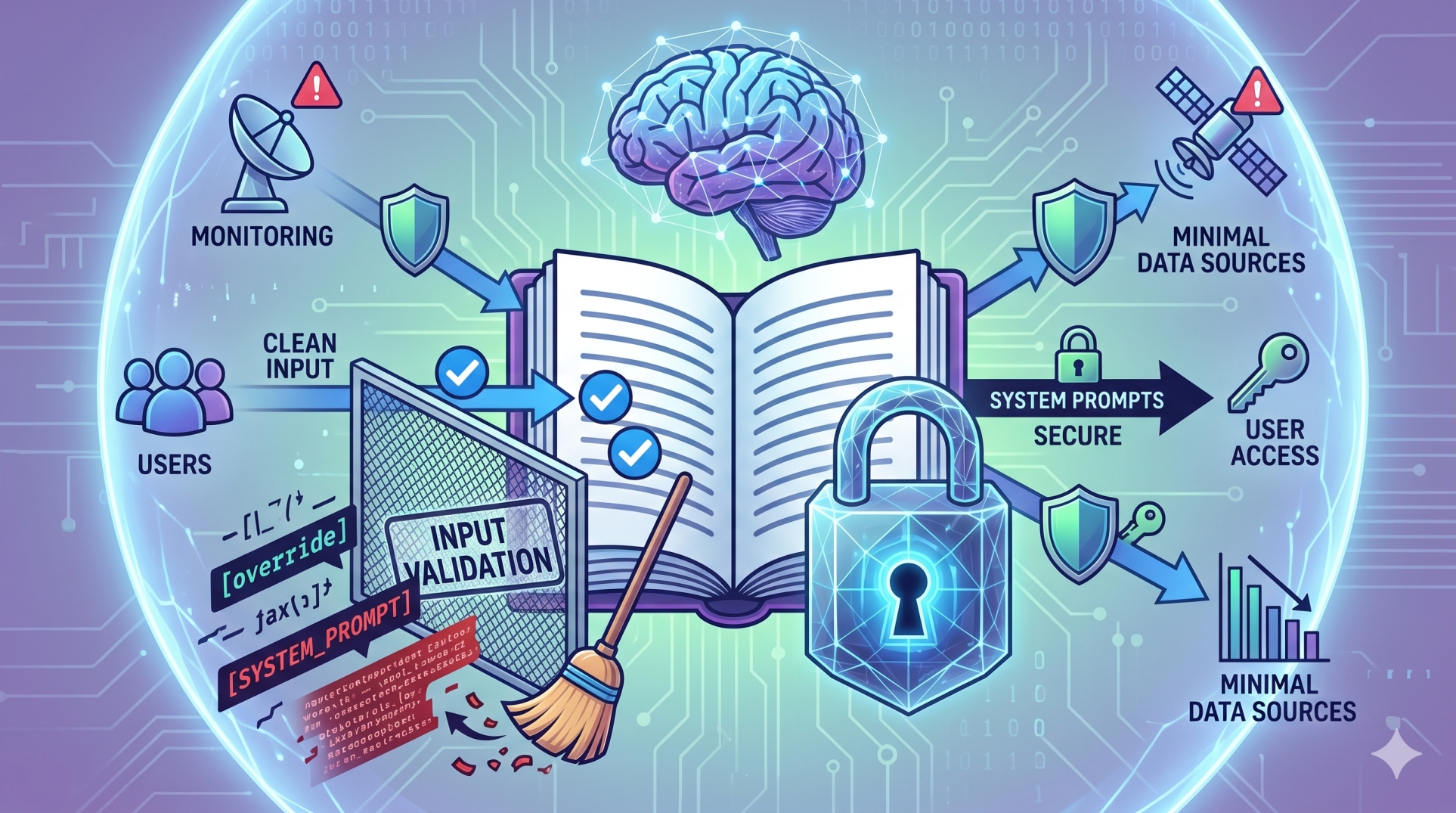
• Protect sensitive legal information through encryption 🛡️
• Implement role-based access controls 👤
• Maintain detailed audit logs for accountability 🧾
• Support regulatory and privacy compliance requirements 📜
• Secure document storage and transmission channels 🌐
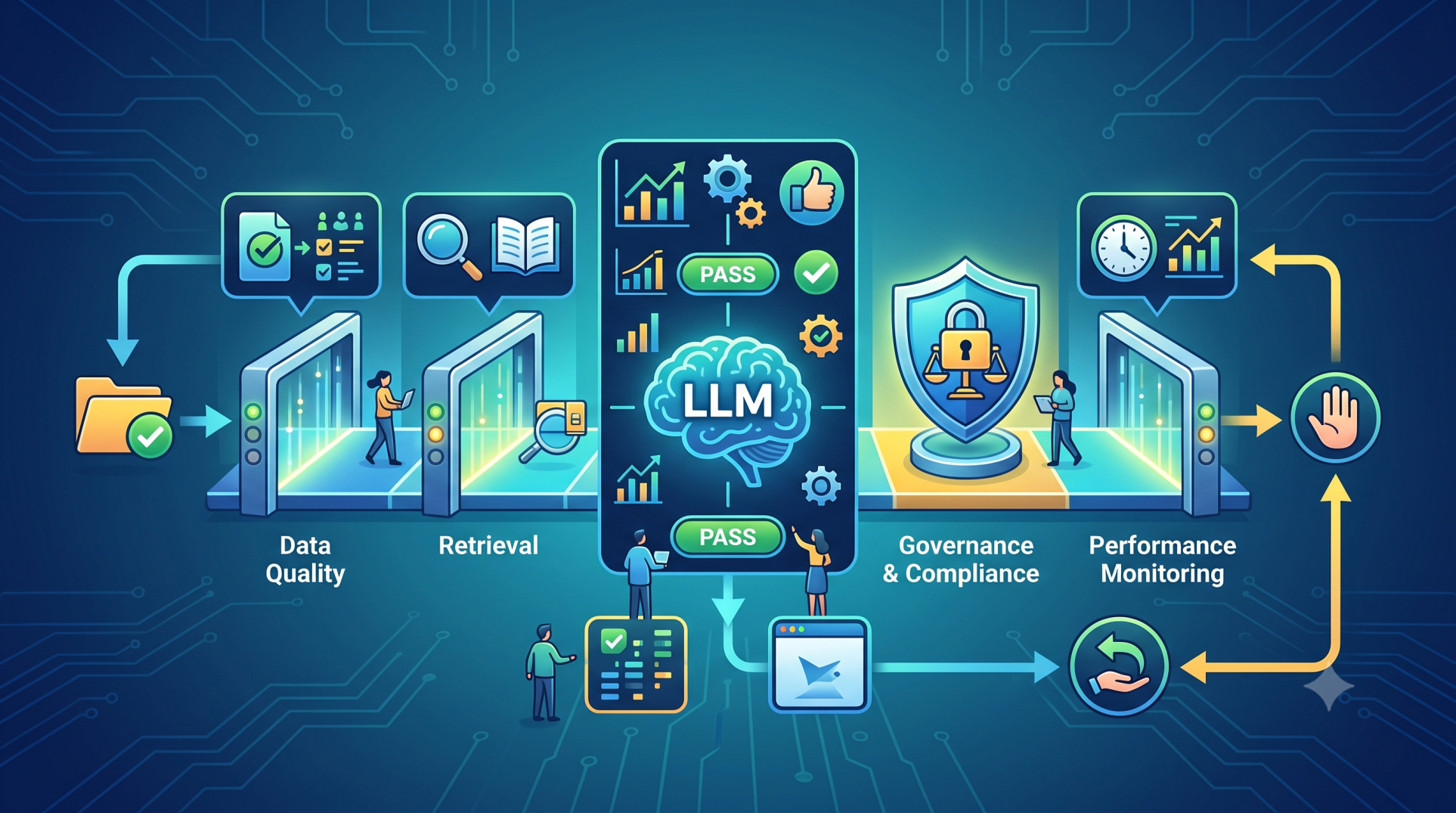
Step 9: Performance Monitoring and Optimization 📊
• Measure document processing speed and accuracy 📈
• Monitor workflow efficiency across legal operations ⚡
• Identify process bottlenecks and delays 🔍
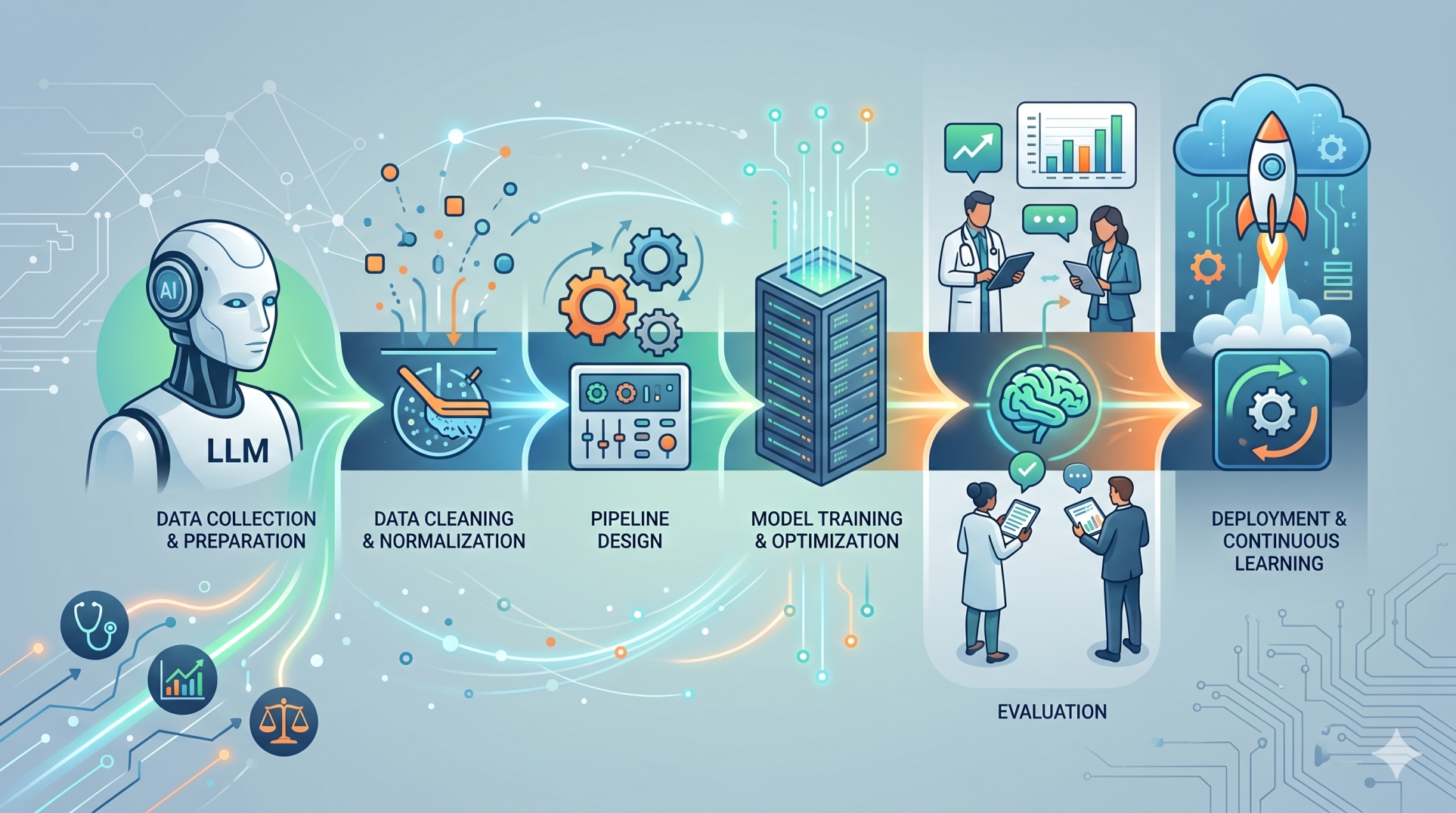
• Optimize AI models through continuous improvement 🔄
• Enhance overall legal service delivery 🎯
Step 10: Building a Scalable Legal AI Ecosystem 🌟
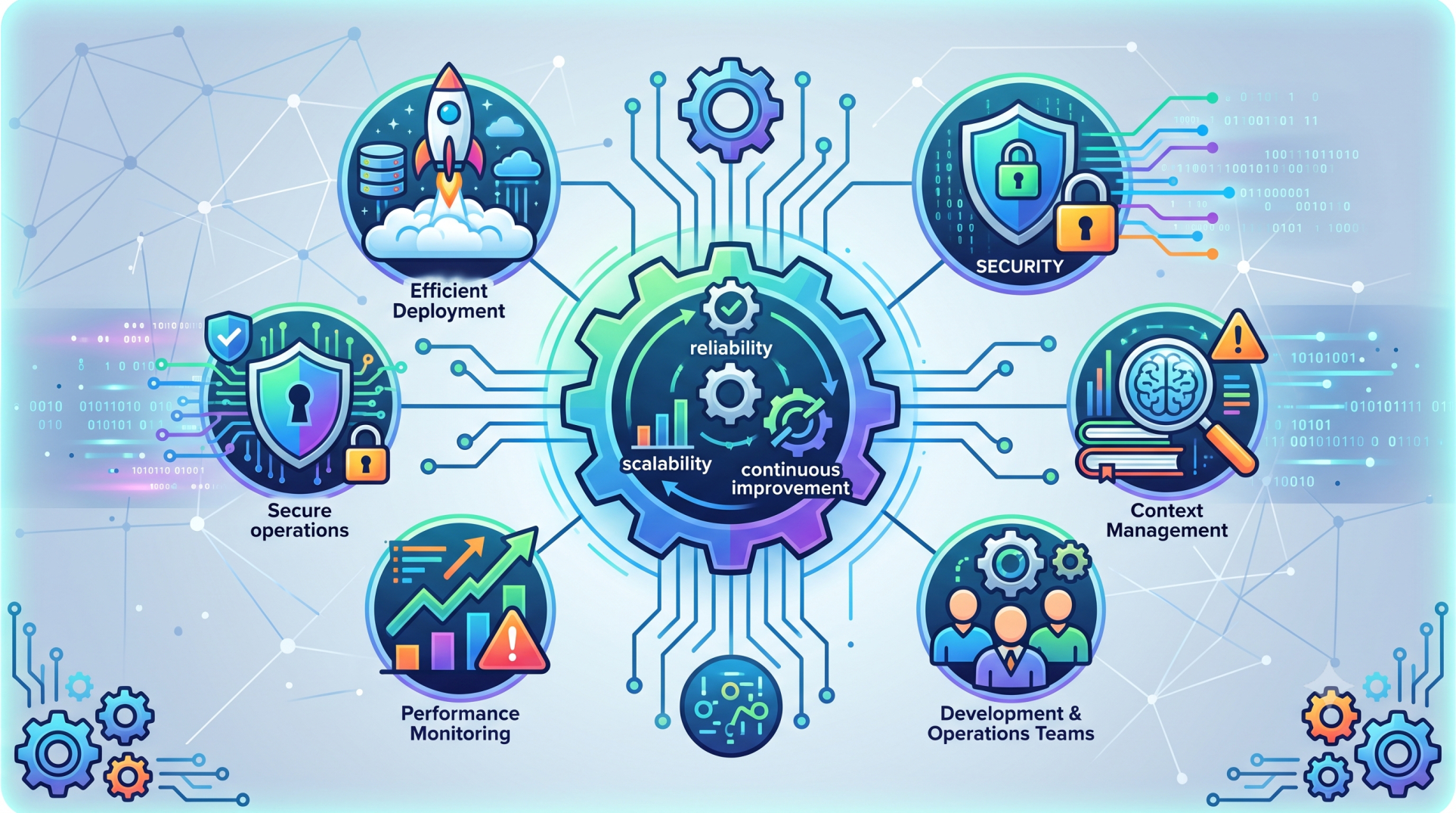
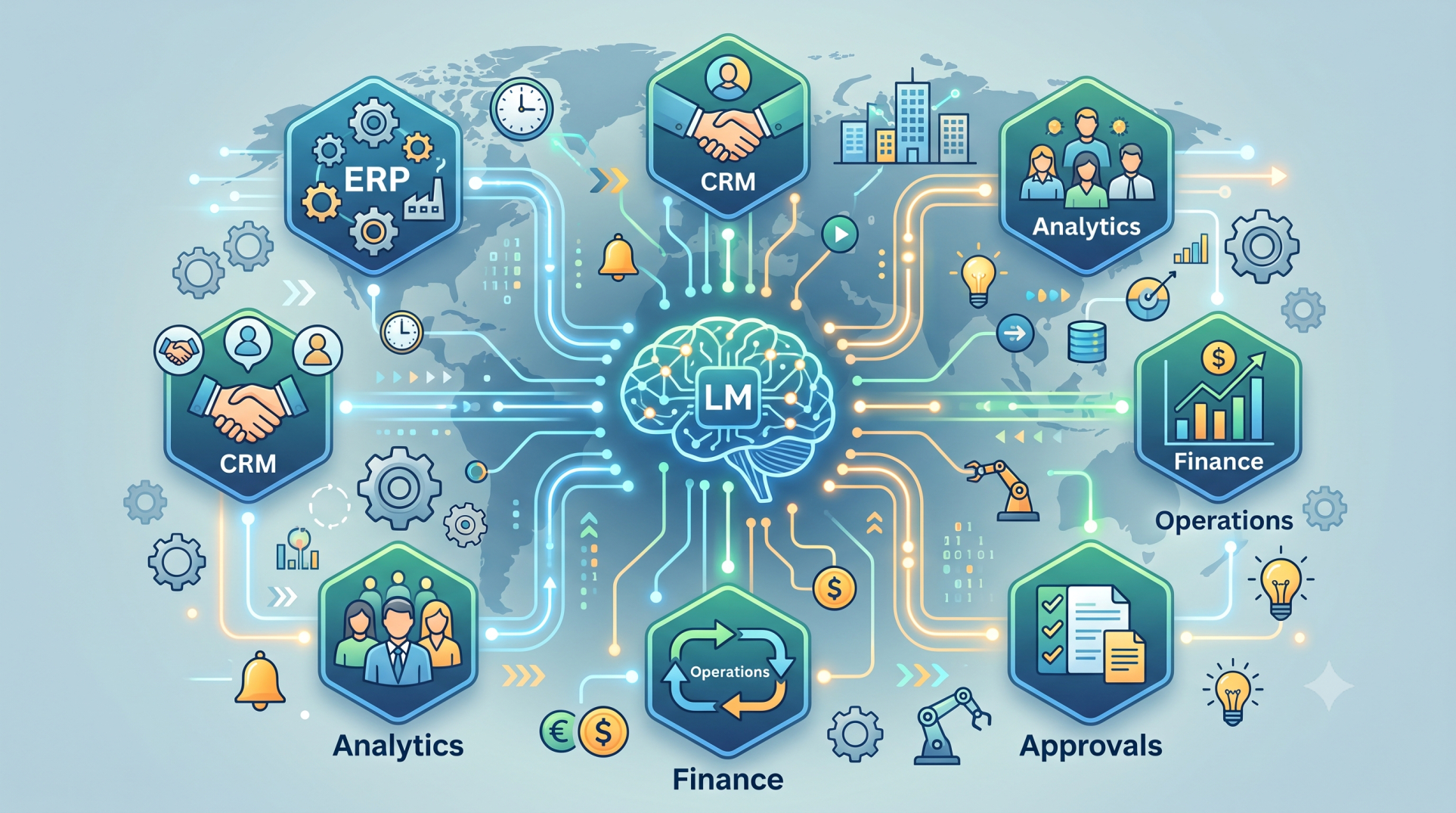
• Integrate AI platforms with existing legal technology stacks 🔗
• Support growing document volumes without increasing workload 📂
• Adapt to evolving legal and regulatory requirements ⚖️
• Enable enterprise-wide legal automation initiatives 🚀
• Future-proof legal operations through intelligent technology 🏗️
Conclusion
AI platforms for legal document processing are transforming the way organizations manage contracts, compliance records, and legal workflows. By automating document analysis, data extraction, research, and compliance monitoring, these solutions improve efficiency, accuracy, and scalability. As legal operations continue to evolve, AI-driven platforms will play a critical role in enabling faster, more reliable, and data-driven legal decision-making.
See more blogs
You can all the articles below