How LLM Software Is Reshaping Intelligent Procurement Platforms
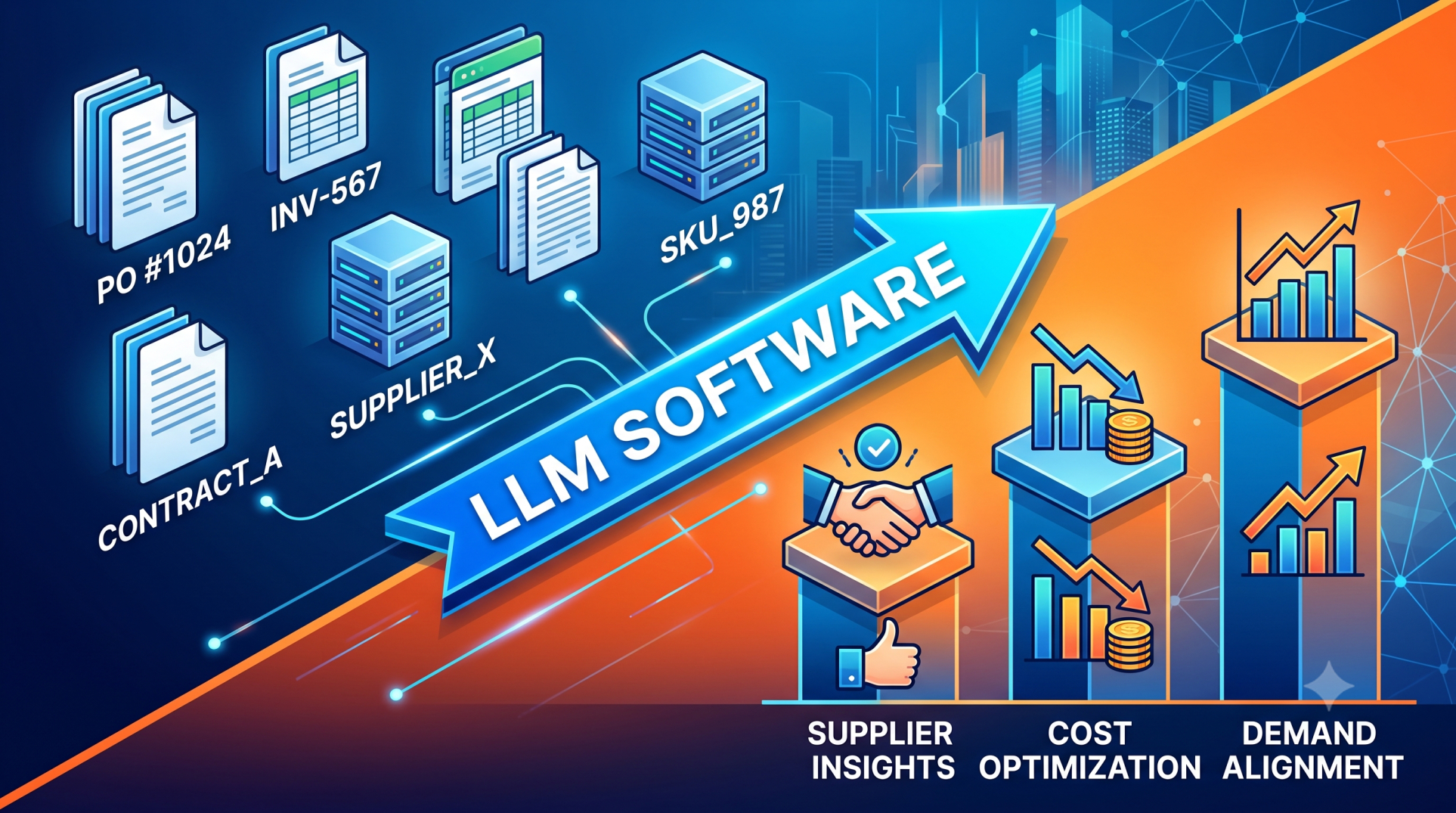
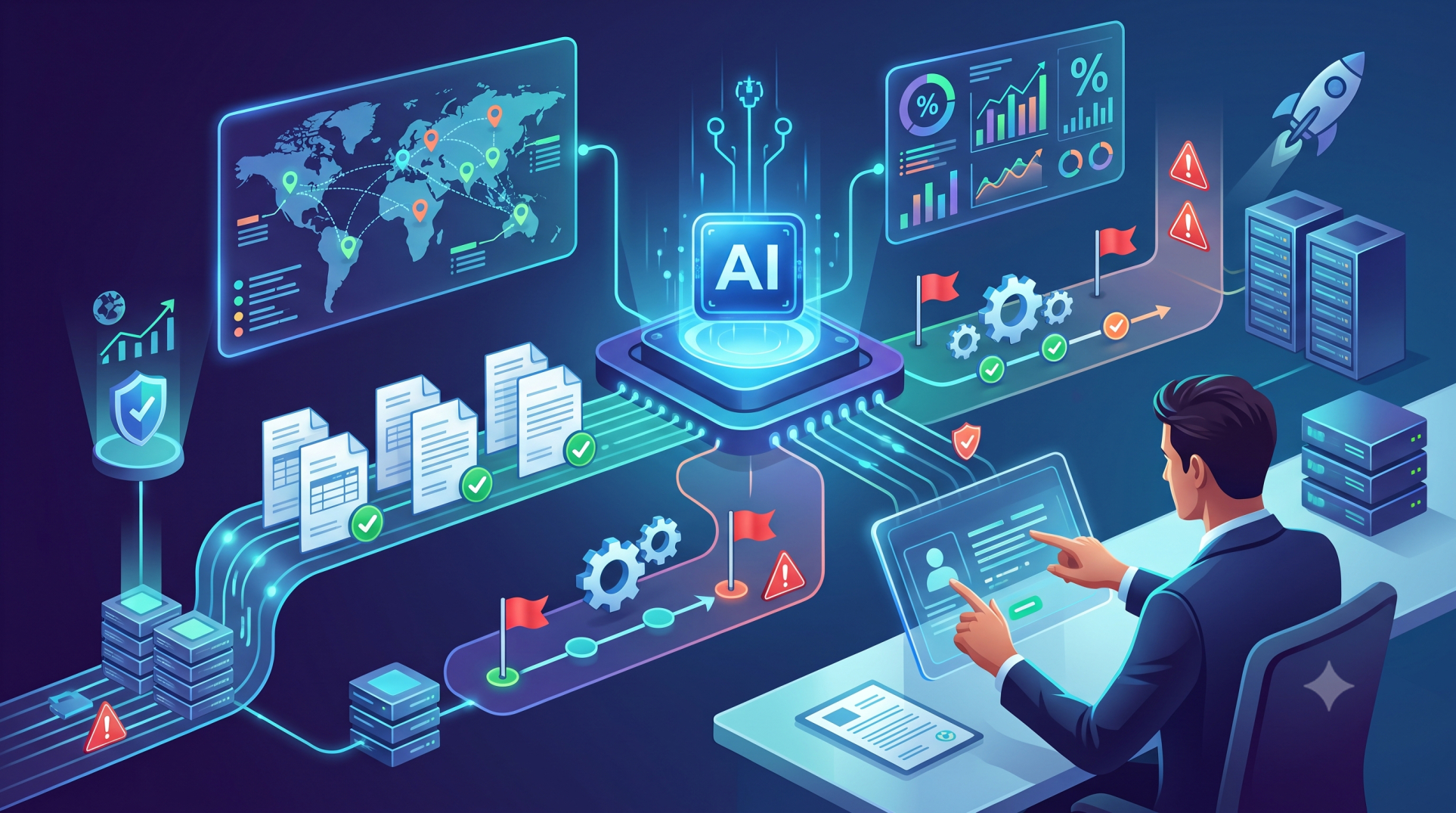
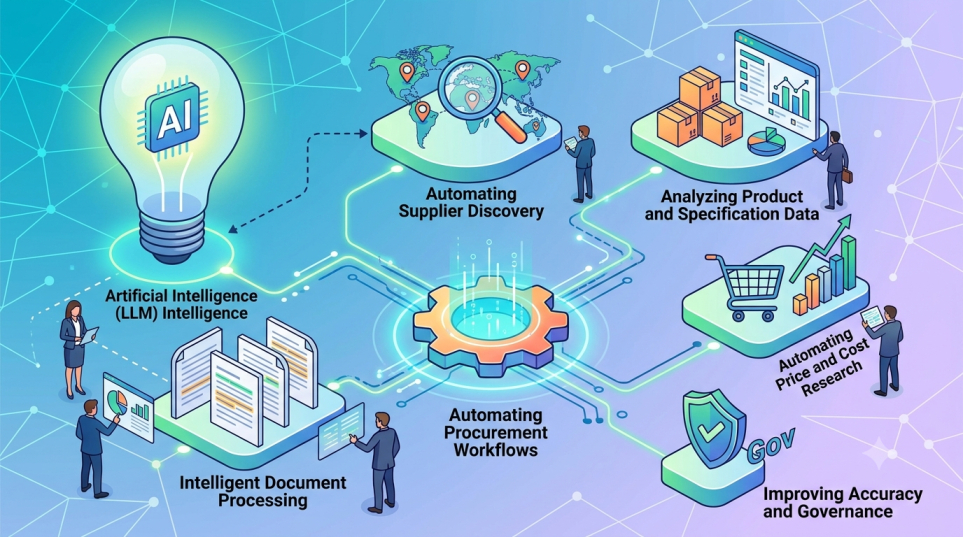
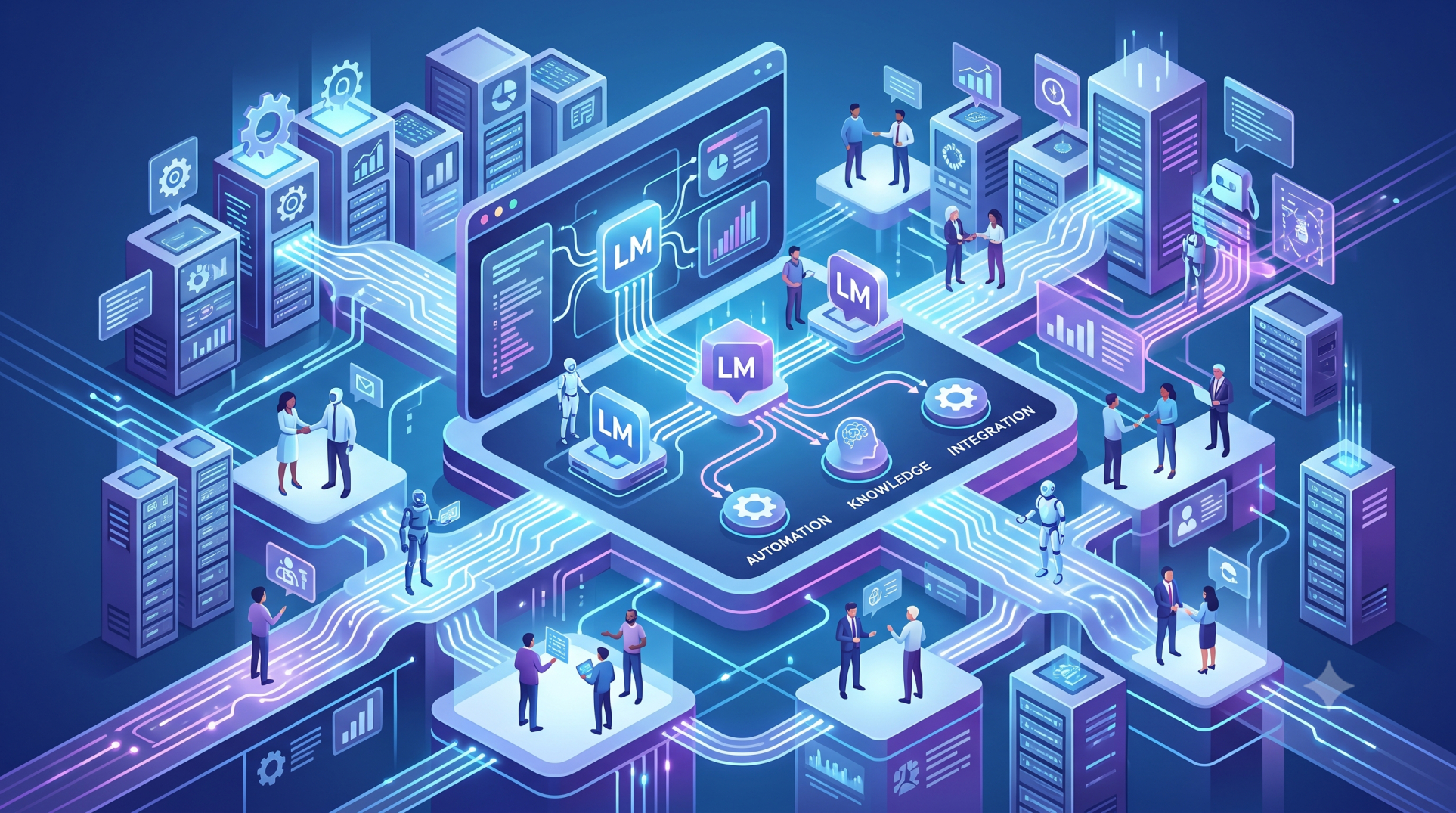
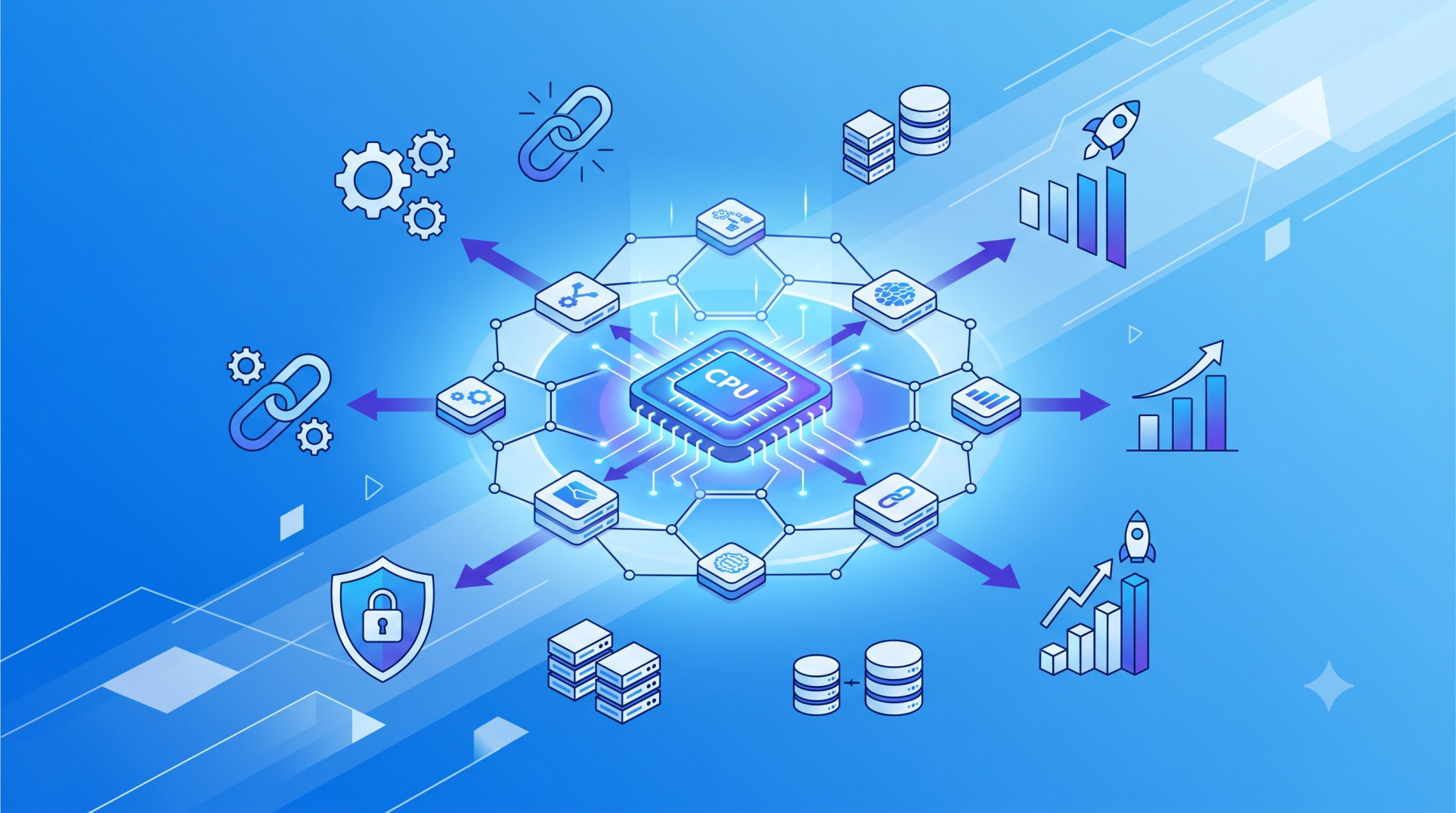
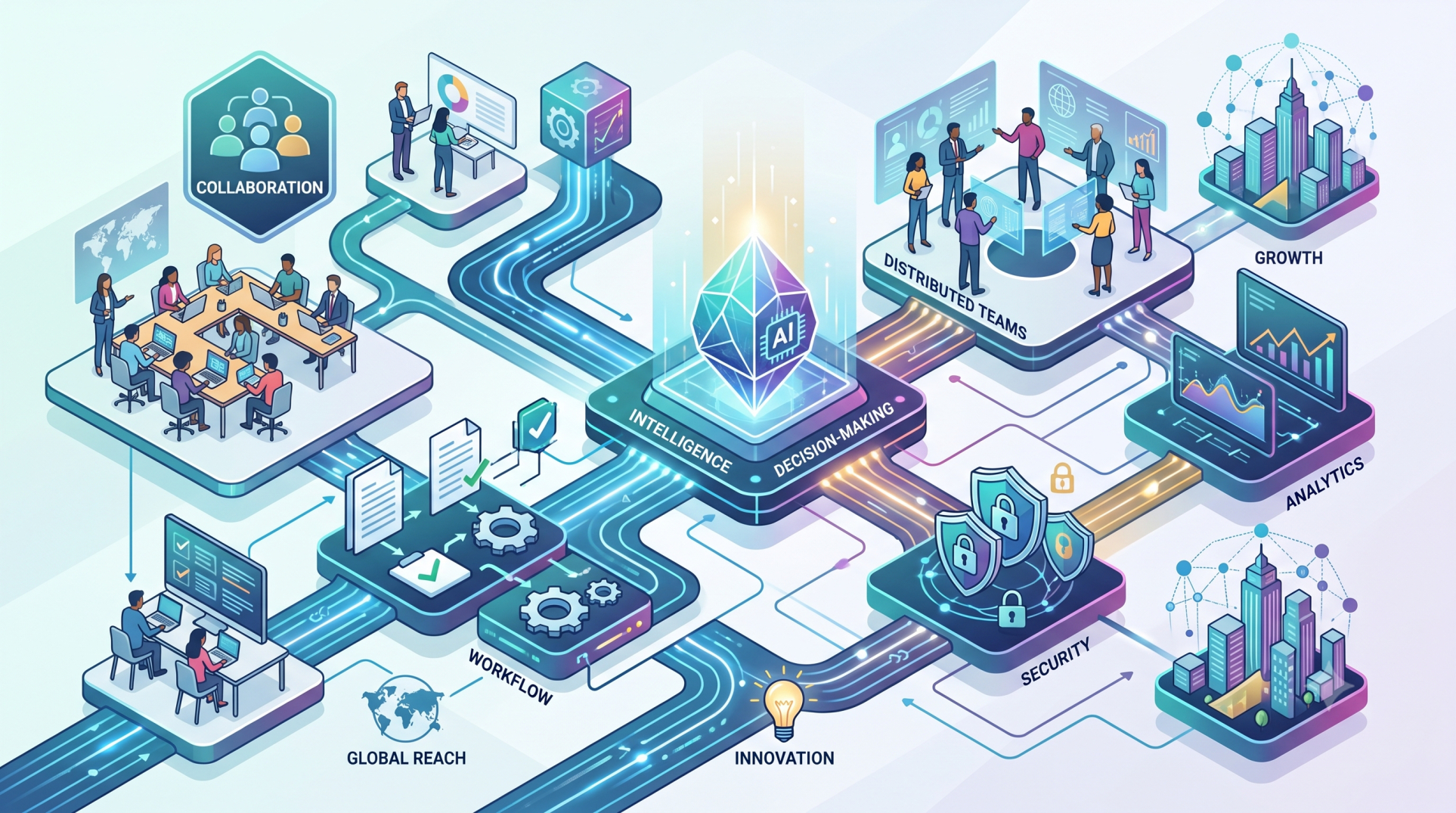
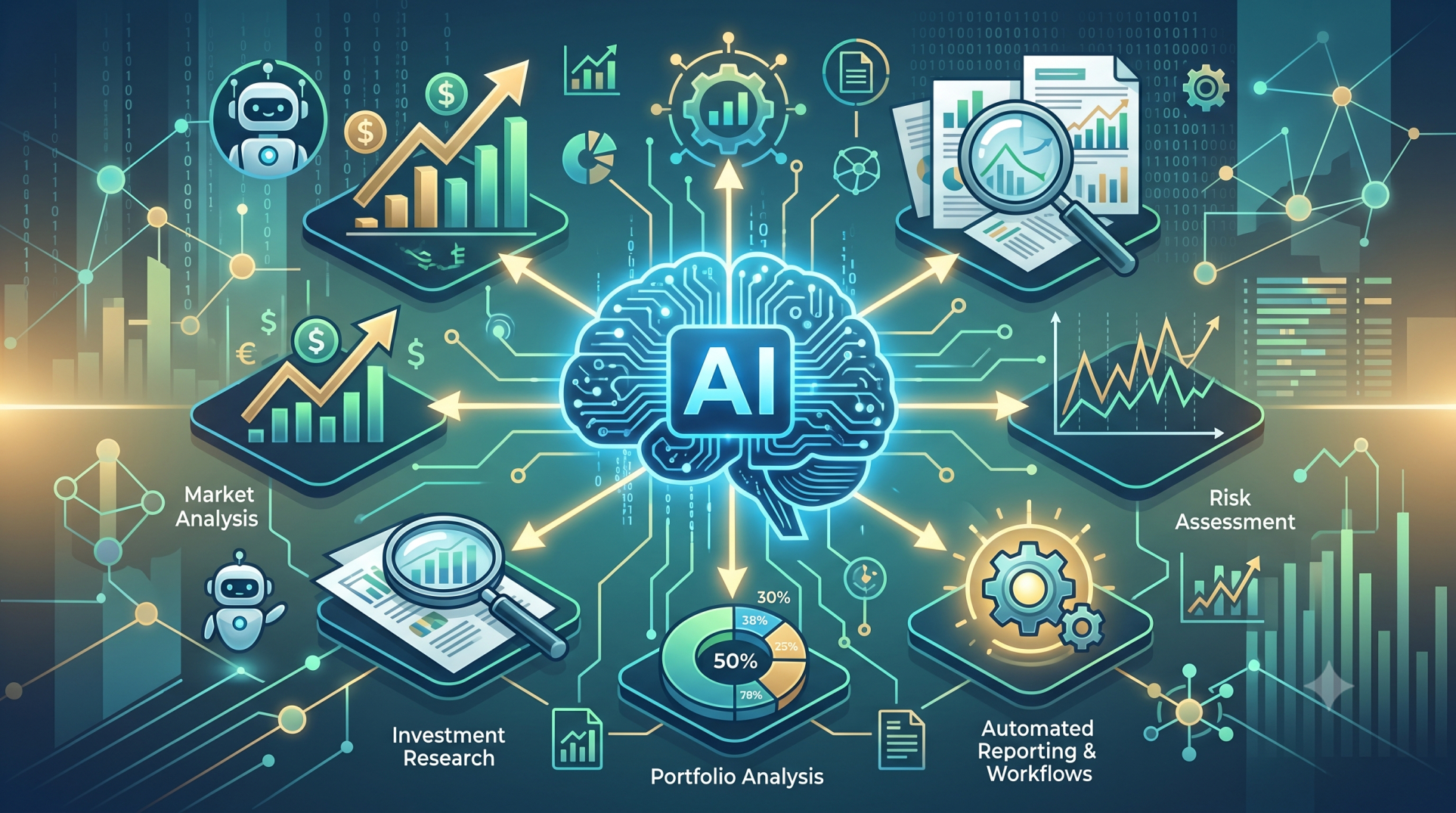
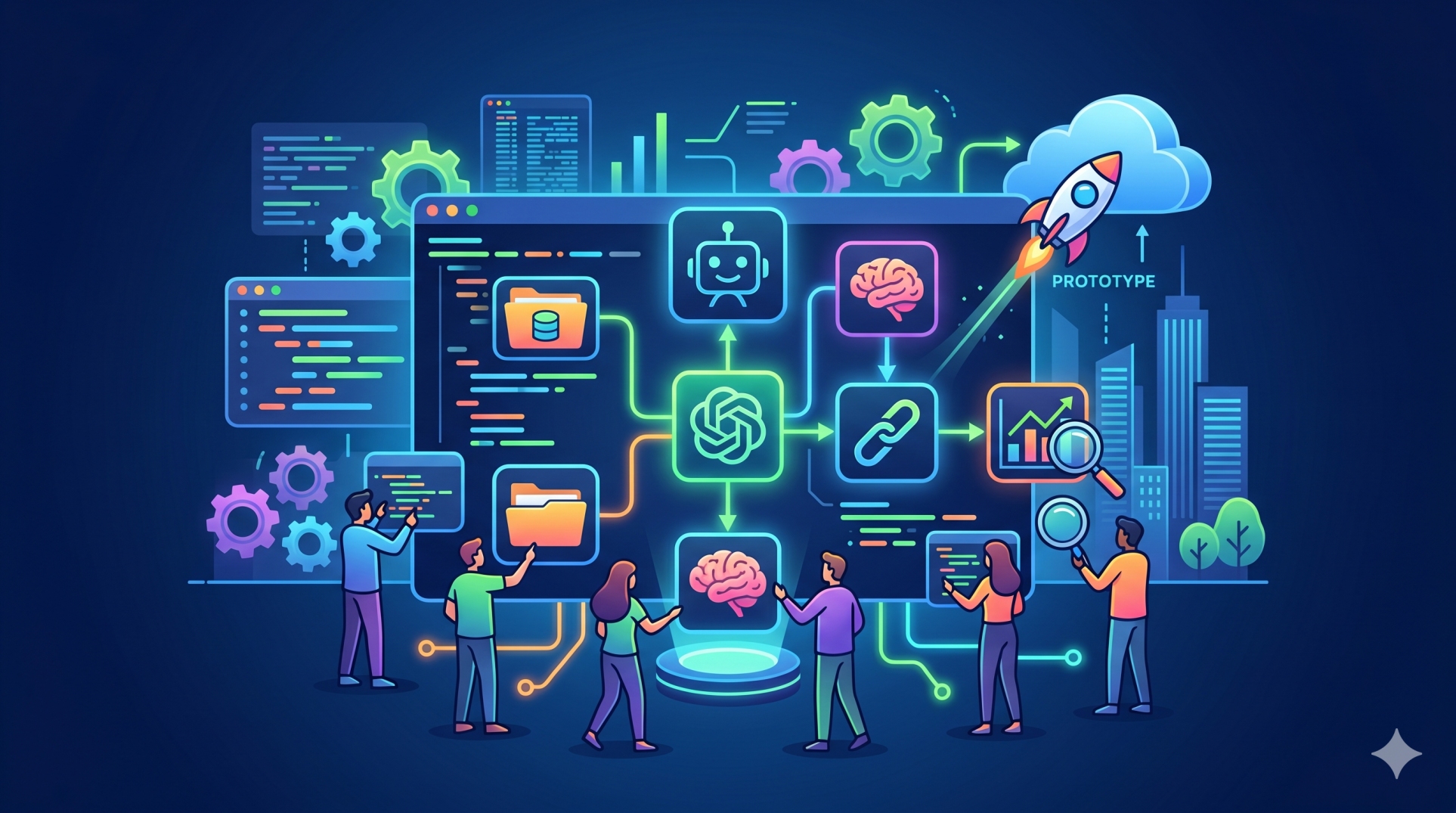
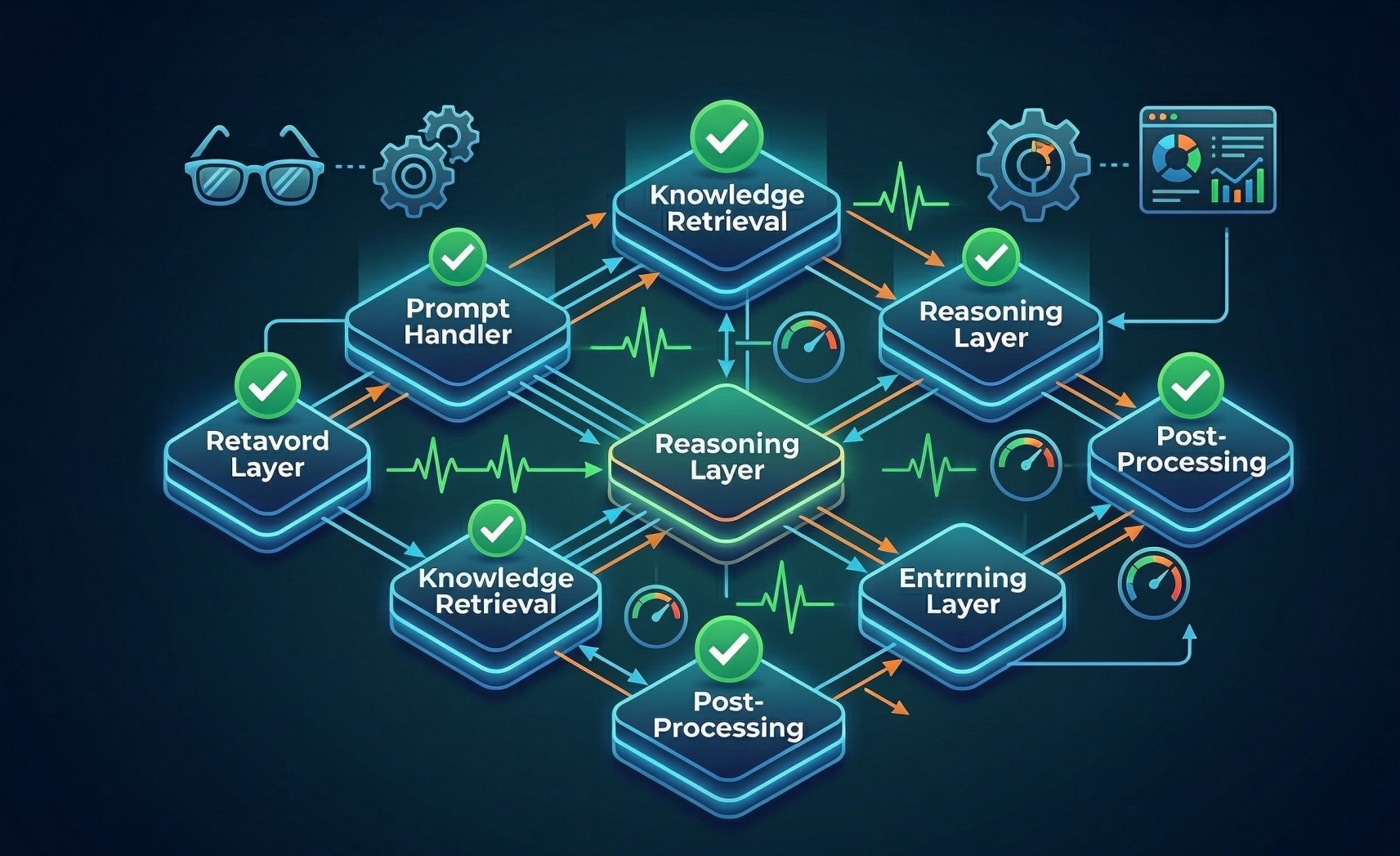
Procurement is becoming increasingly data-driven as organizations look for faster ways to evaluate suppliers, manage purchasing activities, and make informed sourcing decisions. Large Language Model (LLM) software is helping modern procurement platforms move beyond traditional rule-based workflows by enabling natural-language interaction, intelligent document processing, contextual analysis, and automated decision support. By connecting procurement data with AI-driven reasoning, businesses can build purchasing systems that are more responsive, efficient, and adaptable.
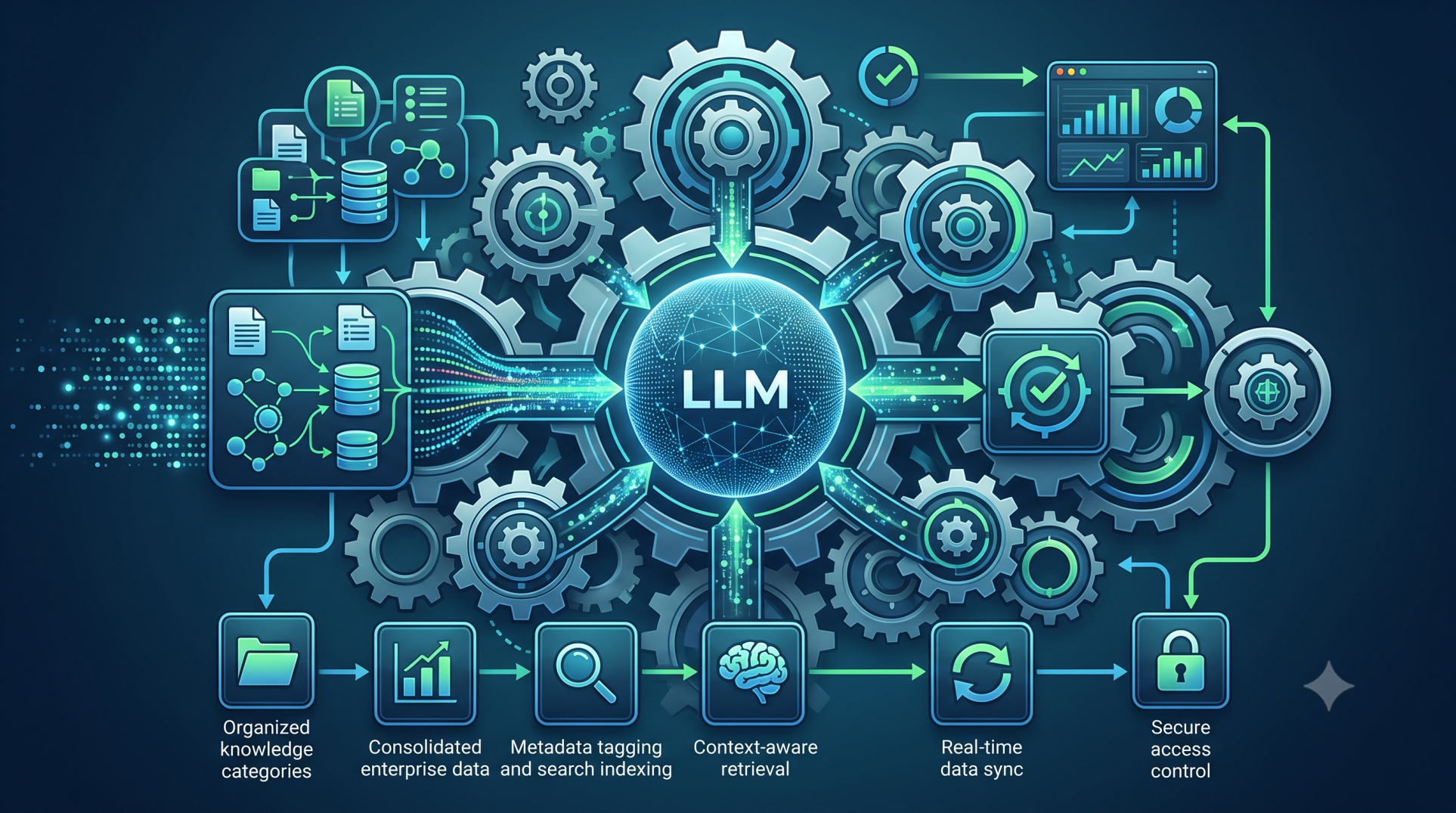
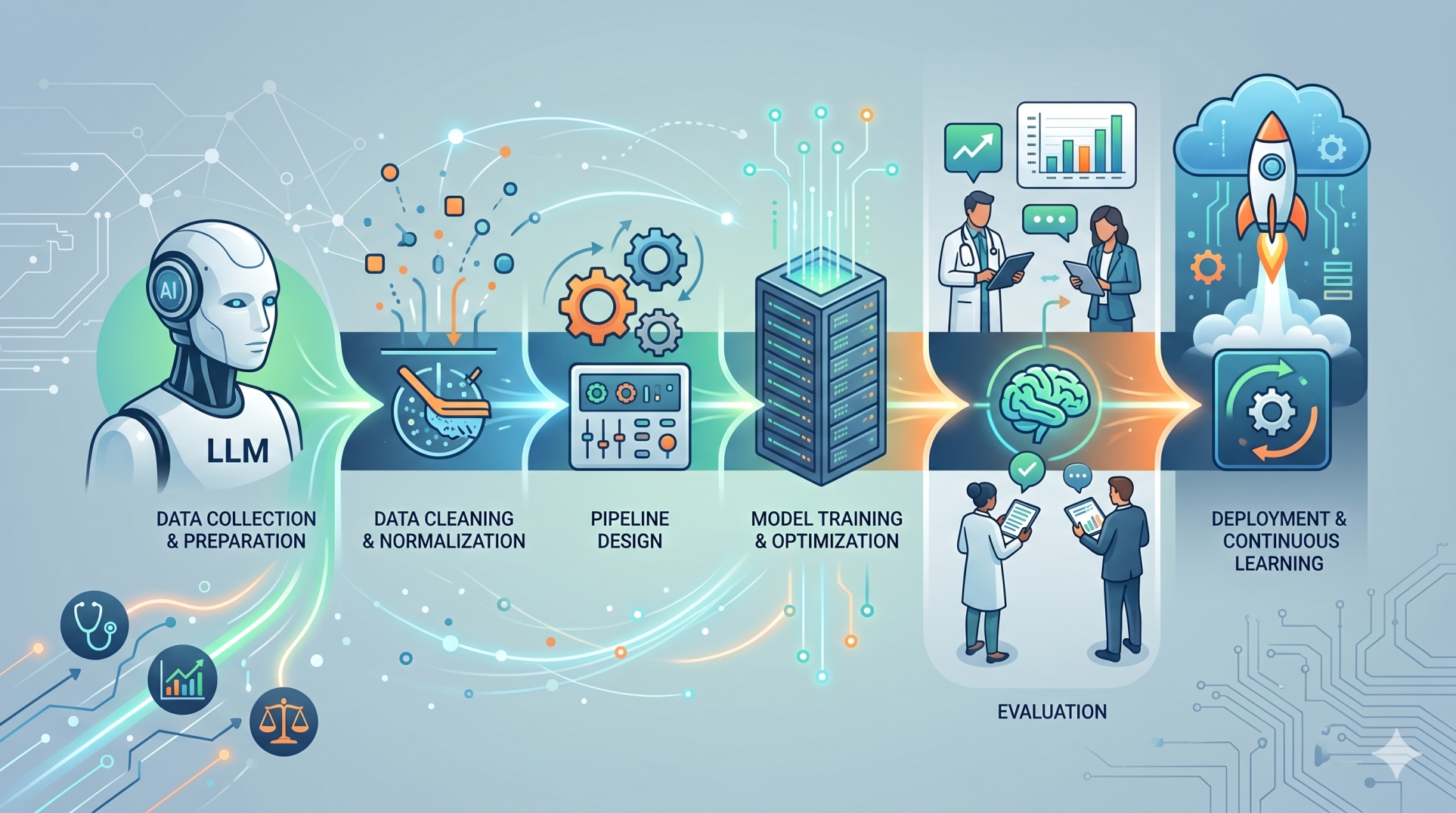
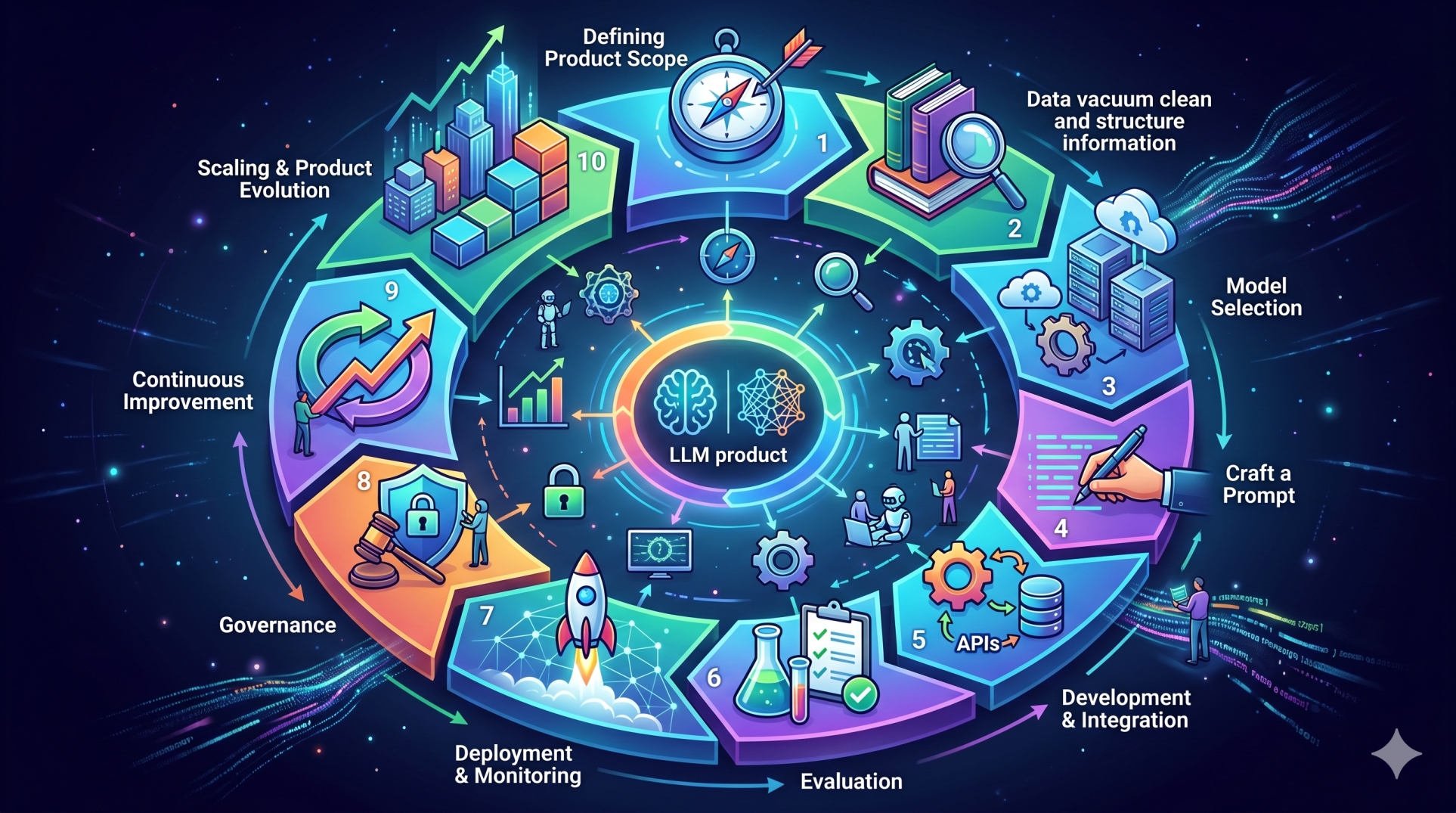
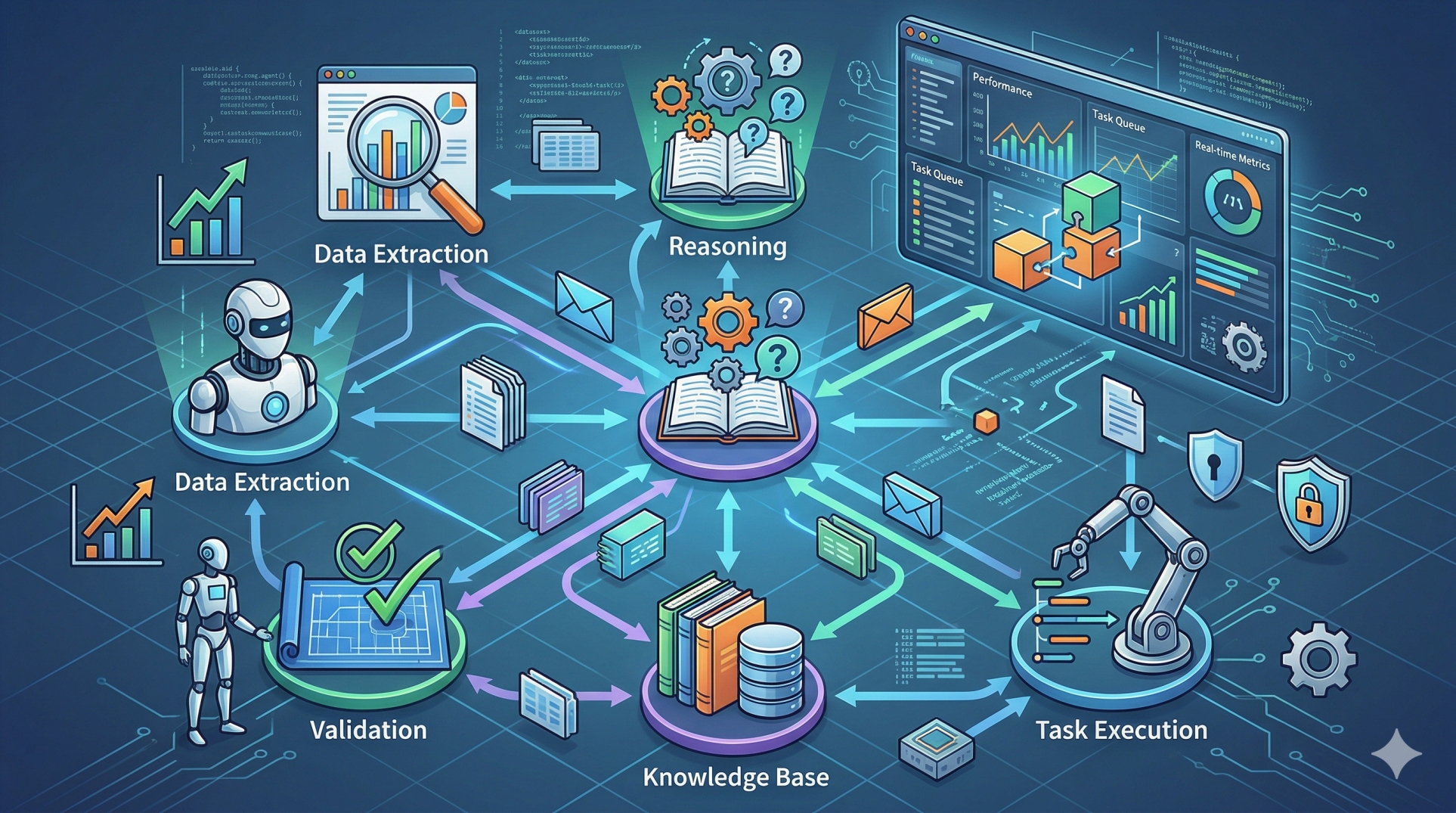
Step 1: Transforming Procurement Data into Usable Intelligence 🧠
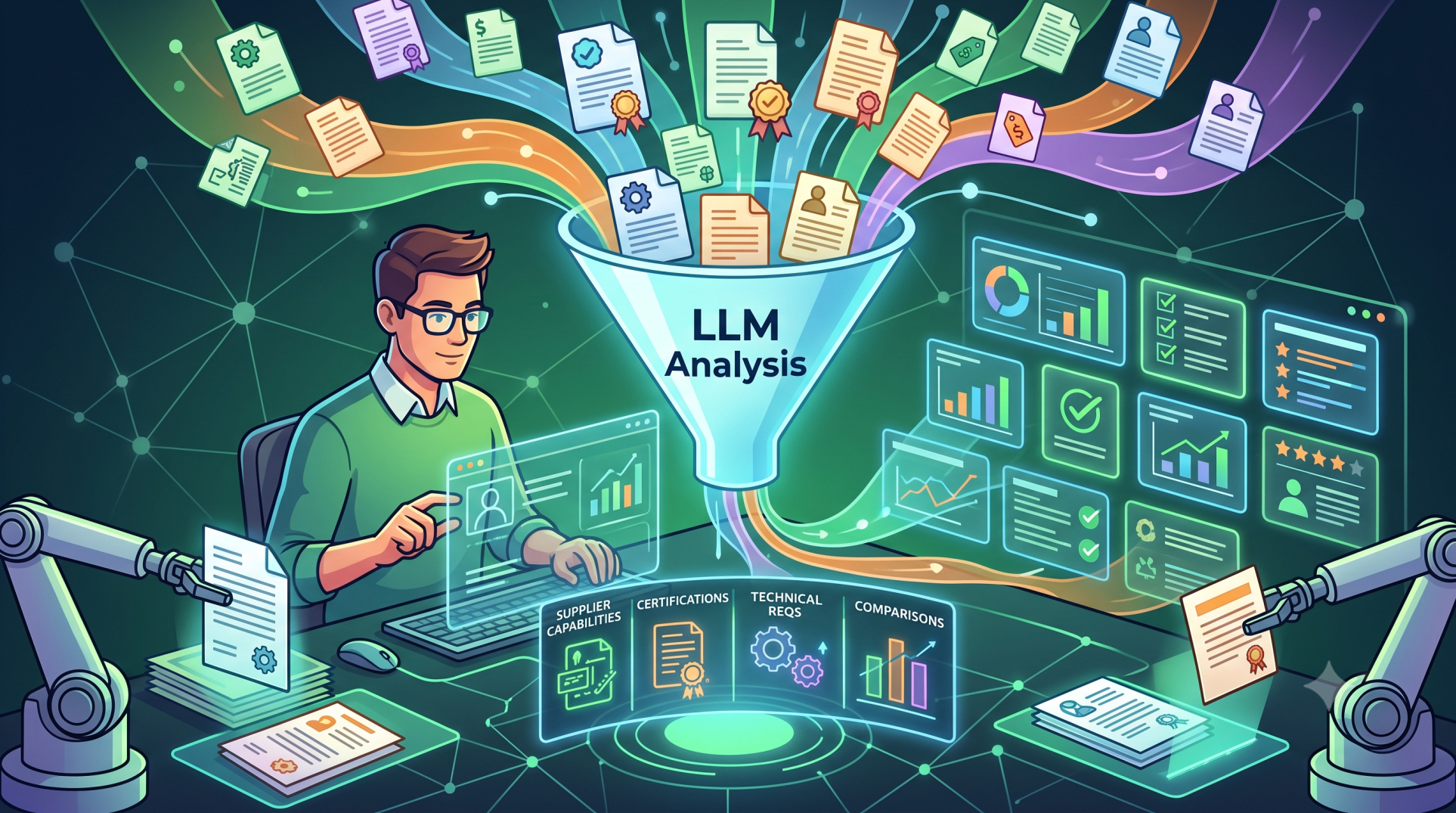
• Analyze large volumes of supplier, product, and purchasing information 📊
• Convert complex procurement data into understandable insights 💡
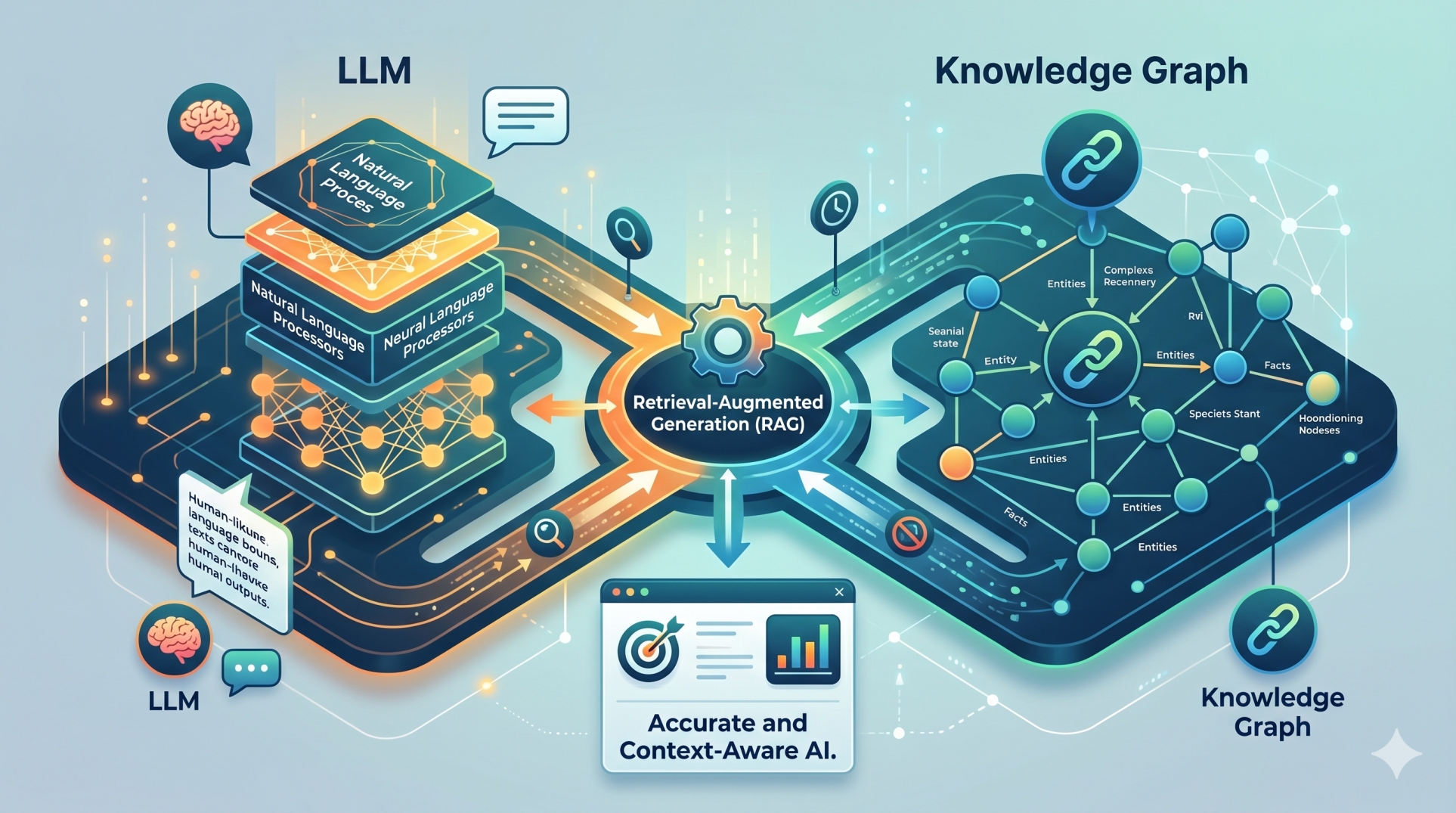
• Identify relationships across orders, suppliers, contracts, and transactions 🔗
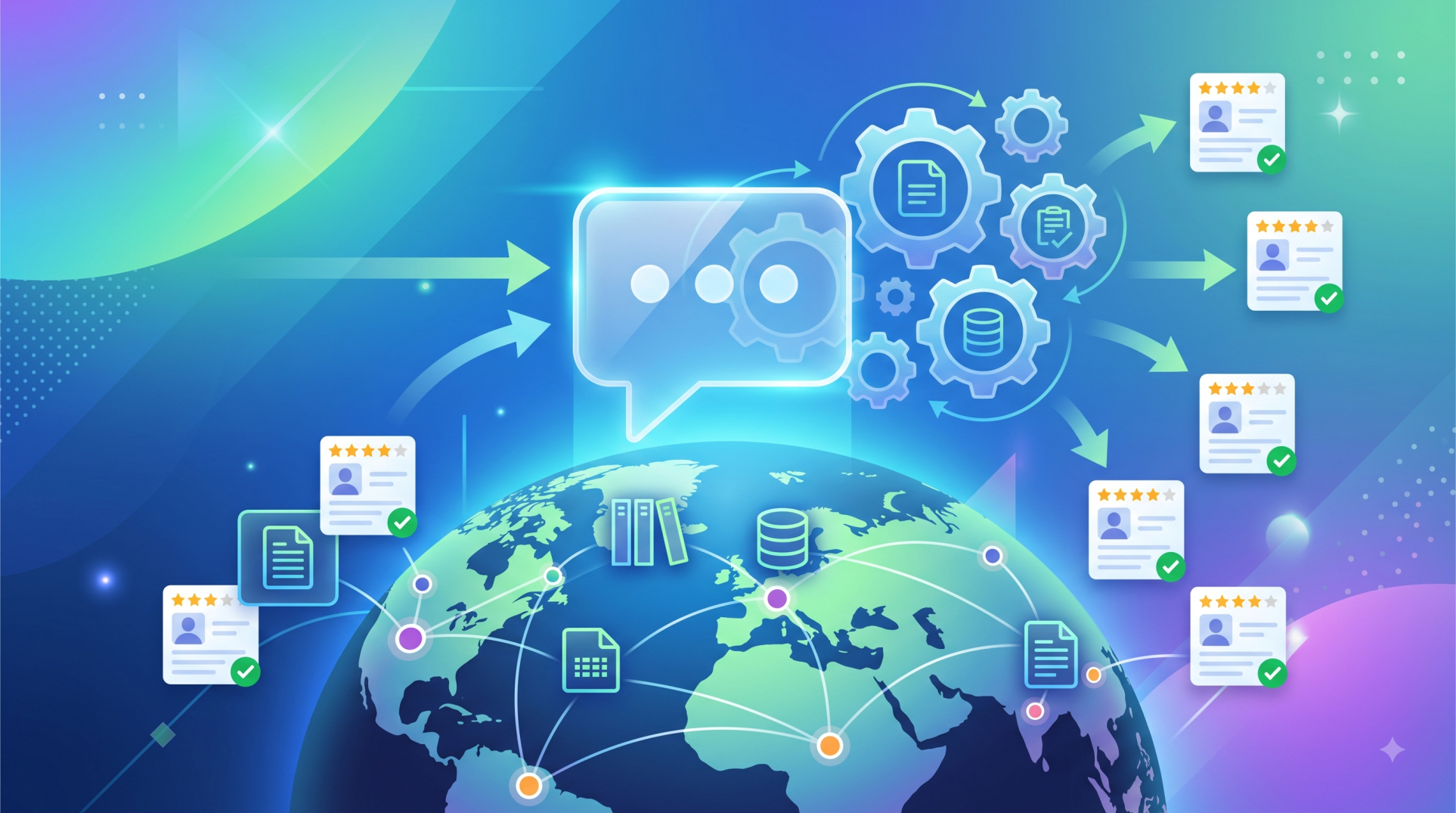
• Help teams find relevant information through natural-language queries 🔍
• Reduce the time required for manual data analysis ⏱️
Step 2: Enabling Natural-Language Procurement Interactions 💬
• Allow procurement teams to ask questions using everyday language 🗣️
• Retrieve purchasing information without navigating multiple dashboards 🖥️
• Generate summaries of suppliers, contracts, and purchase activity 📄
• Provide contextual responses based on organizational data 🎯
• Make procurement platforms easier for non-technical users to operate 👥
Step 3: Improving Supplier Discovery and Evaluation 🤝
• Analyze supplier profiles and historical purchasing records 📋
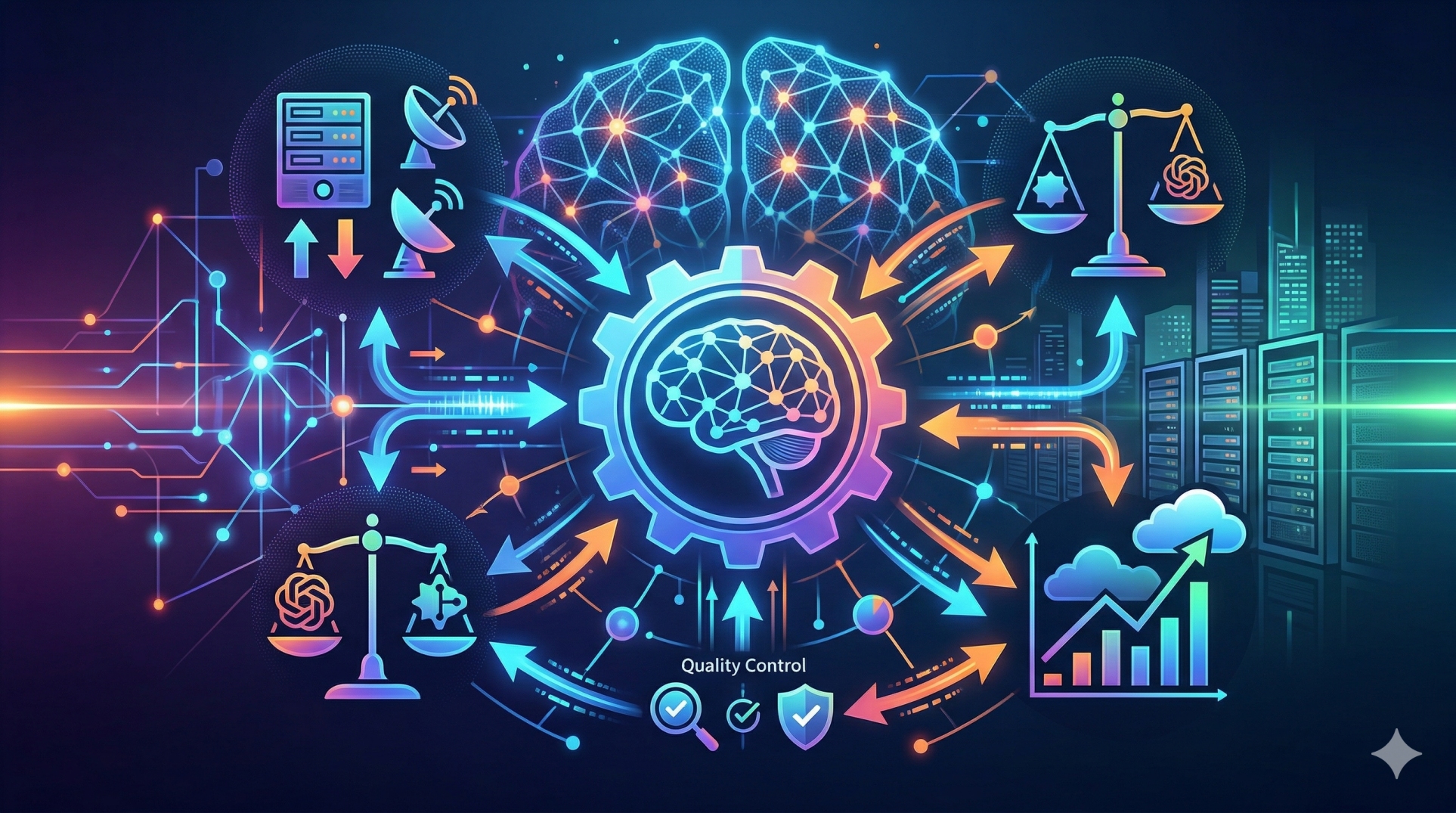
• Compare vendors using relevant business criteria ⚖️
• Identify potential suppliers based on product and service requirements 🔎
• Summarize supplier strengths, risks, and performance indicators 📊
• Support procurement teams during vendor selection decisions ✅
Step 4: Automating Procurement Documentation 📑
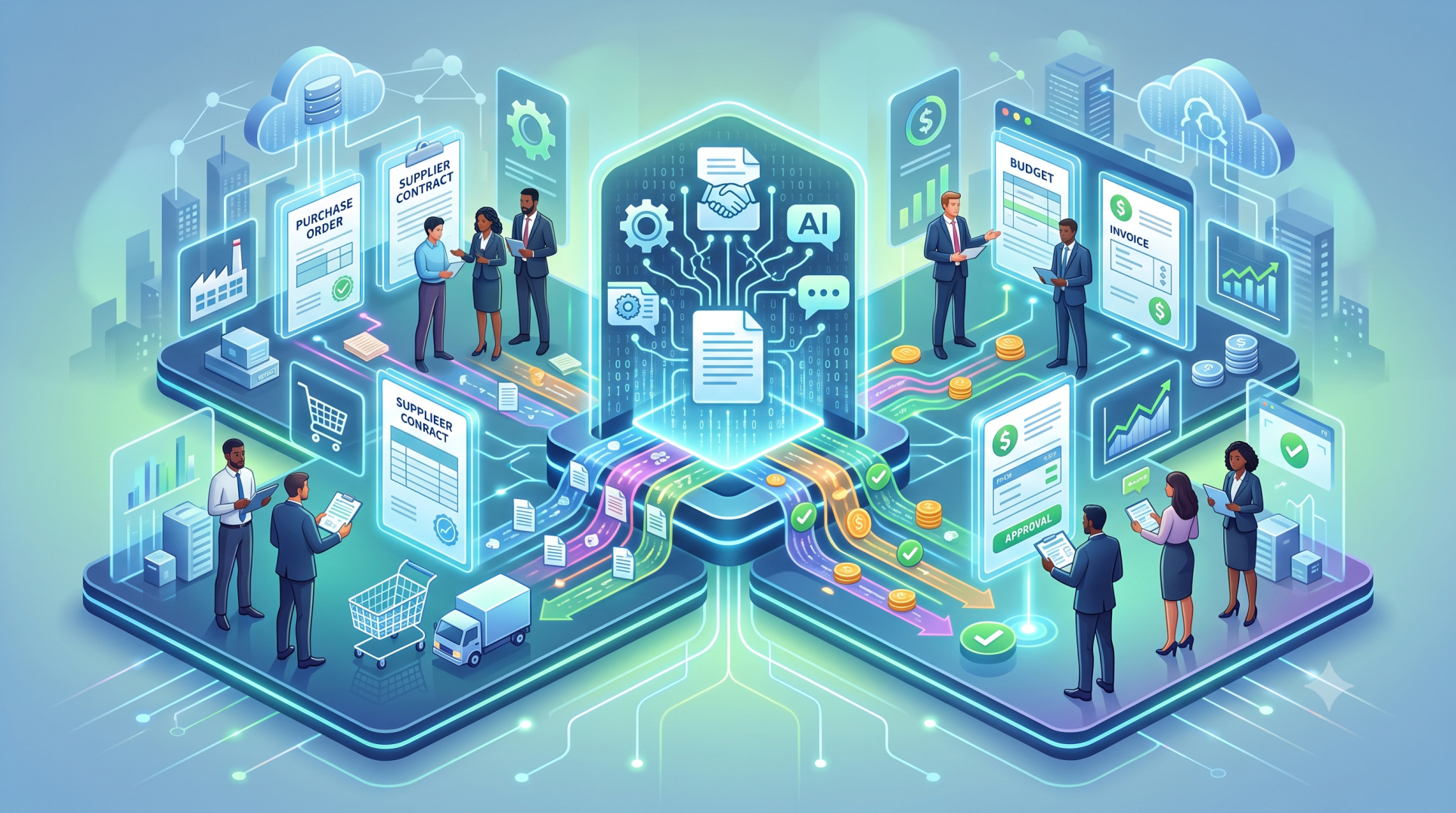
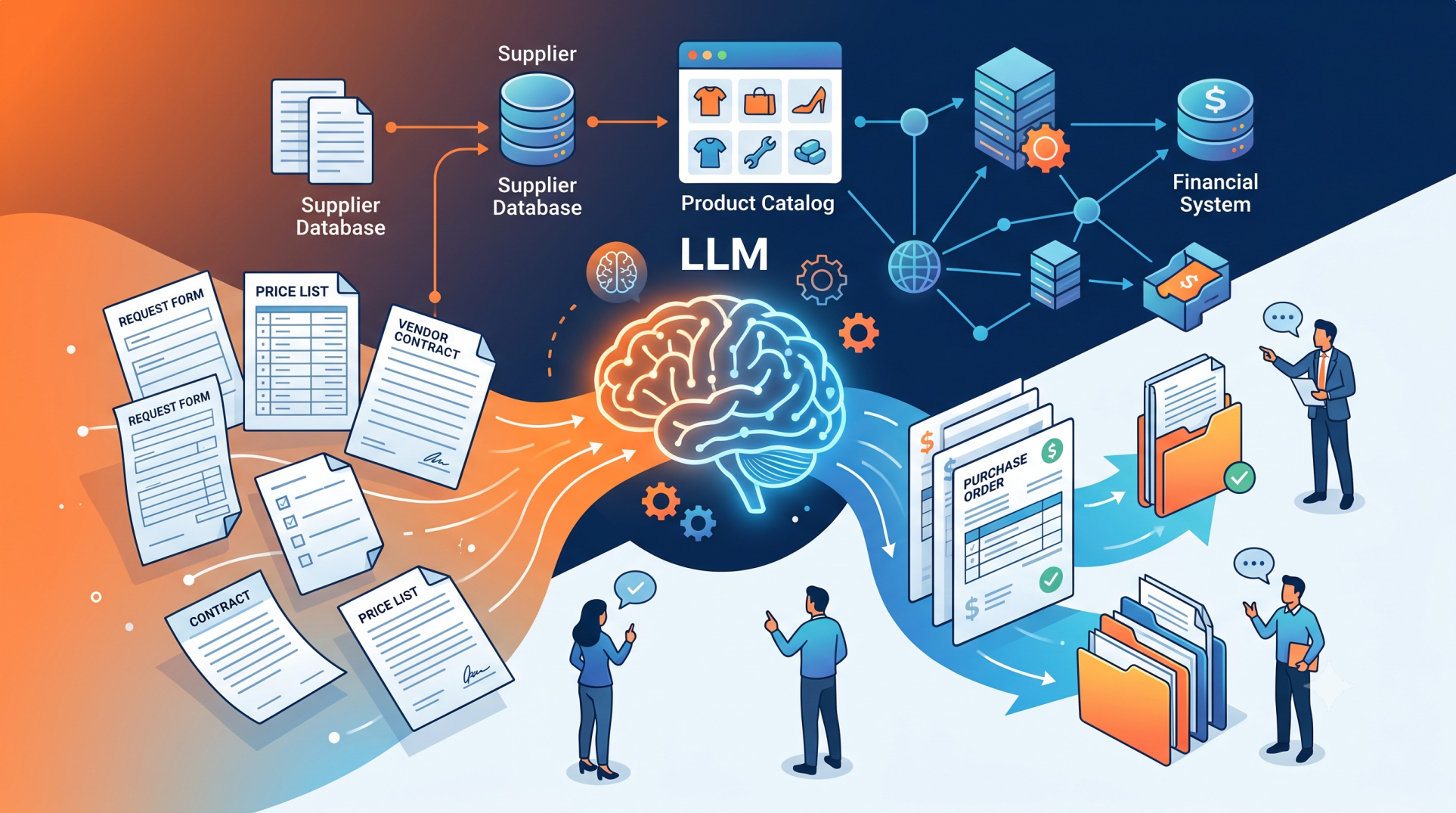
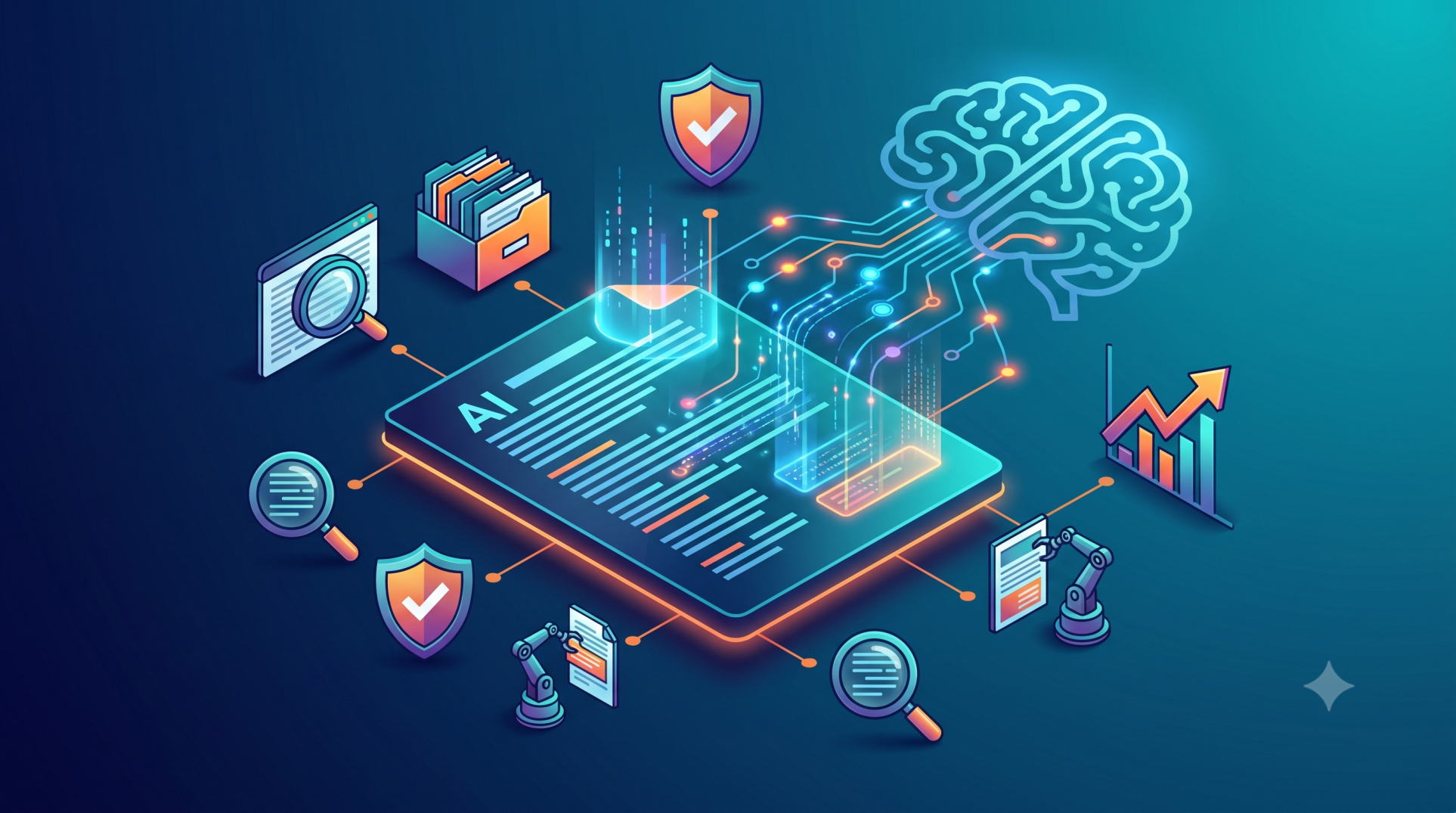
• Extract information from invoices, purchase orders, and supplier documents 📄
• Summarize lengthy contracts and procurement agreements 📝
• Identify important clauses, dates, and obligations 🔍
• Reduce repetitive document review activities ⚙️
• Improve consistency across procurement documentation workflows ✔️
Step 5: Strengthening Spend Analysis 💰
• Analyze historical purchasing patterns across departments 📊
• Identify unusual spending and potential cost-saving opportunities 🔎
• Group purchases by suppliers, categories, and business functions 🗂️
• Highlight recurring procurement trends 📈
• Support more informed budgeting and sourcing strategies 💡
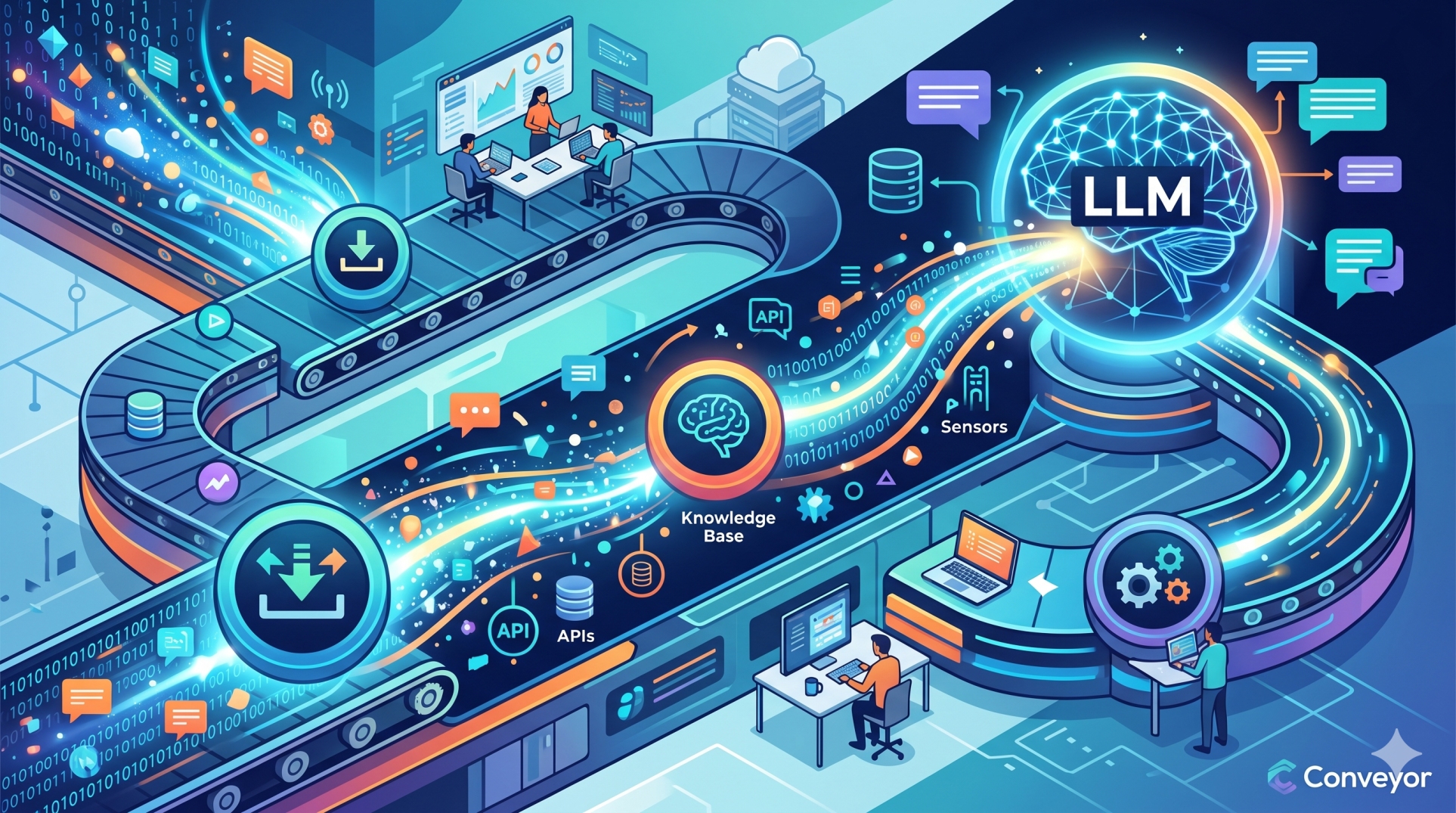
Step 6: Connecting Procurement with Enterprise Systems 🔗
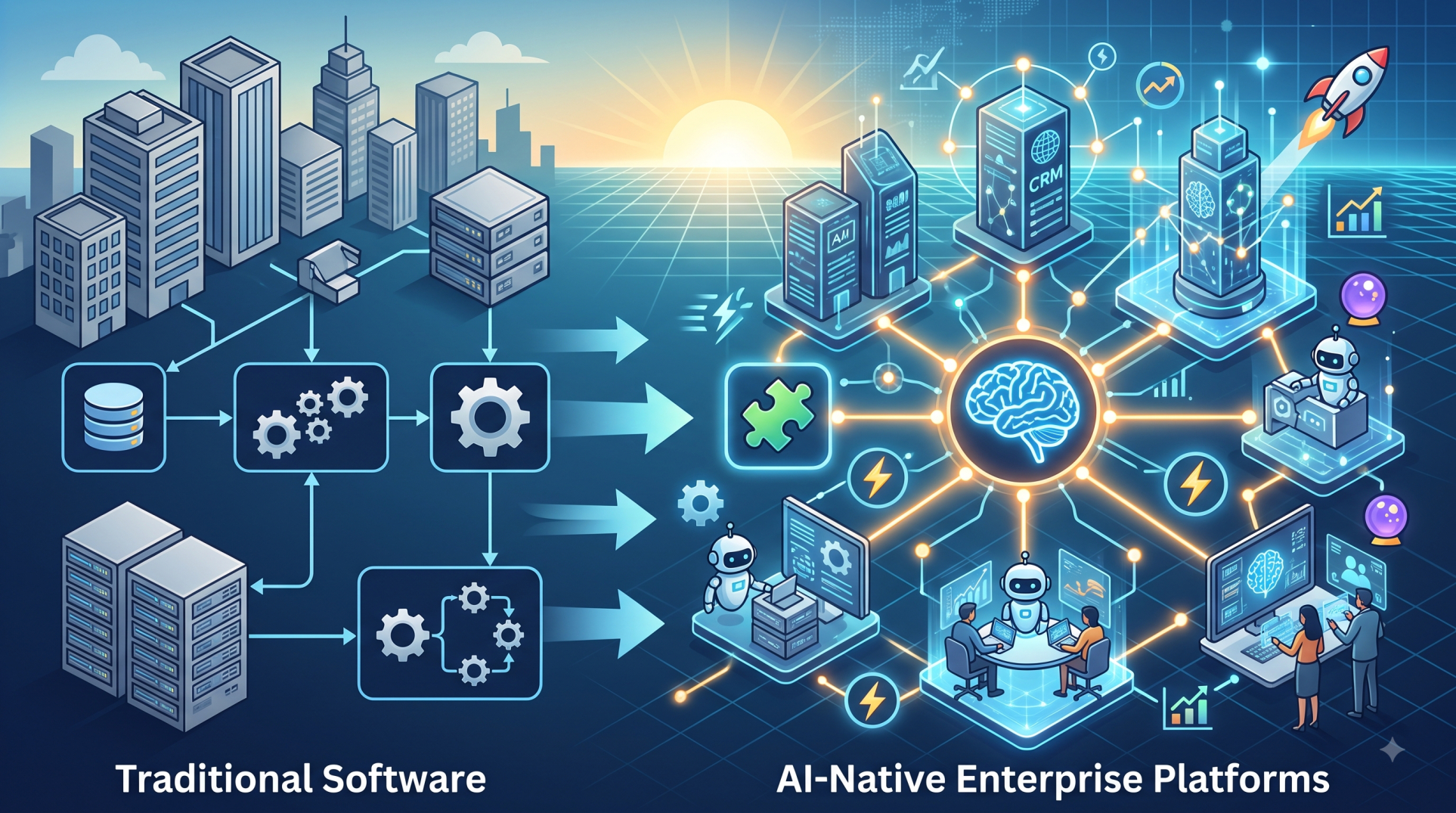
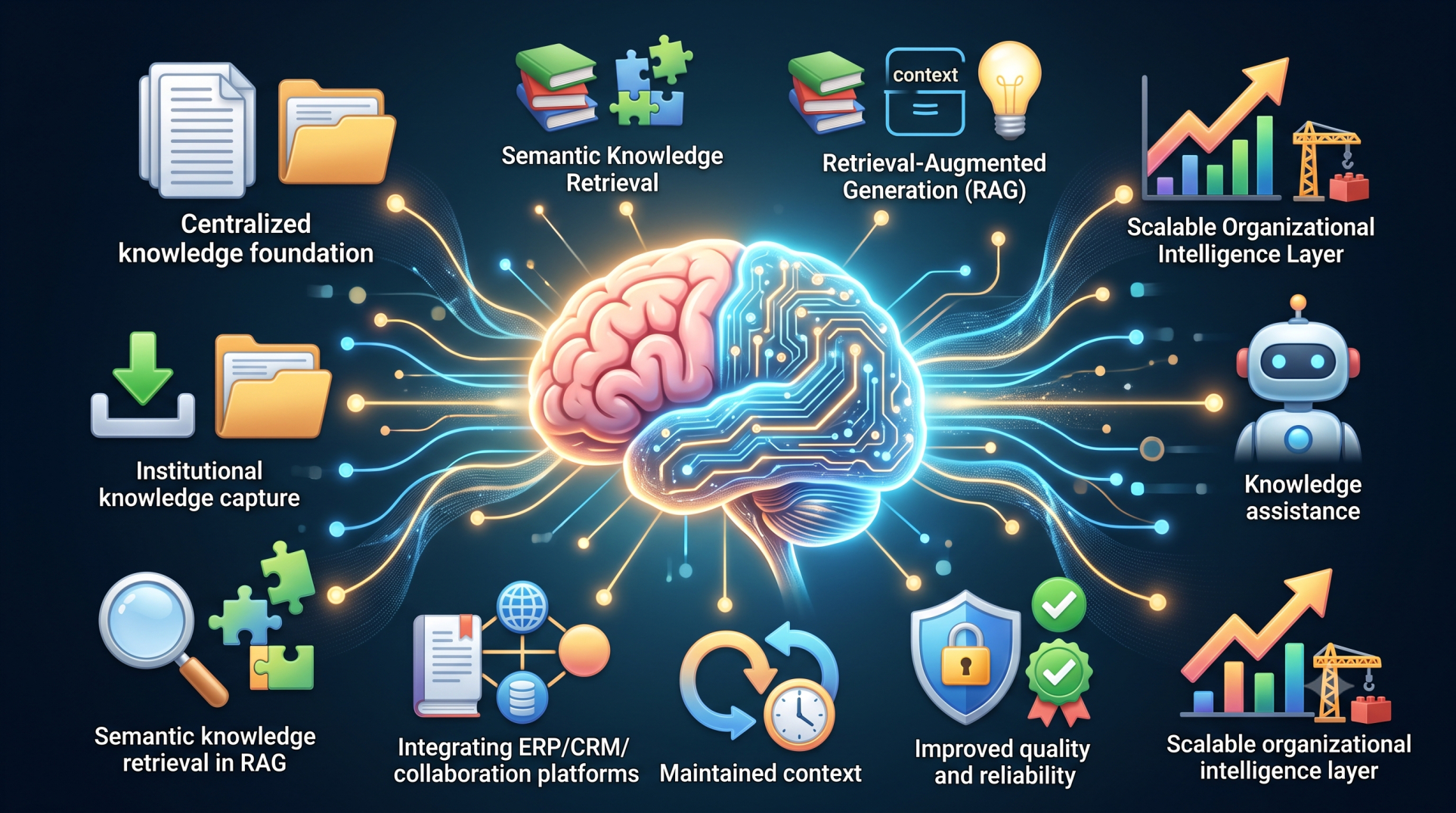
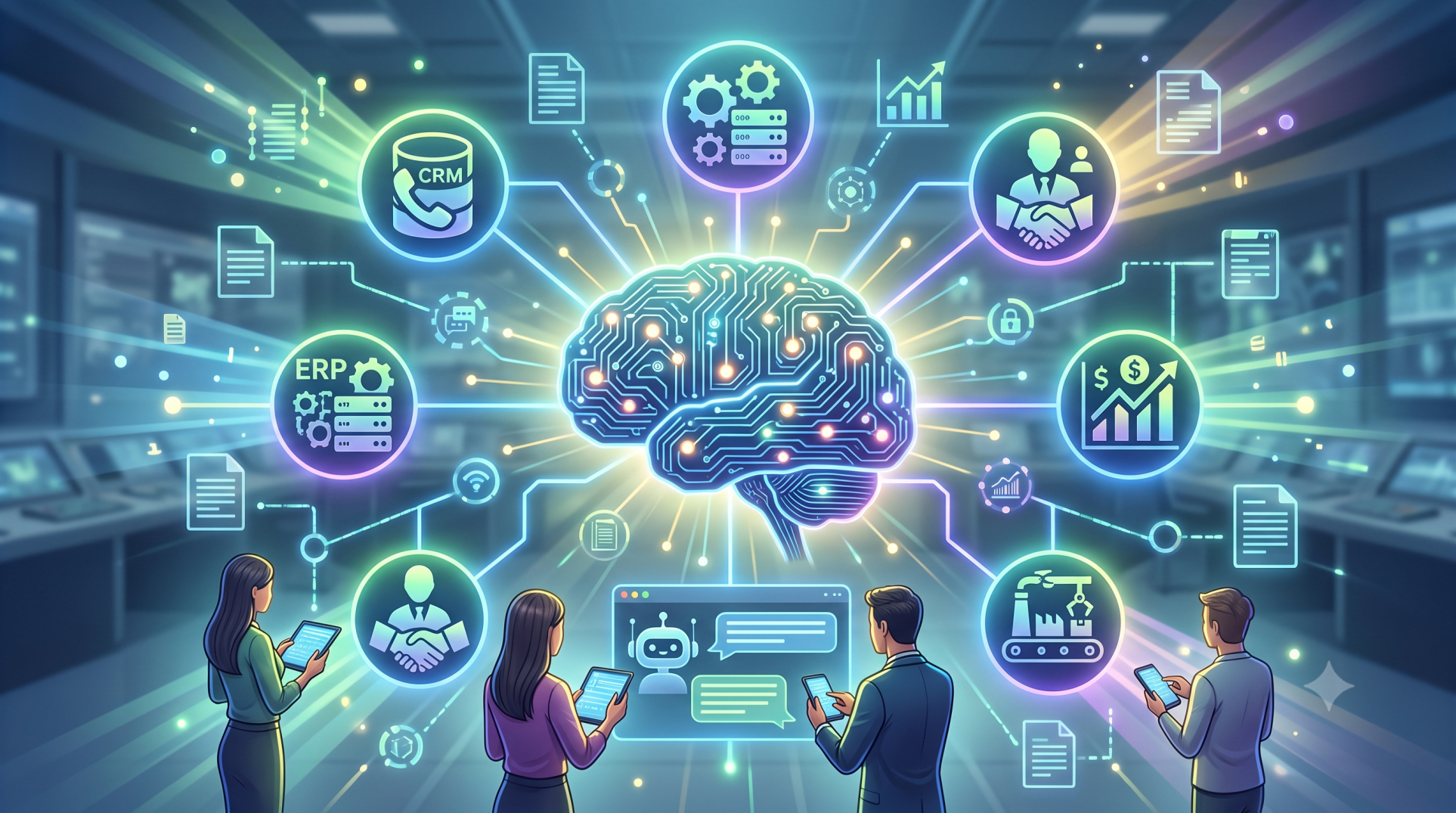
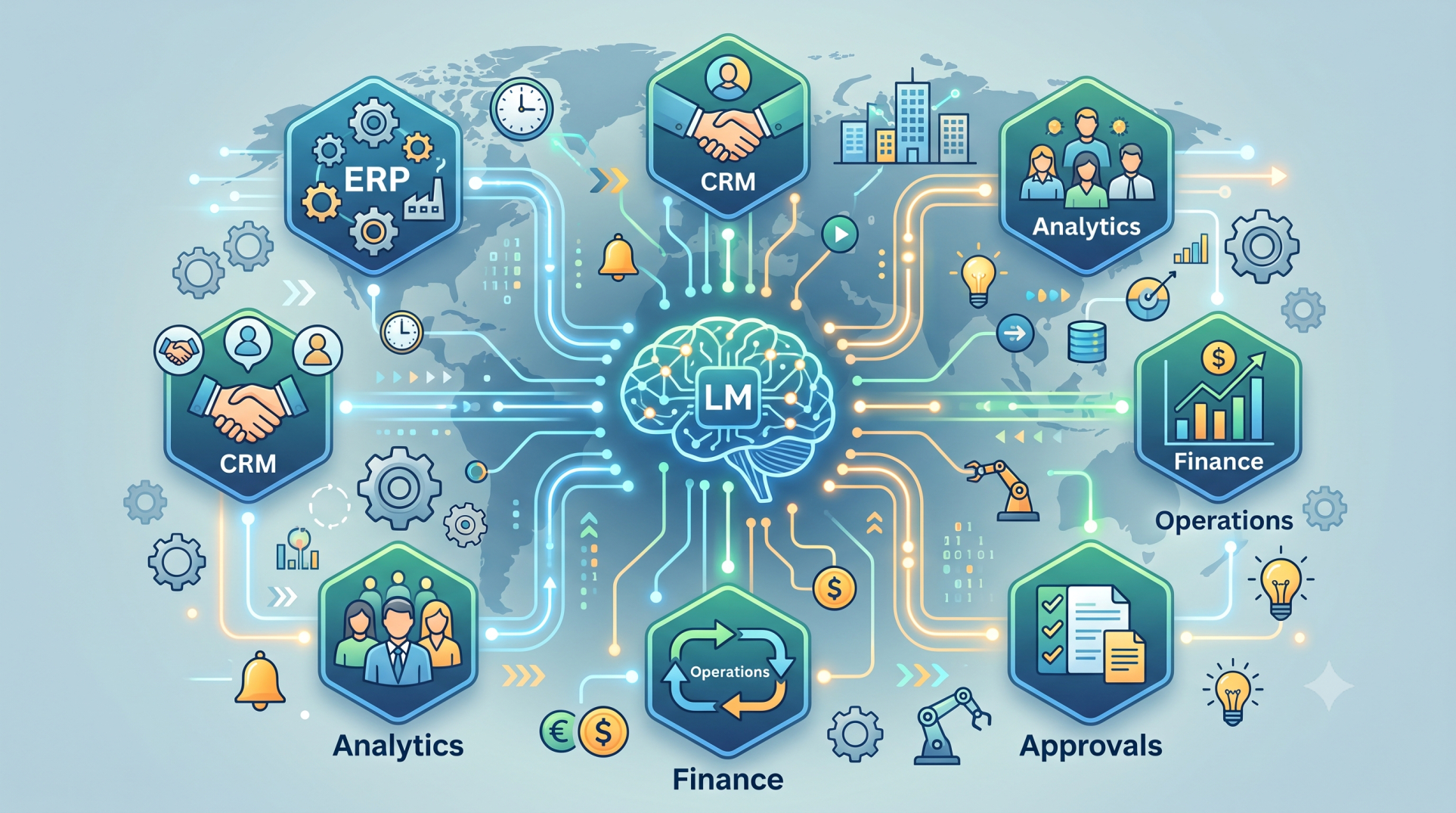
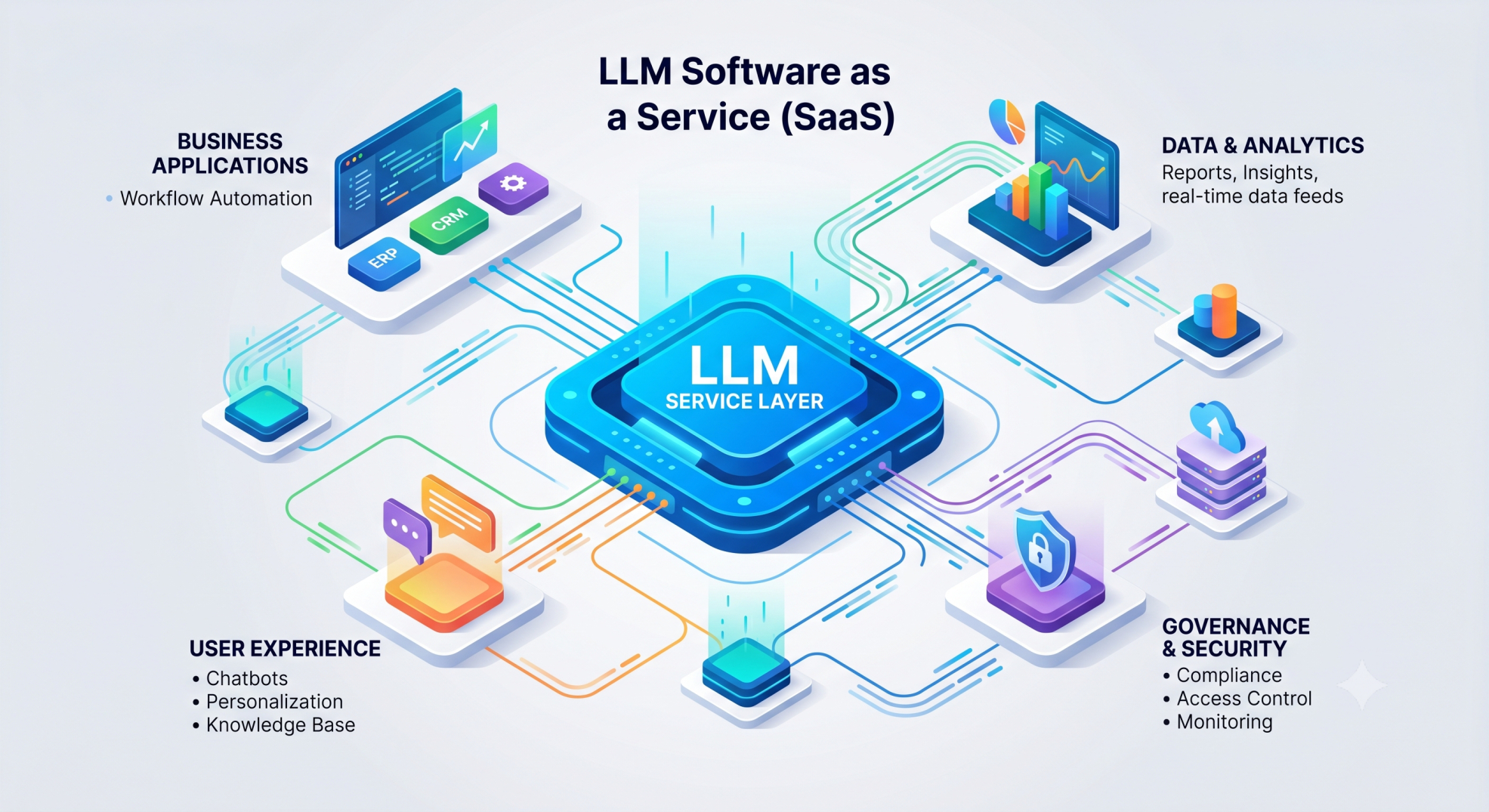
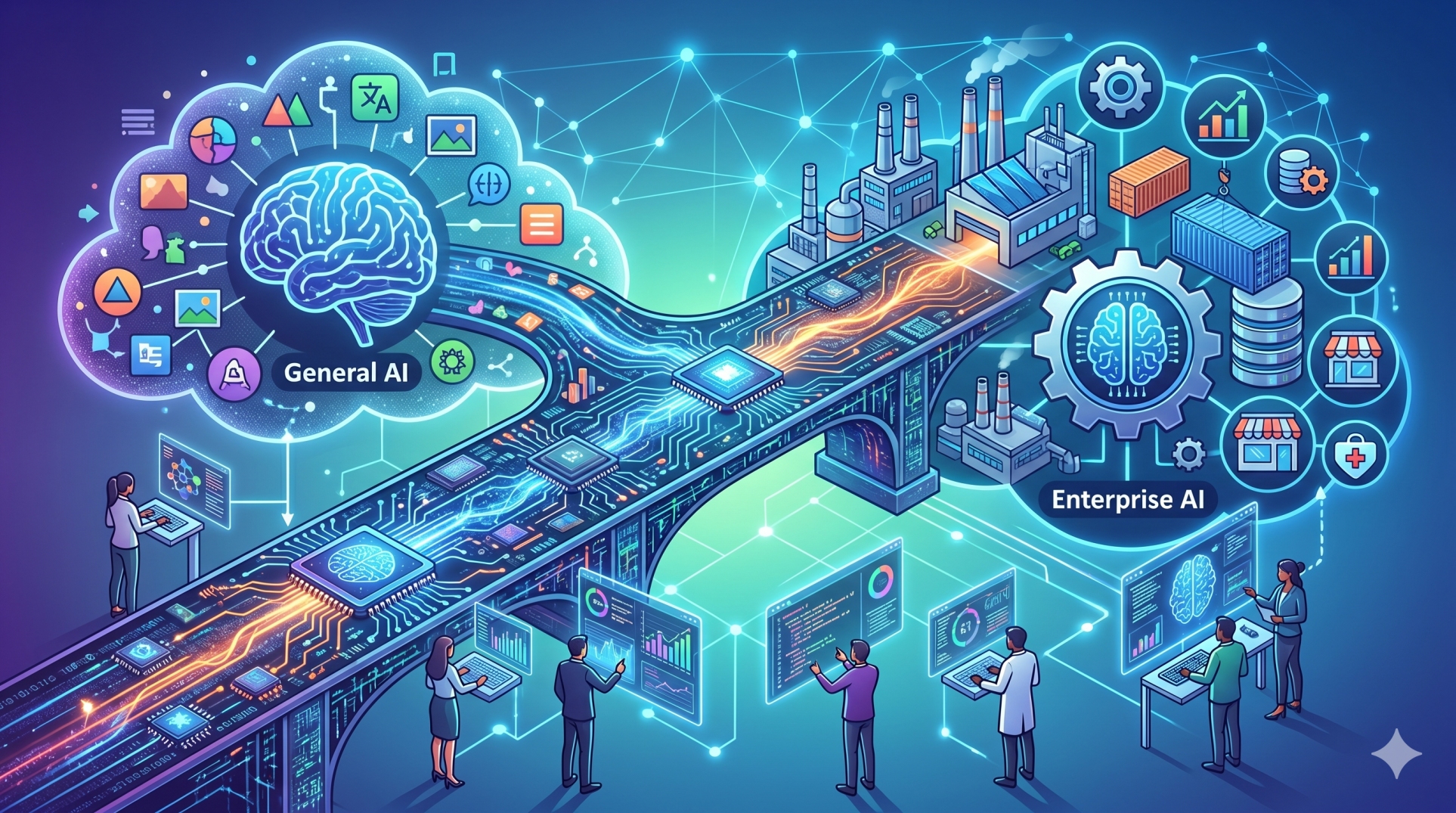
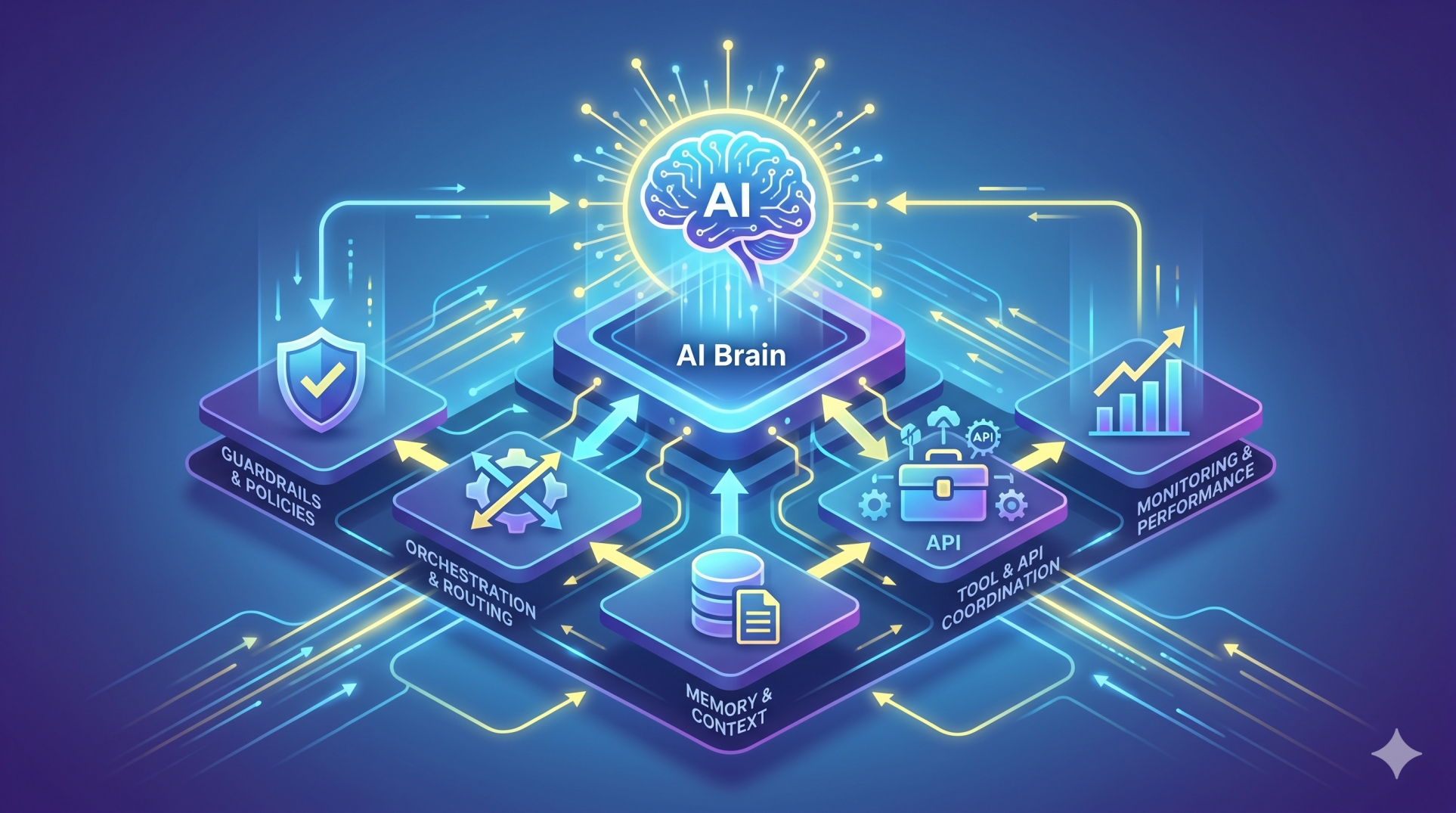
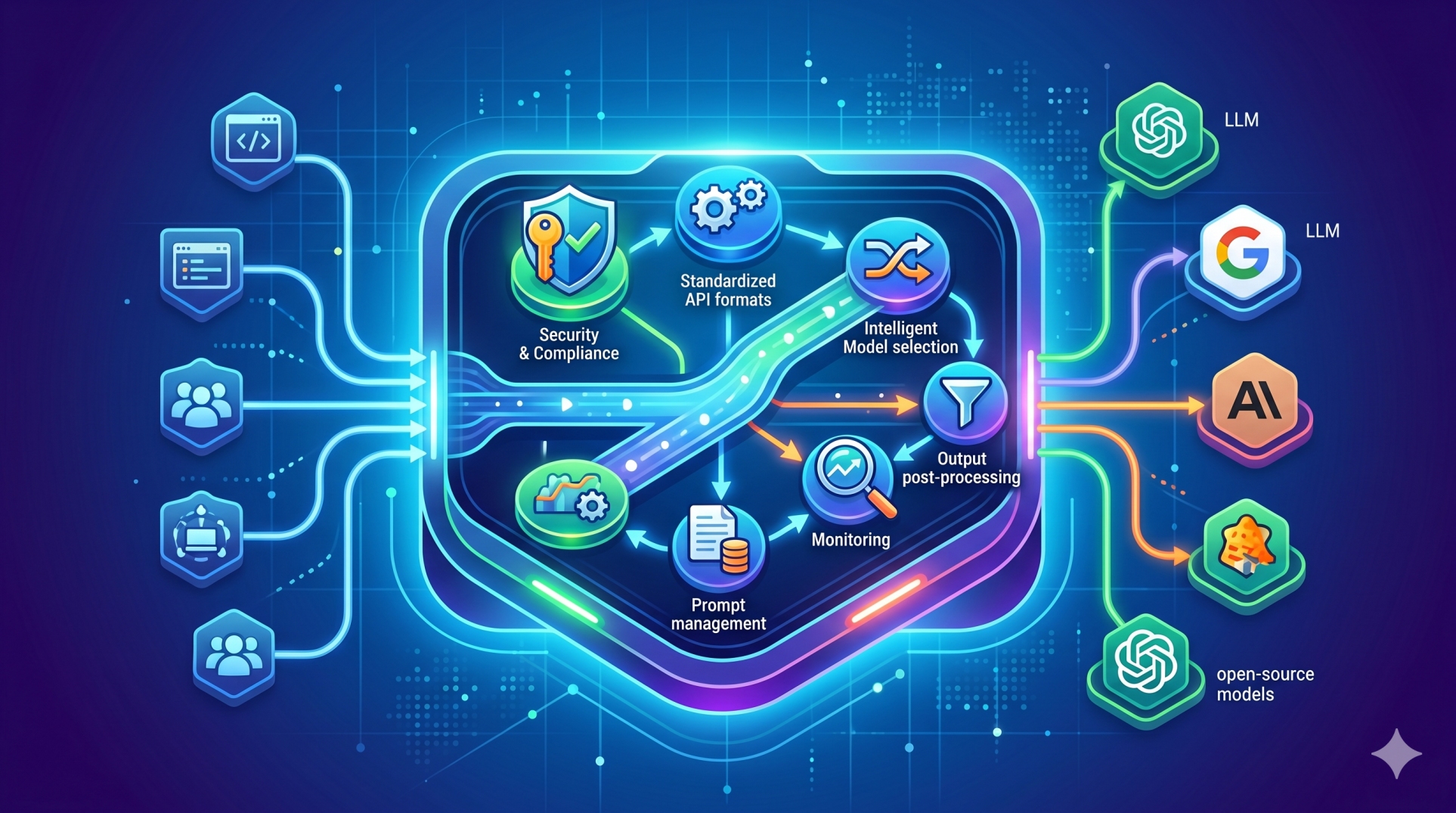
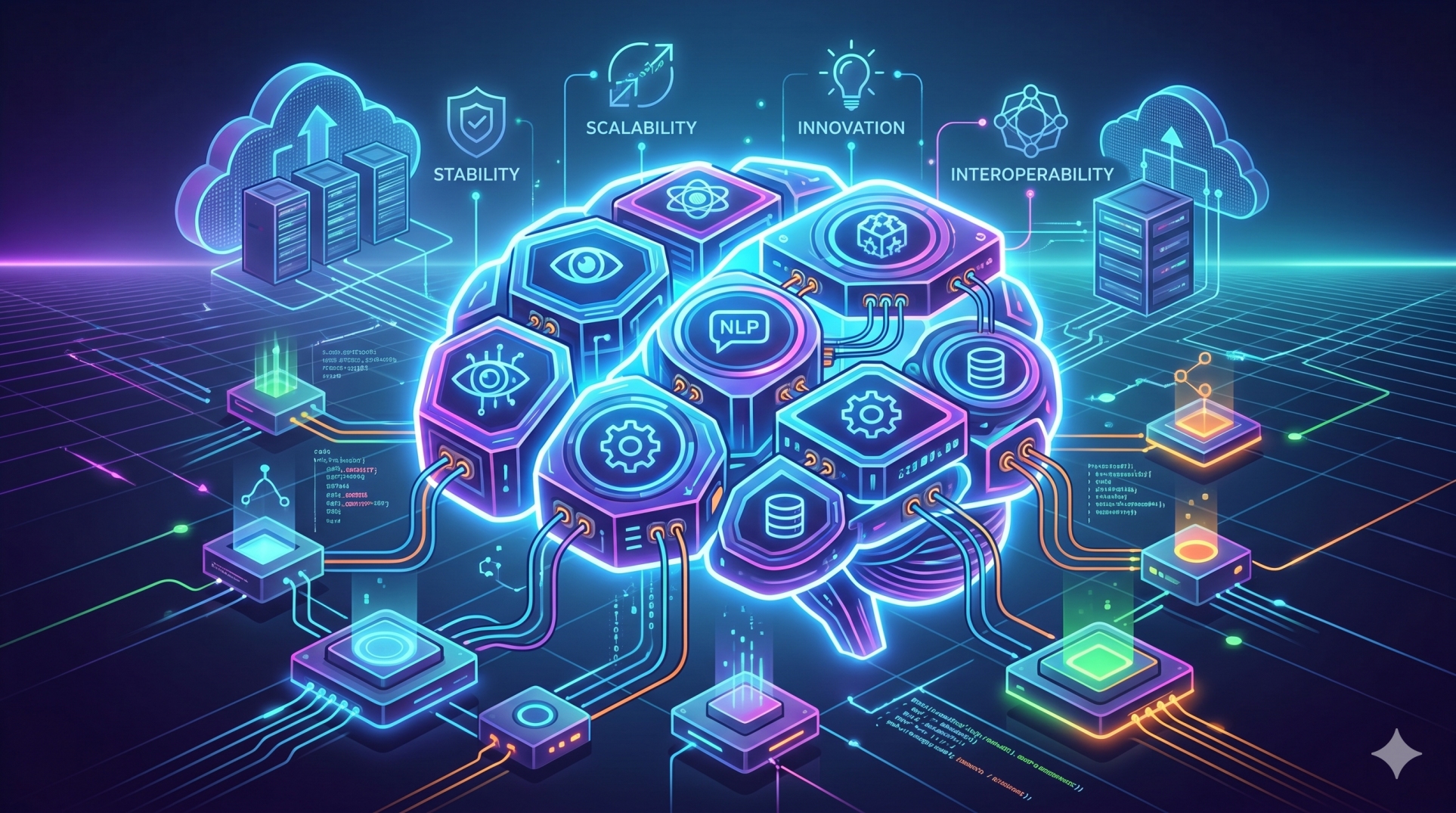
• Integrate LLM capabilities with ERP and procurement platforms 🏢
• Connect purchasing workflows with finance and inventory systems 📦
• Access relevant information from CRM and supplier management tools 🤝
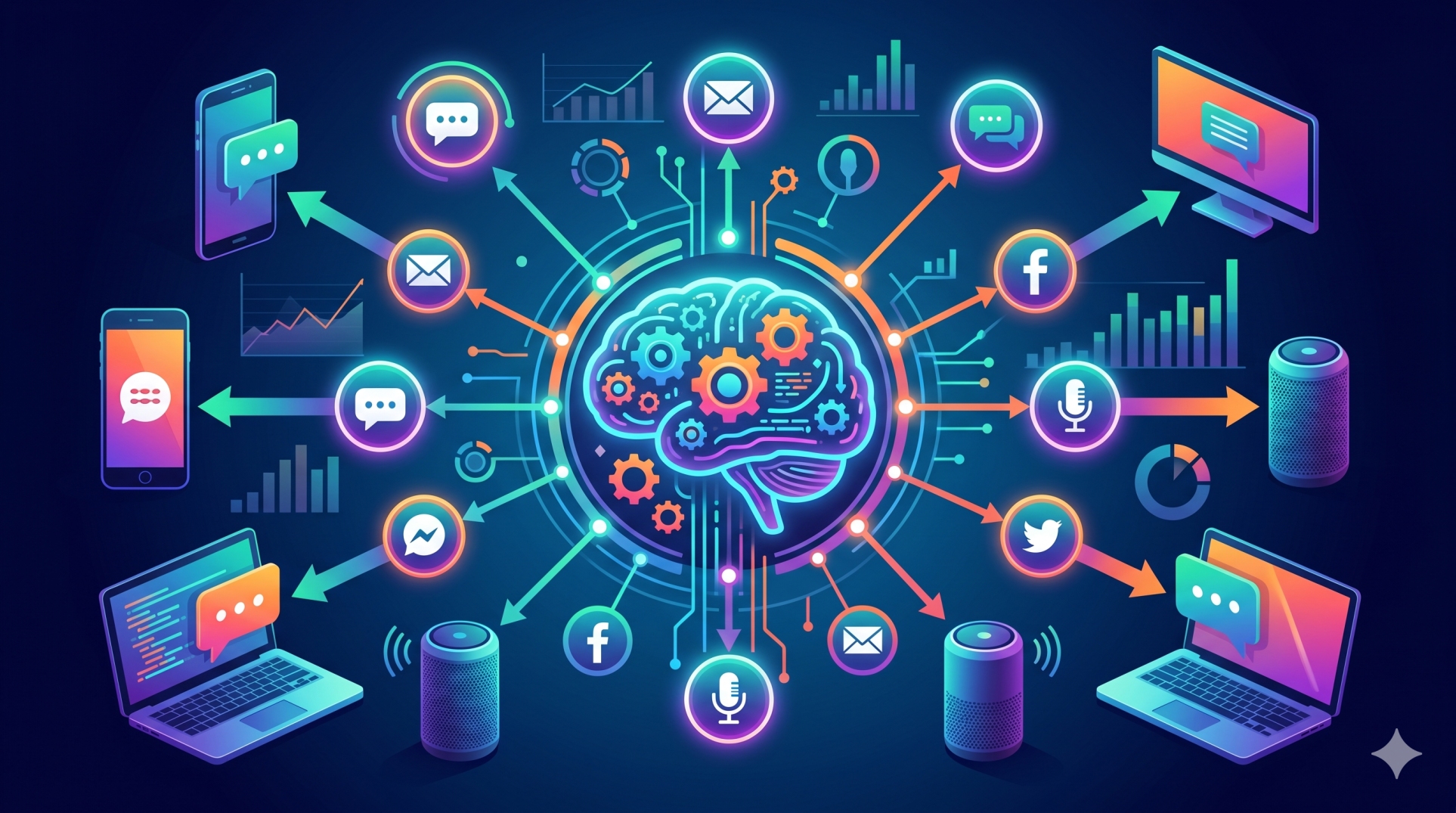
• Create a unified flow of information across business applications 🌐
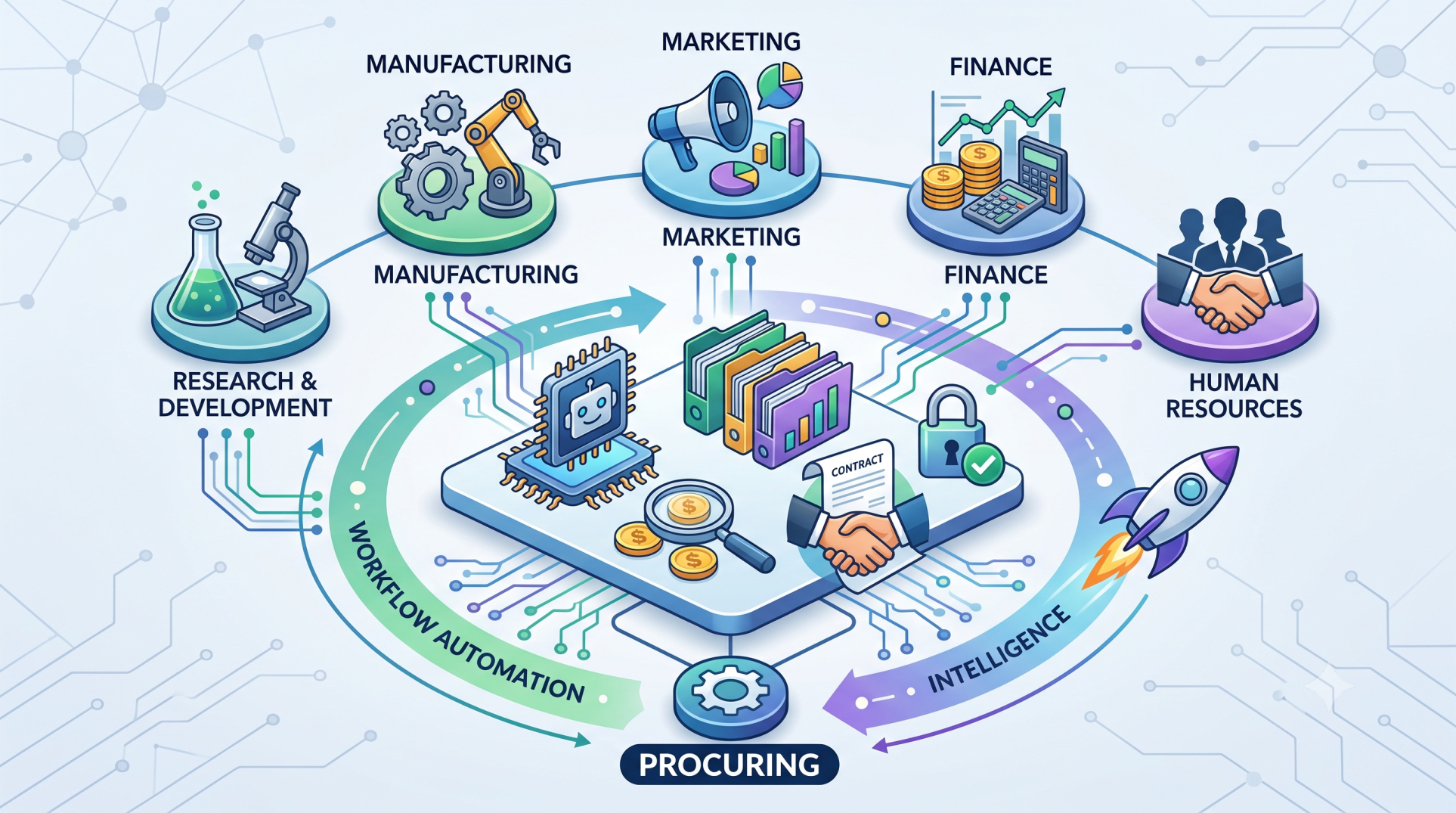
• Reduce data silos between procurement and other departments 🔄
Step 7: Supporting Intelligent Procurement Workflows ⚙️
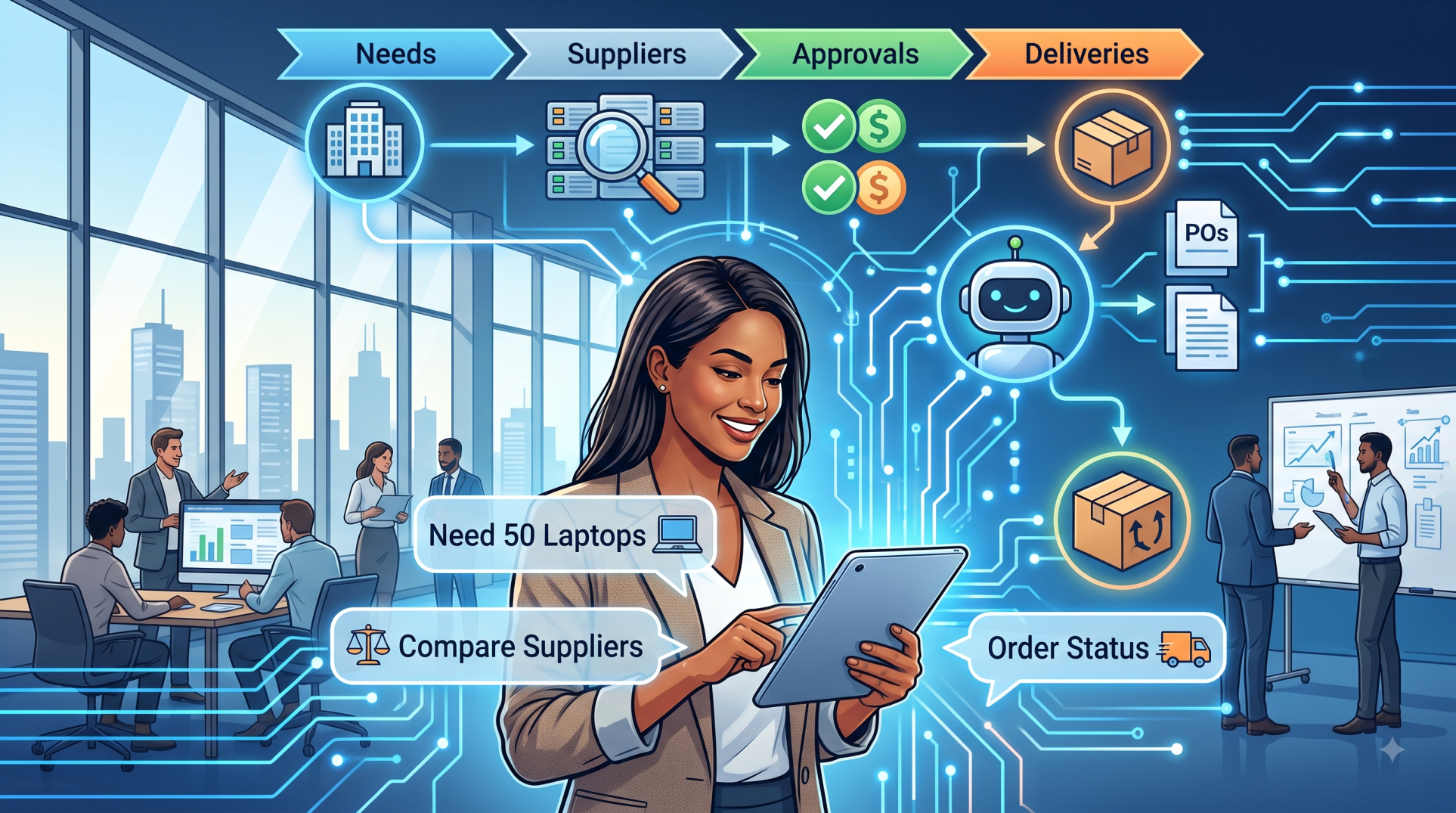
• Automate routine purchasing requests and approvals 🤖
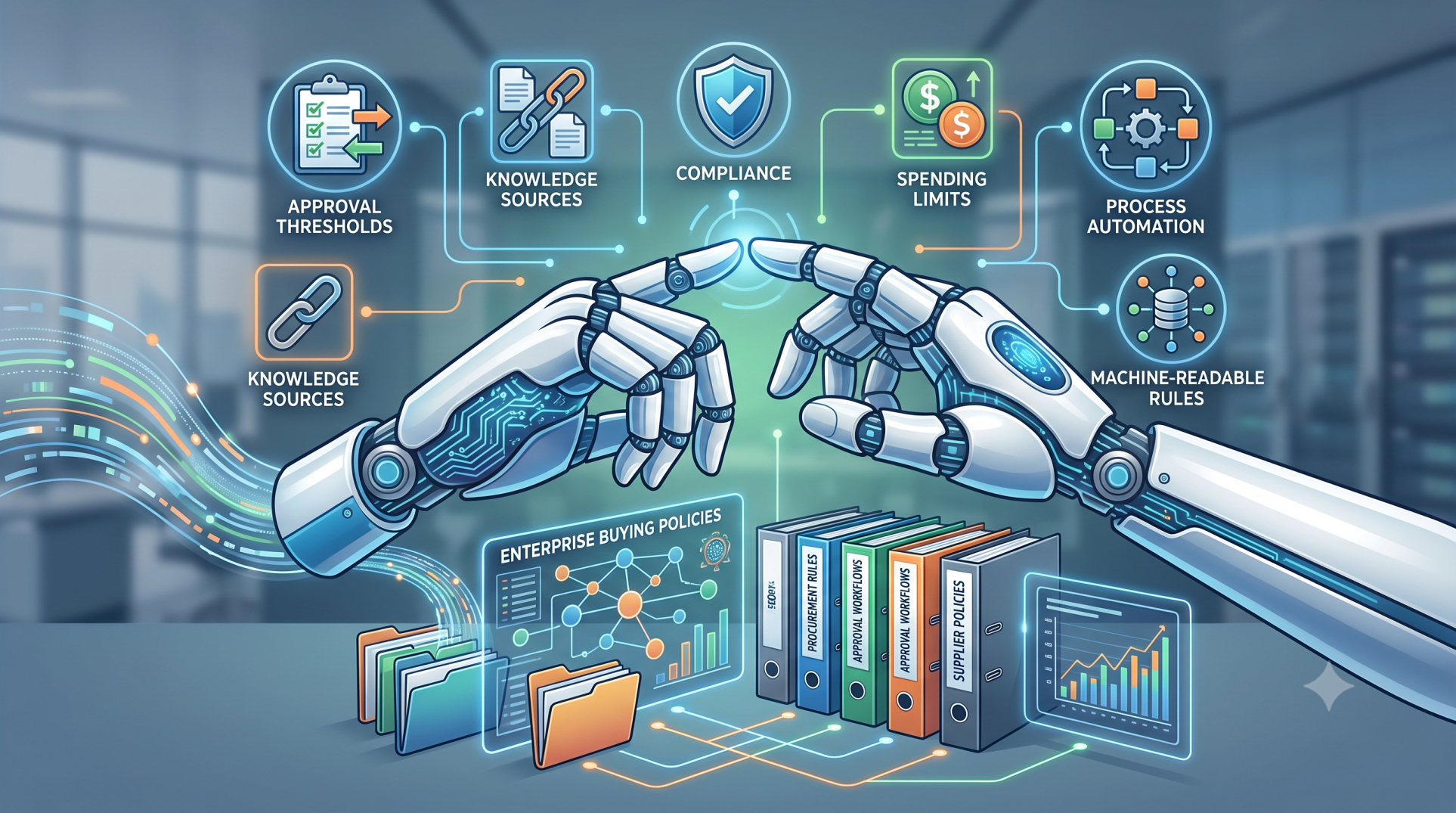
• Route procurement tasks based on predefined business conditions 📋
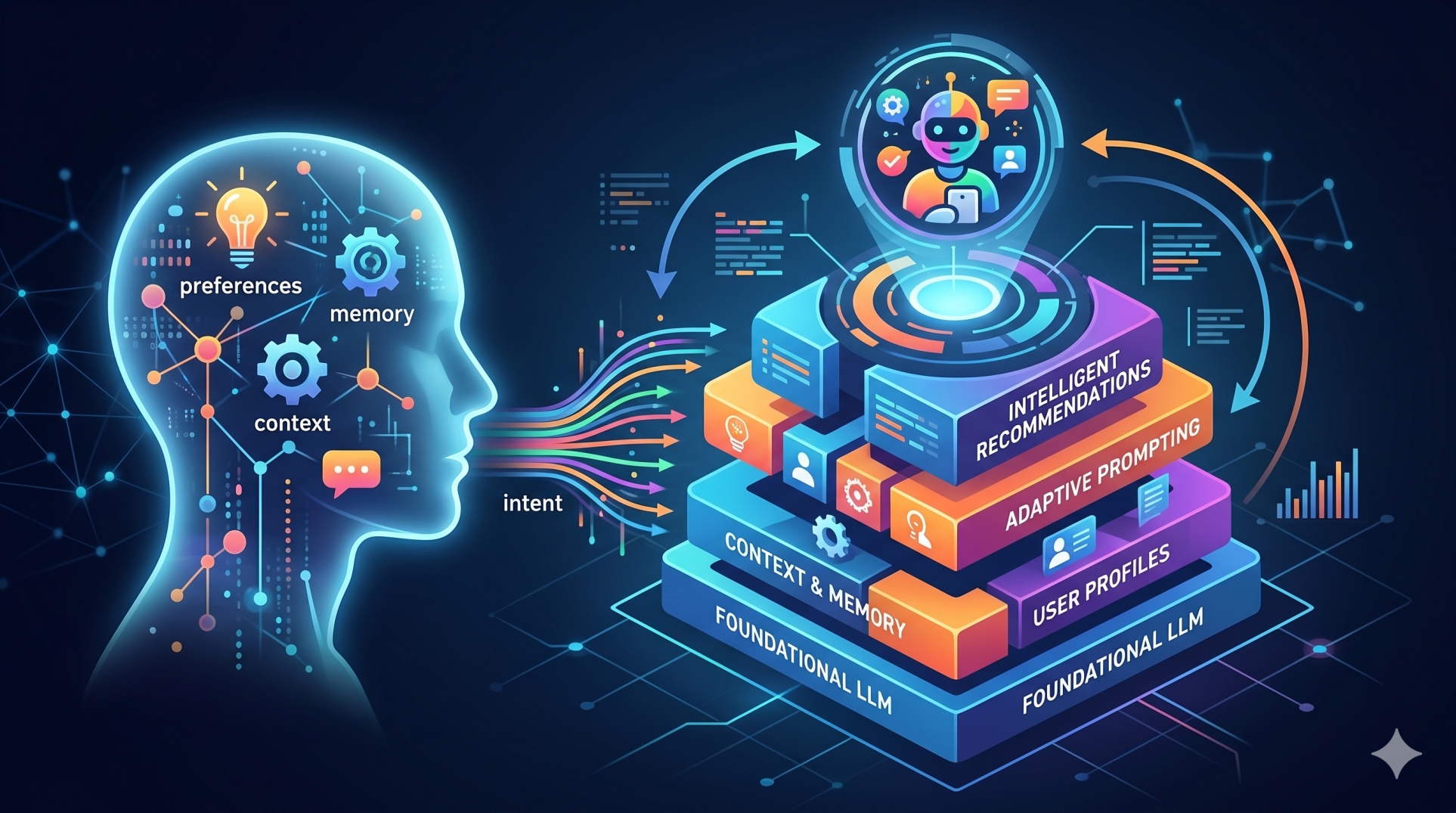
• Generate recommendations using available business context 🧠
• Assist teams with purchase order and sourcing workflows 📑
• Adapt workflows as organizational requirements change 🔄
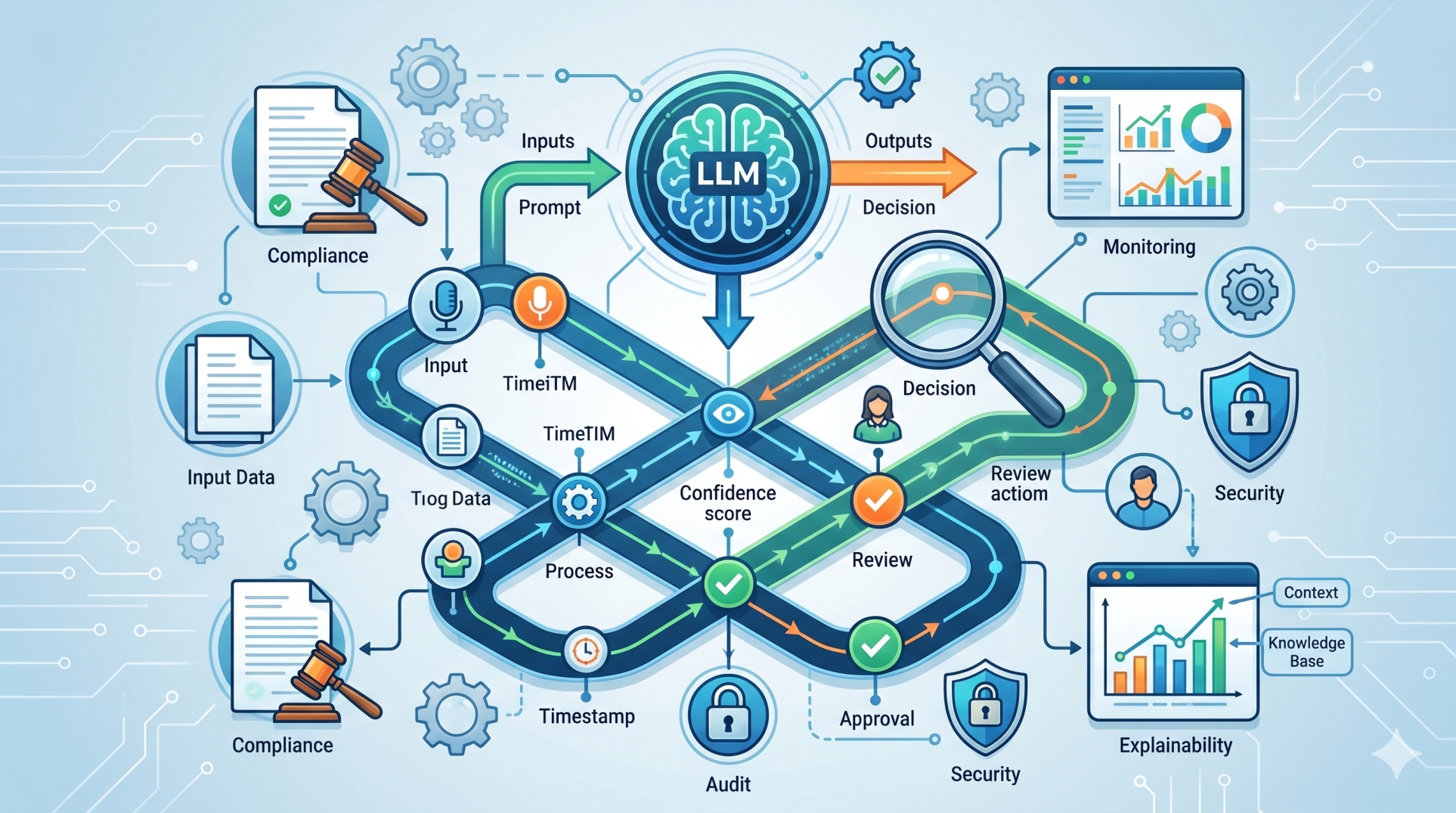
Step 8: Improving Procurement Risk Management 🛡️
• Identify potential supplier and purchasing risks 🚨
• Monitor changes in supplier information and performance 📉
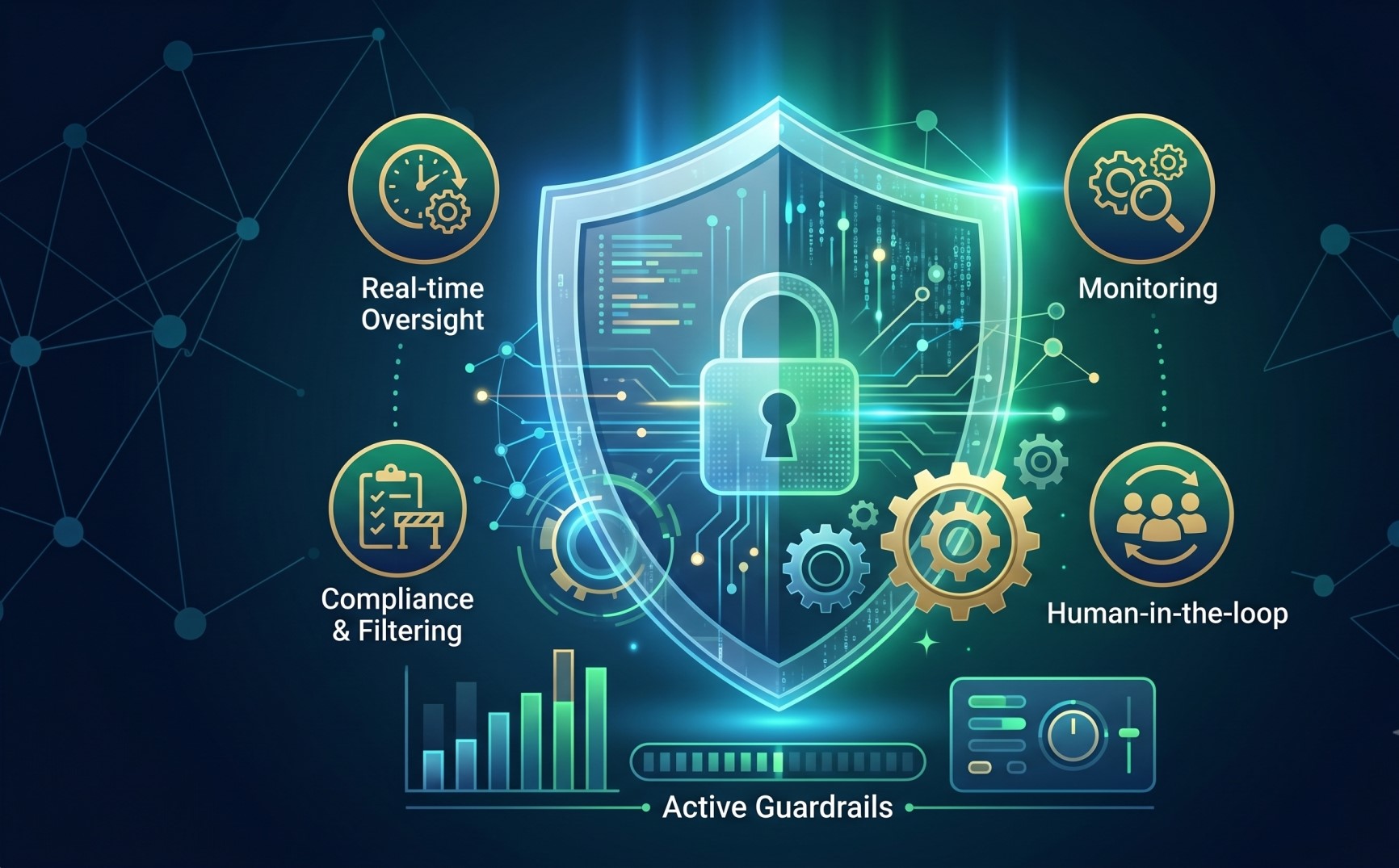
• Highlight unusual transactions for further review 🔍
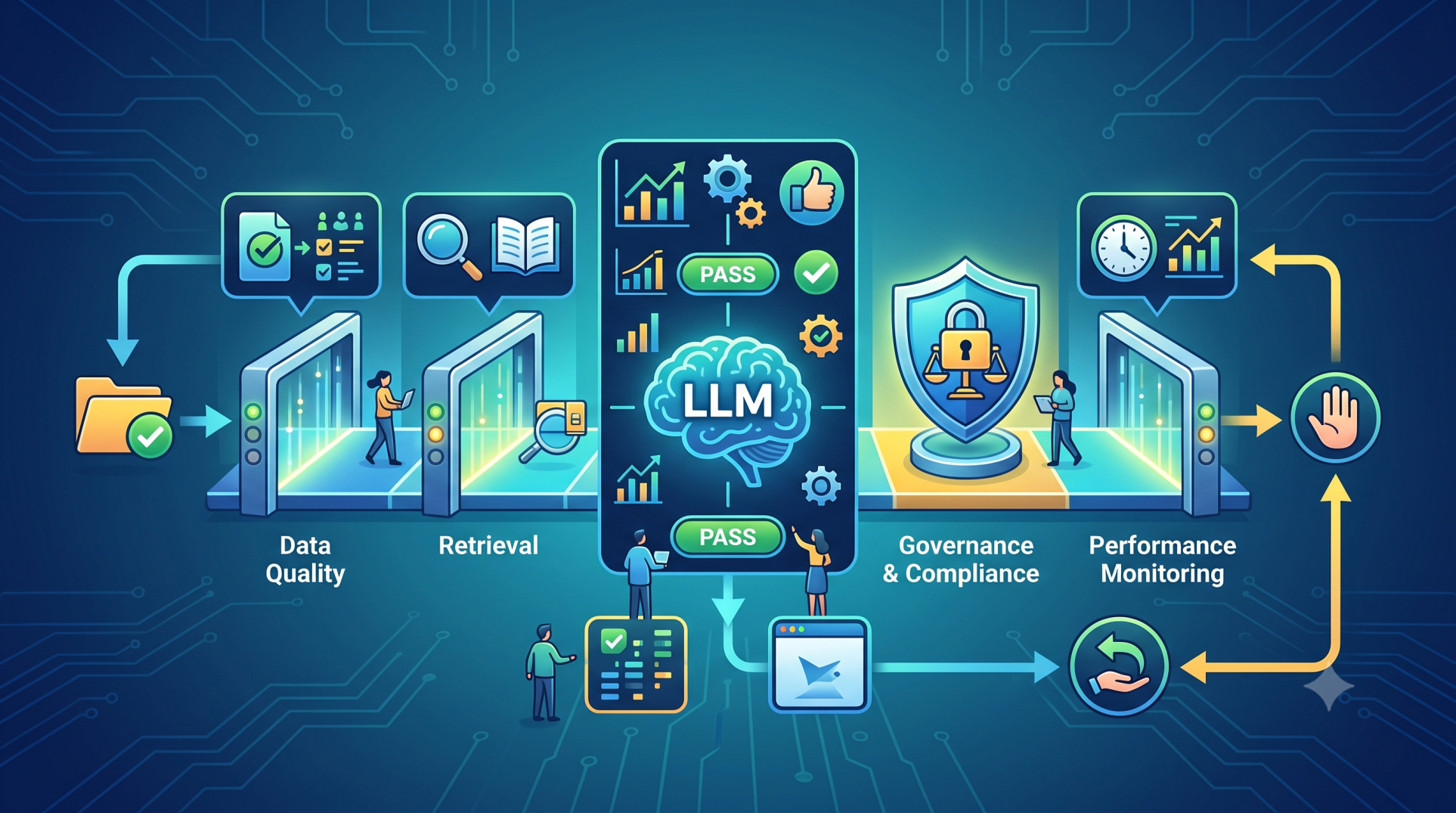
• Support compliance checks across procurement processes ✅
• Provide greater visibility into potential operational risks 👀
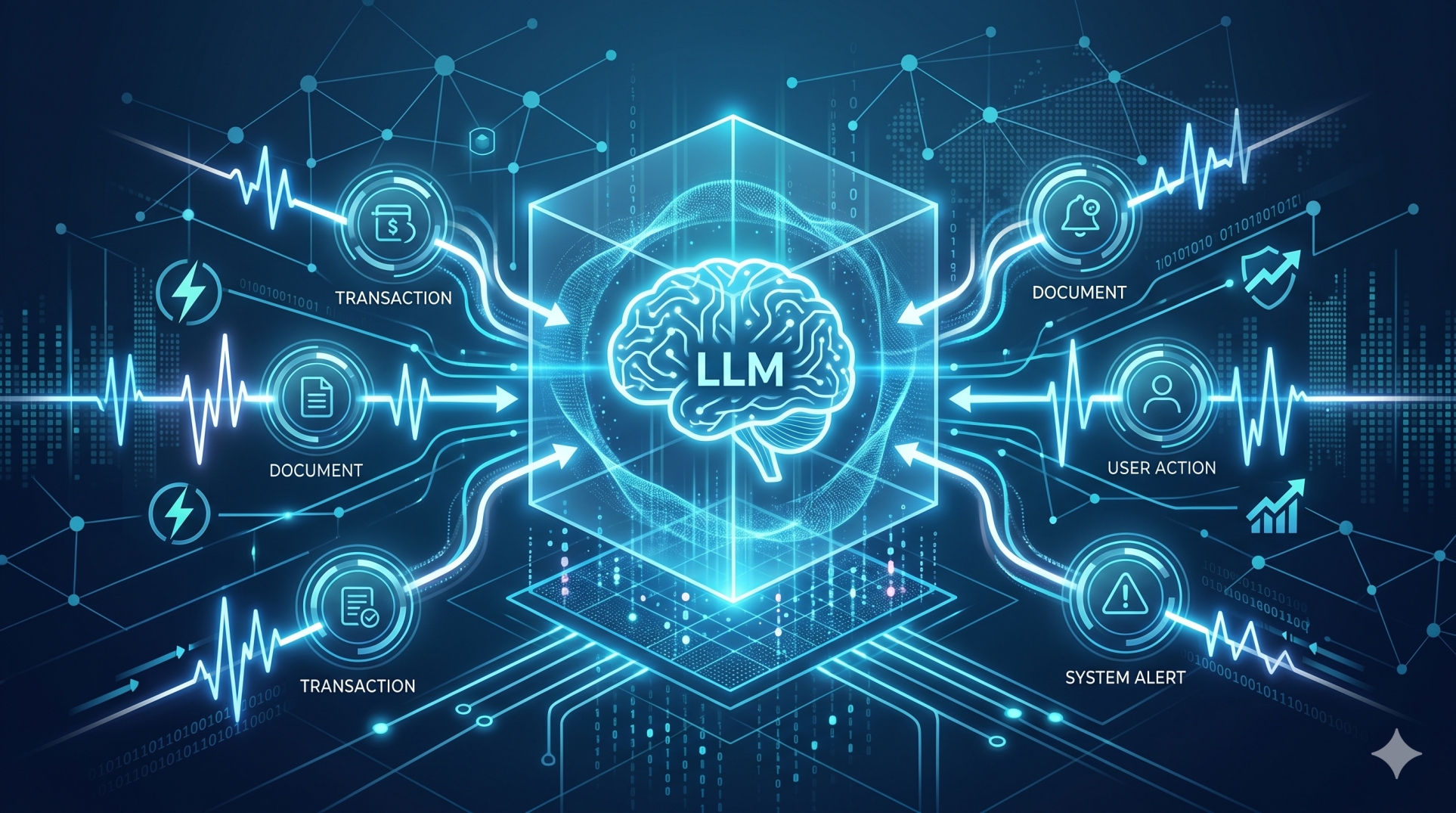
Step 9: Delivering Real-Time Procurement Insights ⚡
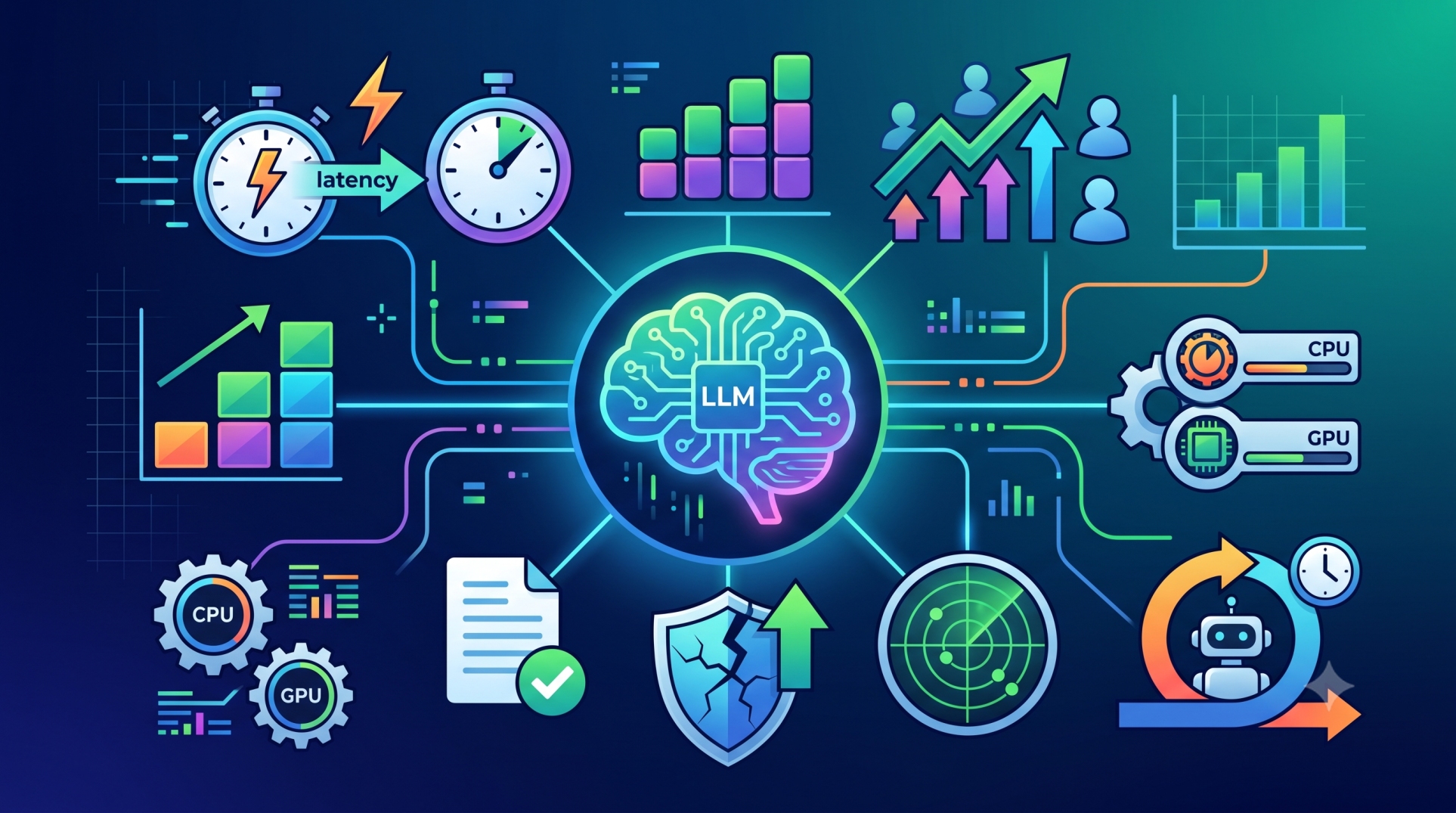
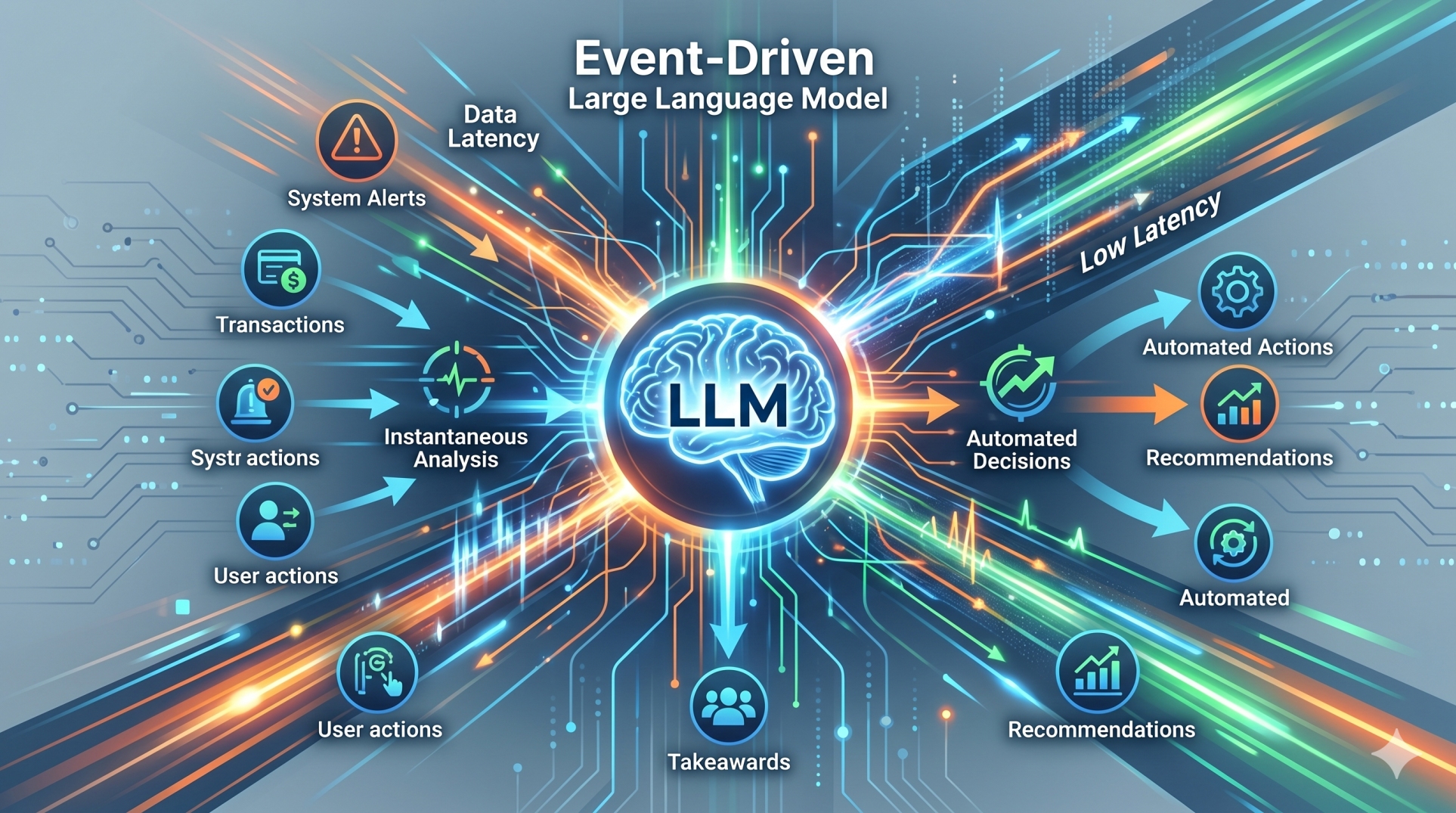
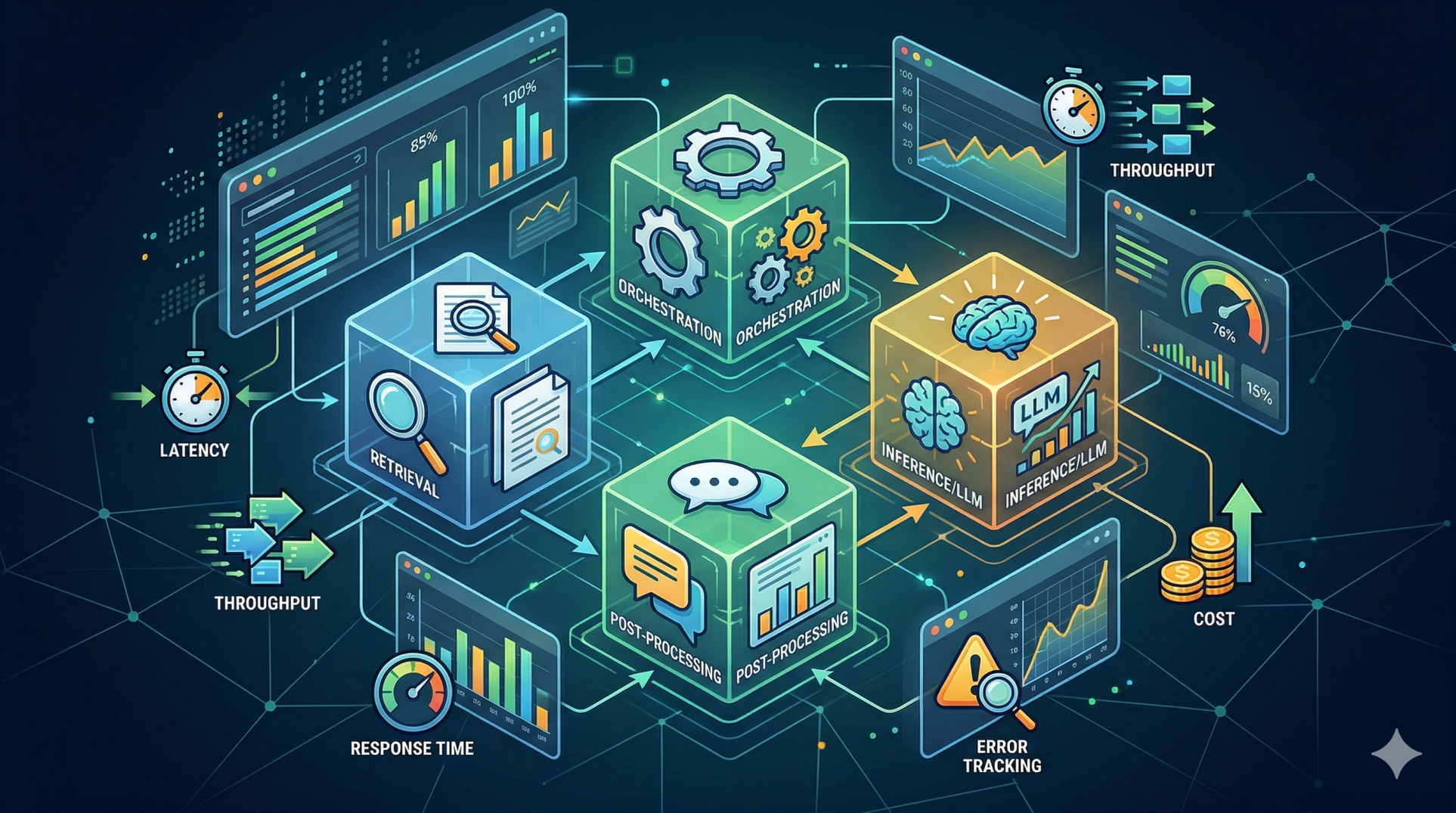
• Provide timely updates on purchasing activity 📡
• Summarize changing supplier and market information 📊
• Help procurement teams respond quickly to operational changes 🚀
• Generate actionable insights from continuously updated data 🔄
• Support faster and more informed purchasing decisions 🎯
Step 10: Building the Future of Intelligent Procurement 🚀
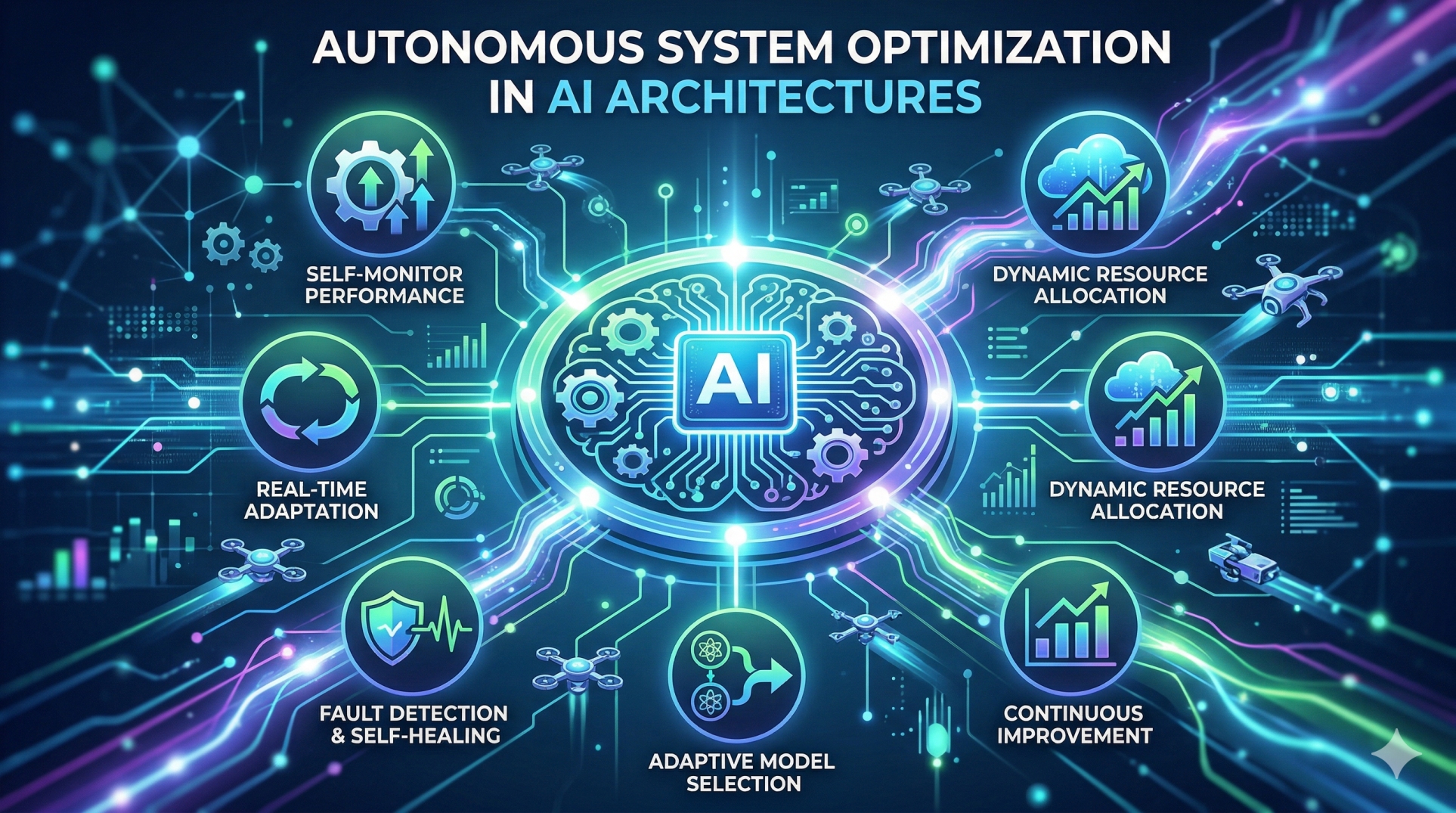
• Combine LLMs with automation, analytics, and enterprise data 🤖
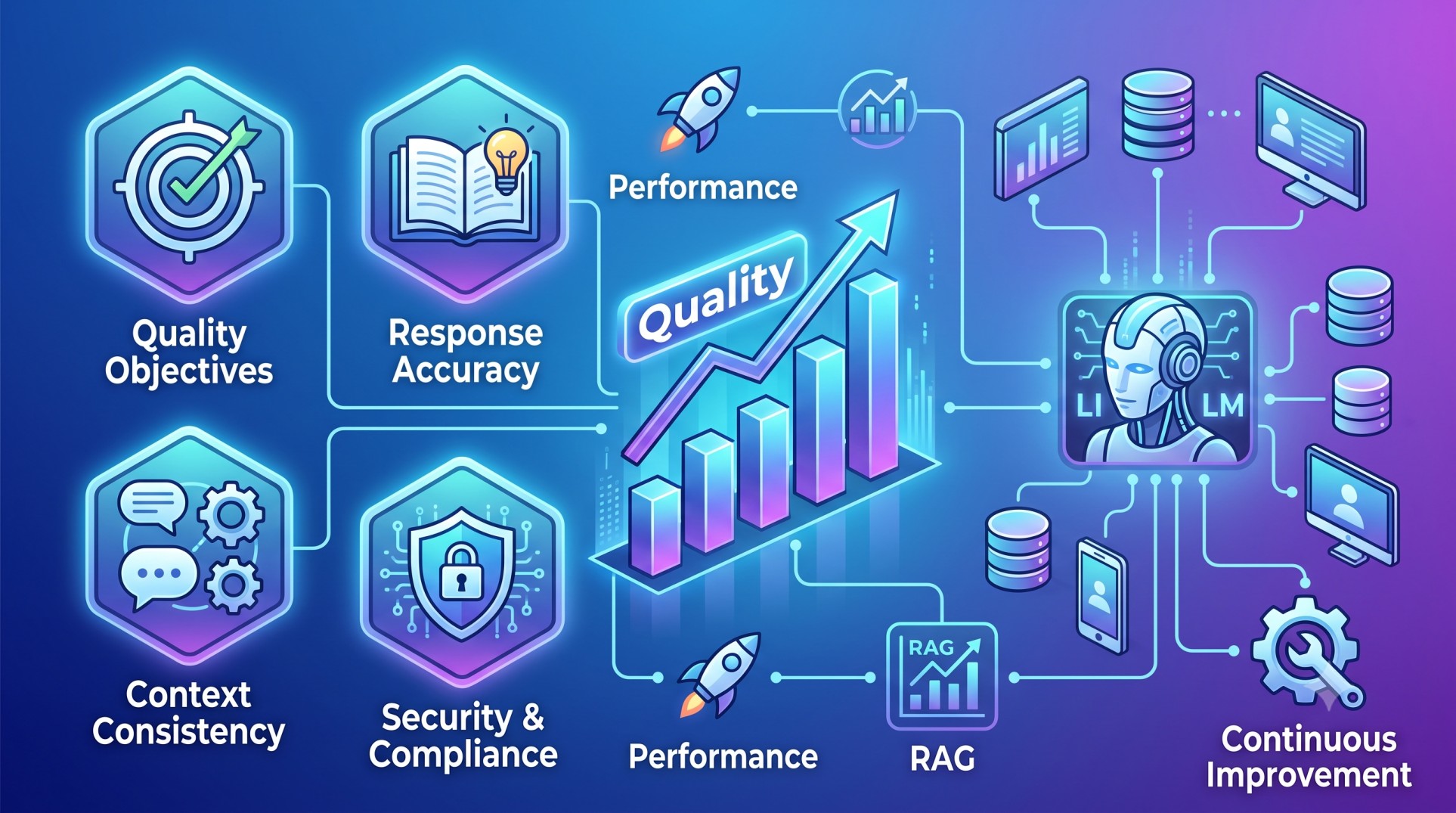
• Develop procurement platforms that continuously improve through feedback 🔄
• Support personalized workflows for different procurement teams 👥
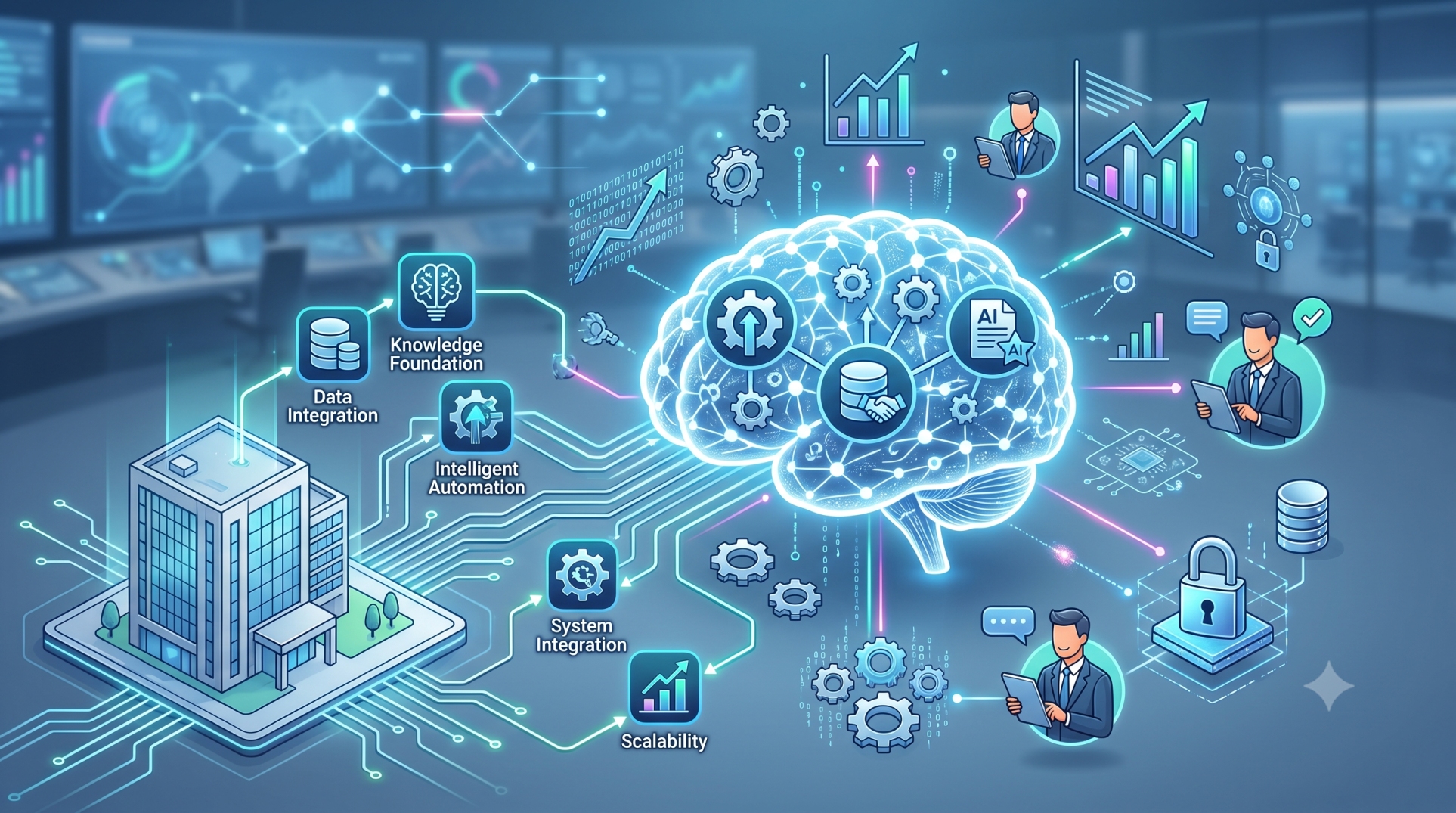
• Create scalable AI architectures for growing organizations 📈
• Enable procurement systems to become proactive business intelligence platforms 🌐
Conclusion
LLM software is reshaping intelligent procurement platforms by bringing natural-language interaction, contextual intelligence, automation, and advanced data analysis into purchasing operations. Instead of relying solely on static workflows and manually reviewed information, organizations can use AI to understand procurement data, streamline repetitive processes, evaluate suppliers, and support better decisions.
See more blogs
You can all the articles below