Using LLM Software to Analyze Supplier Capabilities

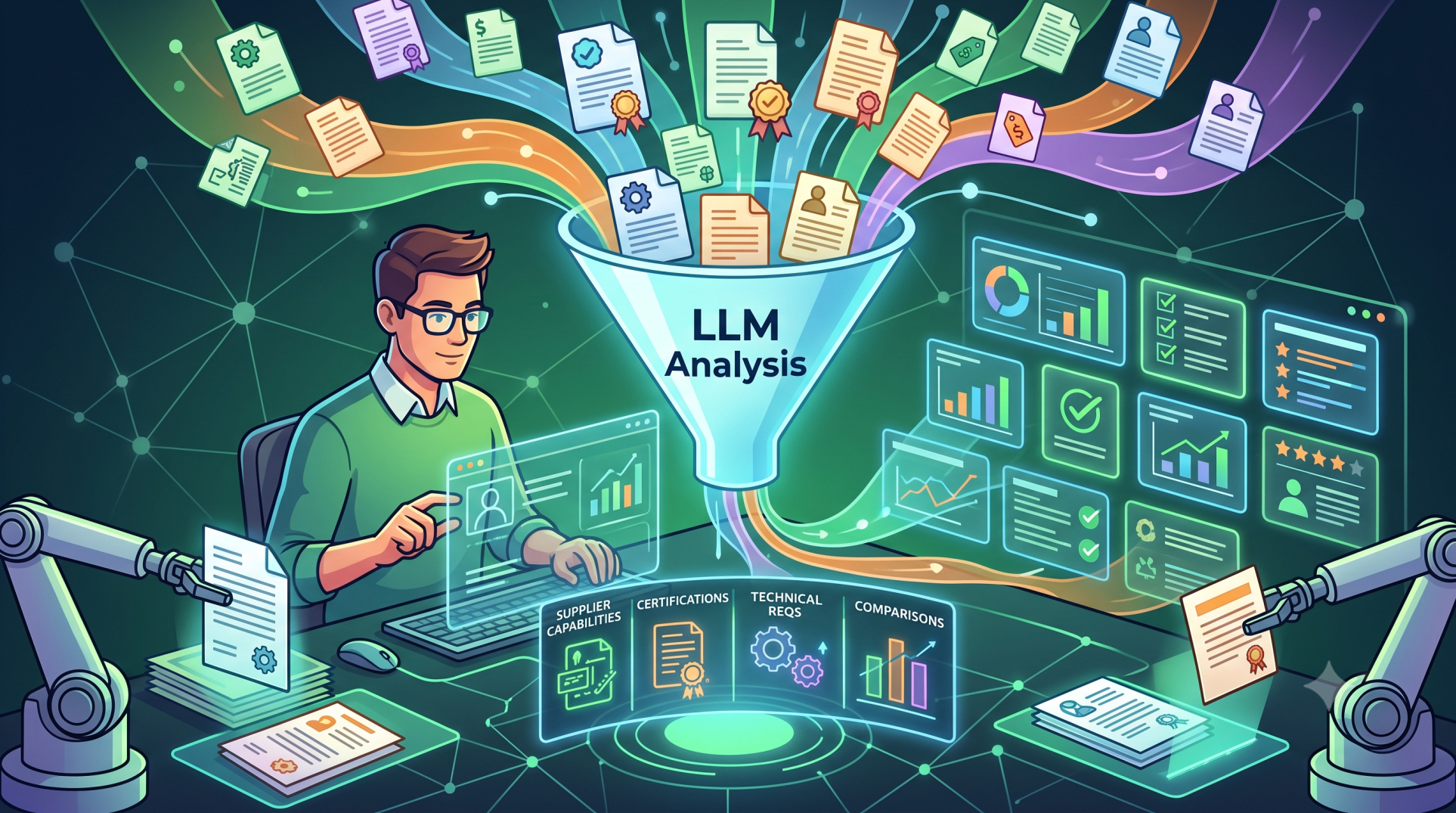
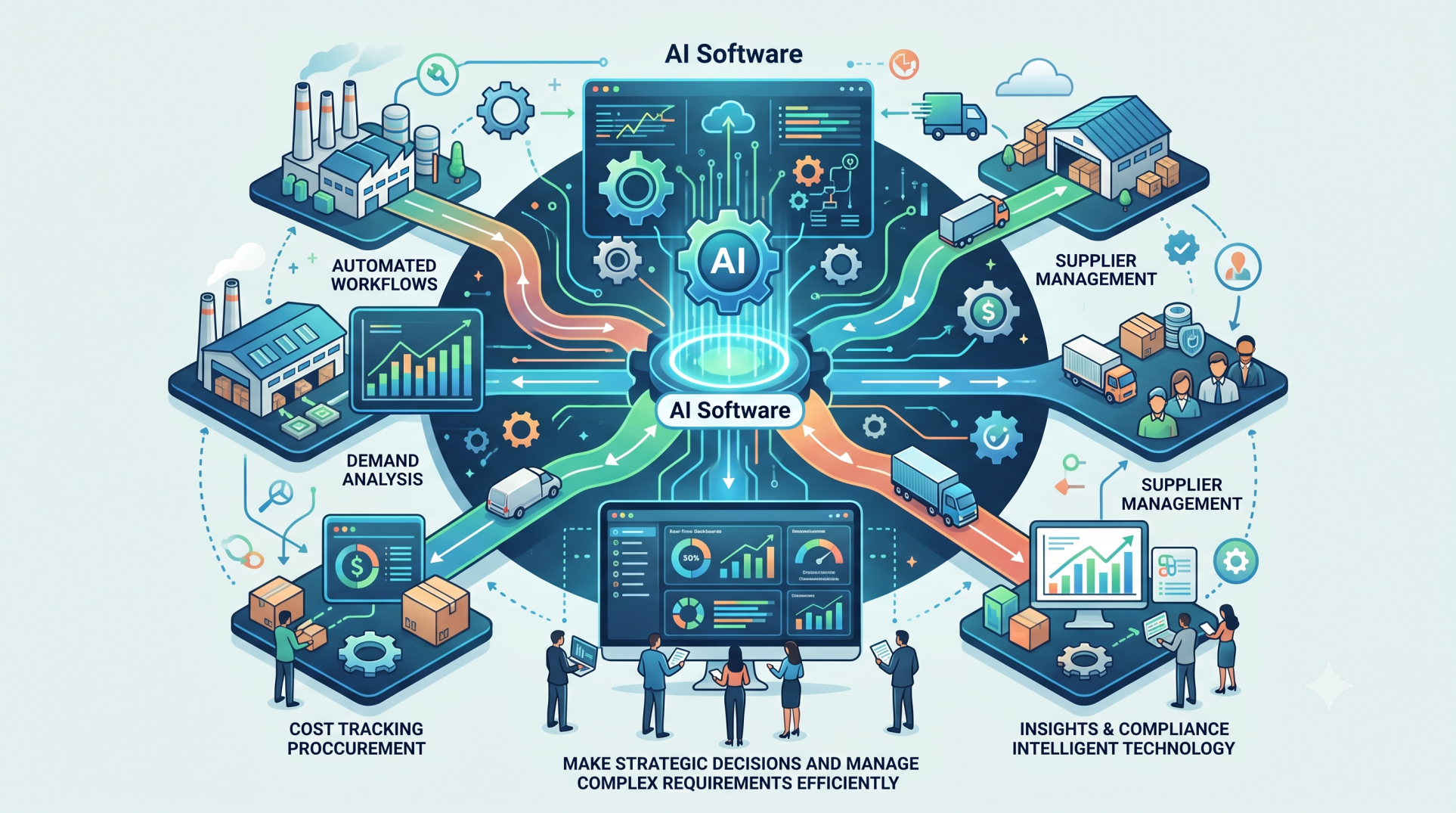
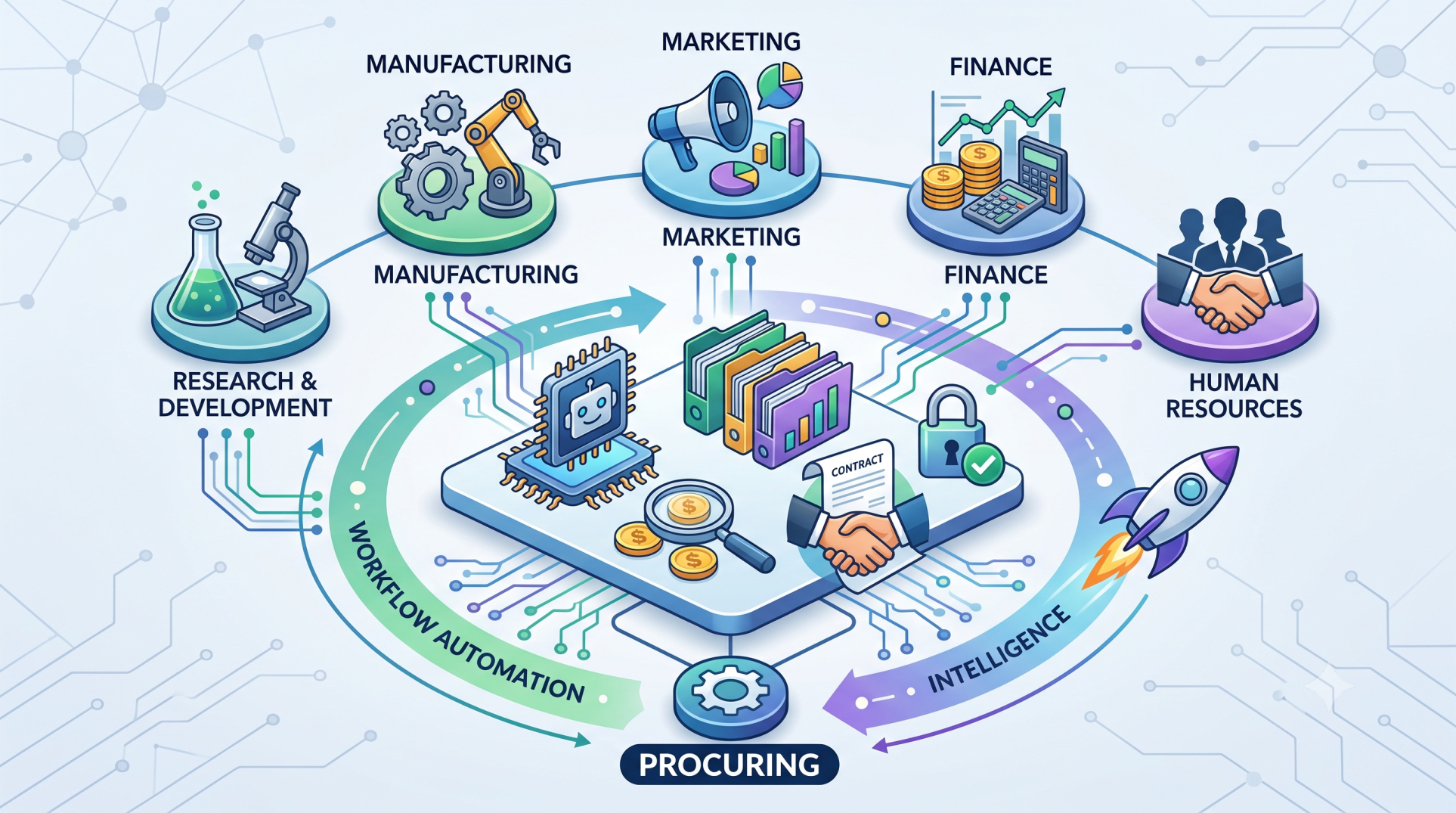
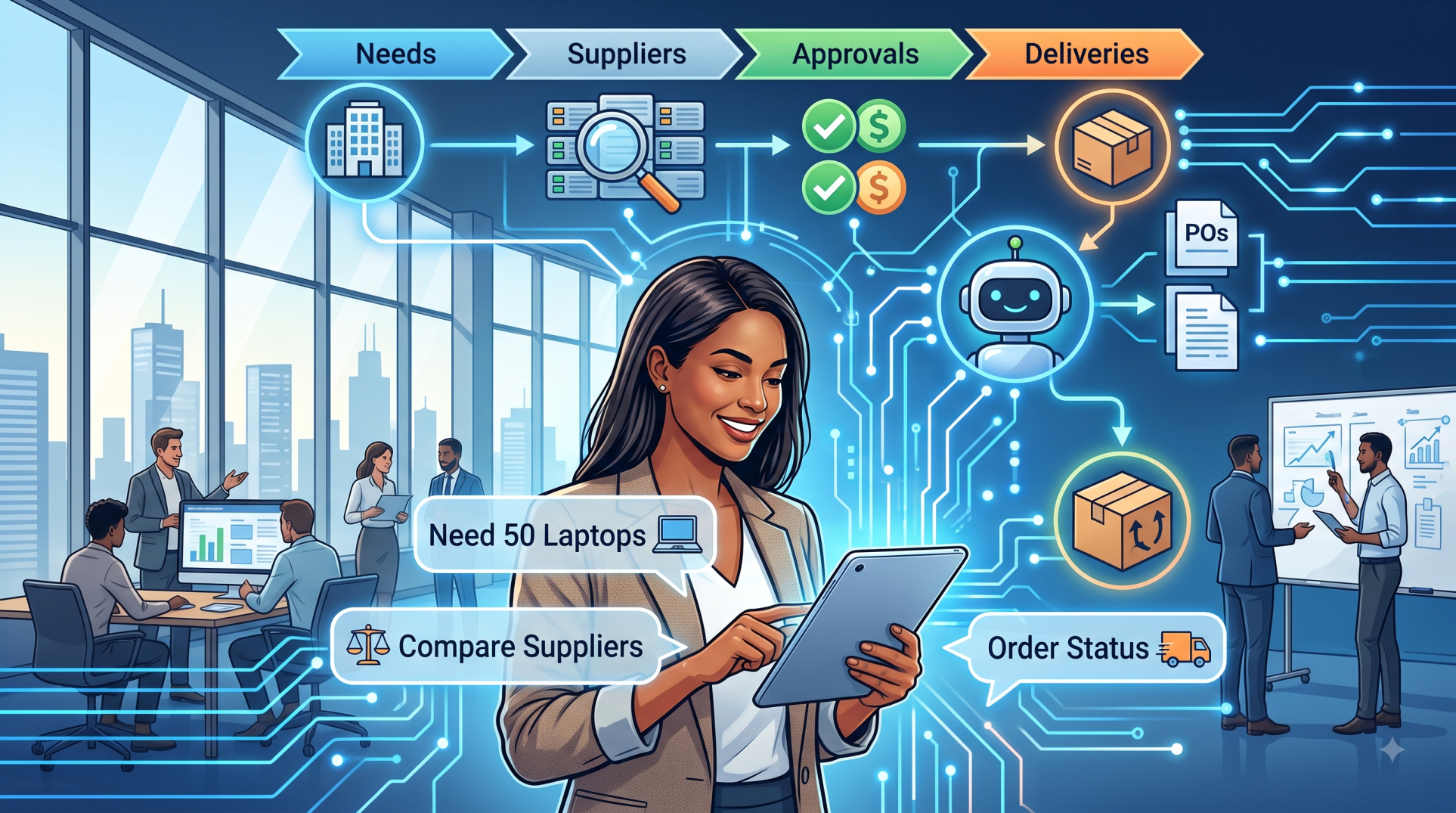
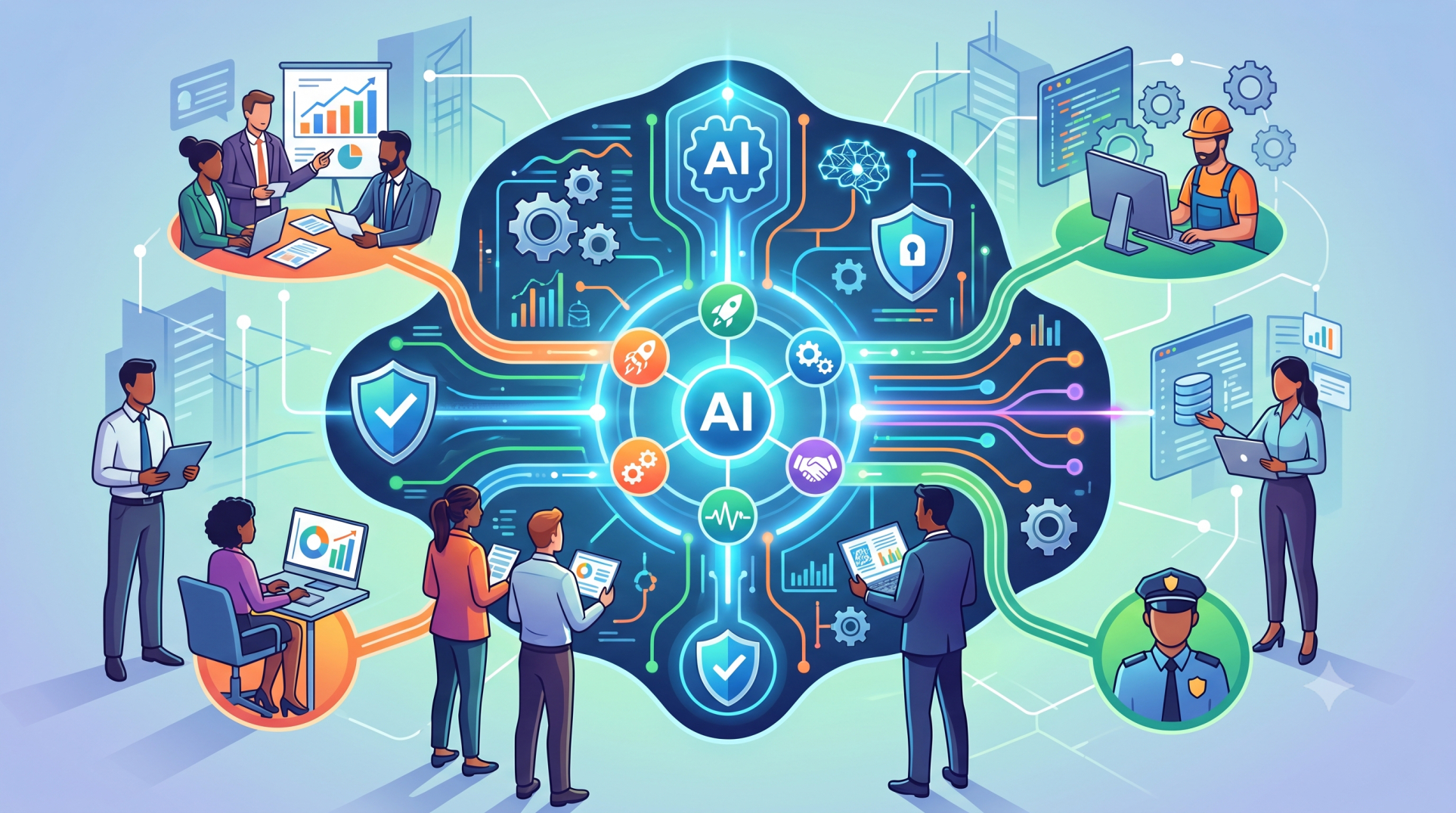
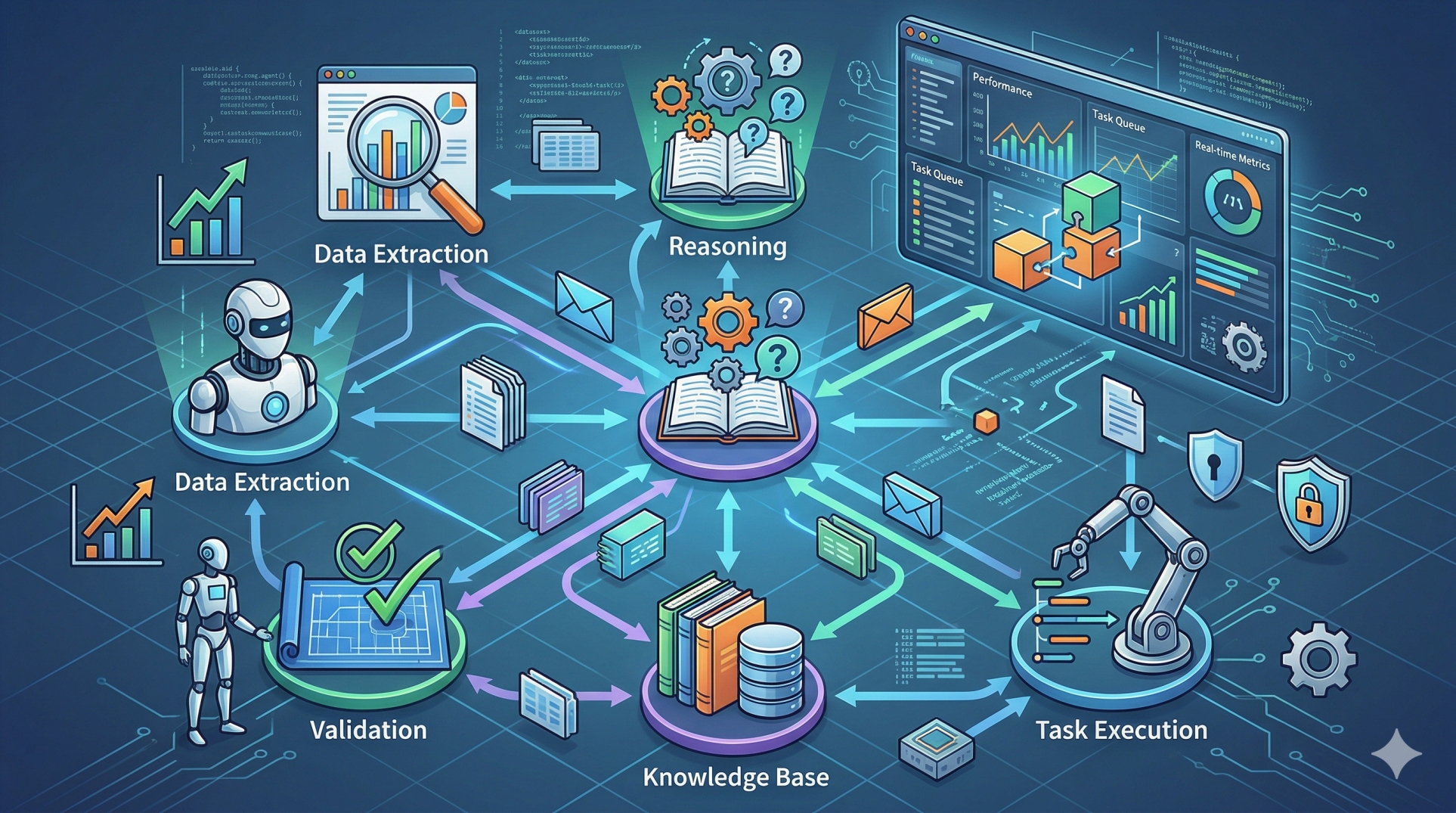
Enterprise procurement teams often evaluate vendors across pricing, quality, delivery capabilities, compliance requirements, technical specifications, and long-term business value. When this information is spread across spreadsheets, documents, emails, and procurement platforms, comparing vendors can become time-consuming and inconsistent. AI-powered vendor comparison can help procurement teams organize complex supplier information, identify important differences, and create a more structured evaluation process. By combining AI analysis with procurement data and established evaluation criteria, organizations can make vendor assessments more efficient while keeping human expertise at the center of important decisions.
Step 1: Collecting Vendor Information 📋
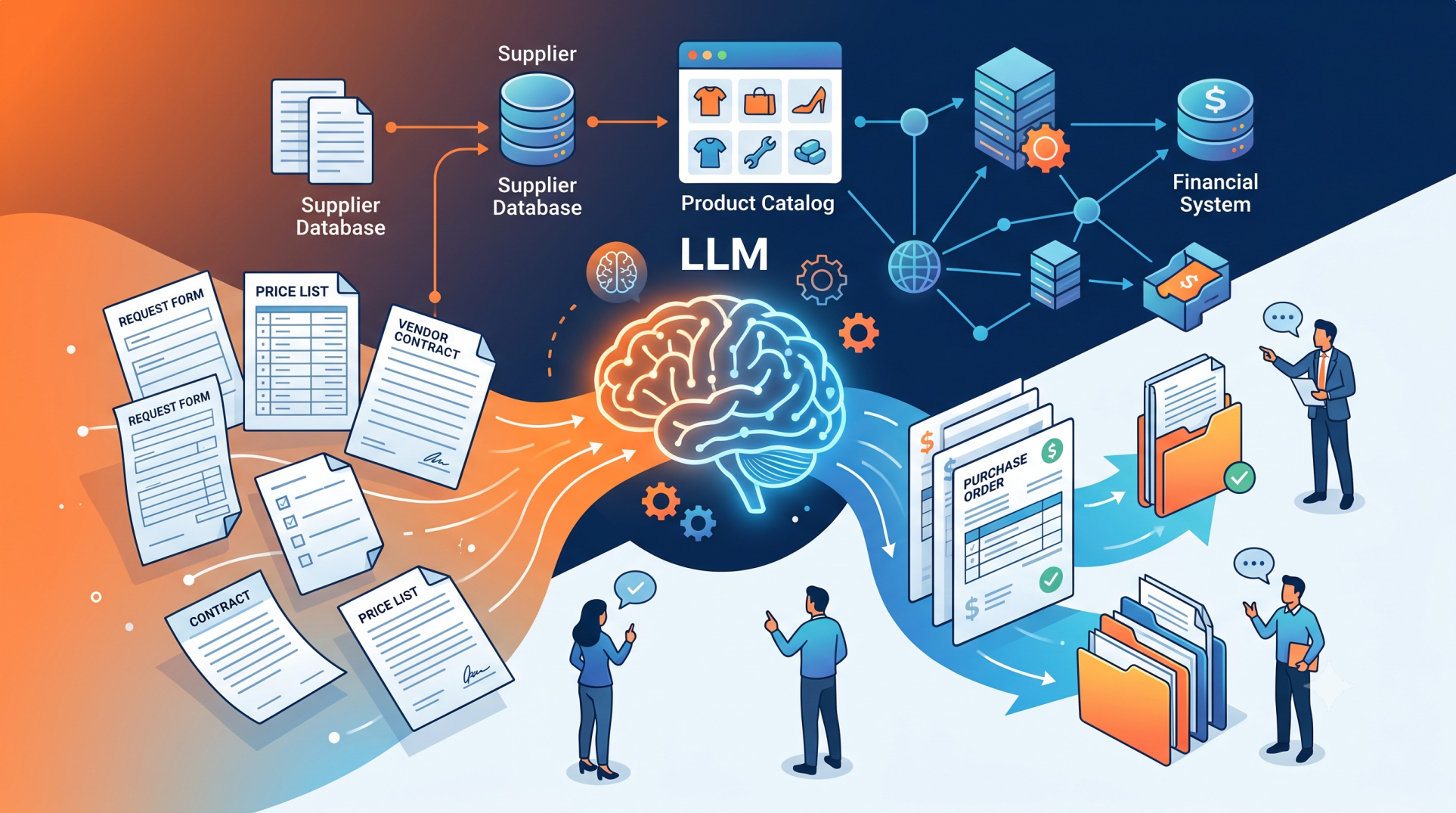
• Gather pricing proposals, product specifications, contracts, certifications, and supplier profiles. 📄
• Consolidate vendor information from procurement platforms, documents, spreadsheets, and other approved sources. 🔗
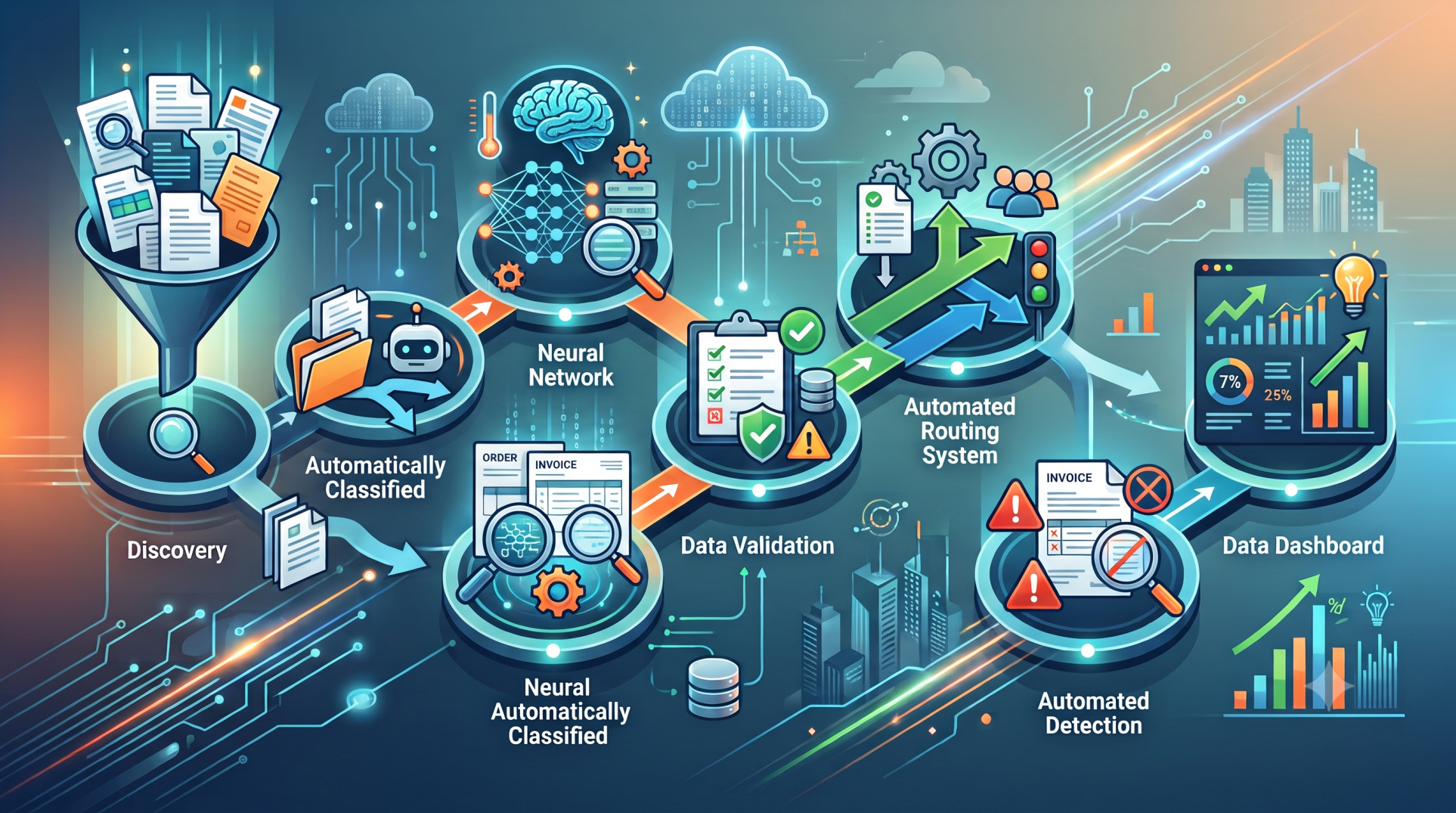
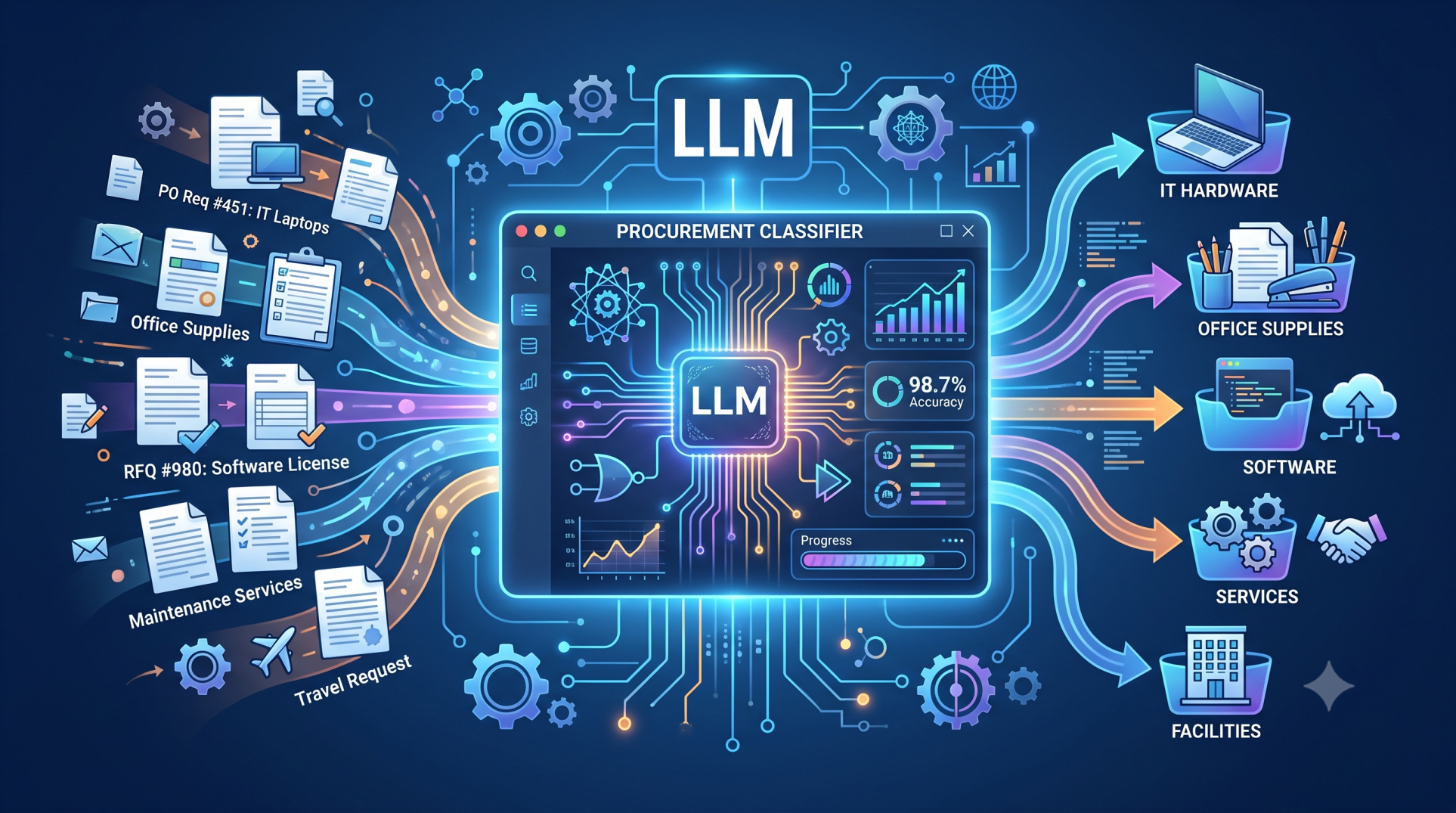
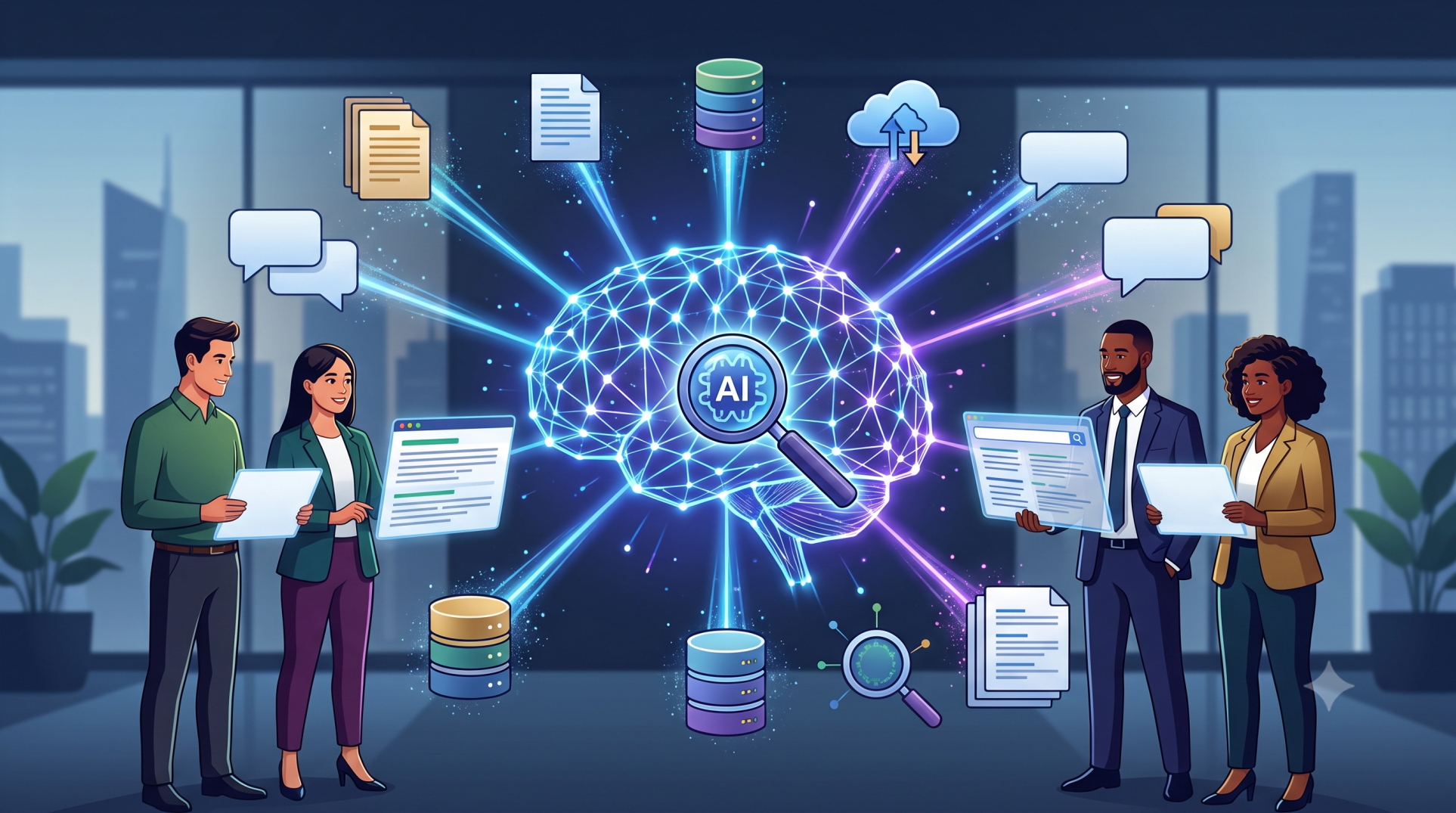
• Extract relevant commercial, technical, operational, and compliance information. 🔎
• Standardize information from vendors that use different formats and terminology. 🧩
• Keep vendor records updated as pricing, capabilities, and business conditions change. 🔄
Step 2: Establishing Comparison Criteria 🎯
• Define evaluation criteria based on procurement objectives and business requirements. 📋
• Include factors such as cost, quality, delivery, capacity, service, and compliance. 📊
• Assign different levels of importance to individual evaluation categories when appropriate. ⚖️
• Create consistent scoring frameworks for comparing multiple vendors. 📈
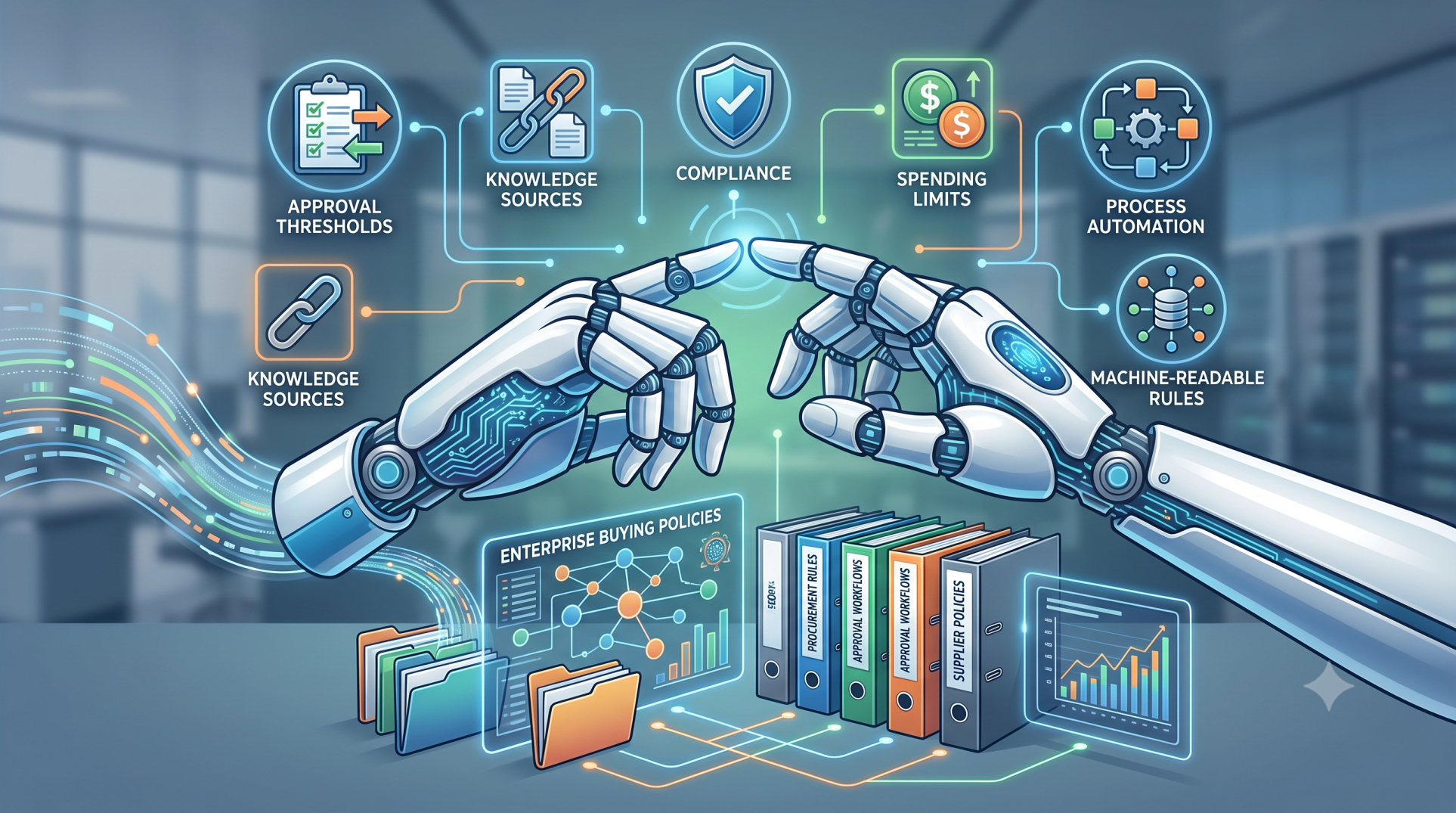
• Align evaluation criteria with the organization's procurement policies and goals. 🏢
Step 3: Analyzing Vendor Pricing 💰
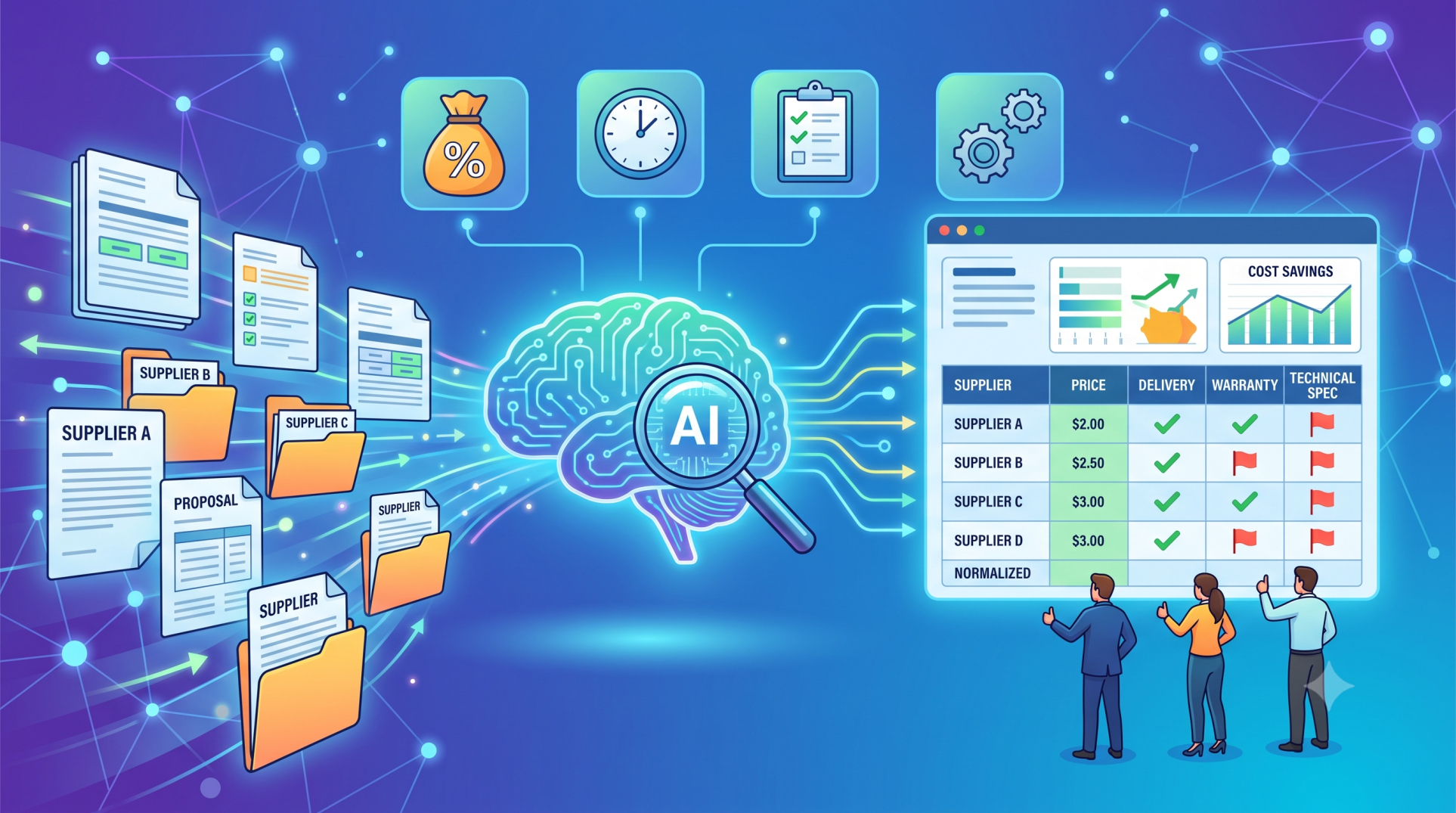
• Compare quoted prices across vendors using standardized product or service requirements. 📊
• Identify differences in unit costs, volume pricing, discounts, and additional charges. 🔎
• Examine total cost considerations rather than focusing only on the initial purchase price. 🧮
• Highlight pricing conditions that may require additional clarification. ⚠️
• Support procurement teams in identifying commercially competitive options. 🎯
Step 4: Comparing Product and Service Capabilities ⚙️
• Analyze technical specifications and service descriptions across vendor proposals. 🔍
• Identify which vendors meet mandatory business and technical requirements. ✅
• Highlight differences in features, capacity, performance, and service coverage. 📋
• Detect missing information that could affect the evaluation. ⚠️
• Create structured comparisons that make complex proposals easier to review. 📊
Step 5: Evaluating Quality and Reliability 🏆
• Review available information about product quality and supplier performance. 📈
• Analyze historical delivery, defect, return, and service records where available. 🔎
• Identify recurring performance trends across vendor relationships. 🔄
• Compare quality-related indicators using consistent evaluation methods. 📊
• Flag potential concerns for procurement teams to investigate further. ⚠️
Step 6: Assessing Delivery and Operational Capacity 🚚
• Compare vendor lead times, fulfillment capabilities, and delivery coverage. ⏱️
• Evaluate whether suppliers can support expected order volumes. 📦
• Analyze production or service capacity when relevant to procurement requirements. 🏭
• Identify geographic or logistical factors that may affect fulfillment. 🌍
• Highlight potential delivery risks before final vendor selection. 🔍
Step 7: Reviewing Compliance and Risk 🔐
• Analyze vendor certifications, compliance documentation, and contractual requirements. 📜
• Identify missing, outdated, or inconsistent information for further review. ⚠️
• Compare vendors against applicable organizational requirements. ✅
• Highlight potential operational, financial, security, or supply risks. 🛡️
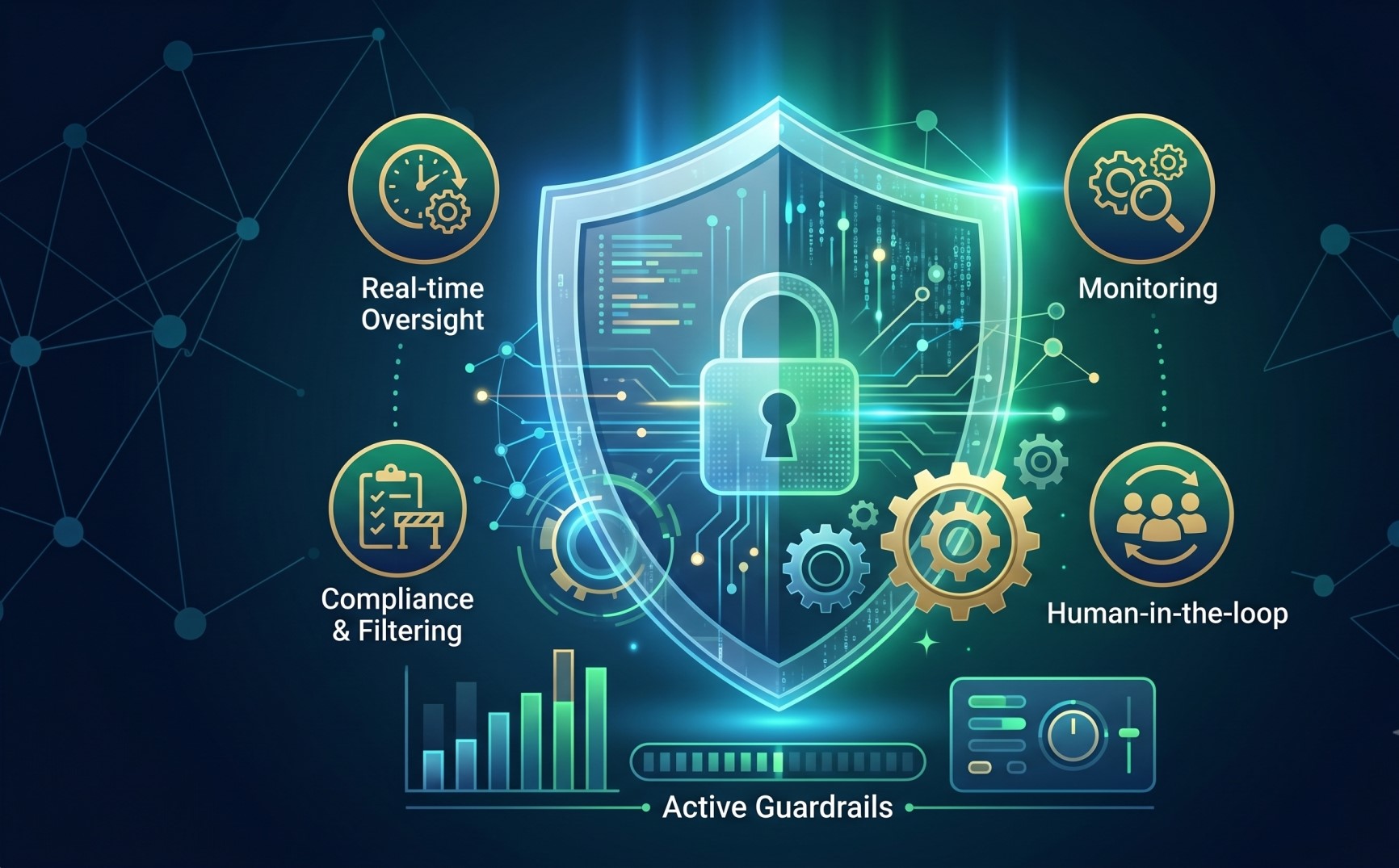
• Keep formal compliance decisions subject to appropriate human validation. 👥
Step 8: Generating Intelligent Vendor Insights 🧠
• Summarize major differences between vendors in an easy-to-review format. 📊
• Highlight vendor strengths, limitations, and areas requiring additional investigation. 🔎
• Identify trade-offs between cost, quality, service, capacity, and other criteria. ⚖️
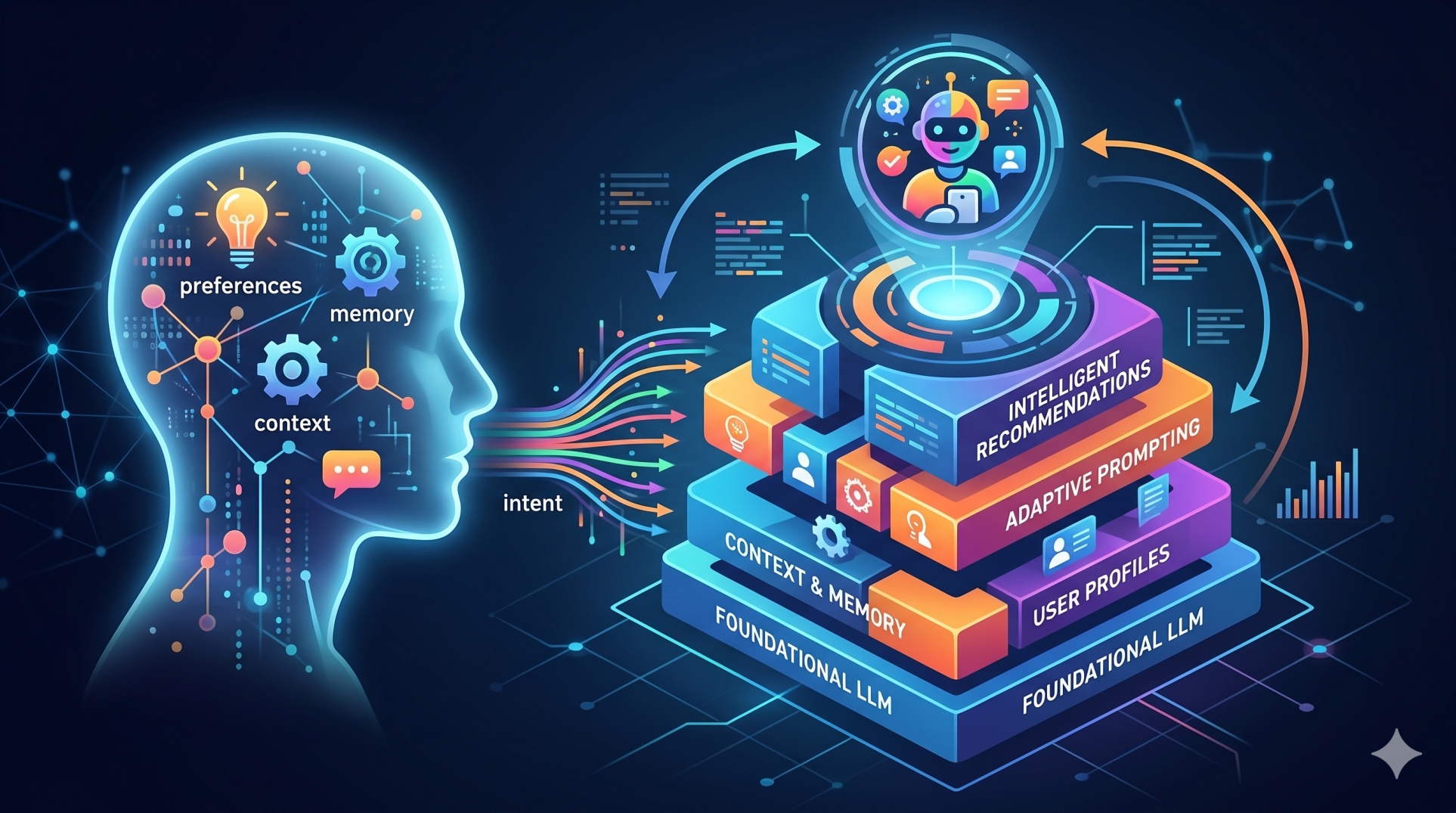
• Provide configurable recommendations based on established procurement priorities. 🎯
• Help procurement teams focus their attention on the most important evaluation factors. 💡
Step 9: Integrating AI with Procurement Platforms 🔗
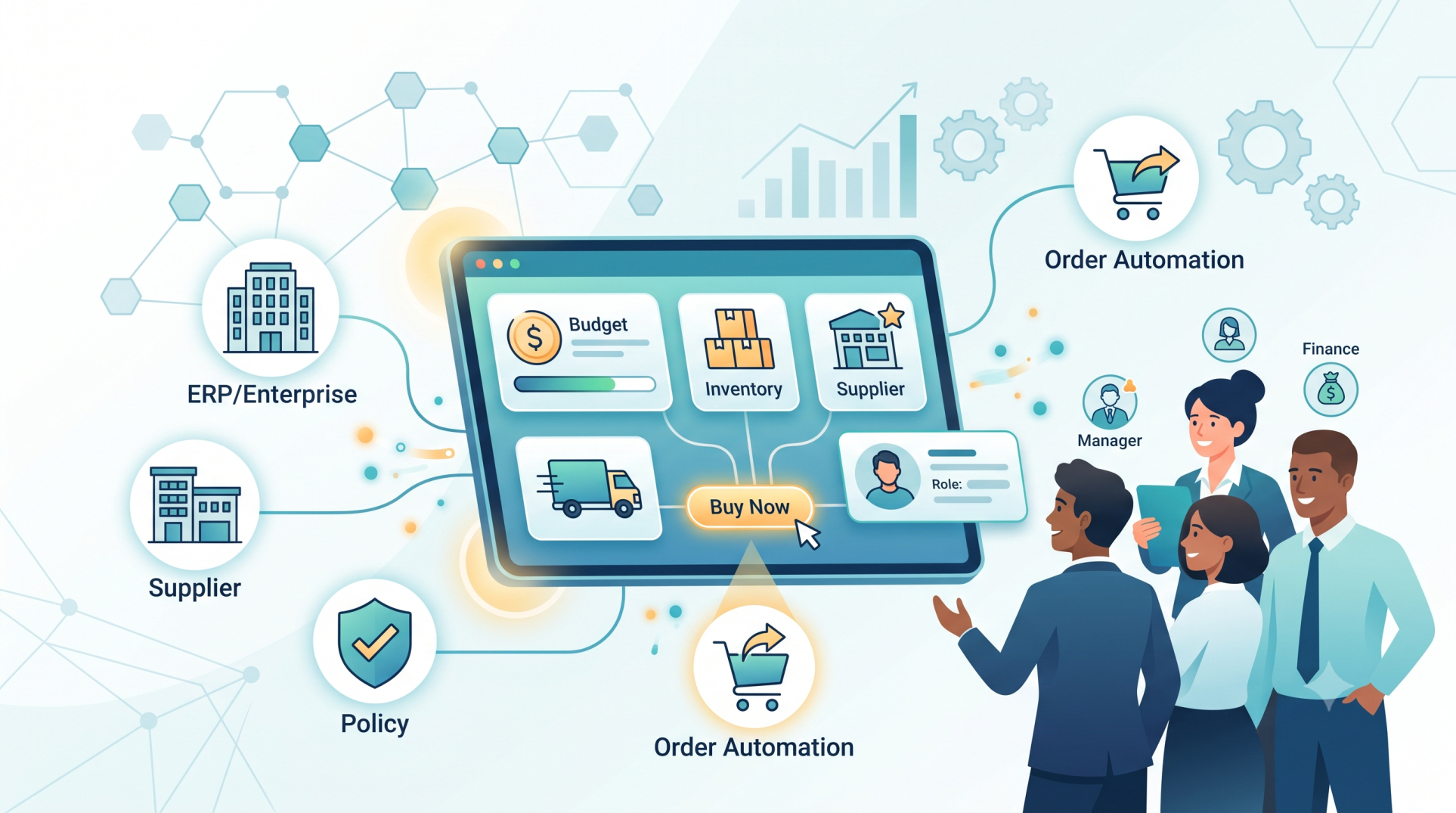
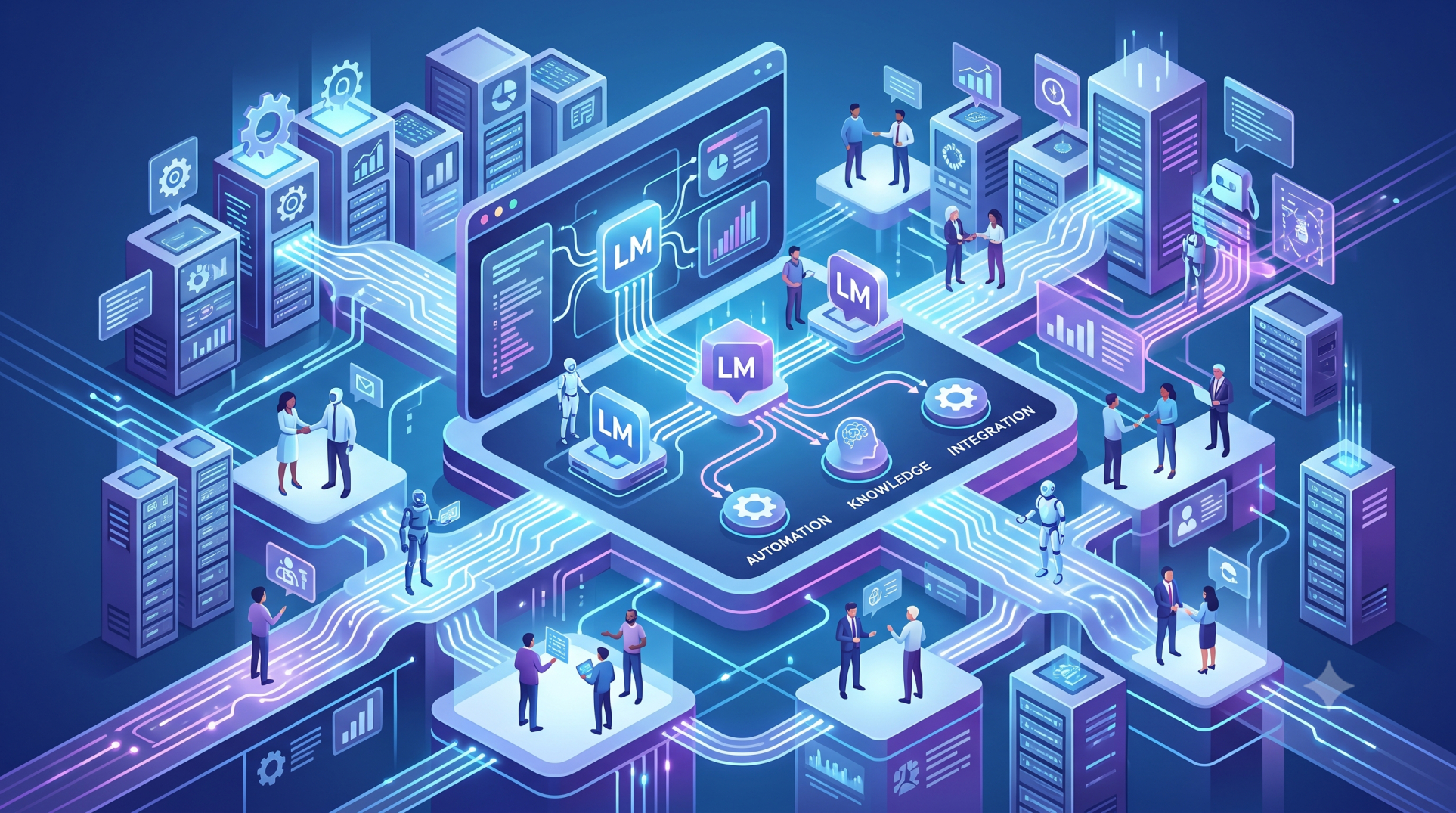
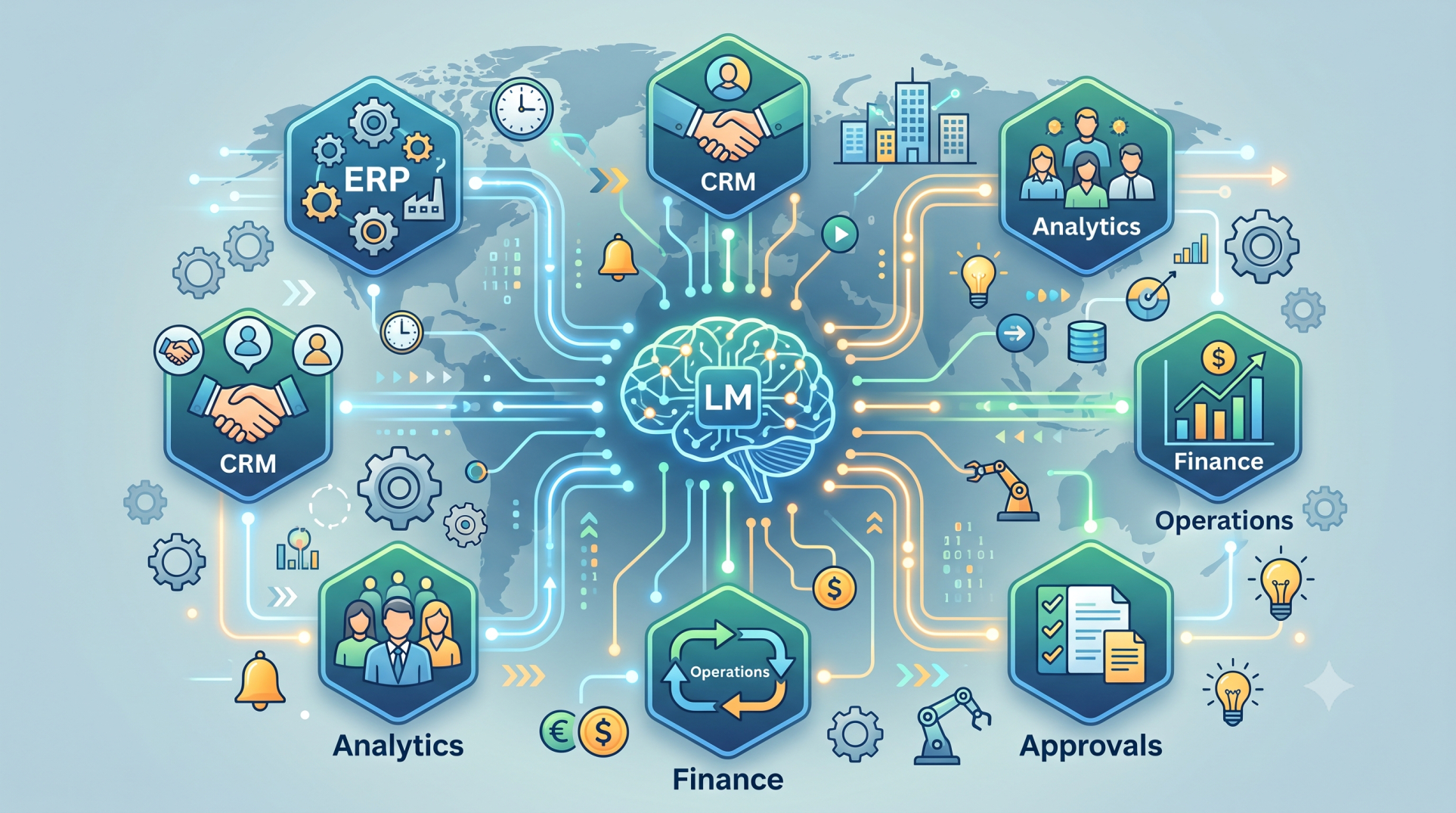
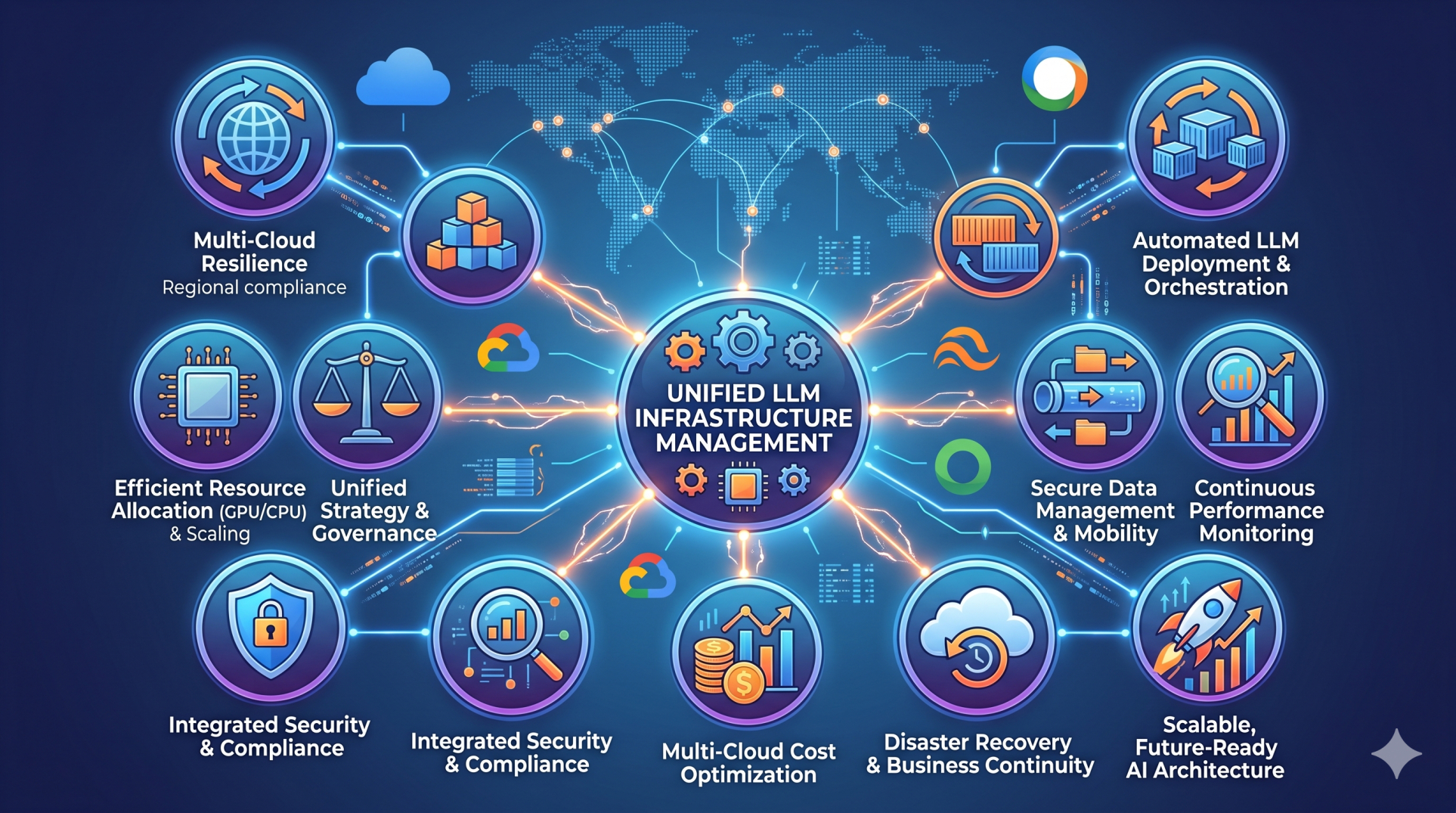
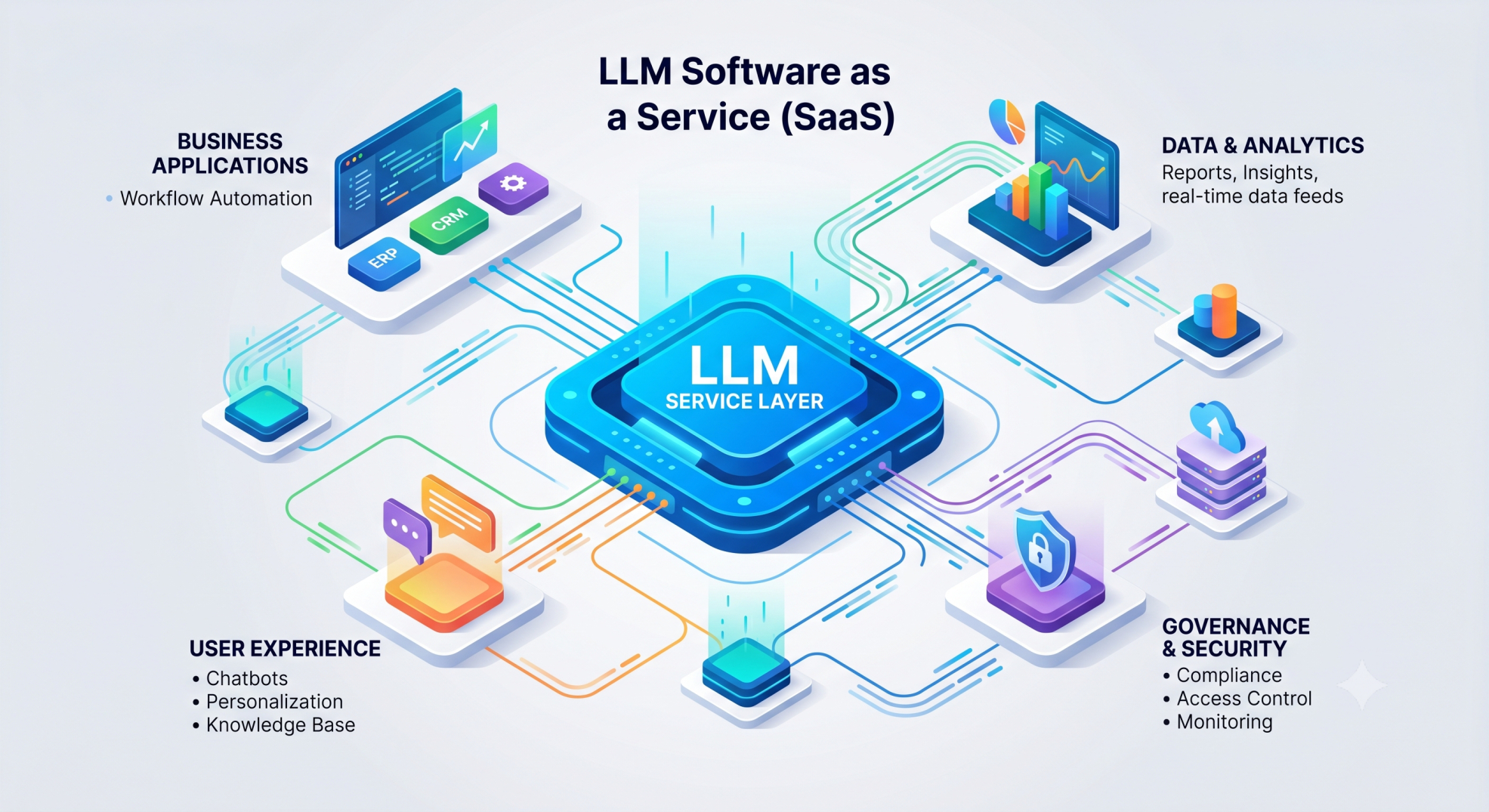
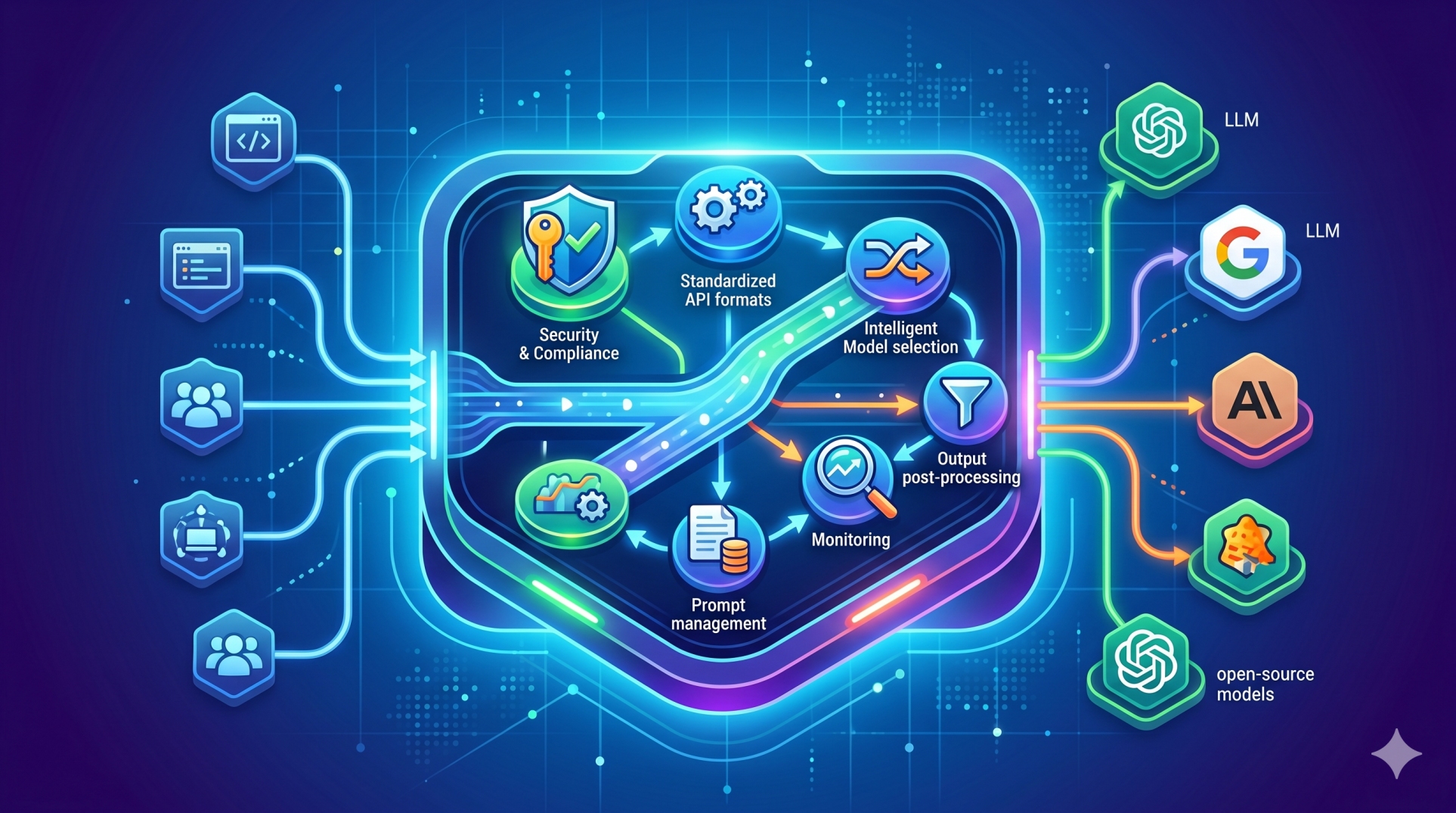
• Connect AI capabilities with ERP, sourcing, supplier management, and procurement systems. 🏢
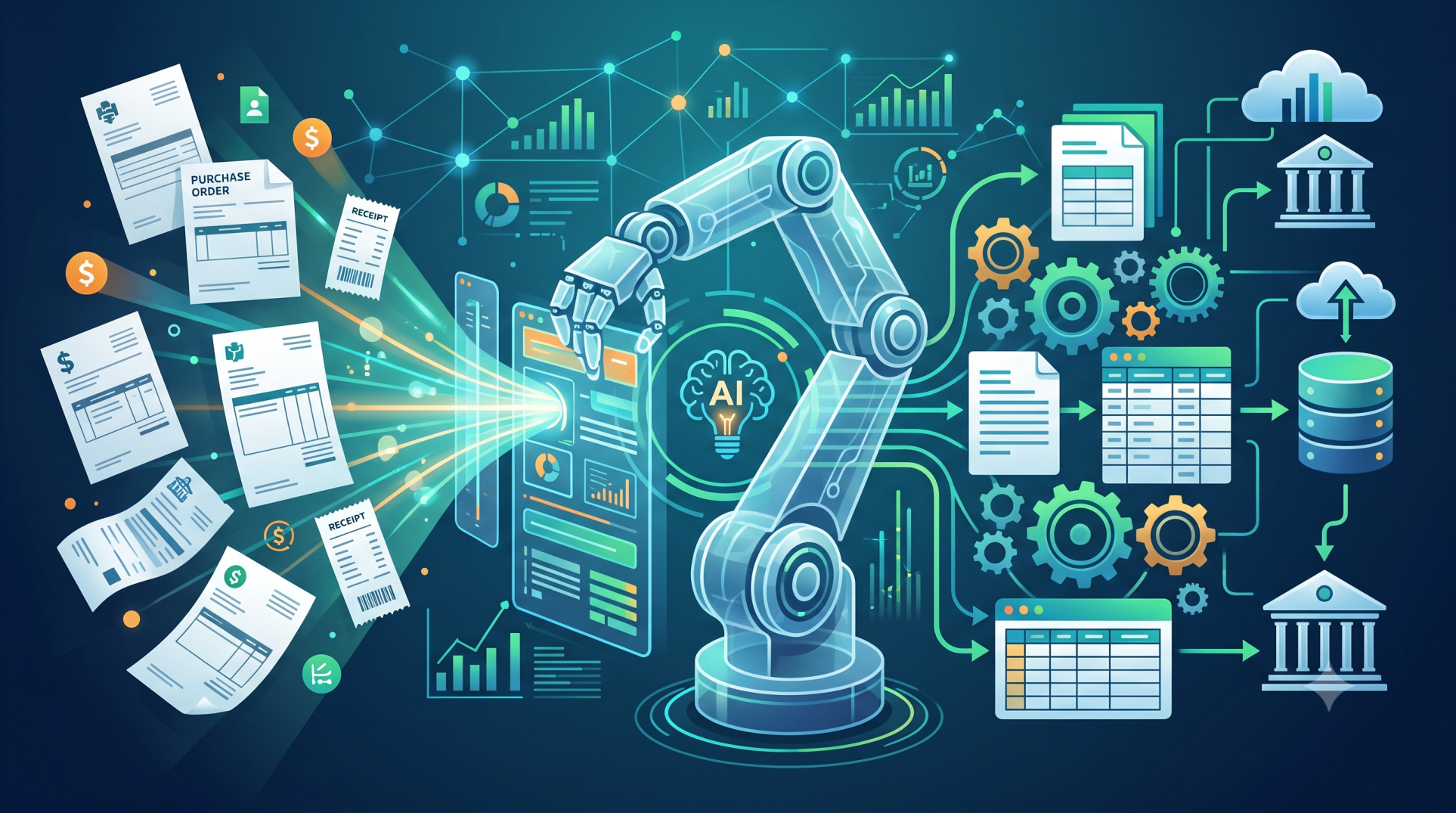
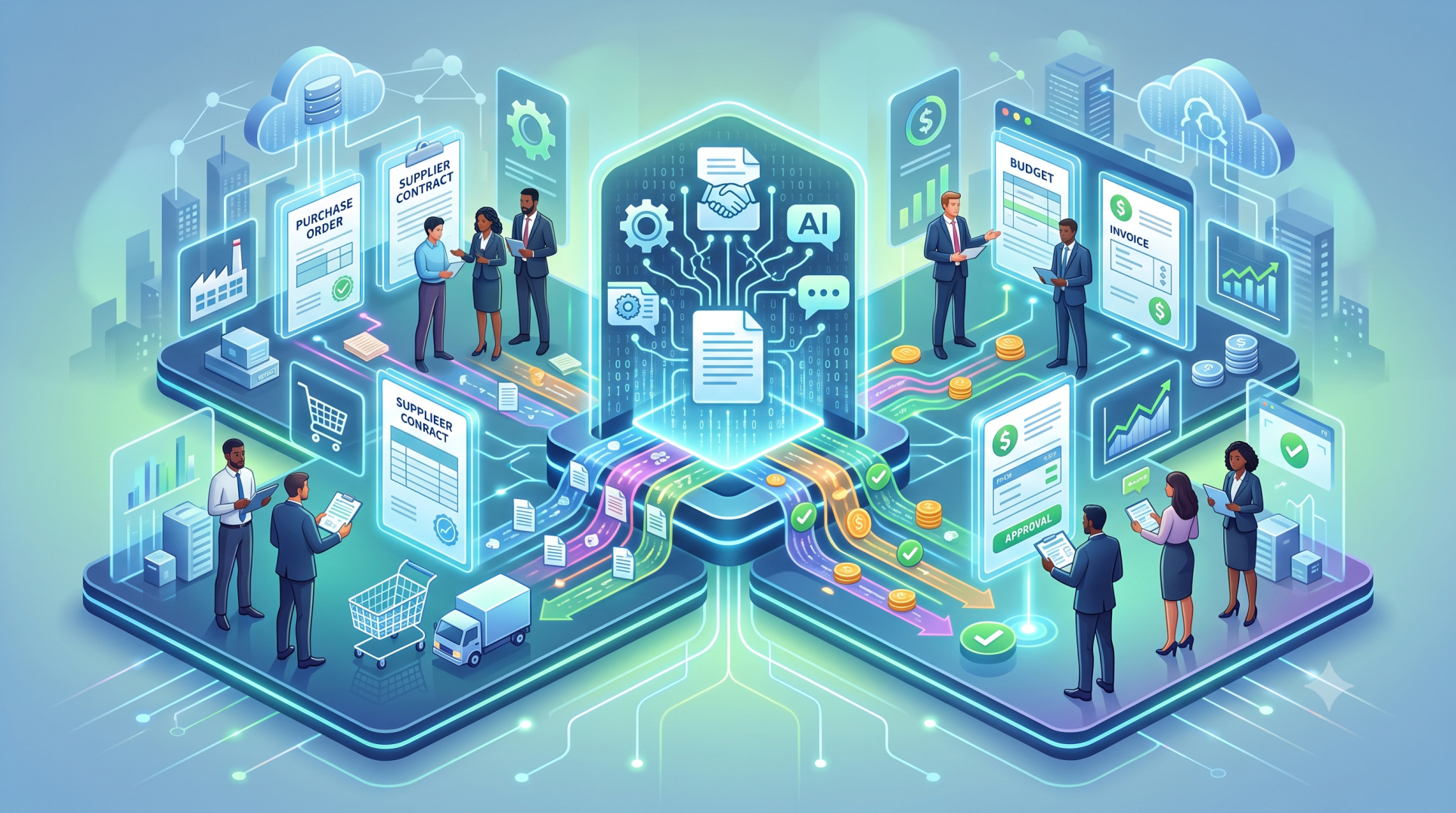
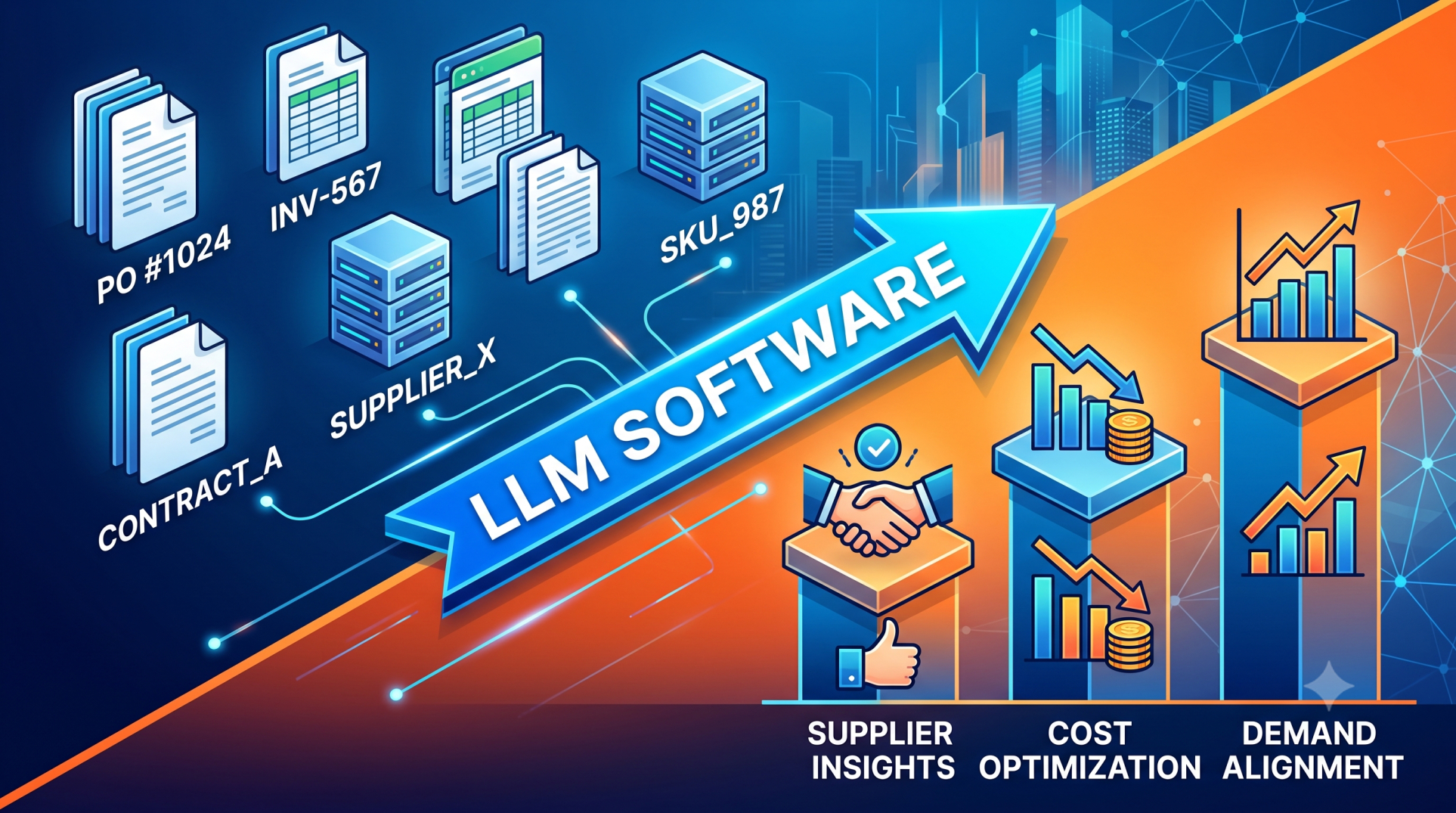
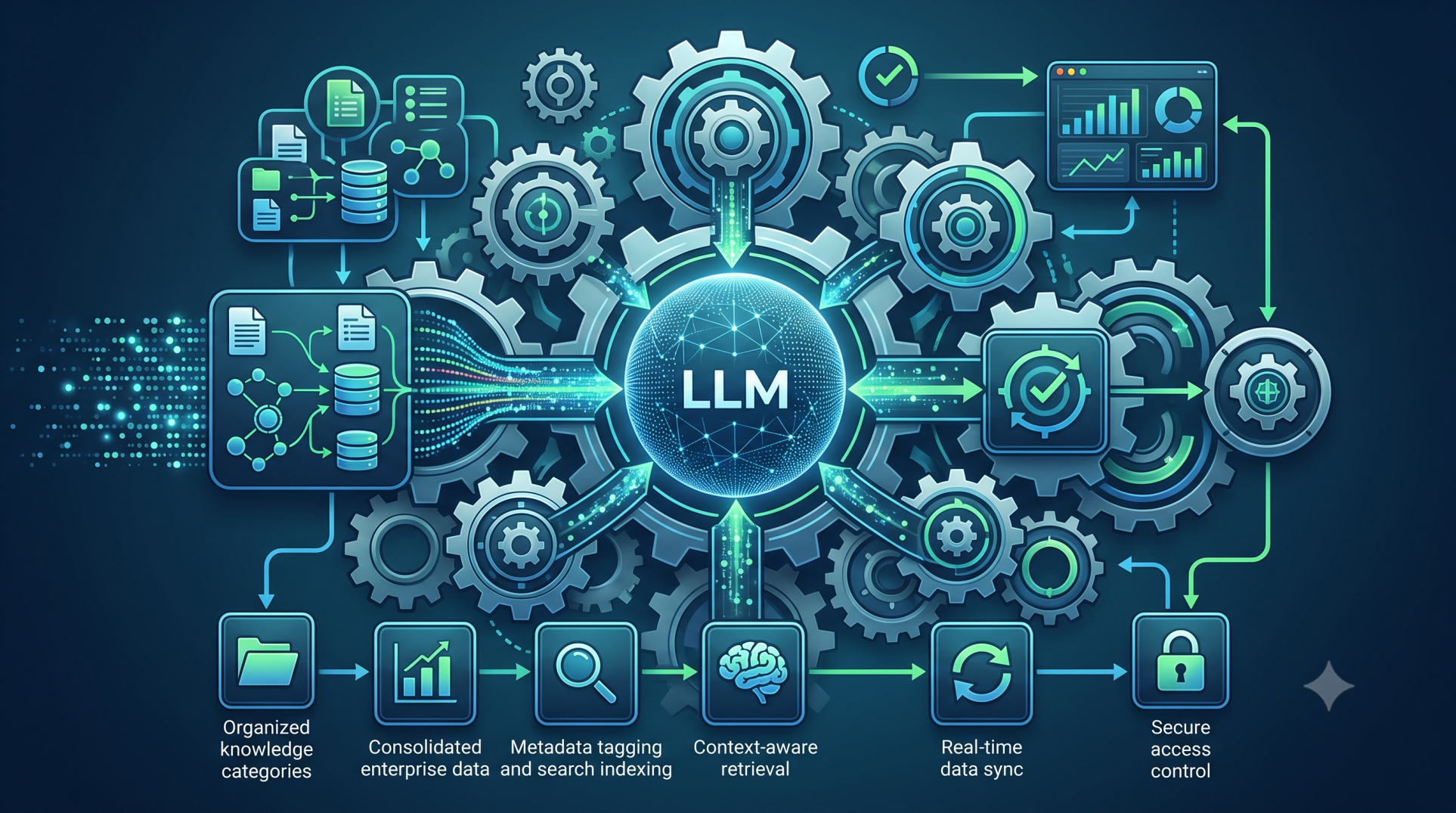
• Combine structured procurement records with information contained in vendor documents. 🗄️
• Automate repetitive comparison and information-extraction activities. ⚙️
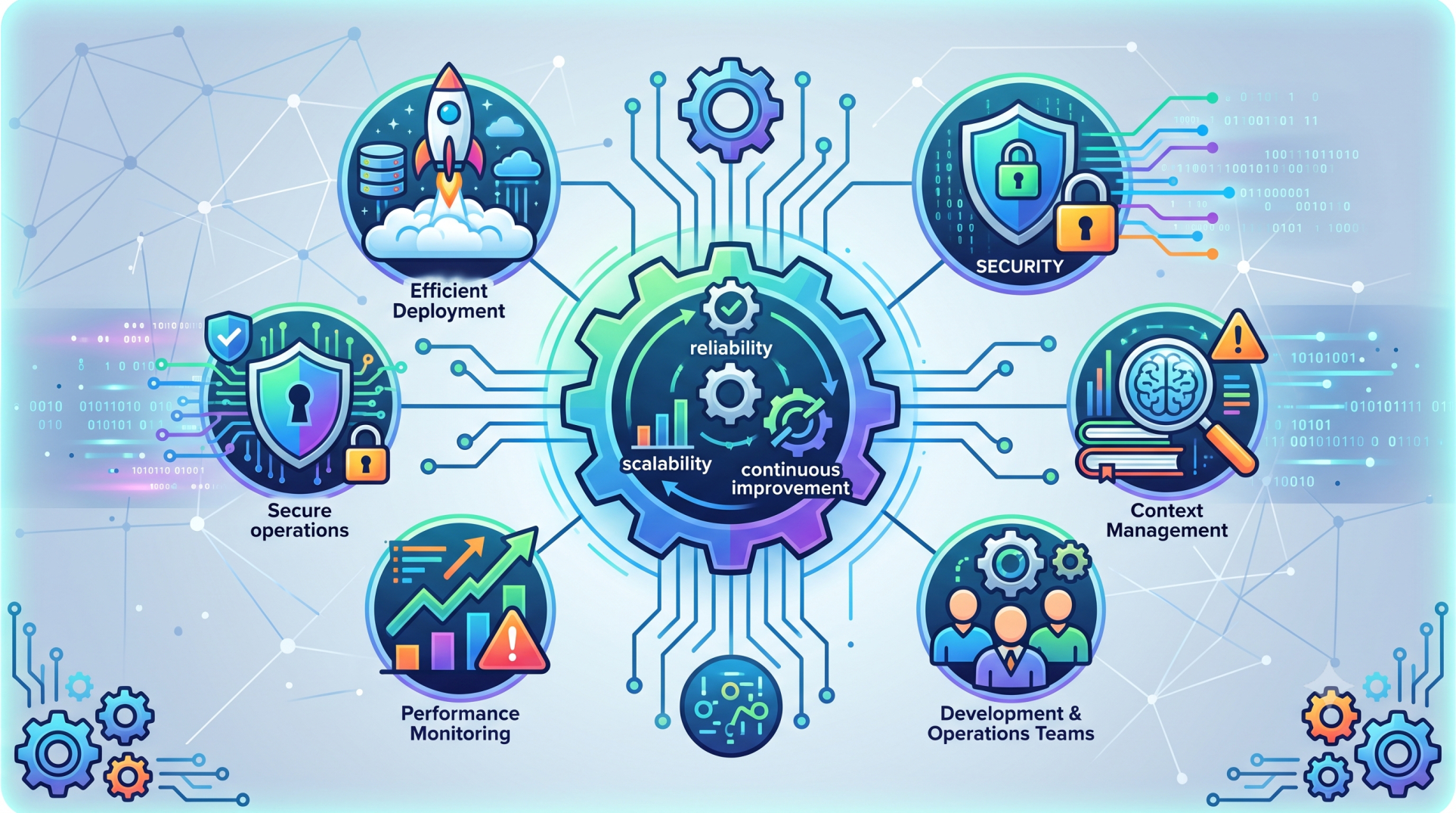
• Maintain controlled access to confidential pricing and supplier information. 🔒
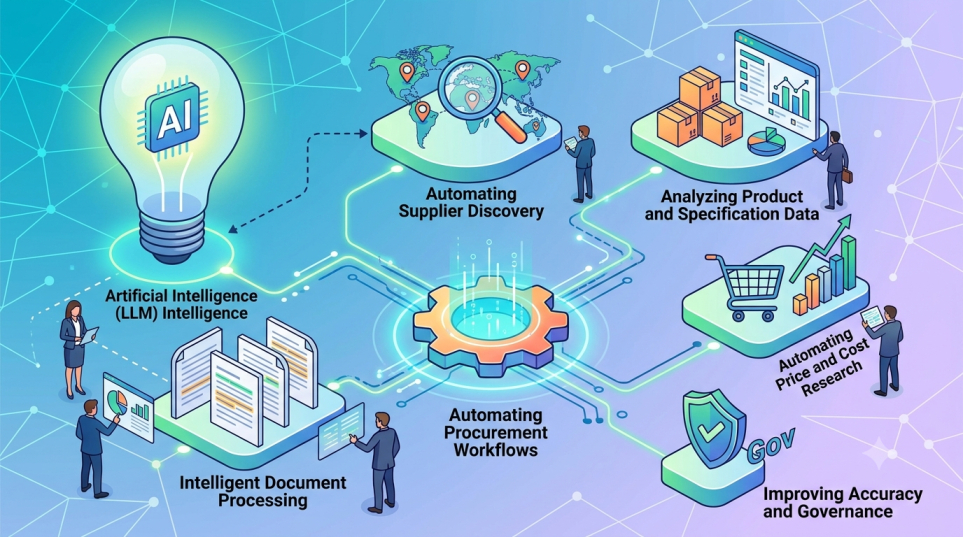
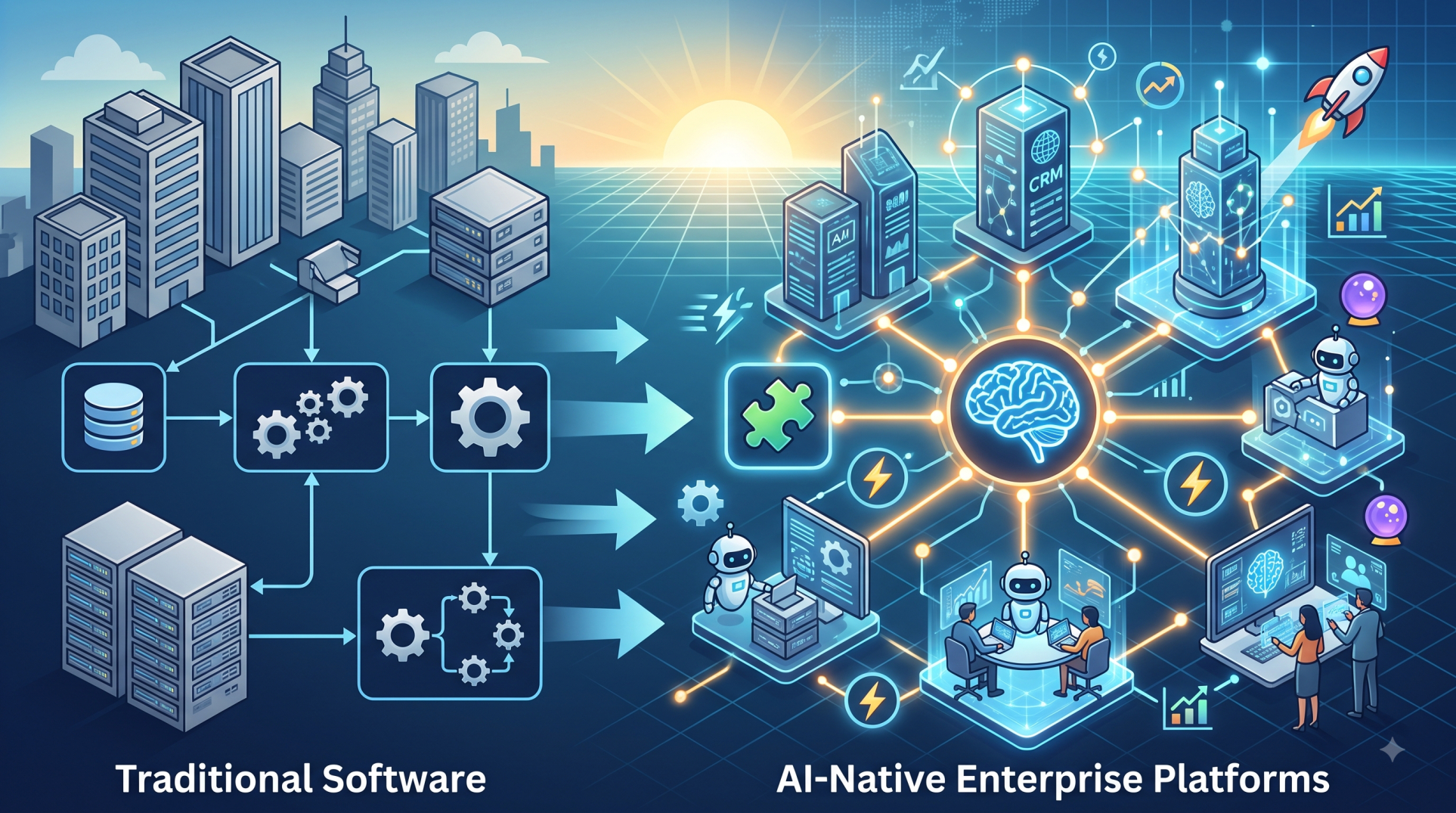
• Create a connected workflow from vendor discovery through evaluation and selection. 🚀
Step 10: Maintaining Human Oversight and Governance 👥
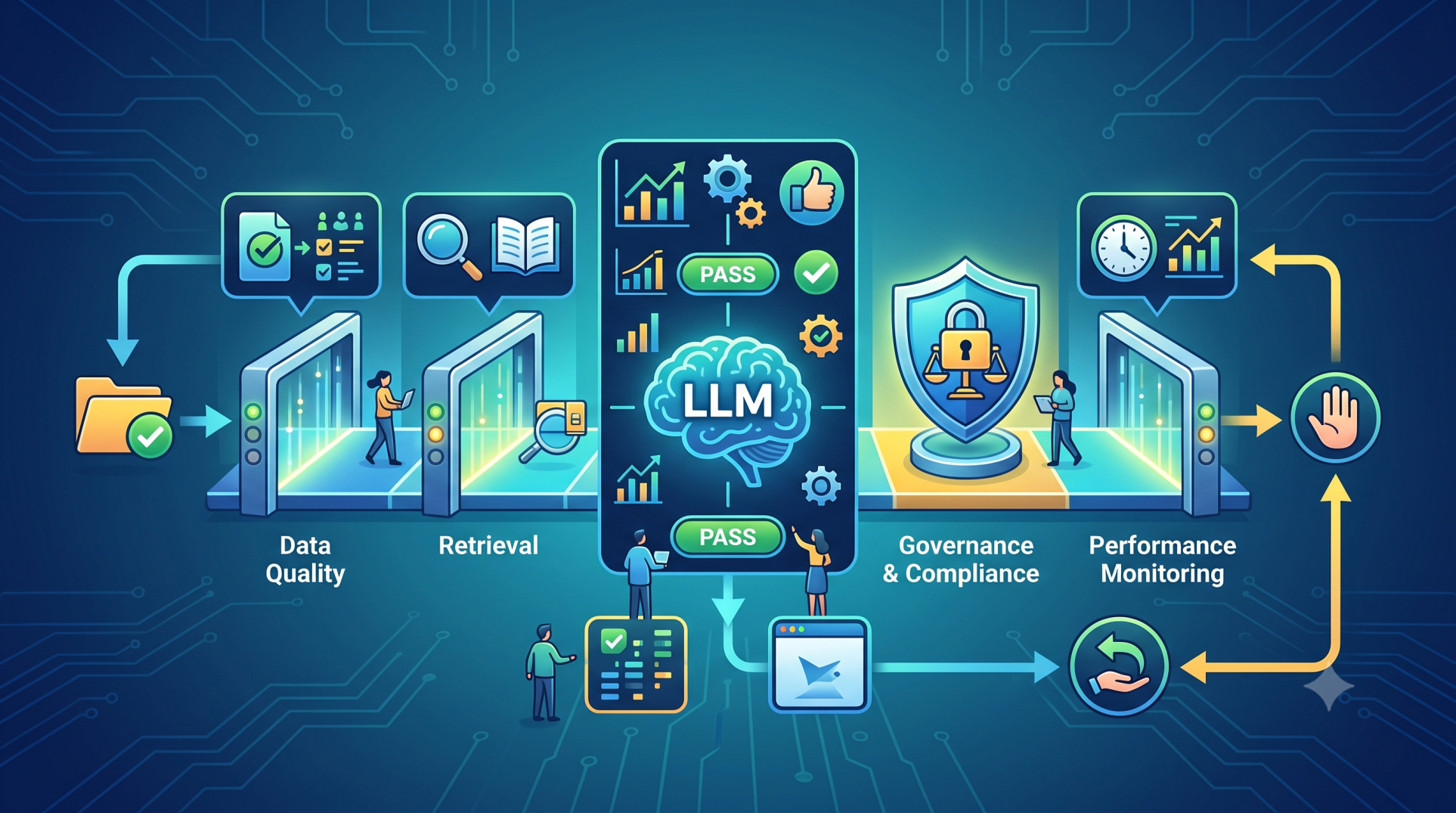
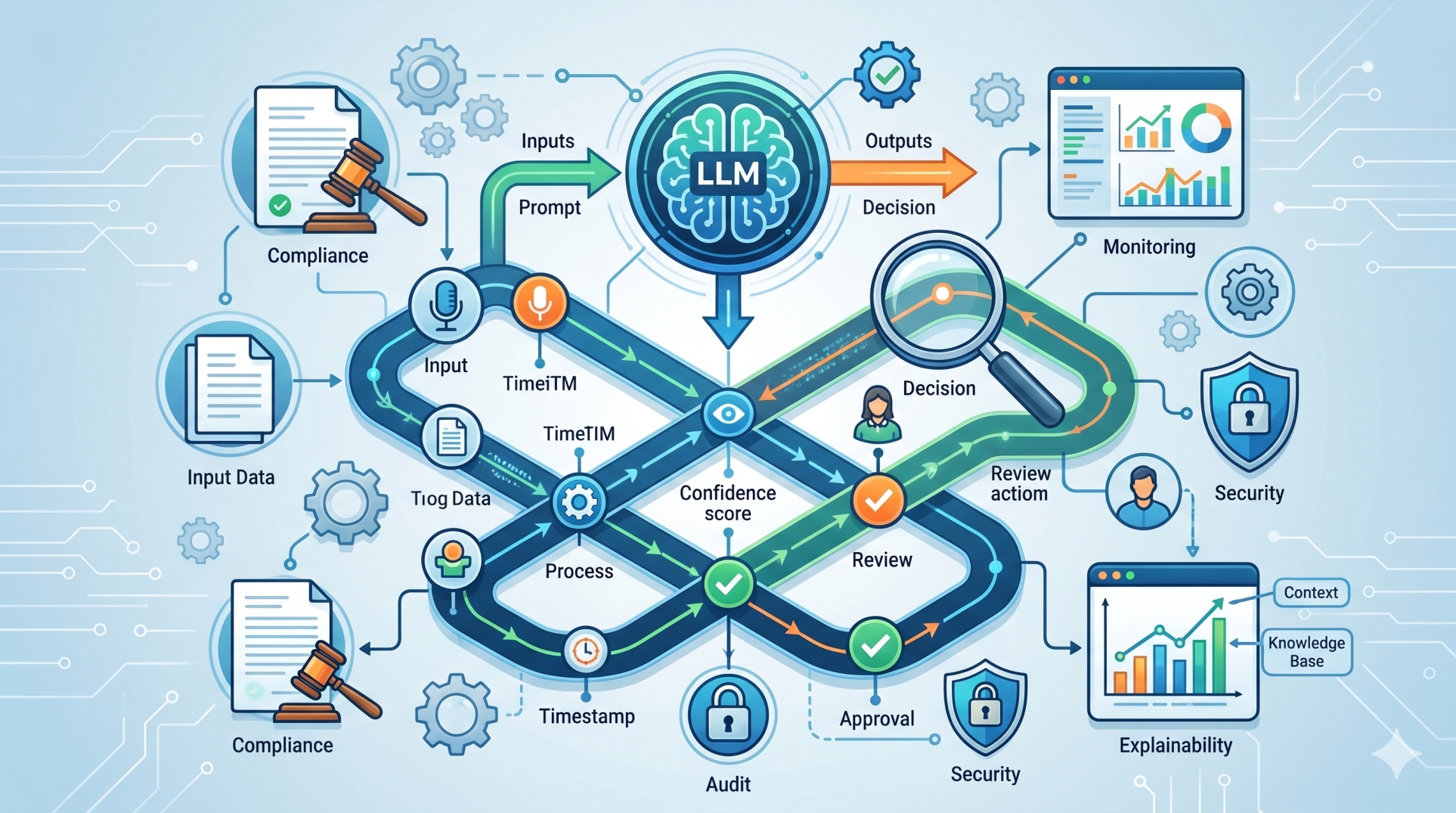
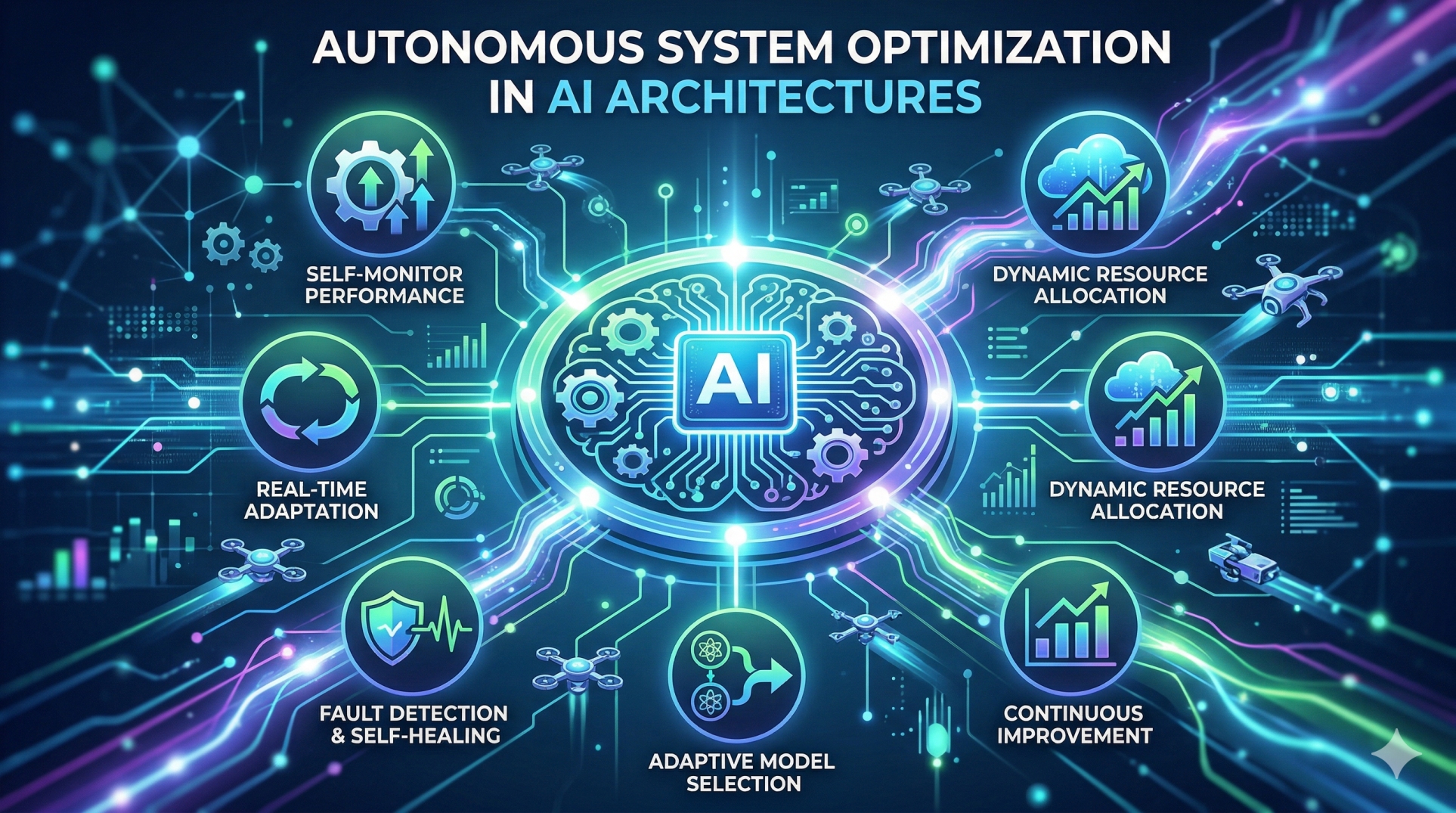
• Use AI-generated comparisons as decision support rather than an automatic replacement for procurement judgment. 🧠
• Validate important vendor information before making high-impact purchasing decisions. ✅
• Protect sensitive commercial and supplier data with appropriate security controls. 🔐
• Monitor AI outputs for accuracy, consistency, and potential bias. 🔎
• Maintain clear approval processes for final vendor selection and contracting. 📋
Conclusion 🎯
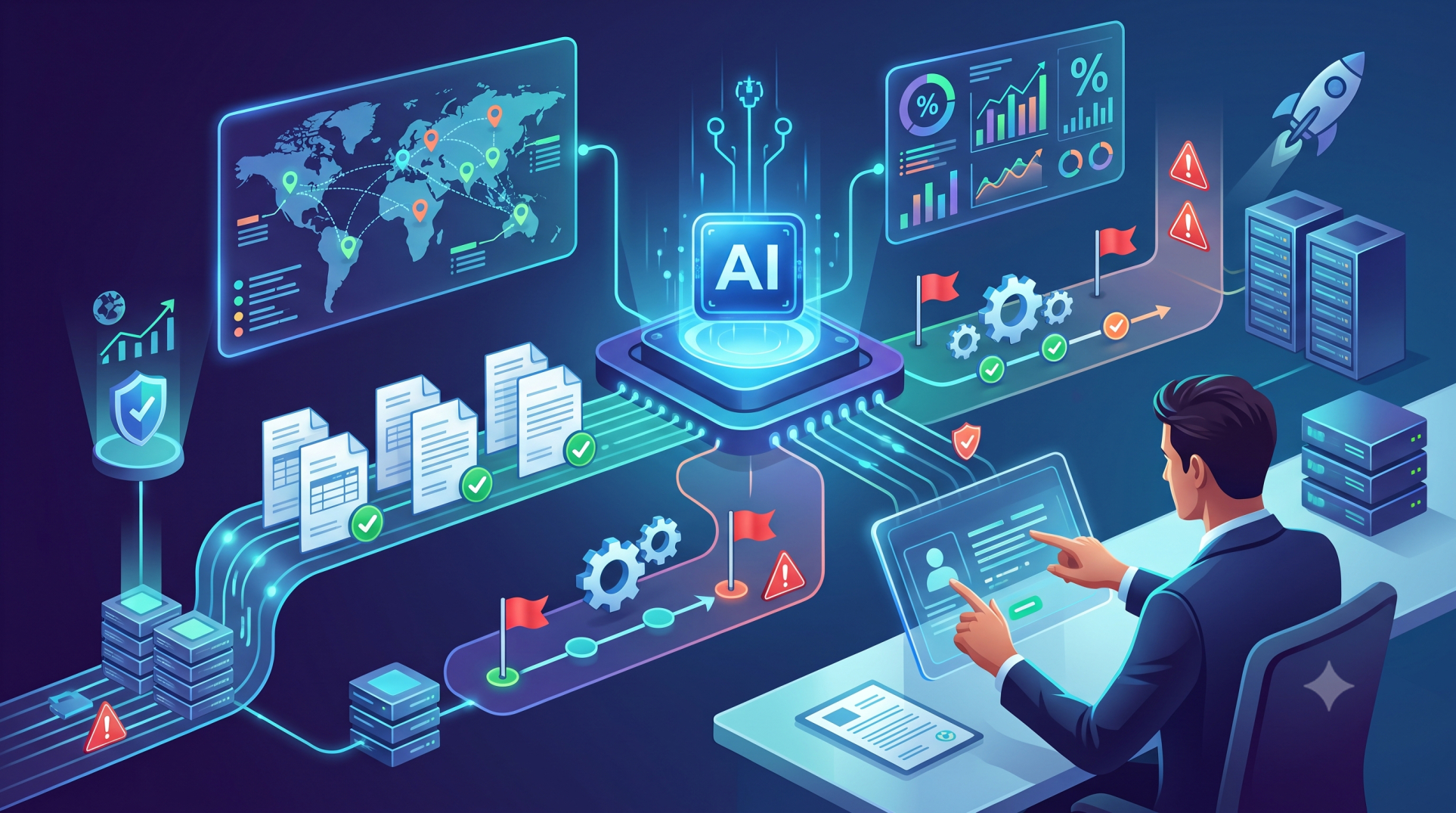
AI-powered vendor comparison can make enterprise procurement more structured, efficient, and data-driven. By analyzing pricing, capabilities, quality, delivery performance, compliance information, and supplier risks within a consistent framework, AI can help procurement teams navigate complex vendor evaluations more effectively. The greatest value comes from combining AI-powered analysis with reliable procurement data, clearly defined evaluation criteria, and experienced human oversight. This approach enables organizations to reduce manual comparison work, identify important vendor differences, and make more informed sourcing decisions while maintaining appropriate governance and control.
See more blogs
You can all the articles below