From Procurement Data to Purchasing Decisions with LLM Software
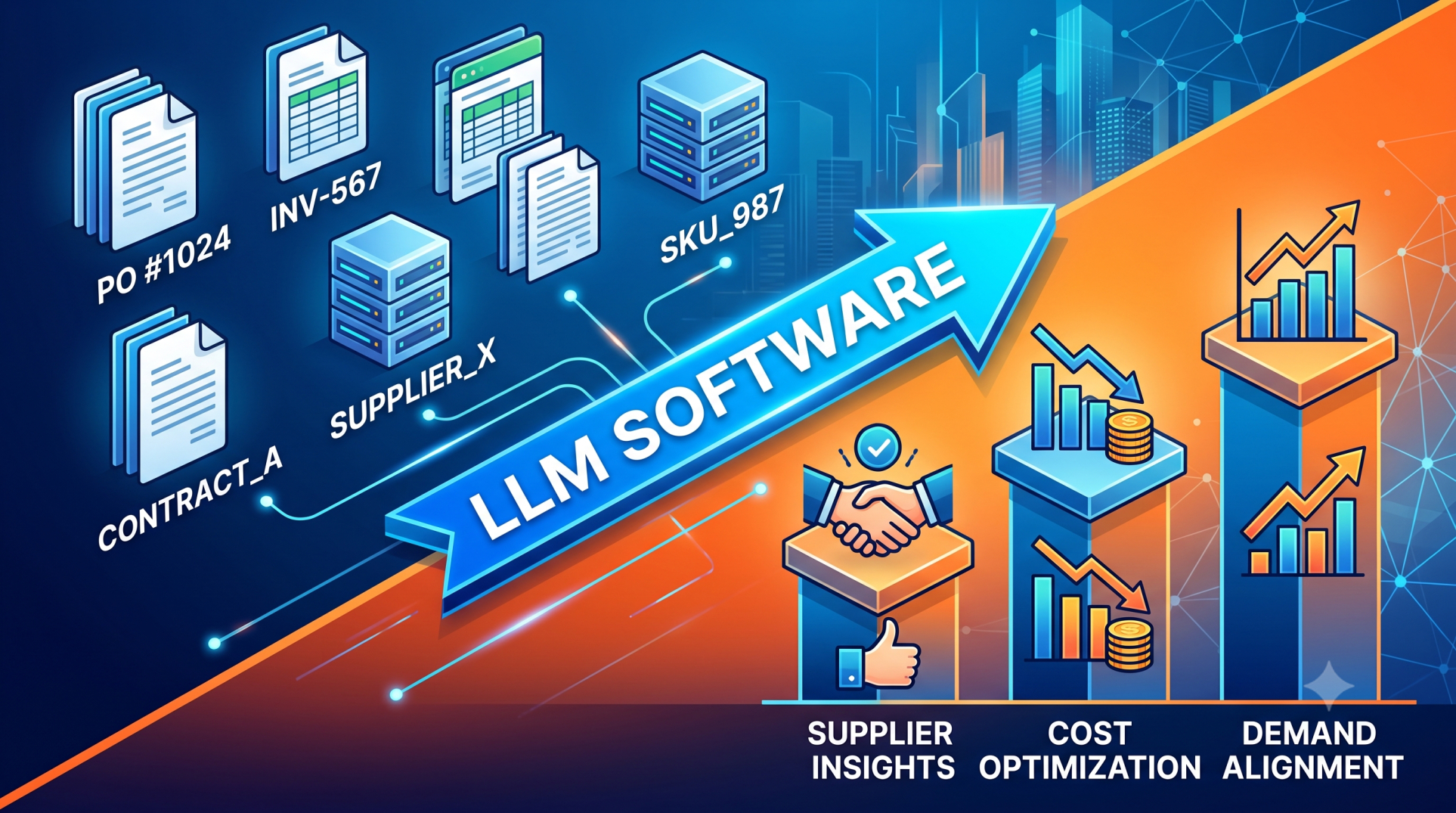
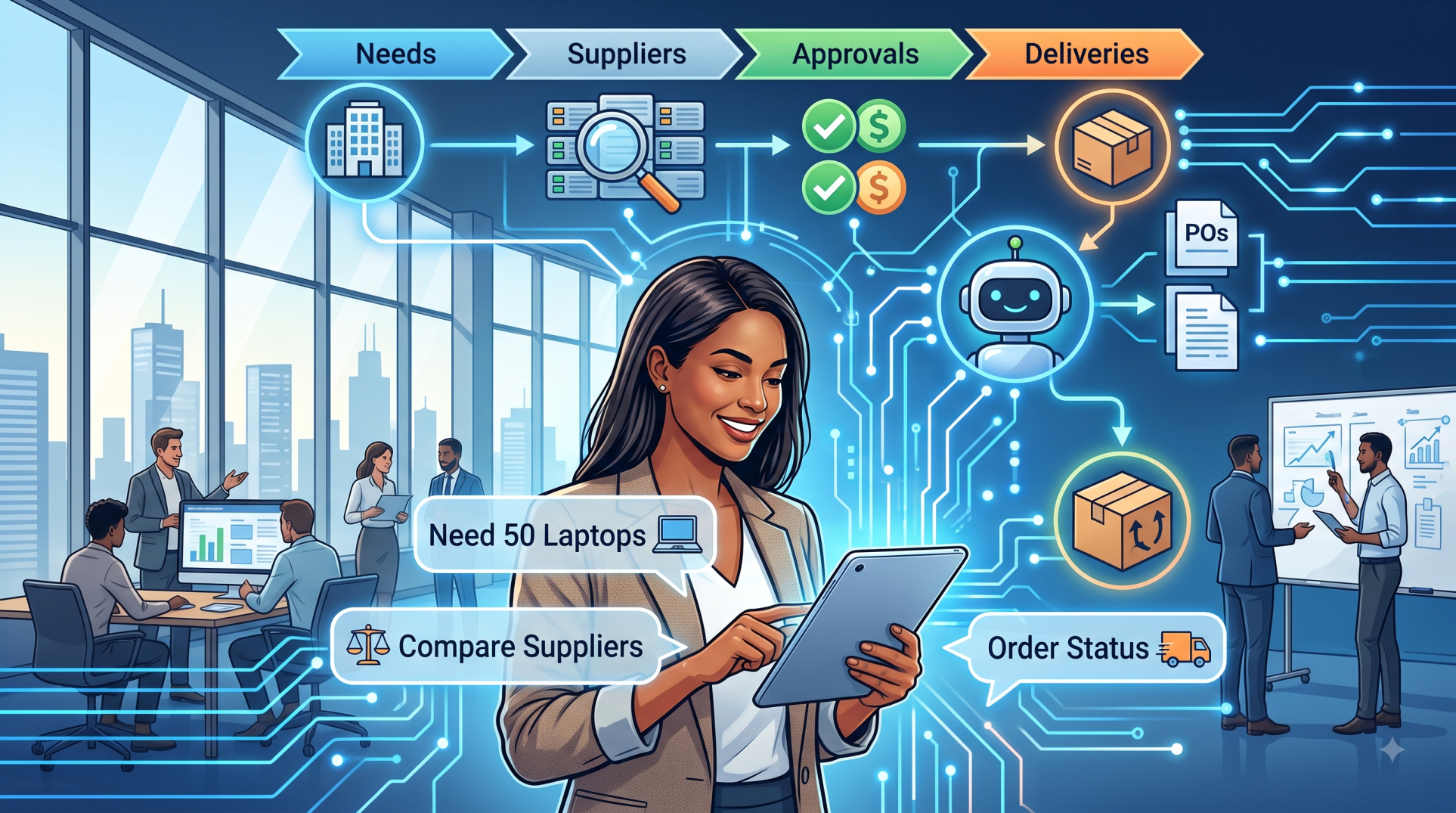
Modern procurement teams manage vast amounts of information across purchase orders, supplier records, invoices, contracts, inventory data, and historical spending. Turning this information into timely purchasing decisions can be challenging when data is scattered across multiple systems. Large Language Model (LLM) software can help procurement teams interpret complex data, identify patterns, and transform raw information into actionable purchasing insights.
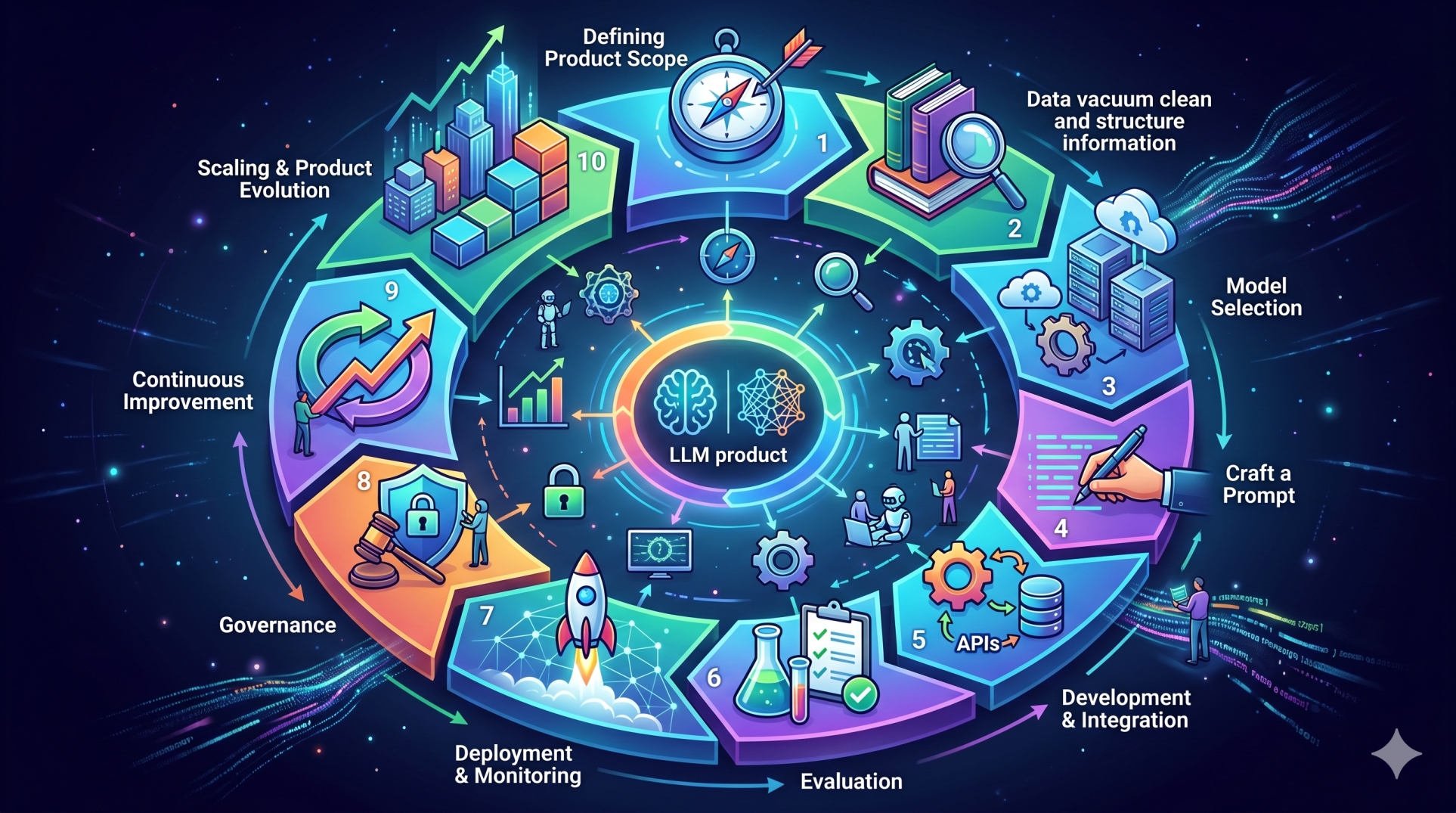
Step 1: Consolidating Procurement Data 📊
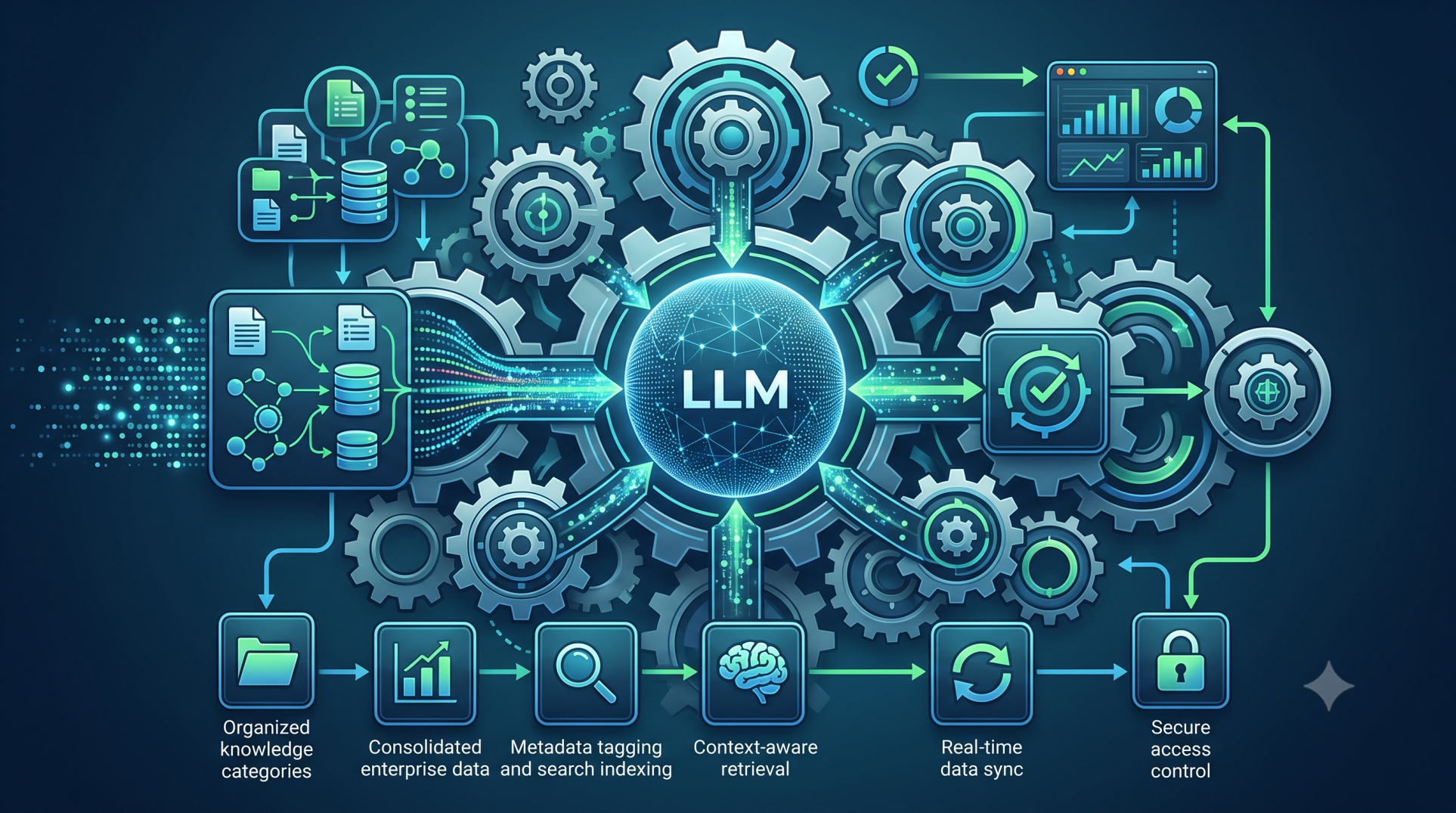
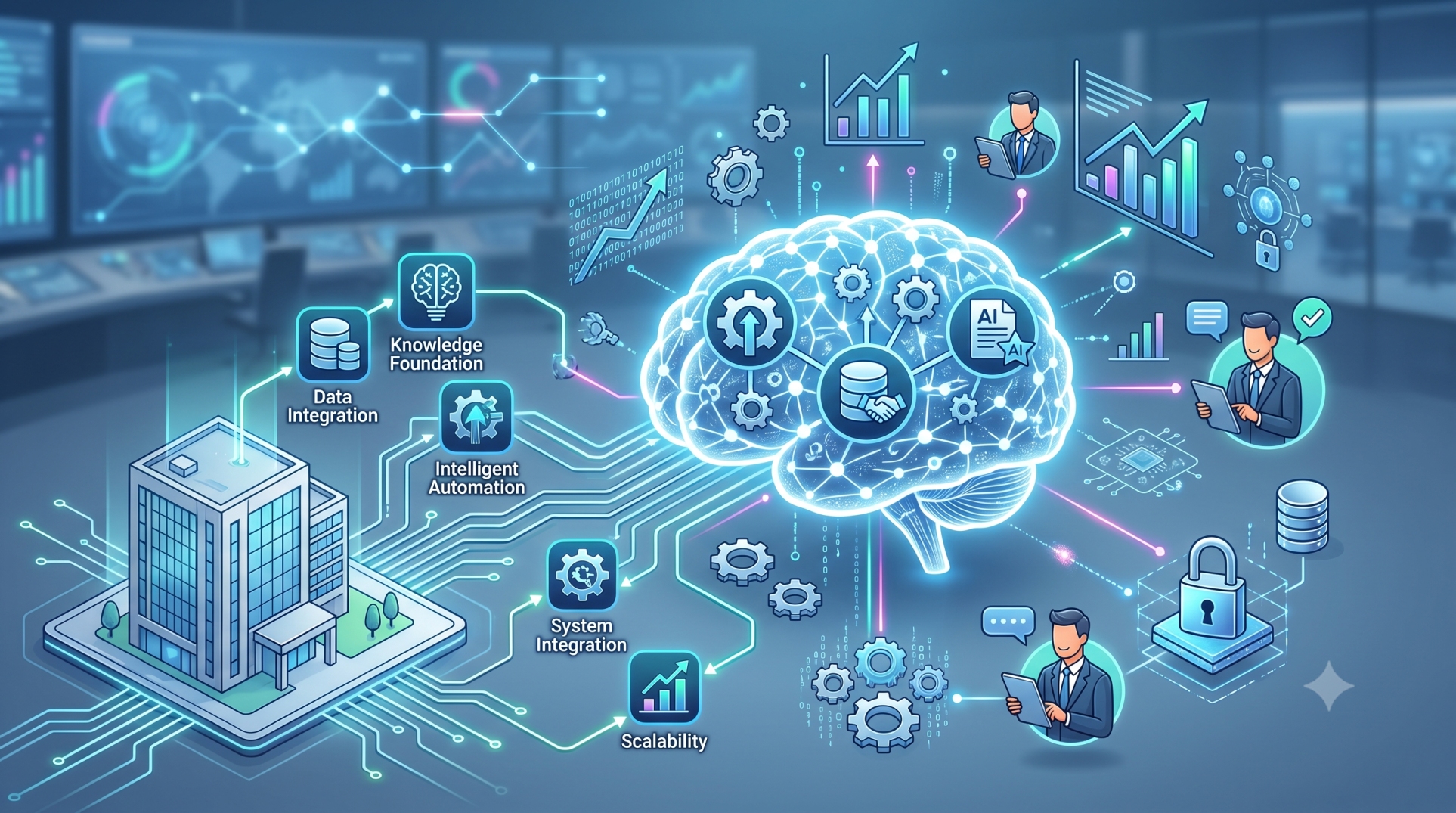
• Bring purchasing information together from ERP, procurement, and inventory systems
• Combine supplier, order, pricing, and historical transaction data
• Reduce fragmented information across disconnected platforms
• Create a more complete view of procurement activity
• Establish reliable data foundations for AI-assisted analysis
Step 2: Understanding Supplier Performance 🤝
• Analyze supplier delivery histories and order fulfillment patterns
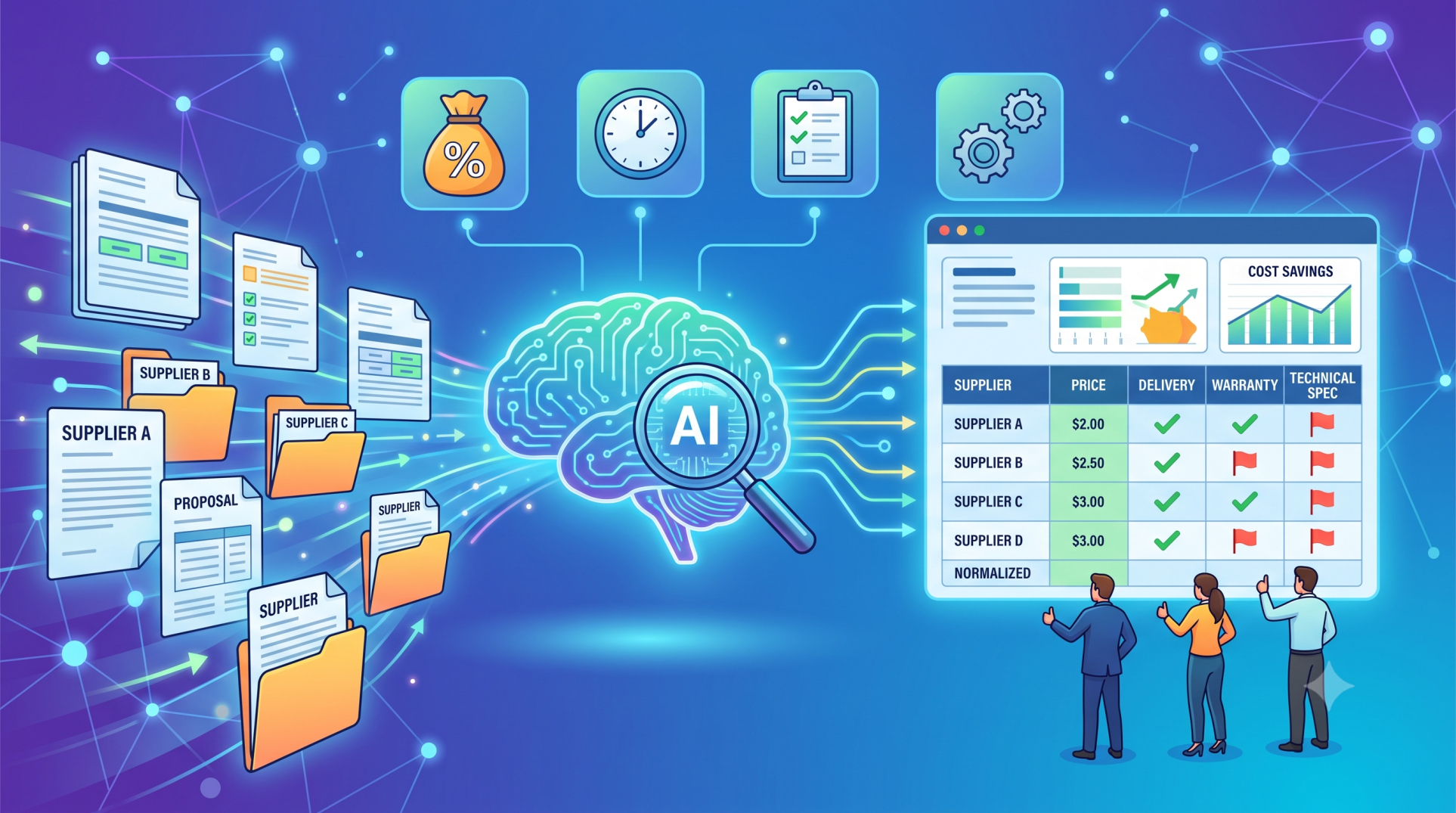
• Compare pricing trends across vendors and product categories
• Identify recurring quality or service issues
• Highlight suppliers that consistently meet purchasing requirements
• Support more informed supplier evaluation and selection
Step 3: Analyzing Purchasing Patterns 🔍
• Identify recurring purchasing behaviors across departments
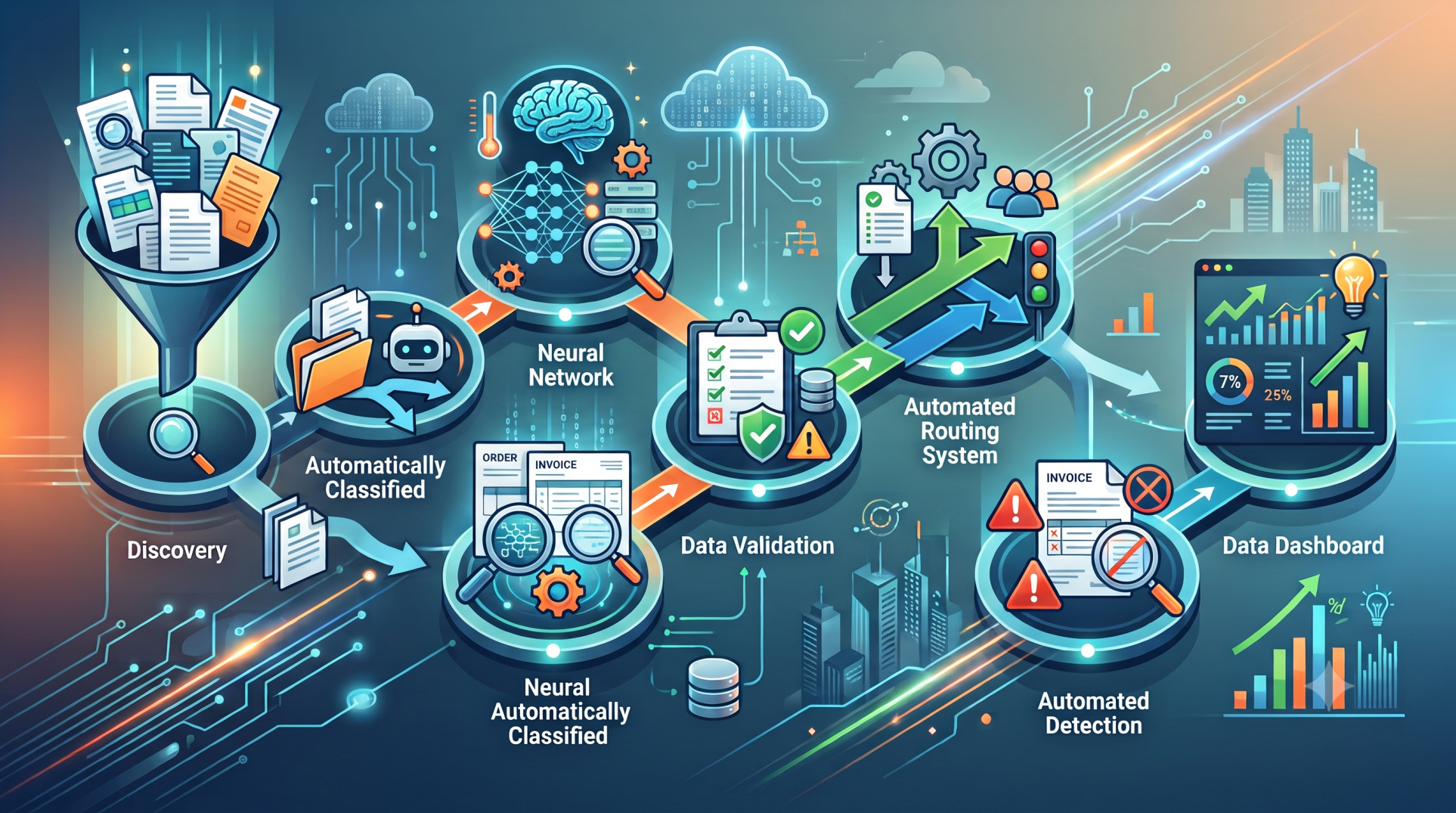
• Detect unusual spending or ordering activity
• Analyze seasonal demand and historical buying trends
• Highlight frequently purchased products and categories
• Help procurement teams understand where spending is concentrated
Step 4: Using LLMs to Interpret Procurement Information 🤖
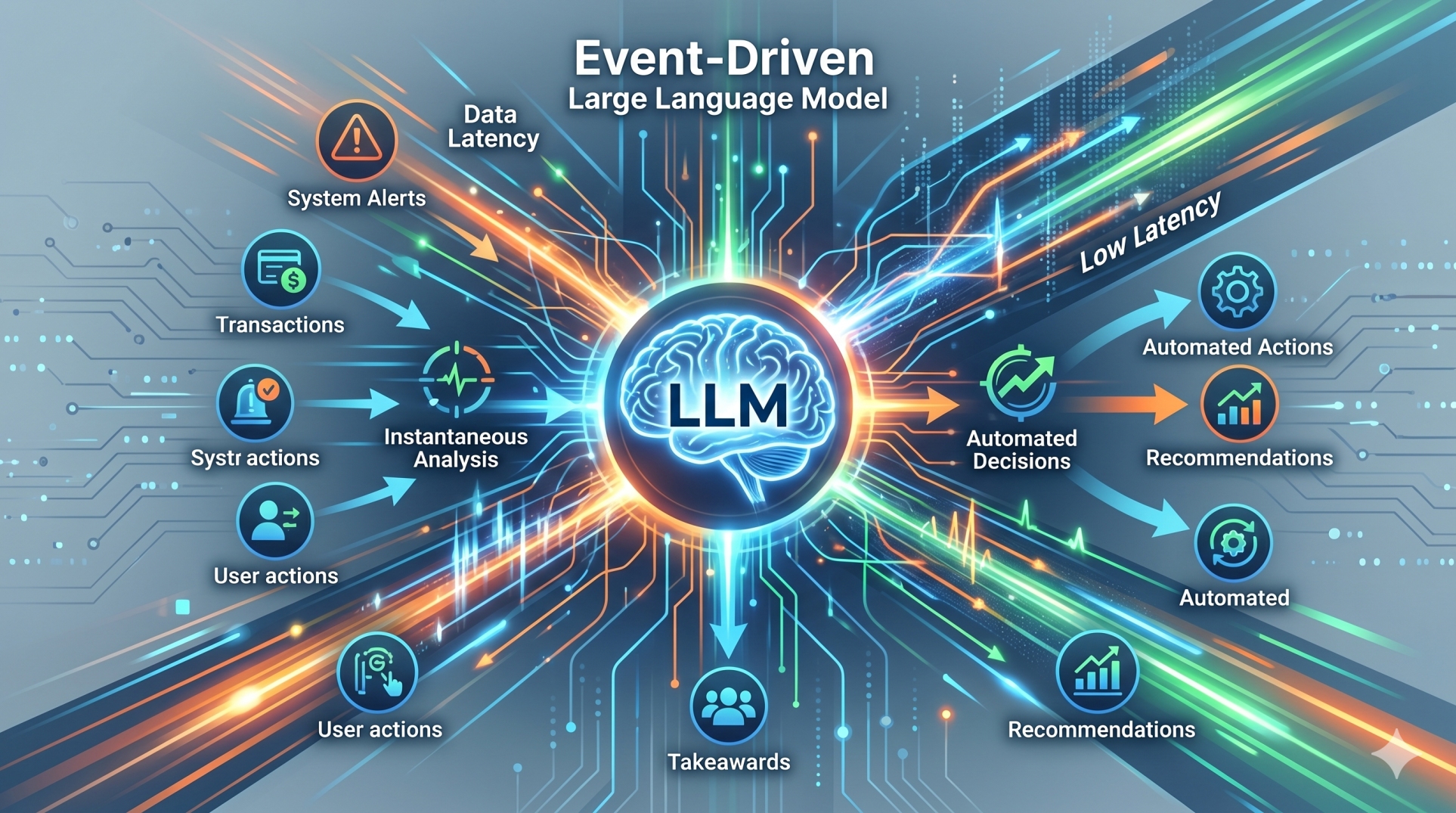
• Convert complex procurement datasets into understandable insights
• Allow users to ask questions using natural language
• Summarize supplier records, purchase histories, and procurement reports
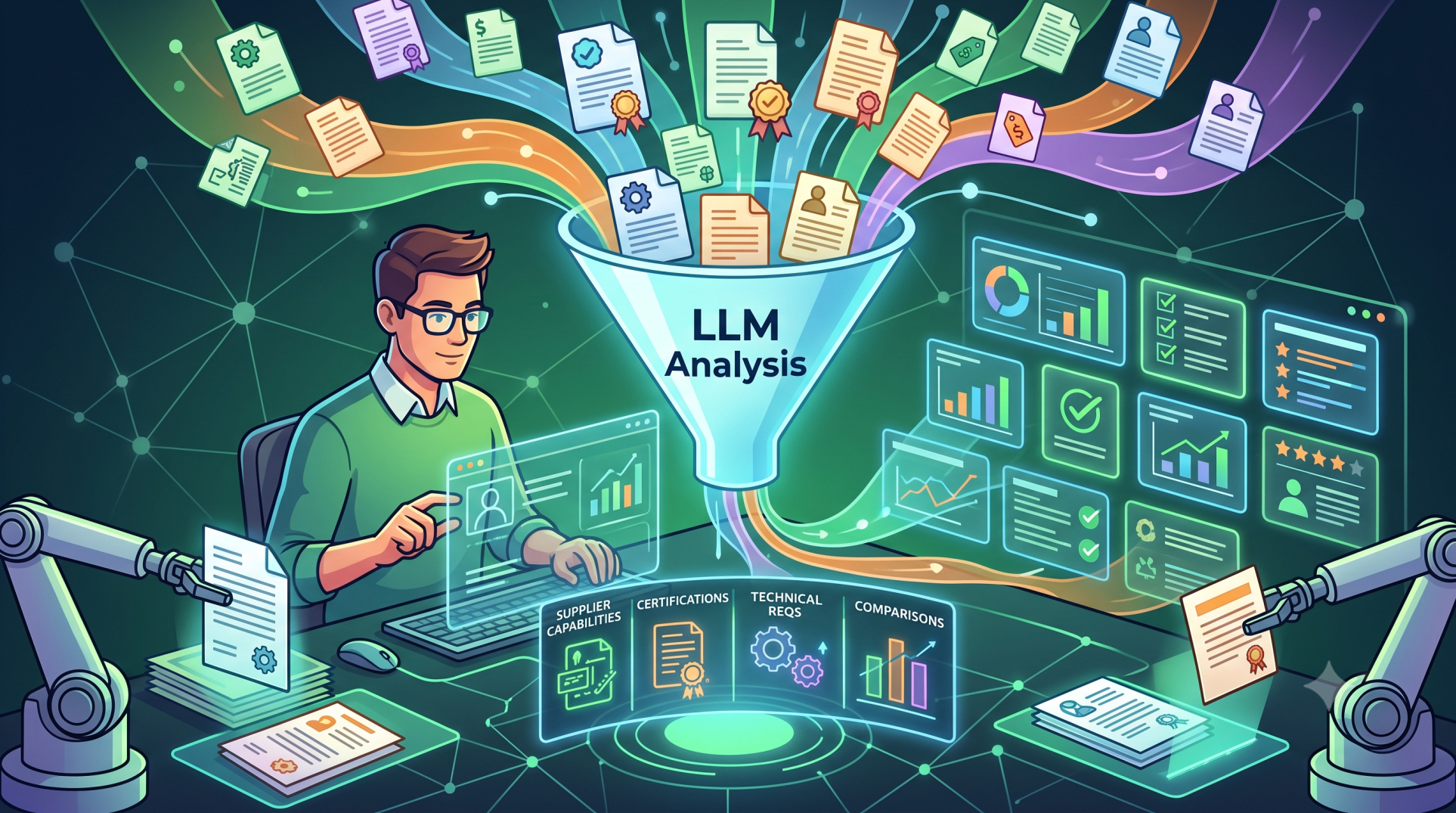
• Extract important information from contracts and business documents
• Support faster analysis without requiring every user to write complex queries
Step 5: Improving Demand-Based Purchasing 📈
• Combine purchasing history with current inventory information
• Identify potential shortages and replenishment requirements
• Support purchasing decisions based on expected demand
• Reduce unnecessary ordering caused by inaccurate assumptions
• Improve alignment between procurement activity and operational requirements
Step 6: Comparing Costs and Purchasing Options 💰
• Evaluate historical prices across suppliers
• Identify potential cost-saving opportunities
• Compare purchasing alternatives using available business data
• Highlight significant price changes and purchasing anomalies
• Give procurement teams stronger information for negotiation and planning
Step 7: Supporting Intelligent Recommendations 🎯
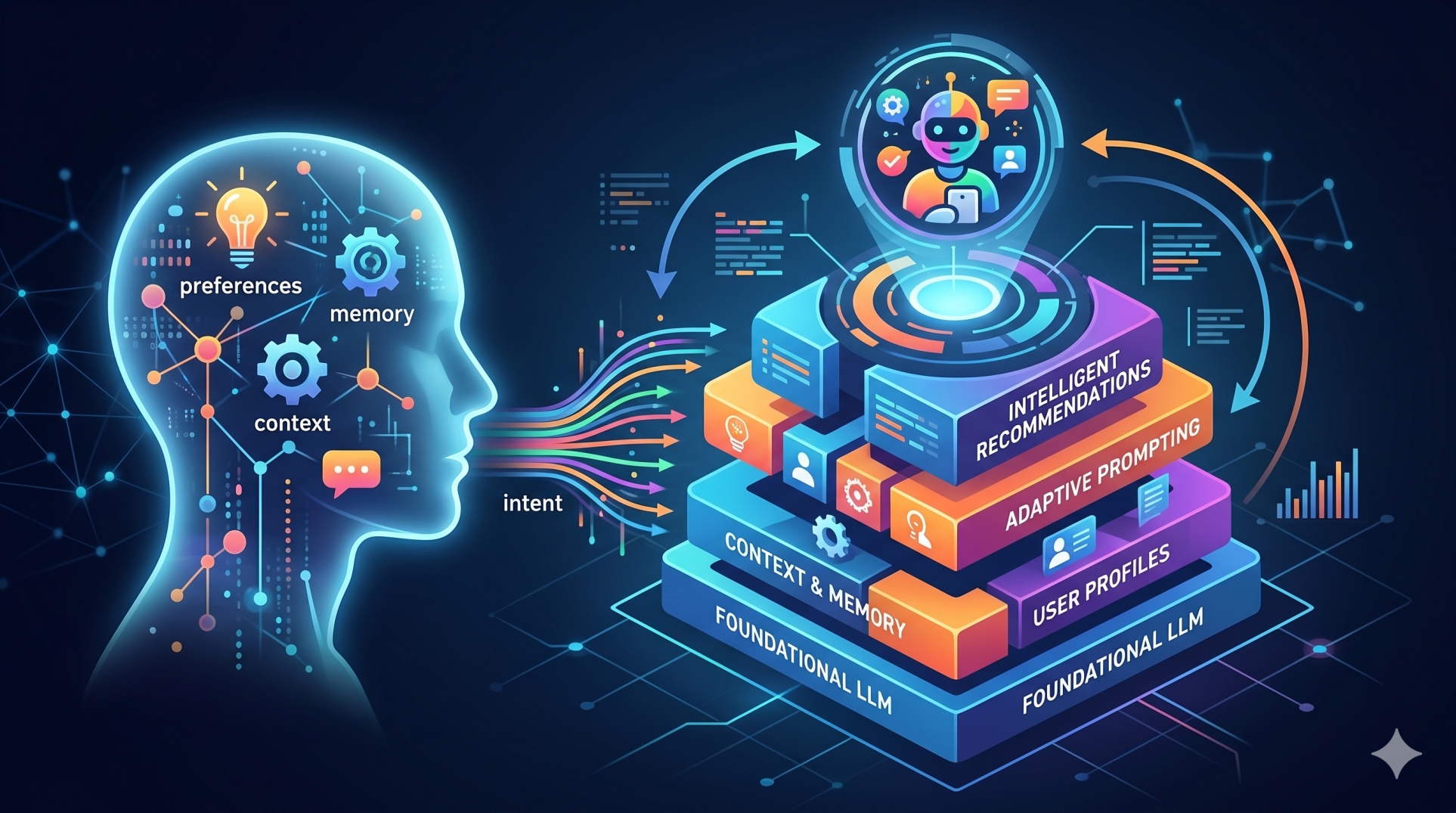
• Recommend purchasing actions based on defined business criteria
• Prioritize suppliers according to cost, reliability, and performance data
• Highlight orders that may require additional review
• Provide context behind suggested procurement actions
• Keep human decision-makers involved in final purchasing approvals
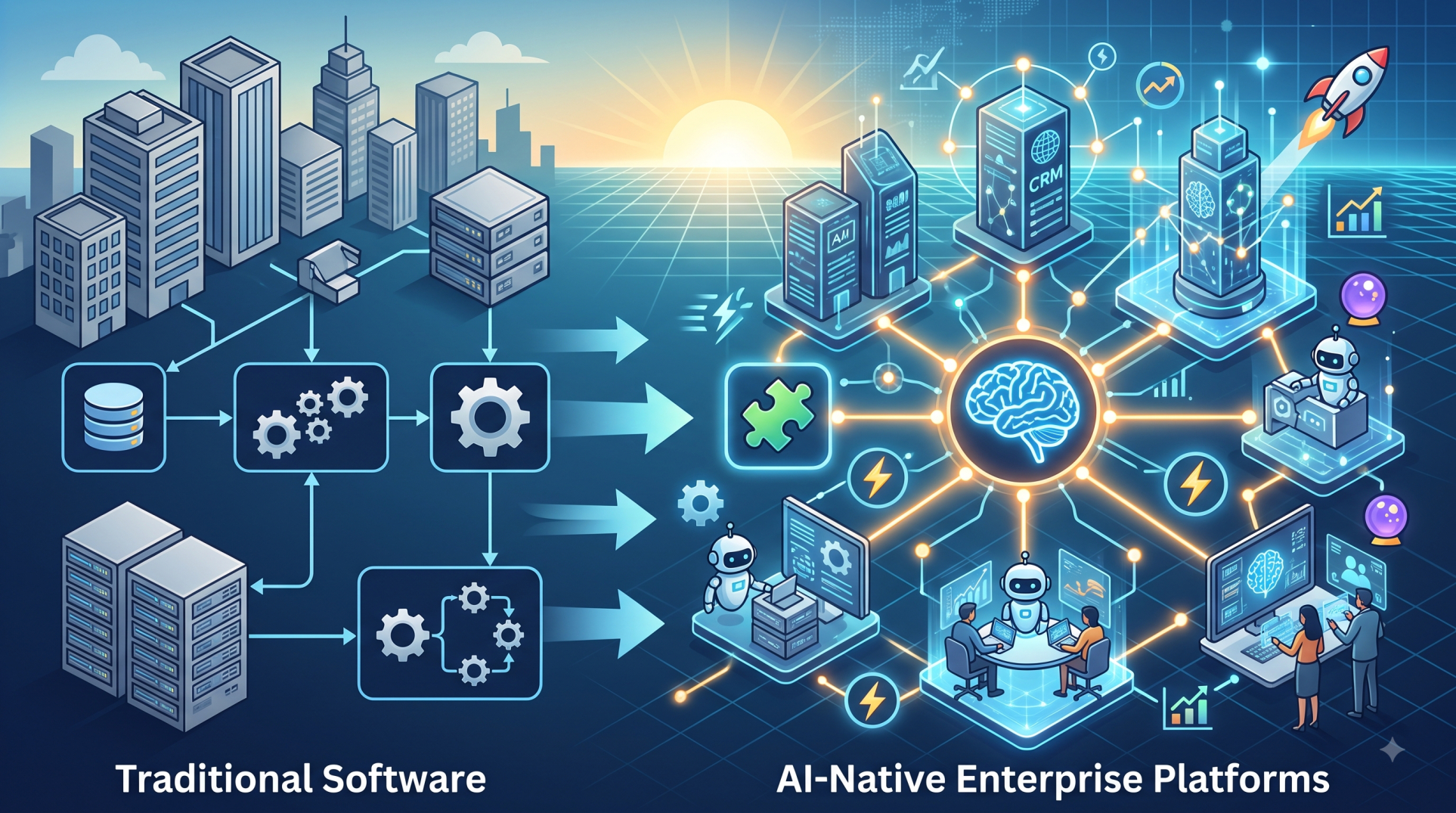
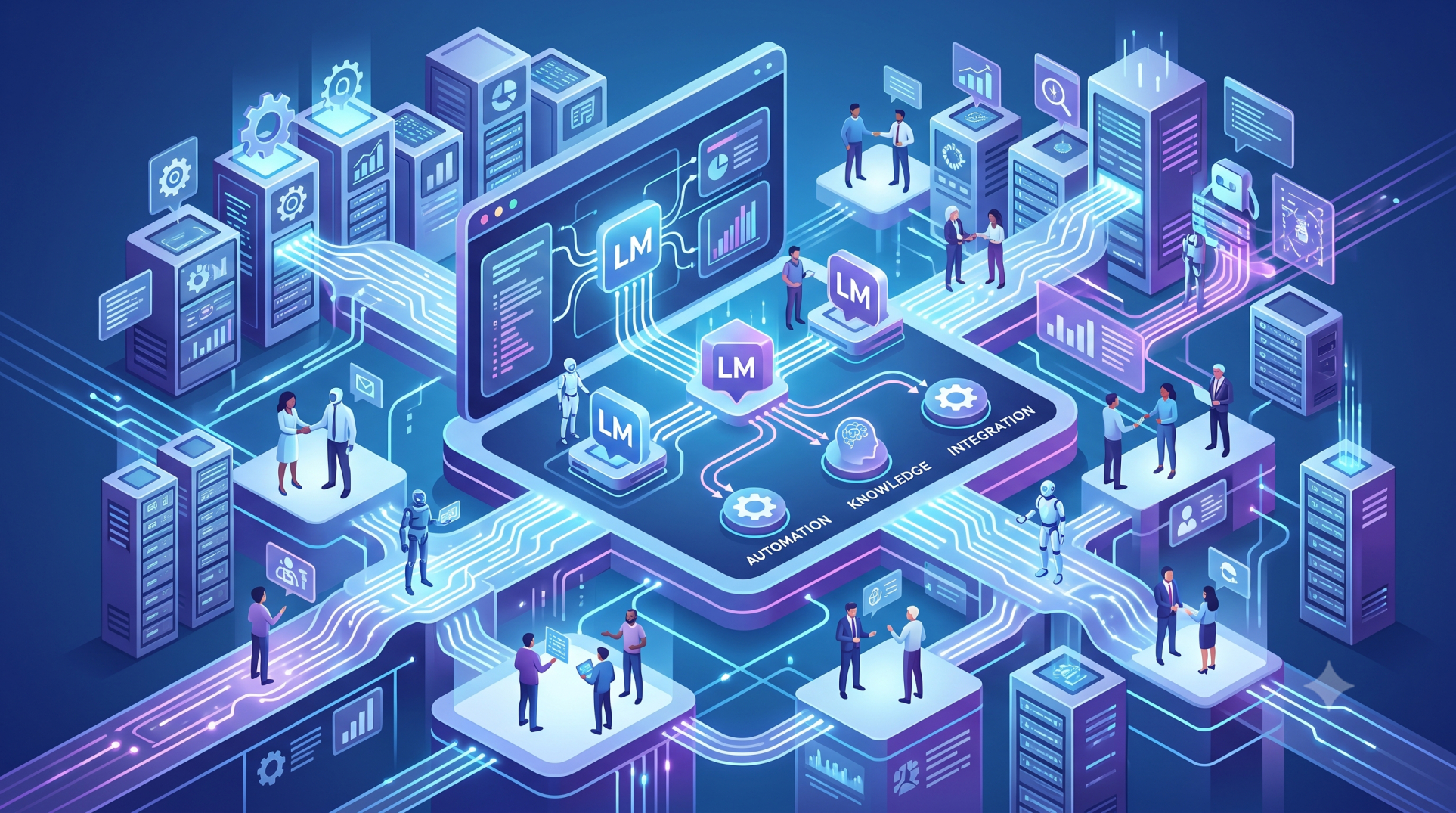
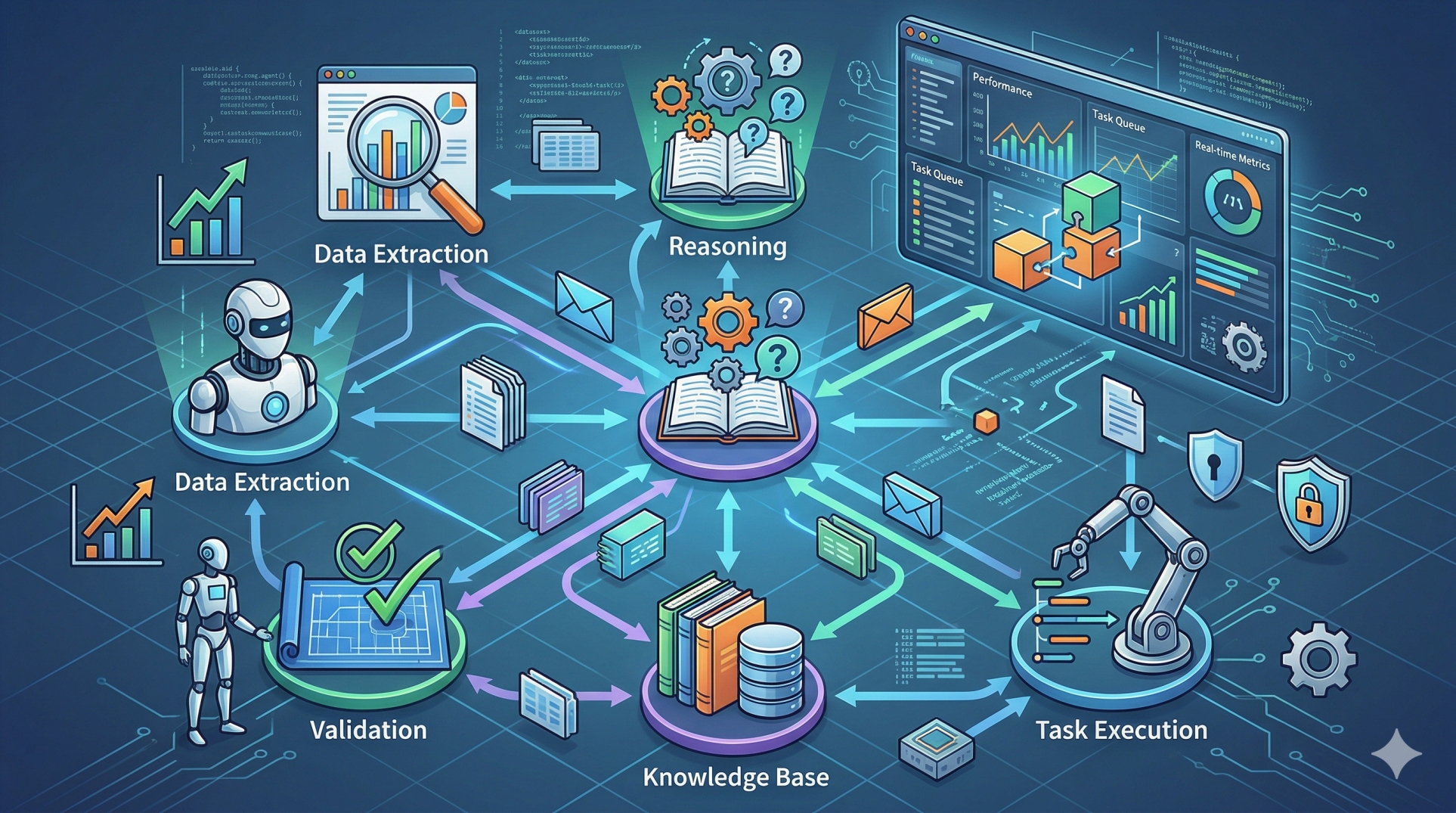
Step 8: Connecting Procurement with Enterprise Systems 🔗
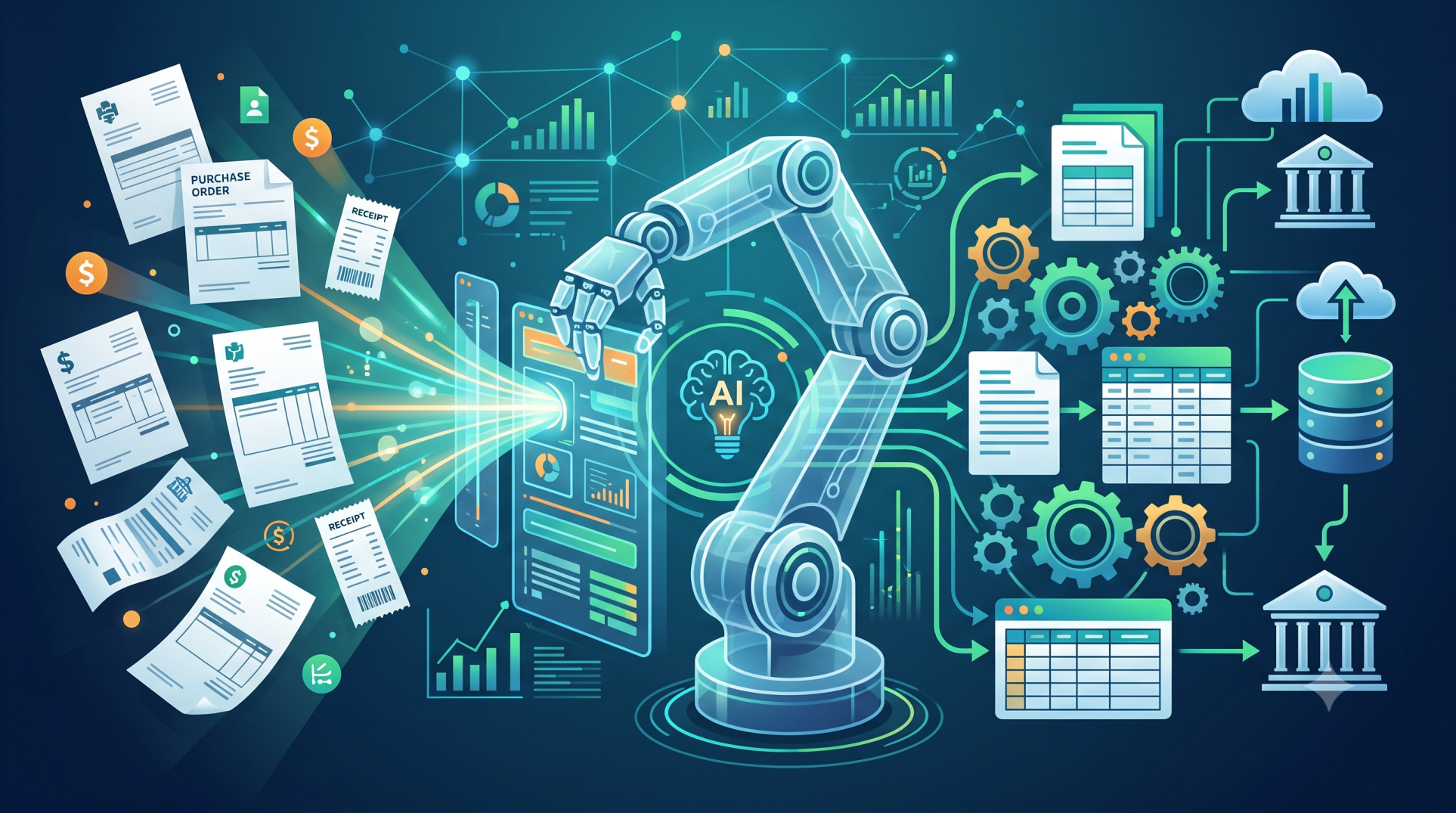
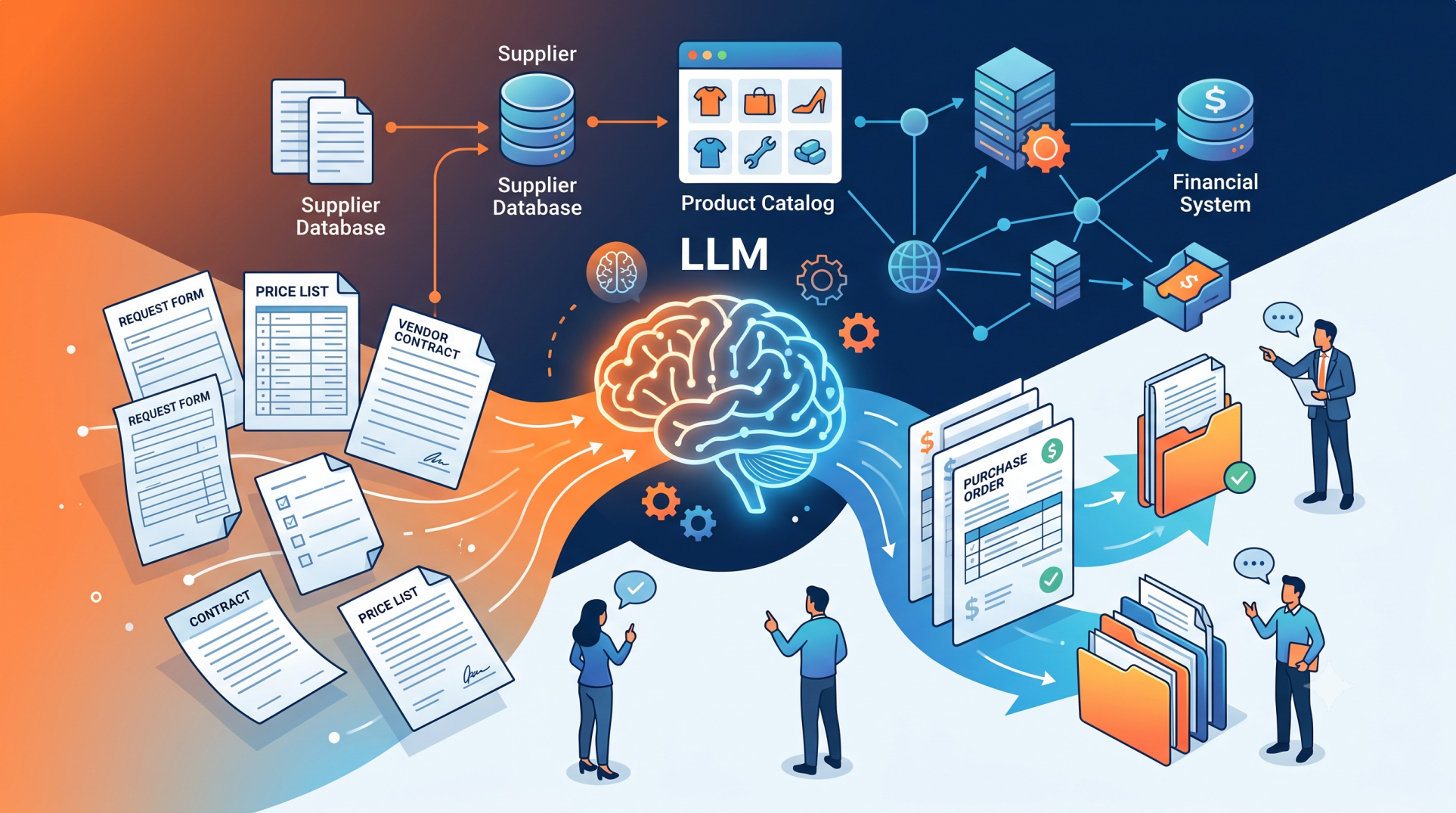
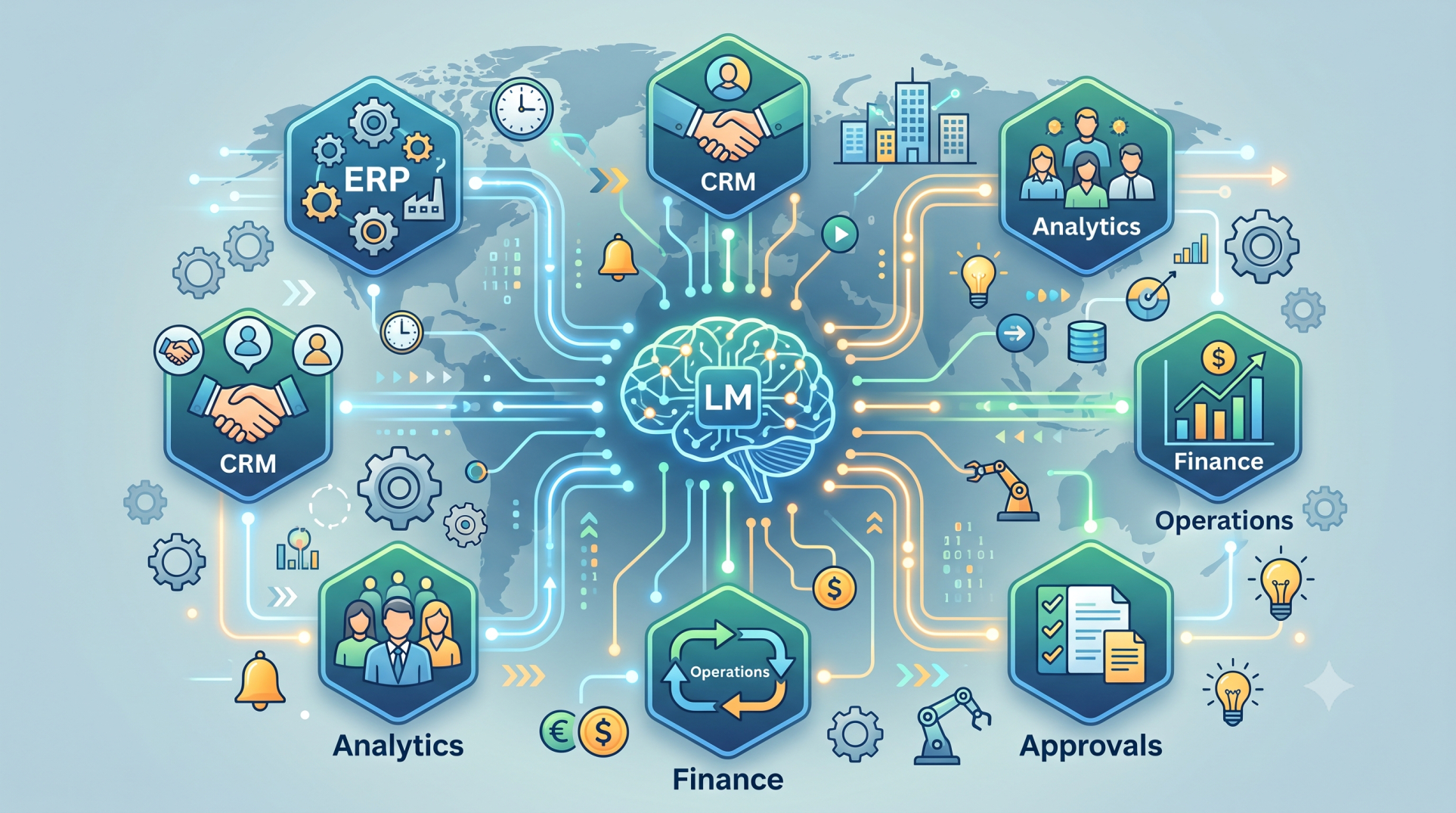
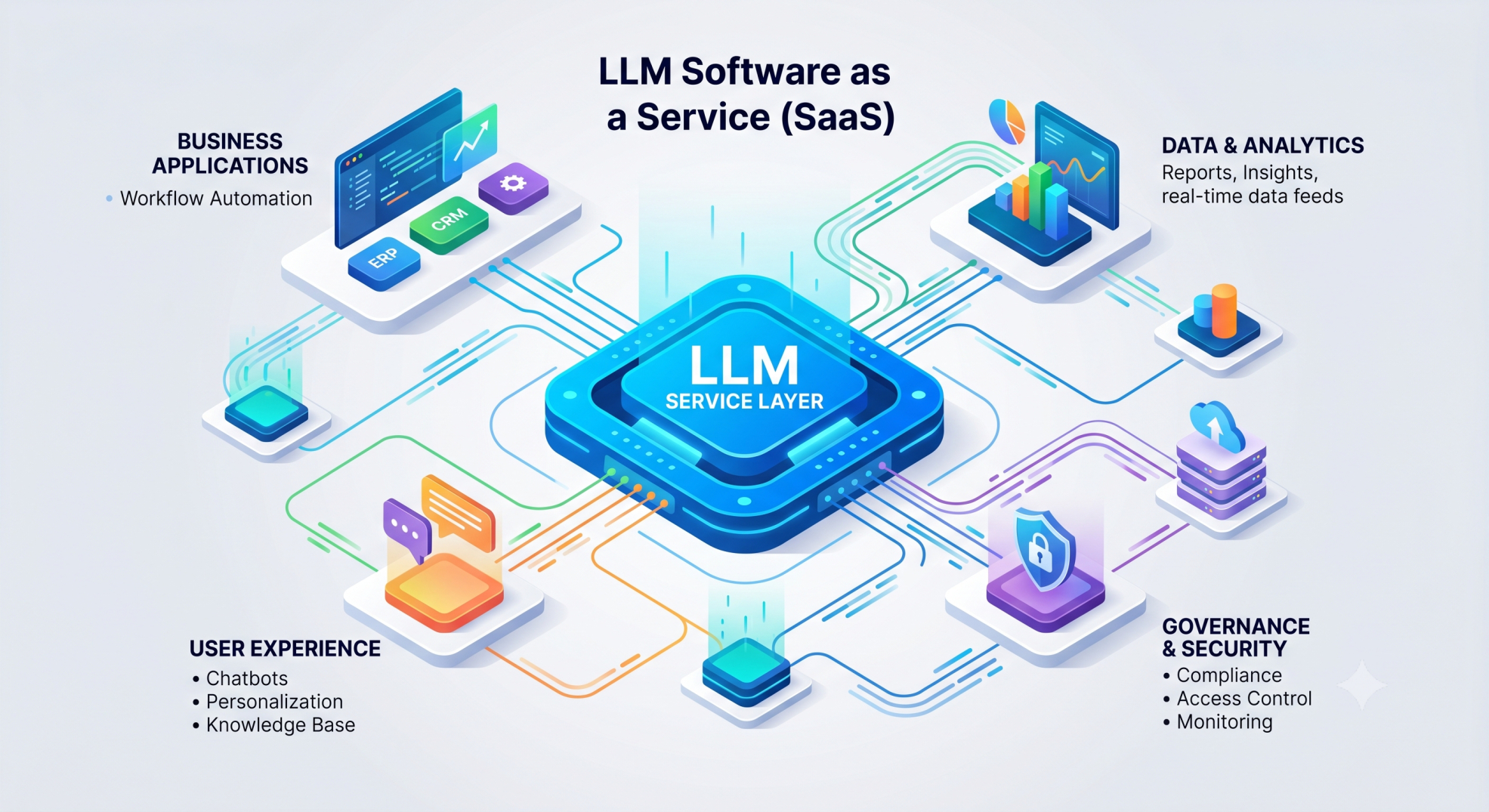
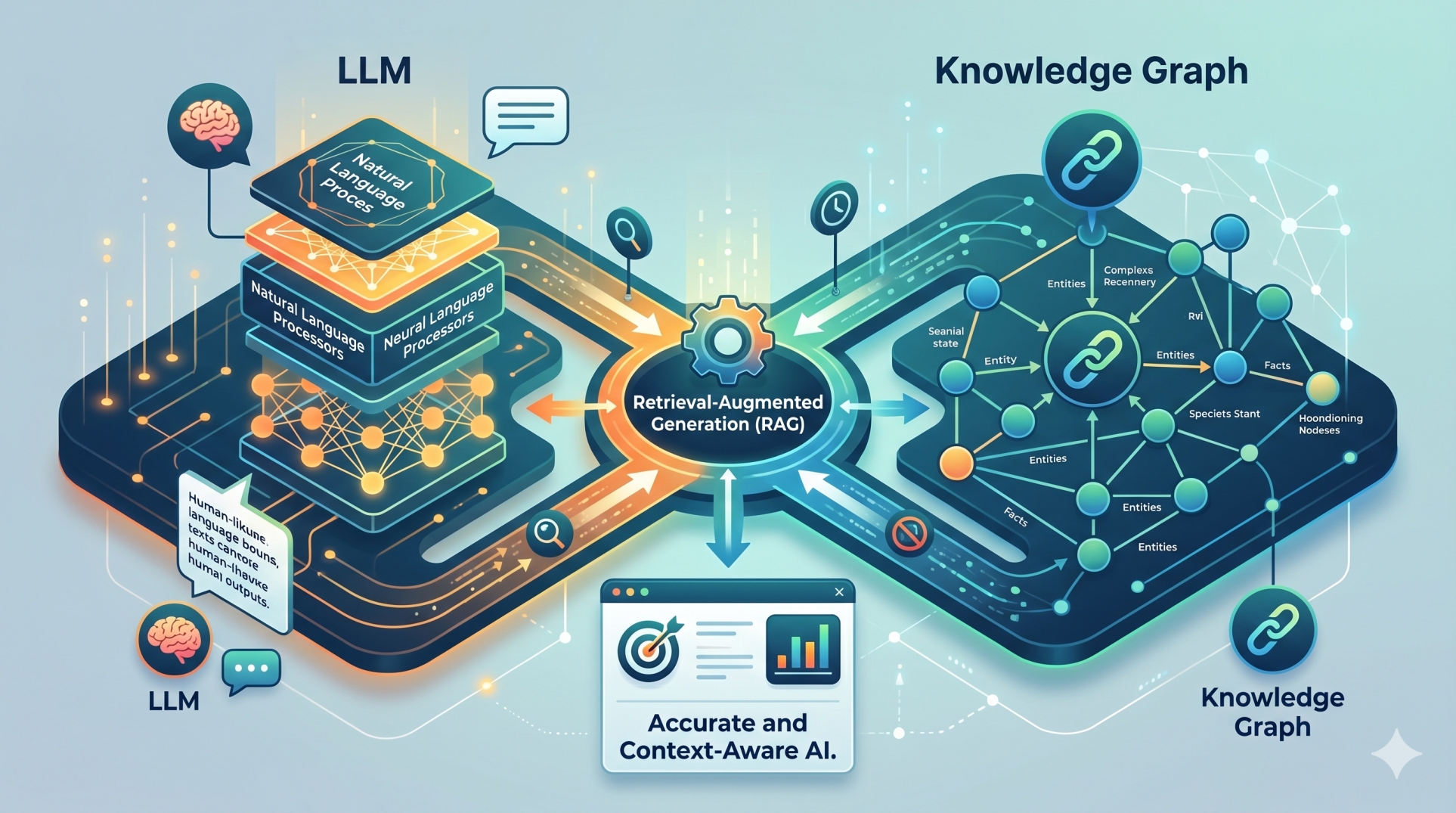
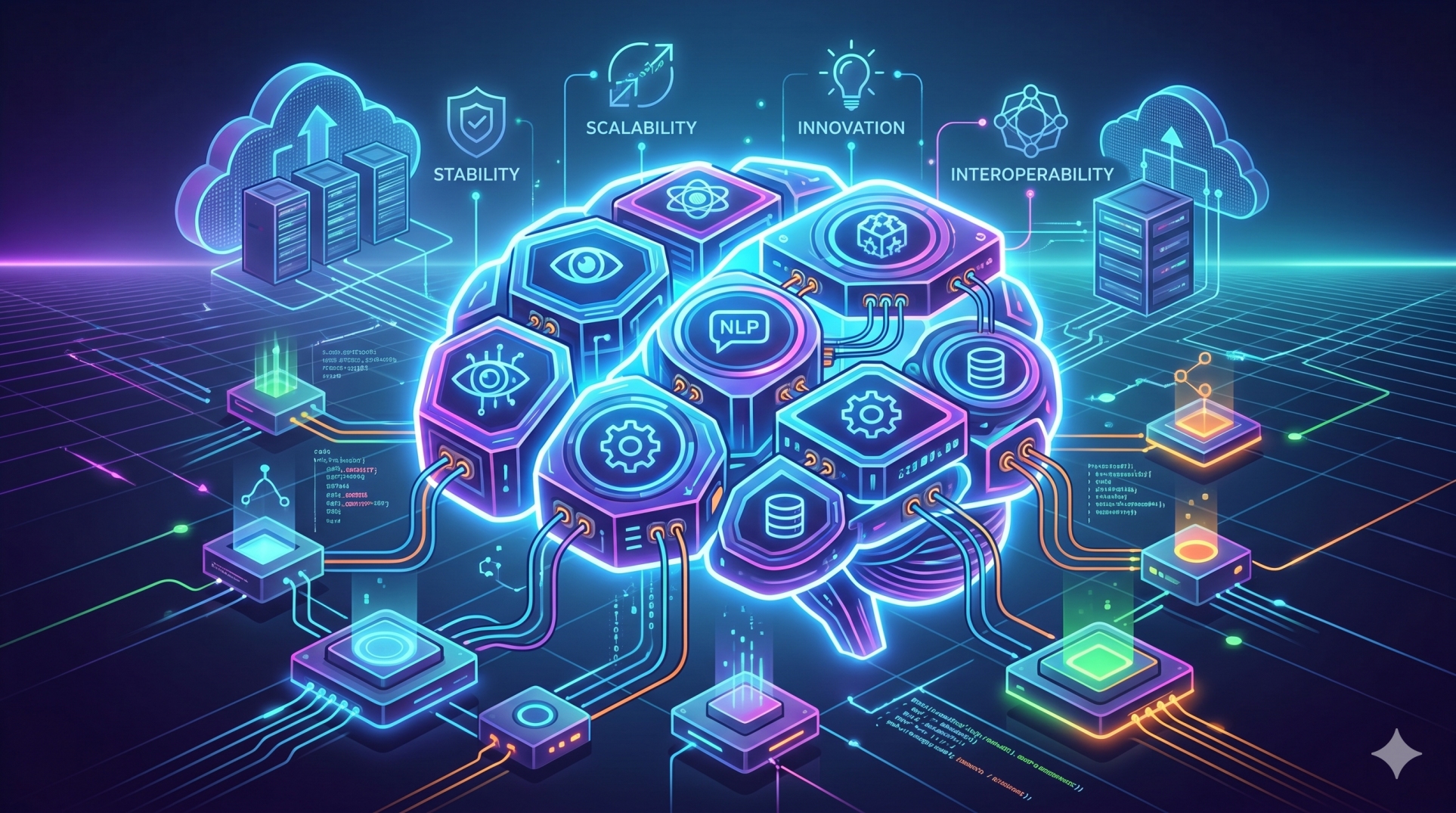
• Integrate LLM software with ERP and procurement platforms
• Connect purchasing intelligence with inventory and financial systems
• Maintain consistent information across business applications
• Enable procurement teams to access relevant information from connected systems
• Create a unified environment for purchasing analysis and decision support
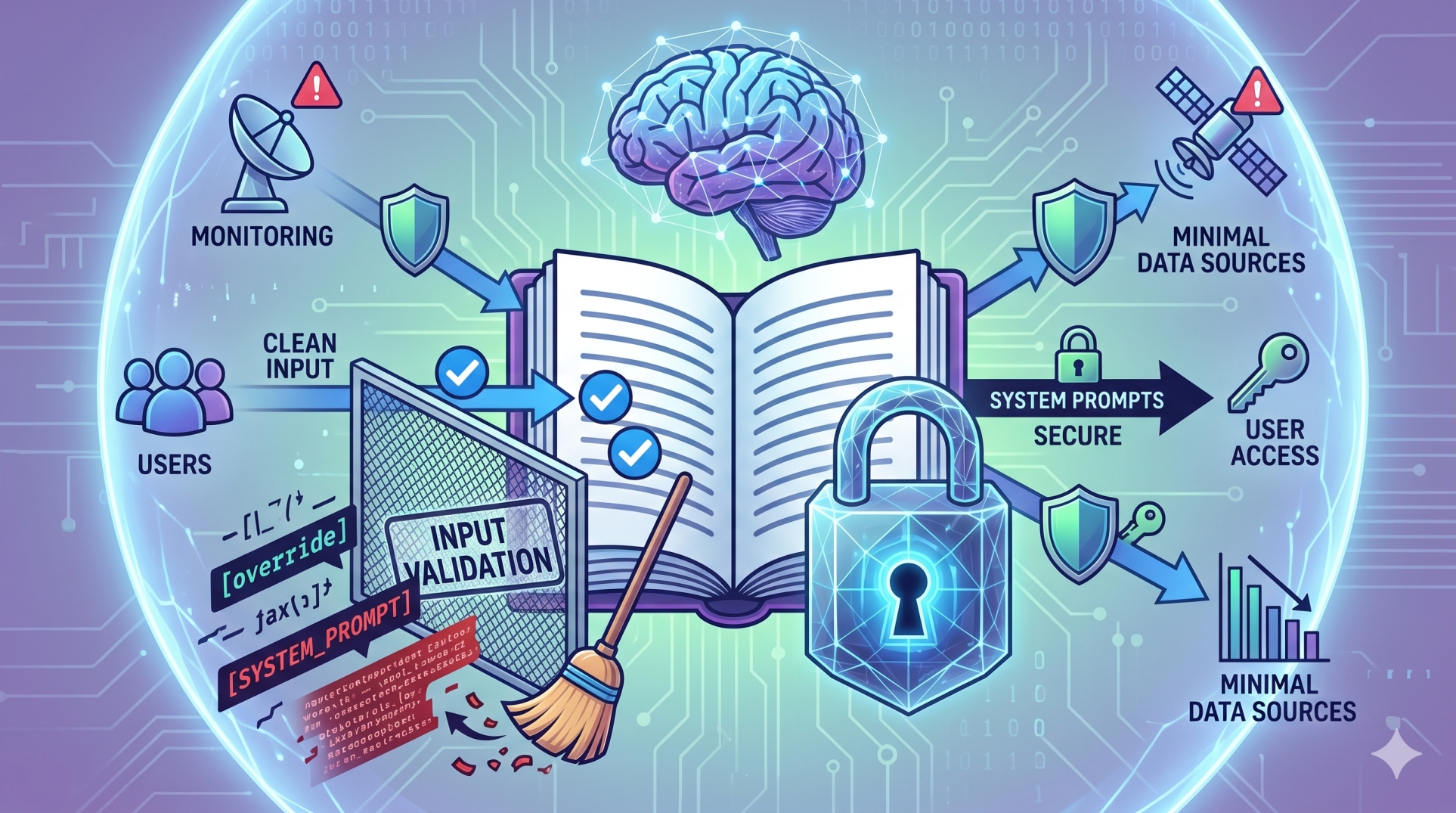
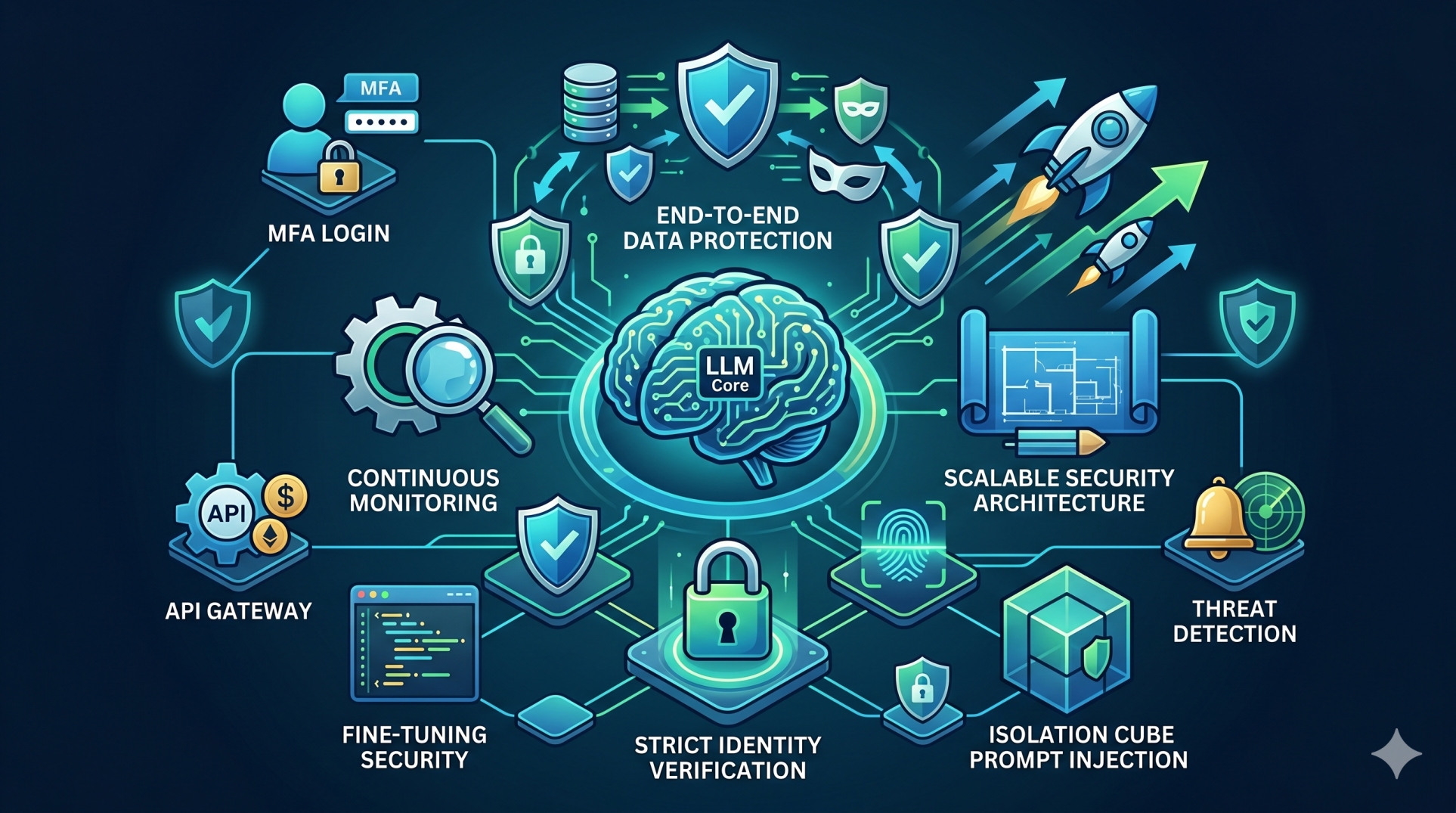
Step 9: Maintaining Security and Governance 🔐
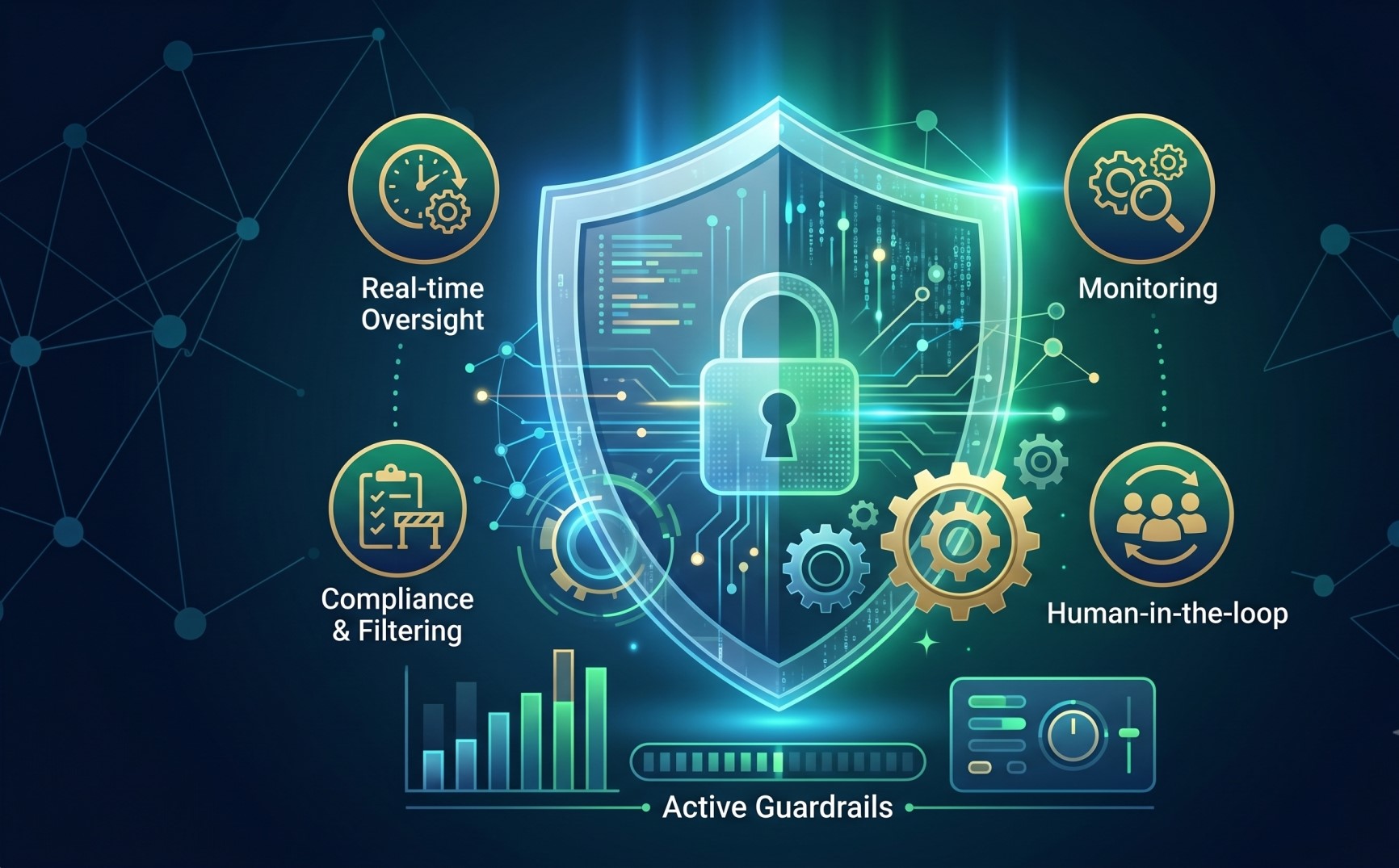
• Apply role-based access to sensitive procurement information
• Protect supplier contracts, pricing, and financial data
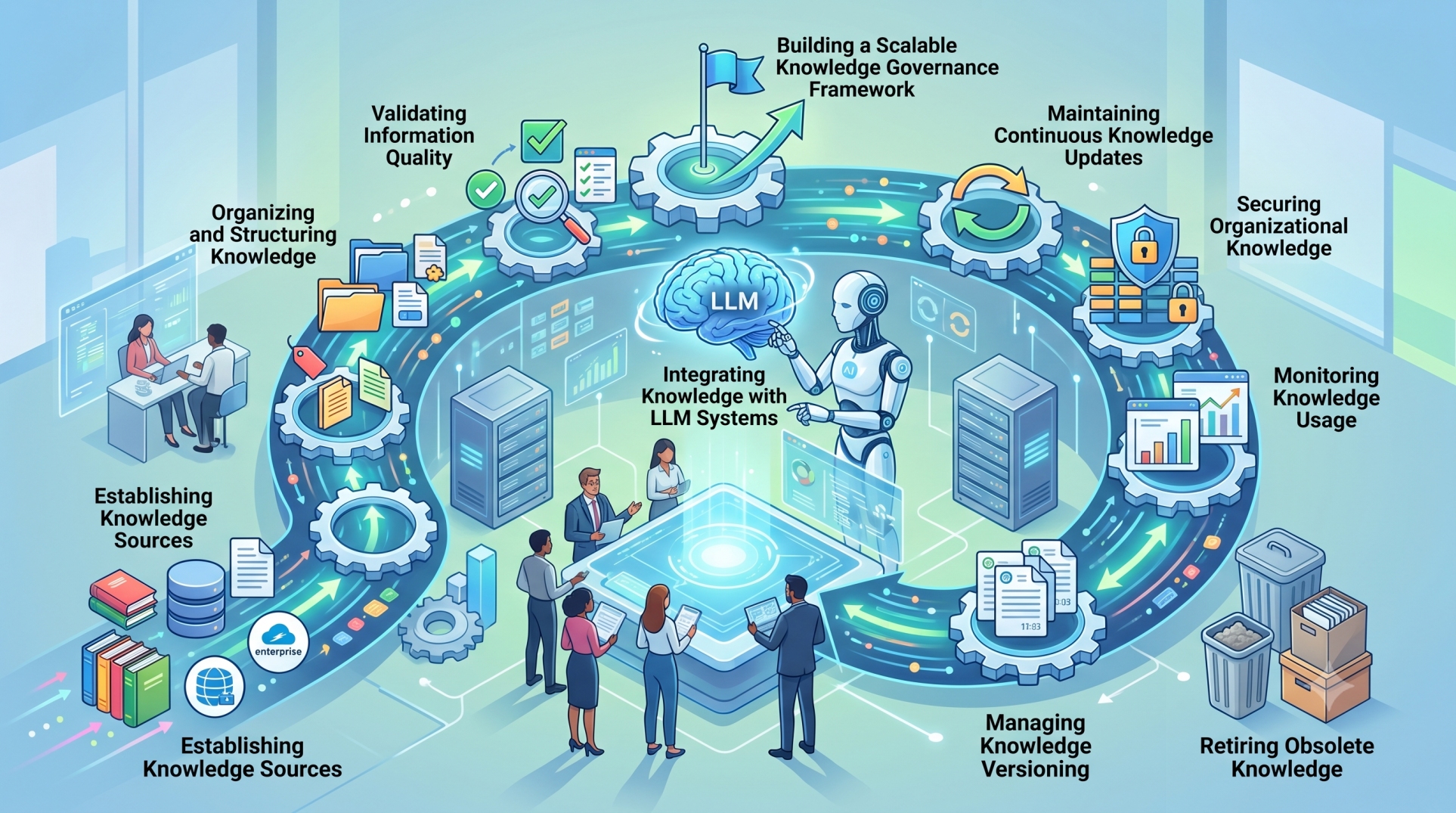
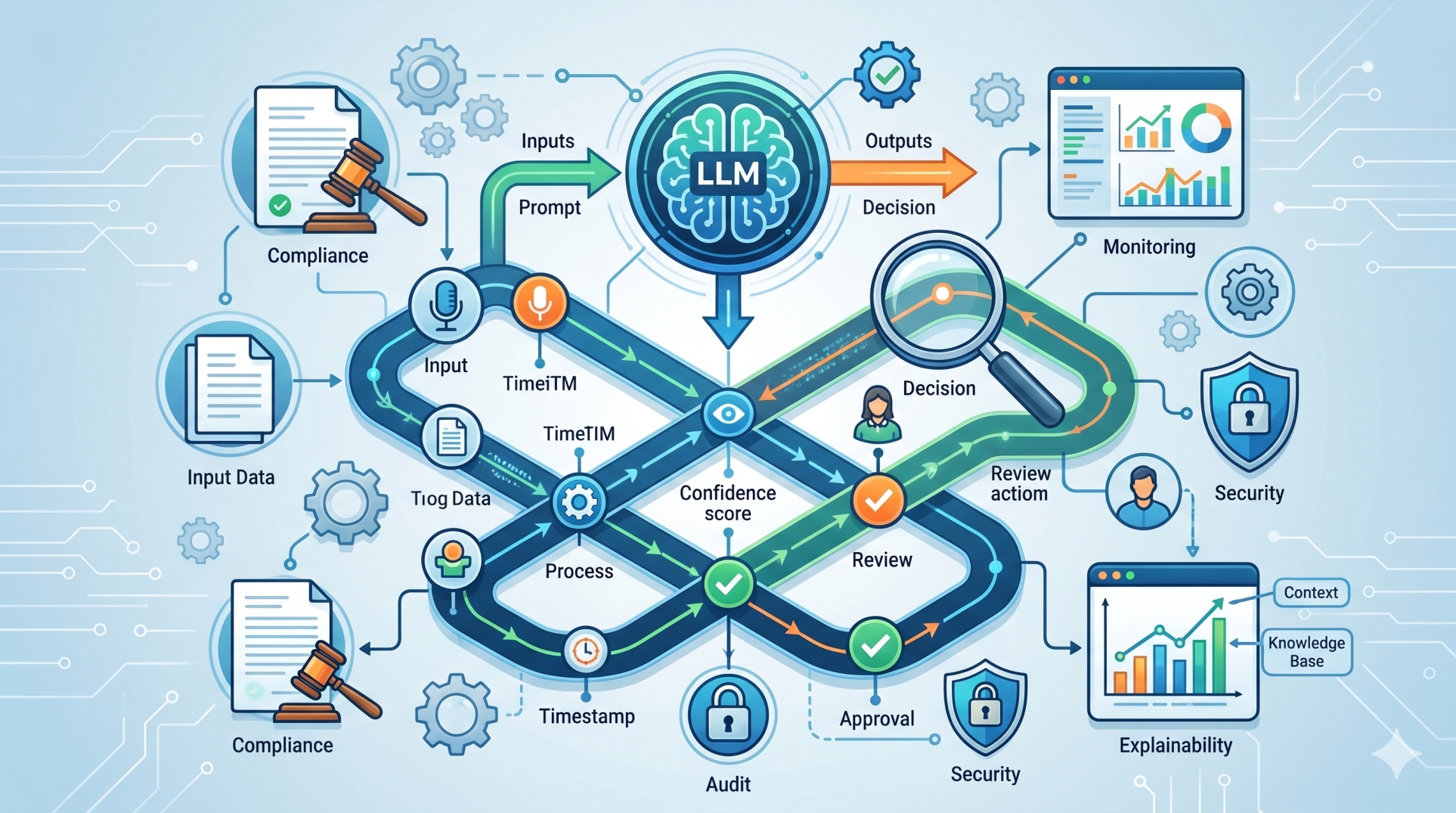
• Maintain clear controls over AI-generated recommendations
• Track data sources used to support purchasing insights
• Establish governance policies for responsible enterprise AI adoption
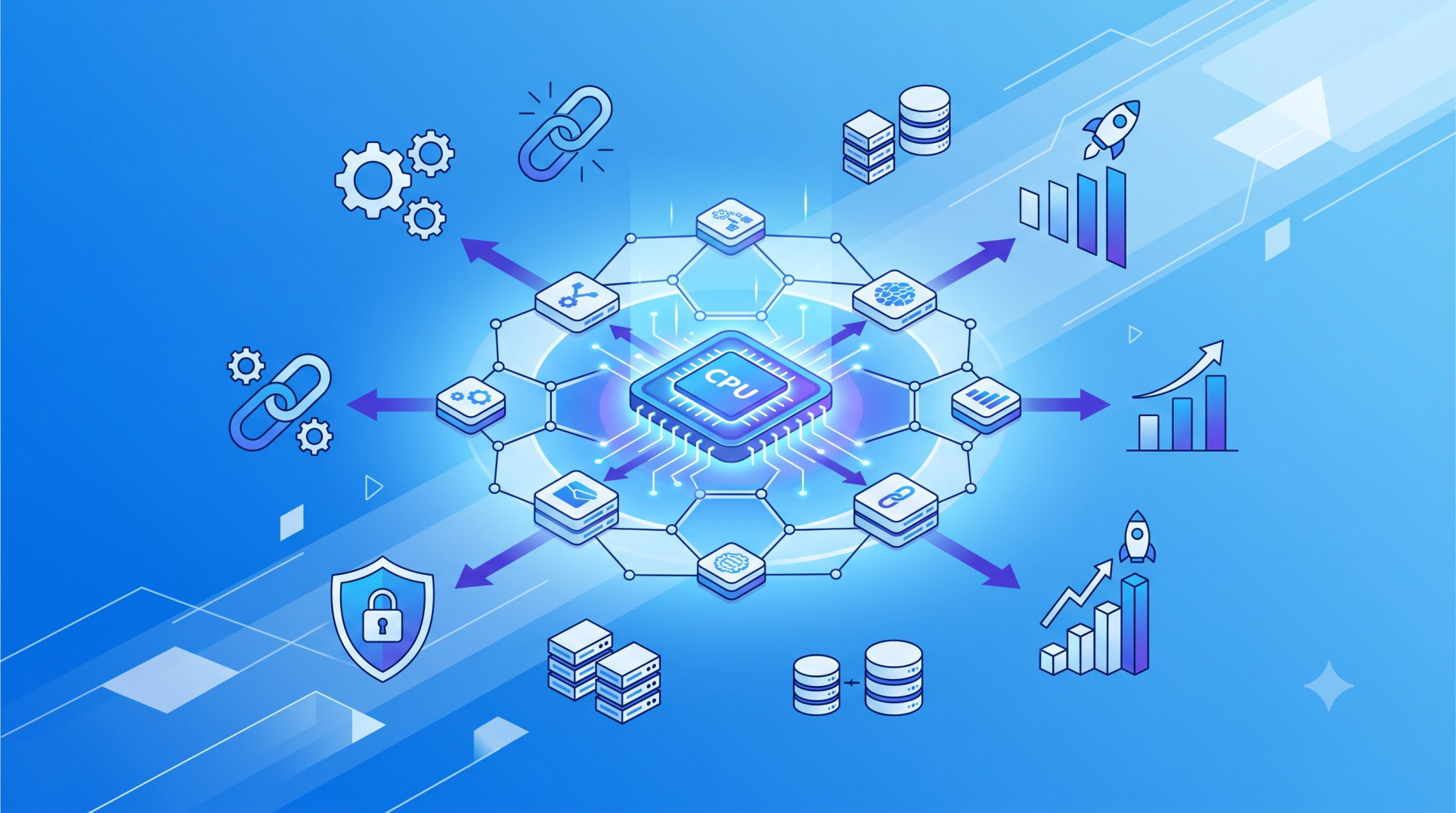
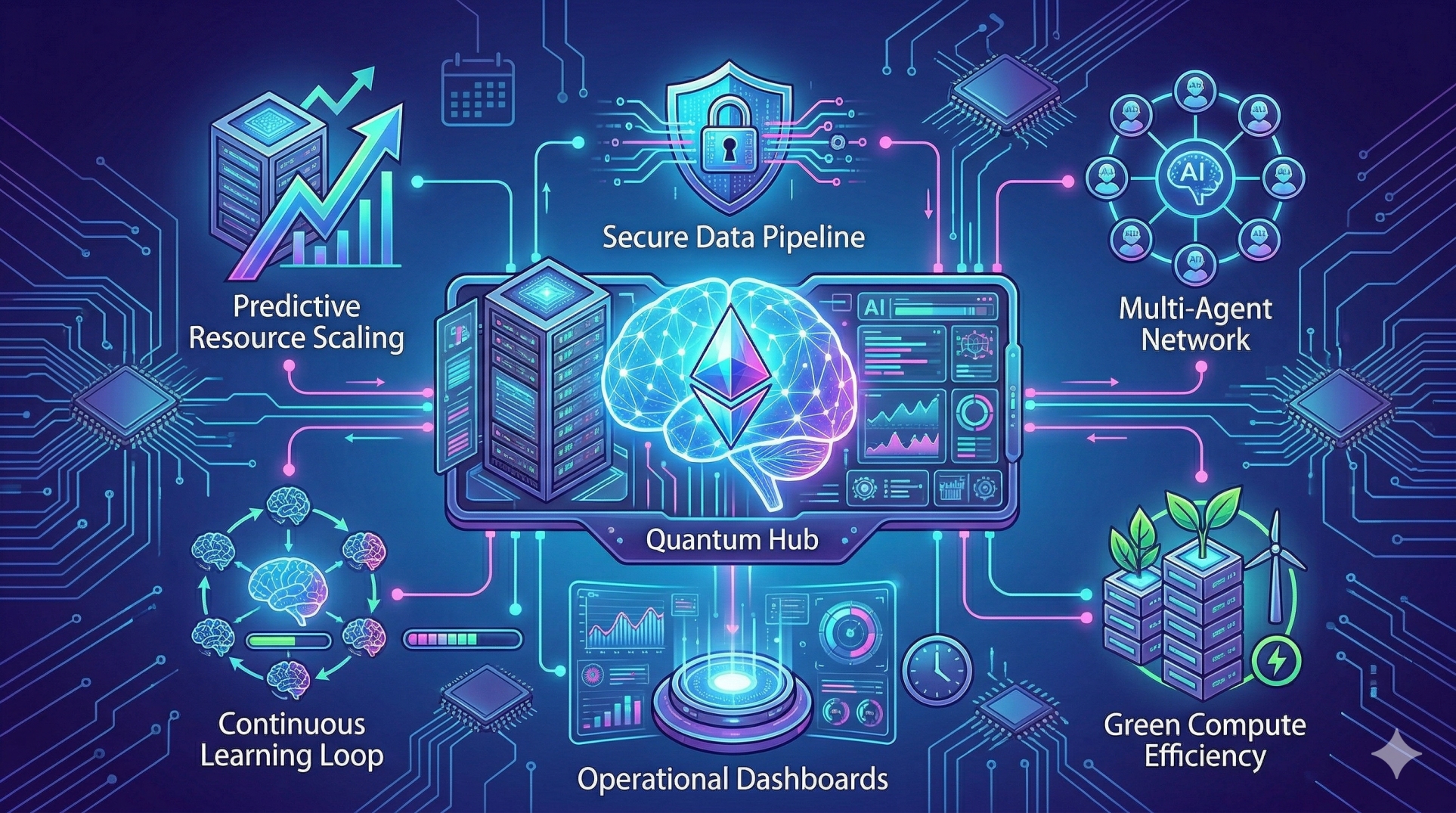
Step 10: Building a Smarter Procurement Environment 🚀
• Continuously improve purchasing decisions using historical and current data
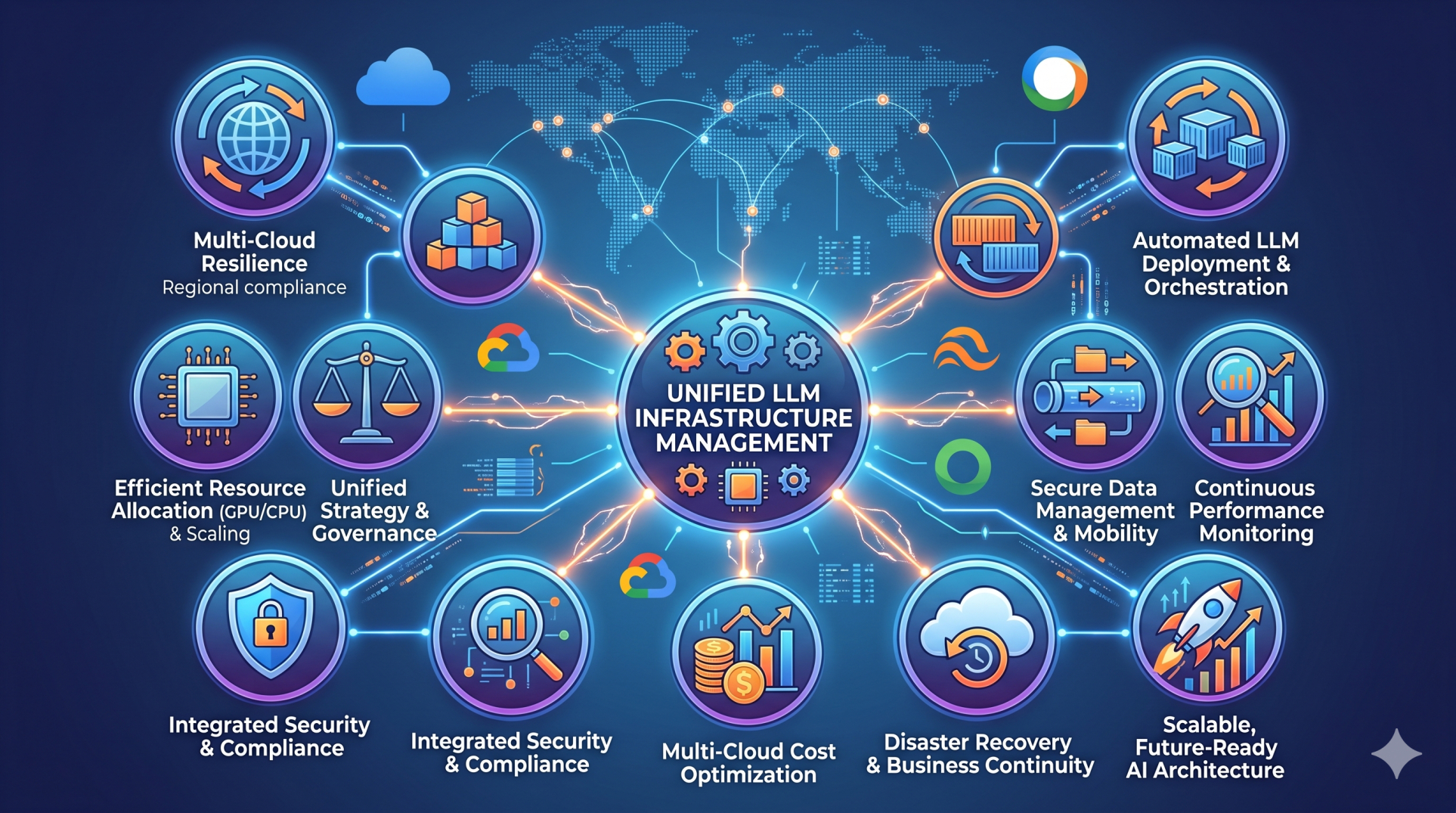
• Expand AI capabilities as procurement requirements evolve
• Support multiple purchasing categories and business units
• Combine human expertise with AI-assisted analysis
• Create a scalable foundation for data-driven procurement operations
Conclusion
LLM software can transform procurement data from a collection of records into a practical decision-support resource. By connecting purchasing information with supplier performance, inventory requirements, pricing trends, and enterprise systems, organizations can gain deeper visibility into procurement operations. When implemented with appropriate governance and human oversight, LLM-powered procurement solutions can help teams make faster, more informed, and more strategically aligned purchasing decisions.
See more blogs
You can all the articles below