Automating Procurement Research with LLM-Powered Applications
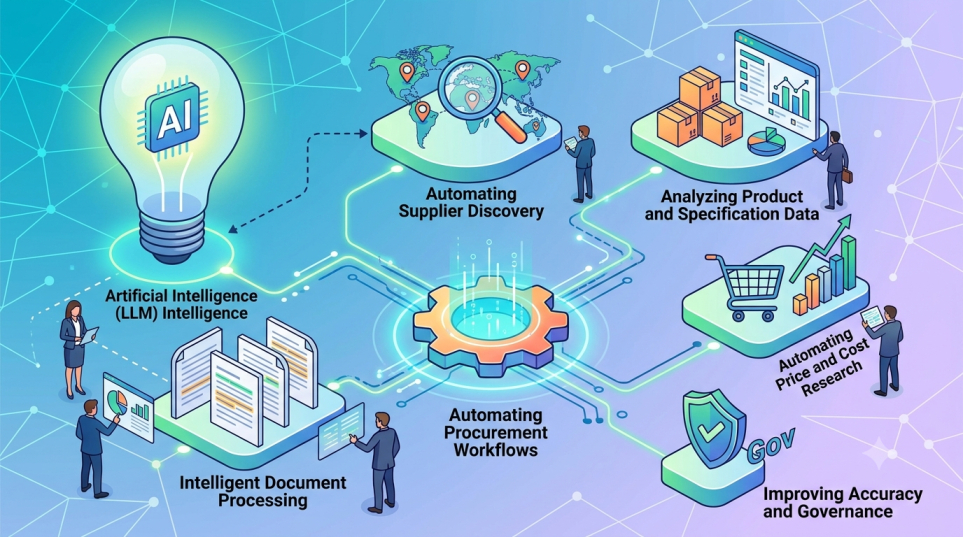
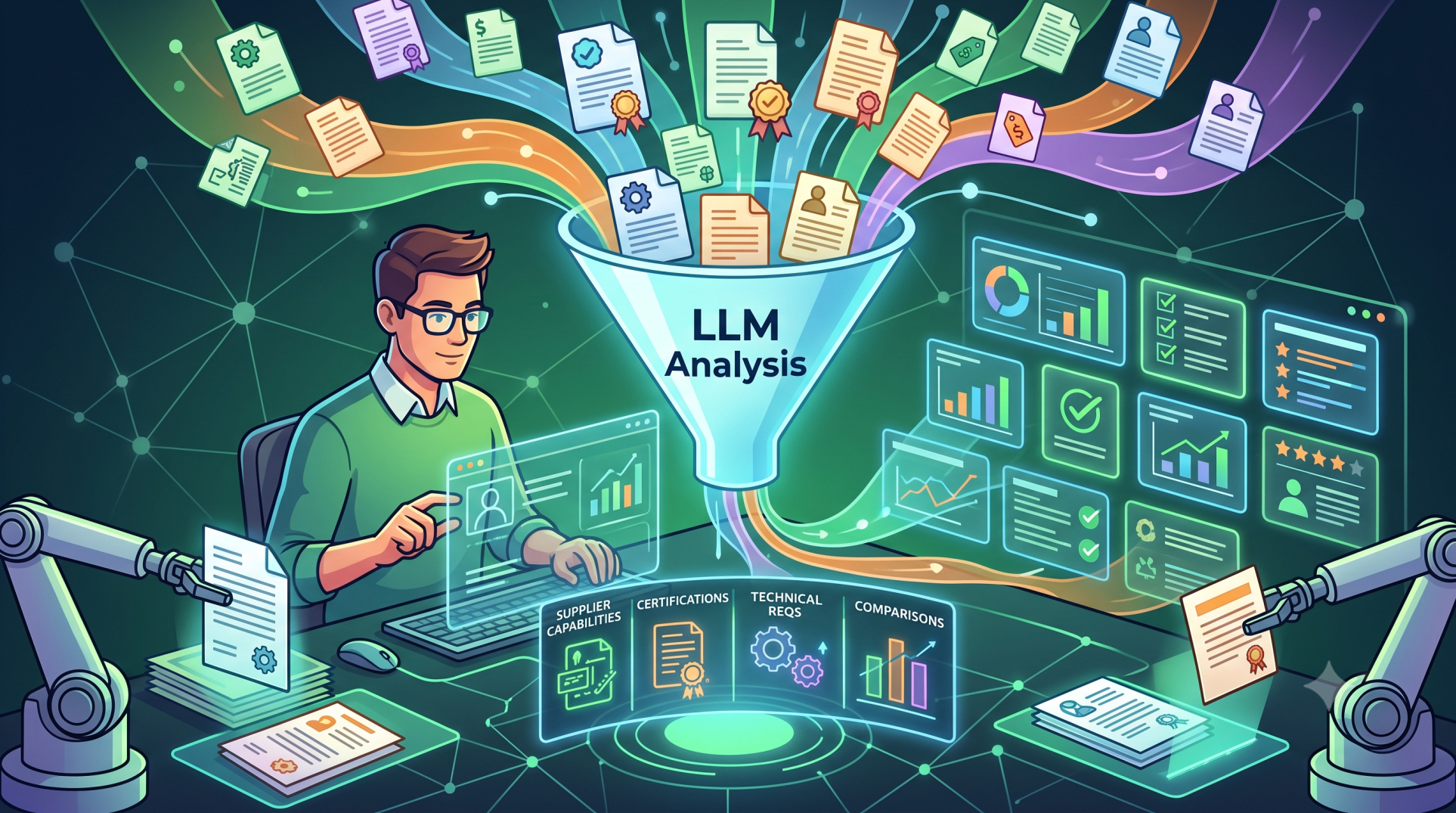
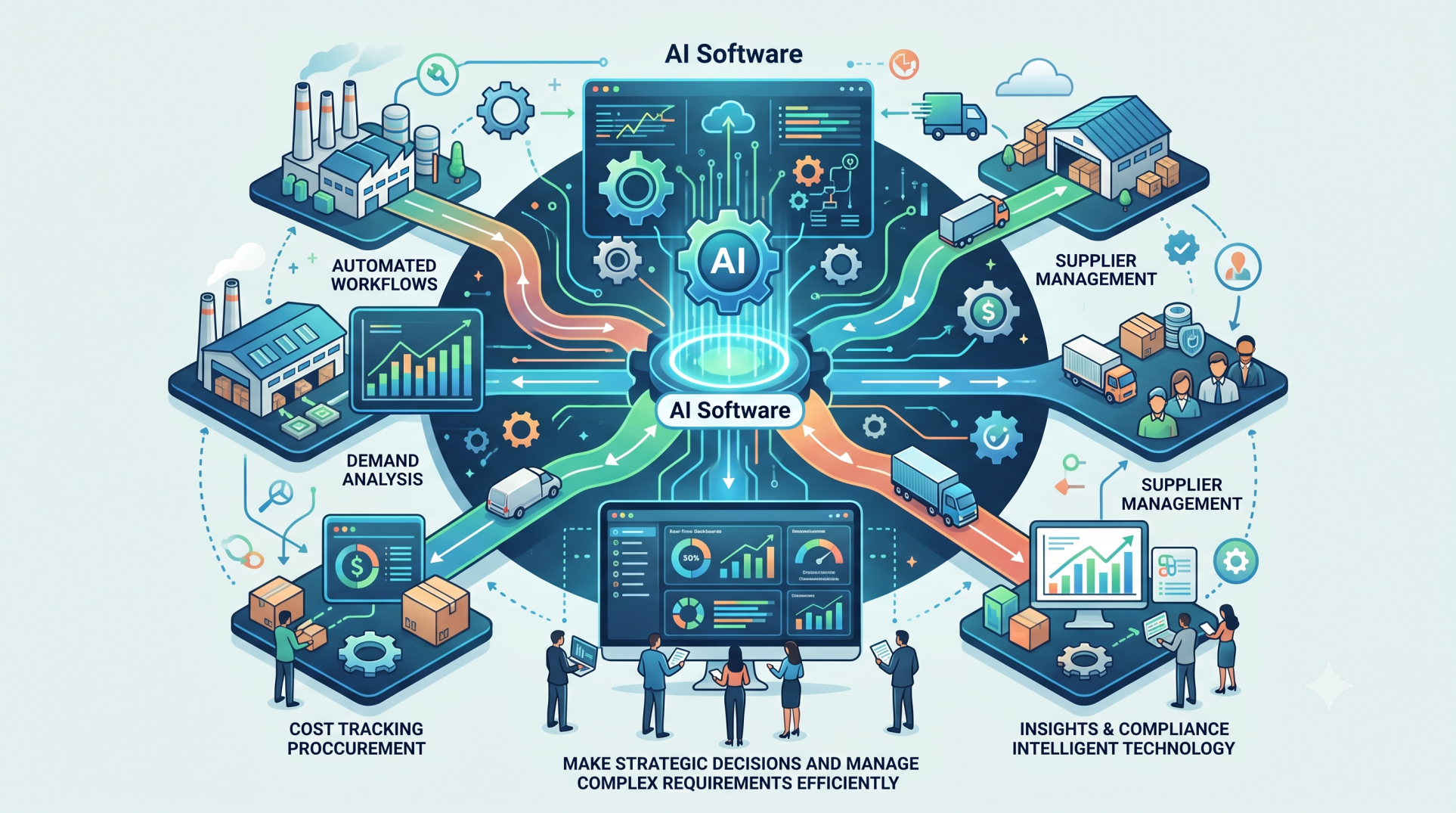
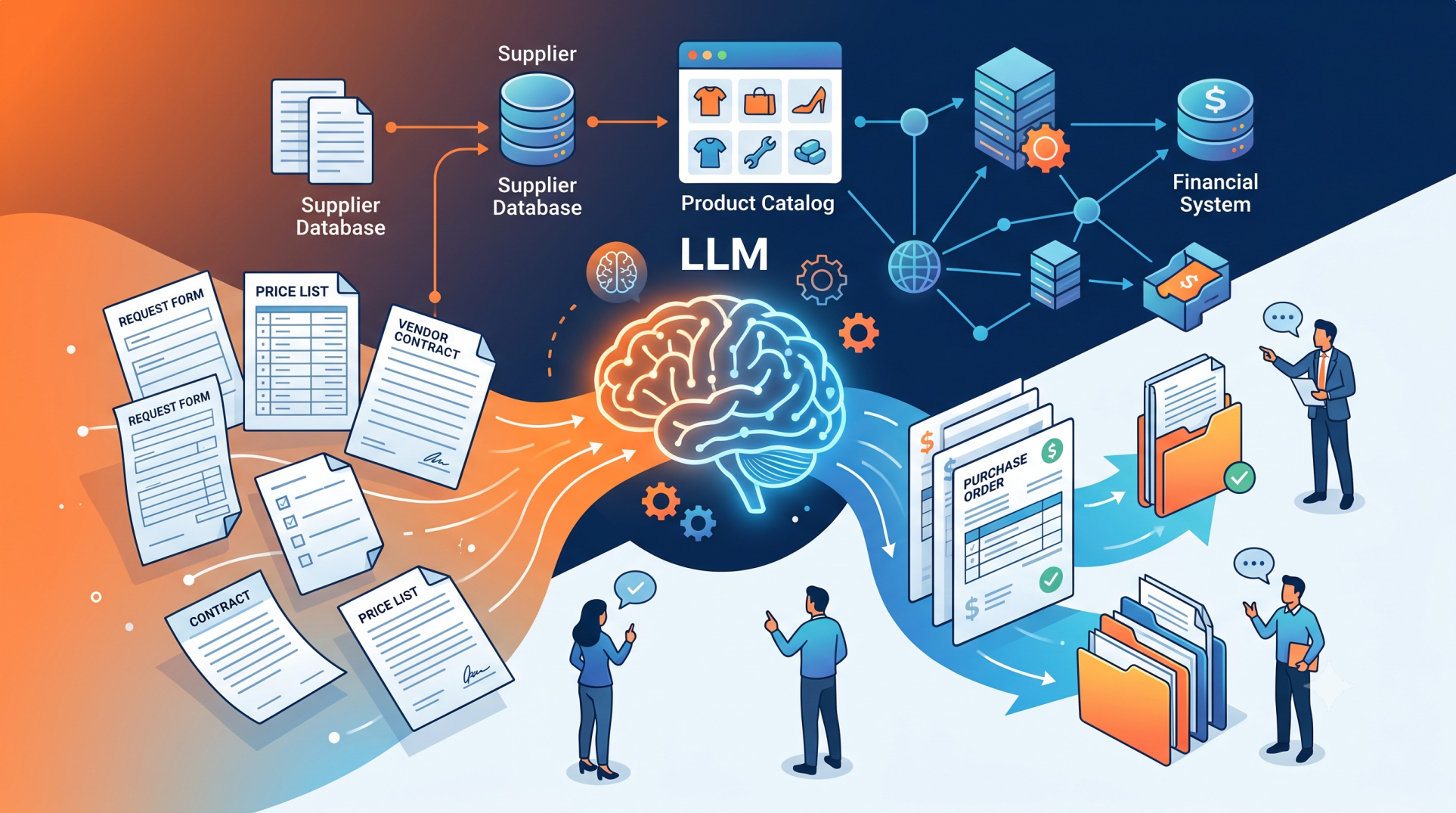
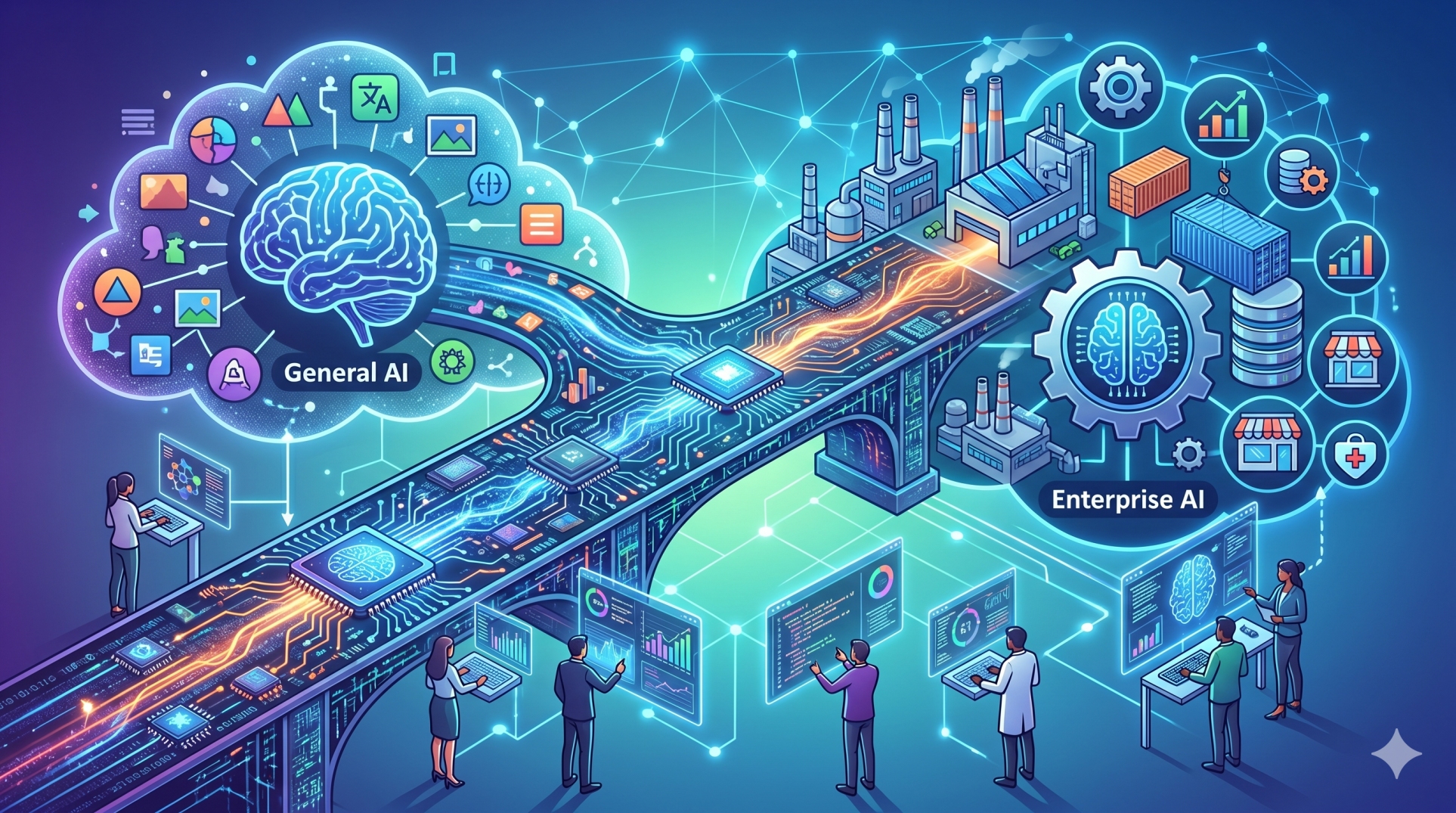
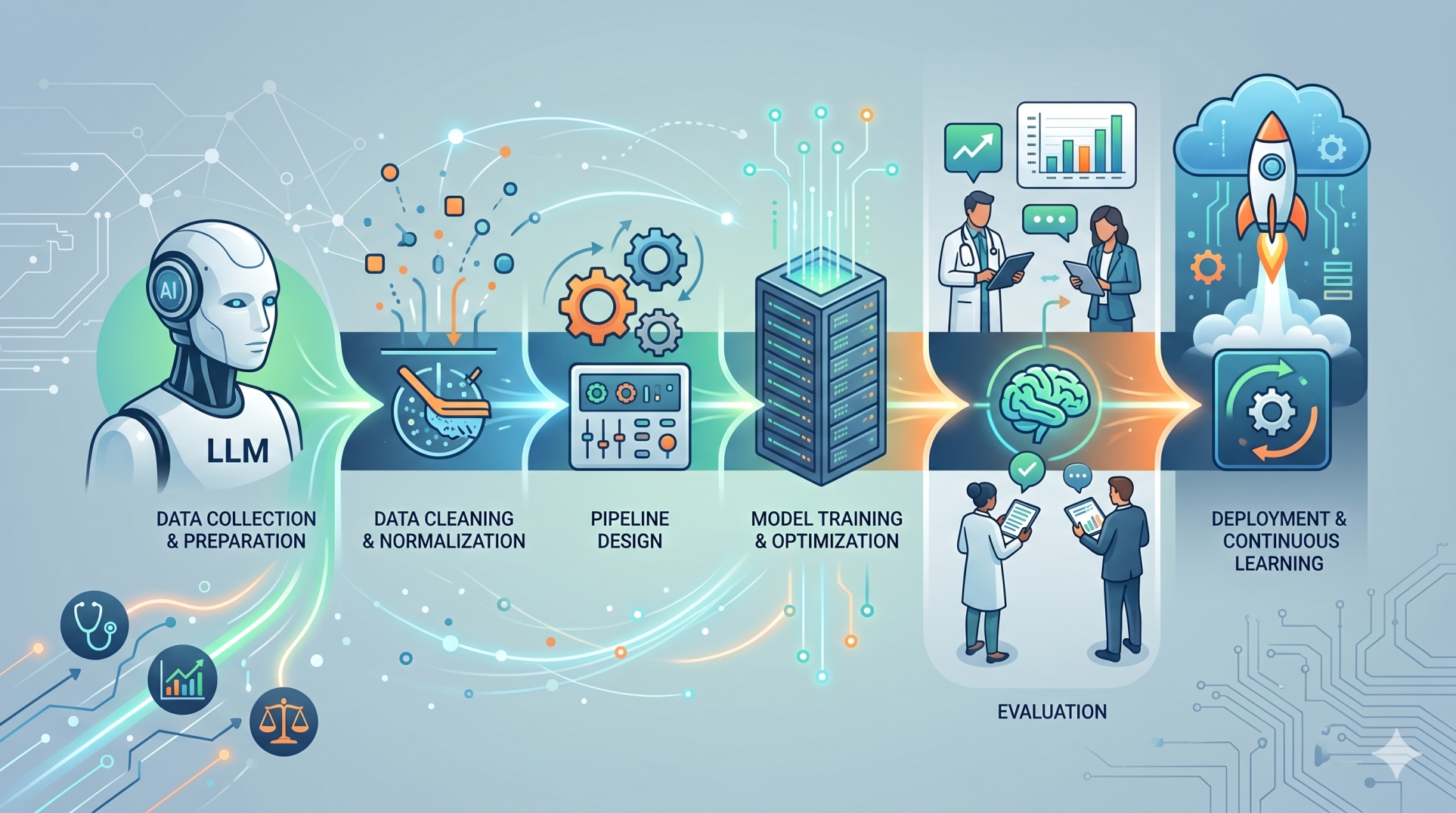
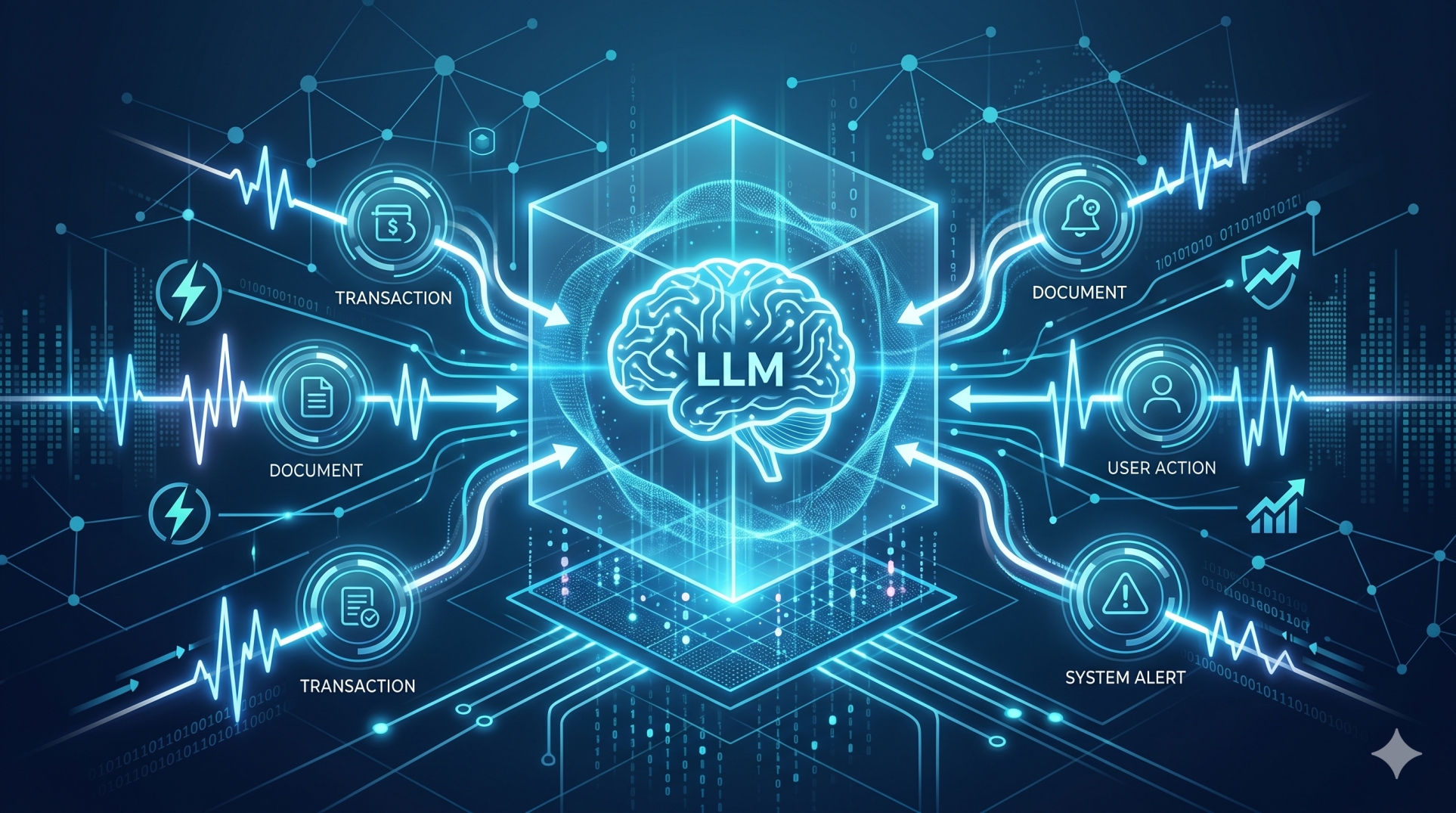
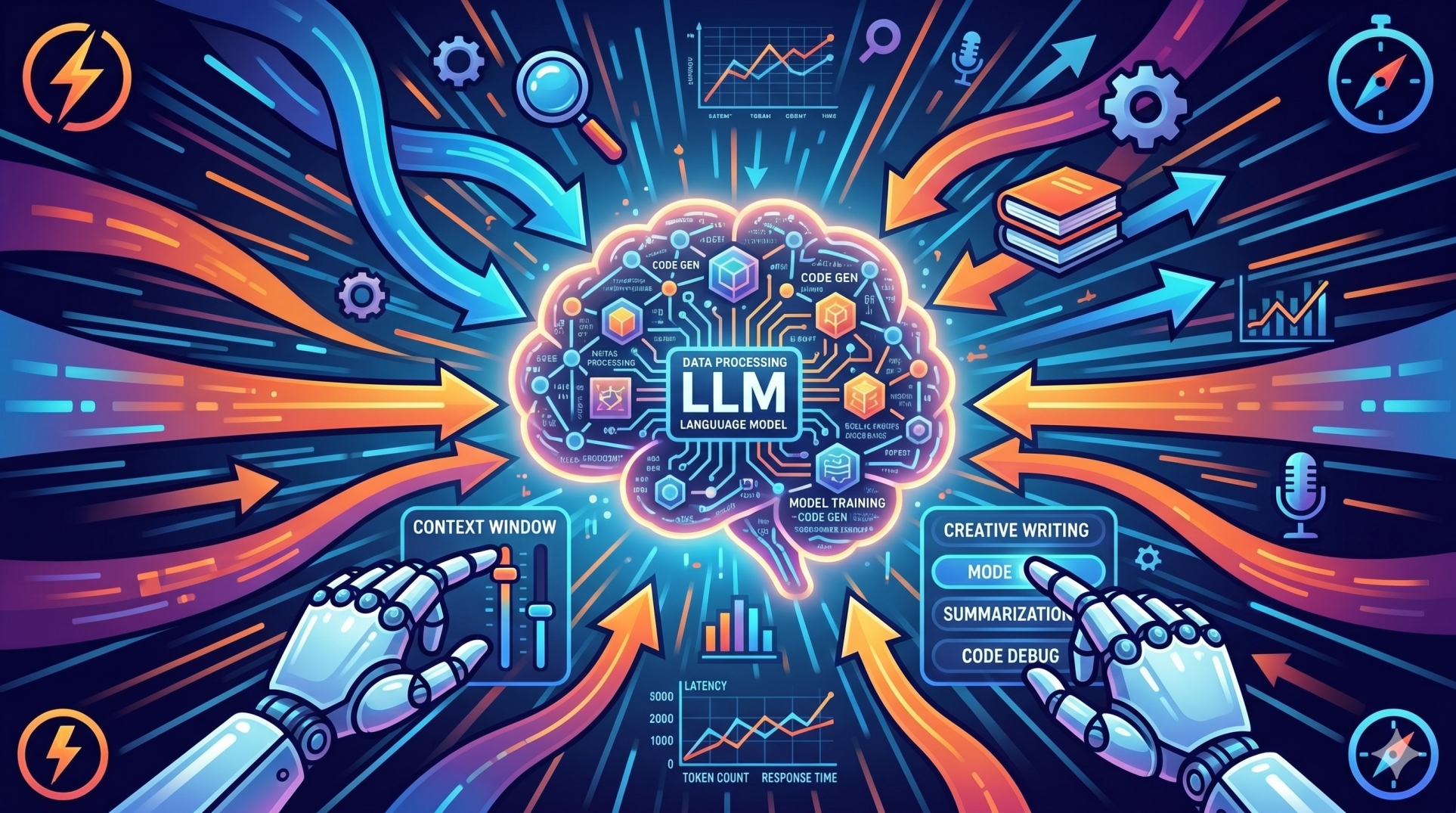
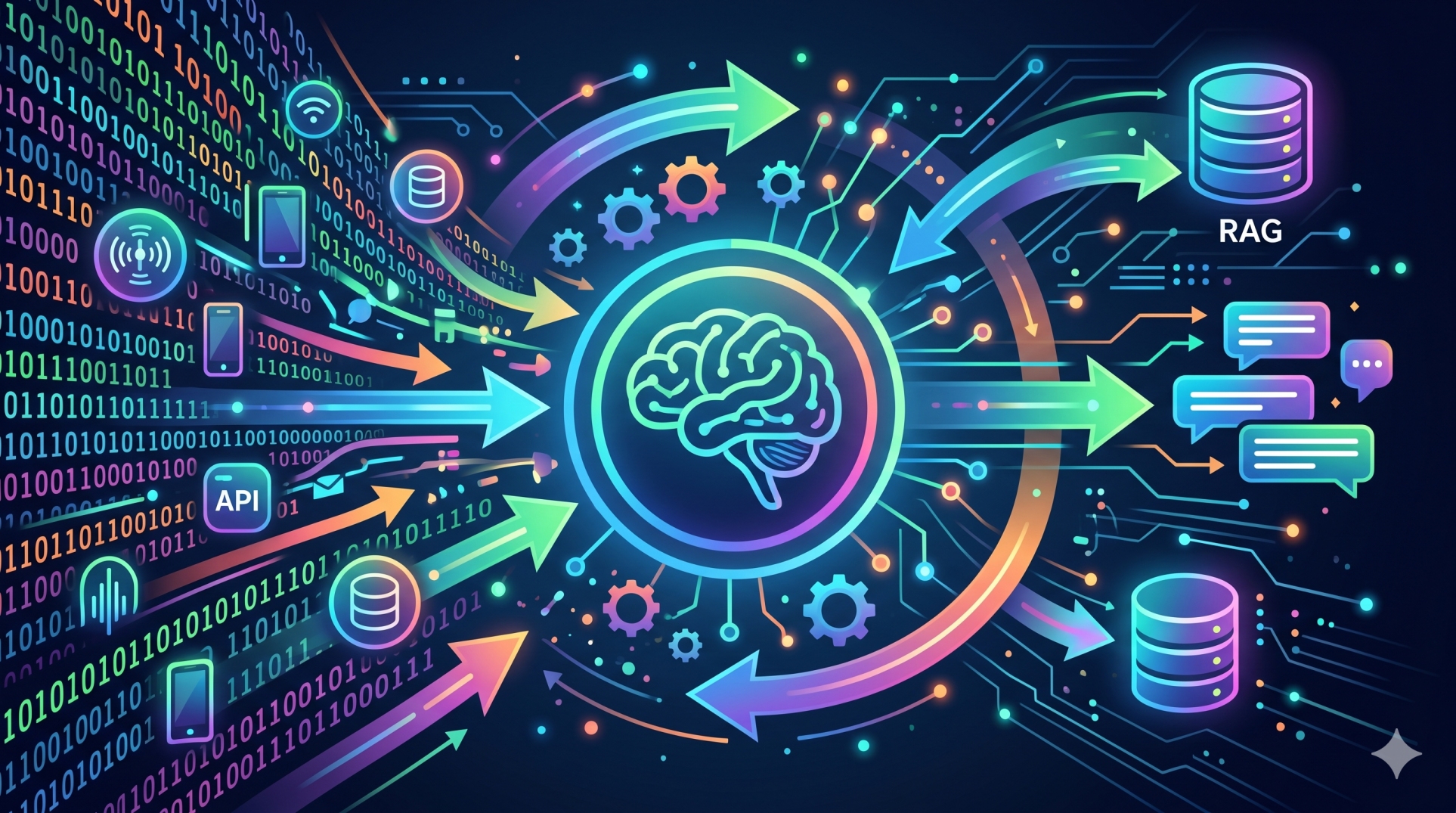
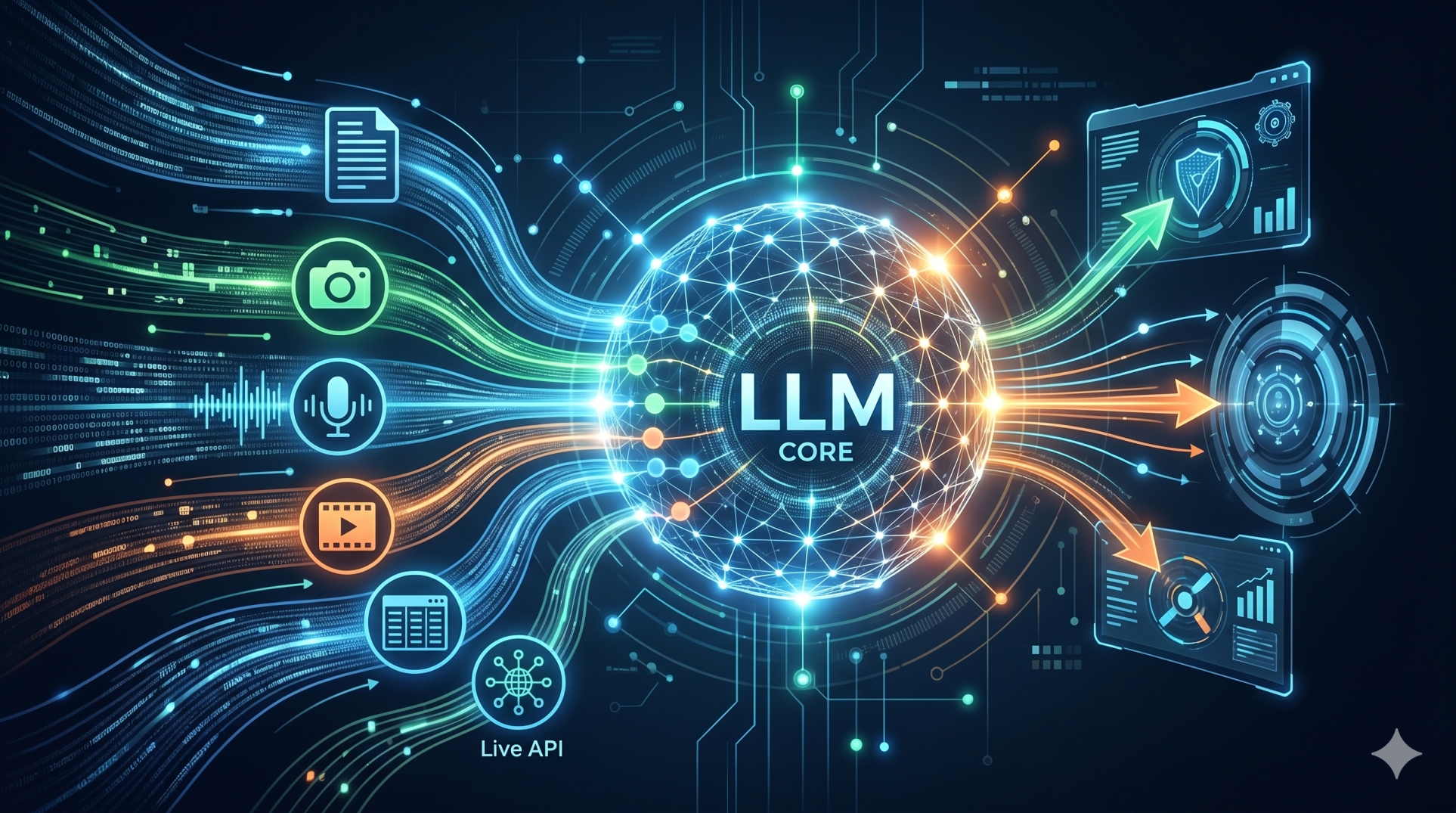
Procurement teams often spend significant time researching suppliers, comparing products, analyzing pricing, reviewing specifications, and gathering market information. LLM-powered applications can transform these activities by combining language intelligence with enterprise data, search capabilities, and workflow automation. Instead of relying entirely on manual research, organizations can build intelligent procurement systems that collect information, interpret complex documents, and deliver actionable insights faster.
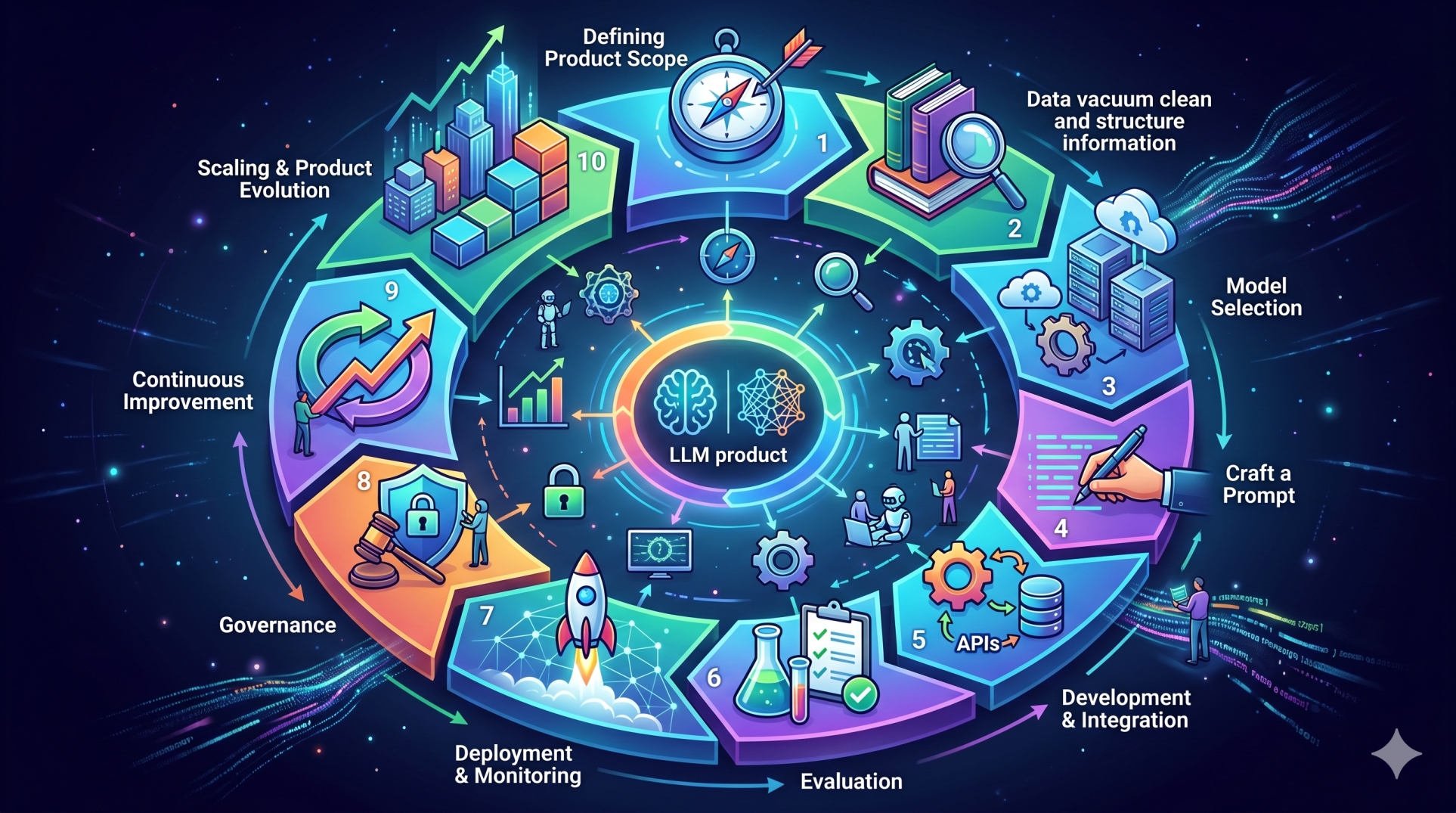
Step 1: Understanding LLM-Powered Procurement Research 🧠
• Use language models to analyze procurement-related information
• Automate repetitive research and information-gathering activities
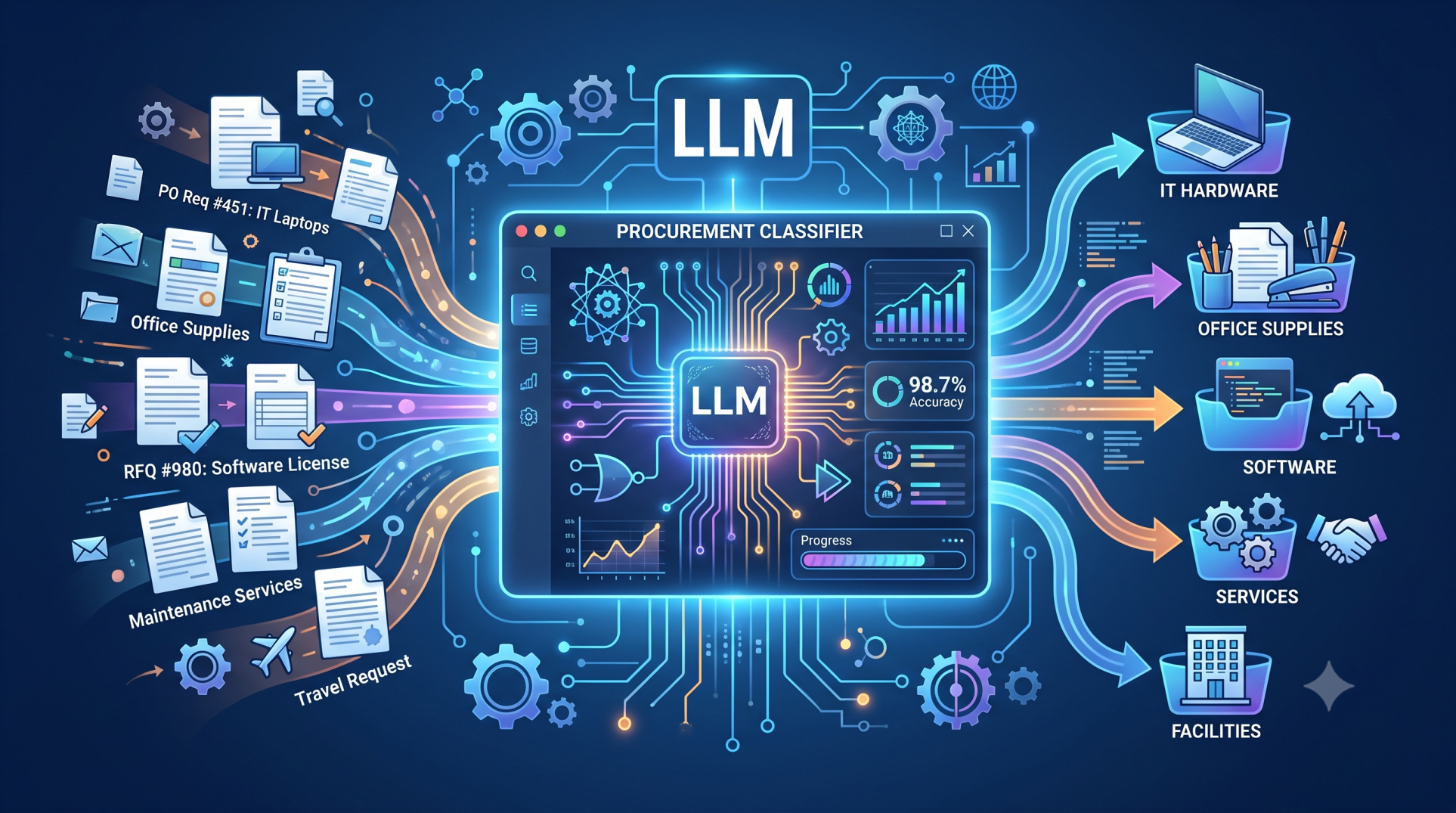
• Extract relevant details from supplier documents and product catalogs
• Summarize large volumes of procurement data quickly
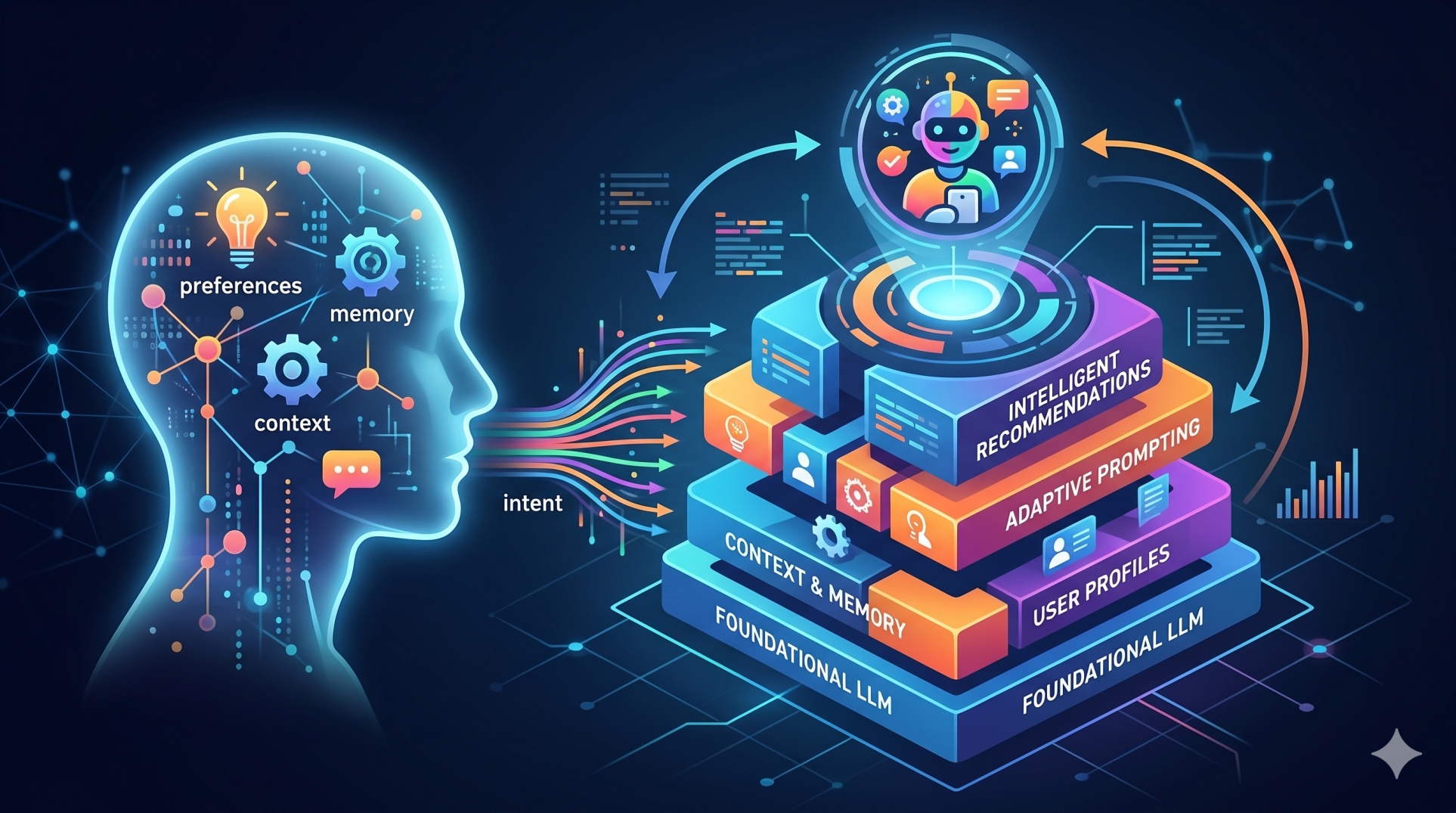
• Support procurement professionals with context-aware recommendations
Step 2: Automating Supplier Discovery 🔍
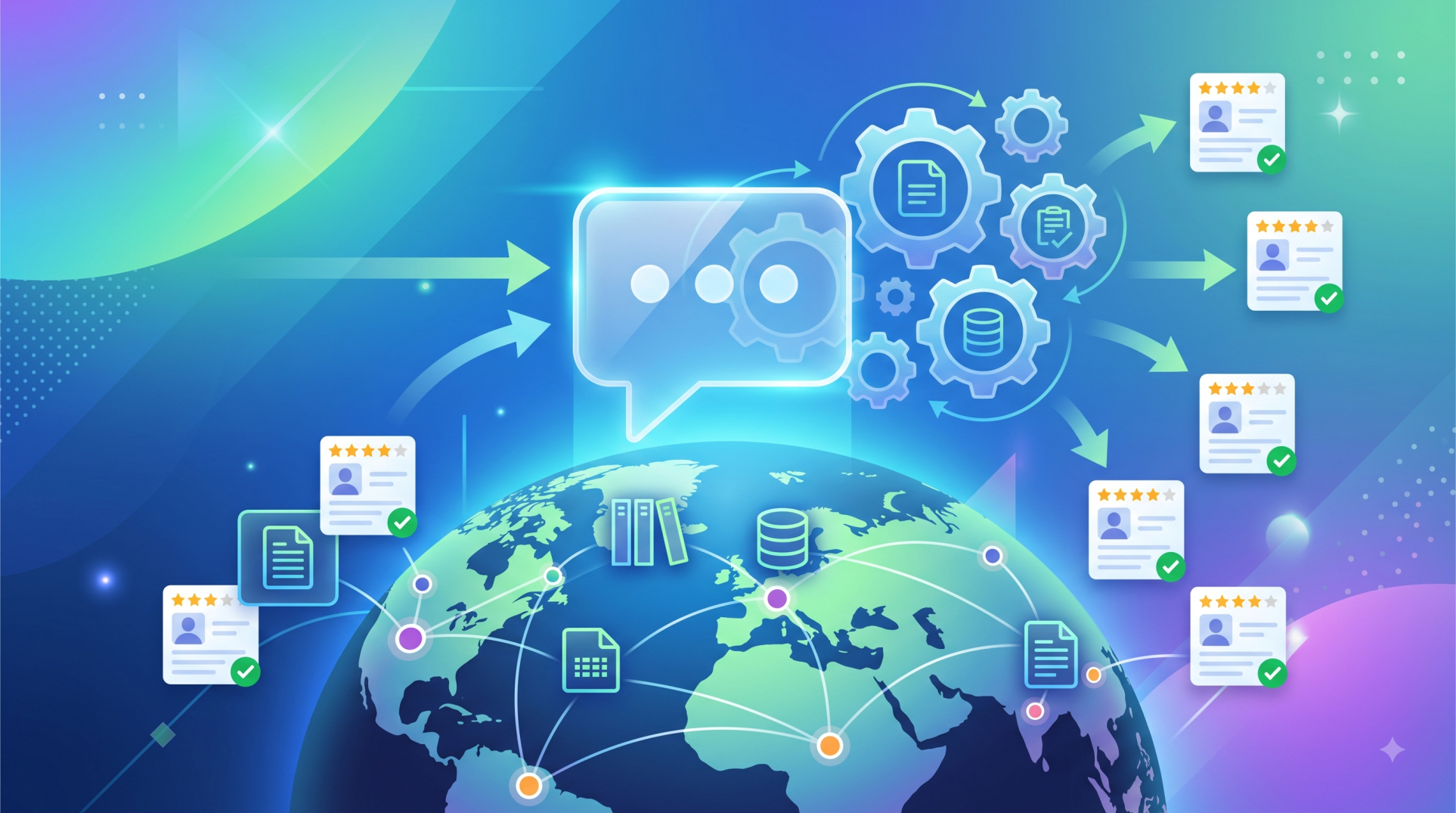
• Search across approved supplier databases and external information sources
• Identify vendors based on product, service, location, or capability requirements
• Compare supplier profiles using predefined business criteria
• Extract certifications, capabilities, and relevant company information
• Create structured supplier shortlists for procurement teams
Step 3: Analyzing Product and Specification Data 📦
• Extract technical specifications from catalogs, documents, and web sources
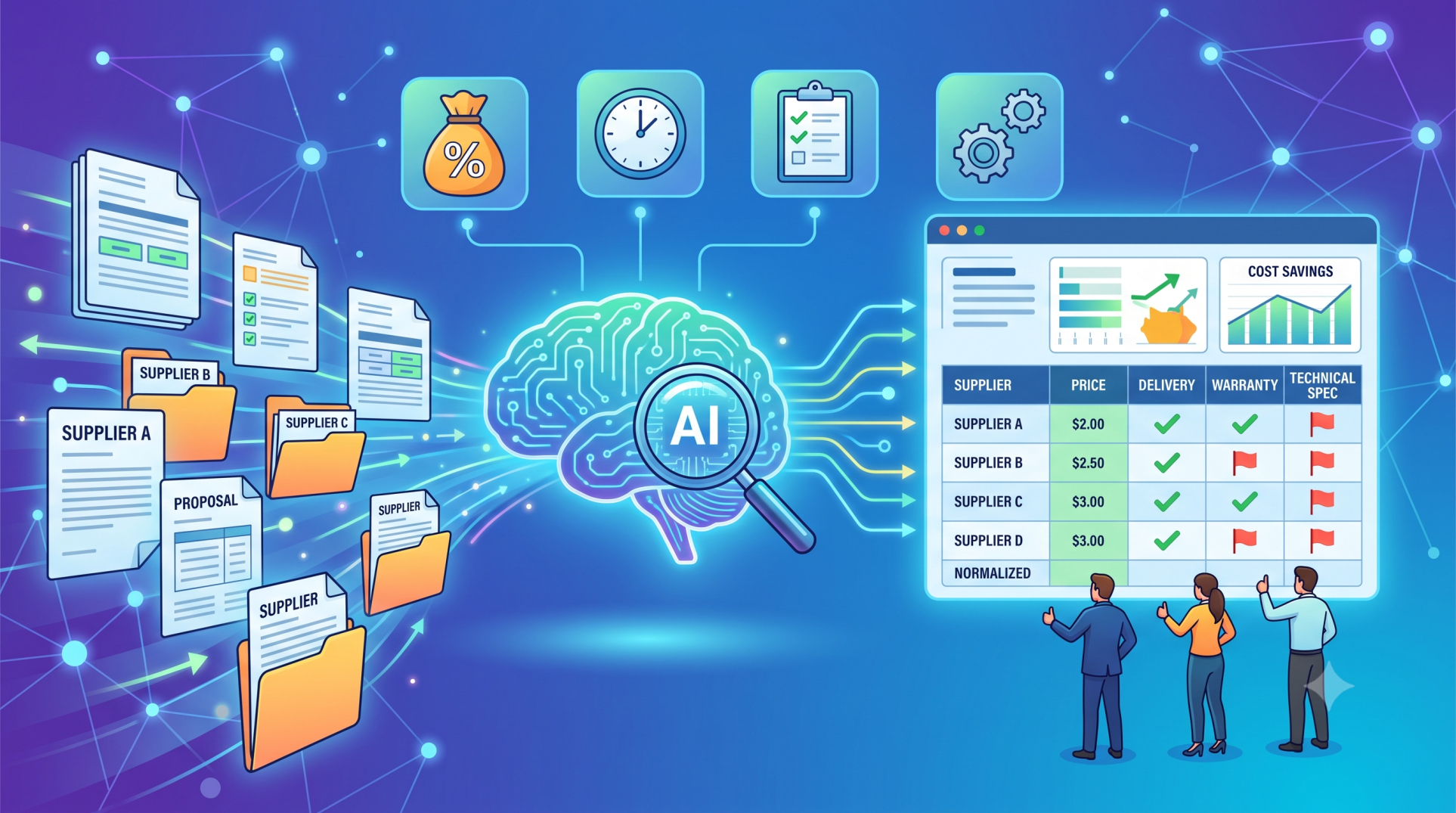
• Compare products across multiple suppliers
• Identify differences in features, quantities, and specifications
• Detect missing or inconsistent product information
• Convert unstructured product information into usable procurement data
Step 4: Automating Price and Cost Research 💰
• Collect pricing information from authorized sources
• Compare supplier quotations and historical purchasing data
• Identify significant price variations across vendors
• Analyze cost trends and purchasing patterns
• Support better negotiation and sourcing decisions
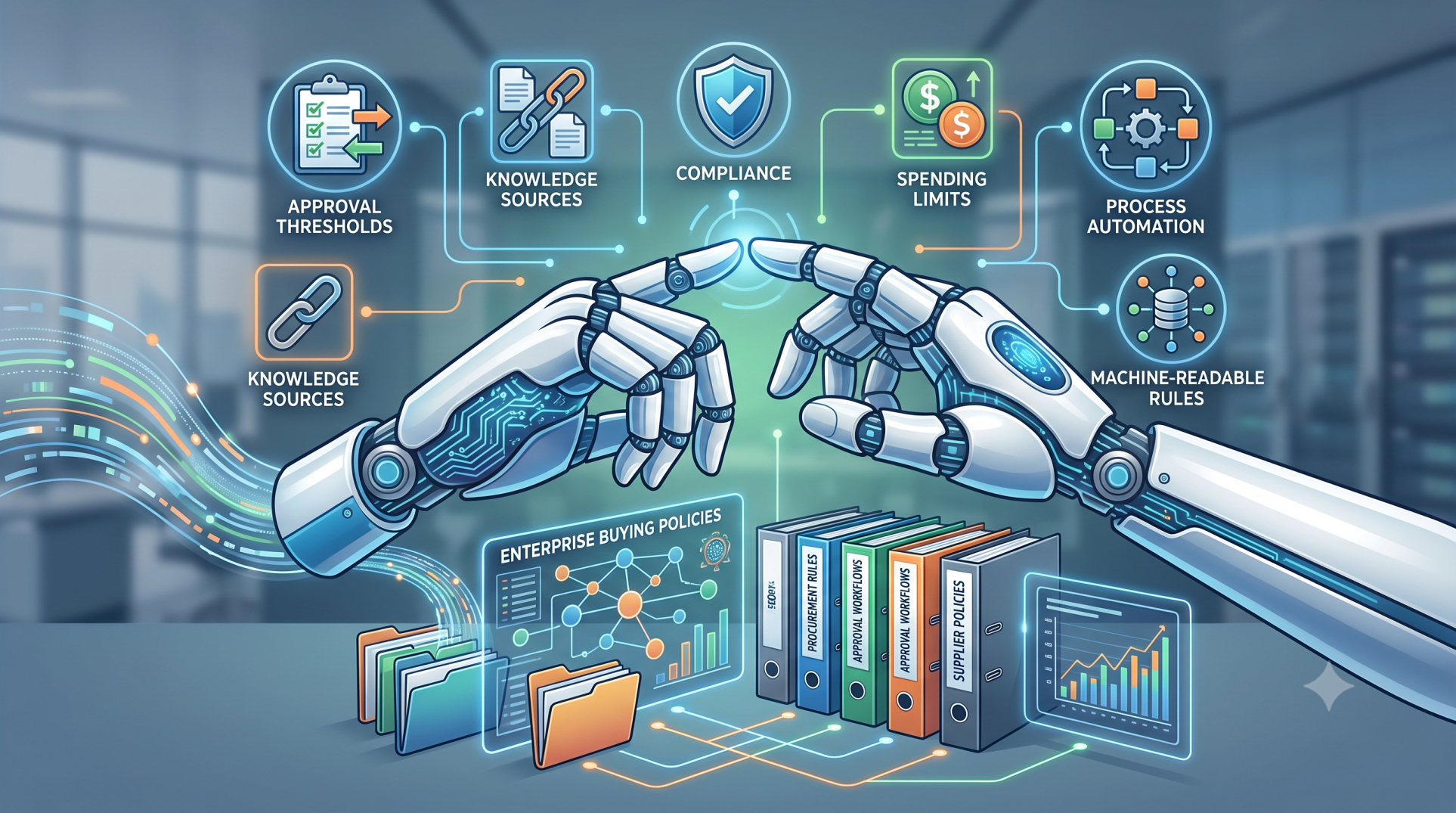
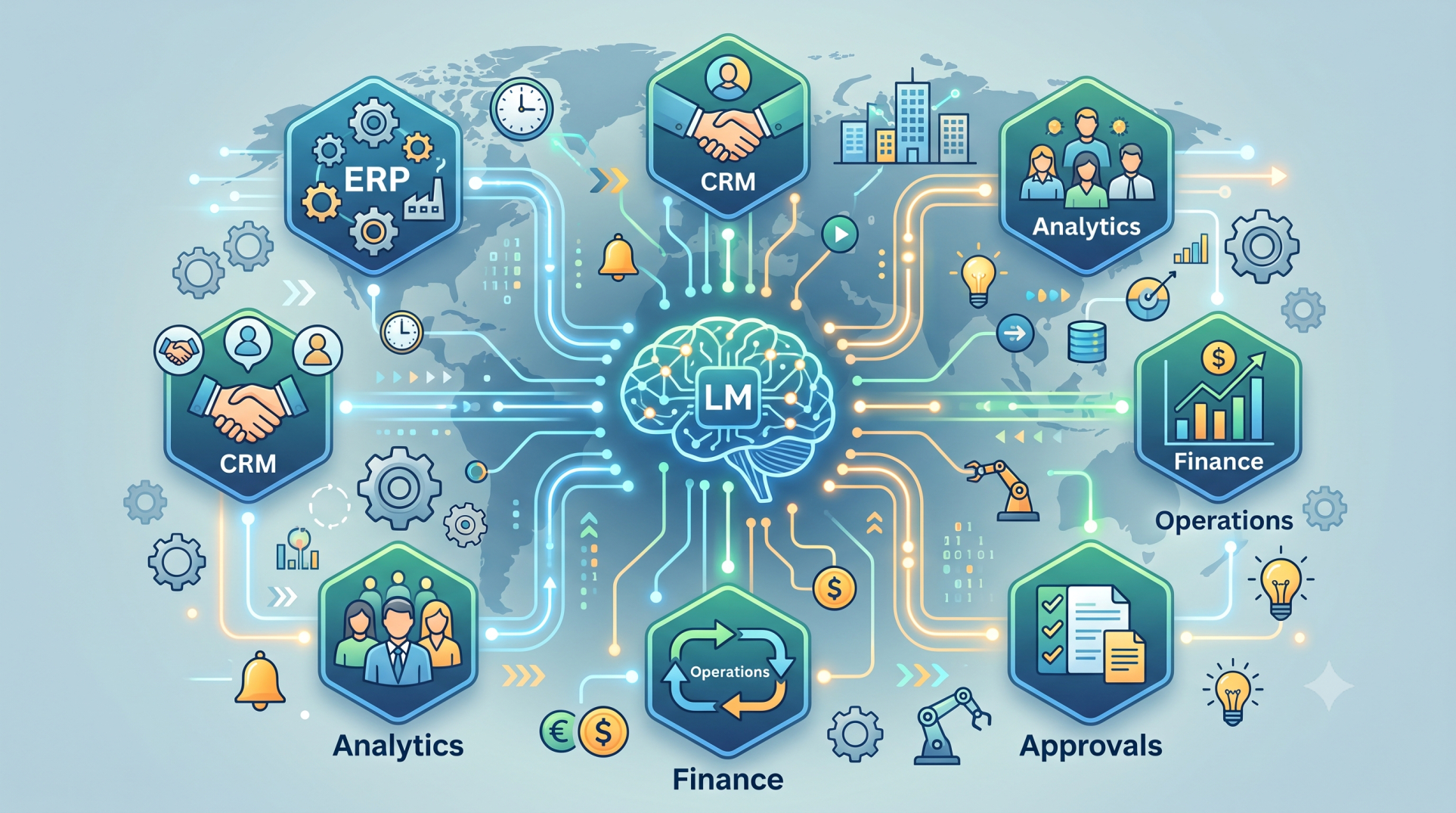
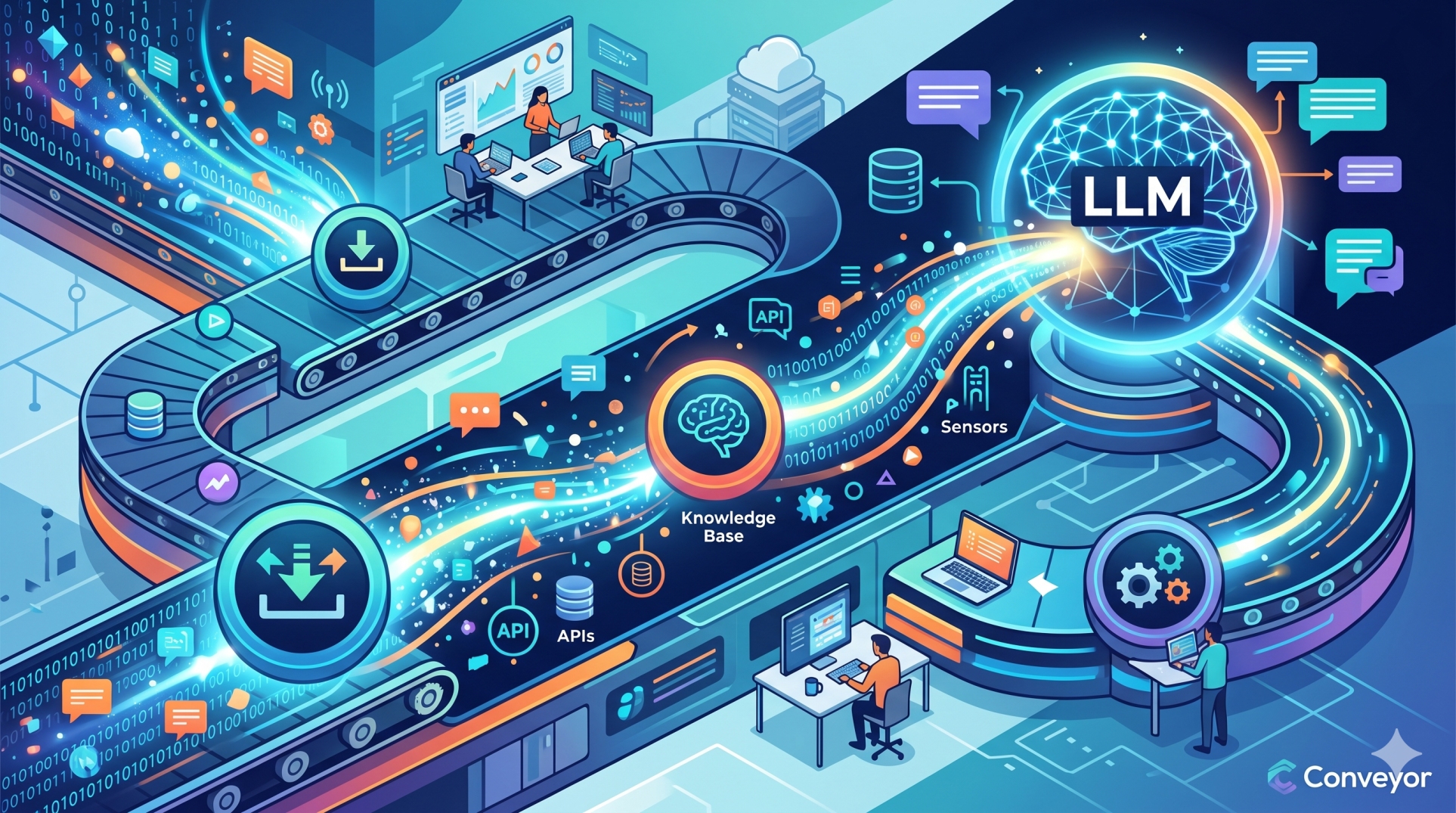
Step 5: Connecting Procurement Knowledge Sources 🔗
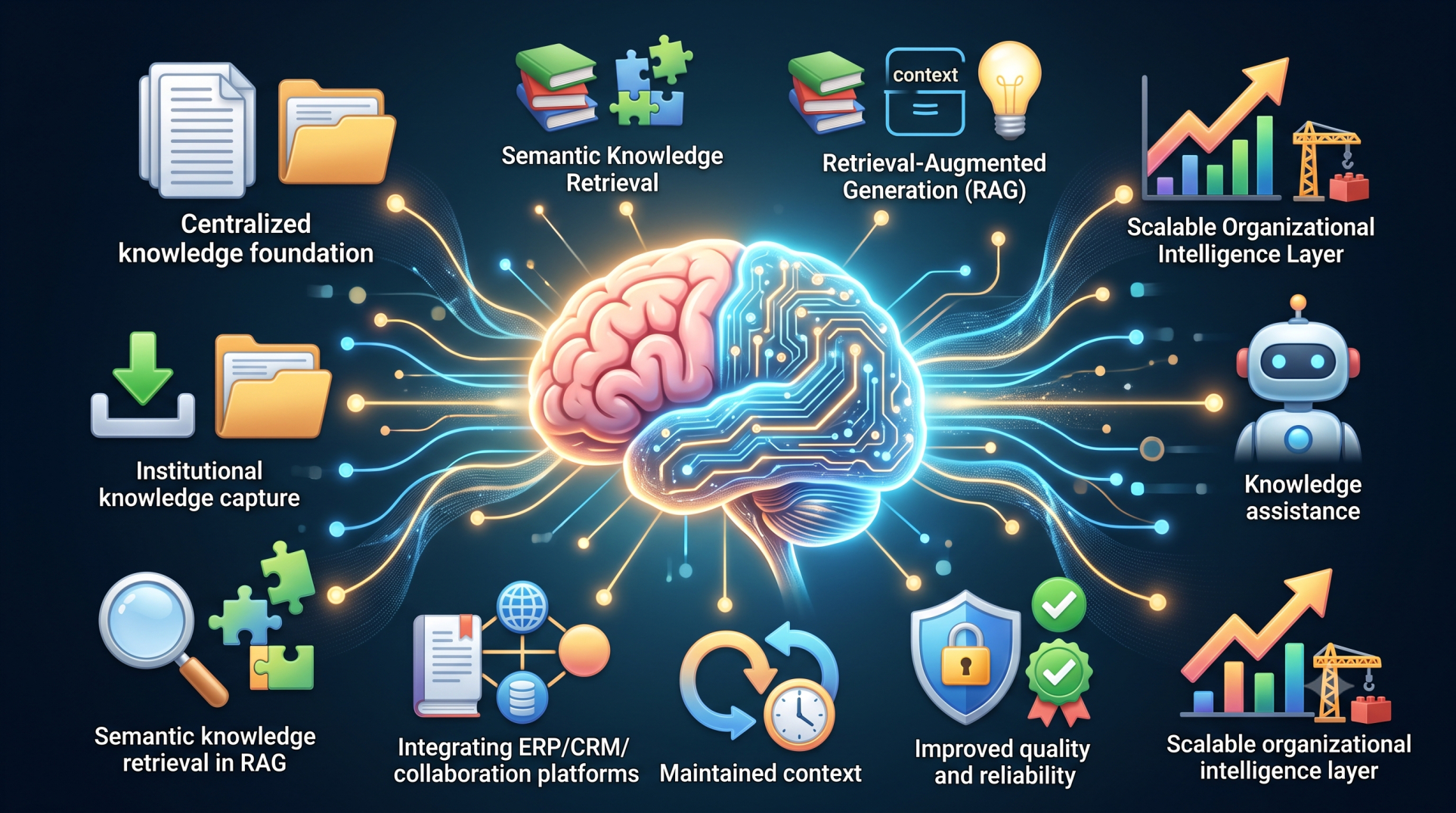
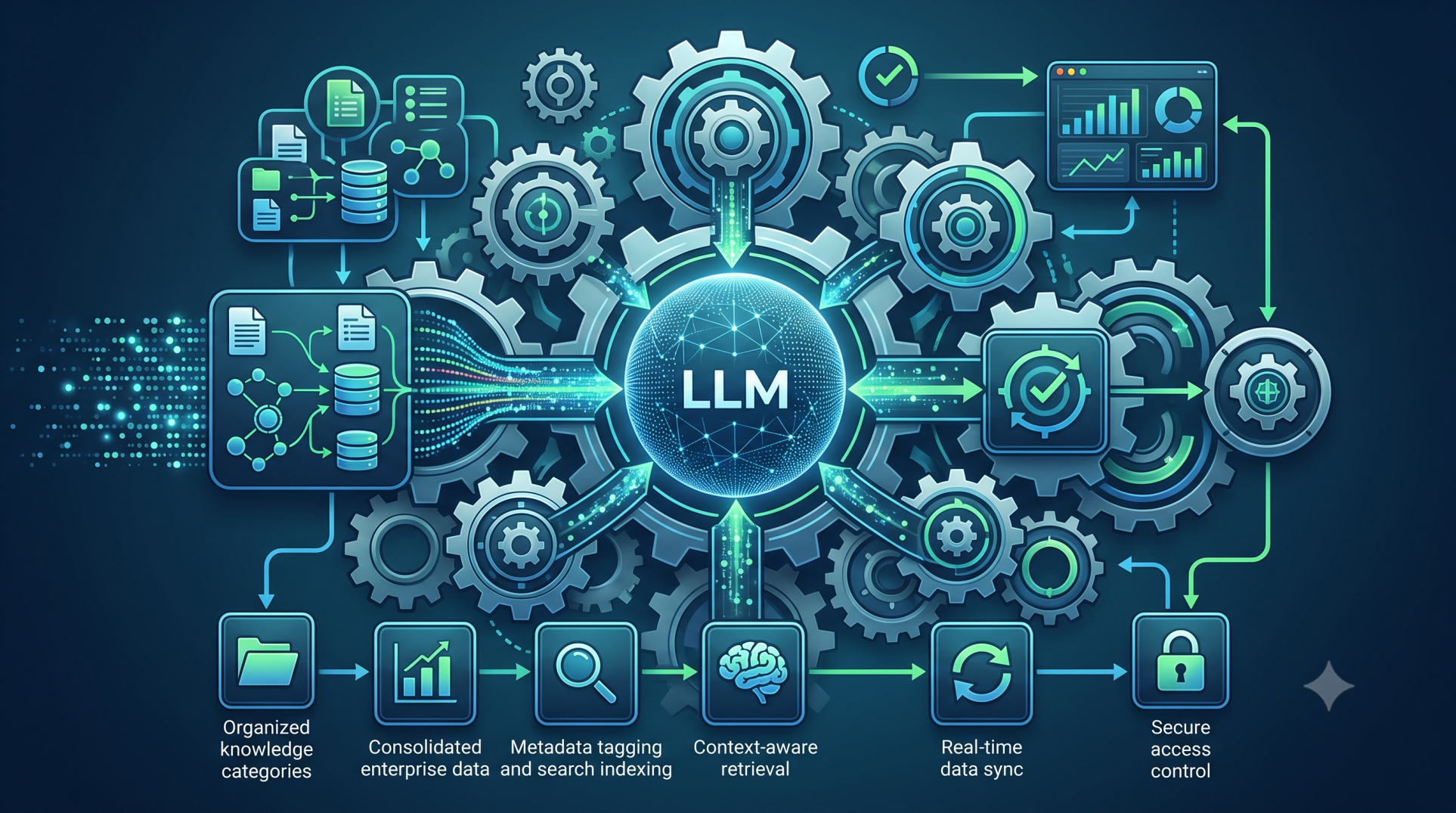
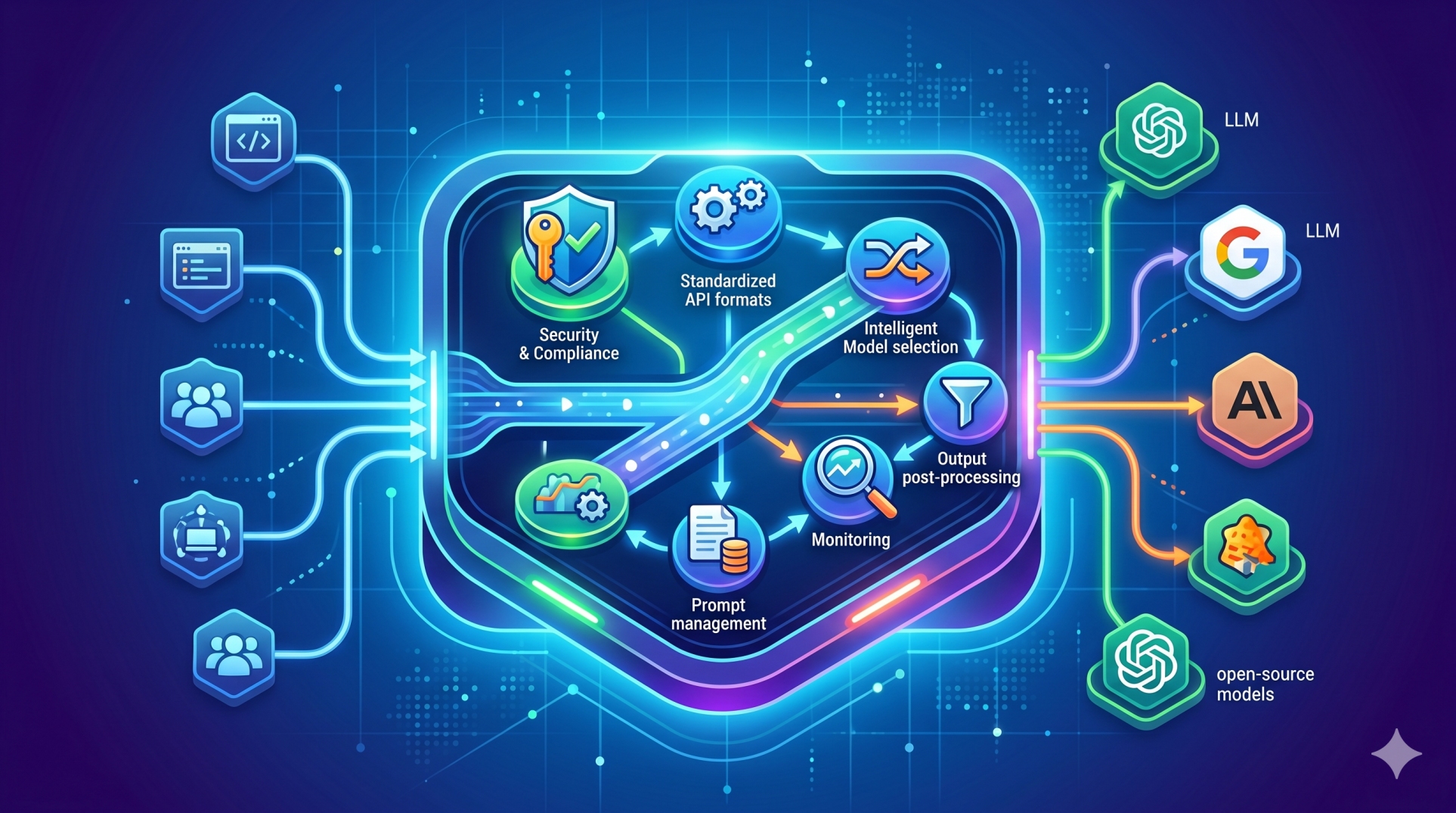
• Integrate ERP and procurement databases with AI applications
• Connect supplier records, contracts, catalogs, and purchasing history
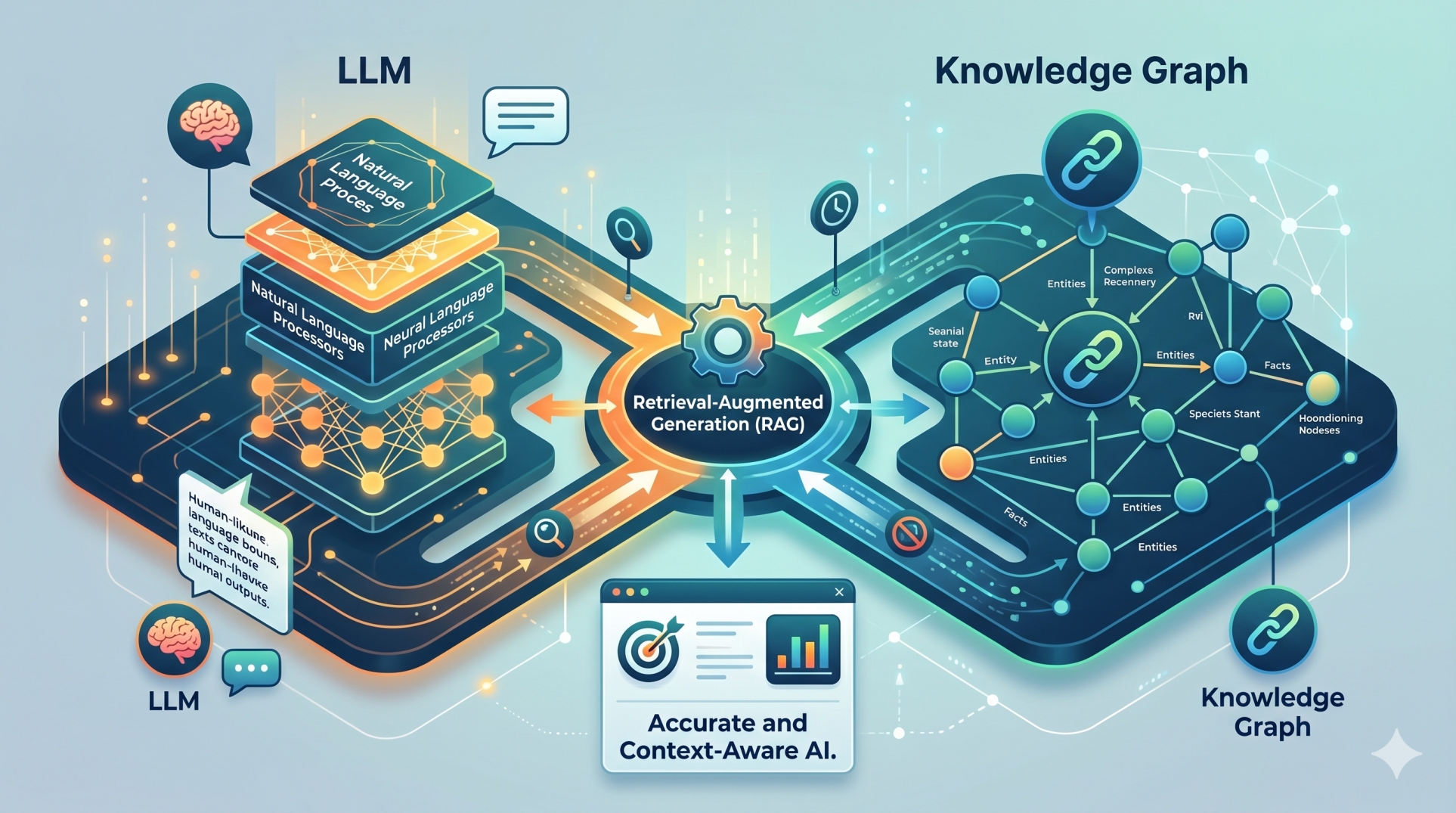
• Use retrieval systems to provide relevant business context
• Combine structured enterprise data with unstructured documents
• Maintain centralized access to procurement knowledge
Step 6: Intelligent Document Processing 📄
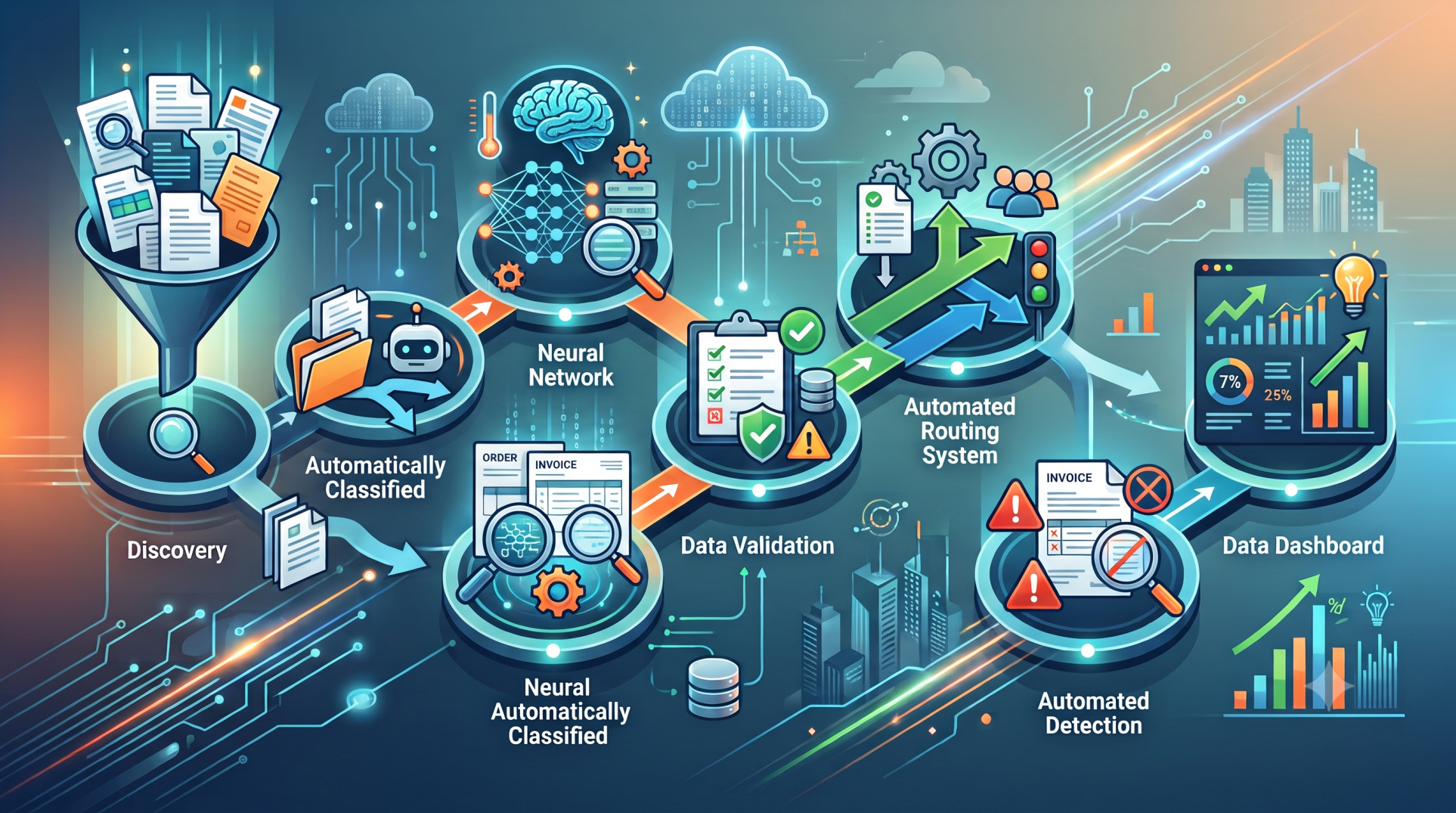
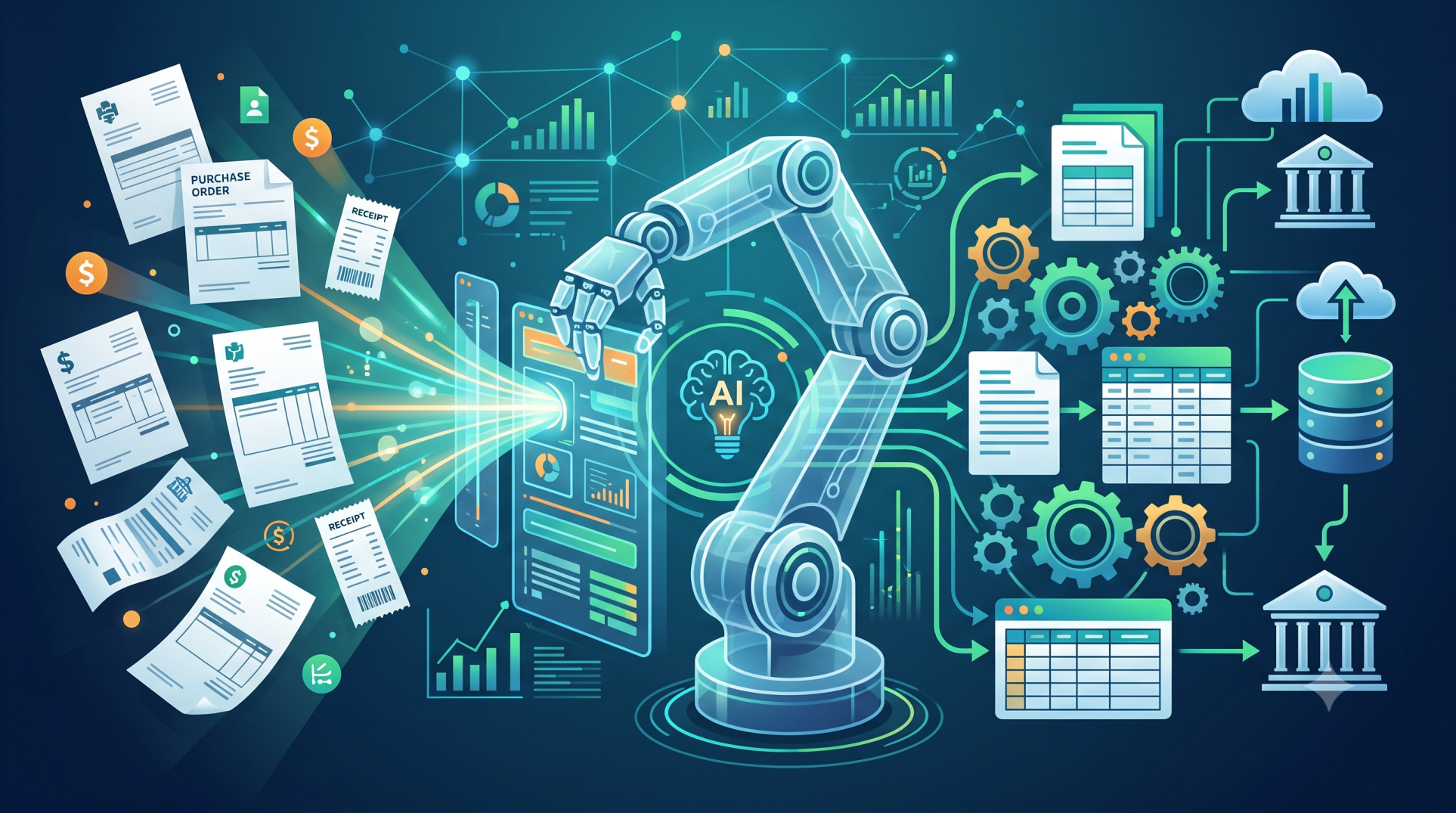
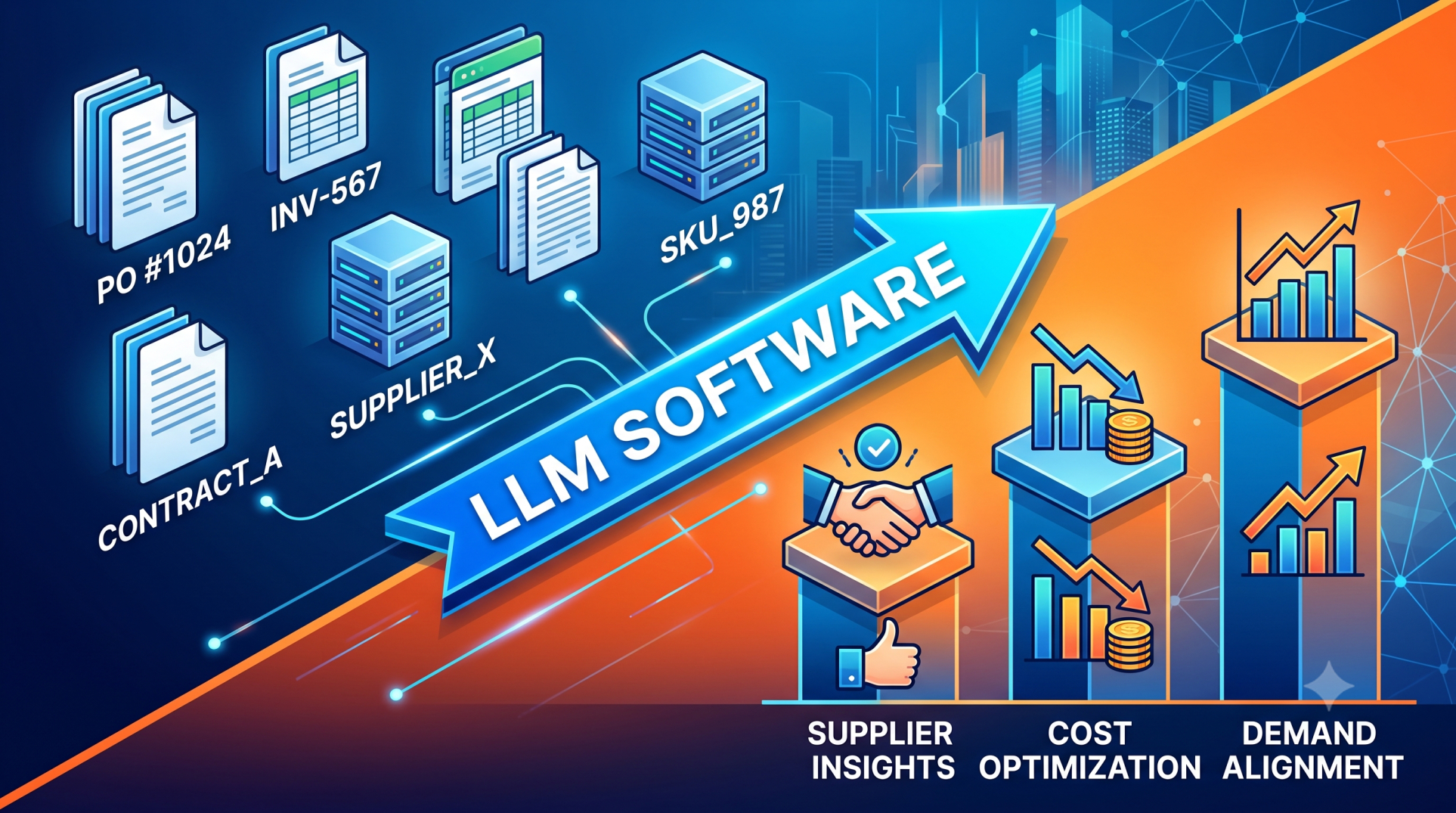
• Analyze supplier quotations, contracts, invoices, and proposals
• Extract important terms, pricing, quantities, and delivery conditions
• Summarize lengthy procurement documents
• Identify unusual clauses or missing information for human review
• Reduce the time required for manual document analysis
Step 7: Supporting Supplier Evaluation ⭐
• Compare suppliers using configurable evaluation criteria
• Analyze historical performance and purchasing relationships
• Identify potential risks or inconsistencies in supplier information
• Generate structured supplier comparison reports
• Help procurement teams make evidence-based sourcing decisions
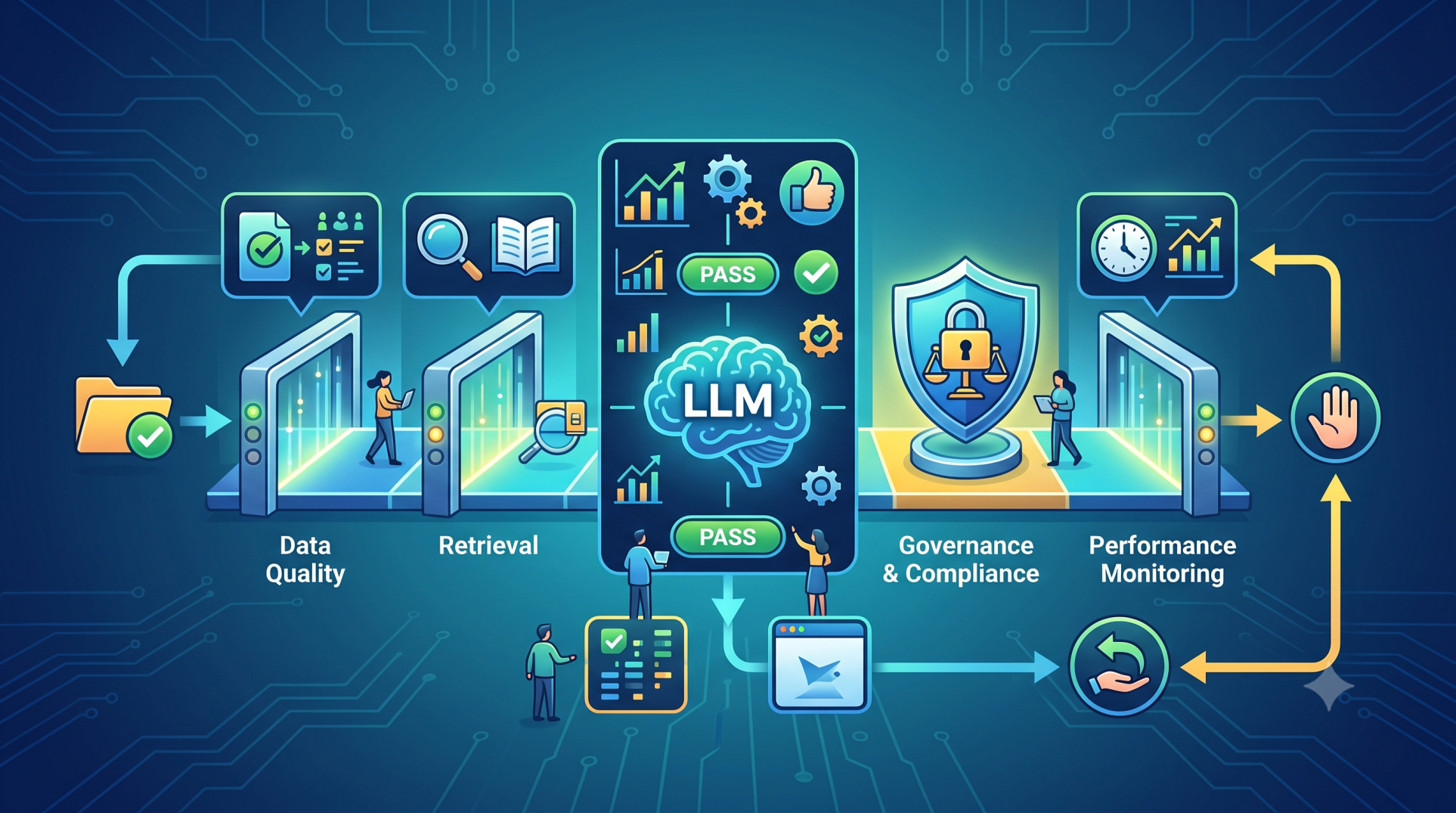
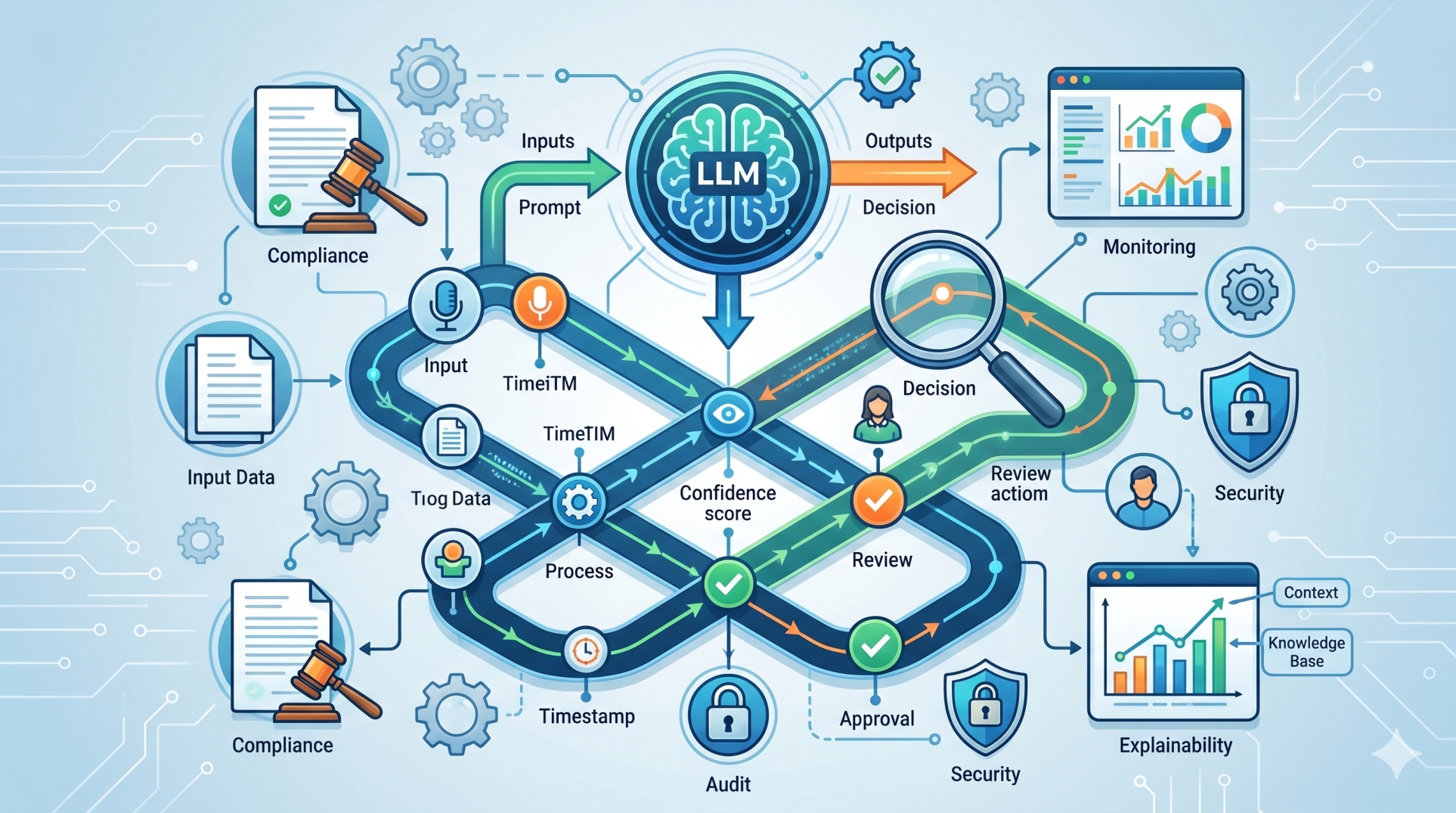
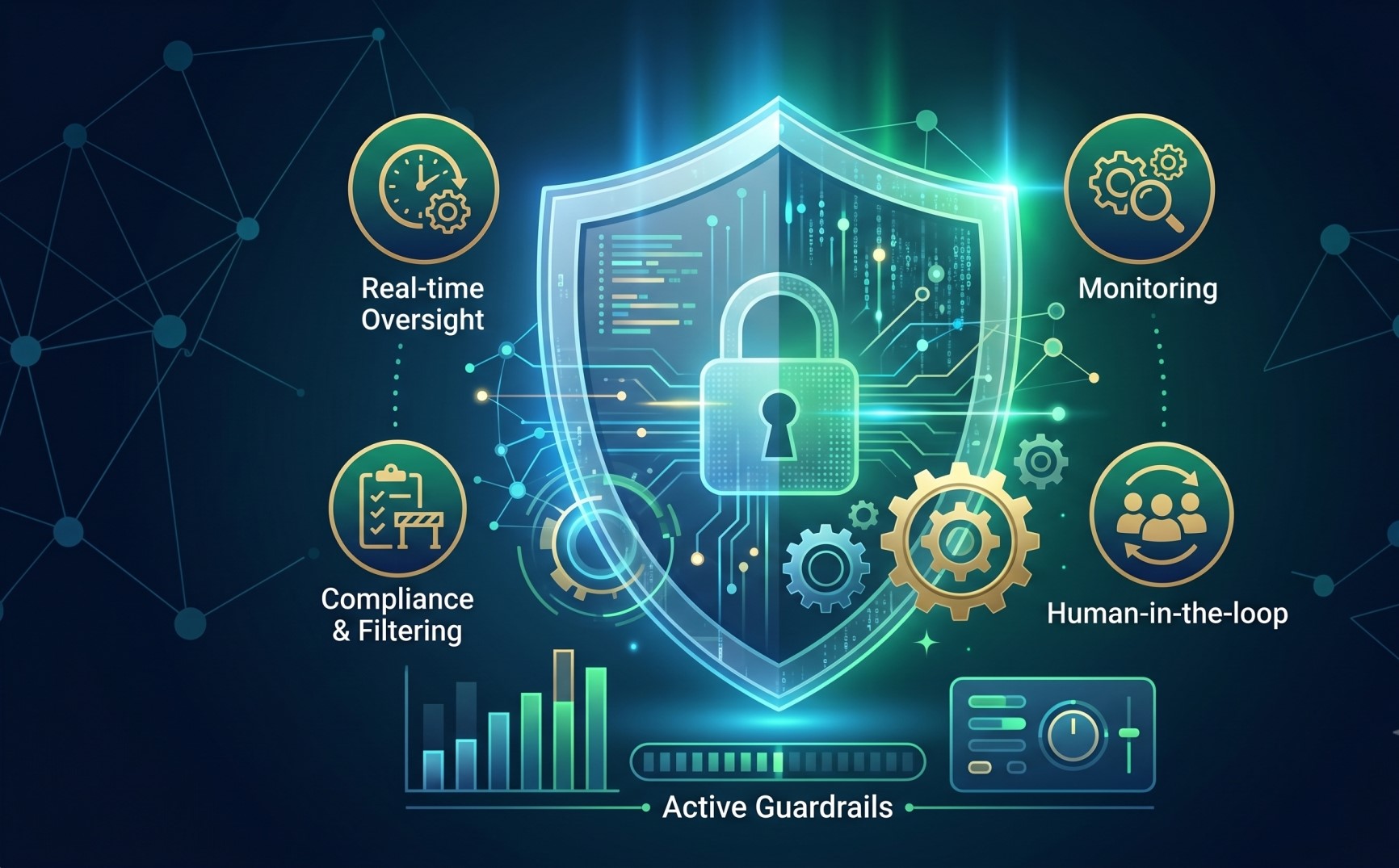
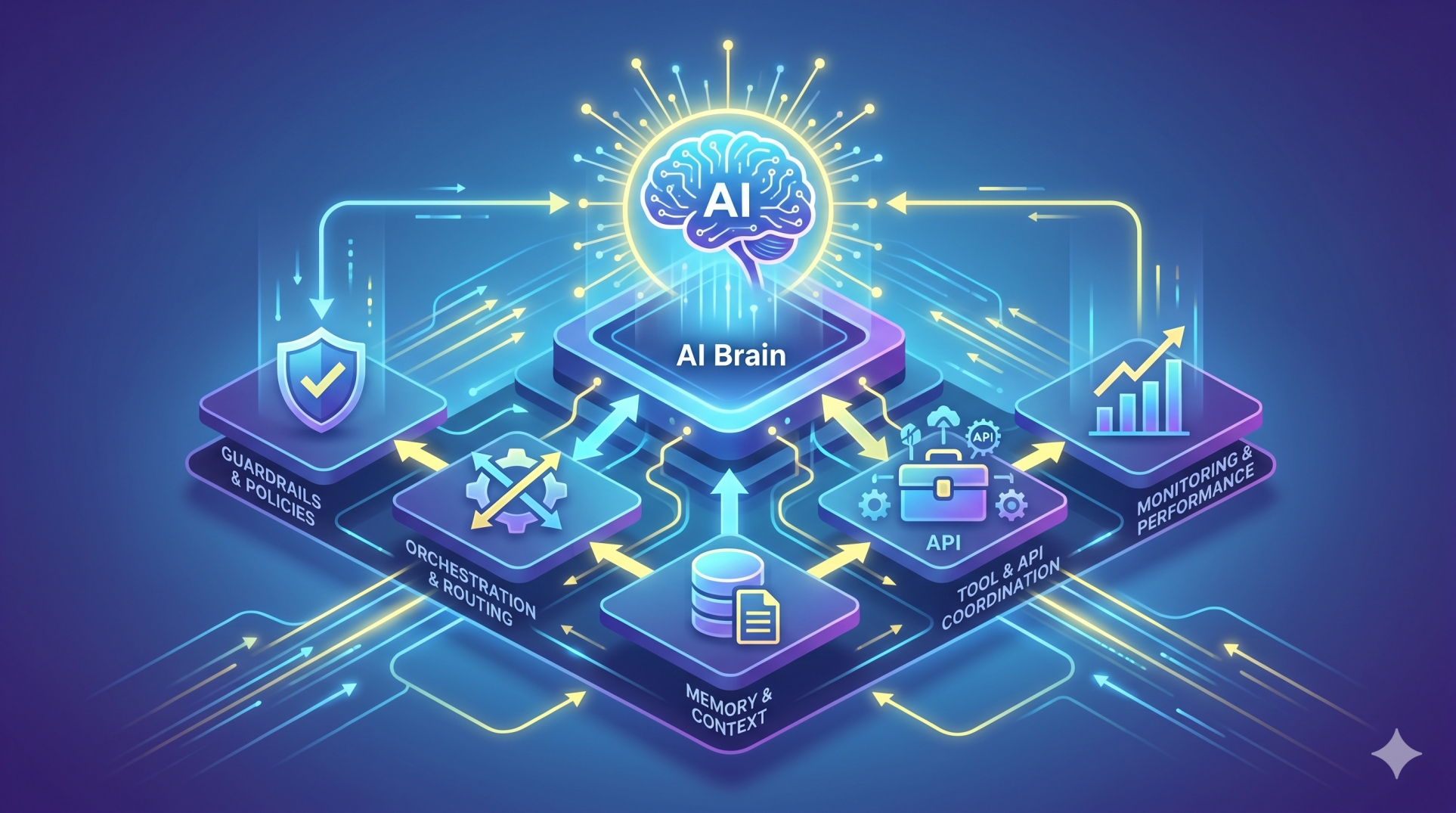
Step 8: Improving Research Accuracy and Governance 🛡️
• Validate AI-generated findings against trusted data sources
• Maintain references to the information used during analysis
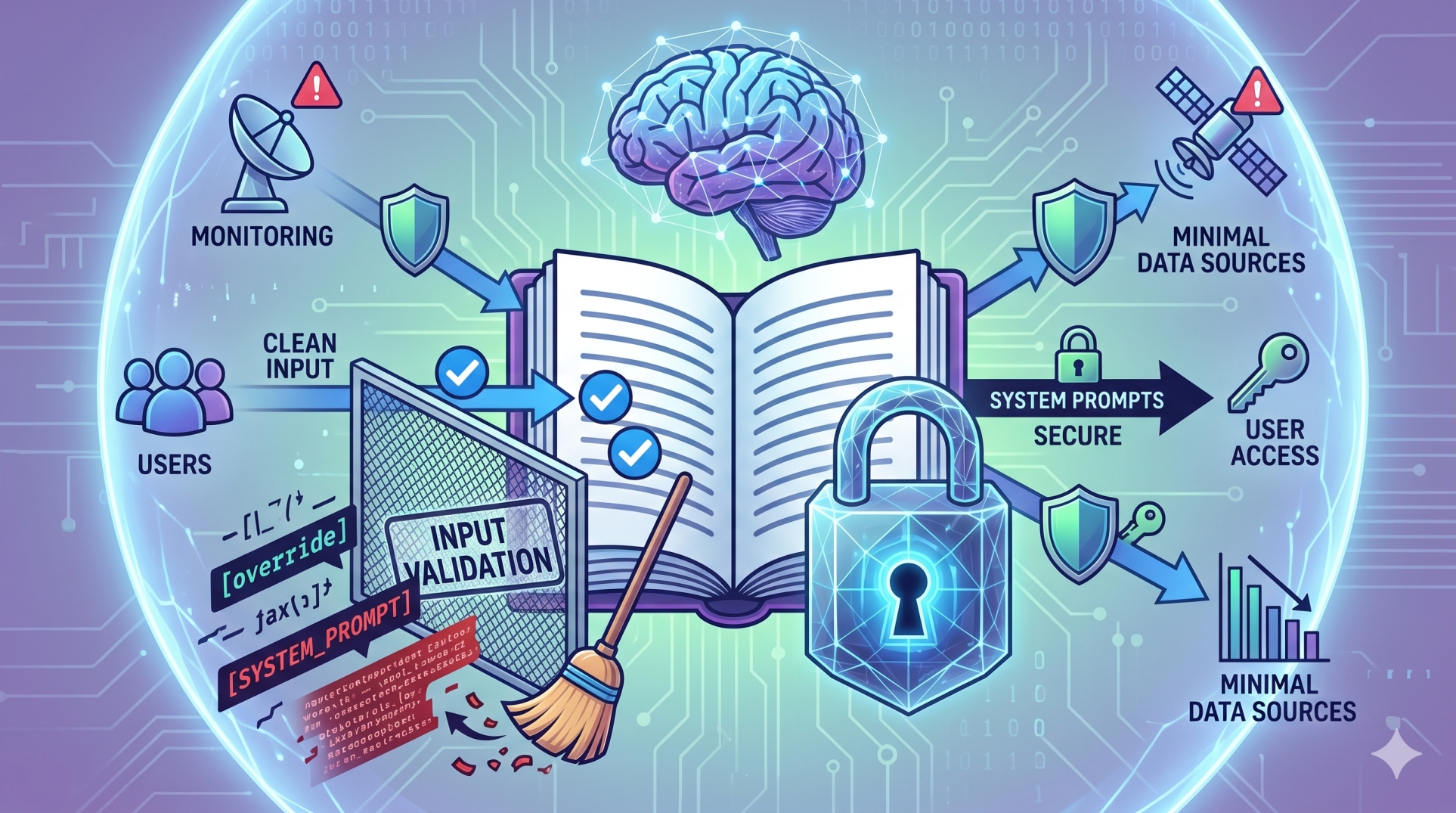
• Apply access controls to sensitive procurement information
• Keep human approval within high-impact procurement decisions
• Monitor AI outputs for accuracy, consistency, and compliance
Step 9: Automating Procurement Workflows ⚙️
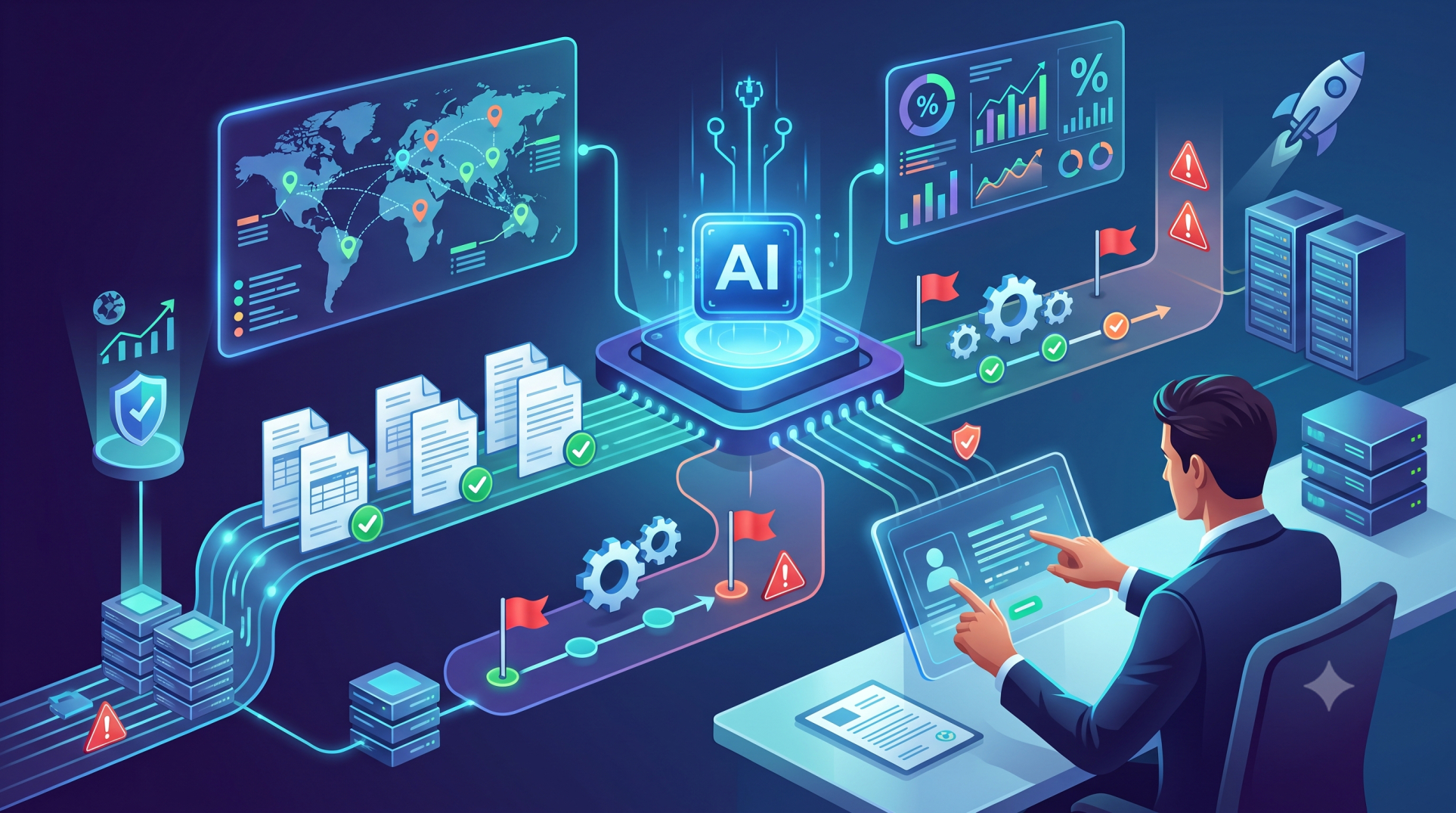
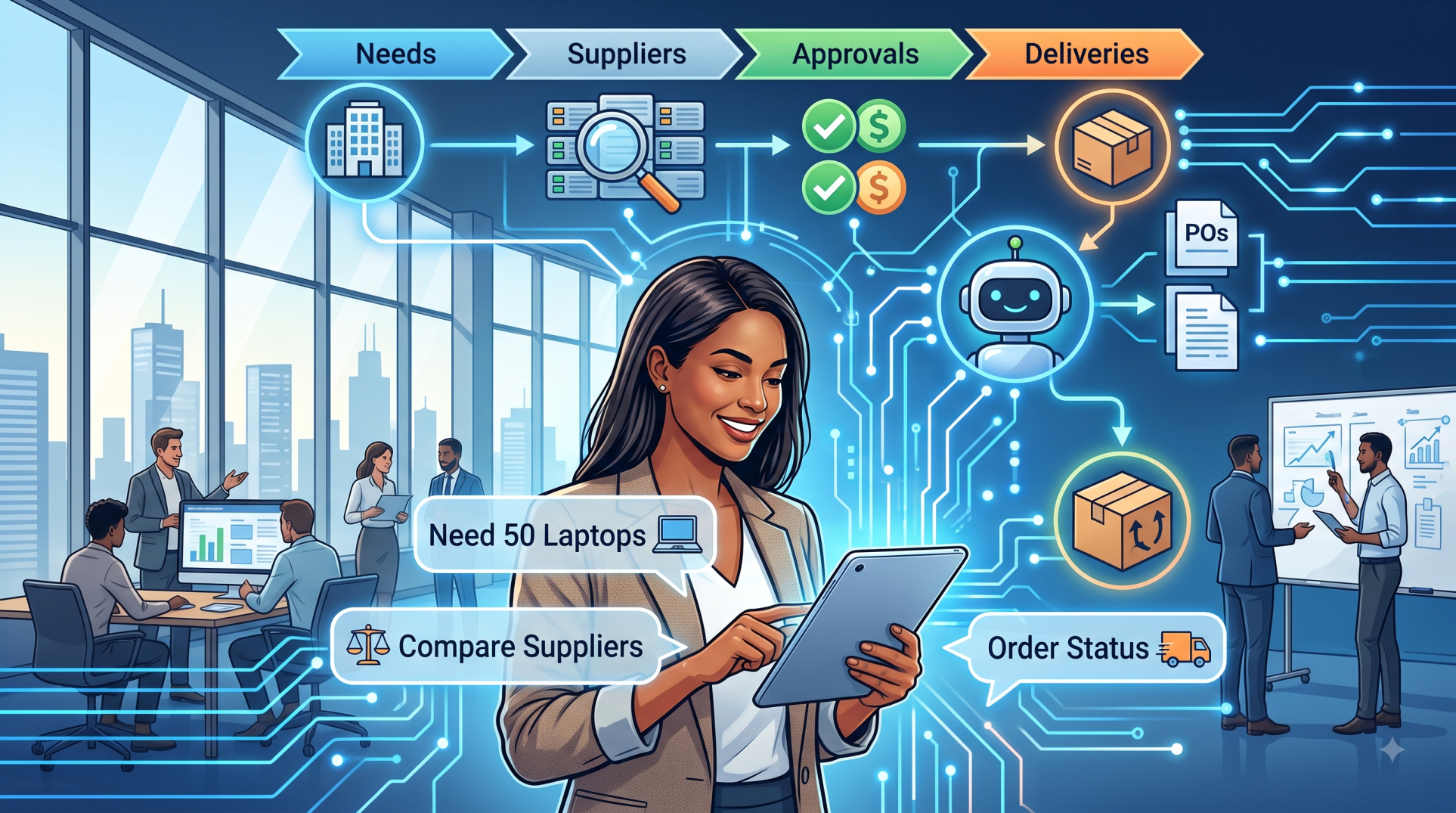
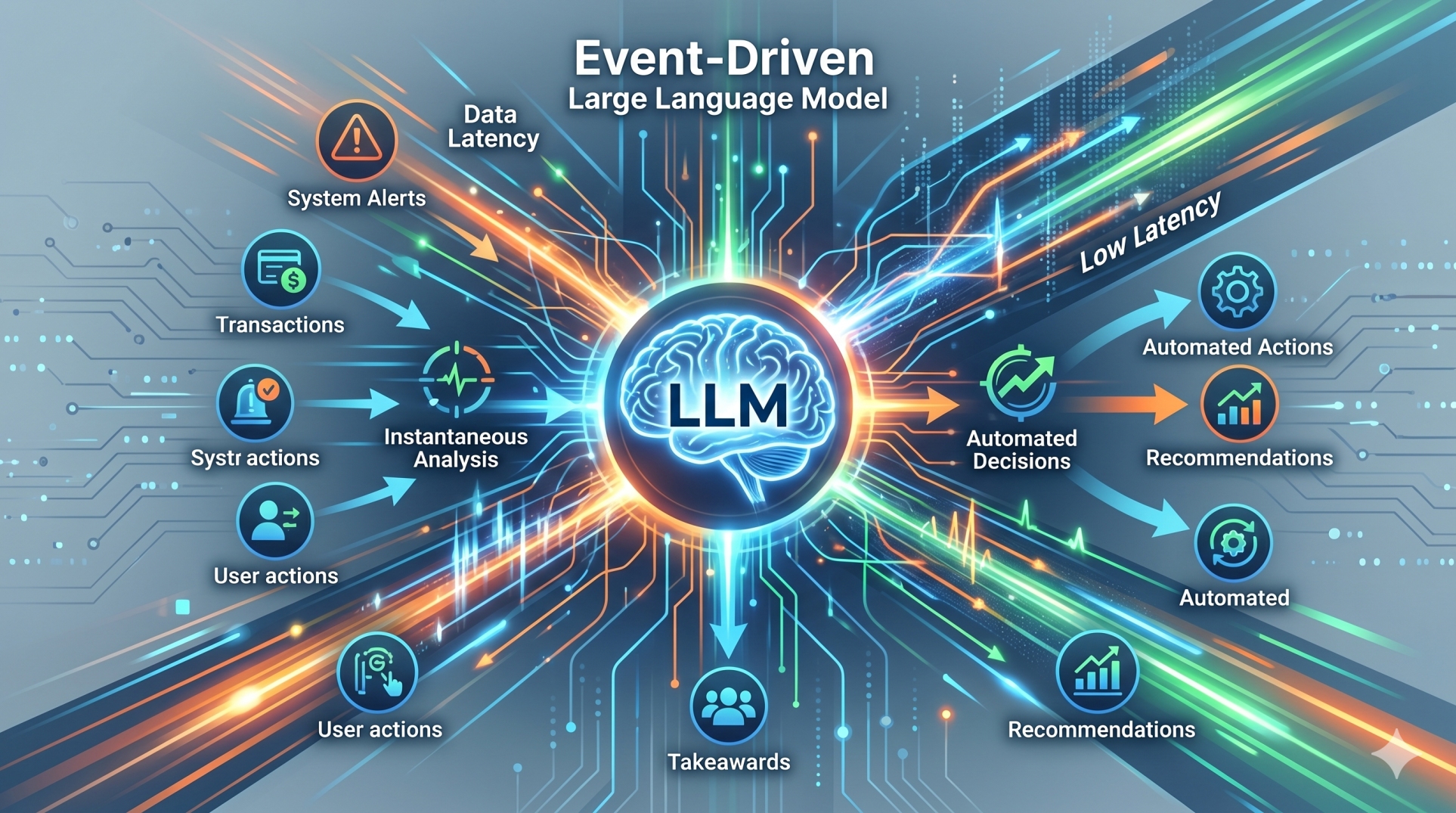
• Trigger research tasks when new sourcing requirements are created
• Route findings to procurement managers for review
• Generate comparison summaries automatically
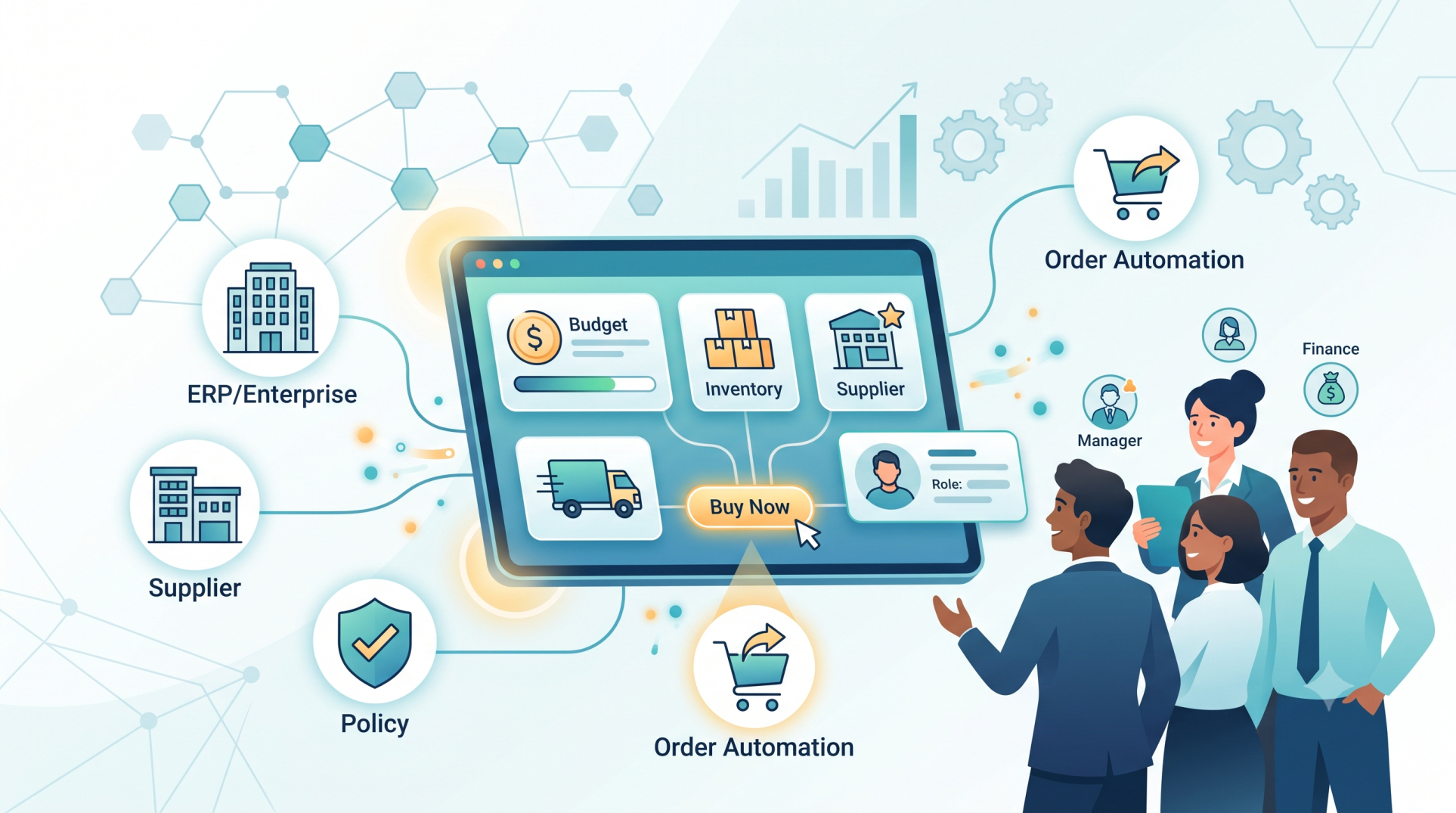
• Connect research outputs with purchasing and approval workflows
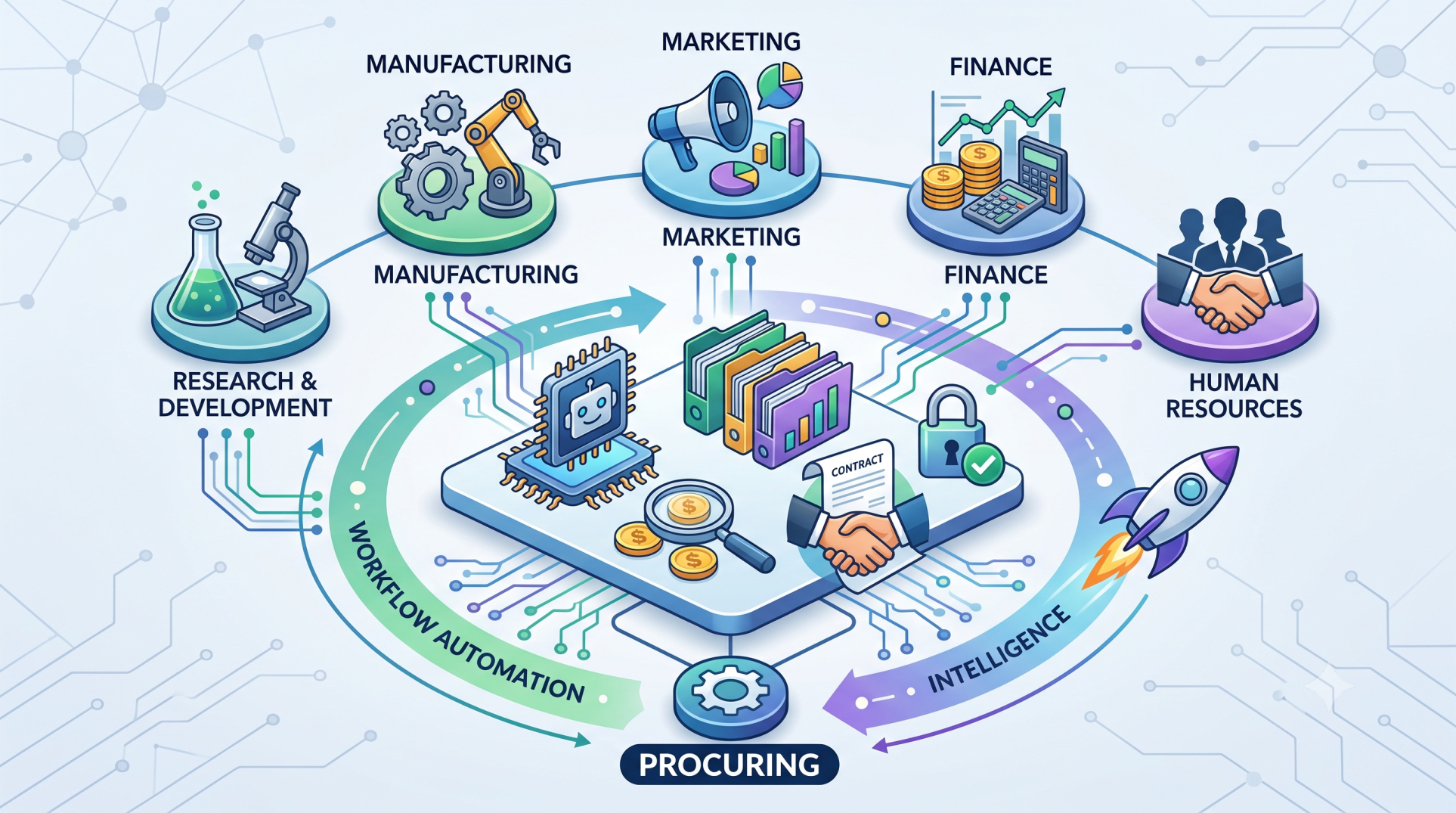
• Reduce repetitive coordination between procurement teams and other departments
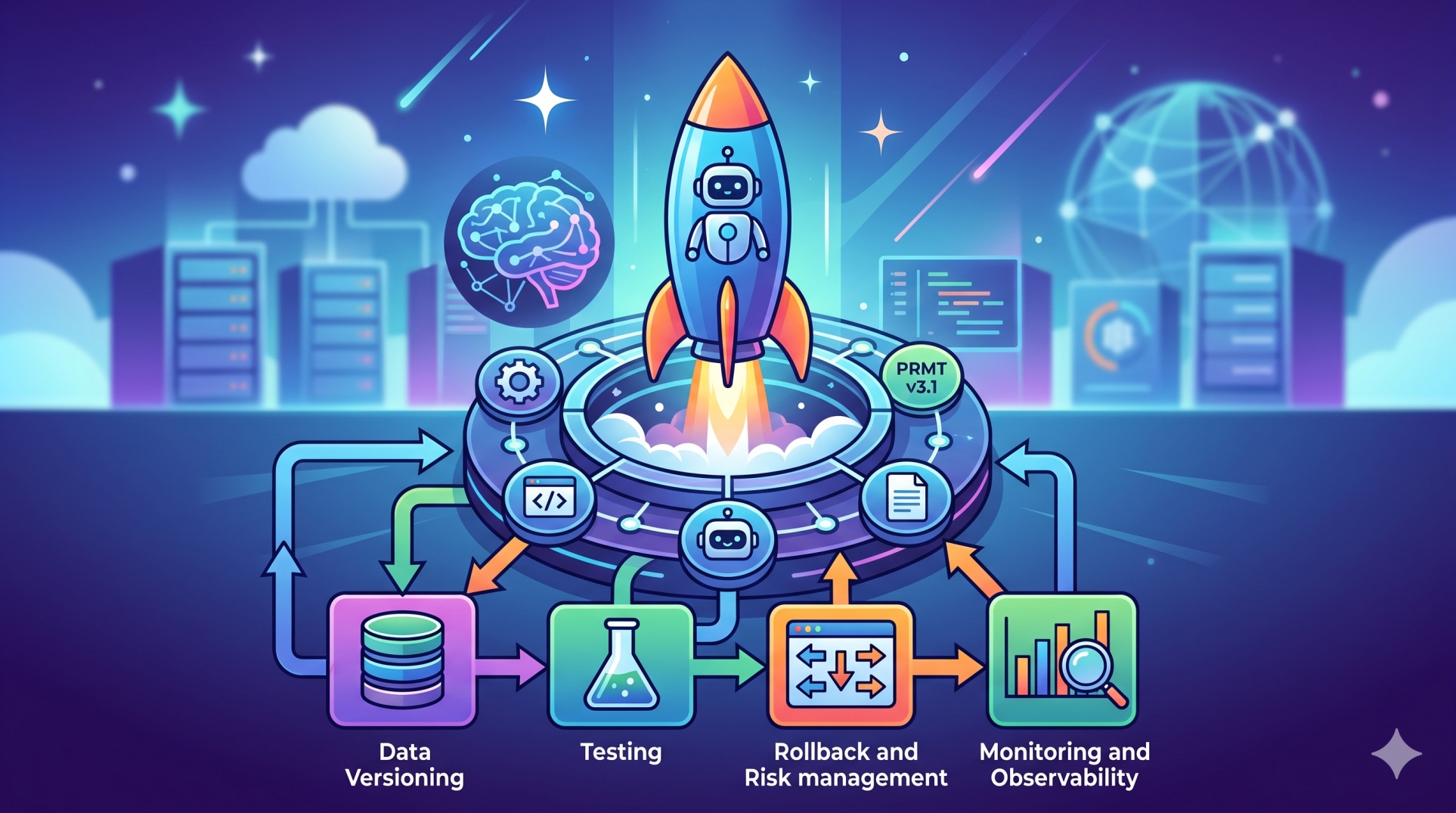
Step 10: Building Scalable Procurement Intelligence 🚀
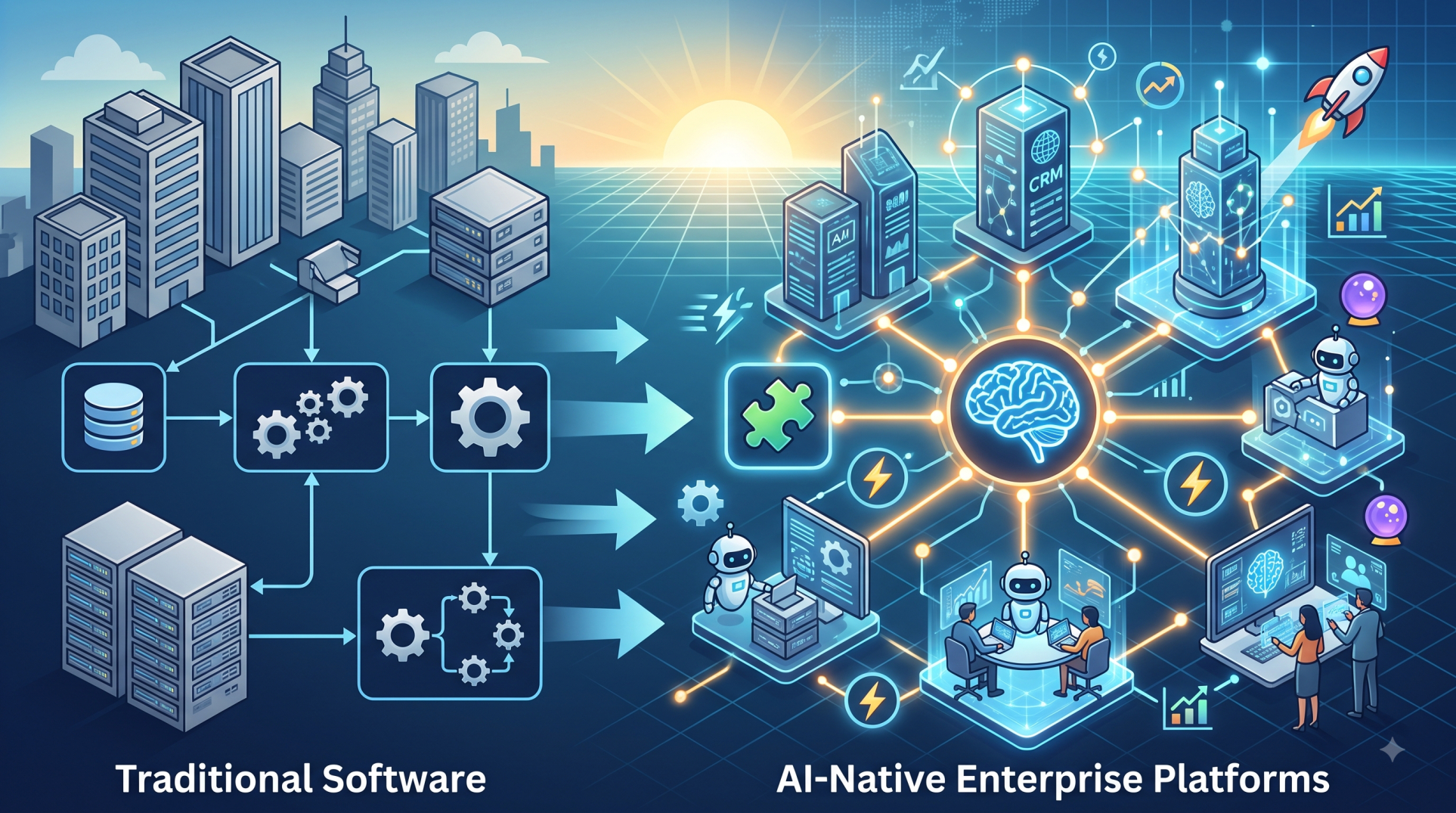
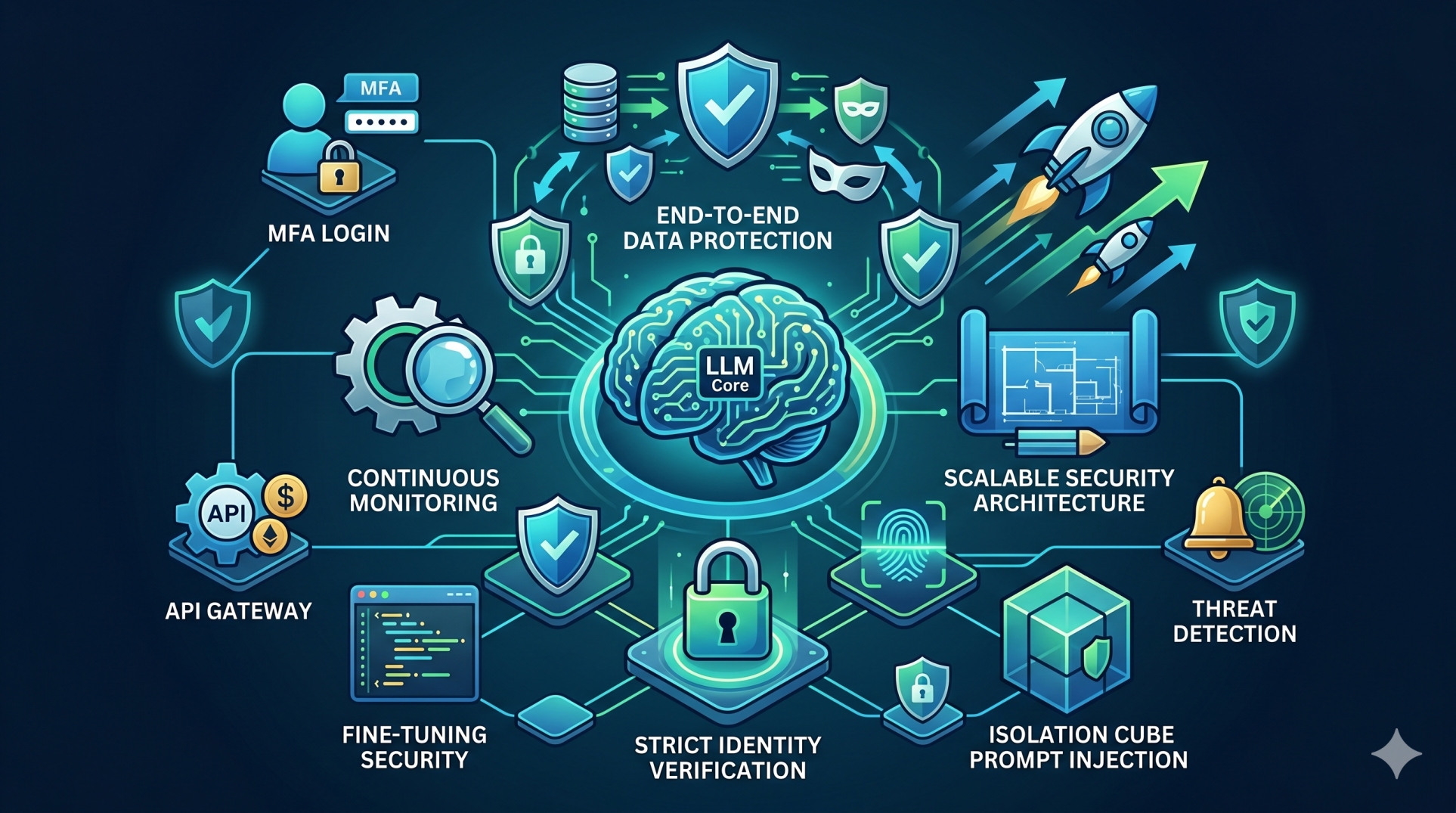
• Design modular AI systems that can support multiple procurement categories
• Add new suppliers, data sources, and workflows as requirements evolve
• Integrate analytics and forecasting capabilities
• Continuously improve retrieval and recommendation quality
• Build a flexible procurement intelligence layer that supports long-term business growth
Conclusion
LLM-powered applications can significantly improve procurement research by transforming scattered information into structured, actionable intelligence. By combining language models with enterprise data, document processing, retrieval systems, and workflow automation, organizations can reduce research effort while improving supplier evaluation and purchasing decisions. The most effective approach keeps AI as an intelligent research and coordination layer while maintaining appropriate human oversight for critical procurement activities.
See more blogs
You can all the articles below