AI-Powered Supplier Discovery Through Language-Based Software
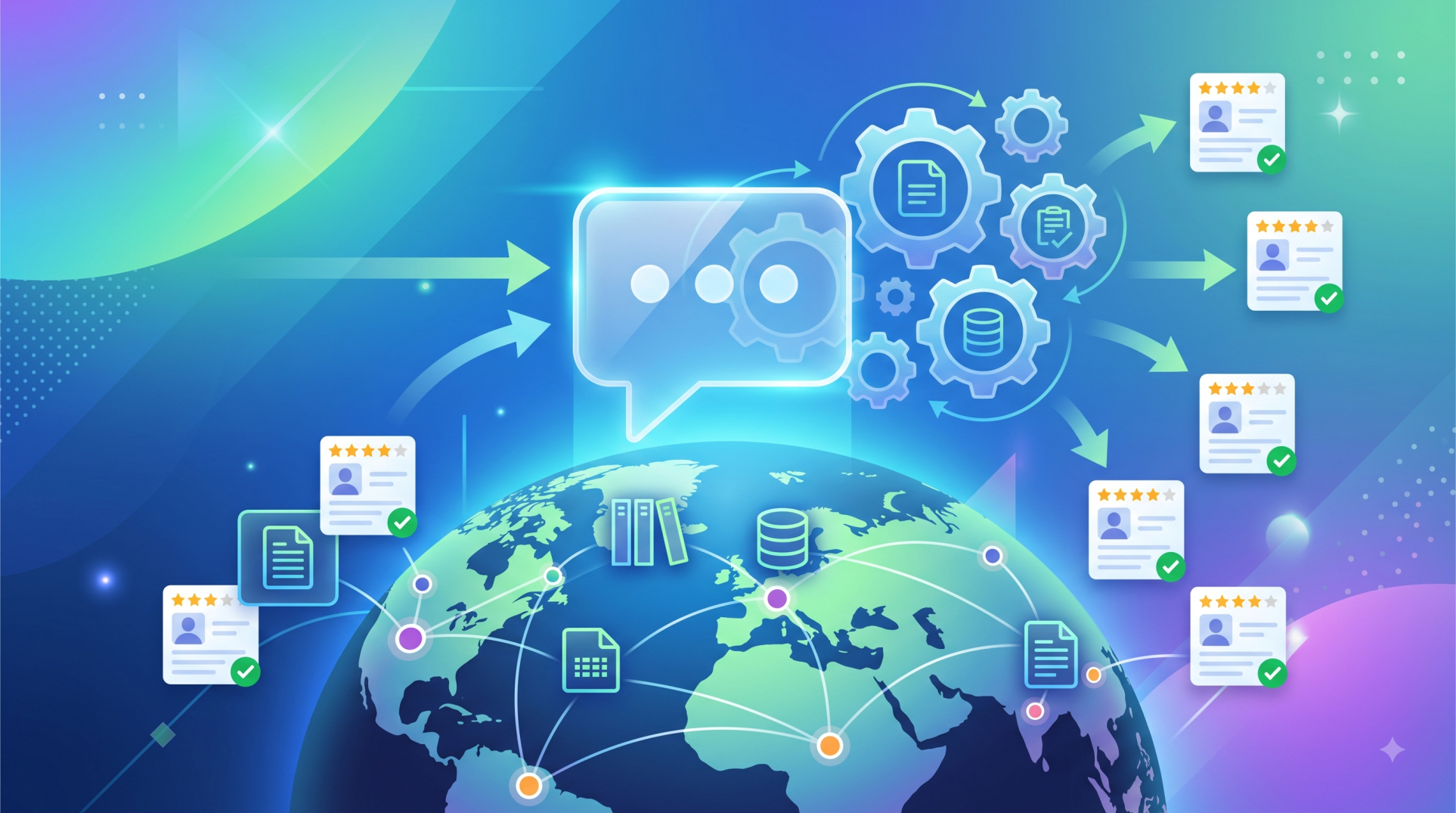
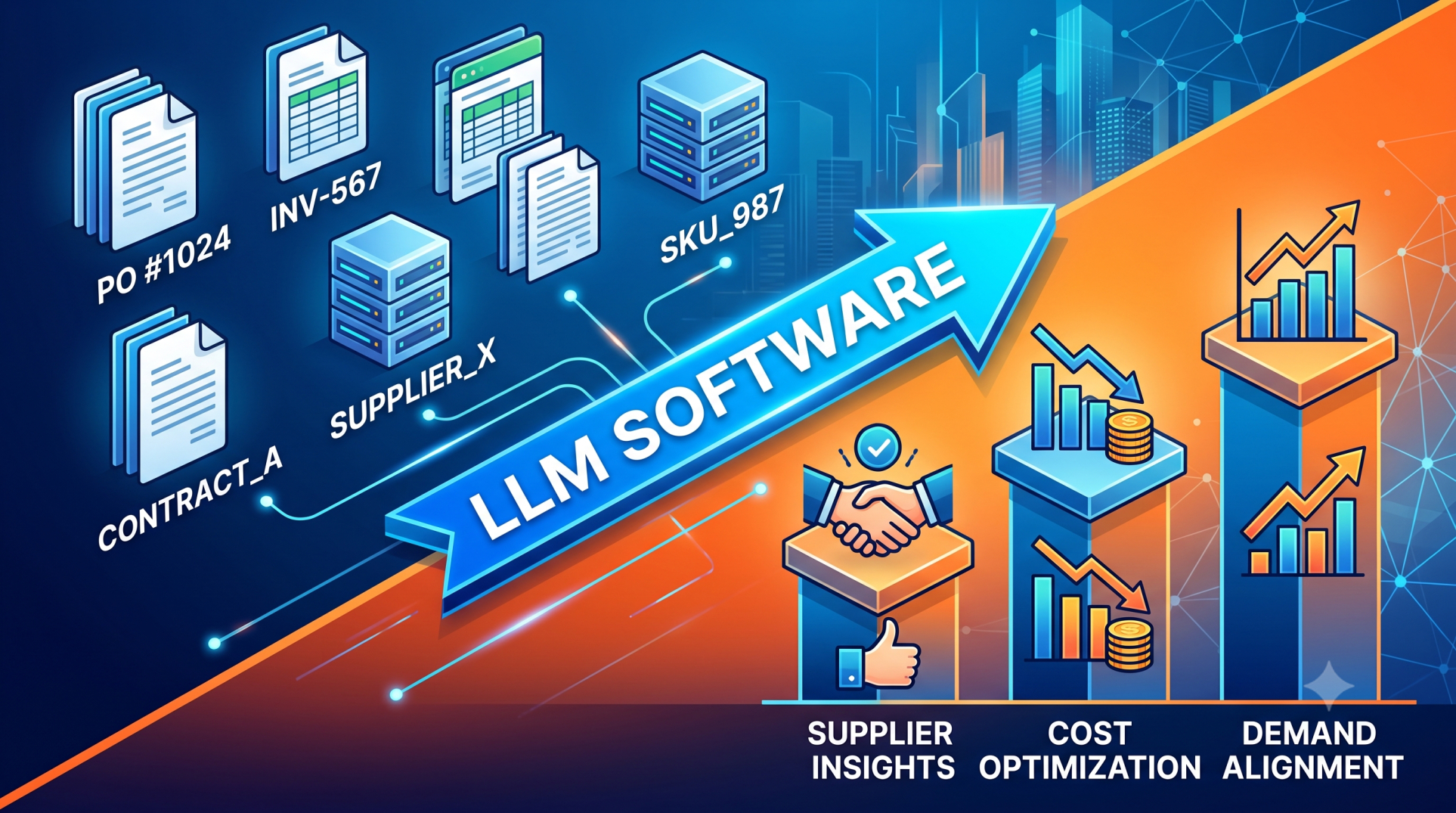
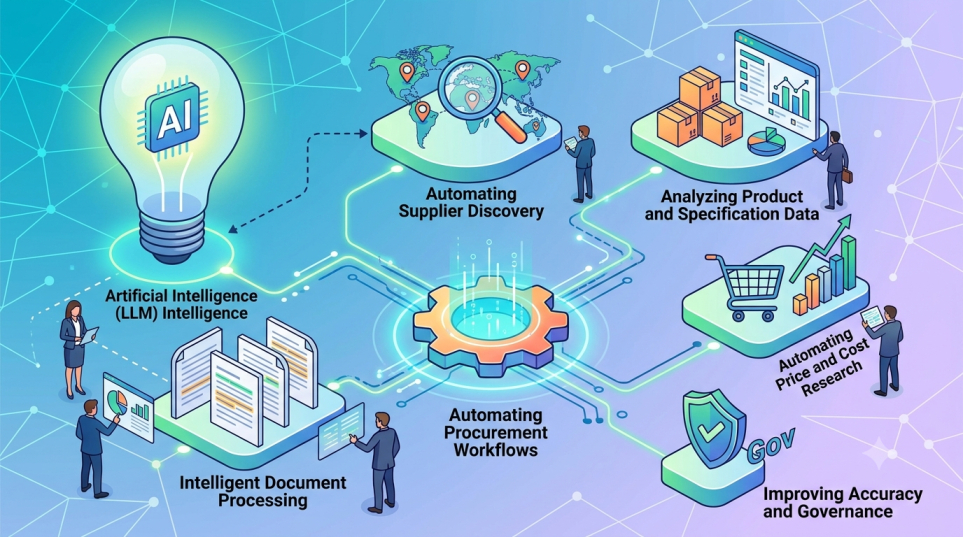
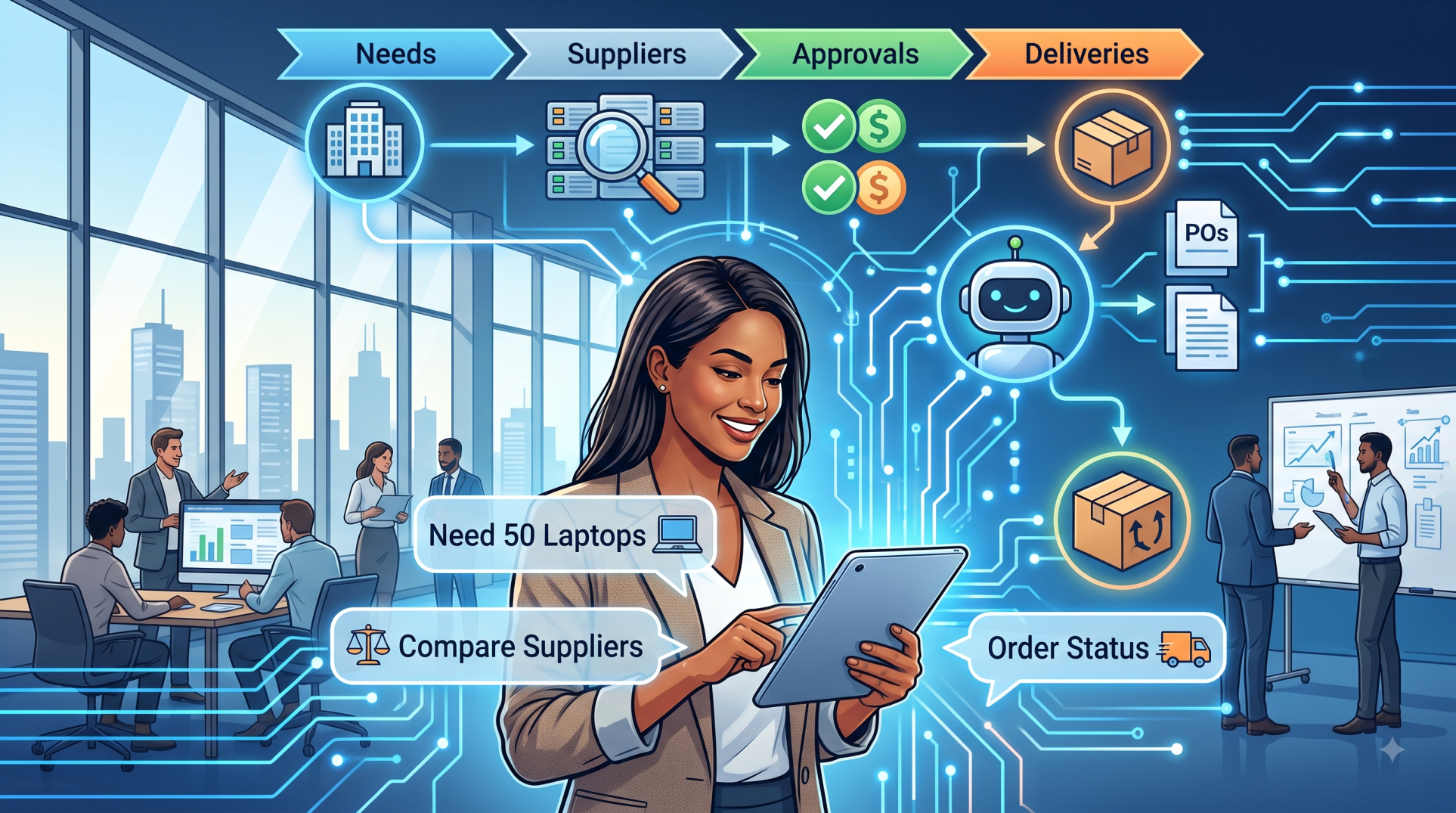
Finding the right suppliers can be a complex and time-consuming process for procurement teams. Traditional supplier discovery often depends on manual searches, spreadsheets, directories, and fragmented databases. Language-based AI software introduces a more intelligent approach by allowing businesses to describe their sourcing requirements in natural language and receive relevant supplier recommendations. By connecting language understanding with business data, supplier discovery can become faster, more targeted, and easier to manage.
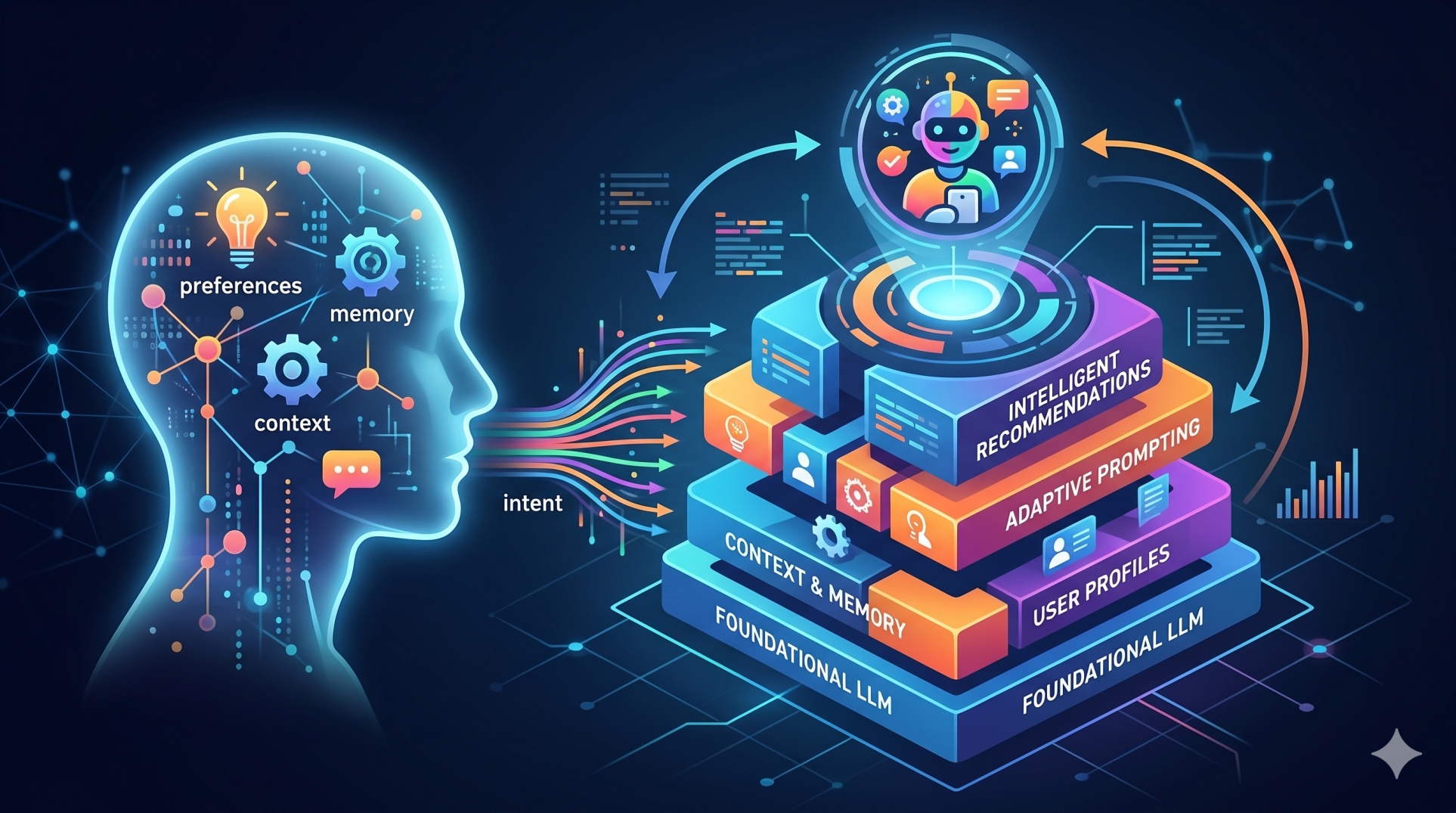
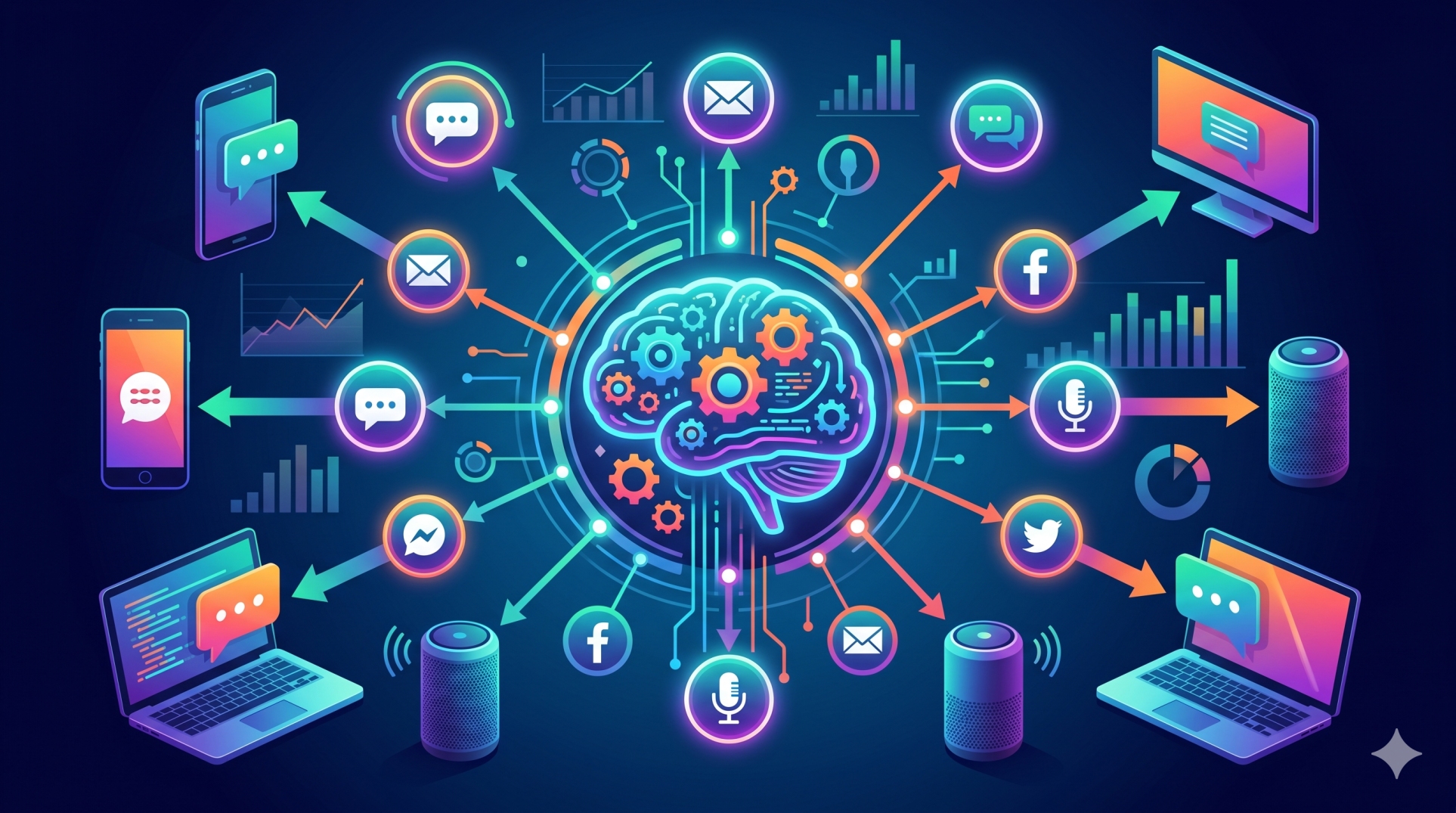
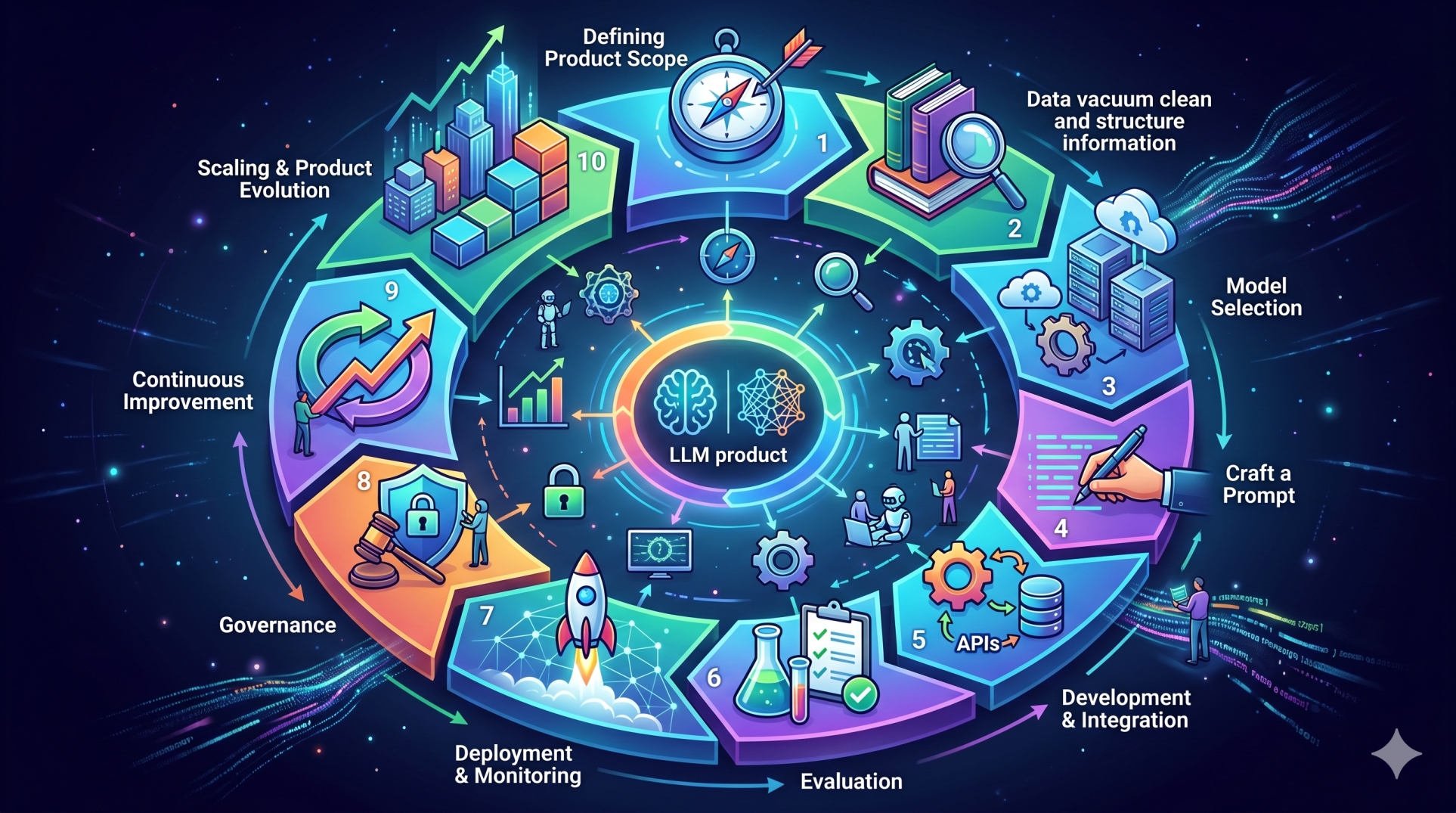
Step 1: Understanding Language-Based Supplier Discovery 🧠
• Allow procurement teams to describe sourcing requirements using natural language 💬
• Interpret product specifications, quantities, locations, and business requirements 🔍
• Convert conversational requests into structured supplier searches ⚙️
• Reduce dependence on manual database searches 📉
• Make supplier discovery more accessible to non-technical users 👥
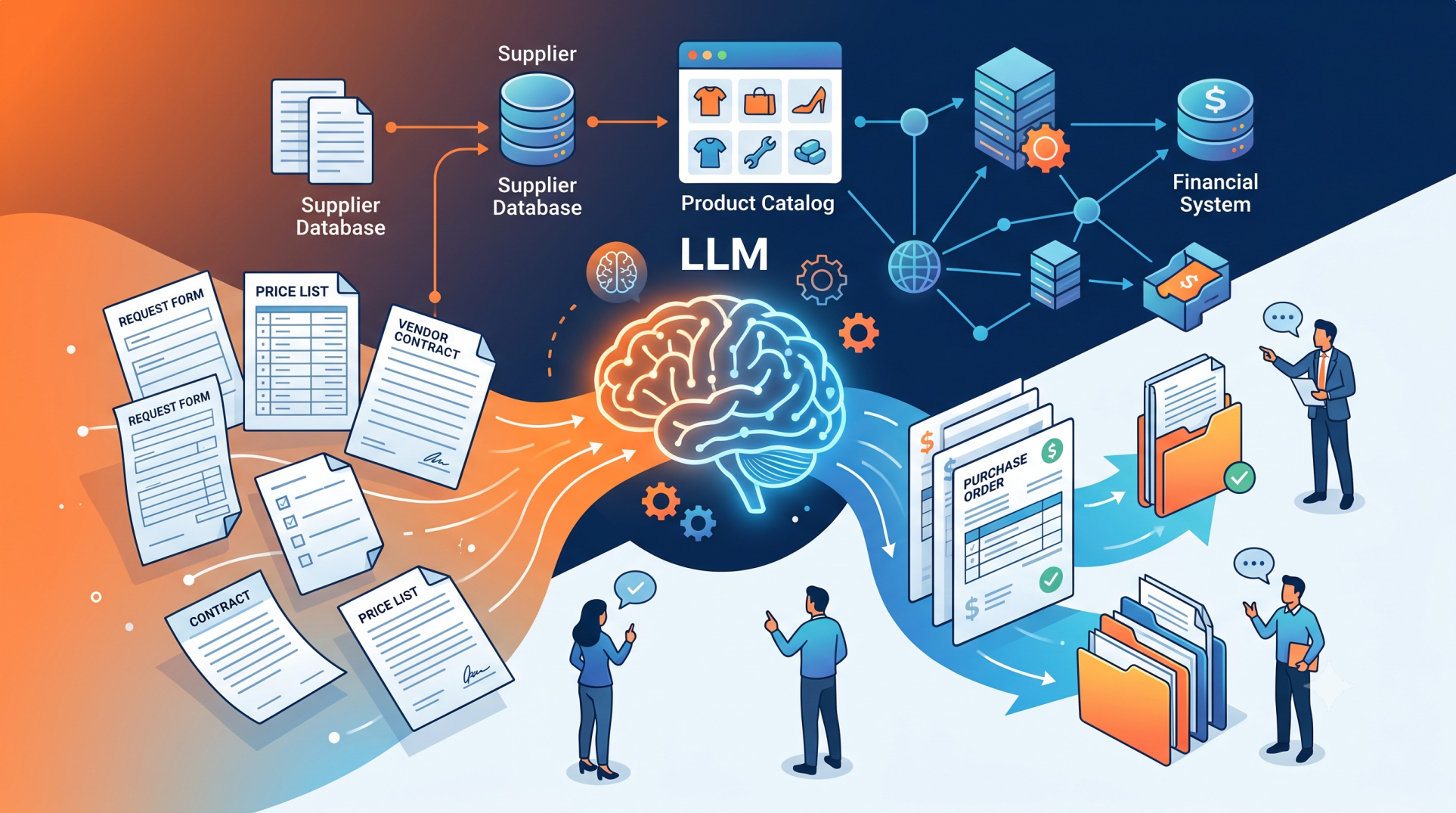
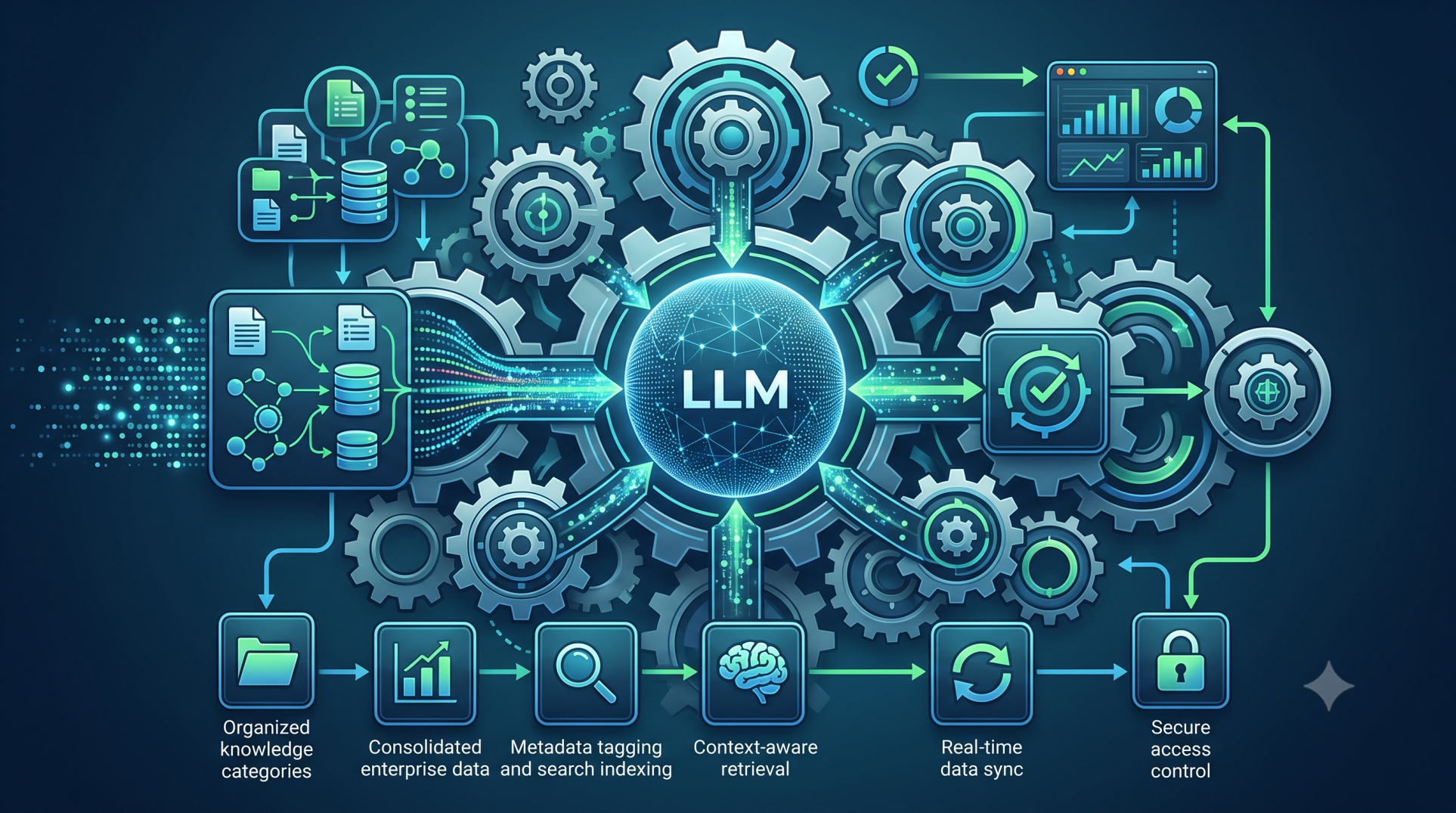
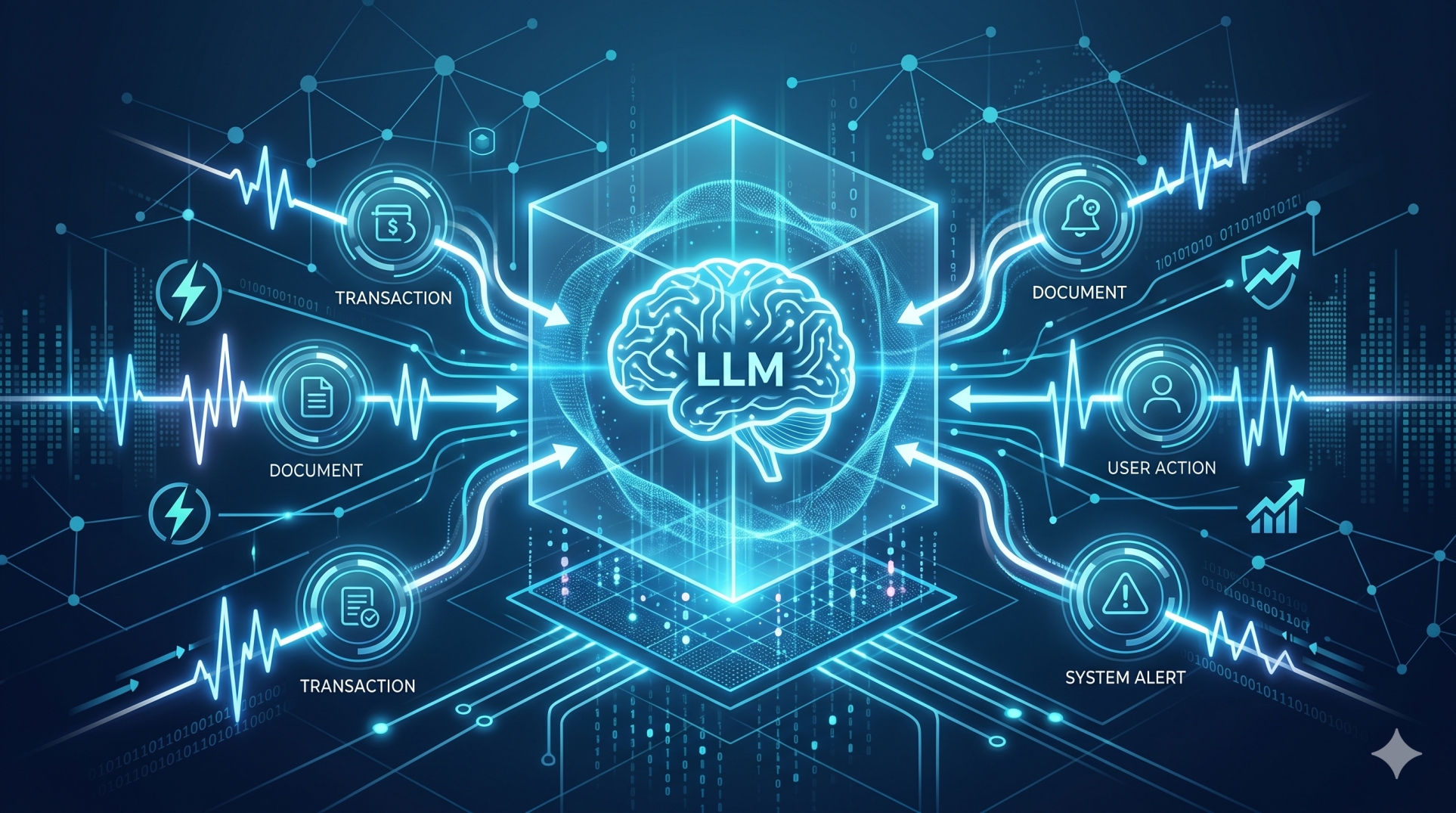
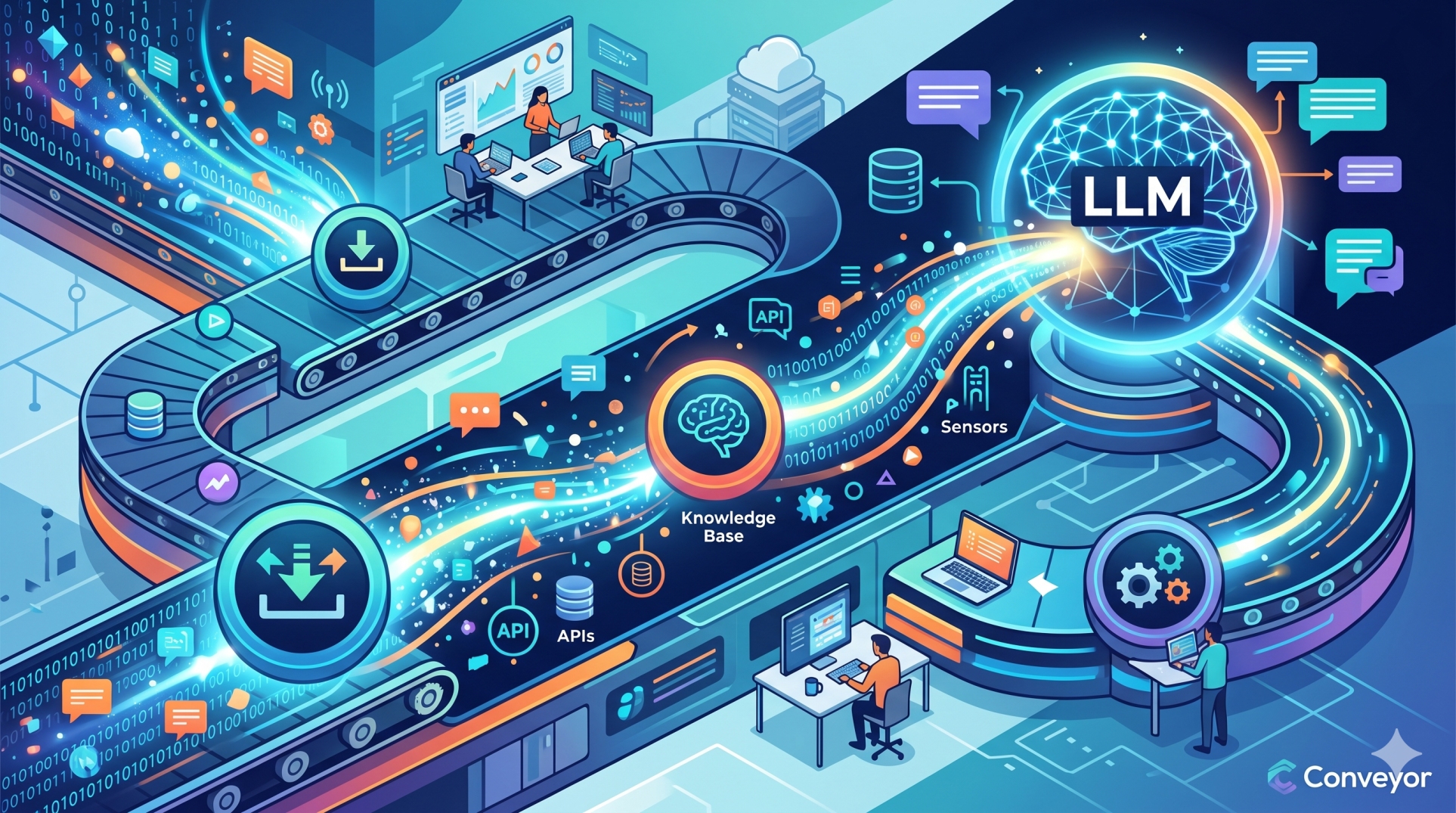
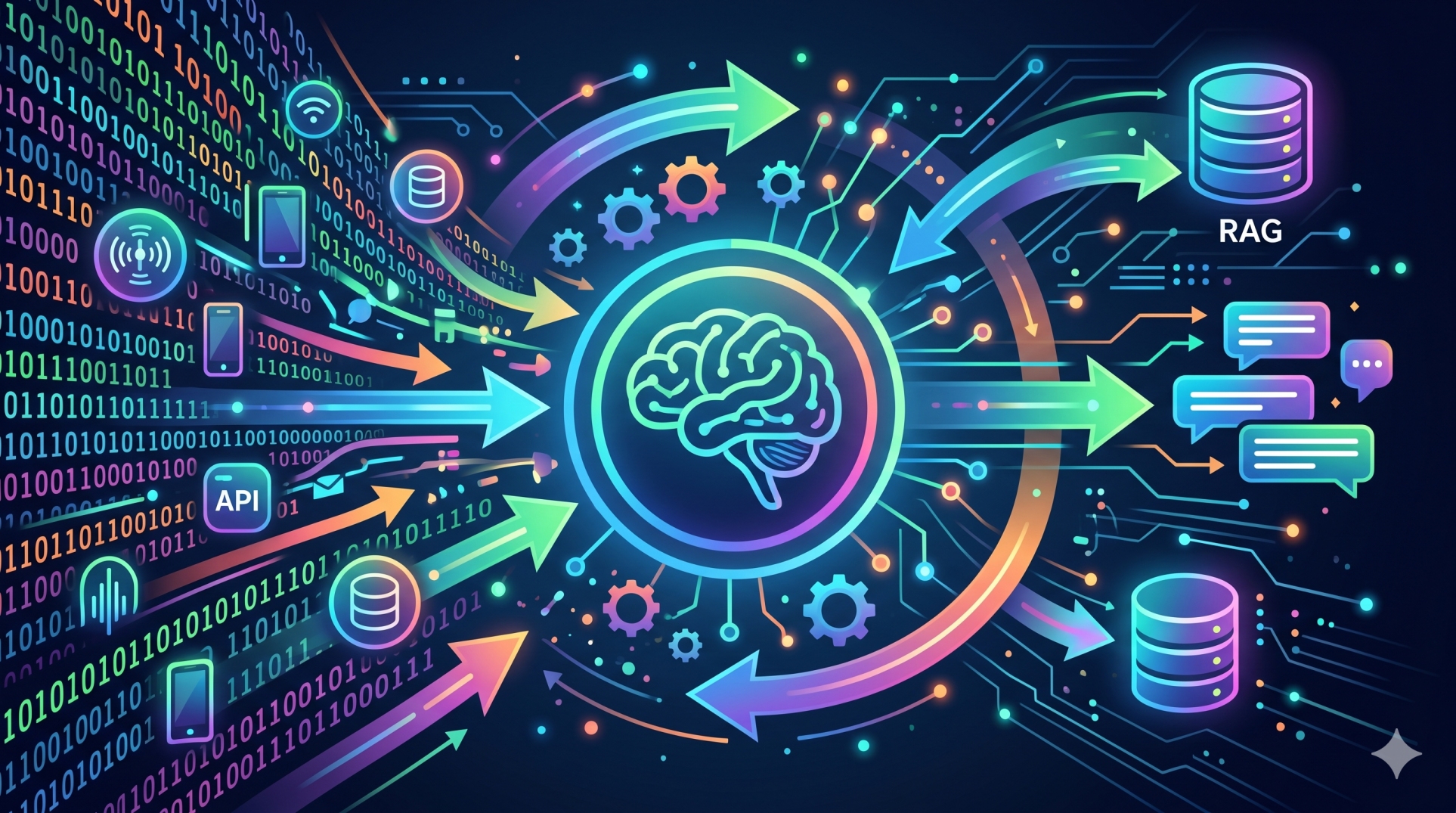
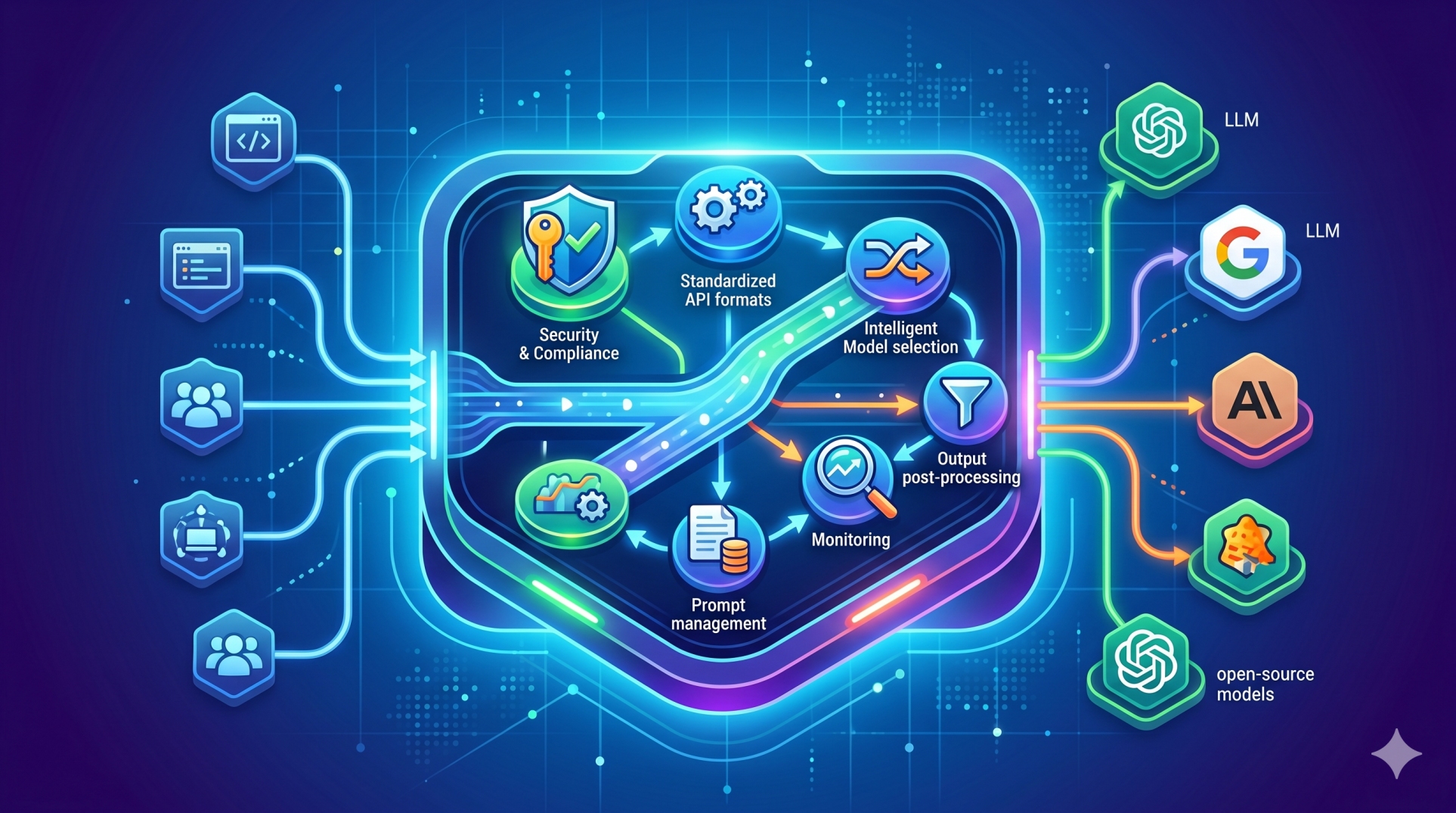
Step 2: Connecting Diverse Supplier Data Sources 🌐
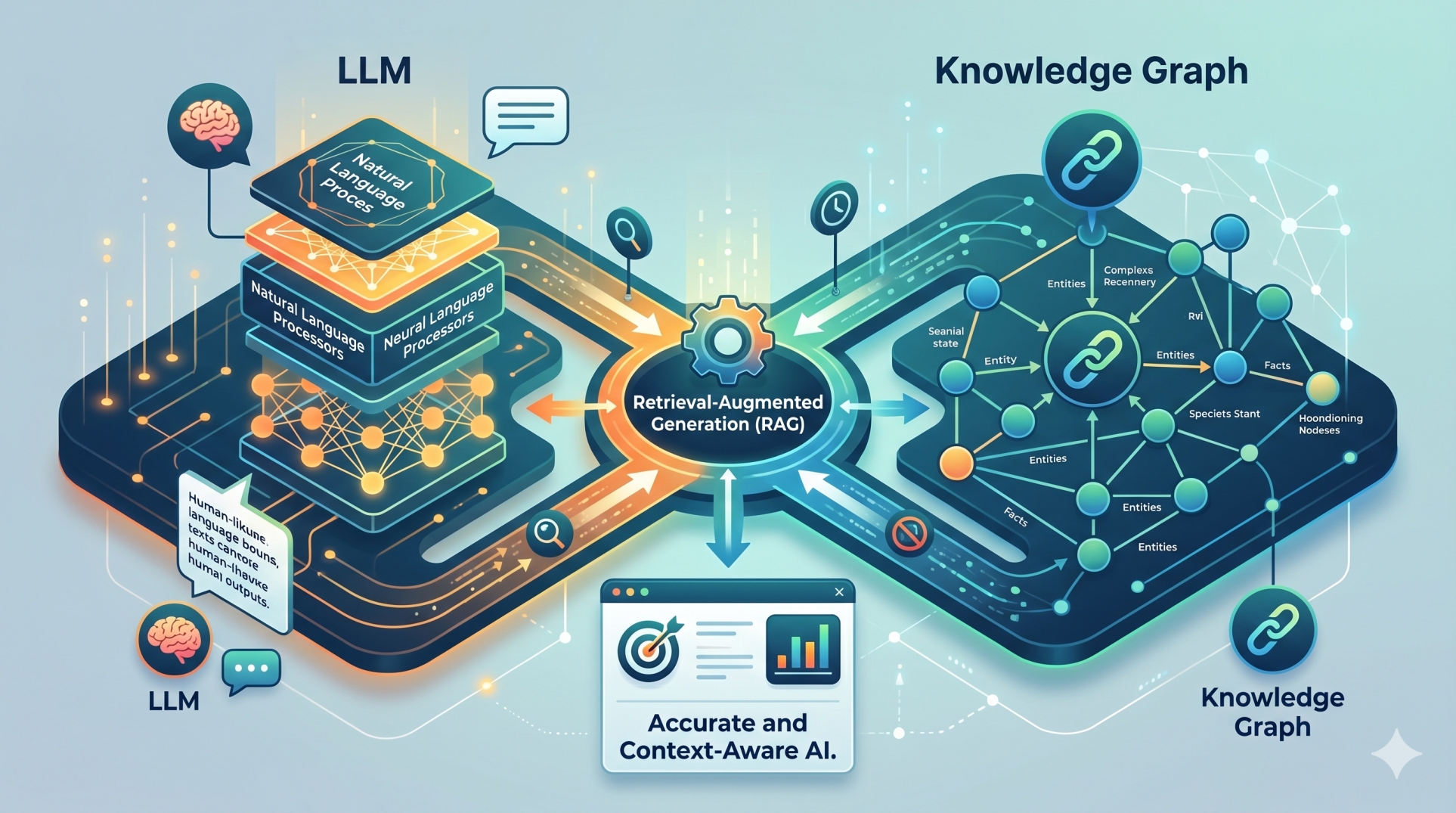
• Integrate supplier directories and business databases 🗂️
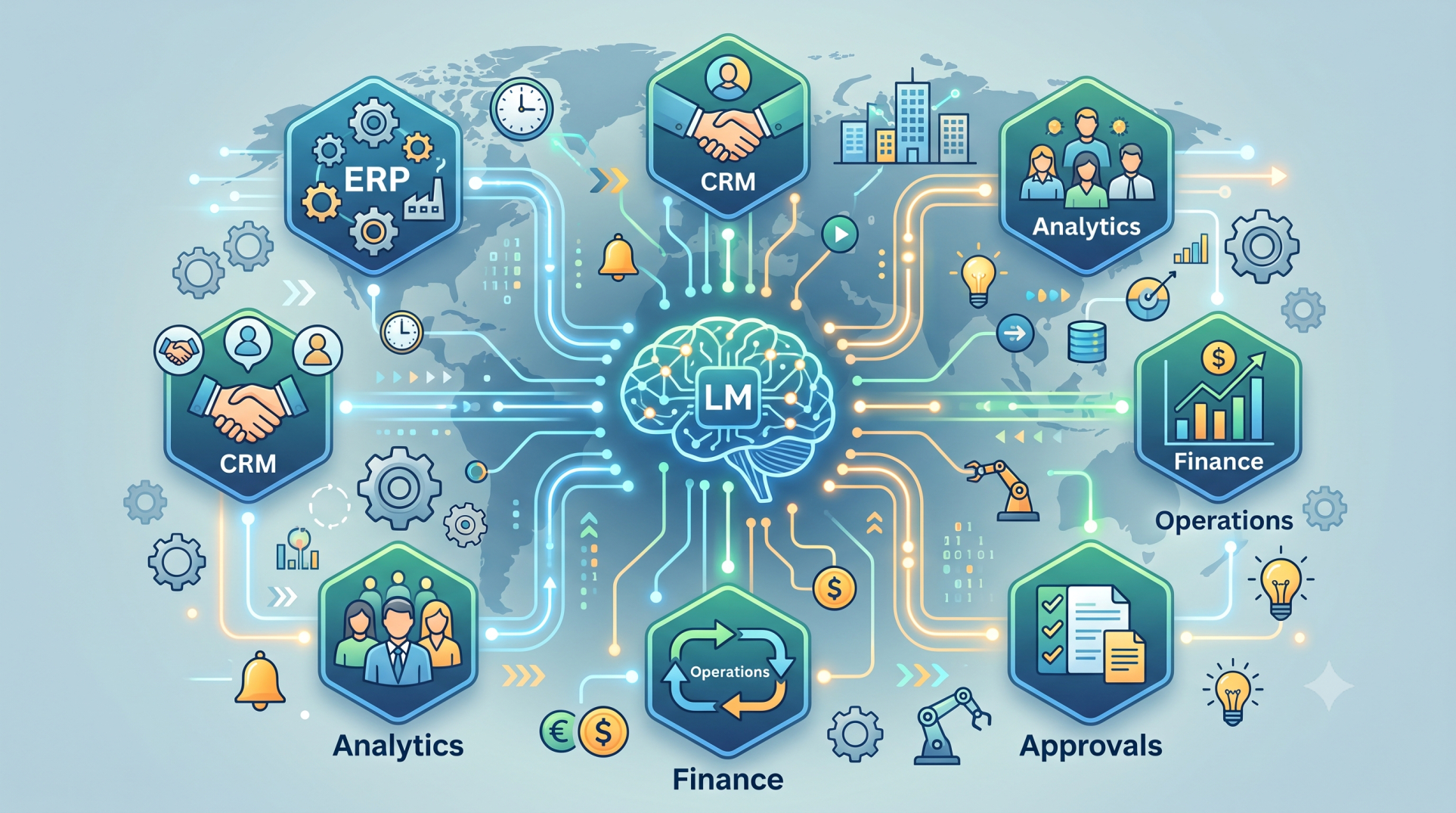
• Connect ERP, procurement, and inventory platforms 🔗
• Access product catalogs and supplier documentation 📄
• Incorporate approved vendor lists and historical purchasing data 📊
• Combine multiple sources to create broader supplier intelligence
Step 3: Intelligent Supplier Matching 🎯
• Match suppliers against product and service requirements
• Compare capabilities, locations, certifications, and availability 📍
• Identify suppliers based on both explicit and contextual requirements 🧩
• Rank potential vendors according to business priorities ⭐
• Continuously refine recommendations as requirements change 🔄
Step 4: Understanding Complex Procurement Requirements 📝
• Interpret technical product specifications and industry terminology 🏭
• Recognize quantities, delivery requirements, and geographic preferences 📦
• Understand quality standards and certification requirements ✅
• Identify relationships between different sourcing criteria 🔗
• Handle conversational and evolving procurement requests naturally 💬
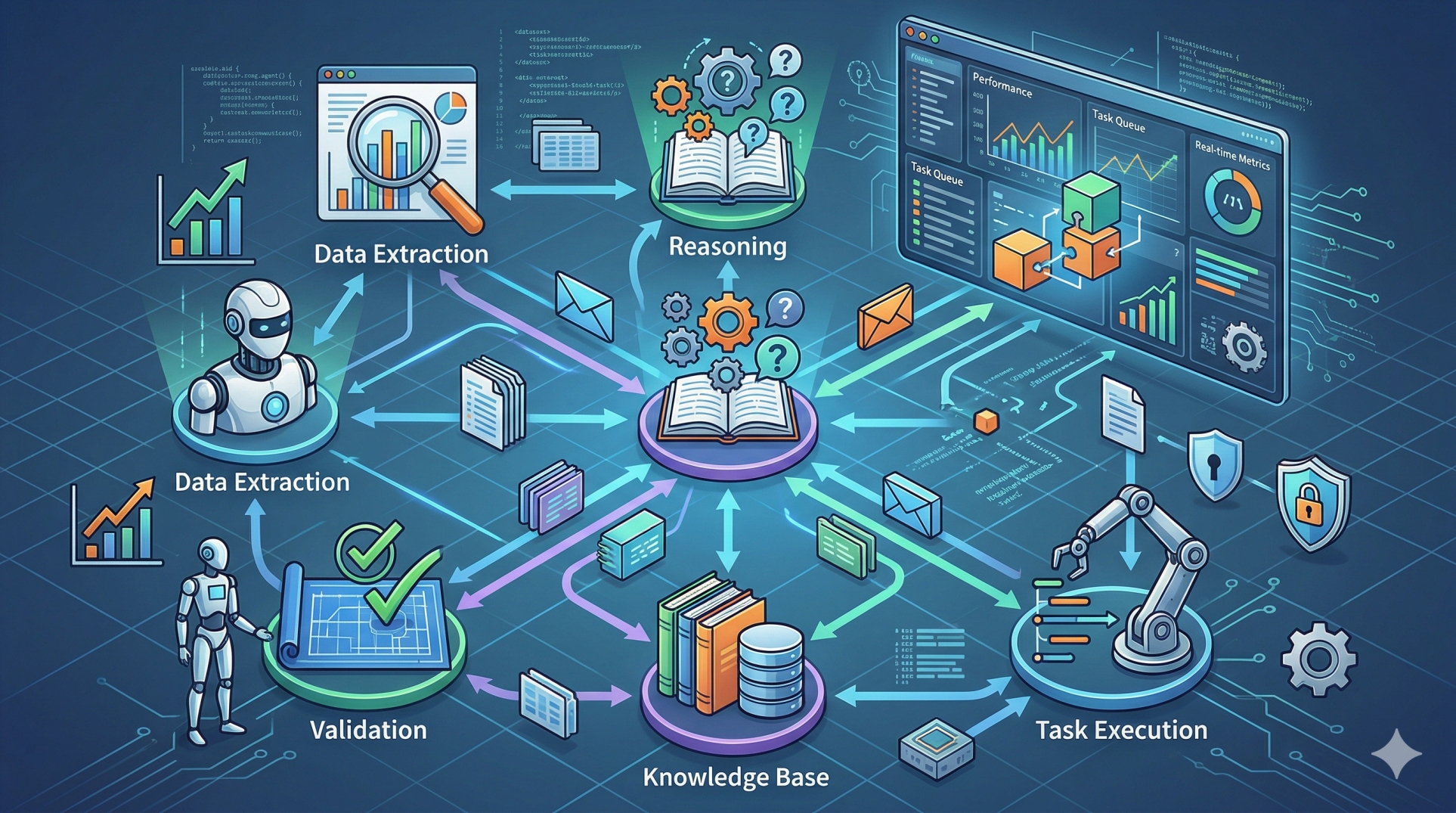
Step 5: Automating Supplier Research 🤖
• Reduce repetitive supplier research activities ⏱️
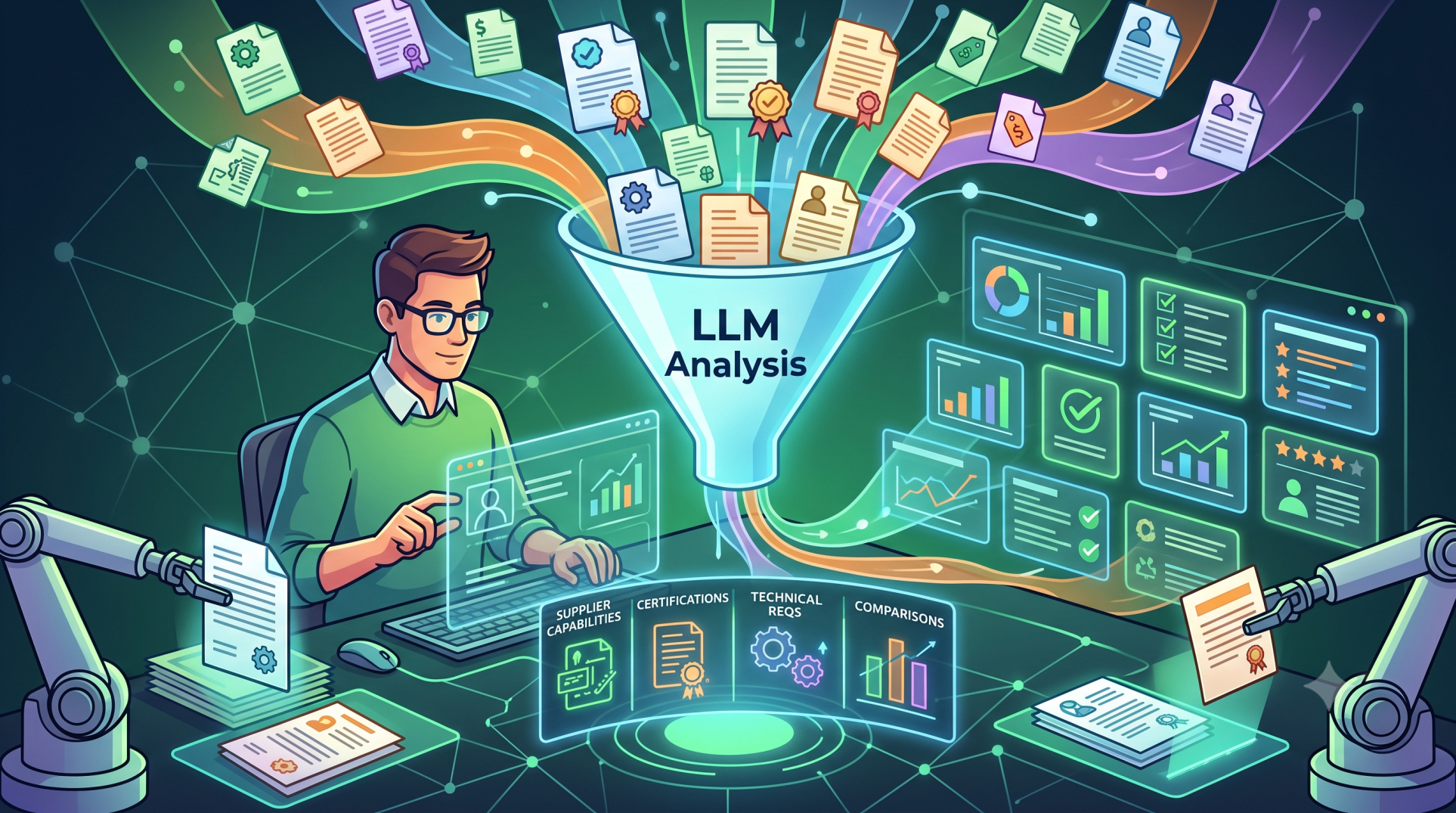
• Automatically collect relevant supplier information 📥
• Summarize company capabilities and product offerings 📋
• Highlight potential matches for procurement teams 🎯
• Accelerate the initial stages of vendor evaluation 🚀
Step 6: Improving Supplier Evaluation 📊
• Compare vendors using standardized criteria ⚖️
• Analyze pricing, lead times, capabilities, and service coverage 💰
• Surface relevant supplier documentation and evidence 📚
• Identify potential gaps before supplier engagement ⚠️
• Support procurement teams with data-driven comparisons 💡
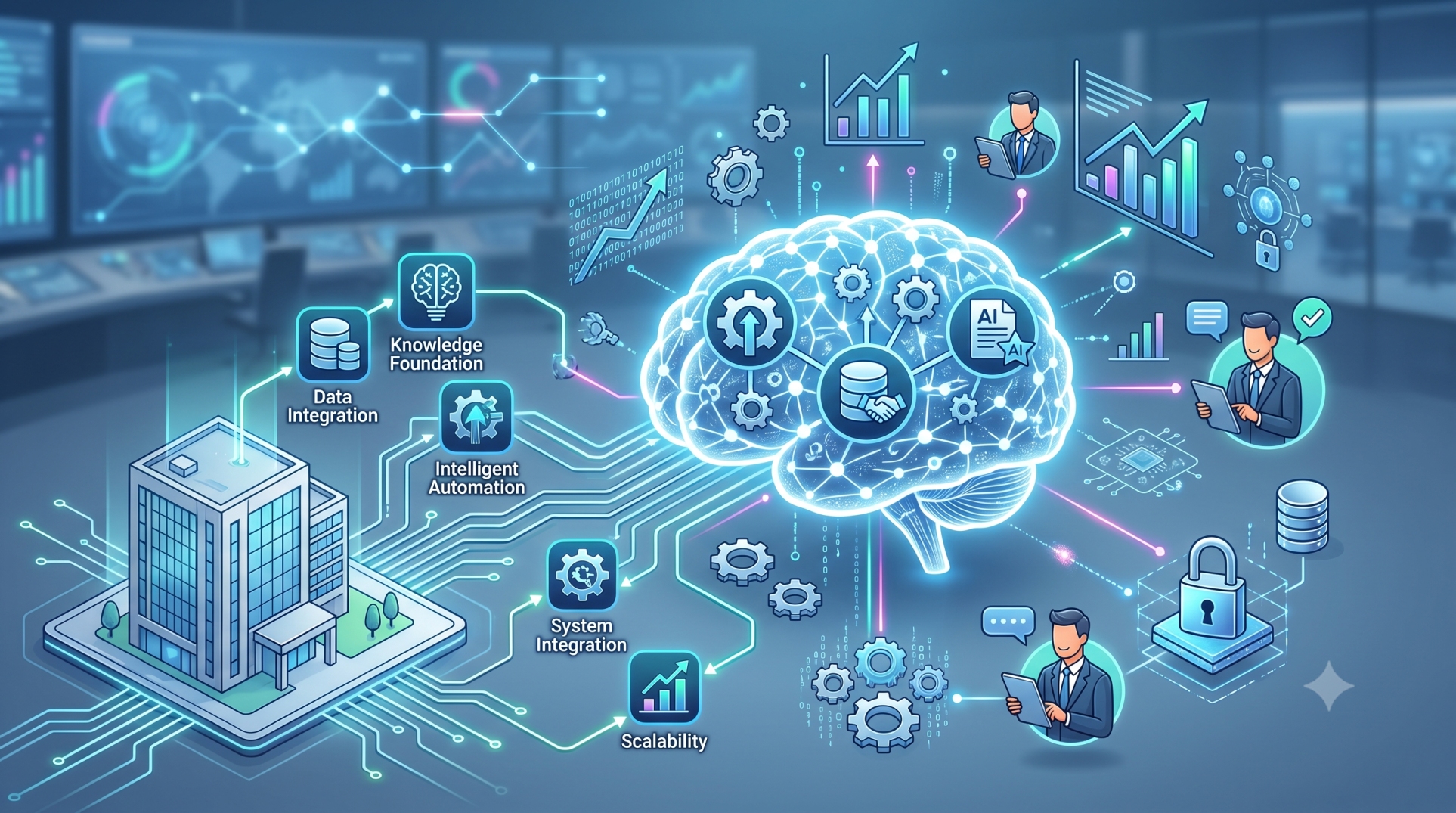
Step 7: Integrating Supplier Discovery with Procurement Workflows 🔗
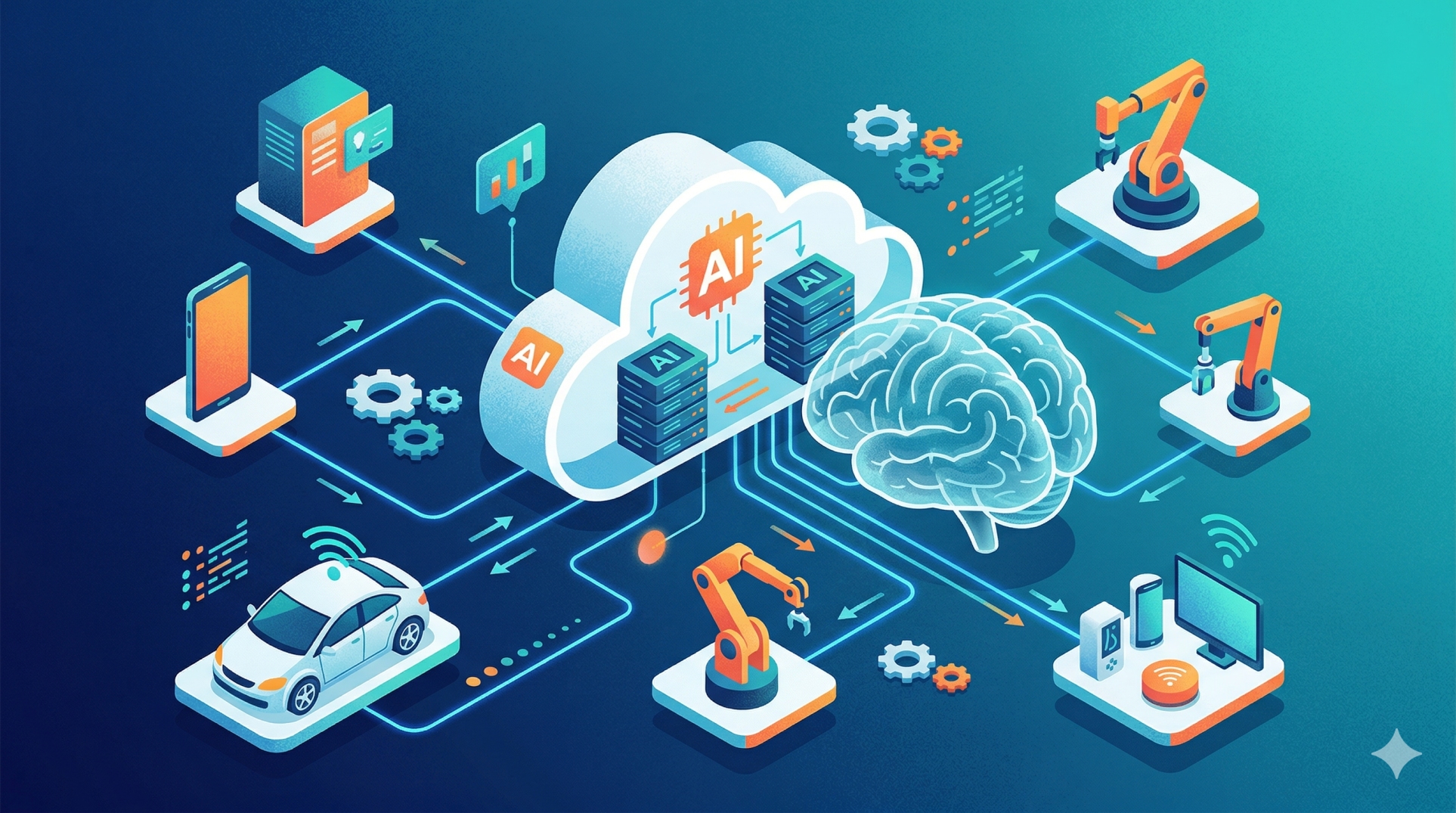
• Connect AI discovery tools with existing procurement platforms 🏢
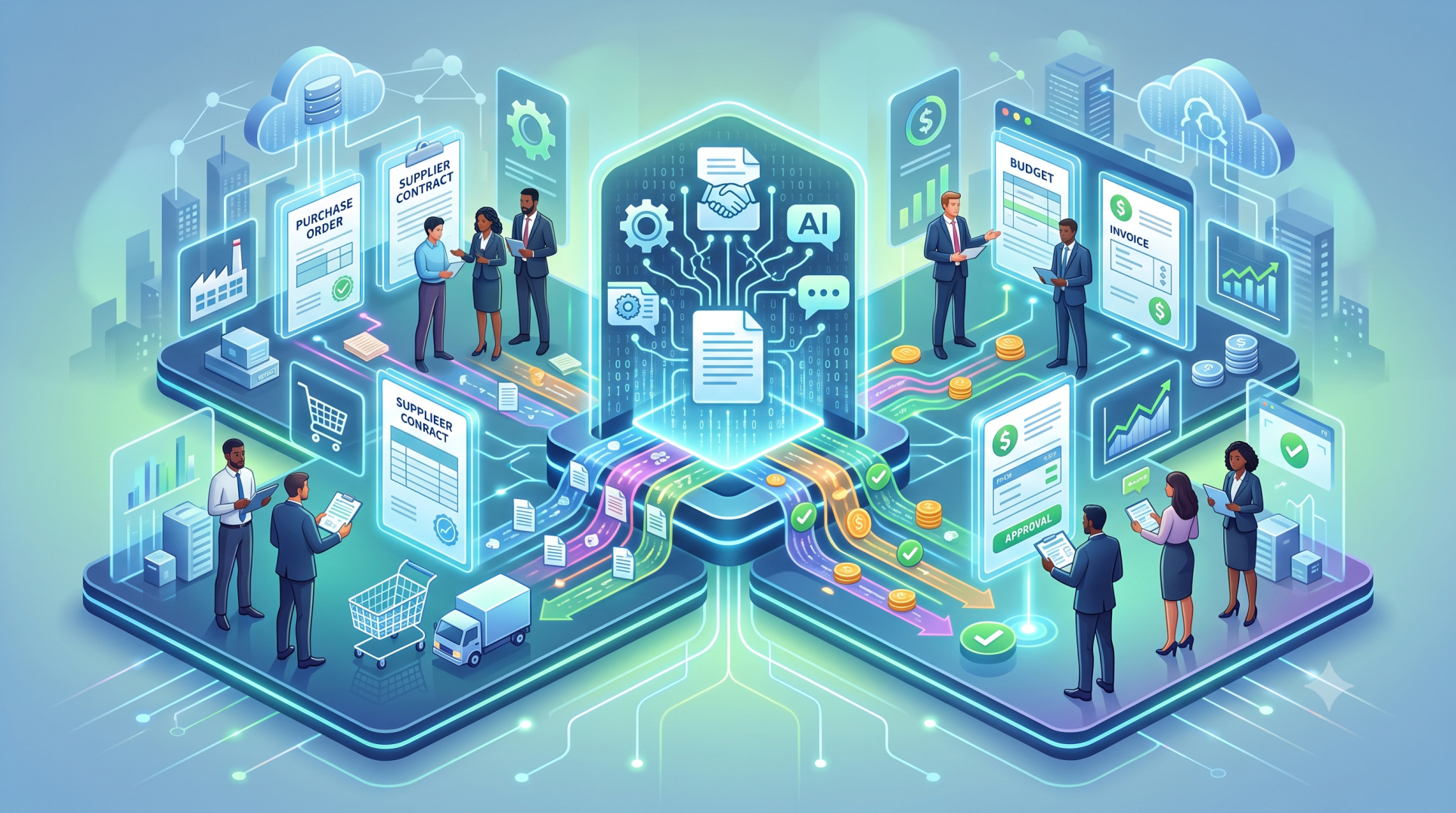
• Transfer qualified supplier information into sourcing workflows 🔄
• Support RFQs, vendor onboarding, and approval processes 📑
• Maintain supplier information within centralized systems 🗃️
• Create a connected path from supplier discovery to purchasing
Step 8: Strengthening Supplier Intelligence 🧠
• Build profiles using information gathered from multiple sources 📚
• Track supplier capabilities and business attributes over time 📈
• Identify emerging vendors and alternative sourcing options 🌱
• Detect changes in supplier availability or capabilities 🔔
• Give procurement teams a broader view of the supplier landscape 🌍
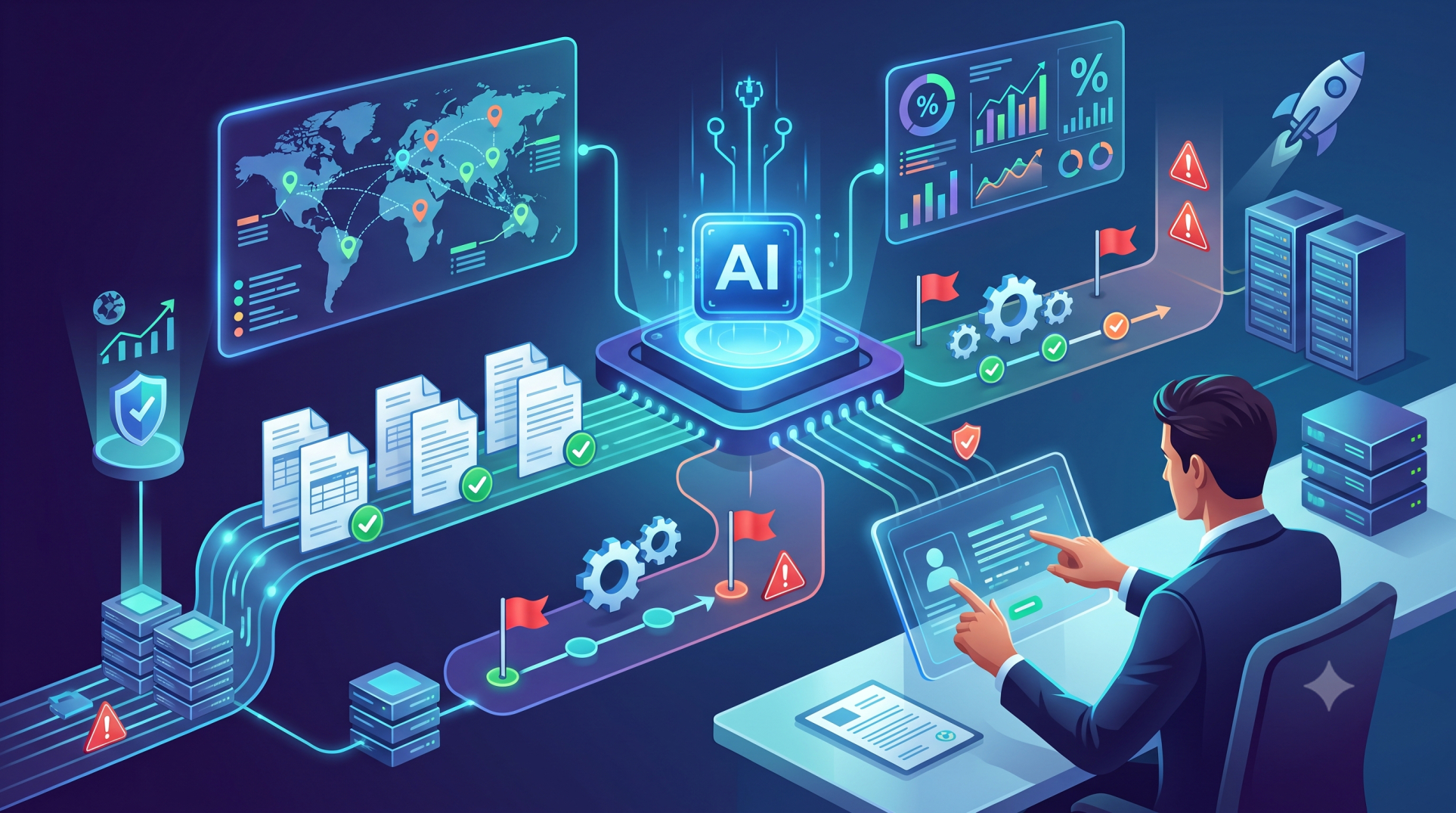
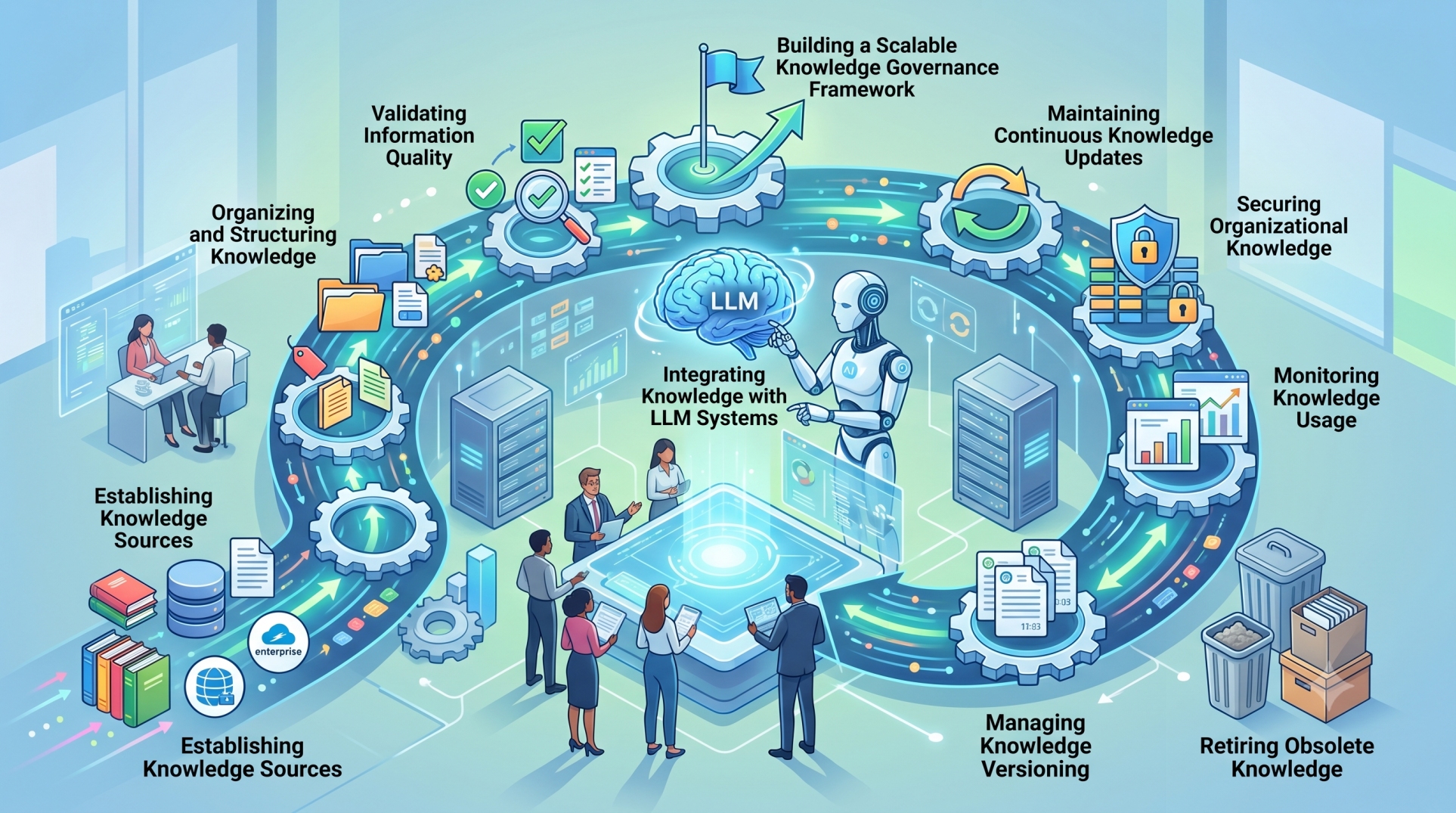
Step 9: Maintaining Accuracy and Governance 🔐
• Validate supplier information before presenting recommendations ✅
• Distinguish verified information from inferred results 🔎
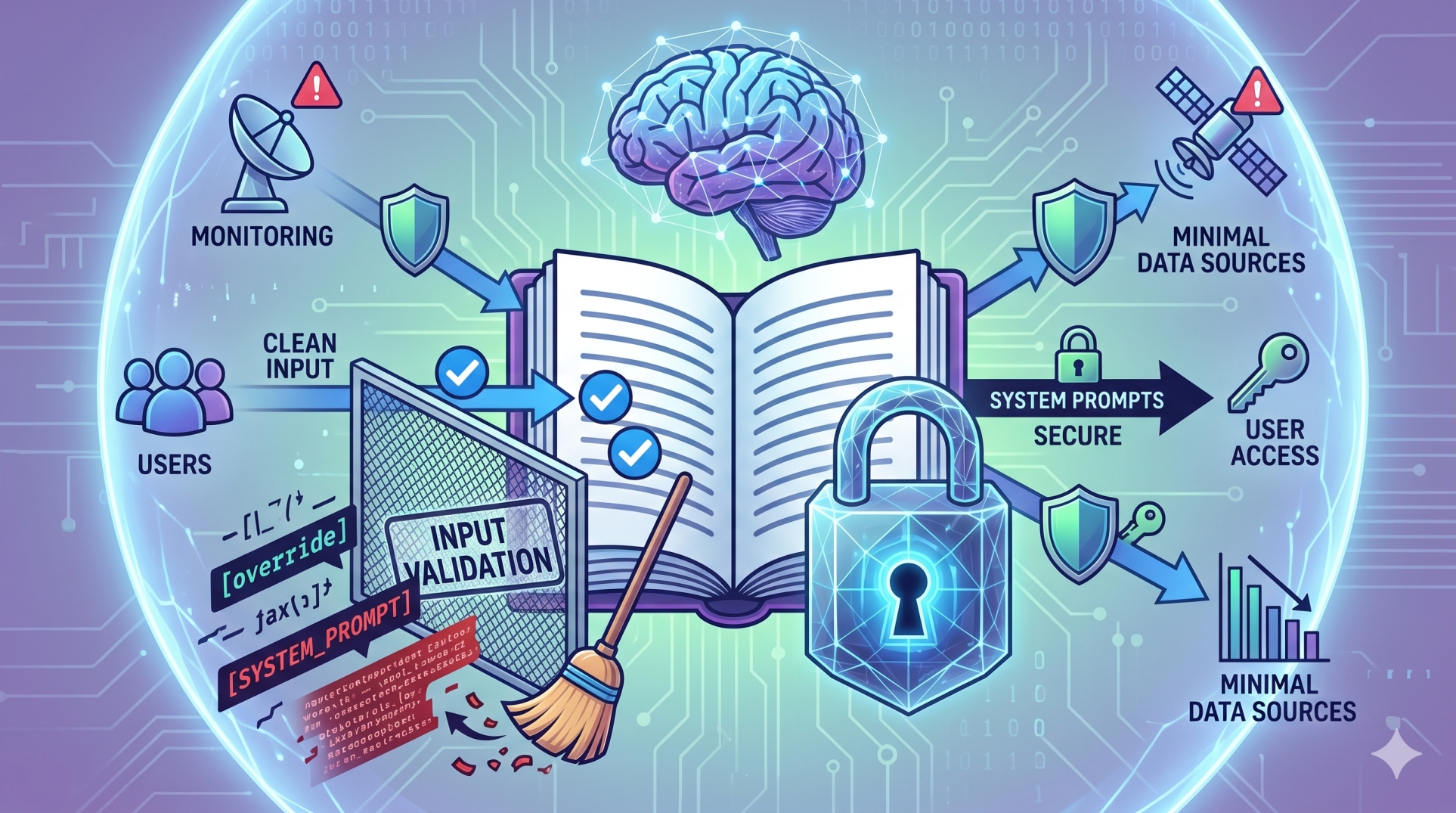
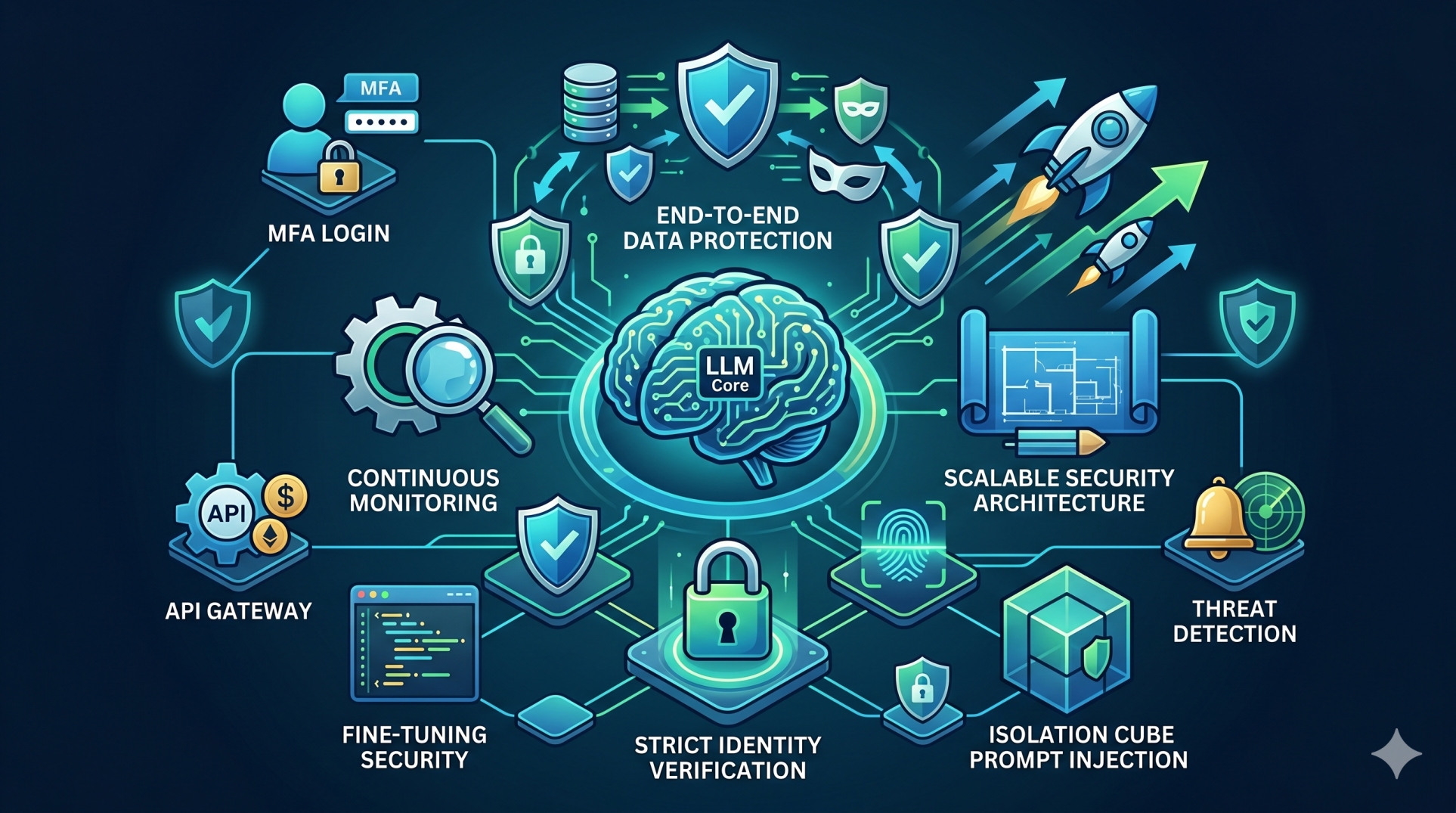
• Apply access controls to sensitive procurement data 🛡️
• Maintain records of supplier research and evaluation activities 🧾
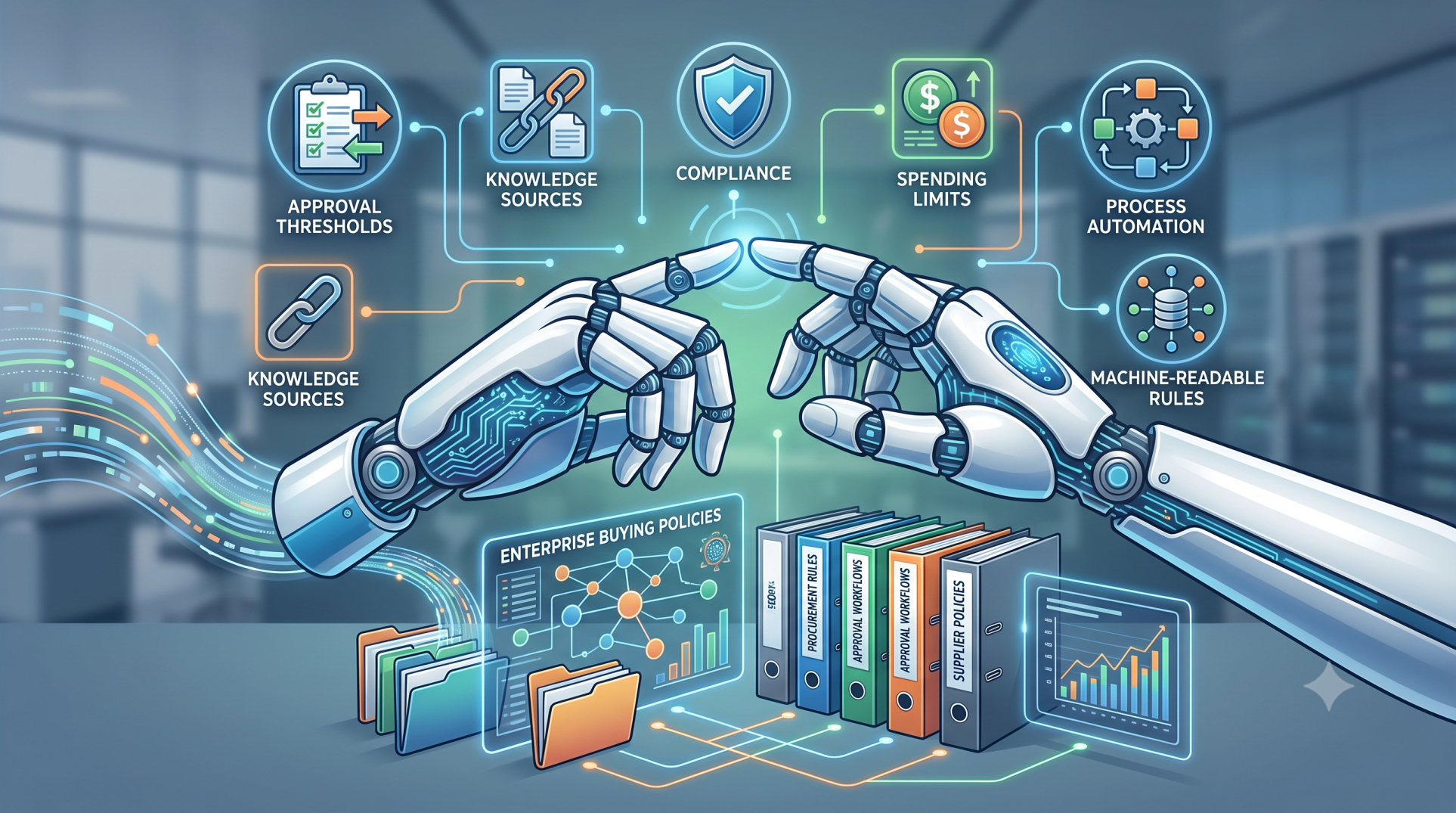
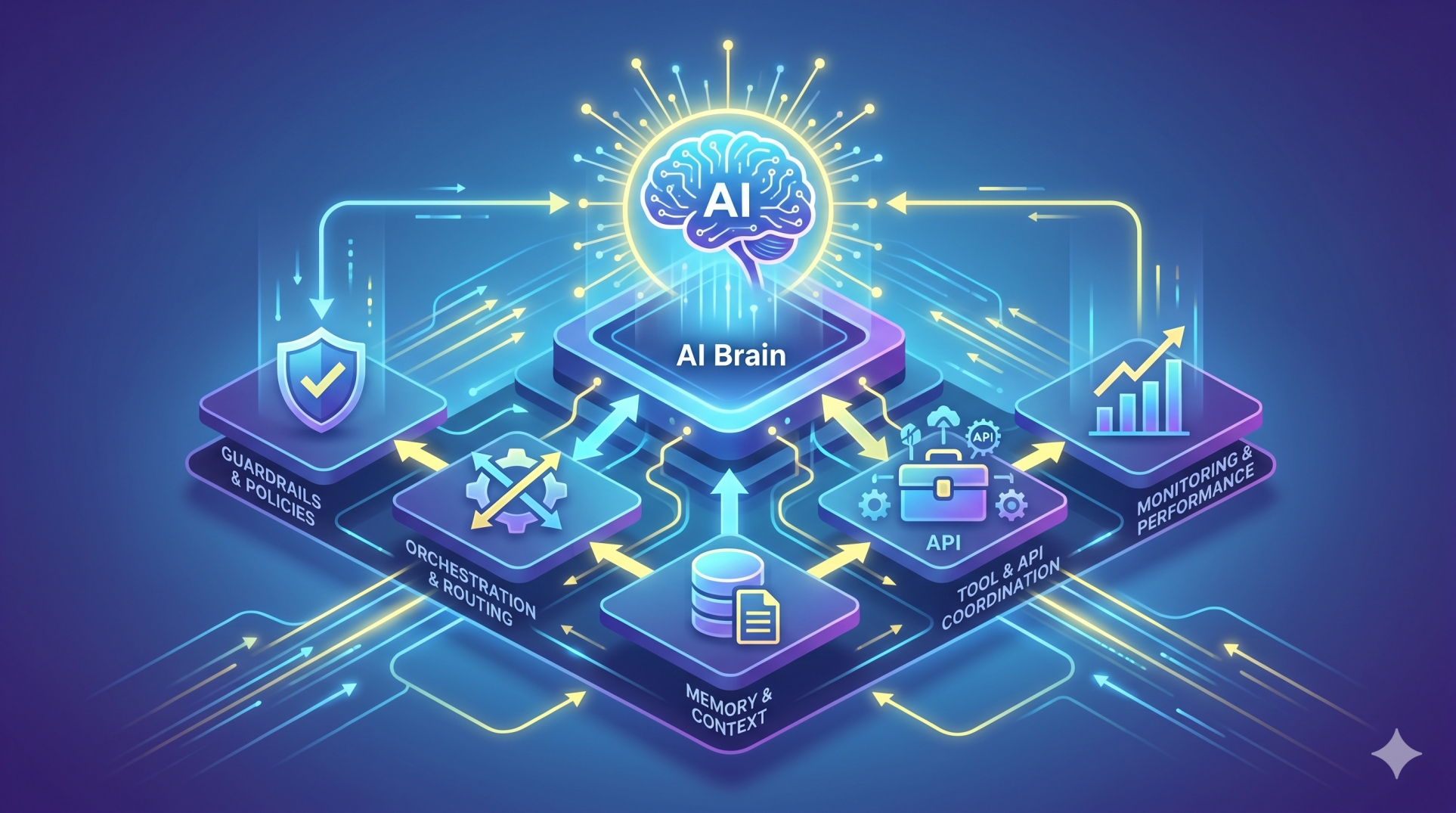
• Establish governance policies for AI-assisted sourcing decisions ⚖️
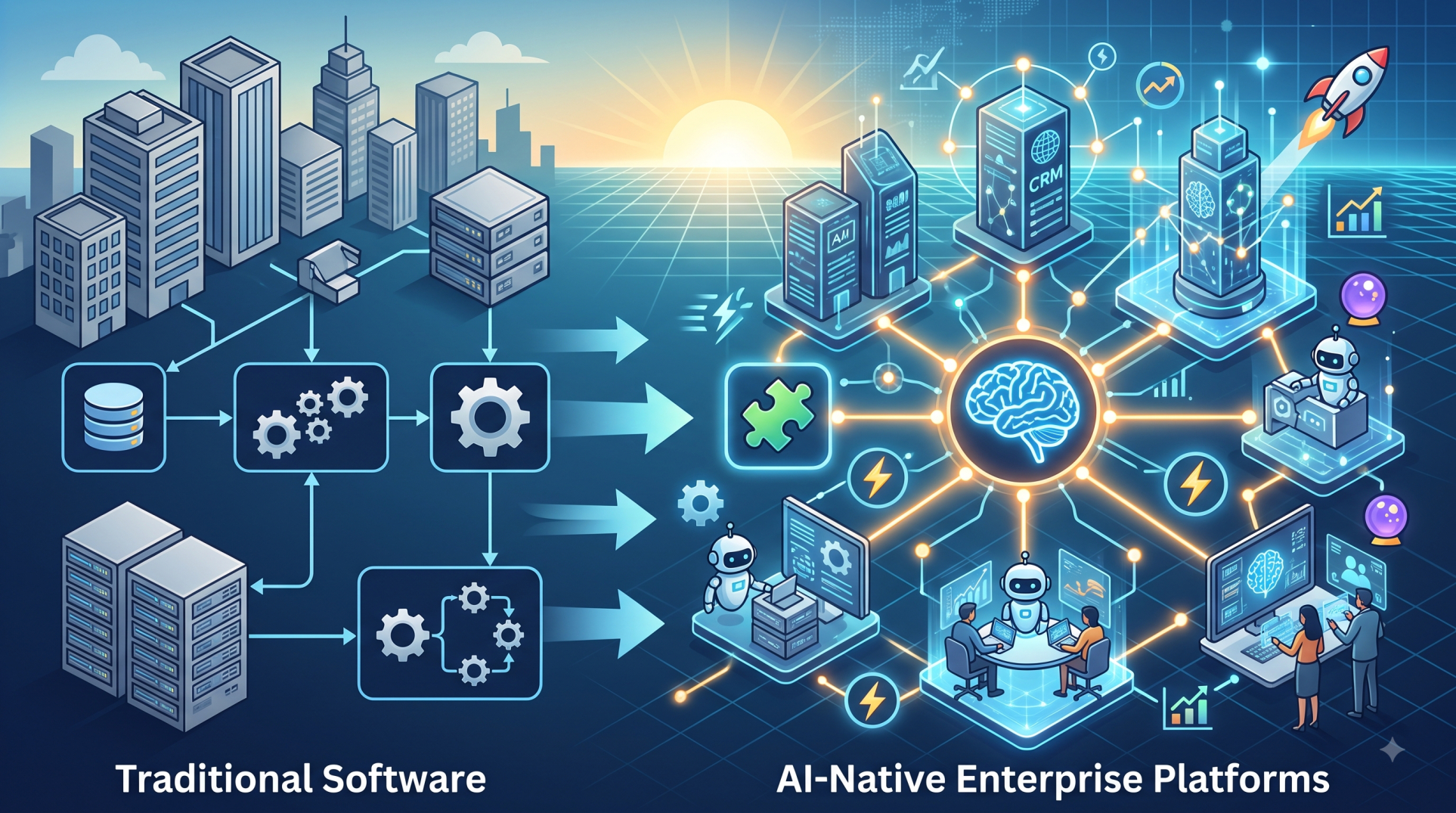
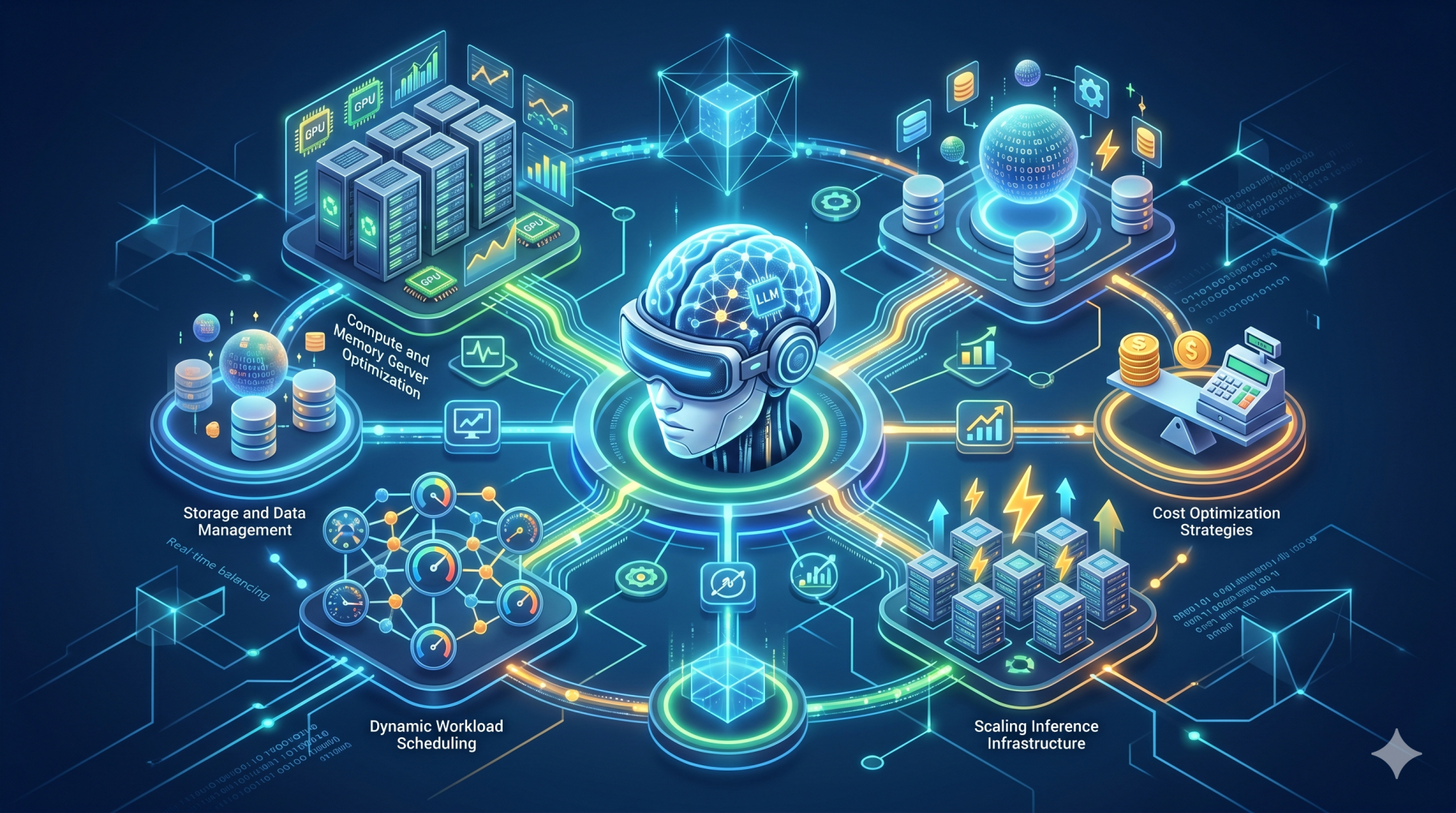
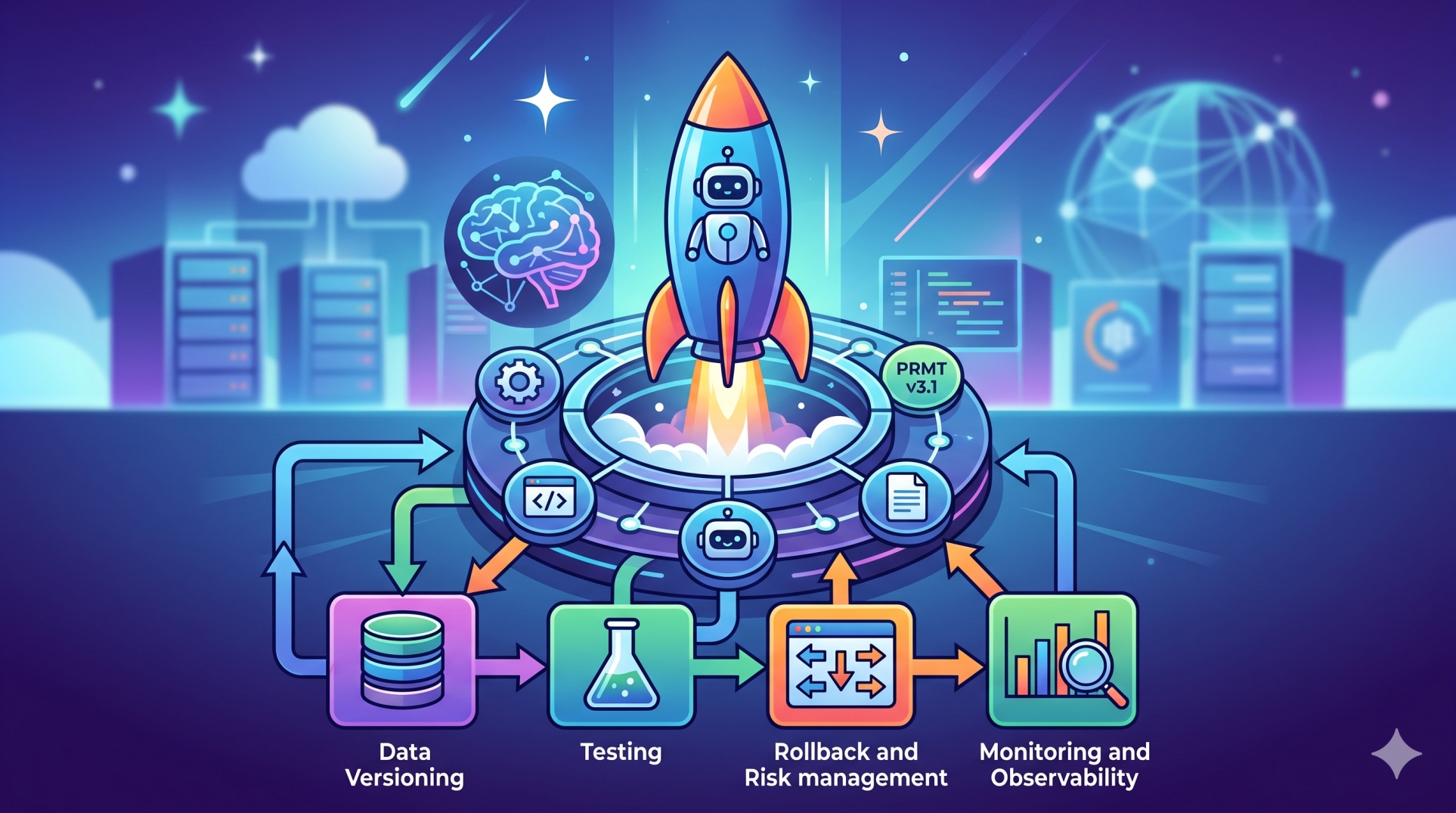
Step 10: Building Scalable AI-Driven Procurement 🔮
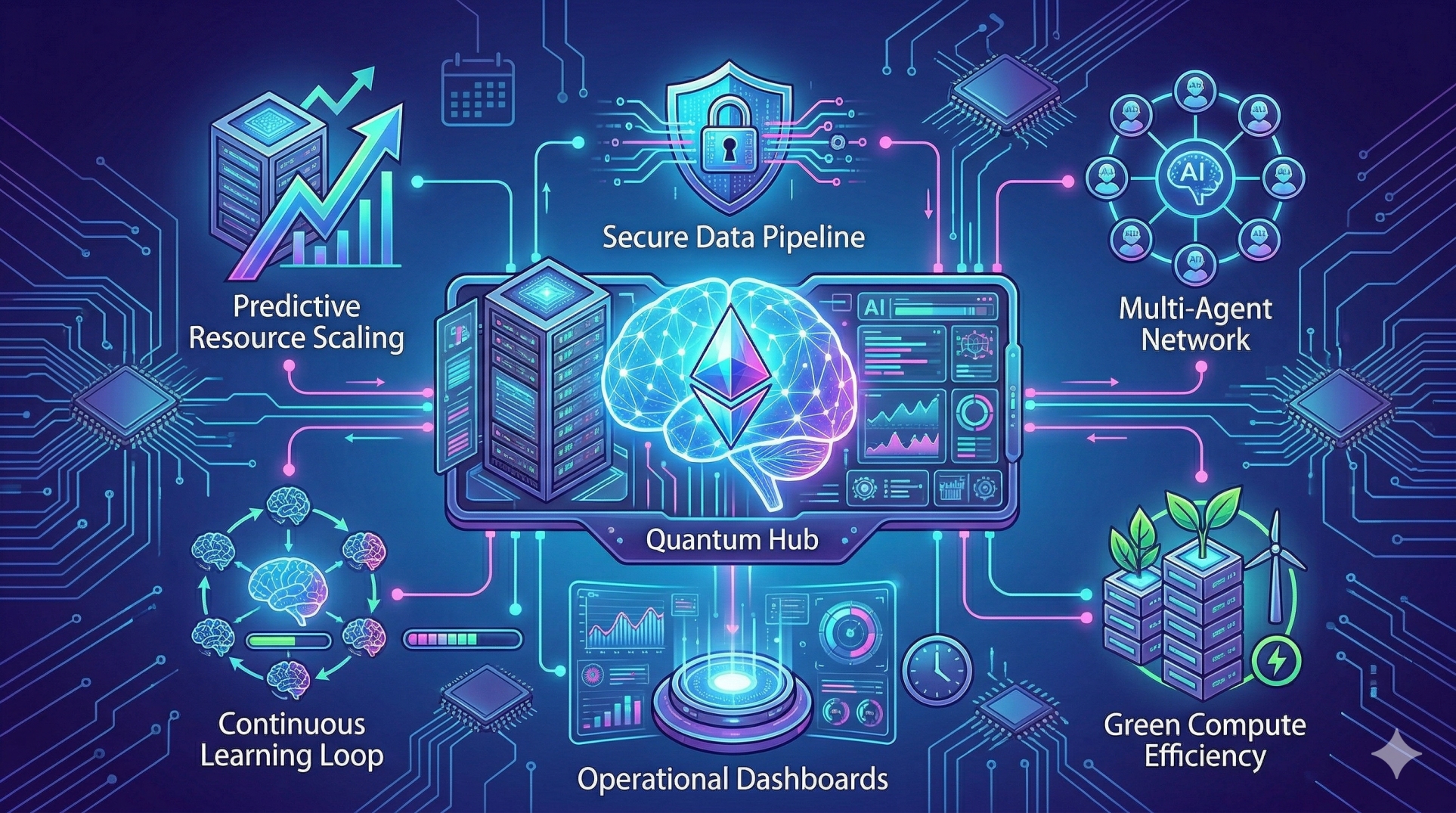
• Design supplier discovery systems that support growing procurement volumes 📈
• Add new data sources without rebuilding the entire platform 🔌
• Support multiple industries, categories, and sourcing regions 🌍
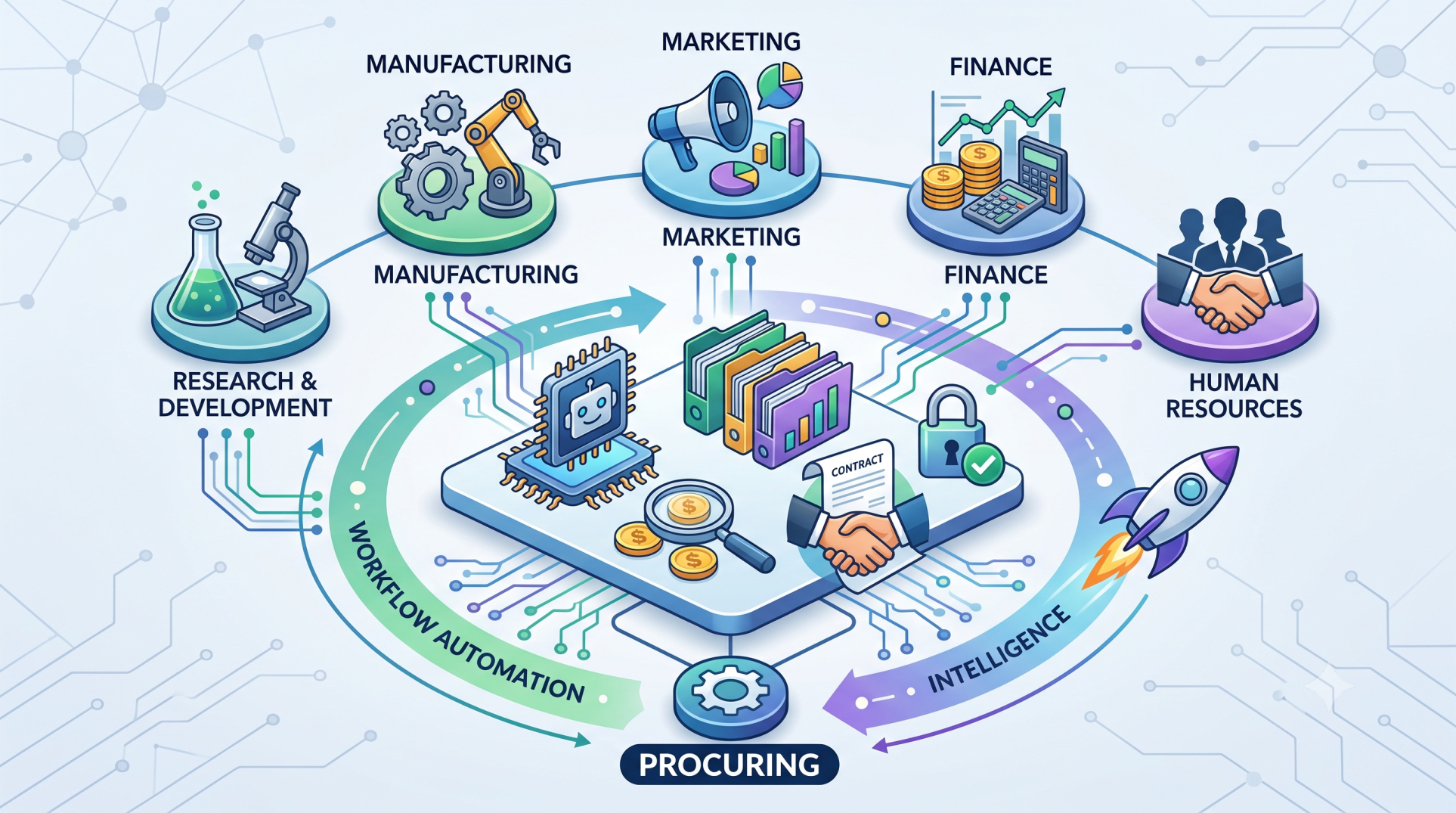
• Combine language AI with analytics and workflow automation 🤖
• Continuously improve supplier recommendations using organizational feedback 🔄
Conclusion
AI-powered supplier discovery through language-based software can transform how organizations identify and evaluate potential vendors. By understanding natural-language requirements, connecting diverse supplier information, and integrating recommendations into procurement workflows, businesses can reduce research effort while improving sourcing visibility. A well-designed system creates a more intelligent procurement environment where supplier discovery becomes faster, more flexible, and better aligned with evolving business requirements.
See more blogs
You can all the articles below