Using Language Models to Connect Procurement and Finance Operations

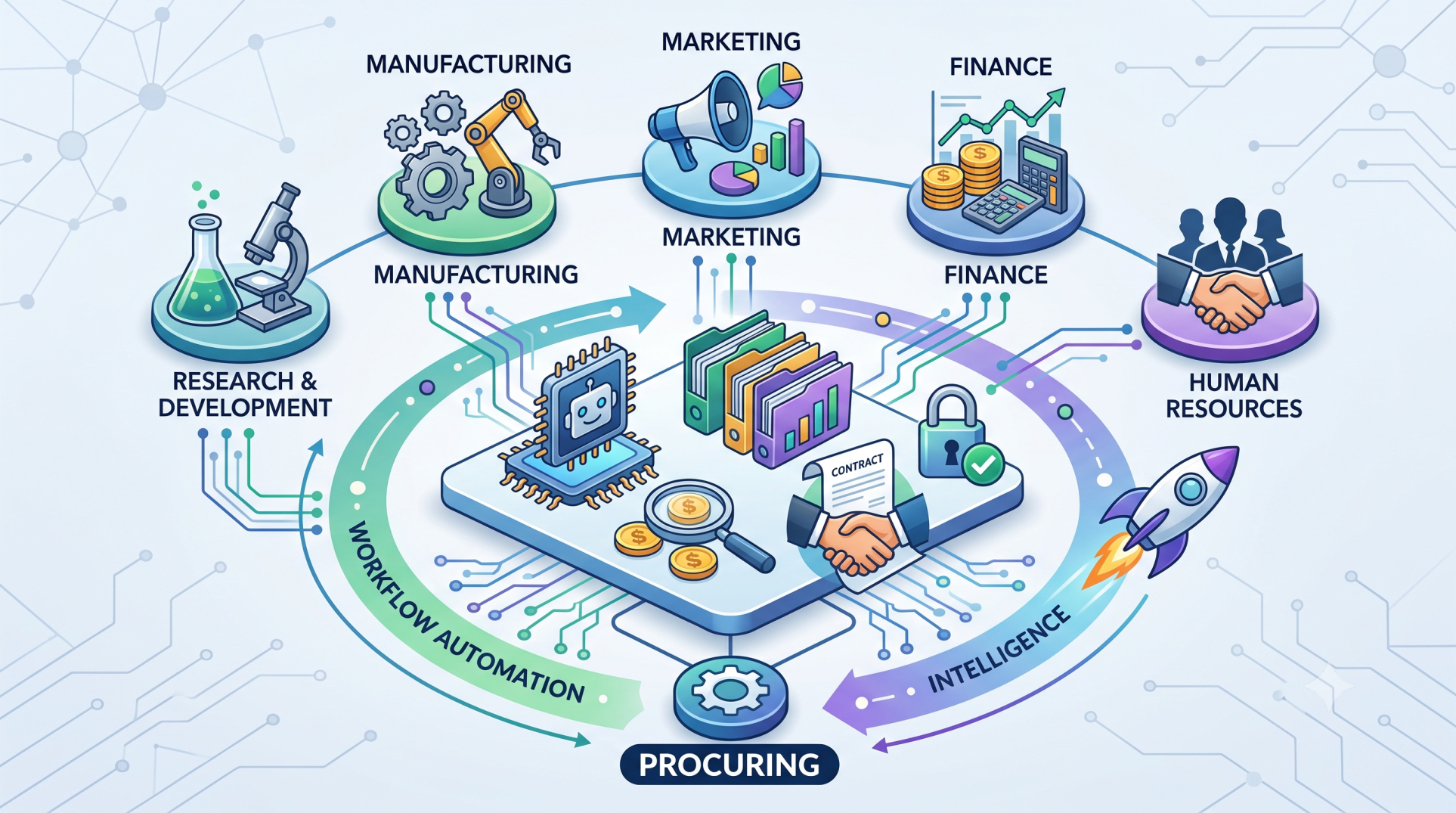
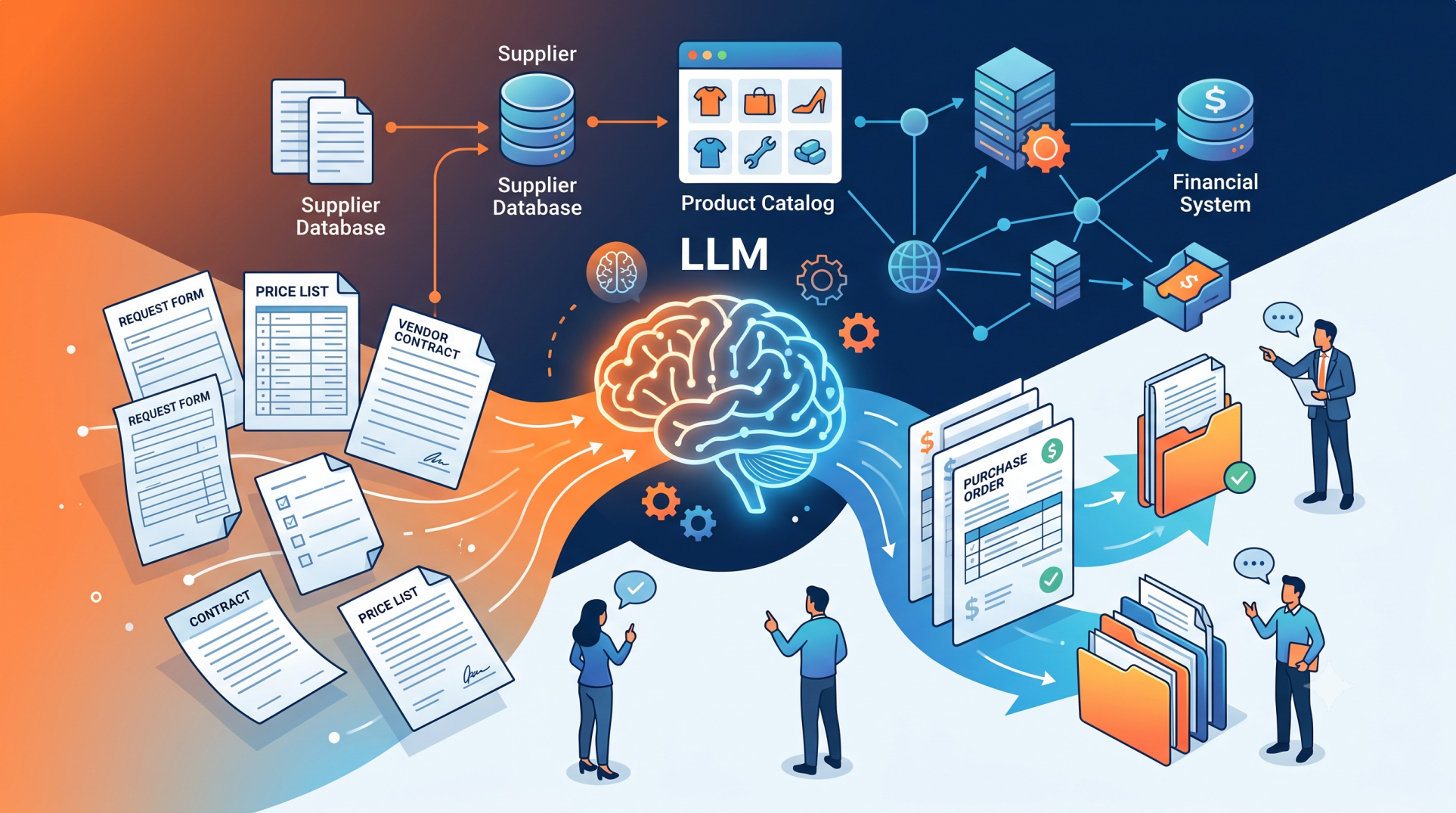
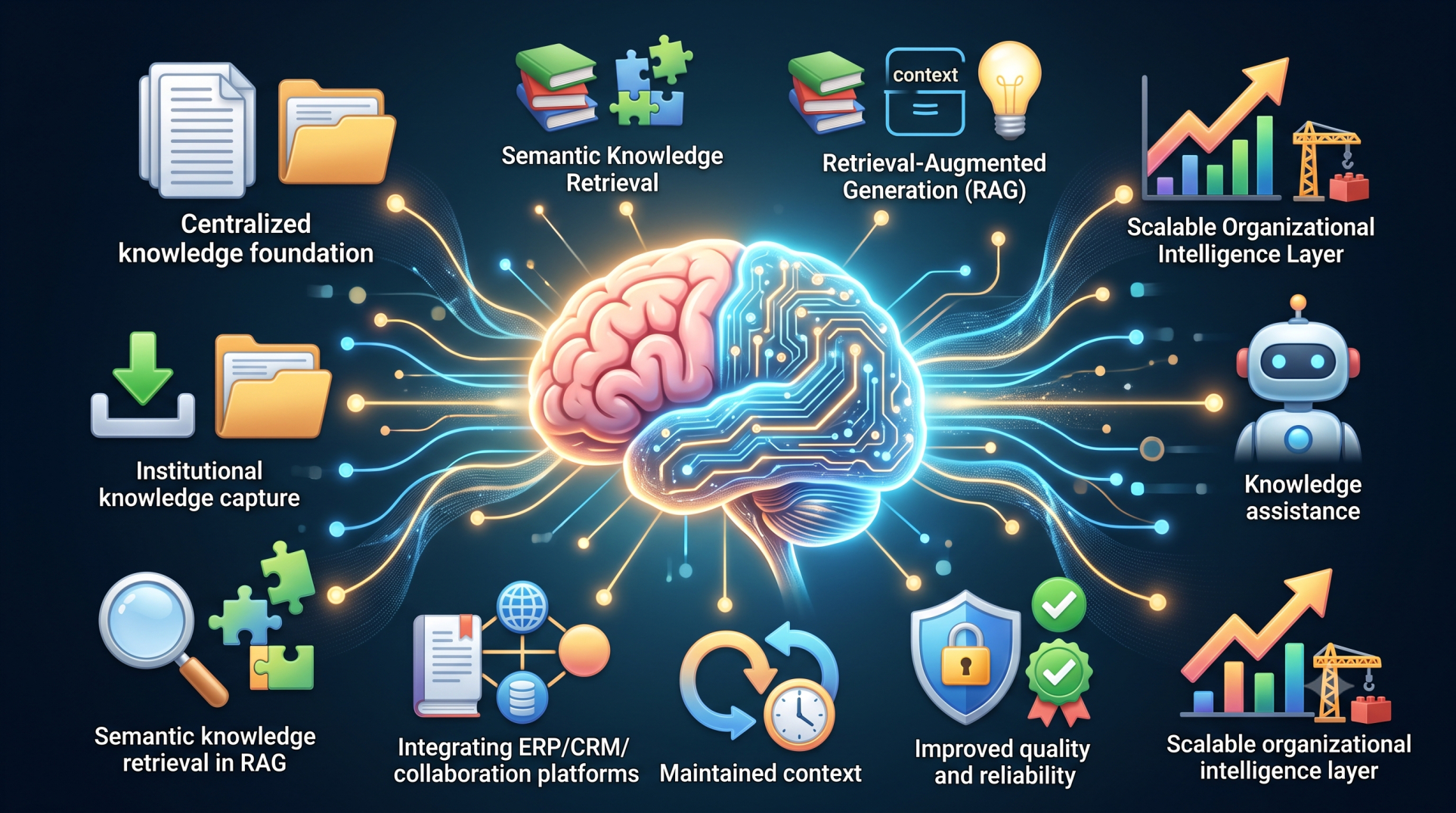
As organizations modernize their business processes, procurement and finance can no longer operate as disconnected functions. Procurement teams manage suppliers, purchase requests, contracts, and orders, while finance oversees budgets, invoices, payments, and financial controls. Language models can help connect these workflows by interpreting business information, automating routine interactions, and improving the flow of data between the two functions.
Step 1: Connecting Procurement and Finance Data 🔗
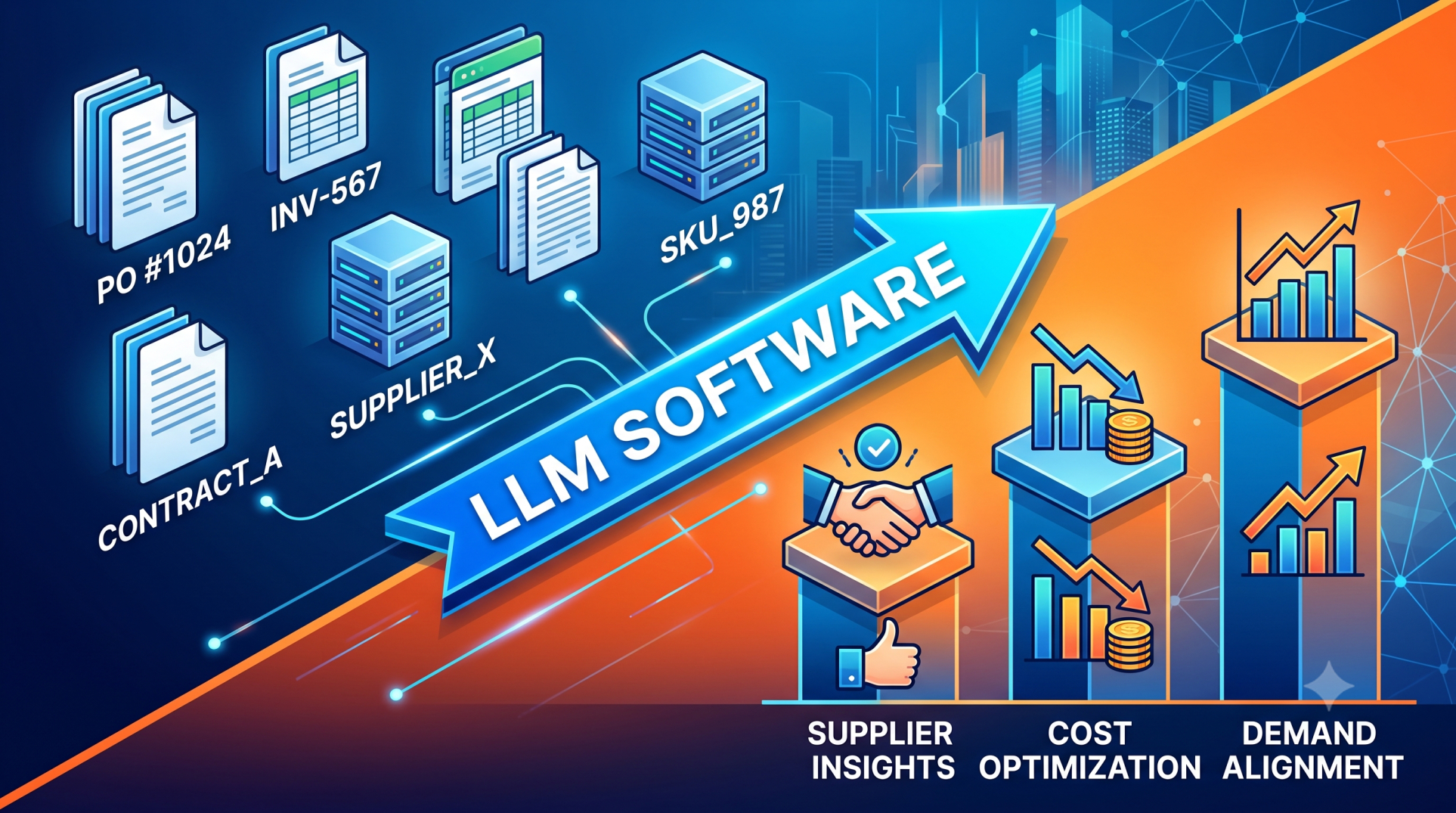
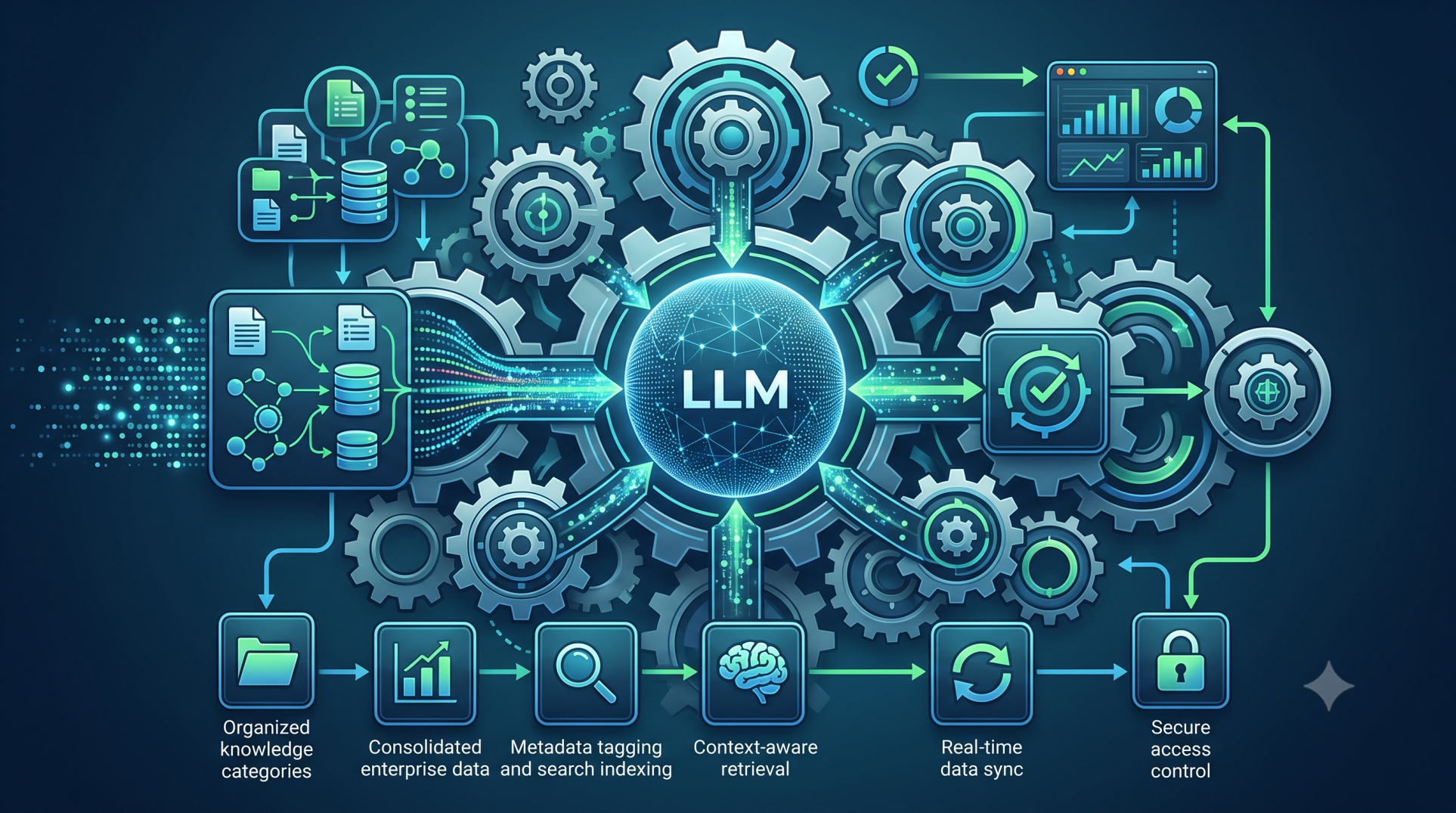
• Bring purchase orders, invoices, budgets, and supplier records into connected workflows 📊
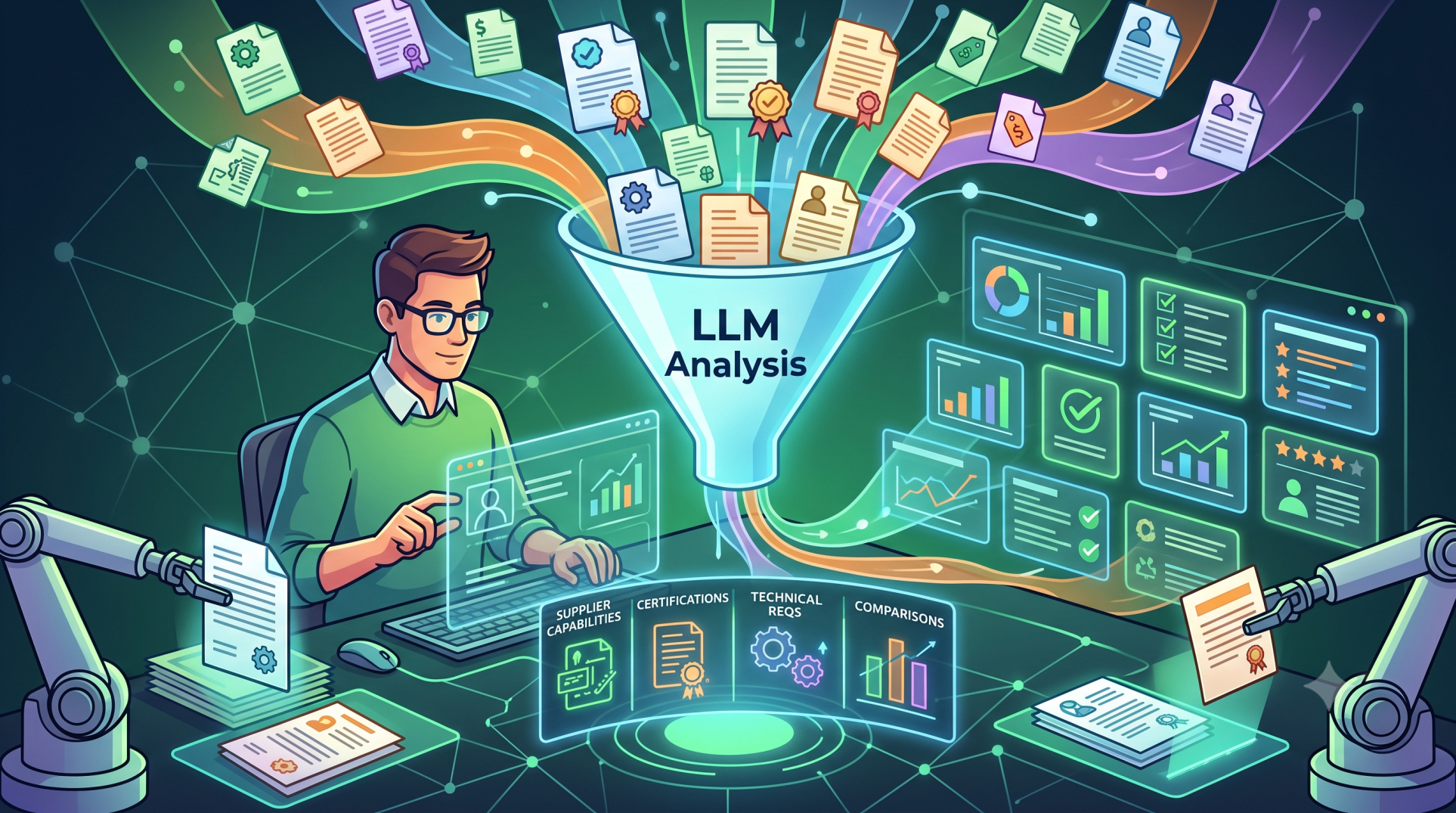
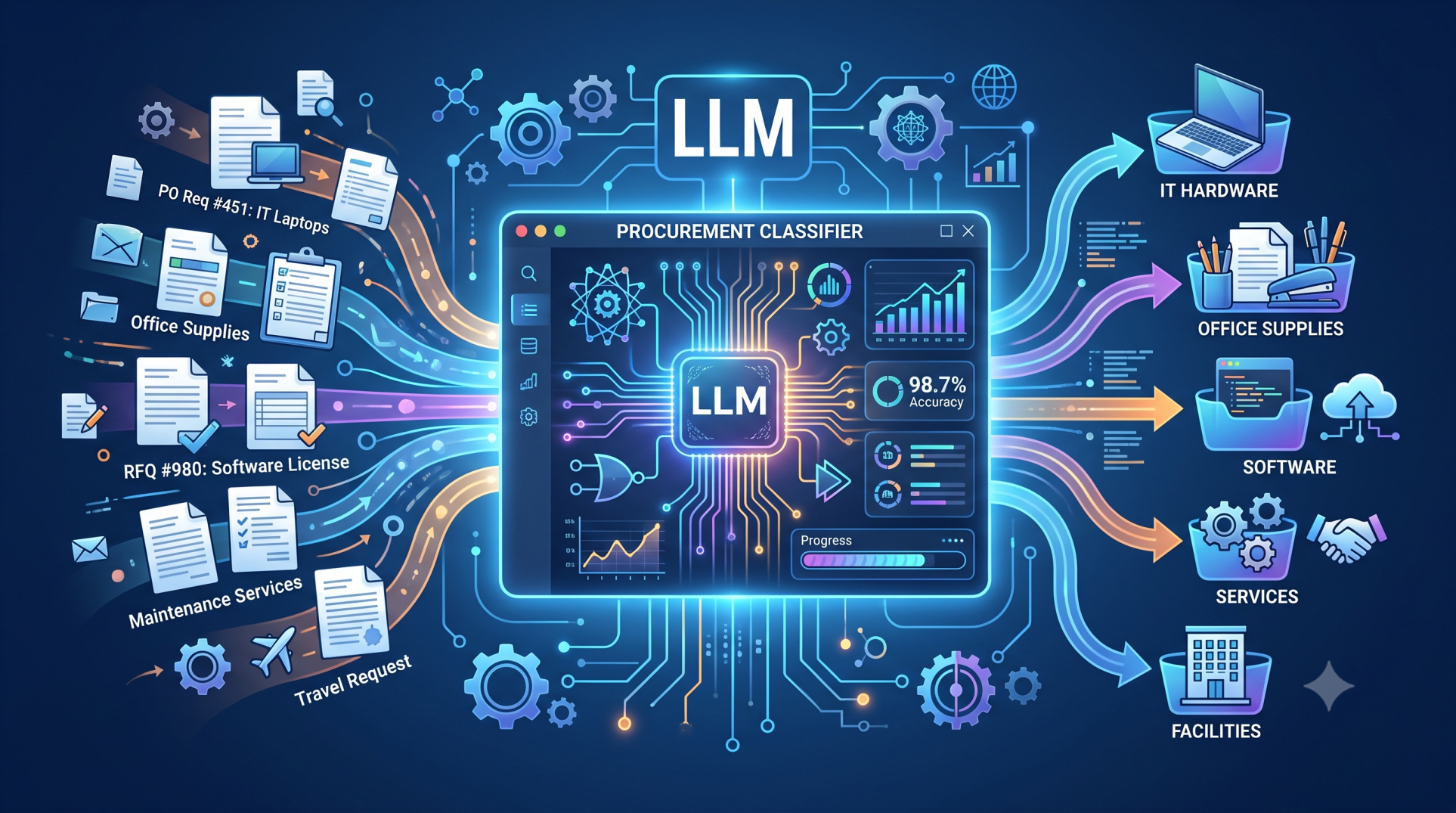
• Use language models to interpret information across different document formats 📄
• Reduce data silos between procurement and finance teams 🏢
• Improve visibility into purchasing and financial commitments 👀
• Create a more consistent flow of information between departments 🔄
Step 2: Automating Purchase Request Processing 🤖
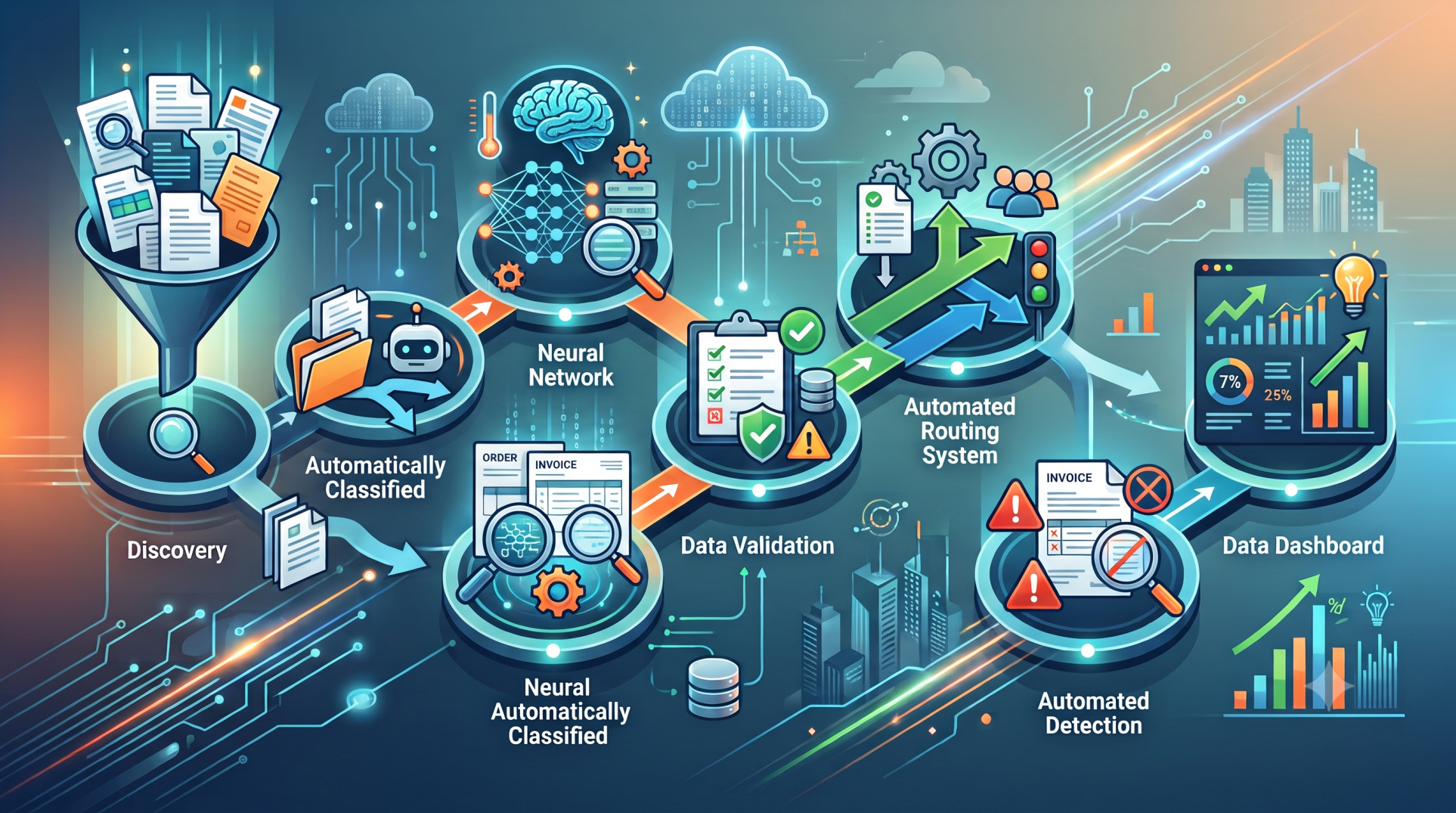
• Analyze purchase requests and extract relevant details automatically 📝
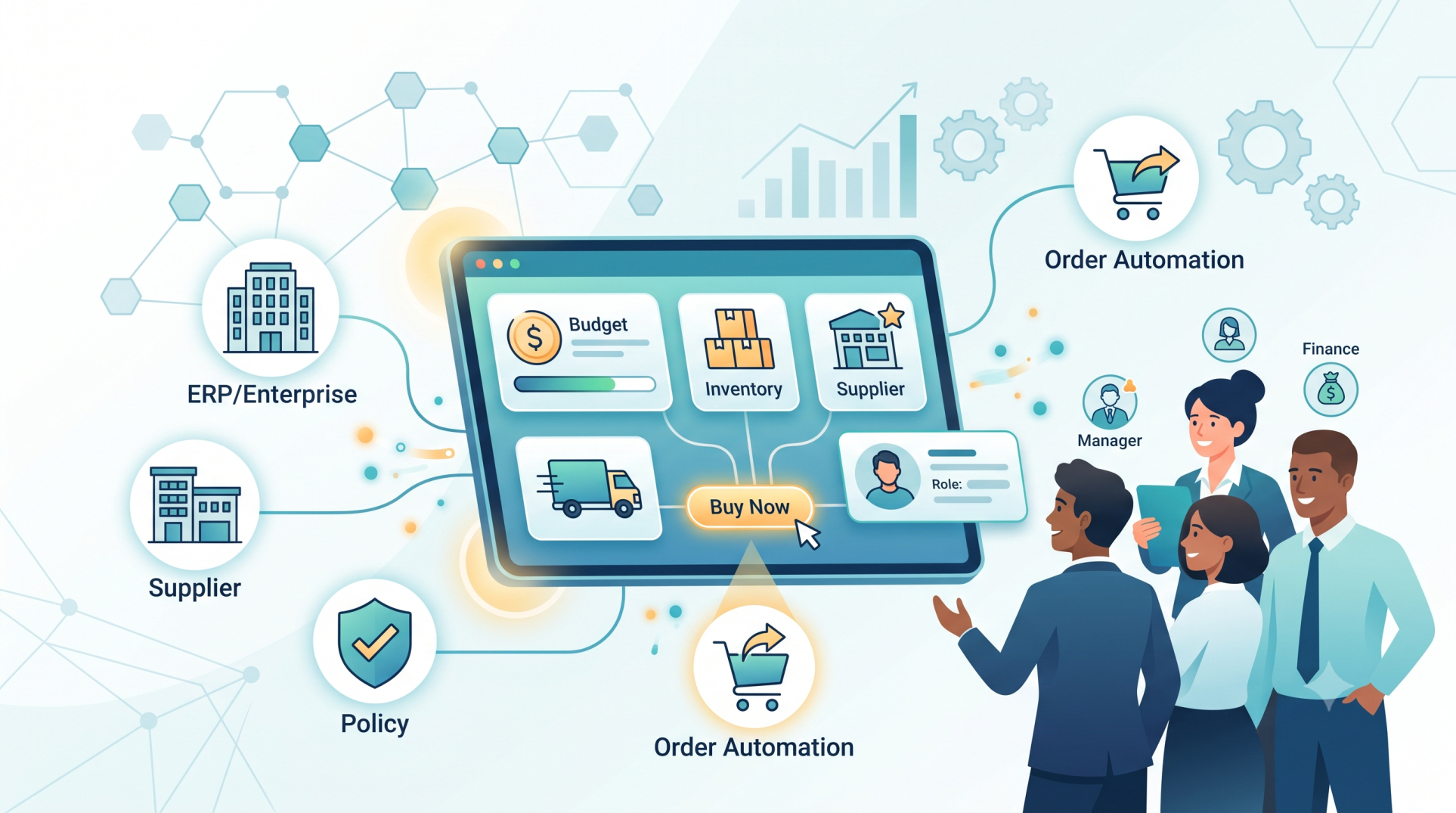
• Identify required approvals based on purchasing rules ✅
• Compare requests against available budgets 💰
• Route requests to the appropriate procurement or finance team 📤
• Reduce manual entry and administrative effort ⏱️
Step 3: Improving Supplier and Purchase Order Management 🏭
• Extract supplier information from contracts and procurement documents 📑
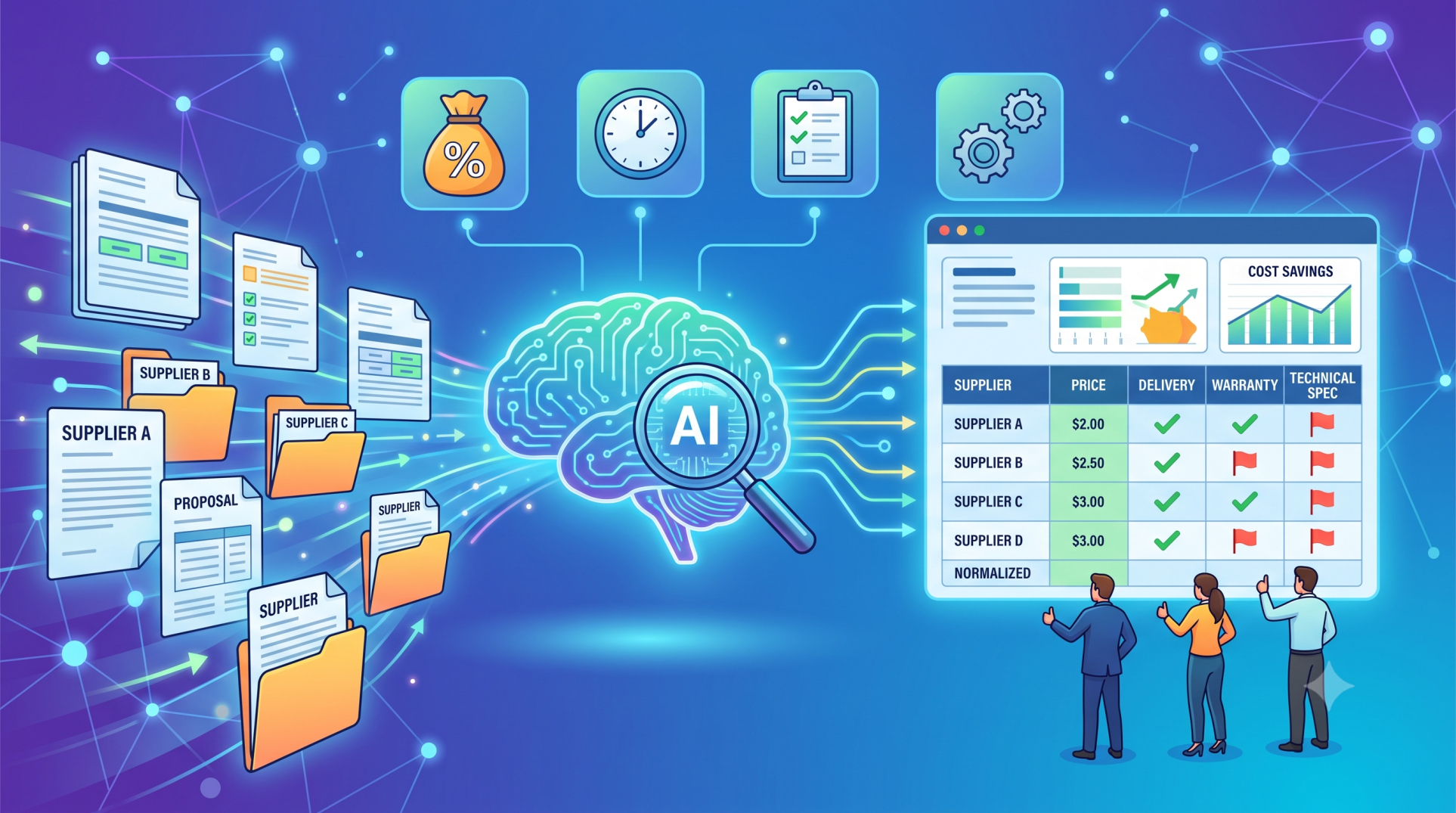
• Compare purchase orders with approved purchasing requirements 🔍
• Identify missing or inconsistent information ⚠️
• Assist teams in reviewing supplier terms and conditions 📋
• Maintain better visibility into purchasing commitments 📈
Step 4: Streamlining Invoice Processing 🧾
• Extract invoice details using language and document-processing capabilities 📄
• Match invoices with purchase orders and related records 🔗
• Highlight discrepancies in quantities, prices, or payment terms 🚨
• Route exceptions to the appropriate employees for review 👥
• Accelerate invoice processing while reducing repetitive work ⚡
Step 5: Strengthening Budget Oversight 💰
• Connect purchasing activity with departmental budgets 📊
• Identify potential budget overruns before approval 🚦
• Summarize spending commitments for finance teams 📈
• Provide context around unusual purchasing activity 🔎
• Support more informed spending decisions 💡
Step 6: Enhancing Cross-Department Communication 💬
• Translate procurement data into finance-ready summaries 📝
• Help finance teams understand purchasing requirements more quickly ⚡
• Generate status updates for pending orders and approvals 📢
• Reduce back-and-forth communication between departments 🔄
• Keep stakeholders aligned throughout the purchasing lifecycle 🤝
Step 7: Detecting Exceptions and Financial Risks 🛡️
• Identify duplicate invoices or unusual purchasing patterns 🔍
• Flag transactions that require additional review 🚨
• Detect inconsistencies between orders, receipts, and invoices 📑
• Support compliance checks against internal policies 📜
• Help teams prioritize higher-risk transactions for human review 👨💼
Step 8: Improving Reporting and Business Insights 📊
• Generate summaries of procurement spending and supplier activity 📈
• Combine purchasing information with financial performance data 🔗
• Provide natural-language access to operational insights 🗣️
• Highlight spending trends and recurring issues 💡
• Help managers make faster, data-informed decisions ⚡
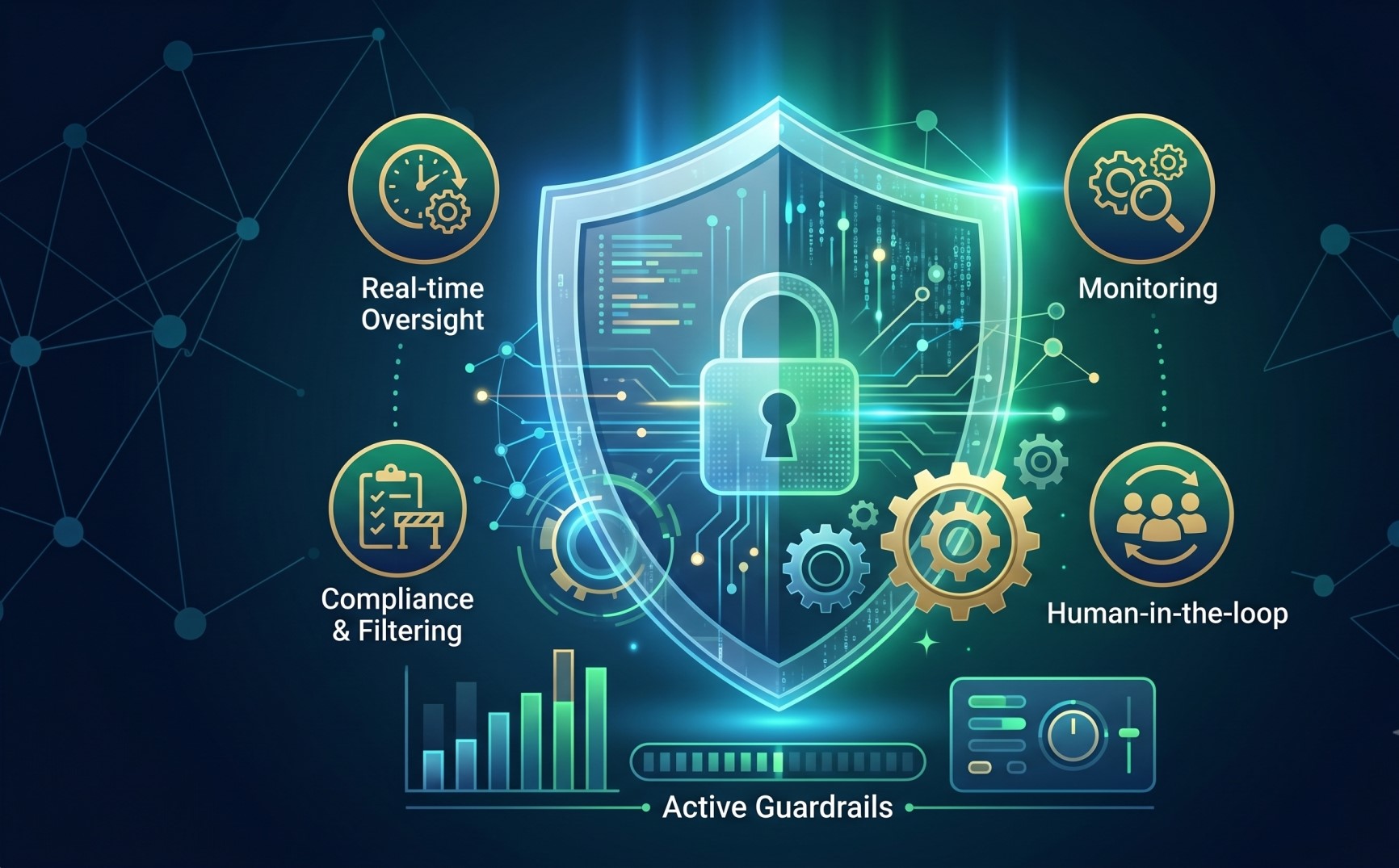
Step 9: Maintaining Governance and Human Oversight 🔐
• Apply role-based access to procurement and financial information 👥
• Protect sensitive supplier and payment data 🛡️
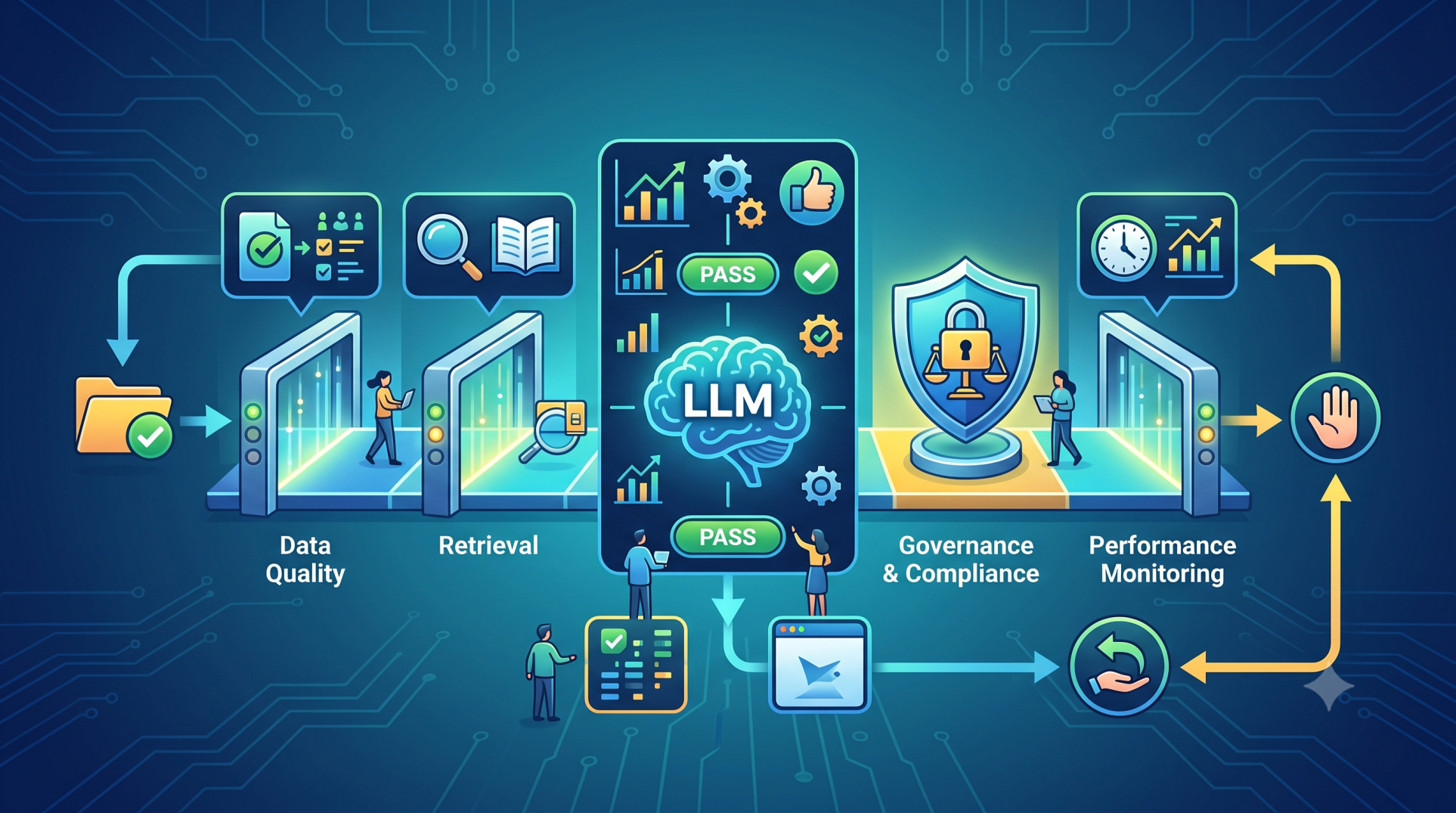
• Maintain approval controls for important financial decisions ✅
• Keep human employees involved in high-impact decisions 🤝
• Maintain audit trails for automated recommendations and actions 🧾
Step 10: Building an Intelligent Procurement-Finance Ecosystem 🚀
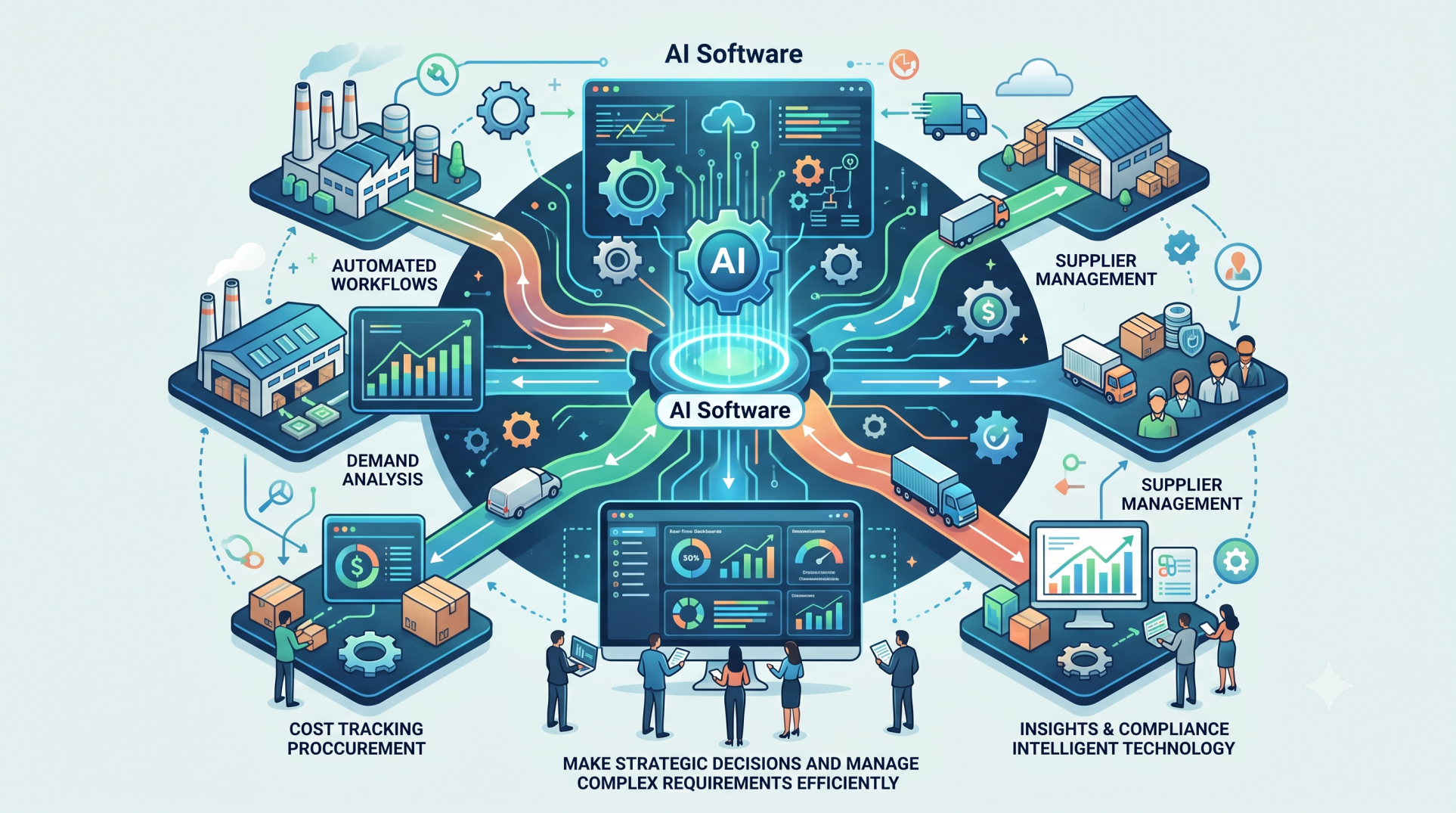
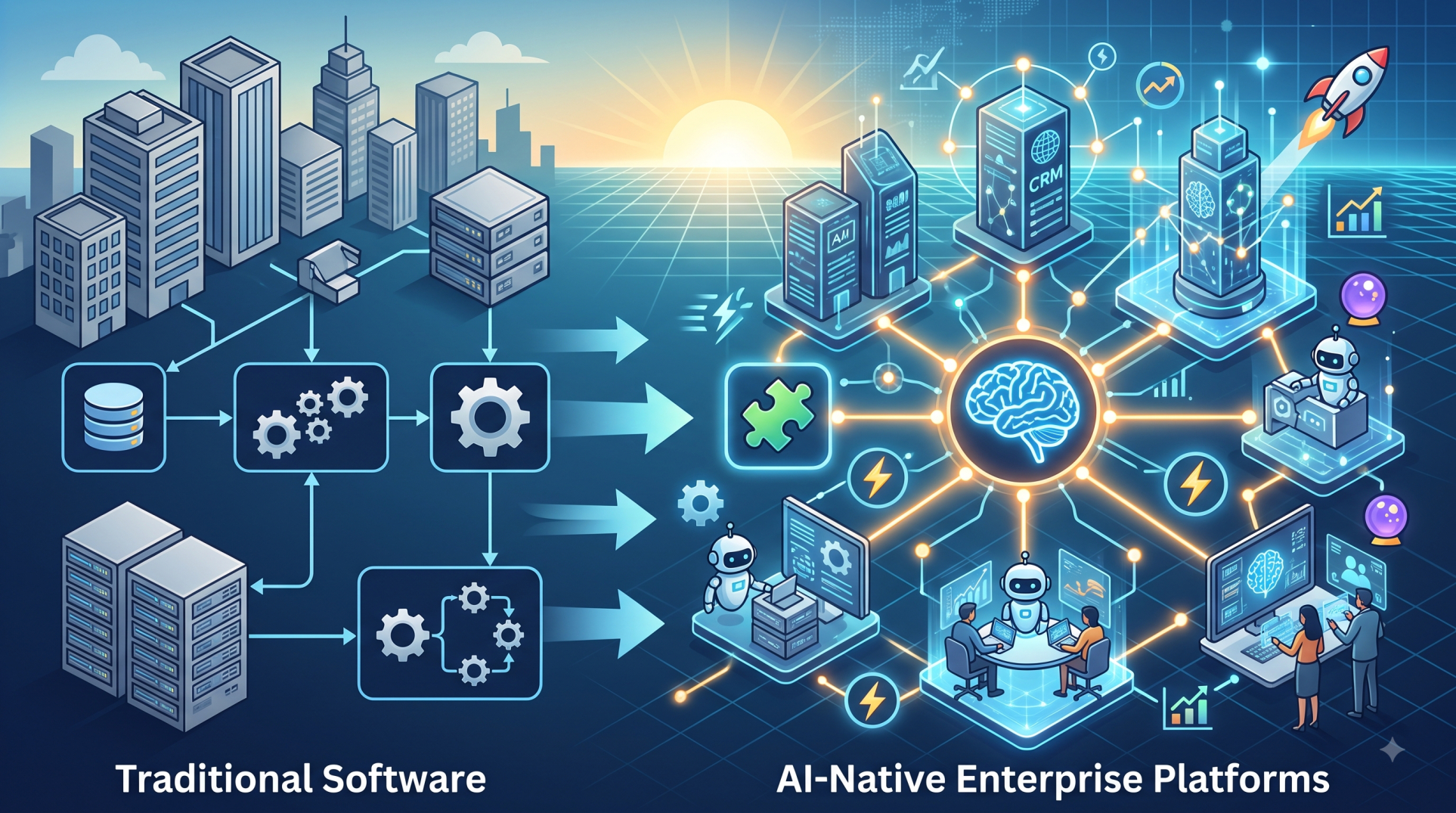
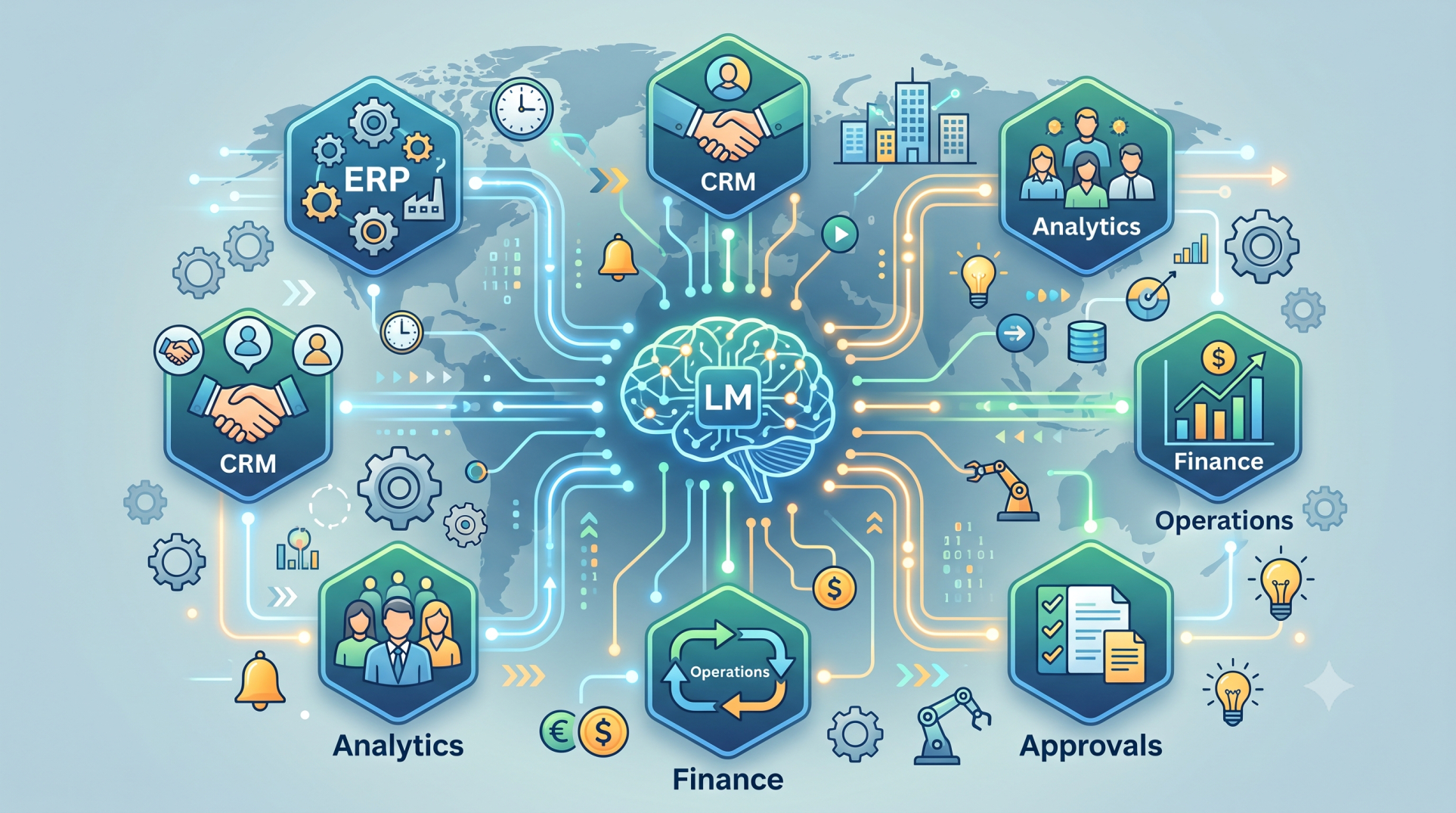
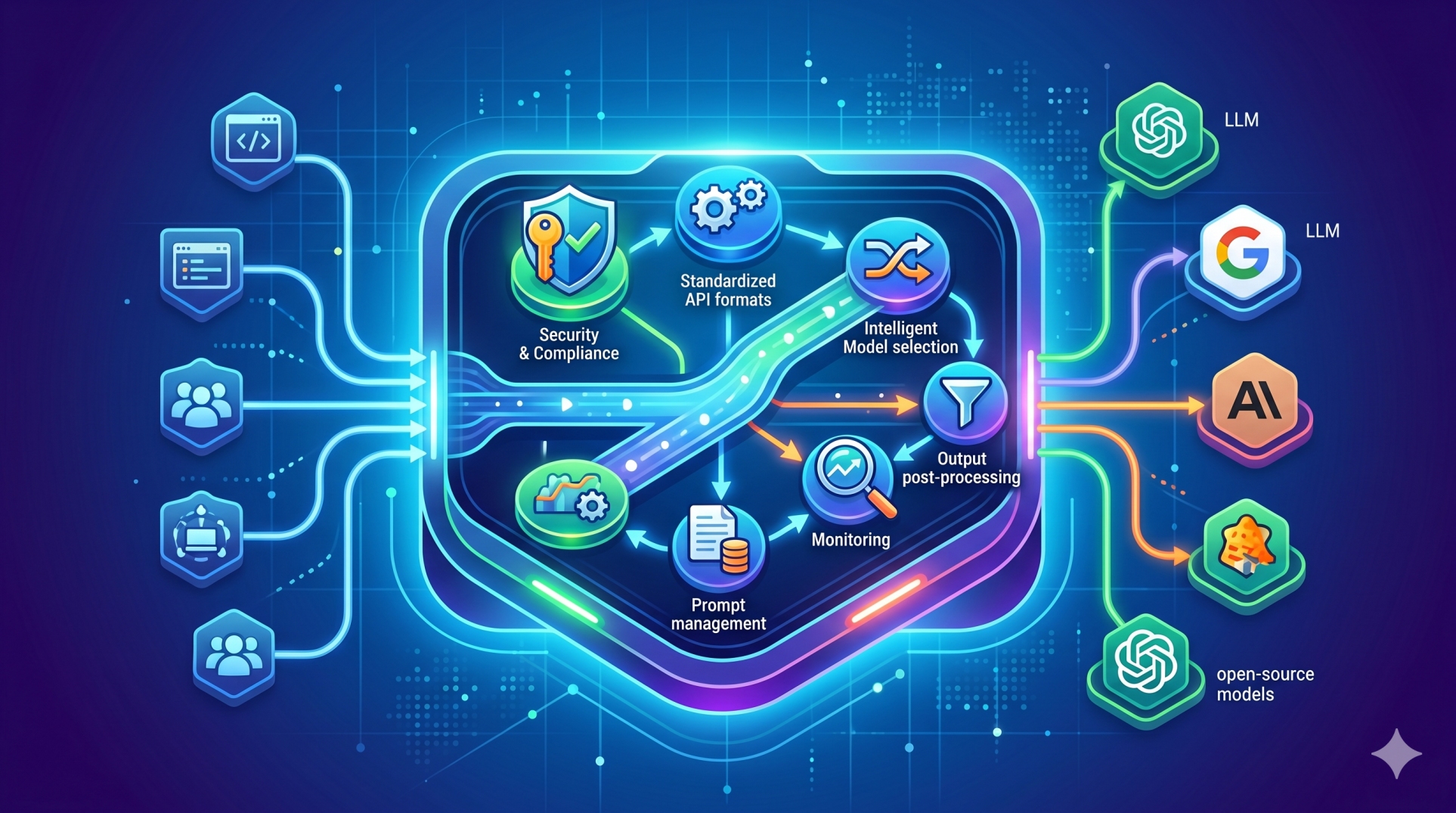
• Integrate language models with ERP, procurement, and finance platforms 🔗
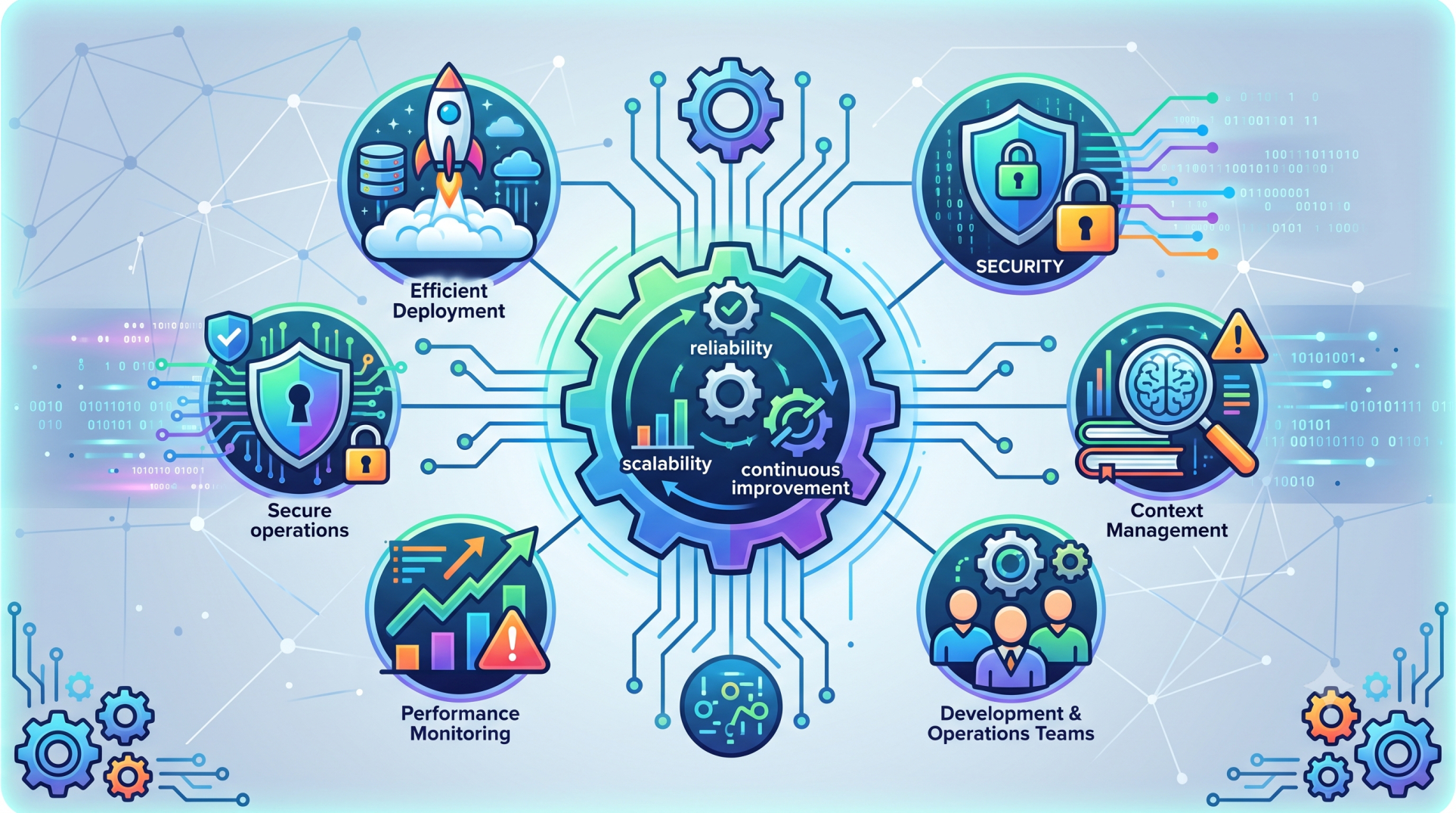
• Support continuous improvement as workflows evolve 🔄
• Expand automation from document processing to operational assistance 🤖
• Create flexible architectures that can accommodate new data sources 🏗️
• Establish a connected foundation for more intelligent enterprise operations 🌐
Conclusion
Language models can help bridge the gap between procurement and finance by connecting information, automating repetitive activities, and making complex business data easier to understand. From purchase requests and supplier management to invoice processing and budget oversight, these capabilities can reduce friction across the purchasing lifecycle. With appropriate security, governance, and human oversight, language-model-powered workflows can create a more connected, efficient, and responsive procurement and finance operation.
See more blogs
You can all the articles below