AI Software for Managing Complex Procurement Requirements
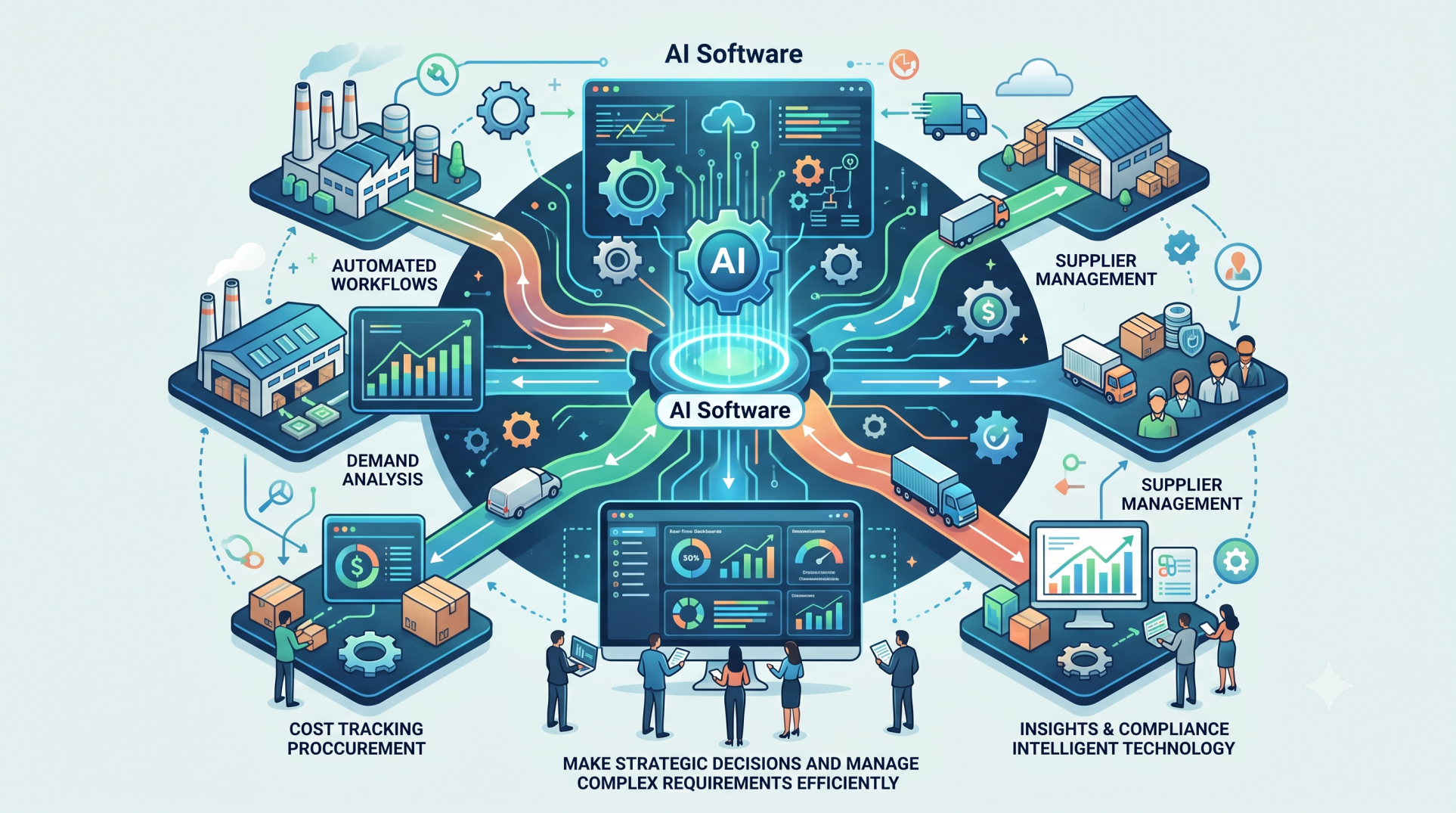
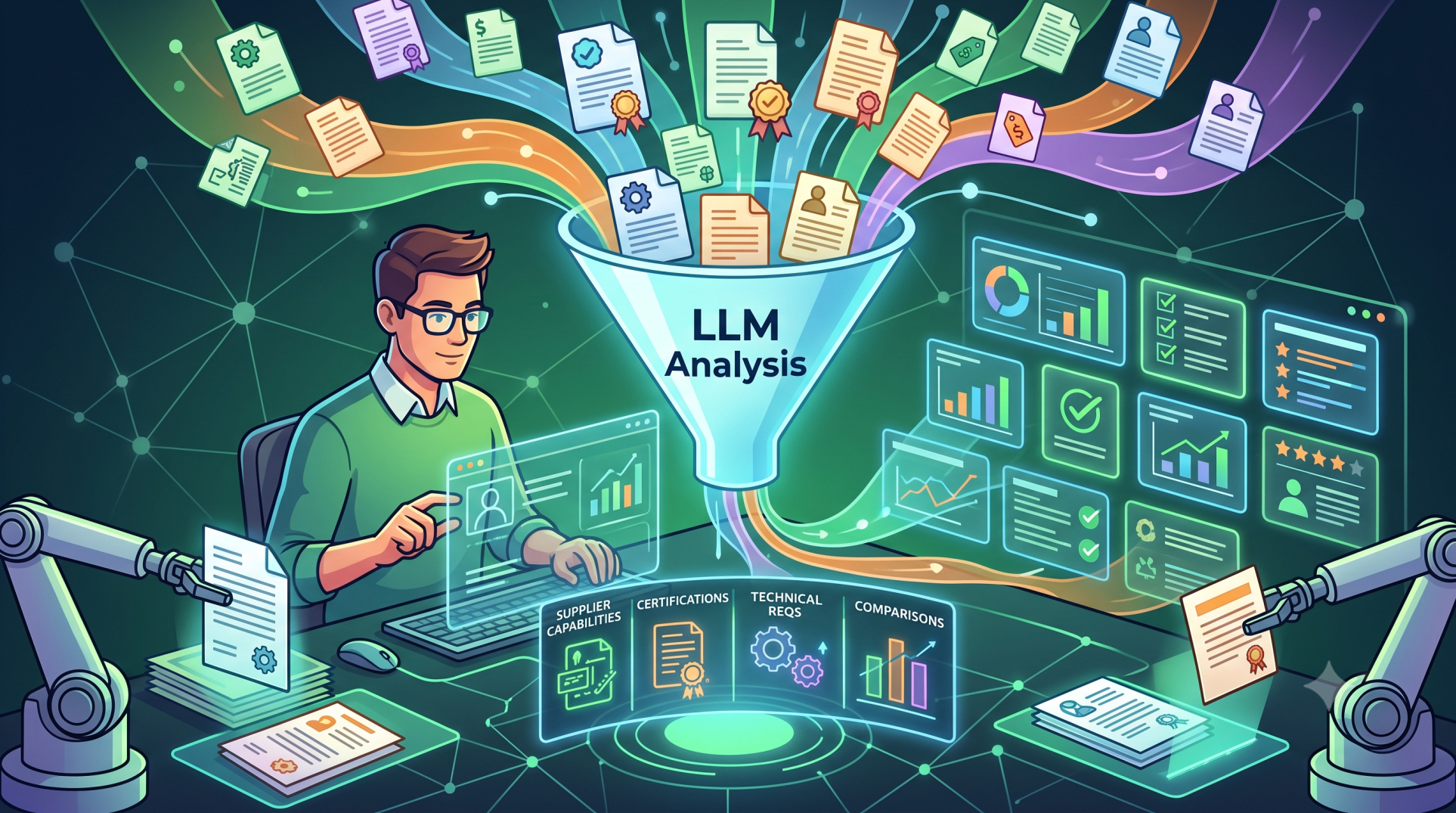
Procurement operations are becoming increasingly complex as organizations manage multiple suppliers, fluctuating demand, diverse purchasing categories, compliance requirements, and changing business priorities. Traditional procurement processes often rely on disconnected tools, spreadsheets, and manual approvals, making it difficult to maintain visibility and respond quickly to changes. AI-powered procurement software can help organizations coordinate these activities through intelligent automation, data analysis, workflow management, and real-time insights. When implemented effectively, AI can support procurement teams without replacing the human judgment required for strategic purchasing decisions.
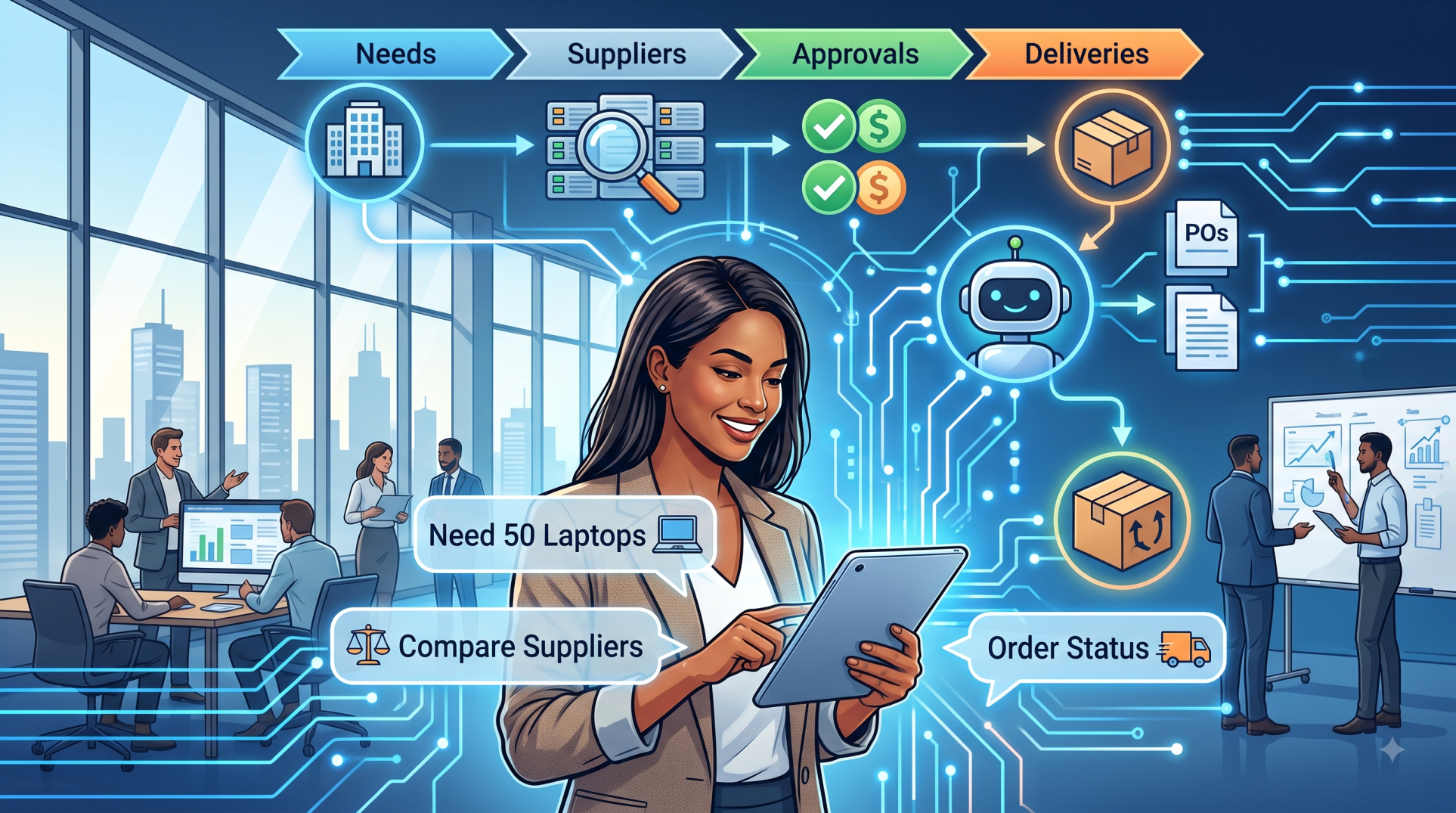
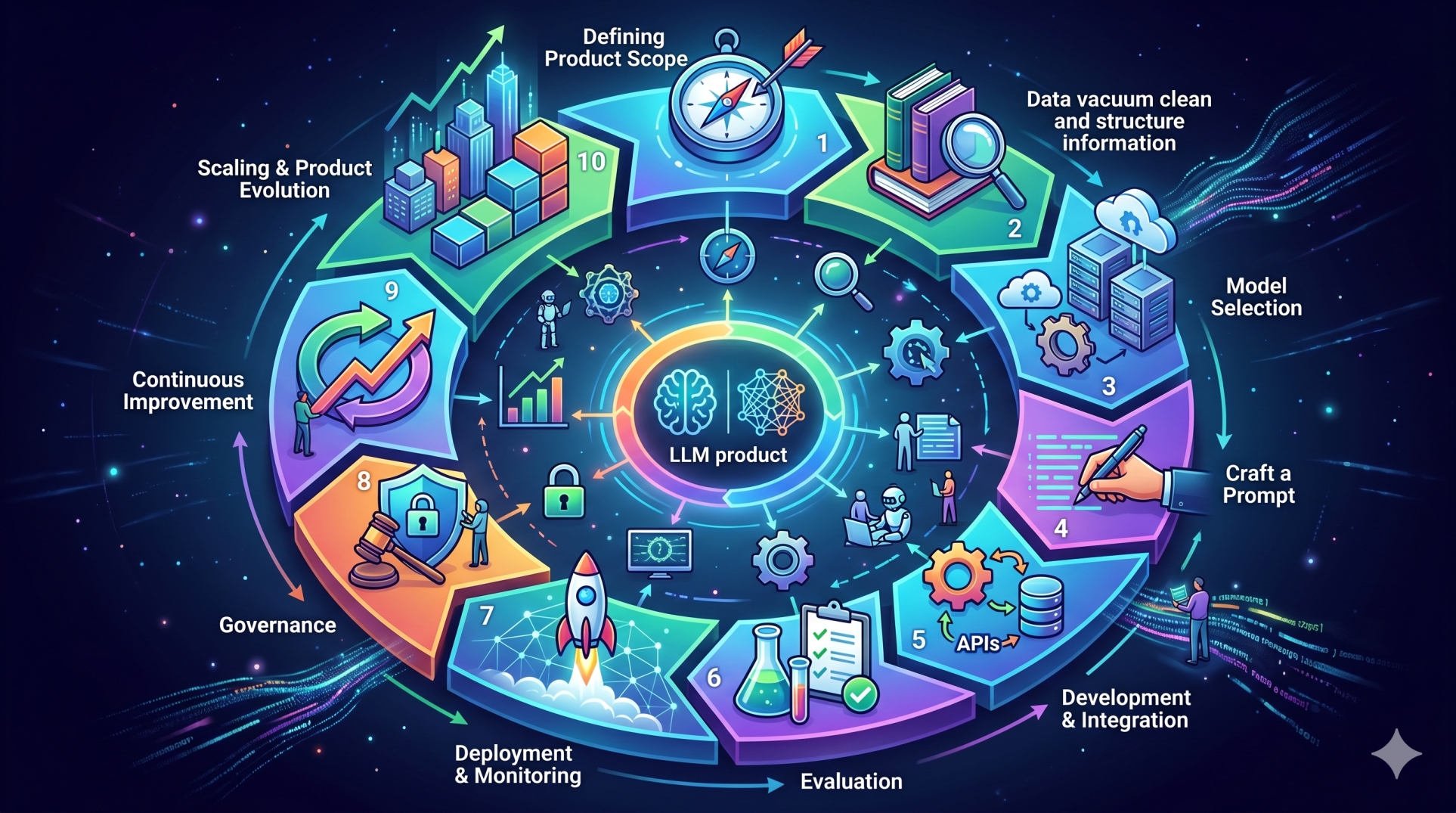
Step 1: Understanding Complex Procurement Requirements 🧩
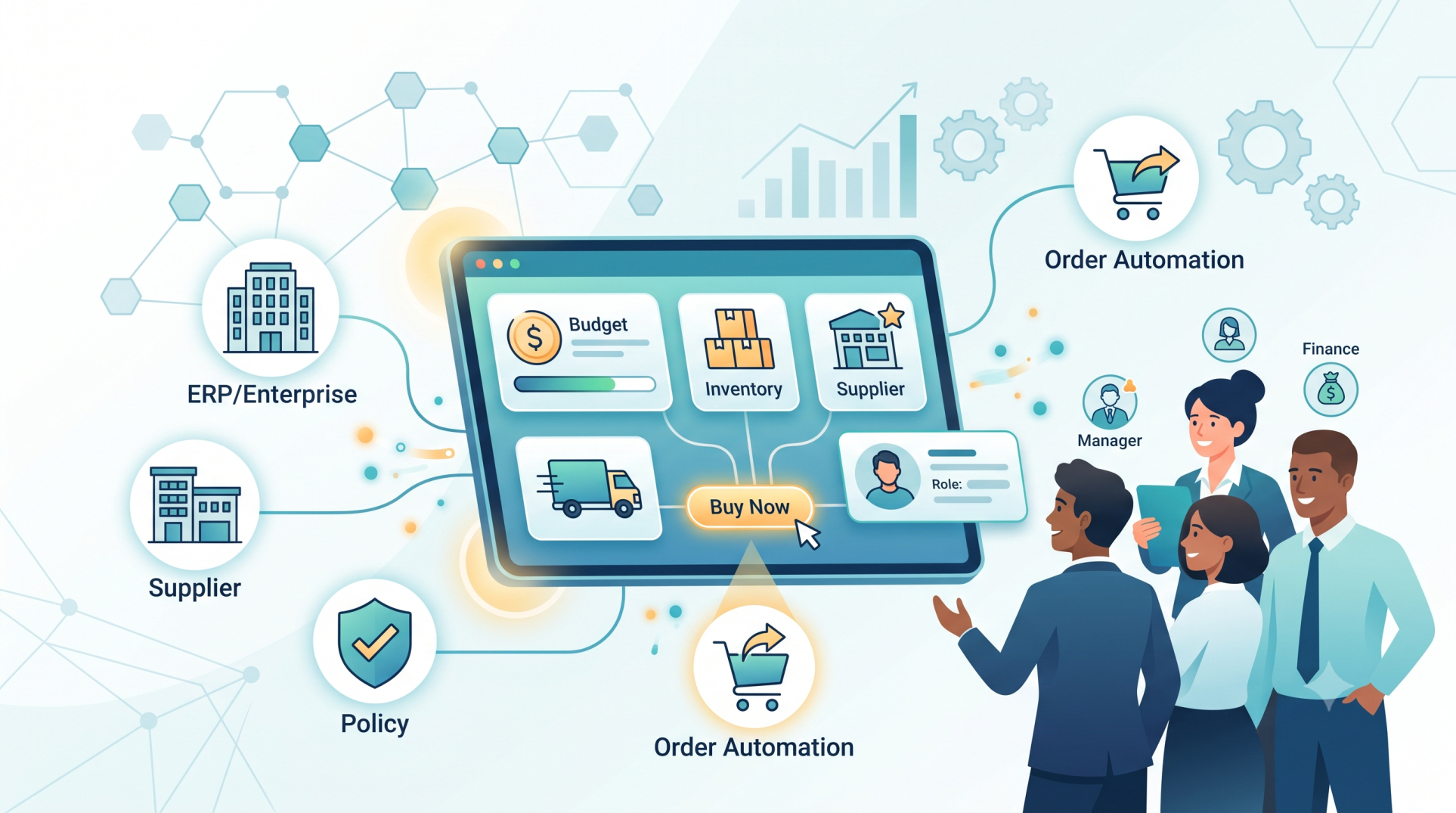
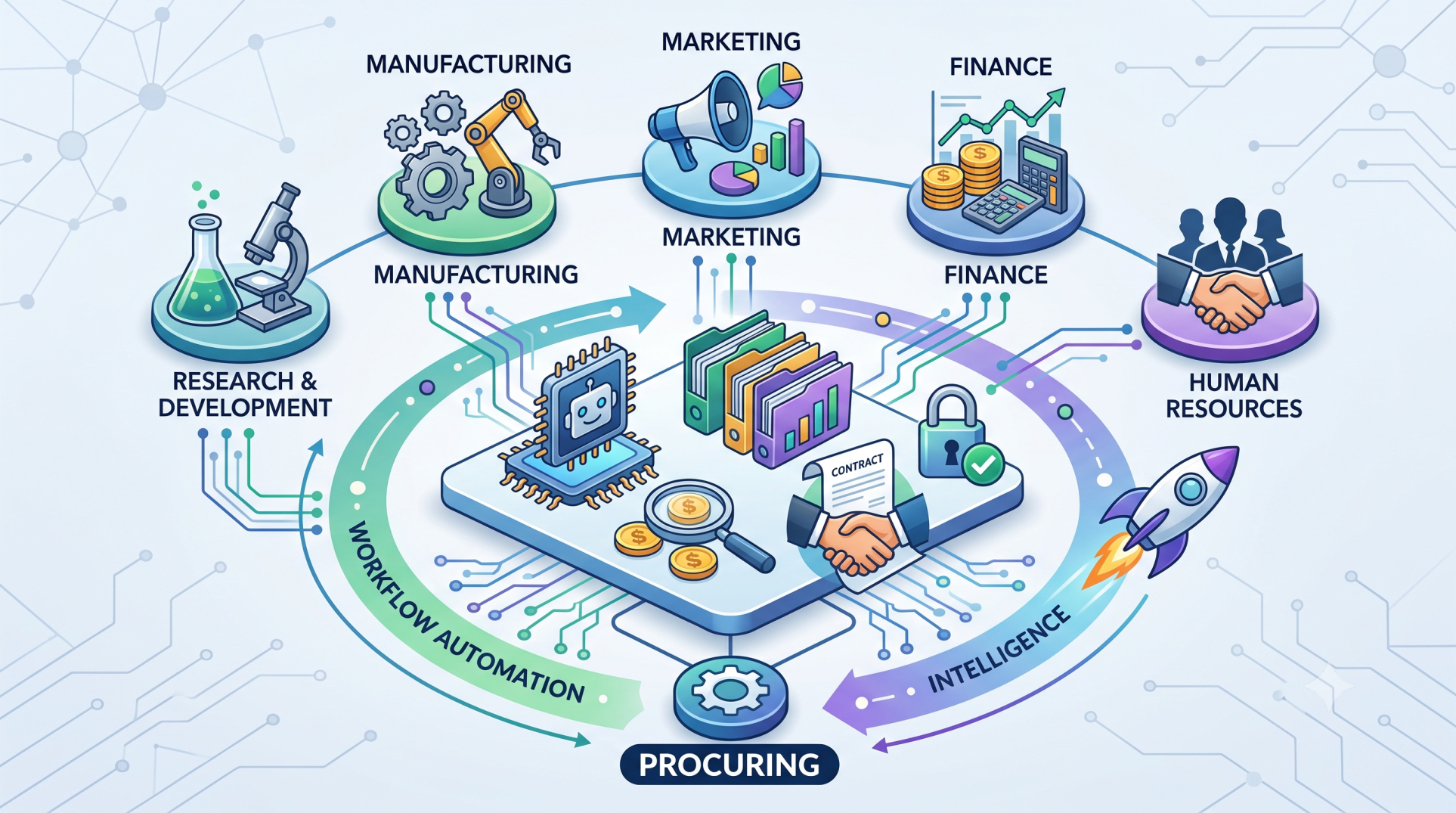
• Manage purchasing requirements across multiple departments and locations 🏢
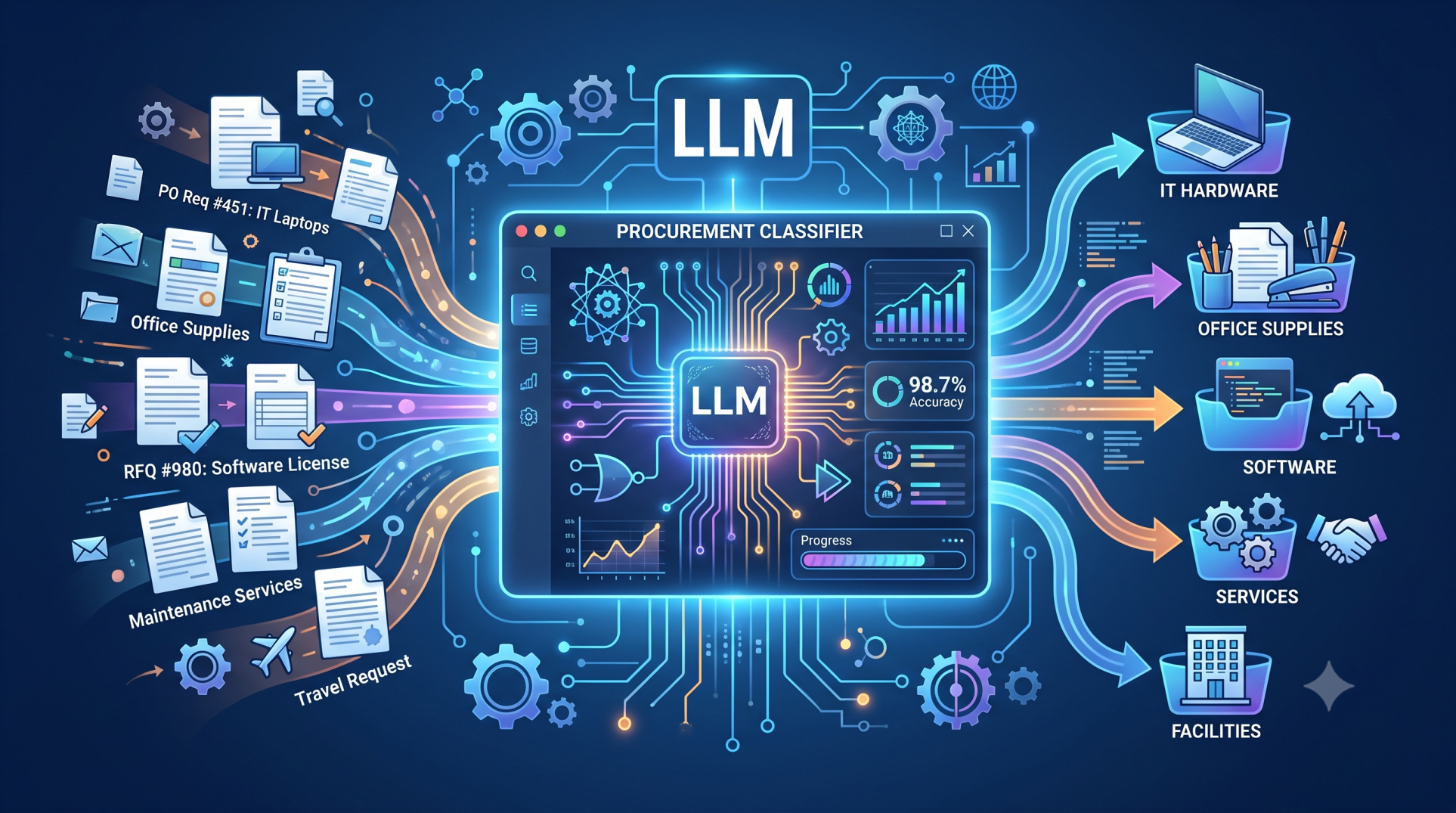
• Consolidate diverse procurement requests into coordinated workflows 📋
• Identify dependencies between inventory, demand, suppliers, and budgets 🔗
• Handle varying approval rules based on purchase type and value 💰
• Adapt procurement processes to changing operational requirements 🔄
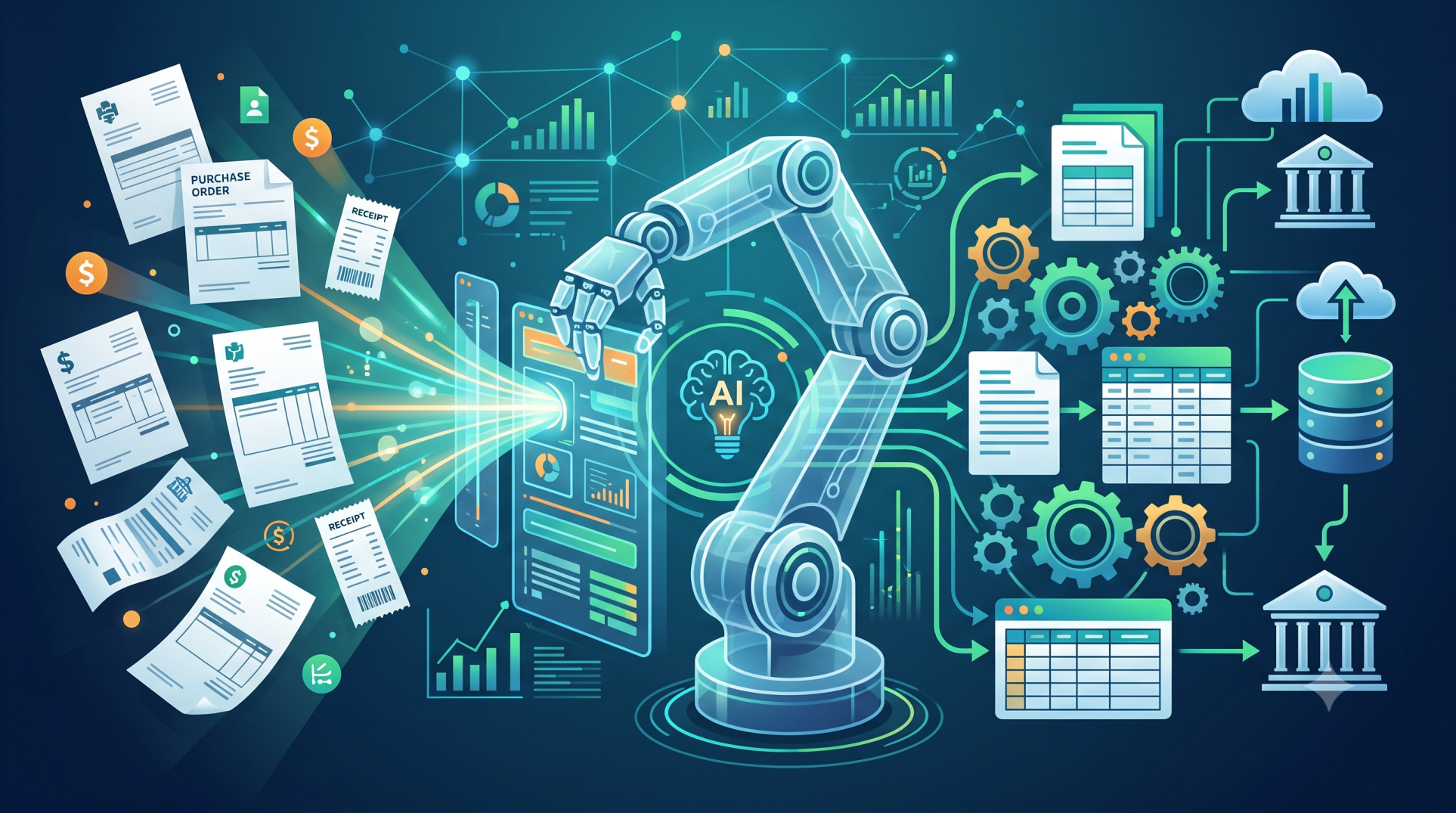
Step 2: Centralizing Procurement Information 📊
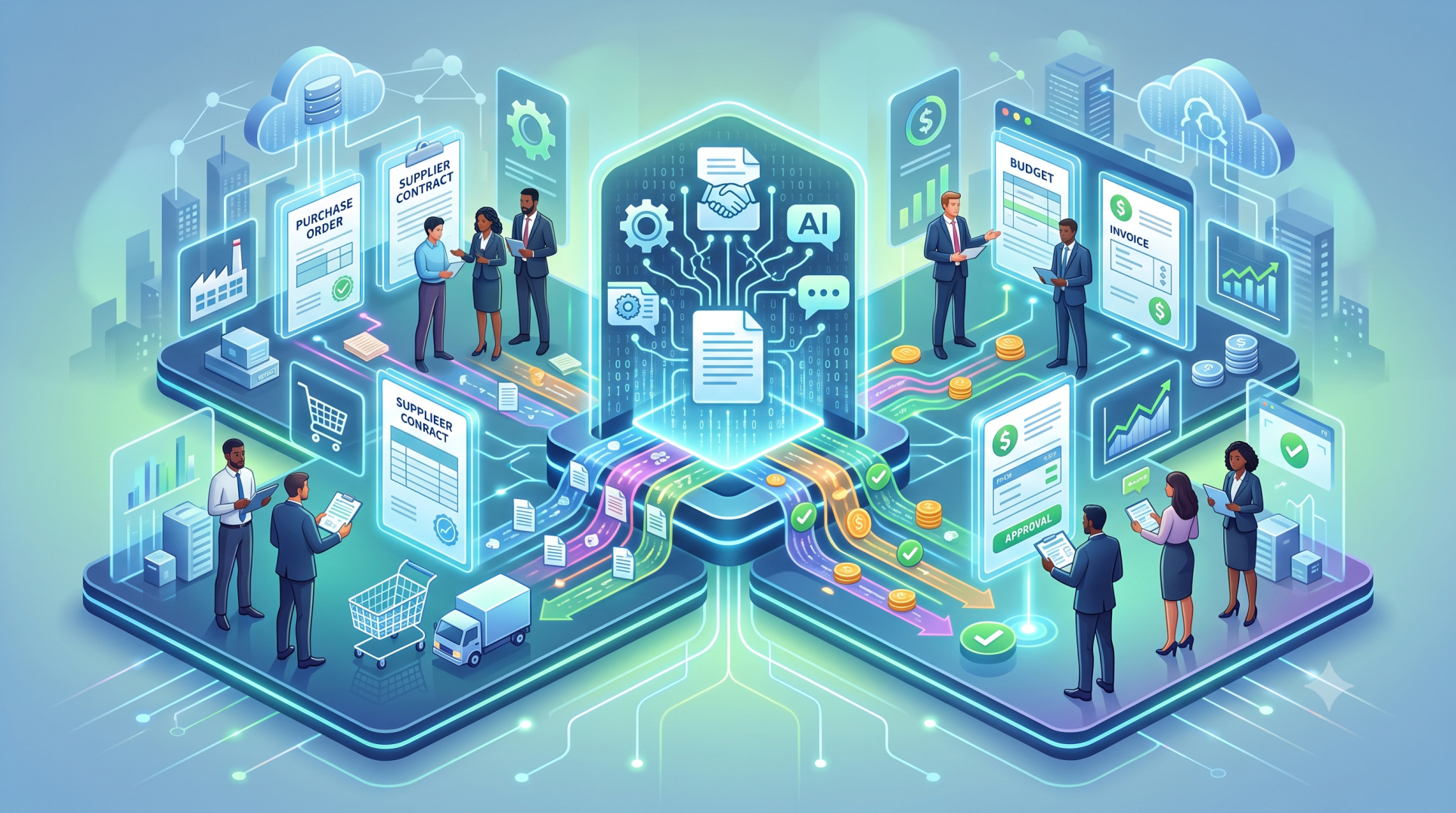
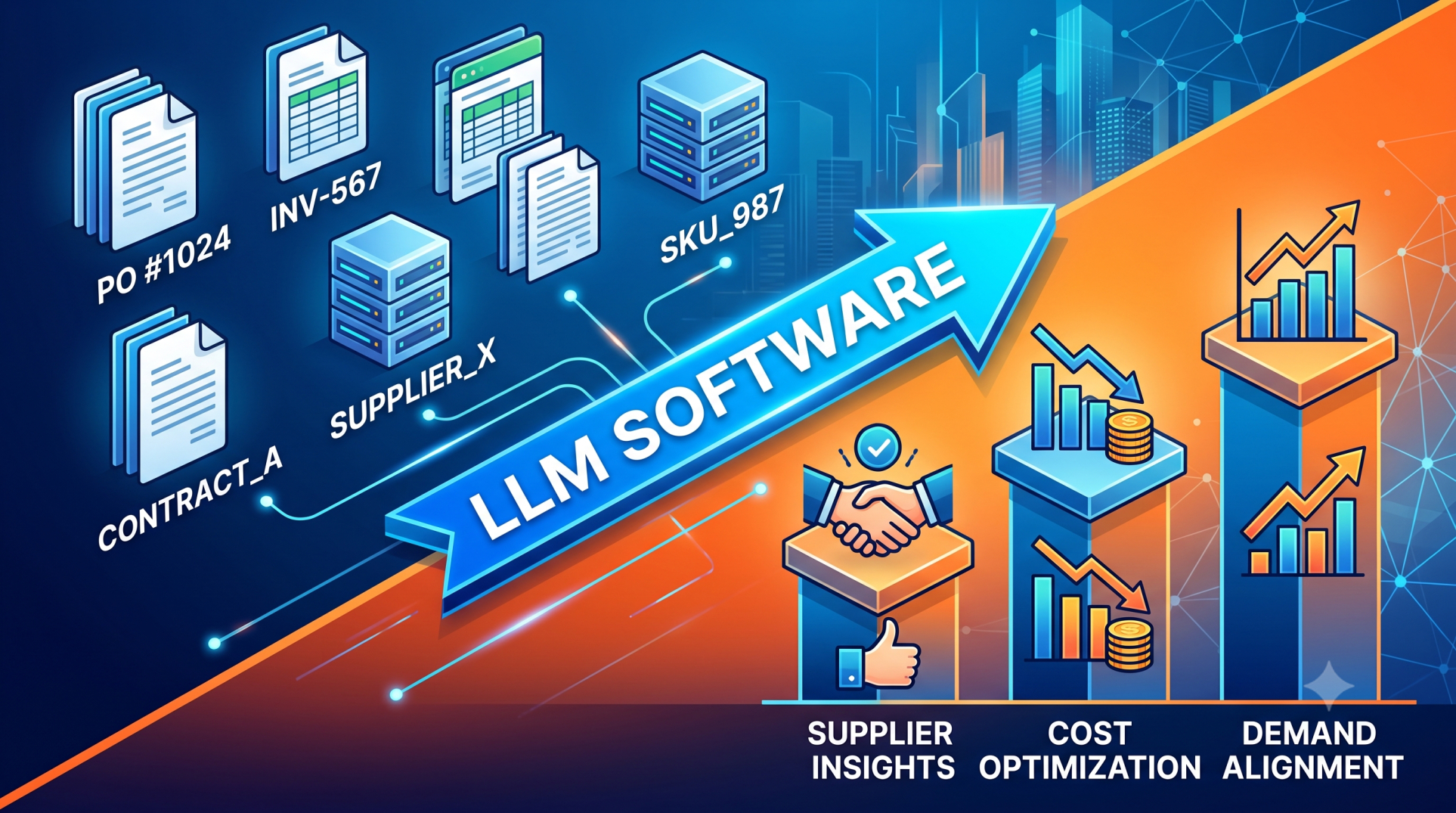
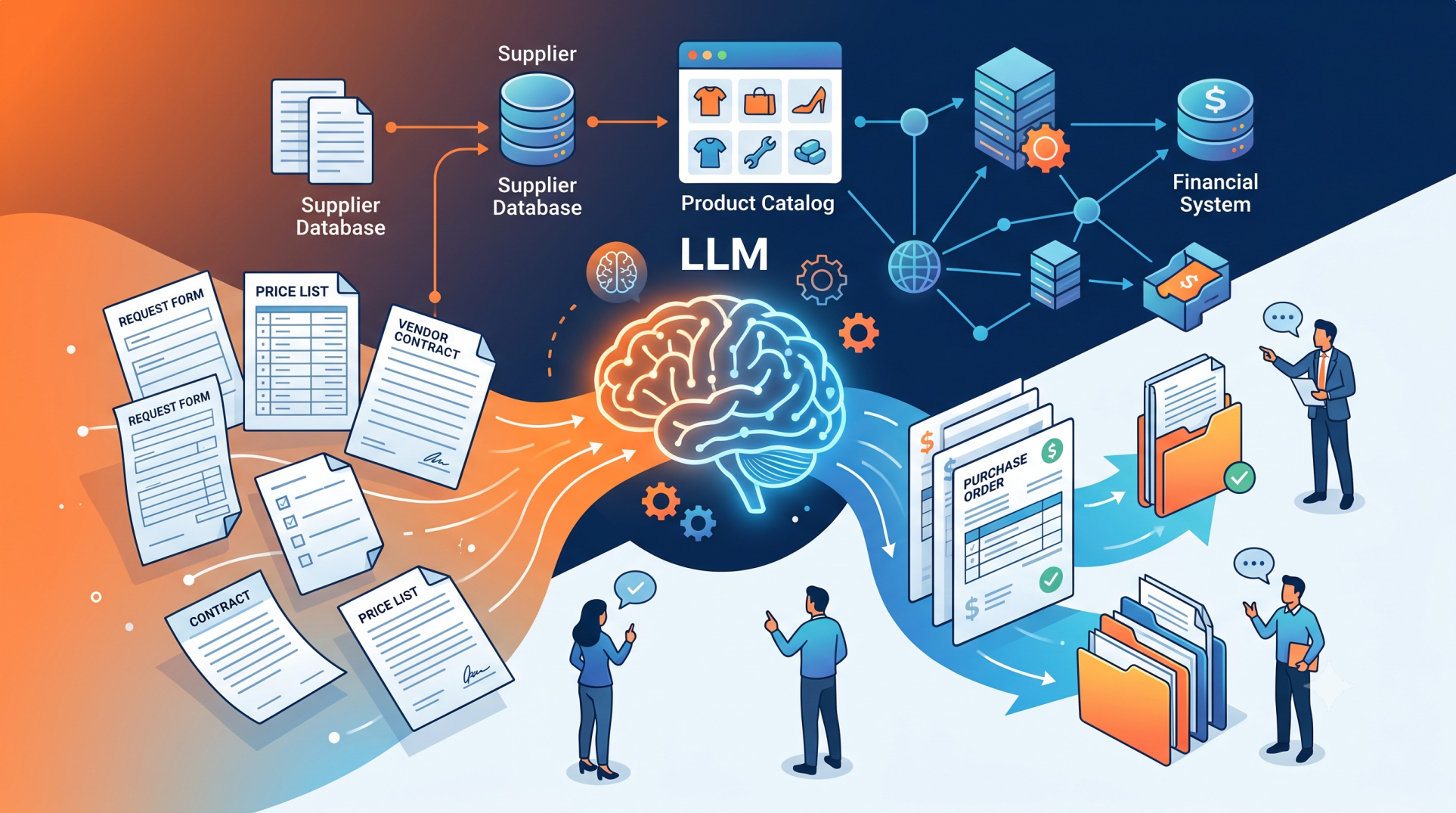
• Bring supplier, purchase order, contract, and pricing information into one environment 🗂️
• Reduce reliance on disconnected spreadsheets and manual records 📉
• Provide teams with a consistent view of procurement activity 👀
• Organize historical purchasing information for analysis 📚
• Improve access to critical procurement data across departments 🔐
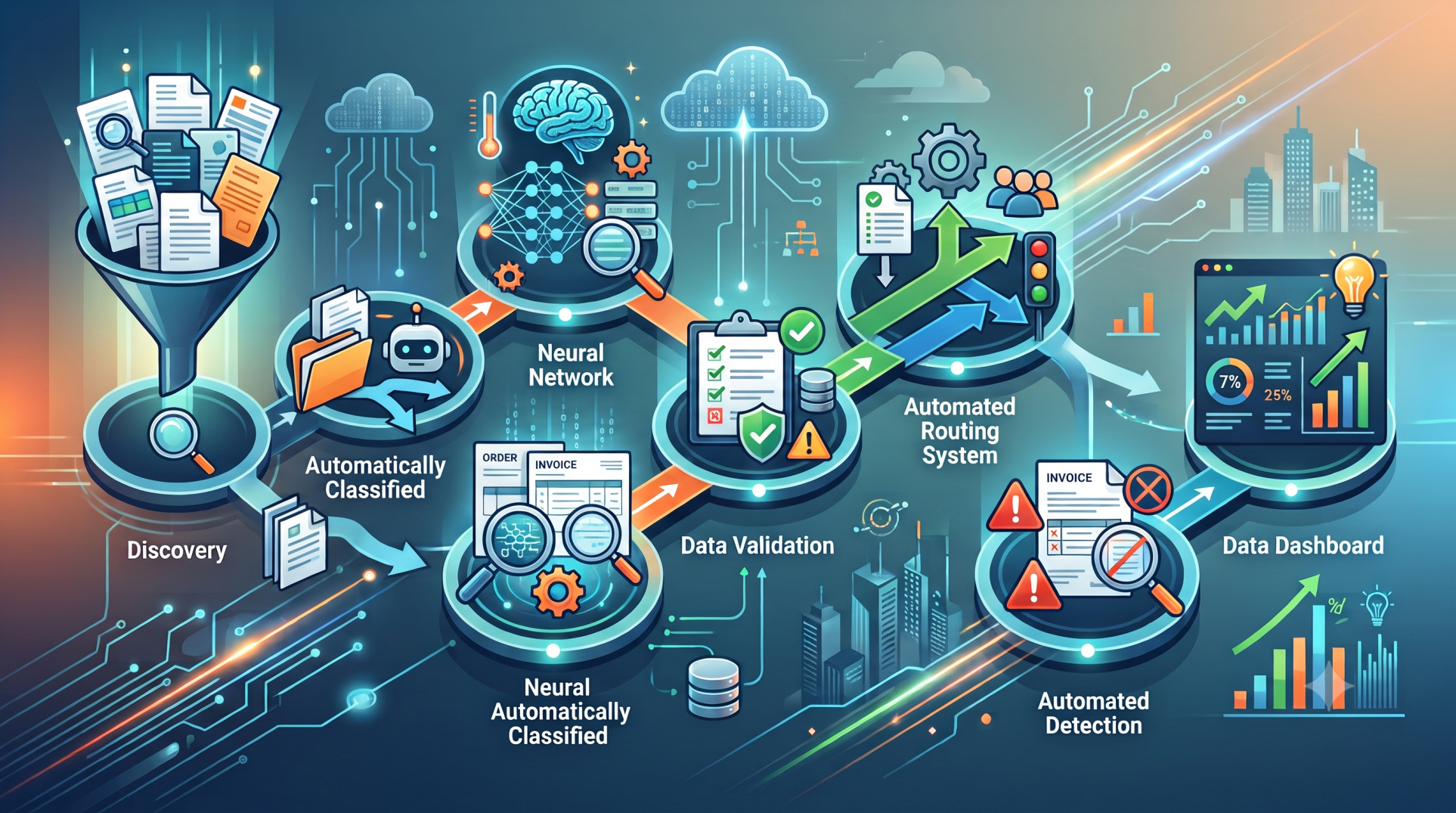
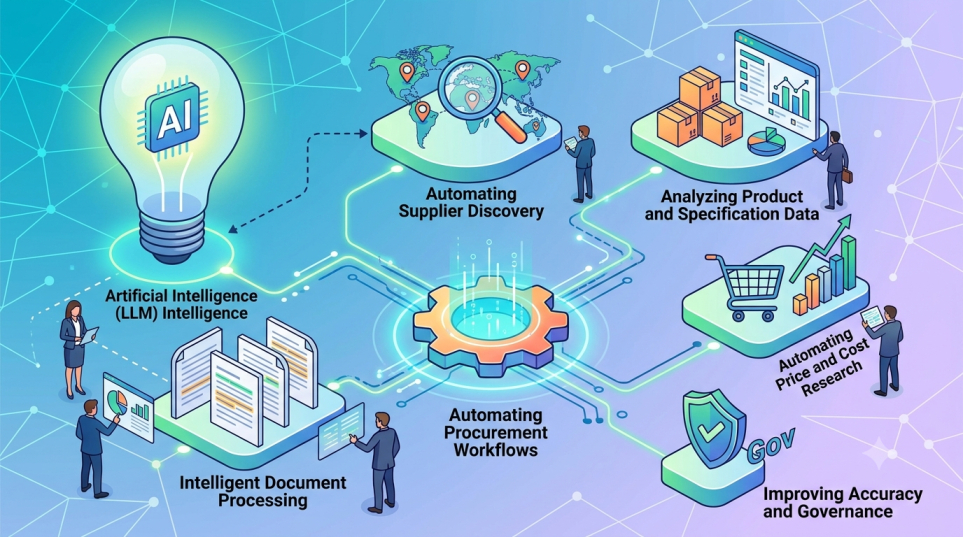
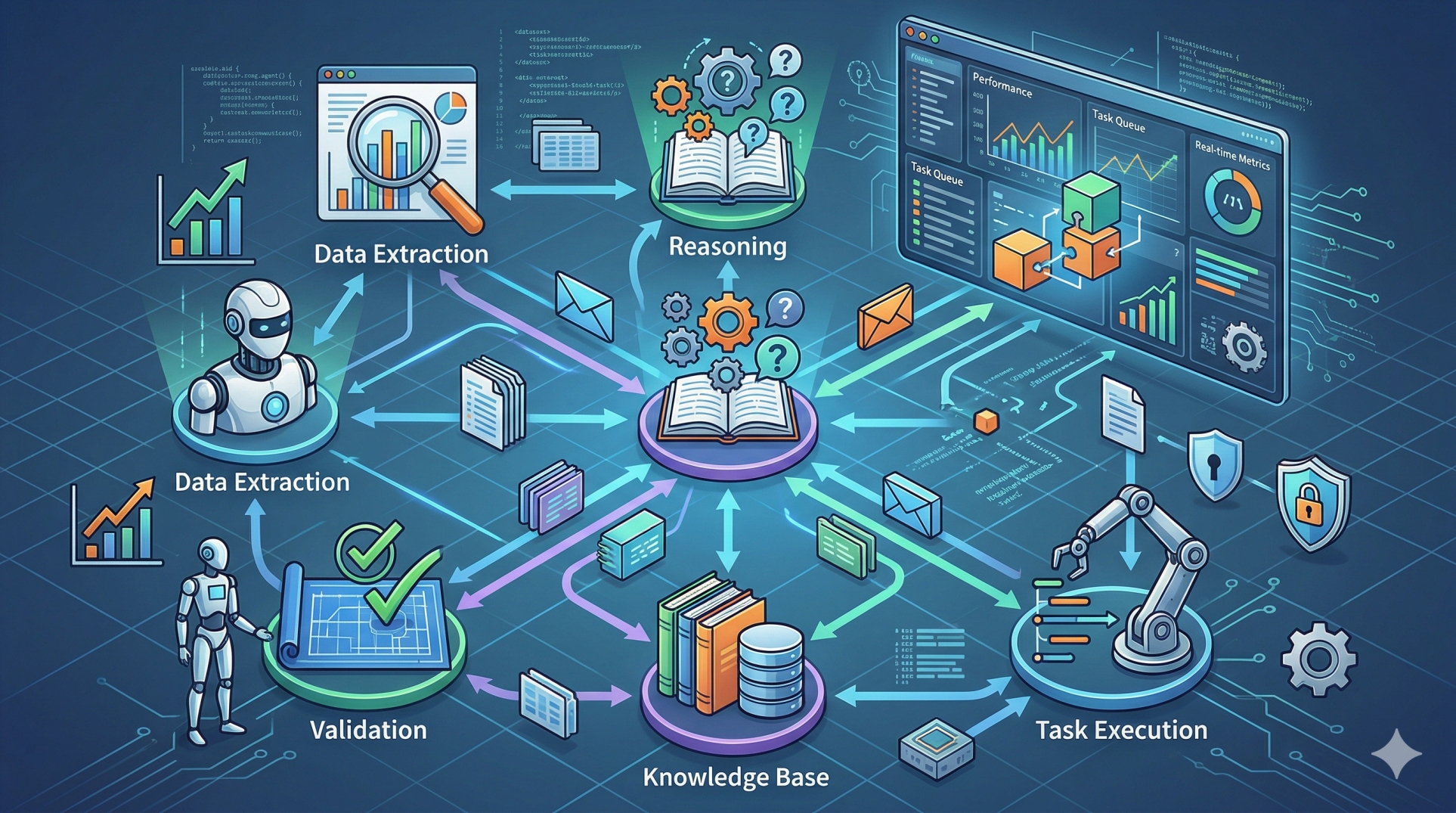
Step 3: Automating Procurement Workflows ⚙️
• Automate purchase requisition and approval processes 📝
• Route requests to the appropriate stakeholders automatically 👥
• Generate notifications for pending approvals and purchasing actions 🔔
• Reduce repetitive administrative activities ⏱️
• Standardize procurement procedures across business units ✅
Step 4: Using AI for Demand and Purchasing Analysis 🤖
• Analyze historical purchasing patterns 📈
• Identify potential changes in demand and consumption trends 🔍
• Help procurement teams evaluate replenishment requirements 📦
• Highlight unusual purchasing activity for review 🚨
• Support better planning through data-driven recommendations 💡
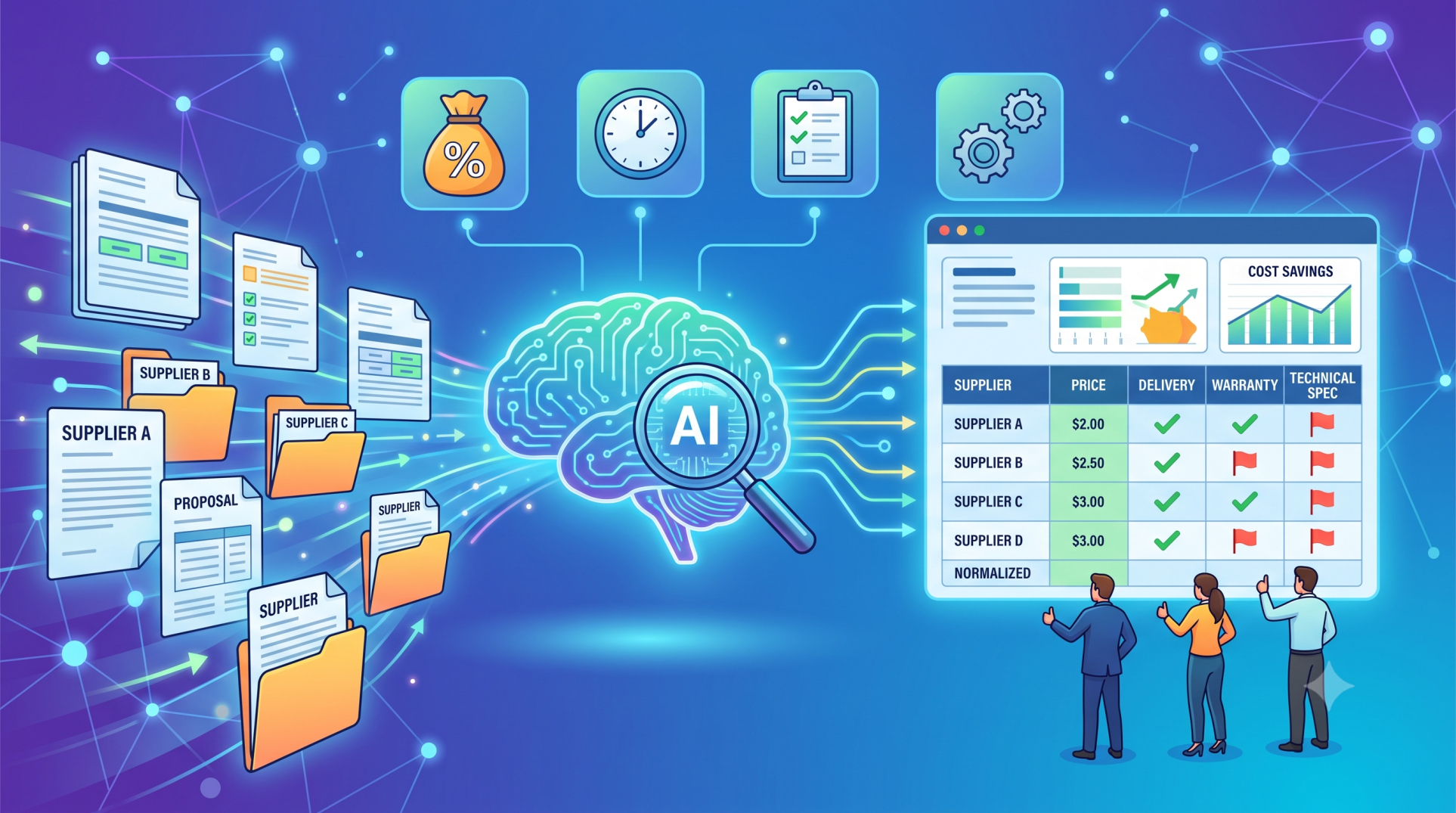
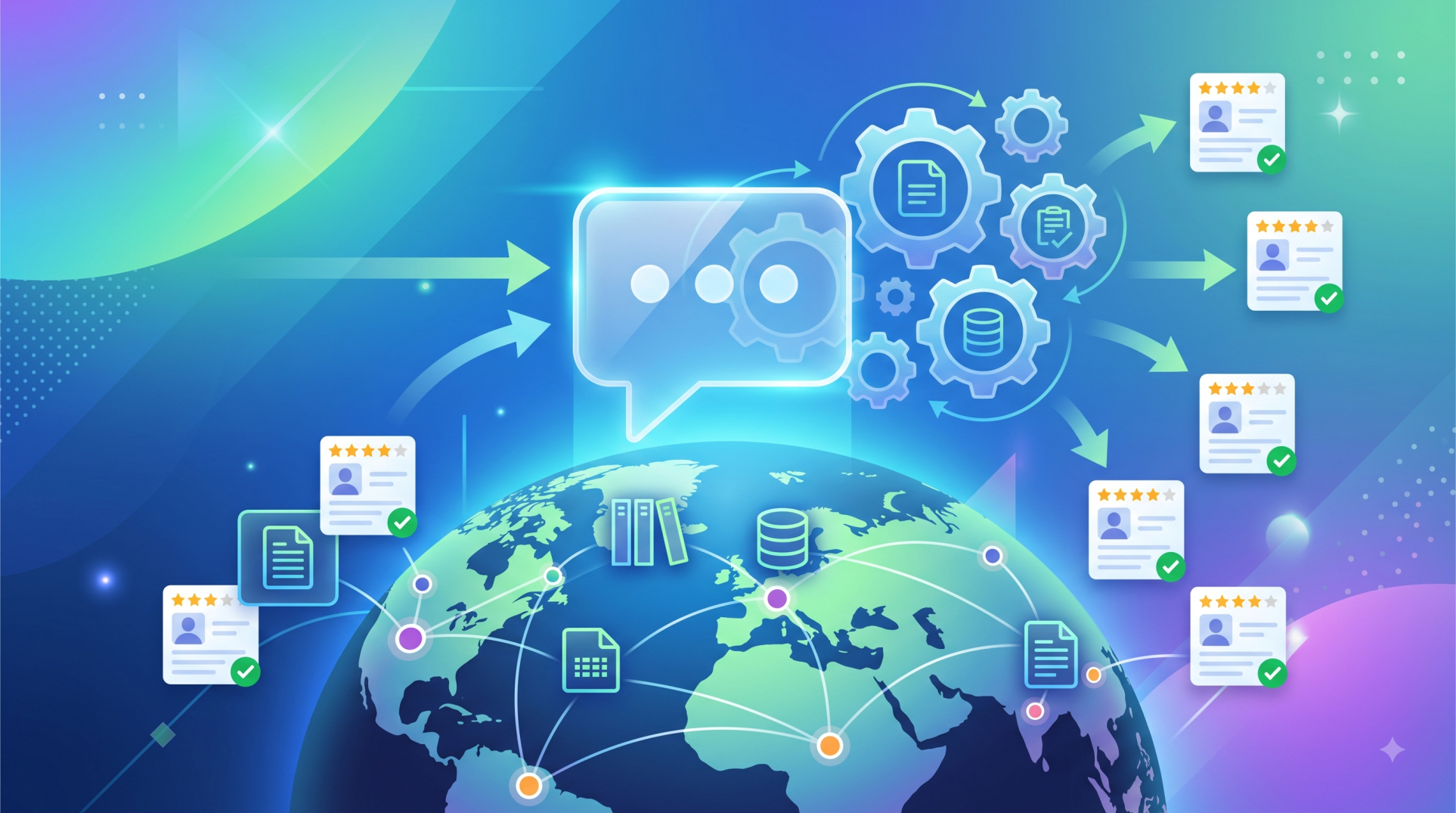
Step 5: Improving Supplier Management 🤝
• Maintain centralized supplier profiles and performance information 📋
• Compare supplier pricing, lead times, and delivery records ⚖️
• Identify potential supplier risks and dependencies 🛡️
• Support supplier evaluation using historical data 📊
• Improve collaboration through structured procurement workflows 📡
Step 6: Managing Costs and Budgets 💰
• Track spending against approved budgets in real time 📊
• Identify purchasing patterns that may increase costs 🔎
• Compare prices across suppliers and purchasing categories 🏷️
• Detect duplicate or unnecessary purchasing activity ⚠️
• Provide insights that support more efficient spending decisions 📈
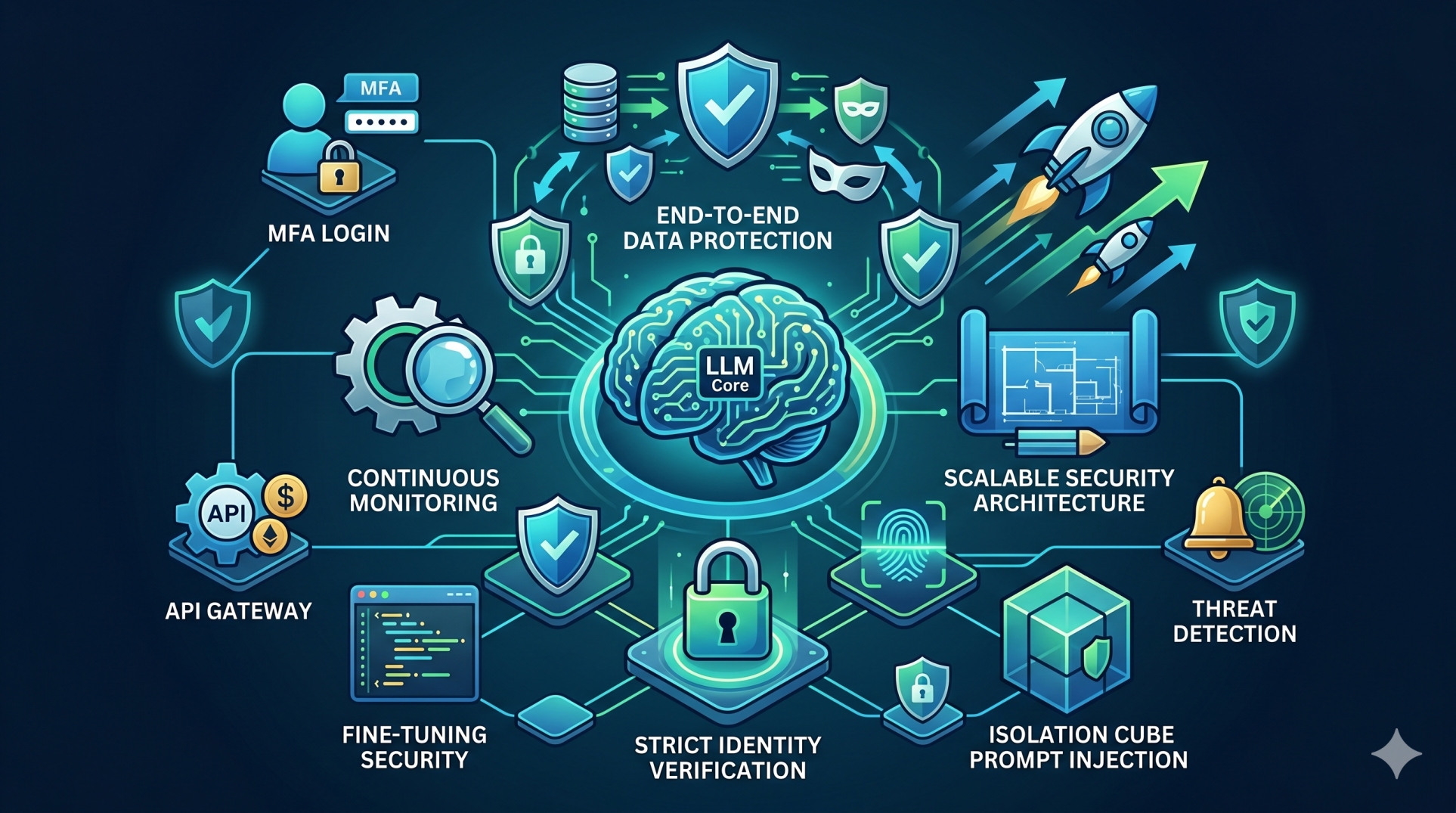
Step 7: Strengthening Compliance and Governance 🔐
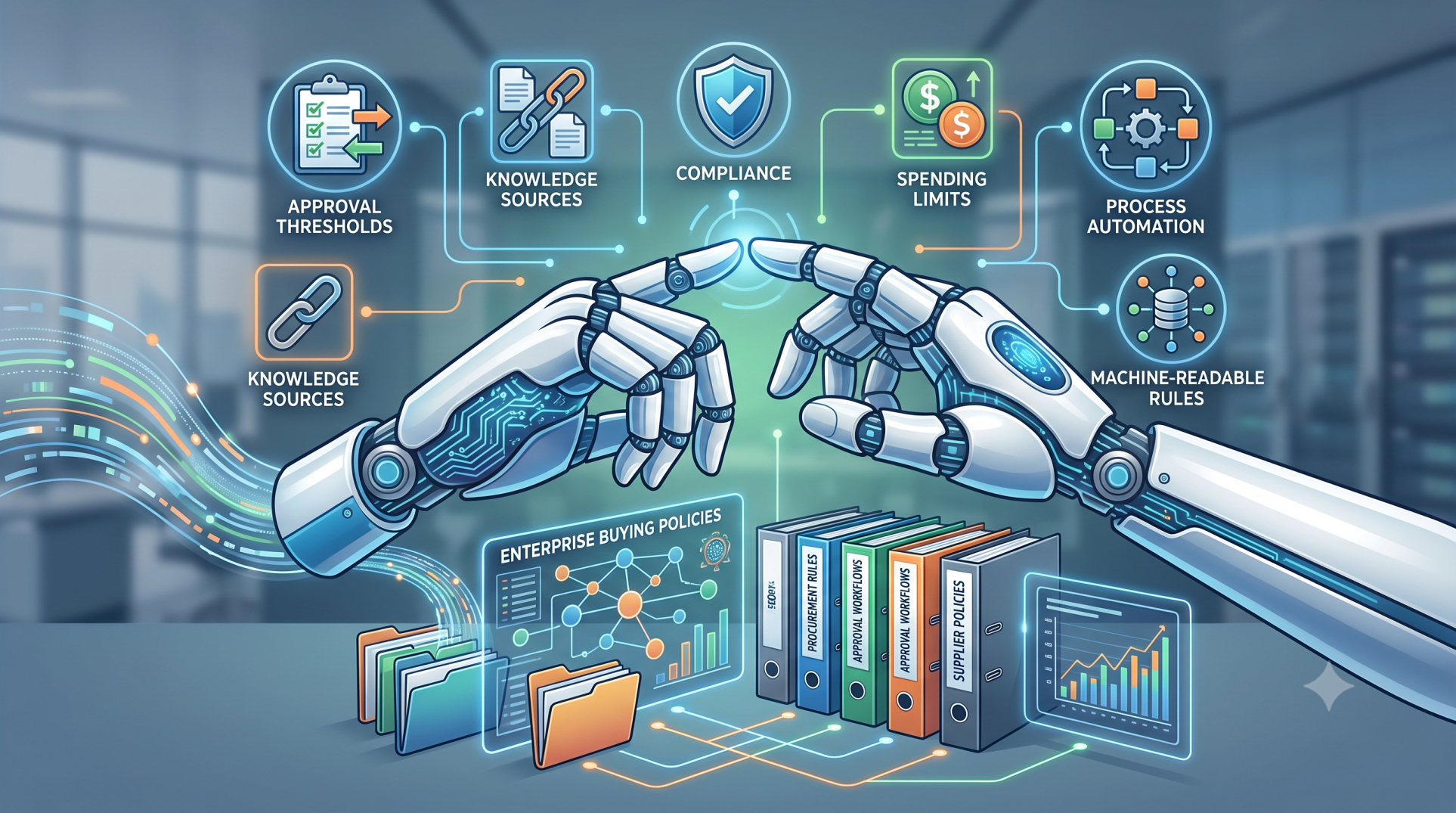
• Apply procurement policies consistently across workflows 📜
• Maintain approval histories and transaction records 🧾
• Support role-based purchasing permissions 👥
• Flag transactions that require additional review 🚨
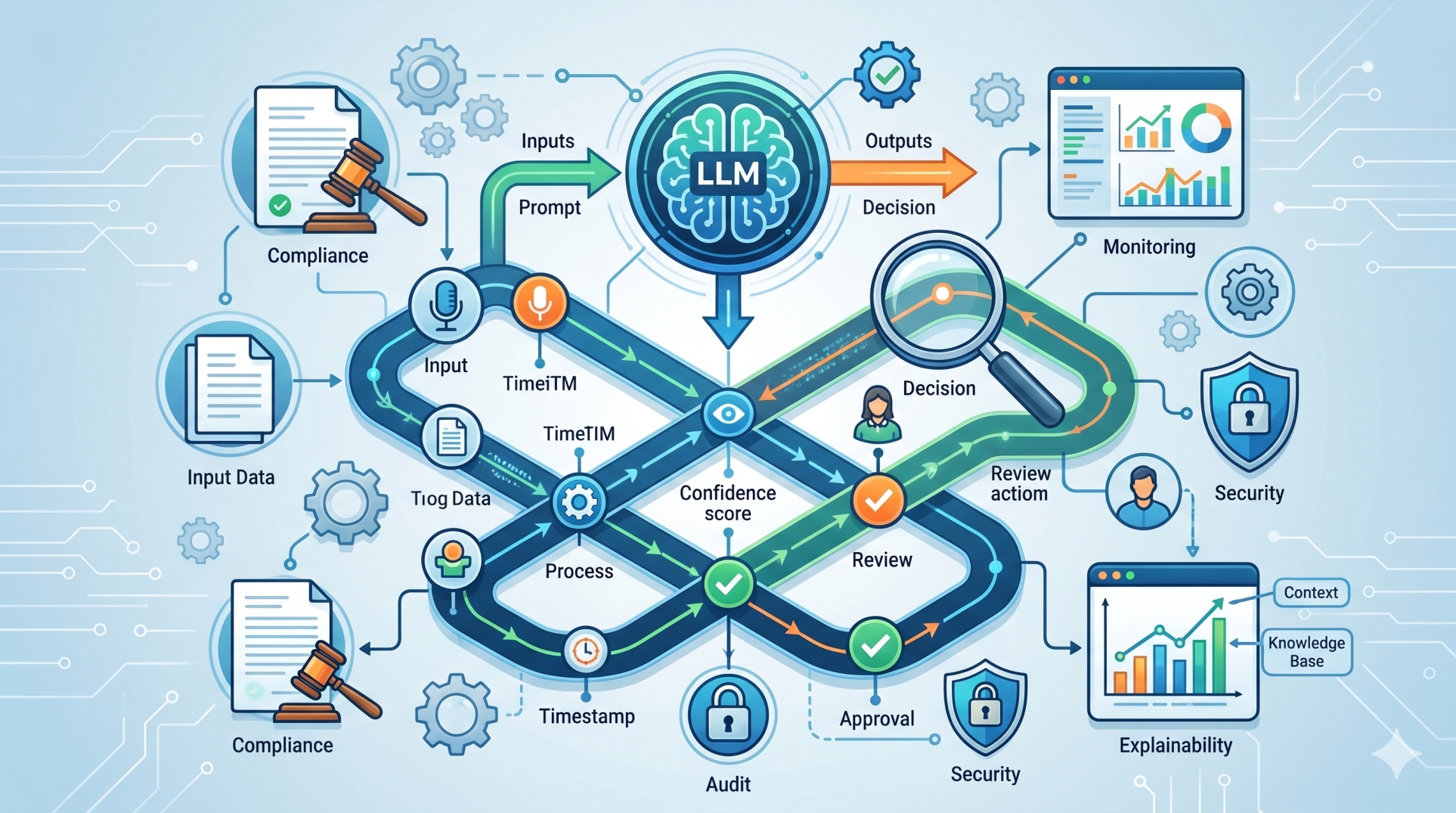
• Improve audit readiness through centralized documentation ✅
Step 8: Managing Exceptions and Procurement Risks ⚠️
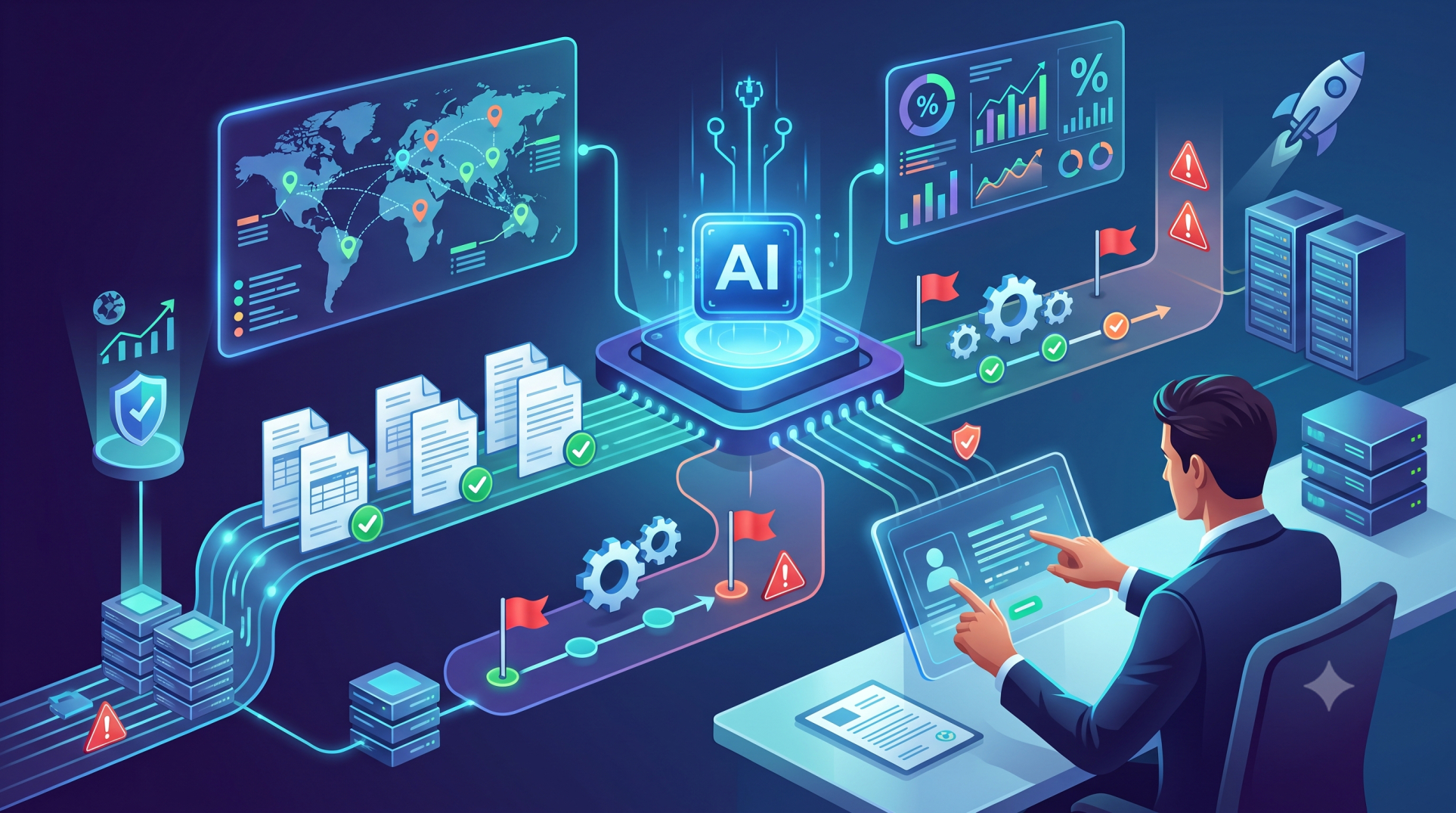
• Detect delayed orders and supplier disruptions early ⏳
• Identify unusual pricing or purchasing patterns 🔍
• Escalate exceptions to responsible teams automatically 📢
• Recommend alternative suppliers or purchasing paths when appropriate 🔄
• Maintain continuity when procurement conditions change 🛡️
Step 9: Creating Intelligent Procurement Insights 📈
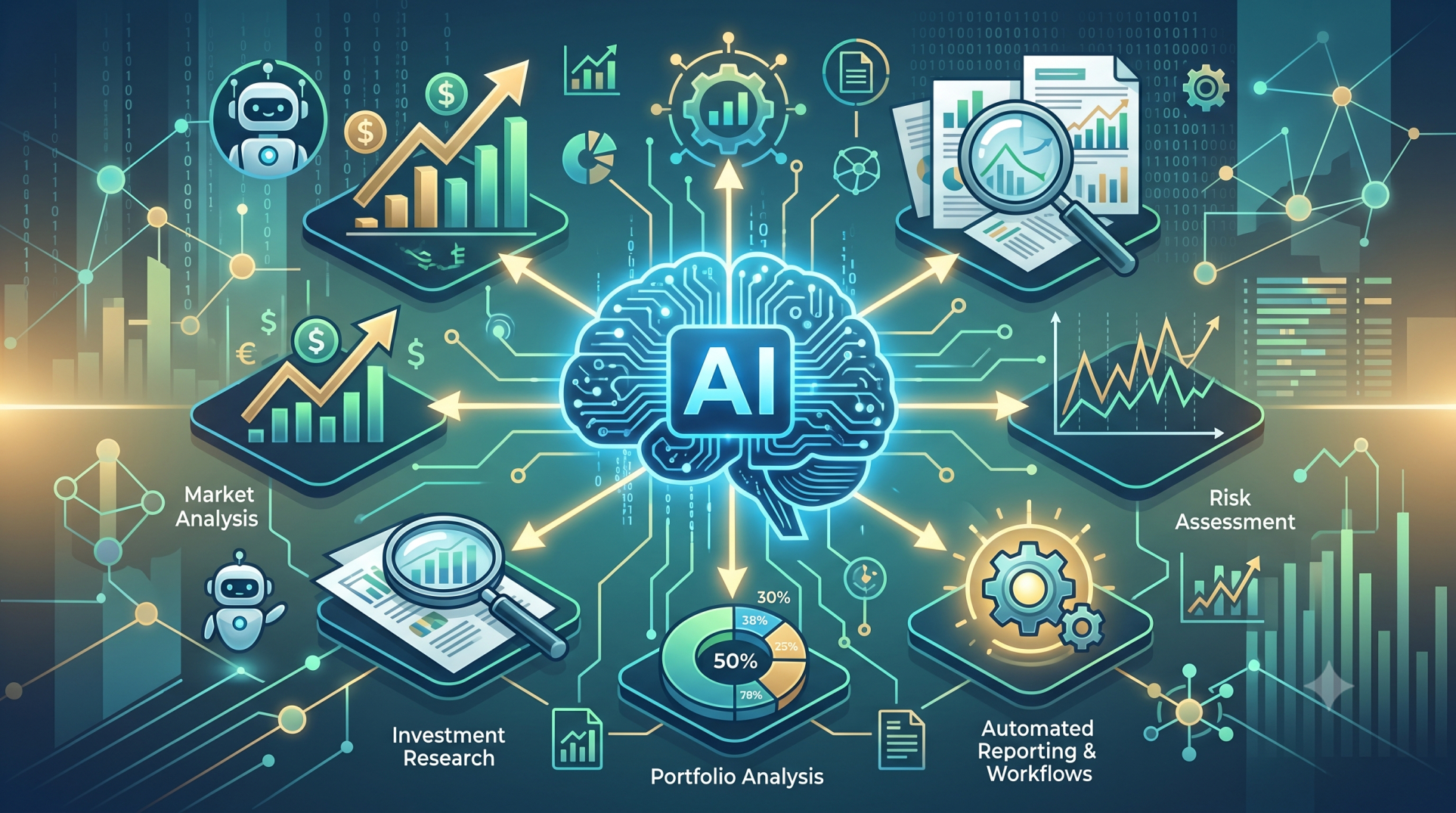
• Provide dashboards for spending, suppliers, orders, and purchasing trends 🖥️
• Turn procurement data into actionable business insights 💡
• Help teams identify recurring inefficiencies 🔄
• Support strategic sourcing and supplier planning 🎯
• Give decision-makers greater visibility into procurement performance 👀
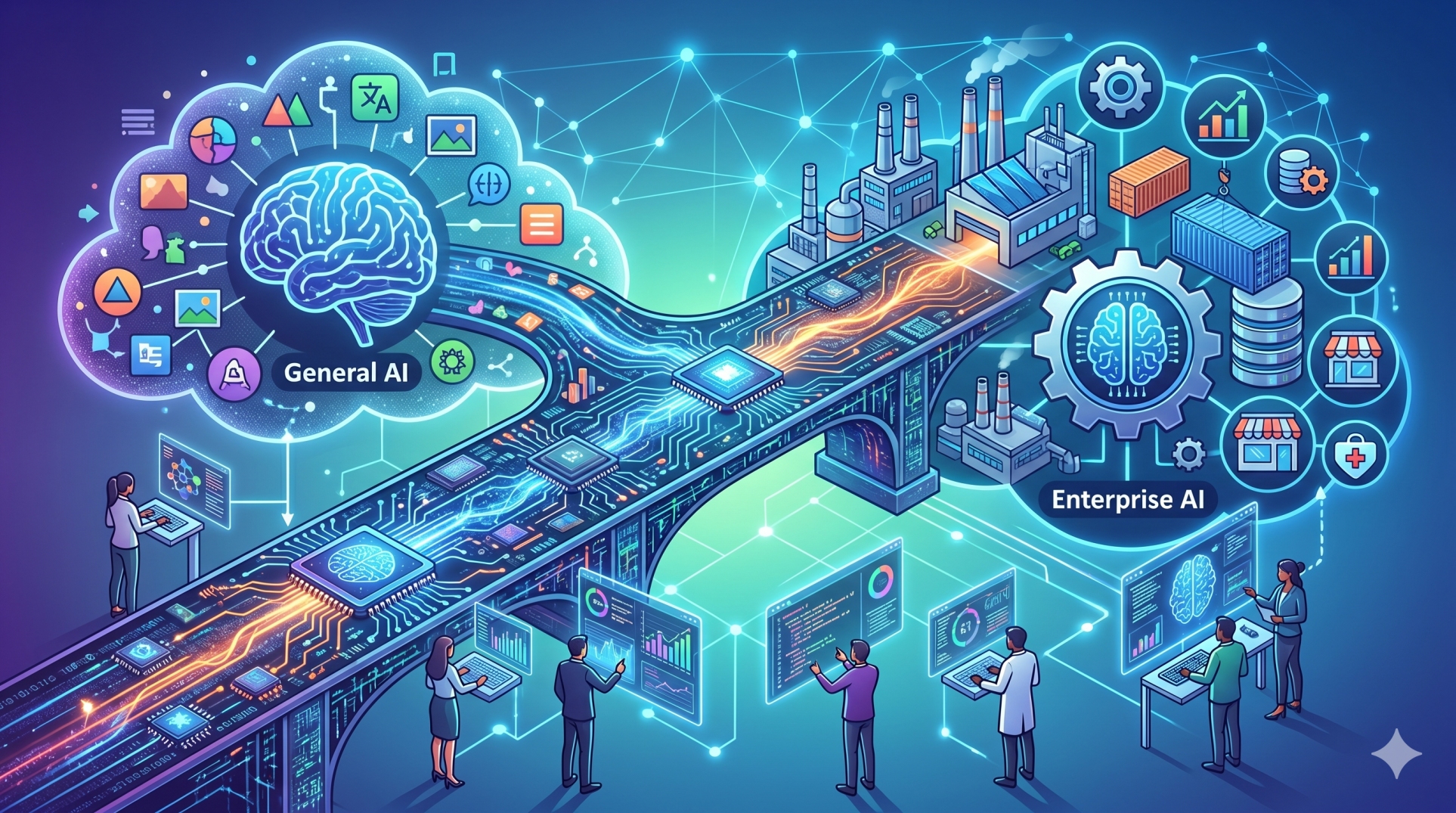
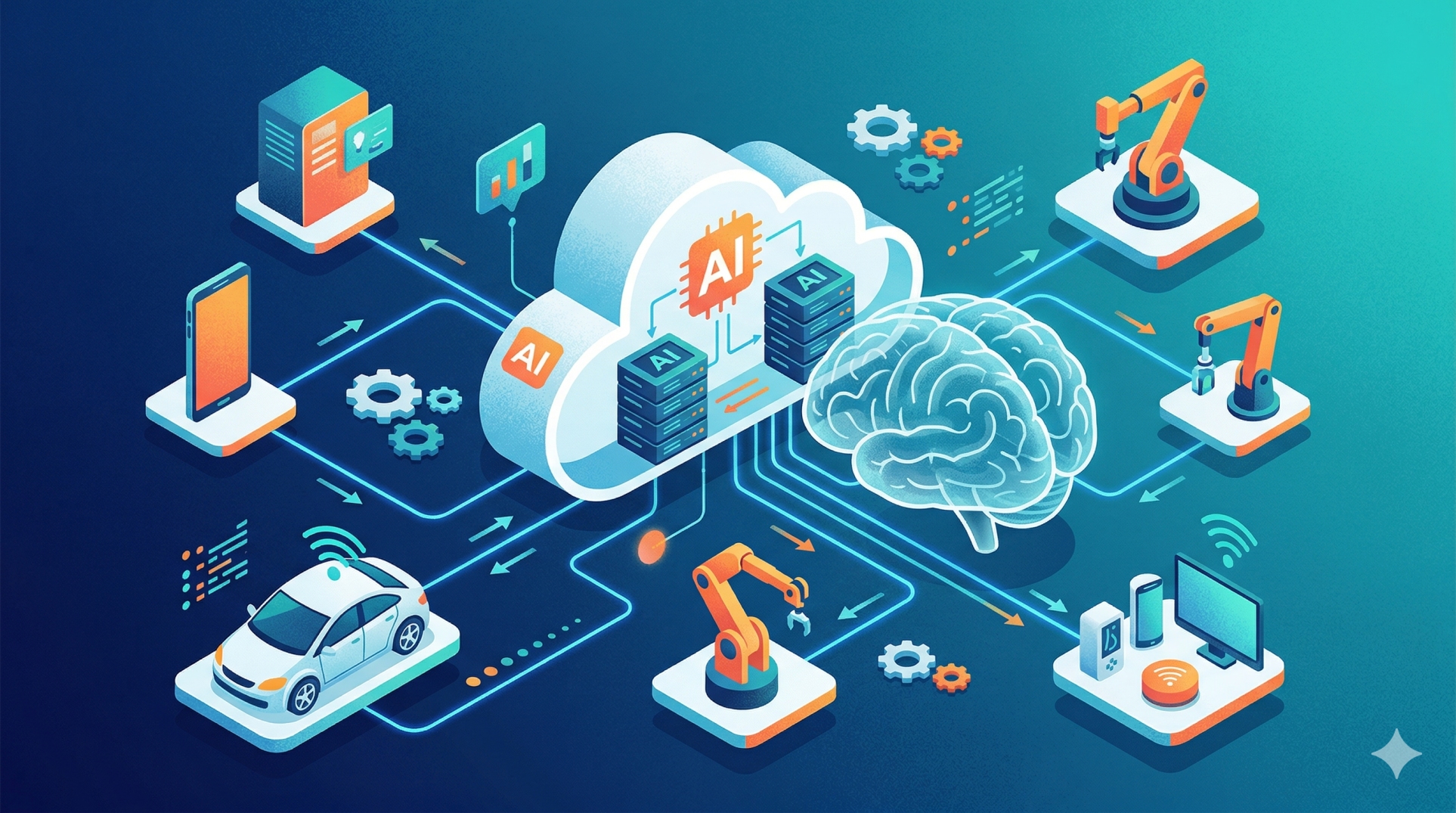
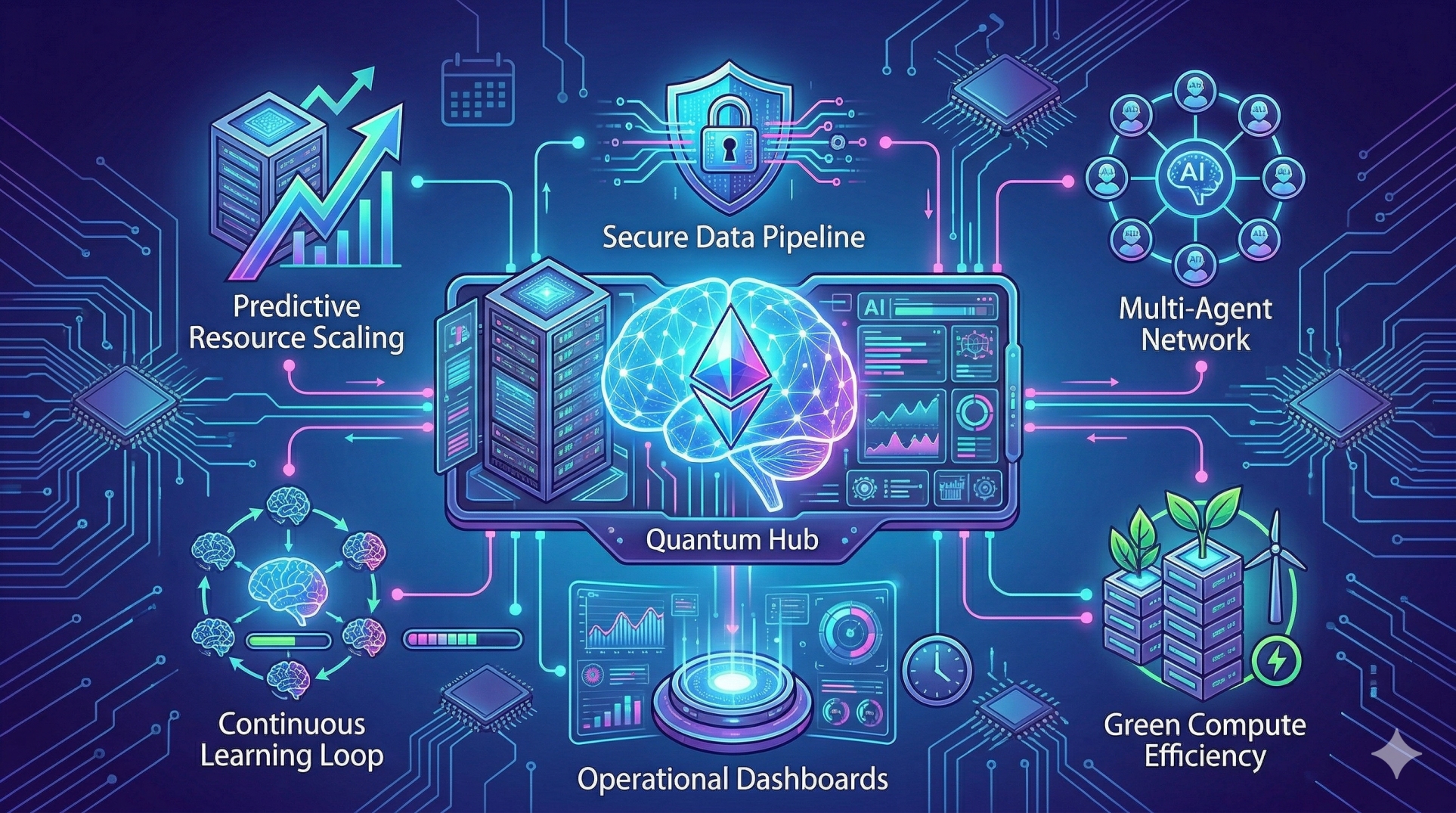
Step 10: Building a Scalable AI Procurement Environment 🚀
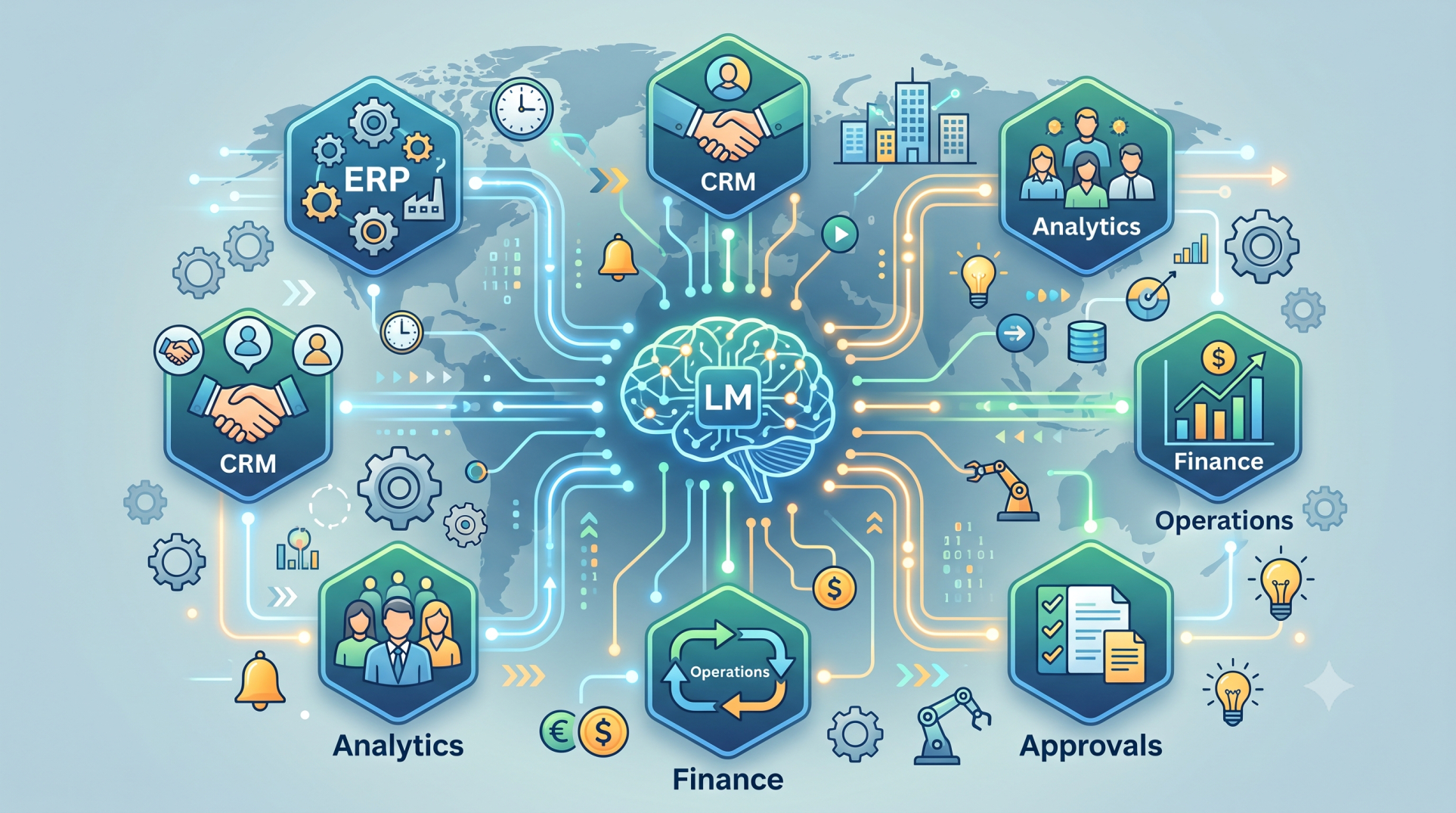
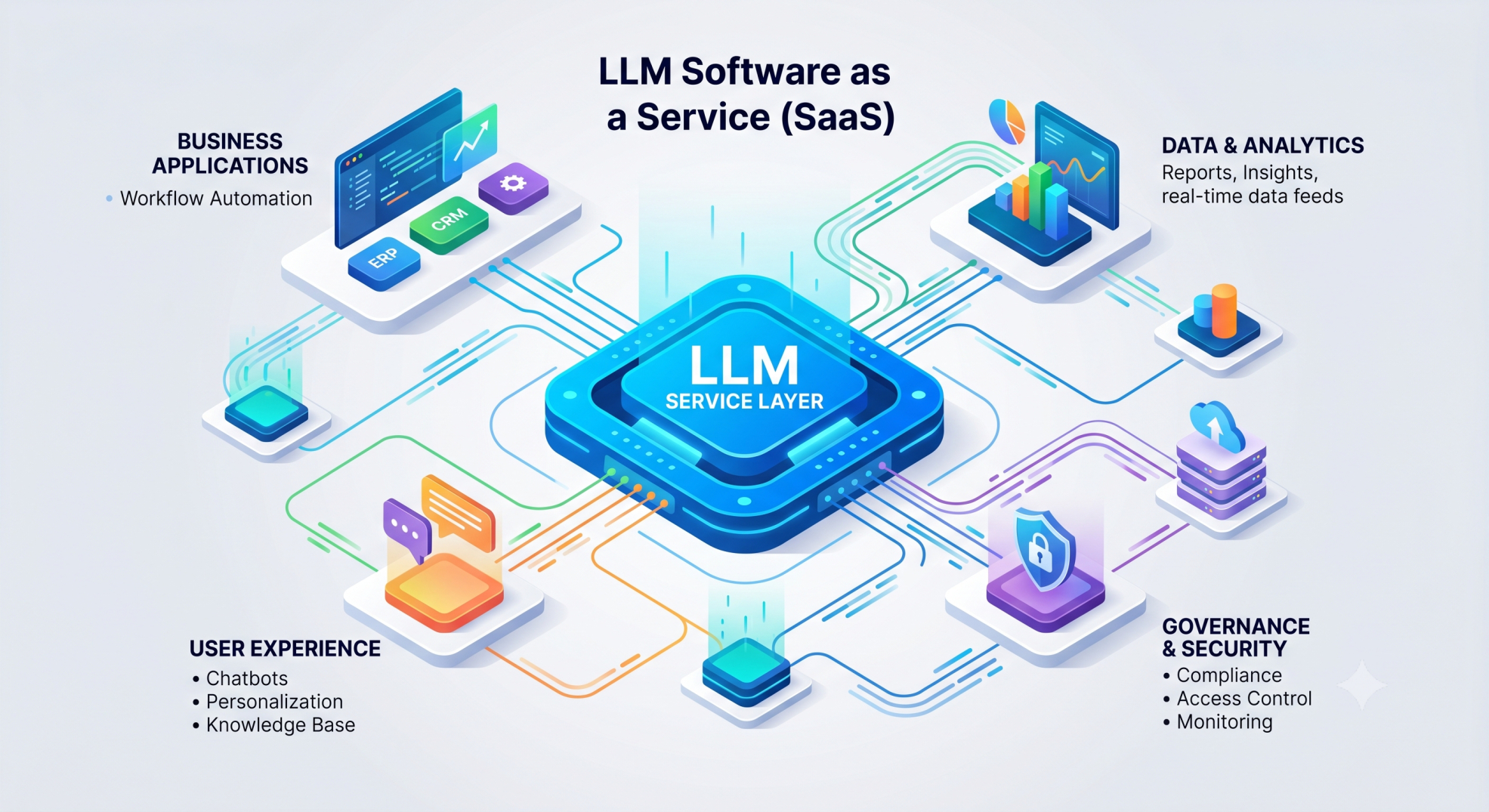
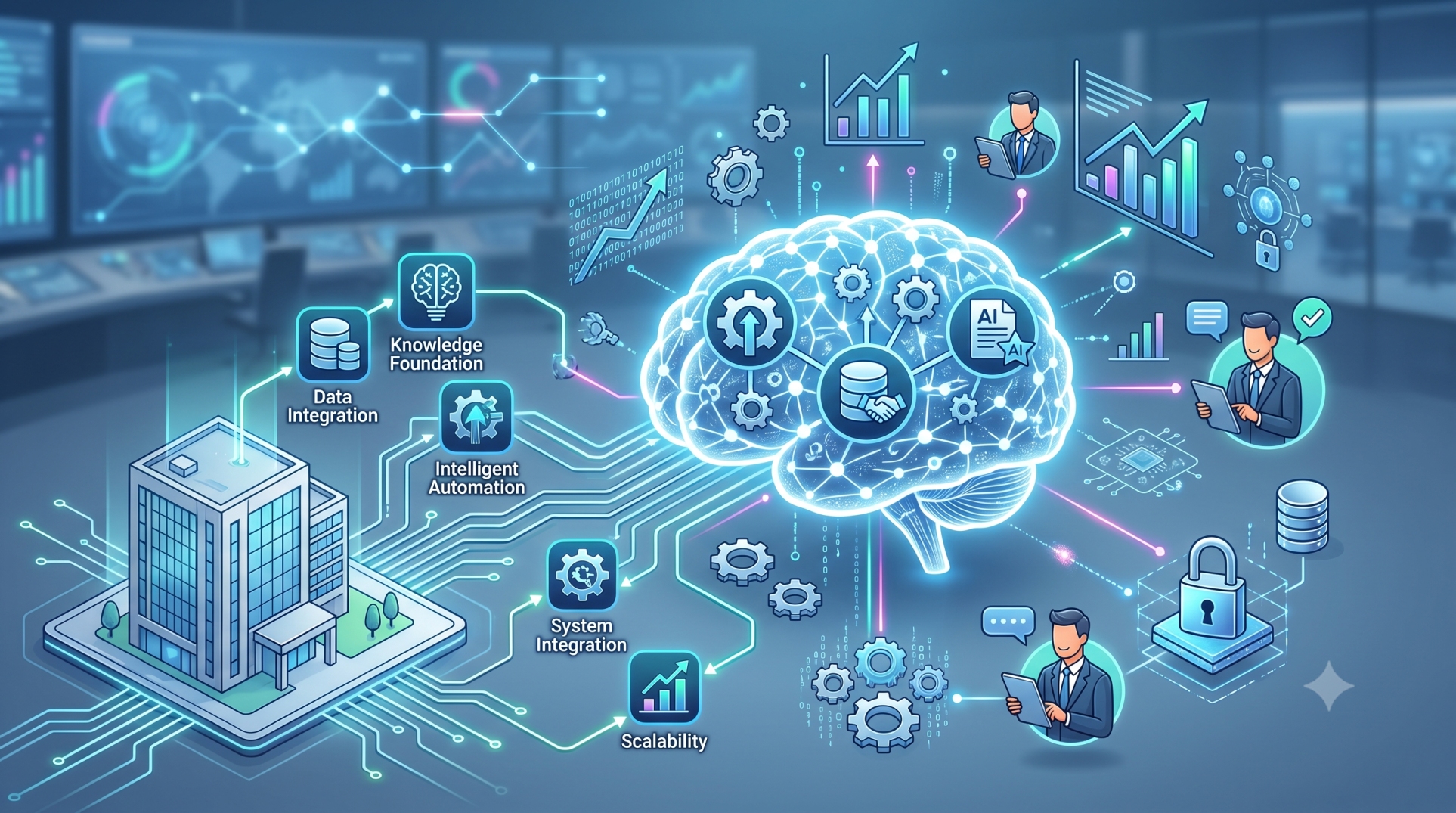
• Integrate AI procurement capabilities with ERP and financial systems 🔗
• Connect purchasing data with inventory and supply chain operations 📦
• Support multiple business units, regions, and currencies 🌍
• Expand automation as procurement requirements become more sophisticated 📈
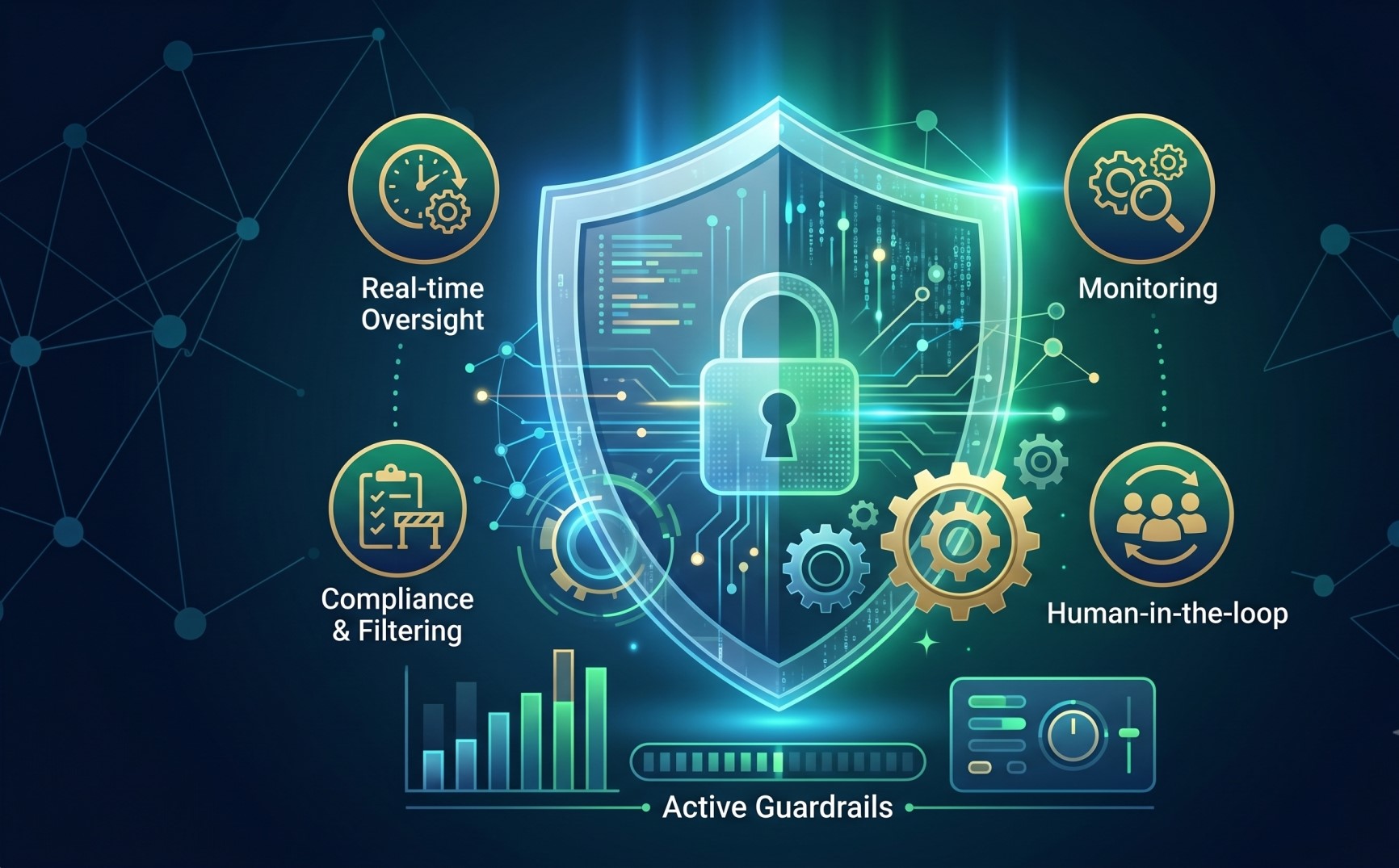
• Maintain human oversight for high-impact purchasing decisions 👨💼
Conclusion
AI software can transform complex procurement management by connecting purchasing data, suppliers, workflows, budgets, and operational requirements within a coordinated environment. Intelligent analysis and automation can reduce administrative effort, improve visibility, identify potential risks, and help procurement teams respond more effectively to changing conditions. The strongest AI procurement strategies combine automation with human oversight. By integrating intelligent software with established procurement controls and enterprise systems, organizations can build procurement operations that are more responsive, transparent, scalable, and prepared for increasingly complex business requirements.
See more blogs
You can all the articles below