Building AI Systems That Understand Enterprise Buying Policies
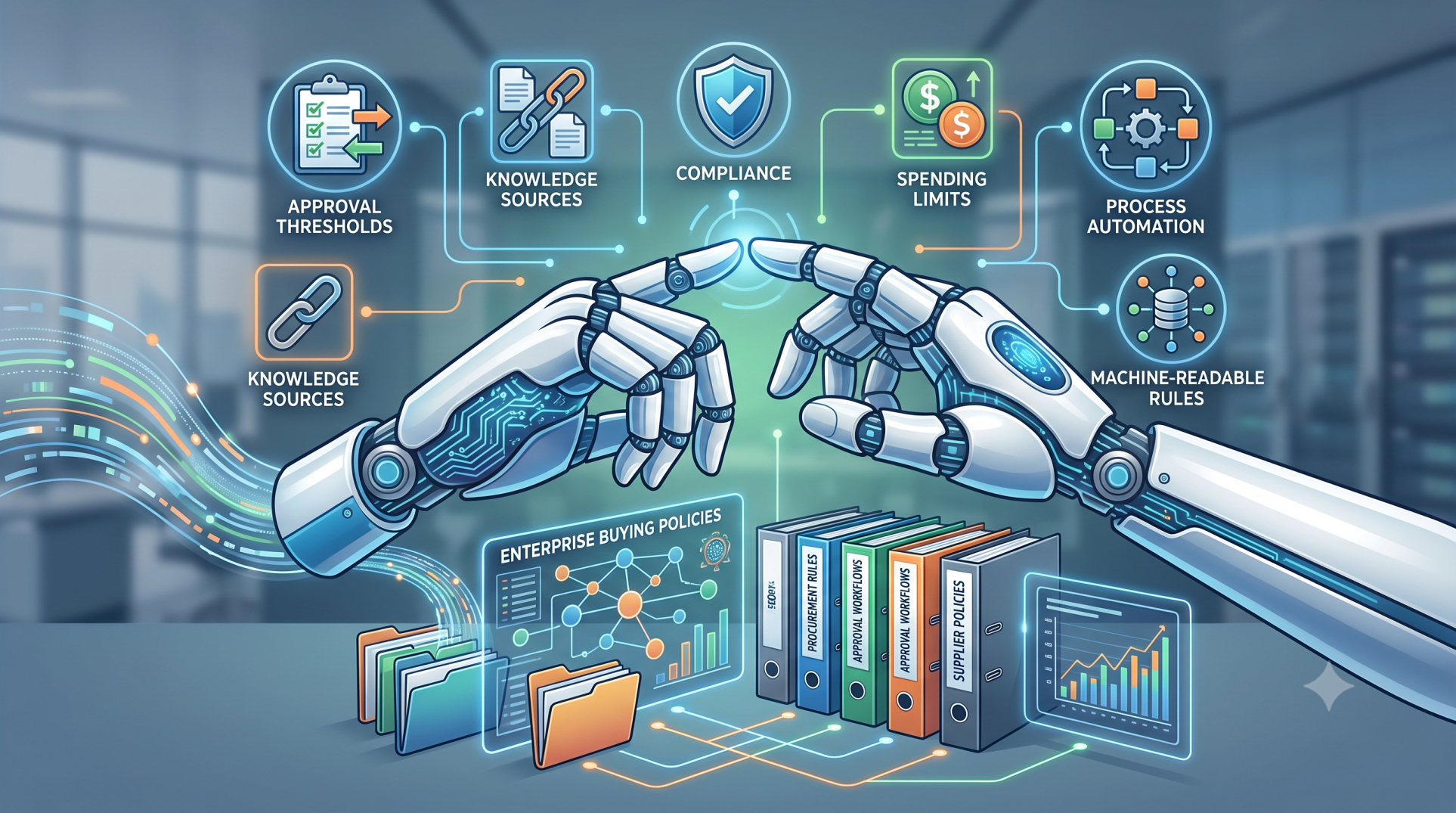
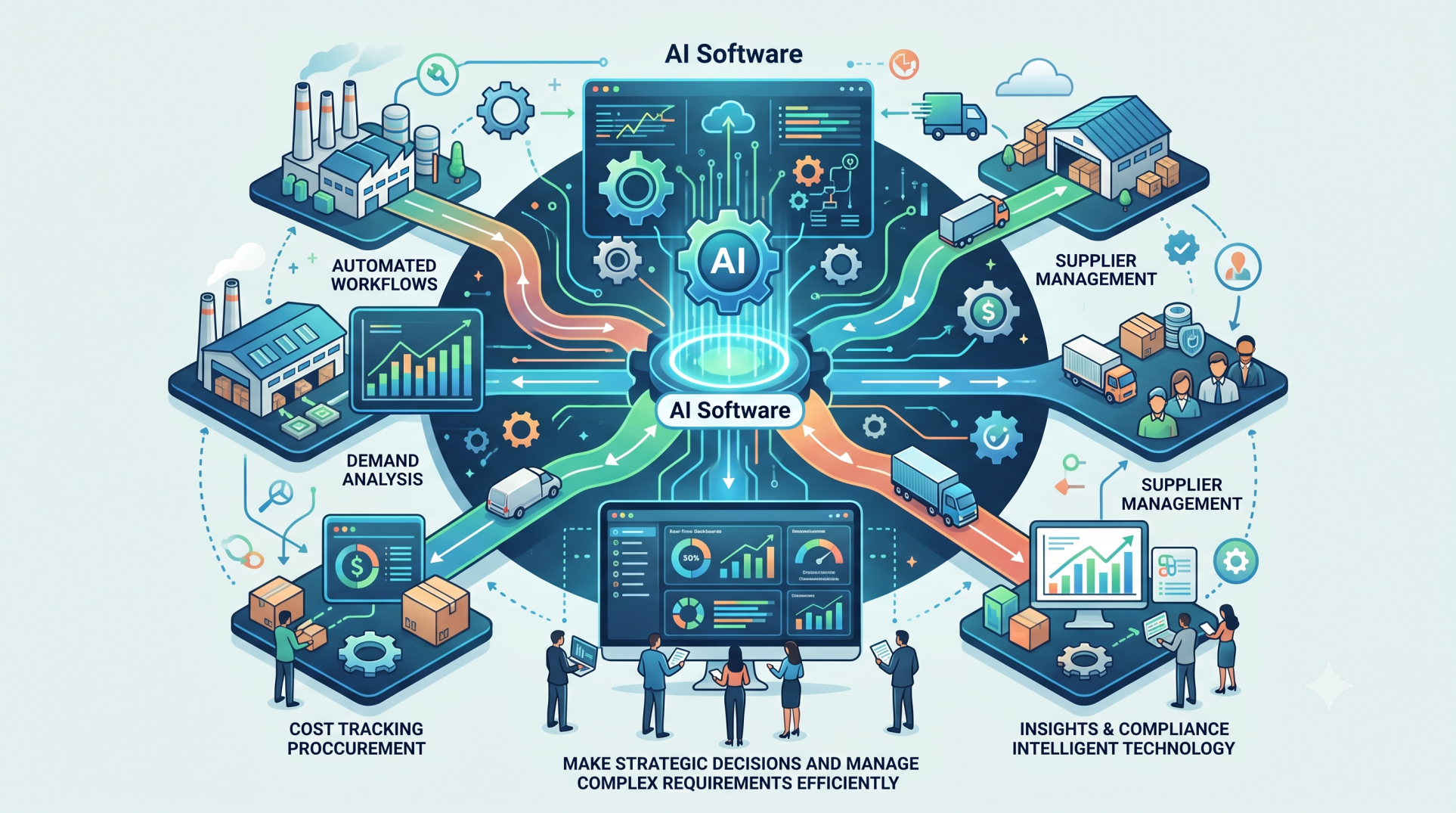
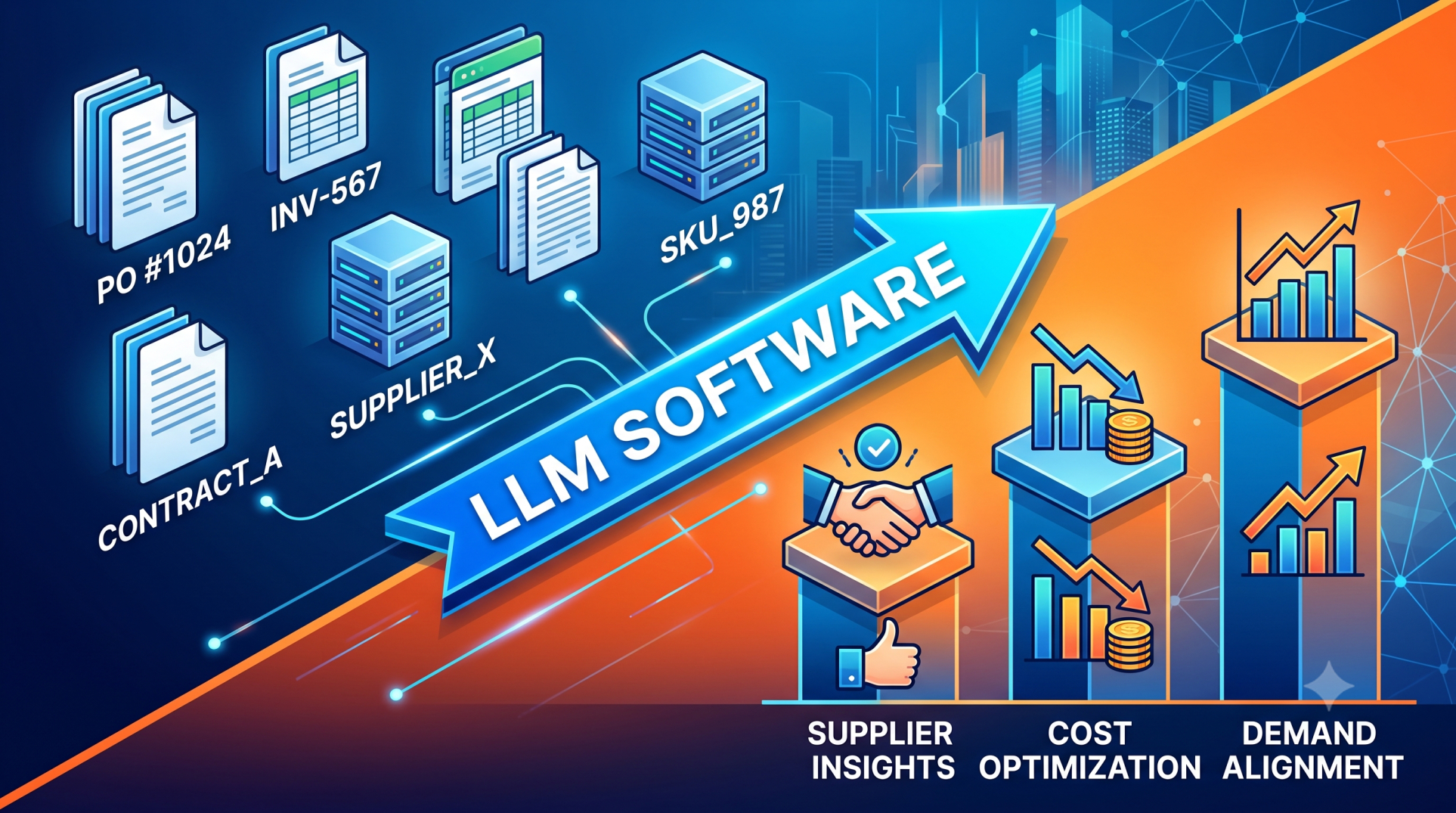
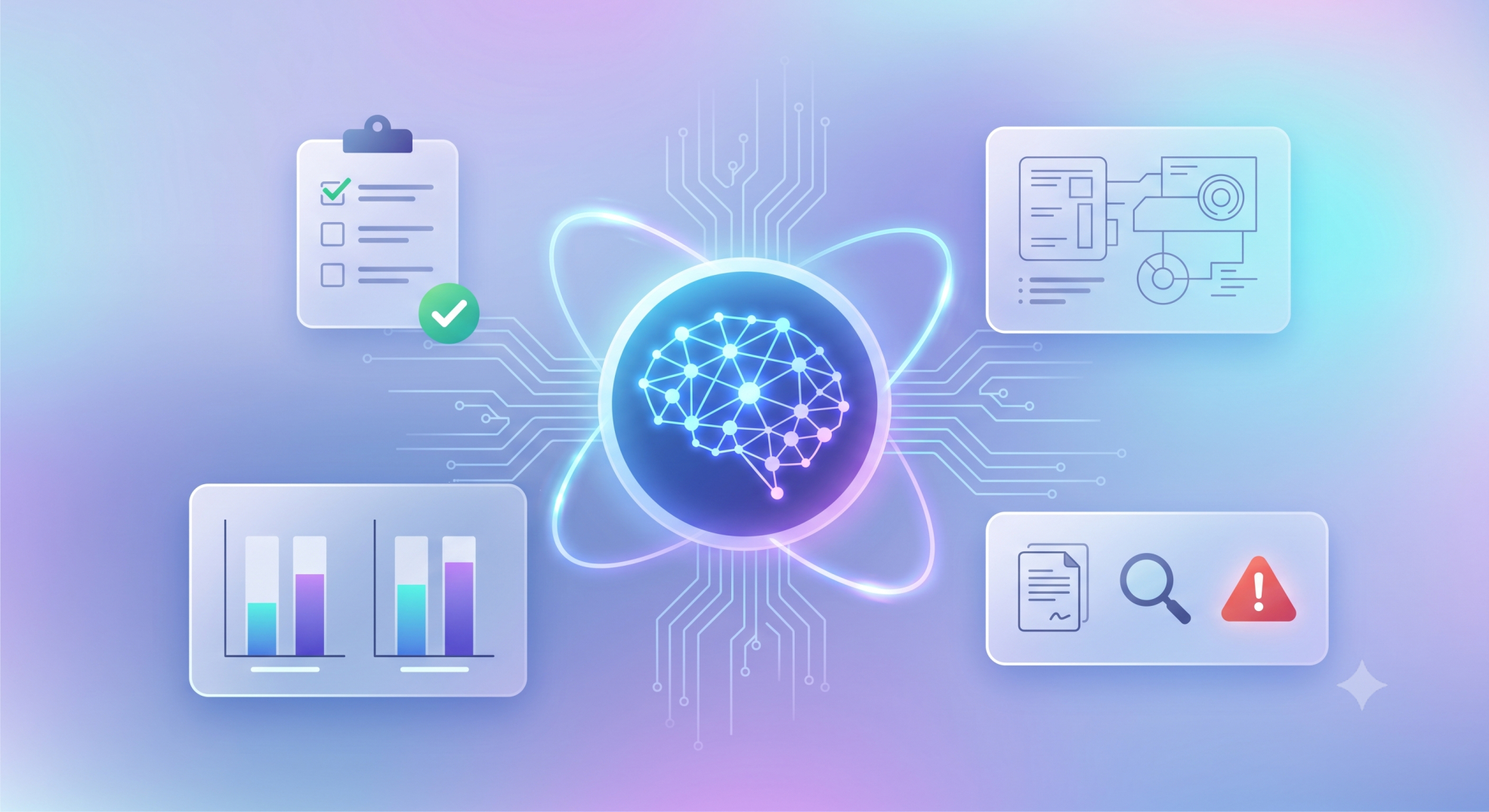
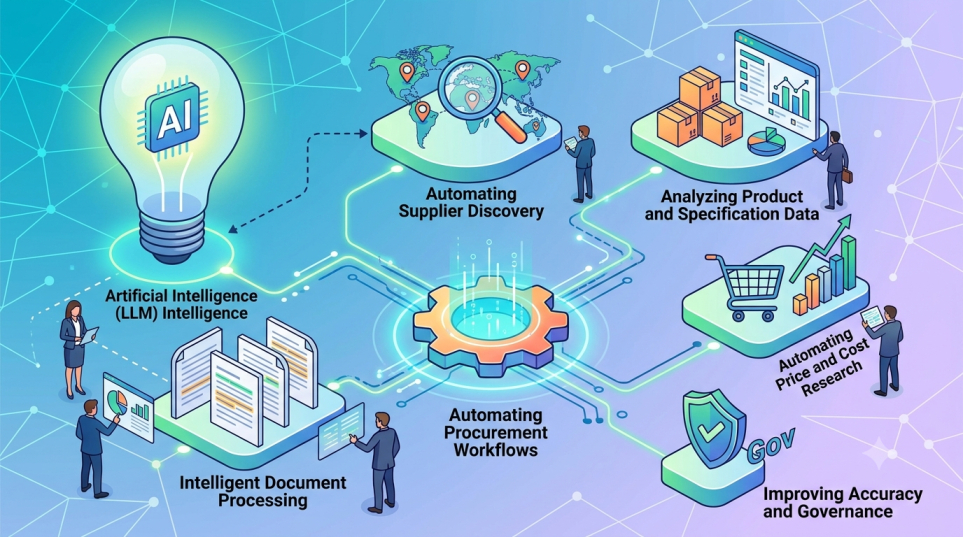
As organizations adopt AI across procurement and business operations, intelligent systems must understand more than product catalogs and pricing. They also need to interpret internal purchasing rules, approval requirements, spending limits, vendor policies, and compliance controls. Building AI systems that understand enterprise buying policies enables organizations to automate procurement decisions while maintaining governance, consistency, and accountability.
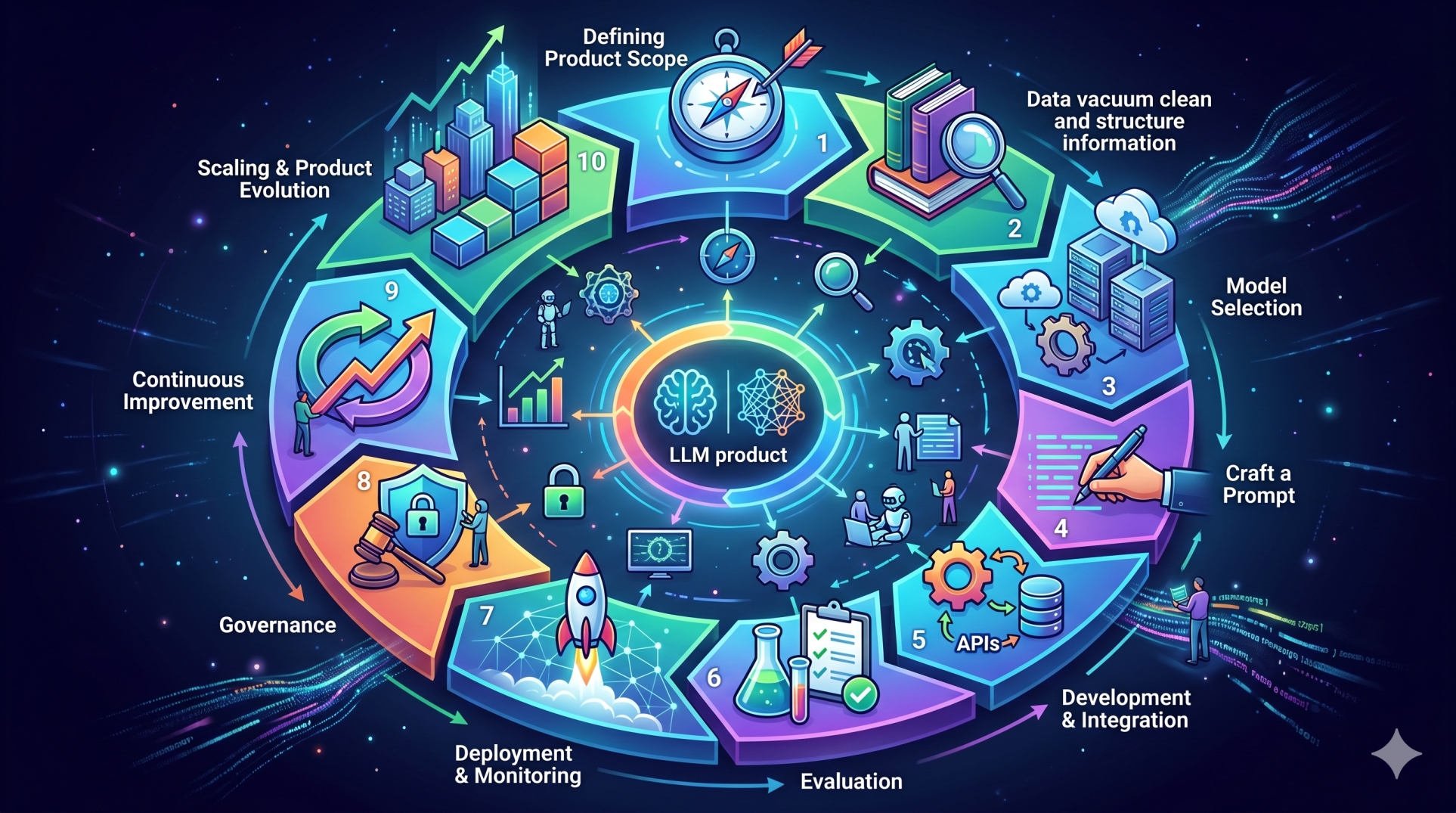
Step 1: Understanding Enterprise Buying Policies 🧠
• Identify purchasing rules, approval thresholds, and spending limits 📋
• Connect policies with procurement workflows and business processes 🔗
• Distinguish between mandatory requirements and optional guidelines ⚖️
• Account for department-specific purchasing rules 🏢
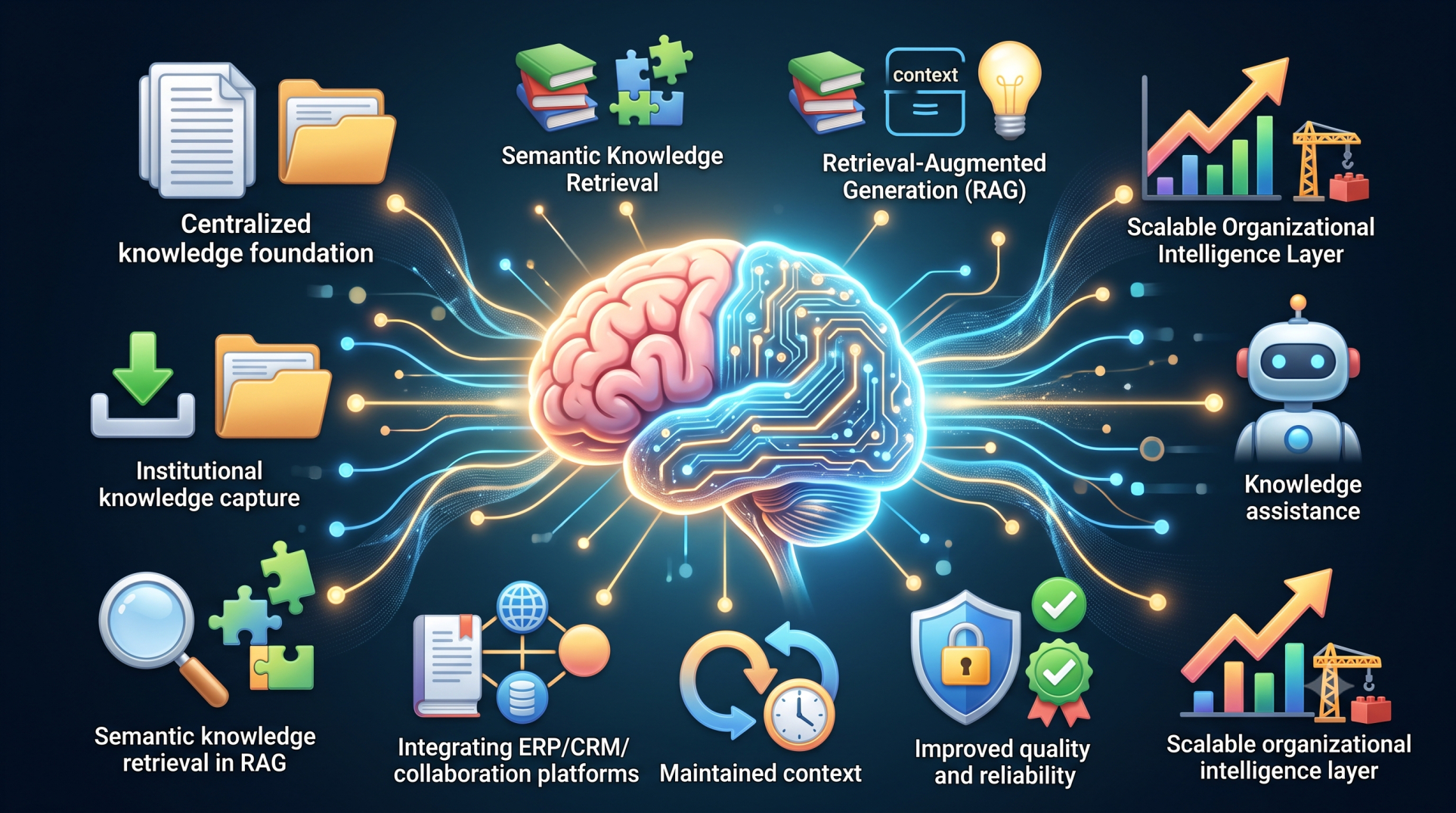
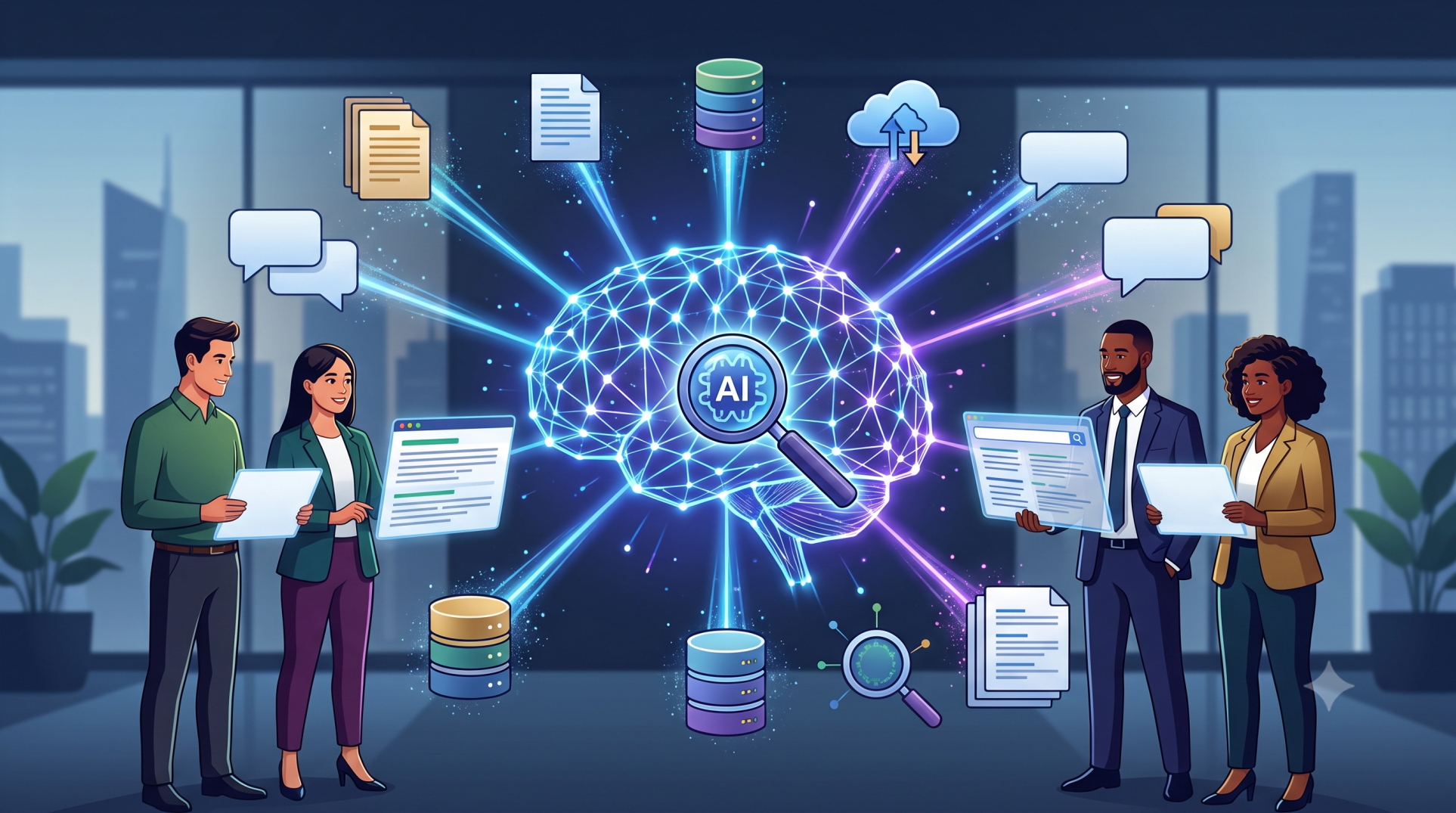
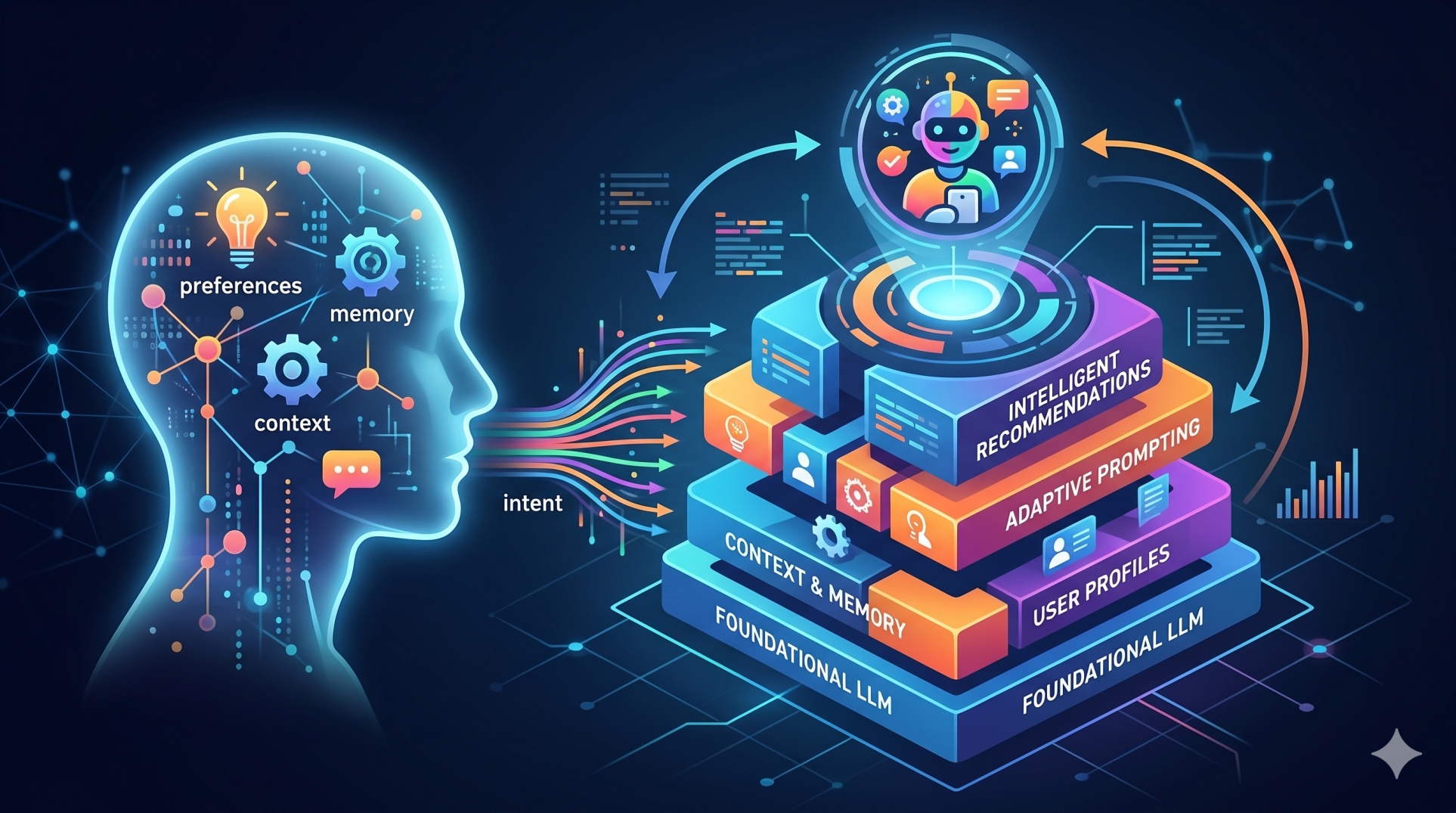
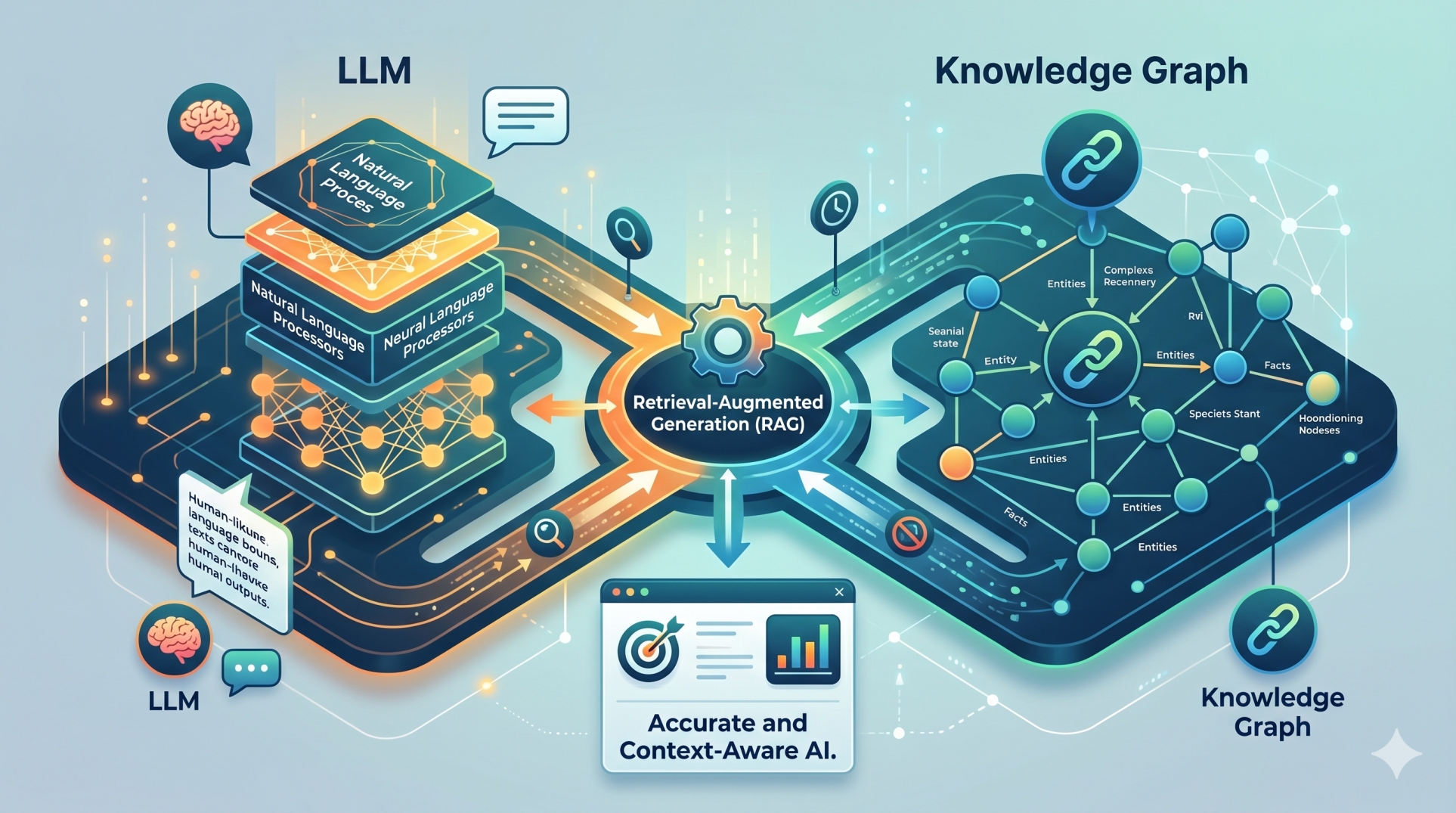
• Keep policy knowledge organized and accessible to AI systems 📚
Step 2: Integrating Procurement Knowledge Sources 📚
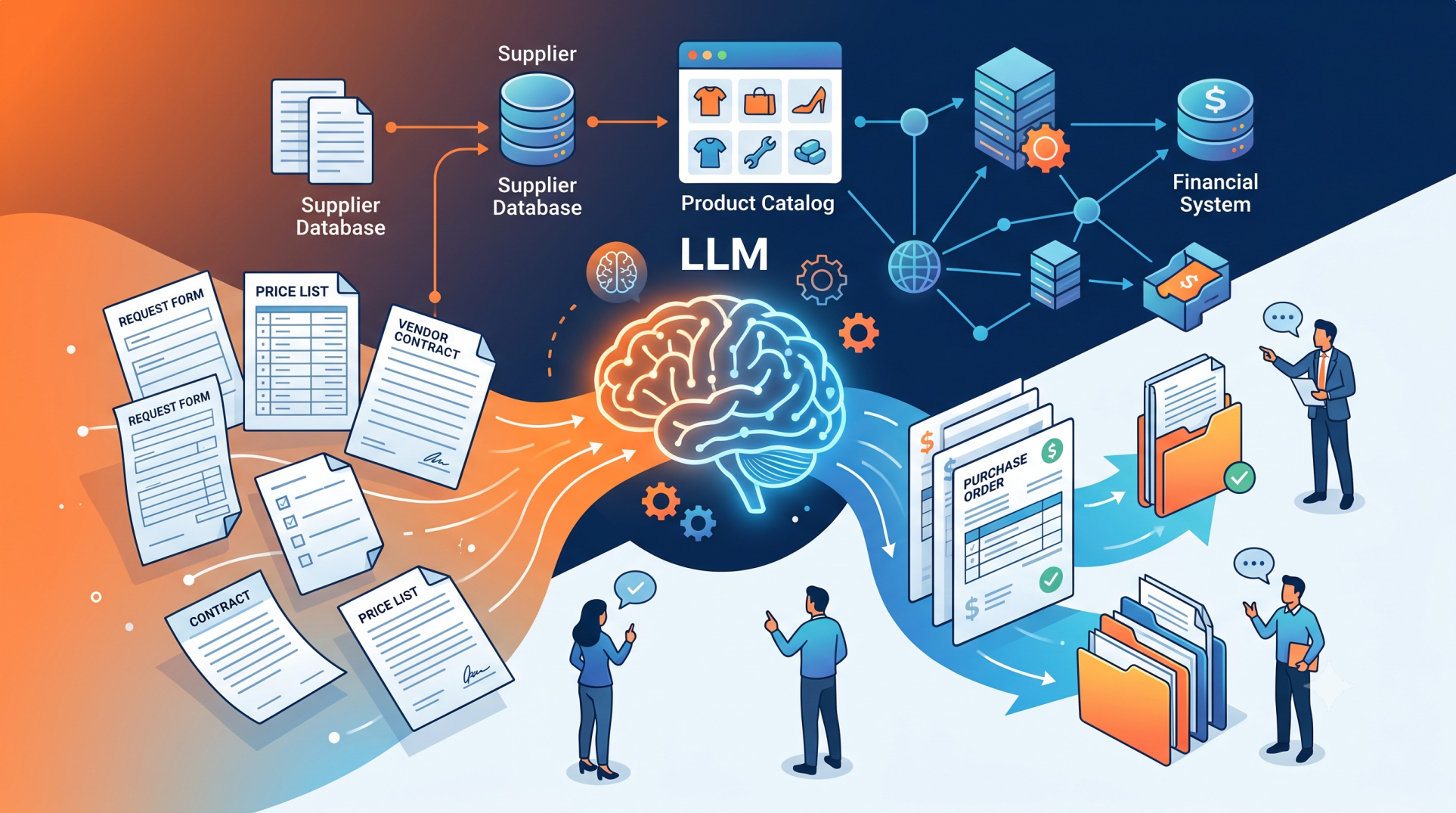
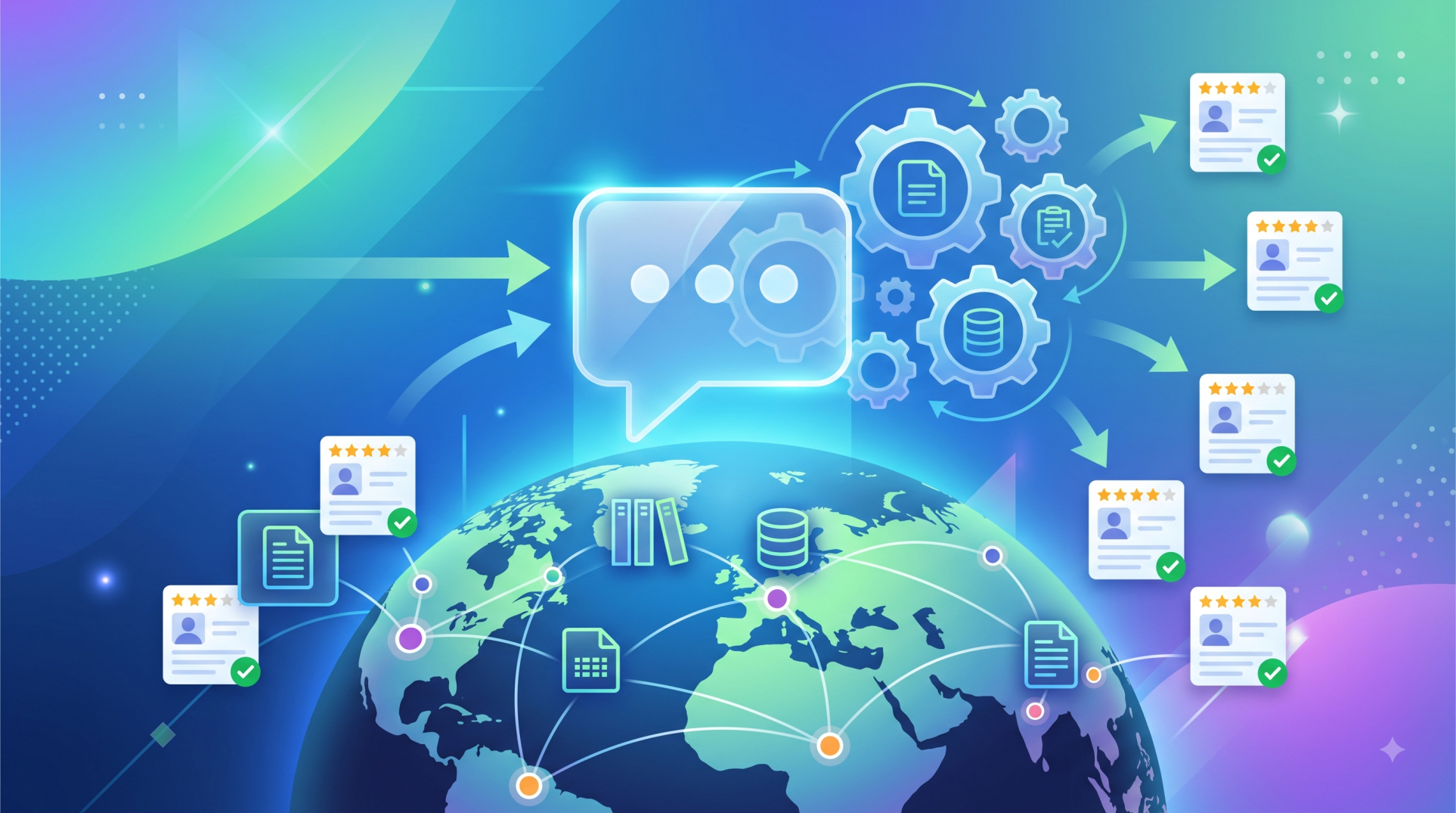
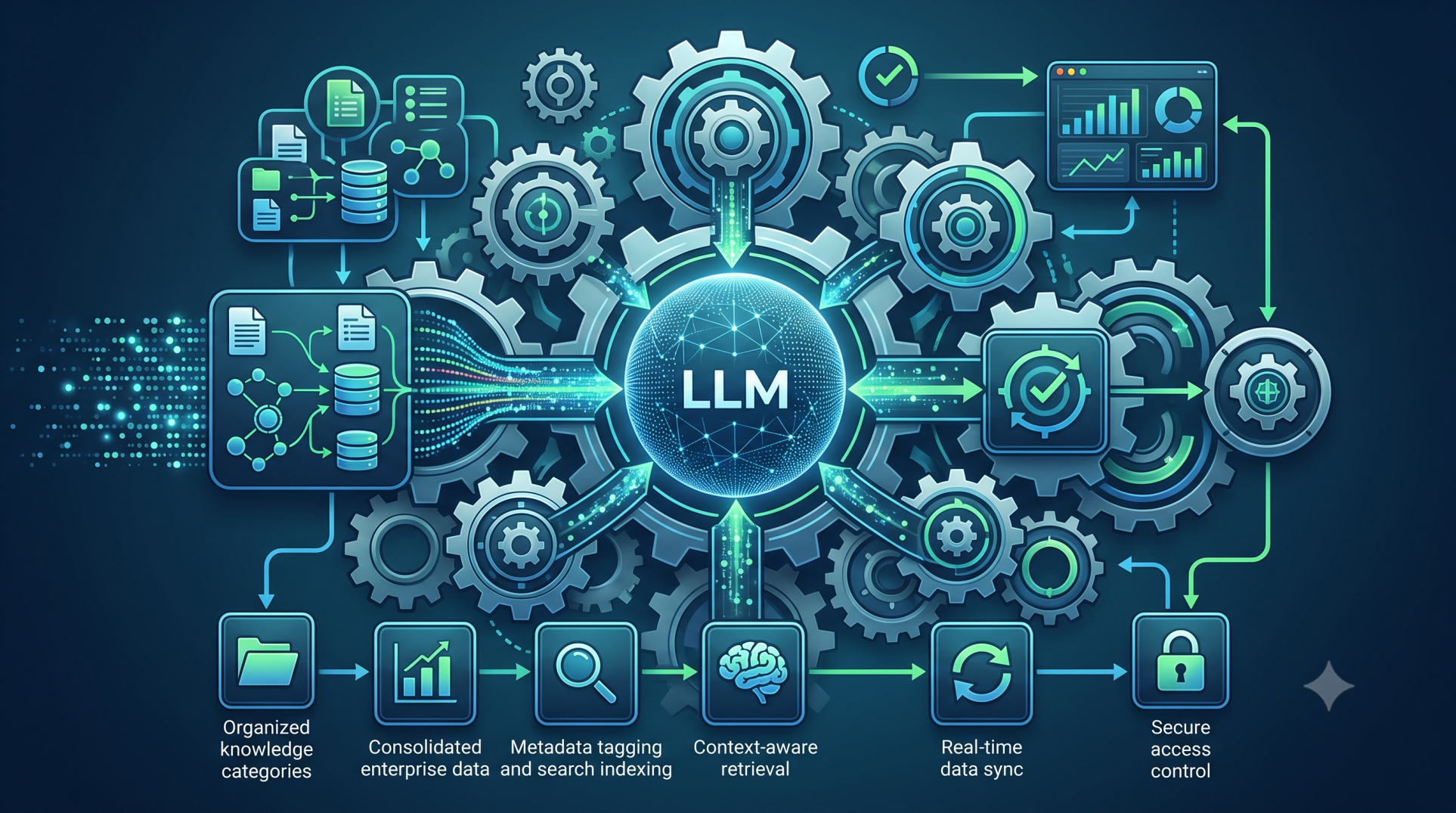
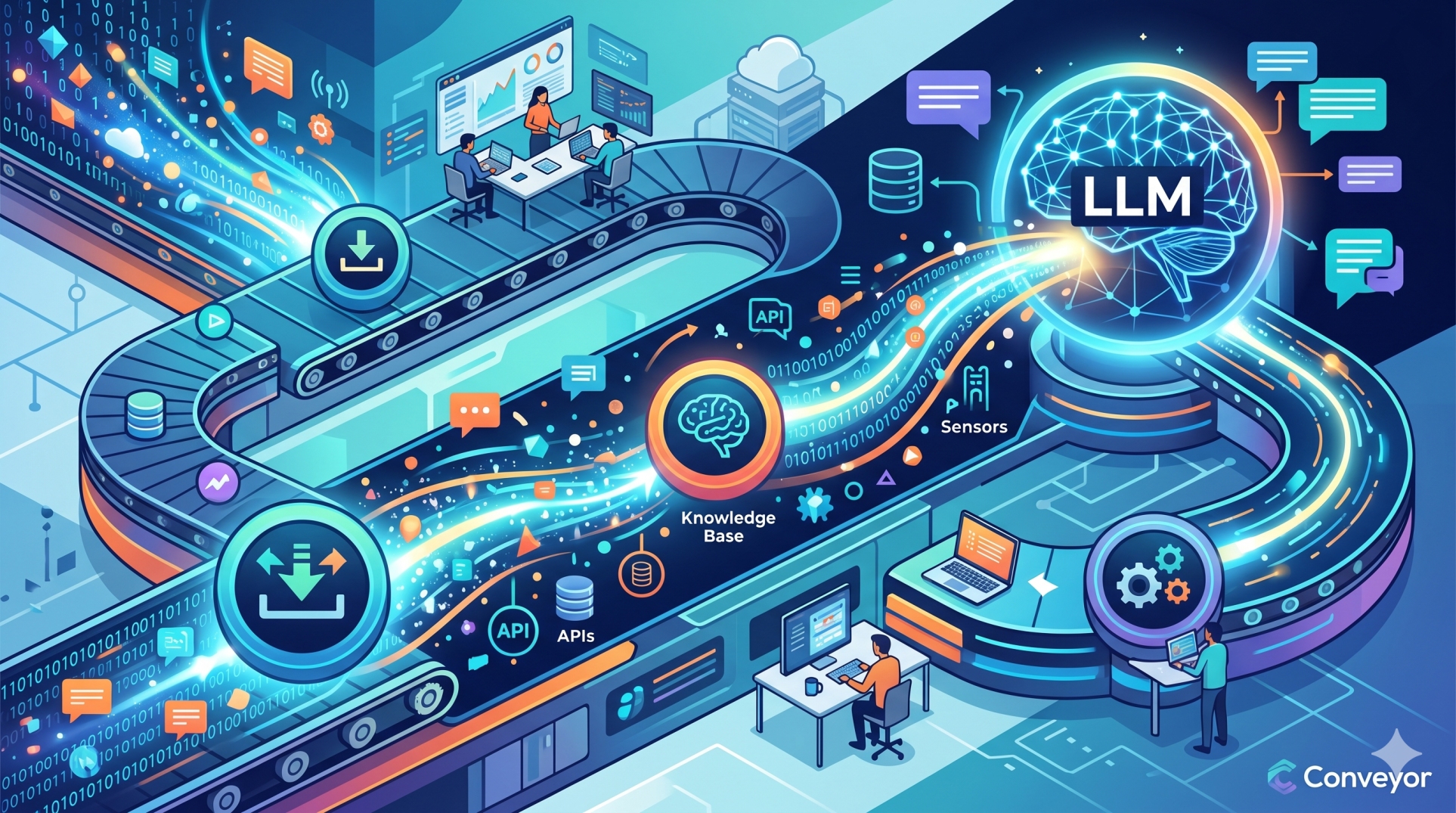
• Connect AI systems with procurement policies and internal documentation 📄
• Integrate supplier databases, catalogs, and contract information 🗂️
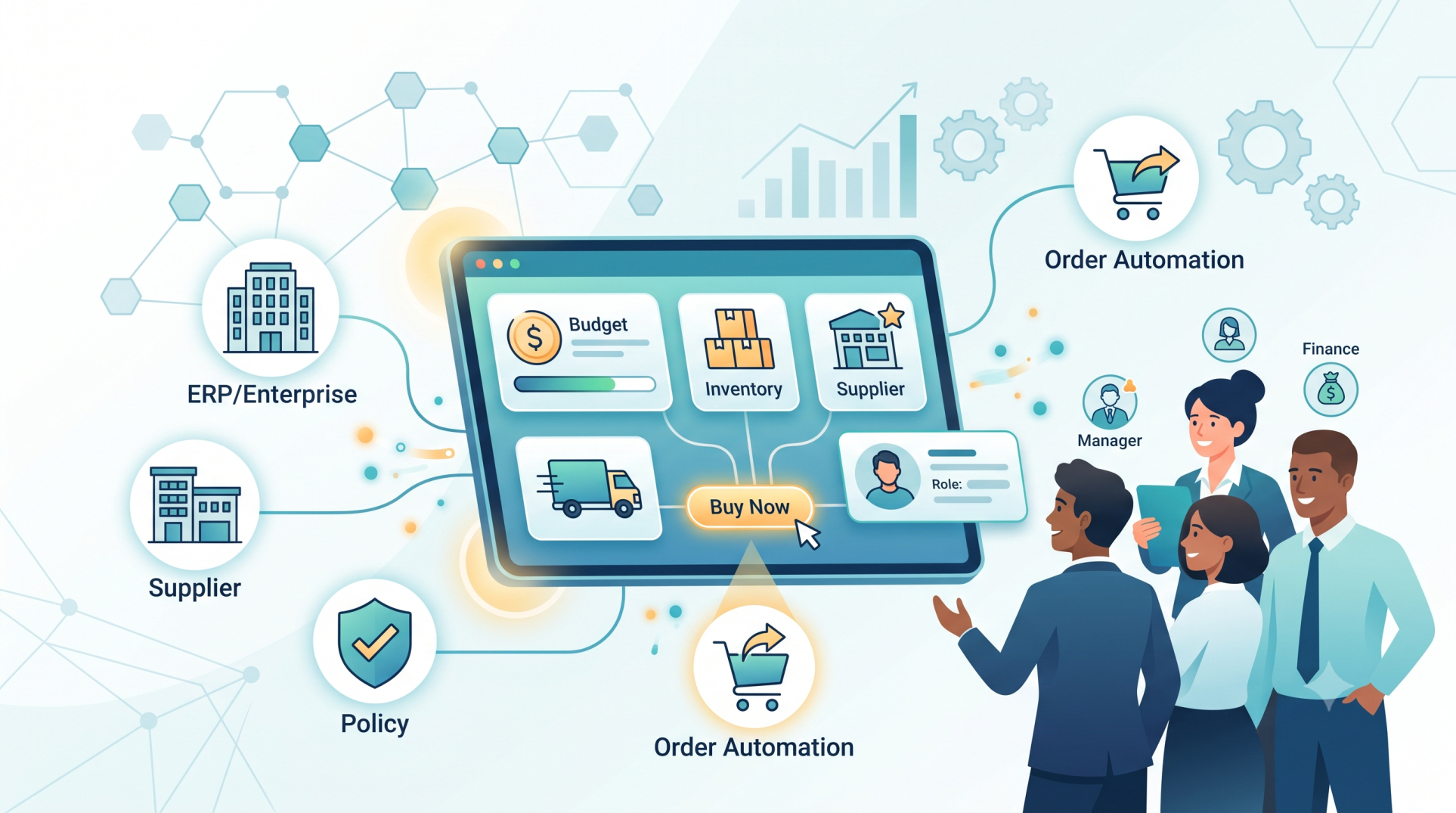
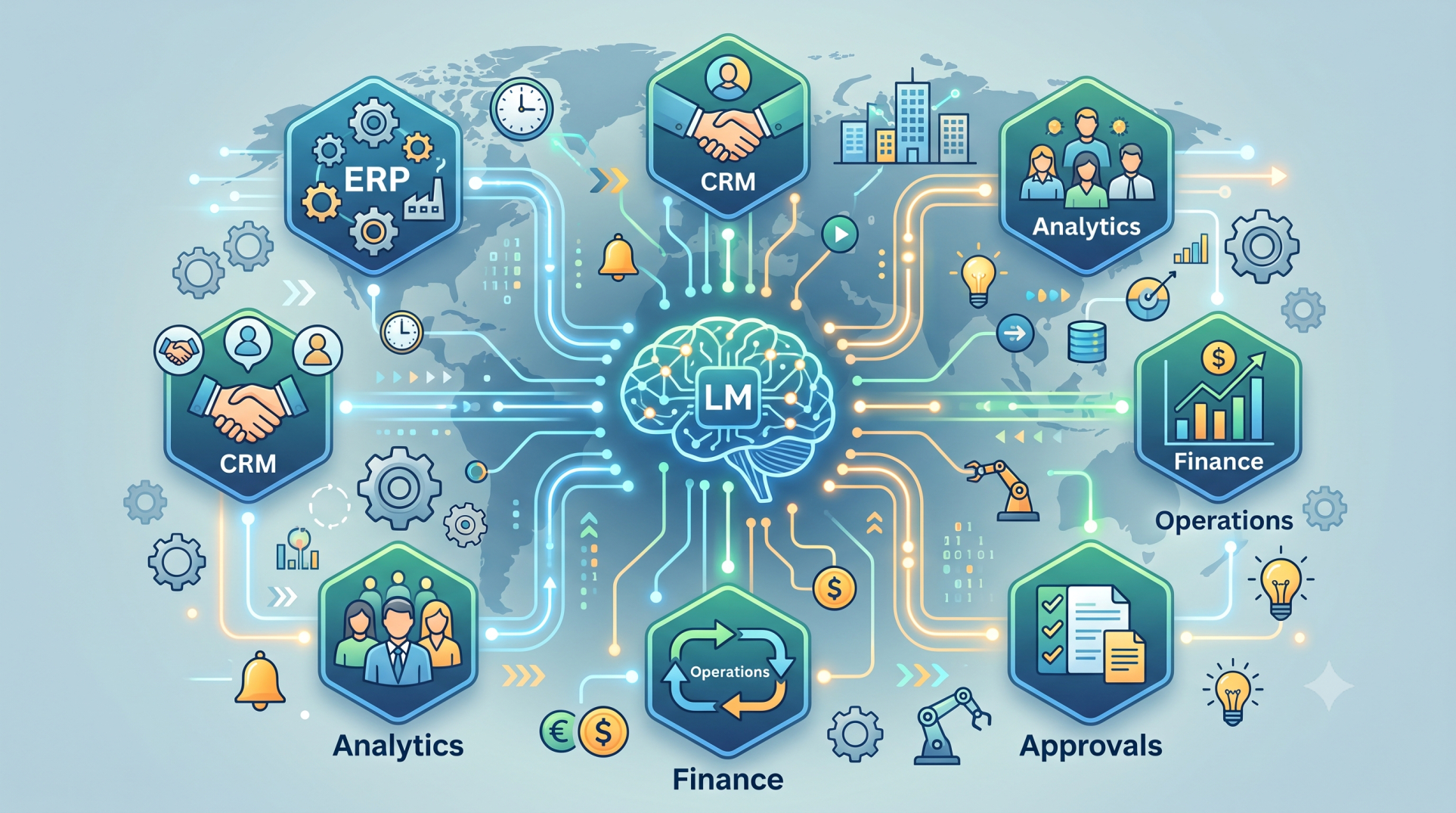
• Access ERP and purchasing platforms for transaction context 💼
• Incorporate current pricing, budgets, and inventory information 📊
• Maintain centralized knowledge across relevant business systems 🔄
Step 3: Translating Policies into Machine-Readable Rules ⚙️
• Convert complex purchasing requirements into structured logic 🧩
• Define approval conditions and spending thresholds clearly 💰
• Represent vendor restrictions and category-specific requirements 🔐
• Establish rules for exceptions and special purchasing scenarios 🚦
• Make policy logic easy to update as requirements change 🔄
Step 4: Enabling Context-Aware Purchasing Decisions 🤖
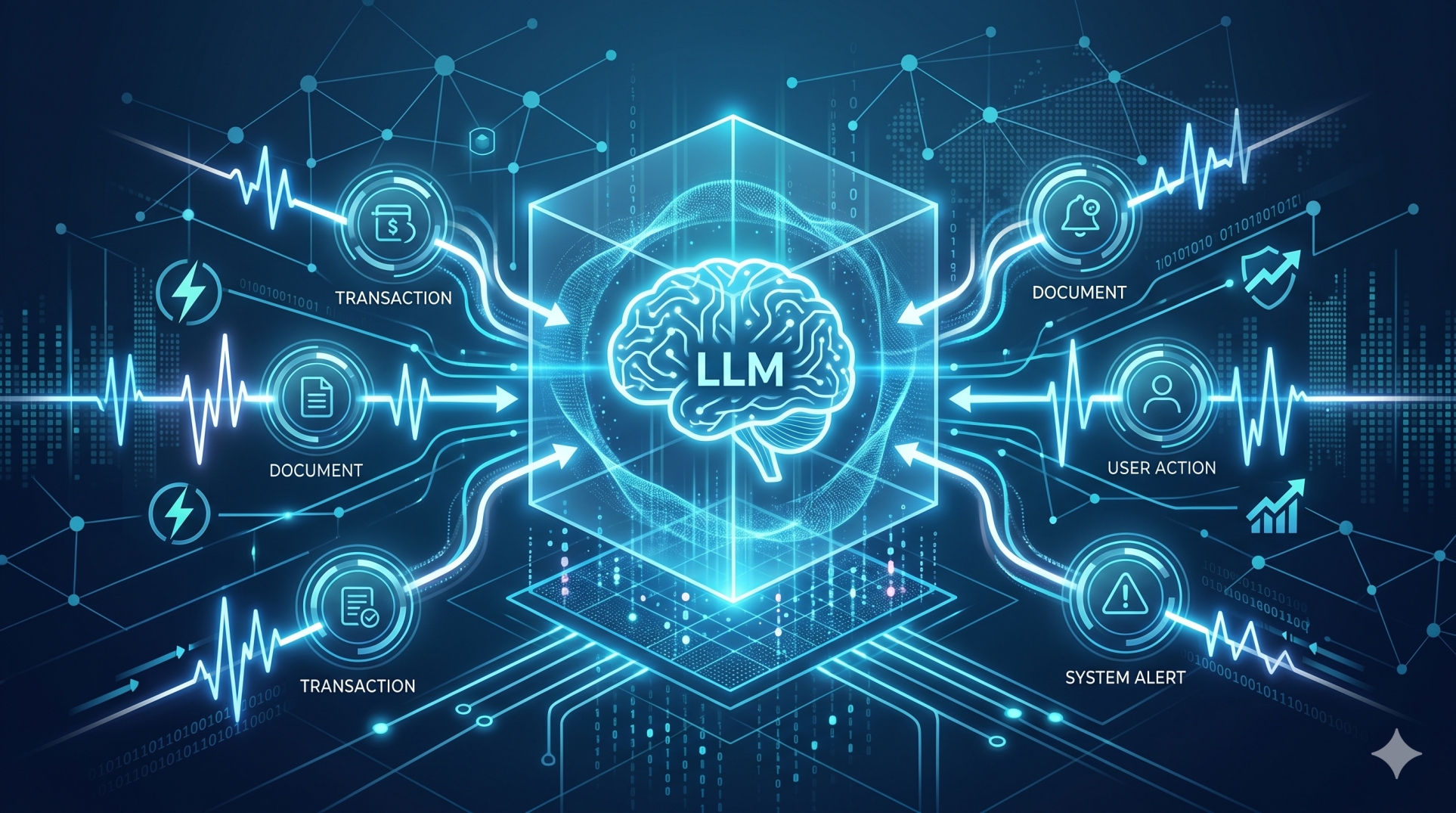
• Evaluate purchase requests against applicable policies 🎯
• Consider department, budget, location, supplier, and purchase category 📌
• Identify whether additional approvals are required ✅
• Recommend compliant purchasing paths automatically 🛒
• Provide explanations for decisions and recommendations 💡
Step 5: Managing Approvals and Escalations 🔐
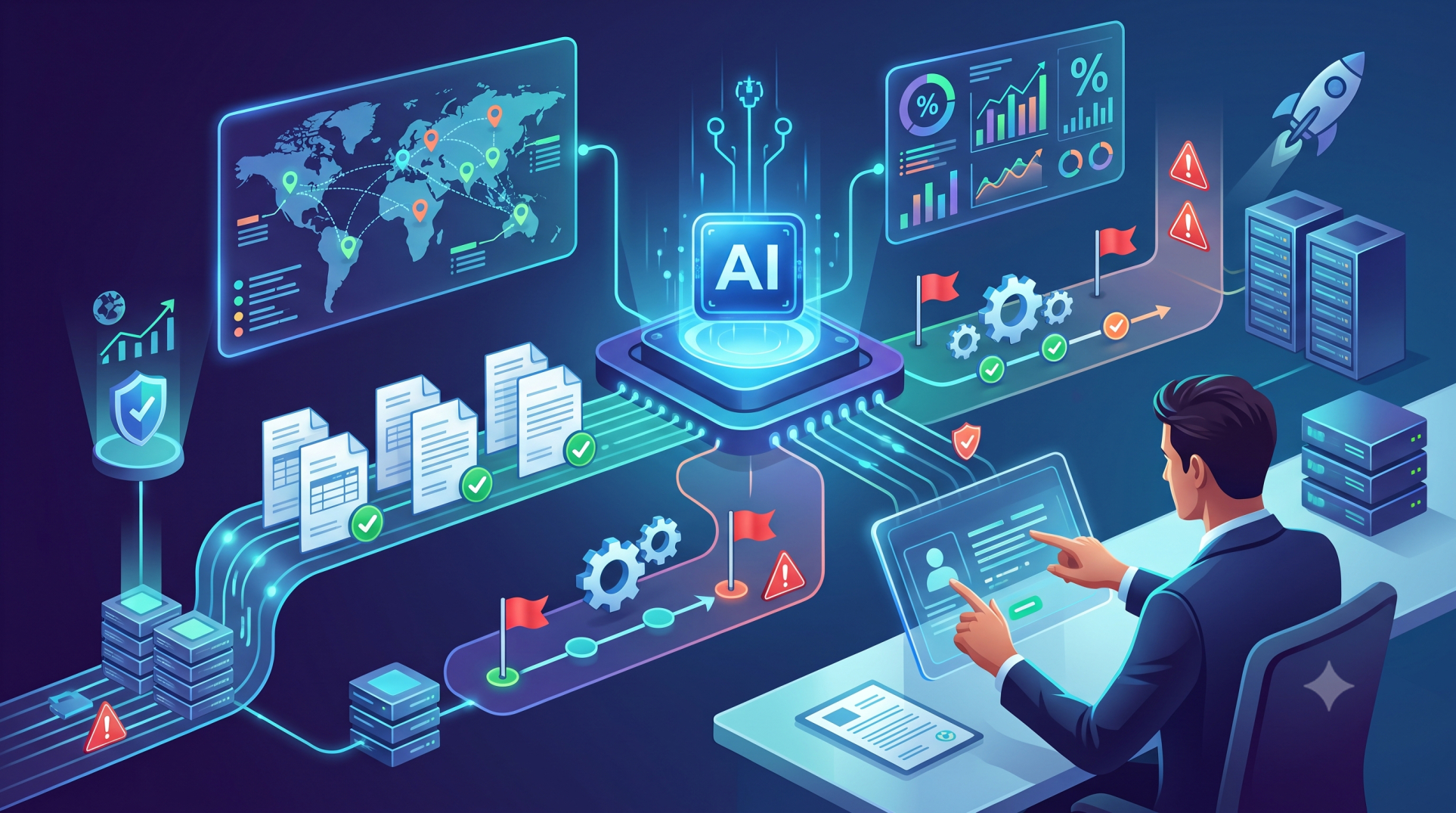
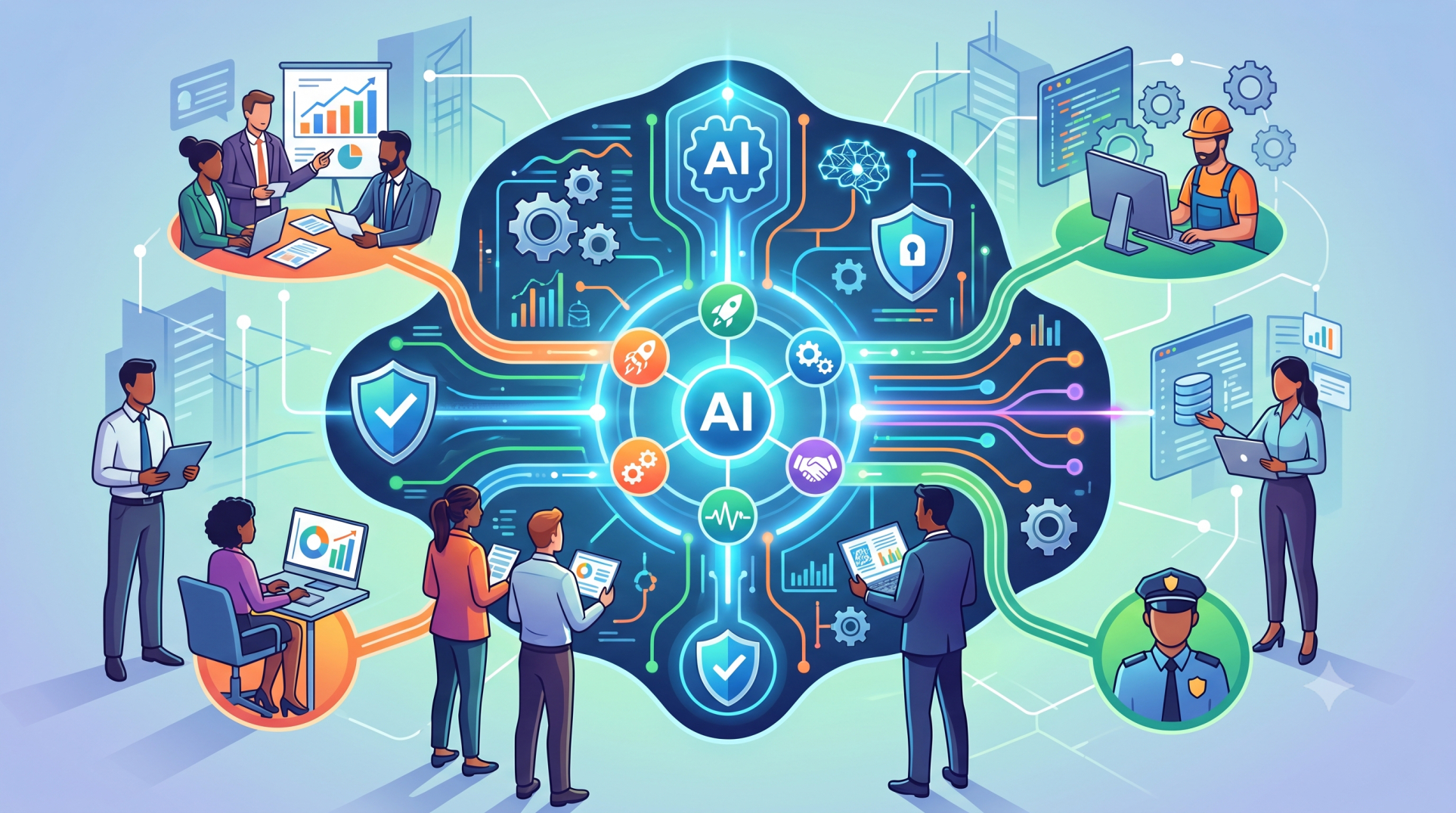
• Route purchase requests to the appropriate decision-makers 👥
• Trigger additional approvals when thresholds are exceeded 🚨
• Escalate unusual or high-risk purchasing requests 📤
• Maintain visibility into pending approvals and decisions 👀
• Reduce delays caused by manual coordination ⏱️
Step 6: Handling Exceptions and Policy Variations 🔄
• Detect situations that fall outside standard purchasing rules ⚠️
• Apply approved exception procedures consistently 📑
• Distinguish legitimate exceptions from policy violations 🛡️
• Escalate ambiguous cases for human review 👤
• Maintain clear records of exceptions and their outcomes 🧾
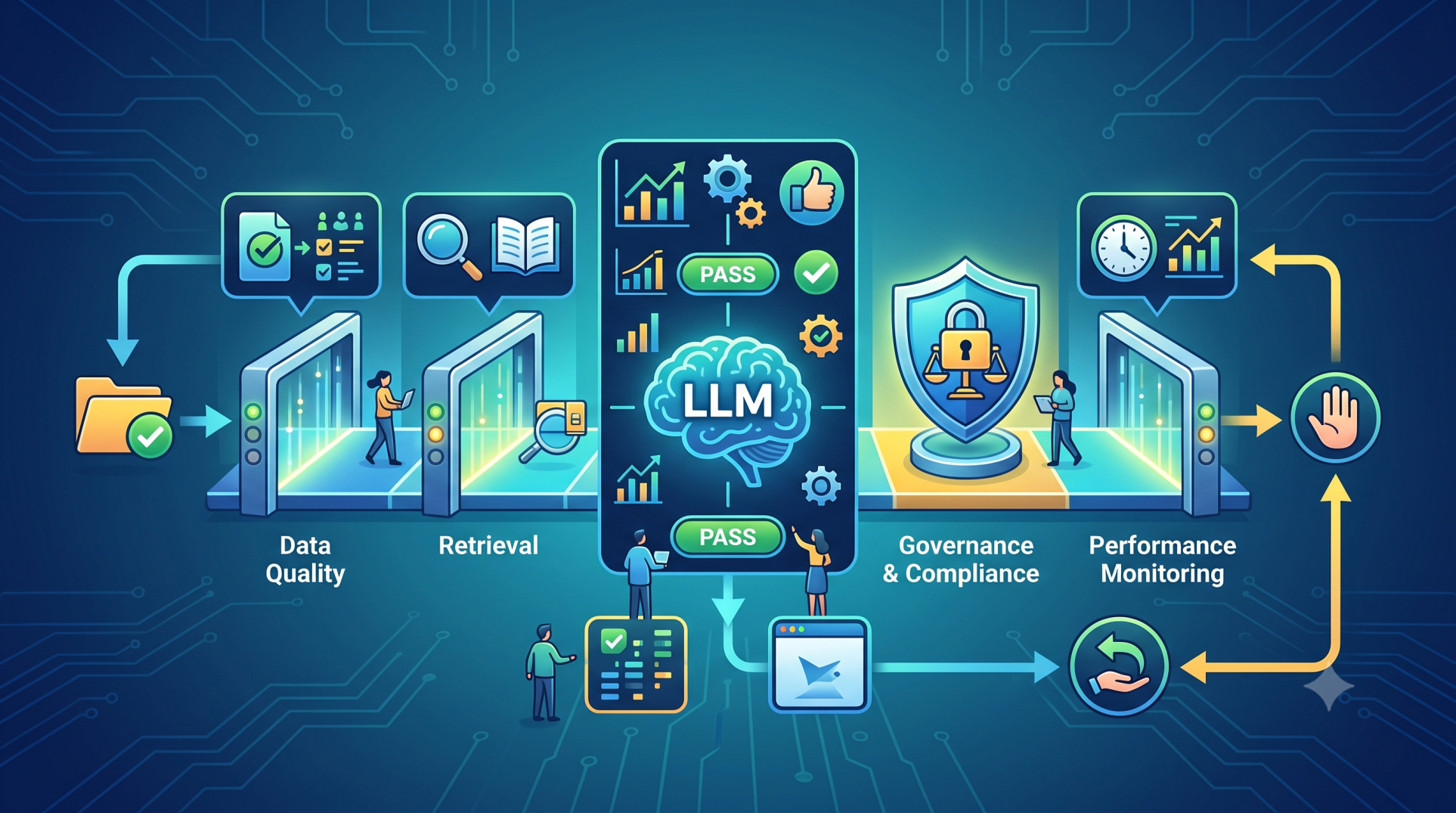
Step 7: Strengthening Compliance and Governance 🛡️
• Apply purchasing policies consistently across departments ⚖️
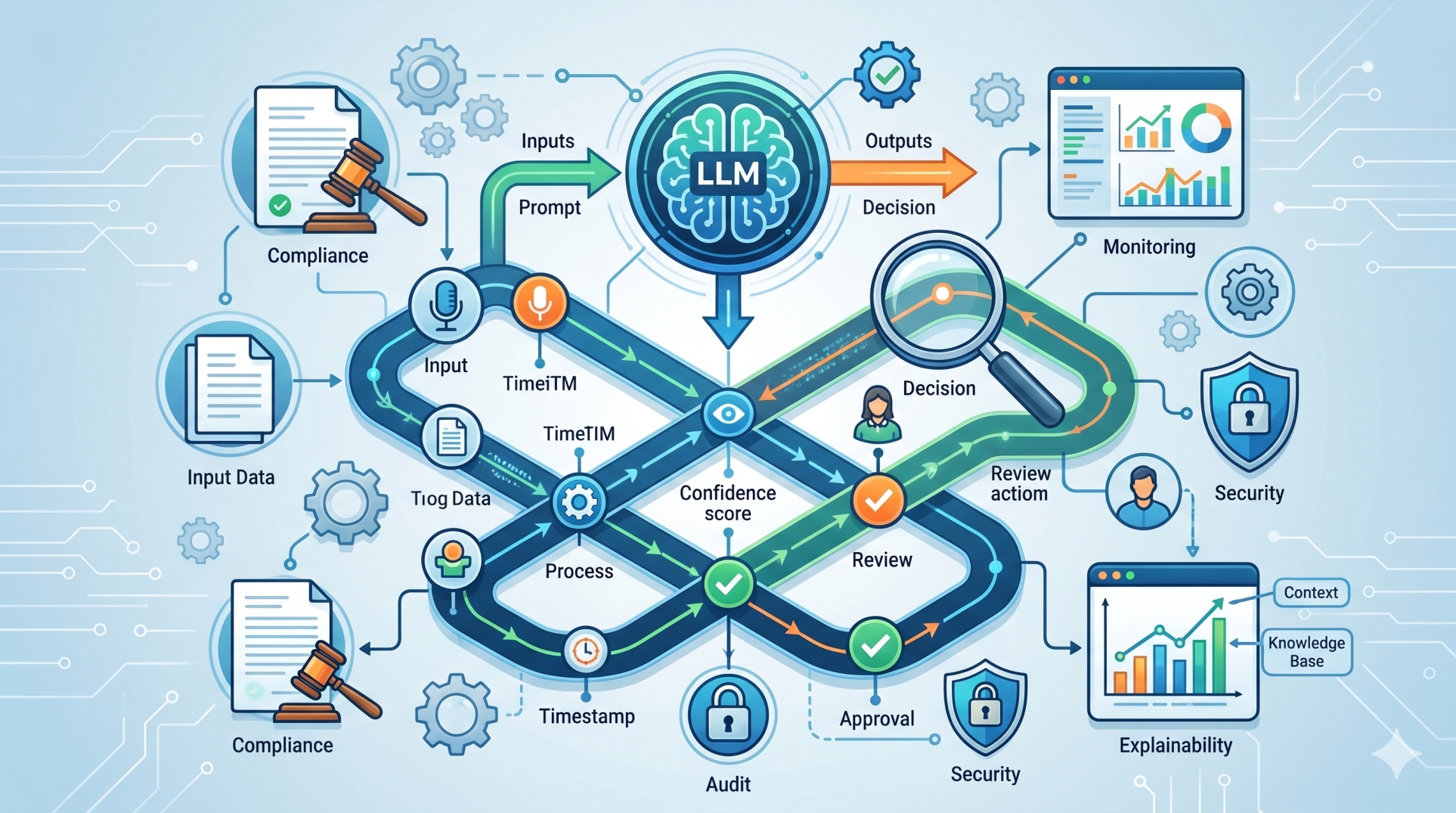
• Maintain audit trails for AI-assisted recommendations and decisions 📋
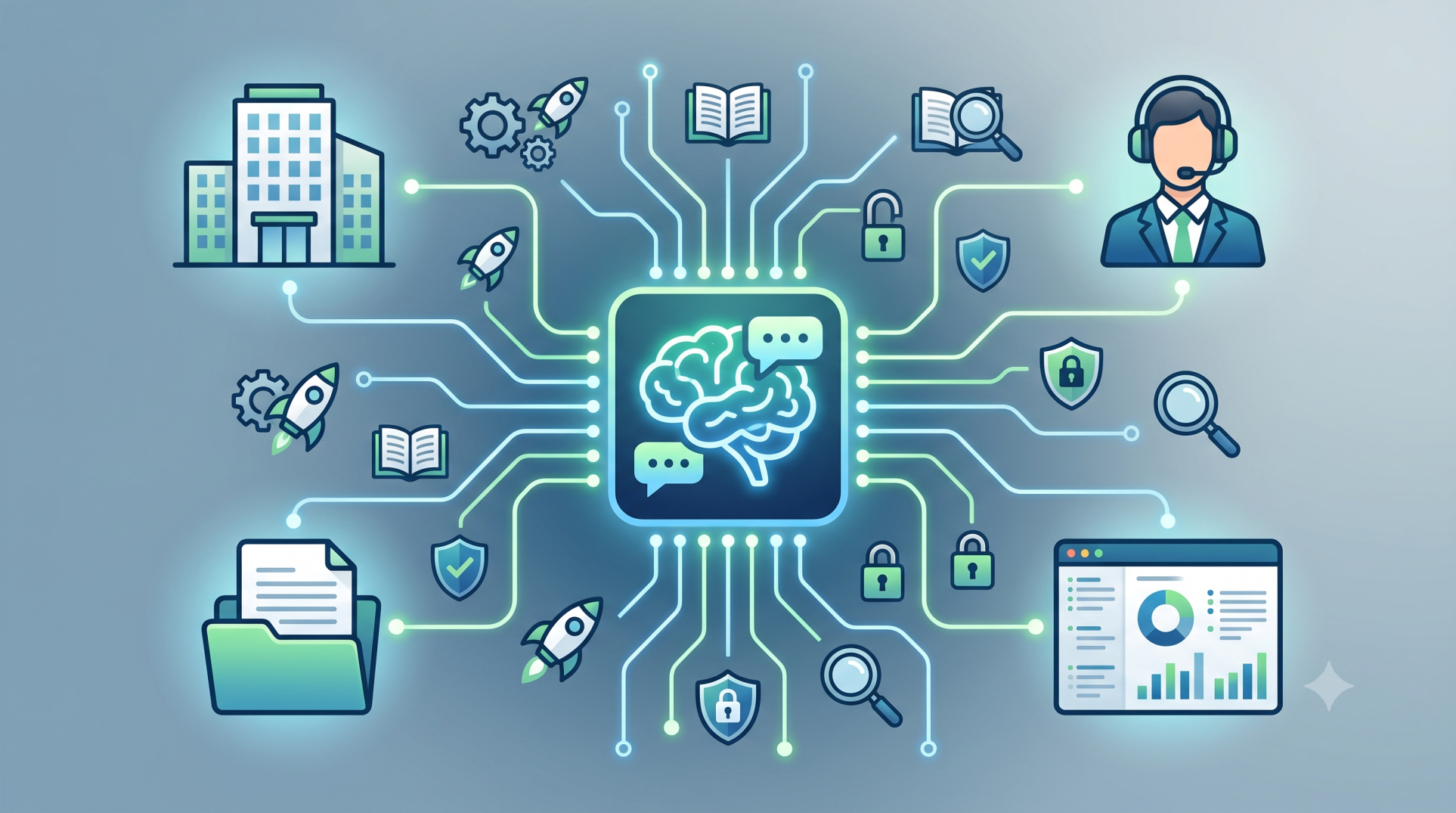
• Restrict access to sensitive procurement information 🔒
• Monitor AI behavior against organizational governance requirements 📊
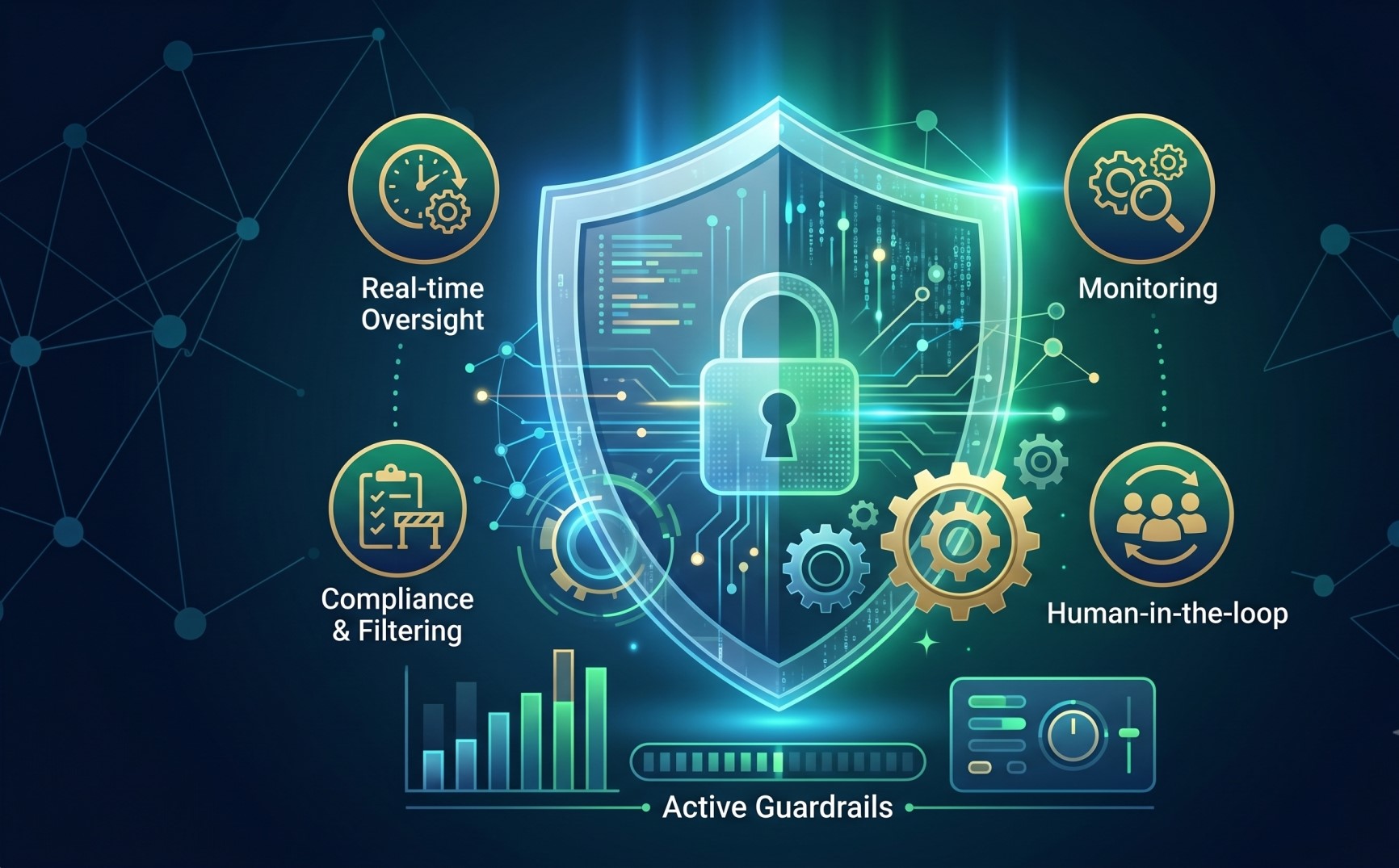
• Keep human oversight for high-impact purchasing decisions 👥
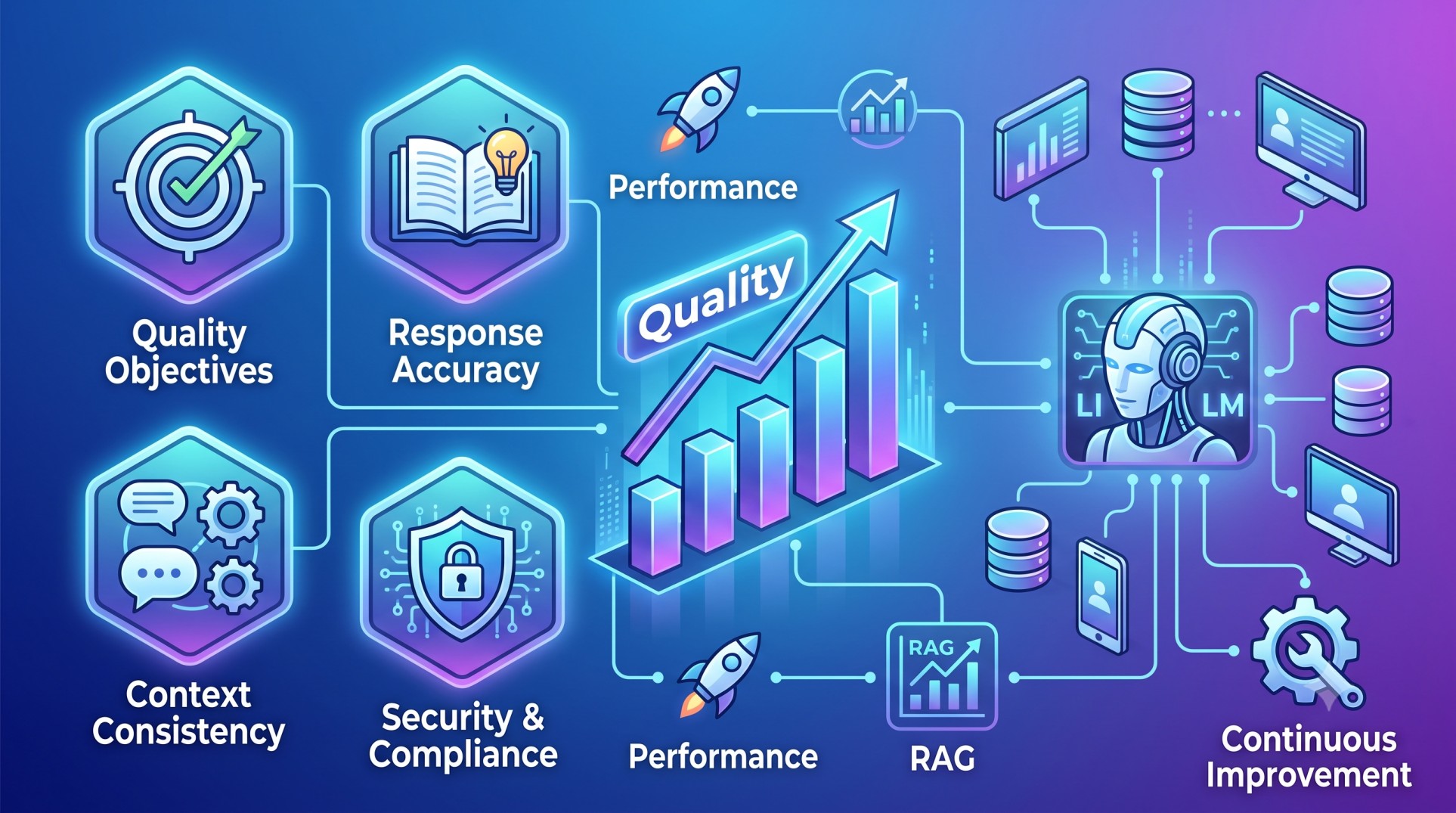
Step 8: Monitoring AI Procurement Performance 📈
• Track policy compliance across AI-assisted purchasing activities 📊
• Measure approval times and workflow efficiency ⏱️
• Identify recurring policy conflicts and process bottlenecks 🔍
• Analyze purchasing recommendations for accuracy and consistency 🎯
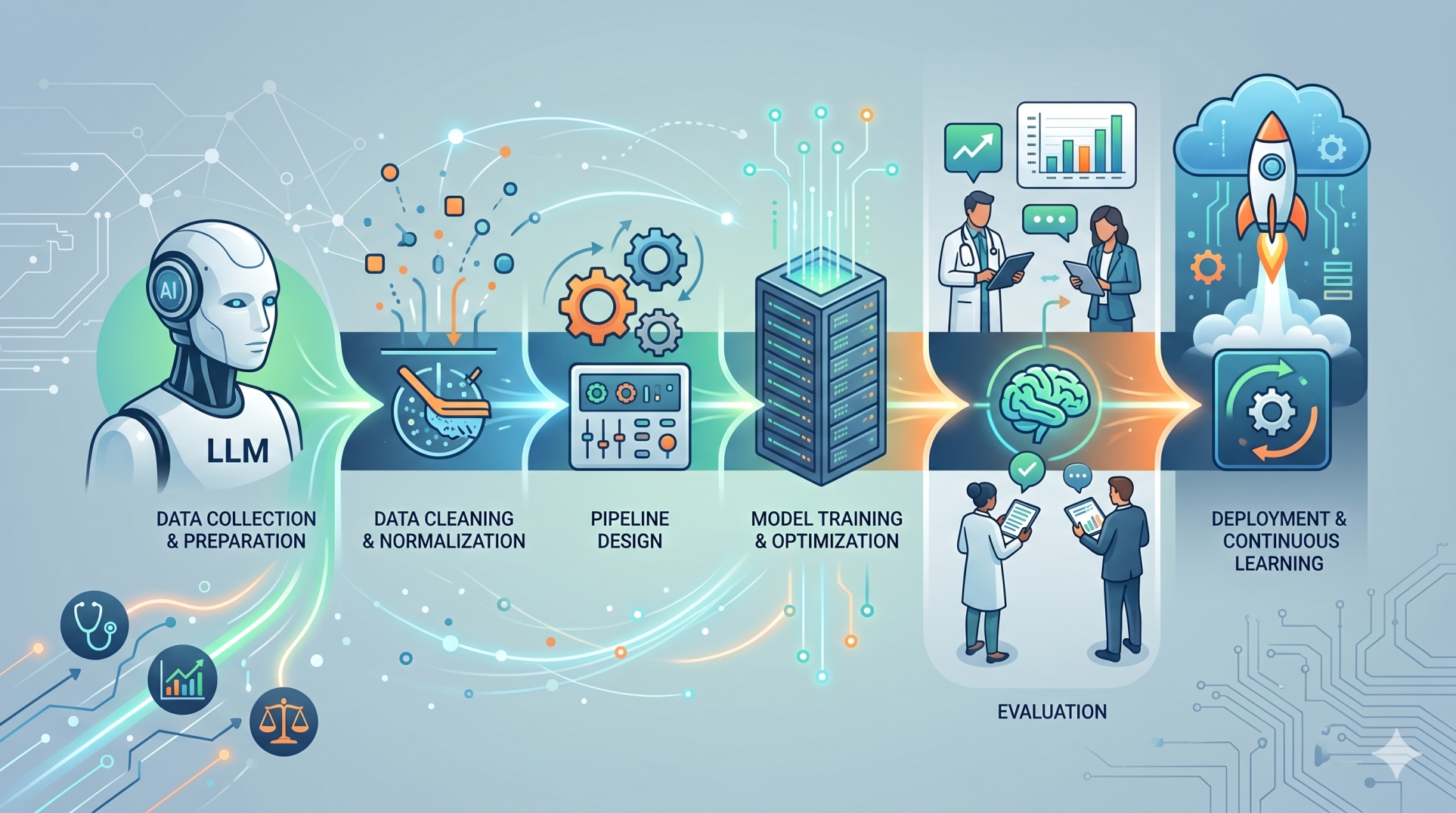
• Continuously improve the system using operational feedback 🔄
Step 9: Keeping Policy Knowledge Current 🔄
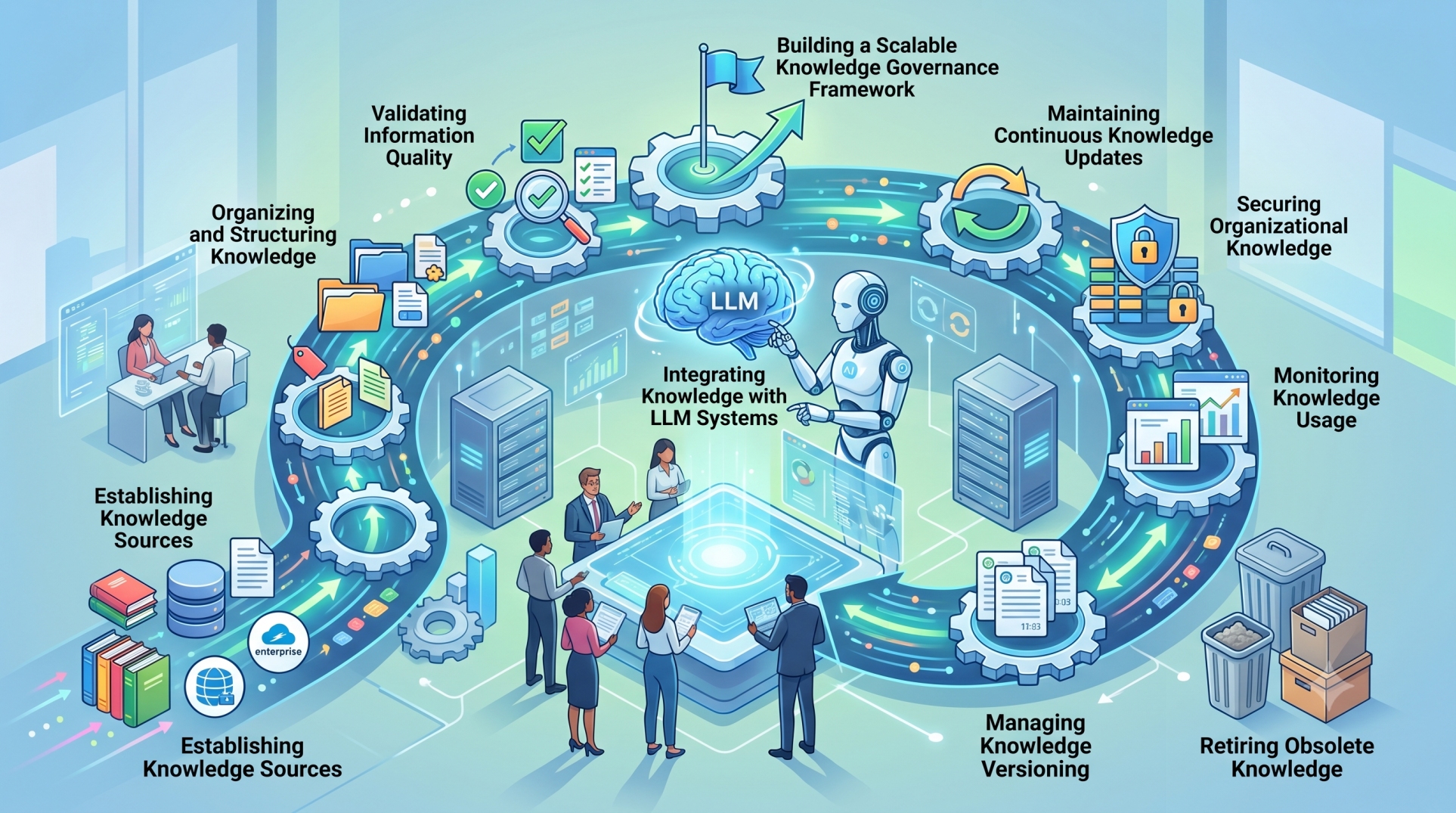
• Update AI knowledge when purchasing policies change 📚
• Synchronize new contracts, supplier rules, and spending limits 🔗
• Remove outdated requirements from active knowledge sources 🗑️
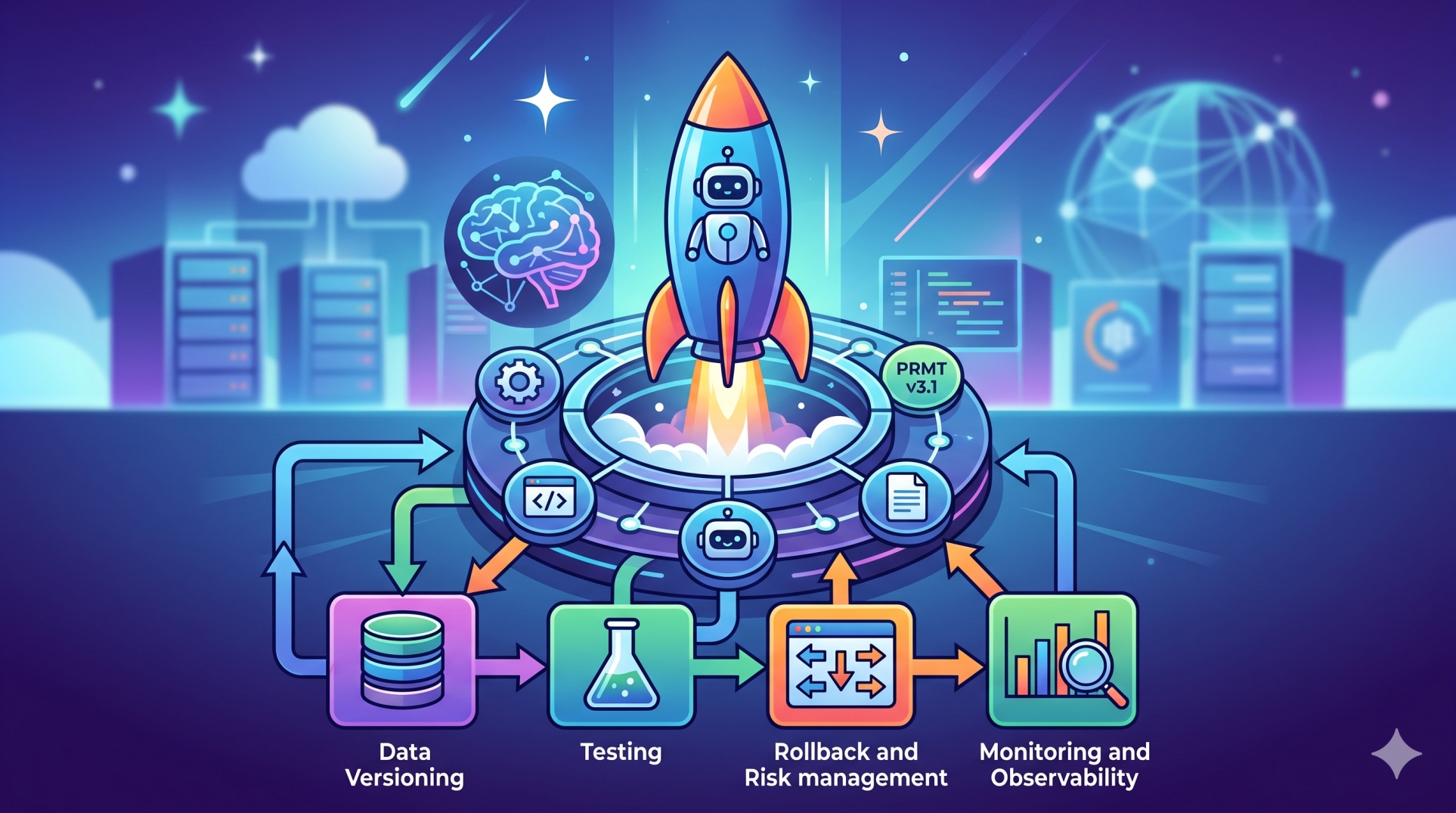
• Track policy versions for transparency and auditing 🧾
• Ensure AI recommendations reflect current organizational requirements ✅
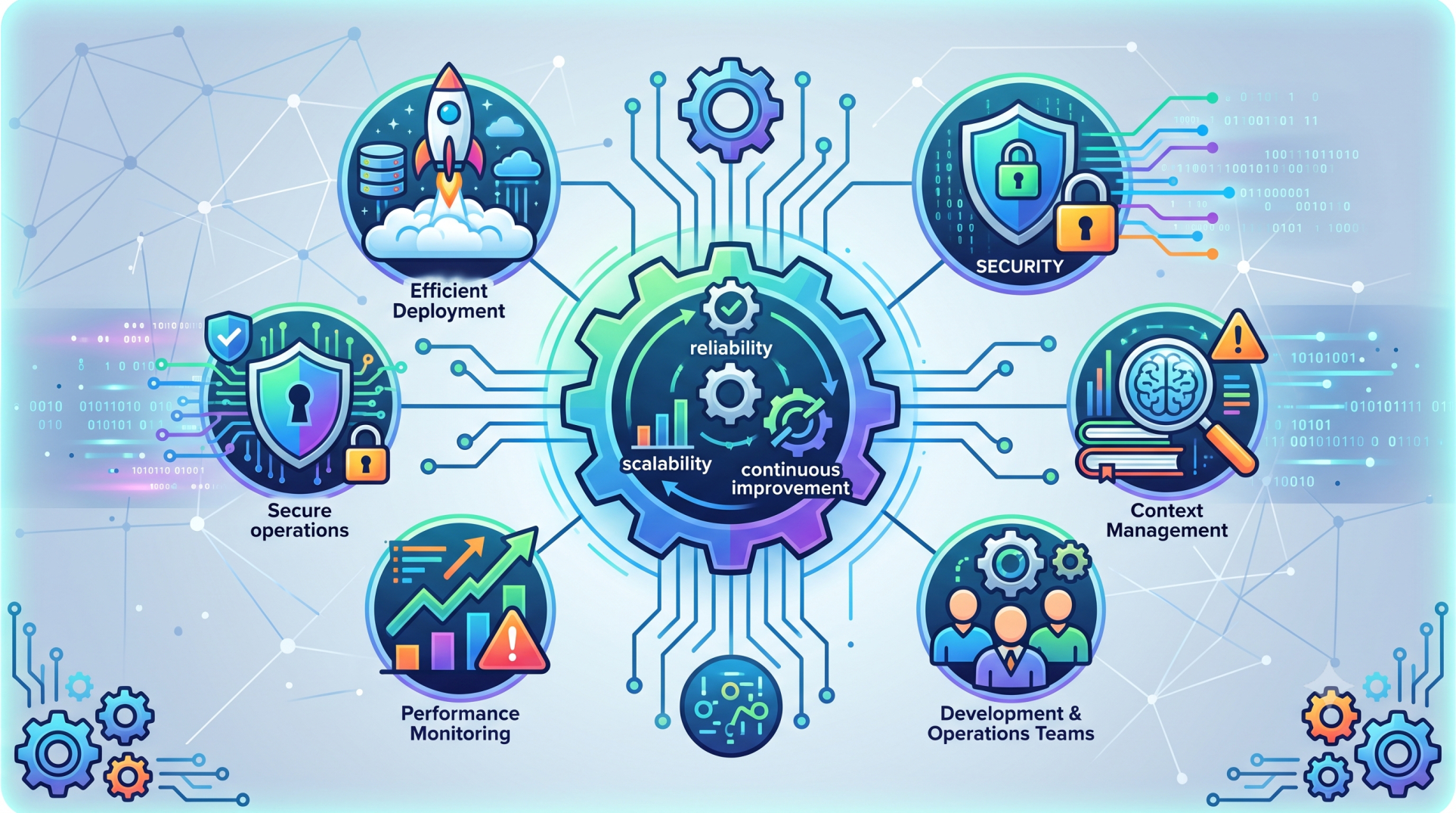
Step 10: Building a Scalable AI Procurement Framework 🚀
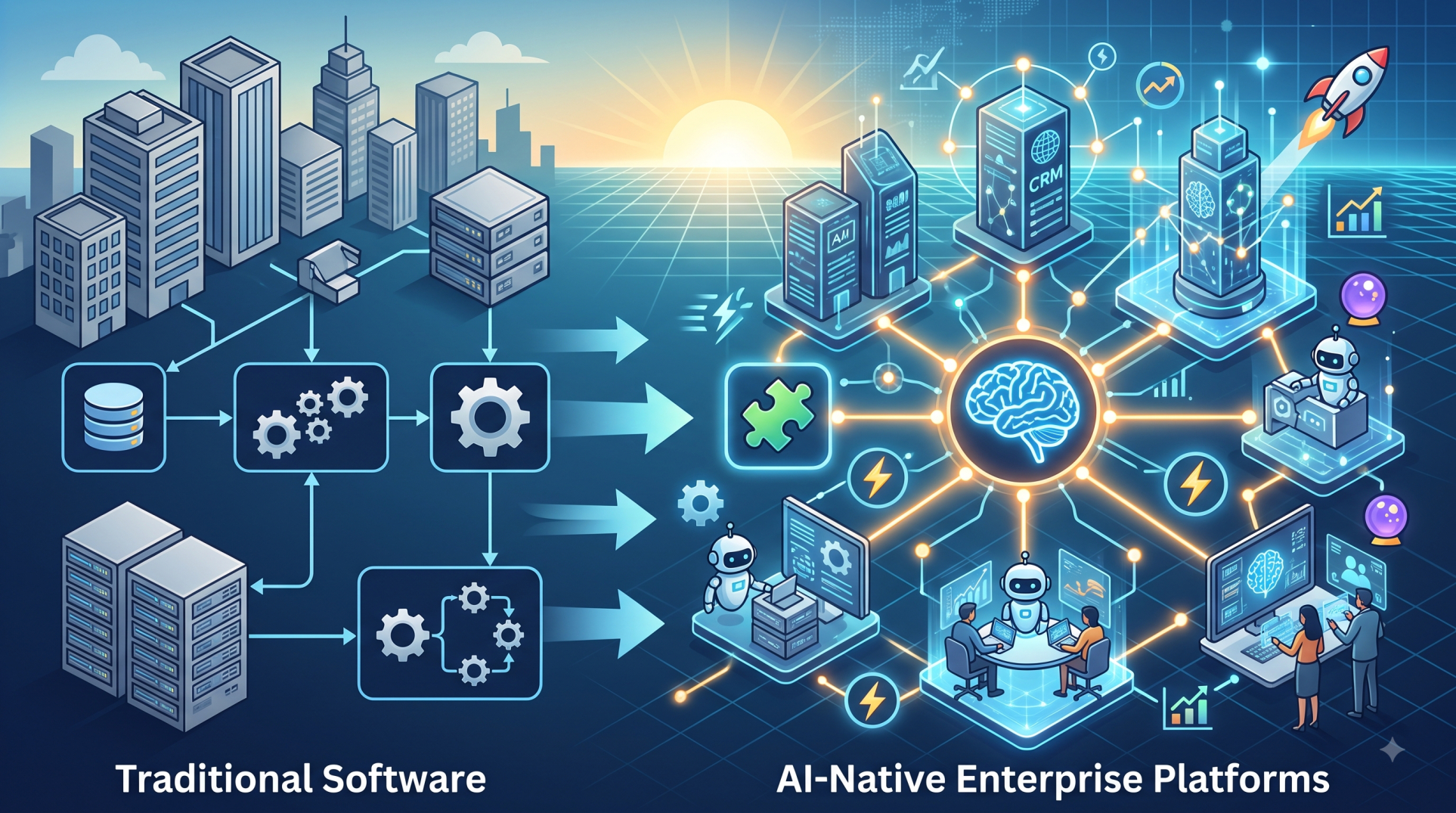
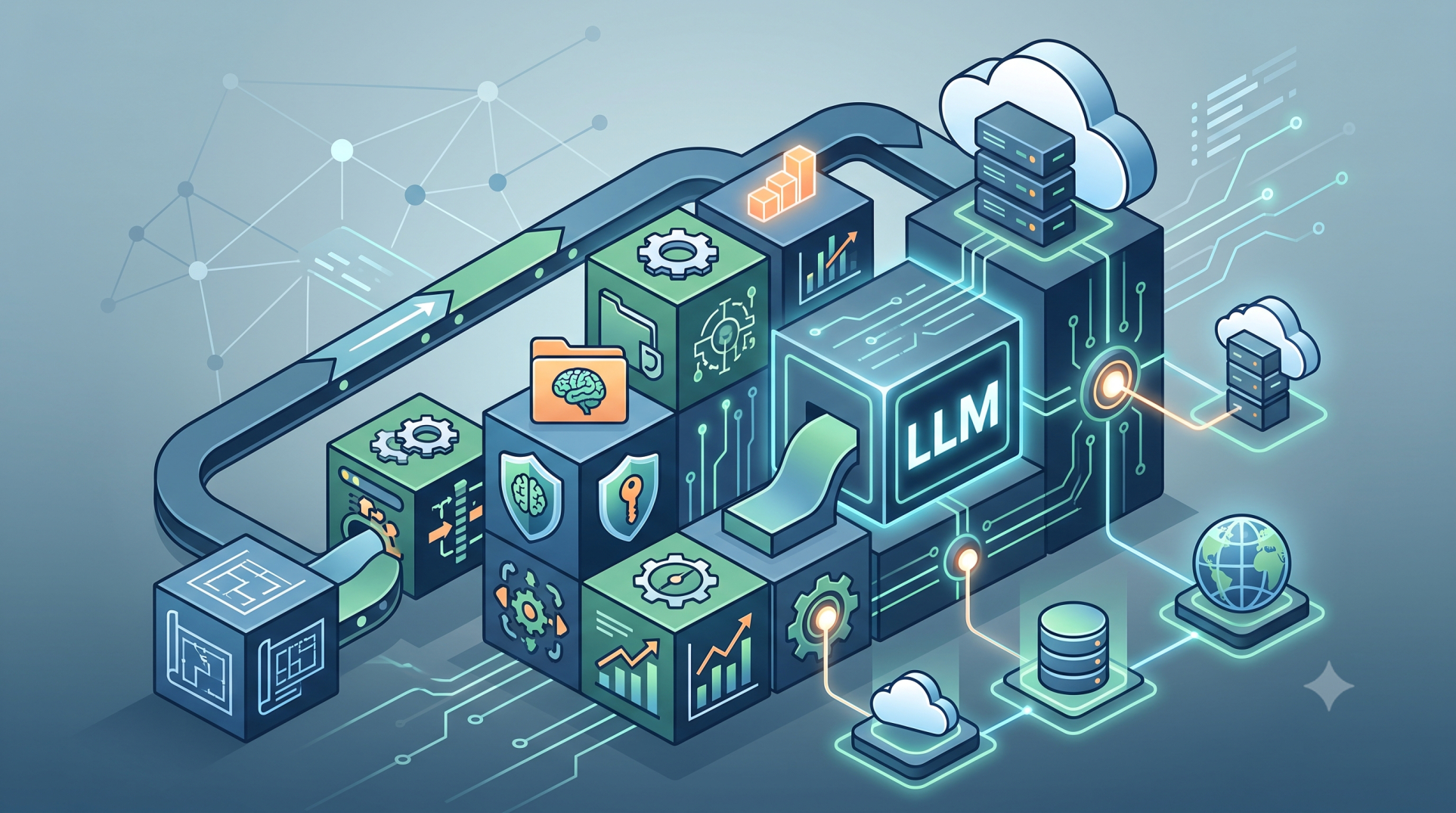
• Design modular architectures that support new purchasing rules 🧩
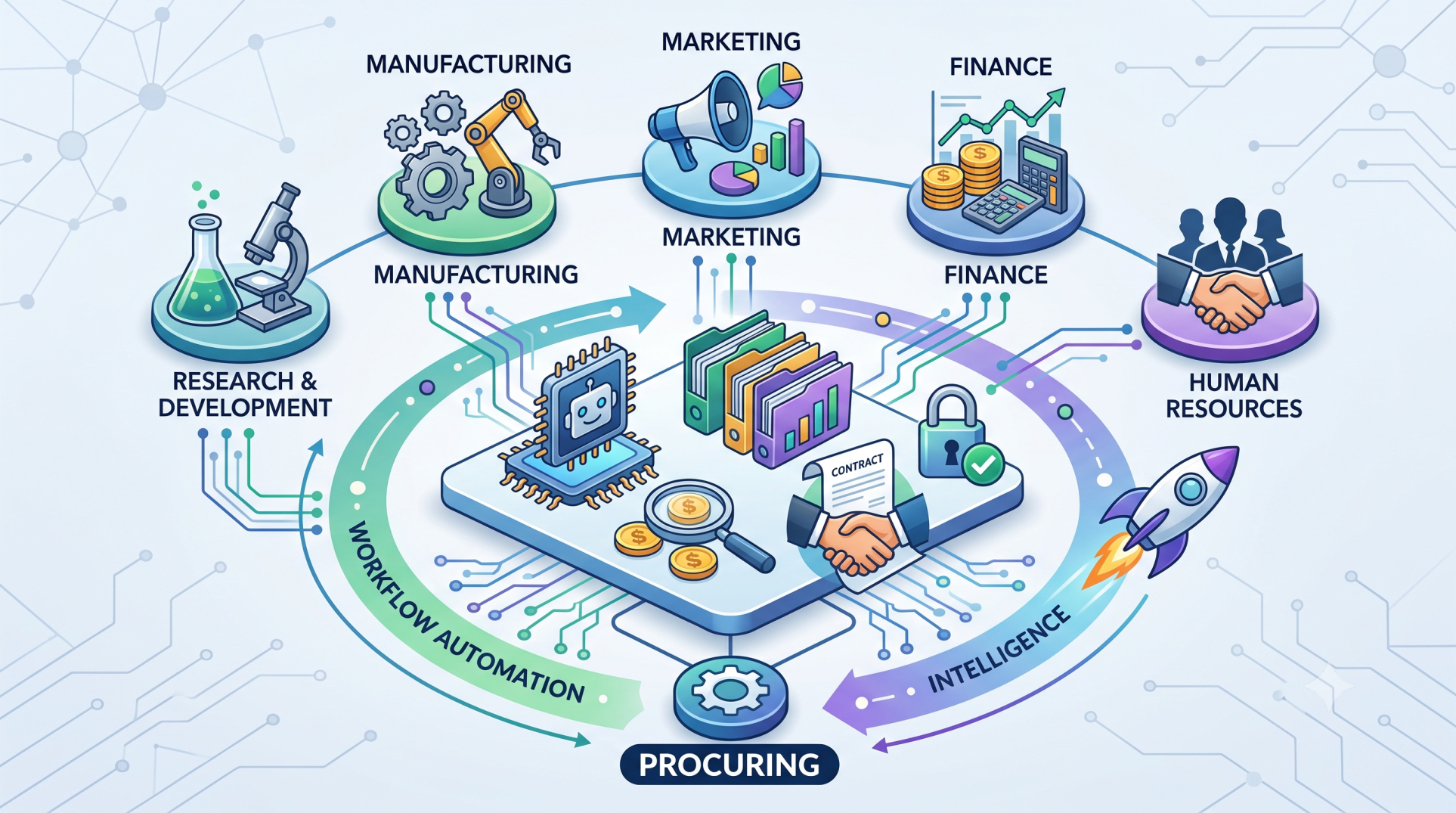
• Integrate additional departments and business units with minimal disruption 🏢
• Support multiple procurement categories and approval structures 🌐
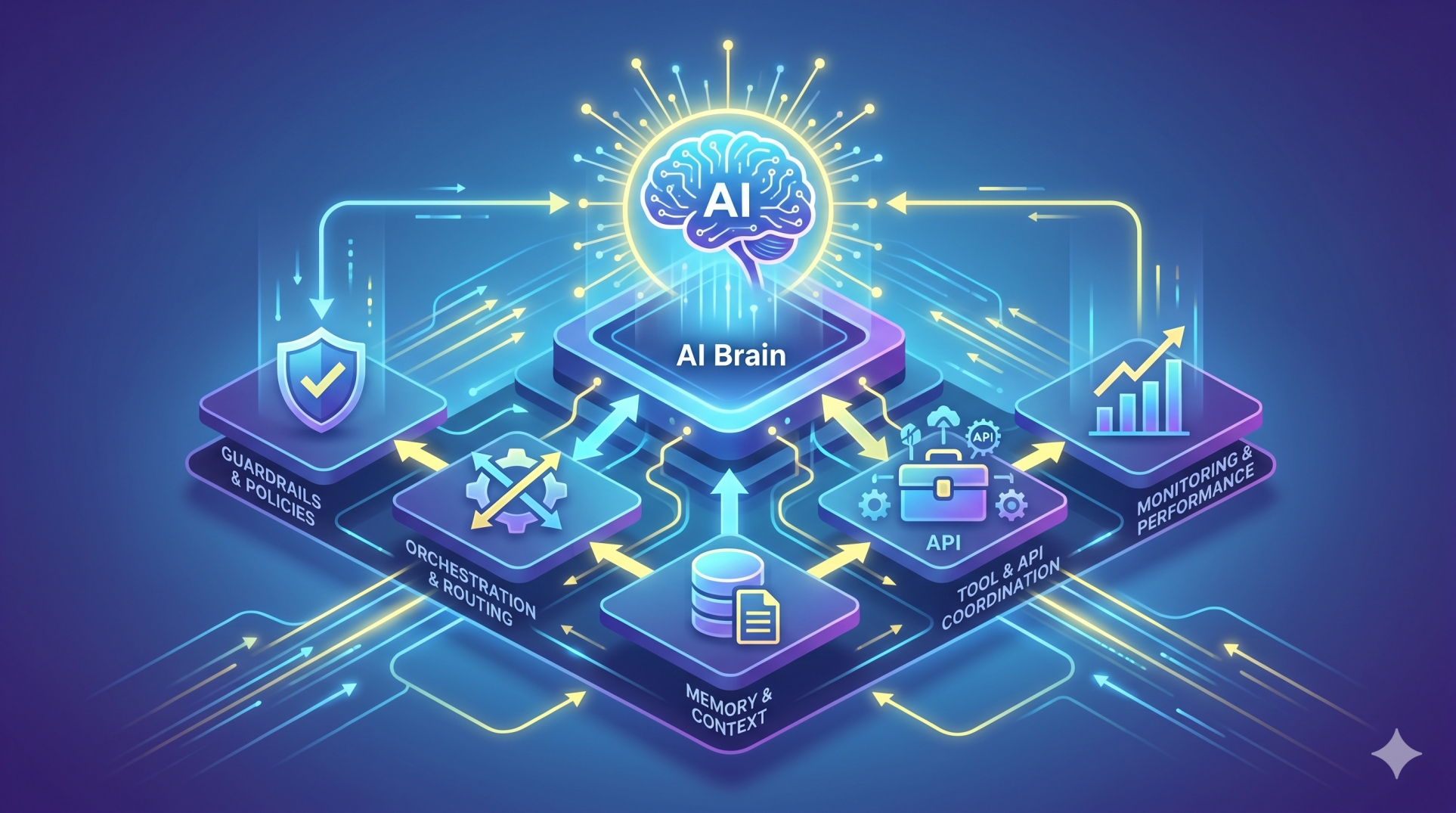
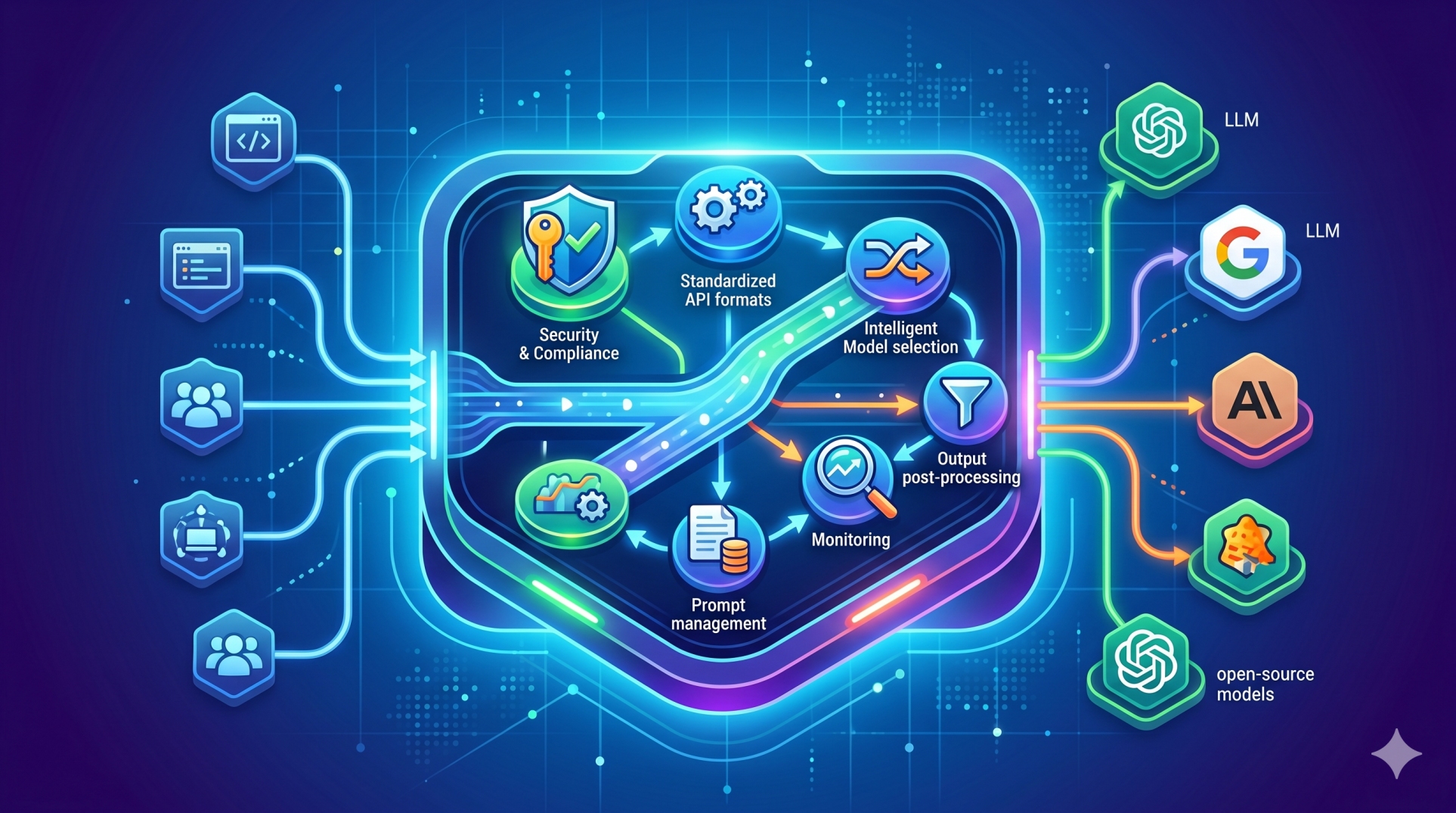
• Combine AI reasoning with deterministic policy controls ⚙️
• Build flexible systems that can evolve with organizational needs 📈
Conclusion
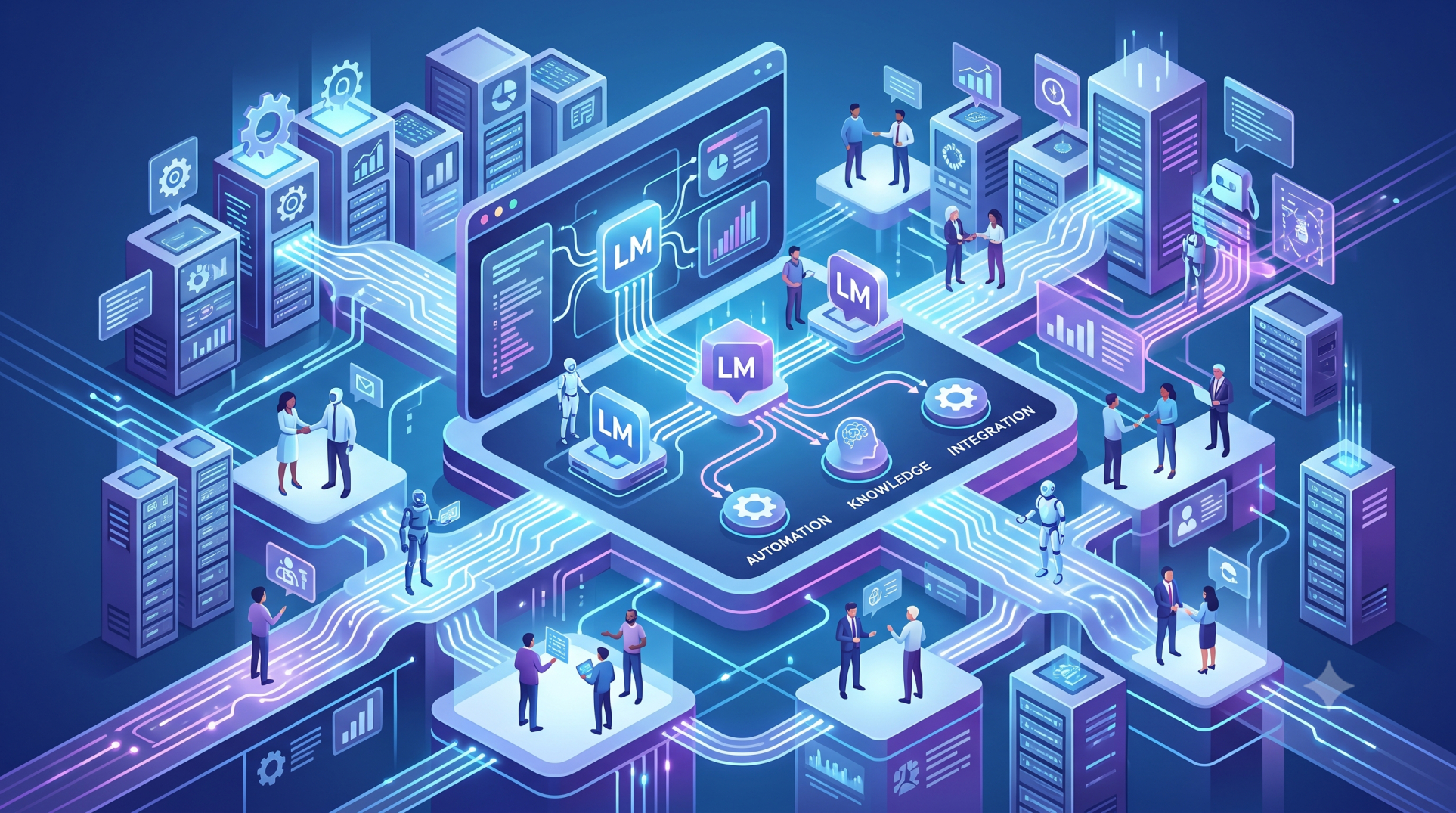
Building AI systems that understand enterprise buying policies requires more than connecting a language model to procurement data. Organizations need structured policy knowledge, reliable system integrations, clear governance controls, and mechanisms for human oversight. When these elements work together, AI can help interpret purchasing requirements, guide employees toward compliant choices, automate routine approvals, and improve procurement efficiency. A well-designed approach allows enterprises to benefit from AI while maintaining the control, transparency, and accountability required for responsible purchasing operations.
See more blogs
You can all the articles below