Building Context-Aware Purchasing Applications for Enterprise Users
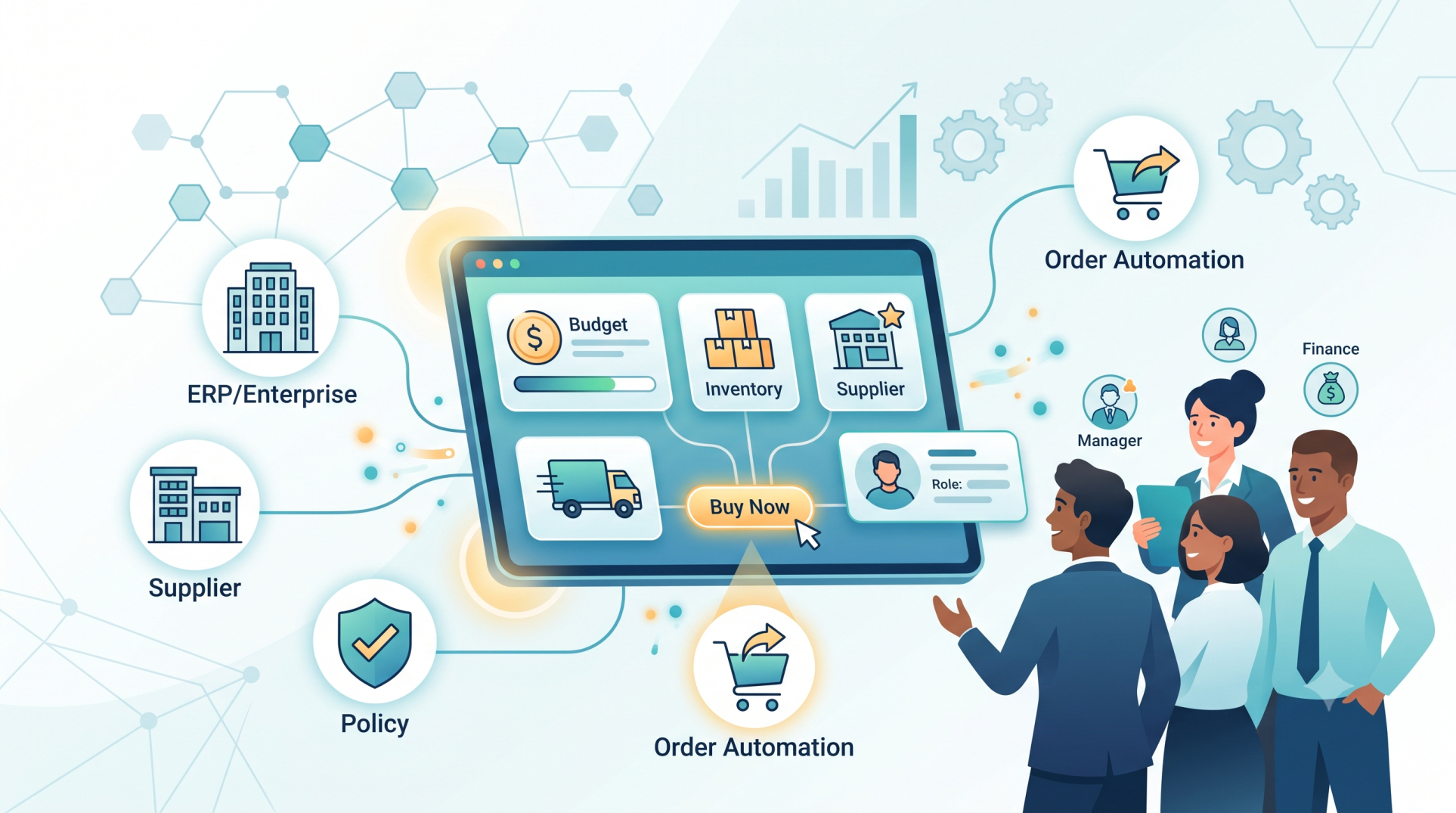
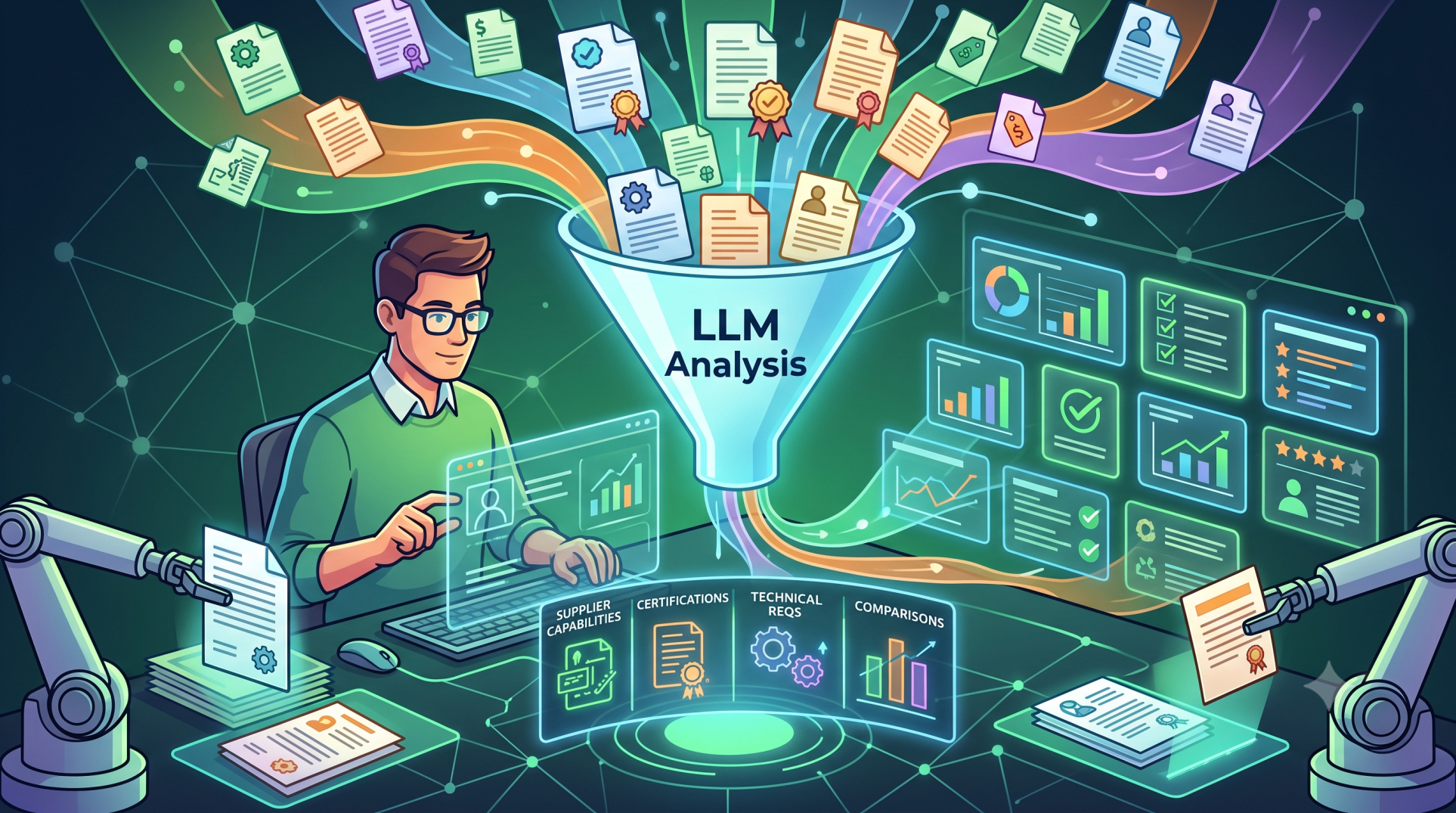
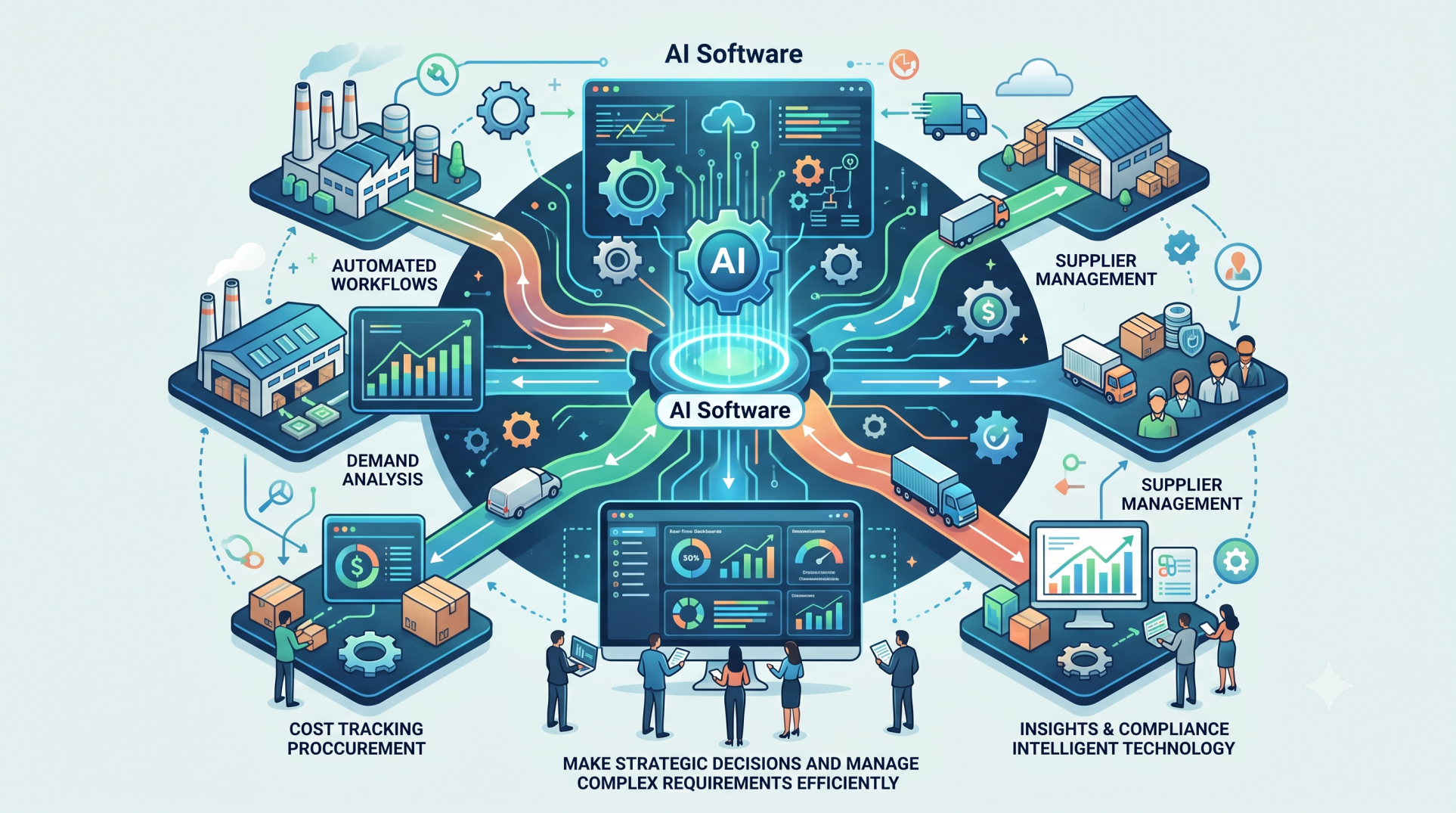
Enterprise purchasing is becoming more complex as organizations manage larger supplier networks, changing demand, diverse product catalogs, and strict procurement policies. Context-aware purchasing applications can help employees make better buying decisions by combining user needs, organizational policies, supplier information, inventory levels, budgets, and business conditions within a unified workflow. By understanding the context surrounding each purchasing request, these applications can move beyond basic order processing and provide more relevant, efficient, and controlled procurement experiences.
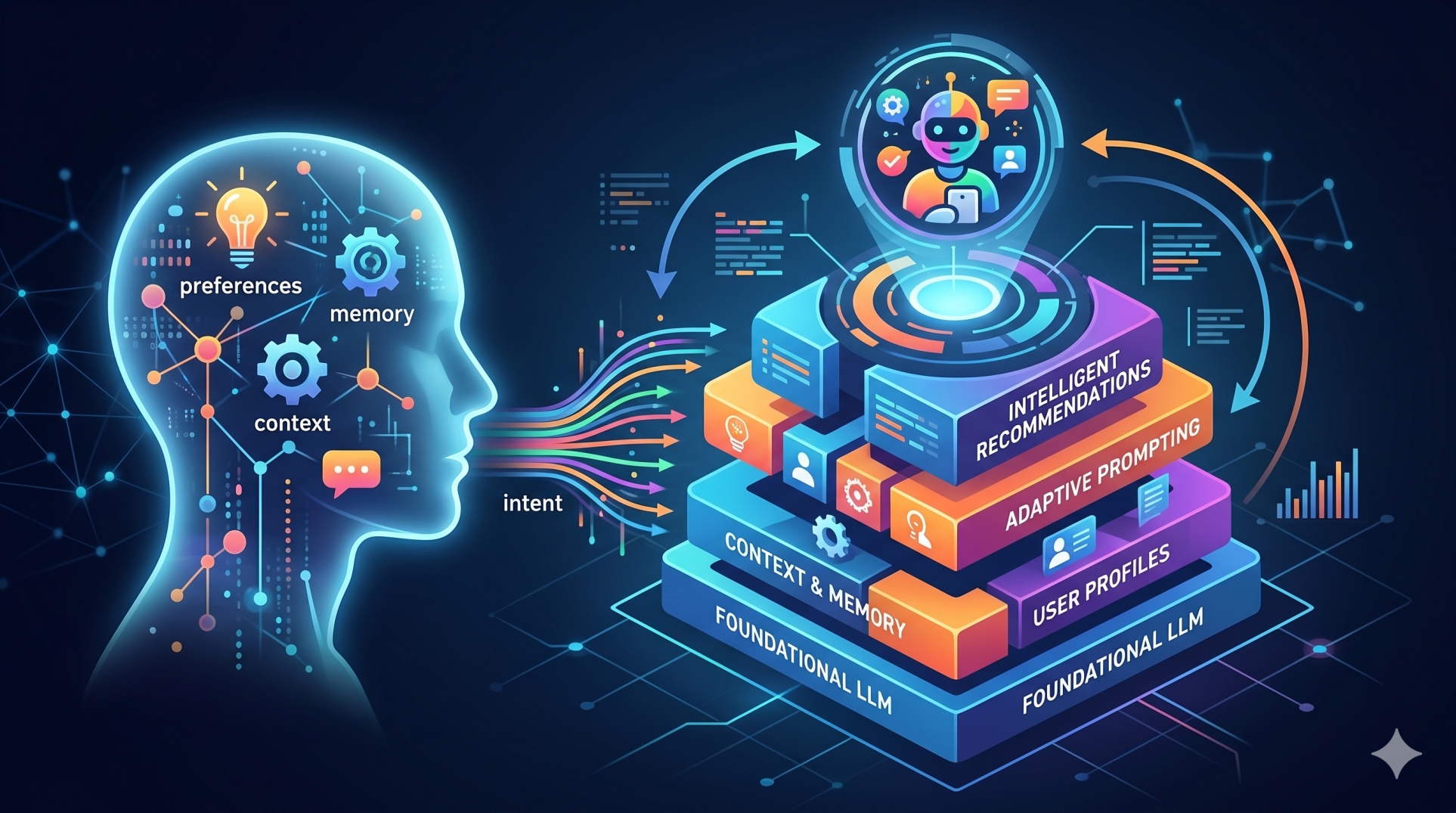
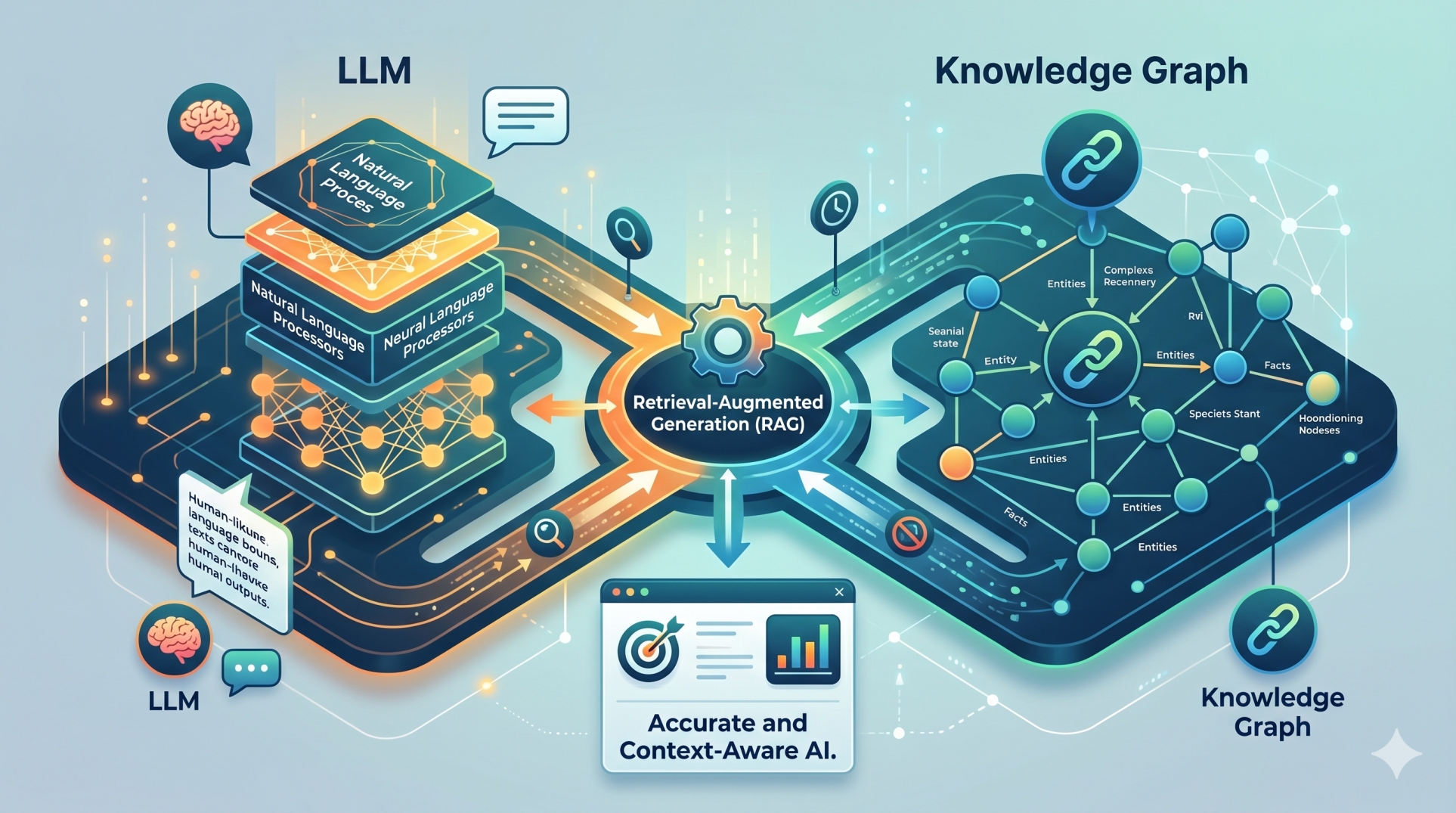
Step 1: Understanding Context-Aware Purchasing 🧠
• Capture the purpose and requirements behind each purchasing request 📝
• Consider employee roles, departments, locations, and purchasing responsibilities 👥
• Combine purchasing history with current business requirements 📊
• Use contextual information to present more relevant options 🎯
• Reduce unnecessary manual research during procurement
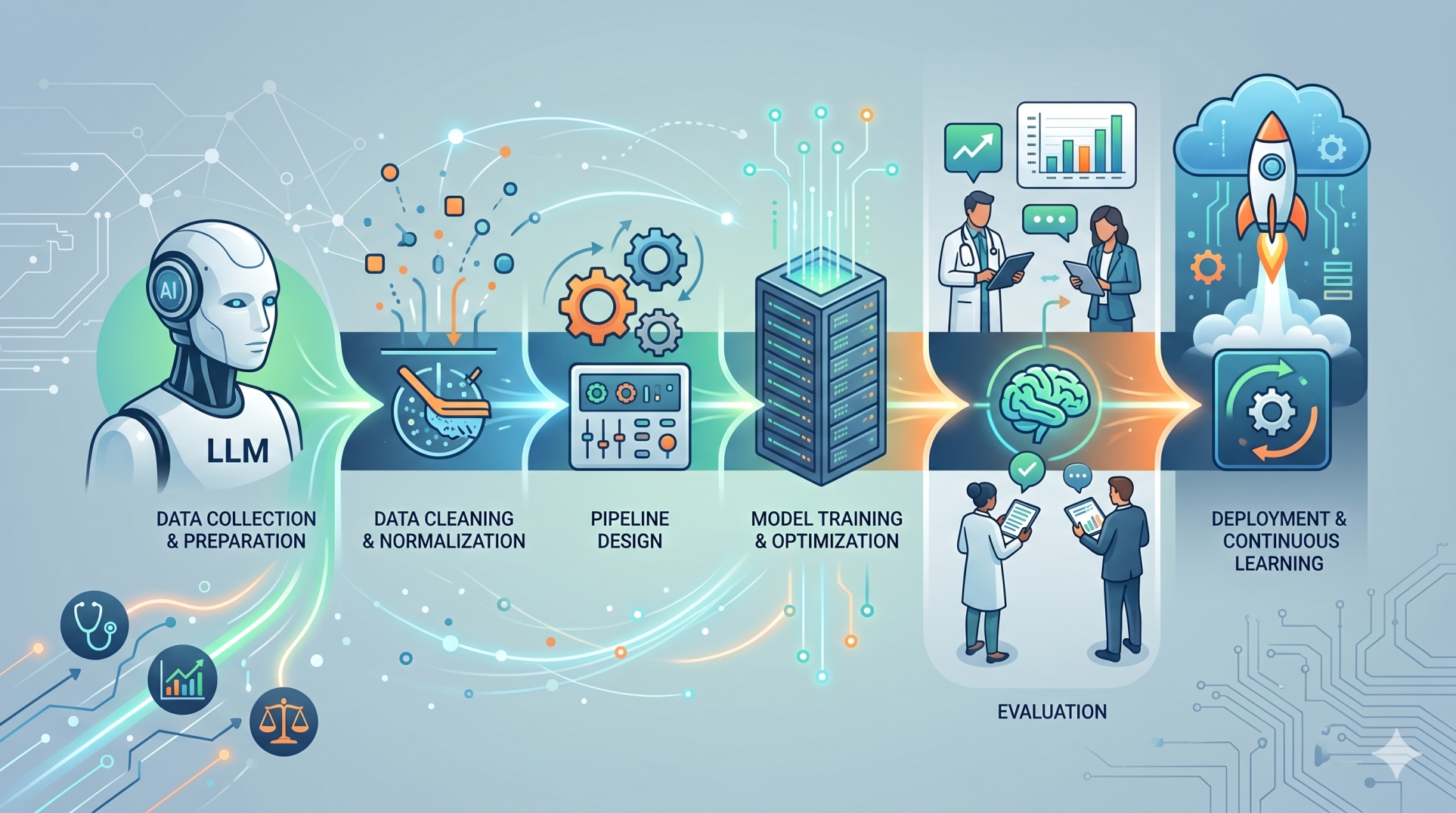
Step 2: Connecting Enterprise Purchasing Data 🔗
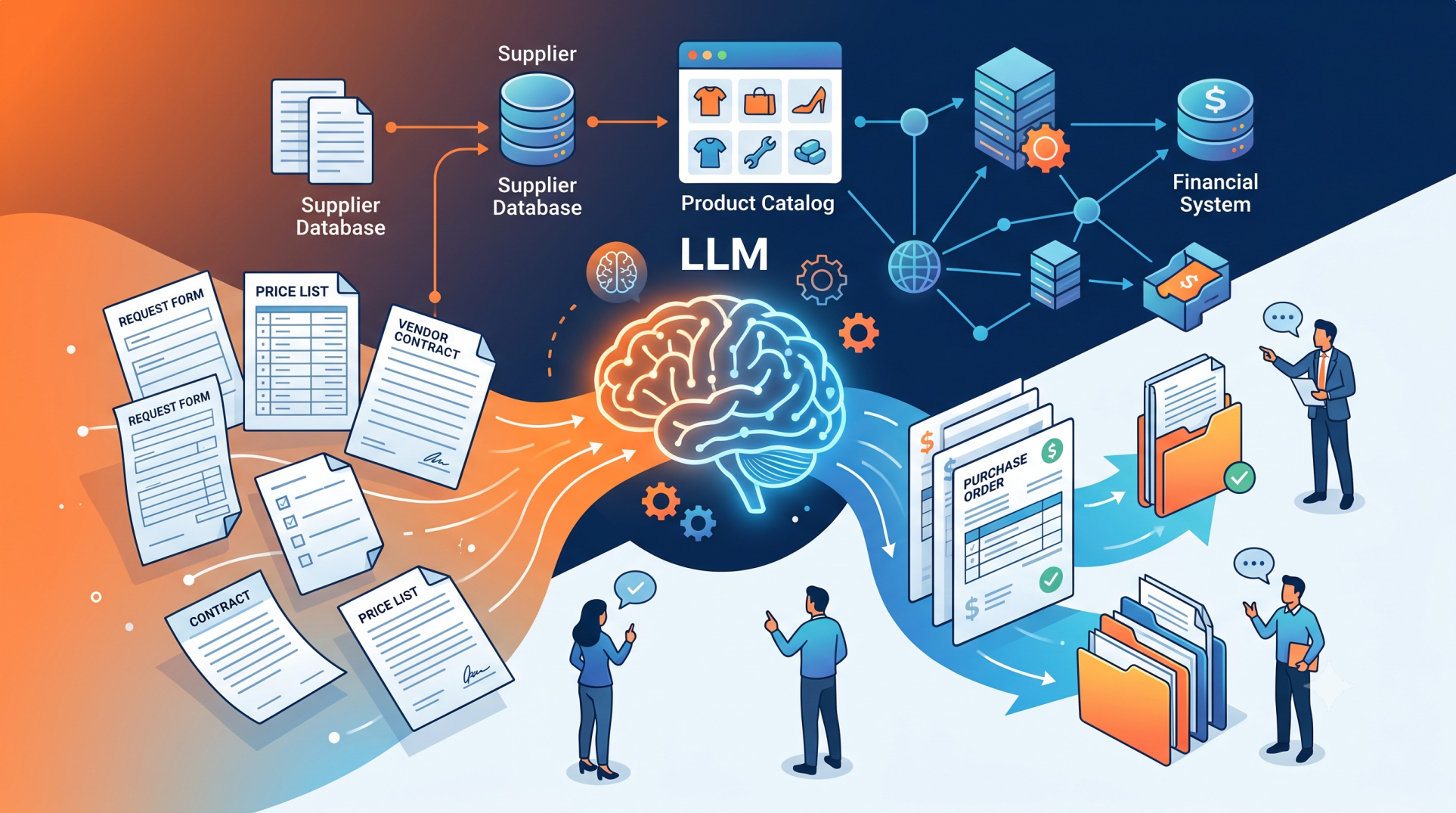
• Integrate supplier catalogs, contracts, and pricing information 📚
• Connect purchasing systems with ERP and inventory platforms 🏢
• Access current budgets and spending limits 💰
• Incorporate supplier performance and availability data 📦
• Create a unified view of procurement information
Step 3: Personalizing the Purchasing Experience 👤
• Present products and suppliers relevant to the employee's role
• Remember commonly purchased items and approved preferences 🔄
• Recommend options based on business requirements
• Simplify repeat purchasing workflows ⚡
• Reduce the time required to locate appropriate products and services
Step 4: Applying Procurement Policies Automatically 🛡️
• Enforce spending limits based on organizational rules 💳
• Restrict purchases to approved suppliers where required ✅
• Apply department-specific purchasing policies 📋
• Route requests for appropriate approvals 🔄
• Maintain consistent procurement controls across the enterprise
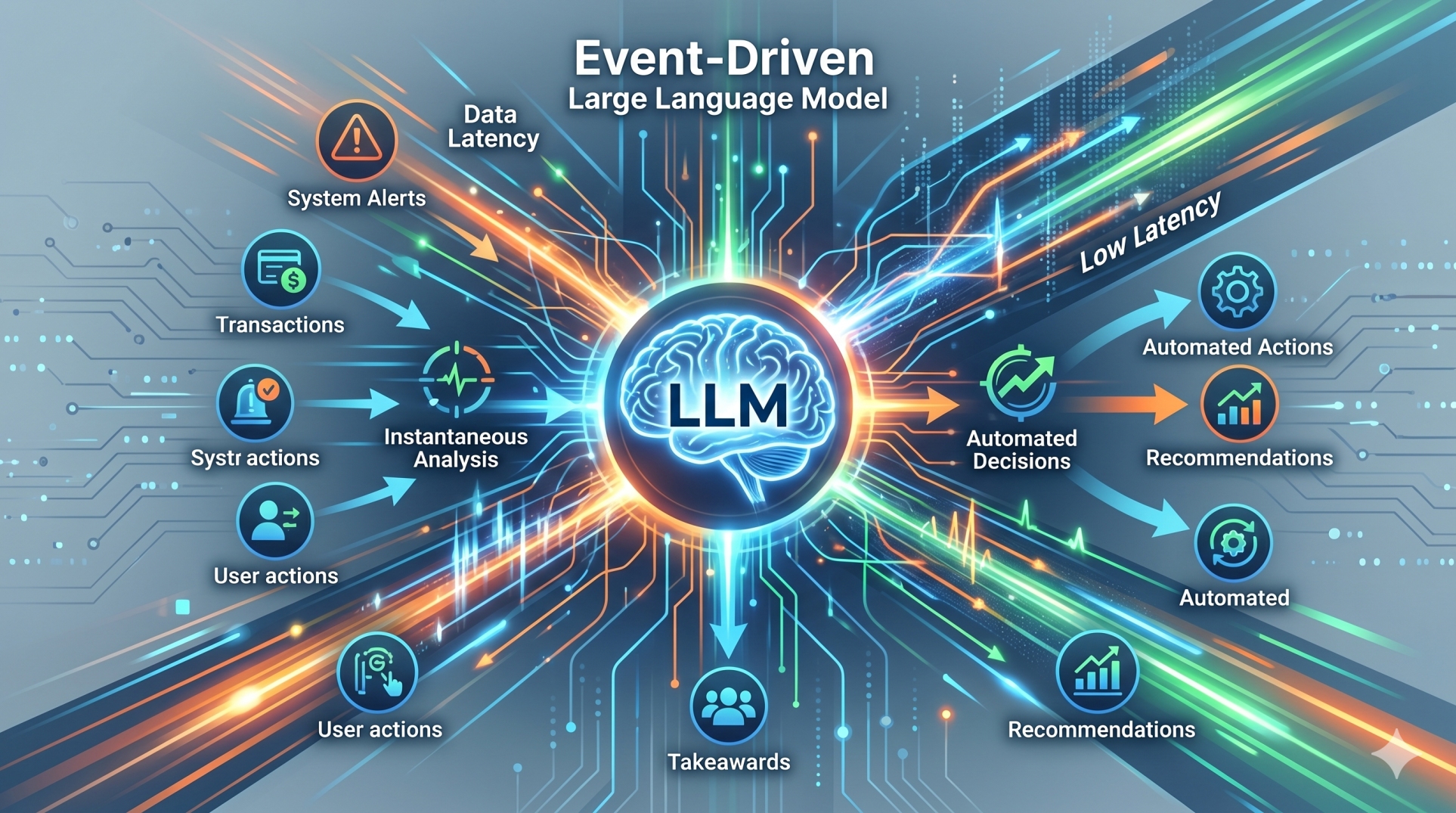
Step 5: Using Real-Time Business Context 📡
• Consider current inventory levels before recommending purchases 📦
• Check supplier availability and delivery conditions 🚚
• Account for current budgets and committed spending 💰
• Detect changing demand and operational requirements 📈
• Adjust purchasing recommendations as business conditions change
Step 6: Improving Supplier Selection 🤝
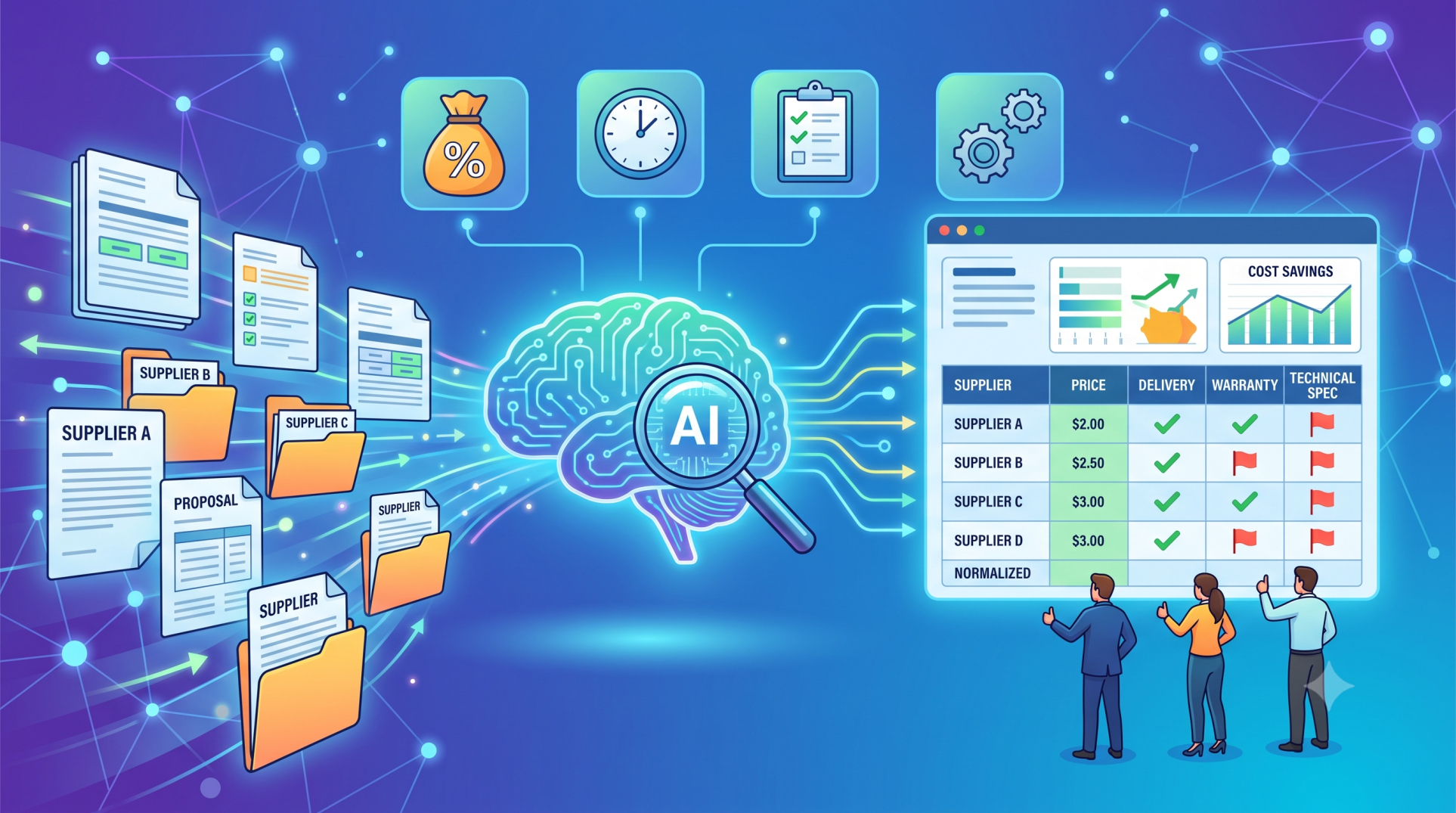
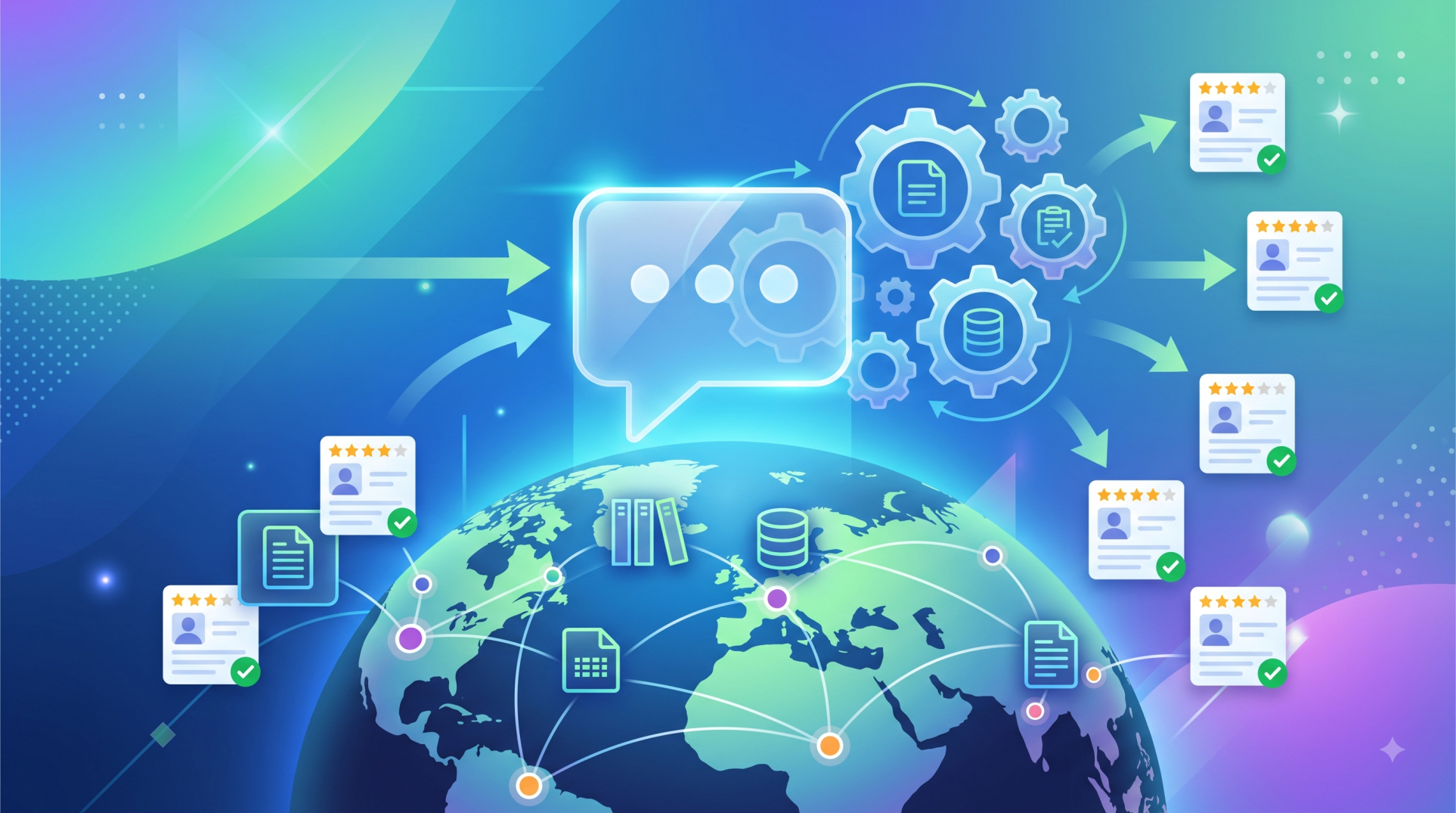
• Compare suppliers using price, availability, and delivery performance 📊
• Highlight contracted or preferred suppliers ⭐
• Consider historical supplier reliability
• Support informed sourcing decisions 🔍
• Maintain transparency across supplier evaluation processes
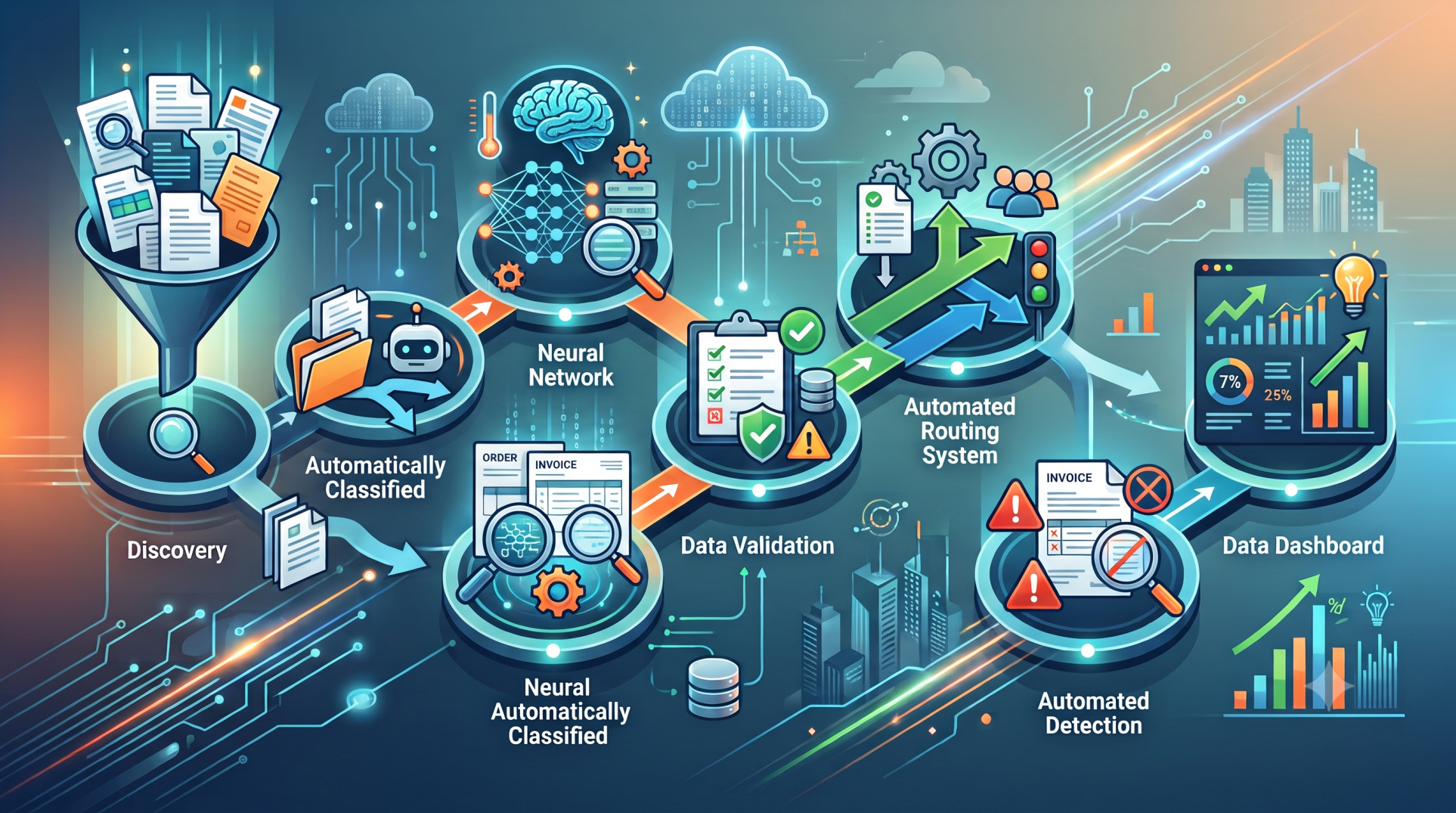
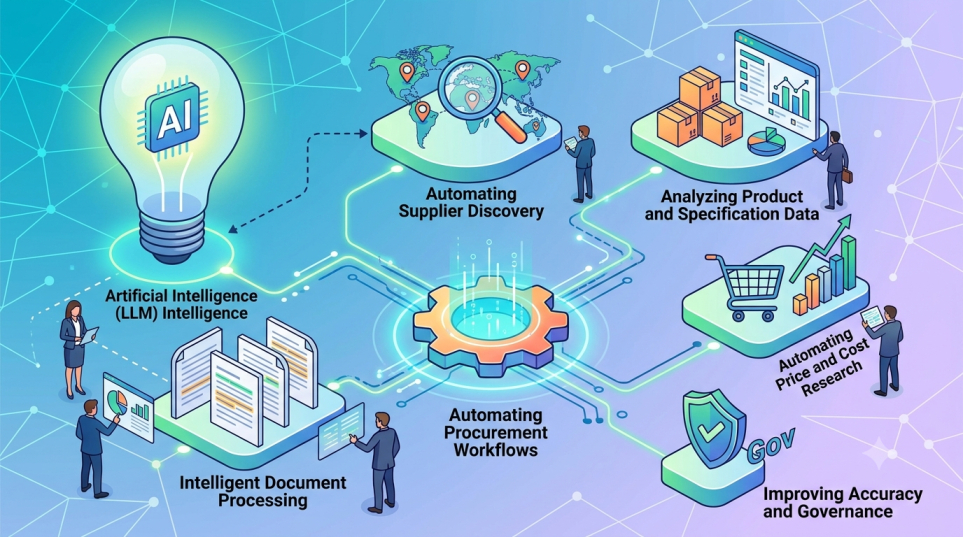
Step 7: Automating Purchasing Workflows 🤖
• Generate purchase requests from approved business requirements 📝
• Automate approval routing based on predefined rules 🔀
• Trigger purchase orders when conditions are satisfied ⚙️
• Send notifications for pending approvals and exceptions 📩
• Reduce repetitive administrative activities ⏱️
Step 8: Adding Intelligent Recommendations 💡
• Suggest suitable products based on purchasing context 🎯
• Identify potential alternatives when preferred items are unavailable 🔄
• Highlight opportunities for cost optimization 💰
• Detect duplicate or unnecessary purchasing requests 🔎
• Provide recommendations while keeping users in control of final decisions
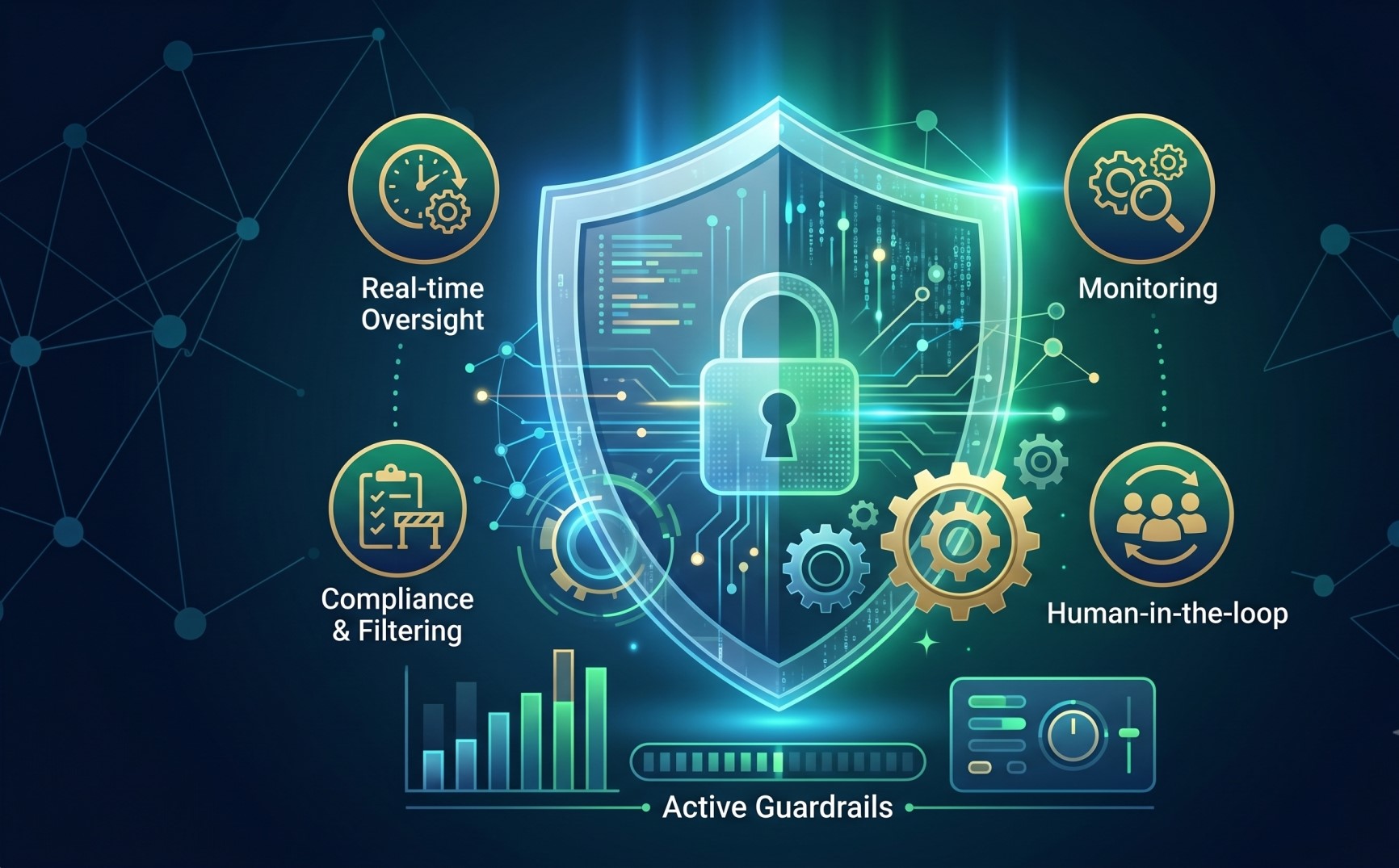
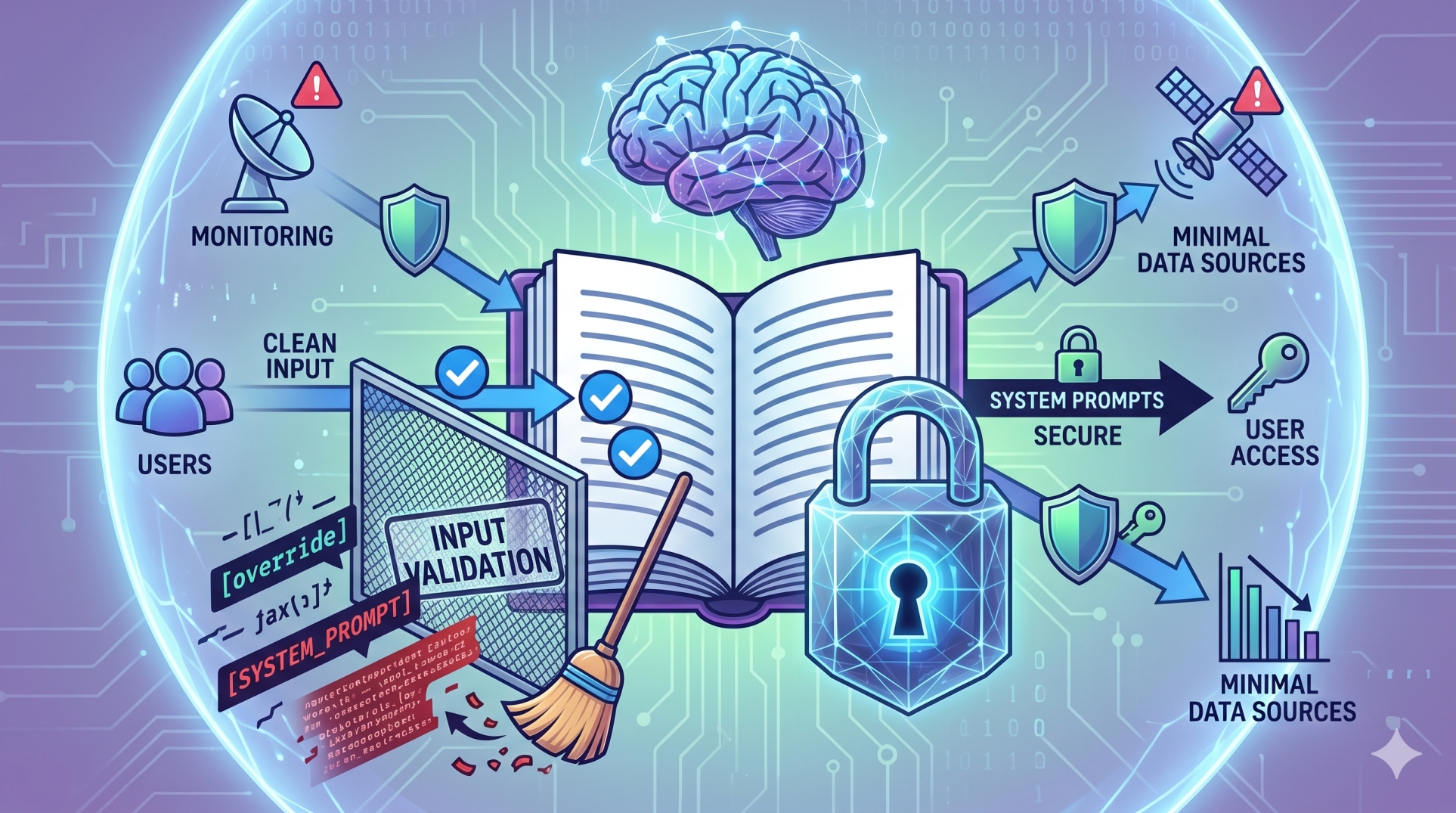
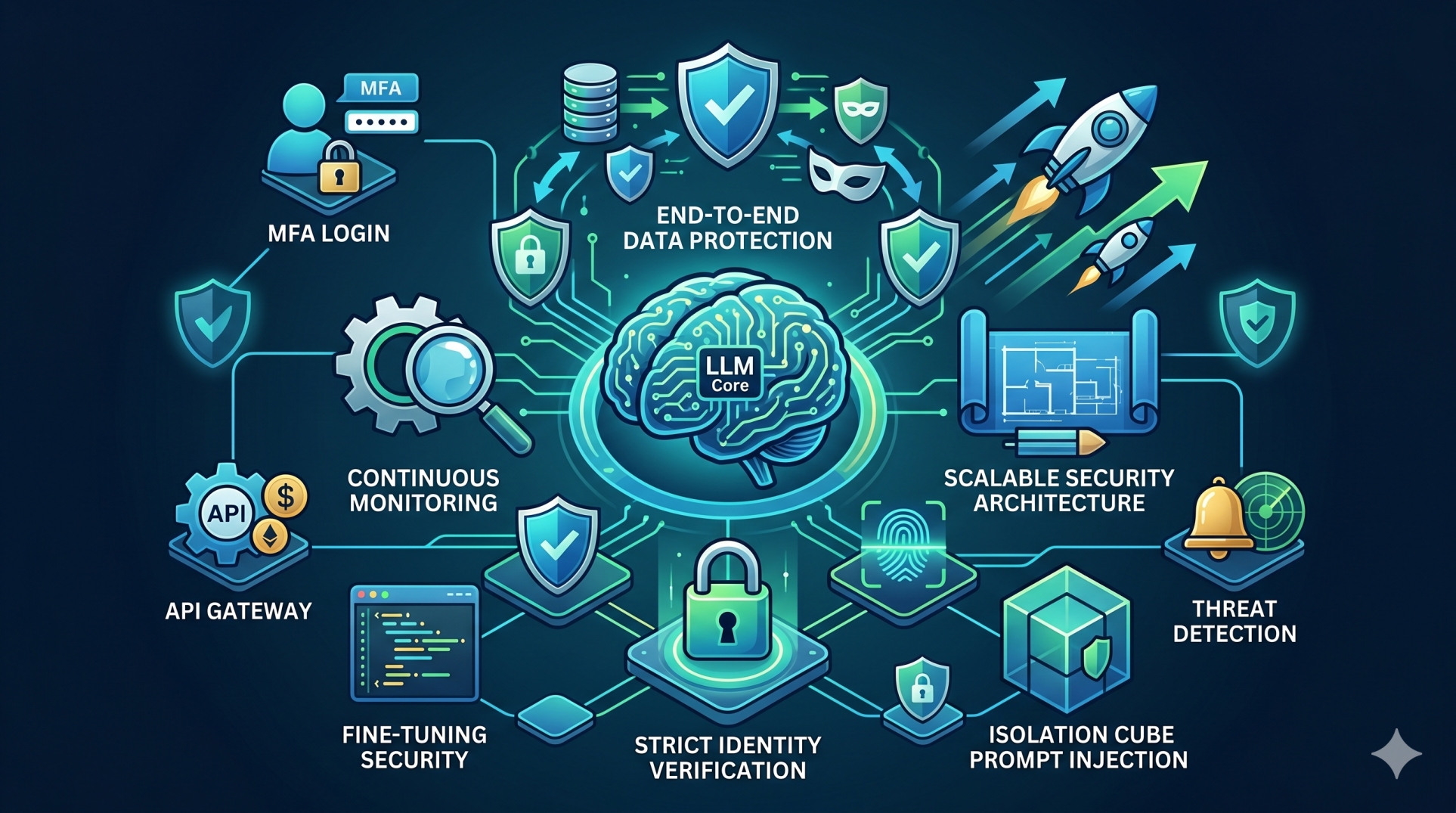
Step 9: Strengthening Security and Governance 🔐
• Apply role-based access to purchasing information 👥
• Protect supplier, pricing, and financial data 🛡️
• Maintain detailed transaction and approval records 🧾
• Monitor purchasing activity for unusual patterns 🚨
• Support organizational governance and compliance requirements ⚖️
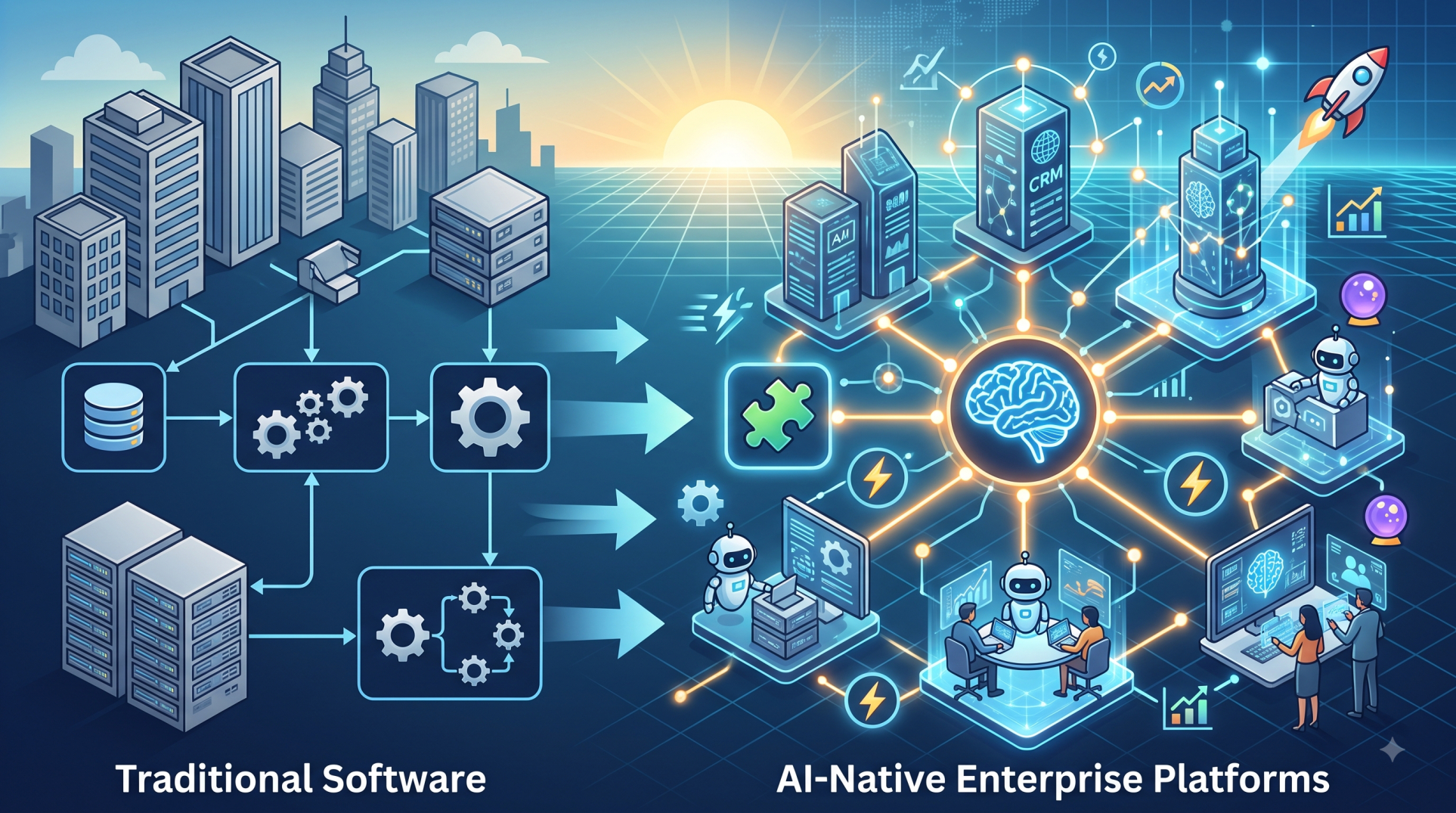
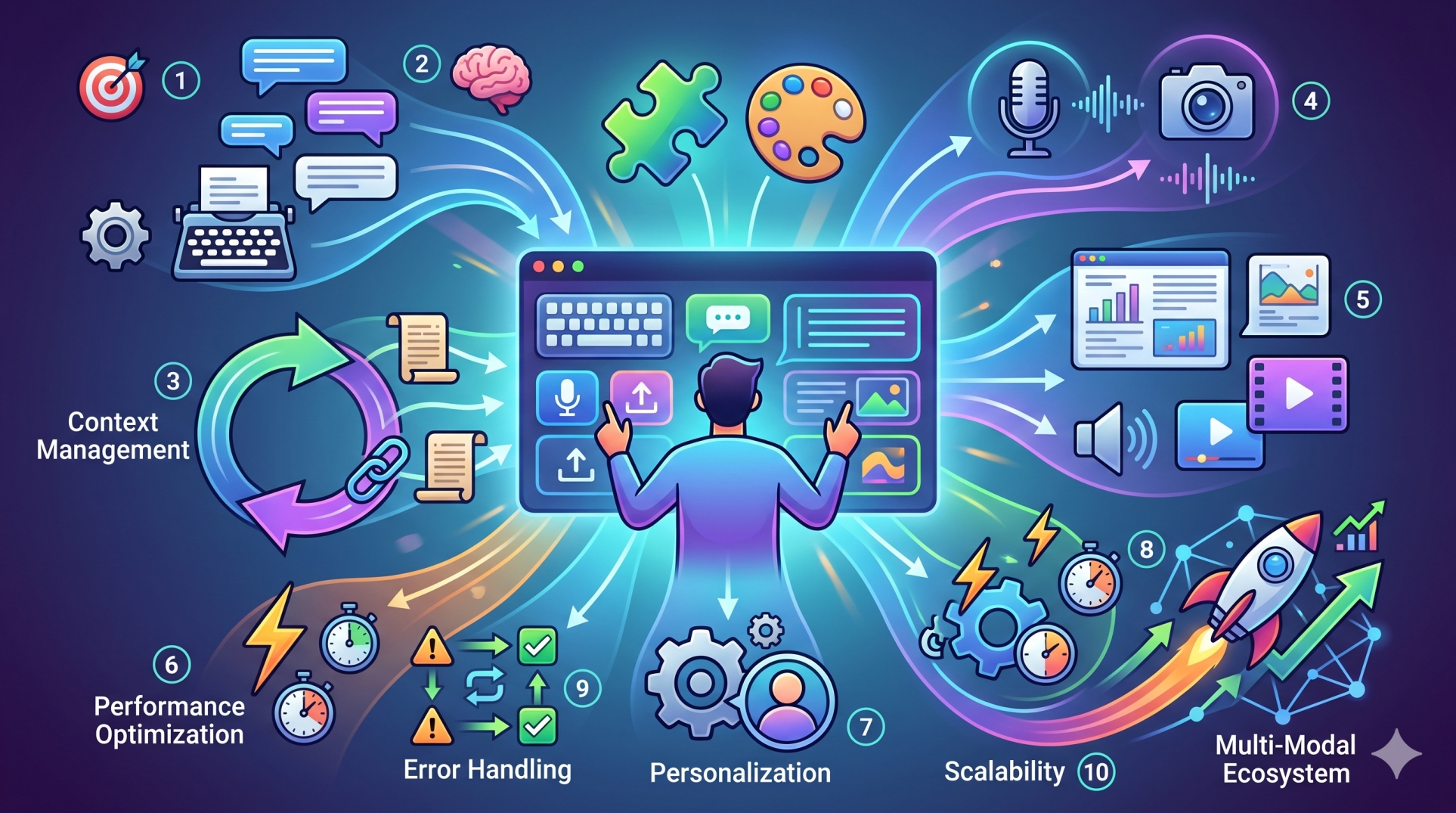
Step 10: Building a Scalable Purchasing Platform 🚀
• Design modular applications that can evolve with business needs 🧩
• Integrate additional suppliers and enterprise systems easily 🔗
• Support multiple departments, locations, and currencies 🌍
• Incorporate analytics and AI capabilities as requirements grow 🤖
• Create flexible procurement infrastructure for long-term expansion 📈
Conclusion
Context-aware purchasing applications can transform enterprise procurement from a transactional process into a more intelligent and responsive business workflow. By combining employee requirements with organizational policies, supplier information, inventory conditions, budgets, and real-time operational data, these applications can improve purchasing efficiency while maintaining appropriate controls. A well-designed solution balances personalization, automation, governance, and human oversight, helping enterprise users make faster and more informed purchasing decisions while creating a more connected procurement ecosystem.
See more blogs
You can all the articles below