Intelligent Purchase Order Creation Using LLM Software
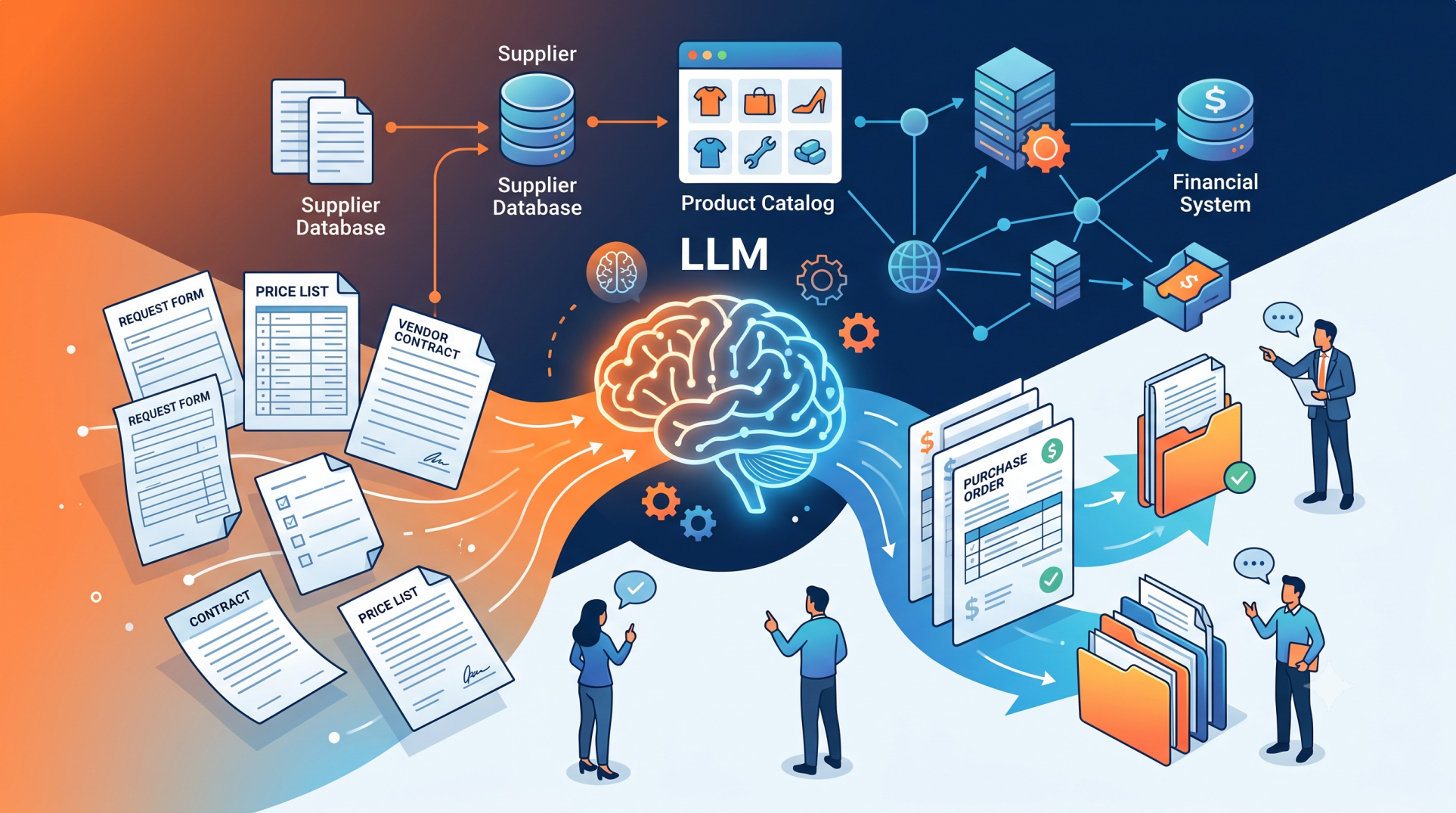
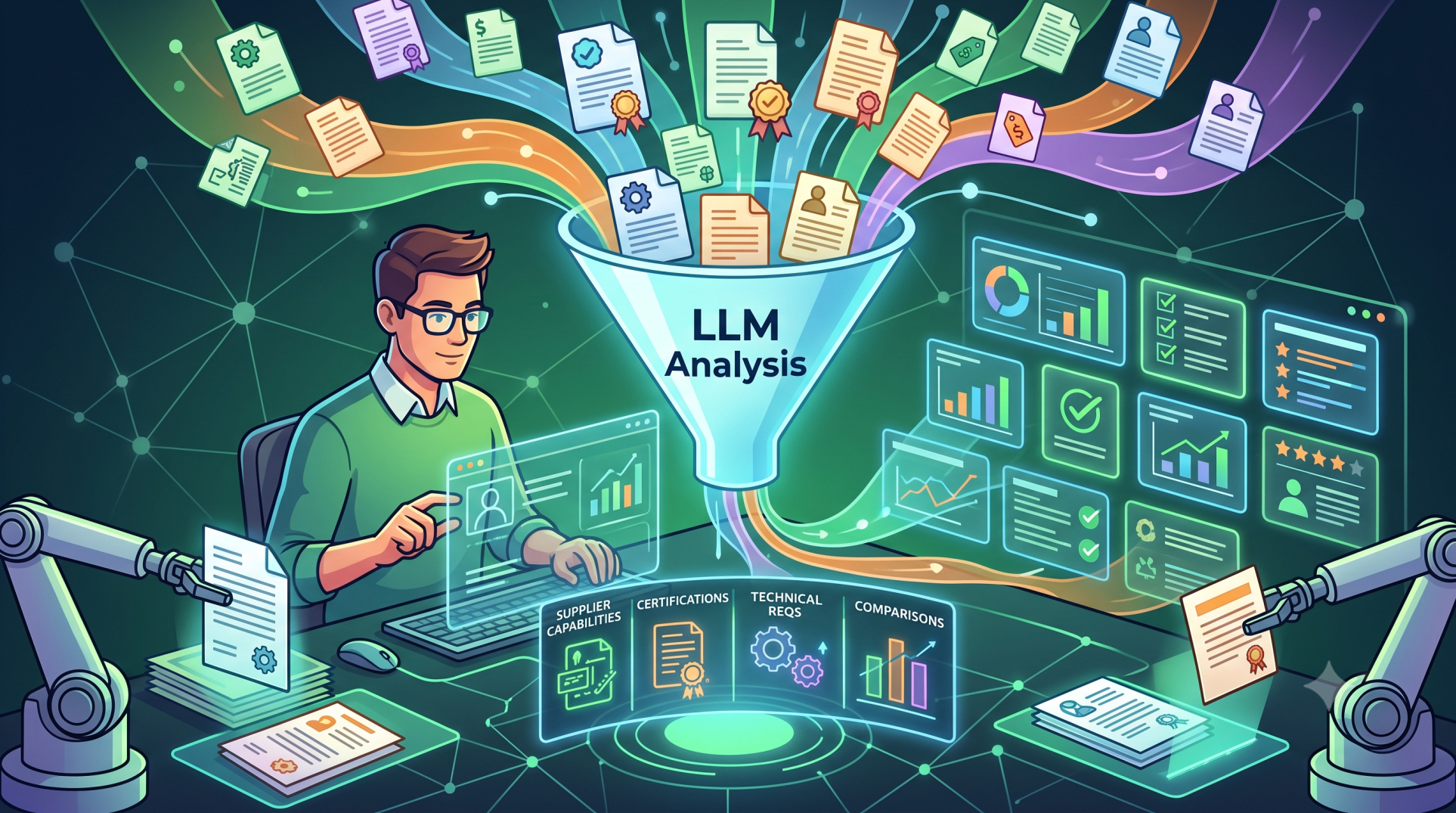
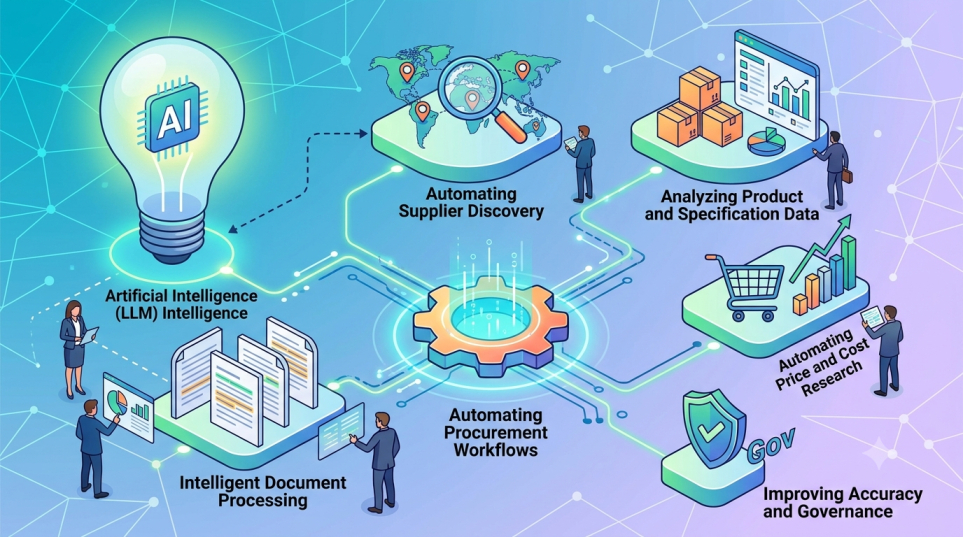
Modern procurement operations involve managing supplier information, product requirements, pricing, approvals, inventory levels, and purchasing policies. Manual purchase order creation can make these processes slow, inconsistent, and vulnerable to data-entry errors. LLM Software can introduce intelligence into procurement workflows by interpreting purchasing requirements, retrieving relevant information, and generating accurate purchase orders with greater speed and consistency.
Step 1: Understanding Intelligent Purchase Order Creation 🧾
• Use LLM Software to interpret purchasing requests and business requirements
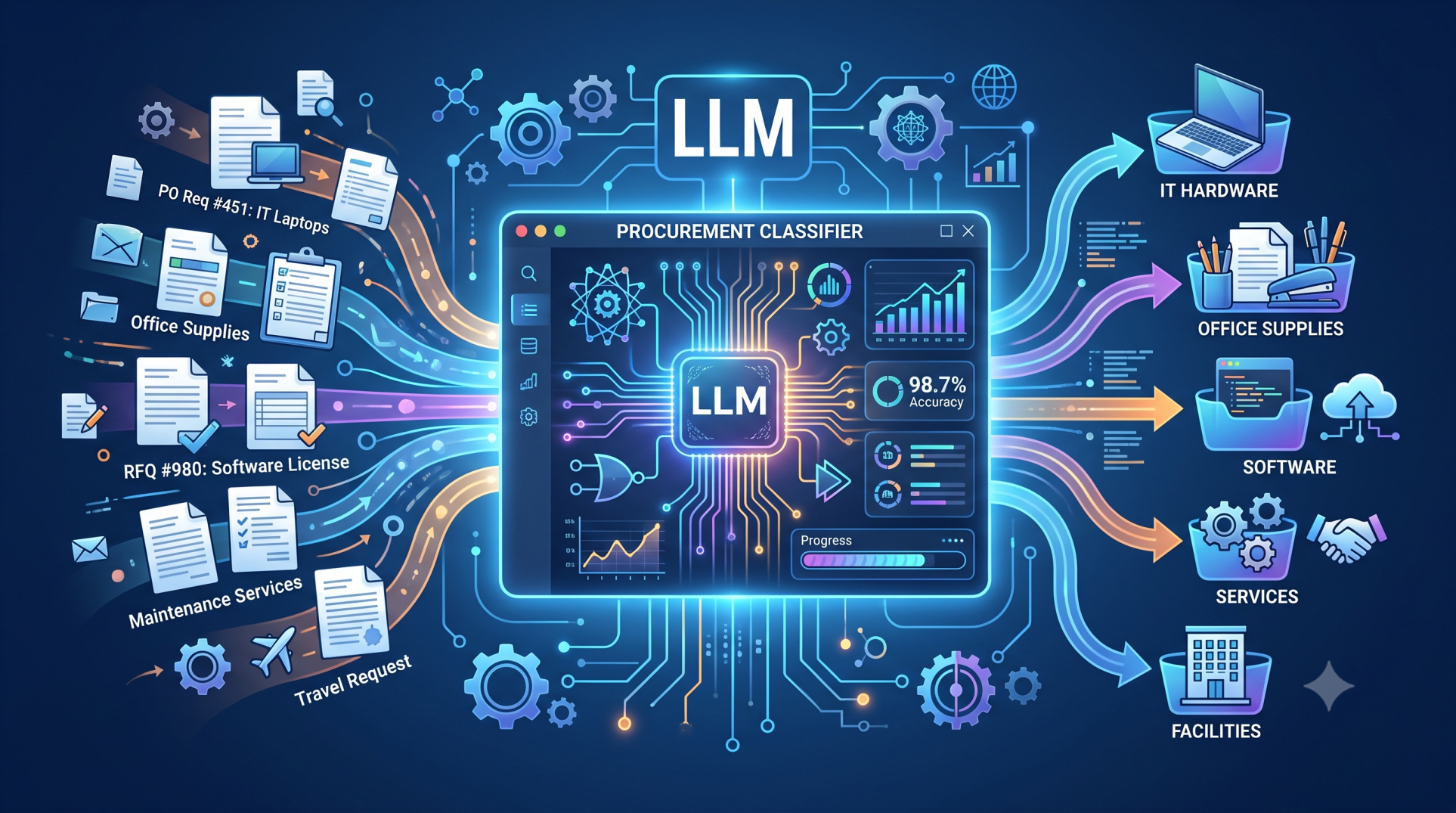
• Convert natural-language requests into structured purchase information
• Identify products, quantities, specifications, suppliers, and delivery requirements
• Reduce repetitive data-entry activities for procurement teams
• Create standardized purchase orders across business operations
Step 2: Connecting Procurement Data Sources 🔗
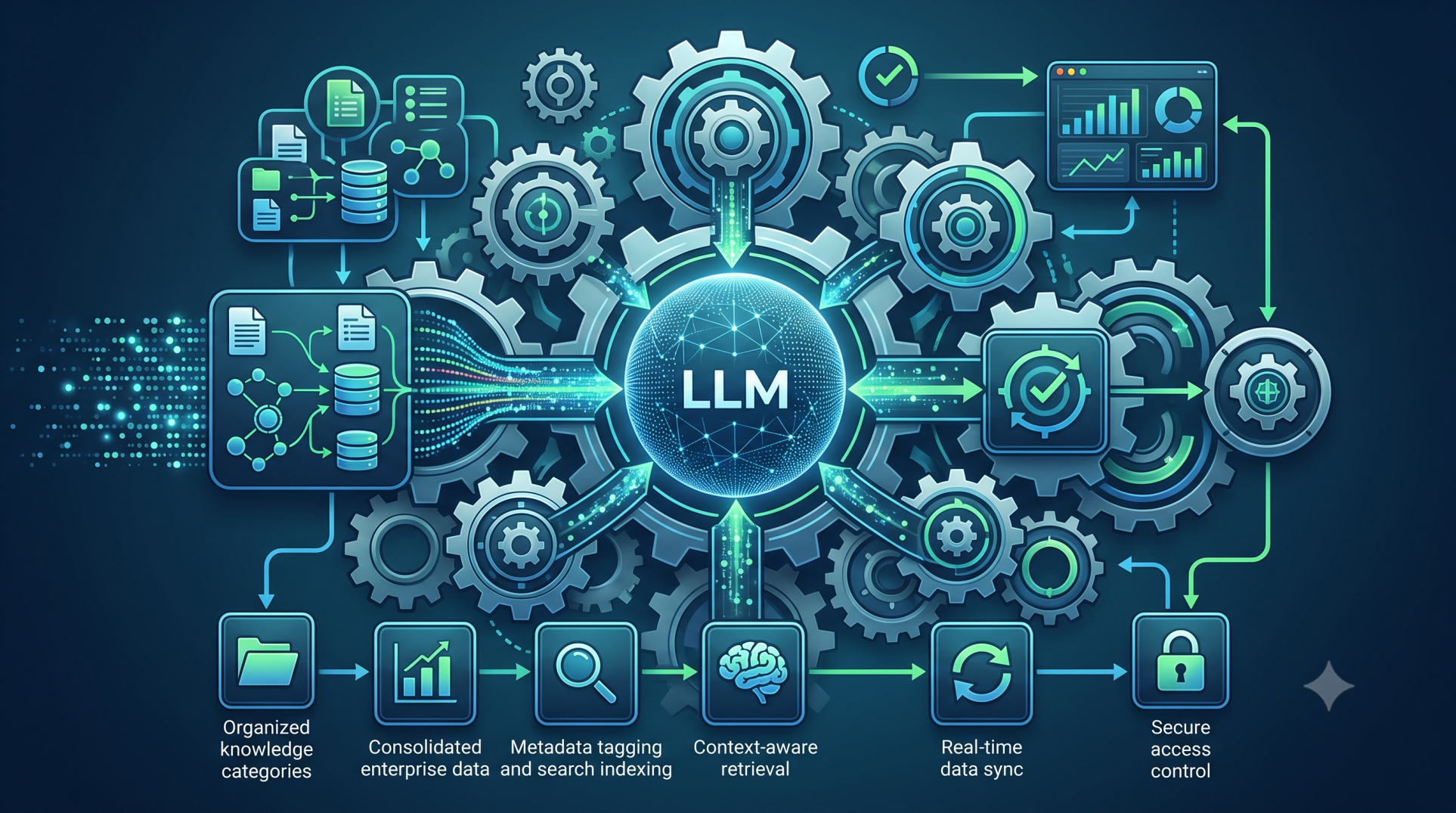
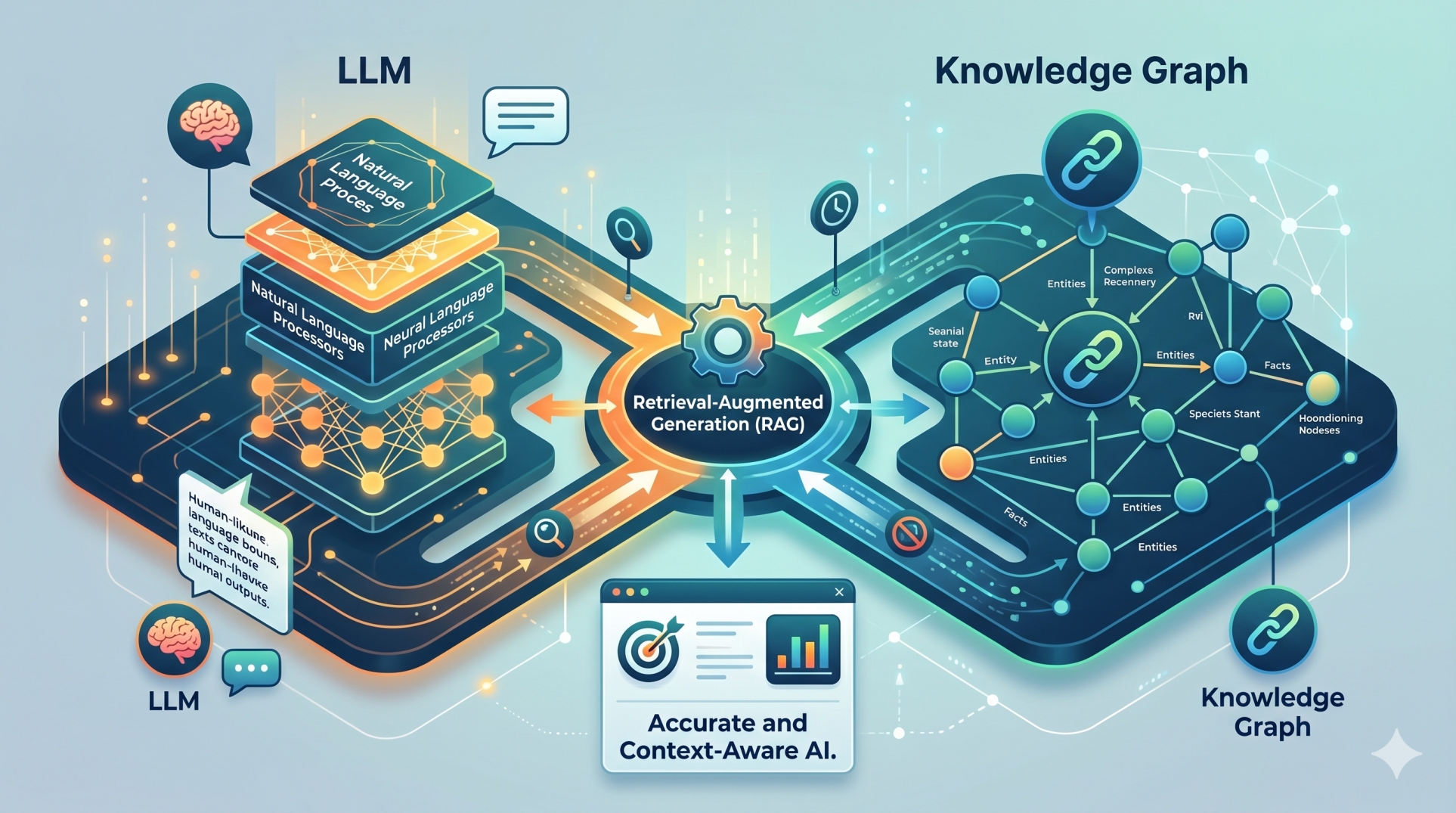
• Integrate supplier databases and product catalogs
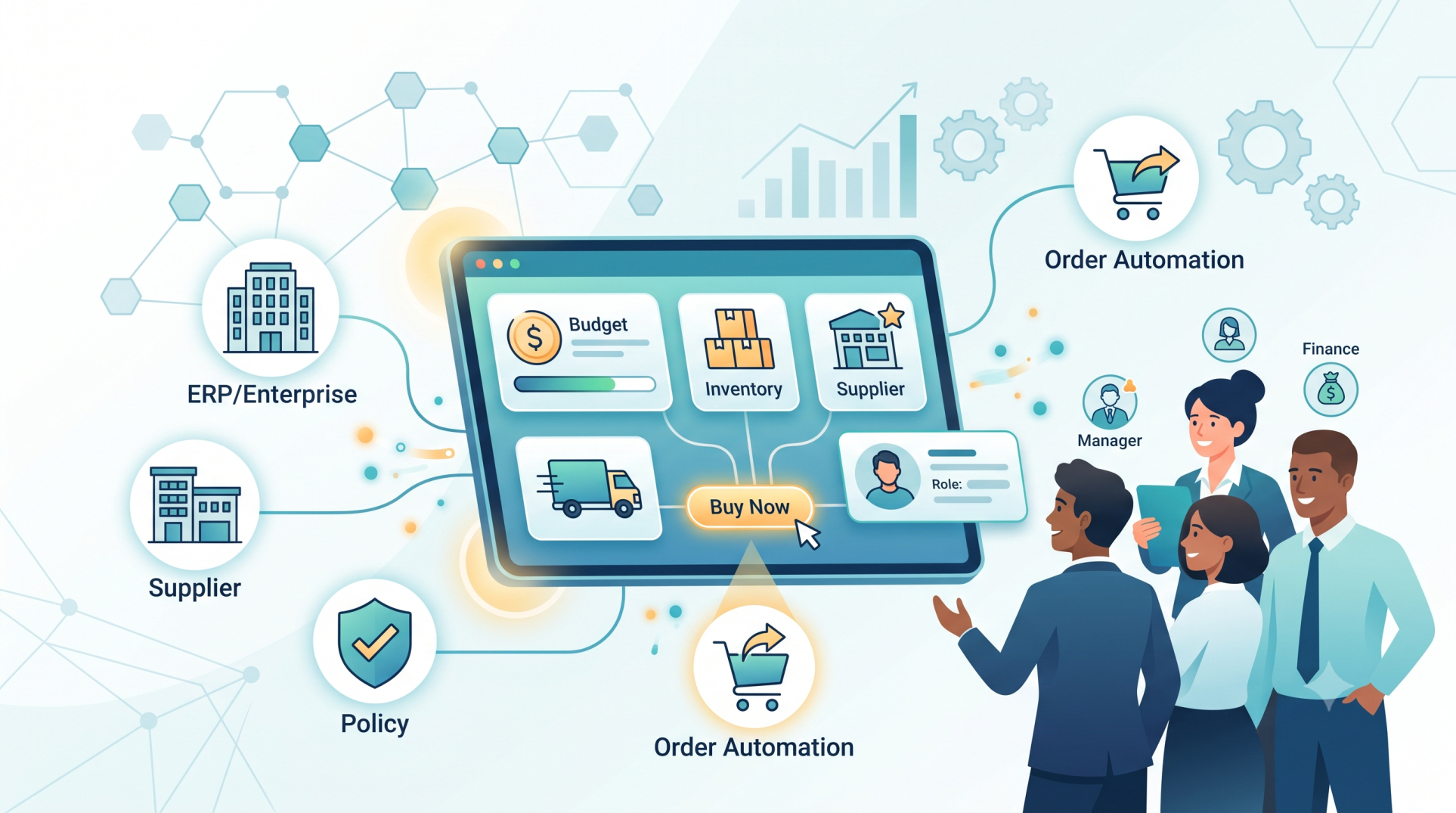
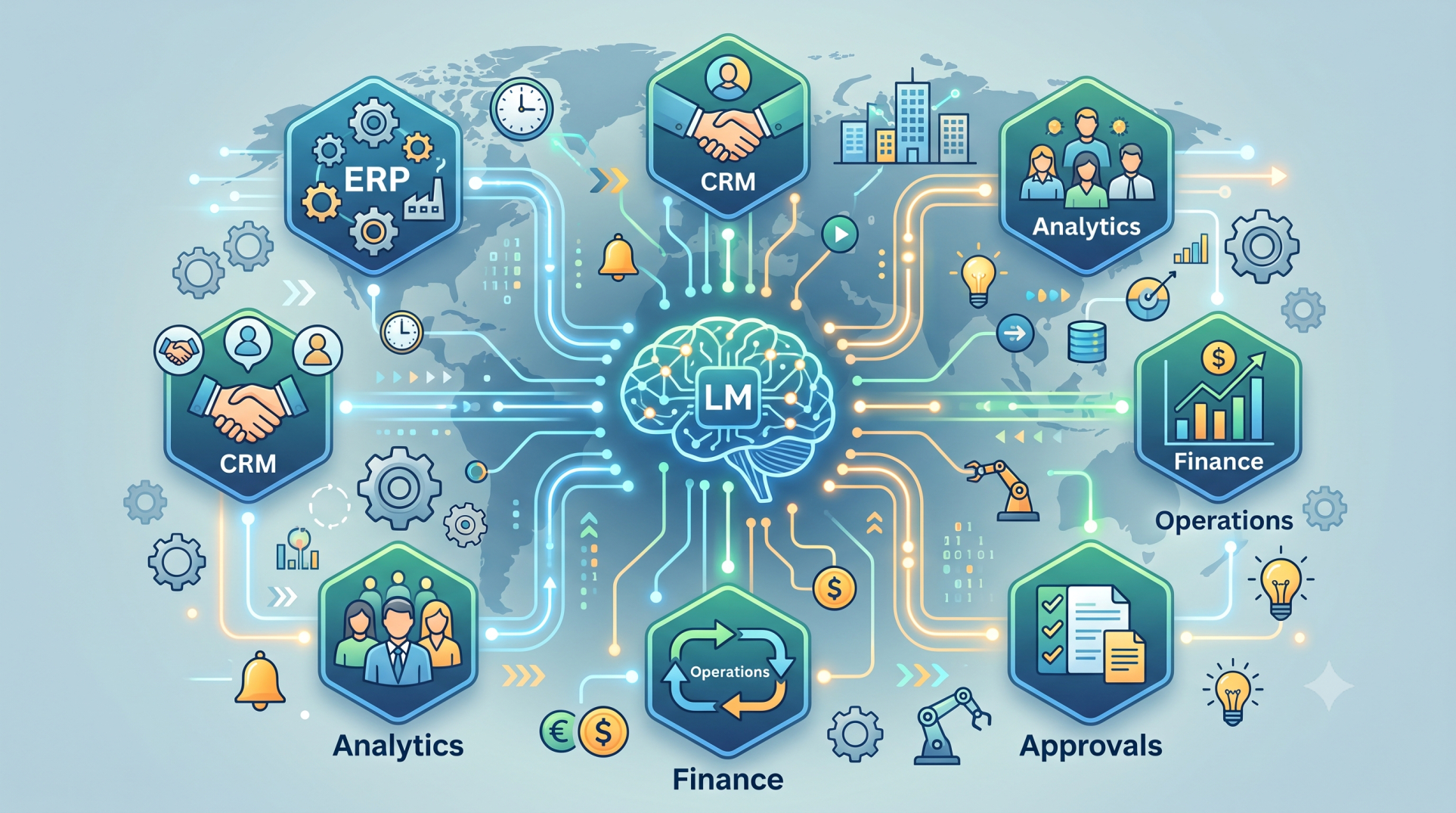
• Connect ERP, inventory, accounting, and procurement systems
• Retrieve current pricing and supplier information automatically
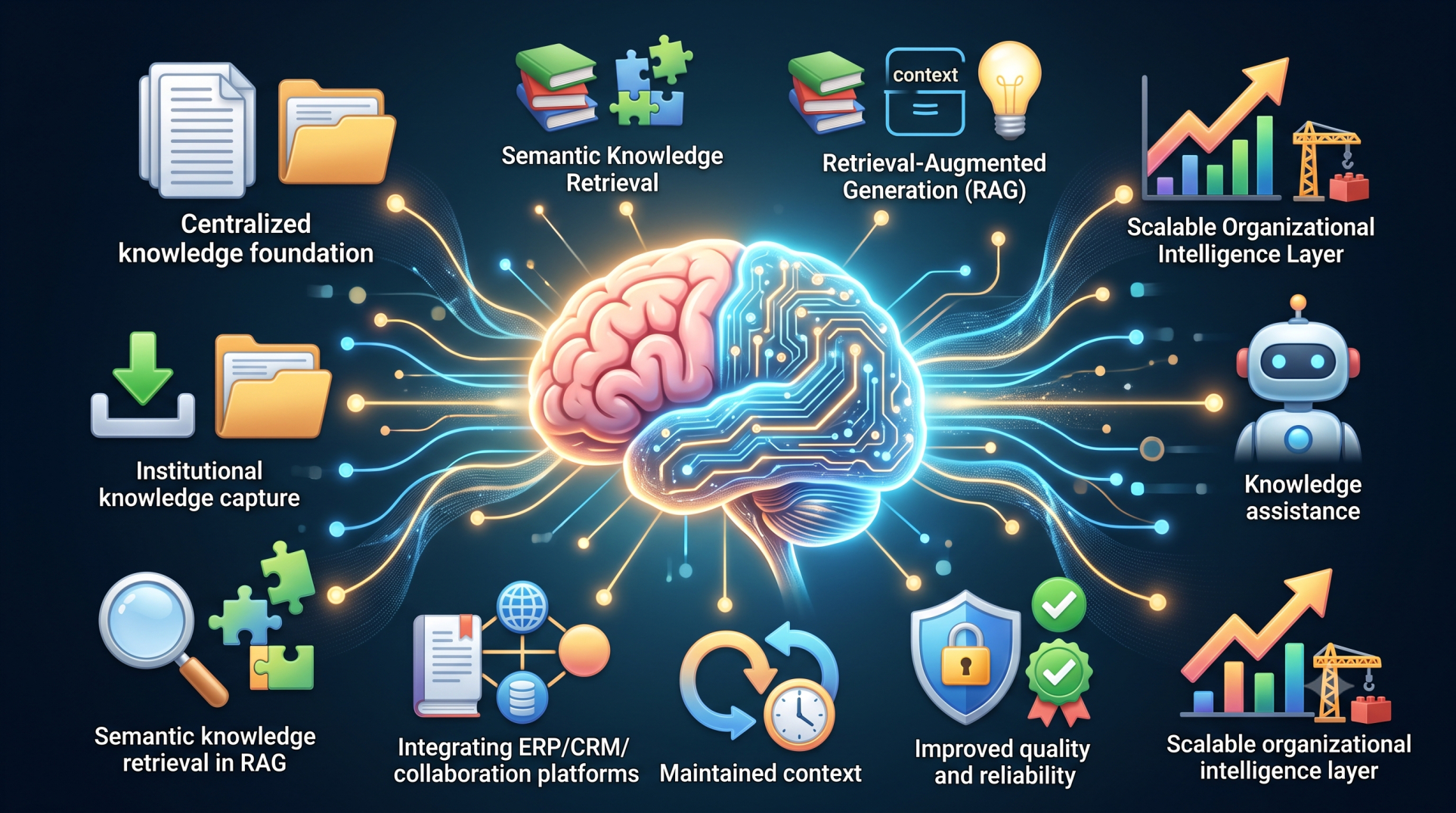
• Access historical purchase records for contextual decisions
• Maintain synchronized procurement information across connected platforms
Step 3: Interpreting Purchase Requirements 🧠
• Analyze employee or department purchasing requests
• Extract important details from emails, forms, and documents
• Identify missing or inconsistent purchase information
• Convert unstructured requests into structured procurement data
• Request additional information when requirements are incomplete
Step 4: Generating Purchase Orders Automatically ⚙️
• Create purchase orders from approved purchasing requests
• Populate supplier, product, quantity, pricing, and delivery fields
• Apply predefined templates and organizational standards
• Reduce manual preparation time for procurement teams
• Maintain consistent formatting across purchase documents
Step 5: Applying Procurement Rules and Policies 🛡️
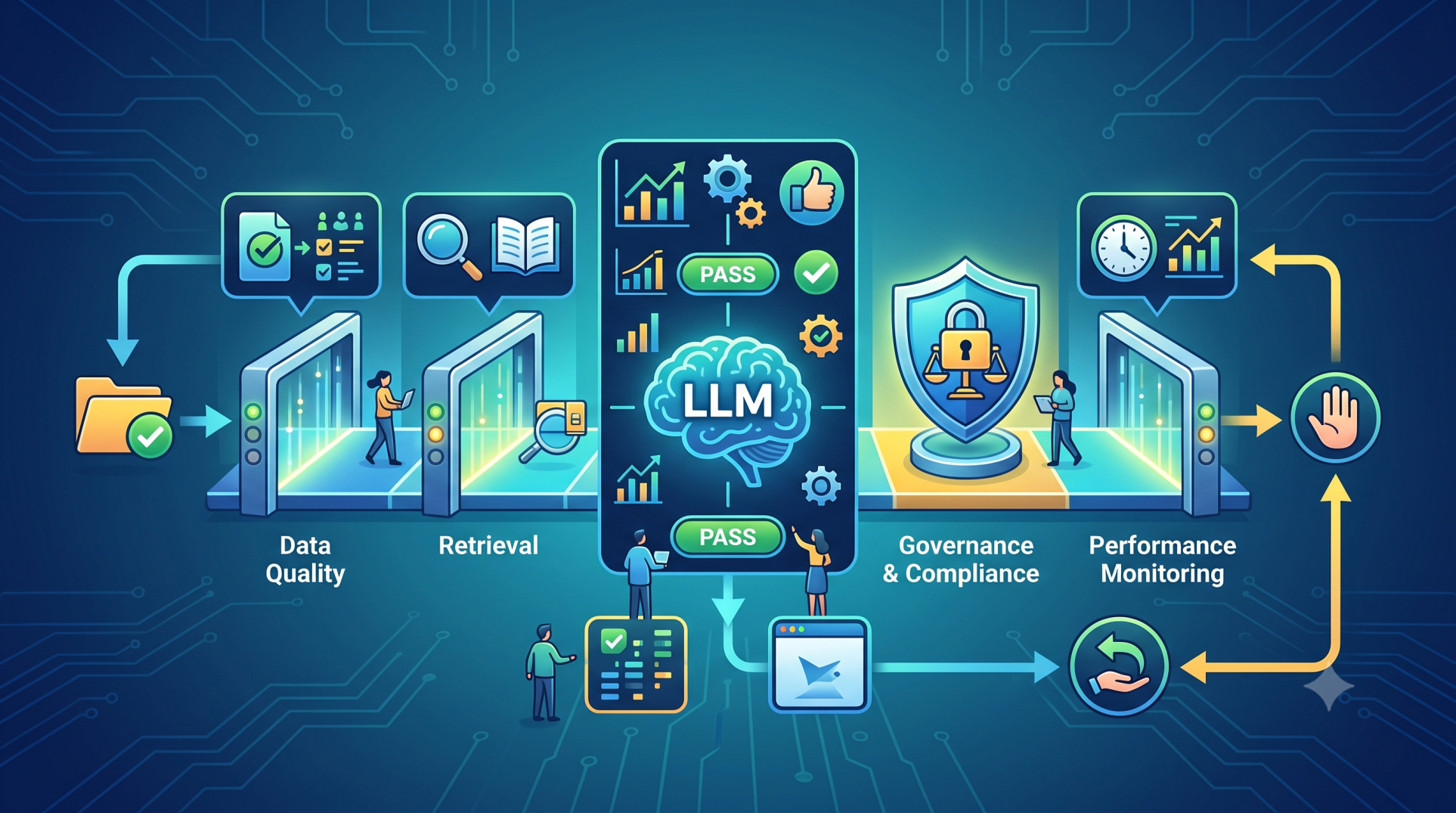
• Validate purchases against organizational policies
• Apply spending limits and approval requirements
• Identify purchases that require additional authorization
• Check supplier eligibility and purchasing restrictions
• Maintain governance throughout the purchasing workflow
Step 6: Intelligent Supplier Selection 🤝
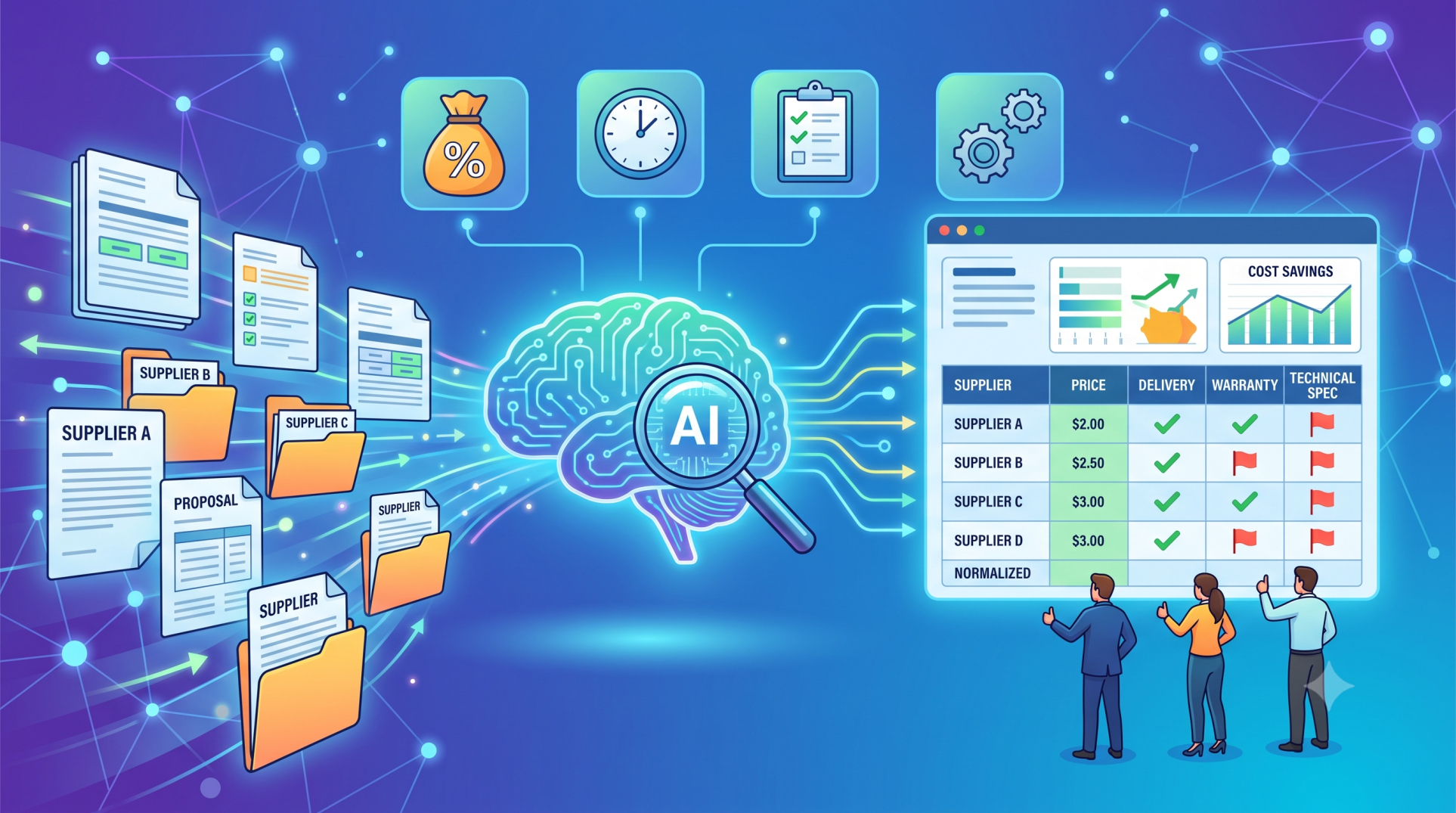
• Compare available suppliers based on relevant business criteria
• Consider pricing, availability, delivery expectations, and historical performance
• Identify preferred suppliers for specific products or categories
• Support procurement teams with data-driven supplier recommendations
• Improve purchasing decisions without relying entirely on manual research
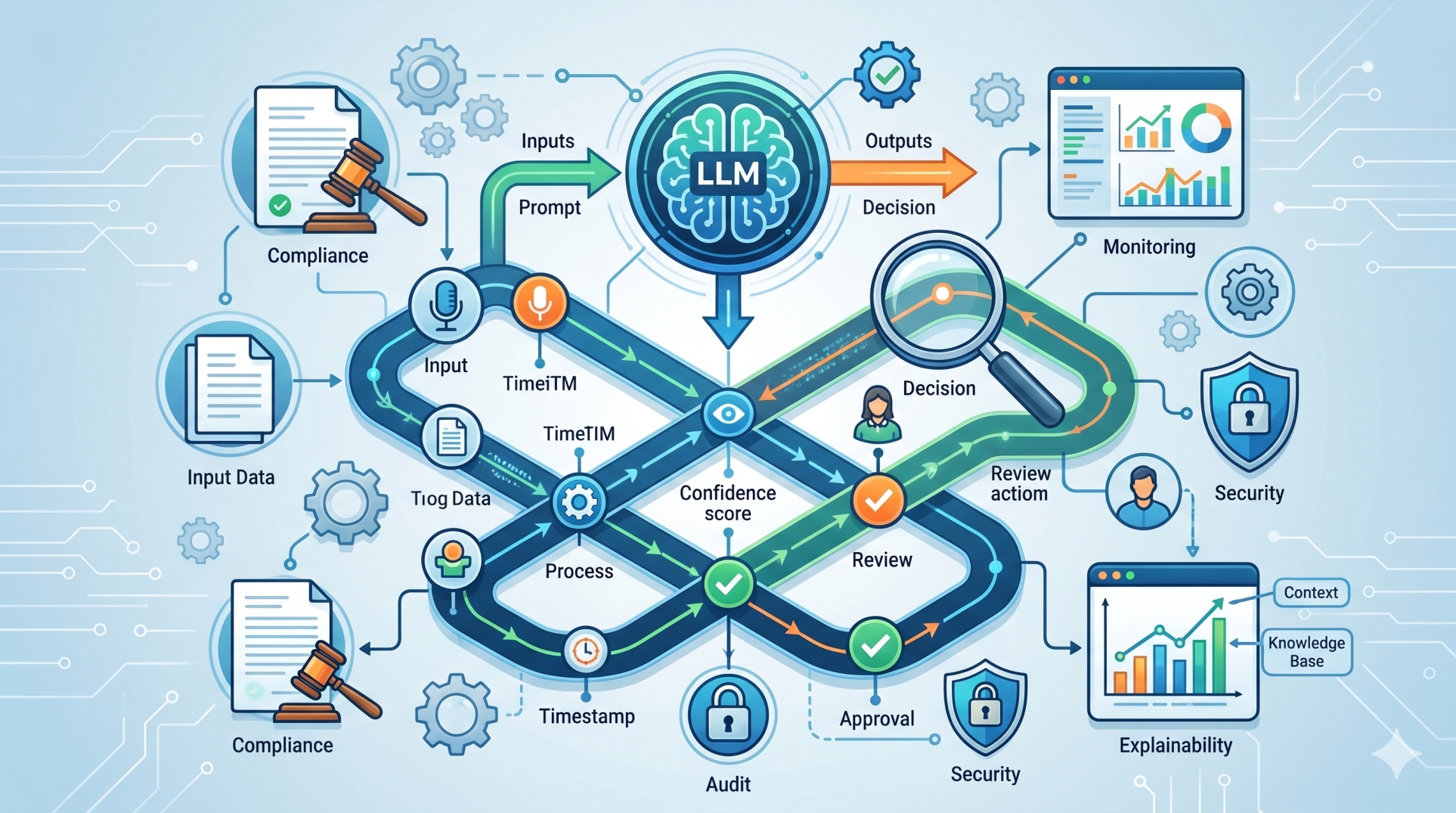
Step 7: Approval Workflow Automation ✅
• Route purchase orders to the appropriate decision-makers
• Trigger approvals based on purchase value or category
• Notify stakeholders when action is required
• Track approval status throughout the procurement cycle
• Maintain clear records of purchasing decisions
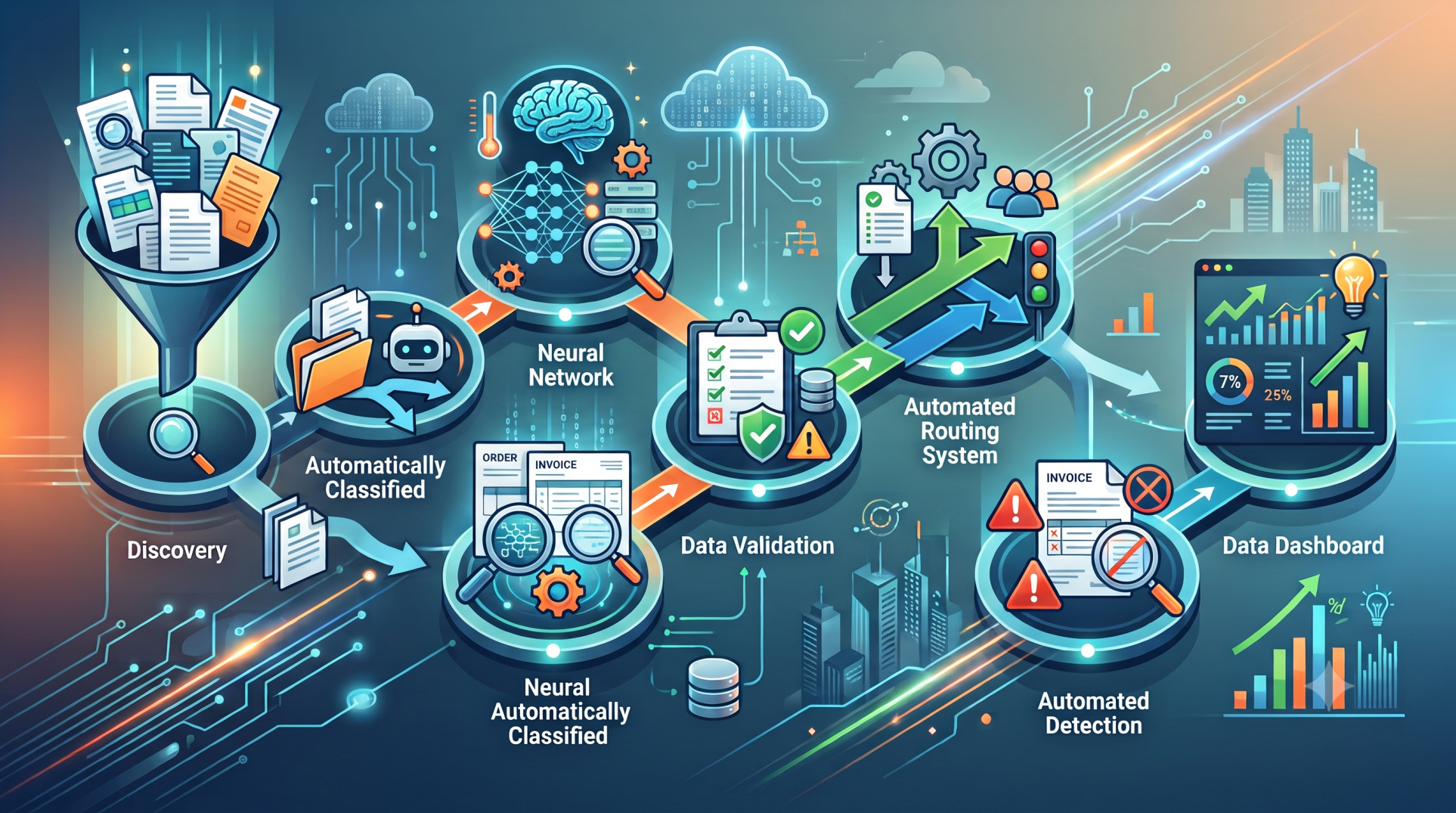
Step 8: Detecting Errors and Exceptions 🔍
• Identify duplicate purchase requests
• Detect unusual pricing or quantity variations
• Flag incomplete supplier or product information
• Highlight purchases that fall outside established policies
• Escalate exceptions for human review before final processing
Step 9: Improving Procurement Visibility 📊
• Track purchase order creation and approval activity
• Monitor procurement cycle times
• Analyze supplier purchasing patterns
• Identify recurring purchasing requirements
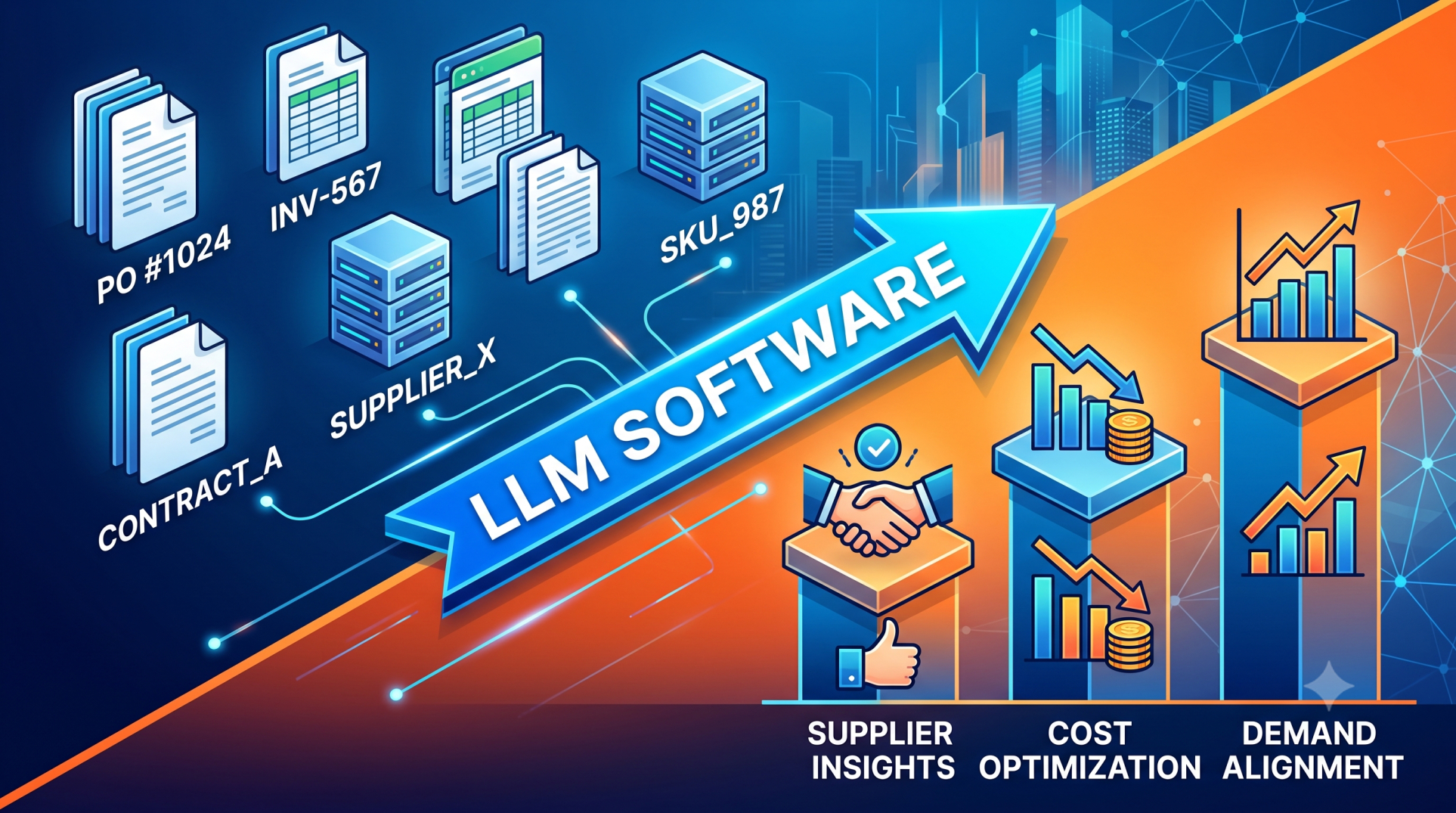
• Generate insights that support better procurement planning
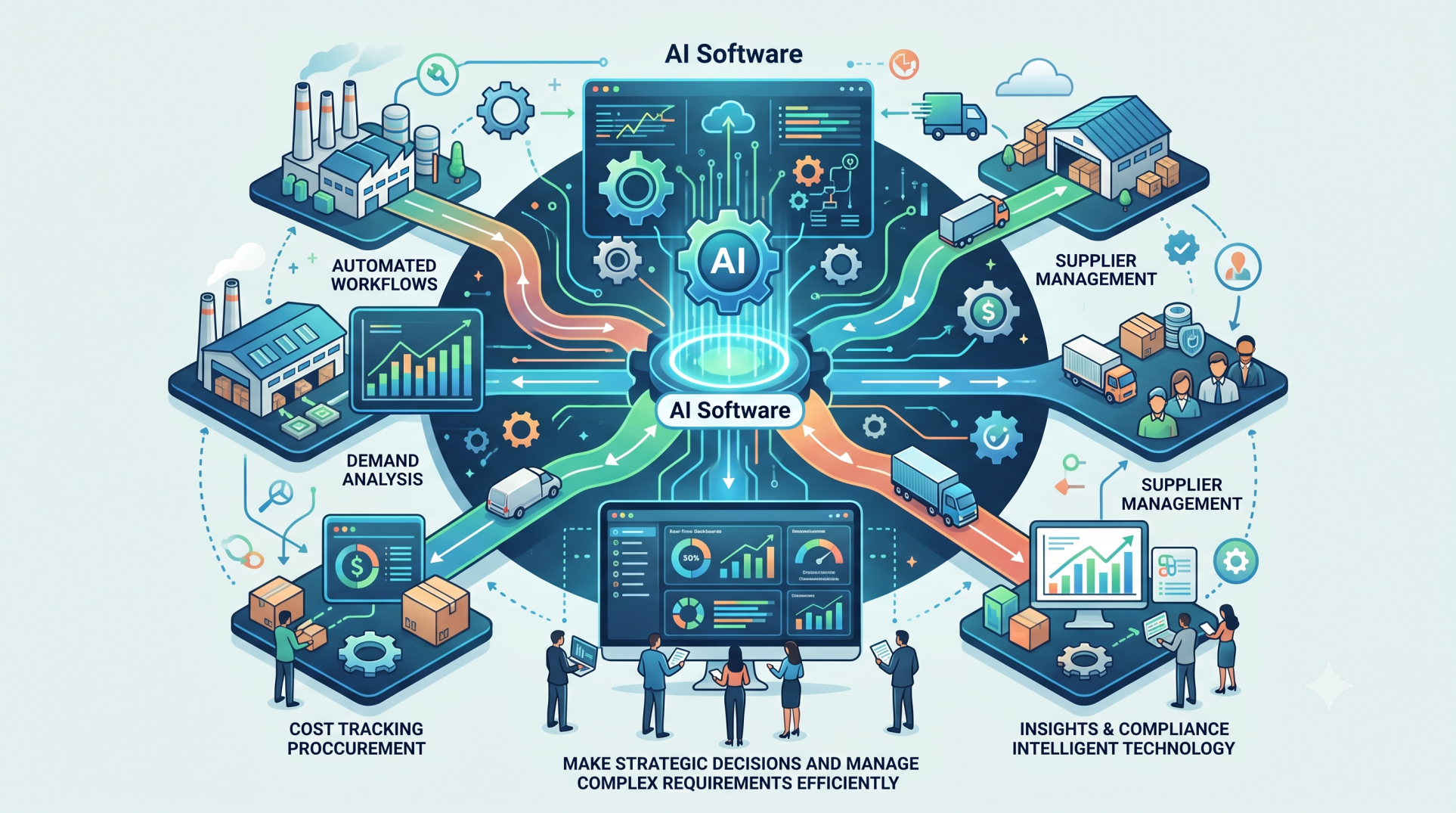
Step 10: Building a Scalable AI Procurement Ecosystem 🚀
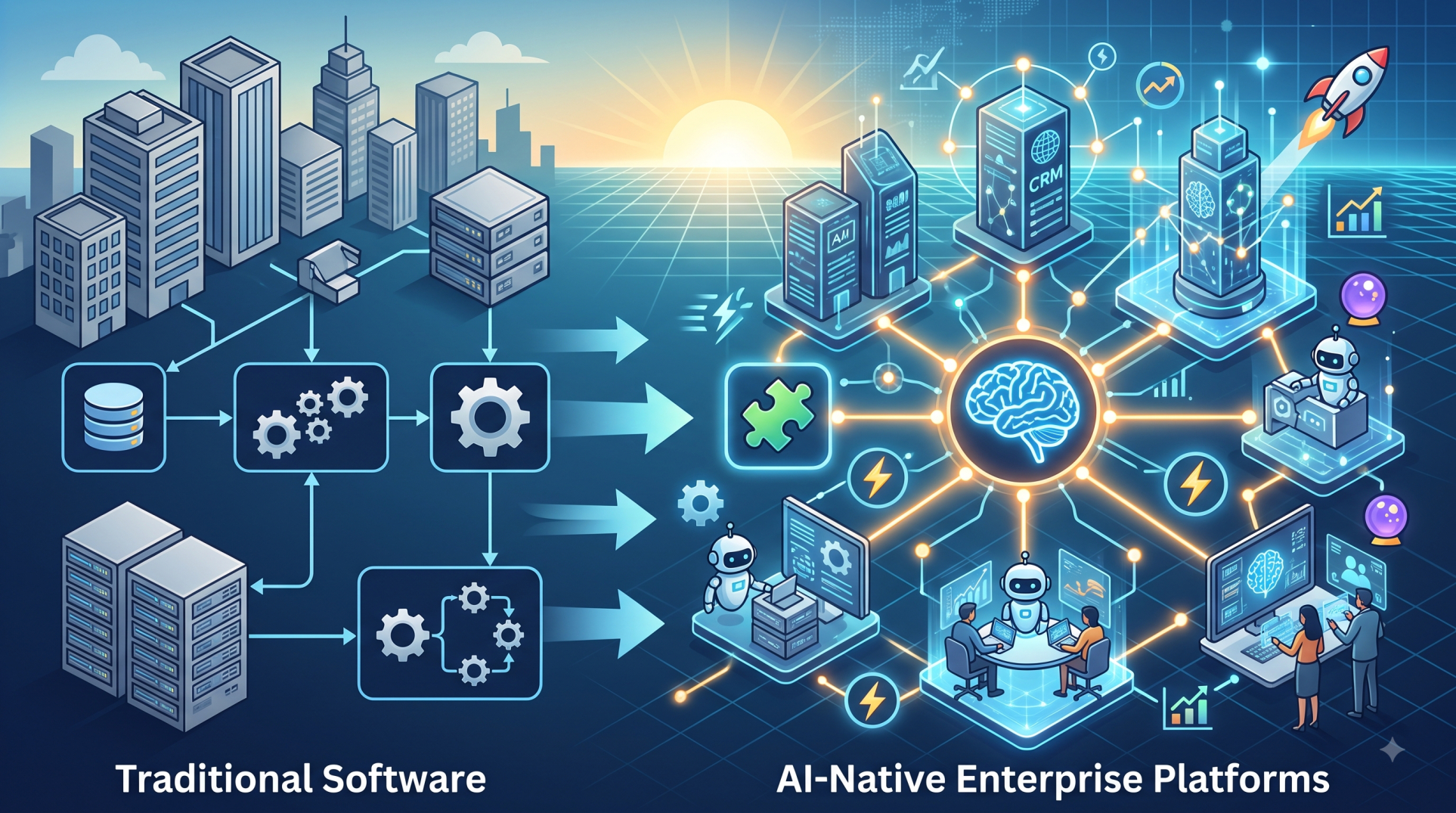
• Integrate LLM capabilities into existing ERP and procurement platforms
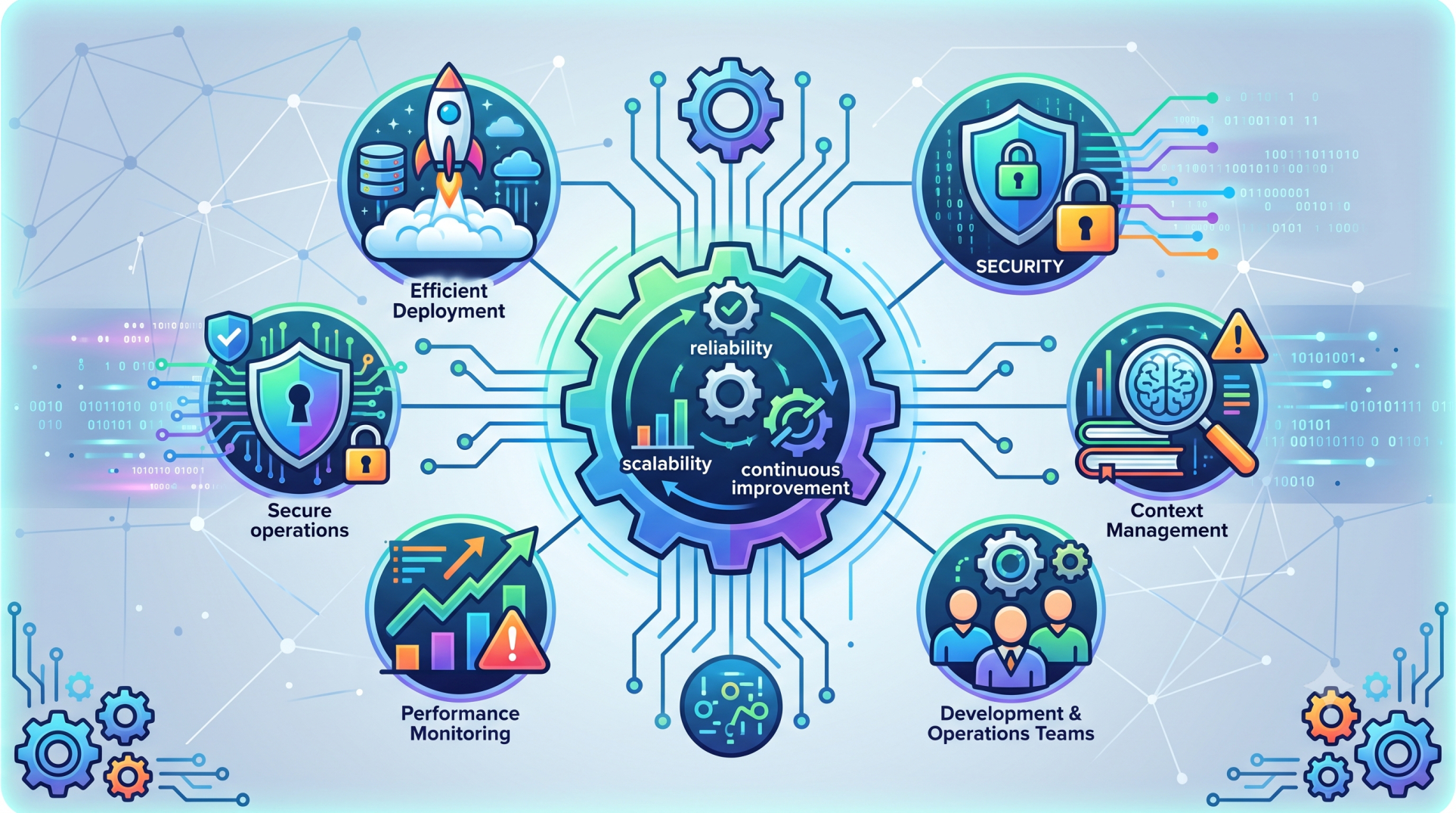
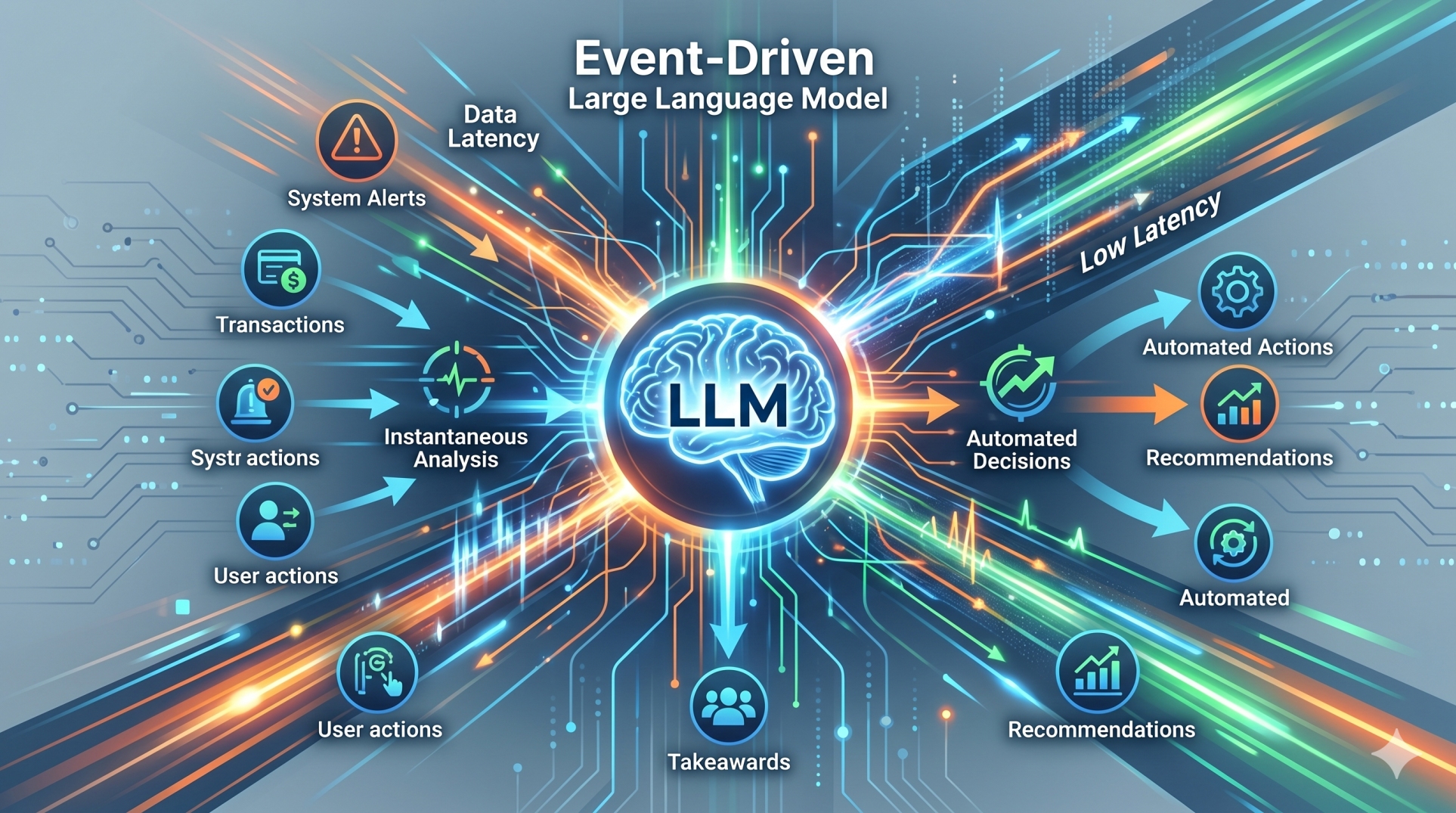
• Support growing transaction volumes without excessive manual effort
• Expand automation across purchasing, receiving, and invoice workflows
• Adapt intelligent workflows to changing business requirements
• Combine AI assistance with human oversight for reliable procurement operations
Conclusion
Intelligent purchase order creation using LLM Software can transform procurement from a heavily manual process into a more connected and responsive workflow. By understanding purchasing requests, integrating enterprise data, applying business rules, and automating document generation, organizations can reduce administrative effort while improving accuracy and operational visibility. With appropriate validation, security, and human oversight, LLM-powered procurement systems can provide a scalable foundation for smarter purchasing operations.
See more blogs
You can all the articles below