Building AI Procurement Assistants for Enterprise Buying Teams
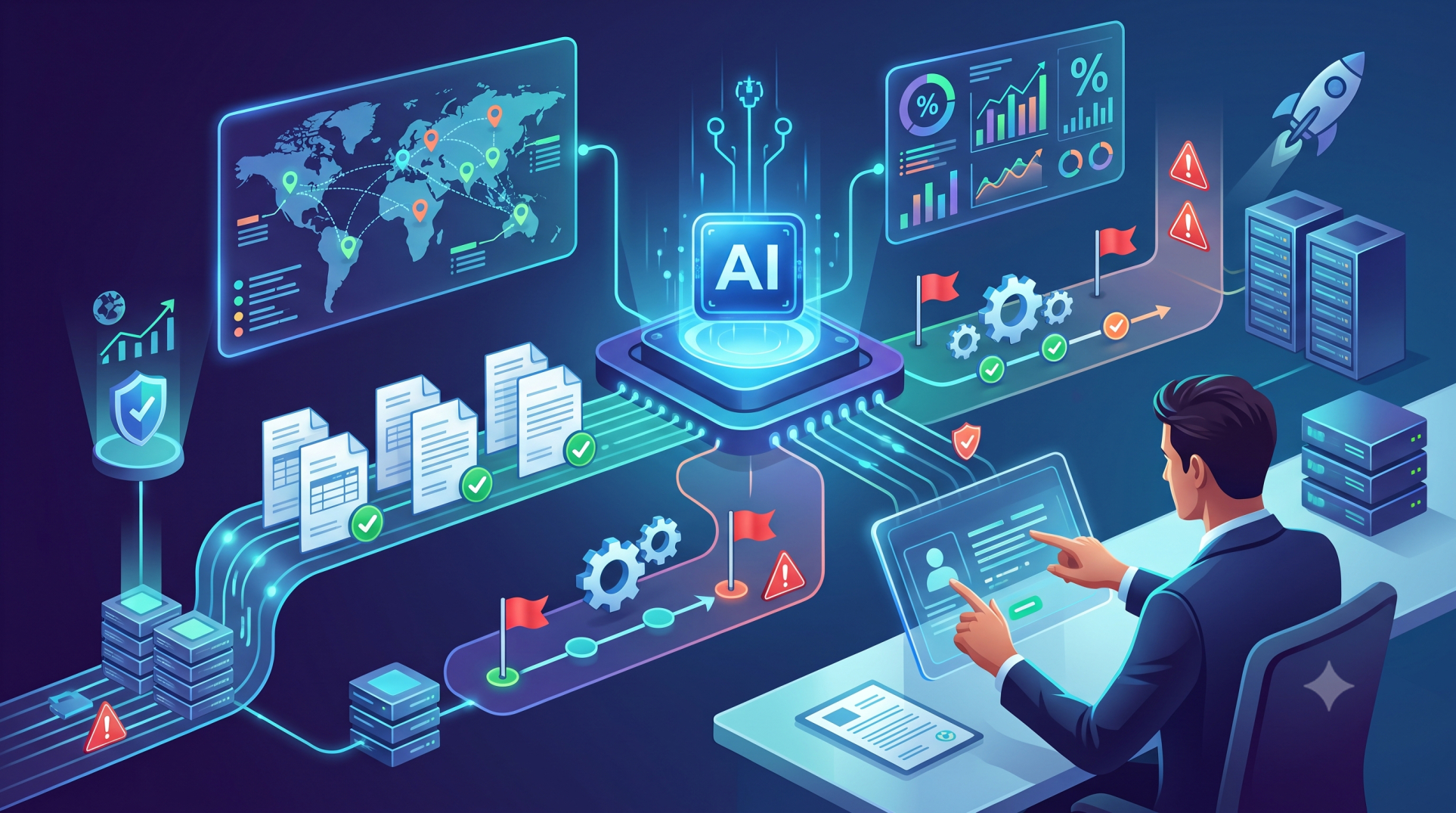
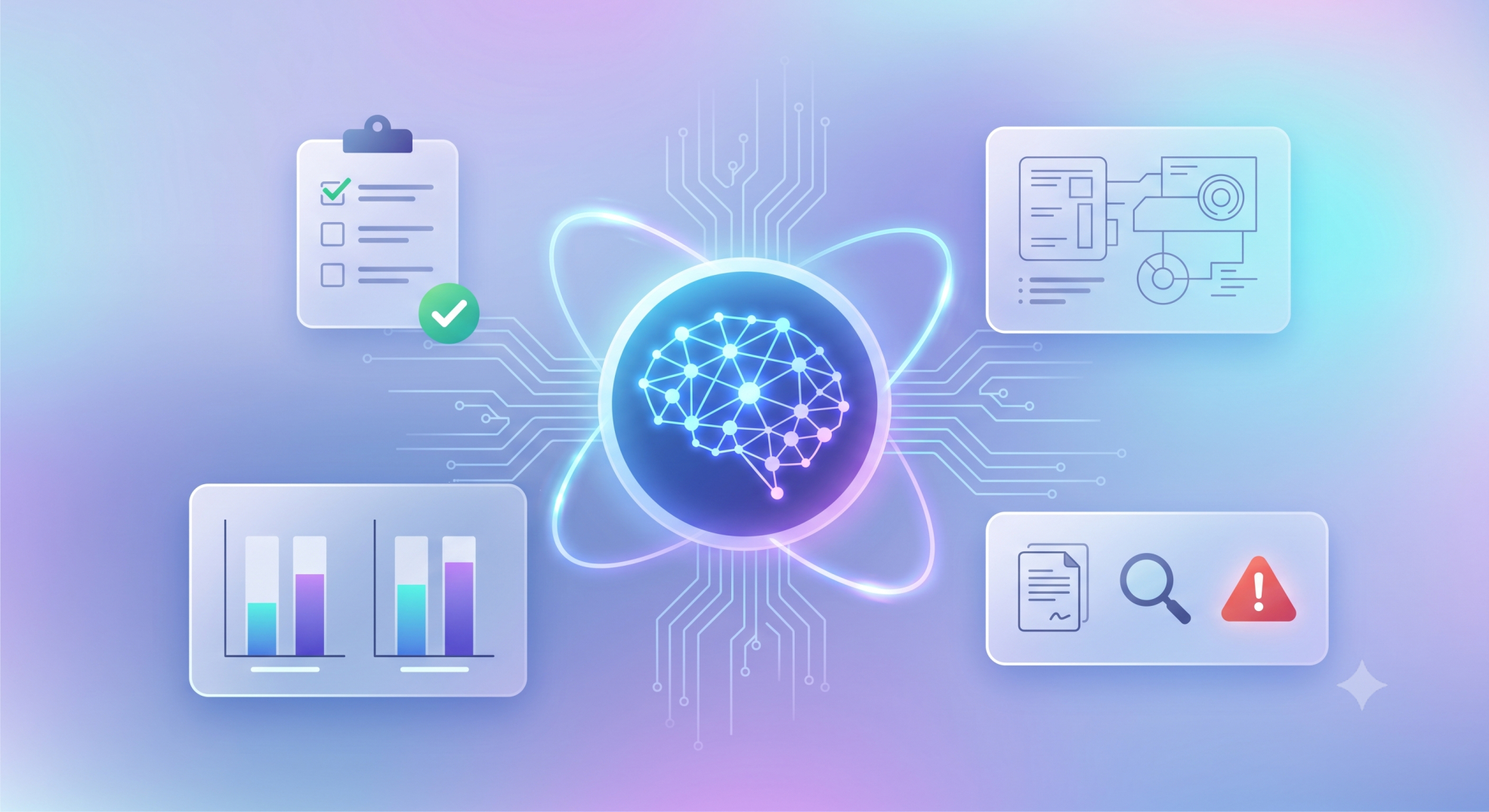
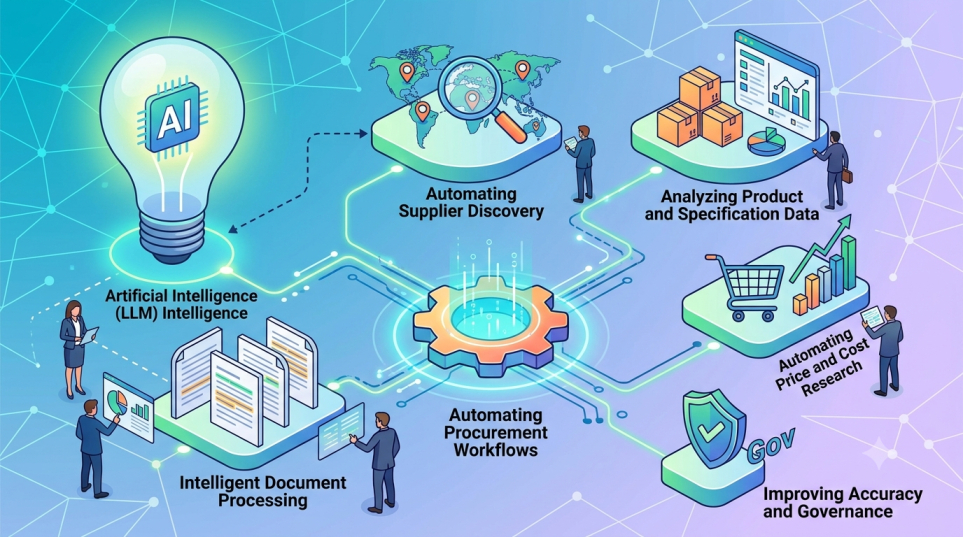
As enterprise procurement becomes more complex, buying teams are increasingly expected to evaluate suppliers, manage purchasing workflows, control spending, and respond quickly to changing business requirements. AI procurement assistants can support these responsibilities by combining intelligent automation, enterprise data, and natural-language interaction. When designed effectively, they help procurement professionals reduce administrative effort, improve decision-making, and maintain greater control over organizational spending.
Step 1: Understanding the Role of AI Procurement Assistants 🤖
• Assist procurement teams with routine purchasing activities
• Analyze supplier, pricing, and purchasing information
• Provide contextual recommendations based on business requirements
• Reduce repetitive manual work across procurement workflows
• Support buyers without replacing human approval and oversight
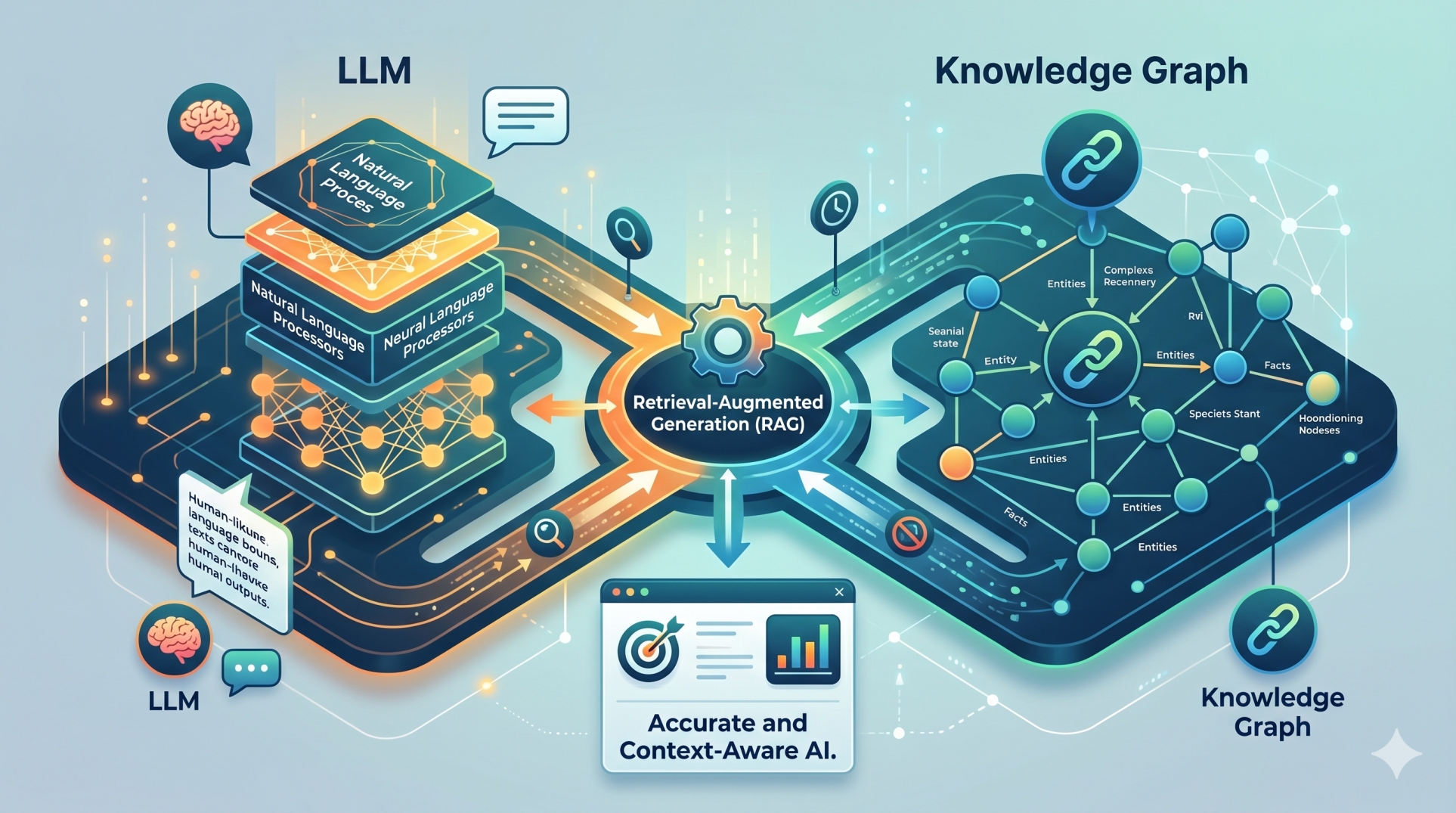
Step 2: Connecting Enterprise Procurement Data 🔗
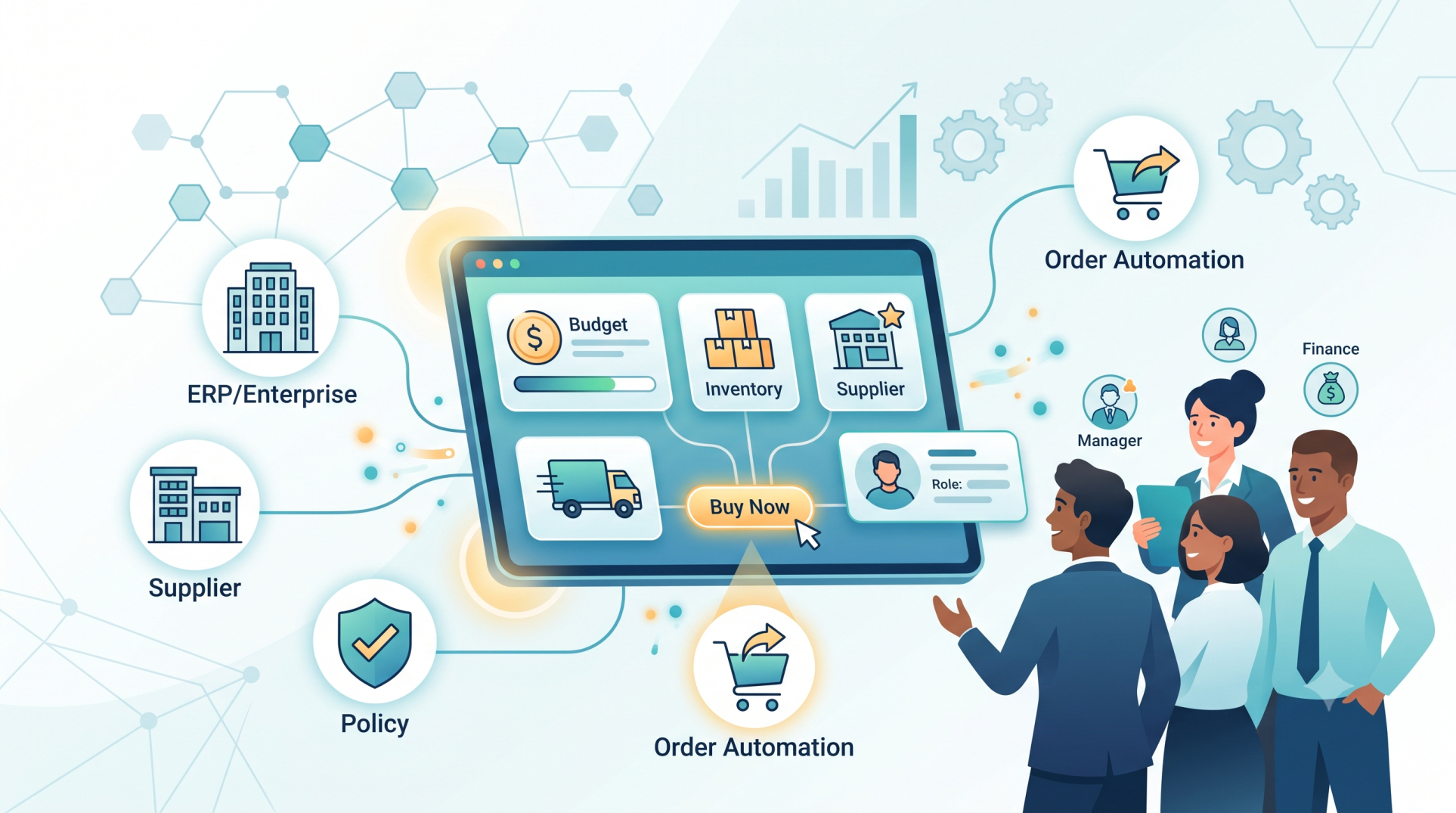
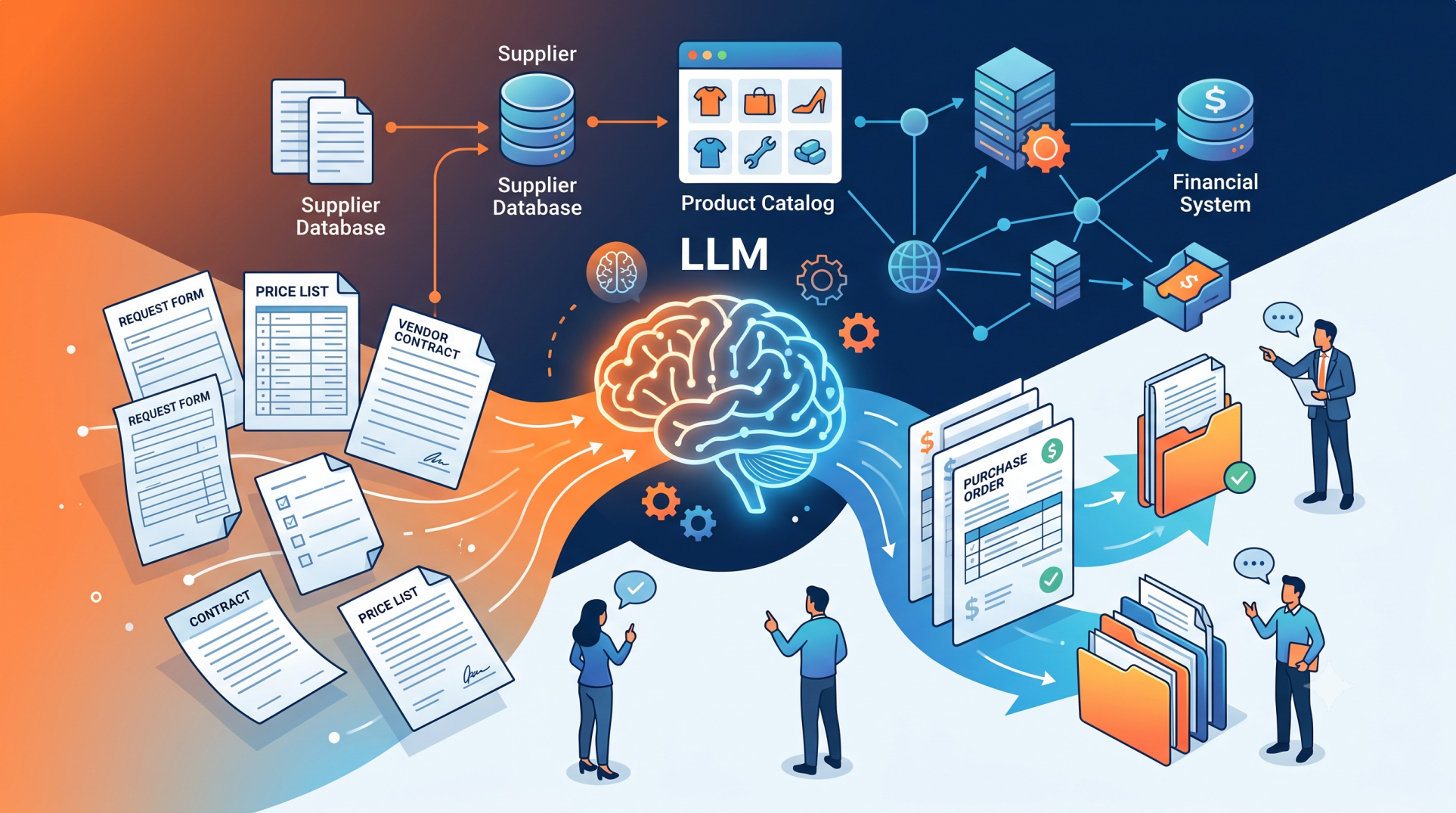
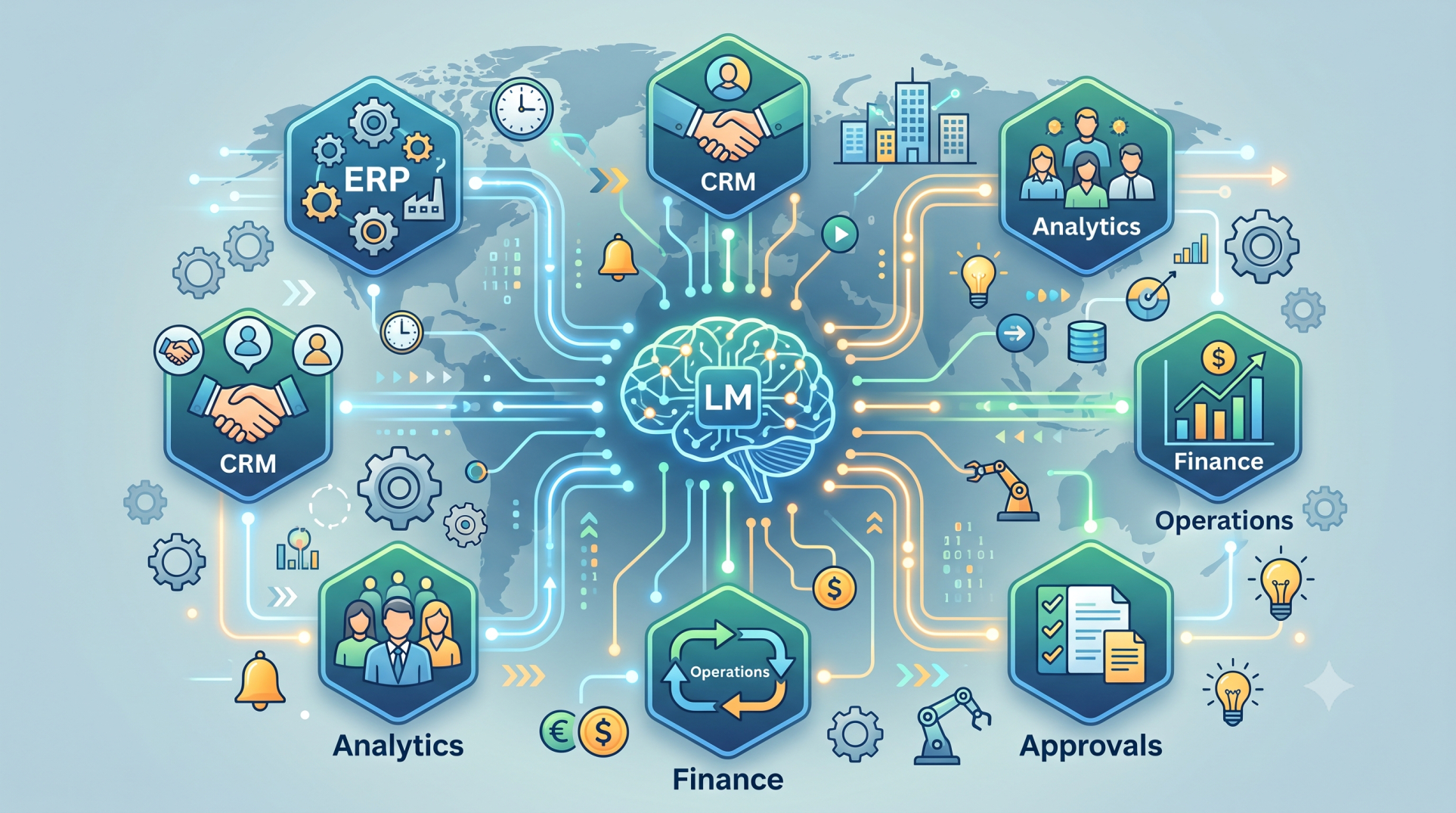
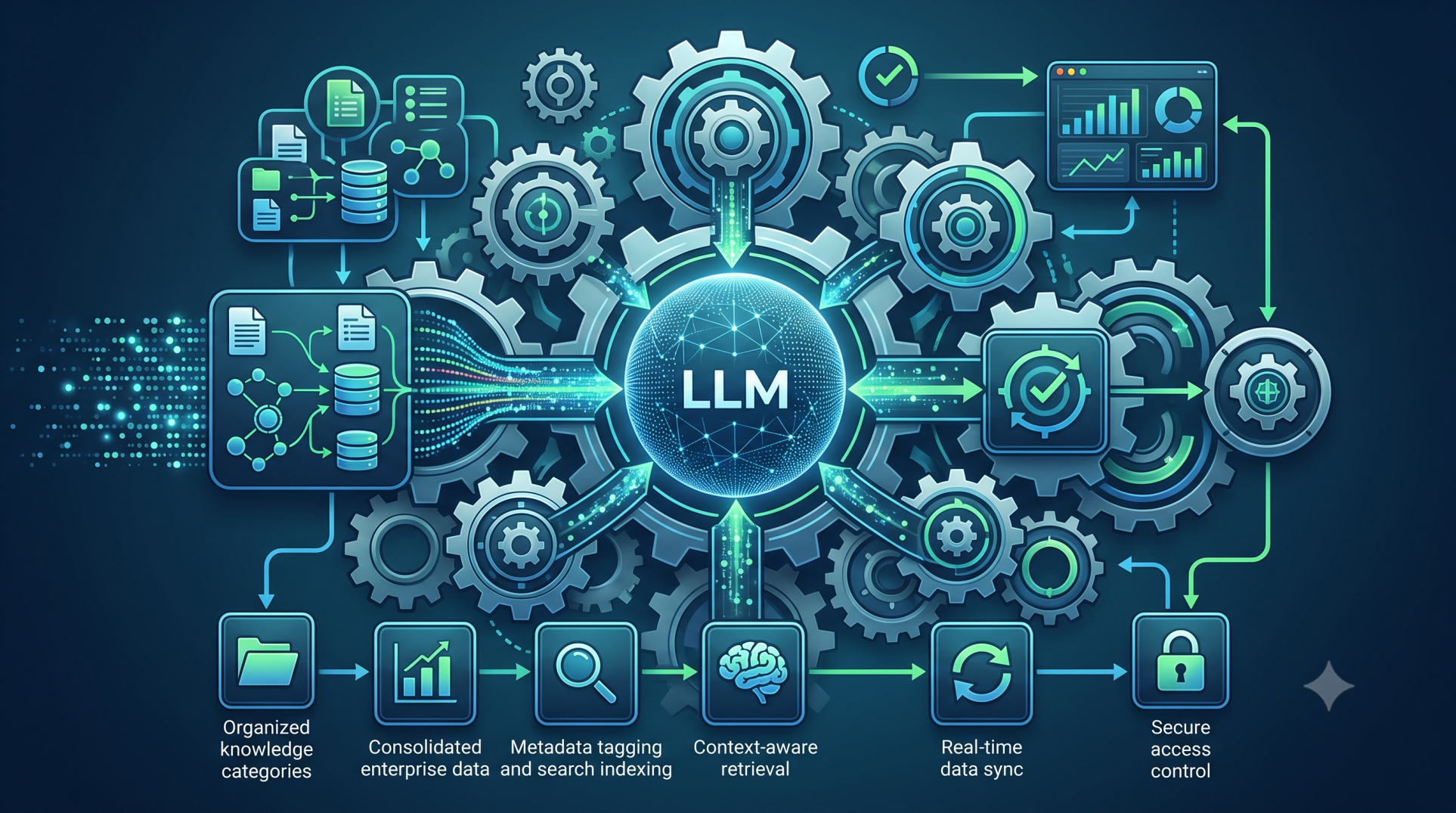
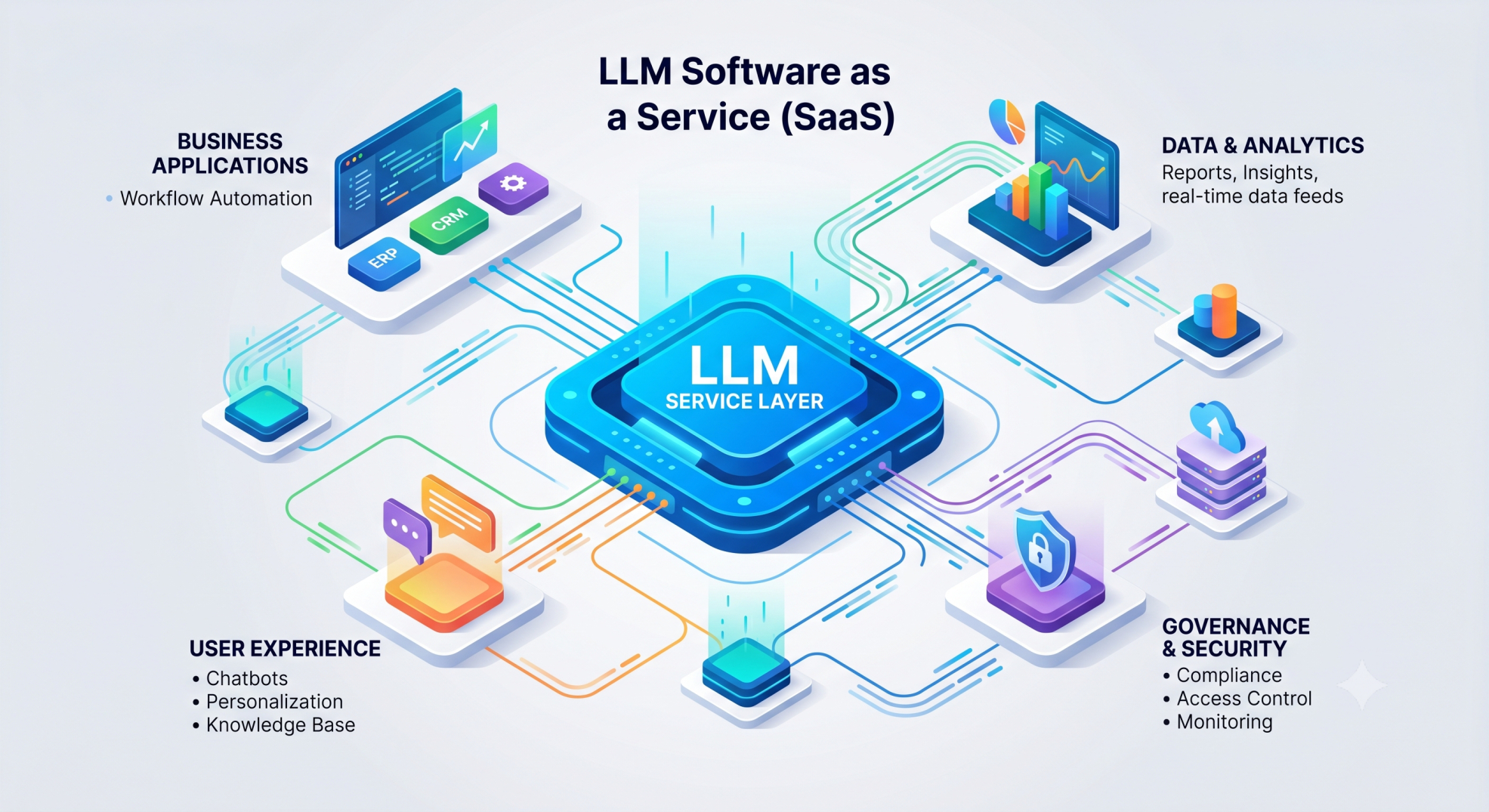
• Integrate ERP, procurement, inventory, and finance systems
• Access supplier catalogs and historical purchasing records
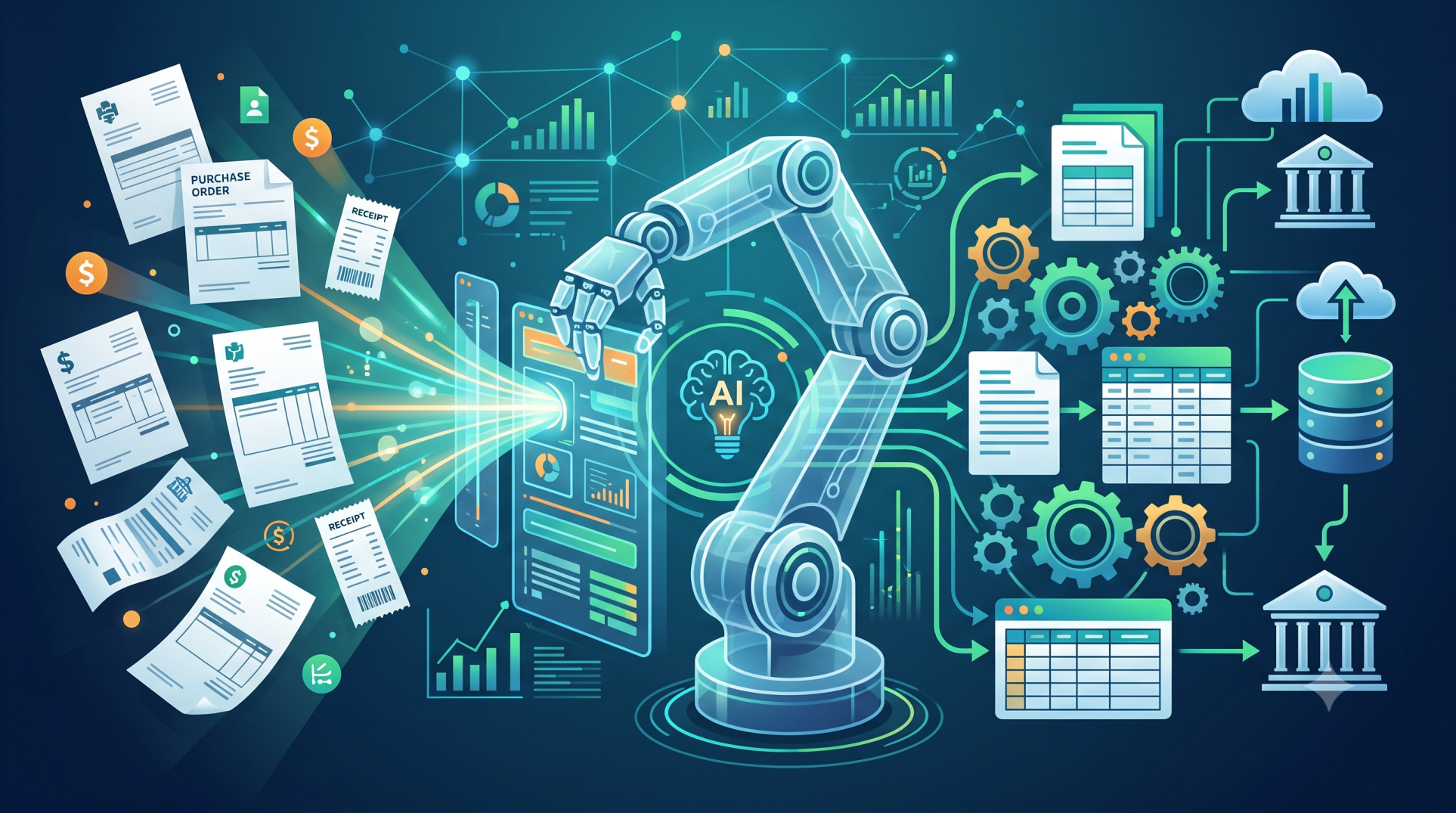
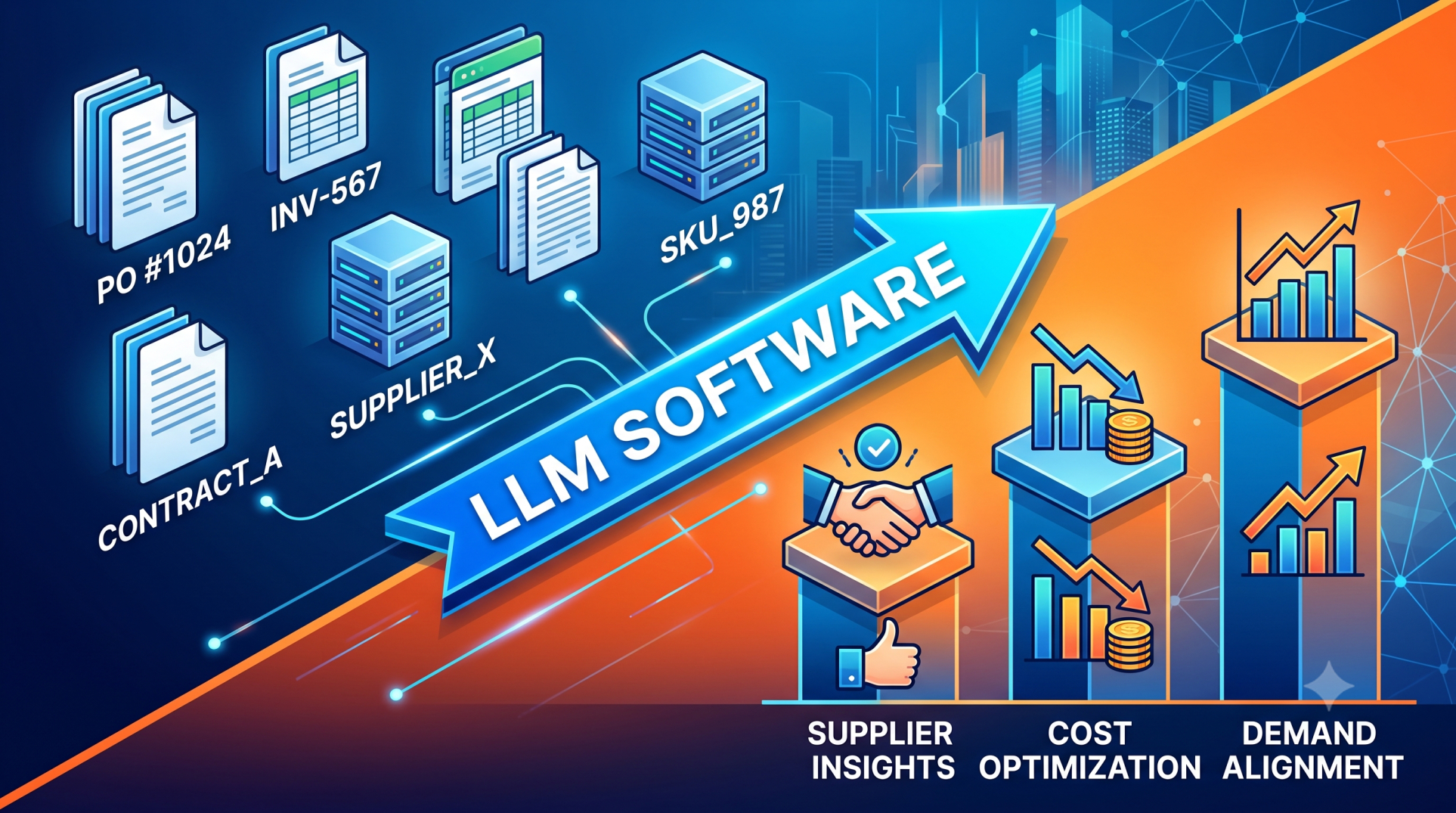
• Consolidate contracts, purchase orders, and invoices
• Create a unified view of procurement information
• Keep recommendations aligned with current enterprise data
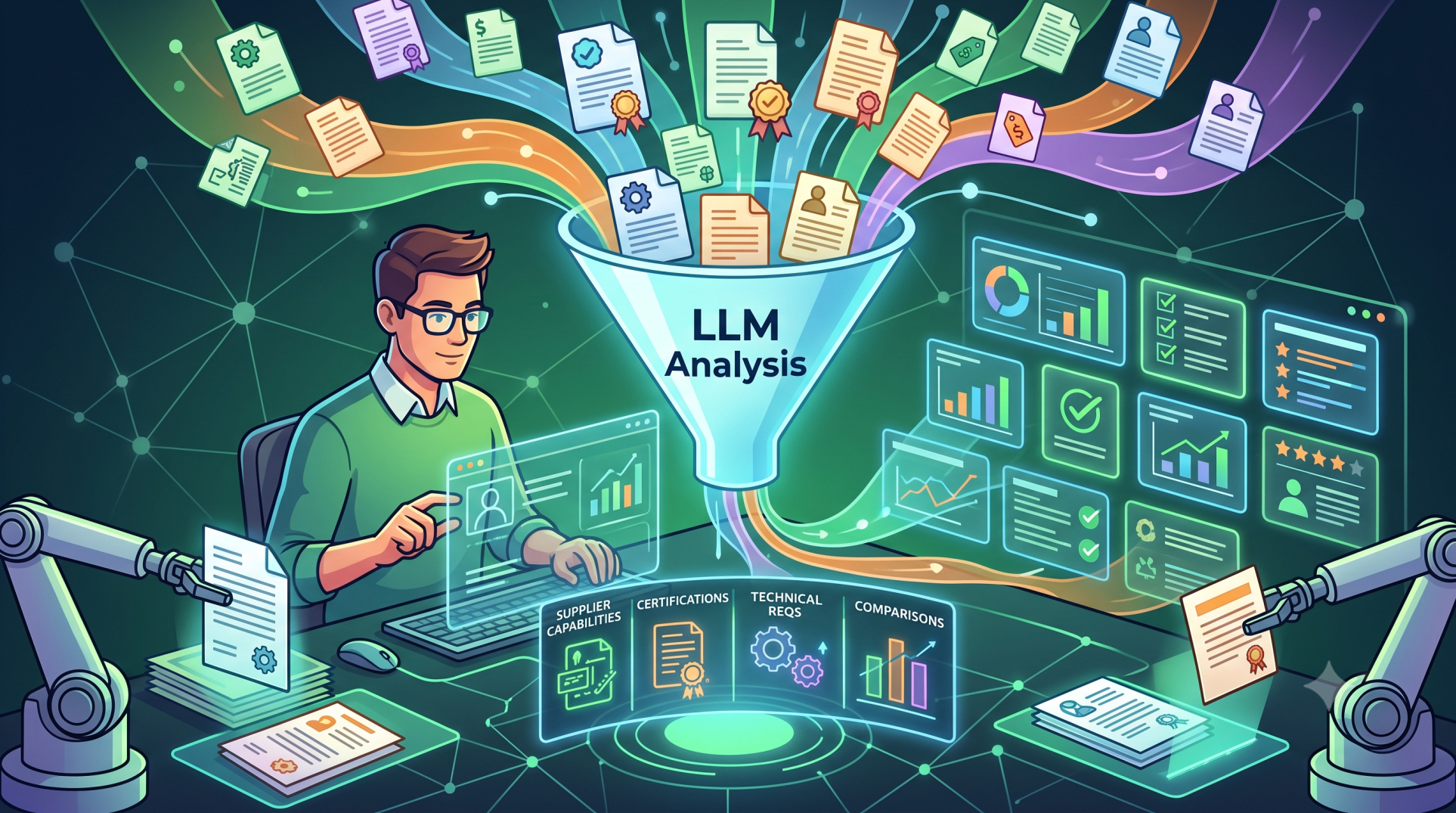
Step 3: Automating Supplier Discovery and Evaluation 🔍
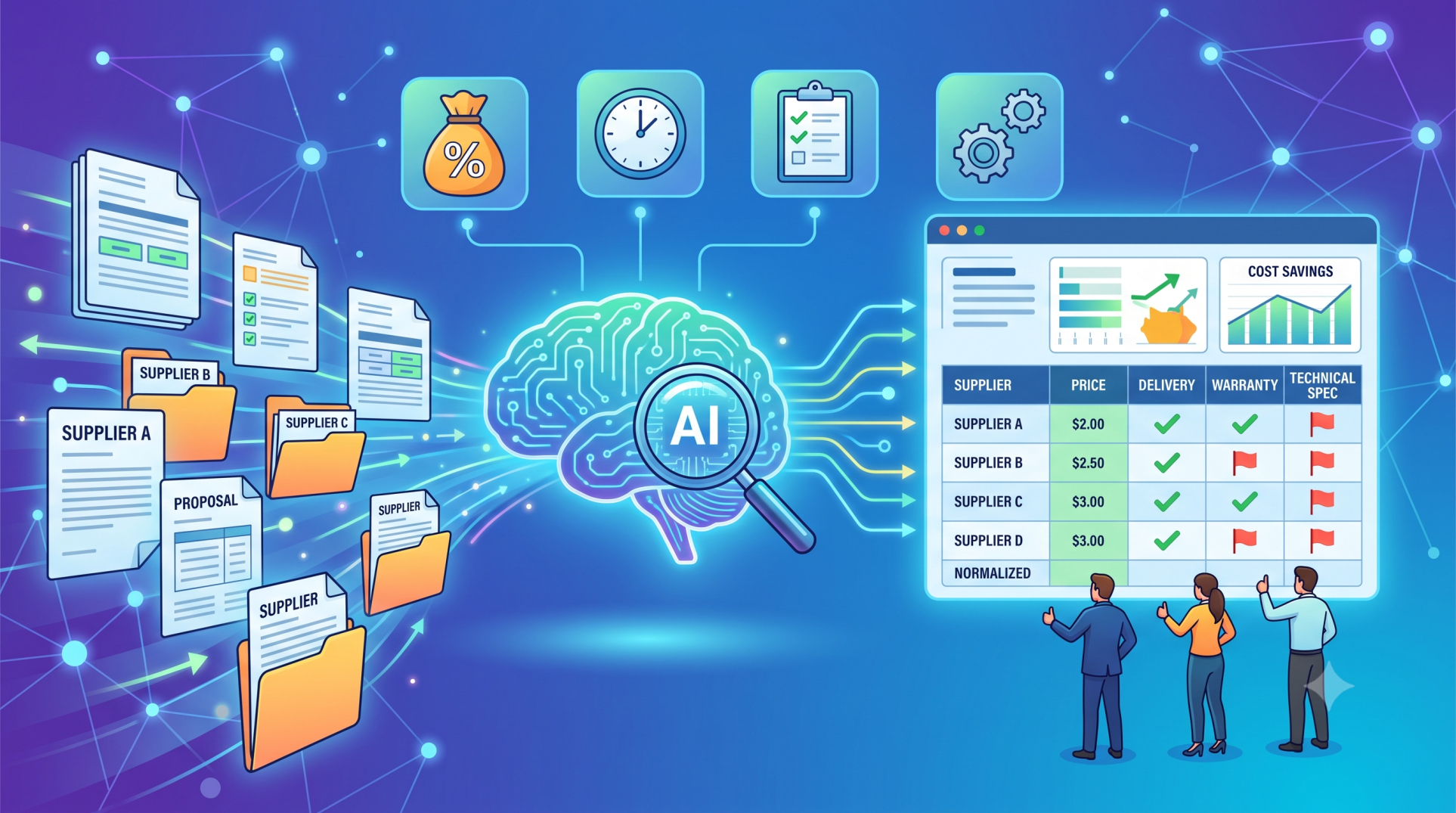
• Identify suppliers that match defined purchasing requirements
• Compare pricing, delivery terms, and supplier capabilities
• Analyze historical supplier performance
• Highlight potential risks or inconsistencies
• Help buyers create structured supplier shortlists
Step 4: Improving Purchase Request Management 📝
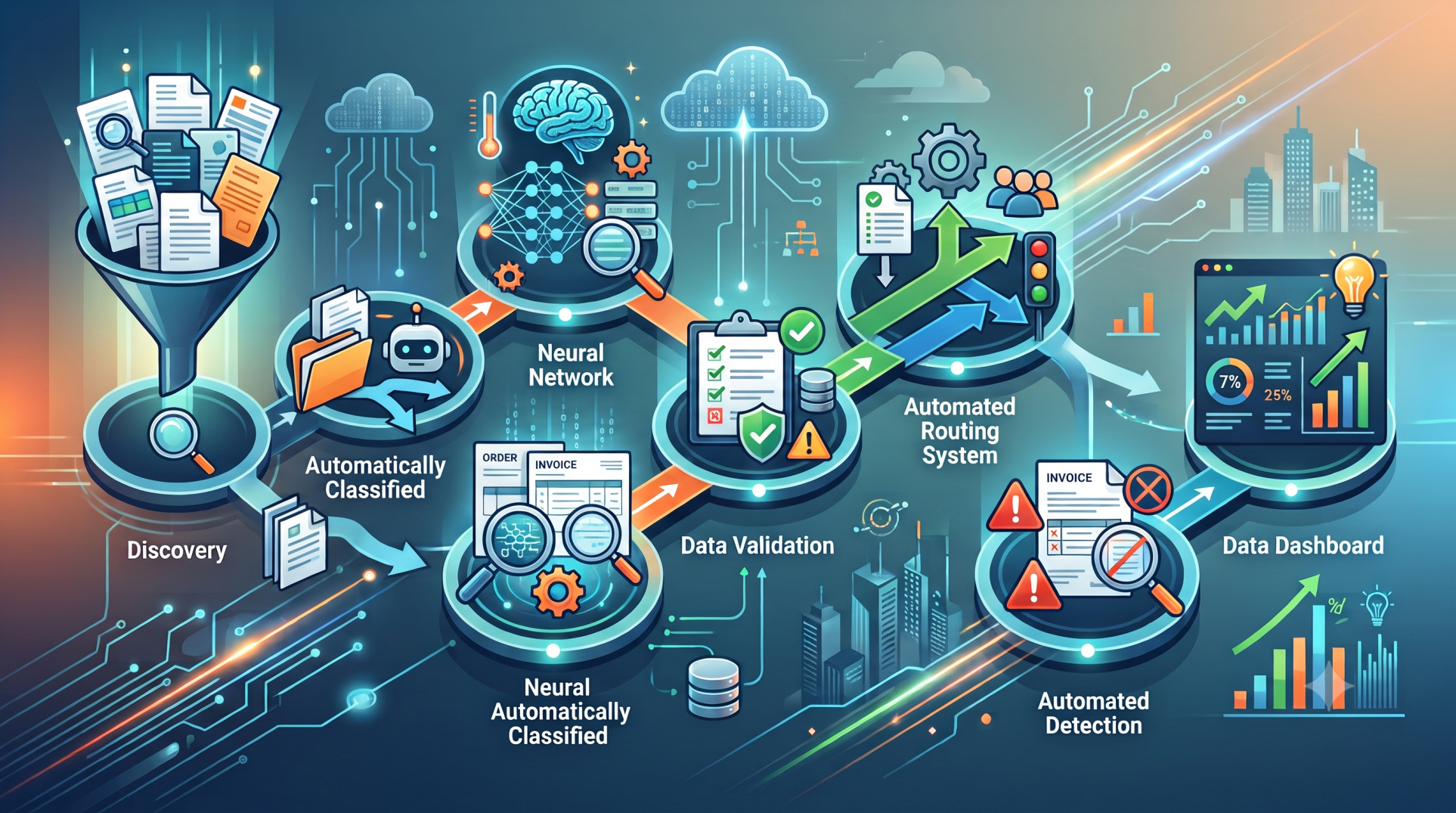
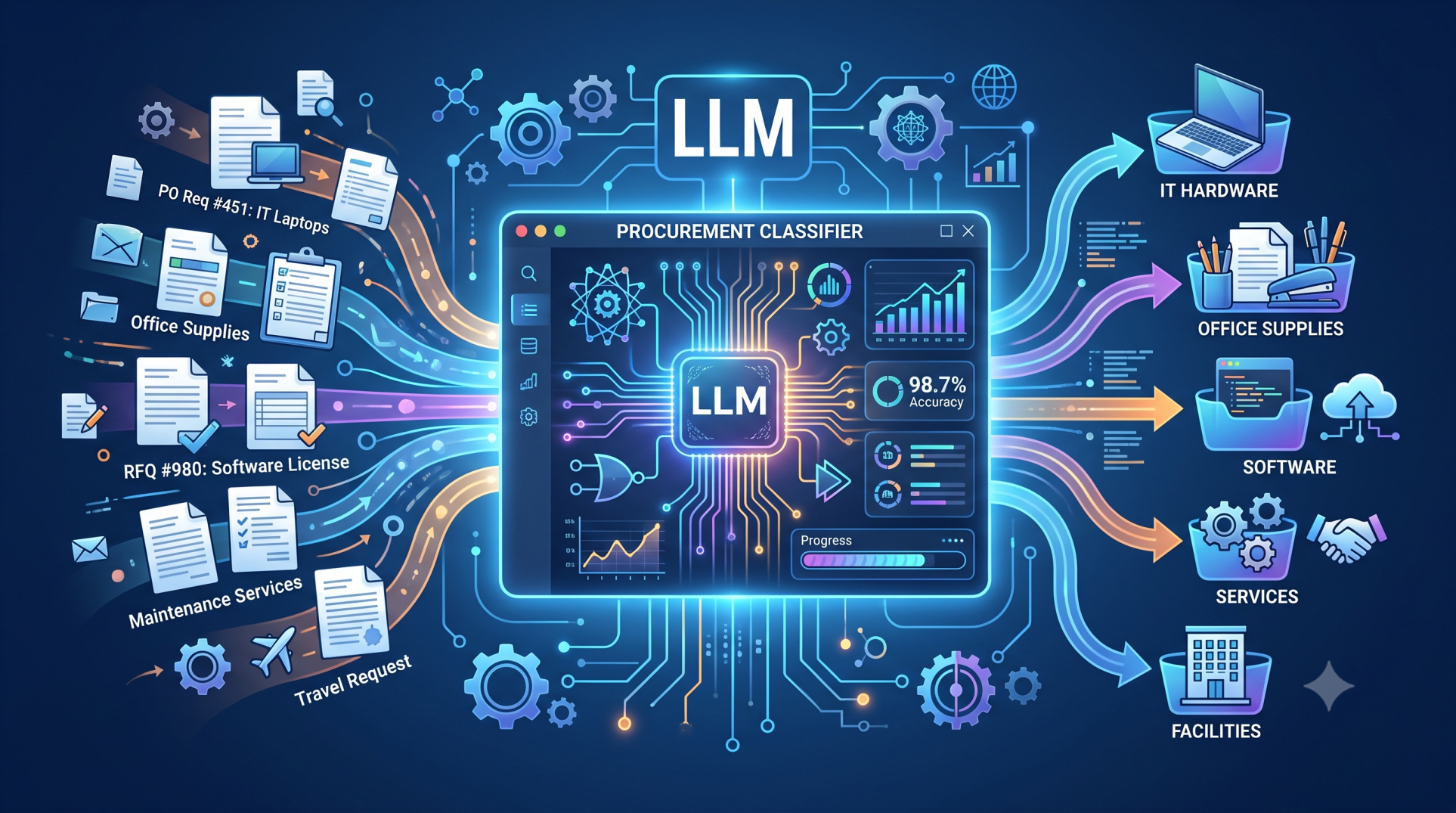
• Convert natural-language requests into structured procurement requirements
• Route purchase requests to the appropriate workflows
• Identify missing information before processing orders
• Recommend suitable products or suppliers
• Reduce delays caused by manual request handling
Step 5: Supporting Spend Analysis 📊
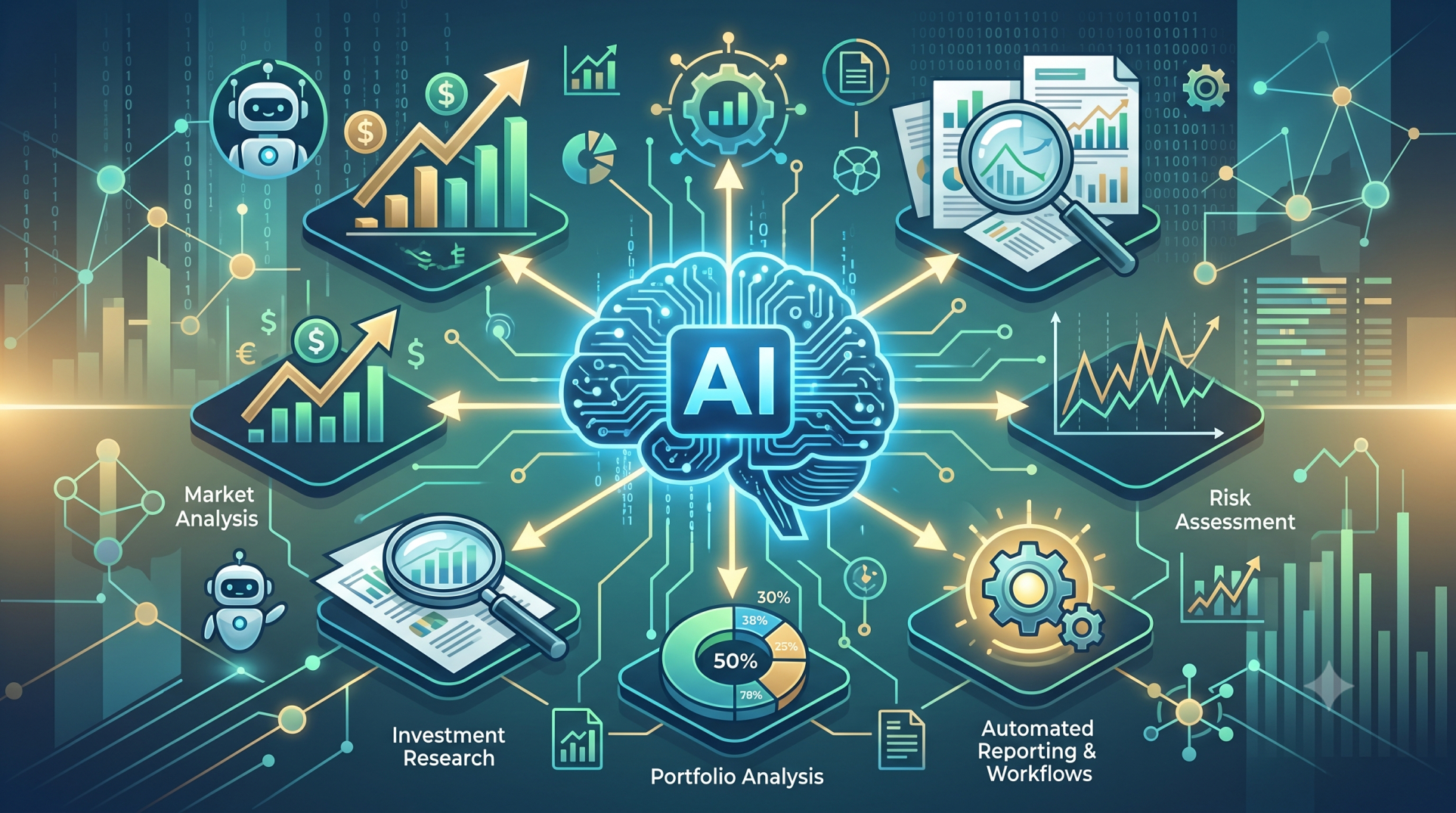
• Analyze purchasing patterns across departments
• Identify recurring purchases and potential savings opportunities
• Detect unusual spending behavior
• Compare actual purchases against budgets and policies
• Provide procurement teams with actionable spending insights
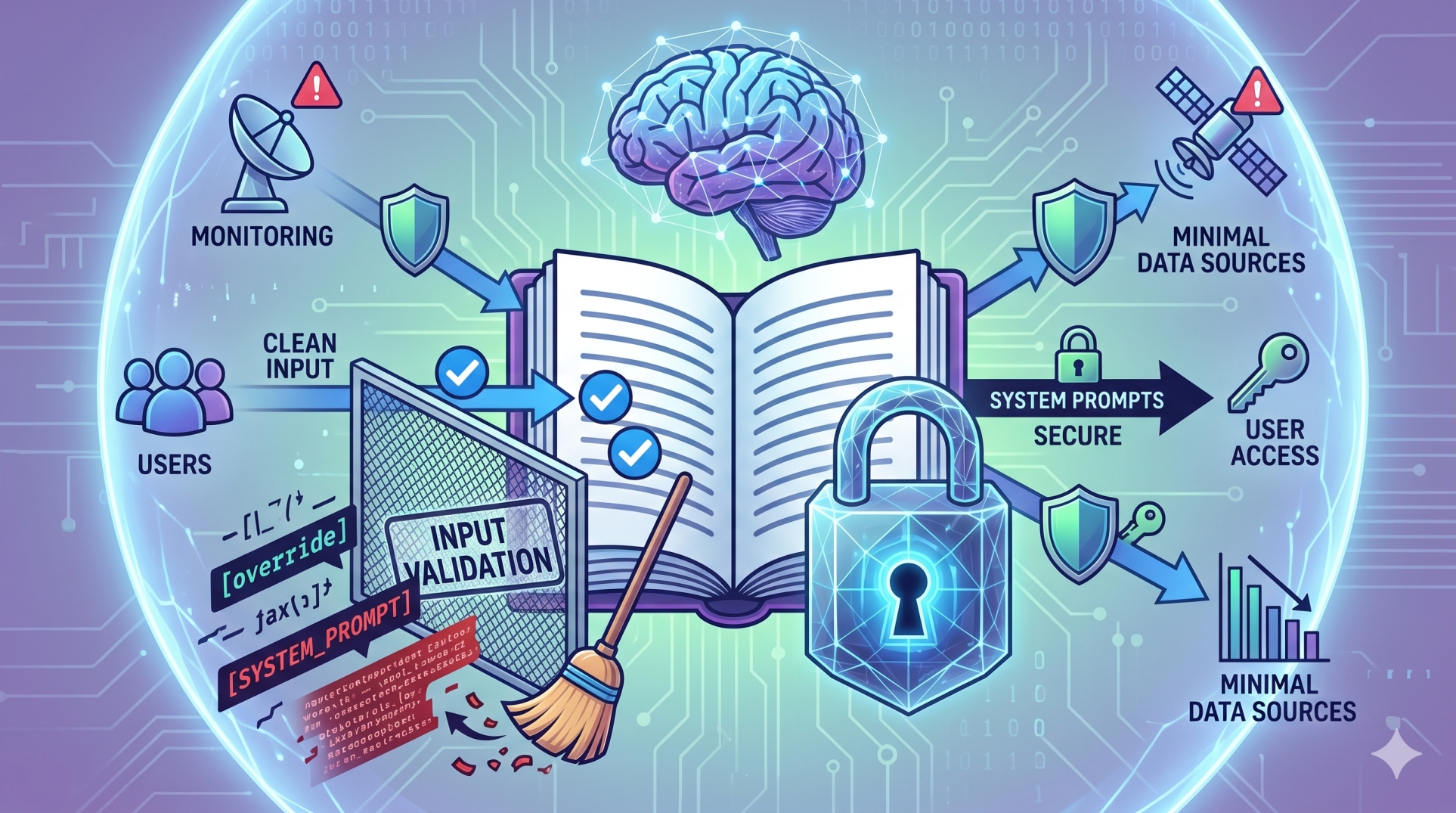
Step 6: Strengthening Contract and Compliance Controls 🛡️
• Surface relevant contract terms during purchasing decisions
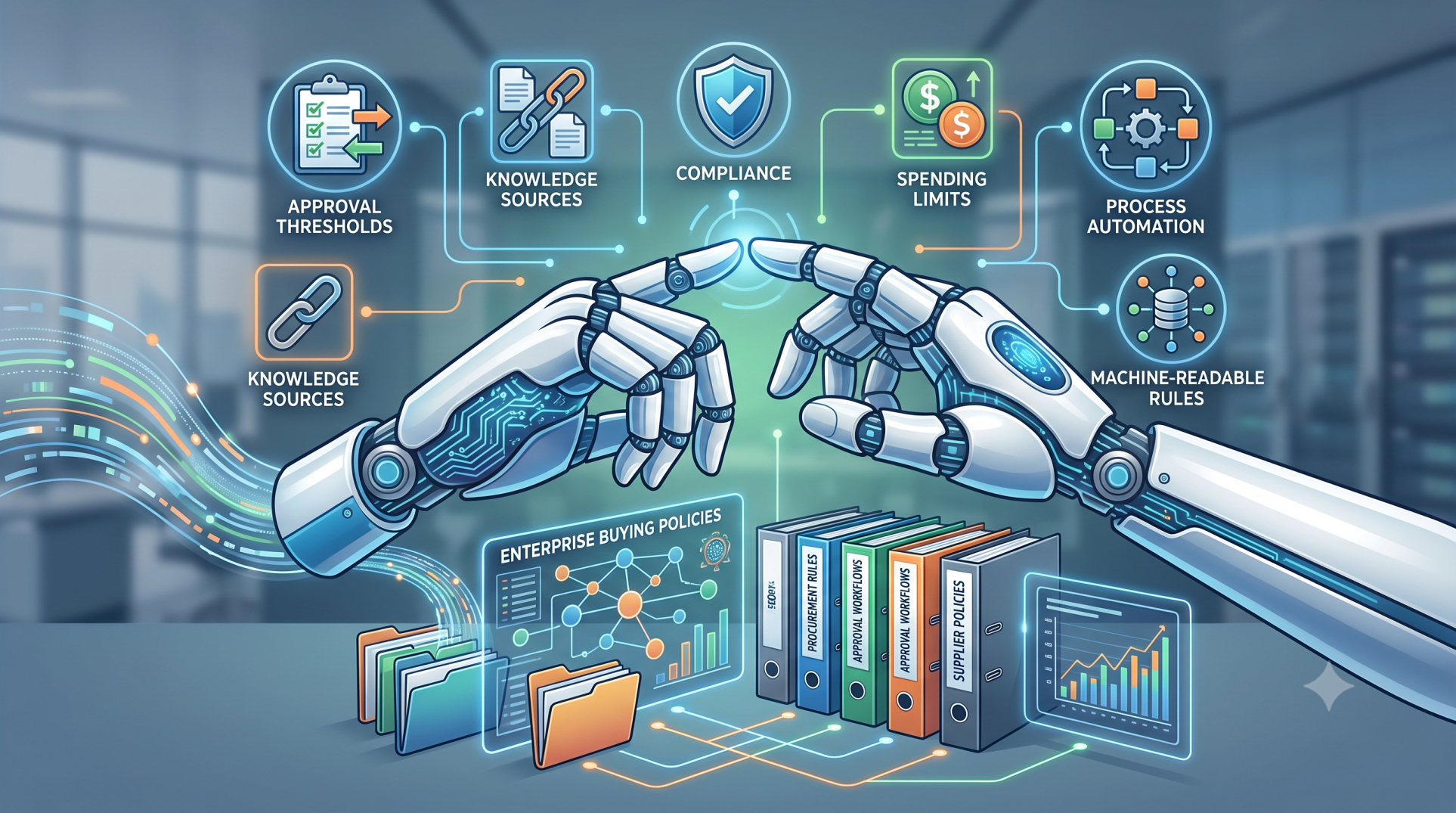
• Check purchases against organizational policies
• Identify approval requirements before transactions proceed
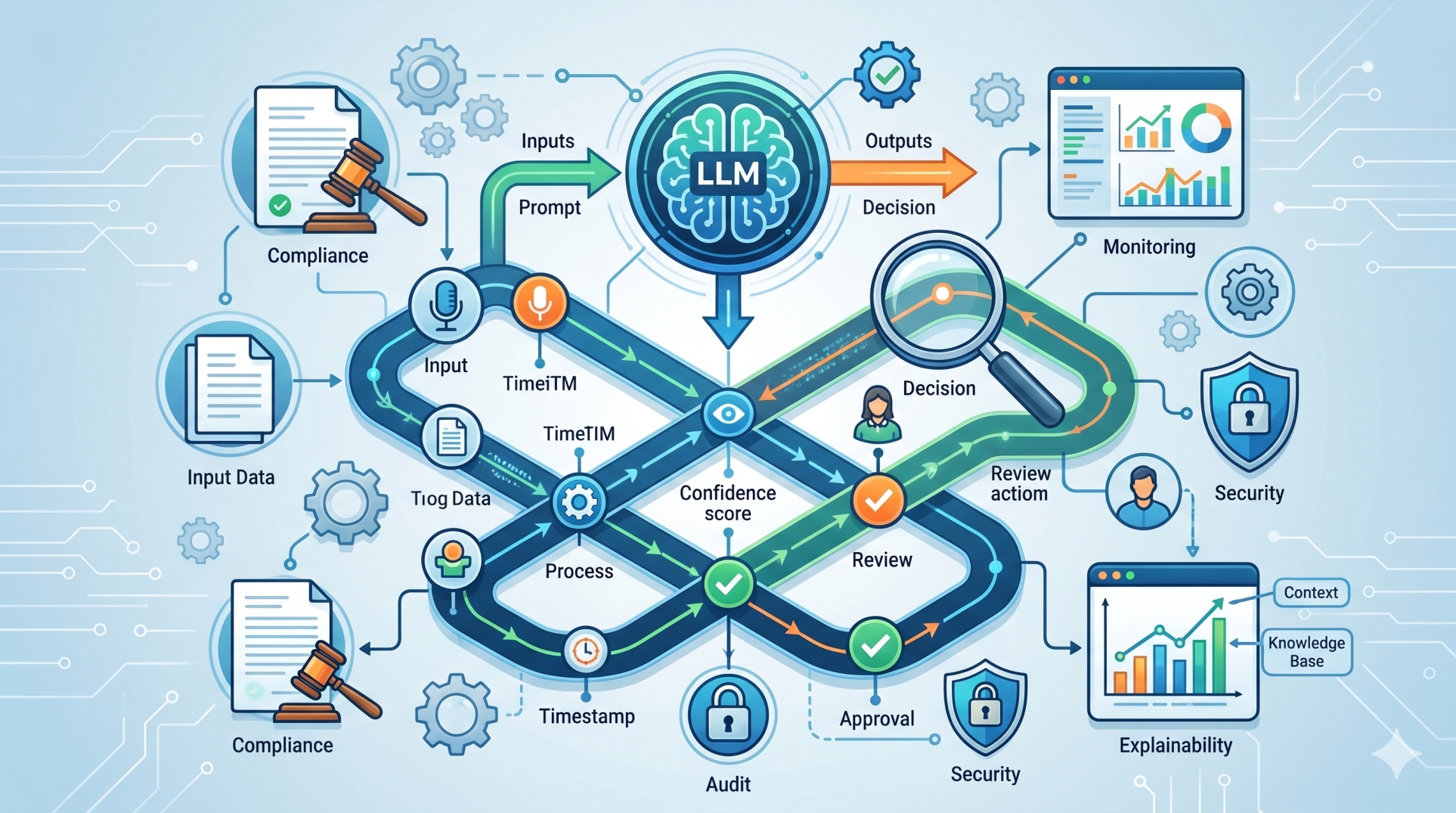
• Maintain records of procurement decisions and actions
• Support stronger governance across purchasing operations
Step 7: Enabling Intelligent Procurement Recommendations 💡
• Recommend suppliers based on predefined business criteria
• Suggest alternatives when preferred products are unavailable
• Consider price, quality, lead time, and supplier performance
• Explain the factors behind recommendations
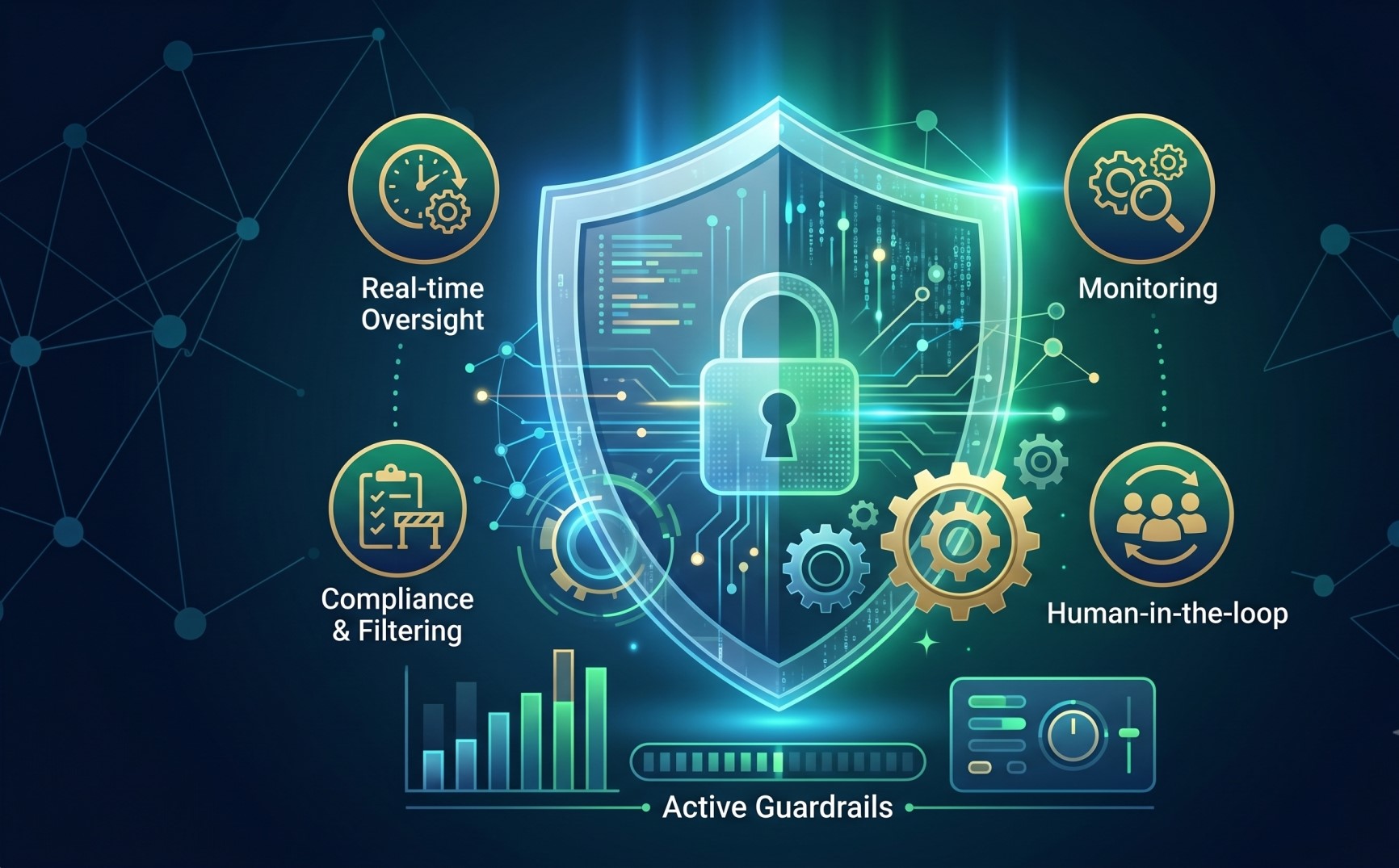
• Allow procurement professionals to review and override AI suggestions
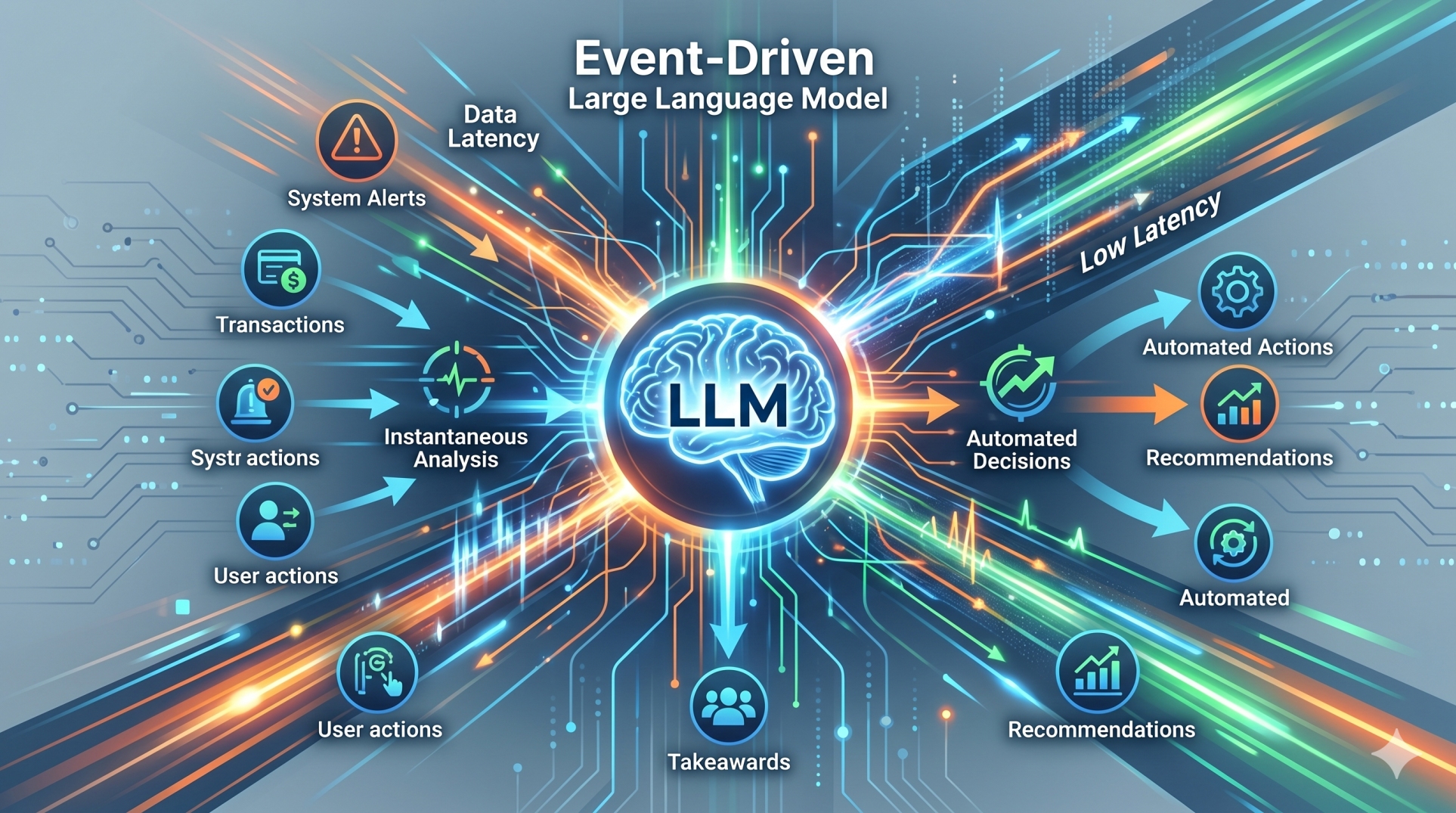
Step 8: Managing Approvals and Procurement Workflows ⚙️
• Automate routine approval routing
• Notify stakeholders when action is required
• Escalate delayed or exceptional requests
• Coordinate purchasing activities across departments
• Maintain clear visibility into workflow status
Step 9: Handling Exceptions and Procurement Risks 🚨
• Detect pricing anomalies and unusual purchase patterns
• Flag supplier performance concerns
• Identify duplicate or potentially unnecessary purchases
• Recommend alternative actions when standard workflows fail
• Escalate high-risk decisions to human procurement professionals
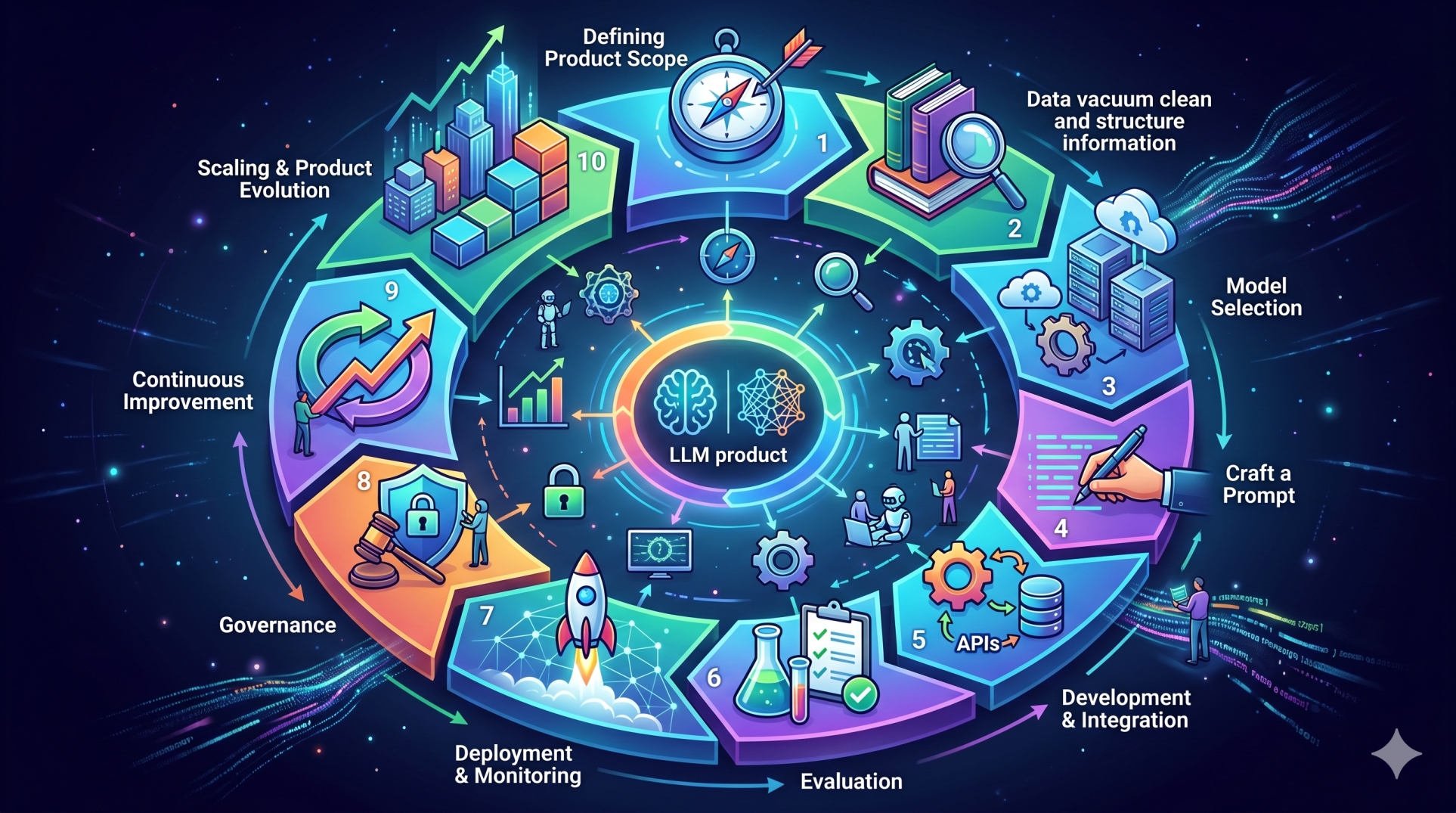
Step 10: Building a Scalable AI Procurement Ecosystem 🚀
• Design modular assistants that can support multiple procurement functions
• Integrate additional enterprise systems as requirements evolve
• Support multiple business units, regions, and purchasing categories
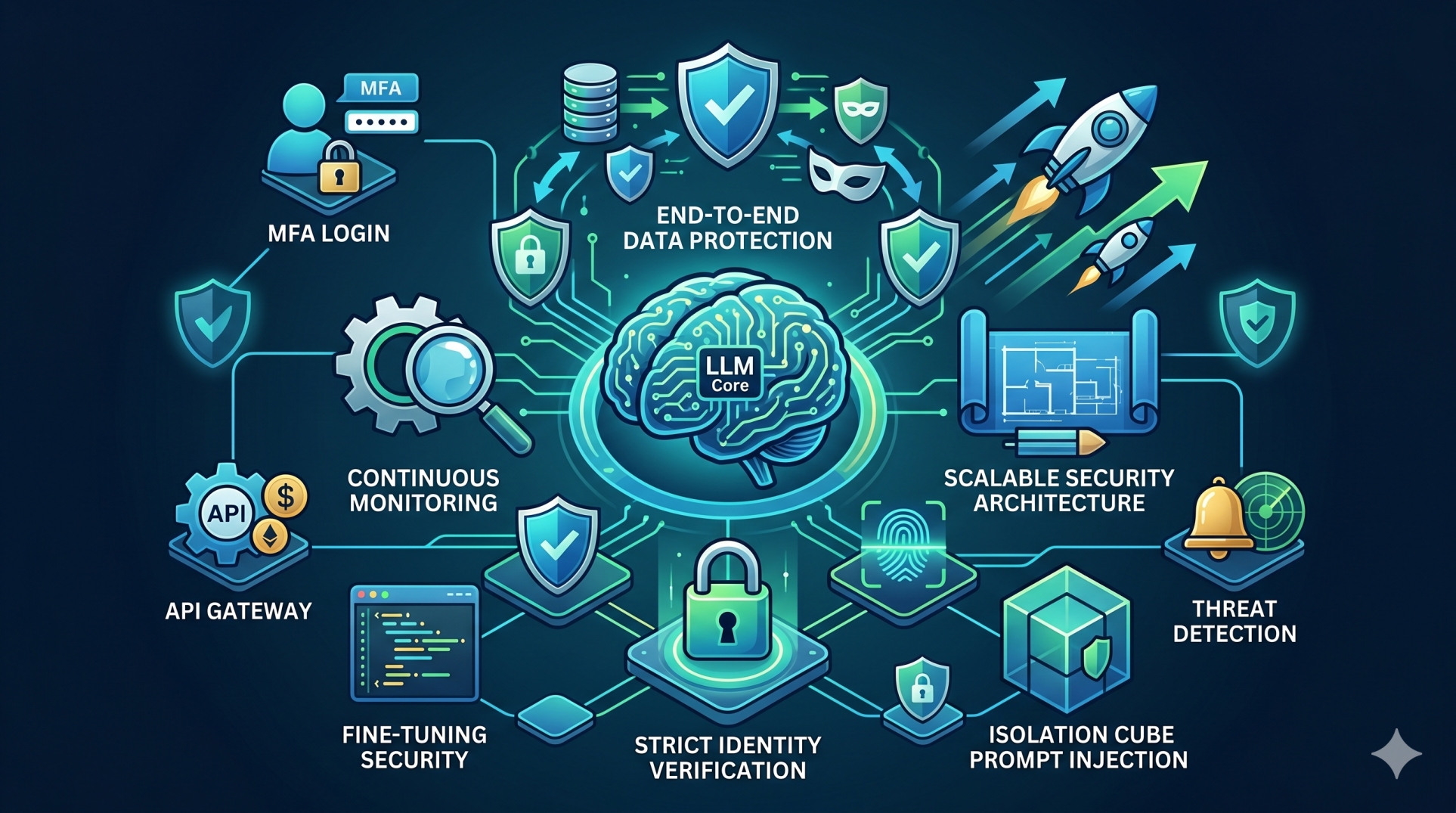
• Maintain strong security, access controls, and governance
• Continuously improve AI capabilities using operational feedback
Conclusion
AI procurement assistants can transform enterprise buying by bringing intelligence, automation, and real-time information into everyday procurement workflows. By connecting enterprise data with intelligent recommendations and workflow automation, organizations can improve purchasing efficiency while maintaining appropriate human oversight and governance. A scalable AI procurement strategy can help buying teams manage complexity, identify savings opportunities, and make faster, better-informed purchasing decisions.
See more blogs
You can all the articles below