Intelligent Procurement Workflows for Multi-Department Organizations
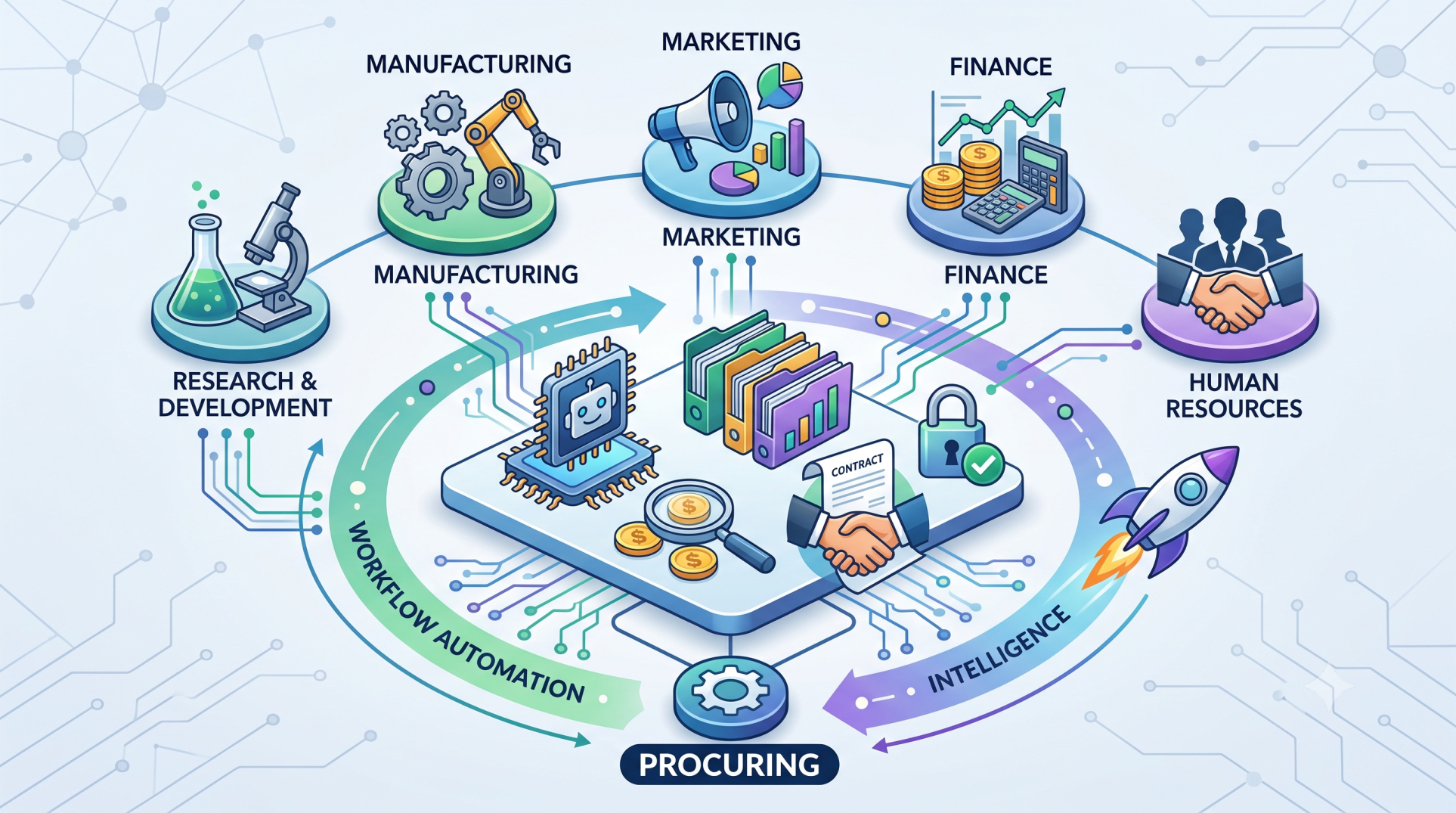
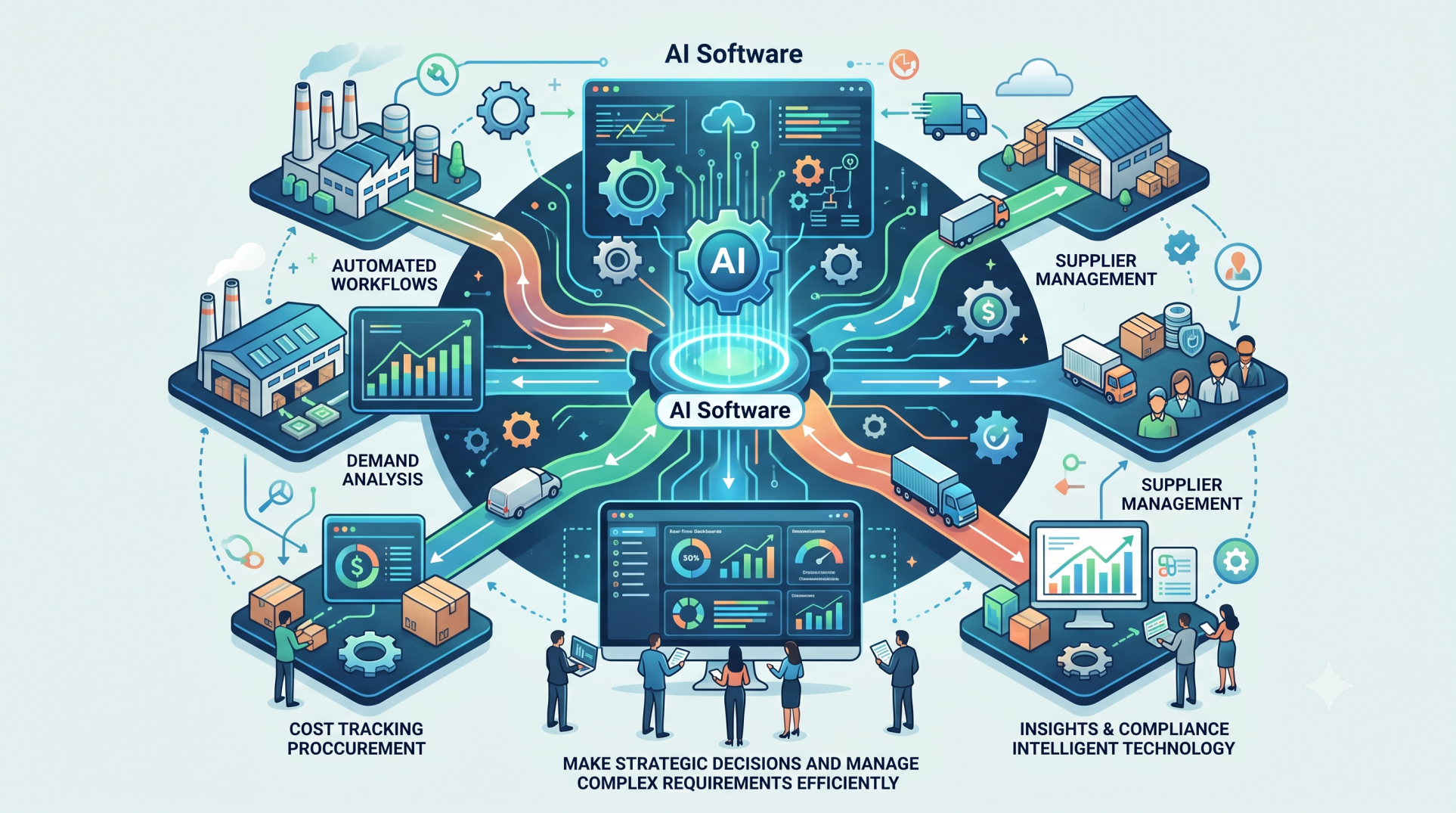
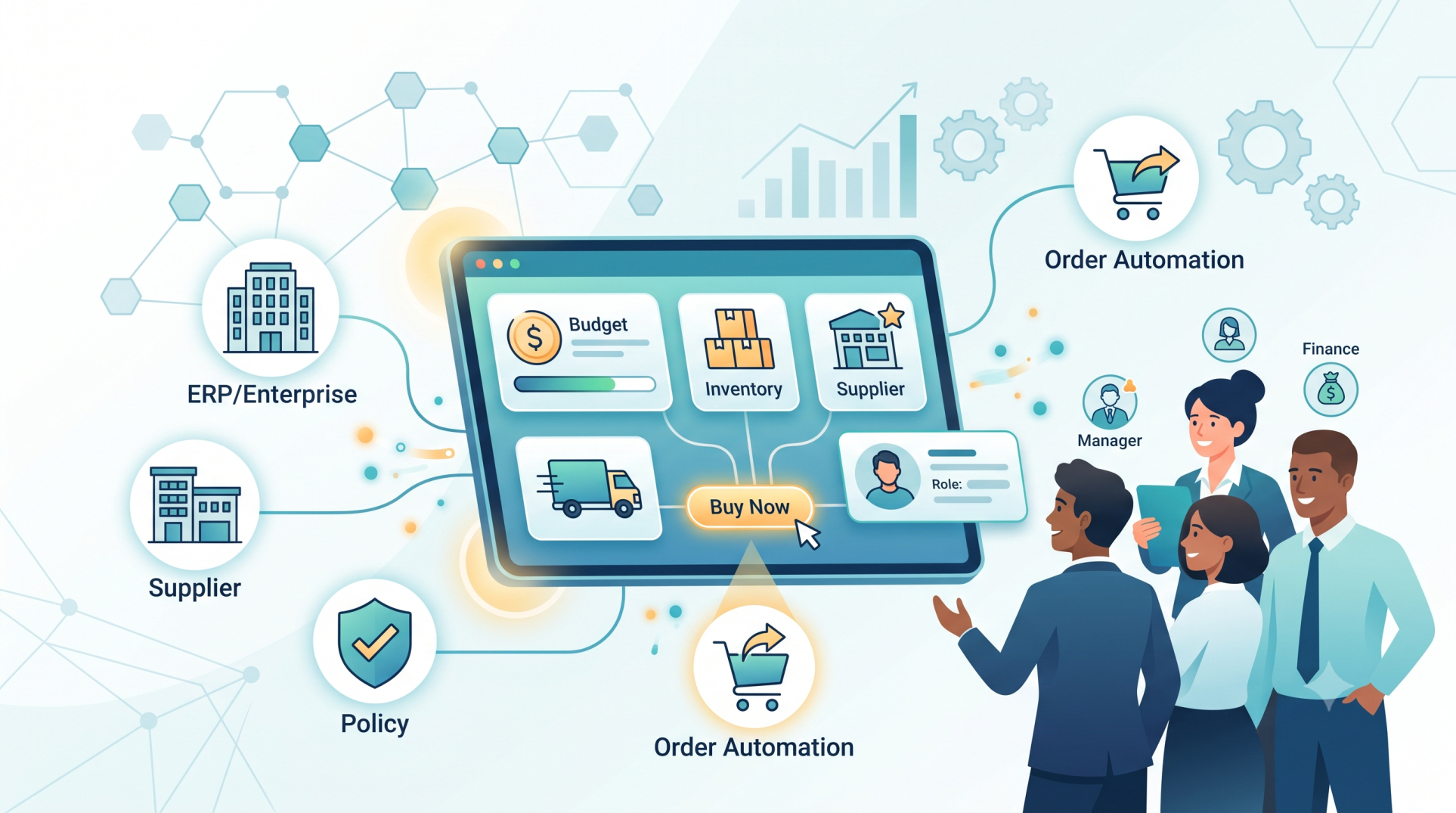
Procurement becomes increasingly complex as organizations expand across multiple departments, locations, and business functions. Different teams often have distinct purchasing requirements, approval processes, budgets, and suppliers. Intelligent procurement workflows bring these activities together through connected systems, automation, and real-time visibility. By coordinating purchasing activities across departments, organizations can reduce delays, improve spending control, and create a more consistent procurement experience.
Step 1: Centralizing Procurement Operations 🏢
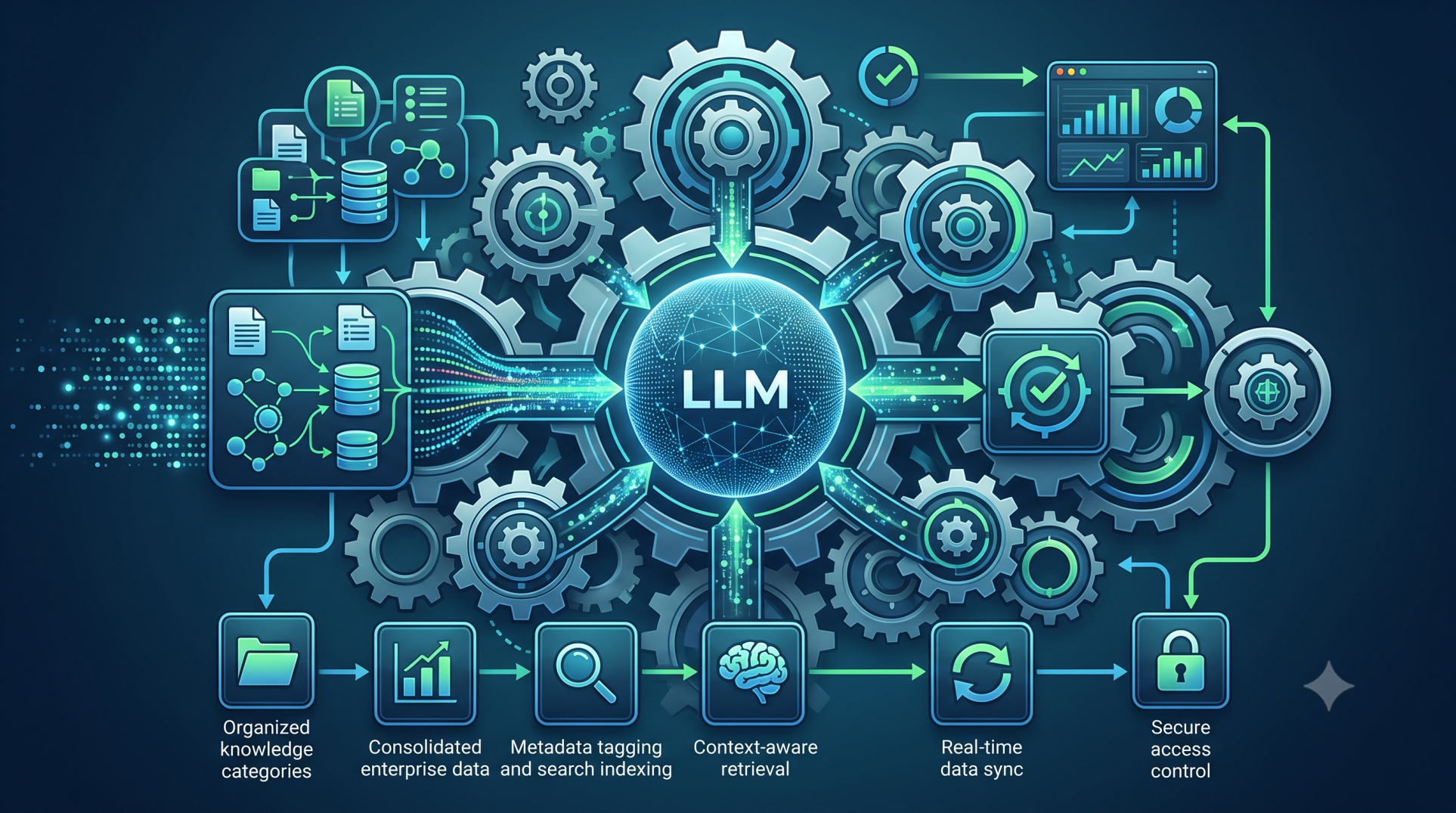
• Bring purchasing activities from multiple departments into a unified system
• Maintain centralized records for suppliers, purchase requests, and orders 📊
• Reduce duplicate purchasing and disconnected processes 🔄
• Provide visibility into organization-wide procurement activity 👀
• Establish consistent purchasing standards across teams 📋
Step 2: Automating Purchase Requests 🤖
• Allow employees to submit purchase requests through standardized workflows 📝
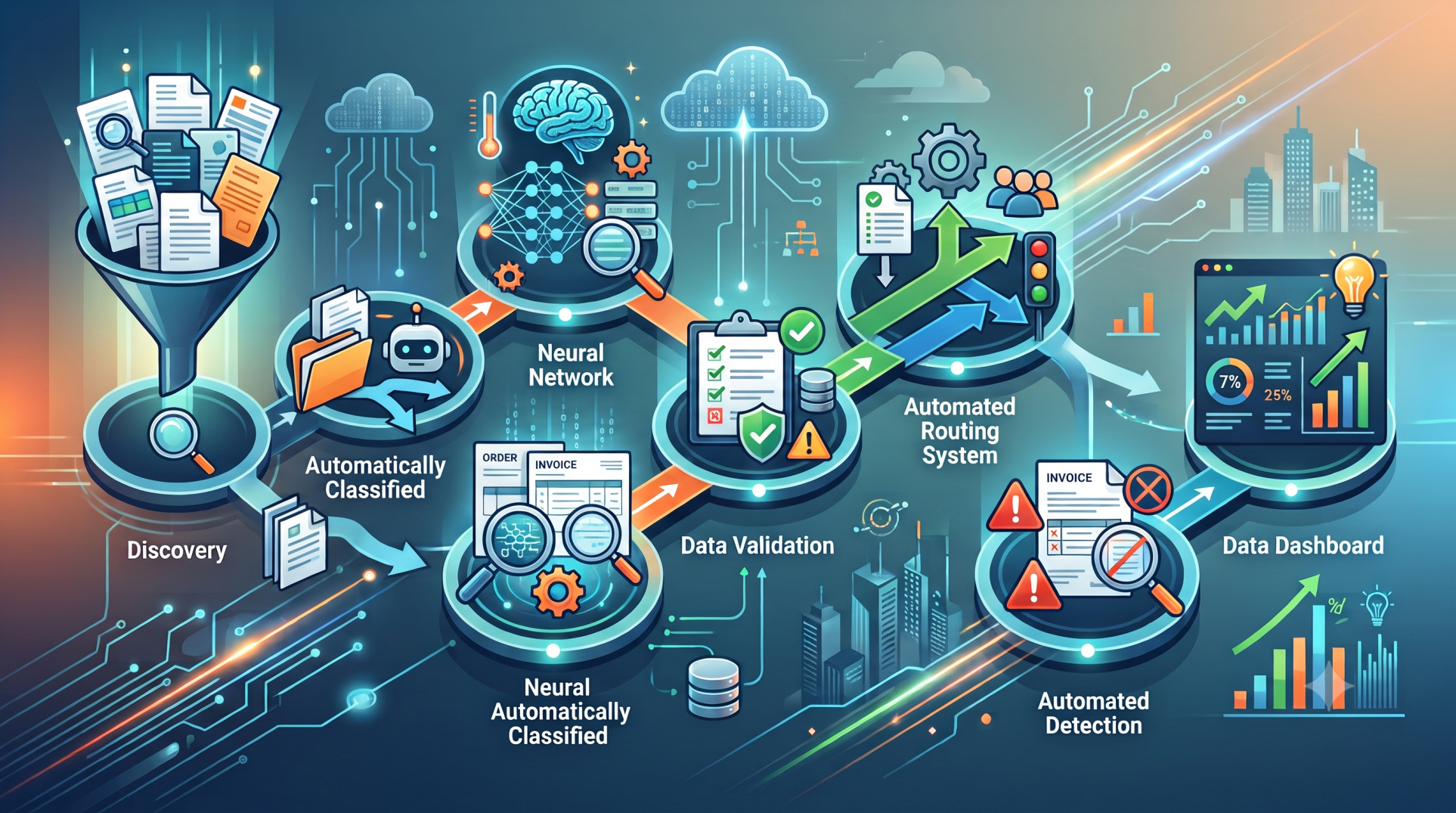
• Automatically route requests to the appropriate department or approver
• Apply predefined purchasing rules and thresholds ⚙️
• Reduce manual data entry and administrative effort ⏱️
• Improve request processing speed and accuracy 🚀
Step 3: Managing Multi-Level Approvals ✅
• Configure approval paths based on department, value, or purchase category
• Automatically escalate delayed approvals 🚨
• Give managers real-time visibility into pending requests
• Prevent unauthorized purchases through defined controls 🔐
• Maintain clear records of approval decisions 🧾
Step 4: Coordinating Supplier Management 🤝
• Maintain centralized supplier profiles and performance information
• Standardize supplier evaluation and onboarding processes 📑
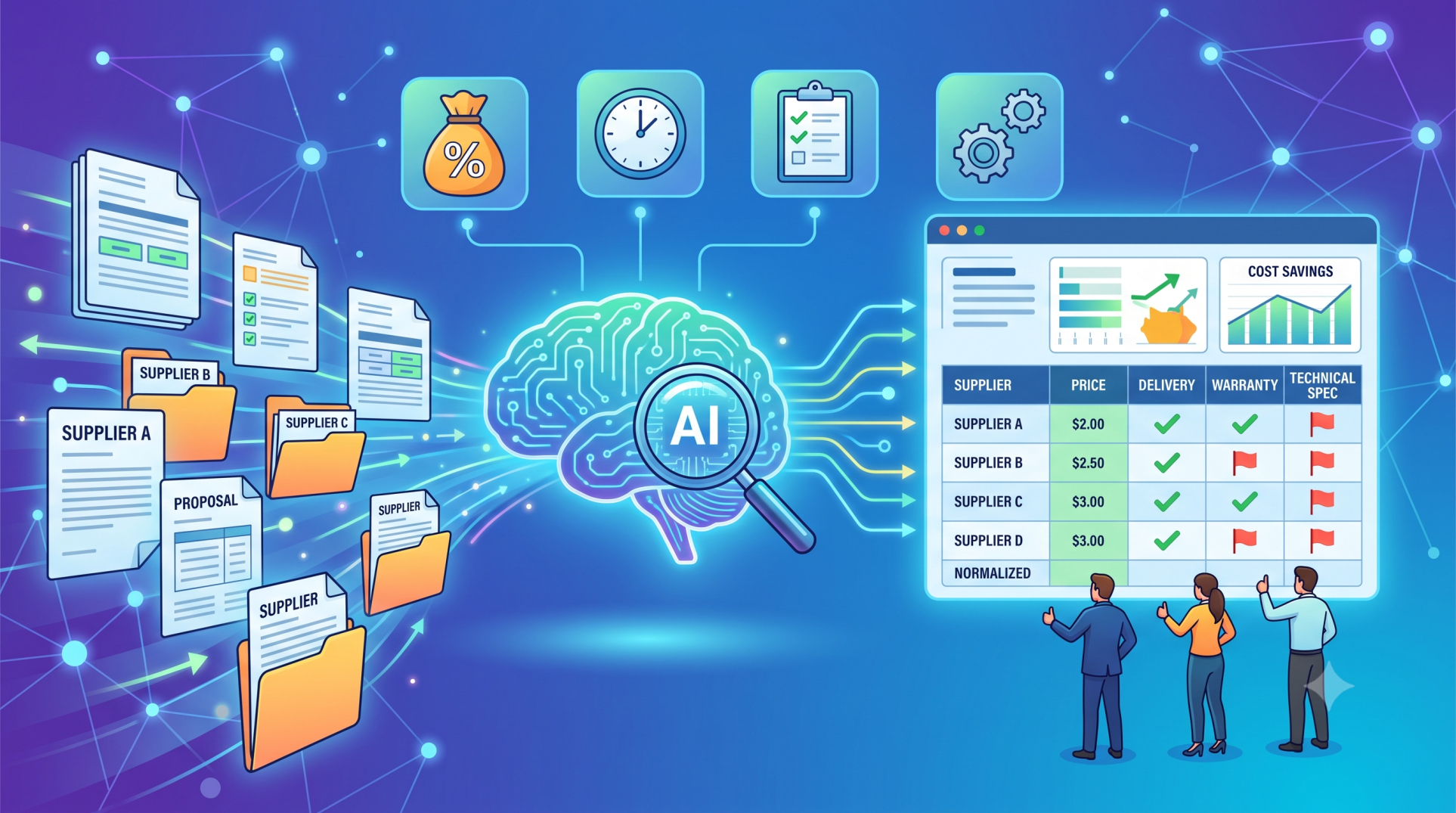
• Compare vendors based on pricing, quality, and service performance 📊
• Reduce reliance on fragmented supplier records
• Strengthen supplier relationships through consistent communication 💬
Step 5: Improving Budget and Spending Control 💰
• Track departmental spending against approved budgets
• Identify unusual or unnecessary purchasing patterns 🔍
• Prevent purchases that exceed predefined limits
• Provide finance teams with real-time expenditure visibility 📈
• Support better forecasting and financial planning
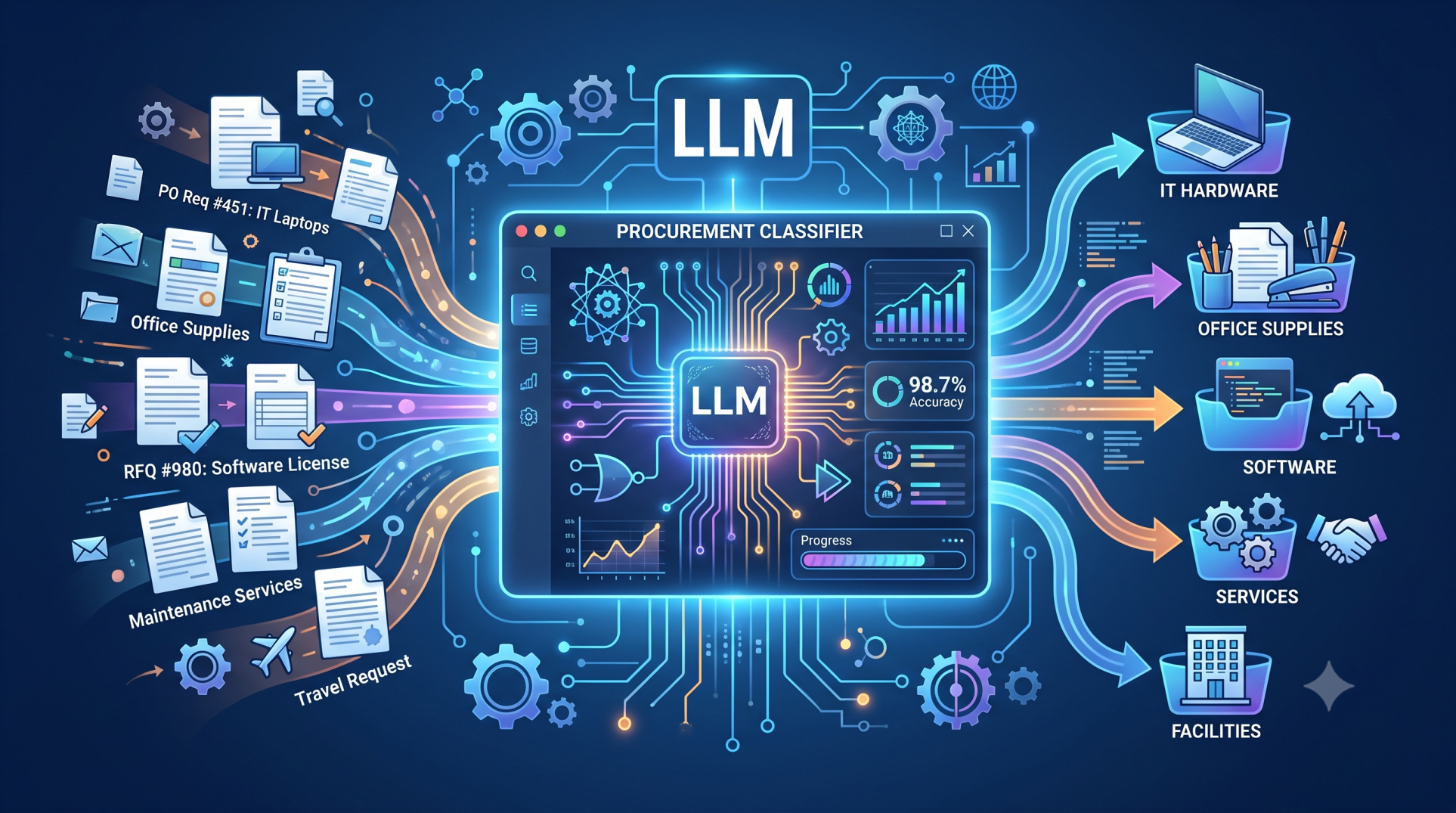
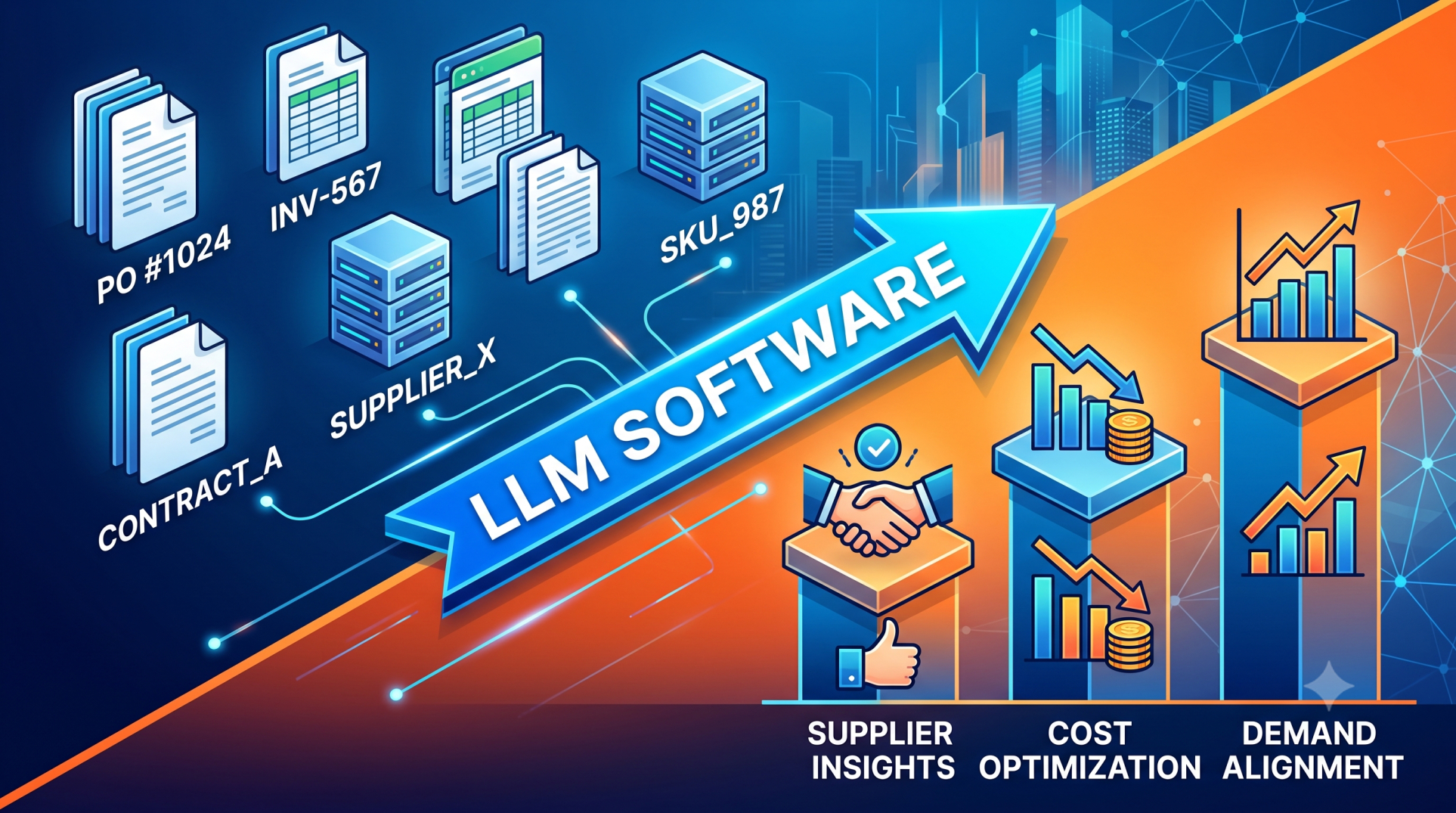
Step 6: Enabling Intelligent Purchase Decisions 🧠
• Recommend preferred suppliers based on historical purchasing data
• Identify opportunities for volume-based savings 💡
• Detect duplicate or similar purchase requests
• Use analytics to identify spending trends and inefficiencies 📊
• Support data-driven procurement strategies
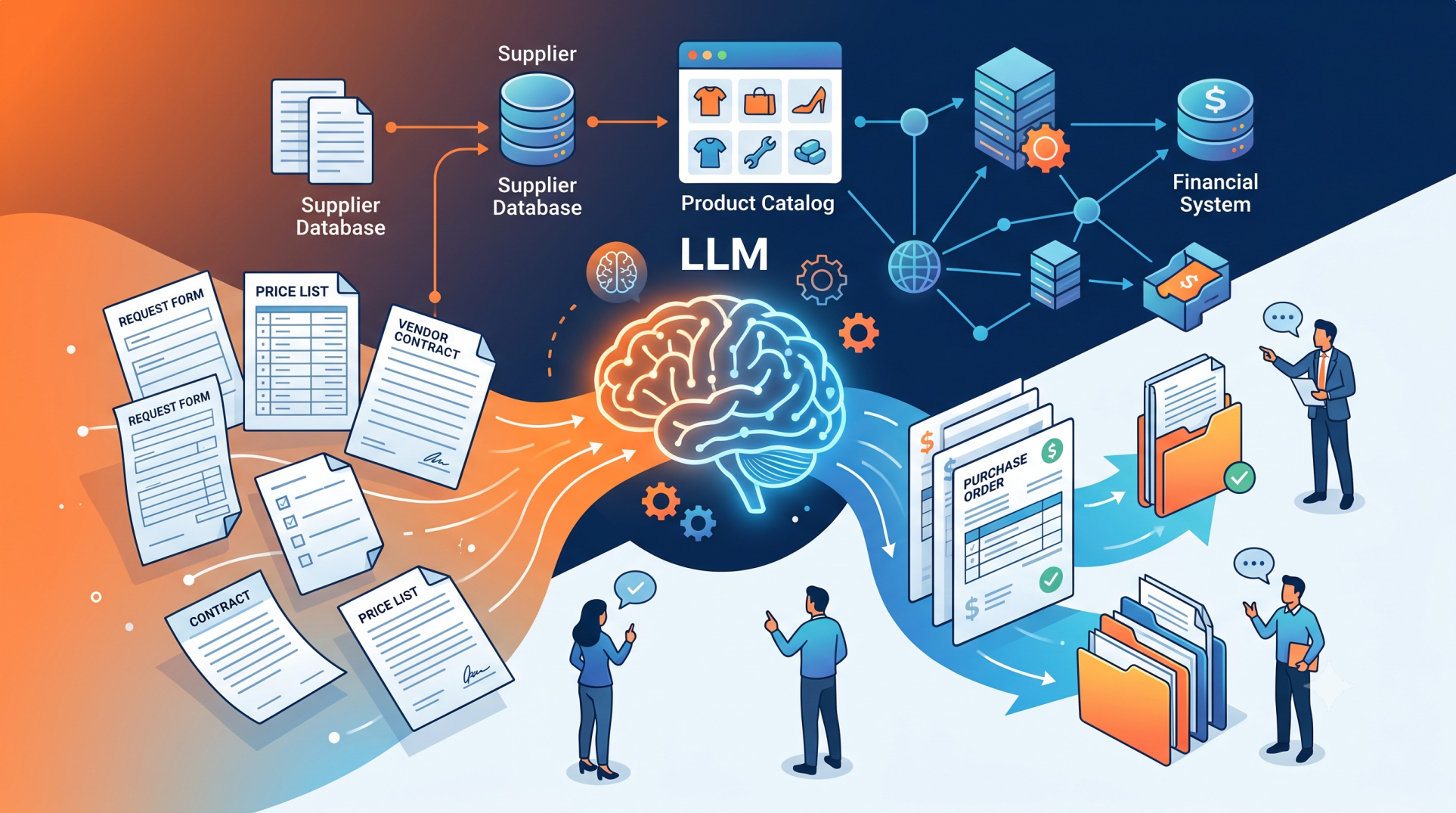
Step 7: Integrating Procurement with Business Systems 🔗
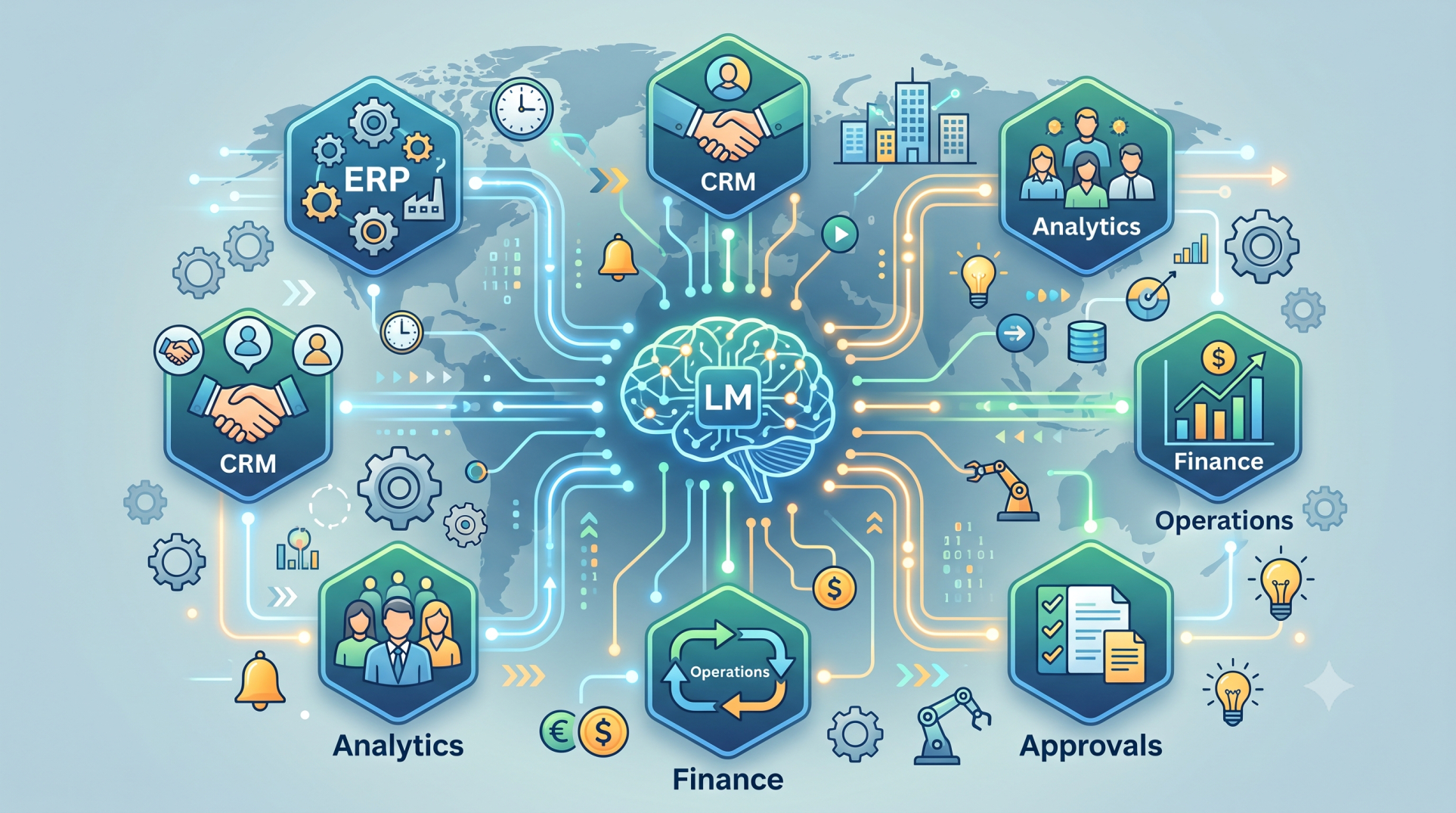
• Connect procurement workflows with ERP and financial systems
• Synchronize inventory, accounting, and purchasing information 🔄
• Link purchase orders with receiving and payment processes
• Reduce information gaps between procurement and finance teams
• Create a connected procure-to-pay environment ⚡
Step 8: Strengthening Compliance and Governance 🛡️
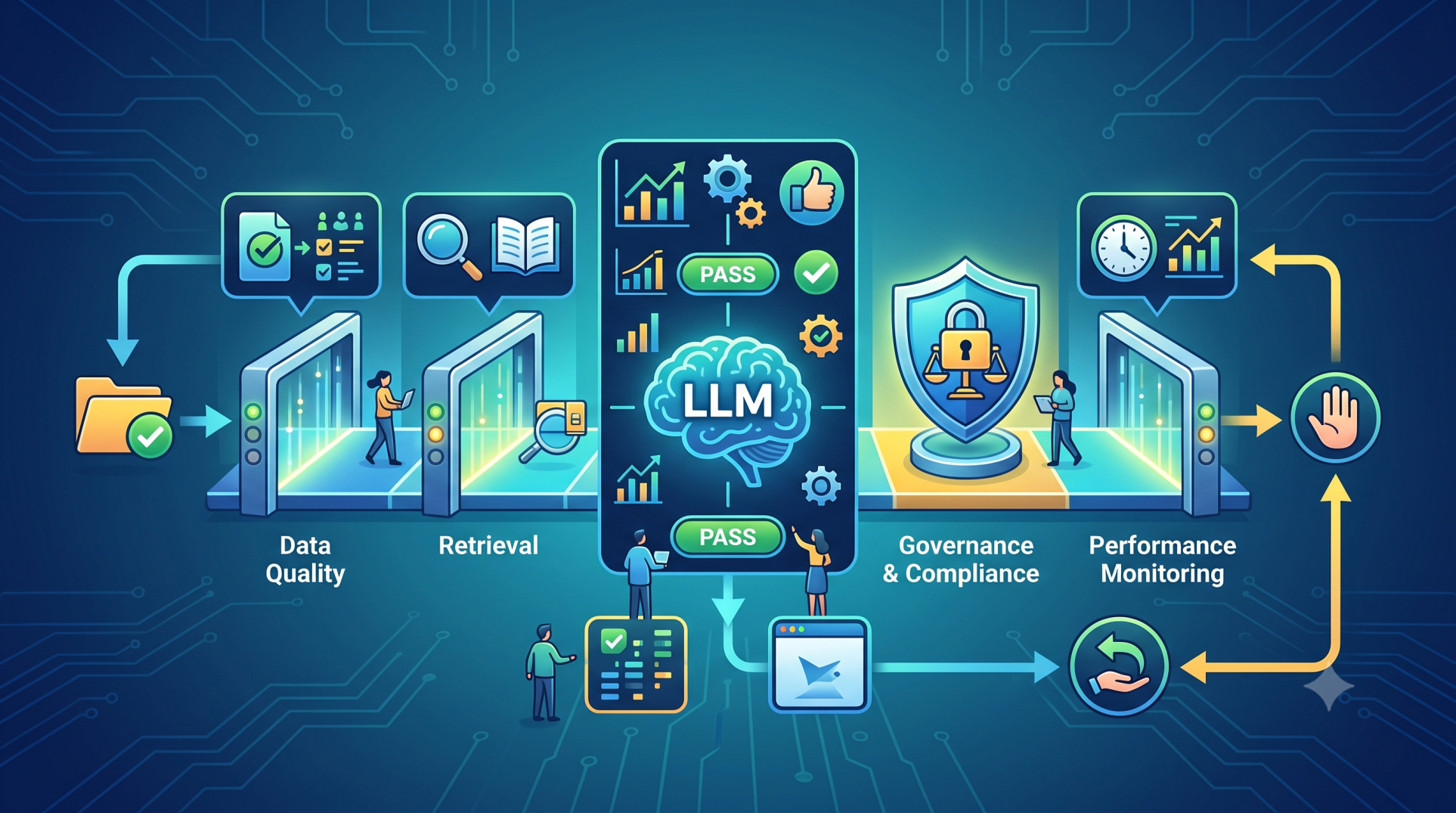
• Apply standardized procurement policies across departments
• Maintain complete transaction and approval histories 🧾
• Enforce role-based access to purchasing functions 🔐
• Monitor transactions for policy exceptions
• Support internal audits and regulatory requirements ⚖️
Step 9: Handling Exceptions and Procurement Delays 🚨
• Identify stalled requests and approval bottlenecks
• Automatically notify responsible users about pending actions 📢
• Redirect workflows when designated approvers are unavailable
• Provide alternative processes for urgent purchases
• Maintain procurement continuity during operational disruptions 🔄
Step 10: Building a Scalable Procurement Ecosystem 🚀
• Design workflows that can accommodate new departments and locations
• Add suppliers, purchasing categories, and approval rules without major system changes
• Support evolving organizational policies and spending models
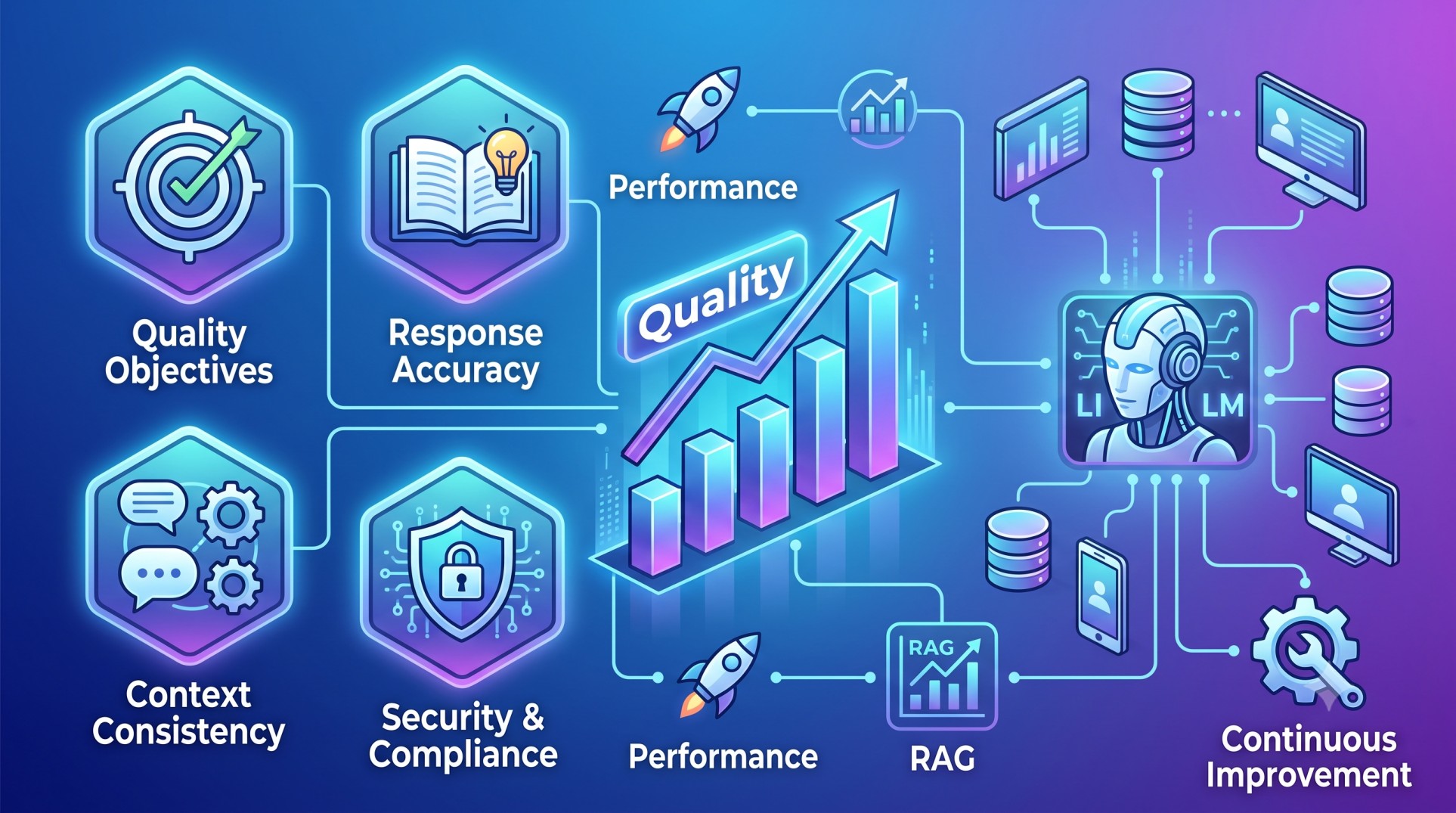
• Use analytics to continuously optimize procurement performance 📈
• Build a flexible procurement foundation that supports long-term growth 🌐
Conclusion
Intelligent procurement workflows help multi-department organizations transform purchasing from a fragmented administrative function into a coordinated business process. By combining centralized visibility, automated approvals, supplier intelligence, spending controls, and system integration, organizations can improve efficiency while maintaining stronger governance. A scalable procurement framework not only simplifies today's purchasing operations but also provides the flexibility needed to support future organizational growth and changing business requirements.
See more blogs
You can all the articles below