Automating Procurement Request Classification with Language Models
Automating Procurement Request Classification with Language Models 🤖
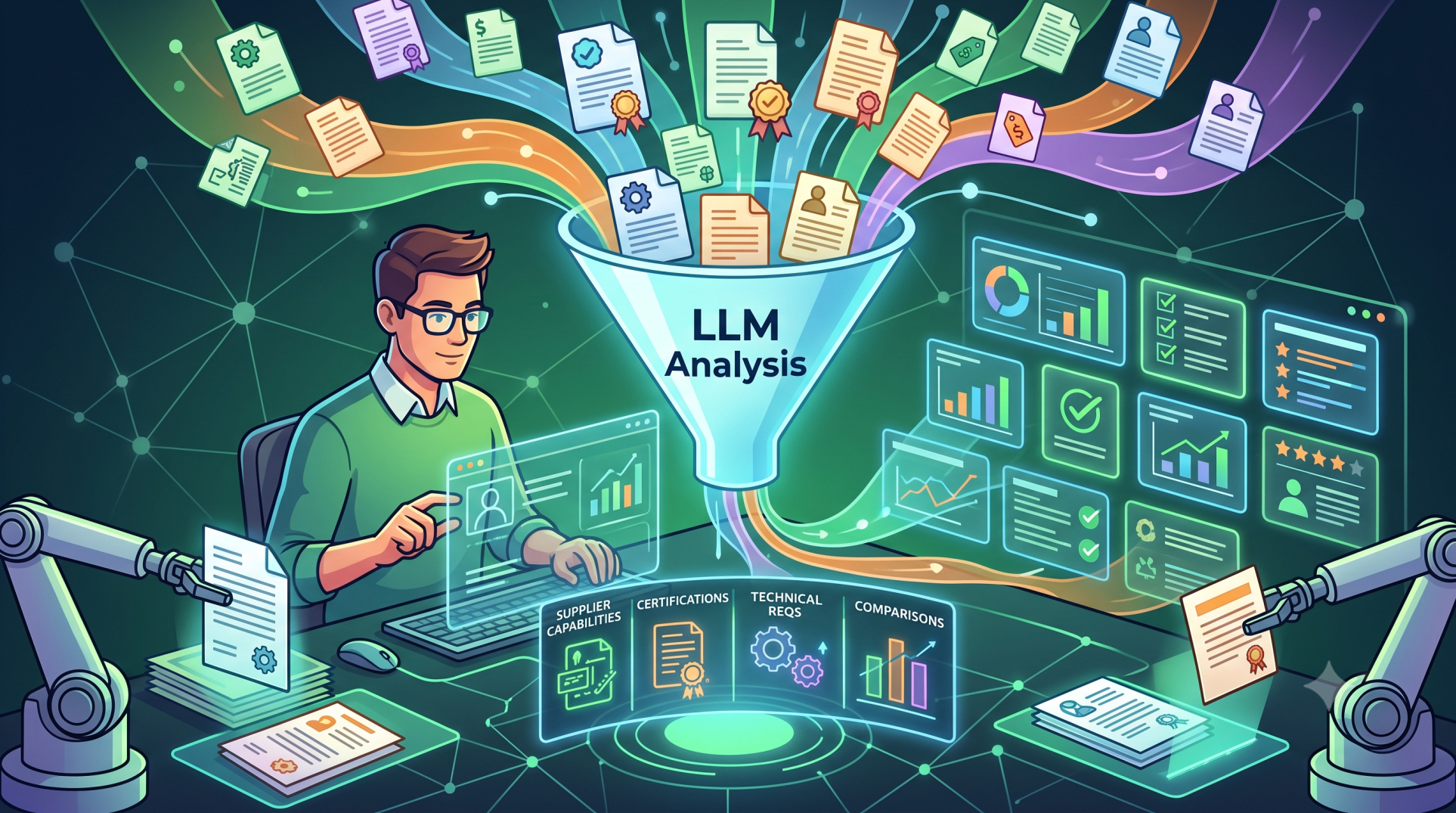
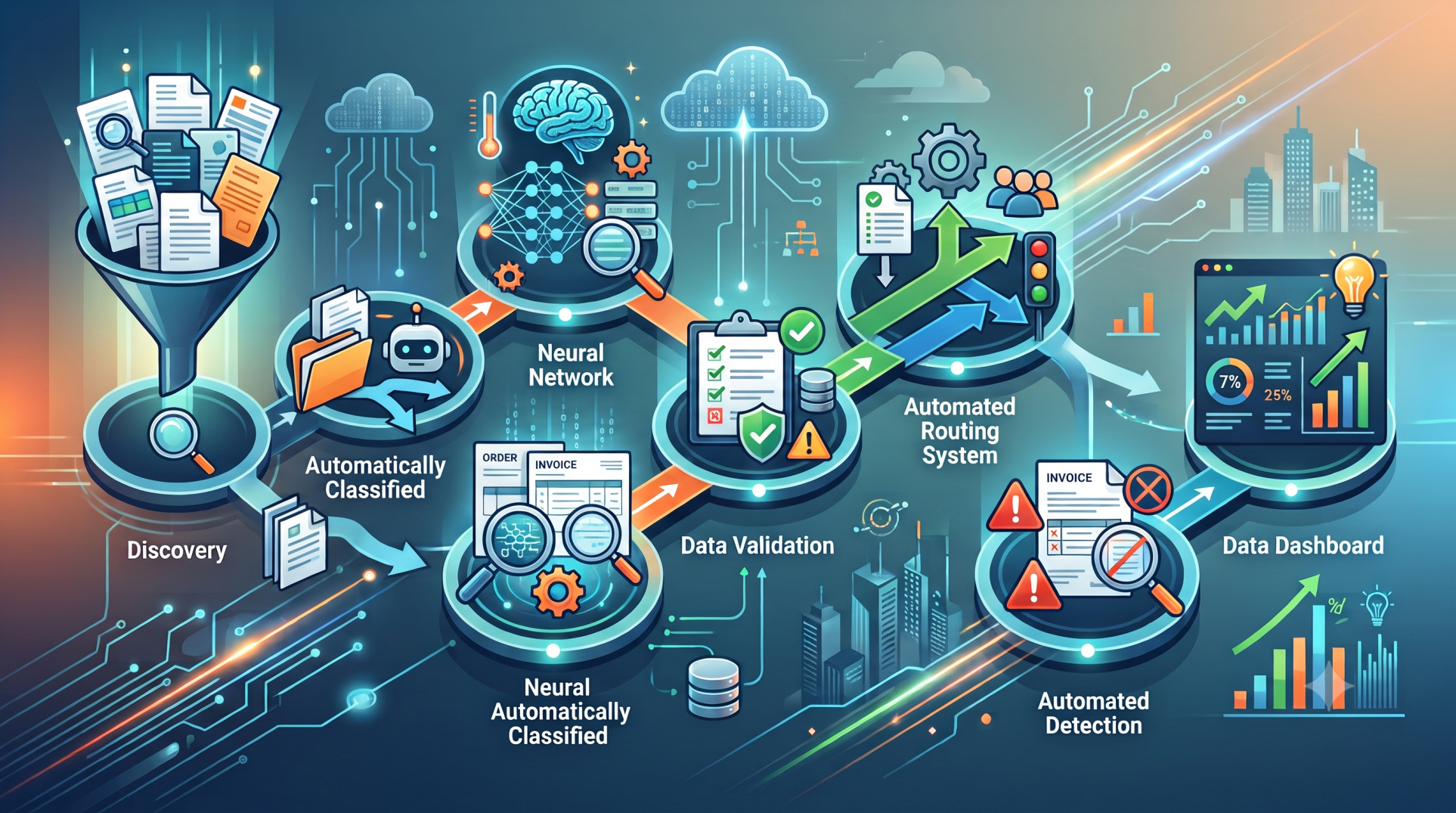
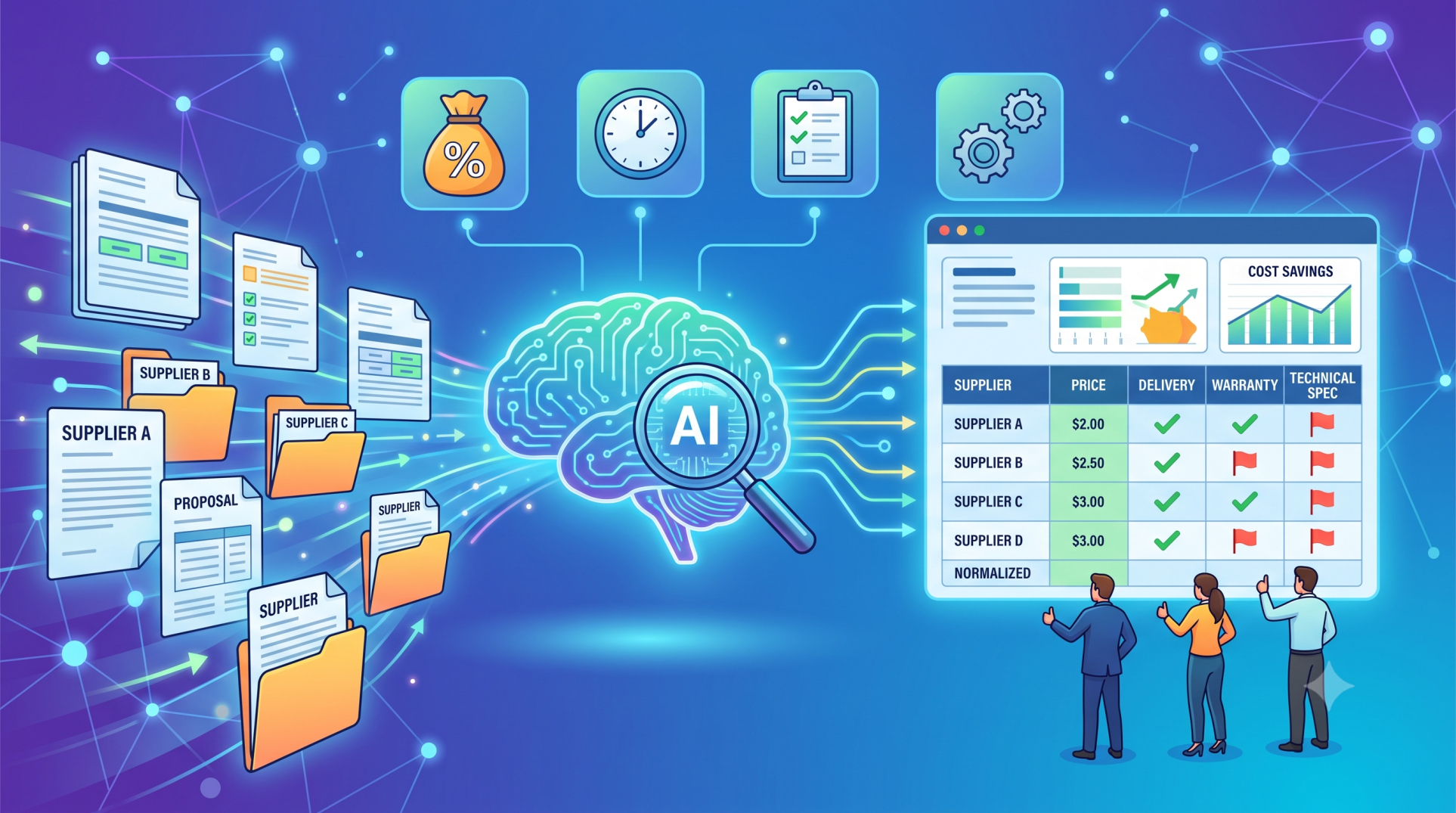
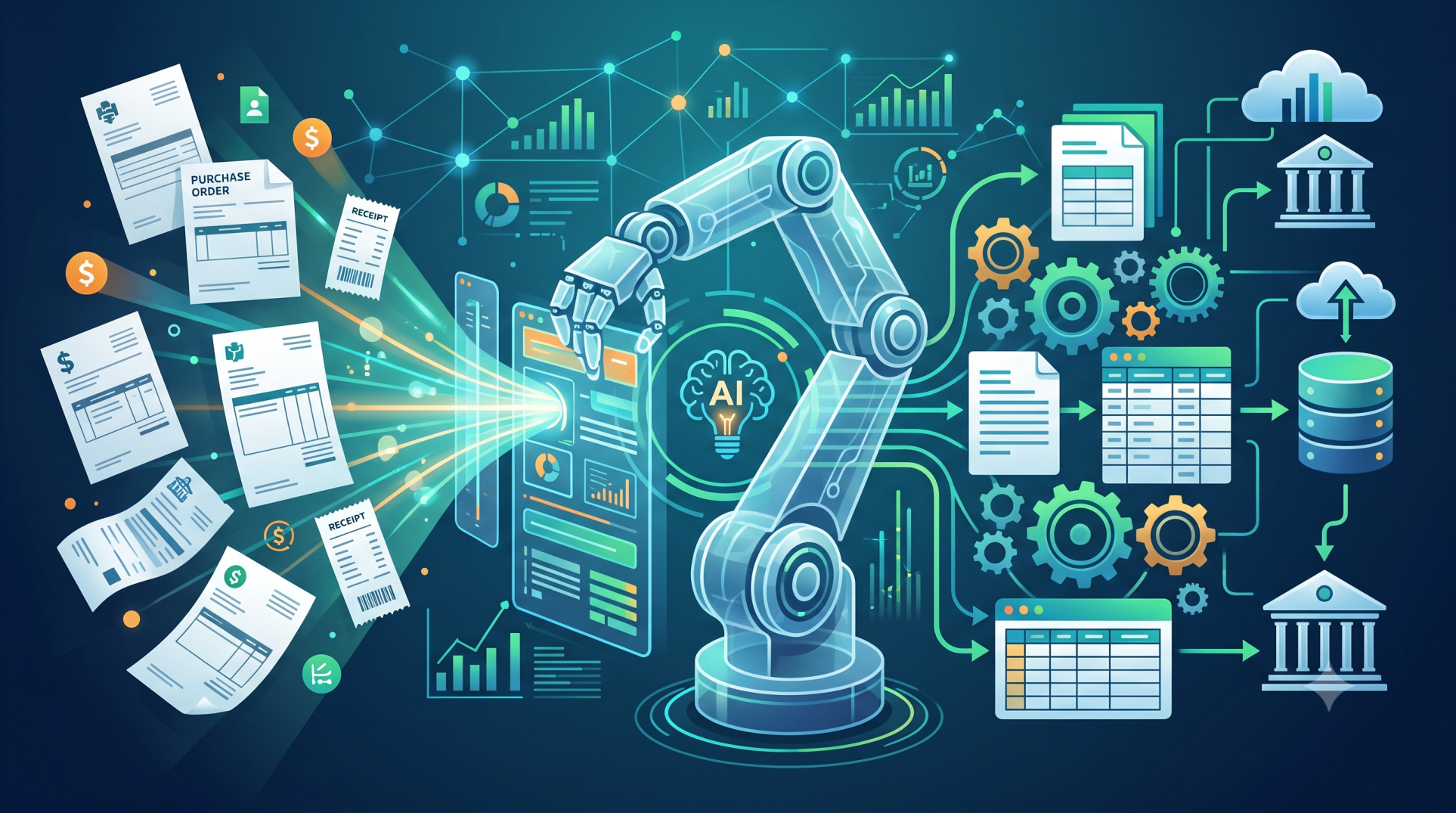
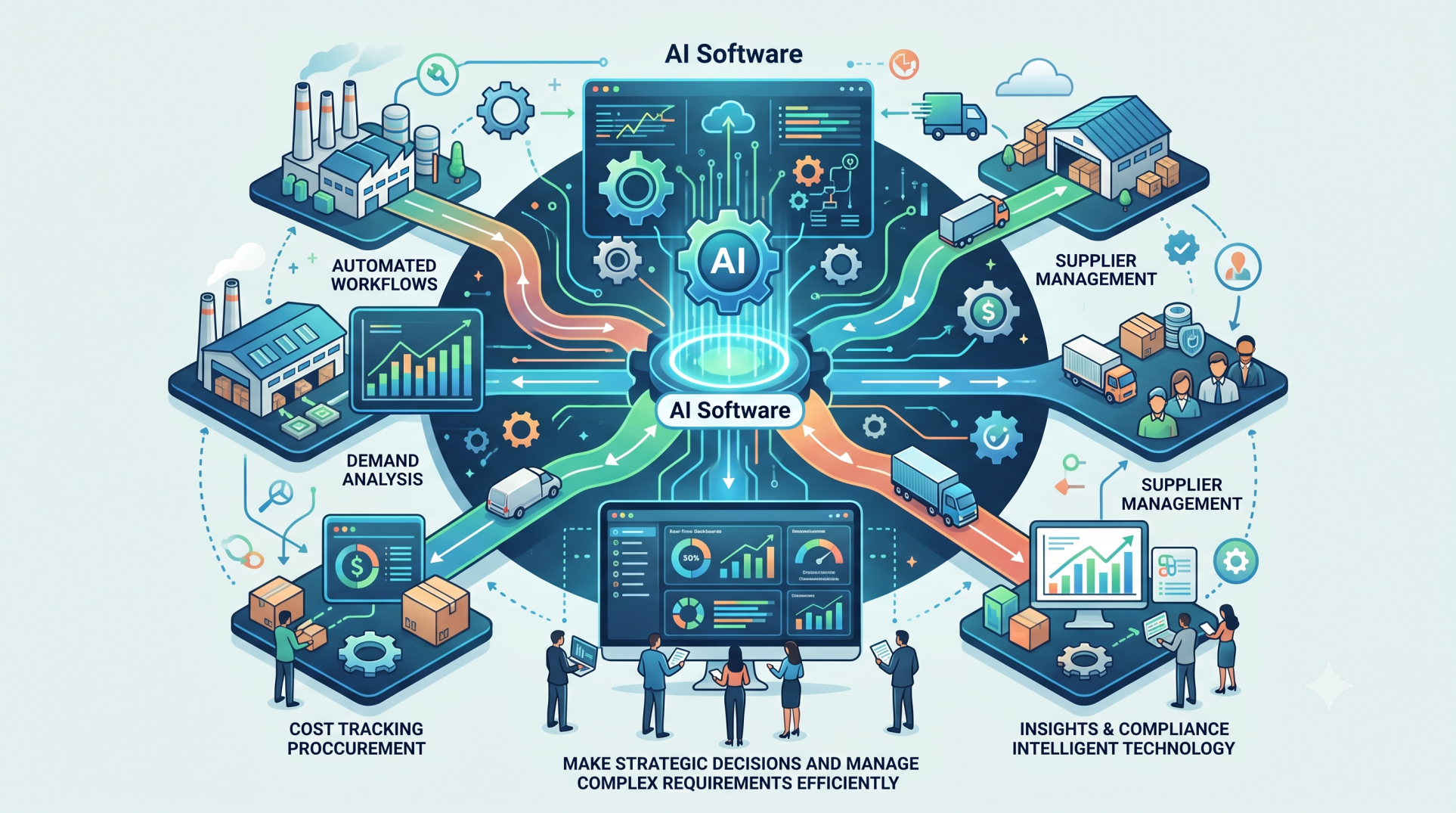
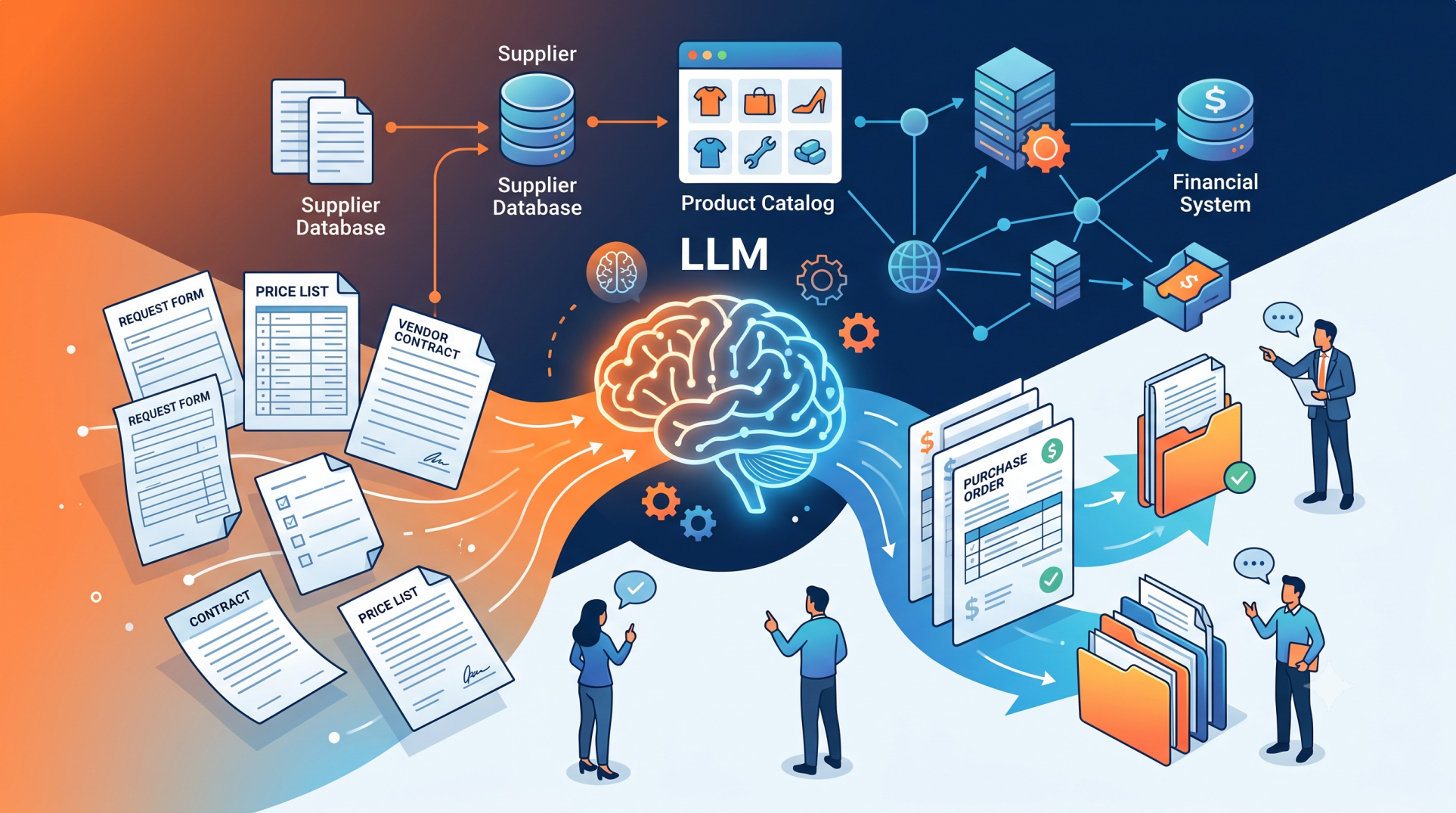
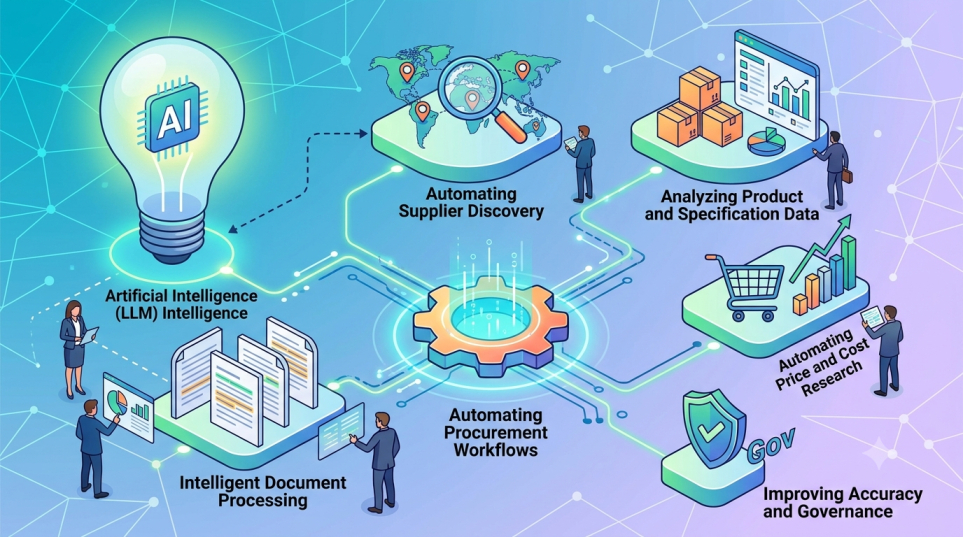
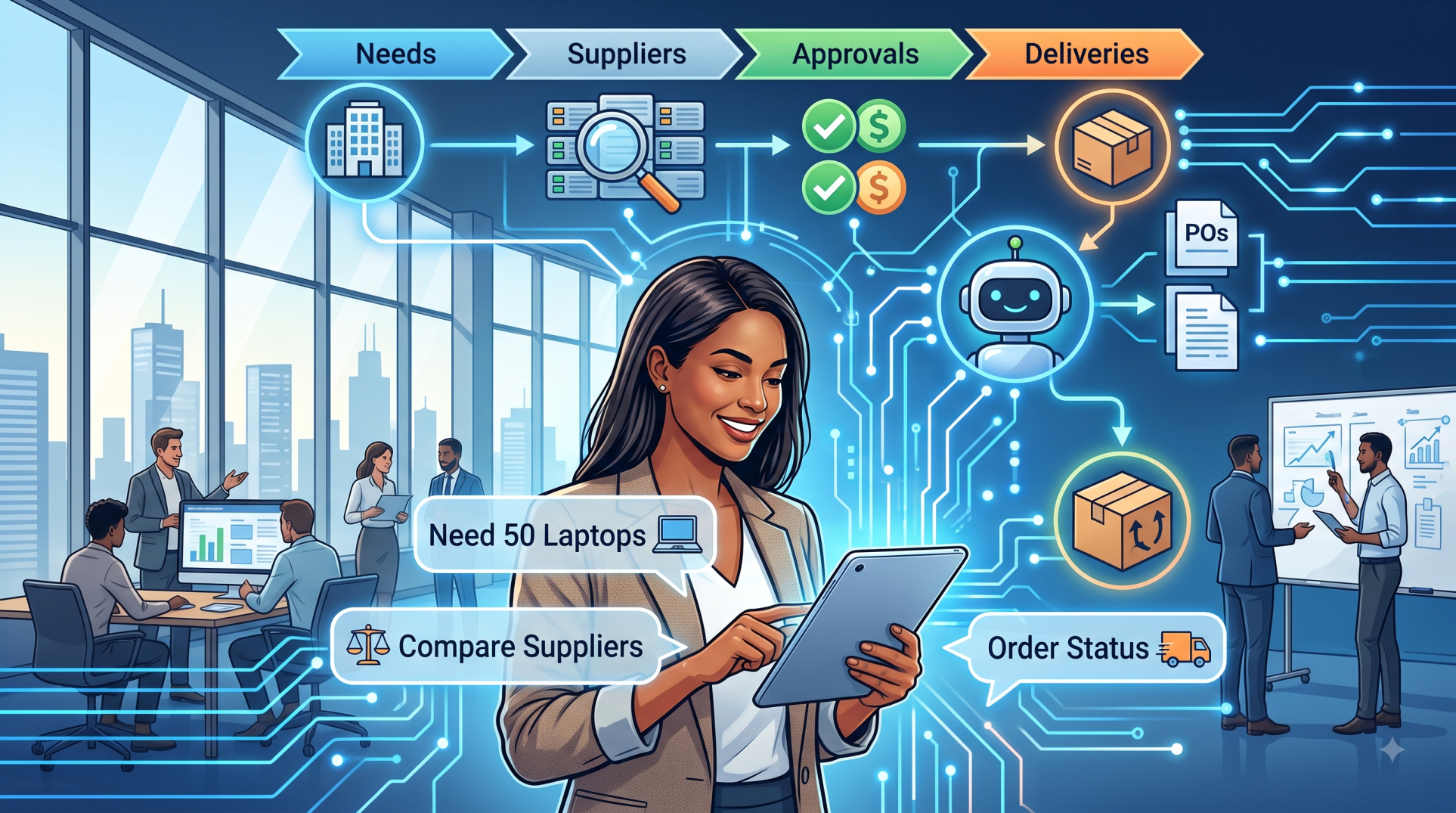
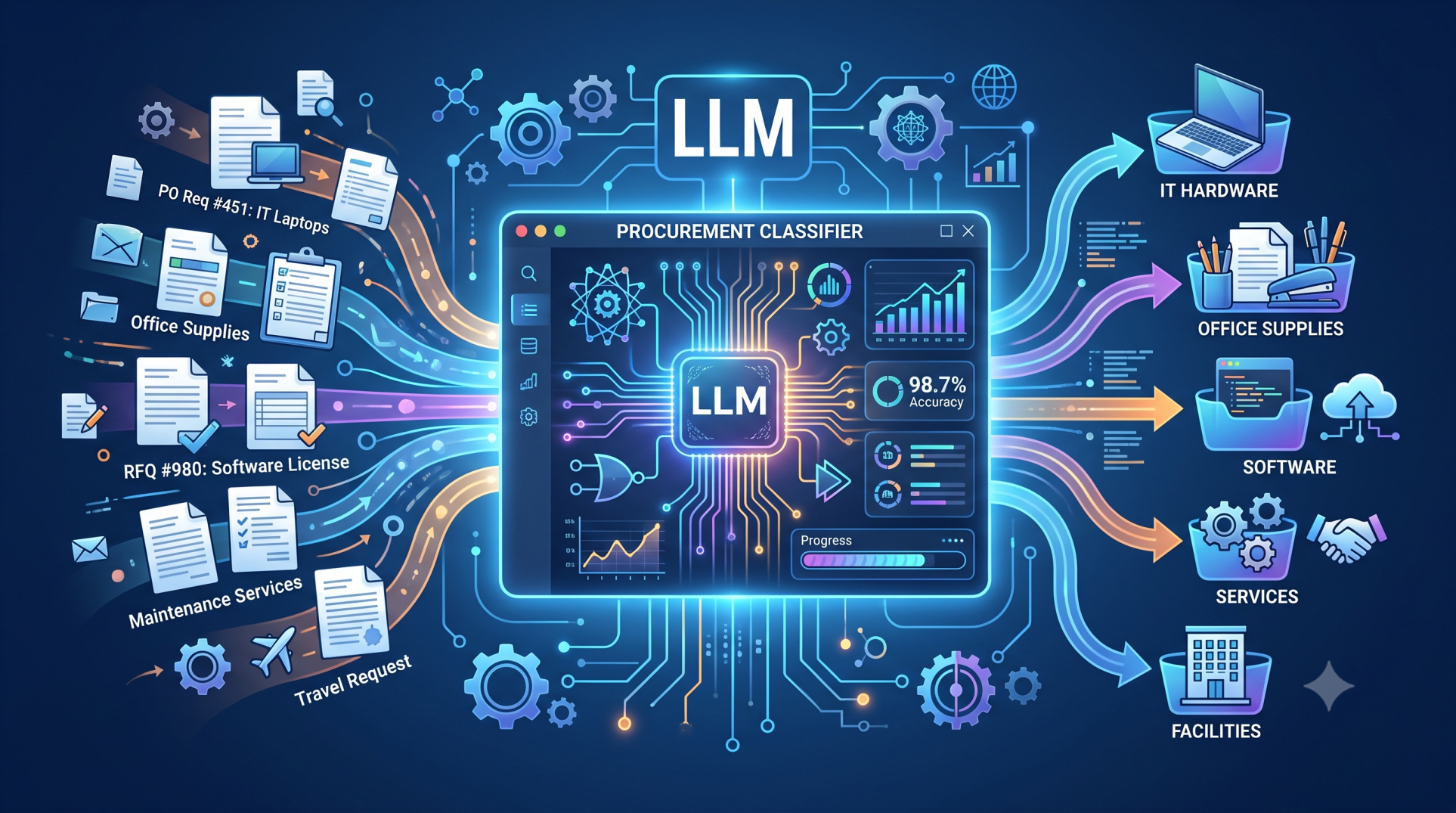
Procurement teams manage a constant stream of purchase requests covering everything from office supplies and software subscriptions to equipment, maintenance services, and operational materials. Manually reviewing and categorizing these requests can consume significant time and introduce inconsistencies. Language models can help automate procurement request classification by analyzing natural-language descriptions, identifying relevant categories, and routing requests to the appropriate workflows. When combined with enterprise procurement systems, this approach can improve processing speed, consistency, and operational visibility.
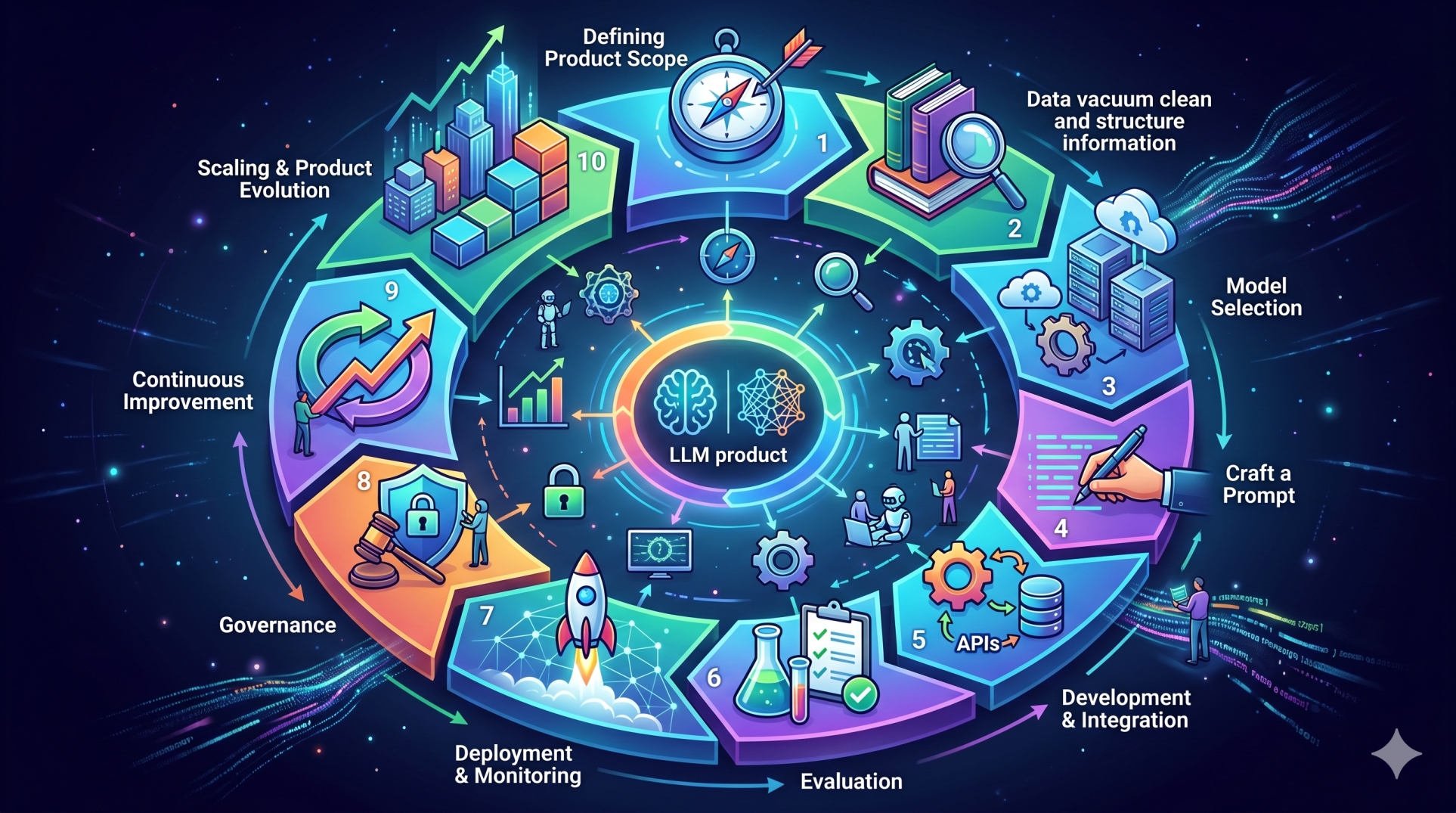
Step 1: Understanding Procurement Request Classification 📋
• Procurement requests often arrive as free-text descriptions with varying levels of detail 📝
• Language models can interpret the intent and context of each request 🧠
• Requests can be classified into predefined procurement categories 🗂️
• Classification can support automated routing and approval workflows 🔄
• Standardized categorization improves consistency across procurement operations ✅
Step 2: Collecting and Preparing Request Data 📥
• Capture procurement requests from portals, emails, forms, and enterprise systems 📧
• Standardize common fields such as item descriptions, quantities, departments, and urgency 📊
• Remove unnecessary or duplicate information before processing 🧹
• Normalize terminology used across different departments 🗃️
• Build reliable datasets for classification and evaluation 📚
Step 3: Applying Language Models for Classification 🧠
• Analyze the meaning and context of procurement descriptions 🔍
• Identify products, services, categories, and business requirements 🏷️
• Map requests to predefined procurement classifications 🎯
• Recognize variations in wording for similar purchasing needs 🔄
• Assign confidence scores to classification results 📈
Step 4: Creating Intelligent Procurement Categories 🗂️
• Define standardized categories for products and services 📋
• Organize requests by departments, spend areas, or purchasing types 🏢
• Support hierarchical classification for complex procurement structures 🌳
• Maintain category mappings as business requirements change 🔧
• Reduce ambiguity through consistent classification rules ✅
Step 5: Automating Request Routing ⚙️
• Route classified requests to the appropriate procurement teams 👥
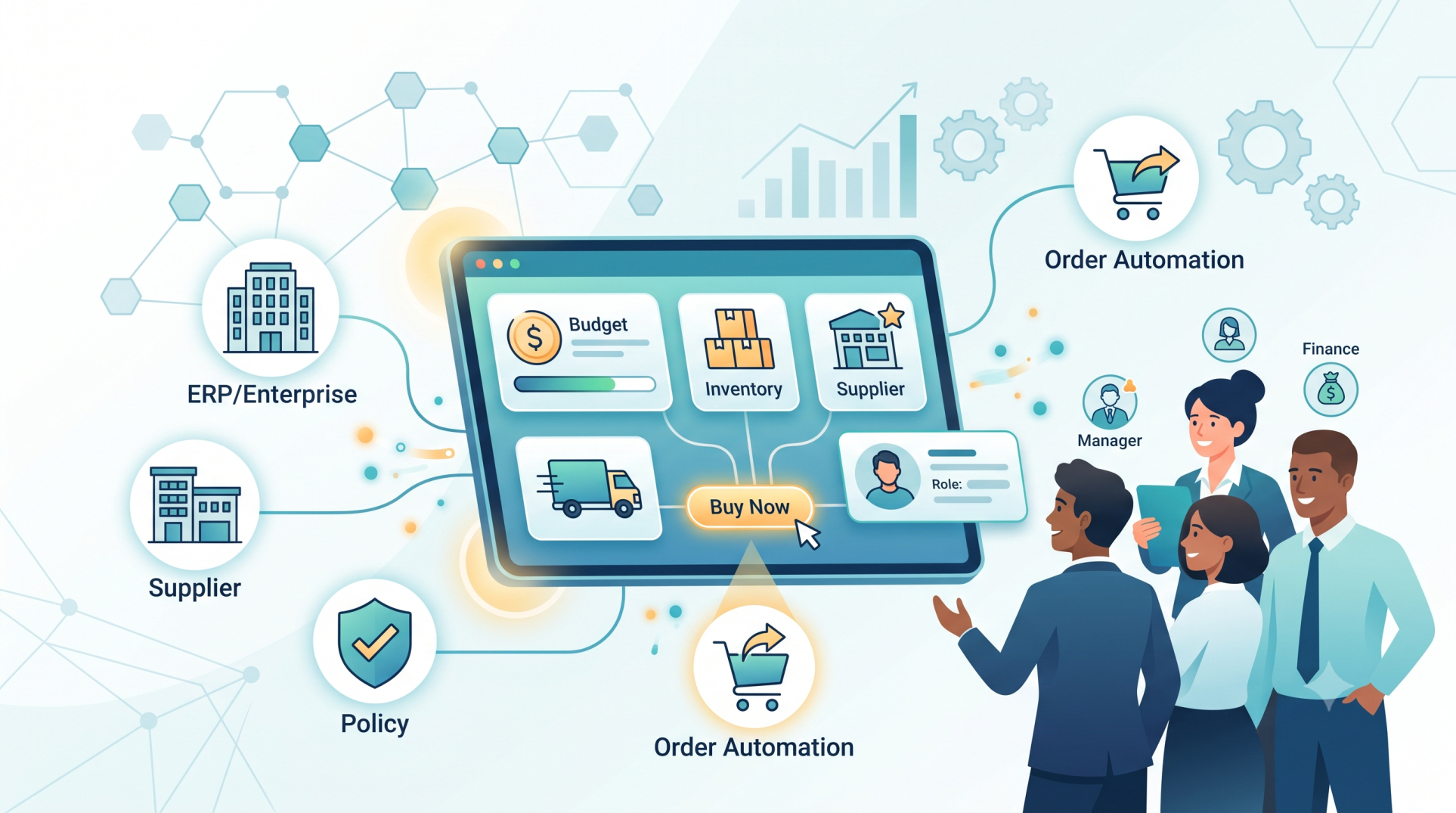
• Trigger approval workflows based on category and value 💰
• Direct specialized purchases to qualified vendors or sourcing teams 🤝
• Escalate high-priority or unusual requests for additional review 🚨
• Reduce manual intervention in routine procurement activities ⏱️
Step 6: Combining AI with Business Rules 🔗
• Use language models to interpret unstructured request information 🧠
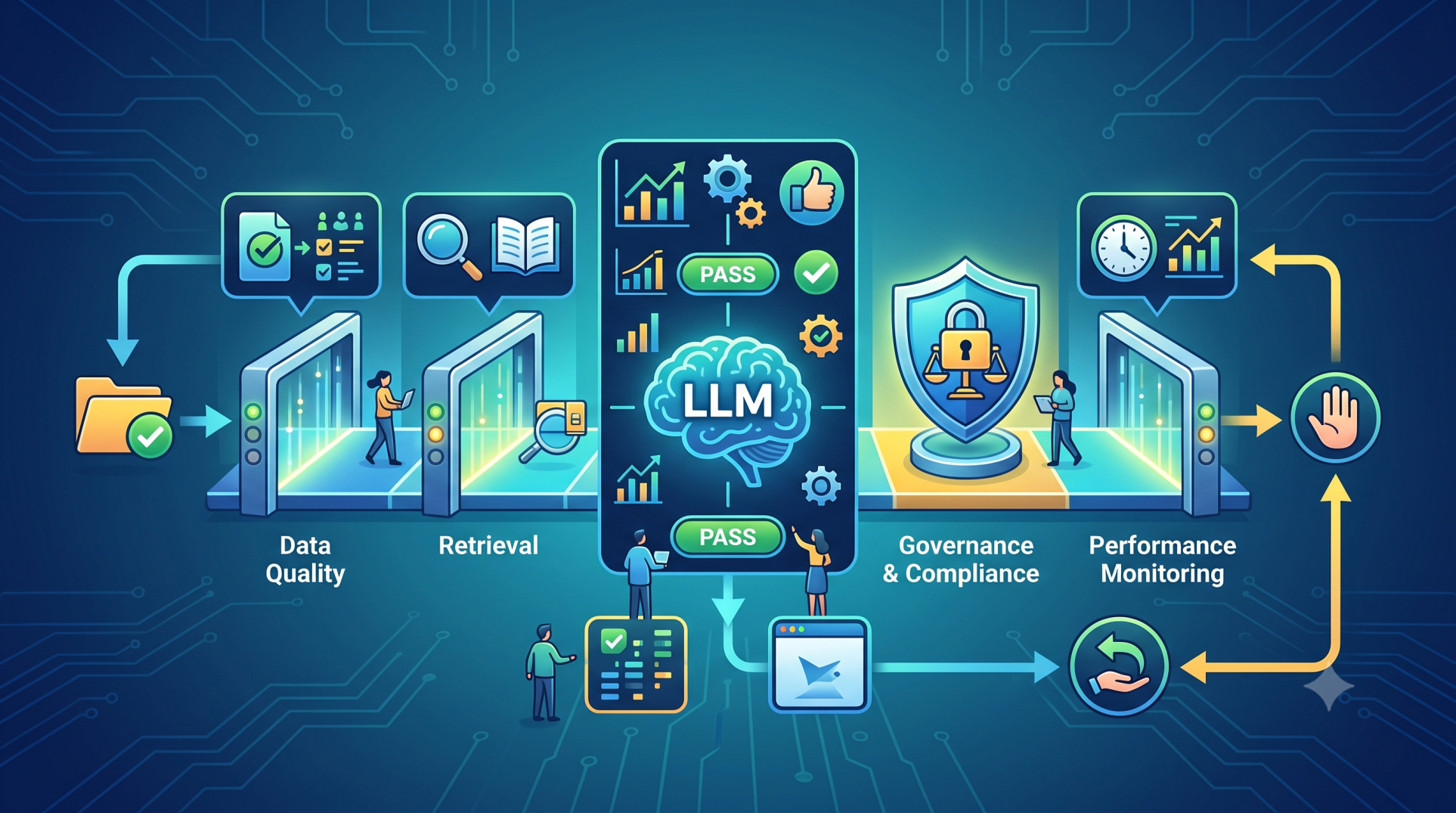
• Apply deterministic rules for budgets, approval thresholds, and policies 📜
• Combine AI predictions with procurement master data 🗄️
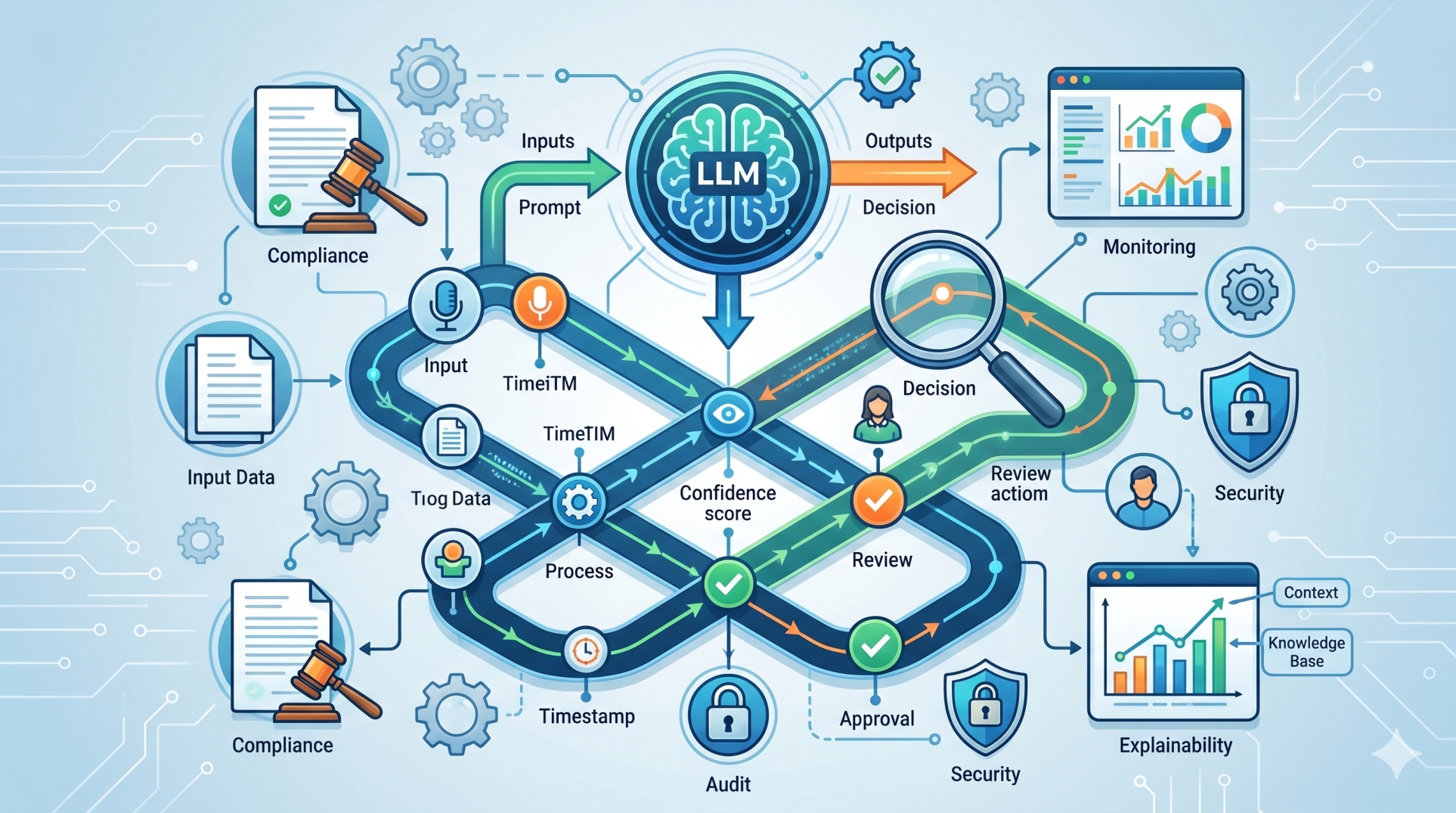
• Require human review when confidence falls below defined thresholds 👤
• Create controlled workflows that balance automation with oversight ⚖️
Step 7: Improving Accuracy and Reliability 🎯
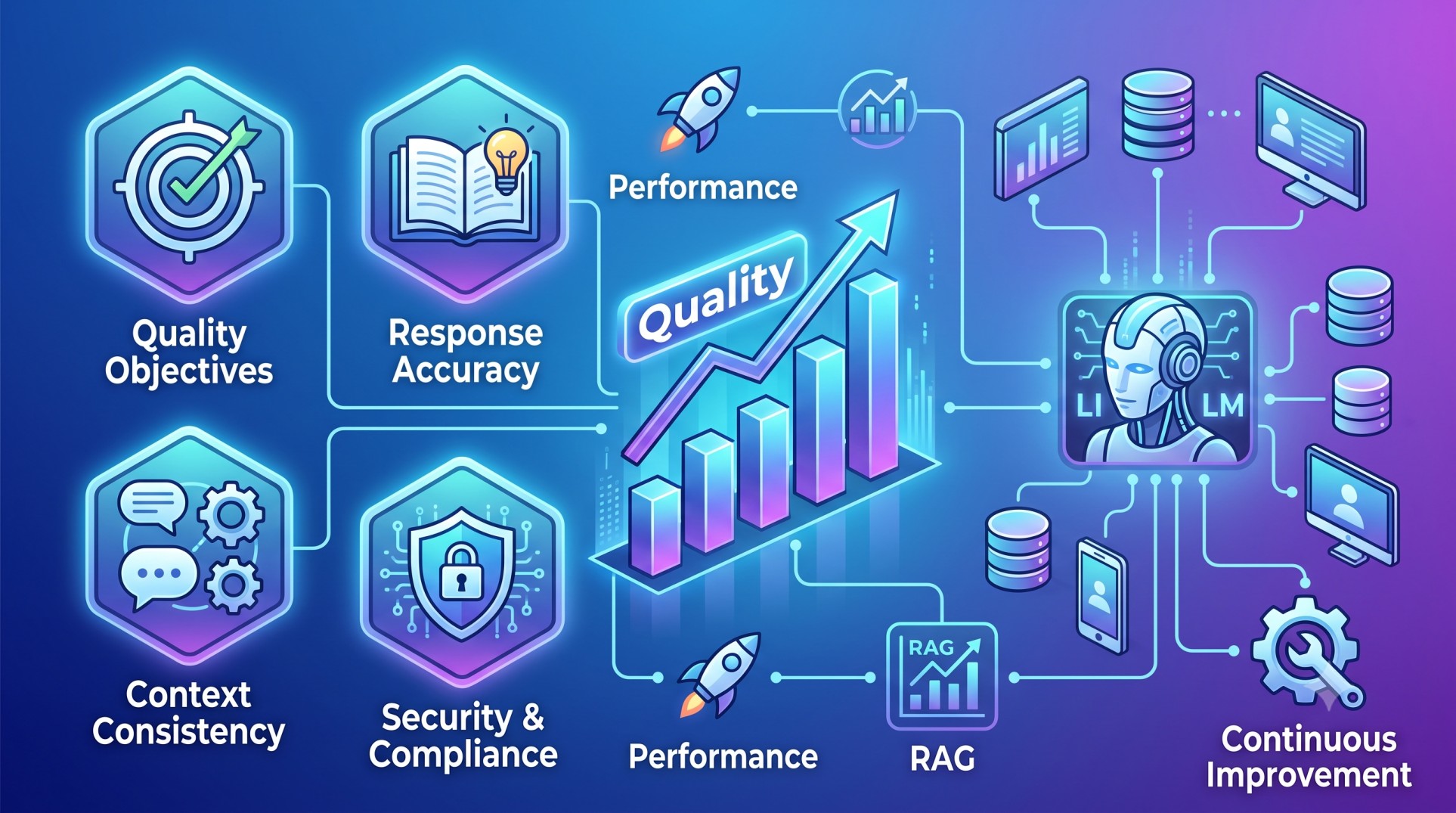
• Evaluate classification performance against validated procurement records 📊
• Monitor incorrect or ambiguous classifications 🔍
• Continuously refine prompts, taxonomies, and training data 🔄
• Introduce feedback loops from procurement specialists 💬
• Track accuracy across different categories and business units 📈
Step 8: Protecting Procurement Data 🔐
• Apply appropriate access controls to purchasing information 👥
• Protect sensitive supplier, pricing, and business data 🛡️
• Maintain audit trails for automated classification decisions 🧾
• Restrict model access to authorized enterprise information 🔒
• Align AI workflows with organizational security and governance requirements ⚖️
Step 9: Measuring Operational Impact 📊
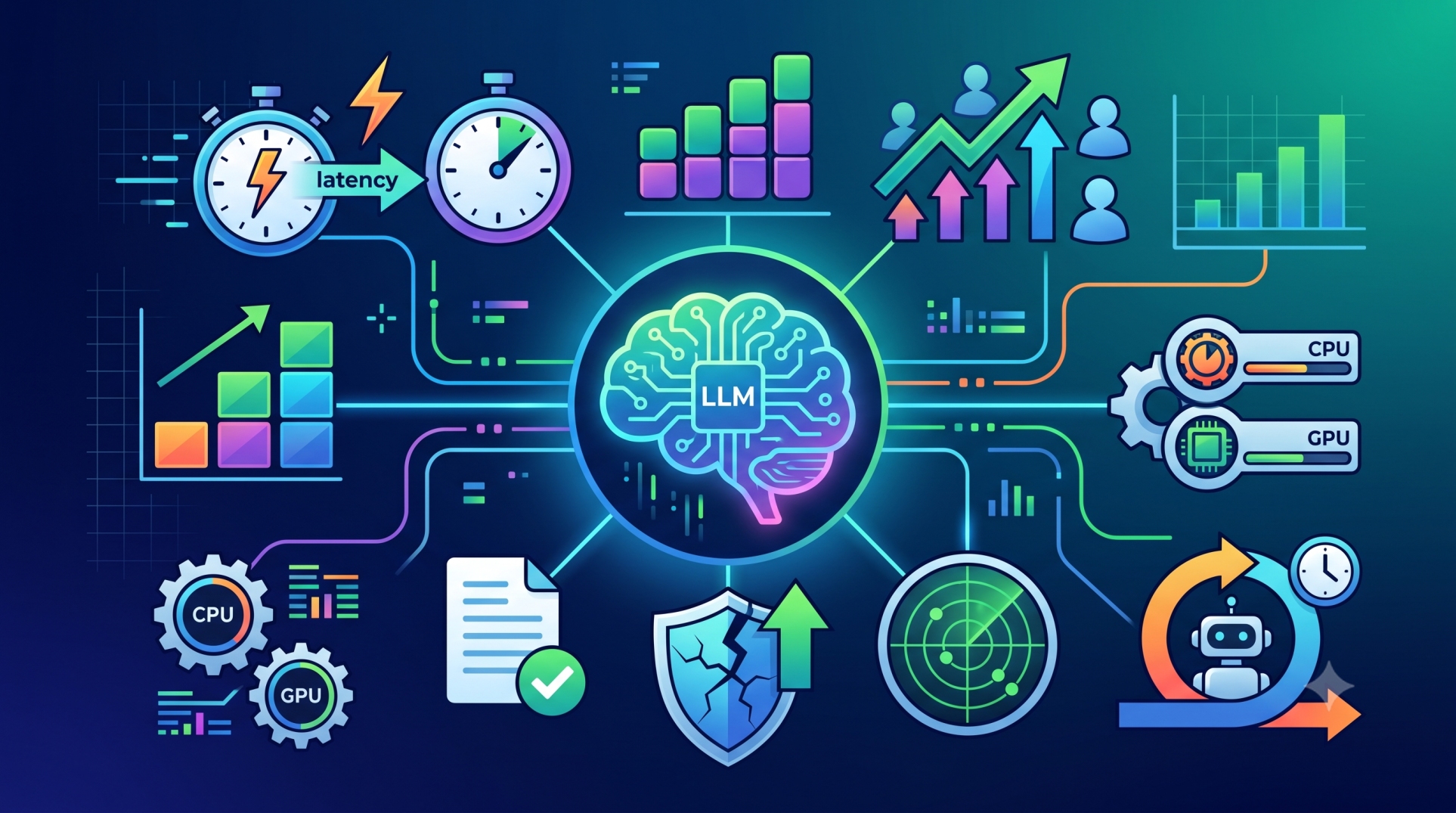
• Track classification accuracy and processing time ⏱️
• Measure reductions in manual review workloads 📉
• Monitor routing efficiency across procurement teams 🔄
• Identify recurring classification errors and process bottlenecks 🚧
• Use analytics to continuously improve procurement operations 💡
Step 10: Building a Scalable AI Procurement Framework 🚀
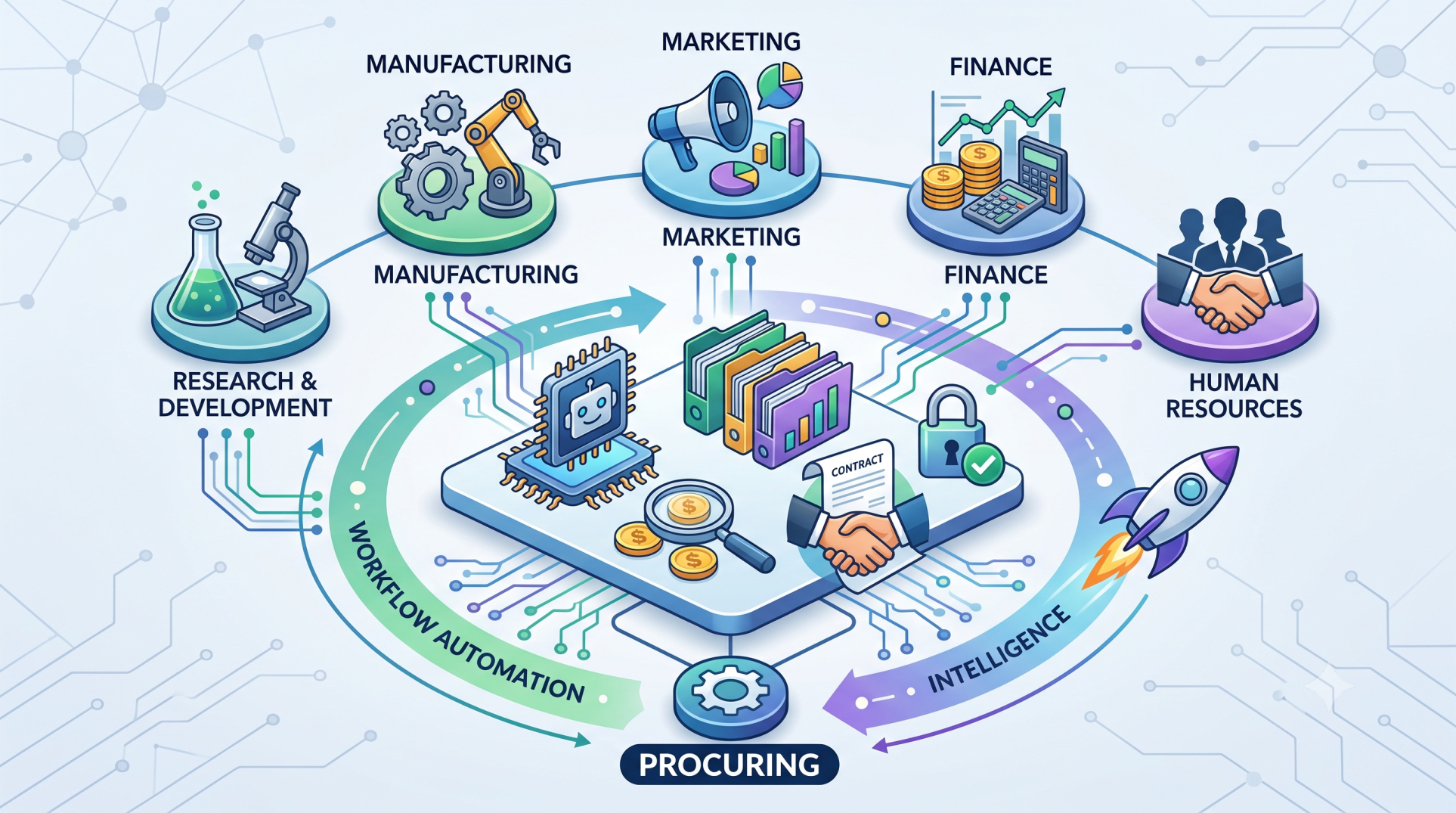
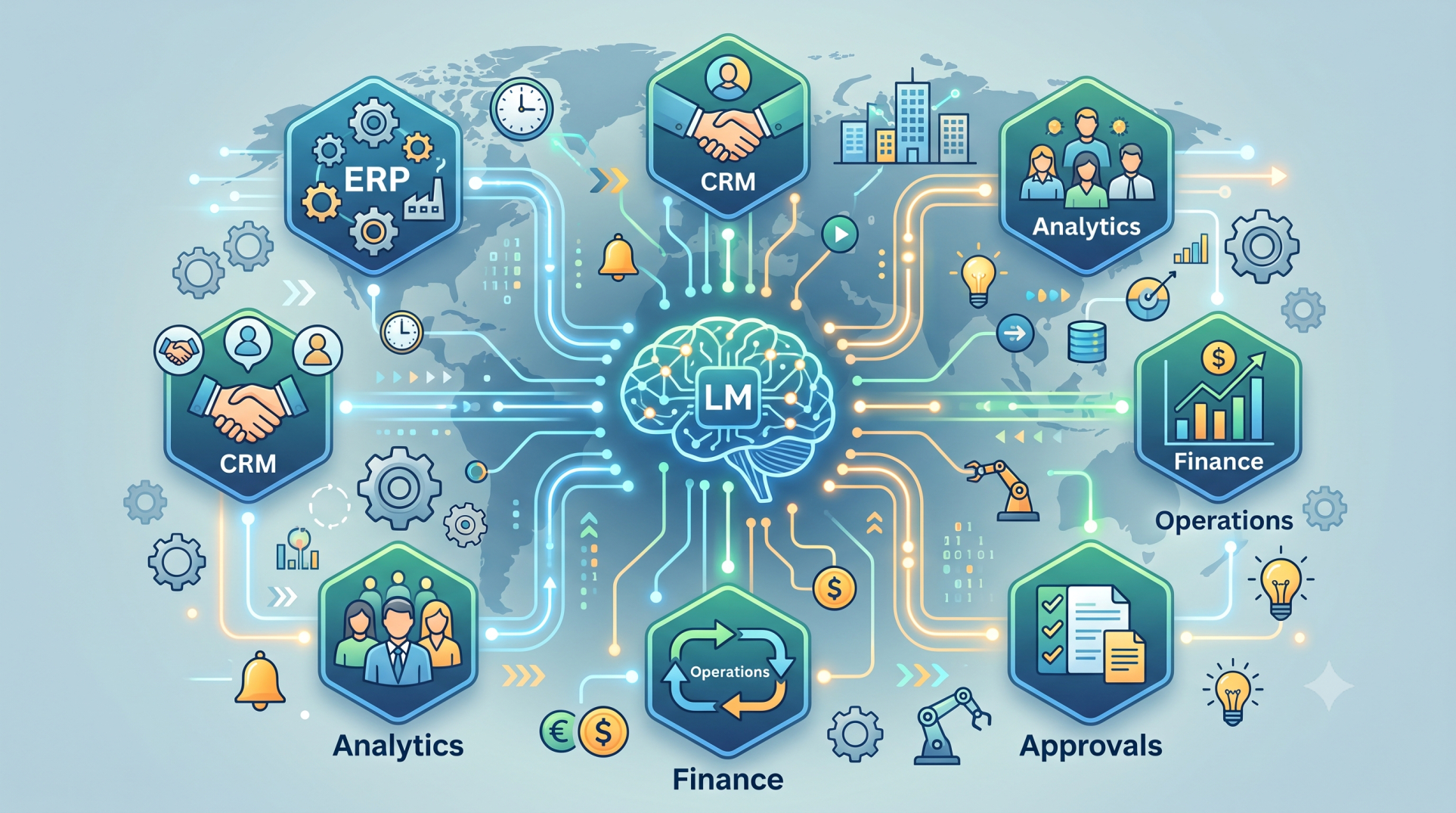
• Design modular classification services that can integrate with existing ERP and procurement platforms 🔗
• Expand classification capabilities as new categories emerge 📈
• Support multiple languages and regional procurement requirements 🌍
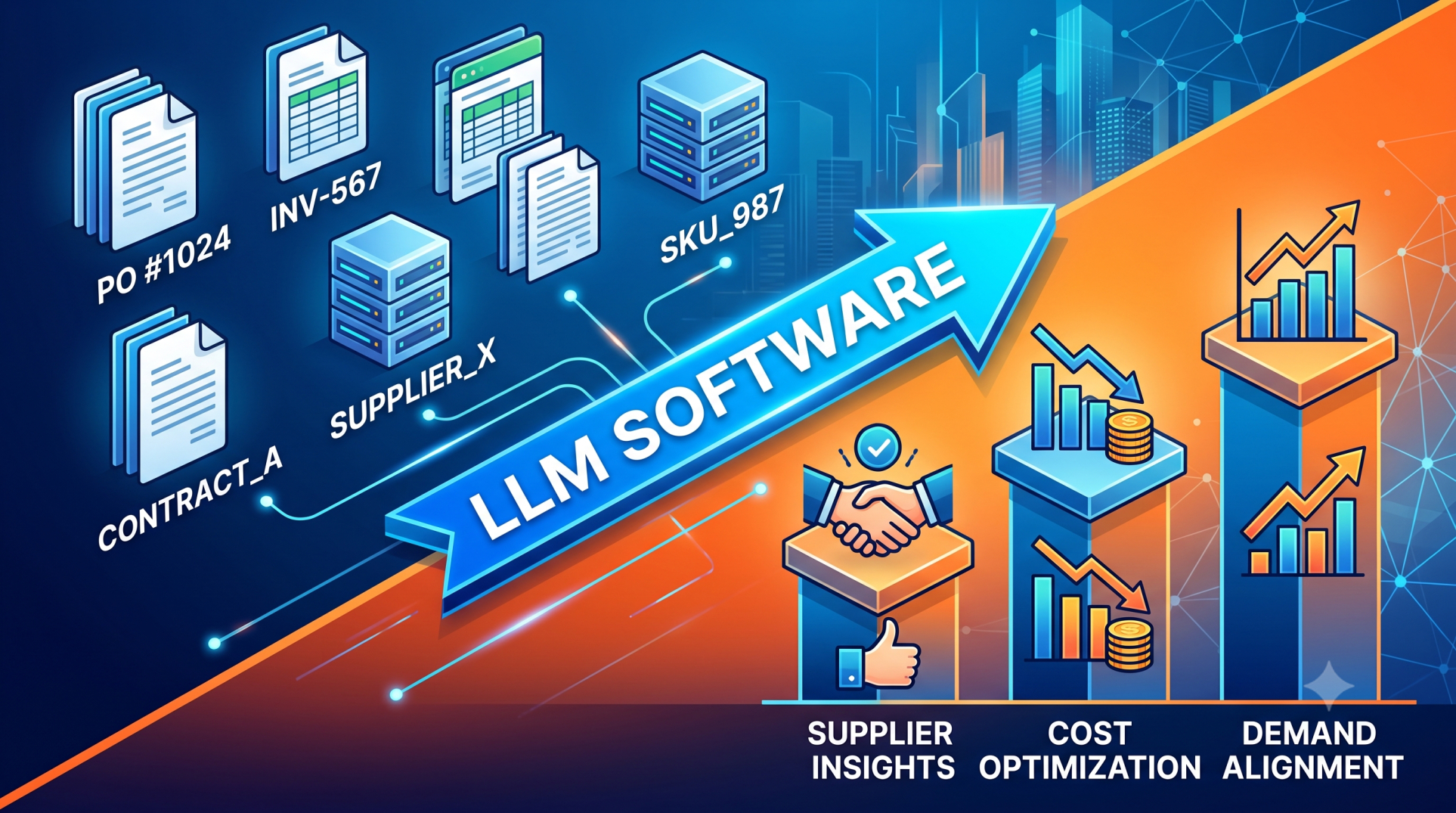
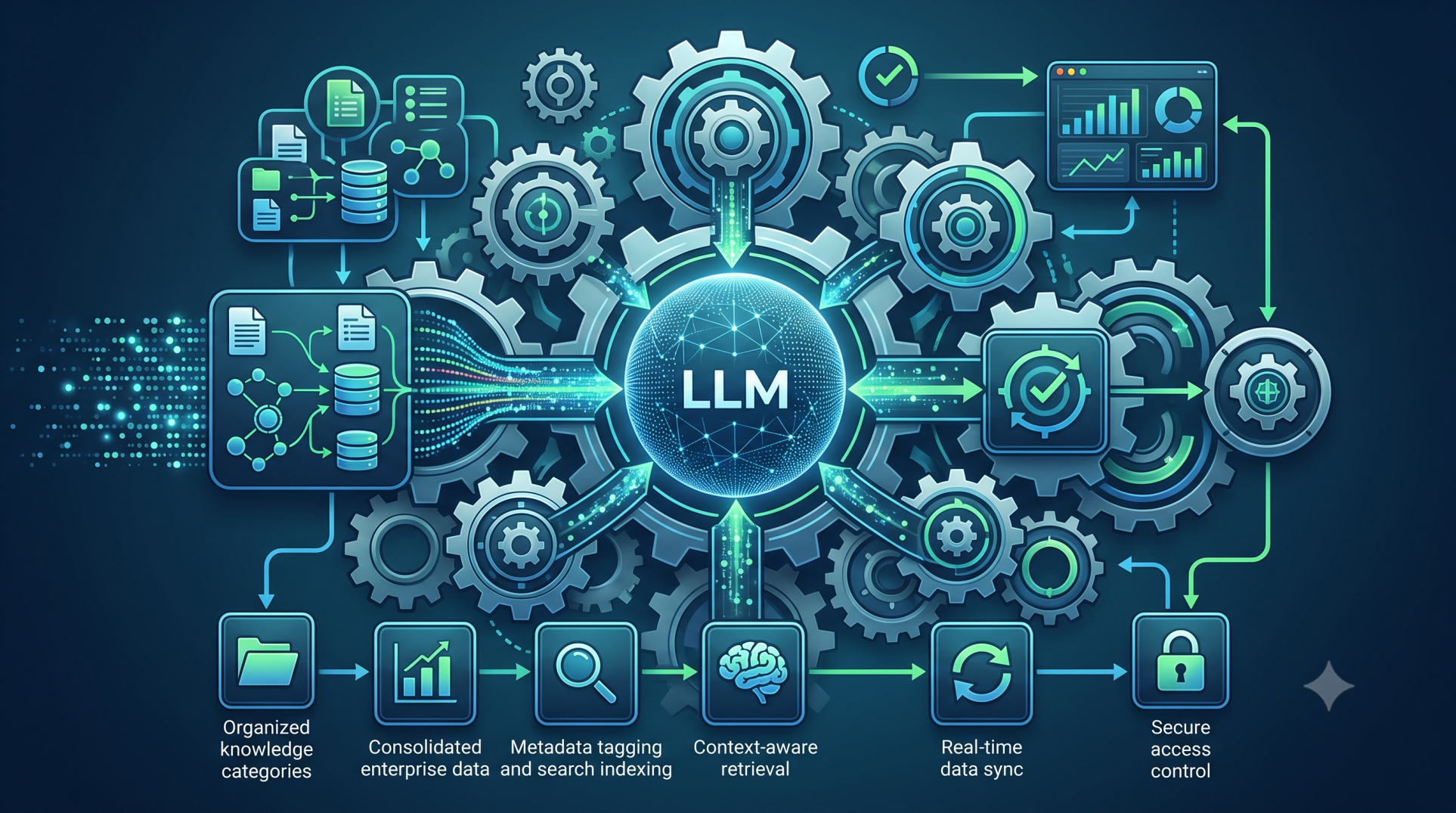
• Integrate supplier, catalog, contract, and purchasing data for richer context 🗃️
• Create flexible architectures that can evolve with future AI capabilities 🤖
Conclusion 🎯
Automating procurement request classification with language models can transform how organizations manage purchasing workflows. By interpreting natural-language requests, assigning consistent categories, and connecting classification results with enterprise approval and routing processes, organizations can reduce manual effort and accelerate procurement operations. The most effective approach combines language-model intelligence with business rules, human oversight, data governance, and enterprise system integration. This creates a procurement environment that is faster, more consistent, and better prepared to scale as purchasing complexity increases.
See more blogs
You can all the articles below