What Comes After Large Language Model Software?
What Comes After Large Language Model Software?
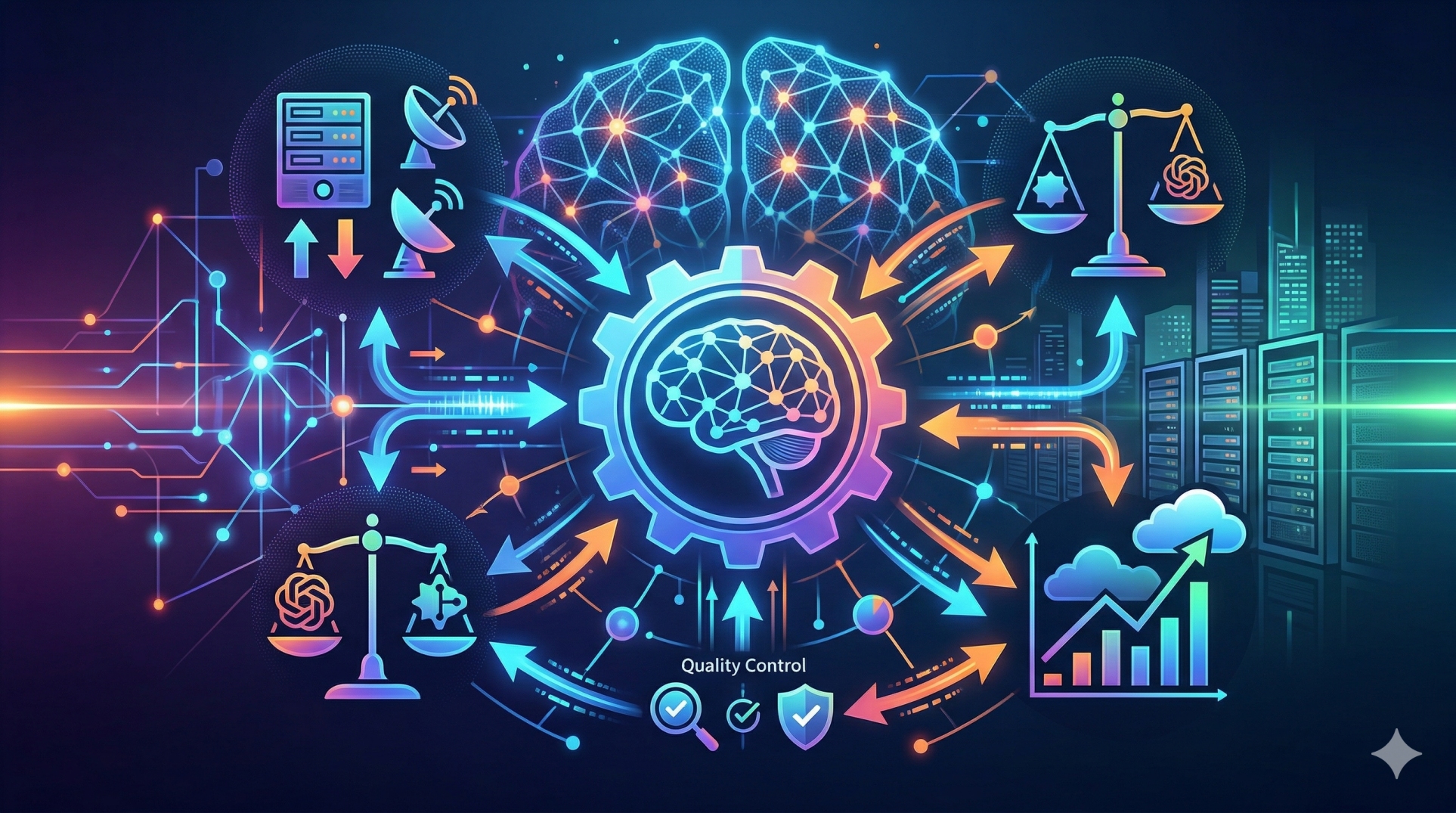
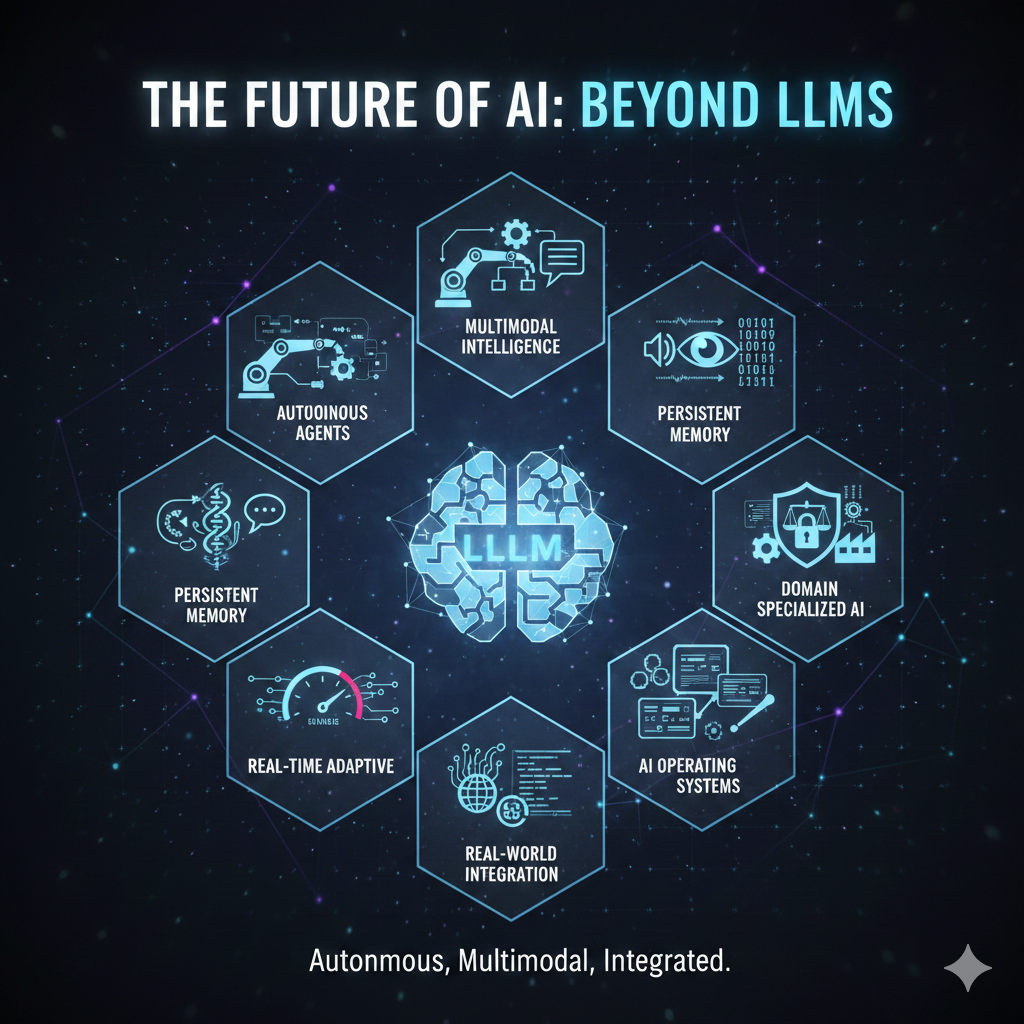
Large Language Model software has fundamentally reshaped human–machine interaction. From intelligent content creation to automation and advanced reasoning, LLMs have expanded the boundaries of digital capability. As adoption accelerates across industries, the more strategic question emerges: what follows this phase of AI evolution? The next generation of systems will likely move beyond text-centric prediction toward autonomous, multimodal, context-aware platforms deeply embedded within real-world operations.
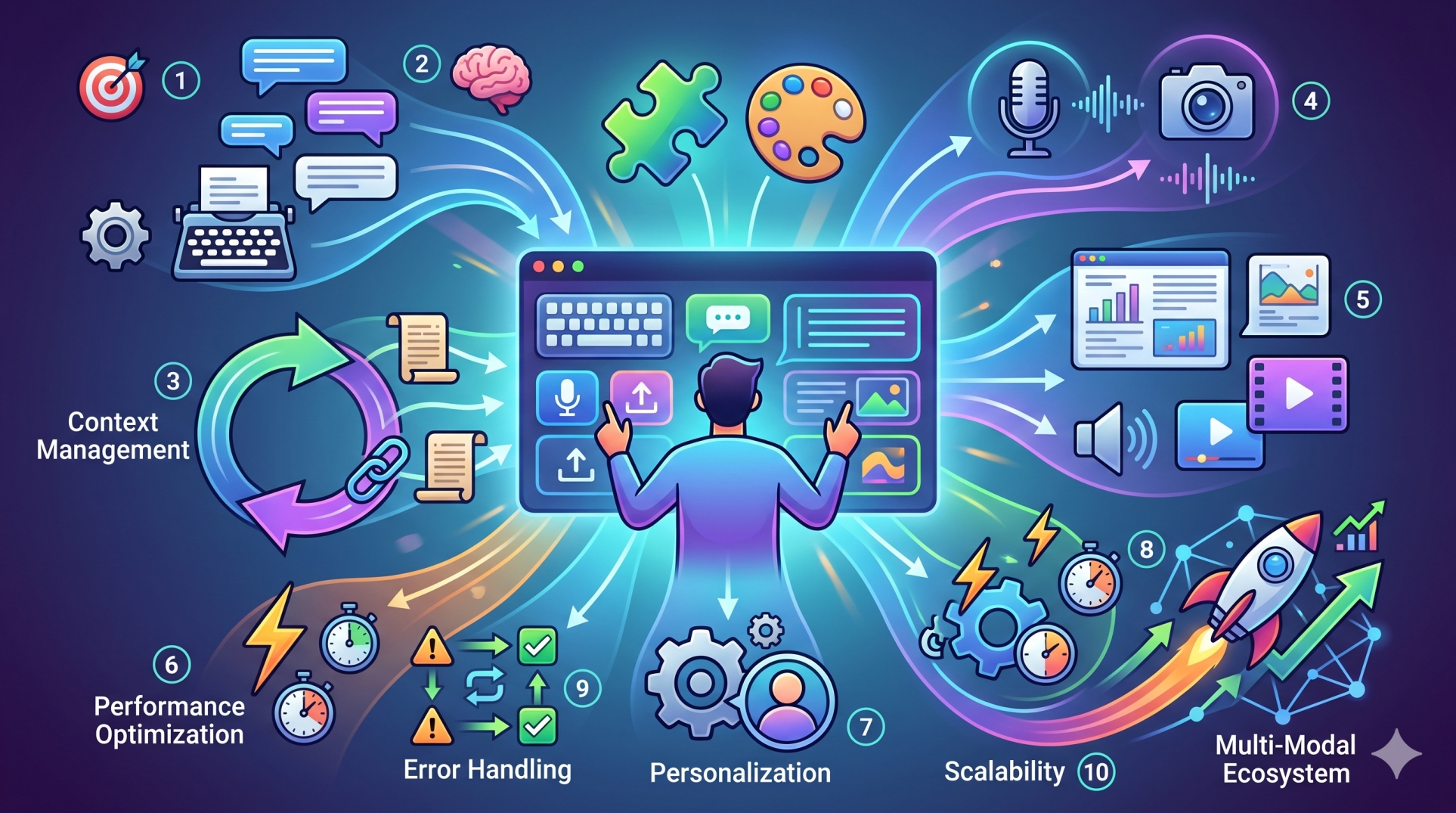
Step 1: From Language Models to Autonomous Agents 🤖
• Evolve from reactive chat systems to objective-driven agents 🎯
• Execute complex, multi-step workflows independently 🔄
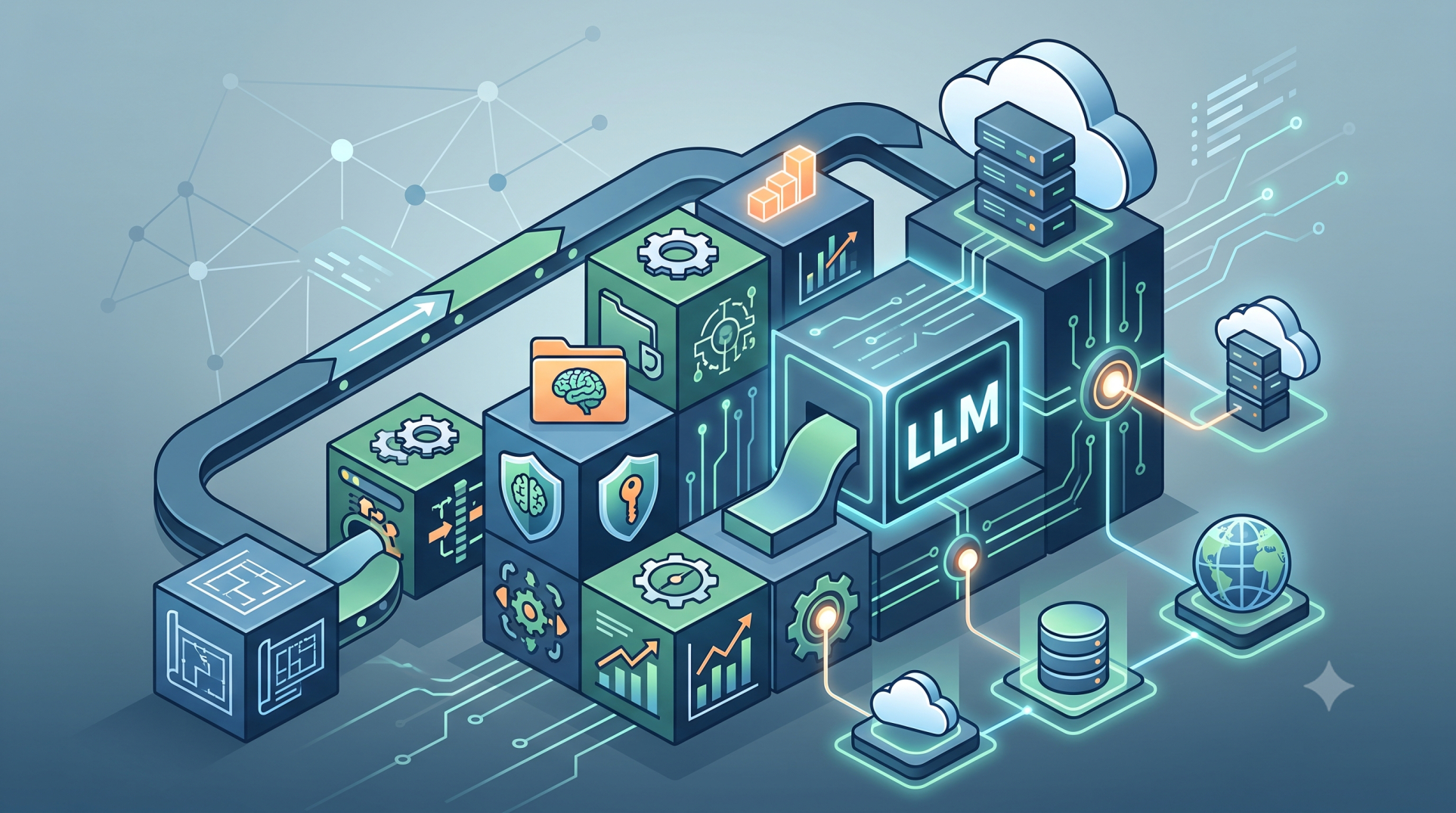
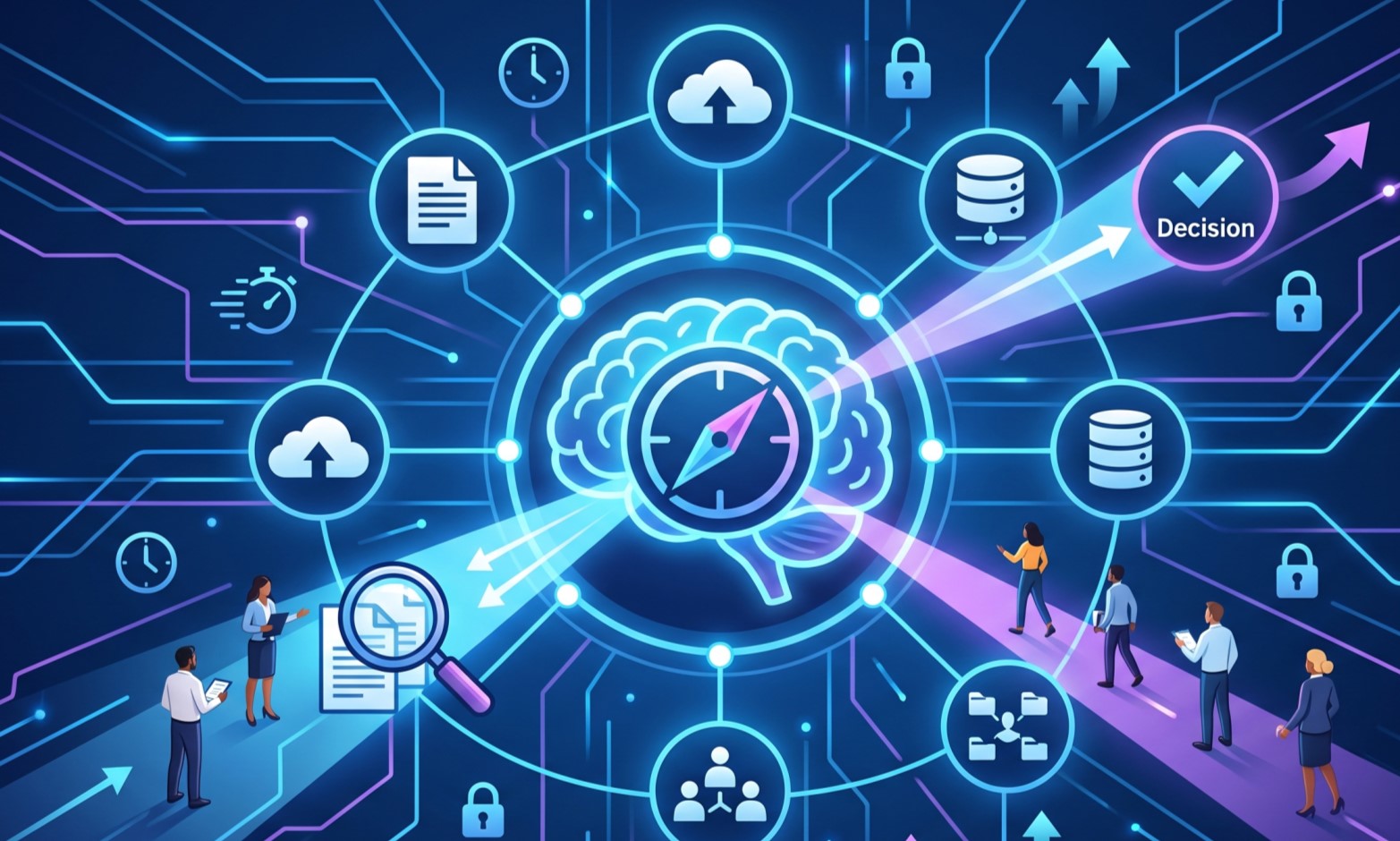
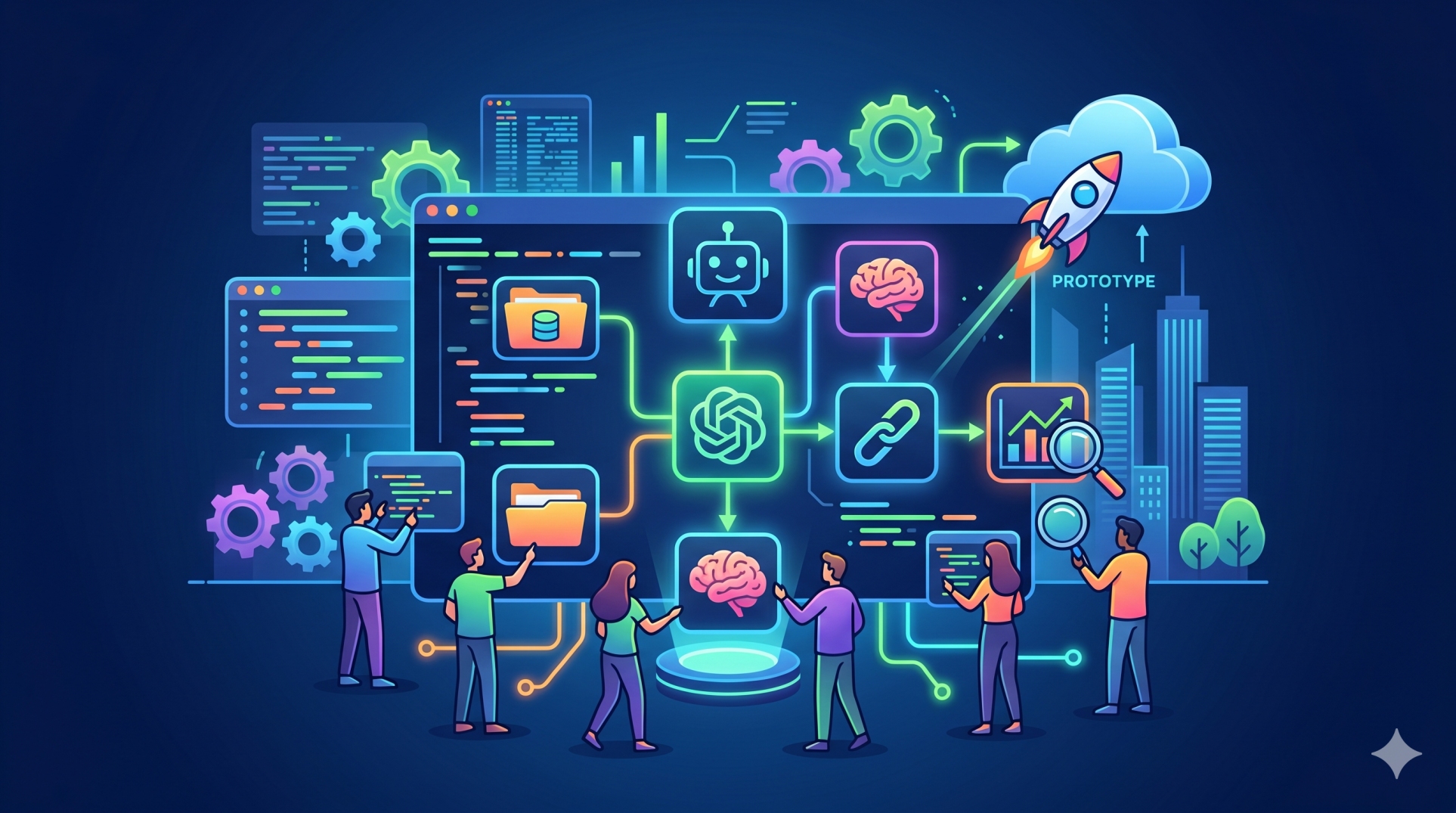
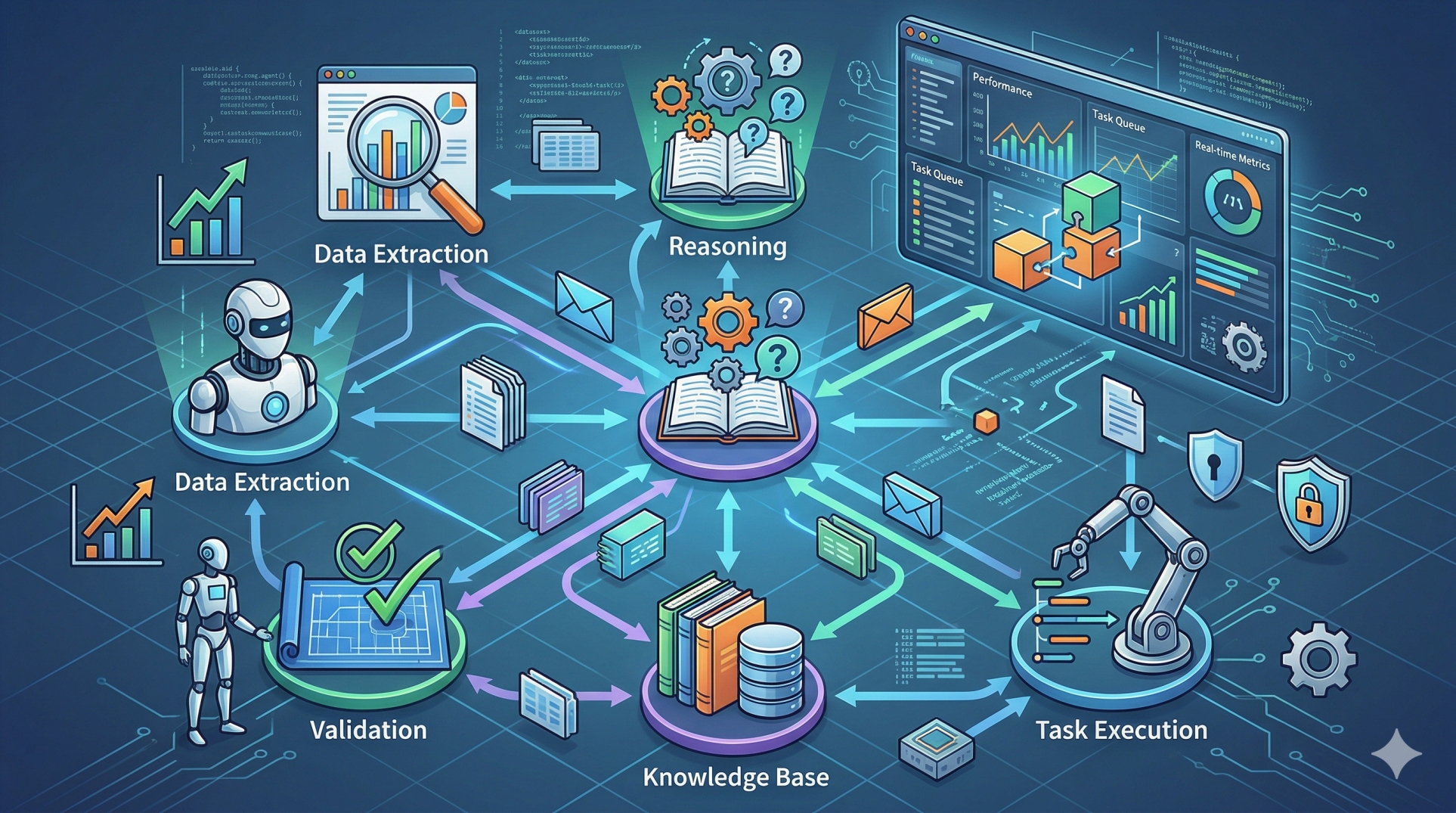
• Combine reasoning, memory, and tool access within unified architectures 🧠
• Function seamlessly across software ecosystems and digital environments 🌐
• Progress from answering prompts to achieving defined outcomes ✅
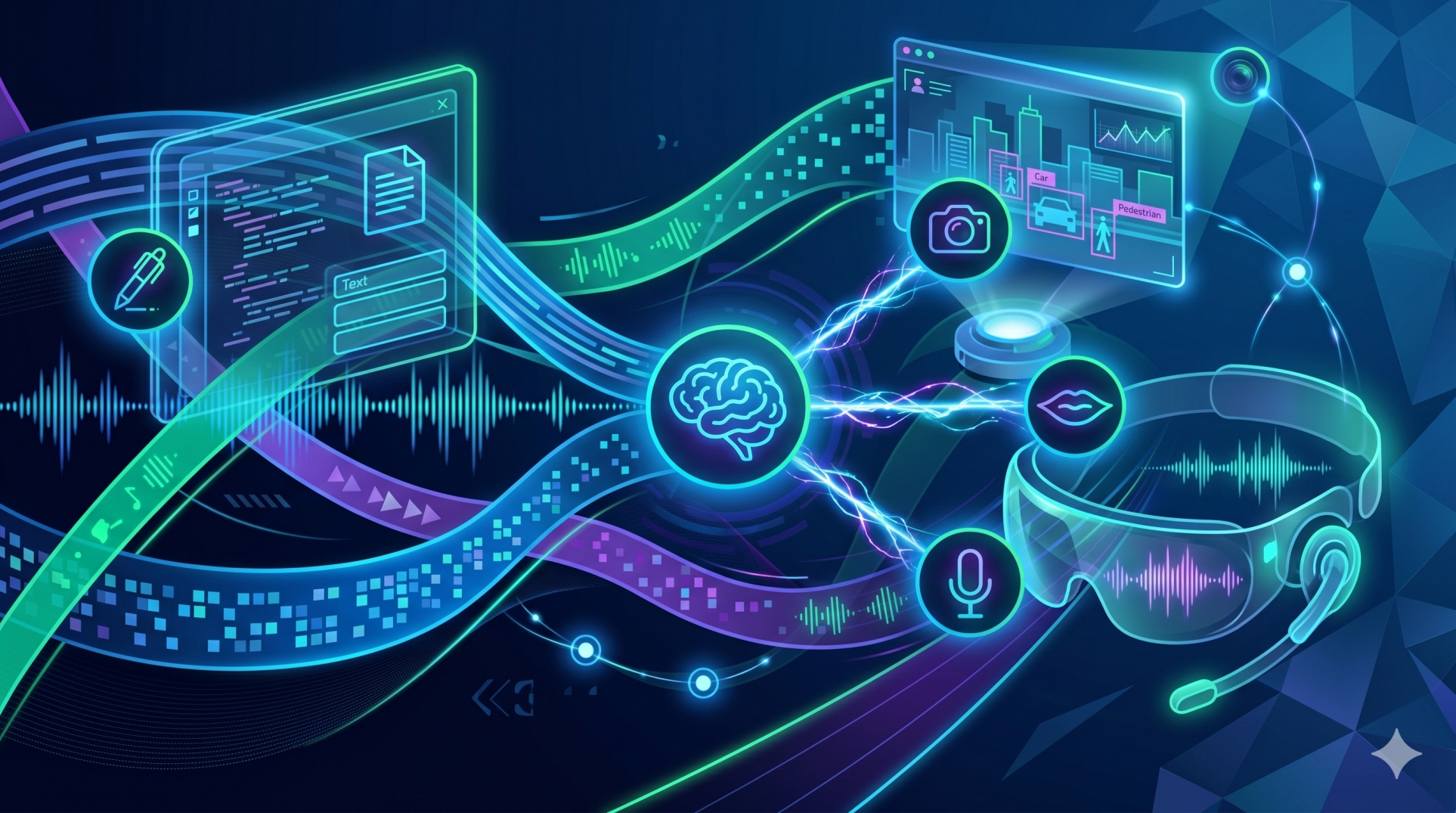
Step 2: Multimodal Intelligence as the New Standard 🎥
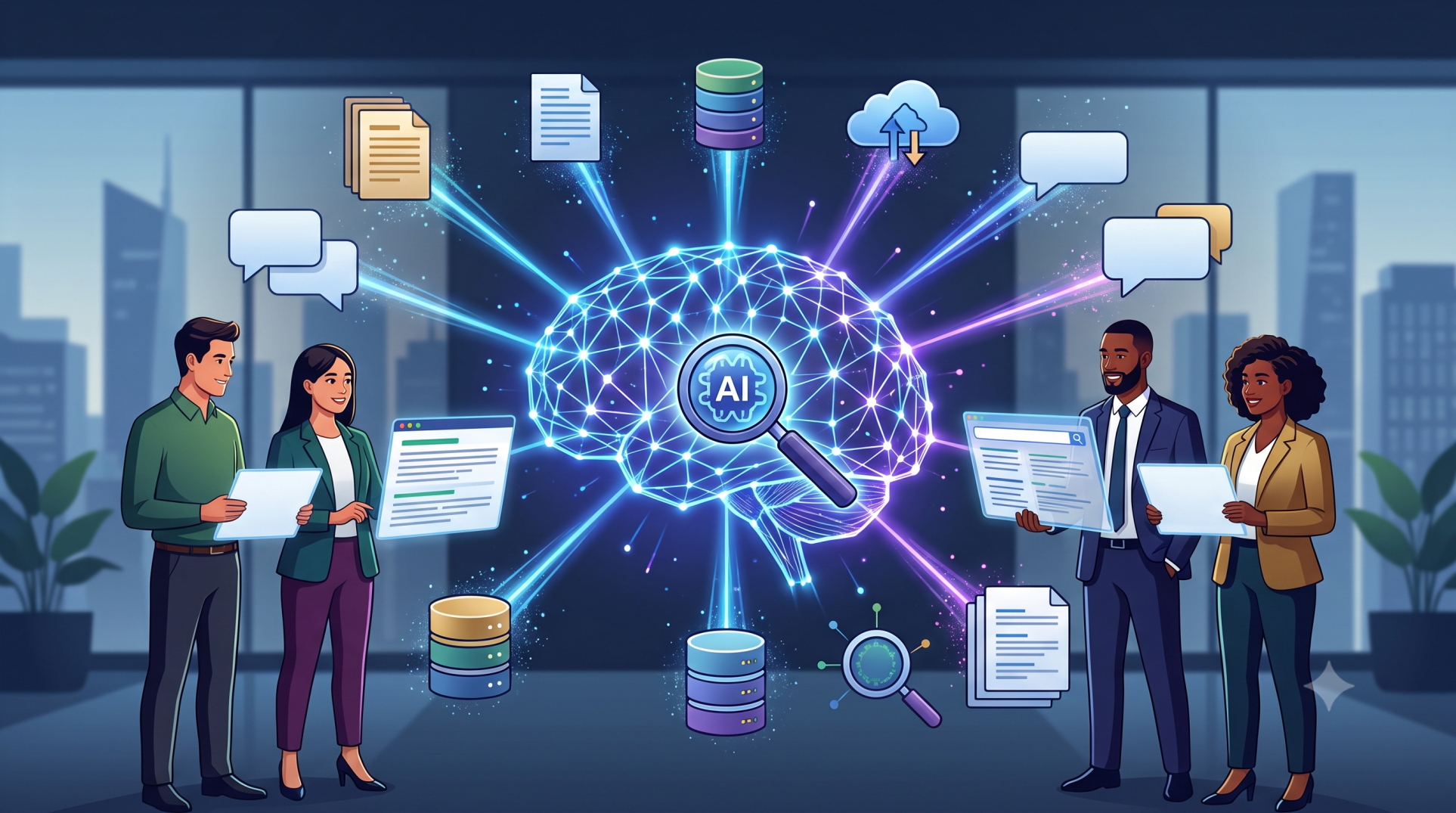
• Integrate text, speech, images, video, and structured data understanding 🔗
• Interpret real-world sensory inputs beyond written language 👁️
• Produce outputs across multiple media formats 📝
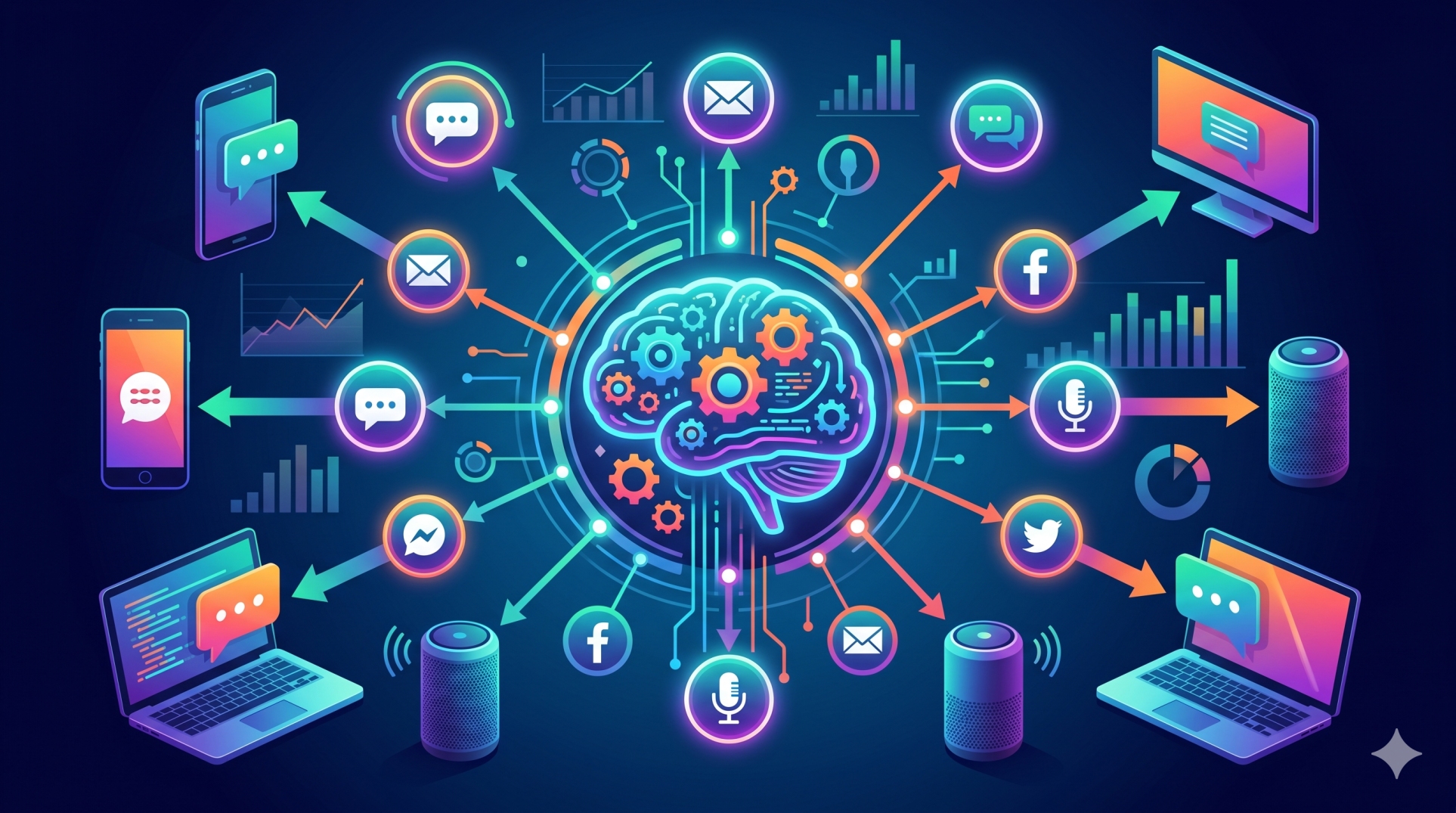
• Expand contextual awareness across communication channels 🌍
• Deliver richer, more natural interaction experiences 🤝
Step 3: Persistent Memory and Context-Aware Systems 🧠
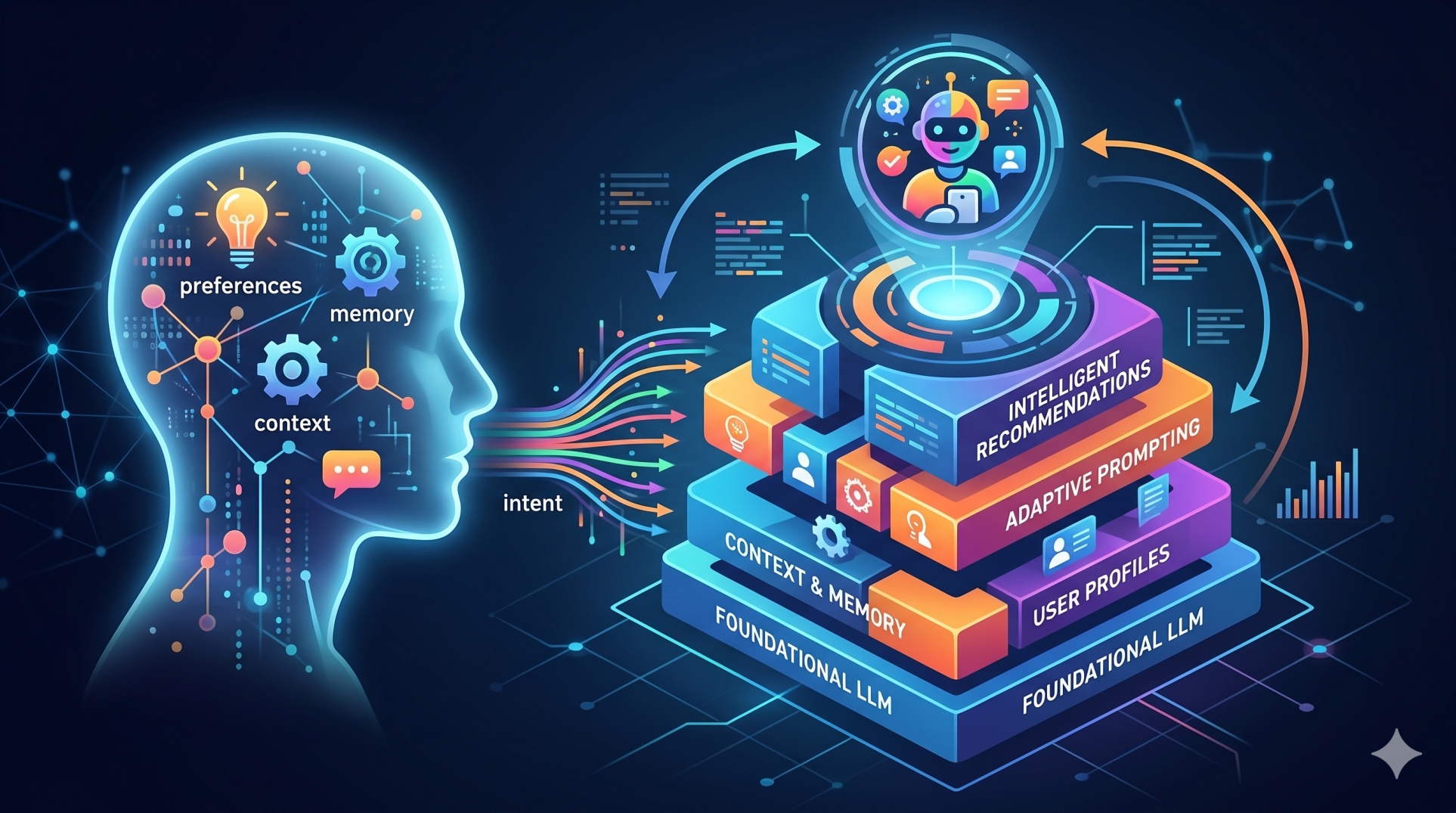
• Maintain long-term contextual awareness across sessions 📚
• Personalize outputs using historical patterns and preferences 👤
• Adapt dynamically to changing goals and user intent 🔄
• Minimize repetition and contextual fragmentation ⚙️
• Support continuous, evolving engagement environments 🌱
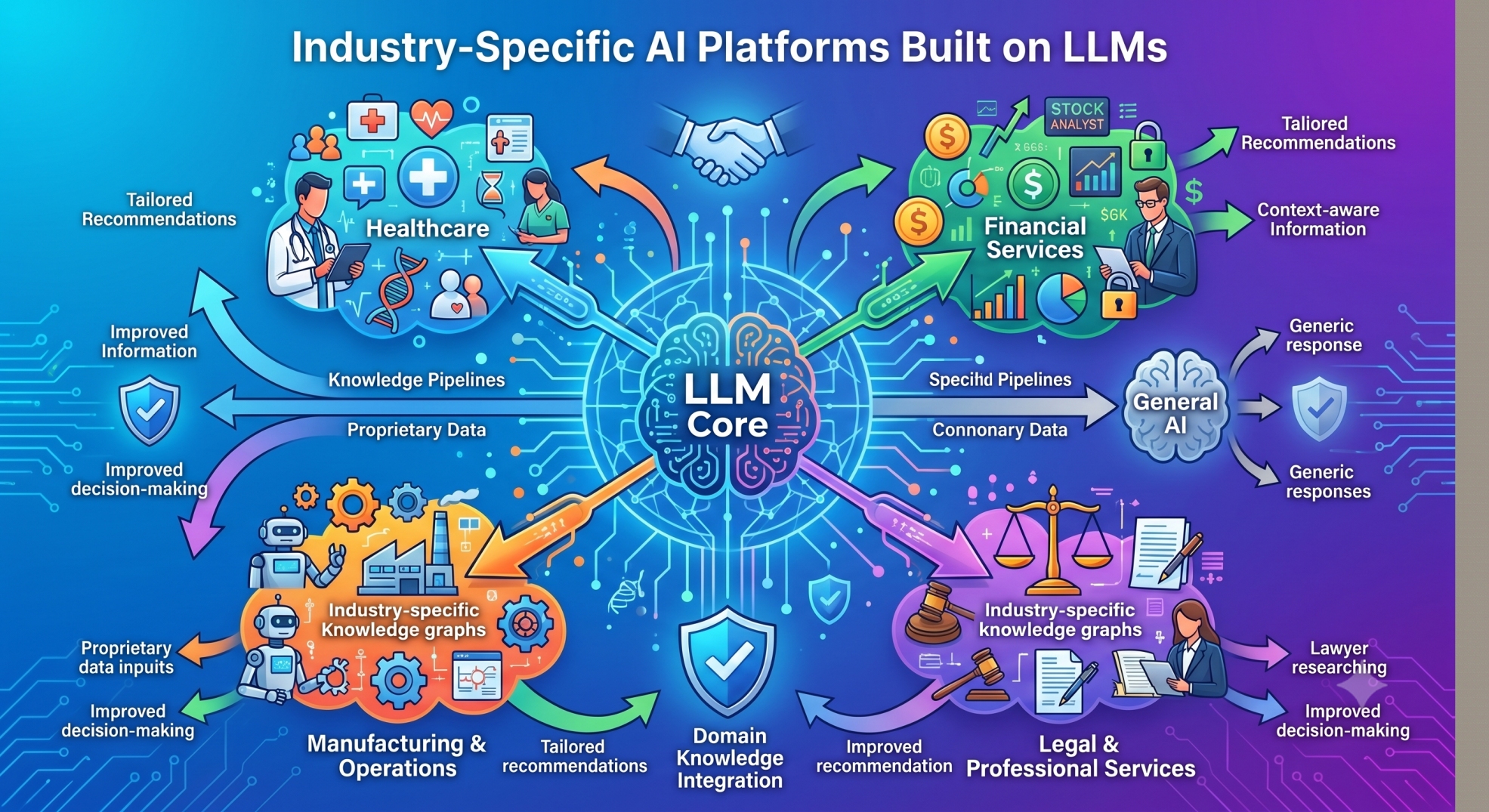
Step 4: Domain-Specialized AI Systems 🏥
• Move beyond broad general-purpose reasoning 📊
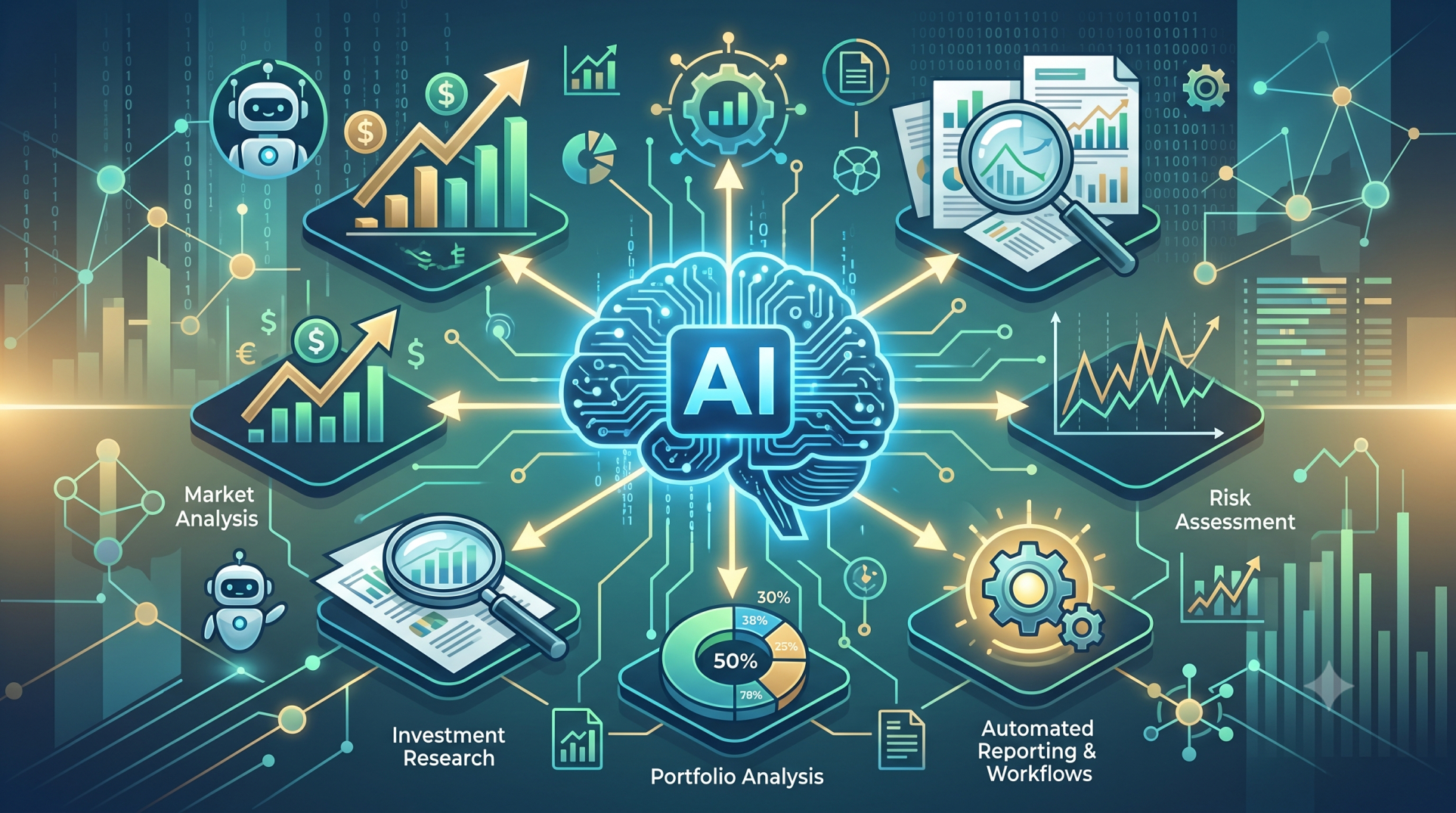
• Tailor capabilities for sectors like healthcare, finance, and manufacturing 🏭
• Embed regulatory, compliance, and domain expertise directly into models 📘
• Increase precision for high-risk and mission-critical use cases 🎯
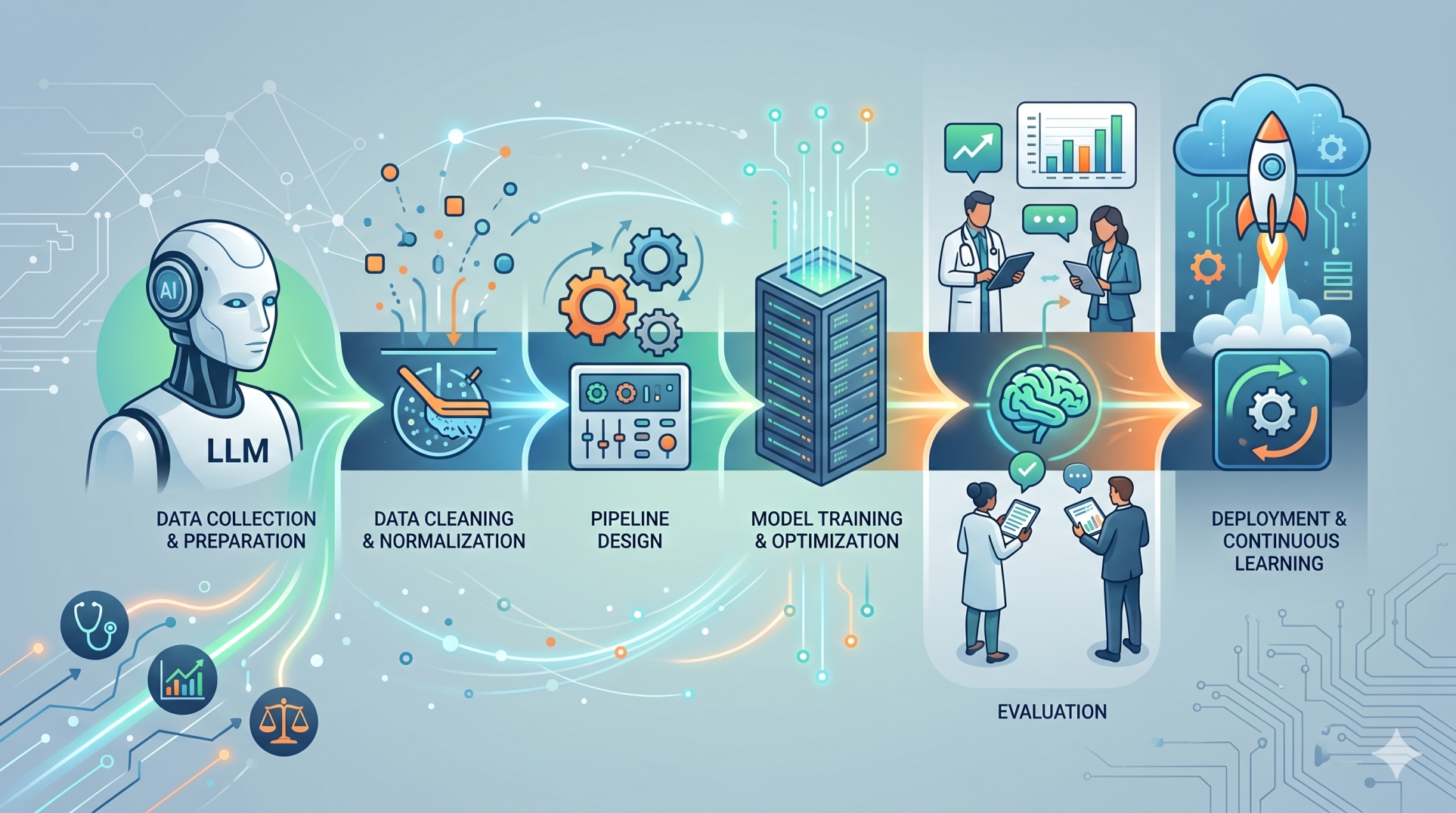
• Enhance reliability through targeted data and fine-tuning strategies 🔍
Step 5: Integration with Real-World Systems 🔗
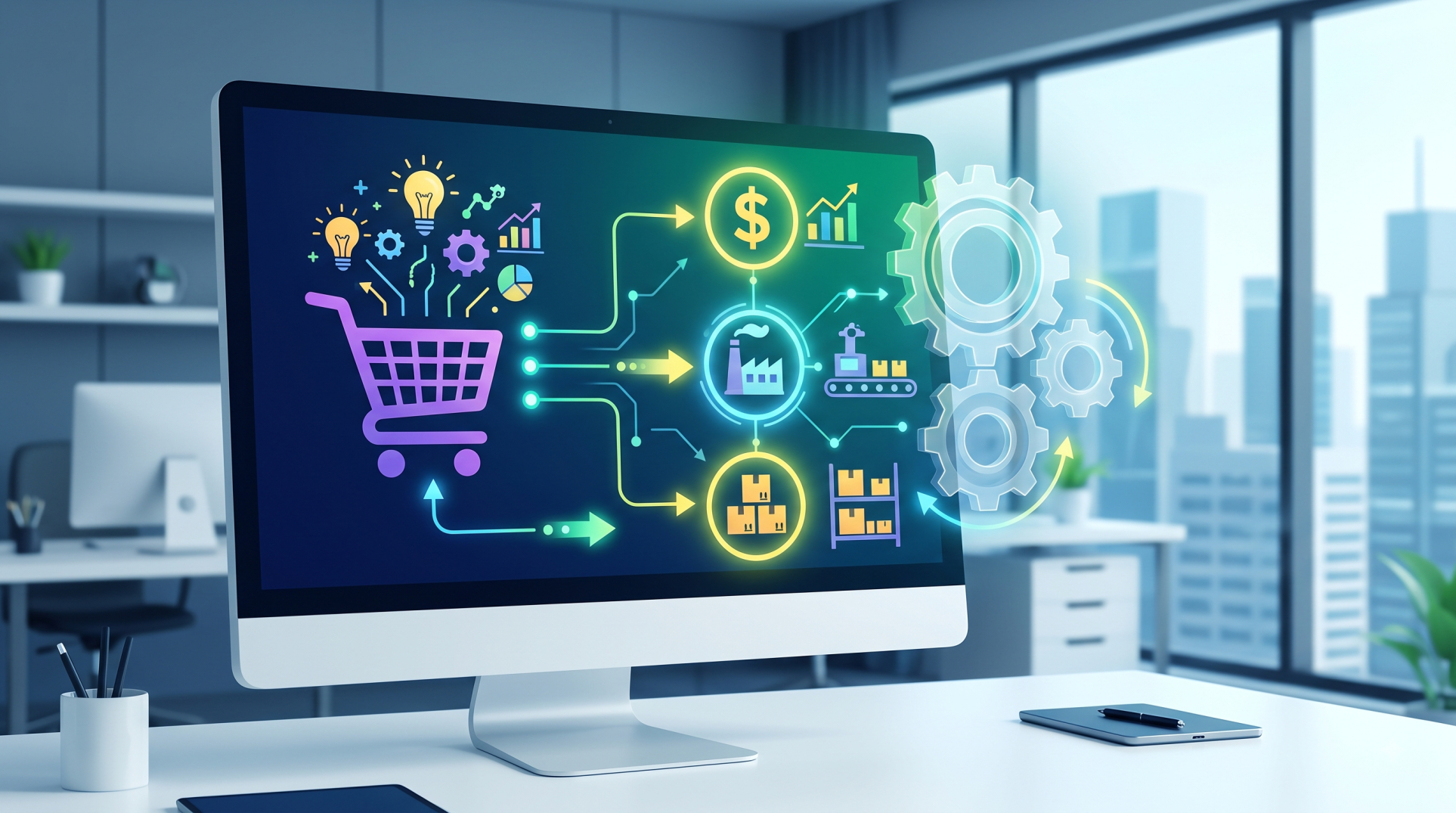
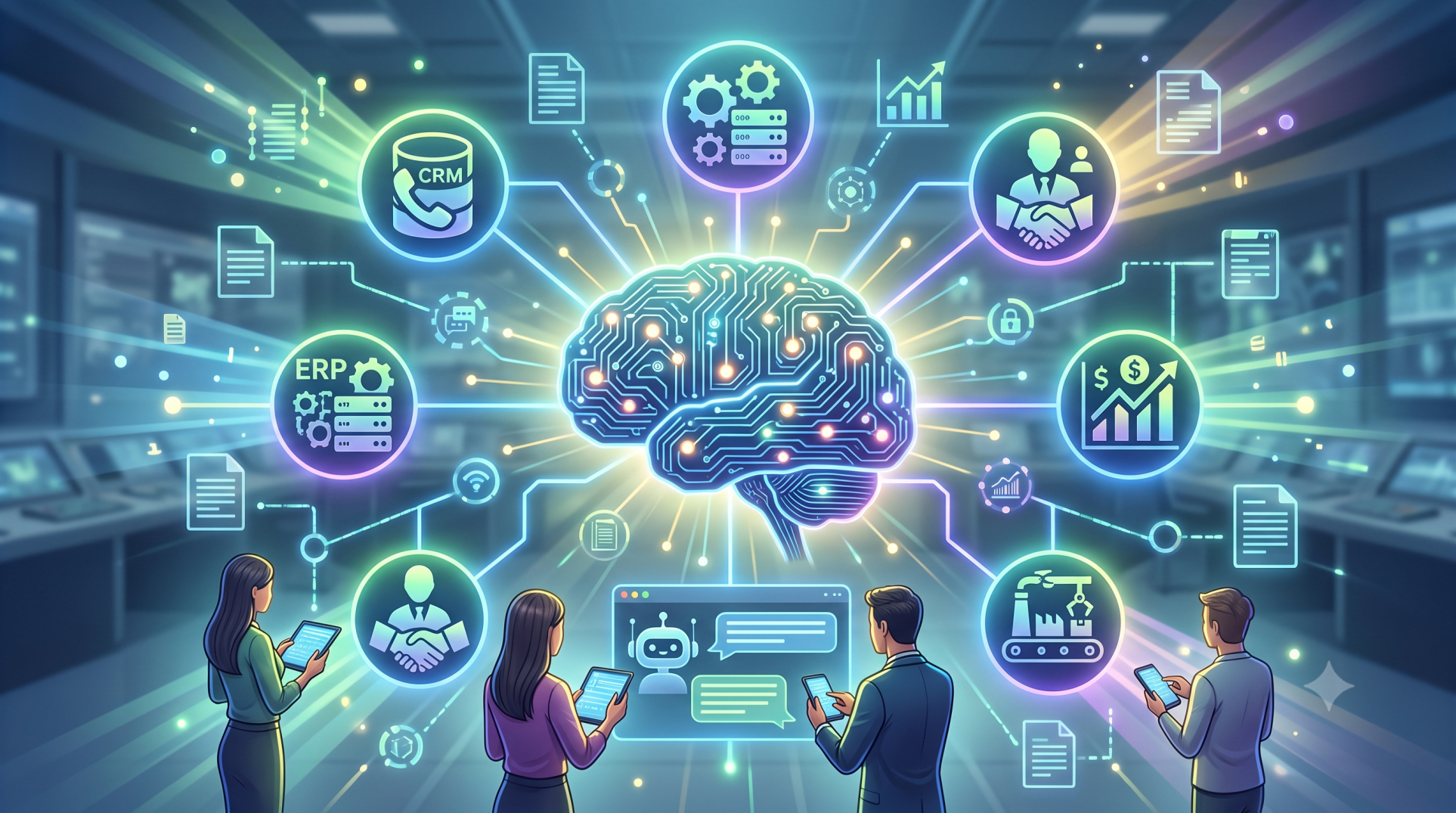
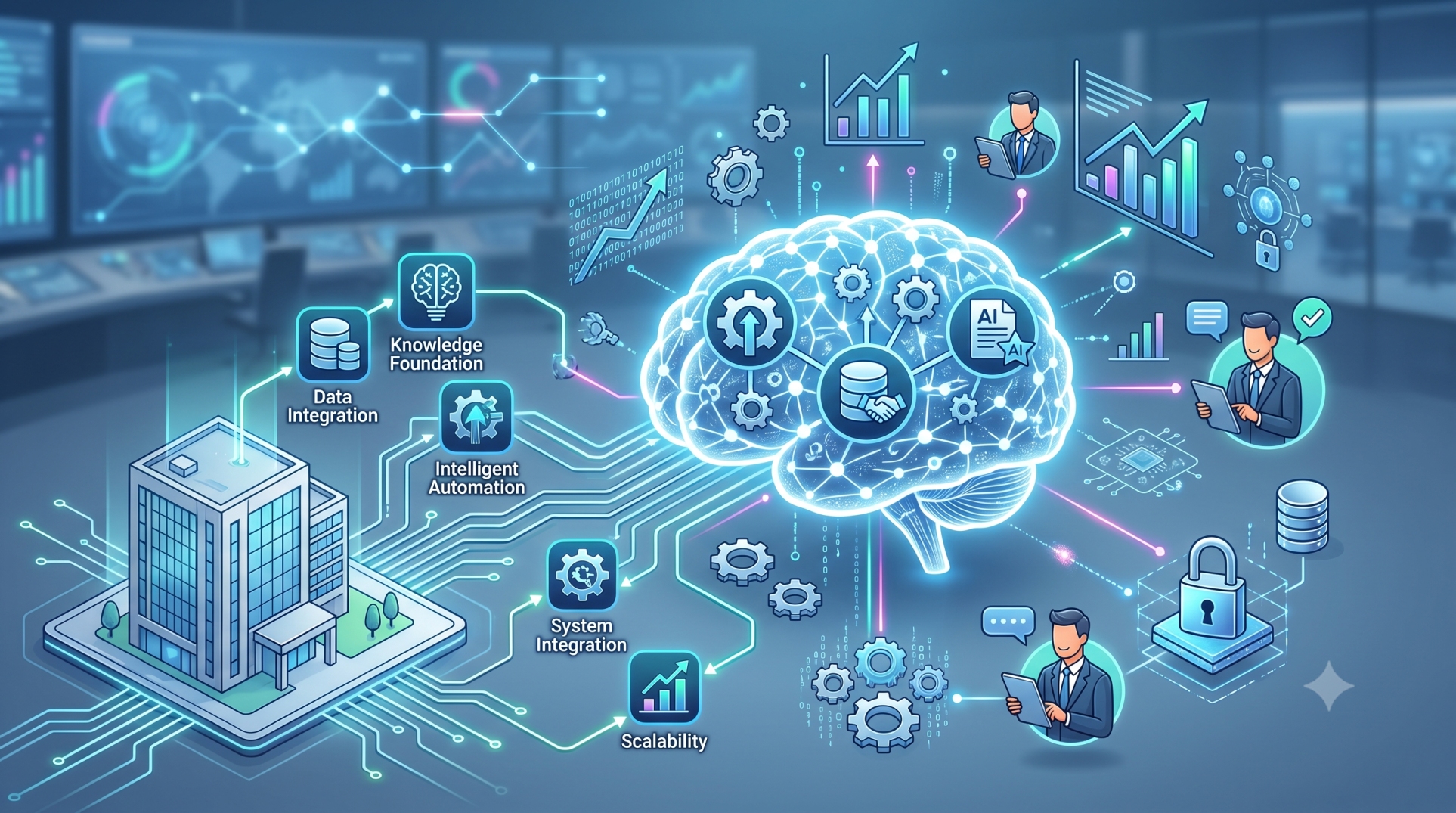
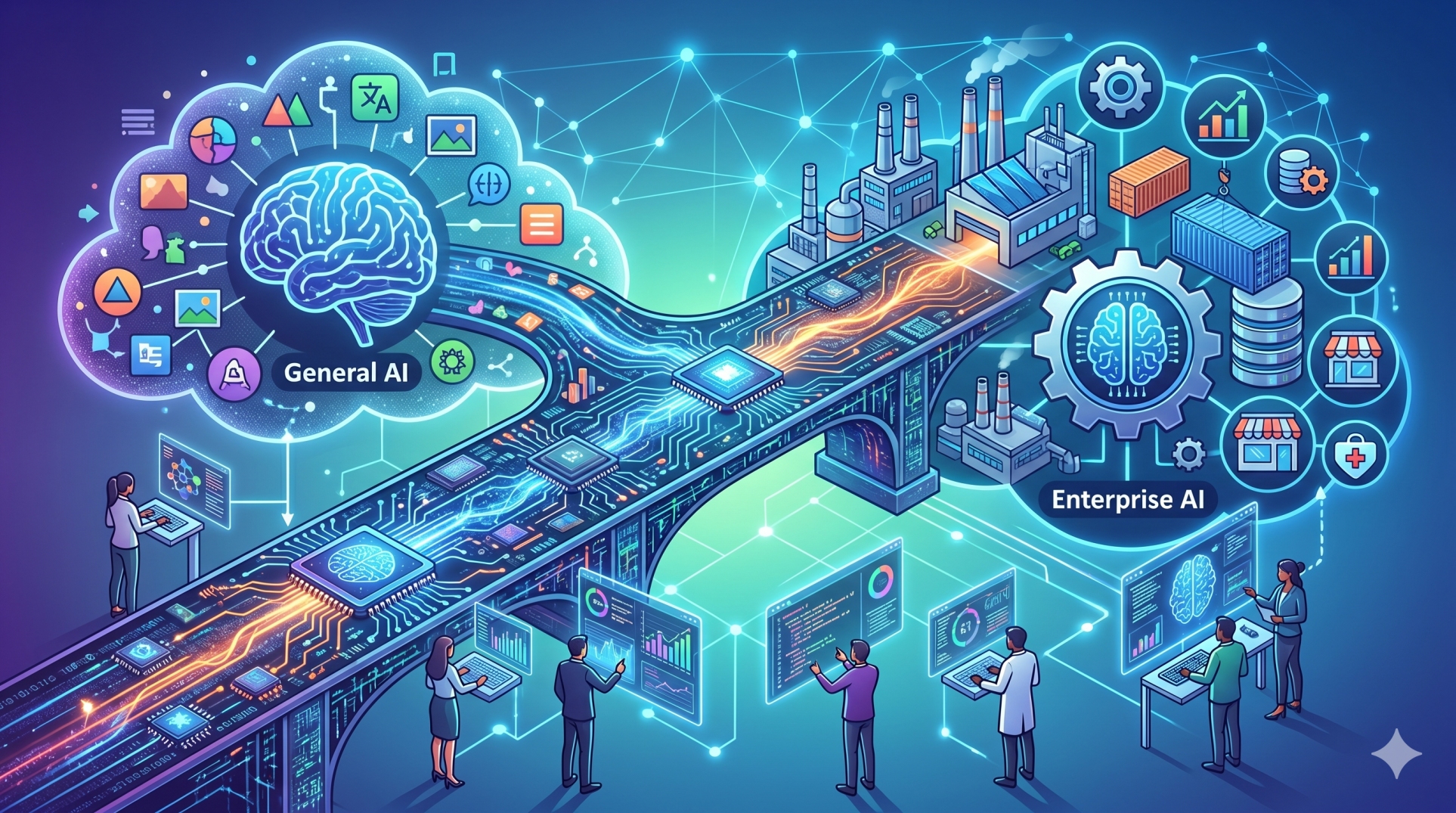
• Connect AI directly to enterprise software platforms 🏢
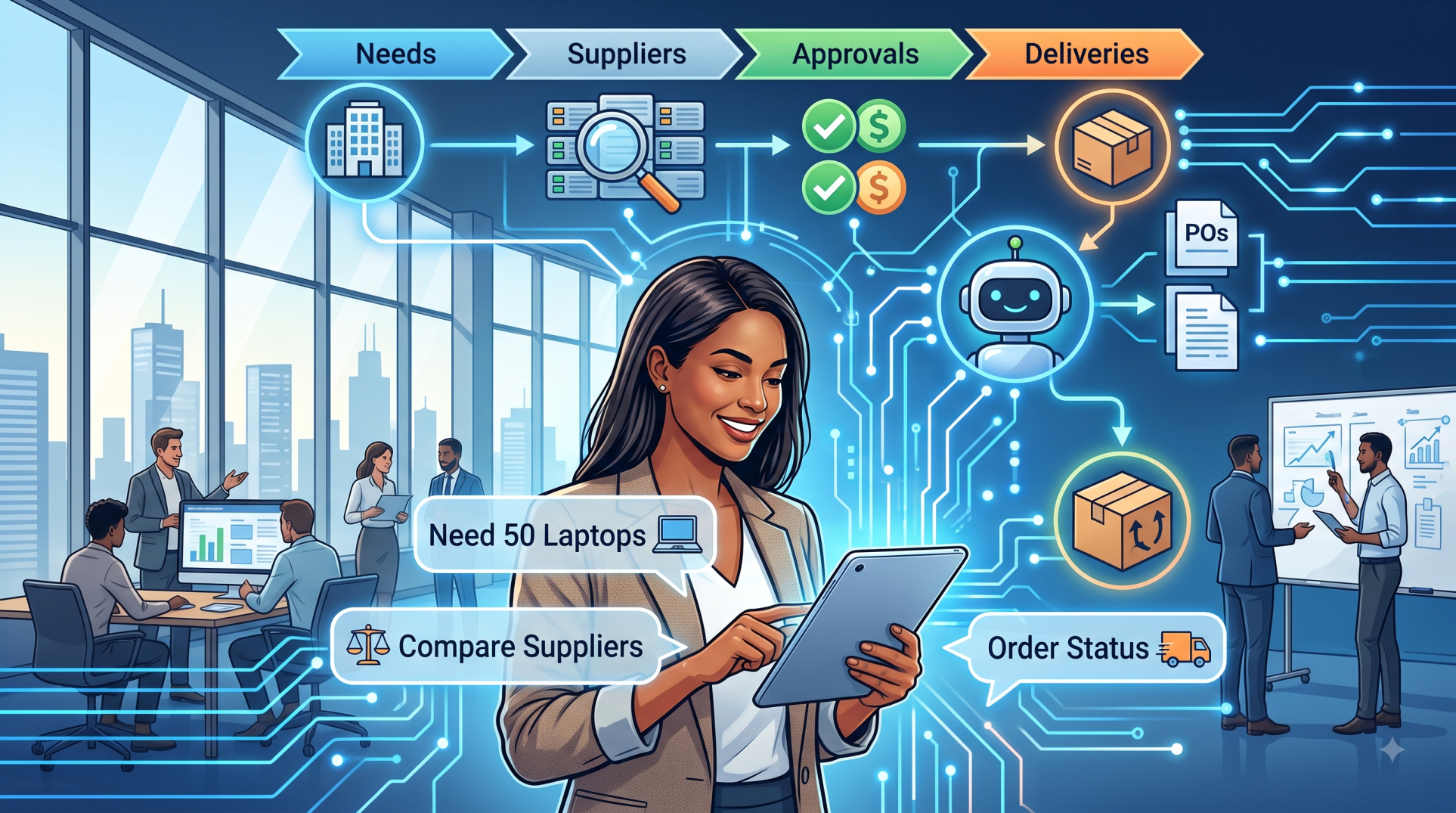
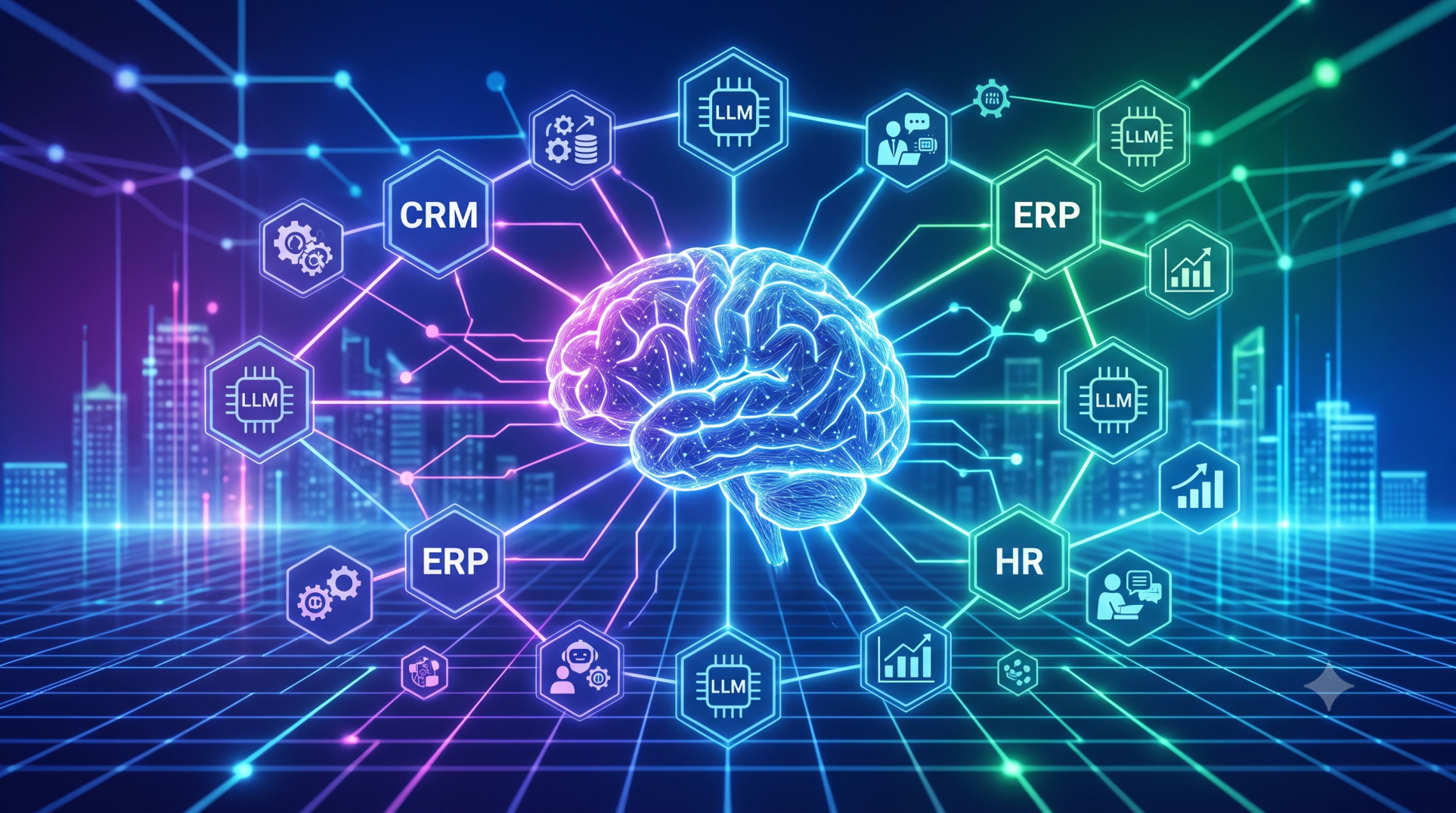
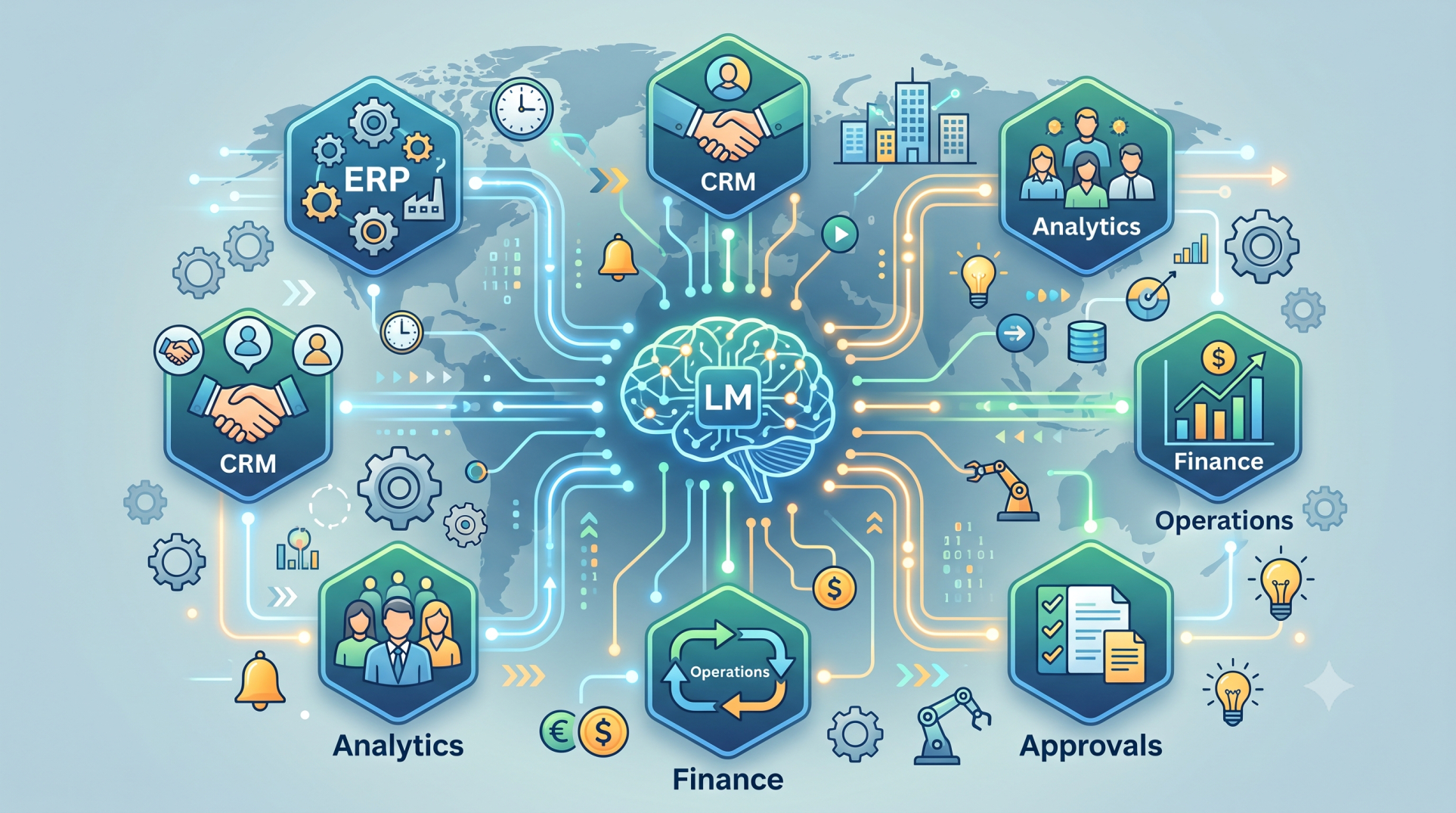
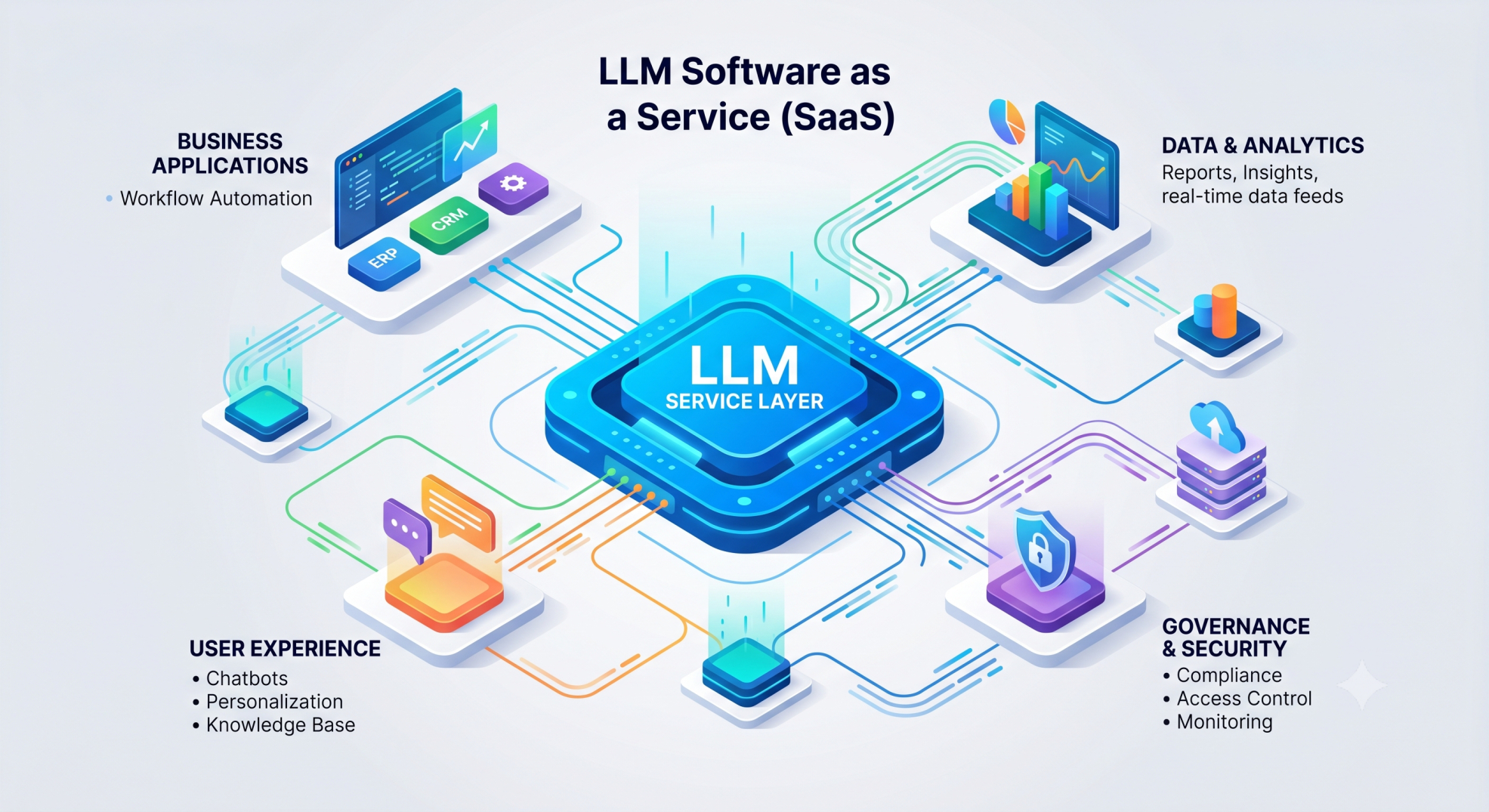
• Trigger automated workflows across ERP, CRM, and operational tools ⚙️
• Orchestrate complex business processes end-to-end 🔄
• Reduce cross-department coordination friction 🤝
• Transition from advisory support to execution-driven systems 🚀
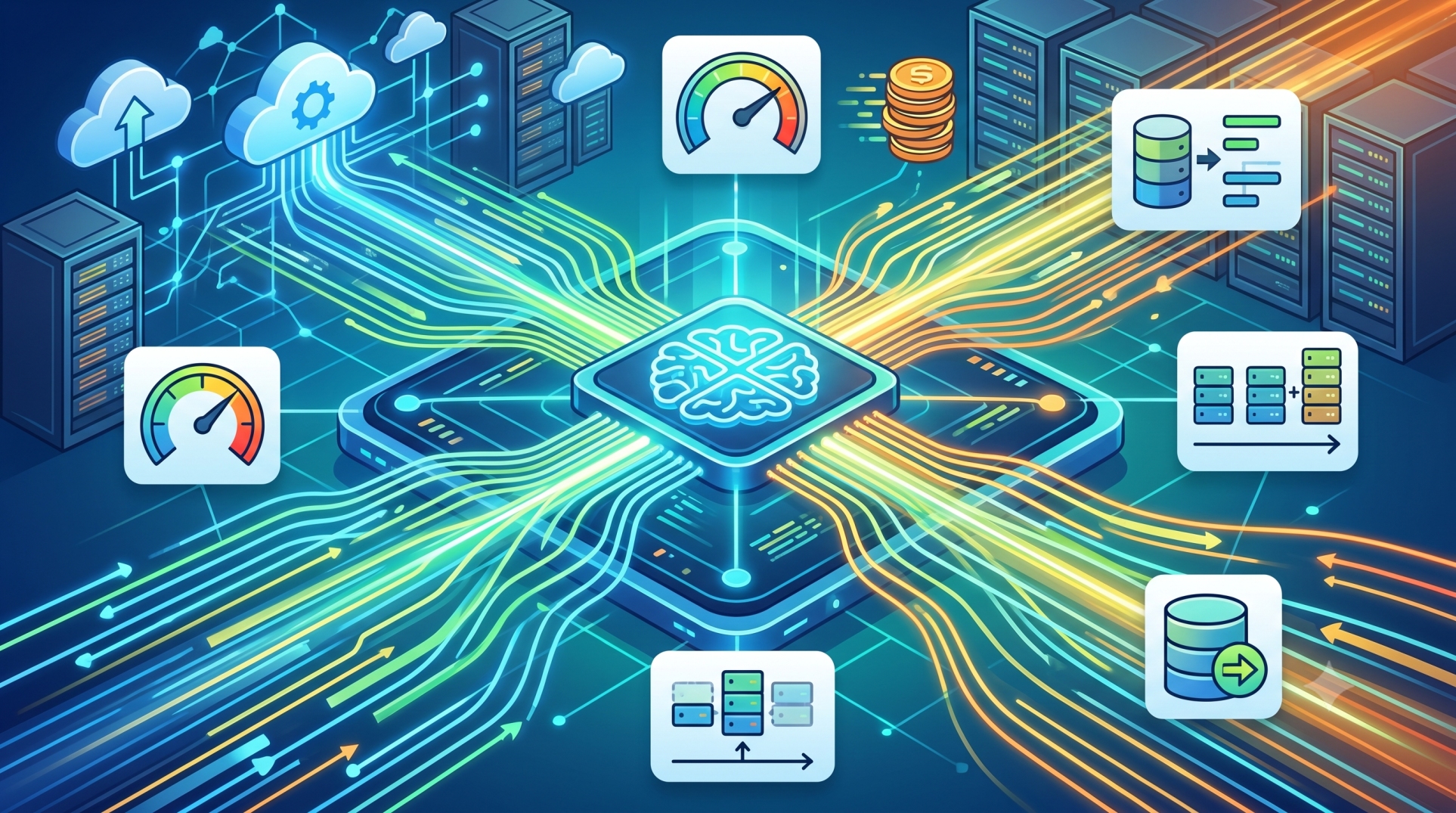
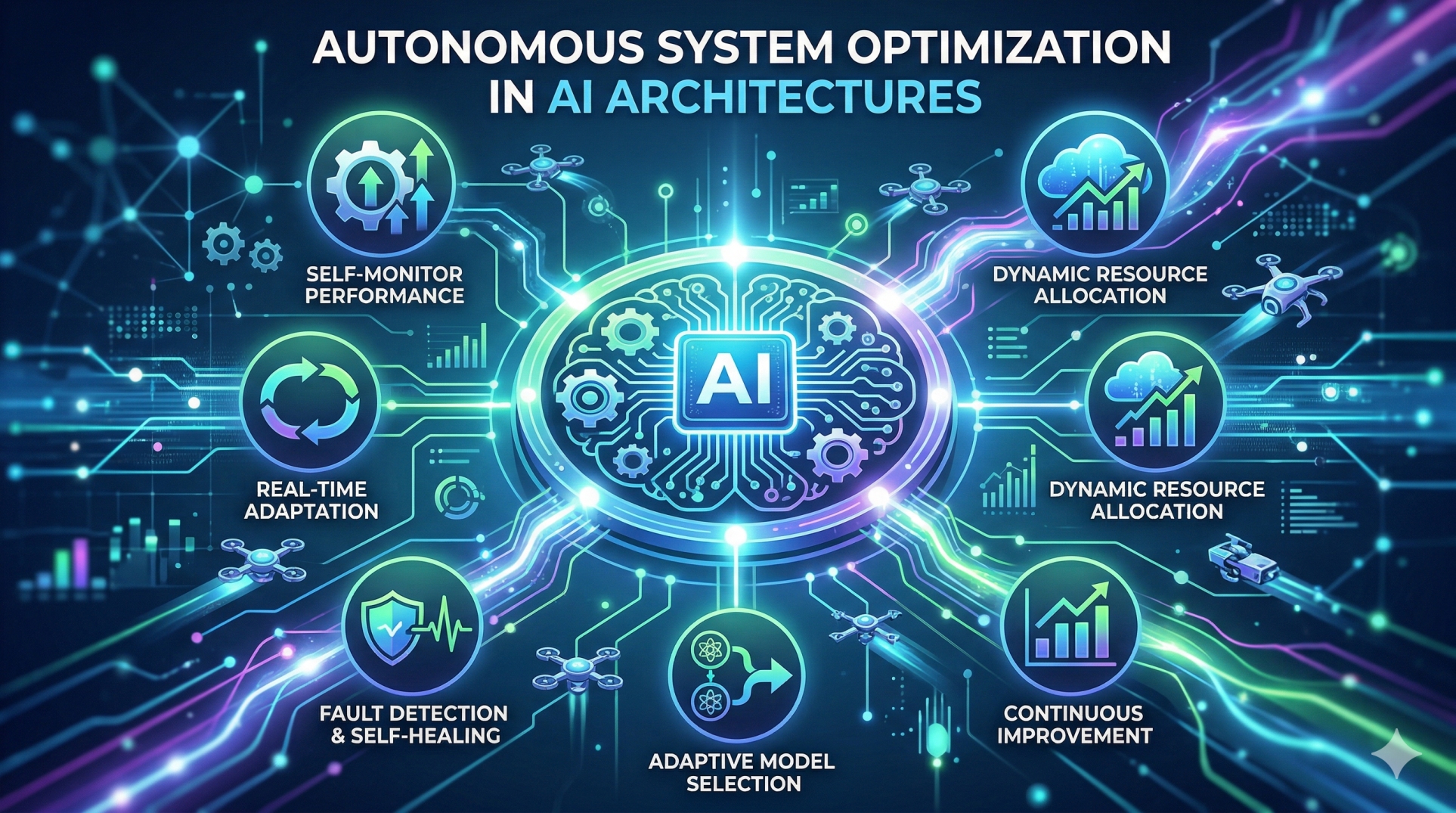
Step 6: Real-Time Adaptive Intelligence ⚡
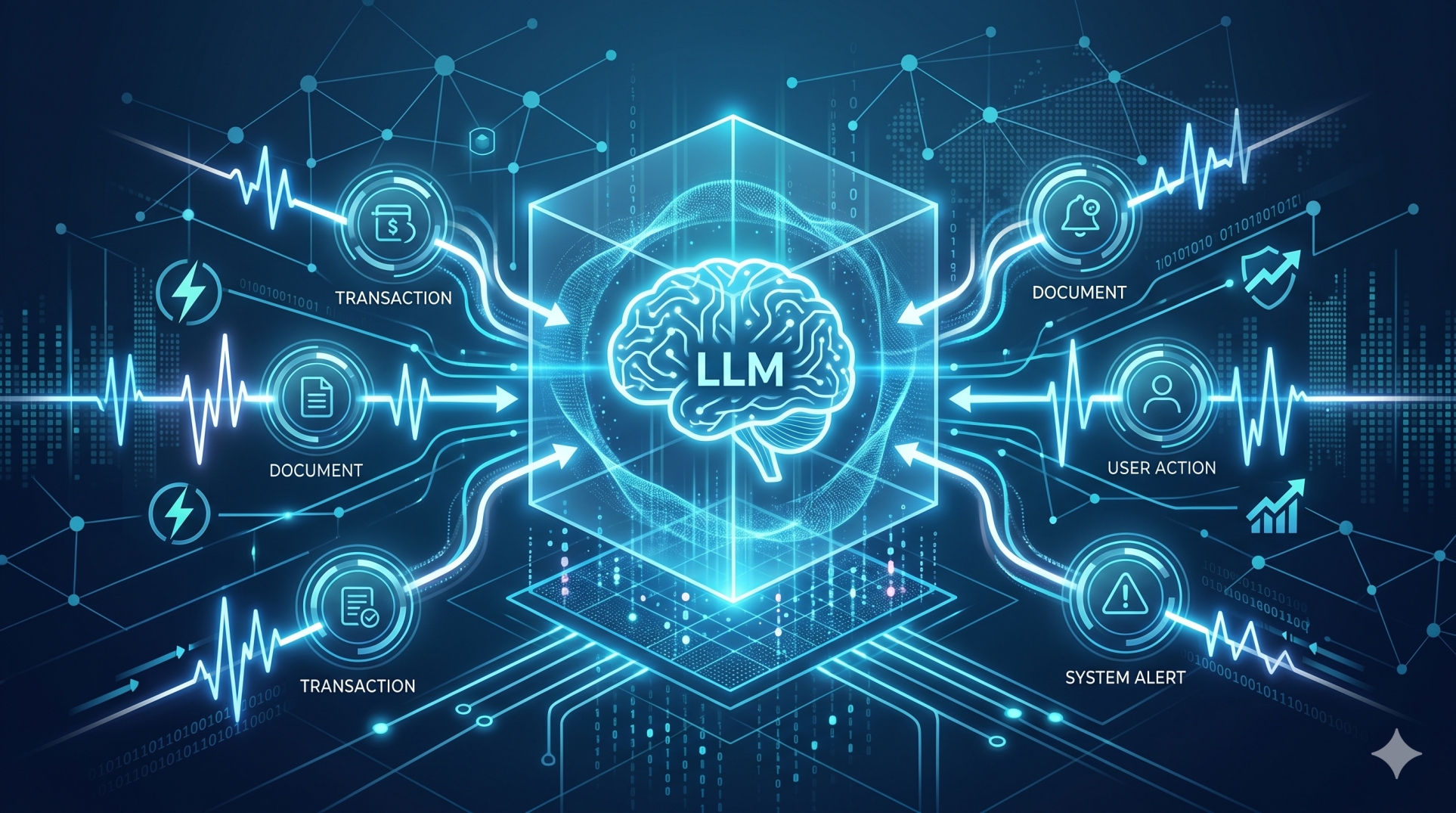
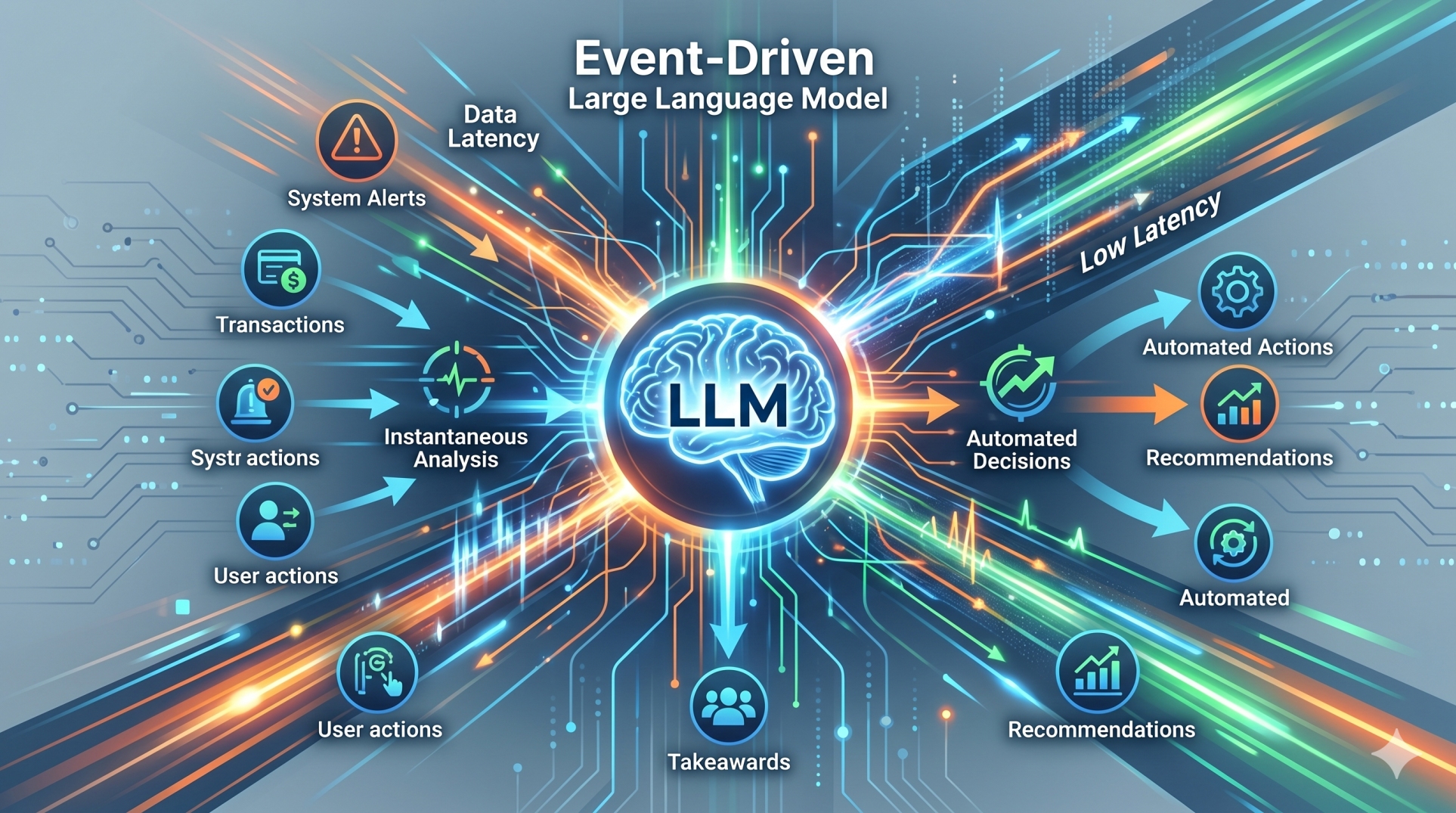
• Adjust outputs instantly using live data streams 📡
• Respond dynamically to operational and environmental shifts 🌍
• Enable predictive and proactive system behaviors 📈
• Support time-sensitive decision-making environments ⏱️
• Improve organizational resilience during volatility 🛡️
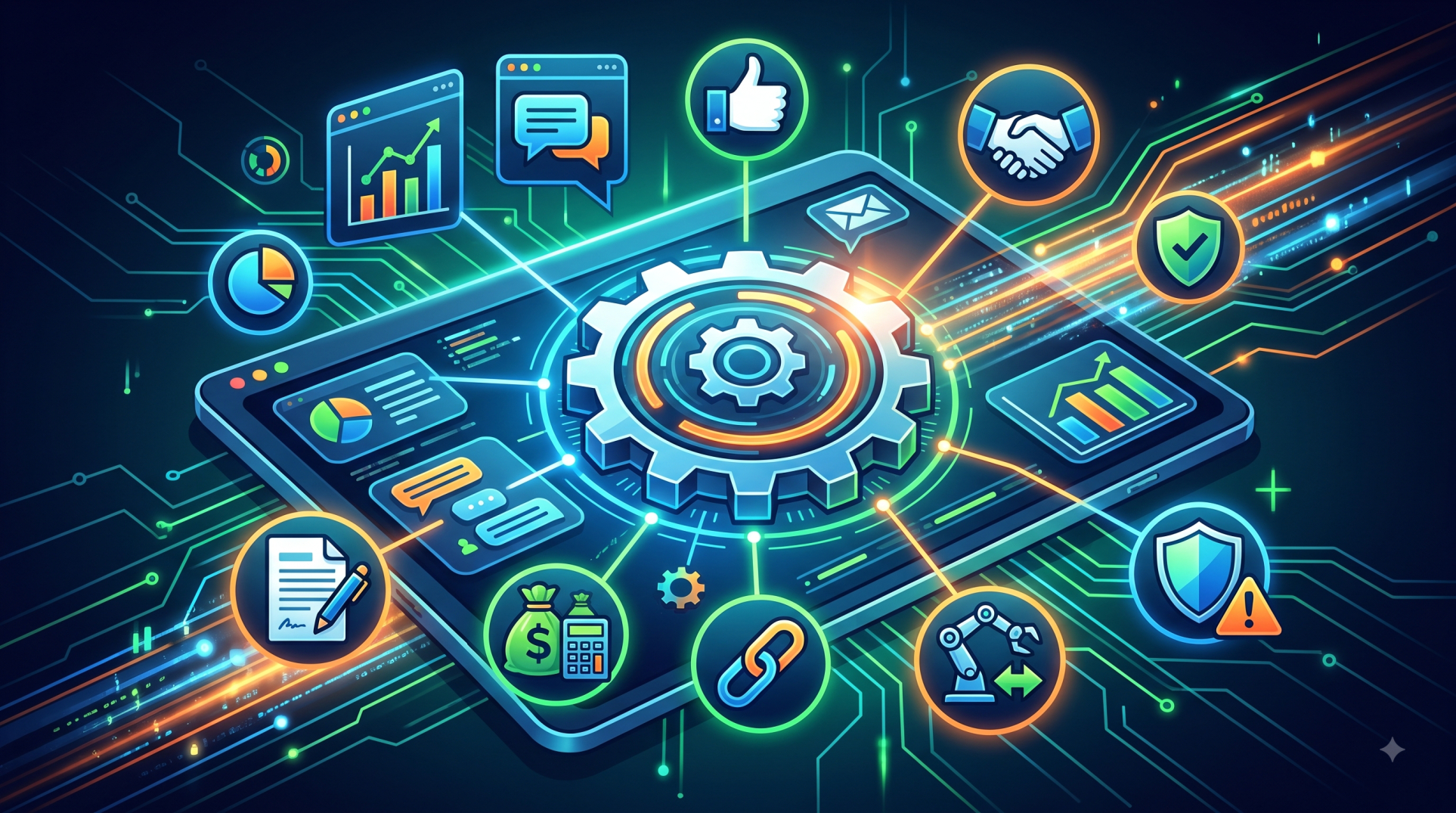
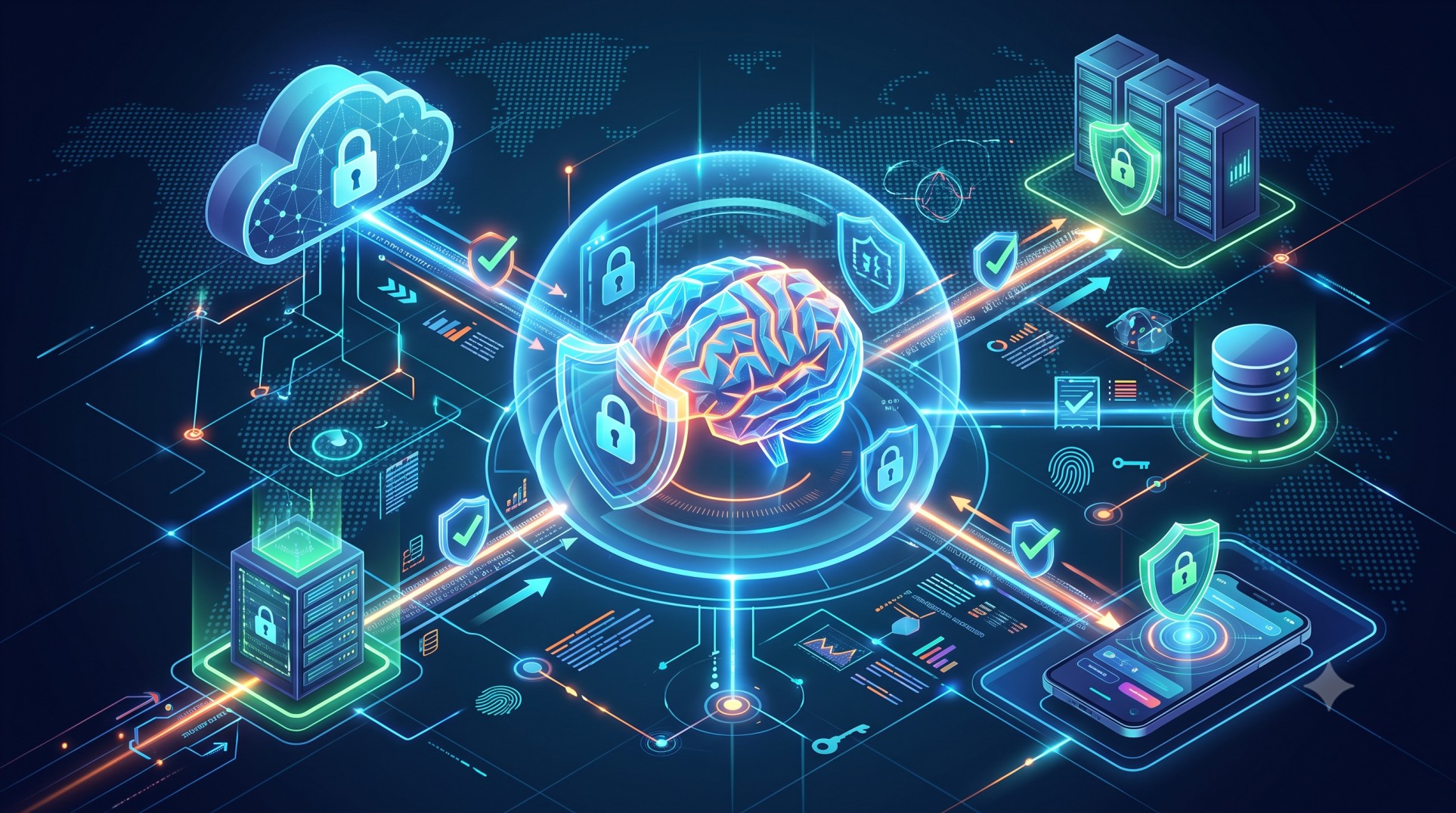
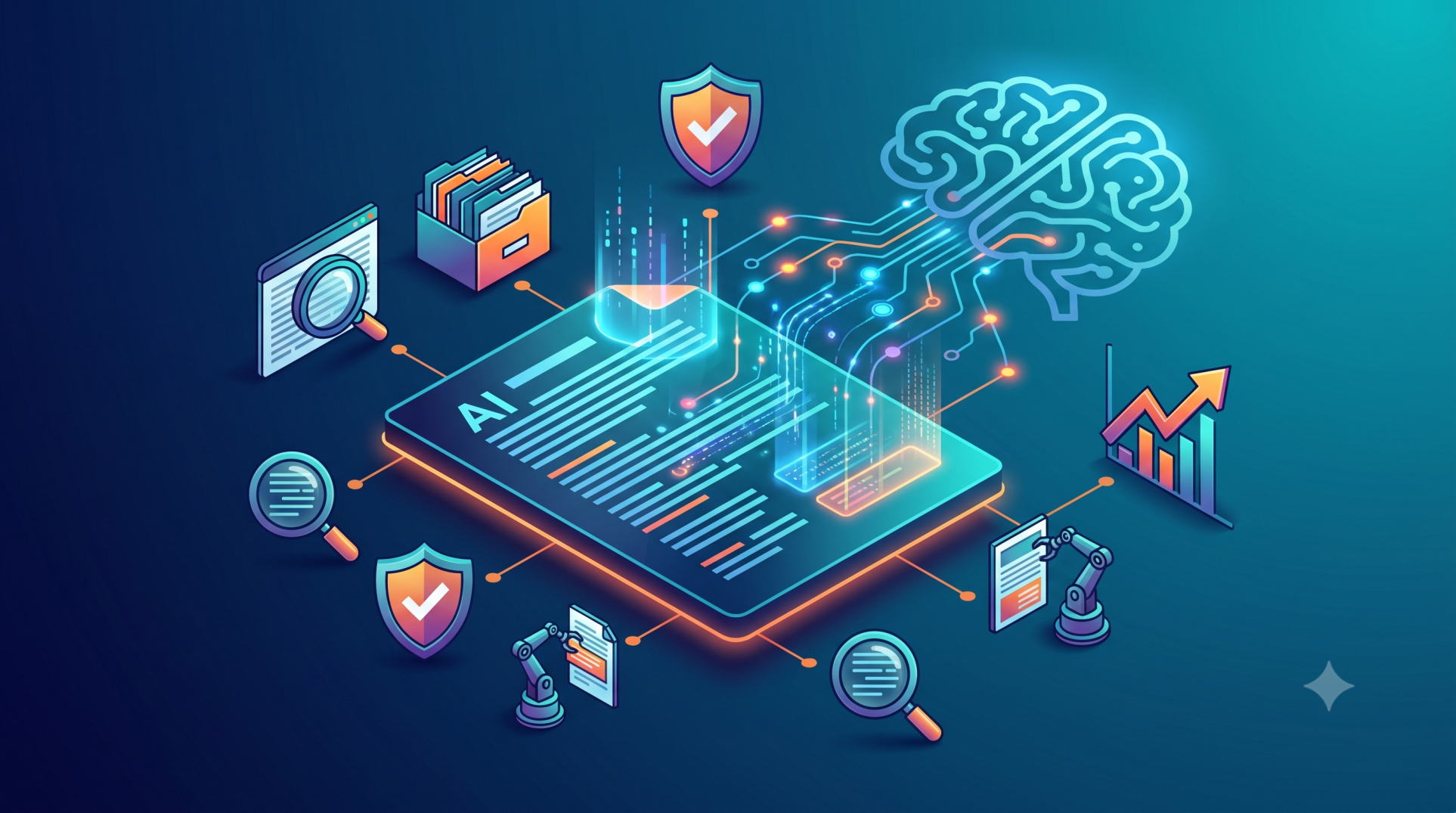
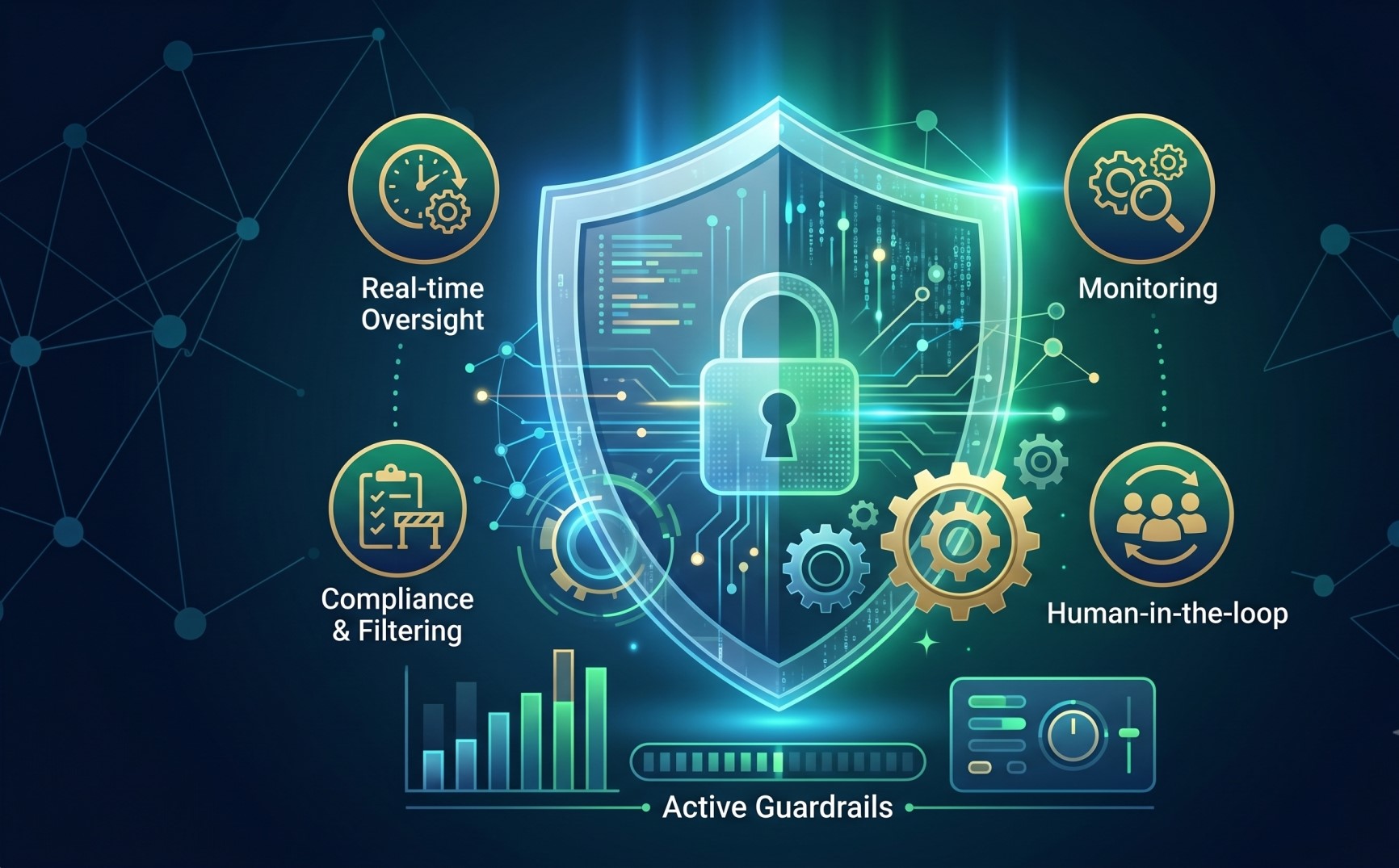
Step 7: Trust, Safety, and Governance Layers 🛡️
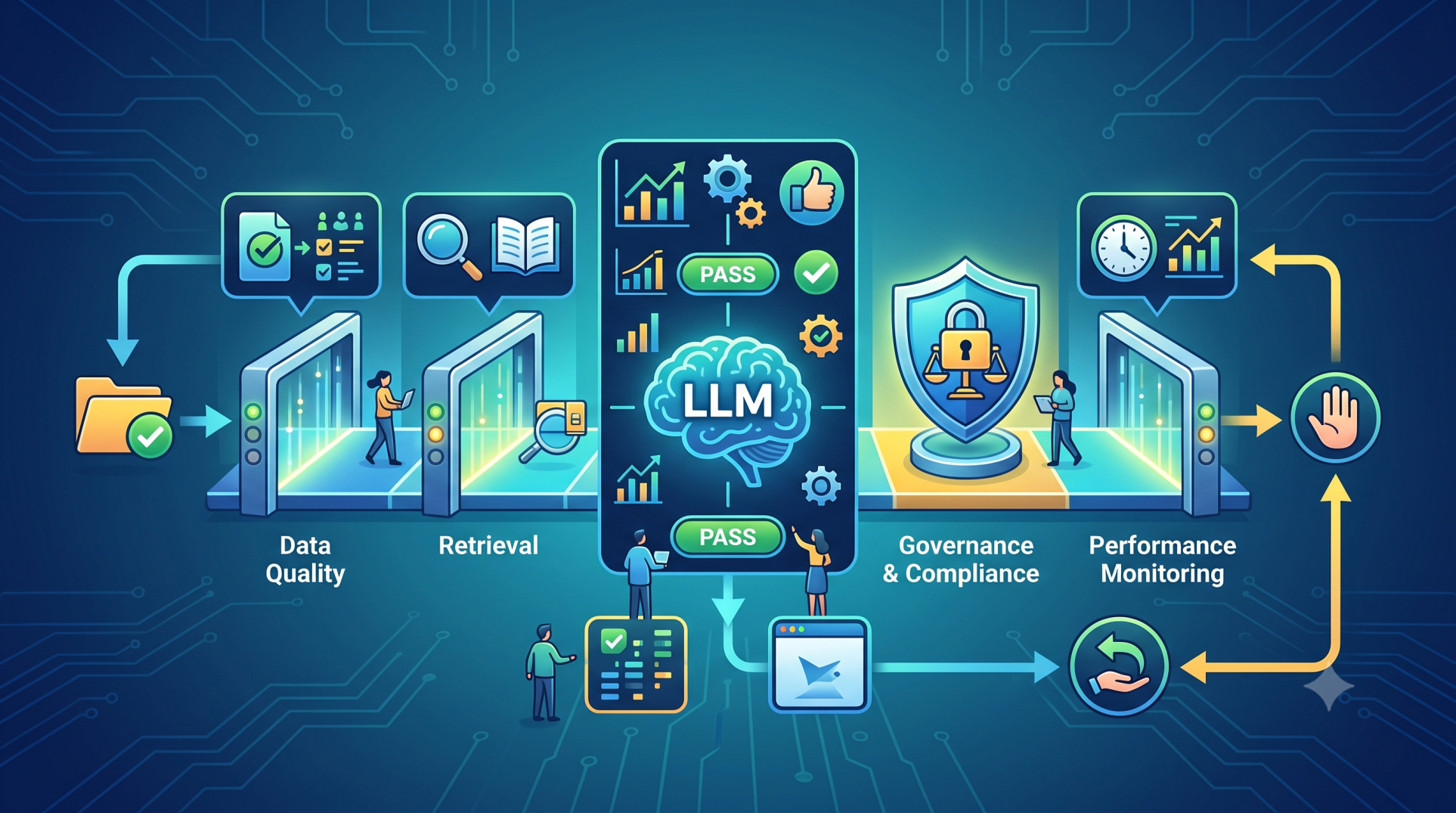
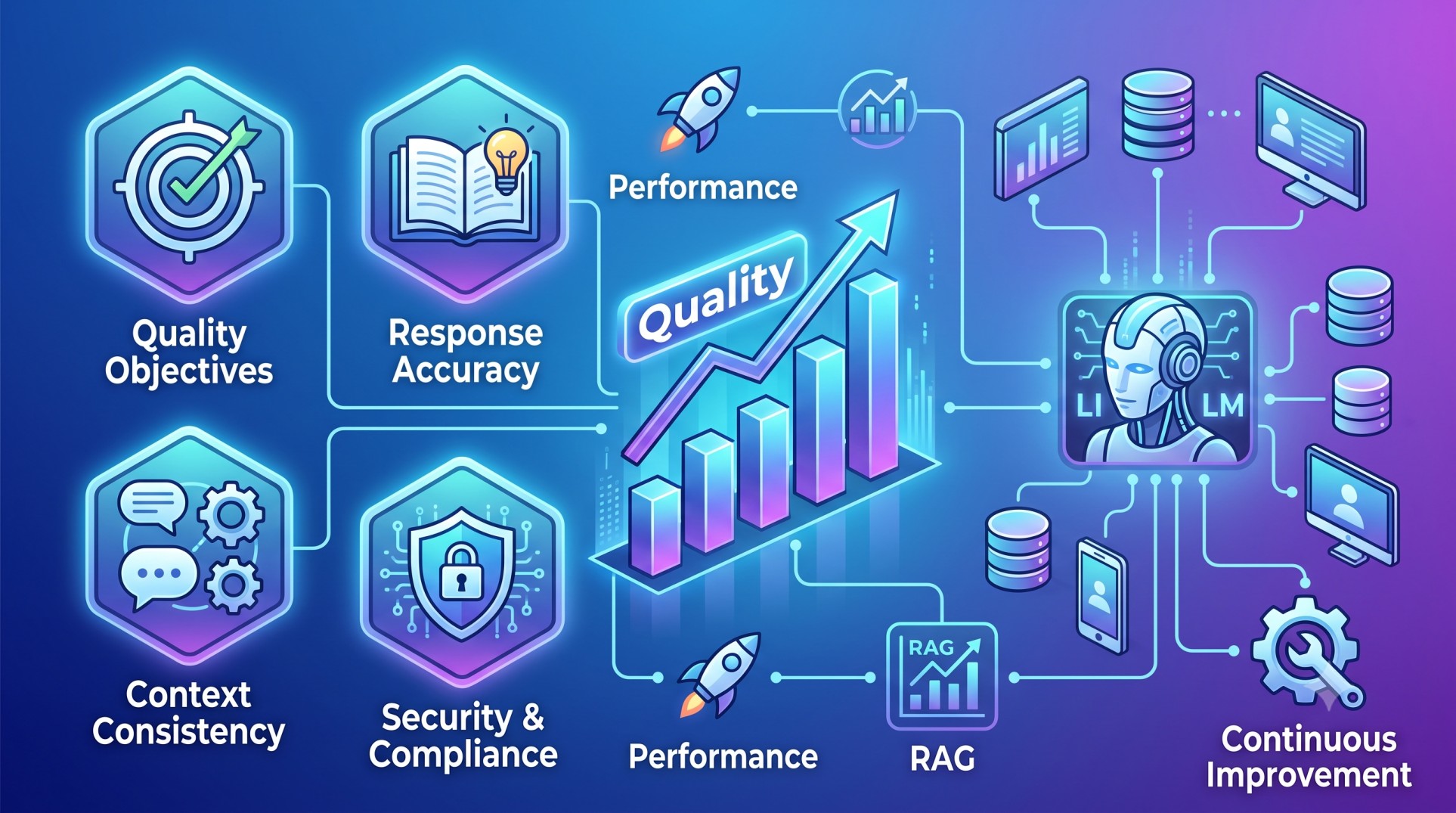
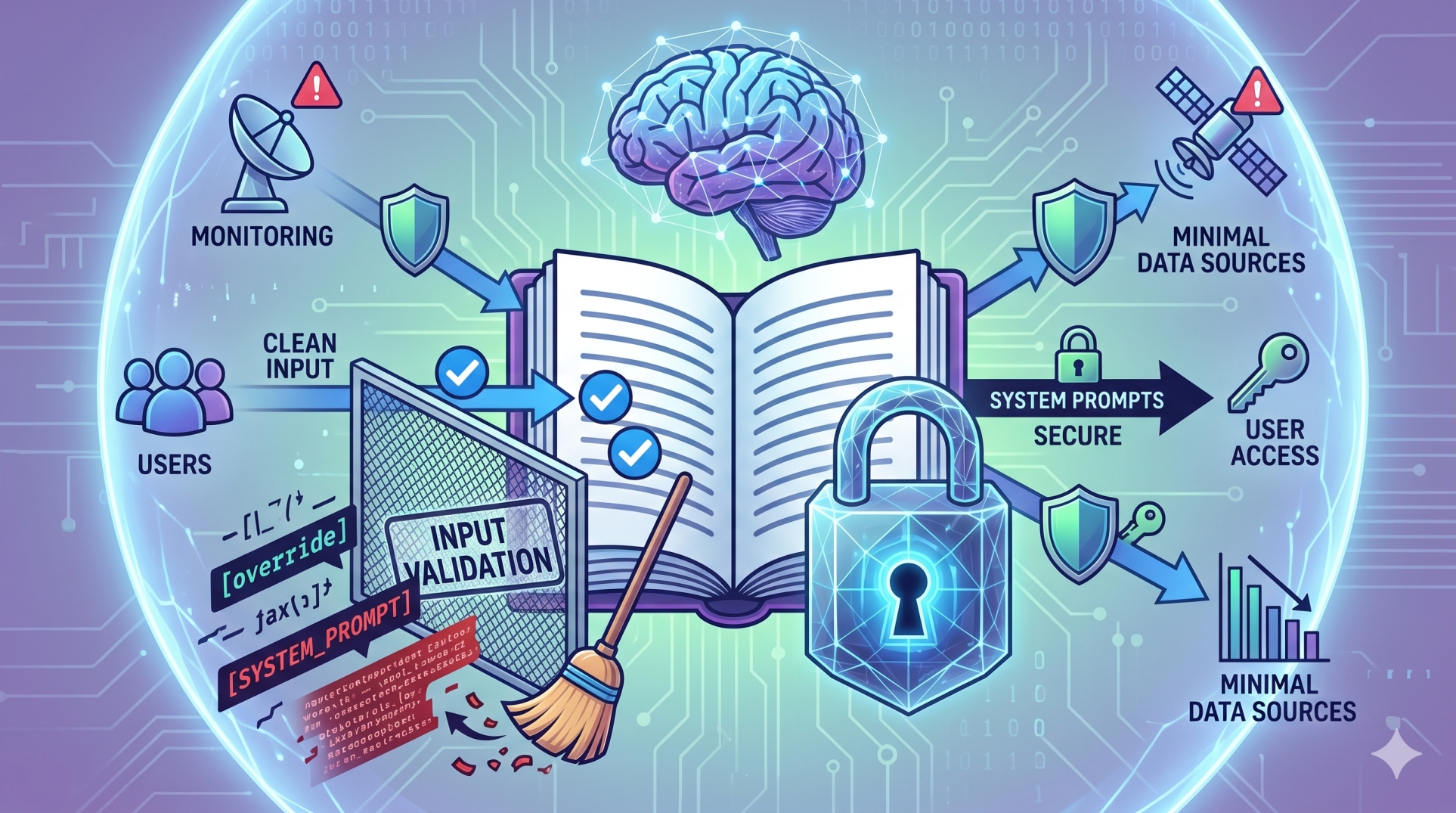
• Embed continuous evaluation and performance monitoring 📊
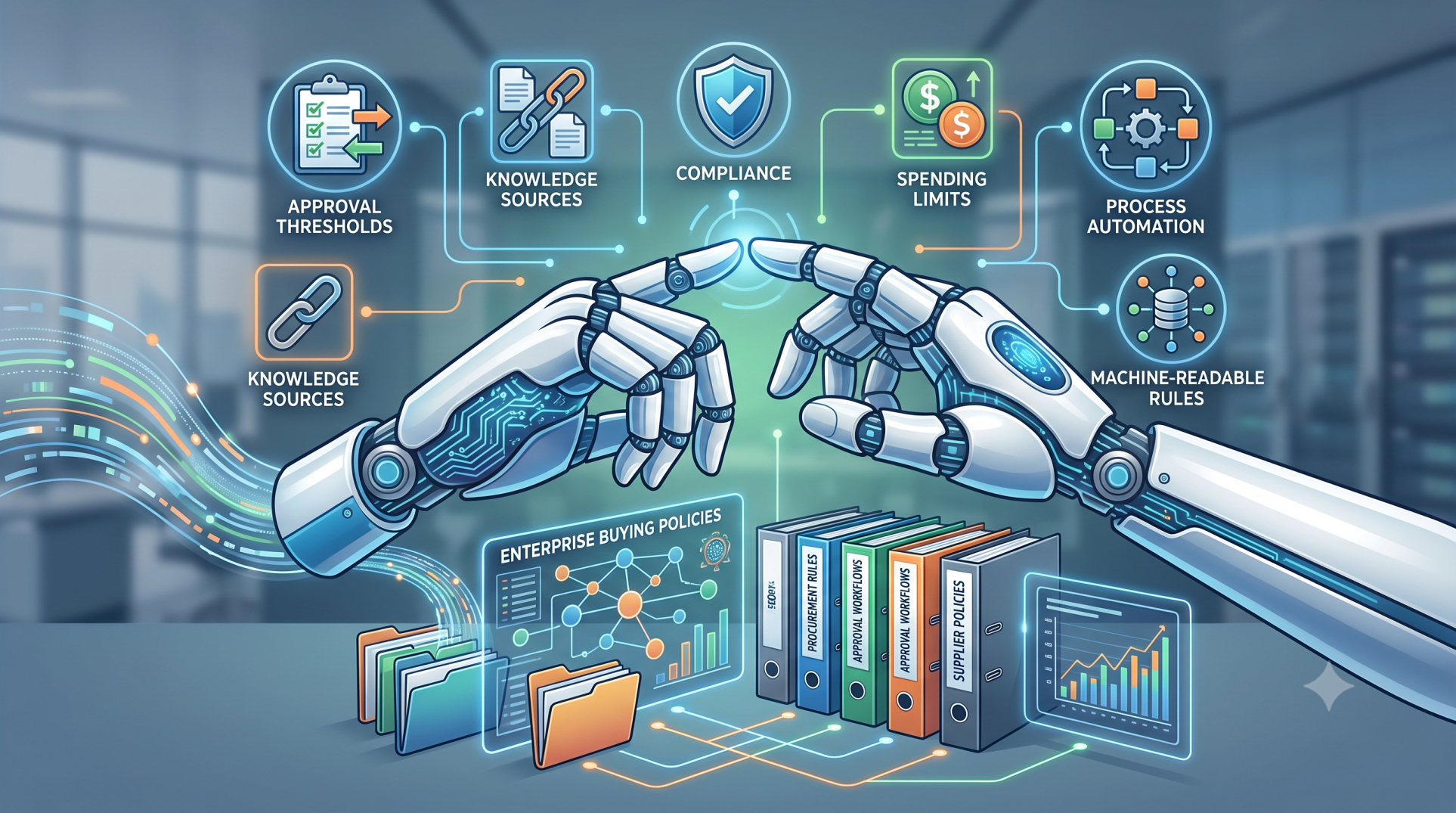
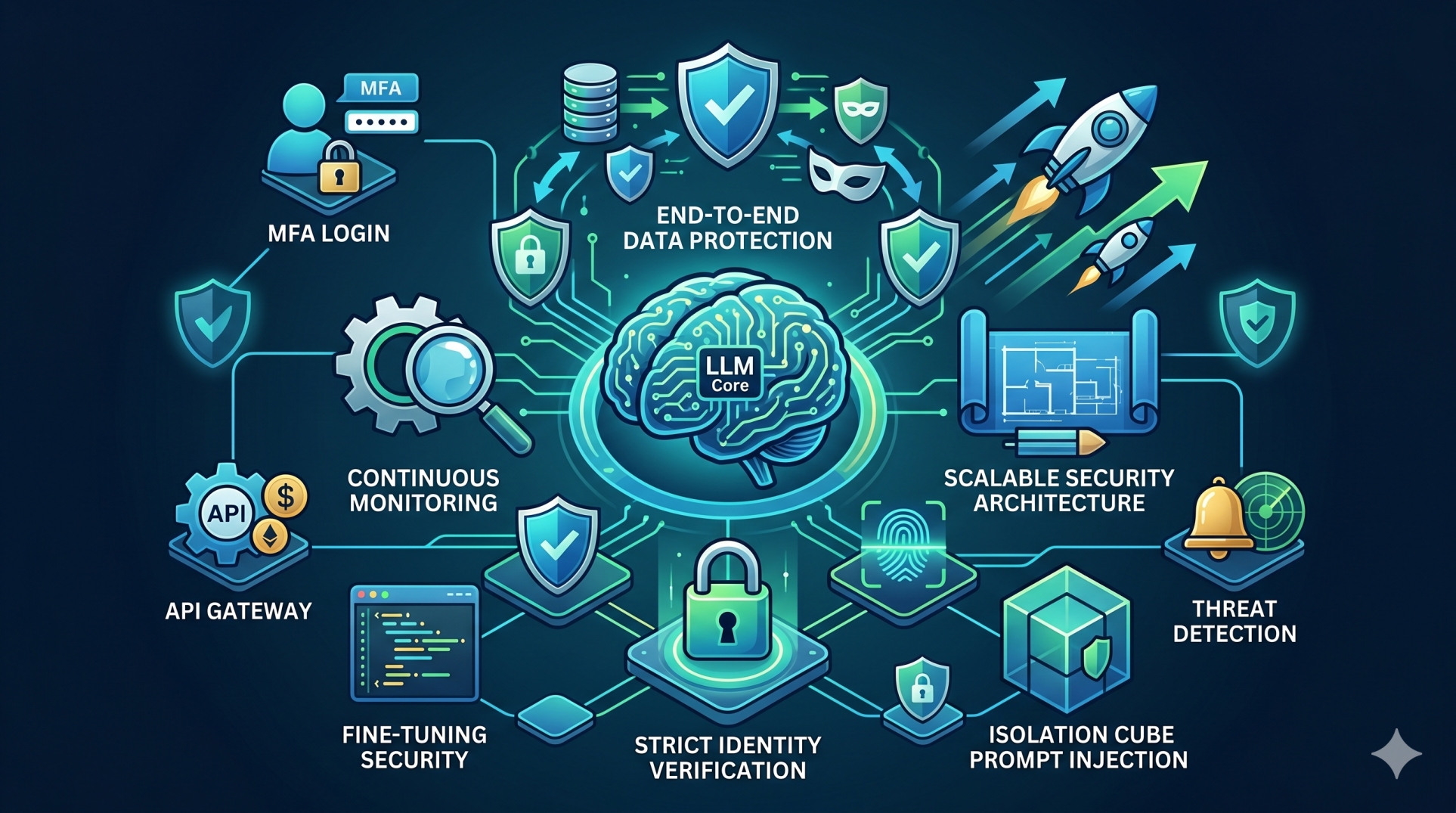
• Enforce ethical standards and compliance safeguards by design 📜
• Improve transparency in decision-making processes 🔍
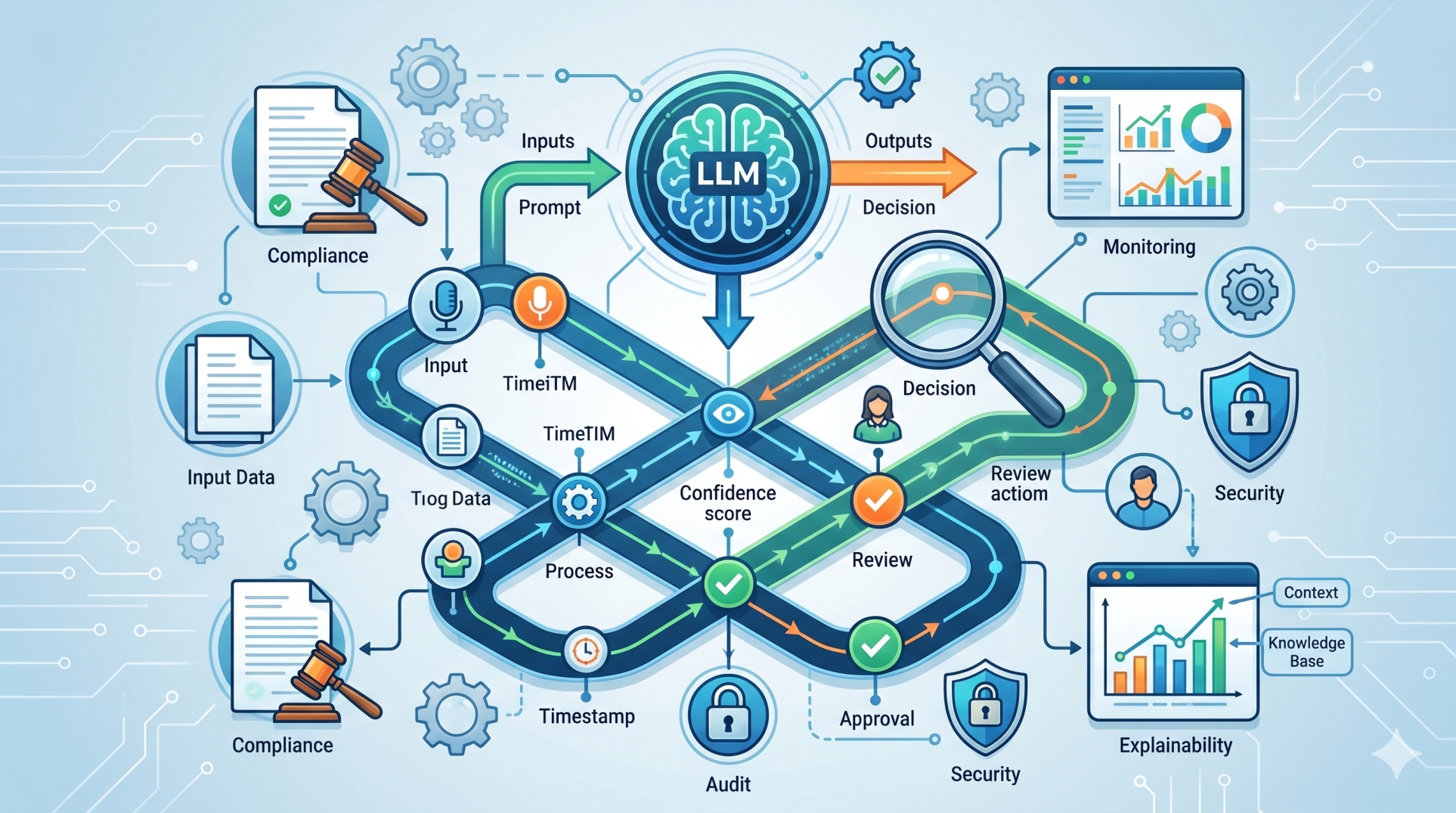
• Enable traceability and audit readiness for outputs 📂
• Align AI systems with organizational policies and risk frameworks 🏛️
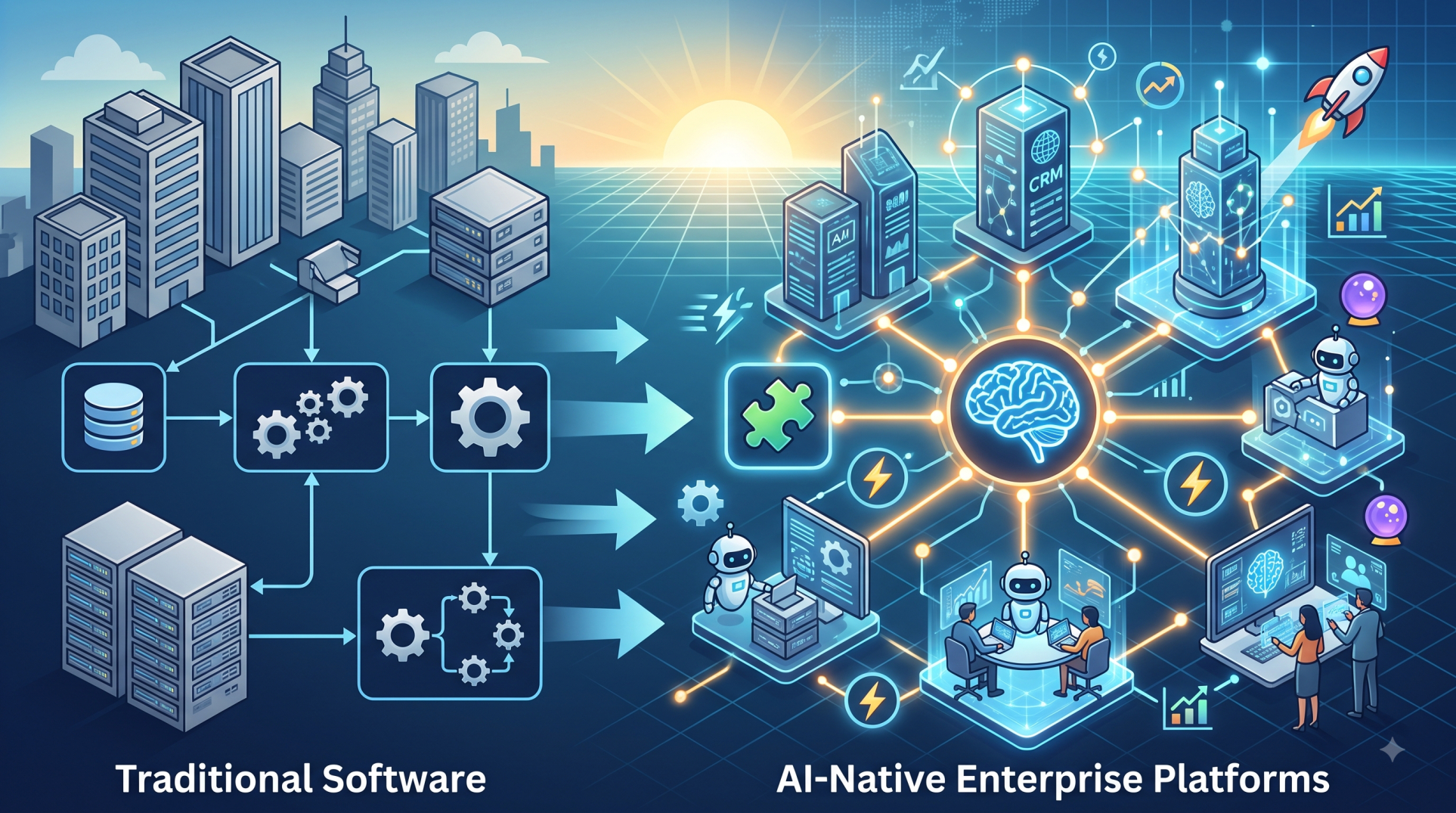
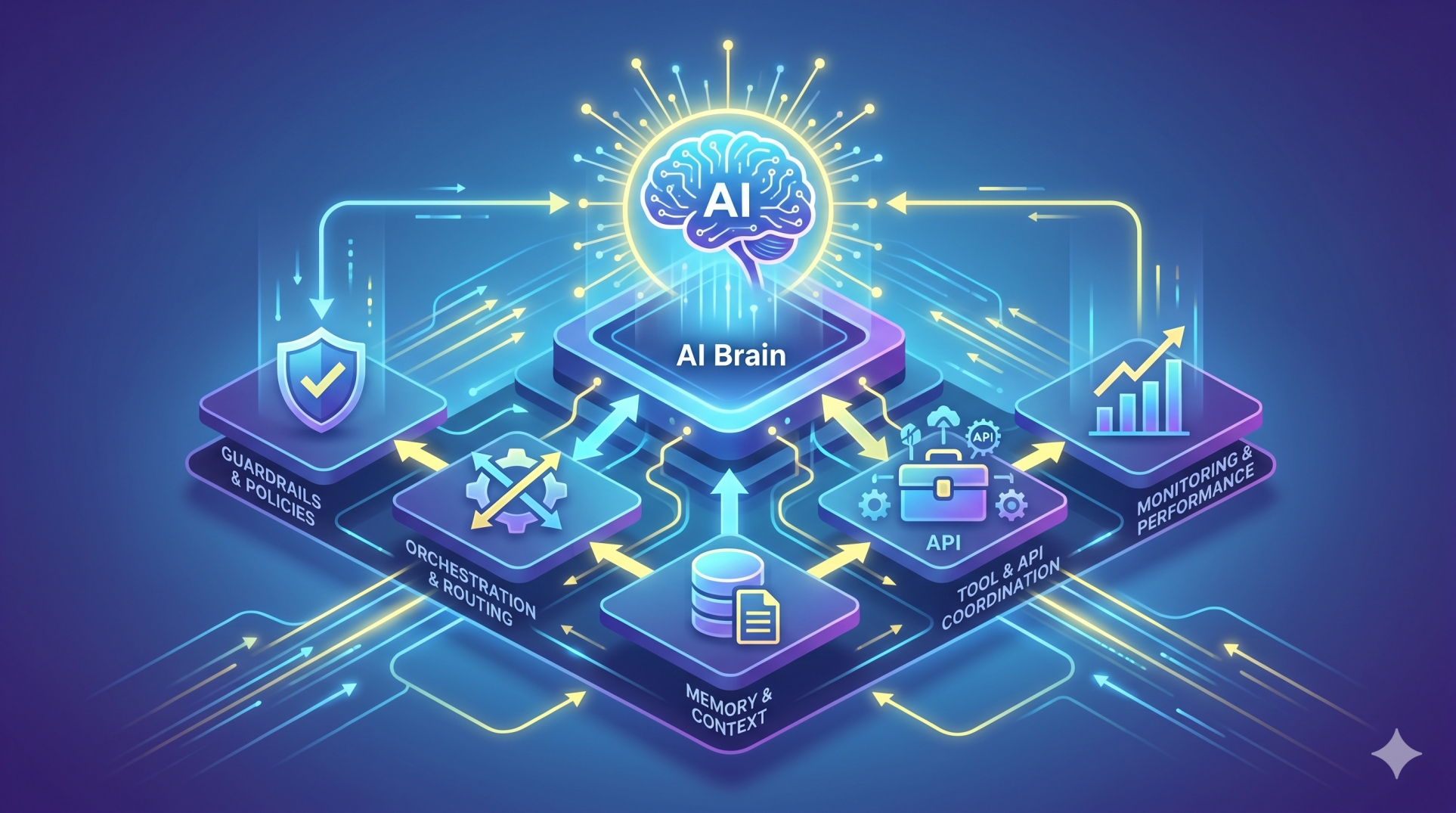
Step 8: The Shift Toward AI Operating Systems 🖥️
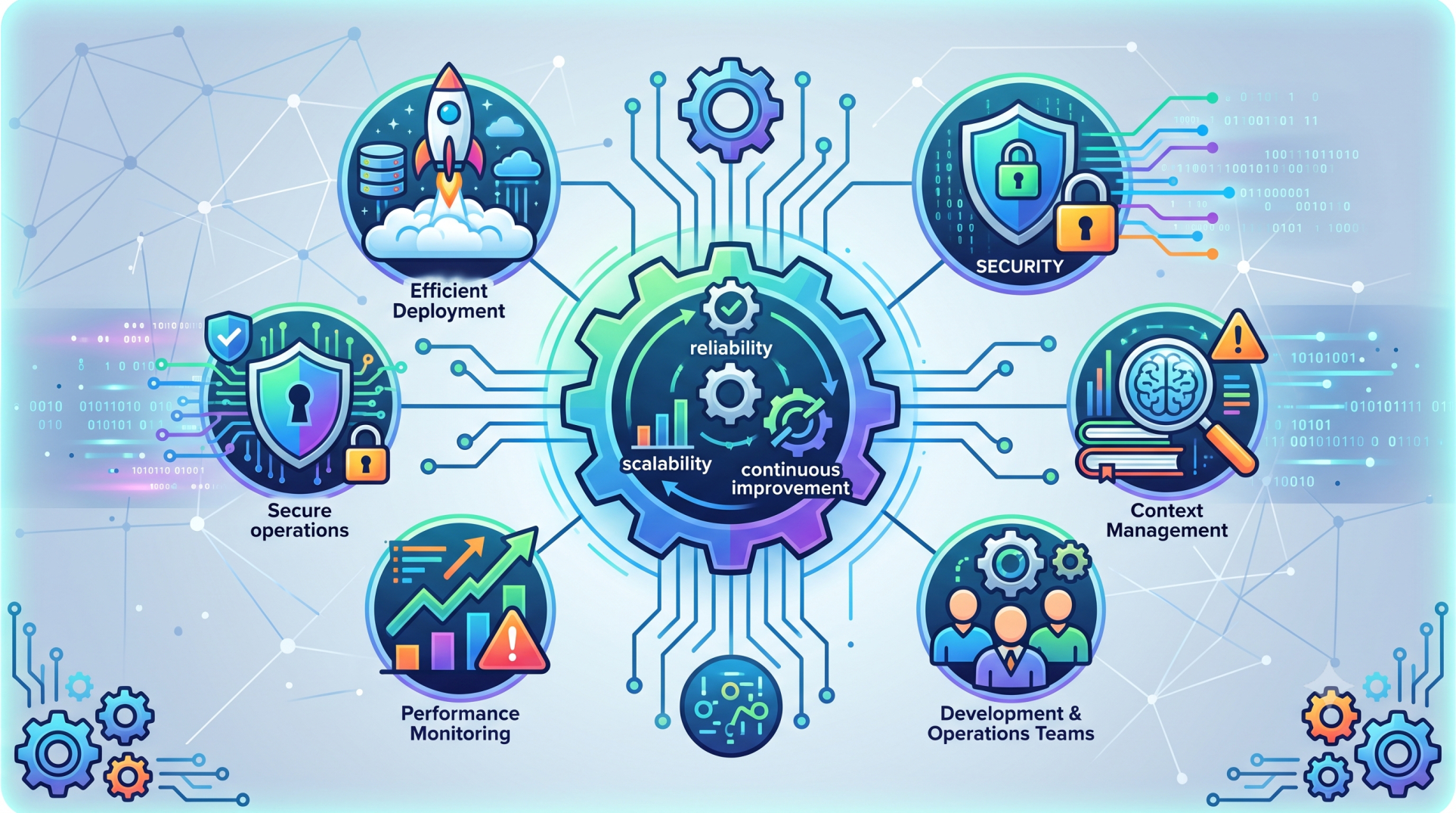
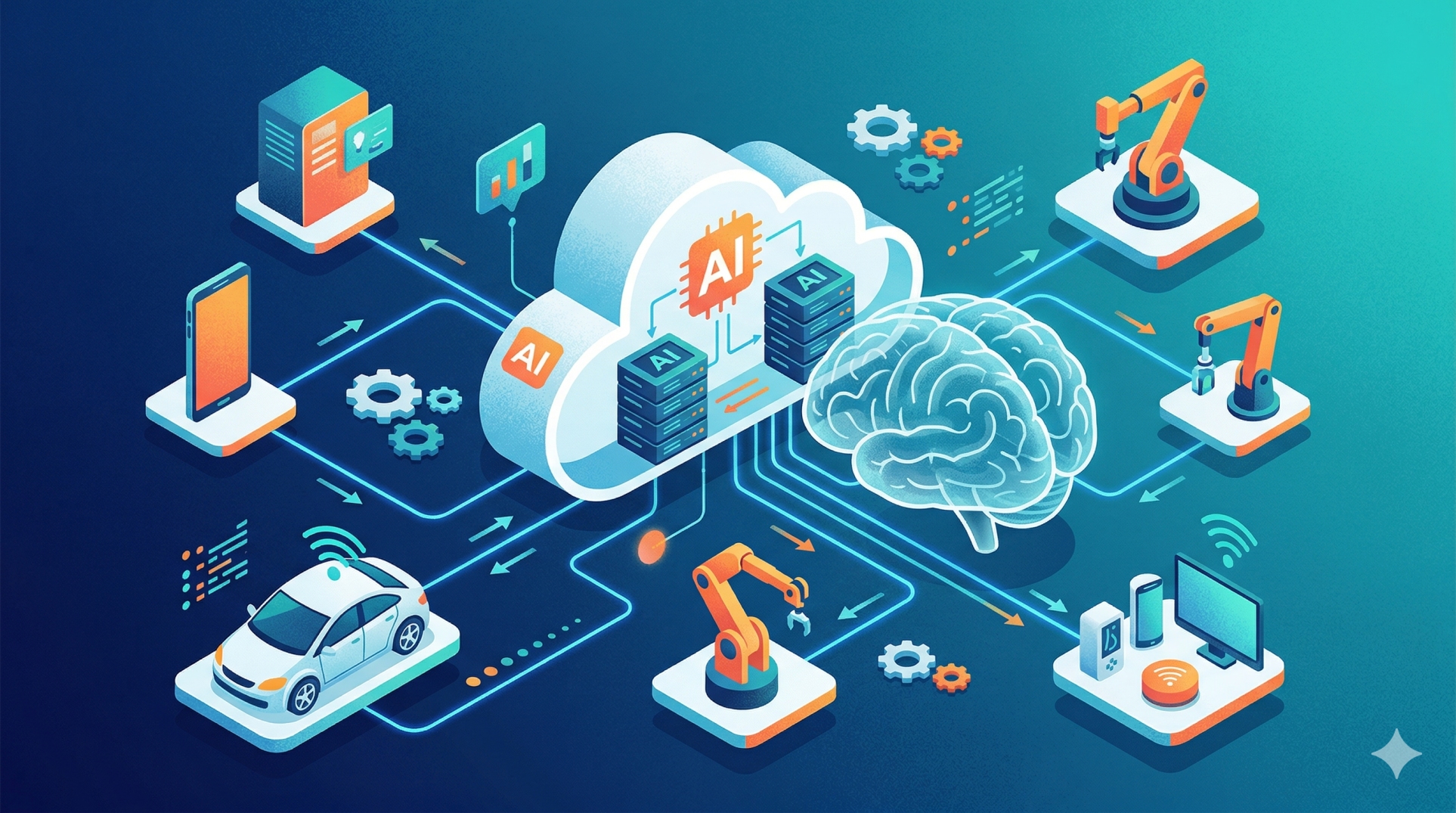
• Position AI as an orchestration layer across digital infrastructure 🌐
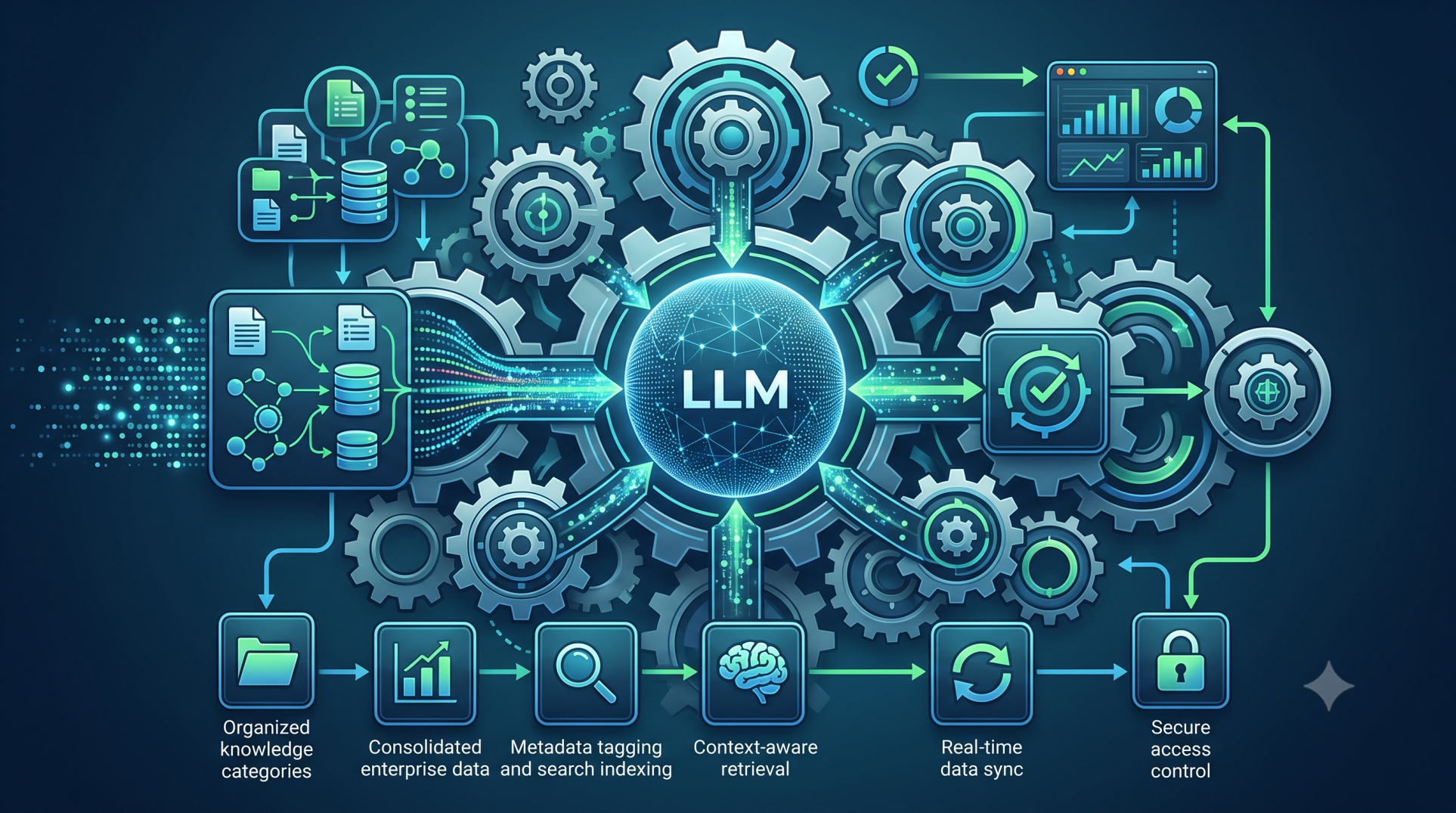
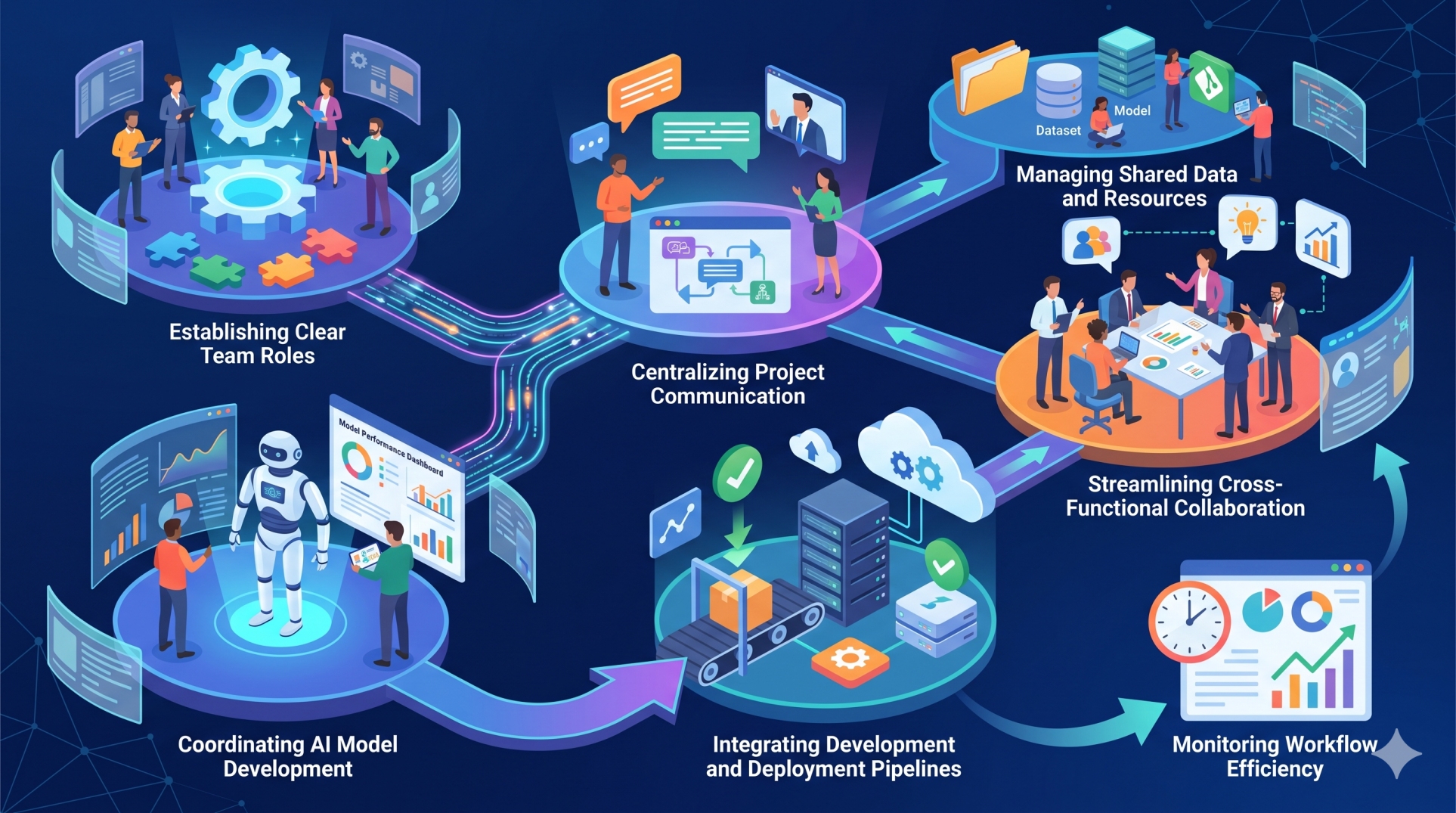
• Coordinate tools, datasets, and workflows autonomously 🔄
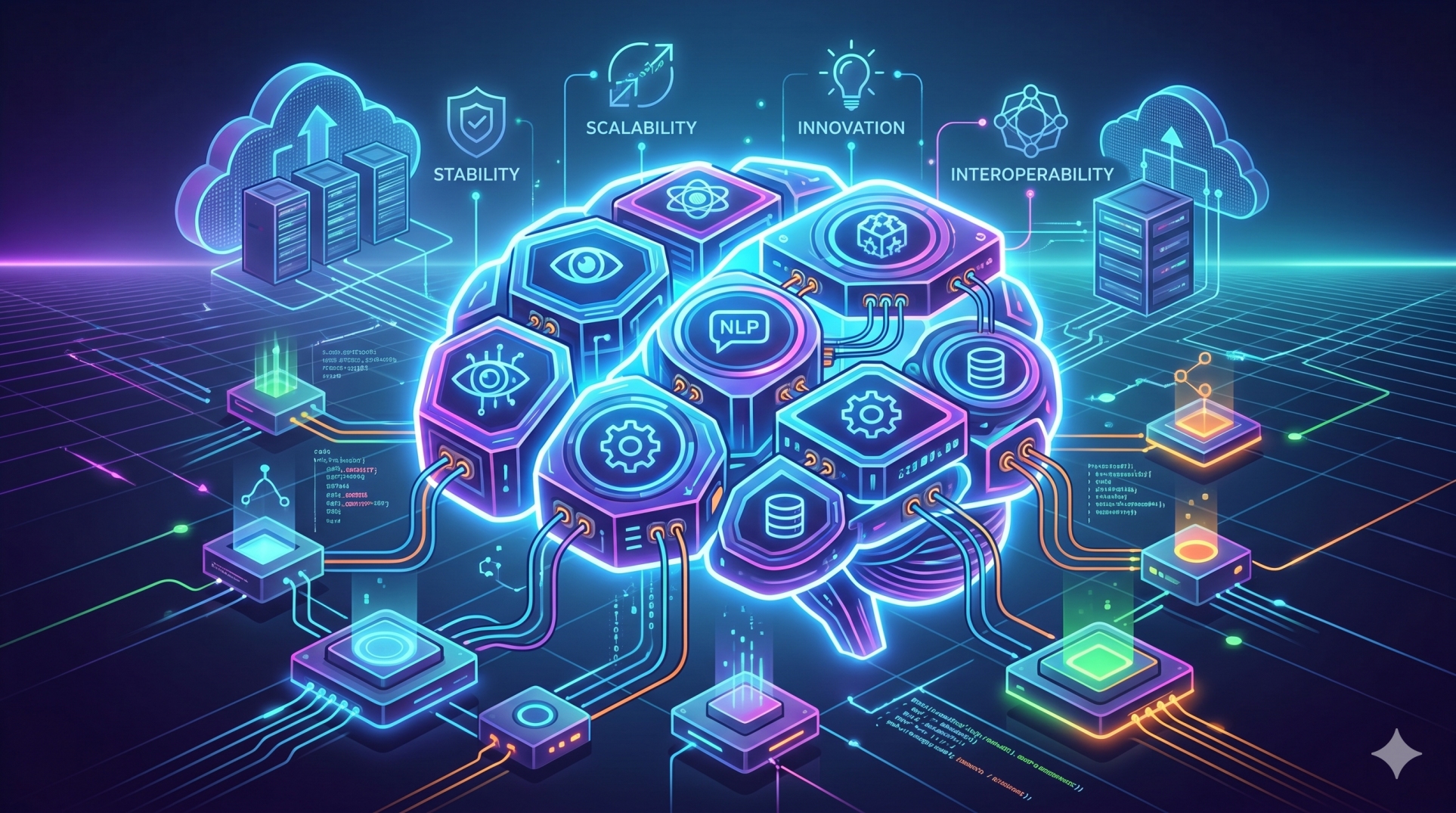
• Function as a strategic execution platform rather than a standalone reasoning engine 🧩
Conclusion
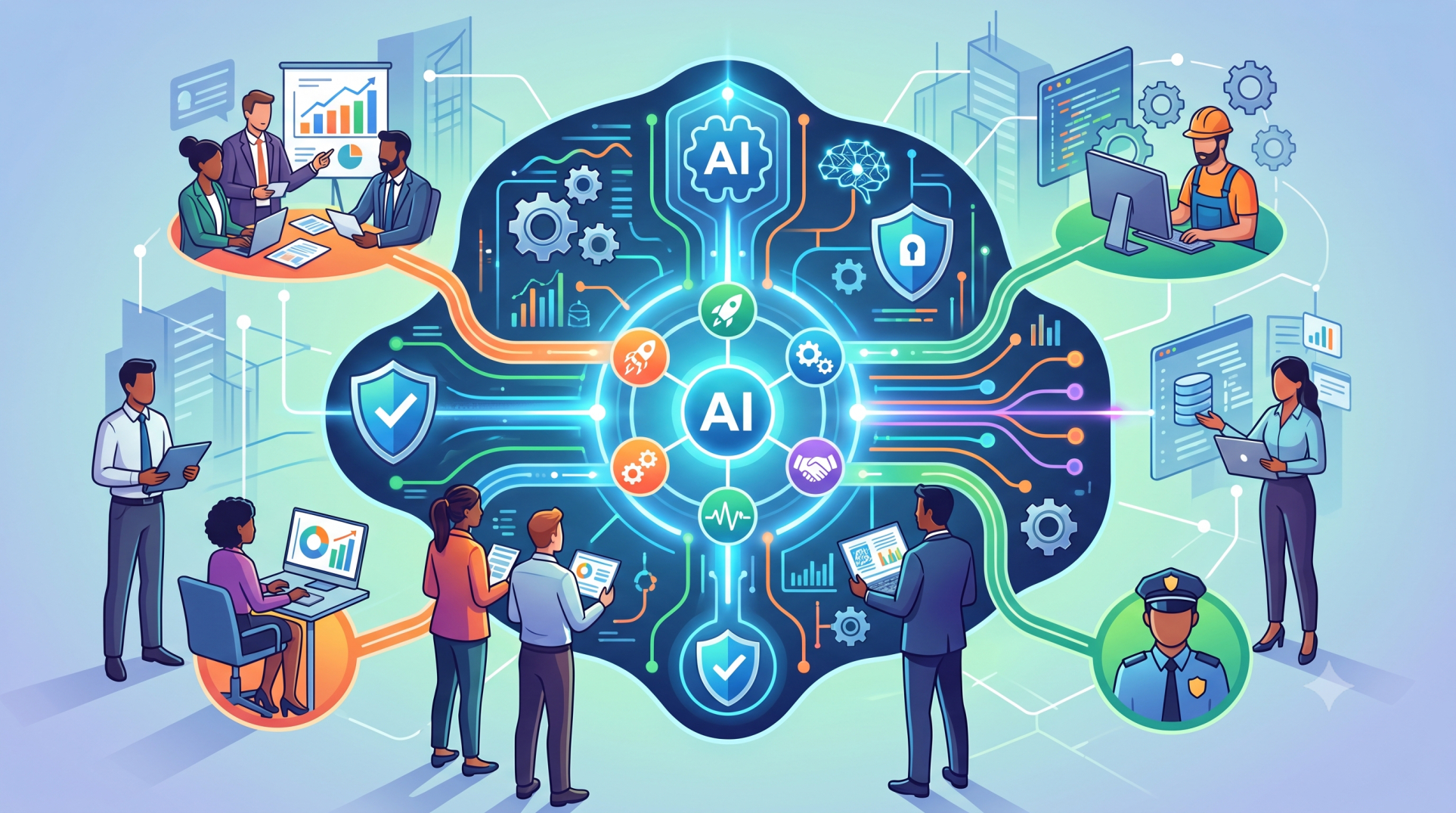
The future beyond Large Language Model software will not be defined by a single innovation but by the convergence of multiple capabilities. Autonomous agents, multimodal intelligence, domain specialization, and real-time adaptability will reshape how AI functions within organizations. As these systems evolve from conversational interfaces into operational engines, AI will increasingly act as an integrated digital workforce—augmenting human judgment while executing sophisticated tasks at scale.
See more blogs
You can all the articles below